ABC Family Arquivos Brasileiros de Cardiologia International Journal of Cardiovascular Sciences ABC Heart Failure & Cardiomyopathy ABC Imagem Cardiovascular
Português English
ABC Family
Português English
  • About
    • About ABC Family
    • Internal Regulation
    • Editorial Board
    • Brazilian Society of Cardiology (SBC)
  • Issues
  • SBC Guidelines
  • Content
    • Videos
    • Podcasts
    • News
  • About
    • About ABC Family
    • Internal Regulation
    • Editorial Board
    • Brazilian Society of Cardiology (SBC)
  • Issues
  • SBC Guidelines
  • Content
    • Videos
    • Podcasts
    • News

ABC Family

  • ABC Family
  • Arquivos Brasileiros de Cardiologia
  • International Journal of Cardiovascular Sciences
  • ABC Heart Failure & Cardiomyopathy
  • ABC Imagem Cardiovascular
Search in

No content found.

Journals
Ordering
Article types
Others

  1. Home
  2. Keyword: Coronary Artery Disease/physiopathology
ABCIC
Case Report

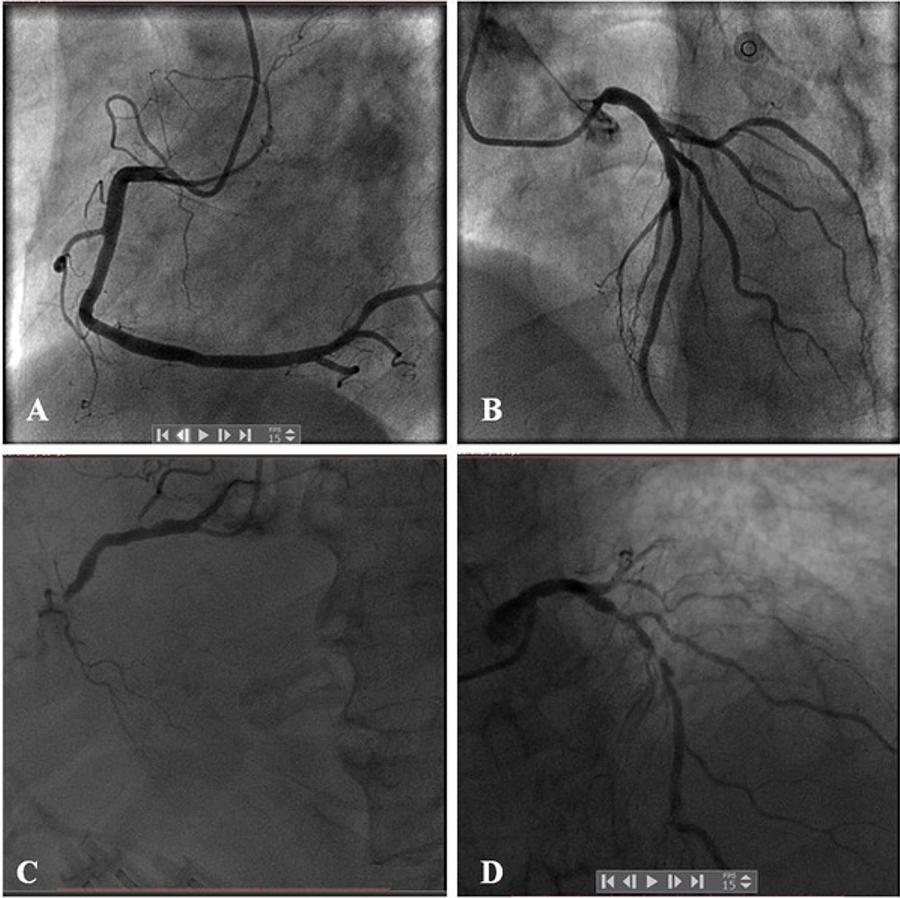
Single Coronary Artery in Transplanted Heart: An Unusual Association

Thaís Rossana Cruz de Souza et al. Arthur Luiz Norte Gomes Pereira Araruna Cláudia do Nascimento Silva Fernandes Roberto Moreno Mendonça … Epitácio de Oliveira Belém Neto Robson Macedo

[…]

  • Angina Pectoris
  • Chagas Cardiomyopathy
  • Coronary Artery Disease/physiopathology
  • Echocardiography
  • Heart Transplantation/complications
Read Full Article
Creative Commons Attribution (CC BY) Creative Commons license
20/01/2022 DOI: 10.5935/2318-8219.20180013 Views 2
ABCIC
Viewpoint

Coronary Tomography Angiography and a New View on How to Investigate Coronary Artery Disease — New English Guideline

Marcio Sommer Bittencourt

[…]

  • Chest Pain/diagnostic imaging
  • Coronary Angiography
  • Coronary Artery Disease/physiopathology
  • Coronary, Angiotomography
  • Echocardiography, Stress
Read Full Article
Creative Commons Attribution (CC BY) Creative Commons license
20/01/2022 DOI: 10.5935/2318-8219.20180019 Views 1
ABC
Editorial

Physiology-guided CABG: Is it Time for Cardiac Surgeons to Incorporate FFR Into Their Practice?

Tannas Jatene et al. Fabrício Ribeiro Las Casas Rogerio Lobo de Andrade Las Casas Vinicius Daher Vaz Alberto de Almeida Las Casas

According to most recent international guidelines on myocardial revascularization, fractional flow reserve (FFR)-guided percutaneous coronary intervention should be considered in patients with multivessel disease. That would include evaluation of all lesions between 40 to 90% diameter stenosis before implanting a stent., The same guidelines suggest prioritizing completeness of revascularization when the decision is made for coronary artery bypass graft surgery (CABG), which means bypassing all lesions >50% diameter stenosis.

In this issue of Arquivos Brasileiros de Cardiologia, Martins et al., approached this paradox with a meta-analysis of five studies and 1,114 patients, comparing physiology-guided CABG and conventional angiography-guided CABG. Although the pooled meta-analysis showed no difference in myocardial infarction and target vessel revascularization rates, a 37% relative risk reduction in all-cause death was associated with physiology-guided CABG.

[…]

  • Coronary Angiography/physiology
  • Coronary Artery Disease/physiopathology
  • Coronary Arteryry Bypass
  • Factional Flow Reserve Myocardial
Read Full Article
Creative Commons Attribution (CC BY) Creative Commons license
03/12/2021 DOI: 10.36660/abc.20210921 Views 1
Figure 1
ABC
Original Article

Chemotherapy-Related Anatomical Coronary-Artery Disease in Lung Cancer Patients Evaluated by Coronary-Angiography SYNTAX Score

Qian Yang et al. Yundai Chen Hai Gao Jianzhong Zhang … Juan Zhang Mingjie Zhang Jing Jing Pingjun Zhu Hao Zhou Shunying Hu

Abstract

Background

Chemotherapy-related coronary artery disease (CAD) is becoming an emerging issue in clinic. However, the underlying mechanism of chemotherapy-related CAD remains unclear.

Objective

The study investigated the association between chemotherapy and atherosclerotic anatomical abnormalities of coronary arteries among lung cancer patients.

Methods

Patients undergoing coronary angiography (CAG) between 2010 and 2017, who previously had lung cancer, were examined. Risk factors associated with CAD and information about lung cancer were evaluated. We assessed coronary-artery abnormalities by SYNTAX score (SXscore) based on CAG. In logistic-regression analysis, we defined high SXscore (SXhigh) grade as positive if ≥22. Data were analyzed through descriptive statistics and regression analysis.

Results

A total of 94 patients were included in the study. The SXscore was higher in the chemotherapy group than in the non-chemotherapy group (25.25, IQR [4.50–30.00] vs. 16.50, IQR [ 5.00–22.00], p = 0.0195). The SXhigh rate was greater in the chemotherapy group than in the non-chemotherapy group (58.33% vs. 25.86; p = 0.0016). Both univariate (OR:4.013; 95% CI:1.655–9.731) and multivariate (OR:5.868; 95% CI:1.778–19.367) logistic-regression analysis revealed that chemotherapy increased the risk of greater SXhigh rates. Multivariate stepwise logistic-regression analysis showed the risk of more severe anatomical CAD is increased by chemotherapy as a whole by 5.323 times (95% CI: 2.002–14.152), and by platinum-based regimens by 5.850 times (95% CI: 2.027–16.879).

Conclusions

Chemotherapy is associated with anatomical complexity and severity of CAD, which might partly account for the higher risk of chemotherapy-related CAD among lung cancer patients. (Arq Bras Cardiol. 2020; [online].ahead print, PP.0-0)

  • Angioplasty/methods
  • Coronary Artery Disease/physiopathology
  • Lung Neoplasms/complications
  • Lung Neoplasms/drug therapy
  • Propensity Score
  • Risk Factors
  • Score Syntax
Read Full Article
Creative Commons Attribution (CC BY) Creative Commons license
30/03/2020 DOI: 10.36660/abc.20190201 Views 1
IJCS
Editorial

Obesity: A Risk Marker or an Independent Risk Factor for Coronary Artery Disease?

Tufi Dippe Jr et al. Rodrigo Julio Cerci

We congratulate Pereira et al. for their study investigating the role of obesity as a risk factor for coronary artery disease (CAD) using coronary computed tomography angiography. The study included 1,383 patients, none with a history of CAD.

Obesity is a multifactorial chronic disease, characterized by accumulation of subcutaneous and visceral fat, that predisposes individuals to metabolic disorders. Several mechanisms are involved in the association between obesity and atherosclerosis, including lipid abnormalities, insulin resistance, chronic inflammation, endothelial dysfunction, reduction of fibrinolysis and hypercoagulability. In addition, the production of proinflammatory cytokines, such as IL-6, TNF-alpha, MCP-1 and leptin contributes to chronic subclinical inflammation. More recent data have indicated that impaired autophagy and altered gut microbiome homeostasis are contributing factors for the development of atherosclerosis in obese individuals.

[…]

  • Angiography, Coronary
  • Atherosclerosis
  • Coronary Artery Disease/physiopathology
  • Metabolic Syndrome
  • Obesity
  • Risk Factors
Read Full Article
Creative Commons Attribution (CC BY) Creative Commons license
17/02/2020 DOI: 10.36660/ijcs.20190210 Views 1
Figure 1
ABC
Original Article

Discordance of Low-Density Lipoprotein Cholestrol and Non-High-Density Lipoprotein Cholestrol and Coronary Artery Disease Severity

Ozge Kurmus et al. Aycan Fahri Erkan Berkay Ekici Turgay Aslan Murat Eren

Abstract

Background:

A sizeable proportion of patients have discordant low-density lipoprotein cholesterol (LDL-C) and non-high-density lipoprotein cholesterol (non-HDL-C).

Objectives:

We assessed the relationship between discordance of LDL-C and non-HDL-C and coronary artery disease (CAD) severity.

Methods:

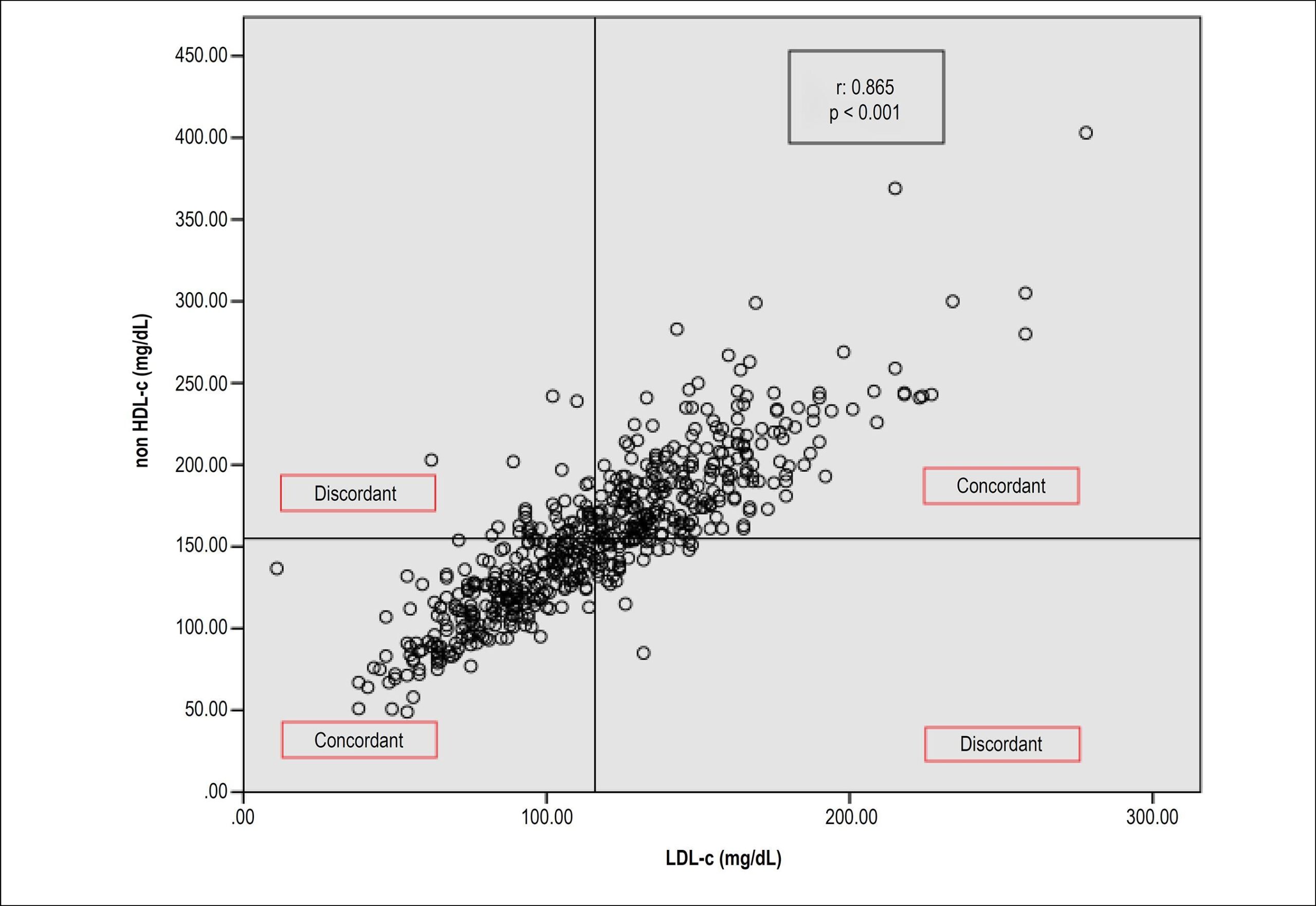
We retrospectively evaluated the data of 574 consecutive patients who underwent coronary angiography. Fasting serum lipid profiles were recorded, SYNTAX and Gensini scores were calculated to establish CAD complexity and severity. We determined the medians for LDL-C and non-HDL-C to examine the discordance between LDL-C and non-HDL-C. Discordance was defined as LDL-C greater than or equal to the median and non-HDL-C less than median; or LDL-C less than median and non-HDL-C greater than or equal to median. A p value < 0.05 was accepted as statistically significant.

Results:

LDL-C levels were strongly and positively correlated with non-HDL-C levels (r = 0.865, p 22 were not different from group to group (p = 0.635, p = 0.733, p = 0.799, p = 0.891, respectively). Also, there was no statistically significant correlation between LDL-C and Gensini or SYNTAX scores in any of the discordant or concordant groups. Additionally, no correlation was found between non-HDL-C and Gensini or SYNTAX score.

Conclusions:

While there was discordance between LDL-C and non-HDL-C (15% of patients), there is no difference regarding CAD severity and complexity between discordant and concordant groups.

  • Atherosclerosis
  • Coronary Artery Disease/physiopathology
  • Discordance
  • Lipoproteins, HDL
  • Lipoproteins, LDL
Read Full Article
Creative Commons Attribution (CC BY) Creative Commons license
07/02/2020 DOI: 10.36660/abc.20190091 Views 1
Figure 1
IJCS
Original Article

QT Interval Dispersion Behavior in Patients With and Without Obstructive Coronary Artery Disease Undergoing Exercise Test

Alexandre Maulaz Barcelos et al. Marcelo Perim Baldo Sérgio Lamego Rodrigues José Geraldo Mill

Abstract

Background:

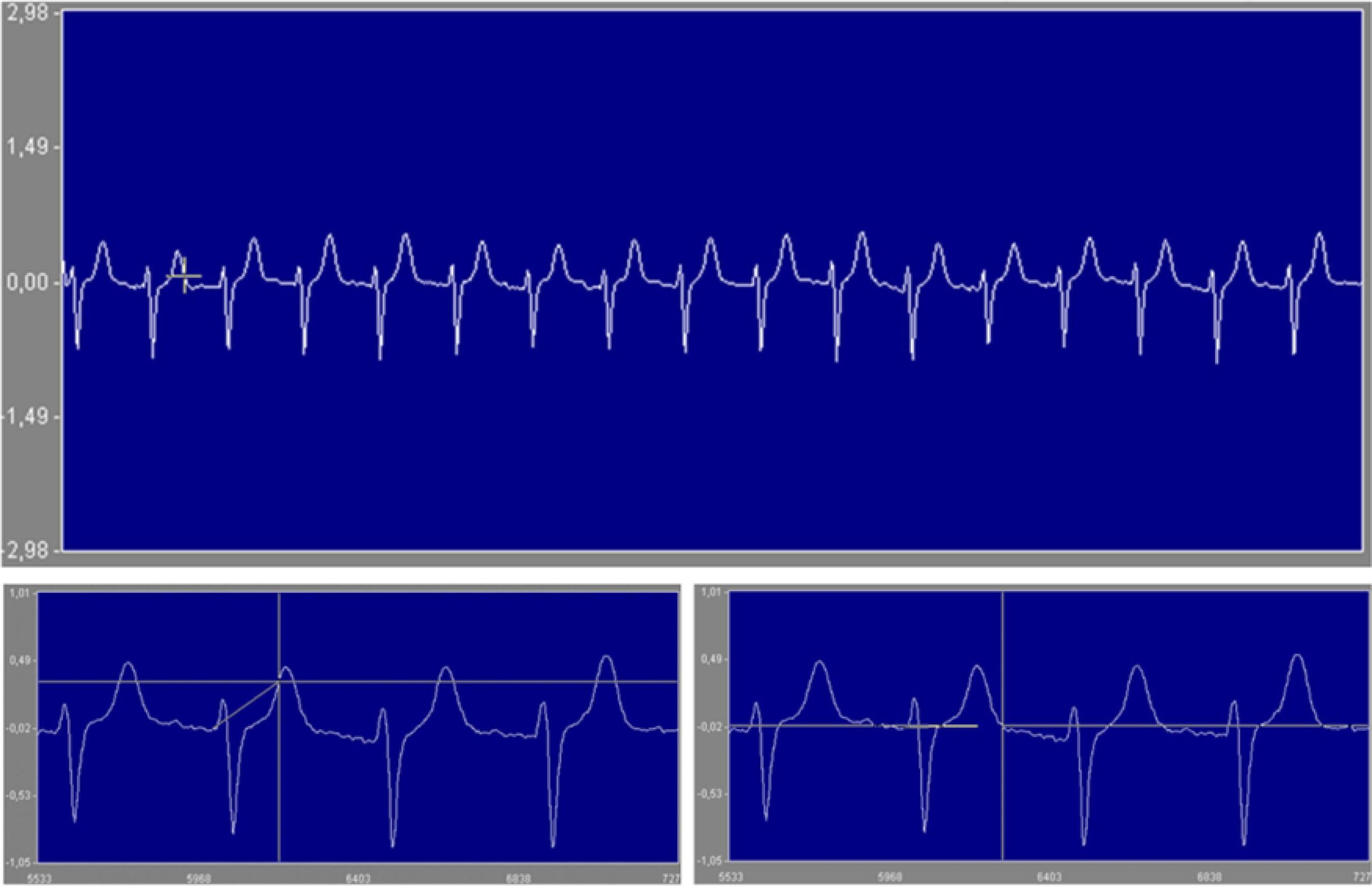
Stress test is used to detect coronary artery disease (CAD). The QTc interval dispersion (dQTc) is an electrocardiographic index of ventricular repolarization heterogeneity. Some researchers have linked transient myocardial ischemia induced by physical exertion with increased heterogeneity of ventricular repolarization measured by dQTc.

Objectives:

To study the patterns of dQT in patients with and without chronic obstructive CAD and to define a reliable cutoff point for dQT that could become a diagnostic criterion for myocardial ischemia.

Methods:

We retrospectively analyzed the electrocardiogram in resting and in exercise of 63 patients submitted to exercise test and cardiac catheterization. We divided the patients into three groups: true negative (VN), true positive (VP) and false positive (FP). VN: patients with coronary lesion lower than 70% and exercise test without myocardial ischemia; VP: individuals with stenosis greater than 70% in coronary arteries and a test suggestive of myocardial ischemia; FP: people with stenosis lower than 70% in the coronary arteries and stress test with ischemia criteria. Values of p < 0.05 were considered statistically significant.

Results:

Resting dQTc was not different among the three groups. However, for the dispersion of the QTc interval in exercise was, respectively, 47 ± 17 ms, 72 ± 42 ms, and 61 ± 31 ms for VN, VP and FP (p = 0.003).

Conclusions:

Obstructive chronic coronary disease patients have an increase in dQTc during exercise. Measurement of dQTc may be helpful in the diagnosis of myocardial ischemia in the stress test.

  • Coronary Artery Disease/physiopathology
  • Electrocardiography/method
  • electrophysiology
  • Exercise Test/method
  • Myocardial Ischemia
  • QT Dispersion Interval
Read Full Article
Creative Commons Attribution (CC BY) Creative Commons license
03/02/2020 DOI: 10.36660/ijcs.201810681 Views 2
ABC
Editorial

Myocardial Computed Tomography Perfusion: One More Piece on The Board

Gabriel Blacher Grossman

The most appropriate way to evaluate patients with stable coronary artery disease (CAD) and the subsequent definition of the therapeutic approach has been the subject of debate in recent years. For several years the anatomical evaluation was considered sufficient to indicate myocardial revascularization. The emergence of several methods of non-invasive functional evaluation in clinical practice as well as data from observational studies demonstrating that there is a level of ischemia above which a revascularization strategy might result in benefit regarding cardiovascular events raised doubts whether an strategy based in coronary anatomic findings was the best option., This questioning changed the paradigm of CAD evaluation. Although randomized clinical trials have failed to demonstrate that the extent of ischemia can determine which patients would benefit from a revascularization strategy,– the fact that the presence of moderate to severe ischemia is undeniably a marker of cardiovascular risk has lead functional evaluation to become a fundamental part in the management of patients with stable CAD.

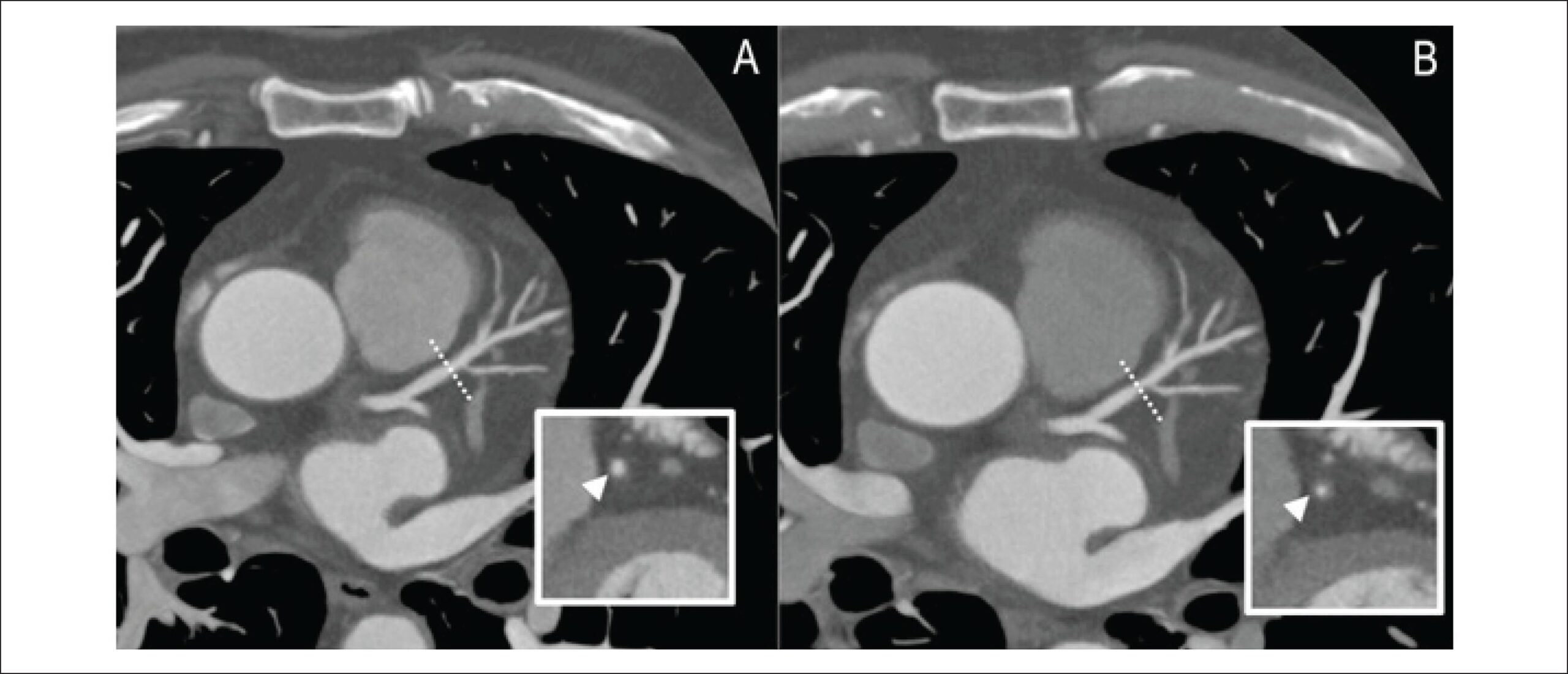
In this context, Ker et al. in this edition of the Arquivos Brasileiros de Cardiologia evaluated 35 patients undergoing a simultaneous pharmacologic stress protocol of myocardial perfusion evaluation by computed tomography angiography (angio-CT) and single-photon emission computed tomography (SPECT) and compared the sensitivity of the methods using the presence of obstructive lesion evidenced by angio-CT greater than 50% as the gold standard for the presence of significant CAD.

[…]

  • Cardiac Catheterization
  • Cineangiography/methods
  • Coronary Artery Disease/physiopathology
  • Exercise
  • Myocardial Ischemia
  • Myocardial Perfusion Imaging
  • Tomography, Emission Computed/methods
Read Full Article
Creative Commons Attribution (CC BY) Creative Commons license
02/12/2019 DOI: 10.36660/abc.20190671 Views 1
Figure 1
ABC
Original Article

Myocardial Perfusion by Coronary Computed Tomography in the Evaluation of Myocardial Ischemia: Simultaneous Stress Protocol with SPECT

Wilter dos Santos Ker et al. Daniel Gama das Neves Tiago Augusto Magalhães Alair Augusto Sarmet M. D. dos Santos … Claudio Tinoco Mesquita Marcelo Souto Nacif

Abstract

Background:

Functional assessment to rule out myocardial ischemia using coronary computed tomography angiography (CCTA) is extremely important and data on the Brazilian population are still limited.

Objective:

To assess the diagnostic performance of myocardial perfusion by CCTA in the detection of severe obstructive coronary artery disease (CAD) compared with single-photon emission computerized tomography (SPECT). To analyze the importance of anatomical knowledge to understand the presence of myocardial perfusion defects on SPECT imaging that is not identified on computed tomography (CT) scan.

Method:

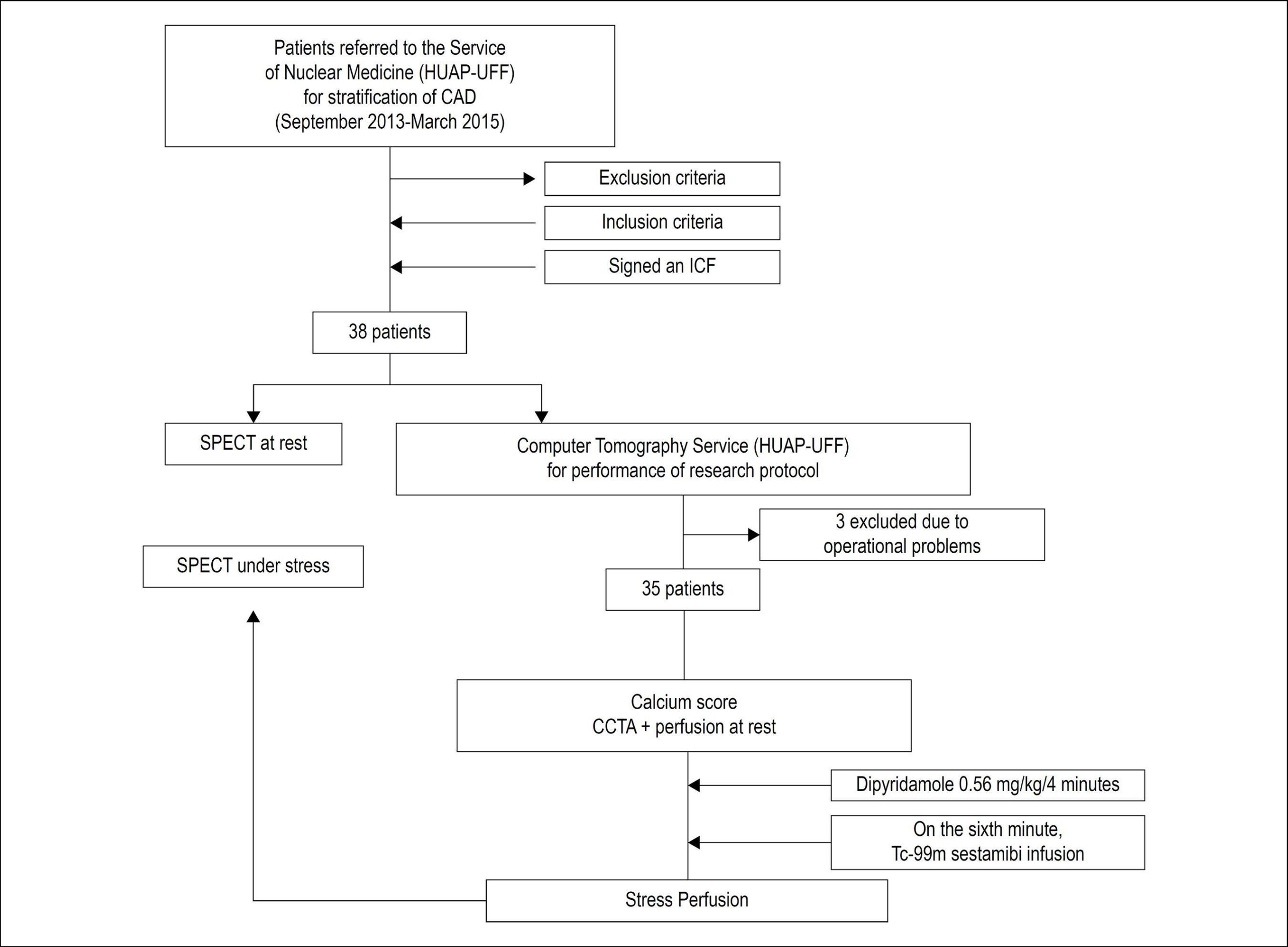
A total of 35 patients were evaluated by a simultaneous pharmacologic stress protocol. Fisher’s exact test was used to compare proportions. The patients were grouped according to the presence or absence of significant CAD. The area under the ROC curve was used to identify the diagnostic performance of CCTA and SPECT in perfusion assessment. P < 0.05 values were considered statistically significant.

Results:

For detection of obstructive CAD, CT myocardial perfusion analysis yielded an area under the ROC curve of 0.84 [a 95% confidence interval (CI95%): 0.67-0.94, p < 0.001]. SPECT myocardial perfusion imaging, on the other hand, showed an AUC of 0.58 (95% CI 0.40 – 0.74, p < 0.001). In this study, false-positive results with SPECT are described.

Conclusion:

Myocardial perfusion analysis by CTA displays satisfactory results compared to SPECT in the detection of obstructive CAD. CCTA can rule out false-positive results of SPECT.

  • Cineangiography/methods
  • Coronary Artery Disease/physiopathology
  • Myocardial Ischemia
  • Myocardial Perfusion Imaging
  • Tomography, Emission-Computed, Single-Photon/methods
Read Full Article
Creative Commons Attribution (CC BY) Creative Commons license
03/10/2019 DOI: 10.5935/abc.20190201 Views 1
Figura 1
ABC
Viewpoint

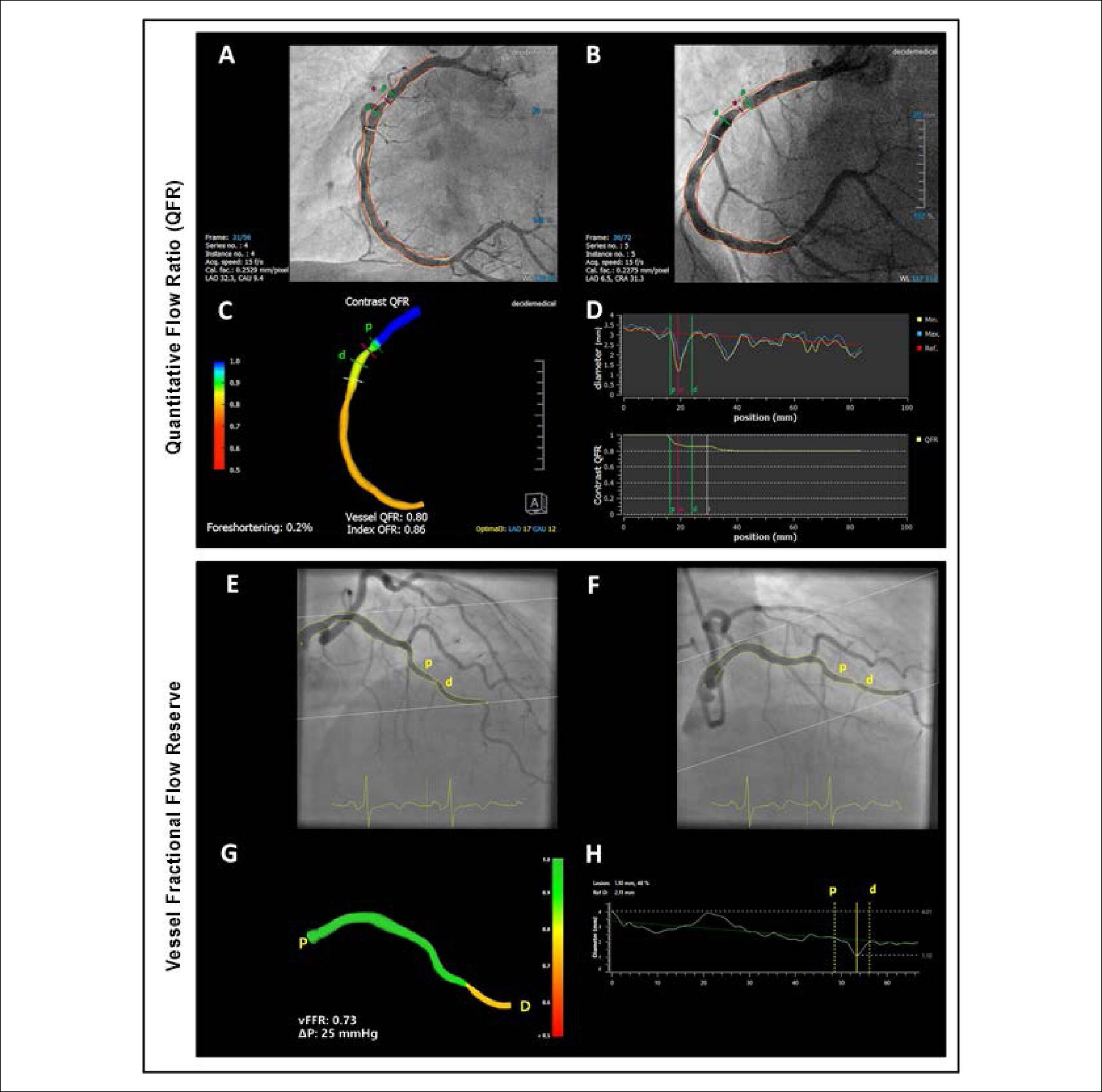
Update on Coronary Angiography-Based Physiology Technologies

Alexandre Hideo-Kajita et al. Hector M. Garcia-Garcia Evan Shlofmitz Carlos M. Campos

Computational fluid dynamics

The basis for CFD is derived from Navier-Stokes equations, a mathematical generalization of Euler’s flow of incompressible and frictionless fluids equation. In its current state, CFD now can compensate for 3 dimensionality and interactions in the non-perfect cylindrical shape of the coronary arteries. However, due to intrinsic cardiovascular physiology particularities, CFD cannot compensate for pulsatile blood flow effects; physiologic differences of coronary blood flow velocity in the proximal vs. distal segments of the vessel; and predictable loss of energy over a diseased vessel.– Moreover, CFD still cannot address the high complexity interactions in vessel geometry that may lead to a chaotic vortex or turbulence formation and more importantly, the trans-lesional pressure drop.,

There are significant differences in the complex rheological properties of blood and normal blood flow along the coronary artery tree branches by itself that are not taken into account in these models. This includes the Newtonian versus Non-Newtonian fluid properties of blood that depend on the vessel diameter, the presence of a bifurcation, and slow blood flow shear stress effects (e.g. the non-Newtonian fluid property in that context). CFD simulation generalizes the differences of Newtonian and Non-Newtonian fluids properties by the assumption that large vessels can be approximated to a Newtonian fluid property with constant viscosity., Therefore, these data provide a consistent explanation of why these methods were not standardized to evaluate severe stenosis or antegrade blood flow in small vessels.

[…]

  • Angina, Stable
  • Coronary Angiography
  • Coronary Artery Disease/physiopathology
  • Fractional Flow Reserve, Myocardial
  • Percutaneous Coronary Intervention
  • Software/trends
Read Full Article
Creative Commons Attribution (CC BY) Creative Commons license
29/07/2019 DOI: 10.5935/abc.20190140
ABC
Editorial

Single Photon Computed Tomography-Myocardial Perfusion Scintigraphy. Diagnostic Tool Anticipating the Disease

Whady Hueb

Without making any value judgment, a large percentage of physicians who request tests to make diagnoses is observed in the contemporary clinical practice. On the other hand, a considerable percentage of physicians who make the diagnosis and possibly ask for tests to confirm the diagnosis is also observed. Both behaviors are considered valid when common good is achieved: The patients’ benefit. However, the request for tests without an appropriate criterion is not only harmful to the patient, but also to the system.

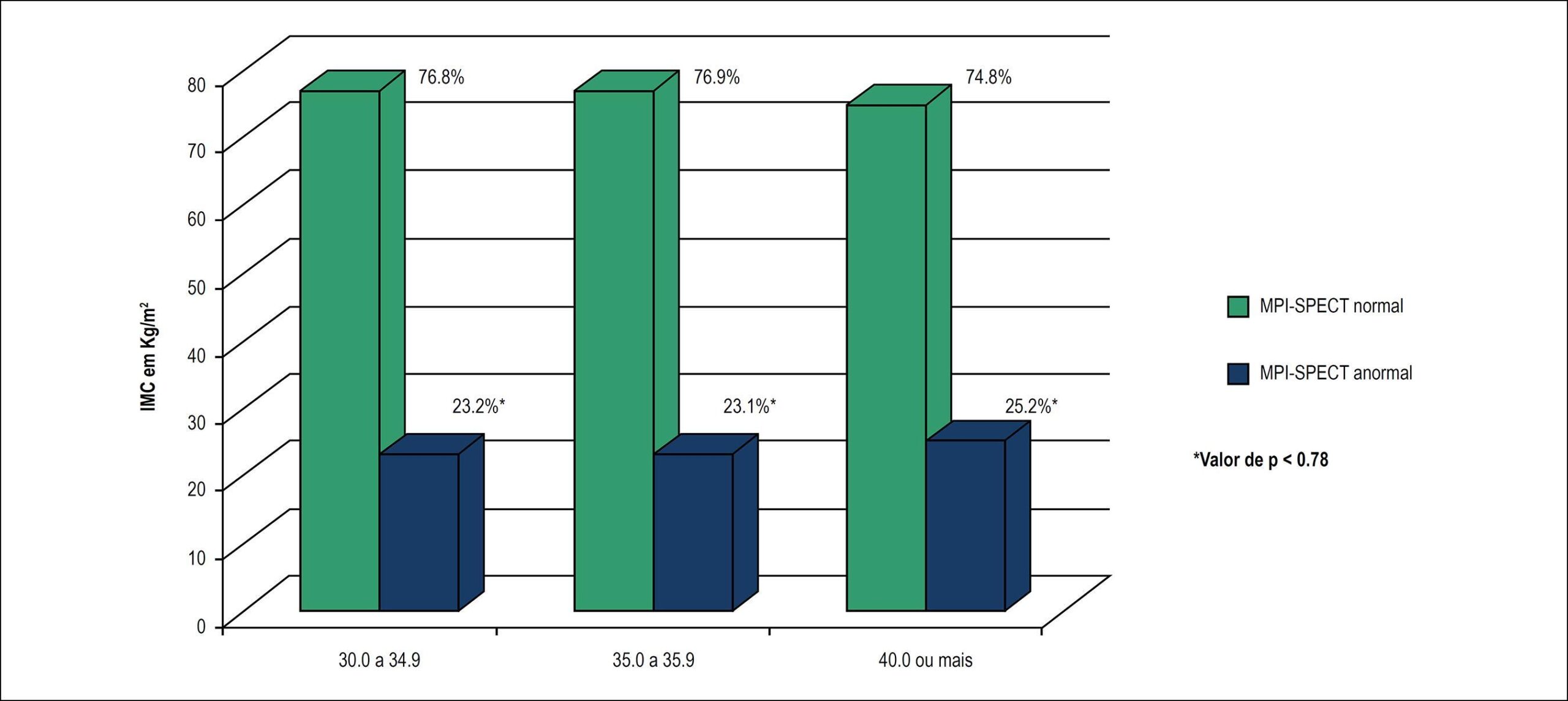
In present-day medicine, there is a large collection of tests considered normal throughout the medical knowledge area, including cardiology. In a publication by Dippe Jr et al. in this issue, the authors, in a retrospective analysis of a database, found this trend. Of 5,526 scans of myocardial perfusion scans performed on obese patients (grade 1), 77% were considered normal. Assuming that the exams were requested for investigation of myocardial ischemia, the authors related the presence of perfusion deficit with myocardial ischemia in only 23%. Based on these data, they found, after applying a “creative statistic”, a 245% risk-ratio for typical angina. It is known, in principle, that perfusion deficit is an expression of intrinsic myocardial abnormality.

[…]

  • Coronary Artery Disease/physiopathology
  • Diabetes Mellitus
  • Myocardial Reperfusion/radionuclide imaging
  • Obesity
Read Full Article
Creative Commons Attribution (CC BY) Creative Commons license
01/02/2019 DOI: 10.5935/abc.20180265 Views 2
ABC
Viewpoint

Coronary Computed Tomography Angiography Takes the Center Stage and Here is Why

Illan Gottlieb et al. Marcio Sommer Bittencourt Carlos Eduardo Rochitte João L. Cavalcante

Max Planck once said that “A new scientific truth does not triumph by convincing its opponents and making them see the light, but rather because its opponents eventually die, and a new generation grows up that is familiar with it.” In its beginnings, coronary computed tomography angiography (CCTA) was accused of having too low accuracy for the diagnosis of obstructive coronary artery disease (CAD) to be used in clinical practice. Over the last decade, major technical developments such as larger axial coverage (from 2 cm to 16 cm) and improved temporal resolution, have enabled CCTA to become by far the most accurate non-invasive imaging method for diagnosis of obstructive CAD, with sensitivity and specificity of approximately 95% and 90%, respectively.

Then CCTA was burdened with the accusation of exposing patients to radiation doses so high, that warranted some society guidelines to specifically point this out and limit its use. At that time, CCTA exposed patients to doses ranging from 20 to 25 mSV, while triphasic abdomen CT exposed patients to 30 to 40 mSv and scintigraphic myocardial perfusion studies with Thallium used up to 40 mSv. In 2018, radiation exposure from CCTA dropped to well below 5 mSv (most advanced clinical centers use much less), a fraction of the dose used in myocardial perfusion studies with MIBI tetrophosmin. Then the cost-effectiveness wave came with societies rightfully demanding proof that CCTA offered more value at an acceptable cost compared to other imaging modalities, and CCTA once again proved to be more cost-effective than other modalities. Although one hardly finds cost-effectiveness studies comparing nuclear scans with ECG treadmill tests, providing better diagnosis performance is not enough anymore. More recently, this strategy has even been put into challenge in large randomized clinical trials comparing CCTA with the standard of care in the investigation of suspected CAD both in the acute and in the outpatient settings.–

[…]

  • Computed Tomography Angiography
  • Coronary Artery Disease/diagnostic imaging
  • Coronary Artery Disease/physiopathology
  • Coronary Artery Disease/prevention and control
  • Tomography, X-Ray Computed
Read Full Article
Creative Commons Attribution (CC BY) Creative Commons license
01/01/2019 DOI: 10.5935/abc.20190003 Views 1
Figure 1
ABC
Original Article

Study of Myocardial Perfusion in Obese Individuals without Known Ischemic Heart Disease

Tufi Dippe Jr. et al. Cláudio Leinig Pereira da Cunha Rodrigo Julio Cerci Arnaldo Lafitte Stier Jr. João Vicente Vítola

Abstract

Background:

Obesity is associated with an increased risk of type 2 diabetes mellitus (DM), ischemic heart disease (IHD) and cardiovascular mortality. Several studies have demonstrated the diagnostic and prognostic value of single photon computed tomography-myocardial perfusion scintigraphy (SPECT-MPI) in the evaluation of patients with suspected IHD, including in obese population. Data on clinical risk factors and their association with abnormal myocardial perfusion in obese patients are scarce in the Brazilian population.

Objective:

To determine the factors associated with abnormal myocardial perfusion in obese individuals without known IHD.

Methods:

We studied obese patients without known IHD who were referred for evaluation through SPECT-MPI between January 2011 and December 2016. Clinical variables and results of SPECT-MPI were obtained systematically. The distribution of continuous variables was assessed using the Shapiro-Wilk and Shapiro-Francia tests. We used the unpaired Student t test to compare the means of continuous variables with normal distribution and the Chi Square test for binomial variables analysis. A p value < 0.05 was considered statistically significant. The association of the clinical variables for the presence of factors associated with abnormal myocardial perfusion was determined by univariate and multivariate logistic regression analysis, and respective odds ratios (OR) and 95% confidence intervals (CI).

Results:

The study sample consisted of 5,526 obese patients. Mean body mass index (BMI) of our patients was 33.9 ± 3.7 kg/m2, 31% had DM, and myocardial perfusion abnormalities was observed in 23% of the total sample. The factors associated with abnormal myocardial perfusion on multivariate analysis were: age (OR: 1.02, 95% CI 1.01-1.03, p < 0.001), DM (OR: 1.57, 95% CI 1.31-1.88, p < 0.001), typical angina before the test (OR: 2.45, 95% CI: 1.82-3.31, p < 0.001), need for pharmacologic stress test (OR: 1.61, 95% CI: 1.26-2.07, p < 0.001), less physical effort evaluated in metabolic equivalents (METs) during the exercise treadmill test (OR: 0.89, 95% CI: 0.85-0.94, p < 0.001) and a lower post-stress left ventricular ejection fraction after stress (LVEF; OR: 0.989, 95% CI: 0.984-0.994, p < 0.001).

Conclusion:

The factors associated with abnormal myocardial perfusion in obese patients without known IHD were age, DM, presence of typical angina, ventricular dysfunction, and inability to undergo physical stress as clinical variables, in addition to functional capacity during physical stress.

  • Coronary Artery Disease/physiopathology
  • Diabetes Mellitus
  • Myocardial Reperfusion/radionuclide imaging
  • Obesity
Read Full Article
Creative Commons Attribution (CC BY) Creative Commons license
17/12/2018 DOI: 10.5935/abc.20180250 Views 2
Figure 1
IJCS
Original Article

Superior Cardiovascular Effect of the Periodized Model for Prescribed Exercises as Compared to the Conventional one in Coronary Diseases

Rafael Michel de Macedo et al. Ana Carolina Brandt de Macedo Jose R. Faria-Neto Costantino R. Costantini … Costantino O. Costantini Marcia Olandoski Flavio Sebastião Neto Rafael P. da Silveira Katherine A. Teixeira de Carvalho Luiz Cesar Guarita-Souza

Abstract

Background:

Physical exercise improves the survival and quality of life of coronary patients, but the ideal way of prescribing these exercises is still controversial.

Objective:

To create a new periodized model for the prescription of exercises for coronary patients and compare it with a conventional model.

Methods:

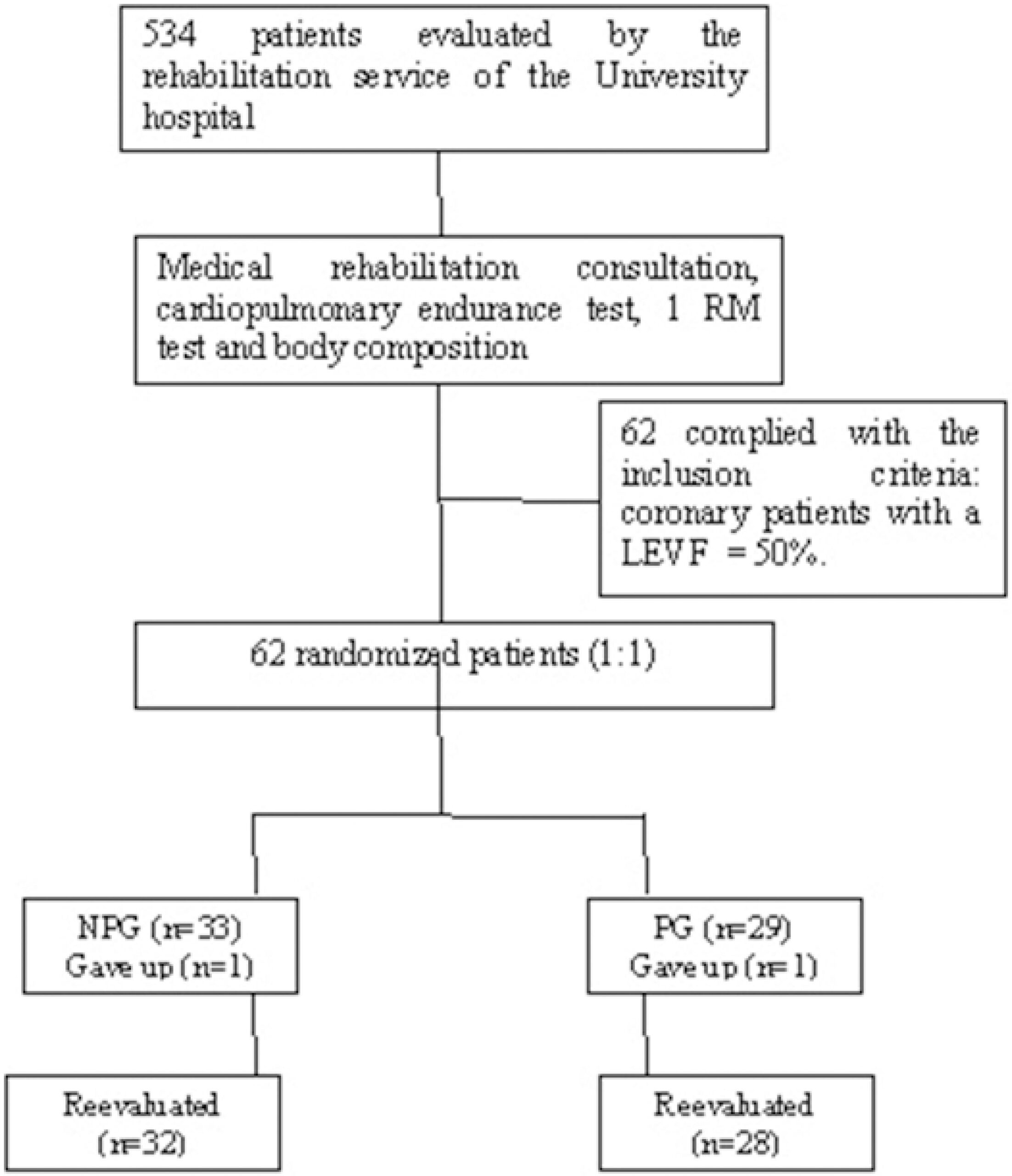
62 coronary patients under pharmacological treatment were randomized into two groups: conventional (NPG, n = 33) and periodized (PG, n = 29) training. The two groups were submitted to the same exercises during the 36 sessions making up the program, but prescribed in different ways. All patients underwent an evaluation consisting of: medical admission consultancy, cardiopulmonary endurance testing, 1 maximum repetition test (1MR) and body composition evaluation.

Results:

The VO2 peak improved in both groups, although more effectively in the PG (4% against 1.7%, p < 0.001). In addition, the functional capacity of this group improved by 13%, and there was a significant reduction in the percent body fat (2.1%, p < 0.005) and body weight (1.9 kg, p < 0.005). The muscle strength of both groups improved as diagnosed by the 1RM test for six different muscle groups (quadriceps, hamstrings, brachial biceps, brachial triceps, pectoral and large dorsal), and showed no significant difference between the groups, evidencing that the two models had the same efficiency.

Conclusions:

The present study showed that periodization of the training of cardiac patients can improve their cardiorespiratory capacity and reduce the percent body fat more effectively than the conventional one.

  • Coronary Artery Disease/physiopathology
  • Exercise
  • Exercise Movement Techniques
  • Exercise Therapy
  • Percutaneous Coronary Intervention
Read Full Article
Creative Commons Attribution (CC BY) Creative Commons license
01/01/2018 DOI: 10.5935/2359-4802.20180036 Views 2
Figure 1
ABC
Original Article

Factors Associated With Coronary Artery Disease Progression Assessed By Serial Coronary Computed Tomography Angiography

Gabriel Cordeiro Camargo et al. Tamara Rothstein Maria Eduarda Derenne Leticia Sabioni … João A. C. Lima Ronaldo de Souza Leão Lima Ilan Gottlieb

Abstract

Background:

Coronary computed tomography angiography (CCTA) allows for noninvasive coronary artery disease (CAD) phenotyping. Factors related to CAD progression are epidemiologically valuable.

Objective:

To identify factors associated with CAD progression in patients undergoing sequential CCTA testing.

Methods:

We retrospectively analyzed 384 consecutive patients who had at least two CCTA studies between December 2005 and March 2013. Due to limitations in the quantification of CAD progression, we excluded patients who had undergone surgical revascularization previously or percutaneous coronary intervention (PCI) between studies. CAD progression was defined as any increase in the adapted segment stenosis score (calculated using the number of diseased segments and stenosis severity) in all coronary segments without stent (in-stent restenosis was excluded from the analysis). Stepwise logistic regression was used to assess variables associated with CAD progression.

Results:

From a final population of 234 patients, a total of 117 (50%) had CAD progression. In a model accounting for major CAD risk factors and other baseline characteristics, only age (odds ratio [OR] 1.04, 95% confidence interval [95%CI] 1.01-1.07), interstudy interval (OR 1.03, 95%CI 1.01-1.04), and past PCI (OR 3.66, 95%CI 1.77-7.55) showed an independent relationship with CAD progression.

Conclusions:

A history of PCI with stent placement was independently associated with a 3.7-fold increase in the odds of CAD progression, excluding in-stent restenosis. Age and interstudy interval were also independent predictors of progression.

  • Coronary Amgiography
  • Coronary Artery Disease/physiopathology
  • Percutaneous Coronary Intervention
  • Tomography, X-Ray Computed
Read Full Article
Creative Commons Attribution (CC BY) Creative Commons license
04/05/2017 DOI: 10.5935/abc.20170049 Views 2

How to cite this article

EndNote RIS

Electronic Document Format (Vancouver)

Souza TRC, Araruna ALNGP, Fernandes CNS, Mendonça RM, Belém Neto EO, Macedo R. Single Coronary Artery in Transplanted Heart: An Unusual Association. Arquivos Brasileiros de Cardiologia Imagem cardiovascular 2022;31(2):95-8.

Electronic Document Format (ABNT)

Souza, Thaís Rossana Cruz de; Araruna, Arthur Luiz Norte Gomes Pereira; Fernandes, Cláudia do Nascimento Silva; Mendonça, Roberto Moreno; Belém Neto, Epitácio de Oliveira; Macedo, Robson. Single Coronary Artery in Transplanted Heart: An Unusual Association. Arquivos Brasileiros de Cardiologia Imagem cardiovascular, v. 31, n. 2, p. 95-98, Jan. 2022.

Electronic Document Format (APA)

Souza, T. R. C. , Araruna, A. L. N. G. P., Fernandes, C. N. S., Mendonça, R. M., Belém Neto, E. O., & Macedo, R. (2022). Single Coronary Artery in Transplanted Heart: An Unusual Association. Arquivos Brasileiros de Cardiologia Imagem cardiovascular, 31(2), 95-98.

Electronic Document Format (ISO)

Souza, Thaís Rossana Cruz de and Araruna, Arthur Luiz Norte Gomes Pereira and Fernandes, Cláudia do Nascimento Silva and Mendonça, Roberto Moreno and Belém Neto, Epitácio de Oliveira and Macedo, Robson. Single Coronary Artery in Transplanted Heart: An Unusual Association. Arquivos Brasileiros de Cardiologia Imagem cardiovascular [online]. 2022, vol. 31, n. 2, [cited 2026-10-14], pp. 95-98. Available from: <https://journals.cardiol.br/en/article/single-coronary-artery-in-transplanted-heart-an-unusual-association/>. ISSN 2318-8219

EndNote RIS

Electronic Document Format (Vancouver)

Bittencourt MS. Coronary Tomography Angiography and a New View on How to Investigate Coronary Artery Disease — New English Guideline. Arquivos Brasileiros de Cardiologia Imagem cardiovascular 2022;31(2):115-7.

Electronic Document Format (ABNT)

Bittencourt, Marcio Sommer. Coronary Tomography Angiography and a New View on How to Investigate Coronary Artery Disease — New English Guideline. Arquivos Brasileiros de Cardiologia Imagem cardiovascular, v. 31, n. 2, p. 115-117, Jan. 2022.

Electronic Document Format (APA)

Bittencourt, M. S. (2022). Coronary Tomography Angiography and a New View on How to Investigate Coronary Artery Disease — New English Guideline. Arquivos Brasileiros de Cardiologia Imagem cardiovascular, 31(2), 115-117.

Electronic Document Format (ISO)

Bittencourt, Marcio Sommer. Coronary Tomography Angiography and a New View on How to Investigate Coronary Artery Disease — New English Guideline. Arquivos Brasileiros de Cardiologia Imagem cardiovascular [online]. 2022, vol. 31, n. 2, [cited 2026-10-14], pp. 115-117. Available from: <https://journals.cardiol.br/en/article/coronary-tomography-angiography-and-a-new-view-on-how-to-investigate-coronary-artery-disease-new-english-guideline/>. ISSN 2318-8219

EndNote RIS

Electronic Document Format (Vancouver)

Jatene T, Casas FRL, Casas RLAL, Vaz VD, Casas AAL. Physiology-guided CABG: Is it Time for Cardiac Surgeons to Incorporate FFR Into Their Practice?. Arquivos Brasileiros de Cardiologia 2021;117(6):1124-5.

Electronic Document Format (ABNT)

Jatene, Tannas; Casas, Fabrício Ribeiro Las; Casas, Rogerio Lobo de Andrade Las; Vaz, Vinicius Daher; Casas, Alberto de Almeida Las. Physiology-guided CABG: Is it Time for Cardiac Surgeons to Incorporate FFR Into Their Practice?. Arquivos Brasileiros de Cardiologia, v. 117, n. 6, p. 1124-1125, Dec. 2021.

Electronic Document Format (APA)

Jatene, T., Casas, F. R. L., Casas, R. L. A. L., Vaz, V. D., & Casas, A. A. L. (2021). Physiology-guided CABG: Is it Time for Cardiac Surgeons to Incorporate FFR Into Their Practice?. Arquivos Brasileiros de Cardiologia, 117(6), 1124-1125.

Electronic Document Format (ISO)

Jatene, Tannas and Casas, Fabrício Ribeiro Las and Casas, Rogerio Lobo de Andrade Las and Vaz, Vinicius Daher and Casas, Alberto de Almeida Las. Physiology-guided CABG: Is it Time for Cardiac Surgeons to Incorporate FFR Into Their Practice?. Arquivos Brasileiros de Cardiologia [online]. 2021, vol. 117, n. 6, [cited 2026-10-14], pp. 1124-1125. Available from: <https://journals.cardiol.br/en/article/physiology-guided-cabg-is-it-time-for-cardiac-surgeons-to-incorporate-ffr-into-their-practice/>. ISSN 0066-782X

EndNote RIS

Electronic Document Format (Vancouver)

Yang Q, Chen Y, Gao H, Zhang J, Zhang J, Zhang M, Jing , et al. Chemotherapy-Related Anatomical Coronary-Artery Disease in Lung Cancer Patients Evaluated by Coronary-Angiography SYNTAX Score. Arquivos Brasileiros de Cardiologia 2020;114(6):1004-12.

Electronic Document Format (ABNT)

Yang, Qian; Chen, Yundai; Gao, Hai; Zhang, Jianzhong; Zhang, Juan; Zhang, Mingjie; Jing, ; Zhu, Pingjun; Zhou, Hao; Hu, Shunying. Chemotherapy-Related Anatomical Coronary-Artery Disease in Lung Cancer Patients Evaluated by Coronary-Angiography SYNTAX Score. Arquivos Brasileiros de Cardiologia, v. 114, n. 6, p. 1004-1012, Mar. 2020.

Electronic Document Format (APA)

Yang, Q., Chen, Y., Gao, H., Zhang, J., Zhang, J., Zhang, M., Jing, , Zhu, P., Zhou, H., & Hu, S. (2020). Chemotherapy-Related Anatomical Coronary-Artery Disease in Lung Cancer Patients Evaluated by Coronary-Angiography SYNTAX Score. Arquivos Brasileiros de Cardiologia, 114(6), 1004-1012.

Electronic Document Format (ISO)

Yang, Qian and Chen, Yundai and Gao, Hai and Zhang, Jianzhong and Zhang, Juan and Zhang, Mingjie and Jing and Zhu, Pingjun and Zhou, Hao and Hu, Shunying. Chemotherapy-Related Anatomical Coronary-Artery Disease in Lung Cancer Patients Evaluated by Coronary-Angiography SYNTAX Score. Arquivos Brasileiros de Cardiologia [online]. 2020, vol. 114, n. 6, [cited 2026-10-14], pp. 1004-1012. Available from: <https://journals.cardiol.br/en/article/chemotherapy-related-anatomical-coronary-artery-disease-in-lung-cancer-patients-evaluated-by-coronary-angiography-syntax-score/>. ISSN 0066-782X

EndNote RIS

Electronic Document Format (Vancouver)

Dippe Jr T, Cerci RJ. Obesity: A Risk Marker or an Independent Risk Factor for Coronary Artery Disease?. International Journal of Cardiovascular Sciences 2020;33(1):55-6.

Electronic Document Format (ABNT)

Dippe Jr, Tufi; Cerci, Rodrigo Julio. Obesity: A Risk Marker or an Independent Risk Factor for Coronary Artery Disease?. International Journal of Cardiovascular Sciences, v. 33, n. 1, p. 55-56, Feb. 2020.

Electronic Document Format (APA)

Dippe Jr, T., & Cerci, R. J. (2020). Obesity: A Risk Marker or an Independent Risk Factor for Coronary Artery Disease?. International Journal of Cardiovascular Sciences, 33(1), 55-56.

Electronic Document Format (ISO)

Dippe Jr, Tufi and Cerci, Rodrigo Julio. Obesity: A Risk Marker or an Independent Risk Factor for Coronary Artery Disease?. International Journal of Cardiovascular Sciences [online]. 2020, vol. 33, n. 1, [cited 2026-10-14], pp. 55-56. Available from: <https://journals.cardiol.br/en/article/obesity-a-risk-marker-or-an-independent-risk-factor-for-coronary-artery-disease/>. ISSN 2359-4802

EndNote RIS

Electronic Document Format (Vancouver)

Kurmus O, Erkan AF, Ekici B, Aslan T, Eren M. Discordance of Low-Density Lipoprotein Cholestrol and Non-High-Density Lipoprotein Cholestrol and Coronary Artery Disease Severity. Arquivos Brasileiros de Cardiologia 2020;114(3):469-75.

Electronic Document Format (ABNT)

Kurmus, Ozge; Erkan, Aycan Fahri; Ekici, Berkay; Aslan, Turgay; Eren, Murat. Discordance of Low-Density Lipoprotein Cholestrol and Non-High-Density Lipoprotein Cholestrol and Coronary Artery Disease Severity. Arquivos Brasileiros de Cardiologia, v. 114, n. 3, p. 469-475, Feb. 2020.

Electronic Document Format (APA)

Kurmus, O., Erkan, A. F., Ekici, B., Aslan, T., & Eren, M. (2020). Discordance of Low-Density Lipoprotein Cholestrol and Non-High-Density Lipoprotein Cholestrol and Coronary Artery Disease Severity. Arquivos Brasileiros de Cardiologia, 114(3), 469-475.

Electronic Document Format (ISO)

Kurmus, Ozge and Erkan, Aycan Fahri and Ekici, Berkay and Aslan, Turgay and Eren, Murat. Discordance of Low-Density Lipoprotein Cholestrol and Non-High-Density Lipoprotein Cholestrol and Coronary Artery Disease Severity. Arquivos Brasileiros de Cardiologia [online]. 2020, vol. 114, n. 3, [cited 2026-10-14], pp. 469-475. Available from: <https://journals.cardiol.br/en/article/discordance-of-low-density-lipoprotein-cholestrol-and-non-high-density-lipoprotein-cholestrol-and-coronary-artery-disease-severity/>. ISSN 0066-782X

EndNote RIS

Electronic Document Format (Vancouver)

Barcelos AM, Baldo MP, Rodrigues SL, Mill JG. QT Interval Dispersion Behavior in Patients With and Without Obstructive Coronary Artery Disease Undergoing Exercise Test. International Journal of Cardiovascular Sciences 2020;33(3):263-71.

Electronic Document Format (ABNT)

Barcelos, Alexandre Maulaz; Baldo, Marcelo Perim; Rodrigues, Sérgio Lamego; Mill, José Geraldo. QT Interval Dispersion Behavior in Patients With and Without Obstructive Coronary Artery Disease Undergoing Exercise Test. International Journal of Cardiovascular Sciences, v. 33, n. 3, p. 263-271, Feb. 2020.

Electronic Document Format (APA)

Barcelos, A. M., Baldo, M. P., Rodrigues, S. L., & Mill, J. G. (2020). QT Interval Dispersion Behavior in Patients With and Without Obstructive Coronary Artery Disease Undergoing Exercise Test. International Journal of Cardiovascular Sciences, 33(3), 263-271.

Electronic Document Format (ISO)

Barcelos, Alexandre Maulaz and Baldo, Marcelo Perim and Rodrigues, Sérgio Lamego and Mill, José Geraldo. QT Interval Dispersion Behavior in Patients With and Without Obstructive Coronary Artery Disease Undergoing Exercise Test. International Journal of Cardiovascular Sciences [online]. 2020, vol. 33, n. 3, [cited 2026-10-14], pp. 263-271. Available from: <https://journals.cardiol.br/en/article/qt-interval-dispersion-behavior-in-patients-with-and-without-obstructive-coronary-artery-disease-undergoing-exercise-test/>. ISSN 2359-4802

EndNote RIS

Electronic Document Format (Vancouver)

Grossman GB. Myocardial Computed Tomography Perfusion: One More Piece on The Board. Arquivos Brasileiros de Cardiologia 2019;113(6):1102-3.

Electronic Document Format (ABNT)

Grossman, Gabriel Blacher. Myocardial Computed Tomography Perfusion: One More Piece on The Board. Arquivos Brasileiros de Cardiologia, v. 113, n. 6, p. 1102-1103, Dec. 2019.

Electronic Document Format (APA)

Grossman, G. B. (2019). Myocardial Computed Tomography Perfusion: One More Piece on The Board. Arquivos Brasileiros de Cardiologia, 113(6), 1102-1103.

Electronic Document Format (ISO)

Grossman, Gabriel Blacher. Myocardial Computed Tomography Perfusion: One More Piece on The Board. Arquivos Brasileiros de Cardiologia [online]. 2019, vol. 113, n. 6, [cited 2026-10-14], pp. 1102-1103. Available from: <https://journals.cardiol.br/en/article/myocardial-computed-tomography-perfusion-one-more-piece-on-the-board/>. ISSN 0066-782X

EndNote RIS

Electronic Document Format (Vancouver)

Ker WS, Neves DG, Magalhães TA, Santos AASMD, Mesquita CT, Nacif MS. Myocardial Perfusion by Coronary Computed Tomography in the Evaluation of Myocardial Ischemia: Simultaneous Stress Protocol with SPECT. Arquivos Brasileiros de Cardiologia 2019;113(6):1092-101.

Electronic Document Format (ABNT)

Ker, Wilter dos Santos; Neves, Daniel Gama das; Magalhães, Tiago Augusto; Santos, Alair Augusto Sarmet M. D. dos; Mesquita, Claudio Tinoco; Nacif, Marcelo Souto. Myocardial Perfusion by Coronary Computed Tomography in the Evaluation of Myocardial Ischemia: Simultaneous Stress Protocol with SPECT. Arquivos Brasileiros de Cardiologia, v. 113, n. 6, p. 1092-1101, Oct. 2019.

Electronic Document Format (APA)

Ker, W. S., Neves, D. G. , Magalhães, T. A., Santos, A. A. S. M. D. , Mesquita, C. T., & Nacif, M. S. (2019). Myocardial Perfusion by Coronary Computed Tomography in the Evaluation of Myocardial Ischemia: Simultaneous Stress Protocol with SPECT. Arquivos Brasileiros de Cardiologia, 113(6), 1092-1101.

Electronic Document Format (ISO)

Ker, Wilter dos Santos and Neves, Daniel Gama das and Magalhães, Tiago Augusto and Santos, Alair Augusto Sarmet M. D. dos and Mesquita, Claudio Tinoco and Nacif, Marcelo Souto. Myocardial Perfusion by Coronary Computed Tomography in the Evaluation of Myocardial Ischemia: Simultaneous Stress Protocol with SPECT. Arquivos Brasileiros de Cardiologia [online]. 2019, vol. 113, n. 6, [cited 2026-10-14], pp. 1092-1101. Available from: <https://journals.cardiol.br/en/article/myocardial-perfusion-by-coronary-computed-tomography-in-the-evaluation-of-myocardial-ischemia-simultaneous-stress-protocol-with-spect/>. ISSN 0066-782X

EndNote RIS

Electronic Document Format (Vancouver)

Hideo-Kajita A, Garcia-Garcia HM, Shlofmitz E, Campos CM. Update on Coronary Angiography-Based Physiology Technologies. Arquivos Brasileiros de Cardiologia 2019;113(2):282-5.

Electronic Document Format (ABNT)

Hideo-Kajita, Alexandre; Garcia-Garcia, Hector M.; Shlofmitz, Evan; Campos, Carlos M.. Update on Coronary Angiography-Based Physiology Technologies. Arquivos Brasileiros de Cardiologia, v. 113, n. 2, p. 282-285, Jul. 2019.

Electronic Document Format (APA)

Hideo-Kajita, A., Garcia-Garcia, H. M., Shlofmitz, E., & Campos, C. M. (2019). Update on Coronary Angiography-Based Physiology Technologies. Arquivos Brasileiros de Cardiologia, 113(2), 282-285.

Electronic Document Format (ISO)

Hideo-Kajita, Alexandre and Garcia-Garcia, Hector M. and Shlofmitz, Evan and Campos, Carlos M.. Update on Coronary Angiography-Based Physiology Technologies. Arquivos Brasileiros de Cardiologia [online]. 2019, vol. 113, n. 2, [cited 2026-10-14], pp. 282-285. Available from: <https://journals.cardiol.br/en/article/update-on-coronary-angiography-based-physiology-technologies/>. ISSN 0066-782X

EndNote RIS

Electronic Document Format (Vancouver)

Hueb W. Single Photon Computed Tomography-Myocardial Perfusion Scintigraphy. Diagnostic Tool Anticipating the Disease. Arquivos Brasileiros de Cardiologia 2019;112(2):129.

Electronic Document Format (ABNT)

Hueb, Whady. Single Photon Computed Tomography-Myocardial Perfusion Scintigraphy. Diagnostic Tool Anticipating the Disease. Arquivos Brasileiros de Cardiologia, v. 112, n. 2, p. 129-129, Jan. 2019.

Electronic Document Format (APA)

Hueb, W. (2019). Single Photon Computed Tomography-Myocardial Perfusion Scintigraphy. Diagnostic Tool Anticipating the Disease. Arquivos Brasileiros de Cardiologia, 112(2), 129-129.

Electronic Document Format (ISO)

Hueb, Whady. Single Photon Computed Tomography-Myocardial Perfusion Scintigraphy. Diagnostic Tool Anticipating the Disease. Arquivos Brasileiros de Cardiologia [online]. 2019, vol. 112, n. 2, [cited 2026-10-14], pp. 129-129. Available from: <https://journals.cardiol.br/en/article/single-photon-computed-tomography-myocardial-perfusion-scintigraphy-diagnostic-tool-anticipating-the-disease/>. ISSN 0066-782X

EndNote RIS

Electronic Document Format (Vancouver)

Gottlieb I, Bittencourt MS, Rochitte CE, Cavalcante JL. Coronary Computed Tomography Angiography Takes the Center Stage and Here is Why. Arquivos Brasileiros de Cardiologia 2019;112(1):104-6.

Electronic Document Format (ABNT)

Gottlieb, Illan; Bittencourt, Marcio Sommer; Rochitte, Carlos Eduardo; Cavalcante, João L.. Coronary Computed Tomography Angiography Takes the Center Stage and Here is Why. Arquivos Brasileiros de Cardiologia, v. 112, n. 1, p. 104-106, Dec. 2018.

Electronic Document Format (APA)

Gottlieb, I., Bittencourt, M. S., Rochitte, C. E., & Cavalcante, J. L. (2019). Coronary Computed Tomography Angiography Takes the Center Stage and Here is Why. Arquivos Brasileiros de Cardiologia, 112(1), 104-106.

Electronic Document Format (ISO)

Gottlieb, Illan and Bittencourt, Marcio Sommer and Rochitte, Carlos Eduardo and Cavalcante, João L.. Coronary Computed Tomography Angiography Takes the Center Stage and Here is Why. Arquivos Brasileiros de Cardiologia [online]. 2019, vol. 112, n. 1, [cited 2026-10-14], pp. 104-106. Available from: <https://journals.cardiol.br/en/article/coronary-computed-tomography-angiography-takes-the-center-stage-and-here-is-why/>. ISSN 0066-782X

EndNote RIS

Electronic Document Format (Vancouver)

Dippe Jr. T, Cunha CLP, Cerci RJ, Stier Jr. AL, Vítola JV. Study of Myocardial Perfusion in Obese Individuals without Known Ischemic Heart Disease. Arquivos Brasileiros de Cardiologia 2018;112(2):121-8.

Electronic Document Format (ABNT)

Dippe Jr., Tufi; Cunha, Cláudio Leinig Pereira da; Cerci, Rodrigo Julio; Stier Jr., Arnaldo Lafitte; Vítola, João Vicente. Study of Myocardial Perfusion in Obese Individuals without Known Ischemic Heart Disease. Arquivos Brasileiros de Cardiologia, v. 112, n. 2, p. 121-128, Dec. 2018.

Electronic Document Format (APA)

Dippe Jr., T., Cunha, C. L. P. , Cerci, R. J., Stier Jr., A. L., & Vítola, J. V. (2018). Study of Myocardial Perfusion in Obese Individuals without Known Ischemic Heart Disease. Arquivos Brasileiros de Cardiologia, 112(2), 121-128.

Electronic Document Format (ISO)

Dippe Jr., Tufi and Cunha, Cláudio Leinig Pereira da and Cerci, Rodrigo Julio and Stier Jr., Arnaldo Lafitte and Vítola, João Vicente. Study of Myocardial Perfusion in Obese Individuals without Known Ischemic Heart Disease. Arquivos Brasileiros de Cardiologia [online]. 2018, vol. 112, n. 2, [cited 2026-10-14], pp. 121-128. Available from: <https://journals.cardiol.br/en/article/study-of-myocardial-perfusion-in-obese-individuals-without-known-ischemic-heart-disease/>. ISSN 0066-782X

EndNote RIS

Electronic Document Format (Vancouver)

Macedo RM, Macedo ACB, Faria-Neto JR, Costantini CR, Costantini CO, Olandoski M, Sebastião Neto F, et al. Superior Cardiovascular Effect of the Periodized Model for Prescribed Exercises as Compared to the Conventional one in Coronary Diseases. International Journal of Cardiovascular Sciences 2018;31(4):393-404.

Electronic Document Format (ABNT)

Macedo, Rafael Michel de; Macedo, Ana Carolina Brandt de; Faria-Neto, Jose R.; Costantini, Costantino R.; Costantini, Costantino O.; Olandoski, Marcia; Sebastião Neto, Flavio; Silveira, Rafael P. da; Carvalho, Katherine A. Teixeira de; Guarita-Souza, Luiz Cesar. Superior Cardiovascular Effect of the Periodized Model for Prescribed Exercises as Compared to the Conventional one in Coronary Diseases. International Journal of Cardiovascular Sciences, v. 31, n. 4, p. 393-404, Dec. 2017.

Electronic Document Format (APA)

Macedo, R. M. , Macedo, A. C. B. , Faria-Neto, J. R., Costantini, C. R., Costantini, C. O., Olandoski, M., Sebastião Neto, F., Silveira, R. P. , Carvalho, K. A. T. , & Guarita-Souza, L. C. (2018). Superior Cardiovascular Effect of the Periodized Model for Prescribed Exercises as Compared to the Conventional one in Coronary Diseases. International Journal of Cardiovascular Sciences, 31(4), 393-404.

Electronic Document Format (ISO)

Macedo, Rafael Michel de and Macedo, Ana Carolina Brandt de and Faria-Neto, Jose R. and Costantini, Costantino R. and Costantini, Costantino O. and Olandoski, Marcia and Sebastião Neto, Flavio and Silveira, Rafael P. da and Carvalho, Katherine A. Teixeira de and Guarita-Souza, Luiz Cesar. Superior Cardiovascular Effect of the Periodized Model for Prescribed Exercises as Compared to the Conventional one in Coronary Diseases. International Journal of Cardiovascular Sciences [online]. 2018, vol. 31, n. 4, [cited 2026-10-14], pp. 393-404. Available from: <https://journals.cardiol.br/en/article/superior-cardiovascular-effect-of-the-periodized-model-for-prescribed-exercises-as-compared-to-the-conventional-one-in-coronary-diseases/>. ISSN 2359-4802

EndNote RIS

Electronic Document Format (Vancouver)

Camargo GC, Rothstein T, Derenne ME, Sabioni L, Lima JAC, Lima RSL, Gottlieb I, et al. Factors Associated With Coronary Artery Disease Progression Assessed By Serial Coronary Computed Tomography Angiography. Arquivos Brasileiros de Cardiologia 2017;108(5):396-404.

Electronic Document Format (ABNT)

Camargo, Gabriel Cordeiro; Rothstein, Tamara; Derenne, Maria Eduarda; Sabioni, Leticia; Lima, João A. C.; Lima, Ronaldo de Souza Leão; Gottlieb, Ilan. Factors Associated With Coronary Artery Disease Progression Assessed By Serial Coronary Computed Tomography Angiography. Arquivos Brasileiros de Cardiologia, v. 108, n. 5, p. 396-404, May. 2017.

Electronic Document Format (APA)

Camargo, G. C., Rothstein, T., Derenne, M. E., Sabioni, L., Lima, J. A. C., Lima, R. S. L., & Gottlieb, I. (2017). Factors Associated With Coronary Artery Disease Progression Assessed By Serial Coronary Computed Tomography Angiography. Arquivos Brasileiros de Cardiologia, 108(5), 396-404.

Electronic Document Format (ISO)

Camargo, Gabriel Cordeiro and Rothstein, Tamara and Derenne, Maria Eduarda and Sabioni, Leticia and Lima, João A. C. and Lima, Ronaldo de Souza Leão and Gottlieb, Ilan. Factors Associated With Coronary Artery Disease Progression Assessed By Serial Coronary Computed Tomography Angiography. Arquivos Brasileiros de Cardiologia [online]. 2017, vol. 108, n. 5, [cited 2026-10-14], pp. 396-404. Available from: <https://journals.cardiol.br/en/article/factors-associated-with-coronary-artery-disease-progression-assessed-by-serial-coronary-computed-tomography-angiography/>. ISSN 0066-782X

  • About ABC Family
  • Internal Regulation
  • Editorial Board
  • Brazilian Society of Cardiology (SBC)

Issues

SBC Guidelines

  • Videos
  • Podcasts
  • News