| ABC
ABC Family Arquivos Brasileiros de Cardiologia International Journal of Cardiovascular Sciences ABC Heart Failure & Cardiomyopathy ABC Imagem Cardiovascular
Português English
ABC Family | ABC
Português English
  • About
    • About the Journal
    • Internal Regulation
    • Editors Section
    • Editorial Board
    • History
    • SBC Award
  • Instructions to Authors
    • Guidelines for Publication
    • Editorial Policy
    • Ethics Policy
    • Policy on the Use of Artificial Intelligence
    • Mandatory Publication Form
    • Publication Fee
  • Issues
  • SBC Guidelines
  • Abstracts
    • How to Publish an Abstract Supplement?
    • Supplements from the Brazilian Congress of Cardiology
  • About
    • About the Journal
    • Internal Regulation
    • Editors Section
    • Editorial Board
    • History
    • SBC Award
  • Instructions to Authors
    • Guidelines for Publication
    • Editorial Policy
    • Ethics Policy
    • Policy on the Use of Artificial Intelligence
    • Mandatory Publication Form
    • Publication Fee
  • Issues
  • SBC Guidelines
  • Abstracts
    • How to Publish an Abstract Supplement?
    • Supplements from the Brazilian Congress of Cardiology

ABC Family

  • ABC Family
  • Arquivos Brasileiros de Cardiologia
  • International Journal of Cardiovascular Sciences
  • ABC Heart Failure & Cardiomyopathy
  • ABC Imagem Cardiovascular
Search in

No content found.

Journals
Ordering
Article types
Others

  1. Home
  2. ABC
  3. Issues
  4. 2020, Volume 114, Number 1
Editorial

High Prevalence of Dyslipidemia in Children and Adolescents: Opportunity for Prevention

Leonardo Mangili

Cardiovacular diseases are a major cause of morbidity and mortality. According with the World Health Organization (WHO), worldwide, one third of ischemic heart diseases are attributable to high cholesterol, which causes 2.6 million deaths per year. Atherosclerosis begins in childhood and evolves in an insidious process which can last decades from the first artery injuries to the clinical outcomes (death, myocardial infarction or strokes). This process is speeded up by risk factors such as cholesterol, smoking, obesity and hypertension.

The multicenter study Pathological Determinants of Atherosclerosis in Youth (PDAY) revealed the presence of atherosclerosis injuries in all aortas and in 50% of right coronary arteries in 1.532 necropsies of individuals aged from 15 to 19 years. When the role of risk factors was assessed in individuals between 15 and 34 years of age, it was found that the aortic injuries were positively correlated with LDL and VLDL levels, glucose intolerance, smoking, hypertension, obesity, but negatively associated with HDL levels. Similar findings were described by the Bogalusa Heart Study, which associated the presence of fatty streaks in the aorta with higher total and LDL cholesterol levels, in addition to an inverse association with HDL-C. There was also greater severity of atherosclerosis injuries in the presence of multiple concomitant risk factors (body mass index, blood pressure, cholesterol and triglyceride concentration).

[…]

  • Adolescent
  • Cardiovascular Diseases
  • Child
  • Dyslipidemias
  • Hypercholesterolemi
  • Laboratoty Test
  • Unified Health System
  • Young Adult
Read Full Article
Creative Commons Attribution (CC BY) Creative Commons license
10/02/2020 DOI: 10.36660/abc.20190761 Views 1
Errata

Errata

July 2019 issue, vol. 113 (1), pages 52-59

In the Original Article ” Association of Dietary Patterns with Excess Weight and Body Adiposity in Brazilian Children: The Pase-Brasil Study”, in Figure 1, in the chart referring to increased body fat x traditional pattern, consider the sign correct < P75.

[…]

Read Full Article
Creative Commons Attribution (CC BY) Creative Commons license
10/02/2020 DOI: 10.36660/abc.20200016
Editorial

Estimating Cardiovascular Risk in HIV-Infected Patients

Marcio Sommer Bittencourt

From the initial reports of HIV infections in 1981, substantial progress in the prevention, detection and treatment have led to a marked reduction in mortality. Among them, the use of highly active antiretroviral therapy (HAART) with the combination of multiple antiretroviral drugs acting in different phases of the viral cycle resulted in impressive reductions in transmission and infectious complications. This increase in survival led to a large and growing population of persons living with HIV (PLWH) as a chronic condition in a setting where other non-infectious complications became more common.

Among those novel conditions affecting PLWH, cardiovascular complications became the leading cause of morbidity and mortality, at least in countries with adequate access to care and widespread use of HAART. The increase in cardiovascular risk in PLWH is multifactorial. First, studies suggest that PLWH are more likely to be diabetics and smokers. Second, those individuals are more likely to have higher triglycerides and lower HDL-C, though LDL-C and total cholesterol were also reduced. It also seems possible that HIV infection is responsible for increases in blood pressure and glucose levels by different mechanisms. However, considerable evidence supports the concept that traditional risk factors do not fully account for the higher cardiovascular risk in those individuals, as the changes in the cardiovascular system in PWLH is multifactorial and at least partially mediated by inflammation and immune activation, leading to endothelial dysfunction, changes in vascular elasticity, coagulation.

[…]

  • Acquired Immunodeficiency Syndrome/complications
  • Antiretroviral Therapy
  • Carotid Artery Diseases
  • Highly Active
  • HIV
  • Risk Factors
Read Full Article
Creative Commons Attribution (CC BY) Creative Commons license
10/02/2020 DOI: 10.36660/abc.20190747 Views 1
Editorial

Cardiovascular Conditions of Patients on HIV Therapy

Alfredo José Mansur

Successful anti-infective therapy of patients submitted to contemporary HIV treatment decreased mortality between 2007 and 2017 by 51% in association with a decrease in of 17% in incidence; decrease in mortality associated with a smaller decrease in incidence means more people living with HIV disease. In Brazil, annualised rate of change in mortality was -1.2% (-1.4% to -1.0%). In many countries the survival rate of patients increased. Therefore, other non-infectious ailments such as prevalent cardiovascular diseases came to the attention of physicians in charge for the patients.

Prevention is a mainstay in the health care of patients. Patients on successful HIV treatment may incur in either asymptomatic or symptomatic conditions that may be risk factors for cardiovascular diseases or demonstrate metabolic abnormalities that need medical attention. Further, new technologies were studied in order to investigate in more depth vascular health either as screening, or a diagnostic tool or treatment strategies.

[…]

  • Antiretroviral Therapy
  • Atherosclerosis
  • Cardiovascular Diseases
  • Carotid Artery Diseases
  • Epidemiology
  • HIV
  • HIV Infections
  • Risk Factors
Read Full Article
Creative Commons Attribution (CC BY) Creative Commons license
10/02/2020 DOI: 10.36660/abc.20190810
Editorial

Infective Endocarditis: Still a Deadly Disease

Cristiane da Cruz Lamas

The important issue of in-hospital mortality in infective endocarditis (IE) is discussed by Marques et al. In-hospital mortality in the International Collaboration in Endocarditis (ICE) cohort (2000-2005) was 18%, similar to the 17% in the large European cohort recently published, both unacceptably high, considering that most patients included were from developed countries and voluntary registries.

In the present article, in-hospital mortality was 42/134 (31.3%), higher than expected. The identified risk factors for in-hospital mortality were Staphylococcus aureus etiology, negative blood-cultures, evidence of valve obstruction in echocardiography, heart failure secondary to IE and septic shock. Cardiac surgery was protective for mortality. To me, the most important message is “surgery was protective for mortality”. This has been shown in several studies.–

[…]

Read Full Article
Creative Commons Attribution (CC BY) Creative Commons license
10/02/2020 DOI: 10.36660/abc.20190809 Views 2
Figure 1
Original Article

Left Ventricular Remodeling Patterns in Primary Healthcare

Roberto de Castro Meirelles de Almeida et al. Antonio José Lagoeiro Jorge Maria Luiza Garcia Rosa Adson Renato Leite … Dayse Mary S. Correia Evandro Tinoco Mesquita Sergio Chermont Jocemir Ronaldo Lugon Wolney de Andrade Martins

Abstract

Background:

Left ventricular remodeling (LVR) is related to both non-fatal and fatal outcomes.

Objective:

To describe the geometric patterns of the LV and their associations.

Methods:

A total of 636 individuals between the ages of 45 and 99 years in Rio de Janeiro, Brazil, were submitted to clinical evaluation, laboratory tests, electrocardiogram, and tissue Doppler echocardiography (TDE). The difference between categories was tested with Kruskall-Wallis with post hoc tests, once all variables studied are non-normally distributed and Pearson’s Qui-square (categorical variables). Gross and adjusted ORs were estimated by logistic regression. The level of significance was 5% for all tests. Subjects had LVR characterized as: normal geometry (NG), concentric remodeling (CR), concentric hypertrophy (CH), and eccentric hypertrophy (EH).

Results:

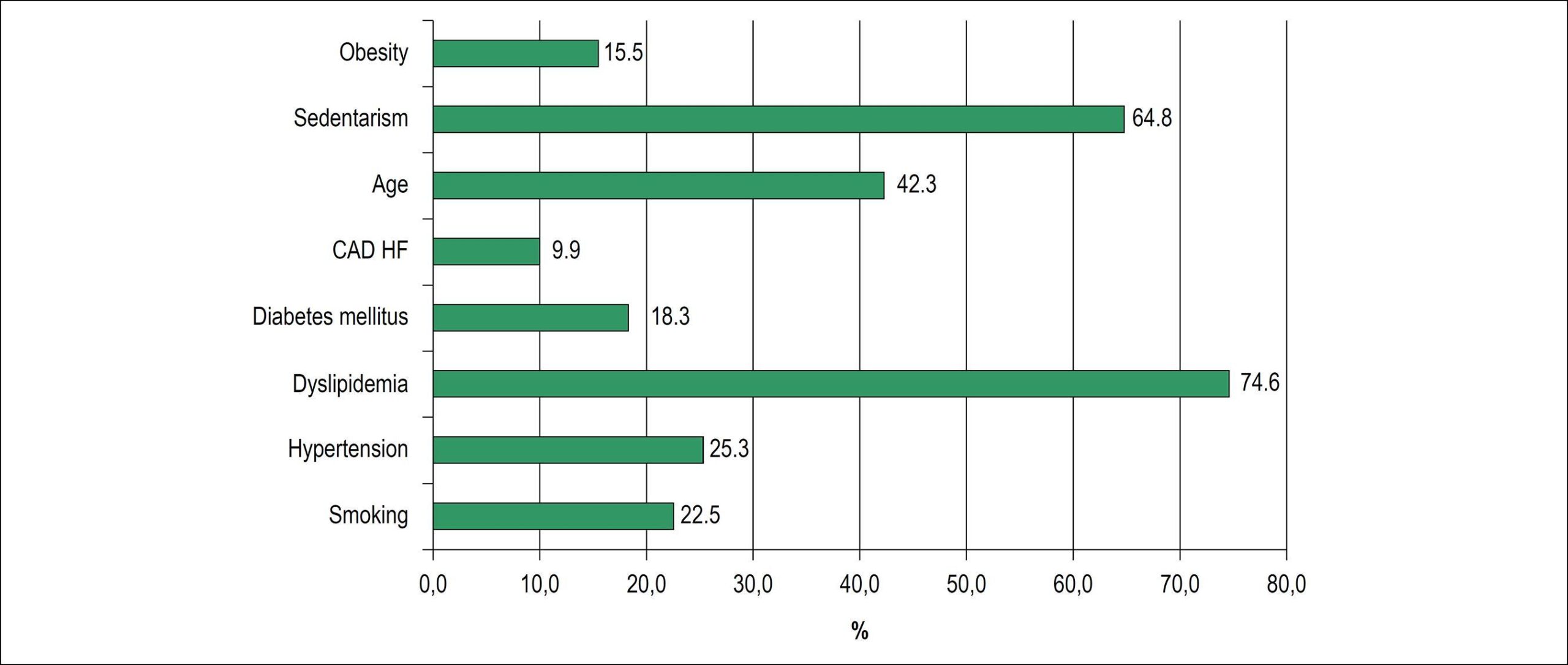
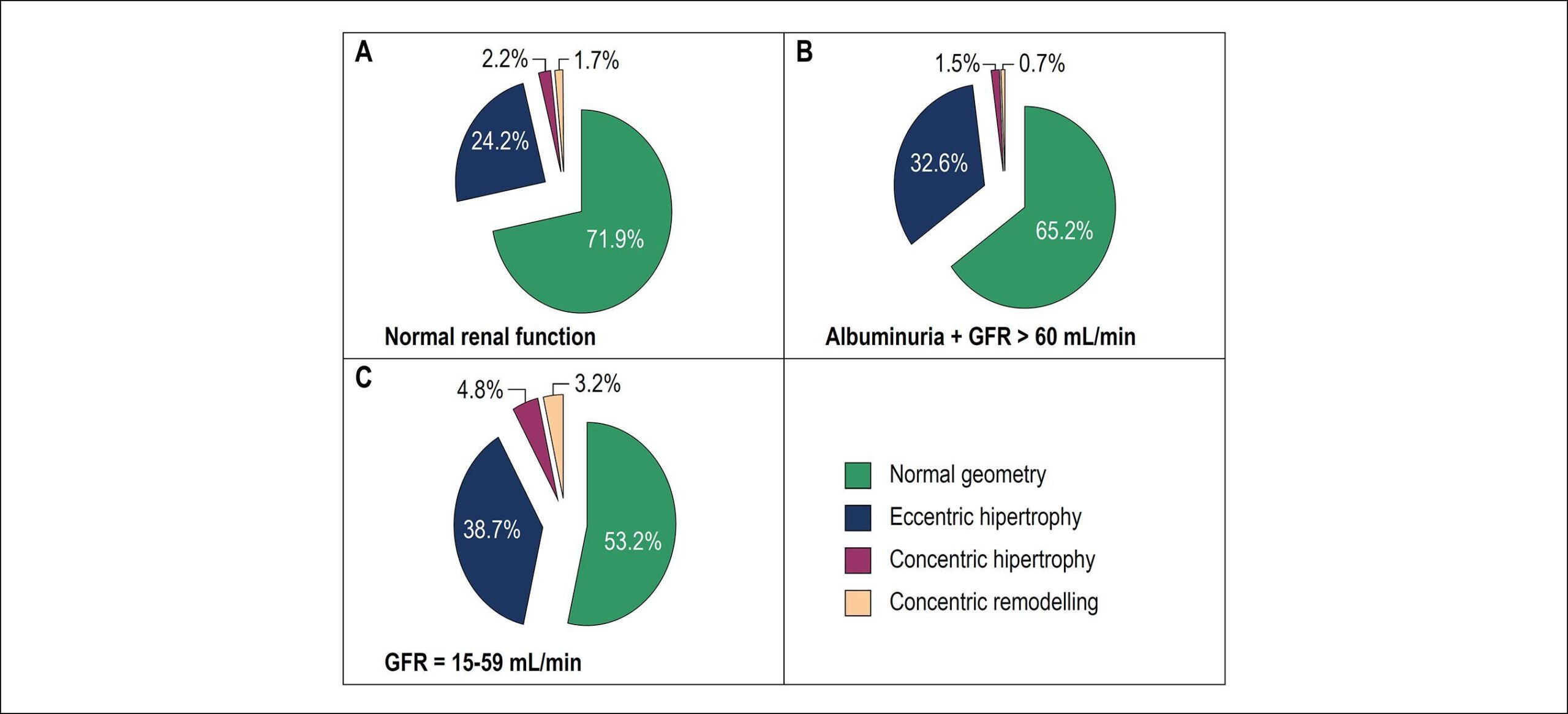
The prevalence of altered patterns was 33%. Subjects presented NG (n = 423; 67%); EH (n = 186; 29%); CH (n = 14; 2%); and CR (n = 13; 2%). The variables of gender, age, level of education and albumin/creatinine ratio (A/C), showed a relationship with the chance of EH even after adjustment.

Conclusion:

Approximately one third of the studied individuals had LVR and were at risk for developing heart failure. Altered A/C in urine was associated with EH, indicating an early relationship between cardiac and renal dysfunction.

  • Cardiovascular Diseases/physiopathology
  • Comorbidity
  • Heart Failure
  • Hypertrophy Left Ventricular
  • Renal Insufficiency
  • Risk Factors/complications
  • Ventricular Remodeling
Read Full Article
Creative Commons Attribution (CC BY) Creative Commons license
10/02/2020 DOI: 10.36660/abc.20180258
Editorial

Do We Need to Know the Left Ventricular Geometry Patterns of the Brazilian Population?

Roberto M. Saraiva

In this issue of the Arquivos Brasileiros de Cardiologia, Almeida et al. describe the left ventricular (LV) remodeling patterns frequencies found in a Brazilian population followed at primary healthcare clinics in Niterói city, state of Rio de Janeiro. The authors found that a LV abnormal geometry was present in up to 33% of 636 studied individuals (mean age 59.5±10.3 years old; 62% women). Eccentric LV hypertrophy (LVH) was the most common abnormal LV geometry pattern (29%), followed by concentric LVH and concentric remodeling (2% each).

LV remodeling is no longer considered solely an adaptative mechanism but a response to several different stimuli that lead to gene activation, cellular hypertrophy, apoptosis, fibrosis, and, finally, LV remodeling with different degrees of LV function compromise and increase in cardiovascular risk. In fact, the relation between LVH diagnosed by electrocardiogram and mortality has been long recognized. LV mass is considered an independent risk factor for heart failure (HF),, stroke, sudden cardiac death, supraventricular and ventricular tachycardia, and all-cause and cardiovascular mortality. Therefore, hypertension (HTN) is considered stage A HF and LVH is considered stage B HF on the American College of Cardiology/American Heart Association guidelines on HF management. Surprisingly, it was not up to the study of Almeida et al. that LV geometry patterns were studied in Brazilian population. We need to know exactly what are the frequency and value of LV geometry patterns in the Brazilian population and not only apply knowledge obtained with other populations.

[…]

  • Echocardiography/métodos
  • Heart Failure
  • Heart Ventricles/cirurgia
  • Hypertension
  • Hypertrophy Left Ventricular
  • Ventricular Remodeling
Read Full Article
Creative Commons Attribution (CC BY) Creative Commons license
10/02/2020 DOI: 10.36660/abc.20190838 Views 3
Editorial

Prosthesis-Patient Mismatch Following Aortic Valve Replacement: Finding Predictors for Prevention

Flávio Tarasoutchi

The impact of prosthesis-patient mismatch

Nowadays, the main indication for valve surgery, in patients with anatomically important aortic valve disease, occurs at the onset of symptoms, given the presumed benefit of reduced morbidity and mortality associated with this procedure in this context.– Thus, the presence of PPM following surgical implantation of an aortic bioprosthesis interferes in the expected reduction of symptomatology and mortality rates, thus minimizing the benefits that such invasive procedure could bring to the patient. Therefore, we need tools to predict the risk of PPM and thus implement strategies that can prevent such entity. This scenario was evaluated by Otto et al. in the current issue of the Arquivos Brasileiros de Cardiologia.

PPM is defined echocardiographically by an indexed effective orifice area (EOA) ≤ 0.85cm2/m2 and considered severe if ≤ 0.65 cm2/m2. Since this parameter is indexed by body surface area, individuals with body mass index ≥ 35 kg/m2 have lower reference values (≤ 0.70 cm2/m2 and ≤ 0.55 cm2/m2, respectively) to avoid overestimation of anatomical severity in these patients. Its reported prevalence varies greatly: up to 70% in the case of moderate PPM and 20% in the case of severe PPM.

[…]

  • aortic valve surgery
  • Echocardiography/methods
  • Heart Valve Prosthesis/adverse effects
  • Quality of life
  • Size Perception
Read Full Article
Creative Commons Attribution (CC BY) Creative Commons license
10/02/2020 DOI: 10.36660/abc.201907
Viewpoint

Echoes of Telecardiology Guideline

Silvio Henrique Barberato et al. Marcelo Antônio Cartaxo Queiroga Lopes

Echocardiography has an established role in the diagnosis, prognostic evaluation and therapeutic orientation in several cardiovascular diseases. The great technological development in the last decades has allowed the digitization and standardization of medical images (DICOM), miniaturization of echocardiography equipment (portable cardiac ultrasound) and the transfer of images over the internet. In this scenario, strategies for the use of telemedicine-associated echocardiography, called tele-echocardiography, have been employed in the context of clinical research with the support of teleconsultation for remote expert review, in real time or after image storage and submission. In recognition of the demands generated by the ongoing digital transformation in health, the Brazilian Society of Cardiology recently published the Telemedicine Guideline in Cardiology. The document recognizes tele-echocardiography as a strategy for early detection of congenital heart disease in newborns and screening for early detection of subclinical cases of rheumatic heart disease in children and adolescents (both recommended as indication class IIa, level of evidence B). In addition, it evokes potential application in primary health care in remote locations, where it could enable early detection of cases of heart disease and assist in prioritizing referrals to specialized care (indication class IIb, level of evidence C). It should be emphasized that such recommendations are made within the conditions of regular use of the method in Brazil, which would include the need for doctors at both ends, i.e., the execution and interpretation of the exam. The text of the Guideline explicitly states the need for regulation and legal provision for the participation of other professionals in performing diagnostic procedures (in this case, obtaining echocardiographic images by non-doctors), currently not allowed by the country’s legislation.

In recent years, tele-echocardiography has extended the application of the method to individuals in geographically distant locations, such as remote rural communities or even space. A rural area is classified as remote when 50% of the local population needs at least 45 to 60 minutes of travel by motor vehicle to reach a population center of at least 50,000 inhabitants. Several situations have been experimentally tested, with a study on focused echocardiographic by non-cardiologist physicians,, non-physicians,, or remote-operated robotic devices, combined with remote interpretation by echocardiography cardiologists.

[…]

  • Cardiovascular Diseases
  • Diagnosis Imaging
  • Echocardiography/methods
  • Image Interpretation, Computer-Assisted
  • Robotics/trends
  • Telemedicine/methods
  • Telemedicine/trends
  • Telemonitoring
  • Training
Read Full Article
Creative Commons Attribution (CC BY) Creative Commons license
10/02/2020 DOI: 10.36660/abc.20190720 Views 1
Editorial

Evaluation of Clinical Competence for a Cardiology Residency Program

Sergio Timerman

In the past decades, medical education, especially in cardiology gratuate programs (CGP), has undergone profound changes, including restrictions on hours of service. In the reference article “To Err Is Human”, the Institute of Medicine suggests that nearly 100,000 patients die annually from preventable errors in hospitals, with another one million people with sequelae. This report turned the spotlight on the importance of patient safety with regard to healthcare. At about the same time, technological progress has outweighed curriculum innovations of EMPGs. As we were trained on the job, the method “see one, do one, and teach one” was common for all services, but as training progresses, procedures become extremely complex, with consequently higher risks. Most cardiology residents remember the first time they performed resuscitation maneuvers, placed transvenous pacemakers, and passed their first Swan-Ganz. Fortunately, most of these events were completed without complications. However, the level of concern and anxiety experienced regarding patient safety and their competence to perform these tasks is probably as vivid now as the day the procedure was performed. Despite the scarcity of evidence supporting the traditional training learning model,, most reviews discussing the potential of simulation-based education (SBE) for healthcare assess evidence that SBE is equivalent to or better than this traditional model.–

Nowadays, for the recent graduates and candidates for Medical Residency, assessment of clinical skills is an essential step and should be started in their education as a medical student, and should be done by the professor through direct observation of their performance in real situations. This formative and summative assessment takes different forms, as it assesses students’ clinical competences and quantifies the evolution of their performance based on real-life situations., The study published in this issue, entitled “Clinical Competence in ST-segment Elevation Myocardial Infarction Management by Recently Graduated Physicians Applying for a Medical Residency Program” aims to analyze the following: skills seen in the interview, physical examination skills, professionalism (ethics), clinical reasoning, orientation skills, efficiency and general clinical competence, pointing out their flaws and successes, making it a good weapon in formative assessment. Simulation training has also been widely adopted in other “high risk” industries. Although comparisons between medicine and aviation are frequent, it is important to recognize that the work performed by doctors differs a lot from that of pilots, so the nature of simulation must also be different. There is considerable focus on medical emergencies and practical procedural skills, but with scope to expand to other areas of care. The contribution of human cognitive performance to patient outcomes is well recognized; possessing the necessary knowledge and technical skills remains essential, but in addition to them, non-technical skills, such as situational awareness and the ability to synthesize information, making decisions and effectively communicating with team members during times of stress and distraction are also essential. And this study was important for this reason.

[…]
  • hospitals
  • Internship and Residence
  • Medical Competence
  • Programs
  • Simulation
  • ST Elevation Myocardial Infarction
Read Full Article
Creative Commons Attribution (CC BY) Creative Commons license
10/02/2020 DOI: 10.36660/abc.20190842 Views 2
Editorial

Aortic Arch Calcification on routine Chest Radiography is Strongly and Independently Associated with Non-Dipper Blood Pressure Pattern

Rui Póvoa

Arterial hypertension is the most prevalent chronic disease worldwide, and it is estimated that in Brazil, according to the Vigitel study of 2018, the Brazilian population has 24.7% of hypertensive individuals. It is the most important risk factor for all cardiovascular diseases, being one of the main factors responsible for stroke, coronary artery disease, heart failure, renal failure, and so on.

Blood pressure is not simply a biological phenomenon characterized by two numbers expressed in mmHg that reflect systolic and diastolic pressure. It is a multiform event resulting from the hydrodynamic action of a complex fluid that exerts force on a compliant vascular wall, with elastic properties governed by multiple forces arising from vascular structures (muscle cells, extracellular matrix, elastic fibers, etc.). This vector wave of blood follows the laws of sympathetic and parasympathetic interaction, varying more or less depending on the conditions of each patient. Therefore, the simple measurement of blood pressure in the office does not reflect the reality of the patient’s true daily life.

[…]

  • antihypertensive agents
  • Blood Pressure Monitoring, Ambulatory
  • calcification
  • Calcinosis
  • Cardiomyopathies
  • Heart Rate
  • Hypertension
  • Thoracic, Aorta/physiopathology
  • Ventricular Function, Left
Read Full Article
Creative Commons Attribution (CC BY) Creative Commons license
10/02/2020 DOI: 10.36660/abc.20190790 Views 1
Statement

Position Statement of the Brazilian Cardiology Society and the Brazilian Society of Hemodynamics and Interventional Cardiology on Training Centers and Professional Certification in Hemodynamics and Interventional Cardiology – 2020

José Airton de Arruda et al. Viviana de Mello Guzzo Lemke José Mariani Júnior Adriano Henrique Pereira Barbosa … Alexandre Schaan de Quadros Carlos Augusto Cardoso Pedra Cristiano de Oliveira Cardoso Ênio Eduardo Guérios Henrique Barbosa Ribeiro Luiz Antonio Gubolino Maurício Cavalieri Machado Mauricio Jaramillo Hincapie Nelson Antonio Moura de Araujo Raul Ivo Rossi Filho Ricardo Alves da Costa Silvio Gioppato

1. Introduction

The first coronary angioplasty, performed by Gruntzig in 1977, marked the beginning of a revolution in cardiovascular disease treatment. Coronary angioplasty was initially considered an alternative to myocardial revascularization. With the passing of the years, accompanied by great technical-scientific advancement, percutaneous coronary intervention (PCI) has gone on to become the modality of choice when opting for mechanistic treatment of obstructive coronary disease. In this manner, coronary obstructions, with their diverse scenarios of complexity and forms of clinical presentation, are currently preferably treated by means of percutaneous techniques. Great advances in scientific knowledge and the development of increasingly less invasive techniques have also made it possible to overcome the limits of the territory of coronary circulation. The range of interventional treatments for cardiovascular and structural heart diseases is increasingly broad, and it represents a new branch of PCI, encompassing congenital and acquired heart diseases which were previously treated by traditional surgery or not even addressed. All of these enormous advances witnessed over the past decades have expanded not only the capacity but also the responsibility of interventional cardiologists within this new model of percutaneous treatments for cardiovascular diseases. The competences attributed to interventional cardiologists have gone on to include percutaneous treatment of structural heart diseases and extracardiac arterial and venous vascular territories, which, in addition to treatment of coronary obstructions, requires a broad and sophisticated process of training and certification.

As the realm of diseases that may be treated by means of percutaneous techniques expands, the processes for training, certifying, and keeping abilities up-to-date undergo a true metamorphosis for interventional cardiologists. It is thus necessary for the Brazilian Society of Hemodynamics and Interventional Cardiology (Sociedade Brasileira de Hemodinâmica e Cardiologia Intervencionista – SBHCI) to revise the stages adopted in this complex process, with the objective of guaranteeing civil society’s access to professionals with the abilities, competences, and responsibility to carry out percutaneous treatment of the diverse diseases included in this vast scenario in a proper and safe manner.

[…]

Read Full Article
Creative Commons Attribution (CC BY) Creative Commons license
10/02/2020 DOI: 10.36660/abc.20190841
Editorial

Quality of Life in Heart Failure: An Important Goal in Treatment

Brenno Rizerio Gomes et al. Edimar Alcides Bocchi

Brazil is the country with the highest prevalence of anxiety disorders, according to the World Health Organization and ranks 5th regarding the prevalence of depression. Mood disorders, which include anxiety and depression, are often neglected in clinical practice,, and their diagnosis in patients with heart failure (HF) is even more challenging, given the overlap of several symptoms, such as fatigue, weight loss and sleep disorders.,

In this issue of the Archives, the cross-sectional study by Figueiredo et al. evaluated, in a population of 99 patients with HF and reduced ejection fraction, which clinical, sociodemographic and psychological variables most correlated with the quality of life assessed by the Minnesota Living with Heart Failure Questionnaire. The main factors associated with poorer quality of life were dyspnea advanced functional class (New York Heart Association III and IV), previous hospitalization and anxiety symptoms. Depression was not independently associated with reduced quality of life, but several other studies have found this association., The study also shows an alarming prevalence of anxiety symptoms in these patients, of 50%, when compared to 9.3% in the overall population.

[…]

  • Aged
  • Anxiety/diagnosis
  • Heart Failure
  • Hospitalization
  • Quality of life
  • Stroke Volume
Read Full Article
Creative Commons Attribution (CC BY) Creative Commons license
10/02/2020 DOI: 10.36660/abc.20190741
Editorial

The Impact Of Exercise On Inflammation, Oxidative Stress And Remodelling In Cardiac Muscle

Fernando Mendes et al. Diana Martins

Aging is naturally connected with a decline, in some if not all physiological functions, namely loss of bone mass density (BMD) and strength associated with the loss of muscle mass.–

This muscle loss happens mainly due to an imbalance between muscle protein synthesis and muscle protein breakdown. The increase of catabolic factors such as oxidative stress and inflammation contribute significantly to the above process. Nevertheless, the weakening of strength and muscle loss is not linear, occurring differently in all sexes. Other factors such as a decline in hormonal levels due to menopause phenomenon are thought to be also implicated in this process. In fact, some authors proposed that, in females, an accelerated loss of muscle mass and strength arises at an earlier age than in males, around the time of menopause. A good body of evidence supports that the decline in muscle mass may be in line with the estrogen decrease that typifies menopausal years.

[…]

  • collagen
  • Coronary Artery Disease
  • Dyslipidemias
  • Exercise
  • Inflammation
  • Menopause
  • Mice
  • Oxidative Stress
  • Physical activity
Read Full Article
Creative Commons Attribution (CC BY) Creative Commons license
10/02/2020 DOI: 10.36660/abc.20190735 Views 1
Figure 1
Original Article

Clinical Competence in ST-segment Elevation Myocardial Infarction Management by Recently Graduated Physicians Applying for a Medical Residency Program

Ugo Stocco Aimoli et al. Carlos Henrique Miranda

Abstract

Background:

A significant reduction in the morbidity and mortality related to ST-segment elevation myocardial infarction (STEMI) has been achieved with the development of reperfusion therapies. Early diagnosis and correct initial management are important to ensure this benefit. In Brazil, recent graduates in medicine are responsible for a large part of the initial care provided for these patients.

Objective:

To assess the clinical competence in the diagnosis and initial treatment of STEMI by newly graduated physicians applying for a medical residency program.

Methods:

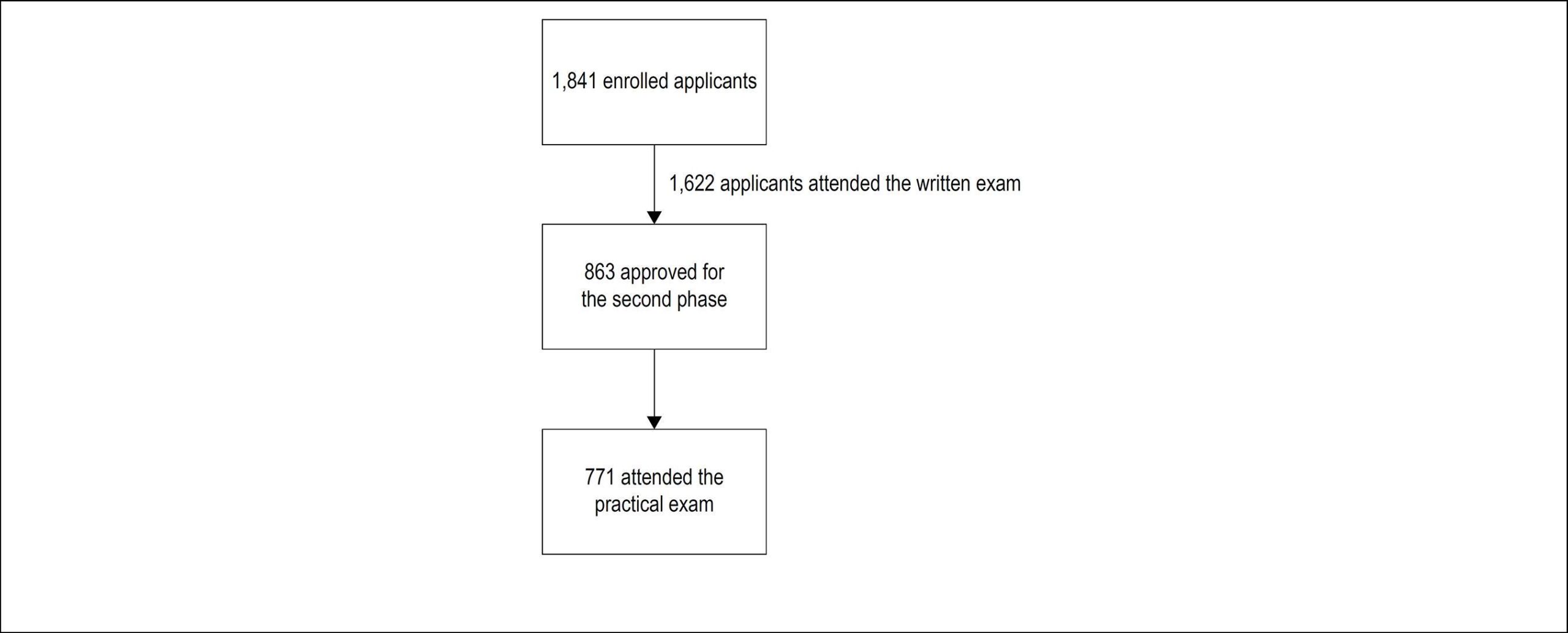
We assessed the performance of 771 applicants for the direct entry selection process of the FMRP-USP Clinical Hospital Medicine Residency Program, performed in a simulated setting of STEMI, with professional actors and medical evaluators, using a standardized checklist following the recommendations of the Brazilian Guidelines for the management of this disease.

Results:

The general performance score presented a median of 7 and an interquartile range of 5.5-8.0. In relation to the items assessed: 83% required ECG monitoring, 57% requested the insertion of a peripheral venous access catheter, 95% administered acetylsalicylic acid, 80% administered a second antiplatelet agent (p2y12 inhibitor), 66% administered nitrate, 71% administered morphine, 69% recognized the diagnosis of STEMI, 71% assessed the pain duration, 63% recognized the need for immediate transfer, 34% showed adequate communication skills and only 25% insisted on the transfer even in case of non-availability of beds.

Conclusions:

The initial diagnosis and management of STEMI need to be improved in medical undergraduate courses and inserted into the reality of the hierarchical network structure of the Brazilian Unified Health System (SUS).

  • Clinical Competence
  • Education, Medical
  • Internship and Residence
  • Medical Staff, Hospital
  • ST Elevation Myocardial Infarction
Read Full Article
Creative Commons Attribution (CC BY) Creative Commons license
10/02/2020 DOI: 10.36660/abc.20180309 Views 1
Letter to the Editor

Left Ventricle Mass Index, a Confounding Variable of Global Longitudinal Strain to be Noticed

Eduardo Thadeu de Oliveira Correia et al. Letícia Mara dos Santos Barbetta

Dear Editor,

We read with great interest the article entitled as “Strain Analysis of Left Ventricular Function in the Association of Hypertrophic Cardiomyopathy and Systemic Arterial Hypertension”. In this paper, the authors evaluated the global longitudinal strain (GLS) of the left ventricle (LV) in two distinct groups: patients with hypertrophic cardiomyopathy (HCM) and patients with HCM and systemic arterial hypertension (SAH) and demonstrated that GLS was lower in the second group. This important finding may indicate greater impairment of LV function in patients with SAH and HCM.

[…]

  • Cardiomyopathy, Hypertrophic
  • Heart Failure
  • Hypertension
  • Hypertrophy Left Ventricular
  • Strain
  • Ventricular Function, Left
Read Full Article
Creative Commons Attribution (CC BY) Creative Commons license
10/02/2020 DOI: 10.36660/abc.20190708 Views 1
Editorial

Antioxidant Effects of Euterpe Oleracea Mart. (Açai) on Myocardial Ischemia-Reperfusion Injury in Rats: Would it Represent a Good Way To Follow?

Allan Kardec Nogueira de Alencar

Abrupt occlusion of an epicardial coronary artery may result in acute myocardial infarction with elevation of the ST segment as the myocardium underwent an ischemic process. This promotes damage to the cardiomyocytes, mainly due to metabolic disturbances in the ATP generation with subsequent cell death and myocardial necrosis. Furthermore, reduced levels of intracellular ATP leads to an overload of cytosolic Ca2+ and Na+ concentrations and heart function impairment. It would be expected that restoration of blood flow to the ischemic area in the myocardium to minimize the injury, but reperfusion may also induce additional damage to the cardiac cells, a phenomenon described as ischemia-reperfusion (I/R) injury which contributes to an increased infarct area and microvascular dysfunction, being sometimes lethal. Myocardial I/R injury involves several features that potentiate the final damage on the heart. Morphologically, I/R lesions presents contraction bands, karyolysis, disturbance of mitochondria, sarcolemma disruption, microvascular destruction, interstitial hemorrhage, and inflammation. Additionally, at reperfusion period an elevation in the production of reactive oxygen species (ROS) displays important roles for the I/R injury extent. The respiratory chain and NADPH oxidases of the NOX family are major sources of ROS that trigger the opening of mitochondrial permeability pore, causing irreversible damage to the cardiomyocytes. Usually, the rupture of atheroma and partial or complete obstruction of an epicardial coronary artery is followed by spontaneous or interventional reperfusion. However, reperfusion sometimes may not occur. Thus, we might realize that these burdens of factors augment the final infarct size and that it is complicated to recapitulate them by using animal models considering the vast anatomic and physiological differences from the human scenario. Nevertheless, most of the current knowledge about I/R-induced myocardial damage is derived from experimental studies in animals and rodent models of I/R injury can help to clarify potential pathophysiological mechanisms and identify new targets to treat this clinical condition. In this context, rat models of myocardial infarct and I/R injury have been instigating the pre-clinical research field to establish the therapeutic potential of natural agents in innumerous diseases. The antioxidant effect observed in some plant components might be useful for proposing their applicability to induce cardioprotection, and this characteristic could be, in part, proven by administrating natural products, for example, in rats with experimentally induced cardiac injury.

Euterpe oleracea Mart., popularly known as “açai,” is a fruit extensively cultivated in the North region of Brazil, specifically in the Amazon. This purple fruit was chemically studied, and it was found several antioxidant substances on its composition., Additionally, açai has anti-inflammatory and vasodilator effects.,

[…]

Read Full Article
Creative Commons Attribution (CC BY) Creative Commons license
10/02/2020 DOI: 10.36660/abc.20190770
Figure 1
Image

Extensive Myocardial Calcification in a Heart Transplant Patient

Sasha B. C. P. Duarte et al. Sandrigo Mangini Monica S. Avila Marcelo L. Montemor Fernando Bacal

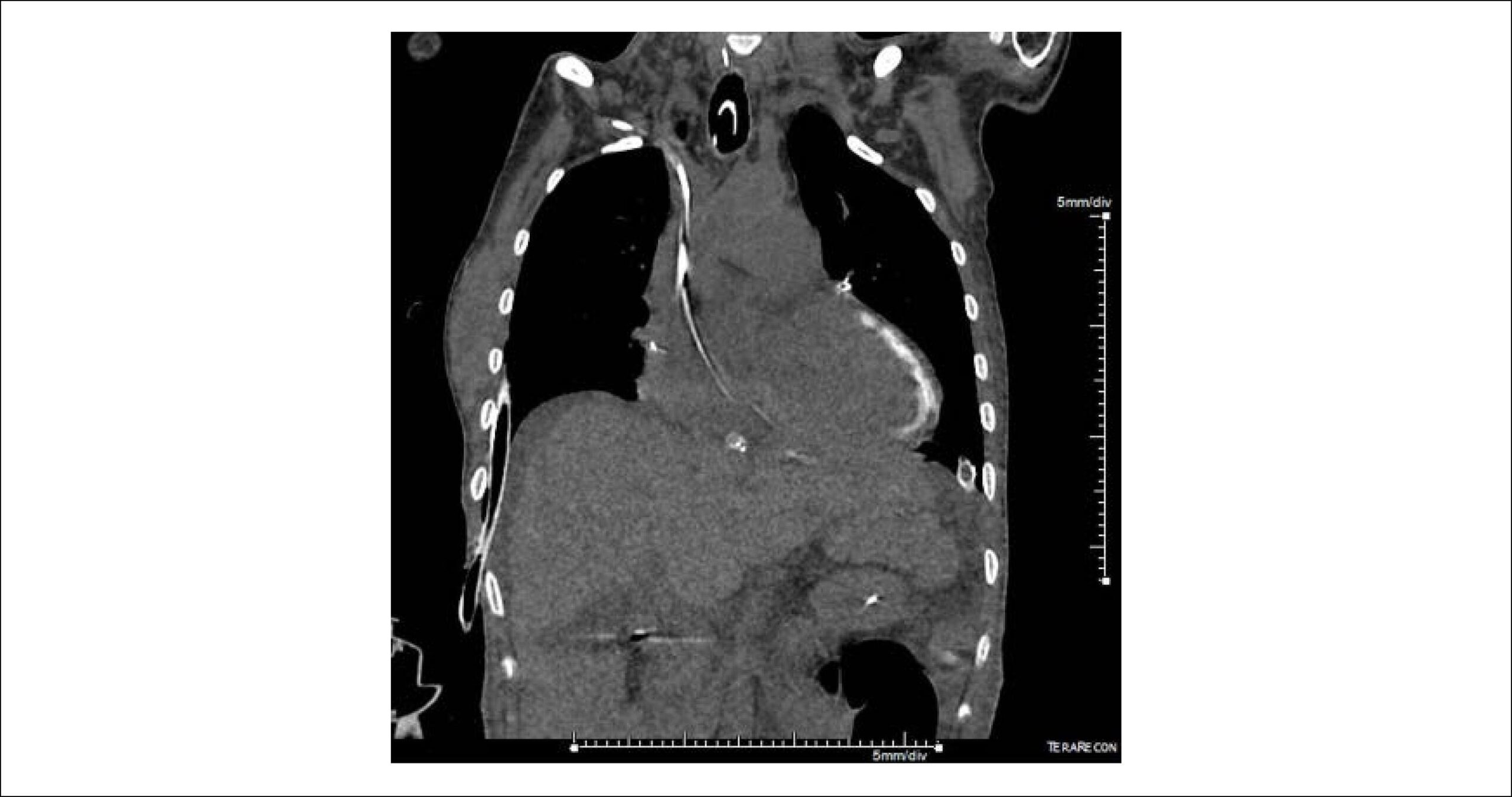
A 33-year-old female patient underwent heart transplantation (Tx) for valvular heart disease, where the surgical procedure was uneventful. Post-Tx, she developed with acute graft dysfunction, acute renal failure (ARF) requiring dialysis and septic shock. Bloodstream infection confirmed by treatment for carbapenemase-producing Klebsiella pneumoniae. Non-contrast-enhanced computed tomography (CT) of the chest and abdomen was done for investigation of the infectious focus and distention of the abdomen and melena, with extensive left ventricular myocardial calcification (MC) not previously found in CT (, and ). A diagnosis of cytomegalovirus (CMV) infection was also confirmed by upper digestive endoscopy findings with diffuse gastroduodenal ulcers and quantitative detection of positive CMV DNA, and the patient received ganciclovir. The patient became refractory to treatment and died.

[…]

  • Heart Transplantation/complications
  • Heart Valve Diseases/surgery
  • Renal Insufficiency/ complications
  • Shock, Septic
Read Full Article
Creative Commons Attribution (CC BY) Creative Commons license
10/02/2020 DOI: 10.36660/abc.20190146 Views 1
Figure 1
Original Article

Euterpe Oleracea Mart. (Açaí) Reduces Oxidative Stress and Improves Energetic Metabolism in Myocardial Ischemia-Reperfusion Injury in Rats

Patricia Alegre et al. Livia Mathias Maria Angelica Lourenço Priscila Portugal dos Santos … Andrea Gonçalves Ana Angélica Fernandes Paula Schmidt Azevedo Gaiolla Marcos Ferreira Minicucci Leonardo Zornoff Sergio Alberto Rupp Paiva Bertha Furlan Polegato

Abstract

Background:

Euterpe oleracea Mart. (açaí) is a fruit with high antioxidant capacity and could be an adjuvant strategy to attenuate ischemia-reperfusion injury.

Objective:

To evaluate the influence of açaí in global ischemia-reperfusion model in rats.

Methods:

Wistar rats were assigned to 2 groups: Control (C: receiving standard chow; n = 9) and Açaí (A: receiving standard chow supplemented with 5% açaí; n = 10). After six weeks, the animals were subjected to the global ischemia-reperfusion protocol and an isolated heart study to evaluate left ventricular function. Level of significance adopted: 5%.

Results:

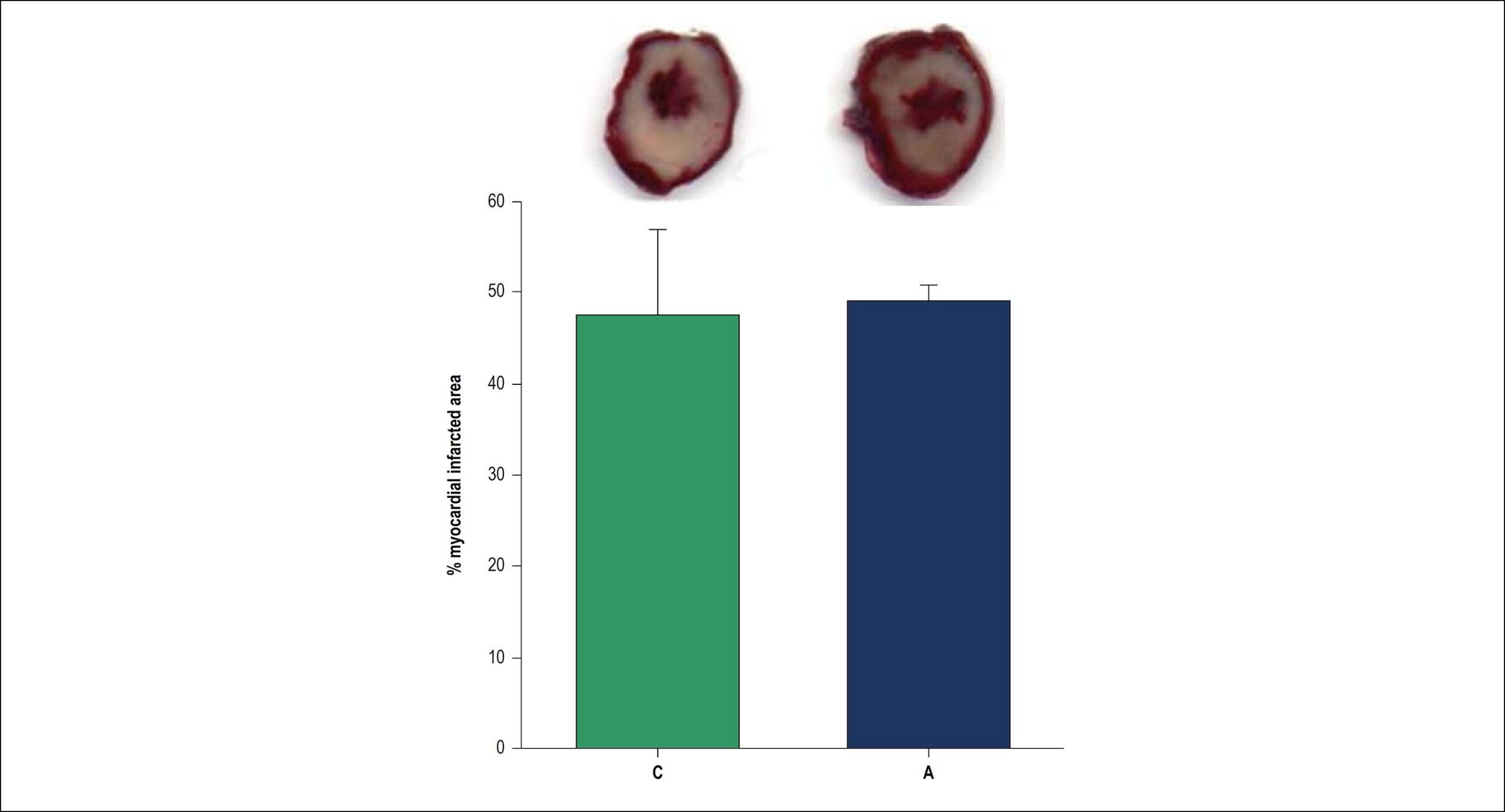
There was no difference between the groups in initial body weight, final body weight and daily feed intake. Group A presented lower lipid hydroperoxide myocardial concentration and higher catalase activity, superoxide dismutase and glutathione peroxidase than group C. We also observed increased myocardial activity of b-hydroxyacyl coenzyme-A dehydrogenase, pyruvate dehydrogenase, citrate synthase, complex I, complex II and ATP synthase in the A group as well as lower activity of the lactate dehydrogenase and phosphofructokinase enzymes. The systolic function was similar between the groups, and the A group presented poorer diastolic function than the C group. We did not observe any difference between the groups in relation to myocardial infarction area, total and phosphorylated NF-kB, total and acetylated FOXO1, SIRT1 and Nrf-2 protein expression.

Conclusion:

despite improving energy metabolism and attenuating oxidative stress, açai supplementation did not decrease the infarcted area or improve left ventricular function in the global ischemia-reperfusion model.

  • Chemical Reactions
  • Energy metabolism
  • Euterpe Olerácea
  • Myocardial Ischemia
  • myocardial reperfusion, injury
  • Oxidative Stress
  • Rats
Read Full Article
Creative Commons Attribution (CC BY) Creative Commons license
14/11/2019 DOI: 10.36660/abc.20180140
Figura 1
Review Article

Pathophysiology and Treatment of Heart Failure with Preserved Ejection Fraction: State of the Art and Prospects for the Future

Sara Lopes Fernandes et al. Rita Ribeiro Carvalho Luís Graça Santos Fernando Montenegro Sá … Catarina Ruivo Sofia Lázaro Mendes Hélia Martins João Araujo Morais

Introduction

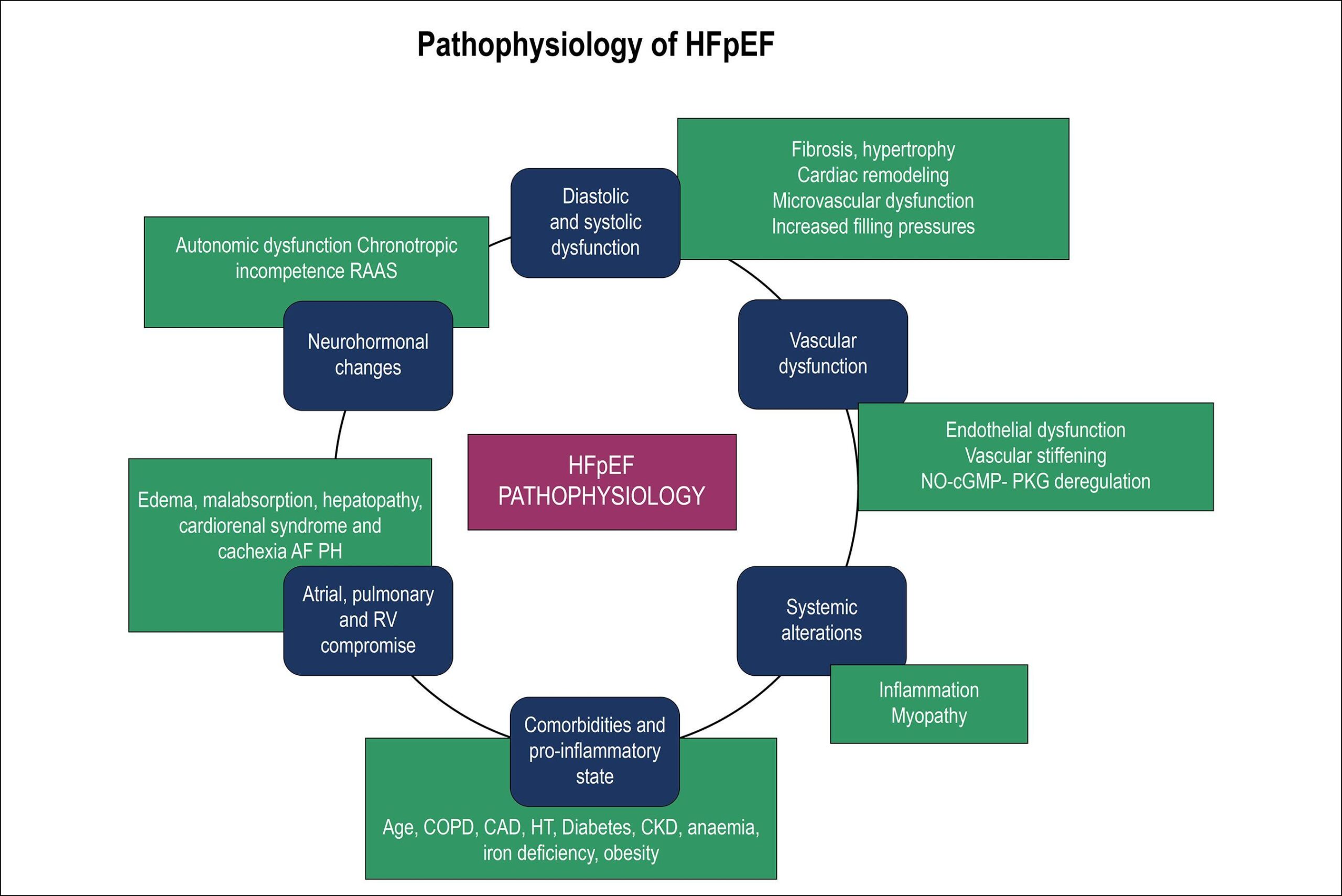
Heart failure (HF) is extremely prevalent and has a considerable impact on mortality and quality of life. It affects nearly 1-3% of the adult population in developed countries, exponentially increasing with age and affecting more than 10% of the population over 70 years. Given the increase in the average life expectancy, better diagnostic methods and increased comorbidities, a greater prevalence of heart failure is expected.

It is a clinical syndrome characterized by classic symptoms (such as fatigue, dyspnea) that may be accompanied by clinical signs (elevated jugular pressure, pulmonary crackles and peripheral edema). It is caused by structural and/or functional cardiac abnormalities, resulting in reduced cardiac output and/or elevated intracardiac pressures at rest or during stress.

[…]

  • Heart Failure / diagnosis
  • Heart Failure/complications
  • Heart Failure/drug therapy
  • Heart Failure/physiopathology
  • Systolic Volume
Read Full Article
Creative Commons Attribution (CC BY) Creative Commons license
14/11/2019 DOI: 10.36660/abc.20190111
Original Article

Risk Factors for In-Hospital Mortality in Infective Endocarditis

Ana Marques et al. Inês Cruz Daniel Caldeira Sofia Alegria … Ana Catarina Gomes Ana Luísa Broa Isabel João Hélder Pereira

Abstract

Background:

Infective endocarditis (IE) is associated with severe complications and high mortality. The assessment of mortality rates and predictors for fatal events is important to identify modifiable factors related to the pattern of treatment, in order to improve outcomes.

Objectives:

We sought to evaluate clinical outcomes of patients with IE and to determine predictors of in-hospital mortality.

Methods:

Retrospective single-center study including patients with IE admitted during a 10-year period (2006-2015). Data on comorbidities, clinical presentation, microbiology and clinical outcomes during hospitalization were evaluated. Risk factors of in-hospital death were analyzed. A p-value < 0.05 was considered significant.

Results:

A total of 134 cases were included (73% males, mean age of 61 ± 16 years-old). Half of them had previous valvular heart disease. Healthcare-associated IE and negative blood-cultures occurred in 22% and prosthetic IE in 25%. The aortic valve was the one most often affected by infection. Staphylococcus aureus was the most commonly isolated microorganism. Forty-four (32.8%) patients underwent cardiac surgery. The in-hospital mortality rate was 31.3% (42 patients). The identified risk factors for in-hospital mortality were Staphylococcus aureus etiology (OR 6.47; 95% CI: 1.07-39.01; p = 0.042), negative blood-cultures (OR 9.14; 95% CI: 1.42-58.77; p = 0.02), evidence of valve obstruction in echocardiography (OR 8.57; 95% CI: 1.11-66.25; p = 0.039), clinical evolution with heart failure (OR 4.98; 95%CI: 1.31-18.92; p = 0.018) or septic shock (OR 20.26; 95% CI: 4.04-101.74; p < 0.001). Cardiac surgery was a protective factor of mortality (OR 0.14; 95% CI 0.03-0.65; p = 0.012).

Conclusion:

The risk factors for in-hospital mortality were clinical (heart failure, septic shock), evidence of valve obstruction in echocardiography, Staphylococcus aureus etiology or negative blood cultures. Invasive treatment by surgery significantly decreased the mortality risk.

  • Cardiac Surgery
  • Comorbidity
  • Echocardiography/methods
  • Endocarditis, Bacterial/mortality
  • Heart Failure
  • Hospitalization
  • Risk Factors
  • Shock, Septic
Read Full Article
Creative Commons Attribution (CC BY) Creative Commons license
14/11/2019 DOI: 10.36660/abc.20180194 Views 1
Figure 1
Original Article

Subclinical Carotid Atherosclerosis and Reduced DAD Score for Cardiovascular Risk Stratification in HIV-Positive Patients

Achilles Gustavo Silva et al. Rafael Vieira Paulo Mario León Silva-Vergara

Abstract

Background:

HIV-positive patients are twice as likely than the general population to have a heart attack and are four times at greater risk of sudden death. In addition to the increased risk, these individuals present with cardiovascular events on average approximately 10 years earlier than the general population.

Objective:

To compare Framingham and reduced DAD (Data Collection on Adverse Effects of Anti-HIV Drugs Cohort) scores for cardiovascular risk assessment in HIV-positive patients and potential impact on clinical decision after evaluation of subclinical carotid atherosclerosis.

Methods:

Seventy-one HIV-positive patients with no history of cardiovascular disease were clinically evaluated, stratified by the Framingham 2008 and reduced DAD scores and submitted to subclinical carotid atherosclerosis evaluation. Agreement between scores was assessed by Kappa index and p < 0.05 was considered statistically significant.

Results:

mean age was 47.2 and 53.5% among males. The rate of subclinical atherosclerosis was 39.4%. Agreement between scores was 49% with Kappa of 0.735 in high-risk patients. There was no significant difference between scores by ROC curve discrimination analysis. Among patients with intermediate risk and Framingham and reduced DAD scores, 62.5% and 30.8% had carotid atherosclerosis, respectively.

Conclusion:

The present study showed a correlation between the scores and medium-intimal thickening, besides a high correlation between patients classified as high risk by the Framingham 2008 and reduced DAD scores. The high prevalence of carotid atherosclerosis in intermediate risk patients suggests that most of them could be reclassified as high risk.

  • Acquired Immunodeficiency Syndrome/complications
  • Antiretroviral Therapy Highly Active
  • Carotid Artery Diseases
  • HIV
  • Indicators of Morbidity
  • Risk Factors
Read Full Article
Creative Commons Attribution (CC BY) Creative Commons license
28/10/2019 DOI: 10.5935/abc.20190227 Views 1
Figure 1
Original Article

Aortic Arch Calcification on Routine Chest Radiography is Strongly and Independently Associated with Non-Dipper Blood Pressure Pattern

Adem Adar et al. Orhan Onalan Fahri Cakan Ertan Akbay Ekrem Karakaya

Abstract

Background:

Non-dipper blood pressure (NDBP) is one of the important causes of hypertension-related target organ damage and future cardiovascular events. Currently, there is no practical tool to predict NDBP pattern.

Objectives:

The aim of this study was to investigate the relationship between aortic arch calcification (AAC) on chest radiography and NDBP pattern.

Methods:

All patients referred for ambulatory BP monitoring test were approached for the study participation. NDBP was defined as the reduction of ≤10% in nighttime systolic BP as compared to the daytime values. AAC was evaluated with chest radiography and inter-observer agreement was analyzed by using kappa statistics. Univariate and multivariate logistic regression analysis was conducted to assess the association of AAC and NDBP pattern. A 2-tailed p-value < 0.05 was considered statistically significant.

Results:

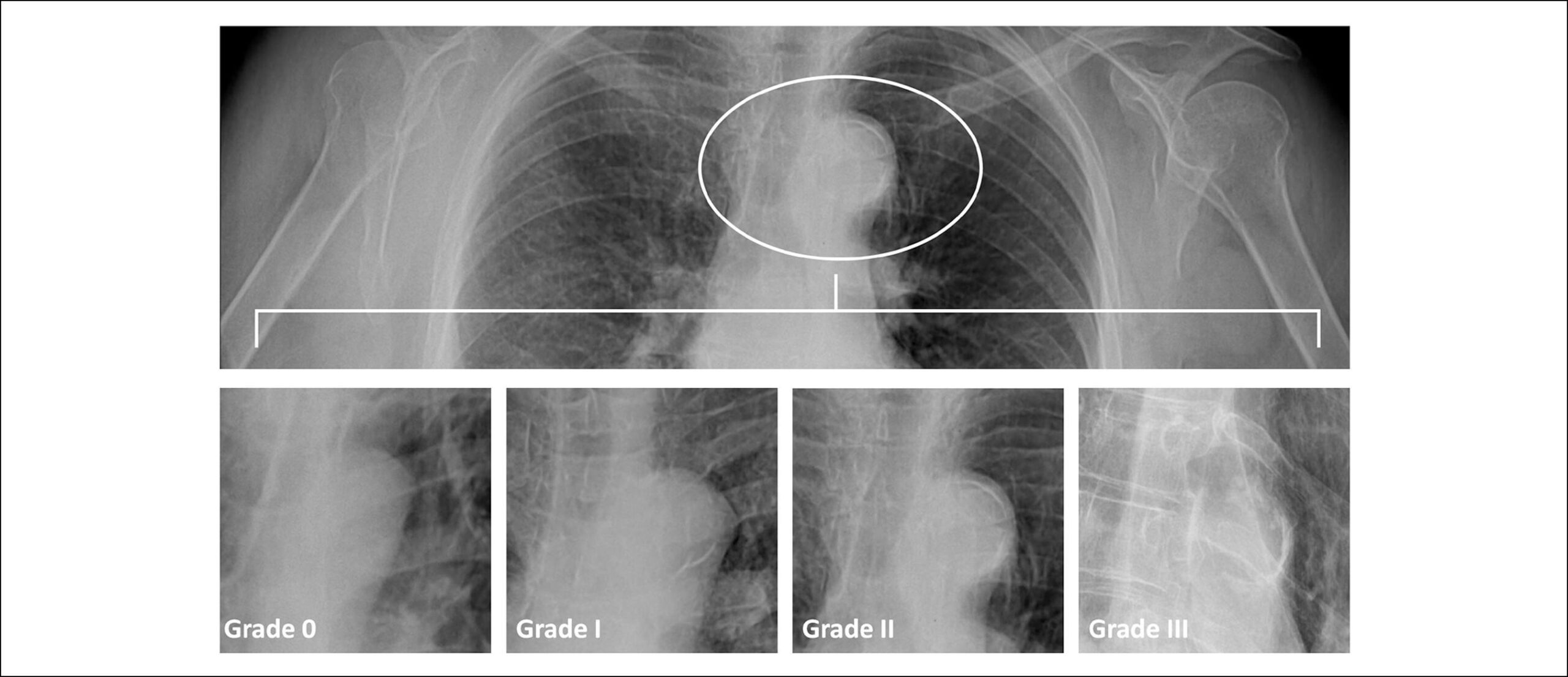
A total of 406 patients (median age: 51.3) were included. Of these, 261(64%) had NDBP pattern. Overall, the prevalence of AAC was 230 (57%). Non-dipper group had significantly higher prevalence of AAC (70% vs. 33%, p < 0.0001) as compared to the dipper group. Presence of AAC was a strong and independent predictor of NDBP pattern (OR 3.919, 95%CI 2.39 to 6.42) in multivariate analysis.

Conclusions:

Presence of AAC on plain chest radiography is strongly and independently associated with the presence of NDBP pattern.

  • Antihypertensive Agents/therapeutic use
  • Blood Pressure Monitoring, Ambulatory
  • calcification
  • Calcinosis
  • Cardiomyopathies
  • Heart Rate
  • Hypertension/imaging diagnosis
  • Thoracic, Aorta/physiopathology
  • Ventricular Function,Left
Read Full Article
Creative Commons Attribution (CC BY) Creative Commons license
28/10/2019 DOI: 10.5935/abc.20190229 Views 1
Original Article

Inflammatory Biomarkers and Carotid Thickness in HIV Infected Patients under Antiretroviral Therapy, Undetectable HIV-1 Viral Load, and Low Cardiovascular Risk

Kaliene Maria Estevão Leite et al. Gerson Gomes Santos Júnior Emmanuelle T. A. M Godoi Adriana Ferraz Vasconcelos … Virgínia Maria Barros Lorena Paulo Sérgio Ramos Araújo Kledoaldo Oliveira Lima Heloisa Ramos Lacerda

Abstract

Background:

People living with HIV are at increased risk of cardiovascular disease and carotid thickness, due to the inflammation caused by the virus, the antiretroviral therapy, and other risk factors. However, few studies have observed the occurrence of cardiovascular diseases and carotid thickness in HIV-positive population at low cardiovascular risk and with undetectable viral load.

Objectives:

To evaluate the association between levels of inflammatory markers and carotid thickness in people living with HIV, under antiretroviral therapy and at low cardiovascular risk.

Methods:

To determine low cardiovascular risk in both groups (HIV infected and non-infected individuals), the Framingham Risk Score was used. Inflammatory markers (IFN-γ, TNF-α, IL-1β, IL-6, sVCAM-1, and sICAM-1) were assessed using flow cytometry. Carotid thickness (mm) was measured using Doppler ultrasound. Level of significance was p < 0.05.

Results:

In People living with HIV, age and smoking status were associated with carotid thickness alterations. In the non-HIV group, age, higher total cholesterol, and LDL levels were associated with increased carotid thickness. Using the multivariate analysis, a significant association between TNF-α and IL- 1( levels, and a higher chance of atherosclerosis development in HIV group were observed.

Conclusions:

Both groups have a similar risk for developing cardiovascular disease, therefore our study demonstrates that HIV-positive individuals with undetectable viral load in antiretroviral therapy without protease inhibitors and with low cardiovascular risk do not present differences in carotid thickness in relation to uninfected individuals.

  • Antiretroviral Therapy
  • Atherosclerosis
  • Cardiovascular Diseases
  • Caroti Artery Diseases
  • HIV
  • HIV Infections
  • Risk Factors
Read Full Article
Creative Commons Attribution (CC BY) Creative Commons license
28/10/2019 DOI: 10.5935/abc.20190230

Could not load more articles. Please try again.

How to cite this article

EndNote RIS

Electronic Document Format (Vancouver)

Mangili L. High Prevalence of Dyslipidemia in Children and Adolescents: Opportunity for Prevention. Arquivos Brasileiros de Cardiologia 2020;114(1):57-8.

Electronic Document Format (ABNT)

Mangili, Leonardo. High Prevalence of Dyslipidemia in Children and Adolescents: Opportunity for Prevention. Arquivos Brasileiros de Cardiologia, v. 114, n. 1, p. 57-58, Feb. 2020.

Electronic Document Format (APA)

Mangili, L. (2020). High Prevalence of Dyslipidemia in Children and Adolescents: Opportunity for Prevention. Arquivos Brasileiros de Cardiologia, 114(1), 57-58.

Electronic Document Format (ISO)

Mangili, Leonardo. High Prevalence of Dyslipidemia in Children and Adolescents: Opportunity for Prevention. Arquivos Brasileiros de Cardiologia [online]. 2020, vol. 114, n. 1, [cited 2026-10-14], pp. 57-58. Available from: <https://journals.cardiol.br/en/article/high-prevalence-of-dyslipidemia-in-children-and-adolescents-opportunity-for-prevention/>. ISSN 0066-782X

EndNote RIS

Electronic Document Format (Vancouver)

. Errata. Arquivos Brasileiros de Cardiologia 2020;114(1):194.

Electronic Document Format (ABNT)

. Errata. Arquivos Brasileiros de Cardiologia, v. 114, n. 1, p. 194-194, Feb. 2020.

Electronic Document Format (APA)

(2020). Errata. Arquivos Brasileiros de Cardiologia, 114(1), 194-194.

Electronic Document Format (ISO)

. Errata. Arquivos Brasileiros de Cardiologia [online]. 2020, vol. 114, n. 1, [cited 2026-10-14], pp. 194-194. Available from: <https://journals.cardiol.br/en/article/errata-45/>. ISSN 0066-782X

EndNote RIS

Electronic Document Format (Vancouver)

Bittencourt MS. Estimating Cardiovascular Risk in HIV-Infected Patients. Arquivos Brasileiros de Cardiologia 2020;114(1):76-7.

Electronic Document Format (ABNT)

Bittencourt, Marcio Sommer. Estimating Cardiovascular Risk in HIV-Infected Patients. Arquivos Brasileiros de Cardiologia, v. 114, n. 1, p. 76-77, Feb. 2020.

Electronic Document Format (APA)

Bittencourt, M. S. (2020). Estimating Cardiovascular Risk in HIV-Infected Patients. Arquivos Brasileiros de Cardiologia, 114(1), 76-77.

Electronic Document Format (ISO)

Bittencourt, Marcio Sommer. Estimating Cardiovascular Risk in HIV-Infected Patients. Arquivos Brasileiros de Cardiologia [online]. 2020, vol. 114, n. 1, [cited 2026-10-14], pp. 76-77. Available from: <https://journals.cardiol.br/en/article/estimating-cardiovascular-risk-in-hiv-infected-patients/>. ISSN 0066-782X

EndNote RIS

Electronic Document Format (Vancouver)

Mansur AJ. Cardiovascular Conditions of Patients on HIV Therapy. Arquivos Brasileiros de Cardiologia 2020;114(1):98-9.

Electronic Document Format (ABNT)

Mansur, Alfredo José. Cardiovascular Conditions of Patients on HIV Therapy. Arquivos Brasileiros de Cardiologia, v. 114, n. 1, p. 98-99, Feb. 2020.

Electronic Document Format (APA)

Mansur, A. J. (2020). Cardiovascular Conditions of Patients on HIV Therapy. Arquivos Brasileiros de Cardiologia, 114(1), 98-99.

Electronic Document Format (ISO)

Mansur, Alfredo José. Cardiovascular Conditions of Patients on HIV Therapy. Arquivos Brasileiros de Cardiologia [online]. 2020, vol. 114, n. 1, [cited 2026-10-14], pp. 98-99. Available from: <https://journals.cardiol.br/en/article/cardiovascular-conditions-of-patients-on-hiv-therapy/>. ISSN 0066-782X

EndNote RIS

Electronic Document Format (Vancouver)

Lamas CC. Infective Endocarditis: Still a Deadly Disease. Arquivos Brasileiros de Cardiologia 2020;114(1):9-11.

Electronic Document Format (ABNT)

Lamas, Cristiane da Cruz. Infective Endocarditis: Still a Deadly Disease. Arquivos Brasileiros de Cardiologia, v. 114, n. 1, p. 9-11, Feb. 2020.

Electronic Document Format (APA)

Lamas, C. C. (2020). Infective Endocarditis: Still a Deadly Disease. Arquivos Brasileiros de Cardiologia, 114(1), 9-11.

Electronic Document Format (ISO)

Lamas, Cristiane da Cruz. Infective Endocarditis: Still a Deadly Disease. Arquivos Brasileiros de Cardiologia [online]. 2020, vol. 114, n. 1, [cited 2026-10-14], pp. 9-11. Available from: <https://journals.cardiol.br/en/article/infective-endocarditis-still-a-deadly-disease/>. ISSN 0066-782X

EndNote RIS

Electronic Document Format (Vancouver)

Almeida RCM, Jorge AJL, Rosa MLG, Leite AR, Correia DMS, Mesquita ET, Chermont S, et al. Left Ventricular Remodeling Patterns in Primary Healthcare. Arquivos Brasileiros de Cardiologia 2020;114(1):59-65.

Electronic Document Format (ABNT)

Almeida, Roberto de Castro Meirelles de; Jorge, Antonio José Lagoeiro; Rosa, Maria Luiza Garcia; Leite, Adson Renato; Correia, Dayse Mary S.; Mesquita, Evandro Tinoco; Chermont, Sergio; Lugon, Jocemir Ronaldo; Martins, Wolney de Andrade. Left Ventricular Remodeling Patterns in Primary Healthcare. Arquivos Brasileiros de Cardiologia, v. 114, n. 1, p. 59-65, Feb. 2020.

Electronic Document Format (APA)

Almeida, R. C. M. , Jorge, A. J. L., Rosa, M. L. G., Leite, A. R., Correia, D. M. S., Mesquita, E. T., Chermont, S., Lugon, J. R., & Martins, W. A. (2020). Left Ventricular Remodeling Patterns in Primary Healthcare. Arquivos Brasileiros de Cardiologia, 114(1), 59-65.

Electronic Document Format (ISO)

Almeida, Roberto de Castro Meirelles de and Jorge, Antonio José Lagoeiro and Rosa, Maria Luiza Garcia and Leite, Adson Renato and Correia, Dayse Mary S. and Mesquita, Evandro Tinoco and Chermont, Sergio and Lugon, Jocemir Ronaldo and Martins, Wolney de Andrade. Left Ventricular Remodeling Patterns in Primary Healthcare. Arquivos Brasileiros de Cardiologia [online]. 2020, vol. 114, n. 1, [cited 2026-10-14], pp. 59-65. Available from: <https://journals.cardiol.br/en/article/left-ventricular-remodeling-patterns-in-primary-healthcare/>. ISSN 0066-782X

EndNote RIS

Electronic Document Format (Vancouver)

Saraiva RM. Do We Need to Know the Left Ventricular Geometry Patterns of the Brazilian Population?. Arquivos Brasileiros de Cardiologia 2020;114(1):66-7.

Electronic Document Format (ABNT)

Saraiva, Roberto M.. Do We Need to Know the Left Ventricular Geometry Patterns of the Brazilian Population?. Arquivos Brasileiros de Cardiologia, v. 114, n. 1, p. 66-67, Feb. 2020.

Electronic Document Format (APA)

Saraiva, R. M. (2020). Do We Need to Know the Left Ventricular Geometry Patterns of the Brazilian Population?. Arquivos Brasileiros de Cardiologia, 114(1), 66-67.

Electronic Document Format (ISO)

Saraiva, Roberto M.. Do We Need to Know the Left Ventricular Geometry Patterns of the Brazilian Population?. Arquivos Brasileiros de Cardiologia [online]. 2020, vol. 114, n. 1, [cited 2026-10-14], pp. 66-67. Available from: <https://journals.cardiol.br/en/article/do-we-need-to-know-the-left-ventricular-geometry-patterns-of-the-brazilian-population/>. ISSN 0066-782X

EndNote RIS

Electronic Document Format (Vancouver)

Tarasoutchi F. Prosthesis-Patient Mismatch Following Aortic Valve Replacement: Finding Predictors for Prevention. Arquivos Brasileiros de Cardiologia 2020;114(1):23-4.

Electronic Document Format (ABNT)

Tarasoutchi, Flávio. Prosthesis-Patient Mismatch Following Aortic Valve Replacement: Finding Predictors for Prevention. Arquivos Brasileiros de Cardiologia, v. 114, n. 1, p. 23-24, Feb. 2020.

Electronic Document Format (APA)

Tarasoutchi, F. (2020). Prosthesis-Patient Mismatch Following Aortic Valve Replacement: Finding Predictors for Prevention. Arquivos Brasileiros de Cardiologia, 114(1), 23-24.

Electronic Document Format (ISO)

Tarasoutchi, Flávio. Prosthesis-Patient Mismatch Following Aortic Valve Replacement: Finding Predictors for Prevention. Arquivos Brasileiros de Cardiologia [online]. 2020, vol. 114, n. 1, [cited 2026-10-14], pp. 23-24. Available from: <https://journals.cardiol.br/en/article/prosthesis-patient-mismatch-following-aortic-valve-replacement-finding-predictors-for-prevention/>. ISSN 0066-782X

EndNote RIS

Electronic Document Format (Vancouver)

Barberato SH, Lopes MACQ. Echoes of Telecardiology Guideline. Arquivos Brasileiros de Cardiologia 2020;114(1):130-2.

Electronic Document Format (ABNT)

Barberato, Silvio Henrique; Lopes, Marcelo Antônio Cartaxo Queiroga. Echoes of Telecardiology Guideline. Arquivos Brasileiros de Cardiologia, v. 114, n. 1, p. 130-132, Feb. 2020.

Electronic Document Format (APA)

Barberato, S. H., & Lopes, M. A. C. Q. (2020). Echoes of Telecardiology Guideline. Arquivos Brasileiros de Cardiologia, 114(1), 130-132.

Electronic Document Format (ISO)

Barberato, Silvio Henrique and Lopes, Marcelo Antônio Cartaxo Queiroga. Echoes of Telecardiology Guideline. Arquivos Brasileiros de Cardiologia [online]. 2020, vol. 114, n. 1, [cited 2026-10-14], pp. 130-132. Available from: <https://journals.cardiol.br/en/article/echoes-of-telecardiology-guideline/>. ISSN 0066-782X

EndNote RIS

Electronic Document Format (Vancouver)

Timerman S. Evaluation of Clinical Competence for a Cardiology Residency Program. Arquivos Brasileiros de Cardiologia 2020;114(1):45-6.

Electronic Document Format (ABNT)

Timerman, Sergio. Evaluation of Clinical Competence for a Cardiology Residency Program. Arquivos Brasileiros de Cardiologia, v. 114, n. 1, p. 45-46, Feb. 2020.

Electronic Document Format (APA)

Timerman, S. (2020). Evaluation of Clinical Competence for a Cardiology Residency Program. Arquivos Brasileiros de Cardiologia, 114(1), 45-46.

Electronic Document Format (ISO)

Timerman, Sergio. Evaluation of Clinical Competence for a Cardiology Residency Program. Arquivos Brasileiros de Cardiologia [online]. 2020, vol. 114, n. 1, [cited 2026-10-14], pp. 45-46. Available from: <https://journals.cardiol.br/en/article/evaluation-of-clinical-competence-for-a-cardiology-residency-program/>. ISSN 0066-782X

EndNote RIS

Electronic Document Format (Vancouver)

Póvoa R. Aortic Arch Calcification on routine Chest Radiography is Strongly and Independently Associated with Non-Dipper Blood Pressure Pattern. Arquivos Brasileiros de Cardiologia 2020;114(1):118-9.

Electronic Document Format (ABNT)

Póvoa, Rui. Aortic Arch Calcification on routine Chest Radiography is Strongly and Independently Associated with Non-Dipper Blood Pressure Pattern. Arquivos Brasileiros de Cardiologia, v. 114, n. 1, p. 118-119, Feb. 2020.

Electronic Document Format (APA)

Póvoa, R. (2020). Aortic Arch Calcification on routine Chest Radiography is Strongly and Independently Associated with Non-Dipper Blood Pressure Pattern. Arquivos Brasileiros de Cardiologia, 114(1), 118-119.

Electronic Document Format (ISO)

Póvoa, Rui. Aortic Arch Calcification on routine Chest Radiography is Strongly and Independently Associated with Non-Dipper Blood Pressure Pattern. Arquivos Brasileiros de Cardiologia [online]. 2020, vol. 114, n. 1, [cited 2026-10-14], pp. 118-119. Available from: <https://journals.cardiol.br/en/article/aortic-arch-calcification-on-routine-chest-radiography-is-strongly-and-independently-associated-with-non-dipper-blood-pressure-pattern-2/>. ISSN 0066-782X

EndNote RIS

Electronic Document Format (Vancouver)

Arruda JA, Lemke VMG, Mariani Júnior J, Barbosa AHP, Quadros AS, Pedra CAC, Cardoso CO, et al. Position Statement of the Brazilian Cardiology Society and the Brazilian Society of Hemodynamics and Interventional Cardiology on Training Centers and Professional Certification in Hemodynamics and Interventional Cardiology – 2020. Arquivos Brasileiros de Cardiologia 2020;114(1):137-93.

Electronic Document Format (ABNT)

Arruda, José Airton de; Lemke, Viviana de Mello Guzzo; Mariani Júnior, José; Barbosa, Adriano Henrique Pereira; Quadros, Alexandre Schaan de; Pedra, Carlos Augusto Cardoso; Cardoso, Cristiano de Oliveira; Guérios, Ênio Eduardo; Ribeiro, Henrique Barbosa; Gubolino, Luiz Antonio; Machado, Maurício Cavalieri; Hincapie, Mauricio Jaramillo; Araujo, Nelson Antonio Moura de; Rossi Filho, Raul Ivo; Costa, Ricardo Alves da; Gioppato, Silvio. Position Statement of the Brazilian Cardiology Society and the Brazilian Society of Hemodynamics and Interventional Cardiology on Training Centers and Professional Certification in Hemodynamics and Interventional Cardiology – 2020. Arquivos Brasileiros de Cardiologia, v. 114, n. 1, p. 137-193, Feb. 2020.

Electronic Document Format (APA)

Arruda, J. A. , Lemke, V. M. G., Mariani Júnior, J., Barbosa, A. H. P., Quadros, A. S. , Pedra, C. A. C., Cardoso, C. O., Guérios, E., Ribeiro, H. B., Gubolino, L. A., Machado, M. C., Hincapie, M. J., Araujo, N. A. M. , Rossi Filho, R. I., Costa, R. A. , & Gioppato, S. (2020). Position Statement of the Brazilian Cardiology Society and the Brazilian Society of Hemodynamics and Interventional Cardiology on Training Centers and Professional Certification in Hemodynamics and Interventional Cardiology – 2020. Arquivos Brasileiros de Cardiologia, 114(1), 137-193.

Electronic Document Format (ISO)

Arruda, José Airton de and Lemke, Viviana de Mello Guzzo and Mariani Júnior, José and Barbosa, Adriano Henrique Pereira and Quadros, Alexandre Schaan de and Pedra, Carlos Augusto Cardoso and Cardoso, Cristiano de Oliveira and Guérios, Ênio Eduardo and Ribeiro, Henrique Barbosa and Gubolino, Luiz Antonio and Machado, Maurício Cavalieri and Hincapie, Mauricio Jaramillo and Araujo, Nelson Antonio Moura de and Rossi Filho, Raul Ivo and Costa, Ricardo Alves da and Gioppato, Silvio. Position Statement of the Brazilian Cardiology Society and the Brazilian Society of Hemodynamics and Interventional Cardiology on Training Centers and Professional Certification in Hemodynamics and Interventional Cardiology – 2020. Arquivos Brasileiros de Cardiologia [online]. 2020, vol. 114, n. 1, [cited 2026-10-14], pp. 137-193. Available from: <https://journals.cardiol.br/en/article/position-statement-of-the-brazilian-cardiology-society-and-the-brazilian-society-of-hemodynamics-and-interventional-cardiology-on-training-centers-and-professional-certification-in-hemodynamics-and-in/>. ISSN 0066-782X

EndNote RIS

Electronic Document Format (Vancouver)

Gomes BR, Bocchi EA. Quality of Life in Heart Failure: An Important Goal in Treatment. Arquivos Brasileiros de Cardiologia 2020;114(1):33-4.

Electronic Document Format (ABNT)

Gomes, Brenno Rizerio; Bocchi, Edimar Alcides. Quality of Life in Heart Failure: An Important Goal in Treatment. Arquivos Brasileiros de Cardiologia, v. 114, n. 1, p. 33-34, Feb. 2020.

Electronic Document Format (APA)

Gomes, B. R., & Bocchi, E. A. (2020). Quality of Life in Heart Failure: An Important Goal in Treatment. Arquivos Brasileiros de Cardiologia, 114(1), 33-34.

Electronic Document Format (ISO)

Gomes, Brenno Rizerio and Bocchi, Edimar Alcides. Quality of Life in Heart Failure: An Important Goal in Treatment. Arquivos Brasileiros de Cardiologia [online]. 2020, vol. 114, n. 1, [cited 2026-10-14], pp. 33-34. Available from: <https://journals.cardiol.br/en/article/quality-of-life-in-heart-failure-an-important-goal-in-treatment/>. ISSN 0066-782X

EndNote RIS

Electronic Document Format (Vancouver)

Mendes F, Martins D. The Impact Of Exercise On Inflammation, Oxidative Stress And Remodelling In Cardiac Muscle. Arquivos Brasileiros de Cardiologia 2020;114(1):106-8.

Electronic Document Format (ABNT)

Mendes, Fernando; Martins, Diana. The Impact Of Exercise On Inflammation, Oxidative Stress And Remodelling In Cardiac Muscle. Arquivos Brasileiros de Cardiologia, v. 114, n. 1, p. 106-108, Feb. 2020.

Electronic Document Format (APA)

Mendes, F., & Martins, D. (2020). The Impact Of Exercise On Inflammation, Oxidative Stress And Remodelling In Cardiac Muscle. Arquivos Brasileiros de Cardiologia, 114(1), 106-108.

Electronic Document Format (ISO)

Mendes, Fernando and Martins, Diana. The Impact Of Exercise On Inflammation, Oxidative Stress And Remodelling In Cardiac Muscle. Arquivos Brasileiros de Cardiologia [online]. 2020, vol. 114, n. 1, [cited 2026-10-14], pp. 106-108. Available from: <https://journals.cardiol.br/en/article/the-impact-of-exercise-on-inflammation-oxidative-stress-and-remodelling-in-cardiac-muscle/>. ISSN 0066-782X

EndNote RIS

Electronic Document Format (Vancouver)

Aimoli US, Miranda CH. Clinical Competence in ST-segment Elevation Myocardial Infarction Management by Recently Graduated Physicians Applying for a Medical Residency Program. Arquivos Brasileiros de Cardiologia 2020;114(1):35-44.

Electronic Document Format (ABNT)

Aimoli, Ugo Stocco; Miranda, Carlos Henrique. Clinical Competence in ST-segment Elevation Myocardial Infarction Management by Recently Graduated Physicians Applying for a Medical Residency Program. Arquivos Brasileiros de Cardiologia, v. 114, n. 1, p. 35-44, Feb. 2020.

Electronic Document Format (APA)

Aimoli, U. S., & Miranda, C. H. (2020). Clinical Competence in ST-segment Elevation Myocardial Infarction Management by Recently Graduated Physicians Applying for a Medical Residency Program. Arquivos Brasileiros de Cardiologia, 114(1), 35-44.

Electronic Document Format (ISO)

Aimoli, Ugo Stocco and Miranda, Carlos Henrique. Clinical Competence in ST-segment Elevation Myocardial Infarction Management by Recently Graduated Physicians Applying for a Medical Residency Program. Arquivos Brasileiros de Cardiologia [online]. 2020, vol. 114, n. 1, [cited 2026-10-14], pp. 35-44. Available from: <https://journals.cardiol.br/en/article/clinical-competence-in-st-segment-elevation-myocardial-infarction-management-by-recently-graduated-physicians-applying-for-a-medical-residency-program/>. ISSN 0066-782X

EndNote RIS

Electronic Document Format (Vancouver)

Correia ETO, Barbetta LMS. Left Ventricle Mass Index, a Confounding Variable of Global Longitudinal Strain to be Noticed. Arquivos Brasileiros de Cardiologia 2020;114(1):136.

Electronic Document Format (ABNT)

Correia, Eduardo Thadeu de Oliveira; Barbetta, Letícia Mara dos Santos. Left Ventricle Mass Index, a Confounding Variable of Global Longitudinal Strain to be Noticed. Arquivos Brasileiros de Cardiologia, v. 114, n. 1, p. 136-136, Feb. 2020.

Electronic Document Format (APA)

Correia, E. T. O., & Barbetta, L. M. S. (2020). Left Ventricle Mass Index, a Confounding Variable of Global Longitudinal Strain to be Noticed. Arquivos Brasileiros de Cardiologia, 114(1), 136-136.

Electronic Document Format (ISO)

Correia, Eduardo Thadeu de Oliveira and Barbetta, Letícia Mara dos Santos. Left Ventricle Mass Index, a Confounding Variable of Global Longitudinal Strain to be Noticed. Arquivos Brasileiros de Cardiologia [online]. 2020, vol. 114, n. 1, [cited 2026-10-14], pp. 136-136. Available from: <https://journals.cardiol.br/en/article/left-ventricle-mass-index-a-confounding-variable-of-global-longitudinal-strain-to-be-noticed/>. ISSN 0066-782X

EndNote RIS

Electronic Document Format (Vancouver)

Alencar AKN. Antioxidant Effects of Euterpe Oleracea Mart. (Açai) on Myocardial Ischemia-Reperfusion Injury in Rats: Would it Represent a Good Way To Follow?. Arquivos Brasileiros de Cardiologia 2020;114(1):87-9.

Electronic Document Format (ABNT)

Alencar, Allan Kardec Nogueira de. Antioxidant Effects of Euterpe Oleracea Mart. (Açai) on Myocardial Ischemia-Reperfusion Injury in Rats: Would it Represent a Good Way To Follow?. Arquivos Brasileiros de Cardiologia, v. 114, n. 1, p. 87-89, Feb. 2020.

Electronic Document Format (APA)

Alencar, A. K. N. (2020). Antioxidant Effects of Euterpe Oleracea Mart. (Açai) on Myocardial Ischemia-Reperfusion Injury in Rats: Would it Represent a Good Way To Follow?. Arquivos Brasileiros de Cardiologia, 114(1), 87-89.

Electronic Document Format (ISO)

Alencar, Allan Kardec Nogueira de. Antioxidant Effects of Euterpe Oleracea Mart. (Açai) on Myocardial Ischemia-Reperfusion Injury in Rats: Would it Represent a Good Way To Follow?. Arquivos Brasileiros de Cardiologia [online]. 2020, vol. 114, n. 1, [cited 2026-10-14], pp. 87-89. Available from: <https://journals.cardiol.br/en/article/antioxidant-effects-of-euterpe-oleracea-mart-acai-on-myocardial-ischemia-reperfusion-injury-in-rats-would-it-represent-a-good-way-to-follow/>. ISSN 0066-782X

EndNote RIS

Electronic Document Format (Vancouver)

Duarte SBCP, Mangini S, Avila MS, Montemor ML, Bacal F. Extensive Myocardial Calcification in a Heart Transplant Patient. Arquivos Brasileiros de Cardiologia 2020;114(1):133-5.

Electronic Document Format (ABNT)

Duarte, Sasha B. C. P.; Mangini, Sandrigo; Avila, Monica S.; Montemor, Marcelo L.; Bacal, Fernando. Extensive Myocardial Calcification in a Heart Transplant Patient. Arquivos Brasileiros de Cardiologia, v. 114, n. 1, p. 133-135, Feb. 2020.

Electronic Document Format (APA)

Duarte, S. B. C. P., Mangini, S., Avila, M. S., Montemor, M. L., & Bacal, F. (2020). Extensive Myocardial Calcification in a Heart Transplant Patient. Arquivos Brasileiros de Cardiologia, 114(1), 133-135.

Electronic Document Format (ISO)

Duarte, Sasha B. C. P. and Mangini, Sandrigo and Avila, Monica S. and Montemor, Marcelo L. and Bacal, Fernando. Extensive Myocardial Calcification in a Heart Transplant Patient. Arquivos Brasileiros de Cardiologia [online]. 2020, vol. 114, n. 1, [cited 2026-10-14], pp. 133-135. Available from: <https://journals.cardiol.br/en/article/extensive-myocardial-calcification-in-a-heart-transplant-patient/>. ISSN 0066-782X

EndNote RIS

Electronic Document Format (Vancouver)

Alegre P, Mathias L, Lourenço MA, Santos PP, Gonçalves A, Fernandes AA, Gaiolla PSA, et al. Euterpe Oleracea Mart. (Açaí) Reduces Oxidative Stress and Improves Energetic Metabolism in Myocardial Ischemia-Reperfusion Injury in Rats. Arquivos Brasileiros de Cardiologia 2019;114(1):78-86.

Electronic Document Format (ABNT)

Alegre, Patricia; Mathias, Livia; Lourenço, Maria Angelica; Santos, Priscila Portugal dos; Gonçalves, Andrea; Fernandes, Ana Angélica; Gaiolla, Paula Schmidt Azevedo; Minicucci, Marcos Ferreira; Zornoff, Leonardo; Paiva, Sergio Alberto Rupp; Polegato, Bertha Furlan. Euterpe Oleracea Mart. (Açaí) Reduces Oxidative Stress and Improves Energetic Metabolism in Myocardial Ischemia-Reperfusion Injury in Rats. Arquivos Brasileiros de Cardiologia, v. 114, n. 1, p. 78-86, Nov. 2019.

Electronic Document Format (APA)

Alegre, P., Mathias, L., Lourenço, M. A., Santos, P. P. , Gonçalves, A., Fernandes, A. A., Gaiolla, P. S. A., Minicucci, M. F., Zornoff, L., Paiva, S. A. R., & Polegato, B. F. (2019). Euterpe Oleracea Mart. (Açaí) Reduces Oxidative Stress and Improves Energetic Metabolism in Myocardial Ischemia-Reperfusion Injury in Rats. Arquivos Brasileiros de Cardiologia, 114(1), 78-86.

Electronic Document Format (ISO)

Alegre, Patricia and Mathias, Livia and Lourenço, Maria Angelica and Santos, Priscila Portugal dos and Gonçalves, Andrea and Fernandes, Ana Angélica and Gaiolla, Paula Schmidt Azevedo and Minicucci, Marcos Ferreira and Zornoff, Leonardo and Paiva, Sergio Alberto Rupp and Polegato, Bertha Furlan. Euterpe Oleracea Mart. (Açaí) Reduces Oxidative Stress and Improves Energetic Metabolism in Myocardial Ischemia-Reperfusion Injury in Rats. Arquivos Brasileiros de Cardiologia [online]. 2019, vol. 114, n. 1, [cited 2026-10-14], pp. 78-86. Available from: <https://journals.cardiol.br/en/article/euterpe-oleracea-mart-acai-reduces-oxidative-stress-and-improves-energetic-metabolism-in-myocardial-ischemia-reperfusion-injury-in-rats/>. ISSN 0066-782X

EndNote RIS

Electronic Document Format (Vancouver)

Fernandes SL, Carvalho RR, Santos LG, Sá FM, Ruivo C, Mendes SL, Martins H, et al. Pathophysiology and Treatment of Heart Failure with Preserved Ejection Fraction: State of the Art and Prospects for the Future. Arquivos Brasileiros de Cardiologia 2019;114(1):120-9.

Electronic Document Format (ABNT)

Fernandes, Sara Lopes; Carvalho, Rita Ribeiro; Santos, Luís Graça; Sá, Fernando Montenegro; Ruivo, Catarina; Mendes, Sofia Lázaro; Martins, Hélia; Morais, João Araujo. Pathophysiology and Treatment of Heart Failure with Preserved Ejection Fraction: State of the Art and Prospects for the Future. Arquivos Brasileiros de Cardiologia, v. 114, n. 1, p. 120-129, Nov. 2019.

Electronic Document Format (APA)

Fernandes, S. L., Carvalho, R. R., Santos, L. G., Sá, F. M., Ruivo, C., Mendes, S. L., Martins, H., & Morais, J. A. (2019). Pathophysiology and Treatment of Heart Failure with Preserved Ejection Fraction: State of the Art and Prospects for the Future. Arquivos Brasileiros de Cardiologia, 114(1), 120-129.

Electronic Document Format (ISO)

Fernandes, Sara Lopes and Carvalho, Rita Ribeiro and Santos, Luís Graça and Sá, Fernando Montenegro and Ruivo, Catarina and Mendes, Sofia Lázaro and Martins, Hélia and Morais, João Araujo. Pathophysiology and Treatment of Heart Failure with Preserved Ejection Fraction: State of the Art and Prospects for the Future. Arquivos Brasileiros de Cardiologia [online]. 2019, vol. 114, n. 1, [cited 2026-10-14], pp. 120-129. Available from: <https://journals.cardiol.br/en/article/pathophysiology-and-treatment-of-heart-failure-with-preserved-ejection-fraction-state-of-the-art-and-prospects-for-the-future/>. ISSN 0066-782X

EndNote RIS

Electronic Document Format (Vancouver)

Marques A, Cruz I, Caldeira D, Alegria S, Gomes AC, Broa AL, João I, et al. Risk Factors for In-Hospital Mortality in Infective Endocarditis. Arquivos Brasileiros de Cardiologia 2019;114(1):1-8.

Electronic Document Format (ABNT)

Marques, Ana; Cruz, Inês; Caldeira, Daniel; Alegria, Sofia; Gomes, Ana Catarina; Broa, Ana Luísa; João, Isabel; Pereira, Hélder. Risk Factors for In-Hospital Mortality in Infective Endocarditis. Arquivos Brasileiros de Cardiologia, v. 114, n. 1, p. 1-8, Nov. 2019.

Electronic Document Format (APA)

Marques, A., Cruz, I., Caldeira, D., Alegria, S., Gomes, A. C., Broa, A. L., João, I., & Pereira, H. (2019). Risk Factors for In-Hospital Mortality in Infective Endocarditis. Arquivos Brasileiros de Cardiologia, 114(1), 1-8.

Electronic Document Format (ISO)

Marques, Ana and Cruz, Inês and Caldeira, Daniel and Alegria, Sofia and Gomes, Ana Catarina and Broa, Ana Luísa and João, Isabel and Pereira, Hélder. Risk Factors for In-Hospital Mortality in Infective Endocarditis. Arquivos Brasileiros de Cardiologia [online]. 2019, vol. 114, n. 1, [cited 2026-10-14], pp. 1-8. Available from: <https://journals.cardiol.br/en/article/risk-factors-for-in-hospital-mortality-in-infective-endocarditis/>. ISSN 0066-782X

EndNote RIS

Electronic Document Format (Vancouver)

Silva AG, Paulo RV, Silva-Vergara ML. Subclinical Carotid Atherosclerosis and Reduced DAD Score for Cardiovascular Risk Stratification in HIV-Positive Patients. Arquivos Brasileiros de Cardiologia 2019;114(1):68-75.

Electronic Document Format (ABNT)

Silva, Achilles Gustavo; Paulo, Rafael Vieira; Silva-Vergara, Mario León. Subclinical Carotid Atherosclerosis and Reduced DAD Score for Cardiovascular Risk Stratification in HIV-Positive Patients. Arquivos Brasileiros de Cardiologia, v. 114, n. 1, p. 68-75, Oct. 2019.

Electronic Document Format (APA)

Silva, A. G., Paulo, R. V., & Silva-Vergara, M. L. (2019). Subclinical Carotid Atherosclerosis and Reduced DAD Score for Cardiovascular Risk Stratification in HIV-Positive Patients. Arquivos Brasileiros de Cardiologia, 114(1), 68-75.

Electronic Document Format (ISO)

Silva, Achilles Gustavo and Paulo, Rafael Vieira and Silva-Vergara, Mario León. Subclinical Carotid Atherosclerosis and Reduced DAD Score for Cardiovascular Risk Stratification in HIV-Positive Patients. Arquivos Brasileiros de Cardiologia [online]. 2019, vol. 114, n. 1, [cited 2026-10-14], pp. 68-75. Available from: <https://journals.cardiol.br/en/article/subclinical-carotid-atherosclerosis-and-reduced-dad-score-for-cardiovascular-risk-stratification-in-hiv-positive-patients/>. ISSN 0066-782X

EndNote RIS

Electronic Document Format (Vancouver)

Adar A, Onalan O, Cakan F, Akbay E, Karakaya E. Aortic Arch Calcification on Routine Chest Radiography is Strongly and Independently Associated with Non-Dipper Blood Pressure Pattern. Arquivos Brasileiros de Cardiologia 2019;114(1):109-17.

Electronic Document Format (ABNT)

Adar, Adem; Onalan, Orhan; Cakan, Fahri; Akbay, Ertan; Karakaya, Ekrem. Aortic Arch Calcification on Routine Chest Radiography is Strongly and Independently Associated with Non-Dipper Blood Pressure Pattern. Arquivos Brasileiros de Cardiologia, v. 114, n. 1, p. 109-117, Oct. 2019.

Electronic Document Format (APA)

Adar, A., Onalan, O., Cakan, F., Akbay, E., & Karakaya, E. (2019). Aortic Arch Calcification on Routine Chest Radiography is Strongly and Independently Associated with Non-Dipper Blood Pressure Pattern. Arquivos Brasileiros de Cardiologia, 114(1), 109-117.

Electronic Document Format (ISO)

Adar, Adem and Onalan, Orhan and Cakan, Fahri and Akbay, Ertan and Karakaya, Ekrem. Aortic Arch Calcification on Routine Chest Radiography is Strongly and Independently Associated with Non-Dipper Blood Pressure Pattern. Arquivos Brasileiros de Cardiologia [online]. 2019, vol. 114, n. 1, [cited 2026-10-14], pp. 109-117. Available from: <https://journals.cardiol.br/en/article/aortic-arch-calcification-on-routine-chest-radiography-is-strongly-and-independently-associated-with-non-dipper-blood-pressure-pattern/>. ISSN 0066-782X

EndNote RIS

Electronic Document Format (Vancouver)

Leite KME, Santos Júnior GG, Godoi ETAM, Vasconcelos AF, Lorena VMB, Araújo PSR, Lima KO, et al. Inflammatory Biomarkers and Carotid Thickness in HIV Infected Patients under Antiretroviral Therapy, Undetectable HIV-1 Viral Load, and Low Cardiovascular Risk. Arquivos Brasileiros de Cardiologia 2019;114(1):90-7.

Electronic Document Format (ABNT)

Leite, Kaliene Maria Estevão; Santos Júnior, Gerson Gomes; Godoi, Emmanuelle T. A. M; Vasconcelos, Adriana Ferraz; Lorena, Virgínia Maria Barros; Araújo, Paulo Sérgio Ramos; Lima, Kledoaldo Oliveira; Lacerda, Heloisa Ramos. Inflammatory Biomarkers and Carotid Thickness in HIV Infected Patients under Antiretroviral Therapy, Undetectable HIV-1 Viral Load, and Low Cardiovascular Risk. Arquivos Brasileiros de Cardiologia, v. 114, n. 1, p. 90-97, Oct. 2019.

Electronic Document Format (APA)

Leite, K. M. E., Santos Júnior, G. G., Godoi, E. T. A. M., Vasconcelos, A. F., Lorena, V. M. B., Araújo, P. S. R., Lima, K. O., & Lacerda, H. R. (2019). Inflammatory Biomarkers and Carotid Thickness in HIV Infected Patients under Antiretroviral Therapy, Undetectable HIV-1 Viral Load, and Low Cardiovascular Risk. Arquivos Brasileiros de Cardiologia, 114(1), 90-97.

Electronic Document Format (ISO)

Leite, Kaliene Maria Estevão and Santos Júnior, Gerson Gomes and Godoi, Emmanuelle T. A. M and Vasconcelos, Adriana Ferraz and Lorena, Virgínia Maria Barros and Araújo, Paulo Sérgio Ramos and Lima, Kledoaldo Oliveira and Lacerda, Heloisa Ramos. Inflammatory Biomarkers and Carotid Thickness in HIV Infected Patients under Antiretroviral Therapy, Undetectable HIV-1 Viral Load, and Low Cardiovascular Risk. Arquivos Brasileiros de Cardiologia [online]. 2019, vol. 114, n. 1, [cited 2026-10-14], pp. 90-97. Available from: <https://journals.cardiol.br/en/article/inflammatory-biomarkers-and-carotid-thickness-in-hiv-infected-patients-under-antiretroviral-therapy-undetectable-hiv-1-viral-load-and-low-cardiovascular-risk/>. ISSN 0066-782X

Sede – Rio de Janeiro
Av. Marechal Câmara, 160
3º andar – Sala: 330 – Centro
Rio de Janeiro – CEP: 20020-907
Tel.: (55 +21) 3478-2700
ou (21) 99386-3961
E-mail: revista@cardiol.br

Sede – São Paulo
Alameda Santos, 705 – 11º andar
Cerqueira César | São Paulo
CEP: 01419-001
Tel.: (55 +11) 3411-5500
E-mail: revista@cardiol.br

  • About the Journal
  • Internal Regulation
  • Editors Section
  • Editorial Board
  • History
  • SBC Award

  • Guidelines for Publication
  • Editorial Policy
  • Ethics Policy
  • Policy on the Use of Artificial Intelligence
  • Mandatory Publication Form
  • Publication Fee

Issues

SBC Guidelines

  • How to Publish an Abstract Supplement?
  • Supplements from the Brazilian Congress of Cardiology