ABC Family Arquivos Brasileiros de Cardiologia International Journal of Cardiovascular Sciences ABC Heart Failure & Cardiomyopathy ABC Imagem Cardiovascular
Português English
ABC Family
Português English
  • About
    • About ABC Family
    • Internal Regulation
    • Editorial Board
    • Brazilian Society of Cardiology (SBC)
  • Issues
  • SBC Guidelines
  • Content
    • Videos
    • Podcasts
    • News
  • About
    • About ABC Family
    • Internal Regulation
    • Editorial Board
    • Brazilian Society of Cardiology (SBC)
  • Issues
  • SBC Guidelines
  • Content
    • Videos
    • Podcasts
    • News

ABC Family

  • ABC Family
  • Arquivos Brasileiros de Cardiologia
  • International Journal of Cardiovascular Sciences
  • ABC Heart Failure & Cardiomyopathy
  • ABC Imagem Cardiovascular
Search in

No content found.

Journals
Ordering
Article types
Others

  1. Home
  2. Keyword: Antihypertensive Agents/therapeutic use
Figure 1
ABC
Original Article

Angiotensin Receptor Blockers Evaluated by Office and Home Blood Pressure Measurements. TeleHBPM Study

Weimar Kunz Sebba Barroso et al. Andréa Araujo Brandão Priscila Valverde de Oliveira Vitorino Audes Diógenes de Magalhães Feitosa … Eduardo Costa Duarte Barbosa Roberto Dischinger Miranda Josep Redon Miguel Camafort-Babkowski Antonio Coca Marco Antônio Mota Gomes

Abstract

Background

Adequate treatment of arterial hypertension and achieving arterial hypertension goals in are important in reducing cardiovascular outcomes.

Objectives

To describe angiotensin receptor blockers in monotherapy or double combination therapy and the rate of arterial hypertension control.

Methods

This cross-sectional study evaluated patients who were using angiotensin receptor blockers between 2017 and 2020. Those using three or more antihypertensive drugs were excluded. The analyzed variables included sex, age, body mass index, valid home blood pressure monitoring (HBPM) measurements, casual and HBPM systolic and diastolic blood pressure measurements, blood pressure variability, and antihypertensive and angiotensin receptor blocker class. Paired t, chi-square, and Fisher’s exact tests were used, as well as overlapping 95% confidence intervals and a significance level of 5% (p < 0.05).

Results

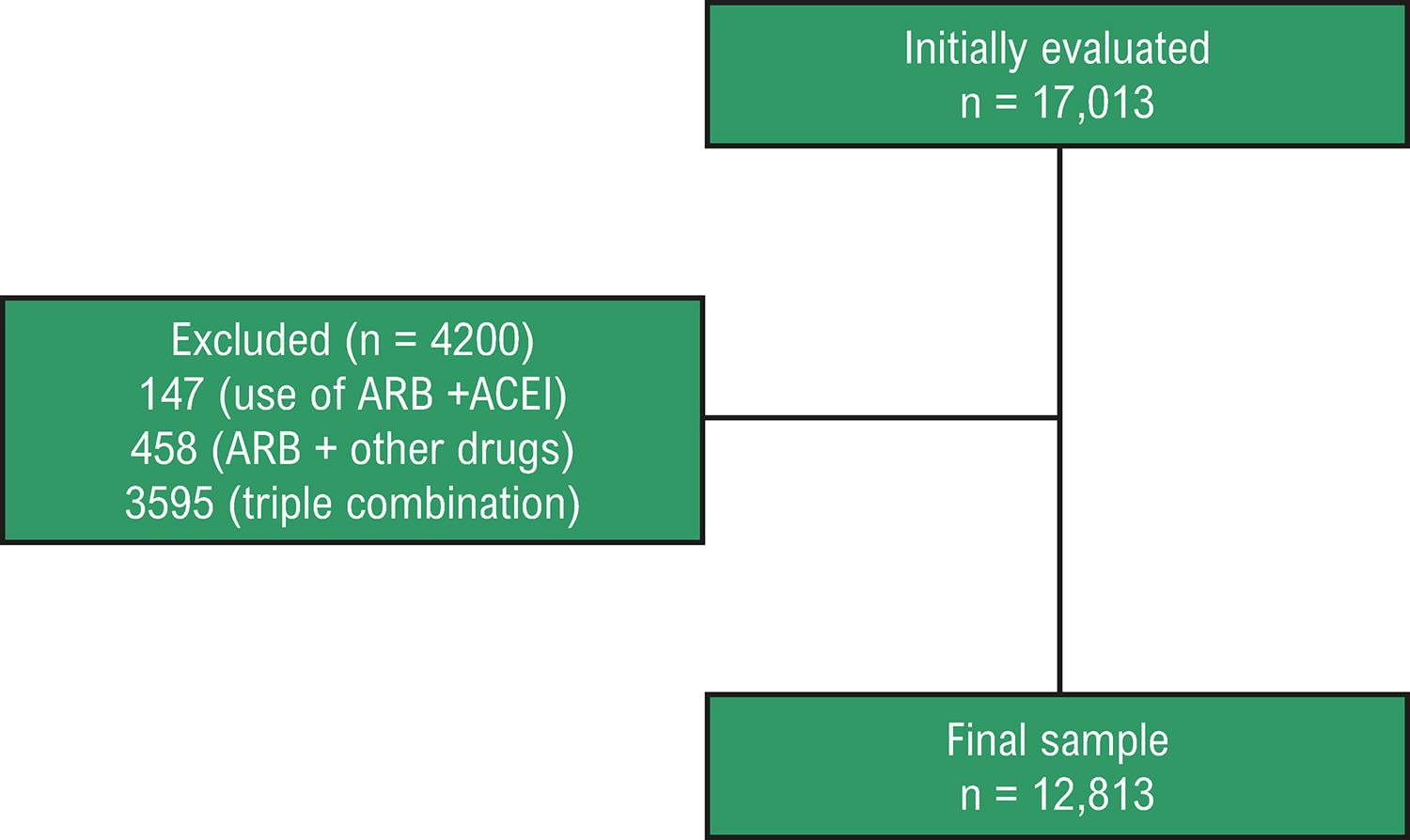
Of 17,013 patients, 12,813 met the inclusion criteria, 62.1% of whom were female. The mean number of valid measurements was 23.3 (SD, 2.0). The mean HBPM and casual measurements for systolic blood pressure were 126.8 (SD, 15.8) mmHg and 133.5 (SD, 20.1) mmHg (p <0.001), respectively, while those for diastolic blood pressure were 79.1 (SD, 9.7 mmHg) and 83.6 (SD, 11.9) mmHg (p <0.001), respectively. Losartan was the most common angiotensin receptor blocker and resulted in the highest blood pressure values. Combinations of angiotensin receptor blockers with diuretics or calcium channel antagonists resulted in lower blood pressure values.

Conclusions

More than half of the patients used losartan, although it was the least efficient drug for reducing and controlling blood pressure.
  • age
  • Angiotensin II Type 1 Receptor Blockers
  • Antihypertensive Agents/therapeutic use
  • Body Weights and Measures
  • Hypertension
  • Losartana
  • Sex
Read Full Article
Creative Commons Attribution (CC BY) Creative Commons license
09/05/2022 DOI: 10.36660/abc.20210504 Views 1
IJCS
Editorial

Factors Associated With Quality of Life in Patients with Systemic Arterial Hypertension

Armando da Rocha Nogueira

In 1966, Avedis Donabedian published a seminal article showing the importance of measuring health care quality. Donabedian also defined that it should be done in the dimensions of structure, process or results. The author showed that the “results” dimension is not necessarily related to the other two. While the measurement of some results, such as mortality, is easy to be carried out, other results are difficult to be measured, such as quality of life and patients’ satisfaction.

In the early 80’s, I became interested in the subject of health care quality. My thesis to obtain the master’s degree in Internal Medicine from the Federal University of Rio de Janeiro Medical School was entitled “Hypertension: health care quality at the HU-UFRJ”.

[…]

  • Antihypertensive Agents/therapeutic use
  • Blood Pressure, Cardiovascular Diseases/prevention and control
  • Exercise
  • Hypertension/therapy
  • Quality of life
Read Full Article
Creative Commons Attribution (CC BY) Creative Commons license
09/03/2020 DOI: 10.36660/ijcs.20200008
Figure 1
ABC
Original Article

Aortic Arch Calcification on Routine Chest Radiography is Strongly and Independently Associated with Non-Dipper Blood Pressure Pattern

Adem Adar et al. Orhan Onalan Fahri Cakan Ertan Akbay Ekrem Karakaya

Abstract

Background:

Non-dipper blood pressure (NDBP) is one of the important causes of hypertension-related target organ damage and future cardiovascular events. Currently, there is no practical tool to predict NDBP pattern.

Objectives:

The aim of this study was to investigate the relationship between aortic arch calcification (AAC) on chest radiography and NDBP pattern.

Methods:

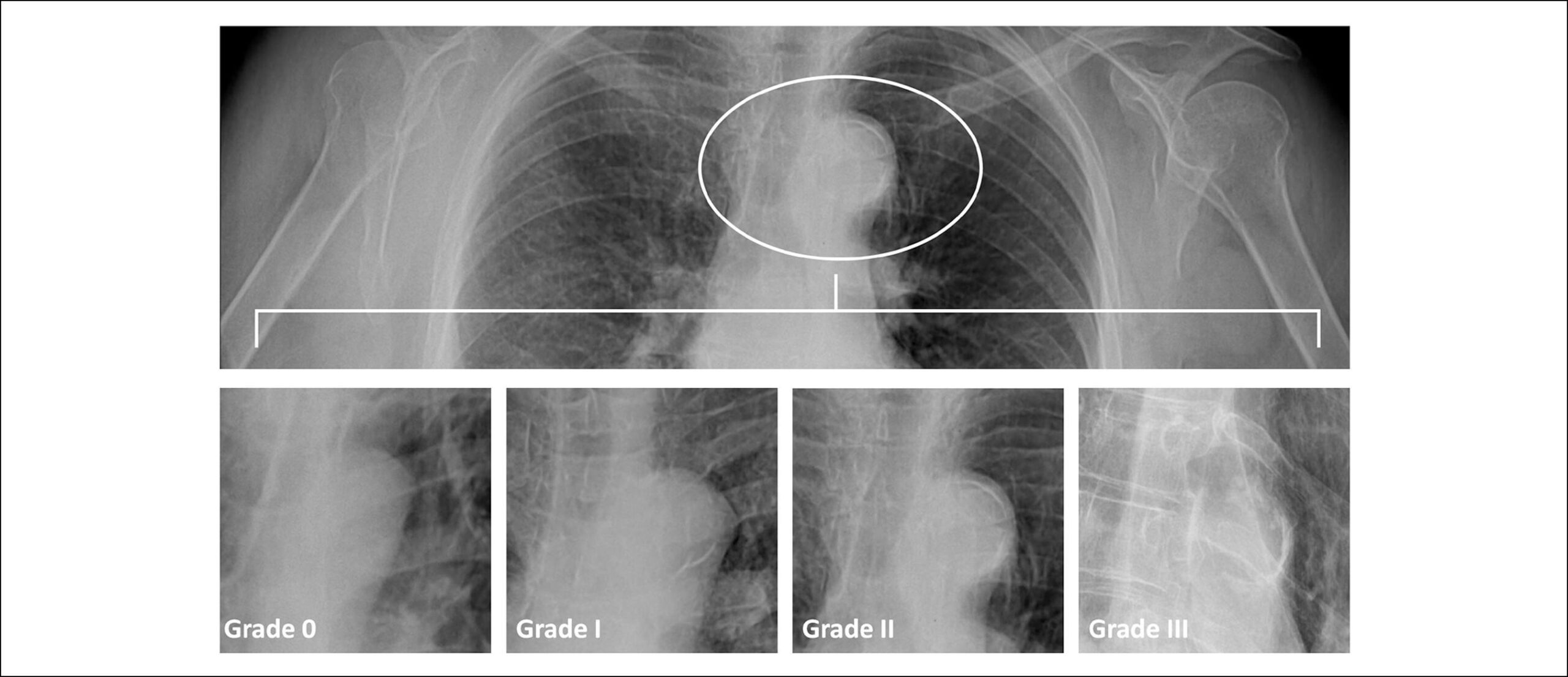
All patients referred for ambulatory BP monitoring test were approached for the study participation. NDBP was defined as the reduction of ≤10% in nighttime systolic BP as compared to the daytime values. AAC was evaluated with chest radiography and inter-observer agreement was analyzed by using kappa statistics. Univariate and multivariate logistic regression analysis was conducted to assess the association of AAC and NDBP pattern. A 2-tailed p-value < 0.05 was considered statistically significant.

Results:

A total of 406 patients (median age: 51.3) were included. Of these, 261(64%) had NDBP pattern. Overall, the prevalence of AAC was 230 (57%). Non-dipper group had significantly higher prevalence of AAC (70% vs. 33%, p < 0.0001) as compared to the dipper group. Presence of AAC was a strong and independent predictor of NDBP pattern (OR 3.919, 95%CI 2.39 to 6.42) in multivariate analysis.

Conclusions:

Presence of AAC on plain chest radiography is strongly and independently associated with the presence of NDBP pattern.

  • Antihypertensive Agents/therapeutic use
  • Blood Pressure Monitoring, Ambulatory
  • calcification
  • Calcinosis
  • Cardiomyopathies
  • Heart Rate
  • Hypertension/imaging diagnosis
  • Thoracic, Aorta/physiopathology
  • Ventricular Function,Left
Read Full Article
Creative Commons Attribution (CC BY) Creative Commons license
28/10/2019 DOI: 10.5935/abc.20190229 Views 1
Figure 1
IJCS
Original Article

Association between Therapeutic Adherence and the Profile of Patients with Resistant Hypertension

Luciana Baltazar da Silveira de Araújo et al. Roque Aras Junior

Abstract

Background:

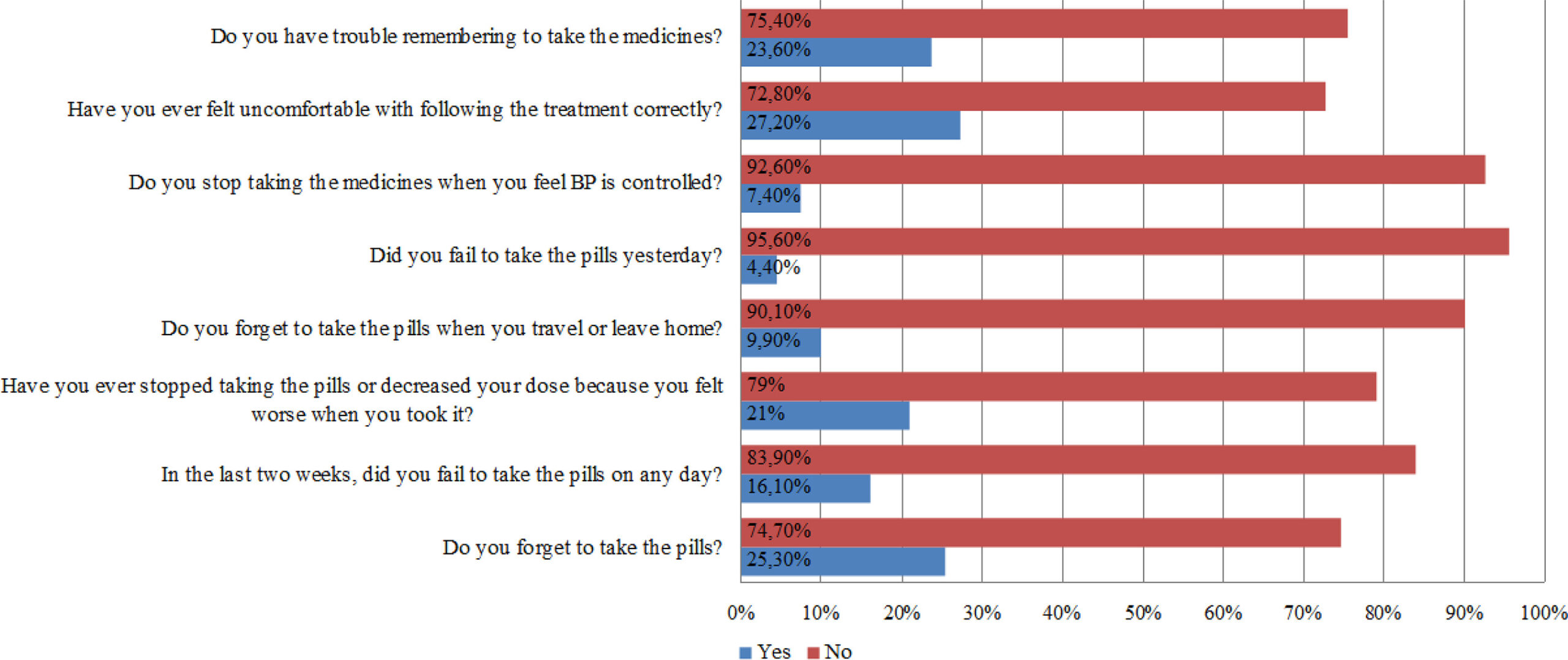
Resistant hypertension (RH) consists of increased blood pressure (BP) despite the use of 3 or more antihypertensives or BP control only when is use of 4 or more antihypertensives. It is fundamental to exclude pseudoresistance, which can be attributed to poor therapeutic adherence. Adherence evaluation, generally by the Morisky-Grenn test, is important because, when appropriate, it is associated with fewer cardiovascular complications and better BP control.

Objectives:

To evaluate the adherence of patients with RH and to investigate its relation with epidemiological, anthropometric and clinical characteristics, as well as to estimate the prevalence of pseudoresistance and to outline strategies to improve adherence.

Methods:

Retrospective observational cohort from an interview with patients followed at an outpatient clinic for RH. Therapeutic adherence, demographic, anthropometric data, cardiovascular risk factors, comorbidities, complementary exams and BP level were collected. One-way ANOVA and Student’s t-tests were used for normal variables, and the Kruskal-Wallis and Mann-Whitney tests were used for non-normal tests. Categorical variables were compared using the Chi-Square test. We considered a 5% significance level in all tests.

Results:

217 individuals were included. Of these, 17% had poor adherence. Epidemiological and clinical characteristics, complications, comorbidities, BP level or drugs used were statistically insignificant between groups. The poor adherence group used significantly more drugs (p = 0.0313) and 28% of pseudoresistance was estimated.

Conclusions:

Most of the individuals presented good therapeutic adherence by the Morisky test. Only the number of antihypertensive drugs had a statistically significant influence on adherence, while the epidemiological, anthropometric and clinical characteristics were statistically insignificant.

  • Antihypertensive Agents / pharmacology
  • Antihypertensive Agents/therapeutic use
  • blood pressure determination
  • drug resistance
  • Hypertension
  • Life Style
  • Prognosis
Read Full Article
Creative Commons Attribution (CC BY) Creative Commons license
24/10/2019 DOI: 10.5935/2359-4802.20190077 Views 1
Figure 1
ABC
Artigo Especial

I Brazilian Position Paper on Antihypertensive Drug Combination

Rui Póvoa et al. Weimar Sebba Barroso Andrea A Brandão Paulo Cesar Veiga Jardim … Oswaldo Barroso Oswaldo Passarelli Jr. João Roberto Gemelli Audes Feitosa Thiago Veiga Jardim Sergio Baiocchi Carneiro Celso Amodeo Osni Moreira Filho Armando da Rocha Nogueira Nelson Siqueira de Morais Luiz Cesar Nazário Scala Carolina Gonzaga Dilma do Socorro Moraes de Souza Annelise Machado Gomes de Paiva Marcus Vinicius Bolivar Malachias Décio Mion Jr. Marco Antônio Mota-Gomes Eduardo Costa Duarte Barbosa Marcio Gonçalves de Sousa Henrique Tria Bianco Francisco Antonio Helfenstein Fonseca Marcio Kalil Roberto Dischinger Miranda Carlos André Uehara Antônio Felipe Sanjuliani

Evidence of clinical trials

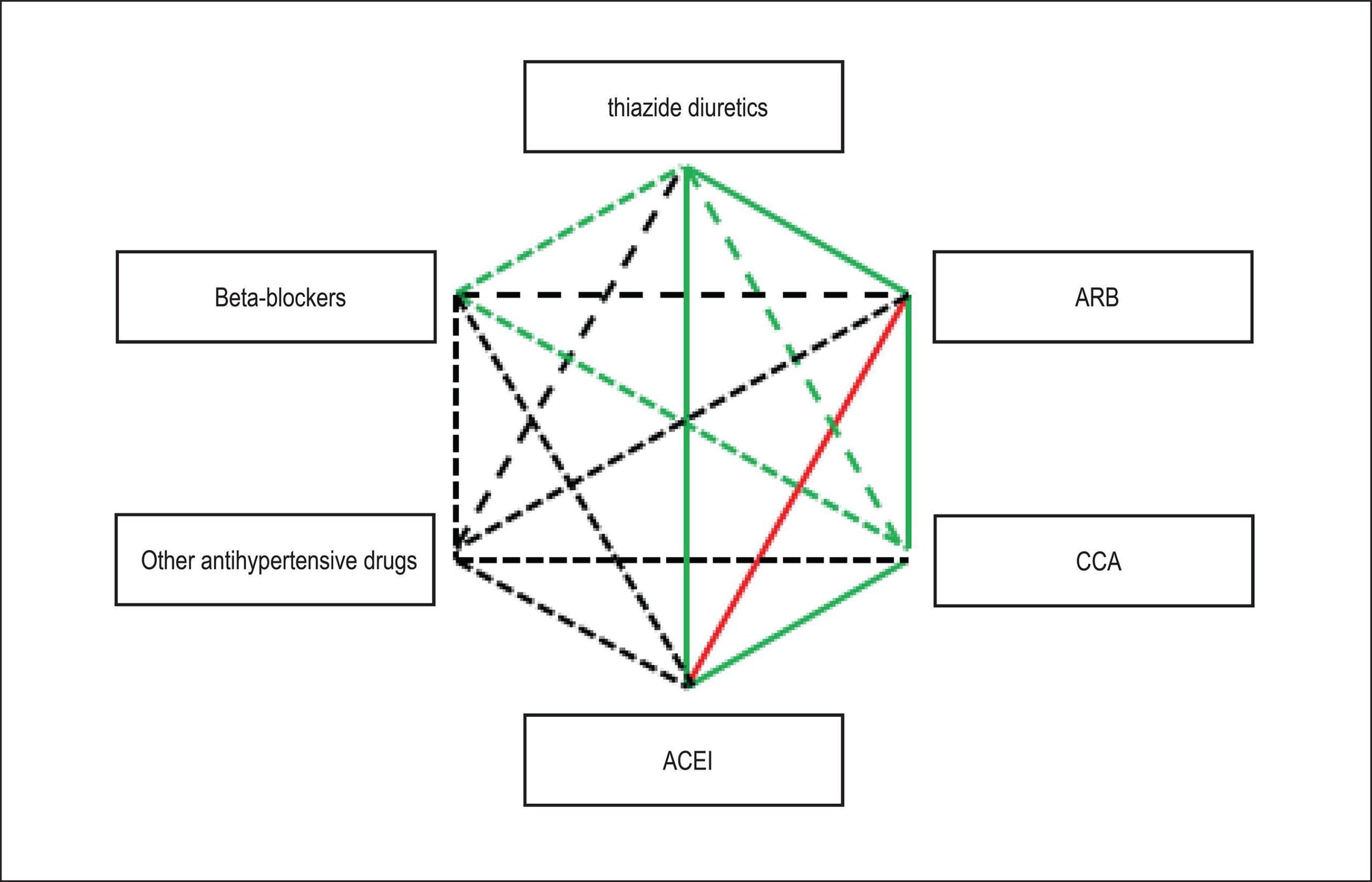
Data available have suggested that most of the hypertensive population requires combined therapy to achieve BP control goals. A meta-analysis of 354 double-blind randomized clinical trials has found mean BP reductions with monotherapy of only 9.1 mm Hg and 5.5 mm Hg for systolic BP (SBP) and diastolic BP (DBP), respectively. There were only few differences in the responses to the following drugs assessed: diuretics; beta-blockers (BBs); angiotensin-converting-enzyme inhibitors (ACEIs); type 1 angiotensin-receptor blockers (ARBs); and calcium channel antagonists (CCAs). In the ALLHAT, only 26% of the patients achieved the BP control goal with monotherapy, even considering the goal for diabetic patients (36% of the patients) of < 140/90 mm Hg, rather than 130/80 mm Hg as recommended by several guidelines at the time. In the HOT Study, only 33% of the patients met the DBP goal with monotherapy; 45% required two drugs and 22% needed three drugs to meet that goal. The mean SBP at the end of the HOT Study was 141 mm Hg, indicating that an even higher percentage of patients would have needed combined therapy to meet the goal of < 140 mmHg. In the LIFE Study, treatment to meet the recommended goal (<140/90 mmHg) was aggressively pursued in elderly patients with left ventricular hypertrophy (LVH). Considering an initial mean BP of 175/98 mm Hg, more than 90% need to use at least two antihypertensive drugs. The Strategies in Treatment of Hypertension (STRATHE) Study, in which treatment was initiated with a combination of low doses and compared to monotherapy, has found a greater percentage of individuals in the low-dose combination group who met the BP control goal (BP < 140/90 mm Hg) as compared to those receiving sequential monotherapy (62% vs. 49%, p = 0.02).

Based on the criteria of efficacy, tolerability, likelihood of higher adherence, evidence of CV and kidney protections, and safety, the associations of antihypertensive drugs can be divided as follows: preferential; acceptable; less usual; and unusual (). summarizes the current recommendations for drug association in AH treatment. It is worth noting that non-pharmacological measures of lifestyle change should be always emphasized to improve AH control and prevention of its complications.

[…]

  • Antihypertensive Agents / pharmacology
  • Antihypertensive Agents/therapeutic use
  • Hypertension/therapy
Read Full Article
Creative Commons Attribution (CC BY) Creative Commons license
01/03/2014 DOI: 10.5935/abc.20140023 Views 1

How to cite this article

EndNote RIS

Electronic Document Format (Vancouver)

Barroso WKS, Brandão AA, Vitorino PVO, Feitosa ADM, Barbosa ECD, Miranda RD, Redon J, et al. Angiotensin Receptor Blockers Evaluated by Office and Home Blood Pressure Measurements. TeleHBPM Study. Arquivos Brasileiros de Cardiologia 2022;118(6):1069-82.

Electronic Document Format (ABNT)

Barroso, Weimar Kunz Sebba; Brandão, Andréa Araujo; Vitorino, Priscila Valverde de Oliveira; Feitosa, Audes Diógenes de Magalhães; Barbosa, Eduardo Costa Duarte; Miranda, Roberto Dischinger; Redon, Josep; Camafort-Babkowski, Miguel; Coca, Antonio; Gomes, Marco Antônio Mota. Angiotensin Receptor Blockers Evaluated by Office and Home Blood Pressure Measurements. TeleHBPM Study. Arquivos Brasileiros de Cardiologia, v. 118, n. 6, p. 1069-1082, May. 2022.

Electronic Document Format (APA)

Barroso, W. K. S., Brandão, A. A., Vitorino, P. V. O., Feitosa, A. D. M., Barbosa, E. C. D., Miranda, R. D., Redon, J., Camafort-Babkowski, M., Coca, A., & Gomes, M. A. M. (2022). Angiotensin Receptor Blockers Evaluated by Office and Home Blood Pressure Measurements. TeleHBPM Study. Arquivos Brasileiros de Cardiologia, 118(6), 1069-1082.

Electronic Document Format (ISO)

Barroso, Weimar Kunz Sebba and Brandão, Andréa Araujo and Vitorino, Priscila Valverde de Oliveira and Feitosa, Audes Diógenes de Magalhães and Barbosa, Eduardo Costa Duarte and Miranda, Roberto Dischinger and Redon, Josep and Camafort-Babkowski, Miguel and Coca, Antonio and Gomes, Marco Antônio Mota. Angiotensin Receptor Blockers Evaluated by Office and Home Blood Pressure Measurements. TeleHBPM Study. Arquivos Brasileiros de Cardiologia [online]. 2022, vol. 118, n. 6, [cited 2026-10-14], pp. 1069-1082. Available from: <https://journals.cardiol.br/en/article/angiotensin-receptor-blockers-evaluated-by-office-and-home-blood-pressure-measurements-telehbpm-study/>. ISSN 0066-782X

EndNote RIS

Electronic Document Format (Vancouver)

Nogueira AR. Factors Associated With Quality of Life in Patients with Systemic Arterial Hypertension. International Journal of Cardiovascular Sciences 2020;33(2):131-2.

Electronic Document Format (ABNT)

Nogueira, Armando da Rocha. Factors Associated With Quality of Life in Patients with Systemic Arterial Hypertension. International Journal of Cardiovascular Sciences, v. 33, n. 2, p. 131-132, Mar. 2020.

Electronic Document Format (APA)

Nogueira, A. R. (2020). Factors Associated With Quality of Life in Patients with Systemic Arterial Hypertension. International Journal of Cardiovascular Sciences, 33(2), 131-132.

Electronic Document Format (ISO)

Nogueira, Armando da Rocha. Factors Associated With Quality of Life in Patients with Systemic Arterial Hypertension. International Journal of Cardiovascular Sciences [online]. 2020, vol. 33, n. 2, [cited 2026-10-14], pp. 131-132. Available from: <https://journals.cardiol.br/en/article/factors-associated-with-quality-of-life-in-patients-with-systemic-arterial-hypertension-3/>. ISSN 2359-4802

EndNote RIS

Electronic Document Format (Vancouver)

Adar A, Onalan O, Cakan F, Akbay E, Karakaya E. Aortic Arch Calcification on Routine Chest Radiography is Strongly and Independently Associated with Non-Dipper Blood Pressure Pattern. Arquivos Brasileiros de Cardiologia 2019;114(1):109-17.

Electronic Document Format (ABNT)

Adar, Adem; Onalan, Orhan; Cakan, Fahri; Akbay, Ertan; Karakaya, Ekrem. Aortic Arch Calcification on Routine Chest Radiography is Strongly and Independently Associated with Non-Dipper Blood Pressure Pattern. Arquivos Brasileiros de Cardiologia, v. 114, n. 1, p. 109-117, Oct. 2019.

Electronic Document Format (APA)

Adar, A., Onalan, O., Cakan, F., Akbay, E., & Karakaya, E. (2019). Aortic Arch Calcification on Routine Chest Radiography is Strongly and Independently Associated with Non-Dipper Blood Pressure Pattern. Arquivos Brasileiros de Cardiologia, 114(1), 109-117.

Electronic Document Format (ISO)

Adar, Adem and Onalan, Orhan and Cakan, Fahri and Akbay, Ertan and Karakaya, Ekrem. Aortic Arch Calcification on Routine Chest Radiography is Strongly and Independently Associated with Non-Dipper Blood Pressure Pattern. Arquivos Brasileiros de Cardiologia [online]. 2019, vol. 114, n. 1, [cited 2026-10-14], pp. 109-117. Available from: <https://journals.cardiol.br/en/article/aortic-arch-calcification-on-routine-chest-radiography-is-strongly-and-independently-associated-with-non-dipper-blood-pressure-pattern/>. ISSN 0066-782X

EndNote RIS

Electronic Document Format (Vancouver)

Araújo LBS, Aras Junior R. Association between Therapeutic Adherence and the Profile of Patients with Resistant Hypertension. International Journal of Cardiovascular Sciences 2019;33(2):121-30.

Electronic Document Format (ABNT)

Araújo, Luciana Baltazar da Silveira de; Aras Junior, Roque. Association between Therapeutic Adherence and the Profile of Patients with Resistant Hypertension. International Journal of Cardiovascular Sciences, v. 33, n. 2, p. 121-130, Oct. 2019.

Electronic Document Format (APA)

Araújo, L. B. S. , & Aras Junior, R. (2019). Association between Therapeutic Adherence and the Profile of Patients with Resistant Hypertension. International Journal of Cardiovascular Sciences, 33(2), 121-130.

Electronic Document Format (ISO)

Araújo, Luciana Baltazar da Silveira de and Aras Junior, Roque. Association between Therapeutic Adherence and the Profile of Patients with Resistant Hypertension. International Journal of Cardiovascular Sciences [online]. 2019, vol. 33, n. 2, [cited 2026-10-14], pp. 121-130. Available from: <https://journals.cardiol.br/en/article/association-between-therapeutic-adherence-and-the-profile-of-patients-with-resistant-hypertension/>. ISSN 2359-4802

EndNote RIS

Electronic Document Format (Vancouver)

Póvoa R, Barroso WS, Brandão AA, Jardim PCV, Barroso O, Passarelli Jr. O, Gemelli JR, et al. I Brazilian Position Paper on Antihypertensive Drug Combination. Arquivos Brasileiros de Cardiologia 2014;102(3):203-10.

Electronic Document Format (ABNT)

Póvoa, Rui; Barroso, Weimar Sebba; Brandão, Andrea A; Jardim, Paulo Cesar Veiga; Barroso, Oswaldo; Passarelli Jr., Oswaldo; Gemelli, João Roberto; Feitosa, Audes; Jardim, Thiago Veiga; Carneiro, Sergio Baiocchi; Amodeo, Celso; Moreira Filho, Osni; Nogueira, Armando da Rocha; Morais, Nelson Siqueira de; Scala, Luiz Cesar Nazário; Gonzaga, Carolina; Souza, Dilma do Socorro Moraes de; Paiva, Annelise Machado Gomes de; Malachias, Marcus Vinicius Bolivar; Mion Jr., Décio; Mota-Gomes, Marco Antônio; Barbosa, Eduardo Costa Duarte; Sousa, Marcio Gonçalves de; Bianco, Henrique Tria; Fonseca, Francisco Antonio Helfenstein; Kalil, Marcio; Miranda, Roberto Dischinger; Uehara, Carlos André; Sanjuliani, Antônio Felipe. I Brazilian Position Paper on Antihypertensive Drug Combination. Arquivos Brasileiros de Cardiologia, v. 102, n. 3, p. 203-210, Feb. 2014.

Electronic Document Format (APA)

Póvoa, R., Barroso, W. S., Brandão, A. A., Jardim, P. C. V., Barroso, O., Passarelli Jr., O., Gemelli, J. R., Feitosa, A., Jardim, T. V., Carneiro, S. B., Amodeo, C., Moreira Filho, O., Nogueira, A. R., Morais, N. S. , Scala, L. C. N., Gonzaga, C., Souza, D. S. M. , Paiva, A. M. G. , Malachias, M. V. B., Mion Jr., D., Mota-Gomes, M. A., Barbosa, E. C. D., Sousa, M. G. , Bianco, H. T., Fonseca, F. A. H., Kalil, M., Miranda, R. D., Uehara, C. A., & Sanjuliani, A. F. (2014). I Brazilian Position Paper on Antihypertensive Drug Combination. Arquivos Brasileiros de Cardiologia, 102(3), 203-210.

Electronic Document Format (ISO)

Póvoa, Rui and Barroso, Weimar Sebba and Brandão, Andrea A and Jardim, Paulo Cesar Veiga and Barroso, Oswaldo and Passarelli Jr., Oswaldo and Gemelli, João Roberto and Feitosa, Audes and Jardim, Thiago Veiga and Carneiro, Sergio Baiocchi and Amodeo, Celso and Moreira Filho, Osni and Nogueira, Armando da Rocha and Morais, Nelson Siqueira de and Scala, Luiz Cesar Nazário and Gonzaga, Carolina and Souza, Dilma do Socorro Moraes de and Paiva, Annelise Machado Gomes de and Malachias, Marcus Vinicius Bolivar and Mion Jr., Décio and Mota-Gomes, Marco Antônio and Barbosa, Eduardo Costa Duarte and Sousa, Marcio Gonçalves de and Bianco, Henrique Tria and Fonseca, Francisco Antonio Helfenstein and Kalil, Marcio and Miranda, Roberto Dischinger and Uehara, Carlos André and Sanjuliani, Antônio Felipe. I Brazilian Position Paper on Antihypertensive Drug Combination. Arquivos Brasileiros de Cardiologia [online]. 2014, vol. 102, n. 3, [cited 2026-10-14], pp. 203-210. Available from: <https://journals.cardiol.br/en/article/i-brazilian-position-paper-on-antihypertensive-drug-combination/>. ISSN 0066-782X

  • About ABC Family
  • Internal Regulation
  • Editorial Board
  • Brazilian Society of Cardiology (SBC)

Issues

SBC Guidelines

  • Videos
  • Podcasts
  • News