ABC Family Arquivos Brasileiros de Cardiologia International Journal of Cardiovascular Sciences ABC Heart Failure & Cardiomyopathy ABC Imagem Cardiovascular
Português English
ABC Family
Português English
  • About
    • About ABC Family
    • Internal Regulation
    • Editorial Board
    • Brazilian Society of Cardiology (SBC)
  • Issues
  • SBC Guidelines
  • Content
    • Videos
    • Podcasts
    • News
  • About
    • About ABC Family
    • Internal Regulation
    • Editorial Board
    • Brazilian Society of Cardiology (SBC)
  • Issues
  • SBC Guidelines
  • Content
    • Videos
    • Podcasts
    • News

ABC Family

  • ABC Family
  • Arquivos Brasileiros de Cardiologia
  • International Journal of Cardiovascular Sciences
  • ABC Heart Failure & Cardiomyopathy
  • ABC Imagem Cardiovascular
Search in

No content found.

Journals
Ordering
Article types
Others

  1. Home
  2. Keyword: Telemonitoring
Cardiovascular Telerehabilitation: An Alternative for Greater Availability of Cardiovascular and Metabolic Rehabilitation in Brazil
ABC
Viewpoint

Cardiovascular Telerehabilitation: An Alternative for Greater Availability of Cardiovascular and Metabolic Rehabilitation in Brazil

Artur Haddad Herdy et al. Ariella Sebastião Mangia Magnus Benetti

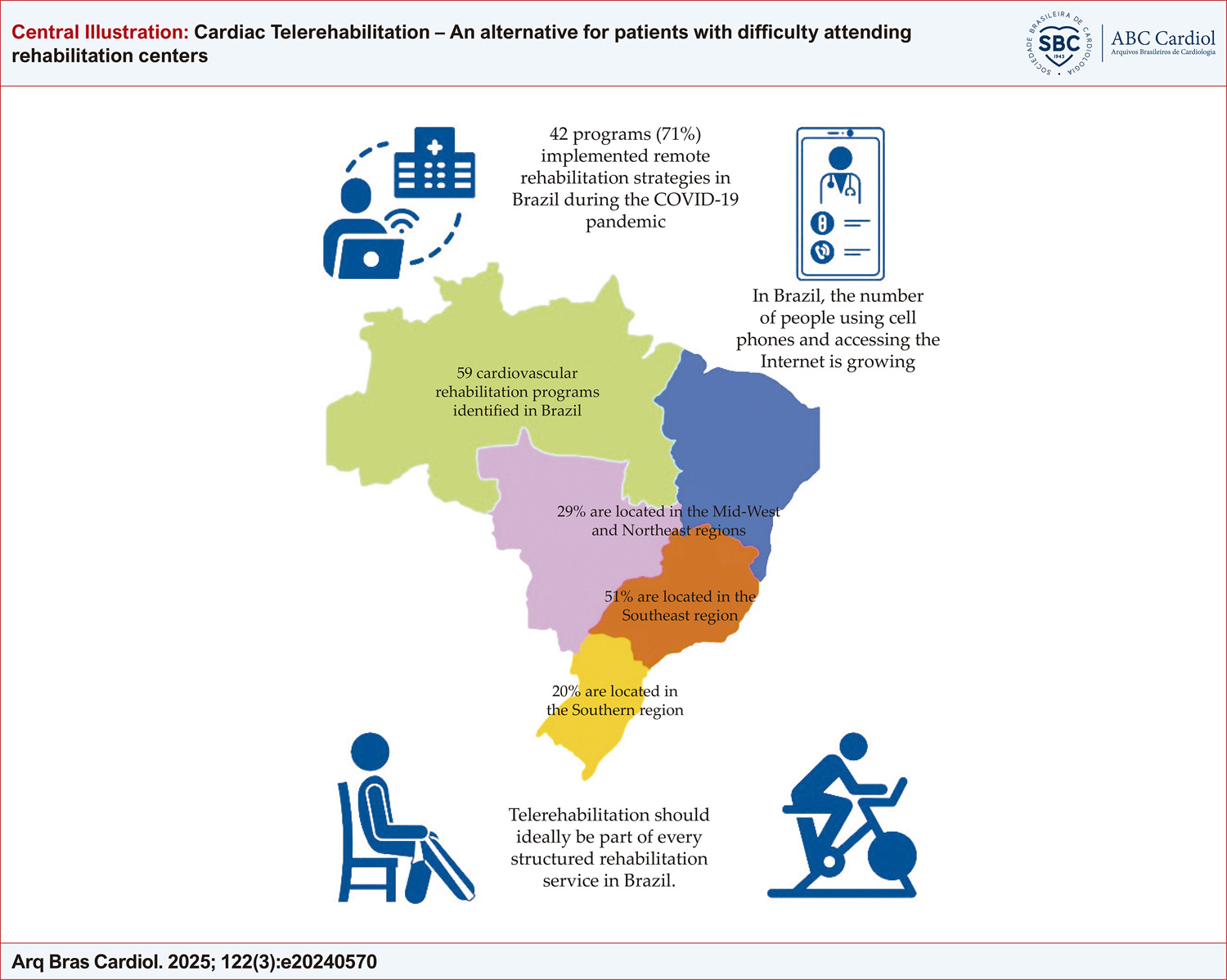
Cardiovascular telerehabilitation – concept

CTR is a program that comprises one or more components of traditional CVR, commonly offered in CVR programs at home or outside a hospital/specialized center environment; it is delivered through digital technology (telemonitoring, e-learning, telecoaching).

Its objective is to manage CVD and improve different physical, emotional, psychological, and social aspects of patients, especially those located in areas with low levels of access, whether due to their place of residence or difficulty in accessing advanced care.,

[…]

  • Cardiac Rehabilitation
  • Cardiovascular Diseases
  • COVID-19
  • Telemonitoring
  • Telerehabilitation
Read Full Article
Creative Commons Attribution (CC BY) Creative Commons license
07/04/2025 DOI: 10.36660/abc.20240570i
Figure 1
ABC
Research Letter

Home Blood Pressure Monitoring and Blood Pressure Control in Treated Hypertensives

Andréa Araujo Brandão et al. Weimar Kunz Sebba Barroso Audes Feitosa Eduardo Costa Duarte Barbosa … Roberto Dischinger Miranda Priscila Valverde de Oliveira Vitorino Roberto Pozzan Lucio Paulo Ribeiro Abraham Epelman Giovanni Alves Saraiva Fabio Serra Silveira Antônio Almeida Braga Marco Mota Gomes

Introduction

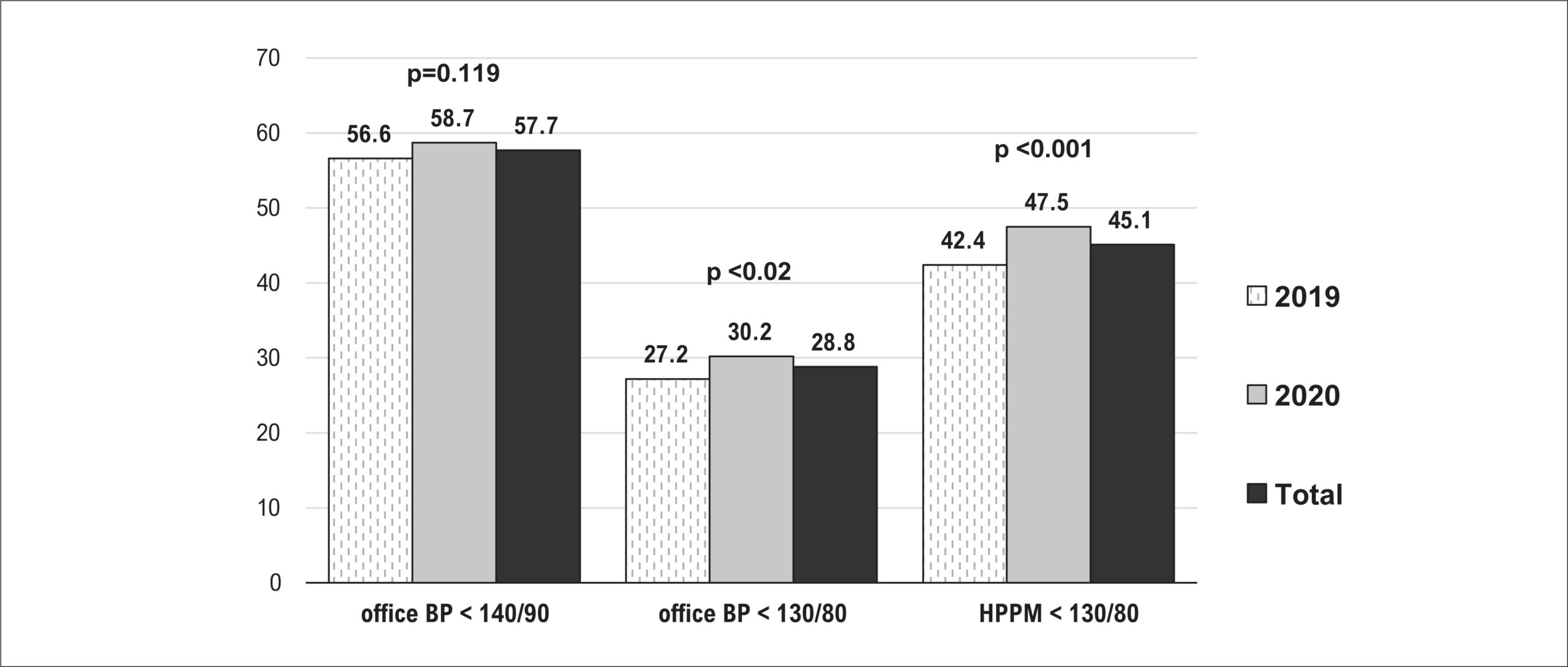
Blood pressure (BP) control rates are very low in Brazil and in the world, around 20% only.– Patients with uncontrolled hypertension despite treatment remain at high risk for cardiovascular (CV) events and mortality, comparably to untreated individuals.

According to recent recommendations,,,, BP control should be monitored by both office BP and out-of-office BP measurements. In this way, it is possible to determine different hypertension phenotypes,,,, which is very important to determine the prognosis and individualized therapy.,,-

[…]

  • Arterial Pressure
  • Blood Pressure Monitors/methods
  • Control
  • Hypertension
  • Risk Factors
  • Telemedicine
  • Telemonitoring
Read Full Article
Creative Commons Attribution (CC BY) Creative Commons license
05/08/2022 DOI: 10.36660/abc.20220038 Views 2
Figure 1
IJCS
Original Article

Effectiveness of Telemedicine in Reducing Hospitalizations in Patients Discharged from the Hospital Due to Heart Failure: A Randomized Clinical Trial Protocol

Edmar Geraldo Ribeiro et al. Luisa Brant Lilian Cristina Rezende Renato Azeredo Teixeira … Laura Carvalho Parreiras Tulio Batista Franco Antônio Ribeiro Deborah Malta

Abstract

Fundament:

Telemedicine for follow-up in heart failure (HF) patients is effective in reducing hospitalizations, total and cardiovascular mortality. However, few studies were conducted in low and middle income, where lower access to technology and illiteracy could impact the results.

Objective:

To assess the effectiveness of associating telemedicine strategies, when compared to usual care, in reducing hospitalizations related to HF in patients discharged from the hospital due to HF.

Methods:

Controlled, randomized, multicenter, parallel-arm clinical trial, with an allocation ratio of 1:1, blinded to outcome evaluation, in which 340 patients who were discharged from public hospitals in Belo Horizonte due to HF will be randomized. Patients will be followed for 6 months and the intervention group will receive, in addition to the usual care, Structured Telephone Support (STS) from a nurse, a doctor, and an educational program. Counseling will be according to a clinical decision tree. The level of significance in the statistical analysis will be 5%.

Expected results:

Reduction in the number of hospital readmissions and/or in hospitalization time, in addition to developing a software with a clinical decision tree for remote follow-up and patient education about HF adapted to local culture.

Conclusions:

The intention of this study is to develop a telemedicine strategy and assess whether or not, in addition to the usual care, it is effective in reducing hospitalizations and mortality from HF. If effective, the aforementioned strategy could reduce costs and hospital needs in the Unified Health System (SUS, in Portuguese) for patients with HF. These results will be even more relevant considering the pandemic of COVID-19.

  • Heart Failure
  • Hospitalization
  • Quality of life
  • Telemedicine
  • Telemonitoring
Read Full Article
Creative Commons Attribution (CC BY) Creative Commons license
16/05/2022 DOI: 10.36660/ijcs.20210131 Views 2
ABC
Editorial

Is There a Role for Telemonitoring in Heart Failure?

Mônica Samuel Avila et al. Deborah de Sá Pereira Belfort

Heart failure (HF) is the leading cause of cardiovascular hospitalization in the world. Mortality rate ranges from 5% to 15%, and up to 50% of patients are readmitted in the emergency department in 90 days after discharge. Different strategies have been implemented in recent years to avoid readmission, and telemedicine is a growing field in this scenario. The use of telecommunication technologies brings potential advantages when compared to in-person care, overcoming organizational and geographic barriers. However, divergent results in randomized trials evaluating the efficacy of telemedicine in reducing heart failure hospitalizations and mortality discouraged the routine use of digital resources in clinical practice until the COVID-19 pandemic.

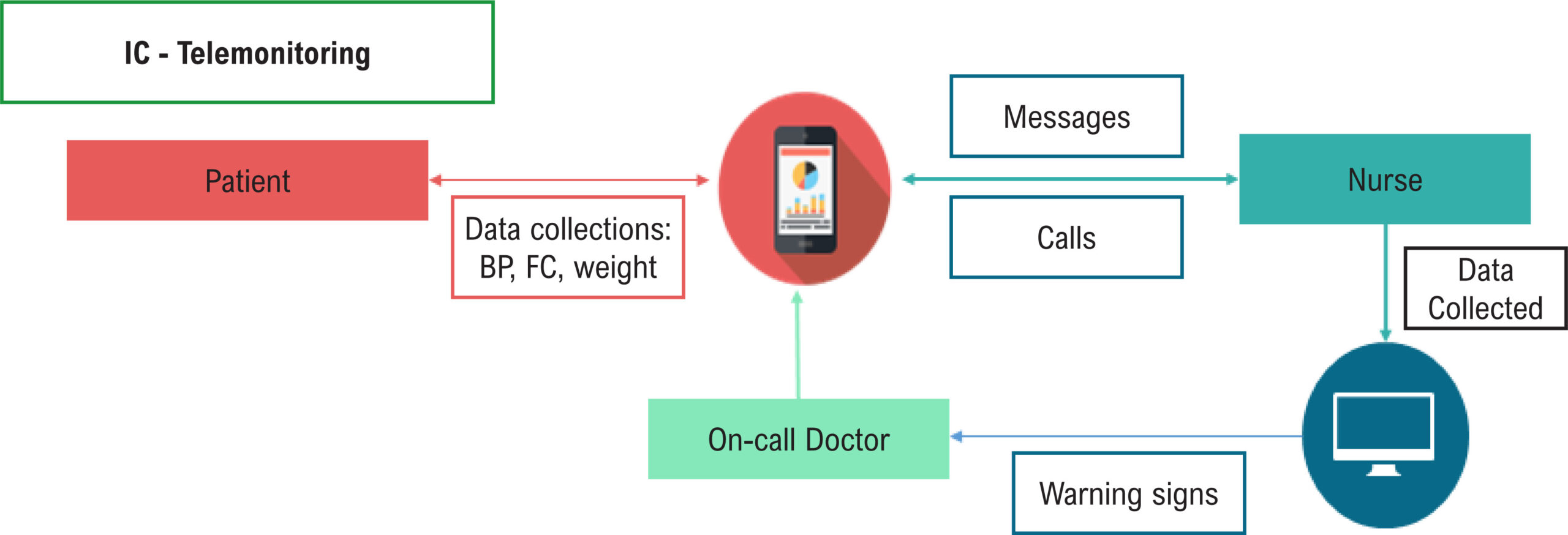
In this issue of Arquivos Brasileiros de Cardiologia, retrospective observational research evaluated the impact of an advanced telemonitoring program in a heart failure population. Thirty-nine patients were included, and the researchers compared the number of hospitalizations one year before the program, with hospitalizations during the program. The program used vital signs and variables such as heart rate, blood pressure, weight variation, peripheral blood oxygenation, temperature, and a seminal 3-derivation electrocardiogram. Thirty-four patients were included in the final analysis. The authors reported a 66% reduction in emergency department admissions and a reduction of 68% in heart failure hospitalizations, considering the patients themselves as controls.

[…]

  • Emergency Services
  • Heart Failure/physiopathology
  • Hospitalization
  • Telemonitoring
Read Full Article
Creative Commons Attribution (CC BY) Creative Commons license
18/03/2022 DOI: 10.36660/abc.20220034
ABC
Original Article

Telemonitoring in Heart Failure – A Single Center Experience

Isabel O. Cruz et al. Susana Costa Rogério Teixeira Fátima Franco Lino Gonçalves

Abstract

Background

The natural history of heart failure is a progressive decline and recurrent hospital admissions. New strategies to timely detect decompensations are needed. The use of telemonitoring in heart failure is inconsistent.

Objectives

This study aimed to evaluate the impact of this telemonitoring program (TMP) in hospitalizations and emergency department admissions.

Methods

This is a retrospective observational study, that analyzed data of all the patients who enrolled in the TMP program from January 2018 to December 2019. Demographic, clinical, and TMP-related data were collected. The number of hospitalizations and emergency department admissions from the year before and after enrollment were compared, using the Wilcoxon test. A two-sided p<0.05 was considered significant.

Results

A total of 39 patients were enrolled, with a mean age of 62.1 ± 14 years and a male predominance (90%). The most common causes of heart failure were ischemic and dilated cardiomyopathy. The mean ejection fraction was 30% and the median time of disease duration was 84 months (IQR 33-144). Patients who were enrolled for less than one month were excluded, with a total of 34 patients analyzed. Patients were followed in the TMP for a median of 320 days. The number of emergency department admissions was reduced by 66% (p<0.001), and the number of hospitalizations for heart failure was reduced by 68% (p<0.001). The TMP had no impact on the number of hospitalizations for other causes.

Conclusions

This trial suggests that a TMP could reduce health service use in patients with heart failure.

  • Emergency Services
  • Heart Failure/physiopathology
  • Hospitalization
  • Telemonitoring
Read Full Article
Creative Commons Attribution (CC BY) Creative Commons license
07/02/2022 DOI: 10.36660/abc.20201264
ABC
Research Letter

Emerging Topics in Heart Failure: The Future of Heart Failure: Telemonitoring, Wearables, Artificial Intelligence and Learning in the Post-Pandemic Era

Aguinaldo F Freitas Jr et al. Fábio S. Silveira Germano E. Conceição-Souza Manoel F. Canesin … Pedro V. Schwartzmann Sabrina Bernardez-Pereira Reinaldo B. Bestetti

Telemonitoring in Heart Failure and Remote Management

Telemonitoring consists of monitoring and remote support for chronic heart failure (HF) patients. Telemonitoring can be non-invasive or invasive. Non-invasive telemonitoring includes telephone calls, periodic guidance through instructional material, control and monitoring of body weight, video calls and teleconsultations. , Invasive telemonitoring involves implantable devices that transmit hemodynamic and intrathoracic impedance data to a remote server. ,

Clinical trials of non-invasive telemonitoring often show conflicting results. However, meta-analyses of observational and randomized studies on invasive and non-invasive telemonitoring have shown that they have a positive impact on HF prognosis. The reduction in overall mortality in HF patients can vary from 19 to 31% with invasive or non-invasive telemonitoring, , while reduction in the frequency of hospitalization for HF varies from 27 to 39%, mainly in functional class III/IV patients. –

[…]

  • Artificial Intelligence
  • Heart Failure
  • Learning
  • Telemonitoring
Read Full Article
Creative Commons Attribution (CC BY) Creative Commons license
18/01/2021 DOI: 10.36660/abc.20201127 Views 1
ABC
Viewpoint

Echoes of Telecardiology Guideline

Silvio Henrique Barberato et al. Marcelo Antônio Cartaxo Queiroga Lopes

Echocardiography has an established role in the diagnosis, prognostic evaluation and therapeutic orientation in several cardiovascular diseases. The great technological development in the last decades has allowed the digitization and standardization of medical images (DICOM), miniaturization of echocardiography equipment (portable cardiac ultrasound) and the transfer of images over the internet. In this scenario, strategies for the use of telemedicine-associated echocardiography, called tele-echocardiography, have been employed in the context of clinical research with the support of teleconsultation for remote expert review, in real time or after image storage and submission. In recognition of the demands generated by the ongoing digital transformation in health, the Brazilian Society of Cardiology recently published the Telemedicine Guideline in Cardiology. The document recognizes tele-echocardiography as a strategy for early detection of congenital heart disease in newborns and screening for early detection of subclinical cases of rheumatic heart disease in children and adolescents (both recommended as indication class IIa, level of evidence B). In addition, it evokes potential application in primary health care in remote locations, where it could enable early detection of cases of heart disease and assist in prioritizing referrals to specialized care (indication class IIb, level of evidence C). It should be emphasized that such recommendations are made within the conditions of regular use of the method in Brazil, which would include the need for doctors at both ends, i.e., the execution and interpretation of the exam. The text of the Guideline explicitly states the need for regulation and legal provision for the participation of other professionals in performing diagnostic procedures (in this case, obtaining echocardiographic images by non-doctors), currently not allowed by the country’s legislation.

In recent years, tele-echocardiography has extended the application of the method to individuals in geographically distant locations, such as remote rural communities or even space. A rural area is classified as remote when 50% of the local population needs at least 45 to 60 minutes of travel by motor vehicle to reach a population center of at least 50,000 inhabitants. Several situations have been experimentally tested, with a study on focused echocardiographic by non-cardiologist physicians,, non-physicians,, or remote-operated robotic devices, combined with remote interpretation by echocardiography cardiologists.

[…]

  • Cardiovascular Diseases
  • Diagnosis Imaging
  • Echocardiography/methods
  • Image Interpretation, Computer-Assisted
  • Robotics/trends
  • Telemedicine/methods
  • Telemedicine/trends
  • Telemonitoring
  • Training
Read Full Article
Creative Commons Attribution (CC BY) Creative Commons license
10/02/2020 DOI: 10.36660/abc.20190720 Views 1

How to cite this article

EndNote RIS

Electronic Document Format (Vancouver)

Herdy AH, Mangia AS, Benetti M. Cardiovascular Telerehabilitation: An Alternative for Greater Availability of Cardiovascular and Metabolic Rehabilitation in Brazil. Arquivos Brasileiros de Cardiologia 2025;122(3):e20240570.

Electronic Document Format (ABNT)

Herdy, Artur Haddad; Mangia, Ariella Sebastião; Benetti, Magnus. Cardiovascular Telerehabilitation: An Alternative for Greater Availability of Cardiovascular and Metabolic Rehabilitation in Brazil. Arquivos Brasileiros de Cardiologia, v. 122, n. 3, e20240570, Apr. 2025.

Electronic Document Format (APA)

Herdy, A. H., Mangia, A. S., & Benetti, M. (2025). Cardiovascular Telerehabilitation: An Alternative for Greater Availability of Cardiovascular and Metabolic Rehabilitation in Brazil. Arquivos Brasileiros de Cardiologia, 122(3), e20240570.

Electronic Document Format (ISO)

Herdy, Artur Haddad and Mangia, Ariella Sebastião and Benetti, Magnus. Cardiovascular Telerehabilitation: An Alternative for Greater Availability of Cardiovascular and Metabolic Rehabilitation in Brazil. Arquivos Brasileiros de Cardiologia [online]. 2025, vol. 122, n. 3, [cited 2026-10-14], e20240570. Available from: <https://journals.cardiol.br/en/article/cardiovascular-telerehabilitation-an-alternative-for-greater-availability-of-cardiovascular-and-metabolic-rehabilitation-in-brazil/>. ISSN 0066-782X

EndNote RIS

Electronic Document Format (Vancouver)

Brandão AA, Barroso WKS, Feitosa A, Barbosa ECD, Miranda RD, Vitorino PVO, Pozzan R, et al. Home Blood Pressure Monitoring and Blood Pressure Control in Treated Hypertensives. Arquivos Brasileiros de Cardiologia 2022;119(2):353-7.

Electronic Document Format (ABNT)

Brandão, Andréa Araujo; Barroso, Weimar Kunz Sebba; Feitosa, Audes; Barbosa, Eduardo Costa Duarte; Miranda, Roberto Dischinger; Vitorino, Priscila Valverde de Oliveira; Pozzan, Roberto; Ribeiro, Lucio Paulo; Epelman, Abraham; Saraiva, Giovanni Alves; Silveira, Fabio Serra; Braga, Antônio Almeida; Gomes, Marco Mota. Home Blood Pressure Monitoring and Blood Pressure Control in Treated Hypertensives. Arquivos Brasileiros de Cardiologia, v. 119, n. 2, p. 353-357, Aug. 2022.

Electronic Document Format (APA)

Brandão, A. A., Barroso, W. K. S., Feitosa, A., Barbosa, E. C. D., Miranda, R. D., Vitorino, P. V. O., Pozzan, R., Ribeiro, L. P., Epelman, A., Saraiva, G. A., Silveira, F. S., Braga, A. A., & Gomes, M. M. (2022). Home Blood Pressure Monitoring and Blood Pressure Control in Treated Hypertensives. Arquivos Brasileiros de Cardiologia, 119(2), 353-357.

Electronic Document Format (ISO)

Brandão, Andréa Araujo and Barroso, Weimar Kunz Sebba and Feitosa, Audes and Barbosa, Eduardo Costa Duarte and Miranda, Roberto Dischinger and Vitorino, Priscila Valverde de Oliveira and Pozzan, Roberto and Ribeiro, Lucio Paulo and Epelman, Abraham and Saraiva, Giovanni Alves and Silveira, Fabio Serra and Braga, Antônio Almeida and Gomes, Marco Mota. Home Blood Pressure Monitoring and Blood Pressure Control in Treated Hypertensives. Arquivos Brasileiros de Cardiologia [online]. 2022, vol. 119, n. 2, [cited 2026-10-14], pp. 353-357. Available from: <https://journals.cardiol.br/en/article/home-blood-pressure-monitoring-and-blood-pressure-control-in-treated-hypertensives/>. ISSN 0066-782X

EndNote RIS

Electronic Document Format (Vancouver)

Ribeiro EG, Brant L, Rezende LC, Teixeira RA, Parreiras LC, Franco TB, Ribeiro A, et al. Effectiveness of Telemedicine in Reducing Hospitalizations in Patients Discharged from the Hospital Due to Heart Failure: A Randomized Clinical Trial Protocol. International Journal of Cardiovascular Sciences 2022;35(5):635-42.

Electronic Document Format (ABNT)

Ribeiro, Edmar Geraldo; Brant, Luisa; Rezende, Lilian Cristina; Teixeira, Renato Azeredo; Parreiras, Laura Carvalho; Franco, Tulio Batista; Ribeiro, Antônio; Malta, Deborah. Effectiveness of Telemedicine in Reducing Hospitalizations in Patients Discharged from the Hospital Due to Heart Failure: A Randomized Clinical Trial Protocol. International Journal of Cardiovascular Sciences, v. 35, n. 5, p. 635-642, May. 2022.

Electronic Document Format (APA)

Ribeiro, E. G., Brant, L., Rezende, L. C., Teixeira, R. A., Parreiras, L. C., Franco, T. B., Ribeiro, A., & Malta, D. (2022). Effectiveness of Telemedicine in Reducing Hospitalizations in Patients Discharged from the Hospital Due to Heart Failure: A Randomized Clinical Trial Protocol. International Journal of Cardiovascular Sciences, 35(5), 635-642.

Electronic Document Format (ISO)

Ribeiro, Edmar Geraldo and Brant, Luisa and Rezende, Lilian Cristina and Teixeira, Renato Azeredo and Parreiras, Laura Carvalho and Franco, Tulio Batista and Ribeiro, Antônio and Malta, Deborah. Effectiveness of Telemedicine in Reducing Hospitalizations in Patients Discharged from the Hospital Due to Heart Failure: A Randomized Clinical Trial Protocol. International Journal of Cardiovascular Sciences [online]. 2022, vol. 35, n. 5, [cited 2026-10-14], pp. 635-642. Available from: <https://journals.cardiol.br/en/article/effectiveness-of-telemedicine-in-reducing-hospitalizations-in-patients-discharged-from-the-hospital-due-to-heart-failure-a-randomized-clinical-trial-protocol/>. ISSN 2359-4802

EndNote RIS

Electronic Document Format (Vancouver)

Avila MS, Belfort DSP. Is There a Role for Telemonitoring in Heart Failure?. Arquivos Brasileiros de Cardiologia 2022;118(3):605-6.

Electronic Document Format (ABNT)

Avila, Mônica Samuel; Belfort, Deborah de Sá Pereira. Is There a Role for Telemonitoring in Heart Failure?. Arquivos Brasileiros de Cardiologia, v. 118, n. 3, p. 605-606, Mar. 2022.

Electronic Document Format (APA)

Avila, M. S., & Belfort, D. S. P. (2022). Is There a Role for Telemonitoring in Heart Failure?. Arquivos Brasileiros de Cardiologia, 118(3), 605-606.

Electronic Document Format (ISO)

Avila, Mônica Samuel and Belfort, Deborah de Sá Pereira. Is There a Role for Telemonitoring in Heart Failure?. Arquivos Brasileiros de Cardiologia [online]. 2022, vol. 118, n. 3, [cited 2026-10-14], pp. 605-606. Available from: <https://journals.cardiol.br/en/article/is-there-a-role-for-telemonitoring-in-heart-failure/>. ISSN 0066-782X

EndNote RIS

Electronic Document Format (Vancouver)

Cruz IO, Costa S, Teixeira R, Franco F, Gonçalves L. Telemonitoring in Heart Failure – A Single Center Experience. Arquivos Brasileiros de Cardiologia 2022;118(3):599-604.

Electronic Document Format (ABNT)

Cruz, Isabel O.; Costa, Susana; Teixeira, Rogério; Franco, Fátima; Gonçalves, Lino. Telemonitoring in Heart Failure – A Single Center Experience. Arquivos Brasileiros de Cardiologia, v. 118, n. 3, p. 599-604, Feb. 2022.

Electronic Document Format (APA)

Cruz, I. O., Costa, S., Teixeira, R., Franco, F., & Gonçalves, L. (2022). Telemonitoring in Heart Failure – A Single Center Experience. Arquivos Brasileiros de Cardiologia, 118(3), 599-604.

Electronic Document Format (ISO)

Cruz, Isabel O. and Costa, Susana and Teixeira, Rogério and Franco, Fátima and Gonçalves, Lino. Telemonitoring in Heart Failure – A Single Center Experience. Arquivos Brasileiros de Cardiologia [online]. 2022, vol. 118, n. 3, [cited 2026-10-14], pp. 599-604. Available from: <https://journals.cardiol.br/en/article/telemonitoring-in-heart-failure-a-single-center-experience/>. ISSN 0066-782X

EndNote RIS

Electronic Document Format (Vancouver)

Freitas Jr AF, Silveira FS, Conceição-Souza GE, Canesin MF, Schwartzmann PV, Bernardez-Pereira S, Bestetti RB, et al. Emerging Topics in Heart Failure: The Future of Heart Failure: Telemonitoring, Wearables, Artificial Intelligence and Learning in the Post-Pandemic Era. Arquivos Brasileiros de Cardiologia 2021;115(6):1190-2.

Electronic Document Format (ABNT)

Freitas Jr, Aguinaldo F; Silveira, Fábio S.; Conceição-Souza, Germano E.; Canesin, Manoel F.; Schwartzmann, Pedro V.; Bernardez-Pereira, Sabrina; Bestetti, Reinaldo B.. Emerging Topics in Heart Failure: The Future of Heart Failure: Telemonitoring, Wearables, Artificial Intelligence and Learning in the Post-Pandemic Era. Arquivos Brasileiros de Cardiologia, v. 115, n. 6, p. 1190-1192, Jan. 2021.

Electronic Document Format (APA)

Freitas Jr, A. F., Silveira, F. S., Conceição-Souza, G. E., Canesin, M. F., Schwartzmann, P. V., Bernardez-Pereira, S., & Bestetti, R. B. (2021). Emerging Topics in Heart Failure: The Future of Heart Failure: Telemonitoring, Wearables, Artificial Intelligence and Learning in the Post-Pandemic Era. Arquivos Brasileiros de Cardiologia, 115(6), 1190-1192.

Electronic Document Format (ISO)

Freitas Jr, Aguinaldo F and Silveira, Fábio S. and Conceição-Souza, Germano E. and Canesin, Manoel F. and Schwartzmann, Pedro V. and Bernardez-Pereira, Sabrina and Bestetti, Reinaldo B.. Emerging Topics in Heart Failure: The Future of Heart Failure: Telemonitoring, Wearables, Artificial Intelligence and Learning in the Post-Pandemic Era. Arquivos Brasileiros de Cardiologia [online]. 2021, vol. 115, n. 6, [cited 2026-10-14], pp. 1190-1192. Available from: <https://journals.cardiol.br/en/article/emerging-topics-in-heart-failure-the-future-of-heart-failure-telemonitoring-wearables-artificial-intelligence-and-learning-in-the-post-pandemic-era/>. ISSN 0066-782X

EndNote RIS

Electronic Document Format (Vancouver)

Barberato SH, Lopes MACQ. Echoes of Telecardiology Guideline. Arquivos Brasileiros de Cardiologia 2020;114(1):130-2.

Electronic Document Format (ABNT)

Barberato, Silvio Henrique; Lopes, Marcelo Antônio Cartaxo Queiroga. Echoes of Telecardiology Guideline. Arquivos Brasileiros de Cardiologia, v. 114, n. 1, p. 130-132, Feb. 2020.

Electronic Document Format (APA)

Barberato, S. H., & Lopes, M. A. C. Q. (2020). Echoes of Telecardiology Guideline. Arquivos Brasileiros de Cardiologia, 114(1), 130-132.

Electronic Document Format (ISO)

Barberato, Silvio Henrique and Lopes, Marcelo Antônio Cartaxo Queiroga. Echoes of Telecardiology Guideline. Arquivos Brasileiros de Cardiologia [online]. 2020, vol. 114, n. 1, [cited 2026-10-14], pp. 130-132. Available from: <https://journals.cardiol.br/en/article/echoes-of-telecardiology-guideline/>. ISSN 0066-782X

  • About ABC Family
  • Internal Regulation
  • Editorial Board
  • Brazilian Society of Cardiology (SBC)

Issues

SBC Guidelines

  • Videos
  • Podcasts
  • News