| ABC
ABC Family Arquivos Brasileiros de Cardiologia International Journal of Cardiovascular Sciences ABC Heart Failure & Cardiomyopathy ABC Imagem Cardiovascular
Português English
ABC Family | ABC
Português English
  • About
    • About the Journal
    • Internal Regulation
    • Editors Section
    • Editorial Board
    • History
    • SBC Award
  • Instructions to Authors
    • Guidelines for Publication
    • Editorial Policy
    • Ethics Policy
    • Policy on the Use of Artificial Intelligence
    • Mandatory Publication Form
    • Publication Fee
  • Issues
  • SBC Guidelines
  • Abstracts
    • How to Publish an Abstract Supplement?
    • Supplements from the Brazilian Congress of Cardiology
  • About
    • About the Journal
    • Internal Regulation
    • Editors Section
    • Editorial Board
    • History
    • SBC Award
  • Instructions to Authors
    • Guidelines for Publication
    • Editorial Policy
    • Ethics Policy
    • Policy on the Use of Artificial Intelligence
    • Mandatory Publication Form
    • Publication Fee
  • Issues
  • SBC Guidelines
  • Abstracts
    • How to Publish an Abstract Supplement?
    • Supplements from the Brazilian Congress of Cardiology

ABC Family

  • ABC Family
  • Arquivos Brasileiros de Cardiologia
  • International Journal of Cardiovascular Sciences
  • ABC Heart Failure & Cardiomyopathy
  • ABC Imagem Cardiovascular
Search in

No content found.

Journals
Ordering
Article types
Others

  1. Home
  2. ABC
  3. Issues
  4. 2018, Volume 111, Number 1
Original Article

Influence of Type 1 Diabetes on the Symbolic Analysis and Complexity of Heart Rate Variability in Young Adults

Elaine Aparecida de Oliveira et al. Anne Kastelianne França da Silva Diego Giuliano Destro Christofaro Laís Manata Vanzella … Rayana Loch Gomes Franciele Marques Vanderlei Luiz Carlos Marques Vanderlei

Abstract

Background:

Type 1 diabetes mellitus can cause autonomic changes, which can be assessed by heart rate variability. Among the heart rate variability assessment methods, the symbolic analysis and Shannon entropy, based on the Chaotic dynamics, have gained prominence.

Objective:

To compare heart rate variability indexes, obtained through symbolic analysis and Shannon entropy, in young adults with type 1 diabetes mellitus and healthy young individuals, associated with the analysis of linear indexes; and to verify if there are associations between the indexes obtained by the symbolic analysis and by Shannon entropy and linear indexes in diabetic individuals.

Methods:

Heart rate variability data from 39 young adults with type 1 diabetes mellitus and 43 healthy young individuals were analyzed, using a cardio-frequency meter. Linear indexes (standard deviation of all normal RR intervals recorded in a time interval expressed in milliseconds; square root of the mean of the squared differences between adjacent normal RR intervals in a time interval expressed in milliseconds; low and high frequency components in millisecond squared; and normalized units and ratio between low and high frequency components) and nonlinear ones (Shannon entropy and symbolic analysis – standard without variation; with one or two variations; and with two different variations) of the heart rate variability were calculated. The statistical significance was set at 5%, and the confidence interval was 95%.

Results:

Significantly lower values were observed in the DM1 group compared to healthy young adults for the standard deviation indexes of all normal RR intervals recorded in a time interval [37.30 (29.90) vs. 64.50 (36.20); p = 0.0001], square root of the mean of the squared differences between adjacent normal RR intervals in a time interval [32.73 (17.43) vs. 55.59 (21.60); p = 0.0001], low frequency component [402.00 (531.00) vs. 1,203.00 (1,148.00); p = 0.0001], high frequency component [386.00 (583.00) vs. 963.00 (866.00); p = 0.0001] and the pattern with two different variations [15,33 (9,22) vs. 20.24 (12.73); p = 0.0114], with the effect of this difference being considered large (standard deviation of all normal RR intervals recorded in a time interval, square root of the mean of the squared differences between adjacent normal RR intervals in a time interval and low frequency component), medium (high frequency component) and small (standard with two different variations). The agreement of the associations between the linear and non-linear indexes was considered elevated for the high frequency component index – normalized units (r = -0.776), with the standard index without variation, and moderate for the indexes square root of the mean of the squared differences between adjacent normal RR intervals in a time interval (r = 0.550), standard deviation of all normal RR intervals recorded in a time interval (r = 0.522), high frequency component – normalized units (r = 0.638) with the index standard with two similar variations, as well as for the indexes square root of the mean of the squared differences between adjacent normal RR intervals in a time interval (r = 0.627) and high frequency component – normalized units (r = 0.601) with the index standard with two different variations.

Conclusion:

Type 1 diabetes mellitus influenced linear indexes and symbolic analysis, but not yet in the complexity of heart rate variability. Additionally, heart rate variability indexes correlated with the symbolic dynamics.
  • Autonomic Nervous System
  • Diabetes / diagnosis
  • Diabetes / therapy
  • Diabetes Mellitus/complications
  • Heart Rate
  • Young Adult
Read Full Article
Creative Commons Attribution (CC BY) Creative Commons license
16/07/2018 DOI: 10.5935/abc.20180117 Views 1
Figure 1
Original Article

Genetic Risk Analysis of Coronary Artery Disease in a Population-based Study in Portugal, Using a Genetic Risk Score of 31 Variants

Andreia Pereira et al. Maria Isabel Mendonça Sofia Borges Sónia Freitas … Eva Henriques Mariana Rodrigues Ana Isabel Freitas Ana Célia Sousa António Brehm Roberto Palma dos Reis

Abstract

Background:

Genetic risk score can quantify individual’s predisposition to coronary artery disease; however, its usefulness as an independent risk predictor remains inconclusive.

Objective:

To evaluate the incremental predictive value of a genetic risk score to traditional risk factors associated with coronary disease.

Methods:

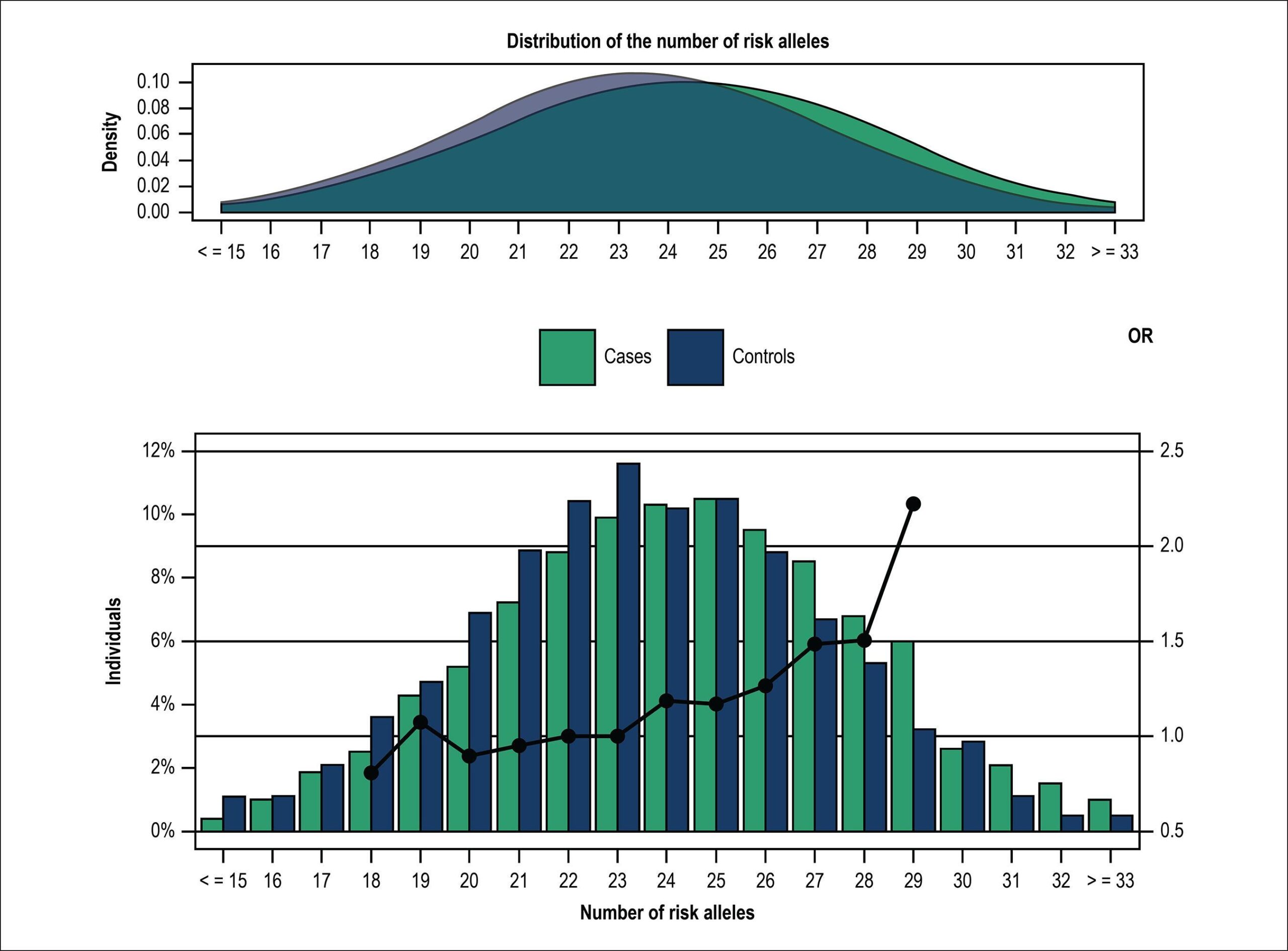
Thirty-three genetic variants previously associated with coronary disease were analyzed in a case-control population with 2,888 individuals. A multiplicative genetic risk score was calculated and then divided into quartiles, with the 1st quartile as the reference class. Coronary risk was determined by logistic regression analysis. Then, a second logistic regression was performed with traditional risk factors and the last quartile of the genetic risk score. Based on this model, two ROC curves were constructed with and without the genetic score and compared by the Delong test. Statistical significance was considered when p values were less than 0.05.

Results:

The last quartile of the multiplicative genetic risk score revealed a significant increase in coronary artery disease risk (OR = 2.588; 95% CI: 2.090-3.204; p < 0.0001). The ROC curve based on traditional risk factors estimated an AUC of 0.72, which increased to 0.74 when the genetic risk score was added, revealing a better fit of the model (p < 0.0001).

Conclusions:

In conclusion, a multilocus genetic risk score was associated with an increased risk for coronary disease in our population. The usual model of traditional risk factors can be improved by incorporating genetic data.

  • Coronary Artery Disease / history
  • Coronary Artery Disease / morbidity
  • Epidemiology
  • Mortality
  • Polymorphism, Genetic
  • Risk Factors
Read Full Article
Creative Commons Attribution (CC BY) Creative Commons license
02/07/2018 DOI: 10.5935/abc.20180107 Views 2
Figure 1
Original Article

Adropin and Irisin in Patients with Cardiac Cachexia

Ali Kemal Kalkan et al. Huseyin Altug Cakmak Mehmet Erturk Kübra Erol Kalkan … Fatih Uzun Omer Tasbulak Vesile Ornek Diker Suleyman Aydin Ahmet Celik

Abstract

Background:

Cardiac cachexia is an important predictive factor of the reduction in survival of patients with heart failure with reduced ejection fraction.

Objectives:

The aims of the present study were to evaluate adropin and irisin levels in cachectic and non-cachectic subjects and the relationships between the levels of these proteins and clinical and laboratory parameters in patients with HFrEF.

Methods:

The clinical records of patients who were admitted to the cardiology outpatient clinic for heart failure with reduced ejection fraction were screened. Cachectic patients were identified and assigned to the study group (n = 44, mean age, 65.4 ± 11.2 y; 61.4% men). Heart failure with reduced ejection fraction patients without weight loss were enrolled as the control group (n = 42, mean age, 61.0 ± 16.5 y; 64.3% men). The serum adropin and irisin levels of all patients were measured. A p-value < 0.05 was considered significant.

Results:

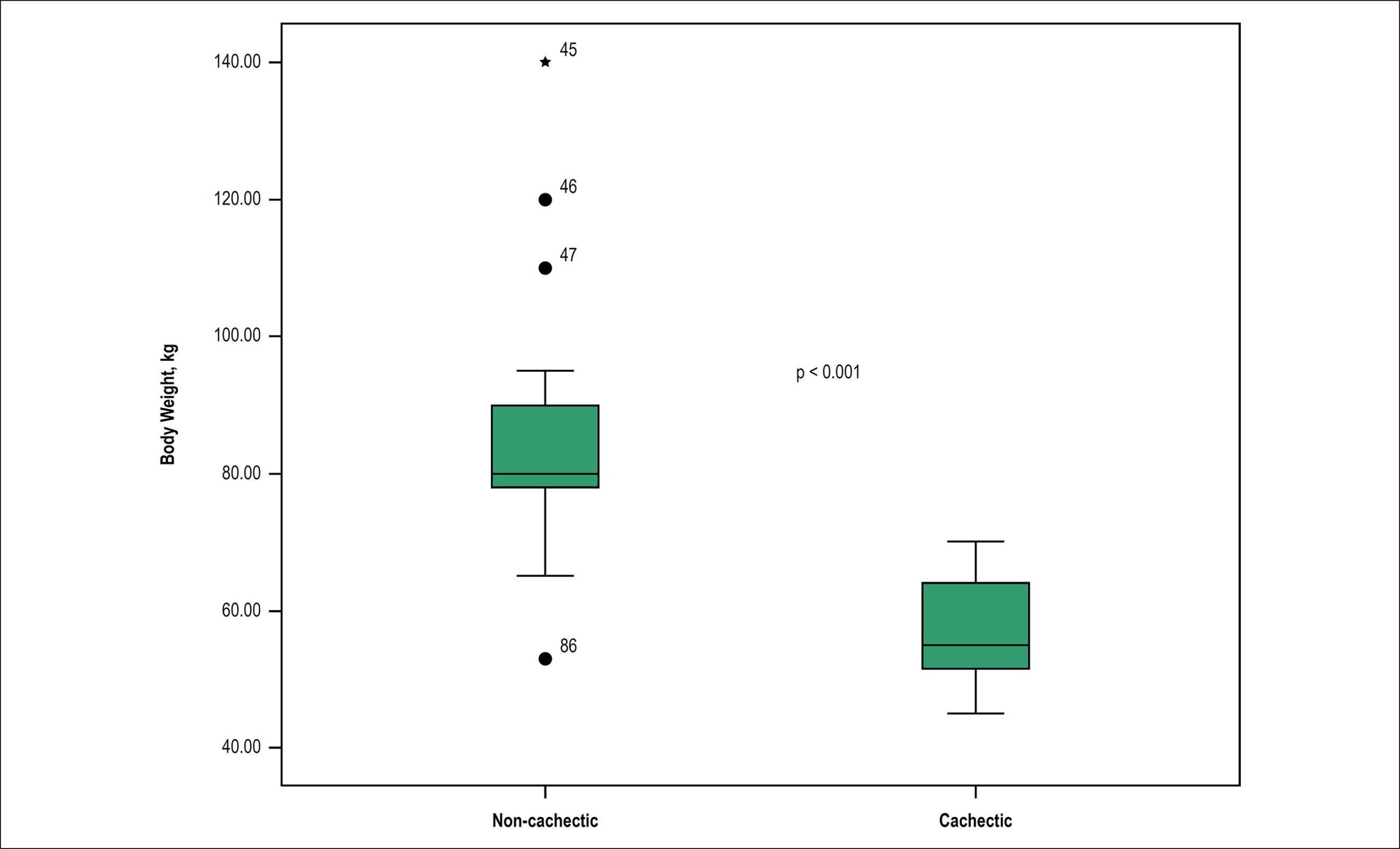
Serum adropin and irisin levels were significantly higher in the cachexia group than in the controls (Adropin (ng/L); 286.1 (231.3-404.0) vs 213.7 (203.1-251.3); p < 0.001, Irisin (µg/mL); 2.6 (2.2-4.4) vs 2.1 (1.8-2.4); p = 0.001). Serum adropin and irisin levels were positively correlated with brain natriuretic peptide (BNP) levels and New York Heart Association (NYHA) class and negatively correlated with body mass index (BMI) and serum albumin levels (all p values: < 0.001). In a multivariate analysis, adropin was the only independent predictor of cachexia in the heart failure with reduced ejection fraction patients (OR: 1.021; 95% CI: 1.004−1.038; p = 0.017).

Conclusions:

The results suggest that adropin and irisin may be novel markers of cardiac cachexia in heart failure with reduced ejection fraction patients. Adropin and irisin are related with the severity of heart failure.

  • Adropin
  • Cachexia / complications
  • Heart Failure / physiopathology, Hypertrophy, Left Ventricular
  • Hormones
  • Peptides
  • Ventricular Function, Left
Read Full Article
Creative Commons Attribution (CC BY) Creative Commons license
02/07/2018 DOI: 10.5935/abc.20180109
Figure 1
Original Article

Mid- and Longterm Neo-Aortic Valve Regurgitation after Jatene Surgery: Prevalence and Risk Factors

Cristiane Nunes Martins et al. Bayard Gontijo Filho Roberto Max Lopes Francisco das Chagas Lima e Silva

Abstract

Background:

Jatene surgery became the surgical procedure of choice to repair transposition of the great arteries (TGA) in neonates and infants. Late complications, mainly related to the pulmonary outflow tract and coronary arteries, are well known. The behavior of the neo-aortic valve is a cause of concern because of its potential for requiring late reoperation.

Objectives:

To assess the prevalence and risk factors of neo-aortic valve regurgitation in 127 patients in the late postoperative period of the Jatene surgery.

Methods:

Of the 328 survivors of the Jatene surgery at the Biocor Institute from October 1997 to June 2015, all patients undergoing postoperative follow-up were contacted via telephone, 127 being eligible for the study. The patients were divided into two groups, simple TGA and complex TGA groups, with follow-up means of 6.4 ± 4.7 years and 9.26 ± 4.22 years, respectively. Echocardiography was performed with adjusted measurements (Z-score) of the neo-aortic annulus, sinus of Valsalva, sinotubular region and ascending aorta, as well as quantification of the neo-aortic valve regurgitation grade.

Results:

The incidence of mild neo-aortic valve regurgitation was 29% in a follow-up of 7.4 ± 4.7 years. Moderate regurgitation was identified in 24 patients with age mean (± standard-deviation) of 9.81 ± 4.21 years, 19 of whom (79%) in the complex TGA group. Those patients had a higher aortic annulus Z-score. The reoperation rate due to neo-aortic regurgitation associated with aortic dilation was 1.5%, all patients in the complex TGA group.

Conclusion:

This study shows that, despite the low incidence of reoperation after Jatene surgery due to neo-aorta dilation and neo-aortic valve regurgitation, that is a time-dependent phenomenon, which requires strict vigilance of the patients. In this study, one of the major risk factors for neo-aortic valve regurgitation was the preoperative pulmonary artery diameter (p < 0.001).

  • Heart Defects, Congenital
  • Transposition of Great Vessels
  • Transposition of Large Vessels, Aortic Valve Insufficiency
Read Full Article
Creative Commons Attribution (CC BY) Creative Commons license
02/07/2018 DOI: 10.5935/abc.20180111
Figure 1
Original Article

The Economic Burden of Heart Conditions in Brazil

Bryce Stevens et al. Lynne Pezzullo Lara Verdian Josh Tomlinson … Alice George Fernando Bacal

Abstract

Background:

Heart conditions impose physical, social, financial and health-related quality of life limitations on individuals in Brazil.

Objectives:

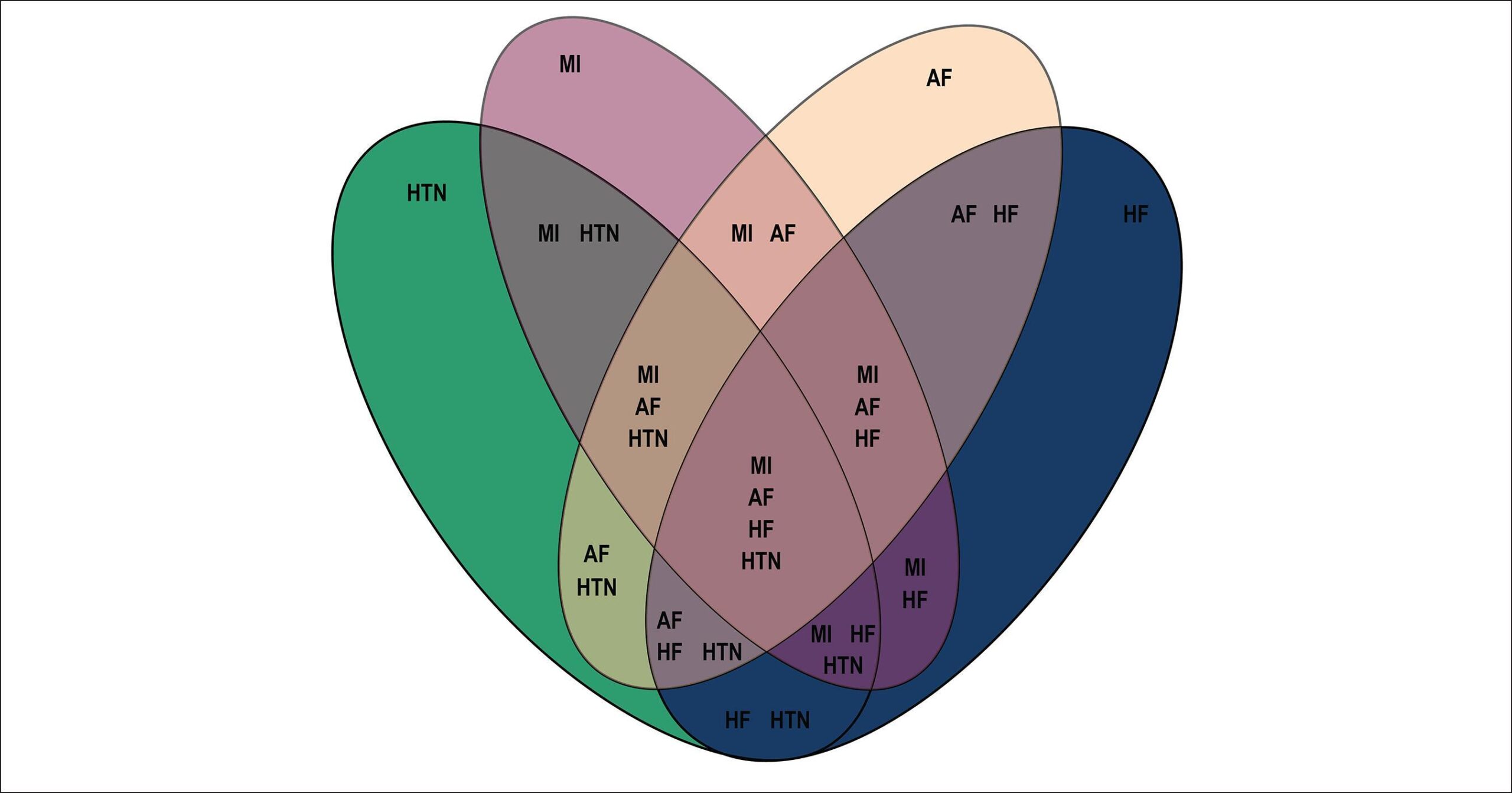
This study assessed the economic burden of four main heart conditions in Brazil: hypertension, heart failure, myocardial infarction, and atrial fibrillation. In addition, the cost-effectiveness of telemedicine and structured telephone support for the management of heart failure was assessed.

Methods:

A standard cost of illness framework was used to assess the costs associated with the four conditions in 2015. The analysis assessed the prevalence of the four conditions and, in the case of myocardial infarction, also its incidence. It further assessed the conditions’ associated expenditures on healthcare treatment, productivity losses from reduced employment, costs of providing formal and informal care, and lost The analysis was informed by a targeted literature review, data scan and modelling. All inputs and methods were validated by consulting 15 clinicians and other stakeholders in Brazil. The cost-effectiveness analysis was based on a meta-analysis and economic evaluation of post-discharge programs in patients with heart failure, assessed from the perspective of the Brazilian Unified Healthcare System (Sistema Unico de Saude).

Results:

Myocardial infarction imposes the greatest financial cost (22.4 billion reais/6.9 billion USD), followed by heart failure (22.1 billion reais/6.8 billion USD), hypertension (8 billion reais/2.5 billion USD) and, finally, atrial fibrillation (3.9 billion reais/1.2 billion USD). Telemedicine and structured telephone support are cost-effective interventions for achieving improvements in the management of heart failure.

Conclusions:

Heart conditions impose substantial loss of wellbeing and financial costs in Brazil and should be a public health priority.

  • Atrial Fibrillation
  • Cardiovascular Diseases/economics
  • Heart Failure
  • Hypertension
  • Myocardial Infarction
Read Full Article
Creative Commons Attribution (CC BY) Creative Commons license
01/07/2018 DOI: 10.5935/abc.20180104 Views 1
Editorial

Carotid Sinus Massage in Syncope Evaluation: A Nonspecific and Dubious Diagnostic Method

José Carlos Pachón Mateos

The study by Wu et al. questions the value of carotid sinus massage (CSM) for the investigation of syncope. It was well conducted, with two reasonably equivalent groups, with and without previous syncope, submitted to the same type of bilateral CSM, under rigorous evaluation of symptoms, cardiac rhythm and blood pressure. The authors found no difference in the response to CSM between the two groups. They concluded that CSM in the assessment of unexplained syncope would be a nonspecific and dubious diagnostic method. The results are clear and well structured. We agree with the authors’ conclusion about the study findings. The limitations suggested are rightful. There is no doubt that CSM is an empiric method, of uncertain results, and this type of study serves to alert to its drawbacks. However, why is CSM still included in the guidelines? Certainly because it is a simple, well-tolerated, low-cost, low-risk procedure as long as the technique and the contraindications are respected, and can be performed rapidly during tilt-test, establishing the diagnosis in up to 30% of elderly patients with syncope of unknown origin. However, as any other investigative method, it has important limitations that should be addressed cautiously. It is worth noting that the response to CSM depends on several investigator’s and patient’s factors, having value only when positive, when reproducing the spontaneous symptoms and when the patient’s clinical findings are compatible with reflex syncope. In addition, it has no power of exclusion.

Thus, despite these drawbacks, CSM continues valid according to the European Society of Cardiology guidelines, which consider it is indicated as class I, level of evidence B, for patients older than 40 years of age with syncope of unknown origin compatible with reflex origin. The diagnosis of carotid sinus syndrome (CSS) is confirmed if the CSM causes bradycardia (asystole) and/or hypotension that reproduce the spontaneous symptoms, and if the patients have clinical features compatible with the reflex mechanism of syncope, class I, level of evidence B. Although neurological complications are rare, the maneuver should be avoided in patients who already had an ischemic stroke, have a carotid murmur or important carotid vasculopathy. The history of syncope with positive CSM reproducing the symptoms confirms the diagnosis of CSS. However, a positive CSM without a history of syncope characterizes carotid sinus hypersensitivity, which, in elderly patients with unexplained syncope, can be a nonspecific finding and should be considered cautiously in the assessment of the syncope mechanism, because it is present in up to 40% of the cases.

[…]

  • Arrhythmias, Cardiac/complications
  • Carotid sinus/physiology
  • Syncope/etiology
  • Syncope/physiopathology
Read Full Article
Creative Commons Attribution (CC BY) Creative Commons license
01/07/2018 DOI: 10.5935/abc.20180134
Figure 1
Original Article

Carotid Sinus Massage in Syncope Evaluation: A Nonspecific and Dubious Diagnostic Method

Tan Chen Wu et al. Denise T. Hachul Francisco Carlos da Costa Darrieux Maurício I. Scanavacca

Abstract

Background:

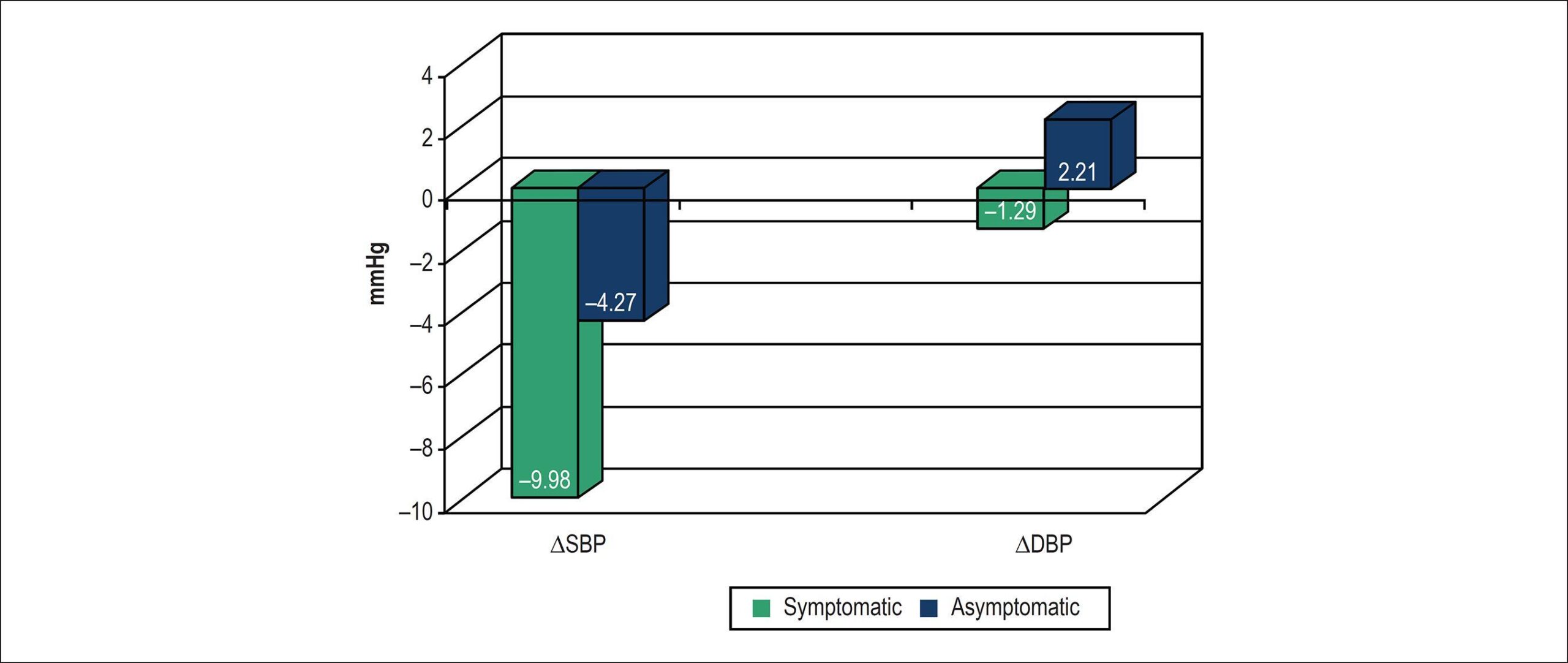
Carotid sinus hypersensitivity (CSH) is a frequent finding in the evaluation of syncope. However, its significance in the clinical setting is still dubious. A new criterion was proposed by Solari et al. with a symptomatic systolic blood pressure (SBP) cut-off value of ≤ 85 mmHg to refine the vasodepressor (VD) response diagnosis.

Objective:

To determine and compare the response to carotid sinus massage (CSM) in patients with and without syncope according to standard and proposed criteria.

Methods:

CSM was performed in 99 patients with and 66 patients without syncope. CSH was defined as cardioinhibitory (CI) for asystole ≥ 3 seconds, or as VD for SBP decrease ≥ 50 mmHg.

Results:

No differences in the hemodynamic responses were observed during CSM between the groups, with 24.2% and 25.8% CI, and 8.1% and 13.6% VD in the symptomatic and asymptomatic groups, respectively (p = 0.466). A p value 2.5 seconds, regardless of the pattern of response or the presence of previous syncope.

Conclusion:

The response to CSM in patients with and without syncope was similar; therefore, CSH may be an unspecific condition. Clinical correlation and other methods of evaluation, such as long-lasting ECG monitoring, may be necessary to confirm CSH as the cause of syncope.

  • Accidental Falls
  • Aged
  • Carotid Sinus / physiopathology
  • Hypotension
  • Syncope
Read Full Article
Creative Commons Attribution (CC BY) Creative Commons license
01/07/2018 DOI: 10.5935/abc.20180114
Editorial

Genetic Risk in Coronary Artery Disease

Paula F. Martinez et al. Marina P. Okoshi

Coronary artery disease (CAD) is a leading cause of death worldwide. It is most commonly caused by atherosclerosis in coronary arteries. Coronary artery disease has a complex etiology, mainly a combination of traditional risk factors and genetic predisposition. Traditional risk factors include type 2 diabetes, dyslipidemia, arterial hypertension, and cigarette smoking. However, these are not sufficient to identify high risk asymptomatic individuals and do not explain all cases of CAD. In fact, hereditary influence on CAD susceptibility accounts for between 40% and 50% of cases.

Polymorphisms are common genetic variations, defined as being present in more than 1% of the population. A polymorphism is a nucleotide substitution that does not alter the primary amino acid structure of the resulting protein. A single-nucleotide polymorphism (SNP) is a variation in DNA in a single nucleotide that occurs at a specific position in the genome. An SNP may be a marker of disease susceptibility. Populations of healthy and affected individuals can be evaluated by genotyping SNP within a gene and its regulatory sequences. Genome-wide association studies (GWAS) have been used to create genetic risk scores to improve CAD risk prediction.– However, their value as an independent risk predictor for CAD is not clear.

[…]

  • Coronary Artery Disease/genetics
  • Genome-Wide Association Study
  • Polymorphism, Genetic
Read Full Article
Creative Commons Attribution (CC BY) Creative Commons license
01/07/2018 DOI: 10.5935/abc.20180130 Views 1
Figure 1
Viewpoint

Indications of PCSK9 Inhibitors for Patients at High and Very High Cardiovascular Risk

Paulo Eduardo Ballvé Behr et al. Emilio Hideyuki Moriguchi Iran Castro Luiz Carlos Bodanese … Oscar Pereira Dutra Paulo Ernesto Leães Pedro Pimentel Filho

LDL-C as a risk factor

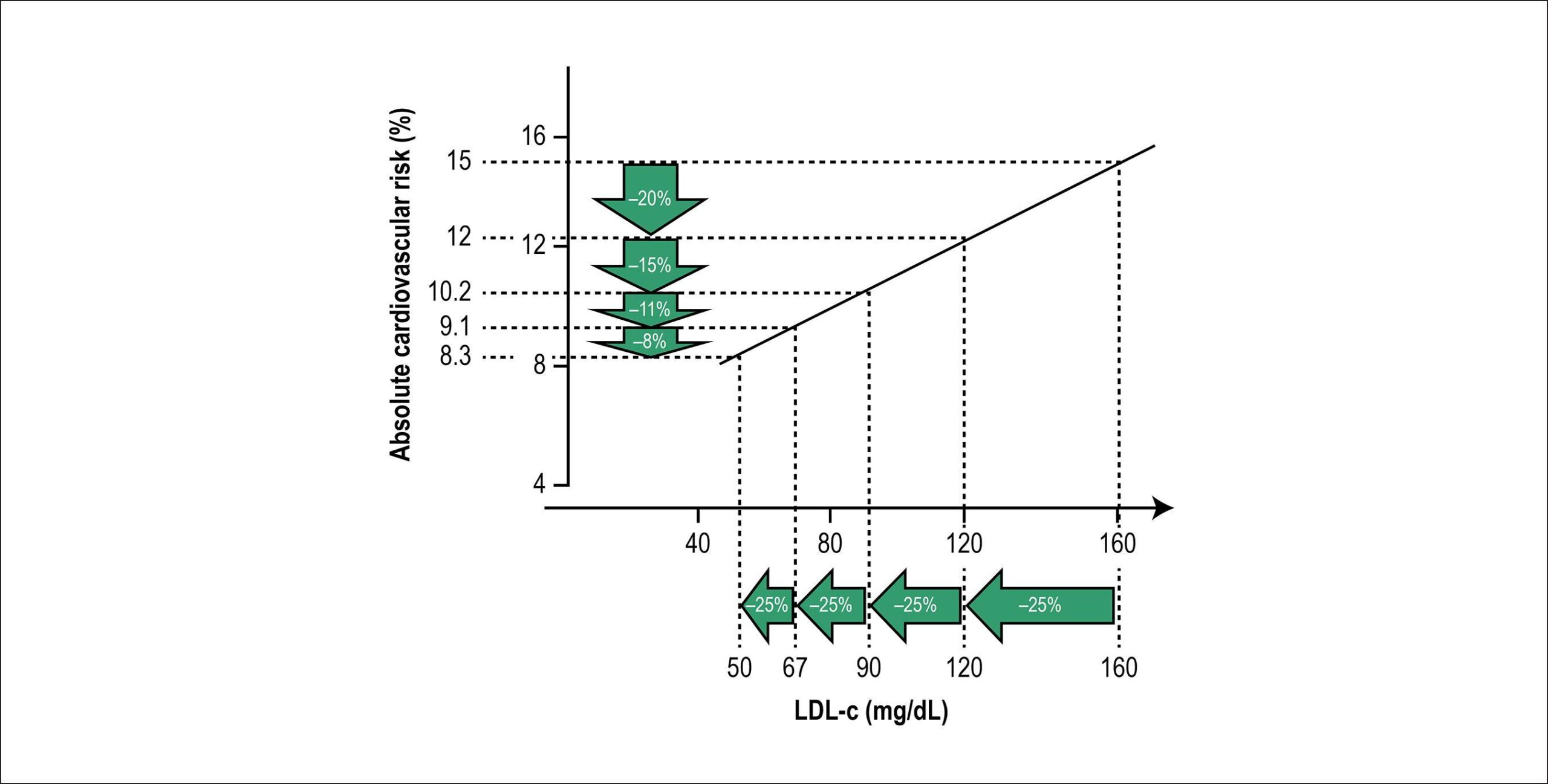
The causality of plasma LDL-C levels and reduced LDL-C uptake mediated by the LDL-C receptor in the pathophysiology of CVD has been very consistently established. For patients at very high risk for premature events, such as those with familial hypercholesterolemia (FH), an elevated LDL-C level is an extremely prevalent risk factor.

[…]

  • Cardiovascular Diseases, mortality
  • Cardiovascular Diseases/complications
  • Coronary Artery Disease
  • Ezetimibe, Simvastatin Drug Combination
  • Hyperlipoproteinemia Type II
  • Proprotein Convertase 9
Read Full Article
Creative Commons Attribution (CC BY) Creative Commons license
01/07/2018 DOI: 10.5935/abc.20180133 Views 1
Editorial

Heart Rate Variability in Coexisting Diabetes and Hypertension

Paula F. Martinez et al. Marina P. Okoshi

The autonomic nervous system regulates heart rate through sympathetic and parasympathetic response to different stimuli. The resultant fluctuation between intervals of consecutive heart beats, called heart rate variability (HRV), is a valuable tool to assess autonomic nervous system activity. A decrease in HRV is a marker of reduced parasympathetic and increased sympathetic tone and has long been considered to negatively impact the prognosis in cardiovascular disease.

In 1996, the European Society of Cardiology and the North American Society of Pacing and Electrophysiology suggested standards for evaluation, physiological interpretation, and clinical use for time- and frequency-domain HRV analysis in short- and long-term recordings. Some nonlinear measures have been suggested to work better than traditional measures in predicting future adverse events in several patient groups. More recently, newer computational tools have been derived from nonlinear dynamics and complex systems. Although the physiological background of nonlinear measures of HRV is less understood than the conventional measures, it is speculated that nonlinear dynamics could provide better understanding on nonlinear behavior commonly occurring within human systems due to their complex dynamic nature., In accordance, a good agreement between some non-linear HRV measures and the Framingham cardiovascular risk score was observed, suggesting that they could be used for screening cardiovascular risk. In 2015, the e-Cardiology Working Group of the European Society of Cardiology and the European Heart Rhythm Association launched a critical review of new methodologies for analyzing HRV, including entropy rate, fractal scaling and Poincaré plot, and their application in different physiological and clinical studies.

[…]

  • Autonomic Nervous System
  • Chronic Disease
  • Diabetes Mellitus
  • Heart Rate
  • Hypertension
Read Full Article
Creative Commons Attribution (CC BY) Creative Commons license
01/07/2018 DOI: 10.5935/abc.20180118 Views 1
Editorial

Cohort of Patients Referred for Brugada Syndrome Investigation in an Electrophysiology Service – 19-Year Registry

Alvaro Valentim Lima Sarabanda

Brugada syndrome (BrS) was described by Pedro and Josep Brugada in 1992 as a new clinical entity characterized by specific electrocardiographic (ECG) changes, such as the patterns of right bundle-branch block and persistent ST-segment elevation in right precordial leads, associated with increased risk for sudden death.

Brugada syndrome is an autosomal dominant channelopathy, with clinical manifestation at the age of 30 to 40 years, affecting mainly men. Currently, BrS is estimated to account for 12% of all sudden cardiac deaths and up to 20% of the sudden cardiac deaths in individuals with no structural heart disease. The real prevalence of BrS in the general population is difficult to establish, being estimated at 5 to 20 in every 10,000 individuals. Several genetic mutations have been associated with BrS, most of them related to the encoding of sodium channel proteins (INa), calcium channel proteins (ICa) or potassium channel proteins (usually Ito) of the sarcoplasmatic membrane.–

[…]

  • Brugada Syndrome
  • Bundle Branch Block
  • Death, Sudden
  • Syncope
  • Tachycardia, Ventricular
Read Full Article
Creative Commons Attribution (CC BY) Creative Commons license
01/07/2018 DOI: 10.5935/abc.20180120 Views 1
Figure 1
Case Report

Left Ventricular Assist Device as a Bridge to Candidacy in End-stage Chagas Cardiomyopathy

Fernando Antibas Atik et al. Claudio Ribeiro Cunha Renato Bueno Chaves Marcelo Botelho Ulhoa Vitor Salvatore Barzilai

Introduction

Chronic Chagas cardiomyopathy manifests late after Trypanosoma cruzi infection, and it is still one of the major causes of end-stage heart failure in Latin America. Published experiences, with heart transplantation for chronic Chagas disease have shown the feasibility and efficacy of this therapy, being the disease reactivation not a major concern when appropriately diagnosed and timely treated.

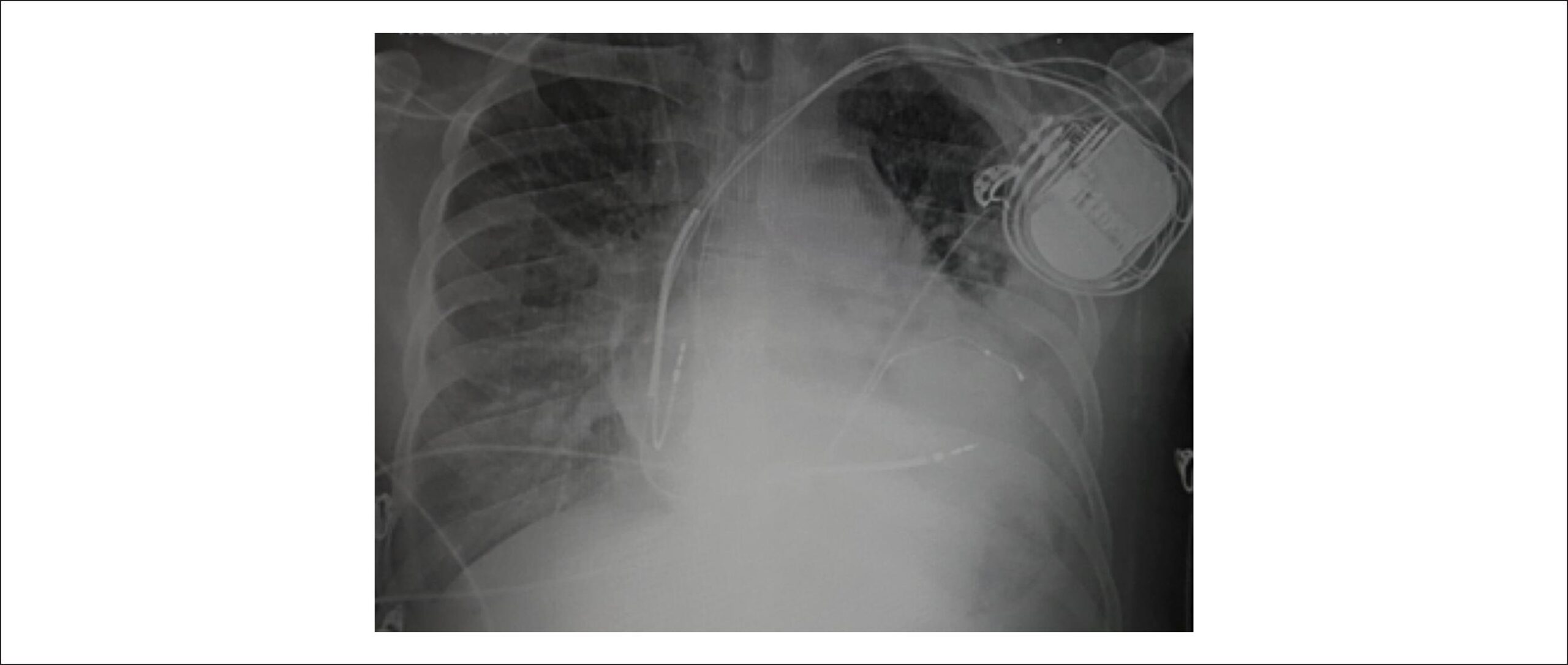
Nevertheless, the need for some sort of mechanical circulatory support on the waiting list has progressively increased, according to the International Society for Heart and Lung Transplantation Registry annual report. Since the experience with mechanical circulatory support in Latin America is very limited, and biventricular systolic failure is common in Chagas cardiomyopathy, many unanswered questions regarding modalities of support need to be elucidated.

[…]

  • Chagas Cardiomyopathy
  • Extracorporeal Circulation
  • Heart Failure
  • Hypertension Pulmonary
  • Shock, Cardiogenic
Read Full Article
Creative Commons Attribution (CC BY) Creative Commons license
01/07/2018 DOI: 10.5935/abc.20180095
Figure 1
Image

Challenging Evaluation of Aortic Regurgitation: More Than a Quadricuspid Valve

Gonçalo Pestana et al. Carla Sousa Teresa Pinho Sara Maia M. Júlia Maciel

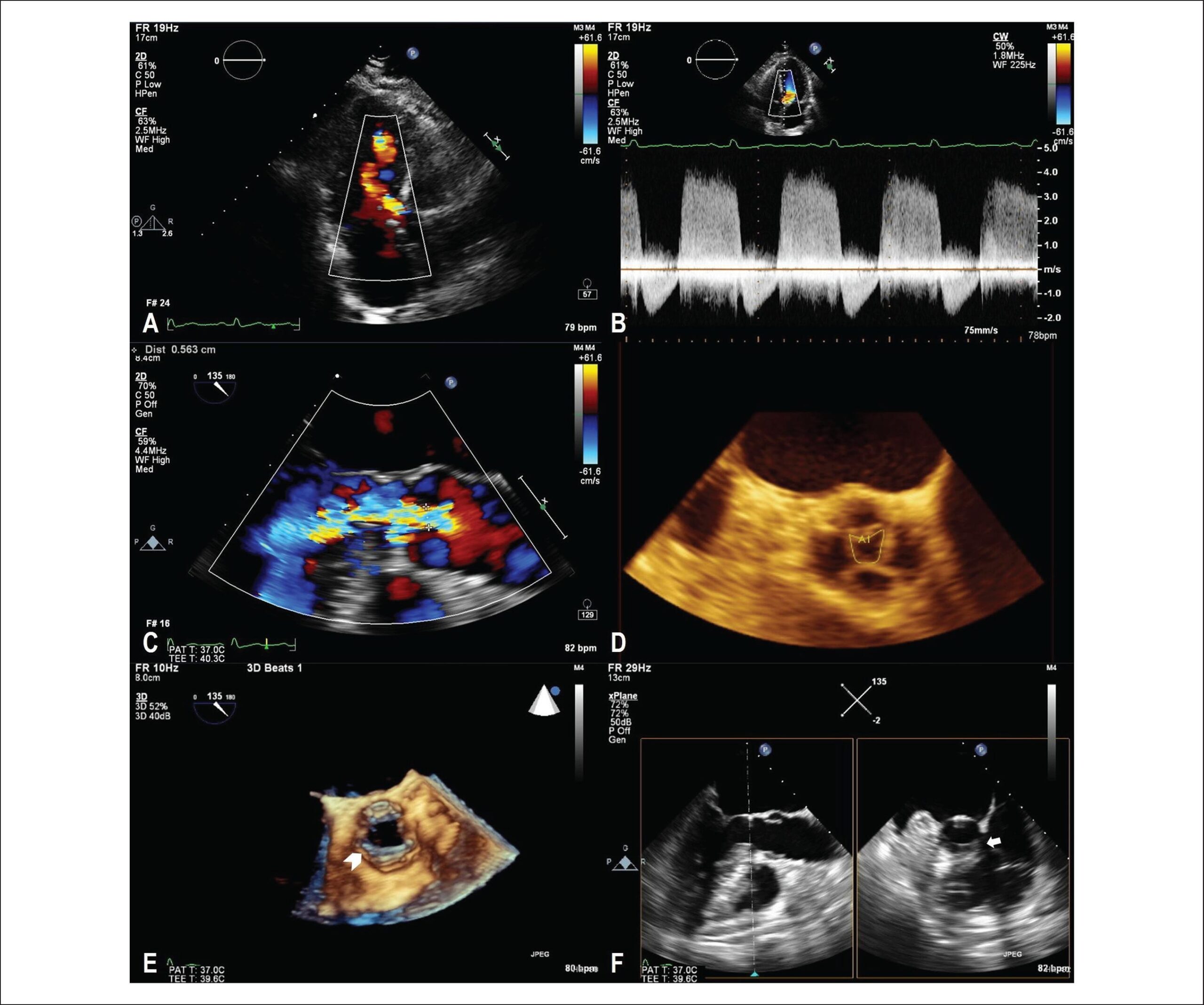
A 61-year-old female patient with chronic obstructive pulmonary disease, and no other comorbidities, was referred for cardiological assessment due to aggravated exertional dyspnea (New York Heart Association – NYHA class III) and atypical chest pain. Physical examination disclosed only a diastolic murmur in the second intercostal space in the right sternal border.

The transthoracic echocardiogram (TTE) showed aortic regurgitation (), with non-dilated cardiac chambers and preserved biventricular function. The acoustic window limited the evaluation of the valvular lesion severity and its importance in the context of the complaints, although the continuous Doppler spectrum suggested significant regurgitation (). The evaluation was further impaired by a systolic flow acceleration in the Left Ventricular Outflow Tract (LVOT), with no significant gradient and an undetermined cause. The aortic root had normal size, but it was not possible to carry out an adequate morphological and functional characterization of the valve.

[…]

  • Aortic Valve Insufficiency
  • Echocardiography, Three-Dimensional
  • Echocardiography, Transesophageal
  • Pulmonary Disease, Chronic Obstructive
Read Full Article
Creative Commons Attribution (CC BY) Creative Commons license
01/07/2018 DOI: 10.5935/abc.20180106
Editorial

Economic Burden of Cardiovascular Diseases in Brazil: Are Telemedicine and Structured Telephone Support the Solution?

Suzana Alves da Silva et al. Pedro Paulo Magalhães Chrispim Yang Ting Ju Ary Ribeiro

The study by Stevens et al. results from a project of Delloite Consulting, financed by Novartis and aimed at estimating the economic burden that heart failure, acute myocardial infarction, atrial fibrillation and systemic arterial hypertension (SAH) impose on Latin American countries, and at assessing the cost-effectiveness of telemedicine and structured telephone support as interventions that can relieve it. The publication in this issue of the Arquivos Brasileiros de Cardiologia focused on presenting the results of the assessment in the Brazilian scenario.

This study provided us with the opportunity to reflect on important questions related to quality, interpretation and applicability of economic studies. Such studies have gained increasing relevance in the incorporation/disincorporation of technologies and the development of health policies and programs to improve healthcare quality. In addition, they are often used in other countries to support decision-making processes, although that is not a routine in Brazil.

[…]

  • Cardiovascular Diseases
  • Cost-Effectiveness-Evaluation
  • Health Policy
  • Quality Management
  • Telemedicine/trends
  • Telephone/trends
Read Full Article
Creative Commons Attribution (CC BY) Creative Commons license
01/07/2018 DOI: 10.5935/abc.20180136
Editorial

Right Ventricular Dysfunction in Lupus Patients With Pulmonary Hypertension

Silvio Henrique Barberato

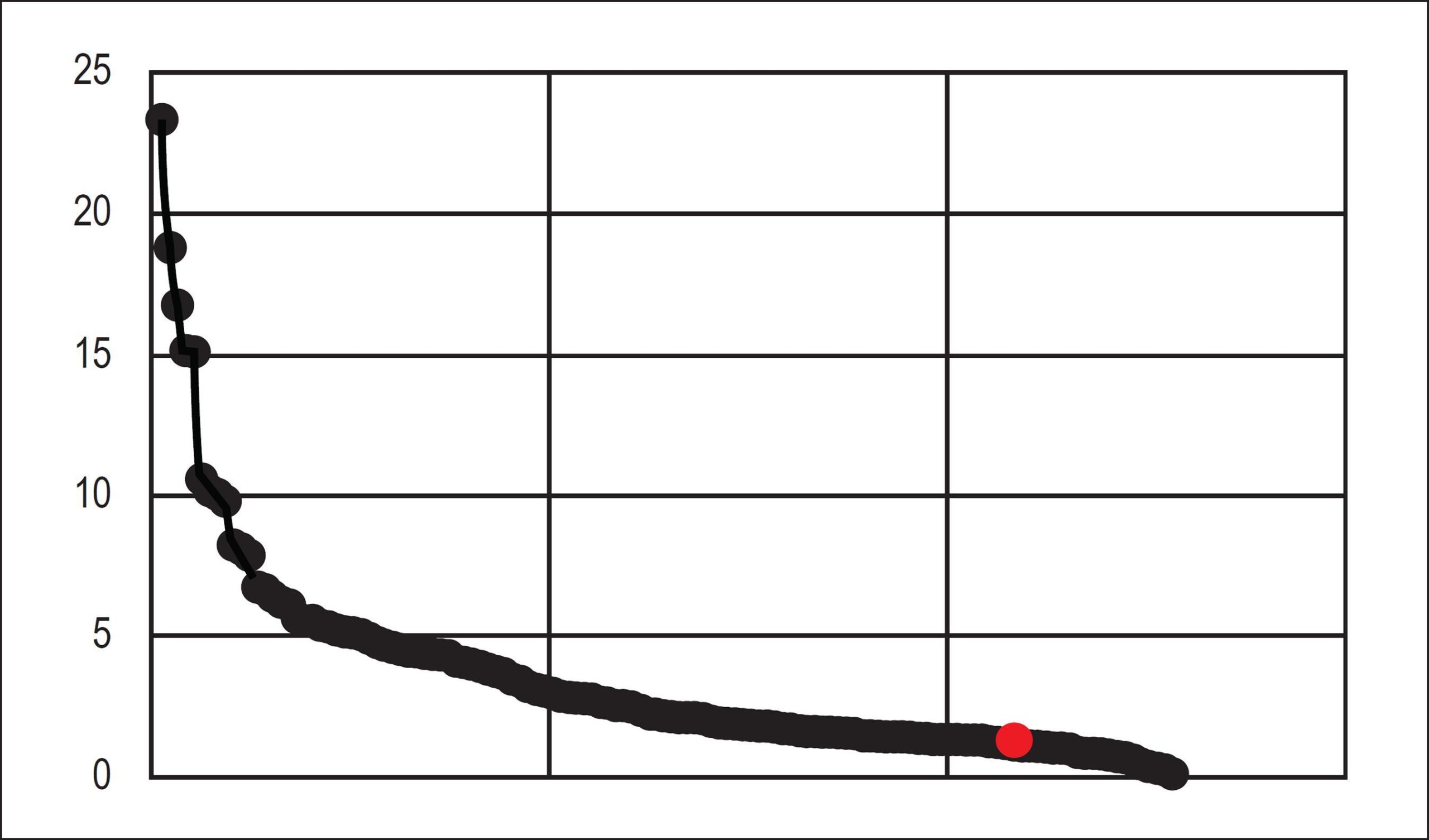
The importance of the right ventricle in cardiovascular physiology has been underestimated for decades. Previously considered a mere conduit, the right ventricle is currently known to play a major role in maintaining global cardiac function intact. In parallel, right ventricular (RV) systolic function has been shown to be an essential determinant of clinical outcomes in several scenarios, and should thus be considered in the individualized management of patients. The need to diagnose RV dysfunction is evident. Because of its wide availability, echocardiography is the most frequently used imaging test in clinical practice to assess RV size and function. That assessment can be hindered by the complex RV anatomy; thus, important international societies of cardiovascular imaging have recommended the routine and systematic addition of several echocardiographic measurements and techniques., That approach includes conventional parameters, such as RV basal diameter (normal ≤ 41 mm) and tricuspid annular plane systolic excursion (TAPSE – normal ≥ 17 mm), as well as advanced parameters, such as the s wave of the RV free wall on tissue Doppler (normal ≥ 9.5 cm/s), ejection fraction on 3D echocardiography (normal ≥ 45%) and longitudinal strain of the RV free wall (normal ≥ -20%).

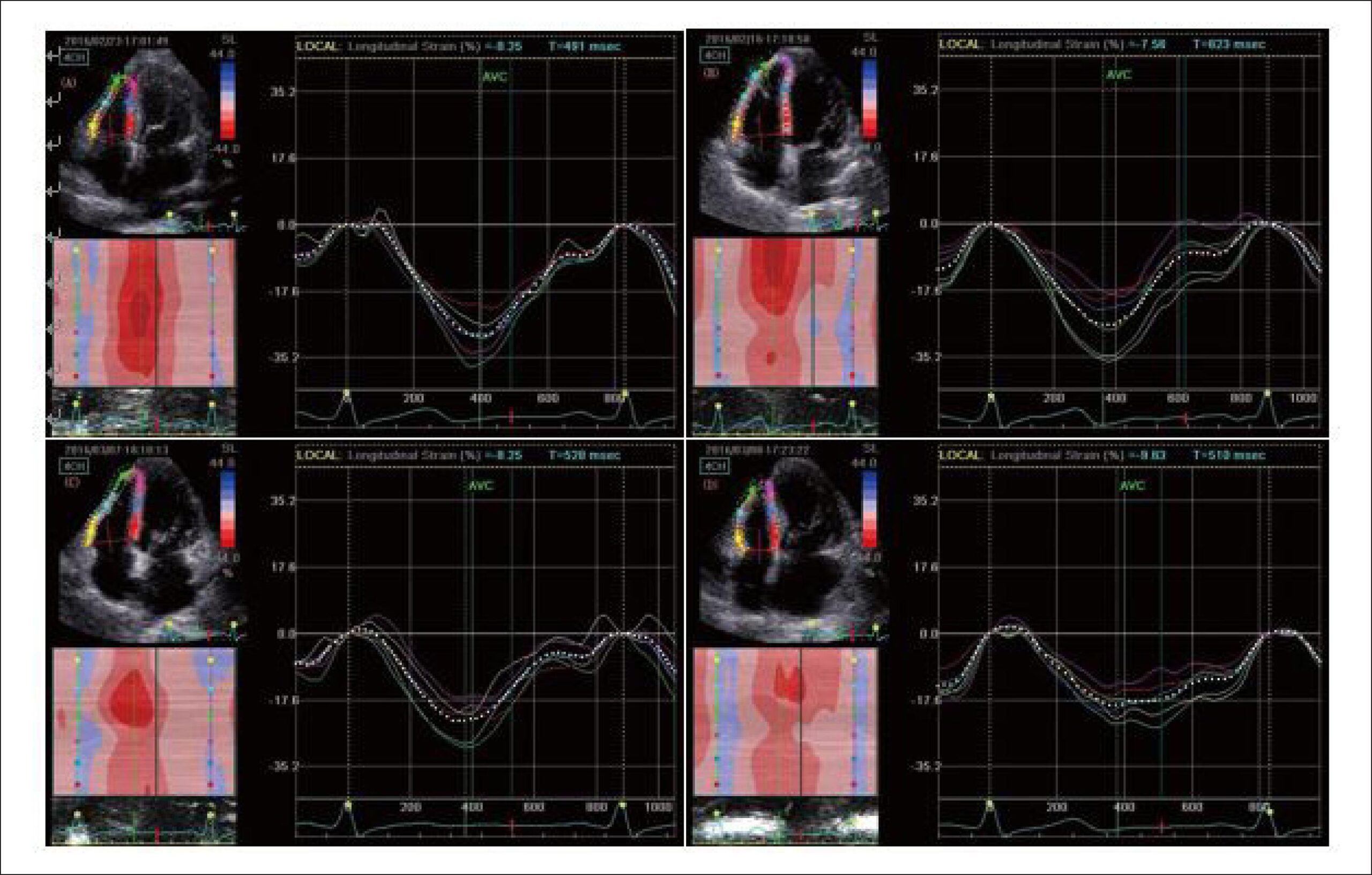
In this scenario, strain (systolic shortening percentage) and strain rate (shortening rate), calculated by speckle tracking on two-dimensional echocardiography (2D speckle tracking or 2D-STE), emerge as alternatives in the RV systolic function analysis. The longitudinal strain of the RV free wall, excluding the ventricular septum, showed prognostic value in patients with signs and symptoms of cardiopulmonary disease, such as heart failure, myocardial infarction, pulmonary hypertension, congenital heart diseases, RV arrhythmogenic cardiomyopathy and amyloidosis. Right ventricular longitudinal strain is a parameter less dependent on the angle, with less intra- and interobserver variability, that can apparently detect early RV dysfunction. Its drawbacks include the high dependence on image quality and the variability of the software of the equipment available in the market. Recently an international consensus has been reached to standardize the use of 2D-STE to obtain RV strain. The specific use of right-ventricle-focused apical 4-chamber view is recommended for correct strain measurement. Extreme care should be taken to define the region of interest (ROI) of the endocardial border (suggested ROI: 5 mm), because of the RV shape and thin walls. The pericardium should be excluded from the analysis, because of the risk of strain underestimation.

[…]

  • Cardiovascular Diseases
  • Echocardiography
  • Hypertension Pulmonary
  • Lung Diseases
  • Lupus Erythematosus
  • Strain
  • Strain Rate
  • Ventricular Dysfunction Right
Read Full Article
Creative Commons Attribution (CC BY) Creative Commons license
01/07/2018 DOI: 10.5935/abc.20180125
Figure 1
Original Article

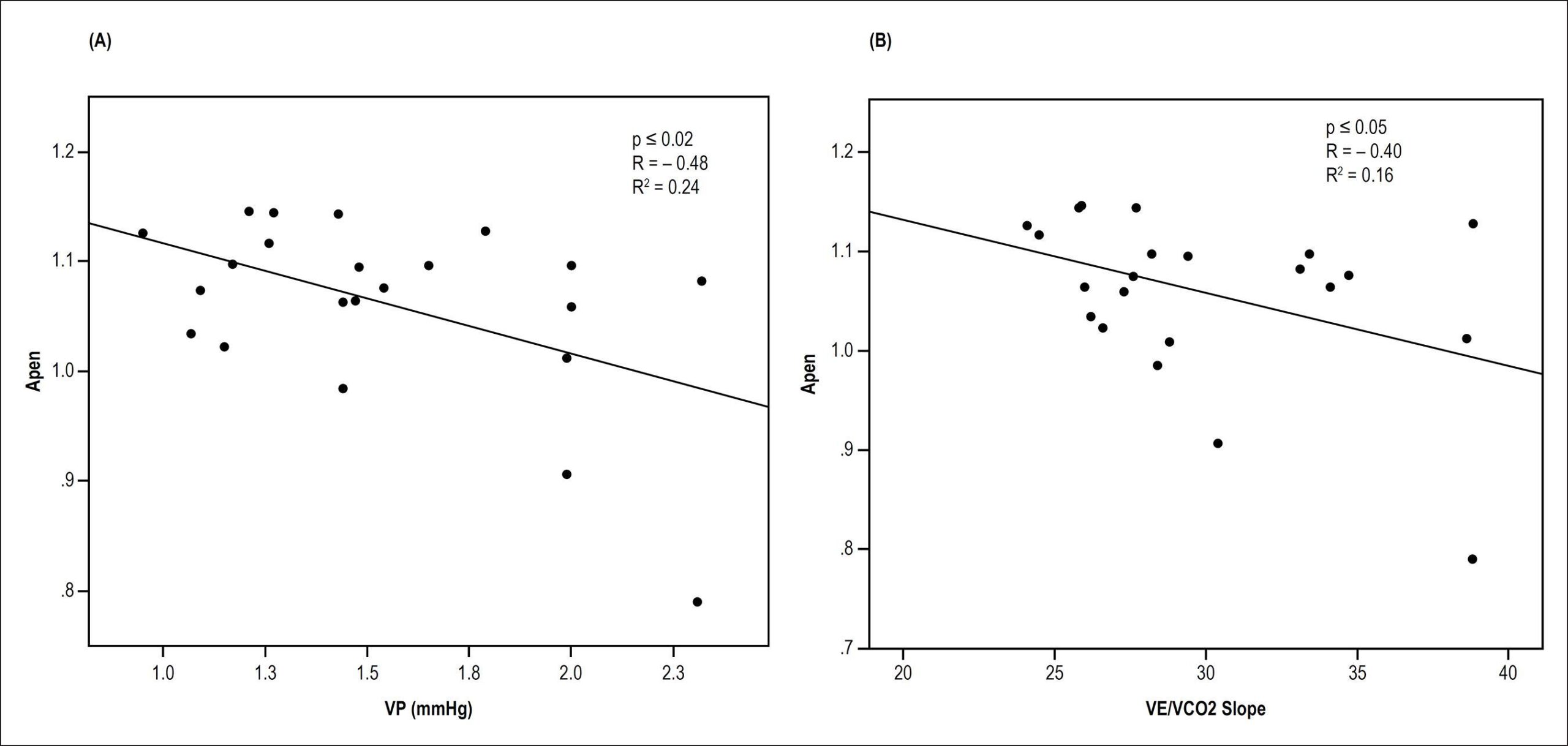
Effects of Coexistence Hypertension and Type II Diabetes on Heart Rate Variability and Cardiorespiratory Fitness

Daniela Bassi et al. Ramona Cabiddu Renata G. Mendes Natália Tossini … Vivian M. Arakelian Flávia C. R. Caruso José C. Bonjorno Júnior Ross Arena Audrey Borghi-Silva

Abstract

Background:

Type 2 diabetes Mellitus (T2DM) is associated with cardiac autonomic dysfunction, which is an independent predictor of mortality in chronic diseases. However, whether the coexistence of systemic arterial hypertension (HTN) with DMT2 alters cardiac autonomic modulation remains unknown.

Objective:

To evaluate the influence of HTN on cardiac autonomic modulation and cardiorespiratory fitness in subjects with DMT2.

Methods:

60 patients of both genders were evaluated and allocated to two groups: DMT2 patients (n = 32; 51 ± 7.5 years old) and DMT2 + HTN patients (n = 28; 51 ± 6.9 years old). RR intervals were obtained during rest in supine position. Linear and nonlinear indices of heart rate variability (HRV) were computed using Kubios HRV software. Pulmonary gas exchange was measured breath-by-breath, using a portable telemetric system during maximal incremental exercise testing on a cycle ergometer. Statistical analysis included Shapiro-Wilk test followed by Student’s t Test, Pearson correlation and linear regression.

Results:

We found that patients in the DMT2+HTN group showed lower values of mean RR intervals (801.1 vs 871.5 ms), Shannon entropy (3 vs 3.2) and fractal dimension SD 1 (9.5 vs 14.5), when contrasted with patients in the DMT2 group. Negative correlations were found between some HRV nonlinear indices and exercise capacity indices.

Conclusion:

HTN negatively affects the cardiac autonomic function in diabetic patients, who are already prone to develop autonomic dysfunction. Strategies are need to improve cardiac autonomic functionality in this population.

  • Autonomic Nervous System
  • Cardiovascular Diseases
  • Diabetes Mellitus,Type 2
  • Heart Rate
  • Hypertension/prevalence
  • Risk Factors
Read Full Article
Creative Commons Attribution (CC BY) Creative Commons license
01/07/2018 DOI: 10.5935/abc.20180105 Views 1
Figure 1
Special Article

Executive Summary – Guidelines for Mechanical Circulatory Support of the Brazilian Society of Cardiology

Silvia Moreira Ayub-Ferreira

Evaluation of candidates for mechanical circulatory support devices

In advanced heart failure (HF), the Interagency Registry for Mechanically Assisted Circulatory Support (INTERMACS) proposed seven clinical profiles (and modifiers) for a convenient, easy classification of disease status, risk of implantation of mechanical circulatory support devices (MCSDs) and adequate time for intervention ().

One of the main determinant factors for a successful MCSD implantation is patient eligibility. Correct selection of patients involves – (1) patients with advanced HF to which the risk of MCSD implantation surpasses mortality risk for current disease (making it a beneficial intervention); (2) patients with moderately advanced HF, i.e., implantation of MCSD would not increase patient’s morbidity and mortality due to increased complication rate; (3) no contraindications for MCSD implantation.,

[…]

  • Assisted Circulation/instrumentation
  • Contraindicators
  • Heart Failure/complications, Heart Failure/therapy
  • Myocardial Ischemia/complications
  • Risk Assessment
Read Full Article
Creative Commons Attribution (CC BY) Creative Commons license
01/07/2018 DOI: 10.5935/abc.20180126 Views 1
Letter to the Editor

Challenges For Percutaneous Left Atrial Appendage Closure: Imaging And Residual Flow

Tarik Yildirim et al. Ibrahim Altun Mustafa Ozcan Soylu

We have read with great interest the paper entitled ‘First results of the Brazilian Registry of Percutaneous Left Atrial Appendage Closure’ by Guérios et al. is a very important study. We have some suggestions about this trial.

Firstly, two-dimensional transeosophageal echocardiography (2D-TEE) can evaluate the morphology of left atrial appendage in multiple views. But real-time three-dimensional transeosophageal echocardiography (3D-TEE) provides more detailed images of the left atrial appendage (LAA) anatomy than 2D-TEE. A competent physician can accurately evaluate the LAA depth and landing zone. Moreover LAA closure depends on an accurate determination of anatomical structure. Therefore the 3D-TEE may show advantantages in relation to 2D-TEE in transcathater LAA closure.

[…]

  • Atrial Appendage
  • Echocardiography, Three-Dimensional
  • Medical Records
  • Septal Occluder Devices
Read Full Article
Creative Commons Attribution (CC BY) Creative Commons license
01/07/2018 DOI: 10.5935/abc.20180135
Figure 1
Editorial

Adropin and Irisin in Patients with Cardiac Cachexia

Alfredo José Mansur

Cardiological clinical practice involves the care of patients with heart failure who lose weight, which not rarely culminates in cardiac cachexia. The differential diagnosis with other consumptive disorders can lead to an extensive diagnostic investigation.

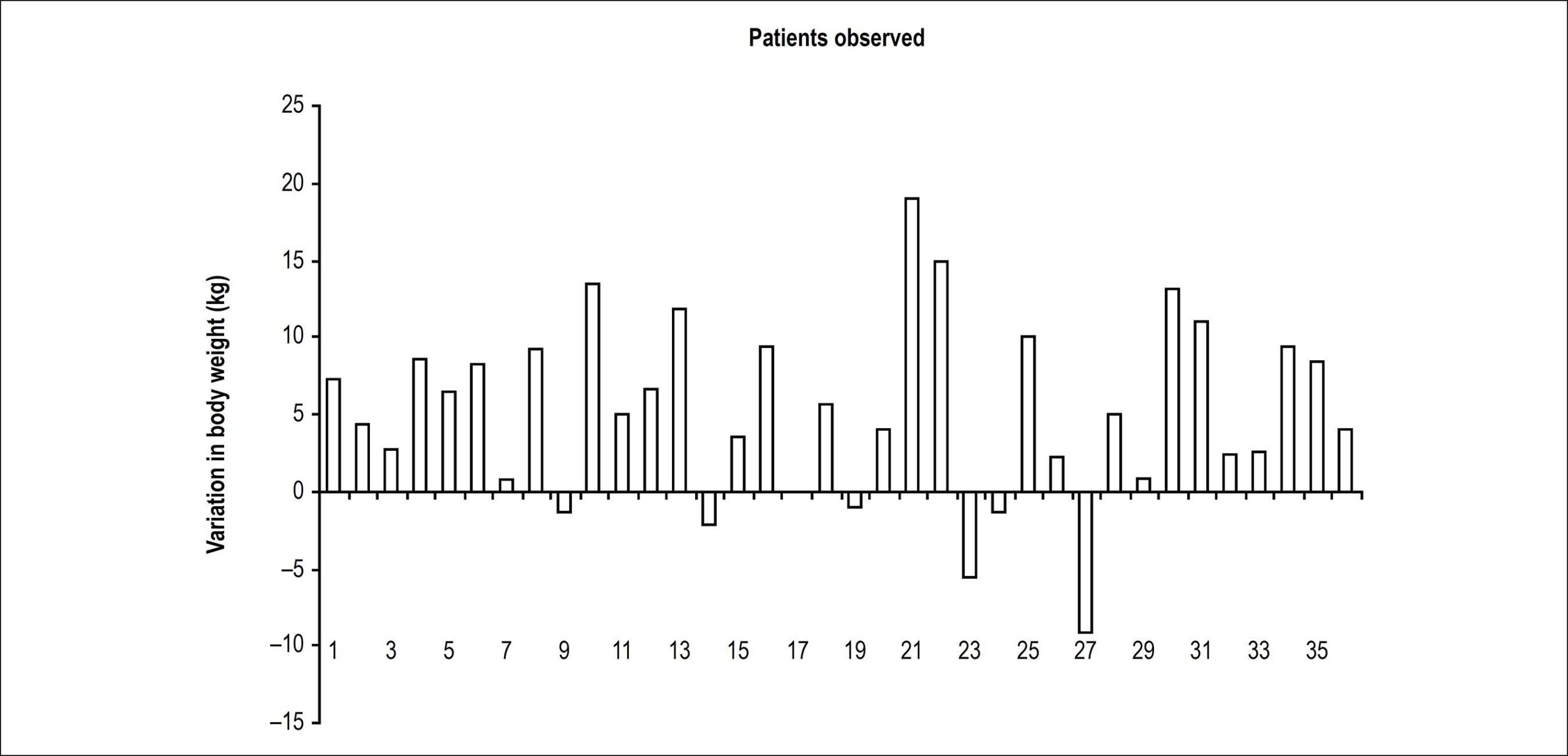
That has been a theme of interest in the medical literature for decades, and its importance remains recognized over time.– Physicians with decades of experience in cardiological clinical practice have noticed that individuals with heart failure due to heart valvular disease gain weight after well-succeeded surgical interventions that reverse heart failure. In other words, heart failure reversion also manifests as weight gain. A recent outpatient clinical observation [Correia GF & Lima NNC, unpublished data] of 36 patients for months has found body weight variation with the current pharmacological treatment for heart failure including betablockers ().

[…]

  • Adropine
  • Cachexia
  • Heart Failure
  • Prognosis
  • Weight Loss
Read Full Article
Creative Commons Attribution (CC BY) Creative Commons license
01/07/2018 DOI: 10.5935/abc.20180121 Views 1
Figure 1
Editorial

The New Impact Factor of the Arquivos Brasileiros de Cardiologia (ABC Cardiol), 1.318: An Achievement of the SBC for Our Scientific Community

Carlos Eduardo Rochitte

The ABC Cardiol is indexed in the main databases, such as ISI Web of Science, Cumulated Index Medicus – MEDLINE, Pubmed Central, EMBASE, SCOPUS, SCIELO and LILACS, and it has obtained an Impact Factor (IF) of 1.318 from JCR, as well as a B2 rating by the CAPES Qualis System. According to the list recently released by the Journal Citation Reports 2018, 12,271 journals were ranked with a wide IF variability. Of these, 130 journals were in the field of Cardiology and Cardiovascular Sciences, and the European Heart Journal leads with 23,425. Around 58% of these publications have IFs below 2.0, among which the Arquivos Brasileiros de Cardiologia (ABC Cardiol), which has the best IF for journals in the area of Cardiology and Cardiovascular Sciences in Brazil, i.e., 1.318, with a total of 2,541 citations in 2017 ().

[…]

  • Databases as Topic
  • Editorial Policies
  • Journal Impact Factor
  • Periodicals
Read Full Article
Creative Commons Attribution (CC BY) Creative Commons license
01/07/2018 DOI: 10.5935/abc.20180129
Editorial

How to Evaluate Cardiac Autonomic Modulation

Esteban W. Rivarola et al. Mauricio I. Scanavacca

Cardiac autonomic nervous system dysfunction has been implicated in several different pathological scenarios with a wide range of clinical relevance and risk. Early detection of autonomic changes, either provoked for therapeutic purposes or as a complication of a primary disorder, such as diabetes mellitus (DM) is of essence for the best management of patients.

Classic (linear) analysis of heart rate variability (HRV) has been routinely used to assess autonomic behavior in diabetic patients in order to promptly detect neuropathy, one of the most common and overlooked complications and a significant cardiovascular risk factor.

[…]

  • Autonomic Nervous System Diseases
  • Diabetes Mellitus
  • Diabetic Neuropathies/prevention
  • Heart Rate
  • Nonlinear Dynamics
  • Primary Dysautonomias
Read Full Article
Creative Commons Attribution (CC BY) Creative Commons license
01/07/2018 DOI: 10.5935/abc.20180127
Figure 1
Clinicoradiological Session

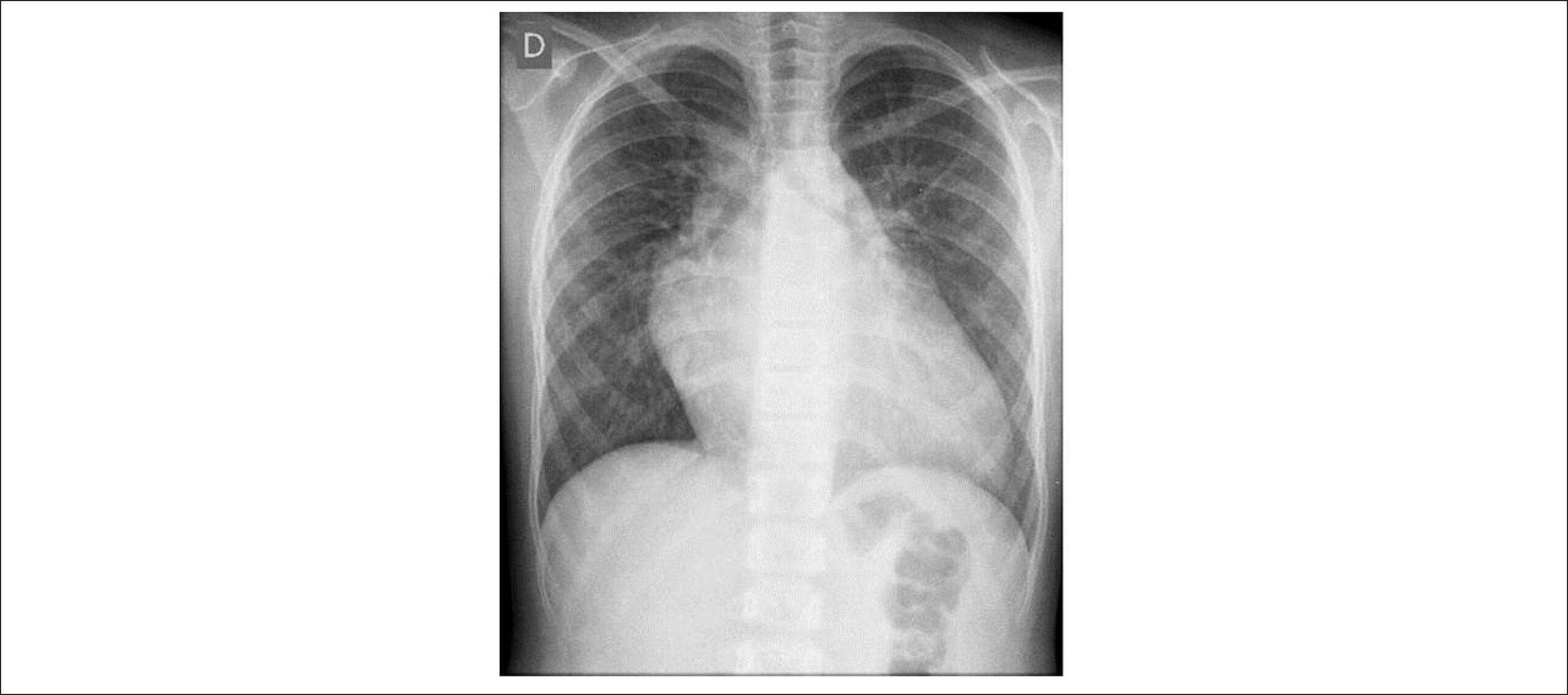
Case 4/2018 – Important Mitral Valve Regurgitation Caused by Hammock Mitral Valve in 8 Year-Old Girl

Edmar Atik et al. Alessandra Costa Barreto Maria Angélica Binotto Renata de Sá Cassar

Clinical data

Heart murmur was auscultated during routine examination at 6 years of age, with complaints of tachycardia and chest pain at that time. A diagnosis of mitral regurgitation caused by hammock mitral valve was performed and enalapril 2.5 mg/day (0.1 mg/kg) was started. She reported being asymptomatic, capable of performing physical activity.

Physical examination: good overall health status, eupneic, acyanotic, normal pulses in the four limbs. Weight: 25 kg; height: 130 cm; right upper limb blood pressure: 90 x 60 mmHg; Heart Rate (HR): 96 bpm; Oxygen Saturation (O2Sat): 97%.

[…]

  • Echocardiography
  • Electrocardiography, X-Rays
  • Heart Defects, Congenital/surgery
  • Heart Murmurs
  • Mitral Valve Insufficiency
Read Full Article
Creative Commons Attribution (CC BY) Creative Commons license
01/07/2018 DOI: 10.5935/abc.20180128 Views 1
Figure 1
Original Article

Early Assessment of Right Ventricular Function in Systemic Lupus Erythematosus Patients using Strain and Strain Rate Imaging

Runlan Luo et al. Hongyan Cui Dongmei Huang Lihua Sun … Shengda Song Mengyao Sun Guangsen Li

Abstract

Background:

Right ventricular function is a crucial factor of the prognosis of systemic lupus erythematosus (SLE).

Objectives:

To evaluate the right ventricular function in SLE patients with different degrees of pulmonary hypertension (PH) by strain and strain rate imaging.

Methods:

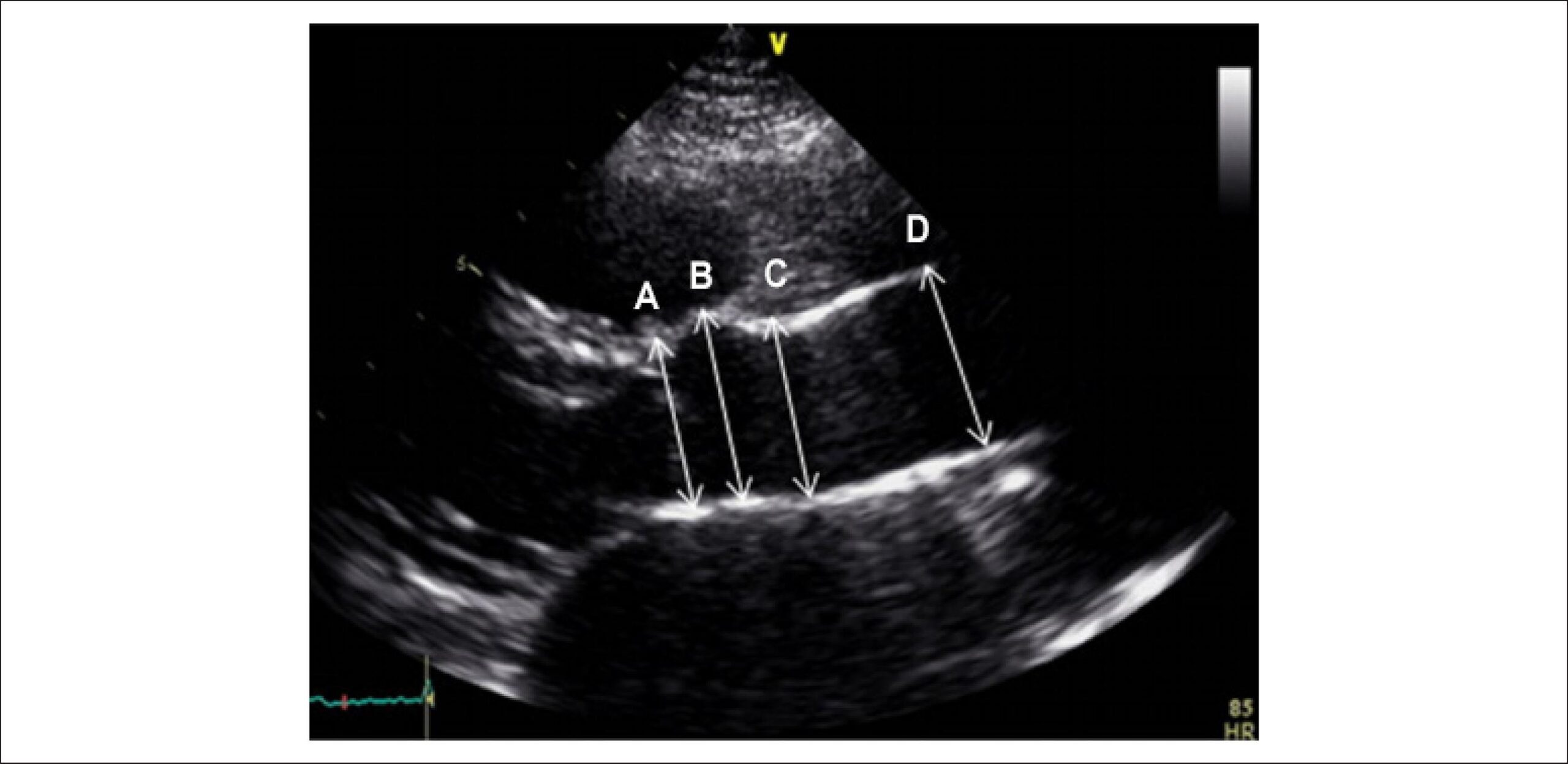
A total of 102 SLE patients and 30 healthy volunteers were studied between October 2015 and May 2016. Patients were divided into three groups according to pulmonary artery systolic pressure (PASP) estimated by echocardiography: group control (A); PASP ≤ 30 mmHg (group B, n = 37); PASP 30-50 mmHg (mild PH; group C, n = 34); and PASP ≥ 50 mmHg (moderate-to-severe PH; group D, n = 31). Longitudinal peak systolic strain (ε) and strain rate (SR), including systolic strain rate (SRs), early diastolic strain rate (SRe) and late diastolic strain rate (SRa) were measured in the basal, middle and apical segments of the right ventricular free wall in participants by two-dimensional speckle tracking echocardiography (2D-STE) from the apical four-chamber view. A p < 0.05 was set for statistical significance.

Results:

The parameters of ε, SRs, SRe, and SRa were significantly decreased in groups C and D compared with groups A and B. The ε of each segments was significantly lower in group D than in group C, while there were no differences in SRs, SRe and SRa between groups C and D.

Conclusions:

Strain and strain rate imaging could early detect the right ventricular dysfunction in SLE patients with PH, and provide important value for clinical therapy and prognosis of these patients. (Arq Bras Cardiol. 2018; [online].ahead print, PP.0-0)

  • Echocardiography
  • Hypertension Pulmonary
  • Lupus Erythematosus, Systemic
  • Ventricular Function, Right/physiology
Read Full Article
Creative Commons Attribution (CC BY) Creative Commons license
11/06/2018 DOI: 10.5935/abc.20180091
Figure 1
Original Article

Cohort of Patients Referred for Brugada Syndrome Investigation in an Electrophysiology Service – 19-Year Registry

Stefan Warpechowski Neto et al. Tiago Luiz Luz Leiria Laura Lessa Gaudie Ley Antonio Lessa Gaudie Ley … Luiza Zwan Dutra Leonardo Martins Pires Marcelo Lapa Kruse Gustavo Glotz de Lima

Abstract

Background:

Brugada syndrome (SBr) is an arrhythmic condition characterized by ST-T segment abnormalities in the right precordial leads associated with a high risk of ventricular arrhythmias and sudden death. Local data regarding the clinical characteristics of patients with a typical electrocardiographic (ECG) pattern undergoing electrophysiological study are scarce.

Objective:

To evaluate patients with an ECG pattern suggestive of SBr referred for electrophysiological evaluation in a specialized center.

Methods:

Cohort study of patients referred for electrophysiological study because of an ECG pattern compatible with SBr between January 1998 and March 2017.

Results:

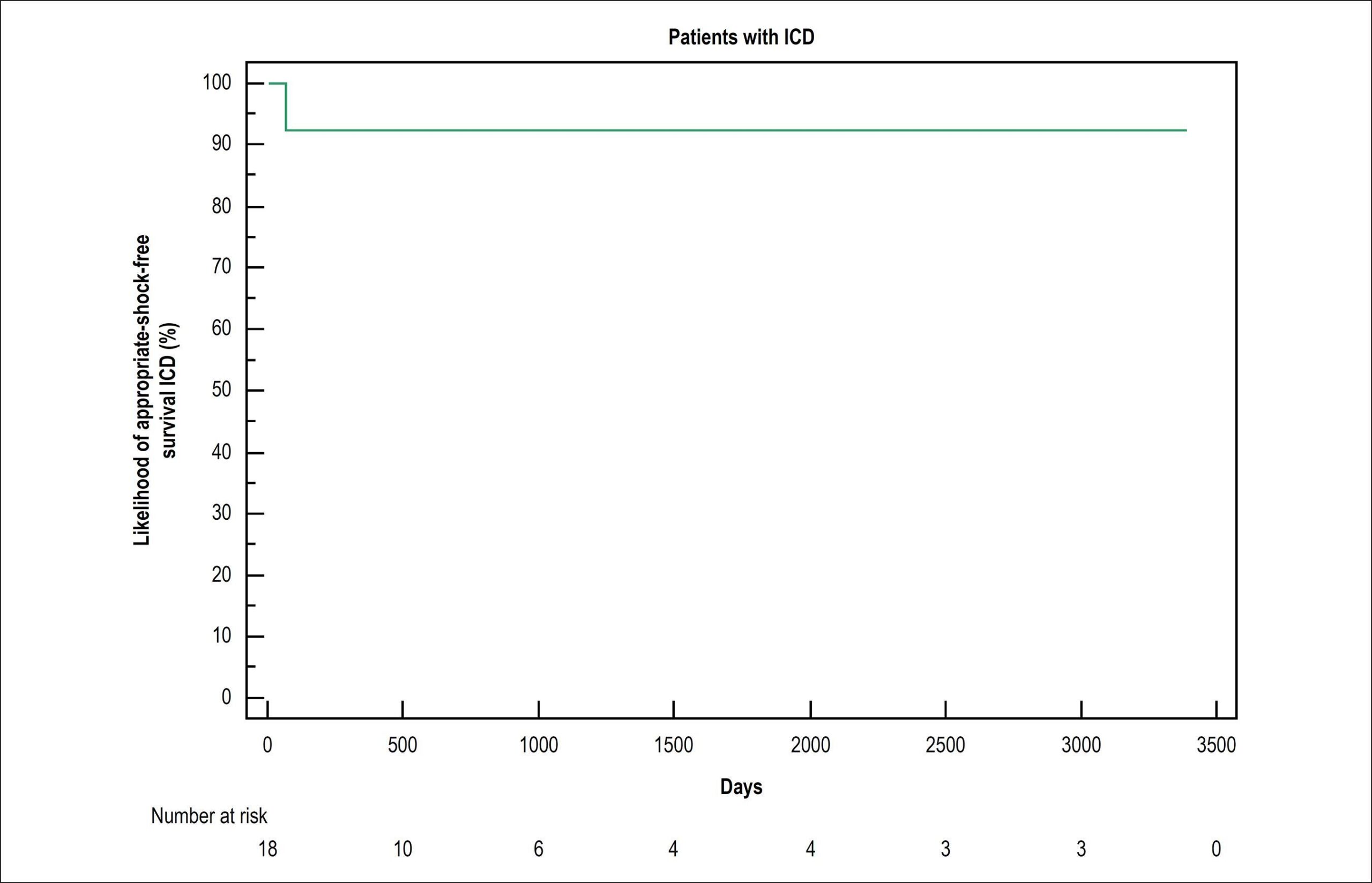
Of the 5506 procedures, 35 (0.64%) were for SBr investigation, 25 of which (71.42%) were performed in men. The mean age was 43.89 ± 13.1 years. The ECG patterns were as follows: type I, 22 (62.85%); type II, 12 (34.30%); and type III, 1 (2.85%). Twenty-three patients (65.7%) were asymptomatic, 6 (17.14%) had palpitations, 5 (14.3%) had syncope, and 3 (8.6%) had a family history of sudden death. Electrophysiological study induced ventricular tachyarrhythmias in 16 cases (45.7%), the mean ventricular refractory period being 228 ± 36 ms. Ajmaline / procainamide was used in 11 cases (31.4%), changing the ECG pattern to type I in 7 (63.6%). Sixteen cases (45.7%) received an implantable cardioverter defibrillator (ICD). In a mean 5-year follow-up, 1 of the 16 patients (6.25%) with ICD had appropriate therapy for ventricular fibrillation. There was no death. Other arrhythmias occurred in 4 (11.4%) cases.

Conclusions:

Most patients are men, and a type I ECG pattern is the main indication for electrophysiological study. Class IA drugs have a high ECG conversion rate. The ICD event rate was 6%. (Arq Bras Cardiol. 2018; [online].ahead print, PP.0-0)

  • Brugada Syndrome
  • Sudden Death
  • Ventricular tachycardia
Read Full Article
Creative Commons Attribution (CC BY) Creative Commons license
11/06/2018 DOI: 10.5935/abc.20180094 Views 1

How to cite this article

EndNote RIS

Electronic Document Format (Vancouver)

Oliveira EA, Silva AKF, Christofaro DGD, Vanzella LM, Gomes RL, Vanderlei FM, Vanderlei LCM, et al. Influence of Type 1 Diabetes on the Symbolic Analysis and Complexity of Heart Rate Variability in Young Adults. Arquivos Brasileiros de Cardiologia 2018;111(1):94-101.

Electronic Document Format (ABNT)

Oliveira, Elaine Aparecida de; Silva, Anne Kastelianne França da; Christofaro, Diego Giuliano Destro; Vanzella, Laís Manata; Gomes, Rayana Loch; Vanderlei, Franciele Marques; Vanderlei, Luiz Carlos Marques. Influence of Type 1 Diabetes on the Symbolic Analysis and Complexity of Heart Rate Variability in Young Adults. Arquivos Brasileiros de Cardiologia, v. 111, n. 1, p. 94-101, Jul. 2018.

Electronic Document Format (APA)

Oliveira, E. A. , Silva, A. K. F. , Christofaro, D. G. D., Vanzella, L. M., Gomes, R. L., Vanderlei, F. M., & Vanderlei, L. C. M. (2018). Influence of Type 1 Diabetes on the Symbolic Analysis and Complexity of Heart Rate Variability in Young Adults. Arquivos Brasileiros de Cardiologia, 111(1), 94-101.

Electronic Document Format (ISO)

Oliveira, Elaine Aparecida de and Silva, Anne Kastelianne França da and Christofaro, Diego Giuliano Destro and Vanzella, Laís Manata and Gomes, Rayana Loch and Vanderlei, Franciele Marques and Vanderlei, Luiz Carlos Marques. Influence of Type 1 Diabetes on the Symbolic Analysis and Complexity of Heart Rate Variability in Young Adults. Arquivos Brasileiros de Cardiologia [online]. 2018, vol. 111, n. 1, [cited 2026-10-14], pp. 94-101. Available from: <https://journals.cardiol.br/en/article/influence-of-type-1-diabetes-on-the-symbolic-analysis-and-complexity-of-heart-rate-variability-in-young-adults/>. ISSN 0066-782X

EndNote RIS

Electronic Document Format (Vancouver)

Pereira A, Mendonça MI, Borges S, Freitas S, Henriques E, Rodrigues M, Freitas AI, et al. Genetic Risk Analysis of Coronary Artery Disease in a Population-based Study in Portugal, Using a Genetic Risk Score of 31 Variants. Arquivos Brasileiros de Cardiologia 2018;111(1):50-61.

Electronic Document Format (ABNT)

Pereira, Andreia; Mendonça, Maria Isabel; Borges, Sofia; Freitas, Sónia; Henriques, Eva; Rodrigues, Mariana; Freitas, Ana Isabel; Sousa, Ana Célia; Brehm, António; Reis, Roberto Palma dos. Genetic Risk Analysis of Coronary Artery Disease in a Population-based Study in Portugal, Using a Genetic Risk Score of 31 Variants. Arquivos Brasileiros de Cardiologia, v. 111, n. 1, p. 50-61, Jul. 2018.

Electronic Document Format (APA)

Pereira, A., Mendonça, M. I., Borges, S., Freitas, S., Henriques, E., Rodrigues, M., Freitas, A. I., Sousa, A. C., Brehm, A., & Reis, R. P. (2018). Genetic Risk Analysis of Coronary Artery Disease in a Population-based Study in Portugal, Using a Genetic Risk Score of 31 Variants. Arquivos Brasileiros de Cardiologia, 111(1), 50-61.

Electronic Document Format (ISO)

Pereira, Andreia and Mendonça, Maria Isabel and Borges, Sofia and Freitas, Sónia and Henriques, Eva and Rodrigues, Mariana and Freitas, Ana Isabel and Sousa, Ana Célia and Brehm, António and Reis, Roberto Palma dos. Genetic Risk Analysis of Coronary Artery Disease in a Population-based Study in Portugal, Using a Genetic Risk Score of 31 Variants. Arquivos Brasileiros de Cardiologia [online]. 2018, vol. 111, n. 1, [cited 2026-10-14], pp. 50-61. Available from: <https://journals.cardiol.br/en/article/genetic-risk-analysis-of-coronary-artery-disease-in-a-population-based-study-in-portugal-using-a-genetic-risk-score-of-31-variants/>. ISSN 0066-782X

EndNote RIS

Electronic Document Format (Vancouver)

Kalkan AK, Cakmak HA, Erturk M, Kalkan KE, Uzun F, Tasbulak O, Diker VO, et al. Adropin and Irisin in Patients with Cardiac Cachexia. Arquivos Brasileiros de Cardiologia 2018;111(1):39-47.

Electronic Document Format (ABNT)

Kalkan, Ali Kemal; Cakmak, Huseyin Altug; Erturk, Mehmet; Kalkan, Kübra Erol; Uzun, Fatih; Tasbulak, Omer; Diker, Vesile Ornek; Aydin, Suleyman; Celik, Ahmet. Adropin and Irisin in Patients with Cardiac Cachexia. Arquivos Brasileiros de Cardiologia, v. 111, n. 1, p. 39-47, Jul. 2018.

Electronic Document Format (APA)

Kalkan, A. K., Cakmak, H. A., Erturk, M., Kalkan, K. E., Uzun, F., Tasbulak, O., Diker, V. O., Aydin, S., & Celik, A. (2018). Adropin and Irisin in Patients with Cardiac Cachexia. Arquivos Brasileiros de Cardiologia, 111(1), 39-47.

Electronic Document Format (ISO)

Kalkan, Ali Kemal and Cakmak, Huseyin Altug and Erturk, Mehmet and Kalkan, Kübra Erol and Uzun, Fatih and Tasbulak, Omer and Diker, Vesile Ornek and Aydin, Suleyman and Celik, Ahmet. Adropin and Irisin in Patients with Cardiac Cachexia. Arquivos Brasileiros de Cardiologia [online]. 2018, vol. 111, n. 1, [cited 2026-10-14], pp. 39-47. Available from: <https://journals.cardiol.br/en/article/adropin-and-irisin-in-patients-with-cardiac-cachexia-2/>. ISSN 0066-782X

EndNote RIS

Electronic Document Format (Vancouver)

Martins CN, Gontijo Filho B, Lopes RM, Silva FCL. Mid- and Longterm Neo-Aortic Valve Regurgitation after Jatene Surgery: Prevalence and Risk Factors. Arquivos Brasileiros de Cardiologia 2018;111(1):21-8.

Electronic Document Format (ABNT)

Martins, Cristiane Nunes; Gontijo Filho, Bayard; Lopes, Roberto Max; Silva, Francisco das Chagas Lima e. Mid- and Longterm Neo-Aortic Valve Regurgitation after Jatene Surgery: Prevalence and Risk Factors. Arquivos Brasileiros de Cardiologia, v. 111, n. 1, p. 21-28, Jul. 2018.

Electronic Document Format (APA)

Martins, C. N., Gontijo Filho, B., Lopes, R. M., & Silva, F. C. L. (2018). Mid- and Longterm Neo-Aortic Valve Regurgitation after Jatene Surgery: Prevalence and Risk Factors. Arquivos Brasileiros de Cardiologia, 111(1), 21-28.

Electronic Document Format (ISO)

Martins, Cristiane Nunes and Gontijo Filho, Bayard and Lopes, Roberto Max and Silva, Francisco das Chagas Lima e. Mid- and Longterm Neo-Aortic Valve Regurgitation after Jatene Surgery: Prevalence and Risk Factors. Arquivos Brasileiros de Cardiologia [online]. 2018, vol. 111, n. 1, [cited 2026-10-14], pp. 21-28. Available from: <https://journals.cardiol.br/en/article/mid-and-longterm-neo-aortic-valve-regurgitation-after-jatene-surgery-prevalence-and-risk-factors/>. ISSN 0066-782X

EndNote RIS

Electronic Document Format (Vancouver)

Stevens B, Pezzullo L, Verdian L, Tomlinson J, George A, Bacal F. The Economic Burden of Heart Conditions in Brazil. Arquivos Brasileiros de Cardiologia 2018;111(1):29-36.

Electronic Document Format (ABNT)

Stevens, Bryce; Pezzullo, Lynne; Verdian, Lara; Tomlinson, Josh; George, Alice; Bacal, Fernando. The Economic Burden of Heart Conditions in Brazil. Arquivos Brasileiros de Cardiologia, v. 111, n. 1, p. 29-36, Jun. 2018.

Electronic Document Format (APA)

Stevens, B., Pezzullo, L., Verdian, L., Tomlinson, J., George, A., & Bacal, F. (2018). The Economic Burden of Heart Conditions in Brazil. Arquivos Brasileiros de Cardiologia, 111(1), 29-36.

Electronic Document Format (ISO)

Stevens, Bryce and Pezzullo, Lynne and Verdian, Lara and Tomlinson, Josh and George, Alice and Bacal, Fernando. The Economic Burden of Heart Conditions in Brazil. Arquivos Brasileiros de Cardiologia [online]. 2018, vol. 111, n. 1, [cited 2026-10-14], pp. 29-36. Available from: <https://journals.cardiol.br/en/article/the-economic-burden-of-heart-conditions-in-brazil/>. ISSN 0066-782X

EndNote RIS

Electronic Document Format (Vancouver)

Mateos JCP. Carotid Sinus Massage in Syncope Evaluation: A Nonspecific and Dubious Diagnostic Method. Arquivos Brasileiros de Cardiologia 2018;111(1):92-3.

Electronic Document Format (ABNT)

Mateos, José Carlos Pachón. Carotid Sinus Massage in Syncope Evaluation: A Nonspecific and Dubious Diagnostic Method. Arquivos Brasileiros de Cardiologia, v. 111, n. 1, p. 92-93, Jun. 2018.

Electronic Document Format (APA)

Mateos, J. C. P. (2018). Carotid Sinus Massage in Syncope Evaluation: A Nonspecific and Dubious Diagnostic Method. Arquivos Brasileiros de Cardiologia, 111(1), 92-93.

Electronic Document Format (ISO)

Mateos, José Carlos Pachón. Carotid Sinus Massage in Syncope Evaluation: A Nonspecific and Dubious Diagnostic Method. Arquivos Brasileiros de Cardiologia [online]. 2018, vol. 111, n. 1, [cited 2026-10-14], pp. 92-93. Available from: <https://journals.cardiol.br/en/article/carotid-sinus-massage-in-syncope-evaluation-a-nonspecific-and-dubious-diagnostic-method/>. ISSN 0066-782X

EndNote RIS

Electronic Document Format (Vancouver)

Wu TC, Hachul DT, Darrieux FCC, Scanavacca MI. Carotid Sinus Massage in Syncope Evaluation: A Nonspecific and Dubious Diagnostic Method. Arquivos Brasileiros de Cardiologia 2018;111(1):84-91.

Electronic Document Format (ABNT)

Wu, Tan Chen; Hachul, Denise T.; Darrieux, Francisco Carlos da Costa; Scanavacca, Maurício I.. Carotid Sinus Massage in Syncope Evaluation: A Nonspecific and Dubious Diagnostic Method. Arquivos Brasileiros de Cardiologia, v. 111, n. 1, p. 84-91, Jun. 2018.

Electronic Document Format (APA)

Wu, T. C., Hachul, D. T., Darrieux, F. C. C., & Scanavacca, M. I. (2018). Carotid Sinus Massage in Syncope Evaluation: A Nonspecific and Dubious Diagnostic Method. Arquivos Brasileiros de Cardiologia, 111(1), 84-91.

Electronic Document Format (ISO)

Wu, Tan Chen and Hachul, Denise T. and Darrieux, Francisco Carlos da Costa and Scanavacca, Maurício I.. Carotid Sinus Massage in Syncope Evaluation: A Nonspecific and Dubious Diagnostic Method. Arquivos Brasileiros de Cardiologia [online]. 2018, vol. 111, n. 1, [cited 2026-10-14], pp. 84-91. Available from: <https://journals.cardiol.br/en/article/carotid-sinus-massage-in-syncope-evaluation-a-nonspecific-and-dubious-diagnostic-method-2/>. ISSN 0066-782X

EndNote RIS

Electronic Document Format (Vancouver)

Martinez PF, Okoshi MP. Genetic Risk in Coronary Artery Disease. Arquivos Brasileiros de Cardiologia 2018;111(1):62-3.

Electronic Document Format (ABNT)

Martinez, Paula F.; Okoshi, Marina P.. Genetic Risk in Coronary Artery Disease. Arquivos Brasileiros de Cardiologia, v. 111, n. 1, p. 62-63, Jun. 2018.

Electronic Document Format (APA)

Martinez, P. F., & Okoshi, M. P. (2018). Genetic Risk in Coronary Artery Disease. Arquivos Brasileiros de Cardiologia, 111(1), 62-63.

Electronic Document Format (ISO)

Martinez, Paula F. and Okoshi, Marina P.. Genetic Risk in Coronary Artery Disease. Arquivos Brasileiros de Cardiologia [online]. 2018, vol. 111, n. 1, [cited 2026-10-14], pp. 62-63. Available from: <https://journals.cardiol.br/en/article/genetic-risk-in-coronary-artery-disease/>. ISSN 0066-782X

EndNote RIS

Electronic Document Format (Vancouver)

Behr PEB, Moriguchi EH, Castro I, Bodanese LC, Dutra OP, Leães PE, Pimentel Filho P, et al. Indications of PCSK9 Inhibitors for Patients at High and Very High Cardiovascular Risk. Arquivos Brasileiros de Cardiologia 2018;111(1):104-8.

Electronic Document Format (ABNT)

Behr, Paulo Eduardo Ballvé; Moriguchi, Emilio Hideyuki; Castro, Iran; Bodanese, Luiz Carlos; Dutra, Oscar Pereira; Leães, Paulo Ernesto; Pimentel Filho, Pedro. Indications of PCSK9 Inhibitors for Patients at High and Very High Cardiovascular Risk. Arquivos Brasileiros de Cardiologia, v. 111, n. 1, p. 104-108, Jun. 2018.

Electronic Document Format (APA)

Behr, P. E. B., Moriguchi, E. H., Castro, I., Bodanese, L. C., Dutra, O. P., Leães, P. E., & Pimentel Filho, P. (2018). Indications of PCSK9 Inhibitors for Patients at High and Very High Cardiovascular Risk. Arquivos Brasileiros de Cardiologia, 111(1), 104-108.

Electronic Document Format (ISO)

Behr, Paulo Eduardo Ballvé and Moriguchi, Emilio Hideyuki and Castro, Iran and Bodanese, Luiz Carlos and Dutra, Oscar Pereira and Leães, Paulo Ernesto and Pimentel Filho, Pedro. Indications of PCSK9 Inhibitors for Patients at High and Very High Cardiovascular Risk. Arquivos Brasileiros de Cardiologia [online]. 2018, vol. 111, n. 1, [cited 2026-10-14], pp. 104-108. Available from: <https://journals.cardiol.br/en/article/indications-of-pcsk9-inhibitors-for-patients-at-high-and-very-high-cardiovascular-risk/>. ISSN 0066-782X

EndNote RIS

Electronic Document Format (Vancouver)

Martinez PF, Okoshi MP. Heart Rate Variability in Coexisting Diabetes and Hypertension. Arquivos Brasileiros de Cardiologia 2018;111(1):73-4.

Electronic Document Format (ABNT)

Martinez, Paula F.; Okoshi, Marina P.. Heart Rate Variability in Coexisting Diabetes and Hypertension. Arquivos Brasileiros de Cardiologia, v. 111, n. 1, p. 73-74, Jun. 2018.

Electronic Document Format (APA)

Martinez, P. F., & Okoshi, M. P. (2018). Heart Rate Variability in Coexisting Diabetes and Hypertension. Arquivos Brasileiros de Cardiologia, 111(1), 73-74.

Electronic Document Format (ISO)

Martinez, Paula F. and Okoshi, Marina P.. Heart Rate Variability in Coexisting Diabetes and Hypertension. Arquivos Brasileiros de Cardiologia [online]. 2018, vol. 111, n. 1, [cited 2026-10-14], pp. 73-74. Available from: <https://journals.cardiol.br/en/article/heart-rate-variability-in-coexisting-diabetes-and-hypertension/>. ISSN 0066-782X

EndNote RIS

Electronic Document Format (Vancouver)

Sarabanda AVL. Cohort of Patients Referred for Brugada Syndrome Investigation in an Electrophysiology Service – 19-Year Registry. Arquivos Brasileiros de Cardiologia 2018;111(1):19-20.

Electronic Document Format (ABNT)

Sarabanda, Alvaro Valentim Lima. Cohort of Patients Referred for Brugada Syndrome Investigation in an Electrophysiology Service – 19-Year Registry. Arquivos Brasileiros de Cardiologia, v. 111, n. 1, p. 19-20, Jun. 2018.

Electronic Document Format (APA)

Sarabanda, A. V. L. (2018). Cohort of Patients Referred for Brugada Syndrome Investigation in an Electrophysiology Service – 19-Year Registry. Arquivos Brasileiros de Cardiologia, 111(1), 19-20.

Electronic Document Format (ISO)

Sarabanda, Alvaro Valentim Lima. Cohort of Patients Referred for Brugada Syndrome Investigation in an Electrophysiology Service – 19-Year Registry. Arquivos Brasileiros de Cardiologia [online]. 2018, vol. 111, n. 1, [cited 2026-10-14], pp. 19-20. Available from: <https://journals.cardiol.br/en/article/cohort-of-patients-referred-for-brugada-syndrome-investigation-in-an-electrophysiology-service-19-year-registry/>. ISSN 0066-782X

EndNote RIS

Electronic Document Format (Vancouver)

Atik FA, Cunha CR, Chaves RB, Ulhoa MB, Barzilai VS. Left Ventricular Assist Device as a Bridge to Candidacy in End-stage Chagas Cardiomyopathy. Arquivos Brasileiros de Cardiologia 2018;111(1):112-4.

Electronic Document Format (ABNT)

Atik, Fernando Antibas; Cunha, Claudio Ribeiro; Chaves, Renato Bueno; Ulhoa, Marcelo Botelho; Barzilai, Vitor Salvatore. Left Ventricular Assist Device as a Bridge to Candidacy in End-stage Chagas Cardiomyopathy. Arquivos Brasileiros de Cardiologia, v. 111, n. 1, p. 112-114, Jun. 2018.

Electronic Document Format (APA)

Atik, F. A., Cunha, C. R., Chaves, R. B., Ulhoa, M. B., & Barzilai, V. S. (2018). Left Ventricular Assist Device as a Bridge to Candidacy in End-stage Chagas Cardiomyopathy. Arquivos Brasileiros de Cardiologia, 111(1), 112-114.

Electronic Document Format (ISO)

Atik, Fernando Antibas and Cunha, Claudio Ribeiro and Chaves, Renato Bueno and Ulhoa, Marcelo Botelho and Barzilai, Vitor Salvatore. Left Ventricular Assist Device as a Bridge to Candidacy in End-stage Chagas Cardiomyopathy. Arquivos Brasileiros de Cardiologia [online]. 2018, vol. 111, n. 1, [cited 2026-10-14], pp. 112-114. Available from: <https://journals.cardiol.br/en/article/left-ventricular-assist-device-as-a-bridge-to-candidacy-in-end-stage-chagas-cardiomyopathy/>. ISSN 0066-782X

EndNote RIS

Electronic Document Format (Vancouver)

Pestana G, Sousa C, Pinho T, Maia S, Maciel MJ. Challenging Evaluation of Aortic Regurgitation: More Than a Quadricuspid Valve. Arquivos Brasileiros de Cardiologia 2018;111(1):115-6.

Electronic Document Format (ABNT)

Pestana, Gonçalo; Sousa, Carla; Pinho, Teresa; Maia, Sara; Maciel, M. Júlia. Challenging Evaluation of Aortic Regurgitation: More Than a Quadricuspid Valve. Arquivos Brasileiros de Cardiologia, v. 111, n. 1, p. 115-116, Jun. 2018.

Electronic Document Format (APA)

Pestana, G., Sousa, C., Pinho, T., Maia, S., & Maciel, M. J. (2018). Challenging Evaluation of Aortic Regurgitation: More Than a Quadricuspid Valve. Arquivos Brasileiros de Cardiologia, 111(1), 115-116.

Electronic Document Format (ISO)

Pestana, Gonçalo and Sousa, Carla and Pinho, Teresa and Maia, Sara and Maciel, M. Júlia. Challenging Evaluation of Aortic Regurgitation: More Than a Quadricuspid Valve. Arquivos Brasileiros de Cardiologia [online]. 2018, vol. 111, n. 1, [cited 2026-10-14], pp. 115-116. Available from: <https://journals.cardiol.br/en/article/challenging-evaluation-of-aortic-regurgitation-more-than-a-quadricuspid-valve/>. ISSN 0066-782X

EndNote RIS

Electronic Document Format (Vancouver)

Silva SA, Chrispim PPM, Ju YT, Ribeiro A. Economic Burden of Cardiovascular Diseases in Brazil: Are Telemedicine and Structured Telephone Support the Solution?. Arquivos Brasileiros de Cardiologia 2018;111(1):37-8.

Electronic Document Format (ABNT)

Silva, Suzana Alves da; Chrispim, Pedro Paulo Magalhães; Ju, Yang Ting; Ribeiro, Ary. Economic Burden of Cardiovascular Diseases in Brazil: Are Telemedicine and Structured Telephone Support the Solution?. Arquivos Brasileiros de Cardiologia, v. 111, n. 1, p. 37-38, Jun. 2018.

Electronic Document Format (APA)

Silva, S. A. , Chrispim, P. P. M., Ju, Y. T., & Ribeiro, A. (2018). Economic Burden of Cardiovascular Diseases in Brazil: Are Telemedicine and Structured Telephone Support the Solution?. Arquivos Brasileiros de Cardiologia, 111(1), 37-38.

Electronic Document Format (ISO)

Silva, Suzana Alves da and Chrispim, Pedro Paulo Magalhães and Ju, Yang Ting and Ribeiro, Ary. Economic Burden of Cardiovascular Diseases in Brazil: Are Telemedicine and Structured Telephone Support the Solution?. Arquivos Brasileiros de Cardiologia [online]. 2018, vol. 111, n. 1, [cited 2026-10-14], pp. 37-38. Available from: <https://journals.cardiol.br/en/article/economic-burden-of-cardiovascular-diseases-in-brazil-are-telemedicine-and-structured-telephone-support-the-solution/>. ISSN 0066-782X

EndNote RIS

Electronic Document Format (Vancouver)

Barberato SH. Right Ventricular Dysfunction in Lupus Patients With Pulmonary Hypertension. Arquivos Brasileiros de Cardiologia 2018;111(1):82-3.

Electronic Document Format (ABNT)

Barberato, Silvio Henrique. Right Ventricular Dysfunction in Lupus Patients With Pulmonary Hypertension. Arquivos Brasileiros de Cardiologia, v. 111, n. 1, p. 82-83, Jun. 2018.

Electronic Document Format (APA)

Barberato, S. H. (2018). Right Ventricular Dysfunction in Lupus Patients With Pulmonary Hypertension. Arquivos Brasileiros de Cardiologia, 111(1), 82-83.

Electronic Document Format (ISO)

Barberato, Silvio Henrique. Right Ventricular Dysfunction in Lupus Patients With Pulmonary Hypertension. Arquivos Brasileiros de Cardiologia [online]. 2018, vol. 111, n. 1, [cited 2026-10-14], pp. 82-83. Available from: <https://journals.cardiol.br/en/article/right-ventricular-dysfunction-in-lupus-patients-with-pulmonary-hypertension/>. ISSN 0066-782X

EndNote RIS

Electronic Document Format (Vancouver)

Bassi D, Cabiddu R, Mendes RG, Tossini N, Arakelian VM, Caruso FCR, Bonjorno Júnior JC, et al. Effects of Coexistence Hypertension and Type II Diabetes on Heart Rate Variability and Cardiorespiratory Fitness. Arquivos Brasileiros de Cardiologia 2018;111(1):64-72.

Electronic Document Format (ABNT)

Bassi, Daniela; Cabiddu, Ramona; Mendes, Renata G.; Tossini, Natália; Arakelian, Vivian M.; Caruso, Flávia C. R.; Bonjorno Júnior, José C.; Arena, Ross; Borghi-Silva, Audrey. Effects of Coexistence Hypertension and Type II Diabetes on Heart Rate Variability and Cardiorespiratory Fitness. Arquivos Brasileiros de Cardiologia, v. 111, n. 1, p. 64-72, Jun. 2018.

Electronic Document Format (APA)

Bassi, D., Cabiddu, R., Mendes, R. G., Tossini, N., Arakelian, V. M., Caruso, F. C. R., Bonjorno Júnior, J. C., Arena, R., & Borghi-Silva, A. (2018). Effects of Coexistence Hypertension and Type II Diabetes on Heart Rate Variability and Cardiorespiratory Fitness. Arquivos Brasileiros de Cardiologia, 111(1), 64-72.

Electronic Document Format (ISO)

Bassi, Daniela and Cabiddu, Ramona and Mendes, Renata G. and Tossini, Natália and Arakelian, Vivian M. and Caruso, Flávia C. R. and Bonjorno Júnior, José C. and Arena, Ross and Borghi-Silva, Audrey. Effects of Coexistence Hypertension and Type II Diabetes on Heart Rate Variability and Cardiorespiratory Fitness. Arquivos Brasileiros de Cardiologia [online]. 2018, vol. 111, n. 1, [cited 2026-10-14], pp. 64-72. Available from: <https://journals.cardiol.br/en/article/effects-of-coexistence-hypertension-and-type-ii-diabetes-on-heart-rate-variability-and-cardiorespiratory-fitness/>. ISSN 0066-782X

EndNote RIS

Electronic Document Format (Vancouver)

Ayub-Ferreira SM. Executive Summary – Guidelines for Mechanical Circulatory Support of the Brazilian Society of Cardiology. Arquivos Brasileiros de Cardiologia 2018;111(1):4-12.

Electronic Document Format (ABNT)

Ayub-Ferreira, Silvia Moreira. Executive Summary – Guidelines for Mechanical Circulatory Support of the Brazilian Society of Cardiology. Arquivos Brasileiros de Cardiologia, v. 111, n. 1, p. 4-12, Jun. 2018.

Electronic Document Format (APA)

Ayub-Ferreira, S. M. (2018). Executive Summary – Guidelines for Mechanical Circulatory Support of the Brazilian Society of Cardiology. Arquivos Brasileiros de Cardiologia, 111(1), 4-12.

Electronic Document Format (ISO)

Ayub-Ferreira, Silvia Moreira. Executive Summary – Guidelines for Mechanical Circulatory Support of the Brazilian Society of Cardiology. Arquivos Brasileiros de Cardiologia [online]. 2018, vol. 111, n. 1, [cited 2026-10-14], pp. 4-12. Available from: <https://journals.cardiol.br/en/article/executive-summary-guidelines-for-mechanical-circulatory-support-of-the-brazilian-society-of-cardiology/>. ISSN 0066-782X

EndNote RIS

Electronic Document Format (Vancouver)

Yildirim T, Altun I, Soylu MO. Challenges For Percutaneous Left Atrial Appendage Closure: Imaging And Residual Flow. Arquivos Brasileiros de Cardiologia 2018;111(1):117.

Electronic Document Format (ABNT)

Yildirim, Tarik; Altun, Ibrahim; Soylu, Mustafa Ozcan. Challenges For Percutaneous Left Atrial Appendage Closure: Imaging And Residual Flow. Arquivos Brasileiros de Cardiologia, v. 111, n. 1, p. 117-117, Jun. 2018.

Electronic Document Format (APA)

Yildirim, T., Altun, I., & Soylu, M. O. (2018). Challenges For Percutaneous Left Atrial Appendage Closure: Imaging And Residual Flow. Arquivos Brasileiros de Cardiologia, 111(1), 117-117.

Electronic Document Format (ISO)

Yildirim, Tarik and Altun, Ibrahim and Soylu, Mustafa Ozcan. Challenges For Percutaneous Left Atrial Appendage Closure: Imaging And Residual Flow. Arquivos Brasileiros de Cardiologia [online]. 2018, vol. 111, n. 1, [cited 2026-10-14], pp. 117-117. Available from: <https://journals.cardiol.br/en/article/challenges-for-percutaneous-left-atrial-appendage-closure-imaging-and-residual-flow/>. ISSN 0066-782X

EndNote RIS

Electronic Document Format (Vancouver)

Mansur AJ. Adropin and Irisin in Patients with Cardiac Cachexia. Arquivos Brasileiros de Cardiologia 2018;111(1):48-9.

Electronic Document Format (ABNT)

Mansur, Alfredo José. Adropin and Irisin in Patients with Cardiac Cachexia. Arquivos Brasileiros de Cardiologia, v. 111, n. 1, p. 48-49, Jun. 2018.

Electronic Document Format (APA)

Mansur, A. J. (2018). Adropin and Irisin in Patients with Cardiac Cachexia. Arquivos Brasileiros de Cardiologia, 111(1), 48-49.

Electronic Document Format (ISO)

Mansur, Alfredo José. Adropin and Irisin in Patients with Cardiac Cachexia. Arquivos Brasileiros de Cardiologia [online]. 2018, vol. 111, n. 1, [cited 2026-10-14], pp. 48-49. Available from: <https://journals.cardiol.br/en/article/adropin-and-irisin-in-patients-with-cardiac-cachexia/>. ISSN 0066-782X

EndNote RIS

Electronic Document Format (Vancouver)

Rochitte CE. The New Impact Factor of the Arquivos Brasileiros de Cardiologia (ABC Cardiol), 1.318: An Achievement of the SBC for Our Scientific Community. Arquivos Brasileiros de Cardiologia 2018;111(1):1-3.

Electronic Document Format (ABNT)

Rochitte, Carlos Eduardo. The New Impact Factor of the Arquivos Brasileiros de Cardiologia (ABC Cardiol), 1.318: An Achievement of the SBC for Our Scientific Community. Arquivos Brasileiros de Cardiologia, v. 111, n. 1, p. 1-3, Jun. 2018.

Electronic Document Format (APA)

Rochitte, C. E. (2018). The New Impact Factor of the Arquivos Brasileiros de Cardiologia (ABC Cardiol), 1.318: An Achievement of the SBC for Our Scientific Community. Arquivos Brasileiros de Cardiologia, 111(1), 1-3.

Electronic Document Format (ISO)

Rochitte, Carlos Eduardo. The New Impact Factor of the Arquivos Brasileiros de Cardiologia (ABC Cardiol), 1.318: An Achievement of the SBC for Our Scientific Community. Arquivos Brasileiros de Cardiologia [online]. 2018, vol. 111, n. 1, [cited 2026-10-14], pp. 1-3. Available from: <https://journals.cardiol.br/en/article/the-new-impact-factor-of-the-arquivos-brasileiros-de-cardiologia-abc-cardiol-1-318-an-achievement-of-the-sbc-for-our-scientific-community/>. ISSN 0066-782X

EndNote RIS

Electronic Document Format (Vancouver)

Rivarola EW, Scanavacca MI. How to Evaluate Cardiac Autonomic Modulation. Arquivos Brasileiros de Cardiologia 2018;111(1):102-3.

Electronic Document Format (ABNT)

Rivarola, Esteban W.; Scanavacca, Mauricio I.. How to Evaluate Cardiac Autonomic Modulation. Arquivos Brasileiros de Cardiologia, v. 111, n. 1, p. 102-103, Jun. 2018.

Electronic Document Format (APA)

Rivarola, E. W., & Scanavacca, M. I. (2018). How to Evaluate Cardiac Autonomic Modulation. Arquivos Brasileiros de Cardiologia, 111(1), 102-103.

Electronic Document Format (ISO)

Rivarola, Esteban W. and Scanavacca, Mauricio I.. How to Evaluate Cardiac Autonomic Modulation. Arquivos Brasileiros de Cardiologia [online]. 2018, vol. 111, n. 1, [cited 2026-10-14], pp. 102-103. Available from: <https://journals.cardiol.br/en/article/how-to-evaluate-cardiac-autonomic-modulation/>. ISSN 0066-782X

EndNote RIS

Electronic Document Format (Vancouver)

Atik E, Barreto AC, Binotto MA, Cassar RS. Case 4/2018 – Important Mitral Valve Regurgitation Caused by Hammock Mitral Valve in 8 Year-Old Girl. Arquivos Brasileiros de Cardiologia 2018;111(1):109-11.

Electronic Document Format (ABNT)

Atik, Edmar; Barreto, Alessandra Costa; Binotto, Maria Angélica; Cassar, Renata de Sá. Case 4/2018 – Important Mitral Valve Regurgitation Caused by Hammock Mitral Valve in 8 Year-Old Girl. Arquivos Brasileiros de Cardiologia, v. 111, n. 1, p. 109-111, Jun. 2018.

Electronic Document Format (APA)

Atik, E., Barreto, A. C., Binotto, M. A., & Cassar, R. S. (2018). Case 4/2018 – Important Mitral Valve Regurgitation Caused by Hammock Mitral Valve in 8 Year-Old Girl. Arquivos Brasileiros de Cardiologia, 111(1), 109-111.

Electronic Document Format (ISO)

Atik, Edmar and Barreto, Alessandra Costa and Binotto, Maria Angélica and Cassar, Renata de Sá. Case 4/2018 – Important Mitral Valve Regurgitation Caused by Hammock Mitral Valve in 8 Year-Old Girl. Arquivos Brasileiros de Cardiologia [online]. 2018, vol. 111, n. 1, [cited 2026-10-14], pp. 109-111. Available from: <https://journals.cardiol.br/en/article/case-4-2018-important-mitral-valve-regurgitation-caused-by-hammock-mitral-valve-in-8-year-old-girl/>. ISSN 0066-782X

EndNote RIS

Electronic Document Format (Vancouver)

Luo R, Cui H, Huang D, Sun L, Song S, Sun M, Li G, et al. Early Assessment of Right Ventricular Function in Systemic Lupus Erythematosus Patients using Strain and Strain Rate Imaging. Arquivos Brasileiros de Cardiologia 2018;111(1):75-81.

Electronic Document Format (ABNT)

Luo, Runlan; Cui, Hongyan; Huang, Dongmei; Sun, Lihua; Song, Shengda; Sun, Mengyao; Li, Guangsen. Early Assessment of Right Ventricular Function in Systemic Lupus Erythematosus Patients using Strain and Strain Rate Imaging. Arquivos Brasileiros de Cardiologia, v. 111, n. 1, p. 75-81, Jun. 2018.

Electronic Document Format (APA)

Luo, R., Cui, H., Huang, D., Sun, L., Song, S., Sun, M., & Li, G. (2018). Early Assessment of Right Ventricular Function in Systemic Lupus Erythematosus Patients using Strain and Strain Rate Imaging. Arquivos Brasileiros de Cardiologia, 111(1), 75-81.

Electronic Document Format (ISO)

Luo, Runlan and Cui, Hongyan and Huang, Dongmei and Sun, Lihua and Song, Shengda and Sun, Mengyao and Li, Guangsen. Early Assessment of Right Ventricular Function in Systemic Lupus Erythematosus Patients using Strain and Strain Rate Imaging. Arquivos Brasileiros de Cardiologia [online]. 2018, vol. 111, n. 1, [cited 2026-10-14], pp. 75-81. Available from: <https://journals.cardiol.br/en/article/early-assessment-of-right-ventricular-function-in-systemic-lupus-erythematosus-patients-using-strain-and-strain-rate-imaging/>. ISSN 0066-782X

EndNote RIS

Electronic Document Format (Vancouver)

Warpechowski Neto S, Leiria TLL, Ley LLG, Ley ALG, Dutra LZ, Pires LM, Kruse ML, et al. Cohort of Patients Referred for Brugada Syndrome Investigation in an Electrophysiology Service – 19-Year Registry. Arquivos Brasileiros de Cardiologia 2018;111(1):13-8.

Electronic Document Format (ABNT)

Warpechowski Neto, Stefan; Leiria, Tiago Luiz Luz; Ley, Laura Lessa Gaudie; Ley, Antonio Lessa Gaudie; Dutra, Luiza Zwan; Pires, Leonardo Martins; Kruse, Marcelo Lapa; Lima, Gustavo Glotz de. Cohort of Patients Referred for Brugada Syndrome Investigation in an Electrophysiology Service – 19-Year Registry. Arquivos Brasileiros de Cardiologia, v. 111, n. 1, p. 13-18, Jun. 2018.

Electronic Document Format (APA)

Warpechowski Neto, S., Leiria, T. L. L., Ley, L. L. G., Ley, A. L. G., Dutra, L. Z., Pires, L. M., Kruse, M. L., & Lima, G. G. (2018). Cohort of Patients Referred for Brugada Syndrome Investigation in an Electrophysiology Service – 19-Year Registry. Arquivos Brasileiros de Cardiologia, 111(1), 13-18.

Electronic Document Format (ISO)

Warpechowski Neto, Stefan and Leiria, Tiago Luiz Luz and Ley, Laura Lessa Gaudie and Ley, Antonio Lessa Gaudie and Dutra, Luiza Zwan and Pires, Leonardo Martins and Kruse, Marcelo Lapa and Lima, Gustavo Glotz de. Cohort of Patients Referred for Brugada Syndrome Investigation in an Electrophysiology Service – 19-Year Registry. Arquivos Brasileiros de Cardiologia [online]. 2018, vol. 111, n. 1, [cited 2026-10-14], pp. 13-18. Available from: <https://journals.cardiol.br/en/article/cohort-of-patients-referred-for-brugada-syndrome-investigation-in-an-electrophysiology-service-19-year-registry-2/>. ISSN 0066-782X

Sede – Rio de Janeiro
Av. Marechal Câmara, 160
3º andar – Sala: 330 – Centro
Rio de Janeiro – CEP: 20020-907
Tel.: (55 +21) 3478-2700
ou (21) 99386-3961
E-mail: revista@cardiol.br

Sede – São Paulo
Alameda Santos, 705 – 11º andar
Cerqueira César | São Paulo
CEP: 01419-001
Tel.: (55 +11) 3411-5500
E-mail: revista@cardiol.br

  • About the Journal
  • Internal Regulation
  • Editors Section
  • Editorial Board
  • History
  • SBC Award

  • Guidelines for Publication
  • Editorial Policy
  • Ethics Policy
  • Policy on the Use of Artificial Intelligence
  • Mandatory Publication Form
  • Publication Fee

Issues

SBC Guidelines

  • How to Publish an Abstract Supplement?
  • Supplements from the Brazilian Congress of Cardiology