ABC Family Arquivos Brasileiros de Cardiologia International Journal of Cardiovascular Sciences ABC Heart Failure & Cardiomyopathy ABC Imagem Cardiovascular
Português English
ABC Family
Português English
  • About
    • About ABC Family
    • Internal Regulation
    • Editorial Board
    • Brazilian Society of Cardiology (SBC)
  • Issues
  • SBC Guidelines
  • Content
    • Videos
    • Podcasts
    • News
  • About
    • About ABC Family
    • Internal Regulation
    • Editorial Board
    • Brazilian Society of Cardiology (SBC)
  • Issues
  • SBC Guidelines
  • Content
    • Videos
    • Podcasts
    • News

ABC Family

  • ABC Family
  • Arquivos Brasileiros de Cardiologia
  • International Journal of Cardiovascular Sciences
  • ABC Heart Failure & Cardiomyopathy
  • ABC Imagem Cardiovascular
Search in

No content found.

Journals
Ordering
Article types
Others

  1. Home
  2. Keyword: Sudden Death
Figure 1
IJCS
Case Report

Pathogenic BAG3 Variant in Peripartum Cardiomyopathy and Significant Family History of Sudden Death

Antonio Pedro Lima Costa Pereira et al. Eduarda Vieira Rodrigues Eduardo Marinho Tassi Maria Angelica de Faria Domingues de Lima Fabio de Souza

Abstract

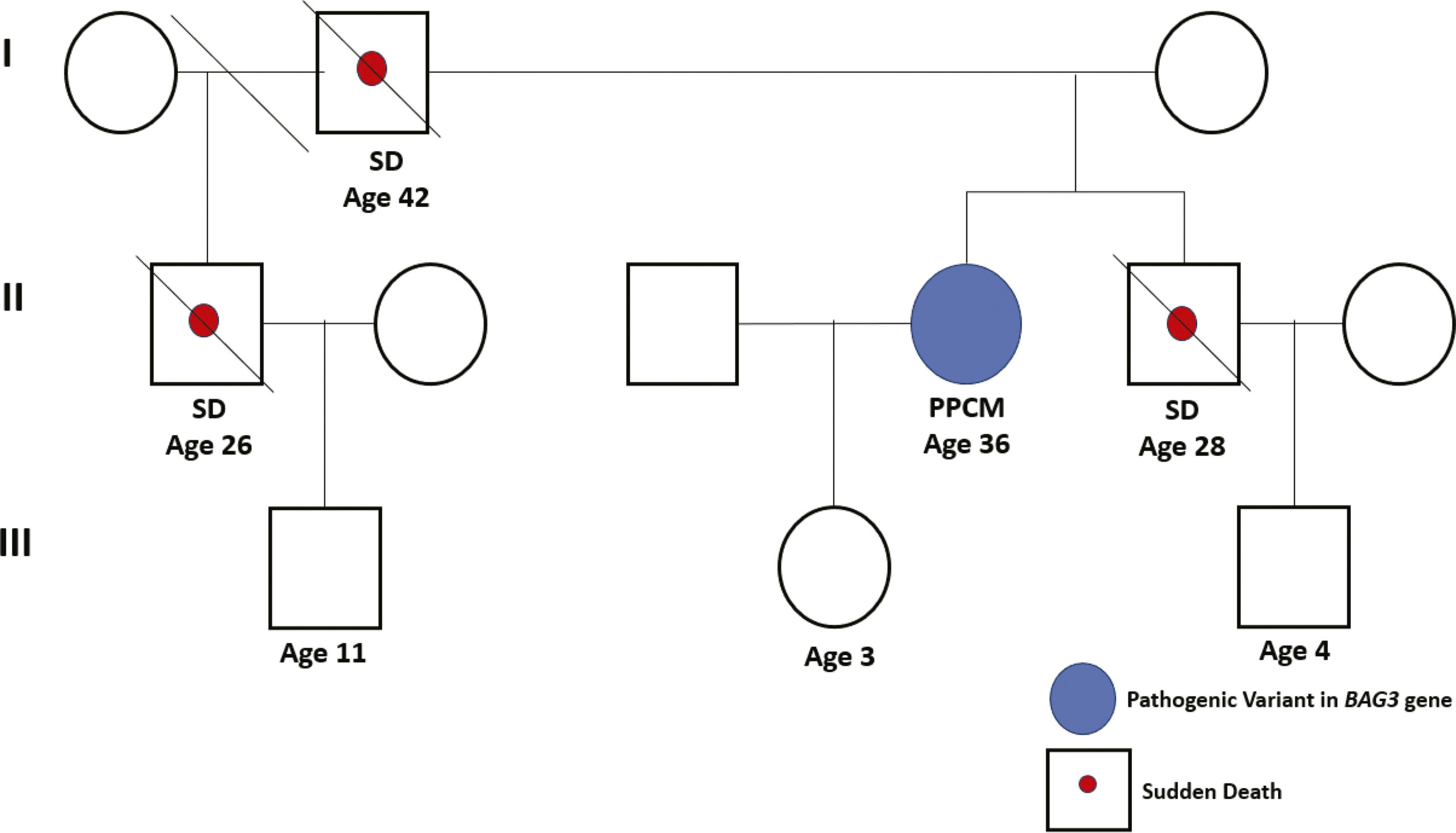
The BAG3 gene encodes the BAG3 protein, a multifunctional chaperone involved in proteostasis and protection of cardiomyocytes. Pathogenic BAG3 variants have previously been associated with dilated cardiomyopathy (DCM), including peripartum cardiomyopathy (PPCM). We present the case of a woman who complained of palpitations during the late postpartum period and was diagnosed with left ventricular dysfunction; genetic testing revealed a pathogenic variant of the BAG3 gene. Several cases of sudden death were noted in her family history. After 3 years of follow-up, ventricular function was significantly improved with regular cardiovascular medication, and no symptoms were reported. We emphasize the role of genetic testing in this case.

  • Dilated Cardiomyopathy
  • Peripartum Period
  • Sudden Death
Read Full Article
Creative Commons Attribution (CC BY) Creative Commons license
06/09/2024 DOI: 10.36660/ijcs.20240007 Views 2
Predictors of Appropriate Therapies and Death in Patients with Implantable Cardioverter-Defibrillator and Chronic Chagas Heart Disease
ABC
Original Article

Predictors of Appropriate Therapies and Death in Patients with Implantable Cardioverter-Defibrillator and Chronic Chagas Heart Disease

Francisca Tatiana Moreira Pereira et al. Eduardo Arrais Rocha Davi Sales Pereira Gondim Rosa Livia Freitas de Almeida Roberto da Justa Pires Neto

Abstract

Background:

There are few retrospective and prospective studies on implantable cardioverter-defibrillators (ICD) in primary and secondary prevention of sudden death in chronic Chagas heart disease (CCHD).

Objectives:

To describe the long-term evolution of patients with CCHD and ICD and to identify and analyze predictors of mortality and appropriate device therapy in this population.

Methods:

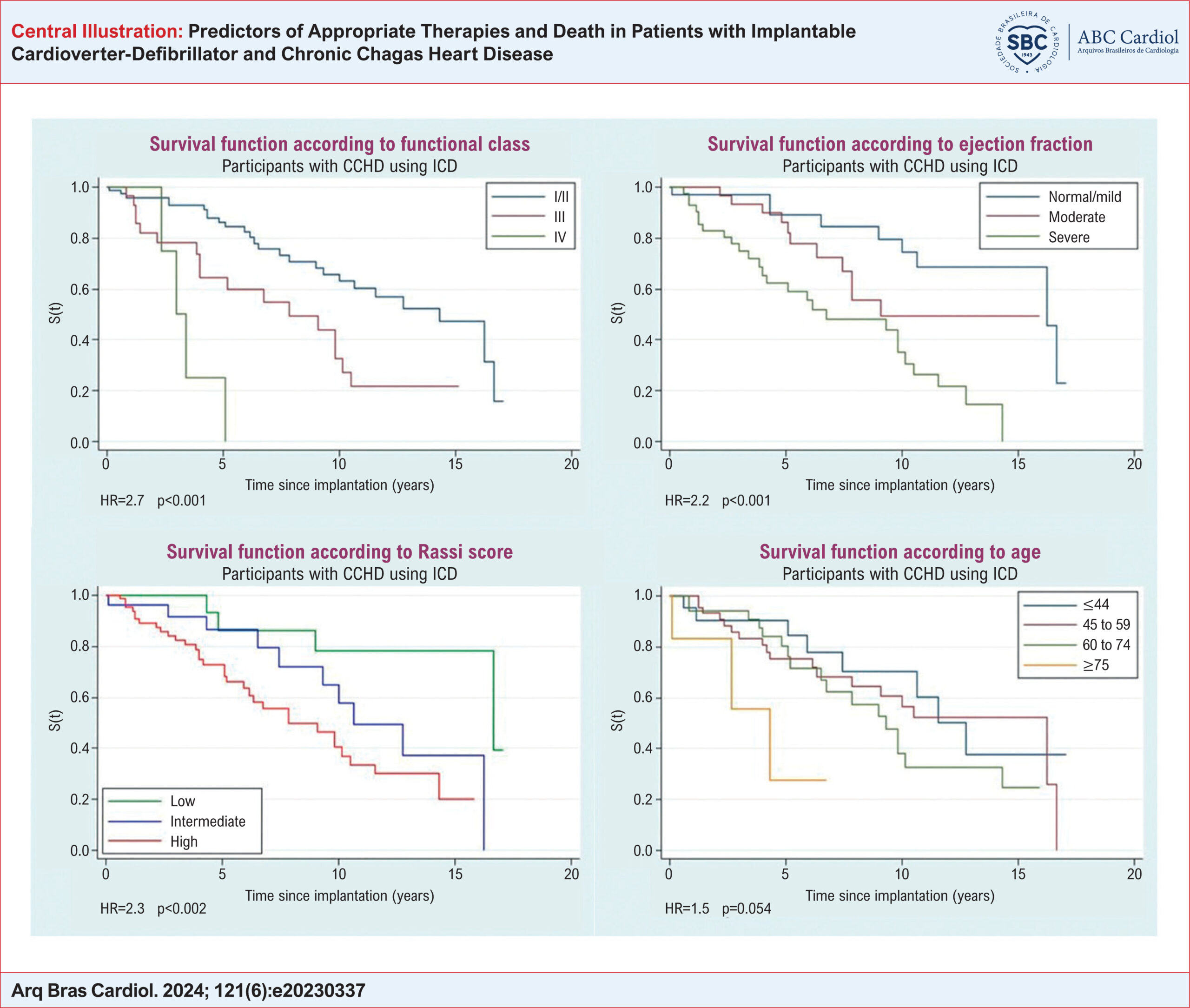
This was a historical prospective study with 117 patients with ICD and CCHD. Devices were implanted from January 2003 to December 2021. Predictors of appropriate therapies and long-term mortality were identified and analyzed. The level of statistical significance was p < 0.05.

Results:

Patients (n = 117) had a median follow-up of 61 months (25 to 121 months); they were predominantly male (74%), with a median age of 55 years (48 to 64 years). There were 43.6% appropriate shocks, 26.5% antitachycardia pacing (ATP), and 51% appropriate therapies. During follow-up, 46 patients (39.7%) died. Mortality was 6.2% person-years (95% confidence interval [CI]: 4.6 to 8.3), with 2 sudden deaths during follow-up. Secondary prevention (hazard ratio [HR] 2.1; 95% CI: 1.1 to 4.3; p = 0.029) and ejection fraction less than 30% (HR 1.8; 95% CI: 1.1 to 3.1; p < 0.05) were predictors of appropriate therapies. Intermediate Rassi score showed a strong association with the occurrence of ATP alone (p = 0.015). Functional class IV (p = 0.007), left ventricular ejection fraction < 30 (p = 0.010), and age above 75 years (p = 0.042) were predictors of total mortality.

Conclusion:

ICDs in CCHD showed a high incidence of appropriate activation, especially in patients with secondary prevention, low left ventricular ejection fraction, and intermediate Rassi score. Patients with congestive heart failure, elevated functional class, and age over 75 years showed elevated mortality.
  • Chagas disease
  • Implantable Defibrillators
  • Sudden Death
Read Full Article
Creative Commons Attribution (CC BY) Creative Commons license
19/08/2024 DOI: 10.36660/abc.20230337i Views 1
Figure 1
ABC
Research Letter

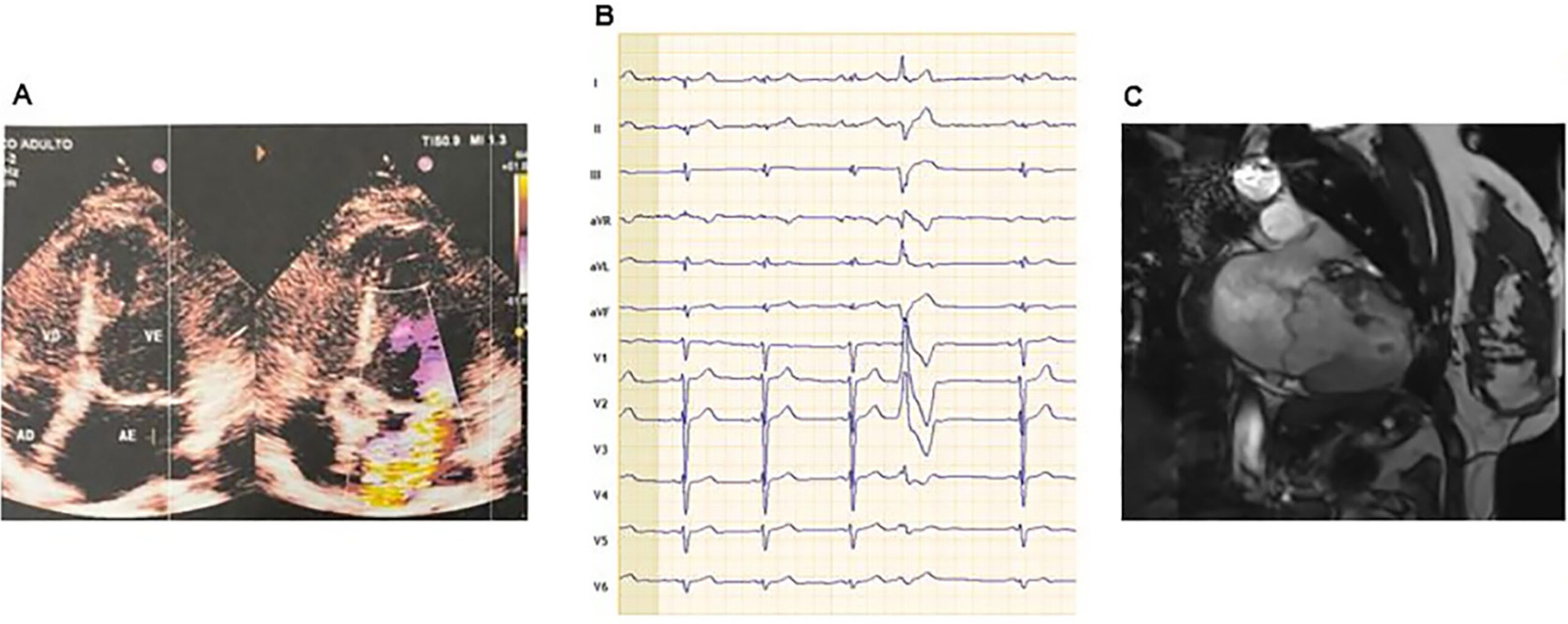
Sudden Death in a Breastfeeding Woman with Arrhythmogenic Mitral Valve Prolapse

Erika Olivier Vilela Bragança et al. Fabio Luis Valério da Silva

Introduction

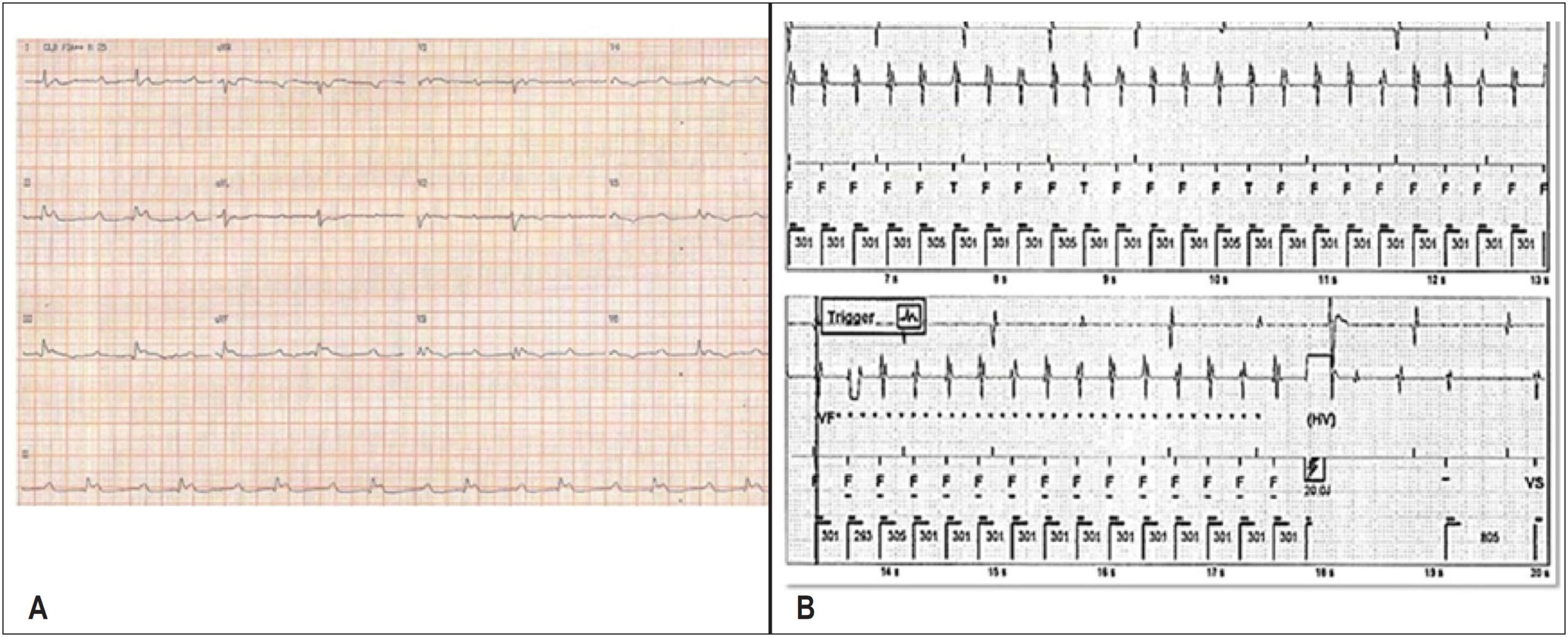
Mitral valve prolapse (MVP) is the most common valvular heart disease, affecting 2-3% of the general population, and is defined by the systolic displacement of one or both mitral valve leaflets ≥2 mm above the plane of the mitral annulus in the sagittal view of the mitral valve via echocardiography. The outcomes of MVP without regurgitation are generally benign; however, a small, ill-defined subgroup of individuals is at high risk for malignant arrhythmias and sudden death (SD). Autopsy data show a 4% to 7% prevalence of MVP in young people with SD. Due to the low event rate and lack of cohorts with a robust number of patients, accessing the accurate incidence of SD and MVP in the general population and in patient subgroups remains a challenge. The diagnosis of arrhythmogenic MVP is made in the presence of MVP and ventricular arrhythmia, considering a ventricular arrhythmia density ≥5% on 24-hour electrocardiogram (ECG) Holter or the presence of complex arrhythmia – non-sustained ventricular tachycardia (NSVT), ventricular tachycardia (VT) or ventricular fibrillation (VF), as well as in the absence of any other arrhythmogenic substrate.

[…]

  • Cardiac Arrhythmias
  • Mitral Valve Prolapse
  • Sudden Death
Read Full Article
Creative Commons Attribution (CC BY) Creative Commons license
05/04/2024 DOI: 10.36660/abc.20230358
Figure 1
ABCIC
Case Report

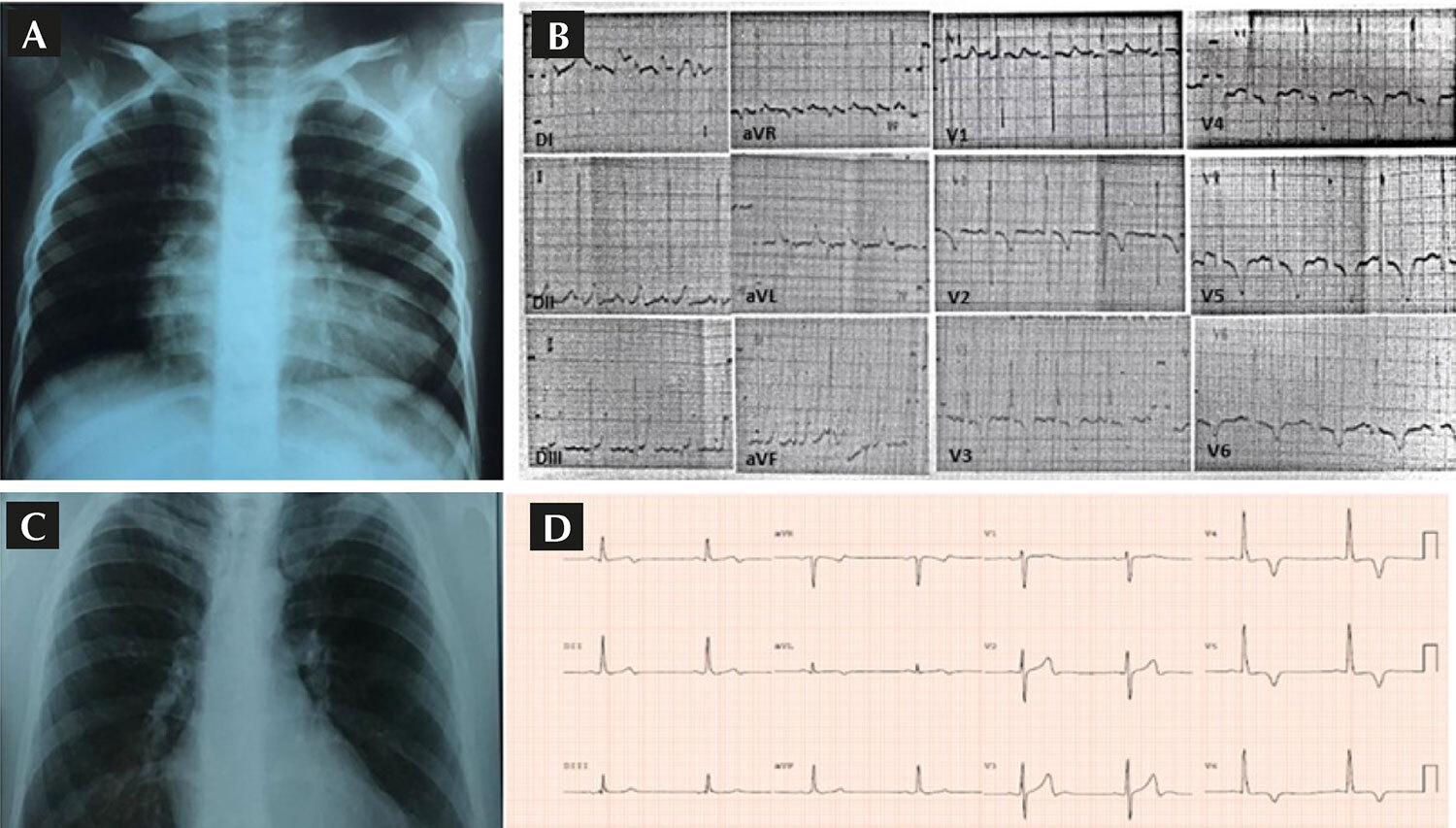
Anomalous Origin of the Coronary Artery from an Inappropriate Coronary Sinus

Mário Cruz Couto et al. Fernando Augusto Pacífico Dolly Brandão Lages Michelle Alves de Farias … Liliam de Souza Santos Eduardo Lins Paixão

Abstract

Congenital anomaly of the coronary arteries is a potentially lethal disease, especially in young people. Currently, non-invasive cardiovascular imaging tests have shown better definition of the origin and course of the coronary arteries. Surgical treatment should be indicated in symptomatic patients, while the ideal management of asymptomatic patients remains controversial. We report a case of anomalous origin of the left coronary artery from the right coronary sinus with an interarterial course, in an asymptomatic patient treated with revascularization surgery.

  • Coronary Vessel Anomalies
  • Myocardial Revascularization
  • Sudden Death
Read Full Article
Creative Commons Attribution (CC BY) Creative Commons license
21/12/2023 DOI: 10.36660/abcimg.20230090i Views 1
Figure 1
ABCHF
Viewpoint

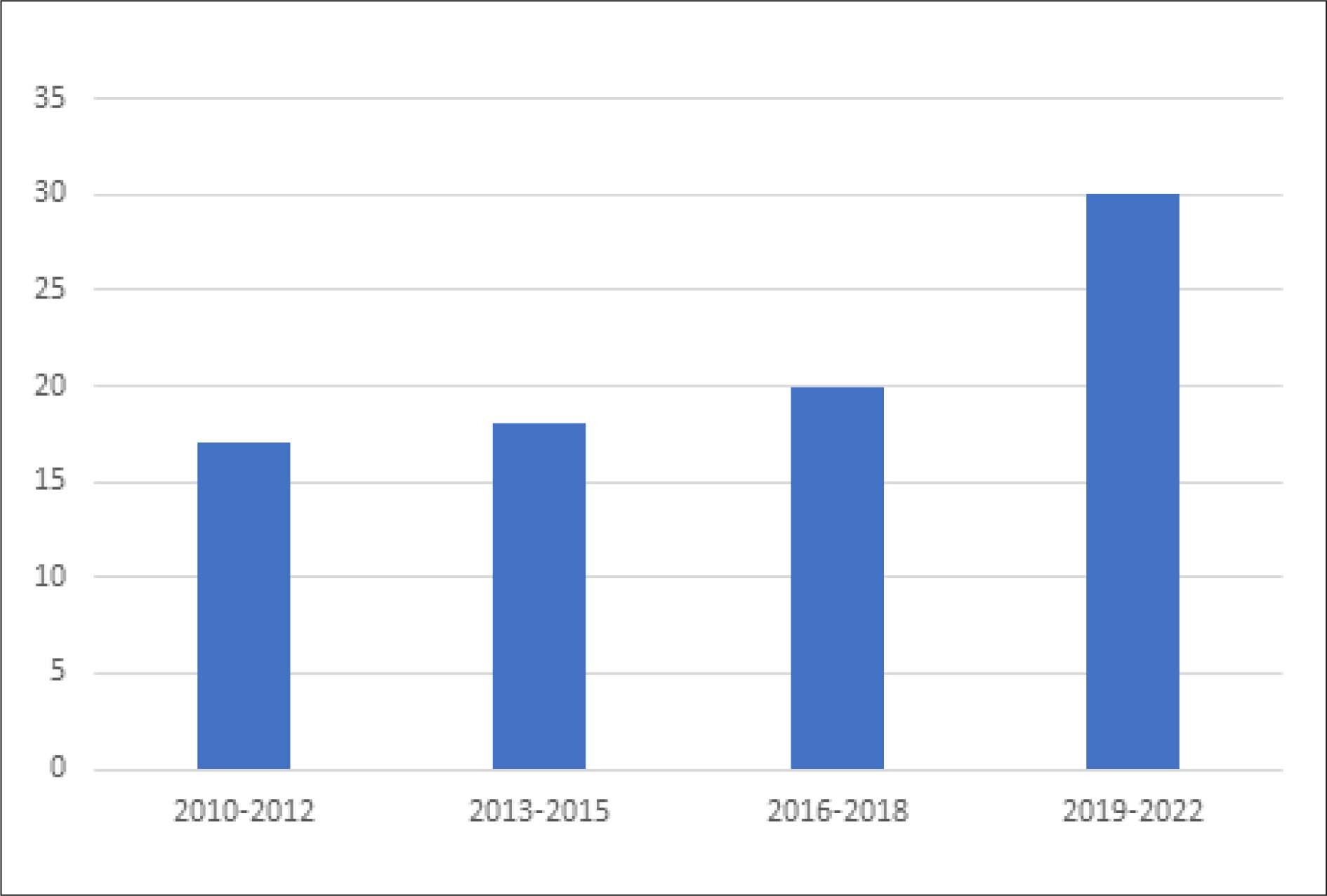
Brazilian Scientific Production about Cardiomyopathies: A Review from 2010 to 2022

Even Edilce Mol et al. Sarah Fagundes Grobe Luis Eduardo Paim Rohde Lídia Ana Zytynski Moura

By definition, myocardiopathies or cardiomyopathies (CM) are heart muscle diseases that cause structural and functional myocardial abnormalities in the absence of coronary artery disease, hypertension, valvular disease, and congenital heart disease.,

CM constitute a very heterogeneous group of heart diseases and are one of the leading causes of death either from end-stage heart failure or sudden death due to arrythmias. According to the phenotype, CM may be classified into hypertrophic cardiomyopathy, dilated cardiomyopathy, restrictive cardiomyopathy, arrhythmogenic right ventricular cardiomyopathy, and left ventricular noncompaction, where there may overlap of phenotypes. Each phenotype is then subclassified into: genetic origin (familial), non-genetic (non-familial), and mixed, with the genetic form accounting for most of the cases. According to the statement of American College of Medical Genetics and Genomics, of the 59 genes mentioned in the document, 30 (51%) had cardiovascular phenotypes, and 16 (27%) included CM phenotypes. Non-genetic CM may be caused by infections, autoimmune diseases, and endogenous or exogenous myocardial toxicity, whereas genetic CM may be caused by a variety of known mutations and others under study.

[…]

  • Cardiomyopathies
  • Heart Failure
  • Sudden Death
Read Full Article
Creative Commons Attribution (CC BY) Creative Commons license
17/08/2023 DOI: 10.36660/abchf.20230043 Views 1
Figure 1
ABCHF
Viewpoint

National Network of Cardiovascular Genomics: Implementing Genetic Diagnosis in Cardiology in the Brazilian Unified Health System

Tais Hanae Kasai-Brunswick et al. Dilza Balteiro Pereira de Campos Andressa Araújo Braga Raquel Tavares Boy da Silva … Eduardo Back Sternick Marisa da Silva Santos Helena Cramer Veiga Rey Adriana Bastos Carvalho

Genetic diagnosis is important

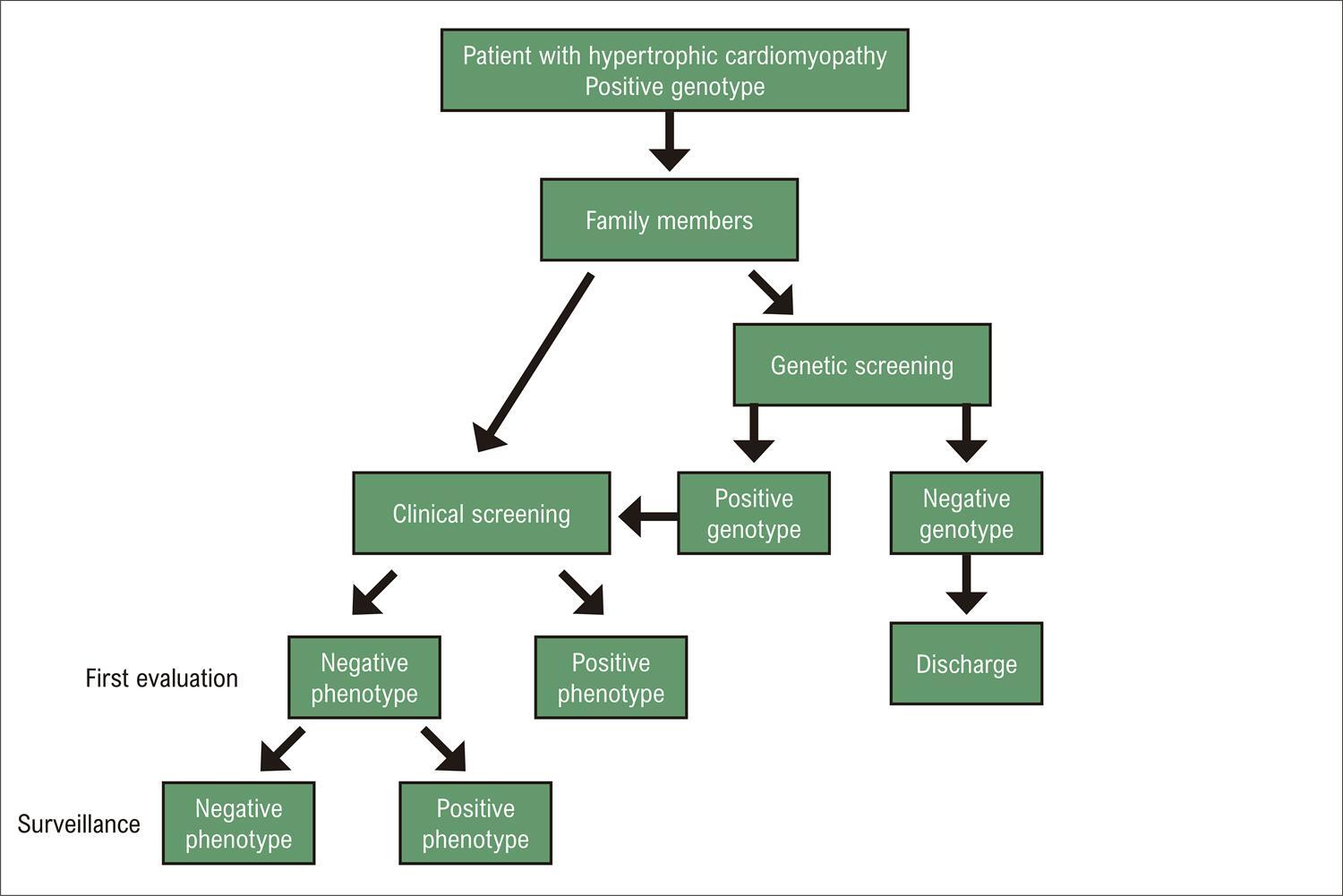
Hereditary cardiovascular diseases ( ) are the most frequent cause of sudden death in individuals under 35 years of age, and they remain an important cause of death up to 50 years of age. Although diagnosis of the proband, or index case, can be made clinically, it is only possible to screen family members who carry the gene variant that causes the disease by means of genetic diagnosis. This screening aims to institute measures that prevent sudden death and clinical surveillance in these family members, as well as reproductive counseling, when necessary. Several international guidelines recommend performing genetic diagnosis in different types of hereditary cardiovascular diseases. – In fact, hypertrophic cardiomyopathy guidelines consider genetic diagnosis a class I, level B-NR recommendation. Furthermore, genetic tests allow differential diagnosis with phenocopies of hypertrophic cardiomyopathy, such as Fabry disease, amyloidosis, PRKAG2 cardiomyopathy, among others. In pediatric patients, genetic testing may be even more important, as it allows the differential diagnosis with inborn errors of metabolism, for some of which there are therapeutic alternatives.

[…]

  • Exome Sequencing
  • Familial Hypertrophic Cardiomyopathy
  • Genomics
  • Heart Diseases
  • Sudden Death
Read Full Article
Creative Commons Attribution (CC BY) Creative Commons license
10/07/2023 DOI: 10.36660/abchf.20230011 Views 1
Central Illustration
ABC
Review Article

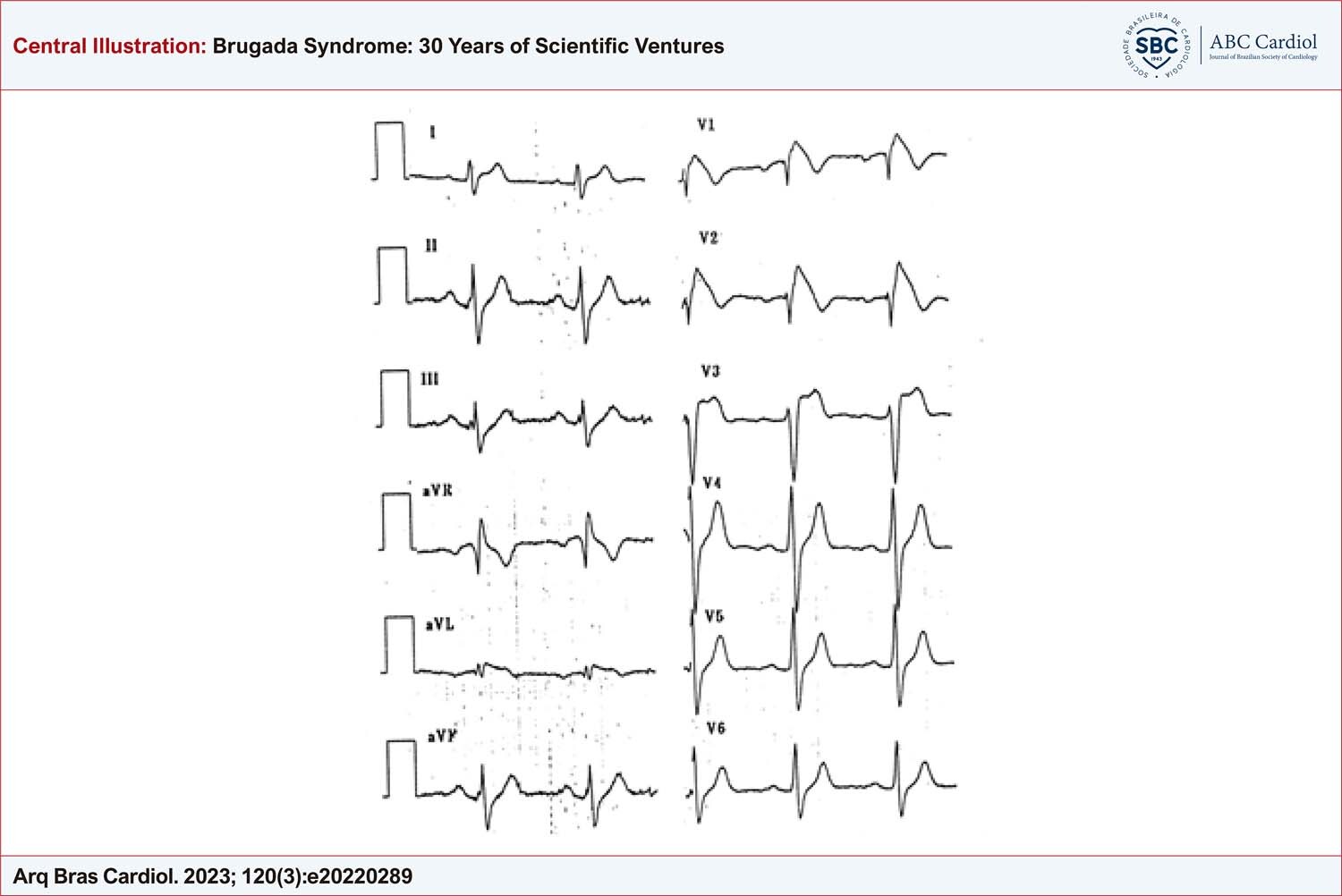
Brugada Syndrome: 30 Years of Scientific Ventures

Pedro Brugada

Abstract

Thirty years ago, a distinctly new clinical-electrocardiographic syndrome was described, today known as Brugada Syndrome (BrS). Typical treatment for this type of syndrome is electrocardiography with ST-segment elevation in the direct precordial derivations. The clinical presentation of the disease is highly variable: the patients can remain completely asymptomatic, but they can also develop episodes of syncope, atrial fibrillation (AF), sinus node dysfunction (SNF), conduction disorders, asystole, and ventricular fibrillation (VF). This disease is caused by mutations in the genes responsible for the potential action of cardiac cells. The most commonly involved gene is SCN5A, which controls the structure and function of the heart’s sodium channel. The description of this new syndrome has shown highly positive implications in all fields of medicine.

  • Atrial Fibrillation
  • Brugada Syndrome
  • Implantable Devices
  • Sudden Death
  • Ventricular Fibrillation
Read Full Article
Creative Commons Attribution (CC BY) Creative Commons license
20/03/2023 DOI: 10.36660/abc.20220289 Views 1
Figure 1
ABCIC
Case Report

Long-Term Follow-Up of an Asymptomatic Man with a Cardiac Fibroma

Marina Costa Jonas et al. Maria Fernanda Braggion-Santos Marcel Koenigkam-Santos Paulo Henrique Manso … Luiza Frison Dias André Schmidt Fernando Amaral

Abstract

Here we describe a case of a 19-year-old asymptomatic man with a left ventricular fibroma on follow-up for 15 years with no treatment required.

  • Adult
  • Cardiac Neoplasms
  • Fibroma
  • Sudden Death
Read Full Article
Creative Commons Attribution (CC BY) Creative Commons license
07/07/2022 DOI: 10.47593/2675-312X/20223503eabc287 Views 1
IJCS
Editorial

Exercise Is Medicine! How to Safely Return to Sports after COVID-19? A Meta-Analysis and a Practical Flowchart for Cardiovascular Risk Assessment may Help you

Clea Colombo

Exercise is medicine! Although this premise is well established, how to maintain this “treatment” for various diseases during the COVID-19 pandemic? This has been a concern of all doctors in the world since exercise contributes to the control of cardiovascular diseases and other comorbidities recognized as risk factors for a worse outcome in COVID-19. Moreover, it has already been shown that higher cardiorespiratory fitness is inversely associated with the likelihood of hospitalization due to COVID-19.

In addition to the hygiene and social distancing measures necessary to prevent coronavirus infection, cardiovascular sequelae in individuals recovering from COVID-19 may contribute to the delay in resuming exercise. Cardiovascular complications, including myocarditis, are relatively common in patients affected by SARS-CoV-2. Although the occurrence of myocarditis as a consequence of COVID-19 was initially described in hospitalized patients with severe presentation of the disease, subsequent studies have reported its occurrence in individuals with mild COVID-19 and even in asymptomatic patients.

[…]

  • Athletes
  • Cardiovascular Diseases
  • Comorbidities
  • COVID-19
  • Exercise
  • Pandemic
  • SARS-CoV-2, Sport
  • Sudden Death
Read Full Article
Creative Commons Attribution (CC BY) Creative Commons license
14/01/2022 DOI: 10.36660/ijcs.20210202 Views 2
Exercise Testing, Family History, and Subclinical Atherosclerosis Markers for Cardiovascular Risk Reclassification in Middle-Aged Women
IJCS
Original Article

Exercise Testing, Family History, and Subclinical Atherosclerosis Markers for Cardiovascular Risk Reclassification in Middle-Aged Women

Ricardo Quental Coutinho et al. Ulisses Ramos Montarroyos Isly Maria Lucena de Barros Maria José Bezerra Guimarães … Ana Paula Dornelas Leão Laura Olinda Bregieiro Fernandes Costa Ana Kelley de Lima Medeiros Maria de Fátima Monteiro Moacir de Novaes Lima Ferreira William Azem Chalela Rodrigo Pinto Pedrosa

Abstract

Background

Cardiovascular diseases are the main cause of death in women and the accuracy of currently available risk scores is questionable.

Objective

To reclassify the risk estimated by the Framingham Risk Score (FRS) in asymptomatic middle-aged women by incorporating family history, exercise testing variables, and subclinical atherosclerosis markers.

Methods

This cross-sectional study included 509 women (age range, 46-65 years) without cardiovascular symptoms. Those at low or intermediate risk by the FRS were reclassified to a higher level considering premature family history of acute myocardial infarction and/or sudden death; four variables from exercise testing; and two variables related to subclinical atherosclerosis markers. The homogeneity of these variables according to the FRS was verified by Pearson chi-square test (p<0.05).

Results

According to the FRS, 80.2%, 6.2%, and 13.6% of the women were classified as low (10%) risks, respectively. The intermediate-risk stratum showed the highest increase (from 6.2% to 33.3%) with addition of family history; followed by addition of chronotropic index <80% (to 24.2%); functional capacity 0 (20.6%); decreased one-minute heart rate recovery ≤12 bpm (15.2%); carotid intima-media thickness >1 mm and/or carotid plaque (13.8%) and ST-segment depression (9.0%). The high-risk stratum increased to 14.4% with the addition of reduced heart rate recovery and to 17.1% with the coronary calcium score.

Conclusion

Incorporation of premature family history of cardiovascular events, exercise testing abnormal parameters, and subclinical atherosclerosis markers into the FRS led to risk reclassification in 3.0-29.7% of asymptomatic middle-aged women, mainly by an increase from low to intermediate risk.

  • Atherosclerosis
  • Estrogens
  • Exercise Test
  • Heredity
  • Hypertension
  • middle aged
  • Myocardial Infarction
  • Obesity
  • Risk Factor
  • Sudden Death
  • Women
Read Full Article
Creative Commons Attribution (CC BY) Creative Commons license
16/07/2021 DOI: 10.36660/ijcs.20200414 Views 1
Figure 1
ABCIC
Case Report

Cardiac Sarcoidosis as a Cause of Total Atrioventricular Block: Importance of Differential Diagnosis

Jorge Elias Neto et al. Márcio Augusto Silva Ricardo Ryoshim Kuniyoshi Guilherme Futuro … Erick Sessa Merçon Petherson Susano Grativvol Fátima Cristina Pedrotti

Introduction

Sarcoidosis is a systemic granulomatous disorder of unknown cause that can affect virtually any organ. The extracardiac forms are usually benign and subjected to spontaneous remission. However, the prognosis may be unfavorable in case of cardiac involvement.

Symptomatic cardiac sarcoidosis (CS) is diagnosed in approximately 5% of patients with sarcoidosis. However, based on some autopsy series, the prevalence of subclinical CS can reach 25–30%.

[…]

  • Arrhythmogenic right ventricular cardiomyopathy/dysplasia
  • Atrioventricular block
  • Diagnosis
  • Sarcoidosis
  • Sudden Death
  • Ventricular tachycardia
Read Full Article
Creative Commons Attribution (CC BY) Creative Commons license
16/06/2021 DOI: 10.47593/2675-312X/20213401eabc163 Views 1
Figure 1
IJCS
Case Report

Sudden Cardiac Arrest in Athletes: Do not Miss Suspicious Details

Marta Luísa Braga et al. Paula Dias Mariana Vasconcelos Rui Almeida … Paulo Araújo Maria Maciel

Introduction

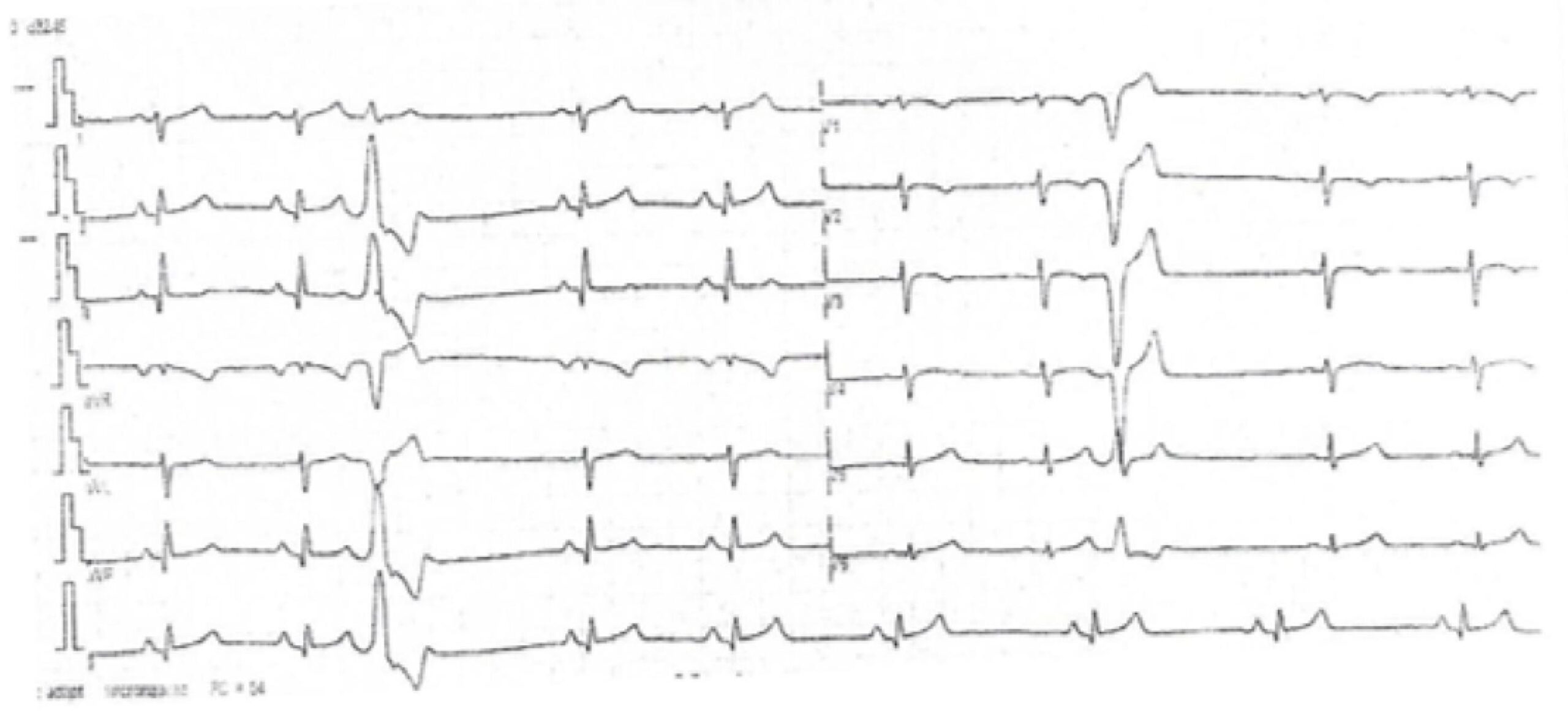
Sudden cardiac death (SCD) related to sports activities is an unexpected and rare event, usually occurring in young and apparently healthy athletes. The main cause of SCD in young athletes (< 35 years old) is ventricular arrhythmia (VA) associated with arrhythmogenic disorders (e.g. hypertrophic cardiomyopathy, arrhythmogenic right ventricular cardiomyopathy – ARVC, channelopathies). Some of these conditions can be suspected by routine pre-participation clinical evaluation, while others remain undetectable even after careful screening.– This paper presents the case of a professional athlete with undiagnosed ARVC, whose first manifestation was malignant VA and biventricular dysfunction.

[…]

  • Arrhythmias Cardiac
  • Arrhytmogenic Right Ventricular Dysplasia
  • Athletes
  • Cardiac arrest
  • Physical Endurance
  • Risk Assessment
  • Spots
  • Sudden Death
Read Full Article
Creative Commons Attribution (CC BY) Creative Commons license
12/08/2019 DOI: 10.5935/2359-4802.20190065 Views 1
IJCS
Viewpoint

Sudden Cardiac Death in Sports: Not a Fatality!

Nabil Ghorayeb et al. Clea Simone Sabino de Souza Colombo Ricardo Contesini Francisco, Thiago Ghorayeb Garcia

Abstract

Sudden cardiac death in sports is still controversial. Despite being a rare event, the death of an apparently healthy young athlete causes a major impact on the media. On the other hand, for being a rare event, it is clearly undervalued. Sports preparticipation cardiological assessment is one of the most effective preventive medical actions for professional and amateur endurance athletes. The regular and supervised practice of physical exercise does not kill. We believe that deaths are triggered by excessive physical training and use of drugs, in individuals with not diagnosed or undervalued heart diseases. It is necessary to make health professionals and athletes aware of the athletes’ physiological limits, in addition to preparing the athletes properly when they try to overcome human limits.

  • Cardiac arrest
  • Endurance Exercise
  • Risk Assessment
  • Sports
  • Sudden Death
Read Full Article
Creative Commons Attribution (CC BY) Creative Commons license
01/01/2019 DOI: 10.5935/2359-4802.20180087
Figure 1
ABC
Original Article

Cohort of Patients Referred for Brugada Syndrome Investigation in an Electrophysiology Service – 19-Year Registry

Stefan Warpechowski Neto et al. Tiago Luiz Luz Leiria Laura Lessa Gaudie Ley Antonio Lessa Gaudie Ley … Luiza Zwan Dutra Leonardo Martins Pires Marcelo Lapa Kruse Gustavo Glotz de Lima

Abstract

Background:

Brugada syndrome (SBr) is an arrhythmic condition characterized by ST-T segment abnormalities in the right precordial leads associated with a high risk of ventricular arrhythmias and sudden death. Local data regarding the clinical characteristics of patients with a typical electrocardiographic (ECG) pattern undergoing electrophysiological study are scarce.

Objective:

To evaluate patients with an ECG pattern suggestive of SBr referred for electrophysiological evaluation in a specialized center.

Methods:

Cohort study of patients referred for electrophysiological study because of an ECG pattern compatible with SBr between January 1998 and March 2017.

Results:

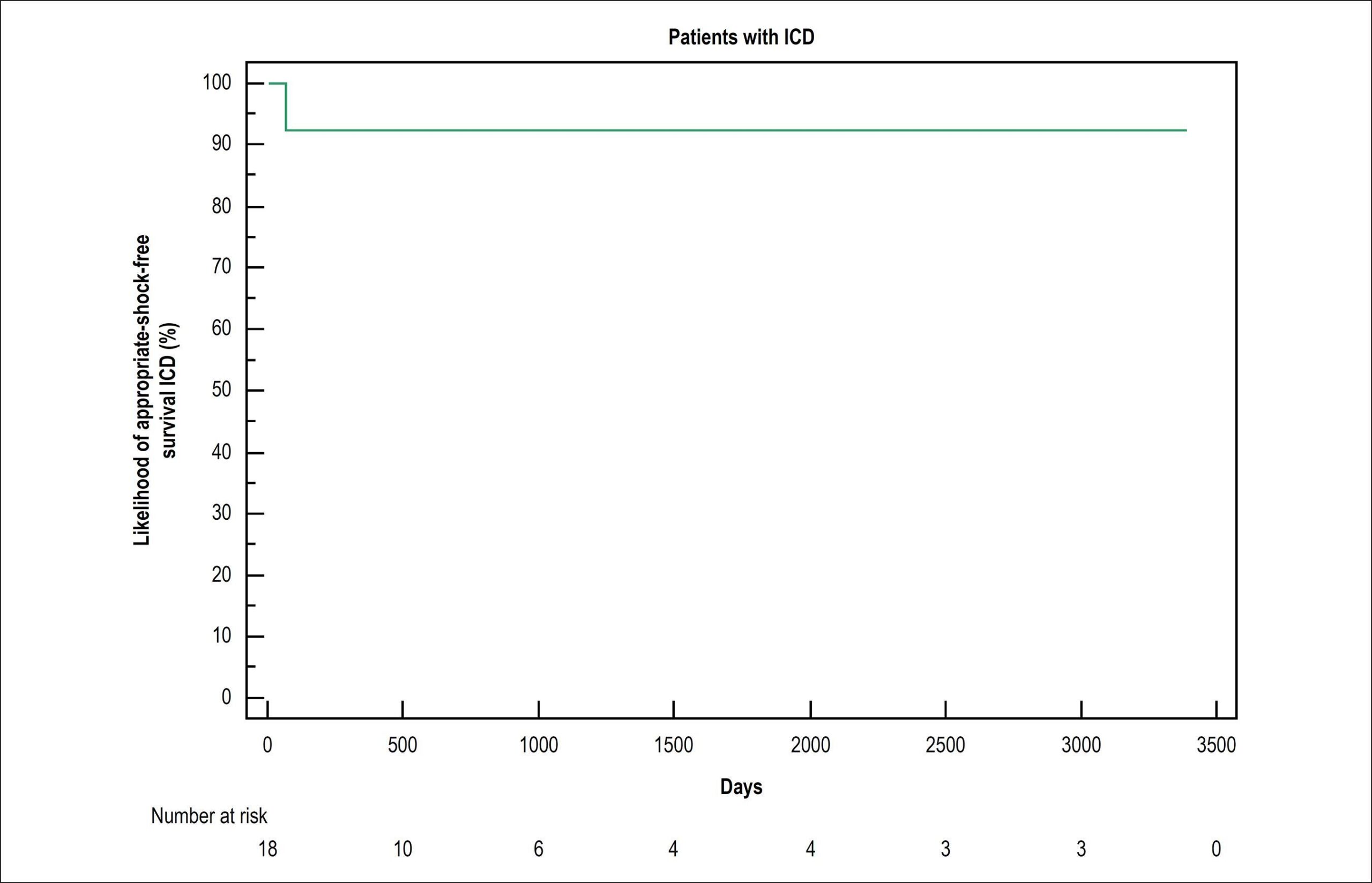
Of the 5506 procedures, 35 (0.64%) were for SBr investigation, 25 of which (71.42%) were performed in men. The mean age was 43.89 ± 13.1 years. The ECG patterns were as follows: type I, 22 (62.85%); type II, 12 (34.30%); and type III, 1 (2.85%). Twenty-three patients (65.7%) were asymptomatic, 6 (17.14%) had palpitations, 5 (14.3%) had syncope, and 3 (8.6%) had a family history of sudden death. Electrophysiological study induced ventricular tachyarrhythmias in 16 cases (45.7%), the mean ventricular refractory period being 228 ± 36 ms. Ajmaline / procainamide was used in 11 cases (31.4%), changing the ECG pattern to type I in 7 (63.6%). Sixteen cases (45.7%) received an implantable cardioverter defibrillator (ICD). In a mean 5-year follow-up, 1 of the 16 patients (6.25%) with ICD had appropriate therapy for ventricular fibrillation. There was no death. Other arrhythmias occurred in 4 (11.4%) cases.

Conclusions:

Most patients are men, and a type I ECG pattern is the main indication for electrophysiological study. Class IA drugs have a high ECG conversion rate. The ICD event rate was 6%. (Arq Bras Cardiol. 2018; [online].ahead print, PP.0-0)

  • Brugada Syndrome
  • Sudden Death
  • Ventricular tachycardia
Read Full Article
Creative Commons Attribution (CC BY) Creative Commons license
11/06/2018 DOI: 10.5935/abc.20180094 Views 1
Leopard syndrome and hypertrophic cardiomyopathy: an association related to sudden death
ABC
Case Report

Leopard syndrome and hypertrophic cardiomyopathy: an association related to sudden death

Murillo de Oliveira Antunes et al. Edmundo Arteaga Afonso Yoshikiro Matsumoto Barbara Maria Ianni

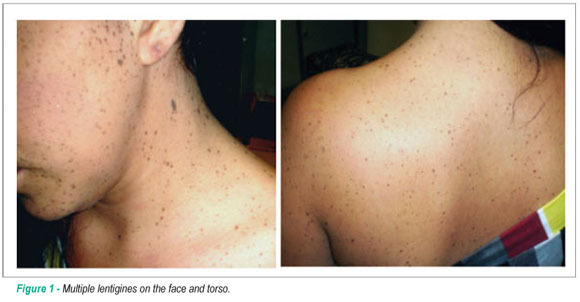
We describe an uncommon association between Leopard syndrome and hypertrophic cardiomyopathy in a 27-year-old woman, who was little symptomatic and came for sudden death risk stratification and prevention. She has a rare syndrome, whose symptoms are maculae over the body and abnormalities in eyes, genital organs, heart and in growth. Association of hypertrophic cardiomyopathy with sudden death risk factors determined the implantation of cardioverter-defibrillator (ICD) for primary prevention.

  • Hypertrophic Cardiomyopathy
  • Leopard syndrome
  • Sudden Death
Read Full Article
Creative Commons Attribution (CC BY) Creative Commons license
20/07/2009 DOI: 10.1590/S0066-782X2009000600016 Views 1
Clinical follow-up of patients with implantable cardioverter-defibrillator
ABC
Artigo Original

Clinical follow-up of patients with implantable cardioverter-defibrillator

Silvia Martelo Souza da Fonseca et al. Luiz Gustavo Belo Hécio Carvalho Nilson Araújo … Cláudio Munhoz Leonardo Siqueira Washington Maciel Eduardo Andréa Jacob Atié

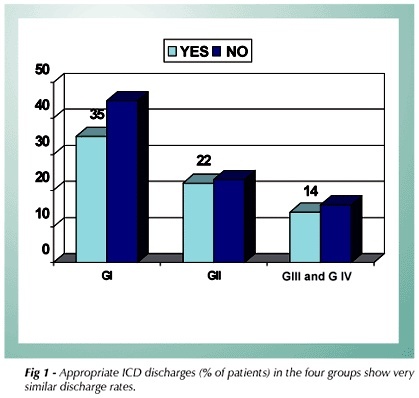
OBJECTIVE: To report appropriate (AT) and inappropriate (IT) ICD therapies in patients with ischemic and nonischemic heart disease, as well as early and late procedure-related complications. METHODS: One hundred and fifty-five patients (119 male and 36 female), mean age 47 years (21-88), who underwent ICD implantation between 1994 and March 2003 were analyzed. Patients were divided into the following groups: Group I – Post-AMI patients (n = 80); Group II – Patients with nonischemic heart disease and LV ejection fraction < 40% (n = 45), Chagas disease (n = 18), idiopathic dilated cardiomyopathy (n= 12), hypertensive disease (n = 8), hypertrophic cardiomyopathy (n = 4) and valvular heart disease (n = 3); Group III – Patients with arrhythmogenic right ventricular dysplasia (n = 13); and Group IV – Patients with channelopathies: Brugada Syndrome (n = 8) and idiopathic ventricular arrhythmias (n = 9). All patients underwent electrophysiological study (EPS) with induction of sustained ventricular arrhythmia ICD implantation. RESULTS: During the 26-month mean follow up, a high rate of appropriate ICD therapies (antitachycardia pacing and/or shock) was observed (46%) in the four groups, with no statistically significant difference. The four groups did not differ in either overall (8.4%) or arrhythmic mortality (1.3%). There was no correlation between appropriate ICD therapies and initial clinical presentation or inducible ventricular arrhythmia at EPS, and a 4% incidence of early and late procedure-related complications was found. CONCLUSION: The high incidence of appropriate ICD therapy and low rate of sudden death in the patients studied suggest that ICD is a valuable strategy in the management of ischemic and nonischemic patients previously selected by means of EPS.

  • appropriate and inappropriate discharges
  • implantable cardioverter-defibrillator
  • ischemic and nonischemic heart disease
  • Sudden Death
Read Full Article
Creative Commons Attribution (CC BY) Creative Commons license
07/03/2007 DOI: 10.1590/S0066-782X2007000100002 Views 1
Arrhythmogenic cardiomyopathy of the right ventricle. Predictive value of QT interval dispersion to assess arrhythmogenic risk and sudden death
ABC
Original Article

Arrhythmogenic cardiomyopathy of the right ventricle. Predictive value of QT interval dispersion to assess arrhythmogenic risk and sudden death

Márcio L. A. Fagundes et al. Ivan G. Maia Fernando E. S. Cruz Fº Paulo A. G. Alves … Silvia H. Boghossian José Carlos Ribeiro Roberto Sá

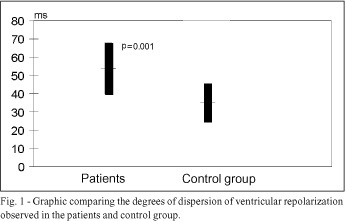
OBJECTIVE: To determine in arrhythmogenic right ventricular cardiomyopathy the value of QT interval dispersion for identifying the induction of sustained ventricular tachycardia in the electrophysiological study or the risk of sudden cardiac death. METHODS: We assessed QT interval dispersion in the 12-lead electrocardiogram of 26 patients with arrhythmogenic right ventricular cardiomyopathy. We analyzed its association with sustained ventricular tachycardia and sudden cardiac death, and in 16 controls similar in age and sex. RESULTS: (mean ± SD). QT interval dispersion: patients = 53.8±14.1ms; control group = 35.0±10.6ms, p=0.001. Patients with induction of ventricular tachycardia: 52.5±13.8ms; without induction of ventricular tachycardia: 57.5±12.8ms, p=0.420. In a mean follow-up period of 41±11 months, five sudden cardiac deaths occurred. QT interval dispersion in this group was 62.0±17.8, and in the others it was 51.9±12.8ms, p=0.852. Using a cutoff > or = 60ms to define an increase in the degree of the QT interval dispersion, we were able to identify patients at risk of sudden cardiac death with a sensitivity of 60%, a specificity of 57%, and positive and negative predictive values of 25% and 85%, respectively. CONCLUSION: Patients with arrhythmogenic right ventricular cardiomyopathy have a significant increase in the degree of QT interval dispersion when compared with the healthy population. However it, did not identify patients with induction of ventricular tachycardia in the electrophysiological study, showing a very low predictive value for defining the risk of sudden cardiac death in the population studied.

  • arrhythmogenic dysplasia
  • QT interval dispersion
  • Sudden Death
Read Full Article
Creative Commons Attribution (CC BY) Creative Commons license
08/01/2002 DOI: 10.1590/S0066-782X2000000800004 Views 2

How to cite this article

EndNote RIS

Electronic Document Format (Vancouver)

Pereira APLC, Rodrigues EV, Tassi EM, Lima MAFD, Souza F. Pathogenic BAG3 Variant in Peripartum Cardiomyopathy and Significant Family History of Sudden Death. International Journal of Cardiovascular Sciences 2024;37:e20240007.

Electronic Document Format (ABNT)

Pereira, Antonio Pedro Lima Costa; Rodrigues, Eduarda Vieira; Tassi, Eduardo Marinho; Lima, Maria Angelica de Faria Domingues de; Souza, Fabio de. Pathogenic BAG3 Variant in Peripartum Cardiomyopathy and Significant Family History of Sudden Death. International Journal of Cardiovascular Sciences, v. 37, e20240007, Sep. 2024.

Electronic Document Format (APA)

Pereira, A. P. L. C., Rodrigues, E. V., Tassi, E. M., Lima, M. A. F. D. , & Souza, F. (2024). Pathogenic BAG3 Variant in Peripartum Cardiomyopathy and Significant Family History of Sudden Death. International Journal of Cardiovascular Sciences, 37, e20240007.

Electronic Document Format (ISO)

Pereira, Antonio Pedro Lima Costa and Rodrigues, Eduarda Vieira and Tassi, Eduardo Marinho and Lima, Maria Angelica de Faria Domingues de and Souza, Fabio de. Pathogenic BAG3 Variant in Peripartum Cardiomyopathy and Significant Family History of Sudden Death. International Journal of Cardiovascular Sciences [online]. 2024, vol. 37, [cited 2026-10-14], e20240007. Available from: <https://journals.cardiol.br/en/article/pathogenic-bag3-variant-in-peripartum-cardiomyopathy-and-significant-family-history-of-sudden-death/>. ISSN 2359-4802

EndNote RIS

Electronic Document Format (Vancouver)

Pereira FTM, Rocha EA, Gondim DSP, Almeida RLF, Pires Neto RJ. Predictors of Appropriate Therapies and Death in Patients with Implantable Cardioverter-Defibrillator and Chronic Chagas Heart Disease. Arquivos Brasileiros de Cardiologia 2024;121(6):e20230337.

Electronic Document Format (ABNT)

Pereira, Francisca Tatiana Moreira; Rocha, Eduardo Arrais; Gondim, Davi Sales Pereira; Almeida, Rosa Livia Freitas de; Pires Neto, Roberto da Justa. Predictors of Appropriate Therapies and Death in Patients with Implantable Cardioverter-Defibrillator and Chronic Chagas Heart Disease. Arquivos Brasileiros de Cardiologia, v. 121, n. 6, e20230337, Aug. 2024.

Electronic Document Format (APA)

Pereira, F. T. M., Rocha, E. A., Gondim, D. S. P., Almeida, R. L. F. , & Pires Neto, R. J. (2024). Predictors of Appropriate Therapies and Death in Patients with Implantable Cardioverter-Defibrillator and Chronic Chagas Heart Disease. Arquivos Brasileiros de Cardiologia, 121(6), e20230337.

Electronic Document Format (ISO)

Pereira, Francisca Tatiana Moreira and Rocha, Eduardo Arrais and Gondim, Davi Sales Pereira and Almeida, Rosa Livia Freitas de and Pires Neto, Roberto da Justa. Predictors of Appropriate Therapies and Death in Patients with Implantable Cardioverter-Defibrillator and Chronic Chagas Heart Disease. Arquivos Brasileiros de Cardiologia [online]. 2024, vol. 121, n. 6, [cited 2026-10-14], e20230337. Available from: <https://journals.cardiol.br/en/article/predictors-of-appropriate-therapies-and-death-in-patients-with-implantable-cardioverter-defibrillator-and-chronic-chagas-heart-disease/>. ISSN 0066-782X

EndNote RIS

Electronic Document Format (Vancouver)

Bragança EOV, Silva FLV. Sudden Death in a Breastfeeding Woman with Arrhythmogenic Mitral Valve Prolapse. Arquivos Brasileiros de Cardiologia 2024;121(2):e20230358.

Electronic Document Format (ABNT)

Bragança, Erika Olivier Vilela; Silva, Fabio Luis Valério da. Sudden Death in a Breastfeeding Woman with Arrhythmogenic Mitral Valve Prolapse. Arquivos Brasileiros de Cardiologia, v. 121, n. 2, e20230358, Apr. 2024.

Electronic Document Format (APA)

Bragança, E. O. V., & Silva, F. L. V. (2024). Sudden Death in a Breastfeeding Woman with Arrhythmogenic Mitral Valve Prolapse. Arquivos Brasileiros de Cardiologia, 121(2), e20230358.

Electronic Document Format (ISO)

Bragança, Erika Olivier Vilela and Silva, Fabio Luis Valério da. Sudden Death in a Breastfeeding Woman with Arrhythmogenic Mitral Valve Prolapse. Arquivos Brasileiros de Cardiologia [online]. 2024, vol. 121, n. 2, [cited 2026-10-14], e20230358. Available from: <https://journals.cardiol.br/en/article/sudden-death-in-a-breastfeeding-woman-with-arrhythmogenic-mitral-valve-prolapse/>. ISSN 0066-782X

EndNote RIS

Electronic Document Format (Vancouver)

Couto MC, Pacífico FA, Lages DB, Farias MA, Santos LS, Paixão EL. Anomalous Origin of the Coronary Artery from an Inappropriate Coronary Sinus. ABC Imagem Cardiovascular 2023;36(4):e20230090.

Electronic Document Format (ABNT)

Couto, Mário Cruz; Pacífico, Fernando Augusto; Lages, Dolly Brandão; Farias, Michelle Alves de; Santos, Liliam de Souza; Paixão, Eduardo Lins. Anomalous Origin of the Coronary Artery from an Inappropriate Coronary Sinus. ABC Imagem Cardiovascular, v. 36, n. 4, e20230090, Dec. 2023.

Electronic Document Format (APA)

Couto, M. C., Pacífico, F. A., Lages, D. B., Farias, M. A. , Santos, L. S., & Paixão, E. L. (2023). Anomalous Origin of the Coronary Artery from an Inappropriate Coronary Sinus. ABC Imagem Cardiovascular, 36(4), e20230090.

Electronic Document Format (ISO)

Couto, Mário Cruz and Pacífico, Fernando Augusto and Lages, Dolly Brandão and Farias, Michelle Alves de and Santos, Liliam de Souza and Paixão, Eduardo Lins. Anomalous Origin of the Coronary Artery from an Inappropriate Coronary Sinus. ABC Imagem Cardiovascular [online]. 2023, vol. 36, n. 4, [cited 2026-10-14], e20230090. Available from: <https://journals.cardiol.br/en/article/anomalous-origin-of-the-coronary-artery-from-an-inappropriate-coronary-sinus/>. ISSN 2318-8219

EndNote RIS

Electronic Document Format (Vancouver)

Mol EE, Grobe SF, Rohde LEP, Moura LAZ. Brazilian Scientific Production about Cardiomyopathies: A Review from 2010 to 2022. ABC: Heart Failure & Cardiomyopathy 2023;3(1):e20230043.

Electronic Document Format (ABNT)

Mol, Even Edilce; Grobe, Sarah Fagundes; Rohde, Luis Eduardo Paim; Moura, Lídia Ana Zytynski. Brazilian Scientific Production about Cardiomyopathies: A Review from 2010 to 2022. ABC: Heart Failure & Cardiomyopathy, v. 3, n. 1, e20230043, Aug. 2023.

Electronic Document Format (APA)

Mol, E. E., Grobe, S. F., Rohde, L. E. P., & Moura, L. A. Z. (2023). Brazilian Scientific Production about Cardiomyopathies: A Review from 2010 to 2022. ABC: Heart Failure & Cardiomyopathy, 3(1), e20230043.

Electronic Document Format (ISO)

Mol, Even Edilce and Grobe, Sarah Fagundes and Rohde, Luis Eduardo Paim and Moura, Lídia Ana Zytynski. Brazilian Scientific Production about Cardiomyopathies: A Review from 2010 to 2022. ABC: Heart Failure & Cardiomyopathy [online]. 2023, vol. 3, n. 1, [cited 2026-10-14], e20230043. Available from: <https://journals.cardiol.br/en/article/brazilian-scientific-production-about-cardiomyopathies-a-review-from-2010-to-2022/>

EndNote RIS

Electronic Document Format (Vancouver)

Kasai-Brunswick TH, Campos DBP, Braga AA, Silva RTB, Sternick EB, Santos MS, Rey HCV, et al. National Network of Cardiovascular Genomics: Implementing Genetic Diagnosis in Cardiology in the Brazilian Unified Health System. ABC Heart Fail Cardiomyop 2023;3(1):e20230011.

Electronic Document Format (ABNT)

Kasai-Brunswick, Tais Hanae; Campos, Dilza Balteiro Pereira de; Braga, Andressa Araújo; Silva, Raquel Tavares Boy da; Sternick, Eduardo Back; Santos, Marisa da Silva; Rey, Helena Cramer Veiga; Carvalho, Adriana Bastos. National Network of Cardiovascular Genomics: Implementing Genetic Diagnosis in Cardiology in the Brazilian Unified Health System. ABC Heart Fail Cardiomyop, v. 3, n. 1, e20230011, Jul. 2023.

Electronic Document Format (APA)

Kasai-Brunswick, T. H., Campos, D. B. P. , Braga, A. A., Silva, R. T. B. , Sternick, E. B., Santos, M. S., Rey, H. C. V., & Carvalho, A. B. (2023). National Network of Cardiovascular Genomics: Implementing Genetic Diagnosis in Cardiology in the Brazilian Unified Health System. ABC Heart Fail Cardiomyop, 3(1), e20230011.

Electronic Document Format (ISO)

Kasai-Brunswick, Tais Hanae and Campos, Dilza Balteiro Pereira de and Braga, Andressa Araújo and Silva, Raquel Tavares Boy da and Sternick, Eduardo Back and Santos, Marisa da Silva and Rey, Helena Cramer Veiga and Carvalho, Adriana Bastos. National Network of Cardiovascular Genomics: Implementing Genetic Diagnosis in Cardiology in the Brazilian Unified Health System. ABC Heart Fail Cardiomyop [online]. 2023, vol. 3, n. 1, [cited 2026-10-14], e20230011. Available from: <https://journals.cardiol.br/en/article/national-network-of-cardiovascular-genomics-implementing-genetic-diagnosis-in-cardiology-in-the-brazilian-unified-health-system/>

EndNote RIS

Electronic Document Format (Vancouver)

Brugada P. Brugada Syndrome: 30 Years of Scientific Ventures. Arquivos Brasileiros de Cardiologia 2023;120(3):e20220289.

Electronic Document Format (ABNT)

Brugada, Pedro. Brugada Syndrome: 30 Years of Scientific Ventures. Arquivos Brasileiros de Cardiologia, v. 120, n. 3, e20220289, Mar. 2023.

Electronic Document Format (APA)

Brugada, P. (2023). Brugada Syndrome: 30 Years of Scientific Ventures. Arquivos Brasileiros de Cardiologia, 120(3), e20220289.

Electronic Document Format (ISO)

Brugada, Pedro. Brugada Syndrome: 30 Years of Scientific Ventures. Arquivos Brasileiros de Cardiologia [online]. 2023, vol. 120, n. 3, [cited 2026-10-14], e20220289. Available from: <https://journals.cardiol.br/en/article/brugada-syndrome-30-years-of-scientific-ventures/>. ISSN 0066-782X

EndNote RIS

Electronic Document Format (Vancouver)

Jonas MC, Braggion-Santos MF, Koenigkam-Santos M, Manso PH, Dias LF, Schmidt A, Amaral F, et al. Long-Term Follow-Up of an Asymptomatic Man with a Cardiac Fibroma. ABC Imagem Cardiovascular 2022;35(3):eabc287.

Electronic Document Format (ABNT)

Jonas, Marina Costa; Braggion-Santos, Maria Fernanda; Koenigkam-Santos, Marcel; Manso, Paulo Henrique; Dias, Luiza Frison; Schmidt, André; Amaral, Fernando. Long-Term Follow-Up of an Asymptomatic Man with a Cardiac Fibroma. ABC Imagem Cardiovascular, v. 35, n. 3, eabc287, Jul. 2022.

Electronic Document Format (APA)

Jonas, M. C., Braggion-Santos, M. F., Koenigkam-Santos, M., Manso, P. H., Dias, L. F., Schmidt, A., & Amaral, F. (2022). Long-Term Follow-Up of an Asymptomatic Man with a Cardiac Fibroma. ABC Imagem Cardiovascular, 35(3), eabc287.

Electronic Document Format (ISO)

Jonas, Marina Costa and Braggion-Santos, Maria Fernanda and Koenigkam-Santos, Marcel and Manso, Paulo Henrique and Dias, Luiza Frison and Schmidt, André and Amaral, Fernando. Long-Term Follow-Up of an Asymptomatic Man with a Cardiac Fibroma. ABC Imagem Cardiovascular [online]. 2022, vol. 35, n. 3, [cited 2026-10-14], eabc287. Available from: <https://journals.cardiol.br/en/article/long-term-follow-up-of-an-asymptomatic-man-with-a-cardiac-fibroma/>. ISSN 2318-8219

EndNote RIS

Electronic Document Format (Vancouver)

Colombo C. Exercise Is Medicine! How to Safely Return to Sports after COVID-19? A Meta-Analysis and a Practical Flowchart for Cardiovascular Risk Assessment may Help you. International Journal of Cardiovascular Sciences 2022;35(1):25-7.

Electronic Document Format (ABNT)

Colombo, Clea. Exercise Is Medicine! How to Safely Return to Sports after COVID-19? A Meta-Analysis and a Practical Flowchart for Cardiovascular Risk Assessment may Help you. International Journal of Cardiovascular Sciences, v. 35, n. 1, p. 25-27, Jan. 2022.

Electronic Document Format (APA)

Colombo, C. (2022). Exercise Is Medicine! How to Safely Return to Sports after COVID-19? A Meta-Analysis and a Practical Flowchart for Cardiovascular Risk Assessment may Help you. International Journal of Cardiovascular Sciences, 35(1), 25-27.

Electronic Document Format (ISO)

Colombo, Clea. Exercise Is Medicine! How to Safely Return to Sports after COVID-19? A Meta-Analysis and a Practical Flowchart for Cardiovascular Risk Assessment may Help you. International Journal of Cardiovascular Sciences [online]. 2022, vol. 35, n. 1, [cited 2026-10-14], pp. 25-27. Available from: <https://journals.cardiol.br/en/article/exercise-is-medicine-how-to-safely-return-to-sports-after-covid-19-a-meta-analysis-and-a-practical-flowchart-for-cardiovascular-risk-assessment-may-help-you/>. ISSN 2359-4802

EndNote RIS

Electronic Document Format (Vancouver)

Coutinho RQ, Montarroyos UR, Barros IML, Guimarães MJB, Leão APD, Costa LOBF, Medeiros AKL, et al. Exercise Testing, Family History, and Subclinical Atherosclerosis Markers for Cardiovascular Risk Reclassification in Middle-Aged Women. International Journal of Cardiovascular Sciences 2021;34(4):383-92.

Electronic Document Format (ABNT)

Coutinho, Ricardo Quental; Montarroyos, Ulisses Ramos; Barros, Isly Maria Lucena de; Guimarães, Maria José Bezerra; Leão, Ana Paula Dornelas; Costa, Laura Olinda Bregieiro Fernandes; Medeiros, Ana Kelley de Lima; Monteiro, Maria de Fátima; Ferreira, Moacir de Novaes Lima; Chalela, William Azem; Pedrosa, Rodrigo Pinto. Exercise Testing, Family History, and Subclinical Atherosclerosis Markers for Cardiovascular Risk Reclassification in Middle-Aged Women. International Journal of Cardiovascular Sciences, v. 34, n. 4, p. 383-392, Jul. 2021.

Electronic Document Format (APA)

Coutinho, R. Q., Montarroyos, U. R., Barros, I. M. L. , Guimarães, M. J. B., Leão, A. P. D., Costa, L. O. B. F., Medeiros, A. K. L., Monteiro, M. F., Ferreira, M. N. L., Chalela, W. A., & Pedrosa, R. P. (2021). Exercise Testing, Family History, and Subclinical Atherosclerosis Markers for Cardiovascular Risk Reclassification in Middle-Aged Women. International Journal of Cardiovascular Sciences, 34(4), 383-392.

Electronic Document Format (ISO)

Coutinho, Ricardo Quental and Montarroyos, Ulisses Ramos and Barros, Isly Maria Lucena de and Guimarães, Maria José Bezerra and Leão, Ana Paula Dornelas and Costa, Laura Olinda Bregieiro Fernandes and Medeiros, Ana Kelley de Lima and Monteiro, Maria de Fátima and Ferreira, Moacir de Novaes Lima and Chalela, William Azem and Pedrosa, Rodrigo Pinto. Exercise Testing, Family History, and Subclinical Atherosclerosis Markers for Cardiovascular Risk Reclassification in Middle-Aged Women. International Journal of Cardiovascular Sciences [online]. 2021, vol. 34, n. 4, [cited 2026-10-14], pp. 383-392. Available from: <https://journals.cardiol.br/en/article/exercise-testing-family-history-and-subclinical-atherosclerosis-markers-for-cardiovascular-risk-reclassification-in-middle-aged-women/>. ISSN 2359-4802

EndNote RIS

Electronic Document Format (Vancouver)

Elias Neto J, Silva MA, Kuniyoshi RR, Futuro G, Merçon ES, Grativvol PS, Pedrotti FC, et al. Cardiac Sarcoidosis as a Cause of Total Atrioventricular Block: Importance of Differential Diagnosis. ABC Imagem Cardiovascular 2021;34(1):eabc163.

Electronic Document Format (ABNT)

Elias Neto, Jorge; Silva, Márcio Augusto; Kuniyoshi, Ricardo Ryoshim; Futuro, Guilherme; Merçon, Erick Sessa; Grativvol, Petherson Susano; Pedrotti, Fátima Cristina. Cardiac Sarcoidosis as a Cause of Total Atrioventricular Block: Importance of Differential Diagnosis. ABC Imagem Cardiovascular, v. 34, n. 1, eabc163, Jun. 2021.

Electronic Document Format (APA)

Elias Neto, J., Silva, M. A., Kuniyoshi, R. R., Futuro, G., Merçon, E. S., Grativvol, P. S., & Pedrotti, F. C. (2021). Cardiac Sarcoidosis as a Cause of Total Atrioventricular Block: Importance of Differential Diagnosis. ABC Imagem Cardiovascular, 34(1), eabc163.

Electronic Document Format (ISO)

Elias Neto, Jorge and Silva, Márcio Augusto and Kuniyoshi, Ricardo Ryoshim and Futuro, Guilherme and Merçon, Erick Sessa and Grativvol, Petherson Susano and Pedrotti, Fátima Cristina. Cardiac Sarcoidosis as a Cause of Total Atrioventricular Block: Importance of Differential Diagnosis. ABC Imagem Cardiovascular [online]. 2021, vol. 34, n. 1, [cited 2026-10-14], eabc163. Available from: <https://journals.cardiol.br/en/article/cardiac-sarcoidosis-as-a-cause-of-total-atrioventricular-block-importance-of-differential-diagnosis/>. ISSN 2318-8219

EndNote RIS

Electronic Document Format (Vancouver)

Braga ML, Dias P, Vasconcelos M, Almeida R, Araújo P, Maciel M. Sudden Cardiac Arrest in Athletes: Do not Miss Suspicious Details. International Journal of Cardiovascular Sciences 2019;32(4):428-32.

Electronic Document Format (ABNT)

Braga, Marta Luísa; Dias, Paula; Vasconcelos, Mariana; Almeida, Rui; Araújo, Paulo; Maciel, Maria. Sudden Cardiac Arrest in Athletes: Do not Miss Suspicious Details. International Journal of Cardiovascular Sciences, v. 32, n. 4, p. 428-432, Aug. 2019.

Electronic Document Format (APA)

Braga, M. L., Dias, P., Vasconcelos, M., Almeida, R., Araújo, P., & Maciel, M. (2019). Sudden Cardiac Arrest in Athletes: Do not Miss Suspicious Details. International Journal of Cardiovascular Sciences, 32(4), 428-432.

Electronic Document Format (ISO)

Braga, Marta Luísa and Dias, Paula and Vasconcelos, Mariana and Almeida, Rui and Araújo, Paulo and Maciel, Maria. Sudden Cardiac Arrest in Athletes: Do not Miss Suspicious Details. International Journal of Cardiovascular Sciences [online]. 2019, vol. 32, n. 4, [cited 2026-10-14], pp. 428-432. Available from: <https://journals.cardiol.br/en/article/sudden-cardiac-arrest-in-athletes-do-not-miss-suspicious-details/>. ISSN 2359-4802

EndNote RIS

Electronic Document Format (Vancouver)

Ghorayeb N, Colombo CSSS, Francisco RC, Garcia TG. Sudden Cardiac Death in Sports: Not a Fatality!. International Journal of Cardiovascular Sciences 2019;32(1):84-6.

Electronic Document Format (ABNT)

Ghorayeb, Nabil; Colombo, Clea Simone Sabino de Souza; Francisco, Ricardo Contesini; Garcia, Thiago Ghorayeb. Sudden Cardiac Death in Sports: Not a Fatality!. International Journal of Cardiovascular Sciences, v. 32, n. 1, p. 84-86, Dec. 2018.

Electronic Document Format (APA)

Ghorayeb, N., Colombo, C. S. S. S., Francisco, R. C., & Garcia, T. G. (2019). Sudden Cardiac Death in Sports: Not a Fatality!. International Journal of Cardiovascular Sciences, 32(1), 84-86.

Electronic Document Format (ISO)

Ghorayeb, Nabil and Colombo, Clea Simone Sabino de Souza and Francisco, Ricardo Contesini and Garcia, Thiago Ghorayeb. Sudden Cardiac Death in Sports: Not a Fatality!. International Journal of Cardiovascular Sciences [online]. 2019, vol. 32, n. 1, [cited 2026-10-14], pp. 84-86. Available from: <https://journals.cardiol.br/en/article/sudden-cardiac-death-in-sports-not-a-fatality/>. ISSN 2359-4802

EndNote RIS

Electronic Document Format (Vancouver)

Warpechowski Neto S, Leiria TLL, Ley LLG, Ley ALG, Dutra LZ, Pires LM, Kruse ML, et al. Cohort of Patients Referred for Brugada Syndrome Investigation in an Electrophysiology Service – 19-Year Registry. Arquivos Brasileiros de Cardiologia 2018;111(1):13-8.

Electronic Document Format (ABNT)

Warpechowski Neto, Stefan; Leiria, Tiago Luiz Luz; Ley, Laura Lessa Gaudie; Ley, Antonio Lessa Gaudie; Dutra, Luiza Zwan; Pires, Leonardo Martins; Kruse, Marcelo Lapa; Lima, Gustavo Glotz de. Cohort of Patients Referred for Brugada Syndrome Investigation in an Electrophysiology Service – 19-Year Registry. Arquivos Brasileiros de Cardiologia, v. 111, n. 1, p. 13-18, Jun. 2018.

Electronic Document Format (APA)

Warpechowski Neto, S., Leiria, T. L. L., Ley, L. L. G., Ley, A. L. G., Dutra, L. Z., Pires, L. M., Kruse, M. L., & Lima, G. G. (2018). Cohort of Patients Referred for Brugada Syndrome Investigation in an Electrophysiology Service – 19-Year Registry. Arquivos Brasileiros de Cardiologia, 111(1), 13-18.

Electronic Document Format (ISO)

Warpechowski Neto, Stefan and Leiria, Tiago Luiz Luz and Ley, Laura Lessa Gaudie and Ley, Antonio Lessa Gaudie and Dutra, Luiza Zwan and Pires, Leonardo Martins and Kruse, Marcelo Lapa and Lima, Gustavo Glotz de. Cohort of Patients Referred for Brugada Syndrome Investigation in an Electrophysiology Service – 19-Year Registry. Arquivos Brasileiros de Cardiologia [online]. 2018, vol. 111, n. 1, [cited 2026-10-14], pp. 13-18. Available from: <https://journals.cardiol.br/en/article/cohort-of-patients-referred-for-brugada-syndrome-investigation-in-an-electrophysiology-service-19-year-registry-2/>. ISSN 0066-782X

EndNote RIS

Electronic Document Format (Vancouver)

Antunes MO, Arteaga E, Matsumoto AY, Ianni BM. Leopard syndrome and hypertrophic cardiomyopathy: an association related to sudden death. Arquivos Brasileiros de Cardiologia 2009;92(6):e71-3.

Electronic Document Format (ABNT)

Antunes, Murillo de Oliveira; Arteaga, Edmundo; Matsumoto, Afonso Yoshikiro; Ianni, Barbara Maria. Leopard syndrome and hypertrophic cardiomyopathy: an association related to sudden death. Arquivos Brasileiros de Cardiologia, v. 92, n. 6, p. e71-e73, Jul. 2009.

Electronic Document Format (APA)

Antunes, M. O., Arteaga, E., Matsumoto, A. Y., & Ianni, B. M. (2009). Leopard syndrome and hypertrophic cardiomyopathy: an association related to sudden death. Arquivos Brasileiros de Cardiologia, 92(6), e71-e73.

Electronic Document Format (ISO)

Antunes, Murillo de Oliveira and Arteaga, Edmundo and Matsumoto, Afonso Yoshikiro and Ianni, Barbara Maria. Leopard syndrome and hypertrophic cardiomyopathy: an association related to sudden death. Arquivos Brasileiros de Cardiologia [online]. 2009, vol. 92, n. 6, [cited 2026-10-14], pp. e71-e73. Available from: <https://journals.cardiol.br/en/article/leopard-syndrome-and-hypertrophic-cardiomyopathy-an-association-related-to-sudden-death/>. ISSN 0066-782X

EndNote RIS

Electronic Document Format (Vancouver)

Fonseca SMS, Belo LG, Carvalho H, Araújo N, Munhoz C, Siqueira L, Maciel W, et al. Clinical follow-up of patients with implantable cardioverter-defibrillator. Arquivos Brasileiros de Cardiologia 2007;88(1):8-16.

Electronic Document Format (ABNT)

Fonseca, Silvia Martelo Souza da; Belo, Luiz Gustavo; Carvalho, Hécio; Araújo, Nilson; Munhoz, Cláudio; Siqueira, Leonardo; Maciel, Washington; Andréa, Eduardo; Atié, Jacob. Clinical follow-up of patients with implantable cardioverter-defibrillator. Arquivos Brasileiros de Cardiologia, v. 88, n. 1, p. 8-16, Mar. 2007.

Electronic Document Format (APA)

Fonseca, S. M. S. , Belo, L. G., Carvalho, H., Araújo, N., Munhoz, C., Siqueira, L., Maciel, W., Andréa, E., & Atié, J. (2007). Clinical follow-up of patients with implantable cardioverter-defibrillator. Arquivos Brasileiros de Cardiologia, 88(1), 8-16.

Electronic Document Format (ISO)

Fonseca, Silvia Martelo Souza da and Belo, Luiz Gustavo and Carvalho, Hécio and Araújo, Nilson and Munhoz, Cláudio and Siqueira, Leonardo and Maciel, Washington and Andréa, Eduardo and Atié, Jacob. Clinical follow-up of patients with implantable cardioverter-defibrillator. Arquivos Brasileiros de Cardiologia [online]. 2007, vol. 88, n. 1, [cited 2026-10-14], pp. 8-16. Available from: <https://journals.cardiol.br/en/article/clinical-follow-up-of-patients-with-implantable-cardioverter-defibrillator/>. ISSN 0066-782X

EndNote RIS

Electronic Document Format (Vancouver)

Fagundes MLA, Maia IG, Fº FESC, Alves PAG, Boghossian SH, Ribeiro JC, Sá R, et al. Arrhythmogenic cardiomyopathy of the right ventricle. Predictive value of QT interval dispersion to assess arrhythmogenic risk and sudden death. Arquivos Brasileiros de Cardiologia 2002;75(2):120-4.

Electronic Document Format (ABNT)

Fagundes, Márcio L. A.; Maia, Ivan G.; Fº, Fernando E. S. Cruz; Alves, Paulo A. G.; Boghossian, Silvia H.; Ribeiro, José Carlos; Sá, Roberto. Arrhythmogenic cardiomyopathy of the right ventricle. Predictive value of QT interval dispersion to assess arrhythmogenic risk and sudden death. Arquivos Brasileiros de Cardiologia, v. 75, n. 2, p. 120-124, Jan. 2002.

Electronic Document Format (APA)

Fagundes, M. L. A., Maia, I. G., Fº, F. E. S. C., Alves, P. A. G., Boghossian, S. H., Ribeiro, J. C., & Sá, R. (2002). Arrhythmogenic cardiomyopathy of the right ventricle. Predictive value of QT interval dispersion to assess arrhythmogenic risk and sudden death. Arquivos Brasileiros de Cardiologia, 75(2), 120-124.

Electronic Document Format (ISO)

Fagundes, Márcio L. A. and Maia, Ivan G. and Fº, Fernando E. S. Cruz and Alves, Paulo A. G. and Boghossian, Silvia H. and Ribeiro, José Carlos and Sá, Roberto. Arrhythmogenic cardiomyopathy of the right ventricle. Predictive value of QT interval dispersion to assess arrhythmogenic risk and sudden death. Arquivos Brasileiros de Cardiologia [online]. 2002, vol. 75, n. 2, [cited 2026-10-14], pp. 120-124. Available from: <https://journals.cardiol.br/en/article/arrhythmogenic-cardiomyopathy-of-the-right-ventricle-predictive-value-of-qt-interval-dispersion-to-assess-arrhythmogenic-risk-and-sudden-death/>. ISSN 0066-782X

  • About ABC Family
  • Internal Regulation
  • Editorial Board
  • Brazilian Society of Cardiology (SBC)

Issues

SBC Guidelines

  • Videos
  • Podcasts
  • News