ABC Family Arquivos Brasileiros de Cardiologia International Journal of Cardiovascular Sciences ABC Heart Failure & Cardiomyopathy ABC Imagem Cardiovascular
Português English
ABC Family
Português English
  • About
    • About ABC Family
    • Internal Regulation
    • Editorial Board
    • Brazilian Society of Cardiology (SBC)
  • Issues
  • SBC Guidelines
  • Content
    • Videos
    • Podcasts
    • News
  • About
    • About ABC Family
    • Internal Regulation
    • Editorial Board
    • Brazilian Society of Cardiology (SBC)
  • Issues
  • SBC Guidelines
  • Content
    • Videos
    • Podcasts
    • News

ABC Family

  • ABC Family
  • Arquivos Brasileiros de Cardiologia
  • International Journal of Cardiovascular Sciences
  • ABC Heart Failure & Cardiomyopathy
  • ABC Imagem Cardiovascular
Search in

No content found.

Journals
Ordering
Article types
Others

  1. Home
  2. Keyword: Chronic Disease
ABC
Editorial

Sick Individuals and Sick Populations

Érique José Farias Peixoto de Miranda

The article by Lederman et al. discusses an epidemiological investigation of mortality from diseases of the circulatory, respiratory, and endocrine systems, as well as neoplasms, in the São Paulo Metropolitan Region (SPMR), analyzed using geoprocessing.

It is noteworthy that the study combined a database of over 1.3 million hospital records from a tertiary hospital with state mortality records through deterministic linkage. In other words, identical variables from the same patient present in the different databases were used to combine them, allowing for the tracking of long-term outcomes of patients frequently lost to care after hospital discharge.

[…]

  • Chronic Disease
  • Epidemiology
  • geographic information systems
  • Mortality
Read Full Article
Creative Commons Attribution (CC BY) Creative Commons license
03/08/2026 DOI: 10.36660/abc.20260436i Views 1
Prevalence of Systemic Arterial Hypertension and Associated Factors in Indigenous Treated at a Specialized Outpatient Clinic in Southern Brazil
ABC
Original Article

Prevalence of Systemic Arterial Hypertension and Associated Factors in Indigenous Treated at a Specialized Outpatient Clinic in Southern Brazil

Jackson Menezes de Araújo et al. Leandro Tuzzin Daniela Teixeira Borges Jossimara Polettini … Renata dos Santos Rabello Gustavo Olszanski Acrani Ivana Loraine Lindemann

Abstract

Background

The increasing occurrence of systemic arterial hypertension (SAH) is associated with multifactorial conditions, including lifestyle changes among Indigenous populations.

Objective

To estimate the prevalence and identify factors associated with SAH among Indigenous individuals receiving care at a specialized outpatient clinic in southern Brazil.

Methods

This cross-sectional study was conducted with a sample of Indigenous individuals of both sexes aged 20 years or older, using data collected from medical records. Hypertension was defined as the dependent variable based on the recorded diagnosis, for which prevalence was estimated with a 95% confidence interval (95% CI). Sociodemographic, health-related, and behavioral characteristics were analyzed as potential associated factors through estimates of crude and adjusted prevalence ratios (PR), along with their respective 95% CIs.

Results

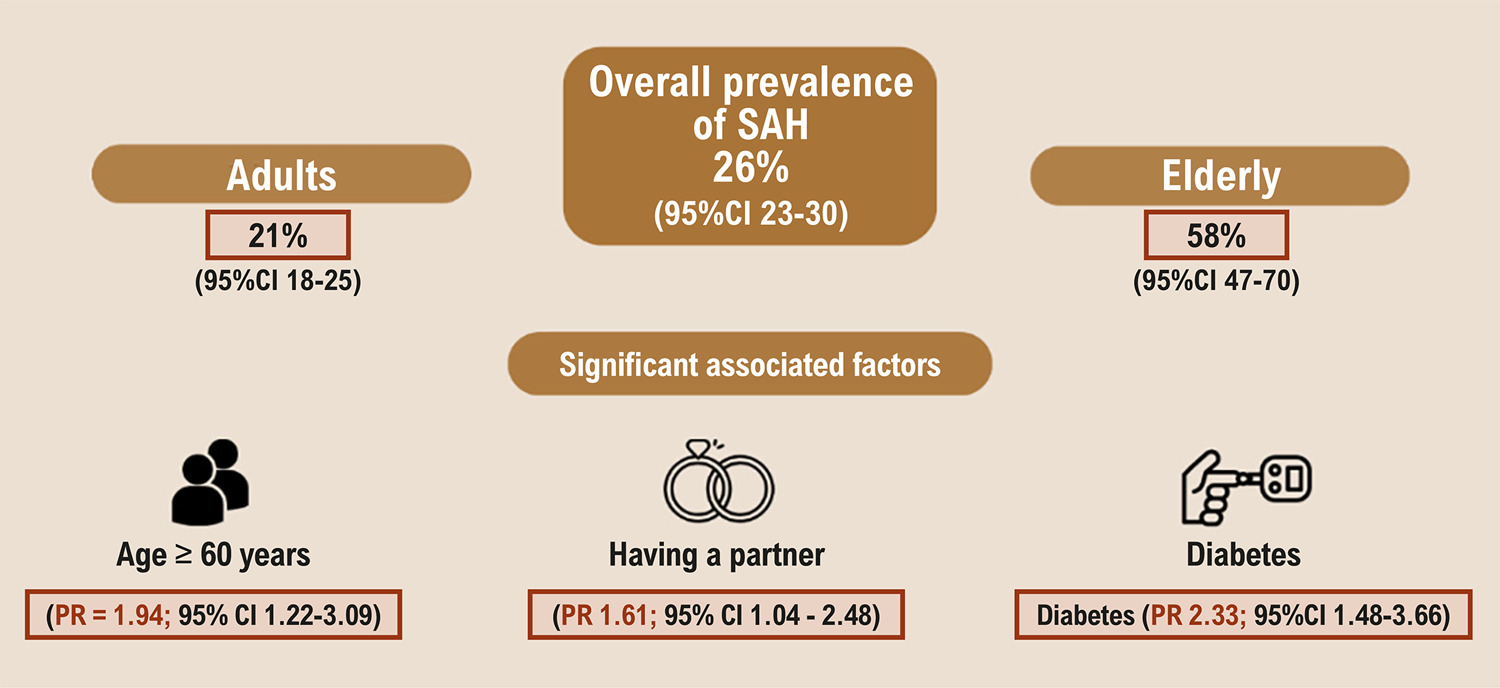
The sample consisted of 570 Indigenous individuals, with a SAH prevalence of 26% (95% CI: 23–30). The associated factors were age 60 years or older (PR = 1.94; 95% CI: 1.22–3.09), having a partner (PR = 1.61; 95% CI: 1.04–2.48), and a diagnosis of diabetes mellitus (PR = 2.33; 95% CI: 1.48–3.66).

Conclusion

The prevalence of SAH was found to be high, reinforcing its significance as a public health issue within the Indigenous population as well. These findings underscore the need to strengthen primary health care with an emphasis on prevention, early diagnosis, and proper management

  • Chronic Disease
  • Health Services Research
  • Heart Disease Risk Factors
Read Full Article
Creative Commons Attribution (CC BY) Creative Commons license
29/09/2025 DOI: 10.36660/abc.20250269i Views 1
ABC
Editorial

Influence of Racial Composition on Blood Pressure Control in the Brazilian Population: The Need for New Perspectives Beyond Drug Treatment

Weimar Kunz Sebba Barroso et al. Sandro Rodrigues Batista Priscila Valverde de Oliveira Vitorino Ana Luiza Lima Sousa

In the context of cardiovascular health, some racial characteristics have been frequently associated with worse blood pressure (BP) control. For example, Black adults have more severe resistant hypertension as compared with other ethnic groups. – A lot of this evidence has been gathered from populations where there had been little racial mixing and, for this reason, understanding the impact of specific racial characteristics of the Brazilian population on the occurrence, diagnosis, and control of hypertension is imperative. ,

The study by Sousa et al. provides a new perspective on the influence of race on the treatment and control of BP in Brazilian adults. Using a robust database of the Brazilian Longitudinal Study of Adult Health (ELSA-Brasil), the authors evaluated the association of self-reported race/skin color with BP control in individuals under different monotherapy antihypertensive regimens. This publication complements previous studies of the group on the influence of ethnicity on several aspects of hypertensive disease. ,

[…]

  • Chronic Disease
  • Ethnic Groups
  • Hypertension
Read Full Article
Creative Commons Attribution (CC BY) Creative Commons license
18/03/2022 DOI: 10.36660/abc.20220063 Views 2
Figure 1
ABC
Original Article

Co-occurrence of Smoking and Unhealthy Diet in the Brazilian Adult Population

Priscila Maria Stolses Bergamo Francisco et al. Daniela de Assumpção Deborah Carvalho Malta

Abstract

Background:

Smoking and an inadequate diet are behavioral risk factors that contribute to the majority of deaths and disabilities caused by noncommunicable diseases.

Objectives:

To estimate the prevalence of the co-occurrence of smoking and inadequate diet and identify associated factors in adults.

Methods:

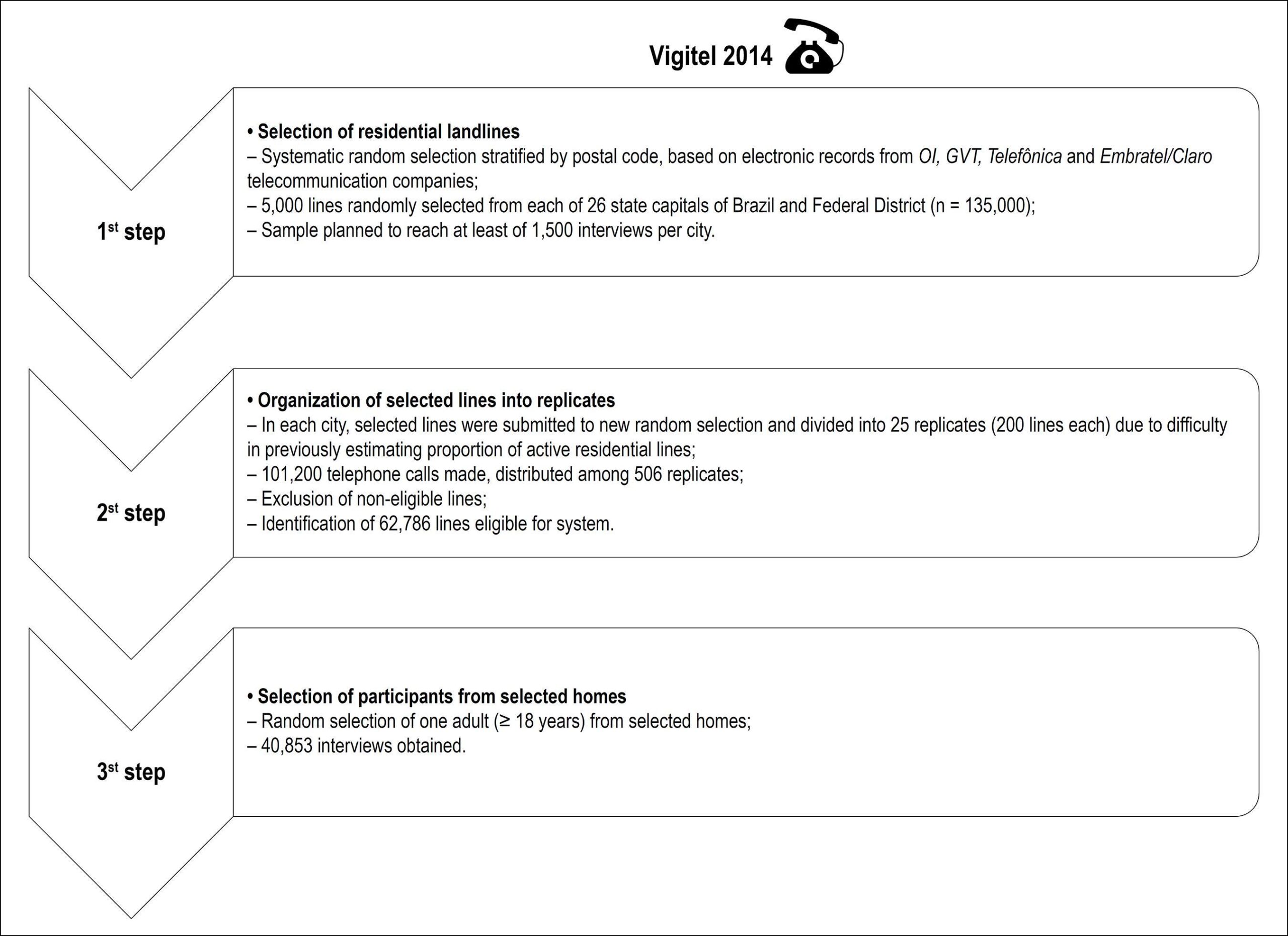
A cross-sectional population-based study was conducted with a sample of 28,950 Brazilian adults (18 to 59 years old). Data were obtained from Sistema de Vigilância por Inquérito Telefônico (Vigitel [Brazilian Health Surveillance Telephone Survey]) in 2014. Independent associations were investigated using Poisson hierarchical regression analysis with 5% significance level.

Results:

The prevalence of the co-occurrence of smoking and unhealthy eating was 8.6% (95% CI: 7.9-9.3) and was higher among individuals residing in the southern region of the country than in those living in the central western region (PR = 1.50; 95% CI: 1.18-1.89), those with no private health insurance (PR = 1.14; 95% CI: 1.03-1.25), those who drank alcohol abusively (binge drinkers) (PR = 3.22; 95% CI: 2.70-3.85) and those who self-rated their health as fair (PR = 1.65; 95% CI: 1.36-1.99) or poor/very poor (PR = 1.70; 95% CI: 1.18-2.44). The prevalence of both factors was lower among individuals residing in the northeastern region of the country, women, individuals with brown skin color, those with a spouse, the more educated ones and those with overweight or obesity.

Conclusion:

The more vulnerable segments to the co-occurrence of the risk factors studied were men residing in the southern region of the country, individuals with a lower socioeconomic status and those who reported binge drinking. Interventions addressing multiple behavioral risk factors adapted to specific contexts could have a greater impact on the Brazilian population.

  • Adult Health
  • Chronic Disease
  • Feeding
  • Health Status Disparities
  • Risk Factors
  • Risk reduction Behavior
  • Tobacco Use Disorders
Read Full Article
Creative Commons Attribution (CC BY) Creative Commons license
04/11/2019 DOI: 10.5935/abc.20190222 Views 1
Figure 1
IJCS
Original Article

Nutritional Status, Lifestyle and Lipid Profile in Vegetarians

Carolina Vieira de Mello Barros Pimentel et al. Sônia Tucunduva Philippi Viviane Lazari Simomura Elisabeth Teodorov

Abstract

Background:

Vegetarian diets have been linked to reduced risk of chronic noncommunicable diseases, since they positively modulate biochemical parameters, particularly those related with glycemic control and lipemia, and considered as potential strategy for weight control.

Objective:

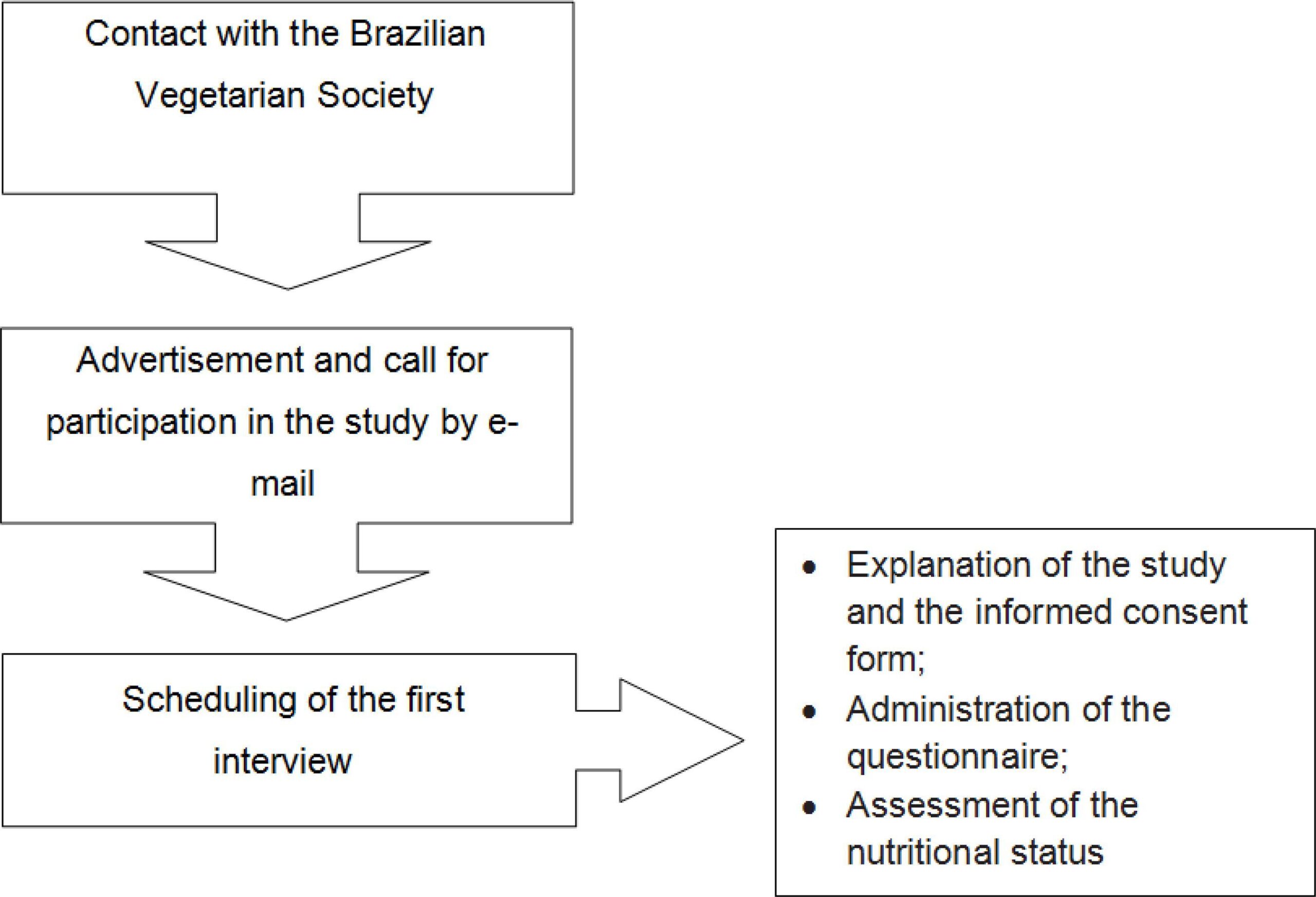
To compare the nutritional status, lifestyle and lipid profile of adult vegetarians with omnivores in a sample of individuals in the city of São Paulo.

Methods:

This was a cross-sectional study. Anthropometric, biochemical and lifestyle variables were compared between vegetarians and omnivores. A significance level of 5% was considered for all analyses.

Results:

Vegetarians were more likely to practice physical activity (64.3% vs 42.5%, p = 0.056) and consuming dietary supplements (48.1% vs 20.5%, p = 0.012). There was no statistically significant difference for the variables: age, sex, triglycerides, total cholesterol and low-density lipoprotein between the two groups. Vegetarians had significantly lower weight [60.8 kg (56.7 – 69.4) vs 71.1 kg (58.0 – 75.4), p = 0.038], BMI [22.4 kg/m2 (20.9 – 23.8) vs 24.6 kg/m2 (21.7 – 26.1), p = 0.001], and waist circumference [(81.8 ± 8.2 vs 87.8 ± 10.9 cm, p = 0.003)], and higher high-density lipoprotein (54.88 ± 14.44 vs 47.30 ± 12.27 mg /dL p = 0.008) than omnivores.

Conclusion:

Compared with omnivores, vegetarians had a better nutritional status, with lower BMI and waist circumference, significantly higher levels of plasma lipoprotein high-density, and healthier lifestyle.

  • Body Weight and Measures
  • Chronic Disease
  • Diet, Vegetarian
  • Dyslipidemias
  • Epidemiology
  • ife Style
  • Lipoproteins
Read Full Article
Creative Commons Attribution (CC BY) Creative Commons license
08/08/2019 DOI: 10.5935/2359-4802.20190044 Views 1
Figure 1
ABC
Original Article

Fasting/Refeeding Cycles Prevent Myocardial Dysfunction and Morphology Damage in the Spontaneously Hypertensive Rats

Matheus Fécchio Pinotti et al. Amanda Martins Matias Mário Mateus Sugizaki André Ferreira do Nascimento … Maeli Dal Pai Ana Paula Lima Leopoldo Antônio Carlos Cicogna André Soares Leopoldo

Abstract

Background:

Caloric restriction is known to impair the cardiac function and morphology in hypertrophied hearts of spontaneously hypertensive rats (SHR); however, the influence of fasting/refeeding (RF) is unknown.

Objective:

To investigate the fasting/refeeding approach on myocardial remodeling and function. In addition, the current study was designed to bring information regarding the mechanisms underlying the participation of Ca2+ handling and b-adrenergic system.

Methods:

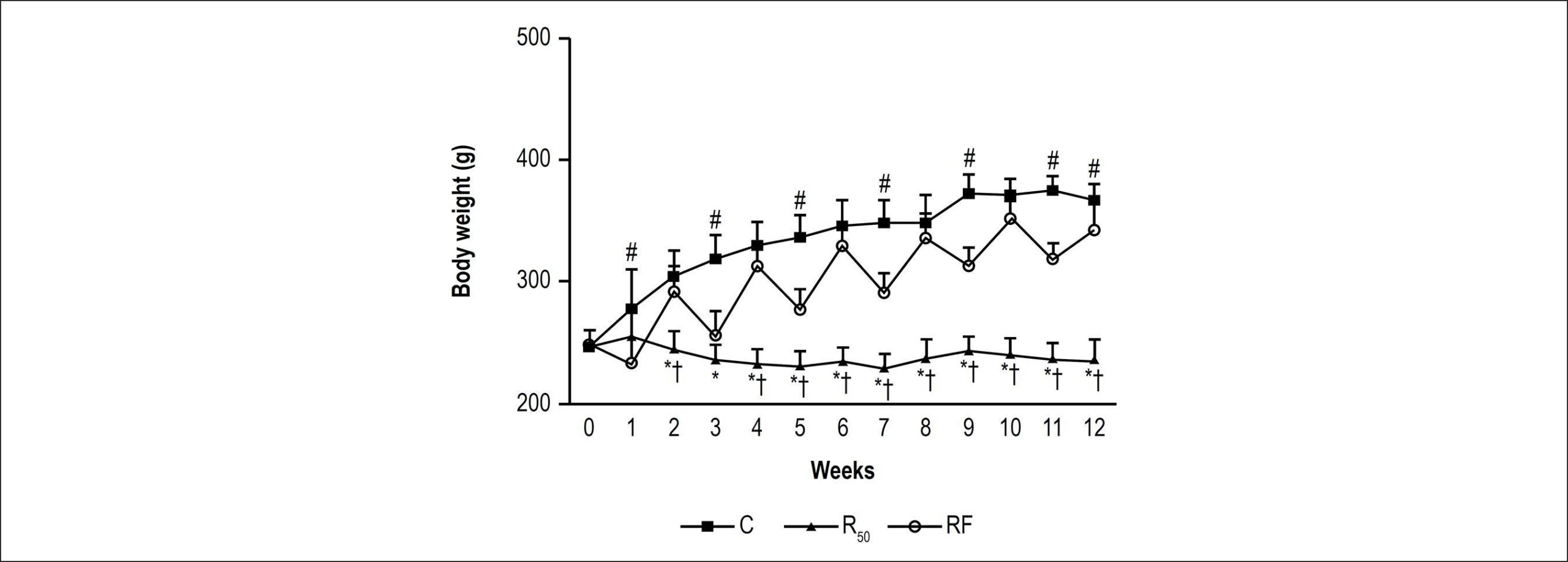
Sixty-day-old male SHR rats were submitted to food ad libitum (C), 50% food restriction (R50) or RF cycles for 90 days. Cardiac remodeling was assessed by ultrastructure analysis and isolated papillary muscle function. The level of significance considered was 5% (a = 0.05).

Results:

The RF rats presented lower cardiac atrophy than R50 in relation to C rats. The C rats increased weight gain, R50 maintained their initial body weight and RF rats increased and decreased weight during RF. The RF did not cause functional impairment because the isotonic and isometric parameters showed similar behavior to those of C. The isotonic and isometric cardiac parameters were significantly elevated in RF rats compared to R50 rats. In addition, the R50 rats had cardiac damage in relation to C for isotonic and isometric variables. While the R50 rats showed focal changes in many muscle fibers, the RF rats displayed mild alterations, such as loss or disorganization of myofibrils.

Conclusion:

Fasting/refeeding promotes cardiac beneficial effects and attenuates myocardial injury caused by caloric restriction in SHR rats, contributing to reduce the cardiovascular risk profile and morphological injuries. Furthermore, RF promotes mild improvement in Ca2+ handling and b-adrenergic system.

  • Caloric Restriction
  • Chronic Disease
  • Fasting, Reffeding
  • Hypertension
  • Myocardial/dysfunction
  • Rats
Read Full Article
Creative Commons Attribution (CC BY) Creative Commons license
20/08/2018 DOI: 10.5935/abc.20180152
ABC
Editorial

Heart Rate Variability in Coexisting Diabetes and Hypertension

Paula F. Martinez et al. Marina P. Okoshi

The autonomic nervous system regulates heart rate through sympathetic and parasympathetic response to different stimuli. The resultant fluctuation between intervals of consecutive heart beats, called heart rate variability (HRV), is a valuable tool to assess autonomic nervous system activity. A decrease in HRV is a marker of reduced parasympathetic and increased sympathetic tone and has long been considered to negatively impact the prognosis in cardiovascular disease.

In 1996, the European Society of Cardiology and the North American Society of Pacing and Electrophysiology suggested standards for evaluation, physiological interpretation, and clinical use for time- and frequency-domain HRV analysis in short- and long-term recordings. Some nonlinear measures have been suggested to work better than traditional measures in predicting future adverse events in several patient groups. More recently, newer computational tools have been derived from nonlinear dynamics and complex systems. Although the physiological background of nonlinear measures of HRV is less understood than the conventional measures, it is speculated that nonlinear dynamics could provide better understanding on nonlinear behavior commonly occurring within human systems due to their complex dynamic nature., In accordance, a good agreement between some non-linear HRV measures and the Framingham cardiovascular risk score was observed, suggesting that they could be used for screening cardiovascular risk. In 2015, the e-Cardiology Working Group of the European Society of Cardiology and the European Heart Rhythm Association launched a critical review of new methodologies for analyzing HRV, including entropy rate, fractal scaling and Poincaré plot, and their application in different physiological and clinical studies.

[…]

  • Autonomic Nervous System
  • Chronic Disease
  • Diabetes Mellitus
  • Heart Rate
  • Hypertension
Read Full Article
Creative Commons Attribution (CC BY) Creative Commons license
01/07/2018 DOI: 10.5935/abc.20180118 Views 1
Anemia, heart failure and evidence-based clinical management
ABC
Artigo Original

Anemia, heart failure and evidence-based clinical management

Camila Alves Pereira et al. Meliza Goi Roscani Silméia Garcia Zanati Beatriz Bojikian Matsubara

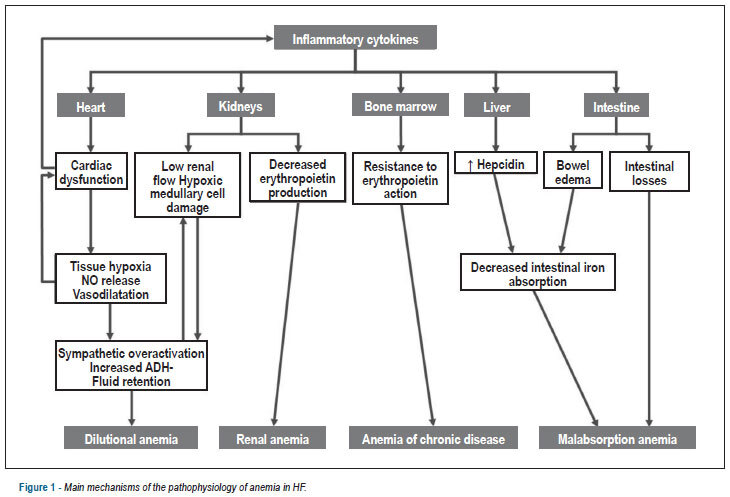
Anemia is a prevalent comorbidity and marker of a poorer prognosis in patients with heart failure (HF). Its clinical relevance, as well as its pathophysiology and the clinical management of these patients are important subjects in the specialized literature. In the present review, we describe the current concepts on the pathophysiology of anemia in HF, its diagnostic criteria, and the recommendations for iron supplementation. Also, we make a critical analysis of the major studies showing evidences on the benefits of this supplementation. The four main components of anemia are addressed: chronic disease, dilutional, “renal” and malabsorption. In patients with HF, the diagnostic criteria are the same as those used in the general population: serum ferritin levels lower than 30 mcg/L in patients without kidney diseases and lower than 100 mcg/L or serum ferritin levels between 100-299 mcg/L with transferring saturation lower than 20% in patients with chronic kidney diseases. Finally, the therapeutic possibilities for anemia in this specific patient population are discussed.

  • Cardiovascular disease
  • Chronic Disease
  • Inflamation
  • Iron supplementation
  • iron-deficiency
Read Full Article
Creative Commons Attribution (CC BY) Creative Commons license
31/07/2013 DOI: 10.5935/abc.20130126
Cardiovascular risk in vegetarians and omnivores: a comparative study
ABC
Artigo Original

Cardiovascular risk in vegetarians and omnivores: a comparative study

Rita de Cássia Moreira de Almeida Teixeira et al. Maria del Carmen Bisi Molina Eliana Zandonade José Geraldo Mill

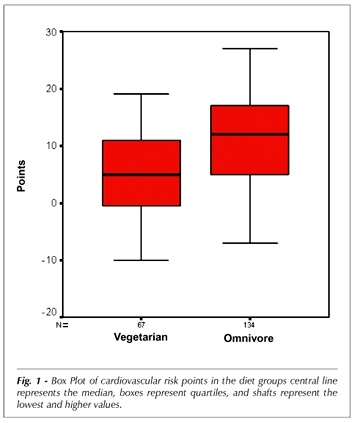
BACKGROUND: Clinical and epidemiological studies have demonstrated a strong association between eating habits and chronic diseases, particularly cardiovascular events, although not all the mechanisms of action are understood. OBJECTIVE: To describe and analyze the cardiovascular risk (CVR) in vegetarians and omnivores residing in Greater Vitória, State of Espírito Santo, Brazil, in the age range from 35 to 64 years. METHODS: To evaluate CVR in the groups, a historical cohort study with 201 individuals was conducted. Sixty seven individuals who had been following a vegetarian diet for at least five years, and who were from Greater Vitória, as well as 134 omnivores participating in the MONICA Project/Vitória matched for socioeconomic class, gender, age and race were included. Biochemical and hemodynamic measurements were obtained in the Cardiovascular Investigation Clinic of UFES. For comparison of proportions, the chi2 test was used, and the Prevalence Ratio was calculated. The CVR was calculated using the Framingham algorithm for the group as a whole, and for separate genders. RESULTS: The mean age of the group was 47±8 years and the mean duration of vegetarianism was 19±10 years; the lacto-ovo vegetarian diet was followed by 73% of the vegetarians. Blood pressure, fasting plasma glucose, total cholesterol, LDL-c, and triglycerides were lower among vegetarians (p<0.001). HDL-c levels were not different between the groups. According to the Framingham algorithm, vegetarians had a lower CVR (p<0.001). CONCLUSION: Unbalanced omnivorous diet with excess animal protein and fat may be implicated, to a great extent, in the development of noncommunicable diseases and conditions, especially in the CVR.

  • Chronic Disease
  • Diet, Vegetarian
  • Risk Factors
Read Full Article
Creative Commons Attribution (CC BY) Creative Commons license
18/04/2008 DOI: 10.1590/S0066-782X2007001600005 Views 2

How to cite this article

EndNote RIS

Electronic Document Format (Vancouver)

Miranda JFP. Sick Individuals and Sick Populations. Arquivos Brasileiros de Cardiologia 2026;123(6):e20260436.

Electronic Document Format (ABNT)

Miranda, Érique José Farias Peixoto de. Sick Individuals and Sick Populations. Arquivos Brasileiros de Cardiologia, v. 123, n. 6, e20260436, Aug. 2026.

Electronic Document Format (APA)

Miranda, J. F. P. (2026). Sick Individuals and Sick Populations. Arquivos Brasileiros de Cardiologia, 123(6), e20260436.

Electronic Document Format (ISO)

Miranda, Érique José Farias Peixoto de. Sick Individuals and Sick Populations. Arquivos Brasileiros de Cardiologia [online]. 2026, vol. 123, n. 6, [cited 2026-10-14], e20260436. Available from: <https://journals.cardiol.br/en/article/sick-individuals-and-sick-populations/>. ISSN 0066-782X

EndNote RIS

Electronic Document Format (Vancouver)

Araújo JM, Tuzzin L, Borges DT, Polettini J, Rabello RS, Acrani GO, Lindemann IL, et al. Prevalence of Systemic Arterial Hypertension and Associated Factors in Indigenous Treated at a Specialized Outpatient Clinic in Southern Brazil. Arquivos Brasileiros de Cardiologia 2025;122(9):e20250269.

Electronic Document Format (ABNT)

Araújo, Jackson Menezes de; Tuzzin, Leandro; Borges, Daniela Teixeira; Polettini, Jossimara; Rabello, Renata dos Santos; Acrani, Gustavo Olszanski; Lindemann, Ivana Loraine. Prevalence of Systemic Arterial Hypertension and Associated Factors in Indigenous Treated at a Specialized Outpatient Clinic in Southern Brazil. Arquivos Brasileiros de Cardiologia, v. 122, n. 9, e20250269, Sep. 2025.

Electronic Document Format (APA)

Araújo, J. M. , Tuzzin, L., Borges, D. T., Polettini, J., Rabello, R. S., Acrani, G. O., & Lindemann, I. L. (2025). Prevalence of Systemic Arterial Hypertension and Associated Factors in Indigenous Treated at a Specialized Outpatient Clinic in Southern Brazil. Arquivos Brasileiros de Cardiologia, 122(9), e20250269.

Electronic Document Format (ISO)

Araújo, Jackson Menezes de and Tuzzin, Leandro and Borges, Daniela Teixeira and Polettini, Jossimara and Rabello, Renata dos Santos and Acrani, Gustavo Olszanski and Lindemann, Ivana Loraine. Prevalence of Systemic Arterial Hypertension and Associated Factors in Indigenous Treated at a Specialized Outpatient Clinic in Southern Brazil. Arquivos Brasileiros de Cardiologia [online]. 2025, vol. 122, n. 9, [cited 2026-10-14], e20250269. Available from: <https://journals.cardiol.br/en/article/prevalence-of-systemic-arterial-hypertension-and-associated-factors-in-indigenous-treated-at-a-specialized-outpatient-clinic-in-southern-brazil/>. ISSN 0066-782X

EndNote RIS

Electronic Document Format (Vancouver)

Barroso WKS, Batista SR, Vitorino PVO, Sousa ALL. Influence of Racial Composition on Blood Pressure Control in the Brazilian Population: The Need for New Perspectives Beyond Drug Treatment. Arquivos Brasileiros de Cardiologia 2022;118(3):623-4.

Electronic Document Format (ABNT)

Barroso, Weimar Kunz Sebba; Batista, Sandro Rodrigues; Vitorino, Priscila Valverde de Oliveira; Sousa, Ana Luiza Lima. Influence of Racial Composition on Blood Pressure Control in the Brazilian Population: The Need for New Perspectives Beyond Drug Treatment. Arquivos Brasileiros de Cardiologia, v. 118, n. 3, p. 623-624, Mar. 2022.

Electronic Document Format (APA)

Barroso, W. K. S., Batista, S. R., Vitorino, P. V. O., & Sousa, A. L. L. (2022). Influence of Racial Composition on Blood Pressure Control in the Brazilian Population: The Need for New Perspectives Beyond Drug Treatment. Arquivos Brasileiros de Cardiologia, 118(3), 623-624.

Electronic Document Format (ISO)

Barroso, Weimar Kunz Sebba and Batista, Sandro Rodrigues and Vitorino, Priscila Valverde de Oliveira and Sousa, Ana Luiza Lima. Influence of Racial Composition on Blood Pressure Control in the Brazilian Population: The Need for New Perspectives Beyond Drug Treatment. Arquivos Brasileiros de Cardiologia [online]. 2022, vol. 118, n. 3, [cited 2026-10-14], pp. 623-624. Available from: <https://journals.cardiol.br/en/article/influence-of-racial-composition-on-blood-pressure-control-in-the-brazilian-population-the-need-for-new-perspectives-beyond-drug-treatment/>. ISSN 0066-782X

EndNote RIS

Electronic Document Format (Vancouver)

Francisco PMSB, Assumpção D, Malta DC. Co-occurrence of Smoking and Unhealthy Diet in the Brazilian Adult Population. Arquivos Brasileiros de Cardiologia 2019;113(4):699-70.

Electronic Document Format (ABNT)

Francisco, Priscila Maria Stolses Bergamo; Assumpção, Daniela de; Malta, Deborah Carvalho. Co-occurrence of Smoking and Unhealthy Diet in the Brazilian Adult Population. Arquivos Brasileiros de Cardiologia, v. 113, n. 4, p. 699-709, Nov. 2019.

Electronic Document Format (APA)

Francisco, P. M. S. B., Assumpção, D. , & Malta, D. C. (2019). Co-occurrence of Smoking and Unhealthy Diet in the Brazilian Adult Population. Arquivos Brasileiros de Cardiologia, 113(4), 699-709.

Electronic Document Format (ISO)

Francisco, Priscila Maria Stolses Bergamo and Assumpção, Daniela de and Malta, Deborah Carvalho. Co-occurrence of Smoking and Unhealthy Diet in the Brazilian Adult Population. Arquivos Brasileiros de Cardiologia [online]. 2019, vol. 113, n. 4, [cited 2026-10-14], pp. 699-709. Available from: <https://journals.cardiol.br/en/article/co-occurrence-of-smoking-and-unhealthy-diet-in-the-brazilian-adult-population/>. ISSN 0066-782X

EndNote RIS

Electronic Document Format (Vancouver)

Pimentel CVMB, Philippi ST, Simomura VL, Teodorov E. Nutritional Status, Lifestyle and Lipid Profile in Vegetarians. International Journal of Cardiovascular Sciences 2019;32(6):623-34.

Electronic Document Format (ABNT)

Pimentel, Carolina Vieira de Mello Barros; Philippi, Sônia Tucunduva; Simomura, Viviane Lazari; Teodorov, Elisabeth. Nutritional Status, Lifestyle and Lipid Profile in Vegetarians. International Journal of Cardiovascular Sciences, v. 32, n. 6, p. 623-634, Aug. 2019.

Electronic Document Format (APA)

Pimentel, C. V. M. B., Philippi, S. T., Simomura, V. L., & Teodorov, E. (2019). Nutritional Status, Lifestyle and Lipid Profile in Vegetarians. International Journal of Cardiovascular Sciences, 32(6), 623-634.

Electronic Document Format (ISO)

Pimentel, Carolina Vieira de Mello Barros and Philippi, Sônia Tucunduva and Simomura, Viviane Lazari and Teodorov, Elisabeth. Nutritional Status, Lifestyle and Lipid Profile in Vegetarians. International Journal of Cardiovascular Sciences [online]. 2019, vol. 32, n. 6, [cited 2026-10-14], pp. 623-634. Available from: <https://journals.cardiol.br/en/article/nutritional-status-lifestyle-and-lipid-profile-in-vegetarians/>. ISSN 2359-4802

EndNote RIS

Electronic Document Format (Vancouver)

Pinotti MF, Matias AM, Sugizaki MM, Nascimento AF, Pai MD, Leopoldo APL, Cicogna AC, et al. Fasting/Refeeding Cycles Prevent Myocardial Dysfunction and Morphology Damage in the Spontaneously Hypertensive Rats. Arquivos Brasileiros de Cardiologia 2018;111(3):400-9.

Electronic Document Format (ABNT)

Pinotti, Matheus Fécchio; Matias, Amanda Martins; Sugizaki, Mário Mateus; Nascimento, André Ferreira do; Pai, Maeli Dal; Leopoldo, Ana Paula Lima; Cicogna, Antônio Carlos; Leopoldo, André Soares. Fasting/Refeeding Cycles Prevent Myocardial Dysfunction and Morphology Damage in the Spontaneously Hypertensive Rats. Arquivos Brasileiros de Cardiologia, v. 111, n. 3, p. 400-409, Aug. 2018.

Electronic Document Format (APA)

Pinotti, M. F., Matias, A. M., Sugizaki, M. M., Nascimento, A. F. , Pai, M. D., Leopoldo, A. P. L., Cicogna, A. C., & Leopoldo, A. S. (2018). Fasting/Refeeding Cycles Prevent Myocardial Dysfunction and Morphology Damage in the Spontaneously Hypertensive Rats. Arquivos Brasileiros de Cardiologia, 111(3), 400-409.

Electronic Document Format (ISO)

Pinotti, Matheus Fécchio and Matias, Amanda Martins and Sugizaki, Mário Mateus and Nascimento, André Ferreira do and Pai, Maeli Dal and Leopoldo, Ana Paula Lima and Cicogna, Antônio Carlos and Leopoldo, André Soares. Fasting/Refeeding Cycles Prevent Myocardial Dysfunction and Morphology Damage in the Spontaneously Hypertensive Rats. Arquivos Brasileiros de Cardiologia [online]. 2018, vol. 111, n. 3, [cited 2026-10-14], pp. 400-409. Available from: <https://journals.cardiol.br/en/article/fasting-refeeding-cycles-prevent-myocardial-dysfunction-and-morphology-damage-in-the-spontaneously-hypertensive-rats/>. ISSN 0066-782X

EndNote RIS

Electronic Document Format (Vancouver)

Martinez PF, Okoshi MP. Heart Rate Variability in Coexisting Diabetes and Hypertension. Arquivos Brasileiros de Cardiologia 2018;111(1):73-4.

Electronic Document Format (ABNT)

Martinez, Paula F.; Okoshi, Marina P.. Heart Rate Variability in Coexisting Diabetes and Hypertension. Arquivos Brasileiros de Cardiologia, v. 111, n. 1, p. 73-74, Jun. 2018.

Electronic Document Format (APA)

Martinez, P. F., & Okoshi, M. P. (2018). Heart Rate Variability in Coexisting Diabetes and Hypertension. Arquivos Brasileiros de Cardiologia, 111(1), 73-74.

Electronic Document Format (ISO)

Martinez, Paula F. and Okoshi, Marina P.. Heart Rate Variability in Coexisting Diabetes and Hypertension. Arquivos Brasileiros de Cardiologia [online]. 2018, vol. 111, n. 1, [cited 2026-10-14], pp. 73-74. Available from: <https://journals.cardiol.br/en/article/heart-rate-variability-in-coexisting-diabetes-and-hypertension/>. ISSN 0066-782X

EndNote RIS

Electronic Document Format (Vancouver)

Pereira CA, Roscani MG, Zanati SG, Matsubara BB. Anemia, heart failure and evidence-based clinical management. Arquivos Brasileiros de Cardiologia 2013;101(1):87-92.

Electronic Document Format (ABNT)

Pereira, Camila Alves; Roscani, Meliza Goi; Zanati, Silméia Garcia; Matsubara, Beatriz Bojikian. Anemia, heart failure and evidence-based clinical management. Arquivos Brasileiros de Cardiologia, v. 101, n. 1, p. 87-92, Jul. 2013.

Electronic Document Format (APA)

Pereira, C. A., Roscani, M. G., Zanati, S. G., & Matsubara, B. B. (2013). Anemia, heart failure and evidence-based clinical management. Arquivos Brasileiros de Cardiologia, 101(1), 87-92.

Electronic Document Format (ISO)

Pereira, Camila Alves and Roscani, Meliza Goi and Zanati, Silméia Garcia and Matsubara, Beatriz Bojikian. Anemia, heart failure and evidence-based clinical management. Arquivos Brasileiros de Cardiologia [online]. 2013, vol. 101, n. 1, [cited 2026-10-14], pp. 87-92. Available from: <https://journals.cardiol.br/en/article/anemia-heart-failure-and-evidence-based-clinical-management/>. ISSN 0066-782X

EndNote RIS

Electronic Document Format (Vancouver)

Teixeira RCMA, Molina MCB, Zandonade E, Mill JG. Cardiovascular risk in vegetarians and omnivores: a comparative study. Arquivos Brasileiros de Cardiologia 2008;89(4):237-44.

Electronic Document Format (ABNT)

Teixeira, Rita de Cássia Moreira de Almeida; Molina, Maria del Carmen Bisi; Zandonade, Eliana; Mill, José Geraldo. Cardiovascular risk in vegetarians and omnivores: a comparative study. Arquivos Brasileiros de Cardiologia, v. 89, n. 4, p. 237-244, Apr. 2008.

Electronic Document Format (APA)

Teixeira, R. C. M. A., Molina, M. C. B., Zandonade, E., & Mill, J. G. (2008). Cardiovascular risk in vegetarians and omnivores: a comparative study. Arquivos Brasileiros de Cardiologia, 89(4), 237-244.

Electronic Document Format (ISO)

Teixeira, Rita de Cássia Moreira de Almeida and Molina, Maria del Carmen Bisi and Zandonade, Eliana and Mill, José Geraldo. Cardiovascular risk in vegetarians and omnivores: a comparative study. Arquivos Brasileiros de Cardiologia [online]. 2008, vol. 89, n. 4, [cited 2026-10-14], pp. 237-244. Available from: <https://journals.cardiol.br/en/article/cardiovascular-risk-in-vegetarians-and-omnivores-a-comparative-study/>. ISSN 0066-782X

  • About ABC Family
  • Internal Regulation
  • Editorial Board
  • Brazilian Society of Cardiology (SBC)

Issues

SBC Guidelines

  • Videos
  • Podcasts
  • News