ABC Family Arquivos Brasileiros de Cardiologia International Journal of Cardiovascular Sciences ABC Heart Failure & Cardiomyopathy ABC Imagem Cardiovascular
Português English
ABC Family
Português English
  • About
    • About ABC Family
    • Internal Regulation
    • Editorial Board
    • Brazilian Society of Cardiology (SBC)
  • Issues
  • SBC Guidelines
  • Content
    • Videos
    • Podcasts
    • News
  • About
    • About ABC Family
    • Internal Regulation
    • Editorial Board
    • Brazilian Society of Cardiology (SBC)
  • Issues
  • SBC Guidelines
  • Content
    • Videos
    • Podcasts
    • News

ABC Family

  • ABC Family
  • Arquivos Brasileiros de Cardiologia
  • International Journal of Cardiovascular Sciences
  • ABC Heart Failure & Cardiomyopathy
  • ABC Imagem Cardiovascular
Search in

No content found.

Journals
Ordering
Article types
Others

  1. Home
  2. Keyword: Ventricular tachycardia
ABC
Editorial

Non-sustained Ventricular Tachycardia and Hypertrophic Cardiomyopathy: When to Consider it as a Risk Factor for Sudden Death and Total Mortality?

Lucas Simonetto Faganello et al. Mauricio Pimentel

Hypertrophic cardiomyopathy (HCM) is an important cause of sudden cardiac death (SCD), particularly in young patients., The implantation of an implantable cardioverter-defibrillator (ICD) in high-risk patients is a pivotal aspect of HCM treatment. However, there are currently no randomized clinical trials to guide the selection of patients who are candidates for ICD implantation. Recommendations are based on retrospective cohorts that have identified the relationship between clinical characteristics and prognosis. Risk factors for SCD include history of syncope or ventricular tachyarrhythmia, family history of sudden death, left ventricular wall thickness, systolic dysfunction, apical aneurysm, late enhancement on magnetic resonance imaging, and the presence of non-sustained ventricular tachycardia (NSVT).

NSVT occurs in 20-30% of patients with HCM and is an independent predictor of SCD.– However, the strength of this evidence varies among published observational studies, often due to differences in the studied populations or diagnostic criteria. Research conducted in tertiary centers indicates that the presence of NSVT is associated with a higher risk of SCD, while studies from non-reference centers have not identified a statistically significant association. Another point of discussion is the characteristics of NSVT that should be considered. While the American guideline places greater emphasis on more frequent, longer, and faster arrhythmias, the European guideline argues that there is no robust evidence to support this., The Brazilian guideline considers NSVT relevant when it is frequent (≥ 3), longer (≥ 10 beats), and faster (≥ 200 beatsper minute).

[…]

  • Hypertrophic Cardiomyopathy
  • Mortality
  • Ventricular tachycardia
Read Full Article
Creative Commons Attribution (CC BY) Creative Commons license
16/06/2025 DOI: 10.36660/abc.20250233i Views 2
Prognostic Value of Nonsustained Ventricular Tachycardia in Hypertrophic Cardiomyopathy in a Brazilian Cohort: Comparison with World Literature
ABC
Original Article

Prognostic Value of Nonsustained Ventricular Tachycardia in Hypertrophic Cardiomyopathy in a Brazilian Cohort: Comparison with World Literature

Diego Araújo Silva et al. Edmundo Arteaga-Fernandez Viviane Tiemi Hotta Charles Mady … Barbara Ianni Felix Ramires Luciano Nastari Fábio Fernandes Juliano Novaes Cardoso

Abstract

Background

In hypertrophic cardiomyopathy (HCM), there is a well-known association between nonsustained ventricular tachycardia (NSVT) and the risk of sudden death.

Objectives

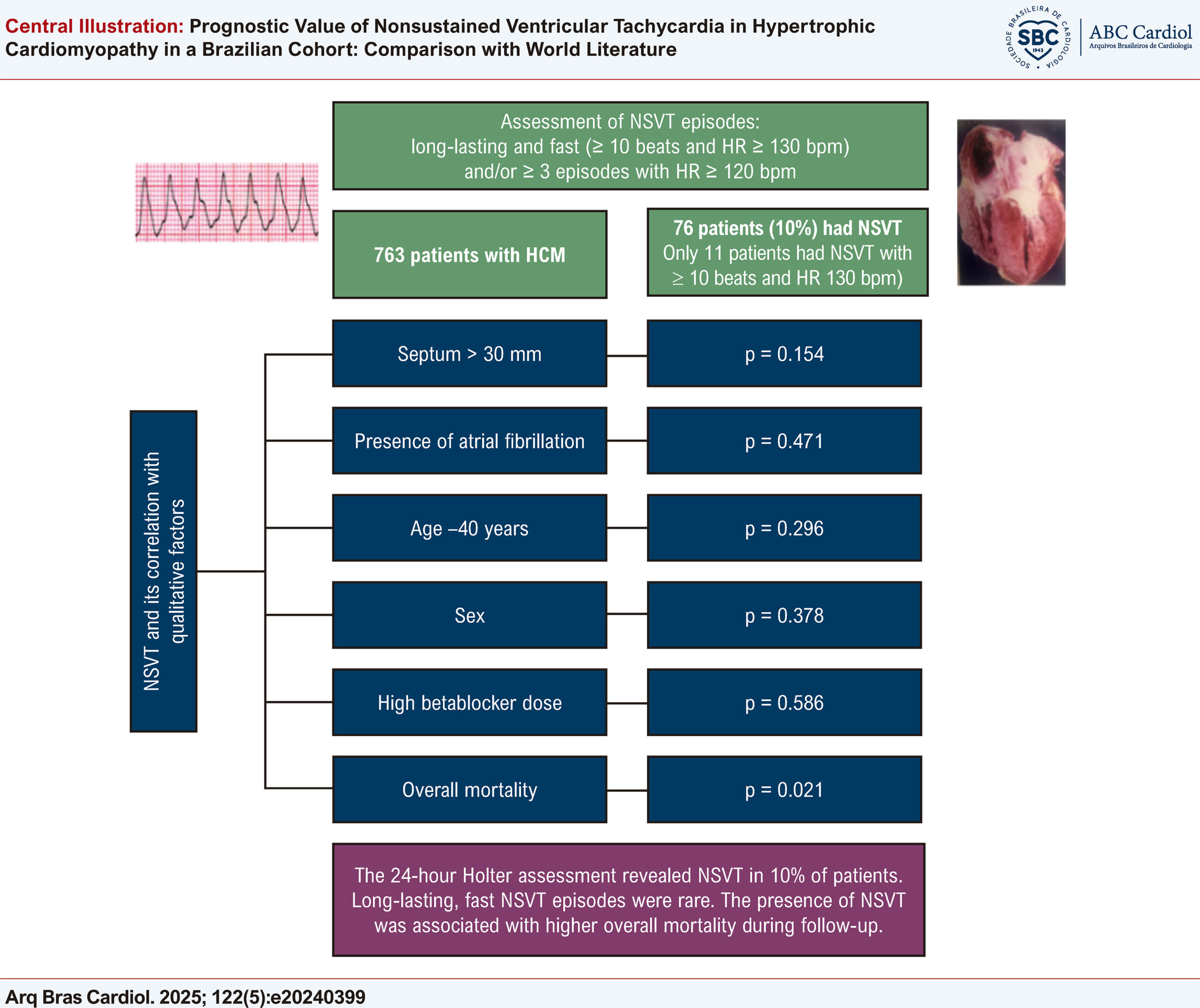
To assess the incidence of NSVT using 24-hour Holter monitoring in patients with HCM in a Brazilian cohort and correlate it with its characteristics and progression.

Methods

This retrospective study of patients with HCM used 24-hour Holter monitoring to assess the presence of long-lasting, fast NSVT (≥ 10 beats and heart rate ≥ 130 bpm) or the presence of at least 3 episodes of NSVT with ≥ 3 beats and heart rate ≥ 120 bpm. Continuous variables were shown as arithmetic means and standard deviations, and categorical variables were shown as absolute and relative frequencies. P < 0.05 was considered significant.

Results

We included 763 patients, 53.5% of whom were male. Their mean age was 52.6 years ± 16.7. NSVT was found in 10% (76 patients). Only 11 (1.4%) of them had NSVT with ≥ 10 beats and heart rate ≥ 130 bpm. There was no difference in the relationship between NSVT and sex, septum > 30 mm, age ≥ 40 years, betablocker dose, and presence of atrial fibrillation. In the group with NSVT, 15-year all-cause mortality was observed in 26.3%, compared to 15.9% in the group without NSVT (p = 0.021).

Conclusions

The presence of NSVT on 24-hour Holter monitoring occurred in 10% of patients. Long-lasting, fast NSVT was rare. The presence of NSVT was associated with higher overall mortality during follow-up.

  • Hypertrophic Cardiomyopathy
  • Risk Factors
  • Ventricular tachycardia
Read Full Article
Creative Commons Attribution (CC BY) Creative Commons license
26/05/2025 DOI: 10.36660/abc.20240399i Views 1
Figure 1
IJCS
Original Article

Electrocardiographic Analysis of Ventricular Repolarization in Patients With Psoriasis: A Cross-Sectional Study

Guilia Bevilacqua Schmitz et al. Raíssa Massaia Londero Chemello Marco Lumertz Saffi Luciane Prado de Vargas Diego Chemello

Abstract

Background

Psoriasis is a chronic inflammatory disease. Cardiovascular diseases, including arrhythmias, tend to occur more frequently in these patients.

Objective

This study aimed to investigate new electrocardiographic markers for assessing ventricular repolarization in outpatients with psoriasis in a tertiary center in Brazil.

Methods

This work is a cross-sectional study, which selected outpatients with psoriasis undergoing follow-up in a tertiary dermatology service in southern Brazil. The controls were selected from a private outpatient clinic. All the electrocardiogram (ECG) analyses were performed by one certified electrophysiologist. Comparative statistical tests and Spearman’s correlation analysis were used. Measures with statistically significant differences in the univariate analysis were taken to the multivariate analysis (Generalized Linear Model – Poisson Regression with age adjustment). A P<0.05 value was considered statistically significant for all analyses.

Results

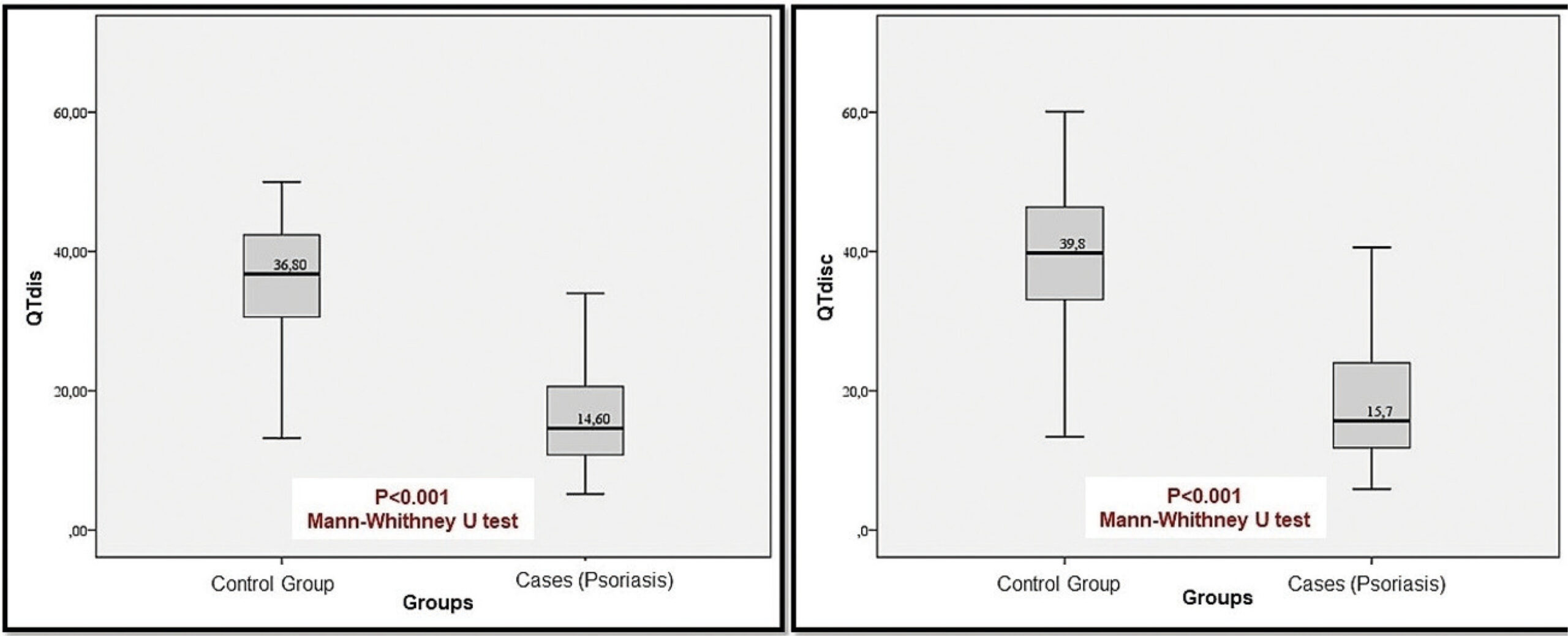
A total of 130 individuals were evaluated, mean age of 53.1±15.1 years. The univariate analysis showed no difference in Corrected QT interval (QTc) between the groups, considering 411.2±21.2 ms in the psoriasis group (PG) versus 412.8±25.2 ms in the control group (CG) (p = 0.694). The median values of Corrected QT dispersion (QTdisc) were lower in the PG as compared to the CG, 15.7 ms (IQR 11.5–24.2 ms) versus 39.8 ms (Interquartile Range, IQR, 32.8–46.6 ms), respectively (p<0.001). For peak-to-end interval of the T wave (Tp-e) and Tp-e/QTc values, the mean values were also lower in patients with psoriasis. For Tp-e, the mean values in the PG were 91.7±11.6 ms versus 96.0±9.2 ms in the CG (p = 0.024). For The Tp-e/QTc, the mean values in the PG were 0.22±0.03 versus 0.23±0.03 in the CG (p = 0.024). The multivariate analysis, adjusted for age, QTdis, Qtdisc, Tp-e, and Tp-e/QTc, remained independently lower in patients with psoriasis.

Conclusion

The evaluation of ventricular repolarization parameters in a sample of outpatients with psoriasis in southern Brazil showed that ventricular repolarization values were generally lower when compared to controls. No significant correlation was found between disease activity and ventricular repolarization parameters.

  • Cardiac Arrhythmias
  • Electrocardiography
  • psoriasis
  • Ventricular tachycardia
Read Full Article
Creative Commons Attribution (CC BY) Creative Commons license
28/02/2025 DOI: 10.36660/ijcs.20230170 Views 1
The Many Faces of Arrhythmic Mitral Valve Prolapse: Case Series
ABCIC
Original Article

The Many Faces of Arrhythmic Mitral Valve Prolapse: Case Series

Yasmim Evelyn Lisboa Barbosa et al. Isadora Wanderley Queiroga de Freitas Evangelista Julyana Maria Ramalho de Sousa Lorena Carvalho Leite Jales … Elisabete Louise de Medeiros Viegas Patrícia Vidal de Negreiros Nóbrega Daniel Moreira Costa Moura Gabriel Pelegrineti Targueta Lilian Amador Resende Renner Augusto Raposo Pereira Guilherme Augusto Teodoro Athayde

Abstract

Background:

Although it is frequently a benign condition, mitral valve prolapse (MVP) may be associated with an increased risk of ventricular arrhythmias (VA), a condition known as arrhythmic mitral valve prolapse (AMVP).

Objectives:

To present diverse manifestations of AMVP by means of clinical cases that illustrate these patients’ symptoms and electrocardiogram (ECG), 24-hour Holter, transthoracic echocardiogram (TTE), and cardiac magnetic resonance imaging (CMRI) findings and to discuss the decisions made in relation to different clinical outcomes.

Methods:

This retrospective, descriptive, and observational study analyzed 5 patients with AMVP treated between 2019 and 2024, investigating markers of elevated risk for severe clinical outcomes, especially sudden cardiac death (SCD).

Results:

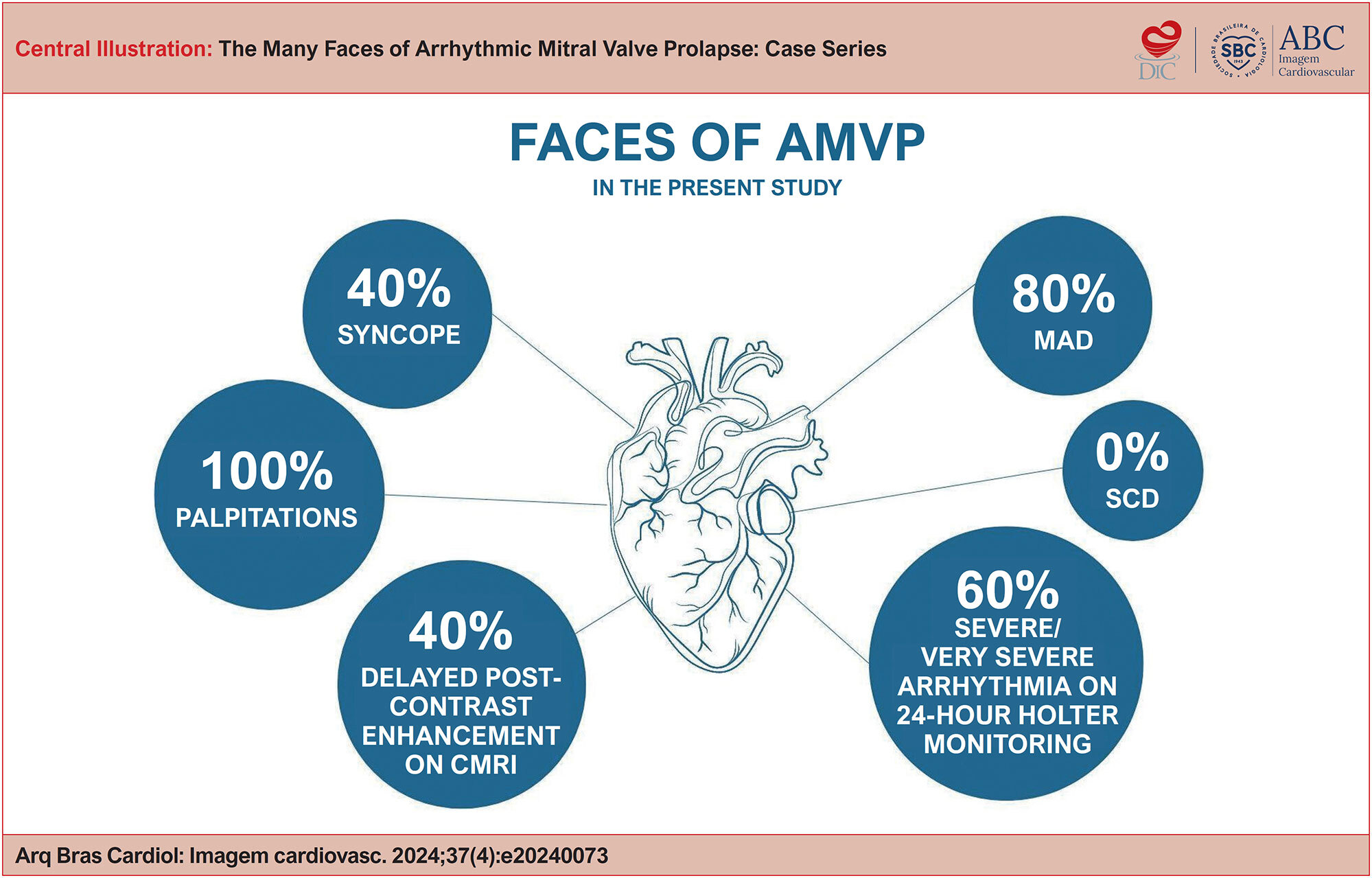
Among the 5 patients evaluated, the most common clinical presentation was palpitations (100% of cases), followed by syncope (40%). Three patients (60%) had severe or very severe arrhythmia on 24-hour Holter monitoring, while 4 (80%) had mitral annular disjunction (MAD). Positive delayed enhancement was observed in 2 (40%) patients. In 2 cases (40%), implantable cardioverter-defibrillator (ICD) was indicated. In 1 case, mitral valve replacement was chosen, but the arrhythmias were not resolved; consequently, radiofrequency ablation was indicated. Although SCD has been described in the literature, no cases were observed in our sample.

Conclusion:

AMVP may present distinct clinical manifestations, including severe outcomes. It is essential to identify risk markers for early diagnosis and treatment of this condition, with the goal of reducing SCD-related mortality in these patients.

  • Cardiac Arrhythmias
  • Cardiac Sudden Death
  • Mitral Valve Prolapse
  • Ventricular tachycardia
Read Full Article
Creative Commons Attribution (CC BY) Creative Commons license
22/11/2024 DOI: 10.36660/abcimg.20240073i
Figure 1
IJCS
Case Report

Arrhythmogenic Substrate Ablation in a Patient With Brugada Syndrome and Electrical Storm

Arnóbio Dias da Ponte Filho et al. Ronaldo Vasconcelos Tavora Francisco Rodrigues dos Santos Neto André Gustavo da Silva Rezende Ieda Prata Costa

Abstract

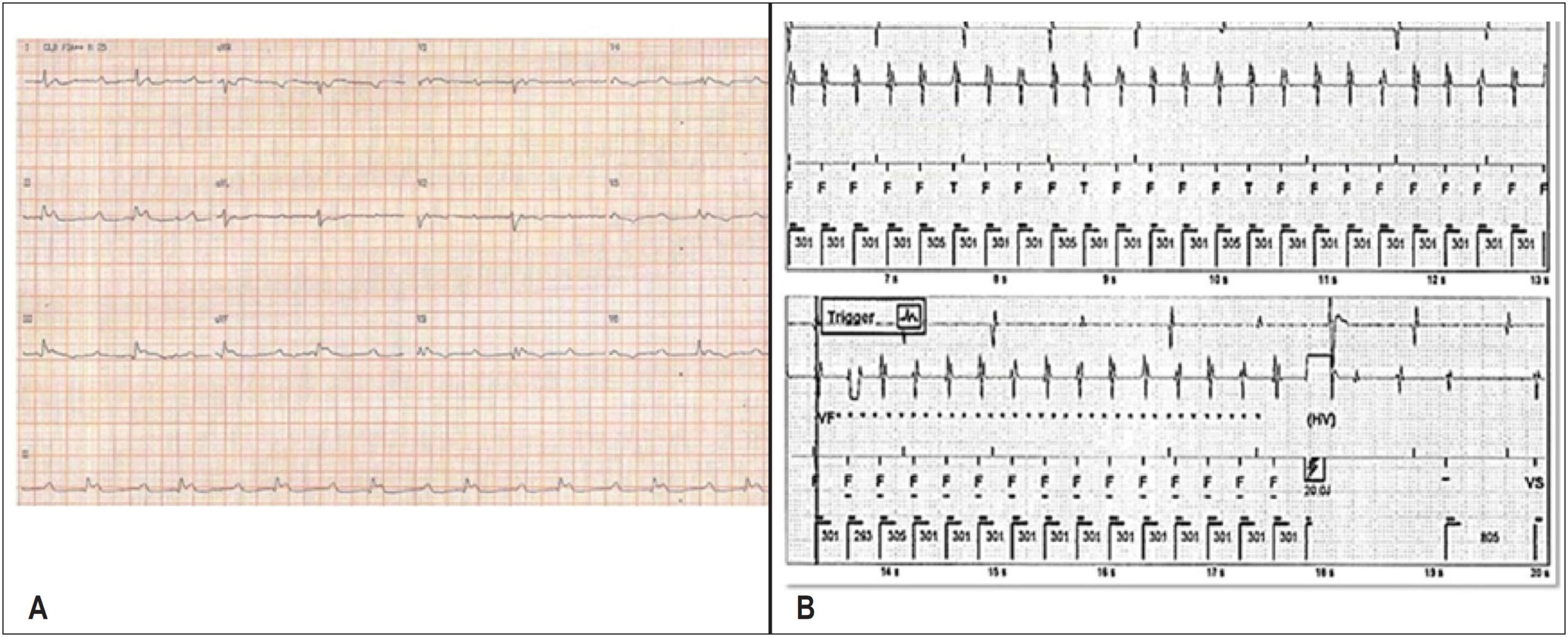
Despite being a rare condition, Brugada syndrome (BrS) poses a significant risk of arrhythmic death, and managing associated ventricular arrhythmias is particularly challenging. Here, we present a case where percutaneous ablation targeted an arrhythmogenic substrate in a patient with BrS and recurrent ventricular fibrillation (VF). Epicardial mapping revealed abnormal potential areas in the right ventricle’s outflow tract and free wall. Injection of warmed saline into the pericardial space caused further delay in local electrograms and expanded the abnormal potential area. Radiofrequency applications in this region successfully eliminated abnormal electrograms, leading to the disappearance of the coved-shape ST-segment elevation in leads V1-V2. No recurrence of ventricular arrhythmias was reported in a twelve-month follow-up.

  • Brugada Syndrome
  • Catheter Ablation
  • Epicardial Mapping
  • Ventricular tachycardia
Read Full Article
Creative Commons Attribution (CC BY) Creative Commons license
16/09/2024 DOI: 10.36660/ijcs.20230150 Views 1
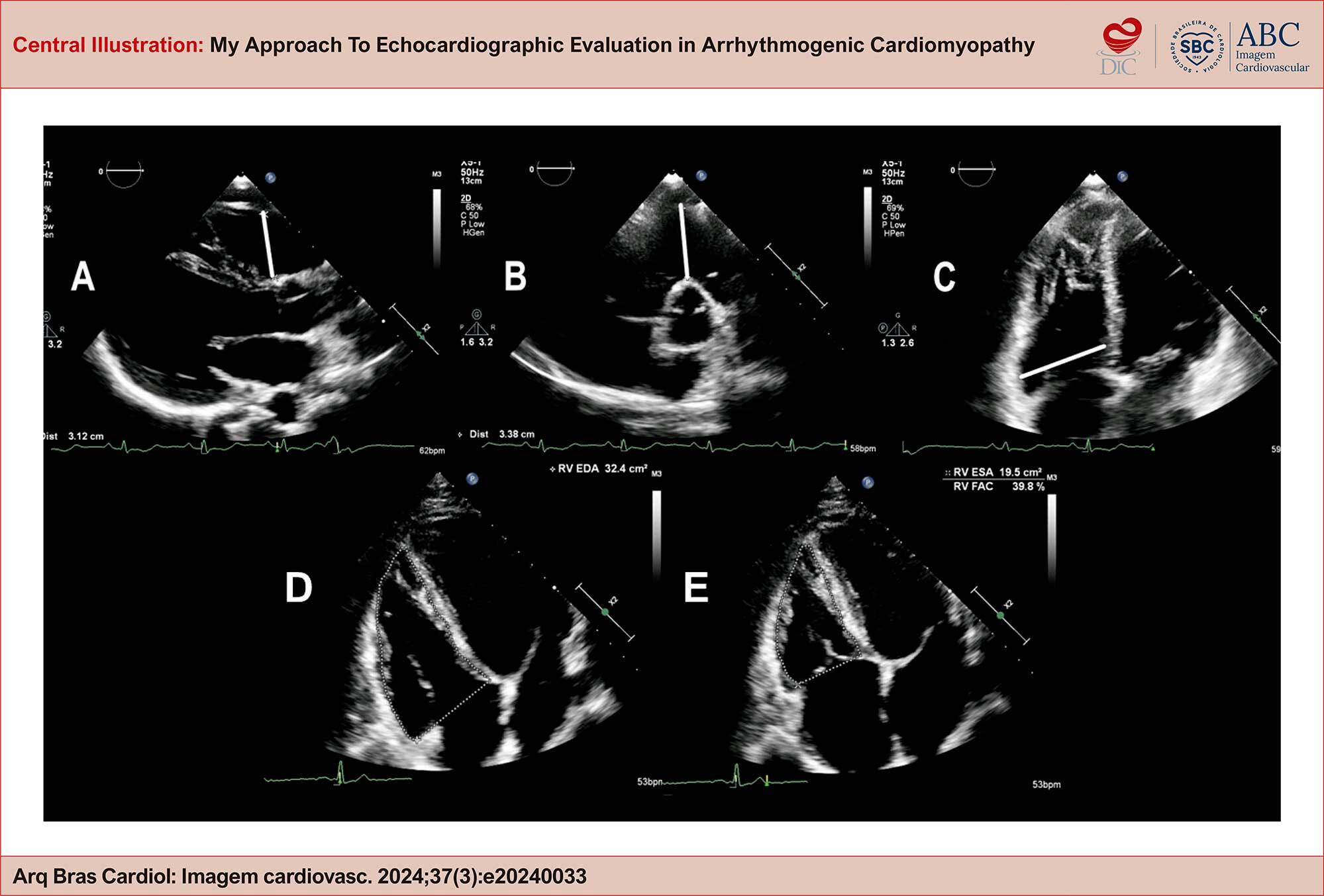
Central Illustration
ABCIC
Review Article

My Approach To Echocardiographic Evaluation in Arrhythmogenic Cardiomyopathy

Danilo Bora Moleta et al. Cassio Carvalho Soeiro Machado Lucas Arraes de França Marcelo Luiz Campos Vieira

Abstract

Careful echocardiographic evaluation of the right ventricle, although challenging and sometimes neglected, is of utmost importance in the diagnosis of certain pathologies, such as arrhythmogenic cardiomyopathy (ACM) — a hereditary myocardial disease associated with the development of ventricular arrhythmias, heart failure, and sudden death. This article aims to review the diagnostic criteria proposed in the 2010 Task Force and the modifications suggested by the 2020 Padua criteria, as well as illustrate the potential use of advanced echocardiography techniques for earlier detection and prognostic definition.

  • Arrhythmogenic right ventricular dysplasia;
  • Cardiomyopathies
  • Right Ventricular Dysfunction
  • Sudden Cardiac Death
  • Ventricular tachycardia
Read Full Article
Creative Commons Attribution (CC BY) Creative Commons license
27/08/2024 DOI: 10.36660/abcimg.20240033i Views 3
Figure 1
ABC
Case Report

Unveiling Arrhythmogenic Right Ventricular Cardiomyopathy in Scleroderma

Mehmet Rasih Sonsöz et al. Uğur Ozan Demirhan Cemal Bes

Introduction

Systemic sclerosis (SSc) patients commonly report exertional dyspnea and pulmonary hypertension should be first suspected, as the prevalence in these patients is reported to be 5-19% and it is associated with worse clinical outcomes. Additional differential diagnosis includes congenital left-to-right shunt and arrhythmogenic right ventricular cardiomyopathy (ARVC) when right ventricular dilatation and systolic dysfunction are present. Our case concerns an elderly lady with SSc who was initially diagnosed with precapillary pulmonary hypertension.

[…]

  • Arrhythmogenic right ventricular dysplasia;
  • Echocardiography
  • Pulmonary Hypertension
  • Systemic Scleroderma
  • Ventricular tachycardia
Read Full Article
Creative Commons Attribution (CC BY) Creative Commons license
26/08/2024 DOI: 10.36660/abc.20230815i Views 1
Figure 1
ABC
Research Letter

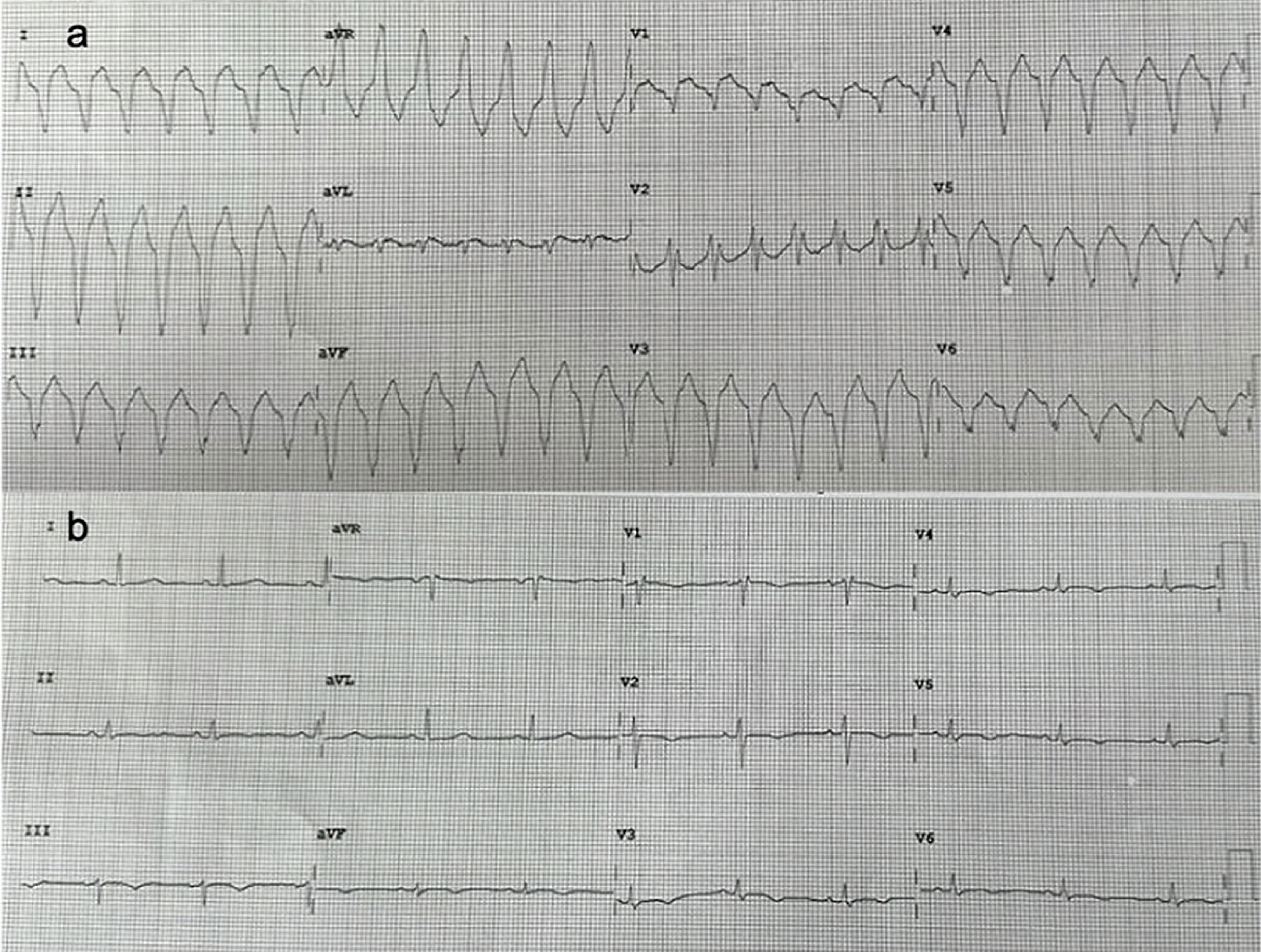
Wide QRS Tachycardias Management in Emergency Departments: What Really Matters

José Nunes de Alencar et al. Guilherme Dagostin de Carvalho Renan Teixeira Campelo Sandro Pinelli Felicioni … Matheus Kiszka Scheffer Mariana Nogueira De Marchi

Introduction

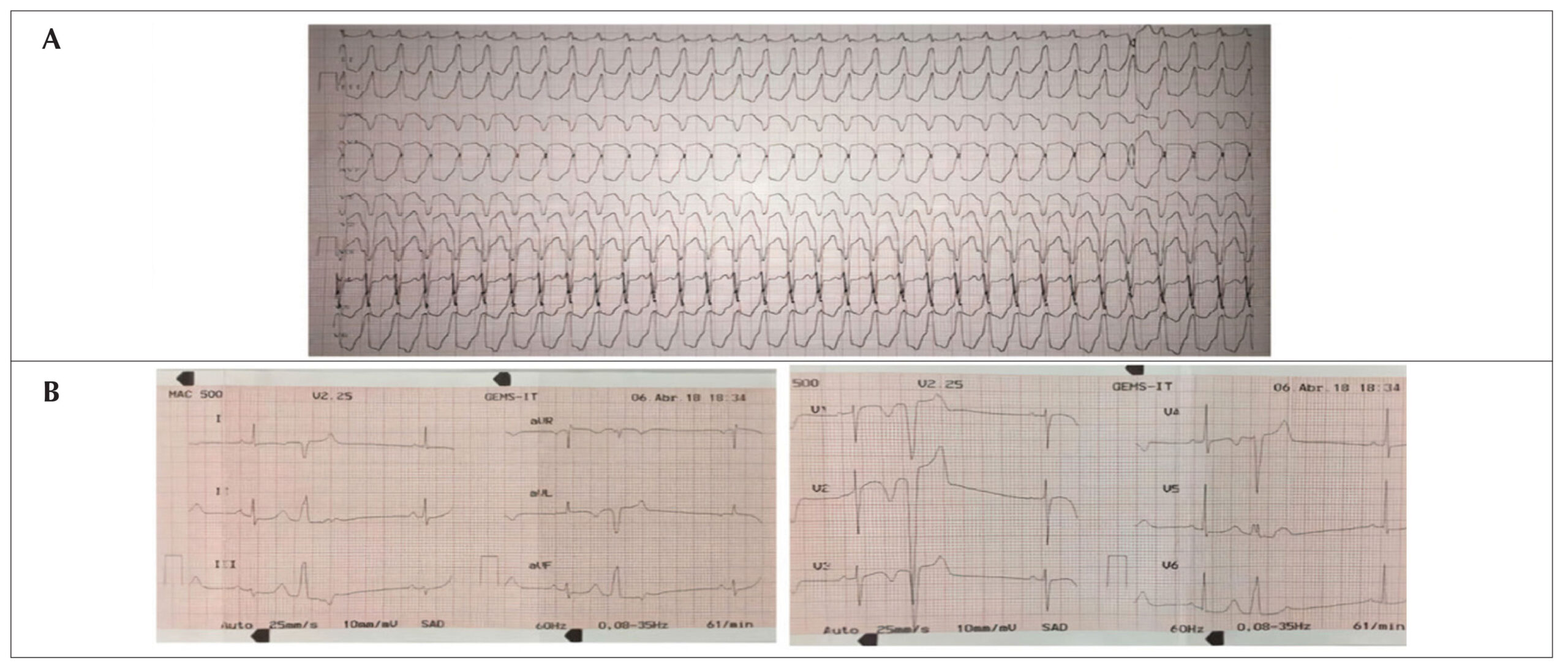
Studies have shown that 80% of wide QRS tachycardias are ventricular tachycardias (VT). This number rises to 90% if there is underlying structural heart disease.– Criteria for differentiating between VT and supraventricular tachycardia (SVT) exist, and they are important in clinical practice, but not necessarily for the purpose of providing an exact diagnosis in acute settings.–

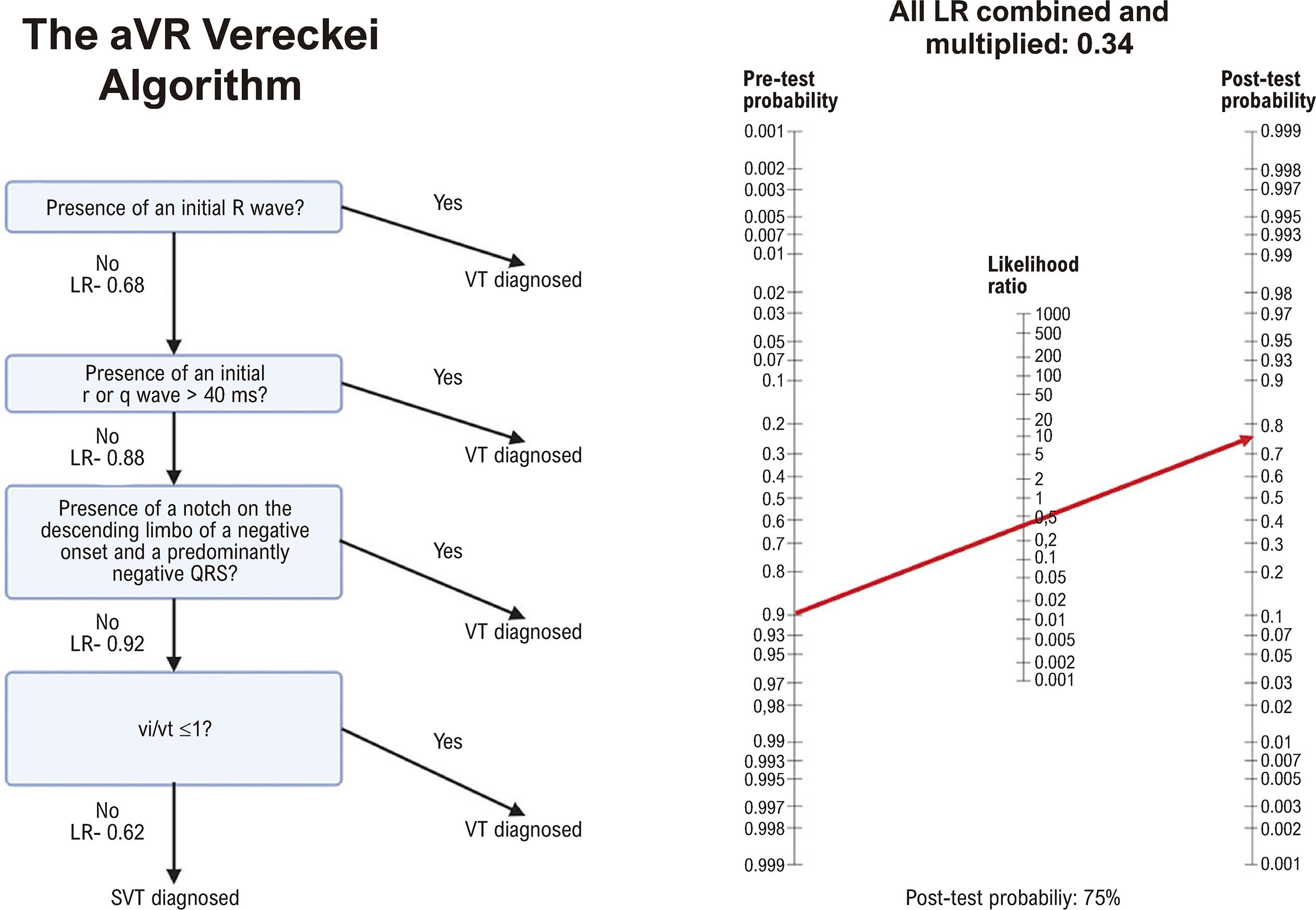
Although the criteria have been validated, they are not as effective at ruling out conditions as one might think. A real-world study showed that Vereckei’s criteria had a negative likelihood ratio of 0.34. This means that applying these criteria to a patient with a 90% pre-test probability would still result in a post-test probability of 75% for VT (). In that study, the Brugada criteria yielded a similar negative likelihood ratio of 0.24, resulting in a 68% probability for VT. Another reason not to rely solely on these criteria is the absence of baseline electrocardiogram (ECG) data. For instance, a patient with congenital heart disease may have a northwest axis and other unique findings. Similarly, a patient with Purkinje fiber blockage and electrically inactive zones may present with misleading ECG features., Adding to the complexity, idiopathic VT, such as fascicular VT, often present ECG patterns that mimic bundle branch or fascicular blocks, leading to misinterpretation. Another emblematic case is bundle-branch reentry VT, where the ECG during tachycardia will display morphological criteria of either left or right bundle branch block, further confounding the diagnosis.

[…]

  • Arrhythmias Cardiac
  • Electrocardiography
  • Hospital Emergency Service
  • Ventricular tachycardia
Read Full Article
Creative Commons Attribution (CC BY) Creative Commons license
15/07/2024 DOI: 10.36660/abc.20230829i Views 1
Figure 1
IJCS
Case Report

Inflammatory Cardiomyopathy as a Cause of Recurrent Ventricular Tachycardia Requiring Heart Transplant

Flora Elisa Cabello Montoya et al. Yulia Vadimovna Stavtseva Marina Teterina Anton Vorobiev Zhanna Kobalava

Introduction

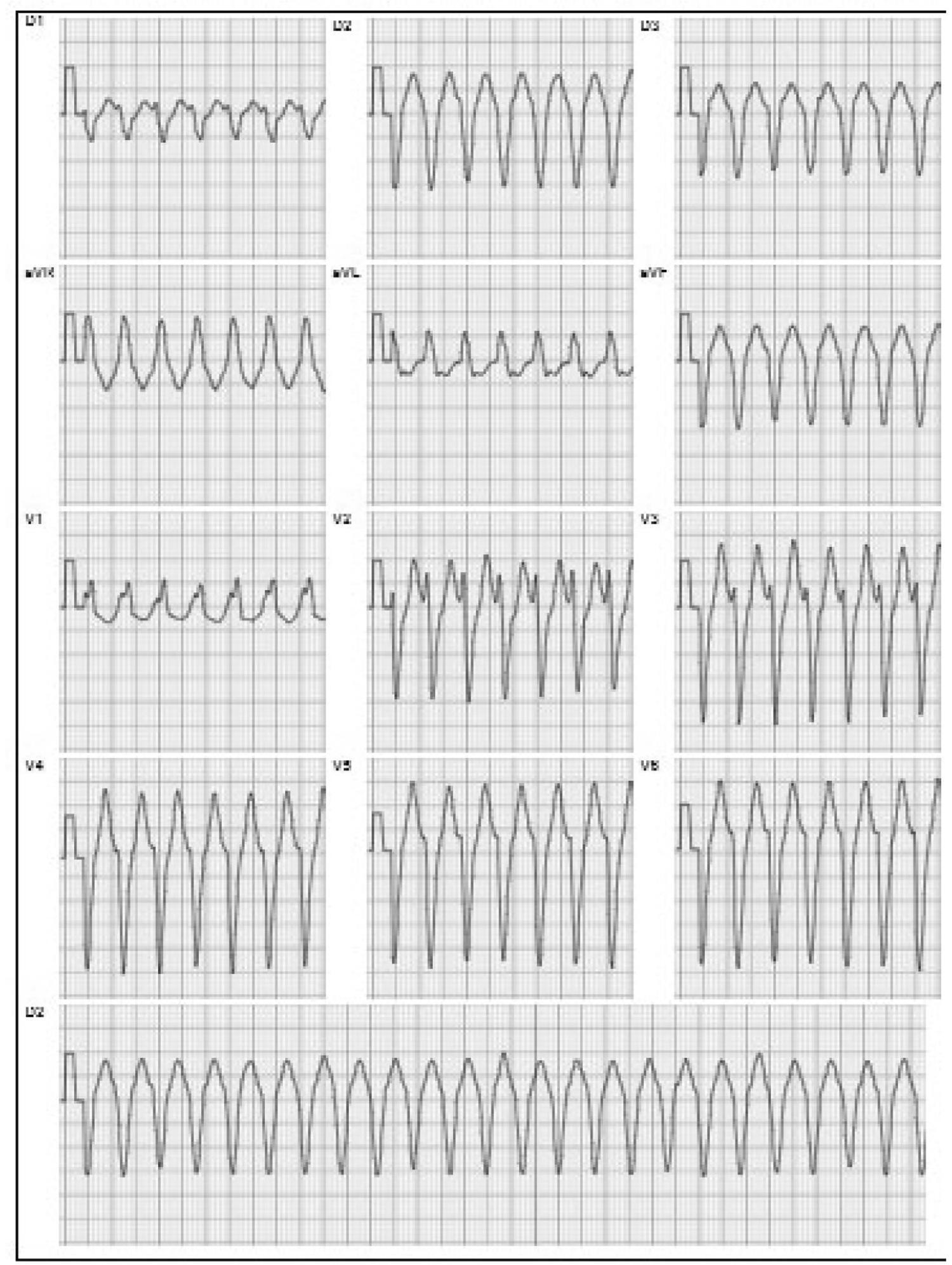
The most common setting for ventricular tachycardia (VT) is ischemic heart disease, in which myocardial scar tissue is the substrate for arrhythmia., However, in some myocardial diseases (i.e., myocarditis, arrhythmogenic and dilated cardiomyopathies [DCM]), electrical abnormalities can precede apparent structural changes rendering diagnosis and treatment difficult.

The present study describes a case of inflammatory cardiomyopathy that appeared as a recurrent VT and required a heart transplant as the only therapeutic alternative after 20 years of the disease.

[…]

  • Heart Failure
  • Heart Transplantation
  • Myocarditis
  • Ventricular tachycardia
Read Full Article
Creative Commons Attribution (CC BY) Creative Commons license
12/02/2024 DOI: 10.36660/ijcs.20230081
Figure 1
ABC
Case Report

Stereotactic Body Radiation Therapy for Recurrent Ventricular Tachycardia in Chagas Disease: First Case in Latin America

Mauricio I. Scanavacca et al. Cristiano F. Pisani Bernardo Salvajoli Rodrigo M. Kulchetscki … Marina P. Mayrink João Victor Salvajoli Roberto Kalil

Case Report

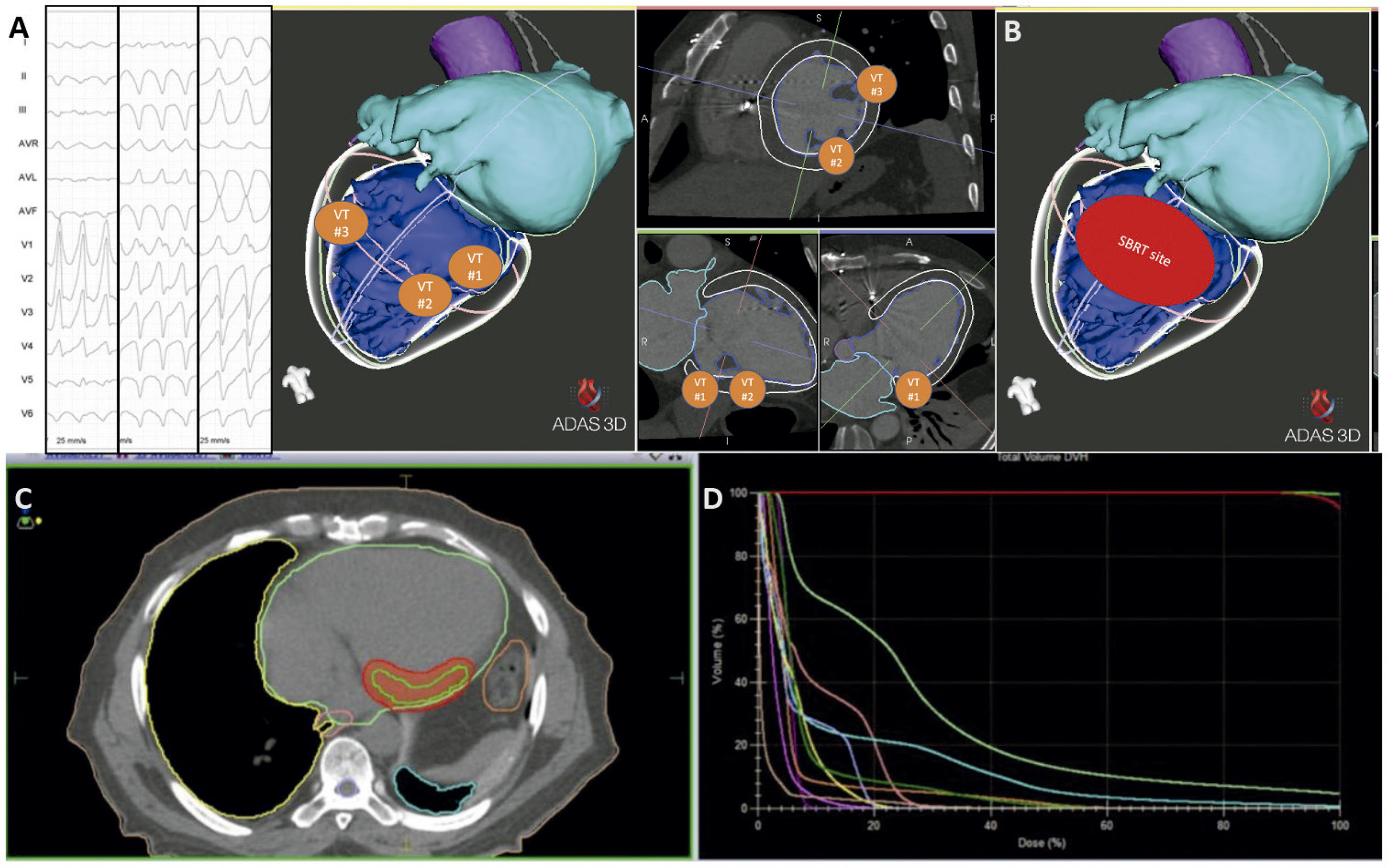
A 53-year-old male patient has been followed up at Instituto do Coração (InCor) of Hospital das Clínicas da Faculdade de Medicina da Universidade de São Paulo (HC-FMUSP) since 2018 due to CCHD and recurrent SVT; moreover, he had a double chamber ICD implanted in 2014. He had a left ventricular ejection fraction (LVEF) of 42% on transthoracic echocardiography (TTE), and ICD-appropriate therapies were identified, despite the use of amiodarone 400 mg/day, metoprolol 200 mg/day, enalapril 40 mg/day, spironolactone 25 mg/day, and furosemide 40 mg/day.

From November 2020 to June 2021, the patient was admitted several times due to episodes of SVT reverted by ICD, despite amiodarone reimpregnation, and he underwent three catheter ablation attempts, two of them complicated by hemopericardium and hemoperitoneum, which required surgical correction. Although there was an initial improvement, possibly attributed to sequential ablations, the patient experienced a recurrence in June 2021, with repeated ICD-appropriate therapies, and his inclusion in research protocol for SVT ablation by SBRT. He was classified into New York Heart Association (NYHA) functional class II/III, with worsening of LVEF (20%). After providing his free informed consent, the patient accepted to undergo SBRT.

[…]

  • Chagas disease
  • Radiotherapy
  • Ventricular tachycardia
Read Full Article
Creative Commons Attribution (CC BY) Creative Commons license
10/03/2023 DOI: 10.36660/abc.20220614 Views 2
ABC
Editorial

Defibrillation Threshold in Patients with Chronic Chagas’ Heart Disease: Are There Benefits or not Worth the Risk?

Ricardo Alkmim Teixeira

The implantable cardioverter-defibrillator (ICD) is the best therapeutic option to prevent sudden cardiac death for several high-risk groups of patients. Basically, the ICD can recognize and stop ventricular tachycardia (VT) and ventricular fibrillation (VF) by triggering anti-tachycardia pacing (ATP) or shock therapy. The defibrillation threshold (DT) is the minimum shock energy required to terminate VF.

Historically, testing the ICD function via induction and termination of VF was considered mandatory to ensure that the ICD could properly detect and stop the arrhythmic event.

[…]

  • Chagas Cardiomyopathy
  • Chagas disease
  • Defibrillators
  • Electroshock
  • Ventricular tachycardia
Read Full Article
Creative Commons Attribution (CC BY) Creative Commons license
19/12/2022 DOI: 10.36660/abc.20220790
Figure 1
ABCHF
Case Report

Sustained Ventricular Tachycardia as an Isolated Presentation of Transthyretin Amyloidosis Cardiomyopathy – Val50Met

Edileide de Barros Correia et al. Larissa Ventura Ribeiro Bruscky Kelin Chen Priscila Cestari Quagliato … Yoná Afonso Francisco Líria Maria Lima da Silva Ana Cristina de Souza Murta

Introduction

Amyloidosis is characterized by extracellular deposition of insoluble proteins (amyloid deposition) in multiple organs and progressive organ dysfunction. It is classified by the type of protein that is deposited, including transthyretin amyloidosis (ATTR), which can occur due to a genetic variant and aging. Approximately 120 genetic variants have been recognized to cause ATTR; one of the most common is Val50Met. The phenotypic presentation of ATTR due to the Val50Met mutation is mostly neurological, known as familial amyloidotic polyneuropathy (FAP), but cardiac involvement is being increasingly recognized. Sporadic cases with strictly cardiac manifestation, causing ventricular wall hypertrophy, dysfunction diastolic, and conduction disturbances have already been described in the literature.

In this article, we report a case of ATTR due to the Val50Met mutation, with the phenotypic expression of cardiac involvement, with sustained ventricular tachycardia as an isolated presentation.

[…]

  • Familial Amyloidosis
  • Restrictive cardiomyopathy
  • Ventricular tachycardia
Read Full Article
Creative Commons Attribution (CC BY) Creative Commons license
10/12/2021 DOI: 10.36660/abchf.20210015
Figure 1
ABCIC
Case Report

Arrhythmogenic Right Ventricular Cardiomyopathy in Marathon Runners: Case Report

Isabelle Adjanine Borges de Lima et al. Diego Vital Campos Ana Karolina Bento da Silva Evellyn Pereira de Melo

Introduction

Arrhythmogenic right ventricular cardiomyopathy (ARVC) is an inherited disease of the cardiac muscle characterized by right ventricular dysfunction (global or regional) with or without left ventricular (LV) involvement in the presence of histological evidence of the disease and/or electrocardiographic abnormalities according to published criteria.

ARVC has age-dependent penetrance and is mainly characterized by episodes of ventricular arrhythmia that can progress to sudden cardiac death (SCD). The estimated prevalence ranges from 1:2,000 to 1:5,000, with a predominance in the Caucasian population and in people who practice strenuous exercise or competitive sports. Despite its low prevalence, ARVC represents approximately 5–20% of CSM cases in young people.

[…]

  • Arrhythmogenic right ventricular dysplasia;
  • Echocardiography
  • Ventricular tachycardia
Read Full Article
Creative Commons Attribution (CC BY) Creative Commons license
26/11/2021 DOI: 10.47593/2675-312X/20213403eabc188 Views 1
Figure 1
ABCIC
Case Report

Cardiac Sarcoidosis as a Cause of Total Atrioventricular Block: Importance of Differential Diagnosis

Jorge Elias Neto et al. Márcio Augusto Silva Ricardo Ryoshim Kuniyoshi Guilherme Futuro … Erick Sessa Merçon Petherson Susano Grativvol Fátima Cristina Pedrotti

Introduction

Sarcoidosis is a systemic granulomatous disorder of unknown cause that can affect virtually any organ. The extracardiac forms are usually benign and subjected to spontaneous remission. However, the prognosis may be unfavorable in case of cardiac involvement.

Symptomatic cardiac sarcoidosis (CS) is diagnosed in approximately 5% of patients with sarcoidosis. However, based on some autopsy series, the prevalence of subclinical CS can reach 25–30%.

[…]

  • Arrhythmogenic right ventricular cardiomyopathy/dysplasia
  • Atrioventricular block
  • Diagnosis
  • Sarcoidosis
  • Sudden Death
  • Ventricular tachycardia
Read Full Article
Creative Commons Attribution (CC BY) Creative Commons license
16/06/2021 DOI: 10.47593/2675-312X/20213401eabc163 Views 1
Figure 1
ABC
Original Article

Cohort of Patients Referred for Brugada Syndrome Investigation in an Electrophysiology Service – 19-Year Registry

Stefan Warpechowski Neto et al. Tiago Luiz Luz Leiria Laura Lessa Gaudie Ley Antonio Lessa Gaudie Ley … Luiza Zwan Dutra Leonardo Martins Pires Marcelo Lapa Kruse Gustavo Glotz de Lima

Abstract

Background:

Brugada syndrome (SBr) is an arrhythmic condition characterized by ST-T segment abnormalities in the right precordial leads associated with a high risk of ventricular arrhythmias and sudden death. Local data regarding the clinical characteristics of patients with a typical electrocardiographic (ECG) pattern undergoing electrophysiological study are scarce.

Objective:

To evaluate patients with an ECG pattern suggestive of SBr referred for electrophysiological evaluation in a specialized center.

Methods:

Cohort study of patients referred for electrophysiological study because of an ECG pattern compatible with SBr between January 1998 and March 2017.

Results:

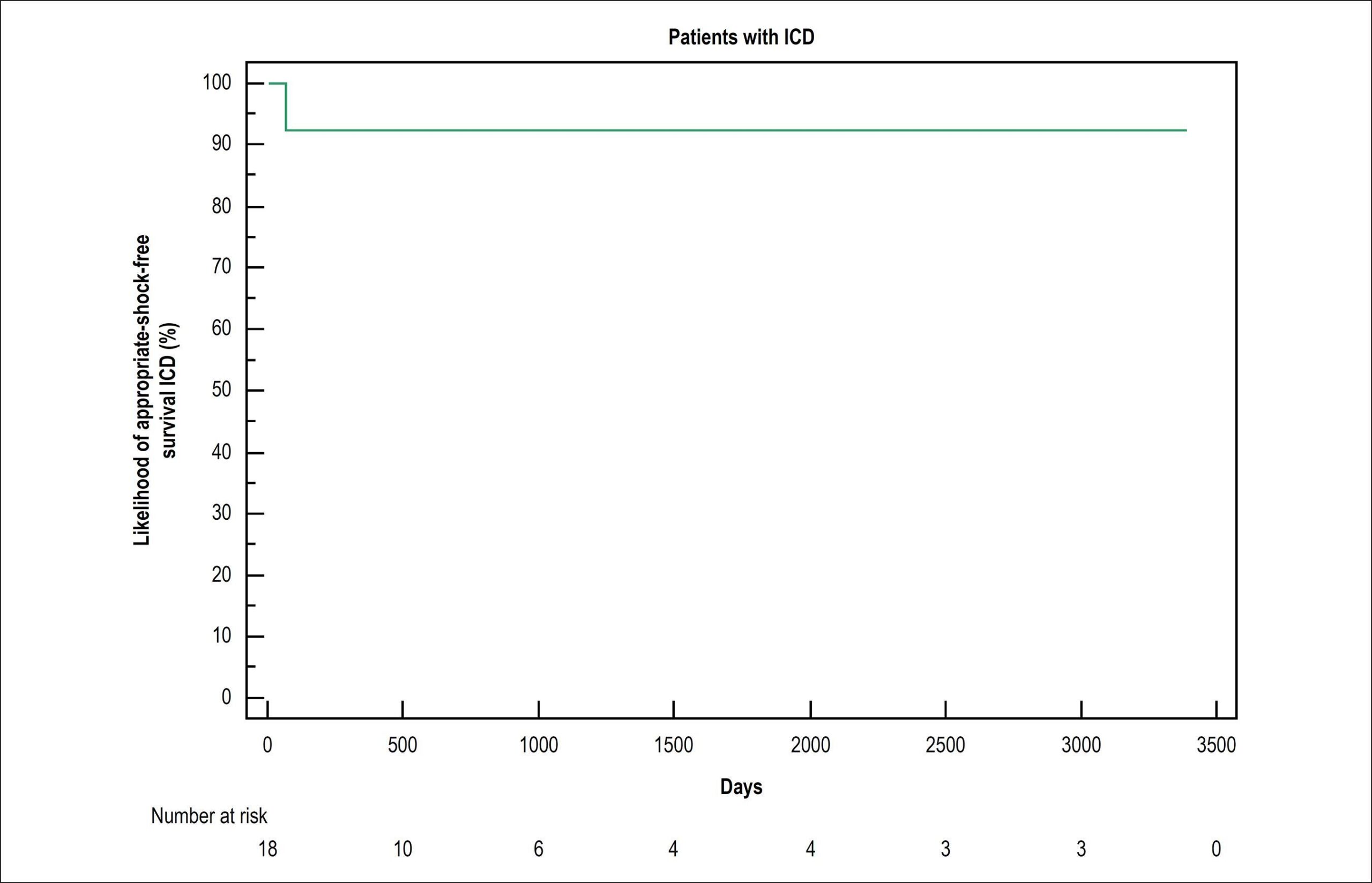
Of the 5506 procedures, 35 (0.64%) were for SBr investigation, 25 of which (71.42%) were performed in men. The mean age was 43.89 ± 13.1 years. The ECG patterns were as follows: type I, 22 (62.85%); type II, 12 (34.30%); and type III, 1 (2.85%). Twenty-three patients (65.7%) were asymptomatic, 6 (17.14%) had palpitations, 5 (14.3%) had syncope, and 3 (8.6%) had a family history of sudden death. Electrophysiological study induced ventricular tachyarrhythmias in 16 cases (45.7%), the mean ventricular refractory period being 228 ± 36 ms. Ajmaline / procainamide was used in 11 cases (31.4%), changing the ECG pattern to type I in 7 (63.6%). Sixteen cases (45.7%) received an implantable cardioverter defibrillator (ICD). In a mean 5-year follow-up, 1 of the 16 patients (6.25%) with ICD had appropriate therapy for ventricular fibrillation. There was no death. Other arrhythmias occurred in 4 (11.4%) cases.

Conclusions:

Most patients are men, and a type I ECG pattern is the main indication for electrophysiological study. Class IA drugs have a high ECG conversion rate. The ICD event rate was 6%. (Arq Bras Cardiol. 2018; [online].ahead print, PP.0-0)

  • Brugada Syndrome
  • Sudden Death
  • Ventricular tachycardia
Read Full Article
Creative Commons Attribution (CC BY) Creative Commons license
11/06/2018 DOI: 10.5935/abc.20180094 Views 1
Circadian pattern of ventricular tachycardia episodes in patients with chagas heart disease
ABC
Brief Communication

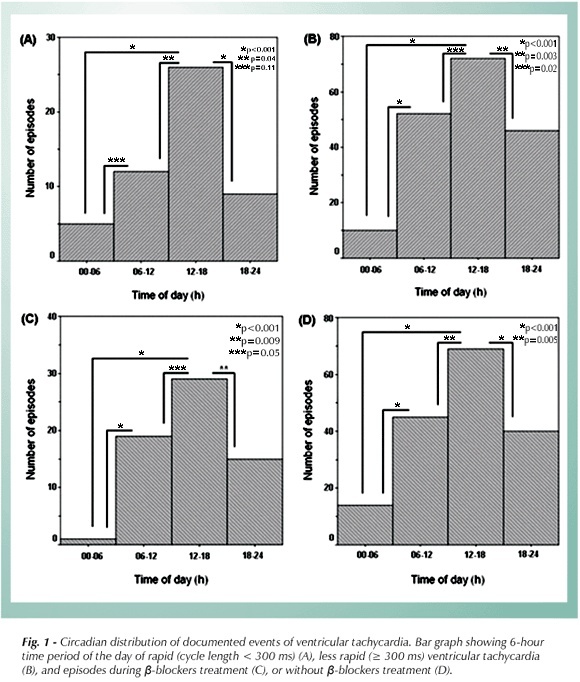
Circadian pattern of ventricular tachycardia episodes in patients with chagas heart disease

Mauricio Abello et al. Jorge González-Zuelgaray Maria E. Daglio Carlos Lopez … Sebastián Garraza Ariel Szyszko

Chronic Chagas’ cardiomyopathy (CCM) causes ventricular arrhythmias and sudden death, and constitutes the most frequent cause of death in many endemic areas1,2. The circadian variation in the incidence of ventricular arrhythmias and sudden death differs according to the substrate (e.g., morning and evening peaks in ischemic heart disease and non-Chagasic dilated cardiomyopathy). Third generation implantable cardioverter defibrillators (ICDs) have the ability to store the time and date of each ventricular tachycardia (VT) episode, enabling the patterns of ventricular tachyarrhythmia occurrence to be analyzed. The aim of our study was to evaluate the circadian variation of spontaneous VT in recipients of an ICD with CCM.

  • chagasic cardiomyopath
  • Ventricular tachycardia
Read Full Article
Creative Commons Attribution (CC BY) Creative Commons license
04/04/2007 DOI: 10.1590/S0066-782X2007000200017
Syncope in patients with right ventricle outflow tract premature beats and no apparent structural cardiopathy
ABC
Artigo Original

Syncope in patients with right ventricle outflow tract premature beats and no apparent structural cardiopathy

Ana Cristina Ludovice et al. Denise Tessariol Hachul Francisco Carlos Darrieux Silvana Cardoso Bastos … Eduardo Argentino Sosa Mauricio Ibrahim Scanavacca

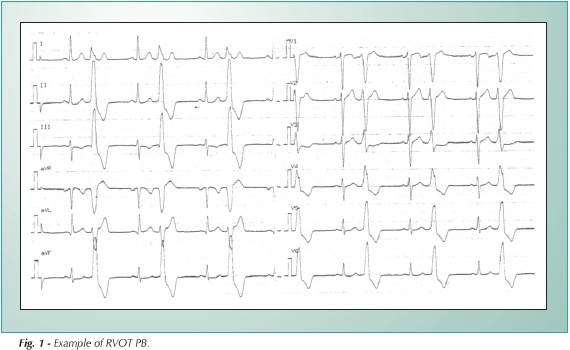
OBJECTIVE: Study the prevalence of neurocardiogenic etiology in patients with unexplained syncope and ventricular premature beats, with right ventricle outflow tract morphology (RVOT) and no apparent structural cardiopathy. METHODS: Ninety patients (66 women, mean age 40.2±16.95 years of age) with monomorphic premature beats originated at RVOT were evaluated prospectively. Fifty-four patients reported syncopes or near-syncopes associated to palpitations or not; twenty-seven presented palpitations with no pre-syncope or syncope, and nine were asymptomatic. All patients were submitted to echocardiogram, high resolution ECG and cardiac MRI to rule out structural cardiopathy, to exertion test to rule out adrenergic dependent ventricular tachycardia, and ECG prolonged outpatient monitoring (Holter and symptomatic events monitor) to correlate symptoms and ventricular arrhythmias. Investigation on the susceptibility to neurocardiogenic syncope was evaluated by Tilt Table Test (TTT). Groups were compared regarding gender, age, premature beats frequency and complexity, at exertion or not, TTT results and clinical course. RESULTS: In the syncope and pre-syncope groups, TTT was positive for 38% of cases, and in groups with palpitations and assymptomatics, it was positive for 11% (p = 0.0257). After recommendations and treatment of neurocardiogenic syncope, 85% of syncope and pre-syncope patients and positive TTT was asymptomatic along the 40-month follow-up. Two patients with syncope and negative TTT presented spontaneous, sustained ventricular tachycardia during clinic course. CONCLUSION: The prevalence of neurocardiogenic syncope in patients with idiopathic RVOT premature beats is high. Patients with recurrent, unexplained syncope and idiopathic VE must be kept under investigation.

  • neurocardiogenic syncope
  • ventricular arrhythmias
  • Ventricular premature beats
  • Ventricular tachycardia
Read Full Article
Creative Commons Attribution (CC BY) Creative Commons license
06/03/2007 DOI: 10.1590/S0066-782X2006001800004
ABC
Artigo Original

Frequency domain analysis of the signal-averaged electrocardiogram. Application of statistical techniques of spectral correlation for identification of patients with sustained monomorphic ventricular tachycardia

Eduardo Corrêa Barbosa et al. P. R. Benchimol-Barbosa Paulo Ginefra Francisco Manes Albanesi Fº

PURPOSE: To evaluate the diagnostic accuracy of monomorphic ventricular tachycardia (MVT), in patients with structural heart diseases and episodes of sustained MVT, using the signal-averaged ECG (SAECG) in the time (TD) and the frequency domain (FD) with statistical techniques of spectral correlation. METHODS: Twenty seven patients with at least one episode of sustained MVT, 30 patients with structural heart diseases and no evidence of ventricular arrhythmias and 80 subjects with no evidence of heart disease have been studied. SAECG was performed in all patients with the following parameters: duration of the filtered QRS, RMS 40 and LAS40 in TD and the mean and the standard deviation of both signal energy intersegmentar spectral correlation and energy frequency edge track in FD. RESULTS: The sensitivity(S) and positive predict value (PPV) of the SAECG in TD, in FD and combined analysis of both domains were: S = 59.3%, 63.0%, 81.5% and PPV = 80.0%, 81.0%, 84.6%, respectively. CONCLUSION: The combined analysis of SAECG in TD and in FD improves the diagnostic accuracy in patients with S sustained MVT.

  • high resolution electrocardiogram
  • signal processing
  • Ventricular tachycardia
Read Full Article
Creative Commons Attribution (CC BY) Creative Commons license
31/01/2007 DOI: 10.1590/S0066-782X1998001000007
Seasonal variation of ventricular tachycardia registered in 24-hour Holter monitoring
ABC
Artigo Original

Seasonal variation of ventricular tachycardia registered in 24-hour Holter monitoring

Maurício Pimentel et al. Letícia Grüdtner Leandro I. Zimerman

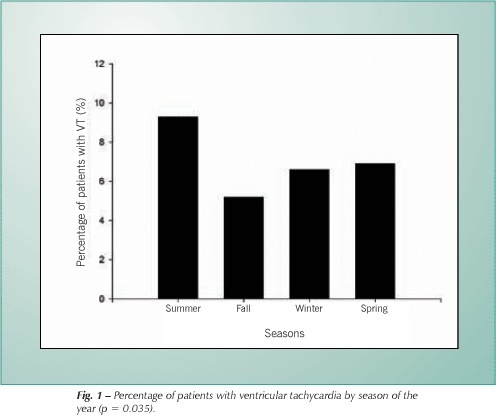
OBJECTIVE: To evaluate the seasonal variation of ventricular arrhythmias and its correlation with ambient temperature in patients submitted to 24-hour Holter monitoring in the city of Porto Alegre, southern Brazil. METHODS: Holter monitoring reports of 3,034 patients from 1996 to 2002 were analyzed. Ventricular tachycardia (VT) was defined as the presence of 3 or more consecutive ventricular beats, at a rate equal to or higher than 100 beats per minute. Percentage distribution of patients presenting VT by seasons and its correlation with ambient temperature were analyzed. RESULTS: Mean age was 59.2 ± 17.4 years, with a predominance of the female sex (61.9%). Patient distribution by season of the year was: 561 (18.5%) in summer, 756 (24.9%) in fall, 843 (27.8%) in winter and 874 (28.8%) in spring. Fifty-two patients (9.3%) presented VT episodes in summer, 39 (5.2%) in autumn, 56 (6.6%) in winter and 60 (6.9%) in spring (p = 0.035). There was a 40% relative increase in the proportion of patients presenting VT during summer in comparison to winter. There was a trend of increase in the proportion of patients presenting VT with rising temperatures (r = 0.57; p = 0.052). CONCLUSION: The occurrence of VT presents seasonal variations in southern Brazil, with a higher proportion of episodes occurring in summer. There is an association trend between VT and temperature increase.

  • Holter
  • seasons
  • Ventricular tachycardia
Read Full Article
Creative Commons Attribution (CC BY) Creative Commons license
21/11/2006 DOI: 10.1590/S0066-782X2006001700002
Characteristics and identification of sites of chagasic ventricular tachycardia by endocardial mapping
ABC
Original Article

Characteristics and identification of sites of chagasic ventricular tachycardia by endocardial mapping

Maria Zildany P. Távora et al. Niraj Mehta Rose M. F. L. Silva Fernando A. A. Gondim … Vanderlei M. Hara Angelo A. V. de Paola

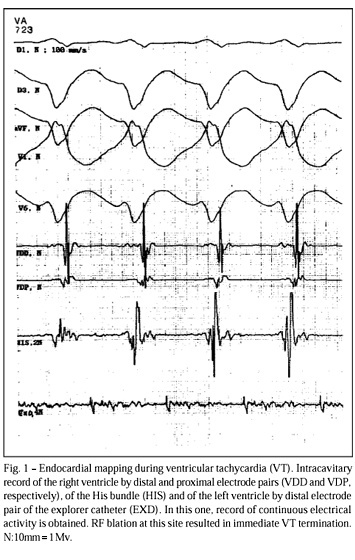
OBJECTIVE: To study electrophysiological characteristics that enable the identification and ablation of sites of chagasic tachycardia. METHODS: Thirty-one patients with chronic Chagas’ heart disease and sustained ventricular tachycardia (SVT) underwent electrophysiological study to map and ablate that arrhythmia. Fifteen patients had hemodinamically stable SVT reproducible by programmed ventricular stimulation, 9 men and 6 women with ages ranging from 37 to 67 years and ejection fraction varying from 0.17 to 0.64. Endocardial mapping was performed during SVT in all patients. Radiofrequency (RF) current was applied to sites of presystolic activity of at least 30 ms. Entrainment was used to identify reentrant circuits. In both successful and unsuccessful sites of RF current application, electrogram and entrainment were analyzed. RESULTS: Entrainment was obtained during all mapped SVT. In 70.5% of the sites we observed concealed entrainment and ventricular tachycardia termination in the first 15 seconds of RF current application. In the unsuccessful sites, significantly earlier electrical activity was seen than in the successful ones. Concealed entrainment was significantly associated with ventricular tachycardia termination. Bystander areas were not observed. CONCLUSION: The reentrant mechanism was responsible for the genesis of all tachycardias. In 70.5% of the studied sites, the endocardial participation of the slow conducting zone of reentrant circuits was shown. Concealed entrainment was the main electrophysiological parameter associated with successful RF current application. There was no electrophysiological evidence of bystander regions in the mapped circuits of SVT.

  • Catheter Ablation
  • chagasic cardiomyopathy
  • Ventricular tachycardia
Read Full Article
Creative Commons Attribution (CC BY) Creative Commons license
08/01/2002 DOI: 10.1590/S0066-782X1999000400006 Views 1
ABC
Artigo Original

Angiography of the coronary venous system. Usefulness in clinical cardiac electrophysiology

Wesley Duílio S. Melo et al. Luis A. Renjel Prudencio Cássia E. Kusnir Ana Lucia N. Pereira … Vera Marques Magno C. Vieira Angelo Amato V. de Paola

PURPOSE: To study the angiographic anatomy of human coronary veins and the possibility of epicardial venous mapping through microelectrode catheters. METHODS: We evaluated 30 patients with sustained ventricular tachycardia using a catheter which provided occlusion of the coronary sinus ostium during venous angiography. They were 25 males, 5 females, ages ranging from 24 to 76 years (mean=52.7). The veins were studied according to their number, caliber and distribution in the anterior and posterior wall of the left ventricle. RESULTS: Coronary sinus was catheterized in all patients. No discomfort or complications were observed. The number of veins from posterior wall of the left ventricle was 3.1 and anterior wall, 1.9, p<0.05. The caliber of the coronary veins were: anterior interventricular vein (distal segment = 1.19±0.22mm, midle segment = 1.65±0.35mm), posterior interventricular vein (distal segment = 1.83±0.47mm, midle segment = 2.00±0.52mm), left posterior vein (distal segment = 1.45±0.25mm, midle segment = 2.49±0.92mm); p<0.05. CONCLUSION: The balloon occlusion technique for coronary venous angiography is feasible and safe. The number and the caliber (distal and midle) of the veins from the posterior wall of the left ventricle were significantly greater than those from the anterior wall. Anatomic conditions for venous epicardial mapping are more adequate in the posterior wall of the left ventricle.

  • Coronary Angiography
  • vein
  • Ventricular tachycardia
Read Full Article
Creative Commons Attribution (CC BY) Creative Commons license
08/01/2002 DOI: 10.1590/S0066-782X1998000600006

How to cite this article

EndNote RIS

Electronic Document Format (Vancouver)

Faganello LS, Pimentel M. Non-sustained Ventricular Tachycardia and Hypertrophic Cardiomyopathy: When to Consider it as a Risk Factor for Sudden Death and Total Mortality?. Arquivos Brasileiros de Cardiologia 2025;122(5):e20250233.

Electronic Document Format (ABNT)

Faganello, Lucas Simonetto; Pimentel, Mauricio. Non-sustained Ventricular Tachycardia and Hypertrophic Cardiomyopathy: When to Consider it as a Risk Factor for Sudden Death and Total Mortality?. Arquivos Brasileiros de Cardiologia, v. 122, n. 5, e20250233, Jun. 2025.

Electronic Document Format (APA)

Faganello, L. S., & Pimentel, M. (2025). Non-sustained Ventricular Tachycardia and Hypertrophic Cardiomyopathy: When to Consider it as a Risk Factor for Sudden Death and Total Mortality?. Arquivos Brasileiros de Cardiologia, 122(5), e20250233.

Electronic Document Format (ISO)

Faganello, Lucas Simonetto and Pimentel, Mauricio. Non-sustained Ventricular Tachycardia and Hypertrophic Cardiomyopathy: When to Consider it as a Risk Factor for Sudden Death and Total Mortality?. Arquivos Brasileiros de Cardiologia [online]. 2025, vol. 122, n. 5, [cited 2026-10-15], e20250233. Available from: <https://journals.cardiol.br/en/article/non-sustained-ventricular-tachycardia-and-hypertrophic-cardiomyopathy-when-to-consider-it-as-a-risk-factor-for-sudden-death-and-total-mortality/>. ISSN 0066-782X

EndNote RIS

Electronic Document Format (Vancouver)

Silva DA, Arteaga-Fernandez E, Hotta VT, Mady C, Ianni B, Ramires F, Nastari L, et al. Prognostic Value of Nonsustained Ventricular Tachycardia in Hypertrophic Cardiomyopathy in a Brazilian Cohort: Comparison with World Literature. Arquivos Brasileiros de Cardiologia 2025;122(5):e20240399.

Electronic Document Format (ABNT)

Silva, Diego Araújo; Arteaga-Fernandez, Edmundo; Hotta, Viviane Tiemi; Mady, Charles; Ianni, Barbara; Ramires, Felix; Nastari, Luciano; Fernandes, Fábio; Cardoso, Juliano Novaes. Prognostic Value of Nonsustained Ventricular Tachycardia in Hypertrophic Cardiomyopathy in a Brazilian Cohort: Comparison with World Literature. Arquivos Brasileiros de Cardiologia, v. 122, n. 5, e20240399, May. 2025.

Electronic Document Format (APA)

Silva, D. A., Arteaga-Fernandez, E., Hotta, V. T., Mady, C., Ianni, B., Ramires, F., Nastari, L., Fernandes, F., & Cardoso, J. N. (2025). Prognostic Value of Nonsustained Ventricular Tachycardia in Hypertrophic Cardiomyopathy in a Brazilian Cohort: Comparison with World Literature. Arquivos Brasileiros de Cardiologia, 122(5), e20240399.

Electronic Document Format (ISO)

Silva, Diego Araújo and Arteaga-Fernandez, Edmundo and Hotta, Viviane Tiemi and Mady, Charles and Ianni, Barbara and Ramires, Felix and Nastari, Luciano and Fernandes, Fábio and Cardoso, Juliano Novaes. Prognostic Value of Nonsustained Ventricular Tachycardia in Hypertrophic Cardiomyopathy in a Brazilian Cohort: Comparison with World Literature. Arquivos Brasileiros de Cardiologia [online]. 2025, vol. 122, n. 5, [cited 2026-10-15], e20240399. Available from: <https://journals.cardiol.br/en/article/prognostic-value-of-nonsustained-ventricular-tachycardia-in-hypertrophic-cardiomyopathy-in-a-brazilian-cohort-comparison-with-world-literature/>. ISSN 0066-782X

EndNote RIS

Electronic Document Format (Vancouver)

Schmitz GB, Chemello RML, Saffi ML, Vargas LP, Chemello D. Electrocardiographic Analysis of Ventricular Repolarization in Patients With Psoriasis: A Cross-Sectional Study. International Journal of Cardiovascular Sciences 2025;38:e20230170.

Electronic Document Format (ABNT)

Schmitz, Guilia Bevilacqua; Chemello, Raíssa Massaia Londero; Saffi, Marco Lumertz; Vargas, Luciane Prado de; Chemello, Diego. Electrocardiographic Analysis of Ventricular Repolarization in Patients With Psoriasis: A Cross-Sectional Study. International Journal of Cardiovascular Sciences, v. 38, e20230170, Feb. 2025.

Electronic Document Format (APA)

Schmitz, G. B., Chemello, R. M. L., Saffi, M. L., Vargas, L. P. , & Chemello, D. (2025). Electrocardiographic Analysis of Ventricular Repolarization in Patients With Psoriasis: A Cross-Sectional Study. International Journal of Cardiovascular Sciences, 38, e20230170.

Electronic Document Format (ISO)

Schmitz, Guilia Bevilacqua and Chemello, Raíssa Massaia Londero and Saffi, Marco Lumertz and Vargas, Luciane Prado de and Chemello, Diego. Electrocardiographic Analysis of Ventricular Repolarization in Patients With Psoriasis: A Cross-Sectional Study. International Journal of Cardiovascular Sciences [online]. 2025, vol. 38, [cited 2026-10-15], e20230170. Available from: <https://journals.cardiol.br/en/article/electrocardiographic-analysis-of-ventricular-repolarization-in-patients-with-psoriasis-a-cross-sectional-study/>. ISSN 2359-4802

EndNote RIS

Electronic Document Format (Vancouver)

Barbosa YEL, Evangelista IWQF, Sousa JMR, Jales LCL, Viegas ELM, Nóbrega PVN, Moura DMC, et al. The Many Faces of Arrhythmic Mitral Valve Prolapse: Case Series. ABC Imagem Cardiovascular 2024;37(4):e20240073.

Electronic Document Format (ABNT)

Barbosa, Yasmim Evelyn Lisboa; Evangelista, Isadora Wanderley Queiroga de Freitas; Sousa, Julyana Maria Ramalho de; Jales, Lorena Carvalho Leite; Viegas, Elisabete Louise de Medeiros; Nóbrega, Patrícia Vidal de Negreiros; Moura, Daniel Moreira Costa; Targueta, Gabriel Pelegrineti; Resende, Lilian Amador; Pereira, Renner Augusto Raposo; Athayde, Guilherme Augusto Teodoro. The Many Faces of Arrhythmic Mitral Valve Prolapse: Case Series. ABC Imagem Cardiovascular, v. 37, n. 4, e20240073, Nov. 2024.

Electronic Document Format (APA)

Barbosa, Y. E. L., Evangelista, I. W. Q. F., Sousa, J. M. R. , Jales, L. C. L., Viegas, E. L. M., Nóbrega, P. V. N., Moura, D. M. C., Targueta, G. P., Resende, L. A., Pereira, R. A. R., & Athayde, G. A. T. (2024). The Many Faces of Arrhythmic Mitral Valve Prolapse: Case Series. ABC Imagem Cardiovascular, 37(4), e20240073.

Electronic Document Format (ISO)

Barbosa, Yasmim Evelyn Lisboa and Evangelista, Isadora Wanderley Queiroga de Freitas and Sousa, Julyana Maria Ramalho de and Jales, Lorena Carvalho Leite and Viegas, Elisabete Louise de Medeiros and Nóbrega, Patrícia Vidal de Negreiros and Moura, Daniel Moreira Costa and Targueta, Gabriel Pelegrineti and Resende, Lilian Amador and Pereira, Renner Augusto Raposo and Athayde, Guilherme Augusto Teodoro. The Many Faces of Arrhythmic Mitral Valve Prolapse: Case Series. ABC Imagem Cardiovascular [online]. 2024, vol. 37, n. 4, [cited 2026-10-15], e20240073. Available from: <https://journals.cardiol.br/en/article/the-many-faces-of-arrhythmic-mitral-valve-prolapse-case-series/>. ISSN 2318-8219

EndNote RIS

Electronic Document Format (Vancouver)

Ponte Filho AD, Tavora RV, Santos Neto FR, Rezende AGS, Costa IP. Arrhythmogenic Substrate Ablation in a Patient With Brugada Syndrome and Electrical Storm. International Journal of Cardiovascular Sciences 2024;37:e20230150.

Electronic Document Format (ABNT)

Ponte Filho, Arnóbio Dias da; Tavora, Ronaldo Vasconcelos; Santos Neto, Francisco Rodrigues dos; Rezende, André Gustavo da Silva; Costa, Ieda Prata. Arrhythmogenic Substrate Ablation in a Patient With Brugada Syndrome and Electrical Storm. International Journal of Cardiovascular Sciences, v. 37, e20230150, Sep. 2024.

Electronic Document Format (APA)

Ponte Filho, A. D. , Tavora, R. V., Santos Neto, F. R. , Rezende, A. G. S., & Costa, I. P. (2024). Arrhythmogenic Substrate Ablation in a Patient With Brugada Syndrome and Electrical Storm. International Journal of Cardiovascular Sciences, 37, e20230150.

Electronic Document Format (ISO)

Ponte Filho, Arnóbio Dias da and Tavora, Ronaldo Vasconcelos and Santos Neto, Francisco Rodrigues dos and Rezende, André Gustavo da Silva and Costa, Ieda Prata. Arrhythmogenic Substrate Ablation in a Patient With Brugada Syndrome and Electrical Storm. International Journal of Cardiovascular Sciences [online]. 2024, vol. 37, [cited 2026-10-15], e20230150. Available from: <https://journals.cardiol.br/en/article/arrhythmogenic-substrate-ablation-in-a-patient-with-brugada-syndrome-and-electrical-storm/>. ISSN 2359-4802

EndNote RIS

Electronic Document Format (Vancouver)

Moleta DB, Machado CCS, França LA, Vieira MLC. My Approach To Echocardiographic Evaluation in Arrhythmogenic Cardiomyopathy. ABC Imagem Cardiovascular 2024;37(3):e20240033.

Electronic Document Format (ABNT)

Moleta, Danilo Bora; Machado, Cassio Carvalho Soeiro; França, Lucas Arraes de; Vieira, Marcelo Luiz Campos. My Approach To Echocardiographic Evaluation in Arrhythmogenic Cardiomyopathy. ABC Imagem Cardiovascular, v. 37, n. 3, e20240033, Aug. 2024.

Electronic Document Format (APA)

Moleta, D. B., Machado, C. C. S., França, L. A. , & Vieira, M. L. C. (2024). My Approach To Echocardiographic Evaluation in Arrhythmogenic Cardiomyopathy. ABC Imagem Cardiovascular, 37(3), e20240033.

Electronic Document Format (ISO)

Moleta, Danilo Bora and Machado, Cassio Carvalho Soeiro and França, Lucas Arraes de and Vieira, Marcelo Luiz Campos. My Approach To Echocardiographic Evaluation in Arrhythmogenic Cardiomyopathy. ABC Imagem Cardiovascular [online]. 2024, vol. 37, n. 3, [cited 2026-10-15], e20240033. Available from: <https://journals.cardiol.br/en/article/my-approach-to-echocardiographic-evaluation-in-arrhythmogenic-cardiomyopathy/>. ISSN 2318-8219

EndNote RIS

Electronic Document Format (Vancouver)

Sonsöz MR, Demirhan UO, Bes C. Unveiling Arrhythmogenic Right Ventricular Cardiomyopathy in Scleroderma. Arquivos Brasileiros de Cardiologia 2024;121(7):e20230815.

Electronic Document Format (ABNT)

Sonsöz, Mehmet Rasih; Demirhan, Uğur Ozan; Bes, Cemal. Unveiling Arrhythmogenic Right Ventricular Cardiomyopathy in Scleroderma. Arquivos Brasileiros de Cardiologia, v. 121, n. 7, e20230815, Aug. 2024.

Electronic Document Format (APA)

Sonsöz, M. R., Demirhan, U. O., & Bes, C. (2024). Unveiling Arrhythmogenic Right Ventricular Cardiomyopathy in Scleroderma. Arquivos Brasileiros de Cardiologia, 121(7), e20230815.

Electronic Document Format (ISO)

Sonsöz, Mehmet Rasih and Demirhan, Uğur Ozan and Bes, Cemal. Unveiling Arrhythmogenic Right Ventricular Cardiomyopathy in Scleroderma. Arquivos Brasileiros de Cardiologia [online]. 2024, vol. 121, n. 7, [cited 2026-10-15], e20230815. Available from: <https://journals.cardiol.br/en/article/unveiling-arrhythmogenic-right-ventricular-cardiomyopathy-in-scleroderma/>. ISSN 0066-782X

EndNote RIS

Electronic Document Format (Vancouver)

Alencar JN, Carvalho GD, Campelo RT, Felicioni SP, Scheffer MK, Marchi MND. Wide QRS Tachycardias Management in Emergency Departments: What Really Matters. Arquivos Brasileiros de Cardiologia 2024;121(6):e20230829.

Electronic Document Format (ABNT)

Alencar, José Nunes de; Carvalho, Guilherme Dagostin de; Campelo, Renan Teixeira; Felicioni, Sandro Pinelli; Scheffer, Matheus Kiszka; Marchi, Mariana Nogueira De. Wide QRS Tachycardias Management in Emergency Departments: What Really Matters. Arquivos Brasileiros de Cardiologia, v. 121, n. 6, e20230829, Jul. 2024.

Electronic Document Format (APA)

Alencar, J. N. , Carvalho, G. D. , Campelo, R. T., Felicioni, S. P., Scheffer, M. K., & Marchi, M. N. D. (2024). Wide QRS Tachycardias Management in Emergency Departments: What Really Matters. Arquivos Brasileiros de Cardiologia, 121(6), e20230829.

Electronic Document Format (ISO)

Alencar, José Nunes de and Carvalho, Guilherme Dagostin de and Campelo, Renan Teixeira and Felicioni, Sandro Pinelli and Scheffer, Matheus Kiszka and Marchi, Mariana Nogueira De. Wide QRS Tachycardias Management in Emergency Departments: What Really Matters. Arquivos Brasileiros de Cardiologia [online]. 2024, vol. 121, n. 6, [cited 2026-10-15], e20230829. Available from: <https://journals.cardiol.br/en/article/wide-qrs-tachycardias-management-in-emergency-departments-what-really-matters/>. ISSN 0066-782X

EndNote RIS

Electronic Document Format (Vancouver)

Montoya FEC, Stavtseva YV, Teterina M, Vorobiev A, Kobalava Z. Inflammatory Cardiomyopathy as a Cause of Recurrent Ventricular Tachycardia Requiring Heart Transplant. International Journal of Cardiovascular Sciences 2024;37:e20230081.

Electronic Document Format (ABNT)

Montoya, Flora Elisa Cabello; Stavtseva, Yulia Vadimovna; Teterina, Marina; Vorobiev, Anton; Kobalava, Zhanna. Inflammatory Cardiomyopathy as a Cause of Recurrent Ventricular Tachycardia Requiring Heart Transplant. International Journal of Cardiovascular Sciences, v. 37, e20230081, Feb. 2024.

Electronic Document Format (APA)

Montoya, F. E. C., Stavtseva, Y. V., Teterina, M., Vorobiev, A., & Kobalava, Z. (2024). Inflammatory Cardiomyopathy as a Cause of Recurrent Ventricular Tachycardia Requiring Heart Transplant. International Journal of Cardiovascular Sciences, 37, e20230081.

Electronic Document Format (ISO)

Montoya, Flora Elisa Cabello and Stavtseva, Yulia Vadimovna and Teterina, Marina and Vorobiev, Anton and Kobalava, Zhanna. Inflammatory Cardiomyopathy as a Cause of Recurrent Ventricular Tachycardia Requiring Heart Transplant. International Journal of Cardiovascular Sciences [online]. 2024, vol. 37, [cited 2026-10-15], e20230081. Available from: <https://journals.cardiol.br/en/article/inflammatory-cardiomyopathy-as-a-cause-of-recurrent-ventricular-tachycardia-requiring-heart-transplant/>. ISSN 2359-4802

EndNote RIS

Electronic Document Format (Vancouver)

Scanavacca MI, Pisani CF, Salvajoli B, Kulchetscki RM, Mayrink MP, Salvajoli JV, Kalil R, et al. Stereotactic Body Radiation Therapy for Recurrent Ventricular Tachycardia in Chagas Disease: First Case in Latin America. Arquivos Brasileiros de Cardiologia 2023;120(2):e20220614.

Electronic Document Format (ABNT)

Scanavacca, Mauricio I.; Pisani, Cristiano F.; Salvajoli, Bernardo; Kulchetscki, Rodrigo M.; Mayrink, Marina P.; Salvajoli, João Victor; Kalil, Roberto. Stereotactic Body Radiation Therapy for Recurrent Ventricular Tachycardia in Chagas Disease: First Case in Latin America. Arquivos Brasileiros de Cardiologia, v. 120, n. 2, e20220614, Mar. 2023.

Electronic Document Format (APA)

Scanavacca, M. I., Pisani, C. F., Salvajoli, B., Kulchetscki, R. M., Mayrink, M. P., Salvajoli, J. V., & Kalil, R. (2023). Stereotactic Body Radiation Therapy for Recurrent Ventricular Tachycardia in Chagas Disease: First Case in Latin America. Arquivos Brasileiros de Cardiologia, 120(2), e20220614.

Electronic Document Format (ISO)

Scanavacca, Mauricio I. and Pisani, Cristiano F. and Salvajoli, Bernardo and Kulchetscki, Rodrigo M. and Mayrink, Marina P. and Salvajoli, João Victor and Kalil, Roberto. Stereotactic Body Radiation Therapy for Recurrent Ventricular Tachycardia in Chagas Disease: First Case in Latin America. Arquivos Brasileiros de Cardiologia [online]. 2023, vol. 120, n. 2, [cited 2026-10-15], e20220614. Available from: <https://journals.cardiol.br/en/article/stereotactic-body-radiation-therapy-for-recurrent-ventricular-tachycardia-in-chagas-disease-first-case-in-latin-america/>. ISSN 0066-782X

EndNote RIS

Electronic Document Format (Vancouver)

Teixeira RA. Defibrillation Threshold in Patients with Chronic Chagas’ Heart Disease: Are There Benefits or not Worth the Risk?. Arquivos Brasileiros de Cardiologia 2022;119(6):929-30.

Electronic Document Format (ABNT)

Teixeira, Ricardo Alkmim. Defibrillation Threshold in Patients with Chronic Chagas’ Heart Disease: Are There Benefits or not Worth the Risk?. Arquivos Brasileiros de Cardiologia, v. 119, n. 6, p. 929-930, Dec. 2022.

Electronic Document Format (APA)

Teixeira, R. A. (2022). Defibrillation Threshold in Patients with Chronic Chagas’ Heart Disease: Are There Benefits or not Worth the Risk?. Arquivos Brasileiros de Cardiologia, 119(6), 929-930.

Electronic Document Format (ISO)

Teixeira, Ricardo Alkmim. Defibrillation Threshold in Patients with Chronic Chagas’ Heart Disease: Are There Benefits or not Worth the Risk?. Arquivos Brasileiros de Cardiologia [online]. 2022, vol. 119, n. 6, [cited 2026-10-15], pp. 929-930. Available from: <https://journals.cardiol.br/en/article/defibrillation-threshold-in-patients-with-chronic-chagas-heart-disease-are-there-benefits-or-not-worth-the-risk/>. ISSN 0066-782X

EndNote RIS

Electronic Document Format (Vancouver)

Correia EB, Bruscky LVR, Chen K, Quagliato PC, Francisco YA, Silva LML, Murta ACS, et al. Sustained Ventricular Tachycardia as an Isolated Presentation of Transthyretin Amyloidosis Cardiomyopathy – Val50Met. Phenomenology, Humanities and Sciences – Fenomenologia, Humanidades e Ciências 2021;1(2):153-6.

Electronic Document Format (ABNT)

Correia, Edileide de Barros; Bruscky, Larissa Ventura Ribeiro; Chen, Kelin; Quagliato, Priscila Cestari; Francisco, Yoná Afonso; Silva, Líria Maria Lima da; Murta, Ana Cristina de Souza. Sustained Ventricular Tachycardia as an Isolated Presentation of Transthyretin Amyloidosis Cardiomyopathy – Val50Met. Phenomenology, Humanities and Sciences – Fenomenologia, Humanidades e Ciências, v. 1, n. 2, p. 153-156, Dec. 2021.

Electronic Document Format (APA)

Correia, E. B., Bruscky, L. V. R., Chen, K., Quagliato, P. C., Francisco, Y. A., Silva, L. M. L. , & Murta, A. C. S. (2021). Sustained Ventricular Tachycardia as an Isolated Presentation of Transthyretin Amyloidosis Cardiomyopathy – Val50Met. Phenomenology, Humanities and Sciences – Fenomenologia, Humanidades e Ciências, 1(2), 153-156.

Electronic Document Format (ISO)

Correia, Edileide de Barros and Bruscky, Larissa Ventura Ribeiro and Chen, Kelin and Quagliato, Priscila Cestari and Francisco, Yoná Afonso and Silva, Líria Maria Lima da and Murta, Ana Cristina de Souza. Sustained Ventricular Tachycardia as an Isolated Presentation of Transthyretin Amyloidosis Cardiomyopathy – Val50Met. Phenomenology, Humanities and Sciences – Fenomenologia, Humanidades e Ciências [online]. 2021, vol. 1, n. 2, [cited 2026-10-15], pp. 153-156. Available from: <https://journals.cardiol.br/en/article/sustained-ventricular-tachycardia-as-an-isolated-presentation-of-transthyretin-amyloidosis-cardiomyopathy-val50met/>

EndNote RIS

Electronic Document Format (Vancouver)

Lima IAB, Campos DV, Silva AKB, Melo EP. Arrhythmogenic Right Ventricular Cardiomyopathy in Marathon Runners: Case Report. ABC Imagem Cardiovascular 2021;34(3):eabc188.

Electronic Document Format (ABNT)

Lima, Isabelle Adjanine Borges de; Campos, Diego Vital; Silva, Ana Karolina Bento da; Melo, Evellyn Pereira de. Arrhythmogenic Right Ventricular Cardiomyopathy in Marathon Runners: Case Report. ABC Imagem Cardiovascular, v. 34, n. 3, eabc188, Nov. 2021.

Electronic Document Format (APA)

Lima, I. A. B. , Campos, D. V., Silva, A. K. B. , & Melo, E. P. (2021). Arrhythmogenic Right Ventricular Cardiomyopathy in Marathon Runners: Case Report. ABC Imagem Cardiovascular, 34(3), eabc188.

Electronic Document Format (ISO)

Lima, Isabelle Adjanine Borges de and Campos, Diego Vital and Silva, Ana Karolina Bento da and Melo, Evellyn Pereira de. Arrhythmogenic Right Ventricular Cardiomyopathy in Marathon Runners: Case Report. ABC Imagem Cardiovascular [online]. 2021, vol. 34, n. 3, [cited 2026-10-15], eabc188. Available from: <https://journals.cardiol.br/en/article/arrhythmogenic-right-ventricular-cardiomyopathy-in-marathon-runners-case-report/>. ISSN 2318-8219

EndNote RIS

Electronic Document Format (Vancouver)

Elias Neto J, Silva MA, Kuniyoshi RR, Futuro G, Merçon ES, Grativvol PS, Pedrotti FC, et al. Cardiac Sarcoidosis as a Cause of Total Atrioventricular Block: Importance of Differential Diagnosis. ABC Imagem Cardiovascular 2021;34(1):eabc163.

Electronic Document Format (ABNT)

Elias Neto, Jorge; Silva, Márcio Augusto; Kuniyoshi, Ricardo Ryoshim; Futuro, Guilherme; Merçon, Erick Sessa; Grativvol, Petherson Susano; Pedrotti, Fátima Cristina. Cardiac Sarcoidosis as a Cause of Total Atrioventricular Block: Importance of Differential Diagnosis. ABC Imagem Cardiovascular, v. 34, n. 1, eabc163, Jun. 2021.

Electronic Document Format (APA)

Elias Neto, J., Silva, M. A., Kuniyoshi, R. R., Futuro, G., Merçon, E. S., Grativvol, P. S., & Pedrotti, F. C. (2021). Cardiac Sarcoidosis as a Cause of Total Atrioventricular Block: Importance of Differential Diagnosis. ABC Imagem Cardiovascular, 34(1), eabc163.

Electronic Document Format (ISO)

Elias Neto, Jorge and Silva, Márcio Augusto and Kuniyoshi, Ricardo Ryoshim and Futuro, Guilherme and Merçon, Erick Sessa and Grativvol, Petherson Susano and Pedrotti, Fátima Cristina. Cardiac Sarcoidosis as a Cause of Total Atrioventricular Block: Importance of Differential Diagnosis. ABC Imagem Cardiovascular [online]. 2021, vol. 34, n. 1, [cited 2026-10-15], eabc163. Available from: <https://journals.cardiol.br/en/article/cardiac-sarcoidosis-as-a-cause-of-total-atrioventricular-block-importance-of-differential-diagnosis/>. ISSN 2318-8219

EndNote RIS

Electronic Document Format (Vancouver)

Warpechowski Neto S, Leiria TLL, Ley LLG, Ley ALG, Dutra LZ, Pires LM, Kruse ML, et al. Cohort of Patients Referred for Brugada Syndrome Investigation in an Electrophysiology Service – 19-Year Registry. Arquivos Brasileiros de Cardiologia 2018;111(1):13-8.

Electronic Document Format (ABNT)

Warpechowski Neto, Stefan; Leiria, Tiago Luiz Luz; Ley, Laura Lessa Gaudie; Ley, Antonio Lessa Gaudie; Dutra, Luiza Zwan; Pires, Leonardo Martins; Kruse, Marcelo Lapa; Lima, Gustavo Glotz de. Cohort of Patients Referred for Brugada Syndrome Investigation in an Electrophysiology Service – 19-Year Registry. Arquivos Brasileiros de Cardiologia, v. 111, n. 1, p. 13-18, Jun. 2018.

Electronic Document Format (APA)

Warpechowski Neto, S., Leiria, T. L. L., Ley, L. L. G., Ley, A. L. G., Dutra, L. Z., Pires, L. M., Kruse, M. L., & Lima, G. G. (2018). Cohort of Patients Referred for Brugada Syndrome Investigation in an Electrophysiology Service – 19-Year Registry. Arquivos Brasileiros de Cardiologia, 111(1), 13-18.

Electronic Document Format (ISO)

Warpechowski Neto, Stefan and Leiria, Tiago Luiz Luz and Ley, Laura Lessa Gaudie and Ley, Antonio Lessa Gaudie and Dutra, Luiza Zwan and Pires, Leonardo Martins and Kruse, Marcelo Lapa and Lima, Gustavo Glotz de. Cohort of Patients Referred for Brugada Syndrome Investigation in an Electrophysiology Service – 19-Year Registry. Arquivos Brasileiros de Cardiologia [online]. 2018, vol. 111, n. 1, [cited 2026-10-15], pp. 13-18. Available from: <https://journals.cardiol.br/en/article/cohort-of-patients-referred-for-brugada-syndrome-investigation-in-an-electrophysiology-service-19-year-registry-2/>. ISSN 0066-782X

EndNote RIS

Electronic Document Format (Vancouver)

Abello M, González-Zuelgaray J, Daglio ME, Lopez C, Garraza S, Szyszko A. Circadian pattern of ventricular tachycardia episodes in patients with chagas heart disease. Arquivos Brasileiros de Cardiologia 2007;88(2):240-2.

Electronic Document Format (ABNT)

Abello, Mauricio; González-Zuelgaray, Jorge; Daglio, Maria E.; Lopez, Carlos; Garraza, Sebastián; Szyszko, Ariel. Circadian pattern of ventricular tachycardia episodes in patients with chagas heart disease. Arquivos Brasileiros de Cardiologia, v. 88, n. 2, p. 240-242, Apr. 2007.

Electronic Document Format (APA)

Abello, M., González-Zuelgaray, J., Daglio, M. E., Lopez, C., Garraza, S., & Szyszko, A. (2007). Circadian pattern of ventricular tachycardia episodes in patients with chagas heart disease. Arquivos Brasileiros de Cardiologia, 88(2), 240-242.

Electronic Document Format (ISO)

Abello, Mauricio and González-Zuelgaray, Jorge and Daglio, Maria E. and Lopez, Carlos and Garraza, Sebastián and Szyszko, Ariel. Circadian pattern of ventricular tachycardia episodes in patients with chagas heart disease. Arquivos Brasileiros de Cardiologia [online]. 2007, vol. 88, n. 2, [cited 2026-10-15], pp. 240-242. Available from: <https://journals.cardiol.br/en/article/circadian-pattern-of-ventricular-tachycardia-episodes-in-patients-with-chagas-heart-disease/>. ISSN 0066-782X

EndNote RIS

Electronic Document Format (Vancouver)

Ludovice AC, Hachul DT, Darrieux FC, Bastos SC, Sosa EA, Scanavacca MI. Syncope in patients with right ventricle outflow tract premature beats and no apparent structural cardiopathy. Arquivos Brasileiros de Cardiologia 2007;87(5):570-4.

Electronic Document Format (ABNT)

Ludovice, Ana Cristina; Hachul, Denise Tessariol; Darrieux, Francisco Carlos; Bastos, Silvana Cardoso; Sosa, Eduardo Argentino; Scanavacca, Mauricio Ibrahim. Syncope in patients with right ventricle outflow tract premature beats and no apparent structural cardiopathy. Arquivos Brasileiros de Cardiologia, v. 87, n. 5, p. 570-574, Mar. 2007.

Electronic Document Format (APA)

Ludovice, A. C., Hachul, D. T., Darrieux, F. C., Bastos, S. C., Sosa, E. A., & Scanavacca, M. I. (2007). Syncope in patients with right ventricle outflow tract premature beats and no apparent structural cardiopathy. Arquivos Brasileiros de Cardiologia, 87(5), 570-574.

Electronic Document Format (ISO)

Ludovice, Ana Cristina and Hachul, Denise Tessariol and Darrieux, Francisco Carlos and Bastos, Silvana Cardoso and Sosa, Eduardo Argentino and Scanavacca, Mauricio Ibrahim. Syncope in patients with right ventricle outflow tract premature beats and no apparent structural cardiopathy. Arquivos Brasileiros de Cardiologia [online]. 2007, vol. 87, n. 5, [cited 2026-10-15], pp. 570-574. Available from: <https://journals.cardiol.br/en/article/syncope-in-patients-with-right-ventricle-outflow-tract-premature-beats-and-no-apparent-structural-cardiopathy/>. ISSN 0066-782X

EndNote RIS

Electronic Document Format (Vancouver)

Barbosa EC, Benchimol-Barbosa PR, Ginefra P, Fº FMA. Frequency domain analysis of the signal-averaged electrocardiogram. Application of statistical techniques of spectral correlation for identification of patients with sustained monomorphic ventricular tachycardia. Arquivos Brasileiros de Cardiologia 2007;71(4):595-9.

Electronic Document Format (ABNT)

Barbosa, Eduardo Corrêa; Benchimol-Barbosa, P. R.; Ginefra, Paulo; Fº, Francisco Manes Albanesi. Frequency domain analysis of the signal-averaged electrocardiogram. Application of statistical techniques of spectral correlation for identification of patients with sustained monomorphic ventricular tachycardia. Arquivos Brasileiros de Cardiologia, v. 71, n. 4, p. 595-599, Jan. 2007.

Electronic Document Format (APA)

Barbosa, E. C., Benchimol-Barbosa, P. R., Ginefra, P., & Fº, F. M. A. (2007). Frequency domain analysis of the signal-averaged electrocardiogram. Application of statistical techniques of spectral correlation for identification of patients with sustained monomorphic ventricular tachycardia. Arquivos Brasileiros de Cardiologia, 71(4), 595-599.

Electronic Document Format (ISO)

Barbosa, Eduardo Corrêa and Benchimol-Barbosa, P. R. and Ginefra, Paulo and Fº, Francisco Manes Albanesi. Frequency domain analysis of the signal-averaged electrocardiogram. Application of statistical techniques of spectral correlation for identification of patients with sustained monomorphic ventricular tachycardia. Arquivos Brasileiros de Cardiologia [online]. 2007, vol. 71, n. 4, [cited 2026-10-15], pp. 595-599. Available from: <https://journals.cardiol.br/en/article/frequency-domain-analysis-of-the-signal-averaged-electrocardiogram-application-of-statistical-techniques-of-spectral-correlation-for-identification-of-patients-with-sustained-monomorphic-ventricular/>. ISSN 0066-782X

EndNote RIS

Electronic Document Format (Vancouver)

Pimentel M, Grüdtner L, Zimerman LI. Seasonal variation of ventricular tachycardia registered in 24-hour Holter monitoring. Arquivos Brasileiros de Cardiologia 2006;87(4):403-6.

Electronic Document Format (ABNT)

Pimentel, Maurício; Grüdtner, Letícia; Zimerman, Leandro I.. Seasonal variation of ventricular tachycardia registered in 24-hour Holter monitoring. Arquivos Brasileiros de Cardiologia, v. 87, n. 4, p. 403-406, Nov. 2006.

Electronic Document Format (APA)

Pimentel, M., Grüdtner, L., & Zimerman, L. I. (2006). Seasonal variation of ventricular tachycardia registered in 24-hour Holter monitoring. Arquivos Brasileiros de Cardiologia, 87(4), 403-406.

Electronic Document Format (ISO)

Pimentel, Maurício and Grüdtner, Letícia and Zimerman, Leandro I.. Seasonal variation of ventricular tachycardia registered in 24-hour Holter monitoring. Arquivos Brasileiros de Cardiologia [online]. 2006, vol. 87, n. 4, [cited 2026-10-15], pp. 403-406. Available from: <https://journals.cardiol.br/en/article/seasonal-variation-of-ventricular-tachycardia-registered-in-24-hour-holter-monitoring/>. ISSN 0066-782X

EndNote RIS

Electronic Document Format (Vancouver)

Távora MZP, Mehta N, Silva RMFL, Gondim FAA, Hara VM, Paola AAV. Characteristics and identification of sites of chagasic ventricular tachycardia by endocardial mapping. Arquivos Brasileiros de Cardiologia 2002;72(4):463-74.

Electronic Document Format (ABNT)

Távora, Maria Zildany P.; Mehta, Niraj; Silva, Rose M. F. L.; Gondim, Fernando A. A.; Hara, Vanderlei M.; Paola, Angelo A. V. de. Characteristics and identification of sites of chagasic ventricular tachycardia by endocardial mapping. Arquivos Brasileiros de Cardiologia, v. 72, n. 4, p. 463-474, Jan. 2002.

Electronic Document Format (APA)

Távora, M. Z. P., Mehta, N., Silva, R. M. F. L., Gondim, F. A. A., Hara, V. M., & Paola, A. A. V. (2002). Characteristics and identification of sites of chagasic ventricular tachycardia by endocardial mapping. Arquivos Brasileiros de Cardiologia, 72(4), 463-474.

Electronic Document Format (ISO)

Távora, Maria Zildany P. and Mehta, Niraj and Silva, Rose M. F. L. and Gondim, Fernando A. A. and Hara, Vanderlei M. and Paola, Angelo A. V. de. Characteristics and identification of sites of chagasic ventricular tachycardia by endocardial mapping. Arquivos Brasileiros de Cardiologia [online]. 2002, vol. 72, n. 4, [cited 2026-10-15], pp. 463-474. Available from: <https://journals.cardiol.br/en/article/characteristics-and-identification-of-sites-of-chagasic-ventricular-tachycardia-by-endocardial-mapping/>. ISSN 0066-782X

EndNote RIS

Electronic Document Format (Vancouver)

Melo WDS, Prudencio LAR, Kusnir CE, Pereira ALN, Marques V, Vieira MC, Paola AAV, et al. Angiography of the coronary venous system. Usefulness in clinical cardiac electrophysiology. Arquivos Brasileiros de Cardiologia 2002;70(6):409-13.

Electronic Document Format (ABNT)

Melo, Wesley Duílio S.; Prudencio, Luis A. Renjel; Kusnir, Cássia E.; Pereira, Ana Lucia N.; Marques, Vera; Vieira, Magno C.; Paola, Angelo Amato V. de. Angiography of the coronary venous system. Usefulness in clinical cardiac electrophysiology. Arquivos Brasileiros de Cardiologia, v. 70, n. 6, p. 409-413, Jan. 2002.

Electronic Document Format (APA)

Melo, W. D. S., Prudencio, L. A. R., Kusnir, C. E., Pereira, A. L. N., Marques, V., Vieira, M. C., & Paola, A. A. V. (2002). Angiography of the coronary venous system. Usefulness in clinical cardiac electrophysiology. Arquivos Brasileiros de Cardiologia, 70(6), 409-413.

Electronic Document Format (ISO)

Melo, Wesley Duílio S. and Prudencio, Luis A. Renjel and Kusnir, Cássia E. and Pereira, Ana Lucia N. and Marques, Vera and Vieira, Magno C. and Paola, Angelo Amato V. de. Angiography of the coronary venous system. Usefulness in clinical cardiac electrophysiology. Arquivos Brasileiros de Cardiologia [online]. 2002, vol. 70, n. 6, [cited 2026-10-15], pp. 409-413. Available from: <https://journals.cardiol.br/en/article/angiography-of-the-coronary-venous-system-usefulness-in-clinical-cardiac-electrophysiology/>. ISSN 0066-782X

  • About ABC Family
  • Internal Regulation
  • Editorial Board
  • Brazilian Society of Cardiology (SBC)

Issues

SBC Guidelines

  • Videos
  • Podcasts
  • News