| ABC
ABC Family Arquivos Brasileiros de Cardiologia International Journal of Cardiovascular Sciences ABC Heart Failure & Cardiomyopathy ABC Imagem Cardiovascular
Português English
ABC Family | ABC
Português English
  • About
    • About the Journal
    • Internal Regulation
    • Editors Section
    • Editorial Board
    • History
    • SBC Award
  • Instructions to Authors
    • Guidelines for Publication
    • Editorial Policy
    • Ethics Policy
    • Policy on the Use of Artificial Intelligence
    • Mandatory Publication Form
    • Publication Fee
  • Issues
  • SBC Guidelines
  • Abstracts
    • How to Publish an Abstract Supplement?
    • Supplements from the Brazilian Congress of Cardiology
  • About
    • About the Journal
    • Internal Regulation
    • Editors Section
    • Editorial Board
    • History
    • SBC Award
  • Instructions to Authors
    • Guidelines for Publication
    • Editorial Policy
    • Ethics Policy
    • Policy on the Use of Artificial Intelligence
    • Mandatory Publication Form
    • Publication Fee
  • Issues
  • SBC Guidelines
  • Abstracts
    • How to Publish an Abstract Supplement?
    • Supplements from the Brazilian Congress of Cardiology

ABC Family

  • ABC Family
  • Arquivos Brasileiros de Cardiologia
  • International Journal of Cardiovascular Sciences
  • ABC Heart Failure & Cardiomyopathy
  • ABC Imagem Cardiovascular
Search in

No content found.

Journals
Ordering
Article types
Others

  1. Home
  2. ABC
  3. Issues
  4. 2024, Volume 121, Number 2
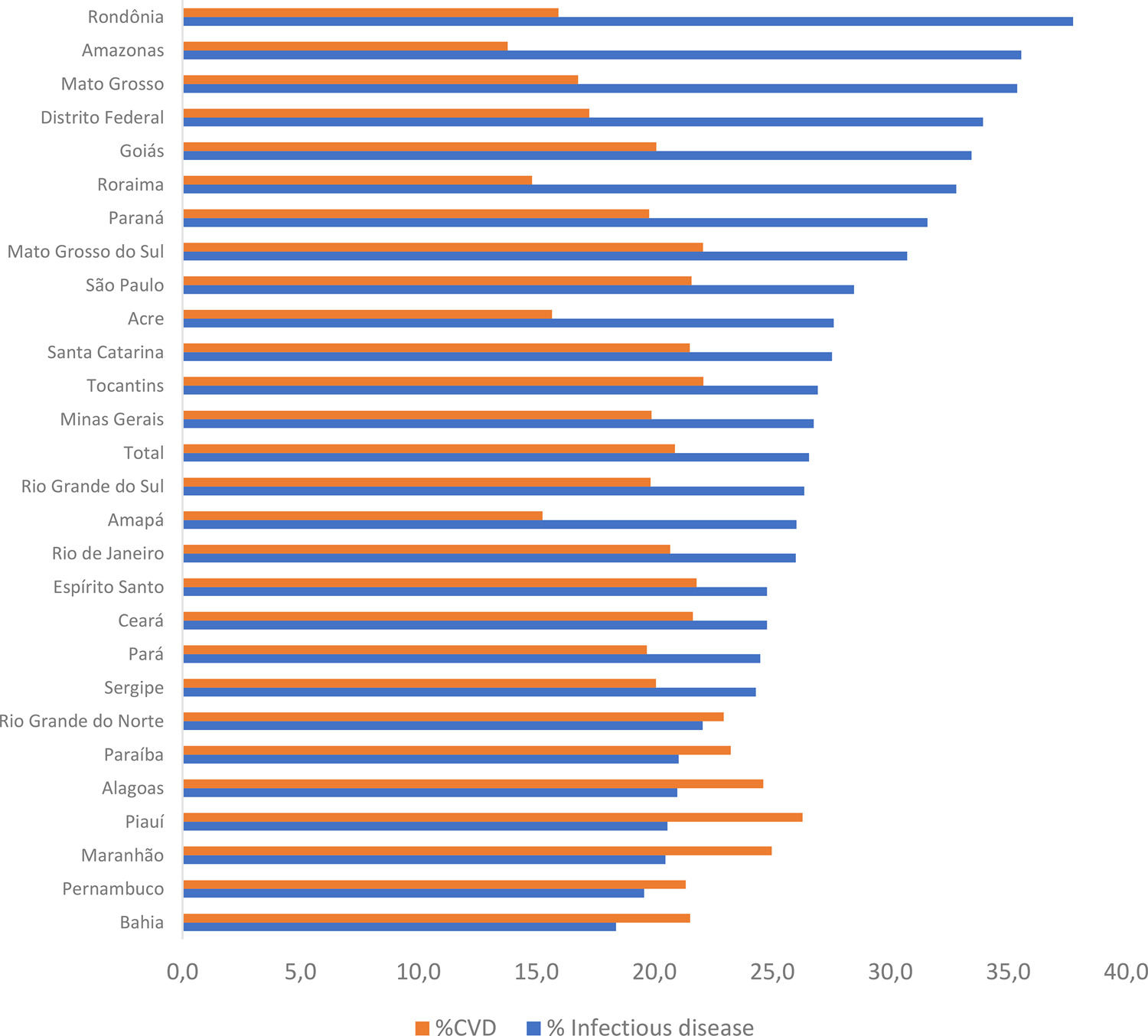
Chart 1-1
Special Article

Cardiovascular Statistics – Brazil 2023

Gláucia Maria Moraes de Oliveira et al. Luisa Campos Caldeira Brant Carisi Anne Polanczyk Deborah Carvalho Malta … Andreia Biolo Bruno Ramos Nascimento Maria de Fatima Marinho de Souza Andrea Rocha De Lorenzo Antonio Aurélio de Paiva Fagundes Júnior Beatriz D. Schaan Christina Grüne de Souza e Silva Fábio Morato de Castilho Fernando Henpin Yue Cesena Gabriel Porto Soares Gesner Francisco Xavier Junior Jose Augusto Soares Barreto Filho Luiz Guilherme Passaglia Marcelo Martins Pinto Filho M. Julia Machline-Carrion Marcio Sommer Bittencourt Octavio M. Pontes Neto Paolo Blanco Villela Renato Azeredo Teixeira Ricardo Stein Roney Orismar Sampaio Thomaz A. Gaziano Pablo Perel Gregory A. Roth Antonio Luiz Pinho Ribeiro

ABOUT THESE STATISTICS

The publication Cardiovascular Statistics – Brazil aims to provide an annual compilation of data and research on the epidemiology of CVDs in Brazil. The report integrates official statistics from the Brazilian Ministry of Health and other governmental entities alongside data from the GBD project, coordinated by the IHME at the University of Washington. Additionally, it incorporates data derived from various sources and scientific studies, including cohorts and registries, that relate to CVDs and their associated risk factors. This publication is intended for a wide range of individuals, including researchers, clinicians, patients, healthcare policymakers, media professionals, the general public, and other interested parties seeking extensive national data about heart disease and stroke. Volunteer researchers from various Brazilian universities and research institutions carry out the project. The group is led by a five-member steering committee (ALPR, CAP, DCM, GMMO, and LCCB). The Brazilian Society of Cardiology fully supports this initiative, and the project receives collaborative support from the GBD Brazil Networkand an International Committee (GAR, PP, and TAG) from both the IHME/University of Washington (GAR) and the World Heart Federation (PP and TAG).

[…]
  • Atrial Fibrillation
  • Atrial flutter
  • Brazil
  • Cardiomyopathies
  • Cardiovascular Diseases
  • Cerebrovascular Disorders
  • Coronary Disease
  • Diabetes Mellitus
  • Dyslipidemias
  • Exercise
  • Heart Failure
  • Heart Valve Diseases
  • Hypertension
  • Obesity
  • Overweight
  • Statistics
  • Tobacco Use Disorder
Read Full Article
Creative Commons Attribution (CC BY) Creative Commons license
17/06/2024 DOI: 10.36660/abc.20240079 Views 1
Editorial

The Adenosine System as a Target in the Search for a New Class of Antihypertensives

Roberto Jorge da Silva Franco

Cardiovascular (CV) complications are one of the main factors of early mortality in the current global scenario and have become a major challenge in the search to control their rise in both developing and developed countries. It has therefore become immensely important to look for different therapeutic possibilities and treatments for the growing burden of CV diseases. Adenosine receptors (AR) may be an innovative tool of choice in understanding the signaling mechanism that can lead to CV complications.

Adenosine mediation involves the activation of a family of four G protein-coupled AR: A1, A2A, A2B, and A3. A3AR is the only adenosine subtype to be overexpressed in inflammatory and cancer cells, thus making it a potential target for therapy. A3AR showed a dual nature under different pathophysiological conditions and could be protective/harmful in ischemic conditions, pro/anti-inflammatory, and pro/antitumor depending on the systems investigated. Until recently, the biggest and most intriguing challenge was understanding whether, and in which cases, selective A3 agonists or antagonists would be the best choice.

[…]

  • Adenosine
  • antihypertensive agents
  • Cardiovascular Diseases/complications
  • Hypertension
  • Mortality
Read Full Article
Creative Commons Attribution (CC BY) Creative Commons license
06/05/2024 DOI: 10.36660/abc.20240129 Views 1
Editorial

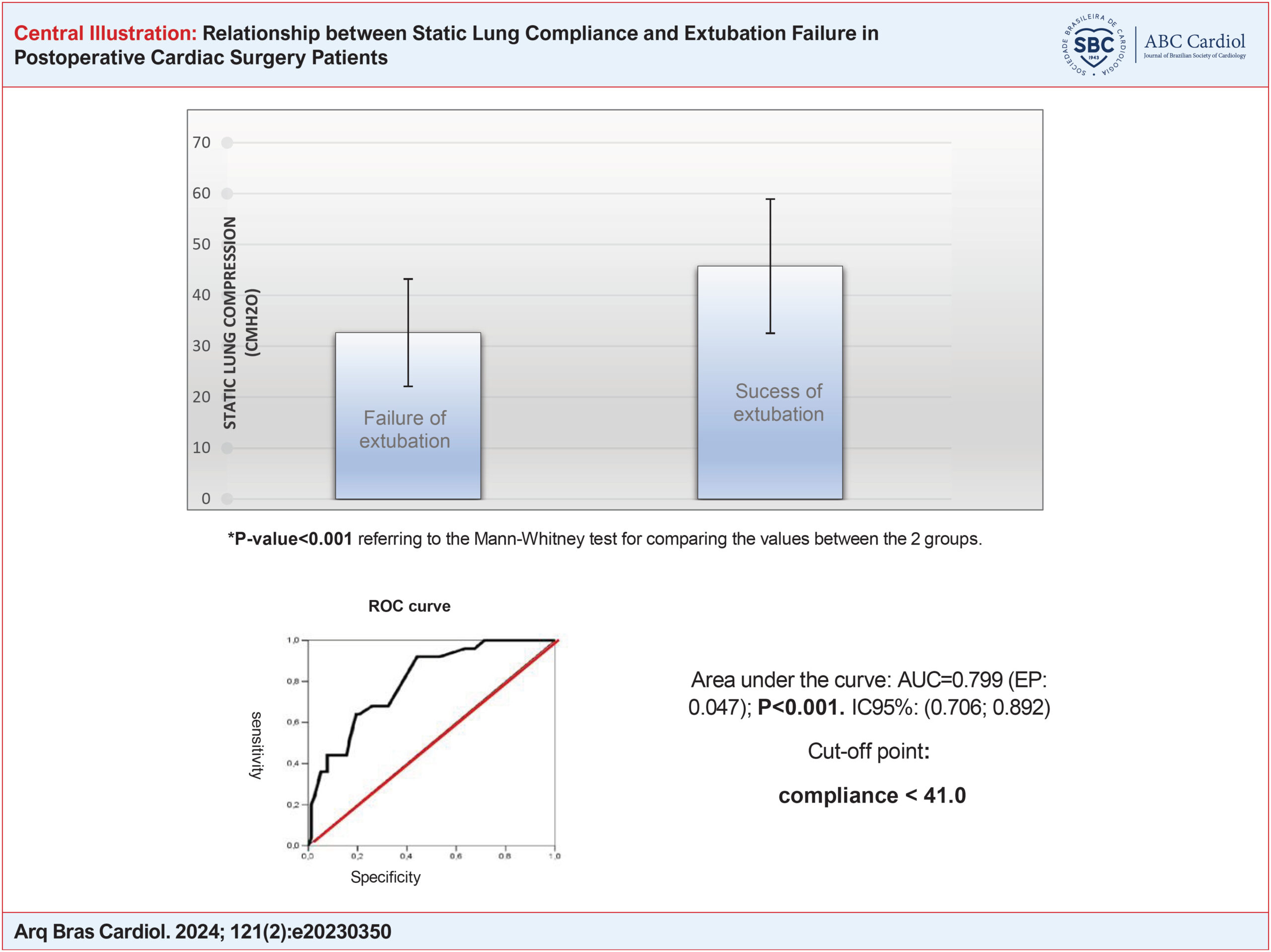
Relationship between Static Lung Compliance and Extubation After Cardiac Surgery

Henrique Murad

The excellent paper “Relationship between static lung compliance and extubation failure in postoperative cardiac surgery patients” published in the Arquivos Brasileiros de Cardiologia gave one additional tool to make more precise decisions for successful and maintained extubation in postoperative cardiac surgery.

The authors have studied 102 patients submitted to several types of cardiac surgery under extracorporeal circulation and have found the need for reintubation in 25 patients (24,5%) after the first 48 hours of primary extubation. Extubation failure patients have had lower static lung compliance than non-failure patients. The cut-off point for the reintubation was a static lung compliance of 41 mi/cm H2O or lower, with a normal range between 60 and 100 ml/cm H2O. Using multiple regression analysis they had observed that extubation failure was 9,1 times greater in patients with static lung compliance equal to or less than 41 ml/cm H2O. They have also observed that lower static lung pulmonary compliance patients have worse oxygenation. They recommend that static lung compliance should be included in the postoperative evaluation of cardiac surgery patients, before extubation. This paper is part of the MSc thesis of Dr. Thais da Silva Bento, under the orientation of Dr. Desanka Dragosavac at the Universidade Estadual de Campinas.

[…]

  • Cardiac Surgical Procedures/methods
  • Extubation/methods
  • Lung Compliance
  • Post Operative Care
  • Respirator Insuficiency
Read Full Article
Creative Commons Attribution (CC BY) Creative Commons license
29/04/2024 DOI: 10.36660/abc.20240125
Editorial

Combining Technology with Quality in Medical Care

Luiz Maurino Abreu

First, the X-ray, and then the electrocardiogram, revolutionized the diagnostic approach in cardiology. Medical devices become more sophisticated every day, with the increasing use of diagnostic tools, now offering the possibility of remote transmission of exams, anticipating diagnosis, and allowing the application of care protocols and therapeutic decisions.

In cardiology, with the transmission of the electrocardiographic tracing to Cardiological Centers in real-time, which at first was done through facsimile devices, and later, with devices with internet transmission, it was possible to adopt treatment protocols, with impact on lethality and function prognosis. Teleconsulting programs in the context of acute myocardial infarction, with transmission of an electrocardiogram performed at the first place of care, for this purpose, were developed in Rio de Janeiro (TIET Project), Salvador, São Paulo and Minas Gerais (Minas Telecardio), all within the public health system (Sistema Único de Saúde – SUS), where the safety and benefit of using Teleconsultation was demonstrated, shortening the time to perform the most appropriate revascularization method.

[…]

  • Basic Health Services
  • Cardiovascular Diseases
  • Medical Assistance
  • Primary Health Care
  • Telemedicine
Read Full Article
Creative Commons Attribution (CC BY) Creative Commons license
26/04/2024 DOI: 10.36660/abc.20240127 Views 1
Editorial

The Role of Hemodynamic, Metabolic, and Biomarkers in Predicting Mortality after Coronary Artery Bypass Grafting: Are we there yet?

Nelson Americo Hossne Junior

Coronary artery bypass grafting (CABG) is the most common cardiac surgical procedure performed in Brazil and worldwide and has been one of the most studied procedures. Postprocedural aspects have been widely investigated and preoperative risk scores have been developed. Several postoperative markers and indexes, including hemodynamic, metabolic, and biomarkers, have been identified and proposed, aiming to accurately predict poor patient outcomes.–

Dr. Yamaguti et al. conducted a prospective observational study in which hemodynamic, metabolic, and tissue hypoperfusion biomarkers were analyzed in 183 patients (ages between 35 and 83 years) with left ventricular dysfunction (ejection fraction between 40% and 42,5%) who underwent coronary artery bypass surgery with cardiopulmonary bypass, according to postoperative clinical course (complicated or uncomplicated). Patients with a complicated clinical course (defined as death within 30 days after surgery or more than 4 days of ICU stay) were older (66,3 vs 59,7; p=0.002) and had a higher EuroSCORE (6 vs 3; p<0.001). The authors also found that EuroSCORE, the lactate levels 6 hours after ICU admission, the venoarterial carbon dioxide partial pressure difference (ΔPCO2), and estimated respiratory quotient (eRQ = ΔPCO2/ Ca-vO2) 12 hours after ICU admission were independent predictors of complicated postoperative course, by multivariate logistic regression analysis.

[…]

  • Biomarkers / analysis
  • Inflammation
  • Mortality
  • Myocardial Revascularization/surgery
Read Full Article
Creative Commons Attribution (CC BY) Creative Commons license
26/04/2024 DOI: 10.36660/abc.20240117 Views 2
Editorial

Does the Prognostic Nutritional Index Offer New Insights into Coronary Collateral Circulation in Stable Angina?

Ömer Faruk Çiçek

Coronary collateral circulation (CCC) plays a crucial role in maintaining myocardial blood supply, particularly in patients with chronic total occlusion (CTO) and stable coronary syndrome (SCS). Recent research has delved into the association between inflammatory markers and CCC development. However, a novel study sheds light on a different perspective by exploring the correlation between the prognostic nutritional index (PNI) and CCC formation in SCS patients with CTO. The study, conducted by Esenboga et al., involved 400 SCS patients with CTO, aiming to investigate the potential link between PNI and CCC. The findings revealed a significant association between lower PNI levels and poorly developed CCC, independent of other risk factors. This suggests that PNI could serve as a valuable biomarker for assessing CCC in SCS patients.

The significance of CCC lies in its ability to mitigate myocardial ischemia, alleviate anginal symptoms, and improve patient prognosis. While previous studies have explored various factors influencing CCC development, such as age, comorbidities, and inflammatory markers, this study pioneers the examination of PNI as a predictor. The PNI, calculated from serum albumin levels and total lymphocyte count, reflects the inflammatory status and nutritional status of an individual. Lower PNI values signify increased inflammatory burden and poorer nutritional status, which may impede CCC formation. The study proposes plausible mechanisms linking low PNI to poor CCC, involving endothelial dysfunction, decreased nitric oxide production, and impaired neovascular responses.

[…]

  • Collateral Circulation
  • Index Coronary
  • Prognostic Nutritional
Read Full Article
Creative Commons Attribution (CC BY) Creative Commons license
26/04/2024 DOI: 10.36660/abc.20240144 Views 1
Figure 1
Editorial

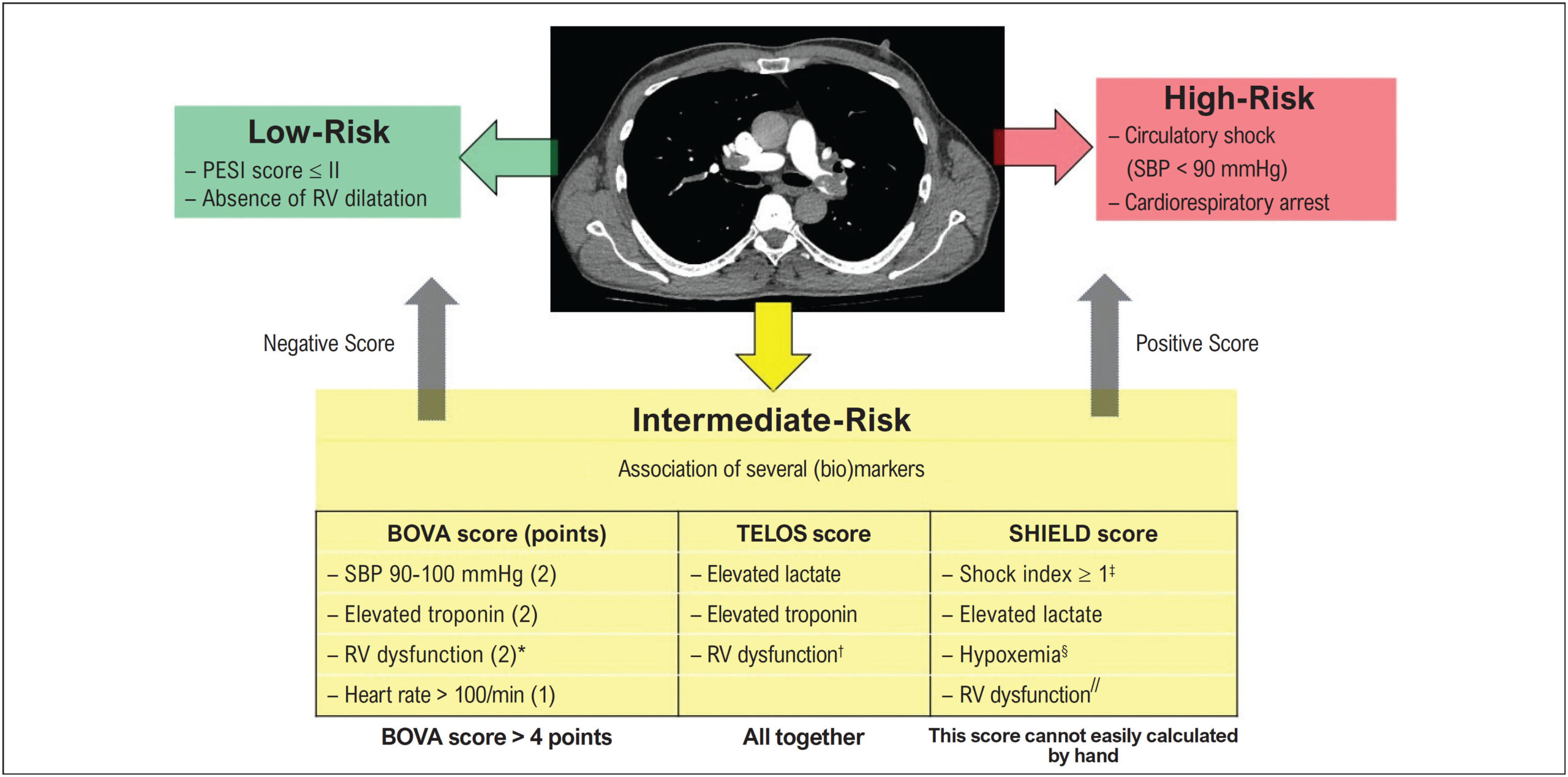
Focus on Intermediate-Risk Acute Pulmonary Embolism. Is the Combination of Biomarkers the Solution?

Carlos Henrique Miranda

The incidence of acute pulmonary embolism (APE) has been increasing over time throughout the world, including in Brazil. This behavior is probably secondary to the aging of the population associated with increased prevalence and better prognosis related to cancer.

The clinical presentation of APE has two extremes that are easy to identify. A high-risk group, around 4% of patients, which is characterized by circulatory shock or cardiorespiratory arrest, with a high mortality rate. In this group, treatment with thrombolytics is well-established.

[…]

  • Biomarkers
  • Echocardiography
  • Pulmonary embolism
Read Full Article
Creative Commons Attribution (CC BY) Creative Commons license
26/04/2024 DOI: 10.36660/abc.20240075 Views 1
Editorial

Ethnic Disparities in the Longevity of Brazilian Olympic Medalists

Filipe Ferrari et al. Arthur Proença Rossi

Physical inactivity is a well-documented contributor to cardiovascular diseases, diabetes, and certain cancers, accounting for approximately 30% of cardiovascular disease, 27% of diabetes, and 21–25% of breast and colon cancer. The impact and costs associated with public health are substantial, amounting to a total direct health cost due to physical inactivity related to the main non-communicable diseases, which reached INT$ 53.8 billion in 2013.

In terms of longevity, engaging in physical activity has been linked to a reduction in major mortality risk factors, including hypertension, diabetes, coronary heart disease, stroke, and cancer. Studies indicate a clear dose-response relationship between moderate-to-vigorous physical activity and all-cause mortality, with risk reduction per unit of time being greater for more vigorous activity. Physically active individuals experience up to a 35% decrease in all-cause mortality compared to their inactive counterparts, increasing life expectancy by up to 7 years.

[…]

  • Atletes
  • Ethnic Groups
  • Longevity
  • Sports
Read Full Article
Creative Commons Attribution (CC BY) Creative Commons license
26/04/2024 DOI: 10.36660/abc.20240082 Views 1
Editorial

Index of Systemic Immunoinflammation and Ischemia in Patients with Non-Obstructive Coronary Arteries

Henrique Tria Bianco

Cardiovascular disease is the leading cause of death worldwide and coronary artery disease (CAD) is the most common type of cardiovascular disease. However, a significant portion of patients who present with characteristic chest discomfort do not demonstrate obstructive CAD, defined as ≥50% stenosis in at least one coronary artery on angiography. These patients are generally diagnosed with non-cardiological conditions, such as gastrointestinal disorders or psychosomatic disorders. It is speculated that coronary vascular dysfunction appears to be the underlying cause of ischemia in a large proportion of these cases. Therefore, standardization of diagnostic criteria for ischemic symptoms due to coronary microvascular dysfunction (CMD) is necessary for further investigation of patients presenting with anginal chest pain consistent with “microvascular angina”.

Historically, the only practical methods available for assessment have been invasive, such as intracoronary Doppler or thermodilution. This probably hindered the objective assessment of CMD in patients presenting with chest pain without obstructive CAD. Thus, treatment has often been studied in imprecise clinical entities such as cardiac syndrome distinct., Furthermore, the lack of consensus on diagnostic criteria and nomenclature has further obscured the evidence that sought to objectively define microvascular angina as a distinct clinical entity.

[…]

  • Chest Pain
  • Coronary Artery Disease
  • Coronary Vessels
  • Myocardial Ischemia
Read Full Article
Creative Commons Attribution (CC BY) Creative Commons license
26/04/2024 DOI: 10.36660/abc.20240081 Views 2
Figure 1
Research Letter

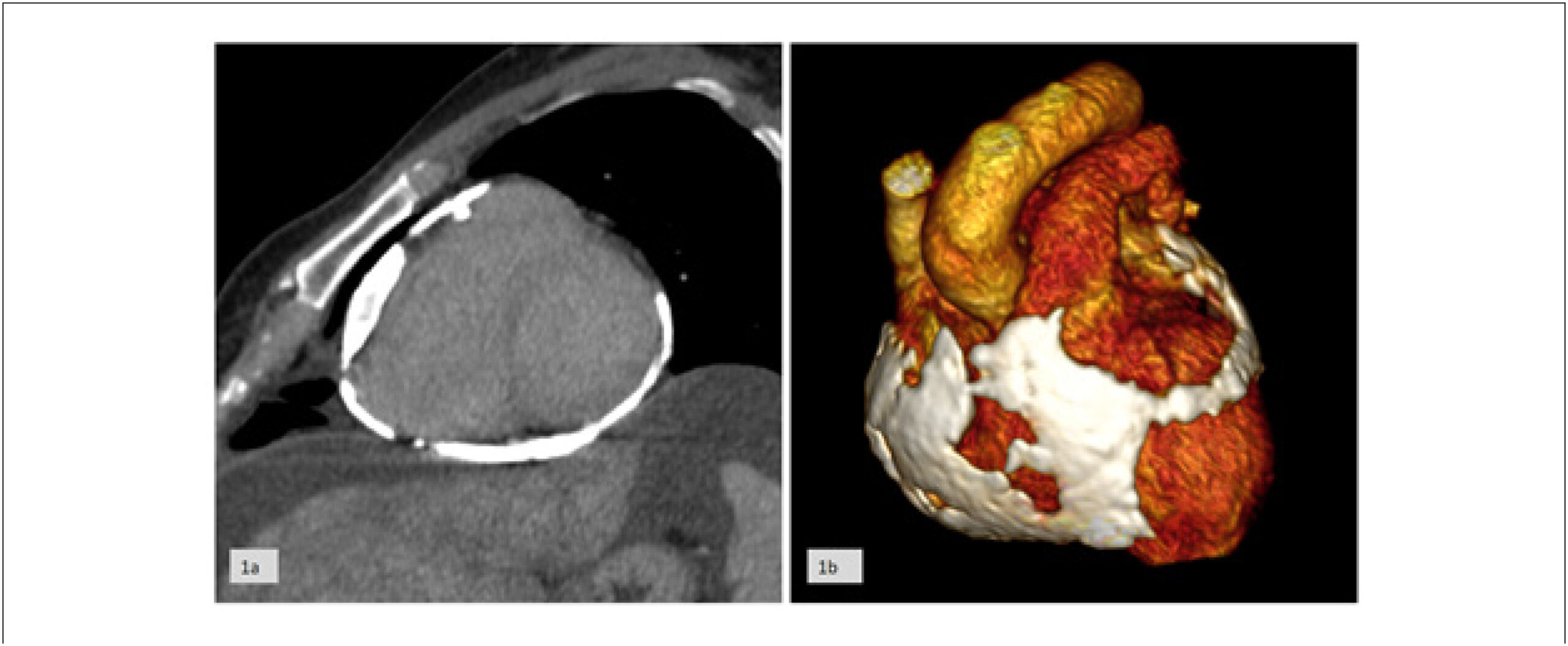
3D Printing in Constrictive Pericarditis Assessment

Juliana Cadilho Abrantes et al. Fernanda Turque Bernardo Fróes Demier Daniel Gama Neves … Davi Shunji Yahiro Tadeu Takao Almodovar Kubo Leonardo Canale Claudio Tinoco Mesquita

Introduction

Constrictive pericarditis is a rare disease, often diagnosed belatedly. Radical pericardiectomy is the recommended procedure in cases of constrictive pericarditis, although it is a complex and time-consuming surgery. These aspects make 3D printing potentially valuable in surgical planning, allowing the healthcare team to study a printed model for better comprehension of the surgical area and more efficient planning.–

Studies have also shown satisfactory results in medical education, particularly in anatomy,, with reports of high-fidelity anatomical models, including those with congenital heart defects. However, until now, there have been no reports of using 3D cardiac printing for surgical guidance or teaching about constrictive pericarditis.

[…]

  • Education, Medical
  • Imaging, Threedimensional/methods
  • Models Anatomic
  • Patient Caare Planning
  • Patient Care Planning
  • Pericardiectomy/surgery
  • Pericarditis, Constrictive/surgery
Read Full Article
Creative Commons Attribution (CC BY) Creative Commons license
05/04/2024 DOI: 10.36660/abc.20220866 Views 1
Prognostic Nutritional Index is Associated with the Degree of Coronary Collateral Circulation in Stable Angina Patients with Chronic Total Occlusion
Original Article

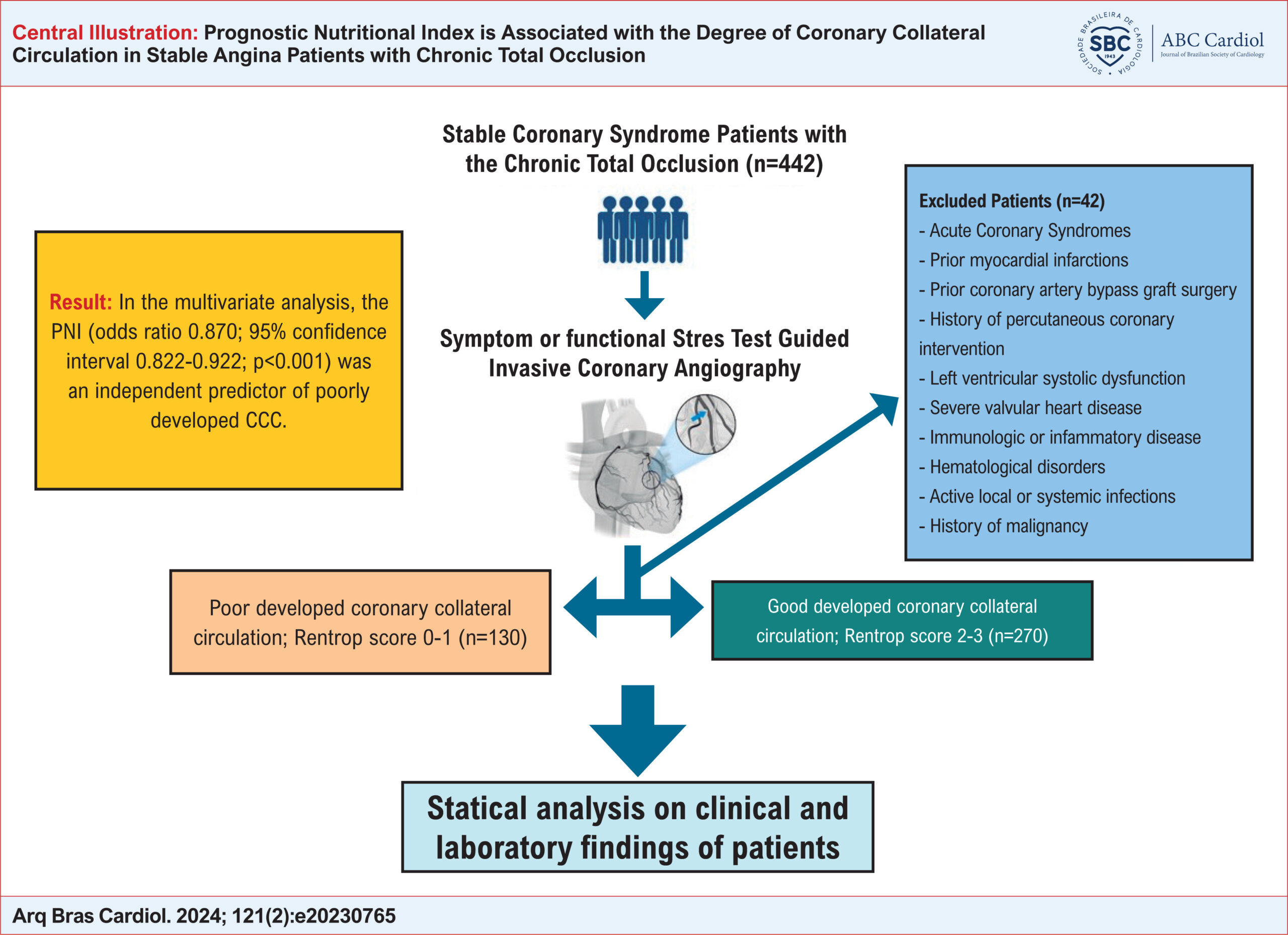
Prognostic Nutritional Index is Associated with the Degree of Coronary Collateral Circulation in Stable Angina Patients with Chronic Total Occlusion

Kerim Esenboga et al. Alparslan Kurtul Yakup Yunus Yamanturk Volkan Kozluca Eralp Tutar

Abstract

Background:

Coronary collateral circulation (CCC) can effectively improve myocardial blood supply to the area of CTO (chronic total coronary occlusion) and can, thus, improve the prognosis of patients with stable coronary syndrome (SCS). The degree of inflammation and some inflammation markers were associated with the development of collaterals.

Objective:

To investigate whether prognostic nutritional index (PNI) has an association with the development of CCC in patients with SCS.

Methods:

A total of 400 SCS patients with the presence of CTO in at least one major epicardial coronary artery were included in this study. The patients were divided into two groups according to the Rentrop score. Scores of 0 to 1 were considered poor developed CCC, and scores of 2 to 3 were accepted as good developed CCC. Statistical significance was set as a p-value < 0.05 for all analyses.

Results:

The mean age of the study cohort was 63±10 years; 273 (68.3%) were males. The poor-developed CCC group had a significantly lower PNI level compared with the good-developed CCC group (38.29±5.58 vs 41.23±3.85, p< 0.001). In the multivariate analysis, the PNI (odds ratio 0.870; 95% confidence interval 0.822-0.922; p< 0.001) was an independent predictor of poorly developed CCC.

Conclusion:

The PNI can be used as one of the independent predictors of CCC formation. It was positively associated with the development of coronary collaterals in SCS patients with CTO.

  • Collateral Circulation
  • Inflammation
  • Nutrition Assessment
Read Full Article
Creative Commons Attribution (CC BY) Creative Commons license
05/04/2024 DOI: 10.36660/abc.20230765 Views 1
Ethnic Differences in Survival among Brazilian Modern-era Olympic Medalists from 1920 to 1992: A Cohort Study
Original Article

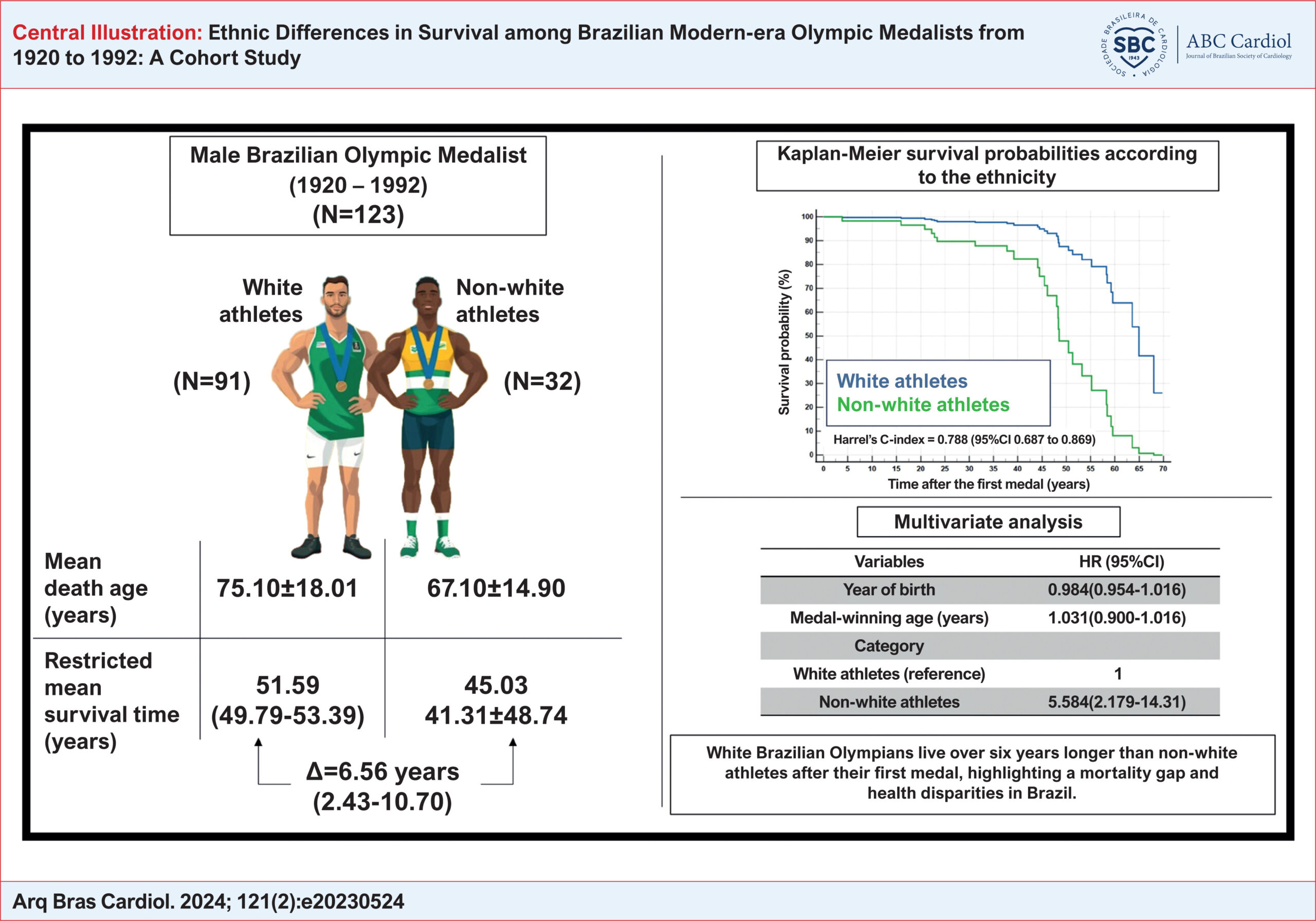
Ethnic Differences in Survival among Brazilian Modern-era Olympic Medalists from 1920 to 1992: A Cohort Study

Fabricio Braga et al. Paula de Medeiros Ana Carolina Neno Diogo Meira … João Magalhães Michael S. Emery

Abstract

Background:

Disparities in health outcomes among racial groups warrant investigation, even among elite athletes. Therefore, understanding the impact of race upon post-medal survival in Brazilian Olympians becomes essential.

Objective:

To compare post-medal survival between white and non-white Brazilian Olympic medalists from 1920 to 1992.

Methods:

This study used publicly available data for a retrospective cohort study on all Brazilian Olympic medalists from 1920 to 1992 (males only). Athletes were classified into white and non-white groups using structured ethnicity determination. Kaplan–Meier analyses computed the restricted mean survival time (RMST) for each ethnic group. A Cox proportional hazards analysis assessed ethnicity-based survival differences, adjusting for medal-winning age and birth year (p<0.05)

Results:

Among 123 athletes (73.9% white), the mean age of medal achievement was 25.03±4.8 years. During the study, 18.7% of white and 37.5% of non-white athletes died (p=0.031). White athletes had a mean age at death of 75.10±18.01 years, while non-white athletes had an age of 67.13±14.90 years (p=0.109). The RMST for white athletes was 51.59 (95% CI 49.79-53.39) years, while for non-white athletes, it was 45.026 (95% CI 41.31-48.74) years, resulting in a ΔRMST of 6.56 (95% CI 2.43-10.70; p=0.0018). Multivariate analysis showed that non-white athletes had a higher mortality risk than did white athletes (HR 5.58; 95% CI, 2.18-14.31).

Conclusion:

Following their first medal, white Brazilian Olympians typically enjoy a six-year longer lifespan than their non-white counterparts, illustrating a marked mortality gap and health disparities among healthy individuals in Brazil.

  • Demography
  • Epidemiology
  • Sports Medicine
Read Full Article
Creative Commons Attribution (CC BY) Creative Commons license
05/04/2024 DOI: 10.36660/abc.20230524 Views 2
Antihypertensive Effect of New Agonist of Adenosine Receptor in Spontaneously Hypertensive Rats
Original Article

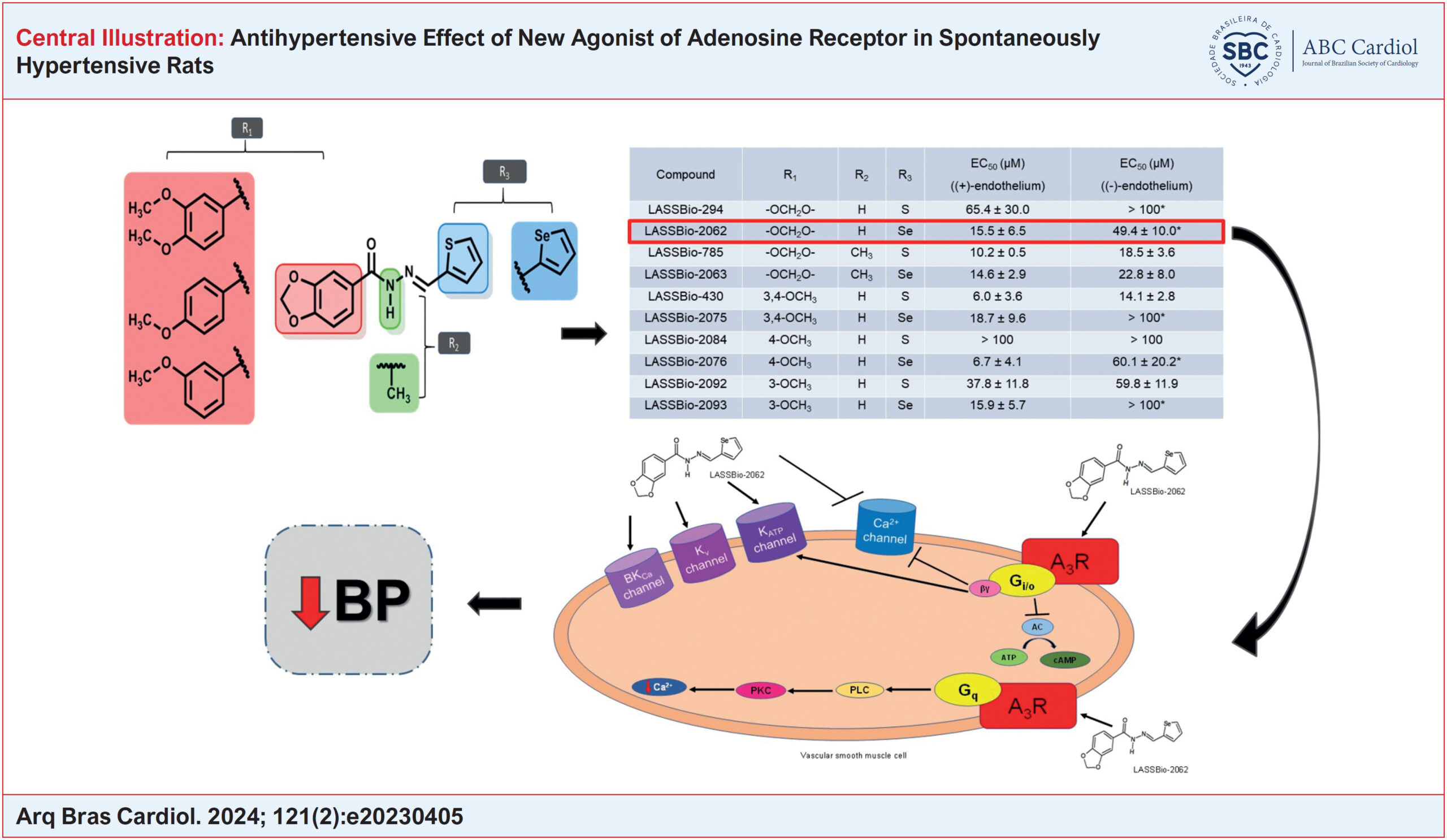
Antihypertensive Effect of New Agonist of Adenosine Receptor in Spontaneously Hypertensive Rats

Bruna de Souza Rocha et al. Jaqueline Soares da Silva Júlia Galvez Bulhões Pedreira Tadeu Lima Montagnoli … Eliezer Jesus Barreiro Gisele Zapata-Sudo

Abstract

Background

Systemic arterial hypertension is a risk factor for cardiac, renal, and metabolic dysfunction. The search for new strategies to prevent and treat cardiovascular diseases led to the synthesis of new N-acylhydrazones to produce antihypertensive effect. Adenosine receptors are an alternative target to reduce blood pressure because of their vasodilatory action and antioxidant properties, which may reduce oxidative stress characteristic of systemic arterial hypertension.

Objective

To evaluate the antihypertensive profile of novel selenium-containing compounds designed to improve their interaction with adenosine receptors.

Methods

Vascular reactivity was evaluated by recording the isometric tension of pre-contracted thoracic aorta of male Wistar rats after exposure to increasing concentrations of each derivative (0.1 to 100 μM). To investigate the antihypertensive effect in spontaneously hypertensive rats, systolic, diastolic, and mean arterial pressure and heart rate were determined after intravenous administration of 10 and 30 μmol/kg of the selected compound LASSBio-2062.

Results

Compounds named LASSBio-2062, LASSBio-2063, LASSBio-2075, LASSBio-2076, LASSBio-2084, LASSBio-430, LASSBio-2092, and LASSBio-2093 promoted vasodilation with mean effective concentrations of 15.5 ± 6.5; 14.6 ± 2.9; 18.7 ± 9.6; 6.7 ± 4.1; > 100; 6.0 ± 3.6; 37.8 ± 11.8; and 15.9 ± 5.7 μM, respectively. LASSBio-2062 (30 μmol/kg) reduced mean arterial pressure in spontaneously hypertensive rats from 124.6 ± 8.6 to 72.0 ± 12.3 mmHg (p < 0.05). Activation of adenosine receptor subtype A3 and potassium channels seem to be involved in the antihypertensive effect of LASSBio-2062.

Conclusions

The new agonist of adenosine receptor and activator of potassium channels is a potential therapeutic agent to treat systemic arterial hypertension.

  • Calcium Channels
  • Hypertension
  • Purinergic P1 Receptors
  • Vasodilation
Read Full Article
Creative Commons Attribution (CC BY) Creative Commons license
05/04/2024 DOI: 10.36660/abc.20230405 Views 1
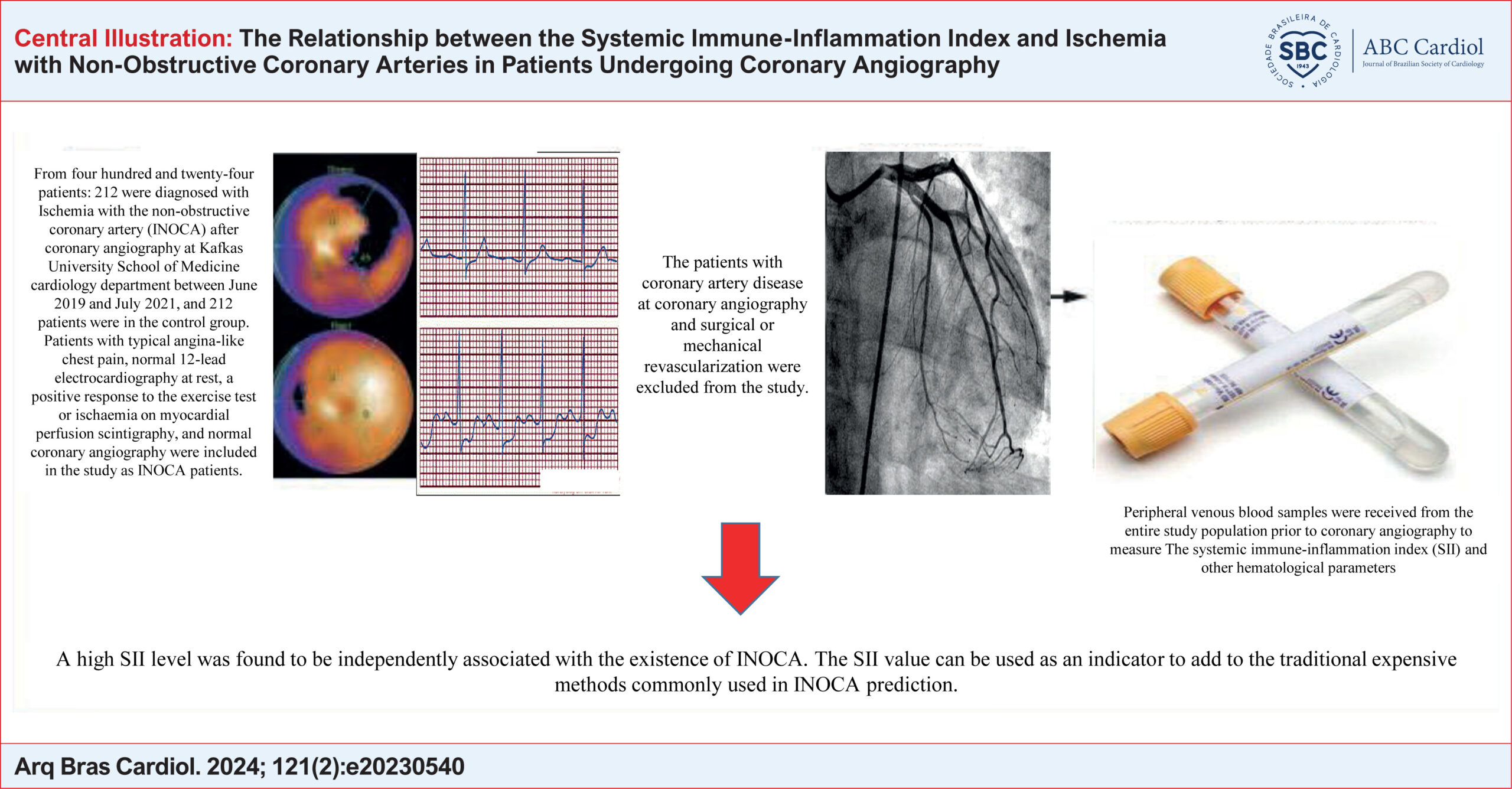
The Relationship between the Systemic Immune-Inflammation Index and Ischemia with Non-Obstructive Coronary Arteries in Patients Undergoing Coronary Angiography
Original Article

The Relationship between the Systemic Immune-Inflammation Index and Ischemia with Non-Obstructive Coronary Arteries in Patients Undergoing Coronary Angiography

Muammer Karakayali et al. Mehmet Altunova Turab Yakisan Serkan Aslan … Timor Omar Inanc Artac Doğan Ilis Ayca Arslan Zihni Cagin Yavuz Karabag Ibrahim Rencuzogullari

Abstract

Background:

Ischemia with the non-obstructive coronary artery (INOCA) is an ischemic heart disease that mostly includes coronary microvascular dysfunction and/or epicardial coronary vasospasm due to underlying coronary vascular dysfunction and can be seen more commonly in female patients. The systemic immune-inflammation index (SII, platelet × neutrophil/lymphocyte ratio) is a new marker that predicts adverse clinical outcomes in coronary artery disease (CAD).

Objective:

This study aims to investigate the relationship between INOCA and SII, a new marker associated with inflammation.

Methods:

A total of 424 patients (212 patients with INOCA and 212 normal controls) were included in the study. Peripheral venous blood samples were received from the entire study population prior to coronary angiography to measure SII and other hematological parameters. In our study, the value of p<0.05’ was considered statistically significant.

Results:

The optimal cut-off value of SII for predicting INOCA was 153.8 with a sensitivity of 44.8% and a specificity of 78.77% (Area under the curve [AUC]: 0.651 [95% CI: 0.603–0.696, p=0.0265]). Their ROC curves were compared to assess whether SII had an additional predictive value over components. The AUC value of SII was found to be significantly higher than that of lymphocyte (AUC: 0.607 [95% CI: 0.559–0.654, p = 0.0273]), neutrophil (AUC: 0.559 [95%CI: 0.511–0.607, p=0.028]) and platelet (AUC: 0.590 [95% CI: 0.541–0.637, p = 0.0276]) in INOCA patients.

Conclusions:

A high SII level was found to be independently associated with the existence of INOCA. The SII value can be used as an indicator to add to the traditional expensive methods commonly used in INOCA prediction.

  • Coronary Angiography
  • Coronary Artery Disease
  • Ischemia
Read Full Article
Creative Commons Attribution (CC BY) Creative Commons license
05/04/2024 DOI: 10.36660/abc.20230540 Views 2
Figure 1
Letter to the Editor

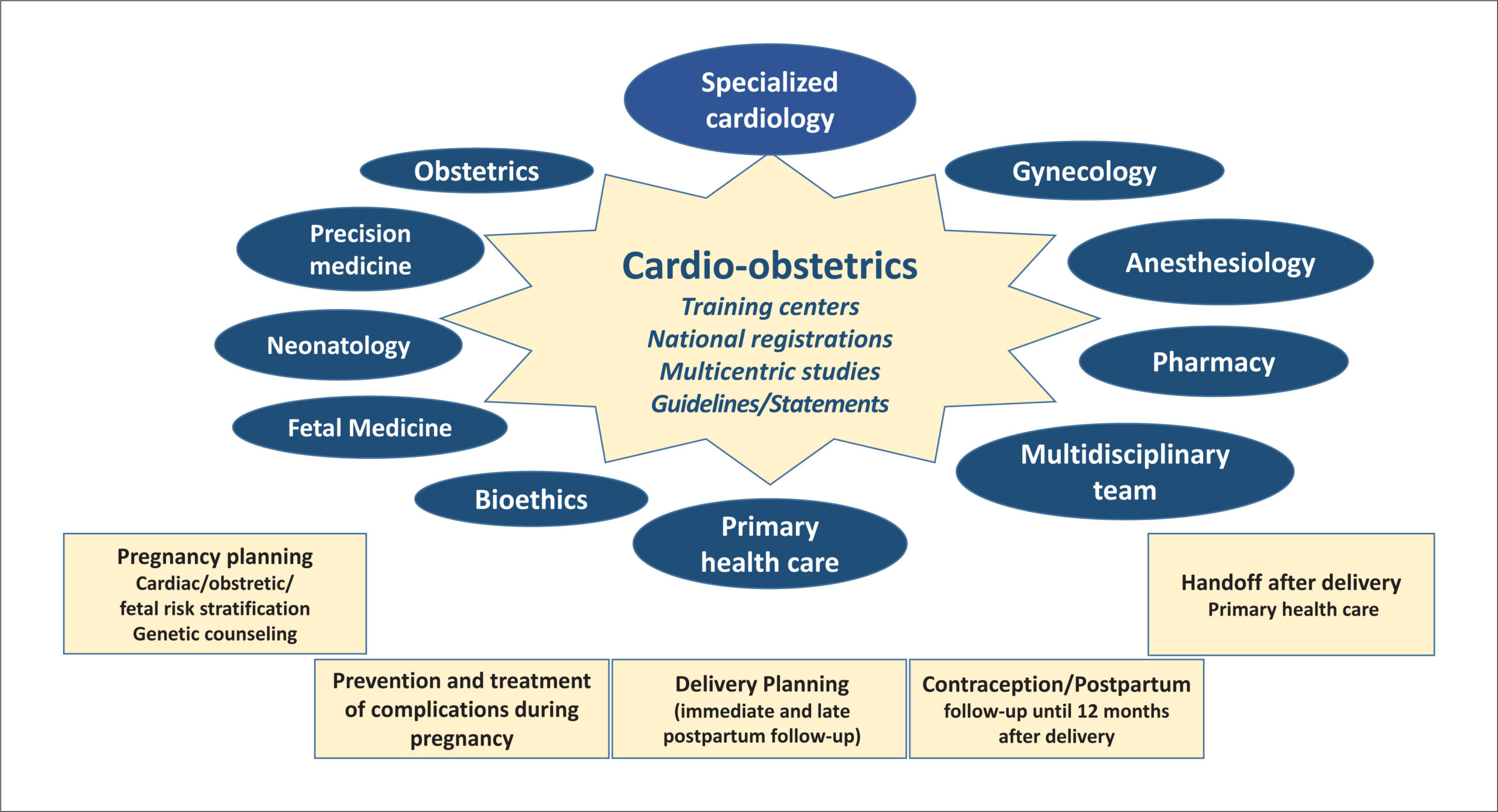
Cardio-Obstetrics: A Critical, Growing Subspecialty

Walkiria Samuel Avila et al. Alexandre Jorge Gomes de Lucena

In the last decades, cardiovascular diseases have become the leading cause of pregnancy-related deaths. This is due to the increasing prevalence of risk factors for cardiovascular disease in young women, late pregnancy planning, and the increasing number of cases of adult congenital heart disease.,

In Brazil, it is estimated that 4% of pregnancies occur in women with heart disease, which represents the main non-obstetric cause of maternal death. In addition, the preventable and probably preventable causes of deaths reach up to 80%, and two thirds of deaths occur within 12 months after delivery.

[…]

  • Heart Diseases
  • Mentoring
  • Pregnancy
Read Full Article
Creative Commons Attribution (CC BY) Creative Commons license
05/04/2024 DOI: 10.36660/abc.20230433 Views 1
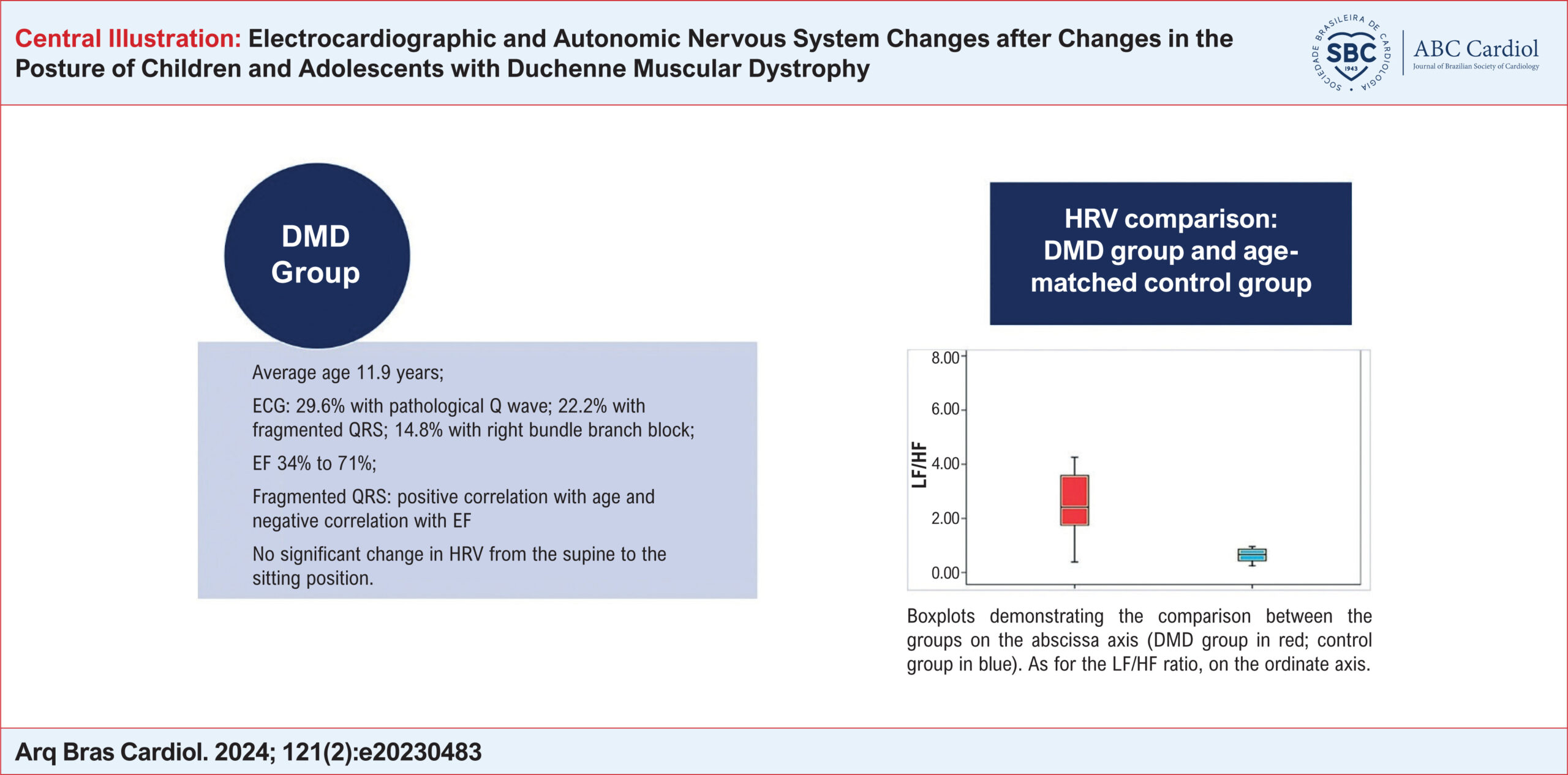
Electrocardiographic and Autonomic Nervous System Changes after Changes in the Posture of Children and Adolescents with Duchenne Muscular Dystrophy
Original Article

Electrocardiographic and Autonomic Nervous System Changes after Changes in the Posture of Children and Adolescents with Duchenne Muscular Dystrophy

Rose Mary Ferreira Lisboa da Silva et al. Nathalia Mussi Monteze Juliana Gurgel Giannetti Zilda Maria Alves Meira

Abstract

Background:

Duchenne Muscular Dystrophy (DMD) is a rare inherited neuromuscular disease. At first, cardiac involvement may be asymptomatic. Therefore, assessing patients using non-invasive methods can help detect any changes.

Objectives:

Analyze the electrocardiogram (ECG) test and heart rate variability (HRV) of the DMD group and compare the information with that of the age-matched control group.

Methods:

A prospective study with 27 male patients with DMD (11.9 years old), who underwent clinical evaluation, ECG, echocardiogram, and Holter monitoring. ECG (200% increase) was assessed by two independent observers. HRV was measured over time (24 h) and in the frequency domain, in the supine and sitting positions. The healthy group consisted of nine patients (11.0 years old). A value of p < 0.05 was considered statistically significant.

Results:

The mean ejection fraction (EF) was 60% (34 to 71%). The Kappa coefficient for ECG measurements ranged from 0.64 to 1.00. An increase in the R/S ratio in V1 was observed in 25.9% of the subjects, pathological Q wave in 29.6%, and fragmented QRS in 22.2% in inferior/high lateral regions, with a negative correlation with EF (p = 0.006). There was low HRV, without the influence of any variable, including treatment. With the change in position, there was an increase in HR (p = 0.004), but there was no change in HRV. The LF/HF ratio was 2.7 in the DMD group and 0.7 in the control group (p = 0.002).

Conclusions:

In DMD subjects, prominent R waves in V1 and changes in the inferior/high lateral regions occurred in almost 30% of the cases. Lower vagal tone was observed without the influence of the variables age, ejection fraction, QT dispersion, and treatment. Despite the increase in HR, there was no adequate HRV response to the change in position.

  • Autonomic Nervous System
  • Duchenne Muscular Dystrophy
  • Electrocardiography
  • Heart Rate
Read Full Article
Creative Commons Attribution (CC BY) Creative Commons license
05/04/2024 DOI: 10.36660/abc.20230483 Views 1
Figure 1
Research Letter

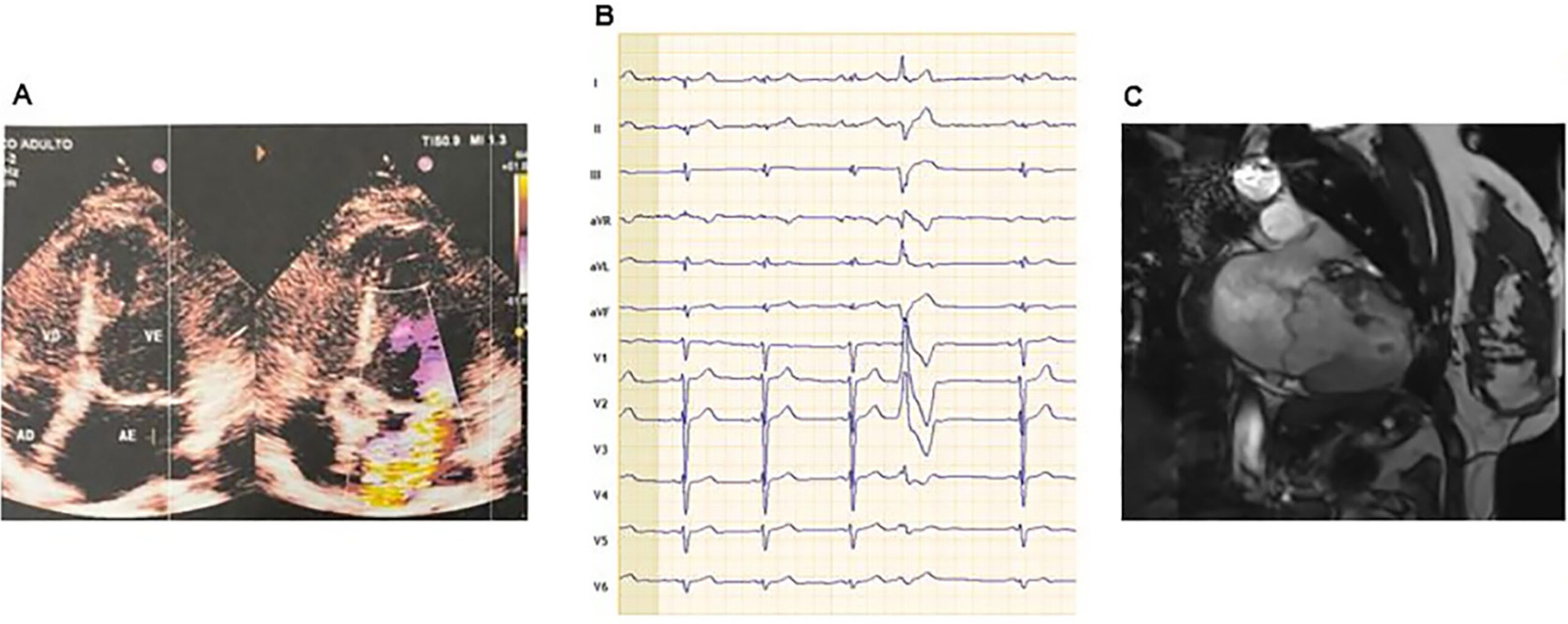
Sudden Death in a Breastfeeding Woman with Arrhythmogenic Mitral Valve Prolapse

Erika Olivier Vilela Bragança et al. Fabio Luis Valério da Silva

Introduction

Mitral valve prolapse (MVP) is the most common valvular heart disease, affecting 2-3% of the general population, and is defined by the systolic displacement of one or both mitral valve leaflets ≥2 mm above the plane of the mitral annulus in the sagittal view of the mitral valve via echocardiography. The outcomes of MVP without regurgitation are generally benign; however, a small, ill-defined subgroup of individuals is at high risk for malignant arrhythmias and sudden death (SD). Autopsy data show a 4% to 7% prevalence of MVP in young people with SD. Due to the low event rate and lack of cohorts with a robust number of patients, accessing the accurate incidence of SD and MVP in the general population and in patient subgroups remains a challenge. The diagnosis of arrhythmogenic MVP is made in the presence of MVP and ventricular arrhythmia, considering a ventricular arrhythmia density ≥5% on 24-hour electrocardiogram (ECG) Holter or the presence of complex arrhythmia – non-sustained ventricular tachycardia (NSVT), ventricular tachycardia (VT) or ventricular fibrillation (VF), as well as in the absence of any other arrhythmogenic substrate.

[…]

  • Cardiac Arrhythmias
  • Mitral Valve Prolapse
  • Sudden Death
Read Full Article
Creative Commons Attribution (CC BY) Creative Commons license
05/04/2024 DOI: 10.36660/abc.20230358
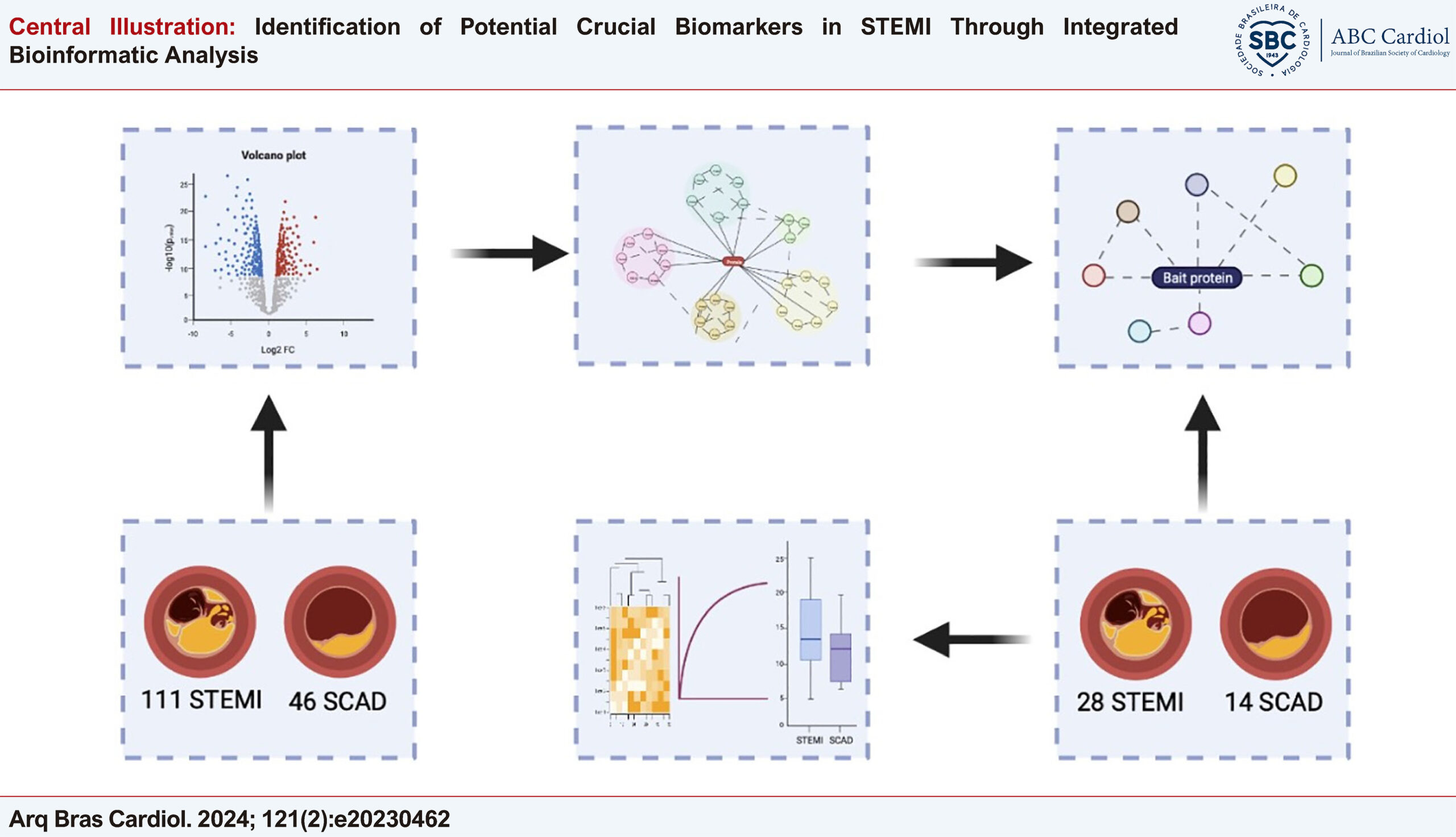
Identification of Potential Crucial Biomarkers in STEMI Through Integrated Bioinformatic Analysis
Artigo Original

Identification of Potential Crucial Biomarkers in STEMI Through Integrated Bioinformatic Analysis

Li-Zhi Zhao et al. Yi Liang Ting Yin Hui-Ling Liao Bo Liang

Abstract

Background

ST-segment elevation myocardial infarction (STEMI) is one of the leading causes of fatal cardiovascular diseases, which have been the prime cause of mortality worldwide. Diagnosis in the early phase would benefit clinical intervention and prognosis, but the exploration of the biomarkers of STEMI is still lacking.

Objectives

In this study, we conducted a bioinformatics analysis to identify potential crucial biomarkers in the progress of STEMI.

Methods

We obtained GSE59867 for STEMI and stable coronary artery disease (SCAD) patients. Differentially expressed genes (DEGs) were screened with the threshold of |log2fold change| > 0.5 and p <0.05. Based on these genes, we conducted enrichment analysis to explore the potential relevance between genes and to screen hub genes. Subsequently, hub genes were analyzed to detect related miRNAs and DAVID to detect transcription factors for further analysis. Finally, GSE62646 was utilized to assess DEGs specificity, with genes demonstrating AUC results exceeding 75%, indicating their potential as candidate biomarkers.

Results

133 DEGs between SCAD and STEMI were obtained. Then, the PPI network of DEGs was constructed using String and Cytoscape, and further analysis determined hub genes and 6 molecular complexes. Functional enrichment analysis of the DEGs suggests that pathways related to inflammation, metabolism, and immunity play a pivotal role in the progression from SCAD to STEMI. Besides, related-miRNAs were predicted, has-miR-124, has-miR-130a/b, and has-miR-301a/b regulated the expression of the largest number of genes. Meanwhile, Transcription factors analysis indicate that EVI1, AML1, GATA1, and PPARG are the most enriched gene. Finally, ROC curves demonstrate that MS4A3, KLRC4, KLRD1, AQP9, and CD14 exhibit both high sensitivity and specificity in predicting STEMI.

Conclusions

This study revealed that immunity, metabolism, and inflammation are involved in the development of STEMI derived from SCAD, and 6 genes, including MS4A3, KLRC4, KLRD1, AQP9, CD14, and CCR1, could be employed as candidate biomarkers to STEMI.

  • Biomarkers
  • Computational Biology
  • Coronary Artery Disease
  • ST Elevation Myocardial Infarction
Read Full Article
Creative Commons Attribution (CC BY) Creative Commons license
05/04/2024 DOI: 10.36660/abc.20230462 Views 1
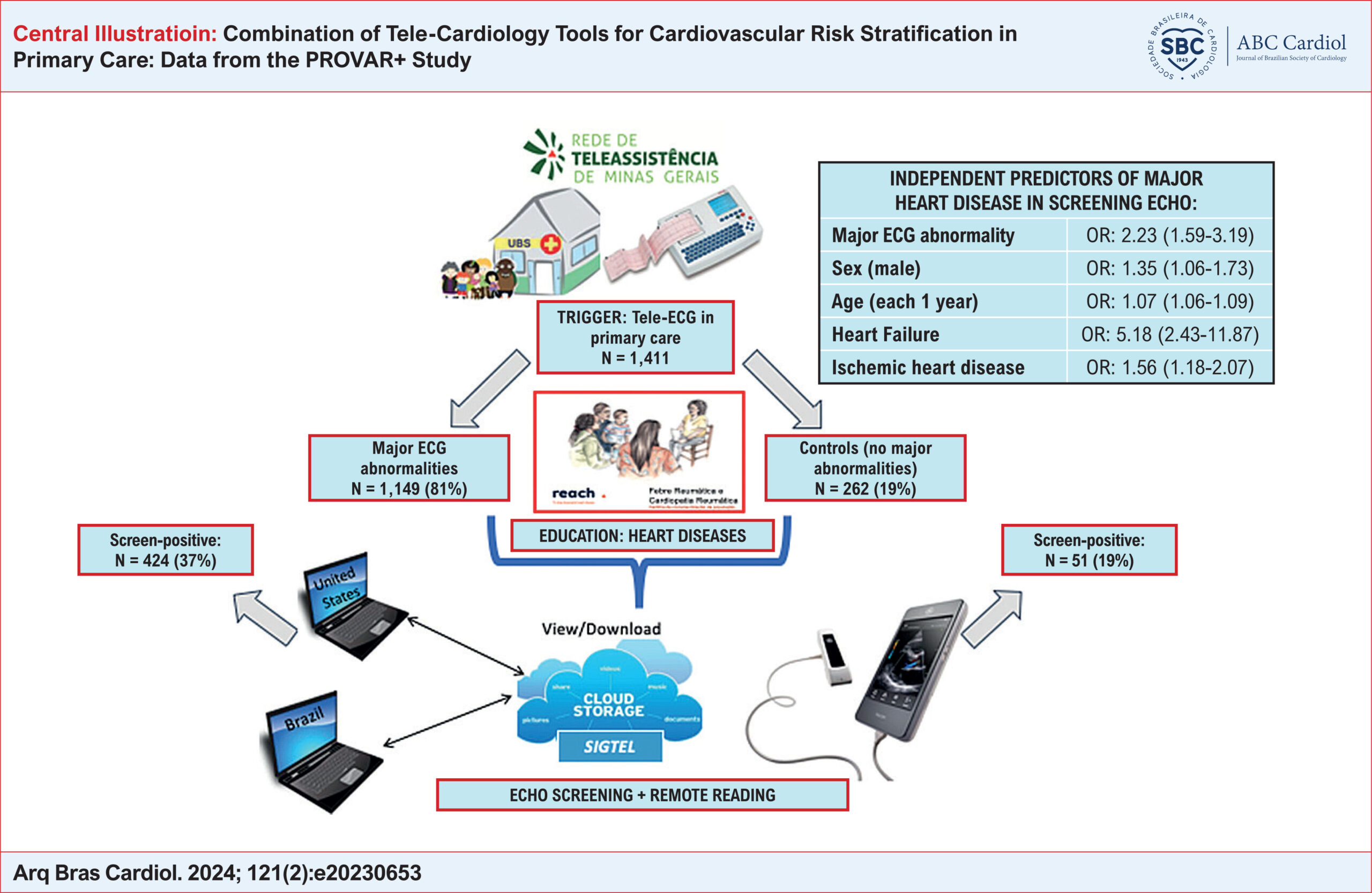
Combination of Tele-Cardiology Tools for Cardiovascular Risk Stratification in Primary Care: Data from the PROVAR+ Study
Original Article

Combination of Tele-Cardiology Tools for Cardiovascular Risk Stratification in Primary Care: Data from the PROVAR+ Study

Lucas Leal Fraga et al. Bruno Ramos Nascimento Beatriz Costa Haiashi Alexandre Melo Ferreira … Mauro Henrique Agapito Silva Isabely Karoline da Silva Ribeiro Gabriela Aparecida Silva Wanessa Campos Vinhal Mariela Mata Coimbra Cássia Aparecida Silva Cristiana Rosa Lima Machado Magda C. Pires Marina Gomes Diniz Luiza Pereira Afonso Santos Arthur Maia Amaral Lucas Chaves Diamante Henrique Leão Fava Craig Sable Maria Carmo Pereira Nunes Antonio Luiz P. Ribeiro Clareci Silva Cardoso

Abstract

Background:

Tele-cardiology tools are valuable strategies to improve risk stratification.

Objective:

We aimed to evaluate the accuracy of tele-electrocardiography (ECG) to predict abnormalities in screening echocardiography (echo) in primary care (PC).

Methods:

In 17 months, 6 health providers at 16 PC units were trained on simplified handheld echo protocols. Tele-ECGs were recorded for final diagnosis by a cardiologist. Consented patients with major ECG abnormalities by the Minnesota code, and a 1:5 sample of normal individuals underwent clinical questionnaire and screening echo interpreted remotely. Major heart disease was defined as moderate/severe valve disease, ventricular dysfunction/hypertrophy, pericardial effusion, or wall-motion abnormalities. Association between major ECG and echo abnormalities was assessed by logistic regression as follows: 1) unadjusted model; 2) model 1 adjusted for age/sex; 3) model 2 plus risk factors (hypertension/diabetes); 4) model 3 plus history of cardiovascular disease (Chagas/rheumatic heart disease/ischemic heart disease/stroke/heart failure). P-values < 0.05 were considered significant.

Results:

A total 1,411 patients underwent echo; 1,149 (81%) had major ECG abnormalities. Median age was 67 (IQR 60 to 74) years, and 51.4% were male. Major ECG abnormalities were associated with a 2.4-fold chance of major heart disease on echo in bivariate analysis (OR = 2.42 [95% CI 1.76 to 3.39]), and remained significant after adjustments in models (p < 0.001) 2 (OR = 2.57 [95% CI 1.84 to 3.65]), model 3 (OR = 2.52 [95% CI 1.80 to3.58]), and model 4 (OR = 2.23 [95%CI 1.59 to 3.19]). Age, male sex, heart failure, and ischemic heart disease were also independent predictors of major heart disease on echo.

Conclusions:

Tele-ECG abnormalities increased the likelihood of major heart disease on screening echo, even after adjustments for demographic and clinical variables.

  • Cardiovascular Diseases
  • Electrocardiography
  • Mass Screening
  • Risk Grade
  • Telemedicine
Read Full Article
Creative Commons Attribution (CC BY) Creative Commons license
05/04/2024 DOI: 10.36660/abc.20230653 Views 2
Original Article

Markers of Tissue Perfusion as Predictors of Adverse Outcomes in Patients with Left Ventricular Dysfunction Undergoing Coronary Artery Bypass Surgery

Thiana Yamaguti et al. José Otavio Costa Auler Junior Luís Alberto Oliveira Dallan Filomena Regina Barbosa Gomes Galas … Ligia Cristina Câmara Cunha Marilde de Albuquerque Piccioni

Abstract

Background:

Cardiac surgery patients may be exposed to tissue hypoperfusion and anaerobic metabolism.

Objective:

To verify whether the biomarkers of tissue hypoperfusion have predictive value for prolonged intensive care unit (ICU) stay in patients with left ventricular dysfunction who underwent coronary artery bypass surgery.

Methods:

After approval by the institution’s Ethics Committee and the signing of informed consent, 87 patients with left ventricular dysfunction (ejection fraction < 50%) undergoing coronary artery bypass surgery were enrolled. Hemodynamic and metabolic biomarkers were collected at five time points: after anesthesia, at the end of the surgery, at ICU admission, and at six and twelve hours after. An analysis of variance for repeated measures followed by a Bonferroni post hoc test was used for repeated, continuous variables (hemodynamic and metabolic variables) to determine differences between the two groups over the course of the study period. The level of statistical significance adopted was 5%.

Results:

Thirty-eight patients (43.7%) who presented adverse outcomes were older, higher Euro score (p<0.001), and elevated ΔpCO2 as analyzed 12 hours after ICU admission (p<0.01), while increased arterial lactate concentration at 6 hours postoperatively was found to be a negative predictive factor (p<0.01).

Conclusions:

Euro SCORE, six-hour postoperative arterial lactate, 12-hour postoperative ΔPCO2, and eRQ are independent predictors of adverse outcomes in patients with left ventricular dysfunction after cardiac surgery.

  • Biomarkers
  • Left Ventricular Dysfunction
  • Thoracic Surgery
Read Full Article
Creative Commons Attribution (CC BY) Creative Commons license
05/04/2024 DOI: 10.36660/abc.20230247 Views 1
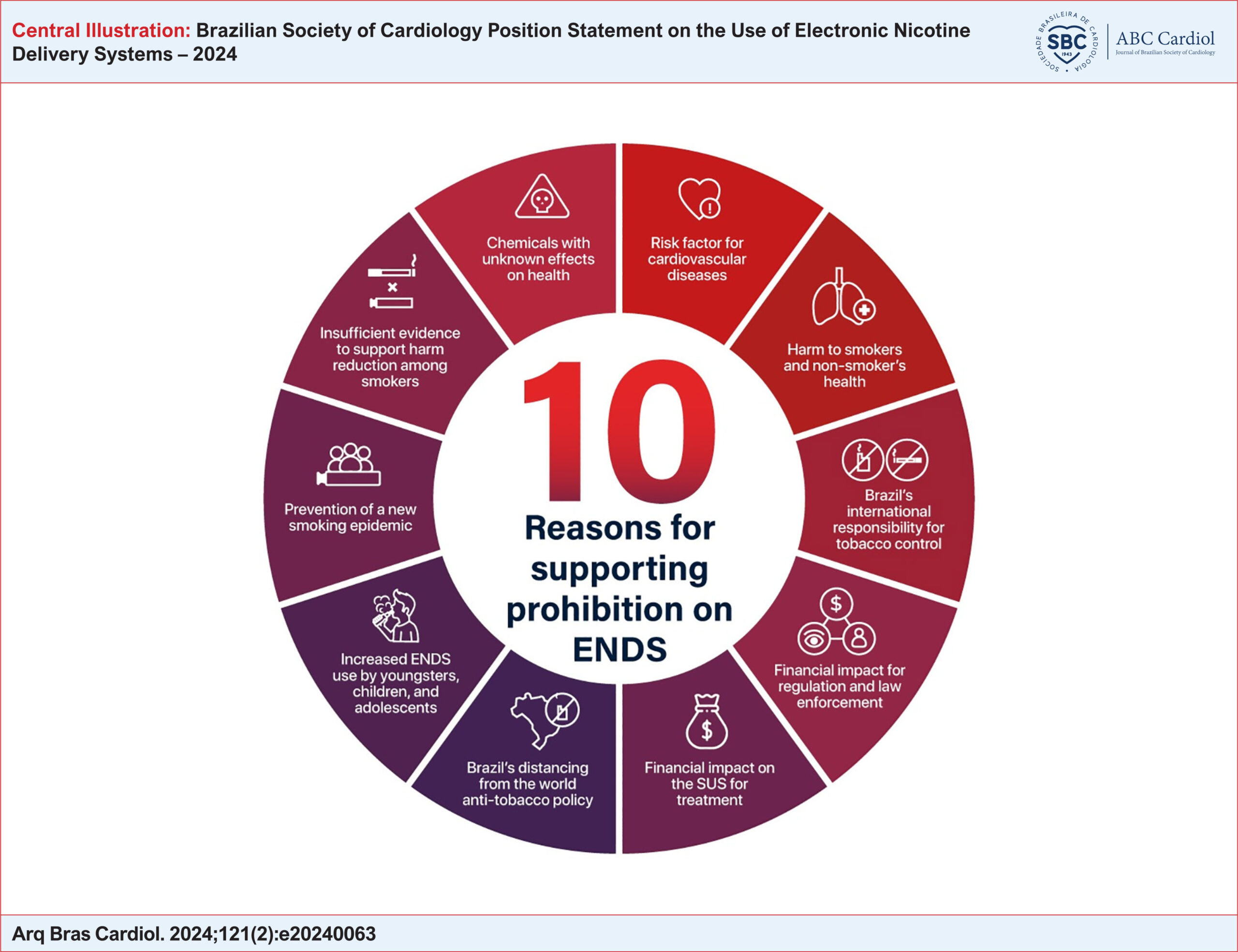
Brazilian Society of Cardiology Position Statement on the Use of Electronic Nicotine Delivery Systems – 2024
Posicionamento

Brazilian Society of Cardiology Position Statement on the Use of Electronic Nicotine Delivery Systems – 2024

Jaqueline R. Scholz et al. Deborah Carvalho Malta Antonio Aurélio de Paiva Fagundes Júnior Ricardo Pavanello … Gerson Luiz Bredt Júnior Mário de Seixas Rocha

10 Reasons for Supporting Prohibition

[…]

  • Brazilian Society of Cardiology (Sociedade Brasileira de Cardiologia – SBC)
Read Full Article
Creative Commons Attribution (CC BY) Creative Commons license
26/02/2024 DOI: 10.36660/abc.20240063 Views 1
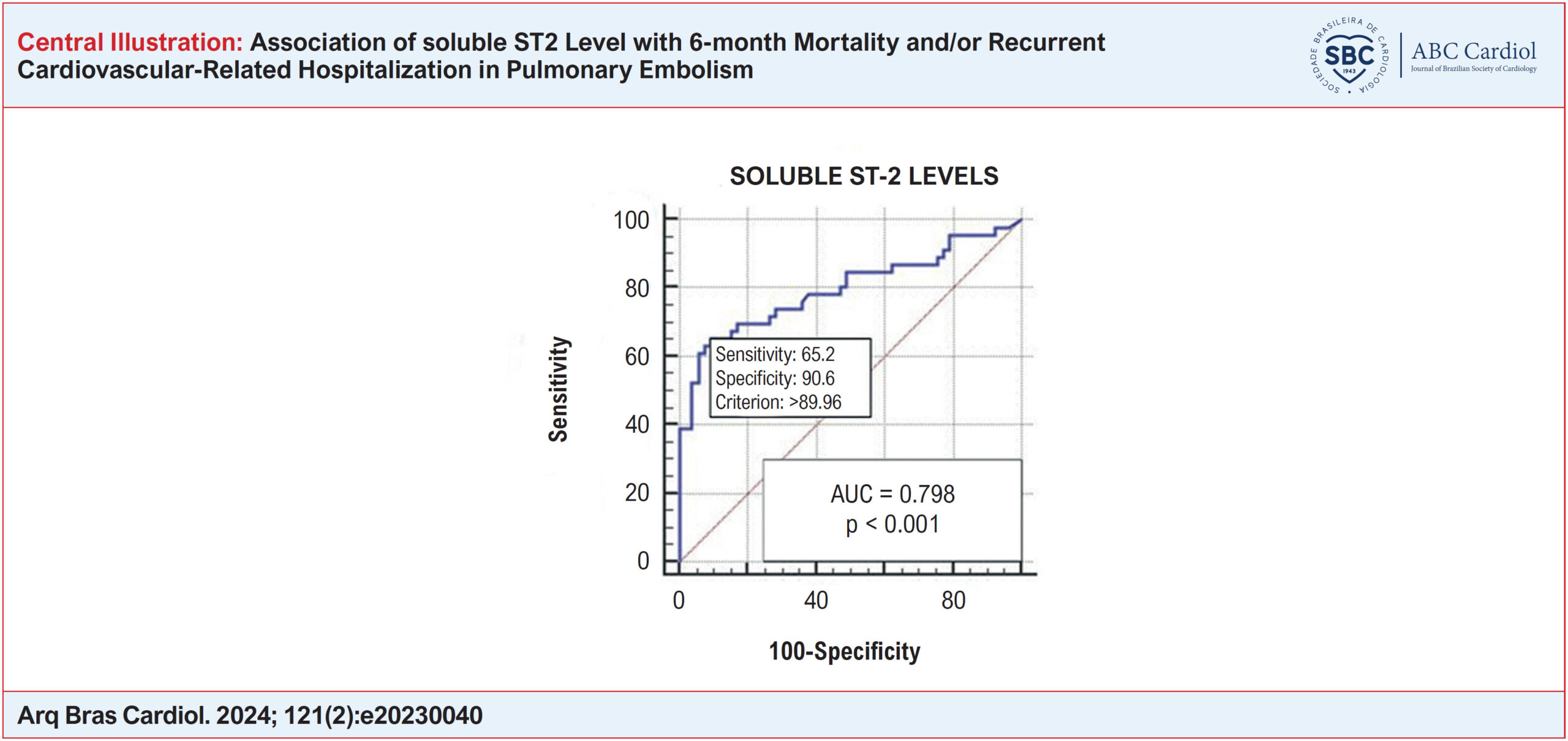
Association of soluble ST2 Level with 6-month Mortality and/or Recurrent Cardiovascular-Related Hospitalization in Pulmonary Embolism
Original Article

Association of soluble ST2 Level with 6-month Mortality and/or Recurrent Cardiovascular-Related Hospitalization in Pulmonary Embolism

Hakan Gunes et al. Handan Gunes Musa Dagli Mehmet Kirişçi … Meryem Özbek Nurhan Atilla Mehmet Birhan Yılmaz

Abstract

Background:

The association of soluble suppression of tumorigenesis-2 (sST2) levels with prognosis in pulmonary embolism (PE) is unknown.

Objective:

This study aimed to investigate the relationship between sST2 levels in patients with acute PE and 6-month mortality and recurrent hospitalizations.

Methods:

This prospective study included 100 patients with acute PE. Patients were classified into two groups according to 6-month mortality and the presence of recurrent Cardiovascular-Related hospitalizations. Two groups were compared. A p-value of 0.05 was considered statistically significant.

Results:

Soluble ST2 levels were significantly higher in the group with mortality and recurrent hospitalizations. (138.6 ng/mL (56.7-236.8) vs. 38 ng/mL (26.3-75.4); p89.9 with a specificity of 90.6% and a sensitivity of 65.2%, according to the receiver operating characteristic curve (area under the curve = 0.798; 95% CI, 0.705–0.891; p <0.0001). After adjusting for confounding factors that were either statistically significant in the univariate analysis or for the variables correlated with the sST2 levels, sST2 level (OR = 1.019, 95% CI: 1.009-1.028, p 0.001) and C-reactive protein (CRP ) (OR = 1.010, 95% CI: 1.001-1.021, p = 0.046) continued to be significant predictors of 6-month mortality and/or recurrent Cardiovascular-Related hospitalization in the multiple logistic regression model via backward stepwise method.

Conclusion:

Soluble ST2 level seems to be a biomarker to predict 6-month mortality and/or recurrent Cardiovascular-Related hospitalization in patients with acute PE.

  • Hospitalization
  • Mortality
  • Pulmonary embolism
Read Full Article
Creative Commons Attribution (CC BY) Creative Commons license
23/02/2024 DOI: 10.36660/abc.20230040 Views 2
Relationship between Static Lung Compliance and Extubation Failure in Postoperative Cardiac Surgery Patients
Original Article

Relationship between Static Lung Compliance and Extubation Failure in Postoperative Cardiac Surgery Patients

Thais Bento Rudge Ramos et al. Luciana Castilho Figueiredo Luiz Claudio Martins Antonio Luis Eiras Falcão … Lígia dos Santos Roceto Ratti Orlando Petrucci Desanka Dragosavac

Abstract

Background:

Static lung compliance, which is seriously affected during surgery, can lead to respiratory failure and extubation failure, which is little explored in the decision to extubate after cardiac surgery.

Objective:

To evaluate static lung compliance in the postoperative period of cardiac surgery and relate its possible reduction to cases of extubation failure in patients submitted to the fast-track method of extubation.

Methods:

Patients undergoing cardiac surgery using cardiopulmonary bypass (CPB) at a state university hospital admitted to the ICU under sedation and residual block were included. Their static lung compliance was assessed on the mechanical ventilator using software that uses least squares fitting (LSF) for measurement. Within 48 hours of extubation, the patients were observed for the need for reintubation due to respiratory failure. The level of significance adopted for the statistical tests was 5%, i.e., p<0.05.

Results:

77 patients (75.49%) achieved successful extubation and 25 (24.51%) failed extubation. Patients who failed extubation had lower static lung compliance compared to those who succeeded (p<0.001). We identified the cut-off point for compliance through analysis of the Receiver Operating Characteristic Curve (ROC), with the cut-off point being compliance <41ml/cmH2O associated with a higher probability of extubation failure (p<0.001). In the multiple regression analysis, the influence of lung compliance (divided by the ROC curve cut-off point) was found to be 9.1 times greater for patients with compliance <41ml/cmH2O (p< 0.003).

Conclusions:

Static lung compliance <41ml/cmH2O is a factor that compromises the success of extubation in the postoperative period of cardiac surgery.

  • Lung Compliance
  • Postoperative Care
  • Thoracic Surgery
Read Full Article
Creative Commons Attribution (CC BY) Creative Commons license
23/02/2024 DOI: 10.36660/abc.20230350
Video 1
Image

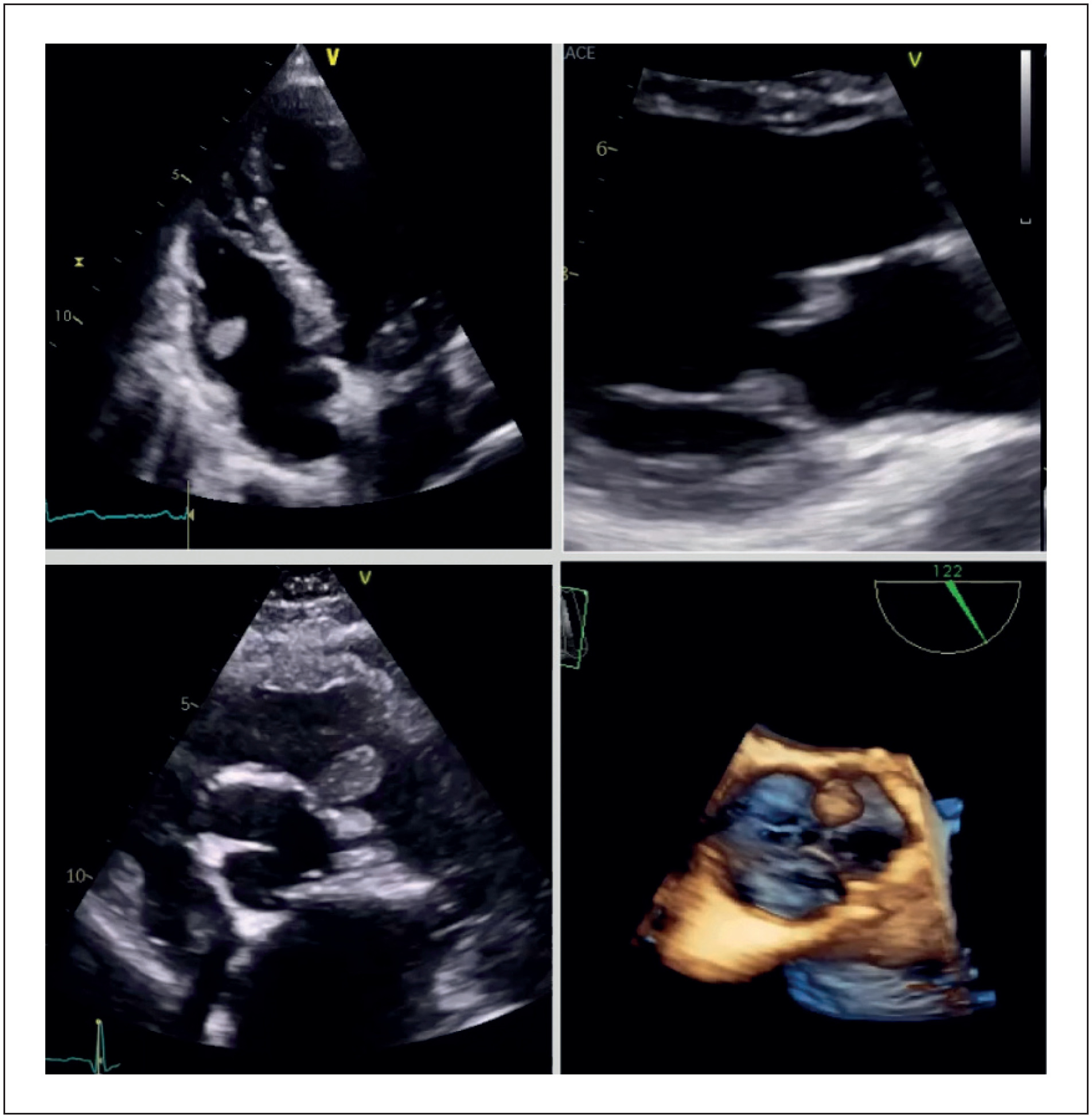
Fibroelastoma, an Incidentaloma Disease? – Image Cases of Fibroelastomas as Incidental Findings in Four Patients, Four Different Valves

Joana Lima Lopes et al. Antonio Freitas João Bicho Augusto

Abstract

Fibroelastomas are the second most common benign cardiac tumor. They are small avascular structures with a mean size of 9mm, ranging up to 70mm, usually attached to the heart valves’ surface (aortic and mitral are the most affected, followed by tricuspid and pulmonary valves). Their etiology is unclear, but the hypothesis of coalescence of microthrombus at the coaptation margins of valves is the most widely accepted theory. On echocardiography, they are pedicled, mobile, with a filamentous surface, and usually have a speckled appearance with echolucencies and a stippled pattern near the edges. Clinically, they may be associated with embolic phenomena; however, in most cases, the diagnosis is incidental. We present a series of four clinical cases with an incidental diagnosis of fibroelastomas across the four cardiac valves as assessed by transthoracic echocardiography (; ).

  • Echocardiography, Transesophageal/methods
  • Embolization
  • Fibroelastoma
  • Heart Neoplasias/surgery
  • Heart valves
  • Incidental Findings
Read Full Article
Creative Commons Attribution (CC BY) Creative Commons license
23/02/2024 DOI: 10.36660/abc.20230222 Views 2

Could not load more articles. Please try again.

How to cite this article

EndNote RIS

Electronic Document Format (Vancouver)

Oliveira GMM, Brant LCC, Polanczyk CA, Malta DC, Biolo A, Nascimento BR, Souza MFM, et al. Cardiovascular Statistics – Brazil 2023. Arquivos Brasileiros de Cardiologia 2024;121(2):e20240079.

Electronic Document Format (ABNT)

Oliveira, Gláucia Maria Moraes de; Brant, Luisa Campos Caldeira; Polanczyk, Carisi Anne; Malta, Deborah Carvalho; Biolo, Andreia; Nascimento, Bruno Ramos; Souza, Maria de Fatima Marinho de; Lorenzo, Andrea Rocha De; Fagundes Júnior, Antonio Aurélio de Paiva; Schaan, Beatriz D.; Silva, Christina Grüne de Souza e; Castilho, Fábio Morato de; Cesena, Fernando Henpin Yue; Soares, Gabriel Porto; Xavier Junior, Gesner Francisco; Barreto Filho, Jose Augusto Soares; Passaglia, Luiz Guilherme; Pinto Filho, Marcelo Martins; Machline-Carrion, M. Julia; Bittencourt, Marcio Sommer; Pontes Neto, Octavio M.; Villela, Paolo Blanco; Teixeira, Renato Azeredo; Stein, Ricardo; Sampaio, Roney Orismar; Gaziano, Thomaz A.; Perel, Pablo; Roth, Gregory A.; Ribeiro, Antonio Luiz Pinho. Cardiovascular Statistics – Brazil 2023. Arquivos Brasileiros de Cardiologia, v. 121, n. 2, e20240079, Jun. 2024.

Electronic Document Format (APA)

Oliveira, G. M. M. , Brant, L. C. C., Polanczyk, C. A., Malta, D. C., Biolo, A., Nascimento, B. R., Souza, M. F. M. , Lorenzo, A. R. D., Fagundes Júnior, A. A. P., Schaan, B. D., Silva, C. G. S. , Castilho, F. M. , Cesena, F. H. Y., Soares, G. P., Xavier Junior, G. F., Barreto Filho, J. A. S., Passaglia, L. G., Pinto Filho, M. M., Machline-Carrion, M. J., Bittencourt, M. S., Pontes Neto, O. M., Villela, P. B., Teixeira, R. A., Stein, R., Sampaio, R. O., Gaziano, T. A., Perel, P., Roth, G. A., & Ribeiro, A. L. P. (2024). Cardiovascular Statistics – Brazil 2023. Arquivos Brasileiros de Cardiologia, 121(2), e20240079.

Electronic Document Format (ISO)

Oliveira, Gláucia Maria Moraes de and Brant, Luisa Campos Caldeira and Polanczyk, Carisi Anne and Malta, Deborah Carvalho and Biolo, Andreia and Nascimento, Bruno Ramos and Souza, Maria de Fatima Marinho de and Lorenzo, Andrea Rocha De and Fagundes Júnior, Antonio Aurélio de Paiva and Schaan, Beatriz D. and Silva, Christina Grüne de Souza e and Castilho, Fábio Morato de and Cesena, Fernando Henpin Yue and Soares, Gabriel Porto and Xavier Junior, Gesner Francisco and Barreto Filho, Jose Augusto Soares and Passaglia, Luiz Guilherme and Pinto Filho, Marcelo Martins and Machline-Carrion, M. Julia and Bittencourt, Marcio Sommer and Pontes Neto, Octavio M. and Villela, Paolo Blanco and Teixeira, Renato Azeredo and Stein, Ricardo and Sampaio, Roney Orismar and Gaziano, Thomaz A. and Perel, Pablo and Roth, Gregory A. and Ribeiro, Antonio Luiz Pinho. Cardiovascular Statistics – Brazil 2023. Arquivos Brasileiros de Cardiologia [online]. 2024, vol. 121, n. 2, [cited 2026-10-14], e20240079. Available from: <https://journals.cardiol.br/en/article/cardiovascular-statistics-brazil-2023/>. ISSN 0066-782X

EndNote RIS

Electronic Document Format (Vancouver)

Franco RJS. The Adenosine System as a Target in the Search for a New Class of Antihypertensives. Arquivos Brasileiros de Cardiologia 2024;121(2):e20240129.

Electronic Document Format (ABNT)

Franco, Roberto Jorge da Silva. The Adenosine System as a Target in the Search for a New Class of Antihypertensives. Arquivos Brasileiros de Cardiologia, v. 121, n. 2, e20240129, May. 2024.

Electronic Document Format (APA)

Franco, R. J. S. (2024). The Adenosine System as a Target in the Search for a New Class of Antihypertensives. Arquivos Brasileiros de Cardiologia, 121(2), e20240129.

Electronic Document Format (ISO)

Franco, Roberto Jorge da Silva. The Adenosine System as a Target in the Search for a New Class of Antihypertensives. Arquivos Brasileiros de Cardiologia [online]. 2024, vol. 121, n. 2, [cited 2026-10-14], e20240129. Available from: <https://journals.cardiol.br/en/article/the-adenosine-system-as-a-target-in-the-search-for-a-new-class-of-antihypertensives/>. ISSN 0066-782X

EndNote RIS

Electronic Document Format (Vancouver)

Murad H. Relationship between Static Lung Compliance and Extubation After Cardiac Surgery. Arquivos Brasileiros de Cardiologia 2024;121(2):e20240125.

Electronic Document Format (ABNT)

Murad, Henrique. Relationship between Static Lung Compliance and Extubation After Cardiac Surgery. Arquivos Brasileiros de Cardiologia, v. 121, n. 2, e20240125, Apr. 2024.

Electronic Document Format (APA)

Murad, H. (2024). Relationship between Static Lung Compliance and Extubation After Cardiac Surgery. Arquivos Brasileiros de Cardiologia, 121(2), e20240125.

Electronic Document Format (ISO)

Murad, Henrique. Relationship between Static Lung Compliance and Extubation After Cardiac Surgery. Arquivos Brasileiros de Cardiologia [online]. 2024, vol. 121, n. 2, [cited 2026-10-14], e20240125. Available from: <https://journals.cardiol.br/en/article/relationship-between-static-lung-compliance-and-extubation-after-cardiac-surgery/>. ISSN 0066-782X

EndNote RIS

Electronic Document Format (Vancouver)

Abreu LM. Combining Technology with Quality in Medical Care. Arquivos Brasileiros de Cardiologia 2024;121(2):e20240127.

Electronic Document Format (ABNT)

Abreu, Luiz Maurino. Combining Technology with Quality in Medical Care. Arquivos Brasileiros de Cardiologia, v. 121, n. 2, e20240127, Apr. 2024.

Electronic Document Format (APA)

Abreu, L. M. (2024). Combining Technology with Quality in Medical Care. Arquivos Brasileiros de Cardiologia, 121(2), e20240127.

Electronic Document Format (ISO)

Abreu, Luiz Maurino. Combining Technology with Quality in Medical Care. Arquivos Brasileiros de Cardiologia [online]. 2024, vol. 121, n. 2, [cited 2026-10-14], e20240127. Available from: <https://journals.cardiol.br/en/article/combining-technology-with-quality-in-medical-care/>. ISSN 0066-782X

EndNote RIS

Electronic Document Format (Vancouver)

Hossne Junior NA. The Role of Hemodynamic, Metabolic, and Biomarkers in Predicting Mortality after Coronary Artery Bypass Grafting: Are we there yet?. Arquivos Brasileiros de Cardiologia 2024;121(2):e20240117.

Electronic Document Format (ABNT)

Hossne Junior, Nelson Americo. The Role of Hemodynamic, Metabolic, and Biomarkers in Predicting Mortality after Coronary Artery Bypass Grafting: Are we there yet?. Arquivos Brasileiros de Cardiologia, v. 121, n. 2, e20240117, Apr. 2024.

Electronic Document Format (APA)

Hossne Junior, N. A. (2024). The Role of Hemodynamic, Metabolic, and Biomarkers in Predicting Mortality after Coronary Artery Bypass Grafting: Are we there yet?. Arquivos Brasileiros de Cardiologia, 121(2), e20240117.

Electronic Document Format (ISO)

Hossne Junior, Nelson Americo. The Role of Hemodynamic, Metabolic, and Biomarkers in Predicting Mortality after Coronary Artery Bypass Grafting: Are we there yet?. Arquivos Brasileiros de Cardiologia [online]. 2024, vol. 121, n. 2, [cited 2026-10-14], e20240117. Available from: <https://journals.cardiol.br/en/article/the-role-of-hemodynamic-metabolic-and-biomarkers-in-predicting-mortality-after-coronary-artery-bypass-grafting-are-we-there-yet/>. ISSN 0066-782X

EndNote RIS

Electronic Document Format (Vancouver)

Çiçek F. Does the Prognostic Nutritional Index Offer New Insights into Coronary Collateral Circulation in Stable Angina?. Arquivos Brasileiros de Cardiologia 2024;121(2):e20240144.

Electronic Document Format (ABNT)

Çiçek, Ömer Faruk. Does the Prognostic Nutritional Index Offer New Insights into Coronary Collateral Circulation in Stable Angina?. Arquivos Brasileiros de Cardiologia, v. 121, n. 2, e20240144, Apr. 2024.

Electronic Document Format (APA)

Çiçek, F. (2024). Does the Prognostic Nutritional Index Offer New Insights into Coronary Collateral Circulation in Stable Angina?. Arquivos Brasileiros de Cardiologia, 121(2), e20240144.

Electronic Document Format (ISO)

Çiçek, Ömer Faruk. Does the Prognostic Nutritional Index Offer New Insights into Coronary Collateral Circulation in Stable Angina?. Arquivos Brasileiros de Cardiologia [online]. 2024, vol. 121, n. 2, [cited 2026-10-14], e20240144. Available from: <https://journals.cardiol.br/en/article/does-the-prognostic-nutritional-index-offer-new-insights-into-coronary-collateral-circulation-in-stable-angina/>. ISSN 0066-782X

EndNote RIS

Electronic Document Format (Vancouver)

Miranda CH. Focus on Intermediate-Risk Acute Pulmonary Embolism. Is the Combination of Biomarkers the Solution?. Arquivos Brasileiros de Cardiologia 2024;121(2):e20240075.

Electronic Document Format (ABNT)

Miranda, Carlos Henrique. Focus on Intermediate-Risk Acute Pulmonary Embolism. Is the Combination of Biomarkers the Solution?. Arquivos Brasileiros de Cardiologia, v. 121, n. 2, e20240075, Apr. 2024.

Electronic Document Format (APA)

Miranda, C. H. (2024). Focus on Intermediate-Risk Acute Pulmonary Embolism. Is the Combination of Biomarkers the Solution?. Arquivos Brasileiros de Cardiologia, 121(2), e20240075.

Electronic Document Format (ISO)

Miranda, Carlos Henrique. Focus on Intermediate-Risk Acute Pulmonary Embolism. Is the Combination of Biomarkers the Solution?. Arquivos Brasileiros de Cardiologia [online]. 2024, vol. 121, n. 2, [cited 2026-10-14], e20240075. Available from: <https://journals.cardiol.br/en/article/focus-on-intermediate-risk-acute-pulmonary-embolism-is-the-combination-of-biomarkers-the-solution/>. ISSN 0066-782X

EndNote RIS

Electronic Document Format (Vancouver)

Ferrari F, Rossi AP. Ethnic Disparities in the Longevity of Brazilian Olympic Medalists. Arquivos Brasileiros de Cardiologia 2024;121(2):e20240082.

Electronic Document Format (ABNT)

Ferrari, Filipe; Rossi, Arthur Proença. Ethnic Disparities in the Longevity of Brazilian Olympic Medalists. Arquivos Brasileiros de Cardiologia, v. 121, n. 2, e20240082, Apr. 2024.

Electronic Document Format (APA)

Ferrari, F., & Rossi, A. P. (2024). Ethnic Disparities in the Longevity of Brazilian Olympic Medalists. Arquivos Brasileiros de Cardiologia, 121(2), e20240082.

Electronic Document Format (ISO)

Ferrari, Filipe and Rossi, Arthur Proença. Ethnic Disparities in the Longevity of Brazilian Olympic Medalists. Arquivos Brasileiros de Cardiologia [online]. 2024, vol. 121, n. 2, [cited 2026-10-14], e20240082. Available from: <https://journals.cardiol.br/en/article/ethnic-disparities-in-the-longevity-of-brazilian-olympic-medalists/>. ISSN 0066-782X

EndNote RIS

Electronic Document Format (Vancouver)

Bianco HT. Index of Systemic Immunoinflammation and Ischemia in Patients with Non-Obstructive Coronary Arteries. Arquivos Brasileiros de Cardiologia 2024;121(2):e20240081.

Electronic Document Format (ABNT)

Bianco, Henrique Tria. Index of Systemic Immunoinflammation and Ischemia in Patients with Non-Obstructive Coronary Arteries. Arquivos Brasileiros de Cardiologia, v. 121, n. 2, e20240081, Apr. 2024.

Electronic Document Format (APA)

Bianco, H. T. (2024). Index of Systemic Immunoinflammation and Ischemia in Patients with Non-Obstructive Coronary Arteries. Arquivos Brasileiros de Cardiologia, 121(2), e20240081.

Electronic Document Format (ISO)

Bianco, Henrique Tria. Index of Systemic Immunoinflammation and Ischemia in Patients with Non-Obstructive Coronary Arteries. Arquivos Brasileiros de Cardiologia [online]. 2024, vol. 121, n. 2, [cited 2026-10-14], e20240081. Available from: <https://journals.cardiol.br/en/article/index-of-systemic-immunoinflammation-and-ischemia-in-patients-with-non-obstructive-coronary-arteries/>. ISSN 0066-782X

EndNote RIS

Electronic Document Format (Vancouver)

Abrantes JC, Turque F, Demier BF, Neves DG, Yahiro DS, Kubo TTA, Canale L, et al. 3D Printing in Constrictive Pericarditis Assessment. Arquivos Brasileiros de Cardiologia 2024;121(2):e20220866.

Electronic Document Format (ABNT)

Abrantes, Juliana Cadilho; Turque, Fernanda; Demier, Bernardo Fróes; Neves, Daniel Gama; Yahiro, Davi Shunji; Kubo, Tadeu Takao Almodovar; Canale, Leonardo; Mesquita, Claudio Tinoco. 3D Printing in Constrictive Pericarditis Assessment. Arquivos Brasileiros de Cardiologia, v. 121, n. 2, e20220866, Apr. 2024.

Electronic Document Format (APA)

Abrantes, J. C., Turque, F., Demier, B. F., Neves, D. G., Yahiro, D. S., Kubo, T. T. A., Canale, L., & Mesquita, C. T. (2024). 3D Printing in Constrictive Pericarditis Assessment. Arquivos Brasileiros de Cardiologia, 121(2), e20220866.

Electronic Document Format (ISO)

Abrantes, Juliana Cadilho and Turque, Fernanda and Demier, Bernardo Fróes and Neves, Daniel Gama and Yahiro, Davi Shunji and Kubo, Tadeu Takao Almodovar and Canale, Leonardo and Mesquita, Claudio Tinoco. 3D Printing in Constrictive Pericarditis Assessment. Arquivos Brasileiros de Cardiologia [online]. 2024, vol. 121, n. 2, [cited 2026-10-14], e20220866. Available from: <https://journals.cardiol.br/en/article/3d-printing-in-constrictive-pericarditis-assessment/>. ISSN 0066-782X

EndNote RIS

Electronic Document Format (Vancouver)

Esenboga K, Kurtul A, Yamanturk YY, Kozluca V, Tutar E. Prognostic Nutritional Index is Associated with the Degree of Coronary Collateral Circulation in Stable Angina Patients with Chronic Total Occlusion. Arquivos Brasileiros de Cardiologia 2024;121(2):e20230765.

Electronic Document Format (ABNT)

Esenboga, Kerim; Kurtul, Alparslan; Yamanturk, Yakup Yunus; Kozluca, Volkan; Tutar, Eralp. Prognostic Nutritional Index is Associated with the Degree of Coronary Collateral Circulation in Stable Angina Patients with Chronic Total Occlusion. Arquivos Brasileiros de Cardiologia, v. 121, n. 2, e20230765, Apr. 2024.

Electronic Document Format (APA)

Esenboga, K., Kurtul, A., Yamanturk, Y. Y., Kozluca, V., & Tutar, E. (2024). Prognostic Nutritional Index is Associated with the Degree of Coronary Collateral Circulation in Stable Angina Patients with Chronic Total Occlusion. Arquivos Brasileiros de Cardiologia, 121(2), e20230765.

Electronic Document Format (ISO)

Esenboga, Kerim and Kurtul, Alparslan and Yamanturk, Yakup Yunus and Kozluca, Volkan and Tutar, Eralp. Prognostic Nutritional Index is Associated with the Degree of Coronary Collateral Circulation in Stable Angina Patients with Chronic Total Occlusion. Arquivos Brasileiros de Cardiologia [online]. 2024, vol. 121, n. 2, [cited 2026-10-14], e20230765. Available from: <https://journals.cardiol.br/en/article/prognostic-nutritional-index-is-associated-with-the-degree-of-coronary-collateral-circulation-in-stable-angina-patients-with-chronic-total-occlusion/>. ISSN 0066-782X

EndNote RIS

Electronic Document Format (Vancouver)

Braga F, Medeiros P, Neno AC, Meira D, Magalhães J, Emery MS. Ethnic Differences in Survival among Brazilian Modern-era Olympic Medalists from 1920 to 1992: A Cohort Study. Arquivos Brasileiros de Cardiologia 2024;121(2):e20230524.

Electronic Document Format (ABNT)

Braga, Fabricio; Medeiros, Paula de; Neno, Ana Carolina; Meira, Diogo; Magalhães, João; Emery, Michael S.. Ethnic Differences in Survival among Brazilian Modern-era Olympic Medalists from 1920 to 1992: A Cohort Study. Arquivos Brasileiros de Cardiologia, v. 121, n. 2, e20230524, Apr. 2024.

Electronic Document Format (APA)

Braga, F., Medeiros, P. , Neno, A. C., Meira, D., Magalhães, J., & Emery, M. S. (2024). Ethnic Differences in Survival among Brazilian Modern-era Olympic Medalists from 1920 to 1992: A Cohort Study. Arquivos Brasileiros de Cardiologia, 121(2), e20230524.

Electronic Document Format (ISO)

Braga, Fabricio and Medeiros, Paula de and Neno, Ana Carolina and Meira, Diogo and Magalhães, João and Emery, Michael S.. Ethnic Differences in Survival among Brazilian Modern-era Olympic Medalists from 1920 to 1992: A Cohort Study. Arquivos Brasileiros de Cardiologia [online]. 2024, vol. 121, n. 2, [cited 2026-10-14], e20230524. Available from: <https://journals.cardiol.br/en/article/ethnic-differences-in-survival-among-brazilian-modern-era-olympic-medalists-from-1920-to-1992-a-cohort-study/>. ISSN 0066-782X

EndNote RIS

Electronic Document Format (Vancouver)

Rocha BS, Silva JS, Pedreira JGB, Montagnoli TL, Barreiro EJ, Zapata-Sudo G. Antihypertensive Effect of New Agonist of Adenosine Receptor in Spontaneously Hypertensive Rats. Arquivos Brasileiros de Cardiologia 2024;121(2):e20230405.

Electronic Document Format (ABNT)

Rocha, Bruna de Souza; Silva, Jaqueline Soares da; Pedreira, Júlia Galvez Bulhões; Montagnoli, Tadeu Lima; Barreiro, Eliezer Jesus; Zapata-Sudo, Gisele. Antihypertensive Effect of New Agonist of Adenosine Receptor in Spontaneously Hypertensive Rats. Arquivos Brasileiros de Cardiologia, v. 121, n. 2, e20230405, Apr. 2024.

Electronic Document Format (APA)

Rocha, B. S., Silva, J. S. , Pedreira, J. G. B., Montagnoli, T. L., Barreiro, E. J., & Zapata-Sudo, G. (2024). Antihypertensive Effect of New Agonist of Adenosine Receptor in Spontaneously Hypertensive Rats. Arquivos Brasileiros de Cardiologia, 121(2), e20230405.

Electronic Document Format (ISO)

Rocha, Bruna de Souza and Silva, Jaqueline Soares da and Pedreira, Júlia Galvez Bulhões and Montagnoli, Tadeu Lima and Barreiro, Eliezer Jesus and Zapata-Sudo, Gisele. Antihypertensive Effect of New Agonist of Adenosine Receptor in Spontaneously Hypertensive Rats. Arquivos Brasileiros de Cardiologia [online]. 2024, vol. 121, n. 2, [cited 2026-10-14], e20230405. Available from: <https://journals.cardiol.br/en/article/antihypertensive-effect-of-new-agonist-of-adenosine-receptor-in-spontaneously-hypertensive-rats/>. ISSN 0066-782X

EndNote RIS

Electronic Document Format (Vancouver)

Karakayali M, Altunova M, Yakisan T, Aslan S, Omar T, Artac I, Ilis D, et al. The Relationship between the Systemic Immune-Inflammation Index and Ischemia with Non-Obstructive Coronary Arteries in Patients Undergoing Coronary Angiography. Arquivos Brasileiros de Cardiologia 2024;121(2):e20230540.

Electronic Document Format (ABNT)

Karakayali, Muammer; Altunova, Mehmet; Yakisan, Turab; Aslan, Serkan; Omar, Timor; Artac, Inanc; Ilis, Doğan; Arslan, Ayca; Cagin, Zihni; Karabag, Yavuz; Rencuzogullari, Ibrahim. The Relationship between the Systemic Immune-Inflammation Index and Ischemia with Non-Obstructive Coronary Arteries in Patients Undergoing Coronary Angiography. Arquivos Brasileiros de Cardiologia, v. 121, n. 2, e20230540, Apr. 2024.

Electronic Document Format (APA)

Karakayali, M., Altunova, M., Yakisan, T., Aslan, S., Omar, T., Artac, I., Ilis, D., Arslan, A., Cagin, Z., Karabag, Y., & Rencuzogullari, I. (2024). The Relationship between the Systemic Immune-Inflammation Index and Ischemia with Non-Obstructive Coronary Arteries in Patients Undergoing Coronary Angiography. Arquivos Brasileiros de Cardiologia, 121(2), e20230540.

Electronic Document Format (ISO)

Karakayali, Muammer and Altunova, Mehmet and Yakisan, Turab and Aslan, Serkan and Omar, Timor and Artac, Inanc and Ilis, Doğan and Arslan, Ayca and Cagin, Zihni and Karabag, Yavuz and Rencuzogullari, Ibrahim. The Relationship between the Systemic Immune-Inflammation Index and Ischemia with Non-Obstructive Coronary Arteries in Patients Undergoing Coronary Angiography. Arquivos Brasileiros de Cardiologia [online]. 2024, vol. 121, n. 2, [cited 2026-10-14], e20230540. Available from: <https://journals.cardiol.br/en/article/the-relationship-between-the-systemic-immune-inflammation-index-and-ischemia-with-non-obstructive-coronary-arteries-in-patients-undergoing-coronary-angiography/>. ISSN 0066-782X

EndNote RIS

Electronic Document Format (Vancouver)

Avila WS, Lucena AJG. Cardio-Obstetrics: A Critical, Growing Subspecialty. Arquivos Brasileiros de Cardiologia 2024;121(2):e20230433.

Electronic Document Format (ABNT)

Avila, Walkiria Samuel; Lucena, Alexandre Jorge Gomes de. Cardio-Obstetrics: A Critical, Growing Subspecialty. Arquivos Brasileiros de Cardiologia, v. 121, n. 2, e20230433, Apr. 2024.

Electronic Document Format (APA)

Avila, W. S., & Lucena, A. J. G. (2024). Cardio-Obstetrics: A Critical, Growing Subspecialty. Arquivos Brasileiros de Cardiologia, 121(2), e20230433.

Electronic Document Format (ISO)

Avila, Walkiria Samuel and Lucena, Alexandre Jorge Gomes de. Cardio-Obstetrics: A Critical, Growing Subspecialty. Arquivos Brasileiros de Cardiologia [online]. 2024, vol. 121, n. 2, [cited 2026-10-14], e20230433. Available from: <https://journals.cardiol.br/en/article/cardio-obstetrics-a-critical-growing-subspecialty/>. ISSN 0066-782X

EndNote RIS

Electronic Document Format (Vancouver)

Silva RMFL, Monteze NM, Giannetti JG, Meira ZMA. Electrocardiographic and Autonomic Nervous System Changes after Changes in the Posture of Children and Adolescents with Duchenne Muscular Dystrophy. Arquivos Brasileiros de Cardiologia 2024;121(2):e20230483.

Electronic Document Format (ABNT)

Silva, Rose Mary Ferreira Lisboa da; Monteze, Nathalia Mussi; Giannetti, Juliana Gurgel; Meira, Zilda Maria Alves. Electrocardiographic and Autonomic Nervous System Changes after Changes in the Posture of Children and Adolescents with Duchenne Muscular Dystrophy. Arquivos Brasileiros de Cardiologia, v. 121, n. 2, e20230483, Apr. 2024.

Electronic Document Format (APA)

Silva, R. M. F. L. , Monteze, N. M., Giannetti, J. G., & Meira, Z. M. A. (2024). Electrocardiographic and Autonomic Nervous System Changes after Changes in the Posture of Children and Adolescents with Duchenne Muscular Dystrophy. Arquivos Brasileiros de Cardiologia, 121(2), e20230483.

Electronic Document Format (ISO)

Silva, Rose Mary Ferreira Lisboa da and Monteze, Nathalia Mussi and Giannetti, Juliana Gurgel and Meira, Zilda Maria Alves. Electrocardiographic and Autonomic Nervous System Changes after Changes in the Posture of Children and Adolescents with Duchenne Muscular Dystrophy. Arquivos Brasileiros de Cardiologia [online]. 2024, vol. 121, n. 2, [cited 2026-10-14], e20230483. Available from: <https://journals.cardiol.br/en/article/electrocardiographic-and-autonomic-nervous-system-changes-after-changes-in-the-posture-of-children-and-adolescents-with-duchenne-muscular-dystrophy/>. ISSN 0066-782X

EndNote RIS

Electronic Document Format (Vancouver)

Bragança EOV, Silva FLV. Sudden Death in a Breastfeeding Woman with Arrhythmogenic Mitral Valve Prolapse. Arquivos Brasileiros de Cardiologia 2024;121(2):e20230358.

Electronic Document Format (ABNT)

Bragança, Erika Olivier Vilela; Silva, Fabio Luis Valério da. Sudden Death in a Breastfeeding Woman with Arrhythmogenic Mitral Valve Prolapse. Arquivos Brasileiros de Cardiologia, v. 121, n. 2, e20230358, Apr. 2024.

Electronic Document Format (APA)

Bragança, E. O. V., & Silva, F. L. V. (2024). Sudden Death in a Breastfeeding Woman with Arrhythmogenic Mitral Valve Prolapse. Arquivos Brasileiros de Cardiologia, 121(2), e20230358.

Electronic Document Format (ISO)

Bragança, Erika Olivier Vilela and Silva, Fabio Luis Valério da. Sudden Death in a Breastfeeding Woman with Arrhythmogenic Mitral Valve Prolapse. Arquivos Brasileiros de Cardiologia [online]. 2024, vol. 121, n. 2, [cited 2026-10-14], e20230358. Available from: <https://journals.cardiol.br/en/article/sudden-death-in-a-breastfeeding-woman-with-arrhythmogenic-mitral-valve-prolapse/>. ISSN 0066-782X

EndNote RIS

Electronic Document Format (Vancouver)

Zhao L, Liang Y, Yin T, Liao H, Liang B. Identification of Potential Crucial Biomarkers in STEMI Through Integrated Bioinformatic Analysis. Arquivos Brasileiros de Cardiologia 2024;121(2):e20230462.

Electronic Document Format (ABNT)

Zhao, Li-Zhi; Liang, Yi; Yin, Ting; Liao, Hui-Ling; Liang, Bo. Identification of Potential Crucial Biomarkers in STEMI Through Integrated Bioinformatic Analysis. Arquivos Brasileiros de Cardiologia, v. 121, n. 2, e20230462, Apr. 2024.

Electronic Document Format (APA)

Zhao, L., Liang, Y., Yin, T., Liao, H., & Liang, B. (2024). Identification of Potential Crucial Biomarkers in STEMI Through Integrated Bioinformatic Analysis. Arquivos Brasileiros de Cardiologia, 121(2), e20230462.

Electronic Document Format (ISO)

Zhao, Li-Zhi and Liang, Yi and Yin, Ting and Liao, Hui-Ling and Liang, Bo. Identification of Potential Crucial Biomarkers in STEMI Through Integrated Bioinformatic Analysis. Arquivos Brasileiros de Cardiologia [online]. 2024, vol. 121, n. 2, [cited 2026-10-14], e20230462. Available from: <https://journals.cardiol.br/en/article/identification-of-potential-crucial-biomarkers-in-stemi-through-integrated-bioinformatic-analysis/>. ISSN 0066-782X

EndNote RIS

Electronic Document Format (Vancouver)

Fraga LL, Nascimento BR, Haiashi BC, Ferreira AM, Silva MHA, Ribeiro IKS, Silva GA, et al. Combination of Tele-Cardiology Tools for Cardiovascular Risk Stratification in Primary Care: Data from the PROVAR+ Study. Arquivos Brasileiros de Cardiologia 2024;121(2):e20230653.

Electronic Document Format (ABNT)

Fraga, Lucas Leal; Nascimento, Bruno Ramos; Haiashi, Beatriz Costa; Ferreira, Alexandre Melo; Silva, Mauro Henrique Agapito; Ribeiro, Isabely Karoline da Silva; Silva, Gabriela Aparecida; Vinhal, Wanessa Campos; Coimbra, Mariela Mata; Silva, Cássia Aparecida; Machado, Cristiana Rosa Lima; Pires, Magda C.; Diniz, Marina Gomes; Santos, Luiza Pereira Afonso; Amaral, Arthur Maia; Diamante, Lucas Chaves; Fava, Henrique Leão; Sable, Craig; Nunes, Maria Carmo Pereira; Ribeiro, Antonio Luiz P.; Cardoso, Clareci Silva. Combination of Tele-Cardiology Tools for Cardiovascular Risk Stratification in Primary Care: Data from the PROVAR+ Study. Arquivos Brasileiros de Cardiologia, v. 121, n. 2, e20230653, Apr. 2024.

Electronic Document Format (APA)

Fraga, L. L., Nascimento, B. R., Haiashi, B. C., Ferreira, A. M., Silva, M. H. A., Ribeiro, I. K. S., Silva, G. A., Vinhal, W. C., Coimbra, M. M., Silva, C. A., Machado, C. R. L., Pires, M. C., Diniz, M. G., Santos, L. P. A., Amaral, A. M., Diamante, L. C., Fava, H. L., Sable, C., Nunes, M. C. P., Ribeiro, A. L. P., & Cardoso, C. S. (2024). Combination of Tele-Cardiology Tools for Cardiovascular Risk Stratification in Primary Care: Data from the PROVAR+ Study. Arquivos Brasileiros de Cardiologia, 121(2), e20230653.

Electronic Document Format (ISO)

Fraga, Lucas Leal and Nascimento, Bruno Ramos and Haiashi, Beatriz Costa and Ferreira, Alexandre Melo and Silva, Mauro Henrique Agapito and Ribeiro, Isabely Karoline da Silva and Silva, Gabriela Aparecida and Vinhal, Wanessa Campos and Coimbra, Mariela Mata and Silva, Cássia Aparecida and Machado, Cristiana Rosa Lima and Pires, Magda C. and Diniz, Marina Gomes and Santos, Luiza Pereira Afonso and Amaral, Arthur Maia and Diamante, Lucas Chaves and Fava, Henrique Leão and Sable, Craig and Nunes, Maria Carmo Pereira and Ribeiro, Antonio Luiz P. and Cardoso, Clareci Silva. Combination of Tele-Cardiology Tools for Cardiovascular Risk Stratification in Primary Care: Data from the PROVAR+ Study. Arquivos Brasileiros de Cardiologia [online]. 2024, vol. 121, n. 2, [cited 2026-10-14], e20230653. Available from: <https://journals.cardiol.br/en/article/combination-of-tele-cardiology-tools-for-cardiovascular-risk-stratification-in-primary-care-data-from-the-provar-study/>. ISSN 0066-782X

EndNote RIS

Electronic Document Format (Vancouver)

Yamaguti T, Auler Junior JOC, Dallan LAO, Galas FRBG, Cunha LCC, Piccioni MA. Markers of Tissue Perfusion as Predictors of Adverse Outcomes in Patients with Left Ventricular Dysfunction Undergoing Coronary Artery Bypass Surgery. Arquivos Brasileiros de Cardiologia 2024;121(2):e20230247.

Electronic Document Format (ABNT)

Yamaguti, Thiana; Auler Junior, José Otavio Costa; Dallan, Luís Alberto Oliveira; Galas, Filomena Regina Barbosa Gomes; Cunha, Ligia Cristina Câmara; Piccioni, Marilde de Albuquerque. Markers of Tissue Perfusion as Predictors of Adverse Outcomes in Patients with Left Ventricular Dysfunction Undergoing Coronary Artery Bypass Surgery. Arquivos Brasileiros de Cardiologia, v. 121, n. 2, e20230247, Apr. 2024.

Electronic Document Format (APA)

Yamaguti, T., Auler Junior, J. O. C., Dallan, L. A. O., Galas, F. R. B. G., Cunha, L. C. C., & Piccioni, M. A. (2024). Markers of Tissue Perfusion as Predictors of Adverse Outcomes in Patients with Left Ventricular Dysfunction Undergoing Coronary Artery Bypass Surgery. Arquivos Brasileiros de Cardiologia, 121(2), e20230247.

Electronic Document Format (ISO)

Yamaguti, Thiana and Auler Junior, José Otavio Costa and Dallan, Luís Alberto Oliveira and Galas, Filomena Regina Barbosa Gomes and Cunha, Ligia Cristina Câmara and Piccioni, Marilde de Albuquerque. Markers of Tissue Perfusion as Predictors of Adverse Outcomes in Patients with Left Ventricular Dysfunction Undergoing Coronary Artery Bypass Surgery. Arquivos Brasileiros de Cardiologia [online]. 2024, vol. 121, n. 2, [cited 2026-10-14], e20230247. Available from: <https://journals.cardiol.br/en/article/markers-of-tissue-perfusion-as-predictors-of-adverse-outcomes-in-patients-with-left-ventricular-dysfunction-undergoing-coronary-artery-bypass-surgery/>. ISSN 0066-782X

EndNote RIS

Electronic Document Format (Vancouver)

Scholz JR, Malta DC, Fagundes Júnior AAP, Pavanello R, Bredt Júnior GL, Rocha MS. Brazilian Society of Cardiology Position Statement on the Use of Electronic Nicotine Delivery Systems – 2024. Arquivos Brasileiros de Cardiologia 2024;121(2):e20240063.

Electronic Document Format (ABNT)

Scholz, Jaqueline R.; Malta, Deborah Carvalho; Fagundes Júnior, Antonio Aurélio de Paiva; Pavanello, Ricardo; Bredt Júnior, Gerson Luiz; Rocha, Mário de Seixas. Brazilian Society of Cardiology Position Statement on the Use of Electronic Nicotine Delivery Systems – 2024. Arquivos Brasileiros de Cardiologia, v. 121, n. 2, e20240063, Feb. 2024.

Electronic Document Format (APA)

Scholz, J. R., Malta, D. C., Fagundes Júnior, A. A. P., Pavanello, R., Bredt Júnior, G. L., & Rocha, M. S. (2024). Brazilian Society of Cardiology Position Statement on the Use of Electronic Nicotine Delivery Systems – 2024. Arquivos Brasileiros de Cardiologia, 121(2), e20240063.

Electronic Document Format (ISO)

Scholz, Jaqueline R. and Malta, Deborah Carvalho and Fagundes Júnior, Antonio Aurélio de Paiva and Pavanello, Ricardo and Bredt Júnior, Gerson Luiz and Rocha, Mário de Seixas. Brazilian Society of Cardiology Position Statement on the Use of Electronic Nicotine Delivery Systems – 2024. Arquivos Brasileiros de Cardiologia [online]. 2024, vol. 121, n. 2, [cited 2026-10-14], e20240063. Available from: <https://journals.cardiol.br/en/article/brazilian-society-of-cardiology-position-statement-on-the-use-of-electronic-nicotine-delivery-systems-2024/>. ISSN 0066-782X

EndNote RIS

Electronic Document Format (Vancouver)

Gunes H, Gunes H, Dagli M, Kirişçi M, Özbek M, Atilla N, Yılmaz MB, et al. Association of soluble ST2 Level with 6-month Mortality and/or Recurrent Cardiovascular-Related Hospitalization in Pulmonary Embolism. Arquivos Brasileiros de Cardiologia 2024;121(2):e20230040.

Electronic Document Format (ABNT)

Gunes, Hakan; Gunes, Handan; Dagli, Musa; Kirişçi, Mehmet; Özbek, Meryem; Atilla, Nurhan; Yılmaz, Mehmet Birhan. Association of soluble ST2 Level with 6-month Mortality and/or Recurrent Cardiovascular-Related Hospitalization in Pulmonary Embolism. Arquivos Brasileiros de Cardiologia, v. 121, n. 2, e20230040, Feb. 2024.

Electronic Document Format (APA)

Gunes, H., Gunes, H., Dagli, M., Kirişçi, M., Özbek, M., Atilla, N., & Yılmaz, M. B. (2024). Association of soluble ST2 Level with 6-month Mortality and/or Recurrent Cardiovascular-Related Hospitalization in Pulmonary Embolism. Arquivos Brasileiros de Cardiologia, 121(2), e20230040.

Electronic Document Format (ISO)

Gunes, Hakan and Gunes, Handan and Dagli, Musa and Kirişçi, Mehmet and Özbek, Meryem and Atilla, Nurhan and Yılmaz, Mehmet Birhan. Association of soluble ST2 Level with 6-month Mortality and/or Recurrent Cardiovascular-Related Hospitalization in Pulmonary Embolism. Arquivos Brasileiros de Cardiologia [online]. 2024, vol. 121, n. 2, [cited 2026-10-14], e20230040. Available from: <https://journals.cardiol.br/en/article/association-of-soluble-st2-level-with-6-month-mortality-and-or-recurrent-cardiovascular-related-hospitalization-in-pulmonary-embolism/>. ISSN 0066-782X

EndNote RIS

Electronic Document Format (Vancouver)

Ramos TBR, Figueiredo LC, Martins LC, Falcão ALE, Ratti LSR, Petrucci O, Dragosavac D, et al. Relationship between Static Lung Compliance and Extubation Failure in Postoperative Cardiac Surgery Patients. Arquivos Brasileiros de Cardiologia 2024;121(2):e20230350.

Electronic Document Format (ABNT)

Ramos, Thais Bento Rudge; Figueiredo, Luciana Castilho; Martins, Luiz Claudio; Falcão, Antonio Luis Eiras; Ratti, Lígia dos Santos Roceto; Petrucci, Orlando; Dragosavac, Desanka. Relationship between Static Lung Compliance and Extubation Failure in Postoperative Cardiac Surgery Patients. Arquivos Brasileiros de Cardiologia, v. 121, n. 2, e20230350, Feb. 2024.

Electronic Document Format (APA)

Ramos, T. B. R., Figueiredo, L. C., Martins, L. C., Falcão, A. L. E., Ratti, L. S. R., Petrucci, O., & Dragosavac, D. (2024). Relationship between Static Lung Compliance and Extubation Failure in Postoperative Cardiac Surgery Patients. Arquivos Brasileiros de Cardiologia, 121(2), e20230350.

Electronic Document Format (ISO)

Ramos, Thais Bento Rudge and Figueiredo, Luciana Castilho and Martins, Luiz Claudio and Falcão, Antonio Luis Eiras and Ratti, Lígia dos Santos Roceto and Petrucci, Orlando and Dragosavac, Desanka. Relationship between Static Lung Compliance and Extubation Failure in Postoperative Cardiac Surgery Patients. Arquivos Brasileiros de Cardiologia [online]. 2024, vol. 121, n. 2, [cited 2026-10-14], e20230350. Available from: <https://journals.cardiol.br/en/article/relationship-between-static-lung-compliance-and-extubation-failure-in-postoperative-cardiac-surgery-patients/>. ISSN 0066-782X

EndNote RIS

Electronic Document Format (Vancouver)

Lopes JL, Freitas A, Augusto JB. Fibroelastoma, an Incidentaloma Disease? – Image Cases of Fibroelastomas as Incidental Findings in Four Patients, Four Different Valves. Arquivos Brasileiros de Cardiologia 2024;121(2):e20230222.

Electronic Document Format (ABNT)

Lopes, Joana Lima; Freitas, Antonio; Augusto, João Bicho. Fibroelastoma, an Incidentaloma Disease? – Image Cases of Fibroelastomas as Incidental Findings in Four Patients, Four Different Valves. Arquivos Brasileiros de Cardiologia, v. 121, n. 2, e20230222, Feb. 2024.

Electronic Document Format (APA)

Lopes, J. L., Freitas, A., & Augusto, J. B. (2024). Fibroelastoma, an Incidentaloma Disease? – Image Cases of Fibroelastomas as Incidental Findings in Four Patients, Four Different Valves. Arquivos Brasileiros de Cardiologia, 121(2), e20230222.

Electronic Document Format (ISO)

Lopes, Joana Lima and Freitas, Antonio and Augusto, João Bicho. Fibroelastoma, an Incidentaloma Disease? – Image Cases of Fibroelastomas as Incidental Findings in Four Patients, Four Different Valves. Arquivos Brasileiros de Cardiologia [online]. 2024, vol. 121, n. 2, [cited 2026-10-14], e20230222. Available from: <https://journals.cardiol.br/en/article/fibroelastoma-an-incidentaloma-disease-image-cases-of-fibroelastomas-as-incidental-findings-in-four-patients-four-different-valves/>. ISSN 0066-782X

Sede – Rio de Janeiro
Av. Marechal Câmara, 160
3º andar – Sala: 330 – Centro
Rio de Janeiro – CEP: 20020-907
Tel.: (55 +21) 3478-2700
ou (21) 99386-3961
E-mail: revista@cardiol.br

Sede – São Paulo
Alameda Santos, 705 – 11º andar
Cerqueira César | São Paulo
CEP: 01419-001
Tel.: (55 +11) 3411-5500
E-mail: revista@cardiol.br

  • About the Journal
  • Internal Regulation
  • Editors Section
  • Editorial Board
  • History
  • SBC Award

  • Guidelines for Publication
  • Editorial Policy
  • Ethics Policy
  • Policy on the Use of Artificial Intelligence
  • Mandatory Publication Form
  • Publication Fee

Issues

SBC Guidelines

  • How to Publish an Abstract Supplement?
  • Supplements from the Brazilian Congress of Cardiology