ABC Family Arquivos Brasileiros de Cardiologia International Journal of Cardiovascular Sciences ABC Heart Failure & Cardiomyopathy ABC Imagem Cardiovascular
Português English
ABC Family
Português English
  • About
    • About ABC Family
    • Internal Regulation
    • Editorial Board
    • Brazilian Society of Cardiology (SBC)
  • Issues
  • SBC Guidelines
  • Content
    • Videos
    • Podcasts
    • News
  • About
    • About ABC Family
    • Internal Regulation
    • Editorial Board
    • Brazilian Society of Cardiology (SBC)
  • Issues
  • SBC Guidelines
  • Content
    • Videos
    • Podcasts
    • News

ABC Family

  • ABC Family
  • Arquivos Brasileiros de Cardiologia
  • International Journal of Cardiovascular Sciences
  • ABC Heart Failure & Cardiomyopathy
  • ABC Imagem Cardiovascular
Search in

No content found.

Journals
Ordering
Article types
Others

  1. Home
  2. Keyword: Mass Screening
Artificial Intelligence-Enhanced Electrocardiography Analysis for Diagnosing Chagas Disease
ABC
Original Article

Artificial Intelligence-Enhanced Electrocardiography Analysis for Diagnosing Chagas Disease

Isabella Moreira Gonzalez Fonseca et al. Maria Carmo Pereira Nunes Craig Sable Renata Fonseca Mendoza … Fred Luciano Neves Santos Paulo Rodrigues Gomes Adson Patrik Vieira Carvalho Bernardo Fonseca Mendoza Noilson Lazaro Souza José Augusto de Almeida Barbosa Clareci Silva Cardoso Bruno Ramos Nascimento Antonio L. P. Ribeiro

Abstract

Background:

Chagas disease affects millions worldwide and remains a leading cause of cardiomyopathy in Latin America. Early diagnosis remains challenging in endemic regions. Artificial intelligence (AI)-based electrocardiography (ECG) analysis may offer a low-cost strategy for large-scale screening in resource-limited settings.

Objectives:

To evaluate the performance of an AI-ECG algorithm combined with clinical data for detecting Chagas disease in a community-based screening program conducted in a highly endemic region in Northeastern Brazil.

Methods:

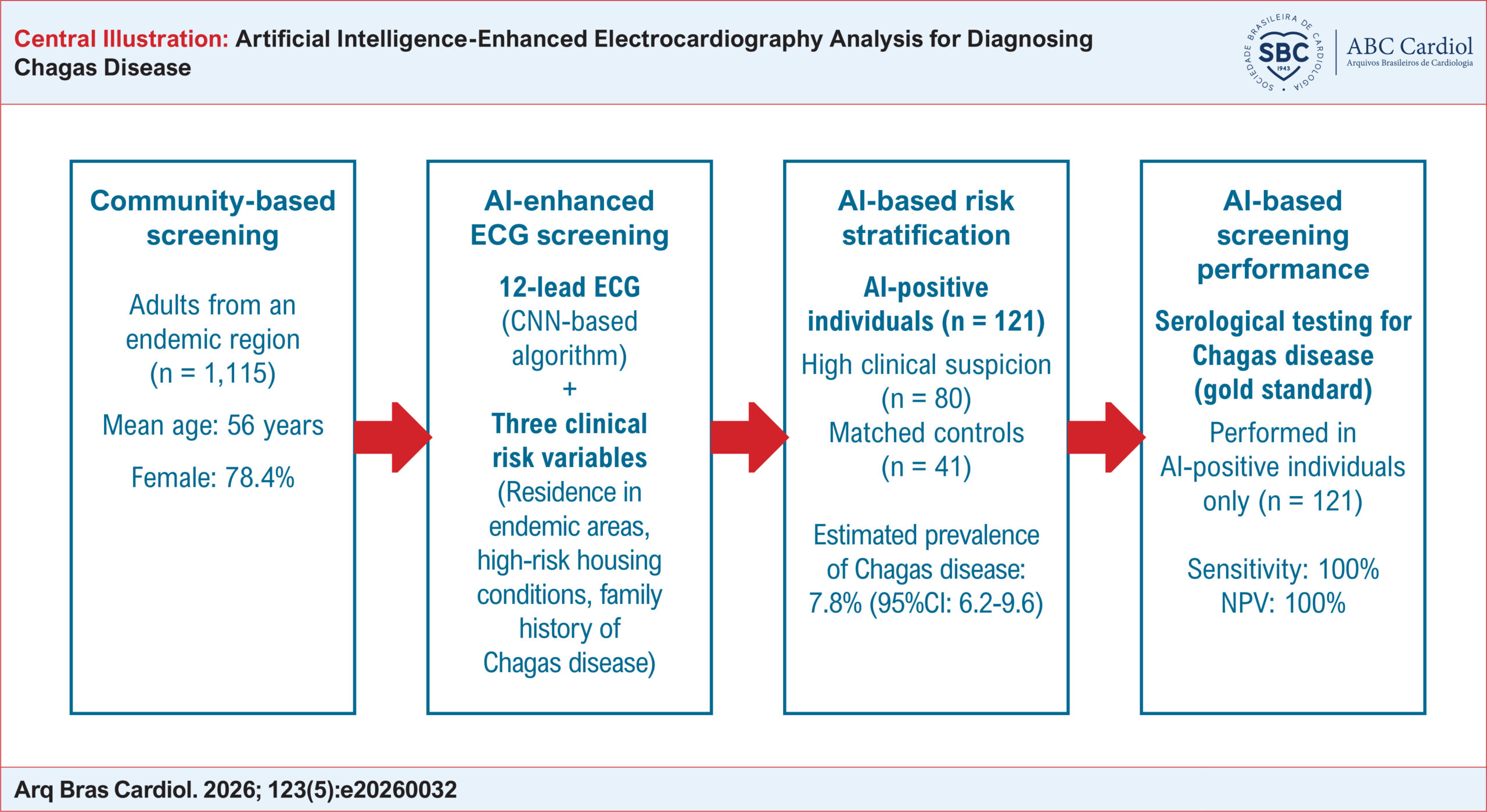
In August 2024, 1,115 adults underwent standardized 12-lead ECG acquisition during a field campaign in Feira de Santana, Bahia, Northeast Brazil. A previously trained AI model analyzed ECG tracings and incorporated three clinical variables: i) prior residence in triatomine-infested areas, ii) poor housing conditions, and iii) family history of Chagas disease. Individuals flagged as AI-positive were classified as suspected cases. Suspected cases and matched controls (2:1) underwent point-of-care serological testing.

Results:

The algorithm flagged 121 individuals (10.9%), corresponding to an estimated AI-based prevalence of Chagas disease of 7.8% (95%CI: 6.2-9.6). Among the 112 individuals who completed serological testing, 13 tested positive, all within the AI-positive suspected group; no seropositive cases were identified among controls. Sensitivity was 100% (95%CI: 69-100), specificity 40% (95%CI: 30-50), negative predictive value 100% (95%CI: 91-100), and positive predictive value 12% (95%CI: 11-14), with a diagnostic odds ratio of 6.6.

Conclusions:

An AI-ECG algorithm combined with simple clinical variables demonstrated excellent sensitivity for the detection of Chagas disease and may represent a valuable triage tool in endemic, resource-constrained settings.
  • Artificial Intelligence
  • Chagas disease
  • Electrocardiography
  • Mass Screening
Read Full Article
Creative Commons Attribution (CC BY) Creative Commons license
17/07/2026 DOI: 10.36660/abc.20260032i Views 1
ABC
Editorial

Detecting Familial Hypercholesterolemia in Adolescents: Universal Screening is Key

Fernando Yue Cesena

Familial hypercholesterolemia (FH) is a genetic disorder characterized by impaired clearance of low-density lipoprotein (LDL) particles from plasma to hepatocytes, resulting in elevated plasma LDL-Cholesterol (LDL-C) levels and a significantly increased risk of premature atherosclerotic cardiovascular disease (ASCVD). Recent meta-analyses indicate an FH prevalence of approximately 1 in 310 individuals in the general population., Importantly, FH remains substantially underdiagnosed, and most affected individuals live with LDL-C levels above recommended targets.

Early identification of FH is critical for preventing ASCVD events. From a pathophysiological perspective, atherosclerosis develops due to cumulative arterial exposure to elevated LDL particles. Both the magnitude of excessive LDL particles in plasma and the duration of exposure are relevant for plaque development and progression. In this regard, FH is of particular concern because affected individuals have very high LDL-C levels since birth/childhood. Early diagnosis and consequent awareness of the problem increase the chance of adopting a healthy lifestyle in the long term. Early LDL-C lowering improves endothelial function, attenuates atherosclerosis progression, and diminishes the risk of coronary events.,,

[…]

  • Adolescent
  • Hypercholesterolemia
  • Mass Screening
Read Full Article
Creative Commons Attribution (CC BY) Creative Commons license
23/05/2025 DOI: 10.36660/abc.20250178i Views 2
Figure 1
IJCS
Original Article

Development and Implementation of a Computerized Decision Support System for Screening Hypertension and Diabetes in a Resource-Constrained Region

Laura Defensor Ribeiro de Melo et al. Antonio Luiz Pinho Ribeiro João Antonio de Queiroz Oliveira Junia Xavier Maia … Thábata Queiroz Vivas de Sá Vânia Soares de Oliveira e Almeida Pinto Marcia Maria Oliveira Lima Patrick Wander Enlich Leonardo Bonisson Ribeiro Christiane Correa Rodrigues Cimini Milena Soriano Marcolino

Abstract

Background

Strategies aimed at improving the diagnosis and treatment of cardiovascular diseases (CVD) are of utmost importance. Clinical decision support systems (CDSS) are guided by updated guidelines and may be capable of benefiting screening and early diagnosis initiatives in remote regions.

Objective

To develop a CDSS for screening hypertension and diabetes mellitus (DM), as well as to assess its feasibility and usability in the context of a primary care setting in a resource-constrained region.

Methods

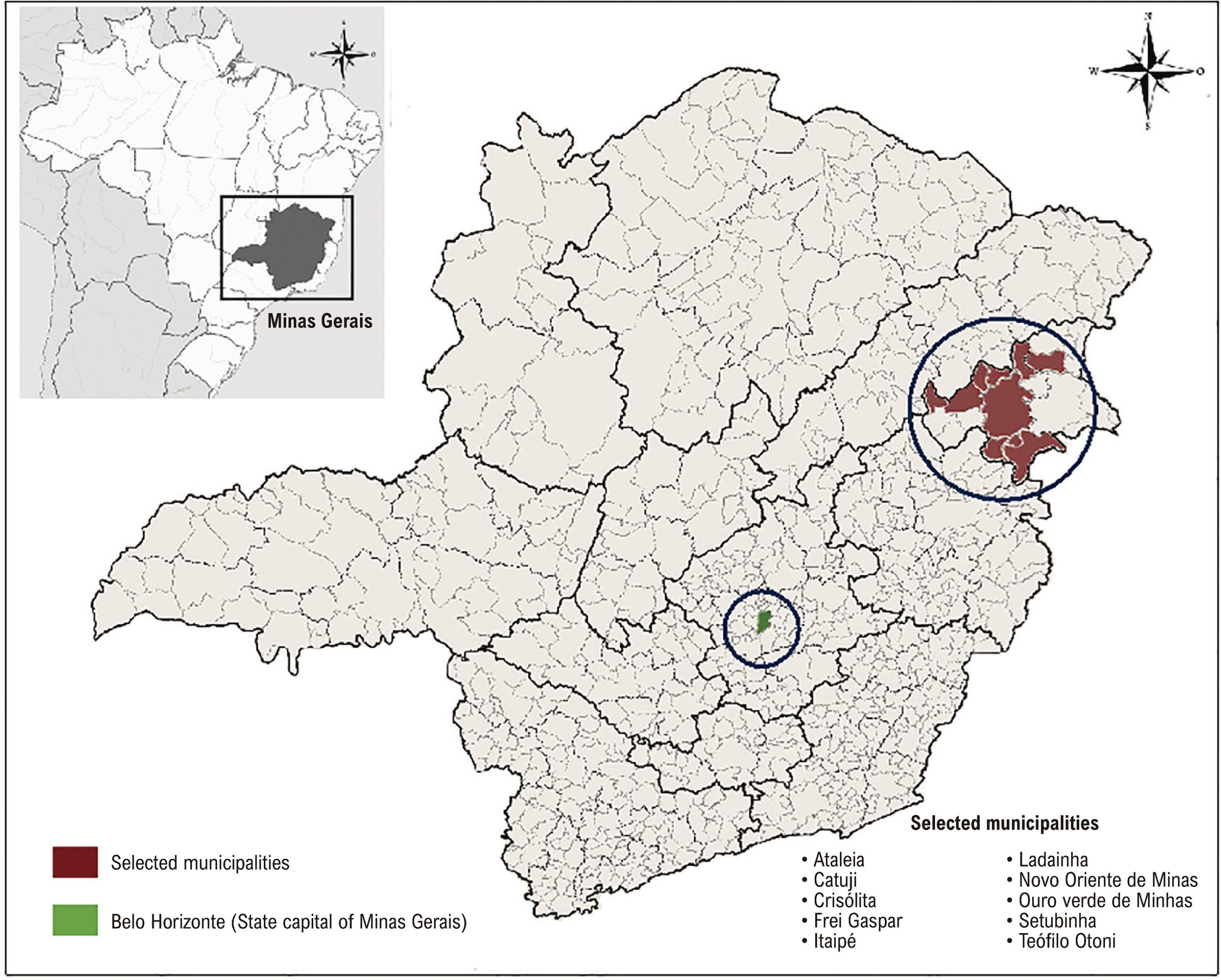
This research focused on the strategy of screening hypertension and DM based on CDSS. A software was developed and implemented in 10 municipalities in the Northeast of the state of Minas Gerais, Brazil, from April 2017 to October 2018. Patients of 30 to 69 years of age were attended by primary care practitioners using the software. A Likert-scale questionnaire with 15 questions to assess usability (System Usability Scale) and satisfaction was applied to the professionals at the end of study. Groups were compared by applying the chi-squared test for categorical variables. Statistical significance was considered as p < 0.05.

Results

In the field study, 13,775 individuals were assessed; 185 patients were diagnosed with hypertension; 35 were diagnosed with DM, and 5 were diagnosed with both diseases. For the usability and satisfaction assessment, 258 healthcare professionals participated. Fifty-one percent considered their prior knowledge for the use of technologies to be good; 53.7% reported a desire to use the application frequently, and 78.4% would recommend the platform.

Conclusion

The implementation of a CDSS developed to assist in the screening of hypertension and DM was feasible in the context of a primary care setting in a resource-constrained region, with good user satisfaction.

  • Clinical Decision Support Systems
  • Diabetes Mellitus
  • Hypertension
  • Mass Screening
  • Telemedicine
Read Full Article
Creative Commons Attribution (CC BY) Creative Commons license
26/08/2024 DOI: 10.36660/ijcs.20230085 Views 2
Combination of Tele-Cardiology Tools for Cardiovascular Risk Stratification in Primary Care: Data from the PROVAR+ Study
ABC
Original Article

Combination of Tele-Cardiology Tools for Cardiovascular Risk Stratification in Primary Care: Data from the PROVAR+ Study

Lucas Leal Fraga et al. Bruno Ramos Nascimento Beatriz Costa Haiashi Alexandre Melo Ferreira … Mauro Henrique Agapito Silva Isabely Karoline da Silva Ribeiro Gabriela Aparecida Silva Wanessa Campos Vinhal Mariela Mata Coimbra Cássia Aparecida Silva Cristiana Rosa Lima Machado Magda C. Pires Marina Gomes Diniz Luiza Pereira Afonso Santos Arthur Maia Amaral Lucas Chaves Diamante Henrique Leão Fava Craig Sable Maria Carmo Pereira Nunes Antonio Luiz P. Ribeiro Clareci Silva Cardoso

Abstract

Background:

Tele-cardiology tools are valuable strategies to improve risk stratification.

Objective:

We aimed to evaluate the accuracy of tele-electrocardiography (ECG) to predict abnormalities in screening echocardiography (echo) in primary care (PC).

Methods:

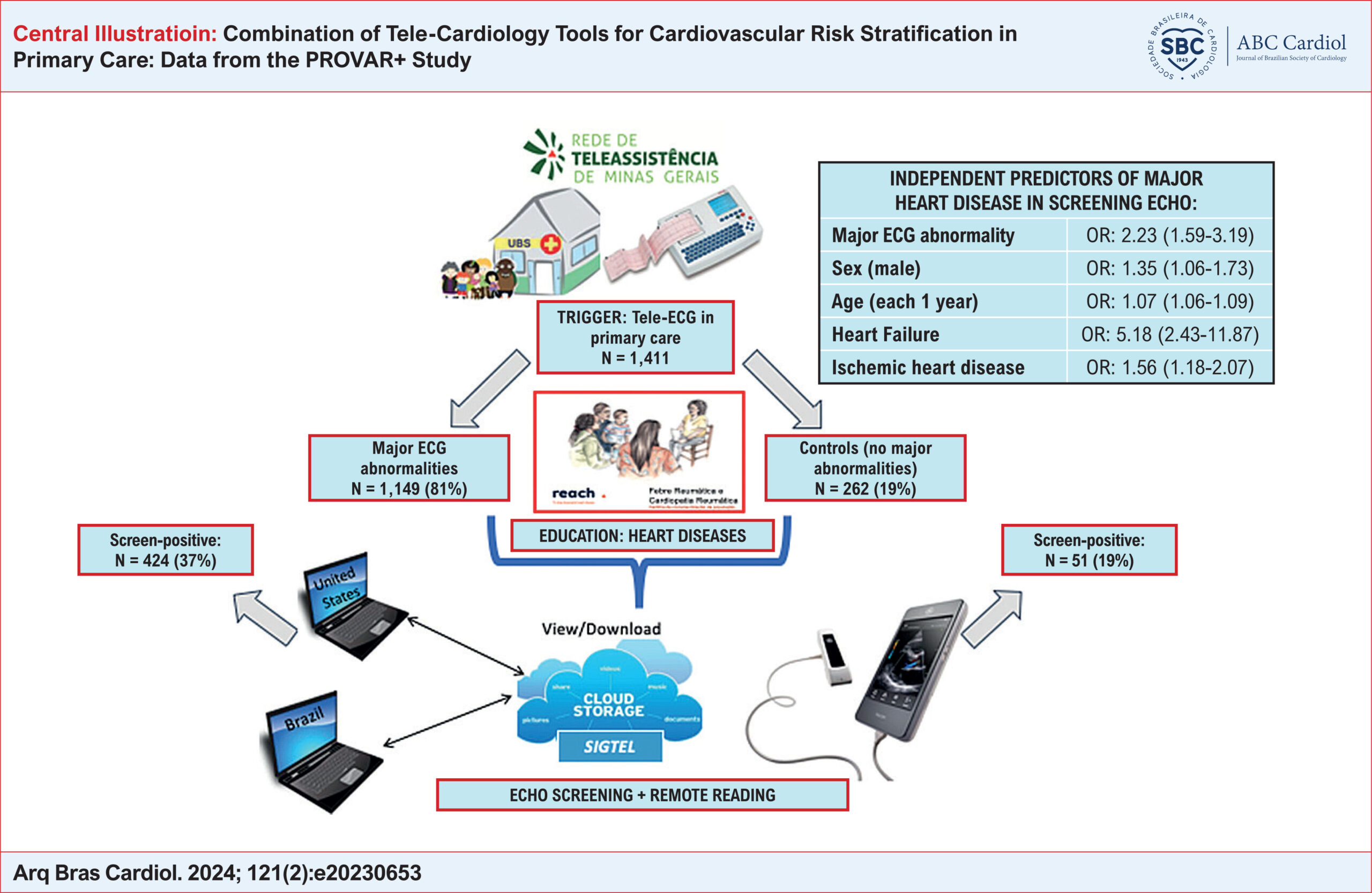
In 17 months, 6 health providers at 16 PC units were trained on simplified handheld echo protocols. Tele-ECGs were recorded for final diagnosis by a cardiologist. Consented patients with major ECG abnormalities by the Minnesota code, and a 1:5 sample of normal individuals underwent clinical questionnaire and screening echo interpreted remotely. Major heart disease was defined as moderate/severe valve disease, ventricular dysfunction/hypertrophy, pericardial effusion, or wall-motion abnormalities. Association between major ECG and echo abnormalities was assessed by logistic regression as follows: 1) unadjusted model; 2) model 1 adjusted for age/sex; 3) model 2 plus risk factors (hypertension/diabetes); 4) model 3 plus history of cardiovascular disease (Chagas/rheumatic heart disease/ischemic heart disease/stroke/heart failure). P-values < 0.05 were considered significant.

Results:

A total 1,411 patients underwent echo; 1,149 (81%) had major ECG abnormalities. Median age was 67 (IQR 60 to 74) years, and 51.4% were male. Major ECG abnormalities were associated with a 2.4-fold chance of major heart disease on echo in bivariate analysis (OR = 2.42 [95% CI 1.76 to 3.39]), and remained significant after adjustments in models (p < 0.001) 2 (OR = 2.57 [95% CI 1.84 to 3.65]), model 3 (OR = 2.52 [95% CI 1.80 to3.58]), and model 4 (OR = 2.23 [95%CI 1.59 to 3.19]). Age, male sex, heart failure, and ischemic heart disease were also independent predictors of major heart disease on echo.

Conclusions:

Tele-ECG abnormalities increased the likelihood of major heart disease on screening echo, even after adjustments for demographic and clinical variables.

  • Cardiovascular Diseases
  • Electrocardiography
  • Mass Screening
  • Risk Grade
  • Telemedicine
Read Full Article
Creative Commons Attribution (CC BY) Creative Commons license
05/04/2024 DOI: 10.36660/abc.20230653 Views 2
Figure 1
ABC
Review Article

Screening, Diagnosis and Management of Atrial Fibrillation in Cancer Patients: Current Evidence and Future Perspectives

Pedro Gonçalves-Teixeira et al. Telma Costa Isabel Fragoso Diogo Ferreira … Mariana Brandão Adelino Leite-Moreira Francisco Sampaio José Ribeiro Ricardo Fontes-Carvalho

Abstract

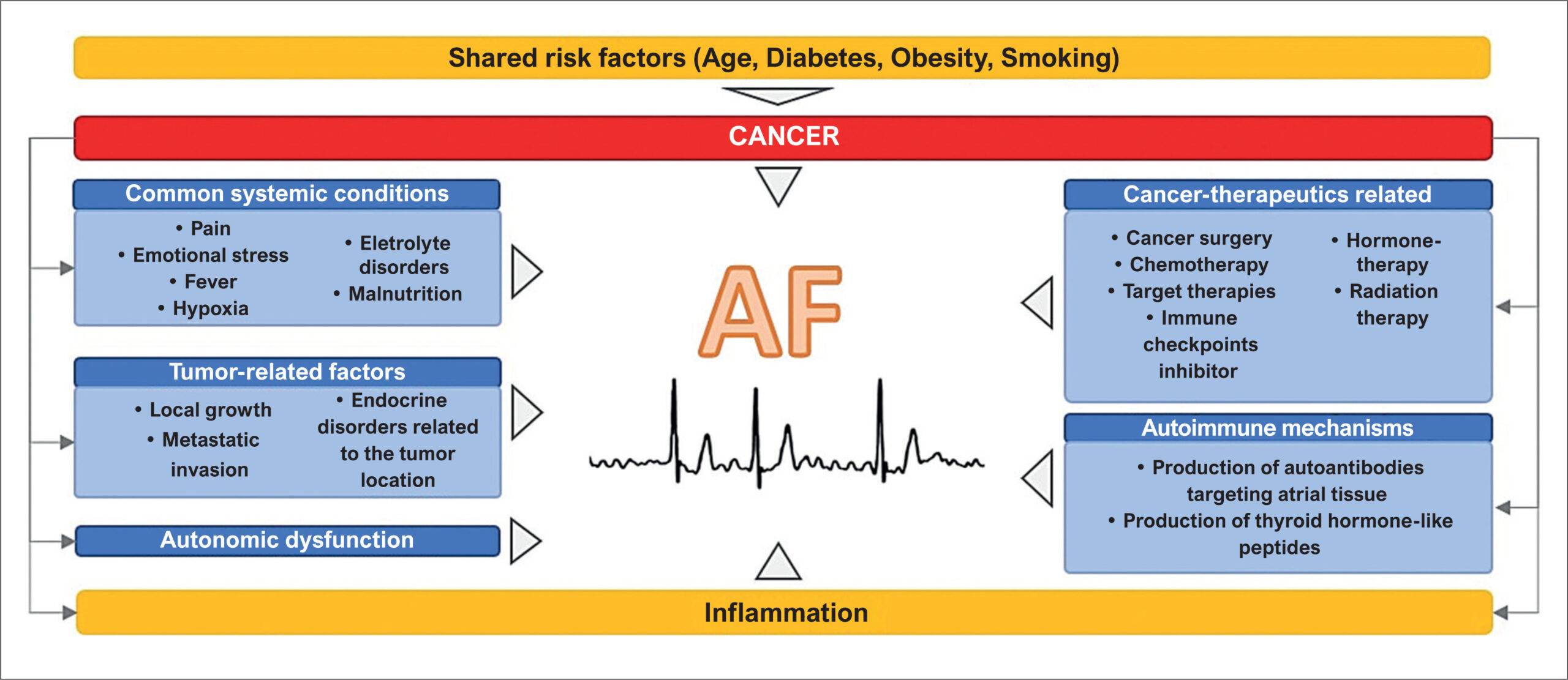
Atrial fibrillation (AF) is the most common sustained cardiac arrhythmia in the general population, carrying a high morbimortality burden, and this also holds true in cancer patients. The association between AF and cancer goes even further, with some studies suggesting that AF can be a marker of occult cancer. There is, however, a remarkable paucity of data concerning specific challenges of AF management in cancer patients. AF prompt recognition and management in this special population can lessen the arrhythmia-related morbidity and have an important prognostic benefit. This review will focus on current AF diagnosis and management challenges in cancer patients, with special emphasis on AF screening strategies and devices, and anticoagulation therapy with non-vitamin K antagonist oral anti-coagulants (NOACs) for thromboembolic prevention in these patients. Some insights concerning future perspectives for AF prevention, diagnosis, and treatment in this special population will also be addressed.

  • Anticoagulants
  • Arrhythmias
  • Atrial Fibrillation
  • blood coagulation
  • cardiac
  • Cardio-Oncology
  • Cardiotoxicity
  • Mass Screening
  • Neoplasms
Read Full Article
Creative Commons Attribution (CC BY) Creative Commons license
05/08/2022 DOI: 10.36660/abc.20201362
Figure 1
ABC
Original Article

Cardiovascular Risk Misperception and Low Awareness of Familial Hypercholesterolemia in Individuals with Severe Hypercholesterolemia

Raul D. Santos et al. Carolina Pereira Fernando Cesena Antonio Gabriele Laurinavicius … Viviane Tabone Marcio Sommer Bittencourt

Abstract

Background

Individuals with severe hypercholesterolemia are at a high risk of developing atherosclerotic cardiovascular disease (ASCVD). Many of them have familial hypercholesterolemia (FH).

Objectives

To assess from a patient perspective the degree of awareness about severe hypercholesterolemia, especially FH, ASCVD risk perception, cascade screening performance, and treatment of individuals participating in a routine health evaluation program.

Methods

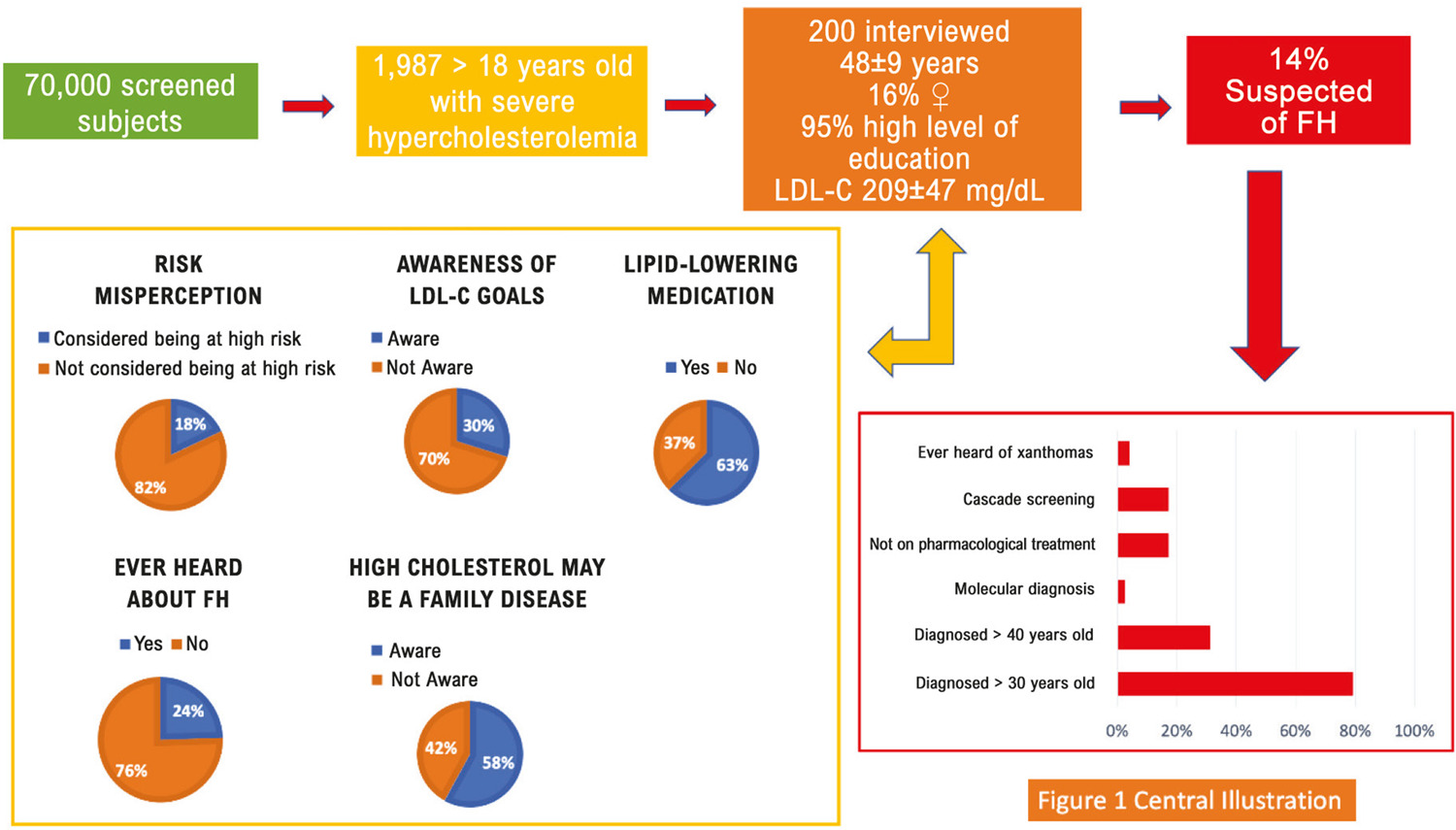
From a database of 70,000 Brazilian individuals evaluated between 2006 and 2016, 1,987 (2.8%) met the inclusion criteria (age ≥ 18 years and LDL-C ≥ 190 mg/dL or ≥ 160 mg/dL, respectively, if not in use of statins or on statin therapy). Two-hundred individuals were randomly invited to complete an extensive questionnaire. FH was diagnosed if suspected by the attending physician.

Results

Although 97% of the sample (age 48±9 years; 16% women; 95% college/university education; 88% primary prevention; LDL-C 209±47 mg/dL) had severe hypercholesterolemia, only 18% and 29.5% believed to be at high ASCVD risk and reported knowledge of their recommended LDL-C goal, respectively. Fifty-eight percent reported being informed that high cholesterol could be a family disease, 24.5% (n = 49) had ever heard about FH, and merely 14% (n = 29) had been previously identified as suspected of having FH (age at FH diagnosis 35±12 years; 79% and 31% diagnosed, respectively, > 30 and > 40 years old). Only 2.5% underwent genetic tests, 17% underwent cascade screening, and 17% were not in use of pharmacological treatment.

Conclusions

An important gap in risk perception, cholesterol management, and aspects related to FH was encountered in individuals with severe hypercholesterolemia. (Arq Bras Cardiol. 2021; [online].ahead print, PP.0-0)

  • Atherosclerosis
  • Hypercholesterolemia Risk Factors
  • Hyperlipoproteinemia Type II
  • Mass Screening
Read Full Article
Creative Commons Attribution (CC BY) Creative Commons license
08/02/2021 DOI: 10.36660/abc.20190516 Views 2
Figure 1
ABC
Original Article

Predictors of Family Enrollment in a Genetic Cascade Screening Program for Familial Hypercholesterolemia

Pãmela Rodrigues de Souza Silva et al. Cinthia Elim Jannes Theo G. M. Oliveira Luz Marina Gómez Gómez … José E. Krieger Raul D. Santos Alexandre Costa Pereira

Abstract

Background:

Genetic cascade screening is the most cost-effective method for the identification of individuals with familial hypercholesterolemia (FH), but the best strategies for the enrollment of at-risk individuals in a FH screening program are not fully known.

Objective:

The aim of this study is to identify the best predictors of familial enrollment into genetic screening, using features derived from tested probands.

Methods:

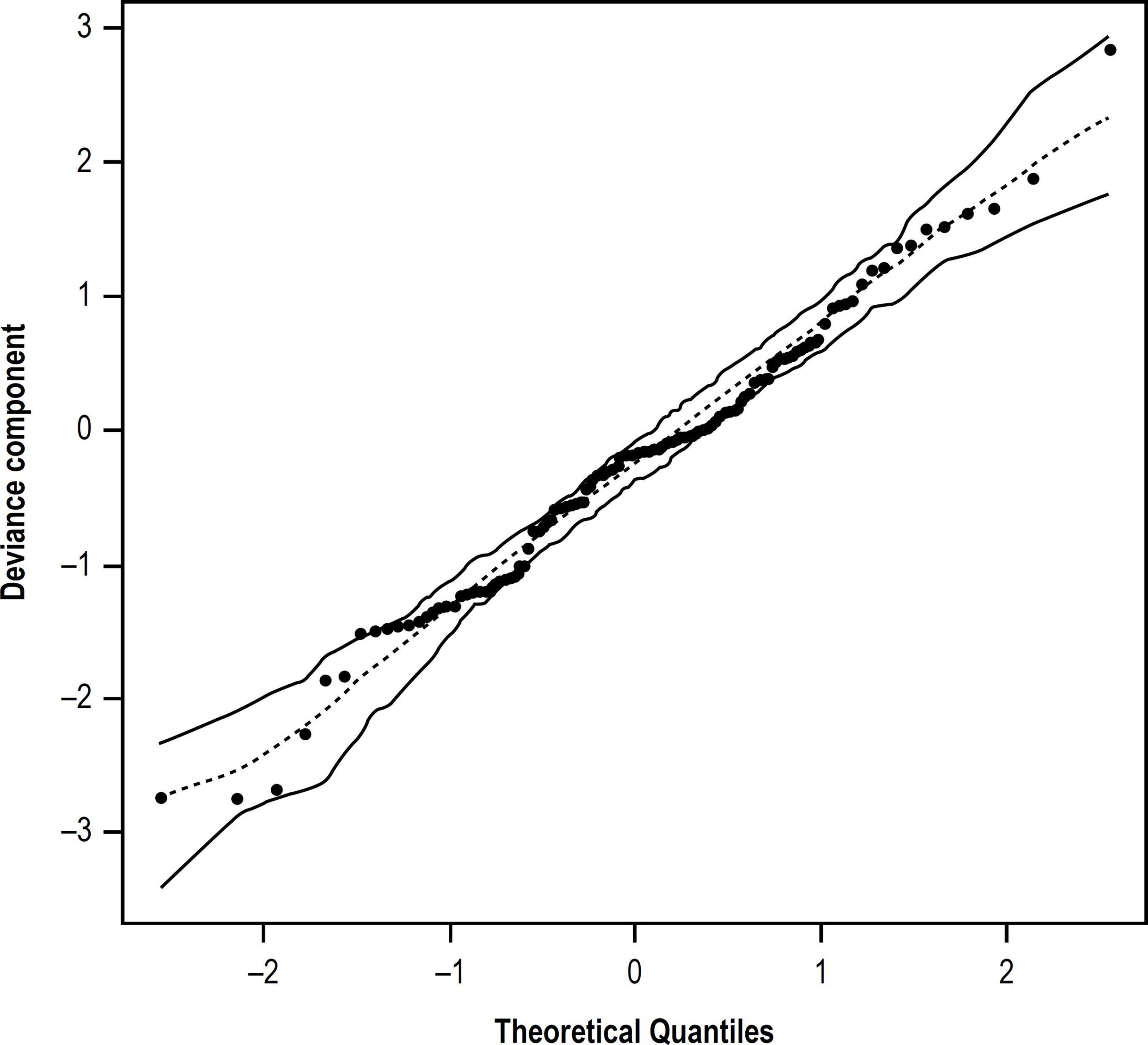
One hundred and eighty-three index-cases (ICs) with a positive genetic result that had relatives screened from 01/2011 to 07/2015 were included. The response variable was the number of relatives for each enrolled IC. All variables in the study were based on ICs’ derived clinical and socioeconomical features. The effect size of predictor variables were obtained through a general linear model using a negative binomial regression link function. Significance was considered with a p < 0.05.

Results:

Mean IC age when enrolling into the program was 50 years old; 78.1% of individuals reported knowledge of relatives with dyslipidemia. Mean baseline LDL-cholesterol level was 316 ± 90 mg/dL. Referral origin through the cascade program website vs. tertiary care, IC LDL-cholesterol and familial history of high LDL-cholesterol levels were independent predictors associated with a higher number of enrolled relatives.

Conclusions:

Our data suggest that FH cascade screening programs can predict family enrollment based on IC features. This information may be useful for devising better and more effective screening approaches for at-risk individuals.

  • Cholesterol
  • Dyslipidemias/genetics
  • Genetic Testing
  • Hypelipoproteinemia Type II/genetics
  • Hypercholesterolemia
  • Mass Screening
Read Full Article
Creative Commons Attribution (CC BY) Creative Commons license
23/08/2018 DOI: 10.5935/abc.20180156 Views 1
Figure 1
ABC
Viewpoint

Challenges for the Implementation of the First Large-Scale Rheumatic Heart Disease Screening Program in Brazil: The PROVAR Study Experience

Julia Pereira Afonso dos Santos et al. Gabriel Assis Lopes do Carmo Andrea Zawacki Beaton Tainá Vitti Lourenço … Adriana Costa Diamantino Maria do Carmo Pereira Nunes Craig Sable Bruno Ramos Nascimento

Introduction

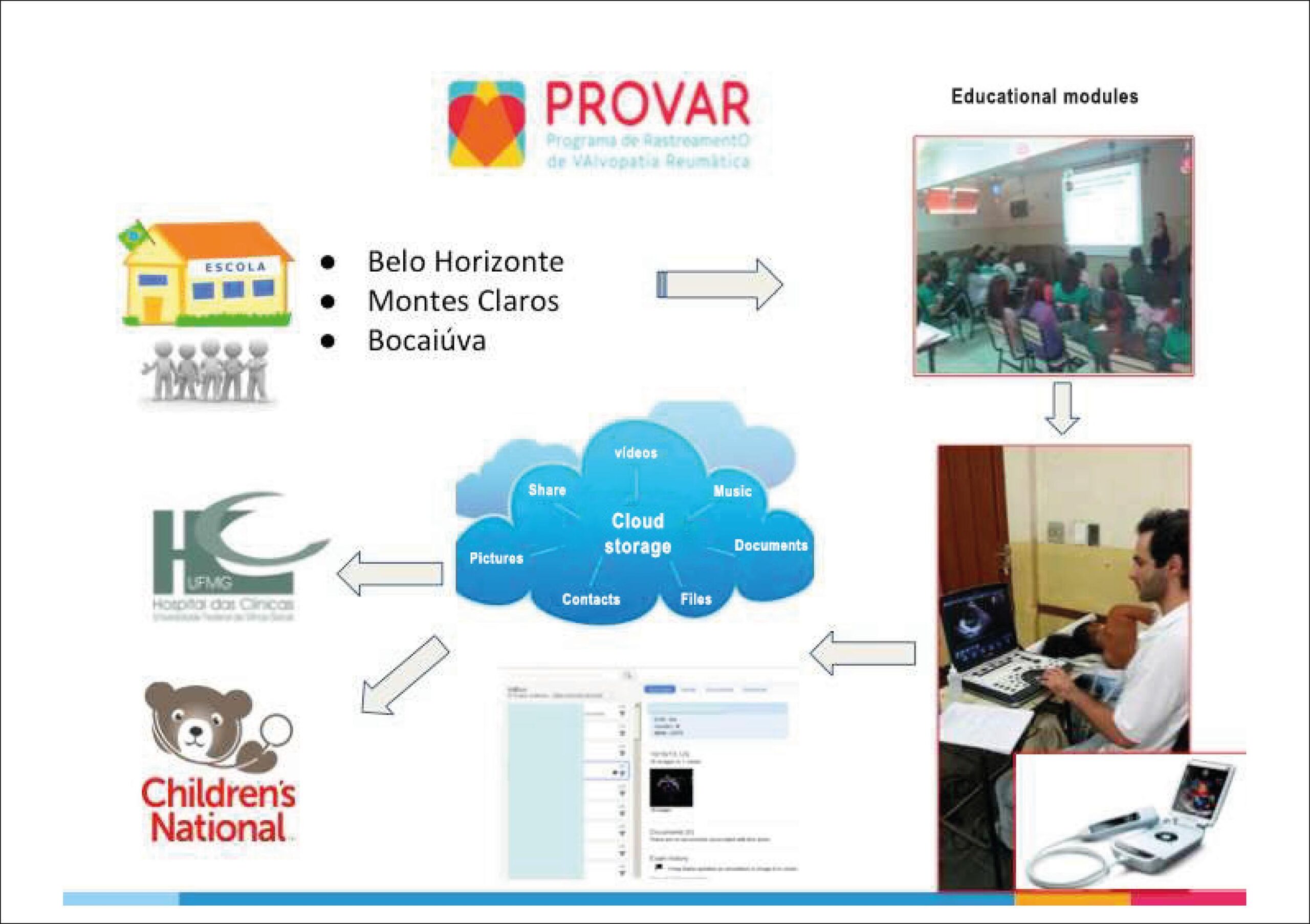
Rheumatic Heart Disease (RHD) is the cardiac consequence of acute rheumatic fever (ARF), an inflammatory disease triggered by streptococcal pharyngitis. Although the prevalence of RHD has decreased in high-income countries, lack of social and economic development and poor primary prevention – mainly in in low- and middle-income countries – perpetuate an environment where RHD remains endemic. It is estimated that RHD continues to affect nearly 33 million people worldwide. According to the World Health Organization (WHO), RHD is responsible for 1-1.5% of all cardiovascular deaths and 3-4% of cardiovascular Disability-Adjusted Life Years (DALYs). In Brazil, according to the Unified Health System (SUS), there were 26,054 hospital admissions for ARF (45% with cardiac compromise) between 2008 and 2015, and the total cost to SUS was US$3.5 million, a number that is most likely underestimated.

The main burden of RHD to public health systems consists of repeated hospital admissions and cardiac surgeries in the following decades after initial cardiac damage. If RHD is detected in its early stages, secondary prophylaxis (regular penicillin injections) can be initiated to prevent new episodes of ARF, avoiding further valve damage and progression of RHD. In high prevalence regions, RHD meets the traditional screening criteria defined by Wilson and Jungner, although the long-term clinical significance of latent RHD is not entirely clear. Previous studies have demonstrated, however, that in 38 to 68% of asymptomatic RHD patients, echocardiographic findings show that abnormalities persist, and progress in 4 to 16%, reinforcing the importance of early diagnosis in susceptible populations.

[…]

  • Adolescent
  • Child
  • Echocardiography
  • Mass Screening
  • rheumatic heart disease
Read Full Article
Creative Commons Attribution (CC BY) Creative Commons license
01/04/2017 DOI: 10.5935/abc.20170047 Views 2
Figure 1
ABC
Original Article

Relevance to Home Blood Pressure Monitoring Protocol of Blood Pressure Measurements Taken Before First- Morning Micturition and in the Afternoon

Antonio Eduardo Monteiro de Almeida et al. Ricardo Stein Miguel Gus João Agnaldo Nascimento … Karlyse Claudino Belli Jorge Rene Garcia Arévalo Flávio Dani Fuchs Jorge Pinto Ribeiro

Background:

The importance of measuring blood pressure before morning micturition and in the afternoon, while working, is yet to be established in relation to the accuracy of home blood pressure monitoring (HBPM). Objective: To compare two HBPM protocols, considering 24-hour ambulatory blood pressure monitoring (wakefulness ABPM) as gold-standard and measurements taken before morning micturition (BM) and in the afternoon (AM), for the best diagnosis of systemic arterial hypertension (SAH), and their association with prognostic markers.

Methods:

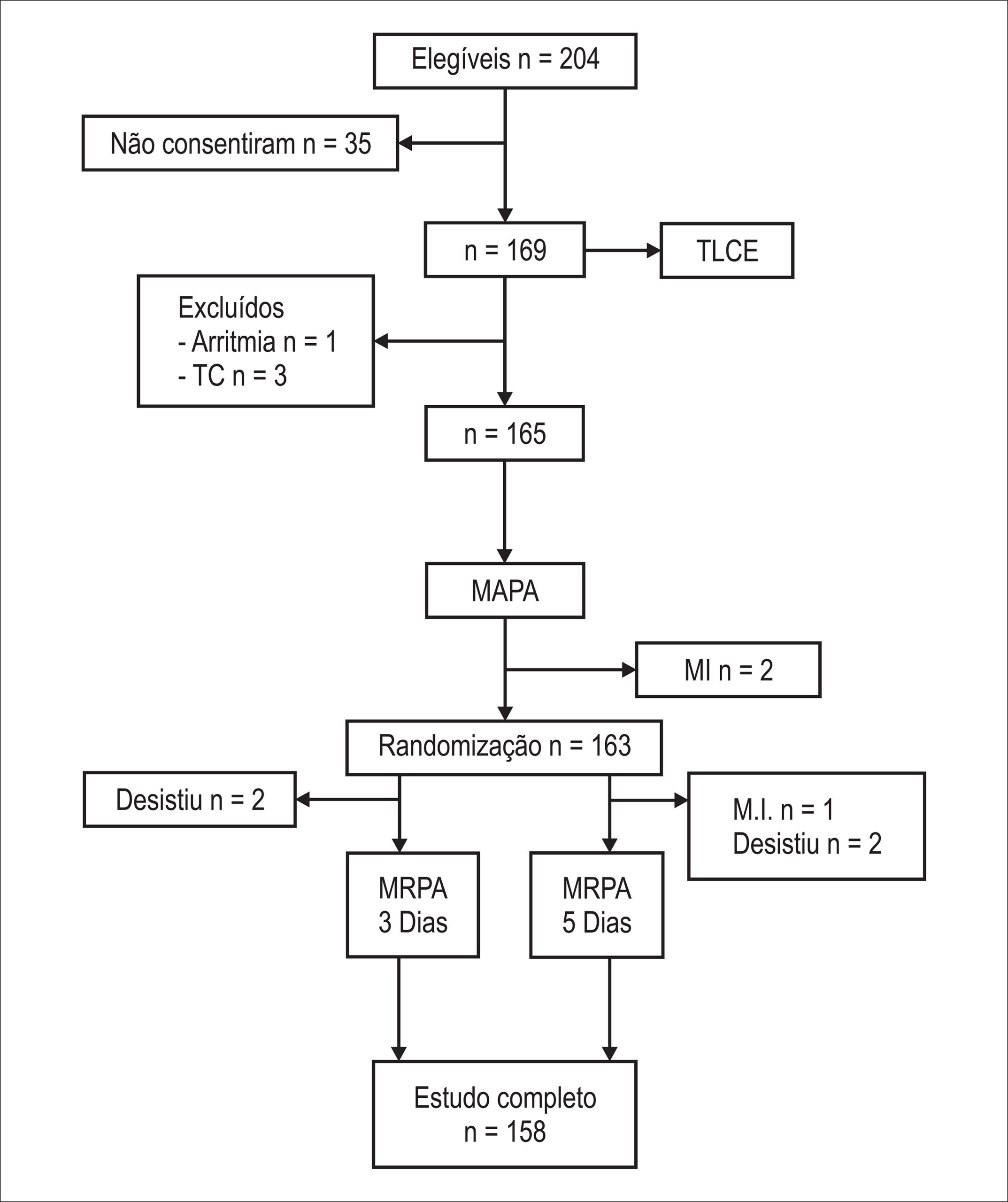
After undergoing 24-hour wakefulness ABPM, 158 participants (84 women) were randomized for 3- or 5-day HBPM. Two variations of the 3-day protocol were considered: with measurements taken before morning micturition and in the afternoon (BM+AM); and with post-morning-micturition and evening measurements (PM+EM). All patients underwent echocardiography (for left ventricular hypertrophy – LVH) and urinary albumin measurement (for microalbuminuria – MAU).

Result:

Kappa statistic for the diagnosis of SAH between wakefulness-ABPM and standard 3-day HBPM, 3-day HBPM (BM+AM) and (PM+EM), and 5-day HBPM were 0.660, 0.638, 0.348 and 0.387, respectively. The values of sensitivity of (BM+AM) versus (PM+EM) were 82.6% × 71%, respectively, and of specificity, 84.8% × 74%, respectively. The positive and negative predictive values were 69.1% × 40% and 92.2% × 91.2%, respectively. The comparisons of intraclass correlations for the diagnosis of LVH and MAU between (BM+AM) and (PM+EM) were 0.782 × 0.474 and 0.511 × 0.276, respectively.

Conclusions:

The 3 day-HBPM protocol including measurements taken before morning micturition and during work in the afternoon showed the best agreement with SAH diagnosis and the best association with prognostic markers.

  • Ambulatory Blood Pressure Monitoring
  • Arterial Pressure
  • Cardiovascular Diseases/urine
  • Hypertension
  • Mass Screening
  • Predictive Value of Tests
Read Full Article
Creative Commons Attribution (CC BY) Creative Commons license
23/09/2014 DOI: 10.5935/abc.20140139 Views 1

How to cite this article

EndNote RIS

Electronic Document Format (Vancouver)

Fonseca IMG, Nunes MCP, Sable C, Mendoza RF, Santos FLN, Gomes PR, Carvalho APV, et al. Artificial Intelligence-Enhanced Electrocardiography Analysis for Diagnosing Chagas Disease. Arquivos Brasileiros de Cardiologia 2026;123(5):e20260032.

Electronic Document Format (ABNT)

Fonseca, Isabella Moreira Gonzalez; Nunes, Maria Carmo Pereira; Sable, Craig; Mendoza, Renata Fonseca; Santos, Fred Luciano Neves; Gomes, Paulo Rodrigues; Carvalho, Adson Patrik Vieira; Mendoza, Bernardo Fonseca; Souza, Noilson Lazaro; Barbosa, José Augusto de Almeida; Cardoso, Clareci Silva; Nascimento, Bruno Ramos; Ribeiro, Antonio L. P.. Artificial Intelligence-Enhanced Electrocardiography Analysis for Diagnosing Chagas Disease. Arquivos Brasileiros de Cardiologia, v. 123, n. 5, e20260032, Jul. 2026.

Electronic Document Format (APA)

Fonseca, I. M. G., Nunes, M. C. P., Sable, C., Mendoza, R. F., Santos, F. L. N., Gomes, P. R., Carvalho, A. P. V., Mendoza, B. F., Souza, N. L., Barbosa, J. A. A., Cardoso, C. S., Nascimento, B. R., & Ribeiro, A. L. P. (2026). Artificial Intelligence-Enhanced Electrocardiography Analysis for Diagnosing Chagas Disease. Arquivos Brasileiros de Cardiologia, 123(5), e20260032.

Electronic Document Format (ISO)

Fonseca, Isabella Moreira Gonzalez and Nunes, Maria Carmo Pereira and Sable, Craig and Mendoza, Renata Fonseca and Santos, Fred Luciano Neves and Gomes, Paulo Rodrigues and Carvalho, Adson Patrik Vieira and Mendoza, Bernardo Fonseca and Souza, Noilson Lazaro and Barbosa, José Augusto de Almeida and Cardoso, Clareci Silva and Nascimento, Bruno Ramos and Ribeiro, Antonio L. P.. Artificial Intelligence-Enhanced Electrocardiography Analysis for Diagnosing Chagas Disease. Arquivos Brasileiros de Cardiologia [online]. 2026, vol. 123, n. 5, [cited 2026-10-14], e20260032. Available from: <https://journals.cardiol.br/en/article/artificial-intelligence-enhanced-electrocardiography-analysis-for-diagnosing-chagas-disease/>. ISSN 0066-782X

EndNote RIS

Electronic Document Format (Vancouver)

Cesena FY. Detecting Familial Hypercholesterolemia in Adolescents: Universal Screening is Key. Arquivos Brasileiros de Cardiologia 2025;122(3):e20250178.

Electronic Document Format (ABNT)

Cesena, Fernando Yue. Detecting Familial Hypercholesterolemia in Adolescents: Universal Screening is Key. Arquivos Brasileiros de Cardiologia, v. 122, n. 3, e20250178, May. 2025.

Electronic Document Format (APA)

Cesena, F. Y. (2025). Detecting Familial Hypercholesterolemia in Adolescents: Universal Screening is Key. Arquivos Brasileiros de Cardiologia, 122(3), e20250178.

Electronic Document Format (ISO)

Cesena, Fernando Yue. Detecting Familial Hypercholesterolemia in Adolescents: Universal Screening is Key. Arquivos Brasileiros de Cardiologia [online]. 2025, vol. 122, n. 3, [cited 2026-10-14], e20250178. Available from: <https://journals.cardiol.br/en/article/detecting-familial-hypercholesterolemia-in-adolescents-universal-screening-is-key/>. ISSN 0066-782X

EndNote RIS

Electronic Document Format (Vancouver)

Melo LDR, Ribeiro ALP, Oliveira JAQ, Maia JX, Sá TQV, Pinto VSOA, Lima MMO, et al. Development and Implementation of a Computerized Decision Support System for Screening Hypertension and Diabetes in a Resource-Constrained Region. International Journal of Cardiovascular Sciences 2024;37:e20230085.

Electronic Document Format (ABNT)

Melo, Laura Defensor Ribeiro de; Ribeiro, Antonio Luiz Pinho; Oliveira, João Antonio de Queiroz; Maia, Junia Xavier; Sá, Thábata Queiroz Vivas de; Pinto, Vânia Soares de Oliveira e Almeida; Lima, Marcia Maria Oliveira; Enlich, Patrick Wander; Ribeiro, Leonardo Bonisson; Cimini, Christiane Correa Rodrigues; Marcolino, Milena Soriano. Development and Implementation of a Computerized Decision Support System for Screening Hypertension and Diabetes in a Resource-Constrained Region. International Journal of Cardiovascular Sciences, v. 37, e20230085, Aug. 2024.

Electronic Document Format (APA)

Melo, L. D. R. , Ribeiro, A. L. P., Oliveira, J. A. Q., Maia, J. X., Sá, T. Q. V. , Pinto, V. S. O. A., Lima, M. M. O., Enlich, P. W., Ribeiro, L. B., Cimini, C. C. R., & Marcolino, M. S. (2024). Development and Implementation of a Computerized Decision Support System for Screening Hypertension and Diabetes in a Resource-Constrained Region. International Journal of Cardiovascular Sciences, 37, e20230085.

Electronic Document Format (ISO)

Melo, Laura Defensor Ribeiro de and Ribeiro, Antonio Luiz Pinho and Oliveira, João Antonio de Queiroz and Maia, Junia Xavier and Sá, Thábata Queiroz Vivas de and Pinto, Vânia Soares de Oliveira e Almeida and Lima, Marcia Maria Oliveira and Enlich, Patrick Wander and Ribeiro, Leonardo Bonisson and Cimini, Christiane Correa Rodrigues and Marcolino, Milena Soriano. Development and Implementation of a Computerized Decision Support System for Screening Hypertension and Diabetes in a Resource-Constrained Region. International Journal of Cardiovascular Sciences [online]. 2024, vol. 37, [cited 2026-10-14], e20230085. Available from: <https://journals.cardiol.br/en/article/development-and-implementation-of-a-computerized-decision-support-system-for-screening-hypertension-and-diabetes-in-a-resource-constrained-region/>. ISSN 2359-4802

EndNote RIS

Electronic Document Format (Vancouver)

Fraga LL, Nascimento BR, Haiashi BC, Ferreira AM, Silva MHA, Ribeiro IKS, Silva GA, et al. Combination of Tele-Cardiology Tools for Cardiovascular Risk Stratification in Primary Care: Data from the PROVAR+ Study. Arquivos Brasileiros de Cardiologia 2024;121(2):e20230653.

Electronic Document Format (ABNT)

Fraga, Lucas Leal; Nascimento, Bruno Ramos; Haiashi, Beatriz Costa; Ferreira, Alexandre Melo; Silva, Mauro Henrique Agapito; Ribeiro, Isabely Karoline da Silva; Silva, Gabriela Aparecida; Vinhal, Wanessa Campos; Coimbra, Mariela Mata; Silva, Cássia Aparecida; Machado, Cristiana Rosa Lima; Pires, Magda C.; Diniz, Marina Gomes; Santos, Luiza Pereira Afonso; Amaral, Arthur Maia; Diamante, Lucas Chaves; Fava, Henrique Leão; Sable, Craig; Nunes, Maria Carmo Pereira; Ribeiro, Antonio Luiz P.; Cardoso, Clareci Silva. Combination of Tele-Cardiology Tools for Cardiovascular Risk Stratification in Primary Care: Data from the PROVAR+ Study. Arquivos Brasileiros de Cardiologia, v. 121, n. 2, e20230653, Apr. 2024.

Electronic Document Format (APA)

Fraga, L. L., Nascimento, B. R., Haiashi, B. C., Ferreira, A. M., Silva, M. H. A., Ribeiro, I. K. S., Silva, G. A., Vinhal, W. C., Coimbra, M. M., Silva, C. A., Machado, C. R. L., Pires, M. C., Diniz, M. G., Santos, L. P. A., Amaral, A. M., Diamante, L. C., Fava, H. L., Sable, C., Nunes, M. C. P., Ribeiro, A. L. P., & Cardoso, C. S. (2024). Combination of Tele-Cardiology Tools for Cardiovascular Risk Stratification in Primary Care: Data from the PROVAR+ Study. Arquivos Brasileiros de Cardiologia, 121(2), e20230653.

Electronic Document Format (ISO)

Fraga, Lucas Leal and Nascimento, Bruno Ramos and Haiashi, Beatriz Costa and Ferreira, Alexandre Melo and Silva, Mauro Henrique Agapito and Ribeiro, Isabely Karoline da Silva and Silva, Gabriela Aparecida and Vinhal, Wanessa Campos and Coimbra, Mariela Mata and Silva, Cássia Aparecida and Machado, Cristiana Rosa Lima and Pires, Magda C. and Diniz, Marina Gomes and Santos, Luiza Pereira Afonso and Amaral, Arthur Maia and Diamante, Lucas Chaves and Fava, Henrique Leão and Sable, Craig and Nunes, Maria Carmo Pereira and Ribeiro, Antonio Luiz P. and Cardoso, Clareci Silva. Combination of Tele-Cardiology Tools for Cardiovascular Risk Stratification in Primary Care: Data from the PROVAR+ Study. Arquivos Brasileiros de Cardiologia [online]. 2024, vol. 121, n. 2, [cited 2026-10-14], e20230653. Available from: <https://journals.cardiol.br/en/article/combination-of-tele-cardiology-tools-for-cardiovascular-risk-stratification-in-primary-care-data-from-the-provar-study/>. ISSN 0066-782X

EndNote RIS

Electronic Document Format (Vancouver)

Gonçalves-Teixeira P, Costa T, Fragoso I, Ferreira D, Brandão M, Leite-Moreira A, Sampaio F, et al. Screening, Diagnosis and Management of Atrial Fibrillation in Cancer Patients: Current Evidence and Future Perspectives. Arquivos Brasileiros de Cardiologia 2022;119(2):328-41.

Electronic Document Format (ABNT)

Gonçalves-Teixeira, Pedro; Costa, Telma; Fragoso, Isabel; Ferreira, Diogo; Brandão, Mariana; Leite-Moreira, Adelino; Sampaio, Francisco; Ribeiro, José; Fontes-Carvalho, Ricardo. Screening, Diagnosis and Management of Atrial Fibrillation in Cancer Patients: Current Evidence and Future Perspectives. Arquivos Brasileiros de Cardiologia, v. 119, n. 2, p. 328-341, Aug. 2022.

Electronic Document Format (APA)

Gonçalves-Teixeira, P., Costa, T., Fragoso, I., Ferreira, D., Brandão, M., Leite-Moreira, A., Sampaio, F., Ribeiro, J., & Fontes-Carvalho, R. (2022). Screening, Diagnosis and Management of Atrial Fibrillation in Cancer Patients: Current Evidence and Future Perspectives. Arquivos Brasileiros de Cardiologia, 119(2), 328-341.

Electronic Document Format (ISO)

Gonçalves-Teixeira, Pedro and Costa, Telma and Fragoso, Isabel and Ferreira, Diogo and Brandão, Mariana and Leite-Moreira, Adelino and Sampaio, Francisco and Ribeiro, José and Fontes-Carvalho, Ricardo. Screening, Diagnosis and Management of Atrial Fibrillation in Cancer Patients: Current Evidence and Future Perspectives. Arquivos Brasileiros de Cardiologia [online]. 2022, vol. 119, n. 2, [cited 2026-10-14], pp. 328-341. Available from: <https://journals.cardiol.br/en/article/screening-diagnosis-and-management-of-atrial-fibrillation-in-cancer-patients-current-evidence-and-future-perspectives/>. ISSN 0066-782X

EndNote RIS

Electronic Document Format (Vancouver)

Santos RD, Pereira C, Cesena F, Laurinavicius AG, Tabone V, Bittencourt MS. Cardiovascular Risk Misperception and Low Awareness of Familial Hypercholesterolemia in Individuals with Severe Hypercholesterolemia. Arquivos Brasileiros de Cardiologia 2021;116(4):706-12.

Electronic Document Format (ABNT)

Santos, Raul D.; Pereira, Carolina; Cesena, Fernando; Laurinavicius, Antonio Gabriele; Tabone, Viviane; Bittencourt, Marcio Sommer. Cardiovascular Risk Misperception and Low Awareness of Familial Hypercholesterolemia in Individuals with Severe Hypercholesterolemia. Arquivos Brasileiros de Cardiologia, v. 116, n. 4, p. 706-712, Feb. 2021.

Electronic Document Format (APA)

Santos, R. D., Pereira, C., Cesena, F., Laurinavicius, A. G., Tabone, V., & Bittencourt, M. S. (2021). Cardiovascular Risk Misperception and Low Awareness of Familial Hypercholesterolemia in Individuals with Severe Hypercholesterolemia. Arquivos Brasileiros de Cardiologia, 116(4), 706-712.

Electronic Document Format (ISO)

Santos, Raul D. and Pereira, Carolina and Cesena, Fernando and Laurinavicius, Antonio Gabriele and Tabone, Viviane and Bittencourt, Marcio Sommer. Cardiovascular Risk Misperception and Low Awareness of Familial Hypercholesterolemia in Individuals with Severe Hypercholesterolemia. Arquivos Brasileiros de Cardiologia [online]. 2021, vol. 116, n. 4, [cited 2026-10-14], pp. 706-712. Available from: <https://journals.cardiol.br/en/article/cardiovascular-risk-misperception-and-low-awareness-of-familial-hypercholesterolemia-in-individuals-with-severe-hypercholesterolemia/>. ISSN 0066-782X

EndNote RIS

Electronic Document Format (Vancouver)

Silva PRS, Jannes CE, Oliveira TGM, Gómez LM, Krieger JE, Santos RD, Pereira AC, et al. Predictors of Family Enrollment in a Genetic Cascade Screening Program for Familial Hypercholesterolemia. Arquivos Brasileiros de Cardiologia 2018;111(4):578-84.

Electronic Document Format (ABNT)

Silva, Pãmela Rodrigues de Souza; Jannes, Cinthia Elim; Oliveira, Theo G. M.; Gómez, Luz Marina; Krieger, José E.; Santos, Raul D.; Pereira, Alexandre Costa. Predictors of Family Enrollment in a Genetic Cascade Screening Program for Familial Hypercholesterolemia. Arquivos Brasileiros de Cardiologia, v. 111, n. 4, p. 578-584, Aug. 2018.

Electronic Document Format (APA)

Silva, P. R. S., Jannes, C. E., Oliveira, T. G. M., Gómez, L. M., Krieger, J. E., Santos, R. D., & Pereira, A. C. (2018). Predictors of Family Enrollment in a Genetic Cascade Screening Program for Familial Hypercholesterolemia. Arquivos Brasileiros de Cardiologia, 111(4), 578-584.

Electronic Document Format (ISO)

Silva, Pãmela Rodrigues de Souza and Jannes, Cinthia Elim and Oliveira, Theo G. M. and Gómez, Luz Marina and Krieger, José E. and Santos, Raul D. and Pereira, Alexandre Costa. Predictors of Family Enrollment in a Genetic Cascade Screening Program for Familial Hypercholesterolemia. Arquivos Brasileiros de Cardiologia [online]. 2018, vol. 111, n. 4, [cited 2026-10-14], pp. 578-584. Available from: <https://journals.cardiol.br/en/article/predictors-of-family-enrollment-in-a-genetic-cascade-screening-program-for-familial-hypercholesterolemia/>. ISSN 0066-782X

EndNote RIS

Electronic Document Format (Vancouver)

Santos JPA, Carmo GAL, Beaton AZ, Lourenço TV, Diamantino AC, Nunes MCP, Sable C, et al. Challenges for the Implementation of the First Large-Scale Rheumatic Heart Disease Screening Program in Brazil: The PROVAR Study Experience. Arquivos Brasileiros de Cardiologia 2017;108(4):370-4.

Electronic Document Format (ABNT)

Santos, Julia Pereira Afonso dos; Carmo, Gabriel Assis Lopes do; Beaton, Andrea Zawacki; Lourenço, Tainá Vitti; Diamantino, Adriana Costa; Nunes, Maria do Carmo Pereira; Sable, Craig; Nascimento, Bruno Ramos. Challenges for the Implementation of the First Large-Scale Rheumatic Heart Disease Screening Program in Brazil: The PROVAR Study Experience. Arquivos Brasileiros de Cardiologia, v. 108, n. 4, p. 370-374, Mar. 2017.

Electronic Document Format (APA)

Santos, J. P. A. , Carmo, G. A. L. , Beaton, A. Z., Lourenço, T. V., Diamantino, A. C., Nunes, M. C. P., Sable, C., & Nascimento, B. R. (2017). Challenges for the Implementation of the First Large-Scale Rheumatic Heart Disease Screening Program in Brazil: The PROVAR Study Experience. Arquivos Brasileiros de Cardiologia, 108(4), 370-374.

Electronic Document Format (ISO)

Santos, Julia Pereira Afonso dos and Carmo, Gabriel Assis Lopes do and Beaton, Andrea Zawacki and Lourenço, Tainá Vitti and Diamantino, Adriana Costa and Nunes, Maria do Carmo Pereira and Sable, Craig and Nascimento, Bruno Ramos. Challenges for the Implementation of the First Large-Scale Rheumatic Heart Disease Screening Program in Brazil: The PROVAR Study Experience. Arquivos Brasileiros de Cardiologia [online]. 2017, vol. 108, n. 4, [cited 2026-10-14], pp. 370-374. Available from: <https://journals.cardiol.br/en/article/challenges-for-the-implementation-of-the-first-large-scale-rheumatic-heart-disease-screening-program-in-brazil-the-provar-study-experience/>. ISSN 0066-782X

EndNote RIS

Electronic Document Format (Vancouver)

Almeida AEM, Stein R, Gus M, Nascimento JA, Belli KC, Arévalo JRG, Fuchs FD, et al. Relevance to Home Blood Pressure Monitoring Protocol of Blood Pressure Measurements Taken Before First- Morning Micturition and in the Afternoon. Arquivos Brasileiros de Cardiologia 2014;103(4):338-47.

Electronic Document Format (ABNT)

Almeida, Antonio Eduardo Monteiro de; Stein, Ricardo; Gus, Miguel; Nascimento, João Agnaldo; Belli, Karlyse Claudino; Arévalo, Jorge Rene Garcia; Fuchs, Flávio Dani; Ribeiro, Jorge Pinto. Relevance to Home Blood Pressure Monitoring Protocol of Blood Pressure Measurements Taken Before First- Morning Micturition and in the Afternoon. Arquivos Brasileiros de Cardiologia, v. 103, n. 4, p. 338-347, Sep. 2014.

Electronic Document Format (APA)

Almeida, A. E. M. , Stein, R., Gus, M., Nascimento, J. A., Belli, K. C., Arévalo, J. R. G., Fuchs, F. D., & Ribeiro, J. P. (2014). Relevance to Home Blood Pressure Monitoring Protocol of Blood Pressure Measurements Taken Before First- Morning Micturition and in the Afternoon. Arquivos Brasileiros de Cardiologia, 103(4), 338-347.

Electronic Document Format (ISO)

Almeida, Antonio Eduardo Monteiro de and Stein, Ricardo and Gus, Miguel and Nascimento, João Agnaldo and Belli, Karlyse Claudino and Arévalo, Jorge Rene Garcia and Fuchs, Flávio Dani and Ribeiro, Jorge Pinto. Relevance to Home Blood Pressure Monitoring Protocol of Blood Pressure Measurements Taken Before First- Morning Micturition and in the Afternoon. Arquivos Brasileiros de Cardiologia [online]. 2014, vol. 103, n. 4, [cited 2026-10-14], pp. 338-347. Available from: <https://journals.cardiol.br/en/article/relevance-to-home-blood-pressure-monitoring-protocol-of-blood-pressure-measurements-taken-before-first-morning-micturition-and-in-the-afternoon/>. ISSN 0066-782X

  • About ABC Family
  • Internal Regulation
  • Editorial Board
  • Brazilian Society of Cardiology (SBC)

Issues

SBC Guidelines

  • Videos
  • Podcasts
  • News