ABC Family Arquivos Brasileiros de Cardiologia International Journal of Cardiovascular Sciences ABC Heart Failure & Cardiomyopathy ABC Imagem Cardiovascular
Português English
ABC Family
Português English
  • About
    • About ABC Family
    • Internal Regulation
    • Editorial Board
    • Brazilian Society of Cardiology (SBC)
  • Issues
  • SBC Guidelines
  • Content
    • Videos
    • Podcasts
    • News
  • About
    • About ABC Family
    • Internal Regulation
    • Editorial Board
    • Brazilian Society of Cardiology (SBC)
  • Issues
  • SBC Guidelines
  • Content
    • Videos
    • Podcasts
    • News

ABC Family

  • ABC Family
  • Arquivos Brasileiros de Cardiologia
  • International Journal of Cardiovascular Sciences
  • ABC Heart Failure & Cardiomyopathy
  • ABC Imagem Cardiovascular
Search in

No content found.

Journals
Ordering
Article types
Others

  1. Home
  2. Keyword: Sports Medicine
Ethnic Differences in Survival among Brazilian Modern-era Olympic Medalists from 1920 to 1992: A Cohort Study
ABC
Original Article

Ethnic Differences in Survival among Brazilian Modern-era Olympic Medalists from 1920 to 1992: A Cohort Study

Fabricio Braga et al. Paula de Medeiros Ana Carolina Neno Diogo Meira … João Magalhães Michael S. Emery

Abstract

Background:

Disparities in health outcomes among racial groups warrant investigation, even among elite athletes. Therefore, understanding the impact of race upon post-medal survival in Brazilian Olympians becomes essential.

Objective:

To compare post-medal survival between white and non-white Brazilian Olympic medalists from 1920 to 1992.

Methods:

This study used publicly available data for a retrospective cohort study on all Brazilian Olympic medalists from 1920 to 1992 (males only). Athletes were classified into white and non-white groups using structured ethnicity determination. Kaplan–Meier analyses computed the restricted mean survival time (RMST) for each ethnic group. A Cox proportional hazards analysis assessed ethnicity-based survival differences, adjusting for medal-winning age and birth year (p<0.05)

Results:

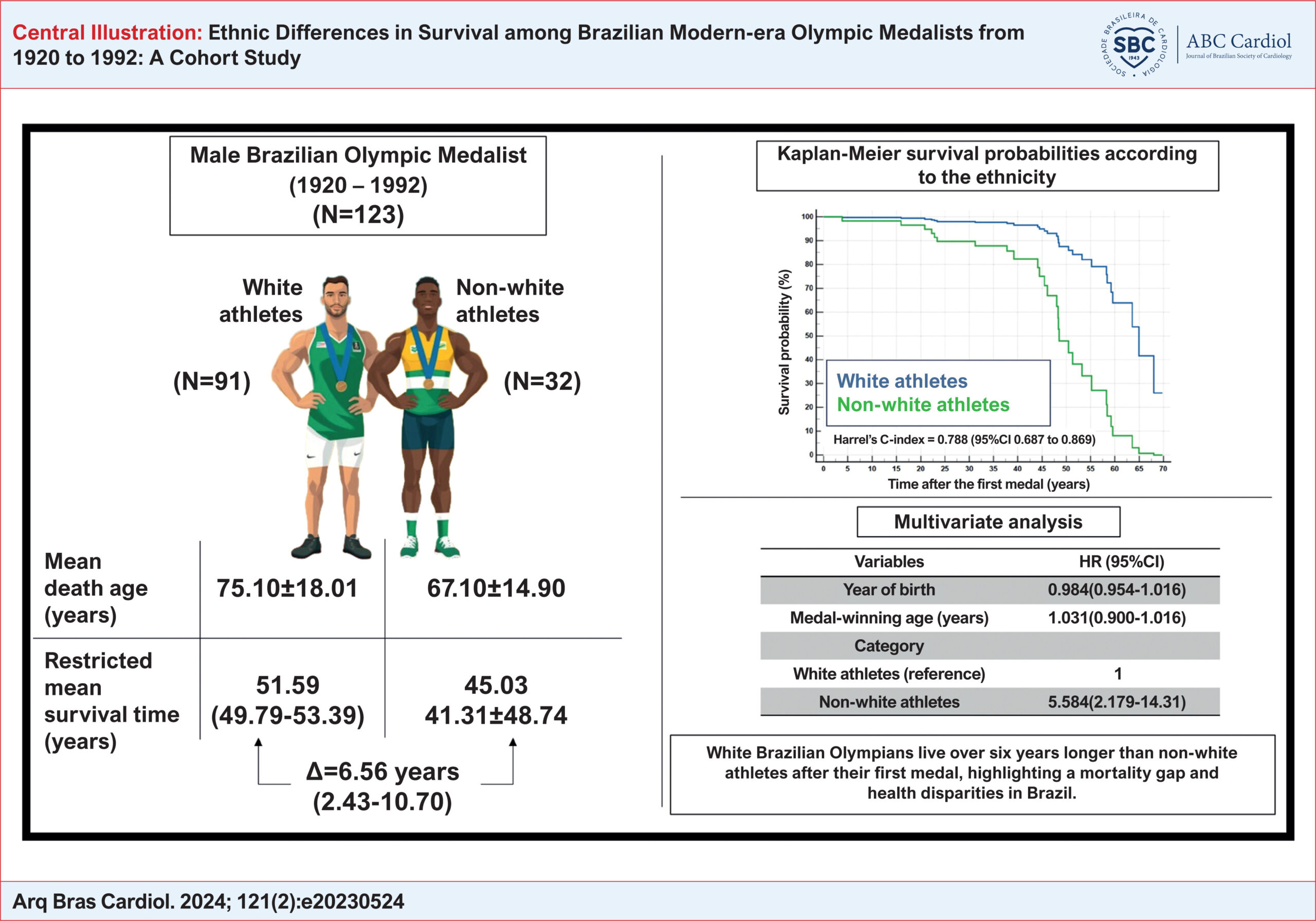
Among 123 athletes (73.9% white), the mean age of medal achievement was 25.03±4.8 years. During the study, 18.7% of white and 37.5% of non-white athletes died (p=0.031). White athletes had a mean age at death of 75.10±18.01 years, while non-white athletes had an age of 67.13±14.90 years (p=0.109). The RMST for white athletes was 51.59 (95% CI 49.79-53.39) years, while for non-white athletes, it was 45.026 (95% CI 41.31-48.74) years, resulting in a ΔRMST of 6.56 (95% CI 2.43-10.70; p=0.0018). Multivariate analysis showed that non-white athletes had a higher mortality risk than did white athletes (HR 5.58; 95% CI, 2.18-14.31).

Conclusion:

Following their first medal, white Brazilian Olympians typically enjoy a six-year longer lifespan than their non-white counterparts, illustrating a marked mortality gap and health disparities among healthy individuals in Brazil.
  • Demography
  • Epidemiology
  • Sports Medicine
Read Full Article
Creative Commons Attribution (CC BY) Creative Commons license
05/04/2024 DOI: 10.36660/abc.20230524 Views 2
Figure 1
IJCS
Original Article

Cardiovascular Risk Assessment after COVID-19 Infection before Resuming Sports Activities – Practical Flowchart and Meta-Analysis

Luís Puga et al. Paulo Dinis Rogério Teixeira Joana Maria Ribeiro … Hélder Dores Lino Gonçalves

Abstract

Background:

The risk of sports-related sudden cardiac arrest after COVID-19 infection can be a serious problem. There is an urgent need for evidence-based criteria to ensure patient safety before resuming exercise.

Objective:

To estimate the pooled prevalence of acute myocardial injury caused by COVID-19 and to provide an easy-to-use cardiovascular risk assessment toolkit prior to resuming sports activities after COVID-19 infection.

Methods:

We searched the Medline and Cochrane databases for articles on the prevalence of acute myocardial injury associated with COVID-19 infection. The pooled prevalence of acute myocardial injury was calculated for hospitalized patients treated in different settings (non-intensive care unit [ICU], ICU, overall hospitalization, and non-survivors). Statistical significance was accepted for p values <0.05. We propose a practical flowchart to assess the cardiovascular risk of individuals who recovered from COVID-19 before resuming sports activities.

Results:

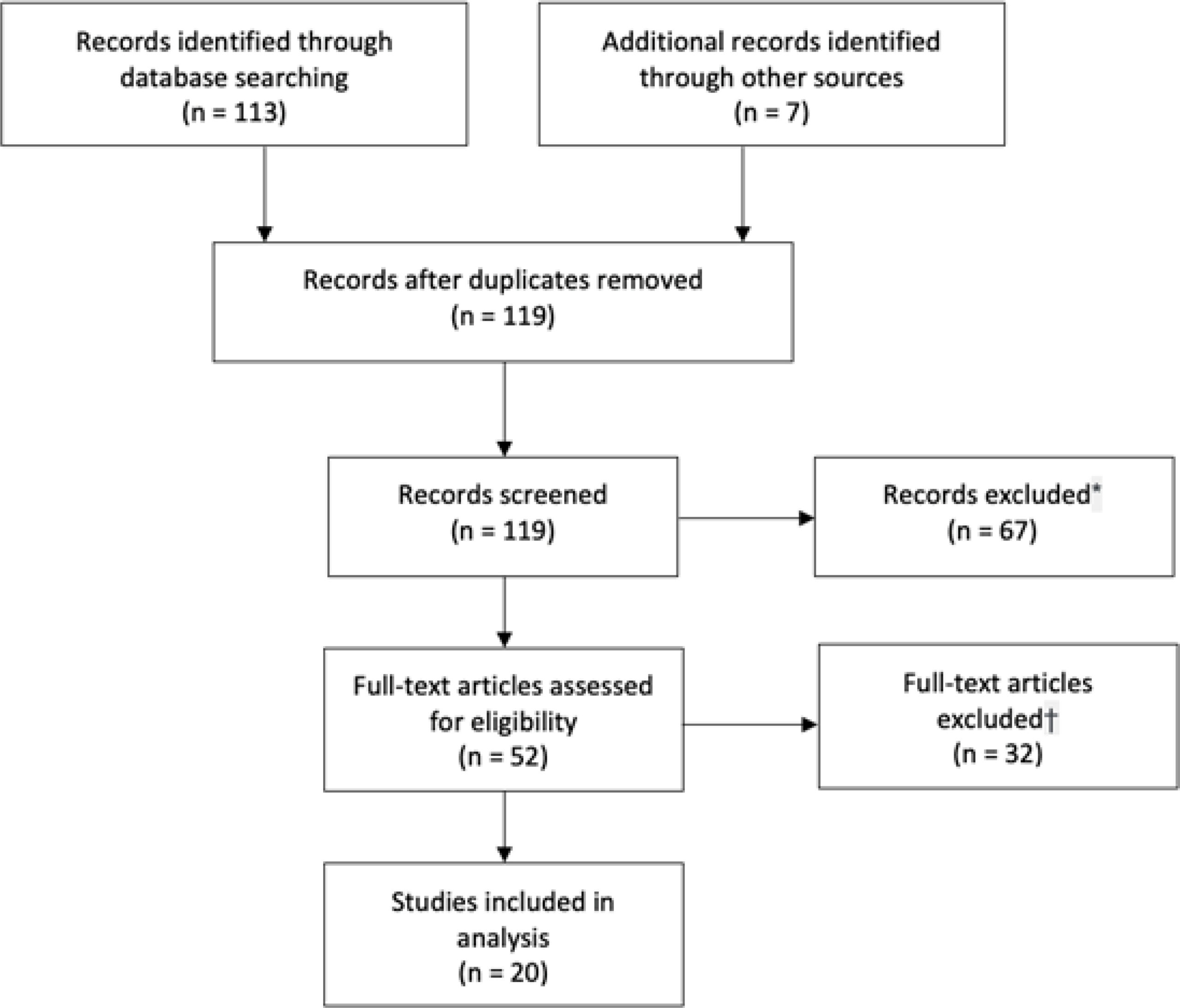
A total of 20 studies (6,573 patients) were included. The overall pooled prevalence of acute myocardial injury in hospitalized patients was 21.7% (95% CI 17.3-26.5%). The non-ICU setting had the lowest prevalence (9.5%, 95% CI 1.5-23.4%), followed by the ICU setting (44.9%, 95% CI 27.7-62.8%), and the cohort of non-survivors (57.7% with 95% CI 38.5-75.7%). We provide an approach to assess cardiovascular risk based on the prevalence of acute myocardial injury in each setting.

Conclusions:

Acute myocardial injury is frequent and associated with more severe disease and hospital admissions. Cardiac involvement could be a potential trigger for exercise-induced clinical complications after COVID-19 infection. We created a toolkit to assist with clinical decision-making prior to resuming sports activities after COVID-19 infection.

  • Betacoronavirus
  • COVID-19
  • Inflammation
  • Myocarditis
  • Risk Factors
  • Sports
  • Sports Medicine
  • Sudden Cardiac Death
Read Full Article
Creative Commons Attribution (CC BY) Creative Commons license
12/05/2021 DOI: 10.36660/ijcs.20200288 Views 2
ABC
Original Article

The Relationship between Lifestyle and Costs Related to Medicine Use in Adults

Romulo Araujo Fernandes et al. Alessandra Madia Mantovani Jamile Sanches Codogno Bruna Camilo Turi-Lynch … Subhash Pokhrel Nana Anokye

Abstract

Background:

The unhealthy lifestyle is growing and this can have repercussions on health status demanding actions on the occurrence of diseases and leads to increased expenses.

Objective:

To examine the interrelationship between the costs of medicine use and lifestyle behaviors.

Methods:

A cohort study with 118 participants, age around 51.7 ± 7.1 years old. It was collected personal and anthropometric data and information about medicine of continuous use to calculate the costs. Lifestyle variables included habitual physical activity (PA) assessed by pedometer, sedentary behavior by Baecke questionnaire, sleep quality by mini sleep questionnaire and self-report of smoke and alcohol consumption. Statistical analyses were performed by BioEstat (version 5.2) and the significance level set at p-value < 0.05.

Results:

In 12 months, 62 subjects bought 172 medicines, representing an overall cost of US$ 3,087.01. Expenditures with drugs were negatively related to PA (r = -0.194, p-value = 0.035 and r = -0.281, p-value = 0.002), but positively related with sleep quality (r = 0.299, p-value=0.001 and r = 0.315, p-value = 0.001) and age (r = 0.274, p-value = 0.003). Four multivariate models were executed considering lifestyle behaviors in different moments of cohort and medicine costs, and all these models identify important relationship between lifestyle behaviors with expenditures with drugs.

Conclusion:

Worse sleep quality seems to increase the costs related to medicine use in adults, while obesity and ageing play a relevant role in this phenomenon and alcohol consumption seems a variable with relevant economic impact.

  • Health Behavior, Exercíse
  • Longevity
  • Obesity
  • Quality of life
  • Sedentary Lifestyle
  • Sports Medicine
Read Full Article
Creative Commons Attribution (CC BY) Creative Commons license
14/03/2019 DOI: 10.5935/abc.20190049 Views 1
Figure 1
ABC
Original Article

Pre-Participation Physical Fitness does not Influence Adherence to a Supervised Exercise Program

Fábio Akio Nishijuka et al. Christina Grüne de Souza e Silva Carlos Vieira Duarte Claudio Gil Soares de Araújo

Abstract

Background:

Exercise-based cardiac rehabilitation tends to reduce mortality. However, it requires medium/long-term adherence to regular physical exercise. It is relevant to identify the variables that affect adherence to an supervised exercise program (SEP).

Objective:

To evaluate the influence of pre-participation levels of aerobic and non-aerobic physical fitness components in medium-term adherence to SEP.

Methods:

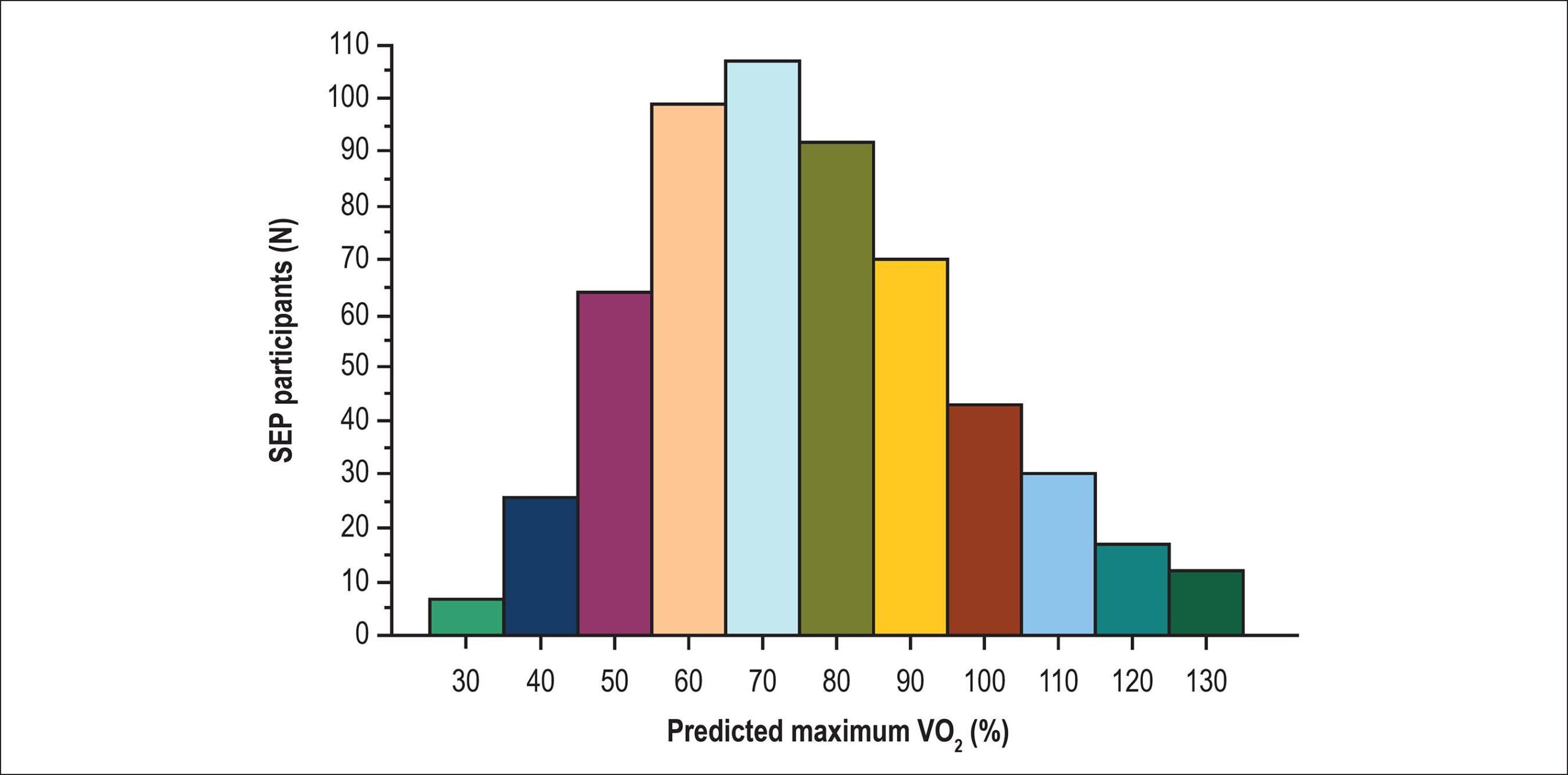
A total of 567 SEP participants (65 ± 12 years) (68% men) were studied. Participants adherent to the program for less than 6 months (48%) (non-adherent – NAD) were compared with 52% of participants who were adherent for 6 months or more (adherents – AD). In the non-aerobic fitness, flexibility (FLX) (Flexitest) and muscle power (MPW)/body weight in standing rowing (watts/kg) were evaluated while aerobic fitness was obtained by direct measure of VO2max/body weight (VO2). These measurements were normatized for sex and age based on percentiles (P) (P-FLX/P-MPW) of reference data or percentages of predicted (P-VO2). Additionally, AD and NAD with extreme results (tertiles) were simultaneously compared for the three variables.

Results:

There was no difference between AD and NAD for non-aerobic results, in median [P25-P75], P-FLX: 30 [13-56] and 31 [9-52], respectively, (p = 0.69) and P-MPW: 34 [17-58] and 36 [16-62], respectively (p = 0.96), and for aerobic results (mean ± standard error) P-VO2 (75.9 ± 1.3% and 75.0 ± 1.3%, respectively) (p = 0.83). When comparing extreme tertiles, a difference was found for P-MPW in the lower tertile only, with a slight advantage of AD over NAD- 9 [5-16] versus 4 [1-11] (p = 0.04).

Conclusion:

Although awareness of the pre-participation levels of aerobic and non-aerobic physical fitness components is useful for individualized exercise prescription, these variables do not seem to influence medium-term adherence to SEP.

  • Muscle Strength
  • Oxygen Consumption
  • Physical and Rehabilitation Medicine
  • Sports Medicine
Read Full Article
Creative Commons Attribution (CC BY) Creative Commons license
17/08/2017 DOI: 10.5935/abc.20170132 Views 1
Figure 1
ABC
Review Article

Genetic Evaluation, Familial Screening and Exercise

Ricardo Stein et al. Juan Pablo Trujillo Anderson Donelli da Silveira Arsonval Lamounier Júnior Lorenzo Monserrat Iglesias

Introduction

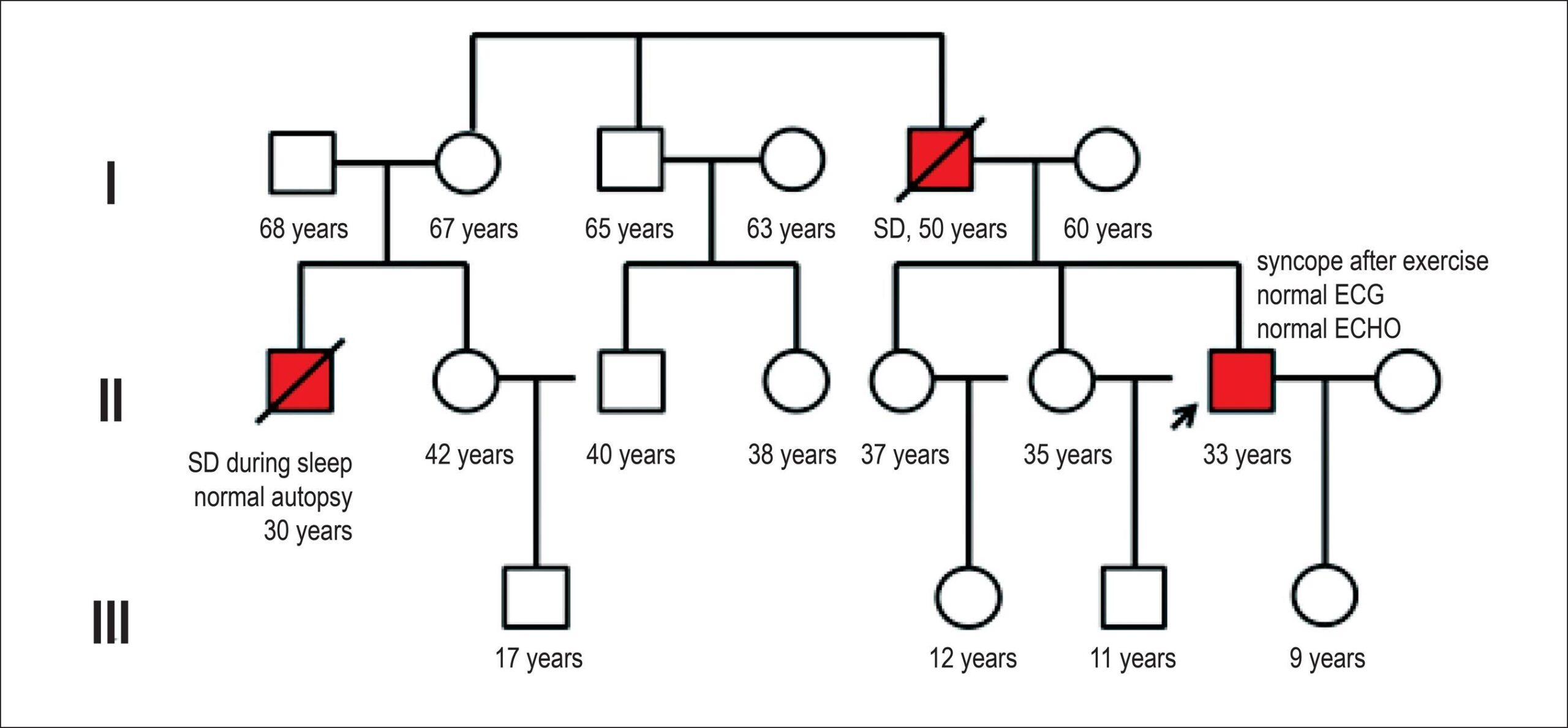
Regular physical activity practice benefits individuals of all ages, sexes and ethnicities. If on one hand the practice of moderate exercise is considered a healthy activity that favors the cardiovascular system, on the other, high-intensity exercise for a long period can increase the risk for sudden death (SD). Even considering the huge number of individuals exercising daily, SD in that context is rare. However, the prevention of SD can be difficult and it has significant repercussion, mainly among young practitioners of leisure exercise or athletes. From the epidemiological viewpoint, cardiac SD affects 200,000 to 400,000 individuals in the United States of America (USA) annually. In the sports scenario, around 200 athletes per year are estimated to have a fatal event. In Spain, the national registry of SD in athletes reported 180 cases from 1995 to 2007, suggesting an incidence of 15 to 20 cases per year.

For athletes, preparticipation evaluation (PPE) is indicated, and can be effective in preventing cardiac SD in that context. However, that type of screening has great variability between different countries and entities that perform it. In the sports context, genetic evaluation is performed only in specific cases.

[…]

  • Death, Sudden, Cardiac
  • Exercise
  • Genetics
  • Genotype
  • Heredity
  • Sports Medicine
Read Full Article
Creative Commons Attribution (CC BY) Creative Commons license
06/03/2017 DOI: 10.5935/abc.20170015 Views 3

How to cite this article

EndNote RIS

Electronic Document Format (Vancouver)

Braga F, Medeiros P, Neno AC, Meira D, Magalhães J, Emery MS. Ethnic Differences in Survival among Brazilian Modern-era Olympic Medalists from 1920 to 1992: A Cohort Study. Arquivos Brasileiros de Cardiologia 2024;121(2):e20230524.

Electronic Document Format (ABNT)

Braga, Fabricio; Medeiros, Paula de; Neno, Ana Carolina; Meira, Diogo; Magalhães, João; Emery, Michael S.. Ethnic Differences in Survival among Brazilian Modern-era Olympic Medalists from 1920 to 1992: A Cohort Study. Arquivos Brasileiros de Cardiologia, v. 121, n. 2, e20230524, Apr. 2024.

Electronic Document Format (APA)

Braga, F., Medeiros, P. , Neno, A. C., Meira, D., Magalhães, J., & Emery, M. S. (2024). Ethnic Differences in Survival among Brazilian Modern-era Olympic Medalists from 1920 to 1992: A Cohort Study. Arquivos Brasileiros de Cardiologia, 121(2), e20230524.

Electronic Document Format (ISO)

Braga, Fabricio and Medeiros, Paula de and Neno, Ana Carolina and Meira, Diogo and Magalhães, João and Emery, Michael S.. Ethnic Differences in Survival among Brazilian Modern-era Olympic Medalists from 1920 to 1992: A Cohort Study. Arquivos Brasileiros de Cardiologia [online]. 2024, vol. 121, n. 2, [cited 2026-10-14], e20230524. Available from: <https://journals.cardiol.br/en/article/ethnic-differences-in-survival-among-brazilian-modern-era-olympic-medalists-from-1920-to-1992-a-cohort-study/>. ISSN 0066-782X

EndNote RIS

Electronic Document Format (Vancouver)

Puga L, Dinis P, Teixeira R, Ribeiro JM, Dores H, Gonçalves L. Cardiovascular Risk Assessment after COVID-19 Infection before Resuming Sports Activities – Practical Flowchart and Meta-Analysis. International Journal of Cardiovascular Sciences 2021;35(1):14-2.

Electronic Document Format (ABNT)

Puga, Luís; Dinis, Paulo; Teixeira, Rogério; Ribeiro, Joana Maria; Dores, Hélder; Gonçalves, Lino. Cardiovascular Risk Assessment after COVID-19 Infection before Resuming Sports Activities – Practical Flowchart and Meta-Analysis. International Journal of Cardiovascular Sciences, v. 35, n. 1, p. 14-24, May. 2021.

Electronic Document Format (APA)

Puga, L., Dinis, P., Teixeira, R., Ribeiro, J. M., Dores, H., & Gonçalves, L. (2021). Cardiovascular Risk Assessment after COVID-19 Infection before Resuming Sports Activities – Practical Flowchart and Meta-Analysis. International Journal of Cardiovascular Sciences, 35(1), 14-24.

Electronic Document Format (ISO)

Puga, Luís and Dinis, Paulo and Teixeira, Rogério and Ribeiro, Joana Maria and Dores, Hélder and Gonçalves, Lino. Cardiovascular Risk Assessment after COVID-19 Infection before Resuming Sports Activities – Practical Flowchart and Meta-Analysis. International Journal of Cardiovascular Sciences [online]. 2021, vol. 35, n. 1, [cited 2026-10-14], pp. 14-24. Available from: <https://journals.cardiol.br/en/article/cardiovascular-risk-assessment-after-covid-19-infection-before-resuming-sports-activities-practical-flowchart-and-meta-analysis/>. ISSN 2359-4802

EndNote RIS

Electronic Document Format (Vancouver)

Fernandes RA, Mantovani AM, Codogno JS, Turi-Lynch BC, Pokhrel S, Anokye N. The Relationship between Lifestyle and Costs Related to Medicine Use in Adults. Arquivos Brasileiros de Cardiologia 2019;112(6):749-55.

Electronic Document Format (ABNT)

Fernandes, Romulo Araujo; Mantovani, Alessandra Madia; Codogno, Jamile Sanches; Turi-Lynch, Bruna Camilo; Pokhrel, Subhash; Anokye, Nana. The Relationship between Lifestyle and Costs Related to Medicine Use in Adults. Arquivos Brasileiros de Cardiologia, v. 112, n. 6, p. 749-755, Mar. 2019.

Electronic Document Format (APA)

Fernandes, R. A., Mantovani, A. M., Codogno, J. S., Turi-Lynch, B. C., Pokhrel, S., & Anokye, N. (2019). The Relationship between Lifestyle and Costs Related to Medicine Use in Adults. Arquivos Brasileiros de Cardiologia, 112(6), 749-755.

Electronic Document Format (ISO)

Fernandes, Romulo Araujo and Mantovani, Alessandra Madia and Codogno, Jamile Sanches and Turi-Lynch, Bruna Camilo and Pokhrel, Subhash and Anokye, Nana. The Relationship between Lifestyle and Costs Related to Medicine Use in Adults. Arquivos Brasileiros de Cardiologia [online]. 2019, vol. 112, n. 6, [cited 2026-10-14], pp. 749-755. Available from: <https://journals.cardiol.br/en/article/the-relationship-between-lifestyle-and-costs-related-to-medicine-use-in-adults/>. ISSN 0066-782X

EndNote RIS

Electronic Document Format (Vancouver)

Nishijuka FA, Silva CGS, Duarte CV, Araújo CGS. Pre-Participation Physical Fitness does not Influence Adherence to a Supervised Exercise Program. Arquivos Brasileiros de Cardiologia 2017;109(4):340-7.

Electronic Document Format (ABNT)

Nishijuka, Fábio Akio; Silva, Christina Grüne de Souza e; Duarte, Carlos Vieira; Araújo, Claudio Gil Soares de. Pre-Participation Physical Fitness does not Influence Adherence to a Supervised Exercise Program. Arquivos Brasileiros de Cardiologia, v. 109, n. 4, p. 340-347, Aug. 2017.

Electronic Document Format (APA)

Nishijuka, F. A., Silva, C. G. S. , Duarte, C. V., & Araújo, C. G. S. (2017). Pre-Participation Physical Fitness does not Influence Adherence to a Supervised Exercise Program. Arquivos Brasileiros de Cardiologia, 109(4), 340-347.

Electronic Document Format (ISO)

Nishijuka, Fábio Akio and Silva, Christina Grüne de Souza e and Duarte, Carlos Vieira and Araújo, Claudio Gil Soares de. Pre-Participation Physical Fitness does not Influence Adherence to a Supervised Exercise Program. Arquivos Brasileiros de Cardiologia [online]. 2017, vol. 109, n. 4, [cited 2026-10-14], pp. 340-347. Available from: <https://journals.cardiol.br/en/article/pre-participation-physical-fitness-does-not-influence-adherence-to-a-supervised-exercise-program/>. ISSN 0066-782X

EndNote RIS

Electronic Document Format (Vancouver)

Stein R, Trujillo JP, Silveira AD, Lamounier Júnior A, Iglesias LM. Genetic Evaluation, Familial Screening and Exercise. Arquivos Brasileiros de Cardiologia 2017;108(3):263-70.

Electronic Document Format (ABNT)

Stein, Ricardo; Trujillo, Juan Pablo; Silveira, Anderson Donelli da; Lamounier Júnior, Arsonval; Iglesias, Lorenzo Monserrat. Genetic Evaluation, Familial Screening and Exercise. Arquivos Brasileiros de Cardiologia, v. 108, n. 3, p. 263-270, Mar. 2017.

Electronic Document Format (APA)

Stein, R., Trujillo, J. P., Silveira, A. D. , Lamounier Júnior, A., & Iglesias, L. M. (2017). Genetic Evaluation, Familial Screening and Exercise. Arquivos Brasileiros de Cardiologia, 108(3), 263-270.

Electronic Document Format (ISO)

Stein, Ricardo and Trujillo, Juan Pablo and Silveira, Anderson Donelli da and Lamounier Júnior, Arsonval and Iglesias, Lorenzo Monserrat. Genetic Evaluation, Familial Screening and Exercise. Arquivos Brasileiros de Cardiologia [online]. 2017, vol. 108, n. 3, [cited 2026-10-14], pp. 263-270. Available from: <https://journals.cardiol.br/en/article/genetic-evaluation-familial-screening-and-exercise/>. ISSN 0066-782X

  • About ABC Family
  • Internal Regulation
  • Editorial Board
  • Brazilian Society of Cardiology (SBC)

Issues

SBC Guidelines

  • Videos
  • Podcasts
  • News