| ABC
ABC Family Arquivos Brasileiros de Cardiologia International Journal of Cardiovascular Sciences ABC Heart Failure & Cardiomyopathy ABC Imagem Cardiovascular
Português English
ABC Family | ABC
Português English
  • About
    • About the Journal
    • Internal Regulation
    • Editors Section
    • Editorial Board
    • History
    • SBC Award
  • Instructions to Authors
    • Guidelines for Publication
    • Editorial Policy
    • Ethics Policy
    • Policy on the Use of Artificial Intelligence
    • Mandatory Publication Form
    • Publication Fee
  • Issues
  • SBC Guidelines
  • Abstracts
    • How to Publish an Abstract Supplement?
    • Supplements from the Brazilian Congress of Cardiology
  • About
    • About the Journal
    • Internal Regulation
    • Editors Section
    • Editorial Board
    • History
    • SBC Award
  • Instructions to Authors
    • Guidelines for Publication
    • Editorial Policy
    • Ethics Policy
    • Policy on the Use of Artificial Intelligence
    • Mandatory Publication Form
    • Publication Fee
  • Issues
  • SBC Guidelines
  • Abstracts
    • How to Publish an Abstract Supplement?
    • Supplements from the Brazilian Congress of Cardiology

ABC Family

  • ABC Family
  • Arquivos Brasileiros de Cardiologia
  • International Journal of Cardiovascular Sciences
  • ABC Heart Failure & Cardiomyopathy
  • ABC Imagem Cardiovascular
Search in

No content found.

Journals
Ordering
Article types
Others

  1. Home
  2. ABC
  3. Issues
  4. 2023, Volume 120, Number 3
Figure 1
Editorial

Brazilian Initiatives Head Strong Scientific Cooperation to Address COVID-19 Issues: The Case of Coalition COVID-19 Brazil

Cláudio Tinoco Mesquita

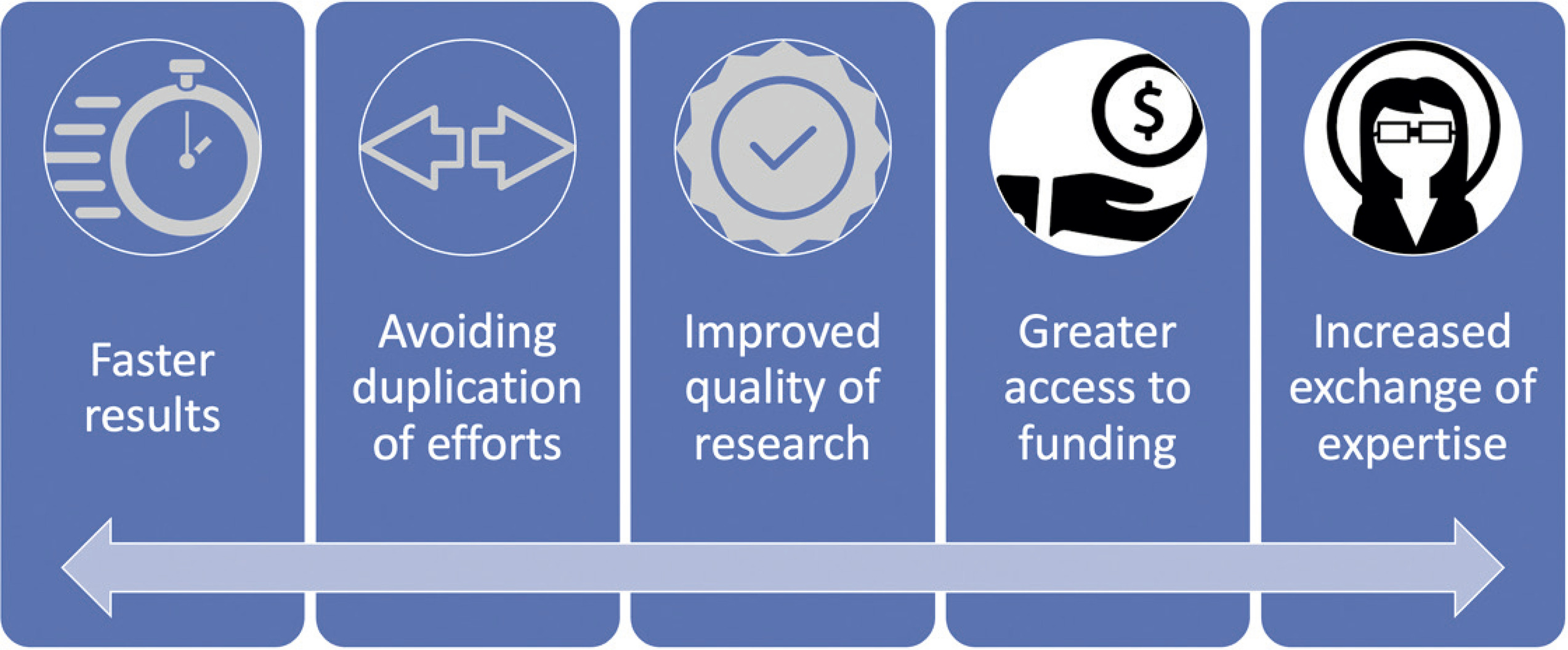
The ongoing COVID-19 pandemic has highlighted the importance of collaborative scientific research like never before. With the world facing an unprecedented health crisis, it has become clear that scientific collaboration and knowledge sharing are critical to finding solutions to the challenges posed by the pandemic. Scientific cooperation increased during the pandemic bringing the ability to pool resources and expertise from across the globe.1 Cooperative science can lead to a more comprehensive understanding of the virus, its transmission, and the disease it causes. With COVID-19, researchers worldwide have collaborated to share data, collaborate on studies, and develop new therapies and vaccines.

Collaborative scientific research is key to accelerating the pace of research. The traditional model of scientific research involves a slow and often fragmented process of discovery, validation, and dissemination. In Brazil, one seminal example of collaboration is the coalition initiative that congregates more than 70 centers around the country and has led several randomized clinical trials with more than 5000 participants. One good example of their results is the Coalition Covid Brazil III trial that demonstrated that dexamethasone improves patients with severe COVID-19.2 These results are comparable to the landmark Recovery Trial that demonstrated for the first time that in patients hospitalized with Covid-19, dexamethasone resulted in lower 28-day mortality.3 Coalition studies also showed that hydroxychloroquine, with or without azithromycin, did not benefit mild-to-moderate4 or severe COVID-19 cases.5

[…]

  • COVID-19/trends
  • Technical Cooperation
  • Therapies Investigational
  • Vaccines/trends, Anticoagulants
Read Full Article
Creative Commons Attribution (CC BY) Creative Commons license
17/04/2023 DOI: 10.36660/abc.20230147
Editorial

Nuclear Cardiology in the Optimization of Resynchronization Therapy: Quo Vadis?

Gabriel Blacher Grossman

Myocardial Viability and Resynchronization Therapy

Several studies in the literature have shown that the absence of myocardial viability at the site where the electrode was positioned reduces the efficacy of CRT. Ypenburg et al. evaluated the presence of fibrosis using GATED-SPECT with Tc-99m-tetrofosmin before CRT. Patients without fibrosis at the electrode implantation site showed improvement in NYHA class, quality of life, 6-minute walk test, ventricular volumes, and ejection fraction at a 6-month follow-up compared to patients with fibrosis at the electrode implantation site for CRT RT. The extent of the viable myocardial area was related to the reduction of ventricular volumes and ejection fraction. Bose et al. also demonstrated in a retrospective study involving 160 patients with ischemic cardiomyopathy that those patients in which electrode placement was in a site with fibrosis or fibrosis and ischemia more often had the primary outcome (hospitalization for HF and death) at 3 years compared to those patients with normal myocardium. Therefore, the fibrosis and myocardial viability evaluation at the electrode implementation site should be considered before CRT.

[…]

  • Cardiac Resynchronization Therapy
  • Diagnostic Imaging/methods
  • Heart Failure
  • Myocardial Ischemia Myocardial Perfusion Imaging
  • Nuclear Medicine, Cardiology
  • Radioisotopes
Read Full Article
Creative Commons Attribution (CC BY) Creative Commons license
07/04/2023 DOI: 10.36660/abc.20230136 Views 1
Editorial

Exercise-Based Cardiac Rehabilitation (ECBR): New Frontiers in the Post-Novel Coronavirus

Rosane Maria Nery et al. Antonio Cardoso dos Santos Eduardo Lima Garcia

The coronavirus disease 2019 (COVID-19) pandemic, in addition to physical, emotional, and social repercussions, has generated important changes in non-pharmacological measures to aid in treating patients with heart disease, such as Exercise-Based Cardiac Rehabilitation (ECBR). The disability associated with the post-COVID-19 syndrome seems to have a considerable impact on health services, as the treatment of these patients implies a very high demand for care and a high economic cost.

Scientific evidence has shown a close association between sedentary behavior and the development and worsening of cardiovascular disease (CVD) and early mortality. Many of these deaths could be avoided or postponed with preventive care and therapeutic measures, where EBCR is a fundamental pillar.,

[…]

  • Cardiac Rehabilitation
  • Coronavirus
  • Covid-19/complications
  • Exercise Therapy
  • Pandemics
  • Physical activity
  • Recovery of function
Read Full Article
Creative Commons Attribution (CC BY) Creative Commons license
07/04/2023 DOI: 10.36660/abc.20230120
Editorial

Does the BUN/Cr Ratio Confer a Worse Prognosis in All Ejection Fraction Spectra?

Giovanni Possamai Dutra et al. Bruno Ferraz de Oliveira Gomes

Neurohormonal activation is one of the most relevant pathophysiological features in Heart Failure (HF), promoting long-term deleterious effects that contribute to the development of cardiorenal syndrome. This hyperactivation is associated with the prognosis of acute heart failure; therefore, it is plausible to hypothesize that its activity is associated with the prognosis of heart failure.

The current universal classification of heart failure, updated in 2021, modified the classification of HF according to ejection fraction (EF), replacing the mid-range EF (HFmrEF) with mildly reduced EF for those with an EF of 41% to 49%, maintaining the classification of reduced ejection fraction (HFrEF) for those with EF less than 40% and preserved (HFpEF) for patients with EF above 50%. The most used classification system today is based on this categorization of patients into groups based on left ventricular ejection fraction (LVEF), and this model has become the main model used by guidelines to provide recommendations for treatment.

[…]

  • Blood Ureia Nitrogen
  • Heart Failure
  • Hospitalization
  • Kidney Diseases/complications
  • Mortality
  • Stroke Volume/pysiology
Read Full Article
Creative Commons Attribution (CC BY) Creative Commons license
07/04/2023 DOI: 10.36660/abc.20230107
Editorial

Sepsis, Atrial Fibrillation, and Aging: A Dangerous Association

Evandro José Cesarino et al. Marildes Luiza de Castro Carolina Baraldi Araujo Restini

Atrial fibrillation (AF) is a common heart rhythm disorder often identified during sepsis’s progression.

Its prevalence increases in the general population with age, reaching 18% in the elderly over 85 years old.

[…]

  • Aged
  • Arrhythmias Cardiac
  • Atrial Fibrillation
  • Hospital Mortality
  • Mortality
  • Sepsis
Read Full Article
Creative Commons Attribution (CC BY) Creative Commons license
07/04/2023 DOI: 10.36660/abc.20230095 Views 1
Figure 1
Research Letter

Cumulative Disorder of Myocardial Lipofuscin after Long-Term Heart Transplantation: A Study Based on Endomyocardial Biopsies

Luiz Alberto Benvenuti et al. Fabiana G. Marcondes-Braga Fernando Bacal

Introduction

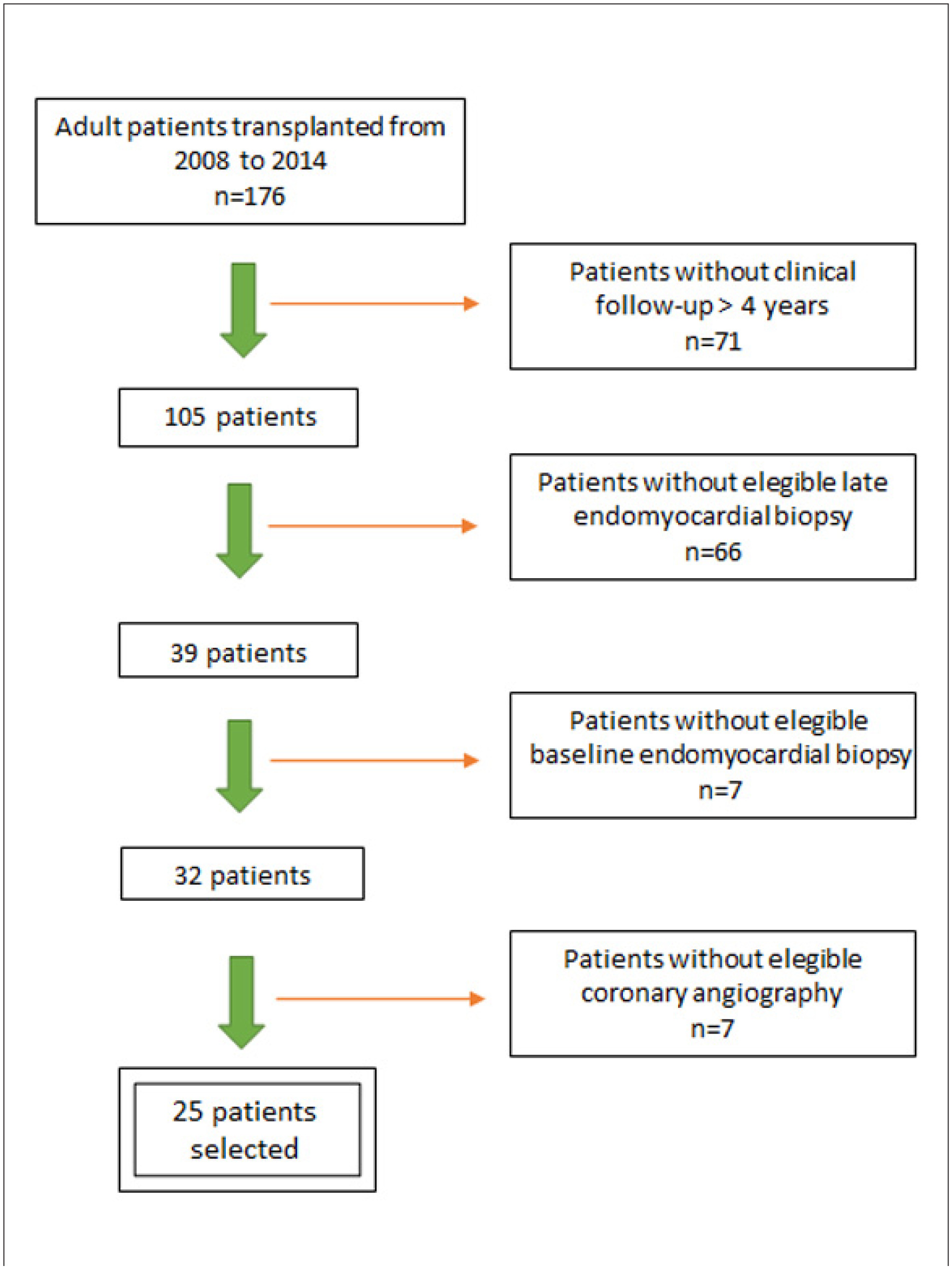
Lipofuscin is a yellowish-brown, non-degradable cytoplasmic pigment composed of highly oxidized proteins, lipids, and metals. Lipofuscin accumulates over time in perennial post-mitotic cells such as cardiomyocytes and is also called “age pigment”.–

Heart transplantation is an established treatment for patients with severe heart failure refractory to other forms of treatment. Its major long-term limitation is the development of cardiac allograft vasculopathy (CAV), which is relatively difficult to diagnose and for which few effective treatment options exist.6,7 In this context, it is worth mentioning a previous study relating the amount of lipofuscin in the myocardium of heart transplant patients to the development of CAV.

[…]

  • endomyocardial biopsy
  • Heart Transplantation
  • lipofuscin
Read Full Article
Creative Commons Attribution (CC BY) Creative Commons license
07/04/2023 DOI: 10.36660/abc.20220313
Editorial

Multi-Arterial Grafting in Surgical Coronary Revascularization. The Renewed Quest for Enhanced Outcomes

Walter J. Gomes

With a large body of contemporary and historic evidence strengthening coronary artery bypass surgery (CABG) as the most effective procedure for treating advanced atherosclerotic coronary artery disease (CAD), the quest for enhanced outcomes and quality improvement is steadily underway.

Long-term graft patency is crucial for the benefits afforded by surgery, averting spontaneous myocardial infarction rate (MI) and increasing long-term survival, which is demonstrated with the employment of internal thoracic artery (ITA) conduits anastomosed to the left anterior descending coronary artery.

[…]

  • Coronary Artery Disease/surgery
  • Mammary Arteries/surgery
  • Myocardial Revascularization/transplant
  • Myocardial Revascularization/trends
  • Risk Factors/complications
Read Full Article
Creative Commons Attribution (CC BY) Creative Commons license
07/04/2023 DOI: 10.36660/abc.20230094
Editorial

The “Value of 0”: Is There an Added Value in Using the Calcium Score in the Stratification of Symptomatic Individuals with a Zero Score?

Catarina Ferreira

Coronary calcium score (CCS) is a good marker of cardiovascular risk, with an independent prognostic value that is incremental over traditional clinical risk factors.– It is performed using non-contrast computed tomography with very low radiation exposure to patients.

Its use is now recommended in selected asymptomatic individuals to refine risk assessment and help initiate or prolong preventive pharmacotherapies.

[…]

  • Cardiac Imaging Techniques
  • Chest Pain
  • Computed Tomography
  • Coronary Calcium
  • Coronary Disease
  • X-Ray
Read Full Article
Creative Commons Attribution (CC BY) Creative Commons license
07/04/2023 DOI: 10.36660/abc.20230105 Views 2
Editorial

Infective Endocarditis: New Spectra, Same Severity

Tiago Bignoto

Infective endocarditis is a rare disease with a high rate of serious complications and can often be seen as a syndrome. A cold assessment of data published internationally shows us that despite all the technological advances and an early trend towards surgical intervention, there was no great reduction in clinical outcomes, especially mortality, but a more detailed search for information may bring us other points of view.

The article by Jorge MS et al. corroborates the idea of early diagnoses and interventions in this broad spectrum of patients, and observing the epidemiological change of patients over the years is a fundamental key to a broad reading of the management of contemporary infective endocarditis.

[…]

  • Cardiac Surgery
  • Heart Valve Disease
  • infective endocarditis
Read Full Article
Creative Commons Attribution (CC BY) Creative Commons license
07/04/2023 DOI: 10.36660/abc.20230117
Letter to the Editor

Paraoxonase-1 Genotype and Angiogram Positive Coronary Artery Disease

Rujittika Mungmunpuntipantip et al. Viroj Wiwanitkit

Dear Editor,

We would like to share ideas on the publication “Association of Paraoxonase-1 Genotype and Phenotype with Angiogram Positive Coronary Artery Disease”. Soflaei et al. noted that The presence of the G allele of the rs662 single nucleotide polymorphism is independently associated with an increased risk of coronary artery disease (CAD). The effect of polymorphism is investigated in this study. CAD might or might not be impacted by the hereditary component studied in this report. We both concur that CAD may be related to the underlying genetic component under research. However, CAD has been linked to numerous genetic variations. Examples of gene polymorphisms include the effect of polymorphisms (M235T and T174M) on the angiotensinogen gene (AGT), TGFB1 rs1800469, and BCMO1 rs6564851.– Future research should examine the implications of unexpected, possibly perplexing genetic variants.

[…]

  • Coronary Artery Disease/genetics
  • Genetic Predisposition to Disease
  • Mortality
  • Polymorphism, Genetic
  • Risk Factors
Read Full Article
Creative Commons Attribution (CC BY) Creative Commons license
07/04/2023 DOI: 10.36660/abc.20220665 Views 1
Editorial

Chasing New Non-Invasive Parameters to Predict Atrial Fibrillation after Radiofrequency Catheter Ablation

Michael Ramon de Lima-Conceição et al. Jorge Lucas Teixeira-Fonseca Danilo Roman-Campos

The Framingham Heart Study showed that the incidence and prevalence of atrial fibrillation (AF) are increasing globally, with the prevalence increasing more than 3-fold from 1958 to 2007. In 2017 there were 37.57 million prevalent cases and 3.05 million incident cases of AF globally, contributing to 287241 deaths. Notorious that the estimation shows that these numbers may further increase in the future. The projection shows that only in the USA, 12.1 million people by 2050 may have AF. According to the 2020 European Society of Cardiology Guideline, AF is defined as a supraventricular tachyarrhythmia with uncoordinated atrial electrical activation and ineffective atrial contraction. Electrocardiographic characteristics of AF include irregularly irregular R-R intervals (when atrioventricular conduction is not impaired), absence of distinct repeating P waves, and 3 irregular atrial activations. The clinical diagnosis in symptomatic or asymptomatic AF patients is performed by surface electrocardiogram (ECG), with a minimum 30 s duration of an ECG containing a typical AF tracing.

Even though a clear definition of the clinical diagnostic of AF exists, however, at least five patterns of AF are distinguished, which are based on presentation, duration, and spontaneous termination of AF episodes., Most likely, the variety of clinical AF manifestations is related to the etiology of the disease, which is not fully elucidated yet. Several AF development and progression predictors exist, and the most relevant are body mass index, heart rate, age, systolic blood pressure, history of hyperthyroidism, stroke, and heart failure. Due to the complex nature of AF, proper patient management is challenging, which implies, in an ideal situation, a coordinated and well-defined agreement between patient-individualized care pathways to deliver the most adequate and optimized treatment. The current treatment approach for AF patients consists of the A(trial fibrillation), B(etter), C(are), a.k.a the (ABC) holistic pathway, which encompasses: the ‘A’ Anticoagulation/Avoid stroke; ‘B’ Better symptom management; and ‘C’ Cardiovascular and Comorbidity optimization. It is important to stress that the treatment is also subject to change over time, mostly because of the discovery of new risk factors, disease progression, symptoms, diagnostic tools and methods, predictors, and the development of new treatments.

[…]

  • Arrhythmias Cardiac
  • Atrial Fibrillation
  • Catheter Ablation
  • Electrocardiography/methods
Read Full Article
Creative Commons Attribution (CC BY) Creative Commons license
03/04/2023 DOI: 10.36660/abc.20230091 Views 1
Editorial

Post-COVID Dysautonomias: The Importance of Early Recognition and Implementation of Recovery Programs

Denise Hachul et al. Tatiana Almeida Mauricio Scanavacca

The international scientific community has devoted all its efforts over the last three years to a better understanding and treatment of the SARS-COV-2 infection, which initially seemed to be limited to a severe acute respiratory syndrome. However, as time goes by, we are faced with a growing number of patients with multisystemic, persistent, intermittent, or late symptoms, which generate significant psycho-functional impairment of those affected and reveal to us the chronic and unpredictable nature of the disease.

The recognized Post-COVID Syndrome courses with a significant number of complaints described in case reports, population studies, and meta-analyses. Myocarditis, myocardial infarction, stroke, heart failure, arrhythmias, genitourinary, gastrointestinal, endocrinological, central, and peripheral neurological disorders of varying severities have been described in the subacute and chronic phases after contact with the virus.–

[…]

  • Depression
  • Dysautonomias/post-covid
  • Exercises
  • Memory/deficiency
  • Physiotherapy
  • Post-Covid/complications
  • Rehabilitation
  • SARS-CoV-2
Read Full Article
Creative Commons Attribution (CC BY) Creative Commons license
03/04/2023 DOI: 10.36660/abc.20230110 Views 1
Central Illustration
Original Article

Relationship between BUN/Cr and Prognosis of HF Across the Full Spectrum of Ejection Fraction

Yuan Kang et al. Conglin Wang Xiaojing Niu Zhijing Shi … Mingxue Li Jianli Tian

Abstract

Background

In patients with heart failure (HF), due to the relative deficiency of blood volume, neurohormone system activation leads to renal vasoconstriction, which affects the content of blood urea nitrogen (BUN) and creatinine (Cr) in the body, while BUN and Cr are easily affected by other factors. Therefore, BUN/Cr can be used as another marker for the prognosis of HF.

Objective

Explore the prognosis of adverse outcome of HF in the high BUN/Cr group compared with the low BUN/Cr group across the full spectrum of ejection fraction.

Methods

From 2014 to 2016, symptomatic hospitalized HF patients were recruited and followed up to observe adverse cardiovascular outcomes. Logistic analysis and COX analysis were performed to determine significance. p-values <0.05 were considered statistically significant.

Results

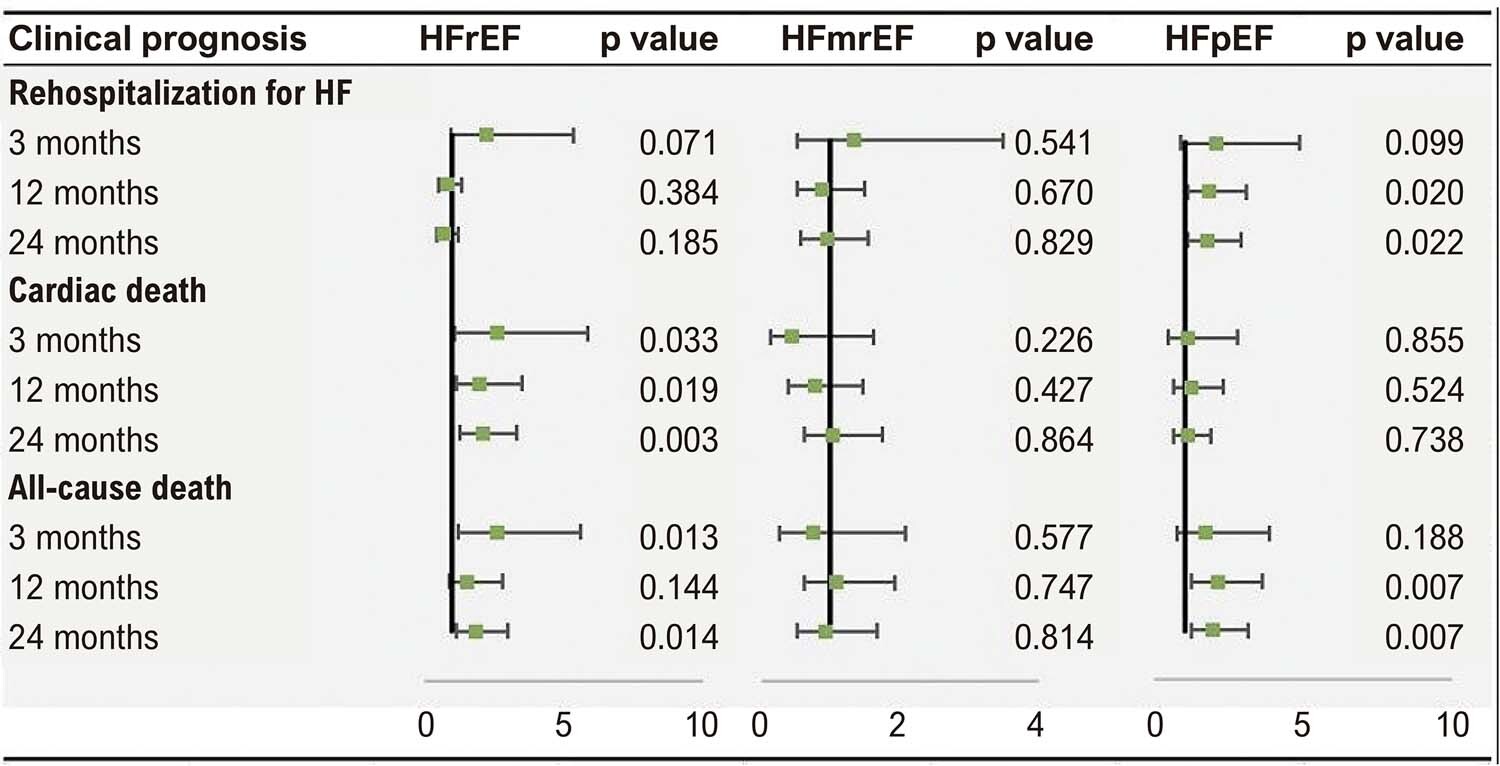
In the univariate logistic regression analysis, the high BUN/Cr group had a higher risk of adverse outcome in heart failure with reduced ejection fraction (HFrEF) and heart failure with preserved ejection fraction (HFpEF). Multivariate logistic regression analysis showed that the risk of cardiac death in the HFrEF group was higher than that in the low BUN/Cr group, while the risk of all-cause death was significant only in 3 months (p<0.05) (Central Illustration). The risk of all-cause death in the high BUN/Cr in the HFpEF group was significantly higher than that in the low BUN/Cr group at two years.

Conclusion

The high BUN/Cr group is related to the risk of poor prognosis of HFpEF, and is not lower than the predictive value of left ventricular ejection fraction (LVEF).

  • BUN/Cr
  • Ejection Fraction
  • Heart Failure
  • Prognosis
Read Full Article
Creative Commons Attribution (CC BY) Creative Commons license
03/04/2023 DOI: 10.36660/abc.20220427 Views 2
Editorial

Is There a Role for Religion and Spirituality in Cardiac Rehabilitation?

Christina Grüne de Souza e Silva

Cardiac rehabilitation (CR) is a secondary prevention intervention offered to promote cardiac recovery by reducing morbidity, mortality, and disability. As such, CR has been recognized as integral to the comprehensive care of patients with cardiovascular disease, and, in most current guidelines of cardiovascular societies globally, CR is a class I recommendation.

At first, the standard “cardiac rehabilitation” approach focused almost exclusively on supervised exercise, since many previous studies had confirmed a positive impact of regular physical activities on cardiac outcomes. However, currently, the exercise-centric model of CR has been considered outdated. As increasing evidence has shown that cardiac events affect patients not only physically, but also emotionally, socially, and spiritually, contemporary CR programs are now viewed as a multidisciplinary intervention. Among well-recognized core components such as management and control of cardiovascular risk factors, physical activity counseling, and exercise prescription, specific approaches that aim to influence favorably mental and social conditions, improving quality of life and psychological well-being, are now considered key players to cardiac recovery.

[…]

  • Cardiac Rehabilitation
  • Cardiovascular Diseases
  • Quality of life
  • Spiritual Therapies
  • Spirituality, Religiosity
Read Full Article
Creative Commons Attribution (CC BY) Creative Commons license
03/04/2023 DOI: 10.36660/abc.20230088
Research Letter

Orthotopic Heart Transplantation in a Covid-19 Recipient

Leonardo Rufino Garcia et al. André Monti Garzesi Julia Bazzo Sinatora Rejane Maria Tommasini Grotto … Andréia Cristina Passaroni Nelson Leonardo Kerdahi Leite de Campos Antônio Sérgio Martins Marcello Laneza Felicio Flávio de Souza Brito

Introduction

The coronavirus pandemic has affected more than 480 million people around the world. Solid organ recipients constitute a highly vulnerable group due to the need for immunosuppression and the various comorbidities that may be associated, many of which persist even after transplantation.

Transplanted patients can present a spectrum of clinical manifestations resulting from COVID-19: from asymptomatic, mild symptoms or acute respiratory failure and death. Some studies suggest that in the case of conditions with a favorable outcome, previous immunization and irreplaceable post-transplantation immunosuppression contribute to a response of less exacerbated inflammation and, consequently, less organic damage., Nonetheless, some reports and literature reviews show worse prognosis in transplanted patients, possibly due to comorbidities, advanced age, and lymphopenia often present.,,

[…]

  • Aged
  • Betacoronavirus/complications
  • Comorbidity
  • Heart Transplantation
  • Imunosuppresion
  • Limphopenia
  • SARS-CoV2
Read Full Article
Creative Commons Attribution (CC BY) Creative Commons license
03/04/2023 DOI: 10.36660/abc.20220234 Views 1
Figure 1
Original Article

Feasibility of Left Ventricle Lead Implantation in Cardiac Resynchronization Therapy Guided by Gated SPECT and Ventricular Remodeling

Erivelton Alessandro do Nascimento et al. Fernando de Amorim Fernandes Pedro Augusto Carvalho Mira Zhuo He … Weihua Zhou Claudio Tinoco Mesquita

Abstract

Background

Cardiac resynchronization therapy (CRT) may benefit patients with advanced heart failure (HF). Abnormal eccentricity index by gated SPECT is related to structural and functional alterations of the left ventricle (LV).

Objective

The aim of this study is to evaluate the feasibility of LV lead implantation guided by phase analysis and its relationship to ventricular remodeling.

Methods

Eighteen patients with indication for CRT underwent myocardial scintigraphy for implant orientation, and eccentricity and ventricular shape parameters were evaluated. P < 0.05 was adopted as statistical significance.

Results

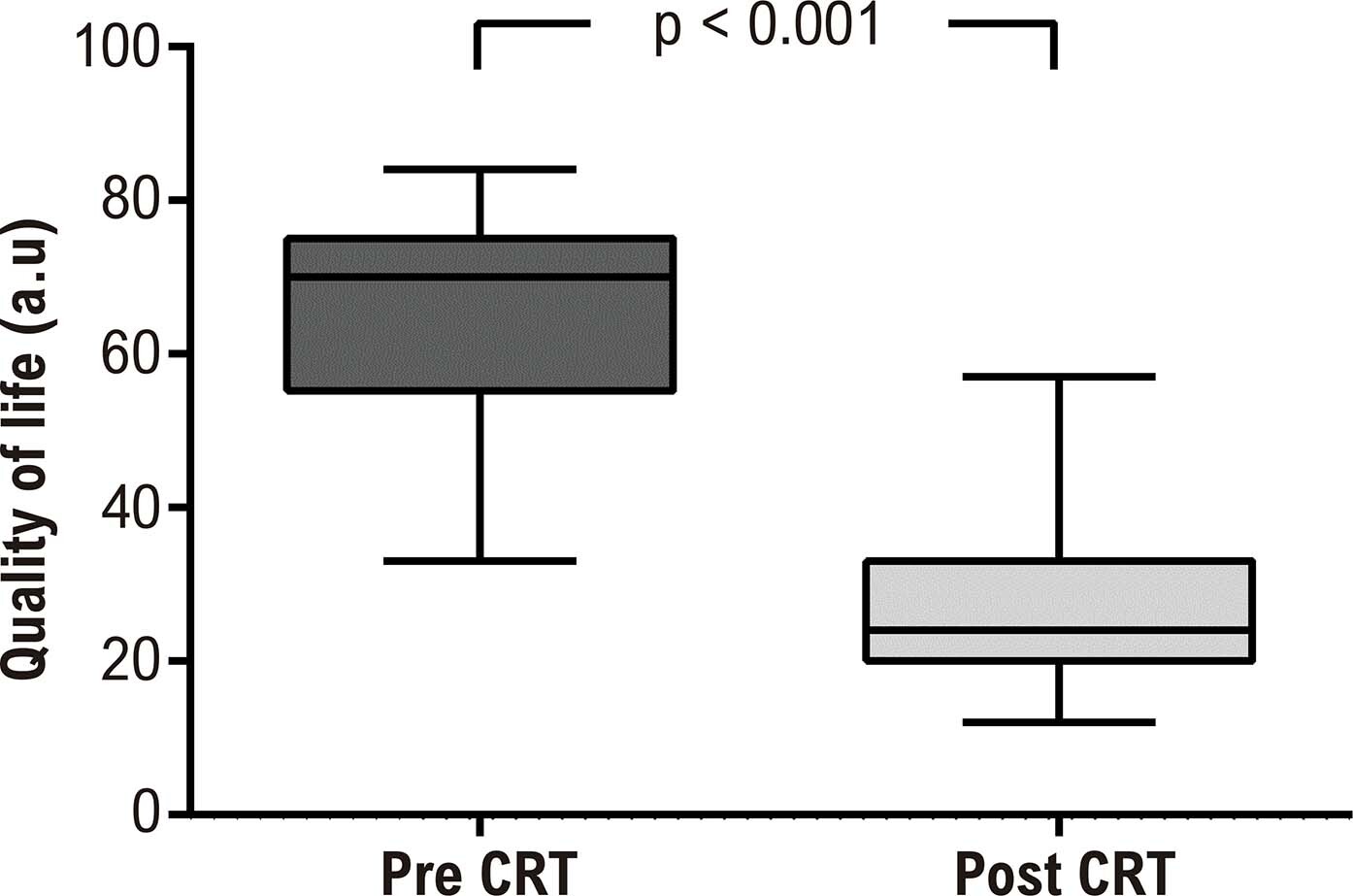
At baseline, most patients were classified as NYHA 3 (n = 12). After CRT, 11 out of 18 patients were reclassified to a lower degree of functional limitation. In addition, patients’ quality of life was improved post-CRT. Significant reductions were observed in QRS duration, PR interval, end-diastolic shape index, end-systolic shape index, stroke volume, and myocardial mass post-CRT. The CRT LV lead was positioned concordant, adjacent, and discordant in 11 (61.1%), 5 (27.8%), and 2 (11.1%) patients, respectively. End-systolic and end-diastolic eccentricity demonstrated reverse remodeling post-CRT.

Conclusions

LV lead implantation in CRT guided by gated SPECT scintigraphy is feasible. The placement of the electrode concordant or adjacent to the last segment to contract was a determinant of reverse remodeling.

  • Cardiac Resynchronization Therapy
  • Heart Failure
  • Left Ventricular Dyssynchrony
  • SPECT
Read Full Article
Creative Commons Attribution (CC BY) Creative Commons license
03/04/2023 DOI: 10.36660/abc.20220077 Views 1
Central Illustration
Original Article

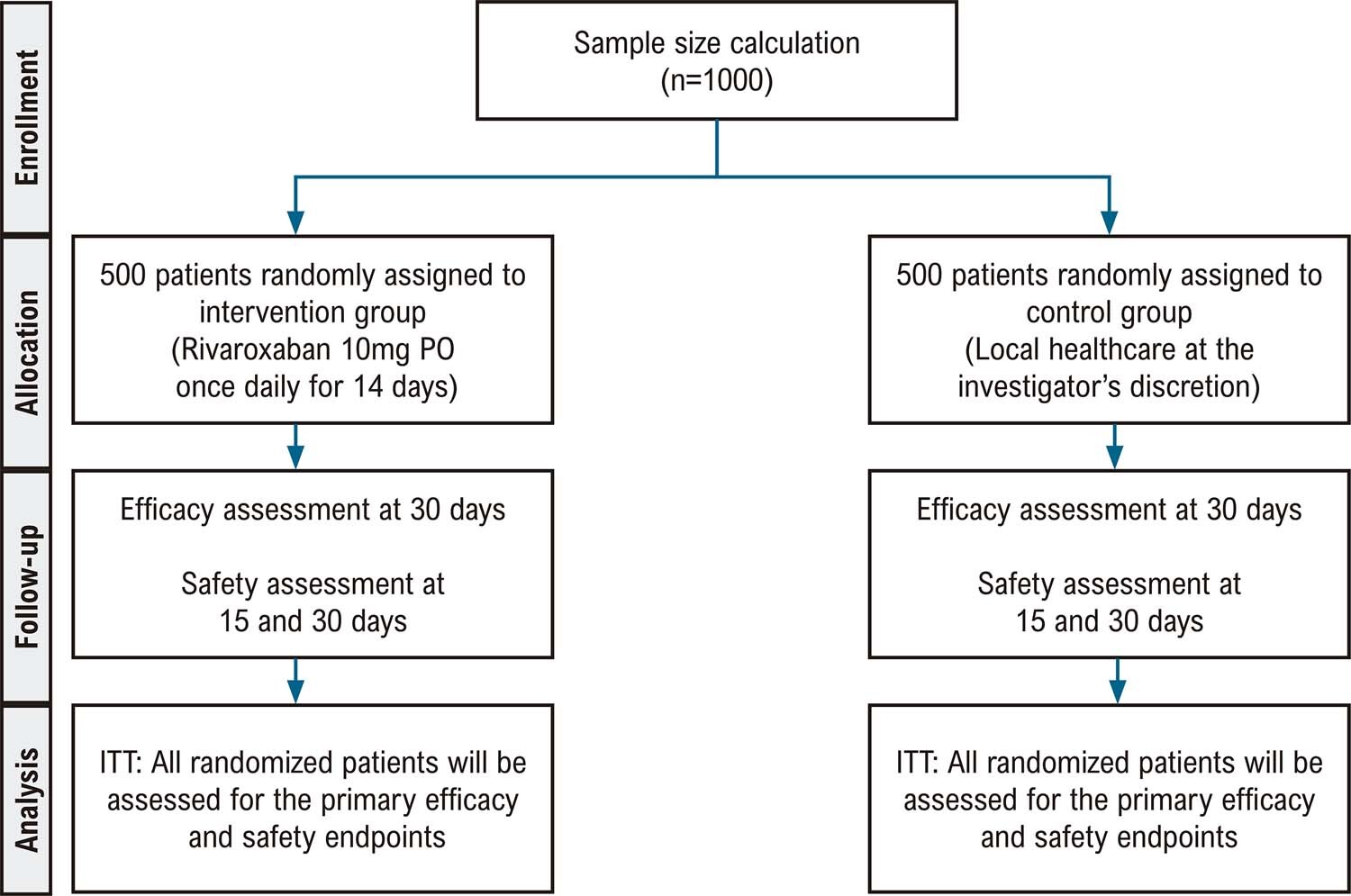
Rivaroxaban in Outpatients with Mild or Moderate COVID-19: Rationale and Design of the Study CARE (CARE – Coalition COVID-19 Brazil VIII)

Gustavo B. F. Oliveira et al. Precil Diego M. M. Neves Haliton A. Oliveira Daniela Ghidetti Mangas Catarino … Lucas B. O. Alves Alexandre B. Cavalcanti Regis G. Rosa Viviane C. Veiga Luciano C.P. Azevedo Otávio Berwanger Renato D. Lopes Álvaro Avezum

Abstract

Background

Previous studies have demonstrated a high risk of arterial and venous thromboembolic events as a consequence of direct viral damage to endothelial cells by SARS-CoV-2 and a procoagulant milieu due to increased biomarkers, such as D-dimer, fibrinogen, and factor VIII. Although randomized controlled trials of antithrombotic therapies have been conducted in hospitalized patients, few have evaluated the role of thromboprophylaxis in an outpatient setting.

Objective

To assess whether antithrombotic prophylaxis with rivaroxaban reduces the risk of venous or arterial thrombotic events, invasive ventilatory support, and death in COVID-19 outpatients.

Methods

The COVID Antithrombotic Rivaroxaban Evaluation (CARE) study, a multicenter, randomized, open-label, controlled trial of rivaroxaban 10 mg once daily for 14 days or local standard treatment alone to prevent adverse outcomes, is registered in clinicaltrials.gov (NCT04757857). The inclusion criteria are adults with confirmed or suspected SARS-CoV-2 infection and mild or moderate symptoms without indication for hospitalization, within 7 days of symptom onset, and 1 risk factor for COVID-19 complication (> 65 years, hypertension, diabetes mellitus, asthma, chronic obstructive pulmonary disease or other chronic lung diseases, smoking, immunosuppression, or obesity). The primary composite endpoint, which includes venous thromboembolism, invasive mechanical ventilation, major acute cardiovascular events, and mortality within 30 days of randomization, will be assessed according to the intention-to-treat principle. All patients will provide informed consent. A significance level of 5% will be used for all statistical tests.

Results

Major thrombotic and bleeding outcomes, hospitalizations, and deaths will be centrally adjudicated by an independent clinical events committee blinded to the assigned treatment groups.

Conclusion

The CARE study will provide relevant and contemporary information about the potential role of thromboprophylaxis in outpatients with COVID-19.

  • COVID-19
  • Outpatient Clinics, Hospital
  • Rivaroxaban
  • Thrombosis
  • Treatment Outcome
Read Full Article
Creative Commons Attribution (CC BY) Creative Commons license
03/04/2023 DOI: 10.36660/abc.20220431 Views 1
Figure 1
Research Letter

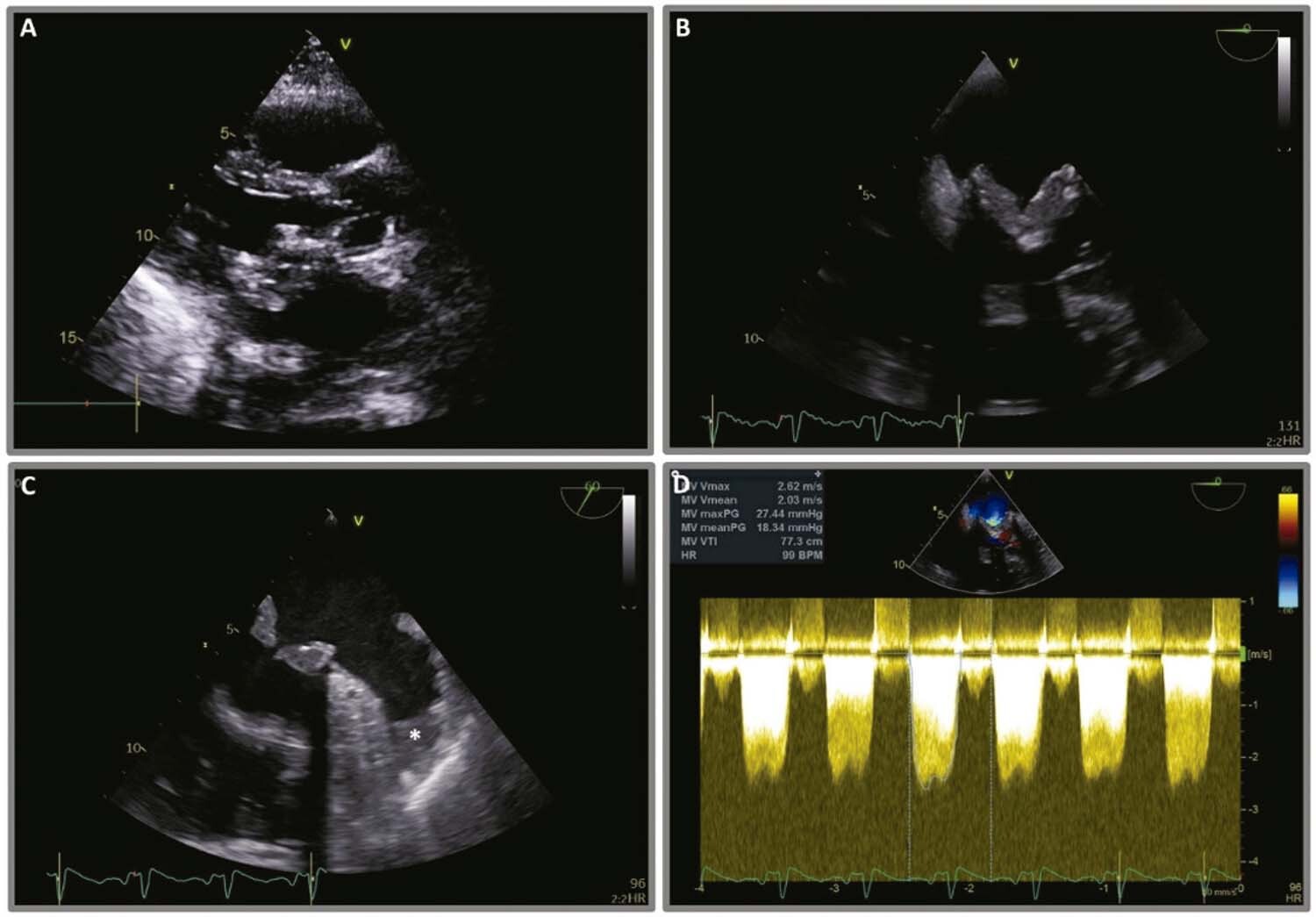
Late-Onset Bioprosthetic Mitral Valve Thrombosis, Presenting with Significant Obstruction and Acute Heart Failure

Ana Filipa Cardoso et al. Tamara Pereira Filipa Cordeiro Marina Fernandes … Olga Azevedo António Lourenço

Introduction

Bioprosthetic valve thrombosis (BPVT) has an incidence ranging from 0.5% to 6%. However, it is most likely underreported given the technical limitations of 2D transthoracic echocardiography (TTE) and the unawareness of the condition.

Our study presents a case report of a middle-aged male who was admitted with acute heart failure and was diagnosed with BPVT. Recognition of the condition and prompt institution of parenteral anticoagulation allowed for the restoration of the normal functioning of the biological valve, avoiding invasive strategies.

[…]

  • Anticoagulants
  • Echocardiography/methods
  • Heart Failure
  • Heart Valve Prosthesis/surgery
  • Mitral Valve/surgery
  • Thrombosis/complications
Read Full Article
Creative Commons Attribution (CC BY) Creative Commons license
03/04/2023 DOI: 10.36660/abc.20220481
Figure 1
Original Article

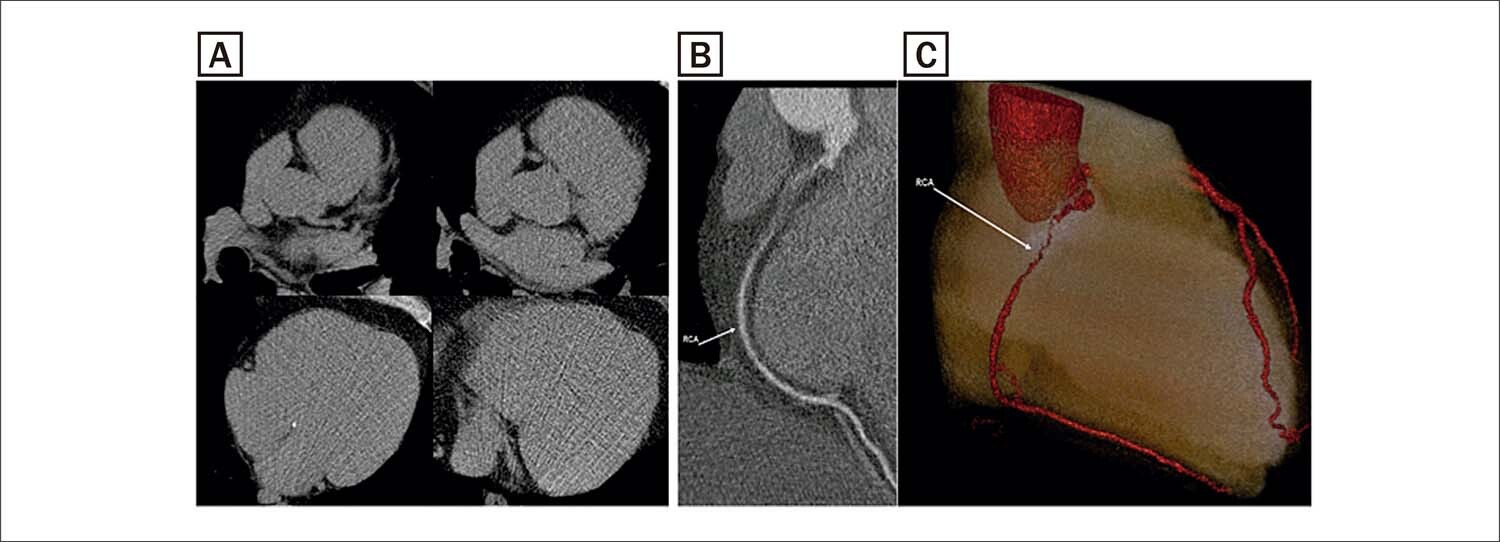
Predicting Significant Coronary Obstruction in a Population with Suspected Coronary Disease and Absence of Coronary Calcium: CORE-64 / CORE320 Studies

Anderson C. Armstrong et al. Rodrigo Cerci Matthew B. Matheson Tiago Magalhães … Satoru Kishi Jeff Brinker Melvin E. Clouse Carlos E. Rochitte Christopher Cox João A. C. Lima Armin Arbab-Zadeh

Abstract

Background

Coronary artery calcium (CAC) scanning can be performed using non-contrast computed tomography to predict cardiovascular events, but has less value for risk stratification in symptomatic patients.

Objective

To identify and validate predictors of significant coronary obstruction (SCO) in symptomatic patients without coronary artery calcification.

Methods

A total of 4,258 participants were screened from the CORE64 and CORE320 studies that enrolled patients referred for invasive angiography, and from the Quanta Registry that included patients referred for coronary computed tomography angiography (CTA). Logistic regression models evaluated associations between cardiovascular risk factors, CAC, and SCO. An algorithm to assess the risk of SCO was proposed for patients without CAC. Significance level of 5% was used in the analyses.

Results

Of the 509 participants of the CORE study, 117 (23%) had zero coronary calcium score; 13 (11%) patients without CAC had SCO. Zero calcium score was related to younger age, female gender, lower body mass index, no diabetes, and no dyslipidemia. Being a current smoker increased ~3.5 fold the probability of SCO and other CV risk factors were not significantly associated. Considering the clinical findings, an algorithm to further stratify zero calcium score patients was proposed and had a limited performance in the validation cohort (AUC 58; 95%CI 43, 72).

Conclusion

A lower cardiovascular risk profile is associated with zero calcium score in a setting of high-risk patients. Smoking is the strongest predictor of SCO in patients without CAC.

  • Chest Pain
  • Coronary Angiography
  • Coronary Artery Disease / complications
  • Diagnostic Imaging/methods
  • Indice Calcio
  • Tomography
  • X-Ray Computed/methods
Read Full Article
Creative Commons Attribution (CC BY) Creative Commons license
20/03/2023 DOI: 10.36660/abc.20220183
Central Illustration
Original Article

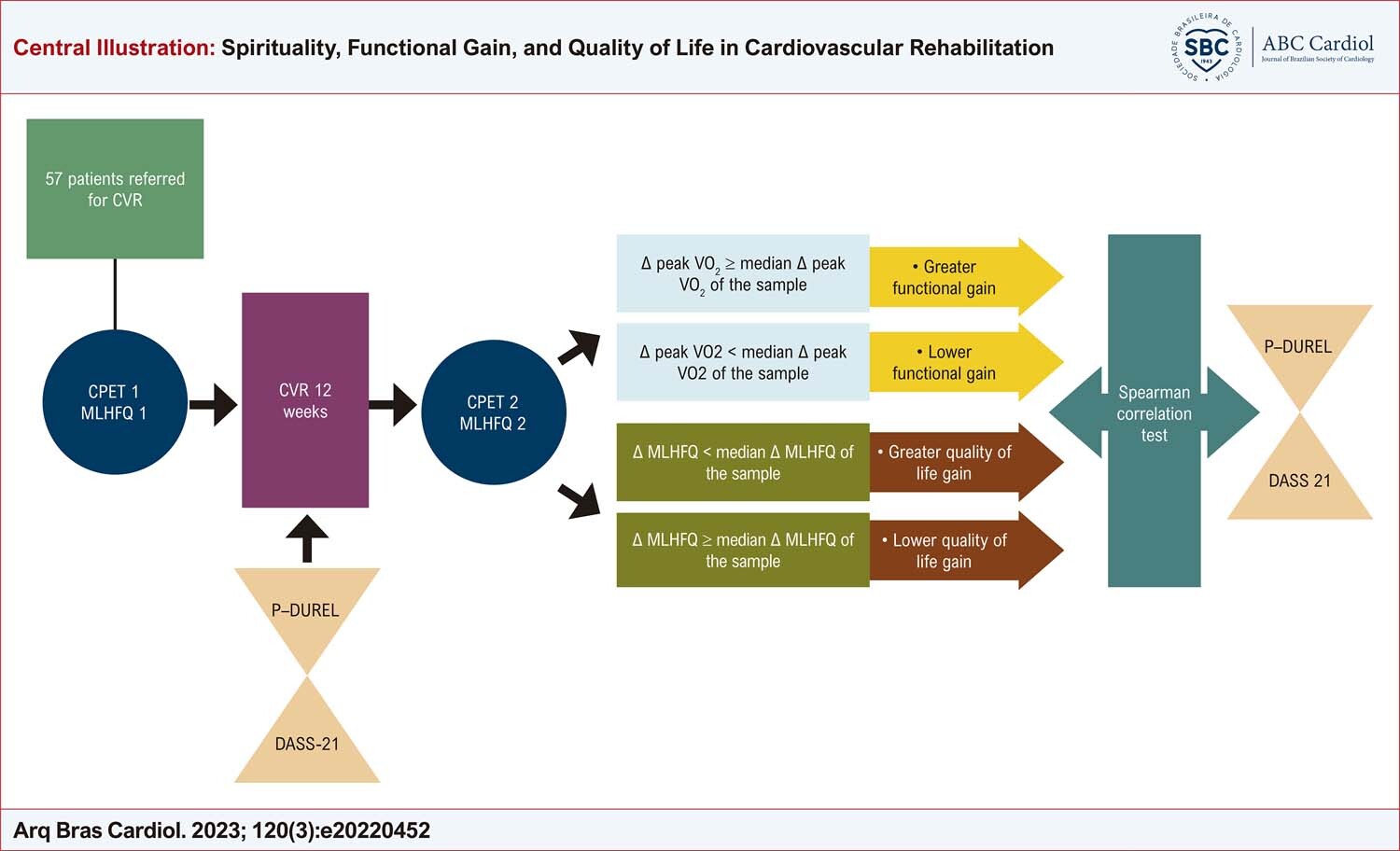
Spirituality, Functional Gain, and Quality of Life in Cardiovascular Rehabilitation

Maria do Rosário Toscano von Flach et al. Luiz Eduardo Fonteles Ritt Fábio Gonçalves de Santana Junior Marina von Flach Correia … Thaissa Costa Claro Ana Marice Ladeia Queila Borges de Oliveira Mario Seixas Rocha Cristiane Miura Feitosa Maeve Santos Ricardo Stein

Abstract

Background

Religiosity and spirituality have been associated with higher recovery rates, greater adherence to treatments, and better levels of quality of life in patients with heart disease.

Objectives

To evaluate the association between spirituality, functional gain, and improved quality of life in patients in a cardiovascular rehabilitation program.

Methods

This prospective cohort study evaluated the association between functional and quality of life gains during a cardiovascular rehabilitation program and a religiosity/spirituality index based on a validated scale. Depression, anxiety, and stress symptoms were screened for control purposes. P values < 0.05 were considered significant for all analyses.

Results

The study followed 57 patients (66 ± 12 years old; 71.7% male; 76% with coronary artery disease). The Spearman correlation coefficient did not show any associations between increases in functional capacity and organizational (rs = 0.110; p = 0.421), non-organizational (rs = −0.007; p = 0.421), or intrinsic (rs = −0.083; p = 0.543) religiosity. Furthermore, no associations were detected between the results of a quality of life score and organizational (rs = 0.22; p = 0.871), non-organizational (rs = 0.191; p = 0.159), or intrinsic (rs = 0.108; p = 0.429) religiosity.

Conclusion

No association was detected between functional and quality of life gains and organizational, non-organizational, or intrinsic religiosity in this sample of patients undergoing cardiovascular rehabilitation.

  • Cardiac Rehabilitation/methods
  • Cardiovascular Diseases, mortality
  • Quality of life
  • Spiritual Therapies/methods
  • Spiritualit
Read Full Article
Creative Commons Attribution (CC BY) Creative Commons license
20/03/2023 DOI: 10.36660/abc.20220452
Central Illustration
Review Article

Brugada Syndrome: 30 Years of Scientific Ventures

Pedro Brugada

Abstract

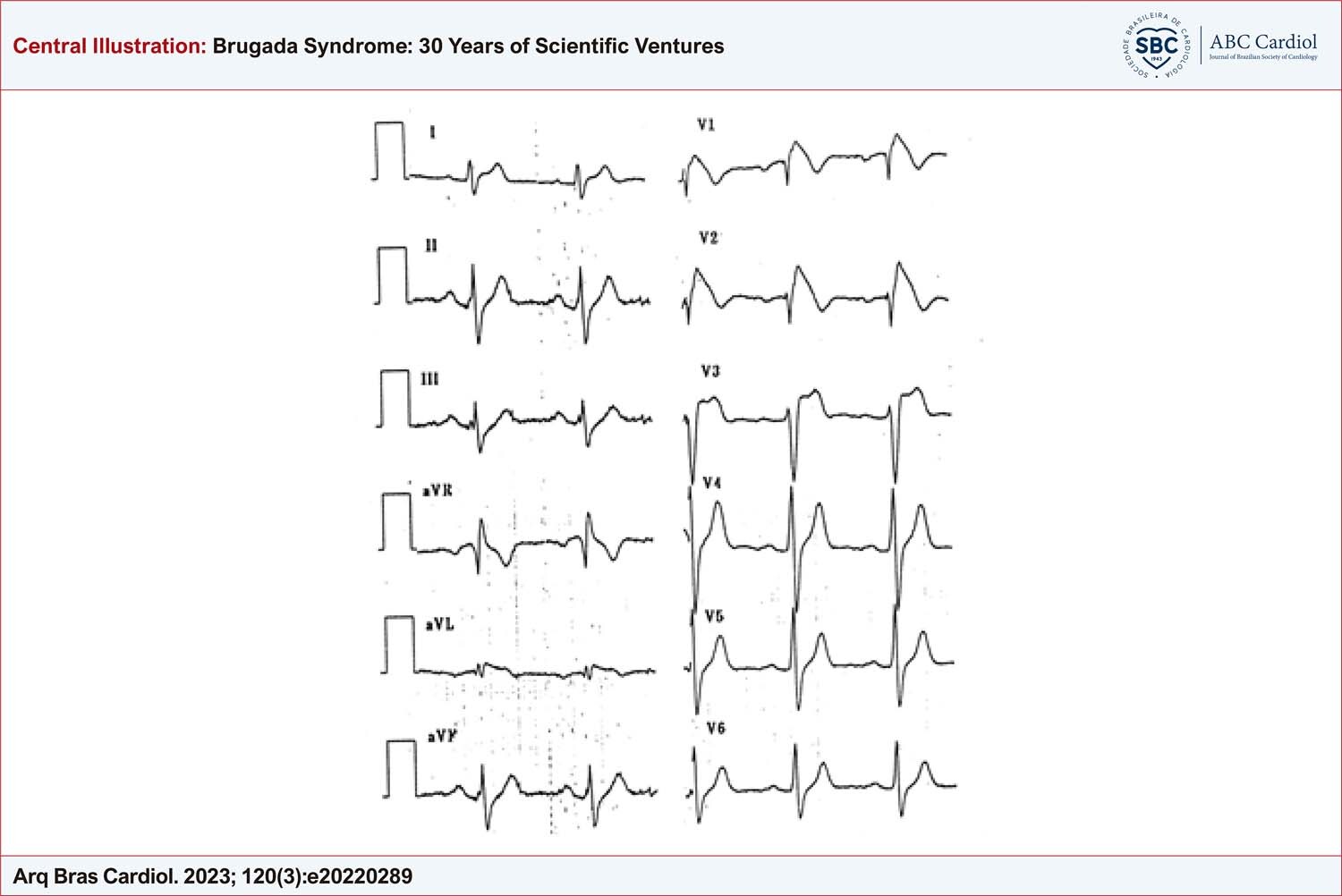
Thirty years ago, a distinctly new clinical-electrocardiographic syndrome was described, today known as Brugada Syndrome (BrS). Typical treatment for this type of syndrome is electrocardiography with ST-segment elevation in the direct precordial derivations. The clinical presentation of the disease is highly variable: the patients can remain completely asymptomatic, but they can also develop episodes of syncope, atrial fibrillation (AF), sinus node dysfunction (SNF), conduction disorders, asystole, and ventricular fibrillation (VF). This disease is caused by mutations in the genes responsible for the potential action of cardiac cells. The most commonly involved gene is SCN5A, which controls the structure and function of the heart’s sodium channel. The description of this new syndrome has shown highly positive implications in all fields of medicine.

  • Atrial Fibrillation
  • Brugada Syndrome
  • Implantable Devices
  • Sudden Death
  • Ventricular Fibrillation
Read Full Article
Creative Commons Attribution (CC BY) Creative Commons license
20/03/2023 DOI: 10.36660/abc.20220289 Views 1
Figure 1
Original Article

Left Atrial Appendage Volume Predicts Atrial Fibrillation Recurrence after Radiofrequency Catheter Ablation: A Meta-Analysis

Zhenghao Liu et al. Xiaofei Mei Hezi Jiang Yujie Cui … Weiwei Yin Kuangyi Wang Tan Chen Yafeng Zhou

Abstract

Background

The influence of left atrial appendage volume (LAAV) on the recurrence of atrial fibrillation (AF) following radiofrequency catheter ablation remains unclear.

Objectives

We performed a meta-analysis to assess whether LAAV is an independent predictor of AF recurrence following radiofrequency catheter ablation.

Methods

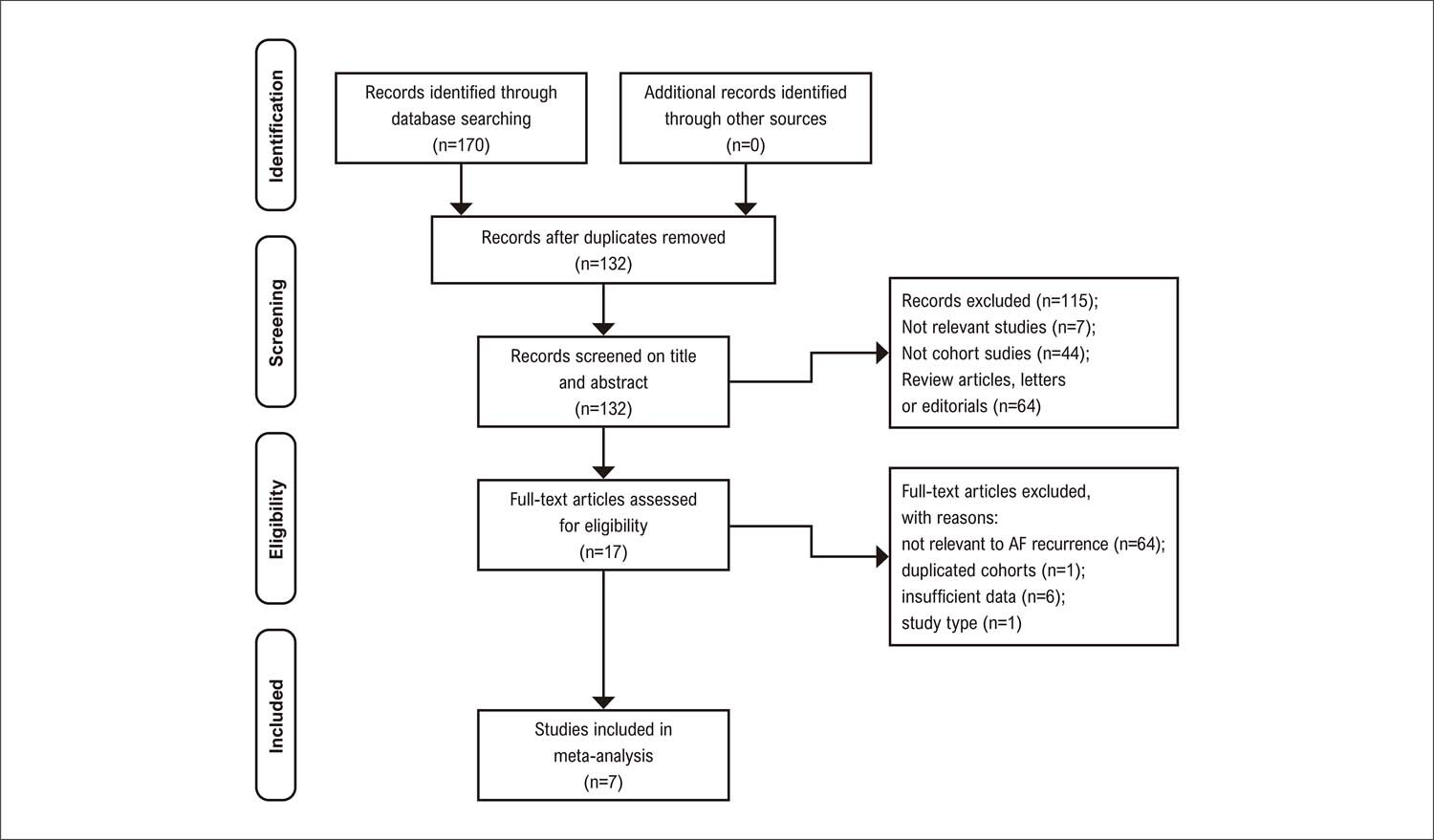
The PubMed and the Cochrane Library databases were searched until March 2022 to identify publications evaluating LAAV in association with AF recurrence after radiofrequency catheter ablation. Seven studies that fulfilled the specified criteria of our analysis were found. We used the Newcastle-Ottawa Scale to evaluate the quality of the studies. The pooled effects were evaluated depending on standardized mean differences (SMDs) or hazard ratios (HRs) with 95% confidence intervals (CIs). P values < 0.05 were considered statistically significant.

Results

A total of 1017 patients from 7 cohort studies with a mean follow-up 16.3 months were included in the meta-analysis. Data from 6 studies (943 subjects) comparing LAAV showed that the baseline LAAV was significantly higher in patients with AF recurrence compared to those without AF (SMD: −0.63; 95% CI: −0.89 to −0,37; all p values < 0.05; I2= 62.6%). Moreover, higher LAAV was independently associated with a significantly higher risk of AF recurrence after radiofrequency catheter ablation (HR: 1.10; 95% CI: 1.02 to 1.18).

Conclusions

The meta-analysis showed that there is a significant correlation between LAAV and AF recurrence after radiofrequency catheter ablation, and the role of LAAV in AF patients should not be ignored in clinical practice.

  • Atrial Appendage
  • Heart Failure
  • Meta-Analysis
  • Radiofrequency Ablation
Read Full Article
Creative Commons Attribution (CC BY) Creative Commons license
20/03/2023 DOI: 10.36660/abc.20220471 Views 1
Central Illustration
Original Article

Immediate Results after Multiple Arterial Grafts in Coronary Artery Bypass Graft Surgery in the São Paulo State: Cross Cohort Study

Raúl Armando Micalay Paredes et al. Gabrielle Barbosa Borgomoni Anny Kátia Puchalski Micalay José Carlos Arteaga Camacho … Luís Roberto Palma Dallan Luiz Augusto Ferreira Lisboa Luís Alberto de Oliveira Dallan Omar Asdrúbal Vilca Mejia Grupo de estudos REPLICCAR

Abstract

Background

The short-term results after using arterial grafts still raise questions and doubts for medical society.

Objective

To compare the immediate outcomes of patients undergoing single arterial graft versus multiple arterial grafts coronary artery bypass grafting surgery.

Methods

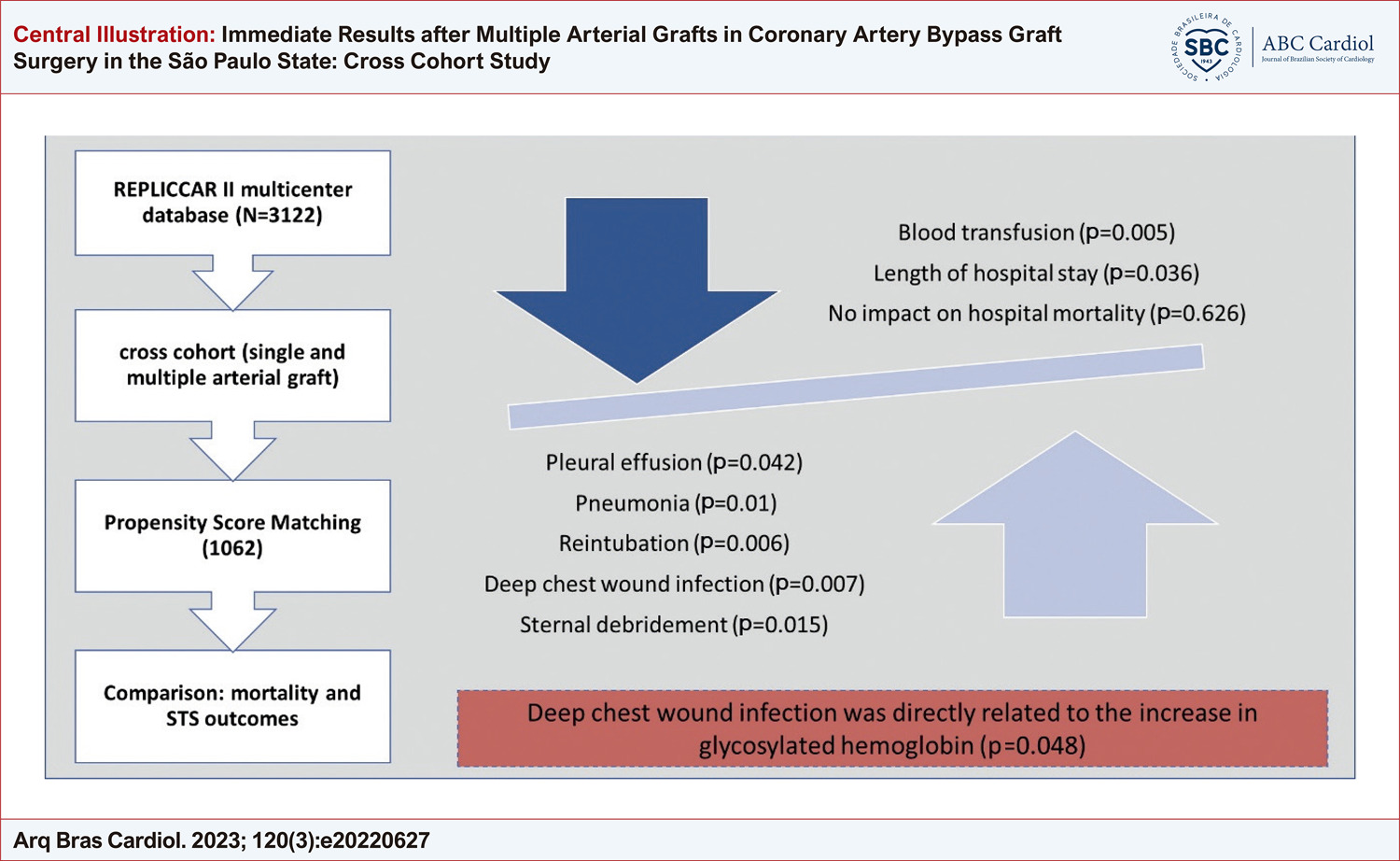
Cross-sectional cohort study in the São Paulo Registry of Cardiovascular Surgery II (REPLICCAR II). Perioperative data from 3122 patients were grouped by the number of arterial grafts used, and their outcomes were compared: reoperation, deep sternal wound infection (DSWI), stroke, acute kidney injury, prolonged intubation (>24 hours), short hospital stay (14 days), morbidity and mortality. Propensity Score Matching (PSM) matched 1062 patients, adjusted for the mortality risk.

Results

After PSM, the single arterial graft group showed patients with advanced age, more former smokers, hypertension, diabetes, stable angina, and previous myocardial infarction. In the multiple arterial grafts, there was a predominance of males, recent pneumonia, and urgent surgeries. After the procedure, there was a higher incidence of pleural effusion (p=0.042), pneumonia (p=0.01), reintubation (p=0.006), DSWI (p=0.007), and sternal debridement (p=0.015) in the multiple arterial grafts group, however, less need for blood transfusion (p=0.005), extremity infections (p=0.002) and shorter hospital stays (p=0.036). Bilateral use of the internal thoracic artery was not related to increased DSWI rate, but glycosylated hemoglobin >6.40% (p=0.048).

Conclusion

Patients undergoing the multiarterial technique had a higher incidence of pulmonary complications, and DSWI, where glycosylated hemoglobin ≥6.40%, had a greater influence on the infectious outcome than the choice of grafts.

  • Database
  • Glycated Hemoglobin A
  • Indicators of Morbidity and Mortality
  • Myocardial Revascularization
Read Full Article
Creative Commons Attribution (CC BY) Creative Commons license
17/03/2023 DOI: 10.36660/abc.20220627
Figure 1
Original Article

Infective Endocarditis Surgery. Insights from 328 Patients Operated in a University Tertiary Hospital

Marcelo Serafim Jorge et al. Alfredo J. Rodrigues Walter Vilella A. Vicente Paulo Roberto B. Evora

Abstract

Background

Infectious endocarditis (IE) refers to infection of the endocardial surface of the heart and usually occurs in native or prosthetic valves.

Objective

This study aimed to raise IE data reflecting the surgical therapy in a University Hospital in the interior of the State of Sao Paulo–Brazil.

Method

Retrospective and observational approach of 328 patients with IE who underwent surgery between 1982 and 2020

Results

The main data (n=121/37%), congestive heart failure (n=114/35%), valve disease (n=92/28%), diabetes mellitus (n=85/26%), chronic kidney disease (n=59/18%), and rheumatic fever (49/15%). Renal failure is one of the main and most relevant pre-surgical risk factors for a poor prognosis.

Conclusion

For a better clinical and surgical outcome, an early syndromic and etiological diagnosis of IE is necessary, especially in patients with multiple comorbidities.

  • Cardiovascular Surgical Procedures
  • Comorbidity
  • Endocarditis, Non-Infective
  • Mortality
  • Prevalence
Read Full Article
Creative Commons Attribution (CC BY) Creative Commons license
17/03/2023 DOI: 10.36660/abc.20220608 Views 1

Could not load more articles. Please try again.

How to cite this article

EndNote RIS

Electronic Document Format (Vancouver)

Mesquita CT. Brazilian Initiatives Head Strong Scientific Cooperation to Address COVID-19 Issues: The Case of Coalition COVID-19 Brazil. Arquivos Brasileiros de Cardiologia 2023;120(3):e20230147.

Electronic Document Format (ABNT)

Mesquita, Cláudio Tinoco. Brazilian Initiatives Head Strong Scientific Cooperation to Address COVID-19 Issues: The Case of Coalition COVID-19 Brazil. Arquivos Brasileiros de Cardiologia, v. 120, n. 3, e20230147, Apr. 2023.

Electronic Document Format (APA)

Mesquita, C. T. (2023). Brazilian Initiatives Head Strong Scientific Cooperation to Address COVID-19 Issues: The Case of Coalition COVID-19 Brazil. Arquivos Brasileiros de Cardiologia, 120(3), e20230147.

Electronic Document Format (ISO)

Mesquita, Cláudio Tinoco. Brazilian Initiatives Head Strong Scientific Cooperation to Address COVID-19 Issues: The Case of Coalition COVID-19 Brazil. Arquivos Brasileiros de Cardiologia [online]. 2023, vol. 120, n. 3, [cited 2026-10-14], e20230147. Available from: <https://journals.cardiol.br/en/article/brazilian-initiatives-head-strong-scientific-cooperation-to-address-covid-19-issues-the-case-of-coalition-covid-19-brazil/>. ISSN 0066-782X

EndNote RIS

Electronic Document Format (Vancouver)

Grossman GB. Nuclear Cardiology in the Optimization of Resynchronization Therapy: Quo Vadis?. Arquivos Brasileiros de Cardiologia 2023;120(3):e20230136.

Electronic Document Format (ABNT)

Grossman, Gabriel Blacher. Nuclear Cardiology in the Optimization of Resynchronization Therapy: Quo Vadis?. Arquivos Brasileiros de Cardiologia, v. 120, n. 3, e20230136, Apr. 2023.

Electronic Document Format (APA)

Grossman, G. B. (2023). Nuclear Cardiology in the Optimization of Resynchronization Therapy: Quo Vadis?. Arquivos Brasileiros de Cardiologia, 120(3), e20230136.

Electronic Document Format (ISO)

Grossman, Gabriel Blacher. Nuclear Cardiology in the Optimization of Resynchronization Therapy: Quo Vadis?. Arquivos Brasileiros de Cardiologia [online]. 2023, vol. 120, n. 3, [cited 2026-10-14], e20230136. Available from: <https://journals.cardiol.br/en/article/nuclear-cardiology-in-the-optimization-of-resynchronization-therapy-quo-vadis/>. ISSN 0066-782X

EndNote RIS

Electronic Document Format (Vancouver)

Nery RM, Santos AC, Garcia EL. Exercise-Based Cardiac Rehabilitation (ECBR): New Frontiers in the Post-Novel Coronavirus. Arquivos Brasileiros de Cardiologia 2023;120(3):e20230120.

Electronic Document Format (ABNT)

Nery, Rosane Maria; Santos, Antonio Cardoso dos; Garcia, Eduardo Lima. Exercise-Based Cardiac Rehabilitation (ECBR): New Frontiers in the Post-Novel Coronavirus. Arquivos Brasileiros de Cardiologia, v. 120, n. 3, e20230120, Apr. 2023.

Electronic Document Format (APA)

Nery, R. M., Santos, A. C. , & Garcia, E. L. (2023). Exercise-Based Cardiac Rehabilitation (ECBR): New Frontiers in the Post-Novel Coronavirus. Arquivos Brasileiros de Cardiologia, 120(3), e20230120.

Electronic Document Format (ISO)

Nery, Rosane Maria and Santos, Antonio Cardoso dos and Garcia, Eduardo Lima. Exercise-Based Cardiac Rehabilitation (ECBR): New Frontiers in the Post-Novel Coronavirus. Arquivos Brasileiros de Cardiologia [online]. 2023, vol. 120, n. 3, [cited 2026-10-14], e20230120. Available from: <https://journals.cardiol.br/en/article/exercise-based-cardiac-rehabilitation-ecbr-new-frontiers-in-the-post-novel-coronavirus/>. ISSN 0066-782X

EndNote RIS

Electronic Document Format (Vancouver)

Dutra GP, Gomes BFO. Does the BUN/Cr Ratio Confer a Worse Prognosis in All Ejection Fraction Spectra?. Arquivos Brasileiros de Cardiologia 2023;120(3):e20230107.

Electronic Document Format (ABNT)

Dutra, Giovanni Possamai; Gomes, Bruno Ferraz de Oliveira. Does the BUN/Cr Ratio Confer a Worse Prognosis in All Ejection Fraction Spectra?. Arquivos Brasileiros de Cardiologia, v. 120, n. 3, e20230107, Apr. 2023.

Electronic Document Format (APA)

Dutra, G. P., & Gomes, B. F. O. (2023). Does the BUN/Cr Ratio Confer a Worse Prognosis in All Ejection Fraction Spectra?. Arquivos Brasileiros de Cardiologia, 120(3), e20230107.

Electronic Document Format (ISO)

Dutra, Giovanni Possamai and Gomes, Bruno Ferraz de Oliveira. Does the BUN/Cr Ratio Confer a Worse Prognosis in All Ejection Fraction Spectra?. Arquivos Brasileiros de Cardiologia [online]. 2023, vol. 120, n. 3, [cited 2026-10-14], e20230107. Available from: <https://journals.cardiol.br/en/article/does-the-bun-cr-ratio-confer-a-worse-prognosis-in-all-ejection-fraction-spectra/>. ISSN 0066-782X

EndNote RIS

Electronic Document Format (Vancouver)

Cesarino EJ, Castro ML, Restini CBA. Sepsis, Atrial Fibrillation, and Aging: A Dangerous Association. Arquivos Brasileiros de Cardiologia 2023;120(3):e20230095.

Electronic Document Format (ABNT)

Cesarino, Evandro José; Castro, Marildes Luiza de; Restini, Carolina Baraldi Araujo. Sepsis, Atrial Fibrillation, and Aging: A Dangerous Association. Arquivos Brasileiros de Cardiologia, v. 120, n. 3, e20230095, Apr. 2023.

Electronic Document Format (APA)

Cesarino, E. J., Castro, M. L. , & Restini, C. B. A. (2023). Sepsis, Atrial Fibrillation, and Aging: A Dangerous Association. Arquivos Brasileiros de Cardiologia, 120(3), e20230095.

Electronic Document Format (ISO)

Cesarino, Evandro José and Castro, Marildes Luiza de and Restini, Carolina Baraldi Araujo. Sepsis, Atrial Fibrillation, and Aging: A Dangerous Association. Arquivos Brasileiros de Cardiologia [online]. 2023, vol. 120, n. 3, [cited 2026-10-14], e20230095. Available from: <https://journals.cardiol.br/en/article/sepsis-atrial-fibrillation-and-aging-a-dangerous-association/>. ISSN 0066-782X

EndNote RIS

Electronic Document Format (Vancouver)

Benvenuti LA, Marcondes-Braga FG, Bacal F. Cumulative Disorder of Myocardial Lipofuscin after Long-Term Heart Transplantation: A Study Based on Endomyocardial Biopsies. Arquivos Brasileiros de Cardiologia 2023;120(3):e20220313.

Electronic Document Format (ABNT)

Benvenuti, Luiz Alberto; Marcondes-Braga, Fabiana G.; Bacal, Fernando. Cumulative Disorder of Myocardial Lipofuscin after Long-Term Heart Transplantation: A Study Based on Endomyocardial Biopsies. Arquivos Brasileiros de Cardiologia, v. 120, n. 3, e20220313, Apr. 2023.

Electronic Document Format (APA)

Benvenuti, L. A., Marcondes-Braga, F. G., & Bacal, F. (2023). Cumulative Disorder of Myocardial Lipofuscin after Long-Term Heart Transplantation: A Study Based on Endomyocardial Biopsies. Arquivos Brasileiros de Cardiologia, 120(3), e20220313.

Electronic Document Format (ISO)

Benvenuti, Luiz Alberto and Marcondes-Braga, Fabiana G. and Bacal, Fernando. Cumulative Disorder of Myocardial Lipofuscin after Long-Term Heart Transplantation: A Study Based on Endomyocardial Biopsies. Arquivos Brasileiros de Cardiologia [online]. 2023, vol. 120, n. 3, [cited 2026-10-14], e20220313. Available from: <https://journals.cardiol.br/en/article/cumulative-disorder-of-myocardial-lipofuscin-after-long-term-heart-transplantation-a-study-based-on-endomyocardial-biopsies/>. ISSN 0066-782X

EndNote RIS

Electronic Document Format (Vancouver)

Gomes WJ. Multi-Arterial Grafting in Surgical Coronary Revascularization. The Renewed Quest for Enhanced Outcomes. Arquivos Brasileiros de Cardiologia 2023;120(3):e20230094.

Electronic Document Format (ABNT)

Gomes, Walter J.. Multi-Arterial Grafting in Surgical Coronary Revascularization. The Renewed Quest for Enhanced Outcomes. Arquivos Brasileiros de Cardiologia, v. 120, n. 3, e20230094, Apr. 2023.

Electronic Document Format (APA)

Gomes, W. J. (2023). Multi-Arterial Grafting in Surgical Coronary Revascularization. The Renewed Quest for Enhanced Outcomes. Arquivos Brasileiros de Cardiologia, 120(3), e20230094.

Electronic Document Format (ISO)

Gomes, Walter J.. Multi-Arterial Grafting in Surgical Coronary Revascularization. The Renewed Quest for Enhanced Outcomes. Arquivos Brasileiros de Cardiologia [online]. 2023, vol. 120, n. 3, [cited 2026-10-14], e20230094. Available from: <https://journals.cardiol.br/en/article/multi-arterial-grafting-in-surgical-coronary-revascularization-the-renewed-quest-for-enhanced-outcomes/>. ISSN 0066-782X

EndNote RIS

Electronic Document Format (Vancouver)

Ferreira C. The “Value of 0”: Is There an Added Value in Using the Calcium Score in the Stratification of Symptomatic Individuals with a Zero Score?. Arquivos Brasileiros de Cardiologia 2023;120(3):e20230105.

Electronic Document Format (ABNT)

Ferreira, Catarina. The “Value of 0”: Is There an Added Value in Using the Calcium Score in the Stratification of Symptomatic Individuals with a Zero Score?. Arquivos Brasileiros de Cardiologia, v. 120, n. 3, e20230105, Apr. 2023.

Electronic Document Format (APA)

Ferreira, C. (2023). The “Value of 0”: Is There an Added Value in Using the Calcium Score in the Stratification of Symptomatic Individuals with a Zero Score?. Arquivos Brasileiros de Cardiologia, 120(3), e20230105.

Electronic Document Format (ISO)

Ferreira, Catarina. The “Value of 0”: Is There an Added Value in Using the Calcium Score in the Stratification of Symptomatic Individuals with a Zero Score?. Arquivos Brasileiros de Cardiologia [online]. 2023, vol. 120, n. 3, [cited 2026-10-14], e20230105. Available from: <https://journals.cardiol.br/en/article/the-value-of-0-is-there-an-added-value-in-using-the-calcium-score-in-the-stratification-of-symptomatic-individuals-with-a-zero-score/>. ISSN 0066-782X

EndNote RIS

Electronic Document Format (Vancouver)

Bignoto T. Infective Endocarditis: New Spectra, Same Severity. Arquivos Brasileiros de Cardiologia 2023;120(3):e20230117.

Electronic Document Format (ABNT)

Bignoto, Tiago. Infective Endocarditis: New Spectra, Same Severity. Arquivos Brasileiros de Cardiologia, v. 120, n. 3, e20230117, Apr. 2023.

Electronic Document Format (APA)

Bignoto, T. (2023). Infective Endocarditis: New Spectra, Same Severity. Arquivos Brasileiros de Cardiologia, 120(3), e20230117.

Electronic Document Format (ISO)

Bignoto, Tiago. Infective Endocarditis: New Spectra, Same Severity. Arquivos Brasileiros de Cardiologia [online]. 2023, vol. 120, n. 3, [cited 2026-10-14], e20230117. Available from: <https://journals.cardiol.br/en/article/infective-endocarditis-new-spectra-same-severity/>. ISSN 0066-782X

EndNote RIS

Electronic Document Format (Vancouver)

Mungmunpuntipantip R, Wiwanitkit V. Paraoxonase-1 Genotype and Angiogram Positive Coronary Artery Disease. Arquivos Brasileiros de Cardiologia 2023;120(3):e20220665.

Electronic Document Format (ABNT)

Mungmunpuntipantip, Rujittika; Wiwanitkit, Viroj. Paraoxonase-1 Genotype and Angiogram Positive Coronary Artery Disease. Arquivos Brasileiros de Cardiologia, v. 120, n. 3, e20220665, Apr. 2023.

Electronic Document Format (APA)

Mungmunpuntipantip, R., & Wiwanitkit, V. (2023). Paraoxonase-1 Genotype and Angiogram Positive Coronary Artery Disease. Arquivos Brasileiros de Cardiologia, 120(3), e20220665.

Electronic Document Format (ISO)

Mungmunpuntipantip, Rujittika and Wiwanitkit, Viroj. Paraoxonase-1 Genotype and Angiogram Positive Coronary Artery Disease. Arquivos Brasileiros de Cardiologia [online]. 2023, vol. 120, n. 3, [cited 2026-10-14], e20220665. Available from: <https://journals.cardiol.br/en/article/paraoxonase-1-genotype-and-angiogram-positive-coronary-artery-disease/>. ISSN 0066-782X

EndNote RIS

Electronic Document Format (Vancouver)

Lima-Conceição MR, Teixeira-Fonseca JL, Roman-Campos D. Chasing New Non-Invasive Parameters to Predict Atrial Fibrillation after Radiofrequency Catheter Ablation. Arquivos Brasileiros de Cardiologia 2023;120(3):e20230091.

Electronic Document Format (ABNT)

Lima-Conceição, Michael Ramon de; Teixeira-Fonseca, Jorge Lucas; Roman-Campos, Danilo. Chasing New Non-Invasive Parameters to Predict Atrial Fibrillation after Radiofrequency Catheter Ablation. Arquivos Brasileiros de Cardiologia, v. 120, n. 3, e20230091, Apr. 2023.

Electronic Document Format (APA)

Lima-Conceição, M. R. , Teixeira-Fonseca, J. L., & Roman-Campos, D. (2023). Chasing New Non-Invasive Parameters to Predict Atrial Fibrillation after Radiofrequency Catheter Ablation. Arquivos Brasileiros de Cardiologia, 120(3), e20230091.

Electronic Document Format (ISO)

Lima-Conceição, Michael Ramon de and Teixeira-Fonseca, Jorge Lucas and Roman-Campos, Danilo. Chasing New Non-Invasive Parameters to Predict Atrial Fibrillation after Radiofrequency Catheter Ablation. Arquivos Brasileiros de Cardiologia [online]. 2023, vol. 120, n. 3, [cited 2026-10-14], e20230091. Available from: <https://journals.cardiol.br/en/article/chasing-new-non-invasive-parameters-to-predict-atrial-fibrillation-after-radiofrequency-catheter-ablation/>. ISSN 0066-782X

EndNote RIS

Electronic Document Format (Vancouver)

Hachul D, Almeida T, Scanavacca M. Post-COVID Dysautonomias: The Importance of Early Recognition and Implementation of Recovery Programs. Arquivos Brasileiros de Cardiologia 2023;120(3):e20230110.

Electronic Document Format (ABNT)

Hachul, Denise; Almeida, Tatiana; Scanavacca, Mauricio. Post-COVID Dysautonomias: The Importance of Early Recognition and Implementation of Recovery Programs. Arquivos Brasileiros de Cardiologia, v. 120, n. 3, e20230110, Apr. 2023.

Electronic Document Format (APA)

Hachul, D., Almeida, T., & Scanavacca, M. (2023). Post-COVID Dysautonomias: The Importance of Early Recognition and Implementation of Recovery Programs. Arquivos Brasileiros de Cardiologia, 120(3), e20230110.

Electronic Document Format (ISO)

Hachul, Denise and Almeida, Tatiana and Scanavacca, Mauricio. Post-COVID Dysautonomias: The Importance of Early Recognition and Implementation of Recovery Programs. Arquivos Brasileiros de Cardiologia [online]. 2023, vol. 120, n. 3, [cited 2026-10-14], e20230110. Available from: <https://journals.cardiol.br/en/article/post-covid-dysautonomias-the-importance-of-early-recognition-and-implementation-of-recovery-programs/>. ISSN 0066-782X

EndNote RIS

Electronic Document Format (Vancouver)

Kang Y, Wang C, Niu X, Shi Z, Li M, Tian J. Relationship between BUN/Cr and Prognosis of HF Across the Full Spectrum of Ejection Fraction. Arquivos Brasileiros de Cardiologia 2023;120(3):e20220427.

Electronic Document Format (ABNT)

Kang, Yuan; Wang, Conglin; Niu, Xiaojing; Shi, Zhijing; Li, Mingxue; Tian, Jianli. Relationship between BUN/Cr and Prognosis of HF Across the Full Spectrum of Ejection Fraction. Arquivos Brasileiros de Cardiologia, v. 120, n. 3, e20220427, Apr. 2023.

Electronic Document Format (APA)

Kang, Y., Wang, C., Niu, X., Shi, Z., Li, M., & Tian, J. (2023). Relationship between BUN/Cr and Prognosis of HF Across the Full Spectrum of Ejection Fraction. Arquivos Brasileiros de Cardiologia, 120(3), e20220427.

Electronic Document Format (ISO)

Kang, Yuan and Wang, Conglin and Niu, Xiaojing and Shi, Zhijing and Li, Mingxue and Tian, Jianli. Relationship between BUN/Cr and Prognosis of HF Across the Full Spectrum of Ejection Fraction. Arquivos Brasileiros de Cardiologia [online]. 2023, vol. 120, n. 3, [cited 2026-10-14], e20220427. Available from: <https://journals.cardiol.br/en/article/relationship-between-bun-cr-and-prognosis-of-hf-across-the-full-spectrum-of-ejection-fraction/>. ISSN 0066-782X

EndNote RIS

Electronic Document Format (Vancouver)

Silva CGS. Is There a Role for Religion and Spirituality in Cardiac Rehabilitation?. Arquivos Brasileiros de Cardiologia 2023;120(3):e20230088.

Electronic Document Format (ABNT)

Silva, Christina Grüne de Souza e. Is There a Role for Religion and Spirituality in Cardiac Rehabilitation?. Arquivos Brasileiros de Cardiologia, v. 120, n. 3, e20230088, Apr. 2023.

Electronic Document Format (APA)

Silva, C. G. S. (2023). Is There a Role for Religion and Spirituality in Cardiac Rehabilitation?. Arquivos Brasileiros de Cardiologia, 120(3), e20230088.

Electronic Document Format (ISO)

Silva, Christina Grüne de Souza e. Is There a Role for Religion and Spirituality in Cardiac Rehabilitation?. Arquivos Brasileiros de Cardiologia [online]. 2023, vol. 120, n. 3, [cited 2026-10-14], e20230088. Available from: <https://journals.cardiol.br/en/article/is-there-a-role-for-religion-and-spirituality-in-cardiac-rehabilitation/>. ISSN 0066-782X

EndNote RIS

Electronic Document Format (Vancouver)

Garcia LR, Garzesi AM, Sinatora JB, Grotto RMT, Passaroni AC, Campos NLKL, Martins AS, et al. Orthotopic Heart Transplantation in a Covid-19 Recipient. Arquivos Brasileiros de Cardiologia 2023;120(3):e20220234.

Electronic Document Format (ABNT)

Garcia, Leonardo Rufino; Garzesi, André Monti; Sinatora, Julia Bazzo; Grotto, Rejane Maria Tommasini; Passaroni, Andréia Cristina; Campos, Nelson Leonardo Kerdahi Leite de; Martins, Antônio Sérgio; Felicio, Marcello Laneza; Brito, Flávio de Souza. Orthotopic Heart Transplantation in a Covid-19 Recipient. Arquivos Brasileiros de Cardiologia, v. 120, n. 3, e20220234, Apr. 2023.

Electronic Document Format (APA)

Garcia, L. R., Garzesi, A. M., Sinatora, J. B., Grotto, R. M. T., Passaroni, A. C., Campos, N. L. K. L. , Martins, A. S., Felicio, M. L., & Brito, F. S. (2023). Orthotopic Heart Transplantation in a Covid-19 Recipient. Arquivos Brasileiros de Cardiologia, 120(3), e20220234.

Electronic Document Format (ISO)

Garcia, Leonardo Rufino and Garzesi, André Monti and Sinatora, Julia Bazzo and Grotto, Rejane Maria Tommasini and Passaroni, Andréia Cristina and Campos, Nelson Leonardo Kerdahi Leite de and Martins, Antônio Sérgio and Felicio, Marcello Laneza and Brito, Flávio de Souza. Orthotopic Heart Transplantation in a Covid-19 Recipient. Arquivos Brasileiros de Cardiologia [online]. 2023, vol. 120, n. 3, [cited 2026-10-14], e20220234. Available from: <https://journals.cardiol.br/en/article/orthotopic-heart-transplantation-in-a-covid-19-recipient/>. ISSN 0066-782X

EndNote RIS

Electronic Document Format (Vancouver)

Nascimento EA, Fernandes FA, Mira PAC, He Z, Zhou W, Mesquita CT. Feasibility of Left Ventricle Lead Implantation in Cardiac Resynchronization Therapy Guided by Gated SPECT and Ventricular Remodeling. Arquivos Brasileiros de Cardiologia 2023;120(3):e20220077.

Electronic Document Format (ABNT)

Nascimento, Erivelton Alessandro do; Fernandes, Fernando de Amorim; Mira, Pedro Augusto Carvalho; He, Zhuo; Zhou, Weihua; Mesquita, Claudio Tinoco. Feasibility of Left Ventricle Lead Implantation in Cardiac Resynchronization Therapy Guided by Gated SPECT and Ventricular Remodeling. Arquivos Brasileiros de Cardiologia, v. 120, n. 3, e20220077, Apr. 2023.

Electronic Document Format (APA)

Nascimento, E. A. , Fernandes, F. A., Mira, P. A. C., He, Z., Zhou, W., & Mesquita, C. T. (2023). Feasibility of Left Ventricle Lead Implantation in Cardiac Resynchronization Therapy Guided by Gated SPECT and Ventricular Remodeling. Arquivos Brasileiros de Cardiologia, 120(3), e20220077.

Electronic Document Format (ISO)

Nascimento, Erivelton Alessandro do and Fernandes, Fernando de Amorim and Mira, Pedro Augusto Carvalho and He, Zhuo and Zhou, Weihua and Mesquita, Claudio Tinoco. Feasibility of Left Ventricle Lead Implantation in Cardiac Resynchronization Therapy Guided by Gated SPECT and Ventricular Remodeling. Arquivos Brasileiros de Cardiologia [online]. 2023, vol. 120, n. 3, [cited 2026-10-14], e20220077. Available from: <https://journals.cardiol.br/en/article/feasibility-of-left-ventricle-lead-implantation-in-cardiac-resynchronization-therapy-guided-by-gated-spect-and-ventricular-remodeling/>. ISSN 0066-782X

EndNote RIS

Electronic Document Format (Vancouver)

Oliveira GBF, Neves PDMM, Oliveira HA, Catarino DGM, Alves LBO, Cavalcanti AB, Rosa RG, et al. Rivaroxaban in Outpatients with Mild or Moderate COVID-19: Rationale and Design of the Study CARE (CARE – Coalition COVID-19 Brazil VIII). Arquivos Brasileiros de Cardiologia 2023;120(3):e20220431.

Electronic Document Format (ABNT)

Oliveira, Gustavo B. F.; Neves, Precil Diego M. M.; Oliveira, Haliton A.; Catarino, Daniela Ghidetti Mangas; Alves, Lucas B. O.; Cavalcanti, Alexandre B.; Rosa, Regis G.; Veiga, Viviane C.; Azevedo, Luciano C.P.; Berwanger, Otávio; Lopes, Renato D.; Avezum, Álvaro. Rivaroxaban in Outpatients with Mild or Moderate COVID-19: Rationale and Design of the Study CARE (CARE – Coalition COVID-19 Brazil VIII). Arquivos Brasileiros de Cardiologia, v. 120, n. 3, e20220431, Apr. 2023.

Electronic Document Format (APA)

Oliveira, G. B. F., Neves, P. D. M. M., Oliveira, H. A., Catarino, D. G. M., Alves, L. B. O., Cavalcanti, A. B., Rosa, R. G., Veiga, V. C., Azevedo, L. C., Berwanger, O., Lopes, R. D., & Avezum, (2023). Rivaroxaban in Outpatients with Mild or Moderate COVID-19: Rationale and Design of the Study CARE (CARE – Coalition COVID-19 Brazil VIII). Arquivos Brasileiros de Cardiologia, 120(3), e20220431.

Electronic Document Format (ISO)

Oliveira, Gustavo B. F. and Neves, Precil Diego M. M. and Oliveira, Haliton A. and Catarino, Daniela Ghidetti Mangas and Alves, Lucas B. O. and Cavalcanti, Alexandre B. and Rosa, Regis G. and Veiga, Viviane C. and Azevedo, Luciano C.P. and Berwanger, Otávio and Lopes, Renato D. and Avezum, Álvaro. Rivaroxaban in Outpatients with Mild or Moderate COVID-19: Rationale and Design of the Study CARE (CARE – Coalition COVID-19 Brazil VIII). Arquivos Brasileiros de Cardiologia [online]. 2023, vol. 120, n. 3, [cited 2026-10-14], e20220431. Available from: <https://journals.cardiol.br/en/article/rivaroxaban-in-outpatients-with-mild-or-moderate-covid-19-rationale-and-design-of-the-study-care-care-coalition-covid-19-brazil-viii/>. ISSN 0066-782X

EndNote RIS

Electronic Document Format (Vancouver)

Cardoso AF, Pereira T, Cordeiro F, Fernandes M, Azevedo O, Lourenço A. Late-Onset Bioprosthetic Mitral Valve Thrombosis, Presenting with Significant Obstruction and Acute Heart Failure. Arquivos Brasileiros de Cardiologia 2023;120(3):e20220481.

Electronic Document Format (ABNT)

Cardoso, Ana Filipa; Pereira, Tamara; Cordeiro, Filipa; Fernandes, Marina; Azevedo, Olga; Lourenço, António. Late-Onset Bioprosthetic Mitral Valve Thrombosis, Presenting with Significant Obstruction and Acute Heart Failure. Arquivos Brasileiros de Cardiologia, v. 120, n. 3, e20220481, Apr. 2023.

Electronic Document Format (APA)

Cardoso, A. F., Pereira, T., Cordeiro, F., Fernandes, M., Azevedo, O., & Lourenço, A. (2023). Late-Onset Bioprosthetic Mitral Valve Thrombosis, Presenting with Significant Obstruction and Acute Heart Failure. Arquivos Brasileiros de Cardiologia, 120(3), e20220481.

Electronic Document Format (ISO)

Cardoso, Ana Filipa and Pereira, Tamara and Cordeiro, Filipa and Fernandes, Marina and Azevedo, Olga and Lourenço, António. Late-Onset Bioprosthetic Mitral Valve Thrombosis, Presenting with Significant Obstruction and Acute Heart Failure. Arquivos Brasileiros de Cardiologia [online]. 2023, vol. 120, n. 3, [cited 2026-10-14], e20220481. Available from: <https://journals.cardiol.br/en/article/late-onset-bioprosthetic-mitral-valve-thrombosis-presenting-with-significant-obstruction-and-acute-heart-failure/>. ISSN 0066-782X

EndNote RIS

Electronic Document Format (Vancouver)

Armstrong AC, Cerci R, Matheson MB, Magalhães T, Kishi S, Brinker J, Clouse ME, et al. Predicting Significant Coronary Obstruction in a Population with Suspected Coronary Disease and Absence of Coronary Calcium: CORE-64 / CORE320 Studies. Arquivos Brasileiros de Cardiologia 2023;120(3):e20220183.

Electronic Document Format (ABNT)

Armstrong, Anderson C.; Cerci, Rodrigo; Matheson, Matthew B.; Magalhães, Tiago; Kishi, Satoru; Brinker, Jeff; Clouse, Melvin E.; Rochitte, Carlos E.; Cox, Christopher; Lima, João A. C.; Arbab-Zadeh, Armin. Predicting Significant Coronary Obstruction in a Population with Suspected Coronary Disease and Absence of Coronary Calcium: CORE-64 / CORE320 Studies. Arquivos Brasileiros de Cardiologia, v. 120, n. 3, e20220183, Mar. 2023.

Electronic Document Format (APA)

Armstrong, A. C., Cerci, R., Matheson, M. B., Magalhães, T., Kishi, S., Brinker, J., Clouse, M. E., Rochitte, C. E., Cox, C., Lima, J. A. C., & Arbab-Zadeh, A. (2023). Predicting Significant Coronary Obstruction in a Population with Suspected Coronary Disease and Absence of Coronary Calcium: CORE-64 / CORE320 Studies. Arquivos Brasileiros de Cardiologia, 120(3), e20220183.

Electronic Document Format (ISO)

Armstrong, Anderson C. and Cerci, Rodrigo and Matheson, Matthew B. and Magalhães, Tiago and Kishi, Satoru and Brinker, Jeff and Clouse, Melvin E. and Rochitte, Carlos E. and Cox, Christopher and Lima, João A. C. and Arbab-Zadeh, Armin. Predicting Significant Coronary Obstruction in a Population with Suspected Coronary Disease and Absence of Coronary Calcium: CORE-64 / CORE320 Studies. Arquivos Brasileiros de Cardiologia [online]. 2023, vol. 120, n. 3, [cited 2026-10-14], e20220183. Available from: <https://journals.cardiol.br/en/article/predicting-significant-coronary-obstruction-in-a-population-with-suspected-coronary-disease-and-absence-of-coronary-calcium-core-64-core320-studies/>. ISSN 0066-782X

EndNote RIS

Electronic Document Format (Vancouver)

Flach MRT, Ritt LEF, Santana Junior FG, Correia MF, Claro TC, Ladeia AM, Oliveira QB, et al. Spirituality, Functional Gain, and Quality of Life in Cardiovascular Rehabilitation. Arquivos Brasileiros de Cardiologia 2023;120(3):e20220452.

Electronic Document Format (ABNT)

Flach, Maria do Rosário Toscano von; Ritt, Luiz Eduardo Fonteles; Santana Junior, Fábio Gonçalves de; Correia, Marina von Flach; Claro, Thaissa Costa; Ladeia, Ana Marice; Oliveira, Queila Borges de; Rocha, Mario Seixas; Feitosa, Cristiane Miura; Santos, Maeve; Stein, Ricardo. Spirituality, Functional Gain, and Quality of Life in Cardiovascular Rehabilitation. Arquivos Brasileiros de Cardiologia, v. 120, n. 3, e20220452, Mar. 2023.

Electronic Document Format (APA)

Flach, M. R. T. , Ritt, L. E. F., Santana Junior, F. G. , Correia, M. F., Claro, T. C., Ladeia, A. M., Oliveira, Q. B. , Rocha, M. S., Feitosa, C. M., Santos, M., & Stein, R. (2023). Spirituality, Functional Gain, and Quality of Life in Cardiovascular Rehabilitation. Arquivos Brasileiros de Cardiologia, 120(3), e20220452.

Electronic Document Format (ISO)

Flach, Maria do Rosário Toscano von and Ritt, Luiz Eduardo Fonteles and Santana Junior, Fábio Gonçalves de and Correia, Marina von Flach and Claro, Thaissa Costa and Ladeia, Ana Marice and Oliveira, Queila Borges de and Rocha, Mario Seixas and Feitosa, Cristiane Miura and Santos, Maeve and Stein, Ricardo. Spirituality, Functional Gain, and Quality of Life in Cardiovascular Rehabilitation. Arquivos Brasileiros de Cardiologia [online]. 2023, vol. 120, n. 3, [cited 2026-10-14], e20220452. Available from: <https://journals.cardiol.br/en/article/spirituality-functional-gain-and-quality-of-life-in-cardiovascular-rehabilitation/>. ISSN 0066-782X

EndNote RIS

Electronic Document Format (Vancouver)

Brugada P. Brugada Syndrome: 30 Years of Scientific Ventures. Arquivos Brasileiros de Cardiologia 2023;120(3):e20220289.

Electronic Document Format (ABNT)

Brugada, Pedro. Brugada Syndrome: 30 Years of Scientific Ventures. Arquivos Brasileiros de Cardiologia, v. 120, n. 3, e20220289, Mar. 2023.

Electronic Document Format (APA)

Brugada, P. (2023). Brugada Syndrome: 30 Years of Scientific Ventures. Arquivos Brasileiros de Cardiologia, 120(3), e20220289.

Electronic Document Format (ISO)

Brugada, Pedro. Brugada Syndrome: 30 Years of Scientific Ventures. Arquivos Brasileiros de Cardiologia [online]. 2023, vol. 120, n. 3, [cited 2026-10-14], e20220289. Available from: <https://journals.cardiol.br/en/article/brugada-syndrome-30-years-of-scientific-ventures/>. ISSN 0066-782X

EndNote RIS

Electronic Document Format (Vancouver)

Liu Z, Mei X, Jiang H, Cui Y, Yin W, Wang K, Chen T, et al. Left Atrial Appendage Volume Predicts Atrial Fibrillation Recurrence after Radiofrequency Catheter Ablation: A Meta-Analysis. Arquivos Brasileiros de Cardiologia 2023;120(3):e20220471.

Electronic Document Format (ABNT)

Liu, Zhenghao; Mei, Xiaofei; Jiang, Hezi; Cui, Yujie; Yin, Weiwei; Wang, Kuangyi; Chen, Tan; Zhou, Yafeng. Left Atrial Appendage Volume Predicts Atrial Fibrillation Recurrence after Radiofrequency Catheter Ablation: A Meta-Analysis. Arquivos Brasileiros de Cardiologia, v. 120, n. 3, e20220471, Mar. 2023.

Electronic Document Format (APA)

Liu, Z., Mei, X., Jiang, H., Cui, Y., Yin, W., Wang, K., Chen, T., & Zhou, Y. (2023). Left Atrial Appendage Volume Predicts Atrial Fibrillation Recurrence after Radiofrequency Catheter Ablation: A Meta-Analysis. Arquivos Brasileiros de Cardiologia, 120(3), e20220471.

Electronic Document Format (ISO)

Liu, Zhenghao and Mei, Xiaofei and Jiang, Hezi and Cui, Yujie and Yin, Weiwei and Wang, Kuangyi and Chen, Tan and Zhou, Yafeng. Left Atrial Appendage Volume Predicts Atrial Fibrillation Recurrence after Radiofrequency Catheter Ablation: A Meta-Analysis. Arquivos Brasileiros de Cardiologia [online]. 2023, vol. 120, n. 3, [cited 2026-10-14], e20220471. Available from: <https://journals.cardiol.br/en/article/left-atrial-appendage-volume-predicts-atrial-fibrillation-recurrence-after-radiofrequency-catheter-ablation-a-meta-analysis/>. ISSN 0066-782X

EndNote RIS

Electronic Document Format (Vancouver)

Paredes RAM, Borgomoni GB, Micalay AKP, Camacho JCA, Dallan LRP, Lisboa LAF, Dallan LAO, et al. Immediate Results after Multiple Arterial Grafts in Coronary Artery Bypass Graft Surgery in the São Paulo State: Cross Cohort Study. Arquivos Brasileiros de Cardiologia 2023;120(3):e20220627.

Electronic Document Format (ABNT)

Paredes, Raúl Armando Micalay; Borgomoni, Gabrielle Barbosa; Micalay, Anny Kátia Puchalski; Camacho, José Carlos Arteaga; Dallan, Luís Roberto Palma; Lisboa, Luiz Augusto Ferreira; Dallan, Luís Alberto de Oliveira; Mejia, Omar Asdrúbal Vilca; REPLICCAR, Grupo de estudos. Immediate Results after Multiple Arterial Grafts in Coronary Artery Bypass Graft Surgery in the São Paulo State: Cross Cohort Study. Arquivos Brasileiros de Cardiologia, v. 120, n. 3, e20220627, Mar. 2023.

Electronic Document Format (APA)

Paredes, R. A. M., Borgomoni, G. B., Micalay, A. K. P., Camacho, J. C. A., Dallan, L. R. P., Lisboa, L. A. F., Dallan, L. A. O., Mejia, O. A. V., & REPLICCAR, G. (2023). Immediate Results after Multiple Arterial Grafts in Coronary Artery Bypass Graft Surgery in the São Paulo State: Cross Cohort Study. Arquivos Brasileiros de Cardiologia, 120(3), e20220627.

Electronic Document Format (ISO)

Paredes, Raúl Armando Micalay and Borgomoni, Gabrielle Barbosa and Micalay, Anny Kátia Puchalski and Camacho, José Carlos Arteaga and Dallan, Luís Roberto Palma and Lisboa, Luiz Augusto Ferreira and Dallan, Luís Alberto de Oliveira and Mejia, Omar Asdrúbal Vilca and REPLICCAR, Grupo de estudos. Immediate Results after Multiple Arterial Grafts in Coronary Artery Bypass Graft Surgery in the São Paulo State: Cross Cohort Study. Arquivos Brasileiros de Cardiologia [online]. 2023, vol. 120, n. 3, [cited 2026-10-14], e20220627. Available from: <https://journals.cardiol.br/en/article/immediate-results-after-multiple-arterial-grafts-in-coronary-artery-bypass-graft-surgery-in-the-sao-paulo-state-cross-cohort-study/>. ISSN 0066-782X

EndNote RIS

Electronic Document Format (Vancouver)

Jorge MS, Rodrigues AJ, Vicente WVA, Evora PRB. Infective Endocarditis Surgery. Insights from 328 Patients Operated in a University Tertiary Hospital. Arquivos Brasileiros de Cardiologia 2023;120(3):e20220608.

Electronic Document Format (ABNT)

Jorge, Marcelo Serafim; Rodrigues, Alfredo J.; Vicente, Walter Vilella A.; Evora, Paulo Roberto B.. Infective Endocarditis Surgery. Insights from 328 Patients Operated in a University Tertiary Hospital. Arquivos Brasileiros de Cardiologia, v. 120, n. 3, e20220608, Mar. 2023.

Electronic Document Format (APA)

Jorge, M. S., Rodrigues, A. J., Vicente, W. V. A., & Evora, P. R. B. (2023). Infective Endocarditis Surgery. Insights from 328 Patients Operated in a University Tertiary Hospital. Arquivos Brasileiros de Cardiologia, 120(3), e20220608.

Electronic Document Format (ISO)

Jorge, Marcelo Serafim and Rodrigues, Alfredo J. and Vicente, Walter Vilella A. and Evora, Paulo Roberto B.. Infective Endocarditis Surgery. Insights from 328 Patients Operated in a University Tertiary Hospital. Arquivos Brasileiros de Cardiologia [online]. 2023, vol. 120, n. 3, [cited 2026-10-14], e20220608. Available from: <https://journals.cardiol.br/en/article/infective-endocarditis-surgery-insights-from-328-patients-operated-in-a-university-tertiary-hospital/>. ISSN 0066-782X

Sede – Rio de Janeiro
Av. Marechal Câmara, 160
3º andar – Sala: 330 – Centro
Rio de Janeiro – CEP: 20020-907
Tel.: (55 +21) 3478-2700
ou (21) 99386-3961
E-mail: revista@cardiol.br

Sede – São Paulo
Alameda Santos, 705 – 11º andar
Cerqueira César | São Paulo
CEP: 01419-001
Tel.: (55 +11) 3411-5500
E-mail: revista@cardiol.br

  • About the Journal
  • Internal Regulation
  • Editors Section
  • Editorial Board
  • History
  • SBC Award

  • Guidelines for Publication
  • Editorial Policy
  • Ethics Policy
  • Policy on the Use of Artificial Intelligence
  • Mandatory Publication Form
  • Publication Fee

Issues

SBC Guidelines

  • How to Publish an Abstract Supplement?
  • Supplements from the Brazilian Congress of Cardiology