ABC Family Arquivos Brasileiros de Cardiologia International Journal of Cardiovascular Sciences ABC Heart Failure & Cardiomyopathy ABC Imagem Cardiovascular
Português English
ABC Family
Português English
  • About
    • About ABC Family
    • Internal Regulation
    • Editorial Board
    • Brazilian Society of Cardiology (SBC)
  • Issues
  • SBC Guidelines
  • Content
    • Videos
    • Podcasts
    • News
  • About
    • About ABC Family
    • Internal Regulation
    • Editorial Board
    • Brazilian Society of Cardiology (SBC)
  • Issues
  • SBC Guidelines
  • Content
    • Videos
    • Podcasts
    • News

ABC Family

  • ABC Family
  • Arquivos Brasileiros de Cardiologia
  • International Journal of Cardiovascular Sciences
  • ABC Heart Failure & Cardiomyopathy
  • ABC Imagem Cardiovascular
Search in

No content found.

Journals
Ordering
Article types
Others

  1. Home
  2. Keyword: Coronary Artery Disease / complications
ABC
Letter to the Editor

How Effective is the Systemic Inflammatory Immune Index in the Etiopathogenesis of Isolated Coronary Artery Ectasia?

Kenan Toprak et al. Mustafa Kaplangoray Mehmet Inanır Tolga Memioğlu

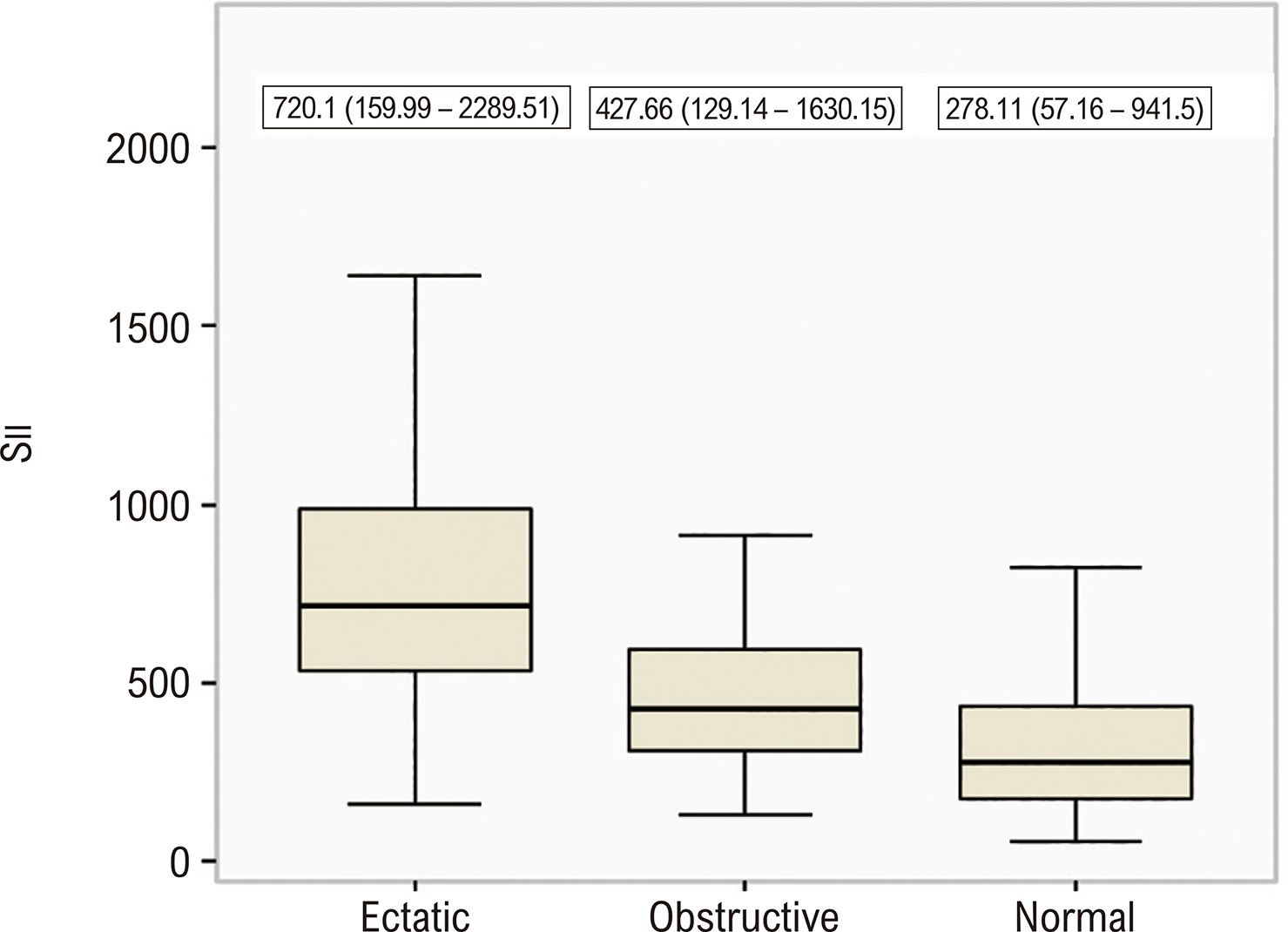
Isolated coronary artery ectasia (ICAE) is frequently encountered in clinical practice with increasing invasive imaging methods, and our knowledge about its etiology, prognosis, and treatment approaches is increasing daily., We read with great interest the recent retrospective study of Dindas et al., which deals with the relationship between the Systemic Immune Inflammation Index (SII) and ICAE. It has been suggested that SII neutrophils, platelets, and lymphocytes collected in a single fraction may be a good indicator of inflammation and immune response. Various studies have shown that SII may have a more potent prognostic value than conventional inflammatory markers such as Neutrophil Lymphocyte Ratio (NLR) and Platelet Lymphocyte Ratio (PLR). We would like to comment on the well-designed and presented article, which we think will contribute significantly to the literature.

Firstly, in the Receiver Operating Characteristic (ROC) curve analysis of Dindas et al. article, it was seen that SII had a higher area under the curve (AUC) than NLR, PLR, and MHR, and from these results, it was concluded that SII predicted ICAE patients better than NLR, PLR and Monocyte HDL Ratio (MHR).3 In the ROC curve analysis of Dindas et al. article, it was seen that SII had higher AUC than NLR, PLR, and MHR, and from these results, it was concluded that SII predicted isolated CE patients better than NLR, PLR, and MHR. However, no statistically pairwise comparison was made between ROC curves. Therefore, it is difficult to look at the numerical values of the AUC values alone and say that SII is a stronger and more valuable ICAE predictor than NLR, PLR, and MHR. As a matter of fact, since the AUC of SII is close to the AUC of NLR (0.832 vs. 0.780), a pairwise statistical comparison between SII and NLR is essential.,

[…]
  • Coronary Artery Disease / complications
  • Dilatation Pathologic, Sistemic
  • Inflammation Immune
Read Full Article
Creative Commons Attribution (CC BY) Creative Commons license
04/09/2023 DOI: 10.36660/abc.20230048
Figure 1
ABC
Original Article

Predicting Significant Coronary Obstruction in a Population with Suspected Coronary Disease and Absence of Coronary Calcium: CORE-64 / CORE320 Studies

Anderson C. Armstrong et al. Rodrigo Cerci Matthew B. Matheson Tiago Magalhães … Satoru Kishi Jeff Brinker Melvin E. Clouse Carlos E. Rochitte Christopher Cox João A. C. Lima Armin Arbab-Zadeh

Abstract

Background

Coronary artery calcium (CAC) scanning can be performed using non-contrast computed tomography to predict cardiovascular events, but has less value for risk stratification in symptomatic patients.

Objective

To identify and validate predictors of significant coronary obstruction (SCO) in symptomatic patients without coronary artery calcification.

Methods

A total of 4,258 participants were screened from the CORE64 and CORE320 studies that enrolled patients referred for invasive angiography, and from the Quanta Registry that included patients referred for coronary computed tomography angiography (CTA). Logistic regression models evaluated associations between cardiovascular risk factors, CAC, and SCO. An algorithm to assess the risk of SCO was proposed for patients without CAC. Significance level of 5% was used in the analyses.

Results

Of the 509 participants of the CORE study, 117 (23%) had zero coronary calcium score; 13 (11%) patients without CAC had SCO. Zero calcium score was related to younger age, female gender, lower body mass index, no diabetes, and no dyslipidemia. Being a current smoker increased ~3.5 fold the probability of SCO and other CV risk factors were not significantly associated. Considering the clinical findings, an algorithm to further stratify zero calcium score patients was proposed and had a limited performance in the validation cohort (AUC 58; 95%CI 43, 72).

Conclusion

A lower cardiovascular risk profile is associated with zero calcium score in a setting of high-risk patients. Smoking is the strongest predictor of SCO in patients without CAC.

  • Chest Pain
  • Coronary Angiography
  • Coronary Artery Disease / complications
  • Diagnostic Imaging/methods
  • Indice Calcio
  • Tomography
  • X-Ray Computed/methods
Read Full Article
Creative Commons Attribution (CC BY) Creative Commons license
20/03/2023 DOI: 10.36660/abc.20220183
Figure 1
ABC
Original Article

Systemic Immune Inflammation Index is a Novel Marker in Predicting the Presence and Severity of Isolated Coronary Artery Ectasia

Ferhat Dindas et al. Emin Koyun Erdem Turkyilmaz Ozge Ozcan Abacioglu … Arafat Yildirim Anil Sahin Baris Dindar Mustafa Dogdus Ozkan Candan

Abstract

Background

The underlying pathology of isolated coronary artery ectasia (CE) has not been fully elucidated.

Objective

We aimed to examine the relationship between the systemic immune inflammation index (Sıı), which corresponds to the multiplying of the neutrophil-to-lymphocyte ratio (NLR) and the platelet counts, and isolated CE.

Method

The retrospective study population included 200 patients with isolated CE, 200 consecutive with obstructive coronary artery disease, and 200 consecutive with a normal coronary artery angiogram. A 2-sided p-value of <0.05 was considered significant.

Results

Sıı, NLR, platelet-to-lymphocyte ratio (PLR), and monocyte-to-high density lipoprotein cholesterol ratio (MHR) were significantly higher in the CE group compared with the other groups (all p<0.001). In multivariate analysis, Sıı (p517.35 has 79% sensitivity, 76% specificity for the prediction of the CE [AUC: 0.832, (p<0.001)]. Sıı had a significant correlation with the number of ectatic coronary arteries and Markis classification (r:0.214 p=0.002; r:-0.195, p=0.006, respectively).

Conclusion

To the best of our knowledge, this is the first study that Sıı was significantly associated with isolated CE presence and anatomical severity.

  • Coronary Artery Disease / complications
  • Dilatation, Pathologic
  • Systemic Inflammation Immune
Read Full Article
Creative Commons Attribution (CC BY) Creative Commons license
09/01/2023 DOI: 10.36660/abc.20220056
ABC
Editorial

Coronary Tortuosity as a New Phenotype for Ischemia without Coronary Artery Disease

Mohammad Eltahlawi

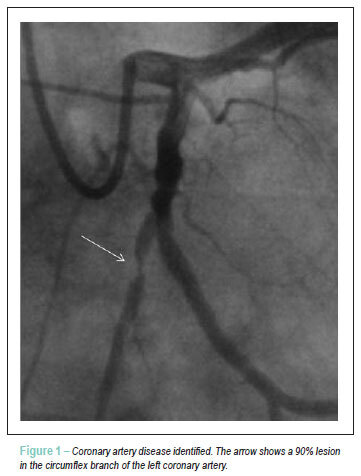
Coronary artery disease constitutes a great burden in many countries. In many cases, the detection of coronary ischemia by non-invasive imaging may not correlate with the presence of significant coronary stenosis. Therefore, the term “Ischemia with non-obstructive coronary artery (INOCA)” has emerged. Many theories have been proposed for such a phenomenon. Coronary tortuosity (CorT) is one of these etiologies that was found to be associated with subclinical atherosclerosis and increased coronary artery calcium score. Besides, CorT is associated with the same risk factors of ischemia, such as smoking, old age, arterial hypertension and dyslipidemia. CorT was thought to be a phenomenon; however, the association of this phenomenon with multiple cardiovascular disorders augments its clinical impact. Li et al. found that Hypertensive patients with CorT have more incidence of lacunar infarct. Turgut et al. concluded that CorT might indicate impaired left ventricular relaxation. Dogdus et al. proved that CorT negatively affects left ventricular function evaluated by 3D strain parameters with considerable depression of longitudinal deformation of the myocardium.

In this study by Estrada et al., the investigators found a highly significant association between CorT and ischemia. The presence of ischemia in territories with CorT was more frequent than those without CorT (67% versus 28% (p<0.0001)) detected by myocardial perfusion imaging (MPI). This study analyzed the specific features of tortuosity concerning the presence of myocardial ischemia. They found that the number of bend angles detected in systole during coronary angiography is associated with a high risk of myocardial ischemia (p = 0.021). Some previous studies considered the geometry of CorT and suggested indices for grading such tortuosity depending mainly on the degree of angulation or bending.–

[…]

  • Atherosclerosis
  • Calcium Metabolism Disorders/complications
  • Coronary Artery Disease / complications
  • Diagnostic Imaging/methods
  • Dyslipidemias
  • Myocardial Ischemia/complications
  • Risk Factors
Read Full Article
Creative Commons Attribution (CC BY) Creative Commons license
19/12/2022 DOI: 10.36660/abc.20220826
ABC
Original Article

Association between the Severity of Coronary Artery Disease and Lung Cancer: A Pilot Cross-Sectional Study

Mingzhuang Sun et al. Qian Yang Meng Li Jing Jing … Hao Zhou Yundai Chen Shunying Hu

Abstract

Background

The direct relationship between coronary artery disease (CAD) and lung cancer is not well known.

Objective

To investigate the association between the anatomical severity of CAD and lung cancer.

Methods

Three-hundred study patients, including 75 recently diagnosed lung cancer patients and 225 matched non-cancer patients, underwent coronary angiography during hospitalization without previous percutaneous coronary intervention (PCI) or coronary artery bypass grafting (CABG). The SYNTAX score (SXscore) was used to assess the severity of CAD. A high SXscore (SXhigh) grade was defined as SXscore > 15 (the highest quartile of the SXscore). The Cochran-Armitage test for trend was used to assess the distribution of patients’ SXscores. Logistic regression analysis was used to assess the association between the severity of CAD and lung cancer. P-values were set when significance level was 5%.

Results

The distribution trend of patients’ SXscore by quartiles was different between lung cancer patients and control patients (from the lowest to the highest quartile: 20.0%, 20.0%, 24.0%, 36.0% vs. 26.7%, 26.2%, 25.8%, 21.3%, p=0.022). The SX high rate was higher in lung cancer patients than in control patients (36.0% vs. 21.3%, p=0.011).The highest quartile of the SXscore showed higher risk of lung cancer in comparison to the lowest quartile (OR: 2,250, 95%CI: 1,077 to 4,699 ; P-trend= 0.016). After adjustment, patients in the highest quartile of the SXscore had higher risk of lung cancer (OR: 2,149, 95%CI: 1,008 to 4,584; P-trend= 0.028). Patients with high SXscore (> 15) had 1,985 times more chances of having lung cancer (95%CI: 1,105–3,563, P= 0.022).

Conclusions

The anatomical severity of CAD is associated with the risk of lung cancer, which indicates that a thorough lung cancer screening may be significant among severe CAD patients.

  • Coronary Angiography/methods
  • Coronary Artery Disease / complications
  • Lung Neoplasms/complications
  • Percutaneous Coronary Intervention/methods
  • Severity of Illness Index
Read Full Article
Creative Commons Attribution (CC BY) Creative Commons license
07/03/2022 DOI: 10.36660/abc.20200478
ABC
Editorial

Neoplasms and the Evaluation of Risk of Cardiovascular Disease

Cristina Salvadori Bittar

Cardiovascular disease (CVD) and neoplasms are currently the two leading causes of mortality in Brazil and in the world. Both the incidence of cancer and neoplasms increase with age, with 77% of cancer cases being diagnosed in patients older than 55 and, concomitantly, the cardiovascular risk is also higher in male patients older than 55 and women older than 65. In Brazil, in 2016, CVDs had the highest rates of mortality and disability-adjusted years of life lost, in both sexes.

Due to the great impact of the two most prevalent diseases that emerge in parallel and interact with each other, it is important to consider how to manage these two diseases individually and from a population point of view. In addition, few studies have explored the population of individuals with a double burden of these diseases.

[…]

  • Coronary Angiography/methods
  • Coronary Artery Disease / complications
  • Lung Neoplasms/complications
  • Percutaneous Coronary Intervention/methods
  • Severity of Illness Index
Read Full Article
Creative Commons Attribution (CC BY) Creative Commons license
07/03/2022 DOI: 10.36660/abc.20220007
Figure 1
ABC
Research Letter

Telemedicine in Cardiology for Outpatient Follow-Up of Patients at High Cardiovascular Risk in Response to the COVID-19 Pandemic

Henrique Turin Moreira et al. Gustavo Jardim Volpe Uebe Chade Rezek Pedro Cunha de Mendonça … Gustavo Corrêa de Almeida Teixeira Bruno Moreira dos Santos Anna Paula Gonçalves Olivieri Ana Julia Abbud Chierice Henrique Zanqueta Monteiro Natanael Mendes de Araújo Benedito Carlos Maciel Antonio Pazin Filho André Schmidt

Introduction

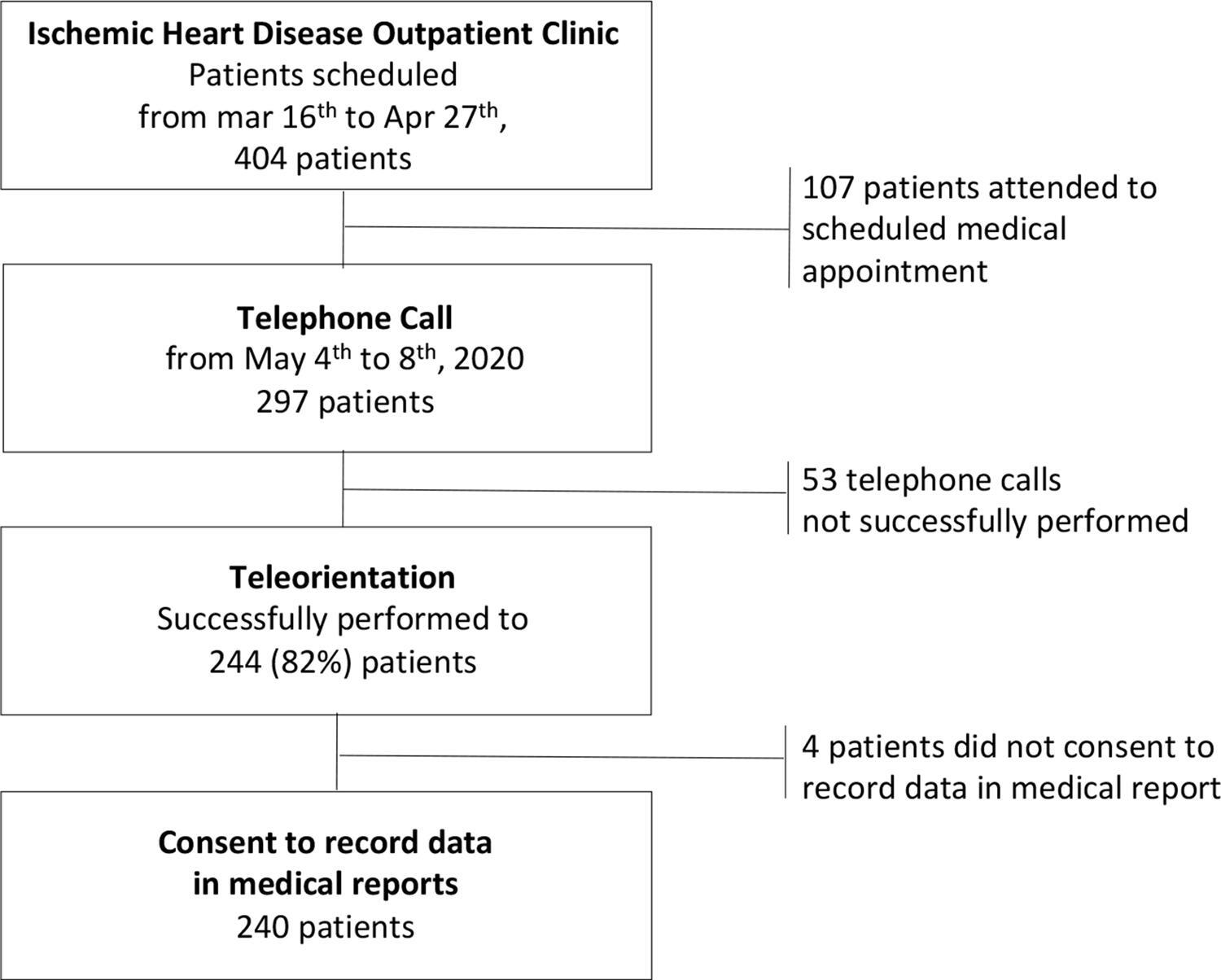
COVID-19, an infectious disease caused by the new type of coronavirus (SARS-Cov-2), usually shows a benign clinical course, although it can lead to acute respiratory distress syndrome. The main risk factors for the severe form of COVID-19 include older age and presence of comorbidities, such as diabetes, hypertension and other cardiovascular diseases.

In response to the COVID-19 pandemic, elective medical appointments have been reduced. Even though an increase in cardiovascular events as an adverse effect of this healthcare system reorganization would be expected, some reports have suggested a possible reduction of such outcomes in countries with high prevalence of SARS-CoV-2 infection. However, the mechanisms related to this decline are not well understood.

[…]

  • Ambulatory Care
  • Betacoronavirus/infection
  • Coronary Artery Disease / complications
  • COVID-19
  • Pandemics
  • Telemedicine
Read Full Article
Creative Commons Attribution (CC BY) Creative Commons license
03/02/2021 DOI: 10.36660/abc.20200715 Views 1
ABC
Original Article

Association of C-Reactive Protein to Albumin Ratio in Patients with Isolated Coronary Artery Ectasia

Alper Sercelik et al. Okan Tanrıverdi Lutfu Askin Serdar Turkmen

Abstract

Background

Coronary artery ectasia (CAE) is defined as diffuse or localized dilatation of coronary artery lumen with a diameter of 1.5 to 2.0 times the adjacent normal coronary artery. The C-reactive protein to albumin ratio (CAR) is a useful inflammatory marker, which has been documented in coronary artery disease.

Objective

To analyze the association of CAE and CAR.

Methods

A case-control protocol was used in this study. We included 102 consecutive patients with isolated CAE without stenosis (56 men and 46 women; mean age 60.4 ± 8.8 years). The control subjects consisted of an equal number of sex and age matched patients with normal coronary arteries (55 men and 47 women; mean age 61.2 ± 9.1 years). Clinical features, laboratory findings, and medication use history were recorded. Student’s t test, Mann-Whitney U test, chi-square test, and linear and logistic regression analysis were performed. A 2-sided p < 0.05 was statistically considered significant.

Results

The CAR was increased in patients with CAE compared to the controls (32 and 16; p < 0.001). In addition, the CAR was found to be an independent predictor of CAE (OR = 2.202; 95% CI 1.184 – 5.365; p < 0.001).

Conclusion

In the present study, we determined that CAR levels were significantly higher in the CAE group than in the control group, and the CAR was significantly correlated with CAE. (Arq Bras Cardiol. 2020; [online].ahead print, PP.0-0)

  • Albumins
  • C-Reactie Protein
  • Coronary Aneurysm
  • Coronary Artery Disease / complications
  • Dilatation, Pathologic (ectasig
  • Inflammation
Read Full Article
Creative Commons Attribution (CC BY) Creative Commons license
16/12/2020 DOI: 10.36660/abc.20190476 Views 1
ABC
Original Article

Adiponectin in Relation to Coronary Plaque Characteristics on Radiofrequency Intravascular Ultrasound and Cardiovascular Outcome

Bárbara Campos Abreu Marino et al. Nermina Buljubasic Martijn Akkerhuis Jin M. Cheng … Hector M. Garcia-Garcia Evelyn Regar Robert-Jan van Geuns Patrick W. Serruys Eric Boersma Isabella Kardys

Abstract

Background:

Prospective data on the associations of adiponectin with in-vivo measurements of degree, phenotype and vulnerability of coronary atherosclerosis are currently lacking.

Objective:

To investigate the association of plasma adiponectin with virtual histology intravascular ultrasound (VH-IVUS)-derived measures of atherosclerosis and with major adverse cardiac events (MACE) in patients with established coronary artery disease.

Methods:

In 2008-2011, VH-IVUS of a non-culprit non-stenotic coronary segment was performed in 581 patients undergoing coronary angiography for acute coronary syndrome (ACS, n = 318) or stable angina pectoris (SAP, n = 263) from the atherosclerosis-intravascular ultrasound (ATHEROREMO-IVUS) study. Blood was sampled prior to coronary angiography. Coronary plaque burden, tissue composition, high-risk lesions, including VH-IVUS-derived thin-cap fibroatheroma (TCFA), were assessed. All-cause mortality, ACS, unplanned coronary revascularization were registered during a 1-year-follow-up. All statistical tests were two-tailed and p-values < 0.05 were considered statistically significant.

Results:

In the full cohort, adiponectin levels were not associated with plaque burden, nor with the various VH-tissue types. In SAP patients, adiponectin levels (median[IQR]: 2.9(1.9-3.9) µg/mL) were positively associated with VH-IVUS derived TCFA lesions, (OR[95%CI]: 1.78[1.06-3.00], p = 0.030), and inversely associated with lesions with minimal luminal area (MLA) ≤ 4.0 mm2 (OR[95%CI]: 0.55[0.32-0.92], p = 0.025). In ACS patients, adiponectin levels (median[IQR]: 2.9 [1.8-4.1] µg/mL)were not associated with plaque burden, nor with tissue components. Positive association of adiponectin with death was present in the full cohort (HR[95%CI]: 2.52[1.02-6.23], p = 0.045) and (borderline) in SAP patients (HR[95%CI]: 8.48[0.92-78.0], p = 0.058). In ACS patients, this association lost statistical significance after multivariable adjustment (HR[95%CI]: 1.87[0.67-5.19], p = 0.23).

Conclusion:

In the full cohort, adiponectin levels were associated with death but not with VH-IVUS atherosclerosis measures. In SAP patients, adiponectin levels were associated with VH-IVUS-derived TCFA lesions. Altogether, substantial role for adiponectin in plaque vulnerability remains unconfirmed.

  • Adiponectin
  • Atherosclerosis
  • Coronary Artery Disease / complications
  • Plaque, Atherosclerotic
  • Ultrasonography, Interventional
Read Full Article
Creative Commons Attribution (CC BY) Creative Commons license
01/09/2018 DOI: 10.5935/abc.20180172 Views 1
Figure 1
ABC
Review Article

Percutaneous Coronary Intervention in Chronic Total Occlusion

Luiz Fernando Ybarra et al. Marcelo J. C. Cantarelli Viviana M. G. Lemke Alexandre Schaan de Quadros

Abstract

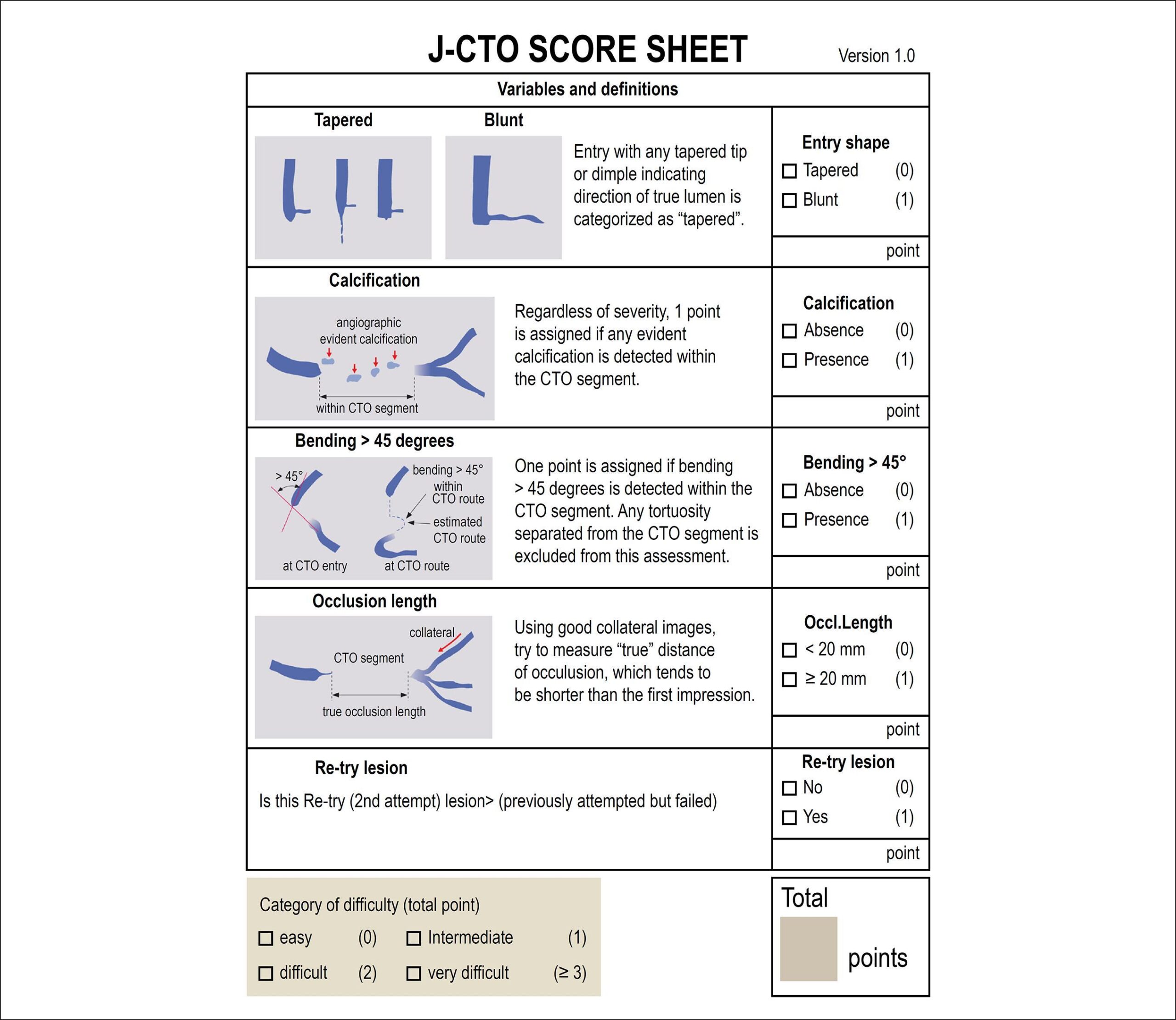
Percutaneous coronary intervention in chronic total occlusion is a rapidly evolving area, being considered the last frontier of interventional cardiology. In recent years, the development of new techniques and equipment, as well as the training of specialized personnel, increased their success rates, making it the most predictable procedure available. Although the number of randomized and controlled studies is still limited, results from large multicentered registries allow us to safely offer this intervention to patients, as another treatment option along with the optimized drug treatment and myocardial revascularization surgery. This review summarizes the last and most relevant publications in the subject in order to provide an overall view of the field’s current status.

  • Coronary Artery Disease / complications
  • Coronary Occlusion
  • Percutaneous Coronary Intervention
Read Full Article
Creative Commons Attribution (CC BY) Creative Commons license
01/05/2018 DOI: 10.5935/abc.20180077
Asymptomatic coronary artery disease in chagasic patients
ABC
Artigo Original

Asymptomatic coronary artery disease in chagasic patients

Gustavo Carvalho et al. Salvador Rassi José Maria Dias de Azeredo Bastos Sílvio Sérgio Pontes Câmara

BACKGROUND: Concomitant asymptomatic coronary artery disease in patients with Chagas cardiomyopathy in heart failure is controversial in the medical literature, as both diseases are prevalent in some regions of Brazil. OBJECTIVE: To determine the prevalence of coronary artery disease (lesions > 50%) in a specific population of patients with Chagas cardiomyopathy in HF functional class III and IV, who had no previous coronary events. METHODS: Coronary angiography was performed in 61 consecutive patients with Chagasic cardiomyopathy, in heart failure functional class III and IV, to exclude coronary artery disease. These patients were part of the Cell Therapy Study in Heart Diseases protocol, which required the coronary angiography to be carried out before stem cells were injected. Risk factors for atherosclerosis also analyzed in this population were: age, arterial hypertension, diabetes, dyslipidemia, smoking and overweight. RESULTS: mean age was 51.6 + 9.6 years and 65.5% (n = 40) of them were males. The prevalence of coronary disease in this population was 1.6% (1). The prevalence of risk factors were: arterial hypertension 18% (11), smoking 59% (36), diabetes 1.6% (1) and dyslipidemia, 6.5% (4). CONCLUSION: The prevalence of asymptomatic coronary artery disease in patients with severe heart failure due to Chagas disease is low and among the risk factors for coronary heart disease, smoking was the most prevalent.

  • Chagas disease
  • Coronary Artery Disease / complications
  • Heart Failure
  • Prevalence
  • Risk Factors
Read Full Article
Creative Commons Attribution (CC BY) Creative Commons license
21/10/2011 DOI: 10.1590/S0066-782X2011005000103

How to cite this article

EndNote RIS

Electronic Document Format (Vancouver)

Toprak K, Kaplangoray M, Inanır M, Memioğlu T. How Effective is the Systemic Inflammatory Immune Index in the Etiopathogenesis of Isolated Coronary Artery Ectasia?. Arquivos Brasileiros de Cardiologia 2023;120(7):e20230048.

Electronic Document Format (ABNT)

Toprak, Kenan; Kaplangoray, Mustafa; Inanır, Mehmet; Memioğlu, Tolga. How Effective is the Systemic Inflammatory Immune Index in the Etiopathogenesis of Isolated Coronary Artery Ectasia?. Arquivos Brasileiros de Cardiologia, v. 120, n. 7, e20230048, Sep. 2023.

Electronic Document Format (APA)

Toprak, K., Kaplangoray, M., Inanır, M., & Memioğlu, T. (2023). How Effective is the Systemic Inflammatory Immune Index in the Etiopathogenesis of Isolated Coronary Artery Ectasia?. Arquivos Brasileiros de Cardiologia, 120(7), e20230048.

Electronic Document Format (ISO)

Toprak, Kenan and Kaplangoray, Mustafa and Inanır, Mehmet and Memioğlu, Tolga. How Effective is the Systemic Inflammatory Immune Index in the Etiopathogenesis of Isolated Coronary Artery Ectasia?. Arquivos Brasileiros de Cardiologia [online]. 2023, vol. 120, n. 7, [cited 2026-10-14], e20230048. Available from: <https://journals.cardiol.br/en/article/how-effective-is-the-systemic-inflammatory-immune-index-in-the-etiopathogenesis-of-isolated-coronary-artery-ectasia/>. ISSN 0066-782X

EndNote RIS

Electronic Document Format (Vancouver)

Armstrong AC, Cerci R, Matheson MB, Magalhães T, Kishi S, Brinker J, Clouse ME, et al. Predicting Significant Coronary Obstruction in a Population with Suspected Coronary Disease and Absence of Coronary Calcium: CORE-64 / CORE320 Studies. Arquivos Brasileiros de Cardiologia 2023;120(3):e20220183.

Electronic Document Format (ABNT)

Armstrong, Anderson C.; Cerci, Rodrigo; Matheson, Matthew B.; Magalhães, Tiago; Kishi, Satoru; Brinker, Jeff; Clouse, Melvin E.; Rochitte, Carlos E.; Cox, Christopher; Lima, João A. C.; Arbab-Zadeh, Armin. Predicting Significant Coronary Obstruction in a Population with Suspected Coronary Disease and Absence of Coronary Calcium: CORE-64 / CORE320 Studies. Arquivos Brasileiros de Cardiologia, v. 120, n. 3, e20220183, Mar. 2023.

Electronic Document Format (APA)

Armstrong, A. C., Cerci, R., Matheson, M. B., Magalhães, T., Kishi, S., Brinker, J., Clouse, M. E., Rochitte, C. E., Cox, C., Lima, J. A. C., & Arbab-Zadeh, A. (2023). Predicting Significant Coronary Obstruction in a Population with Suspected Coronary Disease and Absence of Coronary Calcium: CORE-64 / CORE320 Studies. Arquivos Brasileiros de Cardiologia, 120(3), e20220183.

Electronic Document Format (ISO)

Armstrong, Anderson C. and Cerci, Rodrigo and Matheson, Matthew B. and Magalhães, Tiago and Kishi, Satoru and Brinker, Jeff and Clouse, Melvin E. and Rochitte, Carlos E. and Cox, Christopher and Lima, João A. C. and Arbab-Zadeh, Armin. Predicting Significant Coronary Obstruction in a Population with Suspected Coronary Disease and Absence of Coronary Calcium: CORE-64 / CORE320 Studies. Arquivos Brasileiros de Cardiologia [online]. 2023, vol. 120, n. 3, [cited 2026-10-14], e20220183. Available from: <https://journals.cardiol.br/en/article/predicting-significant-coronary-obstruction-in-a-population-with-suspected-coronary-disease-and-absence-of-coronary-calcium-core-64-core320-studies/>. ISSN 0066-782X

EndNote RIS

Electronic Document Format (Vancouver)

Dindas F, Koyun E, Turkyilmaz E, Abacioglu OO, Yildirim A, Sahin A, Dindar B, et al. Systemic Immune Inflammation Index is a Novel Marker in Predicting the Presence and Severity of Isolated Coronary Artery Ectasia. Arquivos Brasileiros de Cardiologia 2023;120(1):e20220056.

Electronic Document Format (ABNT)

Dindas, Ferhat; Koyun, Emin; Turkyilmaz, Erdem; Abacioglu, Ozge Ozcan; Yildirim, Arafat; Sahin, Anil; Dindar, Baris; Dogdus, Mustafa; Candan, Ozkan. Systemic Immune Inflammation Index is a Novel Marker in Predicting the Presence and Severity of Isolated Coronary Artery Ectasia. Arquivos Brasileiros de Cardiologia, v. 120, n. 1, e20220056, Jan. 2023.

Electronic Document Format (APA)

Dindas, F., Koyun, E., Turkyilmaz, E., Abacioglu, O. O., Yildirim, A., Sahin, A., Dindar, B., Dogdus, M., & Candan, O. (2023). Systemic Immune Inflammation Index is a Novel Marker in Predicting the Presence and Severity of Isolated Coronary Artery Ectasia. Arquivos Brasileiros de Cardiologia, 120(1), e20220056.

Electronic Document Format (ISO)

Dindas, Ferhat and Koyun, Emin and Turkyilmaz, Erdem and Abacioglu, Ozge Ozcan and Yildirim, Arafat and Sahin, Anil and Dindar, Baris and Dogdus, Mustafa and Candan, Ozkan. Systemic Immune Inflammation Index is a Novel Marker in Predicting the Presence and Severity of Isolated Coronary Artery Ectasia. Arquivos Brasileiros de Cardiologia [online]. 2023, vol. 120, n. 1, [cited 2026-10-14], e20220056. Available from: <https://journals.cardiol.br/en/article/systemic-immune-inflammation-index-is-a-novel-marker-in-predicting-the-presence-and-severity-of-isolated-coronary-artery-ectasia/>. ISSN 0066-782X

EndNote RIS

Electronic Document Format (Vancouver)

Eltahlawi M. Coronary Tortuosity as a New Phenotype for Ischemia without Coronary Artery Disease. Arquivos Brasileiros de Cardiologia 2022;119(6):891-2.

Electronic Document Format (ABNT)

Eltahlawi, Mohammad. Coronary Tortuosity as a New Phenotype for Ischemia without Coronary Artery Disease. Arquivos Brasileiros de Cardiologia, v. 119, n. 6, p. 891-892, Dec. 2022.

Electronic Document Format (APA)

Eltahlawi, M. (2022). Coronary Tortuosity as a New Phenotype for Ischemia without Coronary Artery Disease. Arquivos Brasileiros de Cardiologia, 119(6), 891-892.

Electronic Document Format (ISO)

Eltahlawi, Mohammad. Coronary Tortuosity as a New Phenotype for Ischemia without Coronary Artery Disease. Arquivos Brasileiros de Cardiologia [online]. 2022, vol. 119, n. 6, [cited 2026-10-14], pp. 891-892. Available from: <https://journals.cardiol.br/en/article/coronary-tortuosity-as-a-new-phenotype-for-ischemia-without-coronary-artery-disease/>. ISSN 0066-782X

EndNote RIS

Electronic Document Format (Vancouver)

Sun M, Yang Q, Li M, Jing , Zhou H, Chen Y, Hu S, et al. Association between the Severity of Coronary Artery Disease and Lung Cancer: A Pilot Cross-Sectional Study. Arquivos Brasileiros de Cardiologia 2022;118(2):478-85.

Electronic Document Format (ABNT)

Sun, Mingzhuang; Yang, Qian; Li, Meng; Jing, ; Zhou, Hao; Chen, Yundai; Hu, Shunying. Association between the Severity of Coronary Artery Disease and Lung Cancer: A Pilot Cross-Sectional Study. Arquivos Brasileiros de Cardiologia, v. 118, n. 2, p. 478-485, Mar. 2022.

Electronic Document Format (APA)

Sun, M., Yang, Q., Li, M., Jing, , Zhou, H., Chen, Y., & Hu, S. (2022). Association between the Severity of Coronary Artery Disease and Lung Cancer: A Pilot Cross-Sectional Study. Arquivos Brasileiros de Cardiologia, 118(2), 478-485.

Electronic Document Format (ISO)

Sun, Mingzhuang and Yang, Qian and Li, Meng and Jing and Zhou, Hao and Chen, Yundai and Hu, Shunying. Association between the Severity of Coronary Artery Disease and Lung Cancer: A Pilot Cross-Sectional Study. Arquivos Brasileiros de Cardiologia [online]. 2022, vol. 118, n. 2, [cited 2026-10-14], pp. 478-485. Available from: <https://journals.cardiol.br/en/article/association-between-the-severity-of-coronary-artery-disease-and-lung-cancer-a-pilot-cross-sectional-study/>. ISSN 0066-782X

EndNote RIS

Electronic Document Format (Vancouver)

Bittar CS. Neoplasms and the Evaluation of Risk of Cardiovascular Disease. Arquivos Brasileiros de Cardiologia 2022;118(2):486-7.

Electronic Document Format (ABNT)

Bittar, Cristina Salvadori. Neoplasms and the Evaluation of Risk of Cardiovascular Disease. Arquivos Brasileiros de Cardiologia, v. 118, n. 2, p. 486-487, Mar. 2022.

Electronic Document Format (APA)

Bittar, C. S. (2022). Neoplasms and the Evaluation of Risk of Cardiovascular Disease. Arquivos Brasileiros de Cardiologia, 118(2), 486-487.

Electronic Document Format (ISO)

Bittar, Cristina Salvadori. Neoplasms and the Evaluation of Risk of Cardiovascular Disease. Arquivos Brasileiros de Cardiologia [online]. 2022, vol. 118, n. 2, [cited 2026-10-14], pp. 486-487. Available from: <https://journals.cardiol.br/en/article/neoplasms-and-the-evaluation-of-risk-of-cardiovascular-disease/>. ISSN 0066-782X

EndNote RIS

Electronic Document Format (Vancouver)

Moreira HT, Volpe GJ, Rezek UC, Mendonça PC, Teixeira GCA, Santos BM, Olivieri APG, et al. Telemedicine in Cardiology for Outpatient Follow-Up of Patients at High Cardiovascular Risk in Response to the COVID-19 Pandemic. Arquivos Brasileiros de Cardiologia 2021;116(1):153-7.

Electronic Document Format (ABNT)

Moreira, Henrique Turin; Volpe, Gustavo Jardim; Rezek, Uebe Chade; Mendonça, Pedro Cunha de; Teixeira, Gustavo Corrêa de Almeida; Santos, Bruno Moreira dos; Olivieri, Anna Paula Gonçalves; Chierice, Ana Julia Abbud; Monteiro, Henrique Zanqueta; Araújo, Natanael Mendes de; Maciel, Benedito Carlos; Pazin Filho, Antonio; Schmidt, André. Telemedicine in Cardiology for Outpatient Follow-Up of Patients at High Cardiovascular Risk in Response to the COVID-19 Pandemic. Arquivos Brasileiros de Cardiologia, v. 116, n. 1, p. 153-157, Feb. 2021.

Electronic Document Format (APA)

Moreira, H. T., Volpe, G. J., Rezek, U. C., Mendonça, P. C. , Teixeira, G. C. A., Santos, B. M. , Olivieri, A. P. G., Chierice, A. J. A., Monteiro, H. Z., Araújo, N. M. , Maciel, B. C., Pazin Filho, A., & Schmidt, A. (2021). Telemedicine in Cardiology for Outpatient Follow-Up of Patients at High Cardiovascular Risk in Response to the COVID-19 Pandemic. Arquivos Brasileiros de Cardiologia, 116(1), 153-157.

Electronic Document Format (ISO)

Moreira, Henrique Turin and Volpe, Gustavo Jardim and Rezek, Uebe Chade and Mendonça, Pedro Cunha de and Teixeira, Gustavo Corrêa de Almeida and Santos, Bruno Moreira dos and Olivieri, Anna Paula Gonçalves and Chierice, Ana Julia Abbud and Monteiro, Henrique Zanqueta and Araújo, Natanael Mendes de and Maciel, Benedito Carlos and Pazin Filho, Antonio and Schmidt, André. Telemedicine in Cardiology for Outpatient Follow-Up of Patients at High Cardiovascular Risk in Response to the COVID-19 Pandemic. Arquivos Brasileiros de Cardiologia [online]. 2021, vol. 116, n. 1, [cited 2026-10-14], pp. 153-157. Available from: <https://journals.cardiol.br/en/article/telemedicine-in-cardiology-for-outpatient-follow-up-of-patients-at-high-cardiovascular-risk-in-response-to-the-covid-19-pandemic/>. ISSN 0066-782X

EndNote RIS

Electronic Document Format (Vancouver)

Sercelik A, Tanrıverdi O, Askin L, Turkmen S. Association of C-Reactive Protein to Albumin Ratio in Patients with Isolated Coronary Artery Ectasia. Arquivos Brasileiros de Cardiologia 2020;116(1):48-54.

Electronic Document Format (ABNT)

Sercelik, Alper; Tanrıverdi, Okan; Askin, Lutfu; Turkmen, Serdar. Association of C-Reactive Protein to Albumin Ratio in Patients with Isolated Coronary Artery Ectasia. Arquivos Brasileiros de Cardiologia, v. 116, n. 1, p. 48-54, Dec. 2020.

Electronic Document Format (APA)

Sercelik, A., Tanrıverdi, O., Askin, L., & Turkmen, S. (2020). Association of C-Reactive Protein to Albumin Ratio in Patients with Isolated Coronary Artery Ectasia. Arquivos Brasileiros de Cardiologia, 116(1), 48-54.

Electronic Document Format (ISO)

Sercelik, Alper and Tanrıverdi, Okan and Askin, Lutfu and Turkmen, Serdar. Association of C-Reactive Protein to Albumin Ratio in Patients with Isolated Coronary Artery Ectasia. Arquivos Brasileiros de Cardiologia [online]. 2020, vol. 116, n. 1, [cited 2026-10-14], pp. 48-54. Available from: <https://journals.cardiol.br/en/article/association-of-c-reactive-protein-to-albumin-ratio-in-patients-with-isolated-coronary-artery-ectasia/>. ISSN 0066-782X

EndNote RIS

Electronic Document Format (Vancouver)

Marino BCA, Buljubasic N, Akkerhuis M, Cheng JM, Garcia-Garcia HM, Regar E, Geuns R, et al. Adiponectin in Relation to Coronary Plaque Characteristics on Radiofrequency Intravascular Ultrasound and Cardiovascular Outcome. Arquivos Brasileiros de Cardiologia 2018;111(3):345-53.

Electronic Document Format (ABNT)

Marino, Bárbara Campos Abreu; Buljubasic, Nermina; Akkerhuis, Martijn; Cheng, Jin M.; Garcia-Garcia, Hector M.; Regar, Evelyn; Geuns, Robert-Jan van; Serruys, Patrick W.; Boersma, Eric; Kardys, Isabella. Adiponectin in Relation to Coronary Plaque Characteristics on Radiofrequency Intravascular Ultrasound and Cardiovascular Outcome. Arquivos Brasileiros de Cardiologia, v. 111, n. 3, p. 345-353, Aug. 2018.

Electronic Document Format (APA)

Marino, B. C. A., Buljubasic, N., Akkerhuis, M., Cheng, J. M., Garcia-Garcia, H. M., Regar, E., Geuns, R. , Serruys, P. W., Boersma, E., & Kardys, I. (2018). Adiponectin in Relation to Coronary Plaque Characteristics on Radiofrequency Intravascular Ultrasound and Cardiovascular Outcome. Arquivos Brasileiros de Cardiologia, 111(3), 345-353.

Electronic Document Format (ISO)

Marino, Bárbara Campos Abreu and Buljubasic, Nermina and Akkerhuis, Martijn and Cheng, Jin M. and Garcia-Garcia, Hector M. and Regar, Evelyn and Geuns, Robert-Jan van and Serruys, Patrick W. and Boersma, Eric and Kardys, Isabella. Adiponectin in Relation to Coronary Plaque Characteristics on Radiofrequency Intravascular Ultrasound and Cardiovascular Outcome. Arquivos Brasileiros de Cardiologia [online]. 2018, vol. 111, n. 3, [cited 2026-10-14], pp. 345-353. Available from: <https://journals.cardiol.br/en/article/adiponectin-in-relation-to-coronary-plaque-characteristics-on-radiofrequency-intravascular-ultrasound-and-cardiovascular-outcome/>. ISSN 0066-782X

EndNote RIS

Electronic Document Format (Vancouver)

Ybarra LF, Cantarelli MJC, Lemke VMG, Quadros AS. Percutaneous Coronary Intervention in Chronic Total Occlusion. Arquivos Brasileiros de Cardiologia 2018;110(5):476-83.

Electronic Document Format (ABNT)

Ybarra, Luiz Fernando; Cantarelli, Marcelo J. C.; Lemke, Viviana M. G.; Quadros, Alexandre Schaan de. Percutaneous Coronary Intervention in Chronic Total Occlusion. Arquivos Brasileiros de Cardiologia, v. 110, n. 5, p. 476-483, Apr. 2018.

Electronic Document Format (APA)

Ybarra, L. F., Cantarelli, M. J. C., Lemke, V. M. G., & Quadros, A. S. (2018). Percutaneous Coronary Intervention in Chronic Total Occlusion. Arquivos Brasileiros de Cardiologia, 110(5), 476-483.

Electronic Document Format (ISO)

Ybarra, Luiz Fernando and Cantarelli, Marcelo J. C. and Lemke, Viviana M. G. and Quadros, Alexandre Schaan de. Percutaneous Coronary Intervention in Chronic Total Occlusion. Arquivos Brasileiros de Cardiologia [online]. 2018, vol. 110, n. 5, [cited 2026-10-14], pp. 476-483. Available from: <https://journals.cardiol.br/en/article/percutaneous-coronary-intervention-in-chronic-total-occlusion/>. ISSN 0066-782X

EndNote RIS

Electronic Document Format (Vancouver)

Carvalho G, Rassi S, Bastos JMDA, Câmara SSP. Asymptomatic coronary artery disease in chagasic patients. Arquivos Brasileiros de Cardiologia 2011;97(5):408-12.

Electronic Document Format (ABNT)

Carvalho, Gustavo; Rassi, Salvador; Bastos, José Maria Dias de Azeredo; Câmara, Sílvio Sérgio Pontes. Asymptomatic coronary artery disease in chagasic patients. Arquivos Brasileiros de Cardiologia, v. 97, n. 5, p. 408-412, Oct. 2011.

Electronic Document Format (APA)

Carvalho, G., Rassi, S., Bastos, J. M. D. A., & Câmara, S. S. P. (2011). Asymptomatic coronary artery disease in chagasic patients. Arquivos Brasileiros de Cardiologia, 97(5), 408-412.

Electronic Document Format (ISO)

Carvalho, Gustavo and Rassi, Salvador and Bastos, José Maria Dias de Azeredo and Câmara, Sílvio Sérgio Pontes. Asymptomatic coronary artery disease in chagasic patients. Arquivos Brasileiros de Cardiologia [online]. 2011, vol. 97, n. 5, [cited 2026-10-14], pp. 408-412. Available from: <https://journals.cardiol.br/en/article/asymptomatic-coronary-artery-disease-in-chagasic-patients/>. ISSN 0066-782X

  • About ABC Family
  • Internal Regulation
  • Editorial Board
  • Brazilian Society of Cardiology (SBC)

Issues

SBC Guidelines

  • Videos
  • Podcasts
  • News