ABC Family Arquivos Brasileiros de Cardiologia International Journal of Cardiovascular Sciences ABC Heart Failure & Cardiomyopathy ABC Imagem Cardiovascular
Português English
ABC Family
Português English
  • About
    • About ABC Family
    • Internal Regulation
    • Editorial Board
    • Brazilian Society of Cardiology (SBC)
  • Issues
  • SBC Guidelines
  • Content
    • Videos
    • Podcasts
    • News
  • About
    • About ABC Family
    • Internal Regulation
    • Editorial Board
    • Brazilian Society of Cardiology (SBC)
  • Issues
  • SBC Guidelines
  • Content
    • Videos
    • Podcasts
    • News

ABC Family

  • ABC Family
  • Arquivos Brasileiros de Cardiologia
  • International Journal of Cardiovascular Sciences
  • ABC Heart Failure & Cardiomyopathy
  • ABC Imagem Cardiovascular
Search in

No content found.

Journals
Ordering
Article types
Others

  1. Home
  2. Keyword: Radiofrequency Ablation
Figure 1
ABC
Research Letter

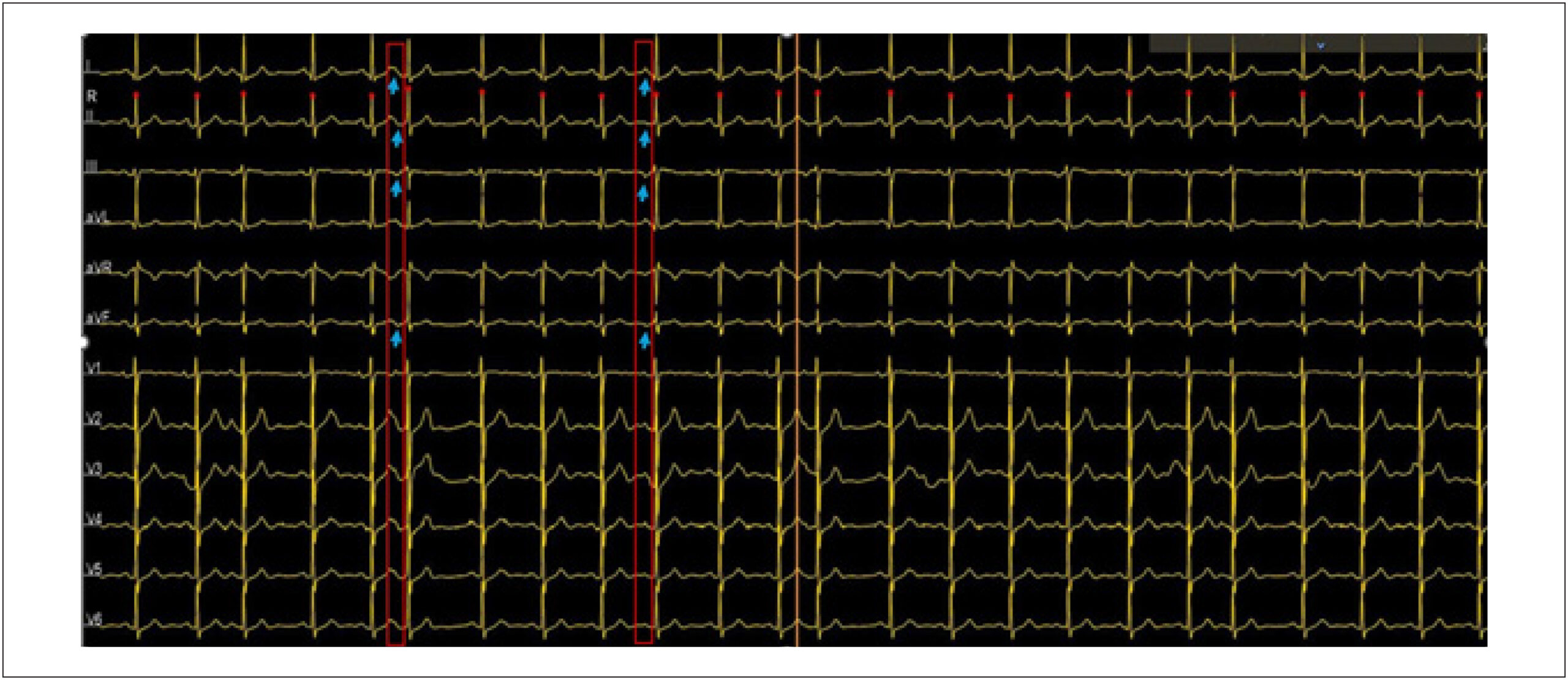
Premature Atrial Contractions Originating from the Inferior Vena Cava: A Rare Arrhythmogenic Source Amenable to Ablation

Ningning Zheng et al. Yiyuan Chen Feng Xue Fangfang Zhang … Lin Ling Tingbo Jiang

Introduction

Premature atrial contractions (PACs) are common cardiac arrhythmias that are typically associated with trigger mechanisms. PACs originating from pulmonary veins (PVs) are considered important triggers for atrial fibrillation (AF), and pulmonary vein isolation (PVI) has been widely used as a treatment. However, the inferior vena cava (IVC) is generally regarded as an electrically quiescent region, and studies of ectopic discharges originating from the IVC are relatively rare. In this study, we present a case of PACs originating from the IVC, aiming to provide new insights into the pathophysiological mechanisms of these arrhythmias.

[…]

  • Atrial Premature Complexes
  • Inferior vena cava
  • Radiofrequency Ablation
Read Full Article
Creative Commons Attribution (CC BY) Creative Commons license
22/06/2026 DOI: 10.36660/abc.20250555i Views 1
Figure 1
ABCHF
Case Report

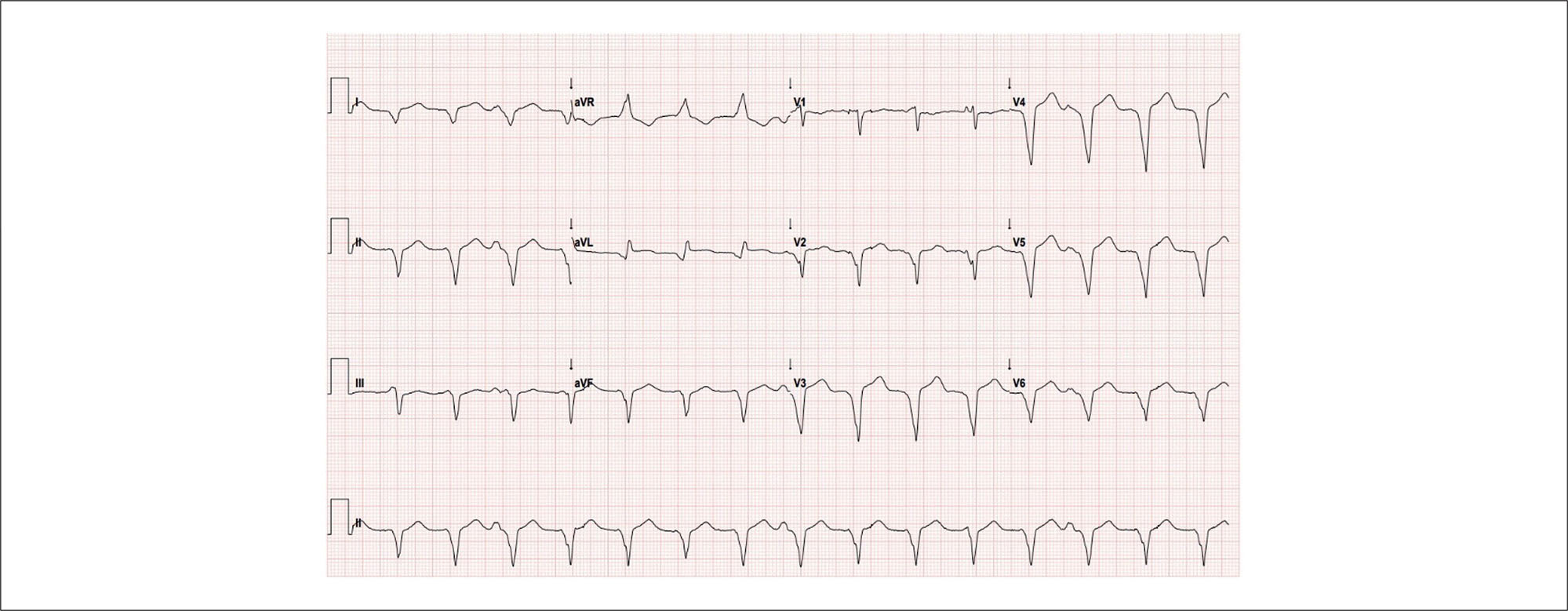
Recurrent Supraventricular Tachycardia in a Patient with Heart Transplant

Lucas Grumann Bernardon et al. Adir Schreiber Junior Lucas Faganello Mauricio Pimentel … Ana Paula Magalhães Leandro Zimerman

Identification

Female patient, 58 years old.

[…]

  • Heart Transplantation
  • Radiofrequency Ablation
  • Supraventricular Tachycardia
Read Full Article
Creative Commons Attribution (CC BY) Creative Commons license
31/12/2025 DOI: 10.36660/abchf.20250048i Views 2
ABC
Editorial

Esophageal Temperature Monitoring during Atrial Fibrillation Ablation: Evolving Evidence and New Perspectives

Silvia Helena Cardoso Boghossian

Radiofrequency (RF) ablation of atrial fibrillation (AF) is a widely used therapeutic strategy, with increasing efficacy and technical sophistication. However, the procedure is not without risks, with atrioesophageal fistula being a rare but extremely serious complication. In this context, luminal esophageal temperature (LET) monitoring has emerged as an additional protective measure, although its effectiveness has been the subject of controversy in the literature.

The study “Esophageal Temperature Monitoring during Atrial Fibrillation Ablation: A Randomized Study” presents relevant and timely evidence regarding the clinical impact of LET, especially in comparing single-sensor versus multi-sensor probes during AF ablation. It is a methodologically robust, randomized study that significantly contributes to refining safety practices in this procedure.

[…]

  • Atrial Fibrillation
  • Esophagus
  • Radiofrequency Ablation
  • Temperature
Read Full Article
Creative Commons Attribution (CC BY) Creative Commons license
29/09/2025 DOI: 10.36660/abc.20250471i Views 1
Esophageal Temperature Monitoring during Atrial Fibrillation Ablation: A Randomized Study
ABC
Original Article

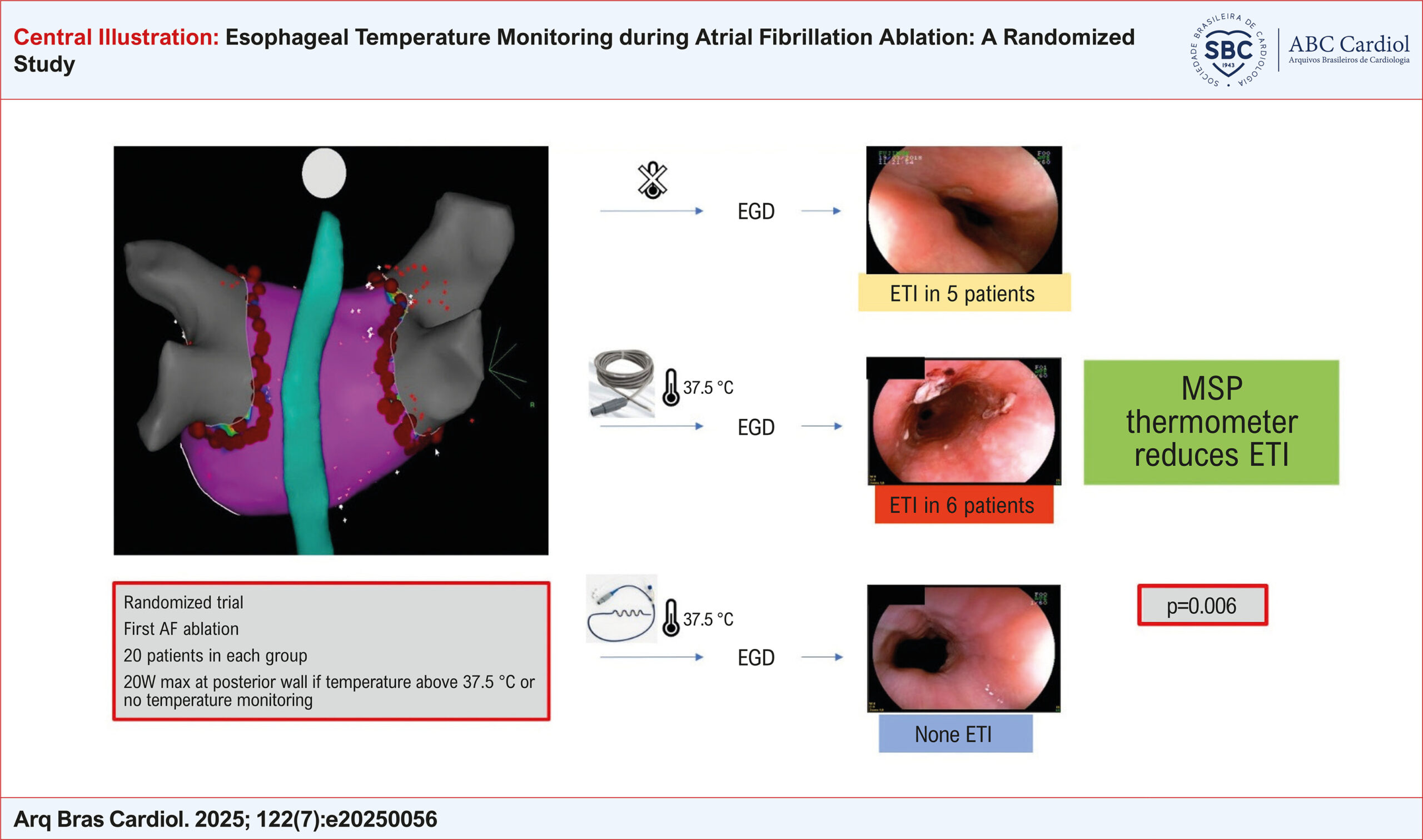
Esophageal Temperature Monitoring during Atrial Fibrillation Ablation: A Randomized Study

Daniel Moreira Costa Moura et al. Renner Augusto Raposo Pereira Cristiano Faria Pisani Tan Chen Wu … Muhieddine Omar Chokr Carina Abigail Hardy Sissy Lara de Melo Francisco Carlos da Costa Darrieux Denise Tessariol Hachul Mauricio Ibrahim Scanavacca

Abstract

Background

Pulmonary vein isolation (PVI) for atrial fibrillation (AF) ablation carries a risk of esophageal thermal injury (ETI), which can lead to severe complications.

Objective

To evaluate three luminal esophageal temperature (LET) monitoring strategies and assess their effectiveness in reducing the incidence of ETI.

Methods

Patients with AF were randomized into three PVI groups according to the temperature monitoring strategy: no LET monitoring (Group 1), LET monitoring with a single-sensor probe (SSP) thermometer (Group 2), and LET monitoring with a multisensor probe (MSP) thermometer (Group 3). In Group 1, AF ablation was performed at a fixed power of 20 W on the left atrial posterior wall. In Groups 2 and 3, AF ablation power was titrated based on LET measurements, with a cutoff temperature of 37.5 °C. Each group included 20 patients. A two-sided p-value <0.05 was considered statistically significant. The trial was registered on ClinicalTrials.gov (#NCT03645070) and International Clinical Trials Registry Platform (#RBR-2yvgyf).

Results

All patients underwent PVI and esophagogastroduodenoscopy. No ETI was observed in patients monitored with an MSP thermometer. In contrast, five patients without LET monitoring and six patients monitored with an SSP thermometer developed ETI (p=0.006). Higher temperatures were recorded with an MSP thermometer (37.9 vs. 38.45 °C, p=0.018). There were no significant differences in PVI duration or total radiofrequency application time (p=0.250 and p=0.253, respectively).

Conclusions

LET monitoring with an MSP thermometer during PVI significantly reduces the incidence of ETI compared to no monitoring or SSP monitoring. Implementing advanced LET monitoring strategies may enhance patient safety without compromising procedural efficiency.

  • Atrial Fibrillation
  • Clinical Trial
  • esophageal fistula
  • Radiofrequency Ablation
Read Full Article
Creative Commons Attribution (CC BY) Creative Commons license
01/08/2025 DOI: 10.36660/abc.20250056i Views 1
Figure 1
ABCIC
Editorial

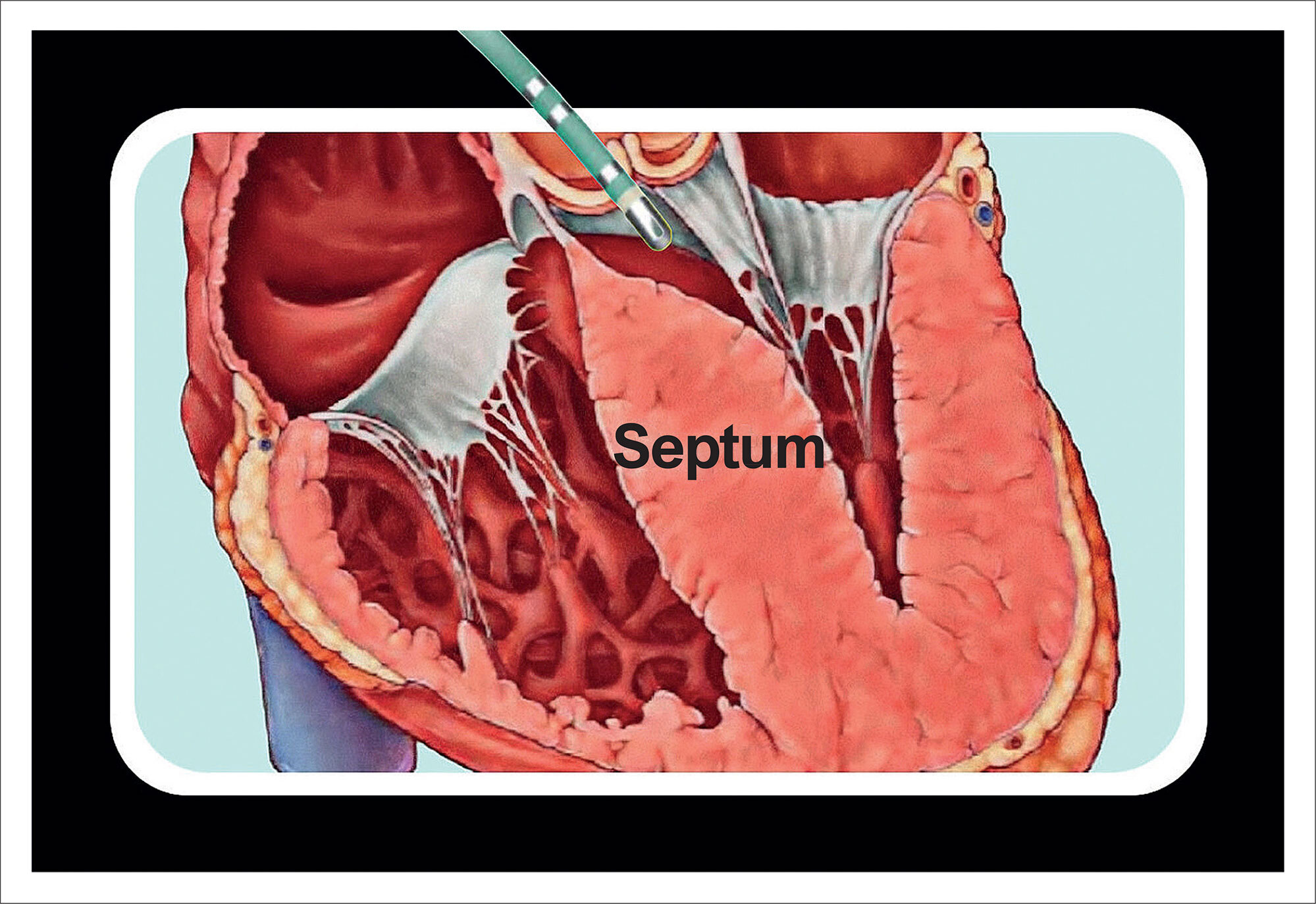
Radiofrequency in Obstructive Hypertrophic Cardiomyopathy: The Role of Imaging in the Assessment of Septal Thickness and Gradient Reduction

Alexandre Costa Souza et al. Marcus Vinicius Silva Freire de Carvalho

Obstructive hypertrophic cardiomyopathy (HCM) is a genetic disorder characterized by pronounced myocardial hypertrophy and varying degrees of fibrosis. The obstruction of the left ventricular outflow tract (LVOT) is an anatomical condition with dynamic behavior that can lead to symptoms such as exercise intolerance and reduced functional class, and is also associated with cases of sudden cardiac death.

The indication for invasive treatment aimed at reducing the intraventricular gradient is reserved for symptomatic patients —those who are refractory to medical therapy — with a gradient ≥ 50 mmHg. Common interventional therapies for this condition include surgical myectomy or, in a less invasive approach, alcohol septal ablation of coronary septal branches. However, these interventions have shown highly variable outcomes in the literature and remain infrequently used in clinical practice.,

[…]

  • Cardiomyopathies
  • Left Ventricular Outflow Obstruction
  • Radiofrequency Ablation
Read Full Article
Creative Commons Attribution (CC BY) Creative Commons license
27/06/2025 DOI: 10.36660/abcimg.20250024i Views 1
Hypertrophic Cardiomyopathy: Analysis of Septal Thickness with Gradient Reduction in Patients Undergoing Radiofrequency Septal Ablation
ABCIC
Original Article

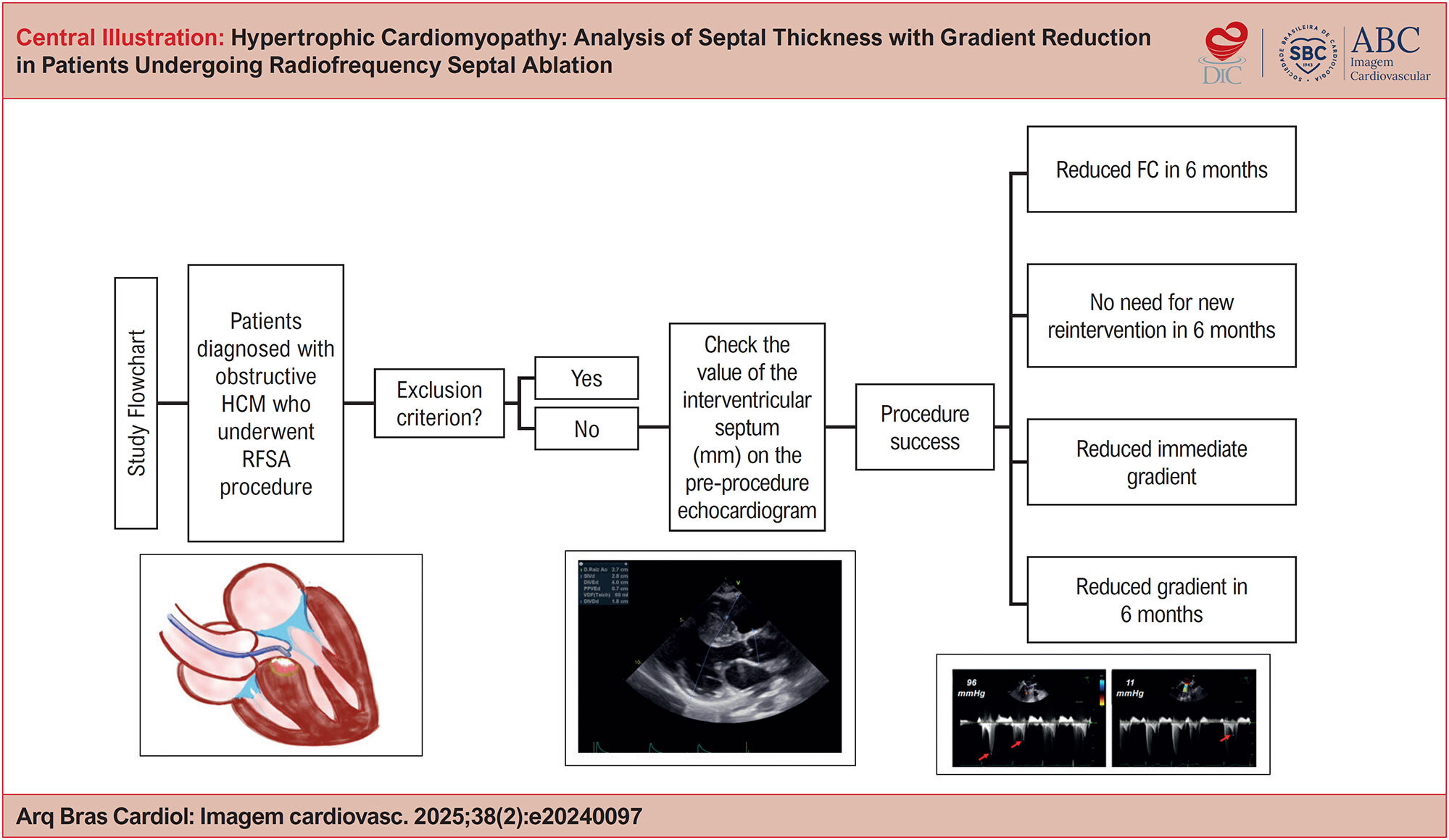
Hypertrophic Cardiomyopathy: Analysis of Septal Thickness with Gradient Reduction in Patients Undergoing Radiofrequency Septal Ablation

Andrea de Andrade Vilela et al. Mariane Higa Shinzato Bruno Pereira Valdigem Antonio Tito Paladino … Edileide de Barros Correia Jorge Eduardo Assef

Abstract

Background:

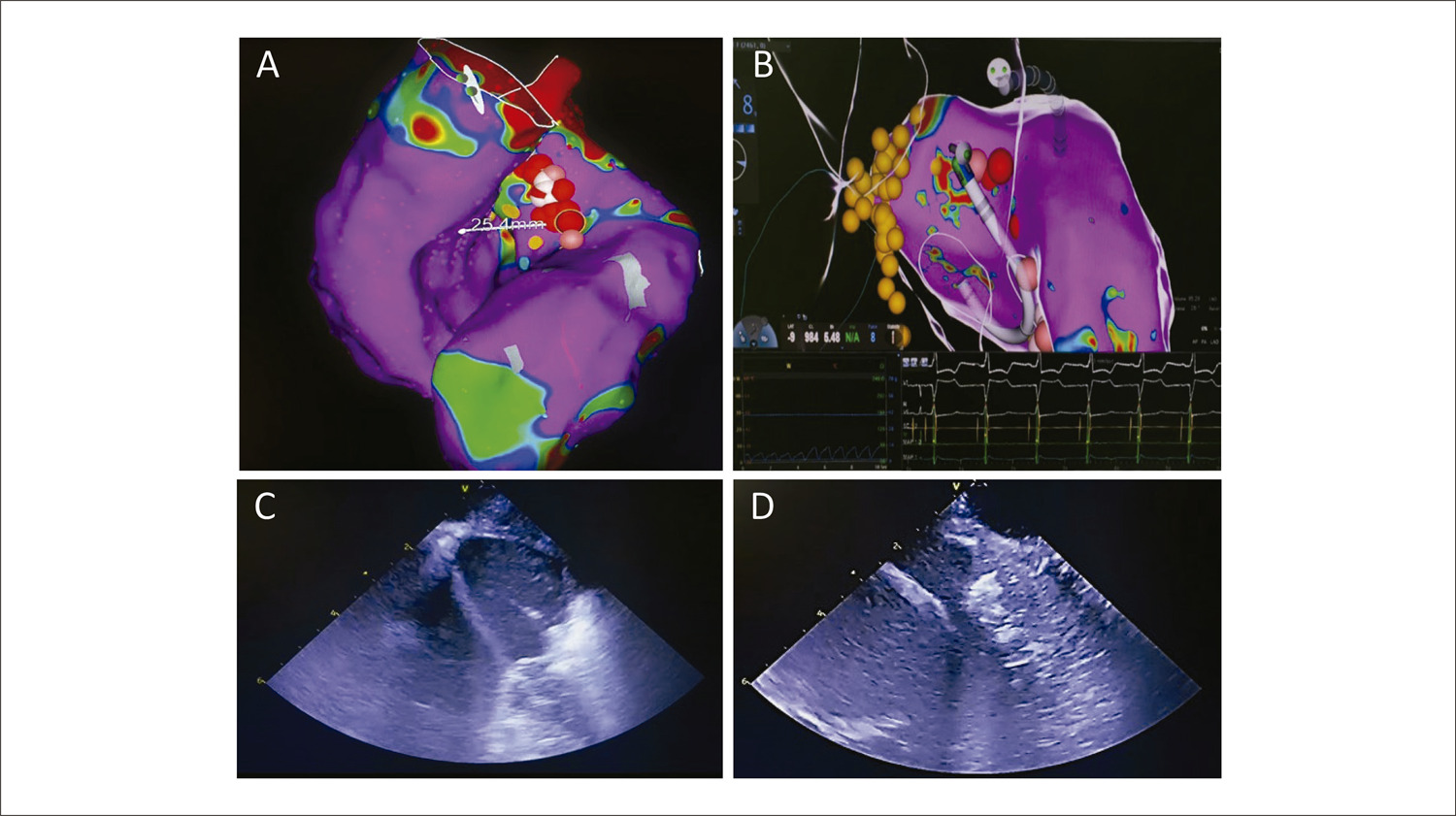
Hypertrophic obstructive cardiomyopathy (HOCM) is an autosomal dominant genetic disorder. Invasive treatment for intraventricular gradient reduction is indicated in patients (p) who are refractory to clinical treatment with gradient ≥ 50 mmHg. Radiofrequency ablation (RFA) is one of the current options for invasive management.

Objectives:

To evaluate the correlation between interventricular septal diameter and procedural success, defined as immediate post-procedural gradient reduction, improvement in functional class (FC), and sustained gradient reduction at 6-month follow-up.

Methods:

Twenty-two patients with HOCM were included. Transthoracic echocardiography was performed before and six months after RFA, while transesophageal echocardiography (TEE) was carried out intraprocedure.

Results:

The mean age was 56.64 years (± 12.23), with 68.18% of patients being female and 73% hypertensive. An immediate gradient reduction greater than 50% was observed in 72.7% of patients. At the 6-month follow-up, 60% of patients showed a ≥ 50% gradient reduction along with an improvement in FC. A median septal thickness of 18 mm was associated with greater procedural success compared to a median of 15 mm, and no significant change in septal thickness was observed over the 6-month follow-up period.

Conclusion:

Radiofrequency septal ablation (RFSA) is an effective and safe technique for the invasive management of HOCM. The procedure enables a significant reduction in the intraventricular gradient, accompanied by improved FC and sustained short-term results. Thicker septal were associated with greater intraprocedural gradient reductions; however, there was no reduction in thickness during the 6-month follow-up.

  • Hypertrophic Cardiomyopathy
  • Radiofrequency Ablation
Read Full Article
Creative Commons Attribution (CC BY) Creative Commons license
27/06/2025 DOI: 10.36660/abcimg.20240097i Views 2
ABC
Letter to the Editor

How to Compare Clinical Outcomes between Cryoablation and Radiofrequency Ablation in Patients with Atrioventricular Nodal Reentrant Tachycardia?

Naoya Kataoka et al. Teruhiko Imamura

To Editor

The ablation of atrioventricular nodal reentrant tachycardia (AVNRT) using cryoablation has emerged as a viable alternative to radiofrequency (RF) ablation due to its reduced risk of inducing permanent atrioventricular block. However, this technique necessitates specific procedural considerations to minimize the recurrence of arrhythmias. The authors conducted a comparative analysis of clinical outcomes between cryoablation and conventional RF ablation, demonstrating that cryoablation was associated with reduced fluoroscopy time and was non-inferior to RF ablation in terms of efficacy and procedural feasibility for AVNRT management. Nonetheless, several critical concerns merit further discussion.

[…]

  • Cryosurgery
  • Radiofrequency Ablation
  • Tachycardia
Read Full Article
Creative Commons Attribution (CC BY) Creative Commons license
16/06/2025 DOI: 10.36660/abc.20250078i Views 3
Atrial Fibrillation Catheter Ablation: Electroporation Against High-Power Short Duration Radiofrequency
ABC
Original Article

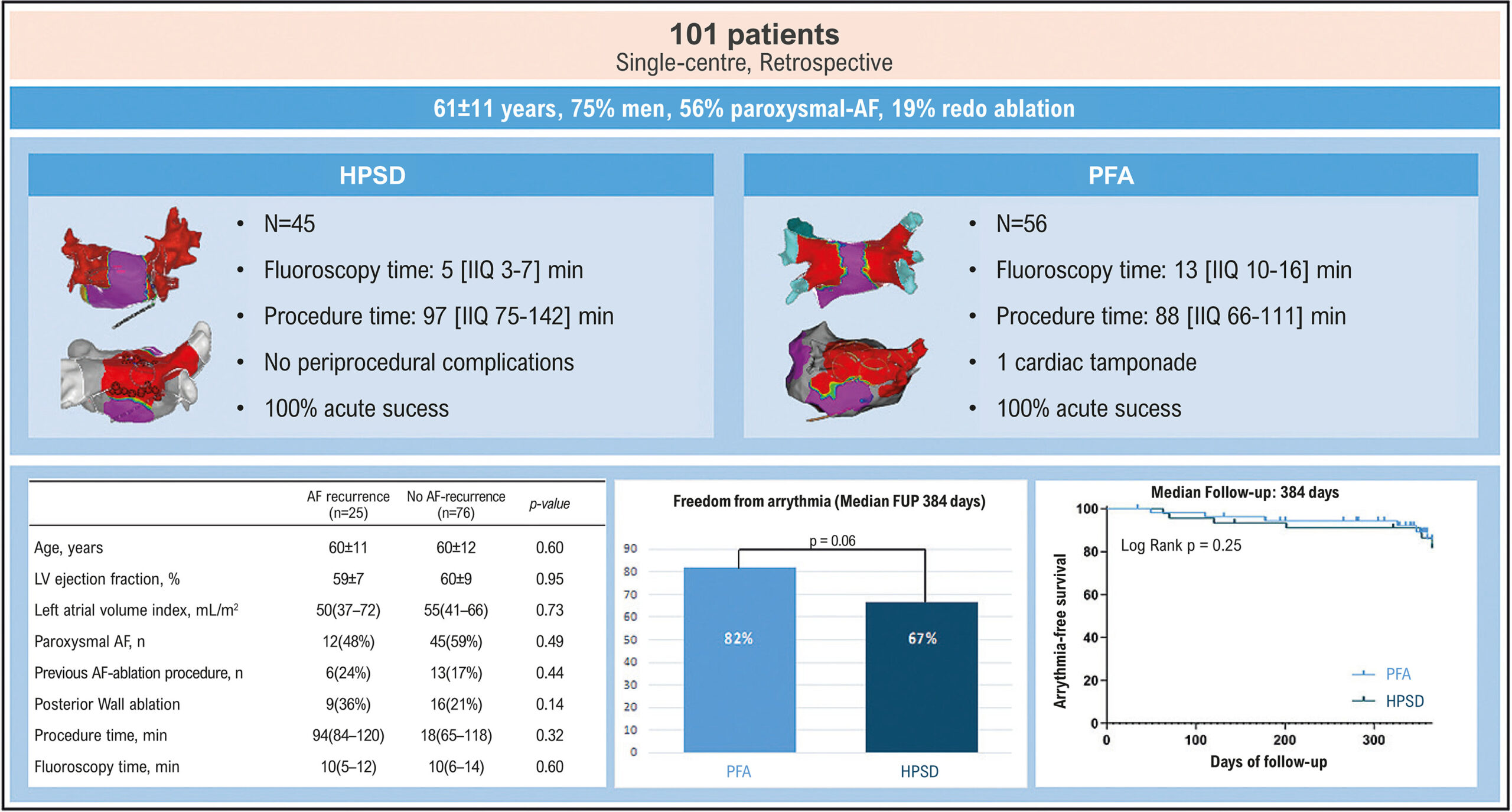
Atrial Fibrillation Catheter Ablation: Electroporation Against High-Power Short Duration Radiofrequency

Rita Reis Santos et al. Rita Amador Pedro Galvão Santos Daniel Matos … Gustavo Rodrigues João Carmo Francisco Costa Pedro Carmo Francisco Morgado Diogo Cavaco Mauricio Scanavacca Pedro Adragão

Abstract

Background

Pulmonary vein isolation (PVI) is crucial in treating symptomatic atrial fibrillation (AF). New ablation technologies, such as pulse-field ablation (PFA) and high-power short-duration (HPSD) have emerged in the electrophysiology lab. However, no study has compared the outcomes of these approaches.

Objective

To compare the efficacy and safety of PFA and HPSD in AF symptomatic patients.

Methods

Single-centre, retrospective study of consecutive patients undergoing PVI with PFA or HPSD between May and December 2022. Demographic data, procedural data, and AF recurrence beyond the blanking period, were analysed. Comparative analysis between both techniques was performed. A P-value of <0.05 was considered statistically significant.

Results

A total 101 patients were included (61±11 years, 75% men); 56% of patients had paroxysmal AF and 19% underwent a redo ablation. Forty-five percent of patients underwent HPSD ablation and 55% PFA. Comparing HPSD and PFA, HPSD had a lower fluoroscopy time (5min [IQR 3-7min]vs 13min [IQR 10-16min], p<0.001), but higher procedure time (97min [IQR 75-142]vs 88min [IQR 66-111], p=0.13). Posterior wall isolation (PWI) was performed in 5 (11%) HPSD vs 20 (36%) PFA patients (p=0.004). There was only one case of major complication, a patient with cardiac tamponade following PFA, who was treated with pericardiocentesis. Over 384 (IQR 341 -545) days of follow-up, 76 patients (75%) were in sinus rhythm, while 25% of patients had AF recurrence: 10 PFA patients and 15 HPSD patients (p=0.06).

Conclusions

Both PFA and HPSD were found to be feasible and safe procedures. PFA resulted in shorter procedure times, and lower AF recurrence rates, mainly when PWI was performed. Although analysis in a real-world scenario is still scarce, both techniques seem to be efficient, with a low AF recurrence rate.
  • Atrial Fibrillation
  • Pulmonary Veins
  • Radiofrequency Ablation
Read Full Article
Creative Commons Attribution (CC BY) Creative Commons license
21/03/2025 DOI: 10.36660/abc.20240542i Views 2
ABC
Editorial

High-power, Short-duration Radiofrequency Ablation of Atrial Fibrillation: Point-by-Point or Catheter Dragging Technique?

Guilherme Fenelon

Pulmonary vein isolation (PVI) is universally accepted as the cornerstone of atrial fibrillation (AF) ablation. Current guidelines recommend electrical isolation of the pulmonary veins in all AF ablation procedures (Class I, level of evidence A). As of today, the most common methods to perform PVI are point-by-point radiofrequency (RF) guided by 3D mapping or the cryoballoon. Both are thermal energies, creating lesions by heating (RF) or freezing (cryoenergy) the tissue. Of note, it has been consistently demonstrated that RF ablation and cryoballoon ablation are equally effective and safe for treating patients with paroxysmal AF. However, cryoballoon ablation is more reproducible within groups than RF ablation. The outcomes of RF ablation are closely related to operator and center volumes. Furthermore, there can be significant variability in the number of ablation lesions created, the force applied by the tip of the catheter to the tissue—known as contact force—and the amount and duration of power delivery.

Ablation protocols have changed significantly during the last decade, particularly with respect to RF parameters. Conventional power settings were 20-35 W over 30-60 seconds. In recent years, high-power, short-duration (HPSD) protocols utilizing RF at power levels of 40-50 W for shorter durations have gained popularity.– Indeed, the HPSD technique is associated with shorter times to achieve PVI and greater freedom from AF recurrences, albeit with a trend towards more asymptomatic cerebral emboli.,

[…]

  • Atrial Fibrillation
  • Pulmonary Veins
  • Radiofrequency Ablation
Read Full Article
Creative Commons Attribution (CC BY) Creative Commons license
14/02/2025 DOI: 10.36660/abc.20240771i Views 2
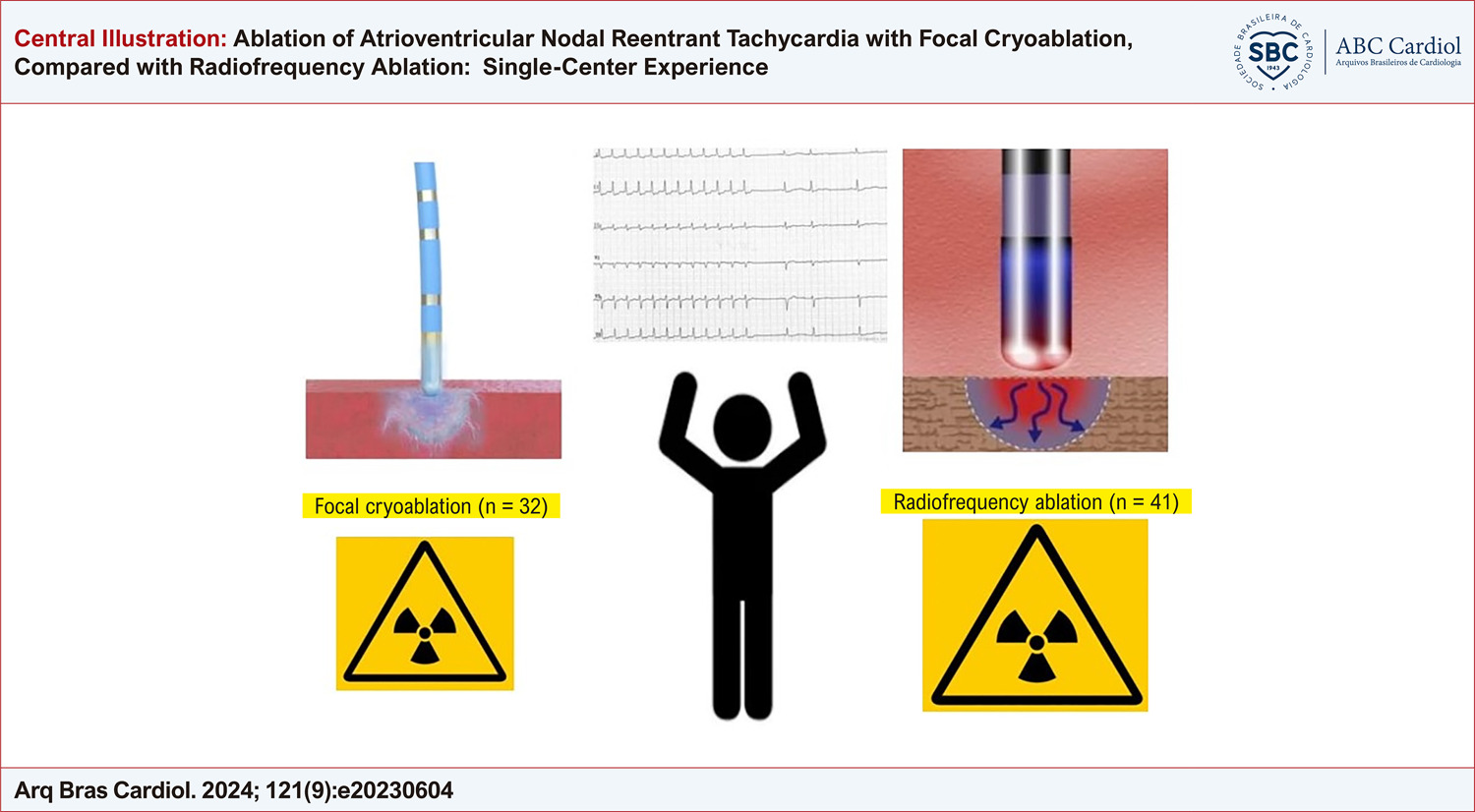
Ablation of Atrioventricular Nodal Reentrant Tachycardia with Focal Cryoablation, Compared with Radiofrequency Ablation: Single-Center Experience
ABC
Original Article

Ablation of Atrioventricular Nodal Reentrant Tachycardia with Focal Cryoablation, Compared with Radiofrequency Ablation: Single-Center Experience

Caner Topaloğlu et al. Francesco Fici Philippe van de Borne Uğur Taşkin … Mustafa Dogdus Serkan Saygi Istemihan Tengiz

Abstract

Background

The ablation of atrioventricular nodal reentrant tachycardia (AVNRT) with cryoablation is an alternative to radiofrequency (RF) ablation in patients due to the low risk of total atrioventricular block. An increase in early-late recurrences after cryoablation is reported as an important disadvantage.

Objectives

In this study, we aimed to compare the acute procedural success and the long-term recurrence rates of patients, with AVNRT who underwent methods.

Methods

73 patients with AVNRT were included in the study: 32 with cryoablation and 41 with RF ablation. There was no statistically significant difference between acute procedural success in methods. The ablation procedure was performed by an operator experienced in arrhythmology. The choice of RF or cryoablation was made in the electrophysiology laboratory based on the material already available during the procedure. After the procedure, the patients were evaluated every 3 months for 2 years in polyclinic control. The significance level adopted in the statistical analysis was 5%.

Results

The 2 groups of patients were homogeneous. The fluoroscopy time (p<0.001) was shorter, but atrium-his (p=0.004) and his-ventricular (p=0.015) times were longer in the cryoablation group. There was no significant difference, in terms of acute procedural success, post-procedure jump without a single echo, and presence of echo and jump.

Conclusions

Cryoablation requires less fluoroscopy time and is a safe non-inferior alternative to RF ablation in patients with AVNRT. The risk of AV block is a significant problem with the use of RF energy, making it less suitable for use in young and physically active patients.

  • Atrioventricular Nodal Reentry Tachycardia
  • Cryosurgery
  • Radiofrequency Ablation
Read Full Article
Creative Commons Attribution (CC BY) Creative Commons license
23/09/2024 DOI: 10.36660/abc.20230604i Views 1
Figure 1
ABC
Original Article

Left Atrial Appendage Volume Predicts Atrial Fibrillation Recurrence after Radiofrequency Catheter Ablation: A Meta-Analysis

Zhenghao Liu et al. Xiaofei Mei Hezi Jiang Yujie Cui … Weiwei Yin Kuangyi Wang Tan Chen Yafeng Zhou

Abstract

Background

The influence of left atrial appendage volume (LAAV) on the recurrence of atrial fibrillation (AF) following radiofrequency catheter ablation remains unclear.

Objectives

We performed a meta-analysis to assess whether LAAV is an independent predictor of AF recurrence following radiofrequency catheter ablation.

Methods

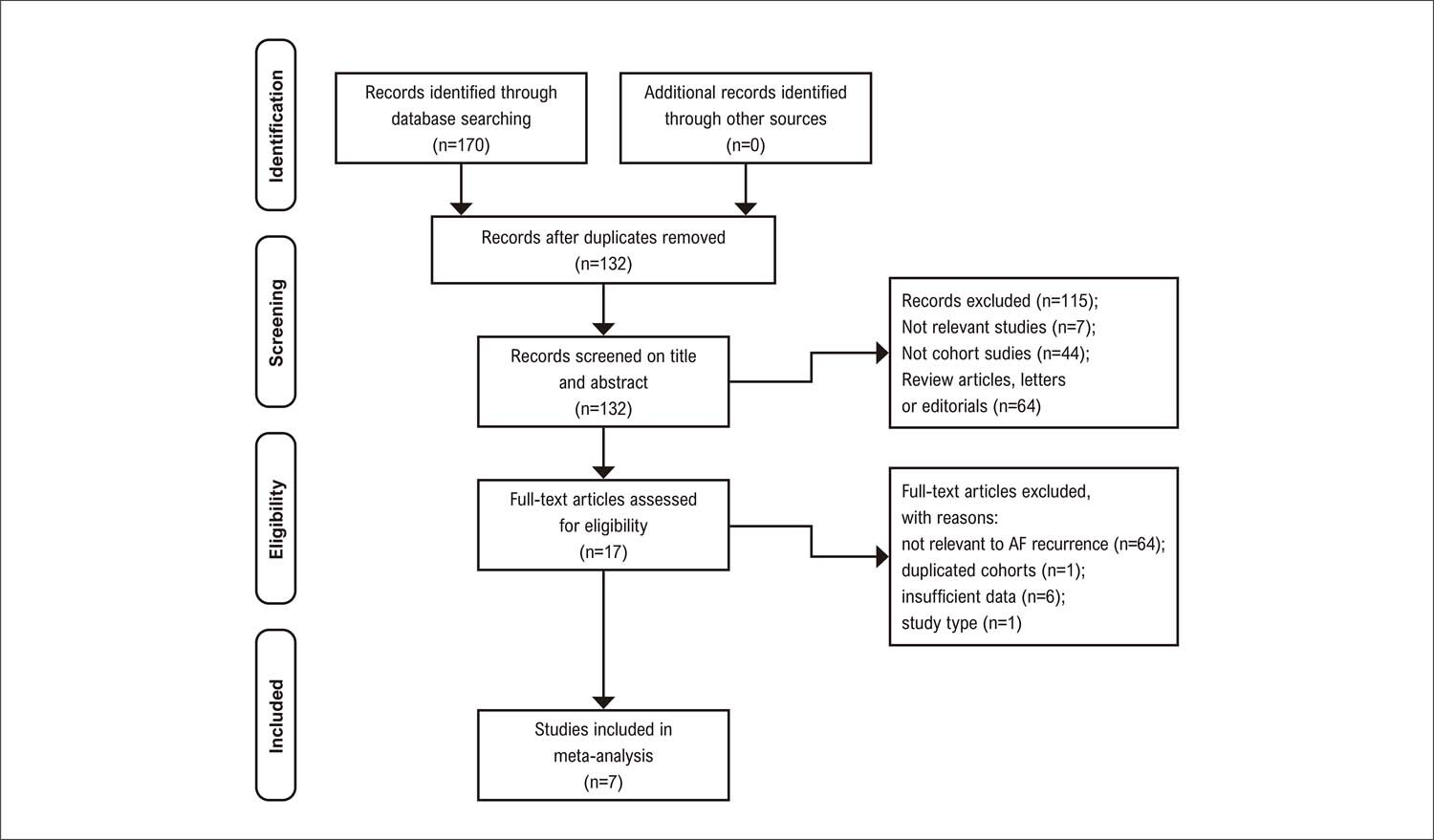
The PubMed and the Cochrane Library databases were searched until March 2022 to identify publications evaluating LAAV in association with AF recurrence after radiofrequency catheter ablation. Seven studies that fulfilled the specified criteria of our analysis were found. We used the Newcastle-Ottawa Scale to evaluate the quality of the studies. The pooled effects were evaluated depending on standardized mean differences (SMDs) or hazard ratios (HRs) with 95% confidence intervals (CIs). P values < 0.05 were considered statistically significant.

Results

A total of 1017 patients from 7 cohort studies with a mean follow-up 16.3 months were included in the meta-analysis. Data from 6 studies (943 subjects) comparing LAAV showed that the baseline LAAV was significantly higher in patients with AF recurrence compared to those without AF (SMD: −0.63; 95% CI: −0.89 to −0,37; all p values < 0.05; I2= 62.6%). Moreover, higher LAAV was independently associated with a significantly higher risk of AF recurrence after radiofrequency catheter ablation (HR: 1.10; 95% CI: 1.02 to 1.18).

Conclusions

The meta-analysis showed that there is a significant correlation between LAAV and AF recurrence after radiofrequency catheter ablation, and the role of LAAV in AF patients should not be ignored in clinical practice.

  • Atrial Appendage
  • Heart Failure
  • Meta-Analysis
  • Radiofrequency Ablation
Read Full Article
Creative Commons Attribution (CC BY) Creative Commons license
20/03/2023 DOI: 10.36660/abc.20220471 Views 1
Figure 1
ABC
Letter to the Editor

Septal Ablation with Radiofrequency and the Use of New Technologies in Patients with Hypertrophic Cardiomyopathy in an Electrophysiology Laboratory

Muhieddine Chokr et al. Marina Mayrink Pedro Mario Pinto Vandoni Pedro Vieira Linhares … Italo Bruno dos Santos Sousa Hélio José Castello Júnior Mauricio Scanavacca

Dear Editor,

We have read, with great interest, the article “Septal ablation with catheters and radiofrequency guided by echocardiography for treatment in patients with obstructive hypertrophic cardiomyopathy (OHC): First experience”, published recently by Valdigem et al. in the journal Arquivos Brasileiros de Cardiologia .

[…]

  • electrophysiology
  • Hypertrophic Cardiomyopathy
  • Radiofrequency Ablation
Read Full Article
Creative Commons Attribution (CC BY) Creative Commons license
21/10/2022 DOI: 10.36660/abc.20220143
ABC
Editorial

Short Editorial: Risk of Atrial Fibrillation after Ablation of Cavotricuspid Isthmus-Dependent Atrial Flutter: Is Combined Ablation of Atrial Fibrillation Worthwhile?

Alvaro Valentim Lima Sarabanda

Cavotricuspid isthmus (CTI)-dependent atrial flutter (AFL) is a common cardiac arrhythmia that can cause significant symptoms and is associated with an increased risk of stroke and the development or worsening of heart failure. The anatomic/electrophysiological substrate underlying AFL is a combination of slow conduction in the isthmus of atrial tissue between the tricuspid annulus and the inferior vena cava and conduction block along the crista terminalis and Eustachian ridge, enabling the emergence and perpetuation of a macro-reentrant circuit in the right atrium.,

Because of the well-defined anatomic/electrophysiological substrate and the unsatisfactory results of antiarrhythmic drug therapy in treating AFL, radiofrequency catheter ablation, by means of creating a linear lesion from the tricuspid annulus to the inferior vena cava (cavotricuspid isthmus) under fluoroscopic and electrocardiographic guidance, is an established interventional procedure, with a low risk of complications (1% or less) and success rates over 90%.,

[…]

  • Arrhythmias Cardiac
  • Atrial Fibrillation/prevention and control
  • Atrial flutter
  • Conduction
  • Isthmus Cavo-Tricuspid
  • Radiofrequency Ablation
Read Full Article
Creative Commons Attribution (CC BY) Creative Commons license
01/06/2020 DOI: 10.36660/abc.20200316 Views 1
Figure 1
ABC
Original Article

Risk of Atrial Fibrillation after Ablation of Cavotricuspid Isthmus-Dependent Atrial Flutter: Is Combined Ablation of Atrial Fibrillation Worthwhile?

Isabella Bianco et al. Gabriel Odozynski da Silva Alexander Romeno Janner Dal Forno Helcio Garcia Nascimento … Andrei Lewandowski Elayne Pereira André d’Avila

Abstract

Background

Simultaneous ablation of atrial fibrillation (AF) and cavotricuspid isthmus (CTI)-dependent atrial flutter can be performed when both arrythmias had been recorded before the procedure. However, the best approach has not been defined in case of patients referred for ablation with CTI-dependent atrial flutter, without history of AF.

Objectives

To assess the prevalence and to identify predictors of the first episode of AF after ablation of CTI-dependent atrial flutter in patients without history of AF.

Methods

Retrospective cohort of patients with CTI-dependent atrial flutter without history of AF undergoing catheter ablation. Clinical characteristics were compared between patients who developed AF and those who did not have AF after the procedure. Significance level was set at 5%. In the analysis of predicting factors, the primary outcome was occurrence of AF after CTI-dependent atrial flutter ablation.

Results

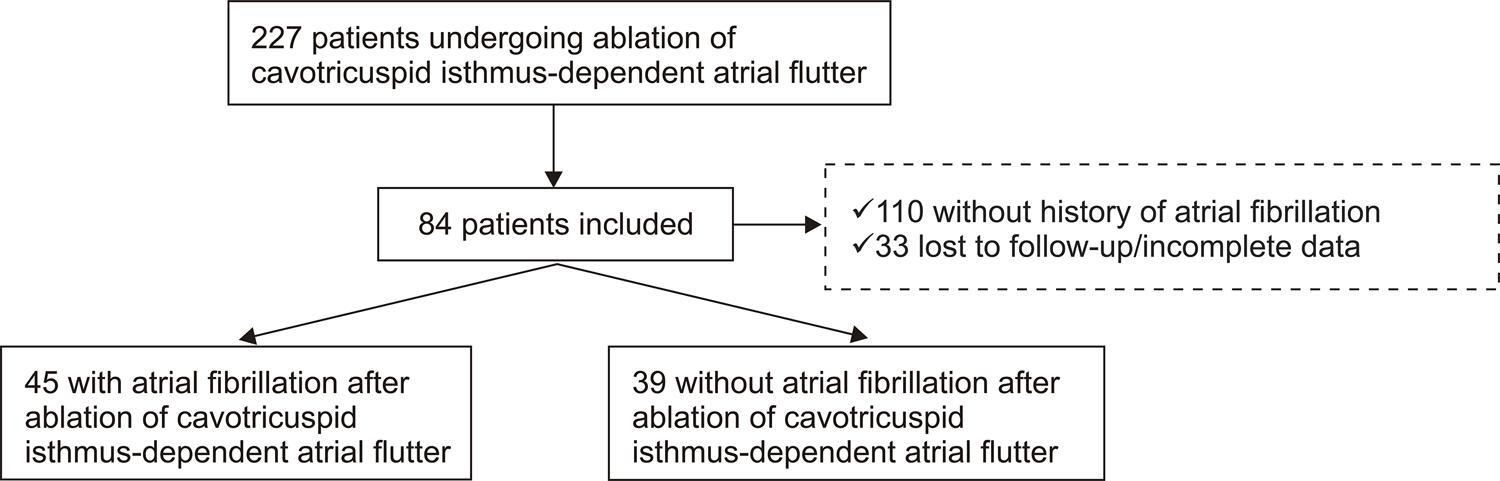
Of a total of 227 patients undergoing ablation of CTI-dependent atrial flutter (110 with history of AF and 33 without adequate follow-up), 84 were included, and 45 (53.6%) developed post-ablation AF. The HATCH and CHA2DS2-VASC scores were not different between the groups. Recurrence rate of CTI-dependent atrial flutter and complication rate were 11.5% and 1.2%, respectively, after ablation.

Conclusions

Although ablation of CTI-dependent atrial flutter is a safe and effective procedure, 50% of the patients developed AF after the procedure. However, the role of combined ablation (CTI-dependent atrial flutter plus AF) aiming at preventing AF is still uncertain. (Arq Bras Cardiol. 2020; [online].ahead print, PP.0-0)

  • Arial Fibrillation/prevention
  • Arrhythmias Cardiac
  • Atrial flutter
  • Conduction
  • Isthmus Cavo-Tricuspid
  • Radiofrequency Ablation
Read Full Article
Creative Commons Attribution (CC BY) Creative Commons license
30/03/2020 DOI: 10.36660/abc.20190238

How to cite this article

EndNote RIS

Electronic Document Format (Vancouver)

Zheng N, Chen Y, Xue F, Zhang F, Ling L, Jiang T. Premature Atrial Contractions Originating from the Inferior Vena Cava: A Rare Arrhythmogenic Source Amenable to Ablation. Arquivos Brasileiros de Cardiologia 2026;123(4):e20250555.

Electronic Document Format (ABNT)

Zheng, Ningning; Chen, Yiyuan; Xue, Feng; Zhang, Fangfang; Ling, Lin; Jiang, Tingbo. Premature Atrial Contractions Originating from the Inferior Vena Cava: A Rare Arrhythmogenic Source Amenable to Ablation. Arquivos Brasileiros de Cardiologia, v. 123, n. 4, e20250555, Jun. 2026.

Electronic Document Format (APA)

Zheng, N., Chen, Y., Xue, F., Zhang, F., Ling, L., & Jiang, T. (2026). Premature Atrial Contractions Originating from the Inferior Vena Cava: A Rare Arrhythmogenic Source Amenable to Ablation. Arquivos Brasileiros de Cardiologia, 123(4), e20250555.

Electronic Document Format (ISO)

Zheng, Ningning and Chen, Yiyuan and Xue, Feng and Zhang, Fangfang and Ling, Lin and Jiang, Tingbo. Premature Atrial Contractions Originating from the Inferior Vena Cava: A Rare Arrhythmogenic Source Amenable to Ablation. Arquivos Brasileiros de Cardiologia [online]. 2026, vol. 123, n. 4, [cited 2026-10-14], e20250555. Available from: <https://journals.cardiol.br/en/article/premature-atrial-contractions-originating-from-the-inferior-vena-cava-a-rare-arrhythmogenic-source-amenable-to-ablation/>. ISSN 0066-782X

EndNote RIS

Electronic Document Format (Vancouver)

Bernardon LG, Schreiber Junior A, Faganello L, Pimentel M, Magalhães AP, Zimerman L. Recurrent Supraventricular Tachycardia in a Patient with Heart Transplant. ABC Heart Fail Cardiomyop 2025;5(4):e20250048.

Electronic Document Format (ABNT)

Bernardon, Lucas Grumann; Schreiber Junior, Adir; Faganello, Lucas; Pimentel, Mauricio; Magalhães, Ana Paula; Zimerman, Leandro. Recurrent Supraventricular Tachycardia in a Patient with Heart Transplant. ABC Heart Fail Cardiomyop, v. 5, n. 4, e20250048, Dec. 2025.

Electronic Document Format (APA)

Bernardon, L. G., Schreiber Junior, A., Faganello, L., Pimentel, M., Magalhães, A. P., & Zimerman, L. (2025). Recurrent Supraventricular Tachycardia in a Patient with Heart Transplant. ABC Heart Fail Cardiomyop, 5(4), e20250048.

Electronic Document Format (ISO)

Bernardon, Lucas Grumann and Schreiber Junior, Adir and Faganello, Lucas and Pimentel, Mauricio and Magalhães, Ana Paula and Zimerman, Leandro. Recurrent Supraventricular Tachycardia in a Patient with Heart Transplant. ABC Heart Fail Cardiomyop [online]. 2025, vol. 5, n. 4, [cited 2026-10-14], e20250048. Available from: <https://journals.cardiol.br/en/article/recurrent-supraventricular-tachycardia-in-a-patient-with-heart-transplant/>

EndNote RIS

Electronic Document Format (Vancouver)

Boghossian SHC. Esophageal Temperature Monitoring during Atrial Fibrillation Ablation: Evolving Evidence and New Perspectives. Arquivos Brasileiros de Cardiologia 2025;122(7):e20250471.

Electronic Document Format (ABNT)

Boghossian, Silvia Helena Cardoso. Esophageal Temperature Monitoring during Atrial Fibrillation Ablation: Evolving Evidence and New Perspectives. Arquivos Brasileiros de Cardiologia, v. 122, n. 7, e20250471, Sep. 2025.

Electronic Document Format (APA)

Boghossian, S. H. C. (2025). Esophageal Temperature Monitoring during Atrial Fibrillation Ablation: Evolving Evidence and New Perspectives. Arquivos Brasileiros de Cardiologia, 122(7), e20250471.

Electronic Document Format (ISO)

Boghossian, Silvia Helena Cardoso. Esophageal Temperature Monitoring during Atrial Fibrillation Ablation: Evolving Evidence and New Perspectives. Arquivos Brasileiros de Cardiologia [online]. 2025, vol. 122, n. 7, [cited 2026-10-14], e20250471. Available from: <https://journals.cardiol.br/en/article/esophageal-temperature-monitoring-during-atrial-fibrillation-ablation-evolving-evidence-and-new-perspectives/>. ISSN 0066-782X

EndNote RIS

Electronic Document Format (Vancouver)

Moura DMC, Pereira RAR, Pisani CF, Wu TC, Chokr MO, Hardy CA, Melo SL, et al. Esophageal Temperature Monitoring during Atrial Fibrillation Ablation: A Randomized Study. Arquivos Brasileiros de Cardiologia 2025;122(7):e20250056.

Electronic Document Format (ABNT)

Moura, Daniel Moreira Costa; Pereira, Renner Augusto Raposo; Pisani, Cristiano Faria; Wu, Tan Chen; Chokr, Muhieddine Omar; Hardy, Carina Abigail; Melo, Sissy Lara de; Darrieux, Francisco Carlos da Costa; Hachul, Denise Tessariol; Scanavacca, Mauricio Ibrahim. Esophageal Temperature Monitoring during Atrial Fibrillation Ablation: A Randomized Study. Arquivos Brasileiros de Cardiologia, v. 122, n. 7, e20250056, Jul. 2025.

Electronic Document Format (APA)

Moura, D. M. C., Pereira, R. A. R., Pisani, C. F., Wu, T. C., Chokr, M. O., Hardy, C. A., Melo, S. L. , Darrieux, F. C. C., Hachul, D. T., & Scanavacca, M. I. (2025). Esophageal Temperature Monitoring during Atrial Fibrillation Ablation: A Randomized Study. Arquivos Brasileiros de Cardiologia, 122(7), e20250056.

Electronic Document Format (ISO)

Moura, Daniel Moreira Costa and Pereira, Renner Augusto Raposo and Pisani, Cristiano Faria and Wu, Tan Chen and Chokr, Muhieddine Omar and Hardy, Carina Abigail and Melo, Sissy Lara de and Darrieux, Francisco Carlos da Costa and Hachul, Denise Tessariol and Scanavacca, Mauricio Ibrahim. Esophageal Temperature Monitoring during Atrial Fibrillation Ablation: A Randomized Study. Arquivos Brasileiros de Cardiologia [online]. 2025, vol. 122, n. 7, [cited 2026-10-14], e20250056. Available from: <https://journals.cardiol.br/en/article/esophageal-temperature-monitoring-during-atrial-fibrillation-ablation-a-randomized-study/>. ISSN 0066-782X

EndNote RIS

Electronic Document Format (Vancouver)

Souza AC, Carvalho MVSF. Radiofrequency in Obstructive Hypertrophic Cardiomyopathy: The Role of Imaging in the Assessment of Septal Thickness and Gradient Reduction. ABC Imagem Cardiovascular 2025;38(2):e20250024.

Electronic Document Format (ABNT)

Souza, Alexandre Costa; Carvalho, Marcus Vinicius Silva Freire de. Radiofrequency in Obstructive Hypertrophic Cardiomyopathy: The Role of Imaging in the Assessment of Septal Thickness and Gradient Reduction. ABC Imagem Cardiovascular, v. 38, n. 2, e20250024, Jun. 2025.

Electronic Document Format (APA)

Souza, A. C., & Carvalho, M. V. S. F. (2025). Radiofrequency in Obstructive Hypertrophic Cardiomyopathy: The Role of Imaging in the Assessment of Septal Thickness and Gradient Reduction. ABC Imagem Cardiovascular, 38(2), e20250024.

Electronic Document Format (ISO)

Souza, Alexandre Costa and Carvalho, Marcus Vinicius Silva Freire de. Radiofrequency in Obstructive Hypertrophic Cardiomyopathy: The Role of Imaging in the Assessment of Septal Thickness and Gradient Reduction. ABC Imagem Cardiovascular [online]. 2025, vol. 38, n. 2, [cited 2026-10-14], e20250024. Available from: <https://journals.cardiol.br/en/article/radiofrequency-in-obstructive-hypertrophic-cardiomyopathy-the-role-of-imaging-in-the-assessment-of-septal-thickness-and-gradient-reduction/>. ISSN 2318-8219

EndNote RIS

Electronic Document Format (Vancouver)

Vilela AA, Shinzato MH, Valdigem BP, Paladino AT, Correia EB, Assef JE. Hypertrophic Cardiomyopathy: Analysis of Septal Thickness with Gradient Reduction in Patients Undergoing Radiofrequency Septal Ablation. ABC Imagem Cardiovascular 2025;38(2):e20240097.

Electronic Document Format (ABNT)

Vilela, Andrea de Andrade; Shinzato, Mariane Higa; Valdigem, Bruno Pereira; Paladino, Antonio Tito; Correia, Edileide de Barros; Assef, Jorge Eduardo. Hypertrophic Cardiomyopathy: Analysis of Septal Thickness with Gradient Reduction in Patients Undergoing Radiofrequency Septal Ablation. ABC Imagem Cardiovascular, v. 38, n. 2, e20240097, Jun. 2025.

Electronic Document Format (APA)

Vilela, A. A., Shinzato, M. H., Valdigem, B. P., Paladino, A. T., Correia, E. B., & Assef, J. E. (2025). Hypertrophic Cardiomyopathy: Analysis of Septal Thickness with Gradient Reduction in Patients Undergoing Radiofrequency Septal Ablation. ABC Imagem Cardiovascular, 38(2), e20240097.

Electronic Document Format (ISO)

Vilela, Andrea de Andrade and Shinzato, Mariane Higa and Valdigem, Bruno Pereira and Paladino, Antonio Tito and Correia, Edileide de Barros and Assef, Jorge Eduardo. Hypertrophic Cardiomyopathy: Analysis of Septal Thickness with Gradient Reduction in Patients Undergoing Radiofrequency Septal Ablation. ABC Imagem Cardiovascular [online]. 2025, vol. 38, n. 2, [cited 2026-10-14], e20240097. Available from: <https://journals.cardiol.br/en/article/hypertrophic-cardiomyopathy-analysis-of-septal-thickness-with-gradient-reduction-in-patients-undergoing-radiofrequency-septal-ablation/>. ISSN 2318-8219

EndNote RIS

Electronic Document Format (Vancouver)

Kataoka N, Imamura T. How to Compare Clinical Outcomes between Cryoablation and Radiofrequency Ablation in Patients with Atrioventricular Nodal Reentrant Tachycardia?. Arquivos Brasileiros de Cardiologia 2025;122(5):e20250078.

Electronic Document Format (ABNT)

Kataoka, Naoya; Imamura, Teruhiko. How to Compare Clinical Outcomes between Cryoablation and Radiofrequency Ablation in Patients with Atrioventricular Nodal Reentrant Tachycardia?. Arquivos Brasileiros de Cardiologia, v. 122, n. 5, e20250078, Jun. 2025.

Electronic Document Format (APA)

Kataoka, N., & Imamura, T. (2025). How to Compare Clinical Outcomes between Cryoablation and Radiofrequency Ablation in Patients with Atrioventricular Nodal Reentrant Tachycardia?. Arquivos Brasileiros de Cardiologia, 122(5), e20250078.

Electronic Document Format (ISO)

Kataoka, Naoya and Imamura, Teruhiko. How to Compare Clinical Outcomes between Cryoablation and Radiofrequency Ablation in Patients with Atrioventricular Nodal Reentrant Tachycardia?. Arquivos Brasileiros de Cardiologia [online]. 2025, vol. 122, n. 5, [cited 2026-10-14], e20250078. Available from: <https://journals.cardiol.br/en/article/how-to-compare-clinical-outcomes-between-cryoablation-and-radiofrequency-ablation-in-patients-with-atrioventricular-nodal-reentrant-tachycardia/>. ISSN 0066-782X

EndNote RIS

Electronic Document Format (Vancouver)

Santos RR, Amador R, Santos PG, Matos D, Rodrigues G, Carmo J, Costa F, et al. Atrial Fibrillation Catheter Ablation: Electroporation Against High-Power Short Duration Radiofrequency. Arquivos Brasileiros de Cardiologia 2025;122(2):e20240542.

Electronic Document Format (ABNT)

Santos, Rita Reis; Amador, Rita; Santos, Pedro Galvão; Matos, Daniel; Rodrigues, Gustavo; Carmo, João; Costa, Francisco; Carmo, Pedro; Morgado, Francisco; Cavaco, Diogo; Scanavacca, Mauricio; Adragão, Pedro. Atrial Fibrillation Catheter Ablation: Electroporation Against High-Power Short Duration Radiofrequency. Arquivos Brasileiros de Cardiologia, v. 122, n. 2, e20240542, Mar. 2025.

Electronic Document Format (APA)

Santos, R. R., Amador, R., Santos, P. G., Matos, D., Rodrigues, G., Carmo, J., Costa, F., Carmo, P., Morgado, F., Cavaco, D., Scanavacca, M., & Adragão, P. (2025). Atrial Fibrillation Catheter Ablation: Electroporation Against High-Power Short Duration Radiofrequency. Arquivos Brasileiros de Cardiologia, 122(2), e20240542.

Electronic Document Format (ISO)

Santos, Rita Reis and Amador, Rita and Santos, Pedro Galvão and Matos, Daniel and Rodrigues, Gustavo and Carmo, João and Costa, Francisco and Carmo, Pedro and Morgado, Francisco and Cavaco, Diogo and Scanavacca, Mauricio and Adragão, Pedro. Atrial Fibrillation Catheter Ablation: Electroporation Against High-Power Short Duration Radiofrequency. Arquivos Brasileiros de Cardiologia [online]. 2025, vol. 122, n. 2, [cited 2026-10-14], e20240542. Available from: <https://journals.cardiol.br/en/article/atrial-fibrillation-catheter-ablation-electroporation-against-high-power-short-duration-radiofrequency/>. ISSN 0066-782X

EndNote RIS

Electronic Document Format (Vancouver)

Fenelon G. High-power, Short-duration Radiofrequency Ablation of Atrial Fibrillation: Point-by-Point or Catheter Dragging Technique?. Arquivos Brasileiros de Cardiologia 2025;121(12):e20240771.

Electronic Document Format (ABNT)

Fenelon, Guilherme. High-power, Short-duration Radiofrequency Ablation of Atrial Fibrillation: Point-by-Point or Catheter Dragging Technique?. Arquivos Brasileiros de Cardiologia, v. 121, n. 12, e20240771, Feb. 2025.

Electronic Document Format (APA)

Fenelon, G. (2025). High-power, Short-duration Radiofrequency Ablation of Atrial Fibrillation: Point-by-Point or Catheter Dragging Technique?. Arquivos Brasileiros de Cardiologia, 121(12), e20240771.

Electronic Document Format (ISO)

Fenelon, Guilherme. High-power, Short-duration Radiofrequency Ablation of Atrial Fibrillation: Point-by-Point or Catheter Dragging Technique?. Arquivos Brasileiros de Cardiologia [online]. 2025, vol. 121, n. 12, [cited 2026-10-14], e20240771. Available from: <https://journals.cardiol.br/en/article/high-power-short-duration-radiofrequency-ablation-of-atrial-fibrillation-point-by-point-or-catheter-dragging-technique/>. ISSN 0066-782X

EndNote RIS

Electronic Document Format (Vancouver)

Topaloğlu C, Fici F, Borne P, Taşkin U, Dogdus M, Saygi S, Tengiz I, et al. Ablation of Atrioventricular Nodal Reentrant Tachycardia with Focal Cryoablation, Compared with Radiofrequency Ablation: Single-Center Experience. Arquivos Brasileiros de Cardiologia 2024;121(9):e20230604.

Electronic Document Format (ABNT)

Topaloğlu, Caner; Fici, Francesco; Borne, Philippe van de; Taşkin, Uğur; Dogdus, Mustafa; Saygi, Serkan; Tengiz, Istemihan. Ablation of Atrioventricular Nodal Reentrant Tachycardia with Focal Cryoablation, Compared with Radiofrequency Ablation: Single-Center Experience. Arquivos Brasileiros de Cardiologia, v. 121, n. 9, e20230604, Sep. 2024.

Electronic Document Format (APA)

Topaloğlu, C., Fici, F., Borne, P. , Taşkin, U., Dogdus, M., Saygi, S., & Tengiz, I. (2024). Ablation of Atrioventricular Nodal Reentrant Tachycardia with Focal Cryoablation, Compared with Radiofrequency Ablation: Single-Center Experience. Arquivos Brasileiros de Cardiologia, 121(9), e20230604.

Electronic Document Format (ISO)

Topaloğlu, Caner and Fici, Francesco and Borne, Philippe van de and Taşkin, Uğur and Dogdus, Mustafa and Saygi, Serkan and Tengiz, Istemihan. Ablation of Atrioventricular Nodal Reentrant Tachycardia with Focal Cryoablation, Compared with Radiofrequency Ablation: Single-Center Experience. Arquivos Brasileiros de Cardiologia [online]. 2024, vol. 121, n. 9, [cited 2026-10-14], e20230604. Available from: <https://journals.cardiol.br/en/article/ablation-of-atrioventricular-nodal-reentrant-tachycardia-with-focal-cryoablation-compared-with-radiofrequency-ablation-single-center-experience/>. ISSN 0066-782X

EndNote RIS

Electronic Document Format (Vancouver)

Liu Z, Mei X, Jiang H, Cui Y, Yin W, Wang K, Chen T, et al. Left Atrial Appendage Volume Predicts Atrial Fibrillation Recurrence after Radiofrequency Catheter Ablation: A Meta-Analysis. Arquivos Brasileiros de Cardiologia 2023;120(3):e20220471.

Electronic Document Format (ABNT)

Liu, Zhenghao; Mei, Xiaofei; Jiang, Hezi; Cui, Yujie; Yin, Weiwei; Wang, Kuangyi; Chen, Tan; Zhou, Yafeng. Left Atrial Appendage Volume Predicts Atrial Fibrillation Recurrence after Radiofrequency Catheter Ablation: A Meta-Analysis. Arquivos Brasileiros de Cardiologia, v. 120, n. 3, e20220471, Mar. 2023.

Electronic Document Format (APA)

Liu, Z., Mei, X., Jiang, H., Cui, Y., Yin, W., Wang, K., Chen, T., & Zhou, Y. (2023). Left Atrial Appendage Volume Predicts Atrial Fibrillation Recurrence after Radiofrequency Catheter Ablation: A Meta-Analysis. Arquivos Brasileiros de Cardiologia, 120(3), e20220471.

Electronic Document Format (ISO)

Liu, Zhenghao and Mei, Xiaofei and Jiang, Hezi and Cui, Yujie and Yin, Weiwei and Wang, Kuangyi and Chen, Tan and Zhou, Yafeng. Left Atrial Appendage Volume Predicts Atrial Fibrillation Recurrence after Radiofrequency Catheter Ablation: A Meta-Analysis. Arquivos Brasileiros de Cardiologia [online]. 2023, vol. 120, n. 3, [cited 2026-10-14], e20220471. Available from: <https://journals.cardiol.br/en/article/left-atrial-appendage-volume-predicts-atrial-fibrillation-recurrence-after-radiofrequency-catheter-ablation-a-meta-analysis/>. ISSN 0066-782X

EndNote RIS

Electronic Document Format (Vancouver)

Chokr M, Mayrink M, Vandoni PMP, Linhares PV, Sousa IBS, Castello Júnior HJ, Scanavacca M, et al. Septal Ablation with Radiofrequency and the Use of New Technologies in Patients with Hypertrophic Cardiomyopathy in an Electrophysiology Laboratory. Arquivos Brasileiros de Cardiologia 2022;119(4):635-7.

Electronic Document Format (ABNT)

Chokr, Muhieddine; Mayrink, Marina; Vandoni, Pedro Mario Pinto; Linhares, Pedro Vieira; Sousa, Italo Bruno dos Santos; Castello Júnior, Hélio José; Scanavacca, Mauricio. Septal Ablation with Radiofrequency and the Use of New Technologies in Patients with Hypertrophic Cardiomyopathy in an Electrophysiology Laboratory. Arquivos Brasileiros de Cardiologia, v. 119, n. 4, p. 635-637, Oct. 2022.

Electronic Document Format (APA)

Chokr, M., Mayrink, M., Vandoni, P. M. P., Linhares, P. V., Sousa, I. B. S., Castello Júnior, H. J., & Scanavacca, M. (2022). Septal Ablation with Radiofrequency and the Use of New Technologies in Patients with Hypertrophic Cardiomyopathy in an Electrophysiology Laboratory. Arquivos Brasileiros de Cardiologia, 119(4), 635-637.

Electronic Document Format (ISO)

Chokr, Muhieddine and Mayrink, Marina and Vandoni, Pedro Mario Pinto and Linhares, Pedro Vieira and Sousa, Italo Bruno dos Santos and Castello Júnior, Hélio José and Scanavacca, Mauricio. Septal Ablation with Radiofrequency and the Use of New Technologies in Patients with Hypertrophic Cardiomyopathy in an Electrophysiology Laboratory. Arquivos Brasileiros de Cardiologia [online]. 2022, vol. 119, n. 4, [cited 2026-10-14], pp. 635-637. Available from: <https://journals.cardiol.br/en/article/septal-ablation-with-radiofrequency-and-the-use-of-new-technologies-in-patients-with-hypertrophic-cardiomyopathy-in-an-electrophysiology-laboratory/>. ISSN 0066-782X

EndNote RIS

Electronic Document Format (Vancouver)

Sarabanda AVL. Short Editorial: Risk of Atrial Fibrillation after Ablation of Cavotricuspid Isthmus-Dependent Atrial Flutter: Is Combined Ablation of Atrial Fibrillation Worthwhile?. Arquivos Brasileiros de Cardiologia 2020;114(5):783-5.

Electronic Document Format (ABNT)

Sarabanda, Alvaro Valentim Lima. Short Editorial: Risk of Atrial Fibrillation after Ablation of Cavotricuspid Isthmus-Dependent Atrial Flutter: Is Combined Ablation of Atrial Fibrillation Worthwhile?. Arquivos Brasileiros de Cardiologia, v. 114, n. 5, p. 783-785, May. 2020.

Electronic Document Format (APA)

Sarabanda, A. V. L. (2020). Short Editorial: Risk of Atrial Fibrillation after Ablation of Cavotricuspid Isthmus-Dependent Atrial Flutter: Is Combined Ablation of Atrial Fibrillation Worthwhile?. Arquivos Brasileiros de Cardiologia, 114(5), 783-785.

Electronic Document Format (ISO)

Sarabanda, Alvaro Valentim Lima. Short Editorial: Risk of Atrial Fibrillation after Ablation of Cavotricuspid Isthmus-Dependent Atrial Flutter: Is Combined Ablation of Atrial Fibrillation Worthwhile?. Arquivos Brasileiros de Cardiologia [online]. 2020, vol. 114, n. 5, [cited 2026-10-14], pp. 783-785. Available from: <https://journals.cardiol.br/en/article/short-editorial-risk-of-atrial-fibrillation-after-ablation-of-cavotricuspid-isthmus-dependent-atrial-flutter-is-combined-ablation-of-atrial-fibrillation-worthwhile/>. ISSN 0066-782X

EndNote RIS

Electronic Document Format (Vancouver)

Bianco I, Silva GO, Forno ARJD, Nascimento HG, Lewandowski A, Pereira E, d’Avila A, et al. Risk of Atrial Fibrillation after Ablation of Cavotricuspid Isthmus-Dependent Atrial Flutter: Is Combined Ablation of Atrial Fibrillation Worthwhile?. Arquivos Brasileiros de Cardiologia 2020;114(5):775-82.

Electronic Document Format (ABNT)

Bianco, Isabella; Silva, Gabriel Odozynski da; Forno, Alexander Romeno Janner Dal; Nascimento, Helcio Garcia; Lewandowski, Andrei; Pereira, Elayne; d’Avila, André. Risk of Atrial Fibrillation after Ablation of Cavotricuspid Isthmus-Dependent Atrial Flutter: Is Combined Ablation of Atrial Fibrillation Worthwhile?. Arquivos Brasileiros de Cardiologia, v. 114, n. 5, p. 775-782, Mar. 2020.

Electronic Document Format (APA)

Bianco, I., Silva, G. O. , Forno, A. R. J. D., Nascimento, H. G., Lewandowski, A., Pereira, E., & d’Avila, A. (2020). Risk of Atrial Fibrillation after Ablation of Cavotricuspid Isthmus-Dependent Atrial Flutter: Is Combined Ablation of Atrial Fibrillation Worthwhile?. Arquivos Brasileiros de Cardiologia, 114(5), 775-782.

Electronic Document Format (ISO)

Bianco, Isabella and Silva, Gabriel Odozynski da and Forno, Alexander Romeno Janner Dal and Nascimento, Helcio Garcia and Lewandowski, Andrei and Pereira, Elayne and d’Avila, André. Risk of Atrial Fibrillation after Ablation of Cavotricuspid Isthmus-Dependent Atrial Flutter: Is Combined Ablation of Atrial Fibrillation Worthwhile?. Arquivos Brasileiros de Cardiologia [online]. 2020, vol. 114, n. 5, [cited 2026-10-14], pp. 775-782. Available from: <https://journals.cardiol.br/en/article/risk-of-atrial-fibrillation-after-ablation-of-cavotricuspid-isthmus-dependent-atrial-flutter-is-combined-ablation-of-atrial-fibrillation-worthwhile/>. ISSN 0066-782X

  • About ABC Family
  • Internal Regulation
  • Editorial Board
  • Brazilian Society of Cardiology (SBC)

Issues

SBC Guidelines

  • Videos
  • Podcasts
  • News