| ABC
ABC Family Arquivos Brasileiros de Cardiologia International Journal of Cardiovascular Sciences ABC Heart Failure & Cardiomyopathy ABC Imagem Cardiovascular
Português English
ABC Family | ABC
Português English
  • About
    • About the Journal
    • Internal Regulation
    • Editors Section
    • Editorial Board
    • History
    • SBC Award
  • Instructions to Authors
    • Guidelines for Publication
    • Editorial Policy
    • Ethics Policy
    • Policy on the Use of Artificial Intelligence
    • Mandatory Publication Form
    • Publication Fee
  • Issues
  • SBC Guidelines
  • Abstracts
    • How to Publish an Abstract Supplement?
    • Supplements from the Brazilian Congress of Cardiology
  • About
    • About the Journal
    • Internal Regulation
    • Editors Section
    • Editorial Board
    • History
    • SBC Award
  • Instructions to Authors
    • Guidelines for Publication
    • Editorial Policy
    • Ethics Policy
    • Policy on the Use of Artificial Intelligence
    • Mandatory Publication Form
    • Publication Fee
  • Issues
  • SBC Guidelines
  • Abstracts
    • How to Publish an Abstract Supplement?
    • Supplements from the Brazilian Congress of Cardiology

ABC Family

  • ABC Family
  • Arquivos Brasileiros de Cardiologia
  • International Journal of Cardiovascular Sciences
  • ABC Heart Failure & Cardiomyopathy
  • ABC Imagem Cardiovascular
Search in

No content found.

Journals
Ordering
Article types
Others

  1. Home
  2. ABC
  3. Issues
  4. 2021, Volume 117, Number 5
Editorial

Socioeconomic Indicators and Mortality from Heart Failure: Inseparable Parameters?

Helder Jorge de Andrade Gomes et al. Carlos Eduardo Lucena Montenegro

Cardiovascular diseases (CVD) are still the leading cause of death, accounting for approximately one third of deaths worldwide. In June 2021, the World Health Organization (WHO) underscored its concern about the impact caused by CVD in low- and middle-income countries, where more than three quarters of their deaths occur. Heart failure (HF) is a common final route of heart diseases. It is an out-of-control global pandemic, with increasing prevalence, as a consequence of factors such as population aging, a greater presence of cardiovascular risk factors such as obesity, sedentary lifestyle or diabetes mellitus, despite therapeutic advances that reduce mortality.

The connection between worse socioeconomic conditions and higher mortality from HF seems to have been well established in recent years in different populations– and is partially justified by the worse access to diagnostic methods and pharmacological treatment. However, this relationship is more confusing in low- and middle-income countries, where clinical, demographic, and socioeconomic variables explain little about the variability between one-year HF mortality rates across Africa, India, Southeast Asia, Middle East, South America and China, as observed in the INTER-CHF prospective cohort study.

[…]
  • Cardiovascular Diseases
  • Heart Failure
  • Human Development
  • Mortality, Risk Factor
  • Social Class
Read Full Article
Creative Commons Attribution (CC BY) Creative Commons license
22/11/2021 DOI: 10.36660/abc.20210826 Views 1
Figure 1
Research Letter

Aortic and Renal Artery Thrombosis as the First Clinical Manifestation of COVID-19 in a Heart Transplant Recipient

Deborah de Sá Pereira Belfort et al. Fabiana G. Marcondes-Braga Sandrigo Mangini Caio Rebouças Fonseca Cafezeiro … Diógenes Amauri Gonçalves Furlan Fernando Bacal

Introduction

The novel coronavirus infection emerged in Wuhan, China, in the end of 2019 and is now a pandemic. The relation between COVID-19 and thrombotic events is well established, even for patients under prophylactic anticoagulation. Although venous and arterial thromboembolic events have been described, usually stroke and acute myocardial infarction (AMI),, there are few reports of arterial thrombosis in unusual sites. Almost all reports of thrombotic events are of intensive care unit (ICU) patients, and the incidence of thromboembolism in mild cases of COVID-19 is still not clear.

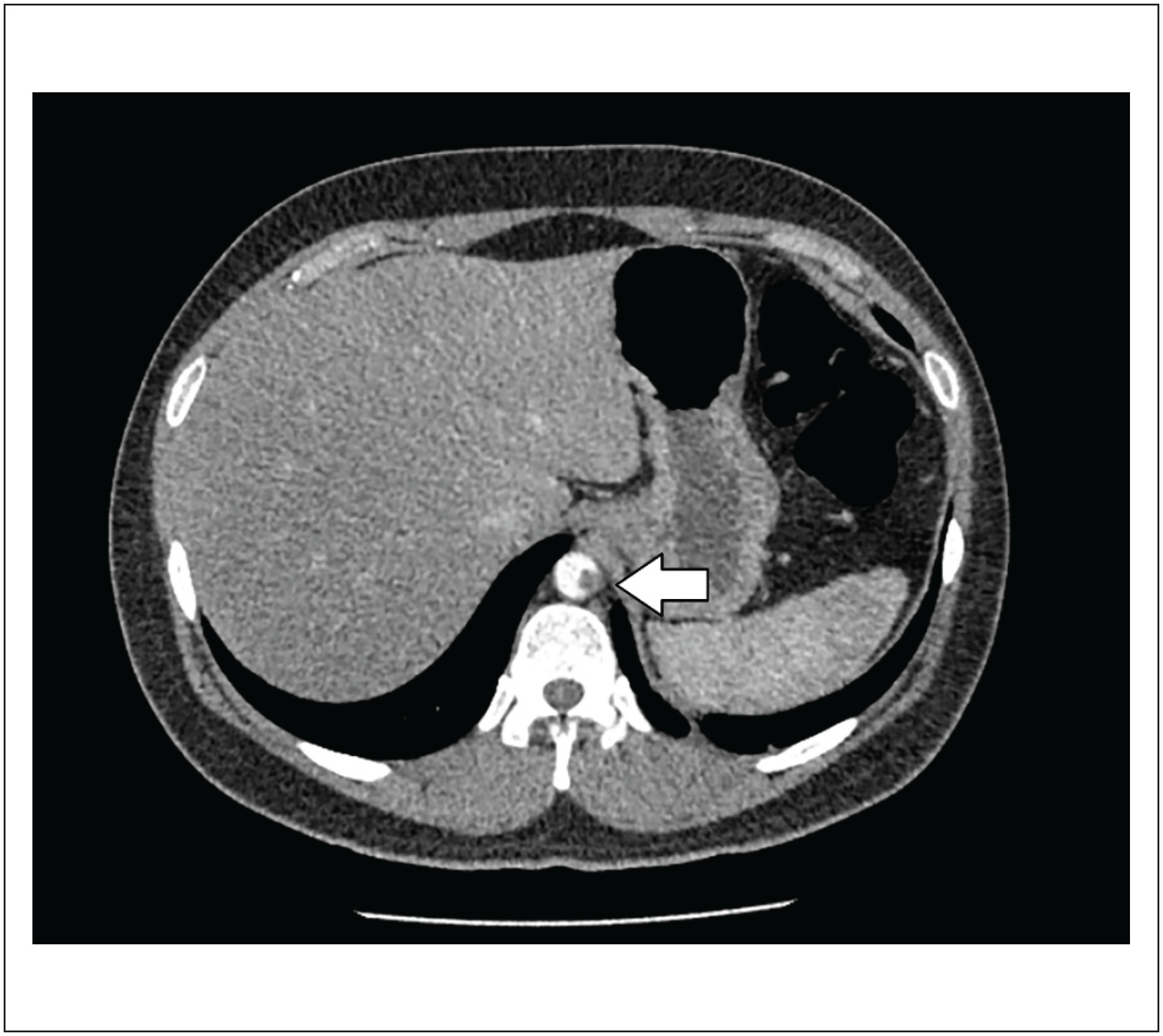
We report a case of a male heart transplant recipient admitted to emergency department with thrombosis of right renal artery and thoracic descending aorta associated with COVID-19.

[…]

  • COVID-19
  • Heart Transplantation
  • Thromboembolism
Read Full Article
Creative Commons Attribution (CC BY) Creative Commons license
22/11/2021 DOI: 10.36660/abc.20201210 Views 1
Erratum

Erratum

Arq Bras Cardiol. 2021; [online].ahead print, PP.0-0,

In Original Article “Training Non-Cardiologists Could Improve the Treatment Results of ST Elevation Myocardial Infarction”, with DOI number: , published in ahead of print in the Journal Arquivos Brasileiros de Cardiologia, Arq Bras Cardiol. 2021; [online].ahead print, PP.0-0, include the authors Bruno Mahler Mioto and Pedro Silvio Farsky and their respective institutions: InCor – Instituto do Coração do Hospital das Clínicas da FMUSP, São Paulo, SP – Brazil and Secretaria da Saúde do Estado de São Paulo, São Paulo, SP – Brazil. The author Bruno Mahler Mioto insert after the author João Fernando Monteiro Ferreira and the author Pedro Silvio Farsky insert after the author Naide Aparecida de Oliveira.

[…]

Read Full Article
Creative Commons Attribution (CC BY) Creative Commons license
22/11/2021 DOI: 10.36660/abc.20210905 Views 1
Editorial

The Challenge of Incorporating High-Cost Technologies: An Analysis of PCSK9 Inhibitors

Miriam Allein Zago Marcolino et al. Sérgio Renato da Rosa Decker Eduardo Gehling Bertoldi Carisi A. Polanczyk

Since the discovery, in 2003, that loss-of-function mutations in the gene that encodes proprotein convertase subtilisin/kexin type 9 (PCSK9) reduce LDL cholesterol levels, there has been growing interest in using PCSK9 pathways to treat patients with increased risk of cardiovascular disease and atherosclerosis., In multiple randomized clinical trials, PCSK9 inhibitors reduced LDL levels, with a significant reduction in cardiovascular events, although the effect on mortality has been less consistent. The FOURIER clinical trial was the largest randomized clinical trial with these medications, including 27,564 patients with high risks; it demonstrated a reduction in major cardiovascular events with the use of PCSK9 inhibitors, without any significant impact on cardiovascular mortality.

Nevertheless, the high cost of therapy, with continuous lifelong treatment, is an important obstacle to its use. Costs directly impact the prescription of these medications by physicians, as well as patient compliance, and large-scale adoption by health systems. This problem is not unique to low- and middle-income countries. Several international studies have indicated that, from an economic perspective, the prices of these drugs were not proportionate to the expected benefit., There has been massive appeal from the international community for a reduction in the price of PCSK9 inhibitors, which has been taking place over the years.,

[…]

  • Atherosclerosis
  • Cost-Bebefit Analysis
  • Health Expenditures
  • Proprotein Convertase/therapeutic use
  • Technology Assessment, Biomedical
  • Unified Health System
Read Full Article
Creative Commons Attribution (CC BY) Creative Commons license
22/11/2021 DOI: 10.36660/abc.20210840 Views 1
Editorial

Prognosis of Coronary Artery Disease in Public Hospitals in Brazil: The ERICO Study and the Application of Knowledge in Public Health

Fatima Marinho

The group of cardiovascular diseases (CVD) includes the leading causes of death in Brazil and in all developing countries., Ischemic heart disease (IHD) or coronary artery disease (CAD) has been the leading cause of death for many years in the Brazilian population, with the exception of the year 2020, when the disease caused by the novel coronavirus (COVID-19) was the leading cause of death, followed by IHD. IHD was the main cause of years of life lost in the Brazilian population in 2016.

In 2017, the prevalence of CAD was estimated to be of 1.75% (2,500,000 individuals) in the Brazilian population over 20 years of age. The highest prevalence was found in the South and Southeast Regions, with a decreasing standardized mortality rate, but an increased prevalence, since 1990. With an estimated incidence of about 121,000 cases per year in 2017, CAD has been an important public health problem in Brazil.

[…]

  • Coronary Artery Disease
  • COVID-19
  • Epidemiology
  • Hospitals, Public
  • Mortality
  • Prognosis
  • Public Health
  • Risk Factors
Read Full Article
Creative Commons Attribution (CC BY) Creative Commons license
22/11/2021 DOI: 10.36660/abc.20210825 Views 1
Editorial

Cardiac Arrhythmias and COVID-19: Side-By-Side in the Pandemic

Bruno Moreira dos Santos et al. Luciana Sacilotto

The current pandemic caused by the new coronavirus (SARS-CoV-2), which was first detected in Wuhan, China, in December 2019, has changed healthcare services worldwide. According to recent reports of the World Health Organization, there are more than 224 million cases of COVID-19 in the world, with deaths surpassing 4.6 million. The exponential increase in the number of cases has caused an impact on healthcare demand, and data on COVID-19 and its treatment have been constantly updated.

Although the respiratory system is the most affected by the SARS-CoV-2, other systems are commonly involved, including the cardiovascular system, leading to myocardial injury and arrythmias.,

[…]

  • Arrhythmias Cardiac
  • COVID-19
  • Pandemics
Read Full Article
Creative Commons Attribution (CC BY) Creative Commons license
22/11/2021 DOI: 10.36660/abc.20210810 Views 1
Editorial

Role of the Autonomic Nervous System in Atrial Fibrillation

Enrique Indalécio Pachón Mateo

Since the late 1990s, we have been intensely studying the role of the autonomic nervous system in the genesis and maintenance of atrial fibrillation (AF) and neurocardiogenic syncope.

AF can occur both in normal hearts and in those with significant structural changes. Episodes of AF in young individuals with apparently normal heart have always caught our attention. The fact that these patients often have dysautonomic-like manifestations led us to think that purposeful denervation could be a way to treat these cases, and this technique was pioneered in 2004. The effect of innervation seems to be not only due to neural stimulation but also by promoting disarray in the atrial syncytial architecture, in the sites of penetration of neurons, which detach the myocardial cells, disconnecting them. This disarrangement also promotes changes that can be detected in the endocardium by the local electrical signal, which we call AF Nests (AFN), and in the case of innervation, we call AFN type I.

[…]

  • Atrial Fibrillation
  • Autonomic Nervous System
  • Cardiac Nervous System
  • Cardioneuroablation
Read Full Article
Creative Commons Attribution (CC BY) Creative Commons license
22/11/2021 DOI: 10.36660/abc.20210771 Views 1
Editorial

Retention of Cardiopulmonary Resuscitation Skills in Medical Students: What Can Be Done to Improve Them?

Sergio Timerman et al. Thatiane Facholi Polatri

Since the beginning, great researchers have been working on estimating the best technique for maintaining the body blood flow of a victim undergoing CPA. Several techniques were applied, such as the Trotting method and rolling over a barrel. The technique of external chest compressions was conceived in 1960, based on the observation made by Kouwenhoven, Jude, and Knickerbocker that adequate compression on the lower third of the sternum provided sufficient artificial circulation to sustain life in animals and humans with cardiac arrest. Since then, many studies have been carried out to improve the depth and frequency of appropriate compressions to maintain coronary perfusion at an adequate level, contributing to the return of spontaneous circulation.

According to the 2020 worldwide guidelines publications, performing high-quality compressions refers to performing compressions at a frequency of 100 -120 per minute, depth of 5-6cm, returning the chest to the normal position between compression minimize interruptions in compressions avoiding excessive ventilation. In this sense, a big question arises: do we understand the parameters for performing good compressions, which significantly increase the survival of CPA victims? However, how to ensure that health professionals and the general public can learn the technique and retain this learning to the point of reproducing it in an actual emergency?

[…]

  • Cardiopulmonary Resuscitation/methods
  • Clinical Competence
  • Health Occupations/education
  • Medicine
  • Professional Training
  • Students, Health Occupational
Read Full Article
Creative Commons Attribution (CC BY) Creative Commons license
22/11/2021 DOI: 10.36660/abc.20210856 Views 1
Editorial

Electrocardiographic Diagnosis of Left Ventricular Hypertrophy

Claudio Leinig Pereira da Cunha

Left Ventricular Hypertrophy (LVH) is defined as an increase in left ventricular (LV) mass, which may be secondary to an increase in wall thickness (concentric LVH), increased cavity size (eccentric LVH), or both. The presentation of hypertrophied LV depends mainly on the underlying disease, with concentric LVH resulting in most cases from LV pressure overload (hypertension or aortic stenosis), while eccentric LVH mainly depends on LV volume overloads (mitral and aortic insufficiency) and dilated cardiomyopathies. Other causes of LVH include ventricular septal defects, hypertrophic cardiomyopathy, and physiological changes associated with athletic training.

The presence of LVH is clinically meaningful because it is associated with an increased incidence of heart failure, ventricular arrhythmias, peripheral vascular insufficiency, aortic dilatation, cerebrovascular events and sudden death or after myocardial infarction.

[…]

  • Cardiomyopathy, Hypertrophic
  • Diagnostic Imaging
  • Echocardiography/methods
  • Electrocardiography/methods
  • Hypertrophy, Left Ventriculat
  • Ventricular Dysfunction, Left
Read Full Article
Creative Commons Attribution (CC BY) Creative Commons license
22/11/2021 DOI: 10.36660/abc.20210868 Views 2
Figure 1
Original Article

C-reactive Protein as a Prognostic Marker of 1-Year Mortality after Transcatheter Aortic Valve Implantation in Aortic Stenosis

André Luiz Silveira Sousa et al. Luiz Antônio Ferreira Carvalho Constantino González Salgado Rafael Lauria de Oliveira … Luciana Cristina Correia Lima e Lima Nelson Durval Ferreira Gomes de Mattos Francisco Eduardo Sampaio Fagundes Alexandre Siciliano Colafranceschi Evandro Tinoco Mesquita

Abstract

Background:

C-reactive protein (CRP) is an inflammation biomarker that can be a predictor of adverse events in cardiovascular procedures. Its use in the assessment of long-term prognosis of transcatheter aortic valve implantation (TAVI) is still incipient.

Objective:

To evaluate CRP as a prognostic marker in the first year after TAVI in aortic stenosis (AoS).

Methods:

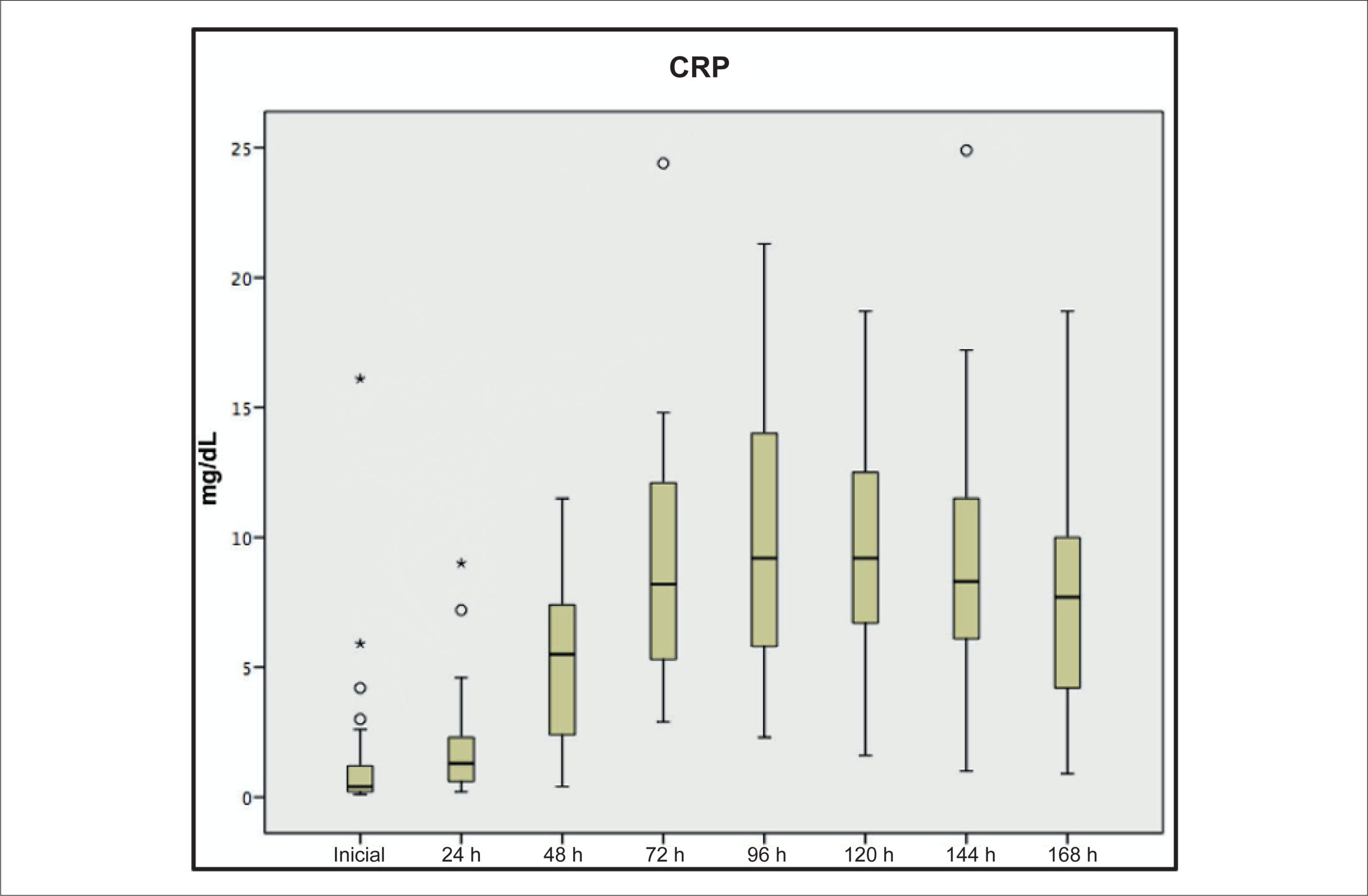
CRP was assessed on the first postoperative week in a retrospective cohort of patients with AoS. Pre- and post- CRP levels were correlated with mortality, and predictors of 1-year mortality were investigated. Multivariate Cox regression was performed to identify independent factors of 1-year mortality.

Results:

This study evaluated 130 patients who underwent TAVI, with median age of 83 years, and 49% of women. High pre-TAVI CRP (> 0.5 mg/dL) was observed in 34.5% of the cases. Peak CRP was 7.0 (5.3-12.1) mg/dL no quarto dia. The rate of 1-year mortality was 14.5% (n = 19), being greater in the groups with high pre-TAVI CRP (68.8% vs 29.1%; p = 0,004) and with peak CRP ≥ 10.0 mg/dL (64.7% vs 30.8%; p = 0,009). Independent predictors of mortality were acute renal failure (ARF) (hazard ratio [HR] = 7.43; 95% confidence interval [95%CI], 2.1-24.7; p = 0,001), high pre-TAVI CRP (HR 4.15; 95%CI, 1.3-12.9; p = 0.01), and large blood transfusion [HR 4,68; 1,3-16,7; p = 0.02].

Conclusions:

High pre-TAVI CRP showed to be an independent predictor of 1-year mortality, as well as the presence of ARF and large blood transfusions.

  • Aortic Valve Stenosis
  • Bomarkers
  • C-Reactive Protein
  • Heart Valve Prosthesis Implantation
  • Inflammation
  • Transcatheter Aortic Valve Replacement
Read Full Article
Creative Commons Attribution (CC BY) Creative Commons license
22/11/2021 DOI: 10.36660/abc.20190715 Views 1
Editorial

Severe Acute Respiratory Distress Syndrome (ARDS) Caused by COVID-19: A Regional Factor

Jussara A. Oliveira Baggio et al. Ana Luiza Exel Ana Carolina do Nascimento Calles Vinicius Minatel

The COVID-19 (Coronavirus disease-19), a disease caused by the SARS-CoV-2, was identified in China at the end of 2019 and announced as a pandemic by the World Health Organization (WHO) in March 2020, with more than 20 million cases confirmed in Brazil, and more than 583 thousand deaths from complications of the disease, by the end of epidemiological week 35, on September 4, 2021.– According to the WHO, Brazil is the third country in number of cases, with the USA on the top of the list, followed by India,– which is also considered an emerging country with problems similar to those faced by the Brazilian population.

Symptoms of the SARS-CoV-2 infection may vary from a flu-like syndrome, with mild symptoms and signs like fever, cough, nasal congestion and fatigue, to acute respiratory distress syndrome (ARDS), with symptoms including dyspnea, O2 saturation ≤ 93%, respiratory rate ≥ 30 breaths per minute, partial pressure of oxygen (PaO2)/fraction of inspired oxygen (FiO2)< 300, lymphopenia, and alveolar edema., Nearly 1,775,816 cases of ARDS secondary to COVID-19 were recorded in Brazil and 32.2% of the cases progressed to death. Of the 342,636 deaths for ARDS due to COVID-19 recorded up to the epidemiological week 36 in 2021, 59.5% had at least one comorbidity, with heart diseases, cerebrovascular diseases, systemic arterial hypertension and diabetes mellitus (DM) as the most common ones.,

[…]

  • Cardiovascular Diseases
  • COVID-19
  • Severe Acute Respiratory Syndrome
Read Full Article
Creative Commons Attribution (CC BY) Creative Commons license
22/11/2021 DOI: 10.36660/abc.20210803
Editorial

Diagnostic and Prognostic Importance of Functional Capacity in the Different Evolutionary Forms of Chagas Disease

João Marcos Barbosa-Ferreira et al. Charles Mady Fábio Fernandes

The manuscript published by Silva et al. in this issue brings us an important reflection on the evolution of the different forms of Chagas disease (CD), by demonstrating that patients with the indeterminate form (IF) have similar functional capacity, measured through peak oxygen uptake (VO2peak), to healthy individuals without CD. On the other hand, patients with Chagas’ heart disease without ventricular dysfunction had similar functional capacity to patients with ventricular dysfunction.

The IF of CD has been studied under different aspects for several years. Some studies in asymptomatic patients that are included in the definition of IF for not presenting electrocardiographic and chest X-ray alterations, demonstrated incipient alterations in complementary exams that may suggest the possibility of evolution to the more severe forms of CD over the years. Evaluations made through echocardiography showed alterations in variables such as tissue Doppler and study of myocardial deformity through two-dimensional strain., There has also been demonstration of changes in the Autonomic Nervous System, especially in the parasympathetic branch, which can be potential pathways for worsening in the stage disease over the years., Studies performed with magnetic resonance have demonstrated the presence of myocardial fibrosis in 12% of patients with IF of the disease. However, despite these small changes, the long-term evolution of these patients has been shown favorable and similar to that of healthy individuals without CD. Ianni et al. studied patients with the IF based on ECG findings for 8 years and concluded that the IF of CD represents a benign condition with a favorable long-term prognosis. However, in a small group of patients, there may be evolution for chronic Chagas cardiopathy (CCC) or digestive tract disease in about 10 to 20 years after acute infection. Sabino et al., in a 10-year retrospective cohort study, suggested a rate of progression to cardiomyopathy of 1.85% per year in patients with FI of the disease. Therefore, studies that identify markers that can predict the possibility of this evolution are needed and the evaluation of the functional capacity of these patients is important in this aspect.

[…]

  • Chagas Cardiomyopathy
  • Chagas disease
  • Exercise
  • Exercise Test/methods
  • Heart Failure/complications
  • Thromboembolismi
  • Trypanosoma cruzi
Read Full Article
Creative Commons Attribution (CC BY) Creative Commons license
22/11/2021 DOI: 10.36660/abc.20210808 Views 1
Figure 1
Original Article

Cost-Effectiveness Analysis of Evolocumab Therapy in Patients at High Risk of Cardiovascular Events in the Context of the Brazilian Unified Health System

Luiza Latado et al. Rodrigo Morel Vieira de Melo Sóstenes Mistro Adriana Lopes Latado … Harrison Floriano do Nascimento Yasmin Menezes Lira Natalia Ferreira Cardoso de Oliveira Yuri de Santana Galindo Tainá Viana Luiz Carlos Santana Passos

Abstract

Background:

Hypertrophic cardiomyopathy (HCM) and left ventricular hypertrophy (LVH) secondary to systemic hypertension (HTN) may be associated with left atrial (LA) functional abnormalities.

Objectives:

We aimed to characterize LA mechanics in HCM and HTN and determine any correlation with the extent of left ventricular (LV) fibrosis measured by cardiac magnetic resonance (CMR) in HCM patients.

Methods:

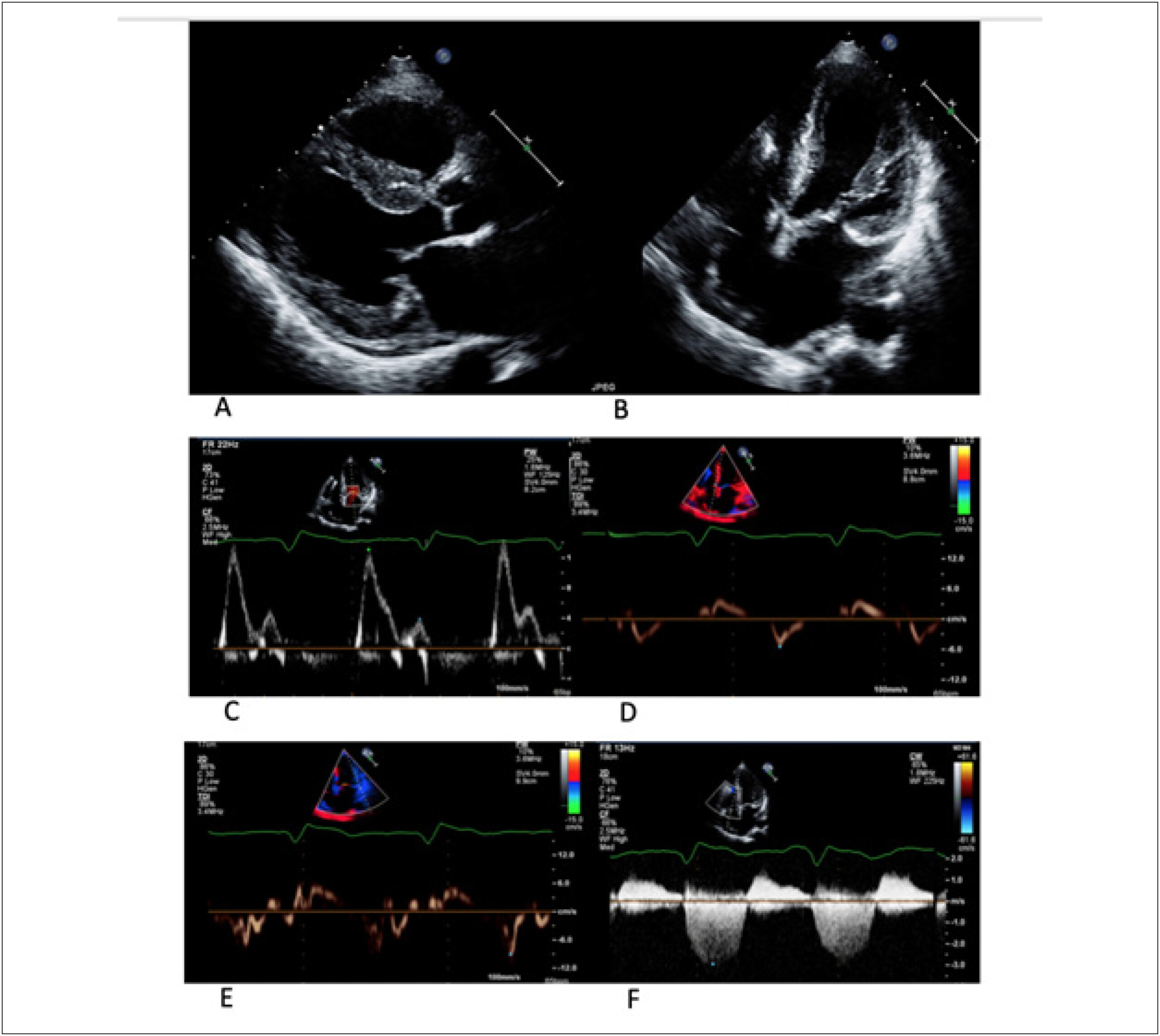
Two-dimensional speckle tracking-derived longitudinal LA function was acquired from apical views in 60 HCM patients, 60 HTN patients, and 34 age-matched controls. HCM patients also underwent CMR, with measurement of late gadolinium enhancement (LGE) extension. Association with LA strain parameters was analyzed. Statistical significance was set at p<0.05.

Results:

Mean LV ejection fraction was not different between the groups. The E/e’ ratio was impaired in the HCM group and preserved in the control group. LA mechanics was significantly reduced in HCM, compared to the HTN group. LA strain rate in reservoir (LASRr) and in contractile (LASRct) phases were the best discriminators of HCM, with an area under the curve (AUC) of 0.8, followed by LA strain in reservoir phase (LASr) (AUC 0.76). LASRr and LASR-ct had high specificity (89% and 91%, respectively) and LASr had sensitivity of 80%. A decrease in 2.79% of LA strain rate in conduit phase (LASRcd) predicted an increase of 1cm in LGE extension (r2=0.42, β 2.79, p=0.027).

Conclusions:

LASRr and LASRct were the best discriminators for LVH secondary to HCM. LASRcd predicted the degree of LV fibrosis assessed by CMR. These findings suggest that LA mechanics is a potential predictor of disease severity in HCM.

  • Cardiomyopathy, Hypertrophic
  • Echocardiography/methods
  • Hypertension
  • Left Ventricular Hypertrophy
  • Magnetic Resonance Spectroscopy/ methods
Read Full Article
Creative Commons Attribution (CC BY) Creative Commons license
22/11/2021 DOI: 10.36660/abc.20200690 Views 1
Figure 1
Research Letter

Left Ventricular Hypertrophy: One Phenotype, Two Hypotheses, Three Lessons

Patrícia Rodrigues et al. Ana Rita Soares Ricardo Taipa Sofia Ferreira Hipólito Reis

Past medical history

A 58-year-old woman with familial amyloid polyneuropathy caused by the Val30Met (p.Val50Met) mutation in the transthyretin (TTR) gene started showing neuropathic symptoms by the age of 37 and a salivary gland biopsy confirmed TTR amyloid deposition. She was submitted to liver transplantation 7 years after symptom onset and was under immunosuppressive drugs, with stable neurological changes since then. She also had chronic kidney failure (stage 3b) and a pacemaker implanted due to sick sinus syndrome.

[…]

  • Amyloid Neuropathies, Familial/diagnostic imaging
  • Amyloidosis
  • Cardiomyopathy, Hypertrophic
  • Heart Failure
  • Hypertrophy Left Ventricular
Read Full Article
Creative Commons Attribution (CC BY) Creative Commons license
22/11/2021 DOI: 10.36660/abc.20210103 Views 1
Editorial

The High Pressure of Fighting the COVID-19 Pandemic

Isabela Bispo Santos da Silva Costa et al. Hugo Bizetto Zampa

Although we have been facing the challenges posed by the new coronavirus for almost two years, we still have a long way to go. The rapid and easy spread of the virus not only worries the population and scientific society as a whole but also exposes the fragility of the Brazilian public health system. The numbers speak for themselves – the exorbitant rates of infected people and, consequently, the number of deaths made us question the handling of this health crisis.

In this scenario, elderly individuals with comorbidities such as hypertension, diabetes, obesity and coronary artery disease were the ones who suffered most from COVID-19. The virus in the body leads to extensive endothelial dysfunction, mediated by inflammatory cytokines and thrombogenic factors, disseminated microvascular lesions and serious complications, such as pulmonary and systemic embolism, myocardial injury and renal dysfunction. These manifestations proved to be potentially fatal, especially in the group listed here, mainly due to the concomitant presence of cardiovascular diseases (CVD).

[…]

  • Aged
  • Betacoronavirus
  • Cardiovascular Diseases
  • Comorbidities
  • COVID-19
  • Hospitalization
  • Hypertension
  • Pandemics
Read Full Article
Creative Commons Attribution (CC BY) Creative Commons license
22/11/2021 DOI: 10.36660/abc.20210811 Views 1
Editorial

The Role of Inflammation in Post-TAVI Outcomes

Pedro H. M. C. de Melo et al. Rodrigo Modolo

In the early transcatheter aortic valve implantation (TAVI) experience with extreme/high risk for surgical aortic valve replacement (SAVR) patients, global mortality in one year was as high as 25% . Since then, access to TAVI has been extended to intermediate and low-risk patients, and the annual volume of procedures has markedly increased. Post-discharge mortality rates have declined in parallel with the introduction of new devices and the adoption of broader indications. However, the one-year mortality after TAVI remains relevant, exceeding 15% in contemporary practice .

Over time, significant postprocedural paravalvular leak, acute renal failure, and comorbidities such as chronic obstructive pulmonary disease (COPD), heart failure, chronic kidney disease (CKD) and prior stroke were linked to higher rates of mortality ,. Risk scores originally validated to estimate mortality after SAVR, and serum biomarkers related to congestive heart failure and others had their performance tested in patients who underwent TAVI . Nonetheless, there is no specific, widely adopted tool to predict late mortality of post-TAVI patients.

[…]

  • aortic valve surgery
  • Biomarkers
  • C-Reactive Protein
  • Comorbidity
  • Implantation Transcatheter Aortic Valve/methods
  • Inflammation
  • Mortality
Read Full Article
Creative Commons Attribution (CC BY) Creative Commons license
22/11/2021 DOI: 10.36660/abc.20210809 Views 1
Figure 1
Editorial

Cardiovascular Manifestations in the Pediatric Population with COVID-19, What is the Real Relevance?

Andressa Mussi Soares et al. Bernardo Mussi Soares

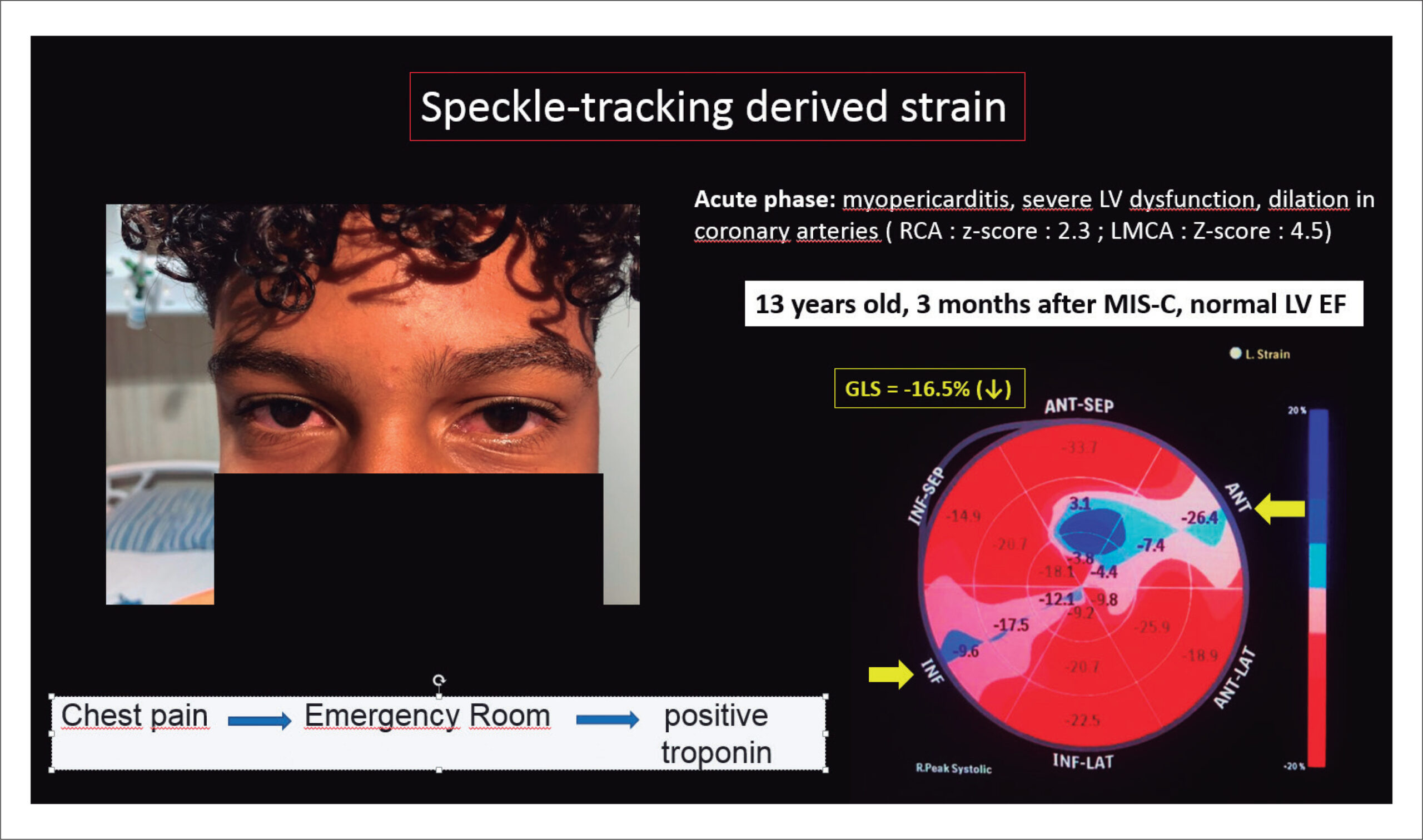
Although COVID-19 usually has mild manifestations in children, multisystem inflammatory syndrome (MIS) may occur in 0.6% of the cases. MIS in children (MIS-C), already well defined by the World Health Organization (WHO), is characterized by hyperinflammation with cytokine storm and high levels of myocardial injury markers, with involvement of one or more organs of the cardiac, renal, respiratory, gastrointestinal or neurological systems.

The combination of the timing of MIS-C cases with positive serology and negative PCR in most patients suggests that MIS-C is a post-infectious (up to six weeks after the insult), immune-mediated complication rather than of the acute infection. The pathophysiology of MIS-C is thought to be due to a hyperimmune response to the virus in a genetically susceptible child. The symptoms of MIS-C can overlap with those of Kawasaki disease, toxic shock syndrome, macrophage activation syndrome, bacterial sepsis, and cytokine release syndrome (“cytokine storm”). Cytokine storm is characterized by persistent fever, and markedly elevated inflammatory markers and pro-inflammatory cytokines such as interleukin. There increasing evidence on cardiovascular involvement in COVID-19 and MIS-C.,

[…]

  • Biomarkers
  • Cardiovascular Dseases
  • Child
  • Coronavirus
  • COVID-19
  • Echocardiography/methods
  • Inflammatory Syndrome
  • Strain
Read Full Article
Creative Commons Attribution (CC BY) Creative Commons license
22/11/2021 DOI: 10.36660/abc.20210835 Views 1
Figure 1
Research Letter

Impact of COVID-19 on the Life of Brazilian Cardiologists and Cardiovascular Surgeons

Andre Luiz Cerqueira Almeida et al. Marcelo Melo Rodrigo Elton Ferreira Rodrigues Luis Fábio Botelho … Paulo André Abreu Almeida Silvio Henrique Barberato

Introduction

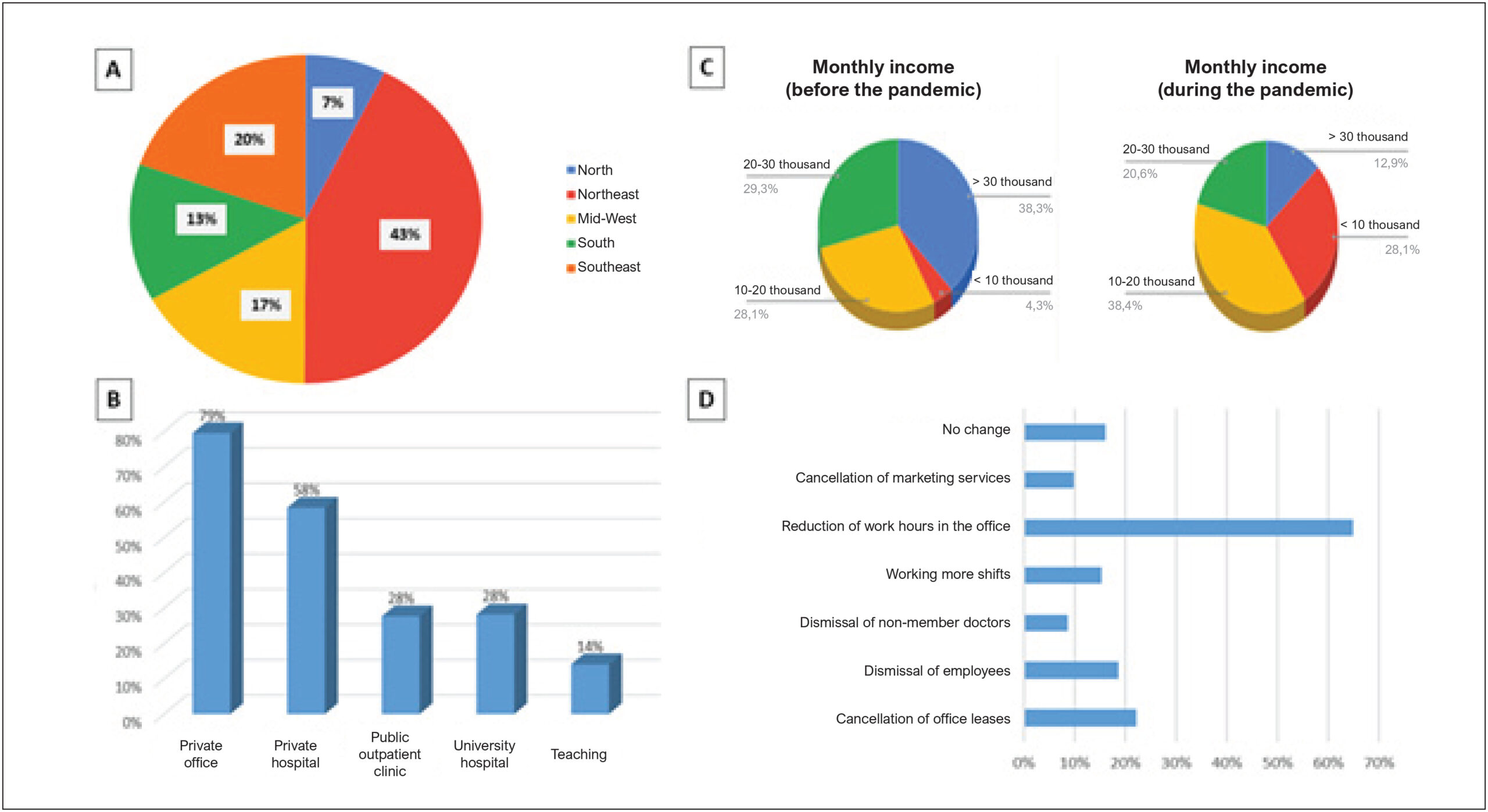
The COVID-19 (from the English coronavirus disease) pandemic has had a strong impact on cardiology services. The number of visits and cardiac interventions has decreased in many parts of the world in recent months., However, despite increasing pressure and burden on the healthcare system, the provision of care has continued, particularly because patients with pre-existing cardiovascular disease are at high risk of COVID-19 infection, complications, and primary cardiac manifestations.

In addition, effects of the COVID-19 have affected the society and in particularly healthcare professionals in terms of physical and mental health consequences, financial disturbances, and changes in quality of life.– Therefore, the COVID-19 pandemic has affected many aspects of the work and life of health care providers.,,

[…]

  • Cardiologists
  • Cardiovascular Diseases
  • Coronavirus-19
  • COVID-19
  • Epidemiology
  • Health Personnel
  • Health Systems
  • Infection/complications
  • Pandemics
  • Risk Factors
  • Sedentary Behavior
  • Surgeons
Read Full Article
Creative Commons Attribution (CC BY) Creative Commons license
22/11/2021 DOI: 10.36660/abc.20201231 Views 1
Figure 1
Review Article

Amiodarone-Induced Thyrotoxicosis – Literature Review & Clinical Update

Luciana Vergara Ferraz de Souza et al. Maria Thereza Campagnolo Luiz Claudio Behrmann Martins Maurício Ibrahim Scanavacca

Abstract

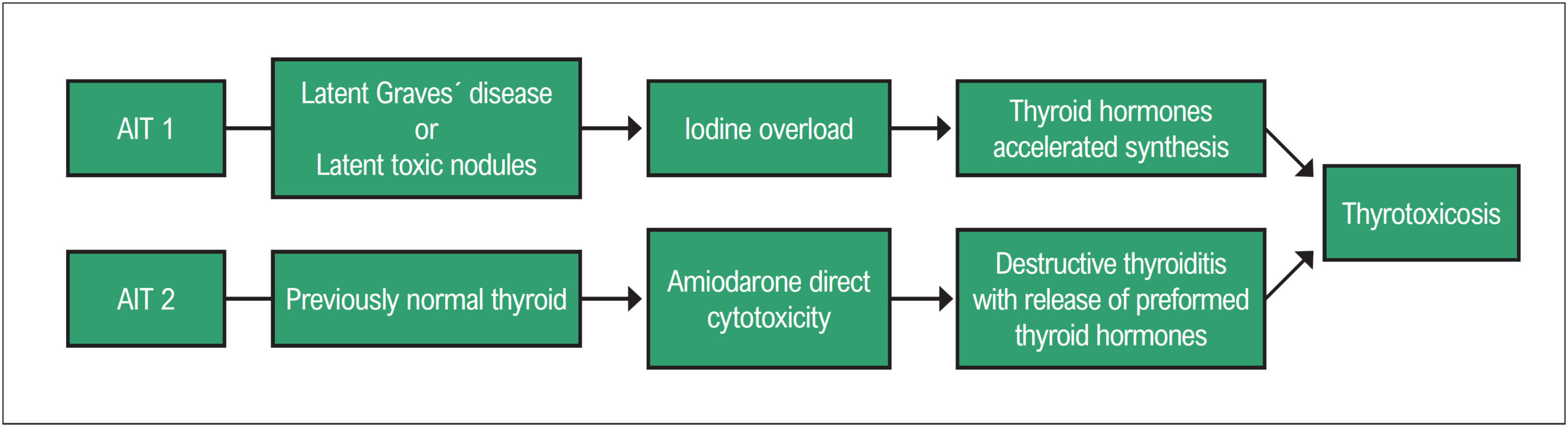
Amiodarone is widely used in treating atrial and ventricular arrhythmias; however, due to its high iodine concentration, the chronic use of the drug can induce thyroid disorders. Amiodarone-induced thyrotoxicosis (AIT) can decompensate and exacerbate underlying cardiac abnormalities, leading to increased morbidity and mortality, especially in patients with left ventricular ejection fraction <30%.

AIT cases are classified into two subtypes that guide therapeutic management. The risks and benefits of maintaining the amiodarone must be evaluated individually, and the therapeutic decision should be taken jointly by cardiologists and endocrinologists.

Type 1 AIT treatment is similar to that of spontaneous hyperthyroidism, using antithyroid drugs (methimazole and propylthiouracil) at high doses. Type 1 AIT is more complicated since it has proportionally higher recurrences or even non-remission, and definitive treatment is recommended (total thyroidectomy or radioiodine).

Type 2 AIT is generally self-limited, yet due to the high mortality associated with thyrotoxicosis in cardiac patients, the treatment should be implemented for faster achievement of euthyroidism. Furthermore, in well-defined cases of type 2 AIT, the treatment with corticosteroids is more effective than treatment with antithyroid drugs.

In severe cases, regardless of subtype, immediate restoration of euthyroidism through total thyroidectomy should be considered before the patient progresses to excessive clinical deterioration, as delayed surgery indication is associated with increased mortality.

  • Amiodarone/therapeutic use
  • Arrhythmias,Cardiaca
  • Hyperthyroidism
  • Hypothyroidis
  • Iosine
  • thyroiditis
  • thyrotoxicosis
Read Full Article
Creative Commons Attribution (CC BY) Creative Commons license
22/11/2021 DOI: 10.36660/abc.20190757 Views 1
Figure 1
Original Article

The Prognosis of Coronary Artery Disease in a Brazilian Community Hospital: Findings from the ERICO Study

Tatiana Cristina Bruno et al. Marcio Sommer Bittencourt Alessandra V. L. Quidim Itamar Santos … Paulo Lotufo Isabela Bensenor Alessandra Goulart

Abstract

Background

Long-term prognosis post-acute coronary syndrome (ACS) in secondary care is not well-known. The severity of coronary artery disease (CAD) as a predictor of long-term mortality was evaluated in a community hospital in Brazil.

Objective

We aimed to compare short and long-term prognosis after an ACS event according to severity of obstructive disease in patients attended in a secondary community hospital from prospective CAD cohort in Brazil (the Strategy of Registry of Acute Coronary Syndrome, ERICO study).

Methods

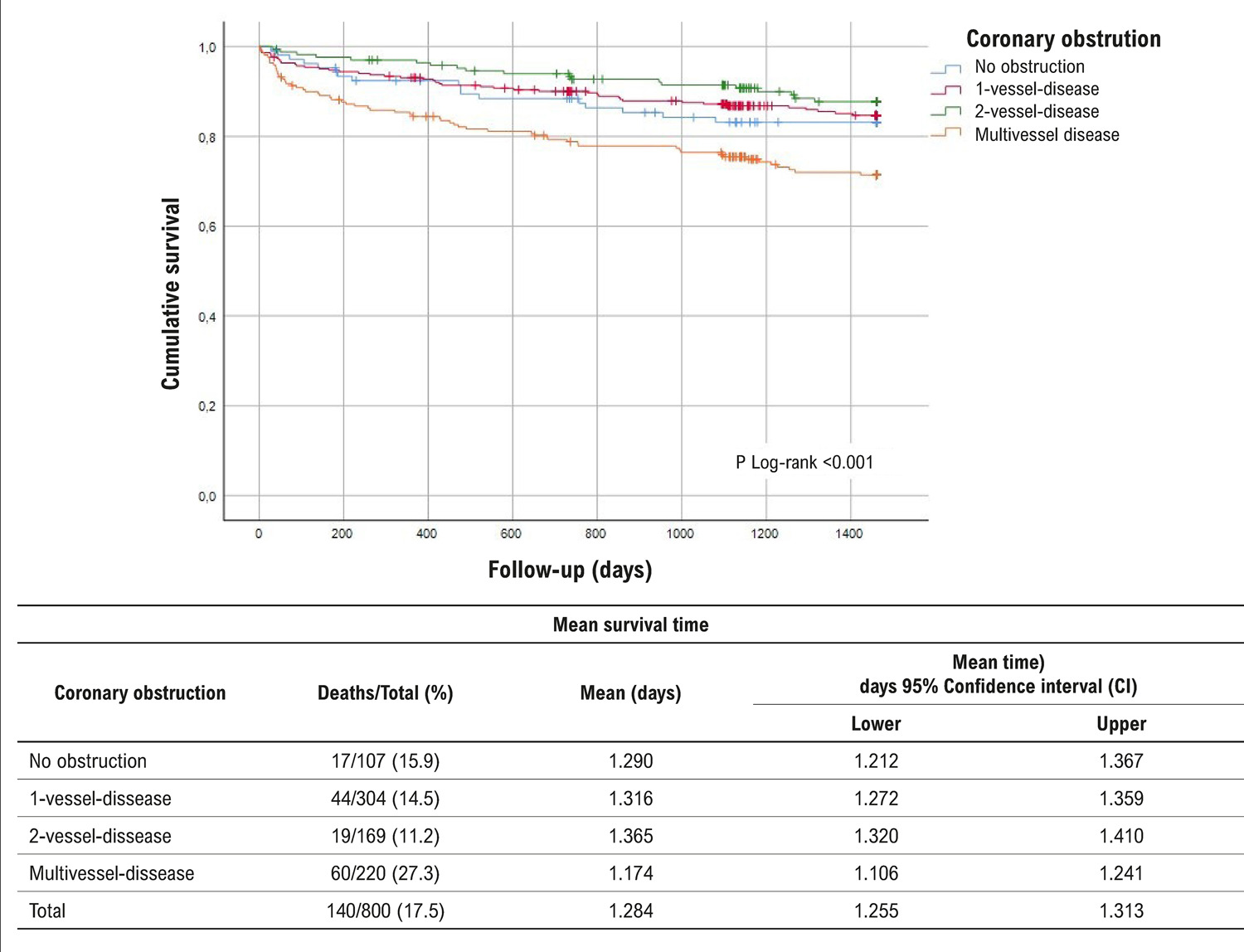
Survival analyses were performed by Kaplan-Meier curves and Cox proportional hazard models (hazard ratios (HR) with respective 95% confidence interval (CI) to evaluate cumulative all-cause, CVD and CAD mortality according the coronary artery obstruction: no-obstruction (reference group), 1-vessel-disease, 2-vessel-disease, multivessel-disease) among 800 adults from an ERICO study during a 4-year-follow-up. HR are presented as crude and further adjusted for potential confounders from 180 days to 4-year follow-up after ACS. A p-value <0.05 was considered statistically significant.

Results

Poorer survival rates were detected among individuals with multivessel-disease (all-cause, CVD and CAD, p-log rank< 0.0001). After multivariate adjustments, multivessel-disease |(HR; 2.33 (CI 95%; 1.10-4.95)) and 1-vessel-disease obstructed (HR; 2.44 (CI 95%; 1.11-5.34)) had the highest risk for all-cause mortality compared to those with no obstruction at 4-year follow-up.

Conclusions

Not only multivessel-disease, but also 1-vessel-disease patients showed a high long-term mortality risk post-ACS. These findings highlight the importance of having a better approach in the treatment and control of cardiovascular risk even in apparently low-risk individuals attended to in secondary care.

  • Acute coronary syndrome
  • Coronary Artery Disease
  • Epidemiology
  • Mortality
  • Public Hospital
  • Survivorship
Read Full Article
Creative Commons Attribution (CC BY) Creative Commons license
08/10/2021 DOI: 10.36660/abc.20200399 Views 1
Figure 1
Original Article

Mortality Due to Heart Failure and Socioeconomic Development in Brazil between 1980 and 2018

Sonia Carvalho Santos et al. Paolo Blanco Villela Gláucia Maria Moraes de Oliveira

Abstract

Background

Studies on mortality from heart failure (HF) in Brazil and in the country’s Geographic Regions (GRs) are scarce.

Objective

To analyze the temporal progression of HF mortality rates by sex and age group in Brazil and its GRs and Federative Units (FUs) from 1980 to 2018, and the associations between mortality rates at each FU and the Municipal Human Development Index (MHDI).

Methods

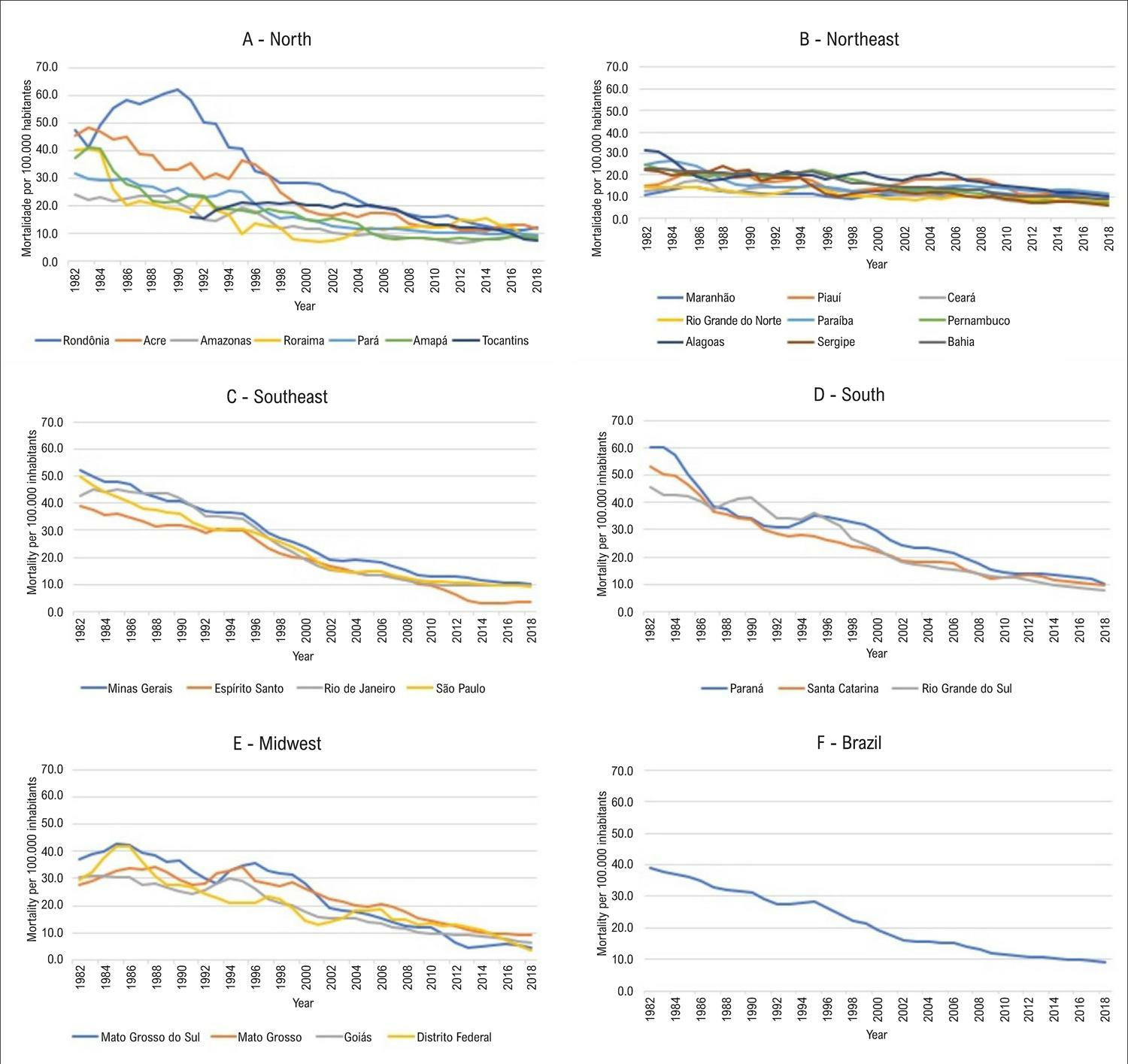
Time series analysis of deaths due to HF categorized by sex and age groups in Brazil and Brazilian GRs and FUs from 1980 to 2018. Death and population data were obtained from the DATASUS for estimation of crude and standardized mortality rates per 100,000 inhabitants (direct method, Brazilian population in the year 2000). We calculated the 3-year moving averages of the standardized rates. The MHDIs of the FUs in 1991 and 2010 were obtained from Atlas Brasil and were correlated with mortality rates using Pearson’s correlation at a 5% significance level.

Results

Mortality due to HF decreased in Brazil after 2008, reaching a similar level at the end of 2018 in the GRs and FUs, and was higher in men during almost all periods and age groups, except for those over the age of 60 years after 1995 in the South region. There was an inverse relationship between MHDI and reduction in mortality rates (0.73).

Conclusion

There was a progressive reduction in mortality rates due to HF in Brazil from 2008 to 2018, with similar levels in 2018 in the GRs and FUs and higher rates in men. These reductions appear to be related more to the 2010 MHDI than the percentage increase over time.

  • Development Indicators
  • Heart Failure
  • Mortality Registries
Read Full Article
Creative Commons Attribution (CC BY) Creative Commons license
08/10/2021 DOI: 10.36660/abc.20200902 Views 1
Figure 1
Original Article

Cardiac Arrhythmias in Patients with COVID-19

Mauricio Pimentel et al. Ana Paula Arbo Magalhães Camila Valvassori Novak Bruna Miers May … Luiz Gustavo Bravosi da Rosa Leandro Ioschpe Zimerman

Abstract

Background:

The coronavirus disease 2019 (COVID-19) is associated with cardiovascular clinical manifestations, including cardiac arrhythmias.

Objective:

To assess the incidence of cardiac arrhythmias (atrial tachyarrhythmia, bradyarrhythmia, and sustained ventricular tachycardia) and cardiac arrest (CA) in a cohort of patients hospitalized with COVID-19 in a tertiary university-affiliated hospital.

Methods:

Cohort study with retrospective analysis of electronic medical records. For comparison between groups, a value of p <0.05 was considered statistically significant

Results:

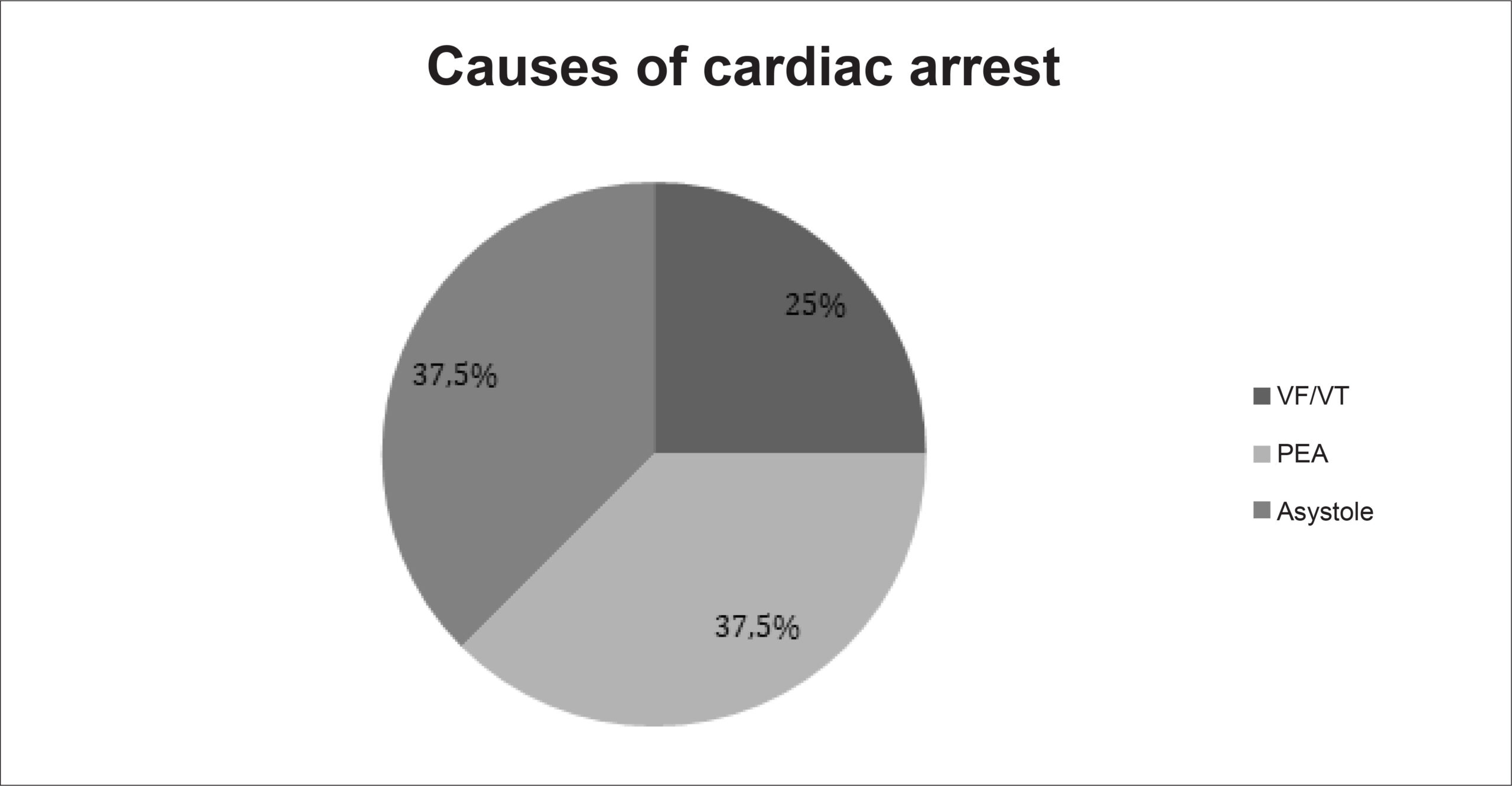
We included 241 consecutive patients diagnosed with COVID-19 (mean age, 57.8 ± 15.0 years; 51.5% men; 80.5% white), 35.3% of whom received invasive mechanical ventilation (MV). The overall mortality was 26.6%, being 58.8% among those on MV. Cardiac arrhythmias were identified in 8.7% of the patients, the most common being atrial tachyarrhythmia (76.2%). Patients with arrhythmias had higher mortality (52.4% versus 24.1%, p = 0.005). On multivariate analysis, only the presence of heart failure (HF) was associated with a higher risk of arrhythmias (hazard ratio, 11.9; 95% CI: 3.6-39.5; p <0.001). During hospitalization, 3.3% of the patients experienced CA, with a predominance of non-shockable rhythms. All patients experiencing CA died during hospitalization.

Conclusions:

The incidence of cardiac arrhythmias in patients admitted with COVID-19 to a Brazilian tertiary hospital was 8.7%, and atrial tachyarrhythmia was the most common. Presence of HF was associated with an increased risk of arrhythmias. Patients with COVID-19 experiencing CA have high mortality.

  • Atrial Fibrillation
  • Cardiac Arrhythmias
  • COVID-19
  • Heart Arrest
Read Full Article
Creative Commons Attribution (CC BY) Creative Commons license
20/09/2021 DOI: 10.36660/abc.20200963 Views 1
Figure 1
Original Article

Cardiac Autonomic Nervous System Remodeling May Play a Role in Atrial Fibrillation: A Study of the Autonomic Nervous System and Myocardial Receptors

Ítalo Martins de Oliveira et al. Evilásio Leobino da Silva Júnior Yasmin de Oliveira Martins Hermano Alexandre Lima Rocha … Maurício Ibrahim Scanavacca Paulo Sampaio Gutierrez

Abstract

Background

The primary factors that originate and perpetuate atrial fibrillation (AF) are electrical and anatomical substrate alterations. However, the central mechanisms governing AF perpetuation have not been elucidated yet, which is reflected on the modest results of the treatment in patients with long persistent AF.

Objective

To evaluate if human intrinsic cardiac autonomic nervous system (ICANS) remodeling, including nervous system fibers and muscarinic and β-adrenergic receptors, play a role in permanent AF.

Methods

Heart necropsy samples from thirteen patients with heart disease and permanent AF and thirteen controls without AF were used. By using immunoperoxidase and histomorphometry quantification, we identified the following: the density of all fibers of the ICANS, sympathetic and parasympathetic fibers; and the percentage of myocardium positive for β-adrenergic receptors 1, 2 and 3; G protein-coupled receptor kinase-5 (GRK-5); and muscarinic receptors M1 to M5. The results were compared using ANOVA and nested ANOVA and were adjusted according to the left atrium volume for all variables, and β-blocker use to evaluate the expression of β-receptors and GRK-5.

Results

There was an overall increase in the density of fibers of the ICANS (p=0.006), especially in atrial sympathetic nerve fibers (p=0.017). Only M1 muscarinic receptors were increased (5.87 vs 2.35, p=0.032). For adrenergic receptors, the results were positive for increased expression of β-3 (37.41 vs 34.18, p=0.039) and GRK-5 (51.16 vs 47.66; p<0.001). β-blocker use had no impact on β-receptor expression.

Conclusion

Increased ICANS innervation and remodeling receptor expression in regions prone to triggering AF may play a role in permanent AF.

  • Atrial Fibrillation/physiopathology
  • Autonomic Nervous System
  • Myocardium
  • Neurotransmitter Agents
Read Full Article
Creative Commons Attribution (CC BY) Creative Commons license
16/08/2021 DOI: 10.36660/abc.20200725 Views 1
Figure 1
Original Article

Retention of Cardiopulmonary Resuscitation Skills in Medical Students

Miguel Antônio Moretti et al. Adriana de Oliveira Camboim Caroline Awoki Ferrandez Isabela Corralo Ramos … Iaggo Bemini Costa Juliana Seidler Canonaco Vanessa Lopes Mathia João Fernando Monteiro Ferreira Antonio Carlos Palandri Chagas

Abstract

Background

Reduction of mortality and sequelae of cardiac arrest depends on an effective and fast intervention, started as soon as possible. Basic life support involves a series of steps that may be initiated out of the hospital setting and taught to any person in specific courses. However, it is important that the rescuers retain the knowledge and skills to perform cardiopulmonary resuscitation (CPR), as one never knows when they will be required. Studies have shown that a loss of skills occurs as early as 30 days after the training course, with variations according to personal and professional characteristics.

Objectives

to assess whether medical students are able to retain skills acquired in a BLS course for more than six months.

Methods

Prospective, case-control, observational study. Medical students attended a 40-hour course on sudden death and cardiac arrest. Skills acquired during the course were evaluated immediately after and six months after the course. Students’ individual scores were compared between these time points, the percentage of correct answers was evaluated, and overall performance was rated as excellent, good, and poor. Observers and evaluation criteria were the same immediately after the course and six months later. Data were analyzed using the paired t-test and the McNemar test. The 95% confidence interval was established, and a p < 0.05 was set as statistically significant.

Results

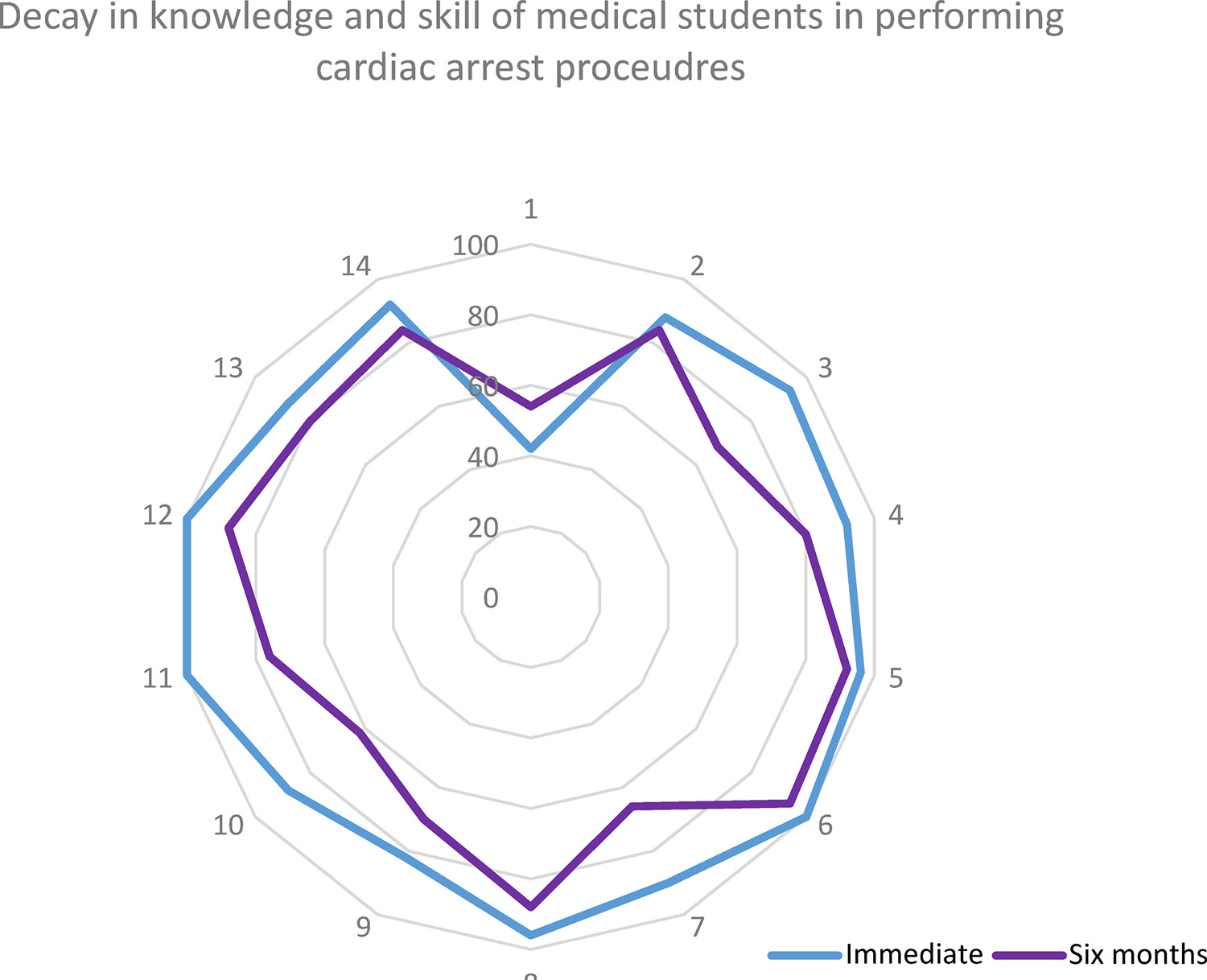
Fifty students (27 female) in the first year of medical school aged from 18 to 24 years (mean of 21 years) attended the course. The number of steps successfully completed by the students at six months was significantly lower than immediately after the course (10.8 vs 12.5 p < 0.001). Neither sex nor age affected the results. Overall performance of 78% of the students was considered excellent immediately after the course, and this percentage was significantly higher than six months later (p < 0.01). After six months, the steps that the students failed to complete at six months were those related to practical skills (such as a correct hand positioning).

Conclusion

A significant loss of skills was detected six months after the BLS course among medical students, compromising their overall performance.

  • Cardiopulmonary Resuscitation
  • Education
  • Hability
  • Heart Arrest
  • Learning
  • Medical Students
  • Mortality
Read Full Article
Creative Commons Attribution (CC BY) Creative Commons license
16/08/2021 DOI: 10.36660/abc.20200546 Views 1

Could not load more articles. Please try again.

How to cite this article

EndNote RIS

Electronic Document Format (Vancouver)

Gomes HJA, Montenegro CEL. Socioeconomic Indicators and Mortality from Heart Failure: Inseparable Parameters?. Arquivos Brasileiros de Cardiologia 2021;117(5):952-3.

Electronic Document Format (ABNT)

Gomes, Helder Jorge de Andrade; Montenegro, Carlos Eduardo Lucena. Socioeconomic Indicators and Mortality from Heart Failure: Inseparable Parameters?. Arquivos Brasileiros de Cardiologia, v. 117, n. 5, p. 952-953, Nov. 2021.

Electronic Document Format (APA)

Gomes, H. J. A., & Montenegro, C. E. L. (2021). Socioeconomic Indicators and Mortality from Heart Failure: Inseparable Parameters?. Arquivos Brasileiros de Cardiologia, 117(5), 952-953.

Electronic Document Format (ISO)

Gomes, Helder Jorge de Andrade and Montenegro, Carlos Eduardo Lucena. Socioeconomic Indicators and Mortality from Heart Failure: Inseparable Parameters?. Arquivos Brasileiros de Cardiologia [online]. 2021, vol. 117, n. 5, [cited 2026-10-14], pp. 952-953. Available from: <https://journals.cardiol.br/en/article/socioeconomic-indicators-and-mortality-from-heart-failure-inseparable-parameters/>. ISSN 0066-782X

EndNote RIS

Electronic Document Format (Vancouver)

Belfort DSP, Marcondes-Braga FG, Mangini S, Cafezeiro CRF, Furlan DAG, Bacal F. Aortic and Renal Artery Thrombosis as the First Clinical Manifestation of COVID-19 in a Heart Transplant Recipient. Arquivos Brasileiros de Cardiologia 2021;117(5):1045-7.

Electronic Document Format (ABNT)

Belfort, Deborah de Sá Pereira; Marcondes-Braga, Fabiana G.; Mangini, Sandrigo; Cafezeiro, Caio Rebouças Fonseca; Furlan, Diógenes Amauri Gonçalves; Bacal, Fernando. Aortic and Renal Artery Thrombosis as the First Clinical Manifestation of COVID-19 in a Heart Transplant Recipient. Arquivos Brasileiros de Cardiologia, v. 117, n. 5, p. 1045-1047, Nov. 2021.

Electronic Document Format (APA)

Belfort, D. S. P., Marcondes-Braga, F. G., Mangini, S., Cafezeiro, C. R. F., Furlan, D. A. G., & Bacal, F. (2021). Aortic and Renal Artery Thrombosis as the First Clinical Manifestation of COVID-19 in a Heart Transplant Recipient. Arquivos Brasileiros de Cardiologia, 117(5), 1045-1047.

Electronic Document Format (ISO)

Belfort, Deborah de Sá Pereira and Marcondes-Braga, Fabiana G. and Mangini, Sandrigo and Cafezeiro, Caio Rebouças Fonseca and Furlan, Diógenes Amauri Gonçalves and Bacal, Fernando. Aortic and Renal Artery Thrombosis as the First Clinical Manifestation of COVID-19 in a Heart Transplant Recipient. Arquivos Brasileiros de Cardiologia [online]. 2021, vol. 117, n. 5, [cited 2026-10-14], pp. 1045-1047. Available from: <https://journals.cardiol.br/en/article/aortic-and-renal-artery-thrombosis-as-the-first-clinical-manifestation-of-covid-19-in-a-heart-transplant-recipient/>. ISSN 0066-782X

EndNote RIS

Electronic Document Format (Vancouver)

. Erratum. Arquivos Brasileiros de Cardiologia 2021;117(5):1060.

Electronic Document Format (ABNT)

. Erratum. Arquivos Brasileiros de Cardiologia, v. 117, n. 5, p. 1060-1060, Nov. 2021.

Electronic Document Format (APA)

(2021). Erratum. Arquivos Brasileiros de Cardiologia, 117(5), 1060-1060.

Electronic Document Format (ISO)

. Erratum. Arquivos Brasileiros de Cardiologia [online]. 2021, vol. 117, n. 5, [cited 2026-10-14], pp. 1060-1060. Available from: <https://journals.cardiol.br/en/article/erratum-44/>. ISSN 0066-782X

EndNote RIS

Electronic Document Format (Vancouver)

Marcolino MAZ, Decker SRR, Bertoldi EG, Polanczyk CA. The Challenge of Incorporating High-Cost Technologies: An Analysis of PCSK9 Inhibitors. Arquivos Brasileiros de Cardiologia 2021;117(5):997-8.

Electronic Document Format (ABNT)

Marcolino, Miriam Allein Zago; Decker, Sérgio Renato da Rosa; Bertoldi, Eduardo Gehling; Polanczyk, Carisi A.. The Challenge of Incorporating High-Cost Technologies: An Analysis of PCSK9 Inhibitors. Arquivos Brasileiros de Cardiologia, v. 117, n. 5, p. 997-998, Nov. 2021.

Electronic Document Format (APA)

Marcolino, M. A. Z., Decker, S. R. R., Bertoldi, E. G., & Polanczyk, C. A. (2021). The Challenge of Incorporating High-Cost Technologies: An Analysis of PCSK9 Inhibitors. Arquivos Brasileiros de Cardiologia, 117(5), 997-998.

Electronic Document Format (ISO)

Marcolino, Miriam Allein Zago and Decker, Sérgio Renato da Rosa and Bertoldi, Eduardo Gehling and Polanczyk, Carisi A.. The Challenge of Incorporating High-Cost Technologies: An Analysis of PCSK9 Inhibitors. Arquivos Brasileiros de Cardiologia [online]. 2021, vol. 117, n. 5, [cited 2026-10-14], pp. 997-998. Available from: <https://journals.cardiol.br/en/article/the-challenge-of-incorporating-high-cost-technologies-an-analysis-of-pcsk9-inhibitors/>. ISSN 0066-782X

EndNote RIS

Electronic Document Format (Vancouver)

Marinho F. Prognosis of Coronary Artery Disease in Public Hospitals in Brazil: The ERICO Study and the Application of Knowledge in Public Health. Arquivos Brasileiros de Cardiologia 2021;117(5):986-7.

Electronic Document Format (ABNT)

Marinho, Fatima. Prognosis of Coronary Artery Disease in Public Hospitals in Brazil: The ERICO Study and the Application of Knowledge in Public Health. Arquivos Brasileiros de Cardiologia, v. 117, n. 5, p. 986-987, Nov. 2021.

Electronic Document Format (APA)

Marinho, F. (2021). Prognosis of Coronary Artery Disease in Public Hospitals in Brazil: The ERICO Study and the Application of Knowledge in Public Health. Arquivos Brasileiros de Cardiologia, 117(5), 986-987.

Electronic Document Format (ISO)

Marinho, Fatima. Prognosis of Coronary Artery Disease in Public Hospitals in Brazil: The ERICO Study and the Application of Knowledge in Public Health. Arquivos Brasileiros de Cardiologia [online]. 2021, vol. 117, n. 5, [cited 2026-10-14], pp. 986-987. Available from: <https://journals.cardiol.br/en/article/prognosis-of-coronary-artery-disease-in-public-hospitals-in-brazil-the-erico-study-and-the-application-of-knowledge-in-public-health/>. ISSN 0066-782X

EndNote RIS

Electronic Document Format (Vancouver)

Santos BM, Sacilotto L. Cardiac Arrhythmias and COVID-19: Side-By-Side in the Pandemic. Arquivos Brasileiros de Cardiologia 2021;117(5):1016-7.

Electronic Document Format (ABNT)

Santos, Bruno Moreira dos; Sacilotto, Luciana. Cardiac Arrhythmias and COVID-19: Side-By-Side in the Pandemic. Arquivos Brasileiros de Cardiologia, v. 117, n. 5, p. 1016-1017, Nov. 2021.

Electronic Document Format (APA)

Santos, B. M. , & Sacilotto, L. (2021). Cardiac Arrhythmias and COVID-19: Side-By-Side in the Pandemic. Arquivos Brasileiros de Cardiologia, 117(5), 1016-1017.

Electronic Document Format (ISO)

Santos, Bruno Moreira dos and Sacilotto, Luciana. Cardiac Arrhythmias and COVID-19: Side-By-Side in the Pandemic. Arquivos Brasileiros de Cardiologia [online]. 2021, vol. 117, n. 5, [cited 2026-10-14], pp. 1016-1017. Available from: <https://journals.cardiol.br/en/article/cardiac-arrhythmias-and-covid-19-side-by-side-in-the-pandemic/>. ISSN 0066-782X

EndNote RIS

Electronic Document Format (Vancouver)

Mateo EIP. Role of the Autonomic Nervous System in Atrial Fibrillation. Arquivos Brasileiros de Cardiologia 2021;117(5):1008-9.

Electronic Document Format (ABNT)

Mateo, Enrique Indalécio Pachón. Role of the Autonomic Nervous System in Atrial Fibrillation. Arquivos Brasileiros de Cardiologia, v. 117, n. 5, p. 1008-1009, Nov. 2021.

Electronic Document Format (APA)

Mateo, E. I. P. (2021). Role of the Autonomic Nervous System in Atrial Fibrillation. Arquivos Brasileiros de Cardiologia, 117(5), 1008-1009.

Electronic Document Format (ISO)

Mateo, Enrique Indalécio Pachón. Role of the Autonomic Nervous System in Atrial Fibrillation. Arquivos Brasileiros de Cardiologia [online]. 2021, vol. 117, n. 5, [cited 2026-10-14], pp. 1008-1009. Available from: <https://journals.cardiol.br/en/article/role-of-the-autonomic-nervous-system-in-atrial-fibrillation/>. ISSN 0066-782X

EndNote RIS

Electronic Document Format (Vancouver)

Timerman S, Polatri TF. Retention of Cardiopulmonary Resuscitation Skills in Medical Students: What Can Be Done to Improve Them?. Arquivos Brasileiros de Cardiologia 2021;117(5):1036-7.

Electronic Document Format (ABNT)

Timerman, Sergio; Polatri, Thatiane Facholi. Retention of Cardiopulmonary Resuscitation Skills in Medical Students: What Can Be Done to Improve Them?. Arquivos Brasileiros de Cardiologia, v. 117, n. 5, p. 1036-1037, Nov. 2021.

Electronic Document Format (APA)

Timerman, S., & Polatri, T. F. (2021). Retention of Cardiopulmonary Resuscitation Skills in Medical Students: What Can Be Done to Improve Them?. Arquivos Brasileiros de Cardiologia, 117(5), 1036-1037.

Electronic Document Format (ISO)

Timerman, Sergio and Polatri, Thatiane Facholi. Retention of Cardiopulmonary Resuscitation Skills in Medical Students: What Can Be Done to Improve Them?. Arquivos Brasileiros de Cardiologia [online]. 2021, vol. 117, n. 5, [cited 2026-10-14], pp. 1036-1037. Available from: <https://journals.cardiol.br/en/article/retention-of-cardiopulmonary-resuscitation-skills-in-medical-students-what-can-be-done-to-improve-them/>. ISSN 0066-782X

EndNote RIS

Electronic Document Format (Vancouver)

Cunha CLP. Electrocardiographic Diagnosis of Left Ventricular Hypertrophy. Arquivos Brasileiros de Cardiologia 2021;117(5):932-3.

Electronic Document Format (ABNT)

Cunha, Claudio Leinig Pereira da. Electrocardiographic Diagnosis of Left Ventricular Hypertrophy. Arquivos Brasileiros de Cardiologia, v. 117, n. 5, p. 932-933, Nov. 2021.

Electronic Document Format (APA)

Cunha, C. L. P. (2021). Electrocardiographic Diagnosis of Left Ventricular Hypertrophy. Arquivos Brasileiros de Cardiologia, 117(5), 932-933.

Electronic Document Format (ISO)

Cunha, Claudio Leinig Pereira da. Electrocardiographic Diagnosis of Left Ventricular Hypertrophy. Arquivos Brasileiros de Cardiologia [online]. 2021, vol. 117, n. 5, [cited 2026-10-14], pp. 932-933. Available from: <https://journals.cardiol.br/en/article/electrocardiographic-diagnosis-of-left-ventricular-hypertrophy/>. ISSN 0066-782X

EndNote RIS

Electronic Document Format (Vancouver)

Sousa ALS, Carvalho LAF, Salgado CG, Oliveira RL, Lima LCC, Mattos NDFG, Fagundes FES, et al. C-reactive Protein as a Prognostic Marker of 1-Year Mortality after Transcatheter Aortic Valve Implantation in Aortic Stenosis. Arquivos Brasileiros de Cardiologia 2021;117(5):1018-27.

Electronic Document Format (ABNT)

Sousa, André Luiz Silveira; Carvalho, Luiz Antônio Ferreira; Salgado, Constantino González; Oliveira, Rafael Lauria de; Lima, Luciana Cristina Correia e; Mattos, Nelson Durval Ferreira Gomes de; Fagundes, Francisco Eduardo Sampaio; Colafranceschi, Alexandre Siciliano; Mesquita, Evandro Tinoco. C-reactive Protein as a Prognostic Marker of 1-Year Mortality after Transcatheter Aortic Valve Implantation in Aortic Stenosis. Arquivos Brasileiros de Cardiologia, v. 117, n. 5, p. 1018-1027, Nov. 2021.

Electronic Document Format (APA)

Sousa, A. L. S., Carvalho, L. A. F., Salgado, C. G., Oliveira, R. L. , Lima, L. C. C. , Mattos, N. D. F. G. , Fagundes, F. E. S., Colafranceschi, A. S., & Mesquita, E. T. (2021). C-reactive Protein as a Prognostic Marker of 1-Year Mortality after Transcatheter Aortic Valve Implantation in Aortic Stenosis. Arquivos Brasileiros de Cardiologia, 117(5), 1018-1027.

Electronic Document Format (ISO)

Sousa, André Luiz Silveira and Carvalho, Luiz Antônio Ferreira and Salgado, Constantino González and Oliveira, Rafael Lauria de and Lima, Luciana Cristina Correia e and Mattos, Nelson Durval Ferreira Gomes de and Fagundes, Francisco Eduardo Sampaio and Colafranceschi, Alexandre Siciliano and Mesquita, Evandro Tinoco. C-reactive Protein as a Prognostic Marker of 1-Year Mortality after Transcatheter Aortic Valve Implantation in Aortic Stenosis. Arquivos Brasileiros de Cardiologia [online]. 2021, vol. 117, n. 5, [cited 2026-10-14], pp. 1018-1027. Available from: <https://journals.cardiol.br/en/article/c-reactive-protein-as-a-prognostic-marker-of-1-year-mortality-after-transcatheter-aortic-valve-implantation-in-aortic-stenosis/>. ISSN 0066-782X

EndNote RIS

Electronic Document Format (Vancouver)

Baggio JAO, Exel AL, Calles ACN, Minatel V. Severe Acute Respiratory Distress Syndrome (ARDS) Caused by COVID-19: A Regional Factor. Arquivos Brasileiros de Cardiologia 2021;117(5):976-7.

Electronic Document Format (ABNT)

Baggio, Jussara A. Oliveira; Exel, Ana Luiza; Calles, Ana Carolina do Nascimento; Minatel, Vinicius. Severe Acute Respiratory Distress Syndrome (ARDS) Caused by COVID-19: A Regional Factor. Arquivos Brasileiros de Cardiologia, v. 117, n. 5, p. 976-977, Nov. 2021.

Electronic Document Format (APA)

Baggio, J. A. O., Exel, A. L., Calles, A. C. N., & Minatel, V. (2021). Severe Acute Respiratory Distress Syndrome (ARDS) Caused by COVID-19: A Regional Factor. Arquivos Brasileiros de Cardiologia, 117(5), 976-977.

Electronic Document Format (ISO)

Baggio, Jussara A. Oliveira and Exel, Ana Luiza and Calles, Ana Carolina do Nascimento and Minatel, Vinicius. Severe Acute Respiratory Distress Syndrome (ARDS) Caused by COVID-19: A Regional Factor. Arquivos Brasileiros de Cardiologia [online]. 2021, vol. 117, n. 5, [cited 2026-10-14], pp. 976-977. Available from: <https://journals.cardiol.br/en/article/severe-acute-respiratory-distress-syndrome-ards-caused-by-covid-19-a-regional-factor/>. ISSN 0066-782X

EndNote RIS

Electronic Document Format (Vancouver)

Barbosa-Ferreira JM, Mady C, Fernandes F. Diagnostic and Prognostic Importance of Functional Capacity in the Different Evolutionary Forms of Chagas Disease. Arquivos Brasileiros de Cardiologia 2021;117(5):942-3.

Electronic Document Format (ABNT)

Barbosa-Ferreira, João Marcos; Mady, Charles; Fernandes, Fábio. Diagnostic and Prognostic Importance of Functional Capacity in the Different Evolutionary Forms of Chagas Disease. Arquivos Brasileiros de Cardiologia, v. 117, n. 5, p. 942-943, Nov. 2021.

Electronic Document Format (APA)

Barbosa-Ferreira, J. M., Mady, C., & Fernandes, F. (2021). Diagnostic and Prognostic Importance of Functional Capacity in the Different Evolutionary Forms of Chagas Disease. Arquivos Brasileiros de Cardiologia, 117(5), 942-943.

Electronic Document Format (ISO)

Barbosa-Ferreira, João Marcos and Mady, Charles and Fernandes, Fábio. Diagnostic and Prognostic Importance of Functional Capacity in the Different Evolutionary Forms of Chagas Disease. Arquivos Brasileiros de Cardiologia [online]. 2021, vol. 117, n. 5, [cited 2026-10-14], pp. 942-943. Available from: <https://journals.cardiol.br/en/article/diagnostic-and-prognostic-importance-of-functional-capacity-in-the-different-evolutionary-forms-of-chagas-disease/>. ISSN 0066-782X

EndNote RIS

Electronic Document Format (Vancouver)

Latado L, Melo RMV, Mistro S, Latado AL, Nascimento HF, Lira YM, Oliveira NFC, et al. Cost-Effectiveness Analysis of Evolocumab Therapy in Patients at High Risk of Cardiovascular Events in the Context of the Brazilian Unified Health System. Arquivos Brasileiros de Cardiologia 2021;117(5):988-96.

Electronic Document Format (ABNT)

Latado, Luiza; Melo, Rodrigo Morel Vieira de; Mistro, Sóstenes; Latado, Adriana Lopes; Nascimento, Harrison Floriano do; Lira, Yasmin Menezes; Oliveira, Natalia Ferreira Cardoso de; Galindo, Yuri de Santana; Viana, Tainá; Passos, Luiz Carlos Santana. Cost-Effectiveness Analysis of Evolocumab Therapy in Patients at High Risk of Cardiovascular Events in the Context of the Brazilian Unified Health System. Arquivos Brasileiros de Cardiologia, v. 117, n. 5, p. 988-996, Nov. 2021.

Electronic Document Format (APA)

Latado, L., Melo, R. M. V. , Mistro, S., Latado, A. L., Nascimento, H. F. , Lira, Y. M., Oliveira, N. F. C. , Galindo, Y. S., Viana, T., & Passos, L. C. S. (2021). Cost-Effectiveness Analysis of Evolocumab Therapy in Patients at High Risk of Cardiovascular Events in the Context of the Brazilian Unified Health System. Arquivos Brasileiros de Cardiologia, 117(5), 988-996.

Electronic Document Format (ISO)

Latado, Luiza and Melo, Rodrigo Morel Vieira de and Mistro, Sóstenes and Latado, Adriana Lopes and Nascimento, Harrison Floriano do and Lira, Yasmin Menezes and Oliveira, Natalia Ferreira Cardoso de and Galindo, Yuri de Santana and Viana, Tainá and Passos, Luiz Carlos Santana. Cost-Effectiveness Analysis of Evolocumab Therapy in Patients at High Risk of Cardiovascular Events in the Context of the Brazilian Unified Health System. Arquivos Brasileiros de Cardiologia [online]. 2021, vol. 117, n. 5, [cited 2026-10-14], pp. 988-996. Available from: <https://journals.cardiol.br/en/article/cost-effectiveness-analysis-of-evolocumab-therapy-in-patients-at-high-risk-of-cardiovascular-events-in-the-context-of-the-brazilian-unified-health-system/>. ISSN 0066-782X

EndNote RIS

Electronic Document Format (Vancouver)

Rodrigues P, Soares AR, Taipa R, Ferreira S, Reis H. Left Ventricular Hypertrophy: One Phenotype, Two Hypotheses, Three Lessons. Arquivos Brasileiros de Cardiologia 2021;117(5):1056-9.

Electronic Document Format (ABNT)

Rodrigues, Patrícia; Soares, Ana Rita; Taipa, Ricardo; Ferreira, Sofia; Reis, Hipólito. Left Ventricular Hypertrophy: One Phenotype, Two Hypotheses, Three Lessons. Arquivos Brasileiros de Cardiologia, v. 117, n. 5, p. 1056-1059, Nov. 2021.

Electronic Document Format (APA)

Rodrigues, P., Soares, A. R., Taipa, R., Ferreira, S., & Reis, H. (2021). Left Ventricular Hypertrophy: One Phenotype, Two Hypotheses, Three Lessons. Arquivos Brasileiros de Cardiologia, 117(5), 1056-1059.

Electronic Document Format (ISO)

Rodrigues, Patrícia and Soares, Ana Rita and Taipa, Ricardo and Ferreira, Sofia and Reis, Hipólito. Left Ventricular Hypertrophy: One Phenotype, Two Hypotheses, Three Lessons. Arquivos Brasileiros de Cardiologia [online]. 2021, vol. 117, n. 5, [cited 2026-10-14], pp. 1056-1059. Available from: <https://journals.cardiol.br/en/article/left-ventricular-hypertrophy-one-phenotype-two-hypotheses-three-lessons/>. ISSN 0066-782X

EndNote RIS

Electronic Document Format (Vancouver)

Costa IBSS, Zampa HB. The High Pressure of Fighting the COVID-19 Pandemic. Arquivos Brasileiros de Cardiologia 2021;117(5):922-3.

Electronic Document Format (ABNT)

Costa, Isabela Bispo Santos da Silva; Zampa, Hugo Bizetto. The High Pressure of Fighting the COVID-19 Pandemic. Arquivos Brasileiros de Cardiologia, v. 117, n. 5, p. 922-923, Nov. 2021.

Electronic Document Format (APA)

Costa, I. B. S. S., & Zampa, H. B. (2021). The High Pressure of Fighting the COVID-19 Pandemic. Arquivos Brasileiros de Cardiologia, 117(5), 922-923.

Electronic Document Format (ISO)

Costa, Isabela Bispo Santos da Silva and Zampa, Hugo Bizetto. The High Pressure of Fighting the COVID-19 Pandemic. Arquivos Brasileiros de Cardiologia [online]. 2021, vol. 117, n. 5, [cited 2026-10-14], pp. 922-923. Available from: <https://journals.cardiol.br/en/article/the-high-pressure-of-fighting-the-covid-19-pandemic/>. ISSN 0066-782X

EndNote RIS

Electronic Document Format (Vancouver)

Melo PHMC, Modolo R. The Role of Inflammation in Post-TAVI Outcomes. Arquivos Brasileiros de Cardiologia 2021;117(5):1028-9.

Electronic Document Format (ABNT)

Melo, Pedro H. M. C. de; Modolo, Rodrigo. The Role of Inflammation in Post-TAVI Outcomes. Arquivos Brasileiros de Cardiologia, v. 117, n. 5, p. 1028-1029, Nov. 2021.

Electronic Document Format (APA)

Melo, P. H. M. C. , & Modolo, R. (2021). The Role of Inflammation in Post-TAVI Outcomes. Arquivos Brasileiros de Cardiologia, 117(5), 1028-1029.

Electronic Document Format (ISO)

Melo, Pedro H. M. C. de and Modolo, Rodrigo. The Role of Inflammation in Post-TAVI Outcomes. Arquivos Brasileiros de Cardiologia [online]. 2021, vol. 117, n. 5, [cited 2026-10-14], pp. 1028-1029. Available from: <https://journals.cardiol.br/en/article/the-role-of-inflammation-in-post-tavi-outcomes/>. ISSN 0066-782X

EndNote RIS

Electronic Document Format (Vancouver)

Soares AM, Soares BM. Cardiovascular Manifestations in the Pediatric Population with COVID-19, What is the Real Relevance?. Arquivos Brasileiros de Cardiologia 2021;117(5):965-7.

Electronic Document Format (ABNT)

Soares, Andressa Mussi; Soares, Bernardo Mussi. Cardiovascular Manifestations in the Pediatric Population with COVID-19, What is the Real Relevance?. Arquivos Brasileiros de Cardiologia, v. 117, n. 5, p. 965-967, Nov. 2021.

Electronic Document Format (APA)

Soares, A. M., & Soares, B. M. (2021). Cardiovascular Manifestations in the Pediatric Population with COVID-19, What is the Real Relevance?. Arquivos Brasileiros de Cardiologia, 117(5), 965-967.

Electronic Document Format (ISO)

Soares, Andressa Mussi and Soares, Bernardo Mussi. Cardiovascular Manifestations in the Pediatric Population with COVID-19, What is the Real Relevance?. Arquivos Brasileiros de Cardiologia [online]. 2021, vol. 117, n. 5, [cited 2026-10-14], pp. 965-967. Available from: <https://journals.cardiol.br/en/article/cardiovascular-manifestations-in-the-pediatric-population-with-covid-19-what-is-the-real-relevance/>. ISSN 0066-782X

EndNote RIS

Electronic Document Format (Vancouver)

Almeida ALC, Melo M, Rodrigues REF, Botelho LF, Almeida PAA, Barberato SH. Impact of COVID-19 on the Life of Brazilian Cardiologists and Cardiovascular Surgeons. Arquivos Brasileiros de Cardiologia 2021;117(5):1048-55.

Electronic Document Format (ABNT)

Almeida, Andre Luiz Cerqueira; Melo, Marcelo; Rodrigues, Rodrigo Elton Ferreira; Botelho, Luis Fábio; Almeida, Paulo André Abreu; Barberato, Silvio Henrique. Impact of COVID-19 on the Life of Brazilian Cardiologists and Cardiovascular Surgeons. Arquivos Brasileiros de Cardiologia, v. 117, n. 5, p. 1048-1055, Nov. 2021.

Electronic Document Format (APA)

Almeida, A. L. C., Melo, M., Rodrigues, R. E. F., Botelho, L. F., Almeida, P. A. A., & Barberato, S. H. (2021). Impact of COVID-19 on the Life of Brazilian Cardiologists and Cardiovascular Surgeons. Arquivos Brasileiros de Cardiologia, 117(5), 1048-1055.

Electronic Document Format (ISO)

Almeida, Andre Luiz Cerqueira and Melo, Marcelo and Rodrigues, Rodrigo Elton Ferreira and Botelho, Luis Fábio and Almeida, Paulo André Abreu and Barberato, Silvio Henrique. Impact of COVID-19 on the Life of Brazilian Cardiologists and Cardiovascular Surgeons. Arquivos Brasileiros de Cardiologia [online]. 2021, vol. 117, n. 5, [cited 2026-10-14], pp. 1048-1055. Available from: <https://journals.cardiol.br/en/article/impact-of-covid-19-on-the-life-of-brazilian-cardiologists-and-cardiovascular-surgeons/>. ISSN 0066-782X

EndNote RIS

Electronic Document Format (Vancouver)

Souza LVF, Campagnolo MT, Martins LCB, Scanavacca MI. Amiodarone-Induced Thyrotoxicosis – Literature Review & Clinical Update. Arquivos Brasileiros de Cardiologia 2021;117(5):1038-44.

Electronic Document Format (ABNT)

Souza, Luciana Vergara Ferraz de; Campagnolo, Maria Thereza; Martins, Luiz Claudio Behrmann; Scanavacca, Maurício Ibrahim. Amiodarone-Induced Thyrotoxicosis – Literature Review & Clinical Update. Arquivos Brasileiros de Cardiologia, v. 117, n. 5, p. 1038-1044, Nov. 2021.

Electronic Document Format (APA)

Souza, L. V. F. , Campagnolo, M. T., Martins, L. C. B., & Scanavacca, M. I. (2021). Amiodarone-Induced Thyrotoxicosis – Literature Review & Clinical Update. Arquivos Brasileiros de Cardiologia, 117(5), 1038-1044.

Electronic Document Format (ISO)

Souza, Luciana Vergara Ferraz de and Campagnolo, Maria Thereza and Martins, Luiz Claudio Behrmann and Scanavacca, Maurício Ibrahim. Amiodarone-Induced Thyrotoxicosis – Literature Review & Clinical Update. Arquivos Brasileiros de Cardiologia [online]. 2021, vol. 117, n. 5, [cited 2026-10-14], pp. 1038-1044. Available from: <https://journals.cardiol.br/en/article/amiodarone-induced-thyrotoxicosis-literature-review-clinical-update/>. ISSN 0066-782X

EndNote RIS

Electronic Document Format (Vancouver)

Bruno TC, Bittencourt MS, Quidim AVL, Santos I, Lotufo P, Bensenor I, Goulart A, et al. The Prognosis of Coronary Artery Disease in a Brazilian Community Hospital: Findings from the ERICO Study. Arquivos Brasileiros de Cardiologia 2021;117(5):978-85.

Electronic Document Format (ABNT)

Bruno, Tatiana Cristina; Bittencourt, Marcio Sommer; Quidim, Alessandra V. L.; Santos, Itamar; Lotufo, Paulo; Bensenor, Isabela; Goulart, Alessandra. The Prognosis of Coronary Artery Disease in a Brazilian Community Hospital: Findings from the ERICO Study. Arquivos Brasileiros de Cardiologia, v. 117, n. 5, p. 978-985, Oct. 2021.

Electronic Document Format (APA)

Bruno, T. C., Bittencourt, M. S., Quidim, A. V. L., Santos, I., Lotufo, P., Bensenor, I., & Goulart, A. (2021). The Prognosis of Coronary Artery Disease in a Brazilian Community Hospital: Findings from the ERICO Study. Arquivos Brasileiros de Cardiologia, 117(5), 978-985.

Electronic Document Format (ISO)

Bruno, Tatiana Cristina and Bittencourt, Marcio Sommer and Quidim, Alessandra V. L. and Santos, Itamar and Lotufo, Paulo and Bensenor, Isabela and Goulart, Alessandra. The Prognosis of Coronary Artery Disease in a Brazilian Community Hospital: Findings from the ERICO Study. Arquivos Brasileiros de Cardiologia [online]. 2021, vol. 117, n. 5, [cited 2026-10-14], pp. 978-985. Available from: <https://journals.cardiol.br/en/article/the-prognosis-of-coronary-artery-disease-in-a-brazilian-community-hospital-findings-from-the-erico-study/>. ISSN 0066-782X

EndNote RIS

Electronic Document Format (Vancouver)

Santos SC, Villela PB, Oliveira GMM. Mortality Due to Heart Failure and Socioeconomic Development in Brazil between 1980 and 2018. Arquivos Brasileiros de Cardiologia 2021;117(5):944-51.

Electronic Document Format (ABNT)

Santos, Sonia Carvalho; Villela, Paolo Blanco; Oliveira, Gláucia Maria Moraes de. Mortality Due to Heart Failure and Socioeconomic Development in Brazil between 1980 and 2018. Arquivos Brasileiros de Cardiologia, v. 117, n. 5, p. 944-951, Oct. 2021.

Electronic Document Format (APA)

Santos, S. C., Villela, P. B., & Oliveira, G. M. M. (2021). Mortality Due to Heart Failure and Socioeconomic Development in Brazil between 1980 and 2018. Arquivos Brasileiros de Cardiologia, 117(5), 944-951.

Electronic Document Format (ISO)

Santos, Sonia Carvalho and Villela, Paolo Blanco and Oliveira, Gláucia Maria Moraes de. Mortality Due to Heart Failure and Socioeconomic Development in Brazil between 1980 and 2018. Arquivos Brasileiros de Cardiologia [online]. 2021, vol. 117, n. 5, [cited 2026-10-14], pp. 944-951. Available from: <https://journals.cardiol.br/en/article/mortality-due-to-heart-failure-and-socioeconomic-development-in-brazil-between-1980-and-2018/>. ISSN 0066-782X

EndNote RIS

Electronic Document Format (Vancouver)

Pimentel M, Magalhães APA, Novak CV, May BM, Rosa LGB, Zimerman LI. Cardiac Arrhythmias in Patients with COVID-19. Arquivos Brasileiros de Cardiologia 2021;117(5):1010-5.

Electronic Document Format (ABNT)

Pimentel, Mauricio; Magalhães, Ana Paula Arbo; Novak, Camila Valvassori; May, Bruna Miers; Rosa, Luiz Gustavo Bravosi da; Zimerman, Leandro Ioschpe. Cardiac Arrhythmias in Patients with COVID-19. Arquivos Brasileiros de Cardiologia, v. 117, n. 5, p. 1010-1015, Sep. 2021.

Electronic Document Format (APA)

Pimentel, M., Magalhães, A. P. A., Novak, C. V., May, B. M., Rosa, L. G. B. , & Zimerman, L. I. (2021). Cardiac Arrhythmias in Patients with COVID-19. Arquivos Brasileiros de Cardiologia, 117(5), 1010-1015.

Electronic Document Format (ISO)

Pimentel, Mauricio and Magalhães, Ana Paula Arbo and Novak, Camila Valvassori and May, Bruna Miers and Rosa, Luiz Gustavo Bravosi da and Zimerman, Leandro Ioschpe. Cardiac Arrhythmias in Patients with COVID-19. Arquivos Brasileiros de Cardiologia [online]. 2021, vol. 117, n. 5, [cited 2026-10-14], pp. 1010-1015. Available from: <https://journals.cardiol.br/en/article/cardiac-arrhythmias-in-patients-with-covid-19/>. ISSN 0066-782X

EndNote RIS

Electronic Document Format (Vancouver)

Oliveira M, Silva Júnior EL, Martins YO, Rocha HAL, Scanavacca MI, Gutierrez PS. Cardiac Autonomic Nervous System Remodeling May Play a Role in Atrial Fibrillation: A Study of the Autonomic Nervous System and Myocardial Receptors. Arquivos Brasileiros de Cardiologia 2021;117(5):999-1007.

Electronic Document Format (ABNT)

Oliveira, Ítalo Martins de; Silva Júnior, Evilásio Leobino da; Martins, Yasmin de Oliveira; Rocha, Hermano Alexandre Lima; Scanavacca, Maurício Ibrahim; Gutierrez, Paulo Sampaio. Cardiac Autonomic Nervous System Remodeling May Play a Role in Atrial Fibrillation: A Study of the Autonomic Nervous System and Myocardial Receptors. Arquivos Brasileiros de Cardiologia, v. 117, n. 5, p. 999-1007, Aug. 2021.

Electronic Document Format (APA)

Oliveira, M. , Silva Júnior, E. L. , Martins, Y. O., Rocha, H. A. L., Scanavacca, M. I., & Gutierrez, P. S. (2021). Cardiac Autonomic Nervous System Remodeling May Play a Role in Atrial Fibrillation: A Study of the Autonomic Nervous System and Myocardial Receptors. Arquivos Brasileiros de Cardiologia, 117(5), 999-1007.

Electronic Document Format (ISO)

Oliveira, Ítalo Martins de and Silva Júnior, Evilásio Leobino da and Martins, Yasmin de Oliveira and Rocha, Hermano Alexandre Lima and Scanavacca, Maurício Ibrahim and Gutierrez, Paulo Sampaio. Cardiac Autonomic Nervous System Remodeling May Play a Role in Atrial Fibrillation: A Study of the Autonomic Nervous System and Myocardial Receptors. Arquivos Brasileiros de Cardiologia [online]. 2021, vol. 117, n. 5, [cited 2026-10-14], pp. 999-1007. Available from: <https://journals.cardiol.br/en/article/cardiac-autonomic-nervous-system-remodeling-may-play-a-role-in-atrial-fibrillation-a-study-of-the-autonomic-nervous-system-and-myocardial-receptors/>. ISSN 0066-782X

EndNote RIS

Electronic Document Format (Vancouver)

Moretti MA, Camboim AO, Ferrandez CA, Ramos IC, Costa IB, Canonaco JS, Mathia VL, et al. Retention of Cardiopulmonary Resuscitation Skills in Medical Students. Arquivos Brasileiros de Cardiologia 2021;117(5):1030-5.

Electronic Document Format (ABNT)

Moretti, Miguel Antônio; Camboim, Adriana de Oliveira; Ferrandez, Caroline Awoki; Ramos, Isabela Corralo; Costa, Iaggo Bemini; Canonaco, Juliana Seidler; Mathia, Vanessa Lopes; Ferreira, João Fernando Monteiro; Chagas, Antonio Carlos Palandri. Retention of Cardiopulmonary Resuscitation Skills in Medical Students. Arquivos Brasileiros de Cardiologia, v. 117, n. 5, p. 1030-1035, Aug. 2021.

Electronic Document Format (APA)

Moretti, M. A., Camboim, A. O., Ferrandez, C. A., Ramos, I. C., Costa, I. B., Canonaco, J. S., Mathia, V. L., Ferreira, J. F. M., & Chagas, A. C. P. (2021). Retention of Cardiopulmonary Resuscitation Skills in Medical Students. Arquivos Brasileiros de Cardiologia, 117(5), 1030-1035.

Electronic Document Format (ISO)

Moretti, Miguel Antônio and Camboim, Adriana de Oliveira and Ferrandez, Caroline Awoki and Ramos, Isabela Corralo and Costa, Iaggo Bemini and Canonaco, Juliana Seidler and Mathia, Vanessa Lopes and Ferreira, João Fernando Monteiro and Chagas, Antonio Carlos Palandri. Retention of Cardiopulmonary Resuscitation Skills in Medical Students. Arquivos Brasileiros de Cardiologia [online]. 2021, vol. 117, n. 5, [cited 2026-10-14], pp. 1030-1035. Available from: <https://journals.cardiol.br/en/article/retention-of-cardiopulmonary-resuscitation-skills-in-medical-students/>. ISSN 0066-782X

Sede – Rio de Janeiro
Av. Marechal Câmara, 160
3º andar – Sala: 330 – Centro
Rio de Janeiro – CEP: 20020-907
Tel.: (55 +21) 3478-2700
ou (21) 99386-3961
E-mail: revista@cardiol.br

Sede – São Paulo
Alameda Santos, 705 – 11º andar
Cerqueira César | São Paulo
CEP: 01419-001
Tel.: (55 +11) 3411-5500
E-mail: revista@cardiol.br

  • About the Journal
  • Internal Regulation
  • Editors Section
  • Editorial Board
  • History
  • SBC Award

  • Guidelines for Publication
  • Editorial Policy
  • Ethics Policy
  • Policy on the Use of Artificial Intelligence
  • Mandatory Publication Form
  • Publication Fee

Issues

SBC Guidelines

  • How to Publish an Abstract Supplement?
  • Supplements from the Brazilian Congress of Cardiology