ABC Family Arquivos Brasileiros de Cardiologia International Journal of Cardiovascular Sciences ABC Heart Failure & Cardiomyopathy ABC Imagem Cardiovascular
Português English
ABC Family
Português English
  • About
    • About ABC Family
    • Internal Regulation
    • Editorial Board
    • Brazilian Society of Cardiology (SBC)
  • Issues
  • SBC Guidelines
  • Content
    • Videos
    • Podcasts
    • News
  • About
    • About ABC Family
    • Internal Regulation
    • Editorial Board
    • Brazilian Society of Cardiology (SBC)
  • Issues
  • SBC Guidelines
  • Content
    • Videos
    • Podcasts
    • News

ABC Family

  • ABC Family
  • Arquivos Brasileiros de Cardiologia
  • International Journal of Cardiovascular Sciences
  • ABC Heart Failure & Cardiomyopathy
  • ABC Imagem Cardiovascular
Search in

No content found.

Journals
Ordering
Article types
Others

  1. Home
  2. Keyword: Health Personnel
Figure 1
IJCS
Original Article

First Evaluation of the Brazilian Advanced Life Support Training (TECA A)

Fabrício Nogueira Furtado et al. Antonio Carlos de Camargo Carvalho Iran Gonçalves Junior Manoel Fernandes Canesin … Sergio Timerman Rodrigo Marques Gonçalves Daniela Frizon Alfieri Dirceu Almeida

Abstract

Background

Cardiac arrest (CA) is a common condition associated with high mortality. The Brazilian advanced life support training TECA A (Treinamento em Emergências Cardiovasculares Avançado — Advanced Cardiovascular Emergency Training) was created to train healthcare professionals in the management of CA. However, there are no studies evaluating the effectiveness of TECA A.

Objective

To assess the impact of TECA A on the management of CA using a simulated CA situation.

Methods

Fifty-six students underwent a simulated case of CA in a manikin. The students’ performance in the management of CA was assessed for the time to first chest compression and defibrillation and for a global assessment score using a structured tool. These items were assessed and compared before and after the TECA A. Exclusion criteria were previous participation in CA trainings and absence from class. Categorical variables were compared using the McNemar test and quantitative variables using the Wilcoxon test. All tests were two-tailed, and statistical significance was set at p < 0.05.

Results

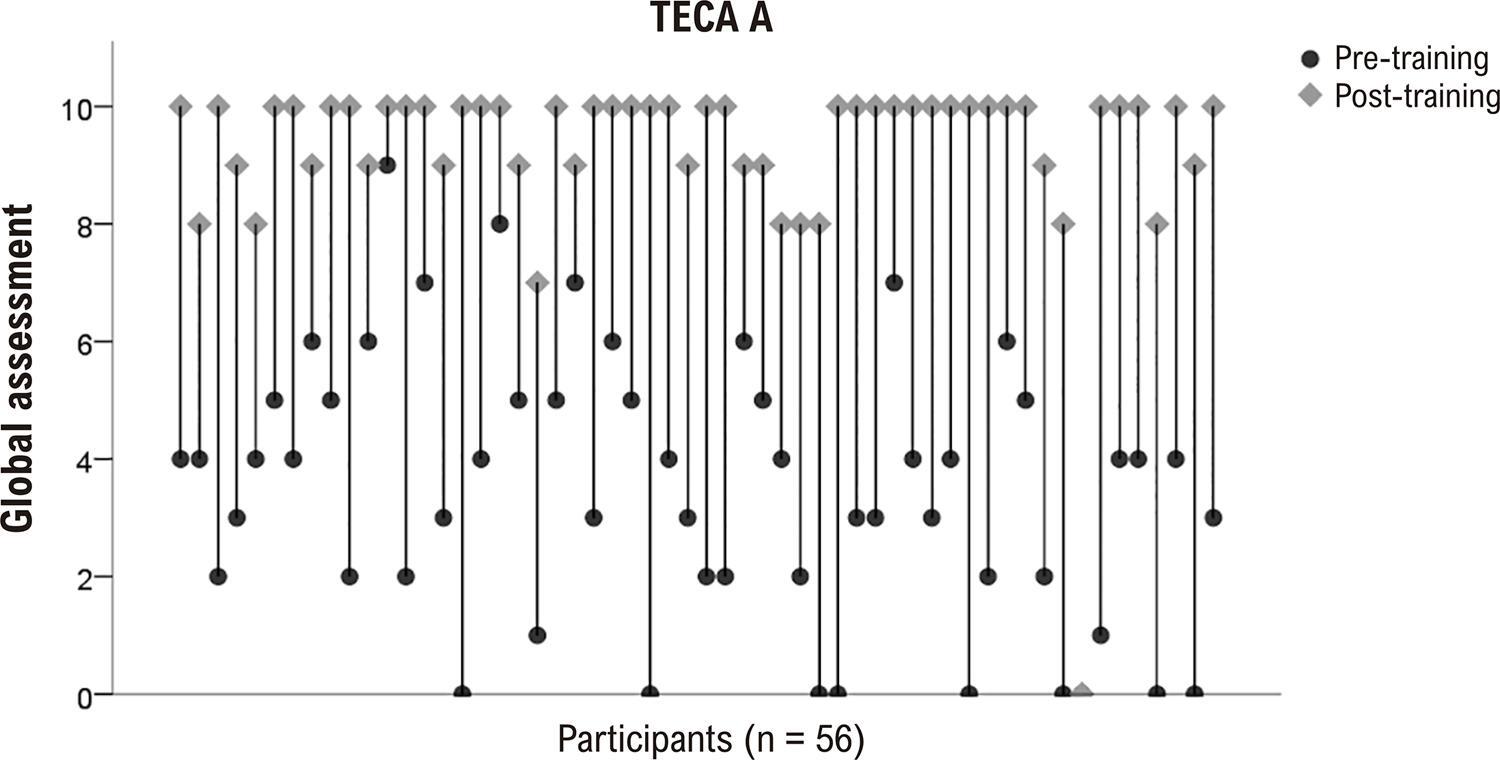
Compared with before TECA A, median global assessment scores were higher after TECA A (pre-training: 4.0 points [2.0-5.0] vs. 10 points [9.0-10.0]; p<0.001), the time to start chest compressions was shorter (pre-training: 25 seconds [15-34] vs. 19 seconds [16.2-23.0]; p=0.002) and so was the time to defibrillation (pre-training: 82.5 seconds [65.0-108.0] vs. 48 seconds [39.0-53.0]; p<0.001).

Conclusions

The TECA A promoted a higher adherence to cardiopulmonary resuscitation (CPR) guidelines and a reduction in the time elapsed from CA to first chest compression and defibrillation.
  • Health Personnel
  • Heart Arrest
  • Simulation Training
  • Teaching
Read Full Article
Creative Commons Attribution (CC BY) Creative Commons license
09/10/2023 DOI: 10.36660/ijcs.20220199 Views 1
Figure 1
IJCS
Original Article

School Health Education Program “Happy Life, Healthy Heart”: A Randomized Clinical Trial

Mariana Alievi Mari et al. Paula Portal Teixeira Lucia Campos Pellanda

Abstract

Background:

School interventions based on playful activities have been shown to be good strategies for increasing children’s knowledge about health, which may impact healthy habits.

Objective:

To evaluate whether the school health education program entitled “Happy Life, Healthy Heart” increases health knowledge and causes a change in teachers’ and students’ lifestyles.

Method:

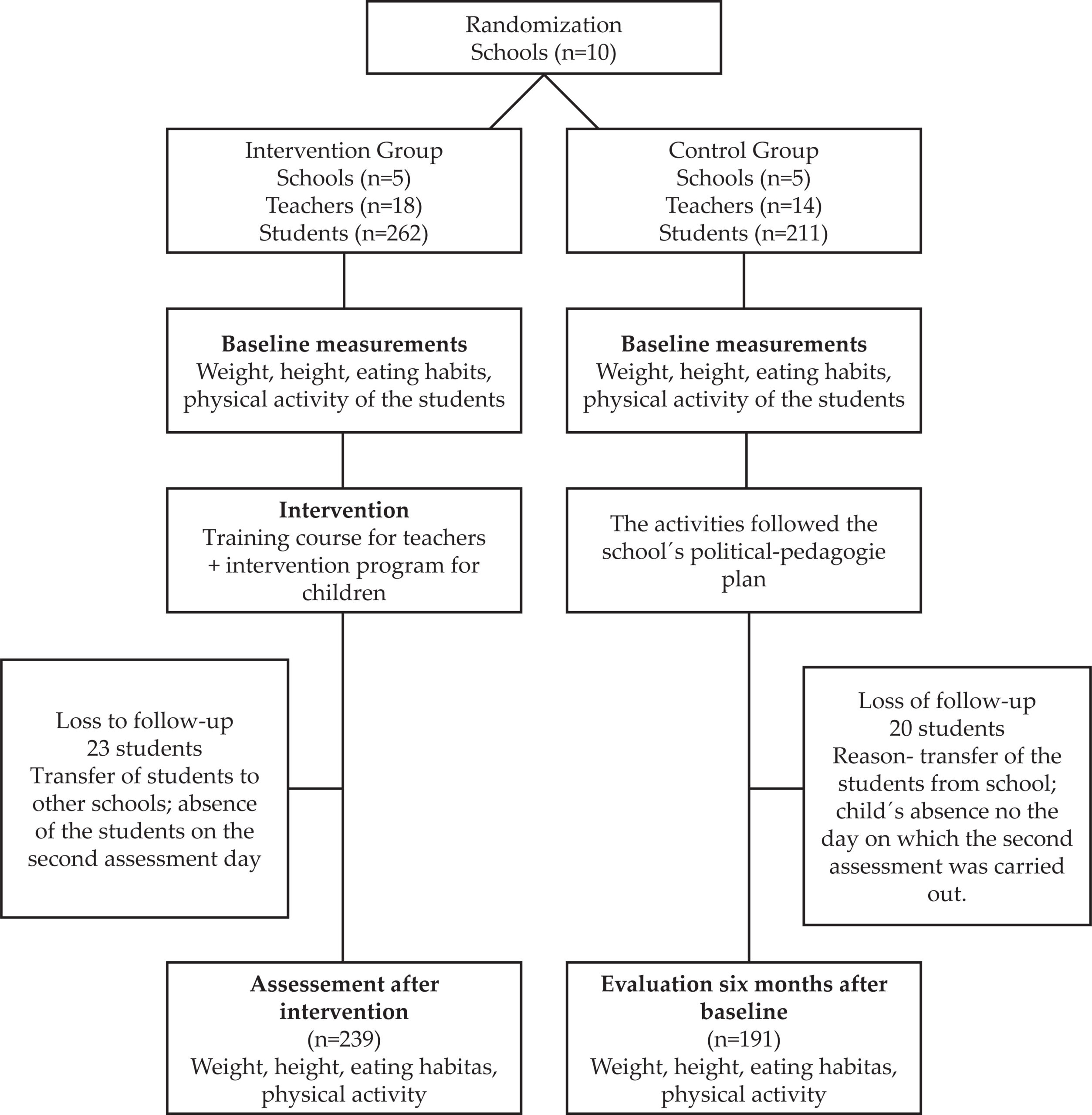
Cluster randomized clinical trial including elementary school students and teachers from public schools in the city of Frederico Westphalen, Brazil. The intervention consisted of the training of teachers on topics of health, followed by classes on topics related to cardiovascular health given by these teachers to the students. The students were evaluated for nutritional status and health knowledge using the CARDIOKIDS and DAFA questionnaires, and teachers were assessed for physical activity. The Student’s t-test, the chi-square test and the two-way ANOVA test were used for comparisons between groups, and McNemar-Bowker for intra-group comparisons. P values of <0.05 were considered statistically significant.

Results:

A total of 473 children were included, 211 (44.6%) in the control group (CG) and 262 (55.4%) in the intervention group (IG), and 32 teachers (control = 14, intervention =18). There was no difference in health knowledge of the students after the intervention (CG 10.53 ± 0.11 vs. 11.19 ± 0.09 p = 0.061, IG 10.20 ± 0.12 vs. 11.09 ± 0, 09 p = 0.416), although 57.7% of the children of the IG reported having stopped eating pizza and drinking soft drinks (p <0.001), following the Brazilian Food Guide recommendations. Among teachers of the IG, an increase of 27.9% in physical activity level was observed.

Conclusions:

The “Happy life, healthy heart” program was able to change students’ eating habits and increase physical activity in teachers.

  • Children
  • Health Personnel
  • Health, Knowledge, Atitudes, Practice
  • School Health Education
  • Teachers
Read Full Article
Creative Commons Attribution (CC BY) Creative Commons license
01/04/2022 DOI: 10.36660/ijcs.20200044 Views 2
Figure 1
ABC
Research Letter

Impact of COVID-19 on the Life of Brazilian Cardiologists and Cardiovascular Surgeons

Andre Luiz Cerqueira Almeida et al. Marcelo Melo Rodrigo Elton Ferreira Rodrigues Luis Fábio Botelho … Paulo André Abreu Almeida Silvio Henrique Barberato

Introduction

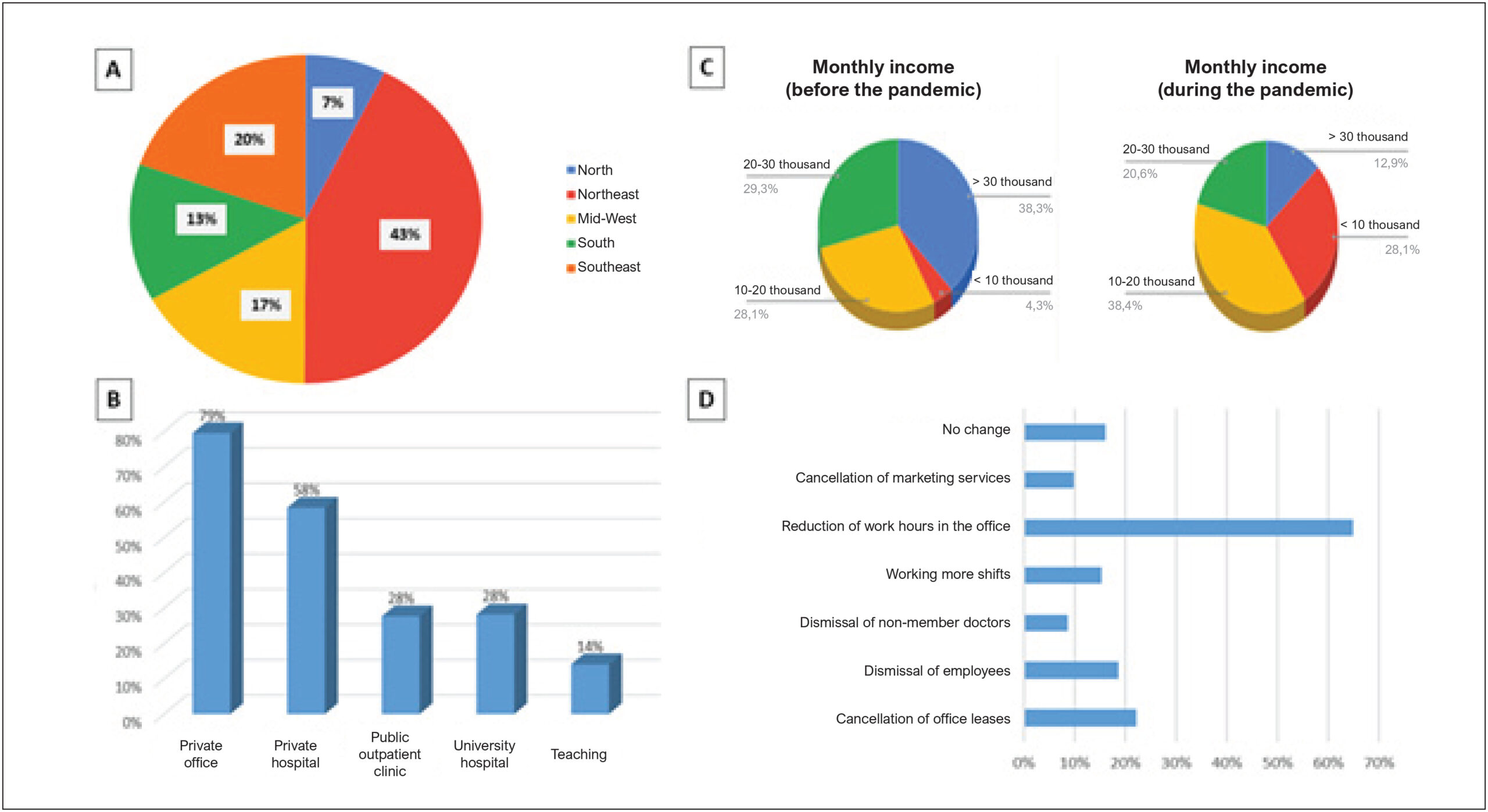
The COVID-19 (from the English coronavirus disease) pandemic has had a strong impact on cardiology services. The number of visits and cardiac interventions has decreased in many parts of the world in recent months., However, despite increasing pressure and burden on the healthcare system, the provision of care has continued, particularly because patients with pre-existing cardiovascular disease are at high risk of COVID-19 infection, complications, and primary cardiac manifestations.

In addition, effects of the COVID-19 have affected the society and in particularly healthcare professionals in terms of physical and mental health consequences, financial disturbances, and changes in quality of life.– Therefore, the COVID-19 pandemic has affected many aspects of the work and life of health care providers.,,

[…]

  • Cardiologists
  • Cardiovascular Diseases
  • Coronavirus-19
  • COVID-19
  • Epidemiology
  • Health Personnel
  • Health Systems
  • Infection/complications
  • Pandemics
  • Risk Factors
  • Sedentary Behavior
  • Surgeons
Read Full Article
Creative Commons Attribution (CC BY) Creative Commons license
22/11/2021 DOI: 10.36660/abc.20201231 Views 1
IJCS
Original Article

Factors Associated to the Knowledge of Cardiac Arrest by Health Professionals

Eduardo Moreira Novaes Neto et al. Kátia Santana Freitas

Abstract

Background:

Knowledge of cardiac arrest by health professionals is associated with sociodemographic, occupational and training characteristics.

Objectives:

To evaluate the factors associated with the knowledge of health professionals on Cardiac Arrest.

Methods:

A cross-sectional study conducted in a large public hospital in the countryside of Bahia – Brazil. The sample consisted of 18 doctors, 32 nurses and 50 nursing technicians. To evaluate the knowledge of the professionals, a questionnaire was constructed according to the current guidelines for resuscitation of the American Heart Association of 2015, and after that, it was submitted to three judges with expertise in PCR to verify content validity. Data were analyzed through descriptive statistics with univariate, bivariate and multivariate analyses using the logistic regression model. A value of p < 0.05 was adopted as level of significance.

Results:

The prevalence of insufficient knowledge of cardiac arrest among health professionals was 78%. After logistic regression, belonging to the professional category of nursing technician (p = 0.003) and nurse (p = 0.001) and working in the form of on-call duty for 24h (p = 0.005) was associated to insufficient knowledge.

Conclusions:

Insufficient knowledge of cardiac arrest among health professionals is high, which is a problem that requires urgent interventions in order to guarantee the quality of care. These actions should be based on realistic scenarios involving theoretical and practical activities. The periodicity of training should be short, given the deterioration of knowledge. The creation and validation of the data collection instrument allows for its applicability in other studies.

  • Cardiopulmonary Ressuscitation
  • Health Personnel
  • Heart Arrest
  • Heart Failure
  • Mortality & Morbidity
  • nurses
Read Full Article
Creative Commons Attribution (CC BY) Creative Commons license
24/10/2019 DOI: 10.5935/2359-4802.20190089 Views 1
Figure 1
ABC
Original Article

Comparison of Cardiovascular Risk Factors in Different Areas of Health Care Over a 20-Year Period

Thiago Veiga Jardim et al. Ana Luiza Lima Sousa Thais Rolim Povoa Weimar Sebba Barroso … Brunela Chinem Paulo Cesar Veiga Jardim

Background:

Cardiovascular diseases (CVDs) are the leading cause of death worldwide. Knowledge about cardiovascular risk factors (CVRFs) in young adults and their modification over time are measures that change the risks and prevent CVDs.

Objectives:

To determine the presence of CVRFs and their changes in different health care professionals over a period of 20 years.

Methods:

All students of medicine, nursing, nutrition, odontology, and pharmacy departments of Federal University of Goiás who agreed to participate in this study were evaluated when they started their degree courses and 20 years afterward. Questionnaires on CVRFs [systemic arterial hypertension (SAH), diabetes mellitus, dyslipidemia, and family history of early CVD, smoking, alcohol consumption, and sedentarism] were administered. Cholesterol levels, blood sugar levels, blood pressure, weight, height, and body mass index were determined. The Kolmogorov-Smirnov test was used to evaluate distribution, the chi-square test was used to compare different courses and sexes, and the McNemar test was used for comparing CVRFs. The significance level was set at a p value of < 0.05.

Results:

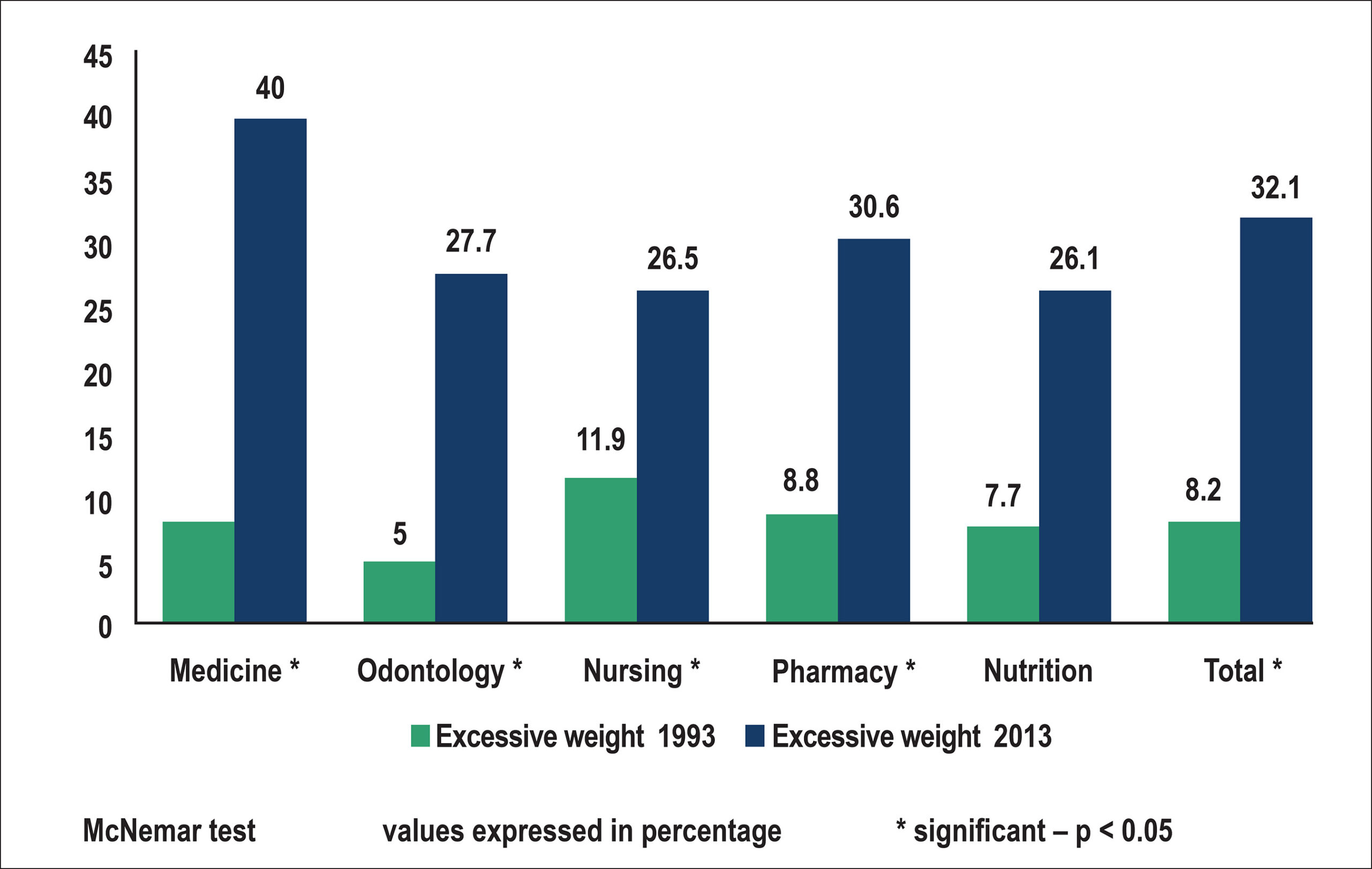
The first stage of the study included 281 individuals (91% of all the students), of which 62.9% were women; the mean age was 19.7 years. In the second stage, 215 subjects were reassessed (76% of the initial sample), of which 59.07% were women; the mean age was 39.8 years. The sample mostly consisted of medical students (with a predominance of men), followed by nursing, nutrition, and pharmacy students, with a predominance of women (p < 0.05). Excessive weight gain, SAH, and dyslipidemia were observed among physicians and dentists (p < 0.05). Excessive weight gain and SAH and a reduction in sedentarism (p < 0.05) were observed among pharmacists. Among nurses there was an increase in excessive weight and alcohol consumption (p < 0.05). Finally, nutritionists showed an increase in dyslipidemia (p < 0.05).

Conclusion:

In general, there was an unfavorable progression of CVRFs in the population under study, despite it having adequate specialized knowledge about these risk factors.

  • Cardiovascular Diseases
  • Cohort Studies
  • Health Education/trends
  • Health Personnel
  • Risk Factors
Read Full Article
Creative Commons Attribution (CC BY) Creative Commons license
10/10/2014 DOI: 10.5935/abc.20140150 Views 1
Education and telephone monitoring by nurses of patients with heart failure: randomized clinical trial
ABC
Artigo Original

Education and telephone monitoring by nurses of patients with heart failure: randomized clinical trial

Fernanda B Domingues et al. Nadine Clausell Graziella B Aliti Daniela R Dominguez Eneida R Rabelo

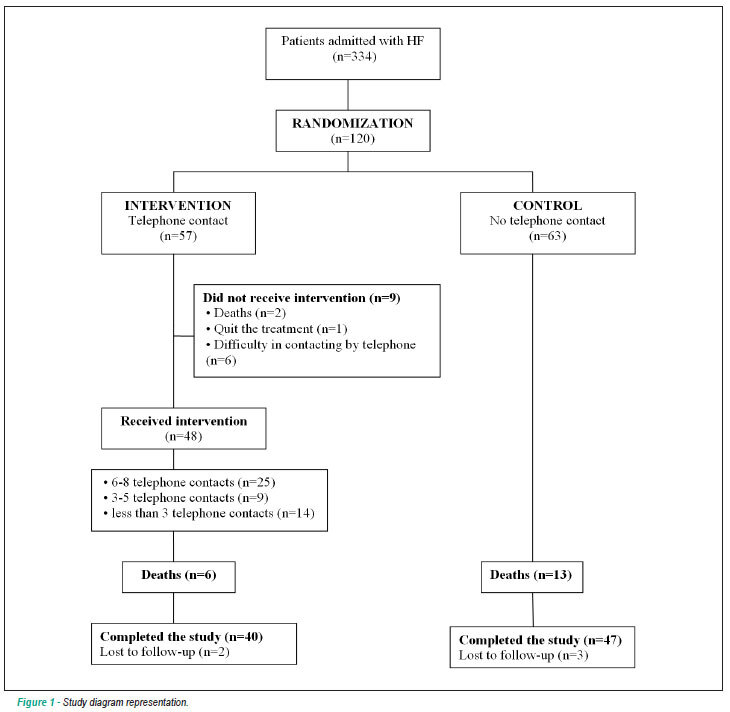
BACKGROUND: Nursing approaches to manage patients with heart failure (HF) showed benefits in reducing the morbidity and mortality. However, combining intra-hospital education with telephone contact after hospital discharge has been little explored. OBJECTIVE: To compare two nursing intervention groups among patients hospitalized due to decompensated HF: the intervention group (IG) received educational nursing intervention during hospitalization followed by telephone monitoring after discharge and the control group (CG) received in-hospital intervention only. Outcomes were levels of HF and self-care knowledge, the frequency of visits to the emergency room, rehospitalizations and deaths in a three-month period. METHODS: Randomized clinical trial. We studied adult HF patients with left ventricle ejection fraction (LVEF) < 45% who could be contacted by telephone after discharge. HF awareness was evaluated through a standardized questionnaire that also included questions regarding self-care knowledge, which was answered during the hospitalization period and three months later. For patients in the IG group contacts were made using phone calls and final interviews were conducted in both groups at end of the study. RESULTS: Forty-eight patients were assigned to the IG and 63 to the CG. Mean age (63 ± 13 years) and L (around 29%) were similar in the two groups. Scores for HF and self-care knowledge were similar at baseline. Three months later, both groups showed significantly improved HF awareness and self-care knowledge scores (P < 0.001). Other outcomes were similar. CONCLUSION: An in-hospital educational nursing intervention benefitted all HF patients in understanding their disease, regardless of telephone contact after discharge.

  • Clinical Trial
  • Education
  • Health Personnel
  • Heart Failure
  • nursing
  • telephone
Read Full Article
Creative Commons Attribution (CC BY) Creative Commons license
04/02/2011 DOI: 10.1590/S0066-782X2011005000014 Views 1
Cardiovascular risk factors in a cohort of healthcare professionals: 15 years of evolution
ABC
Artigo Original

Cardiovascular risk factors in a cohort of healthcare professionals: 15 years of evolution

Thiago de Souza Veiga Jardim et al. Paulo César Brandão Veiga Jardim Wattusy Estefane Cunha de Araújo Luciana Muniz Sanches Siqueira Veiga Jardim Claudia Maria Salgado

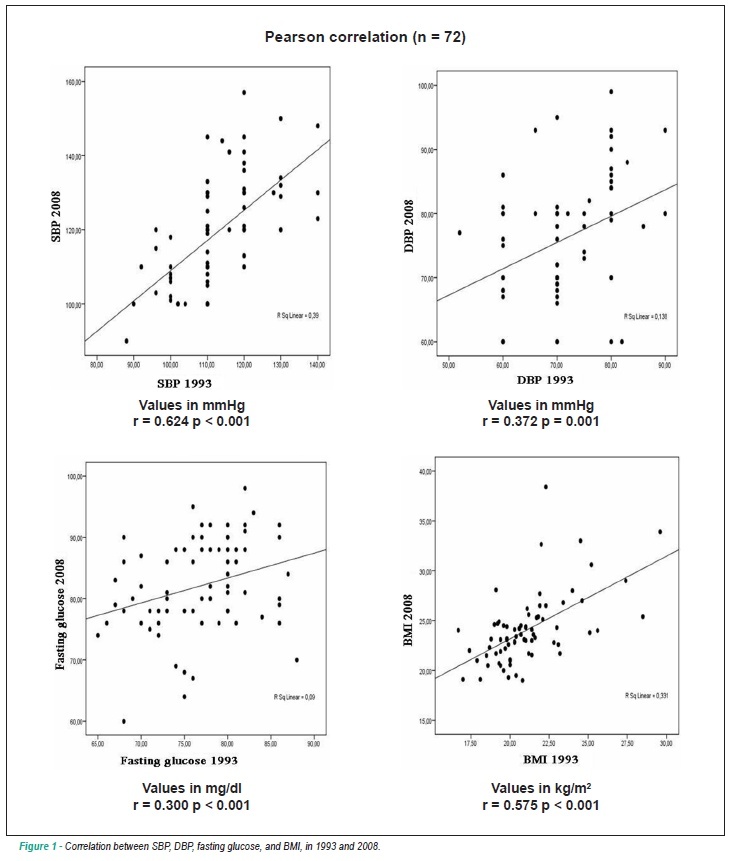
BACKGROUND: According to the World Health Organization (WHO), cardiovascular diseases (CVD) account for 16.7 million deaths per year. Evidence shows that CVD result from the interaction of multiple risk factors that are present from childhood. OBJECTIVE: To evaluate the presence and evolution of several cardiovascular risk factors (CVRF) among medical professionals, in a period of 15 years. METHODS: We analyzed a group of individuals when they entered medical school, and repeated the analysis after 15 years, comparing the data found. We used CVRF questionnaires (systemic arterial hypertension (SAH); diabetes mellitus (DM); dyslipidemia and family history of premature CVD; smoking habit; alcoholism; and sedentary lifestyle). Cholesterol, blood glucose, BP, weight, height, body mass index (BMI) values were determined. RESULTS: We compared 100 subjects (64.0% men with a mean age of 19.9 years) with a total of 72 subjects (62.5% men, 34.8 years) that were included in the study 15 years later. There was an increase in the prevalence of hypertension (6.0% vs 16.7%, p = 0.024), overweight (9.0% vs 26.4%, p = 0.002), and dyslipidemia (4.0% vs 19.14%, p = 0.002). The other CVRF remained unchanged. Analyzing the values of systolic blood pressure (SBP); diastolic blood pressure (DBP); cholesterol; glucose; and BMI, we found an increase in the mean values of all variables (p < 0.05). We observed a positive correlation between the values of SBP, DBP, BMI, and blood glucose measured in the time interval (p < 0.05). CONCLUSION: Among medical professionals, there was an elevation in SBP, DBP, glucose, BMI, and cholesterol values in 15 years. In the CVRF prevalence analysis, we found an increase in the prevalence of hypertension, overweight, and dyslipidemia.

  • Cross-Sectional Studies
  • Health Personnel
  • Risk Factors
Read Full Article
Creative Commons Attribution (CC BY) Creative Commons license
09/07/2010 DOI: 10.1590/S0066-782X2010005000084 Views 1

How to cite this article

EndNote RIS

Electronic Document Format (Vancouver)

Furtado FN, Carvalho ACC, Gonçalves Junior I, Canesin MF, Timerman S, Gonçalves RM, Alfieri DF, et al. First Evaluation of the Brazilian Advanced Life Support Training (TECA A). International Journal of Cardiovascular Sciences 2023;36:e20220199.

Electronic Document Format (ABNT)

Furtado, Fabrício Nogueira; Carvalho, Antonio Carlos de Camargo; Gonçalves Junior, Iran; Canesin, Manoel Fernandes; Timerman, Sergio; Gonçalves, Rodrigo Marques; Alfieri, Daniela Frizon; Almeida, Dirceu. First Evaluation of the Brazilian Advanced Life Support Training (TECA A). International Journal of Cardiovascular Sciences, v. 36, e20220199, Oct. 2023.

Electronic Document Format (APA)

Furtado, F. N., Carvalho, A. C. C., Gonçalves Junior, I., Canesin, M. F., Timerman, S., Gonçalves, R. M., Alfieri, D. F., & Almeida, D. (2023). First Evaluation of the Brazilian Advanced Life Support Training (TECA A). International Journal of Cardiovascular Sciences, 36, e20220199.

Electronic Document Format (ISO)

Furtado, Fabrício Nogueira and Carvalho, Antonio Carlos de Camargo and Gonçalves Junior, Iran and Canesin, Manoel Fernandes and Timerman, Sergio and Gonçalves, Rodrigo Marques and Alfieri, Daniela Frizon and Almeida, Dirceu. First Evaluation of the Brazilian Advanced Life Support Training (TECA A). International Journal of Cardiovascular Sciences [online]. 2023, vol. 36, [cited 2026-10-14], e20220199. Available from: <https://journals.cardiol.br/en/article/first-evaluation-of-the-brazilian-advanced-life-support-training-teca-a/>. ISSN 2359-4802

EndNote RIS

Electronic Document Format (Vancouver)

Mari A, Teixeira PP, Pellanda LC. School Health Education Program “Happy Life, Healthy Heart”: A Randomized Clinical Trial. International Journal of Cardiovascular Sciences 2022;35(5):566-75.

Electronic Document Format (ABNT)

Mari, ana Alievi; Teixeira, Paula Portal; Pellanda, Lucia Campos. School Health Education Program “Happy Life, Healthy Heart”: A Randomized Clinical Trial. International Journal of Cardiovascular Sciences, v. 35, n. 5, p. 566-575, Mar. 2022.

Electronic Document Format (APA)

Mari, A., Teixeira, P. P., & Pellanda, L. C. (2022). School Health Education Program “Happy Life, Healthy Heart”: A Randomized Clinical Trial. International Journal of Cardiovascular Sciences, 35(5), 566-575.

Electronic Document Format (ISO)

Mari, ana Alievi and Teixeira, Paula Portal and Pellanda, Lucia Campos. School Health Education Program “Happy Life, Healthy Heart”: A Randomized Clinical Trial. International Journal of Cardiovascular Sciences [online]. 2022, vol. 35, n. 5, [cited 2026-10-14], pp. 566-575. Available from: <https://journals.cardiol.br/en/article/school-health-education-program-happy-life-healthy-heart-a-randomized-clinical-trial/>. ISSN 2359-4802

EndNote RIS

Electronic Document Format (Vancouver)

Almeida ALC, Melo M, Rodrigues REF, Botelho LF, Almeida PAA, Barberato SH. Impact of COVID-19 on the Life of Brazilian Cardiologists and Cardiovascular Surgeons. Arquivos Brasileiros de Cardiologia 2021;117(5):1048-55.

Electronic Document Format (ABNT)

Almeida, Andre Luiz Cerqueira; Melo, Marcelo; Rodrigues, Rodrigo Elton Ferreira; Botelho, Luis Fábio; Almeida, Paulo André Abreu; Barberato, Silvio Henrique. Impact of COVID-19 on the Life of Brazilian Cardiologists and Cardiovascular Surgeons. Arquivos Brasileiros de Cardiologia, v. 117, n. 5, p. 1048-1055, Nov. 2021.

Electronic Document Format (APA)

Almeida, A. L. C., Melo, M., Rodrigues, R. E. F., Botelho, L. F., Almeida, P. A. A., & Barberato, S. H. (2021). Impact of COVID-19 on the Life of Brazilian Cardiologists and Cardiovascular Surgeons. Arquivos Brasileiros de Cardiologia, 117(5), 1048-1055.

Electronic Document Format (ISO)

Almeida, Andre Luiz Cerqueira and Melo, Marcelo and Rodrigues, Rodrigo Elton Ferreira and Botelho, Luis Fábio and Almeida, Paulo André Abreu and Barberato, Silvio Henrique. Impact of COVID-19 on the Life of Brazilian Cardiologists and Cardiovascular Surgeons. Arquivos Brasileiros de Cardiologia [online]. 2021, vol. 117, n. 5, [cited 2026-10-14], pp. 1048-1055. Available from: <https://journals.cardiol.br/en/article/impact-of-covid-19-on-the-life-of-brazilian-cardiologists-and-cardiovascular-surgeons/>. ISSN 0066-782X

EndNote RIS

Electronic Document Format (Vancouver)

Novaes Neto EM, Freitas KS. Factors Associated to the Knowledge of Cardiac Arrest by Health Professionals. International Journal of Cardiovascular Sciences 2019;33(2):167-74.

Electronic Document Format (ABNT)

Novaes Neto, Eduardo Moreira; Freitas, Kátia Santana. Factors Associated to the Knowledge of Cardiac Arrest by Health Professionals. International Journal of Cardiovascular Sciences, v. 33, n. 2, p. 167-174, Oct. 2019.

Electronic Document Format (APA)

Novaes Neto, E. M., & Freitas, K. S. (2019). Factors Associated to the Knowledge of Cardiac Arrest by Health Professionals. International Journal of Cardiovascular Sciences, 33(2), 167-174.

Electronic Document Format (ISO)

Novaes Neto, Eduardo Moreira and Freitas, Kátia Santana. Factors Associated to the Knowledge of Cardiac Arrest by Health Professionals. International Journal of Cardiovascular Sciences [online]. 2019, vol. 33, n. 2, [cited 2026-10-14], pp. 167-174. Available from: <https://journals.cardiol.br/en/article/factors-associated-to-the-knowledge-of-cardiac-arrest-by-health-professionals/>. ISSN 2359-4802

EndNote RIS

Electronic Document Format (Vancouver)

Jardim TV, Sousa ALL, Povoa TR, Barroso WS, Chinem B, Jardim PCV. Comparison of Cardiovascular Risk Factors in Different Areas of Health Care Over a 20-Year Period. Arquivos Brasileiros de Cardiologia 2014;103(6):493-501.

Electronic Document Format (ABNT)

Jardim, Thiago Veiga; Sousa, Ana Luiza Lima; Povoa, Thais Rolim; Barroso, Weimar Sebba; Chinem, Brunela; Jardim, Paulo Cesar Veiga. Comparison of Cardiovascular Risk Factors in Different Areas of Health Care Over a 20-Year Period. Arquivos Brasileiros de Cardiologia, v. 103, n. 6, p. 493-501, Oct. 2014.

Electronic Document Format (APA)

Jardim, T. V., Sousa, A. L. L., Povoa, T. R., Barroso, W. S., Chinem, B., & Jardim, P. C. V. (2014). Comparison of Cardiovascular Risk Factors in Different Areas of Health Care Over a 20-Year Period. Arquivos Brasileiros de Cardiologia, 103(6), 493-501.

Electronic Document Format (ISO)

Jardim, Thiago Veiga and Sousa, Ana Luiza Lima and Povoa, Thais Rolim and Barroso, Weimar Sebba and Chinem, Brunela and Jardim, Paulo Cesar Veiga. Comparison of Cardiovascular Risk Factors in Different Areas of Health Care Over a 20-Year Period. Arquivos Brasileiros de Cardiologia [online]. 2014, vol. 103, n. 6, [cited 2026-10-14], pp. 493-501. Available from: <https://journals.cardiol.br/en/article/comparison-of-cardiovascular-risk-factors-in-different-areas-of-health-care-over-a-20-year-period/>. ISSN 0066-782X

EndNote RIS

Electronic Document Format (Vancouver)

Domingues FB, Clausell N, Aliti GB, Dominguez DR, Rabelo ER. Education and telephone monitoring by nurses of patients with heart failure: randomized clinical trial. Arquivos Brasileiros de Cardiologia 2011;96(3):233-9.

Electronic Document Format (ABNT)

Domingues, Fernanda B; Clausell, Nadine; Aliti, Graziella B; Dominguez, Daniela R; Rabelo, Eneida R. Education and telephone monitoring by nurses of patients with heart failure: randomized clinical trial. Arquivos Brasileiros de Cardiologia, v. 96, n. 3, p. 233-239, Feb. 2011.

Electronic Document Format (APA)

Domingues, F. B., Clausell, N., Aliti, G. B., Dominguez, D. R., & Rabelo, E. R. (2011). Education and telephone monitoring by nurses of patients with heart failure: randomized clinical trial. Arquivos Brasileiros de Cardiologia, 96(3), 233-239.

Electronic Document Format (ISO)

Domingues, Fernanda B and Clausell, Nadine and Aliti, Graziella B and Dominguez, Daniela R and Rabelo, Eneida R. Education and telephone monitoring by nurses of patients with heart failure: randomized clinical trial. Arquivos Brasileiros de Cardiologia [online]. 2011, vol. 96, n. 3, [cited 2026-10-14], pp. 233-239. Available from: <https://journals.cardiol.br/en/article/education-and-telephone-monitoring-by-nurses-of-patients-with-heart-failure-randomized-clinical-trial/>. ISSN 0066-782X

EndNote RIS

Electronic Document Format (Vancouver)

Jardim TSV, Jardim PCBV, Araújo WEC, Jardim LMSSV, Salgado CM. Cardiovascular risk factors in a cohort of healthcare professionals: 15 years of evolution. Arquivos Brasileiros de Cardiologia 2010;95(3):332-8.

Electronic Document Format (ABNT)

Jardim, Thiago de Souza Veiga; Jardim, Paulo César Brandão Veiga; Araújo, Wattusy Estefane Cunha de; Jardim, Luciana Muniz Sanches Siqueira Veiga; Salgado, Claudia Maria. Cardiovascular risk factors in a cohort of healthcare professionals: 15 years of evolution. Arquivos Brasileiros de Cardiologia, v. 95, n. 3, p. 332-338, Jul. 2010.

Electronic Document Format (APA)

Jardim, T. S. V., Jardim, P. C. B. V., Araújo, W. E. C. , Jardim, L. M. S. S. V., & Salgado, C. M. (2010). Cardiovascular risk factors in a cohort of healthcare professionals: 15 years of evolution. Arquivos Brasileiros de Cardiologia, 95(3), 332-338.

Electronic Document Format (ISO)

Jardim, Thiago de Souza Veiga and Jardim, Paulo César Brandão Veiga and Araújo, Wattusy Estefane Cunha de and Jardim, Luciana Muniz Sanches Siqueira Veiga and Salgado, Claudia Maria. Cardiovascular risk factors in a cohort of healthcare professionals: 15 years of evolution. Arquivos Brasileiros de Cardiologia [online]. 2010, vol. 95, n. 3, [cited 2026-10-14], pp. 332-338. Available from: <https://journals.cardiol.br/en/article/cardiovascular-risk-factors-in-a-cohort-of-healthcare-professionals-15-years-of-evolution/>. ISSN 0066-782X

  • About ABC Family
  • Internal Regulation
  • Editorial Board
  • Brazilian Society of Cardiology (SBC)

Issues

SBC Guidelines

  • Videos
  • Podcasts
  • News