ABC Family Arquivos Brasileiros de Cardiologia International Journal of Cardiovascular Sciences ABC Heart Failure & Cardiomyopathy ABC Imagem Cardiovascular
Português English
ABC Family
Português English
  • About
    • About ABC Family
    • Internal Regulation
    • Editorial Board
    • Brazilian Society of Cardiology (SBC)
  • Issues
  • SBC Guidelines
  • Content
    • Videos
    • Podcasts
    • News
  • About
    • About ABC Family
    • Internal Regulation
    • Editorial Board
    • Brazilian Society of Cardiology (SBC)
  • Issues
  • SBC Guidelines
  • Content
    • Videos
    • Podcasts
    • News

ABC Family

  • ABC Family
  • Arquivos Brasileiros de Cardiologia
  • International Journal of Cardiovascular Sciences
  • ABC Heart Failure & Cardiomyopathy
  • ABC Imagem Cardiovascular
Search in

No content found.

Journals
Ordering
Article types
Others

  1. Home
  2. Keyword: Amyloidosis
Figure 1
ABC
Research Letter

Conflicting Clues in Severe LV Hypertrophy: An Unusual Presentation of ATTR Amyloidosis

Ana Sofia Nogueira Fernandes et al. João Faria Catarina Ferreira Vieira

Introduction

In recent decades, major advances have reshaped the clinical and epidemiological understanding of transthyretin (TTR) cardiac amyloidosis (ATTR). Progress in cardiovascular imaging has enabled earlier and more accurate identification of the disease. In particular, bone scintigraphy with 99mTc-labeled tracers has markedly simplified the non-invasive diagnosis of ATTR cardiomyopathy, substantially reducing the need for endomyocardial biopsy in most cases., Nevertheless, diagnostic challenges may arise when clinical, genetic, and imaging findings are discordant. We report a case of biopsy-proven hereditary ATTR (ATTRv) cardiomyopathy with negative bone scintigraphy, illustrating an important diagnostic pitfall within the contemporary diagnostic algorithm.

[…]

  • Amyloidosis
  • Cardiomyopathies
  • Hypertrophy
  • Syncope
Read Full Article
Creative Commons Attribution (CC BY) Creative Commons license
20/07/2026 DOI: 10.36660/abc.20250832i Views 1
Figure 1
ABC
Case Report

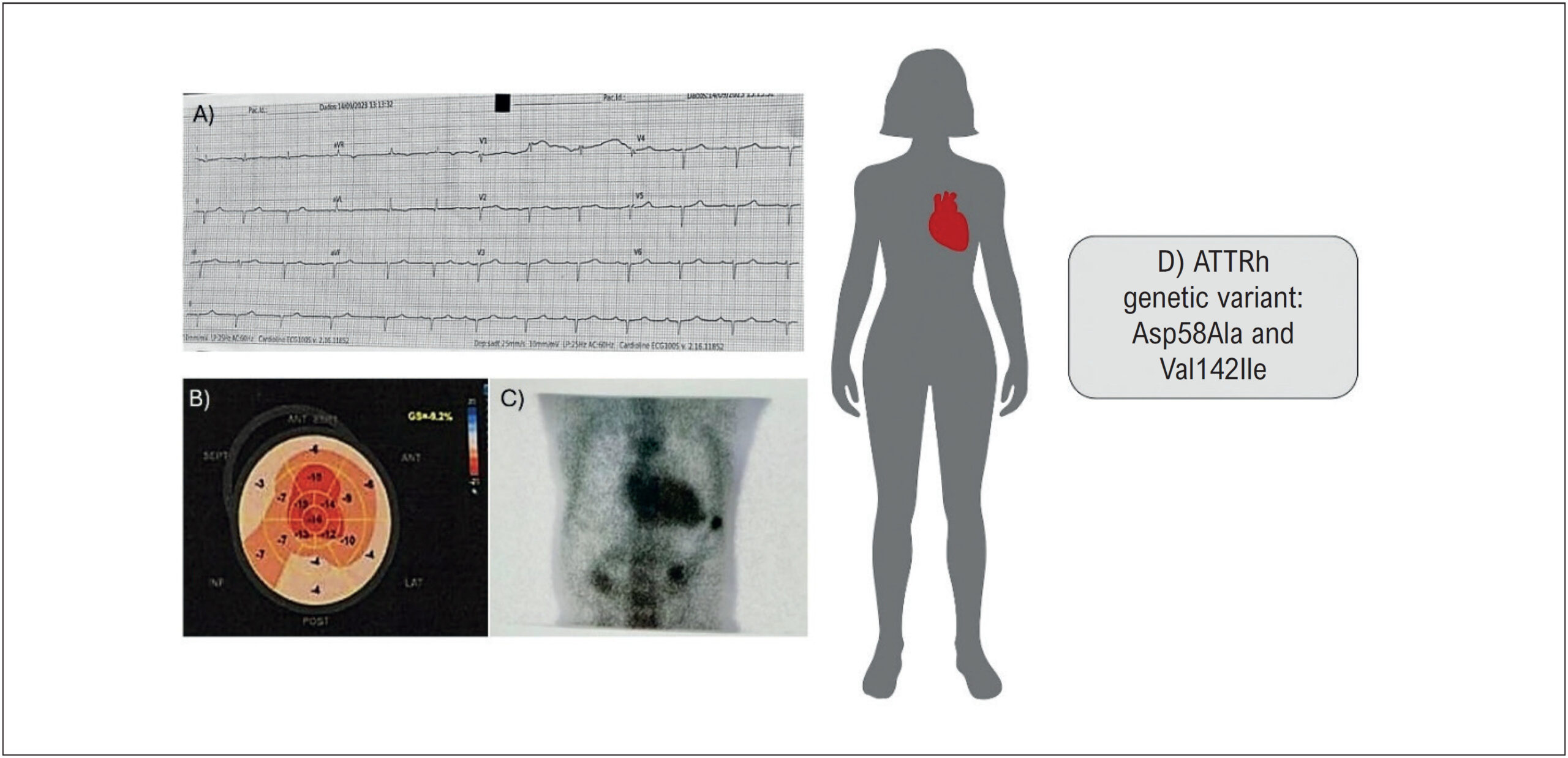
Hereditary Transthyretin Cardiac Amyloidosis Associated with Two Pathogenic Variants in the TTR Gene

Victor Hugo Bonfim et al. Matheus Martins Monteiro Moisés Abtibol Machado Orlando Pereira da Silva Junior … Katia do Nascimento Couceiro Fábio Fernandes João Marcos Bemfica Barbosa Ferreira

Introduction

Amyloidosis encompasses a group of rare diseases characterized by the accumulation of amyloidosis. Amyloidosis is an abnormal formation of misfolded proteins in tissues and organs. These proteins adopt a highly stable beta-sheet structure, forming insoluble fibrils that are deposited in the extracellular space. Amyloidosis is classified according to the precursor protein and the type of polymer formed, resulting in different subtypes of the disease, each with distinct clinical manifestations.

Transthyretin amyloidosis (ATTR) has two primary subtypes: wild-type ATTR (wild-type ATTR, or ATTRw), formerly called “senile,” and variant ATTR (hereditary ATTR, or ATTRh), where individuals possess pathological variants in the transthyretin gene. To date, more than 120 variants have been identified. Clinical symptoms may present primarily as neuropathic, cardiac, or a combination of both.

[…]

  • Amyloidosis
  • Genes
  • mutation
Read Full Article
Creative Commons Attribution (CC BY) Creative Commons license
01/06/2026 DOI: 10.36660/abc.20250651i Views 1
The Use of Artificial Intelligence in the Diagnosis of Cardiac Amyloidosis: Integrative Review
ABCIC
Review Article

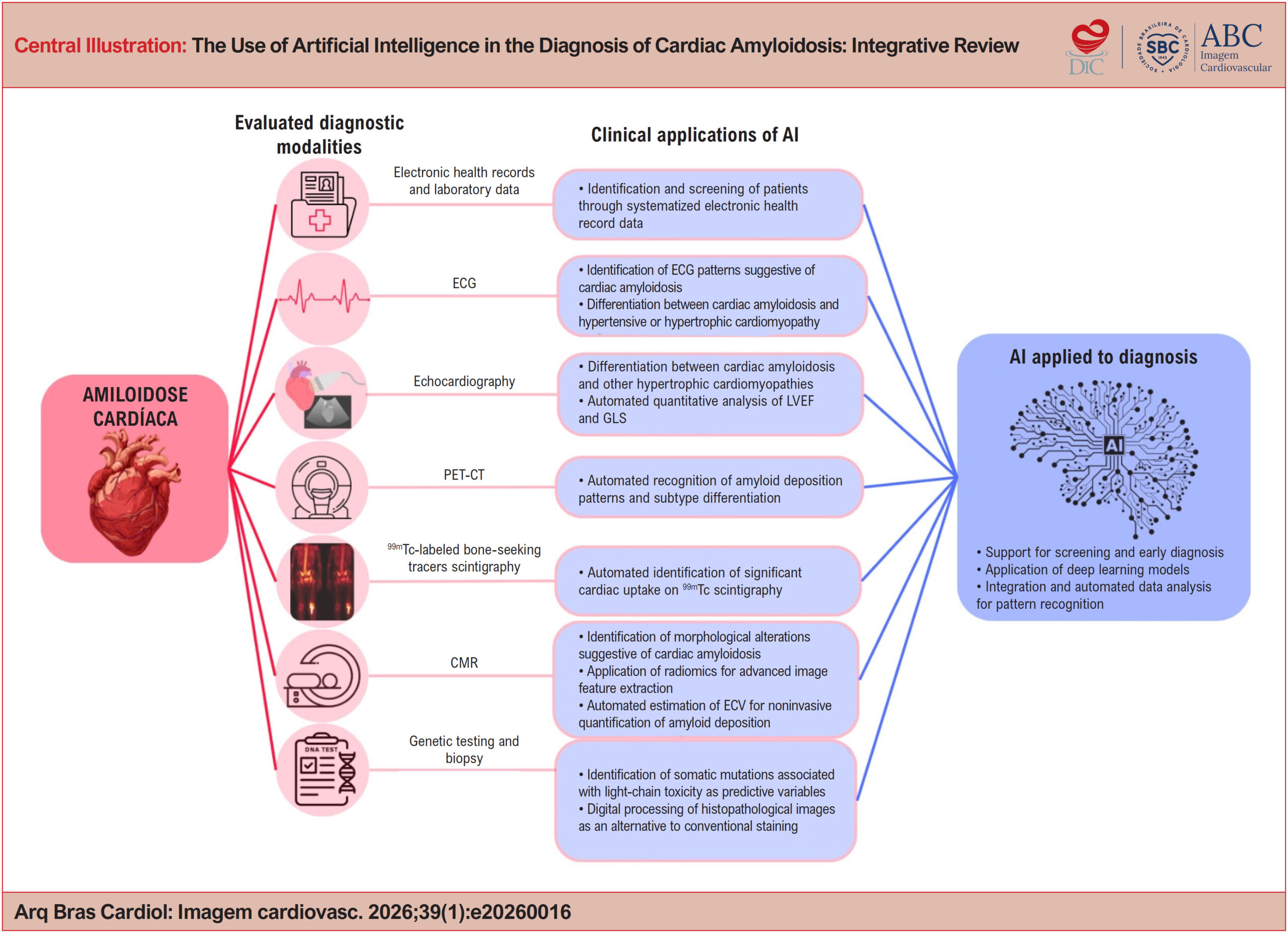
The Use of Artificial Intelligence in the Diagnosis of Cardiac Amyloidosis: Integrative Review

Nilson Batista Lemos et al. Gabriela Aparecida Moreira Araújo Marcelo Dantas Tavares de Melo

Abstract

Fundamento:

Cardiac amyloidosis is a rare form of infiltrative cardiomyopathy characterized by the deposition of proteins in the myocardium, resulting in increased wall thickness, impaired ventricular function, and possible progression to heart failure. Diagnosis is challenging due to the low prevalence of the disease and the nonspecific nature of its clinical manifestations. The application of artificial intelligence (AI) to the analysis of medical tests emerges as a promising strategy for early detection, more accurate diagnosis, and timely initiation of treatment.

Methods:

An integrative literature review was conducted on the use of AI in the diagnosis of cardiac amyloidosis. Articles published between 2019 and 2024 were searched in the PubMed, Scopus, Web of Science, Embase, and Cochrane Library databases.

Results:

Of the 420 articles initially identified, 21 met the eligibility criteria and were included in the final analysis. A predominance of retrospective observational studies applying machine learning models was observed. Among the diagnostic modalities evaluated in association with AI, electrocardiography and echocardiography were the most frequently studied tests.

Conclusion:

AI demonstrates high potential to improve the screening and diagnosis of cardiac amyloidosis when applied to the analysis of clinical and imaging tests. The findings of this review indicate that AI may accelerate the diagnostic process, reduce the need for invasive procedures, and optimize the use of health care resources. However, to expand its integration into clinical practice and enhance its generalizability, further model refinement and validation in more diverse populations are required.

  • Amyloidosis
  • Artificial Intelligence
  • Diagnosis
Read Full Article
Creative Commons Attribution (CC BY) Creative Commons license
25/05/2026 DOI: 10.36660/abcimg.20260016i Views 1
Figure 1
ABC
Research Letter

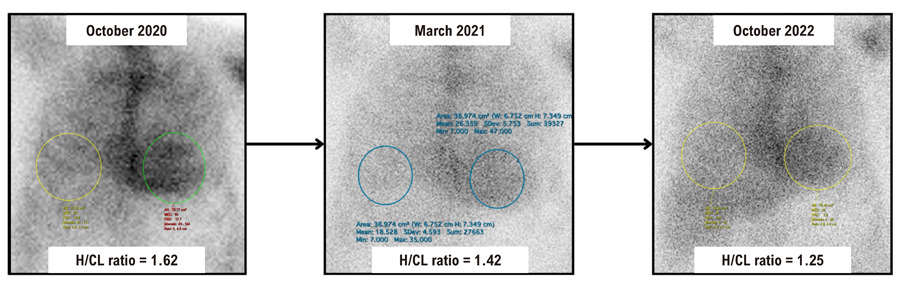
Biomarker–Imaging Dissociation in Wild-Type Cardiac Amyloidosis after Treatment with Patisiran

Claudio Tinoco Mesquita et al. Davi Shunji Yahiro Roberta Pereira dos Santos Coelho Giovane Leal de Azevedo Junior … Beatriz Robert Moreira Régina Limongi de Figueiredo Eliza Gripp Diane Xavier Ávila

Introduction

Amyloidosis is a progressive and complex disease caused by the extracellular deposition of insoluble fibrillar proteins in organs and tissues. Among the different types of amyloidosis, cardiac amyloidosis poses unique challenges due to its direct impact on cardiac function, structure, and electrical conduction. This condition can lead to restrictive cardiomyopathy, resulting in heart failure, arrhythmias, and other potentially life-threatening complications. Transthyretin amyloidosis (ATTR) is one of the more common forms of cardiac amyloidosis, occurring in both hereditary and non-hereditary forms. The hereditary form is caused by genetic mutations, whereas the non-hereditary form, known as wild-type transthyretin amyloidosis (ATTRwt), predominantly affects older adults and does not involve genetic mutations.

Recent therapeutic advances in the treatment of amyloidosis, particularly cardiac ATTRwt, have opened promising avenues for reducing amyloid burden in affected patients. Patisiran, an RNA interference (RNAi)-based therapy, targets the hepatic synthesis of transthyretin, thereby lowering circulating transthyretin protein levels available to form amyloid deposits in tissues. This mechanism represents a major advance because it directly reduces the source of the pathology rather than merely managing symptoms.

[…]

  • Amyloidosis
  • Biomarkers
  • Echocardiography
Read Full Article
Creative Commons Attribution (CC BY) Creative Commons license
11/05/2026 DOI: 10.36660/abc.20240757i Views 2
Figure 1
ABC
Editorial

Cardiac Amyloidosis and SGLT2 Inhibitors: Signal, Hope, and the Need for Randomized Evidence

Humberto Villacorta et al. Aline Sterque Villacorta

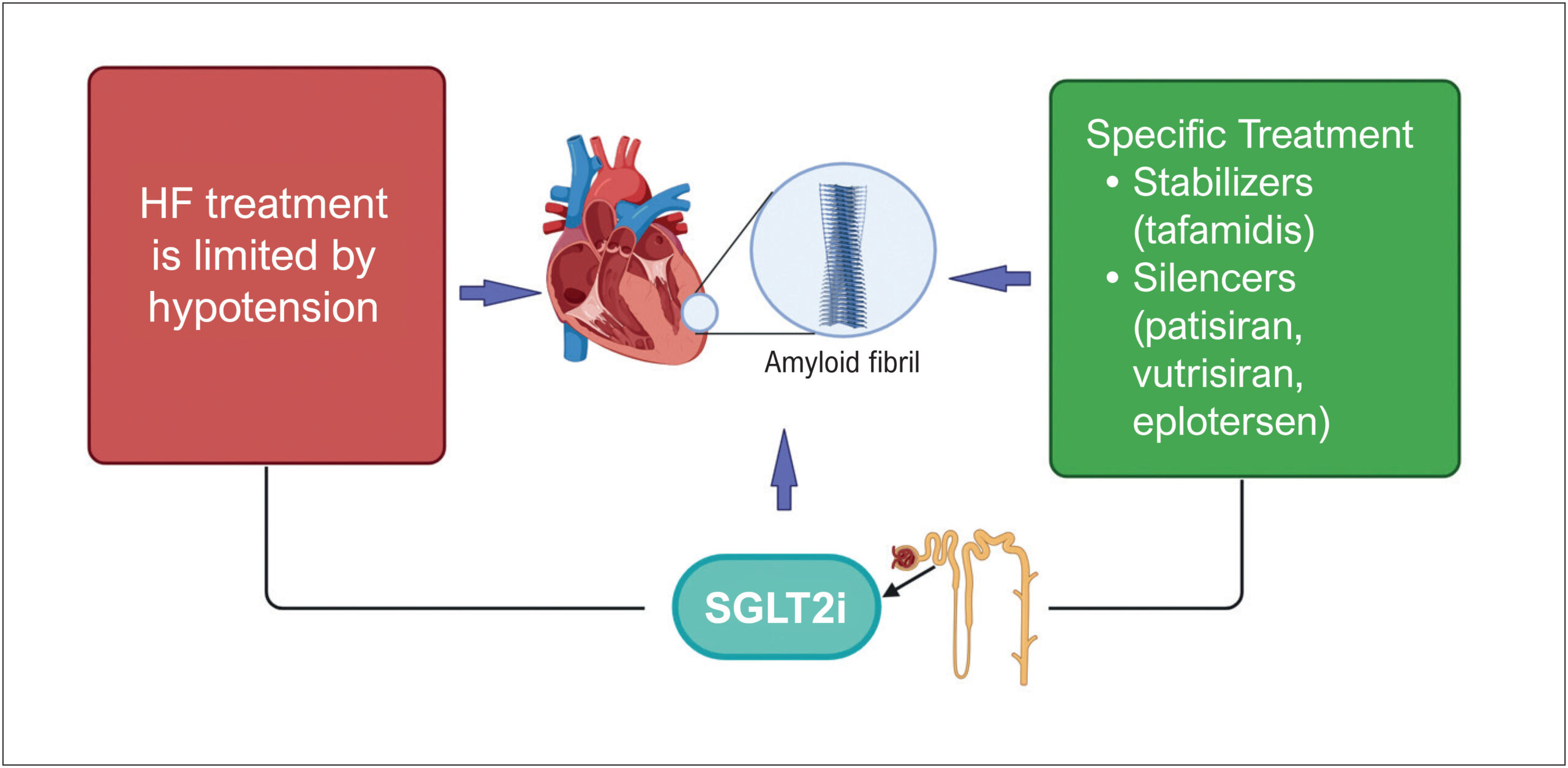
Heart failure secondary to cardiac amyloidosis remains one of the most challenging scenarios in contemporary cardiovascular medicine. Despite major advances in disease-modifying therapies for both transthyretin (ATTR) and light-chain (AL) amyloidosis, outcomes are still largely driven by progressive heart failure, renal dysfunction, and cardiovascular deaths. Conventional heart failure therapies are often poorly tolerated or ineffective in this restrictive cardiomyopathy, leaving clinicians with limited options to improve prognosis. In this context, the real-world analysis by Nunes et al. provides timely and provocative evidence supporting a potential role for sodium-glucose cotransporter 2 (SGLT2) inhibitors in this high-risk population.

Using data from the TriNetX global collaborative network, the authors evaluated more than 2,700 propensity score-matched patients with heart failure due to ATTR or AL amyloidosis. Across both amyloid subtypes, treatment with SGLT2 inhibitors was consistently associated with substantial reductions in all-cause mortality, hospitalization, and renal events at 12 months. The magnitude of benefit is striking: approximately 50% relative reduction in mortality and meaningful improvements in both heart failure and renal outcomes. These findings extend the growing body of observational data suggesting that the benefits of SGLT2 inhibition may transcend traditional heart failure phenotypes and etiologies, and may have a specific role in cardiac amyloidosis, as shown in .

[…]

  • Amyloidosis
  • Heart Failure
  • Mortality
  • Sodium-Glucose Transporter 2 Inhibitors
Read Full Article
Creative Commons Attribution (CC BY) Creative Commons license
16/03/2026 DOI: 10.36660/abc.20250894i Views 2
Sodium-Glucose Cotransporter 2 Inhibitors in Patients with Heart Failure and Transthyretin or Light Chain Amyloidosis: A Real-World Analysis
ABC
Original Article

Sodium-Glucose Cotransporter 2 Inhibitors in Patients with Heart Failure and Transthyretin or Light Chain Amyloidosis: A Real-World Analysis

Rafael Amorim Belo Nunes et al. Leandro Menezes Alves da Costa Thiago Luis Scudeler Precil Diego Miranda Menezes Neves … Victor Augusto Hamamoto Sato Álvaro Avezum

Abstract

Background:

Evidence regarding the efficacy of sodium-glucose cotransporter 2 inhibitors (SGLT2i) in amyloidosis-related heart failure (HF) remains limited.

Objective:

To evaluate the impact of SGLT2i in patients with amyloid transthyretin (ATTR) or amyloid light-chain (AL) amyloidosis and HF.

Methods:

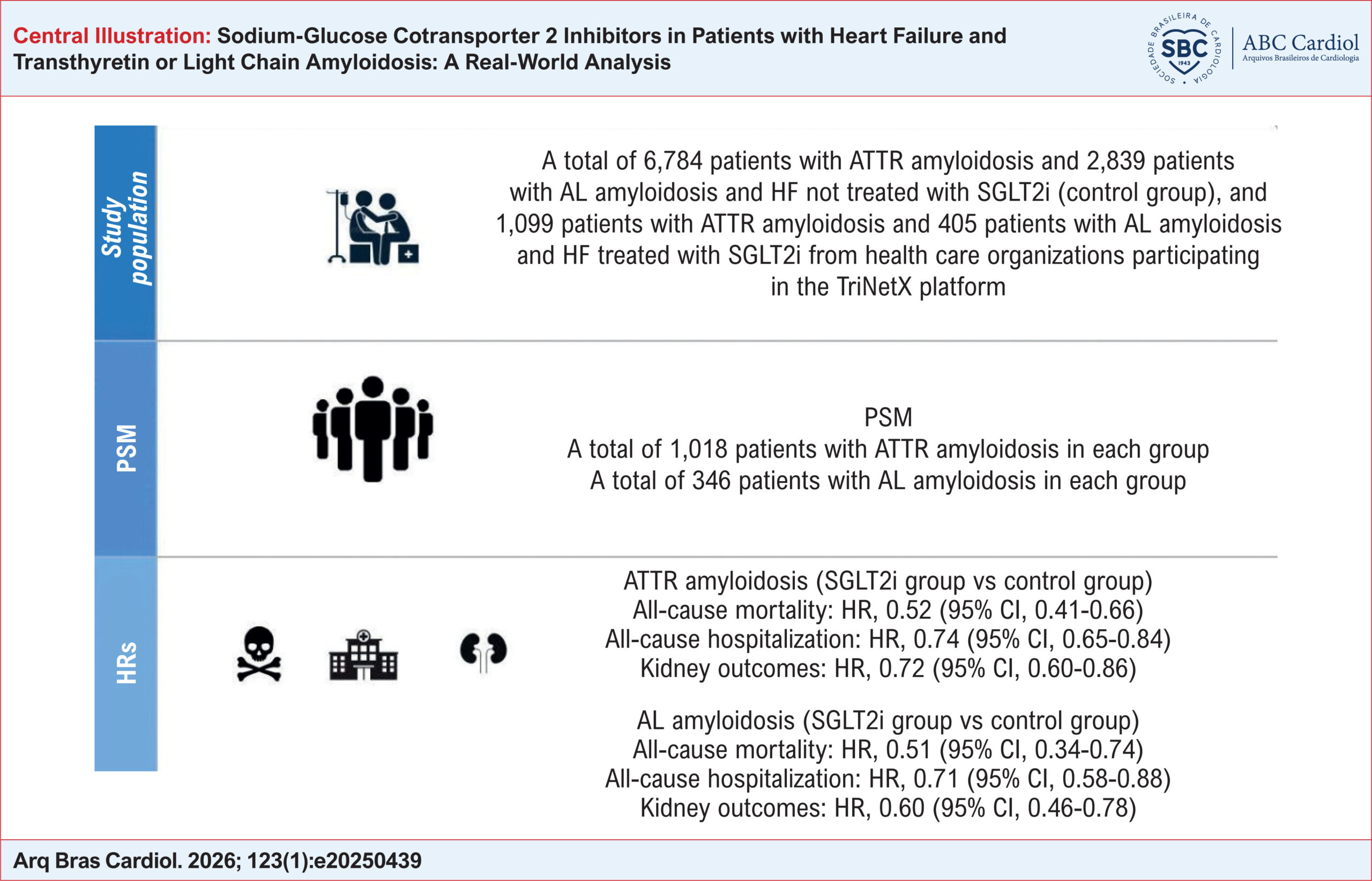
By using global electronic medical record data, we identified patients aged ≥ 18 years with ATTR or AL amyloidosis and HF. After matching, outcomes were compared between patients treated with SGLT2i and matched controls, including 2,036 patients with ATTR amyloidosis and 692 patients with AL amyloidosis. Endpoints included 12-month all-cause mortality, hospitalization, and kidney outcomes. Statistical significance was defined as a two-sided p < 0.05.

Results:

A total of 96 (9.43%) deaths occurred among patients with ATTR amyloidosis in the SGLT2i group, compared to 196 (19.2%) in the control group (hazard ratio [HR], 0.52; 95% CI, 0.41-0.66). Hospitalization occurred in 387 (38.0%) patients receiving SGLT2i and in 505 (49.6%) controls (HR, 0.74; 95% CI, 0.65-0.84). Kidney outcomes were observed in 204 (20.0%) patients in the SGLT2i group and 298 (28.5%) in the control group (HR, 0.72; 95% CI, 0.60-0.86). Among patients with AL amyloidosis, 39 (11.2%) deaths occurred in the SGLT2i group and 80 (23.1%) in the control group (HR, 0.51; 95% CI, 0.34-0.74). Hospitalization occurred in 161 (46.5%) patients treated with SGLT2i and in 204 (58.96%) controls (HR, 0.71; 95% CI, 0.58-0.88). Kidney outcomes occurred in 86 (24.8%) patients in the SGLT2i group and 137 (39.6%) in the control group (HR, 0.60; 95% CI, 0.46-0.78).

Conclusion:

In patients with HF due to ATTR or AL amyloidosis, the use of SGLT2i was associated with lower all-cause mortality, hospitalization, and kidney outcomes.

  • Amyloidosis
  • Heart Failure
  • Mortality
  • Sodium-Glucose Transporter 2 Inhibitors
Read Full Article
Creative Commons Attribution (CC BY) Creative Commons license
02/03/2026 DOI: 10.36660/abc.20250439i Views 2
Figure 1
ABC
Brief Communication

Apical Sparing and Granular Sparkling: Not Everything that Glitters Is Cardiac Amyloidosis

Ana Paula Morais Barros et al. Cristhian Espinoza Romero Juliano Novaes Cardoso Fábio Fernandes Viviane Tiemi Hotta

Introduction

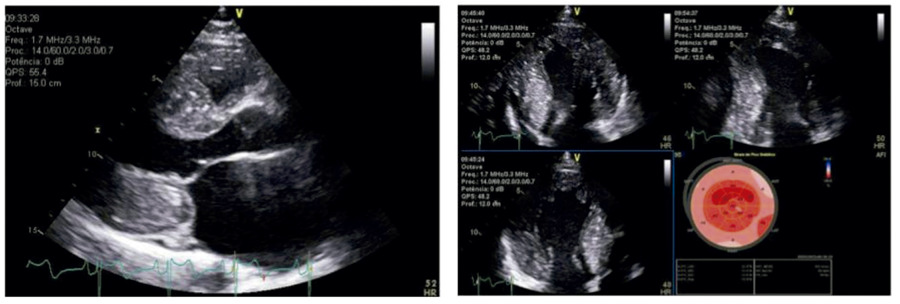
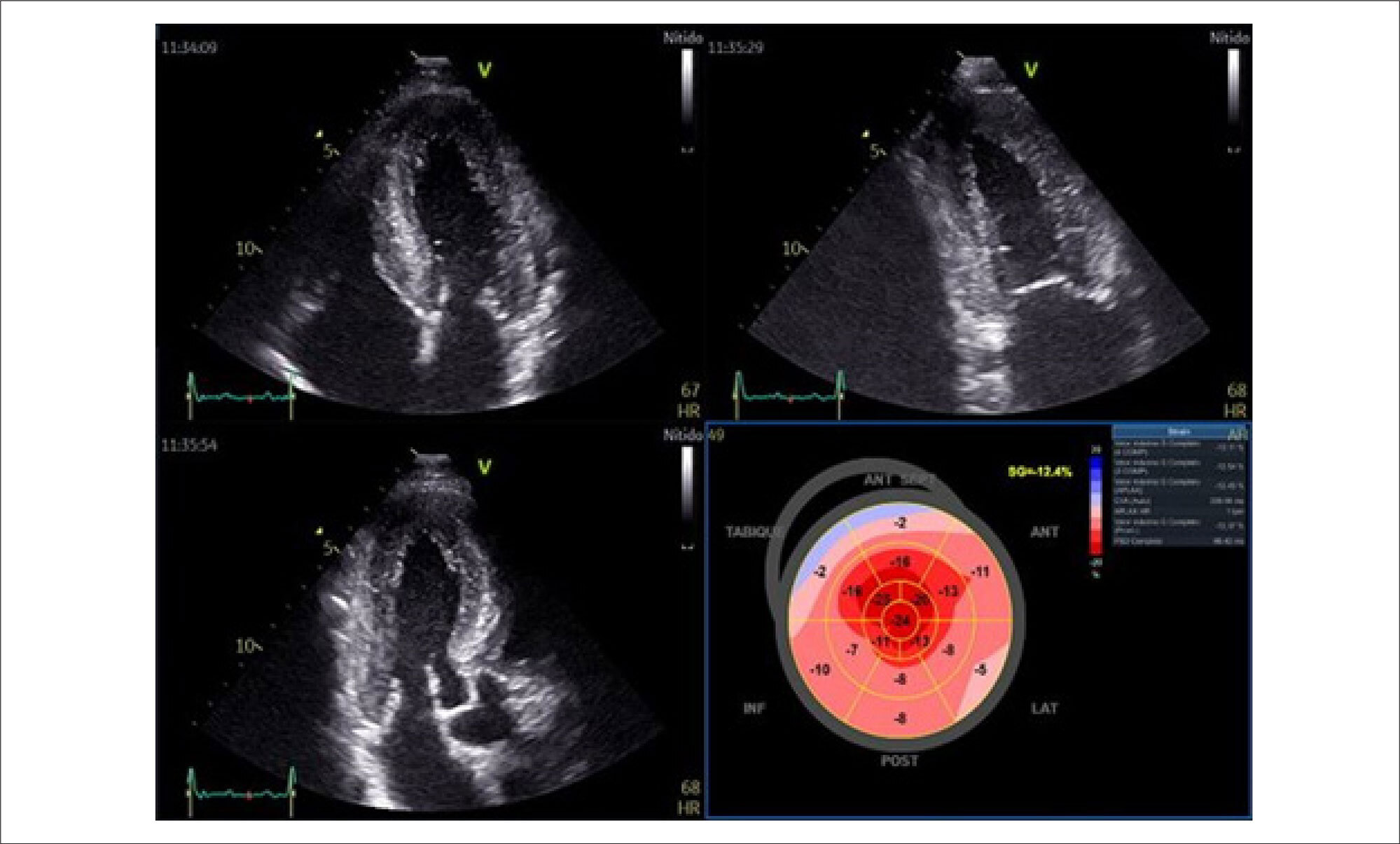
With recent advances in the diagnosis and treatment of cardiac amyloidosis (CA), the role of complementary cardiac imaging methods for the early recognition of this disease has been widely discussed. In this context, myocardial hyperrefringence and preservation of left ventricular apex contractility (apical sparing; AS), evidenced by transthoracic echocardiography (TTE) with myocardial strain analysis (STE), are findings that frequently raise suspicion of CA.

However, despite this association, the heterogeneity of this finding in CA, depending on the population studied, in addition to its presentation in other conditions, leads to questions regarding the real accuracy of AS for the diagnosis of this disease. Through the report of three clinical cases of patients with different clinical conditions – hypertrophic cardiomyopathy (HCM), chronic kidney disease (CKD), and use of anabolic steroids – in which myocardial hyperrefringence and AS were described on echocardiography, a brief discussion is proposed regarding the pathophysiology of these findings and their limitations for the diagnosis of CA.

[…]

  • Amyloidosis
  • Doppler Echocardiography
  • Global Longitudinal Strain
Read Full Article
Creative Commons Attribution (CC BY) Creative Commons license
09/01/2026 DOI: 10.36660/abc.20250198i Views 3
Figure 1
ABCIC
Research Letter

3D Printing of a Heart With Amyloidosis

Mariana de Paula Cruz et al. Davi Shunji Yahiro Daniel Gama das Neves Renato Pereira Barbosa … Alexandre Todorovic Fabro Pedro Manoel Marques Garibaldi Marcus Simões Claudio Tinoco Mesquita

Abstract

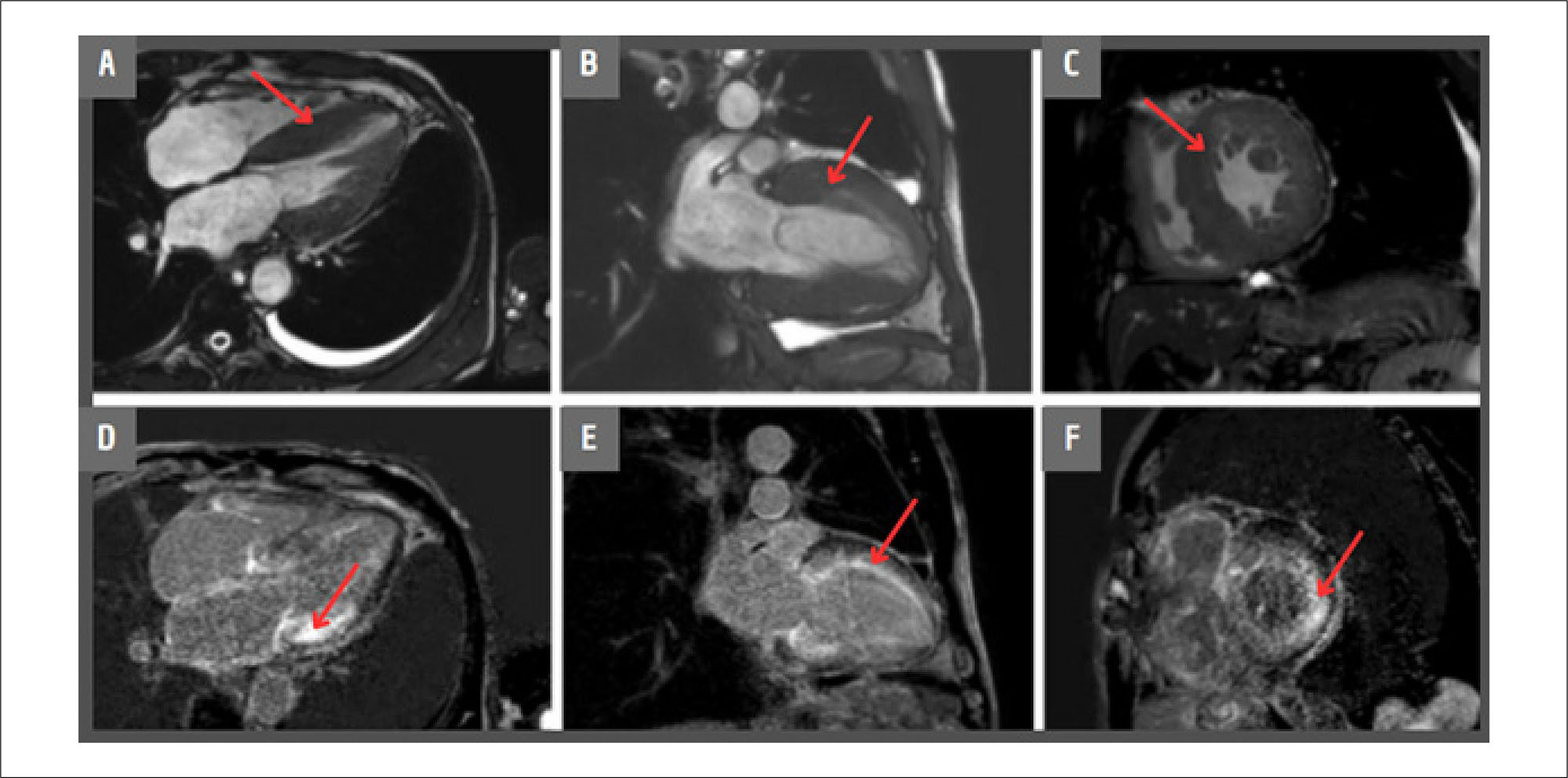
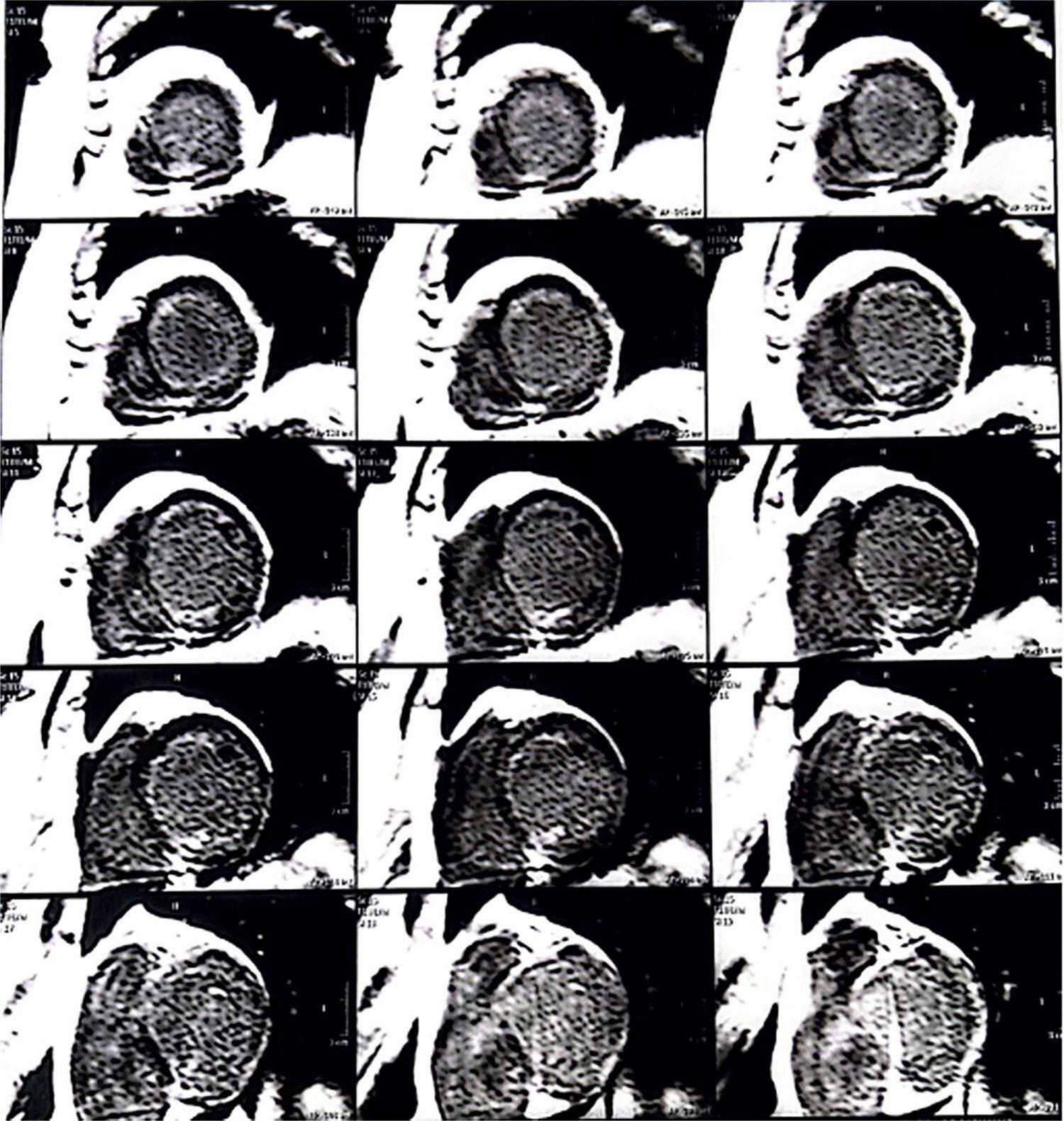
Cardiac Amyloidosis is a restrictive cardiomyopathy caused by the accumulation of amyloid protein in the heart. The advances in non-invasive diagnosis have been increasing its identification among patients with Heart Failure (HF), being previously considered to be a rare condition. Currently, it represents around 13% of the cases of Heart Failure with preserved Ejection Fraction (HFpEF). We report the case of a 72-year-old male patient who presented to the clinic reporting dyspnea and fatigue in low-effort activities. Laboratory exams were conducted, revealing increased cardiac markers, along with evidence of ventricular hypertrophy in electrocardiographic analysis. Cardiac imaging, serum free light chain (AL) assay, and endomyocardial biopsy indicated the diagnosis of AL amyloidosis. A three-dimensional model was constructed using magnetic resonance imaging (MRI) data. This model is intended to increase the awareness around amyloidosis as a possible differential diagnosis of HF, while also promoting patients’ and families’ education, demonstrating the typical structural abnormalities of the disease.

  • Amyloidosis
  • Heart Failure
  • Magnetic Resonance Imaging
  • Three-Dimensional Printing
Read Full Article
Creative Commons Attribution (CC BY) Creative Commons license
17/11/2025 DOI: 10.36660/abcimg.20250003i Views 1
ABC
Editorial

To Silence or to Stabilize: That is the Question

João Bicho Augusto

Transthyretin amyloid cardiomyopathy (ATTR-CM) was previously considered an inescapable progressive disease leading to devastating outcomes. Clinicians often disregarded ATTR-CM, as the therapeutical arsenal available was very limited. Historically, treatments have offered mostly symptomatic relief without altering disease progression. Fortunately, the last decade brought us disease-modifying treatments with the potential to transform the course of ATTR-CM.

At a molecular level, ATTR-CM develops when transthyretin (TTR), usually a stable transport protein for thyroxine and vitamin A, dissociates from its tetrameric configuration into monomers and amyloid fibrils that accumulate in the myocardium. Two key drug classes have been studied for the treatment of ATTR-CM: stabilizers and silencers. Stabilizers, such as tafamidis and acoramidis, act by stabilizing the TTR tetramer configuration, thus preventing its breakdown and subsequent deposition of amyloid fibrils., In contrast, silencers, such as patisiran and vutrisiran, inhibit the hepatic production of TTR via RNA interference mechanisms, essentially reducing the source of the amyloid precursor., Historically, the ATTR-ACT study was the first Phase III trial to demonstrate that a drug for ATTR-CM, tafamidis, could reduce all-cause mortality, giving stabilizers a competitive edge. However, with newer drug classes, which option is the best for our patients?

[…]

  • Amyloidosis
  • cardiomyopathy
  • Transthyretin
Read Full Article
Creative Commons Attribution (CC BY) Creative Commons license
03/10/2025 DOI: 10.36660/abc.20250426i Views 1
ABCIC
Editorial

Do Patients with Homozygosity and Compound Heterozygosity for Variants in the Transthyretin Amyloidosis TTR Gene Have More Severe and Earlier Clinical Conditions?

Tonnison de Oliveira Silva et al. Samuel Ulisses Chaves Nogueira do Nascimento

The prevalence of homozygotes for the Val142Ile genetic variant in the transthyretin (TTR) gene is extremely low in the general population (0.72%). This prevalence is slightly higher in endomyocardial biopsy studies (6% to 10%) and in cohorts involving reference centers for TTR cardiac amyloidosis (4% to 14%).,

Homozygotes represent a distinct subpopulation within the spectrum of cardiac amyloidosis, with clinical characteristics that appear to differ substantially from those of heterozygotes. This genetic variation has been associated with an onset of clinical manifestations in younger patients compared with heterozygotes and also with a higher risk of serious cardiovascular events, such as heart failure and ventricular arrhythmias.³ Besides the earlier onset, observational studies indicate that the disease has a more aggressive phenotypic behavior in homozygous patients, characterized by greater ventricular thickening, worse diastolic function, and a higher load of amyloid fibrils in the heart.³ Thus, homozygotes usually have a higher risk of developing early and more severe heart failure than heterozygotes.–

[…]

  • Amyloidosis
  • Homozygote
  • Prealbumin
Read Full Article
Creative Commons Attribution (CC BY) Creative Commons license
30/06/2025 DOI: 10.36660/abcimg.20250027i Views 2
IJCS
Editorial

Cardiac Amyloidosis TTR: The Hidden Culprit Behind Aortic Stenosis in the Elderly

Sandrigo Mangini et al. Lígia Lopes Balsalobre Trevizan

Calcific aortic stenosis (AS), a condition marked by leaflet fibrosis and calcification, is driven by mechanical stress and biological stimuli that activate pro-inflammatory pathways. It results from a complex, progressive process that occurs over many years, and becomes increasingly prevalent with age. Aging itself is associated with a “low-grade inflammatory state”, which promotes and sustains various pathological conditions, including cardiac amyloidosis (CA), that is mostly related to wild-type transthyretin (TTR) and less commonly to variant TTR and light chain amyloidosis (AL). CA is phenotypically associated with heart failure with preserved ejection fraction (HFPEF), and wild type TTR is estimated to be prevalent in approximately 13% of elderly over 60. However, different from calcific AS that has a similar gender distribution, the wild-type TTR is more prevalent in men.

In a study with elderly patients, Conte et al. reported amyloid deposition in 37% of stenotic aortic valves, 10% of sclerotic valves, and no findings of amyloid in controls. Amyloid deposition was linked to greater fibrosis and calcification. Imunohistochemistry suggested involvement of serum amyloid A1 (SAA1) and TTR. These findings indicate that amyloid deposition in aortic valves may be more common and is related to aging and degenerative changes.

[…]

  • Amyloidosis
  • Aortic Valve Stenosis
Read Full Article
Creative Commons Attribution (CC BY) Creative Commons license
12/05/2025 DOI: 10.36660/ijcs.20240223 Views 1
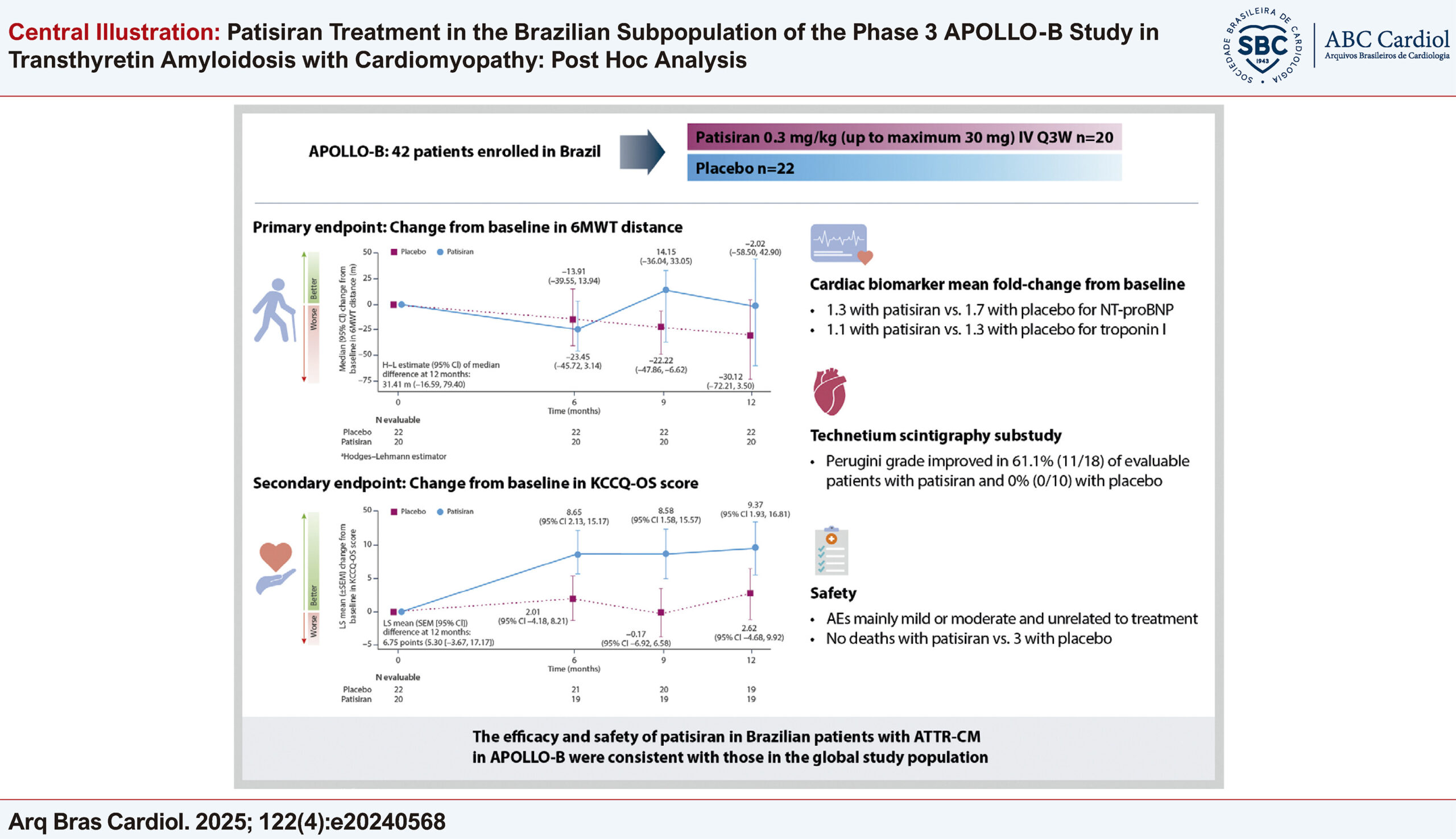
Patisiran Treatment in the Brazilian Subpopulation of the Phase 3 APOLLO-B Study in Transthyretin Amyloidosis with Cardiomyopathy: Post Hoc Analysis
ABC
Original Article

Patisiran Treatment in the Brazilian Subpopulation of the Phase 3 APOLLO-B Study in Transthyretin Amyloidosis with Cardiomyopathy: Post Hoc Analysis

Claudio Tinoco Mesquita et al. Pedro Schwartzmann Edileide Barros Correia Marcus V. Simões … Andreia Biolo Daniel Rodriguez Duque Patrick Y. Jay Fábio Fernandes

Abstract

Background

Patisiran rapidly knocked down transthyretin and preserved functional capacity in patients with transthyretin amyloidosis with cardiomyopathy (ATTR-CM) in the global Phase 3 APOLLO-B study (NCT03997383).

Objectives

To evaluate patisiran efficacy and safety in post hoc analysis of the Brazilian subpopulation of APOLLO-B.

Methods

Patients were randomized 1:1 to patisiran 0.3 mg/kg or placebo every 3 weeks for 12 months. The primary endpoint was the change from baseline (CFB) in functional capacity (6-minute walk test [6MWT]) at Month 12. Secondary endpoints included CFB to Month 12 in the Kansas City Cardiomyopathy Questionnaire-Overall Summary (KCCQ-OS) score. Exploratory endpoints included CFB in cardiac biomarkers and Perugini grade of cardiac uptake during technetium-99m scintigraphy.

Results

Forty-two patients enrolled in Brazil (patisiran, n=20; placebo, n=22). Patisiran showed benefit in 6MWT and KCCQ-OS scores vs. placebo; CFB (95% confidence interval [CI]) in 6MWT (median) and KCCQ-OS scores (least squares mean) was –2.0 m (–58.5, 42.9) and 9.37 (1.93, 16.81) points with patisiran vs. –30.1 m (–72.2, 3.5) and 2.62 (–4.68, 9.92) points for placebo. For cardiac biomarkers, the mean fold-change from baseline (95% CI) for N-terminal prohormone B-type natriuretic peptide and troponin I was 1.31 (1.06, 1.61) and 1.12 (0.94, 1.34) for patisiran, and 1.71 (1.39, 2.10) and 1.28 (1.08, 1.53) for placebo, respectively. Perugini grade improved in 11/18 (61.1%) and 0/10 evaluable patients with patisiran and placebo, respectively. There were no deaths in the patisiran group vs. 3 in the placebo group.

Conclusion

The efficacy and safety of patisiran in Brazilian patients with ATTR-CM in APOLLO-B were consistent with those in the global study population. Findings are descriptive due to the small number of patients.

  • Amyloidosis
  • Cardiomyopathies
  • Clinical Trial
  • Small Interfering RNA
  • Transthyretin
Read Full Article
Creative Commons Attribution (CC BY) Creative Commons license
14/04/2025 DOI: 10.36660/abc.20240568i Views 1
Figure 1
ABCHF
Case Report

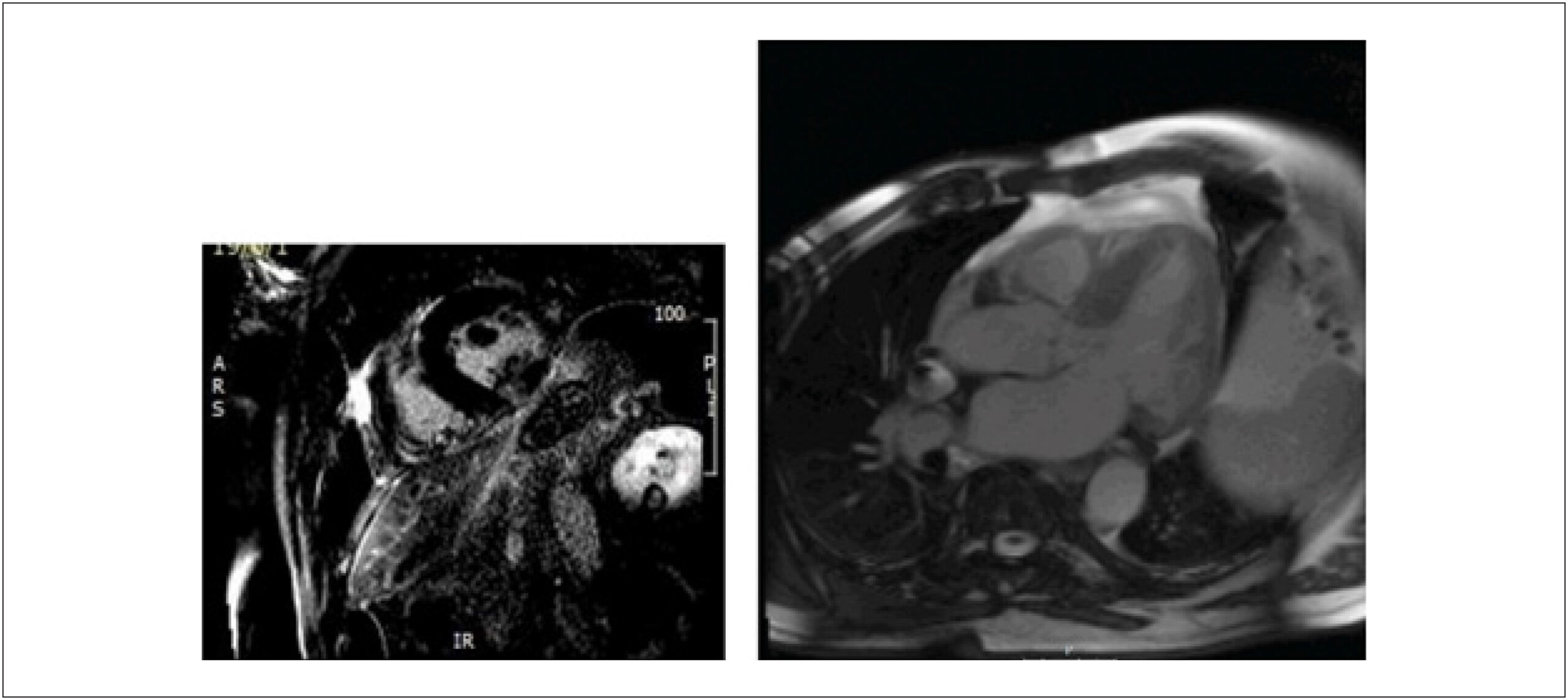
Dilated Cardiomyopathy Associated With A Novel Truncated Filamin C Variant Mimicking Cardiac Amyloidosis: A Diagnostic Challenge

Kelson Kemuel Confessor de Sousa et al. Ferdinand Gilbert Saraiva da Silva Maia Rosiane Viana Zuza Diniz Carla Karini R. A. Costa … Beatriz Andrade da Costa Fabio Mastrocola

Introduction

Filamins interconnect actin filaments and form a broad network in cardiac and skeletal muscle cells by anchoring membrane proteins to the cytoskeleton. Filamin C, encoded by the FLNC gene, is one of three filamin-related proteins and binds to several proteins in the Z-disc of the sarcomere. Mutations in FLNC were initially associated with skeletal myofibrillar myopathy but are now recognized as associated with dilated and arrhythmogenic cardiomyopathy phenotypes, with autosomal dominant inheritance and an estimated penetrance of 92–97%, and are included in the genetic screening of patients with arrhythmogenic heart disease and sudden cardiac death. The prevalence of pathogenic FLNC variants is 1–4.5% among patients with dilated cardiomyopathy (DCM) and up to 6% in patients with arrhythmogenic cardiomyopathy.,

We describe the case of a patient with a novel truncated variant in the filamin C gene with a DCM phenotype who, during clinical follow-up and etiological investigation, presented imaging exams mimicking cardiac amyloidosis.

[…]

  • Amyloidosis
  • Cardiac Arrhythmias
  • Dilated Cardiomyopathy
  • Genetic Testing
Read Full Article
Creative Commons Attribution (CC BY) Creative Commons license
28/03/2025 DOI: 10.36660/abchf.20240053i Views 1
Figure 1
ABCIC
Case Report

ATTRwt Cardiac Amyloidosis and Aortic Regurgitation in a Patient with Acute Myelomonocytic Leukemia: an Unusual Combination

Diego Chemello et al. Patricia Chagas Camila Sales Fagundes Juliana Chiodelli Salvador Marcelo Tavares

Introduction

Systemic amyloidosis is a relatively rare multisystem disease caused by the deposition of misfolded protein in various tissues and organs. Cardiac amyloidosis (CA) is recognized as an underlying cause of left ventricular wall thickening, heart failure, and arrhythmia with variable clinical presentation. The clinical diagnosis of cardiac involvement in amyloidosis is challenging, requiring a patient-centered diagnostic work-up that ensures an appropriate diagnosis.,

Although amyloidosis has been associated with multiple malignant disorders, its association with leukemia is rather uncommon.– Also, there is a relationship between CA and valvular heart disease, particularly aortic stenosis (AS). The association of ATTRwt CA and aortic regurgitation (AR) in a patient with acute myelomonocytic leukemia (MML) is unique and has not been described so far.

[…]

  • Acute Myelomonocytic Leukemia
  • Amyloidosis
  • Aortic Valve Insufficiency
Read Full Article
Creative Commons Attribution (CC BY) Creative Commons license
27/03/2025 DOI: 10.36660/abcimg.20240127i Views 2
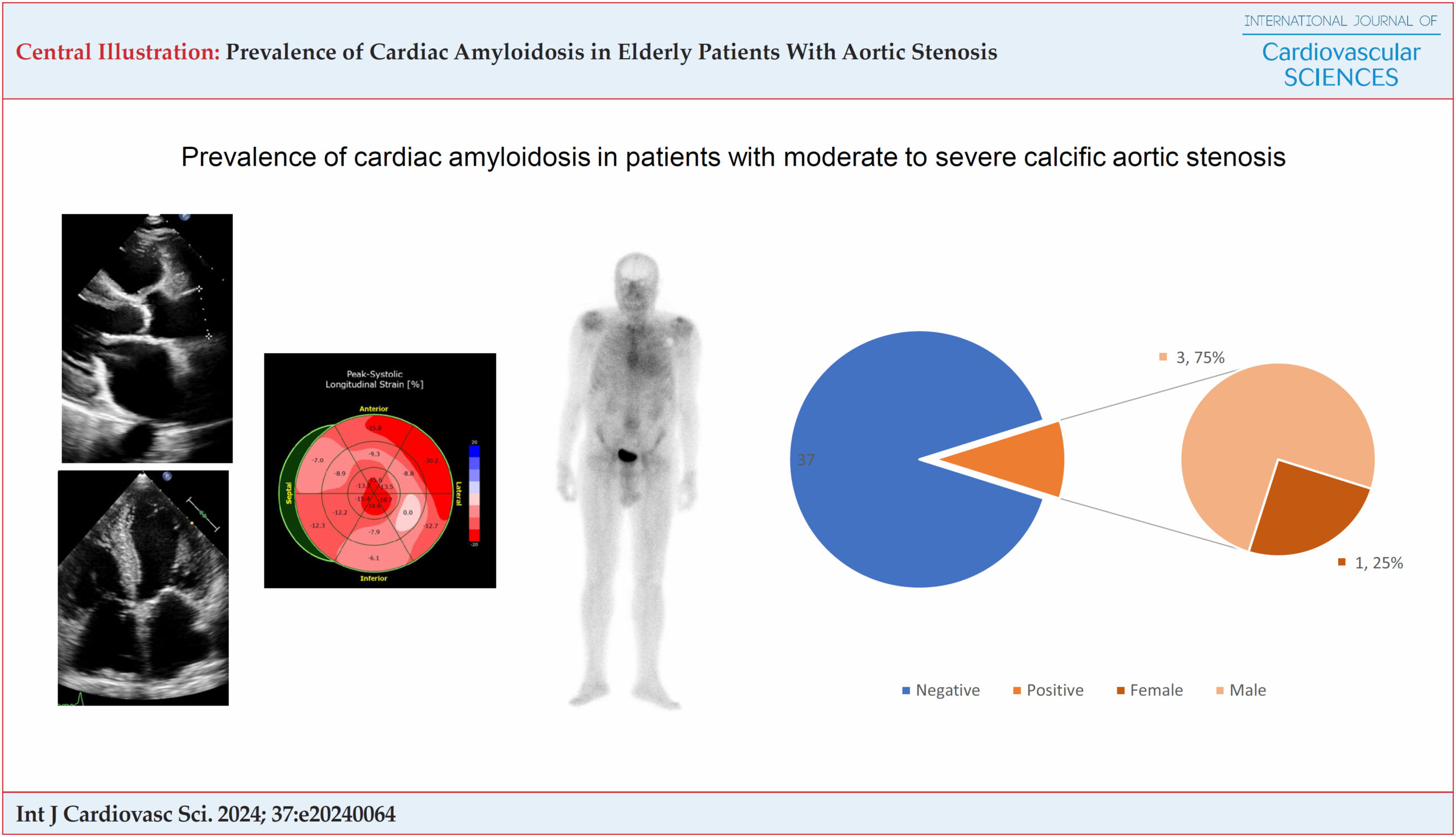
Prevalence of Cardiac Amyloidosis in Elderly Patients With Aortic Stenosis
IJCS
Original Article

Prevalence of Cardiac Amyloidosis in Elderly Patients With Aortic Stenosis

Ng Kin Key et al. Adelina Sanches de Melo Joberto Pinheiro Sena Adriano Dias Dourado … Julia Micheli Perez Jose Carlos Raimundo Brito Gilson Feitosa Gilson Soares Feitosa-Filho

Abstract

Background:

Aortic Stenosis (AS) is one of the most common valvular heart diseases in adults, especially the elderly. The persistence of heart failure symptoms and worse outcomes despite valve replacement treatment may be associated with the coexistence of Cardiac Amyloidosis (CA).

Objective:

To determine the prevalence of CA in patients with calcific AS.

Methods:

This was a cross-sectional study. Elderly patients with moderate to severe AS underwent cardiac scintigraphy with bone radiotracer for diagnosis of CA. Patients diagnosed with Transthyretin (TTR) amyloidosis by scintigraphy underwent genetic studies. Groups with altered and unaltered scintigraphy results for continuous variables were compared using an independent t-test for normally distributed variables and a Mann-Whitney test for those with asymmetric distribution. Statistical significance was set at p-value < 0.05

Results:

Forty-one patients with AS underwent pyrophosphate scintigraphy. The mean age of the cases was 79 ± 6 years, 23 (56%) were female, 23 (56%) had classic severe AS pattern, and 8 (19.5%) had low-flow low-gradient AS with reduced Ejection Fraction (EF). Carpal tunnel syndrome was present in 2 (4%) patients, 8 (19%) had polyneuropathy. A RAISE score ≥ 2 was found in 4 patients (9%). Four patients were diagnosed with TTR amyloidosis, one of whom had a Val122I genetic mutation. Three (75%) of the patients diagnosed with AE/AI were male. There were no statistically significant differences between the isolated AS and AS/CA groups.

Conclusion:

The prevalence of CA in patients with moderate to severe AS of probable calcified etiology in our sample was 10%.

  • Amyloidosis
  • Aortic Valve Stenosis
  • Prealbumin
  • Radionuclide Imaging
Read Full Article
Creative Commons Attribution (CC BY) Creative Commons license
22/11/2024 DOI: 10.36660/ijcs.20240064 Views 3
Figure 1
IJCS
Original Article

Prognostic Value of the 6-Minute Walk Test and Clinical Characteristics of Patients With Transthyretin Amyloid Cardiomyopathy

Cristhian Espinoza Romero et al. Natalia Melo Pereira Georgina Del Cisne Jadán Luzuriaga Bruno Vaz Kerges Bueno … Suenia Carvalhal Thais Borges Barbara Reis Fábio Fernandes

Abstract

Background:

In transthyretin amyloid cardiomyopathy (ATTR-CM), the assessment of functional capacity is of great importance. A distance < 300m covered in the 6-minute walk test (6MWT) is linked to a poorer prognosis in heart failure (HF) patients. However, in ATTR-CM, this association is not well-established, particularly among its various presentations and variants.

Objectives:

To evaluate functional capacity and, the prognostic value of the 6MWT in patients with ATTR-CM and to identify their clinical characteristics according to the type of ATTR-CM.

Methods:

This was a retrospective, single-center study that included patients with a confirmed diagnosis of ATTR-CM who performed the 6MWT. Median follow-up was 19 months (8 – 29). The significance level was set at P < 0.05.

Results:

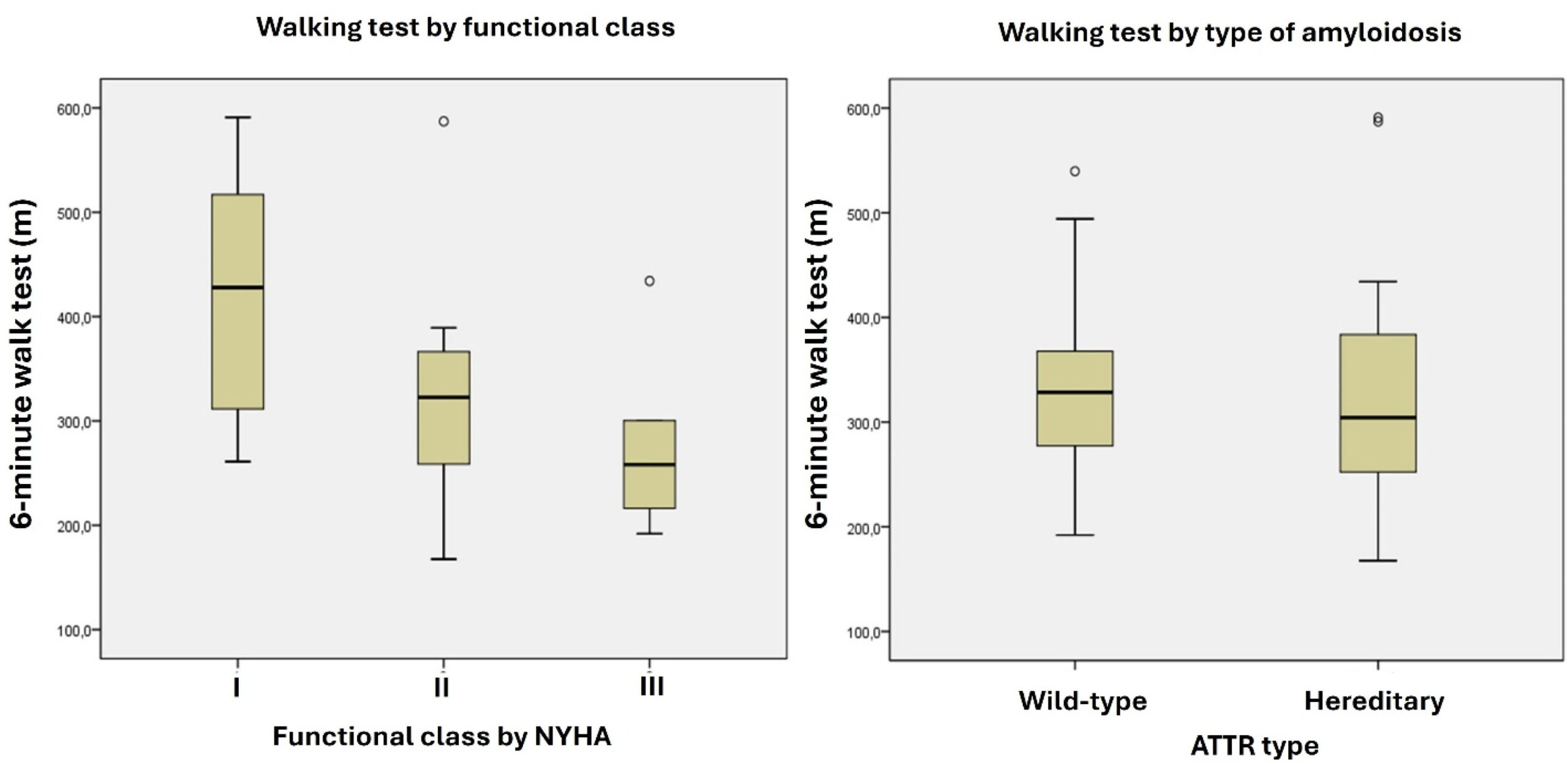
A total of 32 patients were analyzed; 59.4% had the hereditary form (ATTRh), of which 63.2% were Val142Ile. Mean left ventricular ejection fraction (LVEF) was lower in the ATTRh group when compared to the wild-type form (ATTRwt) [42 ±11 versus 52± 9 %; p = 0.029]. Median distance walked in the 6MWT was 328 m (269 – 397; IQR) in ATTRwt and 304 m (246 – 387; IQR) in ATTRh, with no difference between groups (p = 0.833). In patients with a distance <300 m in the 6MWT, survival was lower (28.8 vs 36.3 months; p = 0.041).

Conclusions:

A distance <300 m walked in the 6MWT was linked to shorter event-free survival in patients with ATTR-CM. Functional capacity of most patients was very low, and no differences were observed in the distance covered between the wild-type form and the hereditary form of ATTR.

  • Amyloidosis
  • Heart Failure
  • Prealbumin
  • Walk Test
Read Full Article
Creative Commons Attribution (CC BY) Creative Commons license
04/11/2024 DOI: 10.36660/ijcs.20240091 Views 1
Figure 1
IJCS
Review Article

Evolving Therapies for Transthyretin Cardiac Amyloidosis: New Clinical Trials with Amyloid Fibrils Depleter

Marcus Vinícius Simões et al. Fábio Fernandes André Dabarian Flavio Henrique Valicelli Claudio Tinoco Mesquita

Abstract

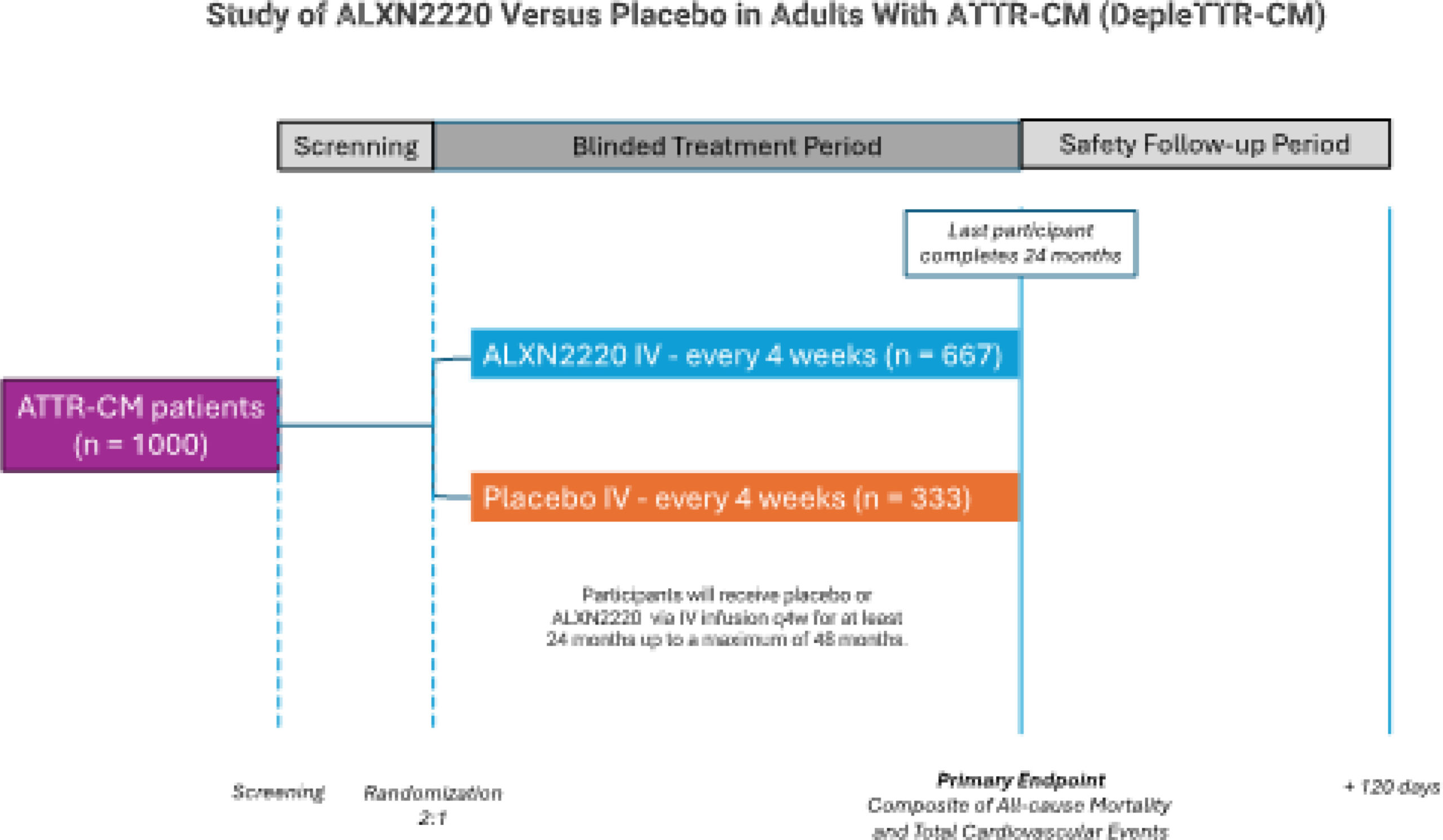
Amyloidosis is caused by the extracellular deposition of insoluble protein arrangements, formed from structural changes in different precursor proteins. The prominent clinical and epidemiological relevance of transthyretin amyloid cardiomyopathy (ATTR-CM), whose increased incidence is associated with the aging of the global population, given its high prevalence in the elderly population, has motivated the intensification of the search for specific therapeutic targets capable of altering the natural course of the disease. The past few years have been especially prolific with the emergence of significant new therapies for ATTR-CM, with important trials demonstrating positive results and changing the natural history of an inexorable and deadly disease. Up to now, the available drugs mainly promote stabilization of disease progression in patients with no advanced heart disease but grant no reversal of the structural cardiac disease in most cases. The transthyretin (TTR)-depleters based on monoclonal antibodies directed against the deposited amyloid fibers hold promise to fulfill these expectations. The DepleTTR-CM will test the safety and efficacy of a monoclonal antibody directed against TTR fibrils deposited in the myocardium of patients with ATTR-CM. This will be the first multicenter randomized controlled trial to test this new class of anti-amyloid treatment, the “amyloid fibril depleters”. This is a strategy designed to revert the amyloid accumulation in the cardiac interstitium, which is expected to translate into relevant clinical benefits, with the potential to close a gap in the ATTR-CM treatment strategies, mainly in patients with more severe disease.

  • Amyloidosis
  • deplete
  • Heart Failure
  • Prealbumin
Read Full Article
Creative Commons Attribution (CC BY) Creative Commons license
04/11/2024 DOI: 10.36660/ijcs.20240112 Views 2
Figure 1
ABCIC
Case Report

Is Wild-type Transthyretin Cardiac Amyloidosis Still Considered a Rare Disease?

Luis Enrique Sanchez Siancas

Introduction

Amyloidosis is a disease characterized by extracellular deposition of insoluble proteins resulting in organ dysfunction. There are more than 30 known proteins capable of aggregating into amyloid fibrils; among these, amyloidosis due to light chain (AL) immunoglobulin and transthyretin amyloidosis (ATTR) represent 98% of cardiac amyloidosis. Transthyretin (TTR) is a tetrameric protein whose function is to transport thyroxine and retinol-binding protein. It is primarily produced in the liver, with smaller quantities found in the choroid plexus and retinal pigment epithelium.

There are two distinct forms of ATTR: hereditary, caused by pathogenic mutations that destabilize the protein, and acquired, also known as wild-type (wtATTR), which results from the accumulation of wtATTR protein. Regarding clinical manifestations of ATTR, in the case of the hereditary type, they depend on the genetic variant involved and can lead to cardiac and extracardiac involvement, including sensory-motor peripheral neuropathies, autonomic neuropathies, gastrointestinal manifestations, among others. In the case of wtATTR, cardiac involvement is the predominant manifestation, characterized by heart failure, conduction disorders, and arrhythmias. The gold standard for diagnosis of cardiac amyloidosis is the demonstration of apple-green birefringence in polarized light microscopy of Congo red-stained tissue. However, confirmatory biopsy is no longer necessary for a diagnosis when the following criteria are met: heart failure with an echocardiogram or cardiac magnetic resonance imaging consistent with amyloidosis, a grade 2 or 3 uptake on radionuclide scintigraphy with 99m-Technetium-labeled 3,3-diphosphono-1,2-propanodicarboxylic acid or pyrophosphate (PYP), and absence of a detectable monoclonal gammopathy. There are currently new disease-modifying therapeutic options available for both hereditary and acquired ATTR. Among the available drugs are selective TTR stabilizers, such as tafamidis, and genetic silencers, such as inotersen or patisiran, which provide the most significant benefit in the early stages of the disease.

[…]

  • Amyloidosis
  • Prealbumin
  • Rare Diseases
Read Full Article
Creative Commons Attribution (CC BY) Creative Commons license
13/09/2024 DOI: 10.36660/abcimg.20240050i Views 2
Central Illustration
ABCIC
Review Article

My Approach to Echocardiography for the Diagnosis of Amyloidosis

Liria Lima Maria da Silva et al. Andrea de Andrade Vilela Antonio Tito Paladino Filho Jorge Eduardo Assef

Abstract

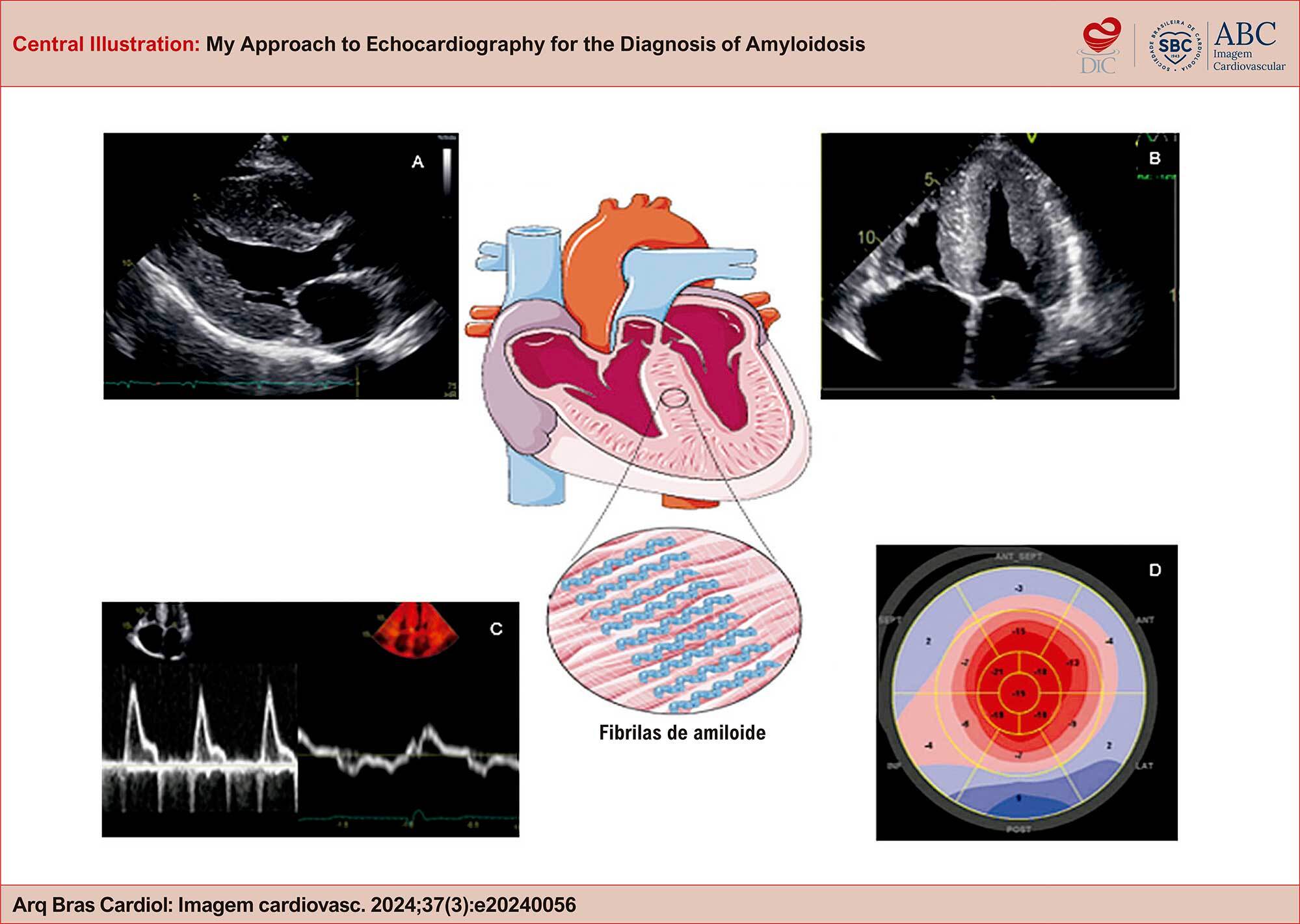
Cardiac amyloidosis (CA) is a multisystemic, infiltrative disease characterized by the deposition of insoluble proteins, known as amyloid fibrils, in the interstitial space of different tissues, such as the heart, nervous system, gastrointestinal tract, and eyes. In the heart, it is characterized by a progressive myocardial thickening, evolving into a restrictive pattern. CA is being diagnosed with increasing frequency, probably due to the greater dissemination of related information and advances in diagnostic methods and therapies that modify its course. Echocardiography is the first-line examination for diagnostic screening, monitoring, and differentiation from phenocopies.

  • Amyloidosis
  • Echocardiography
  • Global Longitudinal Strain
Read Full Article
Creative Commons Attribution (CC BY) Creative Commons license
27/08/2024 DOI: 10.36660/abcimg.20240056i Views 1
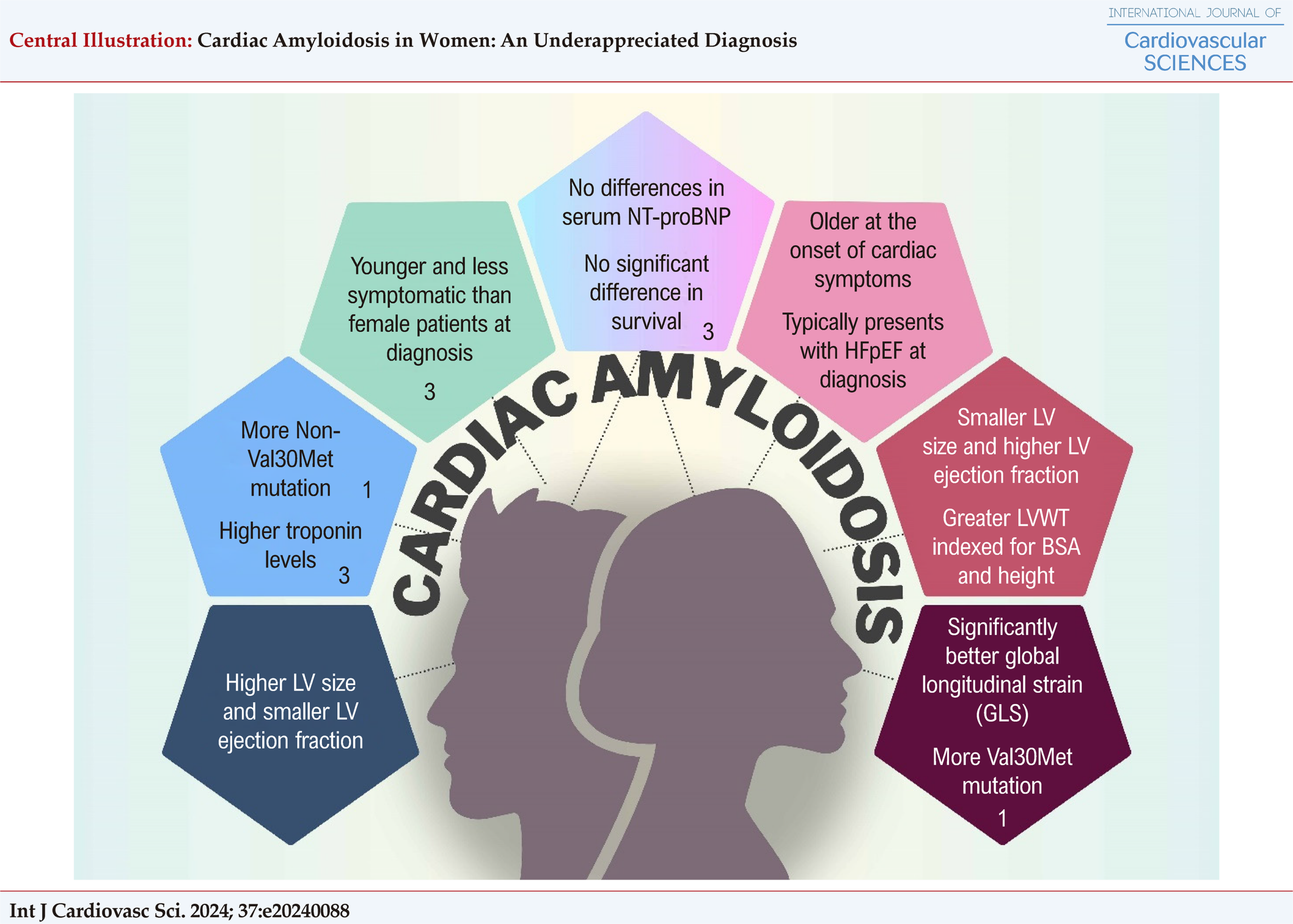
Cardiac Amyloidosis in Women: An Underappreciated Diagnosis
IJCS
Review Article

Cardiac Amyloidosis in Women: An Underappreciated Diagnosis

Larissa Neto Espíndola et al. Gláucia Maria Moraes de Oliveira Cláudia Maria Vilas Freire Marildes Luiza de Castro Maria Cristina Costa de Almeida

Abstract

Cardiac amyloidosis (CA) is an infiltrative cardiomyopathy that affects the heart mostly in two forms: immunoglobulin light chain amyloidosis (AL-CM) and transthyretin amyloidosis.

Transthyretin amyloid cardiomyopathy (ATTR-CM) predominantly affects the elderly population, mainly men (about 70-80%), and usually manifests with symptoms of heart failure (HF).

Despite technological advances in medicine, CA is still an underdiagnosed condition, especially in women, partly due to the known male predominance and high level of suspicion required for diagnosis. It is important to remember that amyloidosis is a systemic disease with a heterogeneous and non-specific presentation. It’s worth paying attention to the patient’s medical history and red flags in clinical and diagnostic tests (electrocardiogram [ECG], echocardiogram [ECHO], cardiac magnetic resonance [CMR]).

Accurate and timely diagnosis is crucial for appropriate management and prognosis.

So far, the under-representation of women in clinical trials may have also limited the evidence on sex-specific diagnosis, and outcomes.

  • Amyloidosis
  • Diagnosis
  • Prognosis
  • Therapeutics
  • Women
Read Full Article
Creative Commons Attribution (CC BY) Creative Commons license
26/08/2024 DOI: 10.36660/ijcs.20240088 Views 1
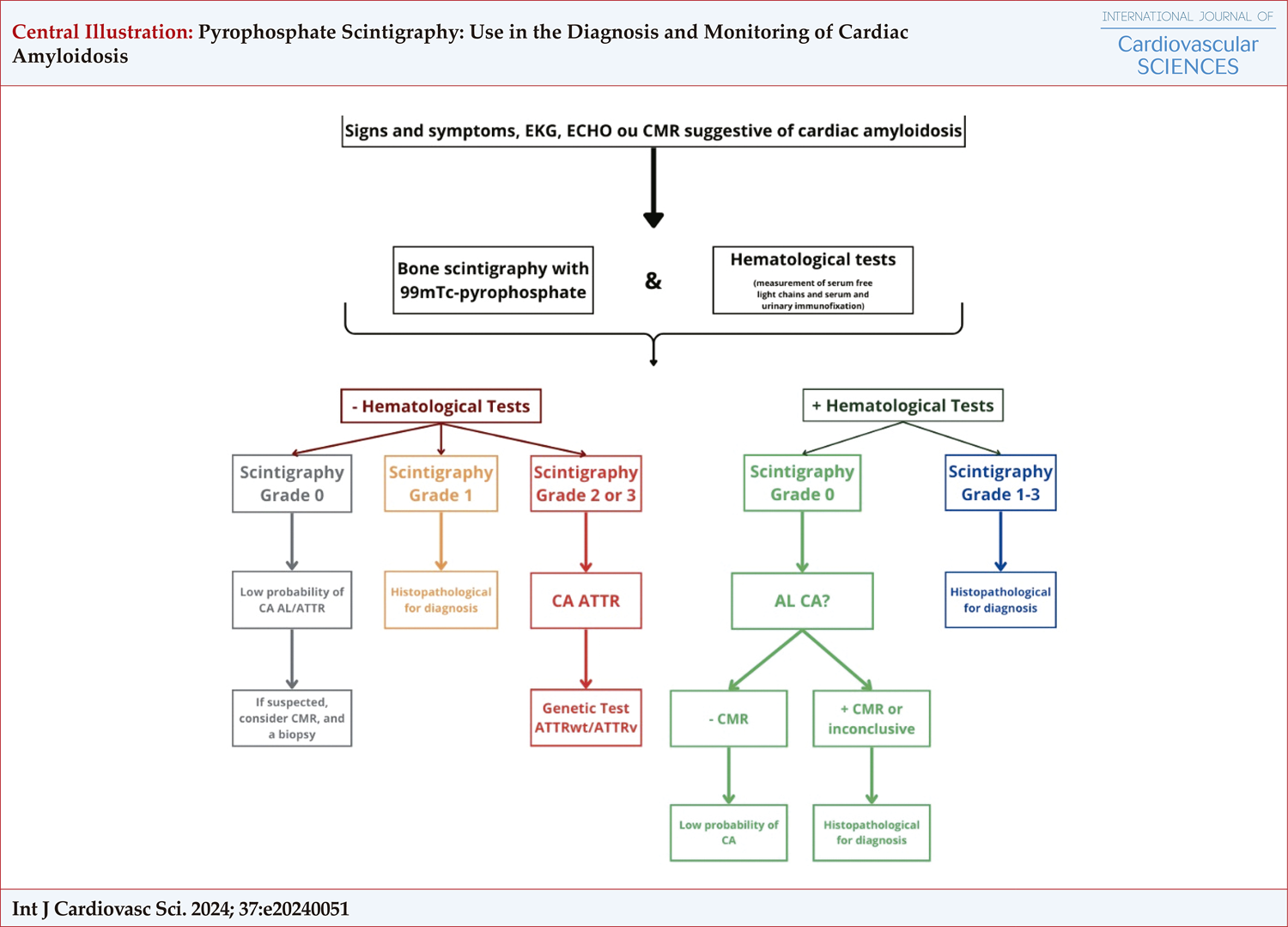
Pyrophosphate Scintigraphy: Use in the Diagnosis and Monitoring of Cardiac Amyloidosis
IJCS
Review Article

Pyrophosphate Scintigraphy: Use in the Diagnosis and Monitoring of Cardiac Amyloidosis

Claudio Tinoco Mesquita et al. Davi Shunji Yahiro José Felipe Ramos dos Santos Luís Eduardo Machado … Jose Gregorio Valero Rodriguez Giovane Leal de Azevedo Junior Marcus Simões

Abstract

Cardiac amyloidosis (CA) is a progressive condition marked by the accumulation of amyloid fibrils in cardiac tissue, resulting in cardiac dysfunction and, ultimately, heart failure. Pyrophosphate scintigraphy has emerged as a promising tool for the early detection and monitoring of CA, providing valuable insights into the disease’s extent and severity. This review examines the current use of pyrophosphate scintigraphy in distinguishing between different types of amyloidosis, assessing risk levels, and monitoring patients with CA. It underscores the clinical significance and prospects of this imaging technique.

  • Amyloidosis
  • Diagnosis
  • Nuclear Medicine
  • Radionuclide Imaging
Read Full Article
Creative Commons Attribution (CC BY) Creative Commons license
19/08/2024 DOI: 10.36660/ijcs.20240051 Views 1
IJCS
Viewpoint

Heart Rate Control or Rhythm Control in Patients With Atrial Fibrillation and Cardiac Amyloidosis

Lígia Lopes Balsalobre Trevizan et al. Sandrigo Mangini

Introduction

Cardiac amyloidosis (CA) manifests as a gradually progressive infiltrative condition characterized by the accumulation of insoluble protein aggregates within the myocardium and cardiac conduction system. The majority of CA cases are associated with precursor proteins, particularly immunoglobulin light chains (AL-CA) and transthyretin (ATTR-CA), which represent over 95% of cases. ATTR precursor substances may originate from a broad spectrum, encompassing both wild-type (ATTRwt) and variant (ATTRv) genes.

Arrhythmias in CA result from a combination of factors. The deposition of amyloid fibrils and infiltration into the myocardium cause thickening of the atrial and ventricular walls, leading to compromised relaxation. Consequently, this cascade results in increased filling pressures and atrial dilation, making individuals more susceptible to atrial fibrillation (AF) and other atrial arrhythmias. While left atrial (LA) enlargement has historically been linked with AF, new-onset AF can occur even without LA enlargement, suggesting a complex pathophysiology of AF in CA, where various processes affect LA structure, function, and mechanics in different ways, thereby heightening the AF risk. The usual manifestation of LA remodeling involves substantial infiltration of the atrial walls, leading to gradual impairment of atrial function and heightened stiffness, often observed without significant LA dilation.

[…]

  • Amyloidosis
  • Atrial Fibrillation
  • Heart Failure
  • Prealbumin
Read Full Article
Creative Commons Attribution (CC BY) Creative Commons license
09/08/2024 DOI: 10.36660/ijcs.20240050 Views 2
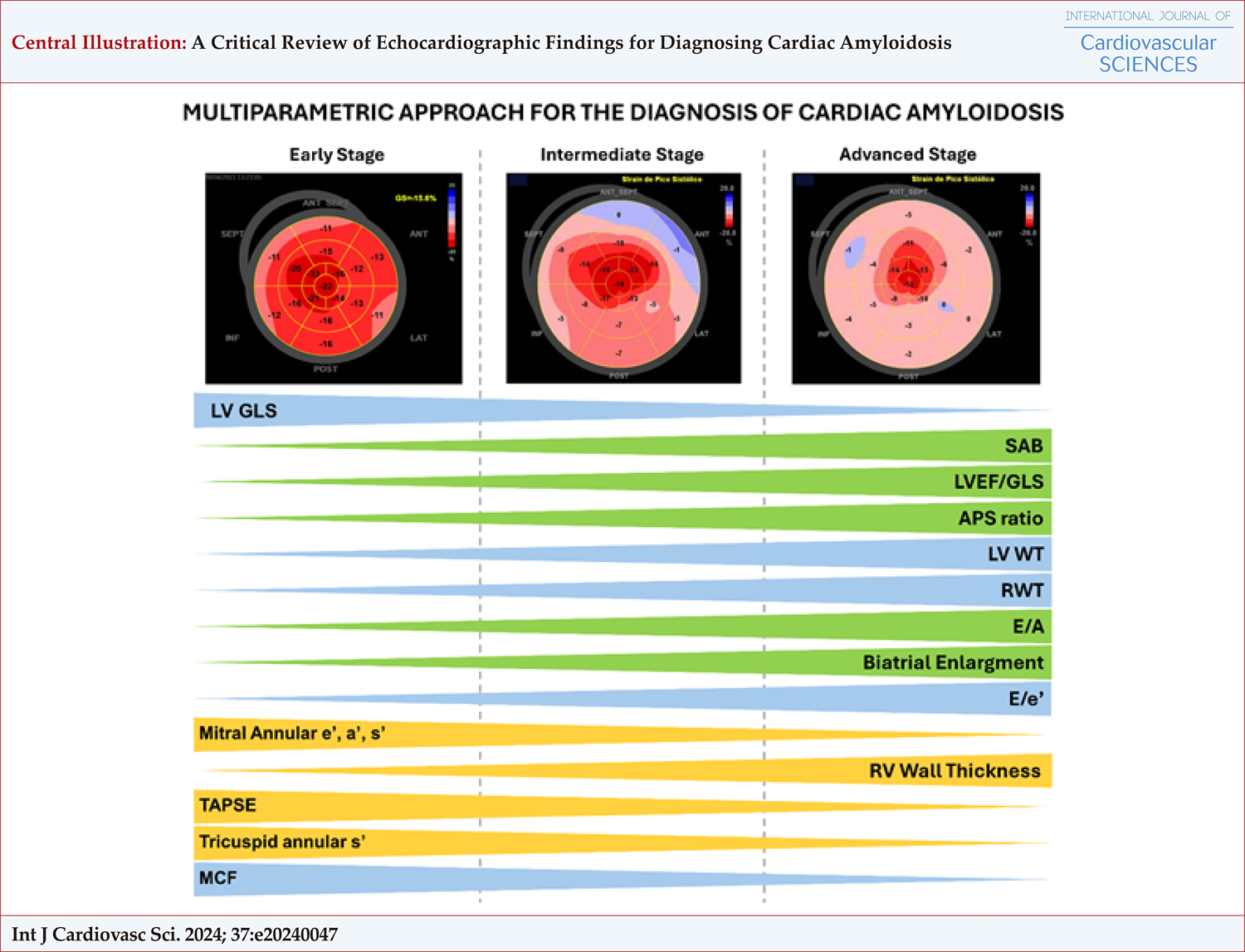
A Critical Review of Echocardiographic Findings for Diagnosing Cardiac Amyloidosis
IJCS
Review Article

A Critical Review of Echocardiographic Findings for Diagnosing Cardiac Amyloidosis

Silvio Henrique Barberato et al. Adenalva Lima de Souza Beck Viviane Tiemi Hotta Daniela do Carmo Rassi

Abstract

This article provides a critical review of the diagnostic value of several echocardiographic findings in cardiac amyloidosis (CA). The importance of early and accurate detection of CA is emphasized, considering its challenging diagnosis and the need for a high index of suspicion by clinicians. Echocardiography is often the first choice for imaging assessment of cardiac structure and function when CA is suspected. The article encompasses several conventional echocardiographic features and speckle-tracking echocardiography-derived deformation parameters. Some of these indexes are grouped together to form scores, which can improve the accuracy of diagnosing CA. However, particularly in earlier stages, echocardiography has low specificity to distinguish amyloid from other hypertrophic phenotypes, highlighting the need for correlation with clinical red flags, laboratory tests, and additional cardiac imaging modalities.

  • Amyloidosis
  • Echocardiography
  • Global Longitudinal Strain
Read Full Article
Creative Commons Attribution (CC BY) Creative Commons license
17/06/2024 DOI: 10.36660/ijcs.20240047 Views 2
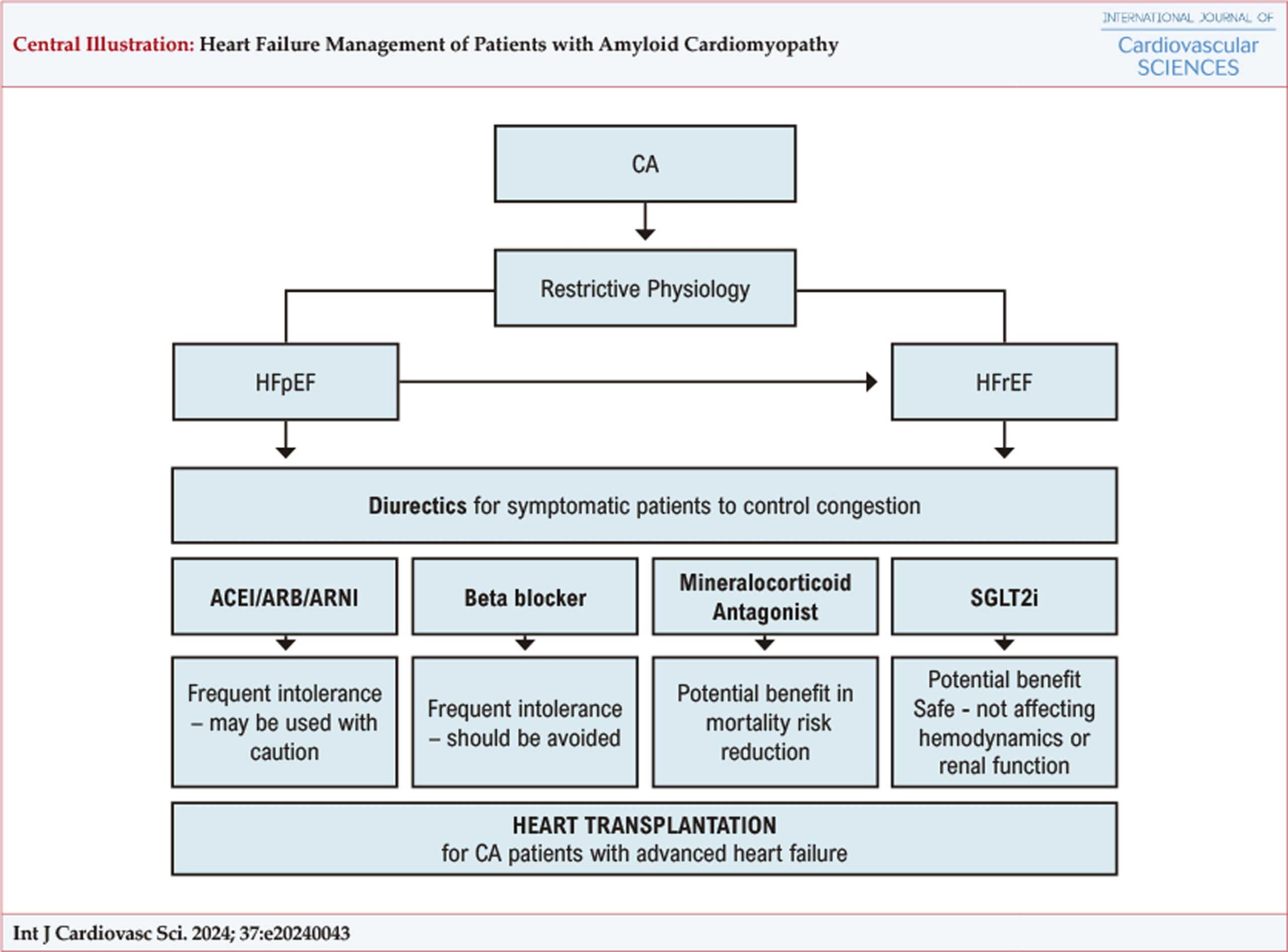
Heart Failure Management of Patients with Amyloid Cardiomyopathy
IJCS
Review Article

Heart Failure Management of Patients with Amyloid Cardiomyopathy

Vanessa Simioni Faria et al. Ciro Mancilha Murad Fabiana G. Marcondes-Braga

Abstract

Cardiac amyloidosis (CA) can lead to progressive heart failure (HF) by depositing insoluble amyloid fibrils within the myocardial extracellular space, resulting in an infiltrative and restrictive cardiomyopathy. Although CA was previously perceived as rare and incurable, recent advances in diagnostics and emerging therapies have been changing this outlook. It is crucial to spread awareness about CA to facilitate earlier diagnosis and proper therapeutic interventions, enhancing patient prognosis and survival. Currently, there is an estimated delay of 2 years from symptom onset to diagnosis, typically involving consultation with an average of 5 different professionals. Advances in cardiovascular imaging have facilitated earlier and more accurate diagnosis, reducing the necessity for invasive procedures, such as endomyocardial biopsy. Presently, tafamidis is the only drug that has been shown to offer prognostic benefits in ATTR-CA. Tafamidis is a highly specific medication targeting the circulating TTR protein, stabilizing the TTR tetramer to prevent its dissociation into amyloidogenic monomers that deposit in the myocardium. Alongside specific amyloidosis therapy, supportive HF treatment may be required; however, managing CA with medications typically used for HF with reduced ejection fraction (HFrEF) can be challenging due to potential intolerance. The effectiveness of guideline-directed medical therapy (GDMT) remains undetermined and still requires evaluation through randomized controlled clinical trials (RCCTs). Thus, the treatment cornerstone remains the judicious use of loop diuretics and mineralocorticoid receptor antagonists to control volume overload. Due to the safety profile, not adversely affecting hemodynamics or renal function, sodium-glucose transport protein 2 (SGLT2) inhibitors may be an effective treatment for CA, but they also still require evaluation through RCCTs.

  • Amyloidosis
  • Cardiomyopathies
  • Heart Failure
  • Left Ventricular Dysfunction
Read Full Article
Creative Commons Attribution (CC BY) Creative Commons license
07/06/2024 DOI: 10.36660/ijcs.20240043 Views 2

Could not load more articles. Please try again.

How to cite this article

EndNote RIS

Electronic Document Format (Vancouver)

Fernandes ASN, Faria J, Vieira CF. Conflicting Clues in Severe LV Hypertrophy: An Unusual Presentation of ATTR Amyloidosis. Arquivos Brasileiros de Cardiologia 2026;123(5):e20250832.

Electronic Document Format (ABNT)

Fernandes, Ana Sofia Nogueira; Faria, João; Vieira, Catarina Ferreira. Conflicting Clues in Severe LV Hypertrophy: An Unusual Presentation of ATTR Amyloidosis. Arquivos Brasileiros de Cardiologia, v. 123, n. 5, e20250832, Jul. 2026.

Electronic Document Format (APA)

Fernandes, A. S. N., Faria, J., & Vieira, C. F. (2026). Conflicting Clues in Severe LV Hypertrophy: An Unusual Presentation of ATTR Amyloidosis. Arquivos Brasileiros de Cardiologia, 123(5), e20250832.

Electronic Document Format (ISO)

Fernandes, Ana Sofia Nogueira and Faria, João and Vieira, Catarina Ferreira. Conflicting Clues in Severe LV Hypertrophy: An Unusual Presentation of ATTR Amyloidosis. Arquivos Brasileiros de Cardiologia [online]. 2026, vol. 123, n. 5, [cited 2026-10-14], e20250832. Available from: <https://journals.cardiol.br/en/article/conflicting-clues-in-severe-lv-hypertrophy-an-unusual-presentation-of-attr-amyloidosis/>. ISSN 0066-782X

EndNote RIS

Electronic Document Format (Vancouver)

Bonfim VH, Monteiro MM, Machado MA, Silva Junior OP, Couceiro KN, Fernandes F, Ferreira JMBB, et al. Hereditary Transthyretin Cardiac Amyloidosis Associated with Two Pathogenic Variants in the TTR Gene. Arquivos Brasileiros de Cardiologia 2026;123(4):e20250651.

Electronic Document Format (ABNT)

Bonfim, Victor Hugo; Monteiro, Matheus Martins; Machado, Moisés Abtibol; Silva Junior, Orlando Pereira da; Couceiro, Katia do Nascimento; Fernandes, Fábio; Ferreira, João Marcos Bemfica Barbosa. Hereditary Transthyretin Cardiac Amyloidosis Associated with Two Pathogenic Variants in the TTR Gene. Arquivos Brasileiros de Cardiologia, v. 123, n. 4, e20250651, May. 2026.

Electronic Document Format (APA)

Bonfim, V. H., Monteiro, M. M., Machado, M. A., Silva Junior, O. P. , Couceiro, K. N., Fernandes, F., & Ferreira, J. M. B. B. (2026). Hereditary Transthyretin Cardiac Amyloidosis Associated with Two Pathogenic Variants in the TTR Gene. Arquivos Brasileiros de Cardiologia, 123(4), e20250651.

Electronic Document Format (ISO)

Bonfim, Victor Hugo and Monteiro, Matheus Martins and Machado, Moisés Abtibol and Silva Junior, Orlando Pereira da and Couceiro, Katia do Nascimento and Fernandes, Fábio and Ferreira, João Marcos Bemfica Barbosa. Hereditary Transthyretin Cardiac Amyloidosis Associated with Two Pathogenic Variants in the TTR Gene. Arquivos Brasileiros de Cardiologia [online]. 2026, vol. 123, n. 4, [cited 2026-10-14], e20250651. Available from: <https://journals.cardiol.br/en/article/hereditary-transthyretin-cardiac-amyloidosis-associated-with-two-pathogenic-variants-in-the-ttr-gene/>. ISSN 0066-782X

EndNote RIS

Electronic Document Format (Vancouver)

Lemos NB, Araújo GAM, Melo MDT. The Use of Artificial Intelligence in the Diagnosis of Cardiac Amyloidosis: Integrative Review. ABC Imagem Cardiovascular 2026;39(1):e20260016.

Electronic Document Format (ABNT)

Lemos, Nilson Batista; Araújo, Gabriela Aparecida Moreira; Melo, Marcelo Dantas Tavares de. The Use of Artificial Intelligence in the Diagnosis of Cardiac Amyloidosis: Integrative Review. ABC Imagem Cardiovascular, v. 39, n. 1, e20260016, May. 2026.

Electronic Document Format (APA)

Lemos, N. B., Araújo, G. A. M., & Melo, M. D. T. (2026). The Use of Artificial Intelligence in the Diagnosis of Cardiac Amyloidosis: Integrative Review. ABC Imagem Cardiovascular, 39(1), e20260016.

Electronic Document Format (ISO)

Lemos, Nilson Batista and Araújo, Gabriela Aparecida Moreira and Melo, Marcelo Dantas Tavares de. The Use of Artificial Intelligence in the Diagnosis of Cardiac Amyloidosis: Integrative Review. ABC Imagem Cardiovascular [online]. 2026, vol. 39, n. 1, [cited 2026-10-14], e20260016. Available from: <https://journals.cardiol.br/en/article/the-use-of-artificial-intelligence-in-the-diagnosis-of-cardiac-amyloidosis-integrative-review/>. ISSN 2318-8219

EndNote RIS

Electronic Document Format (Vancouver)

Mesquita CT, Yahiro DS, Coelho RPS, Azevedo Junior GL, Moreira BR, Figueiredo RL, Gripp E, et al. Biomarker–Imaging Dissociation in Wild-Type Cardiac Amyloidosis after Treatment with Patisiran. Arquivos Brasileiros de Cardiologia 2026;123(3):e20240757.

Electronic Document Format (ABNT)

Mesquita, Claudio Tinoco; Yahiro, Davi Shunji; Coelho, Roberta Pereira dos Santos; Azevedo Junior, Giovane Leal de; Moreira, Beatriz Robert; Figueiredo, Régina Limongi de; Gripp, Eliza; Ávila, Diane Xavier. Biomarker–Imaging Dissociation in Wild-Type Cardiac Amyloidosis after Treatment with Patisiran. Arquivos Brasileiros de Cardiologia, v. 123, n. 3, e20240757, May. 2026.

Electronic Document Format (APA)

Mesquita, C. T., Yahiro, D. S., Coelho, R. P. S., Azevedo Junior, G. L. , Moreira, B. R., Figueiredo, R. L. , Gripp, E., & Ávila, D. X. (2026). Biomarker–Imaging Dissociation in Wild-Type Cardiac Amyloidosis after Treatment with Patisiran. Arquivos Brasileiros de Cardiologia, 123(3), e20240757.

Electronic Document Format (ISO)

Mesquita, Claudio Tinoco and Yahiro, Davi Shunji and Coelho, Roberta Pereira dos Santos and Azevedo Junior, Giovane Leal de and Moreira, Beatriz Robert and Figueiredo, Régina Limongi de and Gripp, Eliza and Ávila, Diane Xavier. Biomarker–Imaging Dissociation in Wild-Type Cardiac Amyloidosis after Treatment with Patisiran. Arquivos Brasileiros de Cardiologia [online]. 2026, vol. 123, n. 3, [cited 2026-10-14], e20240757. Available from: <https://journals.cardiol.br/en/article/biomarker-imaging-dissociation-in-wild-type-cardiac-amyloidosis-after-treatment-with-patisiran/>. ISSN 0066-782X

EndNote RIS

Electronic Document Format (Vancouver)

Villacorta H, Villacorta AS. Cardiac Amyloidosis and SGLT2 Inhibitors: Signal, Hope, and the Need for Randomized Evidence. Arquivos Brasileiros de Cardiologia 2026;123(1):e20250894.

Electronic Document Format (ABNT)

Villacorta, Humberto; Villacorta, Aline Sterque. Cardiac Amyloidosis and SGLT2 Inhibitors: Signal, Hope, and the Need for Randomized Evidence. Arquivos Brasileiros de Cardiologia, v. 123, n. 1, e20250894, Mar. 2026.

Electronic Document Format (APA)

Villacorta, H., & Villacorta, A. S. (2026). Cardiac Amyloidosis and SGLT2 Inhibitors: Signal, Hope, and the Need for Randomized Evidence. Arquivos Brasileiros de Cardiologia, 123(1), e20250894.

Electronic Document Format (ISO)

Villacorta, Humberto and Villacorta, Aline Sterque. Cardiac Amyloidosis and SGLT2 Inhibitors: Signal, Hope, and the Need for Randomized Evidence. Arquivos Brasileiros de Cardiologia [online]. 2026, vol. 123, n. 1, [cited 2026-10-14], e20250894. Available from: <https://journals.cardiol.br/en/article/cardiac-amyloidosis-and-sglt2-inhibitors-signal-hope-and-the-need-for-randomized-evidence/>. ISSN 0066-782X

EndNote RIS

Electronic Document Format (Vancouver)

Nunes RAB, Costa LMA, Scudeler TL, Neves PDMM, Sato VAH, Avezum . Sodium-Glucose Cotransporter 2 Inhibitors in Patients with Heart Failure and Transthyretin or Light Chain Amyloidosis: A Real-World Analysis. Arquivos Brasileiros de Cardiologia 2026;123(1):e20250439.

Electronic Document Format (ABNT)

Nunes, Rafael Amorim Belo; Costa, Leandro Menezes Alves da; Scudeler, Thiago Luis; Neves, Precil Diego Miranda Menezes; Sato, Victor Augusto Hamamoto; Avezum, Álvaro. Sodium-Glucose Cotransporter 2 Inhibitors in Patients with Heart Failure and Transthyretin or Light Chain Amyloidosis: A Real-World Analysis. Arquivos Brasileiros de Cardiologia, v. 123, n. 1, e20250439, Mar. 2026.

Electronic Document Format (APA)

Nunes, R. A. B., Costa, L. M. A. , Scudeler, T. L., Neves, P. D. M. M., Sato, V. A. H., & Avezum, (2026). Sodium-Glucose Cotransporter 2 Inhibitors in Patients with Heart Failure and Transthyretin or Light Chain Amyloidosis: A Real-World Analysis. Arquivos Brasileiros de Cardiologia, 123(1), e20250439.

Electronic Document Format (ISO)

Nunes, Rafael Amorim Belo and Costa, Leandro Menezes Alves da and Scudeler, Thiago Luis and Neves, Precil Diego Miranda Menezes and Sato, Victor Augusto Hamamoto and Avezum, Álvaro. Sodium-Glucose Cotransporter 2 Inhibitors in Patients with Heart Failure and Transthyretin or Light Chain Amyloidosis: A Real-World Analysis. Arquivos Brasileiros de Cardiologia [online]. 2026, vol. 123, n. 1, [cited 2026-10-14], e20250439. Available from: <https://journals.cardiol.br/en/article/sodium-glucose-cotransporter-2-inhibitors-in-patients-with-heart-failure-and-transthyretin-or-light-chain-amyloidosis-a-real-world-analysis/>. ISSN 0066-782X

EndNote RIS

Electronic Document Format (Vancouver)

Barros APM, Romero CE, Cardoso JN, Fernandes F, Hotta VT. Apical Sparing and Granular Sparkling: Not Everything that Glitters Is Cardiac Amyloidosis. Arquivos Brasileiros de Cardiologia 2026;122(11):e20250198.

Electronic Document Format (ABNT)

Barros, Ana Paula Morais; Romero, Cristhian Espinoza; Cardoso, Juliano Novaes; Fernandes, Fábio; Hotta, Viviane Tiemi. Apical Sparing and Granular Sparkling: Not Everything that Glitters Is Cardiac Amyloidosis. Arquivos Brasileiros de Cardiologia, v. 122, n. 11, e20250198, Jan. 2026.

Electronic Document Format (APA)

Barros, A. P. M., Romero, C. E., Cardoso, J. N., Fernandes, F., & Hotta, V. T. (2026). Apical Sparing and Granular Sparkling: Not Everything that Glitters Is Cardiac Amyloidosis. Arquivos Brasileiros de Cardiologia, 122(11), e20250198.

Electronic Document Format (ISO)

Barros, Ana Paula Morais and Romero, Cristhian Espinoza and Cardoso, Juliano Novaes and Fernandes, Fábio and Hotta, Viviane Tiemi. Apical Sparing and Granular Sparkling: Not Everything that Glitters Is Cardiac Amyloidosis. Arquivos Brasileiros de Cardiologia [online]. 2026, vol. 122, n. 11, [cited 2026-10-14], e20250198. Available from: <https://journals.cardiol.br/en/article/apical-sparing-and-granular-sparkling-not-everything-that-glitters-is-cardiac-amyloidosis/>. ISSN 0066-782X

EndNote RIS

Electronic Document Format (Vancouver)

Cruz MP, Yahiro DS, Neves DG, Barbosa RP, Fabro AT, Garibaldi PMM, Simões M, et al. 3D Printing of a Heart With Amyloidosis. ABC Imagem Cardiovascular 2025;38(3):e20250003.

Electronic Document Format (ABNT)

Cruz, Mariana de Paula; Yahiro, Davi Shunji; Neves, Daniel Gama das; Barbosa, Renato Pereira; Fabro, Alexandre Todorovic; Garibaldi, Pedro Manoel Marques; Simões, Marcus; Mesquita, Claudio Tinoco. 3D Printing of a Heart With Amyloidosis. ABC Imagem Cardiovascular, v. 38, n. 3, e20250003, Nov. 2025.

Electronic Document Format (APA)

Cruz, M. P., Yahiro, D. S., Neves, D. G. , Barbosa, R. P., Fabro, A. T., Garibaldi, P. M. M., Simões, M., & Mesquita, C. T. (2025). 3D Printing of a Heart With Amyloidosis. ABC Imagem Cardiovascular, 38(3), e20250003.

Electronic Document Format (ISO)

Cruz, Mariana de Paula and Yahiro, Davi Shunji and Neves, Daniel Gama das and Barbosa, Renato Pereira and Fabro, Alexandre Todorovic and Garibaldi, Pedro Manoel Marques and Simões, Marcus and Mesquita, Claudio Tinoco. 3D Printing of a Heart With Amyloidosis. ABC Imagem Cardiovascular [online]. 2025, vol. 38, n. 3, [cited 2026-10-14], e20250003. Available from: <https://journals.cardiol.br/en/article/3d-printing-of-a-heart-with-amyloidosis/>. ISSN 2318-8219

EndNote RIS

Electronic Document Format (Vancouver)

Augusto JB. To Silence or to Stabilize: That is the Question. Arquivos Brasileiros de Cardiologia 2025;122(8):e20250426.

Electronic Document Format (ABNT)

Augusto, João Bicho. To Silence or to Stabilize: That is the Question. Arquivos Brasileiros de Cardiologia, v. 122, n. 8, e20250426, Oct. 2025.

Electronic Document Format (APA)

Augusto, J. B. (2025). To Silence or to Stabilize: That is the Question. Arquivos Brasileiros de Cardiologia, 122(8), e20250426.

Electronic Document Format (ISO)

Augusto, João Bicho. To Silence or to Stabilize: That is the Question. Arquivos Brasileiros de Cardiologia [online]. 2025, vol. 122, n. 8, [cited 2026-10-14], e20250426. Available from: <https://journals.cardiol.br/en/article/to-silence-or-to-stabilize-that-is-the-question/>. ISSN 0066-782X

EndNote RIS

Electronic Document Format (Vancouver)

Silva TO, Nascimento SUCN. Do Patients with Homozygosity and Compound Heterozygosity for Variants in the Transthyretin Amyloidosis TTR Gene Have More Severe and Earlier Clinical Conditions?. ABC Imagem Cardiovascular 2025;38(2):e20250027.

Electronic Document Format (ABNT)

Silva, Tonnison de Oliveira; Nascimento, Samuel Ulisses Chaves Nogueira do. Do Patients with Homozygosity and Compound Heterozygosity for Variants in the Transthyretin Amyloidosis TTR Gene Have More Severe and Earlier Clinical Conditions?. ABC Imagem Cardiovascular, v. 38, n. 2, e20250027, Jun. 2025.

Electronic Document Format (APA)

Silva, T. O., & Nascimento, S. U. C. N. (2025). Do Patients with Homozygosity and Compound Heterozygosity for Variants in the Transthyretin Amyloidosis TTR Gene Have More Severe and Earlier Clinical Conditions?. ABC Imagem Cardiovascular, 38(2), e20250027.

Electronic Document Format (ISO)

Silva, Tonnison de Oliveira and Nascimento, Samuel Ulisses Chaves Nogueira do. Do Patients with Homozygosity and Compound Heterozygosity for Variants in the Transthyretin Amyloidosis TTR Gene Have More Severe and Earlier Clinical Conditions?. ABC Imagem Cardiovascular [online]. 2025, vol. 38, n. 2, [cited 2026-10-14], e20250027. Available from: <https://journals.cardiol.br/en/article/do-patients-with-homozygosity-and-compound-heterozygosity-for-variants-in-the-transthyretin-amyloidosis-ttr-gene-have-more-severe-and-earlier-clinical-conditions/>. ISSN 2318-8219

EndNote RIS

Electronic Document Format (Vancouver)

Mangini S, Trevizan LLB. Cardiac Amyloidosis TTR: The Hidden Culprit Behind Aortic Stenosis in the Elderly. International Journal of Cardiovascular Sciences 2025;38:e20240223.

Electronic Document Format (ABNT)

Mangini, Sandrigo; Trevizan, Lígia Lopes Balsalobre. Cardiac Amyloidosis TTR: The Hidden Culprit Behind Aortic Stenosis in the Elderly. International Journal of Cardiovascular Sciences, v. 38, e20240223, May. 2025.

Electronic Document Format (APA)

Mangini, S., & Trevizan, L. L. B. (2025). Cardiac Amyloidosis TTR: The Hidden Culprit Behind Aortic Stenosis in the Elderly. International Journal of Cardiovascular Sciences, 38, e20240223.

Electronic Document Format (ISO)

Mangini, Sandrigo and Trevizan, Lígia Lopes Balsalobre. Cardiac Amyloidosis TTR: The Hidden Culprit Behind Aortic Stenosis in the Elderly. International Journal of Cardiovascular Sciences [online]. 2025, vol. 38, [cited 2026-10-14], e20240223. Available from: <https://journals.cardiol.br/en/article/cardiac-amyloidosis-ttr-the-hidden-culprit-behind-aortic-stenosis-in-the-elderly/>. ISSN 2359-4802

EndNote RIS

Electronic Document Format (Vancouver)

Mesquita CT, Schwartzmann P, Correia EB, Simões MV, Biolo A, Duque DR, Jay PY, et al. Patisiran Treatment in the Brazilian Subpopulation of the Phase 3 APOLLO-B Study in Transthyretin Amyloidosis with Cardiomyopathy: Post Hoc Analysis. Arquivos Brasileiros de Cardiologia 2025;122(4):e20240568.

Electronic Document Format (ABNT)

Mesquita, Claudio Tinoco; Schwartzmann, Pedro; Correia, Edileide Barros; Simões, Marcus V.; Biolo, Andreia; Duque, Daniel Rodriguez; Jay, Patrick Y.; Fernandes, Fábio. Patisiran Treatment in the Brazilian Subpopulation of the Phase 3 APOLLO-B Study in Transthyretin Amyloidosis with Cardiomyopathy: Post Hoc Analysis. Arquivos Brasileiros de Cardiologia, v. 122, n. 4, e20240568, Apr. 2025.

Electronic Document Format (APA)

Mesquita, C. T., Schwartzmann, P., Correia, E. B., Simões, M. V., Biolo, A., Duque, D. R., Jay, P. Y., & Fernandes, F. (2025). Patisiran Treatment in the Brazilian Subpopulation of the Phase 3 APOLLO-B Study in Transthyretin Amyloidosis with Cardiomyopathy: Post Hoc Analysis. Arquivos Brasileiros de Cardiologia, 122(4), e20240568.

Electronic Document Format (ISO)

Mesquita, Claudio Tinoco and Schwartzmann, Pedro and Correia, Edileide Barros and Simões, Marcus V. and Biolo, Andreia and Duque, Daniel Rodriguez and Jay, Patrick Y. and Fernandes, Fábio. Patisiran Treatment in the Brazilian Subpopulation of the Phase 3 APOLLO-B Study in Transthyretin Amyloidosis with Cardiomyopathy: Post Hoc Analysis. Arquivos Brasileiros de Cardiologia [online]. 2025, vol. 122, n. 4, [cited 2026-10-14], e20240568. Available from: <https://journals.cardiol.br/en/article/patisiran-treatment-in-the-brazilian-subpopulation-of-the-phase-3-apollo-b-study-in-transthyretin-amyloidosis-with-cardiomyopathy-post-hoc-analysis/>. ISSN 0066-782X

EndNote RIS

Electronic Document Format (Vancouver)

Sousa KKC, Maia FGSS, Diniz RVZ, Costa CKRA, Costa BA, Mastrocola F. Dilated Cardiomyopathy Associated With A Novel Truncated Filamin C Variant Mimicking Cardiac Amyloidosis: A Diagnostic Challenge. ABC Heart Fail Cardiomyop 2025;5(1):e20240053.

Electronic Document Format (ABNT)

Sousa, Kelson Kemuel Confessor de; Maia, Ferdinand Gilbert Saraiva da Silva; Diniz, Rosiane Viana Zuza; Costa, Carla Karini R. A.; Costa, Beatriz Andrade da; Mastrocola, Fabio. Dilated Cardiomyopathy Associated With A Novel Truncated Filamin C Variant Mimicking Cardiac Amyloidosis: A Diagnostic Challenge. ABC Heart Fail Cardiomyop, v. 5, n. 1, e20240053, Mar. 2025.

Electronic Document Format (APA)

Sousa, K. K. C. , Maia, F. G. S. S., Diniz, R. V. Z., Costa, C. K. R. A., Costa, B. A. , & Mastrocola, F. (2025). Dilated Cardiomyopathy Associated With A Novel Truncated Filamin C Variant Mimicking Cardiac Amyloidosis: A Diagnostic Challenge. ABC Heart Fail Cardiomyop, 5(1), e20240053.

Electronic Document Format (ISO)

Sousa, Kelson Kemuel Confessor de and Maia, Ferdinand Gilbert Saraiva da Silva and Diniz, Rosiane Viana Zuza and Costa, Carla Karini R. A. and Costa, Beatriz Andrade da and Mastrocola, Fabio. Dilated Cardiomyopathy Associated With A Novel Truncated Filamin C Variant Mimicking Cardiac Amyloidosis: A Diagnostic Challenge. ABC Heart Fail Cardiomyop [online]. 2025, vol. 5, n. 1, [cited 2026-10-14], e20240053. Available from: <https://journals.cardiol.br/en/article/dilated-cardiomyopathy-associated-with-a-novel-truncated-filamin-c-variant-mimicking-cardiac-amyloidosis-a-diagnostic-challenge/>

EndNote RIS

Electronic Document Format (Vancouver)

Chemello D, Chagas P, Fagundes CS, Salvador JC, Tavares M. ATTRwt Cardiac Amyloidosis and Aortic Regurgitation in a Patient with Acute Myelomonocytic Leukemia: an Unusual Combination. ABC Imagem Cardiovascular 2025;38(1):e20240127.

Electronic Document Format (ABNT)

Chemello, Diego; Chagas, Patricia; Fagundes, Camila Sales; Salvador, Juliana Chiodelli; Tavares, Marcelo. ATTRwt Cardiac Amyloidosis and Aortic Regurgitation in a Patient with Acute Myelomonocytic Leukemia: an Unusual Combination. ABC Imagem Cardiovascular, v. 38, n. 1, e20240127, Mar. 2025.

Electronic Document Format (APA)

Chemello, D., Chagas, P., Fagundes, C. S., Salvador, J. C., & Tavares, M. (2025). ATTRwt Cardiac Amyloidosis and Aortic Regurgitation in a Patient with Acute Myelomonocytic Leukemia: an Unusual Combination. ABC Imagem Cardiovascular, 38(1), e20240127.

Electronic Document Format (ISO)

Chemello, Diego and Chagas, Patricia and Fagundes, Camila Sales and Salvador, Juliana Chiodelli and Tavares, Marcelo. ATTRwt Cardiac Amyloidosis and Aortic Regurgitation in a Patient with Acute Myelomonocytic Leukemia: an Unusual Combination. ABC Imagem Cardiovascular [online]. 2025, vol. 38, n. 1, [cited 2026-10-14], e20240127. Available from: <https://journals.cardiol.br/en/article/attrwt-cardiac-amyloidosis-and-aortic-regurgitation-in-a-patient-with-acute-myelomonocytic-leukemia-an-unusual-combination/>. ISSN 2318-8219

EndNote RIS

Electronic Document Format (Vancouver)

Key NK, Melo AS, Sena JP, Dourado AD, Perez JM, Brito JCR, Feitosa G, et al. Prevalence of Cardiac Amyloidosis in Elderly Patients With Aortic Stenosis. International Journal of Cardiovascular Sciences 2024;37:e20240064.

Electronic Document Format (ABNT)

Key, Ng Kin; Melo, Adelina Sanches de; Sena, Joberto Pinheiro; Dourado, Adriano Dias; Perez, Julia Micheli; Brito, Jose Carlos Raimundo; Feitosa, Gilson; Feitosa-Filho, Gilson Soares. Prevalence of Cardiac Amyloidosis in Elderly Patients With Aortic Stenosis. International Journal of Cardiovascular Sciences, v. 37, e20240064, Nov. 2024.

Electronic Document Format (APA)

Key, N. K., Melo, A. S. , Sena, J. P., Dourado, A. D., Perez, J. M., Brito, J. C. R., Feitosa, G., & Feitosa-Filho, G. S. (2024). Prevalence of Cardiac Amyloidosis in Elderly Patients With Aortic Stenosis. International Journal of Cardiovascular Sciences, 37, e20240064.

Electronic Document Format (ISO)

Key, Ng Kin and Melo, Adelina Sanches de and Sena, Joberto Pinheiro and Dourado, Adriano Dias and Perez, Julia Micheli and Brito, Jose Carlos Raimundo and Feitosa, Gilson and Feitosa-Filho, Gilson Soares. Prevalence of Cardiac Amyloidosis in Elderly Patients With Aortic Stenosis. International Journal of Cardiovascular Sciences [online]. 2024, vol. 37, [cited 2026-10-14], e20240064. Available from: <https://journals.cardiol.br/en/article/prevalence-of-cardiac-amyloidosis-in-elderly-patients-with-aortic-stenosis/>. ISSN 2359-4802

EndNote RIS

Electronic Document Format (Vancouver)

Romero CE, Pereira NM, Luzuriaga GDCJ, Bueno BVK, Carvalhal S, Borges T, Reis B, et al. Prognostic Value of the 6-Minute Walk Test and Clinical Characteristics of Patients With Transthyretin Amyloid Cardiomyopathy. International Journal of Cardiovascular Sciences 2024;37:e20240091.

Electronic Document Format (ABNT)

Romero, Cristhian Espinoza; Pereira, Natalia Melo; Luzuriaga, Georgina Del Cisne Jadán; Bueno, Bruno Vaz Kerges; Carvalhal, Suenia; Borges, Thais; Reis, Barbara; Fernandes, Fábio. Prognostic Value of the 6-Minute Walk Test and Clinical Characteristics of Patients With Transthyretin Amyloid Cardiomyopathy. International Journal of Cardiovascular Sciences, v. 37, e20240091, Nov. 2024.

Electronic Document Format (APA)

Romero, C. E., Pereira, N. M., Luzuriaga, G. D. C. J., Bueno, B. V. K., Carvalhal, S., Borges, T., Reis, B., & Fernandes, F. (2024). Prognostic Value of the 6-Minute Walk Test and Clinical Characteristics of Patients With Transthyretin Amyloid Cardiomyopathy. International Journal of Cardiovascular Sciences, 37, e20240091.

Electronic Document Format (ISO)

Romero, Cristhian Espinoza and Pereira, Natalia Melo and Luzuriaga, Georgina Del Cisne Jadán and Bueno, Bruno Vaz Kerges and Carvalhal, Suenia and Borges, Thais and Reis, Barbara and Fernandes, Fábio. Prognostic Value of the 6-Minute Walk Test and Clinical Characteristics of Patients With Transthyretin Amyloid Cardiomyopathy. International Journal of Cardiovascular Sciences [online]. 2024, vol. 37, [cited 2026-10-14], e20240091. Available from: <https://journals.cardiol.br/en/article/prognostic-value-of-the-6-minute-walk-test-and-clinical-characteristics-of-patients-with-transthyretin-amyloid-cardiomyopathy/>. ISSN 2359-4802

EndNote RIS

Electronic Document Format (Vancouver)

Simões MV, Fernandes F, Dabarian A, Valicelli FH, Mesquita CT. Evolving Therapies for Transthyretin Cardiac Amyloidosis: New Clinical Trials with Amyloid Fibrils Depleter. International Journal of Cardiovascular Sciences 2024;37:e20240112.

Electronic Document Format (ABNT)

Simões, Marcus Vinícius; Fernandes, Fábio; Dabarian, André; Valicelli, Flavio Henrique; Mesquita, Claudio Tinoco. Evolving Therapies for Transthyretin Cardiac Amyloidosis: New Clinical Trials with Amyloid Fibrils Depleter. International Journal of Cardiovascular Sciences, v. 37, e20240112, Nov. 2024.

Electronic Document Format (APA)

Simões, M. V., Fernandes, F., Dabarian, A., Valicelli, F. H., & Mesquita, C. T. (2024). Evolving Therapies for Transthyretin Cardiac Amyloidosis: New Clinical Trials with Amyloid Fibrils Depleter. International Journal of Cardiovascular Sciences, 37, e20240112.

Electronic Document Format (ISO)

Simões, Marcus Vinícius and Fernandes, Fábio and Dabarian, André and Valicelli, Flavio Henrique and Mesquita, Claudio Tinoco. Evolving Therapies for Transthyretin Cardiac Amyloidosis: New Clinical Trials with Amyloid Fibrils Depleter. International Journal of Cardiovascular Sciences [online]. 2024, vol. 37, [cited 2026-10-14], e20240112. Available from: <https://journals.cardiol.br/en/article/evolving-therapies-for-transthyretin-cardiac-amyloidosis-new-clinical-trials-with-amyloid-fibrils-depleter/>. ISSN 2359-4802

EndNote RIS

Electronic Document Format (Vancouver)

Siancas LES. Is Wild-type Transthyretin Cardiac Amyloidosis Still Considered a Rare Disease?. ABC Imagem Cardiovascular 2024;37(3):e20240050.

Electronic Document Format (ABNT)

Siancas, Luis Enrique Sanchez. Is Wild-type Transthyretin Cardiac Amyloidosis Still Considered a Rare Disease?. ABC Imagem Cardiovascular, v. 37, n. 3, e20240050, Sep. 2024.

Electronic Document Format (APA)

Siancas, L. E. S. (2024). Is Wild-type Transthyretin Cardiac Amyloidosis Still Considered a Rare Disease?. ABC Imagem Cardiovascular, 37(3), e20240050.

Electronic Document Format (ISO)

Siancas, Luis Enrique Sanchez. Is Wild-type Transthyretin Cardiac Amyloidosis Still Considered a Rare Disease?. ABC Imagem Cardiovascular [online]. 2024, vol. 37, n. 3, [cited 2026-10-14], e20240050. Available from: <https://journals.cardiol.br/en/article/is-wild-type-transthyretin-cardiac-amyloidosis-still-considered-a-rare-disease/>. ISSN 2318-8219

EndNote RIS

Electronic Document Format (Vancouver)

Silva LLM, Vilela AA, Paladino Filho AT, Assef JE. My Approach to Echocardiography for the Diagnosis of Amyloidosis. ABC Imagem Cardiovascular 2024;37(3):e20240056.

Electronic Document Format (ABNT)

Silva, Liria Lima Maria da; Vilela, Andrea de Andrade; Paladino Filho, Antonio Tito; Assef, Jorge Eduardo. My Approach to Echocardiography for the Diagnosis of Amyloidosis. ABC Imagem Cardiovascular, v. 37, n. 3, e20240056, Aug. 2024.

Electronic Document Format (APA)

Silva, L. L. M. , Vilela, A. A., Paladino Filho, A. T., & Assef, J. E. (2024). My Approach to Echocardiography for the Diagnosis of Amyloidosis. ABC Imagem Cardiovascular, 37(3), e20240056.

Electronic Document Format (ISO)

Silva, Liria Lima Maria da and Vilela, Andrea de Andrade and Paladino Filho, Antonio Tito and Assef, Jorge Eduardo. My Approach to Echocardiography for the Diagnosis of Amyloidosis. ABC Imagem Cardiovascular [online]. 2024, vol. 37, n. 3, [cited 2026-10-14], e20240056. Available from: <https://journals.cardiol.br/en/article/my-approach-to-echocardiography-for-the-diagnosis-of-amyloidosis/>. ISSN 2318-8219

EndNote RIS

Electronic Document Format (Vancouver)

Espíndola LN, Oliveira GMM, Freire CMV, Castro ML, Almeida MCC. Cardiac Amyloidosis in Women: An Underappreciated Diagnosis. International Journal of Cardiovascular Sciences 2024;37:e20240088.

Electronic Document Format (ABNT)

Espíndola, Larissa Neto; Oliveira, Gláucia Maria Moraes de; Freire, Cláudia Maria Vilas; Castro, Marildes Luiza de; Almeida, Maria Cristina Costa de. Cardiac Amyloidosis in Women: An Underappreciated Diagnosis. International Journal of Cardiovascular Sciences, v. 37, e20240088, Aug. 2024.

Electronic Document Format (APA)

Espíndola, L. N., Oliveira, G. M. M. , Freire, C. M. V., Castro, M. L. , & Almeida, M. C. C. (2024). Cardiac Amyloidosis in Women: An Underappreciated Diagnosis. International Journal of Cardiovascular Sciences, 37, e20240088.

Electronic Document Format (ISO)

Espíndola, Larissa Neto and Oliveira, Gláucia Maria Moraes de and Freire, Cláudia Maria Vilas and Castro, Marildes Luiza de and Almeida, Maria Cristina Costa de. Cardiac Amyloidosis in Women: An Underappreciated Diagnosis. International Journal of Cardiovascular Sciences [online]. 2024, vol. 37, [cited 2026-10-14], e20240088. Available from: <https://journals.cardiol.br/en/article/cardiac-amyloidosis-in-women-an-underappreciated-diagnosis/>. ISSN 2359-4802

EndNote RIS

Electronic Document Format (Vancouver)

Mesquita CT, Yahiro DS, Santos JFR, Machado LE, Rodriguez JGV, Azevedo Junior GL, Simões M, et al. Pyrophosphate Scintigraphy: Use in the Diagnosis and Monitoring of Cardiac Amyloidosis. International Journal of Cardiovascular Sciences 2024;37:e20240051.

Electronic Document Format (ABNT)

Mesquita, Claudio Tinoco; Yahiro, Davi Shunji; Santos, José Felipe Ramos dos; Machado, Luís Eduardo; Rodriguez, Jose Gregorio Valero; Azevedo Junior, Giovane Leal de; Simões, Marcus. Pyrophosphate Scintigraphy: Use in the Diagnosis and Monitoring of Cardiac Amyloidosis. International Journal of Cardiovascular Sciences, v. 37, e20240051, Aug. 2024.

Electronic Document Format (APA)

Mesquita, C. T., Yahiro, D. S., Santos, J. F. R. , Machado, L. E., Rodriguez, J. G. V., Azevedo Junior, G. L. , & Simões, M. (2024). Pyrophosphate Scintigraphy: Use in the Diagnosis and Monitoring of Cardiac Amyloidosis. International Journal of Cardiovascular Sciences, 37, e20240051.

Electronic Document Format (ISO)

Mesquita, Claudio Tinoco and Yahiro, Davi Shunji and Santos, José Felipe Ramos dos and Machado, Luís Eduardo and Rodriguez, Jose Gregorio Valero and Azevedo Junior, Giovane Leal de and Simões, Marcus. Pyrophosphate Scintigraphy: Use in the Diagnosis and Monitoring of Cardiac Amyloidosis. International Journal of Cardiovascular Sciences [online]. 2024, vol. 37, [cited 2026-10-14], e20240051. Available from: <https://journals.cardiol.br/en/article/pyrophosphate-scintigraphy-use-in-the-diagnosis-and-monitoring-of-cardiac-amyloidosis/>. ISSN 2359-4802

EndNote RIS

Electronic Document Format (Vancouver)

Trevizan LLB, Mangini S. Heart Rate Control or Rhythm Control in Patients With Atrial Fibrillation and Cardiac Amyloidosis. International Journal of Cardiovascular Sciences 2024;37:e20240050.

Electronic Document Format (ABNT)

Trevizan, Lígia Lopes Balsalobre; Mangini, Sandrigo. Heart Rate Control or Rhythm Control in Patients With Atrial Fibrillation and Cardiac Amyloidosis. International Journal of Cardiovascular Sciences, v. 37, e20240050, Aug. 2024.

Electronic Document Format (APA)

Trevizan, L. L. B., & Mangini, S. (2024). Heart Rate Control or Rhythm Control in Patients With Atrial Fibrillation and Cardiac Amyloidosis. International Journal of Cardiovascular Sciences, 37, e20240050.

Electronic Document Format (ISO)

Trevizan, Lígia Lopes Balsalobre and Mangini, Sandrigo. Heart Rate Control or Rhythm Control in Patients With Atrial Fibrillation and Cardiac Amyloidosis. International Journal of Cardiovascular Sciences [online]. 2024, vol. 37, [cited 2026-10-14], e20240050. Available from: <https://journals.cardiol.br/en/article/heart-rate-control-or-rhythm-control-in-patients-with-atrial-fibrillation-and-cardiac-amyloidosis/>. ISSN 2359-4802

EndNote RIS

Electronic Document Format (Vancouver)

Barberato SH, Beck ALS, Hotta VT, Rassi DC. A Critical Review of Echocardiographic Findings for Diagnosing Cardiac Amyloidosis. International Journal of Cardiovascular Sciences 2024;37:e20240047.

Electronic Document Format (ABNT)

Barberato, Silvio Henrique; Beck, Adenalva Lima de Souza; Hotta, Viviane Tiemi; Rassi, Daniela do Carmo. A Critical Review of Echocardiographic Findings for Diagnosing Cardiac Amyloidosis. International Journal of Cardiovascular Sciences, v. 37, e20240047, Jun. 2024.

Electronic Document Format (APA)

Barberato, S. H., Beck, A. L. S., Hotta, V. T., & Rassi, D. C. (2024). A Critical Review of Echocardiographic Findings for Diagnosing Cardiac Amyloidosis. International Journal of Cardiovascular Sciences, 37, e20240047.

Electronic Document Format (ISO)

Barberato, Silvio Henrique and Beck, Adenalva Lima de Souza and Hotta, Viviane Tiemi and Rassi, Daniela do Carmo. A Critical Review of Echocardiographic Findings for Diagnosing Cardiac Amyloidosis. International Journal of Cardiovascular Sciences [online]. 2024, vol. 37, [cited 2026-10-14], e20240047. Available from: <https://journals.cardiol.br/en/article/a-critical-review-of-echocardiographic-findings-for-diagnosing-cardiac-amyloidosis/>. ISSN 2359-4802

EndNote RIS

Electronic Document Format (Vancouver)

Faria VS, Murad CM, Marcondes-Braga FG. Heart Failure Management of Patients with Amyloid Cardiomyopathy. International Journal of Cardiovascular Sciences 2024;37:e20240043.

Electronic Document Format (ABNT)

Faria, Vanessa Simioni; Murad, Ciro Mancilha; Marcondes-Braga, Fabiana G.. Heart Failure Management of Patients with Amyloid Cardiomyopathy. International Journal of Cardiovascular Sciences, v. 37, e20240043, Jun. 2024.

Electronic Document Format (APA)

Faria, V. S., Murad, C. M., & Marcondes-Braga, F. G. (2024). Heart Failure Management of Patients with Amyloid Cardiomyopathy. International Journal of Cardiovascular Sciences, 37, e20240043.

Electronic Document Format (ISO)

Faria, Vanessa Simioni and Murad, Ciro Mancilha and Marcondes-Braga, Fabiana G.. Heart Failure Management of Patients with Amyloid Cardiomyopathy. International Journal of Cardiovascular Sciences [online]. 2024, vol. 37, [cited 2026-10-14], e20240043. Available from: <https://journals.cardiol.br/en/article/heart-failure-management-of-patients-with-amyloid-cardiomyopathy/>. ISSN 2359-4802

  • About ABC Family
  • Internal Regulation
  • Editorial Board
  • Brazilian Society of Cardiology (SBC)

Issues

SBC Guidelines

  • Videos
  • Podcasts
  • News