| ABC
ABC Family Arquivos Brasileiros de Cardiologia International Journal of Cardiovascular Sciences ABC Heart Failure & Cardiomyopathy ABC Imagem Cardiovascular
Português English
ABC Family | ABC
Português English
  • About
    • About the Journal
    • Internal Regulation
    • Editors Section
    • Editorial Board
    • History
    • SBC Award
  • Instructions to Authors
    • Guidelines for Publication
    • Editorial Policy
    • Ethics Policy
    • Policy on the Use of Artificial Intelligence
    • Mandatory Publication Form
    • Publication Fee
  • Issues
  • SBC Guidelines
  • Abstracts
    • How to Publish an Abstract Supplement?
    • Supplements from the Brazilian Congress of Cardiology
  • About
    • About the Journal
    • Internal Regulation
    • Editors Section
    • Editorial Board
    • History
    • SBC Award
  • Instructions to Authors
    • Guidelines for Publication
    • Editorial Policy
    • Ethics Policy
    • Policy on the Use of Artificial Intelligence
    • Mandatory Publication Form
    • Publication Fee
  • Issues
  • SBC Guidelines
  • Abstracts
    • How to Publish an Abstract Supplement?
    • Supplements from the Brazilian Congress of Cardiology

ABC Family

  • ABC Family
  • Arquivos Brasileiros de Cardiologia
  • International Journal of Cardiovascular Sciences
  • ABC Heart Failure & Cardiomyopathy
  • ABC Imagem Cardiovascular
Search in

No content found.

Journals
Ordering
Article types
Others

  1. Home
  2. ABC
  3. Issues
  4. 2021, Volume 117, Number 4
Editorial

Predictive Models to Enhance our Knowledge: Is It Necessary?

Marcia M. Noya-Rabelo et al. Diogo Freitas Cardoso de Azevedo Olga Ferreira de Souza

Heart Failure (HF) is a condition with an adverse prognosis; 1-year mortality rates in population-based studies have been reported to be 35% to 40%. – In Brazil, BREATHE registry, large sample of hospitalized patients with decompensated heart failure from different regions, demonstrated high intrahospital mortality (12.6%). Although HF admission decreased from 2008 to 2017, it was observed increased rate of length of stay for heart failure in hospitalized patients. Accurate prognostic information may enhance our ability to predict outcomes, thus informing decisions for patients. Numerous demographics, clinical and biochemical variables have been reported to provide important prognostic value in patients with heart failure, and several predictive models have been developed. Therefore, knowledge of mortality predictors can be used to generate predictive models that can aid clinicians’ decision making by identifying patients who are at high or low risk of death.

Although most previous models are comprehensive and well-validated, there are still some limitations. First, some models were constructed in the period before the recent guideline-directed pharmacological treatment. Second, most previous models aimed to predict the short-term mortality rate. In addition, most were built using population in Western countries. As we have already known, factors that predict mortality in the community setting may differ.

[…]
  • Cardiovascular Diseases
  • China/epidemiology
  • Heart Failure
  • Hospitalization
  • Risk Assessment
Read Full Article
Creative Commons Attribution (CC BY) Creative Commons license
25/10/2021 DOI: 10.36660/abc.20210733 Views 1
Editorial

Anti-Inflammatory Effects of Atorvastatin Therapy in Metabolic Syndrome

Silvio A. Oliveira-Junior et al. Marianna R. Carvalho Maria Lua M Mendonça Paula F. Martinez

Metabolic Syndrome (MS) is a condition characterized by abdominal obesity accompanied by high fasting glucose levels, insulin resistance, arterial hypertension, and dyslipidemia. It configures a critical risk factor for developing other clinical conditions, primarily type 2 diabetes mellitus (DM2) and cardiovascular diseases. , Also, MS has been associated with endothelial dysfunction, characterized by changes in arterial vascular architecture, especially in the endothelium and capillary basement membrane, causing microvascular complications. Endothelial basement membrane remodeling commonly includes erosion and vascular thrombosis processes in individuals with MS.

Endothelial dysfunction pathogenesis is a multifactorial event and may include chronic inflammation resulting from leukocytes activation and increased production of reactive oxygen species, which are commonly associated with MS. The pro-inflammatory phenotype related to MS makes the vasculature highly vulnerable to tumor necrosis factor-alpha (TNF-α), C-reactive protein, interleukin-6 (IL-6), and interleukin-8 (IL-8)-induced inflammatory processes. , High levels of these pro-inflammatory markers are commonly associated with MS. – Likewise, low-density lipoproteins (LDL) oxidation resulting from lipid peroxidation has immunogenic and pro-inflammatory effects, based on the recruitment and accumulation of pro-inflammatory cells. These effects may sustain endothelial dysfunction that is associated with smooth muscle cell proliferation and perivascular adipose tissue hypertrophy, events commonly observed during the endothelial remodeling process.

[…]

  • Atorvastatin/drug therapy
  • Diabetes Mellitus
  • Endothelium/etiology
  • Hypertension
  • Inflammation
  • Metabolic Syndrome
  • Obesity, Abdominal
Read Full Article
Creative Commons Attribution (CC BY) Creative Commons license
25/10/2021 DOI: 10.36660/abc.20210720 Views 1
Editorial

The Challenge of Echocardiography in the Accurate Assessment of the Right Ventricle and Pulmonary Insufficiency

Claudia R. Pinheiro de Castro Grau

The current recognition of the importance of the right ventricle (RV) role in the evolution and prognosis of various cardiovascular conditions is indisputable and the proper assessment of its dimension and function has a direct impact on clinical management.

Pulmonary insufficiency (PI) is common after tetralogy of Fallot repair (POTF) and approach of congenital heart disease with pulmonary obstruction, being is an important determinant of outcome due to its consequences, causing RV dilation and dysfunction, exercise intolerance, increased risk of arrhythmias and sudden death.

[…]

  • Heart Defects,Congenital
  • Magnetic Resonance Spectroscopy/ methods
  • Pulmonary Valve, Insufficiency
  • Tetralogy of Fallot/surgery
  • Ventricular Function, Right
Read Full Article
Creative Commons Attribution (CC BY) Creative Commons license
25/10/2021 DOI: 10.36660/abc.20210744 Views 3
Figure 1
Original Article

Novel Cardioprotective Effect of L-Carnitine on Obese Diabetic Mice: Regulation of Chemerin and CMKLRI Expression in Heart and Adipose Tissues

Rezvan Amiri et al. Mohammad Reza Tabandeh Seyed Ahmad Hosseini

Abstract

Background

L-carnitine (LC) has many beneficial effects on diabetic animals and humans, but its regulatory effect on chemerin as an inflammatory cytokine, and its receptor in diabetes status is unknown.

Objectives

The present study aimed to investigate the regulatory effect of LC on the expression of chemerin and chemokine-like receptor I (CMKLRI) in adipose and cardiac tissues of diabetic mice.

Methods

Sixty NMARI mice were divided into four groups including control, diabetic, diabetic + LC supplementation and control + LC supplementation. Diabetes was induced by feeding the animals a high-calorie diet for 5 weeks and injection of Streptozotocin. The animals were treated with 300 mg/kg LC for 28 days. On days 7, 14, and 28 after treatment, the mRNA and protein levels of chemerin and CMKLRI in the cardiac and adipose tissues of the animals were determined using qPCR analysis and ELISA. Insulin resistance indices were also measured in all experimental groups. Differences with p <0.05 were considered significant.

Results

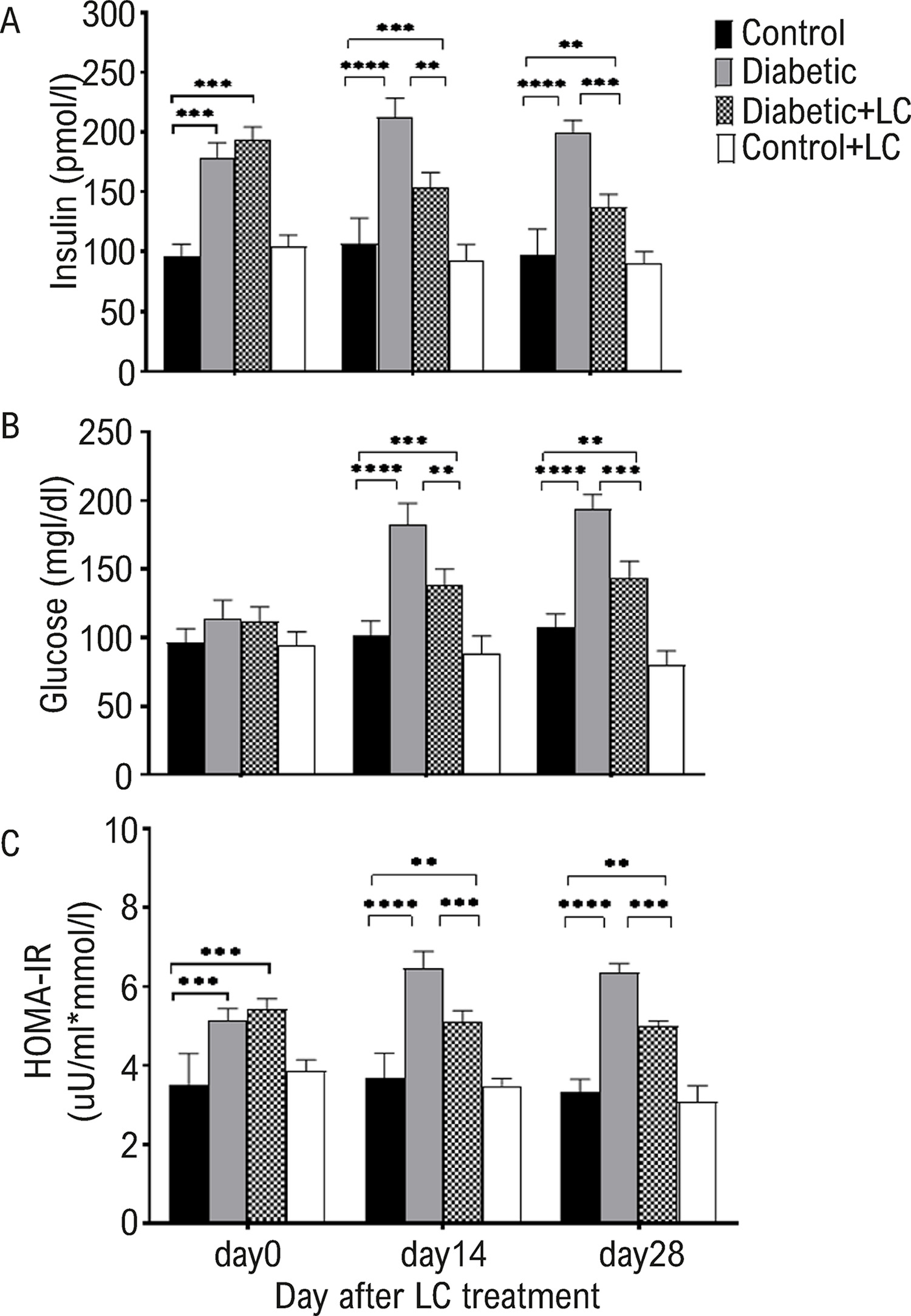
Chemerin and CMKLRI expressions levels were increased in cardiac and adipose tissues of diabetic mice on days 14 and 28 after diabetes induction, concurrent with the incidence of insulin resistance and increased levels of circulating chemerin (p<0.05). The treatment with LC caused a significant decrease in the expression of both genes in studied tissues and the reduction of insulin resistance symptoms and serum chemerin levels (p<0.05).

Conclusion

The results suggest that LC treatment were able to downregulate the expression of chemerin and CKLR1 in cardiac and adipose tissues of obese, diabetic experimental animals.

  • Carnitine
  • Chemokines
  • Diabetes Mellitus
Read Full Article
Creative Commons Attribution (CC BY) Creative Commons license
25/10/2021 DOI: 10.36660/abc.20200044
Figure 1
Statement

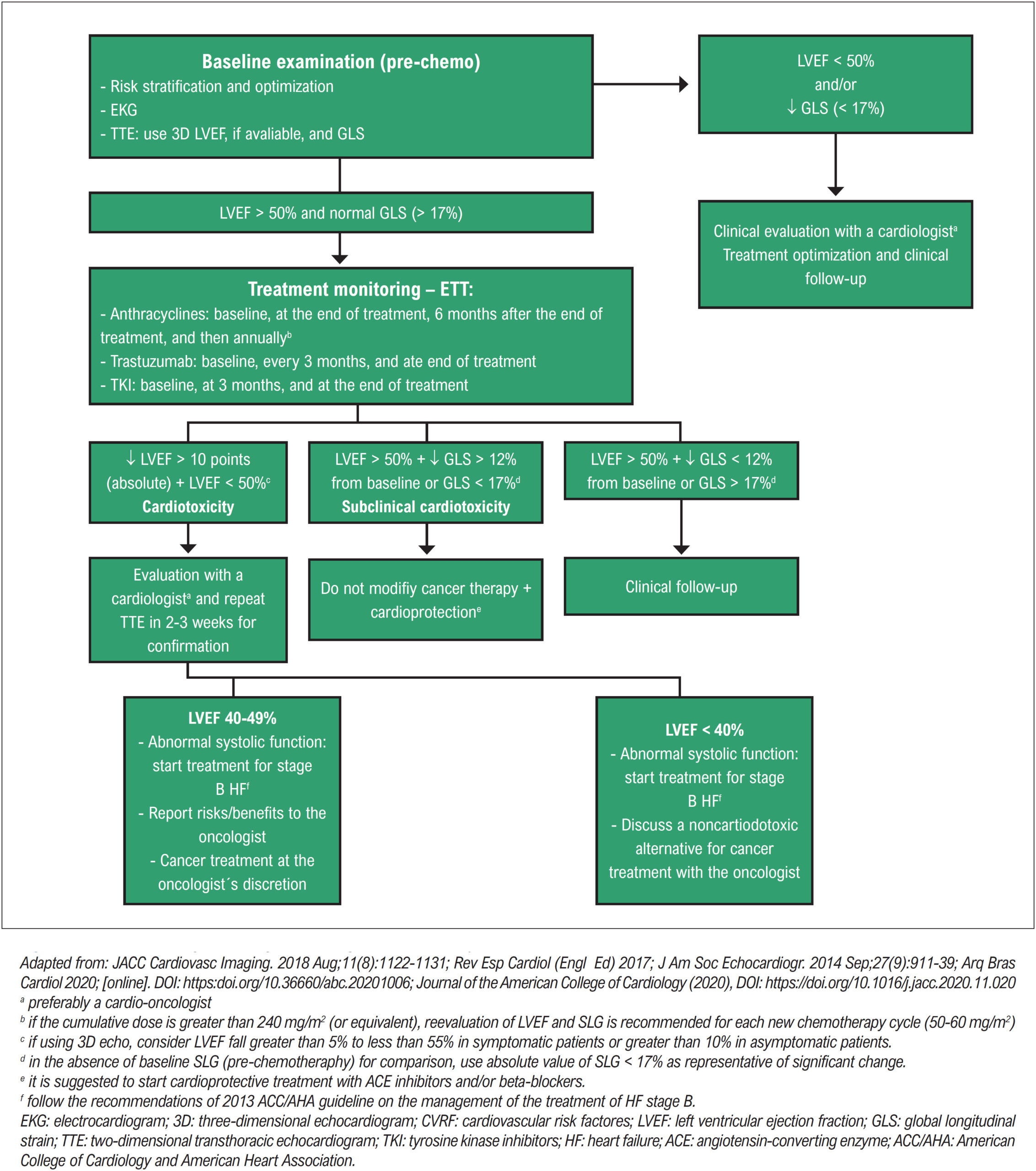
Brazilian Position Statement on the Use Of Multimodality Imaging in Cardio-Oncology – 2021

Marcelo Dantas Tavares de Melo et al. Marcelo Goulart Paiva Maria Verônica Câmara Santos Carlos Eduardo Rochitte … Valéria de Melo Moreira Mohamed Hassan Saleh Simone Cristina Soares Brandão Claudia Cosentino Gallafrio Daniel Goldwasser Eliza de Almeida Gripp Rafael Bonafim Piveta Tonnison Oliveira Silva Thais Harada Campos Espirito Santo Waldinai Pereira Ferreira Vera Maria Cury Salemi Sanderson A. Cauduro Silvio Henrique Barberato Heloísa M. Christovam Lopes José Luiz Barros Pena Heron Rhydan Saad Rached Marcelo Haertel Miglioranza Aurélio Carvalho Pinheiro Bárbara Athayde Linhares Martins Vrandecic Cecilia Beatriz Bittencourt Viana Cruz César Higa Nomura Fernanda Mello Erthal Cerbino Isabela Bispo Santos da Silva Costa Otavio Rizzi Coelho Filho Adriano Camargo de Castro Carneiro Ursula Maria Moreira Costa Burgos Juliano Lara Fernandes Marly Uellendahl Eveline Barros Calado Tiago Senra Bruna Leal Assunção Claudia Maria Vilas Freire Cristiane Nunes Martins Karen Saori Shiraishi Sawamura Márcio Miranda Brito Maria Fernanda Silva Jardim Renata Junqueira Moll Bernardes Tereza Cristina Diógenes Lucas de Oliveira Vieira Claudio Tinoco Mesquita Rafael Willain Lopes Elry Medeiros Vieira Segundo Neto Letícia Rigo Valeska Leite Siqueira Marin Marcelo José Santos Gabriel Blacher Grossman Priscila Cestari Quagliato Monica Luiza de Alcantara José Aldo Ribeiro Teodoro Ana Cristina Lopes Albricker Fanilda Souto Barros Salomon Israel do Amaral Carmen Lúcia Lascasas Porto Marcio Vinícius Lins Barros Simone Nascimento dos Santos Armando Luís Cantisano Ana Cláudia Gomes Pereira Petisco José Eduardo Martins Barbosa Orlando Carlos Glória Veloso Salvador Spina Ricardo Pignatelli Ludhmilla Abrahão Hajjar Roberto Kalil Filho Marcelo Antônio Cartaxo Queiroga Lopes Marcelo Luiz Campos Vieira André Luiz Cerqueira Almeida

1. General Aspects

[…]

Read Full Article
Creative Commons Attribution (CC BY) Creative Commons license
25/10/2021 DOI: 10.36660/abc.20200266 Views 1
Erratum

Erratum

December 2020 Issue, vol. 115 (6), pages 1051-1060

In Original Article “Lower Prevalence and Severity of Coronary Atherosclerosis in Chronic Chagas’ Disease by Coronary Computed Tomography Angiography” with DOI number: https://doi.org/10.36660/abc.20200342, published in the Journal Arquivos Brasileiros de Cardiologia, 115(6):1051-1060, on page 1059, change the information that there was no external funding to: This study was funded by Capes. Change information that is not associated to: This article is part of the thesis of doctoral submitted by Savio Cardoso from Universidade de São Paulo.

[…]

Read Full Article
Creative Commons Attribution (CC BY) Creative Commons license
25/10/2021 DOI: 10.36660/abc.20210812
Figure 1
Research Letter

Infective Endocarditis in the Elderly: Distinct Characteristics

Luiz Henrique Braga Lemos et al. Leonardo Ribeiro da Silva Marcelo Goulart Correa Wilma Golebiovski … Clara Weksler Rafael Quaresma Garrido Giovanna Ferraiuoli Barbosa Cristiane da Cruz Lamas

Introduction

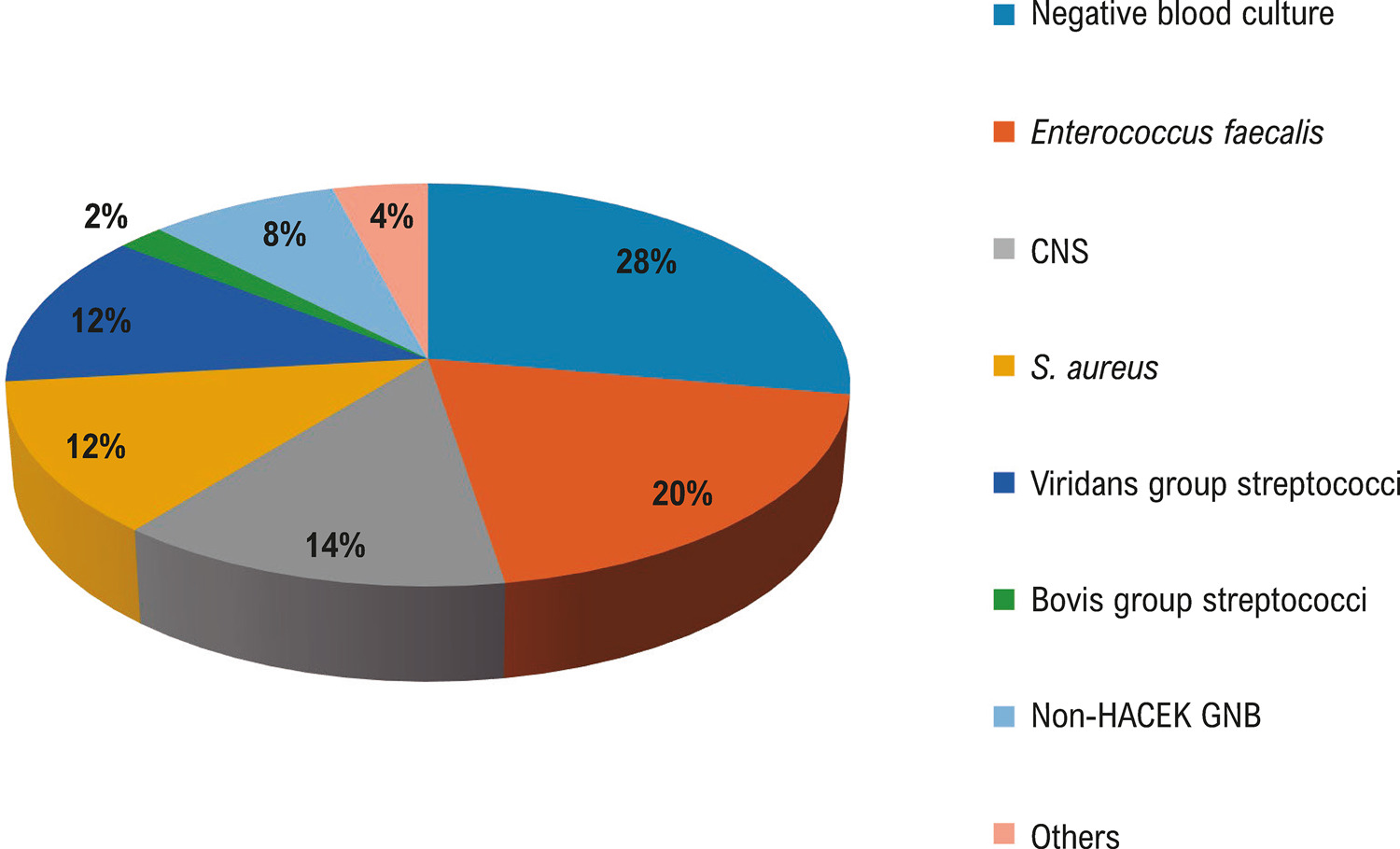
Infectious endocarditis (IE) is a serious disease with a mean in-hospital mortality of 20%. – It has shown an increasing incidence, and the rise in its prevalence among the elderly population deserves to be highlighted. – In elderly patients with IE, there are differences regarding the clinical presentation, complications, presence of comorbidities, therapeutic approach and mortality. , – IE guidelines do not specifically address the elderly population and it is not clear to what extent they can be appropriately used in these patients. , , The elderly population has clearly benefited from medical progress, with diagnostic-therapeutic techniques that influence the increase in life expectancy and less invasive procedures. One example is the transcatheter aortic valve implantation in the management of aortic valve diseases. However, these procedures, together with the increasing implantation of cardiovascular electronic devices (CED) contribute to infections such as IE. Comorbidities are found in more than half of the elderly, with the consequent need for long-term care from health professionals, which increases the probability of acquiring IE. , The diagnosis of IE in the elderly is often delayed or forgotten. Manifestations may be nonspecific, attributed to aging and other conditions. Fever may be absent, with the presence of mental confusion only. IE can present with complications similar to those of other conditions, such as heart failure (HF), cerebrovascular accident (CVA) or systemic embolism attributable to atrial fibrillation. , In Brazil, despite a growing elderly population, to date there is no published article about IE in this group. The aim of our study was to describe the elderly group in our adult IE cohort and compare them with non-elderly individuals, highlighting the differences between the groups.

[…]

  • Aged
  • Comorbidity
  • Endocarditis
  • Mortality
  • Thoracic Surgery
Read Full Article
Creative Commons Attribution (CC BY) Creative Commons license
25/10/2021 DOI: 10.36660/abc.20201134
Editorial

L-Carnitine Supplementation in the Diabetic Heart

Filipe Welson Leal Pereira et al. Sergio Alberto Rupp de Paiva

Carnitine is a non-essential nutrient, which is derived from amino acids. The main food source of carnitine is red meat, poultry and dairy products. Part of the carnitine can be produced endogenously, from lysine and methionine mainly by the liver and kidneys. It acts primarily as an enzymatic cofactor for the transport of long-chain fatty acids from the cytoplasm into the mitochondria, and subsequent degradation to beta-oxidation, being a very important energy metabolism pathway. Therefore, carnitine is essential as fuel for muscles, and more than 95% of the total body carnitine is found in skeletal muscle. The liver, heart, brain and kidneys have the remainder of the body’s carnitine reserves or are able to synthesize it. This distribution shows the importance of carnitine in these organs. L-carnitine supplementation has been studied in sarcopenia, in liver diseases, in heart failure, in kidney diseases and in neurological diseases. ,

Most studies have shown the benefit of L-carnitine on cardiovascular risk factors. L-carnitine supplementation reduces hypertension, hyperlipidemia, hyperglycemia, insulin-dependent diabetes mellitus, insulin resistance, obesity, inflammation and oxidative stress. , –

[…]

  • Carnitine
  • Energy metabolism
  • Polymerase Chain Reaction
Read Full Article
Creative Commons Attribution (CC BY) Creative Commons license
25/10/2021 DOI: 10.36660/abc.20210717 Views 1
Editorial

How Can We Favorably Modulate Serum Uric Acid?

Luiza Antoniazzi et al. Laís Ferreira Dias

The study “Impact of Serum Uric Acid Concentration on the Risk of Cardiovascular Disease: A Cohort Study Conducted in Northern China”, carried out with a cohort of middle-aged Chinese, discusses the influence of uric acid on cardiovascular outcomes. The study showed that serum uric acid was a risk factor for cardiovascular disease in middle-aged and elderly people in northern China.

Findings about this association are controversial. It has been proven in previous studies. –

[…]

  • Diet
  • Heredity
  • Hyperruricemia, Prevention and Control
  • Hypertension
  • middle aged
  • Risk Factors
  • Uric Acid/therapeutic use
Read Full Article
Creative Commons Attribution (CC BY) Creative Commons license
25/10/2021 DOI: 10.36660/abc.20210739 Views 1
Editorial

Transcatheter Palliation for Tetralogy of Fallot

Francisco Chamié

The Tetralogy of Fallot (TOF) is the most common cyanotic congenital heart defect. The morphologic key feature of TOF is the malalignment of the infundibular septum. The infundibular septum malalignment makes the aorta override interventricular septum (dextroposition) over a large ventricular septal defect (VSD) and promotes obstruction to the right ventricular infundibular tract. The pulmonary valve is also stenotic, and the pulmonary trunk and arteries are, to some degree, hypoplastic. Severe obstruction to pulmonary blood flow (PBF) leads to more systemic unsaturation and, thus, prolonged hypoxia.

Open heart surgery is the traditional treatment modality, augmenting the right ventricular outflow tract (RVOT), closing the VSD, thus redirecting the aorta to the left ventricle, correcting the cardiac anatomy, and normalizing systemic flow saturation.

[…]

  • Cardiac Catheterization
  • cyanosis
  • Stents
  • Tetralogy of Fallot
Read Full Article
Creative Commons Attribution (CC BY) Creative Commons license
25/10/2021 DOI: 10.36660/abc.20210735 Views 1
Editorial

Helicobacter Pylori and High Blood Pressure

Andre Rodrigues Durães

Raised blood pressure (BP) remains the leading cause of death globally, accounting for 10.4 million deaths per year. In addition, data from the World Health Organization highlighted the significant global impact of systemic arterial hypertension (SAH): an estimated 1.13 billion people worldwide have hypertension, most (two-thirds) living in low- and middle-income countries; and is a major cause of premature death worldwide.

BP is determined by several parameters of the cardiovascular system, including blood volume and cardiac output (the amount of blood pumped by the heart per minute) and the balance of arterial tone that is affected by intravascular volume and neurohumoral systems.

[…]

  • Helicobacter Pylori
  • Hypertension
Read Full Article
Creative Commons Attribution (CC BY) Creative Commons license
25/10/2021 DOI: 10.36660/abc.20210629
Figure 1
Review Article

Update on the Treatment of Pulmonary Arterial Hypertension

Caio J. Fernandes et al. Daniela Calderaro Ana Paula Luppino Assad William Salibe-Filho … Luciana Tamie Kato-Morinaga Susana Hoette Bruna Piloto Marcela Araújo Castro Roberta Pontes Lisboa Taysa Antonia Felix da Silva Murillo de Araújo Martins Jose L. Alves-Jr Carlos Jardim Mario Terra-Filho Rogerio de Souza

Abstract

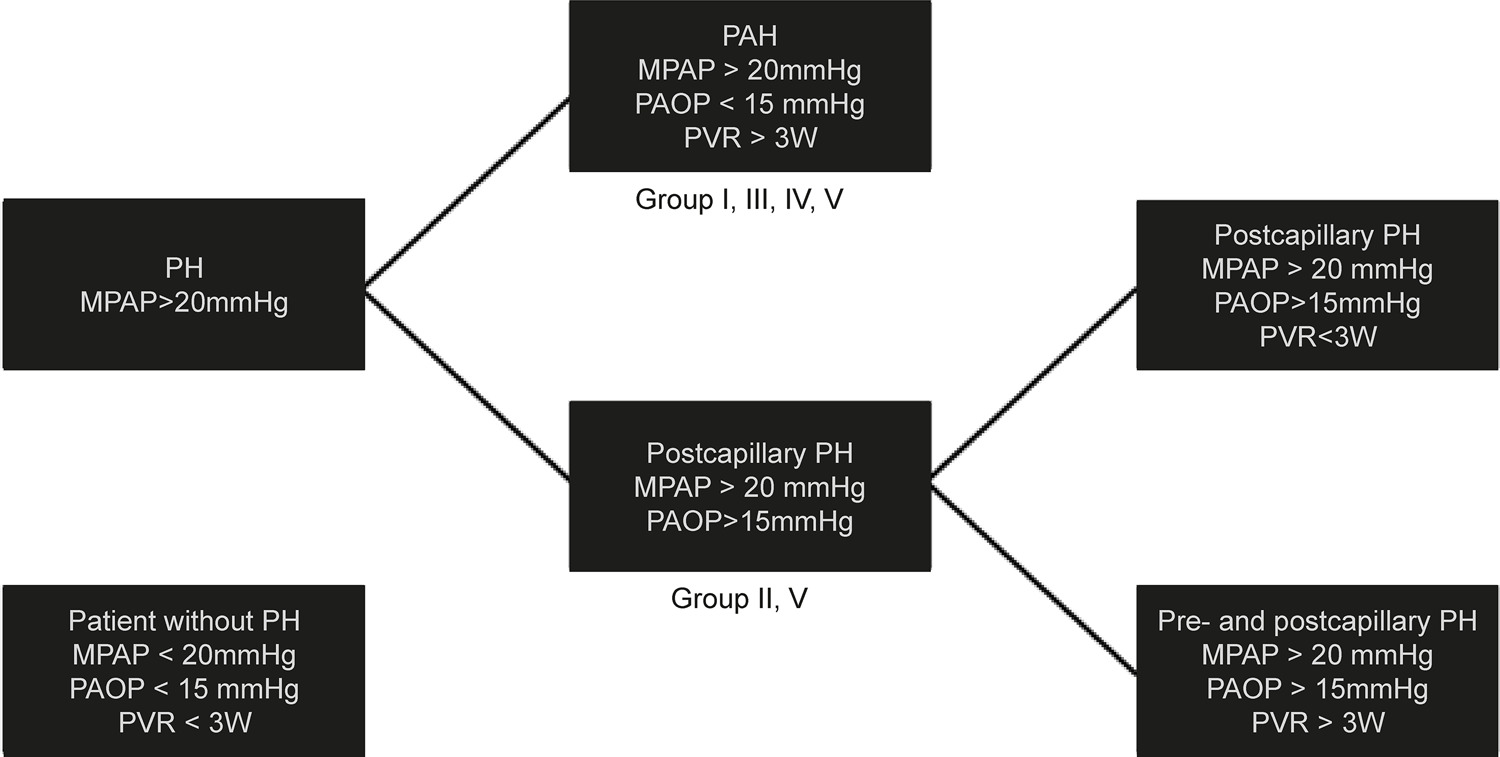
In the last decades, important advances have been made in the treatment of pulmonary arterial hypertension (PAH), a severe, progressive, incurable, and potentially fatal disease. For an adequate therapy, correct hemodynamic diagnosis and etiology classification are fundamental. Many etiologies – rheumatic disease, portal hypertension, congenital heart diseases, schistosomiasis – require specific measures, in addition to drug therapy for PAH. The specific therapy for PAH is based on medications that act on three pathophysiological pathways – prostacyclin, endothelin, and nitric oxide pathways. These drugs have multiple presentations (oral, intravenous, subcutaneous, and inhaled) and have changed the history of PAH. This review presents an overview of drug therapy strategies and different forms and peculiarities of PAH.

  • Diagnosis
  • Pulmonary Arterial Hypertension
  • Pulmonary Hypertension
  • Therapeutics
Read Full Article
Creative Commons Attribution (CC BY) Creative Commons license
25/10/2021 DOI: 10.36660/abc.20200702
Editorial

Pre-Hypertension in Adolescents: A New Old Issue

Katya Rigatto

As there is no doubt that the risk of hypertension is proportional to the increase in blood pressure (BP) and has no specific threshold, the higher the pressure, the higher the risk. In this context, the identification of individuals with increased cardiovascular risk in the subclinical asymptomatic stage is of paramount importance in the future to improve patients’ quality of life and reduce the costs and burden of health services.

From the first attempt to measure the arterial pulse, performed by Santorio Sanctorius (1561 – 1636), to Riva-Rocci, who put an end to the search for a simple clinical method for BP assessment, BP control has gained more and more prominence among clinicians and researchers. Consequently, BP values considered to be normal have gradually become lower and lower.

[…]

  • Adolescents
  • Arterial Pressure
  • Early Medical Intervention/trends
  • Hypertension
  • Prehypertension
  • Quality of life
  • Risk Factors
  • Sedentarism
Read Full Article
Creative Commons Attribution (CC BY) Creative Commons license
25/10/2021 DOI: 10.36660/abc.20210702 Views 1
Figure 1
Research Letter

Impact of the COVID-19 Pandemic on Cardiac Implantable Electronic Devices Procedures in a Tertiary Referral Center

Roberto Costa et al. Katia Regina da Silva Sarah Caroline Martins Saucedo Laisa Arruda Silva … Elizabeth Sartori Crevelari Wagner Tadeu Jurevicius Nascimento Thiago Gonçalves Silveira Alfredo Fiorelli Martino Martinelli Filho Fabio Biscegli Jatene

Introduction

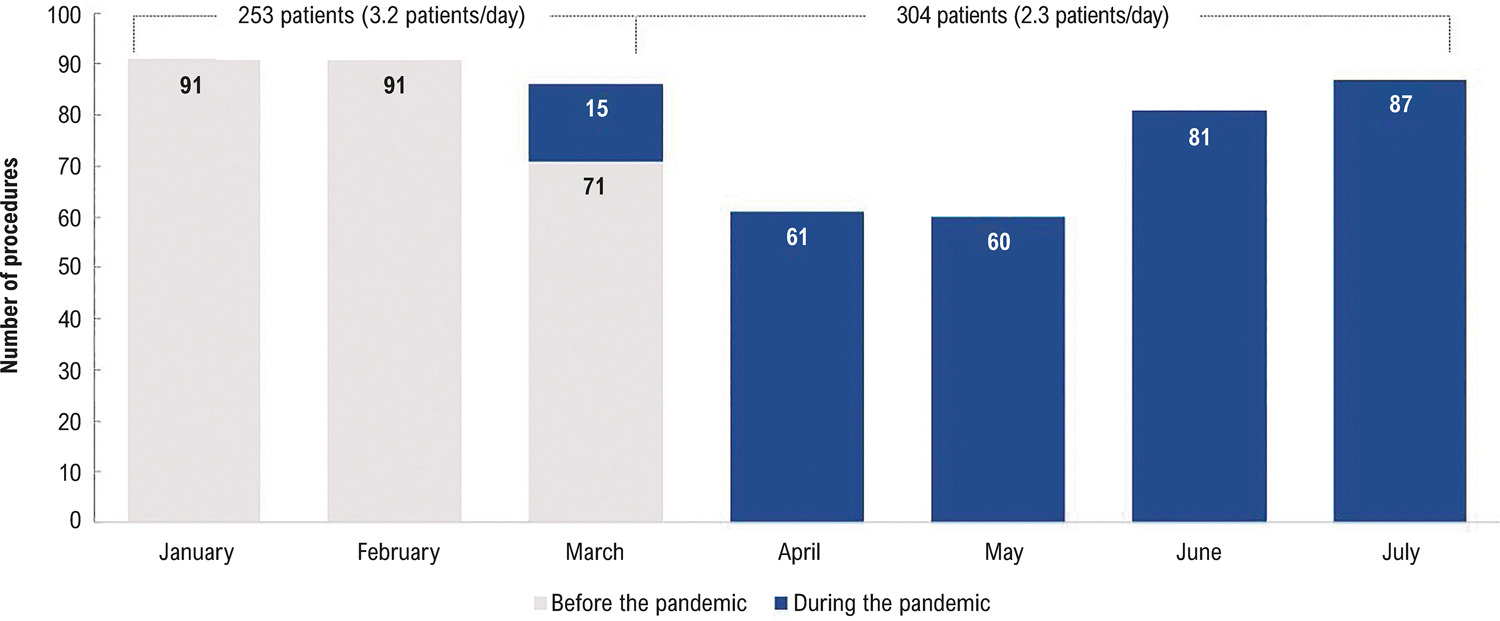
The COVID-19 pandemic has caused a change in the surgical practice of many medical specialties worldwide. – Medical societies have supported changes in cardiac pacing services routines and established new recommendations on the definition of case severity and urgency of surgical procedures. ,

The aim of the present study was to evaluate the impact of the measures implemented in surgical procedures performed for artificial cardiac pacing during the pandemic. We compared the number of patients operated, clinical profile of patients, characteristics of procedures, and the rate of confirmed COVID-19 cases in the peak of the pandemic, and compared them with the period immediately before the pandemic.

[…]

  • Cardiac Pacing, Artificial
  • Contamination
  • COVID-19
  • Defibrillators, Implantable
  • Hospitalization
  • Pacemaker, Artificial
  • Pandemic
  • Quality of Health Care
Read Full Article
Creative Commons Attribution (CC BY) Creative Commons license
25/10/2021 DOI: 10.36660/abc.20201378 Views 2
Editorial

Myocardial Scar and Ventricular Repolarization on the electrocardiogram: Insights from Cardiac Magnetic Resonance Imaging

Luciano C. Amado

Myocardial fibrosis is a final common feature of most inflammatory pathway and is frequently seen in patients with heart failure with reduced ejection fraction (HFrEF). , Myocardial scar, detected by contrast enhanced magnetic resonance imaging (ce-MRI), has been shown to be a predictor of prognosis and sudden cardiac death in patients with HFrEF. – Cardiac MRI has emerged as a non-invasive gold standard for the assessment of scar and risk prediction of ventricular arrhythmias. , , , Nevertheless, cardiac MRI can be time consuming, expensive, and not easily available.

The 12-lead surface electrocardiogram (ECG) is a simple and inexpensive diagnostic tool that is widely used in clinical practice for the diagnosis of cardiac arrhythmias. The ECG waveform is the expression of the transmembrane action potentials and is composed of two distinct processes: depolarization and repolarization. Ventricular repolarization is a complex electrical phenomenon which in clinical practice is measured from the beginning of the QRS complex to the end of the T-wave. Cardiac structural and electrical changes may cause action potential abnormalities, affecting the refractory period and thus favoring the onset of ventricular arrhythmias.

[…]

  • Death, Sudden, Cardiac
  • Electrocardiography/methods
  • Endomyocardial Fibrosis
  • Heart Failure
  • Magnetic Resonance Spectroscopy/ methods
  • Prognosis
  • Stroke Volume
Read Full Article
Creative Commons Attribution (CC BY) Creative Commons license
25/10/2021 DOI: 10.36660/abc.20210712 Views 2
Editorial

A Thriving New Field

Juan Carlos Plana

It has been approximately 15 years since the term “cardio-oncology” was coined. I remember the beginnings: last session of the last day in local and international cardiology scientific meetings, with the attendance of mostly close friends. The field of cardio-oncology has advanced considerably since that time, with formation of special interest groups and councils in our societies, and development of scientific statements guiding us as to how to evaluate and treat these very complex patients. , It is then with great interest that we receive the Brazilian Position Statement on the Use of Multimodality Imaging in Cardio-Oncology -2021, a comprehensive, very well written and practical document that will serve as an invaluable resource to imagers in Brazil and all over the world.

I feel very proud of what we have accomplished but can’t help thinking of what needs to be done in the next fifteen years in the field of Imaging in Cardio-Oncology.

[…]

  • Echocardiography
  • Heart Failure
  • Oncologists
Read Full Article
Creative Commons Attribution (CC BY) Creative Commons license
25/10/2021 DOI: 10.36660/abc.20210764
Original Article

Cardiac Autonomic Modulation is a Key Factor for High Blood Pressure in Adolescentes

Sara Raquel Dutra Macêdo et al. Antonio Carlos Silva-Filho Adeilson Serra Mendes Vieira Nivaldo de Jesus Soares Junior … Carlos José Dias Carlos Alberto Alves Dias Filho Antonio Woodson Maciel Luís Gustavo Dias Rabelo Flavio Oliveira Pires Rachel Melo Ribeiro Bruno Rodrigues Cristiano Teixeira Mostarda

Abstract

Background

The interest regarding hypertension among children and adolescents has increased since the blood pressure rating system was updated to be compared with the adult rating system, changing the terminology from “normal high” to “prehypertension”.

Objective

This study aimed to analyze the association between cardiac autonomic modulation and pressure levels of adolescents.

Methods

203 adolescents were grouped according to systolic blood pressure (SBP) and diastolic blood pressure (DBP). One group was characterized as prehypertension, and the other as normotensive. Anthropometric, cardiovascular and sleep quality characteristics were collected. Initially, the data were submitted to the Kolmogorov-Smirnov normality test. Continuous quantitative variables were analyzed using the unpaired Student t-test. For the analysis of categorical variables, a chi-square test was used. A logistic regression model was performed. The level of significance was set at p<0.05. The data were expressed as mean ± standard deviation and confidence interval. The R software was used for data analysis. The effect size was calculated using the Cohen’s formula.

Results

The prehypertension group showed an increase in Shannon entropy and a decrease in total variance. Also, in the logistic regression model, adolescents in this group were 1.03 times more likely to have Shannon entropy’s affected when SBP was adjusted for gender, sexual maturation, school time, age, waist circumference, and sleep quality.

Conclusion

Our data show that autonomic modulation may play an important role in the development of elevated blood pressure in adolescents, when controlling for other factors, such as school time and sleep quality.

  • Adolescent
  • Blood Pressure
  • Cardiovascular Diseases
  • Hypertension
  • Obesity
  • Pre-Hypertension
Read Full Article
Creative Commons Attribution (CC BY) Creative Commons license
25/10/2021 DOI: 10.36660/abc.20200093 Views 2
Figure 1
Atualização

Update of the Brazilian Guideline for Familial Hypercholesterolemia – 2021

Maria Cristina de Oliveira Izar et al. Viviane Zorzanelli Rocha Giraldez Adriana Bertolami Raul Dias dos Santos Filho … Ana Maria Lottenberg Marcelo Heitor Vieira Assad José Francisco Kerr Saraiva Ana Paula M. Chacra Tania L. R. Martinez Luciana Ribeiro Bahia Francisco Antonio Helfenstein Fonseca Andre Arpad Faludi Andrei C. Sposito Antônio Carlos Palandri Chagas Cinthia Elim Jannes Cristiane Kovacs Amaral Daniel Branco de Araújo Dennys Esper Cintra Elaine dos Reis Coutinho Fernando Cesena Hermes Toros Xavier Isabela Cardoso Pimentel Mota Isabela de Carlos Back Giuliano José Rocha Faria Neto Juliana Tieko Kato Marcelo Chiara Bertolami Marcio Hiroshi Miname Maria Helane Costa Gurgel Castelo Maria Sílvia Ferrari Lavrador Roberta Marcondes Machado Patrícia Guedes de Souza Renato Jorge Alves Valeria Arruda Machado Wilson Salgado Filho

Introduction

Familial hypercholesterolemia (FH) is a common genetic cause of premature coronary artery disease (CAD), especially myocardial infarction, related to lifetime exposure to high concentrations of low-density lipoprotein cholesterol (LDL-C). It is a severe form of genetic dyslipidemia in which approximately 85% of men and 50% of women may experience a coronary event before 65 years of age if not properly treated.

FH is considered a public health problem because of the high prevalence (approximately 1:200-300 in the general population) and the association with early CAD. Reduced life expectancy was also observed in several families. In addition, nearly 200,000 people die each year worldwide from early heart attacks due to the disease, which could be prevented with appropriate treatments. If not treated, men and women with heterozygous FH will develop CAD before the ages of 55 and 60 years, respectively. Homozygotes, in turn, commonly develop CAD very early in life and, if not treated, may die before the age of 20. However, once the diagnosis is made and the treatment is initiated, the natural history of atherosclerotic disease can be changed.

[…]

Read Full Article
Creative Commons Attribution (CC BY) Creative Commons license
25/10/2021 DOI: 10.36660/abc.20210788
Figure 1
Research Letter

Chagas Cardiomyopathy in the Brazilian Amazon Region: Low Prevalence or Underdiagnosis?

Jessica Vanina Ortiz et al. Katia do Nascimento Couceiro Susan Smith Doria Débora Raysa Teixeira de Sousa … Henrique Manuel Condinho da Silveira Norival Kesper Junior Maria das Graças Vale Barbosa Guerra Jorge Augusto de Oliveira Guerra João Marcos Bemfica Barbosa-Ferreira

Introduction

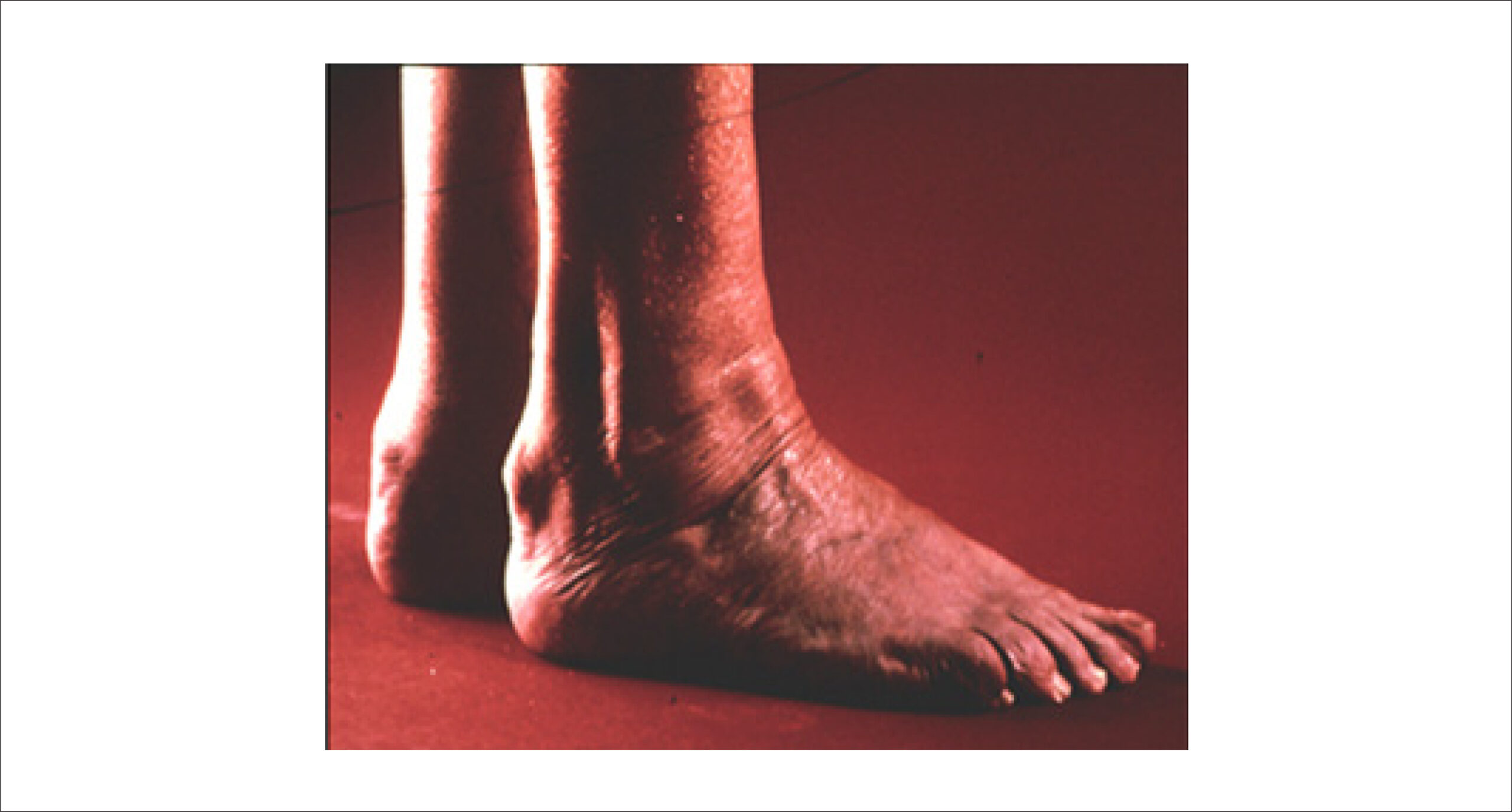
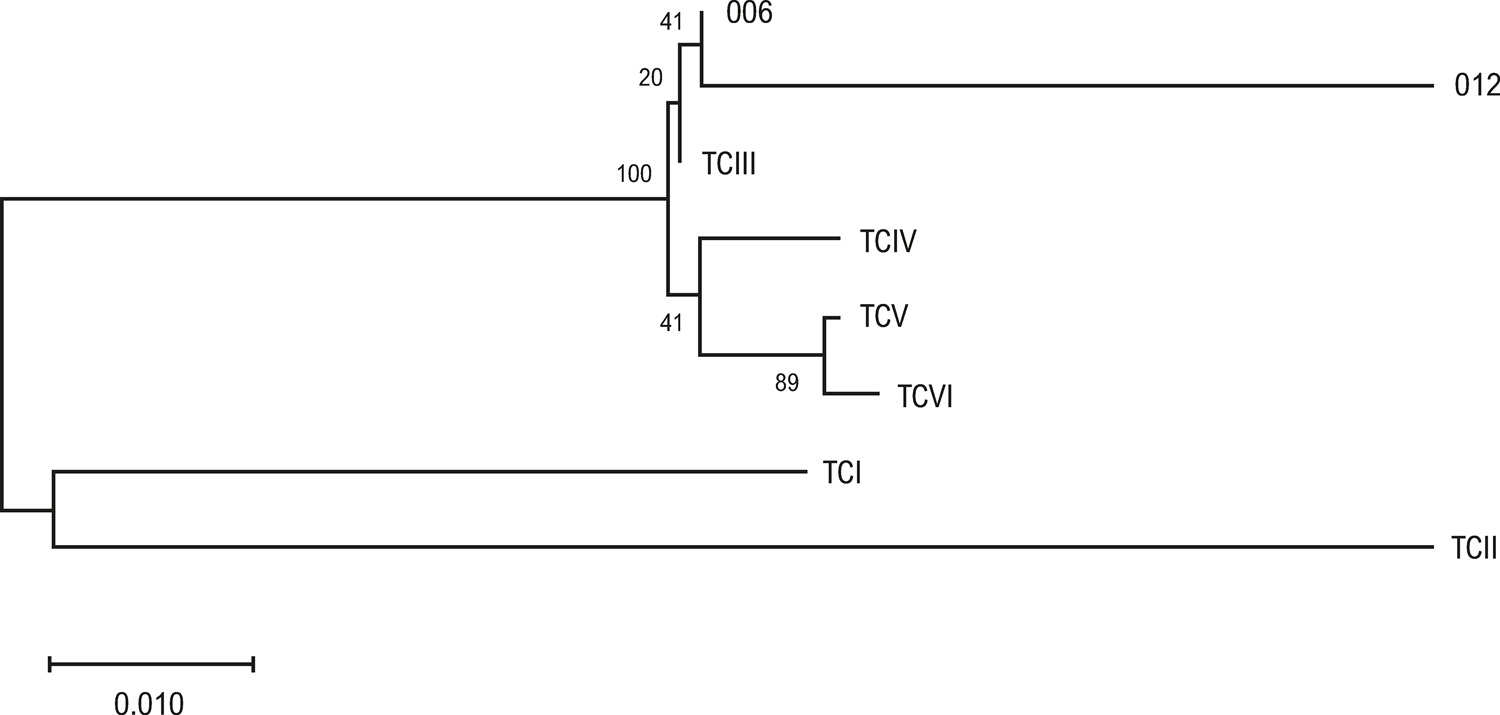
Chagas disease (CD) was discovered in 1909 by the Brazilian physician Carlos Chagas, who described the etiological agent – a flagellated protozoan named Trypanosoma cruzi ( T. cruzi ) – its morphological features and transmission and life cycle, as well as clinical manifestations of the disease. Although triatomine insects are the primary transmission vectors of CD, the oral route through contaminated food has been considered the main transmission path in the Brazilian Amazon.

The disease presents two clinical phases: an acute infection, mostly symptomatic with high parasitemia, and a chronic infection divided into asymptomatic indeterminate form or symptomatic (digestive or cardiac) form.

[…]

  • Chagas cardiomyopathy Chagas Cardiomyopathy
  • Chagas disease
  • Heart Failure
Read Full Article
Creative Commons Attribution (CC BY) Creative Commons license
25/10/2021 DOI: 10.36660/abc.20201236 Views 1
Figure 1
Original Article

Can we Trust in Routine Echocardiography to Assess the Right Ventricle and Pulmonary Insufficiency? A Comparative Study with Cardiac Magnetic Resonance

Manuela Baima Cabral et al. Marcelo Felipe Kozak Jorge Yussef Afiune

Abstract

Background

Cardiac magnetic resonance (CMR) is the method of choice for assessing right ventricular (RV) dimensions and function, and pulmonary insufficiency (PI).

Objectives

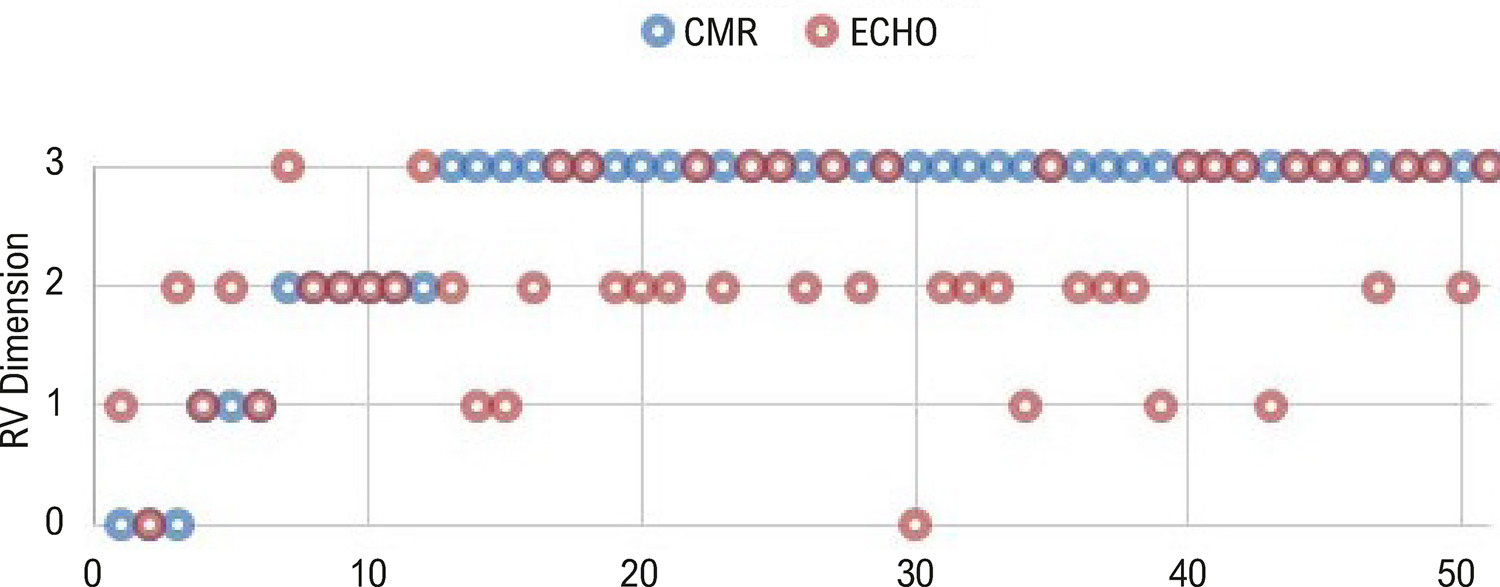
To assess the accuracy of two-dimensional echocardiography (2D ECHO) in estimating RV function and dimensions, and the degree of PI, and compare the 2D ECHO and CMR findings.

Methods

We compared ECHO and CMR reports of patients whose indication for CMR had been to assess RV and PI. A p-value < 0.05 was considered statistically significant.

Results

We included 51 congenital heart disease patients, with a median age of 9.3 years (7-13.3 years). There was poor agreement between 2D ECHO and CMR for classification of the RV dimension (Kappa 0.19; 95% CI 0.05 to 0.33, p 0.004) and function (Kappa 0.16; 95% CI -0.01 to +0.34; p 0.034). The RV was undersized by 2D ECHO in 43% of the cases, and RV function was overestimated by ECHO in 29% of the cases. The degree of agreement between the methods in the classification of PI was not significant (Kappa 0.014; 95% CI -0.03 to +0.06, p 0.27). 2D ECHO tended to overestimate the degree of PI.

Conclusions

The 2D ECHO showed a low agreement with CMR regarding the RV dimensions and function, and degree of PI. In general, ECHO underestimated the dimensions of the RV and overestimated the function of the RV and the degree of PI as compared with CMR.

  • Diagnostic Imaging
  • Echocardiography/methods
  • Heart Defects, Congenital
  • Lung Diseases
  • Magnetic Resonance Imaging
  • Pulmonary Valve, Insufficiency
  • Ventricular Function, Right
Read Full Article
Creative Commons Attribution (CC BY) Creative Commons license
25/10/2021 DOI: 10.36660/abc.20200377 Views 1
Editorial

A Key Strategy to Predict Cardiovascular Diseases: A Combination of Anthropometric Indices

José Bruno Nunes Ferreira Silva

The obesity pandemic is one of the most pressing health concerns of the 21stcentury. Prevalent even among developed and developing countries, this disease has been related to cardiovascular events, dyslipidemia, type 2 diabetes, sleep disorders, and cancer. It has recently been considered a risk factor for critical illness in coronavirus disease-2019 (COVID-19) pandemic. ,

In Brazil, the National Health Survey , in partnership with the Ministry of Health, found that obesity has gradually increased over the last 17 years in adult women (14.5% to 30.2%) and men (9.6% to 22.8%). Its prevalence has more than doubled between 2003 and 2019. A collaborative effort between the government, public health officers, and medical staff is needed to manage the complex and multifactorial obesity issue.

[…]

  • Anthropometry
  • Cardiovascular Diseases
  • Obesity
  • Pandemics
  • Risk Factors
Read Full Article
Creative Commons Attribution (CC BY) Creative Commons license
25/10/2021 DOI: 10.36660/abc.20210716 Views 1
Figure 1
Original Article

Association between Helicobacter Pylori Infection and Systemic Arterial Hypertension: A Meta-Analysis

Mengyun Huang et al. Lijun Zhu Yuelong Jin Zhengmei Fang … Yan Chen Yingshui Yao

Abstract

Background:

Recent epidemiological studies have shown that alterations in microbiota and its metabolites are associated with systemic arterial hypertension. Helicobacter pylori (H. pylori) is one of the most common bacterial pathogens, and the potential association between H. pylori infection and hypertension are controversial.

Objective:

This study aimed to clarify their association and provide a new theoretical basis for uncovering the pathogenesis of hypertension.

Methods:

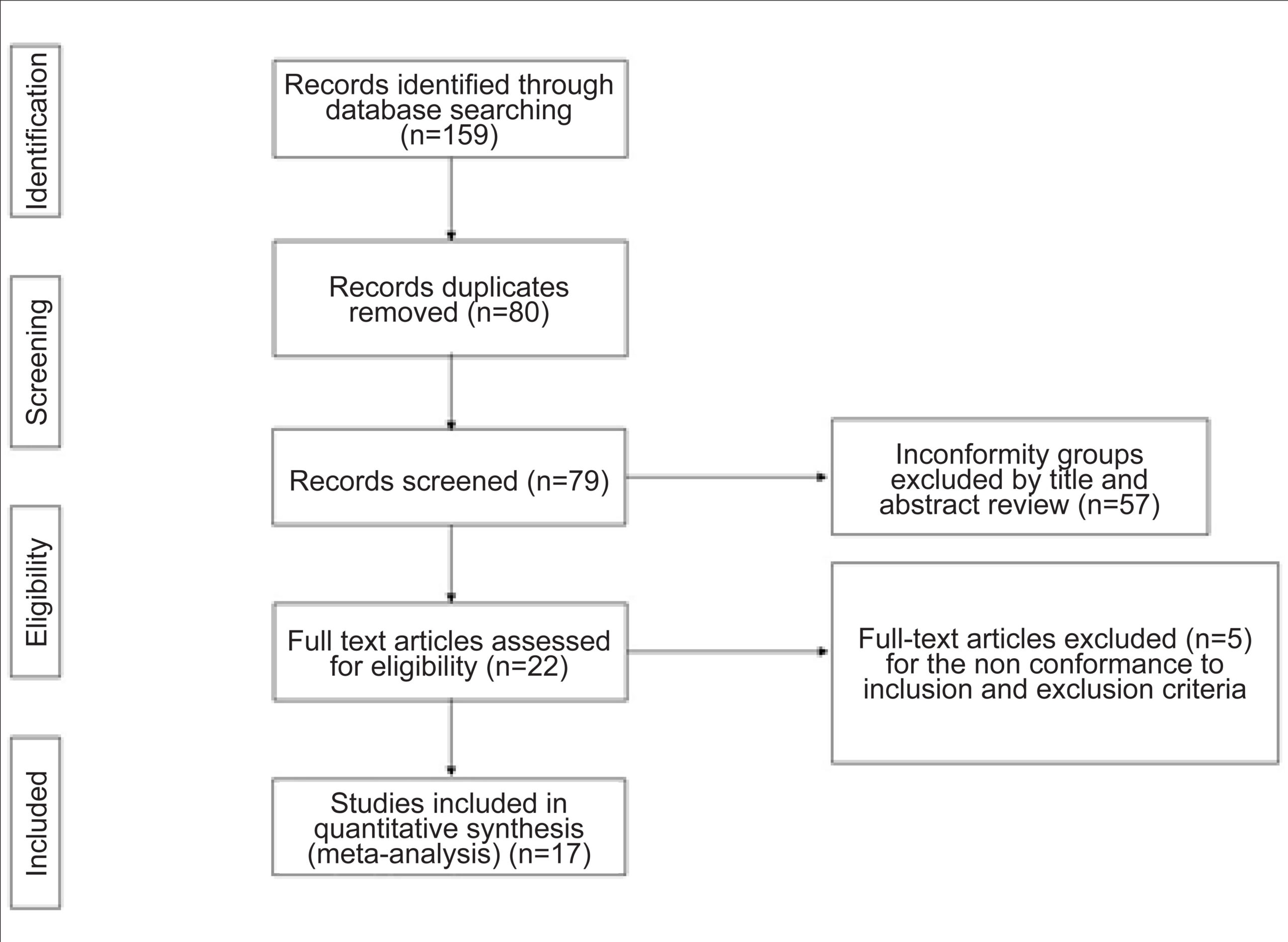
Case-control and cross-sectional studies on the association between H. pylori and hypertension published from 1996 to 2019 indexed in PubMed, Google Scholar, Chinese Wan Fang Data, and Chinese National Knowledge Infrastructure (CNKI). The pooled odds ratios (OR) and 95% confidence interval (CI) were estimated. I2 was performed to evaluate the statistical heterogeneity. Publication bias was evaluated using Begg’s and Egger’s test. The extracted data was analyzed in Stata 12.0. Statistical significance was defined as p-value < 0.05.

Results:

A total of 17 studies involving 6,376 cases of hypertension and 10,850 controls were enrolled. H. pylori infection rate in hypertension patients and controls were 64.9% and 56.3%, respectively. A significantly positive association was shown between H. pylori infection and hypertension with an overall OR of 2.07 (95% CI: 1.46–2.94; p < 0.05). Subgroup analysis revealed that the prevalence of H. pylori infection was associated with hypertension in the region of Asia and the case-control group, ORs (95% CI) were 2.26 (1.51-3.38) and 2.53 (1.72-3.72), respectively. After stratifying by detection methods, differences still existed in subgroups (all p < 0.05).

Conclusion:

This meta-analysis indicated that H. pylori infection is positively associated with hypertension.

  • Blood Pressure
  • Cardiovascular Diseases
  • Endothelium, Vascular
  • Epidemiology
  • Helicobacter Pylori
  • Hypertension
  • Infection
  • Meta-Analysis
  • Microbiota
  • Risk Factors
Read Full Article
Creative Commons Attribution (CC BY) Creative Commons license
20/09/2021 DOI: 10.36660/abc.20200186 Views 2
Figure 1
Original Article

A Simple Clinical Risk Score to Predict Post-Discharge Mortality in Chinese Patients Hospitalized with Heart Failure

Lei Wang et al. Li-Qin Wang Mo-Li Gu Liang Li … Chen Wang Yun-Feng Xia

Abstract

Background

Cardiovascular diseases are the leading causes of death in China. However, present efforts to identify the risk factors for death in patients hospitalized with heart failure (HF) are primarily focused on in-hospital mortality and 30-day mortality in the United States. Thus, a model similar to the model used for predicting the risk in patients considered for cardiovascular surgical procedures is needed to evaluate the risk of the patients admitted with a diagnosis of HF.

Objective

To identify variables that can predict post-discharge one-year HF mortality and develop a risk score to assess the risk of dying within one year.

Methods

In the present study, 1,742 Chinese patients with HF were randomly divided into two groups: a derivation sample group and a test sample group. A Markov Chain Monte Carlo simulation method was used to identify variables that can predict the one-year post-discharge mortality. Variables with a frequency of >1% in the bivariate analysis and that were considered clinically meaningful were eligible for further modeling analyses. The posterior probability that a variable was statistically and significantly associated with the outcome was calculated as the total number of times that the variable’s 95% CI did not overlap with 1 (i.e., the reference point) divided by the total number of iterations. A variable with a probability of 0.9 or higher was considered a robust risk factor for predicting the outcome, and this was included in the final variable list. The level of statistical significance adopted was 5%.

Results

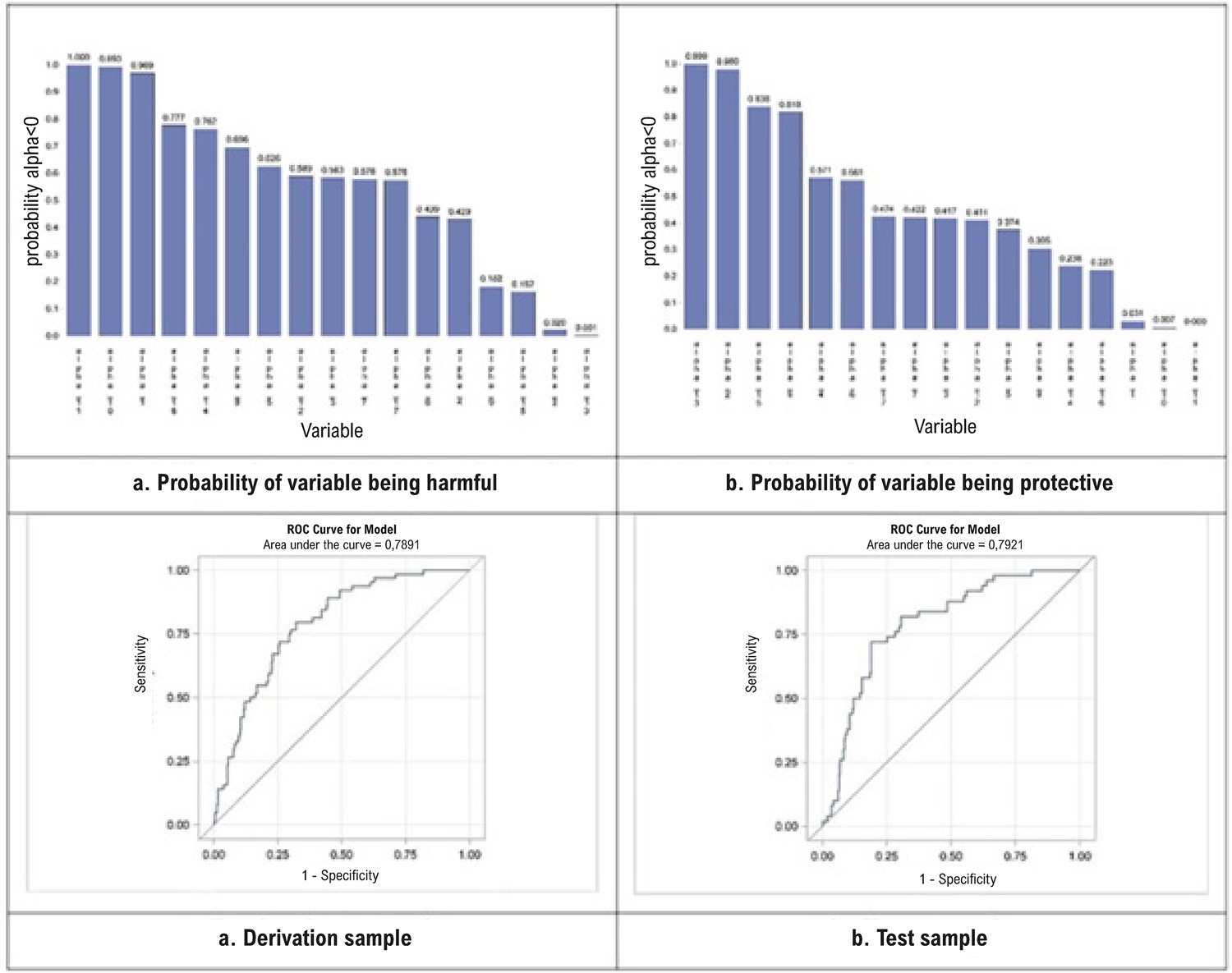
Five variables that could robustly predict the one-year post-discharge mortality were identified: age, female gender, New York Heart Association functional classification score >3, left atrial diameter, and body mass index. Both derivation and test models had a receiver operating curve area of 0.79. These selected variables were used to assess the one-year HF mortality risk score, and these were divided into three groups (low, moderate, and high). The high-risk group corresponds to nearly 86% of the deaths, while the moderate group corresponds to 12% of the deaths.

Conclusion

A simple 5-variable risk score can be used to assess the one-year post-discharge mortality of hospitalized Chinese patients with HF.

  • Epidemiology
  • Heart Failure
  • Mortality
  • Patient Discharge
  • Propensity Score
Read Full Article
Creative Commons Attribution (CC BY) Creative Commons license
13/08/2021 DOI: 10.36660/abc.20200435 Views 2
Figure 1
Original Article

Individual and Combined Performance of Indicators of Overall and Central Obesity to Estimate Coronary Risk in ELSA-Brasil Participants

Rogério Tosta de Almeida et al. Sheila Maria Alvim Matos Estela M. L. Aquino

Abstract

Background:

Anthropometric indicators have been used in clinical practice and epidemiological studies for screening of health risk factors.

Objectives:

To evaluate the individual discriminatory power of body adiposity index (BAI), body mass index (BMI), waist circumference (WC) and waist-hip-ratio (WHR) to identify individuals at risk for coronary heart disease and to evaluate whether combinations of anthropometric indicators of overall obesity with indicators of central obesity improve predictive ability in adults.

Methods:

A total of 15,092 participants (54.4% women) aged 35-74years were assessed at baseline of the ELSA-Brasil study. Individuals at risk for coronary heart disease were identified using the Framingham risk score and divided into very-high risk (VHR 20%) and high risk (HR10%). Measures of diagnostic accuracy and area under the ROC curves (AUC) were analyzed. Associations were tested using Poisson regression analysis with robust variance, according to age and sex. Statistical significance was set at 5%.

Results:

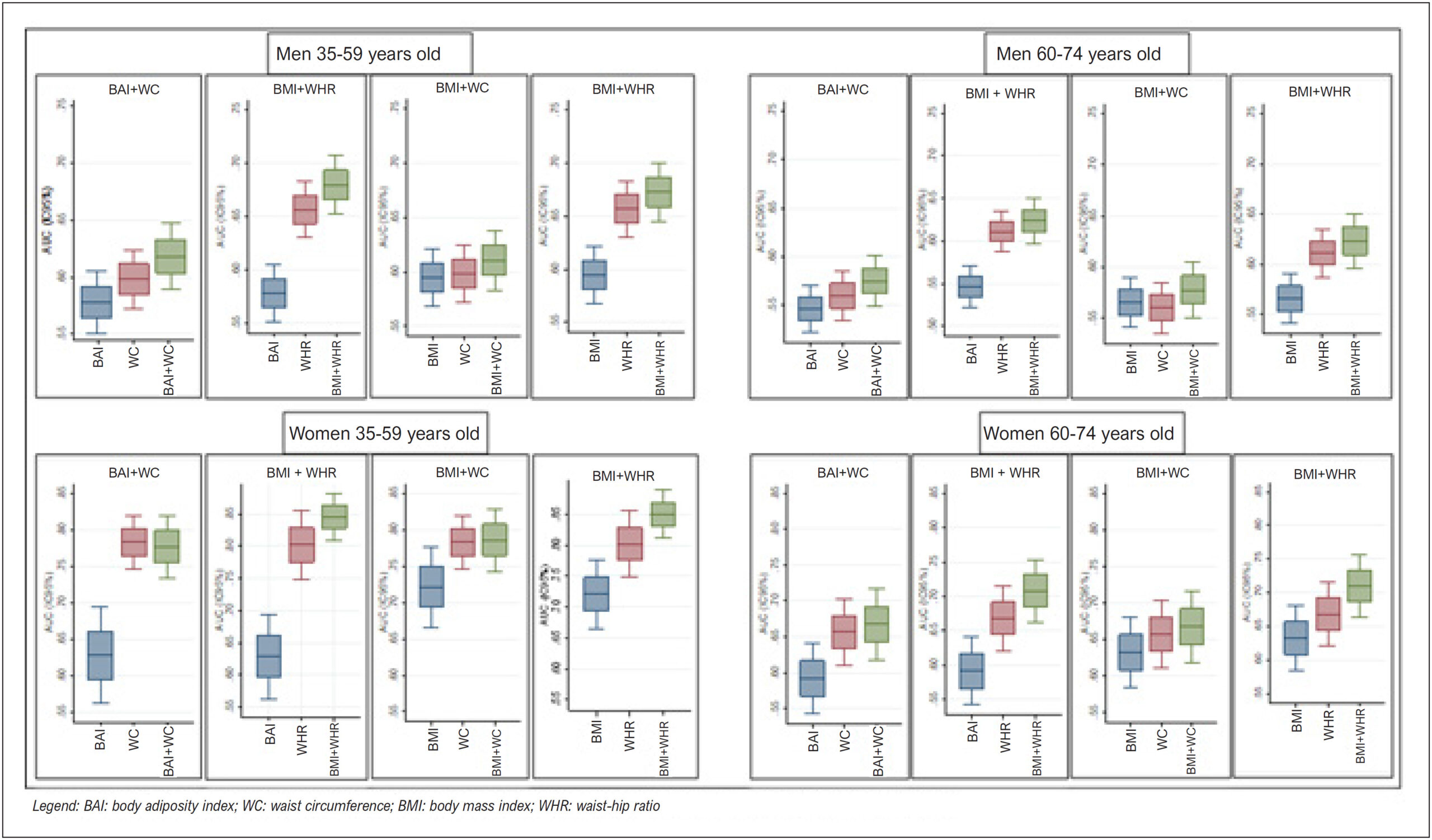
WHR showed the highest discriminatory power for VHR20% in all groups, with higher predictive ability in women (AUC: 0.802; 95%CI: 0.748-0.856 vs 0.657; 95%CI: 0.630-0.683 in the age range of 35-59 years, and AUC: 0.668; 95%CI: 0.621-0.715 vs 0.611; 95%CI: 0.587-0.635 in the age range of 60-74 years). BAI + WHR and BMI + WHR had the highest predictive power in men and women, respectively. Combinations of indicators of overall obesity with indicators of central obesity were more strongly associated with VHR20% and HR10% in all subgroups.

Conclusion:

Combined indicators had greater predictive ability than indicators taken individually. BAI+ WHR and BMI + WHR were the best estimators of coronary risk in men and women, respectively, and WHR had the best individual performance.

  • Adiposity
  • Anthropometry
  • body mass index
  • Cardiovascular disease
  • Epidemiology
  • Obesity
  • Risk Factors
  • Waist Circumference
Read Full Article
Creative Commons Attribution (CC BY) Creative Commons license
30/07/2021 DOI: 10.36660/abc.20200360 Views 1

Could not load more articles. Please try again.

How to cite this article

EndNote RIS

Electronic Document Format (Vancouver)

Noya-Rabelo MM, Azevedo DFC, Souza OF. Predictive Models to Enhance our Knowledge: Is It Necessary?. Arquivos Brasileiros de Cardiologia 2021;117(4):624-5.

Electronic Document Format (ABNT)

Noya-Rabelo, Marcia M.; Azevedo, Diogo Freitas Cardoso de; Souza, Olga Ferreira de. Predictive Models to Enhance our Knowledge: Is It Necessary?. Arquivos Brasileiros de Cardiologia, v. 117, n. 4, p. 624-625, Oct. 2021.

Electronic Document Format (APA)

Noya-Rabelo, M. M., Azevedo, D. F. C. , & Souza, O. F. (2021). Predictive Models to Enhance our Knowledge: Is It Necessary?. Arquivos Brasileiros de Cardiologia, 117(4), 624-625.

Electronic Document Format (ISO)

Noya-Rabelo, Marcia M. and Azevedo, Diogo Freitas Cardoso de and Souza, Olga Ferreira de. Predictive Models to Enhance our Knowledge: Is It Necessary?. Arquivos Brasileiros de Cardiologia [online]. 2021, vol. 117, n. 4, [cited 2026-10-15], pp. 624-625. Available from: <https://journals.cardiol.br/en/article/predictive-models-to-enhance-our-knowledge-is-it-necessary/>. ISSN 0066-782X

EndNote RIS

Electronic Document Format (Vancouver)

Oliveira-Junior SA, Carvalho MR, Mendonça MLM, Martinez PF. Anti-Inflammatory Effects of Atorvastatin Therapy in Metabolic Syndrome. Arquivos Brasileiros de Cardiologia 2021;117(4):748-9.

Electronic Document Format (ABNT)

Oliveira-Junior, Silvio A.; Carvalho, Marianna R.; Mendonça, Maria Lua M; Martinez, Paula F.. Anti-Inflammatory Effects of Atorvastatin Therapy in Metabolic Syndrome. Arquivos Brasileiros de Cardiologia, v. 117, n. 4, p. 748-749, Oct. 2021.

Electronic Document Format (APA)

Oliveira-Junior, S. A., Carvalho, M. R., Mendonça, M. L. M., & Martinez, P. F. (2021). Anti-Inflammatory Effects of Atorvastatin Therapy in Metabolic Syndrome. Arquivos Brasileiros de Cardiologia, 117(4), 748-749.

Electronic Document Format (ISO)

Oliveira-Junior, Silvio A. and Carvalho, Marianna R. and Mendonça, Maria Lua M and Martinez, Paula F.. Anti-Inflammatory Effects of Atorvastatin Therapy in Metabolic Syndrome. Arquivos Brasileiros de Cardiologia [online]. 2021, vol. 117, n. 4, [cited 2026-10-15], pp. 748-749. Available from: <https://journals.cardiol.br/en/article/anti-inflammatory-effects-of-atorvastatin-therapy-in-metabolic-syndrome/>. ISSN 0066-782X

EndNote RIS

Electronic Document Format (Vancouver)

Grau CRPC. The Challenge of Echocardiography in the Accurate Assessment of the Right Ventricle and Pulmonary Insufficiency. Arquivos Brasileiros de Cardiologia 2021;117(4):699-700.

Electronic Document Format (ABNT)

Grau, Claudia R. Pinheiro de Castro. The Challenge of Echocardiography in the Accurate Assessment of the Right Ventricle and Pulmonary Insufficiency. Arquivos Brasileiros de Cardiologia, v. 117, n. 4, p. 699-700, Oct. 2021.

Electronic Document Format (APA)

Grau, C. R. P. C. (2021). The Challenge of Echocardiography in the Accurate Assessment of the Right Ventricle and Pulmonary Insufficiency. Arquivos Brasileiros de Cardiologia, 117(4), 699-700.

Electronic Document Format (ISO)

Grau, Claudia R. Pinheiro de Castro. The Challenge of Echocardiography in the Accurate Assessment of the Right Ventricle and Pulmonary Insufficiency. Arquivos Brasileiros de Cardiologia [online]. 2021, vol. 117, n. 4, [cited 2026-10-15], pp. 699-700. Available from: <https://journals.cardiol.br/en/article/the-challenge-of-echocardiography-in-the-accurate-assessment-of-the-right-ventricle-and-pulmonary-insufficiency/>. ISSN 0066-782X

EndNote RIS

Electronic Document Format (Vancouver)

Amiri R, Tabandeh MR, Hosseini SA. Novel Cardioprotective Effect of L-Carnitine on Obese Diabetic Mice: Regulation of Chemerin and CMKLRI Expression in Heart and Adipose Tissues. Arquivos Brasileiros de Cardiologia 2021;117(4):715-2.

Electronic Document Format (ABNT)

Amiri, Rezvan; Tabandeh, Mohammad Reza; Hosseini, Seyed Ahmad. Novel Cardioprotective Effect of L-Carnitine on Obese Diabetic Mice: Regulation of Chemerin and CMKLRI Expression in Heart and Adipose Tissues. Arquivos Brasileiros de Cardiologia, v. 117, n. 4, p. 715-725, Oct. 2021.

Electronic Document Format (APA)

Amiri, R., Tabandeh, M. R., & Hosseini, S. A. (2021). Novel Cardioprotective Effect of L-Carnitine on Obese Diabetic Mice: Regulation of Chemerin and CMKLRI Expression in Heart and Adipose Tissues. Arquivos Brasileiros de Cardiologia, 117(4), 715-725.

Electronic Document Format (ISO)

Amiri, Rezvan and Tabandeh, Mohammad Reza and Hosseini, Seyed Ahmad. Novel Cardioprotective Effect of L-Carnitine on Obese Diabetic Mice: Regulation of Chemerin and CMKLRI Expression in Heart and Adipose Tissues. Arquivos Brasileiros de Cardiologia [online]. 2021, vol. 117, n. 4, [cited 2026-10-15], pp. 715-725. Available from: <https://journals.cardiol.br/en/article/novel-cardioprotective-effect-of-l-carnitine-on-obese-diabetic-mice-regulation-of-chemerin-and-cmklri-expression-in-heart-and-adipose-tissues/>. ISSN 0066-782X

EndNote RIS

Electronic Document Format (Vancouver)

Melo MDT, Paiva MG, Santos MVC, Rochitte CE, Moreira VM, Saleh MH, Brandão SCS, et al. Brazilian Position Statement on the Use Of Multimodality Imaging in Cardio-Oncology – 2021. Arquivos Brasileiros de Cardiologia 2021;117(4):845-909.

Electronic Document Format (ABNT)

Melo, Marcelo Dantas Tavares de; Paiva, Marcelo Goulart; Santos, Maria Verônica Câmara; Rochitte, Carlos Eduardo; Moreira, Valéria de Melo; Saleh, Mohamed Hassan; Brandão, Simone Cristina Soares; Gallafrio, Claudia Cosentino; Goldwasser, Daniel; Gripp, Eliza de Almeida; Piveta, Rafael Bonafim; Silva, Tonnison Oliveira; Santo, Thais Harada Campos Espirito; Ferreira, Waldinai Pereira; Salemi, Vera Maria Cury; Cauduro, Sanderson A.; Barberato, Silvio Henrique; Lopes, Heloísa M. Christovam; Pena, José Luiz Barros; Rached, Heron Rhydan Saad; Miglioranza, Marcelo Haertel; Pinheiro, Aurélio Carvalho; Vrandecic, Bárbara Athayde Linhares Martins; Cruz, Cecilia Beatriz Bittencourt Viana; Nomura, César Higa; Cerbino, Fernanda Mello Erthal; Costa, Isabela Bispo Santos da Silva; Coelho Filho, Otavio Rizzi; Carneiro, Adriano Camargo de Castro; Burgos, Ursula Maria Moreira Costa; Fernandes, Juliano Lara; Uellendahl, Marly; Calado, Eveline Barros; Senra, Tiago; Assunção, Bruna Leal; Freire, Claudia Maria Vilas; Martins, Cristiane Nunes; Sawamura, Karen Saori Shiraishi; Brito, Márcio Miranda; Jardim, Maria Fernanda Silva; Bernardes, Renata Junqueira Moll; Diógenes, Tereza Cristina; Vieira, Lucas de Oliveira; Mesquita, Claudio Tinoco; Lopes, Rafael Willain; Segundo Neto, Elry Medeiros Vieira; Rigo, Letícia; Marin, Valeska Leite Siqueira; Santos, Marcelo José; Grossman, Gabriel Blacher; Quagliato, Priscila Cestari; Alcantara, Monica Luiza de; Teodoro, José Aldo Ribeiro; Albricker, Ana Cristina Lopes; Barros, Fanilda Souto; Amaral, Salomon Israel do; Porto, Carmen Lúcia Lascasas; Barros, Marcio Vinícius Lins; Santos, Simone Nascimento dos; Cantisano, Armando Luís; Petisco, Ana Cláudia Gomes Pereira; Barbosa, José Eduardo Martins; Veloso, Orlando Carlos Glória; Spina, Salvador; Pignatelli, Ricardo; Hajjar, Ludhmilla Abrahão; Kalil Filho, Roberto; Lopes, Marcelo Antônio Cartaxo Queiroga; Vieira, Marcelo Luiz Campos; Almeida, André Luiz Cerqueira. Brazilian Position Statement on the Use Of Multimodality Imaging in Cardio-Oncology – 2021. Arquivos Brasileiros de Cardiologia, v. 117, n. 4, p. 845-909, Oct. 2021.

Electronic Document Format (APA)

Melo, M. D. T. , Paiva, M. G., Santos, M. V. C., Rochitte, C. E., Moreira, V. M., Saleh, M. H., Brandão, S. C. S., Gallafrio, C. C., Goldwasser, D., Gripp, E. A., Piveta, R. B., Silva, T. O., Santo, T. H. C. E., Ferreira, W. P., Salemi, V. M. C., Cauduro, S. A., Barberato, S. H., Lopes, H. M. C., Pena, J. L. B., Rached, H. R. S., Miglioranza, M. H., Pinheiro, A. C., Vrandecic, B. A. L. M., Cruz, C. B. B. V., Nomura, C. H., Cerbino, F. M. E., Costa, I. B. S. S., Coelho Filho, O. R., Carneiro, A. C. C., Burgos, U. M. M. C., Fernandes, J. L., Uellendahl, M., Calado, E. B., Senra, T., Assunção, B. L., Freire, C. M. V., Martins, C. N., Sawamura, K. S. S., Brito, M. M., Jardim, M. F. S., Bernardes, R. J. M., Diógenes, T. C., Vieira, L. O., Mesquita, C. T., Lopes, R. W., Segundo Neto, E. M. V., Rigo, L., Marin, V. L. S., Santos, M. J., Grossman, G. B., Quagliato, P. C., Alcantara, M. L. , Teodoro, J. A. R., Albricker, A. C. L., Barros, F. S., Amaral, S. I. , Porto, C. L. L., Barros, M. V. L., Santos, S. N. , Cantisano, A. L., Petisco, A. C. G. P., Barbosa, J. E. M., Veloso, O. C. G., Spina, S., Pignatelli, R., Hajjar, L. A., Kalil Filho, R., Lopes, M. A. C. Q., Vieira, M. L. C., & Almeida, A. L. C. (2021). Brazilian Position Statement on the Use Of Multimodality Imaging in Cardio-Oncology – 2021. Arquivos Brasileiros de Cardiologia, 117(4), 845-909.

Electronic Document Format (ISO)

Melo, Marcelo Dantas Tavares de and Paiva, Marcelo Goulart and Santos, Maria Verônica Câmara and Rochitte, Carlos Eduardo and Moreira, Valéria de Melo and Saleh, Mohamed Hassan and Brandão, Simone Cristina Soares and Gallafrio, Claudia Cosentino and Goldwasser, Daniel and Gripp, Eliza de Almeida and Piveta, Rafael Bonafim and Silva, Tonnison Oliveira and Santo, Thais Harada Campos Espirito and Ferreira, Waldinai Pereira and Salemi, Vera Maria Cury and Cauduro, Sanderson A. and Barberato, Silvio Henrique and Lopes, Heloísa M. Christovam and Pena, José Luiz Barros and Rached, Heron Rhydan Saad and Miglioranza, Marcelo Haertel and Pinheiro, Aurélio Carvalho and Vrandecic, Bárbara Athayde Linhares Martins and Cruz, Cecilia Beatriz Bittencourt Viana and Nomura, César Higa and Cerbino, Fernanda Mello Erthal and Costa, Isabela Bispo Santos da Silva and Coelho Filho, Otavio Rizzi and Carneiro, Adriano Camargo de Castro and Burgos, Ursula Maria Moreira Costa and Fernandes, Juliano Lara and Uellendahl, Marly and Calado, Eveline Barros and Senra, Tiago and Assunção, Bruna Leal and Freire, Claudia Maria Vilas and Martins, Cristiane Nunes and Sawamura, Karen Saori Shiraishi and Brito, Márcio Miranda and Jardim, Maria Fernanda Silva and Bernardes, Renata Junqueira Moll and Diógenes, Tereza Cristina and Vieira, Lucas de Oliveira and Mesquita, Claudio Tinoco and Lopes, Rafael Willain and Segundo Neto, Elry Medeiros Vieira and Rigo, Letícia and Marin, Valeska Leite Siqueira and Santos, Marcelo José and Grossman, Gabriel Blacher and Quagliato, Priscila Cestari and Alcantara, Monica Luiza de and Teodoro, José Aldo Ribeiro and Albricker, Ana Cristina Lopes and Barros, Fanilda Souto and Amaral, Salomon Israel do and Porto, Carmen Lúcia Lascasas and Barros, Marcio Vinícius Lins and Santos, Simone Nascimento dos and Cantisano, Armando Luís and Petisco, Ana Cláudia Gomes Pereira and Barbosa, José Eduardo Martins and Veloso, Orlando Carlos Glória and Spina, Salvador and Pignatelli, Ricardo and Hajjar, Ludhmilla Abrahão and Kalil Filho, Roberto and Lopes, Marcelo Antônio Cartaxo Queiroga and Vieira, Marcelo Luiz Campos and Almeida, André Luiz Cerqueira. Brazilian Position Statement on the Use Of Multimodality Imaging in Cardio-Oncology – 2021. Arquivos Brasileiros de Cardiologia [online]. 2021, vol. 117, n. 4, [cited 2026-10-15], pp. 845-909. Available from: <https://journals.cardiol.br/en/article/brazilian-position-statement-on-the-use-of-multimodality-imaging-in-cardio-oncology-2021/>. ISSN 0066-782X

EndNote RIS

Electronic Document Format (Vancouver)

. Erratum. Arquivos Brasileiros de Cardiologia 2021;117(4):910.

Electronic Document Format (ABNT)

. Erratum. Arquivos Brasileiros de Cardiologia, v. 117, n. 4, p. 910-910, Oct. 2021.

Electronic Document Format (APA)

(2021). Erratum. Arquivos Brasileiros de Cardiologia, 117(4), 910-910.

Electronic Document Format (ISO)

. Erratum. Arquivos Brasileiros de Cardiologia [online]. 2021, vol. 117, n. 4, [cited 2026-10-15], pp. 910-910. Available from: <https://journals.cardiol.br/en/article/erratum-41/>. ISSN 0066-782X

EndNote RIS

Electronic Document Format (Vancouver)

Lemos LHB, Silva LR, Correa MG, Golebiovski W, Weksler C, Garrido RQ, Barbosa GF, et al. Infective Endocarditis in the Elderly: Distinct Characteristics. Arquivos Brasileiros de Cardiologia 2021;117(4):775-81.

Electronic Document Format (ABNT)

Lemos, Luiz Henrique Braga; Silva, Leonardo Ribeiro da; Correa, Marcelo Goulart; Golebiovski, Wilma; Weksler, Clara; Garrido, Rafael Quaresma; Barbosa, Giovanna Ferraiuoli; Lamas, Cristiane da Cruz. Infective Endocarditis in the Elderly: Distinct Characteristics. Arquivos Brasileiros de Cardiologia, v. 117, n. 4, p. 775-781, Oct. 2021.

Electronic Document Format (APA)

Lemos, L. H. B., Silva, L. R. , Correa, M. G., Golebiovski, W., Weksler, C., Garrido, R. Q., Barbosa, G. F., & Lamas, C. C. (2021). Infective Endocarditis in the Elderly: Distinct Characteristics. Arquivos Brasileiros de Cardiologia, 117(4), 775-781.

Electronic Document Format (ISO)

Lemos, Luiz Henrique Braga and Silva, Leonardo Ribeiro da and Correa, Marcelo Goulart and Golebiovski, Wilma and Weksler, Clara and Garrido, Rafael Quaresma and Barbosa, Giovanna Ferraiuoli and Lamas, Cristiane da Cruz. Infective Endocarditis in the Elderly: Distinct Characteristics. Arquivos Brasileiros de Cardiologia [online]. 2021, vol. 117, n. 4, [cited 2026-10-15], pp. 775-781. Available from: <https://journals.cardiol.br/en/article/infective-endocarditis-in-the-elderly-distinct-characteristics/>. ISSN 0066-782X

EndNote RIS

Electronic Document Format (Vancouver)

Pereira FWL, Paiva SAR. L-Carnitine Supplementation in the Diabetic Heart. Arquivos Brasileiros de Cardiologia 2021;117(4):726-7.

Electronic Document Format (ABNT)

Pereira, Filipe Welson Leal; Paiva, Sergio Alberto Rupp de. L-Carnitine Supplementation in the Diabetic Heart. Arquivos Brasileiros de Cardiologia, v. 117, n. 4, p. 726-727, Oct. 2021.

Electronic Document Format (APA)

Pereira, F. W. L., & Paiva, S. A. R. (2021). L-Carnitine Supplementation in the Diabetic Heart. Arquivos Brasileiros de Cardiologia, 117(4), 726-727.

Electronic Document Format (ISO)

Pereira, Filipe Welson Leal and Paiva, Sergio Alberto Rupp de. L-Carnitine Supplementation in the Diabetic Heart. Arquivos Brasileiros de Cardiologia [online]. 2021, vol. 117, n. 4, [cited 2026-10-15], pp. 726-727. Available from: <https://journals.cardiol.br/en/article/l-carnitine-supplementation-in-the-diabetic-heart/>. ISSN 0066-782X

EndNote RIS

Electronic Document Format (Vancouver)

Antoniazzi L, Dias LF. How Can We Favorably Modulate Serum Uric Acid?. Arquivos Brasileiros de Cardiologia 2021;117(4):676-7.

Electronic Document Format (ABNT)

Antoniazzi, Luiza; Dias, Laís Ferreira. How Can We Favorably Modulate Serum Uric Acid?. Arquivos Brasileiros de Cardiologia, v. 117, n. 4, p. 676-677, Oct. 2021.

Electronic Document Format (APA)

Antoniazzi, L., & Dias, L. F. (2021). How Can We Favorably Modulate Serum Uric Acid?. Arquivos Brasileiros de Cardiologia, 117(4), 676-677.

Electronic Document Format (ISO)

Antoniazzi, Luiza and Dias, Laís Ferreira. How Can We Favorably Modulate Serum Uric Acid?. Arquivos Brasileiros de Cardiologia [online]. 2021, vol. 117, n. 4, [cited 2026-10-15], pp. 676-677. Available from: <https://journals.cardiol.br/en/article/how-can-we-favorably-modulate-serum-uric-acid/>. ISSN 0066-782X

EndNote RIS

Electronic Document Format (Vancouver)

Chamié F. Transcatheter Palliation for Tetralogy of Fallot. Arquivos Brasileiros de Cardiologia 2021;117(4):664-5.

Electronic Document Format (ABNT)

Chamié, Francisco. Transcatheter Palliation for Tetralogy of Fallot. Arquivos Brasileiros de Cardiologia, v. 117, n. 4, p. 664-665, Oct. 2021.

Electronic Document Format (APA)

Chamié, F. (2021). Transcatheter Palliation for Tetralogy of Fallot. Arquivos Brasileiros de Cardiologia, 117(4), 664-665.

Electronic Document Format (ISO)

Chamié, Francisco. Transcatheter Palliation for Tetralogy of Fallot. Arquivos Brasileiros de Cardiologia [online]. 2021, vol. 117, n. 4, [cited 2026-10-15], pp. 664-665. Available from: <https://journals.cardiol.br/en/article/transcatheter-palliation-for-tetralogy-of-fallot/>. ISSN 0066-782X

EndNote RIS

Electronic Document Format (Vancouver)

Durães AR. Helicobacter Pylori and High Blood Pressure. Arquivos Brasileiros de Cardiologia 2021;117(4):637-8.

Electronic Document Format (ABNT)

Durães, Andre Rodrigues. Helicobacter Pylori and High Blood Pressure. Arquivos Brasileiros de Cardiologia, v. 117, n. 4, p. 637-638, Oct. 2021.

Electronic Document Format (APA)

Durães, A. R. (2021). Helicobacter Pylori and High Blood Pressure. Arquivos Brasileiros de Cardiologia, 117(4), 637-638.

Electronic Document Format (ISO)

Durães, Andre Rodrigues. Helicobacter Pylori and High Blood Pressure. Arquivos Brasileiros de Cardiologia [online]. 2021, vol. 117, n. 4, [cited 2026-10-15], pp. 637-638. Available from: <https://journals.cardiol.br/en/article/helicobacter-pylori-and-high-blood-pressure/>. ISSN 0066-782X

EndNote RIS

Electronic Document Format (Vancouver)

Fernandes CJ, Calderaro D, Assad APL, Salibe-Filho W, Kato-Morinaga LT, Hoette S, Piloto B, et al. Update on the Treatment of Pulmonary Arterial Hypertension. Arquivos Brasileiros de Cardiologia 2021;117(4):750-64.

Electronic Document Format (ABNT)

Fernandes, Caio J.; Calderaro, Daniela; Assad, Ana Paula Luppino; Salibe-Filho, William; Kato-Morinaga, Luciana Tamie; Hoette, Susana; Piloto, Bruna; Castro, Marcela Araújo; Lisboa, Roberta Pontes; Silva, Taysa Antonia Felix da; Martins, Murillo de Araújo; Alves-Jr, Jose L.; Jardim, Carlos; Terra-Filho, Mario; Souza, Rogerio de. Update on the Treatment of Pulmonary Arterial Hypertension. Arquivos Brasileiros de Cardiologia, v. 117, n. 4, p. 750-764, Oct. 2021.

Electronic Document Format (APA)

Fernandes, C. J., Calderaro, D., Assad, A. P. L., Salibe-Filho, W., Kato-Morinaga, L. T., Hoette, S., Piloto, B., Castro, M. A., Lisboa, R. P., Silva, T. A. F. , Martins, M. A., Alves-Jr, J. L., Jardim, C., Terra-Filho, M., & Souza, R. (2021). Update on the Treatment of Pulmonary Arterial Hypertension. Arquivos Brasileiros de Cardiologia, 117(4), 750-764.

Electronic Document Format (ISO)

Fernandes, Caio J. and Calderaro, Daniela and Assad, Ana Paula Luppino and Salibe-Filho, William and Kato-Morinaga, Luciana Tamie and Hoette, Susana and Piloto, Bruna and Castro, Marcela Araújo and Lisboa, Roberta Pontes and Silva, Taysa Antonia Felix da and Martins, Murillo de Araújo and Alves-Jr, Jose L. and Jardim, Carlos and Terra-Filho, Mario and Souza, Rogerio de. Update on the Treatment of Pulmonary Arterial Hypertension. Arquivos Brasileiros de Cardiologia [online]. 2021, vol. 117, n. 4, [cited 2026-10-15], pp. 750-764. Available from: <https://journals.cardiol.br/en/article/update-on-the-treatment-of-pulmonary-arterial-hypertension/>. ISSN 0066-782X

EndNote RIS

Electronic Document Format (Vancouver)

Rigatto K. Pre-Hypertension in Adolescents: A New Old Issue. Arquivos Brasileiros de Cardiologia 2021;117(4):655-6.

Electronic Document Format (ABNT)

Rigatto, Katya. Pre-Hypertension in Adolescents: A New Old Issue. Arquivos Brasileiros de Cardiologia, v. 117, n. 4, p. 655-656, Oct. 2021.

Electronic Document Format (APA)

Rigatto, K. (2021). Pre-Hypertension in Adolescents: A New Old Issue. Arquivos Brasileiros de Cardiologia, 117(4), 655-656.

Electronic Document Format (ISO)

Rigatto, Katya. Pre-Hypertension in Adolescents: A New Old Issue. Arquivos Brasileiros de Cardiologia [online]. 2021, vol. 117, n. 4, [cited 2026-10-15], pp. 655-656. Available from: <https://journals.cardiol.br/en/article/pre-hypertension-in-adolescents-a-new-old-issue/>. ISSN 0066-782X

EndNote RIS

Electronic Document Format (Vancouver)

Costa R, Silva KR, Saucedo SCM, Silva LA, Crevelari ES, Nascimento WTJ, Silveira TG, et al. Impact of the COVID-19 Pandemic on Cardiac Implantable Electronic Devices Procedures in a Tertiary Referral Center. Arquivos Brasileiros de Cardiologia 2021;117(4):765-9.

Electronic Document Format (ABNT)

Costa, Roberto; Silva, Katia Regina da; Saucedo, Sarah Caroline Martins; Silva, Laisa Arruda; Crevelari, Elizabeth Sartori; Nascimento, Wagner Tadeu Jurevicius; Silveira, Thiago Gonçalves; Fiorelli, Alfredo; Martinelli Filho, Martino; Jatene, Fabio Biscegli. Impact of the COVID-19 Pandemic on Cardiac Implantable Electronic Devices Procedures in a Tertiary Referral Center. Arquivos Brasileiros de Cardiologia, v. 117, n. 4, p. 765-769, Oct. 2021.

Electronic Document Format (APA)

Costa, R., Silva, K. R. , Saucedo, S. C. M., Silva, L. A., Crevelari, E. S., Nascimento, W. T. J., Silveira, T. G., Fiorelli, A., Martinelli Filho, M., & Jatene, F. B. (2021). Impact of the COVID-19 Pandemic on Cardiac Implantable Electronic Devices Procedures in a Tertiary Referral Center. Arquivos Brasileiros de Cardiologia, 117(4), 765-769.

Electronic Document Format (ISO)

Costa, Roberto and Silva, Katia Regina da and Saucedo, Sarah Caroline Martins and Silva, Laisa Arruda and Crevelari, Elizabeth Sartori and Nascimento, Wagner Tadeu Jurevicius and Silveira, Thiago Gonçalves and Fiorelli, Alfredo and Martinelli Filho, Martino and Jatene, Fabio Biscegli. Impact of the COVID-19 Pandemic on Cardiac Implantable Electronic Devices Procedures in a Tertiary Referral Center. Arquivos Brasileiros de Cardiologia [online]. 2021, vol. 117, n. 4, [cited 2026-10-15], pp. 765-769. Available from: <https://journals.cardiol.br/en/article/impact-of-the-covid-19-pandemic-on-cardiac-implantable-electronic-devices-procedures-in-a-tertiary-referral-center/>. ISSN 0066-782X

EndNote RIS

Electronic Document Format (Vancouver)

Amado LC. Myocardial Scar and Ventricular Repolarization on the electrocardiogram: Insights from Cardiac Magnetic Resonance Imaging. Arquivos Brasileiros de Cardiologia 2021;117(4):688-9.

Electronic Document Format (ABNT)

Amado, Luciano C.. Myocardial Scar and Ventricular Repolarization on the electrocardiogram: Insights from Cardiac Magnetic Resonance Imaging. Arquivos Brasileiros de Cardiologia, v. 117, n. 4, p. 688-689, Oct. 2021.

Electronic Document Format (APA)

Amado, L. C. (2021). Myocardial Scar and Ventricular Repolarization on the electrocardiogram: Insights from Cardiac Magnetic Resonance Imaging. Arquivos Brasileiros de Cardiologia, 117(4), 688-689.

Electronic Document Format (ISO)

Amado, Luciano C.. Myocardial Scar and Ventricular Repolarization on the electrocardiogram: Insights from Cardiac Magnetic Resonance Imaging. Arquivos Brasileiros de Cardiologia [online]. 2021, vol. 117, n. 4, [cited 2026-10-15], pp. 688-689. Available from: <https://journals.cardiol.br/en/article/myocardial-scar-and-ventricular-repolarization-on-the-electrocardiogram-insights-from-cardiac-magnetic-resonance-imaging/>. ISSN 0066-782X

EndNote RIS

Electronic Document Format (Vancouver)

Plana JC. A Thriving New Field. Arquivos Brasileiros de Cardiologia 2021;117(4):614.

Electronic Document Format (ABNT)

Plana, Juan Carlos. A Thriving New Field. Arquivos Brasileiros de Cardiologia, v. 117, n. 4, p. 614-614, Oct. 2021.

Electronic Document Format (APA)

Plana, J. C. (2021). A Thriving New Field. Arquivos Brasileiros de Cardiologia, 117(4), 614-614.

Electronic Document Format (ISO)

Plana, Juan Carlos. A Thriving New Field. Arquivos Brasileiros de Cardiologia [online]. 2021, vol. 117, n. 4, [cited 2026-10-15], pp. 614-614. Available from: <https://journals.cardiol.br/en/article/a-thriving-new-field/>. ISSN 0066-782X

EndNote RIS

Electronic Document Format (Vancouver)

Macêdo SRD, Silva-Filho AC, Vieira ASM, Soares Junior NJ, Dias CJ, Dias Filho CAA, Maciel AW, et al. Cardiac Autonomic Modulation is a Key Factor for High Blood Pressure in Adolescentes. Arquivos Brasileiros de Cardiologia 2021;117(4):648-54.

Electronic Document Format (ABNT)

Macêdo, Sara Raquel Dutra; Silva-Filho, Antonio Carlos; Vieira, Adeilson Serra Mendes; Soares Junior, Nivaldo de Jesus; Dias, Carlos José; Dias Filho, Carlos Alberto Alves; Maciel, Antonio Woodson; Rabelo, Luís Gustavo Dias; Pires, Flavio Oliveira; Ribeiro, Rachel Melo; Rodrigues, Bruno; Mostarda, Cristiano Teixeira. Cardiac Autonomic Modulation is a Key Factor for High Blood Pressure in Adolescentes. Arquivos Brasileiros de Cardiologia, v. 117, n. 4, p. 648-654, Oct. 2021.

Electronic Document Format (APA)

Macêdo, S. R. D., Silva-Filho, A. C., Vieira, A. S. M., Soares Junior, N. J., Dias, C. J., Dias Filho, C. A. A., Maciel, A. W., Rabelo, L. G. D., Pires, F. O., Ribeiro, R. M., Rodrigues, B., & Mostarda, C. T. (2021). Cardiac Autonomic Modulation is a Key Factor for High Blood Pressure in Adolescentes. Arquivos Brasileiros de Cardiologia, 117(4), 648-654.

Electronic Document Format (ISO)

Macêdo, Sara Raquel Dutra and Silva-Filho, Antonio Carlos and Vieira, Adeilson Serra Mendes and Soares Junior, Nivaldo de Jesus and Dias, Carlos José and Dias Filho, Carlos Alberto Alves and Maciel, Antonio Woodson and Rabelo, Luís Gustavo Dias and Pires, Flavio Oliveira and Ribeiro, Rachel Melo and Rodrigues, Bruno and Mostarda, Cristiano Teixeira. Cardiac Autonomic Modulation is a Key Factor for High Blood Pressure in Adolescentes. Arquivos Brasileiros de Cardiologia [online]. 2021, vol. 117, n. 4, [cited 2026-10-15], pp. 648-654. Available from: <https://journals.cardiol.br/en/article/cardiac-autonomic-modulation-is-a-key-factor-for-high-blood-pressure-in-adolescentes/>. ISSN 0066-782X

EndNote RIS

Electronic Document Format (Vancouver)

Izar MCO, Giraldez VZR, Bertolami A, Santos Filho RD, Lottenberg AM, Assad MHV, Saraiva JFK, et al. Update of the Brazilian Guideline for Familial Hypercholesterolemia – 2021. Arquivos Brasileiros de Cardiologia 2021;117(4):782-844.

Electronic Document Format (ABNT)

Izar, Maria Cristina de Oliveira; Giraldez, Viviane Zorzanelli Rocha; Bertolami, Adriana; Santos Filho, Raul Dias dos; Lottenberg, Ana Maria; Assad, Marcelo Heitor Vieira; Saraiva, José Francisco Kerr; Chacra, Ana Paula M.; Martinez, Tania L. R.; Bahia, Luciana Ribeiro; Fonseca, Francisco Antonio Helfenstein; Faludi, Andre Arpad; Sposito, Andrei C.; Chagas, Antônio Carlos Palandri; Jannes, Cinthia Elim; Amaral, Cristiane Kovacs; Araújo, Daniel Branco de; Cintra, Dennys Esper; Coutinho, Elaine dos Reis; Cesena, Fernando; Xavier, Hermes Toros; Mota, Isabela Cardoso Pimentel; Giuliano, Isabela de Carlos Back; Faria Neto, José Rocha; Kato, Juliana Tieko; Bertolami, Marcelo Chiara; Miname, Marcio Hiroshi; Castelo, Maria Helane Costa Gurgel; Lavrador, Maria Sílvia Ferrari; Machado, Roberta Marcondes; Souza, Patrícia Guedes de; Alves, Renato Jorge; Machado, Valeria Arruda; Salgado Filho, Wilson. Update of the Brazilian Guideline for Familial Hypercholesterolemia – 2021. Arquivos Brasileiros de Cardiologia, v. 117, n. 4, p. 782-844, Oct. 2021.

Electronic Document Format (APA)

Izar, M. C. O., Giraldez, V. Z. R., Bertolami, A., Santos Filho, R. D. , Lottenberg, A. M., Assad, M. H. V., Saraiva, J. F. K., Chacra, A. P. M., Martinez, T. L. R., Bahia, L. R., Fonseca, F. A. H., Faludi, A. A., Sposito, A. C., Chagas, A. C. P., Jannes, C. E., Amaral, C. K., Araújo, D. B. , Cintra, D. E., Coutinho, E. R., Cesena, F., Xavier, H. T., Mota, I. C. P., Giuliano, I. C. B., Faria Neto, J. R., Kato, J. T., Bertolami, M. C., Miname, M. H., Castelo, M. H. C. G., Lavrador, M. S. F., Machado, R. M., Souza, P. G. , Alves, R. J., Machado, V. A., & Salgado Filho, W. (2021). Update of the Brazilian Guideline for Familial Hypercholesterolemia – 2021. Arquivos Brasileiros de Cardiologia, 117(4), 782-844.

Electronic Document Format (ISO)

Izar, Maria Cristina de Oliveira and Giraldez, Viviane Zorzanelli Rocha and Bertolami, Adriana and Santos Filho, Raul Dias dos and Lottenberg, Ana Maria and Assad, Marcelo Heitor Vieira and Saraiva, José Francisco Kerr and Chacra, Ana Paula M. and Martinez, Tania L. R. and Bahia, Luciana Ribeiro and Fonseca, Francisco Antonio Helfenstein and Faludi, Andre Arpad and Sposito, Andrei C. and Chagas, Antônio Carlos Palandri and Jannes, Cinthia Elim and Amaral, Cristiane Kovacs and Araújo, Daniel Branco de and Cintra, Dennys Esper and Coutinho, Elaine dos Reis and Cesena, Fernando and Xavier, Hermes Toros and Mota, Isabela Cardoso Pimentel and Giuliano, Isabela de Carlos Back and Faria Neto, José Rocha and Kato, Juliana Tieko and Bertolami, Marcelo Chiara and Miname, Marcio Hiroshi and Castelo, Maria Helane Costa Gurgel and Lavrador, Maria Sílvia Ferrari and Machado, Roberta Marcondes and Souza, Patrícia Guedes de and Alves, Renato Jorge and Machado, Valeria Arruda and Salgado Filho, Wilson. Update of the Brazilian Guideline for Familial Hypercholesterolemia – 2021. Arquivos Brasileiros de Cardiologia [online]. 2021, vol. 117, n. 4, [cited 2026-10-15], pp. 782-844. Available from: <https://journals.cardiol.br/en/article/update-of-the-brazilian-guideline-for-familial-hypercholesterolemia-2021/>. ISSN 0066-782X

EndNote RIS

Electronic Document Format (Vancouver)

Ortiz JV, Couceiro KN, Doria SS, Sousa DRT, Silveira HMC, Kesper Junior N, Guerra MGVB, et al. Chagas Cardiomyopathy in the Brazilian Amazon Region: Low Prevalence or Underdiagnosis?. Arquivos Brasileiros de Cardiologia 2021;117(4):770-4.

Electronic Document Format (ABNT)

Ortiz, Jessica Vanina; Couceiro, Katia do Nascimento; Doria, Susan Smith; Sousa, Débora Raysa Teixeira de; Silveira, Henrique Manuel Condinho da; Kesper Junior, Norival; Guerra, Maria das Graças Vale Barbosa; Guerra, Jorge Augusto de Oliveira; Barbosa-Ferreira, João Marcos Bemfica. Chagas Cardiomyopathy in the Brazilian Amazon Region: Low Prevalence or Underdiagnosis?. Arquivos Brasileiros de Cardiologia, v. 117, n. 4, p. 770-774, Oct. 2021.

Electronic Document Format (APA)

Ortiz, J. V., Couceiro, K. N., Doria, S. S., Sousa, D. R. T. , Silveira, H. M. C. , Kesper Junior, N., Guerra, M. G. V. B., Guerra, J. A. O., & Barbosa-Ferreira, J. M. B. (2021). Chagas Cardiomyopathy in the Brazilian Amazon Region: Low Prevalence or Underdiagnosis?. Arquivos Brasileiros de Cardiologia, 117(4), 770-774.

Electronic Document Format (ISO)

Ortiz, Jessica Vanina and Couceiro, Katia do Nascimento and Doria, Susan Smith and Sousa, Débora Raysa Teixeira de and Silveira, Henrique Manuel Condinho da and Kesper Junior, Norival and Guerra, Maria das Graças Vale Barbosa and Guerra, Jorge Augusto de Oliveira and Barbosa-Ferreira, João Marcos Bemfica. Chagas Cardiomyopathy in the Brazilian Amazon Region: Low Prevalence or Underdiagnosis?. Arquivos Brasileiros de Cardiologia [online]. 2021, vol. 117, n. 4, [cited 2026-10-15], pp. 770-774. Available from: <https://journals.cardiol.br/en/article/chagas-cardiomyopathy-in-the-brazilian-amazon-region-low-prevalence-or-underdiagnosis/>. ISSN 0066-782X

EndNote RIS

Electronic Document Format (Vancouver)

Cabral MB, Kozak MF, Afiune JY. Can we Trust in Routine Echocardiography to Assess the Right Ventricle and Pulmonary Insufficiency? A Comparative Study with Cardiac Magnetic Resonance. Arquivos Brasileiros de Cardiologia 2021;117(4):690-8.

Electronic Document Format (ABNT)

Cabral, Manuela Baima; Kozak, Marcelo Felipe; Afiune, Jorge Yussef. Can we Trust in Routine Echocardiography to Assess the Right Ventricle and Pulmonary Insufficiency? A Comparative Study with Cardiac Magnetic Resonance. Arquivos Brasileiros de Cardiologia, v. 117, n. 4, p. 690-698, Oct. 2021.

Electronic Document Format (APA)

Cabral, M. B., Kozak, M. F., & Afiune, J. Y. (2021). Can we Trust in Routine Echocardiography to Assess the Right Ventricle and Pulmonary Insufficiency? A Comparative Study with Cardiac Magnetic Resonance. Arquivos Brasileiros de Cardiologia, 117(4), 690-698.

Electronic Document Format (ISO)

Cabral, Manuela Baima and Kozak, Marcelo Felipe and Afiune, Jorge Yussef. Can we Trust in Routine Echocardiography to Assess the Right Ventricle and Pulmonary Insufficiency? A Comparative Study with Cardiac Magnetic Resonance. Arquivos Brasileiros de Cardiologia [online]. 2021, vol. 117, n. 4, [cited 2026-10-15], pp. 690-698. Available from: <https://journals.cardiol.br/en/article/can-we-trust-in-routine-echocardiography-to-assess-the-right-ventricle-and-pulmonary-insufficiency-a-comparative-study-with-cardiac-magnetic-resonance/>. ISSN 0066-782X

EndNote RIS

Electronic Document Format (Vancouver)

Silva JBNF. A Key Strategy to Predict Cardiovascular Diseases: A Combination of Anthropometric Indices. Arquivos Brasileiros de Cardiologia 2021;117(4):713-4.

Electronic Document Format (ABNT)

Silva, José Bruno Nunes Ferreira. A Key Strategy to Predict Cardiovascular Diseases: A Combination of Anthropometric Indices. Arquivos Brasileiros de Cardiologia, v. 117, n. 4, p. 713-714, Oct. 2021.

Electronic Document Format (APA)

Silva, J. B. N. F. (2021). A Key Strategy to Predict Cardiovascular Diseases: A Combination of Anthropometric Indices. Arquivos Brasileiros de Cardiologia, 117(4), 713-714.

Electronic Document Format (ISO)

Silva, José Bruno Nunes Ferreira. A Key Strategy to Predict Cardiovascular Diseases: A Combination of Anthropometric Indices. Arquivos Brasileiros de Cardiologia [online]. 2021, vol. 117, n. 4, [cited 2026-10-15], pp. 713-714. Available from: <https://journals.cardiol.br/en/article/a-key-strategy-to-predict-cardiovascular-diseases-a-combination-of-anthropometric-indices/>. ISSN 0066-782X

EndNote RIS

Electronic Document Format (Vancouver)

Huang M, Zhu L, Jin Y, Fang Z, Chen Y, Yao Y. Association between Helicobacter Pylori Infection and Systemic Arterial Hypertension: A Meta-Analysis. Arquivos Brasileiros de Cardiologia 2021;117(4):626-3.

Electronic Document Format (ABNT)

Huang, Mengyun; Zhu, Lijun; Jin, Yuelong; Fang, Zhengmei; Chen, Yan; Yao, Yingshui. Association between Helicobacter Pylori Infection and Systemic Arterial Hypertension: A Meta-Analysis. Arquivos Brasileiros de Cardiologia, v. 117, n. 4, p. 626-636, Sep. 2021.

Electronic Document Format (APA)

Huang, M., Zhu, L., Jin, Y., Fang, Z., Chen, Y., & Yao, Y. (2021). Association between Helicobacter Pylori Infection and Systemic Arterial Hypertension: A Meta-Analysis. Arquivos Brasileiros de Cardiologia, 117(4), 626-636.

Electronic Document Format (ISO)

Huang, Mengyun and Zhu, Lijun and Jin, Yuelong and Fang, Zhengmei and Chen, Yan and Yao, Yingshui. Association between Helicobacter Pylori Infection and Systemic Arterial Hypertension: A Meta-Analysis. Arquivos Brasileiros de Cardiologia [online]. 2021, vol. 117, n. 4, [cited 2026-10-15], pp. 626-636. Available from: <https://journals.cardiol.br/en/article/association-between-helicobacter-pylori-infection-and-systemic-arterial-hypertension-a-meta-analysis/>. ISSN 0066-782X

EndNote RIS

Electronic Document Format (Vancouver)

Wang L, Wang L, Gu M, Li , Wang C, Xia Y. A Simple Clinical Risk Score to Predict Post-Discharge Mortality in Chinese Patients Hospitalized with Heart Failure. Arquivos Brasileiros de Cardiologia 2021;117(4):615-23.

Electronic Document Format (ABNT)

Wang, Lei; Wang, Li-Qin; Gu, Mo-Li; Li, ang; Wang, Chen; Xia, Yun-Feng. A Simple Clinical Risk Score to Predict Post-Discharge Mortality in Chinese Patients Hospitalized with Heart Failure. Arquivos Brasileiros de Cardiologia, v. 117, n. 4, p. 615-623, Aug. 2021.

Electronic Document Format (APA)

Wang, L., Wang, L., Gu, M., Li, , Wang, C., & Xia, Y. (2021). A Simple Clinical Risk Score to Predict Post-Discharge Mortality in Chinese Patients Hospitalized with Heart Failure. Arquivos Brasileiros de Cardiologia, 117(4), 615-623.

Electronic Document Format (ISO)

Wang, Lei and Wang, Li-Qin and Gu, Mo-Li and Li, ang and Wang, Chen and Xia, Yun-Feng. A Simple Clinical Risk Score to Predict Post-Discharge Mortality in Chinese Patients Hospitalized with Heart Failure. Arquivos Brasileiros de Cardiologia [online]. 2021, vol. 117, n. 4, [cited 2026-10-15], pp. 615-623. Available from: <https://journals.cardiol.br/en/article/a-simple-clinical-risk-score-to-predict-post-discharge-mortality-in-chinese-patients-hospitalized-with-heart-failure/>. ISSN 0066-782X

EndNote RIS

Electronic Document Format (Vancouver)

Almeida RT, Matos SMA, Aquino EML. Individual and Combined Performance of Indicators of Overall and Central Obesity to Estimate Coronary Risk in ELSA-Brasil Participants. Arquivos Brasileiros de Cardiologia 2021;117(4):701-12.

Electronic Document Format (ABNT)

Almeida, Rogério Tosta de; Matos, Sheila Maria Alvim; Aquino, Estela M. L.. Individual and Combined Performance of Indicators of Overall and Central Obesity to Estimate Coronary Risk in ELSA-Brasil Participants. Arquivos Brasileiros de Cardiologia, v. 117, n. 4, p. 701-712, Jul. 2021.

Electronic Document Format (APA)

Almeida, R. T. , Matos, S. M. A., & Aquino, E. M. L. (2021). Individual and Combined Performance of Indicators of Overall and Central Obesity to Estimate Coronary Risk in ELSA-Brasil Participants. Arquivos Brasileiros de Cardiologia, 117(4), 701-712.

Electronic Document Format (ISO)

Almeida, Rogério Tosta de and Matos, Sheila Maria Alvim and Aquino, Estela M. L.. Individual and Combined Performance of Indicators of Overall and Central Obesity to Estimate Coronary Risk in ELSA-Brasil Participants. Arquivos Brasileiros de Cardiologia [online]. 2021, vol. 117, n. 4, [cited 2026-10-15], pp. 701-712. Available from: <https://journals.cardiol.br/en/article/individual-and-combined-performance-of-indicators-of-overall-and-central-obesity-to-estimate-coronary-risk-in-elsa-brasil-participants/>. ISSN 0066-782X

Sede – Rio de Janeiro
Av. Marechal Câmara, 160
3º andar – Sala: 330 – Centro
Rio de Janeiro – CEP: 20020-907
Tel.: (55 +21) 3478-2700
ou (21) 99386-3961
E-mail: revista@cardiol.br

Sede – São Paulo
Alameda Santos, 705 – 11º andar
Cerqueira César | São Paulo
CEP: 01419-001
Tel.: (55 +11) 3411-5500
E-mail: revista@cardiol.br

  • About the Journal
  • Internal Regulation
  • Editors Section
  • Editorial Board
  • History
  • SBC Award

  • Guidelines for Publication
  • Editorial Policy
  • Ethics Policy
  • Policy on the Use of Artificial Intelligence
  • Mandatory Publication Form
  • Publication Fee

Issues

SBC Guidelines

  • How to Publish an Abstract Supplement?
  • Supplements from the Brazilian Congress of Cardiology