ABC Family Arquivos Brasileiros de Cardiologia International Journal of Cardiovascular Sciences ABC Heart Failure & Cardiomyopathy ABC Imagem Cardiovascular
Português English
ABC Family
Português English
  • About
    • About ABC Family
    • Internal Regulation
    • Editorial Board
    • Brazilian Society of Cardiology (SBC)
  • Issues
  • SBC Guidelines
  • Content
    • Videos
    • Podcasts
    • News
  • About
    • About ABC Family
    • Internal Regulation
    • Editorial Board
    • Brazilian Society of Cardiology (SBC)
  • Issues
  • SBC Guidelines
  • Content
    • Videos
    • Podcasts
    • News

ABC Family

  • ABC Family
  • Arquivos Brasileiros de Cardiologia
  • International Journal of Cardiovascular Sciences
  • ABC Heart Failure & Cardiomyopathy
  • ABC Imagem Cardiovascular
Search in

No content found.

Journals
Ordering
Article types
Others

  1. Home
  2. Keyword: Quality of Health Care
Figure 1
ABCHF
Viewpoint

Measuring What Matters: A Unified Framework for High-Value Heart Failure Care in Brazil

Sabrina Bernardez-Pereira et al. Giovana Alvarez Marcelo Franken Pedro Alves Lemos Neto … Germano Emílio Conceição Souza Fernando Bacal

Introduction

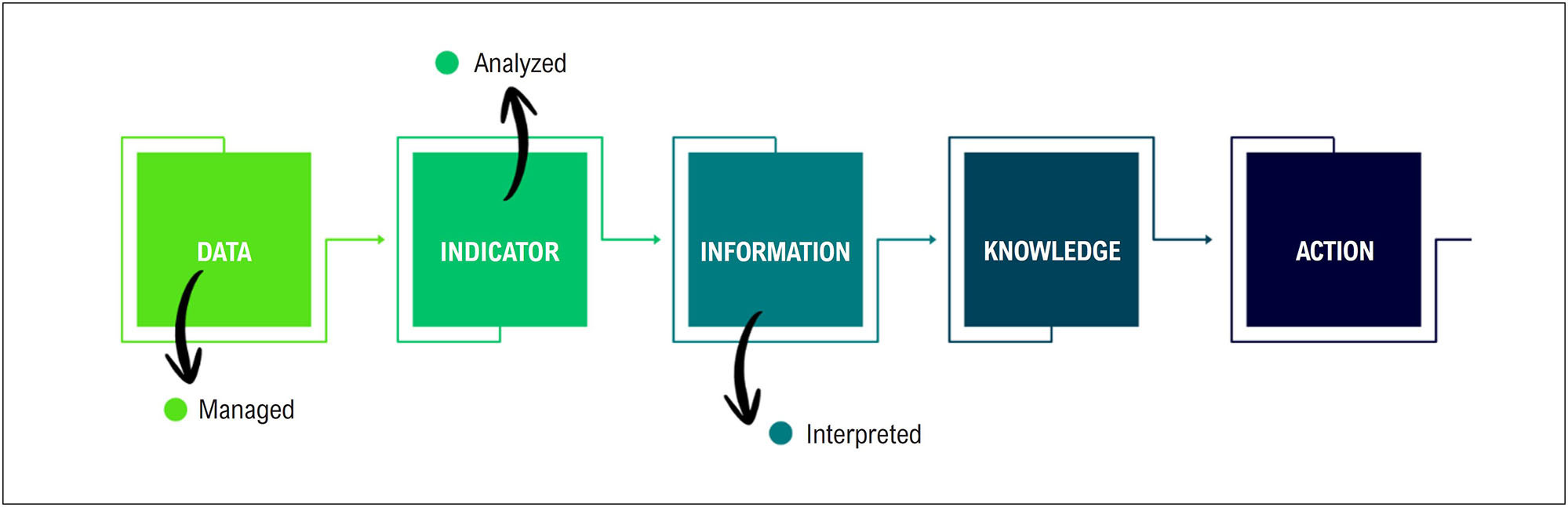
In Brazil, heart failure (HF) remains one of the leading causes of cardiovascular hospitalization and mortality, placing substantial pressure on the public health system. Despite therapeutic advances, significant gaps persist, as fragmented information systems, heterogeneous indicators, and limited integration of the patient perspective continue to predominate across both the public and private sectors.,

Critically, value-based healthcare, defined as health outcomes achieved relative to the resources expended, requires systematic measurement of waste and low-value care. Identifying avoidable hospitalizations, redundant testing, and delayed therapy optimization is essential for improving outcomes and ensuring health system sustainability., Economic analyses in Brazil demonstrate that inefficient HF management generates substantial costs: approximately 70% of HF-related expenditures arise from hospitalizations, many of which could be prevented through optimized outpatient care and stronger integration with primary care.

[…]
  • Heart Failure
  • Patient Centered Care
  • Quality of Health Care
Read Full Article
Creative Commons Attribution (CC BY) Creative Commons license
08/07/2026 DOI: 10.36660/abchf.2026009i Views 2
Prospective Longitudinal Study on Mortality and Quality of Care for Ward Patients Following Rapid Response Team Implementation in Brazil
IJCS
Original Article

Prospective Longitudinal Study on Mortality and Quality of Care for Ward Patients Following Rapid Response Team Implementation in Brazil

Fernanda Aburesi Salvadori et al. Renata Kobayasi Maria Beatriz Perondi Edison Ferreira de Paiva

Abstract

Background:

A Rapid Response Team (RRT) is a multidisciplinary team trained to assist hospitalized patients experiencing cardiac arrest (CA) or sudden clinical deterioration. Its effectiveness, however, remains debatable.

Objectives:

This study aimed to characterize the changes that occurred in a quaternary, highly complex hospital following the adoption of the RRT and to ascertain whether its implementation was associated with a decline in the mortality rates of patients admitted to wards.

Methods:

This was a prospective observational study conducted from April 1st, 2014, to December 31, 2019. The study compared patient mortality and clinical outcomes after the implementation of the RRT, focusing on the frequency and outcomes of “code blue” (CA) and “code yellow” (other types of clinical deterioration) calls. Pearson’s chi-squared test (χ²) was employed to compare categorical variables, while the Student’s t-test was utilized to compare continuous variables for independent samples. P-values < 0.05 were considered statistically significant.

Results:

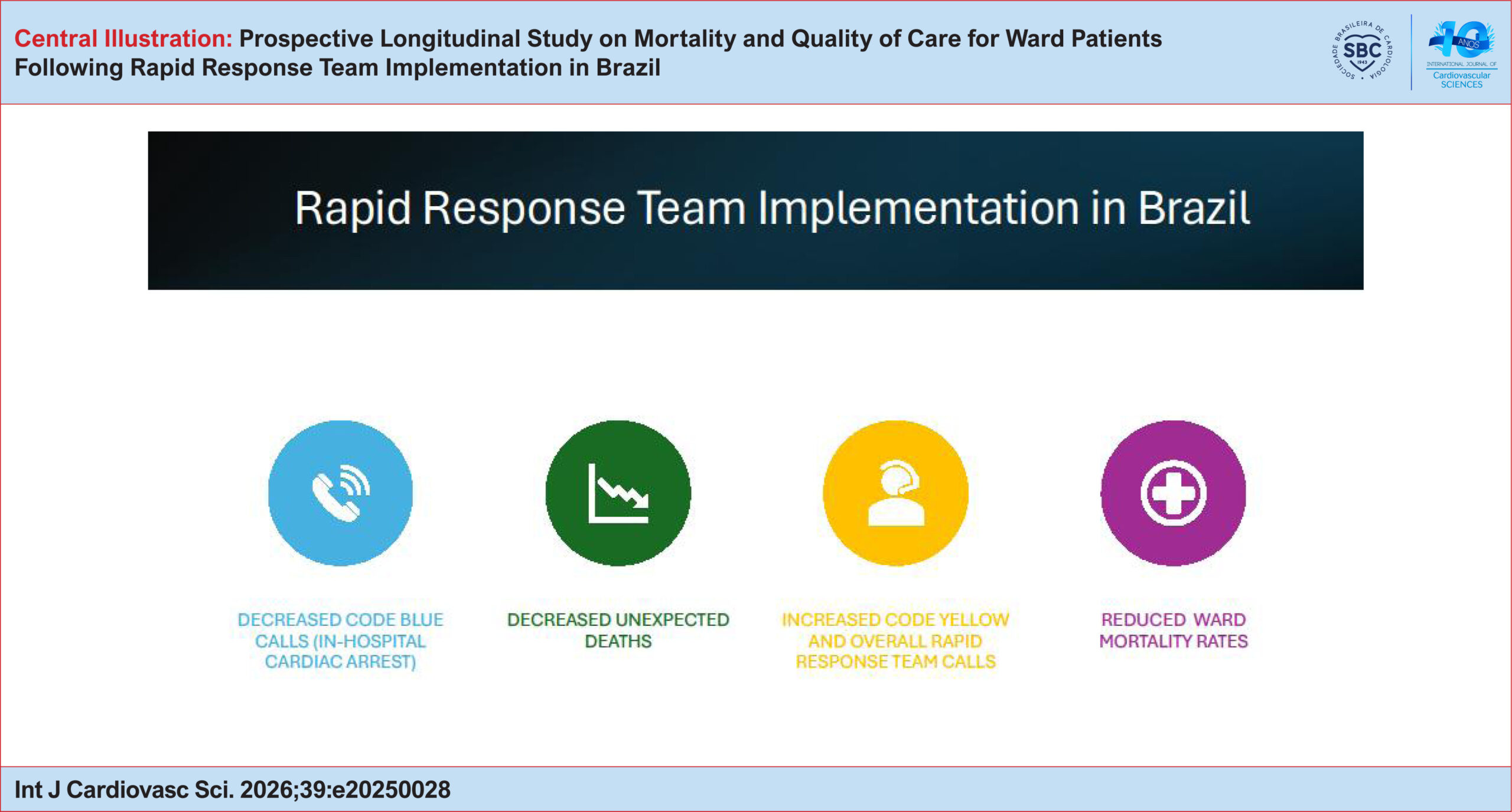
The team responded to a total of 2,194 inpatient calls, 495 for code blue and 1,699 for code yellow. In the years following the team’s implementation, the number of deaths and code blue calls decreased, while the number of code yellow and total RRT calls increased. When comparing the first and second three-year terms, there were no significant differences regarding code blue mortality (276/293 [94.2%] vs. 184/200 [92%], p = 0.338). Still, survival rates for patients assisted during code yellow calls increased (348/609 [57.1%] vs. 648/1,005 [64.5%], p = 0.003). This improvement in code yellow outcomes was associated with a reduction in the overall ward mortality rate (1,078/96,866 [1.1%] vs. 788/85,019 [0.9%], p < 0.001).

Conclusion:

The implementation of the RRT was associated with a decrease in the number of in-hospital CA and unexpected deaths over six years, as well as an increase in the number of code yellow and overall RRT calls. Overall ward mortality also declined.

  • Cardiopulmonary Resuscitation
  • Heart Arrest
  • Hospital Care
  • Hospital Rapid Response Team
  • Quality of Health Care
Read Full Article
Creative Commons Attribution (CC BY) Creative Commons license
13/03/2026 DOI: 10.36660/ijcs.20250028 Views 2
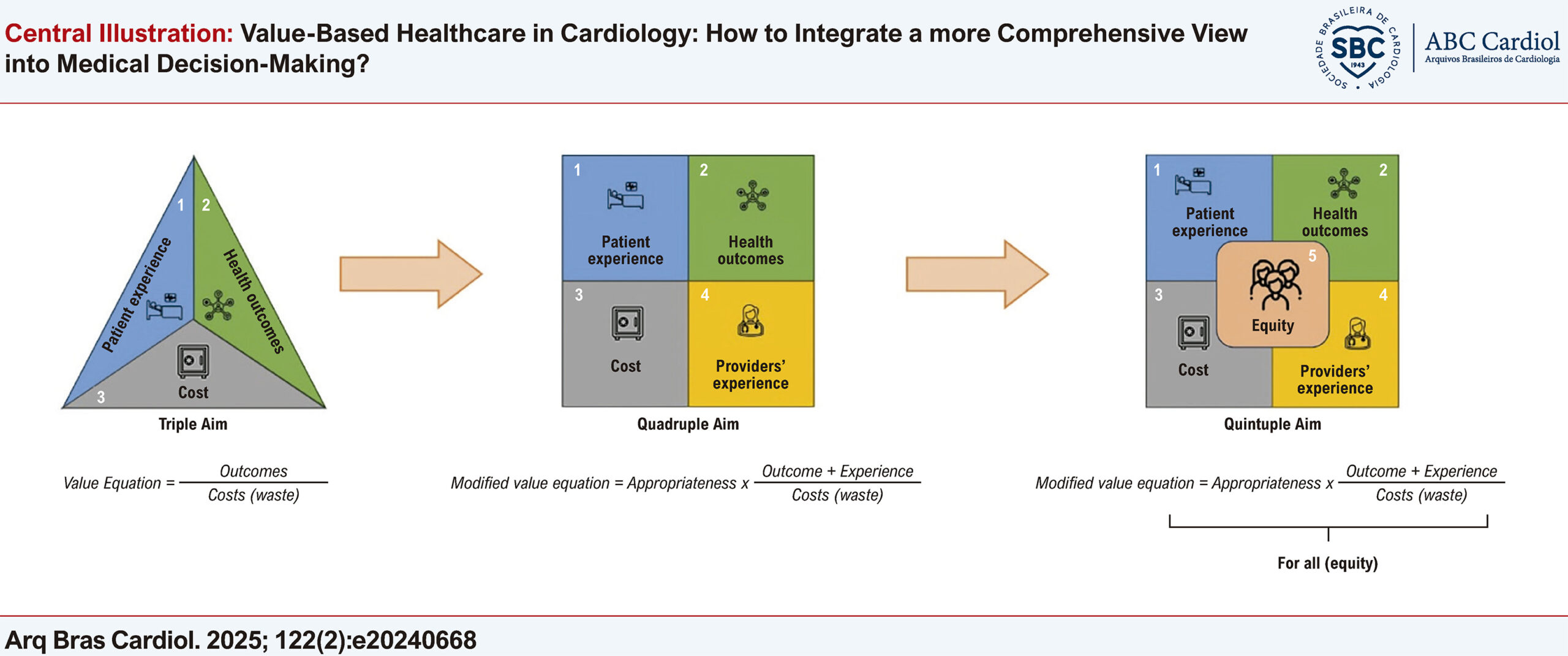
Value-Based Healthcare in Cardiology: How to Integrate a more Comprehensive View into Medical Decision-Making?
ABC
Review Article

Value-Based Healthcare in Cardiology: How to Integrate a more Comprehensive View into Medical Decision-Making?

Pedro Gabriel Melo de Barros e Silva et al. Valter Furlan Renato D. Lopes André Volschan … Paulo Cesar Pereira de Souza Carisi Anne Polanczyk

Abstract

Value-based healthcare is a patient-centered concept that provides a broad view of all parties involved in the care process. This model is designed to achieve the best possible patient outcomes while maintaining cost sustainability. In its classic description, value-based care is the relationship between outcomes that matter to the patient and the costs required to achieve them. Later, other variables were considered in this equation, such as appropriateness and user experience, to make this model more replicable. With a view that aligns the interests of patients, physicians, and payers, value-based healthcare has great potential to improve medical practice sustainably. After more than a decade of discussions and publications, putting this concept into practice is still challenging and dynamic. Value-based healthcare has gained importance and should become a transformative model for health ecosystems. Medical compensation aligned with these principles appears to be a promising path toward such transformation. Nevertheless, the application of this concept depends on a more straightforward definition of the health value parameters in different clinical scenarios. Cardiology is a specialty that usually has a solid evidence base for medical decision-making and this generates great potential for the application of health value elements. In this article, the authors outline a review of the main concepts of value-based healthcare and its potential applications in cardiology.

  • Cardiovascular Diseases
  • Quality of Health Care
  • Value-Based Health Insurance
Read Full Article
Creative Commons Attribution (CC BY) Creative Commons license
04/04/2025 DOI: 10.36660/abc.20240668i Views 2
Two-Year Follow-Up of Chronic Ischemic Heart Disease Patients in a Specialized Center in Brazil
ABC
Original Article

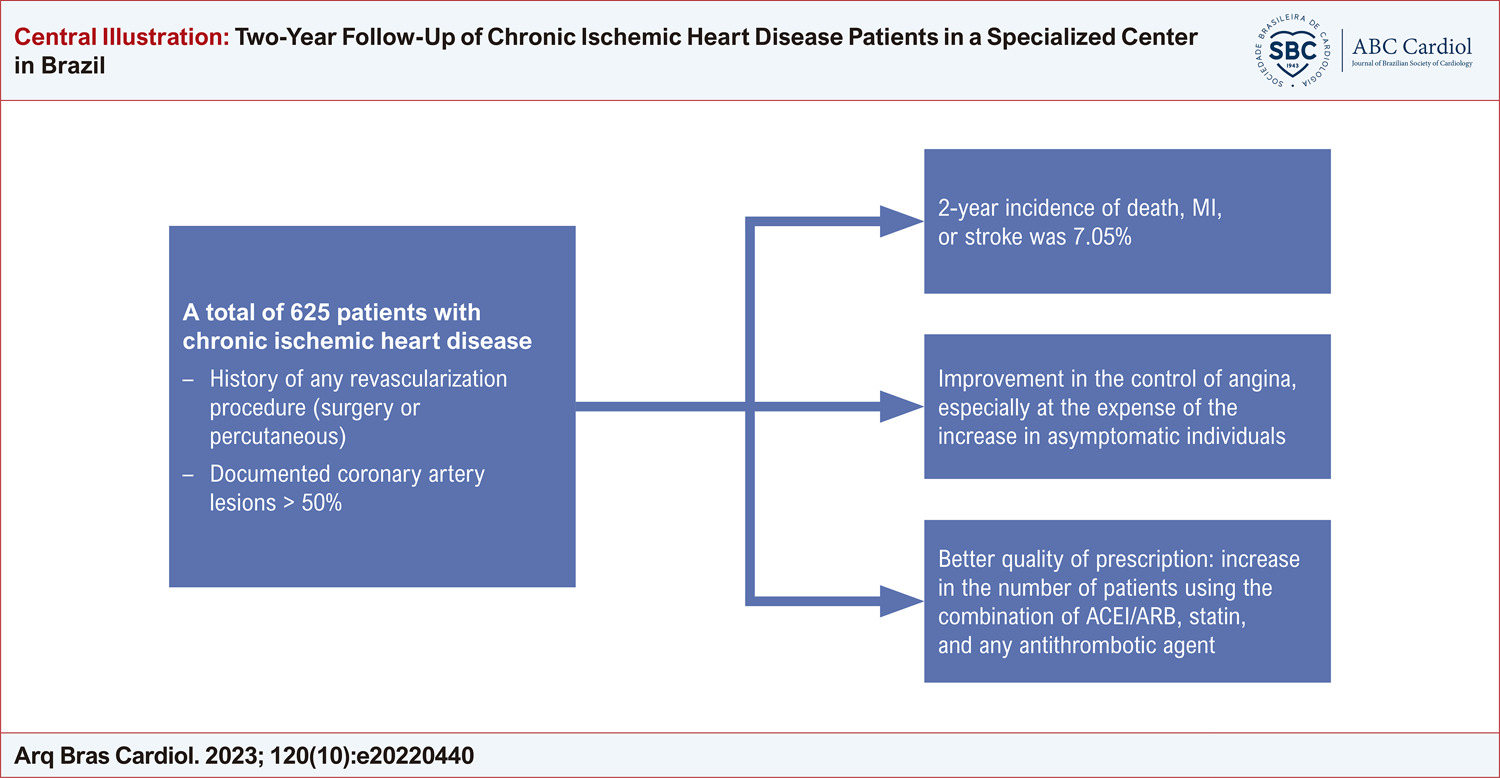
Two-Year Follow-Up of Chronic Ischemic Heart Disease Patients in a Specialized Center in Brazil

Eduardo Martelli Moreira et al. Henrique Trombini Pinesi Eduardo Bello Martins Fábio Grunspun Pitta … Paula Mathias Paulino Bolta Carlos Alexandre Wainrober Segre Desiderio Favarato Fabiana Hanna Rached Whady Armindo Hueb Eduardo Gomes Lima Roberto Kalil Filho Cibele Larrosa Garzillo Carlos Vicente Serrano Jr

Abstract

Background

The incidence of cardiovascular events in patients with chronic ischemic heart disease (CIHD) may vary significantly among countries. Although populous, Brazil is often underrepresented in international records.

Objectives

This study aimed to describe the quality of care and the two-year incidence of cardiovascular events and associated prognostic factors in CIHD patients in a tertiary public health care center in Brazil.

Methods

Patients with CIHD who reported for clinical evaluation at Instituto do Coração (São Paulo, Brazil) were registered and followed for two years. The primary endpoint was a composite of myocardial infarction (MI), stroke, or death. A significance level of 0.05 was adopted.

Results

From January 2016 to December 2018, 625 participants were included in the study. Baseline characteristics show that 33.1% were women, median age 66.1 [59.6 – 71.9], 48.6% had diabetes, 83.1% had hypertension, 62.6% had previous MI, and 70.4% went through some revascularization procedure. At a median follow-up (FU) of 881 days, we noted 37 (7.05%) primary endpoints. After adjustments, age, previous stroke, and LDL-cholesterol were independently associated with the primary endpoint. Comparing baseline versus FU, participants experienced relief of angina based on the Canadian Cardiovascular Society (CCS) scale according to the following percentages: 65.7% vs. 81.7% were asymptomatic and 4.2% vs. 2.9% CCS 3 or 4 (p < 0.001). They also experienced better quality of medication prescription: 65.8% vs. 73.6% (p < 0.001). However, there was no improvement in LDL-cholesterol or blood pressure control.

Conclusion

This study shows that CIHD patients had a two-year incidence of the primary composite endpoint of 7.05%, and the reduction of LDL-cholesterol was the only modifiable risk factor associated with prognosis.

  • Angina Pectoris
  • Cholesterol, LDL
  • Myocardial Infarction
  • Myocardial Ischemia
  • Quality of Health Care
Read Full Article
Creative Commons Attribution (CC BY) Creative Commons license
27/10/2023 DOI: 10.36660/abc.20220440 Views 2
ABC
Editorial

Good Practices In Cardiology – A Lesson From Performance Indicators

Otávio Azevedo Bertoletti

The World Health Organization considers the quality of care as “…the degree to which health services for individuals and populations increase the likelihood of desired health outcomes and are consistent with evidence-based professional knowledge.” In addition, it considers quality health services to be those that are effective, efficient, safe, equitable, and people-centered.

Aiming to increase the quality of cardiovascular care in Brazilian public hospitals, the Good Practices in Cardiology Program (BPC) was created, an initiative of the Sociedade Brasileira de Cardiologia (SBC) in partnership with the Ministry of Health of Brazil and support from the American Heart Association (AHA) and the Hospital HCor, through the adaptation of the AHA program entitled Get With The Guidelines® (GWTG)., The Brazilian program focuses on the most expensive heart diseases, such as acute coronary syndrome (ACS), atrial fibrillation (AF), and heart failure (HF). It seeks to reduce hospital mortality, improve hospital processes – with a focus on safety and quality of care for cardiac patients – and also recognize hospitals that achieve the proposed goals as centers of excellence in cardiology. The evaluation metric of this program is based on identifying the adherence rate of health professionals to the recommendations of the SBC and AHA guidelines in treating these three heart diseases. In addition, to analyze the effect on the outcomes, length of stay, mortality from heart disease, all-cause mortality, rehospitalization, quality of life, and patients perception of health before and after the program implementation.

[…]

  • Acute coronary syndrome
  • Cardiovascular Diseases
  • Health Care/Public Health)
  • Health Resources
  • Heart Failure
  • Quality of Health Care
Read Full Article
Creative Commons Attribution (CC BY) Creative Commons license
07/04/2023 DOI: 10.36660/abc.20230033 Views 1
ABC
Editorial

Achievement of LDL-cholesterol Targets: Why do We Fail, and How Can We Improve?

Fernando Cesena

Atherosclerotic cardiovascular disease (ASCVD) remains the first cause of death in the world, and Brazil., Individuals with previous ASCVD are at the highest risk of subsequent events, and guidelines recommend aggressive lowering of low-density lipoprotein cholesterol (LDL-c) levels to prevent bad outcomes.,

However, several reports from around the world indicate a gap between guideline recommendations and clinical practice, and a large proportion of the population, especially in secondary prevention, lives with LDL-c levels above those considered reasonable to prevent events.– Indeed, lack of adherence to guideline-recommended therapies was independently associated with major cardiovascular events in a Brazilian population after acute coronary syndrome.

[…]

  • anticholesteremic agents
  • Cardiovascular Diseases
  • Hypercholesterolemia
  • Practice Guideline
  • Quality of Health Care
Read Full Article
Creative Commons Attribution (CC BY) Creative Commons license
10/06/2022 DOI: 10.36660/abc.20220288 Views 2
Figure 1
ABC
Research Letter

Impact of the COVID-19 Pandemic on Cardiac Implantable Electronic Devices Procedures in a Tertiary Referral Center

Roberto Costa et al. Katia Regina da Silva Sarah Caroline Martins Saucedo Laisa Arruda Silva … Elizabeth Sartori Crevelari Wagner Tadeu Jurevicius Nascimento Thiago Gonçalves Silveira Alfredo Fiorelli Martino Martinelli Filho Fabio Biscegli Jatene

Introduction

The COVID-19 pandemic has caused a change in the surgical practice of many medical specialties worldwide. – Medical societies have supported changes in cardiac pacing services routines and established new recommendations on the definition of case severity and urgency of surgical procedures. ,

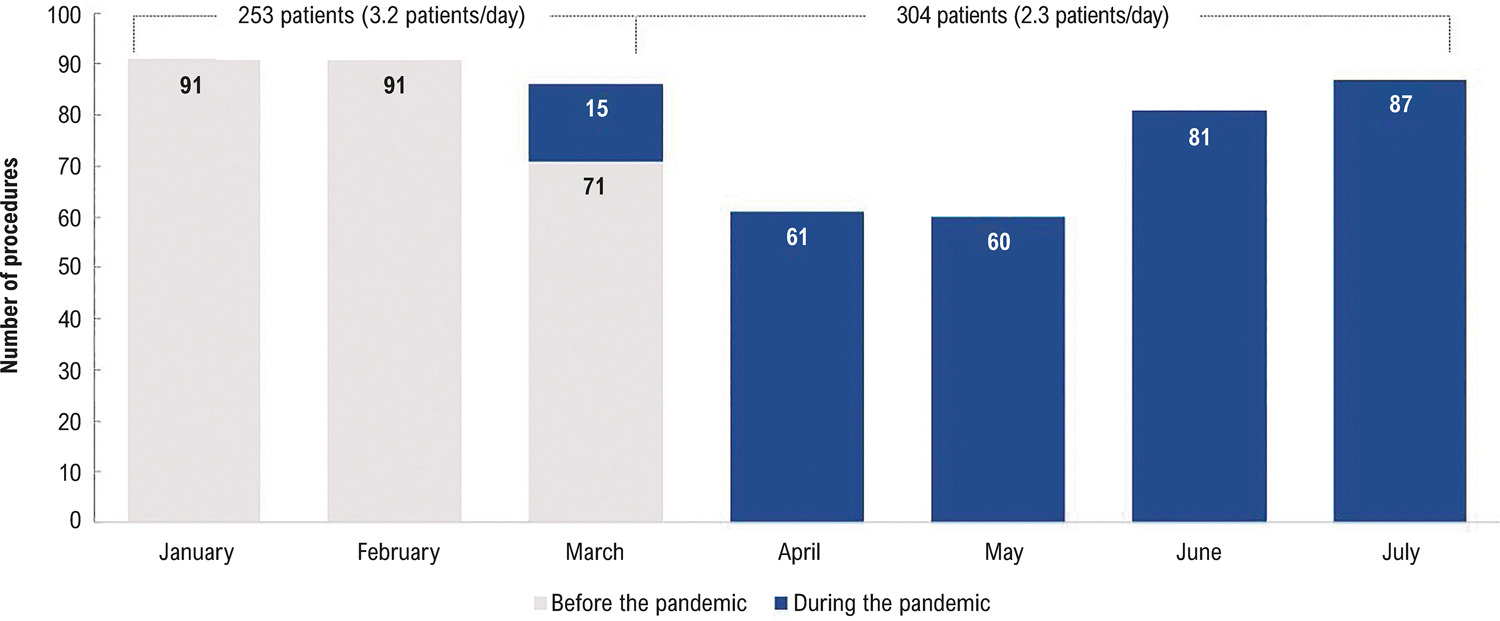
The aim of the present study was to evaluate the impact of the measures implemented in surgical procedures performed for artificial cardiac pacing during the pandemic. We compared the number of patients operated, clinical profile of patients, characteristics of procedures, and the rate of confirmed COVID-19 cases in the peak of the pandemic, and compared them with the period immediately before the pandemic.

[…]

  • Cardiac Pacing, Artificial
  • Contamination
  • COVID-19
  • Defibrillators, Implantable
  • Hospitalization
  • Pacemaker, Artificial
  • Pandemic
  • Quality of Health Care
Read Full Article
Creative Commons Attribution (CC BY) Creative Commons license
25/10/2021 DOI: 10.36660/abc.20201378 Views 2
Figure 1
ABC
Original Article

Pulmonary Embolism Mortality in Brazil from 1989 to 2010: Gender and Regional Disparities

Eduardo Sahade Darze et al. Juliana Borges Casqueiro Luisa Allen Ciuffo Jessica Mendes Santos … Iuri Resedá Magalhães Adriana Lopes Latado

Abstract

Background:

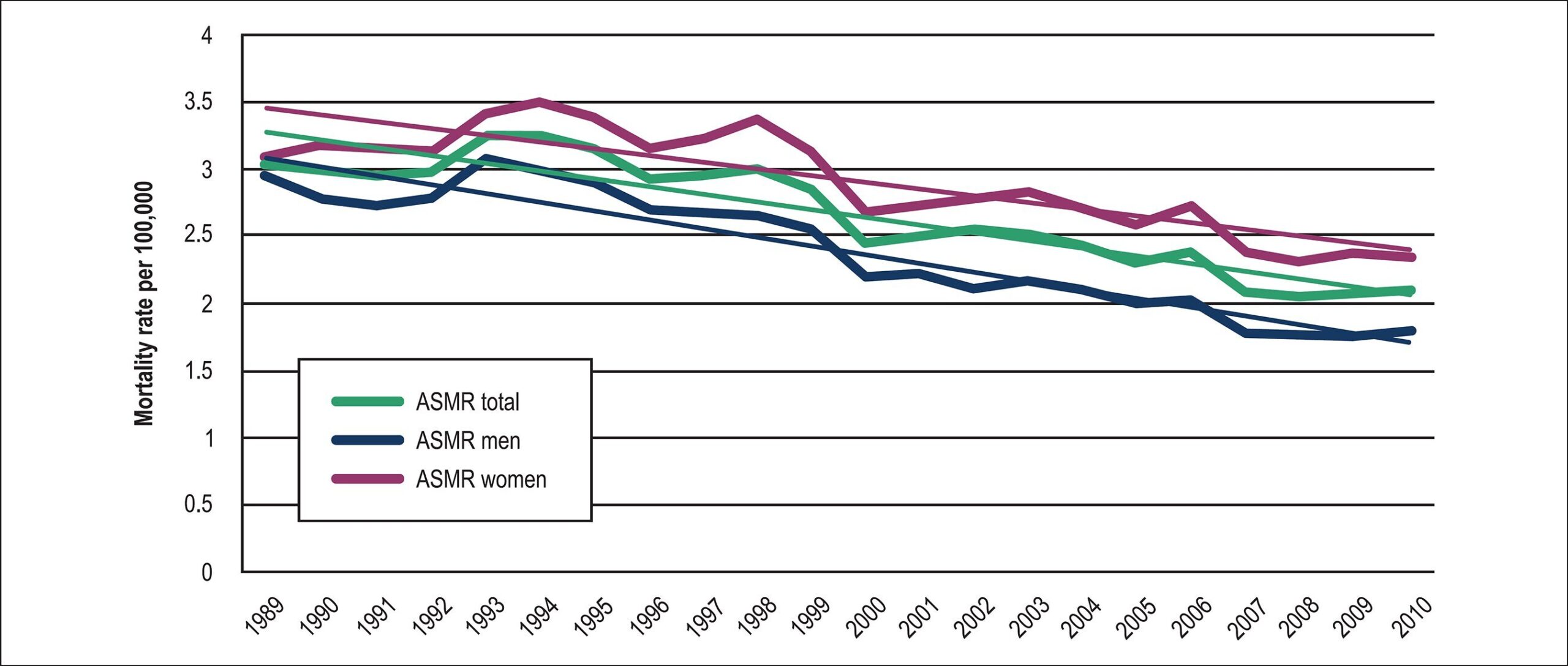
A significant variation in pulmonary embolism (PE) mortality trends have been documented around the world. We investigated the trends in mortality rate from PE in Brazil over a period of 21 years and its regional and gender differences.

Methods:

Using a nationwide database of death certificate information we searched for all cases with PE as the underlying cause of death between 1989 and 2010. Population data were obtained from the Brazilian Institute of Geography and Statistics (IBGE). We calculated age-, gender- and region-specific mortality rates for each year, using the 2000 Brazilian population for direct standardization.

Results:

Over 21 years the age-standardized mortality rate (ASMR) fell 31% from 3.04/100,000 to 2.09/100,000. In every year between 1989 and 2010, the ASMR was higher in women than in men, but both showed a significant declining trend, from 3.10/100,000 to 2.36/100,000 and from 2.94/100,000 to 1.80/100,000, respectively. Although all country regions showed a decline in their ASMR, the largest fall in death rates was concentrated in the highest income regions of the South and Southeast Brazil. The North and Northeast regions, the lowest income areas, showed a less marked fall in death rates and no distinct change in the PE mortality rate in women.

Conclusions:

Our study showed a reduction in the PE mortality rate over two decades in Brazil. However, significant variation in this trend was observed amongst the five country regions and between genders, pointing to possible disparities in health care access and quality in these groups.

  • Age Factors
  • Brazil / epidemiology
  • Pulmonary Embolism / epidemiology
  • Quality of Health Care
  • Regional Medical Programs
Read Full Article
Creative Commons Attribution (CC BY) Creative Commons license
10/11/2015 DOI: 10.5935/abc.20160001
ABC
Original Article

Applicability of the Appropriate use Criteria for Myocardial Perfusion Scintigraphy

Anderson de Oliveira et al. Maria Fernanda Rezende Renato Corrêa Rodrigo Mousinho … Jader Cunha Azevedo Sandra Marina Miranda Aline Ribeiro Oliveira Ricardo Fraga Gutterres Evandro Tinoco Mesquita Cláudio Tinoco Mesquita

Background:

Appropriateness Criteria for nuclear imaging exams were created by American College of Cardiology (ACC) e American Society of Nuclear Cardiology (ASNC) to allow the rational use of tests. Little is known whether these criteria have been followed in clinical practice.

Objective:

To evaluate whether the medical applications of myocardial perfusion scintigraphy (MPS) in a private nuclear medicine service of a tertiary cardiology hospital were suitable to the criteria of indications proposed by the American medical societies in 2005 and 2009 and compare the level of indication of both.

Methods:

We included records of 383 patients that underwent MPS, November 2008 up to February 2009. Demographic characteristics, patient’s origin, coronary risk factors, time of medical graduation and appropriateness criteria of medical applications were studied. The criteria were evaluated by two independent physicians and, in doubtful cases, defined by a medical expert in MPS.

Results:

Mean age was 65 ± 12 years. Of the 367 records reviewed, 236 (64.3%) studies were performed in men and 75 (20.4%) were internee. To ACC 2005, 255 (69.5%) were considered appropriate indication and 13 (3.5%) inappropriate. With ACC 2009, 249 (67.8%) were considered appropriate indications and 13 (5.2%) inappropriate.

Conclusions:

We observed a high rate of adequacy of medical indications for MPS. Compared to the 2005 version, 2009 did not change the results.

  • Diagnostic Imaging
  • Myocardial Perfusion Imaging
  • Myocardial/radionuclide imaging
  • Quality of Health Care
Read Full Article
Creative Commons Attribution (CC BY) Creative Commons license
23/09/2014 DOI: 10.5935/abc.20140140
ST-Elevation myocardial infarction network: systematization in 205 cases reduced clinical events in the public health care system
ABC
Artigo Original

ST-Elevation myocardial infarction network: systematization in 205 cases reduced clinical events in the public health care system

Ana Christina Vellozo Caluza et al. Adriano H. Barbosa Iran Gonçalves Carlos Alexandre L. de Oliveira … Lívia Nascimento de Matos Claus Zeefried Antonio Célio C. Moreno Elcio Tarkieltaub Cláudia Maria R. Alves Antonio Carlos Carvalho

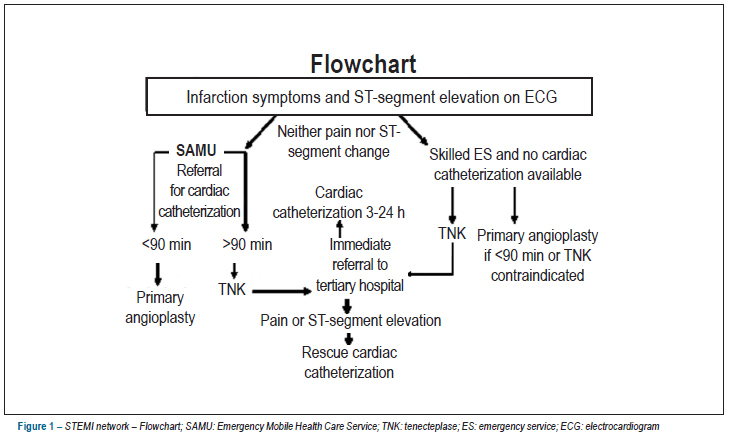
BACKGROUND: The major cause of death in the city of São Paulo (SP) is cardiac events. At its periphery, in-hospital mortality in acute myocardial infarction is estimated to range between 15% and 20% due to difficulties inherent in large metropoles. OBJECTIVE:To describe in-hospital mortality in ST-segment elevation acute myocardial infarction (STEMI) of patients admitted via ambulance or peripheral hospitals, which are part of a structured training network (STEMI Network). METHODS: Health care teams of four emergency services (Ermelino Matarazzo, Campo Limpo, Tatuapé and Saboya) of the periphery of the city of São Paulo and advanced ambulances of the Emergency Mobile Health Care Service (abbreviation in Portuguese, SAMU) were trained to use tenecteplase or to refer for primary angioplasty. A central office for electrocardiogram reading was used. After thrombolysis, the patient was sent to a tertiary reference hospital to undergo cardiac catheterization immediately (in case of failed thrombolysis) or in 6 to 24 hours, if the patient was stable. Quantitative and qualitative variables were assessed by use of uni- and multivariate analysis. RESULTS: From January 2010 to June 2011, 205 consecutive patients used the STEMI Network, and the findings were as follows: 87 anterior wall infarctions; 11 left bundle-branch blocks; 14 complete atrioventricular blocks; and 14 resuscitations after initial cardiorespiratory arrest. In-hospital mortality was 6.8% (14 patients), most of which due to cardiogenic shock, one hemorrhagic cerebrovascular accident, and one bleeding. CONCLUSION: The organization in the public health care system of a network for the treatment of STEMI, involving diagnosis, reperfusion, immediate transfer, and tertiary reference hospital, resulted in immediate improvement of STEMI outcomes.

  • Emergencies
  • Guidelines
  • Myocardial Infarction
  • Quality of Health Care
Read Full Article
Creative Commons Attribution (CC BY) Creative Commons license
09/11/2012 DOI: 10.1590/S0066-782X2012005000100 Views 1
Implementing clinical guidelines on acute myocardial infarction care in an emergency service
ABC
Artigo Original

Implementing clinical guidelines on acute myocardial infarction care in an emergency service

Claudia Caminha Escosteguy et al. Alfredo Brasil Teixeira Margareth Crisostomo Portela Artur Eduardo Cotrim Guimarães … Sheyla Maria Lemos Lima Vanja Maria Bessa Ferreira Claudia Brito

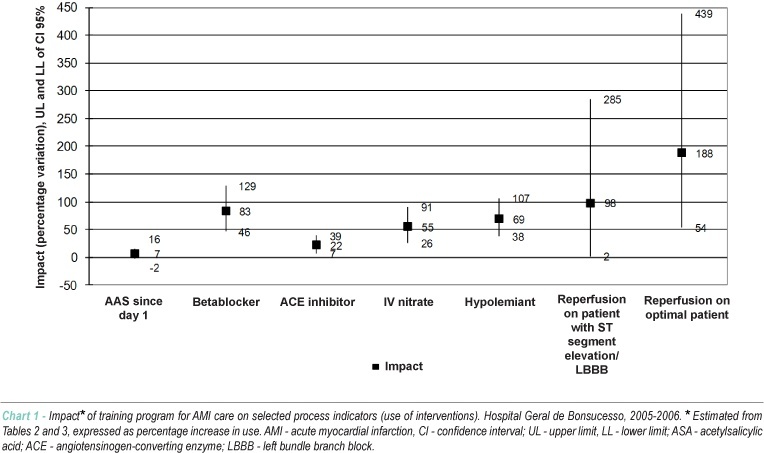
BACKGROUND: The implementation of clinical guidelines on acute myocardial infarction (AMI) care produces better results. OBJECTIVE: To present a multidisciplinary program to implement these guidelines in a large public emergency center and check its impact. METHODS: Evaluation study on health services, with “before and after” type design, to assess the indicators of quality of AMI care before and after implementation of training strategies and to facilitate emergency teams’ acceptance of clinical guidelines. This includes the development of educational and awareness-raising materials and continued supervision. Relative risk estimate (RR) and confidence intervals (95%). RESULTS: Pre-program group, 78 cases of AMI; post-program group, 66 cases of AMI. Most cases were treated only in the emergency room, due to small number of vacancies in the coronary care unit. We observed a significant increase (p<0.05) in the use of various interventions evaluated (process indicators): beta-blockers, 83%; angiotensin-converting enzyme inhibitors, 22%; lipid-lowering agents, 69%; intravenous nitrate, 55%; coronary reperfusion in acute myocardial infarction with ST-segment elevation, 98%. The use of aspirin from the first day of the IAM reached 95.5% of cases. The loss of opportunity of coronary reperfusion in patients with this indication, reduced from 71.4% to 17.6% post-training. CONCLUSION: The program achieved a significant impact and its propagation to other units may contribute to better assist IAM in the public health system.

  • Emergencies
  • Guidelines
  • Health Management
  • Myocardial Infarction
  • Practice guidelines
  • Quality of Health Care
Read Full Article
Creative Commons Attribution (CC BY) Creative Commons license
12/11/2010 DOI: 10.1590/S0066-782X2010005000142 Views 1
ABC
Artigo Original

Evidence of healthcare quality improvement in acute myocardial infarction

Antônio Sérgio Cordeiro da Rocha et al. Mônica Peres de Araújo André Volscham Luiz Antonio Ferreira Carvalho … Ary Ribeiro Evandro Tinoco Mesquita

BACKGROUND: The monitoring of healthcare quality indicators (HCQI) is a process of utmost importance in patient healthcare services. OBJECTIVE: To evaluate whether the monitoring of HCQI and the root-cause analysis improve the healthcare quality in acute myocardial infarction (AMI). METHODS: A cross-sectional and comparative analysis of HCQI was performed in patients with AMI in the years 2006 and 2007. Of the 1,461 patients admitted with chest pain, 172 (11.7%) had a diagnosis of AMI and were included in the analysis. RESULTS: The rate of primary angioplasty was 8.47% higher in 2007 (97.3%) when compared to that in 2006 (89.7%), but this difference was not statistically significant (p = 0.35). Moreover, there was no difference regarding the time of hospitalization (4 vs 5 days, p = 0.15) and the in-hospital mortality (7.8% vs 5.1%, p = 0.67) between 2007 and 2006, respectively. However, the time to the first troponin level was 27% shorter in 2007 (69 min.; 95%CI = 44-94 min.) when compared to 2006 (95 min.; 53-136 min.) (p = 0.025). The door-to-balloon time was 12% shorter (72 ± 29 min. vs 109 ± 85 min.; p = 0.03), the rate of ASA prescription at hospital discharge was 35% higher (94.7% vs 70.3%; p = 0.002) and the rate of PCA shorter than 90 minutes was 52% higher (78.3 vs 51.4%; p = 0.03) in 2007, when compared to 2006. CONCLUSION: Our results suggest that the strategy of monitoring the HCQI and the implementation of the root-cause analysis methodology can improve the healthcare process in patients with AMI.

  • Myocardial Infarction
  • Patient Centered Care
  • Quality Indicators, Health Care
  • Quality of Health Care
Read Full Article
Creative Commons Attribution (CC BY) Creative Commons license
07/05/2010 DOI: 10.1590/S0066-782X2010005000047 Views 1
Myocardial revascularization surgery (MRS): results from National Health System (SUS)
ABC
Review Article

Myocardial revascularization surgery (MRS): results from National Health System (SUS)

Leopoldo S. Piegas et al. Olímpio J. Nogueira V. Bittar Nagib Haddad

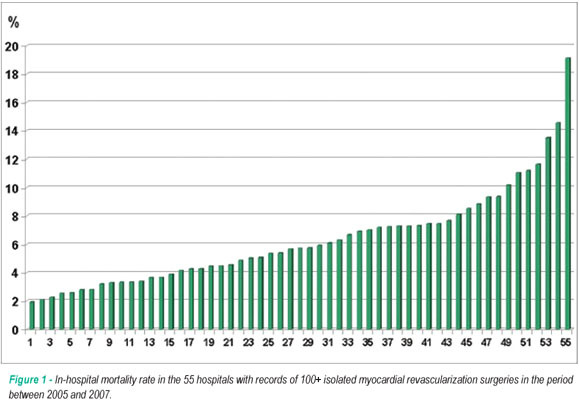
BACKGROUND: Myocardial revascularization surgery (MRS) is the most common surgery in this country, with most being performed through the National Health System(SUS). OBJECTIVES: To assess MRS results when not associated to other procedures. METHODS: The information from the Hospital Information System (SIH/DATASUS) made available online was submitted to analysis. The data include information on gender, age, hospital stay period, hospital admission authorization (AIH) costs, number of surgeries at each hospital, and in-hospital mortality rate. Only MRS with no associated procedures were analyzed. RESULTS: A total of 63,529 surgeries were performed in the period between 2005 and 2007 at 191 hospitals. Sixteen hospitals reporting very low surgery volume were excluded. The remaining total number of surgeries came down to 63,272 for the final analysis. In-hospital mortality rate was 6.22%, with small surgery volume hospitals reporting higher rate than high volume hospitals (≥300 surgeries in the time period under study), 7.29% versus 5.77% (p<0.001). Average hospital stay time length was 12 days, with no difference having been reported between low (12.08±5.52) and high volume (12.15±7.70) hospitals. Males reported lower mortality rate than females – 5.20% versus 8.25% (p<0.001), similarly to younger individuals when compared to the elderly (≥ 65 years of age), 4.21% versus 9.36% (p<0.001). A slight variation was observed in AIH values between the Southern Region (R$ 7.214,63 – approximately US$ 3,600.00) and the Northeastern Region (R$ 6.572,03 – approximately US$ 3,280.00) (p<0.01). Regional distribution of surgeries was not comparable in all regions in the country, with Southern and Southeastern Regions having reported 77% of them. CONCLUSION: MRS performed by SUS has reported high mortality rate in low volume hospitals, among women, and among the elderly. Future prospective studies are deemed to be necessary.

  • health administration
  • Myocardial Revascularization
  • Quality of Health Care
  • Risk Assessment
Read Full Article
Creative Commons Attribution (CC BY) Creative Commons license
20/01/2010 DOI: 10.1590/S0066-782X2009001100018 Views 2
Indicators of healthcare quality in isolated coronary artery bypass graft surgery performed at a tertiary cardiology center
ABC
Artigo Original

Indicators of healthcare quality in isolated coronary artery bypass graft surgery performed at a tertiary cardiology center

Evandro Tinoco Mesquita et al. Ary Ribeiro Mônica Peres de Araújo Luiz Antonio de Almeida Campos … Marco Aurélio Fernandes Alexandre Siciliano Colafranceschi Celso Garcia da Silveira Edson Nunes Antônio Sérgio Cordeiro da Rocha

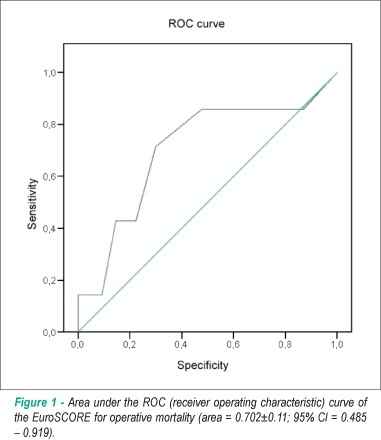
BACKGROUND: Quality indicators (QI) for cardiac surgery are important instruments for measuring healthcare quality in hospital centers and allow comparison with high-quality healthcare centers. OBJECTIVE: To evaluate QIs in isolated myocardial revascularization procedures (CABG) performed at a tertiary cardiology center. METHODS: One hundred and forty-four consecutive patients who had undergone isolated CABG were evaluated between October 2005 and March 2007. One hundred and eight patients were men (75%), the mean age was 65±11, and the EuroSCORE was 4±3. The following QIs were measured: time elapsed between the surgery date-setting appointment and the actual day of the CABG (TDC); surgery cancellation rate (SCR) due to problems in hospital infrastructure; length of hospital stay (LOS); operative mortality (OM) and rate of readmission (RHR) for infection in the surgical wound. RESULTS: The TDC (n=98) was 4±3 days (median: 4 days) and the SCR was zero. The OM recorded of 4.9% (95% confidence interval [CI] = 2.2 – 9.87%) was lower than the expected OM of 5.1% (95% CI = 1.4% to 14.37%), but with no statistical significance (p=0.65). The area under the ROC curve of the EuroSCORE for the OM was 0.702 (95% CI = 0.485 – 0.919). LOS was 11±9 days. The area under the ROC curve of the EuroSCORE for the LOS was 0.764 (95% CI = 0.675 – 0.852). The RHR recorded was 2.1%. CONCLUSION: The measurement of the QIs showed that, in a medical center with a low annual volume of CABG, the results were compatible with the risk profile of the population involved.

  • Myocardial Revascularization
  • Perioperative Care
  • Quality Indicators, Health Care
  • Quality of Health Care
Read Full Article
Creative Commons Attribution (CC BY) Creative Commons license
27/05/2008 DOI: 10.1590/S0066-782X2008000500008

How to cite this article

EndNote RIS

Electronic Document Format (Vancouver)

Bernardez-Pereira S, Alvarez G, Franken M, Lemos Neto PA, Souza GEC, Bacal F. Measuring What Matters: A Unified Framework for High-Value Heart Failure Care in Brazil. ABC Heart Fail Cardiomyop 2026;6:e20260009.

Electronic Document Format (ABNT)

Bernardez-Pereira, Sabrina; Alvarez, Giovana; Franken, Marcelo; Lemos Neto, Pedro Alves; Souza, Germano Emílio Conceição; Bacal, Fernando. Measuring What Matters: A Unified Framework for High-Value Heart Failure Care in Brazil. ABC Heart Fail Cardiomyop, v. 6, e20260009, Jul. 2026.

Electronic Document Format (APA)

Bernardez-Pereira, S., Alvarez, G., Franken, M., Lemos Neto, P. A., Souza, G. E. C., & Bacal, F. (2026). Measuring What Matters: A Unified Framework for High-Value Heart Failure Care in Brazil. ABC Heart Fail Cardiomyop, 6, e20260009.

Electronic Document Format (ISO)

Bernardez-Pereira, Sabrina and Alvarez, Giovana and Franken, Marcelo and Lemos Neto, Pedro Alves and Souza, Germano Emílio Conceição and Bacal, Fernando. Measuring What Matters: A Unified Framework for High-Value Heart Failure Care in Brazil. ABC Heart Fail Cardiomyop [online]. 2026, vol. 6, [cited 2026-10-14], e20260009. Available from: <https://journals.cardiol.br/en/article/measuring-what-matters-a-unified-framework-for-high-value-heart-failure-care-in-brazil/>

EndNote RIS

Electronic Document Format (Vancouver)

Salvadori FA, Kobayasi R, Perondi MB, Paiva EF. Prospective Longitudinal Study on Mortality and Quality of Care for Ward Patients Following Rapid Response Team Implementation in Brazil. International Journal of Cardiovascular Sciences 2026;39:e20250028.

Electronic Document Format (ABNT)

Salvadori, Fernanda Aburesi; Kobayasi, Renata; Perondi, Maria Beatriz; Paiva, Edison Ferreira de. Prospective Longitudinal Study on Mortality and Quality of Care for Ward Patients Following Rapid Response Team Implementation in Brazil. International Journal of Cardiovascular Sciences, v. 39, e20250028, Mar. 2026.

Electronic Document Format (APA)

Salvadori, F. A., Kobayasi, R., Perondi, M. B., & Paiva, E. F. (2026). Prospective Longitudinal Study on Mortality and Quality of Care for Ward Patients Following Rapid Response Team Implementation in Brazil. International Journal of Cardiovascular Sciences, 39, e20250028.

Electronic Document Format (ISO)

Salvadori, Fernanda Aburesi and Kobayasi, Renata and Perondi, Maria Beatriz and Paiva, Edison Ferreira de. Prospective Longitudinal Study on Mortality and Quality of Care for Ward Patients Following Rapid Response Team Implementation in Brazil. International Journal of Cardiovascular Sciences [online]. 2026, vol. 39, [cited 2026-10-14], e20250028. Available from: <https://journals.cardiol.br/en/article/prospective-longitudinal-study-on-mortality-and-quality-of-care-for-ward-patients-following-rapid-response-team-implementation-in-brazil/>. ISSN 2359-4802

EndNote RIS

Electronic Document Format (Vancouver)

Silva PGMB, Furlan V, Lopes RD, Volschan A, Souza PCP, Polanczyk CA. Value-Based Healthcare in Cardiology: How to Integrate a more Comprehensive View into Medical Decision-Making?. Arquivos Brasileiros de Cardiologia 2025;122(2):e20240668.

Electronic Document Format (ABNT)

Silva, Pedro Gabriel Melo de Barros e; Furlan, Valter; Lopes, Renato D.; Volschan, André; Souza, Paulo Cesar Pereira de; Polanczyk, Carisi Anne. Value-Based Healthcare in Cardiology: How to Integrate a more Comprehensive View into Medical Decision-Making?. Arquivos Brasileiros de Cardiologia, v. 122, n. 2, e20240668, Apr. 2025.

Electronic Document Format (APA)

Silva, P. G. M. B. , Furlan, V., Lopes, R. D., Volschan, A., Souza, P. C. P. , & Polanczyk, C. A. (2025). Value-Based Healthcare in Cardiology: How to Integrate a more Comprehensive View into Medical Decision-Making?. Arquivos Brasileiros de Cardiologia, 122(2), e20240668.

Electronic Document Format (ISO)

Silva, Pedro Gabriel Melo de Barros e and Furlan, Valter and Lopes, Renato D. and Volschan, André and Souza, Paulo Cesar Pereira de and Polanczyk, Carisi Anne. Value-Based Healthcare in Cardiology: How to Integrate a more Comprehensive View into Medical Decision-Making?. Arquivos Brasileiros de Cardiologia [online]. 2025, vol. 122, n. 2, [cited 2026-10-14], e20240668. Available from: <https://journals.cardiol.br/en/article/value-based-healthcare-in-cardiology-how-to-integrate-a-more-comprehensive-view-into-medical-decision-making/>. ISSN 0066-782X

EndNote RIS

Electronic Document Format (Vancouver)

Moreira EM, Pinesi HT, Martins EB, Pitta FG, Bolta PMP, Segre CAW, Favarato D, et al. Two-Year Follow-Up of Chronic Ischemic Heart Disease Patients in a Specialized Center in Brazil. Arquivos Brasileiros de Cardiologia 2023;120(10):e20220440.

Electronic Document Format (ABNT)

Moreira, Eduardo Martelli; Pinesi, Henrique Trombini; Martins, Eduardo Bello; Pitta, Fábio Grunspun; Bolta, Paula Mathias Paulino; Segre, Carlos Alexandre Wainrober; Favarato, Desiderio; Rached, Fabiana Hanna; Hueb, Whady Armindo; Lima, Eduardo Gomes; Kalil Filho, Roberto; Garzillo, Cibele Larrosa; Serrano Jr, Carlos Vicente. Two-Year Follow-Up of Chronic Ischemic Heart Disease Patients in a Specialized Center in Brazil. Arquivos Brasileiros de Cardiologia, v. 120, n. 10, e20220440, Oct. 2023.

Electronic Document Format (APA)

Moreira, E. M., Pinesi, H. T., Martins, E. B., Pitta, F. G., Bolta, P. M. P., Segre, C. A. W., Favarato, D., Rached, F. H., Hueb, W. A., Lima, E. G., Kalil Filho, R., Garzillo, C. L., & Serrano Jr, C. V. (2023). Two-Year Follow-Up of Chronic Ischemic Heart Disease Patients in a Specialized Center in Brazil. Arquivos Brasileiros de Cardiologia, 120(10), e20220440.

Electronic Document Format (ISO)

Moreira, Eduardo Martelli and Pinesi, Henrique Trombini and Martins, Eduardo Bello and Pitta, Fábio Grunspun and Bolta, Paula Mathias Paulino and Segre, Carlos Alexandre Wainrober and Favarato, Desiderio and Rached, Fabiana Hanna and Hueb, Whady Armindo and Lima, Eduardo Gomes and Kalil Filho, Roberto and Garzillo, Cibele Larrosa and Serrano Jr, Carlos Vicente. Two-Year Follow-Up of Chronic Ischemic Heart Disease Patients in a Specialized Center in Brazil. Arquivos Brasileiros de Cardiologia [online]. 2023, vol. 120, n. 10, [cited 2026-10-14], e20220440. Available from: <https://journals.cardiol.br/en/article/two-year-follow-up-of-chronic-ischemic-heart-disease-patients-in-a-specialized-center-in-brazil/>. ISSN 0066-782X

EndNote RIS

Electronic Document Format (Vancouver)

Bertoletti OA. Good Practices In Cardiology – A Lesson From Performance Indicators. Arquivos Brasileiros de Cardiologia 2023;120(2):e20230033.

Electronic Document Format (ABNT)

Bertoletti, Otávio Azevedo. Good Practices In Cardiology – A Lesson From Performance Indicators. Arquivos Brasileiros de Cardiologia, v. 120, n. 2, e20230033, Apr. 2023.

Electronic Document Format (APA)

Bertoletti, O. A. (2023). Good Practices In Cardiology – A Lesson From Performance Indicators. Arquivos Brasileiros de Cardiologia, 120(2), e20230033.

Electronic Document Format (ISO)

Bertoletti, Otávio Azevedo. Good Practices In Cardiology – A Lesson From Performance Indicators. Arquivos Brasileiros de Cardiologia [online]. 2023, vol. 120, n. 2, [cited 2026-10-14], e20230033. Available from: <https://journals.cardiol.br/en/article/good-practices-in-cardiology-a-lesson-from-performance-indicators/>. ISSN 0066-782X

EndNote RIS

Electronic Document Format (Vancouver)

Cesena F. Achievement of LDL-cholesterol Targets: Why do We Fail, and How Can We Improve?. Arquivos Brasileiros de Cardiologia 2022;118(6):1026-7.

Electronic Document Format (ABNT)

Cesena, Fernando. Achievement of LDL-cholesterol Targets: Why do We Fail, and How Can We Improve?. Arquivos Brasileiros de Cardiologia, v. 118, n. 6, p. 1026-1027, Jun. 2022.

Electronic Document Format (APA)

Cesena, F. (2022). Achievement of LDL-cholesterol Targets: Why do We Fail, and How Can We Improve?. Arquivos Brasileiros de Cardiologia, 118(6), 1026-1027.

Electronic Document Format (ISO)

Cesena, Fernando. Achievement of LDL-cholesterol Targets: Why do We Fail, and How Can We Improve?. Arquivos Brasileiros de Cardiologia [online]. 2022, vol. 118, n. 6, [cited 2026-10-14], pp. 1026-1027. Available from: <https://journals.cardiol.br/en/article/achievement-of-ldl-cholesterol-targets-why-do-we-fail-and-how-can-we-improve/>. ISSN 0066-782X

EndNote RIS

Electronic Document Format (Vancouver)

Costa R, Silva KR, Saucedo SCM, Silva LA, Crevelari ES, Nascimento WTJ, Silveira TG, et al. Impact of the COVID-19 Pandemic on Cardiac Implantable Electronic Devices Procedures in a Tertiary Referral Center. Arquivos Brasileiros de Cardiologia 2021;117(4):765-9.

Electronic Document Format (ABNT)

Costa, Roberto; Silva, Katia Regina da; Saucedo, Sarah Caroline Martins; Silva, Laisa Arruda; Crevelari, Elizabeth Sartori; Nascimento, Wagner Tadeu Jurevicius; Silveira, Thiago Gonçalves; Fiorelli, Alfredo; Martinelli Filho, Martino; Jatene, Fabio Biscegli. Impact of the COVID-19 Pandemic on Cardiac Implantable Electronic Devices Procedures in a Tertiary Referral Center. Arquivos Brasileiros de Cardiologia, v. 117, n. 4, p. 765-769, Oct. 2021.

Electronic Document Format (APA)

Costa, R., Silva, K. R. , Saucedo, S. C. M., Silva, L. A., Crevelari, E. S., Nascimento, W. T. J., Silveira, T. G., Fiorelli, A., Martinelli Filho, M., & Jatene, F. B. (2021). Impact of the COVID-19 Pandemic on Cardiac Implantable Electronic Devices Procedures in a Tertiary Referral Center. Arquivos Brasileiros de Cardiologia, 117(4), 765-769.

Electronic Document Format (ISO)

Costa, Roberto and Silva, Katia Regina da and Saucedo, Sarah Caroline Martins and Silva, Laisa Arruda and Crevelari, Elizabeth Sartori and Nascimento, Wagner Tadeu Jurevicius and Silveira, Thiago Gonçalves and Fiorelli, Alfredo and Martinelli Filho, Martino and Jatene, Fabio Biscegli. Impact of the COVID-19 Pandemic on Cardiac Implantable Electronic Devices Procedures in a Tertiary Referral Center. Arquivos Brasileiros de Cardiologia [online]. 2021, vol. 117, n. 4, [cited 2026-10-14], pp. 765-769. Available from: <https://journals.cardiol.br/en/article/impact-of-the-covid-19-pandemic-on-cardiac-implantable-electronic-devices-procedures-in-a-tertiary-referral-center/>. ISSN 0066-782X

EndNote RIS

Electronic Document Format (Vancouver)

Darze ES, Casqueiro JB, Ciuffo LA, Santos JM, Magalhães IR, Latado AL. Pulmonary Embolism Mortality in Brazil from 1989 to 2010: Gender and Regional Disparities. Arquivos Brasileiros de Cardiologia 2015;106(1):4-12.

Electronic Document Format (ABNT)

Darze, Eduardo Sahade; Casqueiro, Juliana Borges; Ciuffo, Luisa Allen; Santos, Jessica Mendes; Magalhães, Iuri Resedá; Latado, Adriana Lopes. Pulmonary Embolism Mortality in Brazil from 1989 to 2010: Gender and Regional Disparities. Arquivos Brasileiros de Cardiologia, v. 106, n. 1, p. 4-12, Nov. 2015.

Electronic Document Format (APA)

Darze, E. S., Casqueiro, J. B., Ciuffo, L. A., Santos, J. M., Magalhães, I. R., & Latado, A. L. (2015). Pulmonary Embolism Mortality in Brazil from 1989 to 2010: Gender and Regional Disparities. Arquivos Brasileiros de Cardiologia, 106(1), 4-12.

Electronic Document Format (ISO)

Darze, Eduardo Sahade and Casqueiro, Juliana Borges and Ciuffo, Luisa Allen and Santos, Jessica Mendes and Magalhães, Iuri Resedá and Latado, Adriana Lopes. Pulmonary Embolism Mortality in Brazil from 1989 to 2010: Gender and Regional Disparities. Arquivos Brasileiros de Cardiologia [online]. 2015, vol. 106, n. 1, [cited 2026-10-14], pp. 4-12. Available from: <https://journals.cardiol.br/en/article/pulmonary-embolism-mortality-in-brazil-from-1989-to-2010-gender-and-regional-disparities/>. ISSN 0066-782X

EndNote RIS

Electronic Document Format (Vancouver)

Oliveira A, Rezende MF, Corrêa R, Mousinho R, Azevedo JC, Miranda SM, Oliveira AR, et al. Applicability of the Appropriate use Criteria for Myocardial Perfusion Scintigraphy. Arquivos Brasileiros de Cardiologia 2014;103(5):375-81.

Electronic Document Format (ABNT)

Oliveira, Anderson de; Rezende, Maria Fernanda; Corrêa, Renato; Mousinho, Rodrigo; Azevedo, Jader Cunha; Miranda, Sandra Marina; Oliveira, Aline Ribeiro; Gutterres, Ricardo Fraga; Mesquita, Evandro Tinoco; Mesquita, Cláudio Tinoco. Applicability of the Appropriate use Criteria for Myocardial Perfusion Scintigraphy. Arquivos Brasileiros de Cardiologia, v. 103, n. 5, p. 375-381, Sep. 2014.

Electronic Document Format (APA)

Oliveira, A. , Rezende, M. F., Corrêa, R., Mousinho, R., Azevedo, J. C., Miranda, S. M., Oliveira, A. R., Gutterres, R. F., Mesquita, E. T., & Mesquita, C. T. (2014). Applicability of the Appropriate use Criteria for Myocardial Perfusion Scintigraphy. Arquivos Brasileiros de Cardiologia, 103(5), 375-381.

Electronic Document Format (ISO)

Oliveira, Anderson de and Rezende, Maria Fernanda and Corrêa, Renato and Mousinho, Rodrigo and Azevedo, Jader Cunha and Miranda, Sandra Marina and Oliveira, Aline Ribeiro and Gutterres, Ricardo Fraga and Mesquita, Evandro Tinoco and Mesquita, Cláudio Tinoco. Applicability of the Appropriate use Criteria for Myocardial Perfusion Scintigraphy. Arquivos Brasileiros de Cardiologia [online]. 2014, vol. 103, n. 5, [cited 2026-10-14], pp. 375-381. Available from: <https://journals.cardiol.br/en/article/applicability-of-the-appropriate-use-criteria-for-myocardial-perfusion-scintigraphy/>. ISSN 0066-782X

EndNote RIS

Electronic Document Format (Vancouver)

Caluza ACV, Barbosa AH, Gonçalves I, Oliveira CAL, Matos LN, Zeefried C, Moreno ACC, et al. ST-Elevation myocardial infarction network: systematization in 205 cases reduced clinical events in the public health care system. Arquivos Brasileiros de Cardiologia 2012;99(5):1040-8.

Electronic Document Format (ABNT)

Caluza, Ana Christina Vellozo; Barbosa, Adriano H.; Gonçalves, Iran; Oliveira, Carlos Alexandre L. de; Matos, Lívia Nascimento de; Zeefried, Claus; Moreno, Antonio Célio C.; Tarkieltaub, Elcio; Alves, Cláudia Maria R.; Carvalho, Antonio Carlos. ST-Elevation myocardial infarction network: systematization in 205 cases reduced clinical events in the public health care system. Arquivos Brasileiros de Cardiologia, v. 99, n. 5, p. 1040-1048, Nov. 2012.

Electronic Document Format (APA)

Caluza, A. C. V., Barbosa, A. H., Gonçalves, I., Oliveira, C. A. L. , Matos, L. N. , Zeefried, C., Moreno, A. C. C., Tarkieltaub, E., Alves, C. M. R., & Carvalho, A. C. (2012). ST-Elevation myocardial infarction network: systematization in 205 cases reduced clinical events in the public health care system. Arquivos Brasileiros de Cardiologia, 99(5), 1040-1048.

Electronic Document Format (ISO)

Caluza, Ana Christina Vellozo and Barbosa, Adriano H. and Gonçalves, Iran and Oliveira, Carlos Alexandre L. de and Matos, Lívia Nascimento de and Zeefried, Claus and Moreno, Antonio Célio C. and Tarkieltaub, Elcio and Alves, Cláudia Maria R. and Carvalho, Antonio Carlos. ST-Elevation myocardial infarction network: systematization in 205 cases reduced clinical events in the public health care system. Arquivos Brasileiros de Cardiologia [online]. 2012, vol. 99, n. 5, [cited 2026-10-14], pp. 1040-1048. Available from: <https://journals.cardiol.br/en/article/st-elevation-myocardial-infarction-network-systematization-in-205-cases-reduced-clinical-events-in-the-public-health-care-system/>. ISSN 0066-782X

EndNote RIS

Electronic Document Format (Vancouver)

Escosteguy CC, Teixeira AB, Portela MC, Guimarães AEC, Lima SML, Ferreira VMB, Brito C, et al. Implementing clinical guidelines on acute myocardial infarction care in an emergency service. Arquivos Brasileiros de Cardiologia 2010;96(1):18-25.

Electronic Document Format (ABNT)

Escosteguy, Claudia Caminha; Teixeira, Alfredo Brasil; Portela, Margareth Crisostomo; Guimarães, Artur Eduardo Cotrim; Lima, Sheyla Maria Lemos; Ferreira, Vanja Maria Bessa; Brito, Claudia. Implementing clinical guidelines on acute myocardial infarction care in an emergency service. Arquivos Brasileiros de Cardiologia, v. 96, n. 1, p. 18-25, Nov. 2010.

Electronic Document Format (APA)

Escosteguy, C. C., Teixeira, A. B., Portela, M. C., Guimarães, A. E. C., Lima, S. M. L., Ferreira, V. M. B., & Brito, C. (2010). Implementing clinical guidelines on acute myocardial infarction care in an emergency service. Arquivos Brasileiros de Cardiologia, 96(1), 18-25.

Electronic Document Format (ISO)

Escosteguy, Claudia Caminha and Teixeira, Alfredo Brasil and Portela, Margareth Crisostomo and Guimarães, Artur Eduardo Cotrim and Lima, Sheyla Maria Lemos and Ferreira, Vanja Maria Bessa and Brito, Claudia. Implementing clinical guidelines on acute myocardial infarction care in an emergency service. Arquivos Brasileiros de Cardiologia [online]. 2010, vol. 96, n. 1, [cited 2026-10-14], pp. 18-25. Available from: <https://journals.cardiol.br/en/article/implementing-clinical-guidelines-on-acute-myocardial-infarction-care-in-an-emergency-service/>. ISSN 0066-782X

EndNote RIS

Electronic Document Format (Vancouver)

Rocha ASC, Araújo MP, Volscham A, Carvalho LAF, Ribeiro A, Mesquita ET. Evidence of healthcare quality improvement in acute myocardial infarction. Arquivos Brasileiros de Cardiologia 2010;94(6):726-9.

Electronic Document Format (ABNT)

Rocha, Antônio Sérgio Cordeiro da; Araújo, Mônica Peres de; Volscham, André; Carvalho, Luiz Antonio Ferreira; Ribeiro, Ary; Mesquita, Evandro Tinoco. Evidence of healthcare quality improvement in acute myocardial infarction. Arquivos Brasileiros de Cardiologia, v. 94, n. 6, p. 726-729, May. 2010.

Electronic Document Format (APA)

Rocha, A. S. C. , Araújo, M. P. , Volscham, A., Carvalho, L. A. F., Ribeiro, A., & Mesquita, E. T. (2010). Evidence of healthcare quality improvement in acute myocardial infarction. Arquivos Brasileiros de Cardiologia, 94(6), 726-729.

Electronic Document Format (ISO)

Rocha, Antônio Sérgio Cordeiro da and Araújo, Mônica Peres de and Volscham, André and Carvalho, Luiz Antonio Ferreira and Ribeiro, Ary and Mesquita, Evandro Tinoco. Evidence of healthcare quality improvement in acute myocardial infarction. Arquivos Brasileiros de Cardiologia [online]. 2010, vol. 94, n. 6, [cited 2026-10-14], pp. 726-729. Available from: <https://journals.cardiol.br/en/article/evidence-of-healthcare-quality-improvement-in-acute-myocardial-infarction/>. ISSN 0066-782X

EndNote RIS

Electronic Document Format (Vancouver)

Piegas LS, Bittar OJNV, Haddad N. Myocardial revascularization surgery (MRS): results from National Health System (SUS). Arquivos Brasileiros de Cardiologia 2010;93(5):555-60.

Electronic Document Format (ABNT)

Piegas, Leopoldo S.; Bittar, Olímpio J. Nogueira V.; Haddad, Nagib. Myocardial revascularization surgery (MRS): results from National Health System (SUS). Arquivos Brasileiros de Cardiologia, v. 93, n. 5, p. 555-560, Jan. 2010.

Electronic Document Format (APA)

Piegas, L. S., Bittar, O. J. N. V., & Haddad, N. (2010). Myocardial revascularization surgery (MRS): results from National Health System (SUS). Arquivos Brasileiros de Cardiologia, 93(5), 555-560.

Electronic Document Format (ISO)

Piegas, Leopoldo S. and Bittar, Olímpio J. Nogueira V. and Haddad, Nagib. Myocardial revascularization surgery (MRS): results from National Health System (SUS). Arquivos Brasileiros de Cardiologia [online]. 2010, vol. 93, n. 5, [cited 2026-10-14], pp. 555-560. Available from: <https://journals.cardiol.br/en/article/myocardial-revascularization-surgery-mrs-results-from-national-health-system-sus/>. ISSN 0066-782X

EndNote RIS

Electronic Document Format (Vancouver)

Mesquita ET, Ribeiro A, Araújo MP, Campos LAA, Fernandes MA, Colafranceschi AS, Silveira CG, et al. Indicators of healthcare quality in isolated coronary artery bypass graft surgery performed at a tertiary cardiology center. Arquivos Brasileiros de Cardiologia 2008;90(5):350-4.

Electronic Document Format (ABNT)

Mesquita, Evandro Tinoco; Ribeiro, Ary; Araújo, Mônica Peres de; Campos, Luiz Antonio de Almeida; Fernandes, Marco Aurélio; Colafranceschi, Alexandre Siciliano; Silveira, Celso Garcia da; Nunes, Edson; Rocha, Antônio Sérgio Cordeiro da. Indicators of healthcare quality in isolated coronary artery bypass graft surgery performed at a tertiary cardiology center. Arquivos Brasileiros de Cardiologia, v. 90, n. 5, p. 350-354, May. 2008.

Electronic Document Format (APA)

Mesquita, E. T., Ribeiro, A., Araújo, M. P. , Campos, L. A. A., Fernandes, M. A., Colafranceschi, A. S., Silveira, C. G. , Nunes, E., & Rocha, A. S. C. (2008). Indicators of healthcare quality in isolated coronary artery bypass graft surgery performed at a tertiary cardiology center. Arquivos Brasileiros de Cardiologia, 90(5), 350-354.

Electronic Document Format (ISO)

Mesquita, Evandro Tinoco and Ribeiro, Ary and Araújo, Mônica Peres de and Campos, Luiz Antonio de Almeida and Fernandes, Marco Aurélio and Colafranceschi, Alexandre Siciliano and Silveira, Celso Garcia da and Nunes, Edson and Rocha, Antônio Sérgio Cordeiro da. Indicators of healthcare quality in isolated coronary artery bypass graft surgery performed at a tertiary cardiology center. Arquivos Brasileiros de Cardiologia [online]. 2008, vol. 90, n. 5, [cited 2026-10-14], pp. 350-354. Available from: <https://journals.cardiol.br/en/article/indicators-of-healthcare-quality-in-isolated-coronary-artery-bypass-graft-surgery-performed-at-a-tertiary-cardiology-center/>. ISSN 0066-782X

  • About ABC Family
  • Internal Regulation
  • Editorial Board
  • Brazilian Society of Cardiology (SBC)

Issues

SBC Guidelines

  • Videos
  • Podcasts
  • News