ABC Family Arquivos Brasileiros de Cardiologia International Journal of Cardiovascular Sciences ABC Heart Failure & Cardiomyopathy ABC Imagem Cardiovascular
Português English
ABC Family
Português English
  • About
    • About ABC Family
    • Internal Regulation
    • Editorial Board
    • Brazilian Society of Cardiology (SBC)
  • Issues
  • SBC Guidelines
  • Content
    • Videos
    • Podcasts
    • News
  • About
    • About ABC Family
    • Internal Regulation
    • Editorial Board
    • Brazilian Society of Cardiology (SBC)
  • Issues
  • SBC Guidelines
  • Content
    • Videos
    • Podcasts
    • News

ABC Family

  • ABC Family
  • Arquivos Brasileiros de Cardiologia
  • International Journal of Cardiovascular Sciences
  • ABC Heart Failure & Cardiomyopathy
  • ABC Imagem Cardiovascular
Search in

No content found.

Journals
Ordering
Article types
Others

  1. Home
  2. Keyword: Infection
ABCIC
Editorial

Cardiac Involvement in Infectious Diseases

João Marcos Bemfica Barbosa Ferreira

[…]

  • Cardiovascular Diseases
  • Communicable Diseases/complications
  • Echocardiography/methods
  • Epidemiology
  • Health Profile
  • Infection
  • Multiple Chronic Conditions
Read Full Article
Creative Commons Attribution (CC BY) Creative Commons license
20/01/2022 DOI: 10.5935/2318-8219.20180023 Views 1
Figure 1
ABC
Original Article

Association between Helicobacter Pylori Infection and Systemic Arterial Hypertension: A Meta-Analysis

Mengyun Huang et al. Lijun Zhu Yuelong Jin Zhengmei Fang … Yan Chen Yingshui Yao

Abstract

Background:

Recent epidemiological studies have shown that alterations in microbiota and its metabolites are associated with systemic arterial hypertension. Helicobacter pylori (H. pylori) is one of the most common bacterial pathogens, and the potential association between H. pylori infection and hypertension are controversial.

Objective:

This study aimed to clarify their association and provide a new theoretical basis for uncovering the pathogenesis of hypertension.

Methods:

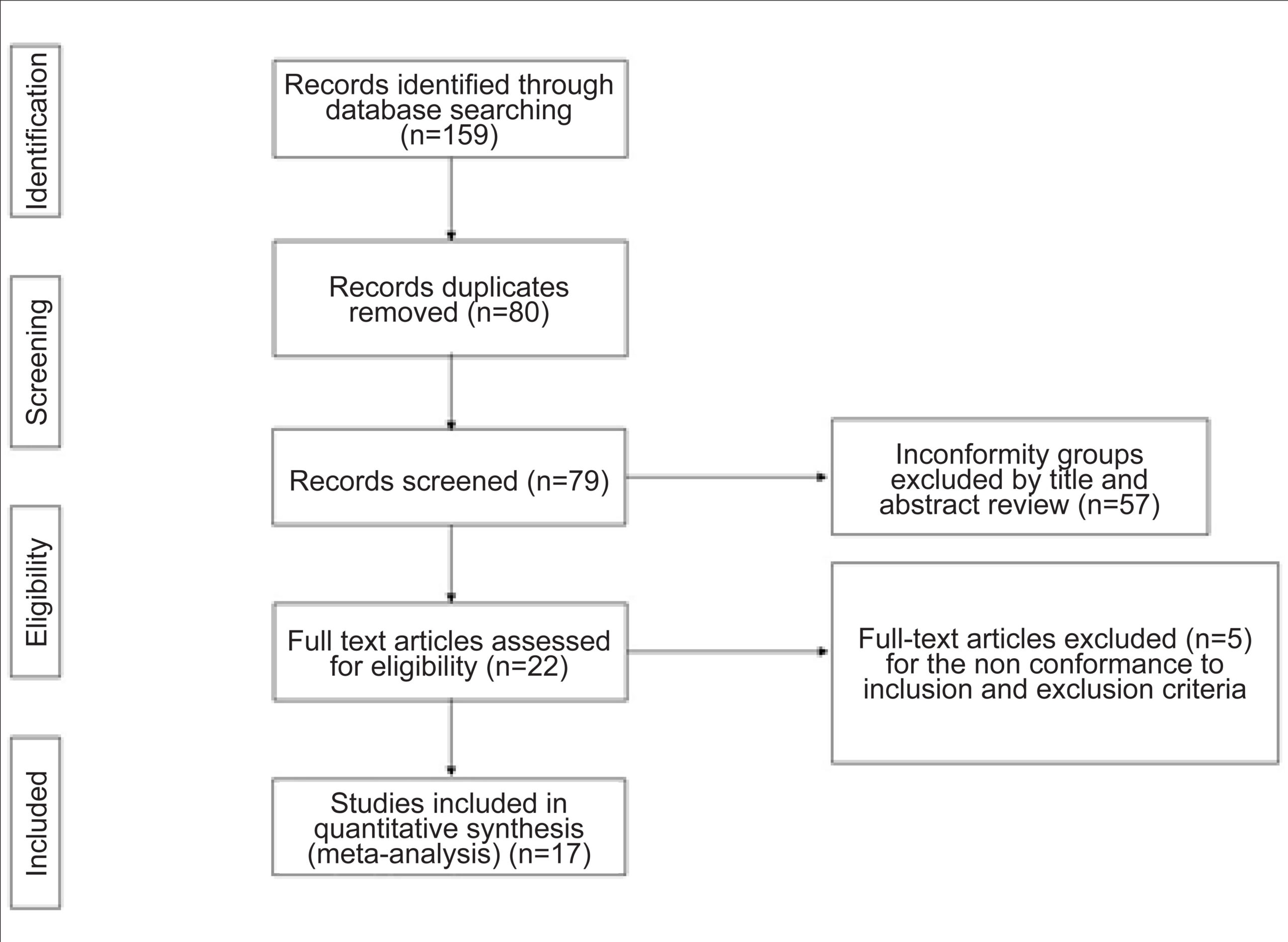
Case-control and cross-sectional studies on the association between H. pylori and hypertension published from 1996 to 2019 indexed in PubMed, Google Scholar, Chinese Wan Fang Data, and Chinese National Knowledge Infrastructure (CNKI). The pooled odds ratios (OR) and 95% confidence interval (CI) were estimated. I2 was performed to evaluate the statistical heterogeneity. Publication bias was evaluated using Begg’s and Egger’s test. The extracted data was analyzed in Stata 12.0. Statistical significance was defined as p-value < 0.05.

Results:

A total of 17 studies involving 6,376 cases of hypertension and 10,850 controls were enrolled. H. pylori infection rate in hypertension patients and controls were 64.9% and 56.3%, respectively. A significantly positive association was shown between H. pylori infection and hypertension with an overall OR of 2.07 (95% CI: 1.46–2.94; p < 0.05). Subgroup analysis revealed that the prevalence of H. pylori infection was associated with hypertension in the region of Asia and the case-control group, ORs (95% CI) were 2.26 (1.51-3.38) and 2.53 (1.72-3.72), respectively. After stratifying by detection methods, differences still existed in subgroups (all p < 0.05).

Conclusion:

This meta-analysis indicated that H. pylori infection is positively associated with hypertension.

  • Blood Pressure
  • Cardiovascular Diseases
  • Endothelium, Vascular
  • Epidemiology
  • Helicobacter Pylori
  • Hypertension
  • Infection
  • Meta-Analysis
  • Microbiota
  • Risk Factors
Read Full Article
Creative Commons Attribution (CC BY) Creative Commons license
20/09/2021 DOI: 10.36660/abc.20200186 Views 2
Figure 1
ABC
Original Article

Clinical Profile and Outcome of Patients with Cardiac Implantable Electronic Device-Related Infection

Alessandra de Souza Maciel et al. Rose Mary Ferreira Lisboa da Silva

Abstract

Background

In recent years, the incidence of infections related to cardiac implantable electronic devices (CIED) has increased sharply, impacting mortality.

Objective

To verify the proportion of patients with CIED infection; to analyze their clinical profile and the variables related to the infection and its progression.

Methods

Retrospective and longitudinal observational study including 123 patients with CIED infection among 6406 procedures. Parametric tests and a level of significance of 5% were used in the statistical analyses

Results

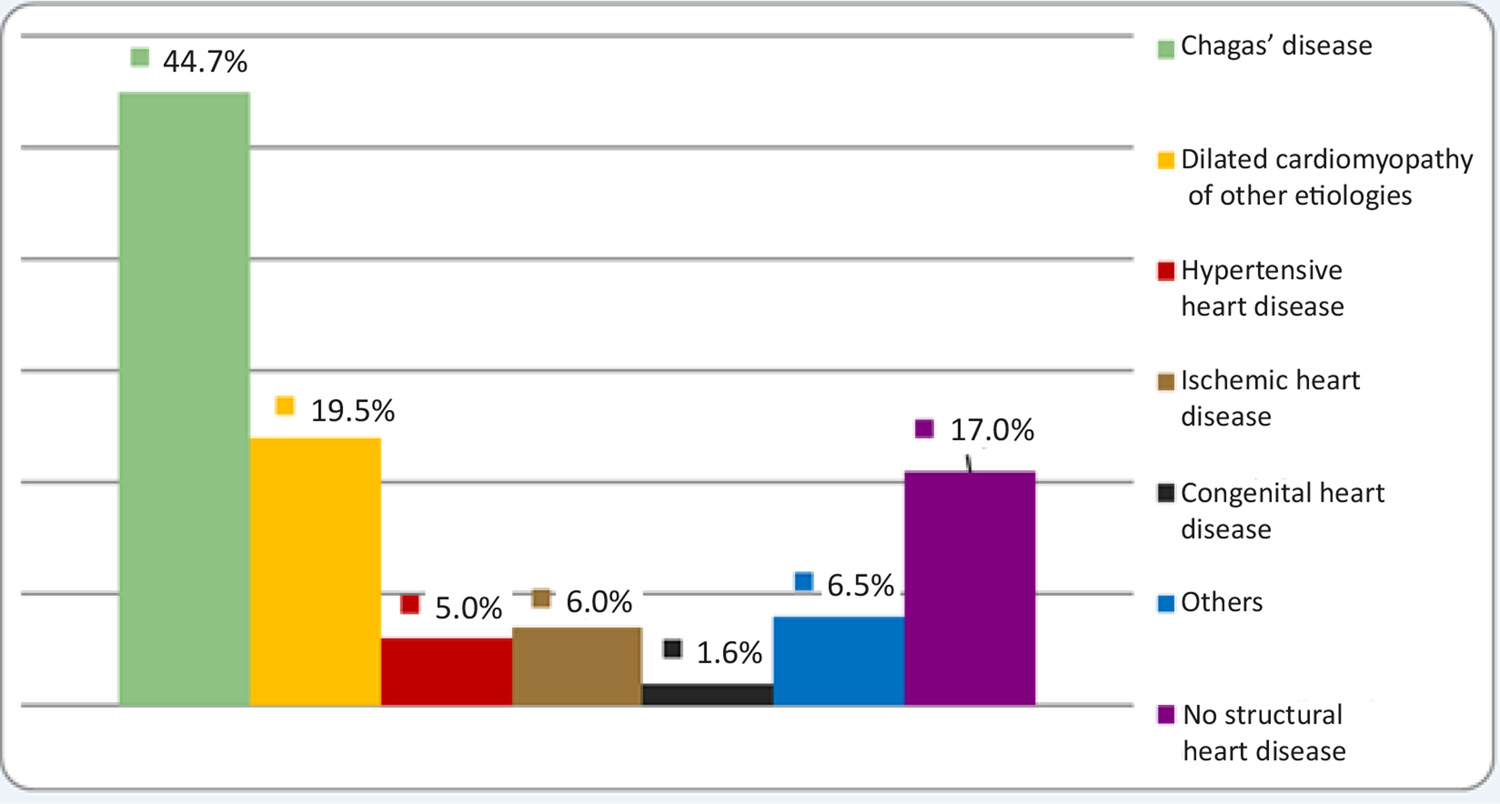
The mean age of patients was 60.1 years and mean length of stay in hospital was 35.3 days; most (71) patients were male, and the system was completely removed in 105 cases. Infectious endocarditis (IE) and sepsis were observed in 71 and 23 patients, respectively. Intra-hospital mortality was 19.5%. IE was associated with extrusion of the generator (17.0% vs 19.5% with and without IE, respectively, p = 0.04, inverse association) and sepsis (15.4% vs 3.2%, p = 0.01). Intra-hospital death was associated with IE (83.3% vs 52.0% with and without intra-hospital death, respectively, p = 0.005) and sepsis (62.5% vs 8.1%, p < 0.0001). Ninety-nine patients were discharged. During a mean follow-up of 43.8 months, mortality rate was 43%; among patients with sepsis, it was 65.2% (p < 0.0001). By applying a Kaplan-Meier survival curve, we did not indicate significant associations with sex, etiologic agent, ejection fraction, IE, or treatment modality. The death rate was 32.8% for patients subjected to endocardial electrode reimplantation and 52.2% for epicardial reimplantation (p = 0.04). Chagasic etiology (44.7% of the baseline heart diseases) did not influence clinical and laboratory variables or disease progression.

Conclusion

The infection rate was 1.9%, mostly in men. We observed an association of intra-hospital mortality with IE and sepsis. After discharge, the annual mortality rate was 11.8%, influenced by sepsis during hospitalization and epicardial implantation. (Arq Bras Cardiol. 2021; [online].ahead print, PP.0-0)

  • Bacteria
  • Cardiac Pacemaker Implantation
  • Cardiovascular Surgical Procedures
  • Endocarditis
  • Infection
  • Outcome
Read Full Article
Creative Commons Attribution (CC BY) Creative Commons license
02/04/2021 DOI: 10.36660/abc.20190546
Figure 1
ABC
Research Letter

Statins and COVID-19: To Suspend or Not to Suspend? That is the Question!

Filipe Ferrari et al. Raul D. Santos

Introduction

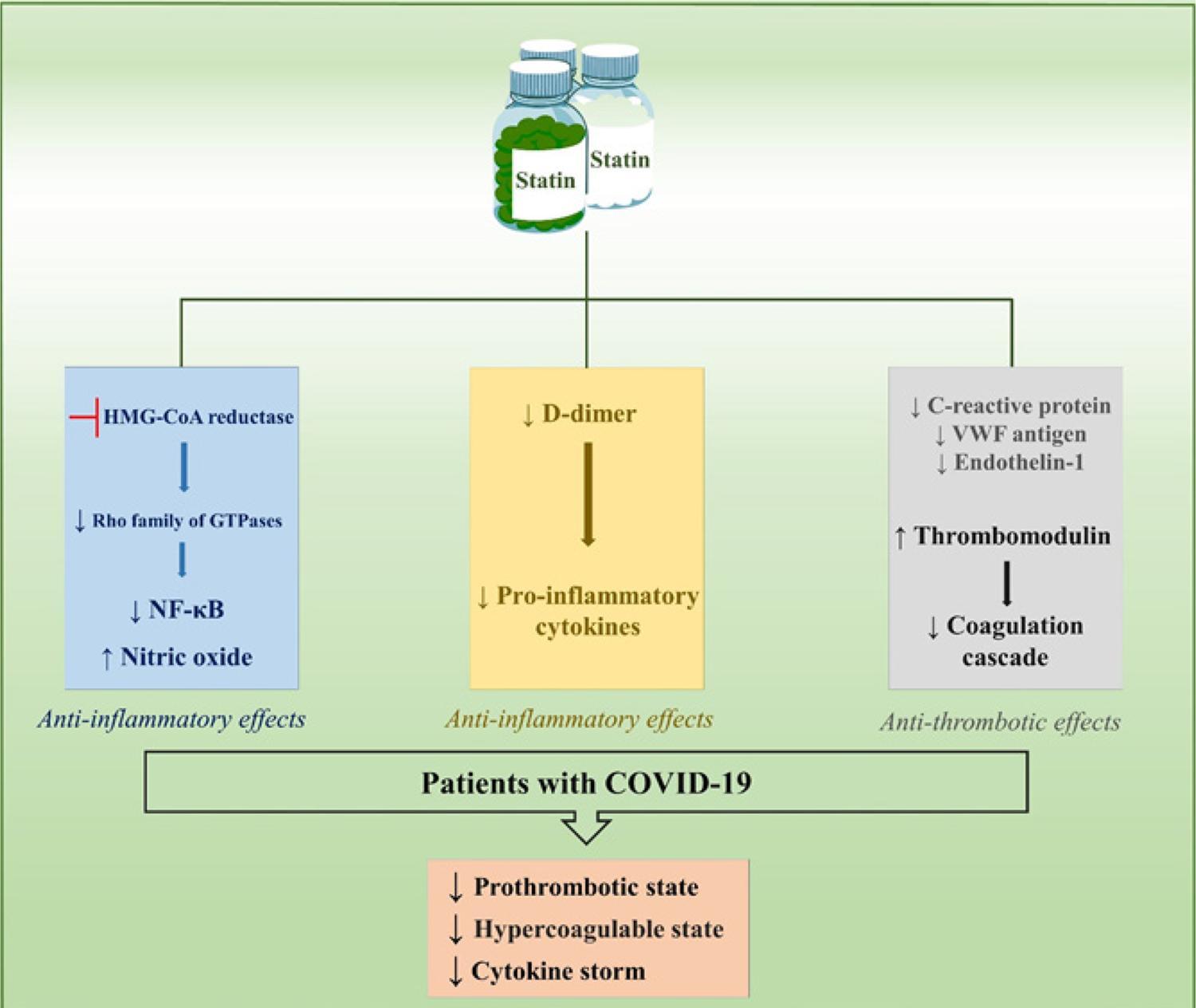
In the midst of so many uncertainties that permeate the new coronavirus disease 2019 (COVID-19), the evidence relating the presence of dyslipidemia to disease severity and consequent prognostic implications are still scarce. In May 2020, a retrospective Chinese study investigated the association between changes in cholesterol levels and prognosis in approximately 600 patients with COVID-19, who were paired by age and sex with healthy controls. First, it was observed that low-density lipoprotein cholesterol (LDL-C) and total cholesterol levels were significantly lower in patients with COVID-19. Second, there was a trend for LDL-C and total cholesterol levels to decrease as the severity of infection increased (mild, severe, and critical, respectively). In that study, high-density lipoprotein cholesterol (HDL-C) levels were also decreased in severe cases. Similar data were observed by Fan et al.,where levels of LDL-C were inversely associated with the severity of COVID-19. These data suggested a possible relation between low cholesterol levels and worsening of COVID-19 infection. In addition, experimental studies have shown that statins might increase the abundance of the angiotensin-converting enzyme 2 (ACE2), which could in part contribute to the entry of the virus into the cell and increase the risk of infectivity.

Based on these previous findings, it was hypothesized that use of lipid-lowering therapies like statins could aggravate COVID-19 infection. However, it is known that serum cholesterol levels may drop in patients with active viral or bacterial infections,, since LDL and HDL have a role in the immune system. On the other hand, hyperlipidemia can compromise the immune response and further exacerbate the inflammatory status of COVID-19 patients, increasing cardiovascular risk.So, the question that ensues is, should statins be suspended or not in patients with COVID-19?

[…]

  • Betacoronavirus
  • Cholesterol
  • Coronavirus
  • COVID-19
  • Dydroxymethylglutaryl-CoA Reductase Inhibitors
  • Dyslipidemias
  • Infection
  • Lipoproteins
  • Pandemics
Read Full Article
Creative Commons Attribution (CC BY) Creative Commons license
03/02/2021 DOI: 10.36660/abc.20200949 Views 2
Figura 1
ABC
Original Article

Effectiveness and Safety of Transvenous Removal of Cardiac Pacing and Implantable Cardioverter-defibrillator Leads in the Real Clinical Scenario

Roberto Costa et al. Katia Regina da Silva Elizabeth Sartori Crevelari Wagner Tadeu Jurevicius Nascimento … Marcia Mitie Nagumo Martino Martinelli Filho Fabio Biscegli Jatene

Abstract

Background

Transvenous lead extraction (TLE) of cardiac implantable electronic devices (CIED) is an uncommon procedure and requires specialized personnel and adequate facilities.

Objectives

To evaluate the effectiveness and safety of the removal of CIED leads and to determine risk factors for surgical complications and mortality in 30 days.

Methods

Prospective study with data derived from clinical practice. From January 2014 to April 2020, we included 365 consecutive patients who underwent TLE, regardless of the indication and surgical technique used. The primary outcomes were: success rate of the procedure, combined rate of major complications and intraoperative death. Secondary outcomes were: risk factors for major intraoperative complications and death within 30 days. Univariate and multivariate analysis were used, with a significance level of 5%.

Results

Procedure success rate was 96.7%, with 90.1% of complete success and 6.6% of clinical success. Major intraoperative complications occurred in 15 (4.1%) patients. Predictors of major complications were: lead dwelling time ≥ 7 years (OR = 3.78, p = 0.046) and change in surgical strategy (OR = 5.30, p = 0.023). Functional class III-IV (OR = 6.98, p <0.001), renal failure (OR = 5.75, p = 0.001), CIED infection (OR = 13.30, p <0.001), number of procedures performed (OR = 77.32, p <0.001) and major intraoperative complications (OR = 38.84, p <0.001) were predictors of 30-day mortality.

Conclusions

The results of this study, which is the largest prospective registry of consecutive TLE procedures in Latin America, confirm the safety and effectiveness of this procedure in the context of real clinical practice. (Arq Bras Cardiol. 2020; 115(6):1114-1124)

  • Cardiac Pacing, Artificial
  • Effectiveness
  • Electrodes, Implanted
  • Infection
  • Mortality
  • Pacemaker
  • Surgical complications
  • Transvenous lead extracion
Read Full Article
Creative Commons Attribution (CC BY) Creative Commons license
18/01/2021 DOI: 10.36660/abc.20200476 Views 1
Figure 1
ABC
Original Article

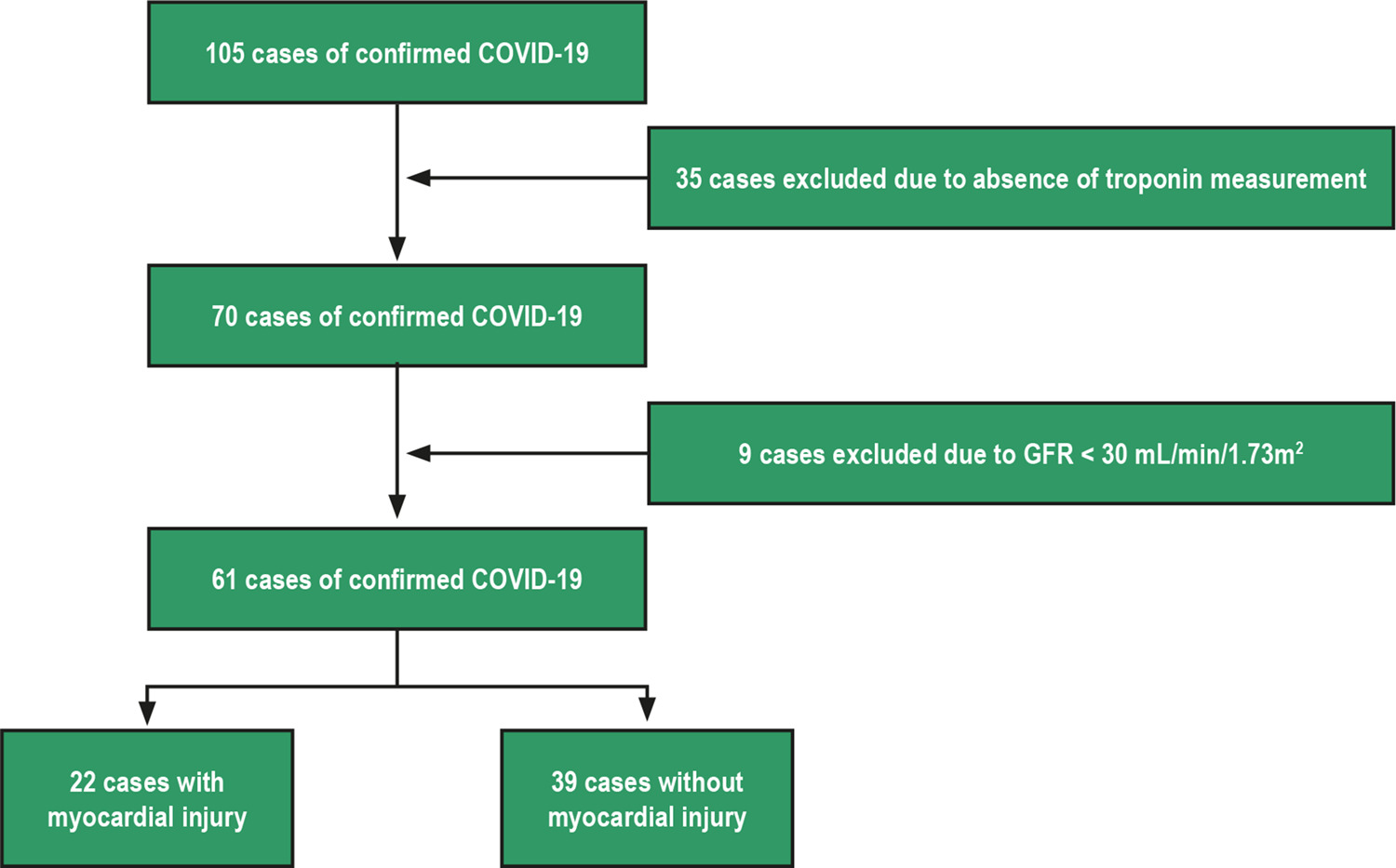
COVID-19 and Myocardial Injury in a Brazilian ICU: High Incidence and Higher Risk of In-Hospital Mortality

Jorge Henrique Paiter Nascimento et al. Rafael Lessa da Costa Luiz Fernando Nogueira Simvoulidis João Carlos de Pinho … Roberta Santos Pereira Andrea Dornelles Porto Eduardo Costa de Freiras Silva Liszt Palmeira Oliveira Max Rogerio Freitas Ramos Gláucia Maria Moraes de Oliveira

Abstract

Background

The incidence of myocardial injury (MI) in patients with COVID-19 in Brazil and the prognostic impact of MI have not been elucidated.

Objectives

To describe the incidence of MI in patients with COVID-19 in the intensive care unit (ICU) and to identify variables associated with its occurrence. The secondary objective was to assess high-sensitivity troponin I as a predictor of in-hospital mortality.

Methods

Retrospective, observational study conducted between March and April 2020 with cases of confirmed COVID-19 admitted to the ICU. Numerical variables were compared by using Student t test or Mann-Whitney U test. The chi-square test was used for categorical variables. Multivariate analysis was performed with variables associated with MI and p<0.2 to determine predictors of MI. The ROC curve was used to determine the troponin value capable of predicting higher in-hospital mortality. Survival functions were estimated by use of the Kaplan-Meier method from the cut-off point indicated in the ROC curve.

Results

This study assessed 61 patients (63.9% of the male sex, mean age of 66.1±15.5 years). Myocardial injury was present in 36% of the patients. Systemic arterial hypertension (HAS) [OR 1.198; 95%CI: 2.246-37.665] and body mass index (BMI) [OR 1.143; 95%CI: 1.013-1.289] were independent risk predictors. High-sensitivity troponin I >48.3 ng/mL, which was determined in the ROC curve, predicts higher in-hospital mortality [AUC 0.786; p48.3 ng/mL was lower than that in the group with values ≤48.3 ng/dL [20.3 x 43.5 days, respectively; p<0.05].

Conclusion

There was a high incidence of MI in severe COVID-19 with impact on higher in-hospital mortality. The independent risk predictors of MI were SAH and BMI. (Arq Bras Cardiol. 2020; [online].ahead print, PP.0-0)

  • Betacoronavirus
  • Coronavirus
  • COVID-19
  • Hospitalization
  • Infection
  • Morbidity
  • Myocardial Infarction
  • Myocarditis
  • SARS-CoV-2
Read Full Article
Creative Commons Attribution (CC BY) Creative Commons license
18/01/2021 DOI: 10.36660/abc.20200671 Views 1
Mycotic coronary aneurysm: report of two cases
ABC
Case Report

Mycotic coronary aneurysm: report of two cases

Franco Javier Vallejo Garcia et al. Carlos Eusse Carlos Tenorio Carlos Uribe

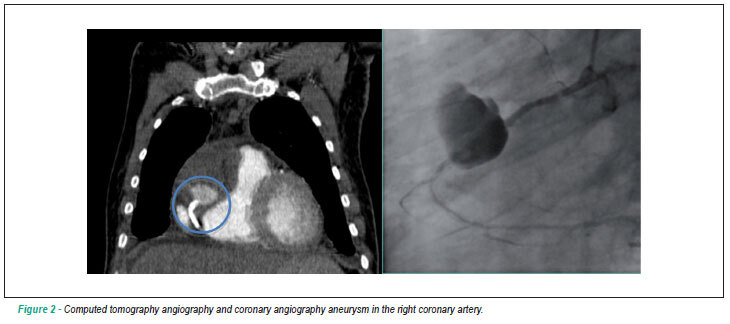
The number of percutaneous interventions with stent implantation has increased dramatically in recent years, although the frequent use of this device in reports of infections is extremely rare. In this article we report two cases of mycotic aneurysm after implantation of stents with different clinical presentations and outcomes

  • aneurysm, infected
  • Infection
  • Stents
Read Full Article
Creative Commons Attribution (CC BY) Creative Commons license
20/12/2011 DOI: 10.1590/S0066-782X2011001400015 Views 1
ABC
Artigo Original

Amplification of the genes that codify endothelin-1 and its receptors in rheumatic mitral valves

Edmilson Bastos de Moura et al. Mariana Ribeiro Gomes Ricardo Barros Corso Cristiano Nicolleti Faber … Fabiana Pirani Carneiro Yolanda Galindo Pacheco

BACKGROUND: Cardiopathies are high prevalence conditions. Among them, rheumatic carditis is of high relevance in developing countries. Left cardiac chamber changes are associated to endothelial dysfunction and ET-1 levels increase. Pulmonary circulation is then affected, and not seldom leading to pulmonary hypertension (PH). However, the presence of ET-1 and its receptors in the mitral valve itself – promoting pulmonary vascular changes, with increased rheumatic valvular deformation – has not been discussed in the literature. OBJECTIVE: To determine the expression of endothelin gene and its receptors in rheumatic mitral valves through techniques of molecular genetics. METHODS: Twenty-seven patients submitted to mitral valve replacement had their valvular tissue examined to determine the presence of ET-1 genes and their A and B receptors. Histological and molecular analysis of the valves was performed (divided into M1, M2 and M3 fragments), with patients’ clinical and epidemiological data collected. Patients were divided into 3 groups (mitral valvopathy, mitroaortic valvopathy, and reoperation patients). RESULTS: The study showed endothelin-1 gene expression in 40.7% specimens and A receptor in all samples; receptor gene B had lower expression (22.2%). CONCLUSION: All patients showed A receptor gene expression. No statistically significant difference was observed in regard to condition severity, expressed according to functional class, and subgroups (mitral valvopathy, mitroaortic valvopathy, and reoperation patients).

  • Cardiomyopathies
  • Endothelium
  • Infection
  • Myocarditis
  • rheumatic diseases
  • Rheumatic Fever
Read Full Article
Creative Commons Attribution (CC BY) Creative Commons license
11/06/2010 DOI: 10.1590/S0066-782X2010005000059 Views 2
ABC
Artigo Original

Practical use of a risk assessment model for complications after cardiac surgery

Tânia Mara Varejão Strabelli et al. Noedir Antonio Groppo Stolf David Everson Uip

BACKGROUND: The identification of risk factors for postoperative complications in cardiac patients with surgical indication may influence the therapeutic decision. OBJECTIVE: To describe the experience of a Cardiology hospital in the validation and practical use of a preoperative risk score. METHODS:To validate TUMAN’s score, chosen by considering morbidity and mortality, 300 adult patients were prospectively evaluated before elective cardiac surgery with the use of extracorporeal circulation (ECC). Patients with a score of zero to five were considered as being low risk; from six to nine, as moderate risk and a score higher than 10 as high risk for cardiac, infectious, neurological, pulmonary and renal complications, as well as death. RESULTS: The TUMAN classification showed a statistically significant association with the occurrence of infectious complications (p = 0.010), with the other postoperative complications (p = 0.034) and death (p <0.001). Pulmonary infection was the most frequent infectious complication (15.3%) and Infected patients had a longer ICU stay duration (p = 0.001) and more prolonged hospitalization (p = 0001). After routine use, a new review of 154 patients operated in 2005, confirmed the validity of this score in the identification of those with the highest risk of postoperative infections. CONCLUSION: TUMAN's score was chosen as it uses variables that can be promptly obtained, classifies in the same system the most frequently performed surgeries and predicts risk of postoperative complications, in addition to mortality. Its continued use in this hospital has been able to identify the group of patients with increased risk of complications, especially infectious ones, although it was not useful in the prediction of individual risk.

  • Infection
  • postoperative complications
  • Risk
  • Thoracic Surgery
Read Full Article
Creative Commons Attribution (CC BY) Creative Commons license
05/01/2009 DOI: 10.1590/S0066-782X2008001700010
Infection complication portends poor prognosis in acute myocardial infarction
ABC
Artigo Original

Infection complication portends poor prognosis in acute myocardial infarction

Leandro Carlos Grandini Júnior et al. Bruno Caramelli

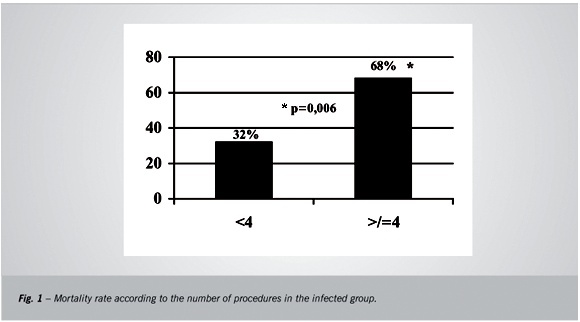
OBJECTIVE: To determine both the incidence and impact of infectious complications of acute myocardial infarction (AMI) on length of hospital stay and mortality. METHODS: This is a retrospective, case-control clinical trial involving medical records review. The study population consisted of patients admitted to the Coronary Care Unit (CCU) of the Hospital das Clínicas Heart Institute of the University of São Paulo Medical School – FMUSP – with AMI between January 1996 and December 1999. RESULTS: One thousand two hundred and twenty-seven patients were analyzed, and 60 (5%) met diagnostic criteria for infectious complication of AMI (infected group). The other 1167 patients served as control group. Mean age (67.5 versus 62.6), hospital length of stay (26.6 versus 12.0 days), and in-hospital mortality (45% versus 12%) were higher in the infected group. Mortality rate was higher among patients who underwent more than three invasive procedures (68% and 32%, p = 0.006). The most frequent infections were pulmonary (63%), urinary tract (37%) and positive blood cultures with no identifiable site of infection (8%). CONCLUSION: In the population studied, infectious complication rate was 5%. Prolonged hospital stay and high mortality rate suggest that infection complication has a great impact on AMI patients admitted to the coronary care unit.

  • complication
  • Infection
  • Mortality
  • Myocardial Infarction
Read Full Article
Creative Commons Attribution (CC BY) Creative Commons license
16/10/2006 DOI: 10.1590/S0066-782X2006001600007

How to cite this article

EndNote RIS

Electronic Document Format (Vancouver)

Ferreira JMBB. Cardiac Involvement in Infectious Diseases. Arquivos Brasileiros de Cardiologia Imagem cardiovascular 2022;31(3):133-4.

Electronic Document Format (ABNT)

Ferreira, João Marcos Bemfica Barbosa. Cardiac Involvement in Infectious Diseases. Arquivos Brasileiros de Cardiologia Imagem cardiovascular, v. 31, n. 3, p. 133-134, Jan. 2022.

Electronic Document Format (APA)

Ferreira, J. M. B. B. (2022). Cardiac Involvement in Infectious Diseases. Arquivos Brasileiros de Cardiologia Imagem cardiovascular, 31(3), 133-134.

Electronic Document Format (ISO)

Ferreira, João Marcos Bemfica Barbosa. Cardiac Involvement in Infectious Diseases. Arquivos Brasileiros de Cardiologia Imagem cardiovascular [online]. 2022, vol. 31, n. 3, [cited 2026-10-14], pp. 133-134. Available from: <https://journals.cardiol.br/en/article/cardiac-involvement-in-infectious-diseases/>. ISSN 2318-8219

EndNote RIS

Electronic Document Format (Vancouver)

Huang M, Zhu L, Jin Y, Fang Z, Chen Y, Yao Y. Association between Helicobacter Pylori Infection and Systemic Arterial Hypertension: A Meta-Analysis. Arquivos Brasileiros de Cardiologia 2021;117(4):626-3.

Electronic Document Format (ABNT)

Huang, Mengyun; Zhu, Lijun; Jin, Yuelong; Fang, Zhengmei; Chen, Yan; Yao, Yingshui. Association between Helicobacter Pylori Infection and Systemic Arterial Hypertension: A Meta-Analysis. Arquivos Brasileiros de Cardiologia, v. 117, n. 4, p. 626-636, Sep. 2021.

Electronic Document Format (APA)

Huang, M., Zhu, L., Jin, Y., Fang, Z., Chen, Y., & Yao, Y. (2021). Association between Helicobacter Pylori Infection and Systemic Arterial Hypertension: A Meta-Analysis. Arquivos Brasileiros de Cardiologia, 117(4), 626-636.

Electronic Document Format (ISO)

Huang, Mengyun and Zhu, Lijun and Jin, Yuelong and Fang, Zhengmei and Chen, Yan and Yao, Yingshui. Association between Helicobacter Pylori Infection and Systemic Arterial Hypertension: A Meta-Analysis. Arquivos Brasileiros de Cardiologia [online]. 2021, vol. 117, n. 4, [cited 2026-10-14], pp. 626-636. Available from: <https://journals.cardiol.br/en/article/association-between-helicobacter-pylori-infection-and-systemic-arterial-hypertension-a-meta-analysis/>. ISSN 0066-782X

EndNote RIS

Electronic Document Format (Vancouver)

Maciel AS, Silva RMFL. Clinical Profile and Outcome of Patients with Cardiac Implantable Electronic Device-Related Infection. Arquivos Brasileiros de Cardiologia 2021;116(6):1080-8.

Electronic Document Format (ABNT)

Maciel, Alessandra de Souza; Silva, Rose Mary Ferreira Lisboa da. Clinical Profile and Outcome of Patients with Cardiac Implantable Electronic Device-Related Infection. Arquivos Brasileiros de Cardiologia, v. 116, n. 6, p. 1080-1088, Apr. 2021.

Electronic Document Format (APA)

Maciel, A. S., & Silva, R. M. F. L. (2021). Clinical Profile and Outcome of Patients with Cardiac Implantable Electronic Device-Related Infection. Arquivos Brasileiros de Cardiologia, 116(6), 1080-1088.

Electronic Document Format (ISO)

Maciel, Alessandra de Souza and Silva, Rose Mary Ferreira Lisboa da. Clinical Profile and Outcome of Patients with Cardiac Implantable Electronic Device-Related Infection. Arquivos Brasileiros de Cardiologia [online]. 2021, vol. 116, n. 6, [cited 2026-10-14], pp. 1080-1088. Available from: <https://journals.cardiol.br/en/article/clinical-profile-and-outcome-of-patients-with-cardiac-implantable-electronic-device-related-infection/>. ISSN 0066-782X

EndNote RIS

Electronic Document Format (Vancouver)

Ferrari F, Santos RD. Statins and COVID-19: To Suspend or Not to Suspend? That is the Question!. Arquivos Brasileiros de Cardiologia 2021;116(1):147-52.

Electronic Document Format (ABNT)

Ferrari, Filipe; Santos, Raul D.. Statins and COVID-19: To Suspend or Not to Suspend? That is the Question!. Arquivos Brasileiros de Cardiologia, v. 116, n. 1, p. 147-152, Feb. 2021.

Electronic Document Format (APA)

Ferrari, F., & Santos, R. D. (2021). Statins and COVID-19: To Suspend or Not to Suspend? That is the Question!. Arquivos Brasileiros de Cardiologia, 116(1), 147-152.

Electronic Document Format (ISO)

Ferrari, Filipe and Santos, Raul D.. Statins and COVID-19: To Suspend or Not to Suspend? That is the Question!. Arquivos Brasileiros de Cardiologia [online]. 2021, vol. 116, n. 1, [cited 2026-10-14], pp. 147-152. Available from: <https://journals.cardiol.br/en/article/statins-and-covid-19-to-suspend-or-not-to-suspend-that-is-the-question/>. ISSN 0066-782X

EndNote RIS

Electronic Document Format (Vancouver)

Costa R, Silva KR, Crevelari ES, Nascimento WTJ, Nagumo MM, Martinelli Filho M, Jatene FB, et al. Effectiveness and Safety of Transvenous Removal of Cardiac Pacing and Implantable Cardioverter-defibrillator Leads in the Real Clinical Scenario. Arquivos Brasileiros de Cardiologia 2021;115(6):1114-2.

Electronic Document Format (ABNT)

Costa, Roberto; Silva, Katia Regina da; Crevelari, Elizabeth Sartori; Nascimento, Wagner Tadeu Jurevicius; Nagumo, Marcia Mitie; Martinelli Filho, Martino; Jatene, Fabio Biscegli. Effectiveness and Safety of Transvenous Removal of Cardiac Pacing and Implantable Cardioverter-defibrillator Leads in the Real Clinical Scenario. Arquivos Brasileiros de Cardiologia, v. 115, n. 6, p. 1114-1124, Jan. 2021.

Electronic Document Format (APA)

Costa, R., Silva, K. R. , Crevelari, E. S., Nascimento, W. T. J., Nagumo, M. M., Martinelli Filho, M., & Jatene, F. B. (2021). Effectiveness and Safety of Transvenous Removal of Cardiac Pacing and Implantable Cardioverter-defibrillator Leads in the Real Clinical Scenario. Arquivos Brasileiros de Cardiologia, 115(6), 1114-1124.

Electronic Document Format (ISO)

Costa, Roberto and Silva, Katia Regina da and Crevelari, Elizabeth Sartori and Nascimento, Wagner Tadeu Jurevicius and Nagumo, Marcia Mitie and Martinelli Filho, Martino and Jatene, Fabio Biscegli. Effectiveness and Safety of Transvenous Removal of Cardiac Pacing and Implantable Cardioverter-defibrillator Leads in the Real Clinical Scenario. Arquivos Brasileiros de Cardiologia [online]. 2021, vol. 115, n. 6, [cited 2026-10-14], pp. 1114-1124. Available from: <https://journals.cardiol.br/en/article/effectiveness-and-safety-of-transvenous-removal-of-cardiac-pacing-and-implantable-cardioverter-defibrillator-leads-in-the-real-clinical-scenario/>. ISSN 0066-782X

EndNote RIS

Electronic Document Format (Vancouver)

Nascimento JHP, Costa RL, Simvoulidis LFN, Pinho JC, Pereira RS, Porto AD, Silva ECF, et al. COVID-19 and Myocardial Injury in a Brazilian ICU: High Incidence and Higher Risk of In-Hospital Mortality. Arquivos Brasileiros de Cardiologia 2021;116(2):275-82.

Electronic Document Format (ABNT)

Nascimento, Jorge Henrique Paiter; Costa, Rafael Lessa da; Simvoulidis, Luiz Fernando Nogueira; Pinho, João Carlos de; Pereira, Roberta Santos; Porto, Andrea Dornelles; Silva, Eduardo Costa de Freiras; Oliveira, Liszt Palmeira; Ramos, Max Rogerio Freitas; Oliveira, Gláucia Maria Moraes de. COVID-19 and Myocardial Injury in a Brazilian ICU: High Incidence and Higher Risk of In-Hospital Mortality. Arquivos Brasileiros de Cardiologia, v. 116, n. 2, p. 275-282, Jan. 2021.

Electronic Document Format (APA)

Nascimento, J. H. P., Costa, R. L. , Simvoulidis, L. F. N., Pinho, J. C. , Pereira, R. S., Porto, A. D., Silva, E. C. F., Oliveira, L. P., Ramos, M. R. F., & Oliveira, G. M. M. (2021). COVID-19 and Myocardial Injury in a Brazilian ICU: High Incidence and Higher Risk of In-Hospital Mortality. Arquivos Brasileiros de Cardiologia, 116(2), 275-282.

Electronic Document Format (ISO)

Nascimento, Jorge Henrique Paiter and Costa, Rafael Lessa da and Simvoulidis, Luiz Fernando Nogueira and Pinho, João Carlos de and Pereira, Roberta Santos and Porto, Andrea Dornelles and Silva, Eduardo Costa de Freiras and Oliveira, Liszt Palmeira and Ramos, Max Rogerio Freitas and Oliveira, Gláucia Maria Moraes de. COVID-19 and Myocardial Injury in a Brazilian ICU: High Incidence and Higher Risk of In-Hospital Mortality. Arquivos Brasileiros de Cardiologia [online]. 2021, vol. 116, n. 2, [cited 2026-10-14], pp. 275-282. Available from: <https://journals.cardiol.br/en/article/covid-19-and-myocardial-injury-in-a-brazilian-icu-high-incidence-and-higher-risk-of-in-hospital-mortality/>. ISSN 0066-782X

EndNote RIS

Electronic Document Format (Vancouver)

Garcia FJV, Eusse C, Tenorio C, Uribe C. Mycotic coronary aneurysm: report of two cases. Arquivos Brasileiros de Cardiologia 2011;97(5):e105-7.

Electronic Document Format (ABNT)

Garcia, Franco Javier Vallejo; Eusse, Carlos; Tenorio, Carlos; Uribe, Carlos. Mycotic coronary aneurysm: report of two cases. Arquivos Brasileiros de Cardiologia, v. 97, n. 5, p. e105-e107, Dec. 2011.

Electronic Document Format (APA)

Garcia, F. J. V., Eusse, C., Tenorio, C., & Uribe, C. (2011). Mycotic coronary aneurysm: report of two cases. Arquivos Brasileiros de Cardiologia, 97(5), e105-e107.

Electronic Document Format (ISO)

Garcia, Franco Javier Vallejo and Eusse, Carlos and Tenorio, Carlos and Uribe, Carlos. Mycotic coronary aneurysm: report of two cases. Arquivos Brasileiros de Cardiologia [online]. 2011, vol. 97, n. 5, [cited 2026-10-14], pp. e105-e107. Available from: <https://journals.cardiol.br/en/article/mycotic-coronary-aneurysm-report-of-two-cases/>. ISSN 0066-782X

EndNote RIS

Electronic Document Format (Vancouver)

Moura EB, Gomes MR, Corso RB, Faber CN, Carneiro FP, Pacheco YG. Amplification of the genes that codify endothelin-1 and its receptors in rheumatic mitral valves. Arquivos Brasileiros de Cardiologia 2010;95(1):122-30.

Electronic Document Format (ABNT)

Moura, Edmilson Bastos de; Gomes, Mariana Ribeiro; Corso, Ricardo Barros; Faber, Cristiano Nicolleti; Carneiro, Fabiana Pirani; Pacheco, Yolanda Galindo. Amplification of the genes that codify endothelin-1 and its receptors in rheumatic mitral valves. Arquivos Brasileiros de Cardiologia, v. 95, n. 1, p. 122-130, Jun. 2010.

Electronic Document Format (APA)

Moura, E. B. , Gomes, M. R., Corso, R. B., Faber, C. N., Carneiro, F. P., & Pacheco, Y. G. (2010). Amplification of the genes that codify endothelin-1 and its receptors in rheumatic mitral valves. Arquivos Brasileiros de Cardiologia, 95(1), 122-130.

Electronic Document Format (ISO)

Moura, Edmilson Bastos de and Gomes, Mariana Ribeiro and Corso, Ricardo Barros and Faber, Cristiano Nicolleti and Carneiro, Fabiana Pirani and Pacheco, Yolanda Galindo. Amplification of the genes that codify endothelin-1 and its receptors in rheumatic mitral valves. Arquivos Brasileiros de Cardiologia [online]. 2010, vol. 95, n. 1, [cited 2026-10-14], pp. 122-130. Available from: <https://journals.cardiol.br/en/article/amplification-of-the-genes-that-codify-endothelin-1-and-its-receptors-in-rheumatic-mitral-valves/>. ISSN 0066-782X

EndNote RIS

Electronic Document Format (Vancouver)

Strabelli TMV, Stolf NAG, Uip DE. Practical use of a risk assessment model for complications after cardiac surgery. Arquivos Brasileiros de Cardiologia 2009;91(5):342-7.

Electronic Document Format (ABNT)

Strabelli, Tânia Mara Varejão; Stolf, Noedir Antonio Groppo; Uip, David Everson. Practical use of a risk assessment model for complications after cardiac surgery. Arquivos Brasileiros de Cardiologia, v. 91, n. 5, p. 342-347, Jan. 2009.

Electronic Document Format (APA)

Strabelli, T. M. V., Stolf, N. A. G., & Uip, D. E. (2009). Practical use of a risk assessment model for complications after cardiac surgery. Arquivos Brasileiros de Cardiologia, 91(5), 342-347.

Electronic Document Format (ISO)

Strabelli, Tânia Mara Varejão and Stolf, Noedir Antonio Groppo and Uip, David Everson. Practical use of a risk assessment model for complications after cardiac surgery. Arquivos Brasileiros de Cardiologia [online]. 2009, vol. 91, n. 5, [cited 2026-10-14], pp. 342-347. Available from: <https://journals.cardiol.br/en/article/practical-use-of-a-risk-assessment-model-for-complications-after-cardiac-surgery/>. ISSN 0066-782X

EndNote RIS

Electronic Document Format (Vancouver)

Grandini Júnior LC, Caramelli B. Infection complication portends poor prognosis in acute myocardial infarction. Arquivos Brasileiros de Cardiologia 2006;87(3):267-74.

Electronic Document Format (ABNT)

Grandini Júnior, Leandro Carlos; Caramelli, Bruno. Infection complication portends poor prognosis in acute myocardial infarction. Arquivos Brasileiros de Cardiologia, v. 87, n. 3, p. 267-274, Oct. 2006.

Electronic Document Format (APA)

Grandini Júnior, L. C., & Caramelli, B. (2006). Infection complication portends poor prognosis in acute myocardial infarction. Arquivos Brasileiros de Cardiologia, 87(3), 267-274.

Electronic Document Format (ISO)

Grandini Júnior, Leandro Carlos and Caramelli, Bruno. Infection complication portends poor prognosis in acute myocardial infarction. Arquivos Brasileiros de Cardiologia [online]. 2006, vol. 87, n. 3, [cited 2026-10-14], pp. 267-274. Available from: <https://journals.cardiol.br/en/article/infection-complication-portends-poor-prognosis-in-acute-myocardial-infarction/>. ISSN 0066-782X

  • About ABC Family
  • Internal Regulation
  • Editorial Board
  • Brazilian Society of Cardiology (SBC)

Issues

SBC Guidelines

  • Videos
  • Podcasts
  • News