ABC Family Arquivos Brasileiros de Cardiologia International Journal of Cardiovascular Sciences ABC Heart Failure & Cardiomyopathy ABC Imagem Cardiovascular
Português English
ABC Family
Português English
  • About
    • About ABC Family
    • Internal Regulation
    • Editorial Board
    • Brazilian Society of Cardiology (SBC)
  • Issues
  • SBC Guidelines
  • Content
    • Videos
    • Podcasts
    • News
  • About
    • About ABC Family
    • Internal Regulation
    • Editorial Board
    • Brazilian Society of Cardiology (SBC)
  • Issues
  • SBC Guidelines
  • Content
    • Videos
    • Podcasts
    • News

ABC Family

  • ABC Family
  • Arquivos Brasileiros de Cardiologia
  • International Journal of Cardiovascular Sciences
  • ABC Heart Failure & Cardiomyopathy
  • ABC Imagem Cardiovascular
Search in

No content found.

Journals
Ordering
Article types
Others

  1. Home
  2. Keyword: Walk Test
ABC
Letter to the Editor

Pulmonary Regurgitation in Heart Failure: Causality or a Marker of Disease Severity?

Kayihan Karaman et al. Metin Karayakali

1. Severe Group Imbalance and Statistical Power

The striking disparity in group sizes—272 (No PR) and 162 (Mild PR) versus only 20 (Moderate PR) and 36 (Severe PR)—raises serious concerns about the statistical power of the multivariate models. In a multivariate model featuring five predictors (PR severity, age, LVEF, PASP, and hemoglobin), the reliability of the derived coefficients for the smaller subgroups may be compromised by the lack of statistical power. This imbalance raises additional concerns regarding the precision and stability of the reported regression coefficients (β=0.48 for pro-BNP and β=−0.39 for 6MWT). We urge the authors to report 95% confidence intervals for all beta coefficients and to consider bootstrap-based sensitivity analyses to assess the robustness.

[…]

  • Heart Failure
  • Natriuretic Peptides
  • Walk Test
Read Full Article
Creative Commons Attribution (CC BY) Creative Commons license
10/08/2026 DOI: 10.36660/abc.20260265i Views 1
Association of the Severity of Pulmonary Valve Regurgitation on Biomarkers, Functional Capacity, and Complications in Patients with Heart Failure
ABC
Original Article

Association of the Severity of Pulmonary Valve Regurgitation on Biomarkers, Functional Capacity, and Complications in Patients with Heart Failure

Fatih Aydin et al. Bektas Murat Selda Murat Muhammet Burak Daghan

Abstract

Background

Pulmonary valve regurgitation (PR) is often encountered in cardiac conditions, including heart failure (HF). Although typically tolerated, severe PR can lead to right ventricular dysfunction and negative clinical outcomes; however, its specific impact within the wider HF population needs further clarification.

Objectives

This study was designed to evaluate the association between the severity of PR and N-terminal pro-B-type natriuretic peptide (pro-BNP) levels, its effect on functional capacity measured by the six-minute walk test (6MWT), and the incidence of significant clinical problems in patients with HF.

Methods

Between 2016 and 2023, we conducted a retrospective study involving 579 HF patients who underwent echocardiography at two tertiary institutions. Based on semi-quantitatively evaluated PR severity, patients were classified into four groups: No PR, Mild PR, Moderate PR, and Severe PR. Group comparisons used Chi-square tests and Kruskal-Wallis. Multivariate linear regression and Spearman correlation analyses were performed to assess associations.

Results

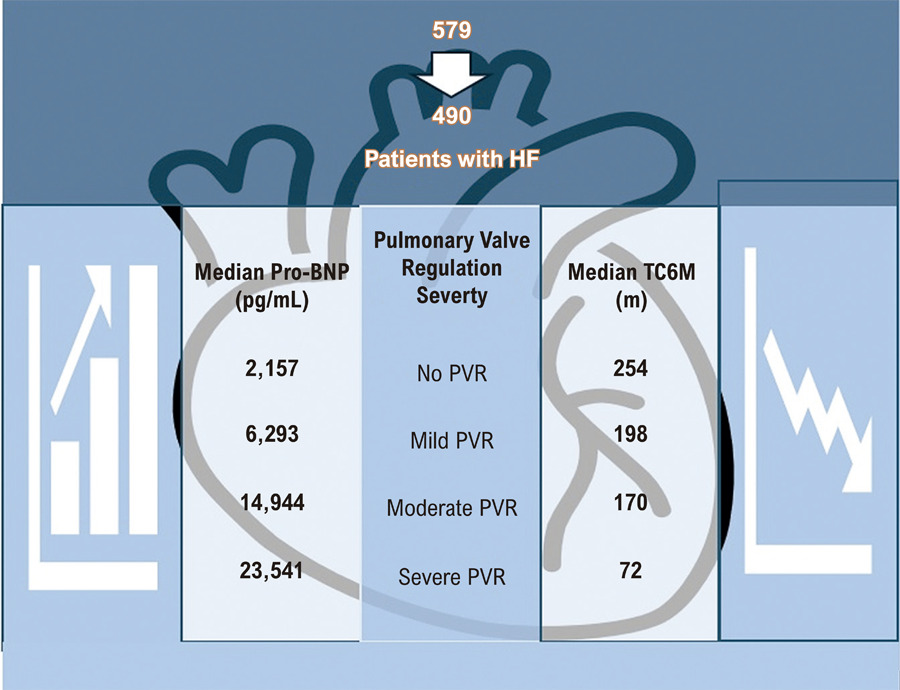
Pro-BNP levels significantly increased across PR severity groups (Median: 2,157 pg/mL [No PR] to 23,541 pg/mL [Severe PR], p<0.0001). In contrast, 6MWT distance significantly decreased with deteriorating PR severity (Median: 254 m [No PR] to 72 m [Severe PR], p<0.0001). The prevalence of orthopnea and pleural effusion also increased with PR severity. After multivariate adjustment, PR severity remained independently associated with higher pro-BNP levels (β=0.48, p=0.002) and lower 6MWT distance (β=-0.39, p=0.008).

Conclusion

In patients with HF, increasing severity of PR is independently associated with elevated pro-BNP levels, reduced functional capacity, and a higher burden of clinical complications.

  • Heart Failure
  • Pulmonary Valve, Insufficiency
  • Walk Test
Read Full Article
Creative Commons Attribution (CC BY) Creative Commons license
30/01/2026 DOI: 10.36660/abc.20250088i
Central Illustration
ABCHF
Original Article

Determinants of the Six-Minute Walk Distance in Subjects with Heart Failure-Chronic Obstructive Pulmonary Disease Overlap

Maria Luísa Dadalt et al. Isadora Farraco Correa Fernanda Lais Loro Marlus Karsten … Mariane Borba Monteiro Pedro Dal Lago

Abstract

Background

Heart failure (HF) and chronic obstructive pulmonary disease (COPD) frequently coexist in clinical practice, with both conditions negatively affecting individuals’ functional capacity, often measured using the 6-minute walk test (6MWT). Cardiovascular, pulmonary, and metabolic impairments may influence the 6-minute walk distance (6MWD).

Objective

This study aims to identify and analyze the critical determinants of the 6MWD among subjects with HF-COPD overlap.

Methods

A cross-sectional study was conducted. Individuals underwent the 6MWT. Respiratory muscle strength was assessed by measuring maximum inspiratory pressure and maximum expiratory pressure. Pulmonary function was evaluated using forced expiratory volume in the first second (FEV1) and forced vital capacity (FVC). Physical frailty was assessed using the Cardiovascular Health Study frailty index. Quality of life was assessed with the Minnesota Living with Heart Failure Questionnaire, and cognitive function was assessed using the Montreal Cognitive Assessment.

Results

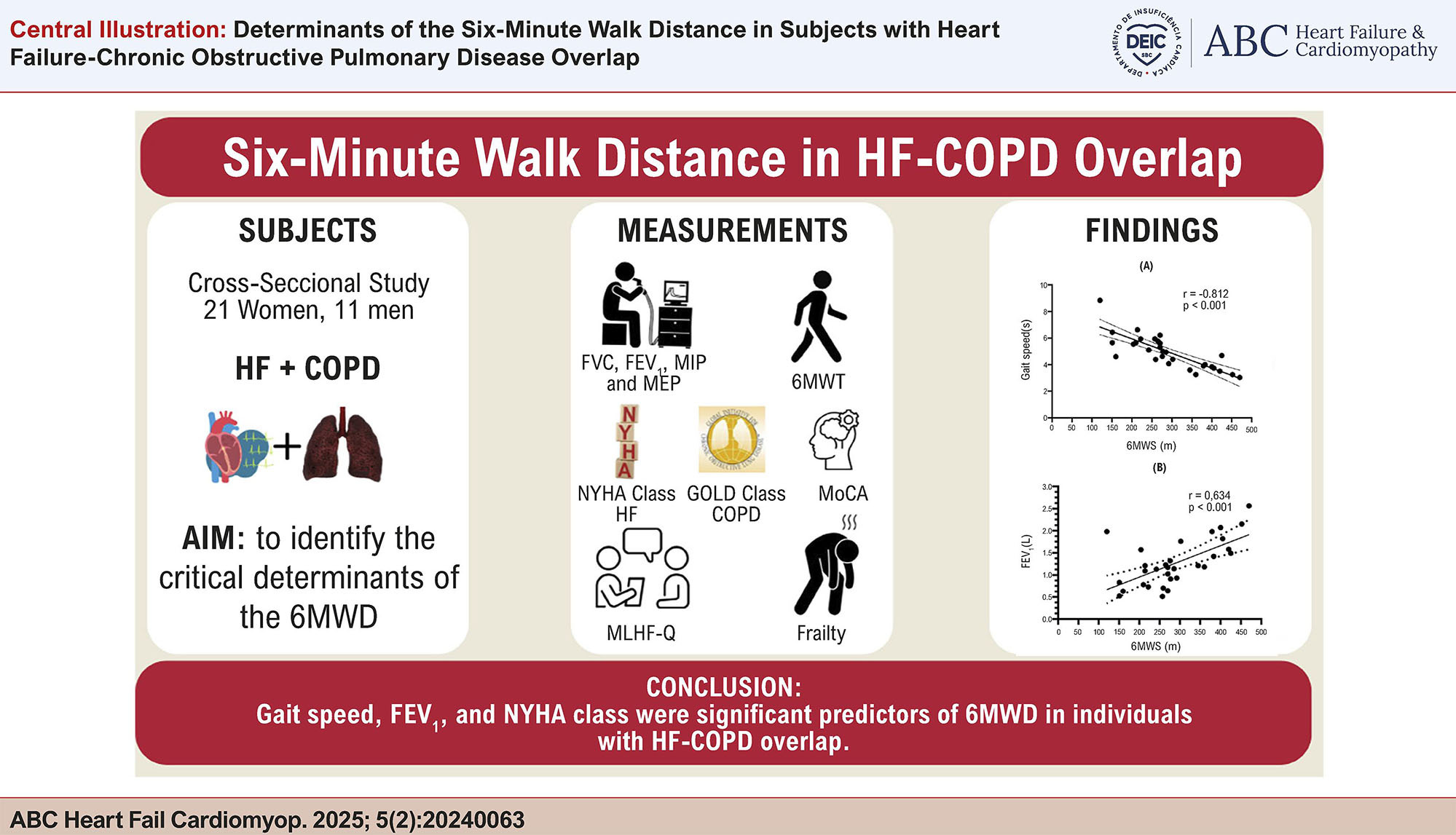
Thirty-two individuals were evaluated, with a mean age of 67.6 ± 8.5 years; 65.6% were women. The mean left ventricular ejection fraction was 54.7 ± 15.9%, and the mean 6MWD was 281 ± 102 meters. The 6MWD was significantly correlated with FVC (r = 0.61, p < 0.01); percentage of predicted FEV1 (r = 0.58, p < 0.01); percentage of predicted FVC (r = 0.56, p < 0.01); Cardiovascular Health Study frailty index (r = 0.53, p < 0.01); and Minnesota Living with Heart Failure Questionnaire score (r = −0.47, p < 0.01). Gait speed (β = −0.54, p < 0.001); FEV1 (β = −0.44, p < 0.001); and New York Heart Association functional class (β = −0.24, p < 0.001) were identified as significant predictors of 6MWD.

Conclusions

These findings suggest that an integral approach, incorporating both physical and psychosocial assessments, may be essential for effectively managing functional limitations in patients with HF-COPD. Identifying these predictors can aid clinicians in tailoring treatment strategies, optimizing rehabilitation programs, and improving this population’s overall quality of care.

  • Chronic Obstructive Pulmonary Disease
  • Functional Status
  • Heart Failure
  • Walk Test
Read Full Article
Creative Commons Attribution (CC BY) Creative Commons license
03/06/2025 DOI: 10.36660/abchf.20240063i Views 1
Central Illustration
ABCHF
Original Article

Comparative Analysis between the NYHA and CCS Classification and Performance in the 6-Minute Walk Test

Luiz Carlos Santana Passos et al. Roberval Prado dos Santos Junior Laís Fernanda Duarte Sampaio Clara Sales Figueiredo Caio Rebouças Fonseca Cafezeiro

Abstract

Background

Functional classification is a critical predictor to establish a prognosis for heart failure (HF) and Coronary Artery Disease (CAD). However, recent research has questioned the reproducibility of the New York Heart Association (NYHA) and Canadian Cardiovascular Society (CCS) classifications, and their ability to discriminate patient prognosis at an individual level.

Objective

To investigate the discordance rate between the NYHA/CCS class assigned by the physician during outpatient consultation and the 6-minute walk test (6MWT) performance to refine the assessment of patients with HF/CAD.

Methods

A retrospective cohort study collected data from medical records of patients referred for cardiovascular rehabilitation. The 6MWT was performed with the aim of evaluating the functional capacity and associated symptoms of patients with HF and CAD. The correlation between variables was assessed using the correlation coefficient and agreement was assessed using the kappa coefficient.

Results

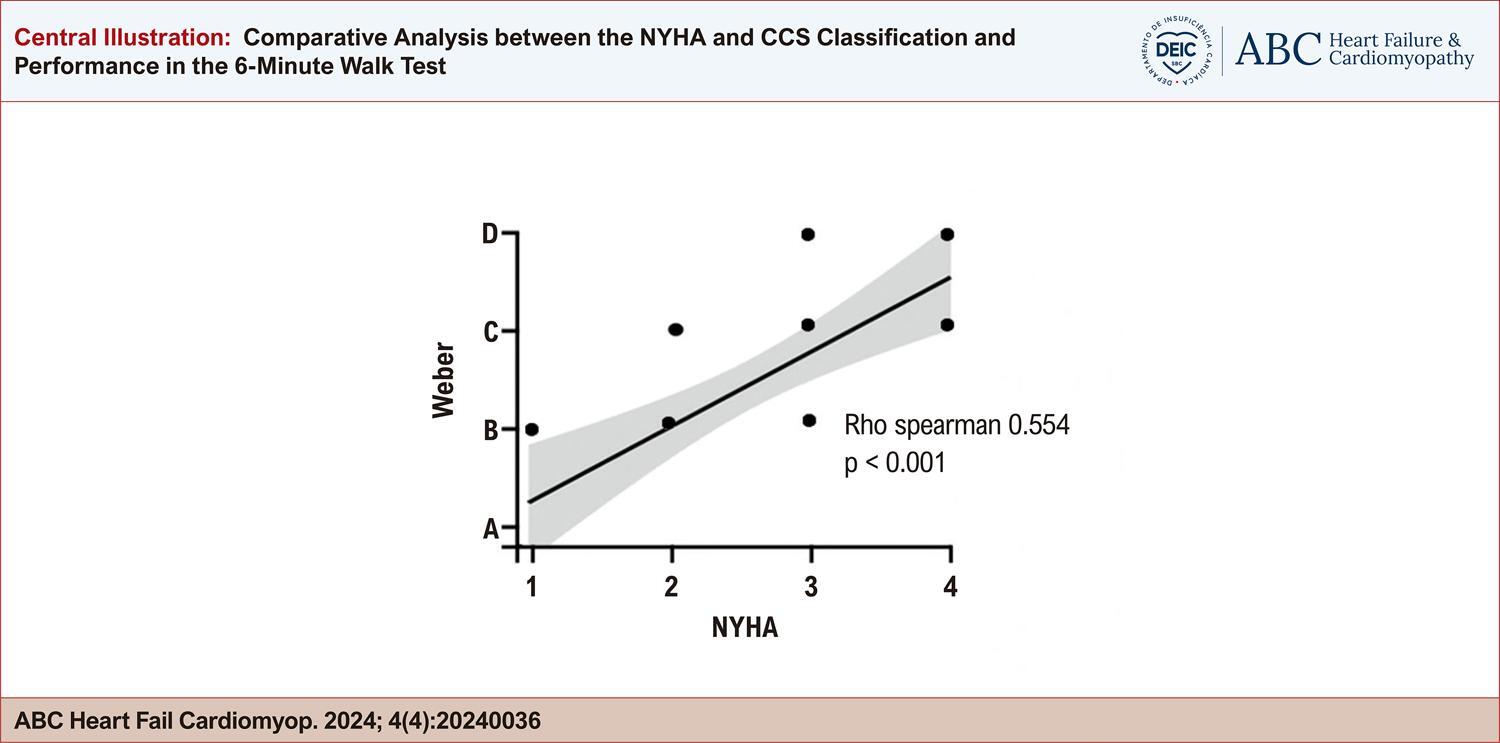
A total of 65 patients were selected, with 50.8% male, and a mean age of 57.3 ± 11 years. The median left ventricular ejection fraction was 45%, with 13.8% of patients presenting ischemic cardiomyopathy. Discordance in functional class was observed in 54% of HF patients by NYHA and 55% of angina patients by CCS.

Conclusion

The present study identified discordance between the functional class assigned by the attending physician and that determined by the 6MWT, indicating that NYHA/CCS functional classification and 6MWT provide complementary information that is more accurate when used in concomitance.

  • Heart Failure
  • Myocardial Ischemia
  • Walk Test
Read Full Article
Creative Commons Attribution (CC BY) Creative Commons license
26/12/2024 DOI: 10.36660/abchf.20240036i Views 1
Figure 1
IJCS
Original Article

Prognostic Value of the 6-Minute Walk Test and Clinical Characteristics of Patients With Transthyretin Amyloid Cardiomyopathy

Cristhian Espinoza Romero et al. Natalia Melo Pereira Georgina Del Cisne Jadán Luzuriaga Bruno Vaz Kerges Bueno … Suenia Carvalhal Thais Borges Barbara Reis Fábio Fernandes

Abstract

Background:

In transthyretin amyloid cardiomyopathy (ATTR-CM), the assessment of functional capacity is of great importance. A distance < 300m covered in the 6-minute walk test (6MWT) is linked to a poorer prognosis in heart failure (HF) patients. However, in ATTR-CM, this association is not well-established, particularly among its various presentations and variants.

Objectives:

To evaluate functional capacity and, the prognostic value of the 6MWT in patients with ATTR-CM and to identify their clinical characteristics according to the type of ATTR-CM.

Methods:

This was a retrospective, single-center study that included patients with a confirmed diagnosis of ATTR-CM who performed the 6MWT. Median follow-up was 19 months (8 – 29). The significance level was set at P < 0.05.

Results:

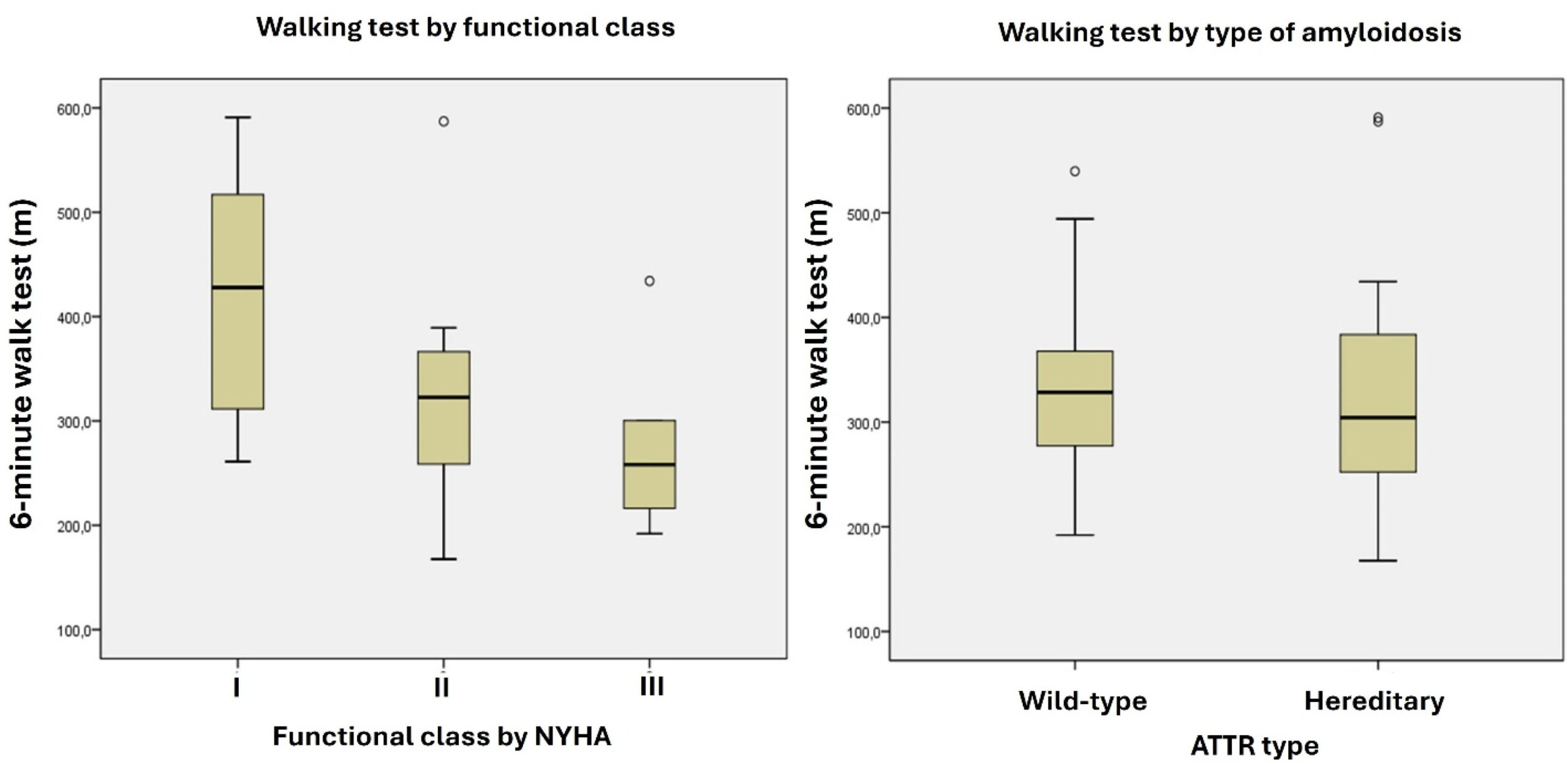
A total of 32 patients were analyzed; 59.4% had the hereditary form (ATTRh), of which 63.2% were Val142Ile. Mean left ventricular ejection fraction (LVEF) was lower in the ATTRh group when compared to the wild-type form (ATTRwt) [42 ±11 versus 52± 9 %; p = 0.029]. Median distance walked in the 6MWT was 328 m (269 – 397; IQR) in ATTRwt and 304 m (246 – 387; IQR) in ATTRh, with no difference between groups (p = 0.833). In patients with a distance <300 m in the 6MWT, survival was lower (28.8 vs 36.3 months; p = 0.041).

Conclusions:

A distance <300 m walked in the 6MWT was linked to shorter event-free survival in patients with ATTR-CM. Functional capacity of most patients was very low, and no differences were observed in the distance covered between the wild-type form and the hereditary form of ATTR.

  • Amyloidosis
  • Heart Failure
  • Prealbumin
  • Walk Test
Read Full Article
Creative Commons Attribution (CC BY) Creative Commons license
04/11/2024 DOI: 10.36660/ijcs.20240091 Views 1
Figure 1
IJCS
Editorial

Two-Minute Walk Test After an Acute Myocardial Infarction: Feasible and Useful?

Humberto Villacorta

Acute myocardial infarction (AMI) is a common, life-threatening condition requiring prompt diagnosis and treatment., Patients who survive an AMI must receive the best evidence-based care to improve survival and reduce recurrent cardiovascular events. Studies have shown patients with AMI and reduced exercise capacity have a worse prognosis than those with preserved functional capacity.

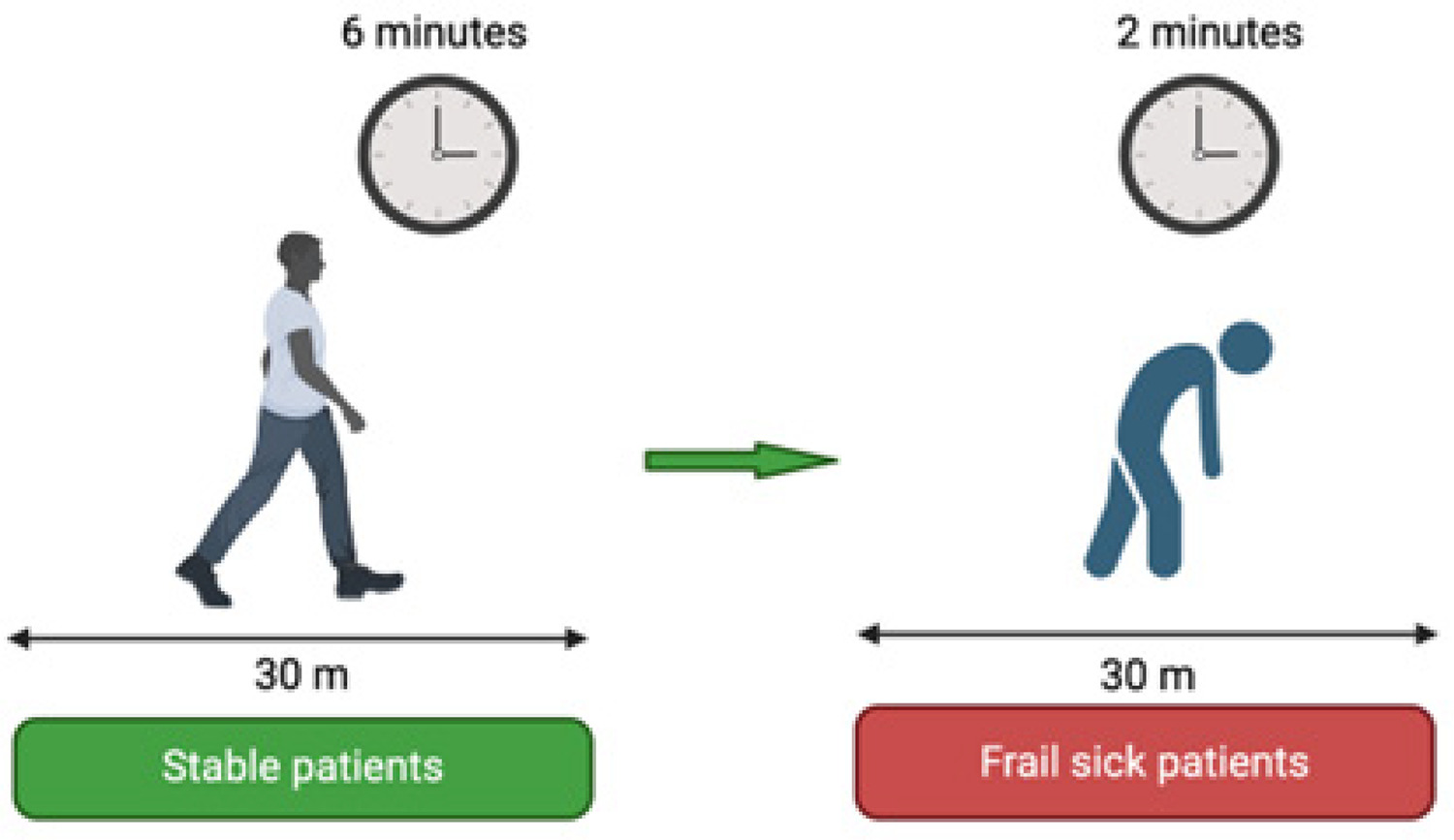
Exercise capacity can be assessed using cardiopulmonary exercise testing (CPET) or, alternatively, the 6-minute walk test (6MWT). Unlike the CPET, the 6MWT is simple and does not require complex equipment or specialized technical skills. During this simple and safe test, patients are instructed to walk as far as possible along a 30-meter corridor for 6 minutes. The primary measurement is the distance walked in those 6 minutes, recorded in meters. While the 6MWT is a well-established test, it is time-consuming and can be challenging for severely impaired individuals. The 2-minute walk test (2MWT) may be an alternative for assessing functional capacity in frail or ill patients and has been evaluated in several scenarios ().–

[…]

  • Keywords: Myocardial Infarction, Exercise
  • Walk Test
Read Full Article
Creative Commons Attribution (CC BY) Creative Commons license
19/08/2024 DOI: 10.36660/ijcs.20240105 Views 1
Feasibility of the Two-Minute Walk Test in Elderly Patients After Acute Myocardial Infarction: A Cross-Sectional Study
IJCS
Original Article

Feasibility of the Two-Minute Walk Test in Elderly Patients After Acute Myocardial Infarction: A Cross-Sectional Study

André Luiz Lisboa Cordeiro et al. Luiz Anselmo Santos Lucas Oliveira Ana Cristina Almeida … Damaris Alves Hanna Beatriz de Melo Moraes e Silva Fernanda Francisco Souza André Raimundo França Guimarães

Abstract

Background

Pathologies involving the heart are still the main causes of death, and acute myocardial infarction (AMI) is consistently present in this index. The two-minute walk test (2MWT) is ideal for assessing the functional capacity of this patient.

Objective

To describe the feasibility of the 2MWT in older people after AMI.

Methods

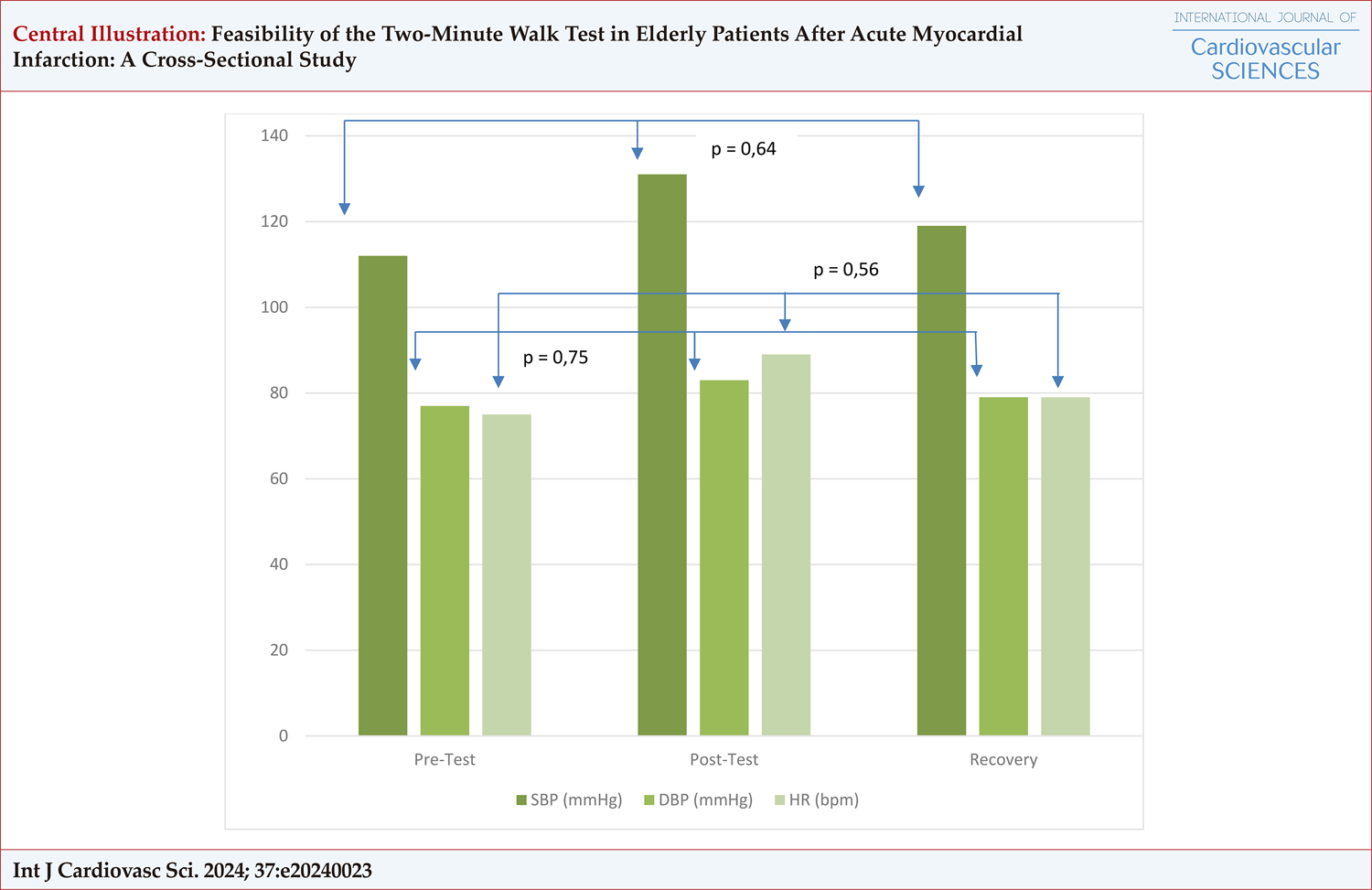
This is a cross-sectional study. At hospital discharge, patients were invited to perform the 2MWT. Before starting the test, systolic blood pressure (SBP), diastolic blood pressure (DBP), peripheral oxygen saturation (SpO2), heart rate (HR) and the Double Product (DP) were checked. After checking the vital signs, the patients were accompanied by an examiner, who was positioned laterally to ensure safety and verbally encouraged during the test; after the completion of the test, all vital signs were reassessed in two moments, at the immediate end and after 20 minutes of rest. ANOVA was used for the comparison of pre and post-test and pre and recovery. A p<0.05 was considered significant.

Results

We evaluated 51 patients, 4 (80%) males with a mean age of 67±8 years. The distance walked on the 2MWT had a mean of 157 ± 22 meters. The SBPmmHg Pre-Test 112±21 vs 131±15 Post-Test (p=0.24) and 119±22 at Recovery (p = 0.34) and HR (bpm) Pre-Test 75±15 vs 89±19 Post-Test (p=0.15) and 79±15 at Recovery (p = 0.59). After a rest, all variables analyzed followed the same pattern, returning to values close to the pre-test moment.

Conclusion

The performance of the 2MWT in the hospital environment presents good feasibility in the evaluation of submaximal capacity in elderly patients after AMI.

  • Aged
  • Inferior Wall Myocardial Infarction
  • Walk Test
Read Full Article
Creative Commons Attribution (CC BY) Creative Commons license
17/06/2024 DOI: 10.36660/ijcs.20240023 Views 1
ABC
Editorial

Aerobic Exercise Prescription: The Talk Test Rises Over the 6-Minute Walk Test

Márcio Garcia Menezes et al. Vitor Augusto Fronza Leandro Franzoni

Cardiovascular diseases (CVDs) represent a concerning reality, leading to a high morbidity and mortality rate in many countries, with a global total of 18 million deaths. Moreover, these conditions pose substantial economic and social burdens.–

Cardiovascular rehabilitation holds significant promise in benefiting patients with CVDs, with aerobic exercises (AE) as pivotal allies in improving cardiorespiratory fitness, muscular endurance, cardiovascular function, and overall quality of life.– According to the Sociedade Brasileira de Cardiologia, the general recommendation for engaging in physical exercise is 150 minutes per week, distributed across three to five sessions. One of the foremost objectives in cardiovascular rehabilitation is to enhance cardiorespiratory fitness through the incorporation of AE., Furthermore, the judicious practice of physical activity aims to mitigate hypertension, the risk of cardiovascular events, and overall mortality in cardiovascular patients.–

[…]

  • Cardiorespiratory Fitness
  • Cardiovascular Rehabilitation
  • Physical Endurance
  • Quality of life
  • Walk Test
Read Full Article
Creative Commons Attribution (CC BY) Creative Commons license
27/10/2023 DOI: 10.36660/abc.20230636
ABC
Editorial

NYHA Classification and Cardiopulmonary Exercise Test Variables in Patients with Heart Failure

Ricardo Vivacqua Cardoso Costa

Heart failure (HF) is considered a prevalent disease, limiting survival and constituting one of the leading causes of hospitalization or death in several countries, including Brazil. Therefore, clinical classification in patients with HF can be considered important as an initial reference, as it informs the functional condition of these patients. Classically, the subjective classification of the New York Heart Association (NYHA) and the objective classification of Weber are the most used. The NYHA functional classification and oxygen consumption at peak exertion were decisive in determining the functional condition of patients with Chagas disease. However, certain patients with minor symptoms are at high risk of hospitalization or death.

In patients with HF, the 6-minute walk test is also considered in assessing functional and prognostic capacity. This test has a predictive value for mortality in patients with HF functional class II and III (NYHA).

[…]

  • Exercise Test
  • Heart Failure
  • Hospitalization
  • Life Style
  • Mortality
  • Oxygen Consumption
  • Physical activity
  • Walk Test
Read Full Article
Creative Commons Attribution (CC BY) Creative Commons license
10/06/2022 DOI: 10.36660/abc.20220196 Views 2
Chart 1
IJCS
Brief Communication

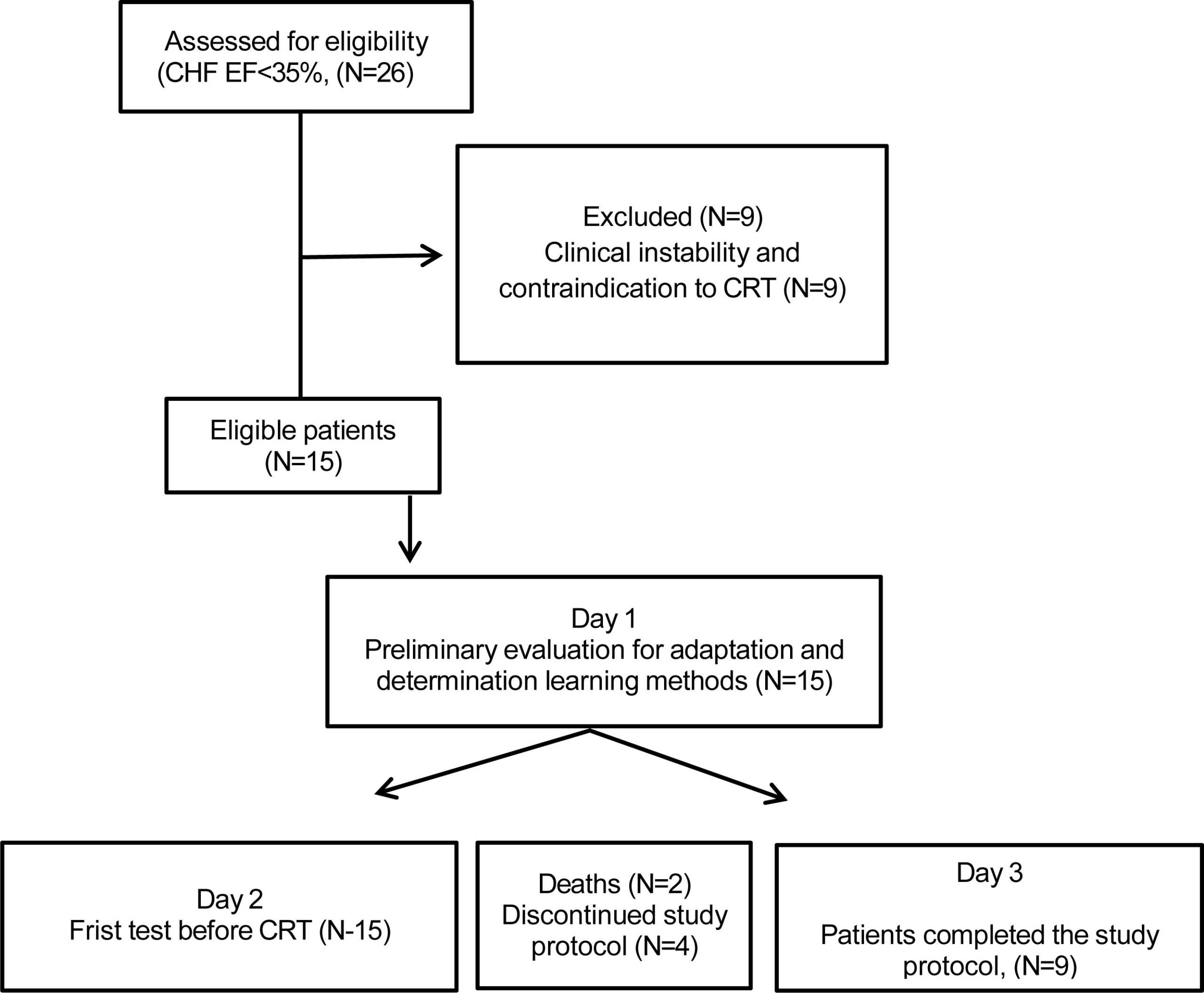
Effects of Cardiac Resynchronization Therapy on a Six-minute Walk Test, Maximal Inspiratory Pressure and Peak Expiratory Flow in Patients with Heart Failure: A Longitudinal Study

Christiane Rodrigues Alves et al. Sergio S. M. C. Chermont Christiane Wiefels Reis Erivelton A. Nascimento … Mario Luiz Ribeiro Fernanda Ribeiro Evandro Tinoco Mesquita Claudio Tinoco Mesquita

Abstract

Background:

Cardiac resynchronization therapy (CRT) is an effective treatment for patients with heart failure.

Objective:

To evaluate the response of CRT in maximal inspiratory pressure (MIP), peak expiratory flow (PEF), and exercise tolerance as determined by the six-minute walk test (6MWT) in patients with HF.

Methods:

This study used the 6MWT and Manovacuometer to assess functional capacity in relation to activities of daily living, in which fatigue and dyspnea are common.

Results:

After six months of CRT, this study identified improvements in the 6MWT, p<0.05; MIP, p=0.01; and PEF, p=0.03.

Conclusion:

After CRT, this study showed a significant improvement in MIP, PEF, and exercise tolerance. However, further studies are warranted to demonstrate the relevance of these findings.

  • Cardiac Resynchronization Therapy
  • Heart Failure
  • Maximal Inspiratory Pressures
  • Walk Test
Read Full Article
Creative Commons Attribution (CC BY) Creative Commons license
22/04/2022 DOI: 10.36660/ijcs.20190158 Views 1
Figure 1
ABC
Original Article

Impact of Preoperative Functional Capacity on Postoperative Outcomes in Congenital Heart Surgery: An Observational and Prospective Study

Angela Sachiko Inoue et al. Antônio Augusto Barbosa Lopes Ana Cristina Sayuri Tanaka Maria Ignêz Zanetti Feltrim … Filomena R.B.G. Galas Juliano Pinheiro Almeida Ludhmila Abrahão Hajjar Emilia Nozawa

Abstract

Background

Despite advances in surgical technique and postoperative care in congenital heart disease, cardiovascular morbidity is still high.

Objective

To evaluate the association between preoperative cardiovascular fitness of children and adolescents, measured by the 6-minute walk test (6MWT) and Heart Rate Variability (HRV), and the occurrence of cardiogenic, septic shock and death in the postoperative period.

Methods

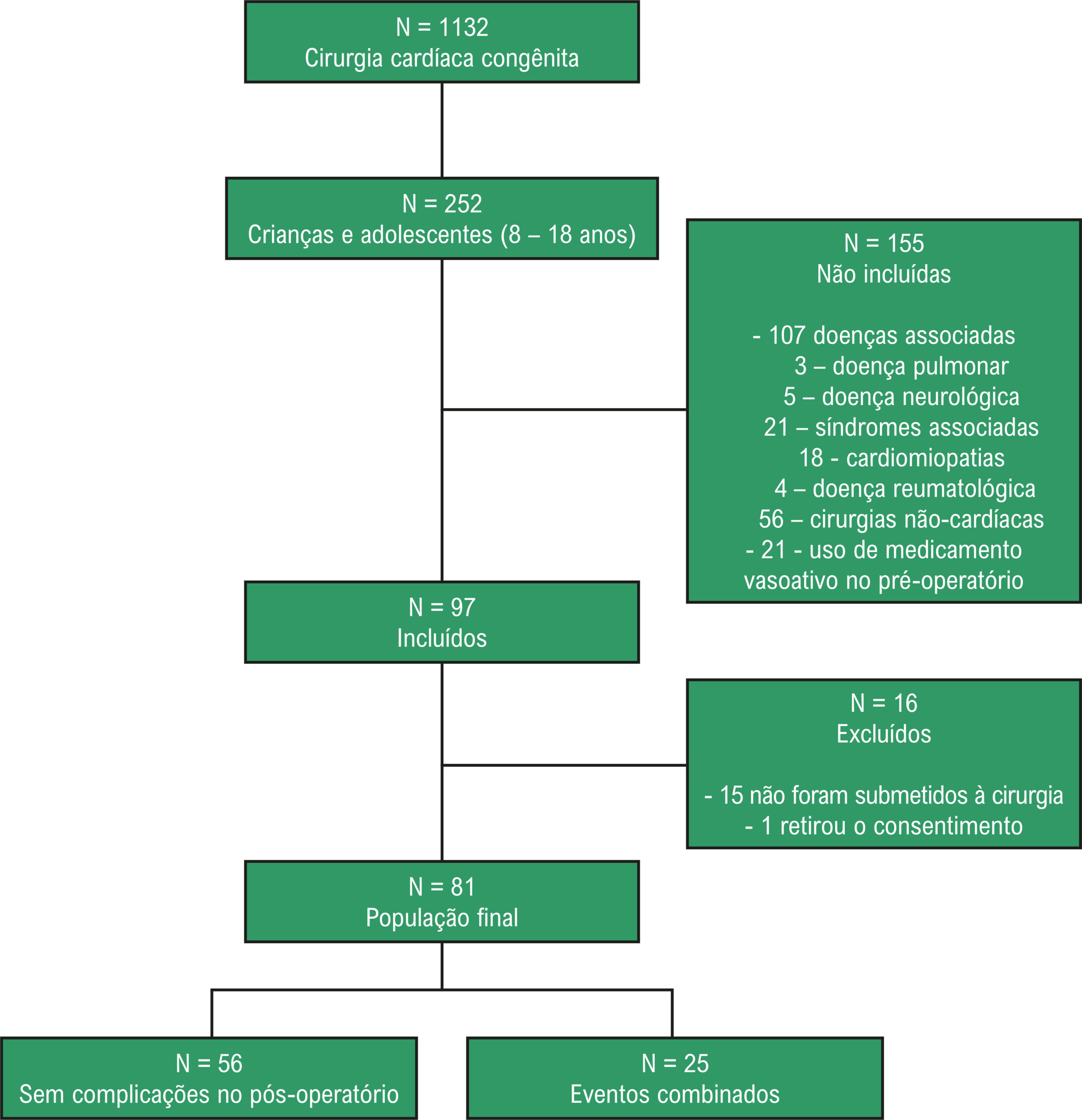
Prospective, observational clinic study including 81 patients aged from 8 to 18 years. In the preoperative period, the 6MWT (distance walked and SpO2) and HRV were performed. The adjusted risk score for surgeries for congenital heart disease (RACHS-1) was applied to predict the surgical risk factor for mortality. The occurrence of at least one of the listed complications was considered as a combined event. P values < 0.05 were considered as significant.

Results

Of the patients, 59% were male, with mean age of 12 years; 33% were cyanotic; and 72% had undergone previous cardiac surgery. Cardiogenic shock was the most common complication, and 31% had a combined event. Prior to surgery, type of current heart disease, RACHS-1, SpO2at rest, during the 6MWT and recovery were selected for the multivariate analysis. The SpO2at recovery by the 6MWT remained as an independent risk factor (OR 0.93, 95%CI [0.88 – 0.99], p=0.02) for the increasing occurrence of combined events.

Conclusion

SpO2after the application of the 6MWT in the preoperative period was an independent predictor of prognosis in children and adolescents undergoing surgical correction; the walked distance and the HRV did not present this association.

  • Heart Defects, Congenital
  • Heart Rate
  • Physical Functional Performance
  • postoperative complications
  • Walk Test
Read Full Article
Creative Commons Attribution (CC BY) Creative Commons license
07/03/2022 DOI: 10.36660/abc.20201137 Views 1
ABC
Editorial

Exercise and Six-Minute Walk Test in Lower Extremity Occlusive Peripheral Arterial Disease

Tales de Carvalho

The article “Exercise Intensity During 6-min Test in Patients with Peripheral Artery Disease” provides original, practically useful information to be considered in the diagnosis, prognosis and mainly in the functional assessment that allows a better prescription of physical exercise in the medical treatment of the disease. The study was conducted with the aim of determining whether overground walking would allows the detection of the first ventilatory threshold, also known as anaerobic threshold (AT), in symptomatic patients with lower extremity occlusive peripheral arterial disease (LE-OPAD). AT is a marker of exercise intensity, useful for the determination of the optimal zone for physical training focused on improvement in cardiorespiratory fitness.

LE-OPAD is an important public health problem. According to global epidemiology report, the disease affected 202 million individuals in 2010, and 237 million in 2015, with a 22% increase during this period. The association of OPAD with major cardiovascular events (MACE) has been well documented; in the severe stage of the disease, with presence of critical ischemia, there is a high risk of cardiovascular events, lower limb amputation and death, with association with elevated levels of cardiac troponin and N terminal pro-brain natriuretic peptide (NT-proBNP).

[…]

  • Anaerobic Threshold
  • Exercise
  • Intermittent Claudication
  • Peripheral Arterial Disease
  • Physical Activities of Daily Living
  • Walk Test
Read Full Article
Creative Commons Attribution (CC BY) Creative Commons license
06/04/2020 DOI: 10.36660/abc.20200068 Views 2
IJCS
Editorial

Simplicity and Complexity of the Six-Minute Walk Test

José Antônio Caldas Teixeira

The cardiopulmonary exercise testing (CPET) is known to be the gold standard method for the assessment of functional capacity. However, the method is expensive, often not well tolerated by the patients, and may not be a good strategy to evaluate activities of daily living (ADL). Functional tests are indirect method to assess functional status or functional capacity of an individual to perform ADL and meet their metabolic demands. These tests are considered objective measures that can monitor the clinical course of several diseases as well as responses to interventional therapies.

Walking and running tests were originally developed to evaluate and estimate aerobic physical fitness of healthy individuals and correlate it with maximal aerobic power (peak VO2). Balke, in the sixties, followed by Cooper and his 12-minute test, used to evaluate physical performance in healthy subjects, motivated, according to them, by the need of field tests for screening of large populations. These methods showed good correlation with laboratory measurements of aerobic capacity (peak VO2 and anaerobic threshold).

[…]

  • Bronchitis, Chronic
  • Health Status Indicators
  • Heart Failure
  • Reference Standards
  • Running
  • Walk Test
Read Full Article
Creative Commons Attribution (CC BY) Creative Commons license
01/01/2019 DOI: 10.5935/2359-4802.20190012 Views 1
Figure 1
IJCS
Original Article

Study with a Portable Gas Analyzer of the 6-Minute Walk Test in Heart Failure with Normal Ejection Fraction

José Antônio Caldas Teixeira et al. Leandro Rocha Messias Kátia Pedreira Dias Washington Luiz Batista da Costa … Roberto Macedo Cascon Sandra Marina Ribeiro de Miranda Pedro Soares Teixeira Juliana Grael Jorge Antonio Claudio Lucas da Nobrega Denizar V Araujo

Abstract

Background:

Few studies have used portable gas analyzers during the 6-minute walk test (6MWT) in patients with heart failure and normal ejection fraction (HFNEF).

Objectives:

To analyze the kinetics of hemodynamic, ventilatory, and metabolic variables in patients with HFNEF during the T6m using a portable gas analyzer.

Methods:

Prospective, analytical study with an intentional, non-probabilistic, convenience sample. In total, 24 patients with HFNEF and past hospital admissions due to a clinical diagnosis of heart failure (HF) were included using the 2007 criteria established by the European Society of Cardiology. Three assessments were performed: 6MWT familiarization, 6MWT with the portable gas analyzer, and cardiopulmonary exercise test (CPET).

Results:

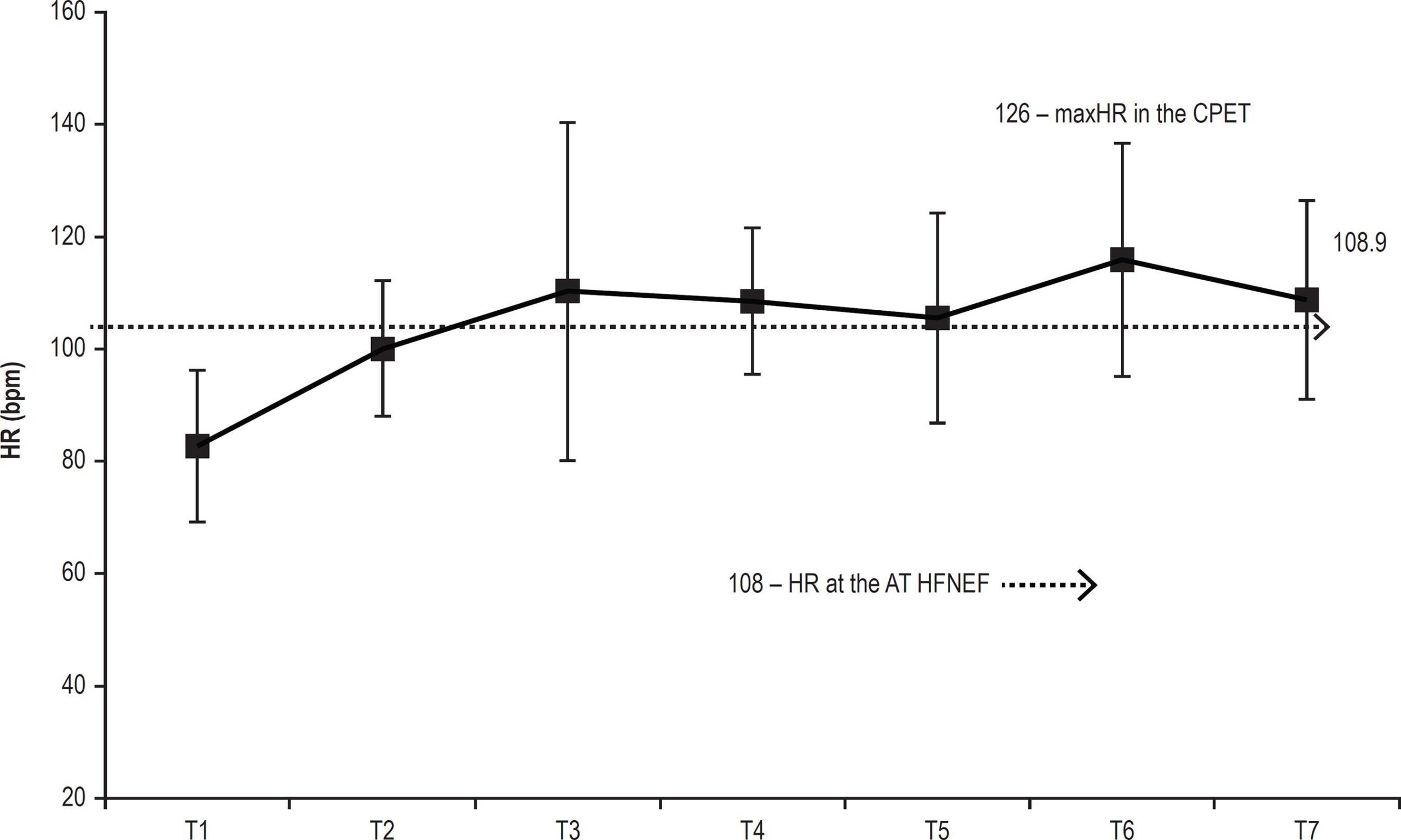
The heart rates (HRs) and the peak VO2 at the end of the 6MWT corresponded to 85.7% and 86.45% of the values obtained during the CPET. The final HRs after the T6m were equivalent to those obtained at the CPET anaerobic threshold (AT), with relative VO2 values at the end of the 6MWT above the VO2 of the CPET AT. There was no difference between the maximum respiratory quotient (RQ) values in these two tests, which were both above 1.0. The VE/VO2 slope descended initially and then ascended significantly after the fifth minute of the test, estimating the identification of the AT.

Conclusions: In patients with HFNEF, the 6MWT represents an almost maximum effort, and is performed above the CPET AT and 85% above the maximum HR and the CPET peak VO2, with a maximum RQ similar to that in the CPET.

  • Blood Gas Analysis
  • Exercise
  • Heart Failure
  • Stroke Volume
  • Walk Test
Read Full Article
Creative Commons Attribution (CC BY) Creative Commons license
01/01/2018 DOI: 10.5935/2359-4802.20180001 Views 1
Different patterns for the 6-minute walk test as a test to measure exercise ability in elderly with and without clinically evident cardiopathy
ABC
Artigo Original

Different patterns for the 6-minute walk test as a test to measure exercise ability in elderly with and without clinically evident cardiopathy

Clênia Oliveira Araújo et al. Márcia R.P. Makdisse Paulo A.T. Peres Antônio Sérgio Tebexreni … Luis R. Ramos Andréa M. Matsushita Antônio C. Carvalho

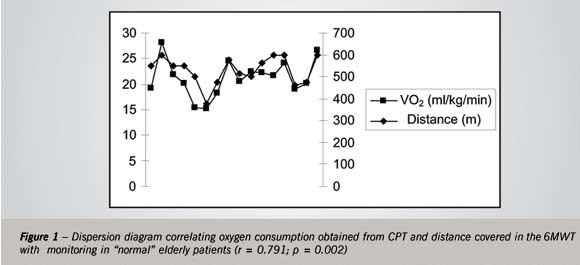
OBJECTIVES: Evaluate the correlation between peak oxygen consumption (VO2peak), from cardiopulmonary test with the distance covered in the six-minute walk test (6MWT) in healthy elderly and with myocardial infarction (MI). METHODS: Thirty individuals were studied, with age range 65 – 87 years (76, 03± 4,75), divided into 2 groups: Group I – 14 with clinically evident coronary heart disease (CHD) and Group II – 16 without clinically evident CHD. They were submitted to cardiopulmonary test (CPT) and 2 types of 6MWT, standard test 6MWTs. Variables measure at rest and exertion were heart rate (HR) and respiratory rate (RR), blood pressure (BP), distance covered (DC), and Borg’s rate subjective perceived exertion (RPE). RESULTS: The study showed significant, strong correlation between distances covered for both 6MWT, and (VO2peak) obtained from cardiopulmonary test (CPT) for all elderly included in the study. When comparing the 6MWT with physiotherapist support (6MWTphy) and without support (6MWTw), statistically significant difference was observed, with higher average values of the DC, of the RH and RR and Borg’s RPE in the 6MWTphy, both of the groups. Addtionally, the RH reached at final the exertion in 6MWTphy was similar to that obtained in CPT (p<0,05) suggesting that the 6MWT stimulates higher cardiovascular performance. CONCLUSION: 6MWTw, adopted a worldwide, by being submaximal imposes lower cardiovascular overburden as compared to 6MWTphy and is probably safer for elderly who are cardiopaths.

  • cardiopulmonary test
  • Elderly
  • Walk Test
Read Full Article
Creative Commons Attribution (CC BY) Creative Commons license
30/03/2006 DOI: 10.1590/S0066-782X2006000300007 Views 1

How to cite this article

EndNote RIS

Electronic Document Format (Vancouver)

Karaman K, Karayakali M. Pulmonary Regurgitation in Heart Failure: Causality or a Marker of Disease Severity?. Arquivos Brasileiros de Cardiologia 2026;123(7):e20260265.

Electronic Document Format (ABNT)

Karaman, Kayihan; Karayakali, Metin. Pulmonary Regurgitation in Heart Failure: Causality or a Marker of Disease Severity?. Arquivos Brasileiros de Cardiologia, v. 123, n. 7, e20260265, Aug. 2026.

Electronic Document Format (APA)

Karaman, K., & Karayakali, M. (2026). Pulmonary Regurgitation in Heart Failure: Causality or a Marker of Disease Severity?. Arquivos Brasileiros de Cardiologia, 123(7), e20260265.

Electronic Document Format (ISO)

Karaman, Kayihan and Karayakali, Metin. Pulmonary Regurgitation in Heart Failure: Causality or a Marker of Disease Severity?. Arquivos Brasileiros de Cardiologia [online]. 2026, vol. 123, n. 7, [cited 2026-10-14], e20260265. Available from: <https://journals.cardiol.br/en/article/pulmonary-regurgitation-in-heart-failure-causality-or-a-marker-of-disease-severity/>. ISSN 0066-782X

EndNote RIS

Electronic Document Format (Vancouver)

Aydin F, Murat B, Murat S, Daghan MB. Association of the Severity of Pulmonary Valve Regurgitation on Biomarkers, Functional Capacity, and Complications in Patients with Heart Failure. Arquivos Brasileiros de Cardiologia 2026;122(12):e20250088.

Electronic Document Format (ABNT)

Aydin, Fatih; Murat, Bektas; Murat, Selda; Daghan, Muhammet Burak. Association of the Severity of Pulmonary Valve Regurgitation on Biomarkers, Functional Capacity, and Complications in Patients with Heart Failure. Arquivos Brasileiros de Cardiologia, v. 122, n. 12, e20250088, Jan. 2026.

Electronic Document Format (APA)

Aydin, F., Murat, B., Murat, S., & Daghan, M. B. (2026). Association of the Severity of Pulmonary Valve Regurgitation on Biomarkers, Functional Capacity, and Complications in Patients with Heart Failure. Arquivos Brasileiros de Cardiologia, 122(12), e20250088.

Electronic Document Format (ISO)

Aydin, Fatih and Murat, Bektas and Murat, Selda and Daghan, Muhammet Burak. Association of the Severity of Pulmonary Valve Regurgitation on Biomarkers, Functional Capacity, and Complications in Patients with Heart Failure. Arquivos Brasileiros de Cardiologia [online]. 2026, vol. 122, n. 12, [cited 2026-10-14], e20250088. Available from: <https://journals.cardiol.br/en/article/association-of-the-severity-of-pulmonary-valve-regurgitation-on-biomarkers-functional-capacity-and-complications-in-patients-with-heart-failure/>. ISSN 0066-782X

EndNote RIS

Electronic Document Format (Vancouver)

Dadalt ML, Correa IF, Loro FL, Karsten M, Monteiro MB, Lago PD. Determinants of the Six-Minute Walk Distance in Subjects with Heart Failure-Chronic Obstructive Pulmonary Disease Overlap. ABC Heart Fail Cardiomyop 2025;5(2):20240063.

Electronic Document Format (ABNT)

Dadalt, Maria Luísa; Correa, Isadora Farraco; Loro, Fernanda Lais; Karsten, Marlus; Monteiro, Mariane Borba; Lago, Pedro Dal. Determinants of the Six-Minute Walk Distance in Subjects with Heart Failure-Chronic Obstructive Pulmonary Disease Overlap. ABC Heart Fail Cardiomyop, v. 5, n. 2, 20240063, Jun. 2025.

Electronic Document Format (APA)

Dadalt, M. L., Correa, I. F., Loro, F. L., Karsten, M., Monteiro, M. B., & Lago, P. D. (2025). Determinants of the Six-Minute Walk Distance in Subjects with Heart Failure-Chronic Obstructive Pulmonary Disease Overlap. ABC Heart Fail Cardiomyop, 5(2), 20240063.

Electronic Document Format (ISO)

Dadalt, Maria Luísa and Correa, Isadora Farraco and Loro, Fernanda Lais and Karsten, Marlus and Monteiro, Mariane Borba and Lago, Pedro Dal. Determinants of the Six-Minute Walk Distance in Subjects with Heart Failure-Chronic Obstructive Pulmonary Disease Overlap. ABC Heart Fail Cardiomyop [online]. 2025, vol. 5, n. 2, [cited 2026-10-14], 20240063. Available from: <https://journals.cardiol.br/en/article/determinants-of-the-six-minute-walk-distance-in-subjects-with-heart-failure-chronic-obstructive-pulmonary-disease-overlap/>

EndNote RIS

Electronic Document Format (Vancouver)

Passos LCS, Santos Junior RP, Sampaio LFD, Figueiredo CS, Cafezeiro CRF. Comparative Analysis between the NYHA and CCS Classification and Performance in the 6-Minute Walk Test. ABC Heart Fail Cardiomyop 2024;4(4):20240036.

Electronic Document Format (ABNT)

Passos, Luiz Carlos Santana; Santos Junior, Roberval Prado dos; Sampaio, Laís Fernanda Duarte; Figueiredo, Clara Sales; Cafezeiro, Caio Rebouças Fonseca. Comparative Analysis between the NYHA and CCS Classification and Performance in the 6-Minute Walk Test. ABC Heart Fail Cardiomyop, v. 4, n. 4, 20240036, Dec. 2024.

Electronic Document Format (APA)

Passos, L. C. S., Santos Junior, R. P. , Sampaio, L. F. D., Figueiredo, C. S., & Cafezeiro, C. R. F. (2024). Comparative Analysis between the NYHA and CCS Classification and Performance in the 6-Minute Walk Test. ABC Heart Fail Cardiomyop, 4(4), 20240036.

Electronic Document Format (ISO)

Passos, Luiz Carlos Santana and Santos Junior, Roberval Prado dos and Sampaio, Laís Fernanda Duarte and Figueiredo, Clara Sales and Cafezeiro, Caio Rebouças Fonseca. Comparative Analysis between the NYHA and CCS Classification and Performance in the 6-Minute Walk Test. ABC Heart Fail Cardiomyop [online]. 2024, vol. 4, n. 4, [cited 2026-10-14], 20240036. Available from: <https://journals.cardiol.br/en/article/comparative-analysis-between-the-nyha-and-ccs-classification-and-performance-in-the-6-minute-walk-test/>

EndNote RIS

Electronic Document Format (Vancouver)

Romero CE, Pereira NM, Luzuriaga GDCJ, Bueno BVK, Carvalhal S, Borges T, Reis B, et al. Prognostic Value of the 6-Minute Walk Test and Clinical Characteristics of Patients With Transthyretin Amyloid Cardiomyopathy. International Journal of Cardiovascular Sciences 2024;37:e20240091.

Electronic Document Format (ABNT)

Romero, Cristhian Espinoza; Pereira, Natalia Melo; Luzuriaga, Georgina Del Cisne Jadán; Bueno, Bruno Vaz Kerges; Carvalhal, Suenia; Borges, Thais; Reis, Barbara; Fernandes, Fábio. Prognostic Value of the 6-Minute Walk Test and Clinical Characteristics of Patients With Transthyretin Amyloid Cardiomyopathy. International Journal of Cardiovascular Sciences, v. 37, e20240091, Nov. 2024.

Electronic Document Format (APA)

Romero, C. E., Pereira, N. M., Luzuriaga, G. D. C. J., Bueno, B. V. K., Carvalhal, S., Borges, T., Reis, B., & Fernandes, F. (2024). Prognostic Value of the 6-Minute Walk Test and Clinical Characteristics of Patients With Transthyretin Amyloid Cardiomyopathy. International Journal of Cardiovascular Sciences, 37, e20240091.

Electronic Document Format (ISO)

Romero, Cristhian Espinoza and Pereira, Natalia Melo and Luzuriaga, Georgina Del Cisne Jadán and Bueno, Bruno Vaz Kerges and Carvalhal, Suenia and Borges, Thais and Reis, Barbara and Fernandes, Fábio. Prognostic Value of the 6-Minute Walk Test and Clinical Characteristics of Patients With Transthyretin Amyloid Cardiomyopathy. International Journal of Cardiovascular Sciences [online]. 2024, vol. 37, [cited 2026-10-14], e20240091. Available from: <https://journals.cardiol.br/en/article/prognostic-value-of-the-6-minute-walk-test-and-clinical-characteristics-of-patients-with-transthyretin-amyloid-cardiomyopathy/>. ISSN 2359-4802

EndNote RIS

Electronic Document Format (Vancouver)

Villacorta H. Two-Minute Walk Test After an Acute Myocardial Infarction: Feasible and Useful?. International Journal of Cardiovascular Sciences 2024;37:e20240105.

Electronic Document Format (ABNT)

Villacorta, Humberto. Two-Minute Walk Test After an Acute Myocardial Infarction: Feasible and Useful?. International Journal of Cardiovascular Sciences, v. 37, e20240105, Aug. 2024.

Electronic Document Format (APA)

Villacorta, H. (2024). Two-Minute Walk Test After an Acute Myocardial Infarction: Feasible and Useful?. International Journal of Cardiovascular Sciences, 37, e20240105.

Electronic Document Format (ISO)

Villacorta, Humberto. Two-Minute Walk Test After an Acute Myocardial Infarction: Feasible and Useful?. International Journal of Cardiovascular Sciences [online]. 2024, vol. 37, [cited 2026-10-14], e20240105. Available from: <https://journals.cardiol.br/en/article/two-minute-walk-test-after-an-acute-myocardial-infarction-feasible-and-useful/>. ISSN 2359-4802

EndNote RIS

Electronic Document Format (Vancouver)

Cordeiro ALL, Santos LA, Oliveira L, Almeida AC, Alves D, Silva HBMM, Souza FF, et al. Feasibility of the Two-Minute Walk Test in Elderly Patients After Acute Myocardial Infarction: A Cross-Sectional Study. International Journal of Cardiovascular Sciences 2024;37:e20240023.

Electronic Document Format (ABNT)

Cordeiro, André Luiz Lisboa; Santos, Luiz Anselmo; Oliveira, Lucas; Almeida, Ana Cristina; Alves, Damaris; Silva, Hanna Beatriz de Melo Moraes e; Souza, Fernanda Francisco; Guimarães, André Raimundo França. Feasibility of the Two-Minute Walk Test in Elderly Patients After Acute Myocardial Infarction: A Cross-Sectional Study. International Journal of Cardiovascular Sciences, v. 37, e20240023, Jun. 2024.

Electronic Document Format (APA)

Cordeiro, A. L. L., Santos, L. A., Oliveira, L., Almeida, A. C., Alves, D., Silva, H. B. M. M. , Souza, F. F., & Guimarães, A. R. F. (2024). Feasibility of the Two-Minute Walk Test in Elderly Patients After Acute Myocardial Infarction: A Cross-Sectional Study. International Journal of Cardiovascular Sciences, 37, e20240023.

Electronic Document Format (ISO)

Cordeiro, André Luiz Lisboa and Santos, Luiz Anselmo and Oliveira, Lucas and Almeida, Ana Cristina and Alves, Damaris and Silva, Hanna Beatriz de Melo Moraes e and Souza, Fernanda Francisco and Guimarães, André Raimundo França. Feasibility of the Two-Minute Walk Test in Elderly Patients After Acute Myocardial Infarction: A Cross-Sectional Study. International Journal of Cardiovascular Sciences [online]. 2024, vol. 37, [cited 2026-10-14], e20240023. Available from: <https://journals.cardiol.br/en/article/feasibility-of-the-two-minute-walk-test-in-elderly-patients-after-acute-myocardial-infarction-a-cross-sectional-study/>. ISSN 2359-4802

EndNote RIS

Electronic Document Format (Vancouver)

Menezes MG, Fronza VA, Franzoni L. Aerobic Exercise Prescription: The Talk Test Rises Over the 6-Minute Walk Test. Arquivos Brasileiros de Cardiologia 2023;120(9):e20230636.

Electronic Document Format (ABNT)

Menezes, Márcio Garcia; Fronza, Vitor Augusto; Franzoni, Leandro. Aerobic Exercise Prescription: The Talk Test Rises Over the 6-Minute Walk Test. Arquivos Brasileiros de Cardiologia, v. 120, n. 9, e20230636, Oct. 2023.

Electronic Document Format (APA)

Menezes, M. G., Fronza, V. A., & Franzoni, L. (2023). Aerobic Exercise Prescription: The Talk Test Rises Over the 6-Minute Walk Test. Arquivos Brasileiros de Cardiologia, 120(9), e20230636.

Electronic Document Format (ISO)

Menezes, Márcio Garcia and Fronza, Vitor Augusto and Franzoni, Leandro. Aerobic Exercise Prescription: The Talk Test Rises Over the 6-Minute Walk Test. Arquivos Brasileiros de Cardiologia [online]. 2023, vol. 120, n. 9, [cited 2026-10-14], e20230636. Available from: <https://journals.cardiol.br/en/article/aerobic-exercise-prescription-the-talk-test-rises-over-the-6-minute-walk-test/>. ISSN 0066-782X

EndNote RIS

Electronic Document Format (Vancouver)

Costa RVC. NYHA Classification and Cardiopulmonary Exercise Test Variables in Patients with Heart Failure. Arquivos Brasileiros de Cardiologia 2022;118(6):1124-5.

Electronic Document Format (ABNT)

Costa, Ricardo Vivacqua Cardoso. NYHA Classification and Cardiopulmonary Exercise Test Variables in Patients with Heart Failure. Arquivos Brasileiros de Cardiologia, v. 118, n. 6, p. 1124-1125, Jun. 2022.

Electronic Document Format (APA)

Costa, R. V. C. (2022). NYHA Classification and Cardiopulmonary Exercise Test Variables in Patients with Heart Failure. Arquivos Brasileiros de Cardiologia, 118(6), 1124-1125.

Electronic Document Format (ISO)

Costa, Ricardo Vivacqua Cardoso. NYHA Classification and Cardiopulmonary Exercise Test Variables in Patients with Heart Failure. Arquivos Brasileiros de Cardiologia [online]. 2022, vol. 118, n. 6, [cited 2026-10-14], pp. 1124-1125. Available from: <https://journals.cardiol.br/en/article/nyha-classification-and-cardiopulmonary-exercise-test-variables-in-patients-with-heart-failure/>. ISSN 0066-782X

EndNote RIS

Electronic Document Format (Vancouver)

Alves CR, Chermont SSMC, Reis CW, Nascimento EA, Ribeiro ML, Ribeiro F, Mesquita ET, et al. Effects of Cardiac Resynchronization Therapy on a Six-minute Walk Test, Maximal Inspiratory Pressure and Peak Expiratory Flow in Patients with Heart Failure: A Longitudinal Study. International Journal of Cardiovascular Sciences 2022;35(5):690-5.

Electronic Document Format (ABNT)

Alves, Christiane Rodrigues; Chermont, Sergio S. M. C.; Reis, Christiane Wiefels; Nascimento, Erivelton A.; Ribeiro, Mario Luiz; Ribeiro, Fernanda; Mesquita, Evandro Tinoco; Mesquita, Claudio Tinoco. Effects of Cardiac Resynchronization Therapy on a Six-minute Walk Test, Maximal Inspiratory Pressure and Peak Expiratory Flow in Patients with Heart Failure: A Longitudinal Study. International Journal of Cardiovascular Sciences, v. 35, n. 5, p. 690-695, Apr. 2022.

Electronic Document Format (APA)

Alves, C. R., Chermont, S. S. M. C., Reis, C. W., Nascimento, E. A., Ribeiro, M. L., Ribeiro, F., Mesquita, E. T., & Mesquita, C. T. (2022). Effects of Cardiac Resynchronization Therapy on a Six-minute Walk Test, Maximal Inspiratory Pressure and Peak Expiratory Flow in Patients with Heart Failure: A Longitudinal Study. International Journal of Cardiovascular Sciences, 35(5), 690-695.

Electronic Document Format (ISO)

Alves, Christiane Rodrigues and Chermont, Sergio S. M. C. and Reis, Christiane Wiefels and Nascimento, Erivelton A. and Ribeiro, Mario Luiz and Ribeiro, Fernanda and Mesquita, Evandro Tinoco and Mesquita, Claudio Tinoco. Effects of Cardiac Resynchronization Therapy on a Six-minute Walk Test, Maximal Inspiratory Pressure and Peak Expiratory Flow in Patients with Heart Failure: A Longitudinal Study. International Journal of Cardiovascular Sciences [online]. 2022, vol. 35, n. 5, [cited 2026-10-14], pp. 690-695. Available from: <https://journals.cardiol.br/en/article/effects-of-cardiac-resynchronization-therapy-on-a-six-minute-walk-test-maximal-inspiratory-pressure-and-peak-expiratory-flow-in-patients-with-heart-failure-a-longitudinal-study/>. ISSN 2359-4802

EndNote RIS

Electronic Document Format (Vancouver)

Inoue AS, Lopes AAB, Tanaka ACS, Feltrim MIZ, Galas FR, Almeida JP, Hajjar LA, et al. Impact of Preoperative Functional Capacity on Postoperative Outcomes in Congenital Heart Surgery: An Observational and Prospective Study. Arquivos Brasileiros de Cardiologia 2022;118(2):411-9.

Electronic Document Format (ABNT)

Inoue, Angela Sachiko; Lopes, Antônio Augusto Barbosa; Tanaka, Ana Cristina Sayuri; Feltrim, Maria Ignêz Zanetti; Galas, Filomena R.B.G.; Almeida, Juliano Pinheiro; Hajjar, Ludhmila Abrahão; Nozawa, Emilia. Impact of Preoperative Functional Capacity on Postoperative Outcomes in Congenital Heart Surgery: An Observational and Prospective Study. Arquivos Brasileiros de Cardiologia, v. 118, n. 2, p. 411-419, Mar. 2022.

Electronic Document Format (APA)

Inoue, A. S., Lopes, A. A. B., Tanaka, A. C. S., Feltrim, M. I. Z., Galas, F. R., Almeida, J. P., Hajjar, L. A., & Nozawa, E. (2022). Impact of Preoperative Functional Capacity on Postoperative Outcomes in Congenital Heart Surgery: An Observational and Prospective Study. Arquivos Brasileiros de Cardiologia, 118(2), 411-419.

Electronic Document Format (ISO)

Inoue, Angela Sachiko and Lopes, Antônio Augusto Barbosa and Tanaka, Ana Cristina Sayuri and Feltrim, Maria Ignêz Zanetti and Galas, Filomena R.B.G. and Almeida, Juliano Pinheiro and Hajjar, Ludhmila Abrahão and Nozawa, Emilia. Impact of Preoperative Functional Capacity on Postoperative Outcomes in Congenital Heart Surgery: An Observational and Prospective Study. Arquivos Brasileiros de Cardiologia [online]. 2022, vol. 118, n. 2, [cited 2026-10-14], pp. 411-419. Available from: <https://journals.cardiol.br/en/article/impact-of-preoperative-functional-capacity-on-postoperative-outcomes-in-congenital-heart-surgery-an-observational-and-prospective-study/>. ISSN 0066-782X

EndNote RIS

Electronic Document Format (Vancouver)

Carvalho T. Exercise and Six-Minute Walk Test in Lower Extremity Occlusive Peripheral Arterial Disease. Arquivos Brasileiros de Cardiologia 2020;114(3):493-5.

Electronic Document Format (ABNT)

Carvalho, Tales de. Exercise and Six-Minute Walk Test in Lower Extremity Occlusive Peripheral Arterial Disease. Arquivos Brasileiros de Cardiologia, v. 114, n. 3, p. 493-495, Apr. 2020.

Electronic Document Format (APA)

Carvalho, T. (2020). Exercise and Six-Minute Walk Test in Lower Extremity Occlusive Peripheral Arterial Disease. Arquivos Brasileiros de Cardiologia, 114(3), 493-495.

Electronic Document Format (ISO)

Carvalho, Tales de. Exercise and Six-Minute Walk Test in Lower Extremity Occlusive Peripheral Arterial Disease. Arquivos Brasileiros de Cardiologia [online]. 2020, vol. 114, n. 3, [cited 2026-10-14], pp. 493-495. Available from: <https://journals.cardiol.br/en/article/exercise-and-six-minute-walk-test-in-lower-extremity-occlusive-peripheral-arterial-disease/>. ISSN 0066-782X

EndNote RIS

Electronic Document Format (Vancouver)

Teixeira JAC. Simplicity and Complexity of the Six-Minute Walk Test. International Journal of Cardiovascular Sciences 2019;32(2):98-9.

Electronic Document Format (ABNT)

Teixeira, José Antônio Caldas. Simplicity and Complexity of the Six-Minute Walk Test. International Journal of Cardiovascular Sciences, v. 32, n. 2, p. 98-99, Dec. 2018.

Electronic Document Format (APA)

Teixeira, J. A. C. (2019). Simplicity and Complexity of the Six-Minute Walk Test. International Journal of Cardiovascular Sciences, 32(2), 98-99.

Electronic Document Format (ISO)

Teixeira, José Antônio Caldas. Simplicity and Complexity of the Six-Minute Walk Test. International Journal of Cardiovascular Sciences [online]. 2019, vol. 32, n. 2, [cited 2026-10-14], pp. 98-99. Available from: <https://journals.cardiol.br/en/article/simplicity-and-complexity-of-the-six-minute-walk-test/>. ISSN 2359-4802

EndNote RIS

Electronic Document Format (Vancouver)

Teixeira JAC, Messias LR, Dias KP, Costa WLB, Cascon RM, Miranda SMR, Teixeira PS, et al. Study with a Portable Gas Analyzer of the 6-Minute Walk Test in Heart Failure with Normal Ejection Fraction. International Journal of Cardiovascular Sciences 2018;31(2):143-51.

Electronic Document Format (ABNT)

Teixeira, José Antônio Caldas; Messias, Leandro Rocha; Dias, Kátia Pedreira; Costa, Washington Luiz Batista da; Cascon, Roberto Macedo; Miranda, Sandra Marina Ribeiro de; Teixeira, Pedro Soares; Jorge, Juliana Grael; Nobrega, Antonio Claudio Lucas da; Araujo, Denizar V. Study with a Portable Gas Analyzer of the 6-Minute Walk Test in Heart Failure with Normal Ejection Fraction. International Journal of Cardiovascular Sciences, v. 31, n. 2, p. 143-151, Dec. 2017.

Electronic Document Format (APA)

Teixeira, J. A. C., Messias, L. R., Dias, K. P., Costa, W. L. B. , Cascon, R. M., Miranda, S. M. R. , Teixeira, P. S., Jorge, J. G., Nobrega, A. C. L. , & Araujo, D. V. (2018). Study with a Portable Gas Analyzer of the 6-Minute Walk Test in Heart Failure with Normal Ejection Fraction. International Journal of Cardiovascular Sciences, 31(2), 143-151.

Electronic Document Format (ISO)

Teixeira, José Antônio Caldas and Messias, Leandro Rocha and Dias, Kátia Pedreira and Costa, Washington Luiz Batista da and Cascon, Roberto Macedo and Miranda, Sandra Marina Ribeiro de and Teixeira, Pedro Soares and Jorge, Juliana Grael and Nobrega, Antonio Claudio Lucas da and Araujo, Denizar V. Study with a Portable Gas Analyzer of the 6-Minute Walk Test in Heart Failure with Normal Ejection Fraction. International Journal of Cardiovascular Sciences [online]. 2018, vol. 31, n. 2, [cited 2026-10-14], pp. 143-151. Available from: <https://journals.cardiol.br/en/article/study-with-a-portable-gas-analyzer-of-the-6-minute-walk-test-in-heart-failure-with-normal-ejection-fraction/>. ISSN 2359-4802

EndNote RIS

Electronic Document Format (Vancouver)

Araújo CO, Makdisse MR, Peres PA, Tebexreni AS, Ramos LR, Matsushita AM, Carvalho AC, et al. Different patterns for the 6-minute walk test as a test to measure exercise ability in elderly with and without clinically evident cardiopathy. Arquivos Brasileiros de Cardiologia 2006;86(3):198-205.

Electronic Document Format (ABNT)

Araújo, Clênia Oliveira; Makdisse, Márcia R.P.; Peres, Paulo A.T.; Tebexreni, Antônio Sérgio; Ramos, Luis R.; Matsushita, Andréa M.; Carvalho, Antônio C.. Different patterns for the 6-minute walk test as a test to measure exercise ability in elderly with and without clinically evident cardiopathy. Arquivos Brasileiros de Cardiologia, v. 86, n. 3, p. 198-205, Mar. 2006.

Electronic Document Format (APA)

Araújo, C. O., Makdisse, M. R., Peres, P. A., Tebexreni, A. S., Ramos, L. R., Matsushita, A. M., & Carvalho, A. C. (2006). Different patterns for the 6-minute walk test as a test to measure exercise ability in elderly with and without clinically evident cardiopathy. Arquivos Brasileiros de Cardiologia, 86(3), 198-205.

Electronic Document Format (ISO)

Araújo, Clênia Oliveira and Makdisse, Márcia R.P. and Peres, Paulo A.T. and Tebexreni, Antônio Sérgio and Ramos, Luis R. and Matsushita, Andréa M. and Carvalho, Antônio C.. Different patterns for the 6-minute walk test as a test to measure exercise ability in elderly with and without clinically evident cardiopathy. Arquivos Brasileiros de Cardiologia [online]. 2006, vol. 86, n. 3, [cited 2026-10-14], pp. 198-205. Available from: <https://journals.cardiol.br/en/article/different-patterns-for-the-6-minute-walk-test-as-a-test-to-measure-exercise-ability-in-elderly-with-and-without-clinically-evident-cardiopathy/>. ISSN 0066-782X

  • About ABC Family
  • Internal Regulation
  • Editorial Board
  • Brazilian Society of Cardiology (SBC)

Issues

SBC Guidelines

  • Videos
  • Podcasts
  • News