ABC Family Arquivos Brasileiros de Cardiologia International Journal of Cardiovascular Sciences ABC Heart Failure & Cardiomyopathy ABC Imagem Cardiovascular
Português English
ABC Family
Português English
  • About
    • About ABC Family
    • Internal Regulation
    • Editorial Board
    • Brazilian Society of Cardiology (SBC)
  • Issues
  • SBC Guidelines
  • Content
    • Videos
    • Podcasts
    • News
  • About
    • About ABC Family
    • Internal Regulation
    • Editorial Board
    • Brazilian Society of Cardiology (SBC)
  • Issues
  • SBC Guidelines
  • Content
    • Videos
    • Podcasts
    • News

ABC Family

  • ABC Family
  • Arquivos Brasileiros de Cardiologia
  • International Journal of Cardiovascular Sciences
  • ABC Heart Failure & Cardiomyopathy
  • ABC Imagem Cardiovascular
Search in

No content found.

Journals
Ordering
Article types
Others

  1. Home
  2. Keyword: Cancer
Screening Tests Predicting Cancer Metastasis in the Etiology of Pericardial Effusion: HALP Score and PNI
ABC
Original Article

Screening Tests Predicting Cancer Metastasis in the Etiology of Pericardial Effusion: HALP Score and PNI

Emin Koyun et al. Ferhat Dindas Anil Sahin Idris Bugra Cerik Mustafa Dogdus

Abstract

Background:

Cancer screening is absolutely necessary in patients with pericardial effusion, given that cancer is one of the most serious diseases in the etiology of pericardial effusion. In previous studies, it was stated that the systemic immune-inflammation index (SII); the prognostic nutrition index (PNI); and the hemoglobin, albumin, lymphocyte, platelet (HALP) score can produce scores related to cancer.

Objectives:

This study began considering that these scoring systems could predict cancer in the etiology of patients with pericardial effusion.

Methods:

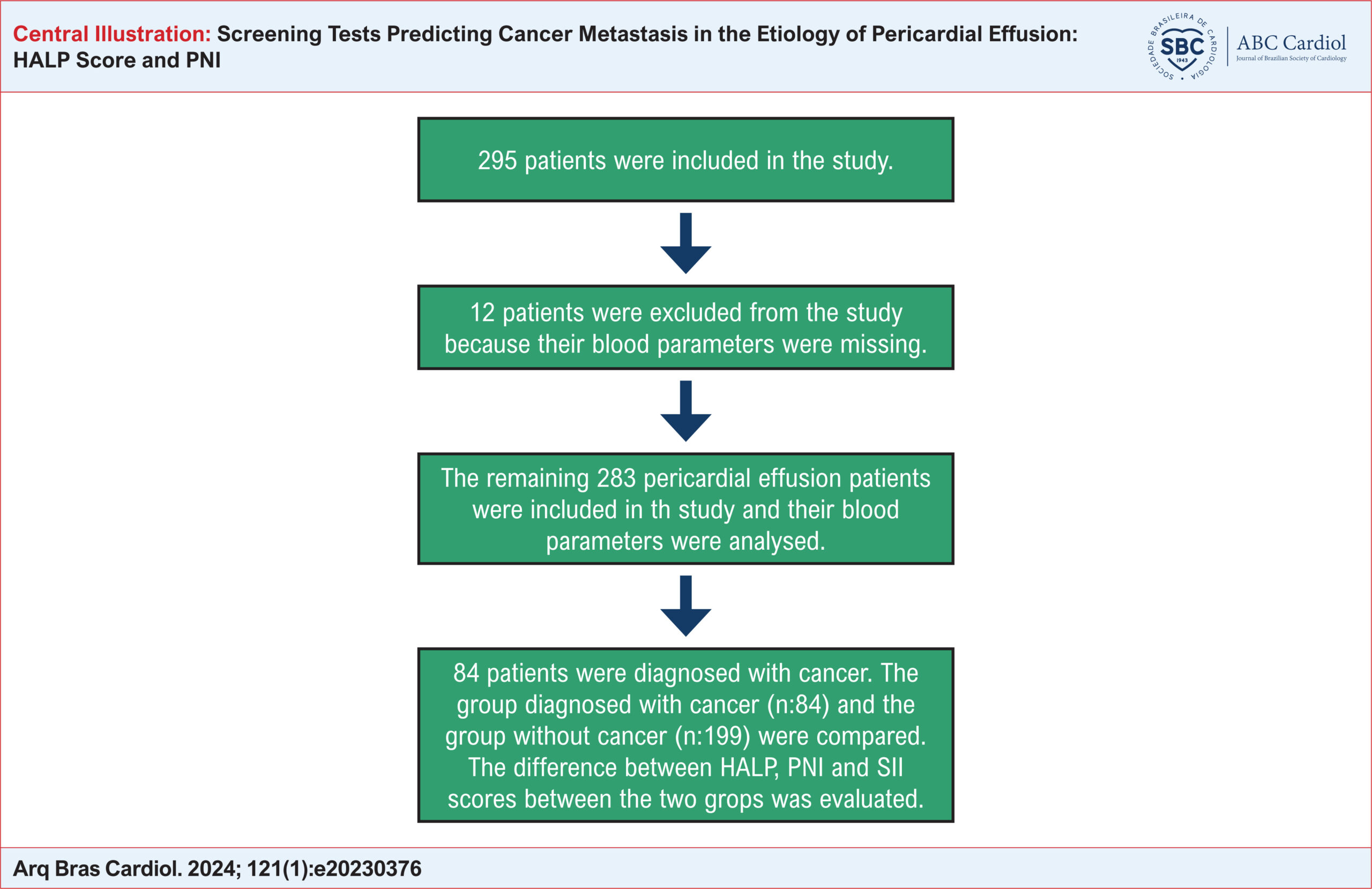
This study produced a retrospective analysis of patients who underwent pericardiocentesis between 2006 and 2022. Pericardiocentesis was performed in a total of 283 patients with moderate-to-large pericardial effusion or pericardial tamponade within the specified period. HALP, PNI, and SII scores were calculated according to the peripheral venous blood taken before the pericardiocentesis procedure. The statistical significance level was set at p<0.05.

Results:

The HALP score proved to be 0.173 (0.125-0.175) in cancer patients and 0.32 (0.20-0.49) in non-cancer patients (p<0.001). The PNI score proved to be 33.1±5.6 in cancer patients and 39.8±4.8 in non-cancer patients (p<0.001).

Conclusion:

The HALP score and PNI proved to be easy and fast cancer screening tests that can predict cancer metastasis in the etiology of patients with pericardial effusion.
  • Cancer
  • Hemoglobin, Albumin, Lymphocyte, Platelet (HALP)
  • Pericardial Effusion
  • Prognostic Nutrition İndex
Read Full Article
Creative Commons Attribution (CC BY) Creative Commons license
04/03/2024 DOI: 10.36660/abc.20230376 Views 1
Figure 1
ABCHF
Viewpoint

Hypertension in Patients with Cancer as a Predictor of Ventricular Dysfunction

Patrícia Tavares Felipe Marcartti et al. Tânia Félix Lorenzato da Fonseca Peixoto Bruno Ramos Nascimento

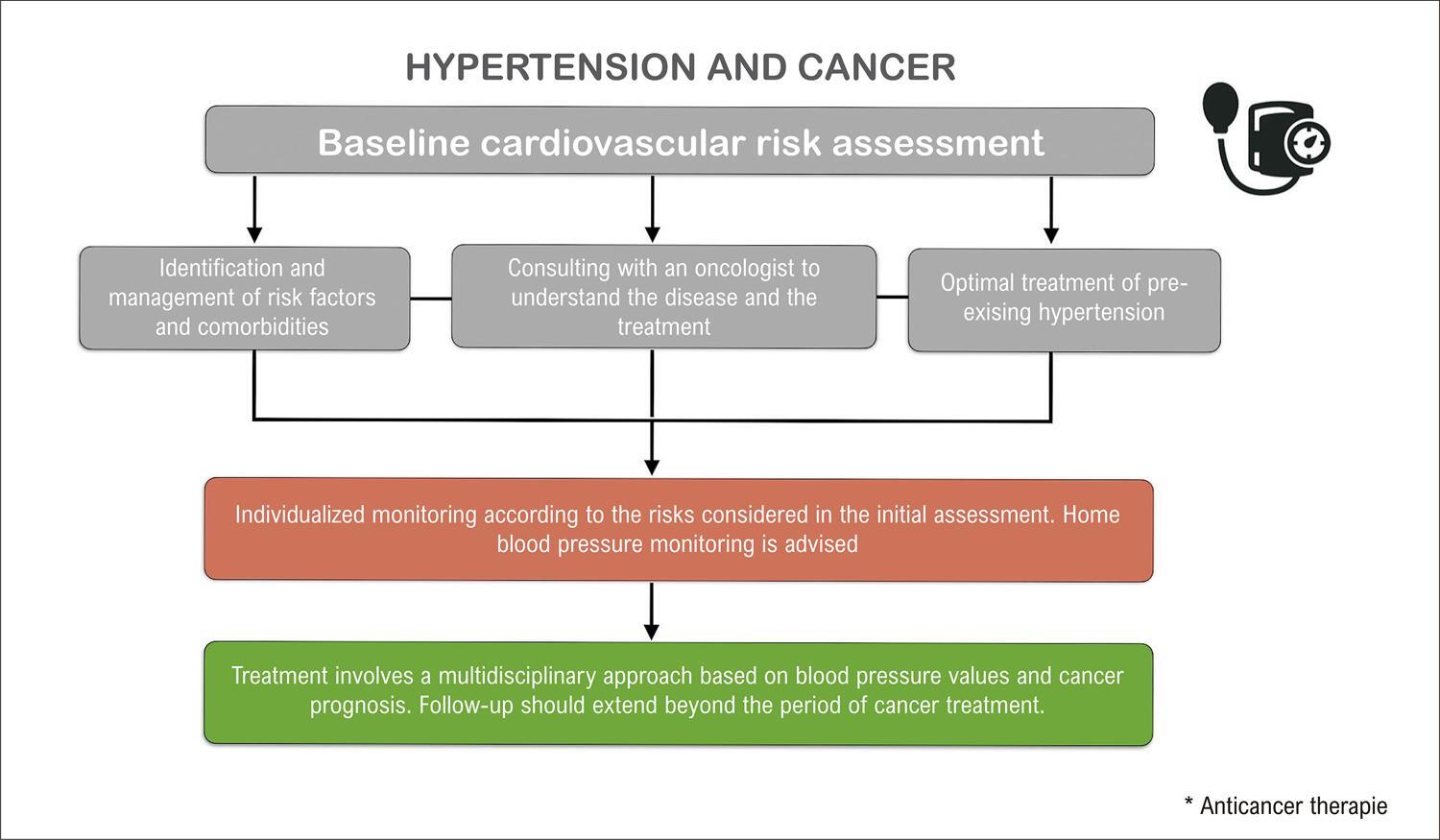
Hypertension is the most prevalent comorbidity (38%) in patients with cancer and is considered an important modifiable risk factor for the development of cardiovascular events, including heart failure (HF). Importantly, hypertension may worsen the prognosis of patients with cancer and the severity of some types of cancer., In addition, cancer treatments may aggravate pre-existing or even cause new hypertension,, making the role of this risk factor even more complex and multifaceted.

It is important to note that the use of cardiotoxic drugs in association with an important and prevalent cardiovascular risk factor such as hypertension makes HF a common final pathway of damage to the heart. The association between hypertension, especially if poorly controlled, and increased risk of chemotherapy-induced cardiomyopathy and HF, has been demonstrated since studies with doxorubicin in the 1970s. In a retrospective study involving patients with lymphoma undergoing doxorubicin chemotherapy, the drug was an independent predictor of HF development, even after adjusting for risk factors. In addition, among patients undergoing treatment, hypertension was strongly associated with the development of HF. Thus, managing this complex interaction should be a priority for patients with cancer.

[…]

  • Anti- Antihypertensives
  • Anticancer therapy
  • Cancer
  • Heart Failure
  • Hypertension
  • Prognostic Assessment
Read Full Article
Creative Commons Attribution (CC BY) Creative Commons license
18/12/2022 DOI: 10.36660/abchf.20220091 Views 1
Figure 1
ABCHF
Review Article

Heart Failure with Preserved Ejection Fraction and Cancer

Antonio José Lagoeiro Jorge et al. Humberto Villacorta Luiz Claudio Danzmann Evandro Tinoco Mesquita

Abstract

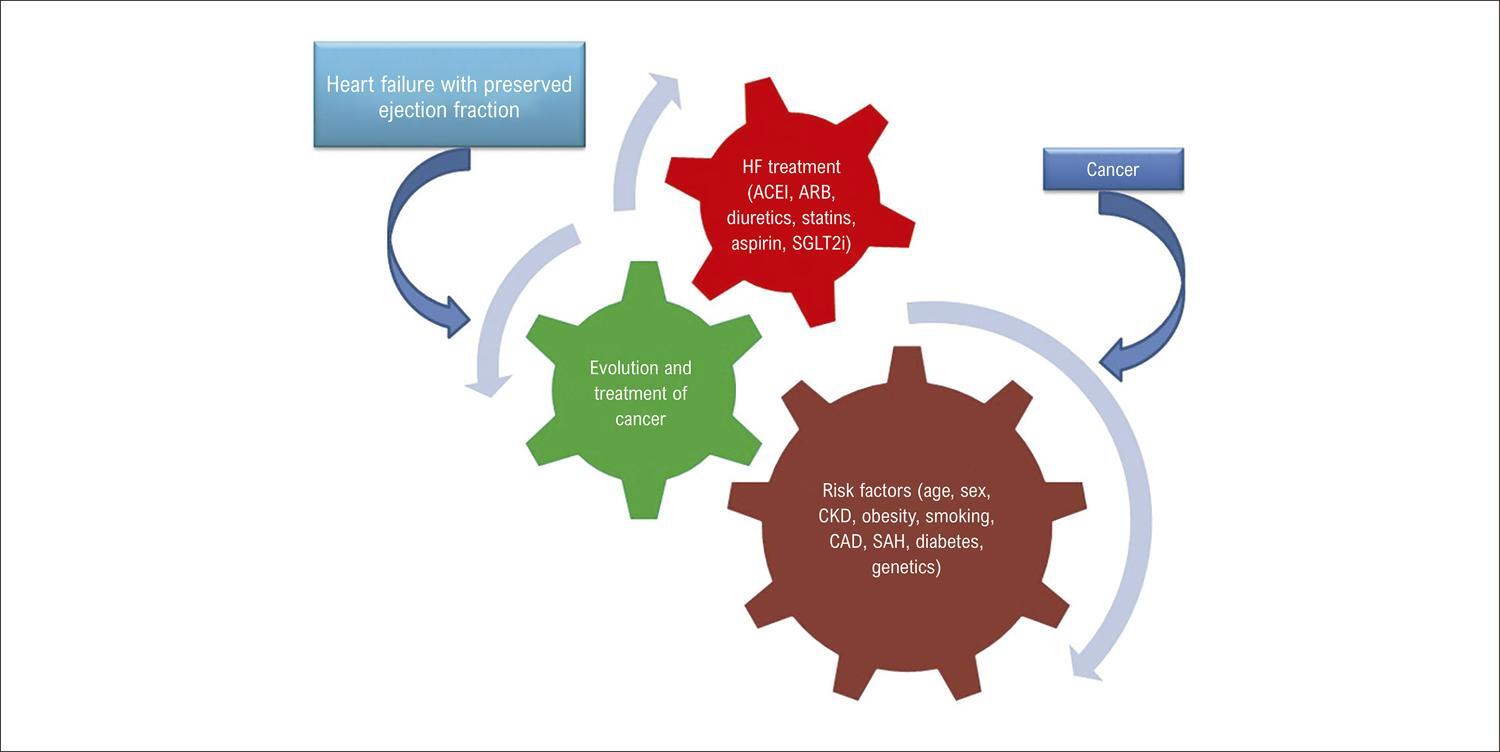
Heart failure with preserved ejection fraction (HFpEF) is associated with high morbidity and mortality. After hospitalization for heart failure, the 5-year survival of HFpEF is 35%, which is worse than many forms of cancer. HFpEF and cancer share common risk factors. The use of chemotherapy medications such as anthracyclines is associated with increased aortic stiffness and diastolic dysfunction, suggesting that anthracycline therapy may increase the risk of HFpEF, given that worsening of diastolic function, which can be associated with the occurrence of HFpEF, is an early sign of cardiotoxicity. Radiotherapy, widely used in the treatment of breast cancer, leads to an increased risk of developing heart disease since radiation induces coronary microvascular endothelial damage and inflammation, leading to microvascular rarefaction, myocardial inflammation, oxidative stress, and fibrosis, which favor the development of HFpEF. Early diagnosis of cardiotoxicity is an important issue in the care of patients with cancer, and biomarkers have been extensively studied in predicting systolic dysfunction and heart failure with reduced ejection fraction, as well as in the development of HFpEF. HFpEF and cancer have an elevated prevalence, and they share age group, risk factors, and the pathophysiological phenomenon, in which inflammation plays a preponderant role. Biomarkers, especially natriuretic peptides, and ultrasound imaging are fundamental tools in the diagnostic detection and follow-up of these patients.

  • Cancer
  • Cardiotoxicity
  • Chemotherapy
  • Heart Failure with Preserved Ejection Fraction
  • Radiotherapy
Read Full Article
Creative Commons Attribution (CC BY) Creative Commons license
18/12/2022 DOI: 10.36660/abchf.20220079 Views 1
Figure 1
ABCHF
Review Article

Cardiovascular Rehabilitation in Patients with Cancer

Pedro Vellosa Schwartzmann et al. Amanda Gonzales Renata R. T. Castro

Abstract

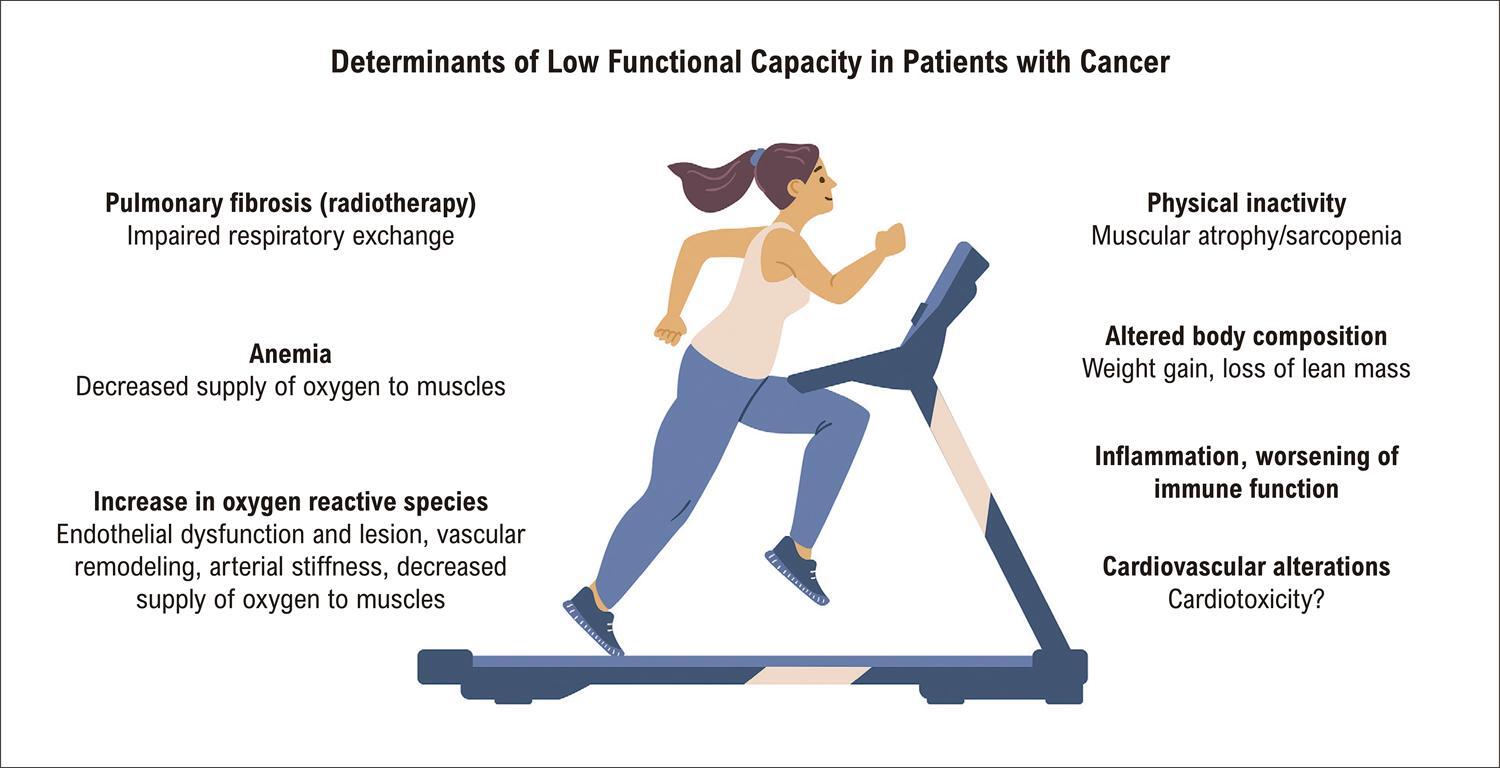
Advances in cancer treatment have increased patient survival, as well as susceptibility to cardiovascular disease, not only due to the increase in risk factors but also as a result of the treatment itself.Cardiotoxicity related to antineoplastic drugs is one of the most feared cardiovascular effects during or after chemotherapy treatment, and it is associated with unfavorable prognosis in cancer survivors. Moreover, it reduces physical capacity and quality of life. In this scenario, the multimodal model of cardio-oncological rehabilitation has become a fundamental strategy in patients with high cardiovascular risk or risk for the development of cardiotoxicity, as well as for those with already established heart disease.In this article, we will address the role of cardiac rehabilitation in patients with cancer and its particularities.

  • Cancer
  • Physical activity
  • Rehabilitation
Read Full Article
Creative Commons Attribution (CC BY) Creative Commons license
18/12/2022 DOI: 10.36660/abchf.20230005
ABCHF
Viewpoint

How to Anticoagulate Patients with Heart Failure and Cancer?

Marcos José Pereira Renni et al. Tatiana Abelin Saldanha Marinho

Conclusion

Anticoagulation in oncologic patients is a huge challenge, and we must always consider the risks and benefits of this management. However, with the prescription of DOACs, it becomes easier, safer, and more effective. When we individualize a patient’s therapy, according to the oncologic treatment, we can purpose the most appropriated strategy. We reinforce that, because of a high complex profile with several treatments, patients must be reevaluated periodically. In this way, we will further good medical practice.

[…]

  • Anticoagulation
  • Cancer
  • Heart Failure
Read Full Article
Creative Commons Attribution (CC BY) Creative Commons license
18/12/2022 DOI: 10.36660/abchf.20220093
IJCS
Editorial

The Medical Burden of Heart Failure and Cancer in Brazil. Fact or Fiction?

Ricardo Mourilhe-Rocha et al. Pedro Fernandes Ribeiro

Cardiovascular disease and cancer are the leading causes of mortality in most high-income countries around the globe. It is estimated by the Brazilian Ministry of Health that circulatory diseases and cancer are the leading causes of mortality in patients over 50 years of age, which makes them the main public health concerns in absolute numbers. This is not only true in treatment-related costs, but also in terms of social harm imposed on an economically productive population and the health system this population subsidizes.

Recently, Almeida et al. have published a comparative analysis on mortality rates for patients with heart failure. The paper performed a retrospective comparative analysis with data retrieved from DataSUS, an administrative database from brazilian’s public health system and was able to reach the conclusion that heart failure has a prognosis that is worse than many types of cancer. As the author himself says, the paper is limited by the administrative characteristics of the database itself, and, as already mentioned in the BREATHE registry, this kind of data has inherent limitations.

[…]

  • Cancer
  • Epidemiology
  • Heart Failure
Read Full Article
Creative Commons Attribution (CC BY) Creative Commons license
13/07/2022 DOI: 10.36660/ijcs.20220095 Views 1
ABC
Editorial

Successes and Challenges in the Management of Cardiovascular Disease in Brazil: Living Longer and Better

Bruno Fernandes Galdino et al. David Costa Peixoto Ana Carolina Alves Bruno Ramos Nascimento Luisa Campos Caldeira Brant

Cardiovascular diseases (CVDs) and cancer are the main causes of death in Brazil and worldwide. Considering this epidemiological relevance, the article “Mortality Rates from Cardiovascular Diseases and Cancer in the Brazilian Population aged 35 to 74 Years, 1996-2017”, through the analysis of mortality data from the DATASUS Vital Statistics (Mortality Information System – SIM), depicts the mortality profile of these groups of diseases, discusses their evolution between 1996 and 2017, and estimates the future contribution of these causes of death, if the trends are maintained. The main findings include the greater current contribution of CVDs to mortality in Brazil, but with a gradual reduction of their age-standardized rates. This trend did not occur for cancer mortality rates – which remain stable – so that, in a few years, cancer will become the main cause of death in the country.

CVDs and cancer, despite having different etiopathogeneses, share risk factors (RF), such as smoking, obesity, diabetes, excessive alcohol consumption and low socioeconomic status. Therefore, maintaining an optimal cardiovascular health is inversely proportional to the incidence of cancer. Thus, it is important to understand the population exposure trends to these common RFs over the last decades, when lifestyle changes resulting from urbanization and population aging contributed to the high incidence and mortality of both diseases. With this information in mind, Mansur and Favarato analyzed mortality data from all causes for men and women, CVD, ischemic heart disease (IHD), cerebrovascular disease (CbVD) and cancer over this 21-year period.

[…]

  • Cancer
  • Cardiovascular Diseases
  • Challenges
  • Epidemiology
  • Successes
Read Full Article
Creative Commons Attribution (CC BY) Creative Commons license
06/09/2021 DOI: 10.36660/abc.20210589 Views 1

How to cite this article

EndNote RIS

Electronic Document Format (Vancouver)

Koyun E, Dindas F, Sahin A, Cerik IB, Dogdus M. Screening Tests Predicting Cancer Metastasis in the Etiology of Pericardial Effusion: HALP Score and PNI. Arquivos Brasileiros de Cardiologia 2024;121(1):e20230376.

Electronic Document Format (ABNT)

Koyun, Emin; Dindas, Ferhat; Sahin, Anil; Cerik, Idris Bugra; Dogdus, Mustafa. Screening Tests Predicting Cancer Metastasis in the Etiology of Pericardial Effusion: HALP Score and PNI. Arquivos Brasileiros de Cardiologia, v. 121, n. 1, e20230376, Mar. 2024.

Electronic Document Format (APA)

Koyun, E., Dindas, F., Sahin, A., Cerik, I. B., & Dogdus, M. (2024). Screening Tests Predicting Cancer Metastasis in the Etiology of Pericardial Effusion: HALP Score and PNI. Arquivos Brasileiros de Cardiologia, 121(1), e20230376.

Electronic Document Format (ISO)

Koyun, Emin and Dindas, Ferhat and Sahin, Anil and Cerik, Idris Bugra and Dogdus, Mustafa. Screening Tests Predicting Cancer Metastasis in the Etiology of Pericardial Effusion: HALP Score and PNI. Arquivos Brasileiros de Cardiologia [online]. 2024, vol. 121, n. 1, [cited 2026-10-14], e20230376. Available from: <https://journals.cardiol.br/en/article/screening-tests-predicting-cancer-metastasis-in-the-etiology-of-pericardial-effusion-halp-score-and-pni/>. ISSN 0066-782X

EndNote RIS

Electronic Document Format (Vancouver)

Marcartti PTF, Peixoto TFLF, Nascimento BR. Hypertension in Patients with Cancer as a Predictor of Ventricular Dysfunction. ABC: Heart Failure & Cardiomyopathy 2022;2(4):417-9.

Electronic Document Format (ABNT)

Marcartti, Patrícia Tavares Felipe; Peixoto, Tânia Félix Lorenzato da Fonseca; Nascimento, Bruno Ramos. Hypertension in Patients with Cancer as a Predictor of Ventricular Dysfunction. ABC: Heart Failure & Cardiomyopathy, v. 2, n. 4, p. 417-419, Dec. 2022.

Electronic Document Format (APA)

Marcartti, P. T. F., Peixoto, T. F. L. F., & Nascimento, B. R. (2022). Hypertension in Patients with Cancer as a Predictor of Ventricular Dysfunction. ABC: Heart Failure & Cardiomyopathy, 2(4), 417-419.

Electronic Document Format (ISO)

Marcartti, Patrícia Tavares Felipe and Peixoto, Tânia Félix Lorenzato da Fonseca and Nascimento, Bruno Ramos. Hypertension in Patients with Cancer as a Predictor of Ventricular Dysfunction. ABC: Heart Failure & Cardiomyopathy [online]. 2022, vol. 2, n. 4, [cited 2026-10-14], pp. 417-419. Available from: <https://journals.cardiol.br/en/article/hypertension-in-patients-with-cancer-as-a-predictor-of-ventricular-dysfunction/>

EndNote RIS

Electronic Document Format (Vancouver)

Jorge AJL, Villacorta H, Danzmann LC, Mesquita ET. Heart Failure with Preserved Ejection Fraction and Cancer. ABC: Heart Failure & Cardiomyopathy 2022;2(4):343-5.

Electronic Document Format (ABNT)

Jorge, Antonio José Lagoeiro; Villacorta, Humberto; Danzmann, Luiz Claudio; Mesquita, Evandro Tinoco. Heart Failure with Preserved Ejection Fraction and Cancer. ABC: Heart Failure & Cardiomyopathy, v. 2, n. 4, p. 343-353, Dec. 2022.

Electronic Document Format (APA)

Jorge, A. J. L., Villacorta, H., Danzmann, L. C., & Mesquita, E. T. (2022). Heart Failure with Preserved Ejection Fraction and Cancer. ABC: Heart Failure & Cardiomyopathy, 2(4), 343-353.

Electronic Document Format (ISO)

Jorge, Antonio José Lagoeiro and Villacorta, Humberto and Danzmann, Luiz Claudio and Mesquita, Evandro Tinoco. Heart Failure with Preserved Ejection Fraction and Cancer. ABC: Heart Failure & Cardiomyopathy [online]. 2022, vol. 2, n. 4, [cited 2026-10-14], pp. 343-353. Available from: <https://journals.cardiol.br/en/article/heart-failure-with-preserved-ejection-fraction-and-cancer/>

EndNote RIS

Electronic Document Format (Vancouver)

Schwartzmann PV, Gonzales A, Castro RRT. Cardiovascular Rehabilitation in Patients with Cancer. ABC: Heart Failure & Cardiomyopathy 2022;2(4):398-403.

Electronic Document Format (ABNT)

Schwartzmann, Pedro Vellosa; Gonzales, Amanda; Castro, Renata R. T.. Cardiovascular Rehabilitation in Patients with Cancer. ABC: Heart Failure & Cardiomyopathy, v. 2, n. 4, p. 398-403, Dec. 2022.

Electronic Document Format (APA)

Schwartzmann, P. V., Gonzales, A., & Castro, R. R. T. (2022). Cardiovascular Rehabilitation in Patients with Cancer. ABC: Heart Failure & Cardiomyopathy, 2(4), 398-403.

Electronic Document Format (ISO)

Schwartzmann, Pedro Vellosa and Gonzales, Amanda and Castro, Renata R. T.. Cardiovascular Rehabilitation in Patients with Cancer. ABC: Heart Failure & Cardiomyopathy [online]. 2022, vol. 2, n. 4, [cited 2026-10-14], pp. 398-403. Available from: <https://journals.cardiol.br/en/article/cardiovascular-rehabilitation-in-patients-with-cancer/>

EndNote RIS

Electronic Document Format (Vancouver)

Renni MJP, Marinho TAS. How to Anticoagulate Patients with Heart Failure and Cancer?. ABC: Heart Failure & Cardiomyopathy 2022;2(4):420-1.

Electronic Document Format (ABNT)

Renni, Marcos José Pereira; Marinho, Tatiana Abelin Saldanha. How to Anticoagulate Patients with Heart Failure and Cancer?. ABC: Heart Failure & Cardiomyopathy, v. 2, n. 4, p. 420-421, Dec. 2022.

Electronic Document Format (APA)

Renni, M. J. P., & Marinho, T. A. S. (2022). How to Anticoagulate Patients with Heart Failure and Cancer?. ABC: Heart Failure & Cardiomyopathy, 2(4), 420-421.

Electronic Document Format (ISO)

Renni, Marcos José Pereira and Marinho, Tatiana Abelin Saldanha. How to Anticoagulate Patients with Heart Failure and Cancer?. ABC: Heart Failure & Cardiomyopathy [online]. 2022, vol. 2, n. 4, [cited 2026-10-14], pp. 420-421. Available from: <https://journals.cardiol.br/en/article/how-to-anticoagulate-patients-with-heart-failure-and-cancer/>

EndNote RIS

Electronic Document Format (Vancouver)

Mourilhe-Rocha R, Ribeiro PF. The Medical Burden of Heart Failure and Cancer in Brazil. Fact or Fiction?. International Journal of Cardiovascular Sciences 2022;35(4):521-2.

Electronic Document Format (ABNT)

Mourilhe-Rocha, Ricardo; Ribeiro, Pedro Fernandes. The Medical Burden of Heart Failure and Cancer in Brazil. Fact or Fiction?. International Journal of Cardiovascular Sciences, v. 35, n. 4, p. 521-522, Jul. 2022.

Electronic Document Format (APA)

Mourilhe-Rocha, R., & Ribeiro, P. F. (2022). The Medical Burden of Heart Failure and Cancer in Brazil. Fact or Fiction?. International Journal of Cardiovascular Sciences, 35(4), 521-522.

Electronic Document Format (ISO)

Mourilhe-Rocha, Ricardo and Ribeiro, Pedro Fernandes. The Medical Burden of Heart Failure and Cancer in Brazil. Fact or Fiction?. International Journal of Cardiovascular Sciences [online]. 2022, vol. 35, n. 4, [cited 2026-10-14], pp. 521-522. Available from: <https://journals.cardiol.br/en/article/the-medical-burden-of-heart-failure-and-cancer-in-brazil-fact-or-fiction/>. ISSN 2359-4802

EndNote RIS

Electronic Document Format (Vancouver)

Galdino BF, Peixoto DC, Alves AC, Nascimento BR, Brant LCC. Successes and Challenges in the Management of Cardiovascular Disease in Brazil: Living Longer and Better. Arquivos Brasileiros de Cardiologia 2021;117(2):341-2.

Electronic Document Format (ABNT)

Galdino, Bruno Fernandes; Peixoto, David Costa; Alves, Ana Carolina; Nascimento, Bruno Ramos; Brant, Luisa Campos Caldeira. Successes and Challenges in the Management of Cardiovascular Disease in Brazil: Living Longer and Better. Arquivos Brasileiros de Cardiologia, v. 117, n. 2, p. 341-342, Sep. 2021.

Electronic Document Format (APA)

Galdino, B. F., Peixoto, D. C., Alves, A. C., Nascimento, B. R., & Brant, L. C. C. (2021). Successes and Challenges in the Management of Cardiovascular Disease in Brazil: Living Longer and Better. Arquivos Brasileiros de Cardiologia, 117(2), 341-342.

Electronic Document Format (ISO)

Galdino, Bruno Fernandes and Peixoto, David Costa and Alves, Ana Carolina and Nascimento, Bruno Ramos and Brant, Luisa Campos Caldeira. Successes and Challenges in the Management of Cardiovascular Disease in Brazil: Living Longer and Better. Arquivos Brasileiros de Cardiologia [online]. 2021, vol. 117, n. 2, [cited 2026-10-14], pp. 341-342. Available from: <https://journals.cardiol.br/en/article/successes-and-challenges-in-the-management-of-cardiovascular-disease-in-brazil-living-longer-and-better/>. ISSN 0066-782X

  • About ABC Family
  • Internal Regulation
  • Editorial Board
  • Brazilian Society of Cardiology (SBC)

Issues

SBC Guidelines

  • Videos
  • Podcasts
  • News