ABC Family Arquivos Brasileiros de Cardiologia International Journal of Cardiovascular Sciences ABC Heart Failure & Cardiomyopathy ABC Imagem Cardiovascular
Português English
ABC Family
Português English
  • About
    • About ABC Family
    • Internal Regulation
    • Editorial Board
    • Brazilian Society of Cardiology (SBC)
  • Issues
  • SBC Guidelines
  • Content
    • Videos
    • Podcasts
    • News
  • About
    • About ABC Family
    • Internal Regulation
    • Editorial Board
    • Brazilian Society of Cardiology (SBC)
  • Issues
  • SBC Guidelines
  • Content
    • Videos
    • Podcasts
    • News

ABC Family

  • ABC Family
  • Arquivos Brasileiros de Cardiologia
  • International Journal of Cardiovascular Sciences
  • ABC Heart Failure & Cardiomyopathy
  • ABC Imagem Cardiovascular
Search in

No content found.

Journals
Ordering
Article types
Others

  1. Home
  2. Keyword: Coronavirus infections
ABC
Editorial

The Immense Challenge of Searching for the Best Evidence

Luiz Maurino Abreu

To generate the best scientific evidence, it is crucial to follow rigorous research methods, use representative samples, apply appropriate statistical analyses, and ensure peer review in reputable scientific publications. Transparency and replicability are also key. Systematic reviews and meta-analyses aim to summarize a body of available evidence for a given question and provide a high-quality answer.

New situations add variables not previously analyzed, and the COVID-19 pandemic has raised big questions. The urgency to find effective treatments and develop vaccines has encouraged a global mobilization of the scientific community. Contributing factors were: the global health emergency, international mobilization, priority funding sources, greater availability of data networks, and high technology, which stimulated a real race in search of answers. This convergence of factors resulted in an explosion of publications, seeking to better understand the pathophysiology, treatment options, prevention measures, and socioeconomic impacts. As would be expected, in the rush, most of the publications were of poor quality, some of which generated misinformation with serious consequences, as many of these had great repercussions in the media. During the course of the pandemic, numerous guidelines were generated and changed. There were notable discrepancies between different guidelines regarding recommendations on the management of COVID-19 in Brazil.

[…]

  • Anticoagulants
  • Arrhytmias, Cardiac
  • Atrial Fibrillation
  • Coronavirus infections
  • COVID-19
Read Full Article
Creative Commons Attribution (CC BY) Creative Commons license
06/05/2024 DOI: 10.36660/abc.20240106i Views 2
ABC
Editorial

COVID-19 and Atrial Fibrillation: Predicting to Prevent

Lucas Simonetto Faganello et al. Leandro Ioschpe Zimerman

Atrial fibrillation (AF) is the most common chronic arrhythmia worldwide, with significant morbidity and mortality. The causes for the development and maintenance of AF are multifactorial, with advanced-age patients and comorbidities such as hypertension, diabetes, and coronary artery disease being at greater risk. Increased sympathetic tone and inflammatory states are also associated with the development of AF.,

The new coronavirus disease pandemic that began at the end of 2019 (COVID-19) quickly spread across the world, bringing catastrophic consequences for public health and the global economy. The infection can lead to illness with varying severities, ranging from mild upper airway infection to severe pneumonia, resulting in severe acute respiratory syndrome requiring mechanical ventilation. Although COVID-19 is primarily a lung disease as a consequence of an immune inflammatory response, cardiovascular system may be involved as well., Cardiac manifestations include myocarditis, heart failure, acute coronary syndrome, and arrhythmias and are associated with increased mortality. The exact arrhythmogenic mechanism is not yet completely known, but hypoxia, myocarditis, exaggerated immune response, myocardial ischemia, electrolyte disturbance, and adverse effects of medications are potential causes.,

[…]

  • Atrial Fibrillation / mortality
  • Coronary Artery Disease
  • Coronavirus infections
  • Severe Acute Respiratory Syndrome
Read Full Article
Creative Commons Attribution (CC BY) Creative Commons license
08/04/2024 DOI: 10.36660/abc.20230823 Views 1
ABC
Editorial

How Can COVID-19 Influence the Evolution of Patients with Acute Coronary Syndromes?

Alexandre de Matos Soeiro

The pandemic caused by the COVID-19 virus has changed the way we view infectious diseases. In a more intense way than in other situations, COVID-19 was from the beginning related to a greater number of thrombotic events, whether in its acute presentation, with pulmonary microthrombi worsening the hypoxia, or even in its late evolution with a large number of pulmonary embolic events. The interface between the endothelium and the coagulation cascade was modified, and different pro-thrombotic mechanisms were deregulated, with elevated expression of tissue factor, CD40, leukocyte adhesion molecules, pro-inflammatory cytokines, thromboxane, and reduced production of nitric oxide. Along with the lungs, the heart is one of the organs most affected by the disease with global involvement, whether myocardial, arrhythmogenic, or coronary.–

Thus, the study presented by Baytugan et al. describes patients with ST-elevation acute coronary syndrome (ST-ACS) with COVID-19, comparing them with the group without COVID-19 in relation to the clinical outcomes found. Some interesting points should be highlighted, including the fact that it takes longer for patients to present themselves to the hospital. This was very common during the pandemic and certainly worsened outcomes related to ACS. It was also observed that patients with COVID-19 were older and had more comorbidities, such as diabetes and chronic obstructive pulmonary disease. Finally, in an incisive and clear way, patients with COVID-19 developed worse outcomes, such as a greater number of stent thromboses, more cardiogenic shock, and higher mortality. A curious fact was the description of higher troponin levels in the COVID-19 group. More simply, we can relate this to the greater diagnostic delay; however, it is worth highlighting the possibility of direct cardiac aggression caused by COVID-19, in addition to the greater thrombotic and inflammatory load that the disease can cause.

[…]

  • Coronavirus infections
  • COVID-19
  • Hospitalization
  • Percutaneous Coronary Intervention/methods
  • Pulmonary embolism
  • ST Elevation Myocardial Infarction
Read Full Article
Creative Commons Attribution (CC BY) Creative Commons license
18/03/2024 DOI: 10.36660/abc.20230888 Views 2
ABC
Editorial

Our Patients Deserve More

Roberto Muniz Ferreira

Clinical decision-making implies that multiple options are possible for any given medical situation. Fortunately, science is constantly evolving and will continue to do so incrementally. Thus, physicians should routinely analyze previous outcomes of similar circumstances to increase the probability of selecting the most appropriate alternative. Discerning data that may assist in decision-making from inconsistent scientific information is a fundamental requirement of evidence-based medicine (EBM).

For over 40 years, EBM has been the cornerstone of clinical practice, improving the efficacy and safety involved with medical decisions, according to the most current scientific knowledge. Nevertheless, publications do not always adhere to validated methodological concepts and may rely solely on non-scientific motivations. When personal beliefs overshadow medical science, it invariably occurs to the detriment of patient care. Conversely, EBM provides a systematic and organized method to appraise scientific information in various medical literature forms.

[…]

  • Azithromycine
  • Betacoronavirus
  • Coronavirus infections
  • COVID-19
  • Evidence-Based Medicine
  • Hydroxychloroquine
  • Pandemics
Read Full Article
Creative Commons Attribution (CC BY) Creative Commons license
20/10/2023 DOI: 10.36660/abc.20230626 Views 1
Figure 1
ABC
Original Article

Myocardial Injury and Prognosis in Hospitalized COVID-19 Patients in Brazil: Results From The Brazilian COVID-19 Registry

Hannah Cardoso Barbosa et al. Maria Auxiliadora Parreiras Martins Jordana Cristina de Jesus Karina Cardoso Meira … Luiz Guilherme Passaglia Manuela Furtado Sacioto Adriana Falangola Benjamin Bezerra Alexandre Vargas Schwarzbold Amanda de Oliveira Maurílio Barbara Lopes Farace Carla Thais Cândida Alves da Silva Christiane Corrêa Rodrigues Cimini Daniel Vitorio Silveira Daniela do Reis Carazai Daniela Ponce Emanuel Victor Alves Costa Euler Roberto Fernandes Manenti Evelin Paola de Almeida Cenci Frederico Bartolazzi Glícia Cristina de Castro Madeira Guilherme Fagundes Nascimento Isabela Vasconcellos Pires Velloso Joanna d’Arc Lyra Batista Júlia Drumond Parreiras de Morais Juliana da Silva Nogueira Carvalho Karen Brasil Ruschel Karina Paula Medeiros Prado Martins Liege Barella Zandoná Luanna Silva Monteiro Menezes Luciane Kopittke Luís César de Castro Luiz Antônio Nasi Maiara Anschau Floriani Maíra Dias Souza Marcelo Carneiro Maria Aparecida Camargos Bicalho Maria Clara Pontello Barbosa Lima Mariana Frizzo de Godoy Milton Henriques Guimarães-Júnior Paulo Mascarenhas Mendes Polianna Delfino-Pereira Raquel Jaqueline Eder Ribeiro Renan Goulart Finger Rochele Mosmann Menezes Saionara Cristina Francisco Silvia Ferreira Araújo Talita Fischer Oliveira Thainara Conceição de Oliveira Carisi Anne Polanczyk Milena Soriano Marcolino

Abstract

Background

Cardiovascular complications of COVID-19 are important aspects of the disease’s pathogenesis and prognosis. Evidence on the prognostic role of troponin and myocardial injury in Latin American hospitalized COVID-19 patients is still scarce.

Objectives

To evaluate myocardial injury as independent predictor of in-hospital mortality and invasive mechanical ventilation support in hospitalized patients, from the Brazilian COVID-19 Registry.

Methods

This cohort study is a substudy of the Brazilian COVID-19 Registry, conducted in 31 Brazilian hospitals of 17 cities, March-September 2020. Primary outcomes included in-hospital mortality and invasive mechanical ventilation support. Models for the primary outcomes were estimated by Poisson regression with robust variance, with statistical significance of p<0.05.

Results

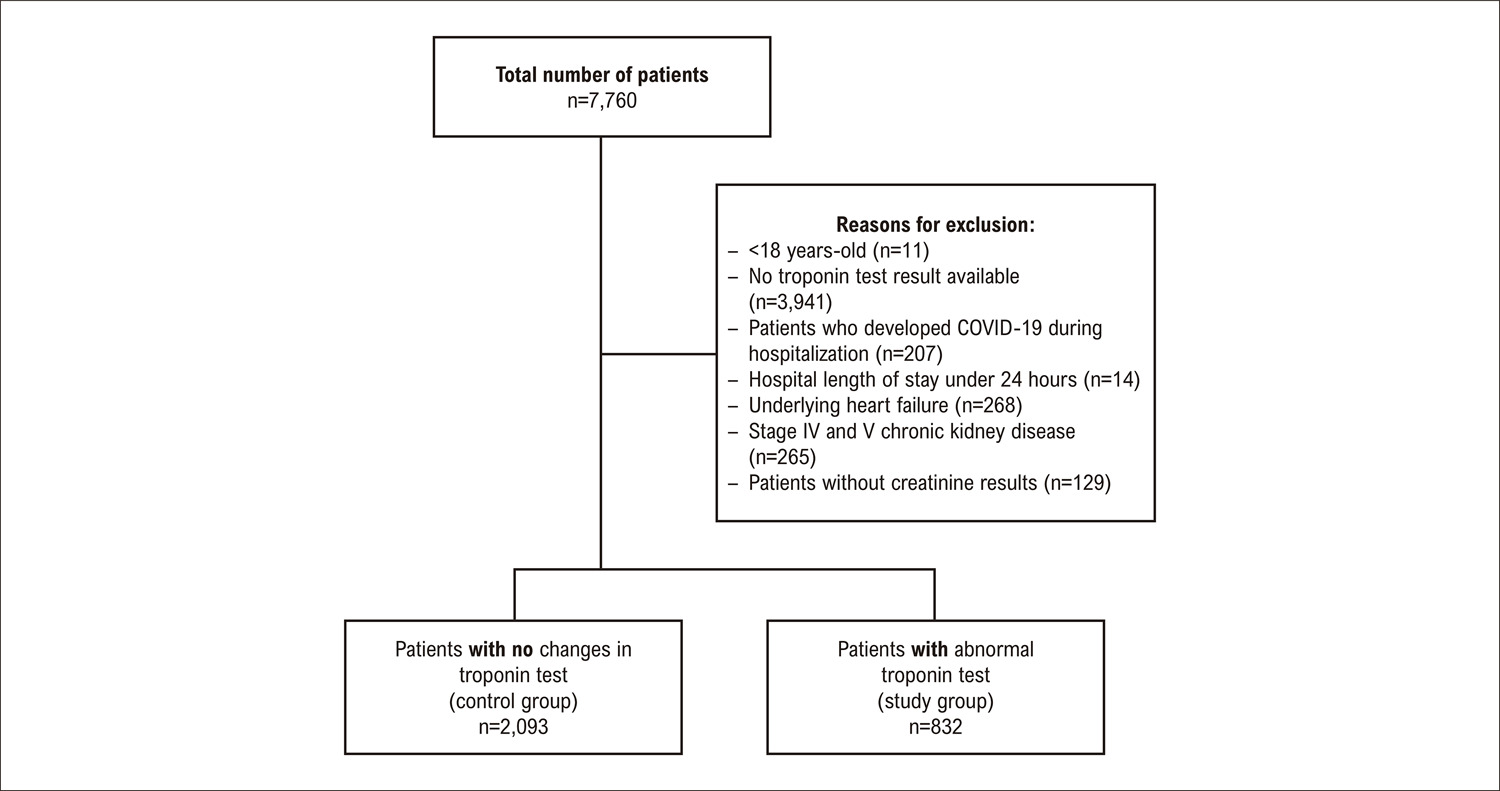
Of 2,925 patients (median age of 60 years [48-71], 57.1% men), 27.3% presented myocardial injury. The proportion of patients with comorbidities was higher among patients with cardiac injury (median 2 [1-2] vs. 1 [0-2]). Patients with myocardial injury had higher median levels of brain natriuretic peptide, lactate dehydrogenase, creatine phosphokinase, N-terminal pro-brain natriuretic peptide, and C-reactive protein than patients without myocardial injury. As independent predictors, C-reactive protein and platelet counts were related to the risk of death, and neutrophils and platelet counts were related to the risk of invasive mechanical ventilation support. Patients with high troponin levels presented a higher risk of death (RR 2.03, 95% CI 1.60-2.58) and invasive mechanical ventilation support (RR 1.87, 95% CI 1.57-2.23), when compared to those with normal troponin levels.

Conclusion

Cardiac injury was an independent predictor of in-hospital mortality and the need for invasive mechanical ventilation support in hospitalized COVID-19 patients.

  • Artificial Respiration
  • Coronavirus infections
  • COVID-19
  • Mortality
  • Troponin
Read Full Article
Creative Commons Attribution (CC BY) Creative Commons license
27/02/2023 DOI: 10.36660/abc.20220151
ABCIC
Editorial

COVID-19 and Cardiovascular Imaging: Shall We Go Beyond Echocardiography?

José de Arimatéia Batista Araujo Filho et al. Roberto Nery Dantas Júnior Antonildes Nascimento Assunção Júnior Cesar Higa Nomura

[…]

  • Coronavirus infections
  • COVID-19
  • Diagnostic Imaging
Read Full Article
Creative Commons Attribution (CC BY) Creative Commons license
14/01/2022 DOI: 10.5935/2318-8219.20200020 Views 1
Figure 1
ABCIC
Case Report

Myocarditis and Cardiogenic in a Covid-19 Positive Patient

Murilo Zomer Frasson et al. Cristiano Pederneiras Jaeger Daniel Souto Silveira Diego Raul Romero Cawen

Case Report

A 38-year-old man was taken to the emergency room complaining of chest pain, dyspnea, myalgia, and a significant decline in his general condition. He had a history of hyperthyroidism controlled with thiamazole 5 mg/day and depressive disorder treated with escitalopram 10 mg/day and bupropion 150 mg/day. He had no previous history of infarction, established cardiovascular diseases, or familial sudden death.

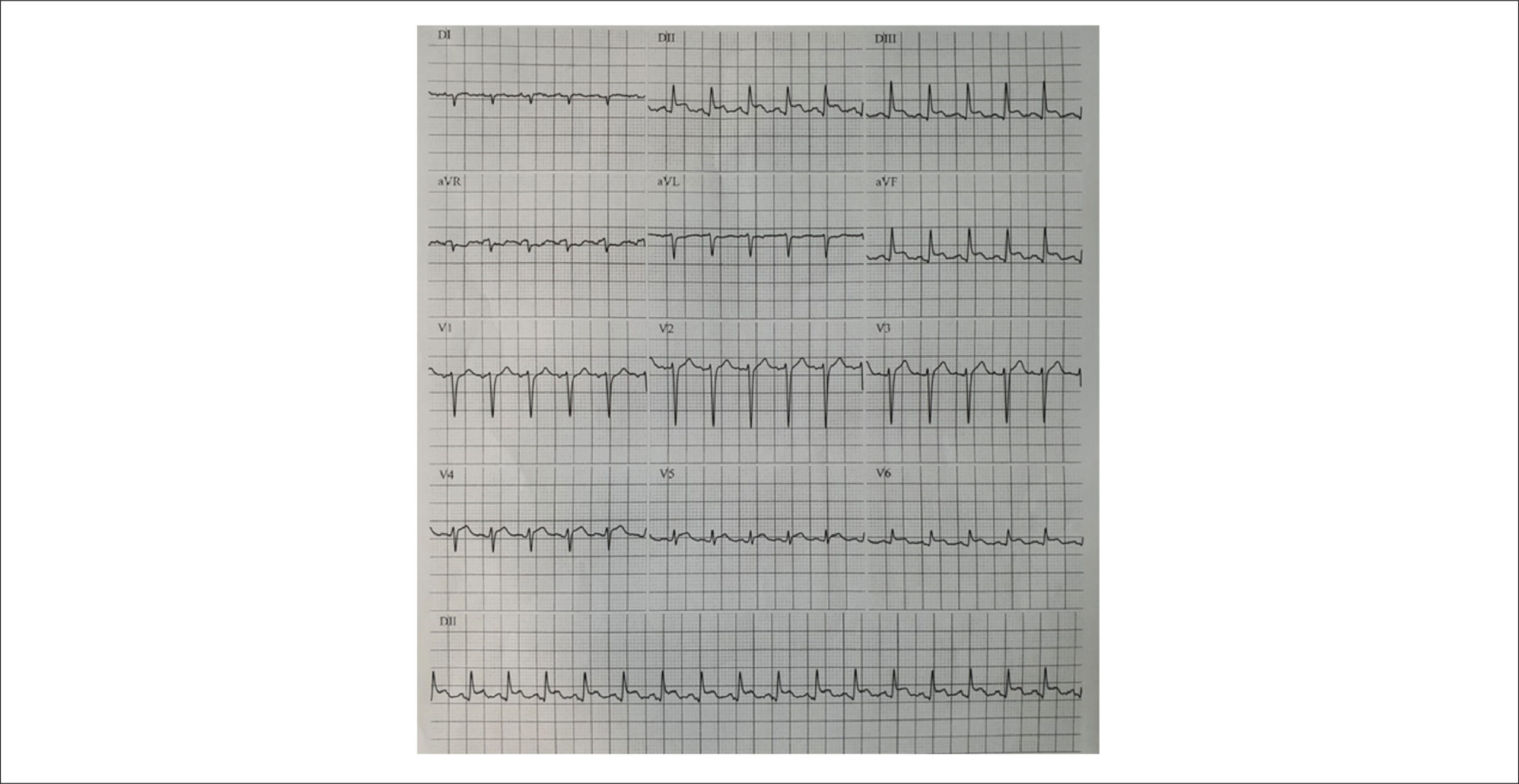
The patient reported symptoms of prostration and a dry cough for a few days for which he was tested for severe acute respiratory syndrome coronavirus 2 (Sars-CoV-2) infection at another institution. On admission, the patient was sweating, had cold extremities, and was anxious. His blood pressure was 128/58 mmHg, heart rate was approximately 140 bpm, and peripheral oxygen saturation was 99% on room air. His initial electrocardiogram () revealed an elevated ST-segment in the inferior and lateral wall but no clear evidence of reciprocal changes.

[…]

  • Cardiogenic shock
  • Coronavirus infections
  • COVID-19
  • Myocarditis
Read Full Article
Creative Commons Attribution (CC BY) Creative Commons license
26/11/2021 DOI: 10.47593/2675-312X/20213403eabc216
Figure 1
IJCS
Case Report

Takotsubo Syndrome as a Complication of Mild COVID-19: A Case Report

Jéssica Mayara Oséas et al. William Santos de Oliveira Bruna Aparecida Oliveira Jayson Marcus Miranda … Raissa Gabriela Vieira Barros Nestor Rodrigues de Oliveira Neto

Introduction

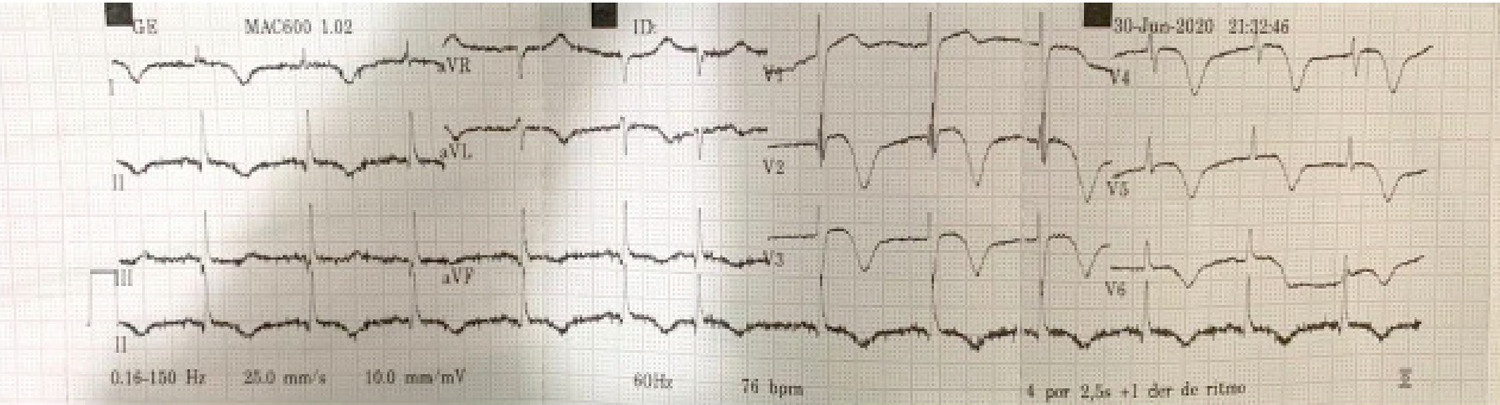
As the number of cases of coronavirus disease 2019 (COVID-19) has reached tens of millions worldwide, the understanding of its clinical manifestations has grown. These have been described as a range of systemic repercussions resulting from an interplay between direct organ damage and exaggerated host immune response. , In a descriptive case series study of COVID-19 patients in Wuhan, 44% of patients had either elevated cardiac biomarkers or new changes in electrocardiogram (ECG) and imaging exams, and 34% of all cases had acute heart failure. Systemic diseases with increased adrenergic response may lead to stress cardiomyopathy, or Takotsubo syndrome, which is a rare condition with challenging diagnosis in the course of COVID-19. Herein we present a case of an elderly woman with mild COVID-19 who presented classical features of takotsubo syndrome on the 5th day of illness.

[…]

  • Coronavirus infections
  • Left Ventricular Dysfunction
  • Stress Cardiomyopathy
  • Takotsubo Cardiomyopathy
Read Full Article
Creative Commons Attribution (CC BY) Creative Commons license
20/09/2021 DOI: 10.36660/ijcs.20200398 Views 1
Figure 1
IJCS
Review Article

Cardiac Arrhythmias and Covid-19

Alexsandro Alves Fagundes et al. Sissy Lara de Melo Luciana Armaganijan Ricardo Kuniyoshi … Luis Gustavo Belo de Moraes Vanessa Alves Guimarães Borges Mauricio Scanavacca Martino Martinelli Filho Ricardo Alkmim Teixeira

Abstract

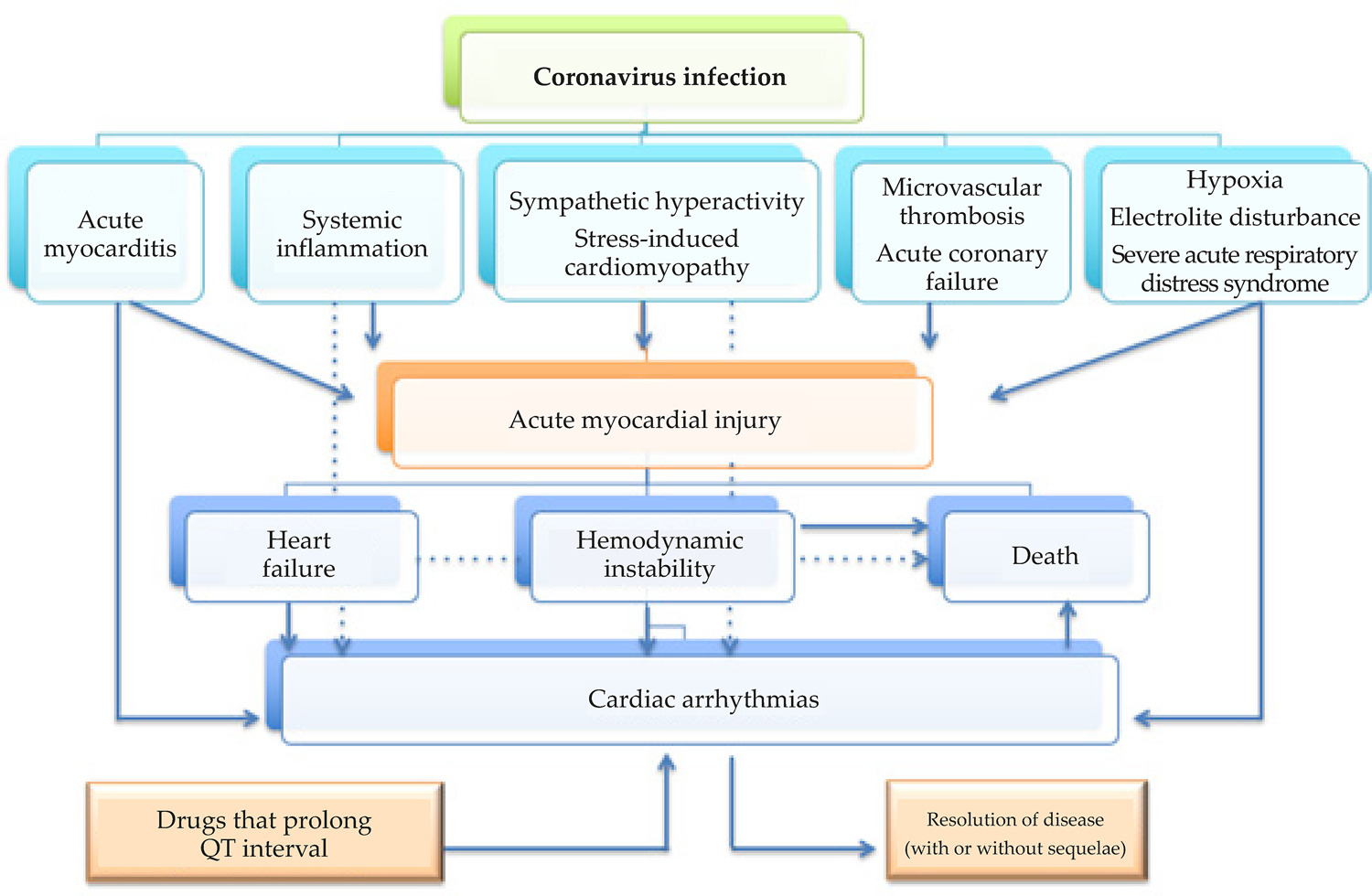
Cardiovascular manifestations of COVID-19 include cardiac rhythm disturbances, whose mechanisms, incidence, and most common types are not well established in this population. Intense inflammatory response and metabolic activity contribute to recurrence of pre-existing arrhythmias, and other arrhythmias can occur due to myocardial injury, acute coronary insufficiency, and electrolyte disturbances. Brady- and tachyarrhythmias, as well as conduction disorders have been described. QT interval prolongation and fatal ventricular arrhythmias ( Torsades de Pointes ) may result from the pathological process or adverse effect of drugs (antiarrhythmics, chloroquine / hydroxychloroquine, azithromycin and antivirals). Patients with congenital heart disease and hemodynamic repercussions, patients with signs of heart failure, pulmonary hypertension, cyanosis, hypoxemia, and those who underwent heart transplantation and immunosuppression are at greater risk. In patients with implantable cardioverter-defibrillators (ICDs), the risk depends on the presence of structural heart disease. In the course of COVID-19, in-person assessment of these patients should be limited to high-risk situations, including syncope, worsening of heart failure and shock delivery by ICDs. Likewise, cardiac implantable electronic device implantation or replacement surgery should be limited to emergency and urgent cases, including symptomatic high-degree atrioventricular block, ICD for secondary prevention and pulse generator replacement due to battery drain.

  • Artificial Pacemaker
  • Cardiac Arrhythmias
  • Coronavirus infections
Read Full Article
Creative Commons Attribution (CC BY) Creative Commons license
03/09/2021 DOI: 10.36660/ijcs.20200123 Views 1
Figure 1
ABC
Editorial

Vaccinating Patients with Heart Disease Against COVID-19: The Reasons for Priority

Wolney de Andrade Martins et al. Gláucia Maria Moraes de Oliveira Andréa Araujo Brandão Ricardo Mourilhe-Rocha … Evandro Tinoco Mesquita José Francisco Kerr Saraiva Fernando Bacal Marcelo Antônio Cartaxo Queiroga Lopes

The COVID-19 pandemic

The World Health Organization recognized COVID-19 as a pandemic on March 11, 2020. Since then, this public health emergency has become the leading cause of death in the world and has made addressing it an unquestionable priority. At the time of writing this editorial, we counted 86 969 386 confirmed cases and 1 915 657 deaths from COVID-19 worldwide, of which, 8 013 708 cases in Brazil resulted in 201 460 deaths.According to projections by the Institute for Health Metrics and Evaluation (IHME),Brazil will have 248 476 deaths from COVID-19 on April 4, 2021. By March 19, 2021, 242 738 [232 202 – 255 044] deaths are estimated, and those numbers could be reduced to 241 668 [231 337 – 253 770], with the quick administration of vaccines, and to 223 910 [215 565 – 233 360], with a 95% level of face mask use in public. The magnitude of the number of cases and deaths from a single disease in such a short time is worrisome. Now, when there is a growth in the number of new cases and hospitalizations, starting to vaccinate will have an impact on reducing deaths and hospitalizations in a short interval. Despite the efforts of the scientific community, there is no specific treatment to block viral replication. In this sense, vaccination programs are powerful allies. In addition, due to the remarkable progress of science, we already have this resource.

Brazil, through its Unified Health System (SUS), has been known for the successful implementation of vaccination programs for its population. The institution of a public policy to vaccinate within the SUS principles, which are universality, integrality, and equity, is urgent. However, because of the antivaccine movements that have emerged worldwide, a strong effort to obtain the population’s adhesion is required. In the past, in the Vaccine Revolt experienced by Oswaldo Cruz, we have successfully faced that disbelief. Let us be inspired by that episode to overcome this serious health crisis.

[…]

  • Betacoronavirus, Pandemics
  • Cardiovascular Diseases
  • Coronavirus infections
  • Coronavirus, COVID-19
  • Health Policy
  • Influenza, Human
  • Vaccination
  • Vaccines
Read Full Article
Creative Commons Attribution (CC BY) Creative Commons license
01/03/2021 DOI: 10.36660/abc.20210012 Views 1
Figure 1
ABC
Viewpoint

COVID-19 and Hypercoagulable State: A New Therapeutic Perspective

Jorge Henrique Paiter Nascimento et al. Bruno Ferraz de Oliveira Gomes Plínio Resende do Carmo Júnior João Luiz Fernandes Petriz … Stephanie Itala Rizk Isabela Bispo Santos da Silva Costa Marcus Vinicius Guimarães Lacerda Fernando Bacal Ludhmila Abrahão Hajjar Gláucia Maria Moraes de Oliveira

The novel coronavirus, named severe acute respiratory syndrome coronavirus 2 (SARS-CoV-2), is responsible for the outbreak of the viral pneumonia identified for the first time in the Chinese city of Wuhan at the end of 2019. The outbreak has expanded rapidly, affecting 184 countries. The experience acquired in past months identified different clinical presentations with varied severity, ranging from asymptomatic infection to death due to multiple organic dysfunction. The World Health Organization (WHO) has recently defined the complex process of the SARS-CoV-2 infection as novel coronavirus disease 2019 (COVID-19).

COVID-19, whose notification grows fast in different countries, currently affects more than one million people worldwide according to the WHO, which has characterized the infection as a pandemic. As of April 29, 2020, Brazil had registered 73,235 confirmed cases of COVID-19 and 5,083 deaths, with a case-fatality rate of 6,9%. Hospitalization is necessary in up to 20% of the patients infected by SARS-CoV-2, and 5% to 10% of them require admission to the intensive care unit because of the need for hemodynamic and/or ventilatory support.– The mortality rate ranges from 0.8% to 12% depending on the country, and this difference might result from multiple factors, of which the healthcare system structure stands out.– Patients with the moderate and severe forms of the disease had manifestations mainly of the respiratory system involvement, with clinical findings ranging from mild pneumonia to acute respiratory distress syndrome (ARDS).,-

[…]

  • Anticoagulants / therapeutic use
  • Betacoronavirus
  • Catastrophic Illness
  • Complications, Cardiovasculares
  • Coronavirus infections
  • COVID-2019
  • Pandemics
  • Thrombophilia
  • Viral, Pneumonia
Read Full Article
Creative Commons Attribution (CC BY) Creative Commons license
01/06/2020 DOI: 10.36660/abc.20200308 Views 1
ABCIC
Editorial

Echocardiography Challenges During the Coronavirus Disease 2019 Pandemic

Silvio Henrique Barberato

[…]

  • Coronavirus infections
  • COVID-19
  • Diagnostic Imaging
  • Echocardiography
Read Full Article
Creative Commons Attribution (CC BY) Creative Commons license
01/01/2020 DOI: 10.5935/2318-8219.20200021

How to cite this article

EndNote RIS

Electronic Document Format (Vancouver)

Abreu LM. The Immense Challenge of Searching for the Best Evidence. Arquivos Brasileiros de Cardiologia 2024;121(3):e20240106.

Electronic Document Format (ABNT)

Abreu, Luiz Maurino. The Immense Challenge of Searching for the Best Evidence. Arquivos Brasileiros de Cardiologia, v. 121, n. 3, e20240106, May. 2024.

Electronic Document Format (APA)

Abreu, L. M. (2024). The Immense Challenge of Searching for the Best Evidence. Arquivos Brasileiros de Cardiologia, 121(3), e20240106.

Electronic Document Format (ISO)

Abreu, Luiz Maurino. The Immense Challenge of Searching for the Best Evidence. Arquivos Brasileiros de Cardiologia [online]. 2024, vol. 121, n. 3, [cited 2026-10-14], e20240106. Available from: <https://journals.cardiol.br/en/article/the-immense-challenge-of-searching-for-the-best-evidence/>. ISSN 0066-782X

EndNote RIS

Electronic Document Format (Vancouver)

Faganello LS, Zimerman LI. COVID-19 and Atrial Fibrillation: Predicting to Prevent. Arquivos Brasileiros de Cardiologia 2024;121(1):e20230823.

Electronic Document Format (ABNT)

Faganello, Lucas Simonetto; Zimerman, Leandro Ioschpe. COVID-19 and Atrial Fibrillation: Predicting to Prevent. Arquivos Brasileiros de Cardiologia, v. 121, n. 1, e20230823, Apr. 2024.

Electronic Document Format (APA)

Faganello, L. S., & Zimerman, L. I. (2024). COVID-19 and Atrial Fibrillation: Predicting to Prevent. Arquivos Brasileiros de Cardiologia, 121(1), e20230823.

Electronic Document Format (ISO)

Faganello, Lucas Simonetto and Zimerman, Leandro Ioschpe. COVID-19 and Atrial Fibrillation: Predicting to Prevent. Arquivos Brasileiros de Cardiologia [online]. 2024, vol. 121, n. 1, [cited 2026-10-14], e20230823. Available from: <https://journals.cardiol.br/en/article/covid-19-and-atrial-fibrillation-predicting-to-prevent/>. ISSN 0066-782X

EndNote RIS

Electronic Document Format (Vancouver)

Soeiro AM. How Can COVID-19 Influence the Evolution of Patients with Acute Coronary Syndromes?. Arquivos Brasileiros de Cardiologia 2024;121(1):e20230888.

Electronic Document Format (ABNT)

Soeiro, Alexandre de Matos. How Can COVID-19 Influence the Evolution of Patients with Acute Coronary Syndromes?. Arquivos Brasileiros de Cardiologia, v. 121, n. 1, e20230888, Mar. 2024.

Electronic Document Format (APA)

Soeiro, A. M. (2024). How Can COVID-19 Influence the Evolution of Patients with Acute Coronary Syndromes?. Arquivos Brasileiros de Cardiologia, 121(1), e20230888.

Electronic Document Format (ISO)

Soeiro, Alexandre de Matos. How Can COVID-19 Influence the Evolution of Patients with Acute Coronary Syndromes?. Arquivos Brasileiros de Cardiologia [online]. 2024, vol. 121, n. 1, [cited 2026-10-14], e20230888. Available from: <https://journals.cardiol.br/en/article/how-can-covid-19-influence-the-evolution-of-patients-with-acute-coronary-syndromes/>. ISSN 0066-782X

EndNote RIS

Electronic Document Format (Vancouver)

Ferreira RM. Our Patients Deserve More. Arquivos Brasileiros de Cardiologia 2023;120(9):e20230626.

Electronic Document Format (ABNT)

Ferreira, Roberto Muniz. Our Patients Deserve More. Arquivos Brasileiros de Cardiologia, v. 120, n. 9, e20230626, Oct. 2023.

Electronic Document Format (APA)

Ferreira, R. M. (2023). Our Patients Deserve More. Arquivos Brasileiros de Cardiologia, 120(9), e20230626.

Electronic Document Format (ISO)

Ferreira, Roberto Muniz. Our Patients Deserve More. Arquivos Brasileiros de Cardiologia [online]. 2023, vol. 120, n. 9, [cited 2026-10-14], e20230626. Available from: <https://journals.cardiol.br/en/article/our-patients-deserve-more/>. ISSN 0066-782X

EndNote RIS

Electronic Document Format (Vancouver)

Barbosa HC, Martins MAP, Jesus JC, Meira KC, Passaglia LG, Sacioto MF, Bezerra AFB, et al. Myocardial Injury and Prognosis in Hospitalized COVID-19 Patients in Brazil: Results From The Brazilian COVID-19 Registry. Arquivos Brasileiros de Cardiologia 2023;120(2):e20220151.

Electronic Document Format (ABNT)

Barbosa, Hannah Cardoso; Martins, Maria Auxiliadora Parreiras; Jesus, Jordana Cristina de; Meira, Karina Cardoso; Passaglia, Luiz Guilherme; Sacioto, Manuela Furtado; Bezerra, Adriana Falangola Benjamin; Schwarzbold, Alexandre Vargas; Maurílio, Amanda de Oliveira; Farace, Barbara Lopes; Silva, Carla Thais Cândida Alves da; Cimini, Christiane Corrêa Rodrigues; Silveira, Daniel Vitorio; Carazai, Daniela do Reis; Ponce, Daniela; Costa, Emanuel Victor Alves; Manenti, Euler Roberto Fernandes; Cenci, Evelin Paola de Almeida; Bartolazzi, Frederico; Madeira, Glícia Cristina de Castro; Nascimento, Guilherme Fagundes; Velloso, Isabela Vasconcellos Pires; Batista, Joanna d’Arc Lyra; Morais, Júlia Drumond Parreiras de; Carvalho, Juliana da Silva Nogueira; Ruschel, Karen Brasil; Martins, Karina Paula Medeiros Prado; Zandoná, Liege Barella; Menezes, Luanna Silva Monteiro; Kopittke, Luciane; Castro, Luís César de; Nasi, Luiz Antônio; Floriani, Maiara Anschau; Souza, Maíra Dias; Carneiro, Marcelo; Bicalho, Maria Aparecida Camargos; Lima, Maria Clara Pontello Barbosa; Godoy, Mariana Frizzo de; Guimarães-Júnior, Milton Henriques; Mendes, Paulo Mascarenhas; Delfino-Pereira, Polianna; Ribeiro, Raquel Jaqueline Eder; Finger, Renan Goulart; Menezes, Rochele Mosmann; Francisco, Saionara Cristina; Araújo, Silvia Ferreira; Oliveira, Talita Fischer; Oliveira, Thainara Conceição de; Polanczyk, Carisi Anne; Marcolino, Milena Soriano. Myocardial Injury and Prognosis in Hospitalized COVID-19 Patients in Brazil: Results From The Brazilian COVID-19 Registry. Arquivos Brasileiros de Cardiologia, v. 120, n. 2, e20220151, Feb. 2023.

Electronic Document Format (APA)

Barbosa, H. C., Martins, M. A. P., Jesus, J. C. , Meira, K. C., Passaglia, L. G., Sacioto, M. F., Bezerra, A. F. B., Schwarzbold, A. V., Maurílio, A. O., Farace, B. L., Silva, C. T. C. A. , Cimini, C. C. R., Silveira, D. V., Carazai, D. R., Ponce, D., Costa, E. V. A., Manenti, E. R. F., Cenci, E. P. A., Bartolazzi, F., Madeira, G. C. C., Nascimento, G. F., Velloso, I. V. P., Batista, J. L., Morais, J. D. P. , Carvalho, J. S. N., Ruschel, K. B., Martins, K. P. M. P., Zandoná, L. B., Menezes, L. S. M., Kopittke, L., Castro, L. C. , Nasi, L. A., Floriani, M. A., Souza, M. D., Carneiro, M., Bicalho, M. A. C., Lima, M. C. P. B., Godoy, M. F. , Guimarães-Júnior, M. H., Mendes, P. M., Delfino-Pereira, P., Ribeiro, R. J. E., Finger, R. G., Menezes, R. M., Francisco, S. C., Araújo, S. F., Oliveira, T. F., Oliveira, T. C. , Polanczyk, C. A., & Marcolino, M. S. (2023). Myocardial Injury and Prognosis in Hospitalized COVID-19 Patients in Brazil: Results From The Brazilian COVID-19 Registry. Arquivos Brasileiros de Cardiologia, 120(2), e20220151.

Electronic Document Format (ISO)

Barbosa, Hannah Cardoso and Martins, Maria Auxiliadora Parreiras and Jesus, Jordana Cristina de and Meira, Karina Cardoso and Passaglia, Luiz Guilherme and Sacioto, Manuela Furtado and Bezerra, Adriana Falangola Benjamin and Schwarzbold, Alexandre Vargas and Maurílio, Amanda de Oliveira and Farace, Barbara Lopes and Silva, Carla Thais Cândida Alves da and Cimini, Christiane Corrêa Rodrigues and Silveira, Daniel Vitorio and Carazai, Daniela do Reis and Ponce, Daniela and Costa, Emanuel Victor Alves and Manenti, Euler Roberto Fernandes and Cenci, Evelin Paola de Almeida and Bartolazzi, Frederico and Madeira, Glícia Cristina de Castro and Nascimento, Guilherme Fagundes and Velloso, Isabela Vasconcellos Pires and Batista, Joanna d’Arc Lyra and Morais, Júlia Drumond Parreiras de and Carvalho, Juliana da Silva Nogueira and Ruschel, Karen Brasil and Martins, Karina Paula Medeiros Prado and Zandoná, Liege Barella and Menezes, Luanna Silva Monteiro and Kopittke, Luciane and Castro, Luís César de and Nasi, Luiz Antônio and Floriani, Maiara Anschau and Souza, Maíra Dias and Carneiro, Marcelo and Bicalho, Maria Aparecida Camargos and Lima, Maria Clara Pontello Barbosa and Godoy, Mariana Frizzo de and Guimarães-Júnior, Milton Henriques and Mendes, Paulo Mascarenhas and Delfino-Pereira, Polianna and Ribeiro, Raquel Jaqueline Eder and Finger, Renan Goulart and Menezes, Rochele Mosmann and Francisco, Saionara Cristina and Araújo, Silvia Ferreira and Oliveira, Talita Fischer and Oliveira, Thainara Conceição de and Polanczyk, Carisi Anne and Marcolino, Milena Soriano. Myocardial Injury and Prognosis in Hospitalized COVID-19 Patients in Brazil: Results From The Brazilian COVID-19 Registry. Arquivos Brasileiros de Cardiologia [online]. 2023, vol. 120, n. 2, [cited 2026-10-14], e20220151. Available from: <https://journals.cardiol.br/en/article/myocardial-injury-and-prognosis-in-hospitalized-covid-19-patients-in-brazil-results-from-the-brazilian-covid-19-registry/>. ISSN 0066-782X

EndNote RIS

Electronic Document Format (Vancouver)

Araujo Filho JAB, Dantas Júnior RN, Assunção Júnior AN, Nomura CH. COVID-19 and Cardiovascular Imaging: Shall We Go Beyond Echocardiography?. Arquivos Brasileiros de Cardiologia Imagem cardiovascular 2022;33(2):1-3.

Electronic Document Format (ABNT)

Araujo Filho, José de Arimatéia Batista; Dantas Júnior, Roberto Nery; Assunção Júnior, Antonildes Nascimento; Nomura, Cesar Higa. COVID-19 and Cardiovascular Imaging: Shall We Go Beyond Echocardiography?. Arquivos Brasileiros de Cardiologia Imagem cardiovascular, v. 33, n. 2, p. 1-3, Jan. 2022.

Electronic Document Format (APA)

Araujo Filho, J. A. B., Dantas Júnior, R. N., Assunção Júnior, A. N., & Nomura, C. H. (2022). COVID-19 and Cardiovascular Imaging: Shall We Go Beyond Echocardiography?. Arquivos Brasileiros de Cardiologia Imagem cardiovascular, 33(2), 1-3.

Electronic Document Format (ISO)

Araujo Filho, José de Arimatéia Batista and Dantas Júnior, Roberto Nery and Assunção Júnior, Antonildes Nascimento and Nomura, Cesar Higa. COVID-19 and Cardiovascular Imaging: Shall We Go Beyond Echocardiography?. Arquivos Brasileiros de Cardiologia Imagem cardiovascular [online]. 2022, vol. 33, n. 2, [cited 2026-10-14], pp. 1-3. Available from: <https://journals.cardiol.br/en/article/covid-19-and-cardiovascular-imaging-shall-we-go-beyond-echocardiography/>. ISSN 2318-8219

EndNote RIS

Electronic Document Format (Vancouver)

Frasson MZ, Jaeger CP, Silveira DS, Cawen DRR. Myocarditis and Cardiogenic in a Covid-19 Positive Patient. ABC Imagem Cardiovascular 2021;34(3):eabc216.

Electronic Document Format (ABNT)

Frasson, Murilo Zomer; Jaeger, Cristiano Pederneiras; Silveira, Daniel Souto; Cawen, Diego Raul Romero. Myocarditis and Cardiogenic in a Covid-19 Positive Patient. ABC Imagem Cardiovascular, v. 34, n. 3, eabc216, Nov. 2021.

Electronic Document Format (APA)

Frasson, M. Z., Jaeger, C. P., Silveira, D. S., & Cawen, D. R. R. (2021). Myocarditis and Cardiogenic in a Covid-19 Positive Patient. ABC Imagem Cardiovascular, 34(3), eabc216.

Electronic Document Format (ISO)

Frasson, Murilo Zomer and Jaeger, Cristiano Pederneiras and Silveira, Daniel Souto and Cawen, Diego Raul Romero. Myocarditis and Cardiogenic in a Covid-19 Positive Patient. ABC Imagem Cardiovascular [online]. 2021, vol. 34, n. 3, [cited 2026-10-14], eabc216. Available from: <https://journals.cardiol.br/en/article/myocarditis-and-cardiogenic-in-a-covid-19-positive-patient/>. ISSN 2318-8219

EndNote RIS

Electronic Document Format (Vancouver)

Oséas JM, Oliveira WS, Oliveira BA, Miranda JM, Barros RGV, Oliveira Neto NR. Takotsubo Syndrome as a Complication of Mild COVID-19: A Case Report. International Journal of Cardiovascular Sciences 2021;35(6):816-9.

Electronic Document Format (ABNT)

Oséas, Jéssica Mayara; Oliveira, William Santos de; Oliveira, Bruna Aparecida; Miranda, Jayson Marcus; Barros, Raissa Gabriela Vieira; Oliveira Neto, Nestor Rodrigues de. Takotsubo Syndrome as a Complication of Mild COVID-19: A Case Report. International Journal of Cardiovascular Sciences, v. 35, n. 6, p. 816-819, Sep. 2021.

Electronic Document Format (APA)

Oséas, J. M., Oliveira, W. S. , Oliveira, B. A., Miranda, J. M., Barros, R. G. V., & Oliveira Neto, N. R. (2021). Takotsubo Syndrome as a Complication of Mild COVID-19: A Case Report. International Journal of Cardiovascular Sciences, 35(6), 816-819.

Electronic Document Format (ISO)

Oséas, Jéssica Mayara and Oliveira, William Santos de and Oliveira, Bruna Aparecida and Miranda, Jayson Marcus and Barros, Raissa Gabriela Vieira and Oliveira Neto, Nestor Rodrigues de. Takotsubo Syndrome as a Complication of Mild COVID-19: A Case Report. International Journal of Cardiovascular Sciences [online]. 2021, vol. 35, n. 6, [cited 2026-10-14], pp. 816-819. Available from: <https://journals.cardiol.br/en/article/takotsubo-syndrome-as-a-complication-of-mild-covid-19-a-case-report/>. ISSN 2359-4802

EndNote RIS

Electronic Document Format (Vancouver)

Fagundes AA, Melo SL, Armaganijan L, Kuniyoshi R, Moraes LGB, Borges VAG, Scanavacca M, et al. Cardiac Arrhythmias and Covid-19. International Journal of Cardiovascular Sciences 2021;34(6):717-2.

Electronic Document Format (ABNT)

Fagundes, Alexsandro Alves; Melo, Sissy Lara de; Armaganijan, Luciana; Kuniyoshi, Ricardo; Moraes, Luis Gustavo Belo de; Borges, Vanessa Alves Guimarães; Scanavacca, Mauricio; Martinelli Filho, Martino; Teixeira, Ricardo Alkmim. Cardiac Arrhythmias and Covid-19. International Journal of Cardiovascular Sciences, v. 34, n. 6, p. 717-727, Sep. 2021.

Electronic Document Format (APA)

Fagundes, A. A., Melo, S. L. , Armaganijan, L., Kuniyoshi, R., Moraes, L. G. B. , Borges, V. A. G., Scanavacca, M., Martinelli Filho, M., & Teixeira, R. A. (2021). Cardiac Arrhythmias and Covid-19. International Journal of Cardiovascular Sciences, 34(6), 717-727.

Electronic Document Format (ISO)

Fagundes, Alexsandro Alves and Melo, Sissy Lara de and Armaganijan, Luciana and Kuniyoshi, Ricardo and Moraes, Luis Gustavo Belo de and Borges, Vanessa Alves Guimarães and Scanavacca, Mauricio and Martinelli Filho, Martino and Teixeira, Ricardo Alkmim. Cardiac Arrhythmias and Covid-19. International Journal of Cardiovascular Sciences [online]. 2021, vol. 34, n. 6, [cited 2026-10-14], pp. 717-727. Available from: <https://journals.cardiol.br/en/article/cardiac-arrhythmias-and-covid-19/>. ISSN 2359-4802

EndNote RIS

Electronic Document Format (Vancouver)

Martins WA, Oliveira GMM, Brandão AA, Mourilhe-Rocha R, Mesquita ET, Saraiva JFK, Bacal F, et al. Vaccinating Patients with Heart Disease Against COVID-19: The Reasons for Priority. Arquivos Brasileiros de Cardiologia 2021;116(2):213-8.

Electronic Document Format (ABNT)

Martins, Wolney de Andrade; Oliveira, Gláucia Maria Moraes de; Brandão, Andréa Araujo; Mourilhe-Rocha, Ricardo; Mesquita, Evandro Tinoco; Saraiva, José Francisco Kerr; Bacal, Fernando; Lopes, Marcelo Antônio Cartaxo Queiroga. Vaccinating Patients with Heart Disease Against COVID-19: The Reasons for Priority. Arquivos Brasileiros de Cardiologia, v. 116, n. 2, p. 213-218, Feb. 2021.

Electronic Document Format (APA)

Martins, W. A., Oliveira, G. M. M. , Brandão, A. A., Mourilhe-Rocha, R., Mesquita, E. T., Saraiva, J. F. K., Bacal, F., & Lopes, M. A. C. Q. (2021). Vaccinating Patients with Heart Disease Against COVID-19: The Reasons for Priority. Arquivos Brasileiros de Cardiologia, 116(2), 213-218.

Electronic Document Format (ISO)

Martins, Wolney de Andrade and Oliveira, Gláucia Maria Moraes de and Brandão, Andréa Araujo and Mourilhe-Rocha, Ricardo and Mesquita, Evandro Tinoco and Saraiva, José Francisco Kerr and Bacal, Fernando and Lopes, Marcelo Antônio Cartaxo Queiroga. Vaccinating Patients with Heart Disease Against COVID-19: The Reasons for Priority. Arquivos Brasileiros de Cardiologia [online]. 2021, vol. 116, n. 2, [cited 2026-10-14], pp. 213-218. Available from: <https://journals.cardiol.br/en/article/vaccinating-patients-with-heart-disease-against-covid-19-the-reasons-for-priority/>. ISSN 0066-782X

EndNote RIS

Electronic Document Format (Vancouver)

Nascimento JHP, Gomes BFO, Carmo Júnior PR, Petriz JLF, Rizk SI, Costa IBSS, Lacerda MVG, et al. COVID-19 and Hypercoagulable State: A New Therapeutic Perspective. Arquivos Brasileiros de Cardiologia 2020;114(5):829-33.

Electronic Document Format (ABNT)

Nascimento, Jorge Henrique Paiter; Gomes, Bruno Ferraz de Oliveira; Carmo Júnior, Plínio Resende do; Petriz, João Luiz Fernandes; Rizk, Stephanie Itala; Costa, Isabela Bispo Santos da Silva; Lacerda, Marcus Vinicius Guimarães; Bacal, Fernando; Hajjar, Ludhmila Abrahão; Oliveira, Gláucia Maria Moraes de. COVID-19 and Hypercoagulable State: A New Therapeutic Perspective. Arquivos Brasileiros de Cardiologia, v. 114, n. 5, p. 829-833, May. 2020.

Electronic Document Format (APA)

Nascimento, J. H. P., Gomes, B. F. O., Carmo Júnior, P. R. , Petriz, J. L. F., Rizk, S. I., Costa, I. B. S. S., Lacerda, M. V. G., Bacal, F., Hajjar, L. A., & Oliveira, G. M. M. (2020). COVID-19 and Hypercoagulable State: A New Therapeutic Perspective. Arquivos Brasileiros de Cardiologia, 114(5), 829-833.

Electronic Document Format (ISO)

Nascimento, Jorge Henrique Paiter and Gomes, Bruno Ferraz de Oliveira and Carmo Júnior, Plínio Resende do and Petriz, João Luiz Fernandes and Rizk, Stephanie Itala and Costa, Isabela Bispo Santos da Silva and Lacerda, Marcus Vinicius Guimarães and Bacal, Fernando and Hajjar, Ludhmila Abrahão and Oliveira, Gláucia Maria Moraes de. COVID-19 and Hypercoagulable State: A New Therapeutic Perspective. Arquivos Brasileiros de Cardiologia [online]. 2020, vol. 114, n. 5, [cited 2026-10-14], pp. 829-833. Available from: <https://journals.cardiol.br/en/article/covid-19-and-hypercoagulable-state-a-new-therapeutic-perspective/>. ISSN 0066-782X

EndNote RIS

Electronic Document Format (Vancouver)

Barberato SH. Echocardiography Challenges During the Coronavirus Disease 2019 Pandemic. Arquivos Brasileiros de Cardiologia Imagem cardiovascular 2020;33(2):1-3.

Electronic Document Format (ABNT)

Barberato, Silvio Henrique. Echocardiography Challenges During the Coronavirus Disease 2019 Pandemic. Arquivos Brasileiros de Cardiologia Imagem cardiovascular, v. 33, n. 2, p. 1-3, Dec. 2019.

Electronic Document Format (APA)

Barberato, S. H. (2020). Echocardiography Challenges During the Coronavirus Disease 2019 Pandemic. Arquivos Brasileiros de Cardiologia Imagem cardiovascular, 33(2), 1-3.

Electronic Document Format (ISO)

Barberato, Silvio Henrique. Echocardiography Challenges During the Coronavirus Disease 2019 Pandemic. Arquivos Brasileiros de Cardiologia Imagem cardiovascular [online]. 2020, vol. 33, n. 2, [cited 2026-10-14], pp. 1-3. Available from: <https://journals.cardiol.br/en/article/echocardiography-challenges-during-the-coronavirus-disease-2019-pandemic/>. ISSN 2318-8219

  • About ABC Family
  • Internal Regulation
  • Editorial Board
  • Brazilian Society of Cardiology (SBC)

Issues

SBC Guidelines

  • Videos
  • Podcasts
  • News