ABC Family Arquivos Brasileiros de Cardiologia International Journal of Cardiovascular Sciences ABC Heart Failure & Cardiomyopathy ABC Imagem Cardiovascular
Português English
ABC Family
Português English
  • About
    • About ABC Family
    • Internal Regulation
    • Editorial Board
    • Brazilian Society of Cardiology (SBC)
  • Issues
  • SBC Guidelines
  • Content
    • Videos
    • Podcasts
    • News
  • About
    • About ABC Family
    • Internal Regulation
    • Editorial Board
    • Brazilian Society of Cardiology (SBC)
  • Issues
  • SBC Guidelines
  • Content
    • Videos
    • Podcasts
    • News

ABC Family

  • ABC Family
  • Arquivos Brasileiros de Cardiologia
  • International Journal of Cardiovascular Sciences
  • ABC Heart Failure & Cardiomyopathy
  • ABC Imagem Cardiovascular
Search in

No content found.

Journals
Ordering
Article types
Others

  1. Home
  2. Keyword: Phenotype
ABC
Editorial

The Importance of Identifying Phenotypes in Arterial Hypertension

Rui Póvoa

Assessing blood pressure (BP) levels involves understanding the relationship between BP and overall health. This requires accurate measurement, following the criteria recommended in the guidelines, to determine the true meaning of the measurement in the office and beyond. Within this hypertensive spectrum, with measurements at varying times, we can define various hypertensive phenotypes and their significance for cardiovascular risk. This knowledge has accumulated over time and has been increasingly refined with the advancement of medical and technological knowledge.

The first experimental measurement of BP was made in 1711 by Stephen Halles using a cannula in the crural artery of a horse and connecting it to a glass tube that raised the blood two and a half meters above the height of the animal. However, arterial hypertension was only clinically valued in 1896 with the invention of the first mercury column sphygmomanometer by the Italian Scipione Riva-Rocci, using a 4.4 cm wide cuff.

[…]

  • Arterial Pressure
  • Hypertension
  • Phenotype
Read Full Article
Creative Commons Attribution (CC BY) Creative Commons license
01/12/2025 DOI: 10.36660/abc.20250530i Views 2
Identification of Hypertension Phenotypes by Sex: A Real-World Study of 7,852 Treated Patients
ABC
Original Article

Identification of Hypertension Phenotypes by Sex: A Real-World Study of 7,852 Treated Patients

Eduardo Costa Duarte Barbosa et al. Sérgio Kakuta Kato Audes Feitosa Marco Antonio Mota-Gomes … Roberto Dischinger Miranda Andréa Araujo Brandão Weimar Kunz Sebba Barroso Bruna Eibel

Abstract

Background

Although blood pressure (BP) thresholds are well established, there is a lack of data on potential hypertension phenotypes across sexes.

Objectives

To identify hypertension phenotypes in men and women undergoing antihypertensive treatment.

Methods

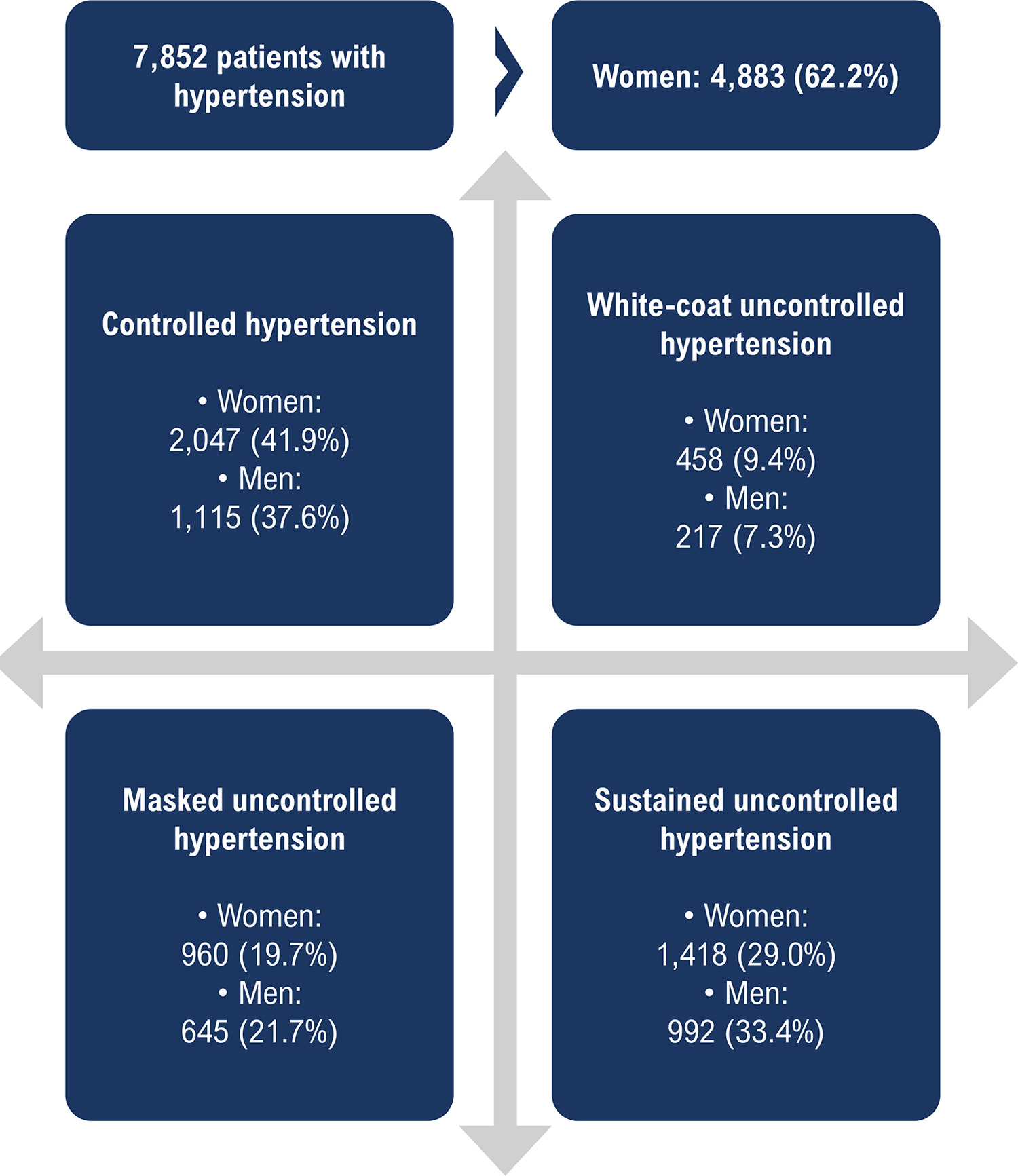
Adults aged 18 to 80 years with diagnosed hypertension and undergoing pharmacological treatment were opportunistically recruited from various regions of Brazil. Assessments included office BP measurements and home blood pressure monitoring (HBPM). Four hypertension phenotypes were defined: (i) controlled hypertension: office BP < 140/90 mmHg and HBPM < 130/80 mmHg; (ii) white-coat uncontrolled hypertension: office BP ≥ 140/90 mmHg and HBPM < 130/80 mmHg; (iii) masked uncontrolled hypertension: office BP < 140/90 mmHg and HBPM ≥ 130/80 mmHg; (iv) sustained uncontrolled hypertension: office BP ≥ 140/90 mmHg and HBPM ≥ 130/80 mmHg. A significance level of 5% (p < 0.05) was adopted.

Results

Among the 7,852 patients on antihypertensive therapy, 3,162 (40.3%) had controlled hypertension, including 1,115 (37.6%) men and 2,047 (41.9%) women (p < 0.001); 675 (8.6%) had white-coat uncontrolled hypertension, with 217 (7.3%) men and 458 (9.4%) women (p < 0.001); 1,605 (20.4%) had masked uncontrolled hypertension, including 645 (21.7%) men and 960 (19.7%) women (p < 0.001); and 2,410 (30.7%) had sustained uncontrolled hypertension, including 992 (33.4%) men and 1,418 (29%) women (p < 0.001).

Conclusions

This is the first Brazilian population-based study to assess hypertension phenotypes by sex. Women demonstrated better BP control than men, both in clinical settings and at home.

  • Arterial Pressure
  • Hypertension
  • Phenotype
Read Full Article
Creative Commons Attribution (CC BY) Creative Commons license
29/09/2025 DOI: 10.36660/abc.20250037i Views 2
Central Illustration
ABCHF
Review Article

Genetics of the Cardiomyopathies: A Review for the Cardiologist

Fernando Luis Scolari et al. Henrique Iahnke Garbin Thais Mariel Andara Beuren Felipe Cerqueira Matheus … Ricardo Mourilhe-Rocha Marcelo Imbroinise Bittencourt

Abstract

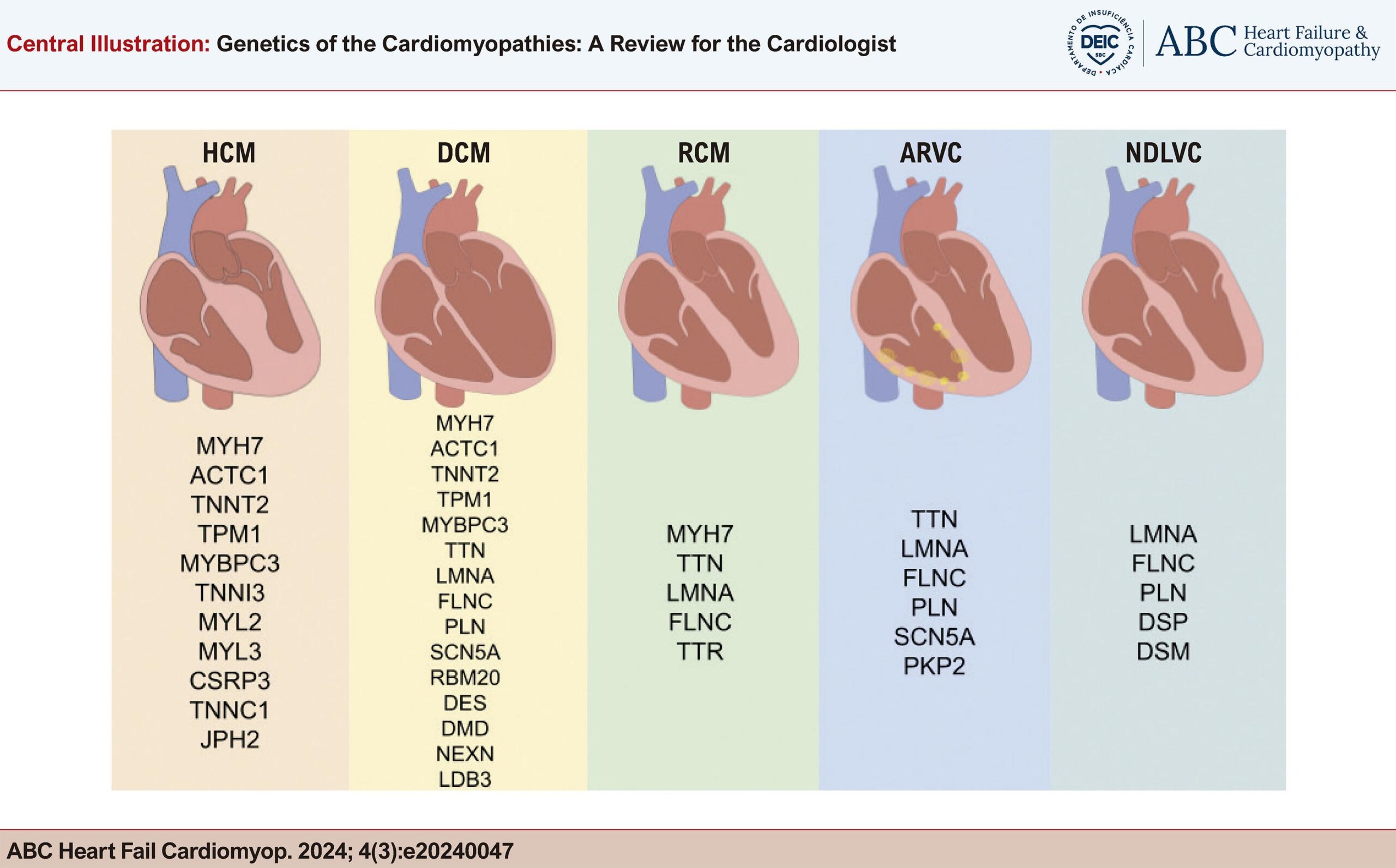
Cardiomyopathies, myocardial diseases without other causative factors like hypertension or coronary artery disease, were once considered rare but have seen increased diagnoses due to improved imaging and clinical awareness. Recent categorizations based on predominant phenotypes, such as hypertrophic cardiomyopathy, dilated cardiomyopathy, non-dilated left ventricular cardiomyopathy, restrictive cardiomyopathy and arrhythmogenic right ventricular cardiomyopathy highlight their complexity. Phenotype characterization is challenging due to overlapping features among different cardiomyopathies, making genetic testing indispensable, offering insights into etiology, risks, and guiding treatments. Advancements in testing accessibility and standardized classification guidelines have facilitated early detection, enabling interventions like lifestyle modifications and targeted medication regimens to mitigate risks. Current guidelines recommend genetic testing for all cardiomyopathy patients. This review elucidates genetic variants underlying the distinct cardiomyopathies phenotypes, enabling accurate diagnoses and treatment.

  • Cardiomyopathies
  • Genetic Testing
  • Heart Failure
  • Phenotype
Read Full Article
Creative Commons Attribution (CC BY) Creative Commons license
01/11/2024 DOI: 10.36660/abchf.20240047i Views 2
Figure 1
ABCHF
Review Article

Pediatric Cardiomyopathies: Establishing Genotype-Phenotype Relationship as a Determinant in Prognosis and Therapy: A Review of the Literature

Ana Flavia Malheiros Torbey et al. Aurea Lucia Alves de Azevedo Grippa de Souza Estela Azeka Maraisa Fachini Spada

Abstract

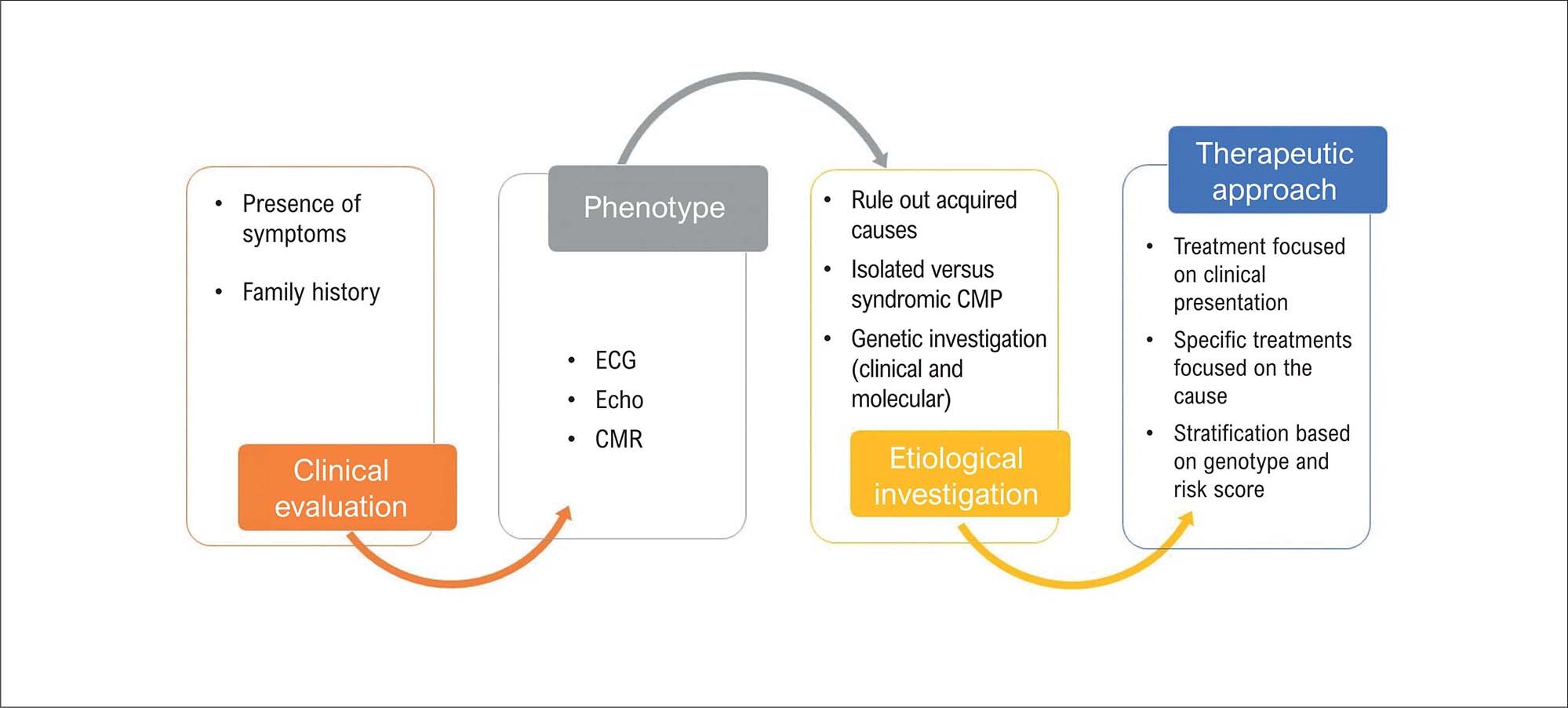
Cardiomyopathies constitute a heterogeneous group of diseases with varying etiologies and clinical presentation. Advances in genetic testing have made it possible to establish genotype-phenotype relationships, determine prognosis, and choose specific treatments in the pediatric population. Therefore, the objective of this review is to assist clinical reasoning and underscore the importance of etiological diagnosis in different disease phenotypes.

  • Adolescent
  • Cardiomyopathies
  • Child
  • Diagnosis
  • Phenotype
Read Full Article
Creative Commons Attribution (CC BY) Creative Commons license
17/08/2023 DOI: 10.36660/abchf.20230016 Views 1
Figure 2
ABC
Research Letter

[PARTIAL-RETRACTION] MINOCA Phenotypes – A Challenge for Patient-Specific Management

Sofiya Lypovetska

Abstract

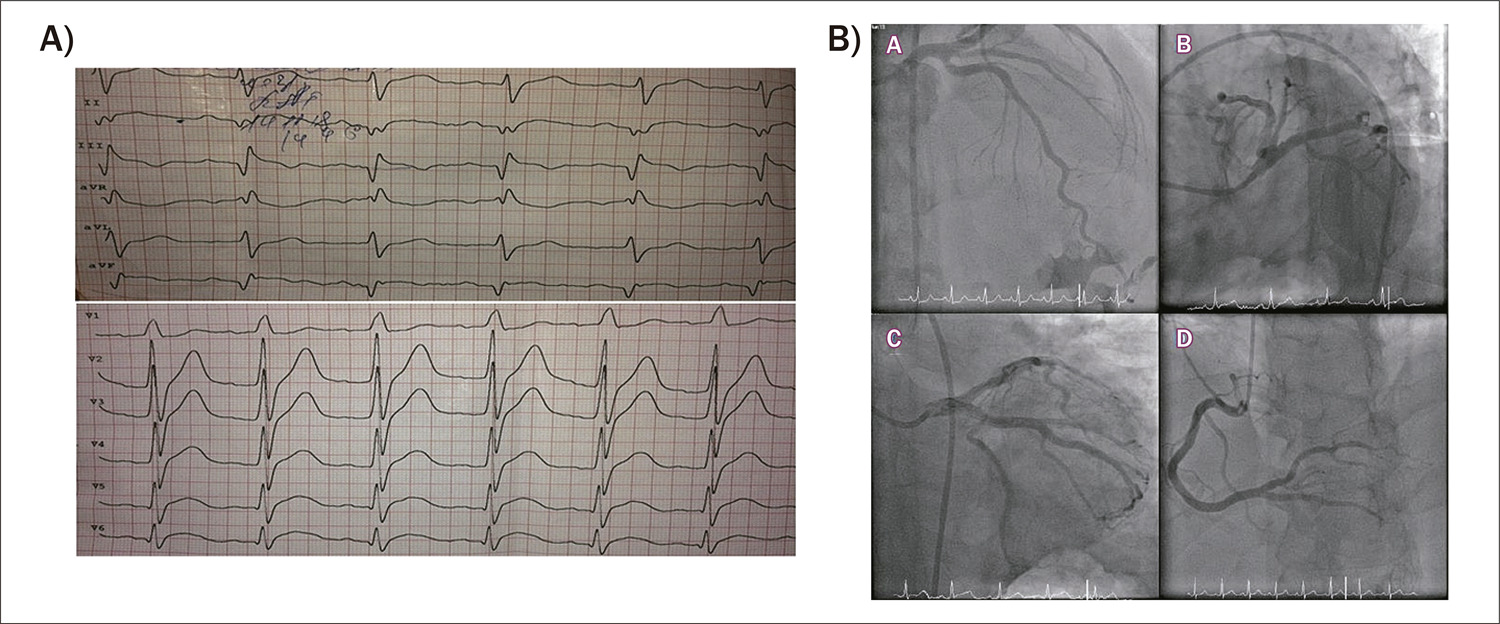
Myocardial infarction with non-obstructive coronary arteries (MINOCA) is a puzzling clinical phenomenon with an unclear prognosis, characterized by evidence of myocardial infarction (MI) with normal or near-normal coronary arteries on angiography1. Currently, there are no guidelines for management, and many patients are discharged without a determined etiology, often meaning that optimal treatment gets postponed.We report three MINOCA case studies with main pathophysiological cardiac causes, particularly epicardial, microvascular, and non-ischemic, prompting differential management. The patients presented with acute chest pain, troponin raise, and no angiographically significant coronary disease.In this study, we analyzed the etiology, clinical diagnosis, and treatment of MINOCA concerning the relevant literature.MINOCA is considered to be a dynamic working diagnosis, including coronary, myocardial, and non-coronary disorders. Prospective studies and registries are needed to improve patient care and outcome.

  • coronary artery
  • Diagnosis Diferential
  • Dilatation, Pathologic
  • Microvascular Spasm
  • MINOCA
  • Phenotype
Read Full Article
Creative Commons Attribution (CC BY) Creative Commons license
19/06/2023 DOI: 10.36660/abc.20220705
Figure 1
IJCS
Case Report

Danon Disease in an Asymptomatic Woman: A Five-Year Follow Up

Ricardo Cardoso de Matos et al. Amanda Cunha Soares Raquel Tavares Boy da Silva Evandro Tinoco Mesquita

Introdução

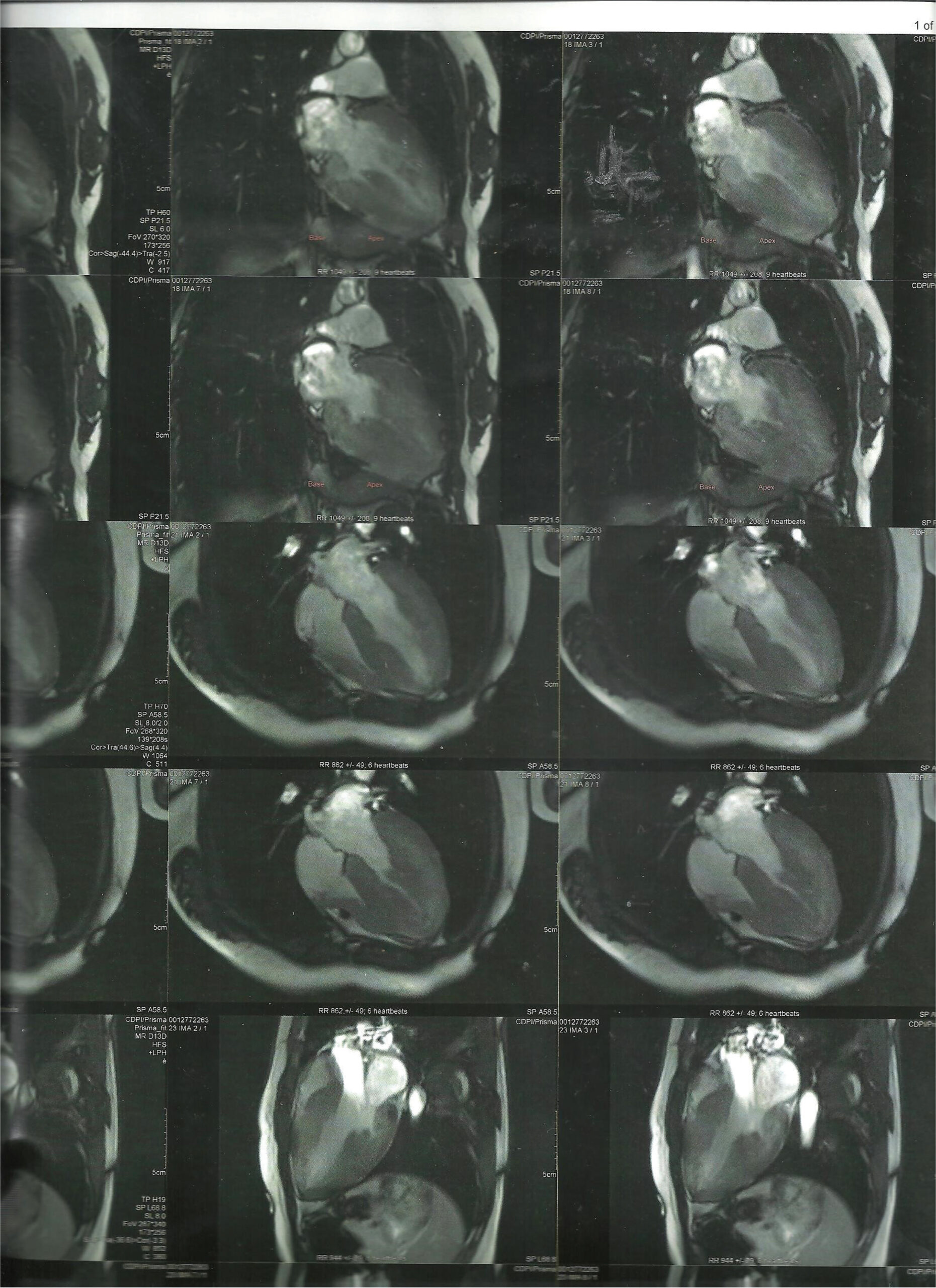
Danon disease (DD) is a rare, dominant X-linked disease caused by mutation of the LAMP2 gene, which encodes a lysosome-associated membrane glycoprotein, thereby affecting lysosomal deposition. DD is characterized by a classic triad of cardiomyopathy (featured by hypertrophic cardiomyopathy [HC]), skeletal myopathy, and cognitive changes. While female patients tend to have milder phenotypic manifestations, an isolated cardiac involvement, in addition to a later onset of symptoms, without the need for heart transplantation before the fourth decade of life, male patients commonly have the presentation of the classic triad of disease.

The clues of the involvement of HC with pre-excitation and persistent increased troponin I in these individuals are related to the process of autophagy that contributes to cardiac remodeling. However, there is still no specific treatment for DD. The approach to cardiac manifestations includes implantable cardioverter defibrillator (ICD) and ablation to improve symptoms and decrease the risk of sudden death. In cases of advanced heart failure (HF), heart transplantation is an effective and safe measure. Studies for gene therapy are currently in progress. ,

[…]

  • Cardiomyopathy, Hypertrophic
  • Glycogen Storage Disease Type II/genetics
  • Lysosomal-Assoiated Membrane Protein 2/genetics (DD Danon Disease)
  • Phenotype
Read Full Article
Creative Commons Attribution (CC BY) Creative Commons license
28/02/2022 DOI: 10.36660/ijcs.20210038
IJCS
Review Article

Kawasaki-Like Disease, a New Phenotype in Sars-CoV-2?

Beatriz Sordi Chara et al. Júlia Machado Rickli Caroline Figueiredo da Silva Gabriela Pomaleski … Rafael de March Ronsoni Marcus Vinícius Magno Gonçalves

Abstract

The coronavirus disease (COVID-19), that assumed pandemic proportions in March 2020, mainly affects the respiratory tract, causing severe interstitial pneumonia in adults. Worldwide data indicate that COVID-19 tends to be more benign in children, which is evidenced by a high incidence of asymptomatic or mild upper airways’ infection cases in this population. However, recent studies have been associating Kawasaki-like symptoms as a nonclassical presentation of coronavirus disease in pediatrics. It is suggested that the intense cytokine cascade, promoted by the SARS-CoV-2 infection, can trigger a multisystem inflammatory response as an atypical Kawasaki form in genetically predisposed individuals. In this context, patients may develop more severe clinical features with a greater predisposition to myocardial involvement, Macrophage Activation Syndrome, and Kawasaki Disease Shock Syndrome. Despite critical conditions, patients usually respond to conventional treatment of Kawasaki Disease with intravenous immunoglobulin. This article intends to provide an approach to the association between Kawasaki-Like Syndrome and COVID-19.

  • Betacoronavirus
  • COVID-19
  • Mucocutaneous Lymph Node Syndrome
  • Pandemics
  • Phenotype
  • Respiratory System/complications
Read Full Article
Creative Commons Attribution (CC BY) Creative Commons license
23/06/2021 DOI: 10.36660/ijcs.20200186
Figure 1
IJCS
Review Article

Phenotype mapping of heart failure with preserved ejection fraction

Evandro Tinoco Mesquita et al. Debora Carvalho Grion Miguel Camargo Kubrusly Bernardo Barcelos Fernandes Fumagalli Silva Érico Araújo Reis Santos

Abstract

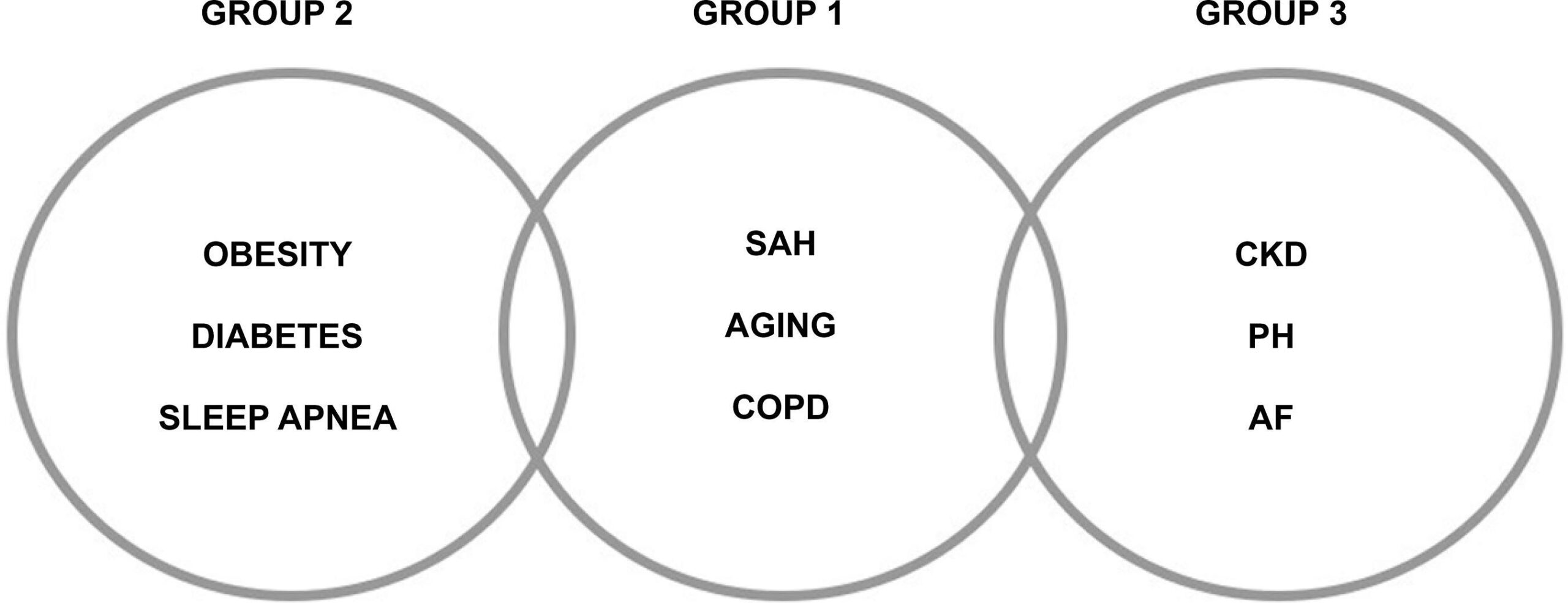
Heart failure with preserved ejection fraction (HFPEF) has become the main phenotypic model of heart failure (HF) in community and referral patients in Brazil and in the world. Despite advances in the development of new drugs for HF treatment, there has been no significant improvement in mortality of this condition.

According to many studies, this can be explained by the heterogeneous nature of HF physiopathology, whose basic mechanisms may result in different clinical presentations, culminating in the emerging of different phenogroups in this syndrome. In this context, phenotype mapping of HFPEF has emerged as a possible solution, since it enables the development of clinical trials that establish specific therapeutic strategies for each phenotypic profile.

New technologies in the field of artificial intelligence have enabled the assessment of a large volume of data and infer intrinsic patterns and different outcomes. Thereby, it is possible to obtain mutually exclusive categories of HFPEF, with a phenotype mapping of the syndrome and grouping of patients according to their phenotypic features. Besides, other diseases can have the same clinical phenotype but different pathophysiological basis, the so called “phenocopies”.

These tools enable the analysis and categorization of the wide spectrum of heart failure, contributing to solve the dilemmas of the treatment of this syndrome.

  • Artificial Intelligence
  • Heart Failure/physiopathology
  • Machine Learning
  • Phenotype
  • Stroke Volume
Read Full Article
Creative Commons Attribution (CC BY) Creative Commons license
19/07/2018 DOI: 10.5935/2359-4802.20180047 Views 2
Figure 1
ABC
Review Article

Hypertrophic Cardiomyopathy: How do Mutations Lead to Disease?

Júlia Daher Carneiro Marsiglia et al. Alexandre Costa Pereira

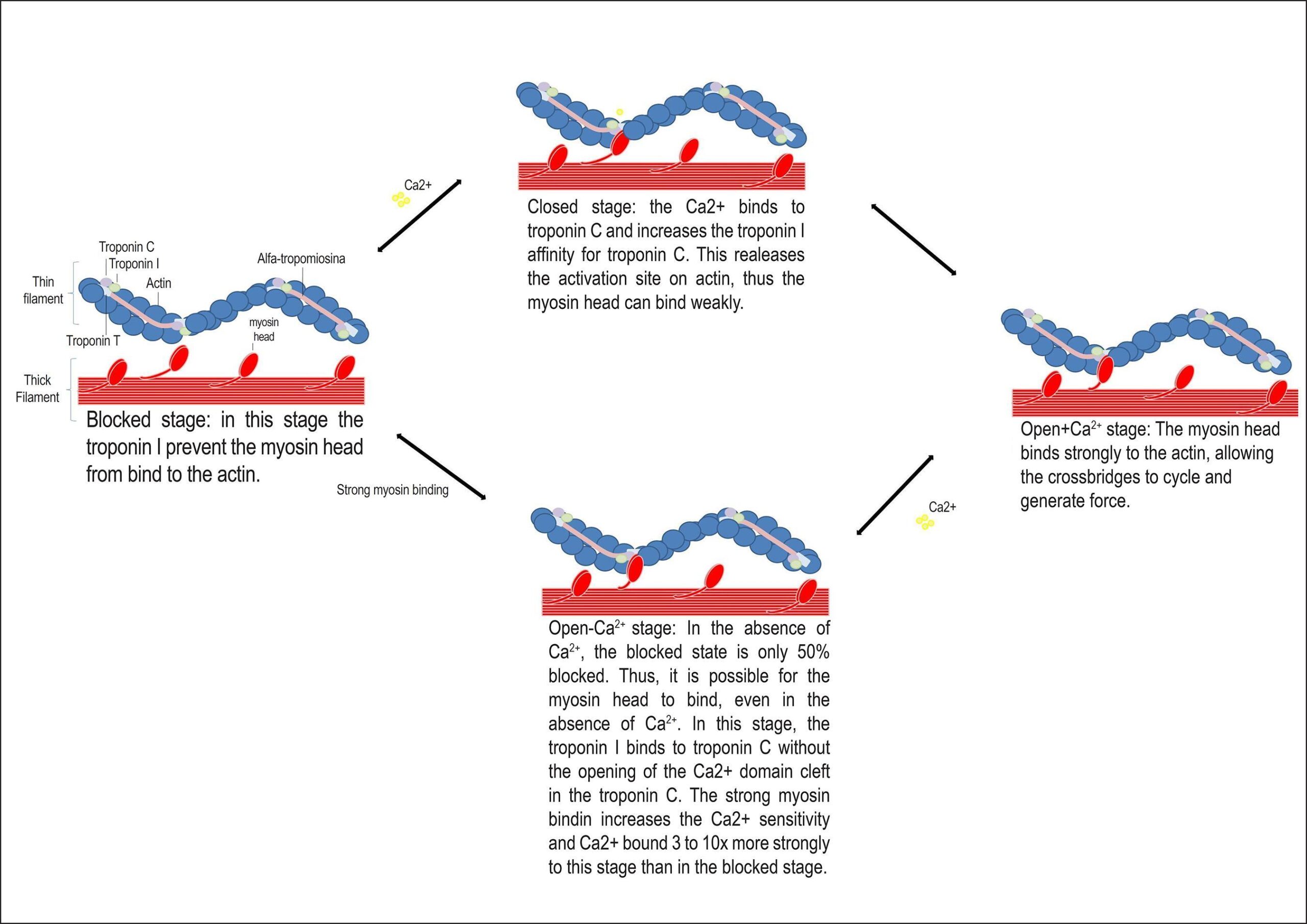
Hypertrophic cardiomyopathy (HCM) is the most common monogenic genetic cardiac disease, with an estimated prevalence of 1:500 in the general population. Clinically, HCM is characterized by hypertrophy of the left ventricle (LV) walls, especially the septum, usually asymmetric, in the absence of any cardiac or systemic disease that leads to a secondary hypertrophy. The clinical course of the disease has a large inter- and intrafamilial heterogeneity, ranging from mild symptoms of heart failure late in life to the onset of sudden cardiac death at a young age and is caused by a mutation in one of the genes that encode a protein from the sarcomere, Z-disc or intracellular calcium modulators. Although many genes and mutations are already known to cause HCM, the molecular pathways that lead to the phenotype are still unclear. This review focus on the molecular mechanisms of HCM, the pathways from mutation to clinical phenotype and how the disease’s genotype correlates with phenotype.

  • Cardiomyopathy, Hypertrophic
  • Genes
  • Genotype
  • Phenotype
  • Sarcomers
Read Full Article
Creative Commons Attribution (CC BY) Creative Commons license
01/03/2014 DOI: 10.5935/abc.20140022
22q11.2 deletion in patients with conotruncal heart defect and del22q syndrome phenotype
ABC
Artigo Original

22q11.2 deletion in patients with conotruncal heart defect and del22q syndrome phenotype

Sintia Iole Nogueira Belangero et al. Fernanda T.S. Bellucco Leslie Domenici Kulikowski Denise M. Christofolini … Mirlene C. S. P. Cernach Maria Isabel Melaragno

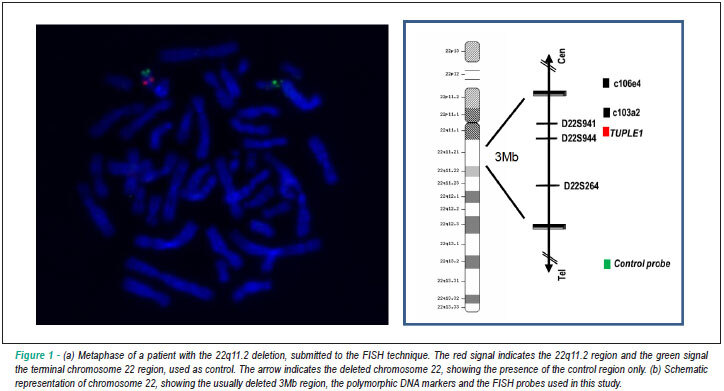
BACKGROUND: The 22q11.2 deletion syndrome is the most frequent human microdeletion syndrome. The phenotype is highly variable, being characterized by conotruncal heart defect, facial dysmorphisms, velopharyngeal insufficiency, learning difficulties and mental retardation. OBJECTIVE: The objective of this study was to investigate the frequency of deletion 22q11.2 in a Brazilian sample of individuals with isolated conotruncal heart defect and 22q11.2 deletion syndrome phenotype. METHODS: Twenty-nine patients were studied by classical cytogenetics, by fluorescence in situ hybridization (FISH), and by molecular techniques. RESULTS: Cytogenetic analysis by G-banding revealed a normal karyotype in all patients except one who presented a 47,XX,+idic(22)(q11.2) karyotype. Using molecular techniques, a deletion was observed in 25% of the patients, all exhibiting a 22q11.2 deletion syndrome phenotype. In none of the cases the deletion was inherited from the parents. The frequency of 22q11.2 deletion was higher in patients with the clinical spectrum of the 22q11.2 deletion syndrome than in patients with isolated conotruncal heart defect. CONCLUSION: Investigating the presence of the deletion and its correlation with the patients’ clinical data can help the patients and their families to have a better genetic counseling and more adequate clinical follow-up.

  • Chromosome deletion
  • genetic markers
  • Heart Defects, Congenital
  • Phenotype
Read Full Article
Creative Commons Attribution (CC BY) Creative Commons license
23/06/2009 DOI: 10.1590/S0066-782X2009000400010

How to cite this article

EndNote RIS

Electronic Document Format (Vancouver)

Póvoa R. The Importance of Identifying Phenotypes in Arterial Hypertension. Arquivos Brasileiros de Cardiologia 2025;122(9):e20250530.

Electronic Document Format (ABNT)

Póvoa, Rui. The Importance of Identifying Phenotypes in Arterial Hypertension. Arquivos Brasileiros de Cardiologia, v. 122, n. 9, e20250530, Nov. 2025.

Electronic Document Format (APA)

Póvoa, R. (2025). The Importance of Identifying Phenotypes in Arterial Hypertension. Arquivos Brasileiros de Cardiologia, 122(9), e20250530.

Electronic Document Format (ISO)

Póvoa, Rui. The Importance of Identifying Phenotypes in Arterial Hypertension. Arquivos Brasileiros de Cardiologia [online]. 2025, vol. 122, n. 9, [cited 2026-10-14], e20250530. Available from: <https://journals.cardiol.br/en/article/the-importance-of-identifying-phenotypes-in-arterial-hypertension/>. ISSN 0066-782X

EndNote RIS

Electronic Document Format (Vancouver)

Barbosa ECD, Kato SK, Feitosa A, Mota-Gomes MA, Miranda RD, Brandão AA, Barroso WKS, et al. Identification of Hypertension Phenotypes by Sex: A Real-World Study of 7,852 Treated Patients. Arquivos Brasileiros de Cardiologia 2025;122(9):e20250037.

Electronic Document Format (ABNT)

Barbosa, Eduardo Costa Duarte; Kato, Sérgio Kakuta; Feitosa, Audes; Mota-Gomes, Marco Antonio; Miranda, Roberto Dischinger; Brandão, Andréa Araujo; Barroso, Weimar Kunz Sebba; Eibel, Bruna. Identification of Hypertension Phenotypes by Sex: A Real-World Study of 7,852 Treated Patients. Arquivos Brasileiros de Cardiologia, v. 122, n. 9, e20250037, Sep. 2025.

Electronic Document Format (APA)

Barbosa, E. C. D., Kato, S. K., Feitosa, A., Mota-Gomes, M. A., Miranda, R. D., Brandão, A. A., Barroso, W. K. S., & Eibel, B. (2025). Identification of Hypertension Phenotypes by Sex: A Real-World Study of 7,852 Treated Patients. Arquivos Brasileiros de Cardiologia, 122(9), e20250037.

Electronic Document Format (ISO)

Barbosa, Eduardo Costa Duarte and Kato, Sérgio Kakuta and Feitosa, Audes and Mota-Gomes, Marco Antonio and Miranda, Roberto Dischinger and Brandão, Andréa Araujo and Barroso, Weimar Kunz Sebba and Eibel, Bruna. Identification of Hypertension Phenotypes by Sex: A Real-World Study of 7,852 Treated Patients. Arquivos Brasileiros de Cardiologia [online]. 2025, vol. 122, n. 9, [cited 2026-10-14], e20250037. Available from: <https://journals.cardiol.br/en/article/identification-of-hypertension-phenotypes-by-sex-a-real-world-study-of-7852-treated-patients/>. ISSN 0066-782X

EndNote RIS

Electronic Document Format (Vancouver)

Scolari FL, Garbin HI, Beuren TMA, Matheus FC, Mourilhe-Rocha R, Bittencourt MI. Genetics of the Cardiomyopathies: A Review for the Cardiologist. ABC Heart Fail Cardiomyop 2024;4(3):e20240047.

Electronic Document Format (ABNT)

Scolari, Fernando Luis; Garbin, Henrique Iahnke; Beuren, Thais Mariel Andara; Matheus, Felipe Cerqueira; Mourilhe-Rocha, Ricardo; Bittencourt, Marcelo Imbroinise. Genetics of the Cardiomyopathies: A Review for the Cardiologist. ABC Heart Fail Cardiomyop, v. 4, n. 3, e20240047, Oct. 2024.

Electronic Document Format (APA)

Scolari, F. L., Garbin, H. I., Beuren, T. M. A., Matheus, F. C., Mourilhe-Rocha, R., & Bittencourt, M. I. (2024). Genetics of the Cardiomyopathies: A Review for the Cardiologist. ABC Heart Fail Cardiomyop, 4(3), e20240047.

Electronic Document Format (ISO)

Scolari, Fernando Luis and Garbin, Henrique Iahnke and Beuren, Thais Mariel Andara and Matheus, Felipe Cerqueira and Mourilhe-Rocha, Ricardo and Bittencourt, Marcelo Imbroinise. Genetics of the Cardiomyopathies: A Review for the Cardiologist. ABC Heart Fail Cardiomyop [online]. 2024, vol. 4, n. 3, [cited 2026-10-14], e20240047. Available from: <https://journals.cardiol.br/en/article/genetics-of-the-cardiomyopathies-a-review-for-the-cardiologist/>

EndNote RIS

Electronic Document Format (Vancouver)

Torbey AFM, Souza ALAAG, Azeka E, Spada MF. Pediatric Cardiomyopathies: Establishing Genotype-Phenotype Relationship as a Determinant in Prognosis and Therapy: A Review of the Literature. ABC: Heart Failure & Cardiomyopathy 2023;3(1):e20230016.

Electronic Document Format (ABNT)

Torbey, Ana Flavia Malheiros; Souza, Aurea Lucia Alves de Azevedo Grippa de; Azeka, Estela; Spada, Maraisa Fachini. Pediatric Cardiomyopathies: Establishing Genotype-Phenotype Relationship as a Determinant in Prognosis and Therapy: A Review of the Literature. ABC: Heart Failure & Cardiomyopathy, v. 3, n. 1, e20230016, Aug. 2023.

Electronic Document Format (APA)

Torbey, A. F. M., Souza, A. L. A. A. G. , Azeka, E., & Spada, M. F. (2023). Pediatric Cardiomyopathies: Establishing Genotype-Phenotype Relationship as a Determinant in Prognosis and Therapy: A Review of the Literature. ABC: Heart Failure & Cardiomyopathy, 3(1), e20230016.

Electronic Document Format (ISO)

Torbey, Ana Flavia Malheiros and Souza, Aurea Lucia Alves de Azevedo Grippa de and Azeka, Estela and Spada, Maraisa Fachini. Pediatric Cardiomyopathies: Establishing Genotype-Phenotype Relationship as a Determinant in Prognosis and Therapy: A Review of the Literature. ABC: Heart Failure & Cardiomyopathy [online]. 2023, vol. 3, n. 1, [cited 2026-10-14], e20230016. Available from: <https://journals.cardiol.br/en/article/pediatric-cardiomyopathies-establishing-genotype-phenotype-relationship-as-a-determinant-in-prognosis-and-therapy-a-review-of-the-literature/>

EndNote RIS

Electronic Document Format (Vancouver)

Lypovetska S. [PARTIAL-RETRACTION] MINOCA Phenotypes – A Challenge for Patient-Specific Management. Arquivos Brasileiros de Cardiologia 2023;120(6):e20220705.

Electronic Document Format (ABNT)

Lypovetska, Sofiya. [PARTIAL-RETRACTION] MINOCA Phenotypes – A Challenge for Patient-Specific Management. Arquivos Brasileiros de Cardiologia, v. 120, n. 6, e20220705, Jun. 2023.

Electronic Document Format (APA)

Lypovetska, S. (2023). [PARTIAL-RETRACTION] MINOCA Phenotypes – A Challenge for Patient-Specific Management. Arquivos Brasileiros de Cardiologia, 120(6), e20220705.

Electronic Document Format (ISO)

Lypovetska, Sofiya. [PARTIAL-RETRACTION] MINOCA Phenotypes – A Challenge for Patient-Specific Management. Arquivos Brasileiros de Cardiologia [online]. 2023, vol. 120, n. 6, [cited 2026-10-14], e20220705. Available from: <https://journals.cardiol.br/en/article/partial-retraction-minoca-phenotypes-a-challenge-for-patient-specific-management/>. ISSN 0066-782X

EndNote RIS

Electronic Document Format (Vancouver)

Matos RC, Soares AC, Silva RTB, Mesquita ET. Danon Disease in an Asymptomatic Woman: A Five-Year Follow Up. International Journal of Cardiovascular Sciences 2022;35(5):681-6.

Electronic Document Format (ABNT)

Matos, Ricardo Cardoso de; Soares, Amanda Cunha; Silva, Raquel Tavares Boy da; Mesquita, Evandro Tinoco. Danon Disease in an Asymptomatic Woman: A Five-Year Follow Up. International Journal of Cardiovascular Sciences, v. 35, n. 5, p. 681-686, Feb. 2022.

Electronic Document Format (APA)

Matos, R. C. , Soares, A. C., Silva, R. T. B. , & Mesquita, E. T. (2022). Danon Disease in an Asymptomatic Woman: A Five-Year Follow Up. International Journal of Cardiovascular Sciences, 35(5), 681-686.

Electronic Document Format (ISO)

Matos, Ricardo Cardoso de and Soares, Amanda Cunha and Silva, Raquel Tavares Boy da and Mesquita, Evandro Tinoco. Danon Disease in an Asymptomatic Woman: A Five-Year Follow Up. International Journal of Cardiovascular Sciences [online]. 2022, vol. 35, n. 5, [cited 2026-10-14], pp. 681-686. Available from: <https://journals.cardiol.br/en/article/danon-disease-in-an-asymptomatic-woman-a-five-year-follow-up/>. ISSN 2359-4802

EndNote RIS

Electronic Document Format (Vancouver)

Chara BS, Rickli JM, Silva CF, Pomaleski G, Ronsoni RM, Gonçalves MVM. Kawasaki-Like Disease, a New Phenotype in Sars-CoV-2?. International Journal of Cardiovascular Sciences 2021;34(5):566-9.

Electronic Document Format (ABNT)

Chara, Beatriz Sordi; Rickli, Júlia Machado; Silva, Caroline Figueiredo da; Pomaleski, Gabriela; Ronsoni, Rafael de March; Gonçalves, Marcus Vinícius Magno. Kawasaki-Like Disease, a New Phenotype in Sars-CoV-2?. International Journal of Cardiovascular Sciences, v. 34, n. 5, p. 566-569, Jun. 2021.

Electronic Document Format (APA)

Chara, B. S., Rickli, J. M., Silva, C. F. , Pomaleski, G., Ronsoni, R. M., & Gonçalves, M. V. M. (2021). Kawasaki-Like Disease, a New Phenotype in Sars-CoV-2?. International Journal of Cardiovascular Sciences, 34(5), 566-569.

Electronic Document Format (ISO)

Chara, Beatriz Sordi and Rickli, Júlia Machado and Silva, Caroline Figueiredo da and Pomaleski, Gabriela and Ronsoni, Rafael de March and Gonçalves, Marcus Vinícius Magno. Kawasaki-Like Disease, a New Phenotype in Sars-CoV-2?. International Journal of Cardiovascular Sciences [online]. 2021, vol. 34, n. 5, [cited 2026-10-14], pp. 566-569. Available from: <https://journals.cardiol.br/en/article/kawasaki-like-disease-a-new-phenotype-in-sars-cov-2/>. ISSN 2359-4802

EndNote RIS

Electronic Document Format (Vancouver)

Mesquita ET, Grion DC, Kubrusly MC, Silva BBFF, Santos AR. Phenotype mapping of heart failure with preserved ejection fraction. International Journal of Cardiovascular Sciences 2018;31(6):652-61.

Electronic Document Format (ABNT)

Mesquita, Evandro Tinoco; Grion, Debora Carvalho; Kubrusly, Miguel Camargo; Silva, Bernardo Barcelos Fernandes Fumagalli; Santos, Érico Araújo Reis. Phenotype mapping of heart failure with preserved ejection fraction. International Journal of Cardiovascular Sciences, v. 31, n. 6, p. 652-661, Jul. 2018.

Electronic Document Format (APA)

Mesquita, E. T., Grion, D. C., Kubrusly, M. C., Silva, B. B. F. F., & Santos, A. R. (2018). Phenotype mapping of heart failure with preserved ejection fraction. International Journal of Cardiovascular Sciences, 31(6), 652-661.

Electronic Document Format (ISO)

Mesquita, Evandro Tinoco and Grion, Debora Carvalho and Kubrusly, Miguel Camargo and Silva, Bernardo Barcelos Fernandes Fumagalli and Santos, Érico Araújo Reis. Phenotype mapping of heart failure with preserved ejection fraction. International Journal of Cardiovascular Sciences [online]. 2018, vol. 31, n. 6, [cited 2026-10-14], pp. 652-661. Available from: <https://journals.cardiol.br/en/article/phenotype-mapping-of-heart-failure-with-preserved-ejection-fraction/>. ISSN 2359-4802

EndNote RIS

Electronic Document Format (Vancouver)

Marsiglia JDC, Pereira AC. Hypertrophic Cardiomyopathy: How do Mutations Lead to Disease?. Arquivos Brasileiros de Cardiologia 2014;102(3):295-304.

Electronic Document Format (ABNT)

Marsiglia, Júlia Daher Carneiro; Pereira, Alexandre Costa. Hypertrophic Cardiomyopathy: How do Mutations Lead to Disease?. Arquivos Brasileiros de Cardiologia, v. 102, n. 3, p. 295-304, Feb. 2014.

Electronic Document Format (APA)

Marsiglia, J. D. C., & Pereira, A. C. (2014). Hypertrophic Cardiomyopathy: How do Mutations Lead to Disease?. Arquivos Brasileiros de Cardiologia, 102(3), 295-304.

Electronic Document Format (ISO)

Marsiglia, Júlia Daher Carneiro and Pereira, Alexandre Costa. Hypertrophic Cardiomyopathy: How do Mutations Lead to Disease?. Arquivos Brasileiros de Cardiologia [online]. 2014, vol. 102, n. 3, [cited 2026-10-14], pp. 295-304. Available from: <https://journals.cardiol.br/en/article/hypertrophic-cardiomyopathy-how-do-mutations-lead-to-disease/>. ISSN 0066-782X

EndNote RIS

Electronic Document Format (Vancouver)

Belangero SIN, Bellucco FT, Kulikowski LD, Christofolini DM, Cernach MCSP, Melaragno MI. 22q11.2 deletion in patients with conotruncal heart defect and del22q syndrome phenotype. Arquivos Brasileiros de Cardiologia 2009;92(4):307-11.

Electronic Document Format (ABNT)

Belangero, Sintia Iole Nogueira; Bellucco, Fernanda T.S.; Kulikowski, Leslie Domenici; Christofolini, Denise M.; Cernach, Mirlene C. S. P.; Melaragno, Maria Isabel. 22q11.2 deletion in patients with conotruncal heart defect and del22q syndrome phenotype. Arquivos Brasileiros de Cardiologia, v. 92, n. 4, p. 307-311, Jun. 2009.

Electronic Document Format (APA)

Belangero, S. I. N., Bellucco, F. T., Kulikowski, L. D., Christofolini, D. M., Cernach, M. C. S. P., & Melaragno, M. I. (2009). 22q11.2 deletion in patients with conotruncal heart defect and del22q syndrome phenotype. Arquivos Brasileiros de Cardiologia, 92(4), 307-311.

Electronic Document Format (ISO)

Belangero, Sintia Iole Nogueira and Bellucco, Fernanda T.S. and Kulikowski, Leslie Domenici and Christofolini, Denise M. and Cernach, Mirlene C. S. P. and Melaragno, Maria Isabel. 22q11.2 deletion in patients with conotruncal heart defect and del22q syndrome phenotype. Arquivos Brasileiros de Cardiologia [online]. 2009, vol. 92, n. 4, [cited 2026-10-14], pp. 307-311. Available from: <https://journals.cardiol.br/en/article/22q11-2-deletion-in-patients-with-conotruncal-heart-defect-and-del22q-syndrome-phenotype/>. ISSN 0066-782X

  • About ABC Family
  • Internal Regulation
  • Editorial Board
  • Brazilian Society of Cardiology (SBC)

Issues

SBC Guidelines

  • Videos
  • Podcasts
  • News