| ABC
ABC Family Arquivos Brasileiros de Cardiologia International Journal of Cardiovascular Sciences ABC Heart Failure & Cardiomyopathy ABC Imagem Cardiovascular
Português English
ABC Family | ABC
Português English
  • About
    • About the Journal
    • Internal Regulation
    • Editors Section
    • Editorial Board
    • History
    • SBC Award
  • Instructions to Authors
    • Guidelines for Publication
    • Editorial Policy
    • Ethics Policy
    • Policy on the Use of Artificial Intelligence
    • Mandatory Publication Form
    • Publication Fee
  • Issues
  • SBC Guidelines
  • Abstracts
    • How to Publish an Abstract Supplement?
    • Supplements from the Brazilian Congress of Cardiology
  • About
    • About the Journal
    • Internal Regulation
    • Editors Section
    • Editorial Board
    • History
    • SBC Award
  • Instructions to Authors
    • Guidelines for Publication
    • Editorial Policy
    • Ethics Policy
    • Policy on the Use of Artificial Intelligence
    • Mandatory Publication Form
    • Publication Fee
  • Issues
  • SBC Guidelines
  • Abstracts
    • How to Publish an Abstract Supplement?
    • Supplements from the Brazilian Congress of Cardiology

ABC Family

  • ABC Family
  • Arquivos Brasileiros de Cardiologia
  • International Journal of Cardiovascular Sciences
  • ABC Heart Failure & Cardiomyopathy
  • ABC Imagem Cardiovascular
Search in

No content found.

Journals
Ordering
Article types
Others

  1. Home
  2. ABC
  3. Issues
  4. 2020, Volume 115, Number 6
Figure 1
Editorial

Painting the History of Brazilian Cardiology

Marcelo Antônio Cartaxo Queiroga Lopes et al. Gláucia Maria Moraes de Oliveira Evandro Tinoco Mesquita Marcelo Dantas Tavares de Melo Fernando Bacal

The mural painted by the visual artist Flávio Tavares for the Brazilian Society of Cardiology (SBC), The Heart of the Tropics, is an eloquent witness of his unique talent as a painter ( ). The mural portrays the development of Brazilian cardiology. It comprises three juxtaposed acrylic-on-canvas panels, measuring 6.30m of length and 1.80m of height, with real and imaginary characters illustrating more than one century of the practice of cardiology in the largest nation of the tropics. Similarly to the most famous mural on the history of world cardiology painted by Diego Rivera in 1944 for the Instituto de Cardiología de México , the mural by Flávio Tavares is a legacy for the history of Brazilian cardiology.

[…]

  • Cardiologists
  • Cardiology/history
  • Cardiology/trends
  • Medicine in the Arts/history
  • Paintings
Read Full Article
Creative Commons Attribution (CC BY) Creative Commons license
18/01/2021 DOI: 10.36660/abc.20201133 Views 2
Research Letter

Recommendations for the Post-Mortem Management of Cardiac Implantable Electronic Devices

Júlio César de Oliveira et al. Alexsandro Alves Fagundes Ricardo Alkmim-Teixeira José Mário Baggio Junior … Luciana Armaganijan Andre d’Avila Eduardo B. Saad Veridiana Silva de Andrade Luis Gustavo Belo de Moraes Ricardo Kuniyoshi André Gustavo da Silva Rezende Mauricio Pimentel Thiago da Rocha Rodrigues Helio Lima de Brito Junior Elenir Nadalin Cristiano Faria Pisani Elerson Arfelli Fatima Dumas Cintra Carlos Antonio Abunader Kalil Sissy Lara de Melo Priscila Moreno Sperling Cannavan

Abstract

The management of cardiac implantable electronic devices after death has become a source of controversy. There are no uniform recommendations for such management in Brazil; practices rely exclusively on institutional protocols and regional custom. When the cadaver is sent for cremation, it is recommended to remove the device due to the risk of explosion and damage to crematorium equipment, in addition to other precautions. Especially in the context of the SARS-CoV-2 pandemic, proper guidance and organization of hospital mortuary facilities and funeral services is essential to minimize the flow of people in contact with bodily fluids from individuals who have died with COVID-19. In this context, the Brazilian Society of Cardiac Arrhythmias has prepared this document with practical guidelines, based on international publications and a recommendation issued by the Brazilian Federal Medical Council.

  • Autopsy/methods
  • Cardiac Resynchronization Therapy Device/complications
  • Principle Based Ethics
Read Full Article
Creative Commons Attribution (CC BY) Creative Commons license
18/01/2021 DOI: 10.36660/abc.20200447 Views 2
Figure 1
Original Article

Is Current Drug Therapy for Heart Failure Sufficient to Control Heart Rate of Patients?

Juliano Cardoso et al. Mateus Dressler de Espíndola Mauricio Cunha Enock Netto … Cristina Cardoso Milena Novaes Carlos Henrique Del Carlo Euler Brancalhão Alessandro Lyra Name Antonio Carlos Pereira Barretto

Abstract

Background

Studies have shown that heart failure (HF) patients with heart rate (HR) 70 bpm. However, many HF patients maintain an elevated HR.

Objective

To evaluate HR and the prescription of medications known to reduce mortality in HF patients attending an outpatient cardiology clinic.

Methods

We consecutively evaluated patients seen in an outpatient cardiology clinic, aged older than 18 years, with diagnosis of HF and left ventricular ejection fraction (LVEF) 70 bpm (G2). The Student’s t-test and the chi-square test were used in the statistical analysis, and a p-value < 0.05 was considered statistically significant. The SPSS software was used for the analyses.

Results

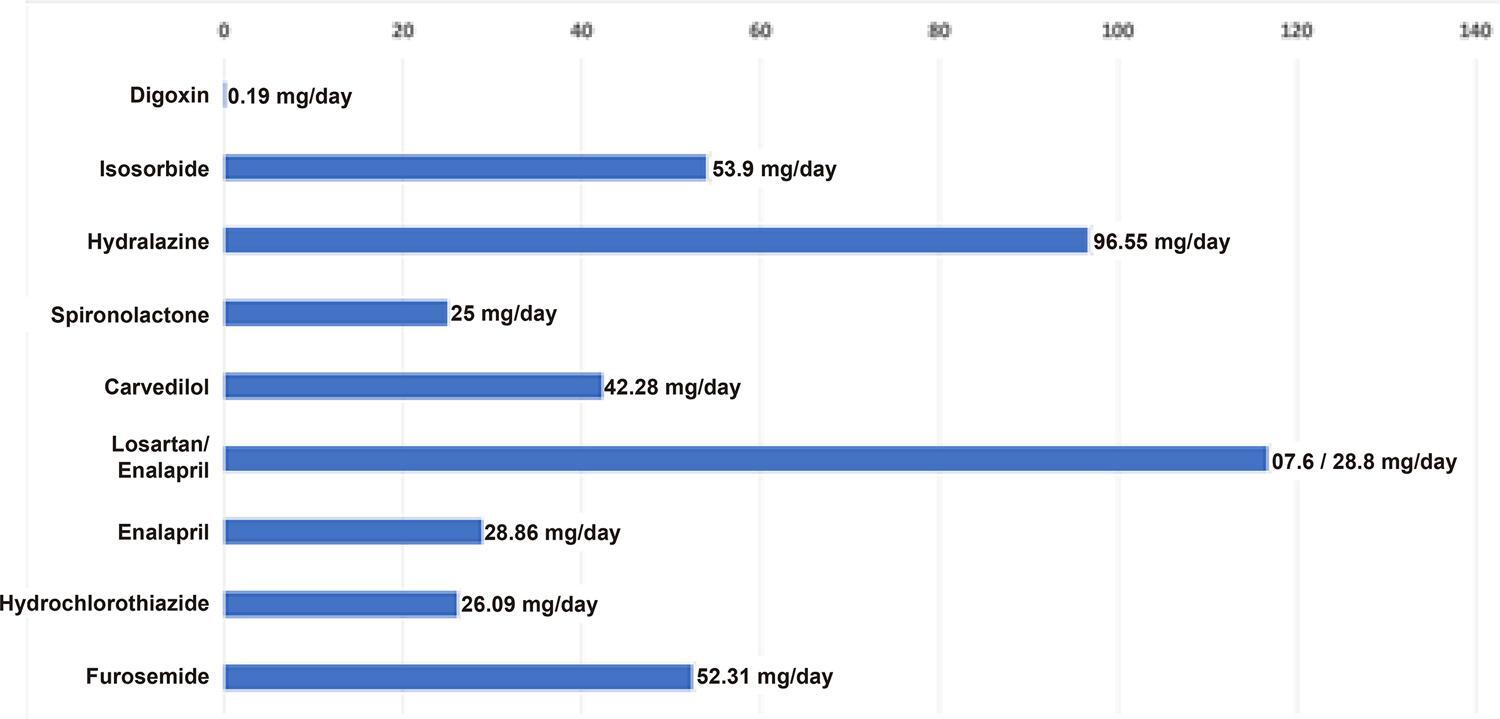
A total of 212 consecutive patients were studied; 41 (19.3%) had atrial fibrillation or had a pacemaker implanted and were excluded from the analysis, yielding 171 patients. Mean age of patients was 63.80 ± 11.77 years, 59.6% were men, and mean LVEF 36.64±7.79%. The most prevalent HF etiology was ischemic (n=102; 59.6%), followed by Chagasic (n=17; 9.9%). One-hundred thirty-one patients (76.6%) were hypertensive and 63 (36.8%) diabetic. Regarding HR, 101 patients had a HR ≤70 bpm (59.1%) and 70 patients (40.93%) had a HR >70 bpm (G2). Mean HR of G1 and G2 was 61.5±5.3 bpm and 81.8±9.5 bpm, respectively (p<0.001). Almost all patients (98.8%) were receiving carvedilol, prescribed at a mean dose of 42.1±18.5 mg/day in G1 and 42.5±21.1mg/day in G2 (p=0.911). Digoxin was used in 5.9% of patients of G1 and 8.5% of G2 (p=0.510). Mean dose of digoxin in G1 and G2 was 0.19±0.1 mg/day and 0.19±0.06 mg/day, respectively (p=0,999). Most patients (87.7%) used angiotensin converting enzyme inhibitors (ACEI) or angiotensin II receptor blockers (ARB), and 56.7% used spironolactone. Mean dose of enalapril was 28.9±12.7 mg/day and mean dose of ARB was 87.8±29.8 mg/day. The doses of ACEI and ARB were adequate in most of patients.

Conclusion

The study revealed that HR of 40.9% of patients with HF was above 70 bpm, despite treatment with high doses of beta blockers. Further measures should be applied for HR control in HF patients who maintain an elevated rate despite adequate treatment with beta blocker. (Arq Bras Cardiol. 2020; 115(6):1063-1069)

  • Atrial Fibrillation
  • Digoxine
  • Drug Therapy
  • Heart Failure
  • Heart Rate
  • medication adherence
  • Morbidity & Mortality
  • Pacemaker, Artificial
Read Full Article
Creative Commons Attribution (CC BY) Creative Commons license
18/01/2021 DOI: 10.36660/abc.20190090
Figure 1
Original Article

Relationship between Pulse Wave Velocity and Cardiovascular Biomarkers in Patients with Risk Factors

Rayne Ramos Fagundes et al. Priscila Valverde Oliveira Vitorino Ellen de Souza Lelis Paulo Cesar B. Veiga Jardim … Ana Luiza Lima Souza Thiago de Souza Veiga Jardim Pedro Miguel Guimarães Marques Cunha Weimar Kunz Sebba Barroso

Abstract

Background

The relationship between pulse wave velocity (PWV) and biomarkers of structural changes of the left ventricle and carotid arteries remains poorly understood.

Objective

To investigate the relationship between PWV and these biomarkers.

Methods

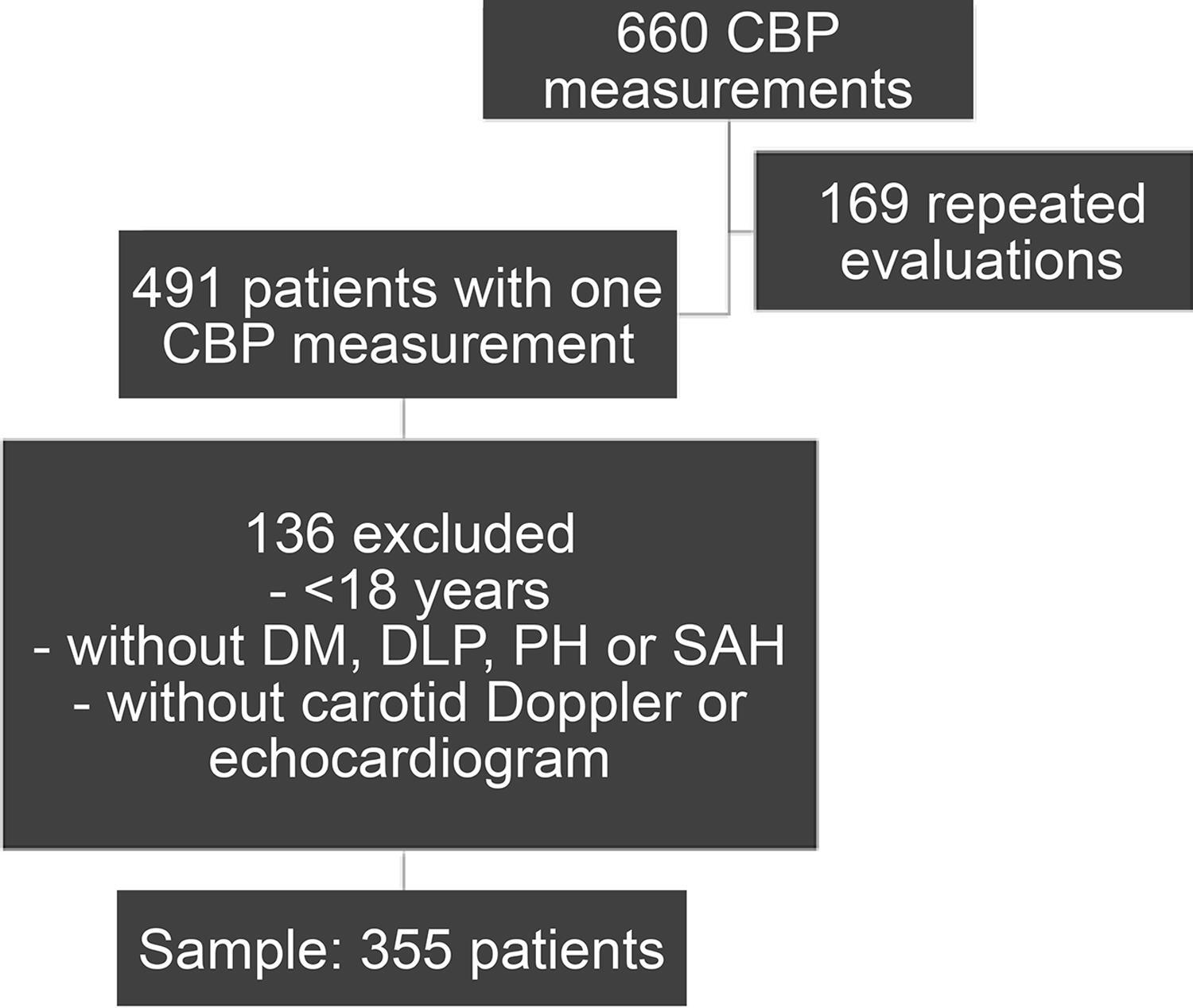
This was an analytical, retrospective, cross-sectional study. Medical records of patients with diabetes mellitus, dyslipidemia, and pre-hypertension or hypertension, who underwent central blood pressure (CBP) measurement using Mobil-O-Graph®, and carotid doppler or echocardiography three months before and after the CBPM were analyzed. Statistical analysis was performed using Pearson or Spearman correlation, linear bivariate and multiple regression analysis, and the t test (independent) or Mann-Whitney test. A p <0.05 indicated statistical significance.

Results

Medical records of 355 patients were analyzed, mean age 56.1 (±14.8) years, 51% male. PWV was correlated with intima-media thickness (IMT) of carotids (r=0.310) and left ventricular septal thickness (r=0.191), left ventricular posterior wall thickness (r=0.215), and left atrial diameter (r=0.181). IMT was associated with PWV adjusted by age and peripheral systolic pressure (p=0.0004); IMT greater than 1 mm increased the chance of having PWV above 10 m/s by 3.94 times. PWV was significantly higher in individuals with left ventricular hypertrophy (p=0.0001), IMT > 1 mm (p=0.006), carotid plaque (p=0.0001), stenosis ≥ 50% (p=0.003), and target-organ damage (p=0.0001).

Conclusion

PWV was correlated with IMT and echocardiographic parameters, and independently associated with IMT. This association was stronger in individuals with left ventricular hypertrophy, increased IMT, carotid plaque, stenosis ≥ 50%, and target organ damage. (Arq Bras Cardiol. 2020; 115(6):1125-1132)

  • Blood Pressure
  • Cardiovasclar Diseases/mortality
  • Diabetes Mellitus
  • Hypertension
  • Left Ventricle Dysfunction
  • Risk Factors
Read Full Article
Creative Commons Attribution (CC BY) Creative Commons license
18/01/2021 DOI: 10.36660/abc.20190348 Views 1
Figure 1
Original Article

Prevalence of Trypanosoma Cruzi Infection in Blood Donors

Alanna Carla da Costa et al. Eduardo Arrais Rocha José Damião da Silva Filho Arduina Sofia Ortet de Barros Vasconcelos Fidalgo … Francisca Mylena Melgaço Nunes Carlos Eduardo Menezes Viana Vânia Barreto Aguiar F. Gomes Maria de Fátima Oliveira

Abstract

Background

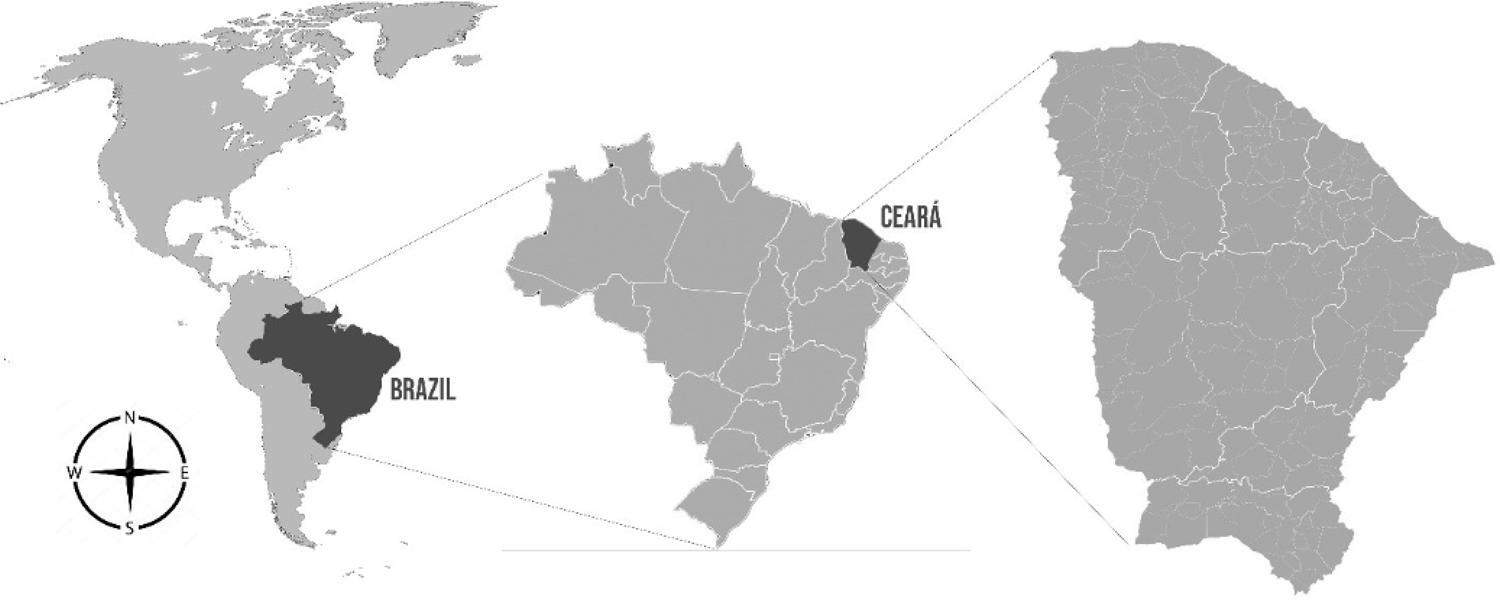
Chagas disease (CD) is considered a public health problem in Latin America. The northeastern region, especially the state of Ceará, still represents a major concern in terms of the risk of transmission of CD.

Objective

To estimate the prevalence of T. cruzi in blood donors from the state of Ceará.

Methods

This is a retrospective descriptive study that was performed in the period from 2010 to 2015 from data recorded in the computerized system of the Hematology and Hemotherapy Center of Ceará (HEMOCE in Portuguese).

Results

Of the 763,731 potential blood donors, 14,159 were serologically ineligible; 1,982 (0.33%) were serologically ineligible due to positive / inconclusive diagnosis for CD. A total of 425 individuals came to the HEMOCE to repeat the test, with 28.2% (120/425) declared ineligible for donations due to CD.

Conclusion

No significant reduction of positive / inconclusive serology was observed in the period between 2010 and 2015, but a reduction was observed when compared to 1996/1997 in the state. The determination of the prevalence of CD in blood banks may be relevant as an indicator of the risk of CD transmission through blood transfusions in a given region. New serological tests for triage with better accuracy in screening are needed, in an attempt to reduce the unnecessary disposal of blood bags, reduce costs for the Brazilian Unified Health System, and diminish insecurity for the patient and family members. (Arq Bras Cardiol. 2020; 115(6):1082-1091)

  • Blood Banks
  • Chagas Disease/complications
  • Chagas Disease/epidemiology
  • Sorologic Tests
  • Trypanosoma cruzi
Read Full Article
Creative Commons Attribution (CC BY) Creative Commons license
18/01/2021 DOI: 10.36660/abc.20190285
Editorial

Parameters of Central Hemodynamics as New Biomarkers of Cardiovascular Risk

José Fernando Vilela-Martin

Historically, the importance of the arterial pulse wave was already observed by the Egyptians and the Chinese, before Christ. The knowledge of peripheral hemodynamics showed great progress after the introduction of non-invasive blood pressure (BP) measurement using the sphygmomanometer about 120 years ago and, to date, brachial BP represents an excellent predictor of cardiovascular morbidity and mortality. However, changes in macro and microcirculation cannot be completely observed only by peripheral BP measurement. Thus, structural and functional vascular changes can be better assessed by central hemodynamic parameters, represented by central BP, augmentation index and pulse wave velocity (PWV), , with OPV being the gold standard in the assessment of arterial stiffness. The reference prognostic value of central hemodynamics was clinically demonstrated by the CAFE study (Conduit Artery Function Evaluation Study), which showed that a greater reduction in central BP compared to peripheral BP resulted in a greater reduction in cardiovascular events.

In turn, other studies associated the role of PWV with the presence of cardiovascular and cerebrovascular lesions, so this topic was included in the European guidelines for hypertension in 2007. PWV was first used as a clinical index of arterial elasticity in 1922, but its determination too long to be applied to clinical practice because its registration and calculation were difficult to obtain. Aortic stiffness, measured by carotid-femoral PWV, has been the most used in epidemiological studies. Obtaining PWV in the carotid-femoral segment is simple, non-invasive, reproducible, widely accepted and clinically relevant, as it includes the aorta, an important segment in relation to the pathophysiological effects of arterial stiffness. Currently, PWV can be considered a biomarker of cardiovascular risk and is a predictor of cardiovascular events and mortality. ,

[…]

  • Blood Pressure
  • Hemodynamic
  • Hypertension
  • Pulse Wave Analysis
  • Risk Factors
  • Vascular Diseases/prevention and control
Read Full Article
Creative Commons Attribution (CC BY) Creative Commons license
18/01/2021 DOI: 10.36660/abc.20201218 Views 1
Editorial

Heroin by Dreser x Eroica by Beethoven

Claudio Pinho

As a Classical Music lover, I go to the São Paulo Concert Hall frequently. On my way to get there it’s necessary to drive through an area with high density of addicts on streets, known as Crackland. In that moment I get to see closely the important negative social effects and damage of addiction in its users. Now I meet this issue in a different way, reading the paper: “Heroin and Electrocardiography- Effect of Heroin on Electrocardiography parameters” that adds an incremental knowledge in the medical literature about heroin cardiac effects and searches for signals of when this occurs.

The authors of “Heroin and Electrocardiography- Effect of Heroin on Electrocardiography parameters” make it clear that there is little scientific information published in this field. Research in the PubMed shows a 1980 reference called “ECG examinations 115 heroin addicts” with no access to the abstract or the full-text contents. Very little was found about this specific topic since then. How can this be explained considering addiction has since then increased in alarming scale? Is there lack of interest by researchers in this area? Are there little financial resources for researchers? Logistical difficulties for studies in this field? Lack of interest in this social group?

[…]

  • Analgesics Opioid/therapeutic use
  • cocaine
  • Electrocardiography/methods
  • Heroin
  • Pharmacology
  • Street Drugs
Read Full Article
Creative Commons Attribution (CC BY) Creative Commons license
18/01/2021 DOI: 10.36660/abc.20201176 Views 1
Figure 1
Original Article

Coronary Calcium Score and Stratification of Coronary Artery Disease Risk in Patients with Atherosclerotic and Non-Atherosclerotic Ischemic Stroke

Edson Marcio Negrão et al. Maria Cristina Del Negro Barroso Freitas Patricia Beatriz Christino Marinho Thiago Falcão Hora … Vinicius Viana Abreu Montanaro Bernardo Jose Alves Ferreira Martins Sergio Henrique Rodolpho Ramalho

Abstract

Background

Ischemic Stroke (IS) and Coronary Artery Disease (CAD) frequently coexist and share atherosclerotic disease risk factors. According to the American Heart Association, IS subtypes may be considered CAD risk equivalents, but the evidence for non-atherosclerotic IS is uncertain. Additionally, the Coronary Calcium Score (CCS) is an accurate marker to address CAD risk; however, CCS distribution between IS subtypes is not well characterized.

Objectives

To compare the CCS between atherosclerotic and non-atherosclerotic IS groups; and to determine which covariates were associated with high CCS in IS.

Methods

This cross-sectional design included all patients with IS, 45 to 70 years of age at the time of the stroke, consecutively admitted to a rehabilitation hospital between August 2014 and December 2016, without prevalent CAD. All patients underwent CT scanning for CCS measurement. CCS≥100 was considered a high risk for CAD, with a significance level of p<0.05.

Results

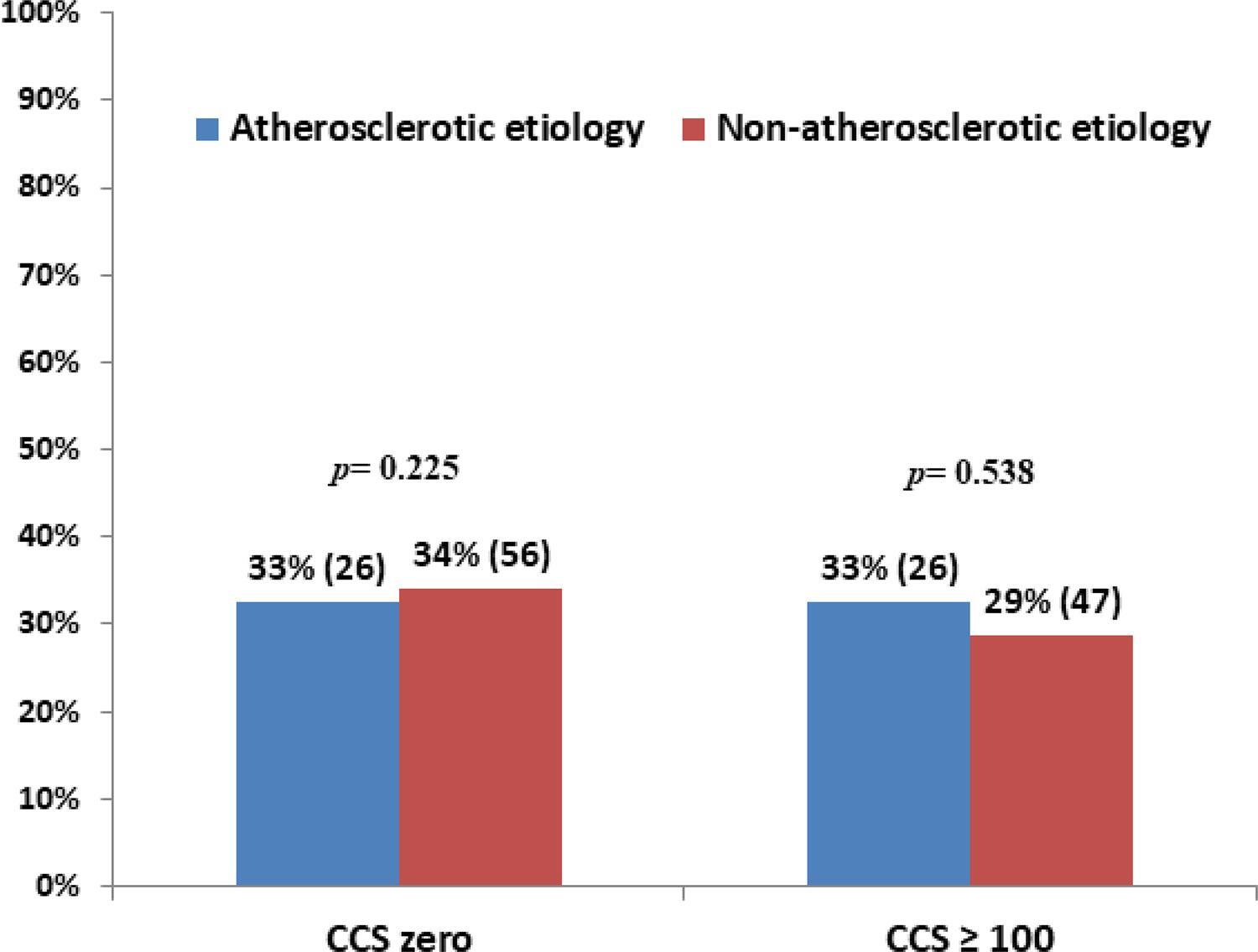
From the 244 studied patients (mean age 58.4±6.8 years; 49% female), 164 (67%) had non-atherosclerotic etiology. The proportions of CCS≥100 were similar between the atherosclerotic and the non-atherosclerotic groups (33% [n=26] x 29% [n=47]; p= 0.54). Among all IS patients, only age ≥60 years was independently associated with CCS≥100 (OR 3.5; 95%CI 1.7-7.1), accounting for hypertension, dyslipidemia, diabetes, sedentarism, and family history of CAD.

Conclusion

Atherosclerotic IS did not present a greater risk of CAD when compared to non-atherosclerotic IS according to CCS. Only age ≥60 years, but not etiology, was independently associated with CCS≥100.

  • Calcium Signaling
  • Coronary Artery Disease
  • Diabetes Mellitus
  • Dyslipidemias
  • Hypertension
  • Stroke
Read Full Article
Creative Commons Attribution (CC BY) Creative Commons license
18/01/2021 DOI: 10.36660/abc.20190616
Editorial

Inflammation Post-Acute Myocardial Infarction: “Doctor or Monster”

Ricardo Wang et al. Fernando Carvalho Neuenschwander Bruno Ramos Nascimento

As in the short story “The Strange Case of Dr. Jekyll and Mr. Hyde ”, inflammation has a good side, which is the protection against pathogens, and helps in the process of cellular and tissue repair after an injury; on the other hand, it may also perpetuate and worsen the injury and, in the case of acute myocardial infarction (AMI), it may be the trigger of coronary occlusion. In the acute phase of AMI, the immune system is activated in the process of myocardial repair, in which the necrotic tissue is replaced by the scar tissue (fibrosis). From anatomopathological studies, we know that in the first hours after coronary occlusion, neutrophils are mainly recruited to the injury site. The local neutrophil population peaks around the third day, then a progressive decline is observed. From the fifth day, they are replaced by macrophages and both are responsible for clearing non-viable myocytes. In addition to this role, together with smooth muscle cells macrophages are responsible for angiogenesis and collagen production. The scarring process begins at the periphery of the infarcted area and extends to the nucleus, and this repair mechanism is completed in about 4–8 weeks, depending on the infarction size. ,

If we know how the inflammatory process occurs at the cellular level post-AMI, why do we continue to study inflammation? And why concentrating efforts on studies on cytokine expression? Whereas, on the one hand, the inflammatory process is necessary for the repair process, in the context of AMI, inflammation also plays an important role in complications. Such effect is observed in cardiogenic shock (causing vasodilation, vasoplegia and worsening shock), mechanical complications (papillary muscle rupture and ventricular free wall, and interventricular communication), in ventricular remodeling (fibrotic expansion and replacement of the affected wall) and, in the long run, it has been related to new cardiovascular events. Cytokines are molecules that mediate immune and inflammatory reactions and are responsible for activating inappropriate pathways or exaggerated responses (hypersensitivity). Therefore, understanding its kinetics can help to clarify the pathways associated with favorable outcomes and the pathways that, when activated, may lead to an increase in unfavorable events and have the potential to be the target of future therapeutic approaches.

[…]

  • B-Lymphocytes
  • Cytokines
  • Inflammation/complications
  • Myocardial Infarction
  • Shock, Cardiogenic
  • Vasoplegia
Read Full Article
Creative Commons Attribution (CC BY) Creative Commons license
18/01/2021 DOI: 10.36660/abc.20201250 Views 1
Figure 1
Research Letter

The Role of the Endothelium in Severe COVID-19

Simone Cristina Soares Brandão et al. Emmanuelle Tenório Albuquerque Madruga Godoi Júlia de Oliveira Xavier Ramos Leila Maria Magalhães Pessoa de Melo … Luca Terracini Dompieri Djair Falcão Brindeiro Filho Emanuel Sávio Cavalcanti Sarinho

Introduction

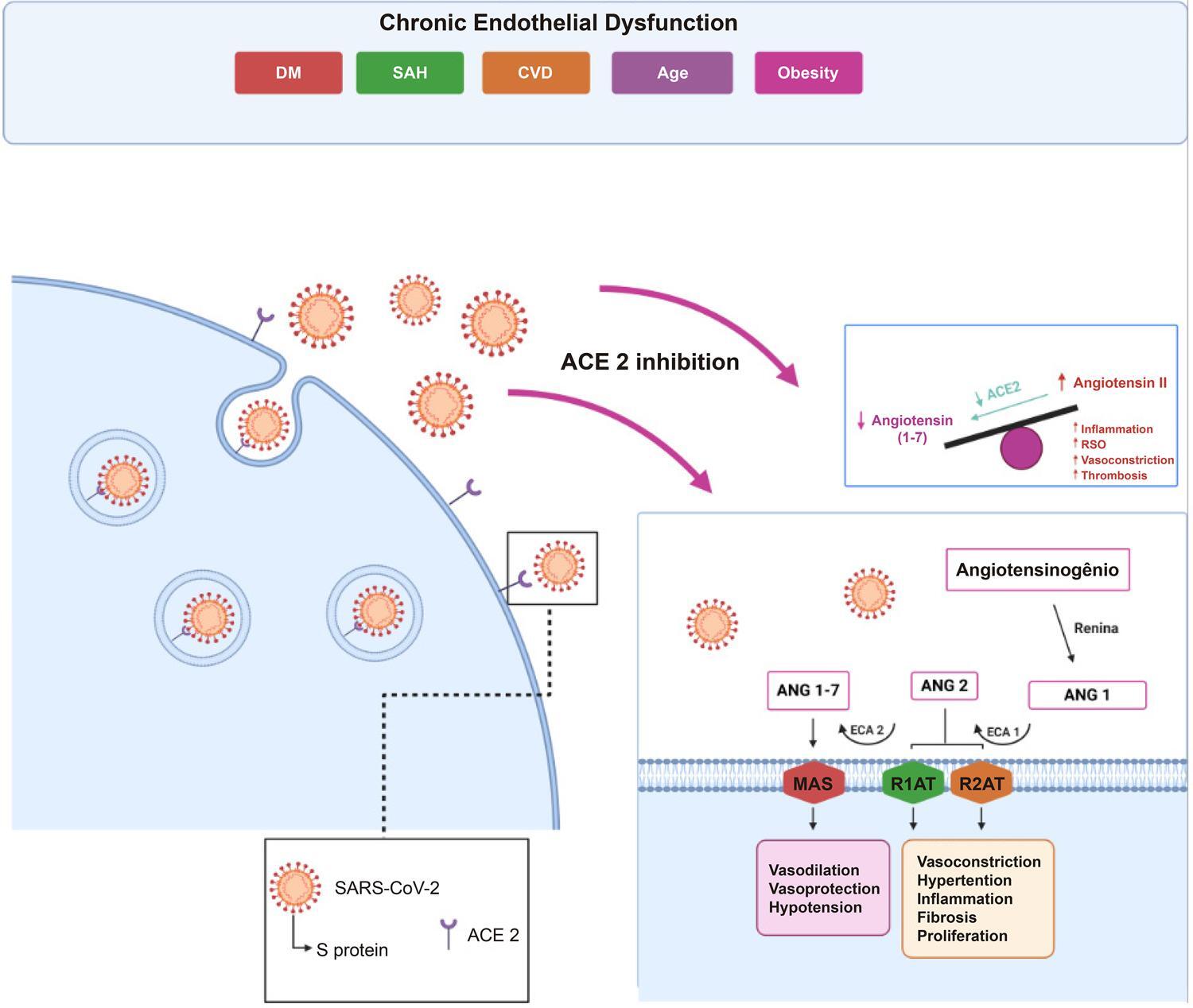
Studies have unveiled a significant link between the severity of COVID-19 ( CO rona VI rus D isease 2019) and immune markers. It is well-known that the endothelium participates actively in the immune response and interacts closely with the coagulation system. Chronic inflammatory processes of the endothelium are involved in the physiopathology of cardiovascular diseases (CVDs) and metabolic diseases. These diseases can negatively impact the evolution of COVID-19 and an exacerbated immune response of the endothelium seems to be a determining factor of this effect.

Coronavirus 2 of the Severe Acute Respiratory Syndrome (SARS-CoV-2) causes infection by means of the link of the S protein to the Angiotensin-Converting Enzyme 2 (ACE 2) on the surface of human cells. In this sense, a reduction in the availability of this enzyme can be observed, which is widely expressed in a number of bodily tissues, most notably, the lungs, heart, and endothelium, with a disorder in the modulation of the renin-angiotensin-aldosterone system (RAAS). Consequently, what can be seen is a favoring of the greater concentration of angiotensin 2 with a series of deleterious actions against our organism. Conditions associated with the chronic dysfunction of the endothelium, such as age, systemic arterial hypertension (SAH), CVD, diabetes, and obesity are the most common in patients with severe COVID-19 ( ). ,

[…]

  • Atherosclerosis
  • Betacoronavirus
  • Cardiovascular Diseases/physiopathology
  • COVID-19
  • Endothelium
  • Immunity
  • Thrombosis
Read Full Article
Creative Commons Attribution (CC BY) Creative Commons license
18/01/2021 DOI: 10.36660/abc.20200643 Views 1
Figure 1
Case Report

Pulmonary Thromboembolism in a Young Patient with Asymptomatic COVID-19

Nicolas H. Borges et al. Thiago M. Godoy Marcos Roberto Curcio Pereira Rebecca B. Stocco … Viviane Maria de Carvalho Hessel Dias Cristina Pellegrino Baena Gustavo Lenci Marques

Case presentation

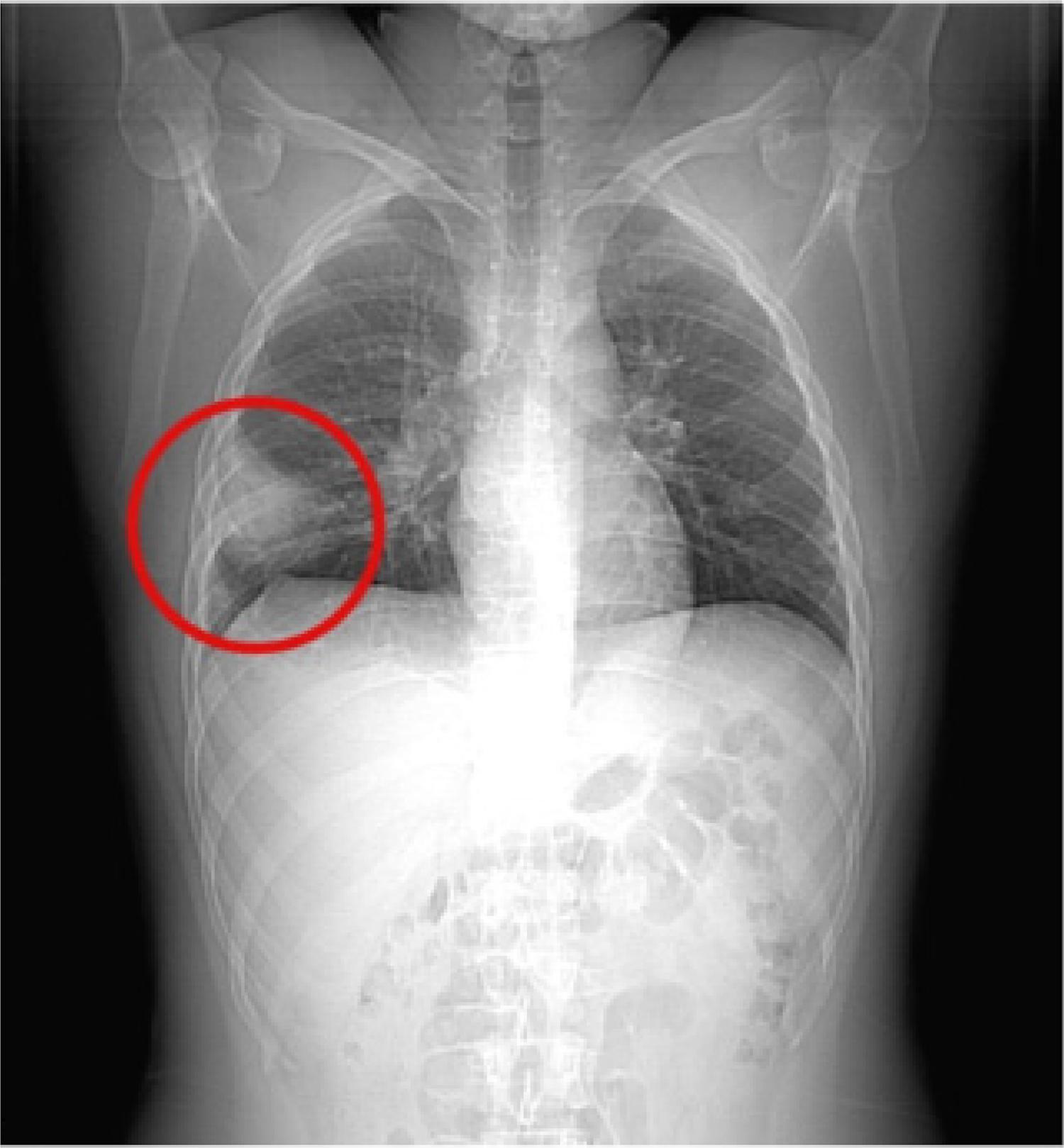
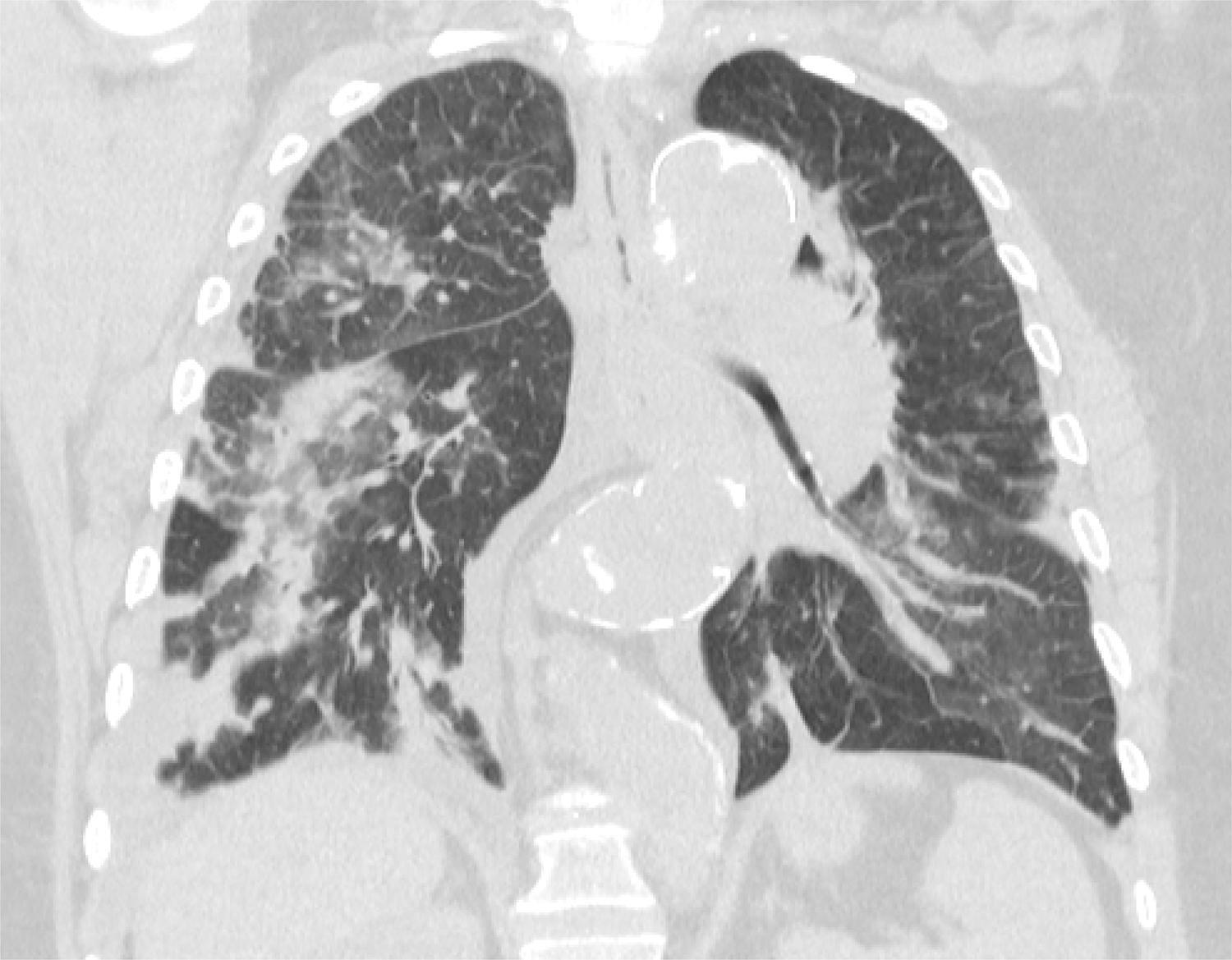
A male patient, 22 years old, with no previous comorbidities and medication use was referred to our hospital on 06/24/2020. Without symptoms, on 06/12/2020 he was diagnosed with COVID-19 after a PCR screening test required at his company and remained in bed rest during most of his isolation. He continued asymptomatic for 11 days; however, on 06/24/2020, he was admitted to the emergency department with ventilatory-dependent pain in the right hemithorax. Vital signs revealed hypertension (132/78 mmHg), tachycardia (127 bpm), hypoxia (SpO2of 90% at ambient air), and fever (38.7 °C). On physical examination, attention was drawn to the decrease in breath sounds in the right hemithorax during pulmonary auscultation. Padua and Wells risk stratification scores were applied, and the criteria indicated a low risk (3 points) and a moderated risk (6 points), respectively. D-dimer (6.652 μg/L), C-Reactive Protein (94 mg/L) and Troponin (119 pg/mL) were among the laboratory tests performed. A computed tomography (CT) scan of the chest was requested ( ), which demonstrated the presence of Hampton’s hump, a pleural-based opacification in the lung most commonly due to pulmonary embolism. Moreover, consolidative pulmonary opacities and peripheral ground-glass areas, both multifocal and bilateral, associated with septal thickening, with a small area of consolidation in between, more accentuated in the right lower lobe and with moderate pulmonary involvement (25-50%) were also found. On 06/25/2020, a computed tomography pulmonary angiogram (CTPA) was also requested ( ), which demonstrated filling defects in the pulmonary arteries bilaterally, extending to its upper, middle and lingual branches, compatible with massive acute pulmonary thromboembolism. The patient was transferred on 06/25/2020 to the Intensive Care Unit (ICU), hemodynamically stable, and then nasal swab and oropharynx material collection for SARS-CoV-2 was requested, which came back with a positive diagnosis on 06/26/2020. Therapy was started with Ceftriaxone (2g daily), Azithromycin (500mg daily), Dexamethasone (6mg daily) and Oseltamivir (75mg daily), associated with Enoxaparin (80mg full dose) as prophylaxis for venous thrombosis. The patient showed progressive improvement. He was discharged from the ICU to the infirmary on 06/28/2020 and on 06/29/2020 he was discharged from the hospital, using Rivaroxaban (15mg BID), being referred for future outpatient reassessment. After the discharge, tests were requested to investigate thrombophilia, including: Functional Protein S, Functional Protein C, Homocysteine, Leiden Factor V, Prothrombin gene mutation, Antithrombin III, Lupus Anticoagulant and Anticardiolipin IgM. The increase in Antithrombin III (999%), the weak presence of Lupus Anticoagulant (1.43) and undetermined IgM Anticardiolipin levels stand out. In addition, echocardiography and Doppler ultrasonography of the lower limbs were requested, which were both within normal standards, ruling out possible signs of thrombosis, either recent or late.

[…]

  • Carrier State
  • Coronavirus-19
  • COVID-19
  • Pulmonary Thromboembolism
  • SARS-CoV-2
  • Virchow’s Triad
  • young
Read Full Article
Creative Commons Attribution (CC BY) Creative Commons license
18/01/2021 DOI: 10.36660/abc.20200957 Views 1
Figure 1
Editorial

ABC Cardiol – Our Home of the Cardiovascular Scientific Research

Carlos E. Rochitte

ABC Cardiol, the Arquivos Brasileiros de Cardiologia, an official journal of the Brazilian Society of Cardiology has been the premier scientific journal for conveying cardiovascular science publications in Brazil. In 2018 as the new editor-in-chief, I proposed two main approaches to further increase ABC Cardiol relevance in the scientific community. The first one was to increase our journal impact factor, which had been stabilized slightly above 1 and, secondly to increase the internationalization of the journal, which was recommended by Scielo.

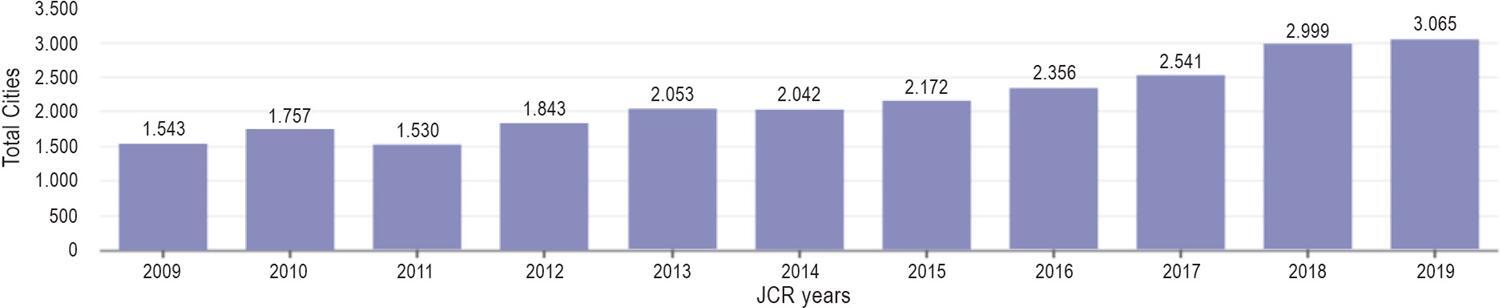
Our most recent journal impact factor (2019) is 1.450 and the 5-year impact factor of 1.724, the highest in our history. Additionally, the number of citations in a given year also reached its all-time highest number of 3065 citations in just one year ( ). There has been an upward trend of our journal impact factor, from the previous 1.318 (2017) and highest impact at 1.679 (2018) , ( ). International collaboration has been increasing significantly. Currently, about 11% of our published articles are from authors of more than one country (multinational, ), and 22% of articles are originating from countries other than Brazil ( ). Our editorial board has now international associated editors that are the angular stone for increasing international collaboration and publications in the ABC Cardiol. Moreover, collaboration with the international scientific community and societies has been boosted.

[…]

  • Bibliometrics
  • Journal Impact Factor
  • Metrics
  • peer review, research
  • Periodicals
Read Full Article
Creative Commons Attribution (CC BY) Creative Commons license
18/01/2021 DOI: 10.36660/abc.20201206 Views 1
Editorial

Coronary Microvascular Dysfunction: Does it Really Matter in Chagas Disease?

Maria do Carmo Pereira Nunes

There is a growing recognition that disorders affecting the structure and function of the coronary microcirculation can act as key mediators of patient symptoms and prognosis. The subset of disorders affecting the microcirculation is termed coronary microvascular disease (CMD), which is expressed as either the inability of the coronary arteries to dilate appropriately to meet myocardial oxygen demand and/or as the abrupt reduction in coronary blood flow related to coronary spasm.

For the past 2 decades, CMD has been actively investigated in various cardiac conditions across a broad spectrum of cardiovascular risk factors. , Microvascular dysfunction is triggered by low-grade systemic inflammation induced by conventional cardiovascular risk factors, including hypertension, diabetes, obesity, dyslipidemia, and older age. , This spectrum of abnormalities may likely be magnified by the presence of epicardial atherosclerosis.

[…]

  • Atherosclerosis
  • Chagas Diseases/physiopathology
  • Inflammation
  • microcirculation
  • Myocardial Ischemia
  • Risk Factors
Read Full Article
Creative Commons Attribution (CC BY) Creative Commons license
18/01/2021 DOI: 10.36660/abc.20201219 Views 1
Editorial

Serological Tests in Chagas Disease: Another Enigmatic Evidence in a Disease Largely Neglected

André Schmidt et al. José Antonio Marin Neto

Cardiologists and Gastroenterologists acting in distinct environments of our institution in Ribeirão Preto, not infrequently face patients with epidemiologic, clinical and laboratorial features of Chagas Disease (CD) in whom serological evaluation is negative for the disease. In a series of 65 patients evaluated between 07/01/2011 and 12/31/2012 by invasive coronary angiography to elucidate the cardinal symptom of chest pain, all with wall motion abnormalities (including 28 presenting the typical apical aneurysm at contrast ventriculography), two distinct serological tests were positive in only 11(17%) patients. How can we elucidate this enigma and provide guidance in this situation? The answer may be, in part, in the experience with this entity and in the knowledge and confidence in the diagnostic accuracy of the serological tests employed.

The hitch point begins with the asymmetrical concepts leading to uncertainty that involve the routine diagnostic procedures of CD by using serological verification of antiparasite antibodies. In accordance to current guidelines, , only one negative test is enough to exclude the diagnosis (granting blood donation or solid organ transplantation), while two distinct positive serological tests are needed to confirm CD diagnosis. This is an ancient practice in clinical and research routines, due to the heterogeneous accuracy (mean of sensibility and specificity) of the tests/ e. g. complement fixation, indirect hemagglutination, indirect immunofluorescence and direct agglutination). Even after the development of chemiluminescence methods based on ELISA, capable of automated reading to avoid subjective interpretation as seen in the above-mentioned tests, the rule of two simultaneous distinct tests followed by a third one if a discordant result is obtained, remains in the latest PAHO guidelines for diagnosis of CD. A conflicting technical note from the WHO recommended a single ELISA test for screening in blood banks, supported by its alleged high sensitivity (nearly 99%) and as a way of cost reduction when dealing with a high volume of screening as occurs in blood centers and blood banks. Nevertheless, well-documented evidence exists suggesting that this protocol may not be entirely adequate.

[…]

  • Chagas disease
  • Epidemiology
  • Percutaneous Coronary Intervention/methods
  • Sorologic Tests
Read Full Article
Creative Commons Attribution (CC BY) Creative Commons license
18/01/2021 DOI: 10.36660/abc.20200656 Views 1
Research Letter

Emerging Topics in Heart Failure: Future Perspectives

Mucio Tavares de Oliveira Jr et al. Humberto Villacorta Marcelo Imbroinise Bittencourt Antônio Carlos Pereira Barretto … Evandro Tinoco Mesquita Luis Eduardo Rohde

Introduction

The Heart Failure Summit Brazil 2020 addressed new perspectives for assessment, diagnosis, risk stratification, and management of heart failure (HF), which may soon be available for widespread use in the clinic. These strategies involve the use of novel biomarkers, genetic assessment, potential new therapeutic targets, and personalized medicine.

[…]

  • Amiloidosis
  • Biomarkers
  • Danon
  • Fabry
  • Genetic Assessment
  • Imunization
  • Mavacamten
  • Omecamtiv Mecarbil
  • Telemedicine
  • Vaccins
Read Full Article
Creative Commons Attribution (CC BY) Creative Commons license
18/01/2021 DOI: 10.36660/abc.20201205
Editorial

Coronary Calcium Score. Is There a Difference among Ischemic Stroke Subtypes?

Millene Rodrigues Camilo et al. Octávio Marques Pontes-Neto

Ischemic heart disease is an important cause of death in stroke patients during a long-term follow-up. , Ischemic stroke survivors have a high prevalence of asymptomatic coronary artery disease (CAD). Indeed, half of those with no cardiac history have some degree of coronary atherosclerotic plaques and one-third have more than 50% of coronary stenosis. For the assessment of CAD risk, a non-invasive stratification score based on the extent and density of computed tomography coronary artery calcium (CAC) was proposed by Agatston et al. The measurement of CAC to improve clinical risk prediction for cardiovascular events in selected asymptomatic adults is the recommendation of worldwide guidelines. – Although there is a strong association between atherosclerosis and subclinical CAD, it is remains uncertain for non-atherosclerotic stroke patients. ,

In this issue of ABC Cardiol, Negrão et al. conducted a cross-sectional study to compare the coronary calcium score (CCS) between atherosclerotic and non-atherosclerotic ischemic stroke patients who were admitted at Rehabilitation Hospital. Of 244 evaluated patients, 80 (33%) were included in the atherosclerotic etiology group. The non-atherosclerotic group was represented by the remaining etiologies, such as cardioembolism (30%), small artery occlusion (15%), other causes (6%), and undetermined cause (16%). Although there was no difference in CAD risk between those groups, age ≥60 years was an independent predictor for high CAD risk (OR 3.52; 95%CI 1.72-7.18).

[…]

  • Atherosclerosis
  • Calcium Score
  • Coronary Artery Disease
  • Myocardial Ischemia
  • Stroke
Read Full Article
Creative Commons Attribution (CC BY) Creative Commons license
18/01/2021 DOI: 10.36660/abc.20201192
Figure 1
Research Letter

Emerging Topics in Heart Failure: Contemporaneous Management of Advanced Heart Failure

Fabiana G. Marcondes-Braga et al. Jefferson L. Vieira João David de Souza Neto Gustavo Calado … Silvia Moreira Ayub-Ferreira Fernando Bacal Nadine Clausell

Definition

Advanced heart failure (HF) is a condition characterized by persistent severe HF symptoms, frequent episodes of decompensation, and progressive cardiac dysfunction despite optimal evidence-based treatment. These patients may be candidates for advanced therapies, such as heart transplantation (HT), mechanical circulatory support (MCS), and/or palliative care. It should be pointed out that some comorbidities, including pulmonary disease and liver and kidney dysfunction, are now included as possible major determinants of poor prognosis and should be considered during patient evaluation for advanced HF therapies.

[…]

  • Advanced Heart Failure
  • Advanced Therapies
  • Heart Transplant
  • Mechanical Circulatory Support
  • Paliative Care
Read Full Article
Creative Commons Attribution (CC BY) Creative Commons license
18/01/2021 DOI: 10.36660/abc.20201194
Figure 1
Research Letter

Mechanical Aortic Prosthetic Thrombosis in a 65-Year-Old Woman with SARS-CoV-2 Infection

Marcos H. F. Jacob et al. Tatiana C.A.T. Leal Paulo Rogério Soares Alexandre de Matos Soeiro

Clinical data

A 65-year-old female patient was hospitalized, initially due to an episode of melena. Anticoagulation was suspended, and upper gastrointestinal endoscopy was performed, without detecting bleeding. In 2005, she had late post-operative history of mechanical aortic prosthesis and Bentall and de Bono surgery due to Stanford A aortic dissection; she was a former tobacco user, with obesity and chronic atrial fibrillation under regular use of warfarin. The following day, she had an acute myocardial infarction with ST-segment elevation in the anterior wall; she was submitted to angioplasty with an anterior descending drug-eluting stent, and she received aspirin, clopidogrel 75 mg daily, and anticoagulation with enoxaparin 100 mg every 12 hours. On that occasion, she underwent transthoracic echocardiogram that demonstrated mild ventricular dysfunction (LVEF: 50%) and aortic prosthesis leaflets with preserved mobility; the peak systolic pressure gradient between the left ventricle and the aorta was 58 mmHg, with a mean of 33 mmHg. Two days later, she began to present anosmia, headache, subfebrile temperature, and hypoxemia, and diagnosis of SARS-CoV-2 was confirmed by oropharyngeal swab PCR. Seven days later, while still on full enoxaparin, the patient started presenting atypical chest pain associated with dyspnea. During physical examination, the patient’s overall condition was regular; she had dyspnea, without cyanosis. Pulse was present and full in all 4 limbs, and she had Glasgow score of 15, blood pressure 120/86 mmHg, heart rate 130 bpm, peripheral oximetry 97% while using a nasal oxygen catheter at 3 L/min, and capillary filling time of less than 3 seconds. Ictus cordis was in the left hemiclavicular line, at the level of the fifth intercostal space. She had normophonetic heart sounds, with moderate intensity ejective systolic murmur with metallic click in aortic focus. The patient’s liver was not palpable, and there were mild and sparking crackles in the pulmonary fields bilaterally.

[…]

  • Atrial Fibrillation
  • COVID-19
  • Diagnosis Imaging
  • Heart Valve Prosthesis
  • Myocardial Infarction
  • SARS-CoV-2
  • Thrombosis
Read Full Article
Creative Commons Attribution (CC BY) Creative Commons license
18/01/2021 DOI: 10.36660/abc.20200754
Original Article

Effect of Heroin on Electrocardiographic Parameters

Ersin Yildirim et al. Murat Selcuk Faysal Saylik Ferit Onur Mutluer Ozgur Deniz

Abstract

Background

Heroin addiction is currently a significant health problem, and information on the electrocardiographic effects of heroin is limited.

Objetivo

The aim of the present study is to investigate effects of heroin addiction on electrocardiographic parameters.

Methods

A total of 136 individuals, including 66 individuals who smoke heroin as the study group and 70 healthy individuals with no drug addiction as the control group, were included in the study. Individuals who inject heroin were excluded. Electrocardiographic (ECG) evaluation of those using heroin was performed and compared with those of the control group. In addition, pre-treatment and post-treatment ECG of the heroin group were compared. A p-value of <0.05 was accepted as statistically significant.

Results

Heart rate (77.2±12.8 versus 71.4±11.2; p=0.02) were found to be higher in the heroin group compared to the control group. QT (341.50±25.80 versus 379.11±45.23; p=0.01), QTc intervals (385.12±29.11 versus 411.3±51.70; p<0.01), and T peak to end time (Tpe) (65.41±10.82 versus 73.3±10.13; p<0.01) were significantly shorter in the heroin group. No difference was observed between the groups with regard to Tpe/QT and Tpe/QTc ratios. In the subgroup analysis of the heroin group, QT (356.81±37.49 versus 381.18±40.03; p<0.01) and QTc (382.06±26.41 versus 396.06±29.80; p<0.01) intervals were significantly shorter in the pre-treatment period.

Conclusion

Heroin addiction significantly affects the QT, QTc, and Tpe time intervals. The arrhythmia effects of these parameters are well known. More attention to the electrocardiographic parameters of these individuals should be given. (Arq Bras Cardiol. 2020; 115(6):1135-1141)

  • Arrhythmias, Cardiac/adverse effects
  • Heroin
  • Heroin Dependence
  • Leukoencephalopaties
  • Long QT Syndrome
  • Narcotics/toxicity
  • Pulmonary Edema
  • Renal Insufficiency
Read Full Article
Creative Commons Attribution (CC BY) Creative Commons license
18/01/2021 DOI: 10.36660/abc.20190296 Views 1
Editorial

The Importance of Benchmark Radiation

Luiz Alberto Alberto Christiani

Everyone knows the importance of benchmark to evaluate processor speed in a computer. We can also have some inputs from the computer itself, as it goes slowly or when it is not able to open a new program. Therefore, we must pursue the best and the fastest processors to solve the problem. The company responsible for making those computer chips is also the one that creates new processor benchmarks, and we need that information for every decision we make when buying or upgrade a computer.

Benchmark is present in several situations, whenever we need to compare how we are working. And when a new proposal arrives, what would be the best practices.

[…]

  • Cardiac Catheterization/methods
  • Child
  • Heart Defects, Congenital
  • Radiation Exposure
Read Full Article
Creative Commons Attribution (CC BY) Creative Commons license
18/01/2021 DOI: 10.36660/abc.20200590
Editorial

Causing Mechanisms of Embolic Strokes in Chagas Heart Disease: Autonomic Dysfunction, a Working Hypothesis

Roberto Coury Pedrosa

In Brazil, to date, Chagas disease (Chd) is still a major public health problem and a frequent cause of chronic Chagas cardiomyopathy (CCC) and stroke. It is still the leading cause of DALYs — disability-adjusted life-years (in 2016, of 141,640), a measure of health loss due to fatal and non-fatal disease burden. Chd is strongly associated with Chagas association-embolic strokes (CAS) with an incidence ranging from 0.56 to 2.67 per 100 person/year. , It is closely related to the presence of CCC. Diagnosis of Chd may be established after stroke presentation in around 40% of patients. Classically, the cause of CAS was thought to be cardioembolic, with intracardiac thrombus resulting from poor ventricular function and atrial arrhythmia. Risk factors for CAS include apical aneurysm, left ventricular (LV) thrombus, severe atrial dilation, LV systolic dysfunction, older age, and atrial arrhythmia. Although it remains true that the majority of CAS is thromboembolic, other types, including small vessel disease, among others (i.e. vessel atherosclerosis and cryptogenic stroke), have been observed. Hypotheses on the mechanisms of these noncardioembolic strokes include the presence of autonomic dysfunction in most or all patients with CCC in various stages. Concerning autonomic dysfunction, our group showed that CCC patients, even in the early stages and without cardiac dysfunction, present signs of a parasympathetic nervous system disorder that correlate significantly with subcortical white matter abnormalities of the brain. This was demonstrated by an inverse and significant correlation between reduced cardiac frequency variability (evaluated by the respiratory sinus arrhythmia test and the presence and number of white matter hyperintensities seen on brain magnetic resonance imaging (MRI). A total of 52% of our patients revealed hyperintensities on MRI, compared with about 13% in the general population. However, there was no correlation with cerebral hemodynamics, which was tested with a transcranial Doppler, including vasoreactivity evaluated by the breath-holding index. Based on these results, we suggested that a properly functioning parasympathetic system protect the brain against white matter hyperintensities. We speculated that imbalance between sympathetic and parasympathetic systems could promote electrical instability of the heart that could contribute to noncardioembolic CAS. To answer whether the parasympathetic dysfunction is a mediator of neurologic consequences of CCC or just a bystander, we conducted another study where we found no correlation between the presence of serum functional circulating antibodies with β-adrenergic or muscarinic activity and the autonomic system function or the presence of white matter hyperintensities (seen on MRI) in CCC patients. The antireceptor antibodies were tested in rabbit isolated hearts. We concluded that autonomic dysfunction is possibly a mediator of neurologic consequences of CCC apparently related to promote atrial arrhythmias as epiphenomena of stroke. An important feature of CCC is the fact that not all patient with risk factors for noncardioembolic CAS will have stroke. The complicated development and pathology of the disease, coupled with the complexities of the parasite life cycle and its interactions with the host, make it a very difficult task to identify which group of patients with CCC is susceptible to stroke. Although there is no absolute proof that autonomic dysfunction is synonymous with noncardioembolic CAS, i.e., halting autonomic dysfunction to prevent noncardioembolic CAS, there is a consensus that cardiac autonomic dysfunction is needed for this event.

In this edition, Freitas et al. presented a study to help understand an important clinical presentation in CCC, i.e. stroke. They draw attention to the arrhythmic mechanism, particularly atrial arrhythmia. The justification is that a consensus is lacking about the contribution of atrial high-rate episodes in this event. To answer this question, the authors performed a longitudinal study between 2016 and 2017 to check the existence (or not) of an association between high-rate atrial episodes (HRAE) and stroke in patients with chronic CCC. All 67 Chagas patients had implantable electronic cardiac devices (IECDs) (92.5% had pacemakers and 7.5% had implantable cardioverter-defibrillators) to monitor atrial activity. HRAE was considered as atrial frequency ≥190 beats per minute and duration ≥6 minutes and cerebral ischemic events were identified by brain computed tomography (CT) scans. The results were summarized and analyzed in the groups with and without atrial high-rate episodes.

[…]

  • Chagas' heart disease
  • Stroke
Read Full Article
Creative Commons Attribution (CC BY) Creative Commons license
18/01/2021 DOI: 10.36660/abc.20200481 Views 1
Editorial

Mortality in Congenital Heart Disease in Brazil – What do we Know?

Andressa Mussi Soares

Congenital Heart Disease (CHD) comprises any change in the anatomy of the heart and its blood vessels. The incidence of CHD is 8 to 10 per 1,000 live births, that is or one in one hundred births. In Brazil, 28,900 children are born with CHD per year (1% of the total births), of which about 80% (23,800) require cardiac surgery, and half of them, within the first year of life. Congenital malformations represent the second main cause of mortality in children under one year of age. CHD is the most frequent and the one with the highest mortality in the first year of life in Brazil, and the second cause of death in up to 30 days of life. Congenital heart disease manifestations are very variable and may occur soon after birth or appear later in childhood or adolescence.

Brazil is a continental country, where the diversity observed both in the diagnosis and in treatment of congenital heart diseases is very large among the macro-regions. It is a fact that there has been a gradual improvement in diagnosis, after the more active dissemination of the oximetry test, with technological advances and the diffusion of echocardiography throughout the country, even so a low survival rate is still observed in the neonatal period. Lopes et al. demonstrated a lethality of 64.7% for critical congenital heart disease and a 28-day survival rate reduced by almost 70% in these newborns, signaling a great need for investment in assistive technology and trained professionals for this among this population.

[…]

  • Congenital Heart Disease
  • Epidemiology
  • Mortality
  • Oximetry Test
  • Public Health Administration
  • Underdiagnosis
Read Full Article
Creative Commons Attribution (CC BY) Creative Commons license
18/01/2021 DOI: 10.36660/abc.20200589
Figure 1
Image

Mitral Valve Mass in a Patient Suspected of Systemic Lupus: Tumor, Endocarditis or Both?

Thiago Sant’Anna Coutinho et al. Bárbara Cristina Rodrigues de Almeida Guilherme Dalcol Torres de Amorim Monica Zappa … Clara Weksler Cristiane da Cruz Lamas

Abstract

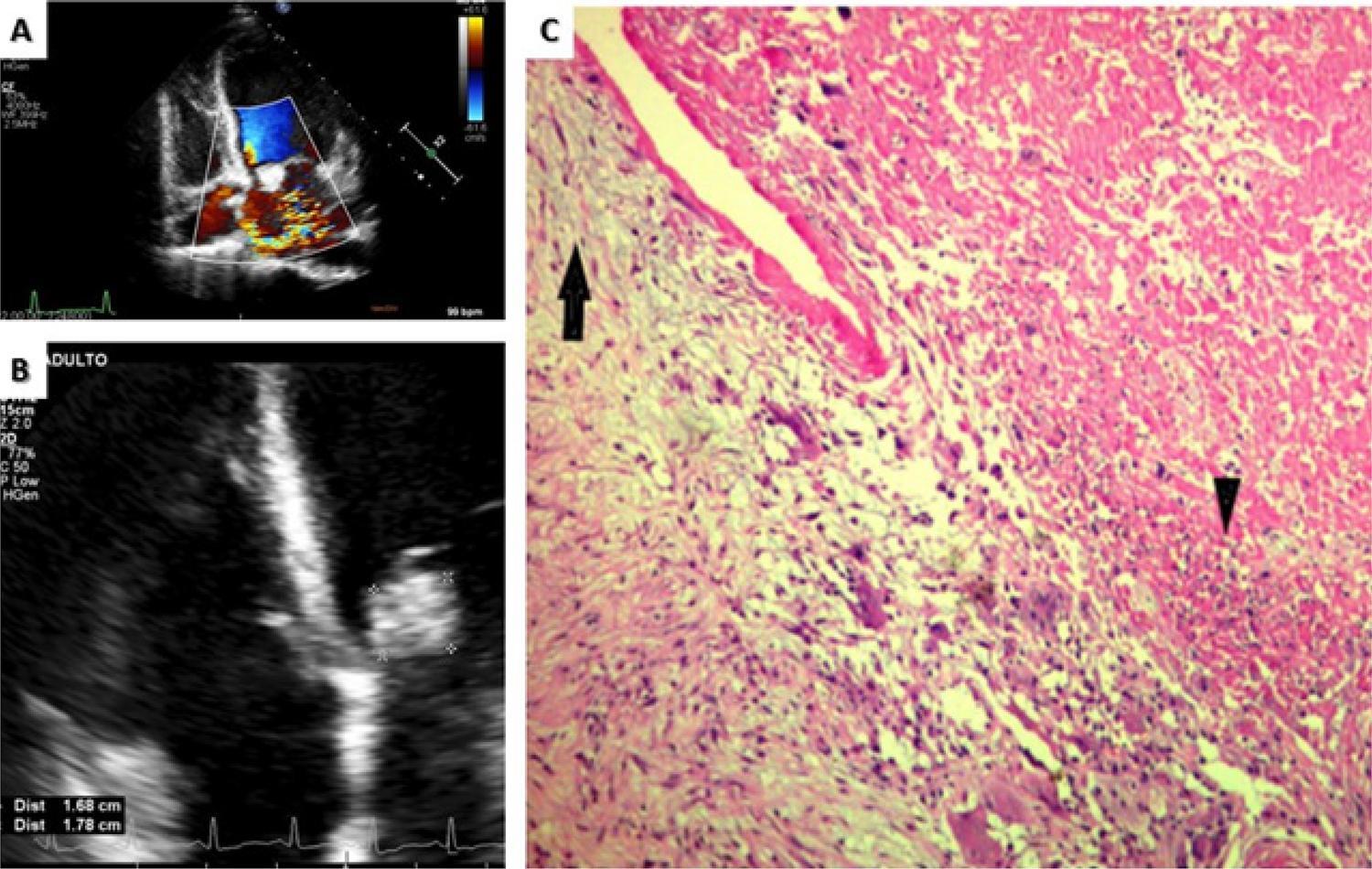
We present a case report of a patient with an infected mitral valve myxoma and a literature review on the subject. A 33-year-old female presented with a history of fever and dyspnea evolving over a few days. On admission, she had a lupus-like syndrome with positive blood cultures for Haemophilus species . Echocardiogram revealed a giant mass involving both mitral leaflets causing severe regurgitation, requiring biological mitral valve replacement. Microscopy showed an infected myxoma and the patient was discharged asymptomatic upon completion of antibiotics. She did well on follow-up. This is the sixth case of an infected mitral valve myxoma reported in the literature and the third case of a cardiac myxoma infected by the HACEK group. Exceedingly high incidence of embolic events makes prompt imaging, antibiotic therapy and surgery crucial for better outcomes. Time to diagnosis was much briefer than usually reported in other cases of HACEK endocarditis. Valve replacement was the most common surgical procedure and all patients from previous reports did well on follow-up.

  • Cardiac Neoplasms
  • Diagnostic Imaging
  • Echocardiography
  • Endocarditis
  • Lupus Erythematosus
  • Magnetic Resonance
  • Mitral Valve/pathology
  • Mitral Valve/surgery
Read Full Article
Creative Commons Attribution (CC BY) Creative Commons license
18/01/2021 DOI: 10.36660/abc.20200206
Research Letter

Emerging Topics in Heart Failure: The Future of Heart Failure: Telemonitoring, Wearables, Artificial Intelligence and Learning in the Post-Pandemic Era

Aguinaldo F Freitas Jr et al. Fábio S. Silveira Germano E. Conceição-Souza Manoel F. Canesin … Pedro V. Schwartzmann Sabrina Bernardez-Pereira Reinaldo B. Bestetti

Telemonitoring in Heart Failure and Remote Management

Telemonitoring consists of monitoring and remote support for chronic heart failure (HF) patients. Telemonitoring can be non-invasive or invasive. Non-invasive telemonitoring includes telephone calls, periodic guidance through instructional material, control and monitoring of body weight, video calls and teleconsultations. , Invasive telemonitoring involves implantable devices that transmit hemodynamic and intrathoracic impedance data to a remote server. ,

Clinical trials of non-invasive telemonitoring often show conflicting results. However, meta-analyses of observational and randomized studies on invasive and non-invasive telemonitoring have shown that they have a positive impact on HF prognosis. The reduction in overall mortality in HF patients can vary from 19 to 31% with invasive or non-invasive telemonitoring, , while reduction in the frequency of hospitalization for HF varies from 27 to 39%, mainly in functional class III/IV patients. –

[…]

  • Artificial Intelligence
  • Heart Failure
  • Learning
  • Telemonitoring
Read Full Article
Creative Commons Attribution (CC BY) Creative Commons license
18/01/2021 DOI: 10.36660/abc.20201127 Views 1

Could not load more articles. Please try again.

How to cite this article

EndNote RIS

Electronic Document Format (Vancouver)

Lopes MACQ, Oliveira GMM, Mesquita ET, Melo MDT, Bacal F. Painting the History of Brazilian Cardiology. Arquivos Brasileiros de Cardiologia 2021;115(6):1047-50.

Electronic Document Format (ABNT)

Lopes, Marcelo Antônio Cartaxo Queiroga; Oliveira, Gláucia Maria Moraes de; Mesquita, Evandro Tinoco; Melo, Marcelo Dantas Tavares de; Bacal, Fernando. Painting the History of Brazilian Cardiology. Arquivos Brasileiros de Cardiologia, v. 115, n. 6, p. 1047-1050, Jan. 2021.

Electronic Document Format (APA)

Lopes, M. A. C. Q., Oliveira, G. M. M. , Mesquita, E. T., Melo, M. D. T. , & Bacal, F. (2021). Painting the History of Brazilian Cardiology. Arquivos Brasileiros de Cardiologia, 115(6), 1047-1050.

Electronic Document Format (ISO)

Lopes, Marcelo Antônio Cartaxo Queiroga and Oliveira, Gláucia Maria Moraes de and Mesquita, Evandro Tinoco and Melo, Marcelo Dantas Tavares de and Bacal, Fernando. Painting the History of Brazilian Cardiology. Arquivos Brasileiros de Cardiologia [online]. 2021, vol. 115, n. 6, [cited 2026-10-14], pp. 1047-1050. Available from: <https://journals.cardiol.br/en/article/painting-the-history-of-brazilian-cardiology/>. ISSN 0066-782X

EndNote RIS

Electronic Document Format (Vancouver)

Oliveira JC, Fagundes AA, Alkmim-Teixeira R, Baggio Junior JM, Armaganijan L, d’Avila A, Saad EB, et al. Recommendations for the Post-Mortem Management of Cardiac Implantable Electronic Devices. Arquivos Brasileiros de Cardiologia 2021;115(6):1178-9.

Electronic Document Format (ABNT)

Oliveira, Júlio César de; Fagundes, Alexsandro Alves; Alkmim-Teixeira, Ricardo; Baggio Junior, José Mário; Armaganijan, Luciana; d’Avila, Andre; Saad, Eduardo B.; Andrade, Veridiana Silva de; Moraes, Luis Gustavo Belo de; Kuniyoshi, Ricardo; Rezende, André Gustavo da Silva; Pimentel, Mauricio; Rodrigues, Thiago da Rocha; Brito Junior, Helio Lima de; Nadalin, Elenir; Pisani, Cristiano Faria; Arfelli, Elerson; Cintra, Fatima Dumas; Kalil, Carlos Antonio Abunader; Melo, Sissy Lara de; Cannavan, Priscila Moreno Sperling. Recommendations for the Post-Mortem Management of Cardiac Implantable Electronic Devices. Arquivos Brasileiros de Cardiologia, v. 115, n. 6, p. 1178-1179, Jan. 2021.

Electronic Document Format (APA)

Oliveira, J. C. , Fagundes, A. A., Alkmim-Teixeira, R., Baggio Junior, J. M., Armaganijan, L., d’Avila, A., Saad, E. B., Andrade, V. S. , Moraes, L. G. B. , Kuniyoshi, R., Rezende, A. G. S., Pimentel, M., Rodrigues, T. R., Brito Junior, H. L. , Nadalin, E., Pisani, C. F., Arfelli, E., Cintra, F. D., Kalil, C. A. A., Melo, S. L. , & Cannavan, P. M. S. (2021). Recommendations for the Post-Mortem Management of Cardiac Implantable Electronic Devices. Arquivos Brasileiros de Cardiologia, 115(6), 1178-1179.

Electronic Document Format (ISO)

Oliveira, Júlio César de and Fagundes, Alexsandro Alves and Alkmim-Teixeira, Ricardo and Baggio Junior, José Mário and Armaganijan, Luciana and d’Avila, Andre and Saad, Eduardo B. and Andrade, Veridiana Silva de and Moraes, Luis Gustavo Belo de and Kuniyoshi, Ricardo and Rezende, André Gustavo da Silva and Pimentel, Mauricio and Rodrigues, Thiago da Rocha and Brito Junior, Helio Lima de and Nadalin, Elenir and Pisani, Cristiano Faria and Arfelli, Elerson and Cintra, Fatima Dumas and Kalil, Carlos Antonio Abunader and Melo, Sissy Lara de and Cannavan, Priscila Moreno Sperling. Recommendations for the Post-Mortem Management of Cardiac Implantable Electronic Devices. Arquivos Brasileiros de Cardiologia [online]. 2021, vol. 115, n. 6, [cited 2026-10-14], pp. 1178-1179. Available from: <https://journals.cardiol.br/en/article/recommendations-for-the-post-mortem-management-of-cardiac-implantable-electronic-devices/>. ISSN 0066-782X

EndNote RIS

Electronic Document Format (Vancouver)

Cardoso J, Espíndola MD, Cunha M, Netto E, Cardoso C, Novaes M, Carlo HD, et al. Is Current Drug Therapy for Heart Failure Sufficient to Control Heart Rate of Patients?. Arquivos Brasileiros de Cardiologia 2021;115(6):1063-9.

Electronic Document Format (ABNT)

Cardoso, Juliano; Espíndola, Mateus Dressler de; Cunha, Mauricio; Netto, Enock; Cardoso, Cristina; Novaes, Milena; Carlo, s Henrique Del; Brancalhão, Euler; Name, Alessandro Lyra; Barretto, Antonio Carlos Pereira. Is Current Drug Therapy for Heart Failure Sufficient to Control Heart Rate of Patients?. Arquivos Brasileiros de Cardiologia, v. 115, n. 6, p. 1063-1069, Jan. 2021.

Electronic Document Format (APA)

Cardoso, J., Espíndola, M. D. , Cunha, M., Netto, E., Cardoso, C., Novaes, M., Carlo, H. D., Brancalhão, E., Name, A. L., & Barretto, A. C. P. (2021). Is Current Drug Therapy for Heart Failure Sufficient to Control Heart Rate of Patients?. Arquivos Brasileiros de Cardiologia, 115(6), 1063-1069.

Electronic Document Format (ISO)

Cardoso, Juliano and Espíndola, Mateus Dressler de and Cunha, Mauricio and Netto, Enock and Cardoso, Cristina and Novaes, Milena and Carlo, s Henrique Del and Brancalhão, Euler and Name, Alessandro Lyra and Barretto, Antonio Carlos Pereira. Is Current Drug Therapy for Heart Failure Sufficient to Control Heart Rate of Patients?. Arquivos Brasileiros de Cardiologia [online]. 2021, vol. 115, n. 6, [cited 2026-10-14], pp. 1063-1069. Available from: <https://journals.cardiol.br/en/article/is-current-drug-therapy-for-heart-failure-sufficient-to-control-heart-rate-of-patients/>. ISSN 0066-782X

EndNote RIS

Electronic Document Format (Vancouver)

Fagundes RR, Vitorino PVO, Lelis ES, Jardim PCBV, Souza ALL, Jardim TSV, Cunha PMGM, et al. Relationship between Pulse Wave Velocity and Cardiovascular Biomarkers in Patients with Risk Factors. Arquivos Brasileiros de Cardiologia 2021;115(6):1125-32.

Electronic Document Format (ABNT)

Fagundes, Rayne Ramos; Vitorino, Priscila Valverde Oliveira; Lelis, Ellen de Souza; Jardim, Paulo Cesar B. Veiga; Souza, Ana Luiza Lima; Jardim, Thiago de Souza Veiga; Cunha, Pedro Miguel Guimarães Marques; Barroso, Weimar Kunz Sebba. Relationship between Pulse Wave Velocity and Cardiovascular Biomarkers in Patients with Risk Factors. Arquivos Brasileiros de Cardiologia, v. 115, n. 6, p. 1125-1132, Jan. 2021.

Electronic Document Format (APA)

Fagundes, R. R., Vitorino, P. V. O., Lelis, E. S., Jardim, P. C. B. V., Souza, A. L. L., Jardim, T. S. V., Cunha, P. M. G. M., & Barroso, W. K. S. (2021). Relationship between Pulse Wave Velocity and Cardiovascular Biomarkers in Patients with Risk Factors. Arquivos Brasileiros de Cardiologia, 115(6), 1125-1132.

Electronic Document Format (ISO)

Fagundes, Rayne Ramos and Vitorino, Priscila Valverde Oliveira and Lelis, Ellen de Souza and Jardim, Paulo Cesar B. Veiga and Souza, Ana Luiza Lima and Jardim, Thiago de Souza Veiga and Cunha, Pedro Miguel Guimarães Marques and Barroso, Weimar Kunz Sebba. Relationship between Pulse Wave Velocity and Cardiovascular Biomarkers in Patients with Risk Factors. Arquivos Brasileiros de Cardiologia [online]. 2021, vol. 115, n. 6, [cited 2026-10-14], pp. 1125-1132. Available from: <https://journals.cardiol.br/en/article/relationship-between-pulse-wave-velocity-and-cardiovascular-biomarkers-in-patients-with-risk-factors/>. ISSN 0066-782X

EndNote RIS

Electronic Document Format (Vancouver)

Costa AC, Rocha EA, Silva Filho JD, Fidalgo ASOBV, Nunes FMM, Viana CEM, Gomes VBAF, et al. Prevalence of Trypanosoma Cruzi Infection in Blood Donors. Arquivos Brasileiros de Cardiologia 2021;115(6):1082-91.

Electronic Document Format (ABNT)

Costa, Alanna Carla da; Rocha, Eduardo Arrais; Silva Filho, José Damião da; Fidalgo, Arduina Sofia Ortet de Barros Vasconcelos; Nunes, Francisca Mylena Melgaço; Viana, Carlos Eduardo Menezes; Gomes, Vânia Barreto Aguiar F.; Oliveira, Maria de Fátima. Prevalence of Trypanosoma Cruzi Infection in Blood Donors. Arquivos Brasileiros de Cardiologia, v. 115, n. 6, p. 1082-1091, Jan. 2021.

Electronic Document Format (APA)

Costa, A. C. , Rocha, E. A., Silva Filho, J. D. , Fidalgo, A. S. O. B. V., Nunes, F. M. M., Viana, C. E. M., Gomes, V. B. A. F., & Oliveira, M. F. (2021). Prevalence of Trypanosoma Cruzi Infection in Blood Donors. Arquivos Brasileiros de Cardiologia, 115(6), 1082-1091.

Electronic Document Format (ISO)

Costa, Alanna Carla da and Rocha, Eduardo Arrais and Silva Filho, José Damião da and Fidalgo, Arduina Sofia Ortet de Barros Vasconcelos and Nunes, Francisca Mylena Melgaço and Viana, Carlos Eduardo Menezes and Gomes, Vânia Barreto Aguiar F. and Oliveira, Maria de Fátima. Prevalence of Trypanosoma Cruzi Infection in Blood Donors. Arquivos Brasileiros de Cardiologia [online]. 2021, vol. 115, n. 6, [cited 2026-10-14], pp. 1082-1091. Available from: <https://journals.cardiol.br/en/article/prevalence-of-trypanosoma-cruzi-infection-in-blood-donors/>. ISSN 0066-782X

EndNote RIS

Electronic Document Format (Vancouver)

Vilela-Martin JF. Parameters of Central Hemodynamics as New Biomarkers of Cardiovascular Risk. Arquivos Brasileiros de Cardiologia 2021;115(6):1133-4.

Electronic Document Format (ABNT)

Vilela-Martin, José Fernando. Parameters of Central Hemodynamics as New Biomarkers of Cardiovascular Risk. Arquivos Brasileiros de Cardiologia, v. 115, n. 6, p. 1133-1134, Jan. 2021.

Electronic Document Format (APA)

Vilela-Martin, J. F. (2021). Parameters of Central Hemodynamics as New Biomarkers of Cardiovascular Risk. Arquivos Brasileiros de Cardiologia, 115(6), 1133-1134.

Electronic Document Format (ISO)

Vilela-Martin, José Fernando. Parameters of Central Hemodynamics as New Biomarkers of Cardiovascular Risk. Arquivos Brasileiros de Cardiologia [online]. 2021, vol. 115, n. 6, [cited 2026-10-14], pp. 1133-1134. Available from: <https://journals.cardiol.br/en/article/parameters-of-central-hemodynamics-as-new-biomarkers-of-cardiovascular-risk/>. ISSN 0066-782X

EndNote RIS

Electronic Document Format (Vancouver)

Pinho C. Heroin by Dreser x Eroica by Beethoven. Arquivos Brasileiros de Cardiologia 2021;115(6):1142-3.

Electronic Document Format (ABNT)

Pinho, Claudio. Heroin by Dreser x Eroica by Beethoven. Arquivos Brasileiros de Cardiologia, v. 115, n. 6, p. 1142-1143, Jan. 2021.

Electronic Document Format (APA)

Pinho, C. (2021). Heroin by Dreser x Eroica by Beethoven. Arquivos Brasileiros de Cardiologia, 115(6), 1142-1143.

Electronic Document Format (ISO)

Pinho, Claudio. Heroin by Dreser x Eroica by Beethoven. Arquivos Brasileiros de Cardiologia [online]. 2021, vol. 115, n. 6, [cited 2026-10-14], pp. 1142-1143. Available from: <https://journals.cardiol.br/en/article/heroin-by-dreser-x-eroica-by-beethoven/>. ISSN 0066-782X

EndNote RIS

Electronic Document Format (Vancouver)

Negrão EM, Freitas MCDNB, Marinho PBC, Hora TF, Montanaro VVA, Martins BJAF, Ramalho SHR, et al. Coronary Calcium Score and Stratification of Coronary Artery Disease Risk in Patients with Atherosclerotic and Non-Atherosclerotic Ischemic Stroke. Arquivos Brasileiros de Cardiologia 2021;115(6):1144-51.

Electronic Document Format (ABNT)

Negrão, Edson Marcio; Freitas, Maria Cristina Del Negro Barroso; Marinho, Patricia Beatriz Christino; Hora, Thiago Falcão; Montanaro, Vinicius Viana Abreu; Martins, Bernardo Jose Alves Ferreira; Ramalho, Sergio Henrique Rodolpho. Coronary Calcium Score and Stratification of Coronary Artery Disease Risk in Patients with Atherosclerotic and Non-Atherosclerotic Ischemic Stroke. Arquivos Brasileiros de Cardiologia, v. 115, n. 6, p. 1144-1151, Jan. 2021.

Electronic Document Format (APA)

Negrão, E. M., Freitas, M. C. D. N. B., Marinho, P. B. C., Hora, T. F., Montanaro, V. V. A., Martins, B. J. A. F., & Ramalho, S. H. R. (2021). Coronary Calcium Score and Stratification of Coronary Artery Disease Risk in Patients with Atherosclerotic and Non-Atherosclerotic Ischemic Stroke. Arquivos Brasileiros de Cardiologia, 115(6), 1144-1151.

Electronic Document Format (ISO)

Negrão, Edson Marcio and Freitas, Maria Cristina Del Negro Barroso and Marinho, Patricia Beatriz Christino and Hora, Thiago Falcão and Montanaro, Vinicius Viana Abreu and Martins, Bernardo Jose Alves Ferreira and Ramalho, Sergio Henrique Rodolpho. Coronary Calcium Score and Stratification of Coronary Artery Disease Risk in Patients with Atherosclerotic and Non-Atherosclerotic Ischemic Stroke. Arquivos Brasileiros de Cardiologia [online]. 2021, vol. 115, n. 6, [cited 2026-10-14], pp. 1144-1151. Available from: <https://journals.cardiol.br/en/article/coronary-calcium-score-and-stratification-of-coronary-artery-disease-risk-in-patients-with-atherosclerotic-and-non-atherosclerotic-ischemic-stroke/>. ISSN 0066-782X

EndNote RIS

Electronic Document Format (Vancouver)

Wang R, Neuenschwander FC, Nascimento BR. Inflammation Post-Acute Myocardial Infarction: “Doctor or Monster”. Arquivos Brasileiros de Cardiologia 2021;115(6):1-2.

Electronic Document Format (ABNT)

Wang, Ricardo; Neuenschwander, Fernando Carvalho; Nascimento, Bruno Ramos. Inflammation Post-Acute Myocardial Infarction: “Doctor or Monster”. Arquivos Brasileiros de Cardiologia, v. 115, n. 6, p. 1-2, Jan. 2021.

Electronic Document Format (APA)

Wang, R., Neuenschwander, F. C., & Nascimento, B. R. (2021). Inflammation Post-Acute Myocardial Infarction: “Doctor or Monster”. Arquivos Brasileiros de Cardiologia, 115(6), 1-2.

Electronic Document Format (ISO)

Wang, Ricardo and Neuenschwander, Fernando Carvalho and Nascimento, Bruno Ramos. Inflammation Post-Acute Myocardial Infarction: “Doctor or Monster”. Arquivos Brasileiros de Cardiologia [online]. 2021, vol. 115, n. 6, [cited 2026-10-14], pp. 1-2. Available from: <https://journals.cardiol.br/en/article/inflammation-post-acute-myocardial-infarction-doctor-or-monster/>. ISSN 0066-782X

EndNote RIS

Electronic Document Format (Vancouver)

Brandão SCS, Godoi ETAM, Ramos JOX, Melo LMMP, Dompieri LT, Brindeiro Filho DF, Sarinho ESC, et al. The Role of the Endothelium in Severe COVID-19. Arquivos Brasileiros de Cardiologia 2021;115(6):1184-9.

Electronic Document Format (ABNT)

Brandão, Simone Cristina Soares; Godoi, Emmanuelle Tenório Albuquerque Madruga; Ramos, Júlia de Oliveira Xavier; Melo, Leila Maria Magalhães Pessoa de; Dompieri, Luca Terracini; Brindeiro Filho, Djair Falcão; Sarinho, Emanuel Sávio Cavalcanti. The Role of the Endothelium in Severe COVID-19. Arquivos Brasileiros de Cardiologia, v. 115, n. 6, p. 1184-1189, Jan. 2021.

Electronic Document Format (APA)

Brandão, S. C. S., Godoi, E. T. A. M., Ramos, J. O. X., Melo, L. M. M. P. , Dompieri, L. T., Brindeiro Filho, D. F., & Sarinho, E. S. C. (2021). The Role of the Endothelium in Severe COVID-19. Arquivos Brasileiros de Cardiologia, 115(6), 1184-1189.

Electronic Document Format (ISO)

Brandão, Simone Cristina Soares and Godoi, Emmanuelle Tenório Albuquerque Madruga and Ramos, Júlia de Oliveira Xavier and Melo, Leila Maria Magalhães Pessoa de and Dompieri, Luca Terracini and Brindeiro Filho, Djair Falcão and Sarinho, Emanuel Sávio Cavalcanti. The Role of the Endothelium in Severe COVID-19. Arquivos Brasileiros de Cardiologia [online]. 2021, vol. 115, n. 6, [cited 2026-10-14], pp. 1184-1189. Available from: <https://journals.cardiol.br/en/article/the-role-of-the-endothelium-in-severe-covid-19/>. ISSN 0066-782X

EndNote RIS

Electronic Document Format (Vancouver)

Borges NH, Godoy TM, Pereira MRC, Stocco RB, Dias VMCH, Baena CP, Marques GL, et al. Pulmonary Thromboembolism in a Young Patient with Asymptomatic COVID-19. Arquivos Brasileiros de Cardiologia 2021;115(6):1205-7.

Electronic Document Format (ABNT)

Borges, Nicolas H.; Godoy, Thiago M.; Pereira, Marcos Roberto Curcio; Stocco, Rebecca B.; Dias, Viviane Maria de Carvalho Hessel; Baena, Cristina Pellegrino; Marques, Gustavo Lenci. Pulmonary Thromboembolism in a Young Patient with Asymptomatic COVID-19. Arquivos Brasileiros de Cardiologia, v. 115, n. 6, p. 1205-1207, Jan. 2021.

Electronic Document Format (APA)

Borges, N. H., Godoy, T. M., Pereira, M. R. C., Stocco, R. B., Dias, V. M. C. H., Baena, C. P., & Marques, G. L. (2021). Pulmonary Thromboembolism in a Young Patient with Asymptomatic COVID-19. Arquivos Brasileiros de Cardiologia, 115(6), 1205-1207.

Electronic Document Format (ISO)

Borges, Nicolas H. and Godoy, Thiago M. and Pereira, Marcos Roberto Curcio and Stocco, Rebecca B. and Dias, Viviane Maria de Carvalho Hessel and Baena, Cristina Pellegrino and Marques, Gustavo Lenci. Pulmonary Thromboembolism in a Young Patient with Asymptomatic COVID-19. Arquivos Brasileiros de Cardiologia [online]. 2021, vol. 115, n. 6, [cited 2026-10-14], pp. 1205-1207. Available from: <https://journals.cardiol.br/en/article/pulmonary-thromboembolism-in-a-young-patient-with-asymptomatic-covid-19/>. ISSN 0066-782X

EndNote RIS

Electronic Document Format (Vancouver)

Rochitte CE. ABC Cardiol – Our Home of the Cardiovascular Scientific Research. Arquivos Brasileiros de Cardiologia 2021;115(6):1044-6.

Electronic Document Format (ABNT)

Rochitte, Carlos E.. ABC Cardiol – Our Home of the Cardiovascular Scientific Research. Arquivos Brasileiros de Cardiologia, v. 115, n. 6, p. 1044-1046, Jan. 2021.

Electronic Document Format (APA)

Rochitte, C. E. (2021). ABC Cardiol – Our Home of the Cardiovascular Scientific Research. Arquivos Brasileiros de Cardiologia, 115(6), 1044-1046.

Electronic Document Format (ISO)

Rochitte, Carlos E.. ABC Cardiol – Our Home of the Cardiovascular Scientific Research. Arquivos Brasileiros de Cardiologia [online]. 2021, vol. 115, n. 6, [cited 2026-10-14], pp. 1044-1046. Available from: <https://journals.cardiol.br/en/article/abc-cardiol-our-home-of-the-cardiovascular-scientific-research/>. ISSN 0066-782X

EndNote RIS

Electronic Document Format (Vancouver)

Nunes MCP. Coronary Microvascular Dysfunction: Does it Really Matter in Chagas Disease?. Arquivos Brasileiros de Cardiologia 2021;115(6):1102-3.

Electronic Document Format (ABNT)

Nunes, Maria do Carmo Pereira. Coronary Microvascular Dysfunction: Does it Really Matter in Chagas Disease?. Arquivos Brasileiros de Cardiologia, v. 115, n. 6, p. 1102-1103, Jan. 2021.

Electronic Document Format (APA)

Nunes, M. C. P. (2021). Coronary Microvascular Dysfunction: Does it Really Matter in Chagas Disease?. Arquivos Brasileiros de Cardiologia, 115(6), 1102-1103.

Electronic Document Format (ISO)

Nunes, Maria do Carmo Pereira. Coronary Microvascular Dysfunction: Does it Really Matter in Chagas Disease?. Arquivos Brasileiros de Cardiologia [online]. 2021, vol. 115, n. 6, [cited 2026-10-14], pp. 1102-1103. Available from: <https://journals.cardiol.br/en/article/coronary-microvascular-dysfunction-does-it-really-matter-in-chagas-disease/>. ISSN 0066-782X

EndNote RIS

Electronic Document Format (Vancouver)

Schmidt A, Marin Neto JA. Serological Tests in Chagas Disease: Another Enigmatic Evidence in a Disease Largely Neglected. Arquivos Brasileiros de Cardiologia 2021;115(6):1092-3.

Electronic Document Format (ABNT)

Schmidt, André; Marin Neto, José Antonio. Serological Tests in Chagas Disease: Another Enigmatic Evidence in a Disease Largely Neglected. Arquivos Brasileiros de Cardiologia, v. 115, n. 6, p. 1092-1093, Jan. 2021.

Electronic Document Format (APA)

Schmidt, A., & Marin Neto, J. A. (2021). Serological Tests in Chagas Disease: Another Enigmatic Evidence in a Disease Largely Neglected. Arquivos Brasileiros de Cardiologia, 115(6), 1092-1093.

Electronic Document Format (ISO)

Schmidt, André and Marin Neto, José Antonio. Serological Tests in Chagas Disease: Another Enigmatic Evidence in a Disease Largely Neglected. Arquivos Brasileiros de Cardiologia [online]. 2021, vol. 115, n. 6, [cited 2026-10-14], pp. 1092-1093. Available from: <https://journals.cardiol.br/en/article/serological-tests-in-chagas-disease-another-enigmatic-evidence-in-a-disease-largely-neglected/>. ISSN 0066-782X

EndNote RIS

Electronic Document Format (Vancouver)

Oliveira Jr MT, Villacorta H, Bittencourt MI, Barretto ACP, Mesquita ET, Rohde LE. Emerging Topics in Heart Failure: Future Perspectives. Arquivos Brasileiros de Cardiologia 2021;115(6):1197-200.

Electronic Document Format (ABNT)

Oliveira Jr, Mucio Tavares de; Villacorta, Humberto; Bittencourt, Marcelo Imbroinise; Barretto, Antônio Carlos Pereira; Mesquita, Evandro Tinoco; Rohde, Luis Eduardo. Emerging Topics in Heart Failure: Future Perspectives. Arquivos Brasileiros de Cardiologia, v. 115, n. 6, p. 1197-1200, Jan. 2021.

Electronic Document Format (APA)

Oliveira Jr, M. T. , Villacorta, H., Bittencourt, M. I., Barretto, A. C. P., Mesquita, E. T., & Rohde, L. E. (2021). Emerging Topics in Heart Failure: Future Perspectives. Arquivos Brasileiros de Cardiologia, 115(6), 1197-1200.

Electronic Document Format (ISO)

Oliveira Jr, Mucio Tavares de and Villacorta, Humberto and Bittencourt, Marcelo Imbroinise and Barretto, Antônio Carlos Pereira and Mesquita, Evandro Tinoco and Rohde, Luis Eduardo. Emerging Topics in Heart Failure: Future Perspectives. Arquivos Brasileiros de Cardiologia [online]. 2021, vol. 115, n. 6, [cited 2026-10-14], pp. 1197-1200. Available from: <https://journals.cardiol.br/en/article/emerging-topics-in-heart-failure-future-perspectives/>. ISSN 0066-782X

EndNote RIS

Electronic Document Format (Vancouver)

Camilo MR, Pontes-Neto OM. Coronary Calcium Score. Is There a Difference among Ischemic Stroke Subtypes?. Arquivos Brasileiros de Cardiologia 2021;115(6):1152-3.

Electronic Document Format (ABNT)

Camilo, Millene Rodrigues; Pontes-Neto, Octávio Marques. Coronary Calcium Score. Is There a Difference among Ischemic Stroke Subtypes?. Arquivos Brasileiros de Cardiologia, v. 115, n. 6, p. 1152-1153, Jan. 2021.

Electronic Document Format (APA)

Camilo, M. R., & Pontes-Neto, O. M. (2021). Coronary Calcium Score. Is There a Difference among Ischemic Stroke Subtypes?. Arquivos Brasileiros de Cardiologia, 115(6), 1152-1153.

Electronic Document Format (ISO)

Camilo, Millene Rodrigues and Pontes-Neto, Octávio Marques. Coronary Calcium Score. Is There a Difference among Ischemic Stroke Subtypes?. Arquivos Brasileiros de Cardiologia [online]. 2021, vol. 115, n. 6, [cited 2026-10-14], pp. 1152-1153. Available from: <https://journals.cardiol.br/en/article/coronary-calcium-score-is-there-a-difference-among-ischemic-stroke-subtypes/>. ISSN 0066-782X

EndNote RIS

Electronic Document Format (Vancouver)

Marcondes-Braga FG, Vieira JL, Souza Neto JD, Calado G, Ayub-Ferreira SM, Bacal F, Clausell N, et al. Emerging Topics in Heart Failure: Contemporaneous Management of Advanced Heart Failure. Arquivos Brasileiros de Cardiologia 2021;115(6):1193-6.

Electronic Document Format (ABNT)

Marcondes-Braga, Fabiana G.; Vieira, Jefferson L.; Souza Neto, João David de; Calado, Gustavo; Ayub-Ferreira, Silvia Moreira; Bacal, Fernando; Clausell, Nadine. Emerging Topics in Heart Failure: Contemporaneous Management of Advanced Heart Failure. Arquivos Brasileiros de Cardiologia, v. 115, n. 6, p. 1193-1196, Jan. 2021.

Electronic Document Format (APA)

Marcondes-Braga, F. G., Vieira, J. L., Souza Neto, J. D. , Calado, G., Ayub-Ferreira, S. M., Bacal, F., & Clausell, N. (2021). Emerging Topics in Heart Failure: Contemporaneous Management of Advanced Heart Failure. Arquivos Brasileiros de Cardiologia, 115(6), 1193-1196.

Electronic Document Format (ISO)

Marcondes-Braga, Fabiana G. and Vieira, Jefferson L. and Souza Neto, João David de and Calado, Gustavo and Ayub-Ferreira, Silvia Moreira and Bacal, Fernando and Clausell, Nadine. Emerging Topics in Heart Failure: Contemporaneous Management of Advanced Heart Failure. Arquivos Brasileiros de Cardiologia [online]. 2021, vol. 115, n. 6, [cited 2026-10-14], pp. 1193-1196. Available from: <https://journals.cardiol.br/en/article/emerging-topics-in-heart-failure-contemporaneous-management-of-advanced-heart-failure/>. ISSN 0066-782X

EndNote RIS

Electronic Document Format (Vancouver)

Jacob MHF, Leal TC, Soares PR, Soeiro AM. Mechanical Aortic Prosthetic Thrombosis in a 65-Year-Old Woman with SARS-CoV-2 Infection. Arquivos Brasileiros de Cardiologia 2021;115(6):1180-3.

Electronic Document Format (ABNT)

Jacob, Marcos H. F.; Leal, Tatiana C.A.T.; Soares, Paulo Rogério; Soeiro, Alexandre de Matos. Mechanical Aortic Prosthetic Thrombosis in a 65-Year-Old Woman with SARS-CoV-2 Infection. Arquivos Brasileiros de Cardiologia, v. 115, n. 6, p. 1180-1183, Jan. 2021.

Electronic Document Format (APA)

Jacob, M. H. F., Leal, T. C., Soares, P. R., & Soeiro, A. M. (2021). Mechanical Aortic Prosthetic Thrombosis in a 65-Year-Old Woman with SARS-CoV-2 Infection. Arquivos Brasileiros de Cardiologia, 115(6), 1180-1183.

Electronic Document Format (ISO)

Jacob, Marcos H. F. and Leal, Tatiana C.A.T. and Soares, Paulo Rogério and Soeiro, Alexandre de Matos. Mechanical Aortic Prosthetic Thrombosis in a 65-Year-Old Woman with SARS-CoV-2 Infection. Arquivos Brasileiros de Cardiologia [online]. 2021, vol. 115, n. 6, [cited 2026-10-14], pp. 1180-1183. Available from: <https://journals.cardiol.br/en/article/mechanical-aortic-prosthetic-thrombosis-in-a-65-year-old-woman-with-sars-cov-2-infection/>. ISSN 0066-782X

EndNote RIS

Electronic Document Format (Vancouver)

Yildirim E, Selcuk M, Saylik F, Mutluer FO, Deniz O. Effect of Heroin on Electrocardiographic Parameters. Arquivos Brasileiros de Cardiologia 2021;115(6):1135-41.

Electronic Document Format (ABNT)

Yildirim, Ersin; Selcuk, Murat; Saylik, Faysal; Mutluer, Ferit Onur; Deniz, Ozgur. Effect of Heroin on Electrocardiographic Parameters. Arquivos Brasileiros de Cardiologia, v. 115, n. 6, p. 1135-1141, Jan. 2021.

Electronic Document Format (APA)

Yildirim, E., Selcuk, M., Saylik, F., Mutluer, F. O., & Deniz, O. (2021). Effect of Heroin on Electrocardiographic Parameters. Arquivos Brasileiros de Cardiologia, 115(6), 1135-1141.

Electronic Document Format (ISO)

Yildirim, Ersin and Selcuk, Murat and Saylik, Faysal and Mutluer, Ferit Onur and Deniz, Ozgur. Effect of Heroin on Electrocardiographic Parameters. Arquivos Brasileiros de Cardiologia [online]. 2021, vol. 115, n. 6, [cited 2026-10-14], pp. 1135-1141. Available from: <https://journals.cardiol.br/en/article/effect-of-heroin-on-electrocardiographic-parameters/>. ISSN 0066-782X

EndNote RIS

Electronic Document Format (Vancouver)

Christiani LAA. The Importance of Benchmark Radiation. Arquivos Brasileiros de Cardiologia 2021;115(6):1162-3.

Electronic Document Format (ABNT)

Christiani, Luiz Alberto Alberto. The Importance of Benchmark Radiation. Arquivos Brasileiros de Cardiologia, v. 115, n. 6, p. 1162-1163, Jan. 2021.

Electronic Document Format (APA)

Christiani, L. A. A. (2021). The Importance of Benchmark Radiation. Arquivos Brasileiros de Cardiologia, 115(6), 1162-1163.

Electronic Document Format (ISO)

Christiani, Luiz Alberto Alberto. The Importance of Benchmark Radiation. Arquivos Brasileiros de Cardiologia [online]. 2021, vol. 115, n. 6, [cited 2026-10-14], pp. 1162-1163. Available from: <https://journals.cardiol.br/en/article/the-importance-of-benchmark-radiation/>. ISSN 0066-782X

EndNote RIS

Electronic Document Format (Vancouver)

Pedrosa RC. Causing Mechanisms of Embolic Strokes in Chagas Heart Disease: Autonomic Dysfunction, a Working Hypothesis. Arquivos Brasileiros de Cardiologia 2021;115(6):1080-1.

Electronic Document Format (ABNT)

Pedrosa, Roberto Coury. Causing Mechanisms of Embolic Strokes in Chagas Heart Disease: Autonomic Dysfunction, a Working Hypothesis. Arquivos Brasileiros de Cardiologia, v. 115, n. 6, p. 1080-1081, Jan. 2021.

Electronic Document Format (APA)

Pedrosa, R. C. (2021). Causing Mechanisms of Embolic Strokes in Chagas Heart Disease: Autonomic Dysfunction, a Working Hypothesis. Arquivos Brasileiros de Cardiologia, 115(6), 1080-1081.

Electronic Document Format (ISO)

Pedrosa, Roberto Coury. Causing Mechanisms of Embolic Strokes in Chagas Heart Disease: Autonomic Dysfunction, a Working Hypothesis. Arquivos Brasileiros de Cardiologia [online]. 2021, vol. 115, n. 6, [cited 2026-10-14], pp. 1080-1081. Available from: <https://journals.cardiol.br/en/article/causing-mechanisms-of-embolic-strokes-in-chagas-heart-disease-autonomic-dysfunction-a-working-hypothesis/>. ISSN 0066-782X

EndNote RIS

Electronic Document Format (Vancouver)

Soares AM. Mortality in Congenital Heart Disease in Brazil – What do we Know?. Arquivos Brasileiros de Cardiologia 2021;115(6):1174-5.

Electronic Document Format (ABNT)

Soares, Andressa Mussi. Mortality in Congenital Heart Disease in Brazil – What do we Know?. Arquivos Brasileiros de Cardiologia, v. 115, n. 6, p. 1174-1175, Jan. 2021.

Electronic Document Format (APA)

Soares, A. M. (2021). Mortality in Congenital Heart Disease in Brazil – What do we Know?. Arquivos Brasileiros de Cardiologia, 115(6), 1174-1175.

Electronic Document Format (ISO)

Soares, Andressa Mussi. Mortality in Congenital Heart Disease in Brazil – What do we Know?. Arquivos Brasileiros de Cardiologia [online]. 2021, vol. 115, n. 6, [cited 2026-10-14], pp. 1174-1175. Available from: <https://journals.cardiol.br/en/article/mortality-in-congenital-heart-disease-in-brazil-what-do-we-know/>. ISSN 0066-782X

EndNote RIS

Electronic Document Format (Vancouver)

Coutinho TS, Almeida BCR, Amorim GDT, Zappa M, Weksler C, Lamas CC. Mitral Valve Mass in a Patient Suspected of Systemic Lupus: Tumor, Endocarditis or Both?. Arquivos Brasileiros de Cardiologia 2021;115(6):1201-4.

Electronic Document Format (ABNT)

Coutinho, Thiago Sant’Anna; Almeida, Bárbara Cristina Rodrigues de; Amorim, Guilherme Dalcol Torres de; Zappa, Monica; Weksler, Clara; Lamas, Cristiane da Cruz. Mitral Valve Mass in a Patient Suspected of Systemic Lupus: Tumor, Endocarditis or Both?. Arquivos Brasileiros de Cardiologia, v. 115, n. 6, p. 1201-1204, Jan. 2021.

Electronic Document Format (APA)

Coutinho, T. S., Almeida, B. C. R. , Amorim, G. D. T. , Zappa, M., Weksler, C., & Lamas, C. C. (2021). Mitral Valve Mass in a Patient Suspected of Systemic Lupus: Tumor, Endocarditis or Both?. Arquivos Brasileiros de Cardiologia, 115(6), 1201-1204.

Electronic Document Format (ISO)

Coutinho, Thiago Sant’Anna and Almeida, Bárbara Cristina Rodrigues de and Amorim, Guilherme Dalcol Torres de and Zappa, Monica and Weksler, Clara and Lamas, Cristiane da Cruz. Mitral Valve Mass in a Patient Suspected of Systemic Lupus: Tumor, Endocarditis or Both?. Arquivos Brasileiros de Cardiologia [online]. 2021, vol. 115, n. 6, [cited 2026-10-14], pp. 1201-1204. Available from: <https://journals.cardiol.br/en/article/mitral-valve-mass-in-a-patient-suspected-of-systemic-lupus-tumor-endocarditis-or-both/>. ISSN 0066-782X

EndNote RIS

Electronic Document Format (Vancouver)

Freitas Jr AF, Silveira FS, Conceição-Souza GE, Canesin MF, Schwartzmann PV, Bernardez-Pereira S, Bestetti RB, et al. Emerging Topics in Heart Failure: The Future of Heart Failure: Telemonitoring, Wearables, Artificial Intelligence and Learning in the Post-Pandemic Era. Arquivos Brasileiros de Cardiologia 2021;115(6):1190-2.

Electronic Document Format (ABNT)

Freitas Jr, Aguinaldo F; Silveira, Fábio S.; Conceição-Souza, Germano E.; Canesin, Manoel F.; Schwartzmann, Pedro V.; Bernardez-Pereira, Sabrina; Bestetti, Reinaldo B.. Emerging Topics in Heart Failure: The Future of Heart Failure: Telemonitoring, Wearables, Artificial Intelligence and Learning in the Post-Pandemic Era. Arquivos Brasileiros de Cardiologia, v. 115, n. 6, p. 1190-1192, Jan. 2021.

Electronic Document Format (APA)

Freitas Jr, A. F., Silveira, F. S., Conceição-Souza, G. E., Canesin, M. F., Schwartzmann, P. V., Bernardez-Pereira, S., & Bestetti, R. B. (2021). Emerging Topics in Heart Failure: The Future of Heart Failure: Telemonitoring, Wearables, Artificial Intelligence and Learning in the Post-Pandemic Era. Arquivos Brasileiros de Cardiologia, 115(6), 1190-1192.

Electronic Document Format (ISO)

Freitas Jr, Aguinaldo F and Silveira, Fábio S. and Conceição-Souza, Germano E. and Canesin, Manoel F. and Schwartzmann, Pedro V. and Bernardez-Pereira, Sabrina and Bestetti, Reinaldo B.. Emerging Topics in Heart Failure: The Future of Heart Failure: Telemonitoring, Wearables, Artificial Intelligence and Learning in the Post-Pandemic Era. Arquivos Brasileiros de Cardiologia [online]. 2021, vol. 115, n. 6, [cited 2026-10-14], pp. 1190-1192. Available from: <https://journals.cardiol.br/en/article/emerging-topics-in-heart-failure-the-future-of-heart-failure-telemonitoring-wearables-artificial-intelligence-and-learning-in-the-post-pandemic-era/>. ISSN 0066-782X

Sede – Rio de Janeiro
Av. Marechal Câmara, 160
3º andar – Sala: 330 – Centro
Rio de Janeiro – CEP: 20020-907
Tel.: (55 +21) 3478-2700
ou (21) 99386-3961
E-mail: revista@cardiol.br

Sede – São Paulo
Alameda Santos, 705 – 11º andar
Cerqueira César | São Paulo
CEP: 01419-001
Tel.: (55 +11) 3411-5500
E-mail: revista@cardiol.br

  • About the Journal
  • Internal Regulation
  • Editors Section
  • Editorial Board
  • History
  • SBC Award

  • Guidelines for Publication
  • Editorial Policy
  • Ethics Policy
  • Policy on the Use of Artificial Intelligence
  • Mandatory Publication Form
  • Publication Fee

Issues

SBC Guidelines

  • How to Publish an Abstract Supplement?
  • Supplements from the Brazilian Congress of Cardiology