ABC Family Arquivos Brasileiros de Cardiologia International Journal of Cardiovascular Sciences ABC Heart Failure & Cardiomyopathy ABC Imagem Cardiovascular
Português English
ABC Family
Português English
  • About
    • About ABC Family
    • Internal Regulation
    • Editorial Board
    • Brazilian Society of Cardiology (SBC)
  • Issues
  • SBC Guidelines
  • Content
    • Videos
    • Podcasts
    • News
  • About
    • About ABC Family
    • Internal Regulation
    • Editorial Board
    • Brazilian Society of Cardiology (SBC)
  • Issues
  • SBC Guidelines
  • Content
    • Videos
    • Podcasts
    • News

ABC Family

  • ABC Family
  • Arquivos Brasileiros de Cardiologia
  • International Journal of Cardiovascular Sciences
  • ABC Heart Failure & Cardiomyopathy
  • ABC Imagem Cardiovascular
Search in

No content found.

Journals
Ordering
Article types
Others

  1. Home
  2. Keyword: Congenital Heart Disease
IJCS
Editorial

Epidemiological Profile: An Important Step in the Organization of Medical Care

Ana Paula Damiano

The demographic-epidemiological study of a disease allows for a more accurate characterization of situations involving the care of this pathology and a better distribution of resources, often scarce, thereby optimizing patient care. In a scenario of general lack of financial, technological, and professional resources, it is necessary to develop a program that addresses all processes, streamlining the care network flow and,m consequently, that produces a positive impact on the outcome. Continuous reassessment of methods and criteria are necessary in order to evaluate the need for the reorganization and redirection of resources.

When treating congenital heart disease (CHD), the estimated prevalence may seem insignificant, when compared to other more prevalent cardiac pathologies, such as coronary artery disease. In Brazil, a prevalence of 12:1,000 live births with CHD has been estimated, corresponding to 25,757 new cases per year. These were responsible for 6% of all deaths in children < 1 year of age, according to data from Pinto Jr., Salim et al., observed that the main cause of death in young people under 20 years of age between 2000 and 2015 was circulatory system malformation. The clinical presentation of diseases is extremely variable, with symptoms that can start from the fetal period to adulthood and the correct diagnosis at an appropriate time is a determining factor for better therapeutic management and success. Lopes et al. demonstrated a lethality of 64.7% for critical CHD, which proved to be higher during the neonatal period. However, data on mortality must be interpreted in the context of available medical care in the studied region.

[…]

  • Congenital Heart Disease
  • Epidemiology
  • Public Health Administration
  • Risk Factors
  • Social Class, Maternal Health
Read Full Article
Creative Commons Attribution (CC BY) Creative Commons license
03/04/2023 DOI: 10.36660/ijcs.20230018 Views 1
Figure 1
IJCS
Original Article

Associated Factors with Congenital Heart Disease in the Most Populated State of Brazil Between 2010 and 2018

Isabela Madruga et al. Tatiane Dunder de Moraes Caroline Prado Carlos Eduardo Slateff Baldini Alfésio Luís Ferreira Braga

Abstract

Background

Cardiac anomalies are the most prevalent congenital malformations among live births in the world. In Brazil, it is estimated that nearly 25,757 new cases occur each year, and the Southeast region presents the highest prevalence, with 10 new cases/1,000 live births.

Objective

The aim of this study is to evaluate the epidemiology of congenital heart disease (CHD) in the state of São Paulo.

Methods

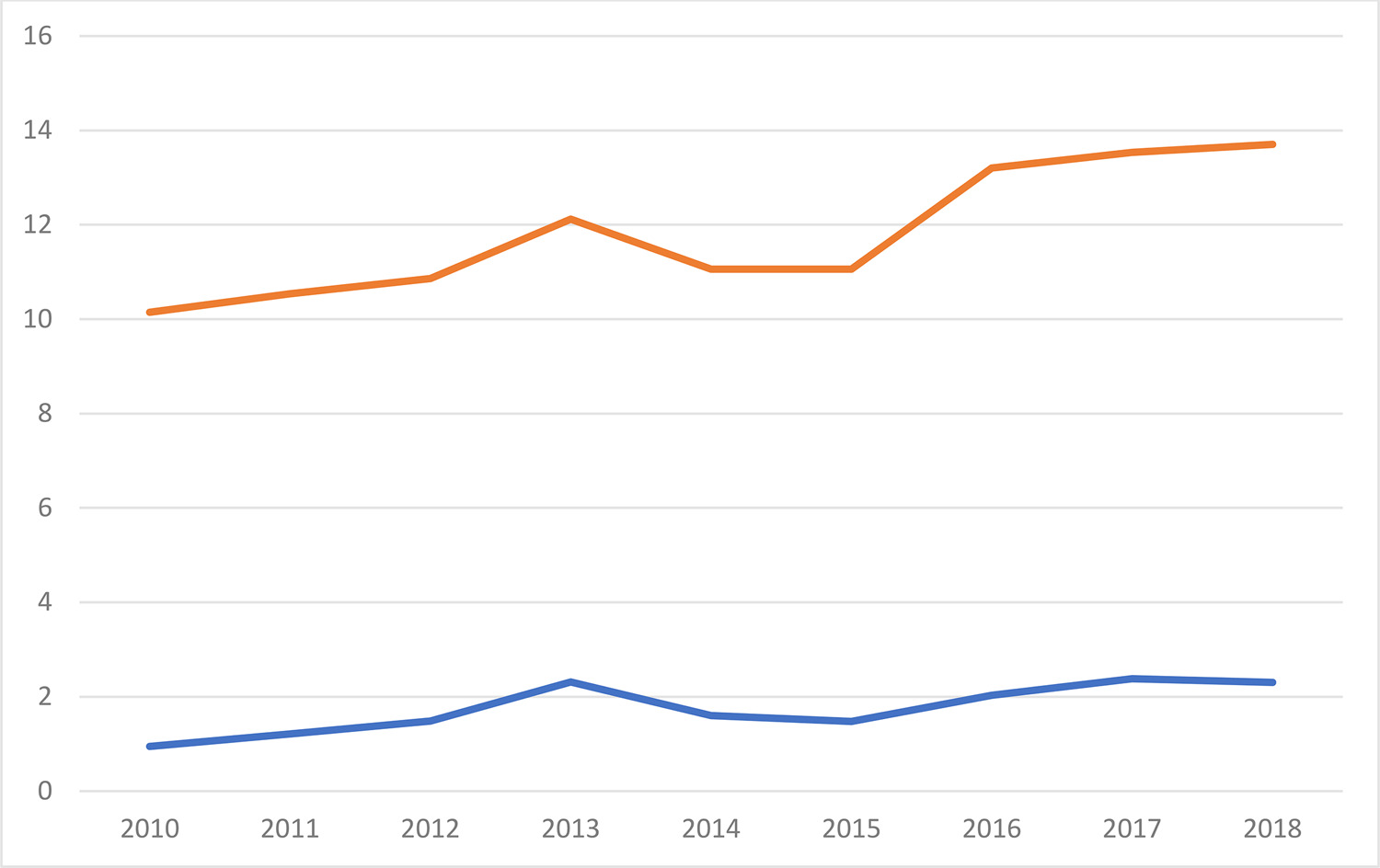
This is a cross-sectional and time-series observational study with data from the Brazilian Information System on Live Births. Heart-related cardiac malformation cases — International Classification of Diseases (ICD) 10th revision Q20.0 to Q24.9 — were selected from January 2010 to December 2018, in the state of São Paulo, Brazil. This study analyzed rates of malformations per year and investigated associated factors, using single and multiple logistic regression models. The significance level adopted in this study was 5%.

Results

The highest cardiac malformation rate was in the São Paulo metropolitan region (2.84:1000), while the lowest was found in the region of Franca (0.3:1000). The most frequent defect was interatrial communication (38.2%). The main associated factors observed in this study were prematurity of 22 to 27 weeks (OR=4,401 95% CI: 3,796-5,104) — CI: Confidence Interval; OR: Odds ratio —, mother’s age between 35 and 49 years of age (OR=1,602 95% CI: 1,525-1,682), yellow race (OR=1,481 95% CI: 1,235-1,775), triple or more pregnancy (OR=1,438 95% CI: 1,004-2,060), and history of a dead child (OR=1,213 95% CI: 1,152-1,277).

Conclusion

The main factors associated with this outcome, which are part of the obstetric history of mothers, should be addressed and considered when pregnancy is a planned event.

  • Congenital Heart Disease
  • Epidemiology
  • Hypoplastic Left Heart Syndrome
  • Interatrial Block
Read Full Article
Creative Commons Attribution (CC BY) Creative Commons license
03/03/2023 DOI: 10.36660/ijcs.20210283 Views 2
Figure 1
ABCIC
My Approach To

My Approach to Managing Left Ventricular Diastolic Function of Children and in Congenital Heart Disease

Laura Mercer Rosa et al. Samira Saady Morhy

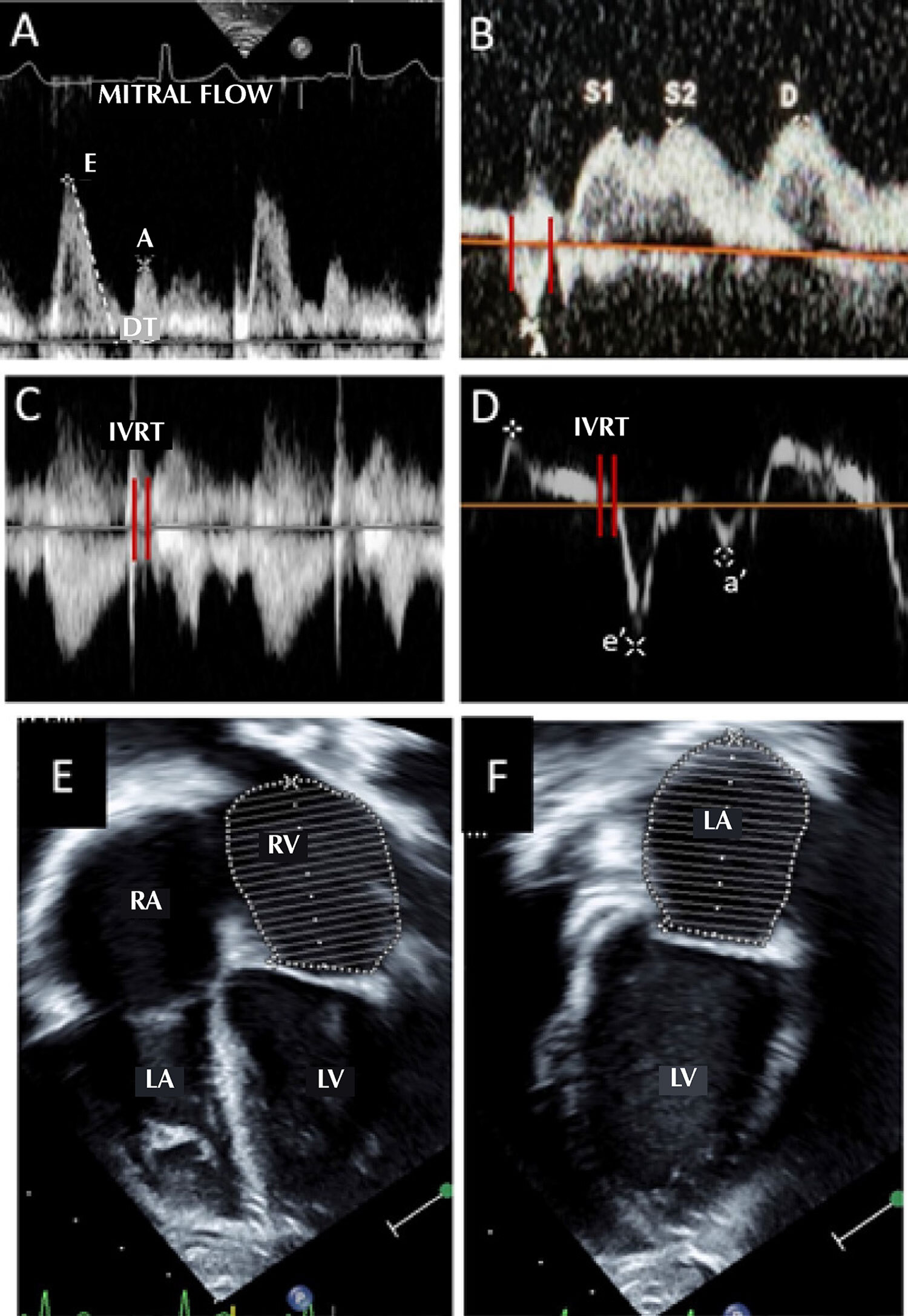
Echocardiography is the primary diagnostic method for assessing ventricular function in children and patients with congenital heart disease; however, it traditionally focuses on systolic function. Despite the growing interest in echocardiographic parameters for assessing diastolic function in children, diastolic dysfunction has been less investigated and, therefore, is less understood.

Some factors have limited this assessment:,

[…]

  • Child
  • Congenital Heart Disease
  • Echocardiography
Read Full Article
Creative Commons Attribution (CC BY) Creative Commons license
23/09/2022 DOI: 10.47593/2675-312X/20223503ecom29
ABC
Editorial

Mortality in Congenital Heart Disease in Brazil – What do we Know?

Andressa Mussi Soares

Congenital Heart Disease (CHD) comprises any change in the anatomy of the heart and its blood vessels. The incidence of CHD is 8 to 10 per 1,000 live births, that is or one in one hundred births. In Brazil, 28,900 children are born with CHD per year (1% of the total births), of which about 80% (23,800) require cardiac surgery, and half of them, within the first year of life. Congenital malformations represent the second main cause of mortality in children under one year of age. CHD is the most frequent and the one with the highest mortality in the first year of life in Brazil, and the second cause of death in up to 30 days of life. Congenital heart disease manifestations are very variable and may occur soon after birth or appear later in childhood or adolescence.

Brazil is a continental country, where the diversity observed both in the diagnosis and in treatment of congenital heart diseases is very large among the macro-regions. It is a fact that there has been a gradual improvement in diagnosis, after the more active dissemination of the oximetry test, with technological advances and the diffusion of echocardiography throughout the country, even so a low survival rate is still observed in the neonatal period. Lopes et al. demonstrated a lethality of 64.7% for critical congenital heart disease and a 28-day survival rate reduced by almost 70% in these newborns, signaling a great need for investment in assistive technology and trained professionals for this among this population.

[…]

  • Congenital Heart Disease
  • Epidemiology
  • Mortality
  • Oximetry Test
  • Public Health Administration
  • Underdiagnosis
Read Full Article
Creative Commons Attribution (CC BY) Creative Commons license
18/01/2021 DOI: 10.36660/abc.20200589
Figure 1
ABC
Clinicoradiological Correlation

Case 2/2020 – Anomalous Origin of the Left Coronary Artery from the Pulmonary Trunk, Under Natural Evolution in a 75-Year-old Asymptomatic Woman

Edmar Atik et al. Oliver Kligerman Luiz Kajita

Clinical data

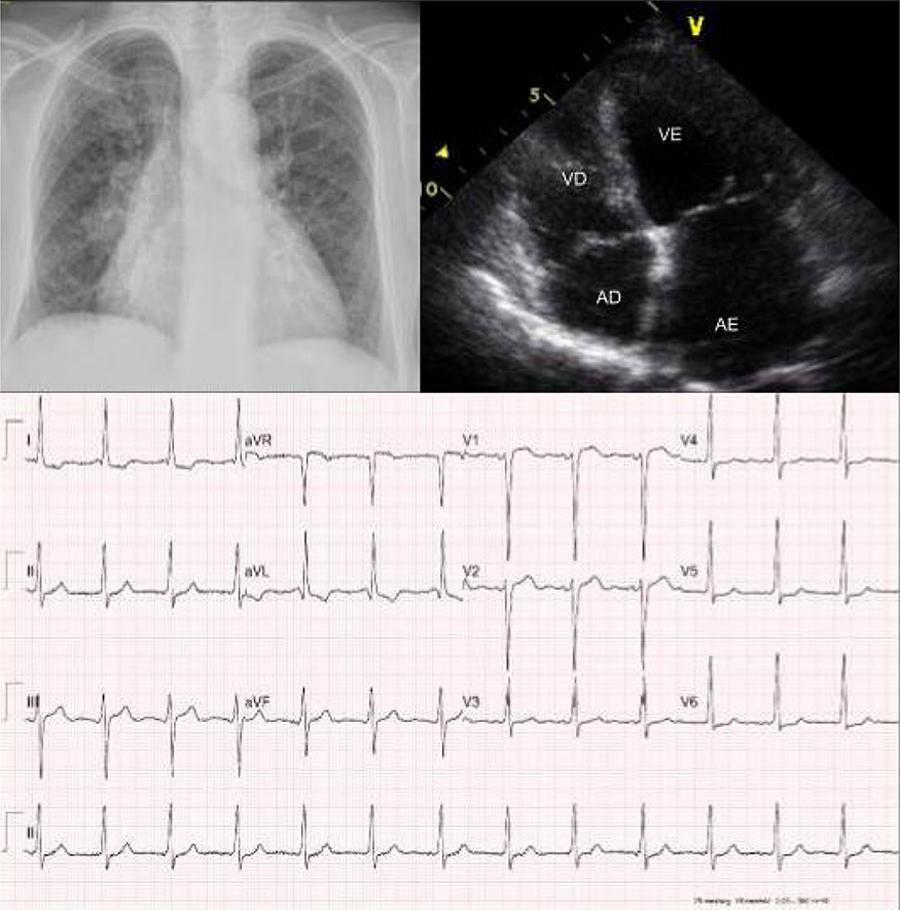
Patient evolves without symptoms in her daily routine as a domestic worker. She denies any symptoms of palpitations, precordial pain or fatigue. When she was aged 62, a cardiac catheterization revealed the diagnosis of anomalous origin of the left coronary artery from the pulmonary artery (ALCAPA, or Bland-White-Garland syndrome), after an altered routine exercise stress test. Since then, the patient reports her well-being, although she is aware of the existence of this anomaly. She is being treated with rosuvastatin, levothyroxine and vitamin D.

Physical examination: good overall status, eupneic, acyanotic, normal pulses in the four limbs. Weight: 49.8 Kg, Height: 143 cm, BP:120 x 80 mmHg, HR: 74 bpm.

[…]

  • Bland-White-Garland Syndrome
  • Congenital Heart Disease
  • Coronary Vessel Anomalies/diagnostic imaging
  • Ischemia
Read Full Article
Creative Commons Attribution (CC BY) Creative Commons license
18/05/2020 DOI: 10.36660/abc.2019-0486 Views 1
Prevalence of dyslipidemia in children with congenital heart disease
ABC
Brief Communication

Prevalence of dyslipidemia in children with congenital heart disease

Gabriela Fuenmayor et al. Ana Carolina Costa Redondo Karen Saori Shiraishi Rogerio Souza … Patrícia Figueiredo Elias Ieda Biscegli Jatene

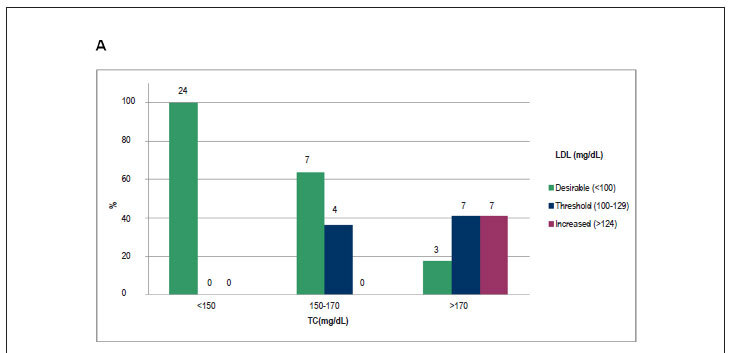
Dyslipidemia is one of the main risk factors associated with cardiovascular diseases. Few data on the impacts of congenital heart diseases are available with regard to the prevalence of dyslipidemia in children. Our study evaluated the lipid profile in children with congenital heart disease at a referral center. From January 2011 to July 2012, 52 pediatric patients had their lipid, metabolic and clinical profiles traced. The mean age was 10.4 ± 2.8 years and male/female rate of 1.38:1. Our population had 53.8% patients with high levels of total cholesterol and 13.4% (CI 95 %, from 6.6 to 25.2%) of them also presenting LDL levels > 130 mg/dL, which characterizes dyslipidemia. The group of dyslipidemic patients presented only two obese individuals. Our data show that the presence of congenital heart disease does not lead to higher risk associated with the prevalence of dyslipidemia. Therefore, the screening of this specific population should follow the regular pediatric guidelines, which are also independent of the nutritional status of the children tested.

  • Child
  • Congenital Heart Disease
  • dyslipidemia
Read Full Article
Creative Commons Attribution (CC BY) Creative Commons license
20/09/2013 DOI: 10.5935/abc.20130174
Echocardiographic monitoring of balloon atrial septostomy
ABC
Artigo Original

Echocardiographic monitoring of balloon atrial septostomy

Carlos Henrique de Marchi et al. Moacir Fernandes de Godoy Márcio Antônio dos Santos Airton Camacho Moscardini … Sírio Hassen Sobrinho Ulisses Alexandre Croti

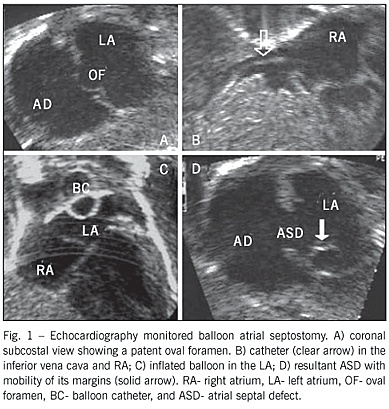
OBJECTIVE: To assess balloon atrial septostomy monitored with echocardiography. METHODS: From August 1997 to January 2004, 31 infants with congenital heart diseases indicated for balloon atrial septostomy underwent the procedure with exclusive echocardiographic monitoring. Success was defined as the obtainment of an atrial septal defect diameter > 4 mm and ample mobility of its margins. RESULTS: The male sex predominated (83.9%). The median age was 5 days (1 – 150), and the median weight was 3,300 g (1,800 – 7,500). Transposition of the great arteries occurred in 80.6% of the patients, tricuspid valve atresia in 12.9%, total anomalous pulmonary venous drainage in 3.2%, and pulmonary atresia with intact septum in 3.2%. The procedure was successful in all patients. The size of the atrial septal defect increased from 1.8 ± 0.8 mm to 5.8 ± 1.3 mm (P < 0.0001) and oxygen arterial saturation from 64.5 ± 18.9% to 85.1 ± 9.2% (P < 0.0001). The following complications occurred: 3 balloon ruptures, one lesion of the right femoral vein, one supraventricular tachycardia, and one atrial flutter. CONCLUSION: Balloon atrial septostomy monitored with echocardiography is a safe and effective procedure. It may be performed at bedside, avoiding transporting of the patient, identifies the catheter location, reduces the occurrence of severe complications, and assesses the immediate result of the procedure.

  • balloon atrial septostomy
  • Congenital Heart Disease
  • Echocardiography
Read Full Article
Creative Commons Attribution (CC BY) Creative Commons license
19/08/2005 DOI: 10.1590/S0066-782X2005000300010
ABC
Artigo Original

The role of echocardiography as an isolated method for indicating surgery in patients with congenital heart disease

Lilian Maria Lopes et al. Ana Paula Damiano Gláucia Neusa Oliveira Moreira Terezinha J. F. Azevedo … Célia Toshie Nagamatsu Gláucia Maria Penha Tavares Victor Coimbra Guerra José Pedro da Silva Gláucio Furlanetto André Bavaresco Cristóvão Salvador

OBJECTIVE: To determine the diagnostic accuracy of echocardiography for indicating surgery without catheterization in patients with congenital heart disease through a prospective analysis and comparison of the echocardiographic diagnosis with the intraoperative findings, or invasive study, or both. METHODS: From February 2000 to January 2001, 493 patients with congenital heart diseases indicated for surgery were followed up. They underwent echocardiography with color-flow mapping for a therapeutic decision. The results were compared with the findings of surgery or catheterization, or both, when the latter were performed for diagnostic reasons. RESULTS: Of the patients studied, 94.3% (465 cases) underwent congenital heart disease correction based only on echocardiographic findings, without a diagnostic catheterization. The invasive study was performed for diagnostic reasons in 28 (5.6%) patients, the surgical treatment was performed in more than 95% of the patients, and therapeutic catheterization was performed in 3.6%. The echocardiographic findings were confirmed in 464 (94.1%) patients, which showed the high accuracy of the method. False-positive findings occurred in 8 (1.6%) patients, and false-negative findings in 39 (7.9%). According to surgeons, no diagnostic error led to complications or adversely affected the surgical results. CONCLUSION: Echocardiography proved to be a sensitive and safe method for indicating surgery, making catheterization, often, unnecessary. The invasive study was restricted to diagnostic or therapeutic uses.

  • Congenital Heart Disease
  • Echocardiography
  • noninvasive diagnosis
Read Full Article
Creative Commons Attribution (CC BY) Creative Commons license
24/05/2005 DOI: 10.1590/S0066-782X2005000500006 Views 1
Subaortic stenosis associated with perimembranous ventricular septal defect: clinical follow-up of 36 patients
ABC
Artigo Original

Subaortic stenosis associated with perimembranous ventricular septal defect: clinical follow-up of 36 patients

Maria da Gloria Cruvinel Horta et al. Carlos Alberto Franco Faria Dilermando Fazito Rezende Tereza Lucia Masci … Cathia Costa C. Rabelo Tamara Katina Marly de Oliveira Luciana Paulino Oliveira

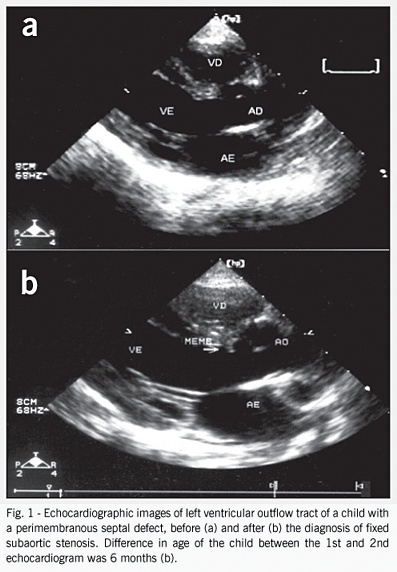
OBJECTIVE: To study the clinical pattern of subaortic stenosis associated with perimembranous ventricular septal defect. METHODS: From January 1979 to June 2000, 36 children with perimembranous ventricular septal defect and fixed subaortic stenosis were followed-up regarding anatomic characteristics, evolvement, and clinical events. RESULTS: Age at diagnosis of subaortic stenosis ranged from 6 months to 170 months, and it was less than 1 year in only 2 children. Regarding sex, the distribution was 2:1 with a greater predominance of males. Ventricular septal defect was small in 61.0% of cases, medium in 30.56%, and large in 8.40%; the size of the septal defect decreased during follow-up in 30.56% (11 cases). In all patients, subaortic stenosis was membranous and fixed. During follow-up, 23 patients experienced evolvement of the stenosis. Surgical treatment was performed in 21 cases, and one patient underwent surgery for restenosis. Infectious endocarditis occurred in 2 patients; one of the patients died. CONCLUSION: Subaortic stenosis occurs in the natural history of ventricular septal defect usually after the first year of life, and it is progressive and requires surgery in most cases.

  • Congenital Heart Disease
  • Endocarditis
  • subaortic stenosis
  • ventricular septal defect
Read Full Article
Creative Commons Attribution (CC BY) Creative Commons license
09/03/2005 DOI: 10.1590/S0066-782X2005000200002
Angiographic morphologic characteristics in pulmonary atresia with intact ventricular septum
ABC
Artigo Original

Angiographic morphologic characteristics in pulmonary atresia with intact ventricular septum

Marco Aurélio Santos et al. Vitor Manuel Pereira Azevedo

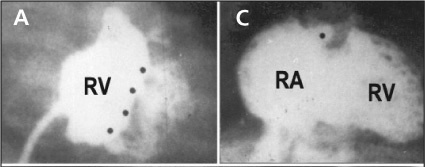
OBJECTIVE: To determine the morphological and functional changes in the right ventricle in pulmonary atresia with intact ventricular septum (PAIVS) for assessing the candidates for the different therapeutic procedures currently available. METHODS: Thirty-one patients underwent cineangiocardiographic study with axial projections. Their ages ranged from 1 to 50 days (x = 9.6), and 28 of them were studied during the first month of life. The statistical analysis comprised the following: chi-square test, Kruskal-Wallis test for the mean and standard deviation, multiple regression, and the 95% confidence interval (95%CI) was calculated. The significance level adopted was alpha < 0.05. RESULTS: The patients were divided into 3 groups according to the angiographic morphology of the right ventricle (RV): group A – tripartite RV (n=16); group B – bipartite RV (n=9); and group C – unipartite RV (n=6). The diameter of the tricuspid valve was 10.28 ± 2.67 mm (A); 7.82 ± 3.41 (B); and 5.27 ± 0.57 (C) (P=0.0005). Pulmonary atresia was of the valvular type in all group A patients and of the infundibular type in all group C patients (P<0.0001). Coronary-cavitary connections were rare (2/16) in group A patients, but occurred in all group C patients (P=0.0006), with retrograde opacity of the aorta (flow from the RV to the aorta) in 2 group A patients and in all group C patients (P=0.0003). Three patients (2 in group C and 1 in group A) had right-ventricular-dependent coronary circulation. Isolated moderate/severe tricuspid regurgitation showed a tendency towards being more frequent in group A (P=0.0525). The angle of the ductus arteriosus with the descending aorta was as follows: 104.06 ± 8.98 in group A; 79.17 ± 33.08 in group B; and 39.0 ± 6.52 in group C (P=0.0016). The correlation between the diameter of the tricuspid valve and the angle of the ductus arteriosus with the descending aorta was 0.6568 (P=0.0002). CONCLUSION: Because of the heterogeneity of the morphology of the RV in patients with pulmonary atresia with intact ventricular septum, knowledge about all these data is required for selecting candidates for the different therapeutic procedures.

  • Congenital Heart Disease
  • Ductus Arteriosus
  • prognostic factors
  • Pulmonary Atresia
  • pulmonary valvotomy
Read Full Article
Creative Commons Attribution (CC BY) Creative Commons license
09/06/2004 DOI: 10.1590/S0066-782X2004000500004
Epidemiological study of congenital heart defects in children and adolescents: analysis of 4,538 cases
ABC
Original Article

Epidemiological study of congenital heart defects in children and adolescents: analysis of 4,538 cases

Nelson Itiro Miyague et al. Silvia Meyer Cardoso Fabrício Meyer Frederico Thomaz Ultramari … Fábio Henrique Araújo Igor Rozkowisk Alisson Parrilha Toschi

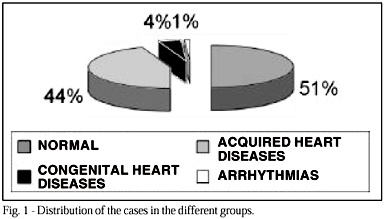
OBJECTIVE: To analyze the frequency and prevalence of congenital heart defects in a tertiary care center for children with heart diseases. METHODS: We carried out an epidemiological assessment of the first medical visit of 4,538 children in a pediatric hospital from January 1995 to December 1997. All patients with congenital heart defects had their diagnoses confirmed at least on echocardiography. The frequency and prevalence of the anomalies were computed according to the classification of sequential analysis. Age, weight, and sex were compared between the groups of healthy individuals and those with congenital heart defects after distribution according to the age group. RESULTS: Of all the children assessed, 2,017 (44.4%) were diagnosed with congenital heart disease, 201 (4.4%) with acquired heart disease, 52 (1.2%) with arrhythmias, and 2,268 (50%) were healthy children. Congenital heart diseases predominated in neonates and infants, corresponding to 71.5% of the cases. Weight and age were significantly lower in children with congenital heart defects. Ventricular septal defect was the most frequent acyanotic anomaly, and tetralogy of Fallot was the most frequent cyanotic anomaly. CONCLUSION: Children with congenital heart defects are mainly referred during the neonatal period and infancy with impairment in gaining weight. Ventricular septal defect is the most frequent heart defect.

  • Congenital Heart Disease
  • Epidemiology
  • Prevalence
Read Full Article
Creative Commons Attribution (CC BY) Creative Commons license
09/04/2003 DOI: 10.1590/S0066-782X2003000300003
ABC
Original Article

Right ventricular diastolic dysfunction in the postoperative period of tetralogy of Fallot

Silvia Meyer Cardoso et al. Nelson Itiro Miyague

OBJECTIVE: To assess right ventricular diastolic function in the intermediate postoperative period of repair of tetralogy of Fallot. METHODS: We carried out a case-control study with 60 patients divided into 2 groups as follows: 1) group I – 30 patients who had undergone repair of tetralogy of Fallot and 2) group II – 30 healthy children. The 2 groups were paired for age, sex, and body surface. The flows in the pulmonary and tricuspid valves were analyzed with Doppler echocardiography. The presence of anterograde flow at the end of diastole in the pulmonary artery defined restrictive right ventricular physiology. Surgical, radiological, electrocardiographic, and echocardiographic variables were analized in the group I. RESULTS: The velocity of the A wave and the E/A ratio for the tricuspid valve showed significant differences between the groups. Cases with E/A < 1.30 predominated in inspiration (group I – 19/30, and group II – 5/30). The duration of the QRS complex on the electrocardiogram was significantly increased in patients with E/A <1.30. Nineteen (63.3%) patients had restrictive right ventricular physiology, which had a longer postoperative period, longer duration of the QRS complex, and a lower E/A ratio in inspiration. The surgical and radiological variables showed no statistical difference. CONCLUSION: Restrictive right ventricular physiology was detected on the intermediate follow-up of most patients undergoing repair of tetralogy of Fallot. The postoperative period and QRS duration were increased in patients with impairment in diastolic function.

  • Congenital Heart Disease
  • Diastolic Function
  • Tetralogy of Fallot
Read Full Article
Creative Commons Attribution (CC BY) Creative Commons license
02/04/2003 DOI: 10.1590/S0066-782X2003000200008
ABC
Original Article

Edmar Atik et al. Miguel Barbero-Marcial Elisa R. Iwahashi Jorge Y. Afiune Munir Ebaid

OBJECTIVE – To assess neonates with aortic stenosis with early decompensation operated upon. (LCO) (CHF). METHODS – A and retrospective study analyzing 6 neonates with LCO, group I (GI), and 12 neonates with CHF, group II (GII). Clinical radiographic, electrocardiographic and echocardiographic findings also provided comparative bases for the study, as did surgical and evolutional findings. RESULTS – The mean ages at hospitalization and surgery (p = 0.0031) were 14.3 and 14.8 days in GI and 35.4 and 42.8 days in GII, respectively. Cardiac murmurs were more intense in GII (p = 0.0220). The aortic ring was smaller in GI (8.0 ± 2.5mm) as compared to GII (11.4±1.4mm) (p = 0.2882). Ventricular function was reduced to 18±5.5% and 33.3±7.6% in GI and GII, respectively (p = 0.0162). Aortic atresia, however, was present only in 2 neonates in GI. Five of 6 patients in GI died but all patients in GII survived (p=0.0007). In the latter group, 84.6% of the patients were in functional class I (FC-I) in the long-term follow-up, with moderate residual lesions in 6 neonates, discrete residual lesions in 4, and reoperation in 2. CONCLUSION – Aortic stenosis is a severe anomaly of the neonate, whose immediate evolution depends on the pre-operative anatomic and functional findings, and the late evolution essentially depends on the anatomic features of the valve.

  • Aortic Stenosis
  • Congenital Heart Disease
  • neonate
  • Surgery
Read Full Article
Creative Commons Attribution (CC BY) Creative Commons license
08/01/2002 DOI: 10.1590/S0066-782X1999001000003

How to cite this article

EndNote RIS

Electronic Document Format (Vancouver)

Damiano AP. Epidemiological Profile: An Important Step in the Organization of Medical Care. International Journal of Cardiovascular Sciences 2023;36:e20230018.

Electronic Document Format (ABNT)

Damiano, Ana Paula. Epidemiological Profile: An Important Step in the Organization of Medical Care. International Journal of Cardiovascular Sciences, v. 36, e20230018, Apr. 2023.

Electronic Document Format (APA)

Damiano, A. P. (2023). Epidemiological Profile: An Important Step in the Organization of Medical Care. International Journal of Cardiovascular Sciences, 36, e20230018.

Electronic Document Format (ISO)

Damiano, Ana Paula. Epidemiological Profile: An Important Step in the Organization of Medical Care. International Journal of Cardiovascular Sciences [online]. 2023, vol. 36, [cited 2026-10-14], e20230018. Available from: <https://journals.cardiol.br/en/article/epidemiological-profile-an-important-step-in-the-organization-of-medical-care/>. ISSN 2359-4802

EndNote RIS

Electronic Document Format (Vancouver)

Madruga I, Moraes TD, Prado C, Baldini CES, Braga ALF. Associated Factors with Congenital Heart Disease in the Most Populated State of Brazil Between 2010 and 2018. International Journal of Cardiovascular Sciences 2023;36:e20210283.

Electronic Document Format (ABNT)

Madruga, Isabela; Moraes, Tatiane Dunder de; Prado, Caroline; Baldini, Carlos Eduardo Slateff; Braga, Alfésio Luís Ferreira. Associated Factors with Congenital Heart Disease in the Most Populated State of Brazil Between 2010 and 2018. International Journal of Cardiovascular Sciences, v. 36, e20210283, Mar. 2023.

Electronic Document Format (APA)

Madruga, I., Moraes, T. D. , Prado, C., Baldini, C. E. S., & Braga, A. L. F. (2023). Associated Factors with Congenital Heart Disease in the Most Populated State of Brazil Between 2010 and 2018. International Journal of Cardiovascular Sciences, 36, e20210283.

Electronic Document Format (ISO)

Madruga, Isabela and Moraes, Tatiane Dunder de and Prado, Caroline and Baldini, Carlos Eduardo Slateff and Braga, Alfésio Luís Ferreira. Associated Factors with Congenital Heart Disease in the Most Populated State of Brazil Between 2010 and 2018. International Journal of Cardiovascular Sciences [online]. 2023, vol. 36, [cited 2026-10-14], e20210283. Available from: <https://journals.cardiol.br/en/article/associated-factors-with-congenital-heart-disease-in-the-most-populated-state-of-brazil-between-2010-and-2018/>. ISSN 2359-4802

EndNote RIS

Electronic Document Format (Vancouver)

Rosa LM, Morhy SS. My Approach to Managing Left Ventricular Diastolic Function of Children and in Congenital Heart Disease. ABC Imagem Cardiovascular 2022;35(3):ecom29.

Electronic Document Format (ABNT)

Rosa, Laura Mercer; Morhy, Samira Saady. My Approach to Managing Left Ventricular Diastolic Function of Children and in Congenital Heart Disease. ABC Imagem Cardiovascular, v. 35, n. 3, ecom29, Sep. 2022.

Electronic Document Format (APA)

Rosa, L. M., & Morhy, S. S. (2022). My Approach to Managing Left Ventricular Diastolic Function of Children and in Congenital Heart Disease. ABC Imagem Cardiovascular, 35(3), ecom29.

Electronic Document Format (ISO)

Rosa, Laura Mercer and Morhy, Samira Saady. My Approach to Managing Left Ventricular Diastolic Function of Children and in Congenital Heart Disease. ABC Imagem Cardiovascular [online]. 2022, vol. 35, n. 3, [cited 2026-10-14], ecom29. Available from: <https://journals.cardiol.br/en/article/my-approach-to-managing-left-ventricular-diastolic-function-of-children-and-in-congenital-heart-disease/>. ISSN 2318-8219

EndNote RIS

Electronic Document Format (Vancouver)

Soares AM. Mortality in Congenital Heart Disease in Brazil – What do we Know?. Arquivos Brasileiros de Cardiologia 2021;115(6):1174-5.

Electronic Document Format (ABNT)

Soares, Andressa Mussi. Mortality in Congenital Heart Disease in Brazil – What do we Know?. Arquivos Brasileiros de Cardiologia, v. 115, n. 6, p. 1174-1175, Jan. 2021.

Electronic Document Format (APA)

Soares, A. M. (2021). Mortality in Congenital Heart Disease in Brazil – What do we Know?. Arquivos Brasileiros de Cardiologia, 115(6), 1174-1175.

Electronic Document Format (ISO)

Soares, Andressa Mussi. Mortality in Congenital Heart Disease in Brazil – What do we Know?. Arquivos Brasileiros de Cardiologia [online]. 2021, vol. 115, n. 6, [cited 2026-10-14], pp. 1174-1175. Available from: <https://journals.cardiol.br/en/article/mortality-in-congenital-heart-disease-in-brazil-what-do-we-know/>. ISSN 0066-782X

EndNote RIS

Electronic Document Format (Vancouver)

Atik E, Kligerman O, Kajita L. Case 2/2020 – Anomalous Origin of the Left Coronary Artery from the Pulmonary Trunk, Under Natural Evolution in a 75-Year-old Asymptomatic Woman. Arquivos Brasileiros de Cardiologia 2020;114(4 suppl 1):40-2.

Electronic Document Format (ABNT)

Atik, Edmar; Kligerman, Oliver; Kajita, Luiz. Case 2/2020 – Anomalous Origin of the Left Coronary Artery from the Pulmonary Trunk, Under Natural Evolution in a 75-Year-old Asymptomatic Woman. Arquivos Brasileiros de Cardiologia, v. 114, n. 4 suppl 1, p. 40-42, May. 2020.

Electronic Document Format (APA)

Atik, E., Kligerman, O., & Kajita, L. (2020). Case 2/2020 – Anomalous Origin of the Left Coronary Artery from the Pulmonary Trunk, Under Natural Evolution in a 75-Year-old Asymptomatic Woman. Arquivos Brasileiros de Cardiologia, 114(4 suppl 1), 40-42.

Electronic Document Format (ISO)

Atik, Edmar and Kligerman, Oliver and Kajita, Luiz. Case 2/2020 – Anomalous Origin of the Left Coronary Artery from the Pulmonary Trunk, Under Natural Evolution in a 75-Year-old Asymptomatic Woman. Arquivos Brasileiros de Cardiologia [online]. 2020, vol. 114, n. 4 suppl 1, [cited 2026-10-14], pp. 40-42. Available from: <https://journals.cardiol.br/en/article/case-2-2020-anomalous-origin-of-the-left-coronary-artery-from-the-pulmonary-trunk-under-natural-evolution-in-a-75-year-old-asymptomatic-woman/>. ISSN 0066-782X

EndNote RIS

Electronic Document Format (Vancouver)

Fuenmayor G, Redondo ACC, Shiraishi KS, Souza R, Elias PF, Jatene IB. Prevalence of dyslipidemia in children with congenital heart disease. Arquivos Brasileiros de Cardiologia 2013;101(3):273-6.

Electronic Document Format (ABNT)

Fuenmayor, Gabriela; Redondo, Ana Carolina Costa; Shiraishi, Karen Saori; Souza, Rogerio; Elias, Patrícia Figueiredo; Jatene, Ieda Biscegli. Prevalence of dyslipidemia in children with congenital heart disease. Arquivos Brasileiros de Cardiologia, v. 101, n. 3, p. 273-276, Sep. 2013.

Electronic Document Format (APA)

Fuenmayor, G., Redondo, A. C. C., Shiraishi, K. S., Souza, R., Elias, P. F., & Jatene, I. B. (2013). Prevalence of dyslipidemia in children with congenital heart disease. Arquivos Brasileiros de Cardiologia, 101(3), 273-276.

Electronic Document Format (ISO)

Fuenmayor, Gabriela and Redondo, Ana Carolina Costa and Shiraishi, Karen Saori and Souza, Rogerio and Elias, Patrícia Figueiredo and Jatene, Ieda Biscegli. Prevalence of dyslipidemia in children with congenital heart disease. Arquivos Brasileiros de Cardiologia [online]. 2013, vol. 101, n. 3, [cited 2026-10-14], pp. 273-276. Available from: <https://journals.cardiol.br/en/article/prevalence-of-dyslipidemia-in-children-with-congenital-heart-disease/>. ISSN 0066-782X

EndNote RIS

Electronic Document Format (Vancouver)

Marchi CH, Godoy MF, Santos MA, Moscardini AC, Sobrinho SH, Croti UA. Echocardiographic monitoring of balloon atrial septostomy. Arquivos Brasileiros de Cardiologia 2005;84(3):245-50.

Electronic Document Format (ABNT)

Marchi, Carlos Henrique de; Godoy, Moacir Fernandes de; Santos, Márcio Antônio dos; Moscardini, Airton Camacho; Sobrinho, Sírio Hassen; Croti, Ulisses Alexandre. Echocardiographic monitoring of balloon atrial septostomy. Arquivos Brasileiros de Cardiologia, v. 84, n. 3, p. 245-250, Aug. 2005.

Electronic Document Format (APA)

Marchi, C. H. , Godoy, M. F. , Santos, M. A. , Moscardini, A. C., Sobrinho, S. H., & Croti, U. A. (2005). Echocardiographic monitoring of balloon atrial septostomy. Arquivos Brasileiros de Cardiologia, 84(3), 245-250.

Electronic Document Format (ISO)

Marchi, Carlos Henrique de and Godoy, Moacir Fernandes de and Santos, Márcio Antônio dos and Moscardini, Airton Camacho and Sobrinho, Sírio Hassen and Croti, Ulisses Alexandre. Echocardiographic monitoring of balloon atrial septostomy. Arquivos Brasileiros de Cardiologia [online]. 2005, vol. 84, n. 3, [cited 2026-10-14], pp. 245-250. Available from: <https://journals.cardiol.br/en/article/echocardiographic-monitoring-of-balloon-atrial-septostomy/>. ISSN 0066-782X

EndNote RIS

Electronic Document Format (Vancouver)

Lopes LM, Damiano AP, Moreira GNO, Azevedo TJF, Nagamatsu CT, Tavares GMP, Guerra VC, et al. The role of echocardiography as an isolated method for indicating surgery in patients with congenital heart disease. Arquivos Brasileiros de Cardiologia 2005;84(5):381-6.

Electronic Document Format (ABNT)

Lopes, Lilian Maria; Damiano, Ana Paula; Moreira, Gláucia Neusa Oliveira; Azevedo, Terezinha J. F.; Nagamatsu, Célia Toshie; Tavares, Gláucia Maria Penha; Guerra, Victor Coimbra; Silva, José Pedro da; Furlanetto, Gláucio; Salvador, André Bavaresco Cristóvão. The role of echocardiography as an isolated method for indicating surgery in patients with congenital heart disease. Arquivos Brasileiros de Cardiologia, v. 84, n. 5, p. 381-386, May. 2005.

Electronic Document Format (APA)

Lopes, L. M., Damiano, A. P., Moreira, G. N. O., Azevedo, T. J. F., Nagamatsu, C. T., Tavares, G. M. P., Guerra, V. C., Silva, J. P. , Furlanetto, G., & Salvador, A. B. C. (2005). The role of echocardiography as an isolated method for indicating surgery in patients with congenital heart disease. Arquivos Brasileiros de Cardiologia, 84(5), 381-386.

Electronic Document Format (ISO)

Lopes, Lilian Maria and Damiano, Ana Paula and Moreira, Gláucia Neusa Oliveira and Azevedo, Terezinha J. F. and Nagamatsu, Célia Toshie and Tavares, Gláucia Maria Penha and Guerra, Victor Coimbra and Silva, José Pedro da and Furlanetto, Gláucio and Salvador, André Bavaresco Cristóvão. The role of echocardiography as an isolated method for indicating surgery in patients with congenital heart disease. Arquivos Brasileiros de Cardiologia [online]. 2005, vol. 84, n. 5, [cited 2026-10-14], pp. 381-386. Available from: <https://journals.cardiol.br/en/article/the-role-of-echocardiography-as-an-isolated-method-for-indicating-surgery-in-patients-with-congenital-heart-disease/>. ISSN 0066-782X

EndNote RIS

Electronic Document Format (Vancouver)

Horta MGC, Faria CAF, Rezende DF, Masci TL, Rabelo CCC, Katina T, Oliveira M, et al. Subaortic stenosis associated with perimembranous ventricular septal defect: clinical follow-up of 36 patients. Arquivos Brasileiros de Cardiologia 2005;84(2):103-7.

Electronic Document Format (ABNT)

Horta, Maria da Gloria Cruvinel; Faria, Carlos Alberto Franco; Rezende, Dilermando Fazito; Masci, Tereza Lucia; Rabelo, Cathia Costa C.; Katina, Tamara; Oliveira, Marly de; Oliveira, Luciana Paulino. Subaortic stenosis associated with perimembranous ventricular septal defect: clinical follow-up of 36 patients. Arquivos Brasileiros de Cardiologia, v. 84, n. 2, p. 103-107, Mar. 2005.

Electronic Document Format (APA)

Horta, M. G. C., Faria, C. A. F., Rezende, D. F., Masci, T. L., Rabelo, C. C. C., Katina, T., Oliveira, M. , & Oliveira, L. P. (2005). Subaortic stenosis associated with perimembranous ventricular septal defect: clinical follow-up of 36 patients. Arquivos Brasileiros de Cardiologia, 84(2), 103-107.

Electronic Document Format (ISO)

Horta, Maria da Gloria Cruvinel and Faria, Carlos Alberto Franco and Rezende, Dilermando Fazito and Masci, Tereza Lucia and Rabelo, Cathia Costa C. and Katina, Tamara and Oliveira, Marly de and Oliveira, Luciana Paulino. Subaortic stenosis associated with perimembranous ventricular septal defect: clinical follow-up of 36 patients. Arquivos Brasileiros de Cardiologia [online]. 2005, vol. 84, n. 2, [cited 2026-10-14], pp. 103-107. Available from: <https://journals.cardiol.br/en/article/subaortic-stenosis-associated-with-perimembranous-ventricular-septal-defect-clinical-follow-up-of-36-patients/>. ISSN 0066-782X

EndNote RIS

Electronic Document Format (Vancouver)

Santos MA, Azevedo VMP. Angiographic morphologic characteristics in pulmonary atresia with intact ventricular septum. Arquivos Brasileiros de Cardiologia 2004;82(5):413-9.

Electronic Document Format (ABNT)

Santos, Marco Aurélio; Azevedo, Vitor Manuel Pereira. Angiographic morphologic characteristics in pulmonary atresia with intact ventricular septum. Arquivos Brasileiros de Cardiologia, v. 82, n. 5, p. 413-419, Jun. 2004.

Electronic Document Format (APA)

Santos, M. A., & Azevedo, V. M. P. (2004). Angiographic morphologic characteristics in pulmonary atresia with intact ventricular septum. Arquivos Brasileiros de Cardiologia, 82(5), 413-419.

Electronic Document Format (ISO)

Santos, Marco Aurélio and Azevedo, Vitor Manuel Pereira. Angiographic morphologic characteristics in pulmonary atresia with intact ventricular septum. Arquivos Brasileiros de Cardiologia [online]. 2004, vol. 82, n. 5, [cited 2026-10-14], pp. 413-419. Available from: <https://journals.cardiol.br/en/article/angiographic-morphologic-characteristics-in-pulmonary-atresia-with-intact-ventricular-septum/>. ISSN 0066-782X

EndNote RIS

Electronic Document Format (Vancouver)

Miyague NI, Cardoso SM, Meyer F, Ultramari FT, Araújo FH, Rozkowisk I, Toschi AP, et al. Epidemiological study of congenital heart defects in children and adolescents: analysis of 4,538 cases. Arquivos Brasileiros de Cardiologia 2003;80(3):274-8.

Electronic Document Format (ABNT)

Miyague, Nelson Itiro; Cardoso, Silvia Meyer; Meyer, Fabrício; Ultramari, Frederico Thomaz; Araújo, Fábio Henrique; Rozkowisk, Igor; Toschi, Alisson Parrilha. Epidemiological study of congenital heart defects in children and adolescents: analysis of 4,538 cases. Arquivos Brasileiros de Cardiologia, v. 80, n. 3, p. 274-278, Apr. 2003.

Electronic Document Format (APA)

Miyague, N. I., Cardoso, S. M., Meyer, F., Ultramari, F. T., Araújo, F. H., Rozkowisk, I., & Toschi, A. P. (2003). Epidemiological study of congenital heart defects in children and adolescents: analysis of 4,538 cases. Arquivos Brasileiros de Cardiologia, 80(3), 274-278.

Electronic Document Format (ISO)

Miyague, Nelson Itiro and Cardoso, Silvia Meyer and Meyer, Fabrício and Ultramari, Frederico Thomaz and Araújo, Fábio Henrique and Rozkowisk, Igor and Toschi, Alisson Parrilha. Epidemiological study of congenital heart defects in children and adolescents: analysis of 4,538 cases. Arquivos Brasileiros de Cardiologia [online]. 2003, vol. 80, n. 3, [cited 2026-10-14], pp. 274-278. Available from: <https://journals.cardiol.br/en/article/epidemiological-study-of-congenital-heart-defects-in-children-and-adolescents-analysis-of-4538-cases/>. ISSN 0066-782X

EndNote RIS

Electronic Document Format (Vancouver)

Cardoso SM, Miyague NI. Right ventricular diastolic dysfunction in the postoperative period of tetralogy of Fallot. Arquivos Brasileiros de Cardiologia 2003;80(2):198-201.

Electronic Document Format (ABNT)

Cardoso, Silvia Meyer; Miyague, Nelson Itiro. Right ventricular diastolic dysfunction in the postoperative period of tetralogy of Fallot. Arquivos Brasileiros de Cardiologia, v. 80, n. 2, p. 198-201, Apr. 2003.

Electronic Document Format (APA)

Cardoso, S. M., & Miyague, N. I. (2003). Right ventricular diastolic dysfunction in the postoperative period of tetralogy of Fallot. Arquivos Brasileiros de Cardiologia, 80(2), 198-201.

Electronic Document Format (ISO)

Cardoso, Silvia Meyer and Miyague, Nelson Itiro. Right ventricular diastolic dysfunction in the postoperative period of tetralogy of Fallot. Arquivos Brasileiros de Cardiologia [online]. 2003, vol. 80, n. 2, [cited 2026-10-14], pp. 198-201. Available from: <https://journals.cardiol.br/en/article/right-ventricular-diastolic-dysfunction-in-the-postoperative-period-of-tetralogy-of-fallot/>. ISSN 0066-782X

EndNote RIS

Electronic Document Format (Vancouver)

Atik E, Barbero-Marcial M, Iwahashi ER, Afiune JY, Ebaid M. . Arquivos Brasileiros de Cardiologia 2002;73(4):354-8.

Electronic Document Format (ABNT)

Atik, Edmar; Barbero-Marcial, Miguel; Iwahashi, Elisa R.; Afiune, Jorge Y.; Ebaid, Munir. . Arquivos Brasileiros de Cardiologia, v. 73, n. 4, p. 354-358, Jan. 2002.

Electronic Document Format (APA)

Atik, E., Barbero-Marcial, M., Iwahashi, E. R., Afiune, J. Y., & Ebaid, M. (2002). . Arquivos Brasileiros de Cardiologia, 73(4), 354-358.

Electronic Document Format (ISO)

Atik, Edmar and Barbero-Marcial, Miguel and Iwahashi, Elisa R. and Afiune, Jorge Y. and Ebaid, Munir. . Arquivos Brasileiros de Cardiologia [online]. 2002, vol. 73, n. 4, [cited 2026-10-14], pp. 354-358. Available from: <https://journals.cardiol.br/en/article/17660/>. ISSN 0066-782X

  • About ABC Family
  • Internal Regulation
  • Editorial Board
  • Brazilian Society of Cardiology (SBC)

Issues

SBC Guidelines

  • Videos
  • Podcasts
  • News