| ABC
ABC Family Arquivos Brasileiros de Cardiologia International Journal of Cardiovascular Sciences ABC Heart Failure & Cardiomyopathy ABC Imagem Cardiovascular
Português English
ABC Family | ABC
Português English
  • About
    • About the Journal
    • Internal Regulation
    • Editors Section
    • Editorial Board
    • History
    • SBC Award
  • Instructions to Authors
    • Guidelines for Publication
    • Editorial Policy
    • Ethics Policy
    • Policy on the Use of Artificial Intelligence
    • Mandatory Publication Form
    • Publication Fee
  • Issues
  • SBC Guidelines
  • Abstracts
    • How to Publish an Abstract Supplement?
    • Supplements from the Brazilian Congress of Cardiology
  • About
    • About the Journal
    • Internal Regulation
    • Editors Section
    • Editorial Board
    • History
    • SBC Award
  • Instructions to Authors
    • Guidelines for Publication
    • Editorial Policy
    • Ethics Policy
    • Policy on the Use of Artificial Intelligence
    • Mandatory Publication Form
    • Publication Fee
  • Issues
  • SBC Guidelines
  • Abstracts
    • How to Publish an Abstract Supplement?
    • Supplements from the Brazilian Congress of Cardiology

ABC Family

  • ABC Family
  • Arquivos Brasileiros de Cardiologia
  • International Journal of Cardiovascular Sciences
  • ABC Heart Failure & Cardiomyopathy
  • ABC Imagem Cardiovascular
Search in

No content found.

Journals
Ordering
Article types
Others

  1. Home
  2. ABC
  3. Issues
  4. 2020, Volume 114, Number 5
Figure 1
Original Article

Validity Evidence of the Brazilian Version of the Florida Shock Anxiety Scale for Patients with Implantable Cardioverter Defibrillators

Katia Regina Silva et al. Roberto Costa Giovanna Regina Garcia de Oliveira Melo Flávio Rebustini … Marcos Sidney Benedetto Marcia Mitie Nagumo Samuel F. Sears

Abstract

Background

In spite of proven effectiveness of implantable cardioverter defibrillators (ICDs), shock therapy delivered by the device may result in increased levels of anxiety and depression, leading to deleterious effects on quality of life.

Objective

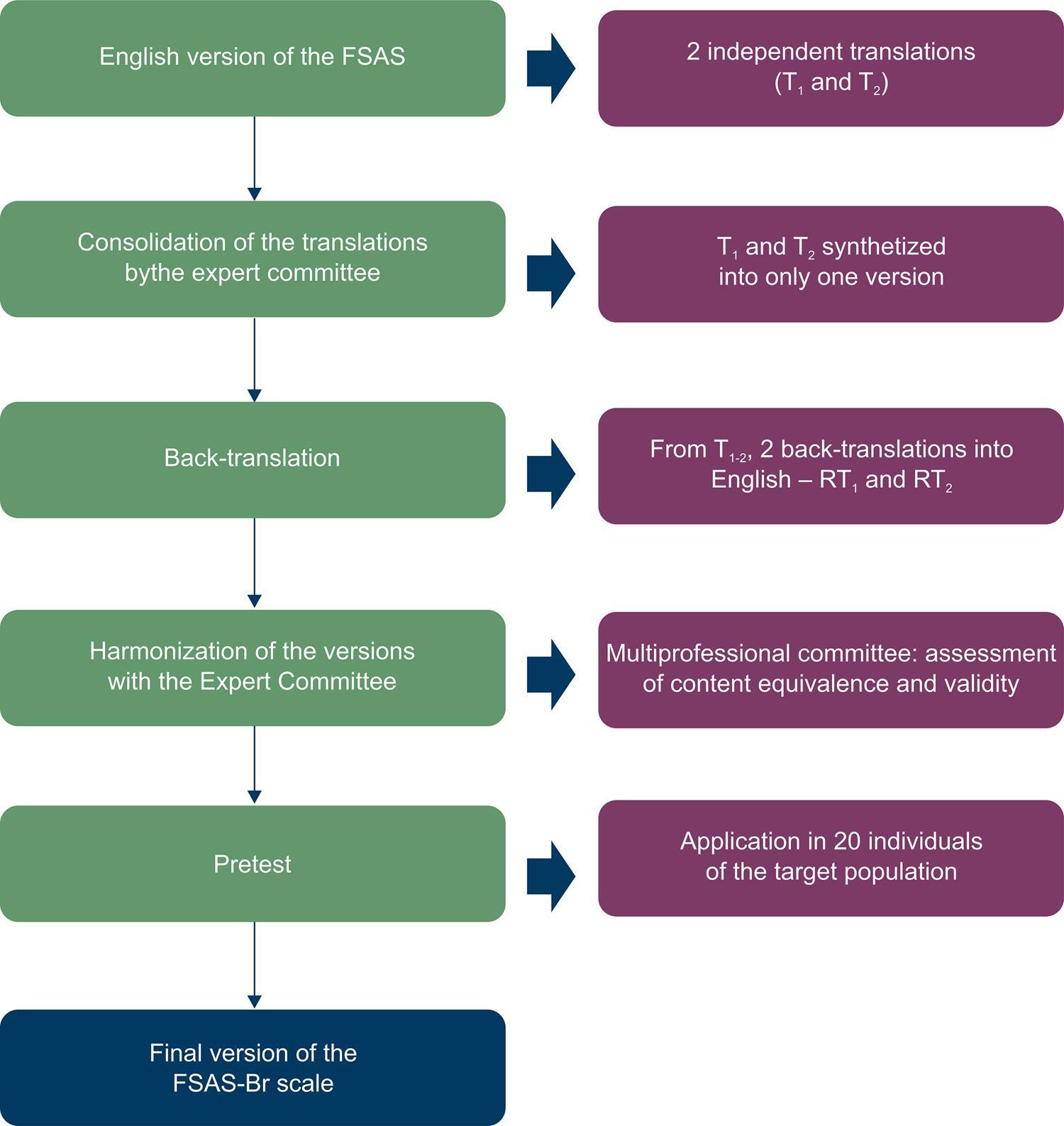
To carry out the translation, cross-cultural adaptation and validation of the Florida Shock Anxiety Scale (FSAS) scale into Brazilian Portuguese.

Methods

In this psychometric study, construct validity was performed by exploratory (EFA) and confirmatory (CFA) factor analyses, and by item response theory (IRT). The adjustment indexes of the CFA were: Robust Mean-Scaled Chi Square/df NNFI, CFI (Comparative Fit Index), GFI (Goodness Fit Index), AGFI (Adjusted Goodness Fit Index), RMSEA (Root Mean Square Error of Approximation) and RMSR (Root Mean Square of Residuals). Reliability was evaluated through Cronbach’s Alpha, McDonald’s Omega and Greatest Lower Bound (GLB). The analyses were carried out with the programs SPSS 23 and Factor 10.8.01. A 5 percent significance level was used.

Results

The final Portuguese version of the FSAS was administered to 151 ICD patients, with a mean age of 55.7 ± 14.1 years, and predominantly male. The parallel analysis indicated that the FSAS is unidimensional, with an explained variance of 64.4%. The correlations ranged from 0.31 to 0.77, factor loadings from 0.67 to 0.86, and communalities from 0.46 to 0.74. The adjustment indexes of the CFA were above the quality threshold. Satisfactory reliability evidence was provided by the FSAS.

Conclusions

The FSAS-Br showed consistent validity and reliability evidence. Therefore, it can be used in ICD patients in Brazil. (Arq Bras Cardiol. 2020; 114(5):764-772)
  • Anxiety
  • Arrhythmias
  • Implantable defibrillator
  • Psychometric
  • Shock therapies
Read Full Article
Creative Commons Attribution (CC BY) Creative Commons license
01/06/2020 DOI: 10.36660/abc.20190255 Views 2
Figura 1
Viewpoint

Cardiovascular Implications in Patients Infected with Covid-19 and the Importance of Social Isolation to Reduce Dissemination of the Disease

Juliana Alves Costa et al. Juliana de Almeida Silveira Sara Cristine Marques dos Santos Patrícia Pereira Nogueira

Abstract

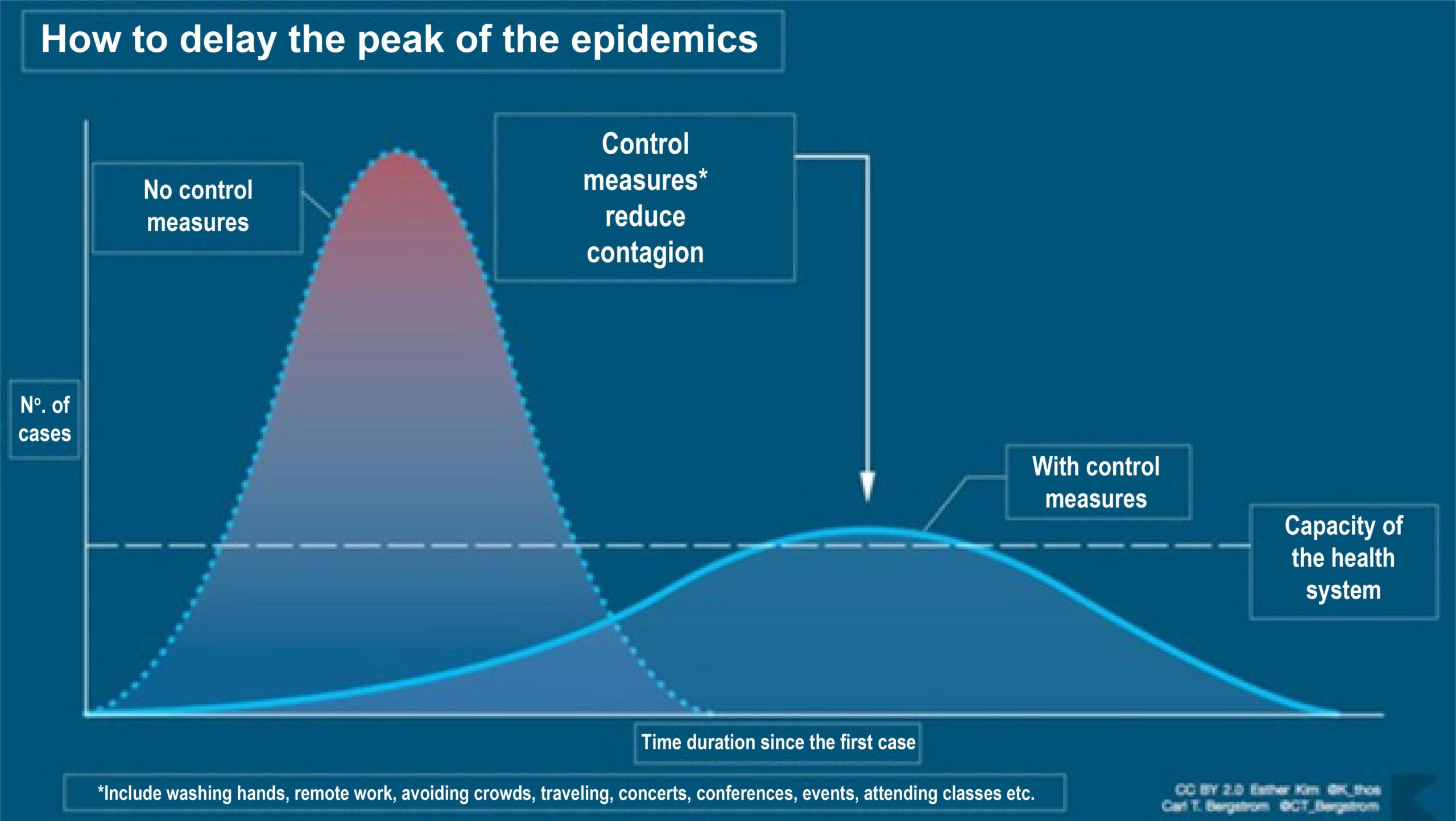
Respiratory symptoms, especially the development of severe acute respiratory distress syndrome, dominate the discussion and initial concerns of the population and health professionals. However, the cardiovascular system is greatly affected by these conditions and is often responsible for complications and mortality of these patients. In order to show the cardiovascular implications in patients infected with COVID-19 and the importance of social isolation as an alternative to curb the spread of the disease, a literature review was carried out based on 37 articles, in English, Portuguese and Spanish, available on Scielo and PubMed. The findings showed that cardiac complications associated with COVID-19 infection are similar to those produced by: severe acute respiratory syndrome (SARS), Middle East respiratory syndrome (MERS) and influenza. However, COVID-19 has a much greater and faster contamination and, unlike influenza, there is no vaccine or treatment available yet. In view of this, social isolation becomes a tool that can reduce and flatten the curve of cases and thus protect the people at higher risk, decreasing the chances of serious conditions related to the disease, potential deaths and the collapse of the country’s health system.

  • Coronavirus
  • COVID-19
  • Diseases Dissemination
  • Infecções por Coronavirus/prevention and control
  • Social Isolation
Read Full Article
Creative Commons Attribution (CC BY) Creative Commons license
01/06/2020 DOI: 10.36660/abc.20200243 Views 1
Figure 1
Statement

Brazilian Cardiology Society Statement for Management of Pregnancy and Family Planning in Women with Heart Disease – 2020

Walkiria Samuel Avila et al. Elizabeth Regina Giunco Alexandre Marildes Luiza de Castro Alexandre Jorge Gomes de Lucena … Celi Marques-Santos Claudia Maria Vilas Freire Eduardo Giusti Rossi Felipe Favorette Campanharo Ivan Romero Rivera Maria Elizabeth Navegantes Caetano Costa Maria Alayde Mendonça Rivera Regina Coeli Marques de Carvalho Alexandre Abzaid Antonio Fernandes Moron Auristela Isabel de Oliveira Ramos Carlos Japhet da Mata Albuquerque Claudine Maia Alves Feio Daniel Born Fábio Bruno da Silva Fernando Souza Nani Flavio Tarasoutchi José de Ribamar Costa Junior José Xavier de Melo Filho Leila Katz Maria Cristina Costa Almeida Max Grinberg Melania Maria Ramos de Amorim Nilson Roberto de Melo Orlando Otávio de Medeiros Pablo Maria Alberto Pomerantzeff Sérgio Luiz Navarro Braga Sonia Conde Cristino Tania Leme da Rocha Martinez Tatiana de Carvalho Andreuci Torres Leal

1. Introduction

The Women’s Cardiology Department (DCM, acronym in Portuguese) presents this document, composed in accordance with the norms established by the Brazilian Cardiology Society (SBC, acronym in Portuguese), with the aim of discussing the most prevalent cardiovascular diseases that affect women during the pregnancy and for which substantial evidence or randomized clinical trials do not exist.

In 1999, with the support of the SBC, what was at that time the Department of Heart Disease and Pregnancy published the First Consensus on Heart Disease and Pregnancy, which was groundbreaking worldwide. It drew attention to the evolution of gestation in women with heart disease, at a time when the prevailing maxim was “Women with heart disease should not get pregnant because maternal mortality is prohibitive.” After 10 years had passed, the experience of the department that has gone on to become the DCM made it necessary to reconsider the restrictions on pregnancy in women with heart disease. For this reason, in 2009, SBC Guidelines for Pregnancy in Women with Heart Disease published the therapeutic strategies available at that time, in a specific and adequate management of clinical situations.

[…]

Read Full Article
Creative Commons Attribution (CC BY) Creative Commons license
01/06/2020 DOI: 10.36660/abc.20200406 Views 2
Editorial

Short Editorial: Risk of Atrial Fibrillation after Ablation of Cavotricuspid Isthmus-Dependent Atrial Flutter: Is Combined Ablation of Atrial Fibrillation Worthwhile?

Alvaro Valentim Lima Sarabanda

Cavotricuspid isthmus (CTI)-dependent atrial flutter (AFL) is a common cardiac arrhythmia that can cause significant symptoms and is associated with an increased risk of stroke and the development or worsening of heart failure. The anatomic/electrophysiological substrate underlying AFL is a combination of slow conduction in the isthmus of atrial tissue between the tricuspid annulus and the inferior vena cava and conduction block along the crista terminalis and Eustachian ridge, enabling the emergence and perpetuation of a macro-reentrant circuit in the right atrium.,

Because of the well-defined anatomic/electrophysiological substrate and the unsatisfactory results of antiarrhythmic drug therapy in treating AFL, radiofrequency catheter ablation, by means of creating a linear lesion from the tricuspid annulus to the inferior vena cava (cavotricuspid isthmus) under fluoroscopic and electrocardiographic guidance, is an established interventional procedure, with a low risk of complications (1% or less) and success rates over 90%.,

[…]

  • Arrhythmias Cardiac
  • Atrial Fibrillation/prevention and control
  • Atrial flutter
  • Conduction
  • Isthmus Cavo-Tricuspid
  • Radiofrequency Ablation
Read Full Article
Creative Commons Attribution (CC BY) Creative Commons license
01/06/2020 DOI: 10.36660/abc.20200316 Views 1
Editorial

Comparison of HEART, TIMI and GRACE Scores for Predicting Major Adverse Cardiovascular Events in the Era of High-Sensitivity Assay for Troponin I

Gabriel Porto Soares

Diseases of the circulatory system predominate as the leading cause of death in the world; among cardiovascular diseases, ischemic heart diseases are the first group of causes. Ischemic heart disease (IHD) is the leading global cause of death, accounting for more than 9 million deaths in 2016, according to estimates from the World Health Organization (WHO). Mortality from IHD in Western countries has decreased dramatically over the past few decades, with a greater focus on primary prevention and better diagnosis and treatment of IHD. However, developing countries present new challenges for public health — this scenario is reproduced in Latin America. In this study, carried out in Colombia, the mortality rate from IHD was 150 deaths per 100,000 inhabitants in 2015, representing the main cause of deaths in that country.

Developing scores capable of predicting death from the diseases responsible for the largest share of deaths in the world has always been among the objectives of cardiologists. The question “How likely is this patient with acute IHD to die?” is made, whether consciously or not, every time there is a diagnostic possibility of acute myocardial infarction (AMI) with or without ST-segment elevation or unstable angina.

[…]

  • Acute coronary syndrome
  • Case-Control Studies
  • Probability
  • Propensity Score
  • Risk Factors
  • Troponin/adverse effects
Read Full Article
Creative Commons Attribution (CC BY) Creative Commons license
01/06/2020 DOI: 10.36660/abc.20200314
Editorial

Physical Activity Knowledge and Levels among Children with Congenital Heart Disease

Adilson Marques et al. Bruna Gouveia

The benefits of physical activity are well documented. Among children and adolescents, physical activity improves cardiovascular, bone and metabolic health, fitness levels, weight status, and sleep. Also, there is evidence of the cognitive, psychological and social benefits of physical activity.The health benefits of physical activity are transversal to all children, including those living with a chronic disease, such as congenital heart disease (CHD), preventing comorbidities, while improving quality of life.,

The importance of physical activity for children with CHD has been documented for a long time. Engagement in physical activity is of high importance for children with CHD because they are at risk of developing other cardiovascular and metabolic diseases,, increasing signs of depression and anxiety. In addition, when present, these health problems can be mitigated by an active lifestyle.–

[…]

  • Adolescents
  • Children
  • Comorbidity
  • Exercise/ Physical Activity
  • Heart Defects, Congenital
  • Knowledge
  • Physical Conditioning
  • Quality of life
Read Full Article
Creative Commons Attribution (CC BY) Creative Commons license
01/06/2020 DOI: 10.36660/abc.20200286 Views 1
Figure 1
Review Article

The Effect of Coronavirus Disease 2019 on Cardiovascular Diseases

Lutfu Askin et al. Okan Tanrıverdi Husna Sengul Askin

Abstract

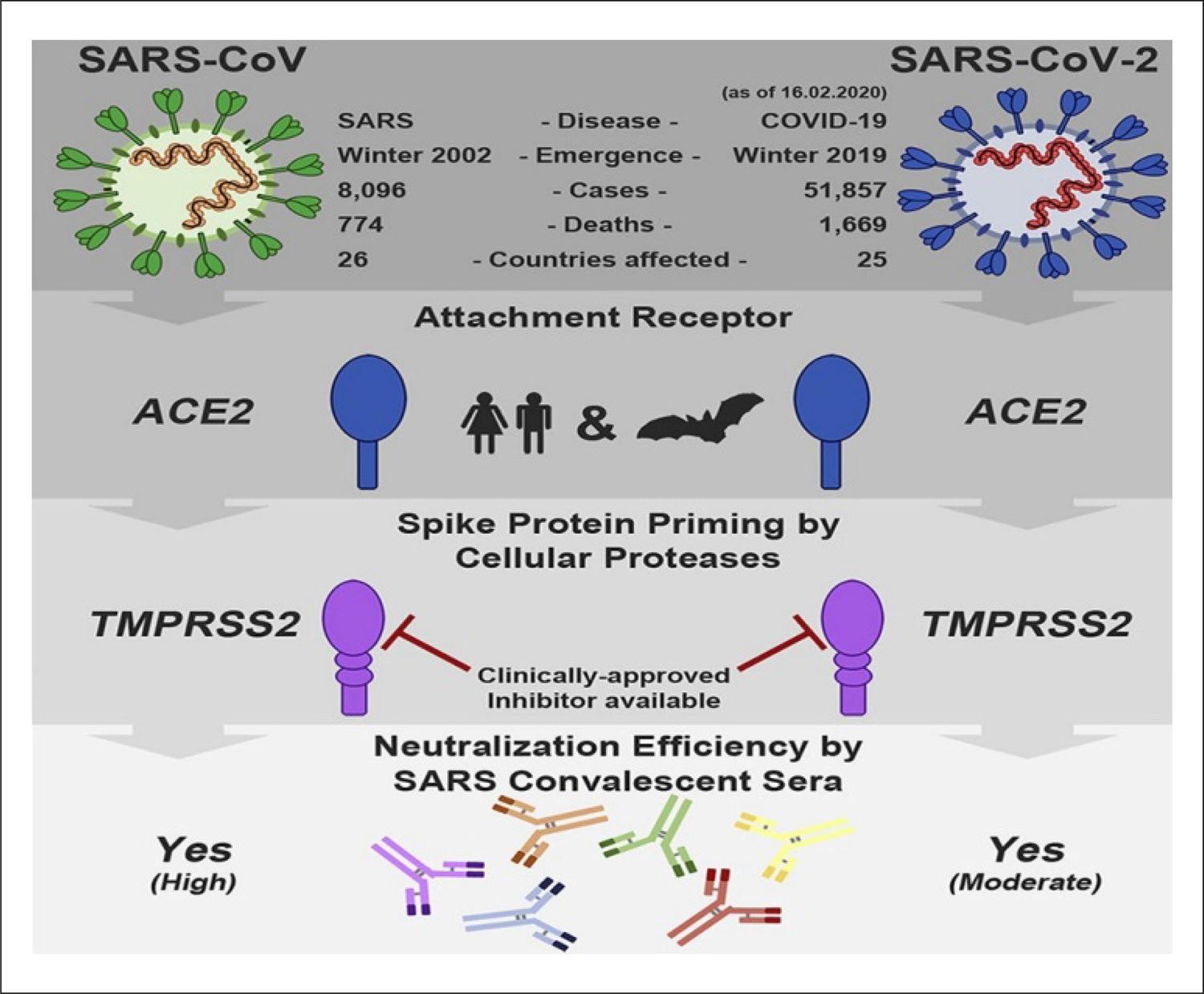
Coronavirus disease 2019 (COVID-19) is a global pandemic affecting the world, seen in more than 1,300,000 patients. COVID-19 acts through the angiotensin-converting enzyme 2 (ACE2) receptor. Cardiovascular comorbidities are more common with COVID-19, and nearly 10% of cases develop myocarditis (22% of critical patients). Further research is needed to continue or discontinue ACE inhibitors and angiotensin receptor blockers, which are essential in hypertension and heart failure in COVID-19. Intensive research is promising for the treatment and prevention of COVID-19.

  • Acute Respiratory Syndrome
  • Cardiovascular Diseases/complications
  • Comorbidity
  • Coronavirus
  • COVID-19
  • Critical Care
  • Heart Failure
  • Hospitalization
  • Hypertension
  • Mortality
  • Myocarditis
  • Pandemic
Read Full Article
Creative Commons Attribution (CC BY) Creative Commons license
01/06/2020 DOI: 10.36660/abc.20200273
Editorial

Pandemonium During the Pandemic: What is the Role of Health and Science Professionals?

André d’Avila et al. Marco F. Vidal Melo Renato D. Lopes

The behavior of Brazilian sports commentators during the recent COVID-19 pandemic is noteworthy. Day after day, despite social distancing, they continued their television broadcasts to help ease their viewers’ discomfort. For hours, they discussed past games, current problems and the future of the sport. At no time, however, did they make comments on topics outside of their area of expertise. Although they most certainly had an opinion on the seriousness of COVID-19, the merits of social distancing or use of medications popularized by many without scientific evidence, they restricted their commentary to their areas of expertise – sports!

What has been hard to understand is the insistence of some physicians to provide opinions on unsubstantiated interventions for the treatment of COVID-19. Some simply choose medical proselytism. Others may not appreciate the need for proper scientific investigation. Many prefer to omit themselves from any debate. However, the most perplexing type of attitude is simply a reactionary behavior related to the fear of the unknown that is, the combination of desperation and need to provide care for patients, and bombardment of information from social media may bias many doctors to embrace any potential redemptive treatment. Unfortunately, the only disease treated with this approach is the anxiety shared by doctors and their patients.

[…]

  • Azythromicine/adverse effects
  • Coronavirus
  • COVID-19
  • Drug Approval
  • Ethics Committees, Research
  • Hydroxychloroquine/effects medication
  • Pandemics
  • Social Media
Read Full Article
Creative Commons Attribution (CC BY) Creative Commons license
01/06/2020 DOI: 10.36660/abc.20200320 Views 1
Figure 1
Diretrizes

Brazilian Cardiovascular Rehabilitation Guideline – 2020

Tales de Carvalho et al. Mauricio Milani Almir Sergio Ferraz Anderson Donelli da Silveira … Artur Haddad Herdy Carlos Alberto Cordeiro Hossri Christina Grüne Souza e Silva Claudio Gil Soares de Araújo Eneas Antonio Rocco José Antonio Caldas Teixeira Luciana Oliveira Cascaes Dourado Luciana Diniz Nagem Janot de Matos Luiz Gustavo Marin Emed Luiz Eduardo Fonteles Ritt Marconi Gomes da Silva Mauro Augusto dos Santos Miguel Morita Fernandes da Silva Odilon Gariglio Alvarenga de Freitas Pablo Marino Corrêa Nascimento Ricardo Stein Romeu Sergio Meneghelo Salvador Manoel Serra

1. Introduction

It is common sense—and has been scientifically proven – that physical activity helps to preserve and restore the health of both body and mind. The favorable effects of cardiovascular rehabilitation (CVR), with an emphasis on physical exercise, include significant reductions in cardiovascular and overall morbidity and mortality, reductions in hospitalization rate, , and significant gains in quality of life, , as consistently documented in the literature, including in meta-analyses of randomized clinical trials. These effects justify the consensual, emphatic recommendation of CVR by major medical societies worldwide. –

Sedentary behavior, which is highly prevalent in Brazil and elsewhere, is strongly associated with cardiovascular disease (CVD) and early mortality. , Conversely, higher levels of physical activity are positively associated with better quality of life and longer life expectancy. – In addition, there is a strong, inverse association of the various components of physical fitness with all-cause mortality and with occurrence of adverse cardiovascular events: the lower the level of physical fitness, the higher the mortality rate. –

[…]

Read Full Article
Creative Commons Attribution (CC BY) Creative Commons license
01/06/2020 DOI: 10.36660/abc.20200407 Views 3
Editorial

Influence of Physical Activity on Arterial Hypertension in Workers

Cláudio L. Pereira da Cunha

Regular physical activity (PA) is one of the most important factors for the primary prevention of arterial hypertension (AH) and for improving the long-term survival of these patients. Its benefits extend beyond AH, also providing improvements to patients with coronary artery disease, diabetes, dyslipidemia, kidney dysfunction, depression, obstructive pulmonary disease, and osteoarthritis, among others.

“Physical activity” literally refers to any movement of the body; however, in epidemiological studies that assess its health context, it is related to activities that produce substantial increases in oxygen (O2) consumption. PA can be performed both at work and during leisure and recreation, with all modalities being used to study the effects of PA on cardiovascular health. The PA developed to improve health or to obtain performance benefits is considered “exercise”.

[…]

  • Epidemiology
  • Exercise
  • Hypertension
  • Physical activity
  • Risk Factors
  • Urban Cleaning
  • Workers
Read Full Article
Creative Commons Attribution (CC BY) Creative Commons license
01/06/2020 DOI: 10.36660/abc.20200318
Figure 1
Case Report

Novel Coronavirus Pneumonia and Cardiomyopathy: A Case Report

Mustafa Ahmet Huyut

Case report

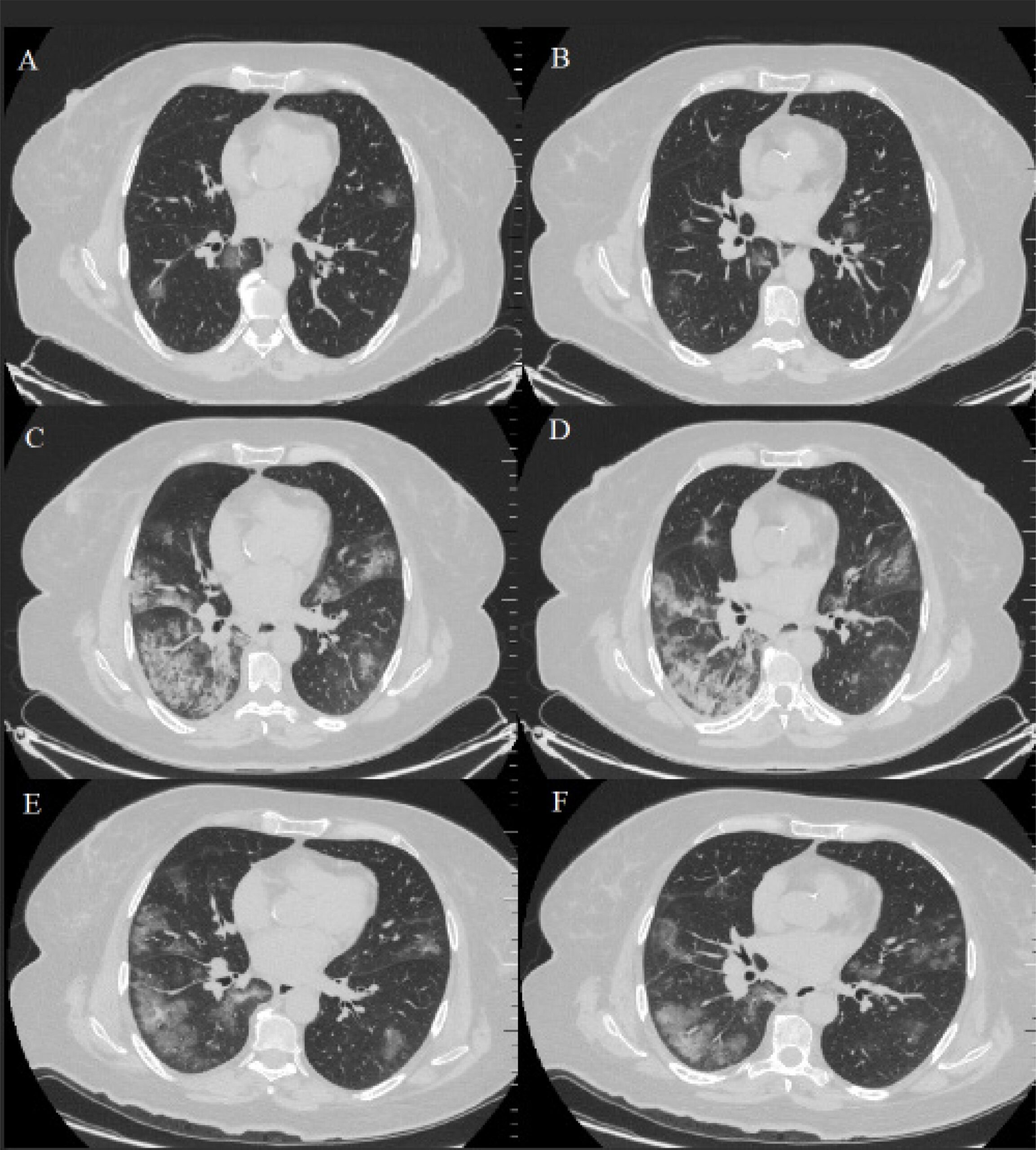
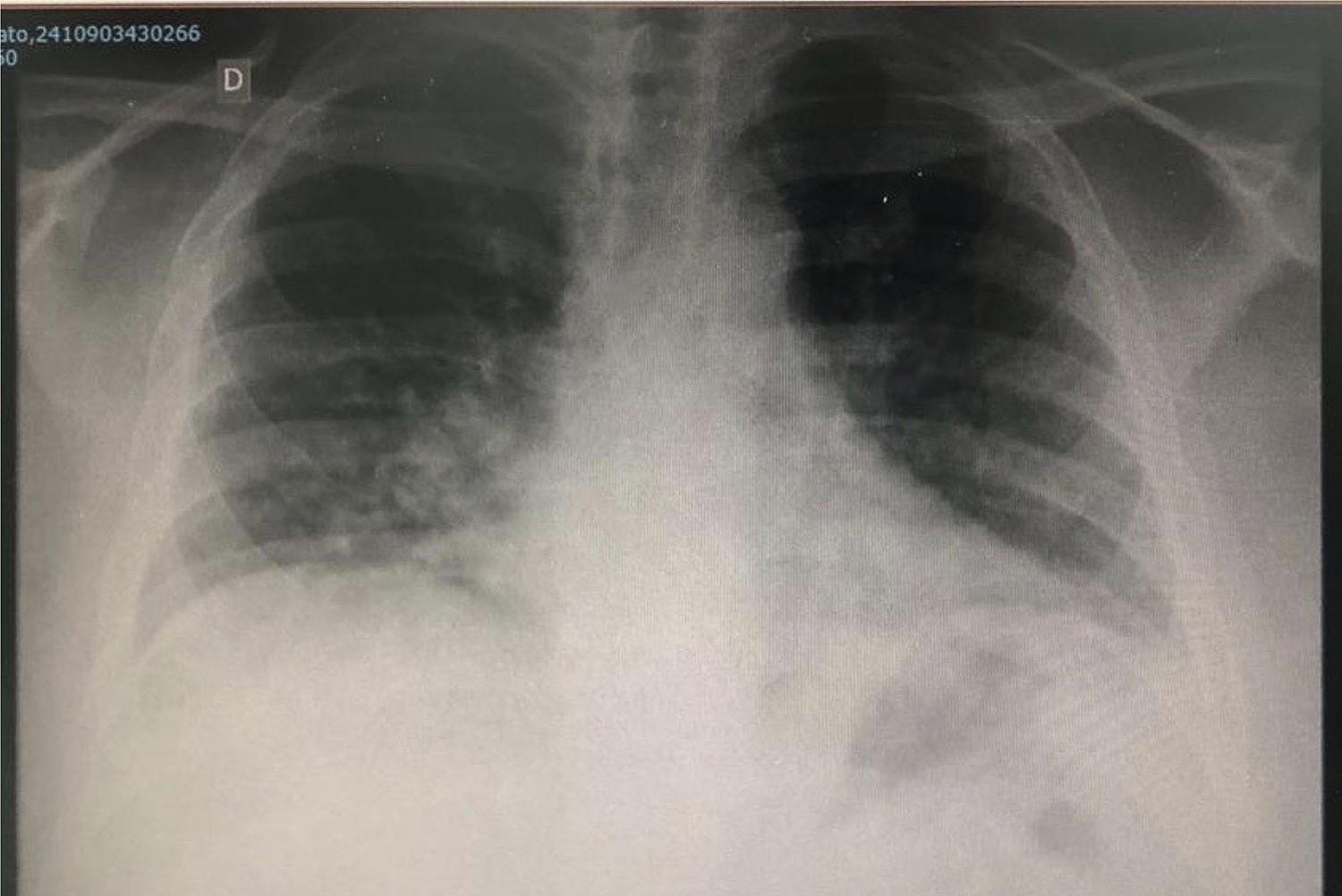
A 59-year-old female had had fever for 4 days, after catching a cold. One day before visiting the hospital, she had fever and cough, but no chest tightness, chest pain, chills, nausea and vomiting or diarrhea. She did not feel better after receiving antifebrile agents. Then, she was admitted to our outpatient clinic in BHT Clinic Tema Hospital. Four days before, the patient had had contact with her relative who had traveled from Europe. In her previous medical history, bariatric surgery had been performed 3 years before and she had still type II diabetes mellitus, hyperlipidemia, and hypertension as pre-existing conditions. She was hospitalized in our hospital on March/20/2020, and still had fever after admission, with the highest temperature of 39.5 °C, heart rate of 119 beats per minute; the electrocardiography was consistent with sinus tachycardia and QTc was calculated at 0.398 seconds, blood pressure at 94/60 mmHg, and conspicuous tachypnea with a respiratory rate of 24/min with sufficient oxygenation (95% ambient air saturation). The identification of 2019 novel coronavirus (2019-nCoV) in RT-PCR was positive from a throat swab. The risk of simultaneous contamination with other respiratory viruses and other pathogens were negative for the throat swab. The CT characteristics of the patient were similar to the case series reported by Pan et al. (). Laboratory results showed leukopenia, with 4.1×10/L, lymphopenia with 0.8×10/L, an only slightly increased CRP level, with 18.4 mg/L and a low procalcitonin level, with 0.01 ng/mL. The patient underwent a TTE examination with a 3.5-MHz transducer (Vivid-7 GE Medical System, Horten, Norway). Examinations and measurements were performed according to the recommendations of the American Echocardiography Unit. Simpson’s method was used to calculate LVEF. At the admission, LVEF was calculated at 65%, with normal TTE findings.

[…]

  • Acute Respiratory Syndrome
  • Cardiomyopathies
  • Cardiovascular Diseases/complications
  • Coronavirus
  • COVID-19
  • Echocardiography/methods
  • Hospitalization
  • Infectious Diseases
  • Myocarditis
  • Pneumonia
  • Tomography, X Ray-Computed/methods
Read Full Article
Creative Commons Attribution (CC BY) Creative Commons license
01/06/2020 DOI: 10.36660/abc.20200268 Views 1
Figure 1
Original Article

Knowledge about the Disease and the Practice of Physical Activity in Children and Adolescents with Congenital Heart Disease

Elisandra Furlan de Lima Campos et al. Lisiane Perin Melina Assmann Fernanda Lucchese Lucia Campos Pellanda

Abstract

Background

Knowledge about the disease itself can be important for self-care in patients with several problems and comprehends information about the diagnosis up to the most important clinical implications.

Objective

To identify the level of knowledge of children and adolescents with congenital heart disease (CHD) about their illness, and to analyze the association between the level of knowledge and the practice of physical activity.

Methods

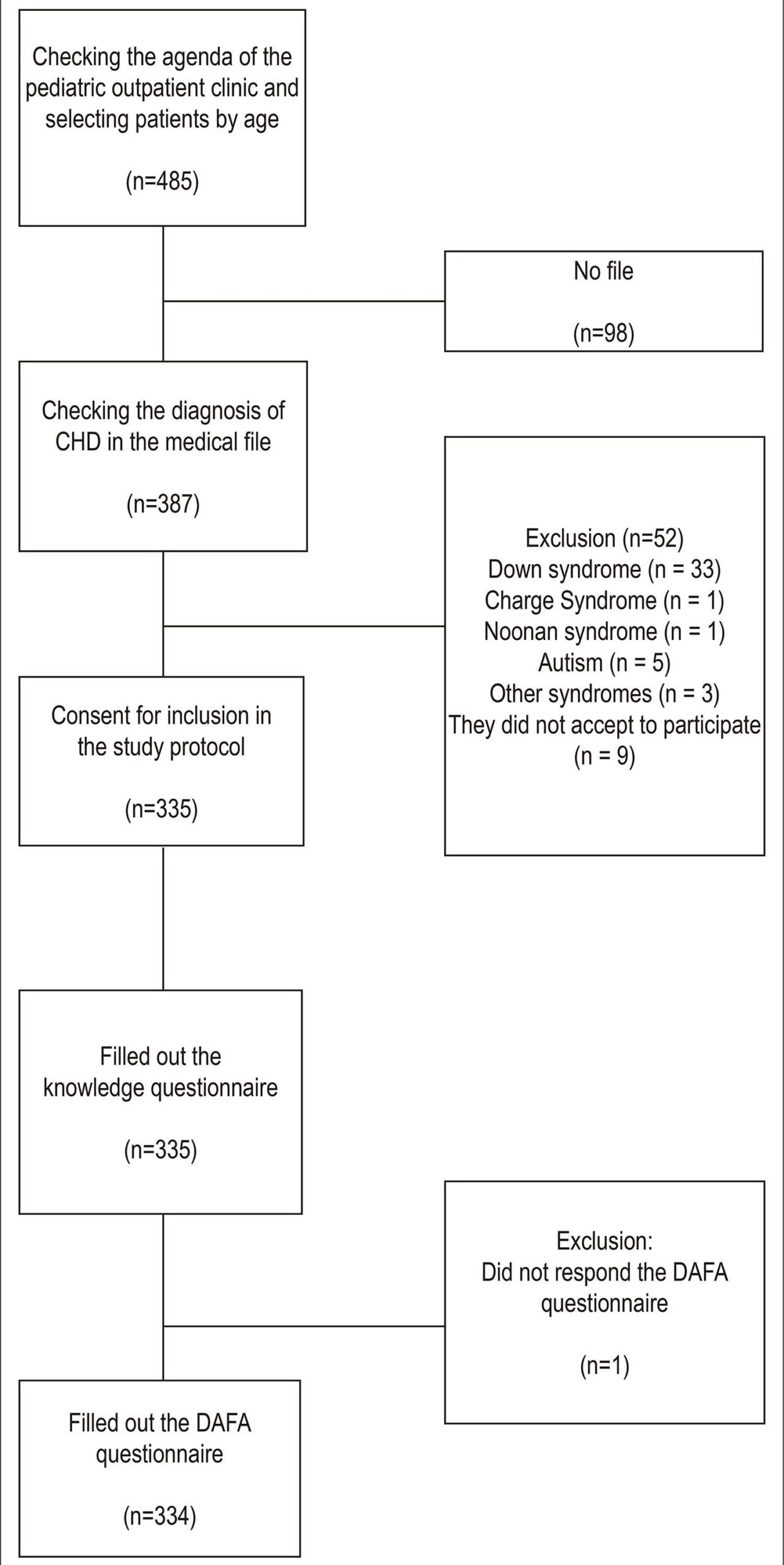
Cross-sectional study with 335 patients with CHD, aged 8 to 13 years, followed at a referral pediatric cardiology service in Southern Brazil. Patients were interviewed regarding their knowledge about CHD and a review of medical records was performed to obtain details on heart disease and procedures. A significance level p<0.05 was used.

Results

More than 50% of the children and adolescents did not know how to say the name of their disease or explain it. After adjusted OR (AOR), cyanotic patients in comparison to acyanotic ones (AOR: 2.29; 95%CI: 1.76-6.71; p = 0.019); children with lower level of schooling (AOR: 2.20; 95%CI: 1.81-5.86; p = 0.025); and those who did not practice physical activity (AOR: 1.88; 95%CI: 1.09-3.45; p = 0.011) showed potential for incorrect answers or did not know their disease.

Conclusion

Cyanotic children and adolescents, with a lower level of schooling and who did not practice physical activity, had little knowledge about their disease. It is necessary to develop educational intervention strategies to increase knowledge and change behavior in physical activity promotion, according to the CHD complexity. (Arq Bras Cardiol. 2020; 114(5):786-792)

  • Child, Adolescents
  • cyanosis
  • Health Information Systems
  • Heart Defects, Congenital/physiopathology
  • Physical activity
Read Full Article
Creative Commons Attribution (CC BY) Creative Commons license
01/06/2020 DOI: 10.36660/abc.20180417
Figure 1
Image

Left and Right Internal Mammary Artery Angioplasties in a 3-year-old Patient with Kawasaki Disease and Failed Coronary Artery Bypass Graft Surgery

René Hameau et al. Daniel Springmuller Francisco Garay Alberto Fuensalida Gonzalo Martinez

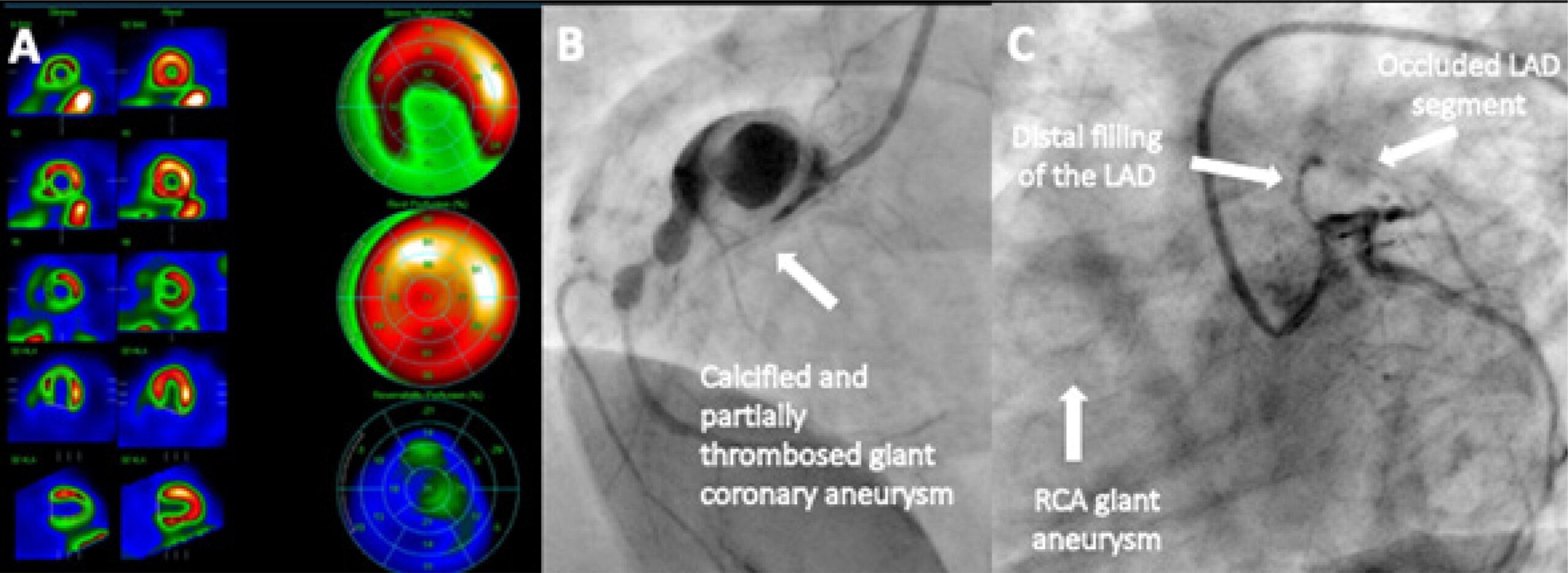
A 3 years and 5 months old boy with a history of Kawasaki disease diagnosed at 6 months of age and a previous Non-ST myocardial infarction (NSTEMI) underwent Coronary Artery Bypass Graft (CABG) surgery due to a large perfusion defect and moderate systolic dysfunction on Single-photon emission computed tomography (SPECT) () and a coronary angiogram showing a partially thrombosed giant aneurysm on the Right coronary artery (RCA) and a complete occlusion of the proximal Left anterior descending artery (LAD) (). A Left internal mammary artery (LIMA) graft to LAD and a free Right internal mammary artery (RIMA) to Posterior descending artery (PDA) anastomosis of RCA was performed.

[…]

  • Congenital/complications
  • Heart Aneurysm/surgery
  • Heart Defects
  • Kawasaki Disease/complications
  • Myocardial Revascularization/surgery
  • Percutaneous Coronary Intervention/methods
  • Thrombolytic THerapy/methods
Read Full Article
Creative Commons Attribution (CC BY) Creative Commons license
01/06/2020 DOI: 10.36660/abc.20190904 Views 1
Editorial

Florida Shock Anxiety Scale for Patients with Implantable Cardioverter-Defibrillator – Appreciating the Psychosocial Aspects

Eduardo Arrais Rocha et al. Ieda Prata Costa

The published study provides an important scale, already in its Brazilian Portuguese version and that has been validated for our population, which allows assessing the level of anxiety related to the presence of the Implantable Cardioverter-Defibrillator (ICD) and the shocks applied by the device.

This scale, as well emphasized in the study by Silva et al., was not designed to assess aspects of the patient’s adaptation to the ICD, or even its impacts on patient quality of life, and there is another scale that is appropriate for this purpose, such as the FPAS – Florida Patient Acceptance Survey.

[…]

  • Anxiety
  • Defibrillators, Implantable
  • Psychophysiologic Disorders
  • Psychosocial Impact
  • Quality of life
Read Full Article
Creative Commons Attribution (CC BY) Creative Commons license
01/06/2020 DOI: 10.36660/abc.20200262 Views 2
Original Article

Hypertension in Workers: The Role of Physical Activity and its Different Dimensions

Uelito Everaldo Souza Ribeiro Junior et al. Rita de Cassia Pereira Fernandes

Abstract

Background

Physical activity, each type in its own manner, whether occupational, domestic or leisure, can play a significant role regarding high blood pressure (HBP). However, practicing physical activity only at leisure time, or in specific situations, can be insufficient to achieve the effective control of HBP.

Objective

To analyze the isolated and cumulative effect of different types of physical activity and the prevalence of HBP among workers.

Methods

A cross-sectional study with 1,070 Urban Cleaning and Footwear Industry workers in Bahia, who answered a survey, conducted by an interviewer on sociodemographic, occupational, lifestyle and hypertensive morbidity aspects. Weight, height, waist circumference and blood pressure were measured. Case of HBP: Systolic blood pressure ≥140 or diastolic blood pressure ≥90, or regular treatment for HBP. The occupational, domestic and leisure aspects of Physical Activity were studied. A multivariate analysis with Cox Regression was performed for cross-sectional studies.

Results

The prevalence of HBP was 24%, being 37% among workers aged between 35-44 years, and 51% among workers aged between 45-54 years. The multivariate model showed that workers who were active in one form of physical activity only or no forms had 62% higher BP levels and that these levels were 25% higher among workers who were active in two out of three physical activity forms. Being a male, being older (> 31 years old) and being overweight were characteristics associated with HBP, with prevalence ratios of 1.62, 2.10 and 2.26, respectively.

Conclusions

There was a cumulative effect of the form of physical activity on the occurrence of HBP. Classifying active subjects at work or at home as inactive persons by relying only on the leisure form can lead to methodological errors. (Arq Bras Cardiol. 2020; 114(5):755-761)

  • Anthropometry
  • Hypertension
  • Life Style
  • Motor Activity
  • Physical Exerton
  • Socioeconomic Factors
  • Urban Cleaning Service
  • Work
  • Workers
Read Full Article
Creative Commons Attribution (CC BY) Creative Commons license
01/06/2020 DOI: 10.36660/abc.20190065 Views 1
Figure 1
Viewpoint

COVID-19 and Hypercoagulable State: A New Therapeutic Perspective

Jorge Henrique Paiter Nascimento et al. Bruno Ferraz de Oliveira Gomes Plínio Resende do Carmo Júnior João Luiz Fernandes Petriz … Stephanie Itala Rizk Isabela Bispo Santos da Silva Costa Marcus Vinicius Guimarães Lacerda Fernando Bacal Ludhmila Abrahão Hajjar Gláucia Maria Moraes de Oliveira

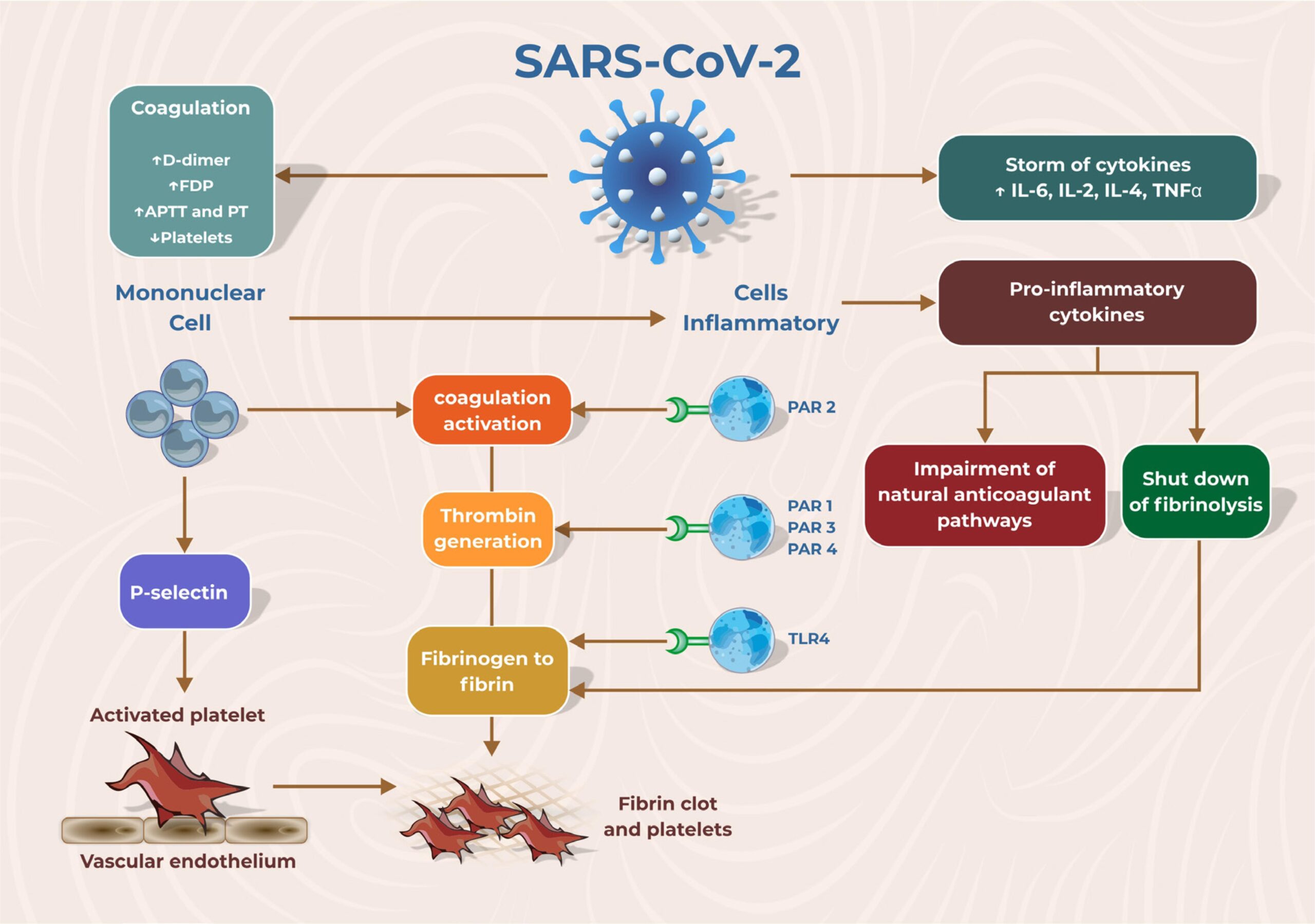
The novel coronavirus, named severe acute respiratory syndrome coronavirus 2 (SARS-CoV-2), is responsible for the outbreak of the viral pneumonia identified for the first time in the Chinese city of Wuhan at the end of 2019. The outbreak has expanded rapidly, affecting 184 countries. The experience acquired in past months identified different clinical presentations with varied severity, ranging from asymptomatic infection to death due to multiple organic dysfunction. The World Health Organization (WHO) has recently defined the complex process of the SARS-CoV-2 infection as novel coronavirus disease 2019 (COVID-19).

COVID-19, whose notification grows fast in different countries, currently affects more than one million people worldwide according to the WHO, which has characterized the infection as a pandemic. As of April 29, 2020, Brazil had registered 73,235 confirmed cases of COVID-19 and 5,083 deaths, with a case-fatality rate of 6,9%. Hospitalization is necessary in up to 20% of the patients infected by SARS-CoV-2, and 5% to 10% of them require admission to the intensive care unit because of the need for hemodynamic and/or ventilatory support.– The mortality rate ranges from 0.8% to 12% depending on the country, and this difference might result from multiple factors, of which the healthcare system structure stands out.– Patients with the moderate and severe forms of the disease had manifestations mainly of the respiratory system involvement, with clinical findings ranging from mild pneumonia to acute respiratory distress syndrome (ARDS).,-

[…]

  • Anticoagulants / therapeutic use
  • Betacoronavirus
  • Catastrophic Illness
  • Complications, Cardiovasculares
  • Coronavirus infections
  • COVID-2019
  • Pandemics
  • Thrombophilia
  • Viral, Pneumonia
Read Full Article
Creative Commons Attribution (CC BY) Creative Commons license
01/06/2020 DOI: 10.36660/abc.20200308 Views 1
Viewpoint

COVID-19: Updated Data and its Relation to the Cardiovascular System

Filipe Ferrari

Abstract

In December 2019, a new human coronavirus, called severe acute respiratory syndrome coronavirus 2 (SARS-CoV-2) or coronavirus disease 2019 (COVID-19) by the World Health Organization, emerged in the city of Wuhan, China. Spreading globally, it is now considered pandemic, with approximately 3 million cases worldwide at the end of April. Its symptoms include fever, cough, and headache, but the main one is shortness of breath. In turn, it is believed that there is a relationship between COVID-19 and damage to the heart muscle, and hypertensive and diabetic patients, for example, seem to have worse prognosis. Therefore, COVID-19 may worsen in individuals with underlying adverse conditions, and a not negligible number of patients hospitalized with this virus had cardiovascular or cerebrovascular diseases. Systemic inflammatory response and immune system disorders during disease progression may be behind this association. In addition, the virus uses angiotensin-converting enzyme (ACE) receptors, more precisely ACE2, to penetrate the cell; therefore, the use of ACE inhibitor drugs and angiotensin receptor blockers could cause an increase in these receptors, thus facilitating the entry of the virus into the cell. There is, however, no scientific evidence to support the interruption of these drugs. Since they are fundamental for certain chronic diseases, the risk and benefit of their withdrawal in this scenario should be carefully weighed. Finally, cardiologists and health professionals should be aware of the risks of infection and protect themselves as much as possible, sleeping properly and avoiding long working hours.

  • Acute Respiratory Syndrome
  • Cardiovascular Diseases/complications
  • Coronavirus
  • COVID-19
  • Infectious Diseases
  • Myocarditis
  • Risk Factors/prevention and control
Read Full Article
Creative Commons Attribution (CC BY) Creative Commons license
11/05/2020 DOI: 10.36660/abc.20200215
Figure 1
Review Article

The Heart and COVID-19: What Cardiologists Need to Know

Isabela Bispo Santos da Silva Costa et al. Cristina Salvadori Bittar Stephanie Itala Rizk Antônio Everaldo de Araújo Filho … Karen Alcântara Queiroz Santos Theuran Inahja Vicente Machado Fernanda Thereza de Almeida Andrade Thalita Barbosa González Andrea Nataly Galarza Arévalo Juliano Pinheiro de Almeida Fernando Bacal Gláucia Maria Moraes de Oliveira Marcus Vinícius Guimarães de Lacerda Silvio Henrique Barberato Antonio Carlos Palandri Chagas Carlos Eduardo Rochitte José Antonio Franchini Ramires Roberto Kalil Filho Ludhmila Abrahão Hajjar

Abstract

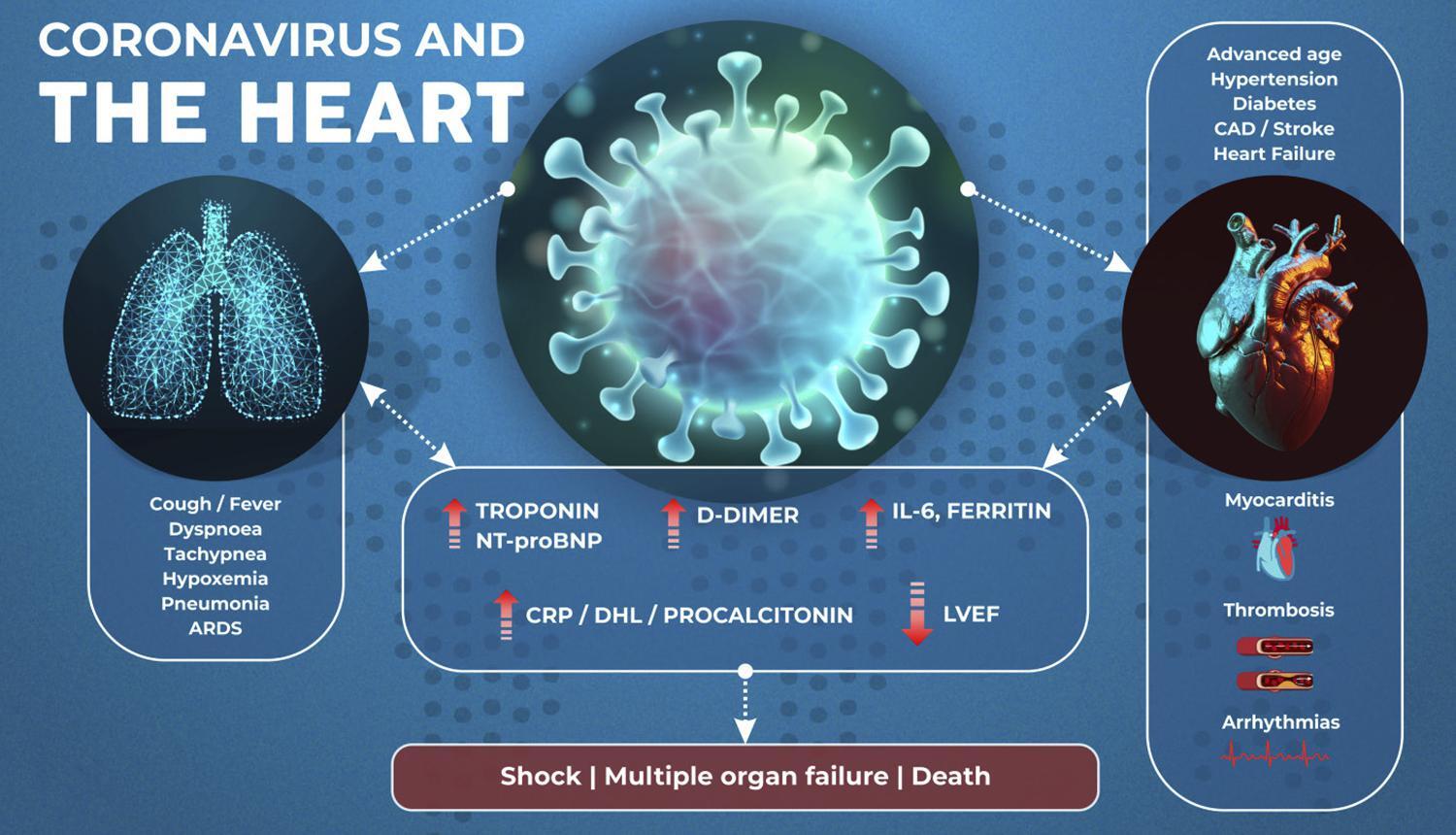
In face of the pandemic of the novel coronavirus disease 2019 (COVID-19), the management of patients with cardiovascular risk factors and/or disease is challenging. The cardiovascular complications evidenced in patients with COVID-19 derive from several mechanisms, ranging from direct viral injury to complications secondary to the inflammatory and thrombotic responses to the infection. The proper care of patients with COVID-19 requires special attention to the cardiovascular system aimed at better outcomes.

  • Cardiovascular Diseases/complications
  • Coronavirus
  • COVID-19
  • Heart/physiopathology
  • Pandemics
  • Patient Care
  • Respiratory Distress Syndrome, Adult
  • Risk Factors
Read Full Article
Creative Commons Attribution (CC BY) Creative Commons license
11/05/2020 DOI: 10.36660/abc.20200279 Views 2
Viewpoint

Physical Exercise in Patients with Heart Disease and in the General Population in Times of Coronavirus

Ricardo Stein

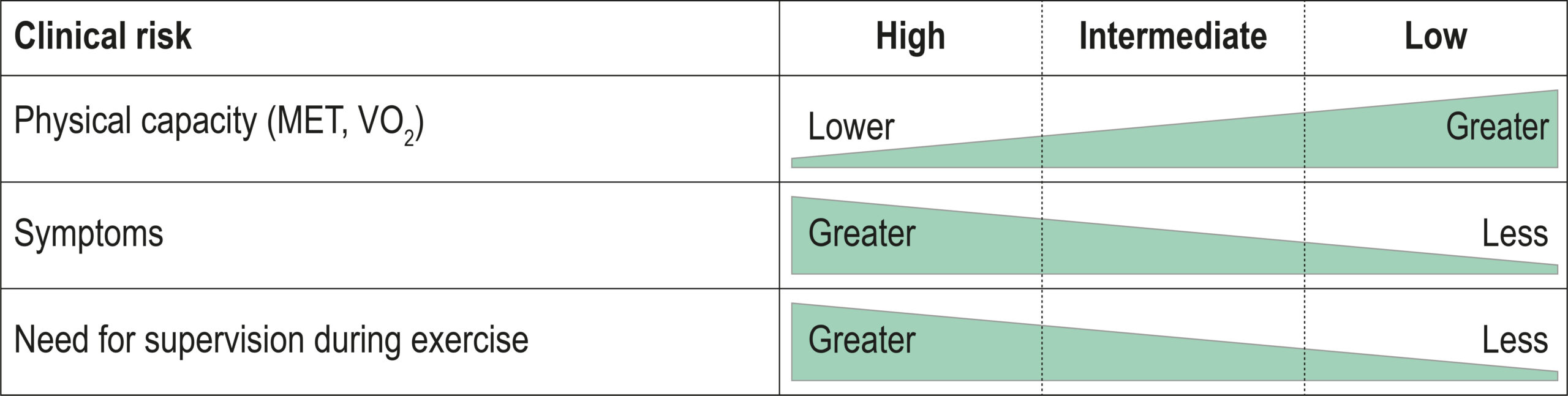
I will begin this text without speaking about exercise. I want to emphasize that individuals with chronic diseases, such as hypertension, heart failure, different types of myocardiopathy, and some forms of arrhythmia are at an increased risk of fatal outcomes after contracting SARS-COV-2 and developing the infection denominated COVID-19. In the same manner, those who have undergone mechanical or surgical revascularization, individuals with prosthetic valves (whether biological or metallic), pacemakers, implanted defibrillators, or other devices, as well as those with some forms of congenital heart disease are also part of a higher risk group.

First point: The patients described above are definitely at a higher risk and they are part of the risk group regardless of age.*

[…]

  • Cardiovascular Diseases
  • Coronavirus
  • COVID-19
  • Exercise
  • Healthy Diet
  • Life Style
  • Physical activity
  • Residence
  • Risk Factors
  • Sedentarism
Read Full Article
Creative Commons Attribution (CC BY) Creative Commons license
11/05/2020 DOI: 10.36660/abc.20200281 Views 1
Figure 1
Case Report

Coronavirus and the Heart | A Case Report on the Evolution of COVID-19 Associated with Cardiological Evolution

Arthur Rente et al. Delcio Uezato Junior Karina Margareth Kunyoshi Uezato

Introduction

Beginning on December 31, 2019, in China, the coronavirus (Sars-Cov-2) has been the target of studies in the most diverse medical fields, with cardiology as one of the major pillars of evolution.

Chronic diseases such as hypertension, diabetes mellitus and coronary artery disease dramatically increase the negative outcome of infected patients. According to data from the American College of Cardiology (ACC), in this profile of the general population, hospitalization levels resulting from COVID-19 hit 50%

[…]

  • Cardiovascular Diseases
  • Coronavirus
  • COVID-19
  • Myocarditis/complications
  • Respiratory Insufficiency
Read Full Article
Creative Commons Attribution (CC BY) Creative Commons license
11/05/2020 DOI: 10.36660/abc.20200263 Views 2
Figure 1
Original Article

Risk of Atrial Fibrillation after Ablation of Cavotricuspid Isthmus-Dependent Atrial Flutter: Is Combined Ablation of Atrial Fibrillation Worthwhile?

Isabella Bianco et al. Gabriel Odozynski da Silva Alexander Romeno Janner Dal Forno Helcio Garcia Nascimento … Andrei Lewandowski Elayne Pereira André d’Avila

Abstract

Background

Simultaneous ablation of atrial fibrillation (AF) and cavotricuspid isthmus (CTI)-dependent atrial flutter can be performed when both arrythmias had been recorded before the procedure. However, the best approach has not been defined in case of patients referred for ablation with CTI-dependent atrial flutter, without history of AF.

Objectives

To assess the prevalence and to identify predictors of the first episode of AF after ablation of CTI-dependent atrial flutter in patients without history of AF.

Methods

Retrospective cohort of patients with CTI-dependent atrial flutter without history of AF undergoing catheter ablation. Clinical characteristics were compared between patients who developed AF and those who did not have AF after the procedure. Significance level was set at 5%. In the analysis of predicting factors, the primary outcome was occurrence of AF after CTI-dependent atrial flutter ablation.

Results

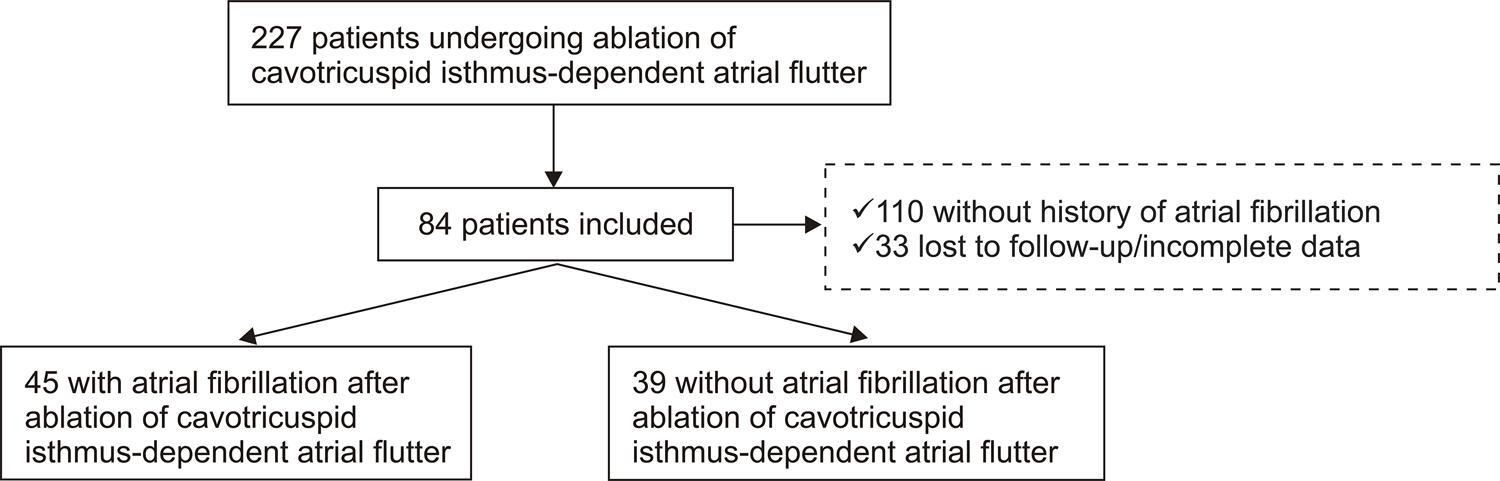
Of a total of 227 patients undergoing ablation of CTI-dependent atrial flutter (110 with history of AF and 33 without adequate follow-up), 84 were included, and 45 (53.6%) developed post-ablation AF. The HATCH and CHA2DS2-VASC scores were not different between the groups. Recurrence rate of CTI-dependent atrial flutter and complication rate were 11.5% and 1.2%, respectively, after ablation.

Conclusions

Although ablation of CTI-dependent atrial flutter is a safe and effective procedure, 50% of the patients developed AF after the procedure. However, the role of combined ablation (CTI-dependent atrial flutter plus AF) aiming at preventing AF is still uncertain. (Arq Bras Cardiol. 2020; [online].ahead print, PP.0-0)

  • Arial Fibrillation/prevention
  • Arrhythmias Cardiac
  • Atrial flutter
  • Conduction
  • Isthmus Cavo-Tricuspid
  • Radiofrequency Ablation
Read Full Article
Creative Commons Attribution (CC BY) Creative Commons license
30/03/2020 DOI: 10.36660/abc.20190238
Figure 1
Original Article

HEART, TIMI, and GRACE Scores for Prediction of 30-Day Major Adverse Cardiovascular Events in the Era of High-Sensitivity Troponin

Felipe Torralba et al. Alberto Navarro Juan Castellanos-de la Hoz Carlos Ortiz … Alberth Botero Freddy Alarcón Nicolas Isaza Daniel Isaza

Abstract

Background

Multiple scoring systems have been designed to calculate the risk of major adverse cardiovascular events (MACE) in patients with chest pain. There is no data on whether the HEART score outperforms TIMI and GRACE in the prediction of MACE, especially in the era of high-sensitivity troponin assay and in an exclusively Latin-American population.

Objective

To compare the performance of the HEART, TIMI, and GRACE scores for predicting major cardiovascular events at 30 days of follow-up, in patients who consult for chest pain in the emergency department.

Methods

HEART, TIMI, and GRACE scores were analyzed in 519 patients with chest pain at the emergency department. The primary endpoint was the occurrence of MACE within 30 days. The performance of the HEART score was compared with the TIMI and GRACE scores using the DeLong test with p values of 0.05 considered statistically significant.

Results

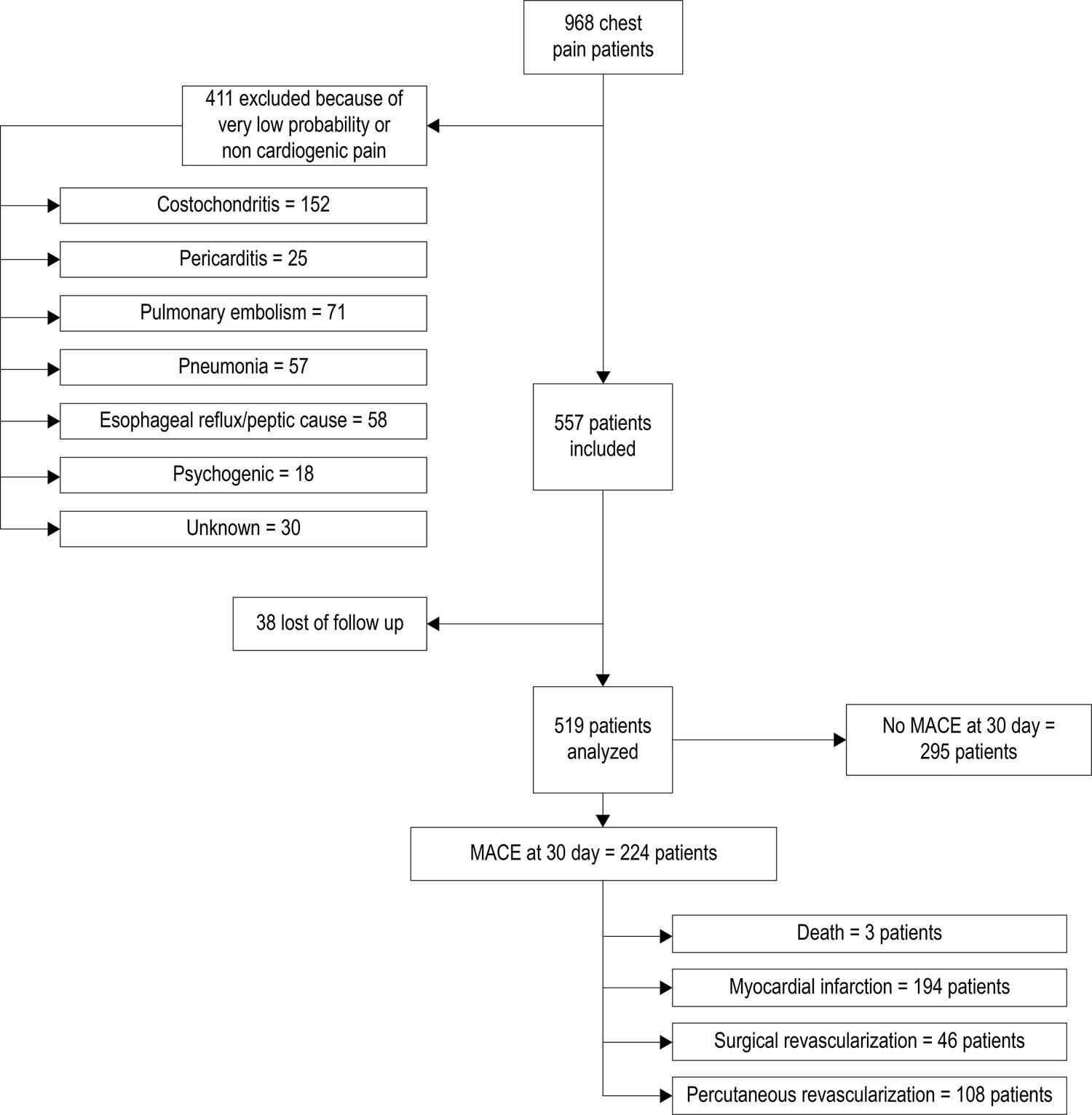
A total of 224 patients (43%) had MACE at 30 days. The C statistic for the HEART, TIMI, and GRACE score was 0.937, 0.844, and 0.797 respectively (p < 0.0001). A HEART score of 3 or less had a sensitivity of 99.5% and a negative predictive value of 99% to classify low risk patients correctly; both values were higher than those obtained by the other scores.

Conclusion

The HEART score more effectively predicts cardiovascular events at 30 days of follow-up compared to the other scores. High-sensitivity troponins maintain this score’s previously demonstrated superiority. This score offers more precise identification of low-risk patients. (Arq Bras Cardiol. 2020; [online].ahead print, PP.0-0)

  • Cardiovascular Diseases, mortality
  • Chest Pain
  • Forecasting Risk Assessment
  • Myocardial Infarction
  • Myocardial Ischemia
  • Risk Factors
  • Troponin
Read Full Article
Creative Commons Attribution (CC BY) Creative Commons license
13/03/2020 DOI: 10.36660/abc.20190206 Views 1

How to cite this article

EndNote RIS

Electronic Document Format (Vancouver)

Silva KR, Costa R, Melo GRGO, Rebustini F, Benedetto MS, Nagumo MM, Sears SF, et al. Validity Evidence of the Brazilian Version of the Florida Shock Anxiety Scale for Patients with Implantable Cardioverter Defibrillators. Arquivos Brasileiros de Cardiologia 2020;114(5):764-72.

Electronic Document Format (ABNT)

Silva, Katia Regina; Costa, Roberto; Melo, Giovanna Regina Garcia de Oliveira; Rebustini, Flávio; Benedetto, Marcos Sidney; Nagumo, Marcia Mitie; Sears, Samuel F.. Validity Evidence of the Brazilian Version of the Florida Shock Anxiety Scale for Patients with Implantable Cardioverter Defibrillators. Arquivos Brasileiros de Cardiologia, v. 114, n. 5, p. 764-772, May. 2020.

Electronic Document Format (APA)

Silva, K. R., Costa, R., Melo, G. R. G. O., Rebustini, F., Benedetto, M. S., Nagumo, M. M., & Sears, S. F. (2020). Validity Evidence of the Brazilian Version of the Florida Shock Anxiety Scale for Patients with Implantable Cardioverter Defibrillators. Arquivos Brasileiros de Cardiologia, 114(5), 764-772.

Electronic Document Format (ISO)

Silva, Katia Regina and Costa, Roberto and Melo, Giovanna Regina Garcia de Oliveira and Rebustini, Flávio and Benedetto, Marcos Sidney and Nagumo, Marcia Mitie and Sears, Samuel F.. Validity Evidence of the Brazilian Version of the Florida Shock Anxiety Scale for Patients with Implantable Cardioverter Defibrillators. Arquivos Brasileiros de Cardiologia [online]. 2020, vol. 114, n. 5, [cited 2026-10-15], pp. 764-772. Available from: <https://journals.cardiol.br/en/article/validity-evidence-of-the-brazilian-version-of-the-florida-shock-anxiety-scale-for-patients-with-implantable-cardioverter-defibrillators/>. ISSN 0066-782X

EndNote RIS

Electronic Document Format (Vancouver)

Costa JA, Silveira JA, Santos SCM, Nogueira PP. Cardiovascular Implications in Patients Infected with Covid-19 and the Importance of Social Isolation to Reduce Dissemination of the Disease. Arquivos Brasileiros de Cardiologia 2020;114(5):834-8.

Electronic Document Format (ABNT)

Costa, Juliana Alves; Silveira, Juliana de Almeida; Santos, Sara Cristine Marques dos; Nogueira, Patrícia Pereira. Cardiovascular Implications in Patients Infected with Covid-19 and the Importance of Social Isolation to Reduce Dissemination of the Disease. Arquivos Brasileiros de Cardiologia, v. 114, n. 5, p. 834-838, May. 2020.

Electronic Document Format (APA)

Costa, J. A., Silveira, J. A., Santos, S. C. M. , & Nogueira, P. P. (2020). Cardiovascular Implications in Patients Infected with Covid-19 and the Importance of Social Isolation to Reduce Dissemination of the Disease. Arquivos Brasileiros de Cardiologia, 114(5), 834-838.

Electronic Document Format (ISO)

Costa, Juliana Alves and Silveira, Juliana de Almeida and Santos, Sara Cristine Marques dos and Nogueira, Patrícia Pereira. Cardiovascular Implications in Patients Infected with Covid-19 and the Importance of Social Isolation to Reduce Dissemination of the Disease. Arquivos Brasileiros de Cardiologia [online]. 2020, vol. 114, n. 5, [cited 2026-10-15], pp. 834-838. Available from: <https://journals.cardiol.br/en/article/cardiovascular-implications-in-patients-infected-with-covid-19-and-the-importance-of-social-isolation-to-reduce-dissemination-of-the-disease/>. ISSN 0066-782X

EndNote RIS

Electronic Document Format (Vancouver)

Avila WS, Alexandre ERG, Castro ML, Lucena AJG, Marques-Santos C, Freire CMV, Rossi EG, et al. Brazilian Cardiology Society Statement for Management of Pregnancy and Family Planning in Women with Heart Disease – 2020. Arquivos Brasileiros de Cardiologia 2020;114(5):849-92.

Electronic Document Format (ABNT)

Avila, Walkiria Samuel; Alexandre, Elizabeth Regina Giunco; Castro, Marildes Luiza de; Lucena, Alexandre Jorge Gomes de; Marques-Santos, Celi; Freire, Claudia Maria Vilas; Rossi, Eduardo Giusti; Campanharo, Felipe Favorette; Rivera, Ivan Romero; Costa, Maria Elizabeth Navegantes Caetano; Rivera, Maria Alayde Mendonça; Carvalho, Regina Coeli Marques de; Abzaid, Alexandre; Moron, Antonio Fernandes; Ramos, Auristela Isabel de Oliveira; Albuquerque, Carlos Japhet da Mata; Feio, Claudine Maia Alves; Born, Daniel; Silva, Fábio Bruno da; Nani, Fernando Souza; Tarasoutchi, Flavio; Costa Junior, José de Ribamar; Melo Filho, José Xavier de; Katz, Leila; Almeida, Maria Cristina Costa; Grinberg, Max; Amorim, Melania Maria Ramos de; Melo, Nilson Roberto de; Medeiros, Orlando Otávio de; Pomerantzeff, Pablo Maria Alberto; Braga, Sérgio Luiz Navarro; Cristino, Sonia Conde; Martinez, Tania Leme da Rocha; Leal, Tatiana de Carvalho Andreuci Torres. Brazilian Cardiology Society Statement for Management of Pregnancy and Family Planning in Women with Heart Disease – 2020. Arquivos Brasileiros de Cardiologia, v. 114, n. 5, p. 849-942, May. 2020.

Electronic Document Format (APA)

Avila, W. S., Alexandre, E. R. G., Castro, M. L. , Lucena, A. J. G. , Marques-Santos, C., Freire, C. M. V., Rossi, E. G., Campanharo, F. F., Rivera, I. R., Costa, M. E. N. C., Rivera, M. A. M., Carvalho, R. C. M. , Abzaid, A., Moron, A. F., Ramos, A. I. O., Albuquerque, C. J. M., Feio, C. M. A., Born, D., Silva, F. B. , Nani, F. S., Tarasoutchi, F., Costa Junior, J. R., Melo Filho, J. X. , Katz, L., Almeida, M. C. C., Grinberg, M., Amorim, M. M. R. , Melo, N. R. , Medeiros, O. O. , Pomerantzeff, P. M. A., Braga, S. L. N., Cristino, S. C., Martinez, T. L. R., & Leal, T. C. A. T. (2020). Brazilian Cardiology Society Statement for Management of Pregnancy and Family Planning in Women with Heart Disease – 2020. Arquivos Brasileiros de Cardiologia, 114(5), 849-942.

Electronic Document Format (ISO)

Avila, Walkiria Samuel and Alexandre, Elizabeth Regina Giunco and Castro, Marildes Luiza de and Lucena, Alexandre Jorge Gomes de and Marques-Santos, Celi and Freire, Claudia Maria Vilas and Rossi, Eduardo Giusti and Campanharo, Felipe Favorette and Rivera, Ivan Romero and Costa, Maria Elizabeth Navegantes Caetano and Rivera, Maria Alayde Mendonça and Carvalho, Regina Coeli Marques de and Abzaid, Alexandre and Moron, Antonio Fernandes and Ramos, Auristela Isabel de Oliveira and Albuquerque, Carlos Japhet da Mata and Feio, Claudine Maia Alves and Born, Daniel and Silva, Fábio Bruno da and Nani, Fernando Souza and Tarasoutchi, Flavio and Costa Junior, José de Ribamar and Melo Filho, José Xavier de and Katz, Leila and Almeida, Maria Cristina Costa and Grinberg, Max and Amorim, Melania Maria Ramos de and Melo, Nilson Roberto de and Medeiros, Orlando Otávio de and Pomerantzeff, Pablo Maria Alberto and Braga, Sérgio Luiz Navarro and Cristino, Sonia Conde and Martinez, Tania Leme da Rocha and Leal, Tatiana de Carvalho Andreuci Torres. Brazilian Cardiology Society Statement for Management of Pregnancy and Family Planning in Women with Heart Disease – 2020. Arquivos Brasileiros de Cardiologia [online]. 2020, vol. 114, n. 5, [cited 2026-10-15], pp. 849-942. Available from: <https://journals.cardiol.br/en/article/brazilian-cardiology-society-statement-for-management-of-pregnancy-and-family-planning-in-women-with-heart-disease-2020/>. ISSN 0066-782X

EndNote RIS

Electronic Document Format (Vancouver)

Sarabanda AVL. Short Editorial: Risk of Atrial Fibrillation after Ablation of Cavotricuspid Isthmus-Dependent Atrial Flutter: Is Combined Ablation of Atrial Fibrillation Worthwhile?. Arquivos Brasileiros de Cardiologia 2020;114(5):783-5.

Electronic Document Format (ABNT)

Sarabanda, Alvaro Valentim Lima. Short Editorial: Risk of Atrial Fibrillation after Ablation of Cavotricuspid Isthmus-Dependent Atrial Flutter: Is Combined Ablation of Atrial Fibrillation Worthwhile?. Arquivos Brasileiros de Cardiologia, v. 114, n. 5, p. 783-785, May. 2020.

Electronic Document Format (APA)

Sarabanda, A. V. L. (2020). Short Editorial: Risk of Atrial Fibrillation after Ablation of Cavotricuspid Isthmus-Dependent Atrial Flutter: Is Combined Ablation of Atrial Fibrillation Worthwhile?. Arquivos Brasileiros de Cardiologia, 114(5), 783-785.

Electronic Document Format (ISO)

Sarabanda, Alvaro Valentim Lima. Short Editorial: Risk of Atrial Fibrillation after Ablation of Cavotricuspid Isthmus-Dependent Atrial Flutter: Is Combined Ablation of Atrial Fibrillation Worthwhile?. Arquivos Brasileiros de Cardiologia [online]. 2020, vol. 114, n. 5, [cited 2026-10-15], pp. 783-785. Available from: <https://journals.cardiol.br/en/article/short-editorial-risk-of-atrial-fibrillation-after-ablation-of-cavotricuspid-isthmus-dependent-atrial-flutter-is-combined-ablation-of-atrial-fibrillation-worthwhile/>. ISSN 0066-782X

EndNote RIS

Electronic Document Format (Vancouver)

Soares GP. Comparison of HEART, TIMI and GRACE Scores for Predicting Major Adverse Cardiovascular Events in the Era of High-Sensitivity Assay for Troponin I. Arquivos Brasileiros de Cardiologia 2020;114(5):803-4.

Electronic Document Format (ABNT)

Soares, Gabriel Porto. Comparison of HEART, TIMI and GRACE Scores for Predicting Major Adverse Cardiovascular Events in the Era of High-Sensitivity Assay for Troponin I. Arquivos Brasileiros de Cardiologia, v. 114, n. 5, p. 803-804, May. 2020.

Electronic Document Format (APA)

Soares, G. P. (2020). Comparison of HEART, TIMI and GRACE Scores for Predicting Major Adverse Cardiovascular Events in the Era of High-Sensitivity Assay for Troponin I. Arquivos Brasileiros de Cardiologia, 114(5), 803-804.

Electronic Document Format (ISO)

Soares, Gabriel Porto. Comparison of HEART, TIMI and GRACE Scores for Predicting Major Adverse Cardiovascular Events in the Era of High-Sensitivity Assay for Troponin I. Arquivos Brasileiros de Cardiologia [online]. 2020, vol. 114, n. 5, [cited 2026-10-15], pp. 803-804. Available from: <https://journals.cardiol.br/en/article/comparison-of-heart-timi-and-grace-scores-for-predicting-major-adverse-cardiovascular-events-in-the-era-of-high-sensitivity-assay-for-troponin-i/>. ISSN 0066-782X

EndNote RIS

Electronic Document Format (Vancouver)

Marques A, Gouveia B. Physical Activity Knowledge and Levels among Children with Congenital Heart Disease. Arquivos Brasileiros de Cardiologia 2020;114(5):793-4.

Electronic Document Format (ABNT)

Marques, Adilson; Gouveia, Bruna. Physical Activity Knowledge and Levels among Children with Congenital Heart Disease. Arquivos Brasileiros de Cardiologia, v. 114, n. 5, p. 793-794, May. 2020.

Electronic Document Format (APA)

Marques, A., & Gouveia, B. (2020). Physical Activity Knowledge and Levels among Children with Congenital Heart Disease. Arquivos Brasileiros de Cardiologia, 114(5), 793-794.

Electronic Document Format (ISO)

Marques, Adilson and Gouveia, Bruna. Physical Activity Knowledge and Levels among Children with Congenital Heart Disease. Arquivos Brasileiros de Cardiologia [online]. 2020, vol. 114, n. 5, [cited 2026-10-15], pp. 793-794. Available from: <https://journals.cardiol.br/en/article/physical-activity-knowledge-and-levels-among-children-with-congenital-heart-disease/>. ISSN 0066-782X

EndNote RIS

Electronic Document Format (Vancouver)

Askin L, Tanrıverdi O, Askin HS. The Effect of Coronavirus Disease 2019 on Cardiovascular Diseases. Arquivos Brasileiros de Cardiologia 2020;114(5):817-22.

Electronic Document Format (ABNT)

Askin, Lutfu; Tanrıverdi, Okan; Askin, Husna Sengul. The Effect of Coronavirus Disease 2019 on Cardiovascular Diseases. Arquivos Brasileiros de Cardiologia, v. 114, n. 5, p. 817-822, May. 2020.

Electronic Document Format (APA)

Askin, L., Tanrıverdi, O., & Askin, H. S. (2020). The Effect of Coronavirus Disease 2019 on Cardiovascular Diseases. Arquivos Brasileiros de Cardiologia, 114(5), 817-822.

Electronic Document Format (ISO)

Askin, Lutfu and Tanrıverdi, Okan and Askin, Husna Sengul. The Effect of Coronavirus Disease 2019 on Cardiovascular Diseases. Arquivos Brasileiros de Cardiologia [online]. 2020, vol. 114, n. 5, [cited 2026-10-15], pp. 817-822. Available from: <https://journals.cardiol.br/en/article/the-effect-of-coronavirus-disease-2019-on-cardiovascular-diseases/>. ISSN 0066-782X

EndNote RIS

Electronic Document Format (Vancouver)

d’Avila A, Melo MFV, Lopes RD. Pandemonium During the Pandemic: What is the Role of Health and Science Professionals?. Arquivos Brasileiros de Cardiologia 2020;114(5):753-4.

Electronic Document Format (ABNT)

d’Avila, André; Melo, Marco F. Vidal; Lopes, Renato D.. Pandemonium During the Pandemic: What is the Role of Health and Science Professionals?. Arquivos Brasileiros de Cardiologia, v. 114, n. 5, p. 753-754, May. 2020.

Electronic Document Format (APA)

d’Avila, A., Melo, M. F. V., & Lopes, R. D. (2020). Pandemonium During the Pandemic: What is the Role of Health and Science Professionals?. Arquivos Brasileiros de Cardiologia, 114(5), 753-754.

Electronic Document Format (ISO)

d’Avila, André and Melo, Marco F. Vidal and Lopes, Renato D.. Pandemonium During the Pandemic: What is the Role of Health and Science Professionals?. Arquivos Brasileiros de Cardiologia [online]. 2020, vol. 114, n. 5, [cited 2026-10-15], pp. 753-754. Available from: <https://journals.cardiol.br/en/article/pandemonium-during-the-pandemic-what-is-the-role-of-health-and-science-professionals/>. ISSN 0066-782X

EndNote RIS

Electronic Document Format (Vancouver)

Carvalho T, Milani M, Ferraz AS, Silveira AD, Herdy AH, Hossri CAC, Silva CGS, et al. Brazilian Cardiovascular Rehabilitation Guideline – 2020. Arquivos Brasileiros de Cardiologia 2020;114(5):943-87.

Electronic Document Format (ABNT)

Carvalho, Tales de; Milani, Mauricio; Ferraz, Almir Sergio; Silveira, Anderson Donelli da; Herdy, Artur Haddad; Hossri, Carlos Alberto Cordeiro; Silva, Christina Grüne Souza e; Araújo, Claudio Gil Soares de; Rocco, Eneas Antonio; Teixeira, José Antonio Caldas; Dourado, Luciana Oliveira Cascaes; Matos, Luciana Diniz Nagem Janot de; Emed, Luiz Gustavo Marin; Ritt, Luiz Eduardo Fonteles; Silva, Marconi Gomes da; Santos, Mauro Augusto dos; Silva, Miguel Morita Fernandes da; Freitas, Odilon Gariglio Alvarenga de; Nascimento, Pablo Marino Corrêa; Stein, Ricardo; Meneghelo, Romeu Sergio; Serra, Salvador Manoel. Brazilian Cardiovascular Rehabilitation Guideline – 2020. Arquivos Brasileiros de Cardiologia, v. 114, n. 5, p. 943-987, May. 2020.

Electronic Document Format (APA)

Carvalho, T. , Milani, M., Ferraz, A. S., Silveira, A. D. , Herdy, A. H., Hossri, C. A. C., Silva, C. G. S. , Araújo, C. G. S. , Rocco, E. A., Teixeira, J. A. C., Dourado, L. O. C., Matos, L. D. N. J. , Emed, L. G. M., Ritt, L. E. F., Silva, M. G. , Santos, M. A. , Silva, M. M. F. , Freitas, O. G. A. , Nascimento, P. M. C., Stein, R., Meneghelo, R. S., & Serra, S. M. (2020). Brazilian Cardiovascular Rehabilitation Guideline – 2020. Arquivos Brasileiros de Cardiologia, 114(5), 943-987.

Electronic Document Format (ISO)

Carvalho, Tales de and Milani, Mauricio and Ferraz, Almir Sergio and Silveira, Anderson Donelli da and Herdy, Artur Haddad and Hossri, Carlos Alberto Cordeiro and Silva, Christina Grüne Souza e and Araújo, Claudio Gil Soares de and Rocco, Eneas Antonio and Teixeira, José Antonio Caldas and Dourado, Luciana Oliveira Cascaes and Matos, Luciana Diniz Nagem Janot de and Emed, Luiz Gustavo Marin and Ritt, Luiz Eduardo Fonteles and Silva, Marconi Gomes da and Santos, Mauro Augusto dos and Silva, Miguel Morita Fernandes da and Freitas, Odilon Gariglio Alvarenga de and Nascimento, Pablo Marino Corrêa and Stein, Ricardo and Meneghelo, Romeu Sergio and Serra, Salvador Manoel. Brazilian Cardiovascular Rehabilitation Guideline – 2020. Arquivos Brasileiros de Cardiologia [online]. 2020, vol. 114, n. 5, [cited 2026-10-15], pp. 943-987. Available from: <https://journals.cardiol.br/en/article/brazilian-cardiovascular-rehabilitation-guideline-2020/>. ISSN 0066-782X

EndNote RIS

Electronic Document Format (Vancouver)

Cunha CLP. Influence of Physical Activity on Arterial Hypertension in Workers. Arquivos Brasileiros de Cardiologia 2020;114(5):762-3.

Electronic Document Format (ABNT)

Cunha, Cláudio L. Pereira da. Influence of Physical Activity on Arterial Hypertension in Workers. Arquivos Brasileiros de Cardiologia, v. 114, n. 5, p. 762-763, May. 2020.

Electronic Document Format (APA)

Cunha, C. L. P. (2020). Influence of Physical Activity on Arterial Hypertension in Workers. Arquivos Brasileiros de Cardiologia, 114(5), 762-763.

Electronic Document Format (ISO)

Cunha, Cláudio L. Pereira da. Influence of Physical Activity on Arterial Hypertension in Workers. Arquivos Brasileiros de Cardiologia [online]. 2020, vol. 114, n. 5, [cited 2026-10-15], pp. 762-763. Available from: <https://journals.cardiol.br/en/article/influence-of-physical-activity-on-arterial-hypertension-in-workers/>. ISSN 0066-782X

EndNote RIS

Electronic Document Format (Vancouver)

Huyut MA. Novel Coronavirus Pneumonia and Cardiomyopathy: A Case Report. Arquivos Brasileiros de Cardiologia 2020;114(5):843-5.

Electronic Document Format (ABNT)

Huyut, Mustafa Ahmet. Novel Coronavirus Pneumonia and Cardiomyopathy: A Case Report. Arquivos Brasileiros de Cardiologia, v. 114, n. 5, p. 843-845, May. 2020.

Electronic Document Format (APA)

Huyut, M. A. (2020). Novel Coronavirus Pneumonia and Cardiomyopathy: A Case Report. Arquivos Brasileiros de Cardiologia, 114(5), 843-845.

Electronic Document Format (ISO)

Huyut, Mustafa Ahmet. Novel Coronavirus Pneumonia and Cardiomyopathy: A Case Report. Arquivos Brasileiros de Cardiologia [online]. 2020, vol. 114, n. 5, [cited 2026-10-15], pp. 843-845. Available from: <https://journals.cardiol.br/en/article/novel-coronavirus-pneumonia-and-cardiomyopathy-a-case-report/>. ISSN 0066-782X

EndNote RIS

Electronic Document Format (Vancouver)

Campos EFL, Perin L, Assmann M, Lucchese F, Pellanda LC. Knowledge about the Disease and the Practice of Physical Activity in Children and Adolescents with Congenital Heart Disease. Arquivos Brasileiros de Cardiologia 2020;114(5):786-92.

Electronic Document Format (ABNT)

Campos, Elisandra Furlan de Lima; Perin, Lisiane; Assmann, Melina; Lucchese, Fernanda; Pellanda, Lucia Campos. Knowledge about the Disease and the Practice of Physical Activity in Children and Adolescents with Congenital Heart Disease. Arquivos Brasileiros de Cardiologia, v. 114, n. 5, p. 786-792, May. 2020.

Electronic Document Format (APA)

Campos, E. F. L., Perin, L., Assmann, M., Lucchese, F., & Pellanda, L. C. (2020). Knowledge about the Disease and the Practice of Physical Activity in Children and Adolescents with Congenital Heart Disease. Arquivos Brasileiros de Cardiologia, 114(5), 786-792.

Electronic Document Format (ISO)

Campos, Elisandra Furlan de Lima and Perin, Lisiane and Assmann, Melina and Lucchese, Fernanda and Pellanda, Lucia Campos. Knowledge about the Disease and the Practice of Physical Activity in Children and Adolescents with Congenital Heart Disease. Arquivos Brasileiros de Cardiologia [online]. 2020, vol. 114, n. 5, [cited 2026-10-15], pp. 786-792. Available from: <https://journals.cardiol.br/en/article/knowledge-about-the-disease-and-the-practice-of-physical-activity-in-children-and-adolescents-with-congenital-heart-disease/>. ISSN 0066-782X

EndNote RIS

Electronic Document Format (Vancouver)

Hameau R, Springmuller D, Garay F, Fuensalida A, Martinez G. Left and Right Internal Mammary Artery Angioplasties in a 3-year-old Patient with Kawasaki Disease and Failed Coronary Artery Bypass Graft Surgery. Arquivos Brasileiros de Cardiologia 2020;114(5):846-8.

Electronic Document Format (ABNT)

Hameau, René; Springmuller, Daniel; Garay, Francisco; Fuensalida, Alberto; Martinez, Gonzalo. Left and Right Internal Mammary Artery Angioplasties in a 3-year-old Patient with Kawasaki Disease and Failed Coronary Artery Bypass Graft Surgery. Arquivos Brasileiros de Cardiologia, v. 114, n. 5, p. 846-848, May. 2020.

Electronic Document Format (APA)

Hameau, R., Springmuller, D., Garay, F., Fuensalida, A., & Martinez, G. (2020). Left and Right Internal Mammary Artery Angioplasties in a 3-year-old Patient with Kawasaki Disease and Failed Coronary Artery Bypass Graft Surgery. Arquivos Brasileiros de Cardiologia, 114(5), 846-848.

Electronic Document Format (ISO)

Hameau, René and Springmuller, Daniel and Garay, Francisco and Fuensalida, Alberto and Martinez, Gonzalo. Left and Right Internal Mammary Artery Angioplasties in a 3-year-old Patient with Kawasaki Disease and Failed Coronary Artery Bypass Graft Surgery. Arquivos Brasileiros de Cardiologia [online]. 2020, vol. 114, n. 5, [cited 2026-10-15], pp. 846-848. Available from: <https://journals.cardiol.br/en/article/left-and-right-internal-mammary-artery-angioplasties-in-a-3-year-old-patient-with-kawasaki-disease-and-failed-coronary-artery-bypass-graft-surgery/>. ISSN 0066-782X

EndNote RIS

Electronic Document Format (Vancouver)

Rocha EA, Costa IP. Florida Shock Anxiety Scale for Patients with Implantable Cardioverter-Defibrillator – Appreciating the Psychosocial Aspects. Arquivos Brasileiros de Cardiologia 2020;114(5):773-4.

Electronic Document Format (ABNT)

Rocha, Eduardo Arrais; Costa, Ieda Prata. Florida Shock Anxiety Scale for Patients with Implantable Cardioverter-Defibrillator – Appreciating the Psychosocial Aspects. Arquivos Brasileiros de Cardiologia, v. 114, n. 5, p. 773-774, May. 2020.

Electronic Document Format (APA)

Rocha, E. A., & Costa, I. P. (2020). Florida Shock Anxiety Scale for Patients with Implantable Cardioverter-Defibrillator – Appreciating the Psychosocial Aspects. Arquivos Brasileiros de Cardiologia, 114(5), 773-774.

Electronic Document Format (ISO)

Rocha, Eduardo Arrais and Costa, Ieda Prata. Florida Shock Anxiety Scale for Patients with Implantable Cardioverter-Defibrillator – Appreciating the Psychosocial Aspects. Arquivos Brasileiros de Cardiologia [online]. 2020, vol. 114, n. 5, [cited 2026-10-15], pp. 773-774. Available from: <https://journals.cardiol.br/en/article/florida-shock-anxiety-scale-for-patients-with-implantable-cardioverter-defibrillator-appreciating-the-psychosocial-aspects/>. ISSN 0066-782X

EndNote RIS

Electronic Document Format (Vancouver)

Ribeiro Junior UES, Fernandes RCP. Hypertension in Workers: The Role of Physical Activity and its Different Dimensions. Arquivos Brasileiros de Cardiologia 2020;114(5):755-61.

Electronic Document Format (ABNT)

Ribeiro Junior, Uelito Everaldo Souza; Fernandes, Rita de Cassia Pereira. Hypertension in Workers: The Role of Physical Activity and its Different Dimensions. Arquivos Brasileiros de Cardiologia, v. 114, n. 5, p. 755-761, May. 2020.

Electronic Document Format (APA)

Ribeiro Junior, U. E. S., & Fernandes, R. C. P. (2020). Hypertension in Workers: The Role of Physical Activity and its Different Dimensions. Arquivos Brasileiros de Cardiologia, 114(5), 755-761.

Electronic Document Format (ISO)

Ribeiro Junior, Uelito Everaldo Souza and Fernandes, Rita de Cassia Pereira. Hypertension in Workers: The Role of Physical Activity and its Different Dimensions. Arquivos Brasileiros de Cardiologia [online]. 2020, vol. 114, n. 5, [cited 2026-10-15], pp. 755-761. Available from: <https://journals.cardiol.br/en/article/hypertension-in-workers-the-role-of-physical-activity-and-its-different-dimensions/>. ISSN 0066-782X

EndNote RIS

Electronic Document Format (Vancouver)

Nascimento JHP, Gomes BFO, Carmo Júnior PR, Petriz JLF, Rizk SI, Costa IBSS, Lacerda MVG, et al. COVID-19 and Hypercoagulable State: A New Therapeutic Perspective. Arquivos Brasileiros de Cardiologia 2020;114(5):829-33.

Electronic Document Format (ABNT)

Nascimento, Jorge Henrique Paiter; Gomes, Bruno Ferraz de Oliveira; Carmo Júnior, Plínio Resende do; Petriz, João Luiz Fernandes; Rizk, Stephanie Itala; Costa, Isabela Bispo Santos da Silva; Lacerda, Marcus Vinicius Guimarães; Bacal, Fernando; Hajjar, Ludhmila Abrahão; Oliveira, Gláucia Maria Moraes de. COVID-19 and Hypercoagulable State: A New Therapeutic Perspective. Arquivos Brasileiros de Cardiologia, v. 114, n. 5, p. 829-833, May. 2020.

Electronic Document Format (APA)

Nascimento, J. H. P., Gomes, B. F. O., Carmo Júnior, P. R. , Petriz, J. L. F., Rizk, S. I., Costa, I. B. S. S., Lacerda, M. V. G., Bacal, F., Hajjar, L. A., & Oliveira, G. M. M. (2020). COVID-19 and Hypercoagulable State: A New Therapeutic Perspective. Arquivos Brasileiros de Cardiologia, 114(5), 829-833.

Electronic Document Format (ISO)

Nascimento, Jorge Henrique Paiter and Gomes, Bruno Ferraz de Oliveira and Carmo Júnior, Plínio Resende do and Petriz, João Luiz Fernandes and Rizk, Stephanie Itala and Costa, Isabela Bispo Santos da Silva and Lacerda, Marcus Vinicius Guimarães and Bacal, Fernando and Hajjar, Ludhmila Abrahão and Oliveira, Gláucia Maria Moraes de. COVID-19 and Hypercoagulable State: A New Therapeutic Perspective. Arquivos Brasileiros de Cardiologia [online]. 2020, vol. 114, n. 5, [cited 2026-10-15], pp. 829-833. Available from: <https://journals.cardiol.br/en/article/covid-19-and-hypercoagulable-state-a-new-therapeutic-perspective/>. ISSN 0066-782X

EndNote RIS

Electronic Document Format (Vancouver)

Ferrari F. COVID-19: Updated Data and its Relation to the Cardiovascular System. Arquivos Brasileiros de Cardiologia 2020;114(5):823-6.

Electronic Document Format (ABNT)

Ferrari, Filipe. COVID-19: Updated Data and its Relation to the Cardiovascular System. Arquivos Brasileiros de Cardiologia, v. 114, n. 5, p. 823-826, May. 2020.

Electronic Document Format (APA)

Ferrari, F. (2020). COVID-19: Updated Data and its Relation to the Cardiovascular System. Arquivos Brasileiros de Cardiologia, 114(5), 823-826.

Electronic Document Format (ISO)

Ferrari, Filipe. COVID-19: Updated Data and its Relation to the Cardiovascular System. Arquivos Brasileiros de Cardiologia [online]. 2020, vol. 114, n. 5, [cited 2026-10-15], pp. 823-826. Available from: <https://journals.cardiol.br/en/article/covid-19-updated-data-and-its-relation-to-the-cardiovascular-system/>. ISSN 0066-782X

EndNote RIS

Electronic Document Format (Vancouver)

Costa IBSS, Bittar CS, Rizk SI, Araújo Filho AE, Santos KAQ, Machado TIV, Andrade FTA, et al. The Heart and COVID-19: What Cardiologists Need to Know. Arquivos Brasileiros de Cardiologia 2020;114(5):805-16.

Electronic Document Format (ABNT)

Costa, Isabela Bispo Santos da Silva; Bittar, Cristina Salvadori; Rizk, Stephanie Itala; Araújo Filho, Antônio Everaldo de; Santos, Karen Alcântara Queiroz; Machado, Theuran Inahja Vicente; Andrade, Fernanda Thereza de Almeida; González, Thalita Barbosa; Arévalo, Andrea Nataly Galarza; Almeida, Juliano Pinheiro de; Bacal, Fernando; Oliveira, Gláucia Maria Moraes de; Lacerda, Marcus Vinícius Guimarães de; Barberato, Silvio Henrique; Chagas, Antonio Carlos Palandri; Rochitte, Carlos Eduardo; Ramires, José Antonio Franchini; Kalil Filho, Roberto; Hajjar, Ludhmila Abrahão. The Heart and COVID-19: What Cardiologists Need to Know. Arquivos Brasileiros de Cardiologia, v. 114, n. 5, p. 805-816, May. 2020.

Electronic Document Format (APA)

Costa, I. B. S. S., Bittar, C. S., Rizk, S. I., Araújo Filho, A. E. , Santos, K. A. Q., Machado, T. I. V., Andrade, F. T. A., González, T. B., Arévalo, A. N. G., Almeida, J. P. , Bacal, F., Oliveira, G. M. M. , Lacerda, M. V. G. , Barberato, S. H., Chagas, A. C. P., Rochitte, C. E., Ramires, J. A. F., Kalil Filho, R., & Hajjar, L. A. (2020). The Heart and COVID-19: What Cardiologists Need to Know. Arquivos Brasileiros de Cardiologia, 114(5), 805-816.

Electronic Document Format (ISO)

Costa, Isabela Bispo Santos da Silva and Bittar, Cristina Salvadori and Rizk, Stephanie Itala and Araújo Filho, Antônio Everaldo de and Santos, Karen Alcântara Queiroz and Machado, Theuran Inahja Vicente and Andrade, Fernanda Thereza de Almeida and González, Thalita Barbosa and Arévalo, Andrea Nataly Galarza and Almeida, Juliano Pinheiro de and Bacal, Fernando and Oliveira, Gláucia Maria Moraes de and Lacerda, Marcus Vinícius Guimarães de and Barberato, Silvio Henrique and Chagas, Antonio Carlos Palandri and Rochitte, Carlos Eduardo and Ramires, José Antonio Franchini and Kalil Filho, Roberto and Hajjar, Ludhmila Abrahão. The Heart and COVID-19: What Cardiologists Need to Know. Arquivos Brasileiros de Cardiologia [online]. 2020, vol. 114, n. 5, [cited 2026-10-15], pp. 805-816. Available from: <https://journals.cardiol.br/en/article/the-heart-and-covid-19-what-cardiologists-need-to-know/>. ISSN 0066-782X

EndNote RIS

Electronic Document Format (Vancouver)

Stein R. Physical Exercise in Patients with Heart Disease and in the General Population in Times of Coronavirus. Arquivos Brasileiros de Cardiologia 2020;114(5):827-8.

Electronic Document Format (ABNT)

Stein, Ricardo. Physical Exercise in Patients with Heart Disease and in the General Population in Times of Coronavirus. Arquivos Brasileiros de Cardiologia, v. 114, n. 5, p. 827-828, May. 2020.

Electronic Document Format (APA)

Stein, R. (2020). Physical Exercise in Patients with Heart Disease and in the General Population in Times of Coronavirus. Arquivos Brasileiros de Cardiologia, 114(5), 827-828.

Electronic Document Format (ISO)

Stein, Ricardo. Physical Exercise in Patients with Heart Disease and in the General Population in Times of Coronavirus. Arquivos Brasileiros de Cardiologia [online]. 2020, vol. 114, n. 5, [cited 2026-10-15], pp. 827-828. Available from: <https://journals.cardiol.br/en/article/physical-exercise-in-patients-with-heart-disease-and-in-the-general-population-in-times-of-coronavirus/>. ISSN 0066-782X

EndNote RIS

Electronic Document Format (Vancouver)

Rente A, Uezato Junior D, Uezato KMK. Coronavirus and the Heart | A Case Report on the Evolution of COVID-19 Associated with Cardiological Evolution. Arquivos Brasileiros de Cardiologia 2020;114(5):839-42.

Electronic Document Format (ABNT)

Rente, Arthur; Uezato Junior, Delcio; Uezato, Karina Margareth Kunyoshi. Coronavirus and the Heart | A Case Report on the Evolution of COVID-19 Associated with Cardiological Evolution. Arquivos Brasileiros de Cardiologia, v. 114, n. 5, p. 839-842, May. 2020.

Electronic Document Format (APA)

Rente, A., Uezato Junior, D., & Uezato, K. M. K. (2020). Coronavirus and the Heart | A Case Report on the Evolution of COVID-19 Associated with Cardiological Evolution. Arquivos Brasileiros de Cardiologia, 114(5), 839-842.

Electronic Document Format (ISO)

Rente, Arthur and Uezato Junior, Delcio and Uezato, Karina Margareth Kunyoshi. Coronavirus and the Heart | A Case Report on the Evolution of COVID-19 Associated with Cardiological Evolution. Arquivos Brasileiros de Cardiologia [online]. 2020, vol. 114, n. 5, [cited 2026-10-15], pp. 839-842. Available from: <https://journals.cardiol.br/en/article/coronavirus-and-the-heart-a-case-report-on-the-evolution-of-covid-19-associated-with-cardiological-evolution/>. ISSN 0066-782X

EndNote RIS

Electronic Document Format (Vancouver)

Bianco I, Silva GO, Forno ARJD, Nascimento HG, Lewandowski A, Pereira E, d’Avila A, et al. Risk of Atrial Fibrillation after Ablation of Cavotricuspid Isthmus-Dependent Atrial Flutter: Is Combined Ablation of Atrial Fibrillation Worthwhile?. Arquivos Brasileiros de Cardiologia 2020;114(5):775-82.

Electronic Document Format (ABNT)

Bianco, Isabella; Silva, Gabriel Odozynski da; Forno, Alexander Romeno Janner Dal; Nascimento, Helcio Garcia; Lewandowski, Andrei; Pereira, Elayne; d’Avila, André. Risk of Atrial Fibrillation after Ablation of Cavotricuspid Isthmus-Dependent Atrial Flutter: Is Combined Ablation of Atrial Fibrillation Worthwhile?. Arquivos Brasileiros de Cardiologia, v. 114, n. 5, p. 775-782, Mar. 2020.

Electronic Document Format (APA)

Bianco, I., Silva, G. O. , Forno, A. R. J. D., Nascimento, H. G., Lewandowski, A., Pereira, E., & d’Avila, A. (2020). Risk of Atrial Fibrillation after Ablation of Cavotricuspid Isthmus-Dependent Atrial Flutter: Is Combined Ablation of Atrial Fibrillation Worthwhile?. Arquivos Brasileiros de Cardiologia, 114(5), 775-782.

Electronic Document Format (ISO)

Bianco, Isabella and Silva, Gabriel Odozynski da and Forno, Alexander Romeno Janner Dal and Nascimento, Helcio Garcia and Lewandowski, Andrei and Pereira, Elayne and d’Avila, André. Risk of Atrial Fibrillation after Ablation of Cavotricuspid Isthmus-Dependent Atrial Flutter: Is Combined Ablation of Atrial Fibrillation Worthwhile?. Arquivos Brasileiros de Cardiologia [online]. 2020, vol. 114, n. 5, [cited 2026-10-15], pp. 775-782. Available from: <https://journals.cardiol.br/en/article/risk-of-atrial-fibrillation-after-ablation-of-cavotricuspid-isthmus-dependent-atrial-flutter-is-combined-ablation-of-atrial-fibrillation-worthwhile/>. ISSN 0066-782X

EndNote RIS

Electronic Document Format (Vancouver)

Torralba F, Navarro A, Hoz JC, Ortiz C, Botero A, Alarcón F, Isaza N, et al. HEART, TIMI, and GRACE Scores for Prediction of 30-Day Major Adverse Cardiovascular Events in the Era of High-Sensitivity Troponin. Arquivos Brasileiros de Cardiologia 2020;114(5):795-802.

Electronic Document Format (ABNT)

Torralba, Felipe; Navarro, Alberto; Hoz, Juan Castellanos-de la; Ortiz, Carlos; Botero, Alberth; Alarcón, Freddy; Isaza, Nicolas; Isaza, Daniel. HEART, TIMI, and GRACE Scores for Prediction of 30-Day Major Adverse Cardiovascular Events in the Era of High-Sensitivity Troponin. Arquivos Brasileiros de Cardiologia, v. 114, n. 5, p. 795-802, Mar. 2020.

Electronic Document Format (APA)

Torralba, F., Navarro, A., Hoz, J. C. , Ortiz, C., Botero, A., Alarcón, F., Isaza, N., & Isaza, D. (2020). HEART, TIMI, and GRACE Scores for Prediction of 30-Day Major Adverse Cardiovascular Events in the Era of High-Sensitivity Troponin. Arquivos Brasileiros de Cardiologia, 114(5), 795-802.

Electronic Document Format (ISO)

Torralba, Felipe and Navarro, Alberto and Hoz, Juan Castellanos-de la and Ortiz, Carlos and Botero, Alberth and Alarcón, Freddy and Isaza, Nicolas and Isaza, Daniel. HEART, TIMI, and GRACE Scores for Prediction of 30-Day Major Adverse Cardiovascular Events in the Era of High-Sensitivity Troponin. Arquivos Brasileiros de Cardiologia [online]. 2020, vol. 114, n. 5, [cited 2026-10-15], pp. 795-802. Available from: <https://journals.cardiol.br/en/article/heart-timi-and-grace-scores-for-prediction-of-30-day-major-adverse-cardiovascular-events-in-the-era-of-high-sensitivity-troponin/>. ISSN 0066-782X

Sede – Rio de Janeiro
Av. Marechal Câmara, 160
3º andar – Sala: 330 – Centro
Rio de Janeiro – CEP: 20020-907
Tel.: (55 +21) 3478-2700
ou (21) 99386-3961
E-mail: revista@cardiol.br

Sede – São Paulo
Alameda Santos, 705 – 11º andar
Cerqueira César | São Paulo
CEP: 01419-001
Tel.: (55 +11) 3411-5500
E-mail: revista@cardiol.br

  • About the Journal
  • Internal Regulation
  • Editors Section
  • Editorial Board
  • History
  • SBC Award

  • Guidelines for Publication
  • Editorial Policy
  • Ethics Policy
  • Policy on the Use of Artificial Intelligence
  • Mandatory Publication Form
  • Publication Fee

Issues

SBC Guidelines

  • How to Publish an Abstract Supplement?
  • Supplements from the Brazilian Congress of Cardiology