ABC Family Arquivos Brasileiros de Cardiologia International Journal of Cardiovascular Sciences ABC Heart Failure & Cardiomyopathy ABC Imagem Cardiovascular
Português English
ABC Family
Português English
  • About
    • About ABC Family
    • Internal Regulation
    • Editorial Board
    • Brazilian Society of Cardiology (SBC)
  • Issues
  • SBC Guidelines
  • Content
    • Videos
    • Podcasts
    • News
  • About
    • About ABC Family
    • Internal Regulation
    • Editorial Board
    • Brazilian Society of Cardiology (SBC)
  • Issues
  • SBC Guidelines
  • Content
    • Videos
    • Podcasts
    • News

ABC Family

  • ABC Family
  • Arquivos Brasileiros de Cardiologia
  • International Journal of Cardiovascular Sciences
  • ABC Heart Failure & Cardiomyopathy
  • ABC Imagem Cardiovascular
Search in

No content found.

Journals
Ordering
Article types
Others

  1. Home
  2. Keyword: Respiratory Insufficiency
Figure 1
ABCIC
Case Report

Patent Foramen Ovale: An Unusual Cause of Refractory Hypoxemia

Inês Miranda et al. Christopher Strong Pedro Póvoa

Case Report

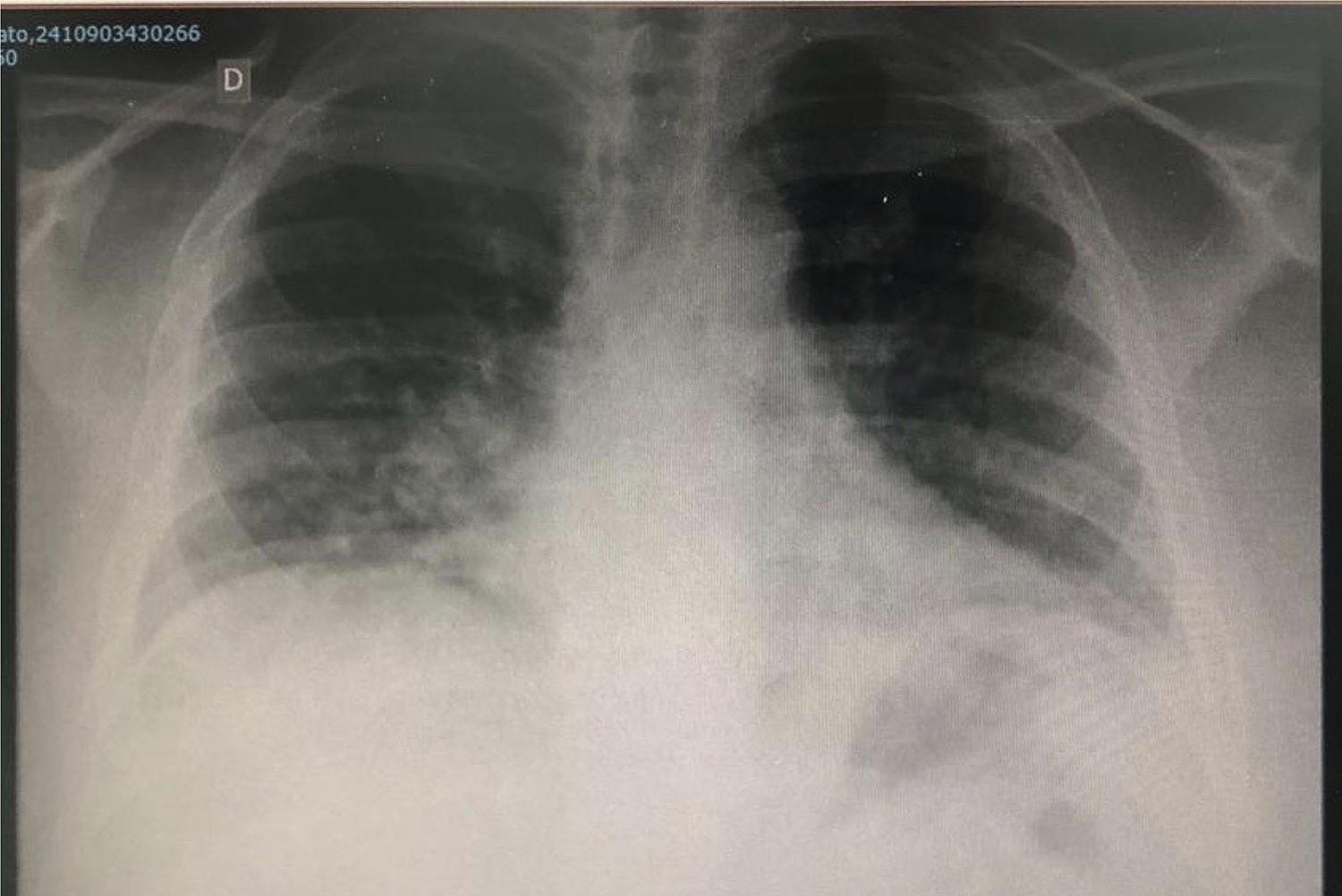
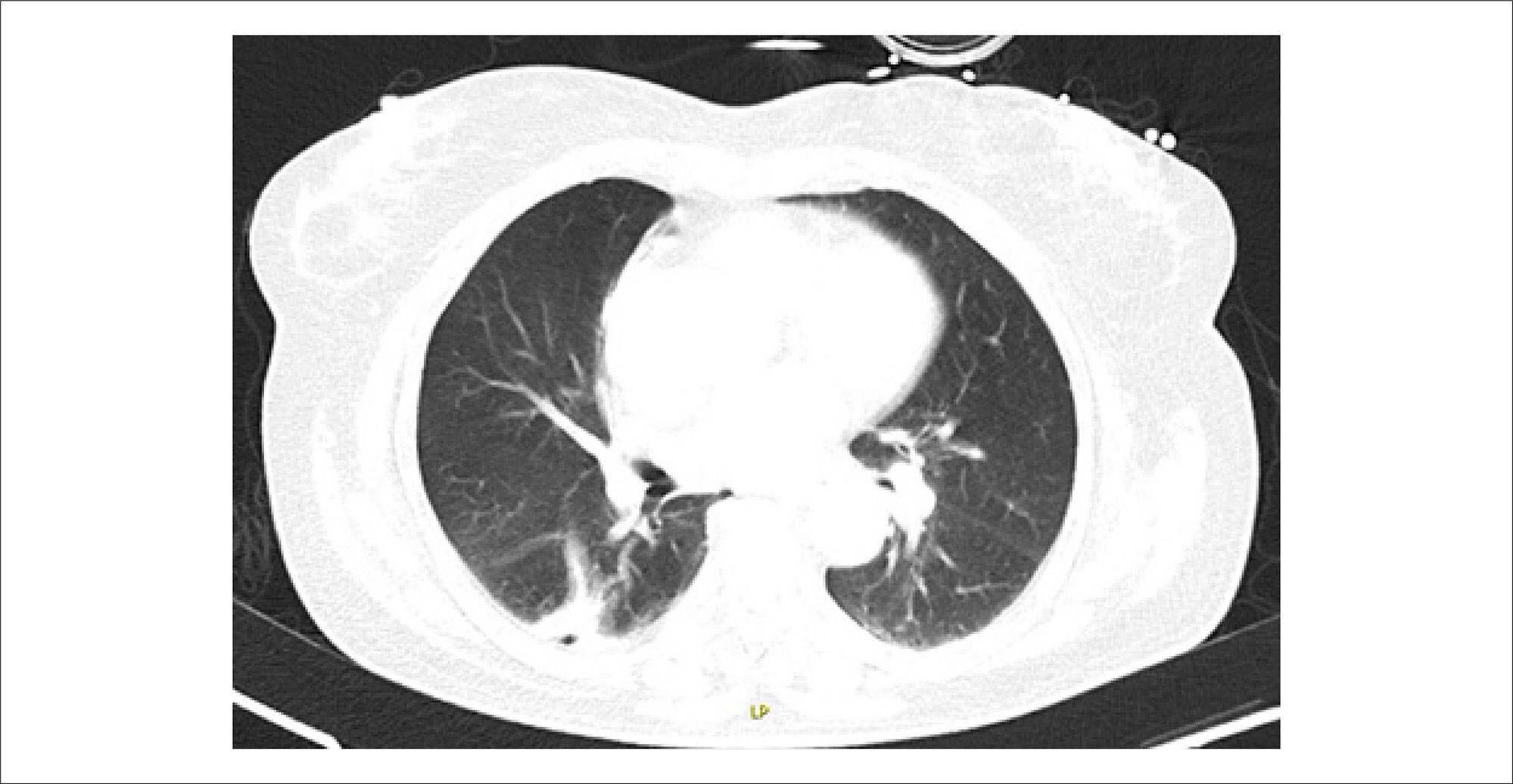
We report the case of a 70-year-old woman with a history of cryptogenic ischemic stroke for which she underwent intravenous fibrinolysis with no neurological sequelae. She had no known history of pulmonary or heart disease.

Approximately 1.5 years later, she presented to the Emergency Department (ED) with a one-week history of cough, fatigue, and shortness of breath. She denied fever, chest pain, orthopnea, or paroxysmal nocturnal dyspnea.

[…]

  • Hypoxia
  • Patent Foramen Ovale
  • Pulmonary Artery
  • Respiratory Insufficiency
Read Full Article
Creative Commons Attribution (CC BY) Creative Commons license
26/06/2024 DOI: 10.36660/abcimg.20240030i Views 1
ABC
Editorial

Lung Function and Inspiratory Muscle Strength in Heart Failure: Can They be Considered Potential Prognostic Markers?

Filipe Ferrari

Heart failure (HF) is a complex syndrome considered a major public health problem. Different HF subtypes are classically defined based on left ventricular ejection fraction (LVEF). Although its prognosis has improved in recent decades – explained, in part, by major therapeutic advances – HF persists with a high burden of mortality and negatively influences the quality of life., In this sense, common symptoms experienced in this disease, such as shortness of breath and exercise intolerance, contribute greatly to this sharp decline in the quality of life of individuals. Another condition, considered an important risk factor, which usually accompanies HF, is pulmonary dysfunction. The respiratory impairments observed in HF may be related to several reasons, such as an impairment of lung mechanics and gas diffusion, as well as respiratory muscle weakness – aggravating increased dyspnea, being a major limitation on physical exercise.

Spirometry is a widely used test that allows the analysis of lung function – by measuring the amount of air inhaled and exhaled to the maximum. Because chronic obstructive pulmonary disease shares similar signs and symptoms with HF, its identification in individuals with HF can be challenging; in this sense, spirometry can help confirm the diagnosis. About evaluating the potential severity of some lung diseases, the exercise test can also be useful, observing a series of parameters, such as the ratio of forced expiratory volume in 1 second/forced vital capacity (FEV1/FVC). The severity of the disease can still be classified based on FEV1 when it is below the lower limit of normal (ranging from mild when ≥70% of predicted to very severe when <35% of predicted). Although HF itself can lead to a decrease in FEV1 and FVC of about 20% of predicted, in addition to the fact that a worse FEV1 may predict higher mortality, convincing evidence examining the prognostic role of FEV1 in the HF setting still needs further investigation.

[…]

  • Exercise Tolerance
  • Heart Failure
  • Respiratory Insufficiency
  • Respiratory Muscles
  • Risk Assessment
  • Ventricular Function
Read Full Article
Creative Commons Attribution (CC BY) Creative Commons license
29/04/2022 DOI: 10.36660/abc.20211060 Views 2
ABC
Original Article

Relationship of Lung Function and Inspiratory Strength with Exercise Capacity and Prognosis in Heart Failure

Sergio Henrique Rodolpho Ramalho et al. Alexandra Correa Gervazoni Balbuena de Lima Fabiola Maria Ferreira da Silva Fausto Stauffer Junqueira de Souza … Lawrence Patrick Cahalin Graziella França Bernardelli Cipriano Gerson Cipriano Junior

Abstract

Background

Spirometry is underused in heart failure (HF) and the extent to which each defect associates with exercise capacity and prognosis is unclear.

Objective

To determine the distinct relationship of continuous %predicted FVC (ppFVC) and FEV1/FVC with: 1) maximal inspiratory pressure (MIP), left ventricular ejection fraction (LVEF), exercise performance; and 2) prognosis for the composite of cardiovascular death, heart transplantation or left ventricular assist device implant.

Methods

A cohort of 111 HF participants (AHA stages C/D) without diagnosed pneumopathy, spirometry, manovacuometry and maximum cardiopulmonary test. The association magnitudes were verified by linear and Cox (HR; 95% CI) regressions, age/sex adjusted. A p<0.05 was considered significant.

Results

Age was 57±12 years, 60% men, 64% in NYHA III. Every 10%-point increase in FEV1/FVC [β 7% (95% CI: 3–10)] and ppFVC [4% (2-6)] associated with ventilatory reserve (VRes), however only ppFVC associated with MIP [3.8 cmH2O (0.3-7.3)], LVEF [2.1% (0.5-3.8)] and VO2peak [0.5 mL/kg/min (0.1–1.0)], accounting for age/sex. In 2.2 years (mean), 22 events occurred, and neither FEV1/FVC (HR 1.44; 95% CI: 0.97–2.13) nor ppFVC (HR 1.13; 0.89–1.43) was significantly associated with the outcome. Only in the LVEF ≤50% subgroup (n=87, 20 events), FEV1/FVC (HR 1.50; 1.01–2.23), but not ppFVC, was associated with greater risk.

Conclusions

In chronic HF, reduced ppFVC associated with lower MIP, LVEF, VRes and VO2peak, but no distinct poorer prognosis over 2.2 years of follow-up. Distinctively, FEV1/FVC was associated only with VRes, and, in participants with LVEF ≤50%, FEV1/FVC reduction proportionally worsened prognosis. Therefore, FEV1/FVC and ppFVC add supplementary information regarding HF phenotyping.

  • Exercise Tolerance
  • Respiratory Insufficiency
  • Respiratory Muscles
  • Risk Assessment
  • Ventricular Function
Read Full Article
Creative Commons Attribution (CC BY) Creative Commons license
07/02/2022 DOI: 10.36660/abc.20201130
Figure 1
ABC
Case Report

Coronavirus and the Heart | A Case Report on the Evolution of COVID-19 Associated with Cardiological Evolution

Arthur Rente et al. Delcio Uezato Junior Karina Margareth Kunyoshi Uezato

Introduction

Beginning on December 31, 2019, in China, the coronavirus (Sars-Cov-2) has been the target of studies in the most diverse medical fields, with cardiology as one of the major pillars of evolution.

Chronic diseases such as hypertension, diabetes mellitus and coronary artery disease dramatically increase the negative outcome of infected patients. According to data from the American College of Cardiology (ACC), in this profile of the general population, hospitalization levels resulting from COVID-19 hit 50%

[…]

  • Cardiovascular Diseases
  • Coronavirus
  • COVID-19
  • Myocarditis/complications
  • Respiratory Insufficiency
Read Full Article
Creative Commons Attribution (CC BY) Creative Commons license
11/05/2020 DOI: 10.36660/abc.20200263 Views 2
Another Cause of Acute Cardiogenic Shock
ABC
Anatomopathological Correlation
Another Cause of Acute Cardiogenic Shock

Gonçalo Morgado et al. Filipe Gonzalez Ana Alves Oliveira Antero Fernandes

Clinical Case

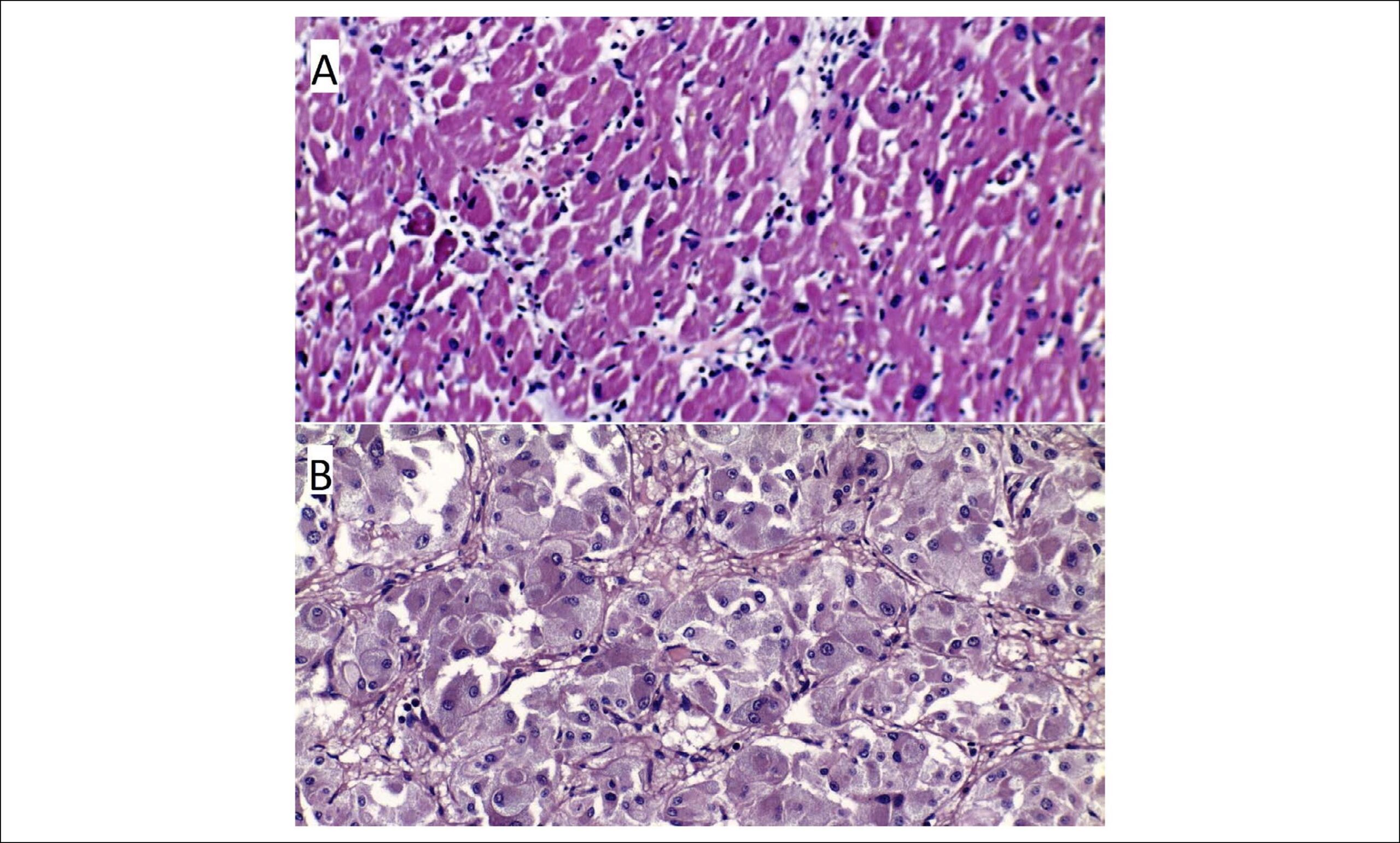
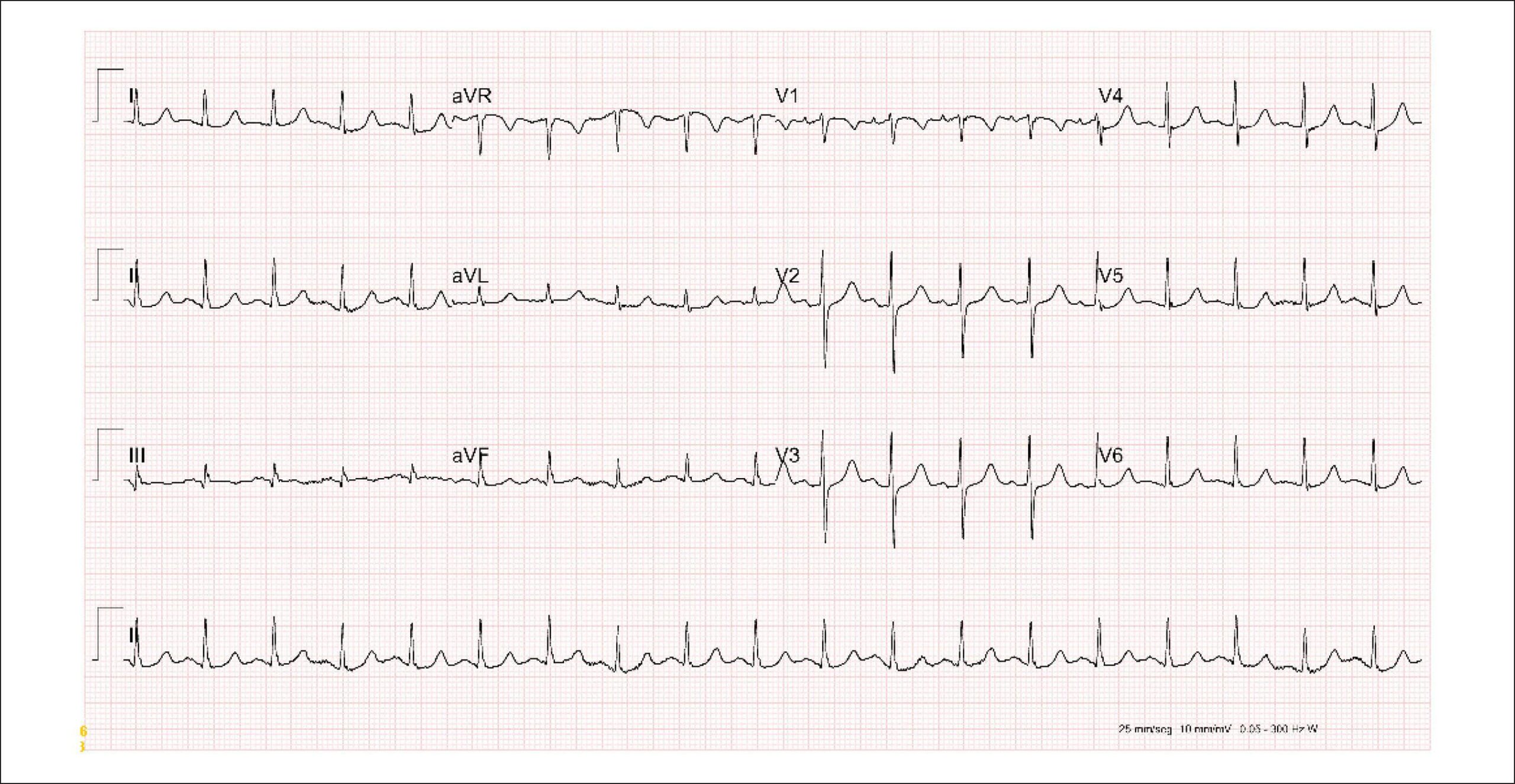
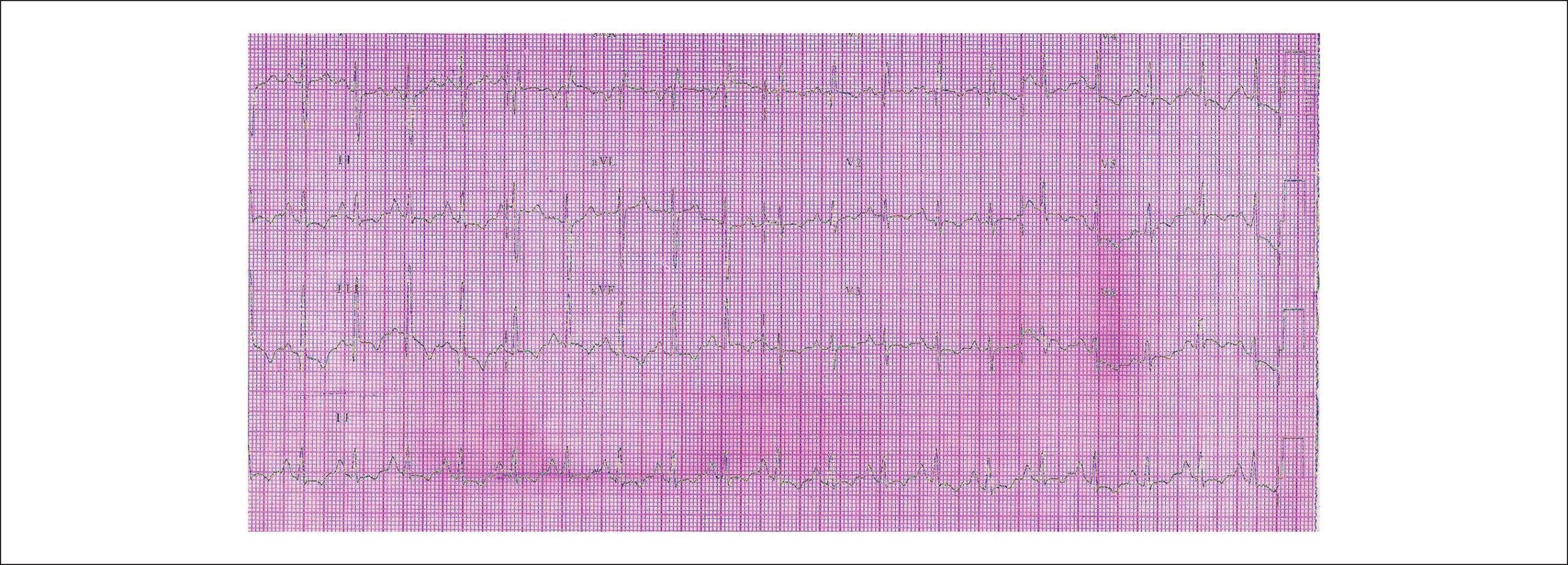
A 64-year-old woman with a history of Diabetes and Hypertension was admitted to the emergency department with acute dyspnea and chest pain. Physical examination revealed hypertension, sinus tachycardia (150 bpm), acute pulmonary edema and poor extremity perfusion. In the context of respiratory failure and hemodynamic instability, she required invasive mechanical ventilation. Blood works showed increased levels of hs-TroponinT (rising from 800 to 1600 ng/L) and the ECG showed poor R wave progression and incomplete right bundle branch block. The echocardiogram revealed a hypertrophied left ventricle, with severe systolic dysfunction and akinetic apical and middle segments. Considering the possibility of acute coronary syndrome, the patient was referred for emergent coronary angiography, which revealed normal coronary arteries. She was admitted to the intensive care unit with the presumed diagnosis of Takotsubo cardiomyopathy. Through the rest of the day, she presented with fluctuating blood pressure and required elevated levels of positive end-expiratory pressure due to pulmonary edema. Despite an apparent favorable evolution, she suddenly developed asystole, refractory to resuscitation efforts, dying less than 24 hours after admission.

[…]

  • Heart Failure
  • Pheochromocytoma
  • Respiratory Insufficiency
  • Shock, Cardiogenic
  • Takotsubo Cardiomyopathy/complications
Read Full Article
Creative Commons Attribution (CC BY) Creative Commons license
02/12/2019 DOI: 10.36660/abc.9453 Views 1
Figure 1
ABC
Anatomopathological Correlation
Case 5 / 2018 – Acute Respiratory Failure and Cardiogenic Shock in a Patient in the First Trimester of Pregnancy with Mechanical Mitral Valve Prosthesis Implant

Walkíria Samuel Ávila et al. Vinícius Araújo de Freitas Chagas Caldas Daniel Valente Batista Paulo Sampaio Gutierrez

Clinical aspects

The case reported is of a 36-year-old pregnant woman with repaired complex congenital heart disease, with a mechanical mitral valve prosthesis implanted 28 years before, paroxysmal atrial fibrillation, and a history of thromboembolism, a triad that characterizes a high thromboembolic risk.

Notwithstanding, the patient maintained the adequate anticoagulation goal (INR = 3) until the pregnancy diagnosis, when the anticoagulation regimen of warfarin was replaced by enoxaparin due to the risk of fetal warfarin syndrome, which occurs between the 6th and 12th weeks of gestation (characterized by nasal hypoplasia, dysplasia of the bony epiphyses, limb deformities, neurological and respiratory problems). However, there is less evidence of the erratic bioavailability and distribution of enoxaparin during pregnancy, although it constitutes a current challenge to define the best anticoagulation strategy in this population with high thromboembolic risk.

[…]

  • Heart Defects, Congenital
  • Heart Valve Prosthesis
  • Pregnancy
  • Respiratory Insufficiency
  • Shock, Cardiogenic
Read Full Article
Creative Commons Attribution (CC BY) Creative Commons license
01/10/2018 DOI: 10.5935/abc.20180205 Views 1
Figure 1
ABC
Anatomopathological Session

Case 5/2017 – A 28-Year-Old Woman with Cor Pulmonale Due to Pulmonary Hypertension Secondary to Chronic Pulmonary Thromboembolism

Jussara de Almeida Bruno et al. Rafael Amorim Belo Nunes Paulo Sampaio Gutierrez Vera Demarchi Aiello

Clinical aspects

We report the case of a 28-year female patient denying any previous morbidity, who had acute PTE and progressively developed significant functional impairment and signs suggestive of chronic PTE during follow-up until death.

Venous thromboembolism (VTE) is the third most frequent cause of cardiovascular disease in the general population, with an annual incidence of 100 to 200 cases per 100000 inhabitants, acute PTE being its most severe clinical presentation. The prevalence and incidence of spontaneous VTE in young adults are low, but increase significantly in the presence of risk factors, such as oral contraception use, obesity and thrombophilia, especially in associations. The use of oral contraceptives, such as estrogens/progestogens, increases by 2 to 4 times the risk of venous thromboembolic events. Activated protein C resistance is attributed to a mechanism related to higher risk for VTE in patients on oral contraceptives. In our case, the patient had been on regular use of oral contraceptives until the first event, but there is no information on their formulation. Obesity is considered a risk factor, increasing by 2.4 times the risk for VTE in obese individuals as compared to non-obese individuals. When associating obesity and oral contraceptive use simultaneously, the risk for VTE increases by 10 times. Significant thrombophilias, such as deficiencies in protein C, protein S and antithrombin, homozygosity for factor V Leiden and prothrombin gene mutation increase in up to 7 times the risk for venous thromboembolic events in patients on oral contraceptives. During the patient’s follow-up, certain thrombophilias, such as prothrombin gene mutation, hyperhomocysteinemia and antiphospholipid syndrome, were excluded, but neither factor V Leiden nor deficiency in natural anticoagulants were investigated.

[…]

  • Hypertension
  • Pulmonary
  • Pulmonary Embolism/complications
  • Pulmonary Heart Disease
  • Respiratory Insufficiency
  • Risk Factors
Read Full Article
Creative Commons Attribution (CC BY) Creative Commons license
01/10/2017 DOI: 10.5935/abc.20170148 Views 1
Study of breathing pattern and thoracoabdominal movement in mitral valve disease
ABC
Artigo Original

Study of breathing pattern and thoracoabdominal movement in mitral valve disease

Satiko Shimada Franco et al. Paula Nubiato Bardi Max Grinberg Maria Ignêz Zanetti Feltrim

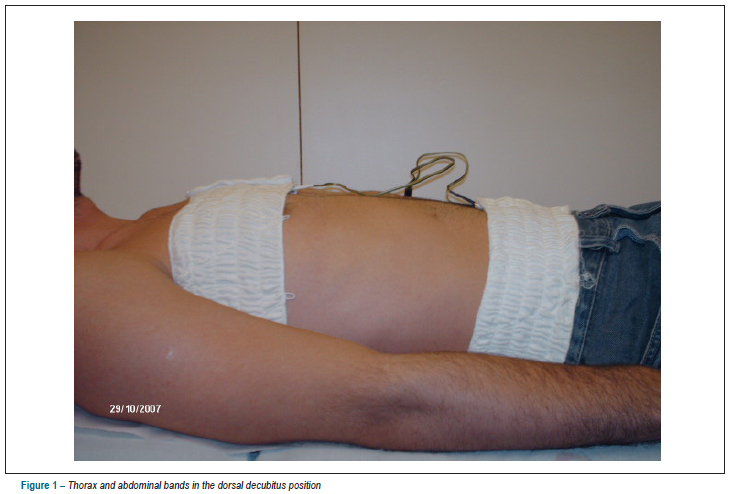
BACKGROUND: patients with mitral valve disease can progress to having pulmonary congestion, which increases the work the respiratory muscles. This overload can change the breathing pattern with a predominance of rib cage displacement or presence of paradoxical movements. OBJECTIVE: a) to study the breathing pattern and thoracoabdominal movement of patients with mitral valve disease; b) to study the effect of body position on breathing parameters; and c) to correlate pulmonary hypertension with lack of coordination of thoracoabdominal movement. METHODS: the breathing pattern and thoracoabdominal movement of patients with mitral valve disease were assessed using respiratory inductive plethysmography during quiet breathing in the dorsal decubitus and sitting positions for two minutes. The variables assessed were tidal volume, breathing time and thoracoabdominal movement. RESULTS: of the 65 patients selected, 10 were excluded, 29 were in the mitral stenosis group and 26 in the mitral regurgitation group. Tidal volume, pulmonary ventilation and mean inspiratory flow significantly increased in the sitting position, with no difference between the groups. The thoracoabdominal movement remained coordinated in all groups and positions; except for five patients in the dorsal decubitus position, who lacked coordination (three in the mitral stenosis group; two in the mitral regurgitation group). A significant correlation with pulmonary artery pressure values was observed (r = 0.992; p = 0.007). CONCLUSION: No difference in breathing pattern or thoracoabdominal movement was found between patients with mitral stenosis and regurgitation. The sitting position increased tidal volume without altering breathing times. The lack of coordination of the thoracoabdominal movement in the dorsal decubitus position was associated with pulmonary hypertension.

  • Hypertension Pulmonary
  • mitral valve regurgitation
  • Mitral Valve Stenosis
  • Respiratory Insufficiency
Read Full Article
Creative Commons Attribution (CC BY) Creative Commons license
09/11/2012 DOI: 10.1590/S0066-782X2012005000101 Views 3
Application of noninvasive ventilation in acute respiratory failure after cardiovascular surgery
ABC
Artigo Original

Application of noninvasive ventilation in acute respiratory failure after cardiovascular surgery

Vera Regina de Morais Coimbra et al. Rodrigo de Almeida Lara Ériko Gonçalves Flores Emília Nozawa … José Octávio Costa Auler Júnior Maria Ignez Zanetti Feltrim

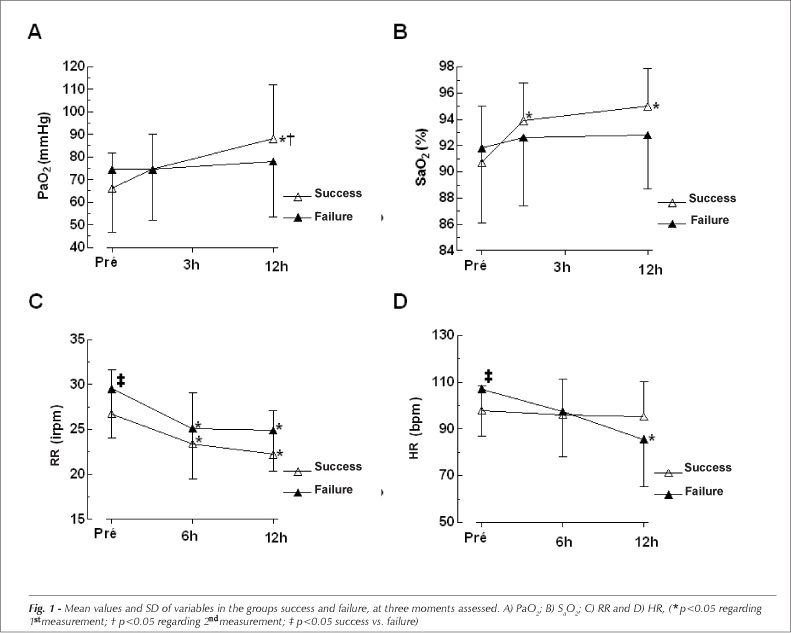
OBJECTIVE: To examine ventilatory response, oxygenation-related, and hemodynamics of patients with hypoxemic acute respiratory failure (ARF) submitted to noninvasive mechanical ventilation (NIV) during the postoperative phase of cardiovascular surgery in order to identify predictive variables of success, and to compare the different types of NIV. METHODS: Seventy patients with hypoxemic ARF were randomized to one of three modalities of NIV – continuous positive airway pressure (CPAP) and ventilation with two pressure levels (PEEP + SP and BiPAP®). Ventilation, oxygenation-related, and hemodynamics variables were analyzed at pre-application, and 3, 6, and 12 hours after the protocol began. RESULTS: Thirteen patients were excluded. Thirty-one patients progressed to independence from ventilatory support and comprised the success group, and 26 required orotracheal intubation and were considered the nonsuccess group. Age, initial heart rate (HR), and respiratory rate (RR) showed elevated levels in the nonsuccess group (p=0.042, 0.029, and 0.002, respectively). A greater number of intraoperative complications were seen in the nonsuccess group (p=0.025). Oxygenation variables increased only in the success group. Among the NIV types, 57.9% of patients in the ventilator group, 57.9% in the two-pressure levels group, and 47.3% in the CPAP group progressed with success. Oxygenation and RR variables showed improvement only in the groups with two pressure levels. CONCLUSION: Patients with hypoxemic ARF in the postoperative stage after cardiovascular surgery showed better oxygenation, RR, and HR during NIV application. In older patients and those with higher baseline RR and HR values, NIV was not sufficient to reverse ARF. The two-pressure level modes showed better results.

  • anoxemia
  • Respiration, artificial
  • Respiratory Insufficiency
  • Thoracic Surgery
Read Full Article
Creative Commons Attribution (CC BY) Creative Commons license
07/12/2007 DOI: 10.1590/S0066-782X2007001700004 Views 2
Evaluation of respiratory muscle strength and pulmonary function in heart failure patients
ABC
Artigo Original

Evaluation of respiratory muscle strength and pulmonary function in heart failure patients

Luiz Alberto Forgiarini Junior et al. Angélica Rubleski Garcia Douglas Juliana Tieppo … Rafael Vercelino Adriane Dal Bosco Mariane Borba Monteiro Alexandre Simões Dias

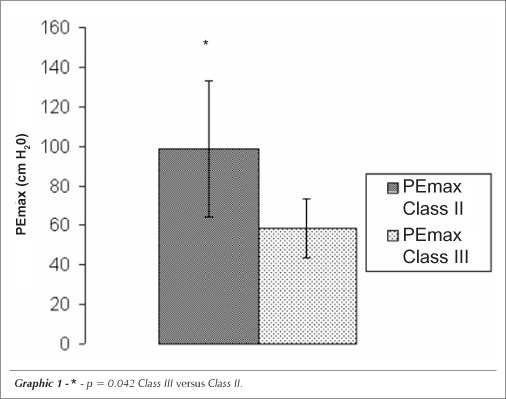
BACKGROUND: Heart failure (HF) is the inability of the heart to pump enough blood to supply the necessities of the body. Pulmonary function and respiratory muscles can be affected and typical symptoms presented by the patients include discomfort at a minimal exertion. OBJECTIVE: To verify pulmonary function and respiratory muscle strength in patients with class II and III HF as defined by the New York Heart Association (NYHA). METHODS: The study was descriptive and observational, and comprised 12 class II and III HF patients in follow-up at the out-patient. Pulmonary function assessments [Forced Expiratory Volume in the first second (FEV1) and Forced Vital Capacity (FVC)] were performed using microspirometry and respiratory muscle strength [Maximal Expiratory Pressure (MEPmax) and Maximal Inspiratory Pressure (MIPmax)] were evaluated using a pressure transducer (Globalmed™). RESULTS: Differences were found between the functional classes II and III in relation to pulmonary function: FEV1 (II: 91.17±19.87; III: 68.17±21.78); FVC (II: 68.17±21.78; III: 73.67±22.94); and respiratory muscle strength: MIPmax (II: 71.67±40.70; III: 53.33±29.27) and MEPmax (II: 98.83±34.56; III: 58.33±15.06). The class II were higher for all study parameters, only MEPmax revealed a statistically significant difference. CONCLUSION: The pulmonary function and respiratory muscle strength are impaired in heart failure patients class III patients, particularly in relation to MEPmax.

  • cardiac output, low
  • Heart Failure
  • Muscle Strength
  • pulmonary function
  • Respiratory Insufficiency
Read Full Article
Creative Commons Attribution (CC BY) Creative Commons license
28/08/2007 DOI: 10.1590/S0066-782X2007001300007 Views 1

How to cite this article

EndNote RIS

Electronic Document Format (Vancouver)

Miranda I, Strong C, Póvoa P. Patent Foramen Ovale: An Unusual Cause of Refractory Hypoxemia. ABC Imagem Cardiovascular 2024;37(2):e20240030.

Electronic Document Format (ABNT)

Miranda, Inês; Strong, Christopher; Póvoa, Pedro. Patent Foramen Ovale: An Unusual Cause of Refractory Hypoxemia. ABC Imagem Cardiovascular, v. 37, n. 2, e20240030, Jun. 2024.

Electronic Document Format (APA)

Miranda, I., Strong, C., & Póvoa, P. (2024). Patent Foramen Ovale: An Unusual Cause of Refractory Hypoxemia. ABC Imagem Cardiovascular, 37(2), e20240030.

Electronic Document Format (ISO)

Miranda, Inês and Strong, Christopher and Póvoa, Pedro. Patent Foramen Ovale: An Unusual Cause of Refractory Hypoxemia. ABC Imagem Cardiovascular [online]. 2024, vol. 37, n. 2, [cited 2026-10-14], e20240030. Available from: <https://journals.cardiol.br/en/article/patent-foramen-ovale-an-unusual-cause-of-refractory-hypoxemia/>. ISSN 2318-8219

EndNote RIS

Electronic Document Format (Vancouver)

Ferrari F. Lung Function and Inspiratory Muscle Strength in Heart Failure: Can They be Considered Potential Prognostic Markers?. Arquivos Brasileiros de Cardiologia 2022;118(4):692-3.

Electronic Document Format (ABNT)

Ferrari, Filipe. Lung Function and Inspiratory Muscle Strength in Heart Failure: Can They be Considered Potential Prognostic Markers?. Arquivos Brasileiros de Cardiologia, v. 118, n. 4, p. 692-693, Apr. 2022.

Electronic Document Format (APA)

Ferrari, F. (2022). Lung Function and Inspiratory Muscle Strength in Heart Failure: Can They be Considered Potential Prognostic Markers?. Arquivos Brasileiros de Cardiologia, 118(4), 692-693.

Electronic Document Format (ISO)

Ferrari, Filipe. Lung Function and Inspiratory Muscle Strength in Heart Failure: Can They be Considered Potential Prognostic Markers?. Arquivos Brasileiros de Cardiologia [online]. 2022, vol. 118, n. 4, [cited 2026-10-14], pp. 692-693. Available from: <https://journals.cardiol.br/en/article/lung-function-and-inspiratory-muscle-strength-in-heart-failure-can-they-be-considered-potential-prognostic-markers/>. ISSN 0066-782X

EndNote RIS

Electronic Document Format (Vancouver)

Ramalho SHR, Lima ACGB, Silva FMF, Souza FSJ, Cahalin LP, Cipriano GFB, Cipriano Junior G, et al. Relationship of Lung Function and Inspiratory Strength with Exercise Capacity and Prognosis in Heart Failure. Arquivos Brasileiros de Cardiologia 2022;118(4):680-91.

Electronic Document Format (ABNT)

Ramalho, Sergio Henrique Rodolpho; Lima, Alexandra Correa Gervazoni Balbuena de; Silva, Fabiola Maria Ferreira da; Souza, Fausto Stauffer Junqueira de; Cahalin, Lawrence Patrick; Cipriano, Graziella França Bernardelli; Cipriano Junior, Gerson. Relationship of Lung Function and Inspiratory Strength with Exercise Capacity and Prognosis in Heart Failure. Arquivos Brasileiros de Cardiologia, v. 118, n. 4, p. 680-691, Feb. 2022.

Electronic Document Format (APA)

Ramalho, S. H. R., Lima, A. C. G. B. , Silva, F. M. F. , Souza, F. S. J. , Cahalin, L. P., Cipriano, G. F. B., & Cipriano Junior, G. (2022). Relationship of Lung Function and Inspiratory Strength with Exercise Capacity and Prognosis in Heart Failure. Arquivos Brasileiros de Cardiologia, 118(4), 680-691.

Electronic Document Format (ISO)

Ramalho, Sergio Henrique Rodolpho and Lima, Alexandra Correa Gervazoni Balbuena de and Silva, Fabiola Maria Ferreira da and Souza, Fausto Stauffer Junqueira de and Cahalin, Lawrence Patrick and Cipriano, Graziella França Bernardelli and Cipriano Junior, Gerson. Relationship of Lung Function and Inspiratory Strength with Exercise Capacity and Prognosis in Heart Failure. Arquivos Brasileiros de Cardiologia [online]. 2022, vol. 118, n. 4, [cited 2026-10-14], pp. 680-691. Available from: <https://journals.cardiol.br/en/article/relationship-of-lung-function-and-inspiratory-strength-with-exercise-capacity-and-prognosis-in-heart-failure/>. ISSN 0066-782X

EndNote RIS

Electronic Document Format (Vancouver)

Rente A, Uezato Junior D, Uezato KMK. Coronavirus and the Heart | A Case Report on the Evolution of COVID-19 Associated with Cardiological Evolution. Arquivos Brasileiros de Cardiologia 2020;114(5):839-42.

Electronic Document Format (ABNT)

Rente, Arthur; Uezato Junior, Delcio; Uezato, Karina Margareth Kunyoshi. Coronavirus and the Heart | A Case Report on the Evolution of COVID-19 Associated with Cardiological Evolution. Arquivos Brasileiros de Cardiologia, v. 114, n. 5, p. 839-842, May. 2020.

Electronic Document Format (APA)

Rente, A., Uezato Junior, D., & Uezato, K. M. K. (2020). Coronavirus and the Heart | A Case Report on the Evolution of COVID-19 Associated with Cardiological Evolution. Arquivos Brasileiros de Cardiologia, 114(5), 839-842.

Electronic Document Format (ISO)

Rente, Arthur and Uezato Junior, Delcio and Uezato, Karina Margareth Kunyoshi. Coronavirus and the Heart | A Case Report on the Evolution of COVID-19 Associated with Cardiological Evolution. Arquivos Brasileiros de Cardiologia [online]. 2020, vol. 114, n. 5, [cited 2026-10-14], pp. 839-842. Available from: <https://journals.cardiol.br/en/article/coronavirus-and-the-heart-a-case-report-on-the-evolution-of-covid-19-associated-with-cardiological-evolution/>. ISSN 0066-782X

EndNote RIS

Electronic Document Format (Vancouver)

Morgado G, Gonzalez F, Oliveira AA, Fernandes A. Another Cause of Acute Cardiogenic Shock. Arquivos Brasileiros de Cardiologia 2019;113(6):1150.

Electronic Document Format (ABNT)

Morgado, Gonçalo; Gonzalez, Filipe; Oliveira, Ana Alves; Fernandes, Antero. Another Cause of Acute Cardiogenic Shock. Arquivos Brasileiros de Cardiologia, v. 113, n. 6, p. 1150-1150, Dec. 2019.

Electronic Document Format (APA)

Morgado, G., Gonzalez, F., Oliveira, A. A., & Fernandes, A. (2019). Another Cause of Acute Cardiogenic Shock. Arquivos Brasileiros de Cardiologia, 113(6), 1150-1150.

Electronic Document Format (ISO)

Morgado, Gonçalo and Gonzalez, Filipe and Oliveira, Ana Alves and Fernandes, Antero. Another Cause of Acute Cardiogenic Shock. Arquivos Brasileiros de Cardiologia [online]. 2019, vol. 113, n. 6, [cited 2026-10-14], pp. 1150-1150. Available from: <https://journals.cardiol.br/en/article/another-cause-of-acute-cardiogenic-shock/>. ISSN 0066-782X

EndNote RIS

Electronic Document Format (Vancouver)

Ávila WS, Caldas VAFC, Batista DV, Gutierrez PS. Case 5 / 2018 – Acute Respiratory Failure and Cardiogenic Shock in a Patient in the First Trimester of Pregnancy with Mechanical Mitral Valve Prosthesis Implant. Arquivos Brasileiros de Cardiologia 2018;111(4):629-34.

Electronic Document Format (ABNT)

Ávila, Walkíria Samuel; Caldas, Vinícius Araújo de Freitas Chagas; Batista, Daniel Valente; Gutierrez, Paulo Sampaio. Case 5 / 2018 – Acute Respiratory Failure and Cardiogenic Shock in a Patient in the First Trimester of Pregnancy with Mechanical Mitral Valve Prosthesis Implant. Arquivos Brasileiros de Cardiologia, v. 111, n. 4, p. 629-634, Sep. 2018.

Electronic Document Format (APA)

Ávila, W. S., Caldas, V. A. F. C., Batista, D. V., & Gutierrez, P. S. (2018). Case 5 / 2018 – Acute Respiratory Failure and Cardiogenic Shock in a Patient in the First Trimester of Pregnancy with Mechanical Mitral Valve Prosthesis Implant. Arquivos Brasileiros de Cardiologia, 111(4), 629-634.

Electronic Document Format (ISO)

Ávila, Walkíria Samuel and Caldas, Vinícius Araújo de Freitas Chagas and Batista, Daniel Valente and Gutierrez, Paulo Sampaio. Case 5 / 2018 – Acute Respiratory Failure and Cardiogenic Shock in a Patient in the First Trimester of Pregnancy with Mechanical Mitral Valve Prosthesis Implant. Arquivos Brasileiros de Cardiologia [online]. 2018, vol. 111, n. 4, [cited 2026-10-14], pp. 629-634. Available from: <https://journals.cardiol.br/en/article/case-5-2018-acute-respiratory-failure-and-cardiogenic-shock-in-a-patient-in-the-first-trimester-of-pregnancy-with-mechanical-mitral-valve-prosthesis-implant/>. ISSN 0066-782X

EndNote RIS

Electronic Document Format (Vancouver)

Bruno JA, Nunes RAB, Gutierrez PS, Aiello VD. Case 5/2017 – A 28-Year-Old Woman with Cor Pulmonale Due to Pulmonary Hypertension Secondary to Chronic Pulmonary Thromboembolism. Arquivos Brasileiros de Cardiologia 2017;109(4):370-5.

Electronic Document Format (ABNT)

Bruno, Jussara de Almeida; Nunes, Rafael Amorim Belo; Gutierrez, Paulo Sampaio; Aiello, Vera Demarchi. Case 5/2017 – A 28-Year-Old Woman with Cor Pulmonale Due to Pulmonary Hypertension Secondary to Chronic Pulmonary Thromboembolism. Arquivos Brasileiros de Cardiologia, v. 109, n. 4, p. 370-375, Sep. 2017.

Electronic Document Format (APA)

Bruno, J. A., Nunes, R. A. B., Gutierrez, P. S., & Aiello, V. D. (2017). Case 5/2017 – A 28-Year-Old Woman with Cor Pulmonale Due to Pulmonary Hypertension Secondary to Chronic Pulmonary Thromboembolism. Arquivos Brasileiros de Cardiologia, 109(4), 370-375.

Electronic Document Format (ISO)

Bruno, Jussara de Almeida and Nunes, Rafael Amorim Belo and Gutierrez, Paulo Sampaio and Aiello, Vera Demarchi. Case 5/2017 – A 28-Year-Old Woman with Cor Pulmonale Due to Pulmonary Hypertension Secondary to Chronic Pulmonary Thromboembolism. Arquivos Brasileiros de Cardiologia [online]. 2017, vol. 109, n. 4, [cited 2026-10-14], pp. 370-375. Available from: <https://journals.cardiol.br/en/article/case-5-2017-a-28-year-old-woman-with-cor-pulmonale-due-to-pulmonary-hypertension-secondary-to-chronic-pulmonary-thromboembolism/>. ISSN 0066-782X

EndNote RIS

Electronic Document Format (Vancouver)

Franco SS, Bardi PN, Grinberg M, Feltrim MIZ. Study of breathing pattern and thoracoabdominal movement in mitral valve disease. Arquivos Brasileiros de Cardiologia 2012;99(5):1049-55.

Electronic Document Format (ABNT)

Franco, Satiko Shimada; Bardi, Paula Nubiato; Grinberg, Max; Feltrim, Maria Ignêz Zanetti. Study of breathing pattern and thoracoabdominal movement in mitral valve disease. Arquivos Brasileiros de Cardiologia, v. 99, n. 5, p. 1049-1055, Nov. 2012.

Electronic Document Format (APA)

Franco, S. S., Bardi, P. N., Grinberg, M., & Feltrim, M. I. Z. (2012). Study of breathing pattern and thoracoabdominal movement in mitral valve disease. Arquivos Brasileiros de Cardiologia, 99(5), 1049-1055.

Electronic Document Format (ISO)

Franco, Satiko Shimada and Bardi, Paula Nubiato and Grinberg, Max and Feltrim, Maria Ignêz Zanetti. Study of breathing pattern and thoracoabdominal movement in mitral valve disease. Arquivos Brasileiros de Cardiologia [online]. 2012, vol. 99, n. 5, [cited 2026-10-14], pp. 1049-1055. Available from: <https://journals.cardiol.br/en/article/study-of-breathing-pattern-and-thoracoabdominal-movement-in-mitral-valve-disease/>. ISSN 0066-782X

EndNote RIS

Electronic Document Format (Vancouver)

Coimbra VRM, Lara RA, Flores G, Nozawa E, Auler Júnior JOC, Feltrim MIZ. Application of noninvasive ventilation in acute respiratory failure after cardiovascular surgery. Arquivos Brasileiros de Cardiologia 2007;89(5):298-305.

Electronic Document Format (ABNT)

Coimbra, Vera Regina de Morais; Lara, Rodrigo de Almeida; Flores, Ériko Gonçalves; Nozawa, Emília; Auler Júnior, José Octávio Costa; Feltrim, Maria Ignez Zanetti. Application of noninvasive ventilation in acute respiratory failure after cardiovascular surgery. Arquivos Brasileiros de Cardiologia, v. 89, n. 5, p. 298-305, Dec. 2007.

Electronic Document Format (APA)

Coimbra, V. R. M., Lara, R. A., Flores, G., Nozawa, E., Auler Júnior, J. O. C., & Feltrim, M. I. Z. (2007). Application of noninvasive ventilation in acute respiratory failure after cardiovascular surgery. Arquivos Brasileiros de Cardiologia, 89(5), 298-305.

Electronic Document Format (ISO)

Coimbra, Vera Regina de Morais and Lara, Rodrigo de Almeida and Flores, Ériko Gonçalves and Nozawa, Emília and Auler Júnior, José Octávio Costa and Feltrim, Maria Ignez Zanetti. Application of noninvasive ventilation in acute respiratory failure after cardiovascular surgery. Arquivos Brasileiros de Cardiologia [online]. 2007, vol. 89, n. 5, [cited 2026-10-14], pp. 298-305. Available from: <https://journals.cardiol.br/en/article/application-of-noninvasive-ventilation-in-acute-respiratory-failure-after-cardiovascular-surgery/>. ISSN 0066-782X

EndNote RIS

Electronic Document Format (Vancouver)

Forgiarini Junior LA, Rubleski A, Douglas G, Tieppo J, Vercelino R, Bosco AD, Monteiro MB, et al. Evaluation of respiratory muscle strength and pulmonary function in heart failure patients. Arquivos Brasileiros de Cardiologia 2007;89(1):36-41.

Electronic Document Format (ABNT)

Forgiarini Junior, Luiz Alberto; Rubleski, Angélica; Douglas, Garcia; Tieppo, Juliana; Vercelino, Rafael; Bosco, Adriane Dal; Monteiro, Mariane Borba; Dias, Alexandre Simões. Evaluation of respiratory muscle strength and pulmonary function in heart failure patients. Arquivos Brasileiros de Cardiologia, v. 89, n. 1, p. 36-41, Aug. 2007.

Electronic Document Format (APA)

Forgiarini Junior, L. A., Rubleski, A., Douglas, G., Tieppo, J., Vercelino, R., Bosco, A. D., Monteiro, M. B., & Dias, A. S. (2007). Evaluation of respiratory muscle strength and pulmonary function in heart failure patients. Arquivos Brasileiros de Cardiologia, 89(1), 36-41.

Electronic Document Format (ISO)

Forgiarini Junior, Luiz Alberto and Rubleski, Angélica and Douglas, Garcia and Tieppo, Juliana and Vercelino, Rafael and Bosco, Adriane Dal and Monteiro, Mariane Borba and Dias, Alexandre Simões. Evaluation of respiratory muscle strength and pulmonary function in heart failure patients. Arquivos Brasileiros de Cardiologia [online]. 2007, vol. 89, n. 1, [cited 2026-10-14], pp. 36-41. Available from: <https://journals.cardiol.br/en/article/evaluation-of-respiratory-muscle-strength-and-pulmonary-function-in-heart-failure-patients/>. ISSN 0066-782X

  • About ABC Family
  • Internal Regulation
  • Editorial Board
  • Brazilian Society of Cardiology (SBC)

Issues

SBC Guidelines

  • Videos
  • Podcasts
  • News