| IJCS
ABC Family Arquivos Brasileiros de Cardiologia International Journal of Cardiovascular Sciences ABC Heart Failure & Cardiomyopathy ABC Imagem Cardiovascular
Português English
ABC Family | IJCS
Português English
  • About
    • About the Journal
    • Internal Regulation
    • Editors Section
    • Editorial Board
    • SBC Award
  • Instructions to Authors
    • Guidelines for Publication
    • Editorial Policy
    • Ethics Policy
    • Policy on the Use of Artificial Intelligence
    • Mandatory Publication Form
    • Publication Fee
  • Issues
  • SBC Guidelines
  • Abstracts
    • How to Publish an Abstract Supplement?
    • Published Supplements
  • About
    • About the Journal
    • Internal Regulation
    • Editors Section
    • Editorial Board
    • SBC Award
  • Instructions to Authors
    • Guidelines for Publication
    • Editorial Policy
    • Ethics Policy
    • Policy on the Use of Artificial Intelligence
    • Mandatory Publication Form
    • Publication Fee
  • Issues
  • SBC Guidelines
  • Abstracts
    • How to Publish an Abstract Supplement?
    • Published Supplements

ABC Family

  • ABC Family
  • Arquivos Brasileiros de Cardiologia
  • International Journal of Cardiovascular Sciences
  • ABC Heart Failure & Cardiomyopathy
  • ABC Imagem Cardiovascular
Search in

No content found.

Journals
Ordering
Article types
Others

  1. Home
  2. IJCS
  3. Issues
  4. 2020, Volume 33, Number 6
Editorial

What is the best Cardiovascular Risk Score for the Brazilian Population?

Bruno Ferraz de Oliveira Gomes et al. Gláucia Maria Moraes de Oliveira

Although the cardiovascular disease mortality rates in Brazil still reach high numbers, they have decreased significantly in recent years. In the early 1990s, the country presented approximately 350 deaths per 100 000 inhabitants per year, and the most recently published rates were reduced to just over 200 deaths per 100 000 inhabitants. Mortality rates due to coronary artery disease are higher in men: between 1990 and 2017, the annual mortality rate due to coronary artery disease was approximately 100 deaths per 100 000 inhabitants. Disability-adjusted life years (DALYs) went from more than 6000 years per 100 000 inhabitants in the 1990s to just over 4000 years per 100 000 inhabitants in the past decade.

Strategies for measuring cardiovascular risk have changed clinical practice by promoting effective preventive measures that reduce the occurrence of major cardiovascular events and improve quality of life. Among them, the most commonly used are simple clinical criteria, clinical prediction scores, imaging examinations, and biomarkers. The clinical application of a cardiovascular risk score should be assessed for its ability to affect the therapeutic management and prognosis of individuals. A risk prediction model must be evaluated in several subsequent phases, such as the initial concept, its prospective validation in independent populations, the incremental information provided in relation to the currently available models, the confirmation of its effects in modifying the clinical conduct and prognosis of patients, and its cost-effectiveness.

[…]
  • Cardiovascular Diseases, mortality
  • Demography
  • Epidemiology
  • Ethnic Groups
  • Population Characteristics, Propensity Score
  • Risk Factors
  • Socioeconomic Factors
Read Full Article
Creative Commons Attribution (CC BY) Creative Commons license
25/11/2020 DOI: 10.36660/ijcs.20200272 Views 1
Erratum

Erratum

In the September / October (2020) issue vol. 33(5):589-590

In the article “Declaring Physical Activity as ‘Essential’ During the COVID-19 Pandemic May not be a Good Measure”, with DOI number: , published in the International Journal of Cardiovascular Sciences, 33 (5): 589-590, on pages 589-590, in the first paragraph the text was included: “Pandemic?”,”

Where it read:

[…]

Read Full Article
Creative Commons Attribution (CC BY) Creative Commons license
25/11/2020 DOI: 10.36660/ijcs.20200361
Figure 1
Review Article

Cardiac Magnetic Resonance in the Assessment of Chagas Disease and its Complications

Ariane Binoti Pacheco et al. Rodrigo de Jesus Louzeiro Melo Carlos Eduardo Rochitte

Abstract

The well-known occurrence of Chagas disease in endemic areas has become a worldwide problem, and cardiac magnetic resonance allows the early detection of cardiac involvement and complications of this disease. Cardiac magnetic resonance is a useful tool in all phases of Chagas disease, and new promising techniques using T1 mapping and extracellular volume measurements are able to detect cardiac involvement even earlier than conventional techniques.

  • Chagas Cardiomyopathy/complications
  • Chagas Diseases/complications
  • Endemic Diseases
  • Extracellular Volume
  • Fibrosis
  • Gadolinium /radiation effects
  • Heart Failure
  • Magnetic Resonance Imaging/methods
  • T1 Mapping
Read Full Article
Creative Commons Attribution (CC BY) Creative Commons license
25/11/2020 DOI: 10.36660/ijcs.20200250
Editorial

Lipodystrophy Associated with HIV/ART and Cardiovascular Risk Factors

Claudio Leinig Pereira da Cunha

Before effective antiretroviral therapy (ART) became available, patients with advanced acquired immunodeficiency syndrome had devastating losses and their metabolic profile was characterized by reduced cholesterol levels. Since introduction of ART, numerous studies have reported changes in body composition with accumulation of central fat and loss of peripheral fat. The term “human immunodeficiency virus (HIV)-associated lipodystrophy syndrome” was then coined, which was soon recognized as several phenotypes that varied from person to person, rather than a unique syndrome. While some individuals had solely lipoatrophy, others had fat accumulation with varied presentation or a mixed condition of the two morphological patterns.

Lipoatrophy involves loss of subcutaneous fat in the face, arms, legs, abdomen, and buttocks. Abdominal fat accumulation is featured mainly by excess visceral fat and consequent increased waist circumference, but also in the dorsal cervical region (“buffalo hump”), trunk, breasts (in both women and men), and lipomas of the upper extremities.

[…]

  • Cardiovascular Diseases
  • HIV-Associated Lypodystrophy Syndrome
  • Lypodystrophy
  • Retroviridae
  • Risk Factors
Read Full Article
Creative Commons Attribution (CC BY) Creative Commons license
25/11/2020 DOI: 10.36660/ijcs.20200302
Figure 1
Editorial

Chagas Disease – Past and Future

Aurea Lúcia Alves de Azevedo Grippa de Souza et al. Claudio Tinoco Mesquita

After 111 years of its discovery, Chagas disease remains a major public health challenge in Brazil and in other Latin American countries, reason why it continues to be a relevant topic in discussion panels worldwide. The disease was first described in 1909 by Carlos Justiniano Ribeiro das Chagas after his observations during an expedition to eradicate malaria in the rural areas of the state of Minas Gerais, in the city of Lassance. Carlos Chagas’ magnificent life journey makes him a unique figure in the history of medicine, as he alone described all the stages of a new infectious disease: pathological findings, means of transmission (Triatoma infestans), etiology, clinical manifestations, and epidemiology. For this reason, he was one of the few Brazilians to be nominated for a Nobel Prize, which, unfortunately, he did not win. This issue of the International Journal of Cardiovascular Sciences (IJCS) focuses on Chagas disease and its repercussions on the cardiovascular system.

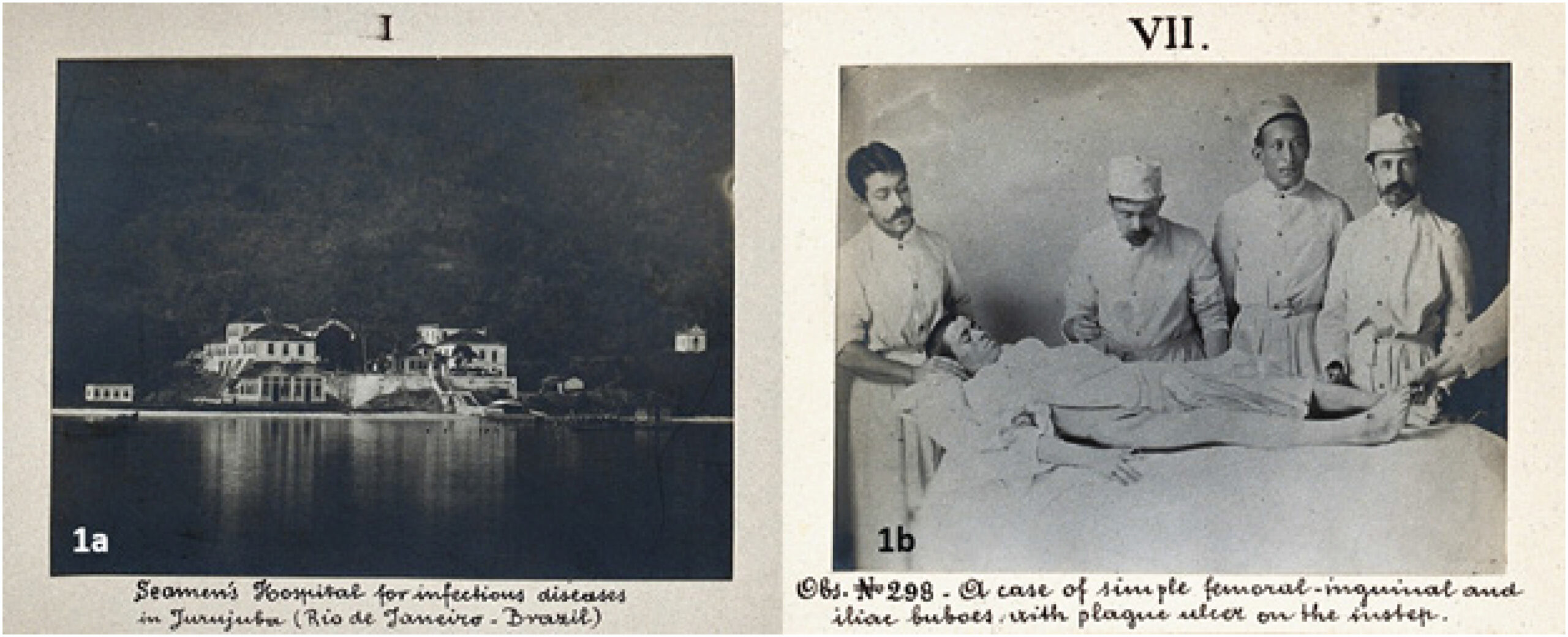
Carlos Chagas graduated in 1904 in Rio de Janeiro and began his professional life in the city of Niterói as a physician of the Public Hygiene Committee at Santa Isabel Maritime Hospital, after declining Oswaldo Cruz’s invitation to work at Manguinhos. The Maritime Hospital, a beautiful architectural complex () built during the 19th century from an old farm, was considered a reference for the treatment of infectious diseases until the end of the 4th decade of the 20th century. Sailors, immigrants and local residents with bubonic plague, yellow fever or tuberculosis were treated at the institution. In this hospital, the Italian physician Camillo Terni, from the Serum Therapy Institute of Messina, conducted pioneering studies on a plague vaccine (). After working for 1 year at the Maritime Hospital, Chagas left to Manguinhos, where he began his journey to eradicate yellow fever and malaria, which led him to discover the disease caused by the insect known as barbeiro (kissing bug).

[…]

  • aging
  • Chagas disease, Carlos Chagas, Trypanosoma Cruzi, Heart Failure
  • Myocardial Infarction
  • Percutaneous Coronary Intervention
  • Platelet Aggregation
  • Women
Read Full Article
Creative Commons Attribution (CC BY) Creative Commons license
25/11/2020 DOI: 10.36660/ijcs.20200351 Views 1
Editorial

Lung Ultrasound in COVID 19 Outbreak: Can we Reduce the Burden from the Overloaded CT Departments?

Filipe Penna de Carvalho et al. Alex dos Santos Felix

Since the first descriptions on the use of lung ultrasound (LUS) for bedside evaluation of critically ill patients, important publications have underscored the utility of LUS for the detection of a wide array of pulmonary and pleural diseases, as well as for the differential diagnosis of acute respiratory failure, proving to be an important tool for a point-of-care based examination and an extended resource for examining critical patients, cited by many as the “new stethoscope”.,

The coronavirus disease-2019 (COVID-19) outbreak has emerged as a global health burden since late 2019, challenging healthcare systems around the world due to the constant need for intensive care support and isolation of patients, many of whom evolve with severe hemodynamic involvement, leading to high morbidity and mortality. This critical scenario highlights the importance of appropriateness and best appliance of all diagnostic and therapeutic resources. In this regard, the use of point-of-care ultrasound (POCUS) is proving to be a cost-effective tool for the management of these potentially critical patients, from the initial presentation (triage) to in-hospital management and post-discharge follow-up.

[…]

  • Computed Tomography
  • COVID-19/complications, Pandemics, Acute Failure Respiratory
  • Critic care
  • Morbidity
  • Mortality
  • Pleural Diseases/Diagnosis
  • Ultrasonography/methods
Read Full Article
Creative Commons Attribution (CC BY) Creative Commons license
25/11/2020 DOI: 10.36660/ijcs.20200283
Figure 1
Review Article

Nuclear Medicine Methods for Assessment of Chronic Chagas Heart Disease

Marcus Vinicius Simões et al. Denise Mayumi Tanaka José Antonio Marin-Neto

Abstract

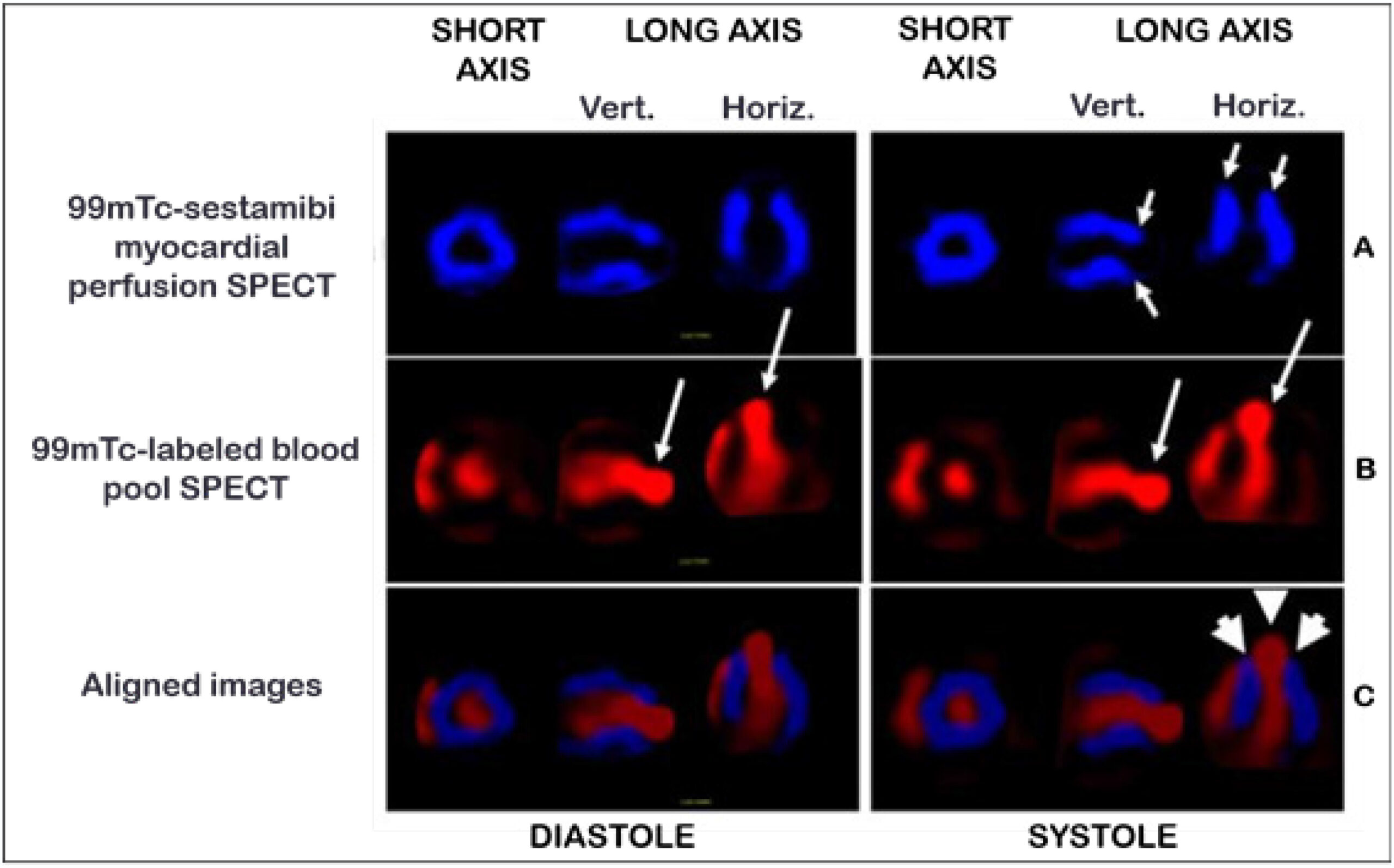
Several different imaging methods can be used to evaluate patients with Chagas heart disease (CHD) for diagnostic and prognostic purposes, including plain chest radiography; echocardiography; myocardial perfusion scintigraphy, for detection of ischemia and fibrosis; radionuclide gated-angiography, for evaluation of biventricular function; 123I-MIBG labeling of sympathetic myocardial innervation; MRI, for detection and quantitation of myocardial fibrosis; and coronary angiography. This study aims to review the contributions of these nuclear medicine methods to understanding of the pathophysiology of chronic Chagas cardiomyopathy (CCC). Careful analysis and integration of findings provided by these imaging methods in patients with CCC at different stages has contributed significantly to improving understanding of several peculiarities of the disease. Clinical and experimental studies in animal models show that perfusion abnormalities detected in association with dysfunctional but viable myocardium are a common finding in CCC patients and correspond to areas of cardiac sympathetic denervation, as assessed by 123I-MIBG imaging. Furthermore, recent reports have demonstrated a close relationship between coronary microvascular disturbances and myocardial inflammation. Thus, ongoing research, mainly focused on refinements of 18F-FDF -PET techniques and further exploration of nuclear methods, such as SPECT, have the potential to contribute to detection and monitoring of early subclinical myocardial damage thereby enabling evaluation of therapeutic strategies targeting inflammation and microvascular ischemia that could result in better prognostic stratification of patients with CHD.

  • Chagas Cardiomyopathy
  • Chagas disease
  • Diagnostic Imaging
  • Echocardiography
  • myocardial perfusion
  • Prognosis
Read Full Article
Creative Commons Attribution (CC BY) Creative Commons license
25/11/2020 DOI: 10.36660/ijcs.20200153 Views 2
Editorial

Hospital Malnutrition, Inflammation, and Cardiovascular Diseases

Camila Weschenfelder et al. Aline Marcadenti

Malnutrition in hospitalized patients, whose prevalence ranges between 40% and 60% in Latin America, is related to longer hospital stays, worse clinical outcomes, and increased hospitalization costs. The consequences related to hospital malnutrition have also been reported among patients diagnosed with cardiovascular disease (CVD). In these individuals, an exacerbated inflammatory state is associated with malnutrition, loss of muscle mass, and cardiac cachexia, especially in the more advanced stages of the disease.

Globally, there is a policy that aims to recognize the importance of hospital malnutrition and its consequences. In Brazil, in 2018, the campaign “Say no to malnutrition” was published, composed of 11 steps to combat hospital malnutrition. In this campaign, the first step involves risk stratification and nutritional assessment for subsequent implementation and monitoring of appropriate nutritional therapy.

[…]

  • Cachexia
  • Cardiovascular Diseases
  • Desnutrition
  • Hospitalization
  • Hospitalized Patients
  • Nutrition Service Hospitalar/administration and organization
Read Full Article
Creative Commons Attribution (CC BY) Creative Commons license
25/11/2020 DOI: 10.36660/ijcs.20200273 Views 1
Figure 1
Review Article

Heart Transplantation for Chagas Cardiomyopathy

Maria da Consolação Moreira et al. Fabio Morato Castilho Renato Braulio Guilherme Ferraz Messina de Pádua Andrade José Renan da Cunha Melo

Abstract

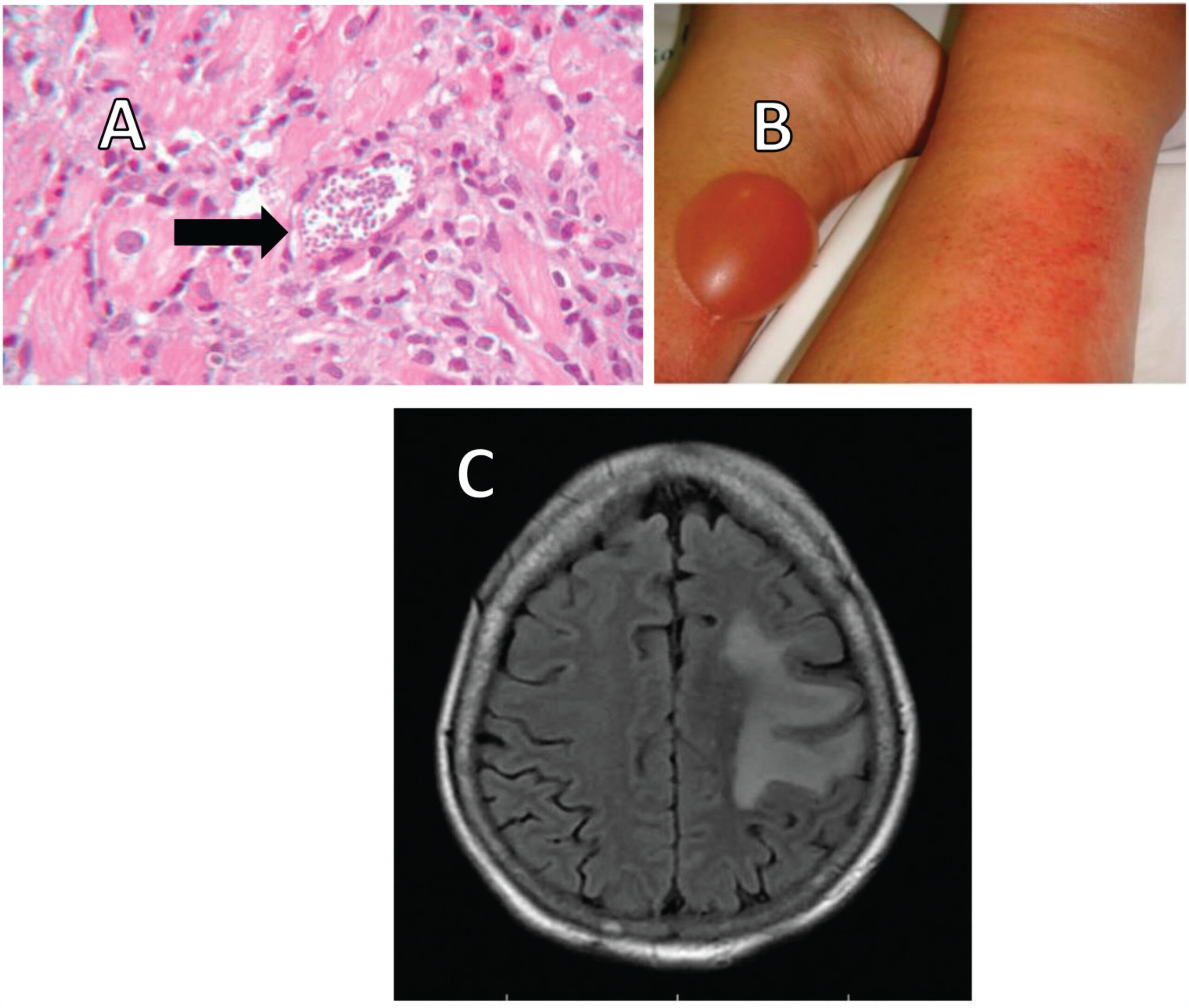
Heart transplantation (HT) is an established treatment for patients with advanced heart failure (HF). Chagas disease (CD), caused by the Trypanosoma cruzi (T.cruzi) is an important cause of HF in Latin America. Considering CD is a chronic infectious disease, the use of immunosuppressive therapy after HT can reactivate T. cruzi infection and compromise outcomes. Early diagnosis and treatment of this complication is extremely important, which requires knowledge, experience, and a high degree of suspicion by transplant physicians. Furthermore, with the international immigration of people, CD is no longer exclusive to Latin America, since a large number of immigrants with T. cruzi infection are living in non-endemic countries. This phenomenon represents not only a new global epidemiological problem, but also a challenge for transplant teams. This review aims to discuss the peculiarities of HT in the context of CD, with a focus on reactivation of the infection, clinical manifestations, etiological treatment of T. cruzi and differential diagnosis with allograft rejection, among HT recipients.

  • cardiomyopathy
  • Chagas disease
  • Heart Failure
  • Heart Transplantation
  • Trypanosoma cruzi
Read Full Article
Creative Commons Attribution (CC BY) Creative Commons license
25/11/2020 DOI: 10.36660/ijcs.20200248
Figure 1
Original Article

Prognosis of Heart Failure with Preserved Ejection Fraction in Primary Care by the H2FPEF Score

Antonio Jose Lagoeiro Jorge et al. Maria Luiza Garcia Rosa Wolney de Andrade Martins Adson Leite … Dayse Mary da Silva Correia Maria Auxiliadora Nogueira Saad Humberto Villacorta Sergio Chermont Ronaldo Altenburg Gismondi Breno Macedo Almeida Evandro Tinoco Mesquita

Abstract

Background:

Primary care physicians have difficulty dealing with patients who have HF with preserved LVEF(HFpEF). The prognosis of HFpEF is poor, and difficult to predict on primary care.

Objective:

The aim of the study is to apply the H2FPEF score to primary care patients and verify its power to assess the risk of death or hospitalization due to cardiovascular disease.

Methods:

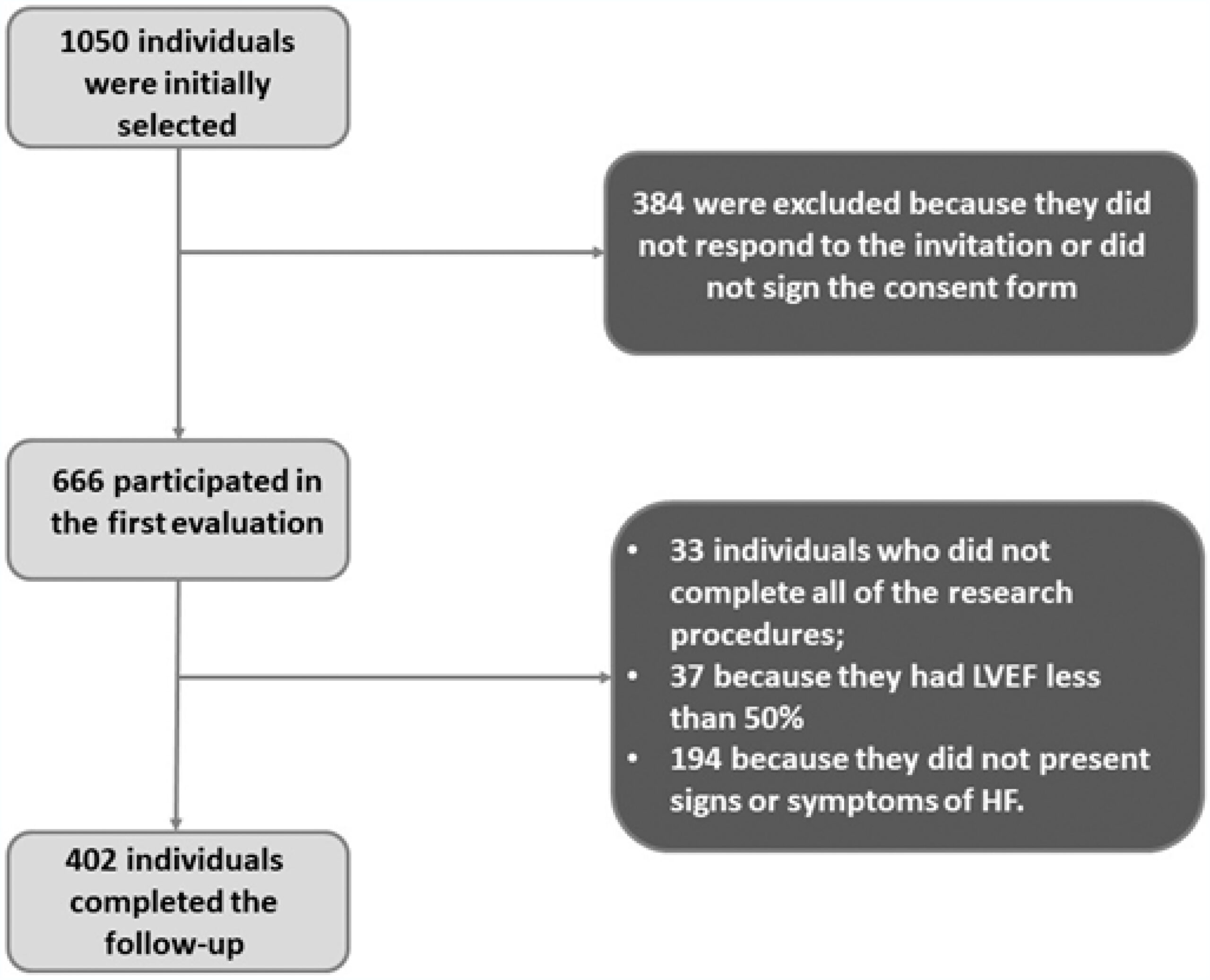
This longitudinal study included 402 individuals, with signs or symptoms of HF, aged≥45 years and, underwent an evaluation which included clinical examination, BNP and echocardiogram. The diagnosis of HFpEF was confirmed by the criteria of the European Society of Cardiology. After five years, the patients were reassessed as to the occurrence of the composite outcome, death from any cause or hospitalization for cardiovascular disease. H2FPEF used six variables: body mass index, medications for hypertension, age, pulmonary artery systolic pressure, atrial fibrillation and E/e’ ratio ranged from 0 to 9 points. The level of statistical significance was p<0.05.

Results:

HFpEF was diagnosed in 58(14.4%). Among patients with H2FPEF≥4, 30% had HFpEF and in those with a score≤4, HFpEF was present in 12%. Patients with HFpEF and H2FPEF≥4 had 53% of outcomes, whereas patients with HFpEF and a score ≤4 had a 21% of outcomes. BNP values were higher in patients with HFpEF compared to those without HFpEF(p<0.0001).

Conclusion:

H2FPEF≥4 indicated a worse prognosis in patients with HFpEF assisted in primary care. H2FPEF may be a simple and useful tool for risk stratification in patients with HFpEF at the primary care.

  • H2FPEF Score
  • Heart Failure
  • Morbidity
  • Mortality
  • Risk Assessment
  • Stroke Volume
Read Full Article
Creative Commons Attribution (CC BY) Creative Commons license
25/11/2020 DOI: 10.36660/ijcs.20200076 Views 1
Letter to the Editor

Effectiveness of Rapid Response Teams and the Importance of Preprints

Hermano Alexandre Lima Rocha et al. Sabrina Gabriele Maia Oliveira Rocha Antônia Célia de Castro Alcântara

To the Editor of the International Journal of Cardiovascular Sciences,

We have read with interest the Point of View: “Performance of the Rapid Response Systems in Health Care Improvement: Benefits and Perspectives” by Viviane Cordeiro Veiga and Salomón Soriano Ordinola Rojas, published ahead of print in the International Journal of Cardiovascular Sciences on April 15, 2019. Rapid response teams to treat trauma patients in Australia 30 years ago, in 1989. From the outset, the aim was to early recognize signs of deterioration and provide a quick response, hence the name of the methodology. The discussion about the activation criteria is relevant and up to date and was treated in a solid manner by the authors in the introduction of the point of view. Indeed, it is known that this is the cause of part of the heterogeneity of results found in studies on the subject.

[…]

  • Hospital Mortality
  • Hospital Rapid Response Team
  • Patient Care Team
  • Patient Safety
Read Full Article
Creative Commons Attribution (CC BY) Creative Commons license
25/11/2020 DOI: 10.36660/ijcs.20190084
Figure 1
Original Article

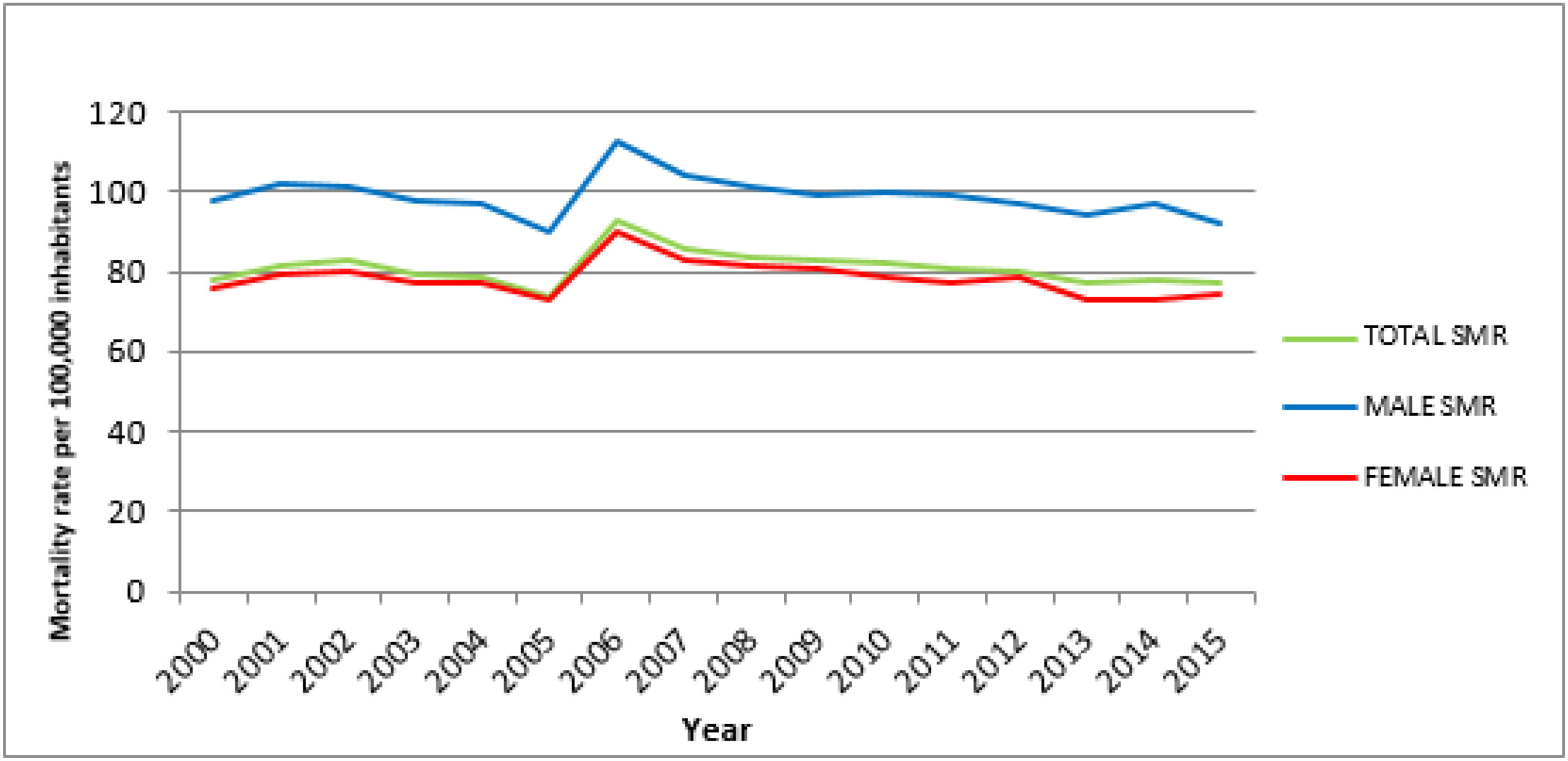
Mortality Trends from Cardiovascular Diseases in the State of Bahia, Brazil, between 2000 and 2015

Yana Mendonça Nascimento et al. Adriana Lopes Latado

Abstract

Background:

Mortality from cardiovascular diseases has reduced in Brazil in recent decades, but this phenomenon is not clear in the northeast region of the country.

Objectives:

To describe the mortality trends from cardiovascular disease in Bahia from 2000-2015, in total population and by sex and age groups, and by specific causes (ischemic heart disease, cerebrovascular diseases, rheumatic heart disease and heart failure).

Methods:

This was a time series study. Data were obtained from SIM-DATASUS and IBGE, and the 10th revision of the ICD used for disease classification. Mortality rates (per 100,000 inhabitants) were calculated from total cardiovascular disease and specific causes, by sex and age groups. Direct standardization was used to adjust for age, using the population of 2010 as reference. Linear regression models estimated percentage variation. The significance level of 5% was adopted.

Results:

In Bahia, crude mortality rates from cardiovascular disease increased in the period; however, after standardization by age, mortality rates became stable for the total and female populations, with a slight reduction for the male population. An increase in mortality rates from cardiovascular disease was found in the elderly groups. For ischemic heart disease, a progressive increase in adjusted mortality rates was observed: 43%, 24% and 29% for the total, male, and female population, respectively. There was a progressive reduction in crude and age-standardized mortality rates from heart failure in all groups, a modest reduction in age-adjusted mortality rates from cerebrovascular diseases, and a slight reduction in age-standardized mortality rate from rheumatic heart disease, especially in the subgroup <40 years.

Conclusions:

Mortality from cardiovascular disease in Bahia did not follow the decreasing trend of other Brazilian states, especially in relation to ischemic heart disease, which showed an increase in mortality rates.

  • Cardiovascular Diseases, mortality
  • Cerebrovascular Disorders
  • Heart Failure
  • Myocardial Ischemia
  • Rheumatic
  • Rheumatic Fever
  • rheumatic heart disease
Read Full Article
Creative Commons Attribution (CC BY) Creative Commons license
25/11/2020 DOI: 10.36660/ijcs.20200028 Views 1
Figure 1
Original Article

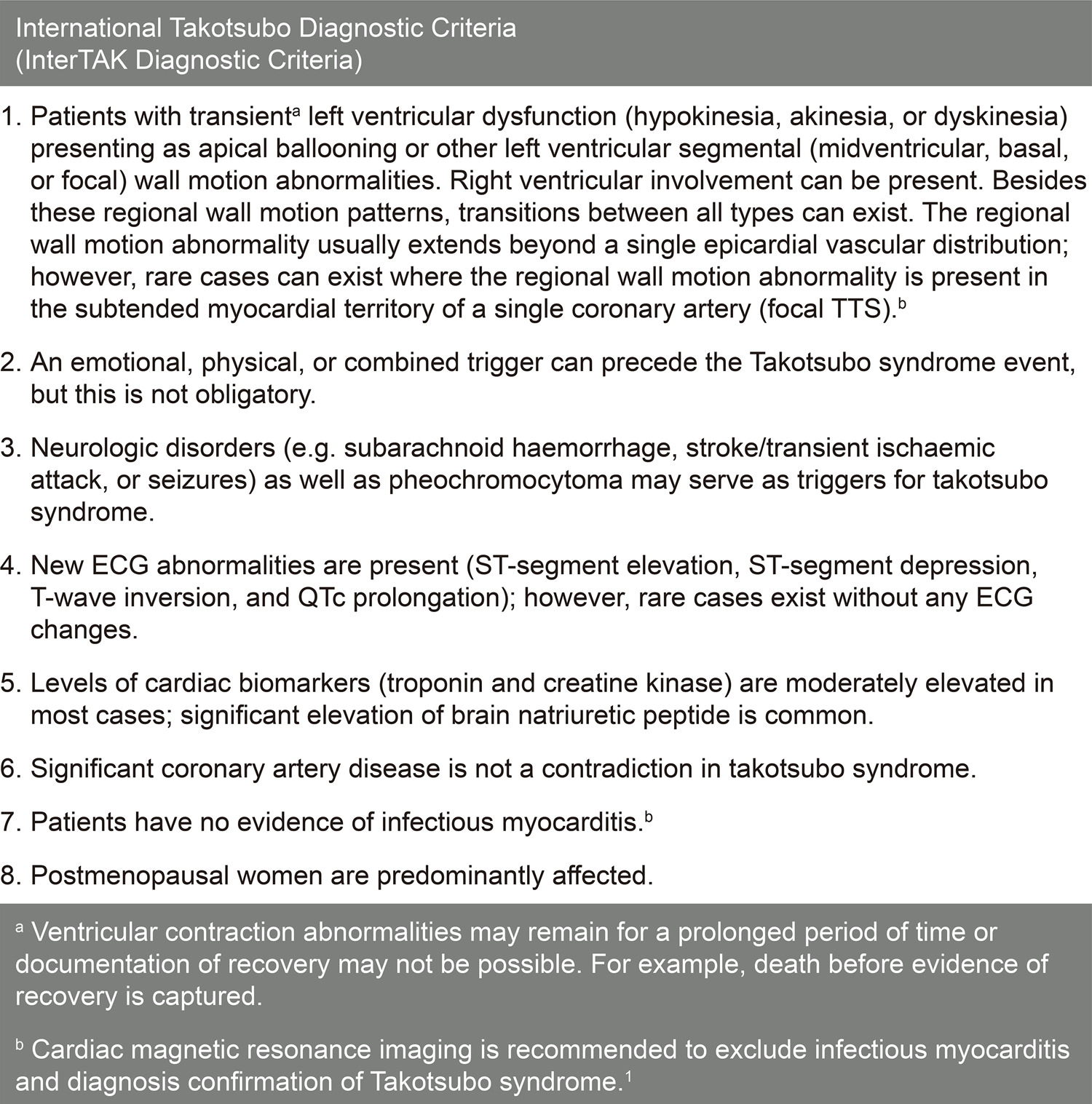
The Clinical Course of Takotsubo Syndrome Diagnosed According to the InterTAK Criteria

Nelson Henrique Fantin Fundão et al. Henrique Barbosa Ribeiro Carlos de Magalhães Campos Vinicius Bocchino Seleme … Alexandre de Matos Soeiro Marcelo Luiz Campos Vieira Wilson Mathias Jr Ludhmilla Abraão Hajjar Expedito E. Ribeiro Roberto Kalil Filho

Abstract

Background

There has been an increase in the number of cases of Takotsubo syndrome (TTS) and of scientific publications on the theme over the last years. However, little is known about the status of this disease in Brazilian hospitals.

Objective

To assess mortality and major adverse cardiovascular events (MACE) during hospitalization and follow-up of TTS patients seen in a tertiary hospital in Brazil.

Methods

This was a retrospective, observational study on 48 patients. Clinical data, signs and symptoms, complementary tests, MACE and all-cause mortality were assessed on admission and during follow-up. Kaplan-Meier curves were used for analysis of all-cause mortality and risk for MACE at median follow-up. The 95% confidence interval was also calculated for a significance level of 5%.

Results

Mean age of patients was 71 years (SD±13 years), and most patients were women (n=41; 85.4%). During hospitalization, four patients (8.3%) died and five (10.4%) developed MACE. At median follow-up of 354.5 days (IQR of 81.5-896.5 days), the risk of all-cause mortality and MACE was 11.1% (95% CI= 1.8-20.3%) and 12.7% (95% CI= 3.3-22.3%), respectively.

Conclusion

TTS was associated with high morbidity and mortality rates in a tertiary hospital in Brazil, which were comparable to those observed in acute coronary syndrome. Therefore, the severity of TTS should not be underestimated, and new therapeutic strategies are required. Int J Cardiovasc Sci. 2020; [online].ahead print, PP.0-0

  • Acute coronary syndrome
  • Heart Failure
  • Shock, Cardiogenic
  • Takotsubo Cardiomyopathy
  • Ventricular Dysfunction
Read Full Article
Creative Commons Attribution (CC BY) Creative Commons license
06/11/2020 DOI: 10.36660/ijcs.20190133
Figura 1
Original Article

Factors Predicting Heart Failure in Children Admitted to a Pediatric Emergency Ward in a Developing Country

Uchenna Onubogu

Abstract

Background

Heart failure is an important cause of morbidity and mortality in children.

Objective

To determine the clinical characteristics of children with acute heart failure syndrome in the emergency ward of River state university teaching hospital, Nigeria and identify factors associated with poor outcomes.

Methods

This was an 18month retrospective review of the acute heart failure register. Poor outcome measures were defined as the persistence of heart failure after 4 days on admission or death.

Results

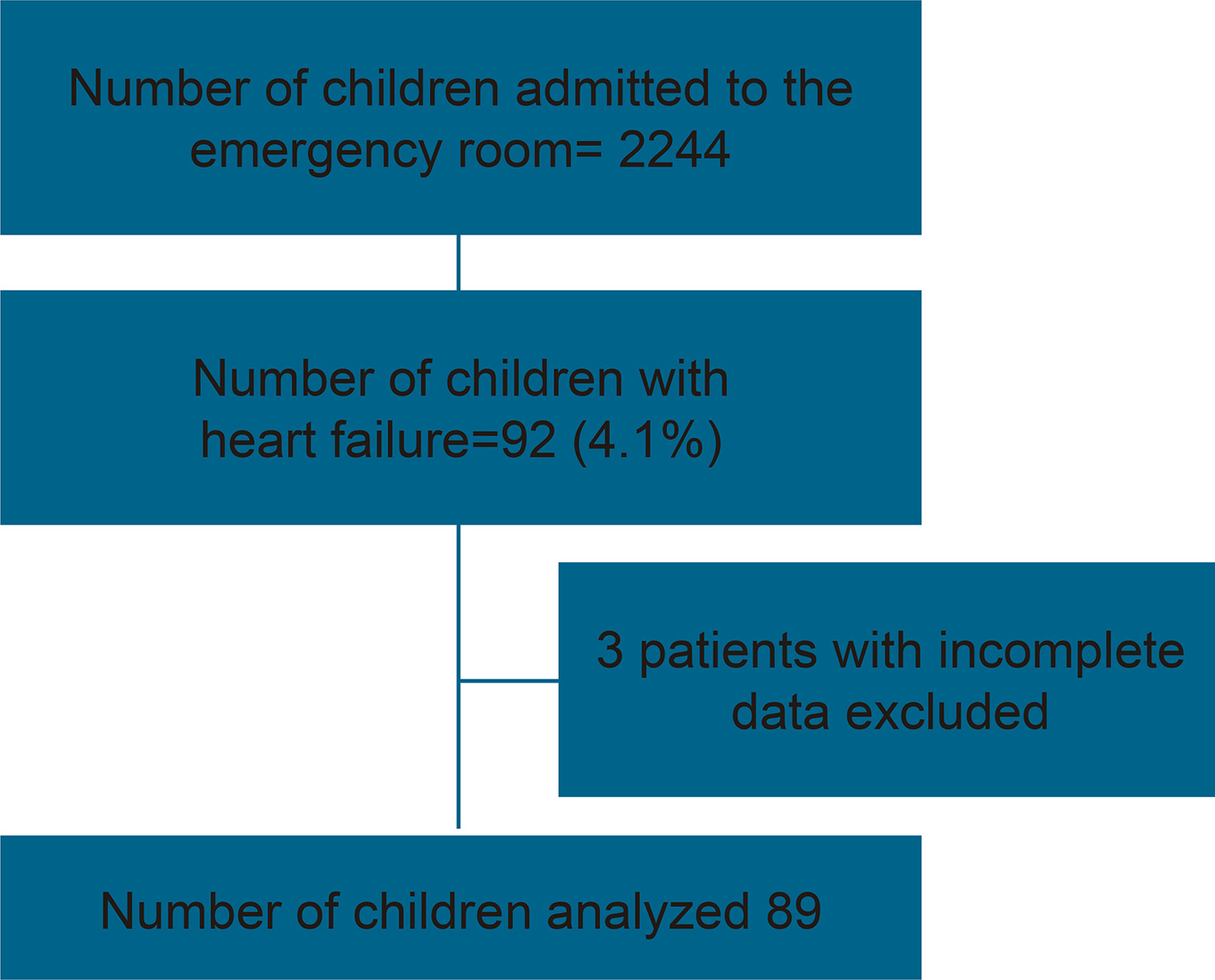
Ninety-two (4.1%) of 2,244 children admitted were in heart failure, Non-cardiac disorders [bronchopneumonia 32(36%), sepsis 21(24%), severe malaria 10(11%), sickle cell anaemia 8(9%) and tuberculosis 3(3%)] contributed to 74(83%) while congenital heart disease(CHD) was 15(17%). Seventy-four (83%) were discharged, 10(11%) died and 4(5%) left against medical advice. The median time to resolution of heart failure was significantly 24 hours longer for malnourished children than those with normal-nutritional status, 72Vs48hrs, log rank:0.001. Those with modified Ross score of >7 and sepsis were more likely to die, OR,8.8(95% CI,1.2 to 72.5,p = 0.02) and 3.9(95% CI,1.01 to 15.2;p =0.04). Age <2yrs(OR,3.1,CI,1.2 to 8.5,p = 0.02), and CHD (OR 3.6,95% CI,1.1 to 12,P=0.02) were associated with a higher likelihood of having a poor outcome. Each unit increase in weight for age Z score of 1, decreased the odds of having a poor outcome, OR,0.77 (95% CI,0.63 to 0.95)p=0.016.

Conclusion

Heart failure in our setting is predominantly caused by non-cardiac disorders. Modified Ross score of >7 and sepsis are risk factors for mortality in children with heart failure. Int J Cardiovasc Sci. 2020; [online].ahead print, PP.0-0

  • Child
  • Critical Care Outcomes
  • Emergency Service Hospital
  • Heart Failure
  • Mortality and Morbidity
  • Pediatric Emergency
Read Full Article
Creative Commons Attribution (CC BY) Creative Commons license
06/11/2020 DOI: 10.36660/ijcs.20190212
Dysautonomic Arrhythmogenesis: A Working Hypothesis in Chronic Chagas Cardiomyopathy
Viewpoint

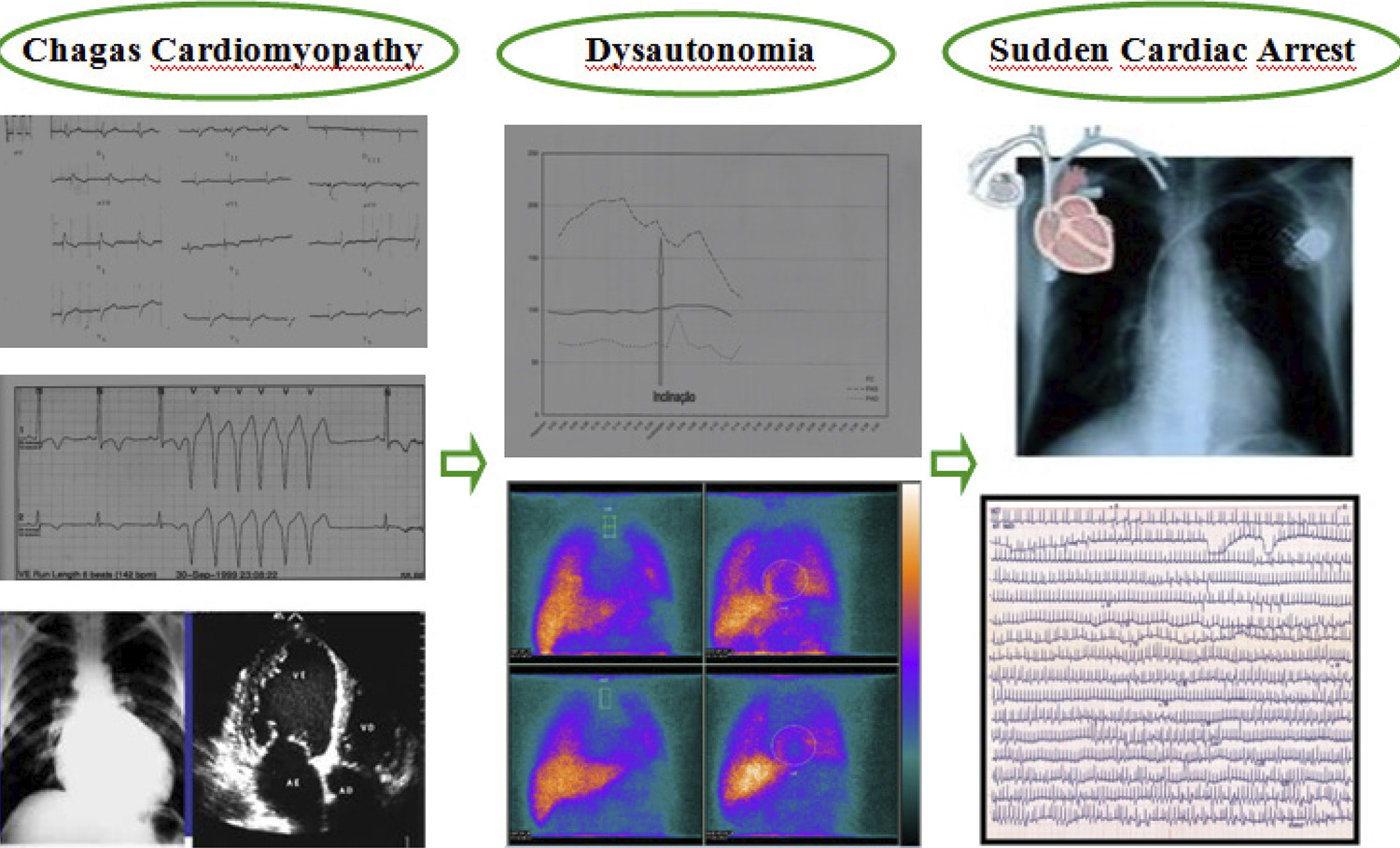
Dysautonomic Arrhythmogenesis: A Working Hypothesis in Chronic Chagas Cardiomyopathy

Roberto Coury Pedrosa

Abstract

Sudden cardiac arrest (SCA) represents the most dramatic course of chronic Chagas cardiomyopathy (CCC) and is closely related to the presence of ventricular arrhythmias and heart disease. Although several aspects of ventricular arrhythmias in CCC have been elucidated in the last decades, such as the role of impaired cardiac autonomic modulation reported in pre-clinical studies, important questions remain unresolved regarding these cardiac problems and SCA. The aim of this article is to discuss recent developments in the understanding of the role played by the autonomic nervous system on arrhythmic events in CCC. We draw attention to the neurogenic theory of CCC (“catecholamine-induced cardiomyopathy”) and its autoimmune regulation. Finally, we contextualize treatment strategies for Chagas disease considering the prevention of malignant ventricular arrhythmias. The most clinically relevant message from this article may be the high negative predictive value of dysautonomia for SCA in CCC. Nevertheless, there is a long journey from the identification of a potential marker for SCA to its actual use, which will require a common effort by the entire Chagas community.

  • Arrhythmias Cardiac
  • Chagas Cardiomyopathy
  • Chagas disease
  • Primary Dysautonomia
  • Sudden Cardiac Arrest
Read Full Article
Creative Commons Attribution (CC BY) Creative Commons license
06/11/2020 DOI: 10.36660/ijcs.20200169
Figure 1
Original Article

Evaluation of the Autonomic Nervous System in Chronic Chagasic Cardiopathy: A Systematic Review of the Literature

Lorena dos Santos Marreto Rimolo et al. Roberto Magalhães Saraiva Ademir Batista da Cunha

Abstract

Background

The importance of regional sympathetic denervation in the pathophysiology and prognosis of Chagas disease has been recognized.

Objective

To conduct a review of studies that have assessed dysautonomia in chronic Chagas heart disease.

Methods

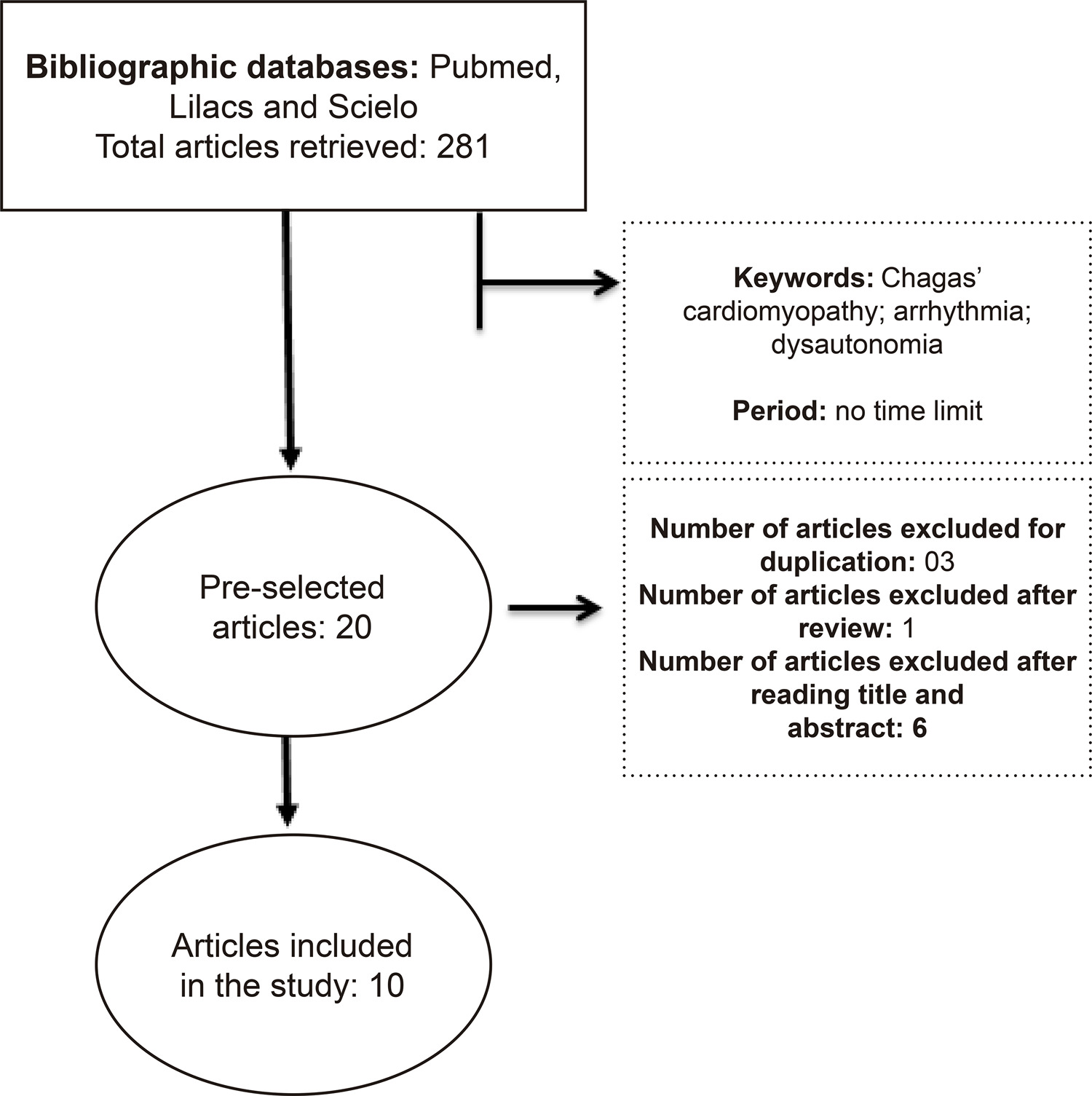
The search was performed on the Medline, Pubmed, Lilacs and SciELO databases. The inclusion criteria were: original articles published in full; studies on individuals with Chagas disease, that used diagnostic methods for chagasic cardiomyopathy, and had clear inclusion and exclusion criteria. Duplicate studies, studies including children (0 to 10 years old), studies involving animals, in vitro experiments, case reports, editorials, theses, and dissertations were excluded.

Results

A total of 281 articles were retrieved, and 10 met the inclusion criteria and were analyzed. There was great heterogeneity as to the technique for assessing dysautonomia, groups of patients studied and classification of Chagas disease. The methods used for studying the autonomic system was immunohistochemistry (n=1), Valsalva and tilt-test (n=1), scintigraphy (n=6) and Holter monitoring (n=2). The results indicated dysautonomia in the indeterminate, digestive and cardiac forms of Chagas disease, and sympathetic denervation in the indeterminate and cardiac forms of the disease. There was agreement between areas of denervation, hypoperfusion and fibrosis, but areas of denervation were larger than those of hypoperfusion. The frequency of denervation and its extension increased from the indeterminate to the cardiac form. There was an association between extension of denervation and previous history of malignant ventricular arrhythmia.

Conclusions

The evidence presented in this review supports that an early diagnosis of autonomic denervation in chronic Chagas’ disease allows the identification of patients with an increased risk of sudden death. Int J Cardiovasc Sci. 2020; [online].ahead print, PP.0-0

  • Arrhythmias Cardiac
  • Autonomic Nervous System
  • Chagas Cardiomyopathy
  • Chagas disease
  • Primary Dysautonomias
Read Full Article
Creative Commons Attribution (CC BY) Creative Commons license
06/11/2020 DOI: 10.36660/ijcs.20190122 Views 2
Figure 1
Original Article

Self-reported HIV/HAART-associated Lipodystrophy and Modifiable Risk Factors for Cardiovascular Disease

Thiago Veiga Jardim et al. Rodrigo de Castro Cardoso Annelisa Silva e Alves de Carvalho Santos Marianne de Oliveira Falco Erika Aparecida Silveira

Abstract

Background

Patient self-report is the most common diagnostic tool in the literature to detect HIV/HAART-associated lipodystrophy. However, data on the association of cardiovascular risk factors with HIV/HAART-associated lipodystrophy assessed by self-report are still missing.

Objectives

To determine the prevalence of self-reported HIV/HAART-associated lipodystrophy and to identify independent associations between traditional modifiable cardiovascular risk factors and self-reported lipodystrophy.

Methods

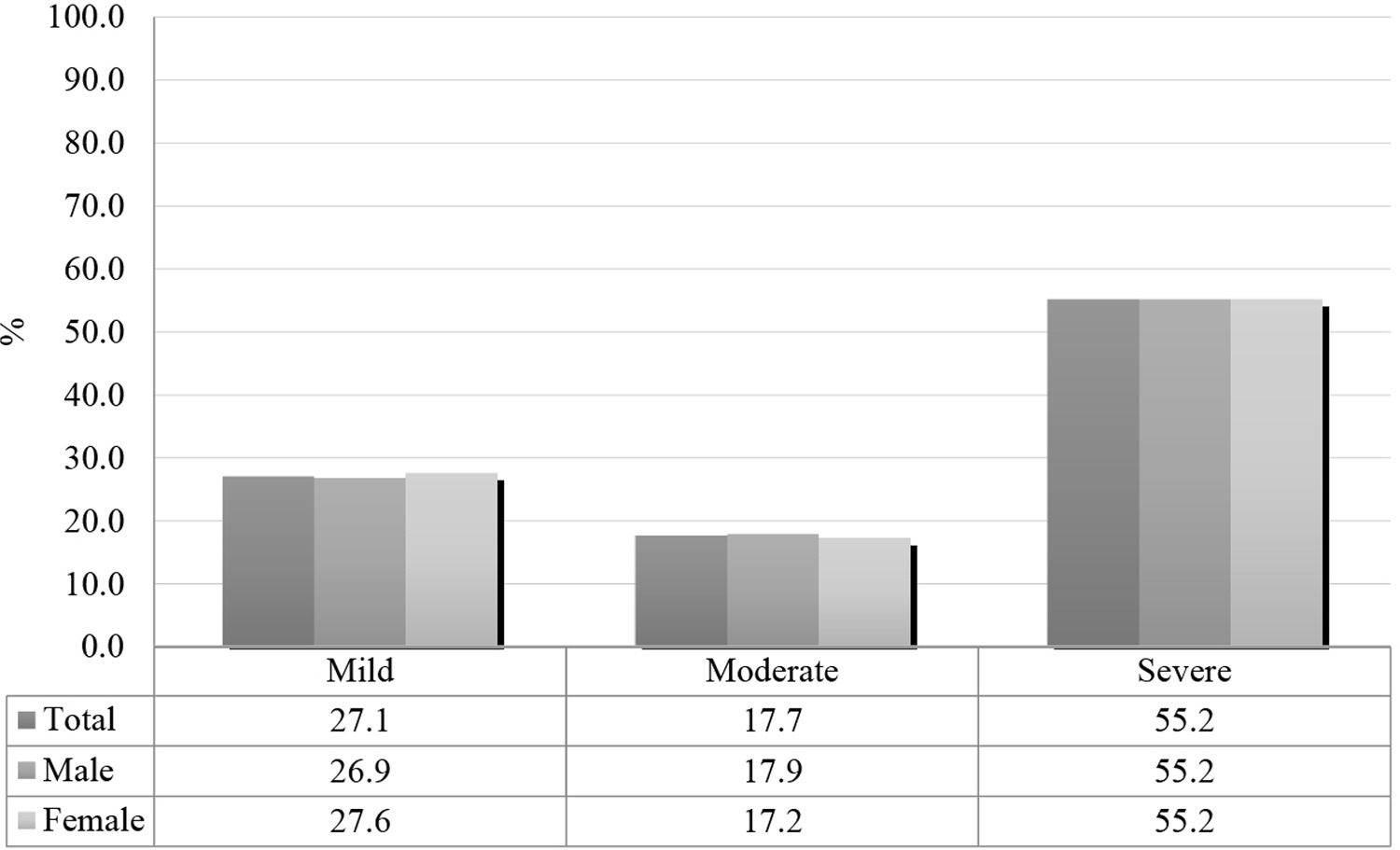
We conducted a retrospective observational study at an outpatient infectious disease clinic in the Central-West of Brazil to identify the association between traditional modifiable cardiovascular risk factors and self-reported lipodystrophy. Sedentary lifestyle, smoking status, family history of cardiovascular disease, hypertension, diabetes, dyslipidemia, increased waist circumference and overweight were the cardiovascular risk factors assessed. Self-reported HIV/HART-associated lipodystrophy was categorized as: mild (noticeable by patients’ close inspection), moderate (easily noticeable by patient and physician) or severe (readily noticeable by a casual observer). Prevalence ratio (PR) and 95% confidence interval (CI95%) were calculated. Multivariate Poisson’s regression was used to analyze factors associated to HIV/HAART-associated lipodystrophy assessed by self-report considering a significance level of 5%.

Results

A total of 183 patients were included, with a mean age of 39.3±10.9 years. Most of the sample were male (77.6%), non-white (50.8%) and single (53.0%). The overall prevalence of HIV/HAART-associated lipodystrophy was 52.5% (95% CI 44.96 – 59.88). Severe lipodystrophy was observed in more than half patients (55.2%). No traditional modifiable cardiovascular risk factor was independently associated with lipodystrophy. Female sex (PR 1.49; 95% CI 1.15 – 1.95; p =0.003), time of HIV infection diagnosis of 1-3 years (PR 1.83; 95% CI 1.09 – 3.08; p =0.002) and a positive family history of CVD (PR 1.62; 95% CI 1.11 – 2.36; p <0.001) were independently associated with lipodystrophy.

Conclusion

HIV/HAART-associated lipodystrophy assessed by patient self-report was not associated with traditional modifiable cardiovascular risk factors. Int J Cardiovasc Sci. 2020; [online].ahead print, PP.0-0

  • Antivirals/therapeutic use
  • Cardiovascular Diseases/complications
  • Lipodystrophy
  • Metabolic Diseases/complications
  • Retroviridae
  • Risk Factors
Read Full Article
Creative Commons Attribution (CC BY) Creative Commons license
28/08/2020 DOI: 10.36660/ijcs.20190128
Original Article

Prevalence of Malnutrition and Its Association with Clinical Complications in Hospitalized Cardiac Patients: Retrospective Cohort Study

Natally Gonçalves de Ávila et al. Juliana Umbelino Carneiro Fernanda Donner Alves Izabele Vian da Silveira Corrêa Juliana Paludo Vallandro

Abstract

Background

Malnutrition can affect the clinical course of hospitalized patients, increasing hospital stay, infections, mortality, and hospital costs. Among heart disease patients, the malnutrition prevalence ranges from 25 to 51.9%.

Objective

To assess the prevalence of malnutrition and its association with clinical complications in cardiac patients admitted to a cardiology hospital.

Method

Retrospective cohort study with patients evaluated within 48 hours of admission to the ward of a referral center for cardiology in Porto Alegre, Brazil. Patients were aged 18 years or older. Malnutrition was assessed by Subjective Global Assessment. Length of hospital stay, transfer to the intensive care unit (ICU), hospital discharge and in-hospital death were collected from medical records. Statistical analysis was performed using the SPSS 22.0 program. Comparisons between groups with and without malnutrition were made by unpaired Student’s t-test and chi-square test with adjusted residuals, and multivariate Poisson regression used for analysis of outcomes. The significance level considered was 5%.

Results

We evaluated 130 patients aged 63 ± 13 years, 63% were male, and the most frequent cause of hospitalization was angina (25%). The prevalence of malnutrition was 27% and, after statistical adjustment for age, malnutrition was positively associated with ICU transfer and length of hospital stay longer than seven days.

Conclusion

The prevalence of malnutrition found in this sample was 27% and this nutritional diagnosis was positively associated with ICU transfer and length of hospital stay longer than seven days. (Int J Cardiovasc Sci. 2020; [online].ahead print, PP.0-0)

  • Cardiovascular Diseases/complications
  • Cohort Studies
  • Hospitalization
  • malnutrition
  • Mortality
  • Patient Care
Read Full Article
Creative Commons Attribution (CC BY) Creative Commons license
07/08/2020 DOI: 10.36660/ijcs.20190112 Views 1
Graph 1
Original Article

Reliability between Cardiovascular Risk Assessment Tools: A Pilot Study

Rodrigo Conill Marasciulo et al. Ana Maria Nunes de Faria Stamm Guilherme Thomé Garcia Antônio Carlos Estima Marasciulo … Ariel Córdova Rosa Alexandre Augusto de Costa Remor Cristian Battistella

Abstract

Background

The prevention of cardiovascular disease (CVD) is important in clinical practice due to its high morbidity and mortality. Different guidelines have recommended the use of different cardiovascular risk assessment tools, which may have implications on therapeutic decisions.

Objective

To evaluate the agreement rate between the Framingham risk score (FRS) and the Systematic Coronary Risk Evaluation (SCORE) tool on CVD risk assessment in disease-free subjects.

Methods

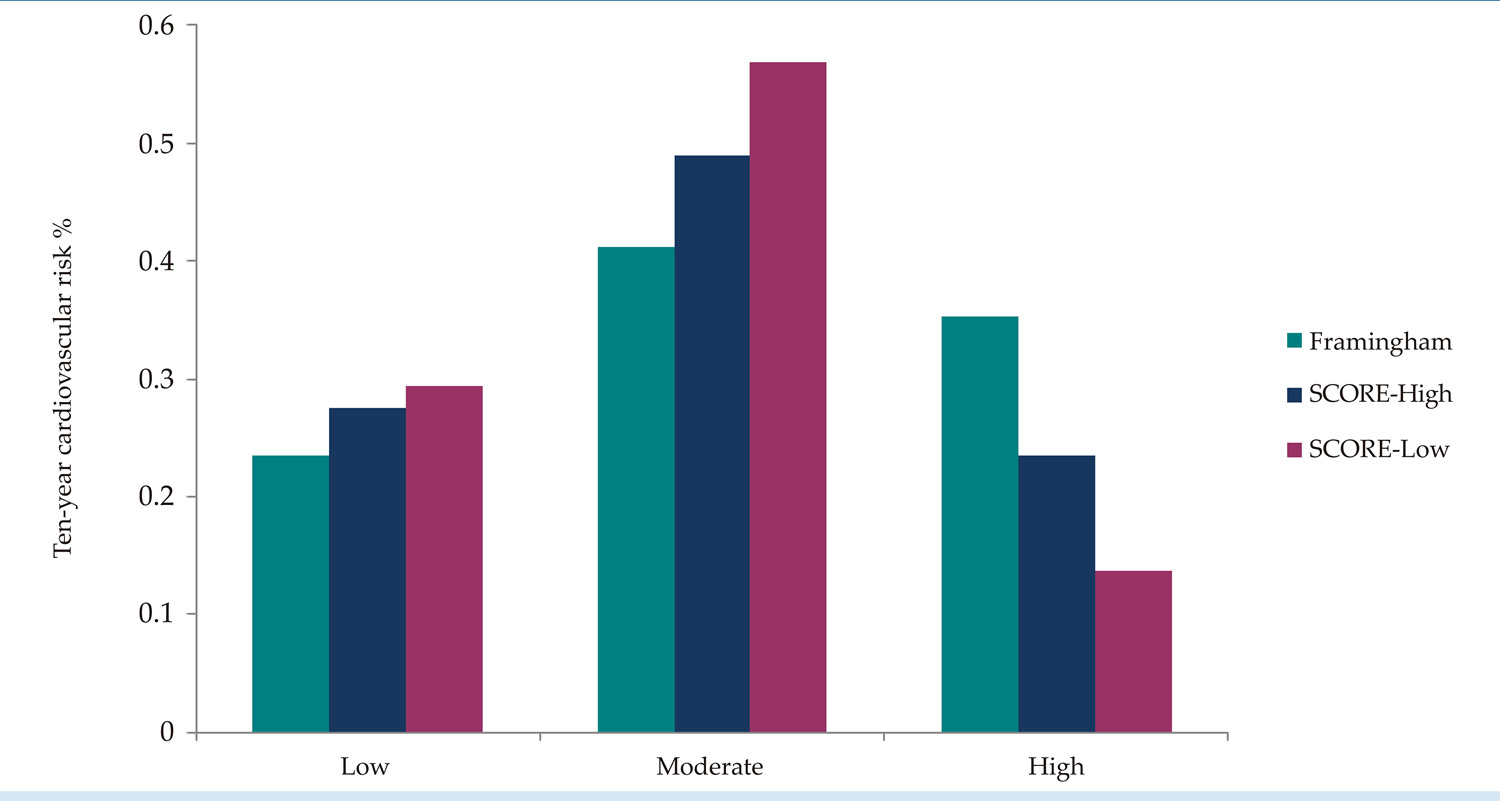
Cross-sectional study with a sample of 51 subjects treated at the outpatient clinic of a university hospital in Brazil between January 2014 and January 2015. The FRS and two versions of the European SCORE (SCORE-High and SCORE-Low) were used to assess CVD risk; patients were classified as low/moderate risk (< 20% and <5%, respectively) or high risk (≥ 20% and ≥5%, respectively). The agreement rate was evaluated using kappa statistics, a test for interrater reliability that ranges from -1 to 1, and results above 0.6 represent a high agreement rate.

Results

The FRS classified a higher proportion of subjects as high risk for CVD (35.3% [18/51] vs. 23.5% [12/51] with the SCORE-High and 13.7% [7/51] with SCORE-Low). However, there was a high agreement rate between FRS and SCORE-High (k=0.628). The agreement between FRS and SCORE-Low was poor (k=0.352).

Conclusions

There was a high agreement rate between FRS and SCORE-High in cardiovascular risk assessment in the study sample. (Int J Cardiovasc Sci. 2020; [online].ahead print, PP.0-0)

  • Cardiovascular Diseases/prevention and control
  • Cross-Sectional Studies
  • diabetes
  • Hypertension
  • Morbidity
  • Mortality
  • Risk Assessment
  • Risk Factors
Read Full Article
Creative Commons Attribution (CC BY) Creative Commons license
07/07/2020 DOI: 10.36660/ijcs.20190157 Views 1
Figure 1
Case Report

Iatrogenic Complications During the Diagnostic Work-Up of an Inflammatory Cardiomyopathy

Hugo Antunes et al. Júlio Gil Bruno Marmelo Maria Luísa Gonçalves … Maria Inês Pires João Miguel Santos Miguel Correia José Costa Cabral

Abstract

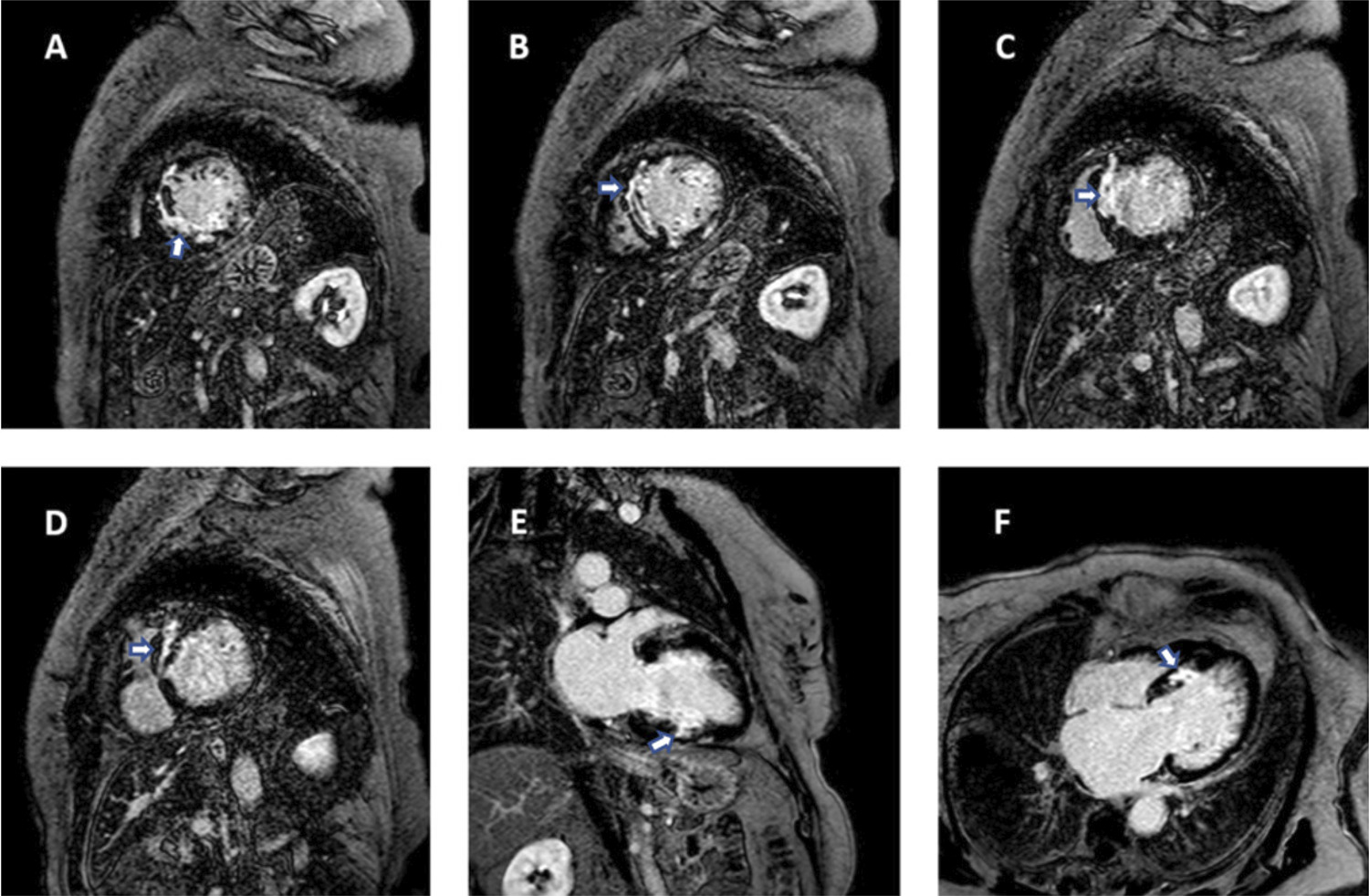
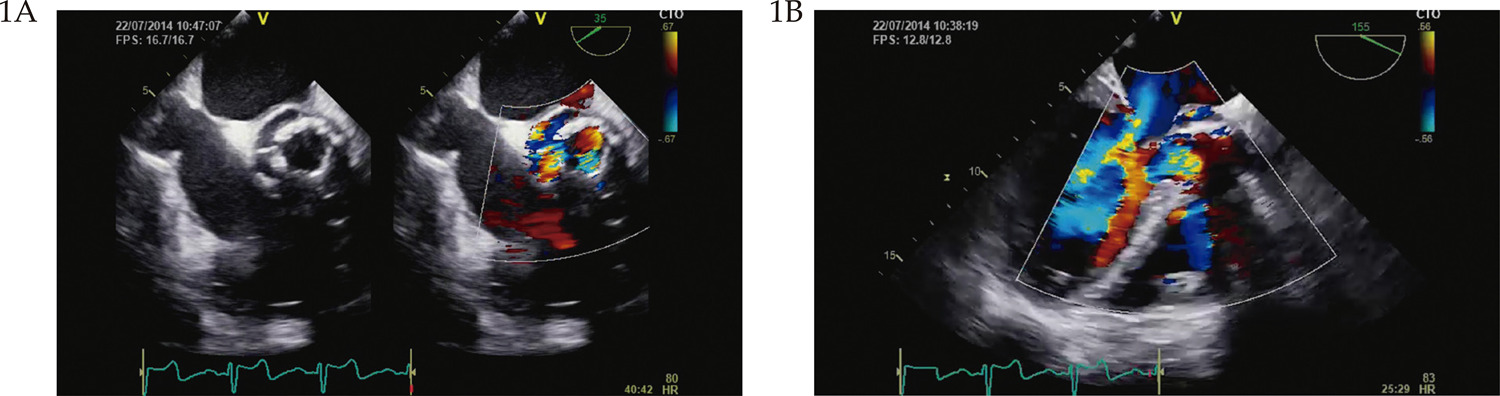
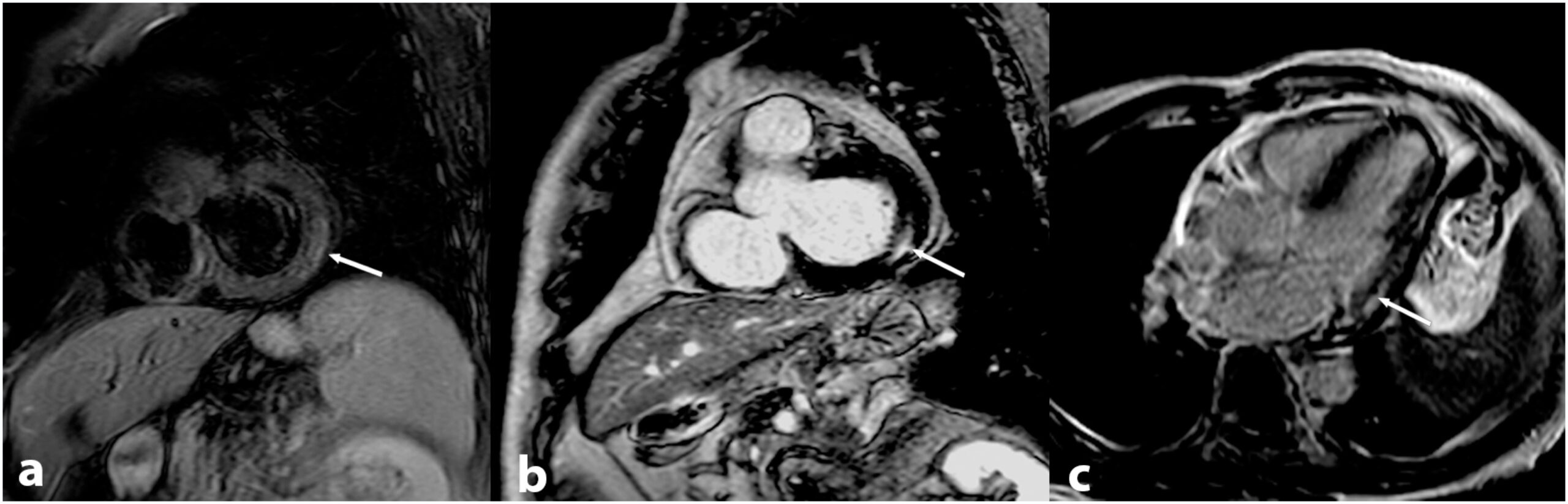
A 72-year-old woman was admitted for acute heart failure. The echocardiography revealed moderate depression of the left ventricular ejection fraction. Coronary disease was excluded by coronarography. Cardiac magnetic resonance showed predominantly left ventricular septal hypertrophy and severe depression of the left ventricular systolic function. There was also a bright, multifocal and patchy late gadolinium enhancement with subendocardial, mesocardial and subepicardial involvement, suggestive of sarcoidosis. Biochemical study, thoracic computed tomography and positron emission tomography were inconclusive for extra-cardiac sarcoidosis. Therefore, an endomyocardial biopsy was performed. The procedure was complicated by the development of complete atrioventricular block, requiring implantation of a cardiac resynchronization pacing device. A few days after device implantation, the patient developed fever. The echocardiography revealed extensive vegetations, and thus the diagnosis of a device-associated infective endocarditis was made. Even though antibiotic therapy was promptly started, the patient ended up dying. Biopsy results revealed lymphocytic myocarditis.

This case is paradigmatic because it shows how the etiologic diagnosis of dilated cardiomyopathy can be challenging. Non-invasive diagnostic exams may not provide a definite diagnosis, requiring an endomyocardial biopsy. However, the benefits versus risks of such procedure must always be carefully weighted.

  • Cardiomyopathies
  • Cardiomyopathy, Dilated
  • Diabetes Mellitus
  • Endocardites
  • Hypertension
  • Iatrogenic Disease/complications
  • Spectroscopy, Magnetic Resonance/methods
Read Full Article
Creative Commons Attribution (CC BY) Creative Commons license
17/04/2020 DOI: 10.36660/ijcs.20190153
Figure 1
Case Report

Coxiella Burnetti Infective Endocarditis – Detection and Cure

Manuel Martins Barbosa et al. Carla Dias Elsa Araújo Raquel Costa

Introduction

Infective endocarditis (IE) is one of the first diagnostic hypotheses for patients admitted for acute heart failure and evidence of infection. Blood samples are collected for culture, and empiric, broad-spectrum antimicrobial therapy is initiated. Emergent cardiac surgery may be required depending on the severity of the case.

These procedures reduce bacteremia and improve clinical condition, which, in turn, may lead to discontinuation of diagnostic investigation in the presence of blood culture-negative endocarditis. Some of these patients, however, will have another episode of endocarditis.

[…]

  • Antibiotics/therapeutic use
  • Coxiella burnetii
  • Echocardiography/methods
  • Endocarditis
  • Heart Valve Diseases
  • Q Fever
  • Valvular Prosthesis
Read Full Article
Creative Commons Attribution (CC BY) Creative Commons license
17/04/2020 DOI: 10.36660/ijcs.20190138 Views 1

How to cite this article

EndNote RIS

Electronic Document Format (Vancouver)

Gomes BFO, Oliveira GMM. What is the best Cardiovascular Risk Score for the Brazilian Population?. International Journal of Cardiovascular Sciences 2020;33(6):627-8.

Electronic Document Format (ABNT)

Gomes, Bruno Ferraz de Oliveira; Oliveira, Gláucia Maria Moraes de. What is the best Cardiovascular Risk Score for the Brazilian Population?. International Journal of Cardiovascular Sciences, v. 33, n. 6, p. 627-628, Nov. 2020.

Electronic Document Format (APA)

Gomes, B. F. O., & Oliveira, G. M. M. (2020). What is the best Cardiovascular Risk Score for the Brazilian Population?. International Journal of Cardiovascular Sciences, 33(6), 627-628.

Electronic Document Format (ISO)

Gomes, Bruno Ferraz de Oliveira and Oliveira, Gláucia Maria Moraes de. What is the best Cardiovascular Risk Score for the Brazilian Population?. International Journal of Cardiovascular Sciences [online]. 2020, vol. 33, n. 6, [cited 2026-10-14], pp. 627-628. Available from: <https://journals.cardiol.br/en/article/what-is-the-best-cardiovascular-risk-score-for-the-brazilian-population/>. ISSN 2359-4802

EndNote RIS

Electronic Document Format (Vancouver)

. Erratum. International Journal of Cardiovascular Sciences 2020;33(6):734.

Electronic Document Format (ABNT)

. Erratum. International Journal of Cardiovascular Sciences, v. 33, n. 6, p. 734-734, Nov. 2020.

Electronic Document Format (APA)

(2020). Erratum. International Journal of Cardiovascular Sciences, 33(6), 734-734.

Electronic Document Format (ISO)

. Erratum. International Journal of Cardiovascular Sciences [online]. 2020, vol. 33, n. 6, [cited 2026-10-14], pp. 734-734. Available from: <https://journals.cardiol.br/en/article/erratum-54/>. ISSN 2359-4802

EndNote RIS

Electronic Document Format (Vancouver)

Pacheco AB, Melo RJL, Rochitte CE. Cardiac Magnetic Resonance in the Assessment of Chagas Disease and its Complications. International Journal of Cardiovascular Sciences 2020;33(6):705-12.

Electronic Document Format (ABNT)

Pacheco, Ariane Binoti; Melo, Rodrigo de Jesus Louzeiro; Rochitte, Carlos Eduardo. Cardiac Magnetic Resonance in the Assessment of Chagas Disease and its Complications. International Journal of Cardiovascular Sciences, v. 33, n. 6, p. 705-712, Nov. 2020.

Electronic Document Format (APA)

Pacheco, A. B., Melo, R. J. L., & Rochitte, C. E. (2020). Cardiac Magnetic Resonance in the Assessment of Chagas Disease and its Complications. International Journal of Cardiovascular Sciences, 33(6), 705-712.

Electronic Document Format (ISO)

Pacheco, Ariane Binoti and Melo, Rodrigo de Jesus Louzeiro and Rochitte, Carlos Eduardo. Cardiac Magnetic Resonance in the Assessment of Chagas Disease and its Complications. International Journal of Cardiovascular Sciences [online]. 2020, vol. 33, n. 6, [cited 2026-10-14], pp. 705-712. Available from: <https://journals.cardiol.br/en/article/cardiac-magnetic-resonance-in-the-assessment-of-chagas-disease-and-its-complications/>. ISSN 2359-4802

EndNote RIS

Electronic Document Format (Vancouver)

Cunha CLP. Lipodystrophy Associated with HIV/ART and Cardiovascular Risk Factors. International Journal of Cardiovascular Sciences 2020;33(6):616-7.

Electronic Document Format (ABNT)

Cunha, Claudio Leinig Pereira da. Lipodystrophy Associated with HIV/ART and Cardiovascular Risk Factors. International Journal of Cardiovascular Sciences, v. 33, n. 6, p. 616-617, Nov. 2020.

Electronic Document Format (APA)

Cunha, C. L. P. (2020). Lipodystrophy Associated with HIV/ART and Cardiovascular Risk Factors. International Journal of Cardiovascular Sciences, 33(6), 616-617.

Electronic Document Format (ISO)

Cunha, Claudio Leinig Pereira da. Lipodystrophy Associated with HIV/ART and Cardiovascular Risk Factors. International Journal of Cardiovascular Sciences [online]. 2020, vol. 33, n. 6, [cited 2026-10-14], pp. 616-617. Available from: <https://journals.cardiol.br/en/article/lipodystrophy-associated-with-hiv-art-and-cardiovascular-risk-factors/>. ISSN 2359-4802

EndNote RIS

Electronic Document Format (Vancouver)

Souza ALAAG, Mesquita CT. Chagas Disease – Past and Future. International Journal of Cardiovascular Sciences 2020;33(6):601-3.

Electronic Document Format (ABNT)

Souza, Aurea Lúcia Alves de Azevedo Grippa de; Mesquita, Claudio Tinoco. Chagas Disease – Past and Future. International Journal of Cardiovascular Sciences, v. 33, n. 6, p. 601-603, Nov. 2020.

Electronic Document Format (APA)

Souza, A. L. A. A. G. , & Mesquita, C. T. (2020). Chagas Disease – Past and Future. International Journal of Cardiovascular Sciences, 33(6), 601-603.

Electronic Document Format (ISO)

Souza, Aurea Lúcia Alves de Azevedo Grippa de and Mesquita, Claudio Tinoco. Chagas Disease – Past and Future. International Journal of Cardiovascular Sciences [online]. 2020, vol. 33, n. 6, [cited 2026-10-14], pp. 601-603. Available from: <https://journals.cardiol.br/en/article/chagas-disease-past-and-future/>. ISSN 2359-4802

EndNote RIS

Electronic Document Format (Vancouver)

Carvalho FP, Felix AS. Lung Ultrasound in COVID 19 Outbreak: Can we Reduce the Burden from the Overloaded CT Departments?. International Journal of Cardiovascular Sciences 2020;33(6):604-5.

Electronic Document Format (ABNT)

Carvalho, Filipe Penna de; Felix, Alex dos Santos. Lung Ultrasound in COVID 19 Outbreak: Can we Reduce the Burden from the Overloaded CT Departments?. International Journal of Cardiovascular Sciences, v. 33, n. 6, p. 604-605, Nov. 2020.

Electronic Document Format (APA)

Carvalho, F. P. , & Felix, A. S. (2020). Lung Ultrasound in COVID 19 Outbreak: Can we Reduce the Burden from the Overloaded CT Departments?. International Journal of Cardiovascular Sciences, 33(6), 604-605.

Electronic Document Format (ISO)

Carvalho, Filipe Penna de and Felix, Alex dos Santos. Lung Ultrasound in COVID 19 Outbreak: Can we Reduce the Burden from the Overloaded CT Departments?. International Journal of Cardiovascular Sciences [online]. 2020, vol. 33, n. 6, [cited 2026-10-14], pp. 604-605. Available from: <https://journals.cardiol.br/en/article/lung-ultrasound-in-covid-19-outbreak-can-we-reduce-the-burden-from-the-overloaded-ct-departments/>. ISSN 2359-4802

EndNote RIS

Electronic Document Format (Vancouver)

Simões MV, Tanaka DM, Marin-Neto JA. Nuclear Medicine Methods for Assessment of Chronic Chagas Heart Disease. International Journal of Cardiovascular Sciences 2020;33(6):686-9.

Electronic Document Format (ABNT)

Simões, Marcus Vinicius; Tanaka, Denise Mayumi; Marin-Neto, José Antonio. Nuclear Medicine Methods for Assessment of Chronic Chagas Heart Disease. International Journal of Cardiovascular Sciences, v. 33, n. 6, p. 686-696, Nov. 2020.

Electronic Document Format (APA)

Simões, M. V., Tanaka, D. M., & Marin-Neto, J. A. (2020). Nuclear Medicine Methods for Assessment of Chronic Chagas Heart Disease. International Journal of Cardiovascular Sciences, 33(6), 686-696.

Electronic Document Format (ISO)

Simões, Marcus Vinicius and Tanaka, Denise Mayumi and Marin-Neto, José Antonio. Nuclear Medicine Methods for Assessment of Chronic Chagas Heart Disease. International Journal of Cardiovascular Sciences [online]. 2020, vol. 33, n. 6, [cited 2026-10-14], pp. 686-696. Available from: <https://journals.cardiol.br/en/article/nuclear-medicine-methods-for-assessment-of-chronic-chagas-heart-disease/>. ISSN 2359-4802

EndNote RIS

Electronic Document Format (Vancouver)

Weschenfelder C, Marcadenti A. Hospital Malnutrition, Inflammation, and Cardiovascular Diseases. International Journal of Cardiovascular Sciences 2020;33(6):635-6.

Electronic Document Format (ABNT)

Weschenfelder, Camila; Marcadenti, Aline. Hospital Malnutrition, Inflammation, and Cardiovascular Diseases. International Journal of Cardiovascular Sciences, v. 33, n. 6, p. 635-636, Nov. 2020.

Electronic Document Format (APA)

Weschenfelder, C., & Marcadenti, A. (2020). Hospital Malnutrition, Inflammation, and Cardiovascular Diseases. International Journal of Cardiovascular Sciences, 33(6), 635-636.

Electronic Document Format (ISO)

Weschenfelder, Camila and Marcadenti, Aline. Hospital Malnutrition, Inflammation, and Cardiovascular Diseases. International Journal of Cardiovascular Sciences [online]. 2020, vol. 33, n. 6, [cited 2026-10-14], pp. 635-636. Available from: <https://journals.cardiol.br/en/article/hospital-malnutrition-inflammation-and-cardiovascular-diseases/>. ISSN 2359-4802

EndNote RIS

Electronic Document Format (Vancouver)

Moreira MC, Castilho FM, Braulio R, Andrade GFMP, Melo JRC. Heart Transplantation for Chagas Cardiomyopathy. International Journal of Cardiovascular Sciences 2020;33(6):697-704.

Electronic Document Format (ABNT)

Moreira, Maria da Consolação; Castilho, Fabio Morato; Braulio, Renato; Andrade, Guilherme Ferraz Messina de Pádua; Melo, José Renan da Cunha. Heart Transplantation for Chagas Cardiomyopathy. International Journal of Cardiovascular Sciences, v. 33, n. 6, p. 697-704, Nov. 2020.

Electronic Document Format (APA)

Moreira, M. C., Castilho, F. M., Braulio, R., Andrade, G. F. M. P., & Melo, J. R. C. (2020). Heart Transplantation for Chagas Cardiomyopathy. International Journal of Cardiovascular Sciences, 33(6), 697-704.

Electronic Document Format (ISO)

Moreira, Maria da Consolação and Castilho, Fabio Morato and Braulio, Renato and Andrade, Guilherme Ferraz Messina de Pádua and Melo, José Renan da Cunha. Heart Transplantation for Chagas Cardiomyopathy. International Journal of Cardiovascular Sciences [online]. 2020, vol. 33, n. 6, [cited 2026-10-14], pp. 697-704. Available from: <https://journals.cardiol.br/en/article/heart-transplantation-for-chagas-cardiomyopathy/>. ISSN 2359-4802

EndNote RIS

Electronic Document Format (Vancouver)

Jorge AJL, Rosa MLG, Martins WA, Leite A, Correia DMS, Saad MAN, Villacorta H, et al. Prognosis of Heart Failure with Preserved Ejection Fraction in Primary Care by the H2FPEF Score. International Journal of Cardiovascular Sciences 2020;33(6):666-72.

Electronic Document Format (ABNT)

Jorge, Antonio Jose Lagoeiro; Rosa, Maria Luiza Garcia; Martins, Wolney de Andrade; Leite, Adson; Correia, Dayse Mary da Silva; Saad, Maria Auxiliadora Nogueira; Villacorta, Humberto; Chermont, Sergio; Gismondi, Ronaldo Altenburg; Almeida, Breno Macedo; Mesquita, Evandro Tinoco. Prognosis of Heart Failure with Preserved Ejection Fraction in Primary Care by the H2FPEF Score. International Journal of Cardiovascular Sciences, v. 33, n. 6, p. 666-672, Nov. 2020.

Electronic Document Format (APA)

Jorge, A. J. L., Rosa, M. L. G., Martins, W. A., Leite, A., Correia, D. M. S., Saad, M. A. N., Villacorta, H., Chermont, S., Gismondi, R. A., Almeida, B. M., & Mesquita, E. T. (2020). Prognosis of Heart Failure with Preserved Ejection Fraction in Primary Care by the H2FPEF Score. International Journal of Cardiovascular Sciences, 33(6), 666-672.

Electronic Document Format (ISO)

Jorge, Antonio Jose Lagoeiro and Rosa, Maria Luiza Garcia and Martins, Wolney de Andrade and Leite, Adson and Correia, Dayse Mary da Silva and Saad, Maria Auxiliadora Nogueira and Villacorta, Humberto and Chermont, Sergio and Gismondi, Ronaldo Altenburg and Almeida, Breno Macedo and Mesquita, Evandro Tinoco. Prognosis of Heart Failure with Preserved Ejection Fraction in Primary Care by the H2FPEF Score. International Journal of Cardiovascular Sciences [online]. 2020, vol. 33, n. 6, [cited 2026-10-14], pp. 666-672. Available from: <https://journals.cardiol.br/en/article/prognosis-of-heart-failure-with-preserved-ejection-fraction-in-primary-care-by-the-h2fpef-score/>. ISSN 2359-4802

EndNote RIS

Electronic Document Format (Vancouver)

Rocha HAL, Rocha SGMO, Alcântara ACC. Effectiveness of Rapid Response Teams and the Importance of Preprints. International Journal of Cardiovascular Sciences 2020;33(6):721-2.

Electronic Document Format (ABNT)

Rocha, Hermano Alexandre Lima; Rocha, Sabrina Gabriele Maia Oliveira; Alcântara, Antônia Célia de Castro. Effectiveness of Rapid Response Teams and the Importance of Preprints. International Journal of Cardiovascular Sciences, v. 33, n. 6, p. 721-722, Nov. 2020.

Electronic Document Format (APA)

Rocha, H. A. L., Rocha, S. G. M. O., & Alcântara, A. C. C. (2020). Effectiveness of Rapid Response Teams and the Importance of Preprints. International Journal of Cardiovascular Sciences, 33(6), 721-722.

Electronic Document Format (ISO)

Rocha, Hermano Alexandre Lima and Rocha, Sabrina Gabriele Maia Oliveira and Alcântara, Antônia Célia de Castro. Effectiveness of Rapid Response Teams and the Importance of Preprints. International Journal of Cardiovascular Sciences [online]. 2020, vol. 33, n. 6, [cited 2026-10-14], pp. 721-722. Available from: <https://journals.cardiol.br/en/article/effectiveness-of-rapid-response-teams-and-the-importance-of-preprints/>. ISSN 2359-4802

EndNote RIS

Electronic Document Format (Vancouver)

Nascimento YM, Latado AL. Mortality Trends from Cardiovascular Diseases in the State of Bahia, Brazil, between 2000 and 2015. International Journal of Cardiovascular Sciences 2020;33(6):656-65.

Electronic Document Format (ABNT)

Nascimento, Yana Mendonça; Latado, Adriana Lopes. Mortality Trends from Cardiovascular Diseases in the State of Bahia, Brazil, between 2000 and 2015. International Journal of Cardiovascular Sciences, v. 33, n. 6, p. 656-665, Nov. 2020.

Electronic Document Format (APA)

Nascimento, Y. M., & Latado, A. L. (2020). Mortality Trends from Cardiovascular Diseases in the State of Bahia, Brazil, between 2000 and 2015. International Journal of Cardiovascular Sciences, 33(6), 656-665.

Electronic Document Format (ISO)

Nascimento, Yana Mendonça and Latado, Adriana Lopes. Mortality Trends from Cardiovascular Diseases in the State of Bahia, Brazil, between 2000 and 2015. International Journal of Cardiovascular Sciences [online]. 2020, vol. 33, n. 6, [cited 2026-10-14], pp. 656-665. Available from: <https://journals.cardiol.br/en/article/mortality-trends-from-cardiovascular-diseases-in-the-state-of-bahia-brazil-between-2000-and-2015/>. ISSN 2359-4802

EndNote RIS

Electronic Document Format (Vancouver)

Fundão NHF, Ribeiro HB, Campos CM, Seleme VB, Soeiro AM, Vieira MLC, Mathias Jr W, et al. The Clinical Course of Takotsubo Syndrome Diagnosed According to the InterTAK Criteria. International Journal of Cardiovascular Sciences 2020;33(6):637-4.

Electronic Document Format (ABNT)

Fundão, Nelson Henrique Fantin; Ribeiro, Henrique Barbosa; Campos, Carlos de Magalhães; Seleme, Vinicius Bocchino; Soeiro, Alexandre de Matos; Vieira, Marcelo Luiz Campos; Mathias Jr, Wilson; Hajjar, Ludhmilla Abraão; Ribeiro, Expedito E.; Kalil Filho, Roberto. The Clinical Course of Takotsubo Syndrome Diagnosed According to the InterTAK Criteria. International Journal of Cardiovascular Sciences, v. 33, n. 6, p. 637-647, Nov. 2020.

Electronic Document Format (APA)

Fundão, N. H. F., Ribeiro, H. B., Campos, C. M., Seleme, V. B., Soeiro, A. M., Vieira, M. L. C., Mathias Jr, W., Hajjar, L. A., Ribeiro, E. E., & Kalil Filho, R. (2020). The Clinical Course of Takotsubo Syndrome Diagnosed According to the InterTAK Criteria. International Journal of Cardiovascular Sciences, 33(6), 637-647.

Electronic Document Format (ISO)

Fundão, Nelson Henrique Fantin and Ribeiro, Henrique Barbosa and Campos, Carlos de Magalhães and Seleme, Vinicius Bocchino and Soeiro, Alexandre de Matos and Vieira, Marcelo Luiz Campos and Mathias Jr, Wilson and Hajjar, Ludhmilla Abraão and Ribeiro, Expedito E. and Kalil Filho, Roberto. The Clinical Course of Takotsubo Syndrome Diagnosed According to the InterTAK Criteria. International Journal of Cardiovascular Sciences [online]. 2020, vol. 33, n. 6, [cited 2026-10-14], pp. 637-647. Available from: <https://journals.cardiol.br/en/article/the-clinical-course-of-takotsubo-syndrome-diagnosed-according-to-the-intertak-criteria/>. ISSN 2359-4802

EndNote RIS

Electronic Document Format (Vancouver)

Onubogu U. Factors Predicting Heart Failure in Children Admitted to a Pediatric Emergency Ward in a Developing Country. International Journal of Cardiovascular Sciences 2020;33(6):673-85.

Electronic Document Format (ABNT)

Onubogu, Uchenna. Factors Predicting Heart Failure in Children Admitted to a Pediatric Emergency Ward in a Developing Country. International Journal of Cardiovascular Sciences, v. 33, n. 6, p. 673-685, Nov. 2020.

Electronic Document Format (APA)

Onubogu, U. (2020). Factors Predicting Heart Failure in Children Admitted to a Pediatric Emergency Ward in a Developing Country. International Journal of Cardiovascular Sciences, 33(6), 673-685.

Electronic Document Format (ISO)

Onubogu, Uchenna. Factors Predicting Heart Failure in Children Admitted to a Pediatric Emergency Ward in a Developing Country. International Journal of Cardiovascular Sciences [online]. 2020, vol. 33, n. 6, [cited 2026-10-14], pp. 673-685. Available from: <https://journals.cardiol.br/en/article/factors-predicting-heart-failure-in-children-admitted-to-a-pediatric-emergency-ward-in-a-developing-country/>. ISSN 2359-4802

EndNote RIS

Electronic Document Format (Vancouver)

Pedrosa RC. Dysautonomic Arrhythmogenesis: A Working Hypothesis in Chronic Chagas Cardiomyopathy. International Journal of Cardiovascular Sciences 2020;33(6):713-20.

Electronic Document Format (ABNT)

Pedrosa, Roberto Coury. Dysautonomic Arrhythmogenesis: A Working Hypothesis in Chronic Chagas Cardiomyopathy. International Journal of Cardiovascular Sciences, v. 33, n. 6, p. 713-720, Nov. 2020.

Electronic Document Format (APA)

Pedrosa, R. C. (2020). Dysautonomic Arrhythmogenesis: A Working Hypothesis in Chronic Chagas Cardiomyopathy. International Journal of Cardiovascular Sciences, 33(6), 713-720.

Electronic Document Format (ISO)

Pedrosa, Roberto Coury. Dysautonomic Arrhythmogenesis: A Working Hypothesis in Chronic Chagas Cardiomyopathy. International Journal of Cardiovascular Sciences [online]. 2020, vol. 33, n. 6, [cited 2026-10-14], pp. 713-720. Available from: <https://journals.cardiol.br/en/article/dysautonomic-arrhythmogenesis-a-working-hypothesis-in-chronic-chagas-cardiomyopathy/>. ISSN 2359-4802

EndNote RIS

Electronic Document Format (Vancouver)

Rimolo LSM, Saraiva RM, Cunha AB. Evaluation of the Autonomic Nervous System in Chronic Chagasic Cardiopathy: A Systematic Review of the Literature. International Journal of Cardiovascular Sciences 2020;33(6):648-55.

Electronic Document Format (ABNT)

Rimolo, Lorena dos Santos Marreto; Saraiva, Roberto Magalhães; Cunha, Ademir Batista da. Evaluation of the Autonomic Nervous System in Chronic Chagasic Cardiopathy: A Systematic Review of the Literature. International Journal of Cardiovascular Sciences, v. 33, n. 6, p. 648-655, Nov. 2020.

Electronic Document Format (APA)

Rimolo, L. S. M., Saraiva, R. M., & Cunha, A. B. (2020). Evaluation of the Autonomic Nervous System in Chronic Chagasic Cardiopathy: A Systematic Review of the Literature. International Journal of Cardiovascular Sciences, 33(6), 648-655.

Electronic Document Format (ISO)

Rimolo, Lorena dos Santos Marreto and Saraiva, Roberto Magalhães and Cunha, Ademir Batista da. Evaluation of the Autonomic Nervous System in Chronic Chagasic Cardiopathy: A Systematic Review of the Literature. International Journal of Cardiovascular Sciences [online]. 2020, vol. 33, n. 6, [cited 2026-10-14], pp. 648-655. Available from: <https://journals.cardiol.br/en/article/evaluation-of-the-autonomic-nervous-system-in-chronic-chagasic-cardiopathy-a-systematic-review-of-the-literature/>. ISSN 2359-4802

EndNote RIS

Electronic Document Format (Vancouver)

Jardim TV, Cardoso RC, Santos ASAC, Falco MO, Silveira EA. Self-reported HIV/HAART-associated Lipodystrophy and Modifiable Risk Factors for Cardiovascular Disease. International Journal of Cardiovascular Sciences 2020;33(6):606-15.

Electronic Document Format (ABNT)

Jardim, Thiago Veiga; Cardoso, Rodrigo de Castro; Santos, Annelisa Silva e Alves de Carvalho; Falco, Marianne de Oliveira; Silveira, Erika Aparecida. Self-reported HIV/HAART-associated Lipodystrophy and Modifiable Risk Factors for Cardiovascular Disease. International Journal of Cardiovascular Sciences, v. 33, n. 6, p. 606-615, Aug. 2020.

Electronic Document Format (APA)

Jardim, T. V., Cardoso, R. C., Santos, A. S. A. C., Falco, M. O., & Silveira, E. A. (2020). Self-reported HIV/HAART-associated Lipodystrophy and Modifiable Risk Factors for Cardiovascular Disease. International Journal of Cardiovascular Sciences, 33(6), 606-615.

Electronic Document Format (ISO)

Jardim, Thiago Veiga and Cardoso, Rodrigo de Castro and Santos, Annelisa Silva e Alves de Carvalho and Falco, Marianne de Oliveira and Silveira, Erika Aparecida. Self-reported HIV/HAART-associated Lipodystrophy and Modifiable Risk Factors for Cardiovascular Disease. International Journal of Cardiovascular Sciences [online]. 2020, vol. 33, n. 6, [cited 2026-10-14], pp. 606-615. Available from: <https://journals.cardiol.br/en/article/self-reported-hiv-haart-associated-lipodystrophy-and-modifiable-risk-factors-for-cardiovascular-disease/>. ISSN 2359-4802

EndNote RIS

Electronic Document Format (Vancouver)

Ávila NG, Carneiro JU, Alves FD, Corrêa IVS, Vallandro JP. Prevalence of Malnutrition and Its Association with Clinical Complications in Hospitalized Cardiac Patients: Retrospective Cohort Study. International Journal of Cardiovascular Sciences 2020;33(6):629-34.

Electronic Document Format (ABNT)

Ávila, Natally Gonçalves de; Carneiro, Juliana Umbelino; Alves, Fernanda Donner; Corrêa, Izabele Vian da Silveira; Vallandro, Juliana Paludo. Prevalence of Malnutrition and Its Association with Clinical Complications in Hospitalized Cardiac Patients: Retrospective Cohort Study. International Journal of Cardiovascular Sciences, v. 33, n. 6, p. 629-634, Aug. 2020.

Electronic Document Format (APA)

Ávila, N. G. , Carneiro, J. U., Alves, F. D., Corrêa, I. V. S., & Vallandro, J. P. (2020). Prevalence of Malnutrition and Its Association with Clinical Complications in Hospitalized Cardiac Patients: Retrospective Cohort Study. International Journal of Cardiovascular Sciences, 33(6), 629-634.

Electronic Document Format (ISO)

Ávila, Natally Gonçalves de and Carneiro, Juliana Umbelino and Alves, Fernanda Donner and Corrêa, Izabele Vian da Silveira and Vallandro, Juliana Paludo. Prevalence of Malnutrition and Its Association with Clinical Complications in Hospitalized Cardiac Patients: Retrospective Cohort Study. International Journal of Cardiovascular Sciences [online]. 2020, vol. 33, n. 6, [cited 2026-10-14], pp. 629-634. Available from: <https://journals.cardiol.br/en/article/prevalence-of-malnutrition-and-its-association-with-clinical-complications-in-hospitalized-cardiac-patients-retrospective-cohort-study/>. ISSN 2359-4802

EndNote RIS

Electronic Document Format (Vancouver)

Marasciulo RC, Stamm AMNF, Garcia GT, Marasciulo ACE, Rosa AC, Remor AAC, Battistella C, et al. Reliability between Cardiovascular Risk Assessment Tools: A Pilot Study. International Journal of Cardiovascular Sciences 2020;33(6):618-26.

Electronic Document Format (ABNT)

Marasciulo, Rodrigo Conill; Stamm, Ana Maria Nunes de Faria; Garcia, Guilherme Thomé; Marasciulo, Antônio Carlos Estima; Rosa, Ariel Córdova; Remor, Alexandre Augusto de Costa; Battistella, Cristian. Reliability between Cardiovascular Risk Assessment Tools: A Pilot Study. International Journal of Cardiovascular Sciences, v. 33, n. 6, p. 618-626, Jul. 2020.

Electronic Document Format (APA)

Marasciulo, R. C., Stamm, A. M. N. F., Garcia, G. T., Marasciulo, A. C. E., Rosa, A. C., Remor, A. A. C., & Battistella, C. (2020). Reliability between Cardiovascular Risk Assessment Tools: A Pilot Study. International Journal of Cardiovascular Sciences, 33(6), 618-626.

Electronic Document Format (ISO)

Marasciulo, Rodrigo Conill and Stamm, Ana Maria Nunes de Faria and Garcia, Guilherme Thomé and Marasciulo, Antônio Carlos Estima and Rosa, Ariel Córdova and Remor, Alexandre Augusto de Costa and Battistella, Cristian. Reliability between Cardiovascular Risk Assessment Tools: A Pilot Study. International Journal of Cardiovascular Sciences [online]. 2020, vol. 33, n. 6, [cited 2026-10-14], pp. 618-626. Available from: <https://journals.cardiol.br/en/article/reliability-between-cardiovascular-risk-assessment-tools-a-pilot-study/>. ISSN 2359-4802

EndNote RIS

Electronic Document Format (Vancouver)

Antunes H, Gil J, Marmelo B, Gonçalves ML, Pires MI, Santos JM, Correia M, et al. Iatrogenic Complications During the Diagnostic Work-Up of an Inflammatory Cardiomyopathy. International Journal of Cardiovascular Sciences 2020;33(6):729-33.

Electronic Document Format (ABNT)

Antunes, Hugo; Gil, Júlio; Marmelo, Bruno; Gonçalves, Maria Luísa; Pires, Maria Inês; Santos, João Miguel; Correia, Miguel; Cabral, José Costa. Iatrogenic Complications During the Diagnostic Work-Up of an Inflammatory Cardiomyopathy. International Journal of Cardiovascular Sciences, v. 33, n. 6, p. 729-733, Apr. 2020.

Electronic Document Format (APA)

Antunes, H., Gil, J., Marmelo, B., Gonçalves, M. L., Pires, M. I., Santos, J. M., Correia, M., & Cabral, J. C. (2020). Iatrogenic Complications During the Diagnostic Work-Up of an Inflammatory Cardiomyopathy. International Journal of Cardiovascular Sciences, 33(6), 729-733.

Electronic Document Format (ISO)

Antunes, Hugo and Gil, Júlio and Marmelo, Bruno and Gonçalves, Maria Luísa and Pires, Maria Inês and Santos, João Miguel and Correia, Miguel and Cabral, José Costa. Iatrogenic Complications During the Diagnostic Work-Up of an Inflammatory Cardiomyopathy. International Journal of Cardiovascular Sciences [online]. 2020, vol. 33, n. 6, [cited 2026-10-14], pp. 729-733. Available from: <https://journals.cardiol.br/en/article/iatrogenic-complications-during-the-diagnostic-work-up-of-an-inflammatory-cardiomyopathy/>. ISSN 2359-4802

EndNote RIS

Electronic Document Format (Vancouver)

Barbosa MM, Dias C, Araújo E, Costa R. Coxiella Burnetti Infective Endocarditis – Detection and Cure. International Journal of Cardiovascular Sciences 2020;33(6):723-8.

Electronic Document Format (ABNT)

Barbosa, Manuel Martins; Dias, Carla; Araújo, Elsa; Costa, Raquel. Coxiella Burnetti Infective Endocarditis – Detection and Cure. International Journal of Cardiovascular Sciences, v. 33, n. 6, p. 723-728, Apr. 2020.

Electronic Document Format (APA)

Barbosa, M. M., Dias, C., Araújo, E., & Costa, R. (2020). Coxiella Burnetti Infective Endocarditis – Detection and Cure. International Journal of Cardiovascular Sciences, 33(6), 723-728.

Electronic Document Format (ISO)

Barbosa, Manuel Martins and Dias, Carla and Araújo, Elsa and Costa, Raquel. Coxiella Burnetti Infective Endocarditis – Detection and Cure. International Journal of Cardiovascular Sciences [online]. 2020, vol. 33, n. 6, [cited 2026-10-14], pp. 723-728. Available from: <https://journals.cardiol.br/en/article/coxiella-burnetti-infective-endocarditis-detection-and-cure/>. ISSN 2359-4802

Sede – Rio de Janeiro
Av. Marechal Câmara, 160
3º andar – Sala: 330 – Centro
Rio de Janeiro – CEP: 20020-907
Tel.: (55 +21) 3478-2700
ou (21) 99386-3961
E-mail: revista@cardiol.br

Sede – São Paulo
Alameda Santos, 705 – 11º andar
Cerqueira César | São Paulo
CEP: 01419-001
Tel.: (55 +11) 3411-5500
E-mail: revista@cardiol.br

  • About the Journal
  • Internal Regulation
  • Editors Section
  • Editorial Board
  • SBC Award

  • Guidelines for Publication
  • Editorial Policy
  • Ethics Policy
  • Policy on the Use of Artificial Intelligence
  • Mandatory Publication Form
  • Publication Fee

Issues

SBC Guidelines

  • How to Publish an Abstract Supplement?
  • Published Supplements