ABC Family Arquivos Brasileiros de Cardiologia International Journal of Cardiovascular Sciences ABC Heart Failure & Cardiomyopathy ABC Imagem Cardiovascular
Português English
ABC Family
Português English
  • About
    • About ABC Family
    • Internal Regulation
    • Editorial Board
    • Brazilian Society of Cardiology (SBC)
  • Issues
  • SBC Guidelines
  • Content
    • Videos
    • Podcasts
    • News
  • About
    • About ABC Family
    • Internal Regulation
    • Editorial Board
    • Brazilian Society of Cardiology (SBC)
  • Issues
  • SBC Guidelines
  • Content
    • Videos
    • Podcasts
    • News

ABC Family

  • ABC Family
  • Arquivos Brasileiros de Cardiologia
  • International Journal of Cardiovascular Sciences
  • ABC Heart Failure & Cardiomyopathy
  • ABC Imagem Cardiovascular
Search in

No content found.

Journals
Ordering
Article types
Others

  1. Home
  2. Keyword: rheumatic heart disease
Central Illustration
ABCIC
Review Article

My Approach to Wilkins-Block score in rheumatic mitral stenosis

Nayana Flamini Arantes Gomes et al. Fernanda de Azevedo Figueiredo Estela Fófano Rodrigues Carolina Kuchenbecker Soares Maria Carmo Pereira Nunes

Abstract

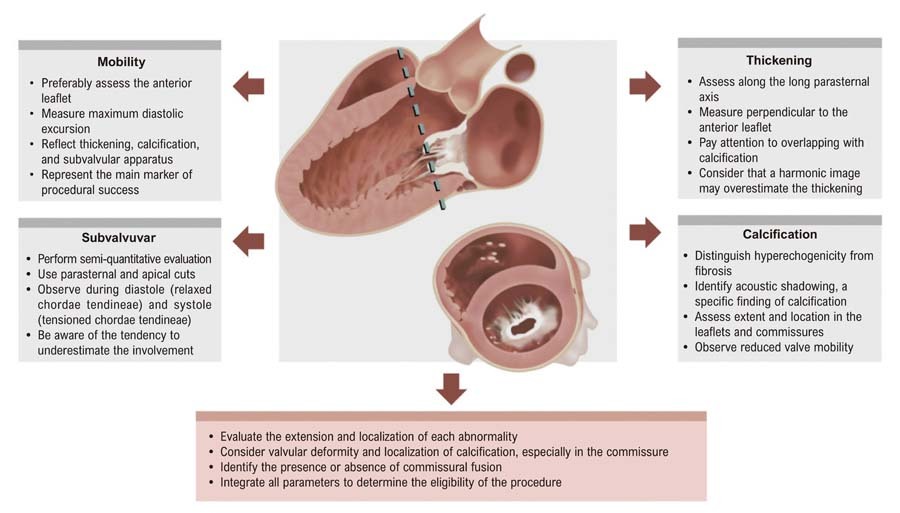
Mitral stenosis (MS) is the main clinical expression of chronic rheumatic heart disease. In symptomatic patients with severe MS and favorable anatomy, percutaneous mitral balloon valvuloplasty (PMBV) is the first-line therapeutic strategy. For the proper selection of candidates, the Wilkins-Block echocardiographic score was developed to characterize mitral valve morphology and predict eligibility for the procedure. This score includes four structural domains: leaflet mobility, valve thickening, degree of calcification, and subvalvular apparatus involvement, grading each parameter from 1 to 4 points, resulting in an overall range of 4 to 16 points, in increasing order of anatomical severity. The Wilkins score has become a widely validated tool, showing a consistent correlation with the immediate and long-term outcomes of PMBV. Among the limitations of the score, the absence of commissural anatomy assessment stands out, a variable recognized as a relevant prognostic determinant due to its strong association with the occurrence of post-procedure mitral regurgitation, considered the most frequent and clinically significant complication of PMBV. With the accumulation of clinical and technical experience, the indications for PMBV have been progressively extended to include patients with less favorable anatomical profiles. In these contexts, selection must be particularly rigorous, incorporating not only morphological criteria derived from echocardiographic evaluation, but also clinical aspects, in order to ensure satisfactory results and minimize the risk of complications.
  • Echocardiography
  • Mitral Valve Stenosis
  • rheumatic heart disease
Read Full Article
Creative Commons Attribution (CC BY) Creative Commons license
12/02/2026 DOI: 10.36660/abcimg.20250083i Views 1
Figure 1
IJCS
Case Report

Cerebral Thromboembolism as a Primary Manifestation of Severe Rheumatic Mitral Stenosis: A Clinical Case from Guayaquil, Ecuador

Patricia Delgado Cedeño et al. Estefania Carolina Arteaga Herrera Cesar Joao Tumbaco Mite Elsie Valdivieso Valenzuela … Boris Barreno Vera Karen Llimaico Del Pin

Abstract

Mitral stenosis (MS) is a valvular disease that predominantly affects women, with rheumatic fever being the most prevalent etiological cause. The hemodynamic consequences of rheumatic MS may include left atrial (LA) pressure overload and dilation, atrial fibrillation (AF), secondary pulmonary hypertension, heart failure, atrial thrombosis, and systemic thromboembolism. Echocardiography is the gold standard for diagnosing, quantifying severity, and evaluating the hemodynamic impact of MS.

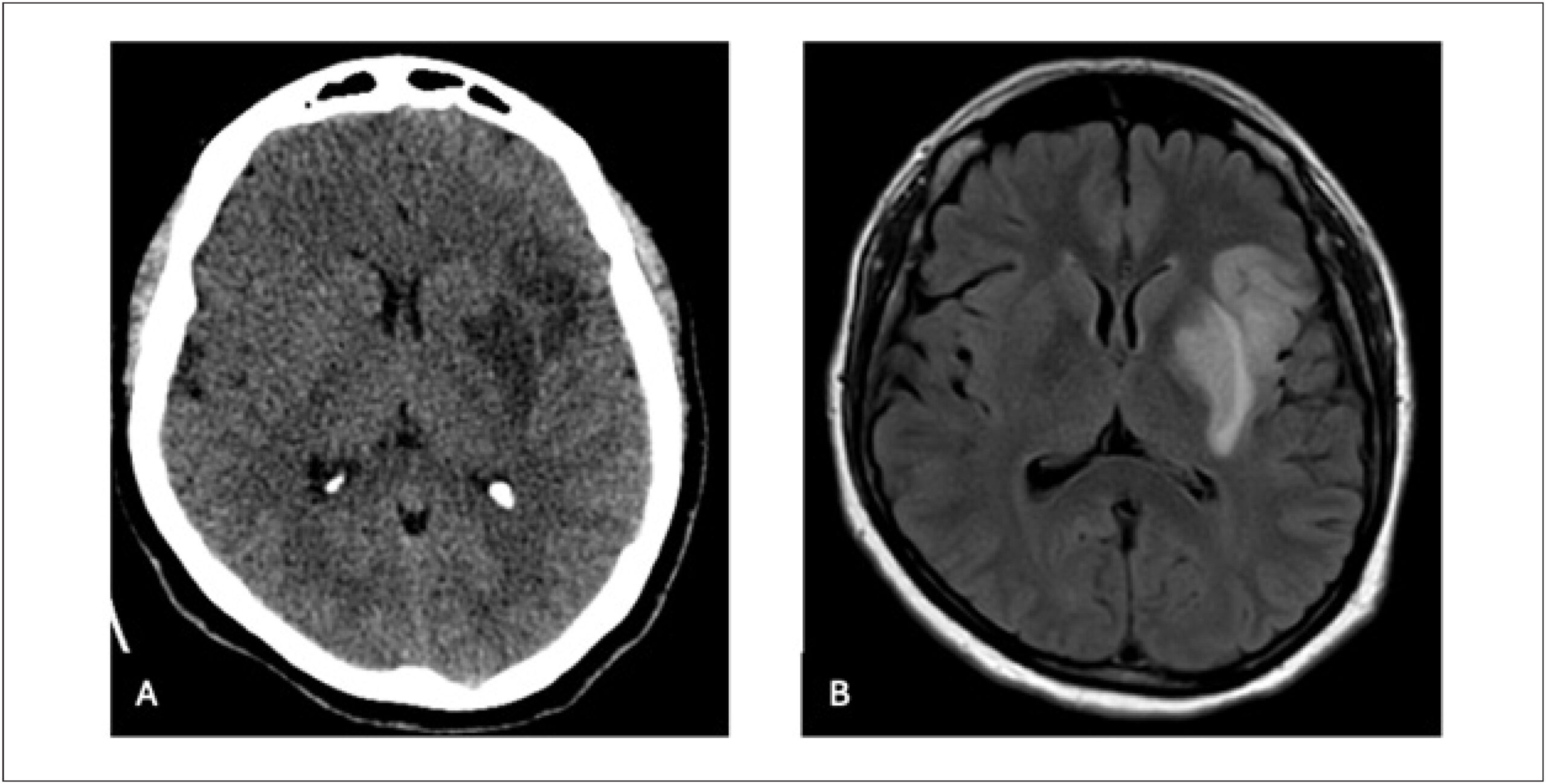
We present the case of a 41-year-old female patient who arrived at the emergency department with a 6-hour history of dysarthria and right hemiparesis. Cardiovascular examination revealed sinus rhythm and a diastolic murmur with an opening snap at the mitral focus. Imaging studies revealed severe MS with LA dilation and a patent foramen ovale without hemodynamic impact. The patient underwent percutaneous balloon mitral valvuloplasty, which resulted in an increase in mitral valve area (MVA), a reduction in pulmonary pressure, and significant functional improvement.

Cerebral thromboembolism can be the first manifestation of severe MS, even in patients with sinus rhythm. Anticoagulation is crucial for those with severe atrial dilation to reduce the risk of embolic events. This case highlights the importance of early diagnosis and appropriate treatment based on clinical guidelines, as they improve patient quality of life and reduce the risk of future complications. It also serves as a reminder that stroke may be the sentinel event in silent but severe mitral valve pathology.

  • Ischemic Stroke
  • Mitral Valve Stenosis
  • rheumatic heart disease
Read Full Article
Creative Commons Attribution (CC BY) Creative Commons license
01/09/2025 DOI: 10.36660/ijcs.20250013 Views 1
The Association Between IL-4 Expression and Thrombus Events in Rheumatic Heart Disease Patients
IJCS
Original Article

The Association Between IL-4 Expression and Thrombus Events in Rheumatic Heart Disease Patients

Arini Rizky Wijayanti et al. Dyah Samti Mayasari Erika Maharani Hasanah Mumpuni … Sofia Pranacipta Emilia Theresia Nungki Anggorowati Ery Kus Dwianingsih

Abstract

Background:

Rheumatic heart disease (RHD) is the leading cause of valve disease in developing countries, with intracardiac thrombus events as one of the frequent manifestations. Based on Trias Virchow, a thrombus occurs because of endothelial injury, blood flow abnormality, and hypercoagulability. In RHD, this condition is caused by inflammation, mitral stenosis (MS), and atrial fibrillation (AF). Pro-inflammatory cytokines promote thrombus formation, and anti-inflammatory cytokines inhibit it. IL-4 is an anti-inflammatory cytokine that can potentially inhibit thrombus formation because it can inhibit other pro-inflammatory cytokines and polarize M2 macrophages.

Objectives:

This study aims to know the association of IL-4 expression with thrombus events in RHD patients.

Methods:

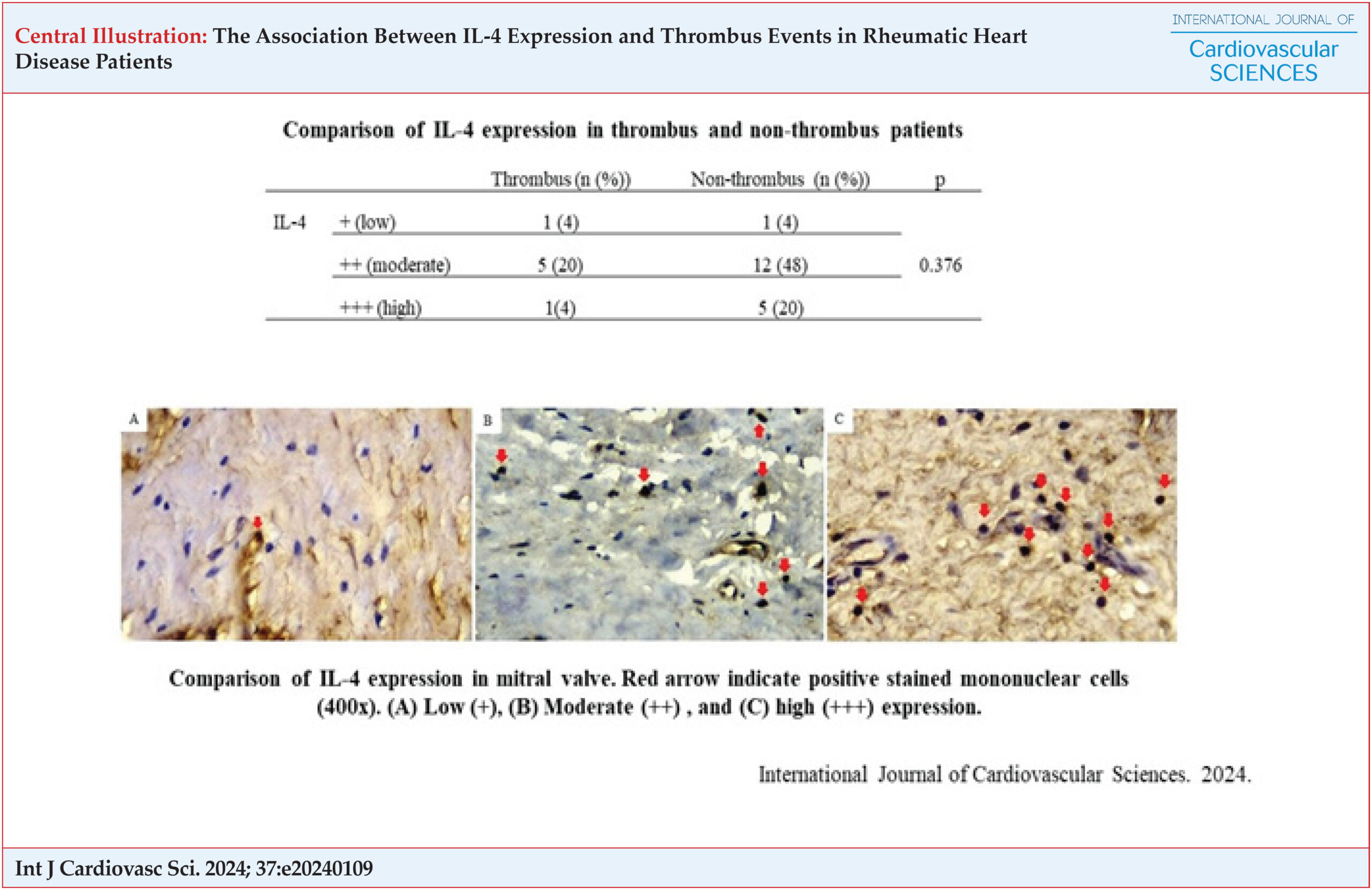
Twenty-five (25) patients enrolled in this study were diagnosed with RHD and underwent mitral valve replacement surgery. Valve tissues were collected for histopathological and immunohistochemical examination using IL-4. Thrombus event obtained from echocardiography result. The Mann-Whitney test was used to compare IL-4 expression in thrombus and non-thrombus patients. A p-value of less than 0.05 (p<0.05) was considered the significance level.

Results:

Of the 25 patients, 88% were older than 30 years. Thrombus occurs in 28% of RHD patients and is associated with AF (p 0.001). Patients with moderate and high IL-4 expression did not have less thrombus than patients with low IL-4 expression.

Conclusions:

Intracardiac thrombus formation in RHD patients is not associated with IL-4 expression but is strongly associated with AF. Further research that identifies other cytokines coexisting with IL-4 at the site of injury may reveal better insight into the event.

  • Atrial Fibrillation
  • Interleukin-4
  • rheumatic heart disease
  • Thrombosis
Read Full Article
Creative Commons Attribution (CC BY) Creative Commons license
02/12/2024 DOI: 10.36660/ijcs.20240109 Views 2
Figure 1
ABCIC
Case Report

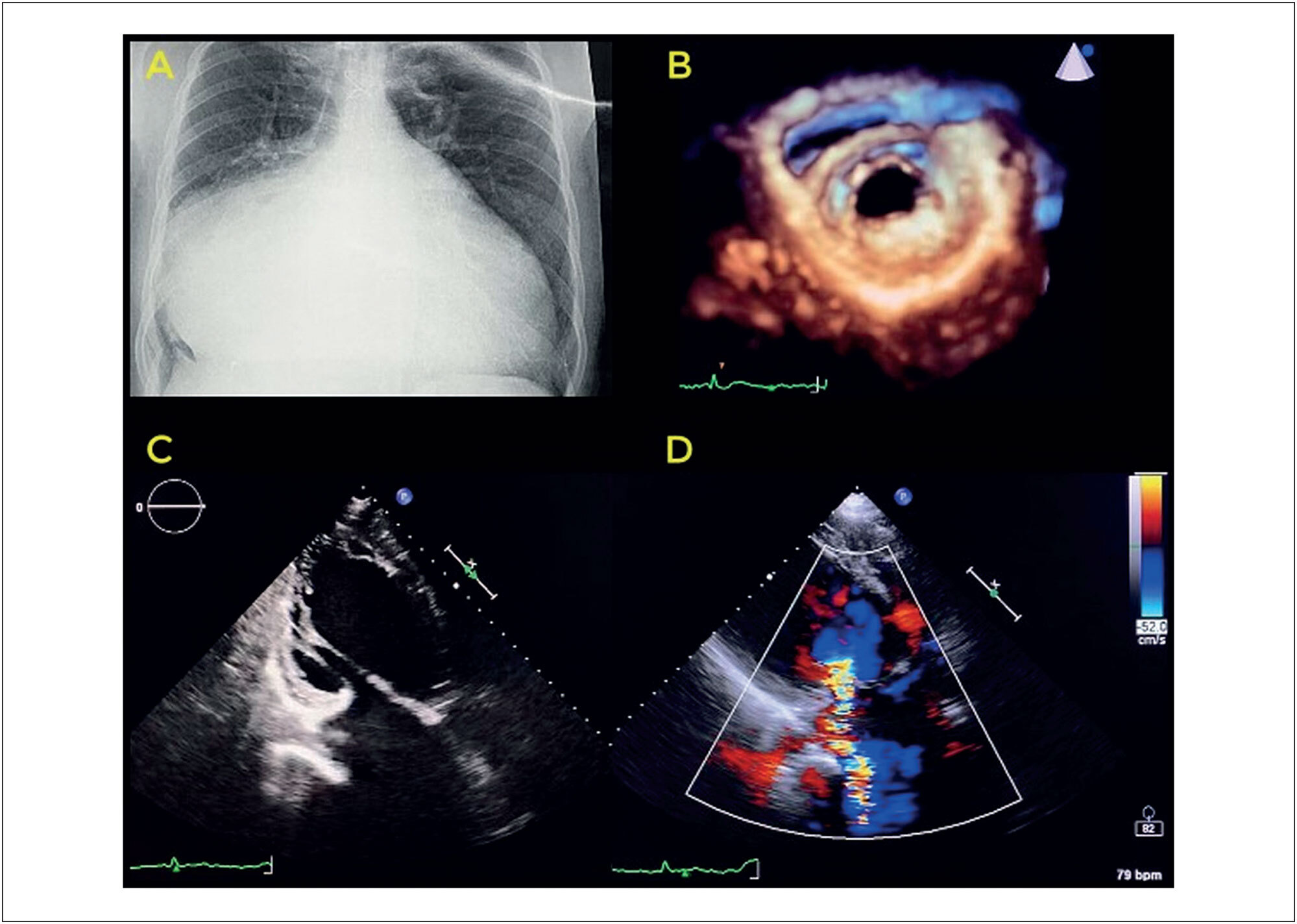
Giant Left Atrium due to Probable Rheumatic Disease and Atrial Functional Mitral Insufficiency

Israel Nilton de Almeida Feitosa et al. Isaac Newton Guimarães Andrade

Introduction

Giant left atrium is a rare condition, and most cases described in the literature are associated with rheumatic disease. However, some clinical descriptions suggest a nonrheumatic etiology for this condition, in which characteristic findings of rheumatic disease are not identified or anatomopathological findings do not suggest a specific etiology.

Atrial fibrillation is present in almost all cases and contributes to the maintenance of left atrial remodeling and persistent changes in structure and function.

[…]

  • Echocardiography
  • Left atrium
  • rheumatic heart disease
Read Full Article
Creative Commons Attribution (CC BY) Creative Commons license
25/04/2024 DOI: 10.36660/abcimg.20240018i
Figure 1
IJCS
Case Report

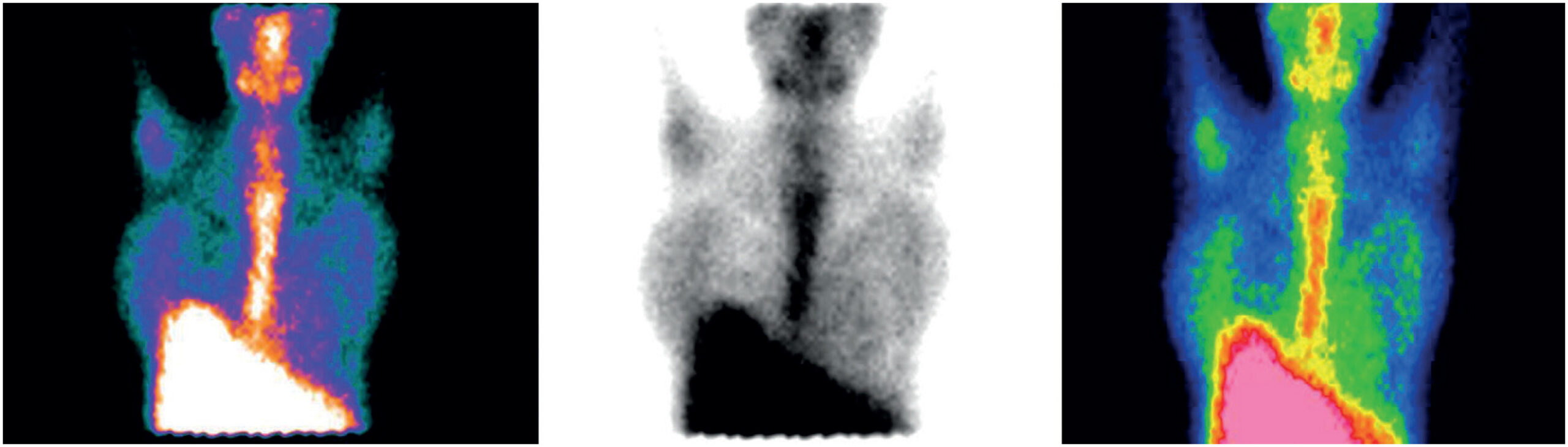
Cardiac Magnetic Resonance and Positron Emission Tomography in the Diagnosis and Follow-Up of Acute Rheumatic Fever – Case Report

David Salazar et al. Cristhian Espinoza Romero Mariana Pezzute Lopes Carlos Eduardo de Barros Branco … José Soares Junior Antonio de Santis Roney Orismar Sampaio Flávio Tarasoutchi

Introduction

Rheumatic fever (RF) is a prevalent condition in developing countries, accounting for a cardiac mortality of rate 7.9% in Brazil (DATASUS). Cases of rheumatic fever are often underdiagnosed and recognized only after permanent valve damage due to previous carditis. Secondary prevention of RF aims to limit the development and/or progression of valvular lesions and their complications. However, even on therapy with benzathine penicillin every 21 days, patients may experience recurrence of acute RF, making diagnosis a greater challenge. The development of new diagnostic methods can contribute to the early detection of rheumatic carditis (RC) considering that 90% of cases are subclinical. In addition, not only the usual gallium-67 scintigraphy, but also, tests such as cardiac nuclear magnetic resonance imaging (MRI) and positron emission tomography (PET-CT) may have the potential to be diagnostic tools in acute rheumatic carditis. However, more studies are needed to validate these methods. ,

[…]

  • Diagnostic Imaging
  • Epidemiology
  • Magnetic Resonance Spectroscopy/ methods
  • Positron Emission Tomogaphy Computed Tomography/methods
  • Rheumatic Fever/physiopathology
  • rheumatic heart disease
Read Full Article
Creative Commons Attribution (CC BY) Creative Commons license
22/04/2022 DOI: 10.36660/ijcs.20210093 Views 1
Figure 1
IJCS
Original Article

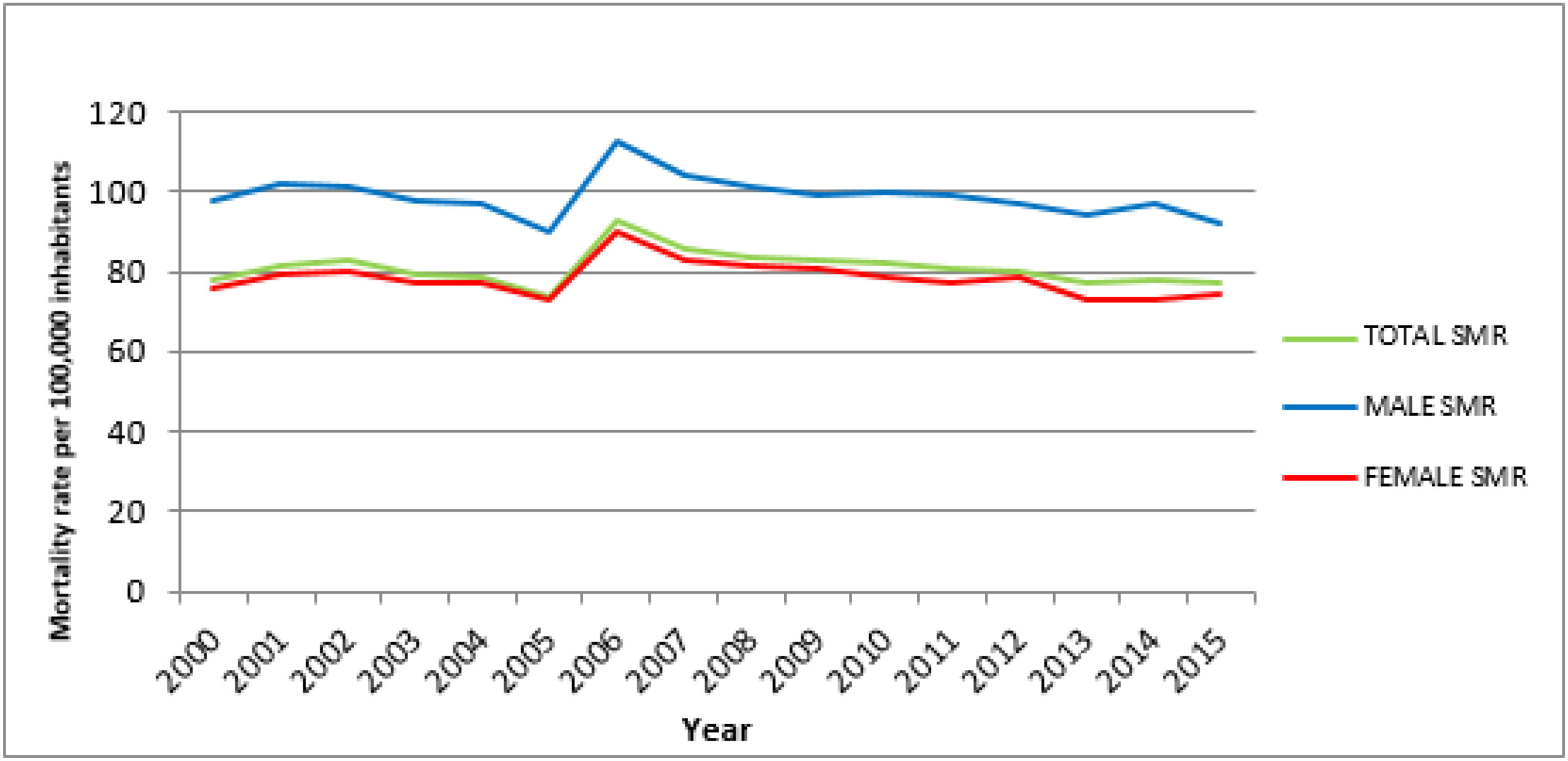
Mortality Trends from Cardiovascular Diseases in the State of Bahia, Brazil, between 2000 and 2015

Yana Mendonça Nascimento et al. Adriana Lopes Latado

Abstract

Background:

Mortality from cardiovascular diseases has reduced in Brazil in recent decades, but this phenomenon is not clear in the northeast region of the country.

Objectives:

To describe the mortality trends from cardiovascular disease in Bahia from 2000-2015, in total population and by sex and age groups, and by specific causes (ischemic heart disease, cerebrovascular diseases, rheumatic heart disease and heart failure).

Methods:

This was a time series study. Data were obtained from SIM-DATASUS and IBGE, and the 10th revision of the ICD used for disease classification. Mortality rates (per 100,000 inhabitants) were calculated from total cardiovascular disease and specific causes, by sex and age groups. Direct standardization was used to adjust for age, using the population of 2010 as reference. Linear regression models estimated percentage variation. The significance level of 5% was adopted.

Results:

In Bahia, crude mortality rates from cardiovascular disease increased in the period; however, after standardization by age, mortality rates became stable for the total and female populations, with a slight reduction for the male population. An increase in mortality rates from cardiovascular disease was found in the elderly groups. For ischemic heart disease, a progressive increase in adjusted mortality rates was observed: 43%, 24% and 29% for the total, male, and female population, respectively. There was a progressive reduction in crude and age-standardized mortality rates from heart failure in all groups, a modest reduction in age-adjusted mortality rates from cerebrovascular diseases, and a slight reduction in age-standardized mortality rate from rheumatic heart disease, especially in the subgroup <40 years.

Conclusions:

Mortality from cardiovascular disease in Bahia did not follow the decreasing trend of other Brazilian states, especially in relation to ischemic heart disease, which showed an increase in mortality rates.

  • Cardiovascular Diseases, mortality
  • Cerebrovascular Disorders
  • Heart Failure
  • Myocardial Ischemia
  • Rheumatic
  • Rheumatic Fever
  • rheumatic heart disease
Read Full Article
Creative Commons Attribution (CC BY) Creative Commons license
25/11/2020 DOI: 10.36660/ijcs.20200028 Views 1
IJCS
Editorial

Rheumatic Heart Disease – How are We in 2019, Have We Evolved?

Andressa Mussi Soares

Acute rheumatic fever (ARF) is the result of an autoimmune response to pharyngitis caused by infection with the sole member of the group A Streptococcus (GAS), Streptococcus pyogenes. ARF leads to a condition characterized by various combinations of joint pain and swelling, cardiac-valve regurgitation with the potential for secondary heart failure, chorea, skin and subcutaneous manifestations, and fever.

Rheumatic heart disease (RHD) is a disease of poverty that affects children and working-age adults. The global economic impact of early death from RHD is still very high. In Brazil, the average cost of RHD-related damage is around 89 million Brazilian reals (close to US$ 28 million) a year. Information from the Brazilian Unified National Health System database (DATASUS) indicates a cardiac mortality rate of about 7.9% from chronic rheumatic fever (RF).

[…]

  • chronic valvular heart disease
  • control programs
  • Corticosteroids
  • Echocardiography
  • rheumatic heart disease
Read Full Article
Creative Commons Attribution (CC BY) Creative Commons license
19/08/2019 DOI: 10.5935/2359-4802.20190041 Views 1
Figure 1
ABC
Original Article

Rheumatic Fever: A Disease without Color

Estevão Tavares de Figueiredo et al. Luciana Azevedo Marcelo Lacerda Rezende Cristina Garcia Alves

Abstract

Background:

Brazil has approximately 30.000 cases of Acute Rheumatic Fever (ARF) annually. A third of cardiovascular surgeries performed in the country are due to the sequelae of rheumatic heart disease (RHD), which is an important public health problem.

Objectives:

to analyze the historical series of mortality rates and disease costs, projecting future trends to offer new data that may justify the need to implement a public health program for RF.

Methods:

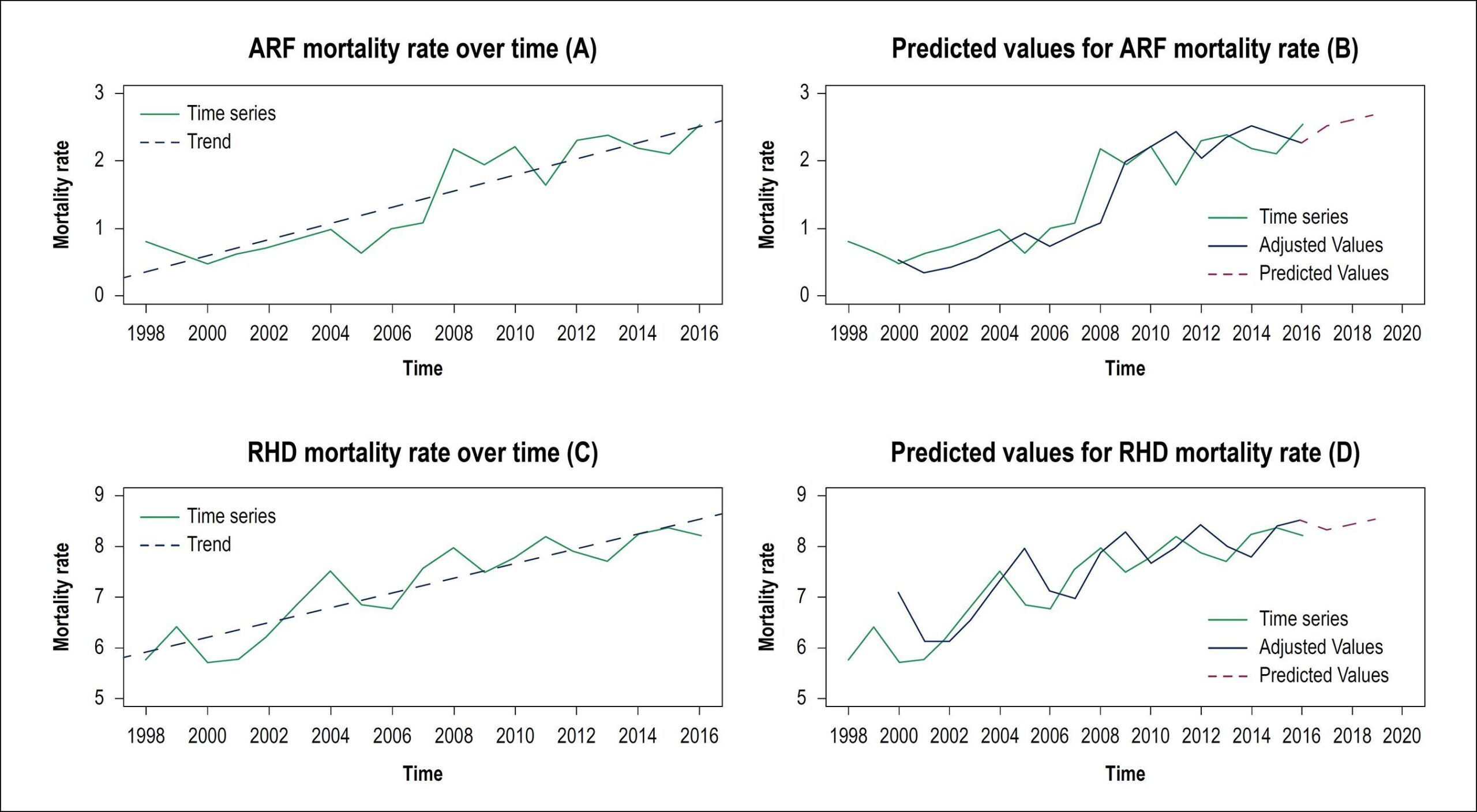
we performed a cross-sectional study with a time series analysis based on data from the Hospital Information System of Brazil from 1998 to 2016. Simple linear regression models and Holt’s Exponential Smoothing Method were used to model the behavior of the series and to do forecasts. The results of the tests with a value of p < 0.05 were considered statistically significant.

Results:

each year, the number of deaths due to RHD increased by an average of 16.94 units and the mortality rate from ARF increased by 215%. There was a 264% increase in hospitalization expenses for RHD and RHD mortality rates increased 42.5% (p-value < 0.05). The estimated mortality rates for ARF and RHD were, respectively, 2.68 and 8.53 for 2019. The estimated cost for RHD in 2019 was US$ 26.715.897,70.

Conclusions:

according to the Brazilian reality, the 1-year RHD expenses would be sufficient for secondary prophylaxis (considering a Benzatin Penicillin G dose every 3 weeks) in 22.574 people for 10 years. This study corroborates the need for public health policies aimed at RHD.

  • Antibiotic Prophylaxys/economics
  • Cardiovascular Surgical Procedures/mortality
  • Hospitalization/economics
  • Public Health Policy
  • Rheumatic Fever
  • rheumatic heart disease
Read Full Article
Creative Commons Attribution (CC BY) Creative Commons license
29/07/2019 DOI: 10.5935/abc.20190141 Views 1
Figure 1
ABC
Viewpoint

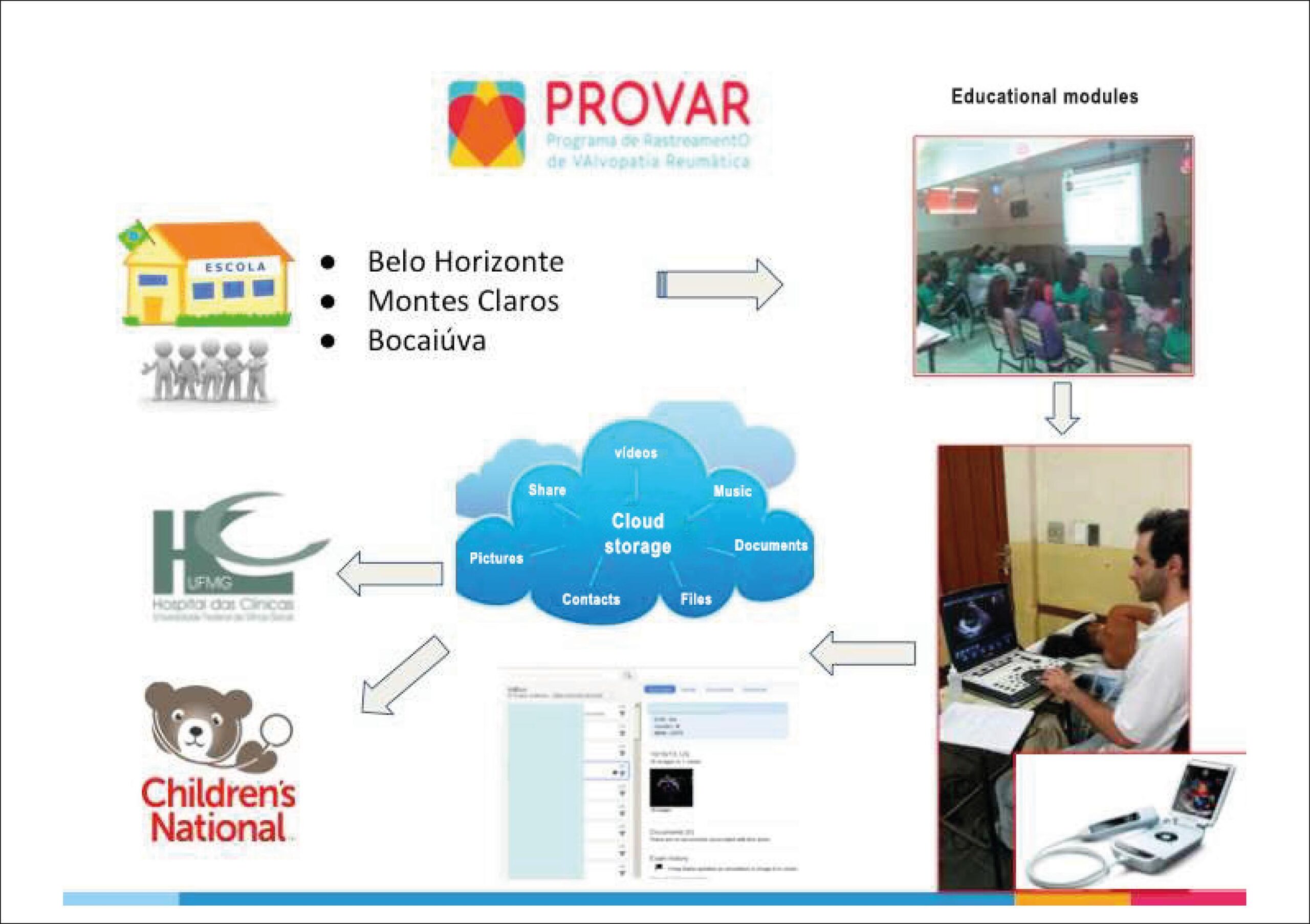
Challenges for the Implementation of the First Large-Scale Rheumatic Heart Disease Screening Program in Brazil: The PROVAR Study Experience

Julia Pereira Afonso dos Santos et al. Gabriel Assis Lopes do Carmo Andrea Zawacki Beaton Tainá Vitti Lourenço … Adriana Costa Diamantino Maria do Carmo Pereira Nunes Craig Sable Bruno Ramos Nascimento

Introduction

Rheumatic Heart Disease (RHD) is the cardiac consequence of acute rheumatic fever (ARF), an inflammatory disease triggered by streptococcal pharyngitis. Although the prevalence of RHD has decreased in high-income countries, lack of social and economic development and poor primary prevention – mainly in in low- and middle-income countries – perpetuate an environment where RHD remains endemic. It is estimated that RHD continues to affect nearly 33 million people worldwide. According to the World Health Organization (WHO), RHD is responsible for 1-1.5% of all cardiovascular deaths and 3-4% of cardiovascular Disability-Adjusted Life Years (DALYs). In Brazil, according to the Unified Health System (SUS), there were 26,054 hospital admissions for ARF (45% with cardiac compromise) between 2008 and 2015, and the total cost to SUS was US$3.5 million, a number that is most likely underestimated.

The main burden of RHD to public health systems consists of repeated hospital admissions and cardiac surgeries in the following decades after initial cardiac damage. If RHD is detected in its early stages, secondary prophylaxis (regular penicillin injections) can be initiated to prevent new episodes of ARF, avoiding further valve damage and progression of RHD. In high prevalence regions, RHD meets the traditional screening criteria defined by Wilson and Jungner, although the long-term clinical significance of latent RHD is not entirely clear. Previous studies have demonstrated, however, that in 38 to 68% of asymptomatic RHD patients, echocardiographic findings show that abnormalities persist, and progress in 4 to 16%, reinforcing the importance of early diagnosis in susceptible populations.

[…]

  • Adolescent
  • Child
  • Echocardiography
  • Mass Screening
  • rheumatic heart disease
Read Full Article
Creative Commons Attribution (CC BY) Creative Commons license
01/04/2017 DOI: 10.5935/abc.20170047 Views 2
Figure 1
IJCS
Original Article

Doppler Echocardiographic Follow-Up of Mitral and Aortic Regurgitation in Children and Adolescents with Subclinical and Mild Rheumatic Carditis

Lelia Maria de Almeida Carvalho et al. Fátima Derlene da Rocha Araújo Zilda Maria Alves Meira

Abstract

Background:

Mild rheumatic carditis (MRC) and subclinical rheumatic carditis (SRC) are basically differentiated through auscultation of mitral regurgitation murmur. The evolution of these forms is not well established in the literature.

Objective:

To evaluate the evolution of mild and subclinical rheumatic carditis, considering mitral and aortic regurgitation (acute phase) and regression, maintenance or worsening of these diseases at the end of follow-up (chronic phase).

Methods:

Retrospective, longitudinal study, including patients with mild and subclinical rheumatic carditis. The echocardiographic evolution of mitral and aortic regurgitation was compared in both groups, considering the analysis at the end of follow-up. The Chi-square test and Kaplan-Meier survival curves were used, with significance level established at p < 0.05.

Results:

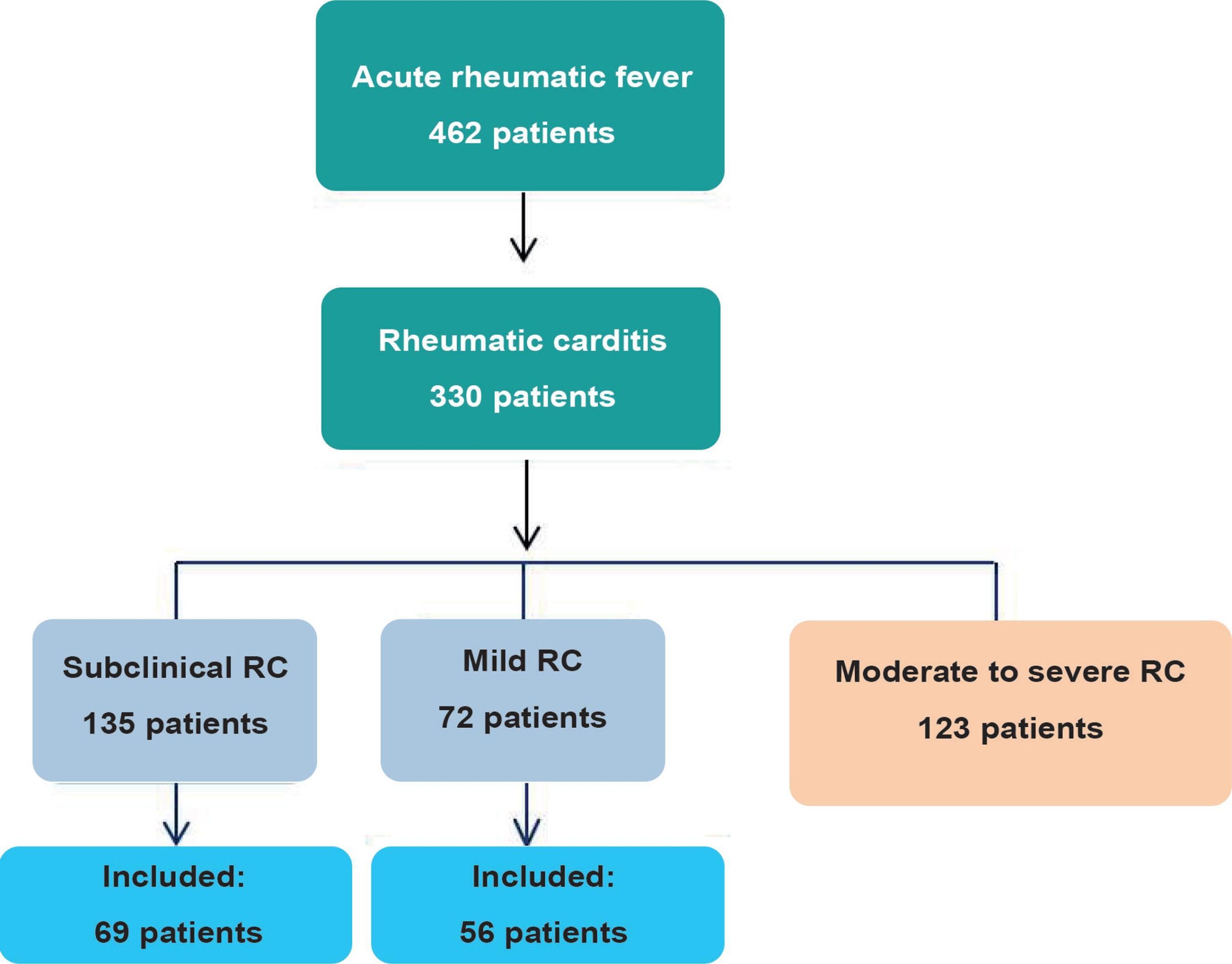
A total of 125 patients were included, 69 (55.2%) with subclinical rheumatic carditis and 56 (44.8%) with mild rheumatic carditis, with a mean age in the acute phase of 10.4 ± 2.6 years and, at the end of study, 19.9 ± 4.6 years. The time of follow-up ranged from 2 to 23 years (mean: 9.38 ± 4.3 years). In the acute phase, mild/moderate or moderate mitral regurgitation was more frequent in patients with mild rheumatic carditis (p = 0.001). Mild or mild/moderate aortic regurgitation was also more common in the mild rheumatic carditis group (p = 0.045). In the chronic phase, we observed that both mitral (p < 0.0001) and aortic regurgitation (p = 0.009) were more frequent in patients with mild rheumatic carditis, and survival free of rheumatic heart disease was higher in the subclinical rheumatic carditis group (p = 0.010). Residual mitral regurgitation was higher in the mild rheumatic carditis group p < 0.0001), and residual aortic regurgitation was similar in both groups (p = 0.099).

Conclusion:

Mitral regurgitation resolution was higher in patients with subclinical rheumatic carditis, and the involution of aortic regurgitation was less frequent and similar in both groups. (Int J Cardiovasc Sci. 2017;30(5):391-400)

  • Adolescent
  • Aortic Valve/abnormalities
  • Child
  • Echocardiography, Doppler
  • Mitral Valve / abnormalities
  • Myocarditis
  • rheumatic heart disease
Read Full Article
Creative Commons Attribution (CC BY) Creative Commons license
01/01/2017 DOI: 10.5935/2359-4802.20170065 Views 2
Figure 1
ABC
Original Article

Risk Prediction of Cardiovascular Complications in Pregnant Women With Heart Disease

Luciana Carvalho Martins et al. Claudia Maria Vilas Freire Carolina Andrade Bragança Capuruçu Maria do Carmo Pereira Nunes Cezar Alencar de Lima Rezende

Abstract

Background:

Heart disease in pregnancy is the leading cause of non- obstetric maternal death. Few Brazilian studies have assessed the impact of heart disease during pregnancy.

Objective:

To determine the risk factors associated with cardiovascular and neonatal complications.

Methods:

We evaluated 132 pregnant women with heart disease at a High-Risk Pregnancy outpatient clinic, from January 2005 to July 2010. Variables that could influence the maternal-fetal outcome were selected: age, parity, smoking, etiology and severity of the disease, previous cardiac complications, cyanosis, New York Heart Association (NYHA) functional class > II, left ventricular dysfunction/obstruction, arrhythmia, drug treatment change, time of prenatal care beginning and number of prenatal visits. The maternal-fetal risk index, Cardiac Disease in Pregnancy (CARPREG), was retrospectively calculated at the beginning of prenatal care, and patients were stratified in its three risk categories.

Results:

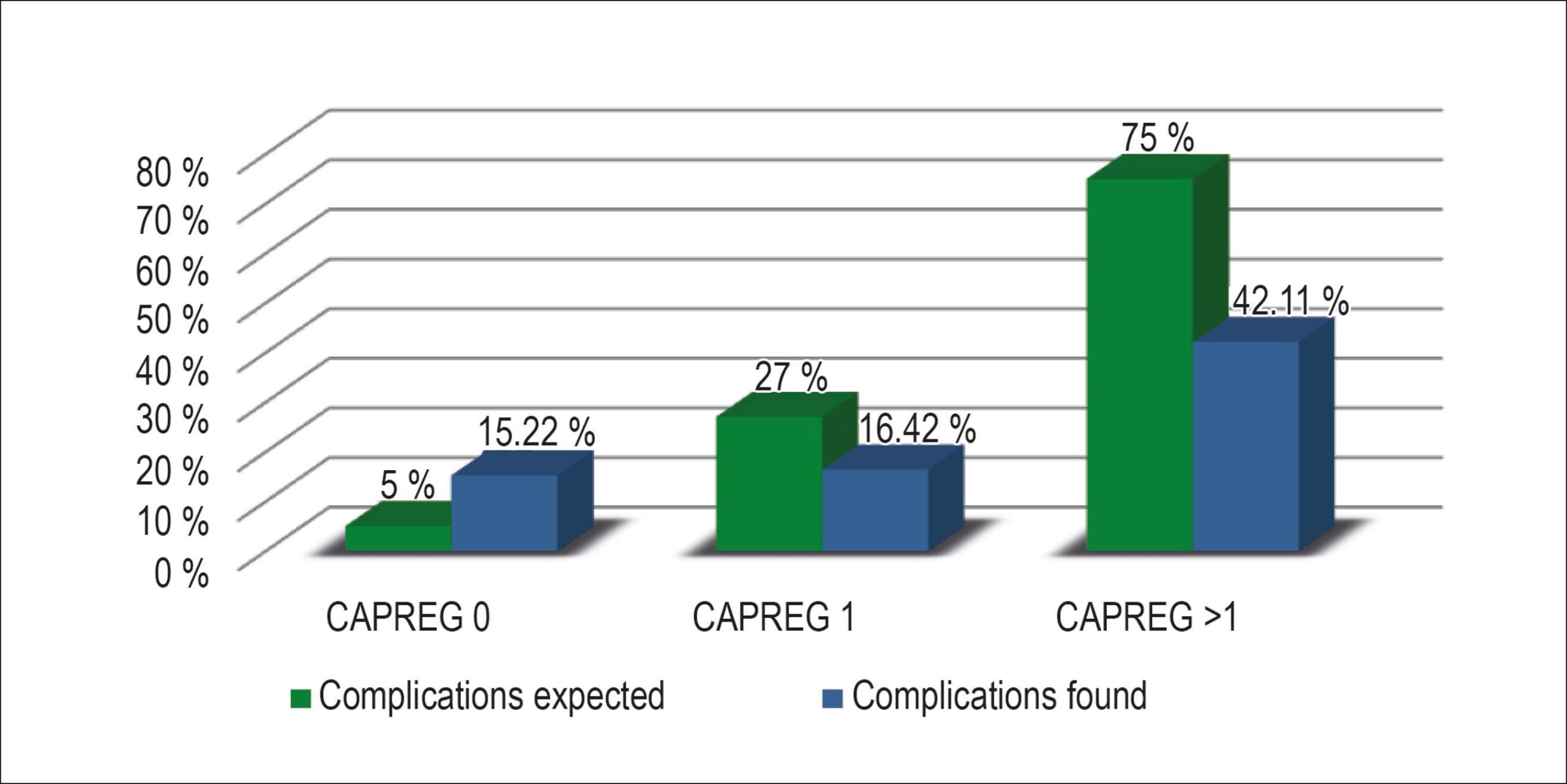
Rheumatic heart disease was the most prevalent (62.12%). The most frequent complications were heart failure (11.36%) and arrhythmias (6.82%). Factors associated with cardiovascular complications on multivariate analysis were: drug treatment change (p = 0.009), previous cardiac complications (p = 0.013) and NYHA class III on the first prenatal visit (p = 0.041). The cardiovascular complication rates were 15.22% in CARPREG 0, 16.42% in CARPREG 1, and 42.11% in CARPREG > 1, differing from those estimated by the original index: 5%, 27% and 75%, respectively. This sample had 26.36% of prematurity.

Conclusion:

The cardiovascular complication risk factors in this population were drug treatment change, previous cardiac complications and NYHA class III at the beginning of prenatal care. The CARPREG index used in this sample composed mainly of patients with rheumatic heart disease overestimated the number of events in pregnant women classified as CARPREG 1 and > 1, and underestimated it in low-risk patients (CARPREG 0).

  • Arrhythmias Cardiac
  • Cardiovascular Diseases/complications
  • Heart Failure
  • Pregnant Women
  • rheumatic heart disease
  • Risk Factors
Read Full Article
Creative Commons Attribution (CC BY) Creative Commons license
08/03/2016 DOI: 10.5935/abc.20160028 Views 1
Figure 1
ABC
Original Article

Prevalence of Rheumatic Heart Disease in a Public School of Belo Horizonte

Lavinia Pimentel Miranda et al. Paulo Augusto Moreira Camargos Rosália Morais Torres Zilda Maria Alves Meira

Background:

Previous studies indicate that compared with physical examination, Doppler echocardiography identifies a larger number of cases of rheumatic heart disease in apparently healthy individuals.

Objectives:

To determine the prevalence of rheumatic heart disease among students in a public school of Belo Horizonte by clinical evaluation and Doppler echocardiography.

Methods:

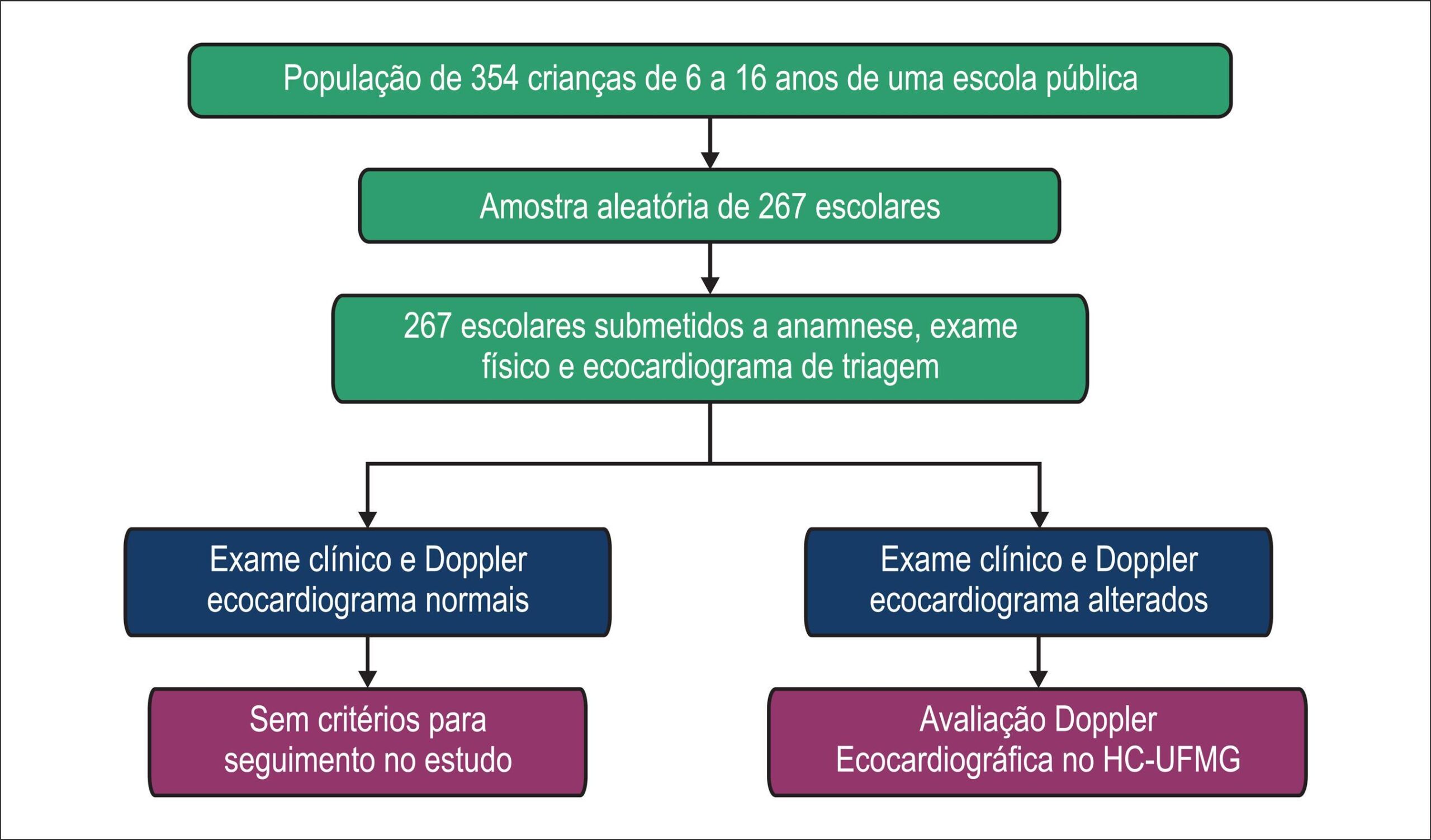
This was a cross-sectional study conducted with 267 randomly selected school students aged between 6 and 16 years. students underwent anamnesis and physical examination with the purpose of establishing criteria for the diagnosis of rheumatic fever. They were all subjected to Doppler echocardiography using a portable machine. Those who exhibited nonphysiological mitral regurgitation (MR) and/or aortic regurgitation (AR) were referred to the Doppler echocardiography laboratory of the Hospital das Clínicas of the Universidade Federal of Minas Gerais (HC-UFMG) to undergo a second Doppler echocardiography examination. According to the findings, the cases of rheumatic heart disease were classified as definitive, probable, or possible.

Results:

Of the 267 students, 1 (0.37%) had a clinical history compatible with the diagnosis of acute rheumatic fever (ARF) and portable Doppler echocardiography indicated nonphysiological MR and/or AR in 25 (9.4%). Of these, 16 (6%) underwent Doppler echocardiography at HC-UFMG. The results showed definitive rheumatic heart disease in 1 student, probable rheumatic heart disease in 3 students, and possible rheumatic heart disease in 1 student.

Conclusion:

In the population under study, the prevalence of cases compatible with rheumatic involvement was 5 times higher on Doppler echocardiography (18.7/1000; 95% CI 6.9/1000-41.0/1000) than on clinical evaluation (3.7/1000-95% CI).

  • Echocardiography, Doppler
  • Heart valves
  • Prevalence
  • Rheumatic Fever / epidemiology
  • rheumatic heart disease
Read Full Article
Creative Commons Attribution (CC BY) Creative Commons license
01/08/2014 DOI: 10.5935/abc.20140116 Views 1
Maternal-fetal monitoring during dental procedure in patients with heart valve disease
ABC
Artigo Original

Maternal-fetal monitoring during dental procedure in patients with heart valve disease

Itamara Lucia Itagiba Neves et al. Walkiria Samuel Avila Ricardo Simões Neves Dante Marcelo Artigas Giorgi … Jorge Francisco Kuhn dos Santos Ricardo Martins Oliveira Filho Cesar José Grupi Max Grinberg José Antonio Franchini Ramires

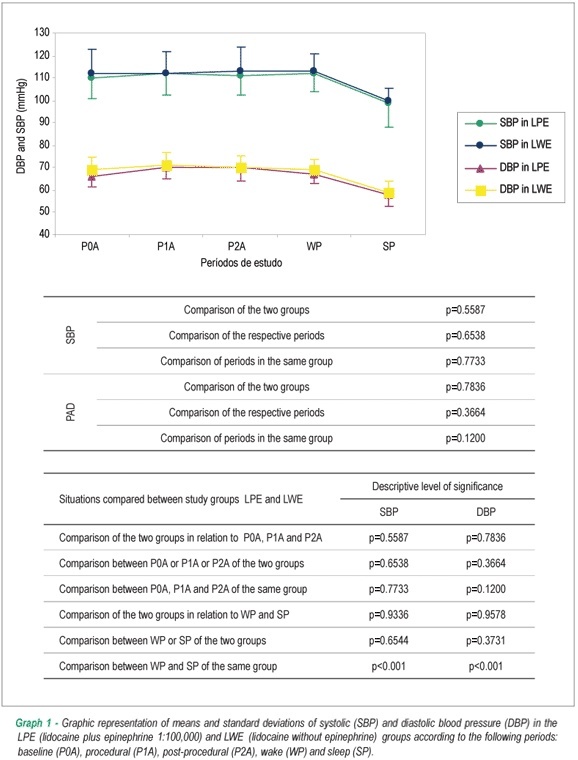
BACKGROUND: The effects of local dental anesthesia with lidocaine and epinephrine on cardiovascular parameters of pregnant women with heart valve diseases and their fetuses are not fully understood. OBJECTIVES: To assess and analyze cardiotocographic, blood pressure and electrocardiographic parameters of pregnant women with rheumatic heart valve disease undergoing local anesthesia with 1.8mL of lidocaine 2% with or without epinephrine 1:100,000 during restorative dental treatment. METHODS: Maternal ambulatory blood pressure and electrocardiographic monitoring as well as cardiotocography of 31 patients with rheumatic heart disease were performed between the 28th and 37th week of gestation. The patients were divided into two groups, those with or without vasoconstrictor. RESULTS: A significant reduction in maternal heart rate was shown in both groups during the procedure in comparison with the other periods (p0.05). The same occurred (p>0.05) with the number of uterine contractions, baseline level and variability, and number of accelerations of fetal heart rate. CONCLUSION: The use of 1.8mL of lidocaine 2% in combination with epinephrine was safe and efficient in restorative dental procedures during pregnancy in women with rheumatic heart valve disease.

  • anesthesia, local
  • Blood Pressure Monitoring, Ambulatory
  • cardiotocography
  • Electrocardiography, Ambulatory
  • Pregnant Women
  • rheumatic heart disease
Read Full Article
Creative Commons Attribution (CC BY) Creative Commons license
20/01/2010 DOI: 10.1590/S0066-782X2009001100005
Coronary artery disease in patients with rheumatic and non-rheumatic valvular heart disease treated at a public hospital in Rio de Janeiro
ABC
Artigo Original

Coronary artery disease in patients with rheumatic and non-rheumatic valvular heart disease treated at a public hospital in Rio de Janeiro

Dany David Kruczan et al. Nelson Albuquerque de Souza e Silva Basílio de Bragança Pereira Vítor André Romão … Wilson Braz Correa Filho Fidel Ernesto Castro Morales

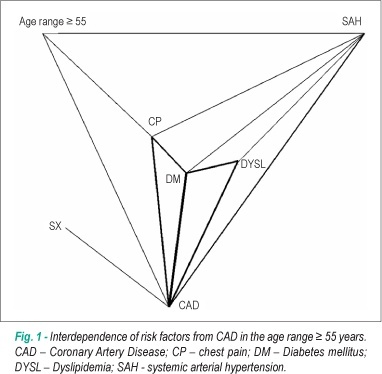
OBJECTIVE: to estimate the prevalence of coronary artery disease (CAD) in valvular heart disease of rheumatic (RVHD) and non-rheumatic (NVHD) etiology, assessing possible predictive factors for the presence of CAD. METHODS: This is a cross-sectional study of a series of cases obtained from a pre-defined population, wherein 1,412 patients referred for heart surgery of any etiology were evaluated. Of these, 294 primary heart disease patients aged >40 submitted to cinecoronary arteriography (CA) were identified and studied. RESULTS: patients with RVHD presented lower prevalence of CAD (4%) when compared to NVHD (33.61%), p55, SAH, TACP, diabetes and dyslipidemia were all related directly to CAD, with the latter three being the most important variables for the disease. CONCLUSION: the prevalence of CAD among RVHD patients is low, whereas it is high among NVHD patients; the rheumatic etiology does not seem to have any beneficial effects on the prevalence of CAD; gender, age, SAH, TACP, dyslipidemia and diabetes were identified as being strongly associated with the presence of CAD. It is possible to define the criteria that indicate the need for pre-surgical CA in heart valve replacements, so that the standard indication after the age of 40 years can be avoided.

  • Coronary Angiography
  • coronary arteriosclerosis
  • Heart Valve Diseases
  • rheumatic heart disease
Read Full Article
Creative Commons Attribution (CC BY) Creative Commons license
27/03/2008 DOI: 10.1590/S0066-782X2008000300010
Abdominal mycotic aneurysm and cerebral embolic event associated with infective endocarditis in a patient with chronic rheumatic valvar disease
ABC
Case Report

Abdominal mycotic aneurysm and cerebral embolic event associated with infective endocarditis in a patient with chronic rheumatic valvar disease

Bernadete Lourdes Liphaus et al. Cláudia Goldenstein-Schainberg Letícia Monteiro Kitamura Clóvis Artur Almeida Silva

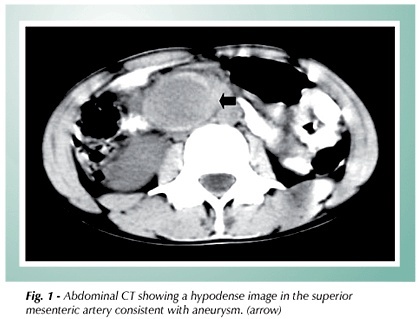
We report the case of a girl with chronic rheumatic valvar heart disease who developed infeccious endocarditis and two complications, ischemic stroke due to cerebral embolic event and mycotic aneurysm of the superior mesenteric artery.

  • aneurysm, infected
  • Endocarditis
  • intracranial embolism
  • rheumatic heart disease
Read Full Article
Creative Commons Attribution (CC BY) Creative Commons license
15/03/2007 DOI: 10.1590/S0066-782X2007000100023 Views 2

How to cite this article

EndNote RIS

Electronic Document Format (Vancouver)

Gomes NFA, Figueiredo FA, Rodrigues EF, Soares CK, Nunes MCP. My Approach to Wilkins-Block score in rheumatic mitral stenosis. ABC Imagem Cardiovascular 2026;38(4):e20250083.

Electronic Document Format (ABNT)

Gomes, Nayana Flamini Arantes; Figueiredo, Fernanda de Azevedo; Rodrigues, Estela Fófano; Soares, Carolina Kuchenbecker; Nunes, Maria Carmo Pereira. My Approach to Wilkins-Block score in rheumatic mitral stenosis. ABC Imagem Cardiovascular, v. 38, n. 4, e20250083, Feb. 2026.

Electronic Document Format (APA)

Gomes, N. F. A., Figueiredo, F. A., Rodrigues, E. F., Soares, C. K., & Nunes, M. C. P. (2026). My Approach to Wilkins-Block score in rheumatic mitral stenosis. ABC Imagem Cardiovascular, 38(4), e20250083.

Electronic Document Format (ISO)

Gomes, Nayana Flamini Arantes and Figueiredo, Fernanda de Azevedo and Rodrigues, Estela Fófano and Soares, Carolina Kuchenbecker and Nunes, Maria Carmo Pereira. My Approach to Wilkins-Block score in rheumatic mitral stenosis. ABC Imagem Cardiovascular [online]. 2026, vol. 38, n. 4, [cited 2026-10-14], e20250083. Available from: <https://journals.cardiol.br/en/article/my-approach-to-wilkins-block-score-in-rheumatic-mitral-stenosis/>. ISSN 2318-8219

EndNote RIS

Electronic Document Format (Vancouver)

Cedeño PD, Herrera ECA, Mite CJT, Valenzuela EV, Vera BB, Pin KLD. Cerebral Thromboembolism as a Primary Manifestation of Severe Rheumatic Mitral Stenosis: A Clinical Case from Guayaquil, Ecuador. International Journal of Cardiovascular Sciences 2025;38:e20250013.

Electronic Document Format (ABNT)

Cedeño, Patricia Delgado; Herrera, Estefania Carolina Arteaga; Mite, Cesar Joao Tumbaco; Valenzuela, Elsie Valdivieso; Vera, Boris Barreno; Pin, Karen Llimaico Del. Cerebral Thromboembolism as a Primary Manifestation of Severe Rheumatic Mitral Stenosis: A Clinical Case from Guayaquil, Ecuador. International Journal of Cardiovascular Sciences, v. 38, e20250013, Aug. 2025.

Electronic Document Format (APA)

Cedeño, P. D., Herrera, E. C. A., Mite, C. J. T., Valenzuela, E. V., Vera, B. B., & Pin, K. L. D. (2025). Cerebral Thromboembolism as a Primary Manifestation of Severe Rheumatic Mitral Stenosis: A Clinical Case from Guayaquil, Ecuador. International Journal of Cardiovascular Sciences, 38, e20250013.

Electronic Document Format (ISO)

Cedeño, Patricia Delgado and Herrera, Estefania Carolina Arteaga and Mite, Cesar Joao Tumbaco and Valenzuela, Elsie Valdivieso and Vera, Boris Barreno and Pin, Karen Llimaico Del. Cerebral Thromboembolism as a Primary Manifestation of Severe Rheumatic Mitral Stenosis: A Clinical Case from Guayaquil, Ecuador. International Journal of Cardiovascular Sciences [online]. 2025, vol. 38, [cited 2026-10-14], e20250013. Available from: <https://journals.cardiol.br/en/article/cerebral-thromboembolism-as-a-primary-manifestation-of-severe-rheumatic-mitral-stenosis-a-clinical-case-from-guayaquil-ecuador/>. ISSN 2359-4802

EndNote RIS

Electronic Document Format (Vancouver)

Wijayanti AR, Mayasari DS, Maharani E, Mumpuni H, Pranacipta S, Theresia E, Anggorowati N, et al. The Association Between IL-4 Expression and Thrombus Events in Rheumatic Heart Disease Patients. International Journal of Cardiovascular Sciences 2024;37:e20240109.

Electronic Document Format (ABNT)

Wijayanti, Arini Rizky; Mayasari, Dyah Samti; Maharani, Erika; Mumpuni, Hasanah; Pranacipta, Sofia; Theresia, Emilia; Anggorowati, Nungki; Dwianingsih, Ery Kus. The Association Between IL-4 Expression and Thrombus Events in Rheumatic Heart Disease Patients. International Journal of Cardiovascular Sciences, v. 37, e20240109, Dec. 2024.

Electronic Document Format (APA)

Wijayanti, A. R., Mayasari, D. S., Maharani, E., Mumpuni, H., Pranacipta, S., Theresia, E., Anggorowati, N., & Dwianingsih, E. K. (2024). The Association Between IL-4 Expression and Thrombus Events in Rheumatic Heart Disease Patients. International Journal of Cardiovascular Sciences, 37, e20240109.

Electronic Document Format (ISO)

Wijayanti, Arini Rizky and Mayasari, Dyah Samti and Maharani, Erika and Mumpuni, Hasanah and Pranacipta, Sofia and Theresia, Emilia and Anggorowati, Nungki and Dwianingsih, Ery Kus. The Association Between IL-4 Expression and Thrombus Events in Rheumatic Heart Disease Patients. International Journal of Cardiovascular Sciences [online]. 2024, vol. 37, [cited 2026-10-14], e20240109. Available from: <https://journals.cardiol.br/en/article/the-association-between-il-4-expression-and-thrombus-events-in-rheumatic-heart-disease-patients/>. ISSN 2359-4802

EndNote RIS

Electronic Document Format (Vancouver)

Feitosa INA, Andrade ING. Giant Left Atrium due to Probable Rheumatic Disease and Atrial Functional Mitral Insufficiency. ABC Imagem Cardiovascular 2024;37(2):e20240018.

Electronic Document Format (ABNT)

Feitosa, Israel Nilton de Almeida; Andrade, Isaac Newton Guimarães. Giant Left Atrium due to Probable Rheumatic Disease and Atrial Functional Mitral Insufficiency. ABC Imagem Cardiovascular, v. 37, n. 2, e20240018, Apr. 2024.

Electronic Document Format (APA)

Feitosa, I. N. A., & Andrade, I. N. G. (2024). Giant Left Atrium due to Probable Rheumatic Disease and Atrial Functional Mitral Insufficiency. ABC Imagem Cardiovascular, 37(2), e20240018.

Electronic Document Format (ISO)

Feitosa, Israel Nilton de Almeida and Andrade, Isaac Newton Guimarães. Giant Left Atrium due to Probable Rheumatic Disease and Atrial Functional Mitral Insufficiency. ABC Imagem Cardiovascular [online]. 2024, vol. 37, n. 2, [cited 2026-10-14], e20240018. Available from: <https://journals.cardiol.br/en/article/giant-left-atrium-due-to-probable-rheumatic-disease-and-atrial-functional-mitral-insufficiency/>. ISSN 2318-8219

EndNote RIS

Electronic Document Format (Vancouver)

Salazar D, Romero CE, Lopes MP, Branco CEB, Soares Junior J, Santis A, Sampaio RO, et al. Cardiac Magnetic Resonance and Positron Emission Tomography in the Diagnosis and Follow-Up of Acute Rheumatic Fever – Case Report. International Journal of Cardiovascular Sciences 2022;36:e20210093.

Electronic Document Format (ABNT)

Salazar, David; Romero, Cristhian Espinoza; Lopes, Mariana Pezzute; Branco, Carlos Eduardo de Barros; Soares Junior, José; Santis, Antonio de; Sampaio, Roney Orismar; Tarasoutchi, Flávio. Cardiac Magnetic Resonance and Positron Emission Tomography in the Diagnosis and Follow-Up of Acute Rheumatic Fever – Case Report. International Journal of Cardiovascular Sciences, v. 36, e20210093, Apr. 2022.

Electronic Document Format (APA)

Salazar, D., Romero, C. E., Lopes, M. P., Branco, C. E. B., Soares Junior, J., Santis, A. , Sampaio, R. O., & Tarasoutchi, F. (2022). Cardiac Magnetic Resonance and Positron Emission Tomography in the Diagnosis and Follow-Up of Acute Rheumatic Fever – Case Report. International Journal of Cardiovascular Sciences, 36, e20210093.

Electronic Document Format (ISO)

Salazar, David and Romero, Cristhian Espinoza and Lopes, Mariana Pezzute and Branco, Carlos Eduardo de Barros and Soares Junior, José and Santis, Antonio de and Sampaio, Roney Orismar and Tarasoutchi, Flávio. Cardiac Magnetic Resonance and Positron Emission Tomography in the Diagnosis and Follow-Up of Acute Rheumatic Fever – Case Report. International Journal of Cardiovascular Sciences [online]. 2022, vol. 36, [cited 2026-10-14], e20210093. Available from: <https://journals.cardiol.br/en/article/cardiac-magnetic-resonance-and-positron-emission-tomography-in-the-diagnosis-and-follow-up-of-acute-rheumatic-fever-case-report/>. ISSN 2359-4802

EndNote RIS

Electronic Document Format (Vancouver)

Nascimento YM, Latado AL. Mortality Trends from Cardiovascular Diseases in the State of Bahia, Brazil, between 2000 and 2015. International Journal of Cardiovascular Sciences 2020;33(6):656-65.

Electronic Document Format (ABNT)

Nascimento, Yana Mendonça; Latado, Adriana Lopes. Mortality Trends from Cardiovascular Diseases in the State of Bahia, Brazil, between 2000 and 2015. International Journal of Cardiovascular Sciences, v. 33, n. 6, p. 656-665, Nov. 2020.

Electronic Document Format (APA)

Nascimento, Y. M., & Latado, A. L. (2020). Mortality Trends from Cardiovascular Diseases in the State of Bahia, Brazil, between 2000 and 2015. International Journal of Cardiovascular Sciences, 33(6), 656-665.

Electronic Document Format (ISO)

Nascimento, Yana Mendonça and Latado, Adriana Lopes. Mortality Trends from Cardiovascular Diseases in the State of Bahia, Brazil, between 2000 and 2015. International Journal of Cardiovascular Sciences [online]. 2020, vol. 33, n. 6, [cited 2026-10-14], pp. 656-665. Available from: <https://journals.cardiol.br/en/article/mortality-trends-from-cardiovascular-diseases-in-the-state-of-bahia-brazil-between-2000-and-2015/>. ISSN 2359-4802

EndNote RIS

Electronic Document Format (Vancouver)

Soares AM. Rheumatic Heart Disease – How are We in 2019, Have We Evolved?. International Journal of Cardiovascular Sciences 2019;32(5):435-7.

Electronic Document Format (ABNT)

Soares, Andressa Mussi. Rheumatic Heart Disease – How are We in 2019, Have We Evolved?. International Journal of Cardiovascular Sciences, v. 32, n. 5, p. 435-437, Aug. 2019.

Electronic Document Format (APA)

Soares, A. M. (2019). Rheumatic Heart Disease – How are We in 2019, Have We Evolved?. International Journal of Cardiovascular Sciences, 32(5), 435-437.

Electronic Document Format (ISO)

Soares, Andressa Mussi. Rheumatic Heart Disease – How are We in 2019, Have We Evolved?. International Journal of Cardiovascular Sciences [online]. 2019, vol. 32, n. 5, [cited 2026-10-14], pp. 435-437. Available from: <https://journals.cardiol.br/en/article/rheumatic-heart-disease-how-are-we-in-2019-have-we-evolved/>. ISSN 2359-4802

EndNote RIS

Electronic Document Format (Vancouver)

Figueiredo ET, Azevedo L, Rezende ML, Alves CG. Rheumatic Fever: A Disease without Color. Arquivos Brasileiros de Cardiologia 2019;113(3):345-54.

Electronic Document Format (ABNT)

Figueiredo, Estevão Tavares de; Azevedo, Luciana; Rezende, Marcelo Lacerda; Alves, Cristina Garcia. Rheumatic Fever: A Disease without Color. Arquivos Brasileiros de Cardiologia, v. 113, n. 3, p. 345-354, Jul. 2019.

Electronic Document Format (APA)

Figueiredo, E. T. , Azevedo, L., Rezende, M. L., & Alves, C. G. (2019). Rheumatic Fever: A Disease without Color. Arquivos Brasileiros de Cardiologia, 113(3), 345-354.

Electronic Document Format (ISO)

Figueiredo, Estevão Tavares de and Azevedo, Luciana and Rezende, Marcelo Lacerda and Alves, Cristina Garcia. Rheumatic Fever: A Disease without Color. Arquivos Brasileiros de Cardiologia [online]. 2019, vol. 113, n. 3, [cited 2026-10-14], pp. 345-354. Available from: <https://journals.cardiol.br/en/article/rheumatic-fever-a-disease-without-color/>. ISSN 0066-782X

EndNote RIS

Electronic Document Format (Vancouver)

Santos JPA, Carmo GAL, Beaton AZ, Lourenço TV, Diamantino AC, Nunes MCP, Sable C, et al. Challenges for the Implementation of the First Large-Scale Rheumatic Heart Disease Screening Program in Brazil: The PROVAR Study Experience. Arquivos Brasileiros de Cardiologia 2017;108(4):370-4.

Electronic Document Format (ABNT)

Santos, Julia Pereira Afonso dos; Carmo, Gabriel Assis Lopes do; Beaton, Andrea Zawacki; Lourenço, Tainá Vitti; Diamantino, Adriana Costa; Nunes, Maria do Carmo Pereira; Sable, Craig; Nascimento, Bruno Ramos. Challenges for the Implementation of the First Large-Scale Rheumatic Heart Disease Screening Program in Brazil: The PROVAR Study Experience. Arquivos Brasileiros de Cardiologia, v. 108, n. 4, p. 370-374, Mar. 2017.

Electronic Document Format (APA)

Santos, J. P. A. , Carmo, G. A. L. , Beaton, A. Z., Lourenço, T. V., Diamantino, A. C., Nunes, M. C. P., Sable, C., & Nascimento, B. R. (2017). Challenges for the Implementation of the First Large-Scale Rheumatic Heart Disease Screening Program in Brazil: The PROVAR Study Experience. Arquivos Brasileiros de Cardiologia, 108(4), 370-374.

Electronic Document Format (ISO)

Santos, Julia Pereira Afonso dos and Carmo, Gabriel Assis Lopes do and Beaton, Andrea Zawacki and Lourenço, Tainá Vitti and Diamantino, Adriana Costa and Nunes, Maria do Carmo Pereira and Sable, Craig and Nascimento, Bruno Ramos. Challenges for the Implementation of the First Large-Scale Rheumatic Heart Disease Screening Program in Brazil: The PROVAR Study Experience. Arquivos Brasileiros de Cardiologia [online]. 2017, vol. 108, n. 4, [cited 2026-10-14], pp. 370-374. Available from: <https://journals.cardiol.br/en/article/challenges-for-the-implementation-of-the-first-large-scale-rheumatic-heart-disease-screening-program-in-brazil-the-provar-study-experience/>. ISSN 0066-782X

EndNote RIS

Electronic Document Format (Vancouver)

Carvalho LMA, Araújo FDR, Meira ZMA. Doppler Echocardiographic Follow-Up of Mitral and Aortic Regurgitation in Children and Adolescents with Subclinical and Mild Rheumatic Carditis. International Journal of Cardiovascular Sciences 2017;30(5):391-400.

Electronic Document Format (ABNT)

Carvalho, Lelia Maria de Almeida; Araújo, Fátima Derlene da Rocha; Meira, Zilda Maria Alves. Doppler Echocardiographic Follow-Up of Mitral and Aortic Regurgitation in Children and Adolescents with Subclinical and Mild Rheumatic Carditis. International Journal of Cardiovascular Sciences, v. 30, n. 5, p. 391-400, Dec. 2016.

Electronic Document Format (APA)

Carvalho, L. M. A., Araújo, F. D. R., & Meira, Z. M. A. (2017). Doppler Echocardiographic Follow-Up of Mitral and Aortic Regurgitation in Children and Adolescents with Subclinical and Mild Rheumatic Carditis. International Journal of Cardiovascular Sciences, 30(5), 391-400.

Electronic Document Format (ISO)

Carvalho, Lelia Maria de Almeida and Araújo, Fátima Derlene da Rocha and Meira, Zilda Maria Alves. Doppler Echocardiographic Follow-Up of Mitral and Aortic Regurgitation in Children and Adolescents with Subclinical and Mild Rheumatic Carditis. International Journal of Cardiovascular Sciences [online]. 2017, vol. 30, n. 5, [cited 2026-10-14], pp. 391-400. Available from: <https://journals.cardiol.br/en/article/doppler-echocardiographic-follow-up-of-mitral-and-aortic-regurgitation-in-children-and-adolescents-with-subclinical-and-mild-rheumatic-carditis/>. ISSN 2359-4802

EndNote RIS

Electronic Document Format (Vancouver)

Martins LC, Freire CMV, Capuruçu CAB, Nunes MCP, Rezende CAL. Risk Prediction of Cardiovascular Complications in Pregnant Women With Heart Disease. Arquivos Brasileiros de Cardiologia 2016;106(4):289-96.

Electronic Document Format (ABNT)

Martins, Luciana Carvalho; Freire, Claudia Maria Vilas; Capuruçu, Carolina Andrade Bragança; Nunes, Maria do Carmo Pereira; Rezende, Cezar Alencar de Lima. Risk Prediction of Cardiovascular Complications in Pregnant Women With Heart Disease. Arquivos Brasileiros de Cardiologia, v. 106, n. 4, p. 289-296, Mar. 2016.

Electronic Document Format (APA)

Martins, L. C., Freire, C. M. V., Capuruçu, C. A. B., Nunes, M. C. P., & Rezende, C. A. L. (2016). Risk Prediction of Cardiovascular Complications in Pregnant Women With Heart Disease. Arquivos Brasileiros de Cardiologia, 106(4), 289-296.

Electronic Document Format (ISO)

Martins, Luciana Carvalho and Freire, Claudia Maria Vilas and Capuruçu, Carolina Andrade Bragança and Nunes, Maria do Carmo Pereira and Rezende, Cezar Alencar de Lima. Risk Prediction of Cardiovascular Complications in Pregnant Women With Heart Disease. Arquivos Brasileiros de Cardiologia [online]. 2016, vol. 106, n. 4, [cited 2026-10-14], pp. 289-296. Available from: <https://journals.cardiol.br/en/article/risk-prediction-of-cardiovascular-complications-in-pregnant-women-with-heart-disease/>. ISSN 0066-782X

EndNote RIS

Electronic Document Format (Vancouver)

Miranda LP, Camargos PAM, Torres RM, Meira ZMA. Prevalence of Rheumatic Heart Disease in a Public School of Belo Horizonte. Arquivos Brasileiros de Cardiologia 2014;103(2):89-97.

Electronic Document Format (ABNT)

Miranda, Lavinia Pimentel; Camargos, Paulo Augusto Moreira; Torres, Rosália Morais; Meira, Zilda Maria Alves. Prevalence of Rheumatic Heart Disease in a Public School of Belo Horizonte. Arquivos Brasileiros de Cardiologia, v. 103, n. 2, p. 89-97, Jul. 2014.

Electronic Document Format (APA)

Miranda, L. P., Camargos, P. A. M., Torres, R. M., & Meira, Z. M. A. (2014). Prevalence of Rheumatic Heart Disease in a Public School of Belo Horizonte. Arquivos Brasileiros de Cardiologia, 103(2), 89-97.

Electronic Document Format (ISO)

Miranda, Lavinia Pimentel and Camargos, Paulo Augusto Moreira and Torres, Rosália Morais and Meira, Zilda Maria Alves. Prevalence of Rheumatic Heart Disease in a Public School of Belo Horizonte. Arquivos Brasileiros de Cardiologia [online]. 2014, vol. 103, n. 2, [cited 2026-10-14], pp. 89-97. Available from: <https://journals.cardiol.br/en/article/prevalence-of-rheumatic-heart-disease-in-a-public-school-of-belo-horizonte/>. ISSN 0066-782X

EndNote RIS

Electronic Document Format (Vancouver)

Neves ILI, Avila WS, Neves RS, Giorgi DMA, Santos JFK, Oliveira Filho RM, Grupi CJ, et al. Maternal-fetal monitoring during dental procedure in patients with heart valve disease. Arquivos Brasileiros de Cardiologia 2010;93(5):463-742.

Electronic Document Format (ABNT)

Neves, Itamara Lucia Itagiba; Avila, Walkiria Samuel; Neves, Ricardo Simões; Giorgi, Dante Marcelo Artigas; Santos, Jorge Francisco Kuhn dos; Oliveira Filho, Ricardo Martins; Grupi, Cesar José; Grinberg, Max; Ramires, José Antonio Franchini. Maternal-fetal monitoring during dental procedure in patients with heart valve disease. Arquivos Brasileiros de Cardiologia, v. 93, n. 5, p. 463-742, Jan. 2010.

Electronic Document Format (APA)

Neves, I. L. I., Avila, W. S., Neves, R. S., Giorgi, D. M. A., Santos, J. F. K. , Oliveira Filho, R. M., Grupi, C. J., Grinberg, M., & Ramires, J. A. F. (2010). Maternal-fetal monitoring during dental procedure in patients with heart valve disease. Arquivos Brasileiros de Cardiologia, 93(5), 463-742.

Electronic Document Format (ISO)

Neves, Itamara Lucia Itagiba and Avila, Walkiria Samuel and Neves, Ricardo Simões and Giorgi, Dante Marcelo Artigas and Santos, Jorge Francisco Kuhn dos and Oliveira Filho, Ricardo Martins and Grupi, Cesar José and Grinberg, Max and Ramires, José Antonio Franchini. Maternal-fetal monitoring during dental procedure in patients with heart valve disease. Arquivos Brasileiros de Cardiologia [online]. 2010, vol. 93, n. 5, [cited 2026-10-14], pp. 463-742. Available from: <https://journals.cardiol.br/en/article/maternal-fetal-monitoring-during-dental-procedure-in-patients-with-heart-valve-disease/>. ISSN 0066-782X

EndNote RIS

Electronic Document Format (Vancouver)

Kruczan DD, Silva NAS, Pereira BB, Romão VA, Correa Filho WB, Morales FEC. Coronary artery disease in patients with rheumatic and non-rheumatic valvular heart disease treated at a public hospital in Rio de Janeiro. Arquivos Brasileiros de Cardiologia 2008;90(3):217-23.

Electronic Document Format (ABNT)

Kruczan, Dany David; Silva, Nelson Albuquerque de Souza e; Pereira, Basílio de Bragança; Romão, Vítor André; Correa Filho, Wilson Braz; Morales, Fidel Ernesto Castro. Coronary artery disease in patients with rheumatic and non-rheumatic valvular heart disease treated at a public hospital in Rio de Janeiro. Arquivos Brasileiros de Cardiologia, v. 90, n. 3, p. 217-223, Mar. 2008.

Electronic Document Format (APA)

Kruczan, D. D., Silva, N. A. S. , Pereira, B. B., Romão, V. A., Correa Filho, W. B., & Morales, F. E. C. (2008). Coronary artery disease in patients with rheumatic and non-rheumatic valvular heart disease treated at a public hospital in Rio de Janeiro. Arquivos Brasileiros de Cardiologia, 90(3), 217-223.

Electronic Document Format (ISO)

Kruczan, Dany David and Silva, Nelson Albuquerque de Souza e and Pereira, Basílio de Bragança and Romão, Vítor André and Correa Filho, Wilson Braz and Morales, Fidel Ernesto Castro. Coronary artery disease in patients with rheumatic and non-rheumatic valvular heart disease treated at a public hospital in Rio de Janeiro. Arquivos Brasileiros de Cardiologia [online]. 2008, vol. 90, n. 3, [cited 2026-10-14], pp. 217-223. Available from: <https://journals.cardiol.br/en/article/coronary-artery-disease-in-patients-with-rheumatic-and-non-rheumatic-valvular-heart-disease-treated-at-a-public-hospital-in-rio-de-janeiro/>. ISSN 0066-782X

EndNote RIS

Electronic Document Format (Vancouver)

Liphaus BL, Goldenstein-Schainberg C, Kitamura LM, Silva CAA. Abdominal mycotic aneurysm and cerebral embolic event associated with infective endocarditis in a patient with chronic rheumatic valvar disease. Arquivos Brasileiros de Cardiologia 2007;88(1):e7-9.

Electronic Document Format (ABNT)

Liphaus, Bernadete Lourdes; Goldenstein-Schainberg, Cláudia; Kitamura, Letícia Monteiro; Silva, Clóvis Artur Almeida. Abdominal mycotic aneurysm and cerebral embolic event associated with infective endocarditis in a patient with chronic rheumatic valvar disease. Arquivos Brasileiros de Cardiologia, v. 88, n. 1, p. e7-e9, Mar. 2007.

Electronic Document Format (APA)

Liphaus, B. L., Goldenstein-Schainberg, C., Kitamura, L. M., & Silva, C. A. A. (2007). Abdominal mycotic aneurysm and cerebral embolic event associated with infective endocarditis in a patient with chronic rheumatic valvar disease. Arquivos Brasileiros de Cardiologia, 88(1), e7-e9.

Electronic Document Format (ISO)

Liphaus, Bernadete Lourdes and Goldenstein-Schainberg, Cláudia and Kitamura, Letícia Monteiro and Silva, Clóvis Artur Almeida. Abdominal mycotic aneurysm and cerebral embolic event associated with infective endocarditis in a patient with chronic rheumatic valvar disease. Arquivos Brasileiros de Cardiologia [online]. 2007, vol. 88, n. 1, [cited 2026-10-14], pp. e7-e9. Available from: <https://journals.cardiol.br/en/article/abdominal-mycotic-aneurysm-and-cerebral-embolic-event-associated-with-infective-endocarditis-in-a-patient-with-chronic-rheumatic-valvar-disease/>. ISSN 0066-782X

  • About ABC Family
  • Internal Regulation
  • Editorial Board
  • Brazilian Society of Cardiology (SBC)

Issues

SBC Guidelines

  • Videos
  • Podcasts
  • News