ABC Family Arquivos Brasileiros de Cardiologia International Journal of Cardiovascular Sciences ABC Heart Failure & Cardiomyopathy ABC Imagem Cardiovascular
Português English
ABC Family
Português English
  • About
    • About ABC Family
    • Internal Regulation
    • Editorial Board
    • Brazilian Society of Cardiology (SBC)
  • Issues
  • SBC Guidelines
  • Content
    • Videos
    • Podcasts
    • News
  • About
    • About ABC Family
    • Internal Regulation
    • Editorial Board
    • Brazilian Society of Cardiology (SBC)
  • Issues
  • SBC Guidelines
  • Content
    • Videos
    • Podcasts
    • News

ABC Family

  • ABC Family
  • Arquivos Brasileiros de Cardiologia
  • International Journal of Cardiovascular Sciences
  • ABC Heart Failure & Cardiomyopathy
  • ABC Imagem Cardiovascular
Search in

No content found.

Journals
Ordering
Article types
Others

  1. Home
  2. Keyword: Platelet Aggregation
Figure 1
IJCS
Original Article

Predictors of Hospitalization in Vitamin K Antagonist Users Presenting with Bleeding at the Emergency Department

Alan Fabiani Chiaparini et al. Paola Stefania Bohrer Rabaioli João Vitor Slaviero Cinthia Scatolin Tem-Pass … Hugo Antonio Fontana Filho Iran Castro Eduardo Dytz Almeida Tiago Luiz Luz Leiria

Abstract

Background

Vitamin K antagonists (VKA) are indicated for the prevention of thromboembolic events and reduction of mortality in patients with atrial fibrillation and patients with valvular prostheses. However, their use is associated with bleeding complications and hospitalizations. Predictors of hospital admission for bleeding in these patients are poorly known.

Objectives

To define the predictors for hospitalization of VKA users who seek emergency care due to bleeding.

Methods

Single-center, cross-sectional study, with retrospective analysis of electronic medical records from 03/01/2012 to 02/27/2017. Clinical and laboratory variables were compared between patients who were hospitalized and those who were not. A logistic regression model as used, in which the variables were included using the Backward stepwise method, with a p value of 0.05 as the input criterion, a removal value of 0.20 and a confidence interval of 95%. The p-value was considered statistically significant when <0.05.

Results

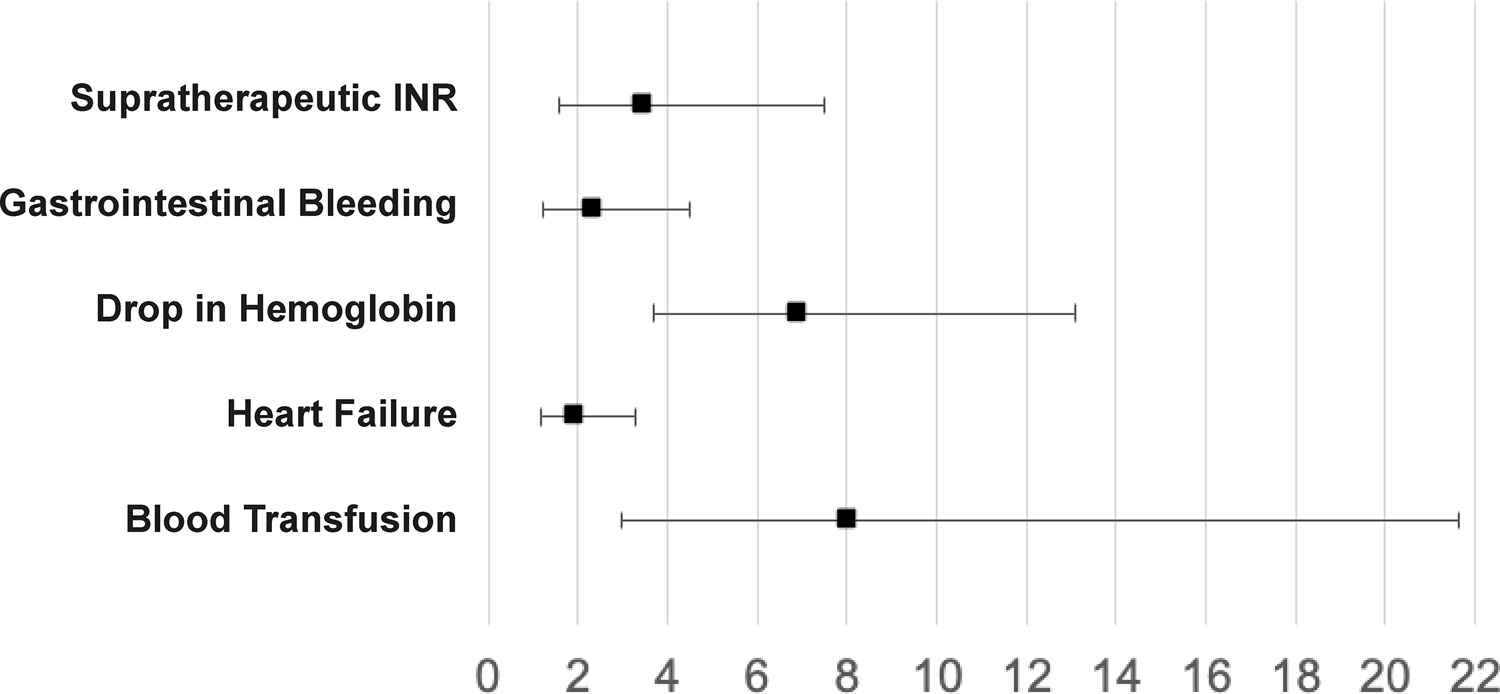
A total of 510 patients with bleeding were included, of whom 158 were hospitalized. Predictors of hospitalization were: INR at supratherapeutic levels (OR 3.45; P <0.01; 95% CI 1.58 – 7.51), gastrointestinal bleeding (OR 2.36; P <0.01; CI 95% 1.24 – 4.50), drop in hemoglobin (OR 6.93; P <0.01; 95% CI 3.67 – 13.07), heart failure (OR 1.96; P 0.01; 95% CI 1.16 – 3.30) and need for blood transfusion (OR 8.03; P <0.01; 95% CI 2.98 – 21.64).

Conclusion

Drop in hemoglobin, heart failure, INR at supratherapeutic levels, gastrointestinal bleeding and need for blood transfusion were associated with hospitalization. Identification of these factors in the initial evaluation would help to define which patients will demand more intensive care.
  • Emergencies
  • Hemorrhage
  • Platelet Aggregation
  • Warfarin
Read Full Article
Creative Commons Attribution (CC BY) Creative Commons license
03/09/2021 DOI: 10.36660/ijcs.20200320 Views 2
ABC
Original Article

Therapeutic Effects of Triple Antiplatelet Therapy in Elderly Female Patients with Diabetes and Acute Myocardial Infarction

Yang Liu et al. Yanyan Gao Hengliang Liu Qi Chen … Jinrui Ji Kailong Jia

Abstract

Background

Dual antiplatelet therapy (DAPT) is the cornerstone treatment of acute myocardial infarction (AMI).

Objective

The present study aimed to investigate the efficacy and safety of triple antiplatelet therapy (TAPT) in elderly female patients with diabetes and ST segment elevation myocardial infarction (STEMI), who had undergone percutaneous coronary intervention (PCI).

Methods

We designed a randomized, single-blind study. Control group A (97 elderly male patients with diabetes and STEMI, whose CRUSADE scores were 31) received aspirin and ticagrelor. Group C (93 patients with CRUSADE score < 30) received aspirin, ticagrelor and tirofiban. P values < 0.05 were considered statistically significant.

Results

Compared to the findings in group A, post-PCI Thrombolysis in Myocardial Infarction (TIMI) grade 3 blood flow and TIMI myocardial perfusion grade 3 were significantly less prevalent in group B (p < 0.05). When compared to groups A and C, the incidence of major adverse complications was significantly higher in group B (p < 0.05).

Conclusion

TAPT could effectively reduce the incidence of major complications in elderly female patients with diabetes and STEMI. However, close attention should be paid to hemorrhage in patients receiving TAPT. (Arq Bras Cardiol. 2020; [online].ahead print, PP.0-0)

  • aging
  • Diabetes Mellitus
  • Myocardial Infarction
  • Percutaneous Coronary Intervention/methods
  • Platelet Aggregation
  • Stroke
  • Woman
Read Full Article
Creative Commons Attribution (CC BY) Creative Commons license
01/01/2021 DOI: 10.36660/abc.20190442 Views 1
Figure 1
IJCS
Editorial

Chagas Disease – Past and Future

Aurea Lúcia Alves de Azevedo Grippa de Souza et al. Claudio Tinoco Mesquita

After 111 years of its discovery, Chagas disease remains a major public health challenge in Brazil and in other Latin American countries, reason why it continues to be a relevant topic in discussion panels worldwide. The disease was first described in 1909 by Carlos Justiniano Ribeiro das Chagas after his observations during an expedition to eradicate malaria in the rural areas of the state of Minas Gerais, in the city of Lassance. Carlos Chagas’ magnificent life journey makes him a unique figure in the history of medicine, as he alone described all the stages of a new infectious disease: pathological findings, means of transmission (Triatoma infestans), etiology, clinical manifestations, and epidemiology. For this reason, he was one of the few Brazilians to be nominated for a Nobel Prize, which, unfortunately, he did not win. This issue of the International Journal of Cardiovascular Sciences (IJCS) focuses on Chagas disease and its repercussions on the cardiovascular system.

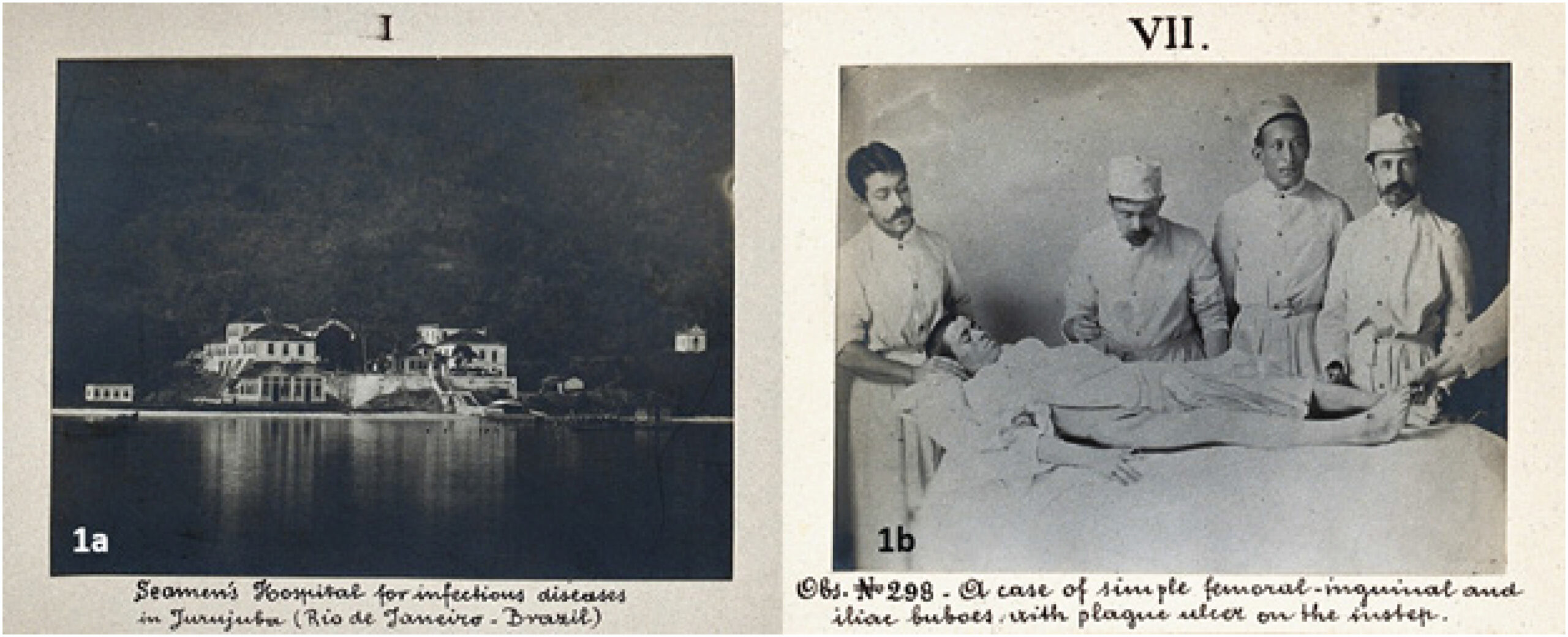
Carlos Chagas graduated in 1904 in Rio de Janeiro and began his professional life in the city of Niterói as a physician of the Public Hygiene Committee at Santa Isabel Maritime Hospital, after declining Oswaldo Cruz’s invitation to work at Manguinhos. The Maritime Hospital, a beautiful architectural complex () built during the 19th century from an old farm, was considered a reference for the treatment of infectious diseases until the end of the 4th decade of the 20th century. Sailors, immigrants and local residents with bubonic plague, yellow fever or tuberculosis were treated at the institution. In this hospital, the Italian physician Camillo Terni, from the Serum Therapy Institute of Messina, conducted pioneering studies on a plague vaccine (). After working for 1 year at the Maritime Hospital, Chagas left to Manguinhos, where he began his journey to eradicate yellow fever and malaria, which led him to discover the disease caused by the insect known as barbeiro (kissing bug).

[…]

  • aging
  • Chagas disease, Carlos Chagas, Trypanosoma Cruzi, Heart Failure
  • Myocardial Infarction
  • Percutaneous Coronary Intervention
  • Platelet Aggregation
  • Women
Read Full Article
Creative Commons Attribution (CC BY) Creative Commons license
25/11/2020 DOI: 10.36660/ijcs.20200351 Views 1
ABC
Editorial

The Search for New Prognosis Markers for Coronary Artery Disease

Filipe Welson Leal Pereira et al. Sergio Alberto Rupp de Paiva

There is growing evidence that platelets play a key role in vascular atherothrombosis associated with endothelium and inflammation. Platelet activation leads to abnormalities in the surface glycoprotein expression of these cells, with subsequent aggregation and degranulation, which greatly contribute to thrombus formation. Corroborating these facts, the role played by antiplatelet agents in the treatment of atherosclerotic vascular disease is of note. In this context, a study by Ding et al. shows the association between hematological parameters, with emphasis on leukocyte and platelet indicators, and stable coronary artery disease (SCAD). The authors evaluated platelet count, total platelet mass, mean platelet volume (MPV), platelet amplitude and white blood cell and neutrophil counts of 34 patients diagnosed with SCAD and compared two groups: 50 healthy patients (control) and 31 patients with acute myocardial infarction (AMI). The diagnostic criteria used for SCAD were those established by the European Society of Cardiology guidelines from 2013. The authors mainly highlighted the association between higher values of MPV and the presence of SCAD compared with the control group.

Some previous studies have outlined the relationship between MPV and the presence of cardiovascular risk factors or acute myocardial infarction., The findings are not always consistent. In a systematic review of 2010, evaluating 16 cross-sectional studies, 14 presented a positive association between higher MPV values in patients with AMI compared with groups without AMI. The association between high platelet volume value and coronary artery disease (CAD) was also shown in another meta-analysis on this matter in 2014. In this last systematic review, the authors found that patients with MPV values greater than 7.3 were more likely to present CAD than those with lower values. On the other hand, Wada et al. found an association between lower MPV values and the presence of stable CAD.

[…]

  • Acute Coronary Syndrome, Biomarkers
  • Blood Platelets
  • Platelet Aggregation
  • Prognosis
Read Full Article
Creative Commons Attribution (CC BY) Creative Commons license
15/07/2019 DOI: 10.5935/abc.20190098
Figure 1
ABC
Original Article

Long Term Cardiovascular Outcome Based on Aspirin and Clopidogrel Responsiveness Status in Young ST-Elevated Myocardial Infarction Patients

Mustafa Umut Somuncu et al. Ali Riza Demir Seda Tukenmez Karakurt Huseyin Karakurt Turgut Karabag

Abstract

Background:

A subset of patients who take antiplatelet therapy continues to have recurrent cardiovascular events which may be due to antiplatelet resistance. The effect of low response to aspirin or clopidogrel on prognosis was examined in different patient populations.

Objective:

We aimed to investigate the prevalence of poor response to dual antiplatelet therapy and its relationship with major adverse cardiovascular events (MACE) in young patients with ST-elevation myocardial infarction (STEMI).

Methods:

In our study, we included 123 patients under the age of 45 with STEMI who underwent primary percutaneous intervention. A screening procedure to determine both aspirin and clopidogrel responsiveness was performed on the fifth day of admission. We followed a 2×2 factorial design and patients were allocated to one of four groups, according to the presence of aspirin and/or clopidogrel resistance. Patients were followed for a three-year period. A p-value less than 0.05 was considered statistically significant.

Results:

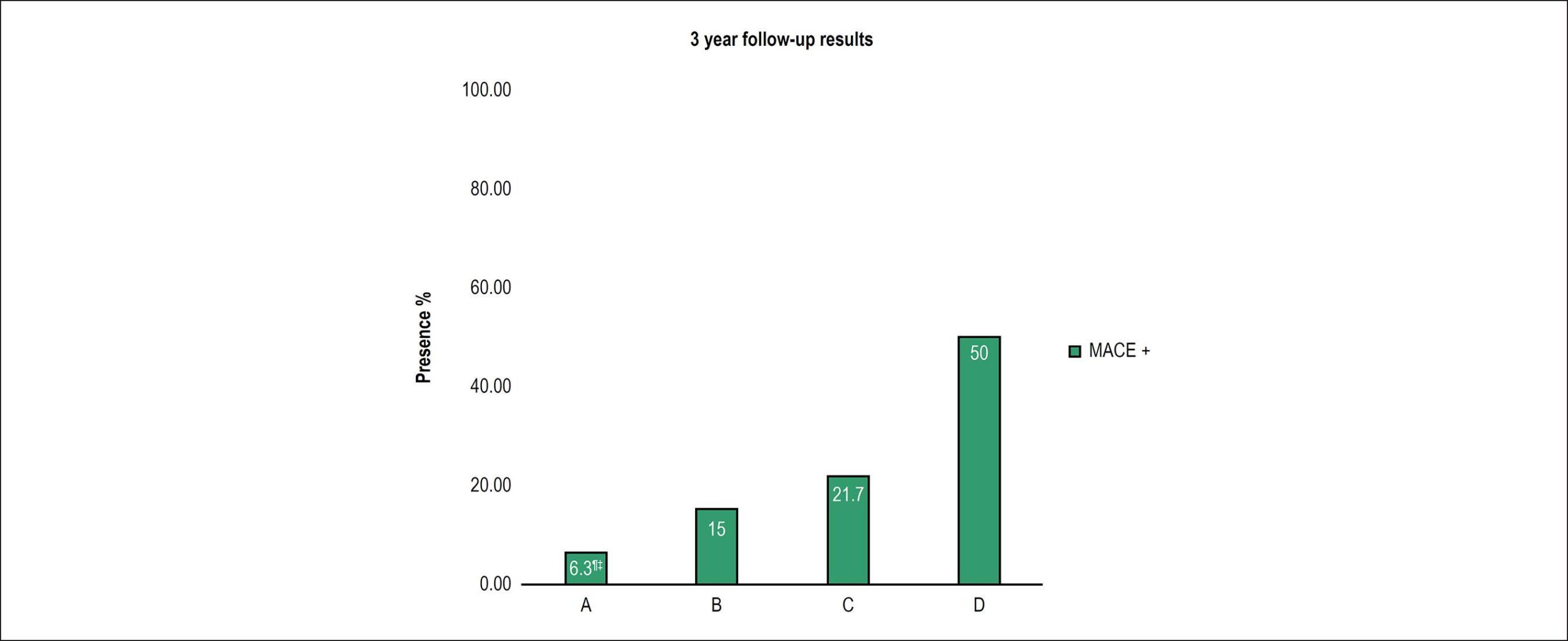
We identified 48% of resistance against one or more antiplatelet in young patients with STEMI. More MACE was observed in patients with poor response to dual platelet therapy or to clopidogrel compared those with adequate response to the dual therapy (OR: 1.875, 1.144-3.073, p < 0.001; OR: 1.198, 0.957-1.499, p = 0.036, respectively). After adjustment for potential confounders, we found that poor responders to dual therapy had 3.3 times increased odds for three-year MACE than those with adequate response to the dual therapy.

Conclusion:

Attention should be paid to dual antiplatelet therapy in terms of increased risk for cardiovascular adverse events especially in young patients with STEMI.

  • Acute coronary syndrome
  • Aspirin/adverse effects
  • Mortality
  • Platelet Aggregation
  • ST Elevation Myocardial Infarction
  • Young Adult
Read Full Article
Creative Commons Attribution (CC BY) Creative Commons license
17/12/2018 DOI: 10.5935/abc.20180251 Views 1
ABC
Original Article

Factors Associated with Inadequate Management of Antiplatelet Agents in Perioperative Period of Non-Cardiac Surgeries

Juliana Maria Dantas Mendonça Borges et al. Pamella de Assis Almeida Mariana Martins Gonzaga do Nascimento José Augusto Soares Barreto Filho … Mario Borges Rosa Antonio Carlos Sobral Sousa

Abstract

Background:

The current guidelines dispose recommendations to manage antiplatelet agents in the perioperative period; however, the daily medical practices lack standardization.

Objectives:

To asses factors associated with inadequate management of antiplatelet agents in the perioperative period of non-cardiac surgeries.

Methods:

Cross-sectional Study conducted in hospital from October 2014 to October 2016. The study dependent variable was a therapy that did not comply with the recommendations in the Brazilian Association of Cardiology (SBC) guidelines. The independent variables included some characteristics, the people in charge of the management and causes of lack of adherence to those guidelines. Variables were included in the multivariate model. Analysis was based on the odds ratio (OR) value and its respective 95% confidence interval (CI) estimated by means of logistic regression with 5% significance level.

Results:

The sample was composed of adult patients submitted to non-cardiac surgeries and who would use acetylsalicylic acid (aspirin) or clopidogrel (n = 161). The management failed to comply with the recommendations in the guidelines in 80.75% of the sample. Surgeons had the highest number of noncomplying orientations (n = 63). After multivariate analysis it was observed that patients with a higher level of schooling (OR = 0.24; CI95% 0.07-0.78) and those with a previous episode of acute myocardial infarction (AMI) (OR = 0.18; CI95% 0.04-0.95) had a higher probability of using a therapy complying with the guidelines.

Conclusion:

Positive association between patients’ schooling level, or those with a history of previous AMI, with management of the use of aspirin and clopidogrel in the perioperative period of non-cardiac surgeries. However, diverging conducts stress the need of having internal protocol defined.

  • Adults
  • Educational Status
  • Intraoperative Care
  • Myocardial Infarction
  • Platelet Aggregation
  • Surgery/perioperative care
Read Full Article
Creative Commons Attribution (CC BY) Creative Commons license
21/09/2018 DOI: 10.5935/abc.20180162 Views 1
IJCS
Review Article

Antiplatelet Agents in Acute Coronary Syndromes

Pedro Beraldo de Andrade et al. Leonardo Silva Roever Borges

Abstract

Under balanced conditions, hemostasis is maintained by a complex interaction between endothelium, platelets, and coagulation factors. Situations involving injury and discontinuation of the endothelial lining stimulate the adhesion, activation, and aggregation of platelets, culminating in the formation of arterial or venous thrombi. In this context, antiplatelet therapy occupies a prominent role in the management of pathologies arising from this process, notably acute coronary syndromes. The increased conceptual understanding of receptors, agonists, and antagonists of the pathophysiological cascades involved in this process has allowed the development of new drugs and refinement of the current therapy, demanding a complete knowledge of the arsenal of antiplatelet agents with respect to their indication, dosage, moment of administration, and duration of treatment. The objective of this review is to define the role of antiplatelet drugs in the management of acute coronary syndrome, revisiting aspects that have been already consolidated and addressing current and still controversial topics on the subject.

  • Acute coronary syndrome
  • Antifibrinolytic Agents
  • Blood Platelets Inhibitors
  • Myocardial Infarction
  • Platelet Aggregation
Read Full Article
Creative Commons Attribution (CC BY) Creative Commons license
01/01/2017 DOI: 10.5935/2359-4802.20170058
P2Y12 platelet receptors: importance in percutaneous coronary intervention
ABC
Review Article

P2Y12 platelet receptors: importance in percutaneous coronary intervention

Felipe Jose de Andrade Falcão et al. Leonardo Carvalho Mark Chan Cláudia Maria Rodrigues Alves … Antônio Carlos Camargo Carvalho Adriano Mendes Caixeta

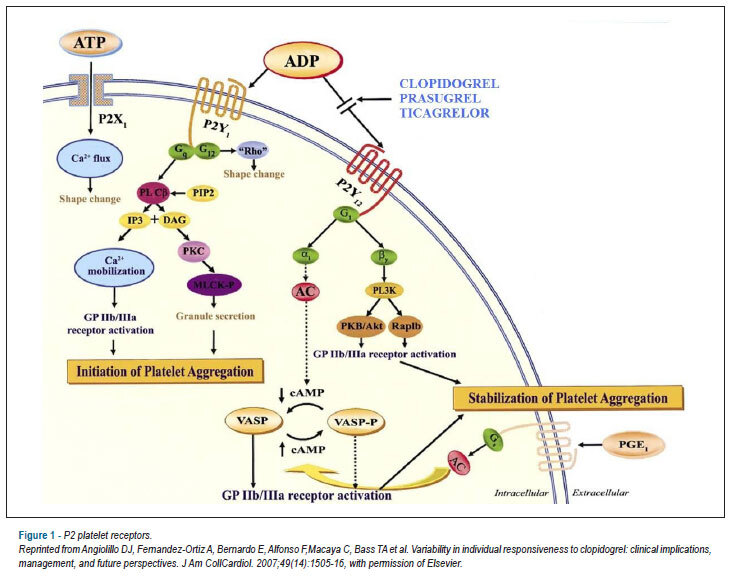
Apart from their role in hemostasis and thrombosis, platelets are involved in many other biological processes such as wound healing and angiogenesis. Percutaneous coronary intervention is a highly thrombogenic procedure inducing platelets and monocytes activation through endothelial trauma and contact activation by intravascular devices. Platelet P2Y12 receptor activation by adenosine diphosphate facilitates non-ADP agonist-mediated platelet aggregation, dense granule secretion, procoagulant activity, and the phosphorylation of several intraplatelet proteins, making it an ideal drug target. However, not all compounds that target the P2Y12 receptor have similar efficacy and safety profiles. Despite targeting the same receptor, the unique pharmacologic properties of each of these P2Y12 receptor-directed compounds can lead to very different clinical effects.

  • Percutaneous Coronary Intervention
  • Platelet Aggregation
  • Receptor Aggregation
Read Full Article
Creative Commons Attribution (CC BY) Creative Commons license
06/08/2013 DOI: 10.5935/abc.20130162
High on-treatment platelet reactivity predicts cardiac events in patients with drug-eluting stents
ABC
Artigo Original

High on-treatment platelet reactivity predicts cardiac events in patients with drug-eluting stents

Aline Sterque Villacorta et al. Humberto Villacorta Junior Marcos J. S. Batista Renato Villela Gomes … Luiz Augusto Macedo Bruno Helmuth Evandro Tinoco Mesquita

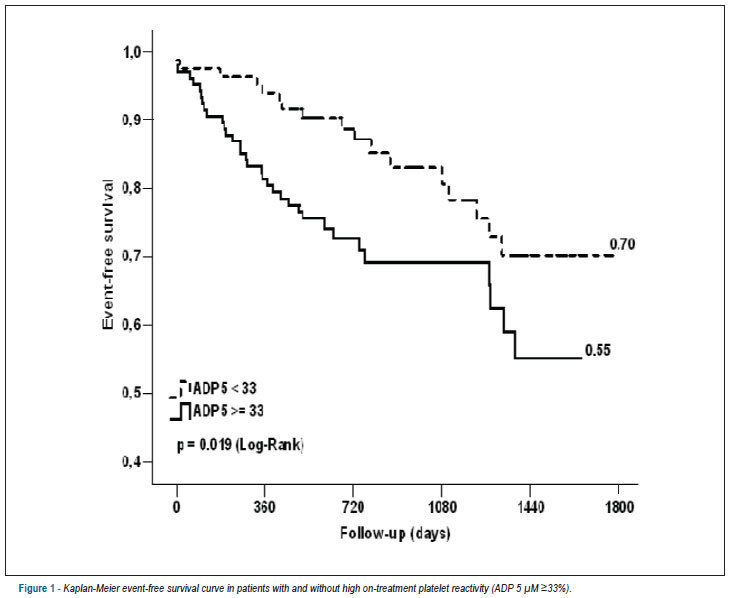
BACKGROUND: The role of platelet reactivity (PR) tests in the prediction of long-term events in Latin-American patients treated with drug-eluting stents (DES) has not been established. OBJECTIVES: To assess the role of PR tests in the prediction of events after DES implantation. METHODS: From May 2006 through January 2008, 209 Brazilian patients who underwent elective treatment with DES were included. PR was assessed 12 to 18h after the procedure by light transmittance aggregometry with 5µM of ADP. Patients were prospectively followed for up to 4.8 years. Seventeen (8%) individuals were lost to follow-up and the final cohort comprised 192 patients. Receiver operating curve (ROC) was used to determine the best 5µM of ADP cutoff to predict events. The primary endpoint was a combination of cardiovascular death, acute myocardial infarction, definite stent thrombosis, and target-artery revascularization. Cox proportional hazard models were used to determine the variables independently associated with the time to the first event. RESULTS: The best ADP 5µM cutoff was 33%. One hundred and seven (55.7%) patients had ADP 5µM >33%. Event-free survival rate at 1,800 days was 55% vs. 70% for individuals with ADP5 above and below such cutoff, respectively (p=0.001). Independent predictors of time to first event were current smoking (HR 3.49; 95% CI 1.76-6.9; p=0.0003), ADP 5µM >33% (HR 1.95; 95% CI 1.09-3.51; p=0.025) and age (HR 1.03; 95% CI 1.0-1.06; p=0.041). CONCLUSIONS: In this study, 55.7% of the patients had high on-treatment platelet reactivity. ADP 5µM >33% was an independent predictor of long-term events.

  • Angioplasty, Balloon, Coronary
  • Coronary Thrombosis
  • Drug-Eluting Stents
  • Platelet Aggregation
Read Full Article
Creative Commons Attribution (CC BY) Creative Commons license
15/04/2013 DOI: 10.5935/abc.20130044
Prevalence of high platelet reactivity in aspirin-treated patients referred for coronary angiography
ABC
Original Article

Prevalence of high platelet reactivity in aspirin-treated patients referred for coronary angiography

André Manica et al. Rogério Sarmento-Leite Clara Manfroi La Hore Rodrigues Jr … Carlos Gottschall Julio F Marchini Kevin Croce

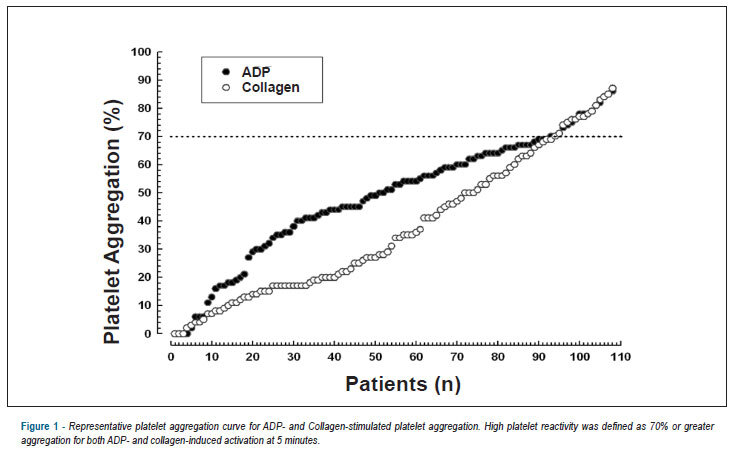
BACKGROUND: Aspirin (ASA) reduces adverse events in coronary artery disease (CAD) patients by inhibiting platelets. Some CAD patients have high platelet reactivity (HPR) despite ASA therapy and these individuals have increased risk of adverse events. OBJECTIVE: The purpose of this study was to determine the prevalence of HPR in ASA-treated patients referred for coronary angiography and to assess whether the HPR correlates with the severity of CAD. METHODS: This single center investigation enrolled 115 consecutive ASA-treated patients with stable CAD. ADP- and collagen-induced platelet reactivity were evaluated by light transmittance aggregometry (LTA). Patients with greater than 70% ADP- and collagen-induced aggregation were determined to have HPR and, in this group, ASA compliance was assessed by examining blood salicylate levels. Mean age was 60.9 years and average ASA dose was 164.2 mg. RESULTS: Smoking and DM were present in 28.7% and 31.5% respectively. HPR was found in 14 patients (13%) however 7 of the 14 patients (50%) with HPR had low serum salicylate levels (< 2.0 µg/mL) suggesting medication noncompliance. Of the entire cohort, 6.5% of patients had HPR and detectable serum salicylate levels suggesting reduced ASA efficacy. HPR correlated with number and severity of coronary stenosis (p = 0.04). CONCLUSION: In a general population of ASA-treated patients referred for coronary angiography, elevated platelet reactivity is prevalent (13%) with 50% related to noncompliance and 50% related to reduced aspirin efficacy.

  • Aspirin
  • Coronary Angiography
  • Coronary Disease
  • Platelet Aggregation
Read Full Article
Creative Commons Attribution (CC BY) Creative Commons license
08/01/2013 DOI: 10.1590/S0066-782X2013005000002
ABC
Clinical Update

Aspirin resistance: fact or fiction?

Dinaldo Cavalcanti de Oliveira et al. Rogerio Ferreira Silva Diego Jantsk Silva Valter Correia de Lima

A meta-analysis of clinical studies of patients with cardiovascular disease demonstrated that the use of aspirin was associated with a 22% decrease in death rates and relevant ischemic vascular events. However, clinical studies demonstrated that patients that regularly took aspirin presented recurrence of cardiovascular events. Such observation led to the question whether, in some patients, the aspirin was not effective in blocking platelet aggregation and these patients were called unresponsive to aspirin or aspirin-resistant. The clinical aspirin resistance is characterized as the occurrence of cardiovascular events in patients during treatment with aspirin, whereas the laboratory resistance is defined as the persistence of platelet aggregation, documented by laboratory test, in patients regularly taking aspirin. Patients that are aspirin-resistant presented, according to laboratory tests, on average 3.8 times more cardiovascular events when compared to non-resistant ones.

  • Aspirin
  • drug resistance
  • laboratory test
  • Platelet Aggregation
Read Full Article
Creative Commons Attribution (CC BY) Creative Commons license
13/10/2010 DOI: 10.1590/S0066-782X2010001300024
Glycoprotein IIb/IIIa inhibitors in clinical practice
ABC
Review Article

Glycoprotein IIb/IIIa inhibitors in clinical practice

Felipe Maia et al. Francisco Carleal Feijó de Sá Fausto Feres

REVIEW ARTICLE

[…]

  • Agregación plaquetaria
  • Glycoprotein IIb/IIIa receptor inhibitors
  • inhibidores de los receptores de la glicoproteína IIb/IIIa de la membrana plaquetaria
  • intervención coronaria percutánea
  • Percutaneous Coronary Intervention
  • Platelet Aggregation
Read Full Article
Creative Commons Attribution (CC BY) Creative Commons license
04/02/2009 DOI: 10.1590/S0066-782X2009000100011 Views 1

How to cite this article

EndNote RIS

Electronic Document Format (Vancouver)

Chiaparini AF, Rabaioli PSB, Slaviero JV, Tem-Pass CS, Fontana Filho HA, Castro I, Almeida ED, et al. Predictors of Hospitalization in Vitamin K Antagonist Users Presenting with Bleeding at the Emergency Department. International Journal of Cardiovascular Sciences 2021;35(1):88-94.

Electronic Document Format (ABNT)

Chiaparini, Alan Fabiani; Rabaioli, Paola Stefania Bohrer; Slaviero, João Vitor; Tem-Pass, Cinthia Scatolin; Fontana Filho, Hugo Antonio; Castro, Iran; Almeida, Eduardo Dytz; Leiria, Tiago Luiz Luz. Predictors of Hospitalization in Vitamin K Antagonist Users Presenting with Bleeding at the Emergency Department. International Journal of Cardiovascular Sciences, v. 35, n. 1, p. 88-94, Sep. 2021.

Electronic Document Format (APA)

Chiaparini, A. F., Rabaioli, P. S. B., Slaviero, J. V., Tem-Pass, C. S., Fontana Filho, H. A., Castro, I., Almeida, E. D., & Leiria, T. L. L. (2021). Predictors of Hospitalization in Vitamin K Antagonist Users Presenting with Bleeding at the Emergency Department. International Journal of Cardiovascular Sciences, 35(1), 88-94.

Electronic Document Format (ISO)

Chiaparini, Alan Fabiani and Rabaioli, Paola Stefania Bohrer and Slaviero, João Vitor and Tem-Pass, Cinthia Scatolin and Fontana Filho, Hugo Antonio and Castro, Iran and Almeida, Eduardo Dytz and Leiria, Tiago Luiz Luz. Predictors of Hospitalization in Vitamin K Antagonist Users Presenting with Bleeding at the Emergency Department. International Journal of Cardiovascular Sciences [online]. 2021, vol. 35, n. 1, [cited 2026-10-14], pp. 88-94. Available from: <https://journals.cardiol.br/en/article/predictors-of-hospitalization-in-vitamin-k-antagonist-users-presenting-with-bleeding-at-the-emergency-department/>. ISSN 2359-4802

EndNote RIS

Electronic Document Format (Vancouver)

Liu Y, Gao Y, Liu H, Chen Q, Ji , Jia K. Therapeutic Effects of Triple Antiplatelet Therapy in Elderly Female Patients with Diabetes and Acute Myocardial Infarction. Arquivos Brasileiros de Cardiologia 2021;116(2):229-35.

Electronic Document Format (ABNT)

Liu, Yang; Gao, Yanyan; Liu, Hengliang; Chen, Qi; Ji, nrui; Jia, Kailong. Therapeutic Effects of Triple Antiplatelet Therapy in Elderly Female Patients with Diabetes and Acute Myocardial Infarction. Arquivos Brasileiros de Cardiologia, v. 116, n. 2, p. 229-235, Jan. 2021.

Electronic Document Format (APA)

Liu, Y., Gao, Y., Liu, H., Chen, Q., Ji, , & Jia, K. (2021). Therapeutic Effects of Triple Antiplatelet Therapy in Elderly Female Patients with Diabetes and Acute Myocardial Infarction. Arquivos Brasileiros de Cardiologia, 116(2), 229-235.

Electronic Document Format (ISO)

Liu, Yang and Gao, Yanyan and Liu, Hengliang and Chen, Qi and Ji, nrui and Jia, Kailong. Therapeutic Effects of Triple Antiplatelet Therapy in Elderly Female Patients with Diabetes and Acute Myocardial Infarction. Arquivos Brasileiros de Cardiologia [online]. 2021, vol. 116, n. 2, [cited 2026-10-14], pp. 229-235. Available from: <https://journals.cardiol.br/en/article/therapeutic-effects-of-triple-antiplatelet-therapy-in-elderly-female-patients-with-diabetes-and-acute-myocardial-infarction/>. ISSN 0066-782X

EndNote RIS

Electronic Document Format (Vancouver)

Souza ALAAG, Mesquita CT. Chagas Disease – Past and Future. International Journal of Cardiovascular Sciences 2020;33(6):601-3.

Electronic Document Format (ABNT)

Souza, Aurea Lúcia Alves de Azevedo Grippa de; Mesquita, Claudio Tinoco. Chagas Disease – Past and Future. International Journal of Cardiovascular Sciences, v. 33, n. 6, p. 601-603, Nov. 2020.

Electronic Document Format (APA)

Souza, A. L. A. A. G. , & Mesquita, C. T. (2020). Chagas Disease – Past and Future. International Journal of Cardiovascular Sciences, 33(6), 601-603.

Electronic Document Format (ISO)

Souza, Aurea Lúcia Alves de Azevedo Grippa de and Mesquita, Claudio Tinoco. Chagas Disease – Past and Future. International Journal of Cardiovascular Sciences [online]. 2020, vol. 33, n. 6, [cited 2026-10-14], pp. 601-603. Available from: <https://journals.cardiol.br/en/article/chagas-disease-past-and-future/>. ISSN 2359-4802

EndNote RIS

Electronic Document Format (Vancouver)

Pereira FWL, Paiva SAR. The Search for New Prognosis Markers for Coronary Artery Disease. Arquivos Brasileiros de Cardiologia 2019;112(6):720.

Electronic Document Format (ABNT)

Pereira, Filipe Welson Leal; Paiva, Sergio Alberto Rupp de. The Search for New Prognosis Markers for Coronary Artery Disease. Arquivos Brasileiros de Cardiologia, v. 112, n. 6, p. 720-720, Jul. 2019.

Electronic Document Format (APA)

Pereira, F. W. L., & Paiva, S. A. R. (2019). The Search for New Prognosis Markers for Coronary Artery Disease. Arquivos Brasileiros de Cardiologia, 112(6), 720-720.

Electronic Document Format (ISO)

Pereira, Filipe Welson Leal and Paiva, Sergio Alberto Rupp de. The Search for New Prognosis Markers for Coronary Artery Disease. Arquivos Brasileiros de Cardiologia [online]. 2019, vol. 112, n. 6, [cited 2026-10-14], pp. 720-720. Available from: <https://journals.cardiol.br/en/article/the-search-for-new-prognosis-markers-for-coronary-artery-disease/>. ISSN 0066-782X

EndNote RIS

Electronic Document Format (Vancouver)

Somuncu MU, Demir AR, Karakurt ST, Karakurt H, Karabag T. Long Term Cardiovascular Outcome Based on Aspirin and Clopidogrel Responsiveness Status in Young ST-Elevated Myocardial Infarction Patients. Arquivos Brasileiros de Cardiologia 2018;112(2):138-46.

Electronic Document Format (ABNT)

Somuncu, Mustafa Umut; Demir, Ali Riza; Karakurt, Seda Tukenmez; Karakurt, Huseyin; Karabag, Turgut. Long Term Cardiovascular Outcome Based on Aspirin and Clopidogrel Responsiveness Status in Young ST-Elevated Myocardial Infarction Patients. Arquivos Brasileiros de Cardiologia, v. 112, n. 2, p. 138-146, Dec. 2018.

Electronic Document Format (APA)

Somuncu, M. U., Demir, A. R., Karakurt, S. T., Karakurt, H., & Karabag, T. (2018). Long Term Cardiovascular Outcome Based on Aspirin and Clopidogrel Responsiveness Status in Young ST-Elevated Myocardial Infarction Patients. Arquivos Brasileiros de Cardiologia, 112(2), 138-146.

Electronic Document Format (ISO)

Somuncu, Mustafa Umut and Demir, Ali Riza and Karakurt, Seda Tukenmez and Karakurt, Huseyin and Karabag, Turgut. Long Term Cardiovascular Outcome Based on Aspirin and Clopidogrel Responsiveness Status in Young ST-Elevated Myocardial Infarction Patients. Arquivos Brasileiros de Cardiologia [online]. 2018, vol. 112, n. 2, [cited 2026-10-14], pp. 138-146. Available from: <https://journals.cardiol.br/en/article/long-term-cardiovascular-outcome-based-on-aspirin-and-clopidogrel-responsiveness-status-in-young-st-elevated-myocardial-infarction-patients/>. ISSN 0066-782X

EndNote RIS

Electronic Document Format (Vancouver)

Borges JMDM, Almeida PA, Nascimento MMG, Barreto Filho JAS, Rosa MB, Sousa ACS. Factors Associated with Inadequate Management of Antiplatelet Agents in Perioperative Period of Non-Cardiac Surgeries. Arquivos Brasileiros de Cardiologia 2018;111(4):596-604.

Electronic Document Format (ABNT)

Borges, Juliana Maria Dantas Mendonça; Almeida, Pamella de Assis; Nascimento, Mariana Martins Gonzaga do; Barreto Filho, José Augusto Soares; Rosa, Mario Borges; Sousa, Antonio Carlos Sobral. Factors Associated with Inadequate Management of Antiplatelet Agents in Perioperative Period of Non-Cardiac Surgeries. Arquivos Brasileiros de Cardiologia, v. 111, n. 4, p. 596-604, Sep. 2018.

Electronic Document Format (APA)

Borges, J. M. D. M., Almeida, P. A., Nascimento, M. M. G. , Barreto Filho, J. A. S., Rosa, M. B., & Sousa, A. C. S. (2018). Factors Associated with Inadequate Management of Antiplatelet Agents in Perioperative Period of Non-Cardiac Surgeries. Arquivos Brasileiros de Cardiologia, 111(4), 596-604.

Electronic Document Format (ISO)

Borges, Juliana Maria Dantas Mendonça and Almeida, Pamella de Assis and Nascimento, Mariana Martins Gonzaga do and Barreto Filho, José Augusto Soares and Rosa, Mario Borges and Sousa, Antonio Carlos Sobral. Factors Associated with Inadequate Management of Antiplatelet Agents in Perioperative Period of Non-Cardiac Surgeries. Arquivos Brasileiros de Cardiologia [online]. 2018, vol. 111, n. 4, [cited 2026-10-14], pp. 596-604. Available from: <https://journals.cardiol.br/en/article/factors-associated-with-inadequate-management-of-antiplatelet-agents-in-perioperative-period-of-non-cardiac-surgeries/>. ISSN 0066-782X

EndNote RIS

Electronic Document Format (Vancouver)

Andrade PB, Borges LSR. Antiplatelet Agents in Acute Coronary Syndromes. International Journal of Cardiovascular Sciences 2017;30(5):442-51.

Electronic Document Format (ABNT)

Andrade, Pedro Beraldo de; Borges, Leonardo Silva Roever. Antiplatelet Agents in Acute Coronary Syndromes. International Journal of Cardiovascular Sciences, v. 30, n. 5, p. 442-451, Dec. 2016.

Electronic Document Format (APA)

Andrade, P. B. , & Borges, L. S. R. (2017). Antiplatelet Agents in Acute Coronary Syndromes. International Journal of Cardiovascular Sciences, 30(5), 442-451.

Electronic Document Format (ISO)

Andrade, Pedro Beraldo de and Borges, Leonardo Silva Roever. Antiplatelet Agents in Acute Coronary Syndromes. International Journal of Cardiovascular Sciences [online]. 2017, vol. 30, n. 5, [cited 2026-10-14], pp. 442-451. Available from: <https://journals.cardiol.br/en/article/antiplatelet-agents-in-acute-coronary-syndromes/>. ISSN 2359-4802

EndNote RIS

Electronic Document Format (Vancouver)

Falcão FJA, Carvalho L, Chan M, Alves CMR, Carvalho ACC, Caixeta AM. P2Y12 platelet receptors: importance in percutaneous coronary intervention. Arquivos Brasileiros de Cardiologia 2013;101(3):277-82.

Electronic Document Format (ABNT)

Falcão, Felipe Jose de Andrade; Carvalho, Leonardo; Chan, Mark; Alves, Cláudia Maria Rodrigues; Carvalho, Antônio Carlos Camargo; Caixeta, Adriano Mendes. P2Y12 platelet receptors: importance in percutaneous coronary intervention. Arquivos Brasileiros de Cardiologia, v. 101, n. 3, p. 277-282, Aug. 2013.

Electronic Document Format (APA)

Falcão, F. J. A., Carvalho, L., Chan, M., Alves, C. M. R., Carvalho, A. C. C., & Caixeta, A. M. (2013). P2Y12 platelet receptors: importance in percutaneous coronary intervention. Arquivos Brasileiros de Cardiologia, 101(3), 277-282.

Electronic Document Format (ISO)

Falcão, Felipe Jose de Andrade and Carvalho, Leonardo and Chan, Mark and Alves, Cláudia Maria Rodrigues and Carvalho, Antônio Carlos Camargo and Caixeta, Adriano Mendes. P2Y12 platelet receptors: importance in percutaneous coronary intervention. Arquivos Brasileiros de Cardiologia [online]. 2013, vol. 101, n. 3, [cited 2026-10-14], pp. 277-282. Available from: <https://journals.cardiol.br/en/article/p2y12-platelet-receptors-importance-in-percutaneous-coronary-intervention/>. ISSN 0066-782X

EndNote RIS

Electronic Document Format (Vancouver)

Villacorta AS, Villacorta Junior H, Batista MJS, Gomes RV, Macedo LA, Helmuth B, Mesquita ET, et al. High on-treatment platelet reactivity predicts cardiac events in patients with drug-eluting stents. Arquivos Brasileiros de Cardiologia 2013;100(3):221-8.

Electronic Document Format (ABNT)

Villacorta, Aline Sterque; Villacorta Junior, Humberto; Batista, Marcos J. S.; Gomes, Renato Villela; Macedo, Luiz Augusto; Helmuth, Bruno; Mesquita, Evandro Tinoco. High on-treatment platelet reactivity predicts cardiac events in patients with drug-eluting stents. Arquivos Brasileiros de Cardiologia, v. 100, n. 3, p. 221-228, Apr. 2013.

Electronic Document Format (APA)

Villacorta, A. S., Villacorta Junior, H., Batista, M. J. S., Gomes, R. V., Macedo, L. A., Helmuth, B., & Mesquita, E. T. (2013). High on-treatment platelet reactivity predicts cardiac events in patients with drug-eluting stents. Arquivos Brasileiros de Cardiologia, 100(3), 221-228.

Electronic Document Format (ISO)

Villacorta, Aline Sterque and Villacorta Junior, Humberto and Batista, Marcos J. S. and Gomes, Renato Villela and Macedo, Luiz Augusto and Helmuth, Bruno and Mesquita, Evandro Tinoco. High on-treatment platelet reactivity predicts cardiac events in patients with drug-eluting stents. Arquivos Brasileiros de Cardiologia [online]. 2013, vol. 100, n. 3, [cited 2026-10-14], pp. 221-228. Available from: <https://journals.cardiol.br/en/article/high-on-treatment-platelet-reactivity-predicts-cardiac-events-in-patients-with-drug-eluting-stents/>. ISSN 0066-782X

EndNote RIS

Electronic Document Format (Vancouver)

Manica A, Sarmento-Leite R, Manfroi C, Rodrigues Jr LH, Gottschall C, Marchini JF, Croce K, et al. Prevalence of high platelet reactivity in aspirin-treated patients referred for coronary angiography. Arquivos Brasileiros de Cardiologia 2013;100(1):29-36.

Electronic Document Format (ABNT)

Manica, André; Sarmento-Leite, Rogério; Manfroi, Clara; Rodrigues Jr, La Hore; Gottschall, Carlos; Marchini, Julio F; Croce, Kevin. Prevalence of high platelet reactivity in aspirin-treated patients referred for coronary angiography. Arquivos Brasileiros de Cardiologia, v. 100, n. 1, p. 29-36, Jan. 2013.

Electronic Document Format (APA)

Manica, A., Sarmento-Leite, R., Manfroi, C., Rodrigues Jr, L. H., Gottschall, C., Marchini, J. F., & Croce, K. (2013). Prevalence of high platelet reactivity in aspirin-treated patients referred for coronary angiography. Arquivos Brasileiros de Cardiologia, 100(1), 29-36.

Electronic Document Format (ISO)

Manica, André and Sarmento-Leite, Rogério and Manfroi, Clara and Rodrigues Jr, La Hore and Gottschall, Carlos and Marchini, Julio F and Croce, Kevin. Prevalence of high platelet reactivity in aspirin-treated patients referred for coronary angiography. Arquivos Brasileiros de Cardiologia [online]. 2013, vol. 100, n. 1, [cited 2026-10-14], pp. 29-36. Available from: <https://journals.cardiol.br/en/article/prevalence-of-high-platelet-reactivity-in-aspirin-treated-patients-referred-for-coronary-angiography/>. ISSN 0066-782X

EndNote RIS

Electronic Document Format (Vancouver)

Oliveira DC, Silva RF, Silva DJ, Lima VC. Aspirin resistance: fact or fiction?. Arquivos Brasileiros de Cardiologia 2010;95(3):e91-4.

Electronic Document Format (ABNT)

Oliveira, Dinaldo Cavalcanti de; Silva, Rogerio Ferreira; Silva, Diego Jantsk; Lima, Valter Correia de. Aspirin resistance: fact or fiction?. Arquivos Brasileiros de Cardiologia, v. 95, n. 3, p. e91-e94, Oct. 2010.

Electronic Document Format (APA)

Oliveira, D. C. , Silva, R. F., Silva, D. J., & Lima, V. C. (2010). Aspirin resistance: fact or fiction?. Arquivos Brasileiros de Cardiologia, 95(3), e91-e94.

Electronic Document Format (ISO)

Oliveira, Dinaldo Cavalcanti de and Silva, Rogerio Ferreira and Silva, Diego Jantsk and Lima, Valter Correia de. Aspirin resistance: fact or fiction?. Arquivos Brasileiros de Cardiologia [online]. 2010, vol. 95, n. 3, [cited 2026-10-14], pp. e91-e94. Available from: <https://journals.cardiol.br/en/article/aspirin-resistance-fact-or-fiction/>. ISSN 0066-782X

EndNote RIS

Electronic Document Format (Vancouver)

Maia F, Sá FCF, Feres F. Glycoprotein IIb/IIIa inhibitors in clinical practice. Arquivos Brasileiros de Cardiologia 2009;92(1):68-76.

Electronic Document Format (ABNT)

Maia, Felipe; Sá, Francisco Carleal Feijó de; Feres, Fausto. Glycoprotein IIb/IIIa inhibitors in clinical practice. Arquivos Brasileiros de Cardiologia, v. 92, n. 1, p. 68-76, Feb. 2009.

Electronic Document Format (APA)

Maia, F., Sá, F. C. F. , & Feres, F. (2009). Glycoprotein IIb/IIIa inhibitors in clinical practice. Arquivos Brasileiros de Cardiologia, 92(1), 68-76.

Electronic Document Format (ISO)

Maia, Felipe and Sá, Francisco Carleal Feijó de and Feres, Fausto. Glycoprotein IIb/IIIa inhibitors in clinical practice. Arquivos Brasileiros de Cardiologia [online]. 2009, vol. 92, n. 1, [cited 2026-10-14], pp. 68-76. Available from: <https://journals.cardiol.br/en/article/glycoprotein-iib-iiia-inhibitors-in-clinical-practice/>. ISSN 0066-782X

  • About ABC Family
  • Internal Regulation
  • Editorial Board
  • Brazilian Society of Cardiology (SBC)

Issues

SBC Guidelines

  • Videos
  • Podcasts
  • News