ABC Family Arquivos Brasileiros de Cardiologia International Journal of Cardiovascular Sciences ABC Heart Failure & Cardiomyopathy ABC Imagem Cardiovascular
Português English
ABC Family
Português English
  • About
    • About ABC Family
    • Internal Regulation
    • Editorial Board
    • Brazilian Society of Cardiology (SBC)
  • Issues
  • SBC Guidelines
  • Content
    • Videos
    • Podcasts
    • News
  • About
    • About ABC Family
    • Internal Regulation
    • Editorial Board
    • Brazilian Society of Cardiology (SBC)
  • Issues
  • SBC Guidelines
  • Content
    • Videos
    • Podcasts
    • News

ABC Family

  • ABC Family
  • Arquivos Brasileiros de Cardiologia
  • International Journal of Cardiovascular Sciences
  • ABC Heart Failure & Cardiomyopathy
  • ABC Imagem Cardiovascular
Search in

No content found.

Journals
Ordering
Article types
Others

  1. Home
  2. Keyword: Imaging/methods
Figure 1
ABC
Research Letter

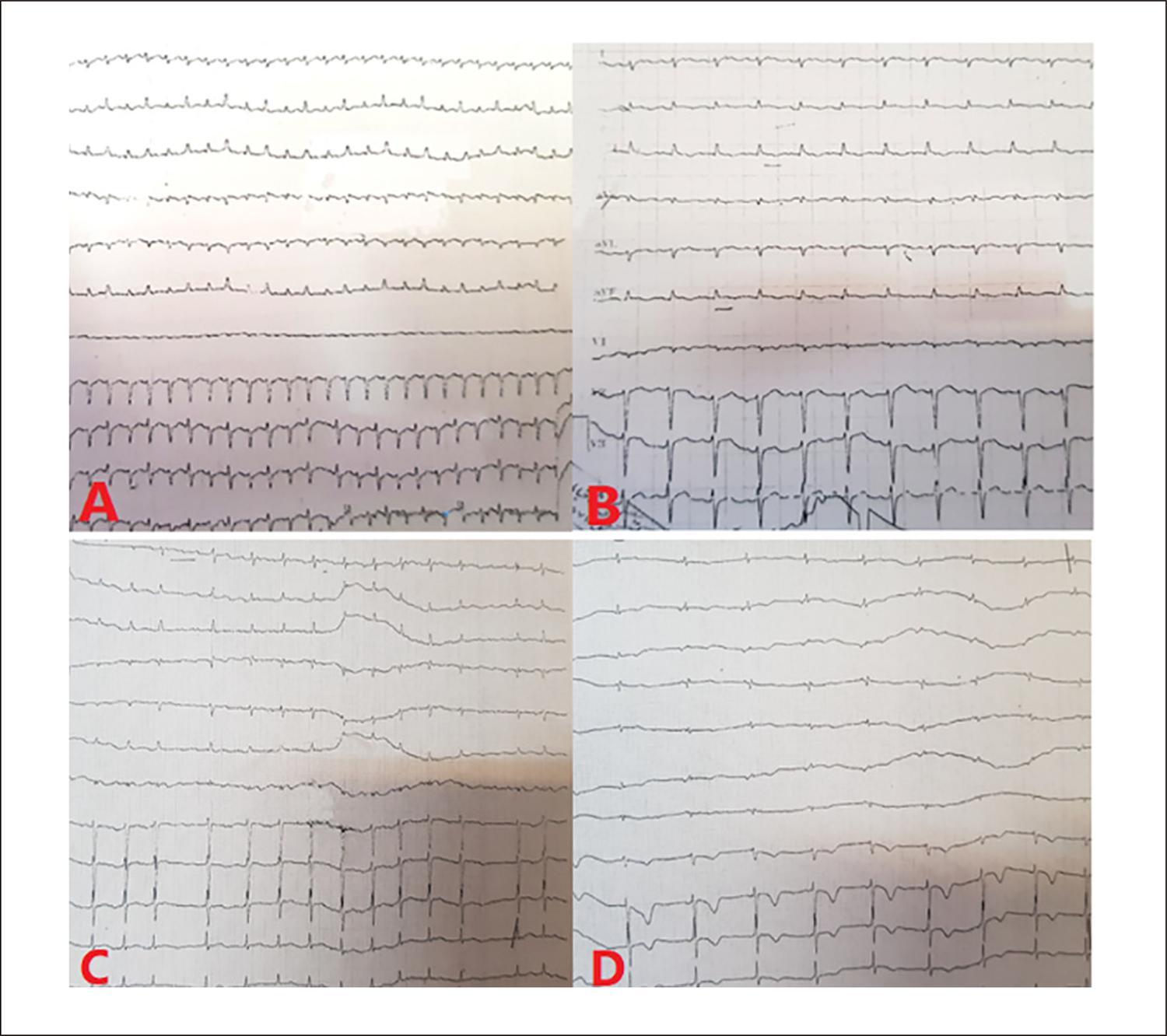
Misdiagnosis of a Cardiac Angiosarcoma During the COVID-19 Pandemic

Arash Amin et al. Zohreh Taheri Mahshid Hesami Azin Alizahehasl … Zeinab Norouzi Nasibeh Mohammadi

Abstract

The final months of 2019 saw the emergence of a new pandemic termed “COVID-19”. Since then, this infection and its complications have been the priority of healthcare providers, with many symptoms attributed to its early and late presentations. Thus far, other diseases, even fatal situations, have been overlooked or misdiagnosed due to the attribution of patient symptoms to the presence of COVID-19 infection. We herein present a case of cardiac angiosarcoma in a young boy who had previously become infected with COVID-19 about two months earlier. Given the history of infection, the initial approach was post-COVID-19 myopericarditis management. However, the patient’s condition worsened, necessitating reevaluation via multimodalities with higher precision. Ultimately, the patient was diagnosed with a cardiac tumor. This article seeks to underscore the significance of taking heed of other diseases and fatal conditions during the COVID-19 pandemic with an emphasis on avoiding misdiagnosing other diseases.
  • Angiosarcoma/surgery
  • COVID-19/infection
  • Diagnostic Errors
  • Heart Neoplasms
  • Imaging/methods
  • Multimodal Imaging/diagnostic
Read Full Article
Creative Commons Attribution (CC BY) Creative Commons license
07/08/2023 DOI: 10.36660/abc.20220501
ABC
Editorial

Sickle Cell Anemia as the First in the Hierarchy for Cardiac Alterations, Drives Attention to the Whole Spectrum of Hemolytic Anemias

Ana Paula Marte Chacra et al. Anita L. R. Saldanha Tania Leme da Rocha Martinez

The focus on the cardiac repercussions of Hemolytic Anemias has been greatly emphasized by publications issued by academic and official government documents that are easily accessed by all health professionals, mainly articles that aim at Sickle Cell Anemia, and Thalassemia.,

Sickle cell disease is the most frequent genetic hemoglobinopathy worldwide. Thanks to the improvement of the medical management of these patients, their life expectancy has improved in recent years. However, cardiopulmonary complications remain one of the main causes of death in adult patients with sickle cell disease.

[…]

  • Anemia, Hemolytic
  • Anemia, Sickle Cell
  • Cardiovascular Diseases
  • diagnostic
  • Hemonoglobinopathies/complications: Hypertension, Pulmonary/complications
  • Imaging/methods
Read Full Article
Creative Commons Attribution (CC BY) Creative Commons license
19/12/2022 DOI: 10.36660/abc.20220831
ABC
Editorial

Utility of Biomarkers in Suspected Cardiac Amyloidosis: Opportunity for More Frequent and Early Diagnosis

João Marcos Barbosa-Ferreira et al. Andreza Araújo de Oliveira

The meta-analysis entitled “Diagnostic Role of NT-proBNP in Patients with Cardiac Amyloidosis Involvement: A Meta-Analysis” brings us an important review of the usefulness of NT-proBNP measurement in patients with cardiac involvement by amyloidosis. The demonstration of good sensitivity and specificity of this biomarker reinforces its usefulness in the diagnosis of cardiac amyloidosis (CA).

Cardiac amyloidosis has been increasingly diagnosed, especially in patients with the heart failure phenotype of preserved ejection fraction. Just over half of the patients with symptoms of heart failure have preserved ejection fraction, especially elderly individuals. This finding is usually considered only as age-related diastolic dysfunction and associated comorbidities. However, this factor should be one of the warning signs for diagnosing CA, especially when associated with high levels of biomarkers. A great variability in the frequency of diagnosis of CA in the general population has been described, ranging from 5 to 74% between the various studies. This variability may be related to factors such as low clinical suspicion or difficulties accessing complementary exams necessary for diagnosing cardiac involvement in amyloidosis. The diagnostic flowchart in patients with suspected cardiac involvement by amyloidosis is mainly based on imaging tests.– These tests can be expensive, such as myocardial scintigraphy, strain echocardiography and cardiac magnetic resonance, and, often, they are only available at cardiology referral centers, making the diagnosis of CA more difficult and delayed. In addition, it is important to note that the late diagnosis of these patients can directly influence the prognosis by delaying the start of treatment, leading to a median of 6 months of survival after the development of symptoms in the AL form of amyloidosis for example.

[…]

  • Amyloidosis, Cardiac
  • Biomarkers
  • diagnostic
  • Heart Failure
  • Imaging/methods
  • NT-proBNP
  • Stroke Volume
  • Ventricular Dysfunction
Read Full Article
Creative Commons Attribution (CC BY) Creative Commons license
05/08/2022 DOI: 10.36660/abc.20220437
Figure 1
IJCS
Viewpoint

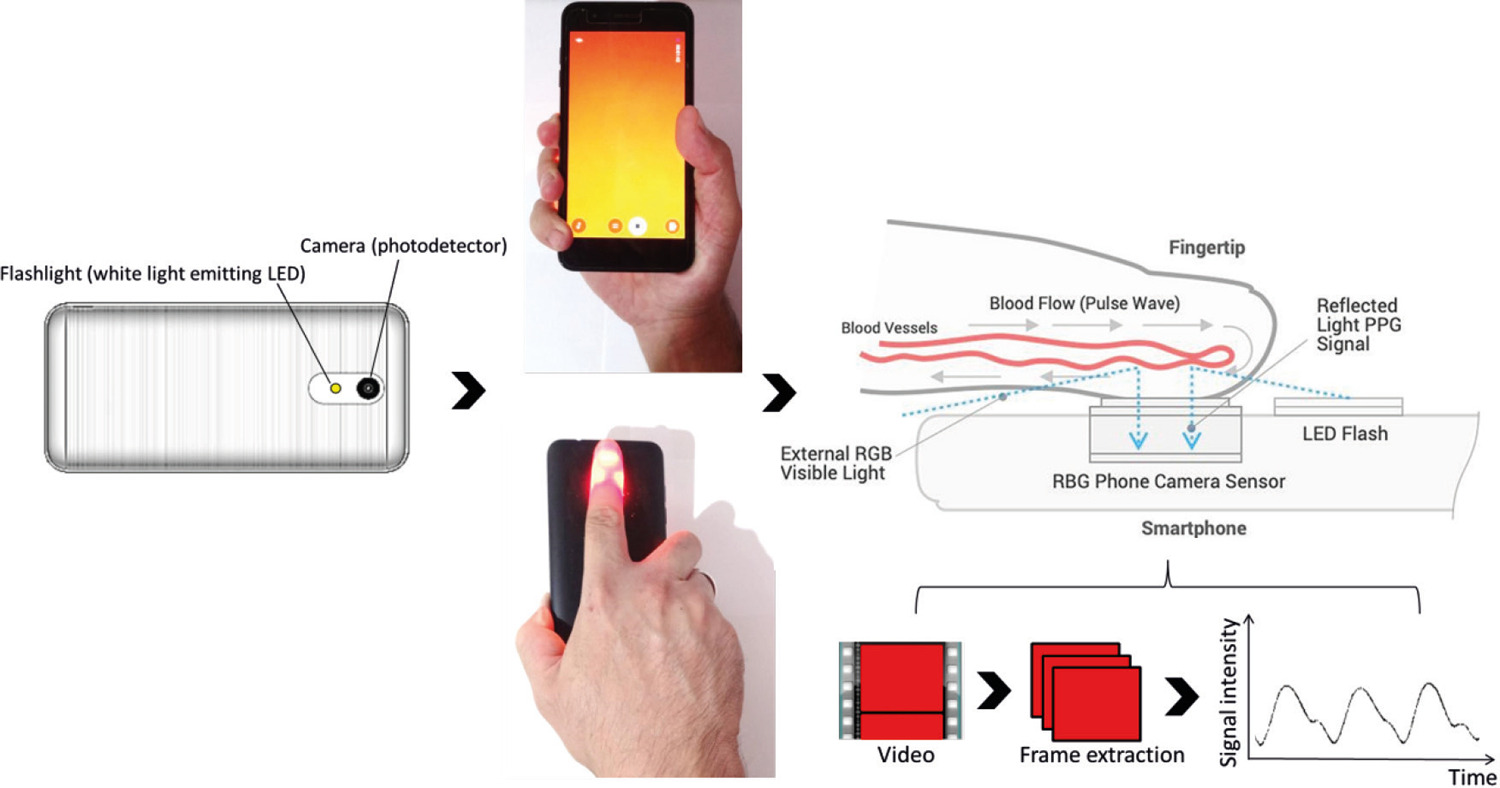
Smartphone-Based Screening for Cardiovascular Diseases: A Trend?

Thiago Mazzu-Nascimento et al. Danilo Nogueira Evangelista Obeedu Abubakar Meliza Goi Roscani … Rodrigo Santos Aguilar Silvana Gama Florêncio Chachá Priscila Raupp da Rosa Diego Furtado Silva

Abstract

Cardiovascular diseases are the leading cause of death in the world. People living in vulnerable and poor places such as slums, rural areas and remote locations have difficulty in accessing medical care and diagnostic tests. In addition, given the COVID-19 pandemic, we are witnessing an increase in the use of telemedicine and non-invasive tools for monitoring vital signs. These questions motivate us to write this point of view and to describe some of the main innovations used for non-invasive screening of heart diseases. Smartphones are widely used by the population and are perfect tools for screening cardiovascular diseases. They are equipped with camera, flashlight, microphone, processor, and internet connection, which allow optical, electrical, and acoustic analysis of cardiovascular phenomena. Thus, when using signal processing and artificial intelligence approaches, smartphones may have predictive power for cardiovascular diseases. Here we present different smartphone approaches to analyze signals obtained from various methods including photoplethysmography, phonocardiograph, and electrocardiography to estimate heart rate, blood pressure, oxygen saturation (SpO2), heart murmurs and electrical conduction. Our objective is to present innovations in non-invasive diagnostics using the smartphone and to reflect on these trending approaches. These could help to improve health access and the screening of cardiovascular diseases for millions of people, particularly those living in needy areas.

  • Artificial Intelligence/trends, Computers System/trends
  • Cardiovascular Diseases/diagnóstico
  • COVID-19/diagnóstico
  • diagnostic
  • Imaging/methods
  • Smartphone/trends
  • Telemedicine
Read Full Article
Creative Commons Attribution (CC BY) Creative Commons license
14/01/2022 DOI: 10.36660/ijcs.20210096 Views 1
Figure 1
ABC
Case Report

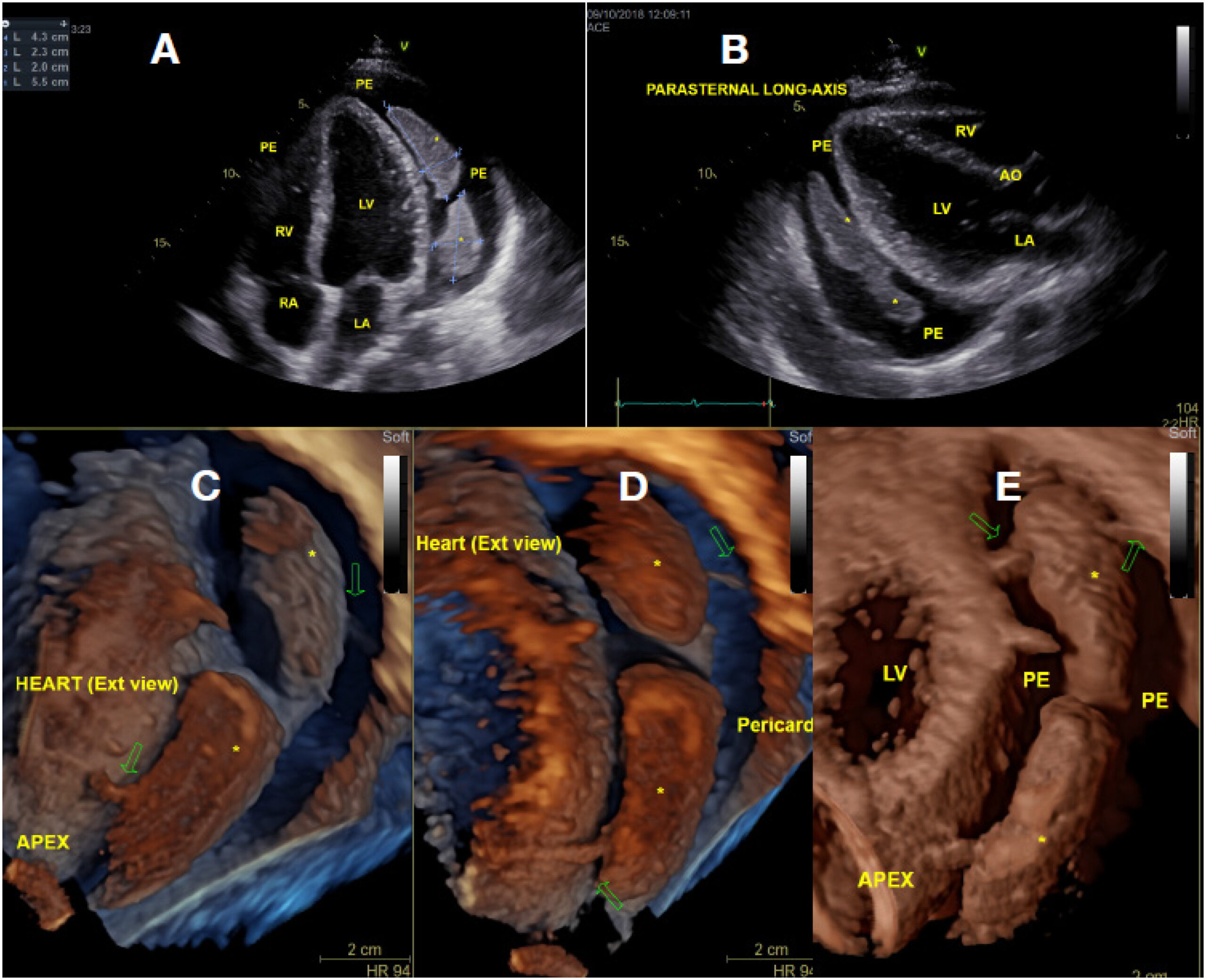
Pericardial Masses: A Rare Presentation of Tuberculous Pericarditis Documented by 3D Echocardiography

Alex dos Santos Felix et al. Viviane Belidio Pinheiro da Fonseca Rodrigo Coelho Segalote Larissa Franco de Andrade … Deborah Louize da Rocha Vianna Palmieri Ana Paula dos Reis Velloso Siciliano

Learning Points

[…]

  • Cardiac Tamponade/surgery
  • Diagnosis
  • Echocardiography, Three Dimensional / methods
  • Heart Neoplasms/surgery
  • Imaging/methods
  • Pericarditis, Tuberculous/physiopathology
Read Full Article
Creative Commons Attribution (CC BY) Creative Commons license
05/02/2021 DOI: 10.36660/abc.20190876

How to cite this article

EndNote RIS

Electronic Document Format (Vancouver)

Amin A, Taheri Z, Hesami M, Alizahehasl A, Norouzi Z, Mohammadi N. Misdiagnosis of a Cardiac Angiosarcoma During the COVID-19 Pandemic. Arquivos Brasileiros de Cardiologia 2023;120(7):e20220501.

Electronic Document Format (ABNT)

Amin, Arash; Taheri, Zohreh; Hesami, Mahshid; Alizahehasl, Azin; Norouzi, Zeinab; Mohammadi, Nasibeh. Misdiagnosis of a Cardiac Angiosarcoma During the COVID-19 Pandemic. Arquivos Brasileiros de Cardiologia, v. 120, n. 7, e20220501, Aug. 2023.

Electronic Document Format (APA)

Amin, A., Taheri, Z., Hesami, M., Alizahehasl, A., Norouzi, Z., & Mohammadi, N. (2023). Misdiagnosis of a Cardiac Angiosarcoma During the COVID-19 Pandemic. Arquivos Brasileiros de Cardiologia, 120(7), e20220501.

Electronic Document Format (ISO)

Amin, Arash and Taheri, Zohreh and Hesami, Mahshid and Alizahehasl, Azin and Norouzi, Zeinab and Mohammadi, Nasibeh. Misdiagnosis of a Cardiac Angiosarcoma During the COVID-19 Pandemic. Arquivos Brasileiros de Cardiologia [online]. 2023, vol. 120, n. 7, [cited 2026-10-14], e20220501. Available from: <https://journals.cardiol.br/en/article/misdiagnosis-of-a-cardiac-angiosarcoma-during-the-covid-19-pandemic/>. ISSN 0066-782X

EndNote RIS

Electronic Document Format (Vancouver)

Chacra APM, Saldanha ALR, Martinez TLR. Sickle Cell Anemia as the First in the Hierarchy for Cardiac Alterations, Drives Attention to the Whole Spectrum of Hemolytic Anemias. Arquivos Brasileiros de Cardiologia 2022;119(6):900-1.

Electronic Document Format (ABNT)

Chacra, Ana Paula Marte; Saldanha, Anita L. R.; Martinez, Tania Leme da Rocha. Sickle Cell Anemia as the First in the Hierarchy for Cardiac Alterations, Drives Attention to the Whole Spectrum of Hemolytic Anemias. Arquivos Brasileiros de Cardiologia, v. 119, n. 6, p. 900-901, Dec. 2022.

Electronic Document Format (APA)

Chacra, A. P. M., Saldanha, A. L. R., & Martinez, T. L. R. (2022). Sickle Cell Anemia as the First in the Hierarchy for Cardiac Alterations, Drives Attention to the Whole Spectrum of Hemolytic Anemias. Arquivos Brasileiros de Cardiologia, 119(6), 900-901.

Electronic Document Format (ISO)

Chacra, Ana Paula Marte and Saldanha, Anita L. R. and Martinez, Tania Leme da Rocha. Sickle Cell Anemia as the First in the Hierarchy for Cardiac Alterations, Drives Attention to the Whole Spectrum of Hemolytic Anemias. Arquivos Brasileiros de Cardiologia [online]. 2022, vol. 119, n. 6, [cited 2026-10-14], pp. 900-901. Available from: <https://journals.cardiol.br/en/article/sickle-cell-anemia-as-the-first-in-the-hierarchy-for-cardiac-alterations-drives-attention-to-the-whole-spectrum-of-hemolytic-anemias/>. ISSN 0066-782X

EndNote RIS

Electronic Document Format (Vancouver)

Barbosa-Ferreira JM, Oliveira AA. Utility of Biomarkers in Suspected Cardiac Amyloidosis: Opportunity for More Frequent and Early Diagnosis. Arquivos Brasileiros de Cardiologia 2022;119(2):223-4.

Electronic Document Format (ABNT)

Barbosa-Ferreira, João Marcos; Oliveira, Andreza Araújo de. Utility of Biomarkers in Suspected Cardiac Amyloidosis: Opportunity for More Frequent and Early Diagnosis. Arquivos Brasileiros de Cardiologia, v. 119, n. 2, p. 223-224, Aug. 2022.

Electronic Document Format (APA)

Barbosa-Ferreira, J. M., & Oliveira, A. A. (2022). Utility of Biomarkers in Suspected Cardiac Amyloidosis: Opportunity for More Frequent and Early Diagnosis. Arquivos Brasileiros de Cardiologia, 119(2), 223-224.

Electronic Document Format (ISO)

Barbosa-Ferreira, João Marcos and Oliveira, Andreza Araújo de. Utility of Biomarkers in Suspected Cardiac Amyloidosis: Opportunity for More Frequent and Early Diagnosis. Arquivos Brasileiros de Cardiologia [online]. 2022, vol. 119, n. 2, [cited 2026-10-14], pp. 223-224. Available from: <https://journals.cardiol.br/en/article/utility-of-biomarkers-in-suspected-cardiac-amyloidosis-opportunity-for-more-frequent-and-early-diagnosis/>. ISSN 0066-782X

EndNote RIS

Electronic Document Format (Vancouver)

Mazzu-Nascimento T, Evangelista DN, Abubakar O, Roscani MG, Aguilar RS, Chachá SGF, Rosa PR, et al. Smartphone-Based Screening for Cardiovascular Diseases: A Trend?. International Journal of Cardiovascular Sciences 2022;35(1):127-34.

Electronic Document Format (ABNT)

Mazzu-Nascimento, Thiago; Evangelista, Danilo Nogueira; Abubakar, Obeedu; Roscani, Meliza Goi; Aguilar, Rodrigo Santos; Chachá, Silvana Gama Florêncio; Rosa, Priscila Raupp da; Silva, Diego Furtado. Smartphone-Based Screening for Cardiovascular Diseases: A Trend?. International Journal of Cardiovascular Sciences, v. 35, n. 1, p. 127-134, Jan. 2022.

Electronic Document Format (APA)

Mazzu-Nascimento, T., Evangelista, D. N., Abubakar, O., Roscani, M. G., Aguilar, R. S., Chachá, S. G. F., Rosa, P. R. , & Silva, D. F. (2022). Smartphone-Based Screening for Cardiovascular Diseases: A Trend?. International Journal of Cardiovascular Sciences, 35(1), 127-134.

Electronic Document Format (ISO)

Mazzu-Nascimento, Thiago and Evangelista, Danilo Nogueira and Abubakar, Obeedu and Roscani, Meliza Goi and Aguilar, Rodrigo Santos and Chachá, Silvana Gama Florêncio and Rosa, Priscila Raupp da and Silva, Diego Furtado. Smartphone-Based Screening for Cardiovascular Diseases: A Trend?. International Journal of Cardiovascular Sciences [online]. 2022, vol. 35, n. 1, [cited 2026-10-14], pp. 127-134. Available from: <https://journals.cardiol.br/en/article/smartphone-based-screening-for-cardiovascular-diseases-a-trend/>. ISSN 2359-4802

EndNote RIS

Electronic Document Format (Vancouver)

Felix AS, Fonseca VBP, Segalote RC, Andrade LF, Palmieri DLRV, Siciliano APRV. Pericardial Masses: A Rare Presentation of Tuberculous Pericarditis Documented by 3D Echocardiography. Arquivos Brasileiros de Cardiologia 2021;116(2 suppl 1):12-6.

Electronic Document Format (ABNT)

Felix, Alex dos Santos; Fonseca, Viviane Belidio Pinheiro da; Segalote, Rodrigo Coelho; Andrade, Larissa Franco de; Palmieri, Deborah Louize da Rocha Vianna; Siciliano, Ana Paula dos Reis Velloso. Pericardial Masses: A Rare Presentation of Tuberculous Pericarditis Documented by 3D Echocardiography. Arquivos Brasileiros de Cardiologia, v. 116, n. 2 suppl 1, p. 12-16, Feb. 2021.

Electronic Document Format (APA)

Felix, A. S., Fonseca, V. B. P. , Segalote, R. C., Andrade, L. F. , Palmieri, D. L. R. V., & Siciliano, A. P. R. V. (2021). Pericardial Masses: A Rare Presentation of Tuberculous Pericarditis Documented by 3D Echocardiography. Arquivos Brasileiros de Cardiologia, 116(2 suppl 1), 12-16.

Electronic Document Format (ISO)

Felix, Alex dos Santos and Fonseca, Viviane Belidio Pinheiro da and Segalote, Rodrigo Coelho and Andrade, Larissa Franco de and Palmieri, Deborah Louize da Rocha Vianna and Siciliano, Ana Paula dos Reis Velloso. Pericardial Masses: A Rare Presentation of Tuberculous Pericarditis Documented by 3D Echocardiography. Arquivos Brasileiros de Cardiologia [online]. 2021, vol. 116, n. 2 suppl 1, [cited 2026-10-14], pp. 12-16. Available from: <https://journals.cardiol.br/en/article/pericardial-masses-a-rare-presentation-of-tuberculous-pericarditis-documented-by-3d-echocardiography/>. ISSN 0066-782X

  • About ABC Family
  • Internal Regulation
  • Editorial Board
  • Brazilian Society of Cardiology (SBC)

Issues

SBC Guidelines

  • Videos
  • Podcasts
  • News