ABC Family Arquivos Brasileiros de Cardiologia International Journal of Cardiovascular Sciences ABC Heart Failure & Cardiomyopathy ABC Imagem Cardiovascular
Português English
ABC Family
Português English
  • About
    • About ABC Family
    • Internal Regulation
    • Editorial Board
    • Brazilian Society of Cardiology (SBC)
  • Issues
  • SBC Guidelines
  • Content
    • Videos
    • Podcasts
    • News
  • About
    • About ABC Family
    • Internal Regulation
    • Editorial Board
    • Brazilian Society of Cardiology (SBC)
  • Issues
  • SBC Guidelines
  • Content
    • Videos
    • Podcasts
    • News

ABC Family

  • ABC Family
  • Arquivos Brasileiros de Cardiologia
  • International Journal of Cardiovascular Sciences
  • ABC Heart Failure & Cardiomyopathy
  • ABC Imagem Cardiovascular
Search in

No content found.

Journals
Ordering
Article types
Others

  1. Home
  2. Keyword: Cardio-Oncology
ABC
Research Letter

Cardiac Resynchronization Therapy in Cardio-Oncology: Real-World Evidence of Benefit in Cancer Patients with Heart Failure

Catarina Gregório et al. Andreia Magalhães Beatriz Silva Inês Araújo … Marta Vilela Pedro Marques João de Sousa Miguel Nobre Menezes Fausto J. Pinto Manuela Fiuza

Introduction

Heart failure (HF) is a major cause of morbidity and mortality among patients with cancer. The incidence of HF in this high-risk population is increasing, partly due to the cardiotoxic effects associated with contemporary cancer therapies. Despite substantial advances in oncological treatments and the growing number of cancer survivors, HF remains a major determinant of adverse clinical outcomes.

Cardiac resynchronization therapy (CRT) is an established treatment that improves symptoms and reduces mortality in patients with chronic HF. However, patients with a history of cancer have been frequently excluded or underrepresented in pivotal CRT trials, resulting in a significant evidence gap regarding the efficacy and safety of CRT in this population. Concerns related to comorbidities, cancer prognosis, and procedural risk may further contribute to the underutilization of CRT in clinical practice.

[…]
  • Cardiac Resynchronization Therapy
  • Cardio-Oncology
  • Heart Failure
Read Full Article
Creative Commons Attribution (CC BY) Creative Commons license
18/09/2026 DOI: 10.36660/abc.20250888i Views 1
ABC
Letter to the Editor

Considerations on the Diagnosis and Prognosis of Primary Cardiac Lymphoma

Thalisson Gonçalves Almeida et al. Tales Gabriel Ferro de Oliveira Gustavo da Silva Soares Pedro Pereira Tenório

Dear Editor,

We would like to congratulate the authors on their relevant case report, “Cardiac Lymphoma: A Case Report,” published in the Arquivos Brasileiros de Cardiologia (ABC Cardiol). The article addresses a rare and challenging clinical condition, primary cardiac lymphoma (PCL), which, as highlighted in the article, is an aggressive tumor with a poor prognosis and nonspecific symptoms, making early diagnosis difficult. Among the article’s strengths, we highlight the rarity of the case, as it is a diffuse large B-cell lymphoma (DLBCL) with primary cardiac involvement, given the low incidence of these tumors (approximately 0.04% of primary malignant cardiac tumors, with lymphomas representing about 1.3% of these), with DLBCL being the most common subtype, frequently located in the right chambers of the heart.,

[…]

  • Cardiac Lymphoma
  • Cardio-Oncology
  • Case report
  • imaging diagnosis
Read Full Article
Creative Commons Attribution (CC BY) Creative Commons license
06/02/2026 DOI: 10.36660/abc.20250521i Views 1
Figure 1
ABC
Research Letter

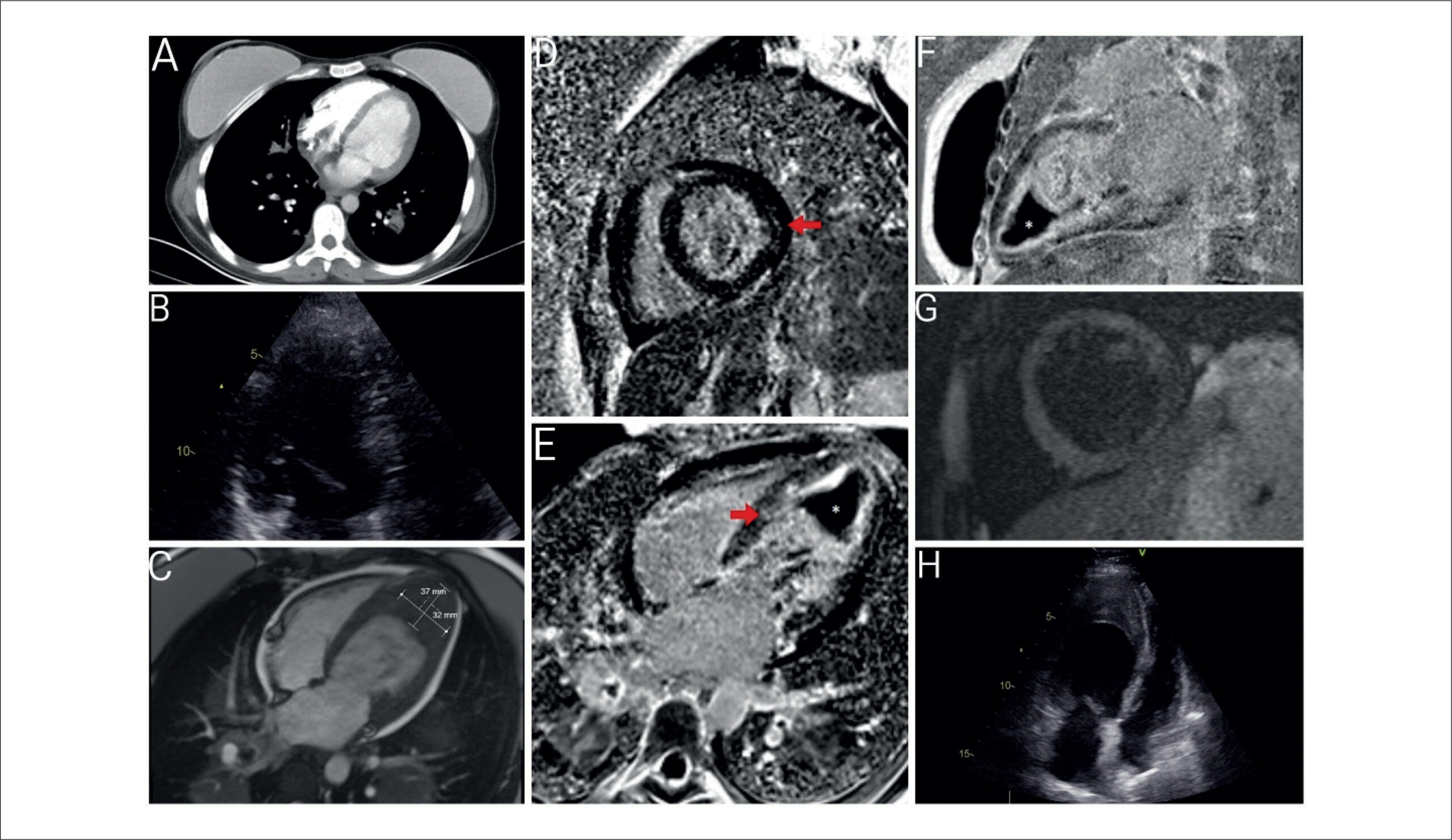
Surprising Cardiac Magnetic Resonance Imaging Findings: Rapidly Developing Intracardiac Thrombus with Endomyocardial Fibrosis

İrem Bilge Bulburu et al. Muhammet Gürdoğan Fethi Emre Ustabaşıoğlu Kenan Yalta

Introduction

Endomyocardial fibrosis (EMF) is a rare form of restrictive cardiomyopathy, particularly prevalent in tropical regions. This condition is commonly associated with peripheral blood hypereosinophilia, though it may also occur in the absence of such finding. In this report, we describe an unusual case of EMF linked to non-Hodgkin’s lymphoma without hypereosinophilia, accompanied by a rapidly developing intracardiac thrombus.

[…]

  • Cardio-Oncology
  • Echocardiography
  • Endomyocardial Fibrosis
Read Full Article
Creative Commons Attribution (CC BY) Creative Commons license
04/08/2025 DOI: 10.36660/abc.20250030i Views 1
Figure 1
ABCIC
Case Report

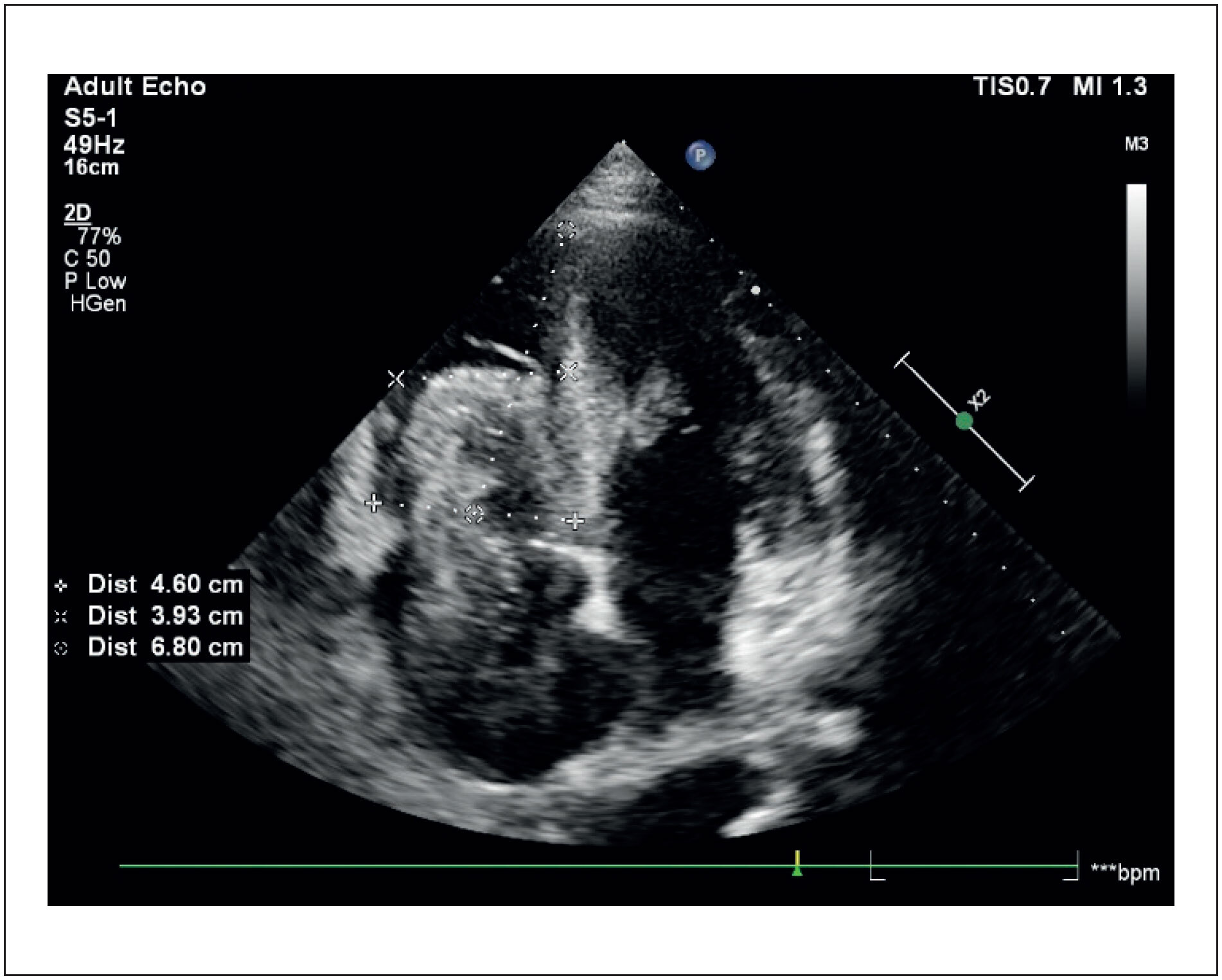
Large Heterogeneous Mass in the Right Chambers: A Case Report in Cardio-Oncology

João Pedro Perfeito Frigo et al. Themissa Helena Voss

Abstract

Renal cell carcinoma (RCC) is one of the most lethal cancers. It is frequently associated with the formation of tumor thrombi (TT), an intravascular extension of the tumor. Approximately 4% to 10% of patients with RCC have TT, which can reach the renal vein (10% to 18%), the inferior vena cava (4% to 23%), and, rarely, the right atrium (1%). These thrombi generally accompany advanced tumors, with distant metastases, and they reflect an aggressive biology. Treatment is challenging, especially in metastatic cases, and surgical resection is indicated in the absence of metastases. Anticoagulation remains controversial due to the neoplastic composition of TT. We report the case of a 51-year-old male patient with clear cell RCC and lung and liver metastases treated with pazopanib. The patient presented right heart failure and was diagnosed with extensive TT up to the right atrium, identified by transthoracic echocardiography. In an advanced stage, with clinical deterioration, palliative care was chosen, and the patient died within a few weeks. The diagnosis of TT is crucial to define prognosis and therapeutic strategies. Echocardiography, combined with advanced imaging techniques, plays a fundamental role in differentiating between TT and thromboembolism. This case highlights the importance of a multidisciplinary approach and technological advances for managing complex conditions such as TT, with the goals of early diagnosis and reduced complications.

  • Cardio-Oncology
  • Relatos de Casos
  • Renal Cell Carcinoma
  • Thrombosis
Read Full Article
Creative Commons Attribution (CC BY) Creative Commons license
28/05/2025 DOI: 10.36660/abcimg.20250002i
Central Illustration
ABCIC
Review Article

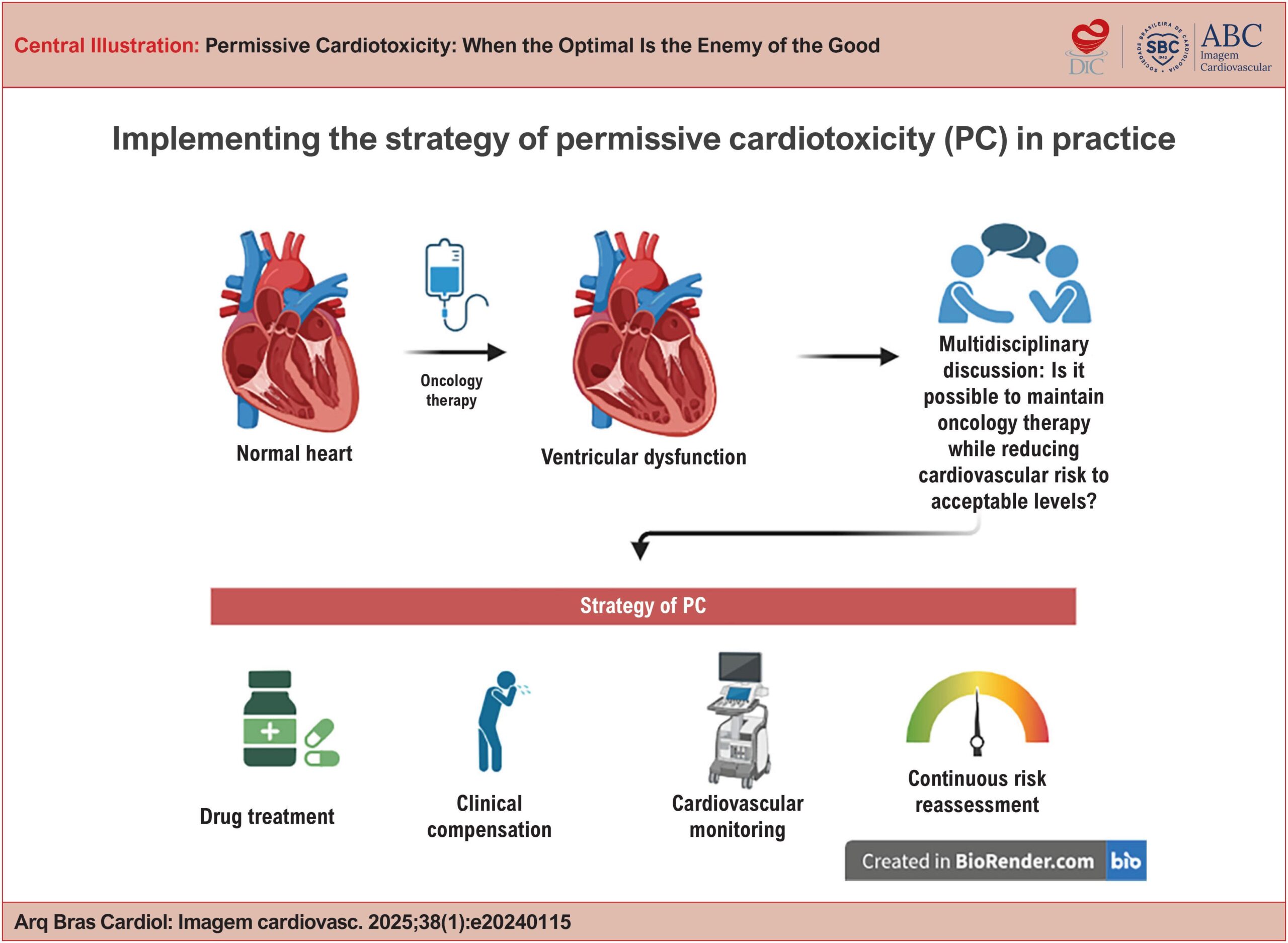
Permissive Cardiotoxicity: When the Optimal Is the Enemy of the Good

Carolina Maria Pinto Domingues Carvalho Silva et al. Juliane Dantas Seabra-Garcez Ana Palmira Lima Neves Ariane Vieira Scarlatelli Macedo

Abstract

Cancer and cardiovascular diseases are the leading causes of mortality worldwide. As these diseases share common metabolic pathways, patients with cancer are currently seen as having subclinical alterations with great potential for developing cardiovascular diseases (and vice versa). This tenuous interrelationship has led to the emergence of cardio-oncology (CO) as an area of study and discussion, with a major impact on the management of these cases.

In clinical practice, CO is dominated by the dilemma of how to best manage cardiovascular toxicity during cancer treatment. The management of these cases focuses not only on restoring cardiovascular balance, but also on ensuring that the best oncological treatment will be offered, without suspensions or interruptions.

Within this context, the concept of permissive cardiotoxicity (PC) has emerged, proposing the idea of maintaining antitumor treatment in the event that ventricular dysfunction is detected, with no pauses or interruptions, provided that certain premises are respected.

This review aims to examine the concept of PC in depth, contextualizing its emergence, reviewing definitions, and analyzing the evidence from experimental clinical studies. Furthermore, management strategies are detailed, discussing the central role of cardiovascular imaging in guiding this management. Finally, limitations and gaps in the literature in the area are discussed.

  • Antineoplastic Agents
  • Cardio-Oncology
  • Cardiotoxicity
  • Neoplasms
  • Ventricular Dysfunction
Read Full Article
Creative Commons Attribution (CC BY) Creative Commons license
28/03/2025 DOI: 10.36660/abcimg.20240115i
ABCIC
Editorial

Metformin in Combination with Immune Checkpoint Inhibitors: Myocardial FDG Uptake Can Predict Prognosis?

Claudio Tinoco Mesquita et al. Ana Beatriz Couto Marina Schmid Nunes Fernanda Azevedo Silva

In Brazil, the estimate for 2023-2025 indicates that there will be 704,000 new cancer cases in the country, 221,000 of which will be non-melanoma skin cancers, cited as the most common type. After this type of cancer, breast cancer has the highest incidence, with 74,000 cases, followed by prostate cancer, with 72,000 cases, colorectum cancer, with 46,000 cases, and lung cancer, with 32,000 new cases. The cancer epidemiological profile in Brazil is like countries with a high income; however, it differs when analyzed by region, indicating significant regional inequalities. While in the country’s more developed regions (South and Southeast), the age-adjusted incidence rates range between 180 and 190 cases per 100,000 inhabitants, in less developed regions (North and Northeast), these rates vary from 157 to 164 cases per 100,000 inhabitants. The highest cancer mortality in Brazil is due to lung cancer (13.7% of cancer deaths), followed by colorectum cancer (10.4% of cancer deaths), and then breast cancer (8% of cancer deaths).

Immune checkpoints, like PD-1, PD-L1, and CTLA-4, regulate the immune system and help to equilibrate immune activation and suppression. They act by avoiding a strong immune response that could attack normal cells. Tumor cells can use these mechanisms to elude the immune system, decreasing its response. The mechanisms used for immune system evasion in lung cancer are linked to PD-1 inhibition, which reduces the activity of tumor immunity cells. Additionally, there is a decrease in T-lymphocyte proliferation and cytokine production (IL-2 and IFN-γ), allowing neoplastic cells to proliferate.

[…]

  • Cardio-Oncology
  • Immune Checkpoint Inhibitors
  • Metformin
  • Positron-Emission Tomography
  • X-Ray Computed Tomography
Read Full Article
Creative Commons Attribution (CC BY) Creative Commons license
11/03/2025 DOI: 10.36660/abcimg.20240111i Views 1
Figure 1
ABCIC
Original Article

Variations in Myocardial FDG Uptake and Metformin Use: Implications for Survival during Immunotherapy

Matheus Coelho Torres et al. Juliana Goes Martins Fagundes Luís Fábio Barbosa Botelho Alinne Fernanda Amaral Verçosa Marcelo Dantas Tavares de Melo

Abstract

Background:

The rise of immune checkpoint inhibitors (ICIs) has significantly improved lung cancer outcomes; however, there is a lack of response prediction protocols. Furthermore, preclinical studies have indicated a promising association between metformin, β-blockers (BBs), and improved cancer patient outcomes.

Objectives:

The primary objective of this study was to investigate metformin’s impact on survival outcomes. The secondary objectives included assessing myocardial FDG uptake variation (change in standardized uptake value [ΔSUV]) during ICI treatment and evaluating the effects of smoking, diabetes, hypertension, and BB usage on survival outcomes.

Methods:

This single-arm, unicentric retrospective cohort study evaluated lung cancer patients who started using ICIs from July 2016 to December 2021. Inclusion criteria were age 18 years or above, lung cancer treated with ICIs (CTLA-4, PD-1, and PD-L1 inhibitors), and having undergone at least two positron emission tomography-computed tomography (PET-CT) scans.

Results:

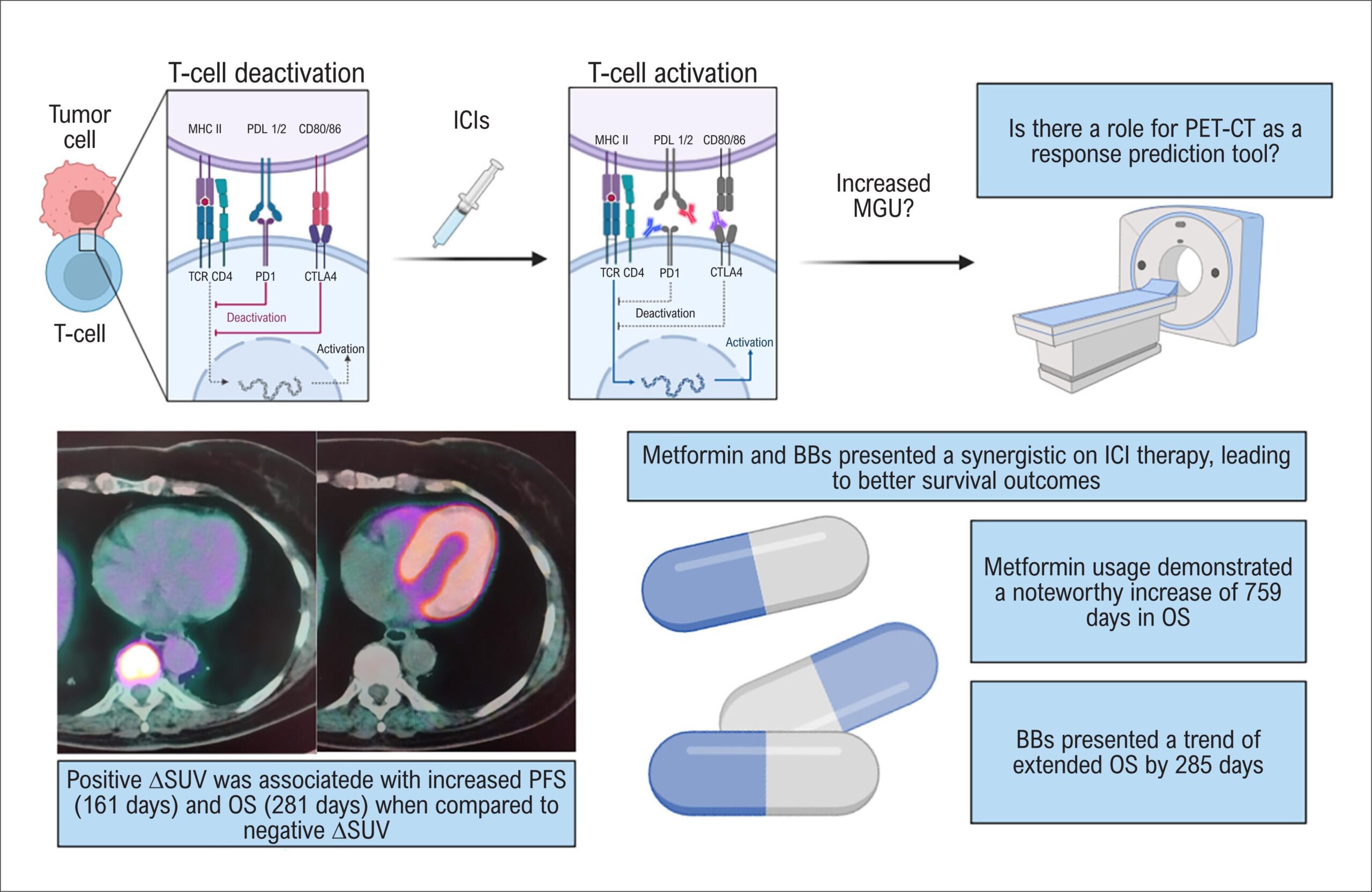
Fifty-eight patients fulfilled all the inclusion criteria. Metformin users presented a 759-day increase in overall survival (OS) (p = 0.015). A trend of a 161-day increase in progression-free survival was observed in patients with positive myocardial ΔSUV compared to the negative ΔSUV group (p = 0.066), along with a trend of a 285-day increase in favor of BB users (p=0.886).

Conclusion:

The significant association between metformin use and increased OS suggests metformin as a promising adjuvant for ICI therapy. A trend of positive myocardial ΔSUV and improved outcomes may suggest a potential role of PET-CT in response prediction; however, larger studies are necessary to solidify this hypothesis.

  • Cardio-Oncology
  • Cardiotoxicity
  • Immune Checkpoint Inhibitors
  • Metformin
  • Positron Emission Tomography-Computed Tomography
Read Full Article
Creative Commons Attribution (CC BY) Creative Commons license
30/01/2025 DOI: 10.36660/abcimg.20240108i Views 2
ABCHF
Editorial

Cardio-Oncology: Far Beyond Doxorubicin and the Tip of the Iceberg!

Wolney de Andrade Martins et al. Ariane Vieira Scarlatelli Macedo Lidia Ana Zytynski Moura

Cardio-oncology is a new field of work and research on the adverse cardiovascular effects of cancer treatment, comorbidities and clinical conditions in cancer patients, and cardiovascular tumors. It has a wide spectrum ranging from arterial hypertension, arrhythmias, coronary and thromboembolic diseases to ventricular dysfunction, among others. In this special issue of ABC Heart Failure, we will focus on myocardial lesions, and consequently cardiomyopathies, ventricular dysfunction and heart failure (HF).

The Department of HF of the Brazilian Society of Cardiology has embraced Cardio-oncology since its beginning, by opening space for scientific discussion in its events and thematic area for abstract submissions, and now by offering this special issue addressing the main manifestations of endomyocardial/pericardial diseases and HF in cancer patients.

[…]

  • Cardio-Oncology
  • Cardiology
  • Chemotherapy/adverse effects
  • Oncology
Read Full Article
Creative Commons Attribution (CC BY) Creative Commons license
18/12/2022 DOI: 10.36660/abchf.20230003 Views 1
ABCHF
Review Article

Right Ventricular Dysfunction in the Cancer Patient

Marina Macedo Kuenzer Bond et al. Fernando Pivatto Júnior Andreia Biolo

Abstract

Right ventricular dysfunction (RVD) is present in several clinical conditions, and its clinical impact and prognosis in cardiology has been more studied in recent years. In oncology, some studies have tried to determine the role of RVD in cardiotoxicity caused by some therapies including anthracyclines, trastuzumab, cyclophosphamide and dasatinib. In the present study, we made a literature review on the subject, trying to highlight the challenges for the coming years.

  • Cardiac Dysfunction
  • Cardio-Oncology
  • Cardiotoxicity
  • Right Heart Failure
Read Full Article
Creative Commons Attribution (CC BY) Creative Commons license
18/12/2022 DOI: 10.36660/abchf.20230007 Views 2
Figure 1
ABC
Review Article

Screening, Diagnosis and Management of Atrial Fibrillation in Cancer Patients: Current Evidence and Future Perspectives

Pedro Gonçalves-Teixeira et al. Telma Costa Isabel Fragoso Diogo Ferreira … Mariana Brandão Adelino Leite-Moreira Francisco Sampaio José Ribeiro Ricardo Fontes-Carvalho

Abstract

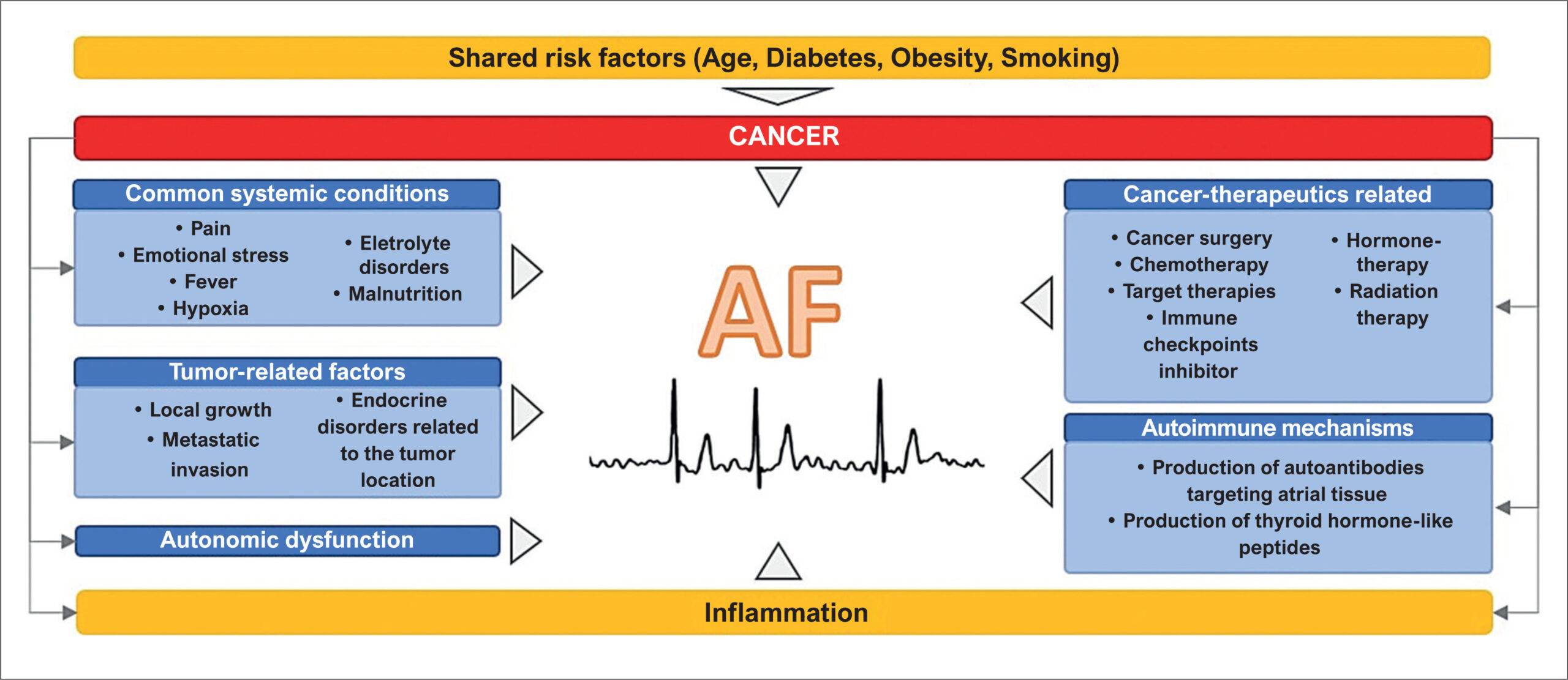
Atrial fibrillation (AF) is the most common sustained cardiac arrhythmia in the general population, carrying a high morbimortality burden, and this also holds true in cancer patients. The association between AF and cancer goes even further, with some studies suggesting that AF can be a marker of occult cancer. There is, however, a remarkable paucity of data concerning specific challenges of AF management in cancer patients. AF prompt recognition and management in this special population can lessen the arrhythmia-related morbidity and have an important prognostic benefit. This review will focus on current AF diagnosis and management challenges in cancer patients, with special emphasis on AF screening strategies and devices, and anticoagulation therapy with non-vitamin K antagonist oral anti-coagulants (NOACs) for thromboembolic prevention in these patients. Some insights concerning future perspectives for AF prevention, diagnosis, and treatment in this special population will also be addressed.

  • Anticoagulants
  • Arrhythmias
  • Atrial Fibrillation
  • blood coagulation
  • cardiac
  • Cardio-Oncology
  • Cardiotoxicity
  • Mass Screening
  • Neoplasms
Read Full Article
Creative Commons Attribution (CC BY) Creative Commons license
05/08/2022 DOI: 10.36660/abc.20201362

How to cite this article

EndNote RIS

Electronic Document Format (Vancouver)

Gregório C, Magalhães A, Silva B, Araújo I, Vilela M, Marques P, Sousa J, et al. Cardiac Resynchronization Therapy in Cardio-Oncology: Real-World Evidence of Benefit in Cancer Patients with Heart Failure. Arquivos Brasileiros de Cardiologia 2026;123(7):e20250888.

Electronic Document Format (ABNT)

Gregório, Catarina; Magalhães, Andreia; Silva, Beatriz; Araújo, Inês; Vilela, Marta; Marques, Pedro; Sousa, João de; Menezes, Miguel Nobre; Pinto, Fausto J.; Fiuza, Manuela. Cardiac Resynchronization Therapy in Cardio-Oncology: Real-World Evidence of Benefit in Cancer Patients with Heart Failure. Arquivos Brasileiros de Cardiologia, v. 123, n. 7, e20250888, Sep. 2026.

Electronic Document Format (APA)

Gregório, C., Magalhães, A., Silva, B., Araújo, I., Vilela, M., Marques, P., Sousa, J. , Menezes, M. N., Pinto, F. J., & Fiuza, M. (2026). Cardiac Resynchronization Therapy in Cardio-Oncology: Real-World Evidence of Benefit in Cancer Patients with Heart Failure. Arquivos Brasileiros de Cardiologia, 123(7), e20250888.

Electronic Document Format (ISO)

Gregório, Catarina and Magalhães, Andreia and Silva, Beatriz and Araújo, Inês and Vilela, Marta and Marques, Pedro and Sousa, João de and Menezes, Miguel Nobre and Pinto, Fausto J. and Fiuza, Manuela. Cardiac Resynchronization Therapy in Cardio-Oncology: Real-World Evidence of Benefit in Cancer Patients with Heart Failure. Arquivos Brasileiros de Cardiologia [online]. 2026, vol. 123, n. 7, [cited 2026-10-14], e20250888. Available from: <https://journals.cardiol.br/en/article/cardiac-resynchronization-therapy-in-cardio-oncology-real-world-evidence-of-benefit-in-cancer-patients-with-heart-failure/>. ISSN 0066-782X

EndNote RIS

Electronic Document Format (Vancouver)

Almeida TG, Oliveira TGF, Soares GS, Tenório PP. Considerations on the Diagnosis and Prognosis of Primary Cardiac Lymphoma. Arquivos Brasileiros de Cardiologia 2026;122(10):e20250521.

Electronic Document Format (ABNT)

Almeida, Thalisson Gonçalves; Oliveira, Tales Gabriel Ferro de; Soares, Gustavo da Silva; Tenório, Pedro Pereira. Considerations on the Diagnosis and Prognosis of Primary Cardiac Lymphoma. Arquivos Brasileiros de Cardiologia, v. 122, n. 10, e20250521, Feb. 2026.

Electronic Document Format (APA)

Almeida, T. G., Oliveira, T. G. F. , Soares, G. S., & Tenório, P. P. (2026). Considerations on the Diagnosis and Prognosis of Primary Cardiac Lymphoma. Arquivos Brasileiros de Cardiologia, 122(10), e20250521.

Electronic Document Format (ISO)

Almeida, Thalisson Gonçalves and Oliveira, Tales Gabriel Ferro de and Soares, Gustavo da Silva and Tenório, Pedro Pereira. Considerations on the Diagnosis and Prognosis of Primary Cardiac Lymphoma. Arquivos Brasileiros de Cardiologia [online]. 2026, vol. 122, n. 10, [cited 2026-10-14], e20250521. Available from: <https://journals.cardiol.br/en/article/considerations-on-the-diagnosis-and-prognosis-of-primary-cardiac-lymphoma/>. ISSN 0066-782X

EndNote RIS

Electronic Document Format (Vancouver)

Bulburu B, Gürdoğan M, Ustabaşıoğlu FE, Yalta K. Surprising Cardiac Magnetic Resonance Imaging Findings: Rapidly Developing Intracardiac Thrombus with Endomyocardial Fibrosis. Arquivos Brasileiros de Cardiologia 2025;122(6):e20250030.

Electronic Document Format (ABNT)

Bulburu, İrem Bilge; Gürdoğan, Muhammet; Ustabaşıoğlu, Fethi Emre; Yalta, Kenan. Surprising Cardiac Magnetic Resonance Imaging Findings: Rapidly Developing Intracardiac Thrombus with Endomyocardial Fibrosis. Arquivos Brasileiros de Cardiologia, v. 122, n. 6, e20250030, Aug. 2025.

Electronic Document Format (APA)

Bulburu, B., Gürdoğan, M., Ustabaşıoğlu, F. E., & Yalta, K. (2025). Surprising Cardiac Magnetic Resonance Imaging Findings: Rapidly Developing Intracardiac Thrombus with Endomyocardial Fibrosis. Arquivos Brasileiros de Cardiologia, 122(6), e20250030.

Electronic Document Format (ISO)

Bulburu, İrem Bilge and Gürdoğan, Muhammet and Ustabaşıoğlu, Fethi Emre and Yalta, Kenan. Surprising Cardiac Magnetic Resonance Imaging Findings: Rapidly Developing Intracardiac Thrombus with Endomyocardial Fibrosis. Arquivos Brasileiros de Cardiologia [online]. 2025, vol. 122, n. 6, [cited 2026-10-14], e20250030. Available from: <https://journals.cardiol.br/en/article/surprising-cardiac-magnetic-resonance-imaging-findings-rapidly-developing-intracardiac-thrombus-with-endomyocardial-fibrosis/>. ISSN 0066-782X

EndNote RIS

Electronic Document Format (Vancouver)

Frigo JPP, Voss TH. Large Heterogeneous Mass in the Right Chambers: A Case Report in Cardio-Oncology. ABC Imagem Cardiovascular 2025;38(2):e20250002.

Electronic Document Format (ABNT)

Frigo, João Pedro Perfeito; Voss, Themissa Helena. Large Heterogeneous Mass in the Right Chambers: A Case Report in Cardio-Oncology. ABC Imagem Cardiovascular, v. 38, n. 2, e20250002, May. 2025.

Electronic Document Format (APA)

Frigo, J. P. P., & Voss, T. H. (2025). Large Heterogeneous Mass in the Right Chambers: A Case Report in Cardio-Oncology. ABC Imagem Cardiovascular, 38(2), e20250002.

Electronic Document Format (ISO)

Frigo, João Pedro Perfeito and Voss, Themissa Helena. Large Heterogeneous Mass in the Right Chambers: A Case Report in Cardio-Oncology. ABC Imagem Cardiovascular [online]. 2025, vol. 38, n. 2, [cited 2026-10-14], e20250002. Available from: <https://journals.cardiol.br/en/article/large-heterogeneous-mass-in-the-right-chambers-a-case-report-in-cardio-oncology/>. ISSN 2318-8219

EndNote RIS

Electronic Document Format (Vancouver)

Silva CMPDC, Seabra-Garcez JD, Neves APL, Macedo AVS. Permissive Cardiotoxicity: When the Optimal Is the Enemy of the Good. ABC Imagem Cardiovascular 2025;38(1):e20240115.

Electronic Document Format (ABNT)

Silva, Carolina Maria Pinto Domingues Carvalho; Seabra-Garcez, Juliane Dantas; Neves, Ana Palmira Lima; Macedo, Ariane Vieira Scarlatelli. Permissive Cardiotoxicity: When the Optimal Is the Enemy of the Good. ABC Imagem Cardiovascular, v. 38, n. 1, e20240115, Mar. 2025.

Electronic Document Format (APA)

Silva, C. M. P. D. C., Seabra-Garcez, J. D., Neves, A. P. L., & Macedo, A. V. S. (2025). Permissive Cardiotoxicity: When the Optimal Is the Enemy of the Good. ABC Imagem Cardiovascular, 38(1), e20240115.

Electronic Document Format (ISO)

Silva, Carolina Maria Pinto Domingues Carvalho and Seabra-Garcez, Juliane Dantas and Neves, Ana Palmira Lima and Macedo, Ariane Vieira Scarlatelli. Permissive Cardiotoxicity: When the Optimal Is the Enemy of the Good. ABC Imagem Cardiovascular [online]. 2025, vol. 38, n. 1, [cited 2026-10-14], e20240115. Available from: <https://journals.cardiol.br/en/article/permissive-cardiotoxicity-when-the-optimal-is-the-enemy-of-the-good/>. ISSN 2318-8219

EndNote RIS

Electronic Document Format (Vancouver)

Mesquita CT, Couto AB, Nunes MS, Silva FA. Metformin in Combination with Immune Checkpoint Inhibitors: Myocardial FDG Uptake Can Predict Prognosis?. ABC Imagem Cardiovascular 2025;38(1):e20240111.

Electronic Document Format (ABNT)

Mesquita, Claudio Tinoco; Couto, Ana Beatriz; Nunes, Marina Schmid; Silva, Fernanda Azevedo. Metformin in Combination with Immune Checkpoint Inhibitors: Myocardial FDG Uptake Can Predict Prognosis?. ABC Imagem Cardiovascular, v. 38, n. 1, e20240111, Mar. 2025.

Electronic Document Format (APA)

Mesquita, C. T., Couto, A. B., Nunes, M. S., & Silva, F. A. (2025). Metformin in Combination with Immune Checkpoint Inhibitors: Myocardial FDG Uptake Can Predict Prognosis?. ABC Imagem Cardiovascular, 38(1), e20240111.

Electronic Document Format (ISO)

Mesquita, Claudio Tinoco and Couto, Ana Beatriz and Nunes, Marina Schmid and Silva, Fernanda Azevedo. Metformin in Combination with Immune Checkpoint Inhibitors: Myocardial FDG Uptake Can Predict Prognosis?. ABC Imagem Cardiovascular [online]. 2025, vol. 38, n. 1, [cited 2026-10-14], e20240111. Available from: <https://journals.cardiol.br/en/article/metformin-in-combination-with-immune-checkpoint-inhibitors-myocardial-fdg-uptake-can-predict-prognosis/>. ISSN 2318-8219

EndNote RIS

Electronic Document Format (Vancouver)

Torres MC, Fagundes JGM, Botelho LFB, Verçosa AFA, Melo MDT. Variations in Myocardial FDG Uptake and Metformin Use: Implications for Survival during Immunotherapy. ABC Imagem Cardiovascular 2025;38(1):e20240108.

Electronic Document Format (ABNT)

Torres, Matheus Coelho; Fagundes, Juliana Goes Martins; Botelho, Luís Fábio Barbosa; Verçosa, Alinne Fernanda Amaral; Melo, Marcelo Dantas Tavares de. Variations in Myocardial FDG Uptake and Metformin Use: Implications for Survival during Immunotherapy. ABC Imagem Cardiovascular, v. 38, n. 1, e20240108, Jan. 2025.

Electronic Document Format (APA)

Torres, M. C., Fagundes, J. G. M., Botelho, L. F. B., Verçosa, A. F. A., & Melo, M. D. T. (2025). Variations in Myocardial FDG Uptake and Metformin Use: Implications for Survival during Immunotherapy. ABC Imagem Cardiovascular, 38(1), e20240108.

Electronic Document Format (ISO)

Torres, Matheus Coelho and Fagundes, Juliana Goes Martins and Botelho, Luís Fábio Barbosa and Verçosa, Alinne Fernanda Amaral and Melo, Marcelo Dantas Tavares de. Variations in Myocardial FDG Uptake and Metformin Use: Implications for Survival during Immunotherapy. ABC Imagem Cardiovascular [online]. 2025, vol. 38, n. 1, [cited 2026-10-14], e20240108. Available from: <https://journals.cardiol.br/en/article/variations-in-myocardial-fdg-uptake-and-metformin-use-implications-for-survival-during-immunotherapy/>. ISSN 2318-8219

EndNote RIS

Electronic Document Format (Vancouver)

Martins WA, Macedo AVS, Moura LAZ. Cardio-Oncology: Far Beyond Doxorubicin and the Tip of the Iceberg!. ABC: Heart Failure & Cardiomyopathy 2022;2(4):331-2.

Electronic Document Format (ABNT)

Martins, Wolney de Andrade; Macedo, Ariane Vieira Scarlatelli; Moura, Lidia Ana Zytynski. Cardio-Oncology: Far Beyond Doxorubicin and the Tip of the Iceberg!. ABC: Heart Failure & Cardiomyopathy, v. 2, n. 4, p. 331-332, Dec. 2022.

Electronic Document Format (APA)

Martins, W. A., Macedo, A. V. S., & Moura, L. A. Z. (2022). Cardio-Oncology: Far Beyond Doxorubicin and the Tip of the Iceberg!. ABC: Heart Failure & Cardiomyopathy, 2(4), 331-332.

Electronic Document Format (ISO)

Martins, Wolney de Andrade and Macedo, Ariane Vieira Scarlatelli and Moura, Lidia Ana Zytynski. Cardio-Oncology: Far Beyond Doxorubicin and the Tip of the Iceberg!. ABC: Heart Failure & Cardiomyopathy [online]. 2022, vol. 2, n. 4, [cited 2026-10-14], pp. 331-332. Available from: <https://journals.cardiol.br/en/article/cardio-oncology-far-beyond-doxorubicin-and-the-tip-of-the-iceberg/>

EndNote RIS

Electronic Document Format (Vancouver)

Bond MMK, Pivatto Júnior F, Biolo A. Right Ventricular Dysfunction in the Cancer Patient. ABC: Heart Failure & Cardiomyopathy 2022;2(4):381-5.

Electronic Document Format (ABNT)

Bond, Marina Macedo Kuenzer; Pivatto Júnior, Fernando; Biolo, Andreia. Right Ventricular Dysfunction in the Cancer Patient. ABC: Heart Failure & Cardiomyopathy, v. 2, n. 4, p. 381-385, Dec. 2022.

Electronic Document Format (APA)

Bond, M. M. K., Pivatto Júnior, F., & Biolo, A. (2022). Right Ventricular Dysfunction in the Cancer Patient. ABC: Heart Failure & Cardiomyopathy, 2(4), 381-385.

Electronic Document Format (ISO)

Bond, Marina Macedo Kuenzer and Pivatto Júnior, Fernando and Biolo, Andreia. Right Ventricular Dysfunction in the Cancer Patient. ABC: Heart Failure & Cardiomyopathy [online]. 2022, vol. 2, n. 4, [cited 2026-10-14], pp. 381-385. Available from: <https://journals.cardiol.br/en/article/right-ventricular-dysfunction-in-the-cancer-patient/>

EndNote RIS

Electronic Document Format (Vancouver)

Gonçalves-Teixeira P, Costa T, Fragoso I, Ferreira D, Brandão M, Leite-Moreira A, Sampaio F, et al. Screening, Diagnosis and Management of Atrial Fibrillation in Cancer Patients: Current Evidence and Future Perspectives. Arquivos Brasileiros de Cardiologia 2022;119(2):328-41.

Electronic Document Format (ABNT)

Gonçalves-Teixeira, Pedro; Costa, Telma; Fragoso, Isabel; Ferreira, Diogo; Brandão, Mariana; Leite-Moreira, Adelino; Sampaio, Francisco; Ribeiro, José; Fontes-Carvalho, Ricardo. Screening, Diagnosis and Management of Atrial Fibrillation in Cancer Patients: Current Evidence and Future Perspectives. Arquivos Brasileiros de Cardiologia, v. 119, n. 2, p. 328-341, Aug. 2022.

Electronic Document Format (APA)

Gonçalves-Teixeira, P., Costa, T., Fragoso, I., Ferreira, D., Brandão, M., Leite-Moreira, A., Sampaio, F., Ribeiro, J., & Fontes-Carvalho, R. (2022). Screening, Diagnosis and Management of Atrial Fibrillation in Cancer Patients: Current Evidence and Future Perspectives. Arquivos Brasileiros de Cardiologia, 119(2), 328-341.

Electronic Document Format (ISO)

Gonçalves-Teixeira, Pedro and Costa, Telma and Fragoso, Isabel and Ferreira, Diogo and Brandão, Mariana and Leite-Moreira, Adelino and Sampaio, Francisco and Ribeiro, José and Fontes-Carvalho, Ricardo. Screening, Diagnosis and Management of Atrial Fibrillation in Cancer Patients: Current Evidence and Future Perspectives. Arquivos Brasileiros de Cardiologia [online]. 2022, vol. 119, n. 2, [cited 2026-10-14], pp. 328-341. Available from: <https://journals.cardiol.br/en/article/screening-diagnosis-and-management-of-atrial-fibrillation-in-cancer-patients-current-evidence-and-future-perspectives/>. ISSN 0066-782X

  • About ABC Family
  • Internal Regulation
  • Editorial Board
  • Brazilian Society of Cardiology (SBC)

Issues

SBC Guidelines

  • Videos
  • Podcasts
  • News