The Usefulness of Admission Plasma NT-pro BNP Level to Predict Left Ventricular Aneurysm Formation after Acute ST-Segment Elevation Myocardial Infarction
Abstract
Background:
Left ventricular aneurysm (LVA) is an important complication of acute myocardial infarction. In this study, we investigated the role of N- Terminal pro B type natriuretic peptide level to predict the LVA development after acute ST-segment elevation myocardial infarction (STEMI).
Methods:
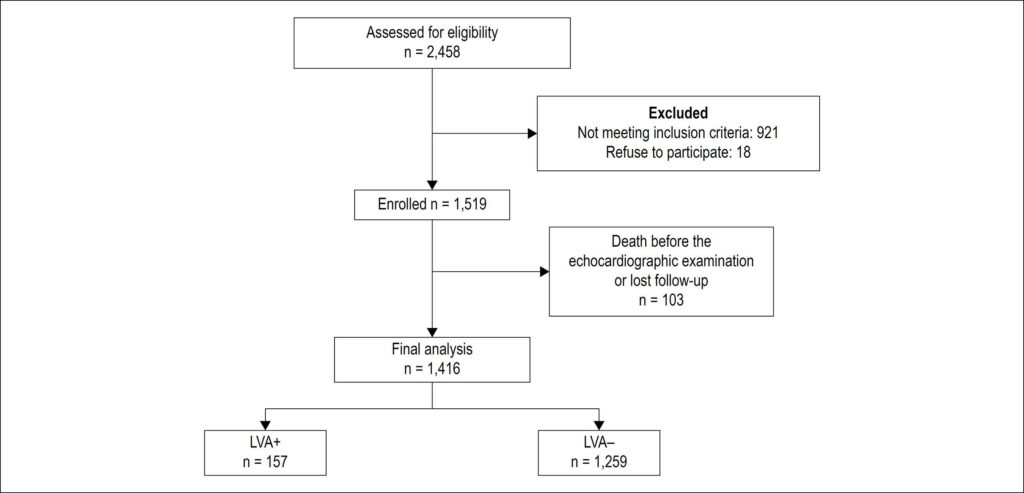
We prospectively enrolled 1519 consecutive patients with STEMI. Patients were divided into two groups according to LVA development within the six months after index myocardial infarction. Patients with or without LVAs were examined to determine if a significant relationship existed between the baseline N- Terminal pro B type natriuretic peptide values and clinical characteristics. A p-value < 0.05 was considered statistically significant.
Results:
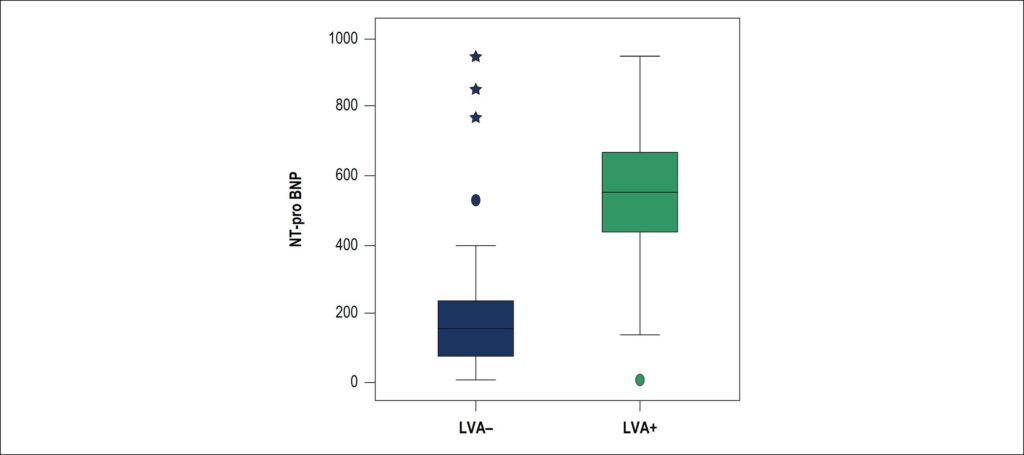
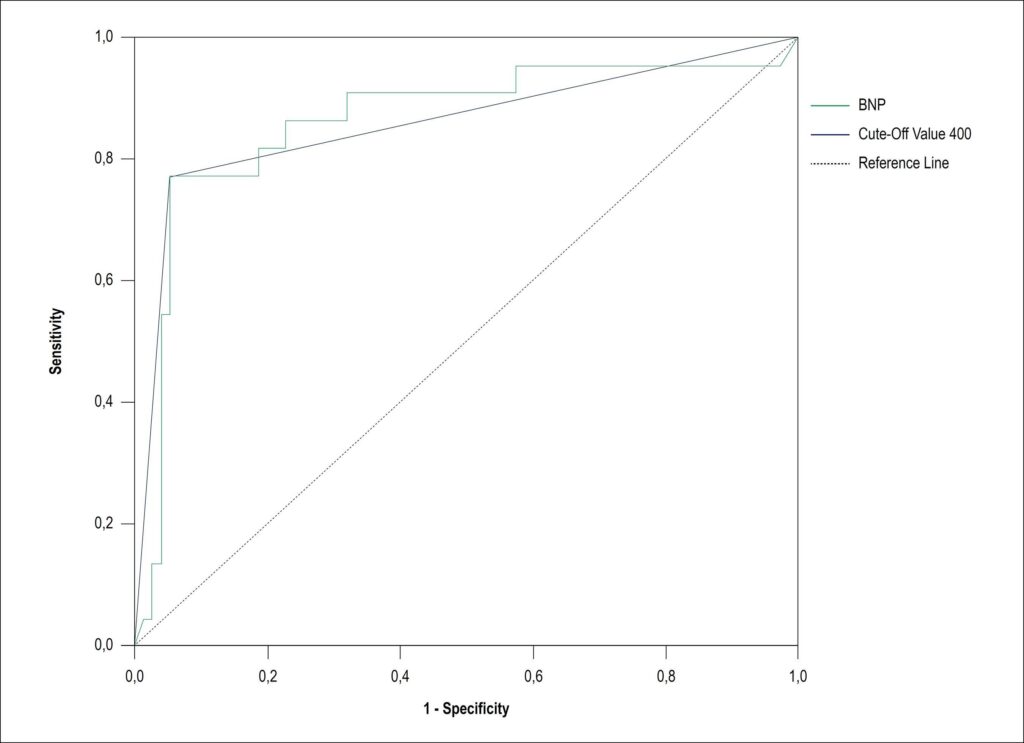
LVA was detected in 157 patients (10.3%). The baseline N- Terminal pro- B type natriuretic peptide level was significantly higher in patients who developed LVA after acute MI (523.5 ± 231.1 pg/mL vs. 192.3 ± 176.6 pg/mL, respectively, p 65 y, smoking, Killip class > 2, previous coronary artery bypass graft, post-myocardial infarction heart failure, left ventricular ejection fraction 400 pg/mL at admission.
Conclusions:
Our findings indicate that plasma N- Terminal pro B type natriuretic peptide level at admission among other variables provides valuable predictive information regarding the development of LVA after acute STEMI.
Images
Image gallery fullscreen viewer
Comments are moderated by the editorial team before publication. Discussions should be evidence-based and use scientific language. Conflicts of interest should be declared.