ABC Family Arquivos Brasileiros de Cardiologia International Journal of Cardiovascular Sciences ABC Heart Failure & Cardiomyopathy ABC Imagem Cardiovascular
Português English
ABC Family
Português English
  • About
    • About ABC Family
    • Internal Regulation
    • Editorial Board
    • Brazilian Society of Cardiology (SBC)
  • Issues
  • SBC Guidelines
  • Content
    • Videos
    • Podcasts
    • News
  • About
    • About ABC Family
    • Internal Regulation
    • Editorial Board
    • Brazilian Society of Cardiology (SBC)
  • Issues
  • SBC Guidelines
  • Content
    • Videos
    • Podcasts
    • News

ABC Family

  • ABC Family
  • Arquivos Brasileiros de Cardiologia
  • International Journal of Cardiovascular Sciences
  • ABC Heart Failure & Cardiomyopathy
  • ABC Imagem Cardiovascular
Search in

No content found.

Journals
Ordering
Article types
Others

  1. Home
  2. Keyword: Cardiovascular Diseases / prevention & control
ABC
Editorial

Is There Any Cardiovascular Concern Regarding the Use of Aromatase Inhibitors in Breast Cancer?

Tatiana F. G. Galvão

Breast cancer is the most frequent malignancy in women worldwide, and the second leading cause of cancer mortality. Due to advances in prevention, early detection and treatment, breast cancer mortality has decreased by nearly 40% during the last four decades. However, this optimistic scenario has been counterbalanced by an increasing risk from cardiovascular disease (CVD) in breast cancer survivors. Indeed, CVD is a leading cause of mortality in breast cancer survivors.– The mechanisms by which these patients are at increased cardiovascular risk are multiple ones, including the effects of cancer itself (inflammation, oxidative stress, prothrombotic status, autonomic dysfunction, etc.) or due to the side effects related to chemotherapy and radiotherapy (metabolic dysfunction, cardiotoxicity). Some of these pathways may have prognostic significance: a previous investigation showed that autonomic modulation in breast cancer patients is an independent predictor of cardiovascular risk.

In this issue of the Arquivos Brasileiros de Cardiologia, the study “Changes in Cardiac Autonomic Modulation in Women with Breast Cancer Using Aromatase Inhibitors and the Relation with Biochemical Variables” was aimed to explore not breast cancer but the associations of one of its treatments (namely aromatase inhibitors, AI) with markers of autonomic dysfunction, as well as metabolic and inflammatory parameters in postmenopausal women. The rationale for exploring this specific therapy was based on a recent meta-analysis showing that prolonged AI use had a marginally effect of having a CVD event (odds ratio: 1.18, 95% CI = 1.00-1.40) as compared to placebo.

[…]

  • Aromatase Inhibitors
  • Blood Glicose
  • Breast Neoplasms
  • Cardiovascular Diseases / prevention & control
  • Cholesterol
  • Estrogen Replacement
Read Full Article
Creative Commons Attribution (CC BY) Creative Commons license
06/06/2019 DOI: 10.5935/abc.20190092 Views 2
ABC
Editorial

The Brazilian Society of Cardiology and Hypertension: It's Time for Action

Paulo César B. Veiga Jardim

The year is 2018 and the level of scientific knowledge is unquestionable.

In medicine in general, and in cardiology, in particular, advances in diagnoses are impressive, just as the therapeutic arsenal is extraordinary, either in clinical or surgical, conventional or alternative treatment.

[…]

  • Antihypertensive Agents/administration & dosage
  • Cardiovascular Diseases / prevention & control
  • Decision/policies
  • Hypertension/drug therapy
  • Hypertension/mortality
  • Hypertension/physiopathology
  • Indicators of Morbidity and Mortality
  • Practice Guidelines as Topic
Read Full Article
Creative Commons Attribution (CC BY) Creative Commons license
01/09/2018 DOI: 10.5935/abc.20180189 Views 1
Figure 1
ABC
Review Article

Antiplatelet Therapy in Breast Cancer Patients Using Hormonal Therapy: Myths, Evidence and Potentialities – Systematic Review

Andréa de Melo Leite et al. Ariane Vieira Scarlatelli Macedo Antonio José Lagoeiro Jorge Wolney de Andrade Martins

Abstract

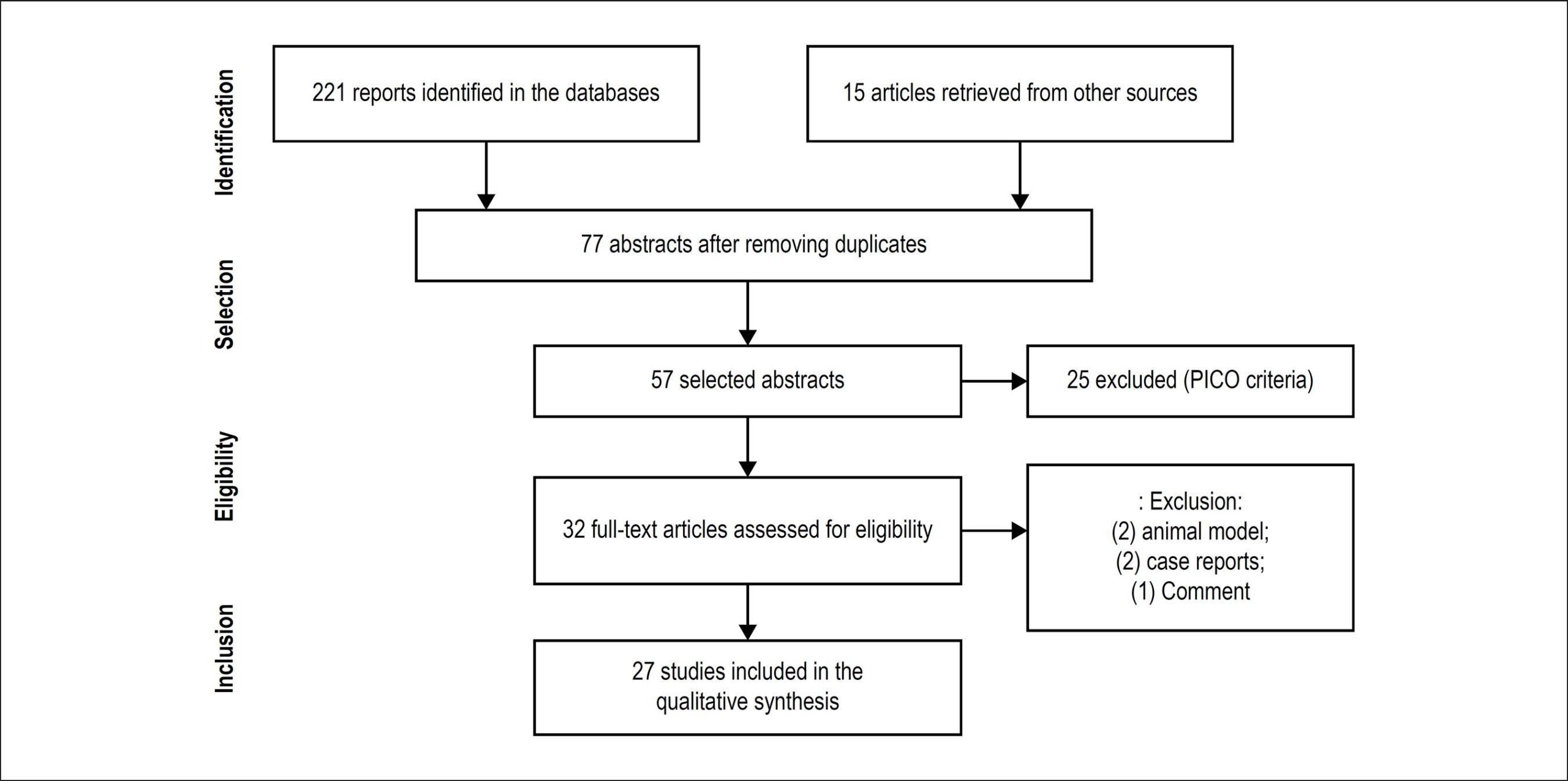
Breast cancer is the most frequently diagnosed tumor in women worldwide, with a significant impact on morbidity and mortality. Chemotherapy and hormone therapy have significantly reduced mortality; however, the adverse effects are significant. Aspirin has been incorporated into clinical practice for over 100 years at a low cost, making it particularly attractive as a potential agent in breast cancer prevention and as an adjunct treatment to endocrine therapy in the prophylaxis of cardiovascular complications. The objective of this study was to evaluate the role of aspirin in reducing the incidence of breast cancer and to evaluate the impact of its use on morbidity and mortality and reduction of cardiovascular events as adjuvant therapy during breast cancer treatment with selective estrogen receptor modulators. A systematic review was performed using the PRISMA methodology and PICO criteria, based on the MEDLINE, EMBASE and LILACS databases. The original articles of clinical trials, cohort, case-control studies and meta-analyses published from January 1998 to June 2017, were considered. Most studies showed an association between the use of selective estrogen receptor modulators and the increase in thromboembolic events. The studies suggest a protective effect of aspirin for cardiovascular events during its concomitant use with selective estrogen receptor modulators and in the prevention of breast cancer. This systematic review suggests that aspirin therapy combines the benefit of protection against cardiovascular events with the potential reduction in breast cancer risk, and that the evaluation of the benefits of the interaction of endocrine therapy with aspirin should be further investigated.

  • Aspirin
  • Breast Neoplasms/drug therapy
  • Cardiovascular Diseases / prevention & control
  • Indicators of Morbidity and Mortality
  • Raloxilene Hydrochloride
  • Selective Estrogen Receptor Modulators
  • Tamoxifen
Read Full Article
Creative Commons Attribution (CC BY) Creative Commons license
01/08/2018 DOI: 10.5935/abc.20180138
ABC
Editorial

Cardiovascular Diseases in Portuguese: The Importance of Preventive Medicine

Fausto J. Pinto

Cardiovascular diseases (CVD) are the leading cause of mortality and morbidity worldwide. Because several CVD have sequelae that significantly impact the life of affected individuals, knowing the importance of those diseases, as well as their associated factors, is essential to develop preventive measures to reduce that impact.–

The study published in this issue of the Arquivos Brasileiros de Cardiologia conducts an epidemiological assessment of CVD in Portuguese-speaking countries (PSC) from 1996 to 2016, being, in that context, unprecedented and relevant. Despite some limitations, always present in that type of study, the analysis has considerable merit and allows us to draw very important conclusions. That study assesses, from an innovative perspective, CVD in a set of countries scattered around the world, which share a common language and cultural base, but have totally distinct geographic locations. In that type of analysis, the impact of local aspects, such as sanitation structures, health policies, economic and political conditions, on the parameters assessed must be properly considered, and that study does it in a very elegant way. The authors clearly indicate that the relative importance of the burden of CVD differs in the different PSC, and they directly relate those differences to the socioeconomic conditions of the countries. Of the CVD, ischemic heart disease is the major cause of death in all PSC, except for Mozambique and Sao Tome and Principe. In addition, the authors report that the most relevant risk factors for CVD, arterial hypertension and dietary factors, are common in the PSC. Furthermore, they conclude that “Genetic factors, implicit in the cultural identity, the factors inherent in the host, as well as the huge social inequality might have contributed to explain the mortality rates observed.” It is worth noting that the authors report the general reduction in mortality from CVD as a common denominator among all the PSC, although the intensity of that reduction differs in the countries.

[…]

  • Cardiovascular Diseases / prevention & control
  • Cardiovascular Diseases, mortality
  • Community of Portuguese- Speaking Countries
  • Morbidity
  • Myocardial Ischemia
  • Risk Factors
  • Terapeutics / trends
Read Full Article
Creative Commons Attribution (CC BY) Creative Commons license
01/06/2018 DOI: 10.5935/abc.20180103 Views 1
ABC
Original Article

Leisure-Time Physical Activity, but not Commuting Physical Activity, is Associated with Cardiovascular Risk among ELSA-Brasil Participants

Francisco José Gondim Pitanga et al. Sheila M.A. Matos Maria da Conceição Almeida Sandhi Maria Barreto Estela M. L. Aquino

Abstract

Background:

Despite reports in the literature that both leisure-time physical activity (LTPA) and commuting physical activity (CPA) can promote health benefits, the literature lacks studies comparing the associations of these domains of physical activity with cardiovascular risk scores.

Objective:

To investigate the association between LTPA and CPA with different cardiovascular risk scores in the cohort of the Longitudinal Study of Adult Health ELSA-Brasil.

Methods:

Cross-sectional study with data from 13,721 participants of both genders, aged 35-74 years, free of cardiovascular disease, from ELSA Brazil. Physical activity was measured using the International Physical Activity Questionnaire (IPAQ). Five cardiovascular risk scores were used: Framingham score – coronary heart disease (cholesterol); Framingham score – coronary heart disease (LDL-C); Framingham score – cardiovascular disease (cholesterol); Framingham score – cardiovascular disease (body mass index, BMI); and pooled cohort equations for atherosclerotic cardiovascular disease (ASCVD). Associations adjusted for confounding variables between physical activity and different cardiovascular risk scores were analyzed by logistic regression. Confidence interval of 95% (95%CI) was considered.

Results:

LTPA is inversely associated with almost all cardiovascular risk scores analyzed, while CPA shows no statistically significant association with any of them. Dose-response effect in association between LTPA and cardiovascular risk scores was also found, especially in men.

Conclusions:

LTPA was shown to be associated with the cardiovascular risk scores analyzed, but CPA not. The amount of physical activity (duration and intensity) was more significantly associated, especially in men, with cardiovascular risk scores in ELSA-Brasil.

  • Cardiovascular Diseases / prevention & control
  • Epidemiology
  • Exercise
  • Exercise Movement Techniques
  • Risk Factors
Read Full Article
Creative Commons Attribution (CC BY) Creative Commons license
01/02/2018 DOI: 10.5935/abc.20170178
Figure 1
IJCS
Editorial

Environmental Pollution and Cardiovascular Diseases: Identify and Prevent!

Claudio Tinoco Mesquita

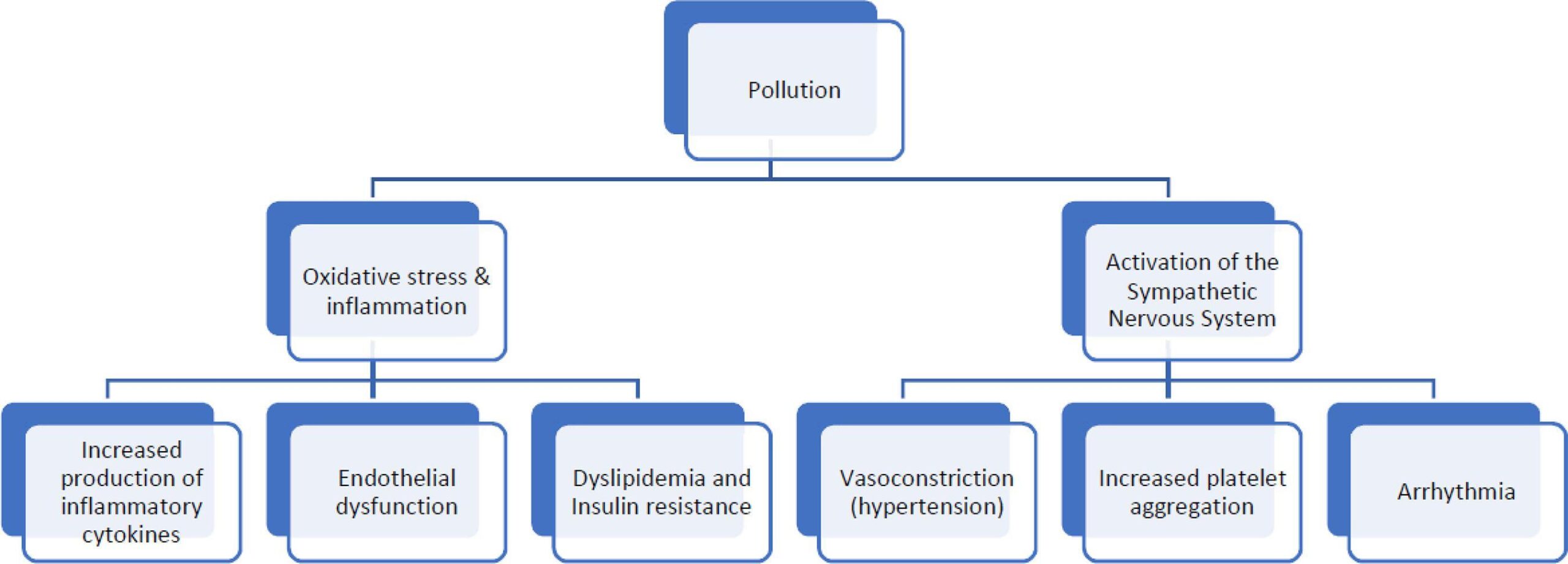
Exposure to environmental pollution is a key factor in the development and worsening of cardiovascular diseases. This alert was issued in a 2004 statement from the American Heart Association (AHA). A large body of new scientific evidence has been accumulated since then, allowing for a better understanding of the aspects related to this modifiable risk factor for cardiovascular diseases.

[…]

  • Air Pollution
  • Cardiovascular Diseases / prevention & control
  • Cardiovascular Diseases, mortality
  • Environmental, Pollution
  • Oxidative Stress
  • Risk Factors
Read Full Article
Creative Commons Attribution (CC BY) Creative Commons license
01/01/2018 DOI: 10.5935/2359-4802.20180070 Views 1
Figure 1
IJCS
Editorial

Cardiology and Sustainable Development

Claudio Tinoco Mesquita et al. Mauricio Leão

Brazil is one of the major economies of the planet, with a territory of continental extension (fifth greatest) and a population over 200 million inhabitants. Nevertheless, Brazil has a huge social inequality, evidenced by its health indicators. Ribeiro et al. have reported that cardiovascular diseases account for 31% of all deaths, most of which resulting from ischemic heart disease and cerebrovascular disease.

[…]

  • Cardiovascular Diseases / prevention & control
  • Coronary Artery Disease / mortality
  • NucleAR Medicine/trends
  • Quality of life
  • Symptom Assessment / trends
Read Full Article
Creative Commons Attribution (CC BY) Creative Commons license
01/01/2018 DOI: 10.5935/2359-4802.20170101 Views 1
ABC
Editorial

Gramado Declaration: The Impact of 20 Years of Cardiovascular Prevention

Aloyzio Achutti et al. Ricardo Stein Lúcia Pellanda Bruce B. Duncan

From May 1st to 10th, 1997, the First Brazilian Seminar on Cardiovascular Epidemiology, was held in the city of Gramado (RS), in the manner in which the World Federation of Cardiology has been promoting in various parts of the world since 1968 with The title Ten-Day International Didactic Seminars on Cardiovascular Epidemiology and Prevention.

The initiative came from the Scientific Advisory Board of the Faculty of Medicine of the Universidade Federal of Rio Grande do Sul (UFRGS) and the Cardiology Clinical Department and of the Committe de Epidemiology and Public Health of the Sociedade Brasileira de Cardiologia (SBC), under the auspices of the Coordination of Higher Education for Personal Development (CAPES), the World Heart Federation (at that time still called the International Society and Federation of Cardiology) and the Inter-American Heart Foundation.

[…]

  • Cardiovascular Diseases / epidemiology
  • Cardiovascular Diseases / prevention & control
  • Cardiovascular Diseases / trends
Read Full Article
Creative Commons Attribution (CC BY) Creative Commons license
01/03/2017 DOI: 10.5935/abc.20170040
Figura 1
ABC
Special Article

I Cardiovascular Prevention Guideline of the Brazilian Society of Cardiology – Executive Summary

Antonio Felipe Simão et al. Dalton Bertolim Précoma Jadelson Pinheiro de Andrade Harry Correa Filho … José Francisco Kerr Saraiva Gláucia Maria Moraes de Oliveira

Introduction

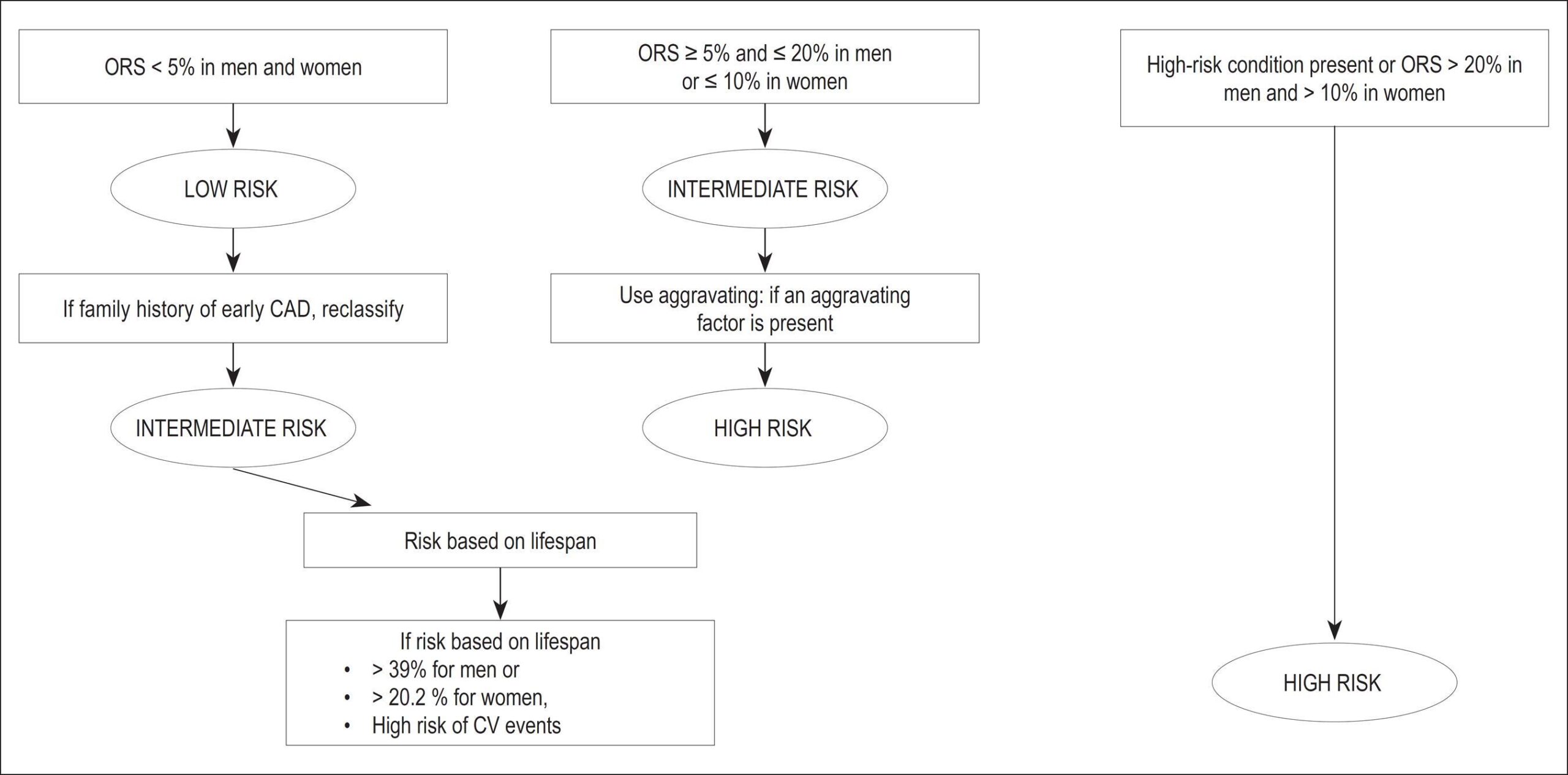
Brazil currently faces a major health challenge: the pandemic scenario of cardiovascular morbidity and mortality. According to Brazilian Health Ministry data, 326,000 deaths due to cardiovascular diseases (CVD) occurred in 2010, corresponding to approximately 1,000 deaths/day, 200,000 deaths due exclusively to ischemic heart and cerebrovascular diseases, reflecting a gloomy scenario far from the minimally acceptable control.

This current scenario can be attributed to many reasons, such as the insufficiency and inadequacy of public health policies for CVD prevention, leading to the well-known lack of infrastructure in primary health care, hindering the fight against preventable affections, mainly in the neediest areas.

[…]

  • Cardiovascular Diseases / prevention & control
  • Cardiovascular Diseases/guidelines
  • Health Promotion
  • Primary Prevention
  • Risk Factors
  • Socioeconomic Factors
Read Full Article
Creative Commons Attribution (CC BY) Creative Commons license
01/05/2014 DOI: 10.5935/abc.20140067 Views 2

How to cite this article

EndNote RIS

Electronic Document Format (Vancouver)

Galvão TFG. Is There Any Cardiovascular Concern Regarding the Use of Aromatase Inhibitors in Breast Cancer?. Arquivos Brasileiros de Cardiologia 2019;112(5):489-90.

Electronic Document Format (ABNT)

Galvão, Tatiana F. G.. Is There Any Cardiovascular Concern Regarding the Use of Aromatase Inhibitors in Breast Cancer?. Arquivos Brasileiros de Cardiologia, v. 112, n. 5, p. 489-490, Jun. 2019.

Electronic Document Format (APA)

Galvão, T. F. G. (2019). Is There Any Cardiovascular Concern Regarding the Use of Aromatase Inhibitors in Breast Cancer?. Arquivos Brasileiros de Cardiologia, 112(5), 489-490.

Electronic Document Format (ISO)

Galvão, Tatiana F. G.. Is There Any Cardiovascular Concern Regarding the Use of Aromatase Inhibitors in Breast Cancer?. Arquivos Brasileiros de Cardiologia [online]. 2019, vol. 112, n. 5, [cited 2026-10-14], pp. 489-490. Available from: <https://journals.cardiol.br/en/article/is-there-any-cardiovascular-concern-regarding-the-use-of-aromatase-inhibitors-in-breast-cancer/>. ISSN 0066-782X

EndNote RIS

Electronic Document Format (Vancouver)

Jardim PCBV. The Brazilian Society of Cardiology and Hypertension: It’s Time for Action. Arquivos Brasileiros de Cardiologia 2018;111(3):343-4.

Electronic Document Format (ABNT)

Jardim, Paulo César B. Veiga. The Brazilian Society of Cardiology and Hypertension: It’s Time for Action. Arquivos Brasileiros de Cardiologia, v. 111, n. 3, p. 343-344, Aug. 2018.

Electronic Document Format (APA)

Jardim, P. C. B. V. (2018). The Brazilian Society of Cardiology and Hypertension: It’s Time for Action. Arquivos Brasileiros de Cardiologia, 111(3), 343-344.

Electronic Document Format (ISO)

Jardim, Paulo César B. Veiga. The Brazilian Society of Cardiology and Hypertension: It’s Time for Action. Arquivos Brasileiros de Cardiologia [online]. 2018, vol. 111, n. 3, [cited 2026-10-14], pp. 343-344. Available from: <https://journals.cardiol.br/en/article/the-brazilian-society-of-cardiology-and-hypertension-its-time-for-action/>. ISSN 0066-782X

EndNote RIS

Electronic Document Format (Vancouver)

Leite AM, Macedo AVS, Jorge AJL, Martins WA. Antiplatelet Therapy in Breast Cancer Patients Using Hormonal Therapy: Myths, Evidence and Potentialities – Systematic Review. Arquivos Brasileiros de Cardiologia 2018;111(2):205-12.

Electronic Document Format (ABNT)

Leite, Andréa de Melo; Macedo, Ariane Vieira Scarlatelli; Jorge, Antonio José Lagoeiro; Martins, Wolney de Andrade. Antiplatelet Therapy in Breast Cancer Patients Using Hormonal Therapy: Myths, Evidence and Potentialities – Systematic Review. Arquivos Brasileiros de Cardiologia, v. 111, n. 2, p. 205-212, Jul. 2018.

Electronic Document Format (APA)

Leite, A. M., Macedo, A. V. S., Jorge, A. J. L., & Martins, W. A. (2018). Antiplatelet Therapy in Breast Cancer Patients Using Hormonal Therapy: Myths, Evidence and Potentialities – Systematic Review. Arquivos Brasileiros de Cardiologia, 111(2), 205-212.

Electronic Document Format (ISO)

Leite, Andréa de Melo and Macedo, Ariane Vieira Scarlatelli and Jorge, Antonio José Lagoeiro and Martins, Wolney de Andrade. Antiplatelet Therapy in Breast Cancer Patients Using Hormonal Therapy: Myths, Evidence and Potentialities – Systematic Review. Arquivos Brasileiros de Cardiologia [online]. 2018, vol. 111, n. 2, [cited 2026-10-14], pp. 205-212. Available from: <https://journals.cardiol.br/en/article/antiplatelet-therapy-in-breast-cancer-patients-using-hormonal-therapy-myths-evidence-and-potentialities-systematic-review/>. ISSN 0066-782X

EndNote RIS

Electronic Document Format (Vancouver)

Pinto FJ. Cardiovascular Diseases in Portuguese: The Importance of Preventive Medicine. Arquivos Brasileiros de Cardiologia 2018;110(6):512-3.

Electronic Document Format (ABNT)

Pinto, Fausto J.. Cardiovascular Diseases in Portuguese: The Importance of Preventive Medicine. Arquivos Brasileiros de Cardiologia, v. 110, n. 6, p. 512-513, May. 2018.

Electronic Document Format (APA)

Pinto, F. J. (2018). Cardiovascular Diseases in Portuguese: The Importance of Preventive Medicine. Arquivos Brasileiros de Cardiologia, 110(6), 512-513.

Electronic Document Format (ISO)

Pinto, Fausto J.. Cardiovascular Diseases in Portuguese: The Importance of Preventive Medicine. Arquivos Brasileiros de Cardiologia [online]. 2018, vol. 110, n. 6, [cited 2026-10-14], pp. 512-513. Available from: <https://journals.cardiol.br/en/article/cardiovascular-diseases-in-portuguese-the-importance-of-preventive-medicine/>. ISSN 0066-782X

EndNote RIS

Electronic Document Format (Vancouver)

Pitanga FJG, Matos SM, Almeida MC, Barreto SM, Aquino EML. Leisure-Time Physical Activity, but not Commuting Physical Activity, is Associated with Cardiovascular Risk among ELSA-Brasil Participants. Arquivos Brasileiros de Cardiologia 2018;110(1):36-43.

Electronic Document Format (ABNT)

Pitanga, Francisco José Gondim; Matos, Sheila M.A.; Almeida, Maria da Conceição; Barreto, Sandhi Maria; Aquino, Estela M. L.. Leisure-Time Physical Activity, but not Commuting Physical Activity, is Associated with Cardiovascular Risk among ELSA-Brasil Participants. Arquivos Brasileiros de Cardiologia, v. 110, n. 1, p. 36-43, Jan. 2018.

Electronic Document Format (APA)

Pitanga, F. J. G., Matos, S. M., Almeida, M. C., Barreto, S. M., & Aquino, E. M. L. (2018). Leisure-Time Physical Activity, but not Commuting Physical Activity, is Associated with Cardiovascular Risk among ELSA-Brasil Participants. Arquivos Brasileiros de Cardiologia, 110(1), 36-43.

Electronic Document Format (ISO)

Pitanga, Francisco José Gondim and Matos, Sheila M.A. and Almeida, Maria da Conceição and Barreto, Sandhi Maria and Aquino, Estela M. L.. Leisure-Time Physical Activity, but not Commuting Physical Activity, is Associated with Cardiovascular Risk among ELSA-Brasil Participants. Arquivos Brasileiros de Cardiologia [online]. 2018, vol. 110, n. 1, [cited 2026-10-14], pp. 36-43. Available from: <https://journals.cardiol.br/en/article/leisure-time-physical-activity-but-not-commuting-physical-activity-is-associated-with-cardiovascular-risk-among-elsa-brasil-participants/>. ISSN 0066-782X

EndNote RIS

Electronic Document Format (Vancouver)

Mesquita CT. Environmental Pollution and Cardiovascular Diseases: Identify and Prevent!. International Journal of Cardiovascular Sciences 2018;31(5):463-5.

Electronic Document Format (ABNT)

Mesquita, Claudio Tinoco. Environmental Pollution and Cardiovascular Diseases: Identify and Prevent!. International Journal of Cardiovascular Sciences, v. 31, n. 5, p. 463-465, Dec. 2017.

Electronic Document Format (APA)

Mesquita, C. T. (2018). Environmental Pollution and Cardiovascular Diseases: Identify and Prevent!. International Journal of Cardiovascular Sciences, 31(5), 463-465.

Electronic Document Format (ISO)

Mesquita, Claudio Tinoco. Environmental Pollution and Cardiovascular Diseases: Identify and Prevent!. International Journal of Cardiovascular Sciences [online]. 2018, vol. 31, n. 5, [cited 2026-10-14], pp. 463-465. Available from: <https://journals.cardiol.br/en/article/environmental-pollution-and-cardiovascular-diseases-identify-and-prevent/>. ISSN 2359-4802

EndNote RIS

Electronic Document Format (Vancouver)

Mesquita CT, Leão M. Cardiology and Sustainable Development. International Journal of Cardiovascular Sciences 2018;31(1):1-3.

Electronic Document Format (ABNT)

Mesquita, Claudio Tinoco; Leão, Mauricio. Cardiology and Sustainable Development. International Journal of Cardiovascular Sciences, v. 31, n. 1, p. 1-3, Dec. 2017.

Electronic Document Format (APA)

Mesquita, C. T., & Leão, M. (2018). Cardiology and Sustainable Development. International Journal of Cardiovascular Sciences, 31(1), 1-3.

Electronic Document Format (ISO)

Mesquita, Claudio Tinoco and Leão, Mauricio. Cardiology and Sustainable Development. International Journal of Cardiovascular Sciences [online]. 2018, vol. 31, n. 1, [cited 2026-10-14], pp. 1-3. Available from: <https://journals.cardiol.br/en/article/cardiology-and-sustainable-development/>. ISSN 2359-4802

EndNote RIS

Electronic Document Format (Vancouver)

Achutti A, Stein R, Pellanda L, Duncan BB. Gramado Declaration: The Impact of 20 Years of Cardiovascular Prevention. Arquivos Brasileiros de Cardiologia 2017;108(3):193-4.

Electronic Document Format (ABNT)

Achutti, Aloyzio; Stein, Ricardo; Pellanda, Lúcia; Duncan, Bruce B.. Gramado Declaration: The Impact of 20 Years of Cardiovascular Prevention. Arquivos Brasileiros de Cardiologia, v. 108, n. 3, p. 193-194, Feb. 2017.

Electronic Document Format (APA)

Achutti, A., Stein, R., Pellanda, L., & Duncan, B. B. (2017). Gramado Declaration: The Impact of 20 Years of Cardiovascular Prevention. Arquivos Brasileiros de Cardiologia, 108(3), 193-194.

Electronic Document Format (ISO)

Achutti, Aloyzio and Stein, Ricardo and Pellanda, Lúcia and Duncan, Bruce B.. Gramado Declaration: The Impact of 20 Years of Cardiovascular Prevention. Arquivos Brasileiros de Cardiologia [online]. 2017, vol. 108, n. 3, [cited 2026-10-14], pp. 193-194. Available from: <https://journals.cardiol.br/en/article/gramado-declaration-the-impact-of-20-years-of-cardiovascular-prevention/>. ISSN 0066-782X

EndNote RIS

Electronic Document Format (Vancouver)

Simão AF, Précoma DB, Andrade JP, Correa Filho H, Saraiva JFK, Oliveira GMM. I Cardiovascular Prevention Guideline of the Brazilian Society of Cardiology – Executive Summary. Arquivos Brasileiros de Cardiologia 2014;102(5):420-31.

Electronic Document Format (ABNT)

Simão, Antonio Felipe; Précoma, Dalton Bertolim; Andrade, Jadelson Pinheiro de; Correa Filho, Harry; Saraiva, José Francisco Kerr; Oliveira, Gláucia Maria Moraes de. I Cardiovascular Prevention Guideline of the Brazilian Society of Cardiology – Executive Summary. Arquivos Brasileiros de Cardiologia, v. 102, n. 5, p. 420-431, Apr. 2014.

Electronic Document Format (APA)

Simão, A. F., Précoma, D. B., Andrade, J. P. , Correa Filho, H., Saraiva, J. F. K., & Oliveira, G. M. M. (2014). I Cardiovascular Prevention Guideline of the Brazilian Society of Cardiology – Executive Summary. Arquivos Brasileiros de Cardiologia, 102(5), 420-431.

Electronic Document Format (ISO)

Simão, Antonio Felipe and Précoma, Dalton Bertolim and Andrade, Jadelson Pinheiro de and Correa Filho, Harry and Saraiva, José Francisco Kerr and Oliveira, Gláucia Maria Moraes de. I Cardiovascular Prevention Guideline of the Brazilian Society of Cardiology – Executive Summary. Arquivos Brasileiros de Cardiologia [online]. 2014, vol. 102, n. 5, [cited 2026-10-14], pp. 420-431. Available from: <https://journals.cardiol.br/en/article/i-cardiovascular-prevention-guideline-of-the-brazilian-society-of-cardiology-executive-summary/>. ISSN 0066-782X

  • About ABC Family
  • Internal Regulation
  • Editorial Board
  • Brazilian Society of Cardiology (SBC)

Issues

SBC Guidelines

  • Videos
  • Podcasts
  • News