| ABC
ABC Family Arquivos Brasileiros de Cardiologia International Journal of Cardiovascular Sciences ABC Heart Failure & Cardiomyopathy ABC Imagem Cardiovascular
Português English
ABC Family | ABC
Português English
  • About
    • About the Journal
    • Internal Regulation
    • Editors Section
    • Editorial Board
    • History
    • SBC Award
  • Instructions to Authors
    • Guidelines for Publication
    • Editorial Policy
    • Ethics Policy
    • Policy on the Use of Artificial Intelligence
    • Mandatory Publication Form
    • Publication Fee
  • Issues
  • SBC Guidelines
  • Abstracts
    • How to Publish an Abstract Supplement?
    • Supplements from the Brazilian Congress of Cardiology
  • About
    • About the Journal
    • Internal Regulation
    • Editors Section
    • Editorial Board
    • History
    • SBC Award
  • Instructions to Authors
    • Guidelines for Publication
    • Editorial Policy
    • Ethics Policy
    • Policy on the Use of Artificial Intelligence
    • Mandatory Publication Form
    • Publication Fee
  • Issues
  • SBC Guidelines
  • Abstracts
    • How to Publish an Abstract Supplement?
    • Supplements from the Brazilian Congress of Cardiology

ABC Family

  • ABC Family
  • Arquivos Brasileiros de Cardiologia
  • International Journal of Cardiovascular Sciences
  • ABC Heart Failure & Cardiomyopathy
  • ABC Imagem Cardiovascular
Search in

No content found.

Journals
Ordering
Article types
Others

  1. Home
  2. ABC
  3. Issues
  4. 2022, Volume 118, Number 4
Figure 1
Original Article

Mortality from Heart Failure with Mid-Range Ejection Fraction

Giovanni Possamai Dutra et al. Bruno Ferraz de Oliveira Gomes Plínio Resende do Carmo Júnior João Luiz Fernandes Petriz … Emilia Matos Nascimento Basilio de Bragança Pereira Gláucia Maria Moraes de Oliveira

Abstract

Background

The prognostic importance of the classification ‘heart failure (HF) with mid-range ejection fraction (EF)’ remains uncertain.

Objective

To analyze the clinical characteristics, comorbidities, complications, and in-hospital and late mortality of patients classified as having HF with mid-range EF (HFmrEF – EF: 40%-49%), and to compare them to those of patients with HF with preserved EF (HFpEF – EF > 50%) and with HF with reduced EF (HFrEF – EF < 40%) on admission for decompensated HF.

Methods

Ambispective cohort of patients admitted to the cardiac intensive care unit due to decompensated HF. Clinical characteristics, comorbidities, complications, and in-hospital and late mortality were assessed. The software R was used, with a 5% significance, for the tests chi-square, analysis of variance, Cox multivariate, and Kaplan-Meier survival curve, in addition to machine-learning techniques (Elastic Net and survival tree).

Results

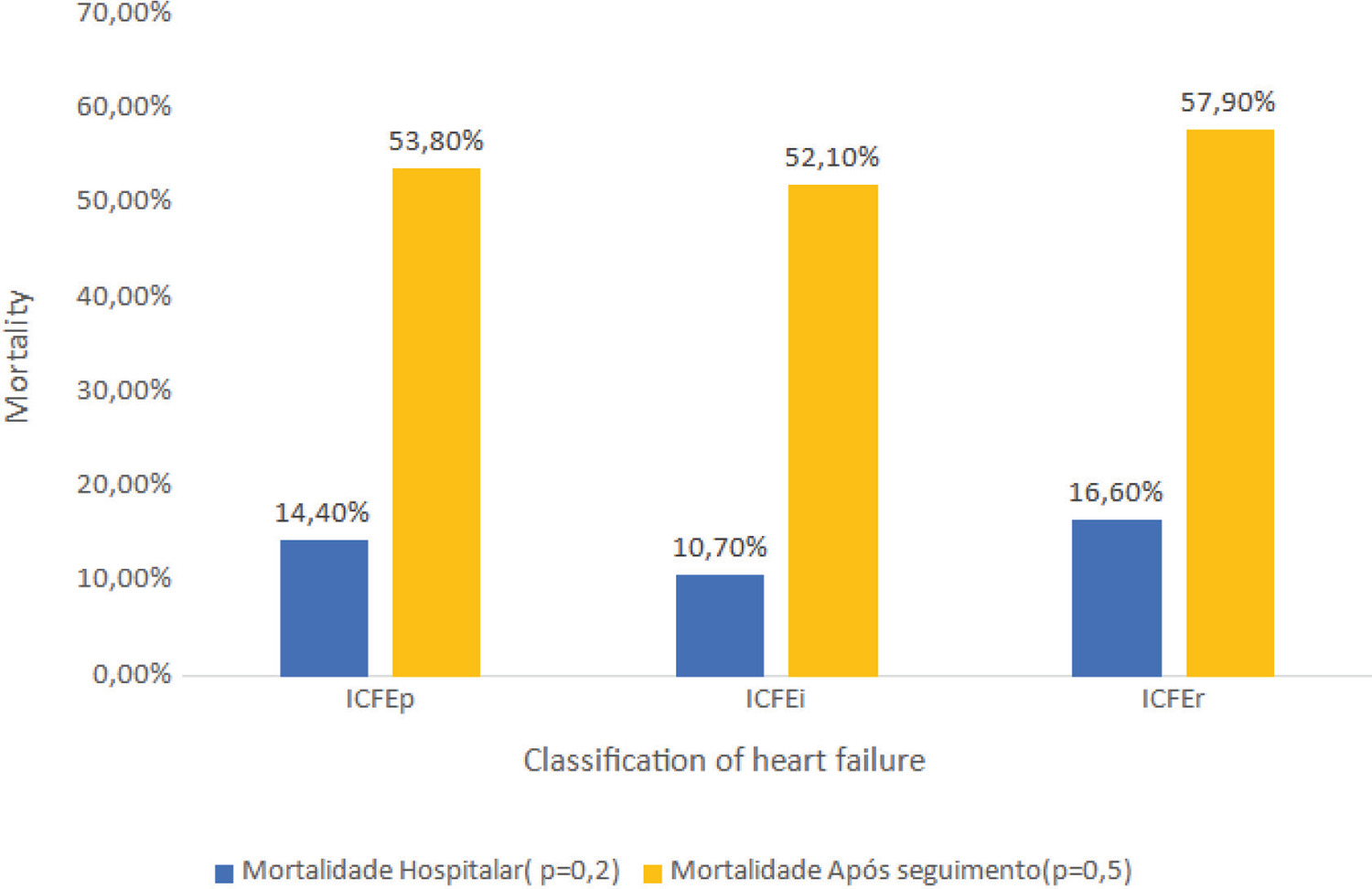
519 individuals were included between September 2011 and June 2019 (mean age, 74.87 ± 13.56 years; 57.6% were men). The frequencies of HFpEF, HFmrEF and HFrEF were 25.4%, 27% and 47.6%, respectively. Previous infarction was more frequent in HFmrEF. The mean follow-up time was 2.94 ± 2.55 years, with no statistical difference in mortality between the groups (53.8%, 52.1%, 57.9%). In the survival curve, there was difference between neither the HFpEF and HFmrEF groups, nor the HFpEF and HFrEF groups, but between the HFmrEF and HFrEF groups. Age over 77 years, previous HF, history of readmission, dementia and need for vasopressors were associated with higher late mortality in the survival tree.

Conclusion

The EF was not selected as a variable associated with mortality in patients with decompensated HF.
  • Heart Failure
  • Mid-Range Ejection Fraction
  • Mortality
Read Full Article
Creative Commons Attribution (CC BY) Creative Commons license
29/04/2022 DOI: 10.36660/abc.20210050 Views 1
Editorial

Confinement and Cardiovascular Diagnosis in a Pandemic Season: The Difficult Balance on the Razor’s Edge

Nuno Bettencourt

The COVID-19 pandemic has had a strong impact on healthcare delivery worldwide. Cardiovascular diseases, including their acute forms, were no exception. In the first weeks of the pandemic, at the end of the first quarter of 2020, there was a clear reduction in resources to health services, both in scheduled care and in admissions for acute coronary syndromes, with a strong impact on the immediate prognosis and with future consequences not fully documented.,

In addition to the direct impact of the virus on the myocardium, which causes considerable morbidity and mortality,– there is also a reduction in access to health care – which occurred both as a result of a massive channeling of resources from the different health systems to the fighting the pandemic, as well as the population’s fear of resorting to these services during the pandemic – is having an important impact on the diagnosis and treatment of cardiovascular disease. Although the real dimension of this impact on the prognosis of patients with and without COVID has not yet been established, its importance likely exceeds the effects directly determined by the pandemic.

[…]

  • Cardiovascular Diseases/physiopathology
  • COVID-19
  • Health Status Disparities
  • Medical Care/methods
  • Needs Assessment/statistics & numerical data
  • Pandemics
  • Research/trends
Read Full Article
Creative Commons Attribution (CC BY) Creative Commons license
29/04/2022 DOI: 10.36660/abc.20220192 Views 1
Figure 1
Original Article

Sonothrombolysis Promotes Improvement in Left Ventricular Wall Motion and Perfusion Scores after Acute Myocardial Infarction

Bruno G. Tavares et al. Miguel Osman Aguiar Jeane Tsutsui Mucio Oliveira … Alexandre de Matos Soeiro José Nicolau Henrique Ribeiro Hsu PoChiang João Sbano Carlos Eduardo Rochitte Bernardo Lopes José Ramirez Roberto Kalil Filho Wilson Mathias

Abstract

Background

It has recently been demonstrated that the application of high-energy ultrasound and microbubbles, in a technique known as sonothrombolysis, dissolves intravascular thrombi and increases the angiographic recanalization rate in patients with ST-segment–elevation myocardial infarction (STEMI).

Objective

To evaluate the effects of sonothrombolysis on left ventricular wall motion and myocardial perfusion in patients with STEMI, using real-time myocardial perfusion echocardiography (RTMPE).

Methods

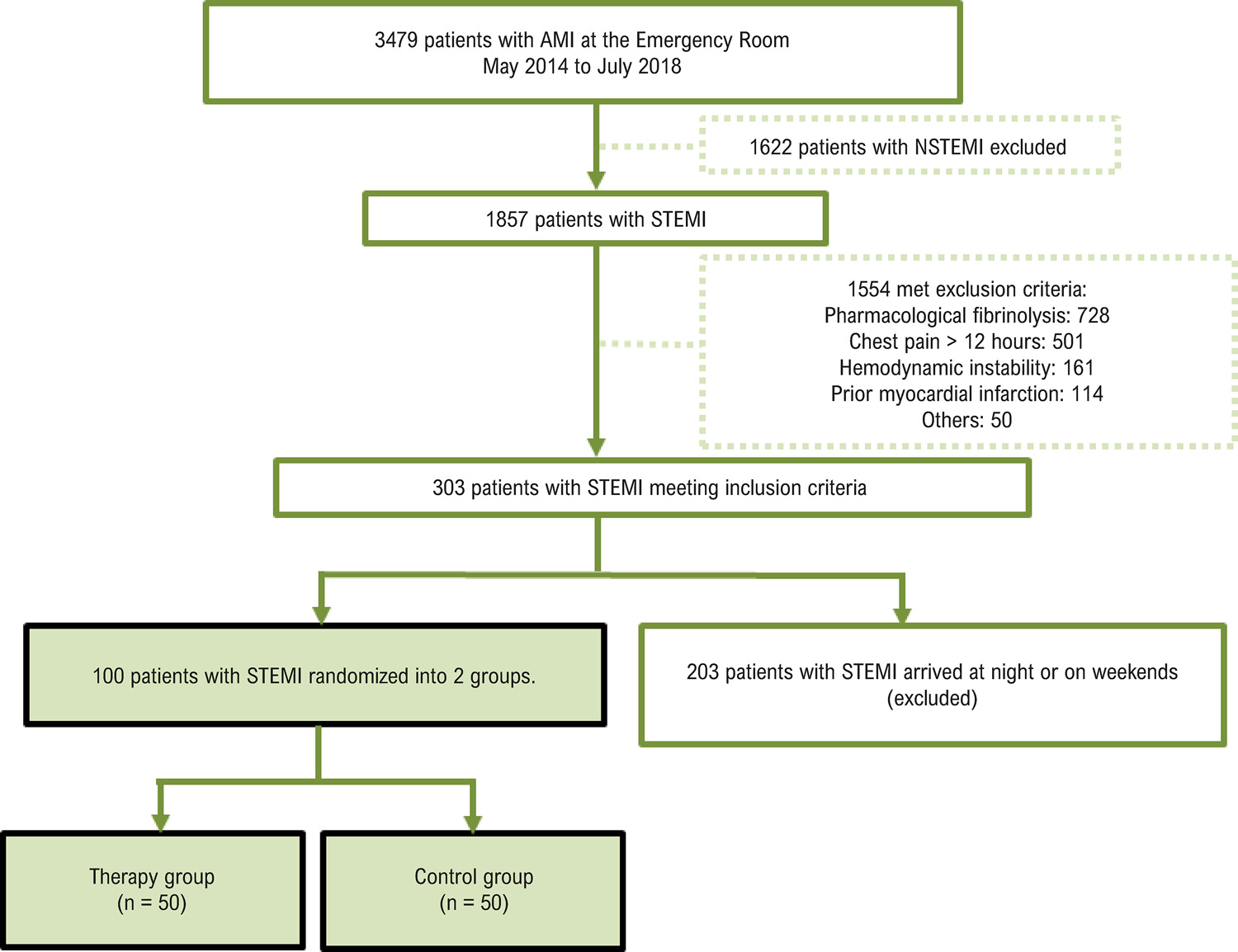
One hundred patients with STEMI were randomized into the following 2 groups: therapy (50 patients treated with sonothrombolysis and primary coronary angioplasty) and control (50 patients treated with primary coronary angioplasty). The patients underwent RTMPE for analysis of left ventricular ejection fraction (LVEF), wall motion score index (WMSI), and number of segments with myocardial perfusion defects 72 hours after STEMI and at 6 months of follow-up. P < 0.05 was considered statistically significant.

Results

Patients treated with sonothrombolysis had higher LVEF than the control group at 72 hours (50% ± 10% versus 44% ± 10%; p = 0.006), and this difference was maintained at 6 months of follow-up (53% ± 10% versus 48% ± 12%; p = 0.008). The WMSI was similar in the therapy and control groups at 72 hours (1.62 ± 0.39 versus 1.75 ± 0.40; p = 0.09), but it was lower in the therapy group at 6 months (1.46 ± 0.36 versus 1.64 ± 0.44; p = 0.02). The number of segments with perfusion defects on RTMPE was similar in therapy and control group at 72 hours (5.92 ± 3.47 versus 6.94 ± 3.39; p = 0.15), but it was lower in the therapy group at 6 months (4.64 ± 3.31 versus 6.57 ± 4.29; p = 0.01).

Conclusion

Sonothrombolysis in patients with STEMI resulted in improved wall motion and ventricular perfusion scores over time.

  • Contrast Media
  • Microbubbles
  • Myocardial Infarction
  • Pulmonary embolism
  • Sonothrombolysis
  • Ventricular Function, Left
Read Full Article
Creative Commons Attribution (CC BY) Creative Commons license
29/04/2022 DOI: 10.36660/abc.20200651
Editorial

Microalbuminuria and the Risk of Mortality in Patients with Acute Heart Failure

Jerzy Beltowski

Heart failure (HF) is a chronic and progressive clinical syndrome resulting from structural or functional abnormalities of the heart. The most common symptoms and signs of HF are dyspnea, fatigue, pulmonary and peripheral congestion or edema and jugular vein distension. The prevalence of HF continuously increases due to improved treatment and reduced short-term mortality in patients with acute coronary syndromes, congenital heart disease, population aging and improved survival of patients with already developed heart failure by the widespread application of modern disease-modifying medications and devices.

Acute heart failure (AHF) is recognized when symptoms of HF appear in the patient without the history of previous HF (de novo HF) or when symptoms and signs are rapidly exacerbating in a patient with previously recognized HF (decompensated HF). Acute heart failure is the most common cause of unplanned hospital admissions in older patients. The pathophysiology of both conditions is similar, but de novo HF requires a more detailed diagnostic approach to find the underlying pathology. The initial treatment of AHF includes intravenous diuretics and short-acting vasodilators. The minority of patients with AHF present with cardiogenic shock associated with low blood pressure and severely compromised perfusion of peripheral tissues; the cardiogenic shock is associated with much higher mortality than AHF without shock. Whereas the treatment of chronic HF has substantially improved survival rates, the outcome of AHF is still poor, with high mortality and hospital readmission rates. Currently used therapy is directed to reduce the pre and afterload of the heart and does not target the specific underlying pathology in a given patient, which may explain unsatisfactory progress of clinical outcomes. Therefore, individualized therapy is highly appreciated, requiring establishing specific markers.,

[…]

  • Albuminuria/physiopathology
  • Diuretics/therapeutic use
  • Heart Failure/physiopathology
  • Natriuretic Peptides/therapeutic use
  • Stroke Volume
Read Full Article
Creative Commons Attribution (CC BY) Creative Commons license
29/04/2022 DOI: 10.36660/abc.20220172
Editorial

Prognosis of Heart Failure with Mid-Range Ejection Fraction: A Story or a Version?

Adriana Lopes Latado

The category “heart failure (HF) with mid-range ejection fraction” (HFmrEF), i.e., with left ventricular ejection fraction (LVEF) between 40-49%, was first described in 2016 in the European Society of Cardiology Guidelines on the syndrome. After that, much of the worldwide cardiology community has adopted HF’s classification into three categories of LVEF (reduced, mid-range and preserved), including the Brazilian Society of Cardiology (2018), despite existing uncertainties about the real meaning of the new classification and, more importantly, what the identification of HFmrEF subgroup would impact on clinical practice. Unlike most, the American Heart Association and the American College of Cardiology (2013) has used ‘borderline’ HF with preserved LVEF (HFpEF) to define patients with LVEF between 41 and 49%, which was not updated in the document of 2017.,

In this context, in 2021, different international cardiological societies published a report proposing a universal definition and classification of HF. Regarding the classification by LVEF, although attractive from a clinical and epidemiological point of view, authors reviewed the limitations of its use from different aspects and proposed HF categories in which therapeutic strategy would be different. HFmrEF became synonymous with “lightly reduced” LVEF HF, now including LVEF between 41-49%, which was also adopted by Brazilian HF Guidelines update, 2021.,

[…]

  • Atrial Fibrillation
  • Cardiovascular Diseases/physiopathology
  • Heart Failure/epidemiology
  • Heart Failure/physiopathology
  • Mortality
  • Prognosis
  • Stroke
Read Full Article
Creative Commons Attribution (CC BY) Creative Commons license
29/04/2022 DOI: 10.36660/abc.20220170
Editorial

The Year in Basic Research 2021: the Search for Translational Models

Mariana Gatto et al. Gustavo Augusto Ferreira Mota Marina Politi Okoshi

Cardiovascular diseases (CVD) are responsible for approximately 19 million deaths annually in the world.In Brazil, they are involved in one third of deaths. A significant improvement in cardiovascular medicine has been observed in the last decades. However, cardiac failure, which is the final common pathway following heart injury, remains with a high incidence, prevalence, and mortality. A better understanding of CVD may allow the development of new pharmacological and non-pharmacological approaches to their treatment. In 2021, the Arquivos Brasileiros de Cardiologia published articles in the area of basic sciences that were mostly related to experimental models. These studies can provide the basis for a translational approach to expand the understanding of CVD treatment. In this Editorial, we present an overview of recently published articles with emphasis on experimental models for a future translational approach.

The molecular mechanisms involved in the cardiac remodeling development are still widely investigated. Micro-RNAs (miRNA) participate in the control of major cellular functions, such as proliferation, differentiation, apoptosis, stress response, and transcriptional regulation. In an elegant study, Xu e Fang observed that miR-34a and miR-125b are downregulated in the heart from patients with diabetic cardiomyopathy at the time of transplant. Additionally, in vitro data from rat cardiomyocytes showed that miR-125b and miR-34a overexpression prevents hyperglycemia-induced cardiomyocyte death.

[…]

  • Cardiovascular Diseases
  • Exercise
  • Experimental Research
  • Heart Failure
  • Research Design
  • Translacional Medical Research
  • Ventricular Remodeling
Read Full Article
Creative Commons Attribution (CC BY) Creative Commons license
29/04/2022 DOI: 10.36660/abc.20220186 Views 1
Editorial

Lung Function and Inspiratory Muscle Strength in Heart Failure: Can They be Considered Potential Prognostic Markers?

Filipe Ferrari

Heart failure (HF) is a complex syndrome considered a major public health problem. Different HF subtypes are classically defined based on left ventricular ejection fraction (LVEF). Although its prognosis has improved in recent decades – explained, in part, by major therapeutic advances – HF persists with a high burden of mortality and negatively influences the quality of life., In this sense, common symptoms experienced in this disease, such as shortness of breath and exercise intolerance, contribute greatly to this sharp decline in the quality of life of individuals. Another condition, considered an important risk factor, which usually accompanies HF, is pulmonary dysfunction. The respiratory impairments observed in HF may be related to several reasons, such as an impairment of lung mechanics and gas diffusion, as well as respiratory muscle weakness – aggravating increased dyspnea, being a major limitation on physical exercise.

Spirometry is a widely used test that allows the analysis of lung function – by measuring the amount of air inhaled and exhaled to the maximum. Because chronic obstructive pulmonary disease shares similar signs and symptoms with HF, its identification in individuals with HF can be challenging; in this sense, spirometry can help confirm the diagnosis. About evaluating the potential severity of some lung diseases, the exercise test can also be useful, observing a series of parameters, such as the ratio of forced expiratory volume in 1 second/forced vital capacity (FEV1/FVC). The severity of the disease can still be classified based on FEV1 when it is below the lower limit of normal (ranging from mild when ≥70% of predicted to very severe when <35% of predicted). Although HF itself can lead to a decrease in FEV1 and FVC of about 20% of predicted, in addition to the fact that a worse FEV1 may predict higher mortality, convincing evidence examining the prognostic role of FEV1 in the HF setting still needs further investigation.

[…]

  • Exercise Tolerance
  • Heart Failure
  • Respiratory Insufficiency
  • Respiratory Muscles
  • Risk Assessment
  • Ventricular Function
Read Full Article
Creative Commons Attribution (CC BY) Creative Commons license
29/04/2022 DOI: 10.36660/abc.20211060 Views 2
Central Illustration
Statement

Position Statement on Cardiovascular Safety of Vaccines Against COVID-19 – 2022

Humberto Graner Moreira et al. Múcio Tavares de Oliveira Júnior Bruno Pereira Valdigem Cristiane Nunes Martins Carisi Anne Polanczyk

Introduction

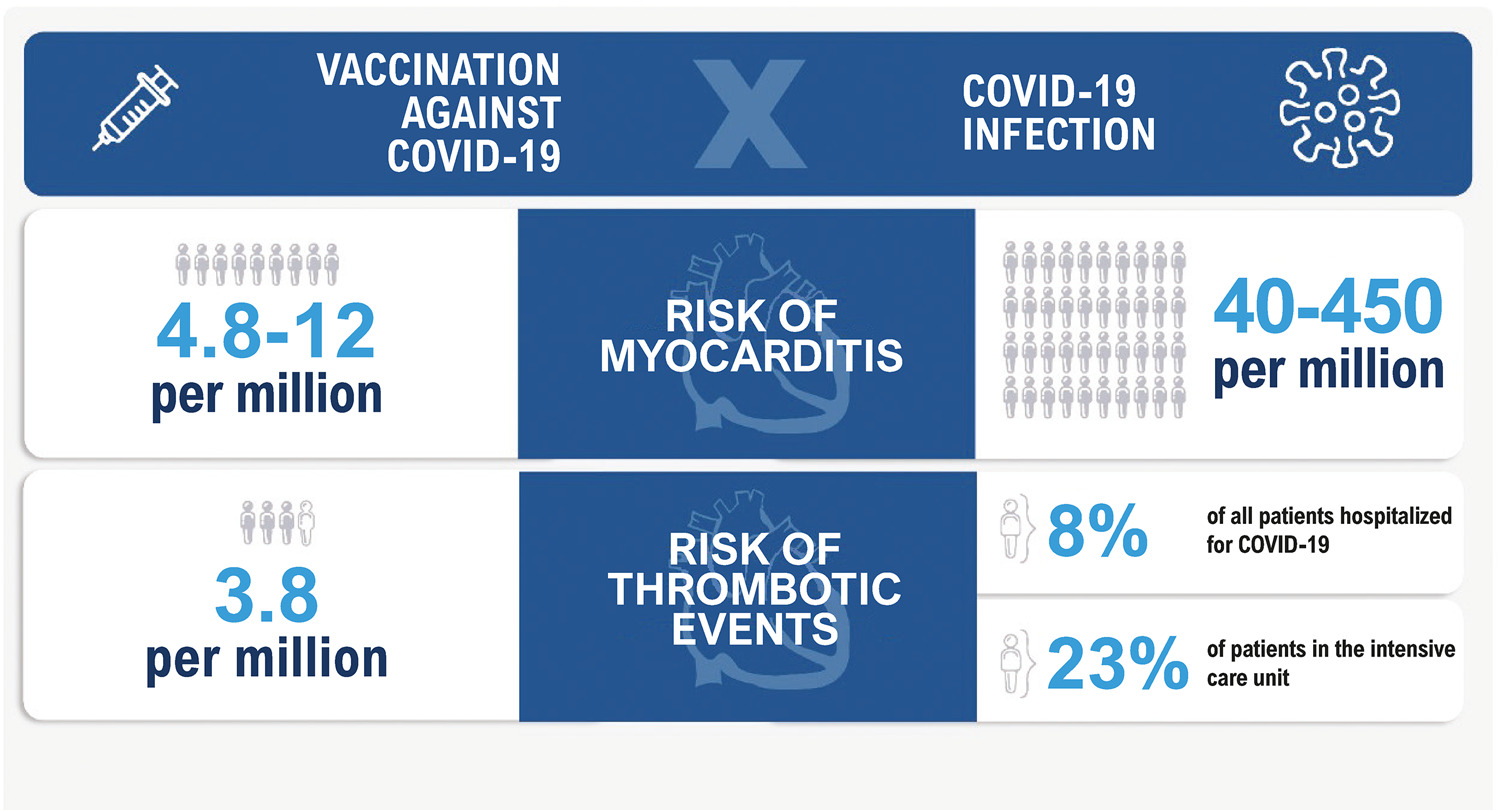
The Scientific Committee of the Brazilian Society of Cardiology, by determination of its Administrative Council, has convened a work group to monitor and set up scientific evidence on cardiovascular safety of vaccines against COVID-19 in a continuous and systematic way. This group aims to reproduce scientifically solid data, summarize currently available evidence, and develop recommendations to Brazilian cardiologists in the form of positions of the Brazilian Society of Cardiology.

Vaccines to prevent SARS-CoV-2 infection are considered the most effective strategy to control the pandemic. Despite the short time for vaccine development, each vaccine approved has gone through all preclinical and clinical stages (phase I and II) of clinical research.

[…]

Read Full Article
Creative Commons Attribution (CC BY) Creative Commons license
29/04/2022 DOI: 10.36660/abc.20220179 Views 1
Editorial

Short Editorial Neutrophil-To-Lymphocyte Ratio and Abdominal Aortic Atherosclerosis Among Asymptomatic Individuals

Henrique Murad

In the article, the authors evaluate the role of the neutrophil-to-lymphocyte ratio (NLR) in abdominal aortic atherosclerosis (AAAt). The backbone of this paper is the knowledge that the development and complications of atherosclerotic plaques are part of an immunological response. They have used the neutrophil-to-lymphocyte ratio (NLR) as an inflammatory marker and have used abdominal aortic ultrasound to evaluate subclinical atherosclerosis through the findings of aortic atheroma or lipid plaque (AAAt). The RNL and acute coronary syndrome results were well established, with the inflammatory state leading to a rise in neutrophils and the acute stress of plaque rupture or obstruction leading to a fall in the lymphocyte count. In a group of 779 patients with ST-elevation myocardial infarction (STEMI), Machado et al. have shown a strong correlation between NLR at 48-72 hours and early and late death. Bozkurt et al. have studied 39 patients with Hemophagocytic syndrome (HPS) and heart failure with preserved ejection fraction. HPS is a state with high lethality, of severe systemic hyper inflammation with increased T lymphocytes and high levels of cytokines. In those patients, NRL was a strong predictor of mortality.

The authors have studied 36.985 individuals through abdominal ultrasound and have found abdominal aortic atherosclerosis in 7% of them. In this group of abdominal aorta asymptomatic atherosclerosis, many individuals had confounding factors for NLR analysis as an atherosclerosis marker, namely age, smoking habit, diabetes, arterial hypertension, and dyslipidemia.

[…]

  • Aorta Abdominal/diagnostic imaging
  • Atherosclerosis
  • Coronary Artery Disease
  • Inflammation
  • Interleukin-8
  • Lymphohistiocytosis, Hemophagocytic
  • Neutrophil Activation
  • Plaque, Atherosclerotic/complications
Read Full Article
Creative Commons Attribution (CC BY) Creative Commons license
29/04/2022 DOI: 10.36660/abc.20220182 Views 1
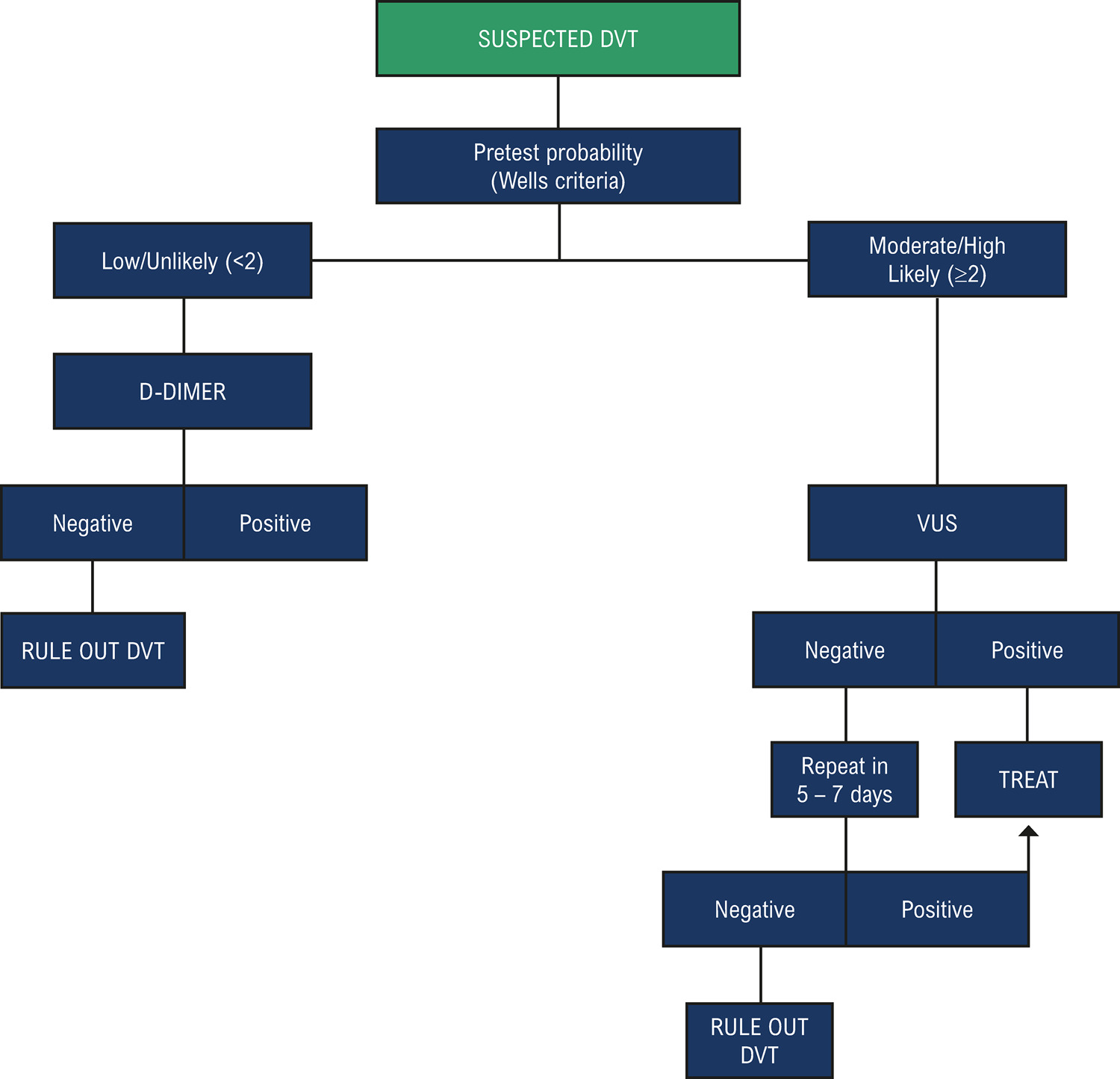
Chart 2
Diretrizes

Joint Guideline on Venous Thromboembolism – 2022

Ana Cristina Lopes Albricker et al. Cláudia Maria Vilas Freire Simone Nascimento dos Santos Monica Luiza de Alcantara … Mohamed Hassan Saleh Armando Luis Cantisano José Aldo Ribeiro Teodoro Carmen Lucia Lascasas Porto Salomon Israel do Amaral Orlando Carlos Gloria Veloso Ana Cláudia Gomes Pereira Petisco Fanilda Souto Barros Márcio Vinícius Lins de Barros Adriano José de Souza Marcone Lima Sobreira Robson Barbosa de Miranda Domingos de Moraes Carlos Gustavo Yuji Verrastro Alexandre Dias Mançano Ronaldo de Souza Leão Lima Valdair Francisco Muglia Cristina Sebastião Matushita Rafael Willain Lopes Artur Martins Novaes Coutinho Diego Bromfman Pianta Alair Augusto Sarmet Moreira Damas dos Santos Bruno de Lima Naves Marcelo Luiz Campos Vieira Carlos Eduardo Rochitte

Introduction

Venous thromboembolism (VTE) manifests as pulmonary embolism (PE) and/or deep vein thrombosis (DVT), being part of the same disease spectrum and presenting the same risk factors. It is the third most common cause of acute cardiovascular syndrome worldwide, being potentially life-threatening. ,

In Brazil, according to data from the Ministry of Health collected between 2010 and 2021, the number of hospitalizations for VTE exceeded 520,000, with a total of more than 67,000 deaths from 2010 to 2019.

[…]

Read Full Article
Creative Commons Attribution (CC BY) Creative Commons license
29/04/2022 DOI: 10.36660/abc.20220213 Views 2
Editorial

Hypertension in Adolescence, a Direct Relationship to Obesity and Insulin Resistance

Mario Fritsch Neves

Hypertension is the main modifiable risk factor for developing cardiovascular diseases, and its occurrence at an earlier age favors accelerated vascular aging in the following years. The increase in blood pressure in adolescence does not usually occur in isolation and is associated with other risk factors such as excessive salt intake, reduced physical activity, and, especially, overweight/obesity., Considering that a high-fat percentage in childhood and adolescence has early adverse effects on blood pressure, adequate body fat measurements can determine more accurate markers of higher adiposity and predictors of the incidence of hypertension in younger individuals.

Major advances in technology are present in adolescents’ daily lives and generally favor physical inactivity and weight gain, which are directly related to blood pressure levels. In addition to a sedentary lifestyle strongly associated with hypertension in adolescence, physical exercise plays a protective role, reducing blood pressure by several mechanisms. A cross-sectional study with children and adolescents aged 11 to 17 years showed the association of male gender and central obesity with hypertension in these students. On the other hand, the same study pointed to moderate and vigorous physical activities as an effective way to prevent the increase in diastolic blood pressure in young people of this age.

[…]

  • Adolescent
  • Epidemiology
  • Hypertension
  • Insulin Resistance
  • Obesity
  • Risk Factors
  • Sedentarism
Read Full Article
Creative Commons Attribution (CC BY) Creative Commons license
29/04/2022 DOI: 10.36660/abc.20220188 Views 1
Editorial

Obesity and Epicardial Fat Associated with Higher Atrial Fibrillation Recurrence After Ablation: Just Coincidence?

Cristiano F. Pisani et al. Mauricio Scanavacca

Atrial fibrillation (AF) is the most common sustained arrhythmia in clinical practice, and its prevalence increases with age. It is a condition resulting from multiple pathophysiological aspects, not exclusively electrophysiological, from extrasystoles triggered by the pulmonary veins. It is associated with different cardiovascular and systemic diseases, obesity being a known risk factor.

Overweight and obese individuals are at greater risk for the occurrence of AF. For each unit of increment in BMI, the corrected risk for incidence of AF increases from 3 to 7% concerning individuals with a BMI below 25., The mechanisms that justify this observation are not fully understood and are probably multifactorial. Obese patients often have arterial hypertension and associated obstructive sleep apnea, factors already considered predisposing to AF. A recent study demonstrated that implementing a weight control program has an important impact on the clinical control of this arrhythmia.

[…]

  • Atrial Fibrillation
  • Catheter Ablation
  • Obesity
Read Full Article
Creative Commons Attribution (CC BY) Creative Commons license
29/04/2022 DOI: 10.36660/abc.20220103 Views 1
Figure 1
Research Letter

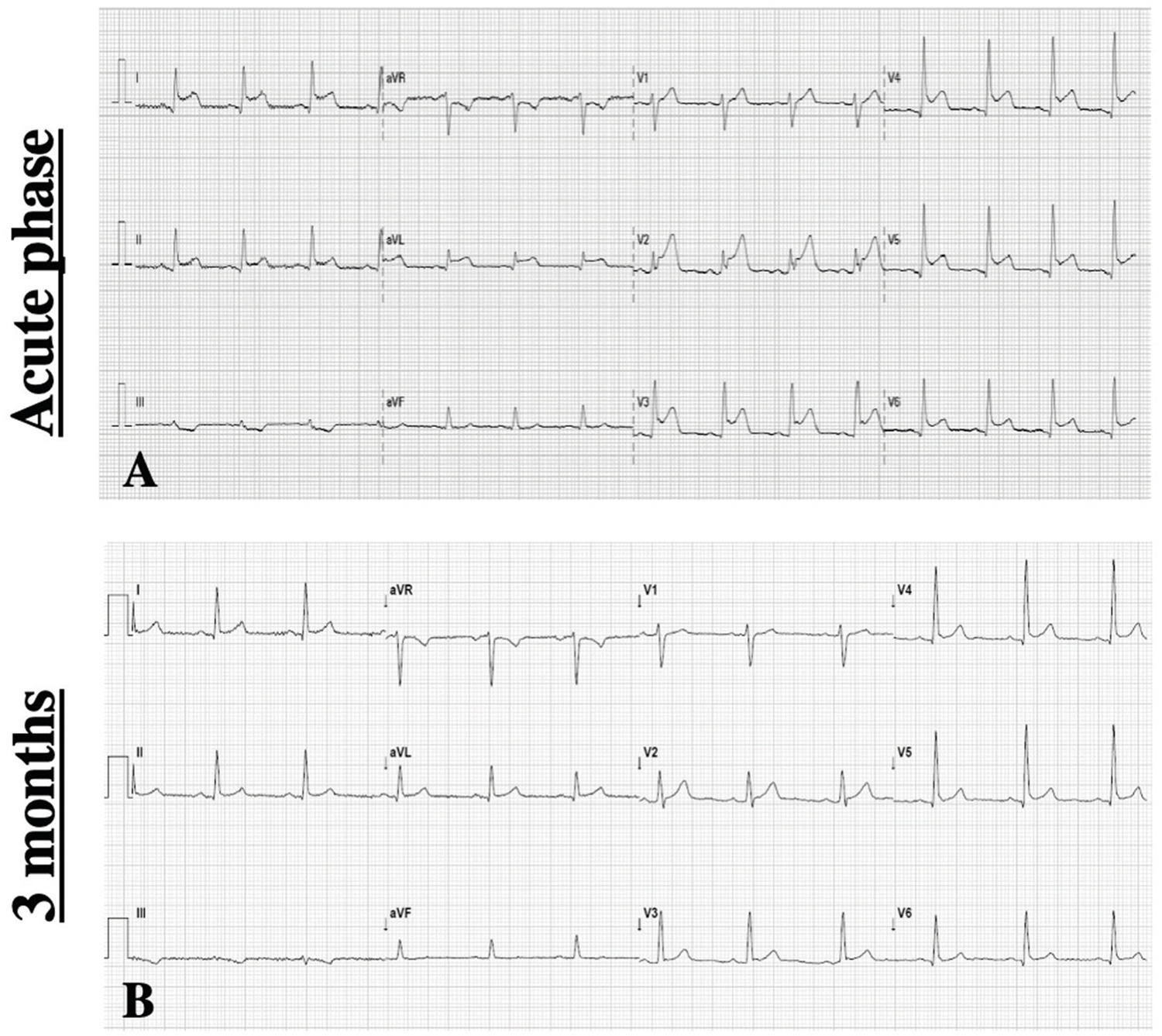
Acute Myocarditis Following mRNA COVID-19 Vaccine

Daniel A. Gomes et al. Rita R. Santos Pedro Freitas Mariana S. Paiva … Jorge Ferreira Marisa Trabulo

Introduction

Vaccination is one of the most important breakthroughs of modern medicine and constitute a major advance in the prevention of infectious diseases.Overall, vaccines are effective and have an excellent general safety profile.In fact, reports of severe adverse effects following vaccination are extremely rare and idiosyncratic.

As the vaccine’s mechanism of action is based on the host immune response, a close relationship with autoimmunity cannot be disregarded.Cases of immunologic reactogenicity, such as Guillain-Barré syndrome and acute myocarditis following vaccination have been previously reported.,

[…]

  • Coronavirus-19
  • COVID-19
  • Diagnostic Imaging
  • Immunogenicity Vaccine
  • Molecular Mimicry
  • Myocarditis
  • Vaccine/adverse effects
Read Full Article
Creative Commons Attribution (CC BY) Creative Commons license
29/04/2022 DOI: 10.36660/abc.20210469 Views 1
Figure 1
Research Letter

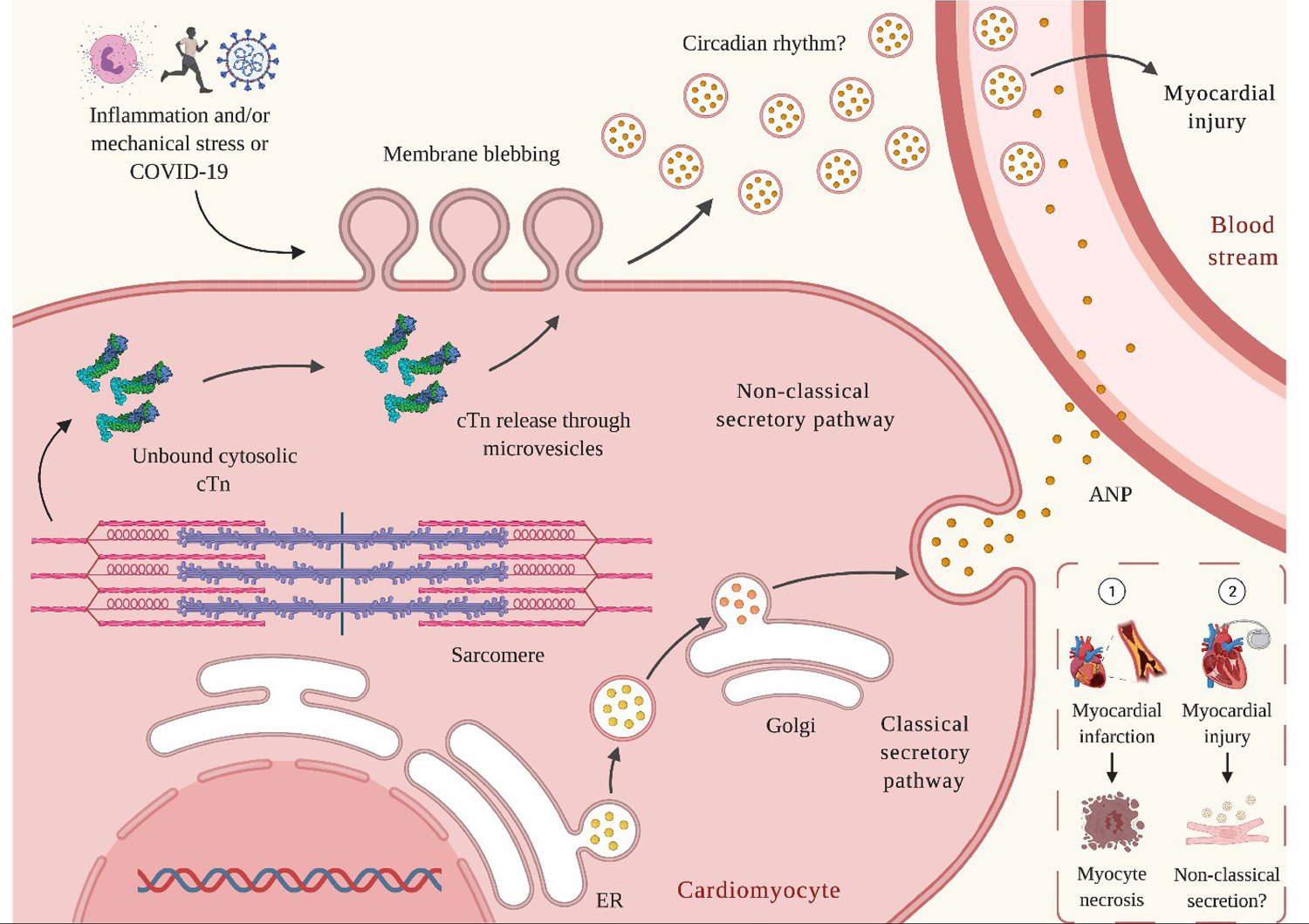
Non-Classical Secretion: A Possible Mechanism to Explain Cardiac Troponin Elevations in the Absence of Acute Myocardial Infarction

Jose Manuel Gonzalez-Rayas et al. Jose Ascencion Hernandez-Hernandez Rosa del Carmen Lopez-Sanchez Ana Lilia Rayas-Gomez Jose Manuel Gonzalez-Yanez

Introduction

Nowadays, high-sensitivity cardiac troponin (hs-cTn) assays are available for clinical use and are part of the definition of acute myocardial infarction (AMI). , However, troponin elevation is not limited to AMI, since other conditions related to oxygen demand mismatch, direct myocardial damage, increased myocardial strain, systemic processes (i.e. sepsis), neurological disease and renal failure can also result in its increase.Troponin can now also be detected in atypical scenarios, such as in strenuous endurance exercise, rapid atrial pacing, and dobutamine stress echocardiography, as well as in 50% to 100% of healthy subjects. ,

From a physiological point of view, troponin is a protein complex that regulates myofibrillar function, consisting of three subunits: I, T and C. In the case of troponin I and troponin T, there are three different tissue-specific isoforms: fast-twitch skeletal, slow-twitch skeletal and cardiac specific (fsTn, ssTn and cTn).Conversely, TnC has two isoforms, one present in fast-twitch skeletal muscle (fsTnC) and one that expresses in both slow-twitch skeletal and cardiac muscle (ssTnC/cTnC).

[…]

  • exosomes
  • high-sensitivity cardiac troponin assays
  • microvesicles
  • non-classical secretion
  • Troponin
Read Full Article
Creative Commons Attribution (CC BY) Creative Commons license
29/04/2022 DOI: 10.36660/abc.20210518
Editorial

Targeted Screening of Familial Hypercholesterolemia in 11 Small Brazilian Cities: An Effective Approach to Detect Clusters of Affected Individuals

Maria Cristina Oliveira Izar et al. Francisco A. H. Fonseca

Familial hypercholesterolemia (FH) is an autosomal codominant disease associated with high levels of LDL-cholesterol and premature atherosclerotic cardiovascular disease. The condition is underrecognized, and screening tools must be implemented to improve diagnosis and promote early treatment. The screening methods include universal, selective, cascade, reverse cascade, and oportunistic screening;, however, in small cities in certain regions, where founder effects can be present, target search for affected individuals can be an interesting option. The HipercolBrasil is a genetic cascade screening program carried out in the Heart Institute, with more than 2,000 patients identified with pathogenic variants, and from these results, index cases (IC) from small cities with pathogenic variants were selected to amplify the cascade. The program performs genetic tests for FH in individuals with confirmed LDL-C ≥ 210 mg/dL in two separate analyses: (IC) and in first-degree relatives of those in whom pathogenic or likely pathogenic variants were identified.

In our country, the recommendations for genetic testing follow the First Brazilian Guideline for Familial Hypercholesterolemia, endorsed by the Update of the Brazilian Guideline for Familial Hypercholesterolemia – 2021.

[…]

  • Early Detection
  • Gain of Function Mutation
  • Genetic Diseases, Inborn
  • Genetic Testing/methods
  • Hyperlipoproteinemia Type II/genetics
Read Full Article
Creative Commons Attribution (CC BY) Creative Commons license
29/04/2022 DOI: 10.36660/abc.20220027 Views 1
Letter to the Editor

Prevalence and Associated Factors of SARS caused by Covid-19 in Adults and Aged People with Chronic Cardiovascular Disease: A Critical Analysis

Fernanda Gunha Ignácio et al. Fernanda Pinzon Ribeiro Aline Oenning Baggio Chaiana Esmeraldino Mendes Marcon

Dear Editor,

The study by Paiva et al. evaluated the incidence of patients infected with the COVID-19 virus, associated with cardiovascular diseases (CVD), in Brazil. It is concluded that the high prevalence of severe acute respiratory syndrome (SARS) in adults and in the elderly is related to sociodemographic and clinical characteristics, signs and symptoms. In view of that, the importance of primary health care is reiterated – in order to maintain regular medical visits aiming at controlling the disease and symptoms, while the presence of cardiovascular comorbidities increases in severe COVID-19 cases.

[…]

  • Cardiovascular disease
  • Coronavirus
  • COVID-19
  • Pandemic
  • Risk Factors
Read Full Article
Creative Commons Attribution (CC BY) Creative Commons license
29/04/2022 DOI: 10.36660/abc.20210807 Views 2
Editorial

Therapeutic Echocardiography

David Le Bihan

Since its introduction by Edler and Hertz, echocardiography has become the main test of cardiologic propedeutic. Over the last 50 years, its evolution has been remarkable, from A-mode, M-mode, two-dimensional and Doppler images to modern three-dimensional reconstructions and softwares for studying myocardial deformation currently used. For this reason, echocardiography can provide diagnostic data and important prognostic information in virtually all heart diseases.

One of the major advances in echocardiography was the recognition of substances capable of increasing the ultrasound signal for better visualization of cardiac structures, popularly known as “echocardiographic contrasts.” Its beginning dates back to the late 1960s, with the first experience reported on the use of agitated saline solution associated with cardiac ultrasound. This technique (agitation of a saline solution so that it is aerated, allowing an increase in sound reflection) is still used to detect intracardiac communications. Still, it has as drawbacks the poor intravascular stability of the solution and the fact that air bubbles are eliminated from the body during the passage of blood through the lungs, thus preventing its use for visualization of structures of the left heart when the agitated saline solution is administered in a peripheral vein.

[…]

  • Diagnostic Imaging/trends
  • Echocardiography/methods
  • Echocardiography/trends
  • Myocardial Acute Infarction/physiopathology
  • Myocardial Reperfusion/methods
  • Myocardial Reperfusion/trends
Read Full Article
Creative Commons Attribution (CC BY) Creative Commons license
29/04/2022 DOI: 10.36660/abc.20220014 Views 1
Figure 1
Review Article

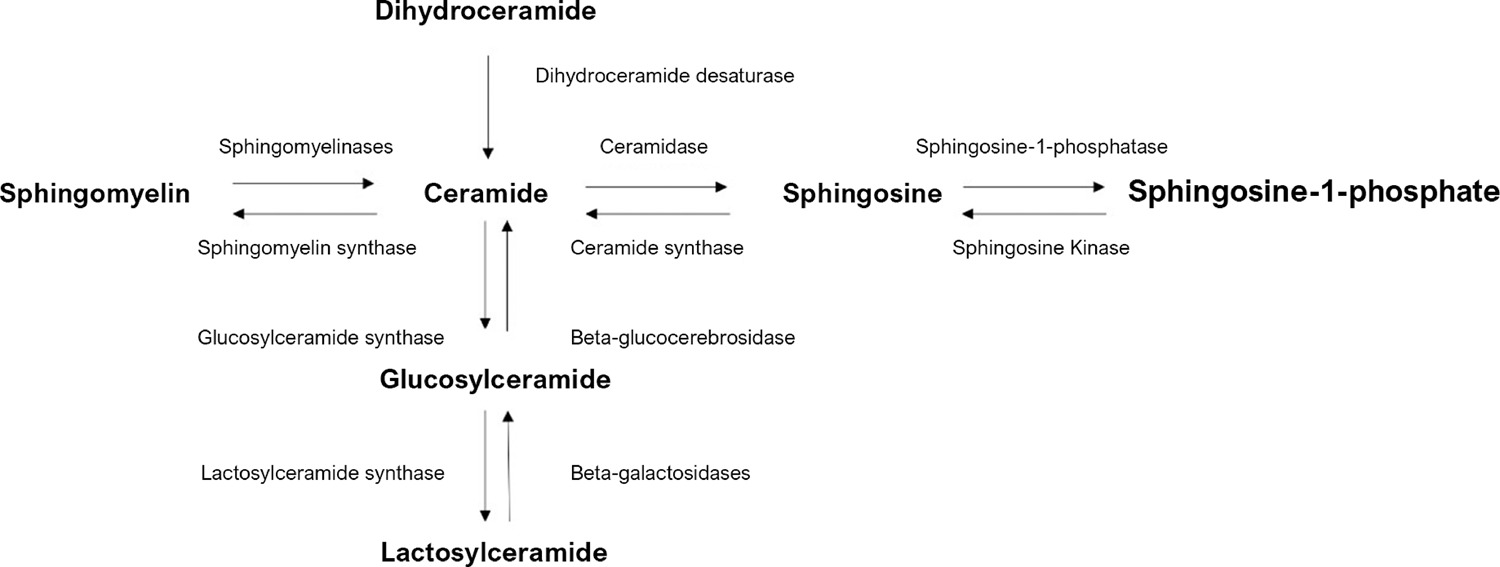
Plasma Ceramides in Cardiovascular Disease Risk Stratification

Débora L. M. Junqueira et al. Alline Stach Adriano Caixeta Juliana Sallum … Erika Yasaki Jeane Tsutsui Edgar Rizatti Carlos E. Rochitte Jean-Paul Kovalik José E. Krieger A. Mark Richards Mark Y. Chan Leonardo P. de Carvalho

Abstract

Ceramide production takes place throughout the body and plays a key role in the maintenance of normal physiology. However, ceramide levels are altered during disease states, particularly considering the development of diabetes and dyslipidemia. Ceramide production is also associated with atherosclerotic plaque instability. Recent studies revealed that patients with unstable coronary artery disease (CAD) presented increased plasma ceramide levels (especially C16, C18, and C24:1). These molecules are currently considered emerging biomarkers of cardiovascular diseases (CVD), being used for predicting atherosclerotic plaque instability and adverse cardiovascular events independently from traditional risk factors. With the aim of describing and discussing the role of ceramides in the stratification of cardiovascular diseases, this narrative review contextualizes the importance of this biomarker in the present cardiology scenario.

  • Biomarkers
  • Cardiovascular Diseases
  • Ceramides/therapeutic use
  • Coronary Artery Disease
  • Diabetes Mellitus Dyslipidemias
  • Diseases Stratification
Read Full Article
Creative Commons Attribution (CC BY) Creative Commons license
29/04/2022 DOI: 10.36660/abc.20201165 Views 1
Original Article

Role of Sodium Levels on Atrial Fibrillation in Heart Failure: Active Player or a Bystander?

Aydın Akyüz et al. Derya Baykız Demet Özkaramanlı Gür Sümeyra Gökçek … Muhammet Mucip Efe Şeref Alpsoy

Abstract

Background

The coexistence of hyponatremia and atrial fibrillation (AF) increases morbidity and mortality in patients with heart failure (HF). However, it is not established whether hyponatremia is related to AF or not.

Objective

Our study aims to seek a potential association of hyponatremia with AF in patients with reduced ejection fraction heart failure (HFrEF).

Methods

This observational cross-sectional single-center study included 280 consecutive outpatients diagnosed with HFrEF with 40% or less. Based on sodium concentrations ≤135 mEq/L or higher, the patients were classified into hyponatremia (n=66) and normonatremia (n=214). A p-value <0.05 was considered significant.

Results

Mean age was 67.6±10.5 years, 202 of them (72.2%) were male, mean blood sodium level was 138±3.6 mEq/L, and mean ejection fraction was 30±4%. Of those, 195 (69.6%) patients were diagnosed with coronary artery disease. AF was detected in 124 (44.3%) patients. AF rate was higher in patients with hyponatremia compared to those with normonatremia (n=39 [59.1%] vs. n=85 [39.7%), p= 0.020). In the logistic regression analysis, hyponatremia was not related to AF (OR=1.022, 95% CI=0.785–1.330, p=0.871). Advanced age (OR=1.046, 95% CI=1.016–1.177, p=0.003), presence of CAD (OR=2.058, 95% CI=1.122–3.777, p=0.020), resting heart rate (OR=1.041, 95% CI=1.023–1.060, p<0.001), and left atrium diameter (OR=1.049, 95% CI=1.011–1.616, p=0.002) were found to be predictors of AF.

Conclusion

AF was higher in outpatients with HFrEF and hyponatremia. However, there is no association between sodium levels and AF in patients with HFrEF.

  • Atrial Fibrillation
  • Heart Failure
  • Hyponatremia
Read Full Article
Creative Commons Attribution (CC BY) Creative Commons license
07/02/2022 DOI: 10.36660/abc.20210139 Views 2
Original Article

Microalbuminuria and its Prognostic Significance in Patients with Acute Heart Failure with Preserved, Mid-Range, and Reduced Ejection Fraction

Ömer Doğan Alataş et al. Murat Biteker Ahmet Demir Birdal Yıldırım … Ethem Acar Kemal Gökçek Aysel Gökçek

Abstract

Background

The prevalence and significance of microalbuminuria have not been well studied in patients with different heart failure subtypes.

Objective

The prevalence and significance of microalbuminuria have not been well studied in patients with different heart failure subtypes. Therefore, we aimed to investigate the frequency and prognostic value of microalbuminuria in patients hospitalized for acute heart failure (AHF) with preserved ejection fraction (HFpEF), mid-range ejection fraction (HFmrEF), and reduced ejection fraction (HFrEF).

Methods

All consecutive adult patients referred to the hospital due to AHF between June 2016 and June 2019 were enrolled. Microalbuminuria is defined as urinary albumin to creatinine ratio (UACR) level in the range of 30–300 mg/g. Hospital mortality was the endpoint of this study

Results

Of the 426 AHF patients (mean age 70.64 ± 10.03 years, 53.3 % female), 50% had HFrEF, 38.3% had HFpEF, and 11.7% had HFmrEF at presentation.The prevalence of microalbuminuria was 35.2%, 28.8%, and 28.0% in HFrEF, HFpEF, and HFmrEF, respectively. A total of 19 (4.5%) patients died during the in-hospital course, and in-hospital mortality was higher in HFrEF patients (6.6%) compared to patients with HFpEF (2.5%) and HFmrEF (2.0%). Multivariate analysis showed that the presence of microalbuminuria predicted in-hospital mortality in patients with HFrEF and HFmrEF but not in HFpEF.

Conclusion

Although microalbuminuria was common in all subgroups of AHF patients, it has been found to predict prognosis only in patients with HFrEF and HFmrEF.

  • Adults
  • Albuminuria/physiopathology
  • Heart Failure
  • Hospitalization
  • Mortality
  • Prognosis
  • Stroke Volume
Read Full Article
Creative Commons Attribution (CC BY) Creative Commons license
07/02/2022 DOI: 10.36660/abc.20201144
Original Article

Hypertension and Associated Lipid, Glucose, and Adiposity Parameters in School-Aged Adolescents in the Federal District, Brazil

Letícia Rocha Lima et al. Aline Bassetto Okamura Kênia Mara Baiocchi de Carvalho Eliane Said Dutra Vivian Siqueira Santos Gonçalves

Abstract

Background

The prevalence of hypertension and other metabolic disorders has increased in young individuals. However, no representative studies have been conducted in the population of the Federal District, Brazil.

Objective

To estimate the prevalence of hypertension and its association with lipid, glucose, and adiposity markers in school-aged adolescents living in the Federal District.

Methods

This cross-sectional study included participants of the Study of Cardiovascular Risks in Adolescents (Portuguese acronym, ERICA). Blood pressure, blood glucose, glycated hemoglobin, insulin, homeostatic model assessment for insulin resistance (HOMA-IR), triglycerides, total cholesterol, high-density lipoprotein, low-density lipoprotein, body mass index (BMI), waist circumference, and economic, demographic, and sexual maturity variables were assessed. The data were analyzed in Stata, and the analysis was divided into different stages: descriptive, crude, and adjusted. Significant results were set at p < 0.05.

Results

In total, 1,200 adolescents were included, and their mean age was 14.8 years. The prevalence of hypertension was 8% (95% confidence interval: 6.3; 9.9). Most parameters were associated with blood pressure in crude analysis. In adjusted analysis, glucose, lipid, and adiposity markers maintained the associations, and the highest magnitudes were those of BMI and HOMA-IR.

Conclusion

The study revealed a high prevalence of hypertension in adolescents living in the Federal District, and blood pressure levels were associated with other markers of lipid, glucose, and adiposity profile. The findings indicate the relevance of health surveillance for planning effective actions aimed at reversing this situation and preventing new cases.

  • Adiposity
  • Adolescent
  • Blood Glucose
  • Hypertension
  • Lipids
Read Full Article
Creative Commons Attribution (CC BY) Creative Commons license
07/02/2022 DOI: 10.36660/abc.20201240 Views 1
Original Article

The Impact of COVID-19 on Diagnosis of Heart Disease in Latin America an INCAPS COVID Sub-analysis

Rodrigo Julio Cerci et al. João Vicente Vitola Diana Paez Alejandro Zuluaga … Marcio Sommer Bittencourt Lilia M. Sierra-Galan Patricia Carrascosa Roxana Campisi Claudia Gutierrez-Villamil Amalia Peix Duane Chambers Mayra Sánches Velez Carla M. G. Alvarado Ana C. F. Ventura Alejandro Maldonado Alfredo P. Castanos Teresa C. Diaz Yariela Herrera Manuel C. Vasquez Ana A. Arrieta Fernando Mut Cole Hirschfeld Eli Malkovskiy Benjamin Goebel Yosef Cohen Michael Randazzo Leslee J. Shaw Michelle C. Williams Todd C. Villines Nathan Better Sharmila Dorbala Paolo Raggi Thomas N. B. Pascual Yaroslav Pynda Maurizio Dondi Andrew J. Einstein

Abstract

Background

The COVID-19 pandemic has disrupted the delivery of care for cardiovascular diseases in Latin America. However, the effect of the pandemic on the cardiac diagnostic procedure volumes has not been quantified.

Objective

To assess (1) the impact of COVID-19 on cardiac diagnostic volumes in Latin America and (2) determine its relationship with COVID-19 case incidence and social distancing measures.

Methods

The International Atomic Energy Agency conducted a worldwide survey assessing changes in cardiac diagnostic volumes resulting from COVID-19. Cardiac diagnostic volumes were obtained from participating sites for March and April 2020 and compared to March 2019. Social distancing data were collected from Google COVID-19 community mobility reports and COVID-19 incidence per country from the Our World in Data.

Results

Surveys were conducted in 194 centers performing cardiac diagnostic procedures, in 19 countries in Latin America. Procedure volumes decreased 36% from March 2019 to March 2020, and 82% from March 2019 to April 2020. The greatest decreases occurred in echocardiogram stress tests (91%), exercise treadmill tests (88%), and computed tomography calcium scores (87%), with slight variations between sub-regions of Latin America. Changes in social distancing patterns (p < 0.001) were more strongly associated with volume reduction than COVID-19 incidence (p = 0.003).

Conclusions

COVID-19 was associated with a significant reduction in cardiac diagnostic procedures in Latin America, which was more related to social distancing than to the COVID-19 incidence. Better balance and timing of social distancing measures and planning to maintain access to medical care is warranted during a pandemic surge, especially in regions with high cardiovascular mortality.

  • Cardiac Testing
  • Cardiovascular disease
  • Coronavirus
  • COVID-19
  • Global Health
Read Full Article
Creative Commons Attribution (CC BY) Creative Commons license
07/02/2022 DOI: 10.36660/abc.20210388 Views 2
Original Article

Screening for Familial Hypercholesterolemia in Small Towns: Experience from 11 Brazilian Towns in the Hipercolbrasil Program

Cinthia Elim Jannes et al. Júnea Paolucci Paiva Silvino Pãmela Rodrigues de Souza Silva Isabella Ramos Lima … Mauricio Teruo Tada Theo Gremen Mimary Oliveira Raul D. Santos José Eduardo Krieger Alexandre da Costa Pereira

Abstract

Background

Familial hypercholesterolemia (FH) is a genetic disease characterized by elevated serum levels of low-density lipoprotein cholesterol (LDL-C), and it is associated with the occurrence of early cardiovascular disease. In Brazil, HipercolBrasil, which is currently the largest FH cascade screening program, has already identified more than 2000 individuals with causal genetic variants for FH. The standard approach is based on cascade screening of referred index cases, individuals with hypercholesterolemia and clinical suspicion of FH.

Objectives

To perform targeted screening of 11 small Brazilian cities with a suspected high prevalence of people with FH.

Methods

The selection of cities occurred in 3 ways: 1) cities in which a founder effect was suspected (4 cities); 2) cities in a region with high rates of early myocardial infarction as described by the National Health System database (2 cities); and 3) cities that are geographically close to other cities with a high prevalence of individuals with FH (5 cities). Statistical significance was considered as p value < 0.05.

Results

One hundred and five index cases and 409 first-degree relatives were enrolled. The yield of such approach of 4.67 relatives per index case was significantly better (p < 0.0001) than the general HipercolBrasil rate (1.59). We identified 36 IC with a pathogenic or likely pathogenic variant for FH and 240 affected first-degree relatives.

Conclusion

Our data suggest that, once detected, specific geographical regions warrant a target approach for identification of clusters of individuals with FH.

  • Cardiovascular disease
  • Familial hypercholesterolemia
  • Genetic Testing
Read Full Article
Creative Commons Attribution (CC BY) Creative Commons license
07/02/2022 DOI: 10.36660/abc.20201371
Original Article

Neutrophil-To-Lymphocyte Ratio and Abdominal Aortic Atherosclerosis among Asymptomatic Individuals

Bárbara Said Marin et al. Fernando Cesena Antonio Gabriele Laurinavicius Raul D. Santos Marcio Sommer Bittencourt

Abstract

Background

Neutrophil-to-lymphocyte ratio (NLR) has been proposed as an inflammatory marker that might be associated with coronary atherosclerosis, although most of the current data is restricted to the acute setting. Additionally, the association of NLR with extracoronary atherosclerosis and stable disease remains unclear.

Objective

To analyze the association between NLR and abdominal aortic atherosclerosis (AAAt).

Methods

We included asymptomatic individuals who underwent a health screening program. AAAt was measured by ultrasound. Absolute leukocyte and lymphocyte counts were used to calculate the NLR. The level of significance for statistical analysis was 0.05.

Results

Among 36,985 individuals (age: 42±10 years, 72% male), AAAt was identified in 7%. Those with AAAt were older and more likely to be male and diabetic. Presence of AAAt was associated with increased NLR (odds ratio [OR] 1.17; 95% confidence interval [CI] 1.13-1.21). However, this association was no longer significant when the analysis was adjusted for risk factors (OR 1.02; 95% CI 0.97-1.06), mostly due to the inclusion of age in the model. When neutrophils and lymphocytes were analyzed separately, the negative association between lymphocytes and AAAt was inverted once age was accounted for, suggesting a strong confounding effect of age on the relationship between lymphocytes and atherosclerosis. Finally, the association of neutrophils and AAAt lost significance after an additional adjustment for traditional risk factors, but not age alone.

Conclusion

Although the NLR was associated with AAAt, this was largely due to the confounding effect of age. Overall, the results suggest a limited role of leukocyte measurements as biomarkers of AAAt.

  • Atherosclerosis
  • Biomarkers
  • Lymphocytes
  • Neutrophils
  • Risk Factors
Read Full Article
Creative Commons Attribution (CC BY) Creative Commons license
07/02/2022 DOI: 10.36660/abc.20201163 Views 1

Could not load more articles. Please try again.

How to cite this article

EndNote RIS

Electronic Document Format (Vancouver)

Dutra GP, Gomes BFO, Carmo Júnior PR, Petriz JLF, Nascimento EM, Pereira BB, Oliveira GMM, et al. Mortality from Heart Failure with Mid-Range Ejection Fraction. Arquivos Brasileiros de Cardiologia 2022;118(4):694-700.

Electronic Document Format (ABNT)

Dutra, Giovanni Possamai; Gomes, Bruno Ferraz de Oliveira; Carmo Júnior, Plínio Resende do; Petriz, João Luiz Fernandes; Nascimento, Emilia Matos; Pereira, Basilio de Bragança; Oliveira, Gláucia Maria Moraes de. Mortality from Heart Failure with Mid-Range Ejection Fraction. Arquivos Brasileiros de Cardiologia, v. 118, n. 4, p. 694-700, Apr. 2022.

Electronic Document Format (APA)

Dutra, G. P., Gomes, B. F. O., Carmo Júnior, P. R. , Petriz, J. L. F., Nascimento, E. M., Pereira, B. B., & Oliveira, G. M. M. (2022). Mortality from Heart Failure with Mid-Range Ejection Fraction. Arquivos Brasileiros de Cardiologia, 118(4), 694-700.

Electronic Document Format (ISO)

Dutra, Giovanni Possamai and Gomes, Bruno Ferraz de Oliveira and Carmo Júnior, Plínio Resende do and Petriz, João Luiz Fernandes and Nascimento, Emilia Matos and Pereira, Basilio de Bragança and Oliveira, Gláucia Maria Moraes de. Mortality from Heart Failure with Mid-Range Ejection Fraction. Arquivos Brasileiros de Cardiologia [online]. 2022, vol. 118, n. 4, [cited 2026-10-14], pp. 694-700. Available from: <https://journals.cardiol.br/en/article/mortality-from-heart-failure-with-mid-range-ejection-fraction/>. ISSN 0066-782X

EndNote RIS

Electronic Document Format (Vancouver)

Bettencourt N. Confinement and Cardiovascular Diagnosis in a Pandemic Season: The Difficult Balance on the Razor’s Edge. Arquivos Brasileiros de Cardiologia 2022;118(4):754-5.

Electronic Document Format (ABNT)

Bettencourt, Nuno. Confinement and Cardiovascular Diagnosis in a Pandemic Season: The Difficult Balance on the Razor’s Edge. Arquivos Brasileiros de Cardiologia, v. 118, n. 4, p. 754-755, Apr. 2022.

Electronic Document Format (APA)

Bettencourt, N. (2022). Confinement and Cardiovascular Diagnosis in a Pandemic Season: The Difficult Balance on the Razor’s Edge. Arquivos Brasileiros de Cardiologia, 118(4), 754-755.

Electronic Document Format (ISO)

Bettencourt, Nuno. Confinement and Cardiovascular Diagnosis in a Pandemic Season: The Difficult Balance on the Razor’s Edge. Arquivos Brasileiros de Cardiologia [online]. 2022, vol. 118, n. 4, [cited 2026-10-14], pp. 754-755. Available from: <https://journals.cardiol.br/en/article/confinement-and-cardiovascular-diagnosis-in-a-pandemic-season-the-difficult-balance-on-the-razors-edge/>. ISSN 0066-782X

EndNote RIS

Electronic Document Format (Vancouver)

Tavares BG, Aguiar MO, Tsutsui J, Oliveira M, Soeiro AM, Nicolau J, Ribeiro H, et al. Sonothrombolysis Promotes Improvement in Left Ventricular Wall Motion and Perfusion Scores after Acute Myocardial Infarction. Arquivos Brasileiros de Cardiologia 2022;118(4):756-65.

Electronic Document Format (ABNT)

Tavares, Bruno G.; Aguiar, Miguel Osman; Tsutsui, Jeane; Oliveira, Mucio; Soeiro, Alexandre de Matos; Nicolau, José; Ribeiro, Henrique; PoChiang, Hsu; Sbano, João; Rochitte, Carlos Eduardo; Lopes, Bernardo; Ramirez, José; Kalil Filho, Roberto; Mathias, Wilson. Sonothrombolysis Promotes Improvement in Left Ventricular Wall Motion and Perfusion Scores after Acute Myocardial Infarction. Arquivos Brasileiros de Cardiologia, v. 118, n. 4, p. 756-765, Apr. 2022.

Electronic Document Format (APA)

Tavares, B. G., Aguiar, M. O., Tsutsui, J., Oliveira, M., Soeiro, A. M., Nicolau, J., Ribeiro, H., PoChiang, H., Sbano, J., Rochitte, C. E., Lopes, B., Ramirez, J., Kalil Filho, R., & Mathias, W. (2022). Sonothrombolysis Promotes Improvement in Left Ventricular Wall Motion and Perfusion Scores after Acute Myocardial Infarction. Arquivos Brasileiros de Cardiologia, 118(4), 756-765.

Electronic Document Format (ISO)

Tavares, Bruno G. and Aguiar, Miguel Osman and Tsutsui, Jeane and Oliveira, Mucio and Soeiro, Alexandre de Matos and Nicolau, José and Ribeiro, Henrique and PoChiang, Hsu and Sbano, João and Rochitte, Carlos Eduardo and Lopes, Bernardo and Ramirez, José and Kalil Filho, Roberto and Mathias, Wilson. Sonothrombolysis Promotes Improvement in Left Ventricular Wall Motion and Perfusion Scores after Acute Myocardial Infarction. Arquivos Brasileiros de Cardiologia [online]. 2022, vol. 118, n. 4, [cited 2026-10-14], pp. 756-765. Available from: <https://journals.cardiol.br/en/article/sonothrombolysis-promotes-improvement-in-left-ventricular-wall-motion-and-perfusion-scores-after-acute-myocardial-infarction/>. ISSN 0066-782X

EndNote RIS

Electronic Document Format (Vancouver)

Beltowski J. Microalbuminuria and the Risk of Mortality in Patients with Acute Heart Failure. Arquivos Brasileiros de Cardiologia 2022;118(4):710-1.

Electronic Document Format (ABNT)

Beltowski, Jerzy. Microalbuminuria and the Risk of Mortality in Patients with Acute Heart Failure. Arquivos Brasileiros de Cardiologia, v. 118, n. 4, p. 710-711, Apr. 2022.

Electronic Document Format (APA)

Beltowski, J. (2022). Microalbuminuria and the Risk of Mortality in Patients with Acute Heart Failure. Arquivos Brasileiros de Cardiologia, 118(4), 710-711.

Electronic Document Format (ISO)

Beltowski, Jerzy. Microalbuminuria and the Risk of Mortality in Patients with Acute Heart Failure. Arquivos Brasileiros de Cardiologia [online]. 2022, vol. 118, n. 4, [cited 2026-10-14], pp. 710-711. Available from: <https://journals.cardiol.br/en/article/microalbuminuria-and-the-risk-of-mortality-in-patients-with-acute-heart-failure/>. ISSN 0066-782X

EndNote RIS

Electronic Document Format (Vancouver)

Latado AL. Prognosis of Heart Failure with Mid-Range Ejection Fraction: A Story or a Version?. Arquivos Brasileiros de Cardiologia 2022;118(4):701-2.

Electronic Document Format (ABNT)

Latado, Adriana Lopes. Prognosis of Heart Failure with Mid-Range Ejection Fraction: A Story or a Version?. Arquivos Brasileiros de Cardiologia, v. 118, n. 4, p. 701-702, Apr. 2022.

Electronic Document Format (APA)

Latado, A. L. (2022). Prognosis of Heart Failure with Mid-Range Ejection Fraction: A Story or a Version?. Arquivos Brasileiros de Cardiologia, 118(4), 701-702.

Electronic Document Format (ISO)

Latado, Adriana Lopes. Prognosis of Heart Failure with Mid-Range Ejection Fraction: A Story or a Version?. Arquivos Brasileiros de Cardiologia [online]. 2022, vol. 118, n. 4, [cited 2026-10-14], pp. 701-702. Available from: <https://journals.cardiol.br/en/article/prognosis-of-heart-failure-with-mid-range-ejection-fraction-a-story-or-a-version/>. ISSN 0066-782X

EndNote RIS

Electronic Document Format (Vancouver)

Gatto M, Mota GAF, Okoshi MP. The Year in Basic Research 2021: the Search for Translational Models. Arquivos Brasileiros de Cardiologia 2022;118(4):667-8.

Electronic Document Format (ABNT)

Gatto, Mariana; Mota, Gustavo Augusto Ferreira; Okoshi, Marina Politi. The Year in Basic Research 2021: the Search for Translational Models. Arquivos Brasileiros de Cardiologia, v. 118, n. 4, p. 667-668, Apr. 2022.

Electronic Document Format (APA)

Gatto, M., Mota, G. A. F., & Okoshi, M. P. (2022). The Year in Basic Research 2021: the Search for Translational Models. Arquivos Brasileiros de Cardiologia, 118(4), 667-668.

Electronic Document Format (ISO)

Gatto, Mariana and Mota, Gustavo Augusto Ferreira and Okoshi, Marina Politi. The Year in Basic Research 2021: the Search for Translational Models. Arquivos Brasileiros de Cardiologia [online]. 2022, vol. 118, n. 4, [cited 2026-10-14], pp. 667-668. Available from: <https://journals.cardiol.br/en/article/the-year-in-basic-research-2021-the-search-for-translational-models/>. ISSN 0066-782X

EndNote RIS

Electronic Document Format (Vancouver)

Ferrari F. Lung Function and Inspiratory Muscle Strength in Heart Failure: Can They be Considered Potential Prognostic Markers?. Arquivos Brasileiros de Cardiologia 2022;118(4):692-3.

Electronic Document Format (ABNT)

Ferrari, Filipe. Lung Function and Inspiratory Muscle Strength in Heart Failure: Can They be Considered Potential Prognostic Markers?. Arquivos Brasileiros de Cardiologia, v. 118, n. 4, p. 692-693, Apr. 2022.

Electronic Document Format (APA)

Ferrari, F. (2022). Lung Function and Inspiratory Muscle Strength in Heart Failure: Can They be Considered Potential Prognostic Markers?. Arquivos Brasileiros de Cardiologia, 118(4), 692-693.

Electronic Document Format (ISO)

Ferrari, Filipe. Lung Function and Inspiratory Muscle Strength in Heart Failure: Can They be Considered Potential Prognostic Markers?. Arquivos Brasileiros de Cardiologia [online]. 2022, vol. 118, n. 4, [cited 2026-10-14], pp. 692-693. Available from: <https://journals.cardiol.br/en/article/lung-function-and-inspiratory-muscle-strength-in-heart-failure-can-they-be-considered-potential-prognostic-markers/>. ISSN 0066-782X

EndNote RIS

Electronic Document Format (Vancouver)

Moreira HG, Oliveira Júnior MT, Valdigem BP, Martins CN, Polanczyk CA. Position Statement on Cardiovascular Safety of Vaccines Against COVID-19 – 2022. Arquivos Brasileiros de Cardiologia 2022;118(4):789-96.

Electronic Document Format (ABNT)

Moreira, Humberto Graner; Oliveira Júnior, Múcio Tavares de; Valdigem, Bruno Pereira; Martins, Cristiane Nunes; Polanczyk, Carisi Anne. Position Statement on Cardiovascular Safety of Vaccines Against COVID-19 – 2022. Arquivos Brasileiros de Cardiologia, v. 118, n. 4, p. 789-796, Apr. 2022.

Electronic Document Format (APA)

Moreira, H. G., Oliveira Júnior, M. T. , Valdigem, B. P., Martins, C. N., & Polanczyk, C. A. (2022). Position Statement on Cardiovascular Safety of Vaccines Against COVID-19 – 2022. Arquivos Brasileiros de Cardiologia, 118(4), 789-796.

Electronic Document Format (ISO)

Moreira, Humberto Graner and Oliveira Júnior, Múcio Tavares de and Valdigem, Bruno Pereira and Martins, Cristiane Nunes and Polanczyk, Carisi Anne. Position Statement on Cardiovascular Safety of Vaccines Against COVID-19 – 2022. Arquivos Brasileiros de Cardiologia [online]. 2022, vol. 118, n. 4, [cited 2026-10-14], pp. 789-796. Available from: <https://journals.cardiol.br/en/article/position-statement-on-cardiovascular-safety-of-vaccines-against-covid-19-2022/>. ISSN 0066-782X

EndNote RIS

Electronic Document Format (Vancouver)

Murad H. Short Editorial Neutrophil-To-Lymphocyte Ratio and Abdominal Aortic Atherosclerosis Among Asymptomatic Individuals. Arquivos Brasileiros de Cardiologia 2022;118(4):735-6.

Electronic Document Format (ABNT)

Murad, Henrique. Short Editorial Neutrophil-To-Lymphocyte Ratio and Abdominal Aortic Atherosclerosis Among Asymptomatic Individuals. Arquivos Brasileiros de Cardiologia, v. 118, n. 4, p. 735-736, Apr. 2022.

Electronic Document Format (APA)

Murad, H. (2022). Short Editorial Neutrophil-To-Lymphocyte Ratio and Abdominal Aortic Atherosclerosis Among Asymptomatic Individuals. Arquivos Brasileiros de Cardiologia, 118(4), 735-736.

Electronic Document Format (ISO)

Murad, Henrique. Short Editorial Neutrophil-To-Lymphocyte Ratio and Abdominal Aortic Atherosclerosis Among Asymptomatic Individuals. Arquivos Brasileiros de Cardiologia [online]. 2022, vol. 118, n. 4, [cited 2026-10-14], pp. 735-736. Available from: <https://journals.cardiol.br/en/article/short-editorial-neutrophil-to-lymphocyte-ratio-and-abdominal-aortic-atherosclerosis-among-asymptomatic-individuals/>. ISSN 0066-782X

EndNote RIS

Electronic Document Format (Vancouver)

Albricker ACL, Freire CMV, Santos SN, Alcantara ML, Saleh MH, Cantisano AL, Teodoro JAR, et al. Joint Guideline on Venous Thromboembolism – 2022. Arquivos Brasileiros de Cardiologia 2022;118(4):797-85.

Electronic Document Format (ABNT)

Albricker, Ana Cristina Lopes; Freire, Cláudia Maria Vilas; Santos, Simone Nascimento dos; Alcantara, Monica Luiza de; Saleh, Mohamed Hassan; Cantisano, Armando Luis; Teodoro, José Aldo Ribeiro; Porto, Carmen Lucia Lascasas; Amaral, Salomon Israel do; Veloso, Orlando Carlos Gloria; Petisco, Ana Cláudia Gomes Pereira; Barros, Fanilda Souto; Barros, Márcio Vinícius Lins de; Souza, Adriano José de; Sobreira, Marcone Lima; Miranda, Robson Barbosa de; Moraes, Domingos de; Verrastro, Carlos Gustavo Yuji; Mançano, Alexandre Dias; Lima, Ronaldo de Souza Leão; Muglia, Valdair Francisco; Matushita, Cristina Sebastião; Lopes, Rafael Willain; Coutinho, Artur Martins Novaes; Pianta, Diego Bromfman; Santos, Alair Augusto Sarmet Moreira Damas dos; Naves, Bruno de Lima; Vieira, Marcelo Luiz Campos; Rochitte, Carlos Eduardo. Joint Guideline on Venous Thromboembolism – 2022. Arquivos Brasileiros de Cardiologia, v. 118, n. 4, p. 797-857, Apr. 2022.

Electronic Document Format (APA)

Albricker, A. C. L., Freire, C. M. V., Santos, S. N. , Alcantara, M. L. , Saleh, M. H., Cantisano, A. L., Teodoro, J. A. R., Porto, C. L. L., Amaral, S. I. , Veloso, O. C. G., Petisco, A. C. G. P., Barros, F. S., Barros, M. V. L. , Souza, A. J. , Sobreira, M. L., Miranda, R. B. , Moraes, D. , Verrastro, C. G. Y., Mançano, A. D., Lima, R. S. L., Muglia, V. F., Matushita, C. S., Lopes, R. W., Coutinho, A. M. N., Pianta, D. B., Santos, A. A. S. M. D. , Naves, B. L., Vieira, M. L. C., & Rochitte, C. E. (2022). Joint Guideline on Venous Thromboembolism – 2022. Arquivos Brasileiros de Cardiologia, 118(4), 797-857.

Electronic Document Format (ISO)

Albricker, Ana Cristina Lopes and Freire, Cláudia Maria Vilas and Santos, Simone Nascimento dos and Alcantara, Monica Luiza de and Saleh, Mohamed Hassan and Cantisano, Armando Luis and Teodoro, José Aldo Ribeiro and Porto, Carmen Lucia Lascasas and Amaral, Salomon Israel do and Veloso, Orlando Carlos Gloria and Petisco, Ana Cláudia Gomes Pereira and Barros, Fanilda Souto and Barros, Márcio Vinícius Lins de and Souza, Adriano José de and Sobreira, Marcone Lima and Miranda, Robson Barbosa de and Moraes, Domingos de and Verrastro, Carlos Gustavo Yuji and Mançano, Alexandre Dias and Lima, Ronaldo de Souza Leão and Muglia, Valdair Francisco and Matushita, Cristina Sebastião and Lopes, Rafael Willain and Coutinho, Artur Martins Novaes and Pianta, Diego Bromfman and Santos, Alair Augusto Sarmet Moreira Damas dos and Naves, Bruno de Lima and Vieira, Marcelo Luiz Campos and Rochitte, Carlos Eduardo. Joint Guideline on Venous Thromboembolism – 2022. Arquivos Brasileiros de Cardiologia [online]. 2022, vol. 118, n. 4, [cited 2026-10-14], pp. 797-857. Available from: <https://journals.cardiol.br/en/article/joint-guideline-on-venous-thromboembolism-2022/>. ISSN 0066-782X

EndNote RIS

Electronic Document Format (Vancouver)

Neves MF. Hypertension in Adolescence, a Direct Relationship to Obesity and Insulin Resistance. Arquivos Brasileiros de Cardiologia 2022;118(4):727-9.

Electronic Document Format (ABNT)

Neves, Mario Fritsch. Hypertension in Adolescence, a Direct Relationship to Obesity and Insulin Resistance. Arquivos Brasileiros de Cardiologia, v. 118, n. 4, p. 727-729, Apr. 2022.

Electronic Document Format (APA)

Neves, M. F. (2022). Hypertension in Adolescence, a Direct Relationship to Obesity and Insulin Resistance. Arquivos Brasileiros de Cardiologia, 118(4), 727-729.

Electronic Document Format (ISO)

Neves, Mario Fritsch. Hypertension in Adolescence, a Direct Relationship to Obesity and Insulin Resistance. Arquivos Brasileiros de Cardiologia [online]. 2022, vol. 118, n. 4, [cited 2026-10-14], pp. 727-729. Available from: <https://journals.cardiol.br/en/article/hypertension-in-adolescence-a-direct-relationship-to-obesity-and-insulin-resistance/>. ISSN 0066-782X

EndNote RIS

Electronic Document Format (Vancouver)

Pisani CF, Scanavacca M. Obesity and Epicardial Fat Associated with Higher Atrial Fibrillation Recurrence After Ablation: Just Coincidence?. Arquivos Brasileiros de Cardiologia 2022;118(4):743-4.

Electronic Document Format (ABNT)

Pisani, Cristiano F.; Scanavacca, Mauricio. Obesity and Epicardial Fat Associated with Higher Atrial Fibrillation Recurrence After Ablation: Just Coincidence?. Arquivos Brasileiros de Cardiologia, v. 118, n. 4, p. 743-744, Apr. 2022.

Electronic Document Format (APA)

Pisani, C. F., & Scanavacca, M. (2022). Obesity and Epicardial Fat Associated with Higher Atrial Fibrillation Recurrence After Ablation: Just Coincidence?. Arquivos Brasileiros de Cardiologia, 118(4), 743-744.

Electronic Document Format (ISO)

Pisani, Cristiano F. and Scanavacca, Mauricio. Obesity and Epicardial Fat Associated with Higher Atrial Fibrillation Recurrence After Ablation: Just Coincidence?. Arquivos Brasileiros de Cardiologia [online]. 2022, vol. 118, n. 4, [cited 2026-10-14], pp. 743-744. Available from: <https://journals.cardiol.br/en/article/obesity-and-epicardial-fat-associated-with-higher-atrial-fibrillation-recurrence-after-ablation-just-coincidence/>. ISSN 0066-782X

EndNote RIS

Electronic Document Format (Vancouver)

Gomes DA, Santos RR, Freitas P, Paiva MS, Ferreira J, Trabulo M. Acute Myocarditis Following mRNA COVID-19 Vaccine. Arquivos Brasileiros de Cardiologia 2022;118(4):783-6.

Electronic Document Format (ABNT)

Gomes, Daniel A.; Santos, Rita R.; Freitas, Pedro; Paiva, Mariana S.; Ferreira, Jorge; Trabulo, Marisa. Acute Myocarditis Following mRNA COVID-19 Vaccine. Arquivos Brasileiros de Cardiologia, v. 118, n. 4, p. 783-786, Apr. 2022.

Electronic Document Format (APA)

Gomes, D. A., Santos, R. R., Freitas, P., Paiva, M. S., Ferreira, J., & Trabulo, M. (2022). Acute Myocarditis Following mRNA COVID-19 Vaccine. Arquivos Brasileiros de Cardiologia, 118(4), 783-786.

Electronic Document Format (ISO)

Gomes, Daniel A. and Santos, Rita R. and Freitas, Pedro and Paiva, Mariana S. and Ferreira, Jorge and Trabulo, Marisa. Acute Myocarditis Following mRNA COVID-19 Vaccine. Arquivos Brasileiros de Cardiologia [online]. 2022, vol. 118, n. 4, [cited 2026-10-14], pp. 783-786. Available from: <https://journals.cardiol.br/en/article/acute-myocarditis-following-mrna-covid-19-vaccine/>. ISSN 0066-782X

EndNote RIS

Electronic Document Format (Vancouver)

Gonzalez-Rayas JM, Hernandez-Hernandez JA, Lopez-Sanchez RC, Rayas-Gomez AL, Gonzalez-Yanez JM. Non-Classical Secretion: A Possible Mechanism to Explain Cardiac Troponin Elevations in the Absence of Acute Myocardial Infarction. Arquivos Brasileiros de Cardiologia 2022;118(4):778-82.

Electronic Document Format (ABNT)

Gonzalez-Rayas, Jose Manuel; Hernandez-Hernandez, Jose Ascencion; Lopez-Sanchez, Rosa del Carmen; Rayas-Gomez, Ana Lilia; Gonzalez-Yanez, Jose Manuel. Non-Classical Secretion: A Possible Mechanism to Explain Cardiac Troponin Elevations in the Absence of Acute Myocardial Infarction. Arquivos Brasileiros de Cardiologia, v. 118, n. 4, p. 778-782, Apr. 2022.

Electronic Document Format (APA)

Gonzalez-Rayas, J. M., Hernandez-Hernandez, J. A., Lopez-Sanchez, R. C., Rayas-Gomez, A. L., & Gonzalez-Yanez, J. M. (2022). Non-Classical Secretion: A Possible Mechanism to Explain Cardiac Troponin Elevations in the Absence of Acute Myocardial Infarction. Arquivos Brasileiros de Cardiologia, 118(4), 778-782.

Electronic Document Format (ISO)

Gonzalez-Rayas, Jose Manuel and Hernandez-Hernandez, Jose Ascencion and Lopez-Sanchez, Rosa del Carmen and Rayas-Gomez, Ana Lilia and Gonzalez-Yanez, Jose Manuel. Non-Classical Secretion: A Possible Mechanism to Explain Cardiac Troponin Elevations in the Absence of Acute Myocardial Infarction. Arquivos Brasileiros de Cardiologia [online]. 2022, vol. 118, n. 4, [cited 2026-10-14], pp. 778-782. Available from: <https://journals.cardiol.br/en/article/non-classical-secretion-a-possible-mechanism-to-explain-cardiac-troponin-elevations-in-the-absence-of-acute-myocardial-infarction/>. ISSN 0066-782X

EndNote RIS

Electronic Document Format (Vancouver)

Izar MCO, Fonseca FAH. Targeted Screening of Familial Hypercholesterolemia in 11 Small Brazilian Cities: An Effective Approach to Detect Clusters of Affected Individuals. Arquivos Brasileiros de Cardiologia 2022;118(4):678-9.

Electronic Document Format (ABNT)

Izar, Maria Cristina Oliveira; Fonseca, Francisco A. H.. Targeted Screening of Familial Hypercholesterolemia in 11 Small Brazilian Cities: An Effective Approach to Detect Clusters of Affected Individuals. Arquivos Brasileiros de Cardiologia, v. 118, n. 4, p. 678-679, Apr. 2022.

Electronic Document Format (APA)

Izar, M. C. O., & Fonseca, F. A. H. (2022). Targeted Screening of Familial Hypercholesterolemia in 11 Small Brazilian Cities: An Effective Approach to Detect Clusters of Affected Individuals. Arquivos Brasileiros de Cardiologia, 118(4), 678-679.

Electronic Document Format (ISO)

Izar, Maria Cristina Oliveira and Fonseca, Francisco A. H.. Targeted Screening of Familial Hypercholesterolemia in 11 Small Brazilian Cities: An Effective Approach to Detect Clusters of Affected Individuals. Arquivos Brasileiros de Cardiologia [online]. 2022, vol. 118, n. 4, [cited 2026-10-14], pp. 678-679. Available from: <https://journals.cardiol.br/en/article/targeted-screening-of-familial-hypercholesterolemia-in-11-small-brazilian-cities-an-effective-approach-to-detect-clusters-of-affected-individuals/>. ISSN 0066-782X

EndNote RIS

Electronic Document Format (Vancouver)

Ignácio FG, Ribeiro FP, Baggio AO, Marcon CEM. Prevalence and Associated Factors of SARS caused by Covid-19 in Adults and Aged People with Chronic Cardiovascular Disease: A Critical Analysis. Arquivos Brasileiros de Cardiologia 2022;118(4):787-8.

Electronic Document Format (ABNT)

Ignácio, Fernanda Gunha; Ribeiro, Fernanda Pinzon; Baggio, Aline Oenning; Marcon, Chaiana Esmeraldino Mendes. Prevalence and Associated Factors of SARS caused by Covid-19 in Adults and Aged People with Chronic Cardiovascular Disease: A Critical Analysis. Arquivos Brasileiros de Cardiologia, v. 118, n. 4, p. 787-788, Apr. 2022.

Electronic Document Format (APA)

Ignácio, F. G., Ribeiro, F. P., Baggio, A. O., & Marcon, C. E. M. (2022). Prevalence and Associated Factors of SARS caused by Covid-19 in Adults and Aged People with Chronic Cardiovascular Disease: A Critical Analysis. Arquivos Brasileiros de Cardiologia, 118(4), 787-788.

Electronic Document Format (ISO)

Ignácio, Fernanda Gunha and Ribeiro, Fernanda Pinzon and Baggio, Aline Oenning and Marcon, Chaiana Esmeraldino Mendes. Prevalence and Associated Factors of SARS caused by Covid-19 in Adults and Aged People with Chronic Cardiovascular Disease: A Critical Analysis. Arquivos Brasileiros de Cardiologia [online]. 2022, vol. 118, n. 4, [cited 2026-10-14], pp. 787-788. Available from: <https://journals.cardiol.br/en/article/prevalence-and-associated-factors-of-sars-caused-by-covid-19-in-adults-and-aged-people-with-chronic-cardiovascular-disease-a-critical-analysis/>. ISSN 0066-782X

EndNote RIS

Electronic Document Format (Vancouver)

Bihan DL. Therapeutic Echocardiography. Arquivos Brasileiros de Cardiologia 2022;118(4):766-7.

Electronic Document Format (ABNT)

Bihan, David Le. Therapeutic Echocardiography. Arquivos Brasileiros de Cardiologia, v. 118, n. 4, p. 766-767, Apr. 2022.

Electronic Document Format (APA)

Bihan, D. L. (2022). Therapeutic Echocardiography. Arquivos Brasileiros de Cardiologia, 118(4), 766-767.

Electronic Document Format (ISO)

Bihan, David Le. Therapeutic Echocardiography. Arquivos Brasileiros de Cardiologia [online]. 2022, vol. 118, n. 4, [cited 2026-10-14], pp. 766-767. Available from: <https://journals.cardiol.br/en/article/therapeutic-echocardiography/>. ISSN 0066-782X

EndNote RIS

Electronic Document Format (Vancouver)

Junqueira DLM, Stach A, Caixeta A, Sallum J, Yasaki E, Tsutsui J, Rizatti E, et al. Plasma Ceramides in Cardiovascular Disease Risk Stratification. Arquivos Brasileiros de Cardiologia 2022;118(4):768-77.

Electronic Document Format (ABNT)

Junqueira, Débora L. M.; Stach, Alline; Caixeta, Adriano; Sallum, Juliana; Yasaki, Erika; Tsutsui, Jeane; Rizatti, Edgar; Rochitte, Carlos E.; Kovalik, Jean-Paul; Krieger, José E.; Richards, A. Mark; Chan, Mark Y.; Carvalho, Leonardo P. de. Plasma Ceramides in Cardiovascular Disease Risk Stratification. Arquivos Brasileiros de Cardiologia, v. 118, n. 4, p. 768-777, Apr. 2022.

Electronic Document Format (APA)

Junqueira, D. L. M., Stach, A., Caixeta, A., Sallum, J., Yasaki, E., Tsutsui, J., Rizatti, E., Rochitte, C. E., Kovalik, J., Krieger, J. E., Richards, A. M., Chan, M. Y., & Carvalho, L. P. (2022). Plasma Ceramides in Cardiovascular Disease Risk Stratification. Arquivos Brasileiros de Cardiologia, 118(4), 768-777.

Electronic Document Format (ISO)

Junqueira, Débora L. M. and Stach, Alline and Caixeta, Adriano and Sallum, Juliana and Yasaki, Erika and Tsutsui, Jeane and Rizatti, Edgar and Rochitte, Carlos E. and Kovalik, Jean-Paul and Krieger, José E. and Richards, A. Mark and Chan, Mark Y. and Carvalho, Leonardo P. de. Plasma Ceramides in Cardiovascular Disease Risk Stratification. Arquivos Brasileiros de Cardiologia [online]. 2022, vol. 118, n. 4, [cited 2026-10-14], pp. 768-777. Available from: <https://journals.cardiol.br/en/article/plasma-ceramides-in-cardiovascular-disease-risk-stratification/>. ISSN 0066-782X

EndNote RIS

Electronic Document Format (Vancouver)

Akyüz A, Baykız D, Gür D, Gökçek S, Efe MM, Alpsoy . Role of Sodium Levels on Atrial Fibrillation in Heart Failure: Active Player or a Bystander?. Arquivos Brasileiros de Cardiologia 2022;118(4):712-8.

Electronic Document Format (ABNT)

Akyüz, Aydın; Baykız, Derya; Gür, Demet Özkaramanlı; Gökçek, Sümeyra; Efe, Muhammet Mucip; Alpsoy, Şeref. Role of Sodium Levels on Atrial Fibrillation in Heart Failure: Active Player or a Bystander?. Arquivos Brasileiros de Cardiologia, v. 118, n. 4, p. 712-718, Feb. 2022.

Electronic Document Format (APA)

Akyüz, A., Baykız, D., Gür, D. , Gökçek, S., Efe, M. M., & Alpsoy, (2022). Role of Sodium Levels on Atrial Fibrillation in Heart Failure: Active Player or a Bystander?. Arquivos Brasileiros de Cardiologia, 118(4), 712-718.

Electronic Document Format (ISO)

Akyüz, Aydın and Baykız, Derya and Gür, Demet Özkaramanlı and Gökçek, Sümeyra and Efe, Muhammet Mucip and Alpsoy, Şeref. Role of Sodium Levels on Atrial Fibrillation in Heart Failure: Active Player or a Bystander?. Arquivos Brasileiros de Cardiologia [online]. 2022, vol. 118, n. 4, [cited 2026-10-14], pp. 712-718. Available from: <https://journals.cardiol.br/en/article/role-of-sodium-levels-on-atrial-fibrillation-in-heart-failure-active-player-or-a-bystander/>. ISSN 0066-782X

EndNote RIS

Electronic Document Format (Vancouver)

Alataş D, Biteker M, Demir A, Yıldırım B, Acar E, Gökçek K, Gökçek A, et al. Microalbuminuria and its Prognostic Significance in Patients with Acute Heart Failure with Preserved, Mid-Range, and Reduced Ejection Fraction. Arquivos Brasileiros de Cardiologia 2022;118(4):703-9.

Electronic Document Format (ABNT)

Alataş, Ömer Doğan; Biteker, Murat; Demir, Ahmet; Yıldırım, Birdal; Acar, Ethem; Gökçek, Kemal; Gökçek, Aysel. Microalbuminuria and its Prognostic Significance in Patients with Acute Heart Failure with Preserved, Mid-Range, and Reduced Ejection Fraction. Arquivos Brasileiros de Cardiologia, v. 118, n. 4, p. 703-709, Feb. 2022.

Electronic Document Format (APA)

Alataş, D., Biteker, M., Demir, A., Yıldırım, B., Acar, E., Gökçek, K., & Gökçek, A. (2022). Microalbuminuria and its Prognostic Significance in Patients with Acute Heart Failure with Preserved, Mid-Range, and Reduced Ejection Fraction. Arquivos Brasileiros de Cardiologia, 118(4), 703-709.

Electronic Document Format (ISO)

Alataş, Ömer Doğan and Biteker, Murat and Demir, Ahmet and Yıldırım, Birdal and Acar, Ethem and Gökçek, Kemal and Gökçek, Aysel. Microalbuminuria and its Prognostic Significance in Patients with Acute Heart Failure with Preserved, Mid-Range, and Reduced Ejection Fraction. Arquivos Brasileiros de Cardiologia [online]. 2022, vol. 118, n. 4, [cited 2026-10-14], pp. 703-709. Available from: <https://journals.cardiol.br/en/article/microalbuminuria-and-its-prognostic-significance-in-patients-with-acute-heart-failure-with-preserved-mid-range-and-reduced-ejection-fraction/>. ISSN 0066-782X

EndNote RIS

Electronic Document Format (Vancouver)

Lima LR, Okamura AB, Carvalho KMB, Dutra ES, Gonçalves VSS. Hypertension and Associated Lipid, Glucose, and Adiposity Parameters in School-Aged Adolescents in the Federal District, Brazil. Arquivos Brasileiros de Cardiologia 2022;118(4):719-26.

Electronic Document Format (ABNT)

Lima, Letícia Rocha; Okamura, Aline Bassetto; Carvalho, Kênia Mara Baiocchi de; Dutra, Eliane Said; Gonçalves, Vivian Siqueira Santos. Hypertension and Associated Lipid, Glucose, and Adiposity Parameters in School-Aged Adolescents in the Federal District, Brazil. Arquivos Brasileiros de Cardiologia, v. 118, n. 4, p. 719-726, Feb. 2022.

Electronic Document Format (APA)

Lima, L. R., Okamura, A. B., Carvalho, K. M. B. , Dutra, E. S., & Gonçalves, V. S. S. (2022). Hypertension and Associated Lipid, Glucose, and Adiposity Parameters in School-Aged Adolescents in the Federal District, Brazil. Arquivos Brasileiros de Cardiologia, 118(4), 719-726.

Electronic Document Format (ISO)

Lima, Letícia Rocha and Okamura, Aline Bassetto and Carvalho, Kênia Mara Baiocchi de and Dutra, Eliane Said and Gonçalves, Vivian Siqueira Santos. Hypertension and Associated Lipid, Glucose, and Adiposity Parameters in School-Aged Adolescents in the Federal District, Brazil. Arquivos Brasileiros de Cardiologia [online]. 2022, vol. 118, n. 4, [cited 2026-10-14], pp. 719-726. Available from: <https://journals.cardiol.br/en/article/hypertension-and-associated-lipid-glucose-and-adiposity-parameters-in-school-aged-adolescents-in-the-federal-district-brazil/>. ISSN 0066-782X

EndNote RIS

Electronic Document Format (Vancouver)

Cerci RJ, Vitola JV, Paez D, Zuluaga A, Bittencourt MS, Sierra-Galan LM, Carrascosa P, et al. The Impact of COVID-19 on Diagnosis of Heart Disease in Latin America an INCAPS COVID Sub-analysis. Arquivos Brasileiros de Cardiologia 2022;118(4):745-53.

Electronic Document Format (ABNT)

Cerci, Rodrigo Julio; Vitola, João Vicente; Paez, Diana; Zuluaga, Alejandro; Bittencourt, Marcio Sommer; Sierra-Galan, Lilia M.; Carrascosa, Patricia; Campisi, Roxana; Gutierrez-Villamil, Claudia; Peix, Amalia; Chambers, Duane; Velez, Mayra Sánches; Alvarado, Carla M. G.; Ventura, Ana C. F.; Maldonado, Alejandro; Castanos, Alfredo P.; Diaz, Teresa C.; Herrera, Yariela; Vasquez, Manuel C.; Arrieta, Ana A.; Mut, Fernando; Hirschfeld, Cole; Malkovskiy, Eli; Goebel, Benjamin; Cohen, Yosef; Randazzo, Michael; Shaw, Leslee J.; Williams, Michelle C.; Villines, Todd C.; Better, Nathan; Dorbala, Sharmila; Raggi, Paolo; Pascual, Thomas N. B.; Pynda, Yaroslav; Dondi, Maurizio; Einstein, Andrew J.. The Impact of COVID-19 on Diagnosis of Heart Disease in Latin America an INCAPS COVID Sub-analysis. Arquivos Brasileiros de Cardiologia, v. 118, n. 4, p. 745-753, Feb. 2022.

Electronic Document Format (APA)

Cerci, R. J., Vitola, J. V., Paez, D., Zuluaga, A., Bittencourt, M. S., Sierra-Galan, L. M., Carrascosa, P., Campisi, R., Gutierrez-Villamil, C., Peix, A., Chambers, D., Velez, M. S., Alvarado, C. M. G., Ventura, A. C. F., Maldonado, A., Castanos, A. P., Diaz, T. C., Herrera, Y., Vasquez, M. C., Arrieta, A. A., Mut, F., Hirschfeld, C., Malkovskiy, E., Goebel, B., Cohen, Y., Randazzo, M., Shaw, L. J., Williams, M. C., Villines, T. C., Better, N., Dorbala, S., Raggi, P., Pascual, T. N. B., Pynda, Y., Dondi, M., & Einstein, A. J. (2022). The Impact of COVID-19 on Diagnosis of Heart Disease in Latin America an INCAPS COVID Sub-analysis. Arquivos Brasileiros de Cardiologia, 118(4), 745-753.

Electronic Document Format (ISO)

Cerci, Rodrigo Julio and Vitola, João Vicente and Paez, Diana and Zuluaga, Alejandro and Bittencourt, Marcio Sommer and Sierra-Galan, Lilia M. and Carrascosa, Patricia and Campisi, Roxana and Gutierrez-Villamil, Claudia and Peix, Amalia and Chambers, Duane and Velez, Mayra Sánches and Alvarado, Carla M. G. and Ventura, Ana C. F. and Maldonado, Alejandro and Castanos, Alfredo P. and Diaz, Teresa C. and Herrera, Yariela and Vasquez, Manuel C. and Arrieta, Ana A. and Mut, Fernando and Hirschfeld, Cole and Malkovskiy, Eli and Goebel, Benjamin and Cohen, Yosef and Randazzo, Michael and Shaw, Leslee J. and Williams, Michelle C. and Villines, Todd C. and Better, Nathan and Dorbala, Sharmila and Raggi, Paolo and Pascual, Thomas N. B. and Pynda, Yaroslav and Dondi, Maurizio and Einstein, Andrew J.. The Impact of COVID-19 on Diagnosis of Heart Disease in Latin America an INCAPS COVID Sub-analysis. Arquivos Brasileiros de Cardiologia [online]. 2022, vol. 118, n. 4, [cited 2026-10-14], pp. 745-753. Available from: <https://journals.cardiol.br/en/article/the-impact-of-covid-19-on-diagnosis-of-heart-disease-in-latin-america-an-incaps-covid-sub-analysis/>. ISSN 0066-782X

EndNote RIS

Electronic Document Format (Vancouver)

Jannes CE, Silvino JPP, Silva PRS, Lima IR, Tada MT, Oliveira TGM, Santos RD, et al. Screening for Familial Hypercholesterolemia in Small Towns: Experience from 11 Brazilian Towns in the Hipercolbrasil Program. Arquivos Brasileiros de Cardiologia 2022;118(4):669-77.

Electronic Document Format (ABNT)

Jannes, Cinthia Elim; Silvino, Júnea Paolucci Paiva; Silva, Pãmela Rodrigues de Souza; Lima, Isabella Ramos; Tada, Mauricio Teruo; Oliveira, Theo Gremen Mimary; Santos, Raul D.; Krieger, José Eduardo; Pereira, Alexandre da Costa. Screening for Familial Hypercholesterolemia in Small Towns: Experience from 11 Brazilian Towns in the Hipercolbrasil Program. Arquivos Brasileiros de Cardiologia, v. 118, n. 4, p. 669-677, Feb. 2022.

Electronic Document Format (APA)

Jannes, C. E., Silvino, J. P. P., Silva, P. R. S., Lima, I. R., Tada, M. T., Oliveira, T. G. M., Santos, R. D., Krieger, J. E., & Pereira, A. C. (2022). Screening for Familial Hypercholesterolemia in Small Towns: Experience from 11 Brazilian Towns in the Hipercolbrasil Program. Arquivos Brasileiros de Cardiologia, 118(4), 669-677.

Electronic Document Format (ISO)

Jannes, Cinthia Elim and Silvino, Júnea Paolucci Paiva and Silva, Pãmela Rodrigues de Souza and Lima, Isabella Ramos and Tada, Mauricio Teruo and Oliveira, Theo Gremen Mimary and Santos, Raul D. and Krieger, José Eduardo and Pereira, Alexandre da Costa. Screening for Familial Hypercholesterolemia in Small Towns: Experience from 11 Brazilian Towns in the Hipercolbrasil Program. Arquivos Brasileiros de Cardiologia [online]. 2022, vol. 118, n. 4, [cited 2026-10-14], pp. 669-677. Available from: <https://journals.cardiol.br/en/article/screening-for-familial-hypercholesterolemia-in-small-towns-experience-from-11-brazilian-towns-in-the-hipercolbrasil-program/>. ISSN 0066-782X

EndNote RIS

Electronic Document Format (Vancouver)

Marin BS, Cesena F, Laurinavicius AG, Santos RD, Bittencourt MS. Neutrophil-To-Lymphocyte Ratio and Abdominal Aortic Atherosclerosis among Asymptomatic Individuals. Arquivos Brasileiros de Cardiologia 2022;118(4):729-34.

Electronic Document Format (ABNT)

Marin, Bárbara Said; Cesena, Fernando; Laurinavicius, Antonio Gabriele; Santos, Raul D.; Bittencourt, Marcio Sommer. Neutrophil-To-Lymphocyte Ratio and Abdominal Aortic Atherosclerosis among Asymptomatic Individuals. Arquivos Brasileiros de Cardiologia, v. 118, n. 4, p. 729-734, Feb. 2022.

Electronic Document Format (APA)

Marin, B. S., Cesena, F., Laurinavicius, A. G., Santos, R. D., & Bittencourt, M. S. (2022). Neutrophil-To-Lymphocyte Ratio and Abdominal Aortic Atherosclerosis among Asymptomatic Individuals. Arquivos Brasileiros de Cardiologia, 118(4), 729-734.

Electronic Document Format (ISO)

Marin, Bárbara Said and Cesena, Fernando and Laurinavicius, Antonio Gabriele and Santos, Raul D. and Bittencourt, Marcio Sommer. Neutrophil-To-Lymphocyte Ratio and Abdominal Aortic Atherosclerosis among Asymptomatic Individuals. Arquivos Brasileiros de Cardiologia [online]. 2022, vol. 118, n. 4, [cited 2026-10-14], pp. 729-734. Available from: <https://journals.cardiol.br/en/article/neutrophil-to-lymphocyte-ratio-and-abdominal-aortic-atherosclerosis-among-asymptomatic-individuals/>. ISSN 0066-782X

Sede – Rio de Janeiro
Av. Marechal Câmara, 160
3º andar – Sala: 330 – Centro
Rio de Janeiro – CEP: 20020-907
Tel.: (55 +21) 3478-2700
ou (21) 99386-3961
E-mail: revista@cardiol.br

Sede – São Paulo
Alameda Santos, 705 – 11º andar
Cerqueira César | São Paulo
CEP: 01419-001
Tel.: (55 +11) 3411-5500
E-mail: revista@cardiol.br

  • About the Journal
  • Internal Regulation
  • Editors Section
  • Editorial Board
  • History
  • SBC Award

  • Guidelines for Publication
  • Editorial Policy
  • Ethics Policy
  • Policy on the Use of Artificial Intelligence
  • Mandatory Publication Form
  • Publication Fee

Issues

SBC Guidelines

  • How to Publish an Abstract Supplement?
  • Supplements from the Brazilian Congress of Cardiology