Joint Guideline on Venous Thromboembolism – 2022
- Ana Cristina Lopes Albricker
- Cláudia Maria Vilas Freire
- Simone Nascimento dos Santos
- Monica Luiza de Alcantara
- Mohamed Hassan Saleh
- Armando Luis Cantisano
- José Aldo Ribeiro Teodoro
- Carmen Lucia Lascasas Porto
- Salomon Israel do Amaral
- Orlando Carlos Gloria Veloso
- Ana Cláudia Gomes Pereira Petisco
- Fanilda Souto Barros
- Márcio Vinícius Lins de Barros
- Adriano José de Souza
- Marcone Lima Sobreira
- Robson Barbosa de Miranda
- Domingos de Moraes
- Carlos Gustavo Yuji Verrastro
- Alexandre Dias Mançano
- Ronaldo de Souza Leão Lima
- Valdair Francisco Muglia
- Cristina Sebastião Matushita
- Rafael Willain Lopes
- Artur Martins Novaes Coutinho
- Diego Bromfman Pianta
- Alair Augusto Sarmet Moreira Damas dos Santos
- Bruno de Lima Naves
- Marcelo Luiz Campos Vieira
- Carlos Eduardo Rochitte
- Creative Commons Attribution (CC BY) Creative Commons license
- DOI: 10.36660/abc.20220213 | Arq. Bras. Cardiol. 2022;118(4):797-857
Introduction
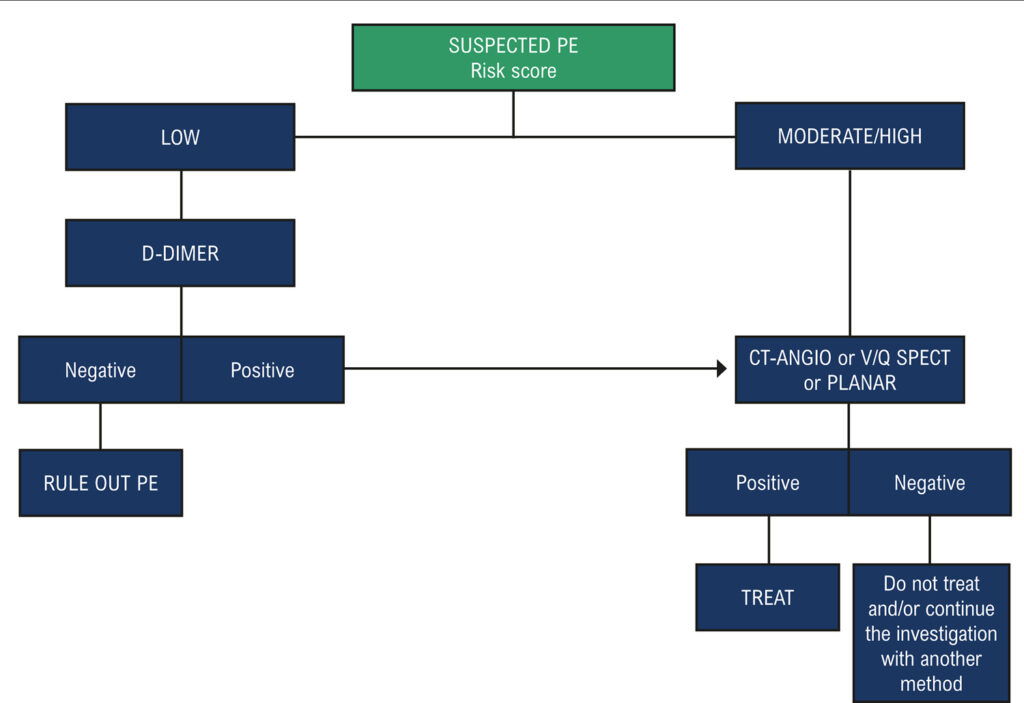
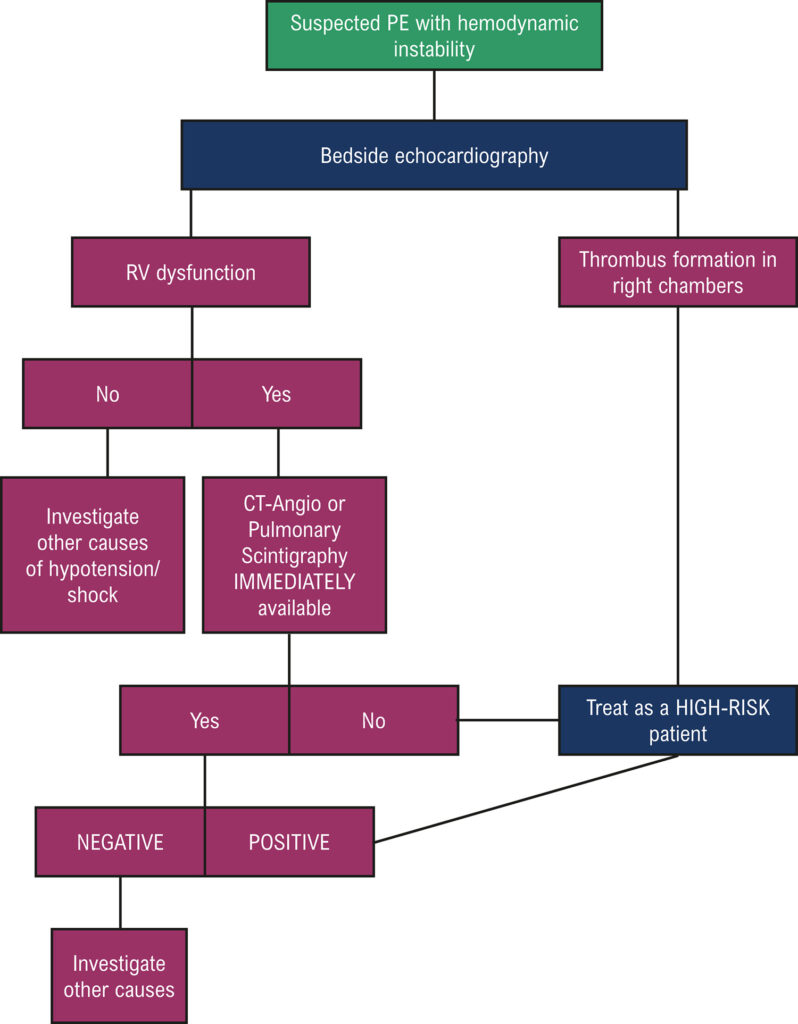
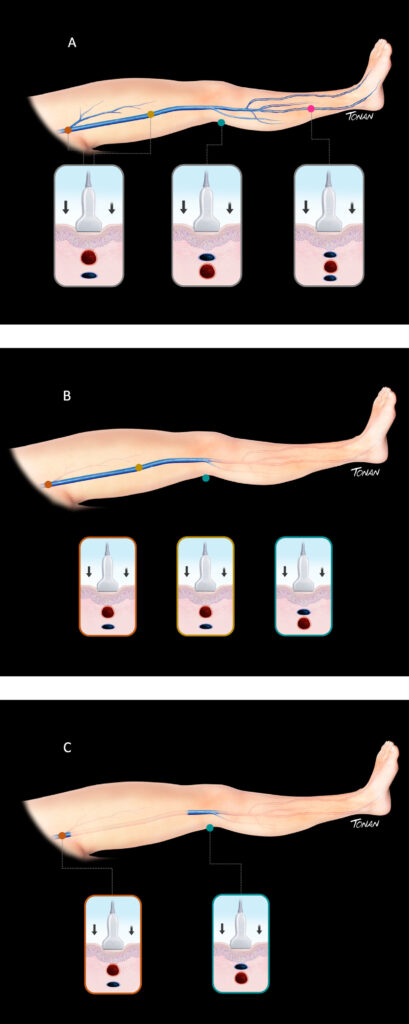
Venous thromboembolism (VTE) manifests as pulmonary embolism (PE) and/or deep vein thrombosis (DVT), being part of the same disease spectrum and presenting the same risk factors. It is the third most common cause of acute cardiovascular syndrome worldwide, being potentially life-threatening. ,
In Brazil, according to data from the Ministry of Health collected between 2010 and 2021, the number of hospitalizations for VTE exceeded 520,000, with a total of more than 67,000 deaths from 2010 to 2019.
[…]
Images
Image gallery fullscreen viewer
Comments are moderated by the editorial team before publication. Discussions should be evidence-based and use scientific language. Conflicts of interest should be declared.