ABC Family Arquivos Brasileiros de Cardiologia International Journal of Cardiovascular Sciences ABC Heart Failure & Cardiomyopathy ABC Imagem Cardiovascular
Português English
ABC Family
Português English
  • About
    • About ABC Family
    • Internal Regulation
    • Editorial Board
    • Brazilian Society of Cardiology (SBC)
  • Issues
  • SBC Guidelines
  • Content
    • Videos
    • Podcasts
    • News
  • About
    • About ABC Family
    • Internal Regulation
    • Editorial Board
    • Brazilian Society of Cardiology (SBC)
  • Issues
  • SBC Guidelines
  • Content
    • Videos
    • Podcasts
    • News

ABC Family

  • ABC Family
  • Arquivos Brasileiros de Cardiologia
  • International Journal of Cardiovascular Sciences
  • ABC Heart Failure & Cardiomyopathy
  • ABC Imagem Cardiovascular
Search in

No content found.

Journals
Ordering
Article types
Others

  1. Home
  2. Keyword: Genetic Testing
Genetic and Clinical Characterization of a South-Brazilian Hypertrophic Cardiomyopathy Cohort
ABC
Original Article

Genetic and Clinical Characterization of a South-Brazilian Hypertrophic Cardiomyopathy Cohort

Thais Beuren et al. Fernando Scolari Fernanda Sperb-Ludwig Filipe Ferrari … Arthur Rossi Rafael Zawislak Peter van Tintelen Ricardo Stein

Abstract

Background

Hypertrophic cardiomyopathy (HCM) is the most common monogenic heart disease, characterized by genetic and phenotypic heterogeneity. Although extensively studied in North American and European populations, data from Brazil remain limited.

Objectives

To characterize the genetic and clinical profiles of a Southern Brazilian cohort of HCM patients and their relatives using massive parallel sequencing.

Methods

In this observational study, HCM patients and first-degree relatives were recruited from outpatient cardiology clinics. Clinical and imaging data were collected, and genetic analysis used a 100-gene panel. Variant pathogenicity was assessed according to American College of Medical Genetics and Genomics criteria, and statistical analyses were performed using R software.

Results

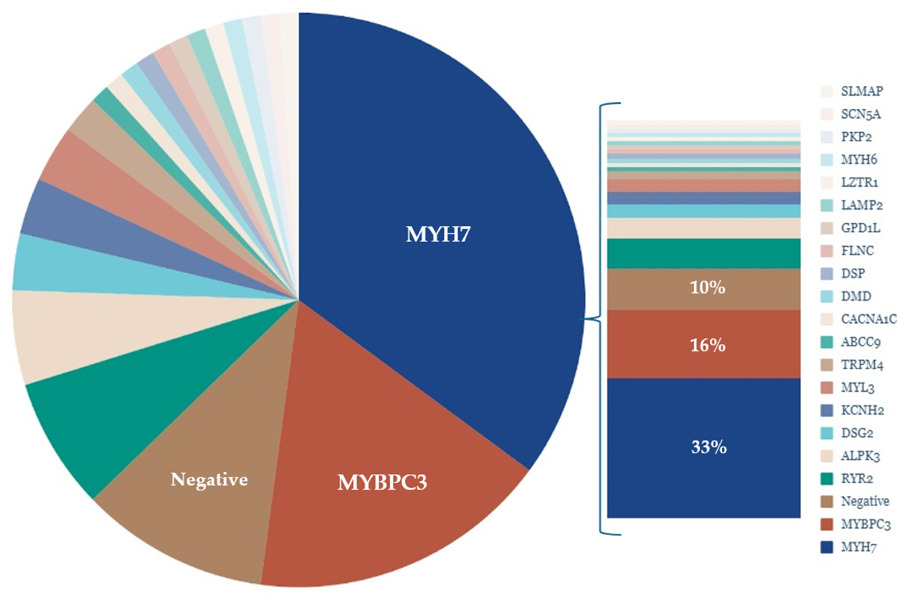
Eighty individuals were included in the final analysis (mean age: 49.2 ±18.5); 60% male; 40 index cases and 40 affected relatives). MYH7 and MYBPC3 were the most frequently related genes, with pathogenic / likely pathogenic variants (P/LP) identified in 33% and 16% of participants, respectively. No pathogenic TNNT2 variants were detected. Ninety percent of participants carried an identified variant (including variants of uncertain significance), with 68% harboring P/LP variants. MYH7 carriers exhibited a higher proportion of left ventricular outflow tract obstruction, whereas MYBPC3 carriers had a higher proportion of arrhythmic events and earlier diagnosis; however, these differences did not reach statistical significance and should be interpreted as exploratory. Clinical comparisons revealed regional differences, suggesting the potential impact of genetic diversity on the presentation of HCM in this part of Brazil.

Conclusions

This study offers the first detailed genetic and clinical characterization of a Brazilian HCM cohort using massive parallel sequencing. Our findings underscore the importance of genetic testing for diagnosis, risk stratification, and management.
  • Brazil
  • Genetic Testing
  • High-Throughput Nucleotide Sequencing
  • Hypertrophic Cardiomyopathy
Read Full Article
Creative Commons Attribution (CC BY) Creative Commons license
20/03/2026 DOI: 10.36660/abc.20250420i Views 1
Figure 1
ABCHF
Case Report

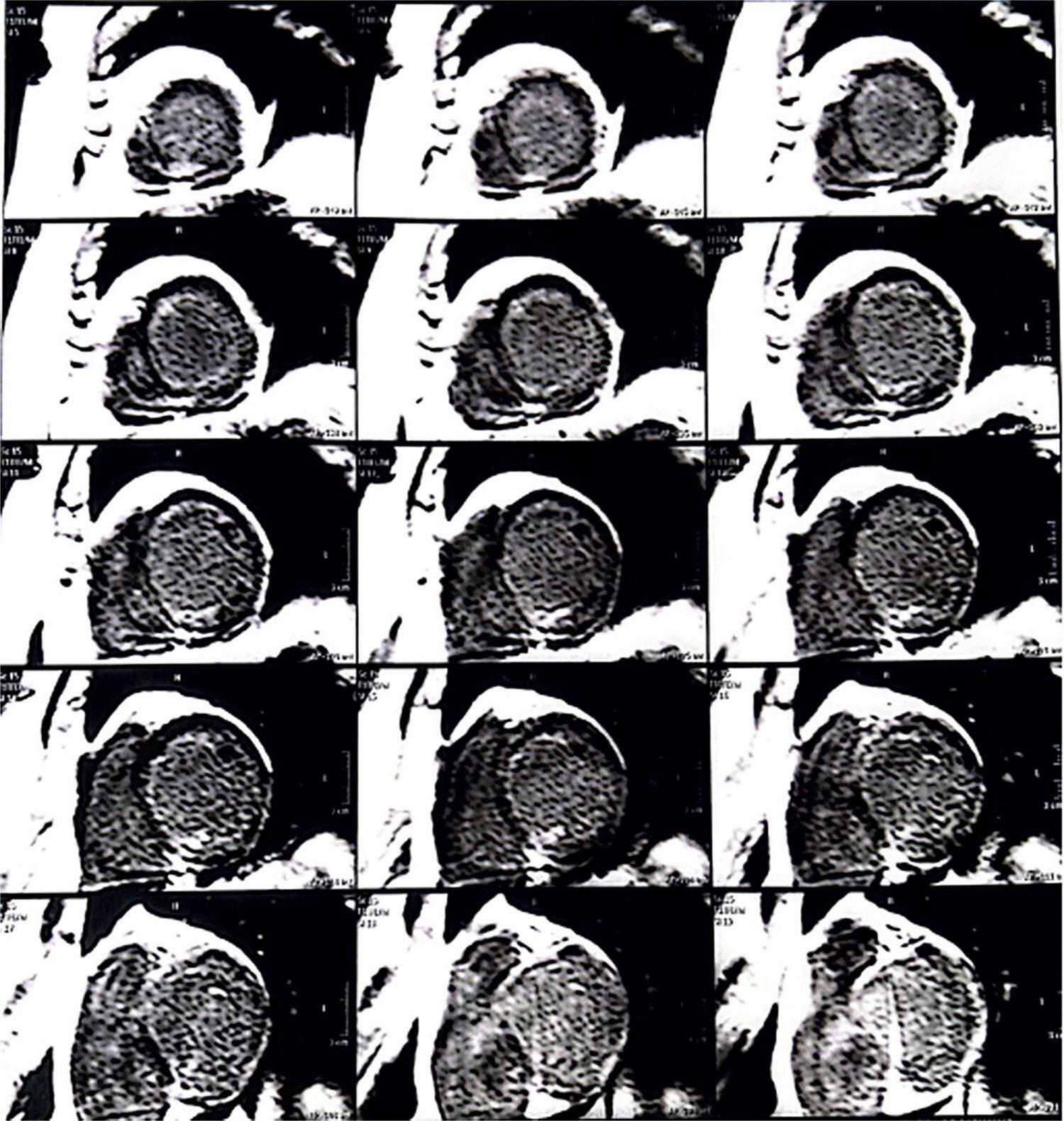
Dilated Cardiomyopathy Associated With A Novel Truncated Filamin C Variant Mimicking Cardiac Amyloidosis: A Diagnostic Challenge

Kelson Kemuel Confessor de Sousa et al. Ferdinand Gilbert Saraiva da Silva Maia Rosiane Viana Zuza Diniz Carla Karini R. A. Costa … Beatriz Andrade da Costa Fabio Mastrocola

Introduction

Filamins interconnect actin filaments and form a broad network in cardiac and skeletal muscle cells by anchoring membrane proteins to the cytoskeleton. Filamin C, encoded by the FLNC gene, is one of three filamin-related proteins and binds to several proteins in the Z-disc of the sarcomere. Mutations in FLNC were initially associated with skeletal myofibrillar myopathy but are now recognized as associated with dilated and arrhythmogenic cardiomyopathy phenotypes, with autosomal dominant inheritance and an estimated penetrance of 92–97%, and are included in the genetic screening of patients with arrhythmogenic heart disease and sudden cardiac death. The prevalence of pathogenic FLNC variants is 1–4.5% among patients with dilated cardiomyopathy (DCM) and up to 6% in patients with arrhythmogenic cardiomyopathy.,

We describe the case of a patient with a novel truncated variant in the filamin C gene with a DCM phenotype who, during clinical follow-up and etiological investigation, presented imaging exams mimicking cardiac amyloidosis.

[…]

  • Amyloidosis
  • Cardiac Arrhythmias
  • Dilated Cardiomyopathy
  • Genetic Testing
Read Full Article
Creative Commons Attribution (CC BY) Creative Commons license
28/03/2025 DOI: 10.36660/abchf.20240053i Views 1
Central Illustration
ABCHF
Review Article

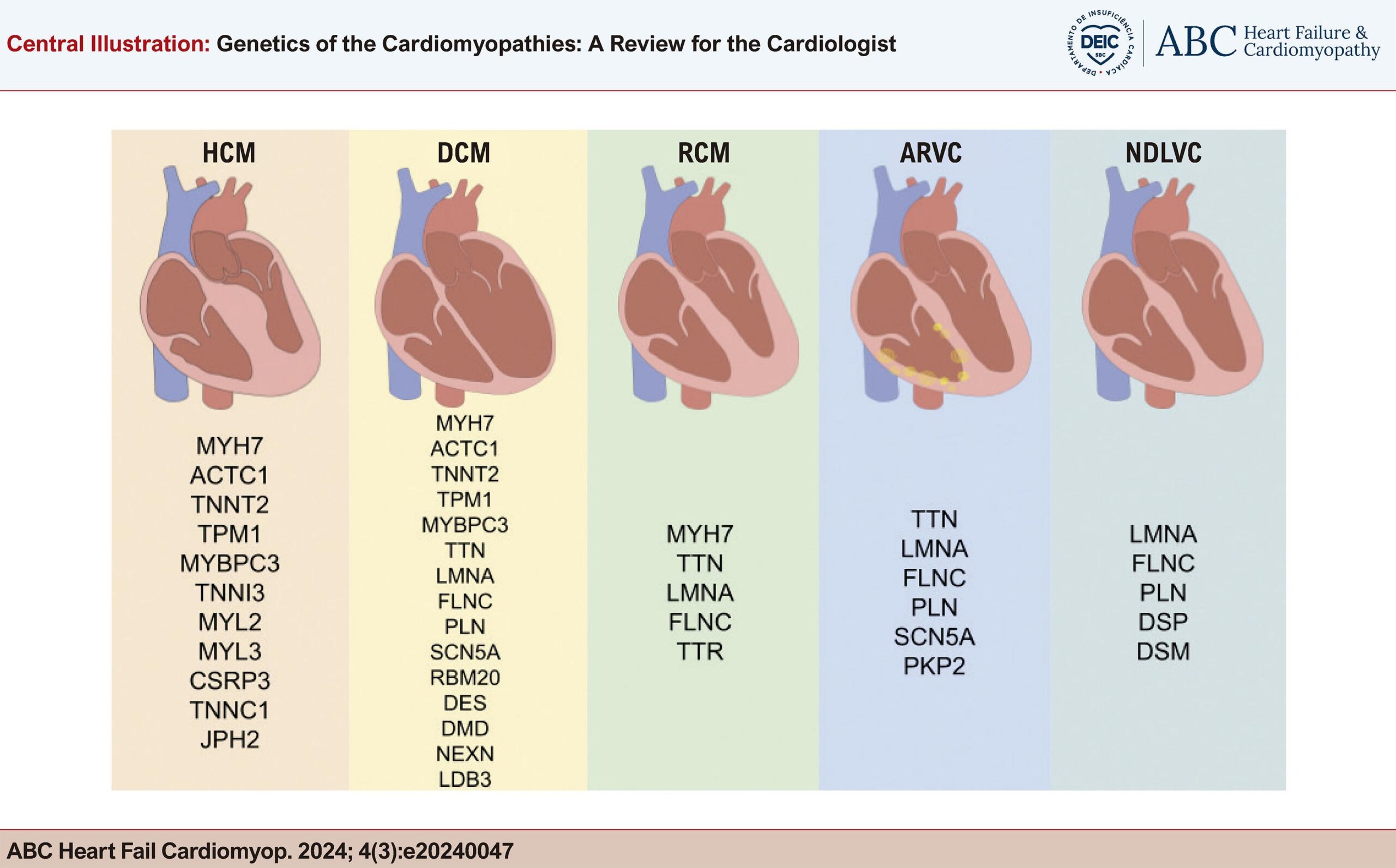
Genetics of the Cardiomyopathies: A Review for the Cardiologist

Fernando Luis Scolari et al. Henrique Iahnke Garbin Thais Mariel Andara Beuren Felipe Cerqueira Matheus … Ricardo Mourilhe-Rocha Marcelo Imbroinise Bittencourt

Abstract

Cardiomyopathies, myocardial diseases without other causative factors like hypertension or coronary artery disease, were once considered rare but have seen increased diagnoses due to improved imaging and clinical awareness. Recent categorizations based on predominant phenotypes, such as hypertrophic cardiomyopathy, dilated cardiomyopathy, non-dilated left ventricular cardiomyopathy, restrictive cardiomyopathy and arrhythmogenic right ventricular cardiomyopathy highlight their complexity. Phenotype characterization is challenging due to overlapping features among different cardiomyopathies, making genetic testing indispensable, offering insights into etiology, risks, and guiding treatments. Advancements in testing accessibility and standardized classification guidelines have facilitated early detection, enabling interventions like lifestyle modifications and targeted medication regimens to mitigate risks. Current guidelines recommend genetic testing for all cardiomyopathy patients. This review elucidates genetic variants underlying the distinct cardiomyopathies phenotypes, enabling accurate diagnoses and treatment.

  • Cardiomyopathies
  • Genetic Testing
  • Heart Failure
  • Phenotype
Read Full Article
Creative Commons Attribution (CC BY) Creative Commons license
01/11/2024 DOI: 10.36660/abchf.20240047i Views 2
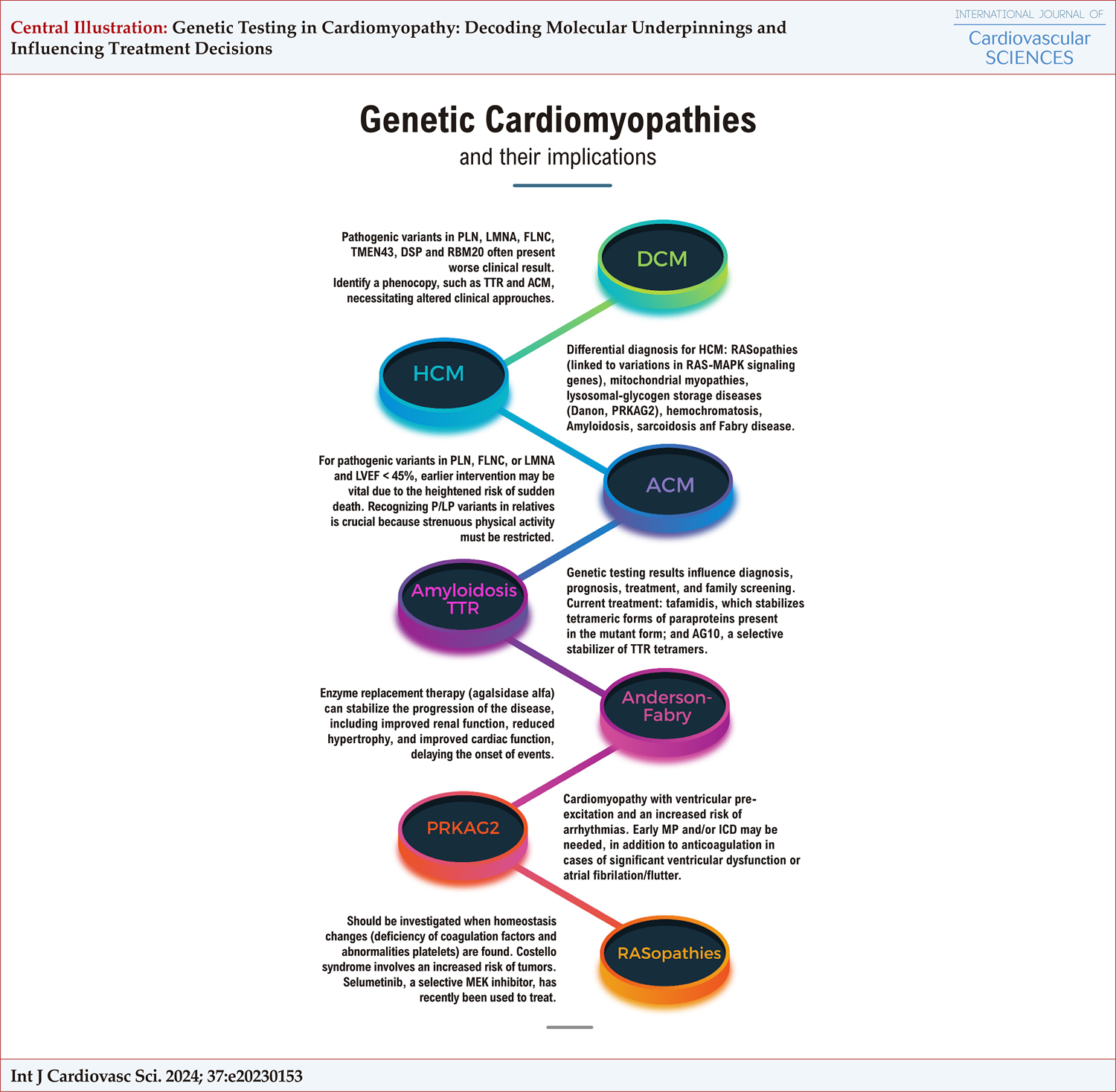
Genetic Testing in Cardiomyopathy: Decoding Molecular Underpinnings and Influencing Treatment Decisions
IJCS
Review Article

Genetic Testing in Cardiomyopathy: Decoding Molecular Underpinnings and Influencing Treatment Decisions

Silas Ramos Furquim et al. Layara Fernanda Vicente Pereira Lipari Fernanda Almeida Andrade Vinícius Machado Correia … Natália Quintella Sangiorgi Olivetti Lucas Vieira Lacerda Pires Luciana Sacilotto Fábio Fernandes José Eduardo Krieger

Abstract

Cardiomyopathy is characterized by structural and functional abnormalities in the heart muscle that are not influenced by coronary disease, hypertension, valve disease, or congenital heart defects. Genetic testing, which helps diagnose the molecular bases of cardiomyopathy, can affect prognostication and clinical decisions. Recent guidelines advocate classifying cardiomyopathies based on phenotypic categories, which encompass a range of clinical presentations, underlying causes, and outcomes. Beyond deepening our grasp of the disease, genetic testing can distinguish between diseases with similar presentations, known as genocopies, which can profoundly influence treatment decisions. Genetic testing is also essential for reproductive counseling and risk evaluation among family members. Combined with advanced imaging techniques such as magnetic resonance imaging, genetic investigation offers a comprehensive understanding of the disease. Thus, as the nature of cardiomyopathies continues to be unraveled, cardiologists must stay updated on advances in genetic testing and their practical applications.

  • Cardiomyopathies
  • Genetic Testing
  • Genetics
Read Full Article
Creative Commons Attribution (CC BY) Creative Commons license
19/08/2024 DOI: 10.36660/ijcs.20230153 Views 1
Central Illustration
ABC
Review Article

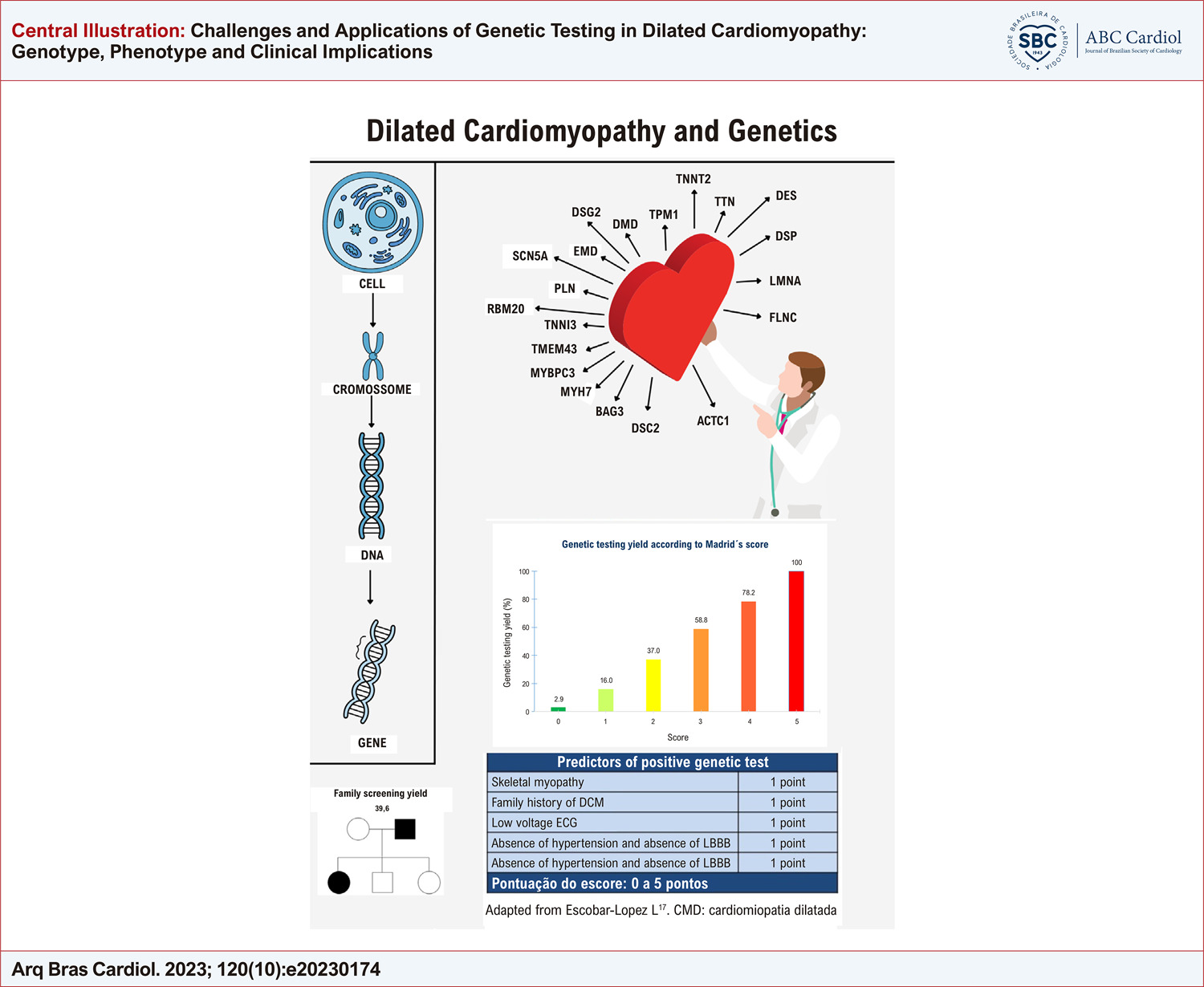
Challenges and Applications of Genetic Testing in Dilated Cardiomyopathy: Genotype, Phenotype and Clinical Implications

Silas Ramos Furquim et al. Bianca Linnenkamp Natália Quintella Sangiorgi Olivetti Fernando Rabioglio Giugni … Layara Fernanda Vicente Pereira Lipari Fernanda Almeida Andrade José Eduardo Krieger

Abstract

Genetic tests for dilated cardiomyopathy (DCM) have a diagnostic yield of up to 40%, but there is significant genetic heterogeneity and other challenges, such as variable expressivity and incomplete penetrance. Pedigree analysis is essential for distinguishing between sporadic and familial DCM cases by assessing family history. Familial DCM yields higher results in genetic testing, but sporadic DCM does not rule out the possibility of a genetic cause. Some genes have specific phenotypes, with the Lamin gene ( LMNA ) being associated with a phenotype of malignant arrhythmias and advanced heart failure (HF). The presence of a causal genetic variant can also aid in prognostic evaluation, identifying more severe cases with lower rates of reverse remodeling (RR) compared to individuals with a negative genotype. Current guidelines recommend genetic evaluation and counseling for individuals with DCM, along with cascade screening in first-degree relatives in cases where one or more variants are identified, offering an opportunity for early diagnosis and treatment. Relatives with a positive genotype and negative phenotype are candidates for serial evaluation, with frequency varying by age. Genotype also assists in individualized recommendations for implantable cardioverter-defibrillator (ICD) placement and advice regarding physical activity and family planning. Ongoing studies are progressively elucidating the details of genotype/phenotype relationships for a large number of variants, making molecular genetics increasingly integrated into clinical practice.

  • Cardiomyopathy, Dilated
  • Genetic Testing
  • Genetics
Read Full Article
Creative Commons Attribution (CC BY) Creative Commons license
24/11/2023 DOI: 10.36660/abc.20230174 Views 1
Figure 1
ABCHF
Viewpoint

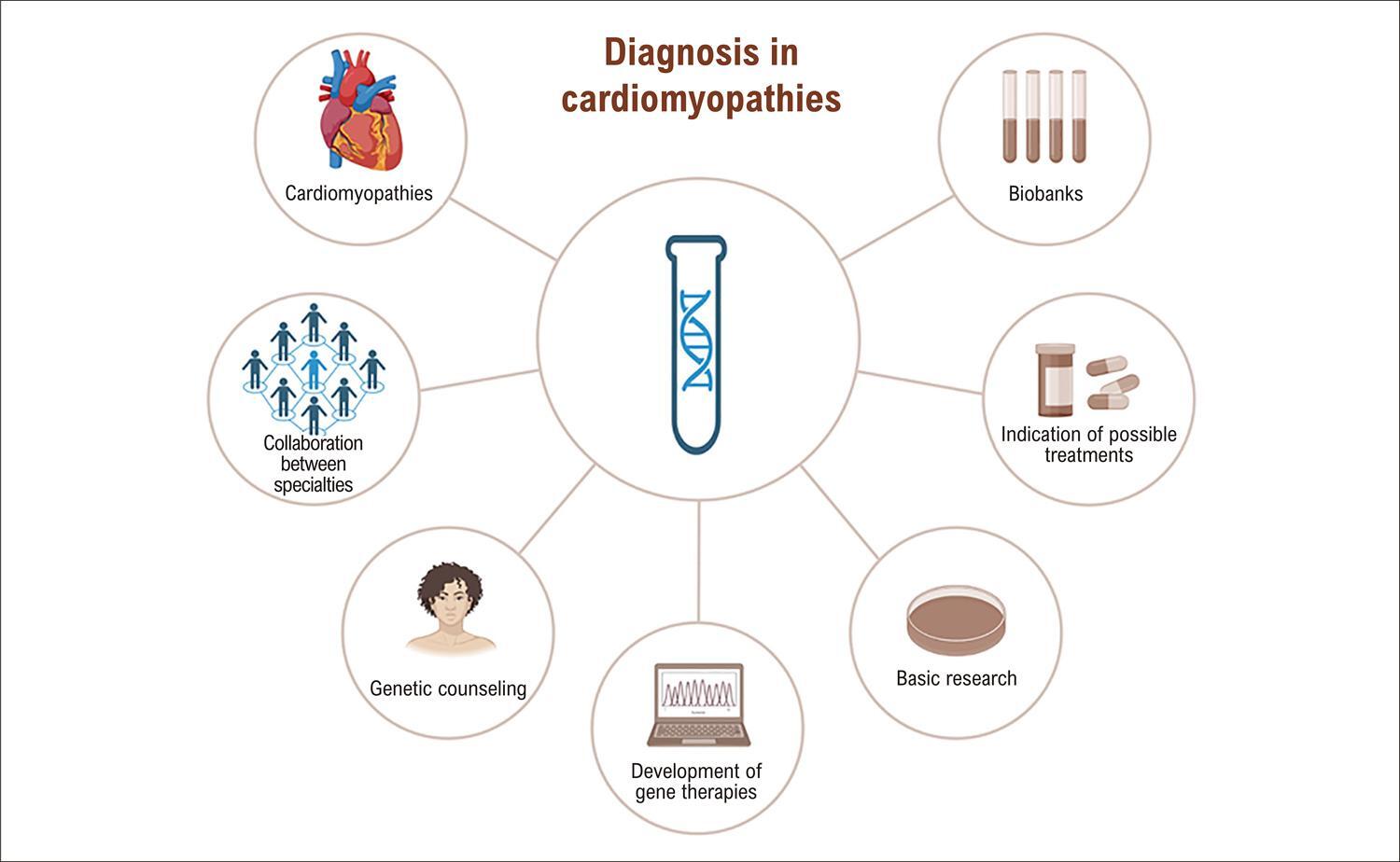
Genetic Counseling and Pedigree in Cardiomyopathies – the Role of the Clinical Geneticist

Diane Xavier de Ávila et al. Frank Nunes Raquel Germer Ana Flávia Malheiros Torbey

Introduction

Twenty years ago, the Human Genome Project made history by announcing the sequencing of 92% of the human genome through the development of modern genetic sequencing techniques. In 2022, the complete sequencing of human DNA was announced. This knowledge made it possible to better understand how genetics influences the functioning of the human body and, at the same time, facilitated the identification of genetic variants that can cause diseases.

In the field of cardiology, genetic study assists the assessment of aortopathy, familial hypercholesterolemia, channelopathies, and especially cardiomyopathies.

[…]

  • Cardiomyopathies
  • Genetic Counseling
  • Genetic Testing
  • Genetics
Read Full Article
Creative Commons Attribution (CC BY) Creative Commons license
01/08/2023 DOI: 10.36660/abchf.20230023 Views 1
Central Illustration
ABCHF
Review Article

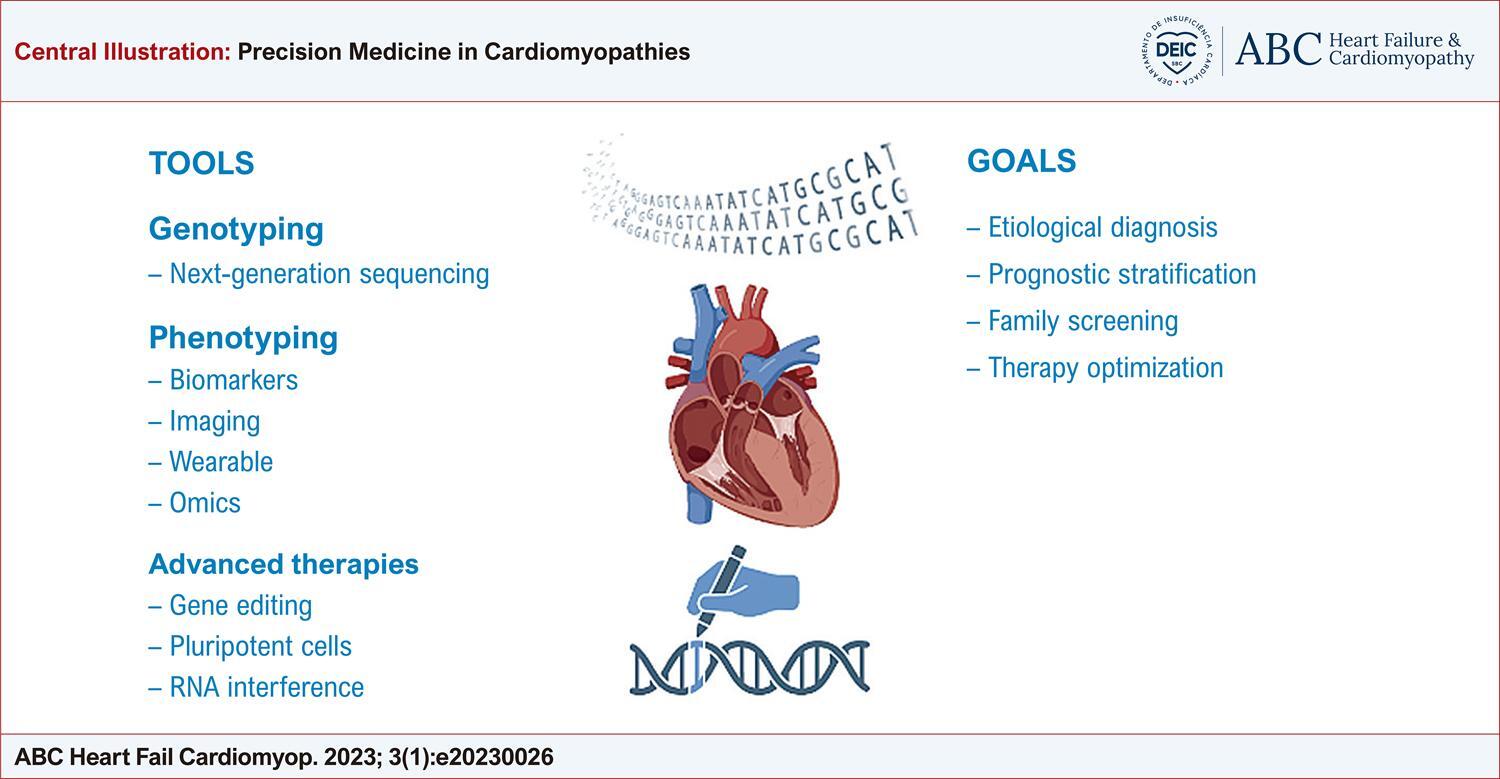
Precision Medicine in Cardiomyopathies

Fernando Rabioglio Giugni et al. José Eduardo Krieger

Abstract

Precision Medicine is an innovative clinical approach that uses a wide range of data to assess patients, including genetic and molecular information. Thanks to technological advances and cost reductions, new technologies have been incorporated into clinical practice, such as next-generation sequencing methods. Recently, clinical guidelines have recommended the use of genetic tests in patients with cardiomyopathies, which can have a major impact on etiological diagnosis, prognosis, treatment, and family screening. Furthermore, biomarkers obtained by means of imaging tests, wearables, and omics are becoming increasingly relevant in clinical practice, bringing significant benefits to patients with cardiomyopathies. Promising prospects for new treatments using RNA interference, pluripotent cells, and gene editing should be part of the therapeutic arsenal in the coming decades. However, there are still challenges to be overcome, such as the need for professional training, the implementation of adequate flows in the health system, and the cost of technologies. Based on this context, this review aims to address different aspects of Precision Medicine and its relevance to the field of cardiomyopathies.

  • Cardiomyopathies
  • Genetic Testing
  • Precision Medicine
Read Full Article
Creative Commons Attribution (CC BY) Creative Commons license
10/07/2023 DOI: 10.36660/abchf.20230026
ABC
Original Article

Screening for Familial Hypercholesterolemia in Small Towns: Experience from 11 Brazilian Towns in the Hipercolbrasil Program

Cinthia Elim Jannes et al. Júnea Paolucci Paiva Silvino Pãmela Rodrigues de Souza Silva Isabella Ramos Lima … Mauricio Teruo Tada Theo Gremen Mimary Oliveira Raul D. Santos José Eduardo Krieger Alexandre da Costa Pereira

Abstract

Background

Familial hypercholesterolemia (FH) is a genetic disease characterized by elevated serum levels of low-density lipoprotein cholesterol (LDL-C), and it is associated with the occurrence of early cardiovascular disease. In Brazil, HipercolBrasil, which is currently the largest FH cascade screening program, has already identified more than 2000 individuals with causal genetic variants for FH. The standard approach is based on cascade screening of referred index cases, individuals with hypercholesterolemia and clinical suspicion of FH.

Objectives

To perform targeted screening of 11 small Brazilian cities with a suspected high prevalence of people with FH.

Methods

The selection of cities occurred in 3 ways: 1) cities in which a founder effect was suspected (4 cities); 2) cities in a region with high rates of early myocardial infarction as described by the National Health System database (2 cities); and 3) cities that are geographically close to other cities with a high prevalence of individuals with FH (5 cities). Statistical significance was considered as p value < 0.05.

Results

One hundred and five index cases and 409 first-degree relatives were enrolled. The yield of such approach of 4.67 relatives per index case was significantly better (p < 0.0001) than the general HipercolBrasil rate (1.59). We identified 36 IC with a pathogenic or likely pathogenic variant for FH and 240 affected first-degree relatives.

Conclusion

Our data suggest that, once detected, specific geographical regions warrant a target approach for identification of clusters of individuals with FH.

  • Cardiovascular disease
  • Familial hypercholesterolemia
  • Genetic Testing
Read Full Article
Creative Commons Attribution (CC BY) Creative Commons license
07/02/2022 DOI: 10.36660/abc.20201371
ABCHF
Viewpoint

Genetic Testing in Amyloidosis: For Whom?

Paulo Vinicius Ramos Souza et al. Fabio Fernandes Felix José Alvarez Ramires

Over the past years, the recognition of cardiac involvement due to deposition of amyloid substances has received greater emphasis. Cardiac amyloidosis (CA), as it is known, has been shown to be a more prevalent cause of heart failure with preserved ejection fraction than in previous decades, although diagnosis remains a constant challenge.

With advances in pathophysiological knowledge of this disease, as well as relevant advances in diagnostic methods, particularly in the field of cardiovascular imaging, there has been a significant contribution to earlier identification of CA, as well as a consistent change in the natural course of the disease, given that we are witnessing the emergence of therapies that are capable of prolonging these patients’ survival.

[…]

  • Amyloidosis
  • Genetic Testing
  • Prealbumin
Read Full Article
Creative Commons Attribution (CC BY) Creative Commons license
10/12/2021 DOI: 10.36660/abchf.20210025
Figure 1
ABC
Case Report

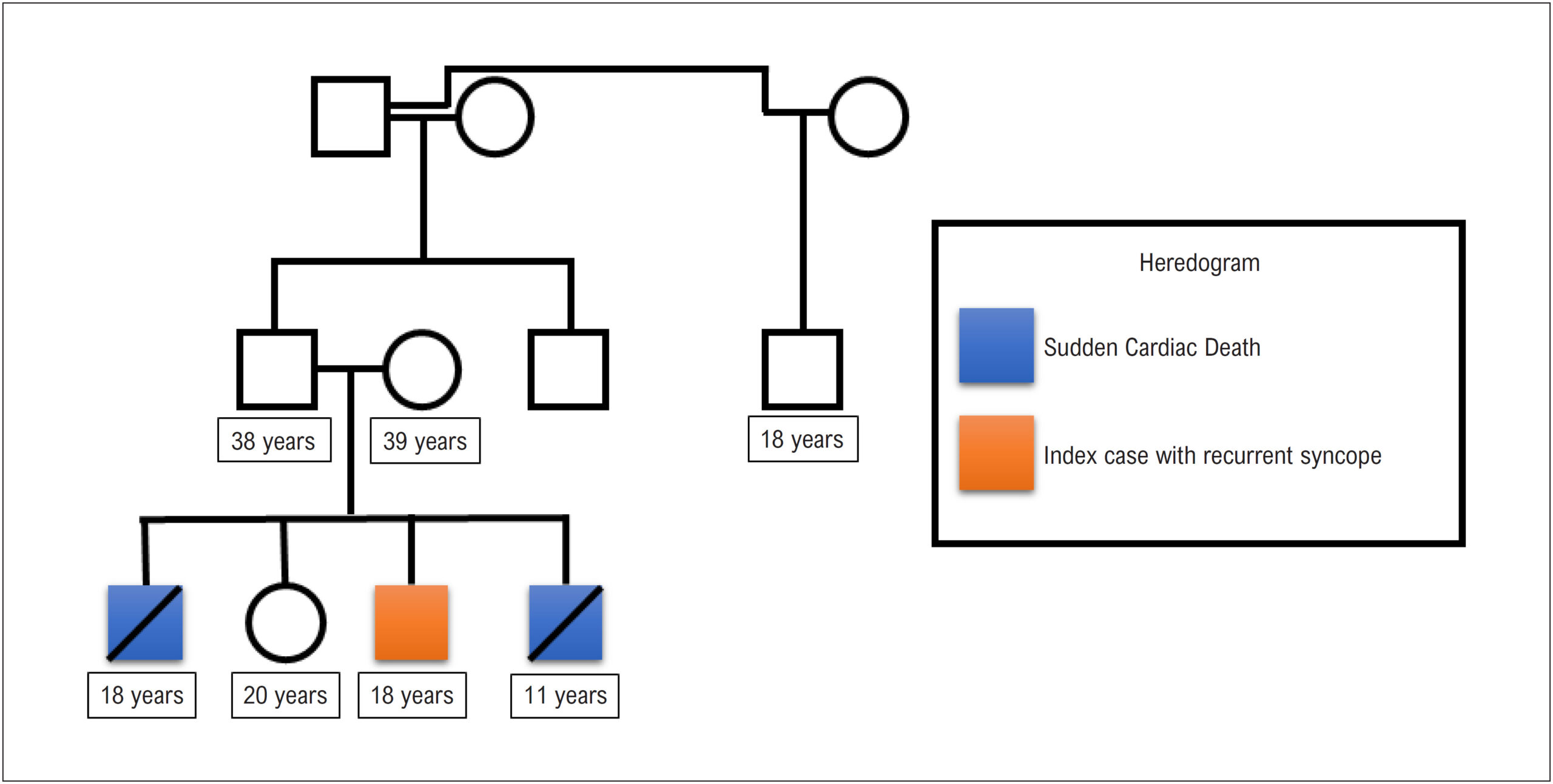
Family Screening in the Diagnosis of Short QT Syndrome after Sudden Cardiac Death as First Manifestation in Young Siblings

Guilherme Augusto Teodoro Athayde et al. Natália Quintella Sangiorgi Olivetti Francisco Carlos da Costa Darrieux Luciana Sacilotto … Gabrielle D’Arezzo Pessente Maurício Ibrahim Scanavacca

Introduction

In 2000, Gussak et al., published a case series in which atrial tachyarrhythmias, syncope, and sudden cardiac death (SCD) were associated with a short QT interval, being the first to correlate all of these finding in one single study. Since then, efforts have been made to better understand the behavior of and find alternatives to treat short QT syndrome (SQTS); however, researchers face the barrier of the rarity of the disease, the difficulty in establishing diagnostic parameters, and its complex clinical manifestation. This article reports on the case of young siblings with SCD and SQTS and discusses the syndrome’s diagnostic and therapeutic difficulties.

[…]

  • Cardiac Channelopathies
  • Genetic Testing
  • implantable cardioverter-defibrillator
  • short QT syndrome
  • Sudden Cardiac Death
Read Full Article
Creative Commons Attribution (CC BY) Creative Commons license
19/07/2021 DOI: 10.36660/abc.20200274
Figure 1
ABC
Original Article

Predictors of Family Enrollment in a Genetic Cascade Screening Program for Familial Hypercholesterolemia

Pãmela Rodrigues de Souza Silva et al. Cinthia Elim Jannes Theo G. M. Oliveira Luz Marina Gómez Gómez … José E. Krieger Raul D. Santos Alexandre Costa Pereira

Abstract

Background:

Genetic cascade screening is the most cost-effective method for the identification of individuals with familial hypercholesterolemia (FH), but the best strategies for the enrollment of at-risk individuals in a FH screening program are not fully known.

Objective:

The aim of this study is to identify the best predictors of familial enrollment into genetic screening, using features derived from tested probands.

Methods:

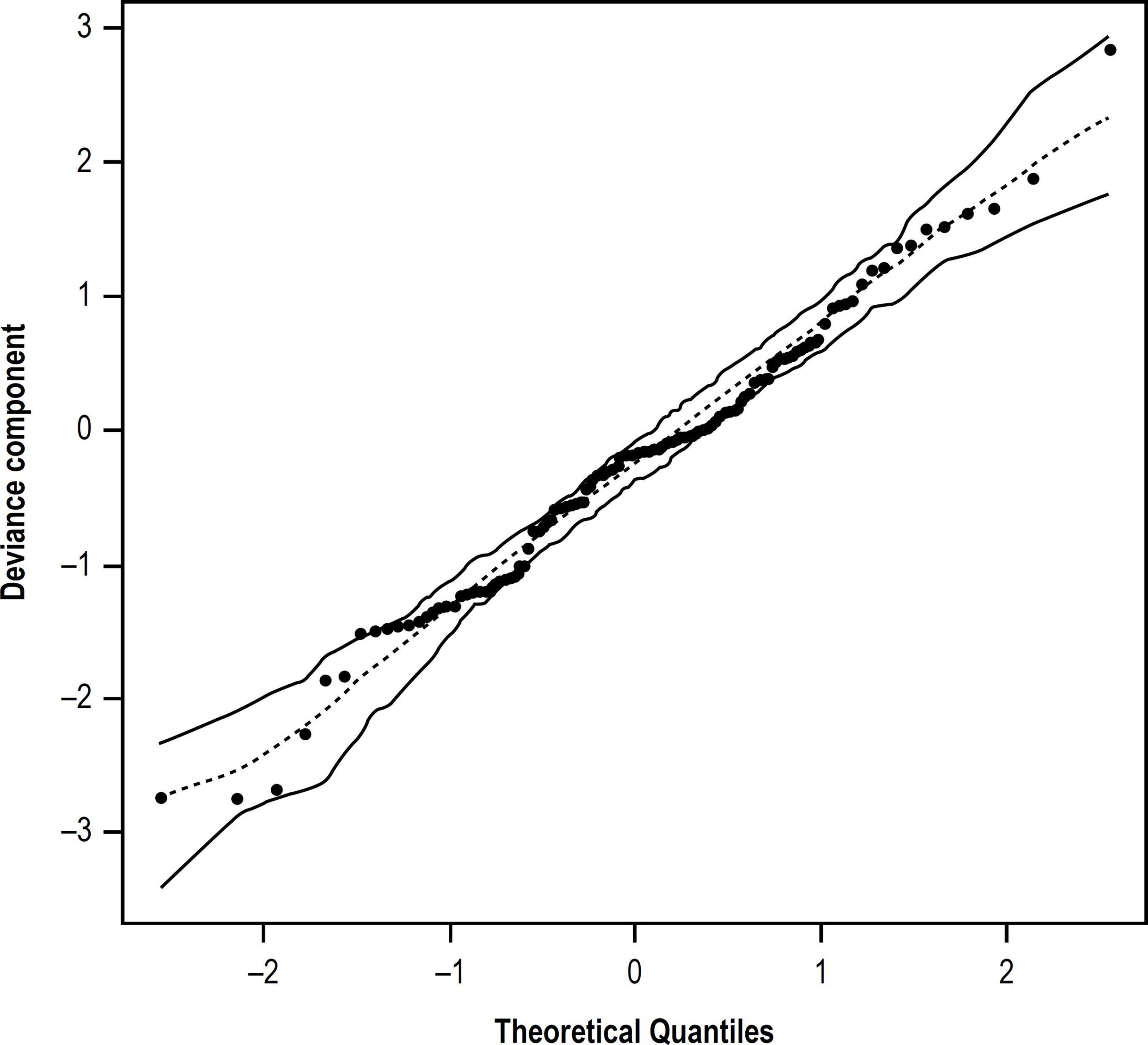
One hundred and eighty-three index-cases (ICs) with a positive genetic result that had relatives screened from 01/2011 to 07/2015 were included. The response variable was the number of relatives for each enrolled IC. All variables in the study were based on ICs’ derived clinical and socioeconomical features. The effect size of predictor variables were obtained through a general linear model using a negative binomial regression link function. Significance was considered with a p < 0.05.

Results:

Mean IC age when enrolling into the program was 50 years old; 78.1% of individuals reported knowledge of relatives with dyslipidemia. Mean baseline LDL-cholesterol level was 316 ± 90 mg/dL. Referral origin through the cascade program website vs. tertiary care, IC LDL-cholesterol and familial history of high LDL-cholesterol levels were independent predictors associated with a higher number of enrolled relatives.

Conclusions:

Our data suggest that FH cascade screening programs can predict family enrollment based on IC features. This information may be useful for devising better and more effective screening approaches for at-risk individuals.

  • Cholesterol
  • Dyslipidemias/genetics
  • Genetic Testing
  • Hypelipoproteinemia Type II/genetics
  • Hypercholesterolemia
  • Mass Screening
Read Full Article
Creative Commons Attribution (CC BY) Creative Commons license
23/08/2018 DOI: 10.5935/abc.20180156 Views 1
Figure 1
ABC
Brief Communication

Compound Heterozygous SCN5A Mutations in a Toddler – Are they Associated with a More Severe Phenotype?

Luciana Sacilotto et al. Hindalis Ballesteros Epifanio Francisco Carlos da Costa Darrieux Fanny Wulkan … Theo Gremen Mimary Oliveira Denise Tessariol Hachul Alexandre da Costa Pereira Mauricio Ibrahim Scanavacca

Abstract

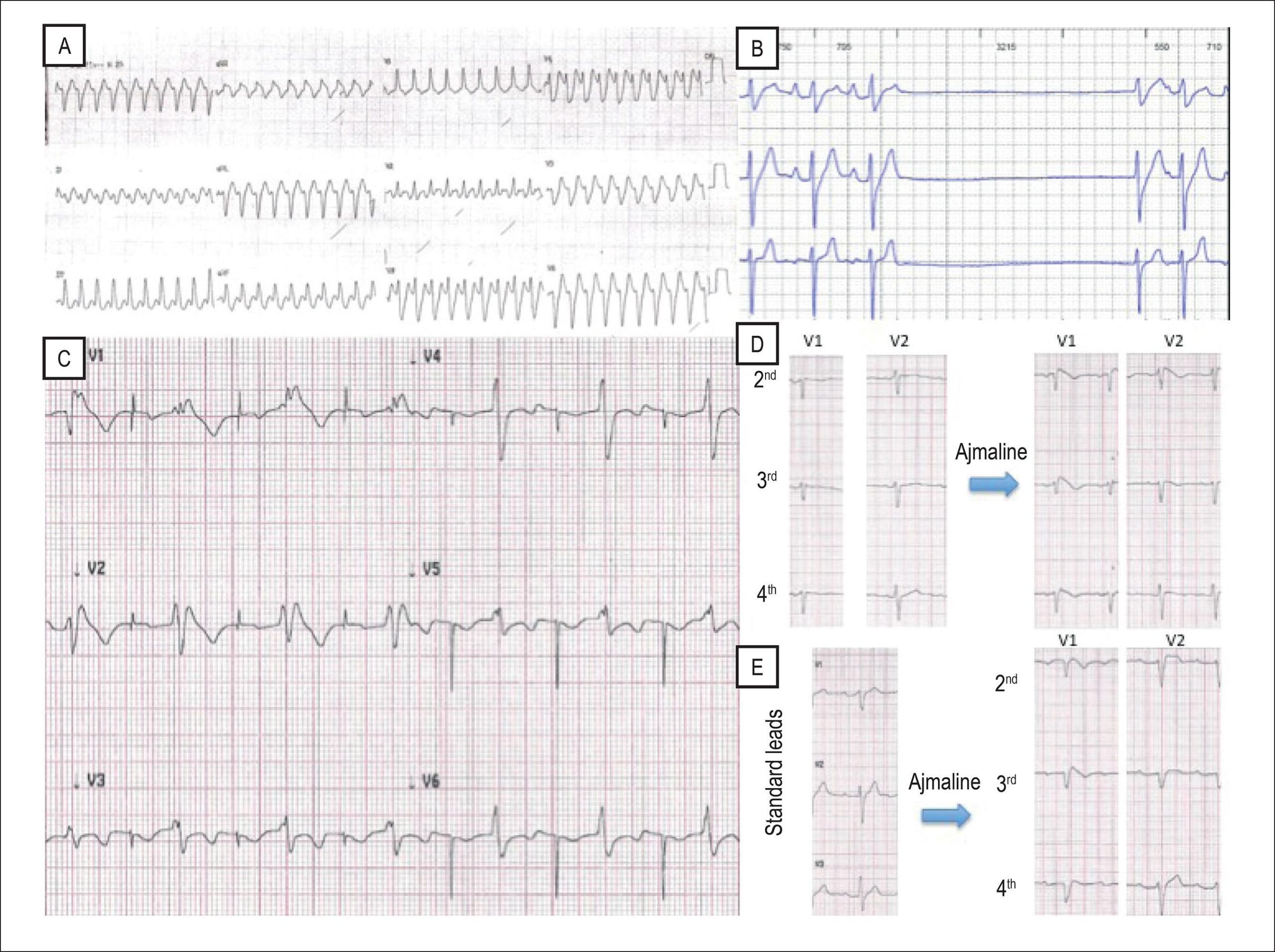
Compound heterozygosity has been described in inherited arrhythmias, and usually associated with a more severe phenotype. Reports of this occurrence in Brugada syndrome patients are still rare. We report a study of genotype-phenotype correlation after the identification of new variants by genetic testing. We describe the case of an affected child with a combination of two different likely pathogenic SCN5A variants, presenting sinus node dysfunction, flutter and atrial fibrillation, prolonged HV interval, spontaneous type 1 Brugada pattern in the prepubescent age and familiar history of sudden death.

  • Arrhythmias Cardiac
  • Brugada Syndrome
  • Genetic Testing
  • Heredity
  • Sinoatrial Node / abnormalities
Read Full Article
Creative Commons Attribution (CC BY) Creative Commons license
01/01/2017 DOI: 10.5935/abc.20170006 Views 2

How to cite this article

EndNote RIS

Electronic Document Format (Vancouver)

Beuren T, Scolari F, Sperb-Ludwig F, Ferrari F, Rossi A, Zawislak R, Tintelen P, et al. Genetic and Clinical Characterization of a South-Brazilian Hypertrophic Cardiomyopathy Cohort. Arquivos Brasileiros de Cardiologia 2026;123(2):e20250420.

Electronic Document Format (ABNT)

Beuren, Thais; Scolari, Fernando; Sperb-Ludwig, Fernanda; Ferrari, Filipe; Rossi, Arthur; Zawislak, Rafael; Tintelen, Peter van; Stein, Ricardo. Genetic and Clinical Characterization of a South-Brazilian Hypertrophic Cardiomyopathy Cohort. Arquivos Brasileiros de Cardiologia, v. 123, n. 2, e20250420, Mar. 2026.

Electronic Document Format (APA)

Beuren, T., Scolari, F., Sperb-Ludwig, F., Ferrari, F., Rossi, A., Zawislak, R., Tintelen, P. , & Stein, R. (2026). Genetic and Clinical Characterization of a South-Brazilian Hypertrophic Cardiomyopathy Cohort. Arquivos Brasileiros de Cardiologia, 123(2), e20250420.

Electronic Document Format (ISO)

Beuren, Thais and Scolari, Fernando and Sperb-Ludwig, Fernanda and Ferrari, Filipe and Rossi, Arthur and Zawislak, Rafael and Tintelen, Peter van and Stein, Ricardo. Genetic and Clinical Characterization of a South-Brazilian Hypertrophic Cardiomyopathy Cohort. Arquivos Brasileiros de Cardiologia [online]. 2026, vol. 123, n. 2, [cited 2026-10-14], e20250420. Available from: <https://journals.cardiol.br/en/article/genetic-and-clinical-characterization-of-a-south-brazilian-hypertrophic-cardiomyopathy-cohort/>. ISSN 0066-782X

EndNote RIS

Electronic Document Format (Vancouver)

Sousa KKC, Maia FGSS, Diniz RVZ, Costa CKRA, Costa BA, Mastrocola F. Dilated Cardiomyopathy Associated With A Novel Truncated Filamin C Variant Mimicking Cardiac Amyloidosis: A Diagnostic Challenge. ABC Heart Fail Cardiomyop 2025;5(1):e20240053.

Electronic Document Format (ABNT)

Sousa, Kelson Kemuel Confessor de; Maia, Ferdinand Gilbert Saraiva da Silva; Diniz, Rosiane Viana Zuza; Costa, Carla Karini R. A.; Costa, Beatriz Andrade da; Mastrocola, Fabio. Dilated Cardiomyopathy Associated With A Novel Truncated Filamin C Variant Mimicking Cardiac Amyloidosis: A Diagnostic Challenge. ABC Heart Fail Cardiomyop, v. 5, n. 1, e20240053, Mar. 2025.

Electronic Document Format (APA)

Sousa, K. K. C. , Maia, F. G. S. S., Diniz, R. V. Z., Costa, C. K. R. A., Costa, B. A. , & Mastrocola, F. (2025). Dilated Cardiomyopathy Associated With A Novel Truncated Filamin C Variant Mimicking Cardiac Amyloidosis: A Diagnostic Challenge. ABC Heart Fail Cardiomyop, 5(1), e20240053.

Electronic Document Format (ISO)

Sousa, Kelson Kemuel Confessor de and Maia, Ferdinand Gilbert Saraiva da Silva and Diniz, Rosiane Viana Zuza and Costa, Carla Karini R. A. and Costa, Beatriz Andrade da and Mastrocola, Fabio. Dilated Cardiomyopathy Associated With A Novel Truncated Filamin C Variant Mimicking Cardiac Amyloidosis: A Diagnostic Challenge. ABC Heart Fail Cardiomyop [online]. 2025, vol. 5, n. 1, [cited 2026-10-14], e20240053. Available from: <https://journals.cardiol.br/en/article/dilated-cardiomyopathy-associated-with-a-novel-truncated-filamin-c-variant-mimicking-cardiac-amyloidosis-a-diagnostic-challenge/>

EndNote RIS

Electronic Document Format (Vancouver)

Scolari FL, Garbin HI, Beuren TMA, Matheus FC, Mourilhe-Rocha R, Bittencourt MI. Genetics of the Cardiomyopathies: A Review for the Cardiologist. ABC Heart Fail Cardiomyop 2024;4(3):e20240047.

Electronic Document Format (ABNT)

Scolari, Fernando Luis; Garbin, Henrique Iahnke; Beuren, Thais Mariel Andara; Matheus, Felipe Cerqueira; Mourilhe-Rocha, Ricardo; Bittencourt, Marcelo Imbroinise. Genetics of the Cardiomyopathies: A Review for the Cardiologist. ABC Heart Fail Cardiomyop, v. 4, n. 3, e20240047, Oct. 2024.

Electronic Document Format (APA)

Scolari, F. L., Garbin, H. I., Beuren, T. M. A., Matheus, F. C., Mourilhe-Rocha, R., & Bittencourt, M. I. (2024). Genetics of the Cardiomyopathies: A Review for the Cardiologist. ABC Heart Fail Cardiomyop, 4(3), e20240047.

Electronic Document Format (ISO)

Scolari, Fernando Luis and Garbin, Henrique Iahnke and Beuren, Thais Mariel Andara and Matheus, Felipe Cerqueira and Mourilhe-Rocha, Ricardo and Bittencourt, Marcelo Imbroinise. Genetics of the Cardiomyopathies: A Review for the Cardiologist. ABC Heart Fail Cardiomyop [online]. 2024, vol. 4, n. 3, [cited 2026-10-14], e20240047. Available from: <https://journals.cardiol.br/en/article/genetics-of-the-cardiomyopathies-a-review-for-the-cardiologist/>

EndNote RIS

Electronic Document Format (Vancouver)

Furquim SR, Lipari LFVP, Andrade FA, Correia VM, Olivetti NQS, Pires LVL, Sacilotto L, et al. Genetic Testing in Cardiomyopathy: Decoding Molecular Underpinnings and Influencing Treatment Decisions. International Journal of Cardiovascular Sciences 2024;37:e20230153.

Electronic Document Format (ABNT)

Furquim, Silas Ramos; Lipari, Layara Fernanda Vicente Pereira; Andrade, Fernanda Almeida; Correia, Vinícius Machado; Olivetti, Natália Quintella Sangiorgi; Pires, Lucas Vieira Lacerda; Sacilotto, Luciana; Fernandes, Fábio; Krieger, José Eduardo. Genetic Testing in Cardiomyopathy: Decoding Molecular Underpinnings and Influencing Treatment Decisions. International Journal of Cardiovascular Sciences, v. 37, e20230153, Aug. 2024.

Electronic Document Format (APA)

Furquim, S. R., Lipari, L. F. V. P., Andrade, F. A., Correia, V. M., Olivetti, N. Q. S., Pires, L. V. L., Sacilotto, L., Fernandes, F., & Krieger, J. E. (2024). Genetic Testing in Cardiomyopathy: Decoding Molecular Underpinnings and Influencing Treatment Decisions. International Journal of Cardiovascular Sciences, 37, e20230153.

Electronic Document Format (ISO)

Furquim, Silas Ramos and Lipari, Layara Fernanda Vicente Pereira and Andrade, Fernanda Almeida and Correia, Vinícius Machado and Olivetti, Natália Quintella Sangiorgi and Pires, Lucas Vieira Lacerda and Sacilotto, Luciana and Fernandes, Fábio and Krieger, José Eduardo. Genetic Testing in Cardiomyopathy: Decoding Molecular Underpinnings and Influencing Treatment Decisions. International Journal of Cardiovascular Sciences [online]. 2024, vol. 37, [cited 2026-10-14], e20230153. Available from: <https://journals.cardiol.br/en/article/genetic-testing-in-cardiomyopathy-decoding-molecular-underpinnings-and-influencing-treatment-decisions/>. ISSN 2359-4802

EndNote RIS

Electronic Document Format (Vancouver)

Furquim SR, Linnenkamp B, Olivetti NQS, Giugni FR, Lipari LFVP, Andrade FA, Krieger JE, et al. Challenges and Applications of Genetic Testing in Dilated Cardiomyopathy: Genotype, Phenotype and Clinical Implications. Arquivos Brasileiros de Cardiologia 2023;120(10):e20230174.

Electronic Document Format (ABNT)

Furquim, Silas Ramos; Linnenkamp, Bianca; Olivetti, Natália Quintella Sangiorgi; Giugni, Fernando Rabioglio; Lipari, Layara Fernanda Vicente Pereira; Andrade, Fernanda Almeida; Krieger, José Eduardo. Challenges and Applications of Genetic Testing in Dilated Cardiomyopathy: Genotype, Phenotype and Clinical Implications. Arquivos Brasileiros de Cardiologia, v. 120, n. 10, e20230174, Nov. 2023.

Electronic Document Format (APA)

Furquim, S. R., Linnenkamp, B., Olivetti, N. Q. S., Giugni, F. R., Lipari, L. F. V. P., Andrade, F. A., & Krieger, J. E. (2023). Challenges and Applications of Genetic Testing in Dilated Cardiomyopathy: Genotype, Phenotype and Clinical Implications. Arquivos Brasileiros de Cardiologia, 120(10), e20230174.

Electronic Document Format (ISO)

Furquim, Silas Ramos and Linnenkamp, Bianca and Olivetti, Natália Quintella Sangiorgi and Giugni, Fernando Rabioglio and Lipari, Layara Fernanda Vicente Pereira and Andrade, Fernanda Almeida and Krieger, José Eduardo. Challenges and Applications of Genetic Testing in Dilated Cardiomyopathy: Genotype, Phenotype and Clinical Implications. Arquivos Brasileiros de Cardiologia [online]. 2023, vol. 120, n. 10, [cited 2026-10-14], e20230174. Available from: <https://journals.cardiol.br/en/article/challenges-and-applications-of-genetic-testing-in-dilated-cardiomyopathy-genotype-phenotype-and-clinical-implications/>. ISSN 0066-782X

EndNote RIS

Electronic Document Format (Vancouver)

Ávila DX, Nunes F, Germer R, Torbey AFM. Genetic Counseling and Pedigree in Cardiomyopathies – the Role of the Clinical Geneticist. ABC Heart Fail Cardiomyop 2023;3(1):e20230023.

Electronic Document Format (ABNT)

Ávila, Diane Xavier de; Nunes, Frank; Germer, Raquel; Torbey, Ana Flávia Malheiros. Genetic Counseling and Pedigree in Cardiomyopathies – the Role of the Clinical Geneticist. ABC Heart Fail Cardiomyop, v. 3, n. 1, e20230023, Jul. 2023.

Electronic Document Format (APA)

Ávila, D. X. , Nunes, F., Germer, R., & Torbey, A. F. M. (2023). Genetic Counseling and Pedigree in Cardiomyopathies – the Role of the Clinical Geneticist. ABC Heart Fail Cardiomyop, 3(1), e20230023.

Electronic Document Format (ISO)

Ávila, Diane Xavier de and Nunes, Frank and Germer, Raquel and Torbey, Ana Flávia Malheiros. Genetic Counseling and Pedigree in Cardiomyopathies – the Role of the Clinical Geneticist. ABC Heart Fail Cardiomyop [online]. 2023, vol. 3, n. 1, [cited 2026-10-14], e20230023. Available from: <https://journals.cardiol.br/en/article/genetic-counseling-and-pedigree-in-cardiomyopathies-the-role-of-the-clinical-geneticist/>

EndNote RIS

Electronic Document Format (Vancouver)

Giugni FR, Krieger JE. Precision Medicine in Cardiomyopathies. ABC Heart Fail Cardiomyop 2023;3(1):e20230026.

Electronic Document Format (ABNT)

Giugni, Fernando Rabioglio; Krieger, José Eduardo. Precision Medicine in Cardiomyopathies. ABC Heart Fail Cardiomyop, v. 3, n. 1, e20230026, Jul. 2023.

Electronic Document Format (APA)

Giugni, F. R., & Krieger, J. E. (2023). Precision Medicine in Cardiomyopathies. ABC Heart Fail Cardiomyop, 3(1), e20230026.

Electronic Document Format (ISO)

Giugni, Fernando Rabioglio and Krieger, José Eduardo. Precision Medicine in Cardiomyopathies. ABC Heart Fail Cardiomyop [online]. 2023, vol. 3, n. 1, [cited 2026-10-14], e20230026. Available from: <https://journals.cardiol.br/en/article/precision-medicine-in-cardiomyopathies/>

EndNote RIS

Electronic Document Format (Vancouver)

Jannes CE, Silvino JPP, Silva PRS, Lima IR, Tada MT, Oliveira TGM, Santos RD, et al. Screening for Familial Hypercholesterolemia in Small Towns: Experience from 11 Brazilian Towns in the Hipercolbrasil Program. Arquivos Brasileiros de Cardiologia 2022;118(4):669-77.

Electronic Document Format (ABNT)

Jannes, Cinthia Elim; Silvino, Júnea Paolucci Paiva; Silva, Pãmela Rodrigues de Souza; Lima, Isabella Ramos; Tada, Mauricio Teruo; Oliveira, Theo Gremen Mimary; Santos, Raul D.; Krieger, José Eduardo; Pereira, Alexandre da Costa. Screening for Familial Hypercholesterolemia in Small Towns: Experience from 11 Brazilian Towns in the Hipercolbrasil Program. Arquivos Brasileiros de Cardiologia, v. 118, n. 4, p. 669-677, Feb. 2022.

Electronic Document Format (APA)

Jannes, C. E., Silvino, J. P. P., Silva, P. R. S., Lima, I. R., Tada, M. T., Oliveira, T. G. M., Santos, R. D., Krieger, J. E., & Pereira, A. C. (2022). Screening for Familial Hypercholesterolemia in Small Towns: Experience from 11 Brazilian Towns in the Hipercolbrasil Program. Arquivos Brasileiros de Cardiologia, 118(4), 669-677.

Electronic Document Format (ISO)

Jannes, Cinthia Elim and Silvino, Júnea Paolucci Paiva and Silva, Pãmela Rodrigues de Souza and Lima, Isabella Ramos and Tada, Mauricio Teruo and Oliveira, Theo Gremen Mimary and Santos, Raul D. and Krieger, José Eduardo and Pereira, Alexandre da Costa. Screening for Familial Hypercholesterolemia in Small Towns: Experience from 11 Brazilian Towns in the Hipercolbrasil Program. Arquivos Brasileiros de Cardiologia [online]. 2022, vol. 118, n. 4, [cited 2026-10-14], pp. 669-677. Available from: <https://journals.cardiol.br/en/article/screening-for-familial-hypercholesterolemia-in-small-towns-experience-from-11-brazilian-towns-in-the-hipercolbrasil-program/>. ISSN 0066-782X

EndNote RIS

Electronic Document Format (Vancouver)

Souza PVR, Fernandes F, Ramires FJA. Genetic Testing in Amyloidosis: For Whom?. Phenomenology, Humanities and Sciences – Fenomenologia, Humanidades e Ciências 2021;1(2):130-1.

Electronic Document Format (ABNT)

Souza, Paulo Vinicius Ramos; Fernandes, Fabio; Ramires, Felix José Alvarez. Genetic Testing in Amyloidosis: For Whom?. Phenomenology, Humanities and Sciences – Fenomenologia, Humanidades e Ciências, v. 1, n. 2, p. 130-131, Dec. 2021.

Electronic Document Format (APA)

Souza, P. V. R., Fernandes, F., & Ramires, F. J. A. (2021). Genetic Testing in Amyloidosis: For Whom?. Phenomenology, Humanities and Sciences – Fenomenologia, Humanidades e Ciências, 1(2), 130-131.

Electronic Document Format (ISO)

Souza, Paulo Vinicius Ramos and Fernandes, Fabio and Ramires, Felix José Alvarez. Genetic Testing in Amyloidosis: For Whom?. Phenomenology, Humanities and Sciences – Fenomenologia, Humanidades e Ciências [online]. 2021, vol. 1, n. 2, [cited 2026-10-14], pp. 130-131. Available from: <https://journals.cardiol.br/en/article/genetic-testing-in-amyloidosis-for-whom/>

EndNote RIS

Electronic Document Format (Vancouver)

Athayde GAT, Olivetti NQS, Darrieux FCC, Sacilotto L, Pessente GD, Scanavacca MI. Family Screening in the Diagnosis of Short QT Syndrome after Sudden Cardiac Death as First Manifestation in Young Siblings. Arquivos Brasileiros de Cardiologia 2021;117(1 suppl 1):12-5.

Electronic Document Format (ABNT)

Athayde, Guilherme Augusto Teodoro; Olivetti, Natália Quintella Sangiorgi; Darrieux, Francisco Carlos da Costa; Sacilotto, Luciana; Pessente, Gabrielle D’Arezzo; Scanavacca, Maurício Ibrahim. Family Screening in the Diagnosis of Short QT Syndrome after Sudden Cardiac Death as First Manifestation in Young Siblings. Arquivos Brasileiros de Cardiologia, v. 117, n. 1 suppl 1, p. 12-15, Jul. 2021.

Electronic Document Format (APA)

Athayde, G. A. T., Olivetti, N. Q. S., Darrieux, F. C. C., Sacilotto, L., Pessente, G. D., & Scanavacca, M. I. (2021). Family Screening in the Diagnosis of Short QT Syndrome after Sudden Cardiac Death as First Manifestation in Young Siblings. Arquivos Brasileiros de Cardiologia, 117(1 suppl 1), 12-15.

Electronic Document Format (ISO)

Athayde, Guilherme Augusto Teodoro and Olivetti, Natália Quintella Sangiorgi and Darrieux, Francisco Carlos da Costa and Sacilotto, Luciana and Pessente, Gabrielle D’Arezzo and Scanavacca, Maurício Ibrahim. Family Screening in the Diagnosis of Short QT Syndrome after Sudden Cardiac Death as First Manifestation in Young Siblings. Arquivos Brasileiros de Cardiologia [online]. 2021, vol. 117, n. 1 suppl 1, [cited 2026-10-14], pp. 12-15. Available from: <https://journals.cardiol.br/en/article/family-screening-in-the-diagnosis-of-short-qt-syndrome-after-sudden-cardiac-death-as-first-manifestation-in-young-siblings/>. ISSN 0066-782X

EndNote RIS

Electronic Document Format (Vancouver)

Silva PRS, Jannes CE, Oliveira TGM, Gómez LM, Krieger JE, Santos RD, Pereira AC, et al. Predictors of Family Enrollment in a Genetic Cascade Screening Program for Familial Hypercholesterolemia. Arquivos Brasileiros de Cardiologia 2018;111(4):578-84.

Electronic Document Format (ABNT)

Silva, Pãmela Rodrigues de Souza; Jannes, Cinthia Elim; Oliveira, Theo G. M.; Gómez, Luz Marina; Krieger, José E.; Santos, Raul D.; Pereira, Alexandre Costa. Predictors of Family Enrollment in a Genetic Cascade Screening Program for Familial Hypercholesterolemia. Arquivos Brasileiros de Cardiologia, v. 111, n. 4, p. 578-584, Aug. 2018.

Electronic Document Format (APA)

Silva, P. R. S., Jannes, C. E., Oliveira, T. G. M., Gómez, L. M., Krieger, J. E., Santos, R. D., & Pereira, A. C. (2018). Predictors of Family Enrollment in a Genetic Cascade Screening Program for Familial Hypercholesterolemia. Arquivos Brasileiros de Cardiologia, 111(4), 578-584.

Electronic Document Format (ISO)

Silva, Pãmela Rodrigues de Souza and Jannes, Cinthia Elim and Oliveira, Theo G. M. and Gómez, Luz Marina and Krieger, José E. and Santos, Raul D. and Pereira, Alexandre Costa. Predictors of Family Enrollment in a Genetic Cascade Screening Program for Familial Hypercholesterolemia. Arquivos Brasileiros de Cardiologia [online]. 2018, vol. 111, n. 4, [cited 2026-10-14], pp. 578-584. Available from: <https://journals.cardiol.br/en/article/predictors-of-family-enrollment-in-a-genetic-cascade-screening-program-for-familial-hypercholesterolemia/>. ISSN 0066-782X

EndNote RIS

Electronic Document Format (Vancouver)

Sacilotto L, Epifanio HB, Darrieux FCC, Wulkan F, Oliveira TGM, Hachul DT, Pereira AC, et al. Compound Heterozygous SCN5A Mutations in a Toddler – Are they Associated with a More Severe Phenotype?. Arquivos Brasileiros de Cardiologia 2017;108(1):70-3.

Electronic Document Format (ABNT)

Sacilotto, Luciana; Epifanio, Hindalis Ballesteros; Darrieux, Francisco Carlos da Costa; Wulkan, Fanny; Oliveira, Theo Gremen Mimary; Hachul, Denise Tessariol; Pereira, Alexandre da Costa; Scanavacca, Mauricio Ibrahim. Compound Heterozygous SCN5A Mutations in a Toddler – Are they Associated with a More Severe Phenotype?. Arquivos Brasileiros de Cardiologia, v. 108, n. 1, p. 70-73, Dec. 2016.

Electronic Document Format (APA)

Sacilotto, L., Epifanio, H. B., Darrieux, F. C. C., Wulkan, F., Oliveira, T. G. M., Hachul, D. T., Pereira, A. C., & Scanavacca, M. I. (2017). Compound Heterozygous SCN5A Mutations in a Toddler – Are they Associated with a More Severe Phenotype?. Arquivos Brasileiros de Cardiologia, 108(1), 70-73.

Electronic Document Format (ISO)

Sacilotto, Luciana and Epifanio, Hindalis Ballesteros and Darrieux, Francisco Carlos da Costa and Wulkan, Fanny and Oliveira, Theo Gremen Mimary and Hachul, Denise Tessariol and Pereira, Alexandre da Costa and Scanavacca, Mauricio Ibrahim. Compound Heterozygous SCN5A Mutations in a Toddler – Are they Associated with a More Severe Phenotype?. Arquivos Brasileiros de Cardiologia [online]. 2017, vol. 108, n. 1, [cited 2026-10-14], pp. 70-73. Available from: <https://journals.cardiol.br/en/article/compound-heterozygous-scn5a-mutations-in-a-toddler-are-they-associated-with-a-more-severe-phenotype/>. ISSN 0066-782X

  • About ABC Family
  • Internal Regulation
  • Editorial Board
  • Brazilian Society of Cardiology (SBC)

Issues

SBC Guidelines

  • Videos
  • Podcasts
  • News