| ABC
ABC Family Arquivos Brasileiros de Cardiologia International Journal of Cardiovascular Sciences ABC Heart Failure & Cardiomyopathy ABC Imagem Cardiovascular
Português English
ABC Family | ABC
Português English
  • About
    • About the Journal
    • Internal Regulation
    • Editors Section
    • Editorial Board
    • History
    • SBC Award
  • Instructions to Authors
    • Guidelines for Publication
    • Editorial Policy
    • Ethics Policy
    • Policy on the Use of Artificial Intelligence
    • Mandatory Publication Form
    • Publication Fee
  • Issues
  • SBC Guidelines
  • Abstracts
    • How to Publish an Abstract Supplement?
    • Supplements from the Brazilian Congress of Cardiology
  • About
    • About the Journal
    • Internal Regulation
    • Editors Section
    • Editorial Board
    • History
    • SBC Award
  • Instructions to Authors
    • Guidelines for Publication
    • Editorial Policy
    • Ethics Policy
    • Policy on the Use of Artificial Intelligence
    • Mandatory Publication Form
    • Publication Fee
  • Issues
  • SBC Guidelines
  • Abstracts
    • How to Publish an Abstract Supplement?
    • Supplements from the Brazilian Congress of Cardiology

ABC Family

  • ABC Family
  • Arquivos Brasileiros de Cardiologia
  • International Journal of Cardiovascular Sciences
  • ABC Heart Failure & Cardiomyopathy
  • ABC Imagem Cardiovascular
Search in

No content found.

Journals
Ordering
Article types
Others

  1. Home
  2. ABC
  3. Issues
  4. 2019, Volume 112, Number 6
Editorial

Rational Use of Evidence-Based Medicine: Why We Resist So Much?

André Schmidt et al. Antonio Pazin-Filho

“Man is a rational animal who always loses his temper when he is called upon to act in accordance with the dictates of reason”

Oscar Wilde

[…]

  • Acute coronary syndrome
  • Clinical Decision – Making
  • Health Knowledge, Attitudes Practice, Evidence-Based Medicine
  • Myocardial Infarction
  • Prognosis
Read Full Article
Creative Commons Attribution (CC BY) Creative Commons license
15/07/2019 DOI: 10.5935/abc.20190100
Editorial

Lifestyle and Medication Costs May Be Associated with Consequences for Adult Patient Health

Abrahão Afiune Neto

The increase in health costs can be explained by several factors, such as the aging of the population, changes in the morbidity and mortality structures of the population and the introduction of new medical technologies in the diagnosis and treatment of diseases.

Moreover, the guarantee of the appropriate and safe use of the medications also covers clinical, economic, legal, regulatory, and cultural aspects that must be taken into account in the decision-making process in the health sector. The first study on the economic analysis of medications was published in 1979 by Bootman et al.

[…]

  • Alcoholism
  • Drug Costs
  • Drug Utilization/economics
  • Exercise
  • Health Education
  • Life Style
  • Tobacco and Disorders
Read Full Article
Creative Commons Attribution (CC BY) Creative Commons license
15/07/2019 DOI: 10.5935/abc.20190108 Views 1
Editorial

The Search for New Prognosis Markers for Coronary Artery Disease

Filipe Welson Leal Pereira et al. Sergio Alberto Rupp de Paiva

There is growing evidence that platelets play a key role in vascular atherothrombosis associated with endothelium and inflammation. Platelet activation leads to abnormalities in the surface glycoprotein expression of these cells, with subsequent aggregation and degranulation, which greatly contribute to thrombus formation. Corroborating these facts, the role played by antiplatelet agents in the treatment of atherosclerotic vascular disease is of note. In this context, a study by Ding et al. shows the association between hematological parameters, with emphasis on leukocyte and platelet indicators, and stable coronary artery disease (SCAD). The authors evaluated platelet count, total platelet mass, mean platelet volume (MPV), platelet amplitude and white blood cell and neutrophil counts of 34 patients diagnosed with SCAD and compared two groups: 50 healthy patients (control) and 31 patients with acute myocardial infarction (AMI). The diagnostic criteria used for SCAD were those established by the European Society of Cardiology guidelines from 2013. The authors mainly highlighted the association between higher values of MPV and the presence of SCAD compared with the control group.

Some previous studies have outlined the relationship between MPV and the presence of cardiovascular risk factors or acute myocardial infarction., The findings are not always consistent. In a systematic review of 2010, evaluating 16 cross-sectional studies, 14 presented a positive association between higher MPV values in patients with AMI compared with groups without AMI. The association between high platelet volume value and coronary artery disease (CAD) was also shown in another meta-analysis on this matter in 2014. In this last systematic review, the authors found that patients with MPV values greater than 7.3 were more likely to present CAD than those with lower values. On the other hand, Wada et al. found an association between lower MPV values and the presence of stable CAD.

[…]

  • Acute Coronary Syndrome, Biomarkers
  • Blood Platelets
  • Platelet Aggregation
  • Prognosis
Read Full Article
Creative Commons Attribution (CC BY) Creative Commons license
15/07/2019 DOI: 10.5935/abc.20190098
Figure 1
Case Report

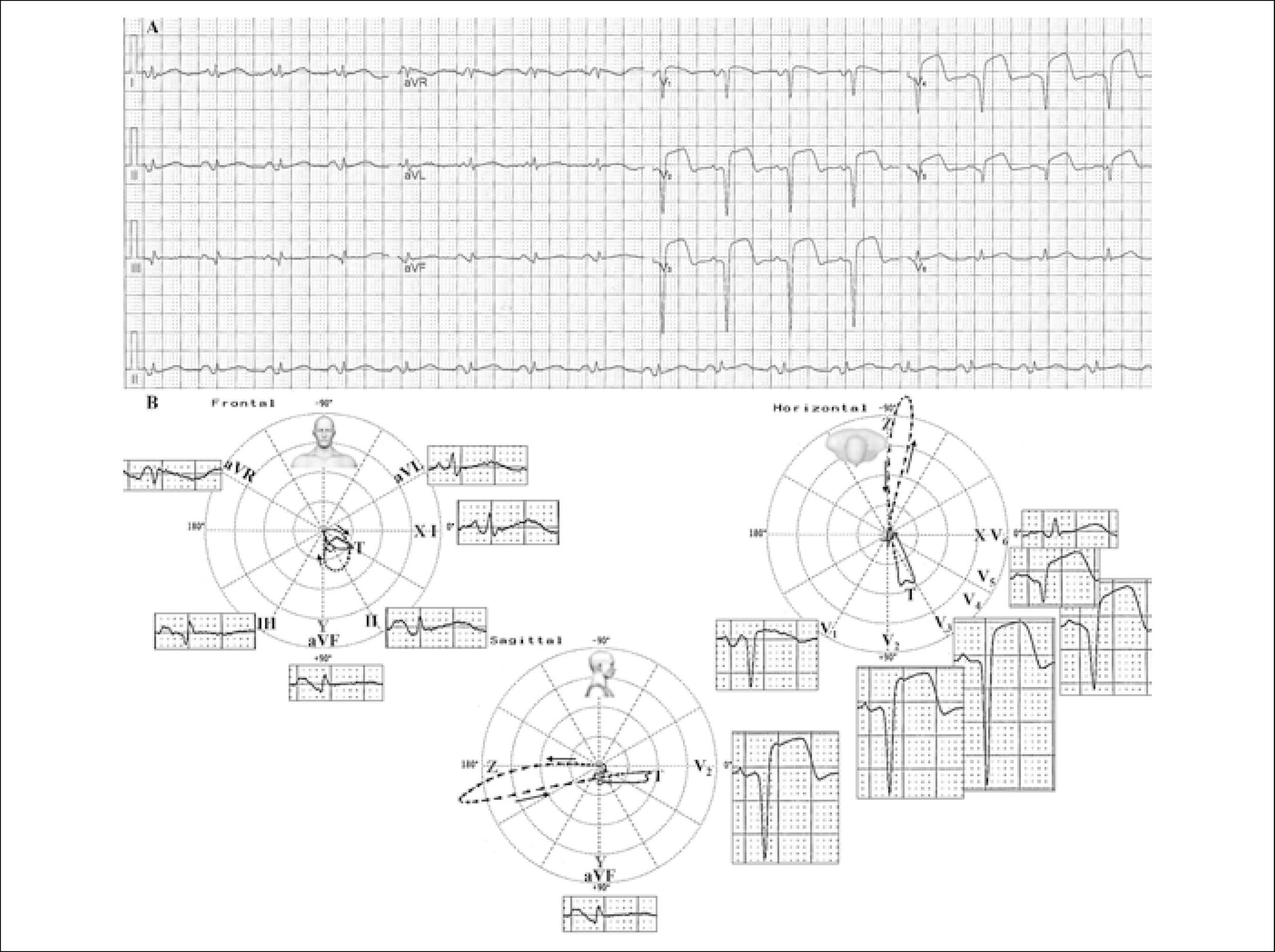
Extensive Anterior Myocardial Infarction … and Something Else?

Andrés Ricardo Pérez Riera et al. Raimundo Barbosa Barros Antônio Fernandes Silva e Sousa Neto Rodrigo Daminello Raimundo … Luiz Carlos de Abreu Kjell Nikus

Case report

A 64-year-old Caucasian female, with a one-week history of stress angina. She was admitted to the hospital 2 hours after the onset of oppressive retrosternal pain at rest.

Risk factors: hypertension, smoker, dyslipidemia and diabetes.

[…]

  • Arrhythmias Cardiac
  • Diagnosis Imaging
  • Drug-Eluting Stents
  • Myocardial Infarction/physiopathology
  • P Wave
  • Percutaneous Coronary Intervention
  • Risk Factors
Read Full Article
Creative Commons Attribution (CC BY) Creative Commons license
15/07/2019 DOI: 10.5935/abc.20190096 Views 2
Figure 1
Review Article

Heart Failure with Mid-Range Ejection Fraction – State of the Art

Evandro Tinoco Mesquita et al. Letícia Mara dos Santos Barbetta Eduardo Thadeu de Oliveira Correia

Abstract

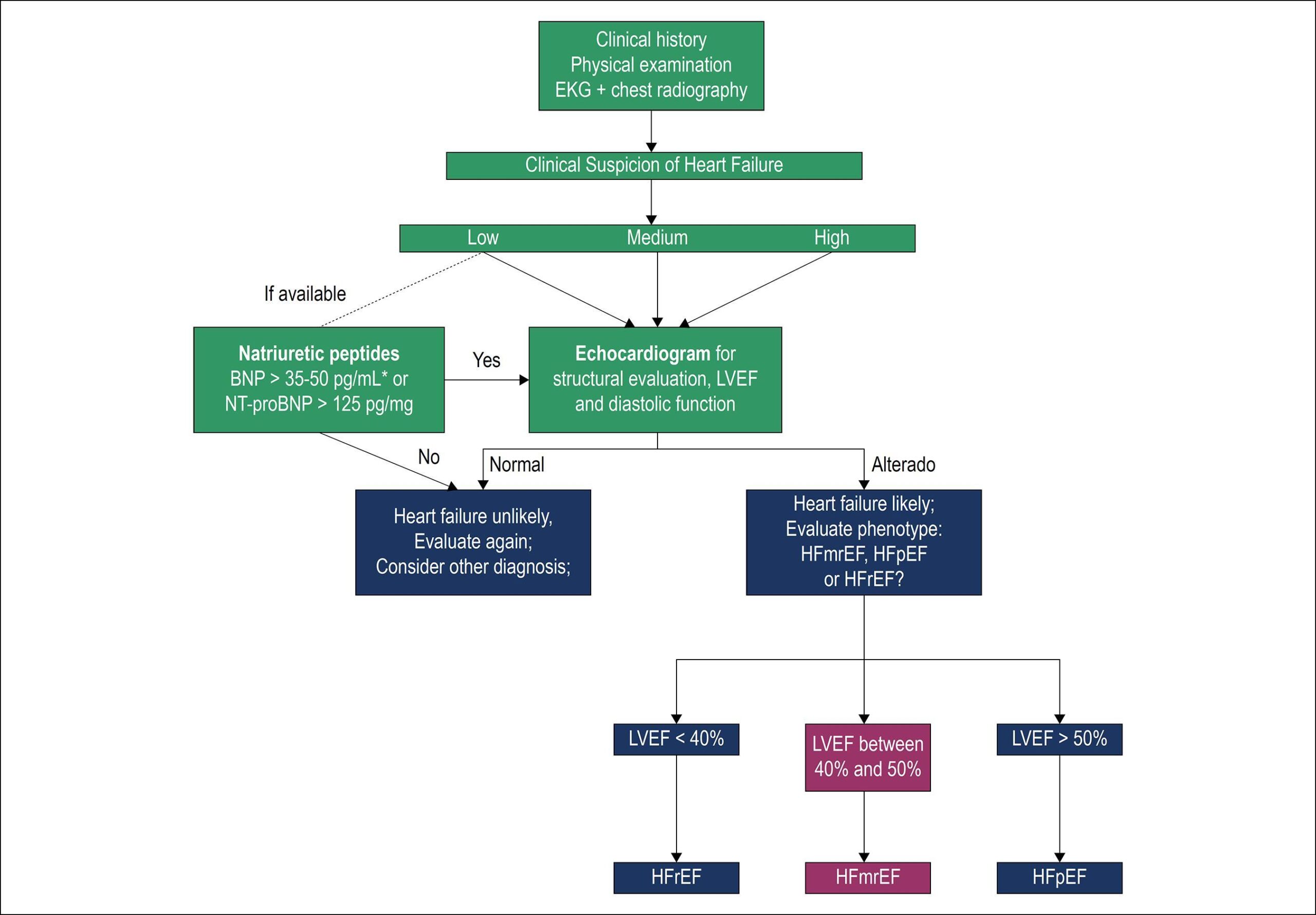
In 2016, the European Society of Cardiology (ESC) recognized heart failure (HF) with ejection fraction between 40 and 49% as a new HF phenotype, HF with mid-range ejection fraction (HFmrEF), with the main purpose of encouraging studies on this new category. In 2018, the Brazilian Society of Cardiology adhered to this classification and introduced HFmrEF in Brazil. This paper presents a narrative review of what the literature has described about HFmrEF. The prevalence of patients with HFmrEF ranged from 13 to 24% of patients with HF. Analyzing the clinical characteristics, HFmrEF shows intermediate characteristics or is either similar to HF with preserved ejection fraction (HFpEF) or to HF with reduced fraction (HFrEF). Regarding the prognosis, HFmrEF’s all-cause mortality is similar to HFpEF’s and lower than HFrEF’s. Studies that analyzed cardiac mortality concluded that there was no significant difference between HFmrEF and HFrEF, both of which were lower than HFpEF. Despite the significant increase of publications on HFmrEF, there is a great scarcity of prospective studies and clinical trials that allow delineating specific therapies for this new phenotype. To better treat HFmrEF patients, it is fundamental that cardiologists and internists understand the differences and similarities of this new phenotype.

  • Diagnostic Imaging
  • ecocardiography
  • Electrocardiography
  • Heart Failure/physiopathology
  • Magnetic Resonance Imaging
  • Natriuretics Peptides
  • Stroke Volume
Read Full Article
Creative Commons Attribution (CC BY) Creative Commons license
15/07/2019 DOI: 10.5935/abc.20190079 Views 2
Editorial

Physical Activity and Healthy Eating Patterns in Public Schools in Brazil: A Strategy to Avert Risk Factors in Adulthood

Maria Cristina de Oliveira Izar et al. Francisco Antonio Helfenstein Fonseca

Cardiovascular disease (CVD) remains the leading cause of death globally, however, 80% of premature heart disease, stroke and diabetes can be prevented. Atherosclerotic cardiovascular disease (ASCVD) can begin in youth, exacerbated by exposure to factors associated with increased cardiovascular risk. There are interventions to prevent risk factors onset (primordial prevention), to identify and treat risk factors in childhood and adolescence (primary prevention) and to address the risk of additional events in those who already have ASCVD or other CVDs (secondary prevention) at a young age. Adolescence presents a prime opportunity to assess risk factors for CVD and to intervene to prevent its development.

The manuscript by Scherr et al. highlights the importance of a school-based program including physical activity (PA) and healthy eating patterns in adolescence for the prevention of cardiovascular risk factors.

[…]

  • Adolescent
  • Exercise
  • Healthy Diet
  • Risk Factors/prevention and control
Read Full Article
Creative Commons Attribution (CC BY) Creative Commons license
15/07/2019 DOI: 10.5935/abc.20190099
Editorial

Cardiovascular Risk Factors in Childhood Claim for Public Health Policies

Tania L. R. Martinez et al. Abel Pereira Anita L. R. Saldanha

Obesity is presently a pandemic public health problem not only in developed countries but also in developing ones. As its incidence is increasing in childhood and adolescence as well this issue becomes alarming considering its evolution and associations. The multiple comorbidities such as hypertension, hyperlipidemia and insulin resistance that accompany obesity increase the risk of cardiovascular mortality whilst worsening quality of life in adults. It is always appropriate to reinforce the fact that the atherosclerotic process starts at an early stage in life– as demonstrated in autopsies of children with strong association between LDL cholesterol levels prior to death and the presence of fatty streaks in the aorta. This observation has been documented in various reports in Brazil demonstrating that public health policies must be reinforced towards this problem.–

In different approaches in schoolchildren of a city in Sao Paulo for over ten years we have been studying the impact of biochemical, anthropometric, nutritional status, clinical, socio-cultural and economic conditions.

[…]

  • Cardiovascular Diseases/physiopathology
  • Child
  • Diabetes Mellitus
  • Hyperlipidemias
  • Hypertension
  • Insulin Resistance
  • Obesity
  • Risk Factors
Read Full Article
Creative Commons Attribution (CC BY) Creative Commons license
15/07/2019 DOI: 10.5935/abc.20190103
Editorial

Ganglionated Plexi Ablation to Treat Patients with Refractory Neurally Mediated Syncope and Severe Vagal-Induced Bradycardia

Mauricio Scanavacca et al. Denise Hachul

Neurally mediated syndrome (NMS) is the most common cause of and transient loss of consciousness and usually causes anxiety and concerns for patients and their families. Clinical investigation and explanations about benignity, in association to lifestyle modifications and teaching methods to abort the vagal reflex are the initial and effective approaches to manage the majority of patients.–

However, in some cases, the loss of consciousness occurs suddenly, without prodromal symptoms and the patient does not have the opportunity to prevent falls, which may lead to severe physical trauma. Specific medications have been proposed trying to control the symptoms and pacemaker implantation has been recommended in the refractory cases of cardioinhibitory reflexes.–

[…]

  • Autonomic Nervous System
  • Bradycardia
  • Catheter Ablation
  • Ganglia, Autonomic
  • Syncope,Vasovagal
Read Full Article
Creative Commons Attribution (CC BY) Creative Commons license
15/07/2019 DOI: 10.5935/abc.20190107 Views 1
Figure 1
Statement

Vascular Ultrasound Statement from the Department of Cardiovascular Imaging of the Brazilian Society of Cardiology – 2019

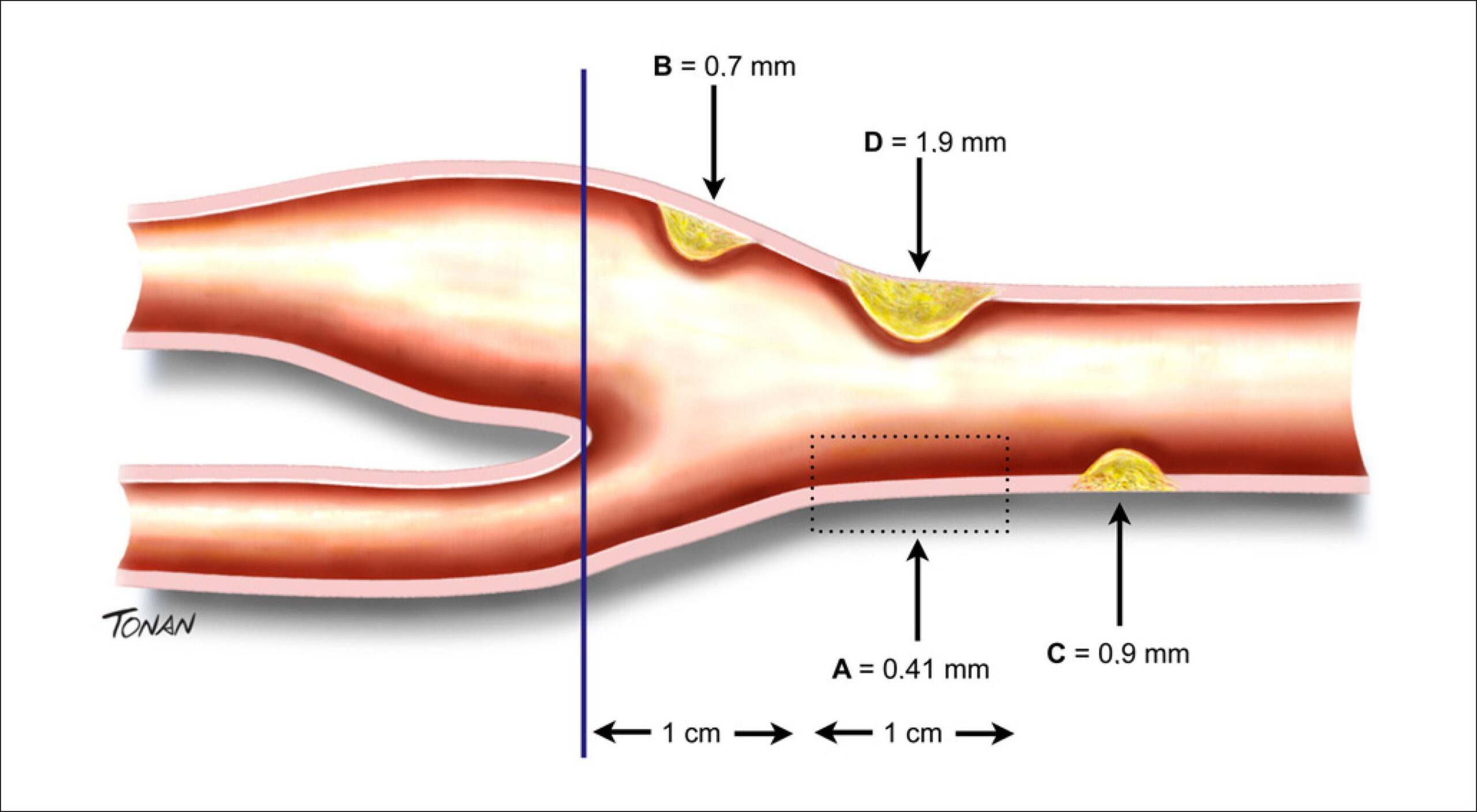
Simone Nascimento dos Santos et al. Monica Luiza de Alcantara Cláudia Maria Vilas Freire Armando Luis Cantisano … José Aldo Ribeiro Teodoro Carmen Lucia Lascasas Porto Salomon Israel do Amaral Orlando Veloso Ana Cristina Lopes Albricker Ana Cláudia Gomes Pereira Petisco Fanilda Souto Barros Márcio Vinícius Lins Barros Mohamed Hassan Saleh Marcelo Luiz Campos Vieira

1. Introduction and Equipment

[…]

Read Full Article
Creative Commons Attribution (CC BY) Creative Commons license
15/07/2019 DOI: 10.5935/abc.20190106 Views 1
Letter to the Editor

Sleep Disorders Impair Attaining Ideal Cardiovascular Health

Camila Christina Santos de Oliveira et al. Sergio Tufik Monica Levy Andersen

In the recent article “Ideal Cardiovascular Health and Job Strain: A Cross-Sectional Study from the Amazon Basin”, by Muniz et al., the authors proposed that cardiovascular health (CV) is influenced by the workplace conditions. The study involved 478 employees, which had wide access to health information, from a University in the Amazon Basin, Brazil. Researchers used a validated version of the Job Demand Control Model (JDC model) questionnaire to assess work stress. The study is an innovative one, since it is the first one to explore this hypothesis in the Amazon Basin. The authors found a high prevalence of poor CV, which was mainly associated with a poor diet and obesity, suggesting that participants with high job strain are more likely to have eating disorders, resulting in weight gain.

Weight gain and hormonal alterations have been observed in patients with sleep disturbances, such as obstructive sleep apnea. Obstructive sleep apnea is a very prevalent sleep disorder that leads to the development of metabolic syndrome, cardiovascular outcomes and contributes to systemic inflammation.

[…]

  • Cardiovascular Diseases
  • Ocupational Stress
  • Sleep Wake Disorders/physiopathology
  • Sleep/physiopathology
Read Full Article
Creative Commons Attribution (CC BY) Creative Commons license
15/07/2019 DOI: 10.5935/abc.20190110 Views 2
Figure 1
Anatomopathological Correlation

Case 3/2019 – Young Male with Intense Dyspnea, Pulmonary Infiltrate, Normal Cardiac Area and Obliteration of the Apical Portion of the Left Ventricle

Victor Sarli Issa et al. Luiz Alberto Benvenuti

Clinical aspects

This is the case of a young, male patient, smoker, who had hypothyroidism post-treatment with radioactive iodine, who sought medical care due to symptoms of dyspnea and cough for a week; these complaints had been preceded by chest pain at exertion two weeks before. The medical evaluation at the first consultation was notable for the presence of tachycardia and mild leukocytosis in the whole blood count.

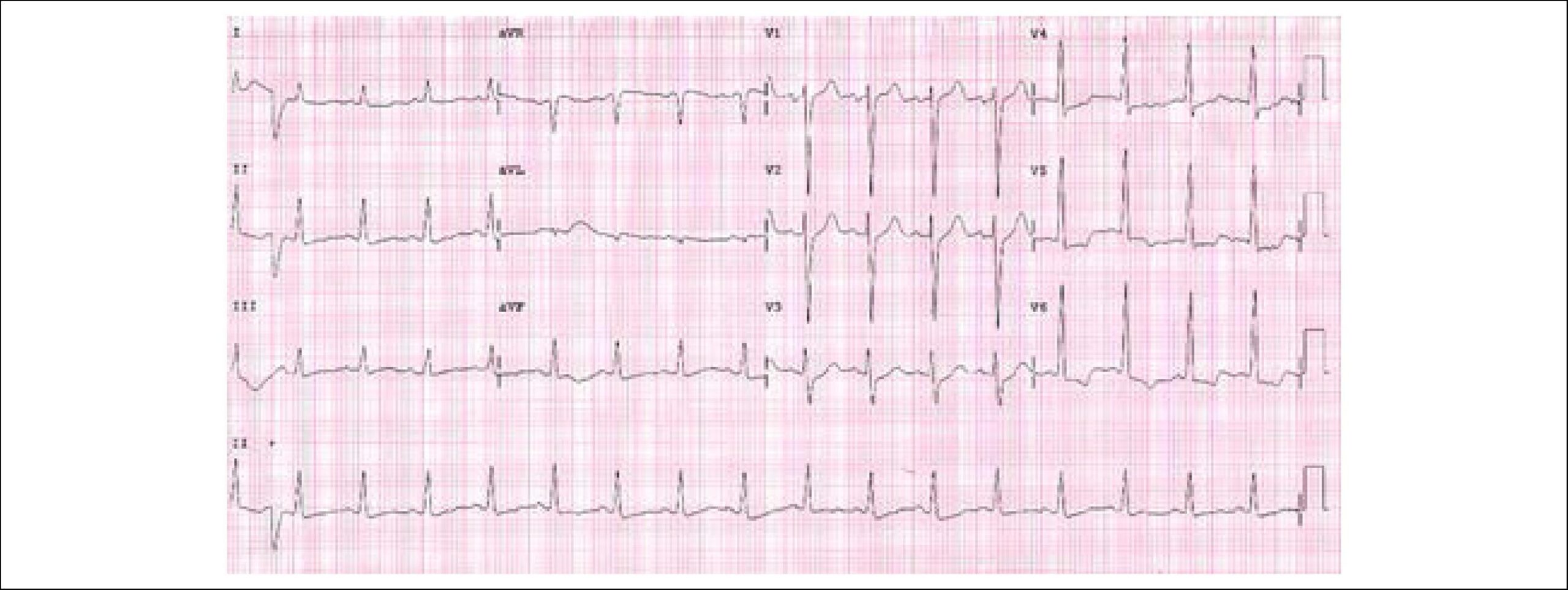
The chest X-ray was normal despite the presence of dyspnea at rest. Interestingly, the ECG performed during a routine medical evaluation 11 months before symptom onset showed signs suggestive of heart disease, with left chamber overload.

[…]

  • Cardiomyopathy, Hypertrophic Tobacco and Disorder
  • Diagnostic Imaging
  • Heart Failure/physiopatology
  • Hypercholesterolemia
  • Hypothyroidism
  • Inflammation
  • Pneumonia
  • Young Adult
Read Full Article
Creative Commons Attribution (CC BY) Creative Commons license
15/07/2019 DOI: 10.5935/abc.20190105 Views 1
Special Article

Brazilian Society of Cardiology – The Women’s Letter

Glaucia Maria Moraes de Oliveira et al. Fátima Elizabeth Fonseca de Oliveira Negri Nadine Oliveira Clausell Maria da Consolação V. Moreira … Olga Ferreira de Souza Ariane Vieira Scarlatelli Macedo Barbara Campos Abreu Marino Carisi Anne Polanczyk Carla Janice Baister Lantieri Celi Marques-Santos Cláudia Maria Vilas Freire Deborah Christina Nercolini Fatima Cristina Monteiro Pedroti Imara Correia de Queiroz Barbosa Magaly Arrais dos Santos Maria Christiane Valéria Braga Braile Maria Sanali Moura de Oliveira Paiva Marianna Deway Andrade Dracoulakis Narriane Chaves Holanda Patricia Toscano Rocha Rolim Roberta Tavares Barreto Teixeira Sandra Mattos Sheyla Cristina Tonheiro Ferro da Silva Simone Cristina Soares Brandão Viviana de Mello Guzzo Lemke Marcelo Antônio Cartaxo Queiroga Lopes

Objective

The primary objective of this document is to stimulate improvements in women’s health conditions in Brazil, with a focus on cardiovascular disease (CVD), which is responsible for 17.5 million premature deaths yearly worldwide. This number is predicted to increase to 23 million by 2030. CVD are responsible for one third of all deaths in Brazil, with similarities between men and postmenopausal women. These data assume even greater importance when we consider that 80% of premature deaths could have been avoided by controlling four risk factors: tobacco use, inappropriate diet, physical inactivity, and harmful alcohol use.

This document further aims to create a permanent discussion group that will play a leadership role in Brazilian healthcare policies, providing administrators with an overall view of the relevance of CVD to women so that they may establish strategic actions to reduce the prevalence of risk factors and improve diagnosis and therapeutic approach, thus reducing mortality and morbidity.

[…]

  • Cardiovascular Diseases/prevention and control
  • Demography
  • Education, Medical
  • Management Quality Circles
  • Medicine/trends
  • Prevalence
  • Risk Factors
  • Societies, Medical
  • Women
Read Full Article
Creative Commons Attribution (CC BY) Creative Commons license
15/07/2019 DOI: 10.5935/abc.20190111 Views 1
Editorial

Heart and Skeletal Muscles: Linked by Autonomic Nervous System

Claudio Gil Araujo et al. Jari Antero Laukkanen

The autonomic nervous system (ANS) plays a fundamental role in maintaining cell homeostasis and human life. The functionality of the heart and skeletal muscles is partially modulated by sympathetic and parasympathetic branches of the ANS both in resting and exercising conditions.

Substantial literature attests to the fact that objective indices of muscle strength reflect health status. It is well-established that heart failure is typically accompanied by skeletal muscle abnormalities that contributed to the exercise intolerance and poor health-related quality of life usually seen in these patients., Indeed, while a decrease in muscle mass and strength is naturally seen with ageing, especially after the fifth decade of life, this is especially more relevant in middle-aged and older patients with heart failure.

[…]

  • Autonomic Nervous System
  • Heart Failure
  • Homeostasis
  • Muscle,Skeletal
  • Myocardium
  • Sarcopenia
  • Sympathetica Nervous System
Read Full Article
Creative Commons Attribution (CC BY) Creative Commons license
15/07/2019 DOI: 10.5935/abc.20190097
Viewpoint

The Diuretic Effect of Sacubitril/Valsartan Might Be Clinically Relevant

Luís Beck-da-Silva et al. Luís E. Rohde

Recently, patients with heart failure have been prescribed a novel and innovative drug. Sacubitril/valsartan is a new drug modality that brings a 16% reduction in total mortality, a 20% reduction in cardiovascular mortality and 21% reduction in hospital admissions due to heart failure. The benefit is undoubtedly clinically relevant and the clinical trial which have shown such benefit have achieved an unprecedented statistical significance.

The mechanism of action of sacubitril/valsartan combines the well-known vasodilatory effect of valsartan associated with the neutral endopeptidase (NEP) inhibition effect of sacubitril, which will ultimately result in increased serum levels of natriuretic peptides, increased action of endogenous natriuretic peptides in target tissues by prolonging its tissue half-life, and consequently increased vasodilatory, anti-proliferative and natriuretic effects.

[…]

  • Aminobutyrates/pharmacology
  • Angiotensin Receptor Antagonists/pharmacology
  • Heart Failure
  • Natriuretic Peptides/physiology
  • Tetrazoles/farmacologia
  • Valsartan/therapeutic use
Read Full Article
Creative Commons Attribution (CC BY) Creative Commons license
15/07/2019 DOI: 10.5935/abc.20190080 Views 2
Editorial

Subclinical Thyroid Dysfunction was not Associated with Cardiac Arrhythmias in the Cross-Sectional Analysis of the ELSA-Brasil Study

Alexandre de Matos Soeiro

Brazil lacks large cohort studies with analyses of incidence and prevalence of diseases in all areas. In this context, the ELSA-Brasil study was an important milestone for the evaluation of cardiovascular diseases in the country. This study shows a very detailed means of exposing relevant facts to the occurrence or not of arrhythmogenic electrocardiographic manifestations in patients with subclinical thyroid hormone disorders. This issue is extremely relevant, has biological plausibility and generates several doubts regarding the patient.

The study included a relevant sample of 13,341 patients in total, with a mean age of 51 years. The data collection, electrocardiographic specifications and laboratory tests were protocolized according to predetermined and uniform specifications in all patients. Moreover, they were comprehensively evaluated, from arrhythmias supposedly more frequent in thyroid disorders such as atrial fibrillation, plus basal heart rate, presence of extrasystoles and conduction intervals.

[…]

  • Adult
  • Arrhytmias, Cardiac
  • Pathologic Processes
  • Thyroid Diseases/complications
  • Thyrotropin (TSH)
Read Full Article
Creative Commons Attribution (CC BY) Creative Commons license
15/07/2019 DOI: 10.5935/abc.20190102 Views 1
Figure 1
Original Article

Sympatho-Vagal Imbalance is Associated with Sarcopenia in Male Patients with Heart Failure

Guilherme Wesley Peixoto da Fonseca et al. Marcelo Rodrigues dos Santos Francis Ribeiro de Souza Marcel Jose A. da Costa … Stephan von Haehling Liliam Takayama Rosa Maria R. Pereira Carlos Eduardo Negrão Stefan D. Anker Maria Janieire de Nazaré Nunes Alves

Abstract

Background:

Resting sympathetic hyperactivity and impaired parasympathetic reactivation after exercise have been described in patients with heart failure (HF). However, the association of these autonomic changes in patients with HF and sarcopenia is unknown.

Objective:

The aim of this study was to evaluate the impact of autonomic modulation on sarcopenia in male patients with HF.

Methods:

We enrolled 116 male patients with HF and left ventricular ejection fraction < 40%. All patients underwent a maximal cardiopulmonary exercise testing. Maximal heart rate was recorded and delta heart rate recovery (∆HRR) was assessed at 1st and 2nd minutes after exercise. Muscle sympathetic nerve activity (MSNA) was recorded by microneurography. Dual-energy X-ray absorptiometry was used to measure body composition and sarcopenia was defined by the sum of appendicular lean muscle mass (ALM) divided by height in meters squared and handgrip strength.

Results:

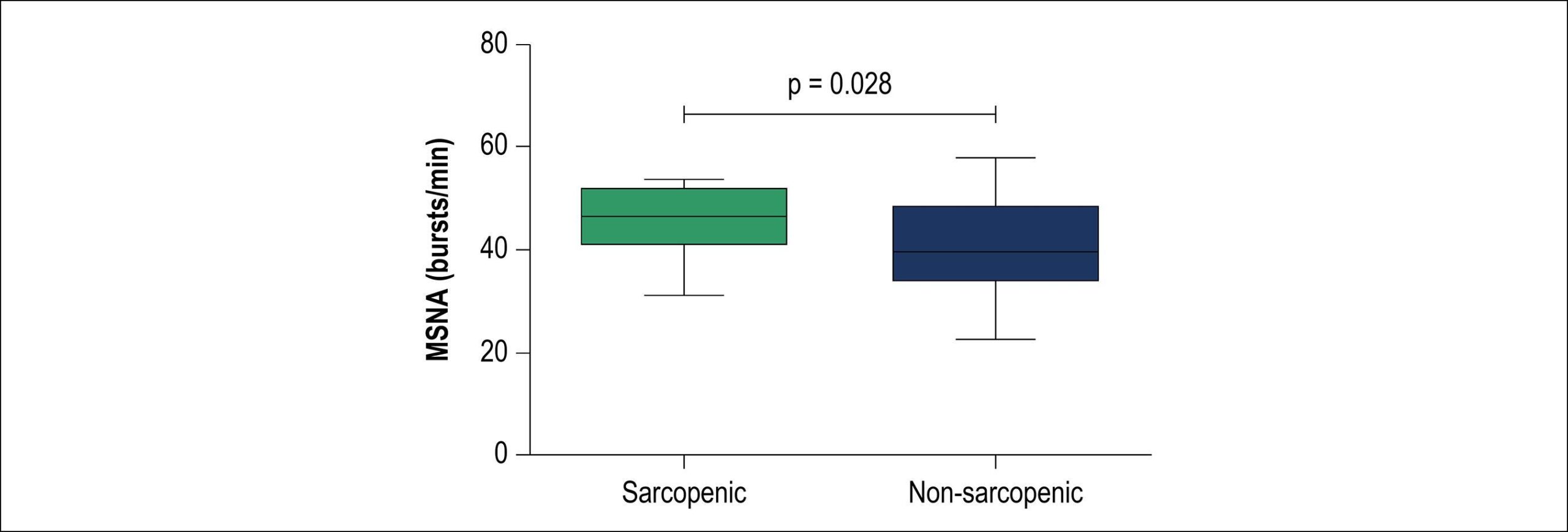
Sarcopenia was identified in 33 patients (28%). Patients with sarcopenia had higher MSNA than those without (47 [41-52] vs. 40 [34-48] bursts/min, p = 0.028). Sarcopenic patients showed lower ∆HRR at 1st (15 [10-21] vs. 22 [16-30] beats/min, p < 0.001) and 2nd min (25 [19-39] vs. 35 [24-48] beats/min, p = 0.017) than non-sarcopenic. There was a positive correlation between ALM and ∆HRR at 1st (r = 0.26, p = 0.008) and 2nd min (r = 0.25, p = 0.012). We observed a negative correlation between ALM and MSNA (r = -0.29, p = 0.003).

Conclusion:

Sympatho-vagal imbalance seems to be associated with sarcopenia in male patients with HF. These results highlight the importance of a therapeutic approach in patients with muscle wasting and increased peripheral sympathetic outflow.

  • Blunted Vagal Reactivation
  • Heart Failure
  • Sarcopenia
  • Sympathetic Hyperactivity
Read Full Article
Creative Commons Attribution (CC BY) Creative Commons license
08/04/2019 DOI: 10.5935/abc.20190061 Views 1
Original Article

Relationship between Dyslipidemia, Cultural Factors, and Cardiorespiratory Fitness in Schoolchildren

Cézane Priscila Reuter et al. Caroline Brand Priscila Tatiana da Silva Éboni Marília Reuter … Jane Dagmar Pollo Renner Silvia Isabel Rech Franke Elza Daniel de Mello Leandro Tibiriçá Burgos Letícia de Borba Schneiders Miria Suzana Burgos

Abstract

Background:

The presence of dyslipidemia and behavioral aspects are determinants of cardiovascular risk, especially in childhood and adolescence.

Objective:

To verify possible relationships between dyslipidemia, cultural factors, and cardiorespiratory fitness (CRF) in schoolchildren.

Methods:

This cross-sectional study evaluated a sample of 1,254 children and adolescents between the ages of 7 and 17 from the South of Brazil, 686 of whom were female. Dyslipidemia was defined as increased levels of at least one of the following lipid profile parameters: triglycerides (TG), total cholesterol (TC) and fractions of high (HDL-c) and low-density lipoprotein (LDL-c). Cultural aspects were evaluated by a self-reported questionnaire. Data were analyzed by logistic regression, considering the odds ratios (OR) and confidence intervals (CI) at 95%.

Results:

The results revealed a high prevalence of dyslipidemia (41.9%), which was associated with female sex (OR: 1.56; IC: 1.24-1.96) and overweight/obese status (OR: 1.55; IC: 1.20-2.00). When lipid profile parameters were evaluated separately, high levels of LDL-c were observed to be associated with sedentary school transport (OR: 1.59; IC: 1.20-2.09). Schoolchildren who were overweight/obese had higher chances of elevated levels of TC (OR: 1.40; IC: 1.07-1.84) and TG (OR: 3.21; IC: 1.96-5.26). HDL-c was shown to be related to high television time (OR: 1.59; IC: 1.00-2.54).

Conclusion:

Alterations in lipid parameters are associated with cultural factors, especially those related to sedentary lifestyle and low levels of CRF.

  • Adolescent
  • Atherosclerosis
  • Child
  • Dyslipidemias/physiopathology
  • Life Style
  • Risk Factors
Read Full Article
Creative Commons Attribution (CC BY) Creative Commons license
08/04/2019 DOI: 10.5935/abc.20190068 Views 1
Original Article

The Olympic Experimental Gymnasium Program and its Association with the Prevalence of Cardiovascular Risk Factors in Adolescents: A Cross-Sectional Study

Carlos Scherr et al. Lucas Helal Filipe Ferrari Luciano Juaçaba Belém … Leonardo Correa Castro Fabiano Ludmila Talita Pinheiro Ricardo Stein

Abstract

Background:

Cardiovascular disease (CVD) is the leading cause of death worldwide. Physical activity (PA) and appropriate diet, if adopted in childhood and adolescence, may reduce the CVD burden in later life. The Olympic Experimental Gymnasium (OEG) project was implemented to increase the PA levels of students by means of regular physical exercise and healthy eating habits.

Objectives:

To estimate and compare the prevalence of CVD risk factors in OEG schools versus regular schools (RSch) and to examine associations between the school environment and CVD risk factors.

Methods:

In this cross-sectional study with a comparator group, adolescents aged 12-13 years attending three OEG schools (n = 719) and three RSch (n = 394) were evaluated after one year of the ongoing program to estimate the prevalence of overweight, pre-hypertension/hypertension, altered glycemia, and lipid profile. An α level of 0.05 was set for statistical analysis.

Results:

RSch students had higher odds to have high blood pressure (OR 1.86, 1.36-2.54) and to be overweight (OR 1.49, 1.13-1.98) than OEG students. Glucose levels were not altered in most cases regardless of school type, and no differences were found in lipid profile. In the sensitivity analysis stratified by gender, girls from RSch were more likely to have high body mass index than boys.

Conclusions:

Exposure of adolescents to the OEG policies was positively associated with an important reduction in CVD risk factors, including high blood pressure and overweight.

  • Adolescent
  • Cardiovascular Diseases, mortality
  • Child
  • Diet
  • Dyslipidemias
  • Exercise
  • Hypertension
  • Life Style
  • Overweight
Read Full Article
Creative Commons Attribution (CC BY) Creative Commons license
08/04/2019 DOI: 10.5935/abc.20190067 Views 1
Original Article

Surgical Site Infection Prevention Bundle in Cardiac Surgery

Lilian Silva de Andrade et al. Erci Maria Onzi Siliprandi Larissa Lemos Karsburg Francine Possebon Berlesi … Otávio Luiz da Fontoura Carvalho Darlan Sebastião da Rosa Rodrigo Pires dos Santos

Abstract

Background:

Surgical site infections (SSI) are among the most prevalent infections in healthcare institutions, attributing a risk of death which varies from 33% to 77% and a 2- to 11-fold increase in risk of death. Patients submitted to cardiac surgery are more susceptible to SSI, accounting for 3.5% to 21% of SSI. The mortality rate attributable to these causes is as high as 25%. Prevention of SSI in cardiac surgery is based on a bundle of preventive measures, which focus on modifiable risks.

Objective:

The objective of this study was to identify SSI risk factors in clean cardiac surgery.

Methods:

A retrospective cohort study analyzed 1,846 medical records from patients who underwent clean cardiac surgery. Fisher’s exact test was used for bivariate comparison, and Poisson regression was used for independent analysis of SSI risk, considering a significance level of p < 0.05.

Results:

The results of the study comprised a multivariate analysis. The variables that were associated with the diagnosis of SSI were: surgical risk index (OR: 2.575; CI: 1.224-5.416), obesity (OR: 2.068; CI: 1.457-2.936), diabetes mellitus (OR: 1,678; CI: 1.168-2.409), and blood glucose level (OR: 1.004; CI: 1.001-1.007).

Conclusions:

This study evidenced that complete adherence to the bundle was not associated with a reduction in the risk of surgical infections. Diabetes mellitus, obesity, and surgical risk index assessment were, however, identified to increase association and consequently risk of SSI in cardiac surgery.

  • Adult
  • Anti-Infective Agents
  • Cardiac Surgical Procedures
  • Cross Infection
  • Patient Care Bundles
  • Risk Factors/prevention and control
  • Surgical Wound Infection
Read Full Article
Creative Commons Attribution (CC BY) Creative Commons license
08/04/2019 DOI: 10.5935/abc.20190070
Figure 1
Original Article

Clinical Significance of Platelet Volume and Other Platelet Parameters in Acute Myocardial Infarction and Stable Coronary Artery Disease

Liumei Ding et al. Lihua Sun Feng Wang Liejun Zhu … Ting Zhang Fanli Hua

Abstract

Background:

Platelets are important in the initiation of thrombosis, and their morphological and functional changes are closely related with the occurrence and development of coronary artery thrombosis. Platelet parameters might be valuable in distinguishing between acute myocardial infarction (AMI) and stable coronary artery disease (SCAD).

Objective:

This study was designed to detect and compare changes in platelet parameters, such as mean platelet volume (MPV) in patients with acute myocardial infarction (AMI) and stable coronary artery disease (SCAD) and to investigate their roles in these diseases.

Methods:

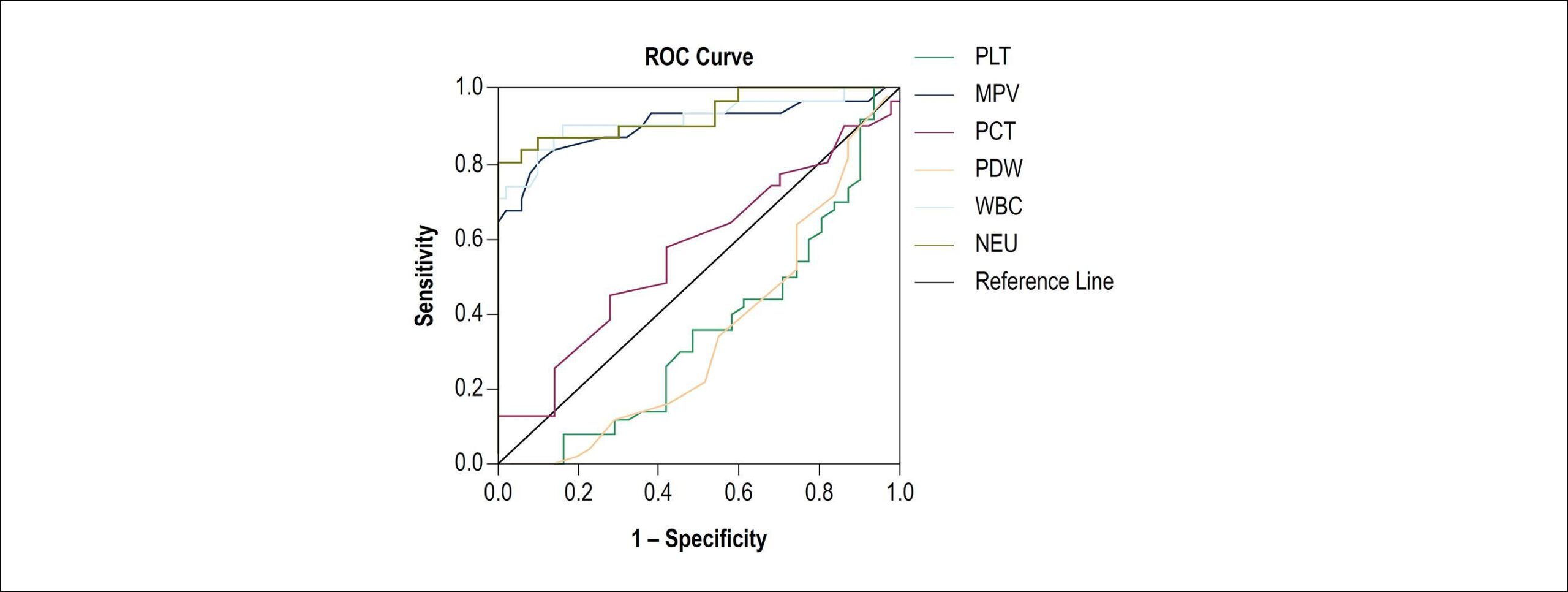
Specimen collection: Between January 2011 and December 2013, 2 mL of elbow vein blood was drawn from each of 31 patients primarily diagnosed with AMI, 34 SCAD patients and 50 healthy subjects; and placed in EDTA-K2 anticoagulant tubes. Platelet count (PLT), MPV, plateletcrit (PCT), platelet distribution width (PDW), white blood cell (WBC) and neutrophil (NEU) counts were determined using an STKS automated hematology analyzer (Beckman Courter).

Results:

Compared with the control group, MPV levels were significantly higher in the AMI and SCAD groups (p < 0.05), while PLT was significantly lower (p < 0.05).

Conclusion:

These results suggest that MPV and other related parameters have a certain value in the diagnosis of SCAD and AMI.

  • Acute Coronary Syndrome/physiopathology
  • Coronary Thrombosis
  • Mean Platelet Volume
  • Myocardial Infarction
Read Full Article
Creative Commons Attribution (CC BY) Creative Commons license
01/04/2019 DOI: 10.5935/abc.20190058 Views 1
Original Article

The Relationship between Lifestyle and Costs Related to Medicine Use in Adults

Romulo Araujo Fernandes et al. Alessandra Madia Mantovani Jamile Sanches Codogno Bruna Camilo Turi-Lynch … Subhash Pokhrel Nana Anokye

Abstract

Background:

The unhealthy lifestyle is growing and this can have repercussions on health status demanding actions on the occurrence of diseases and leads to increased expenses.

Objective:

To examine the interrelationship between the costs of medicine use and lifestyle behaviors.

Methods:

A cohort study with 118 participants, age around 51.7 ± 7.1 years old. It was collected personal and anthropometric data and information about medicine of continuous use to calculate the costs. Lifestyle variables included habitual physical activity (PA) assessed by pedometer, sedentary behavior by Baecke questionnaire, sleep quality by mini sleep questionnaire and self-report of smoke and alcohol consumption. Statistical analyses were performed by BioEstat (version 5.2) and the significance level set at p-value < 0.05.

Results:

In 12 months, 62 subjects bought 172 medicines, representing an overall cost of US$ 3,087.01. Expenditures with drugs were negatively related to PA (r = -0.194, p-value = 0.035 and r = -0.281, p-value = 0.002), but positively related with sleep quality (r = 0.299, p-value=0.001 and r = 0.315, p-value = 0.001) and age (r = 0.274, p-value = 0.003). Four multivariate models were executed considering lifestyle behaviors in different moments of cohort and medicine costs, and all these models identify important relationship between lifestyle behaviors with expenditures with drugs.

Conclusion:

Worse sleep quality seems to increase the costs related to medicine use in adults, while obesity and ageing play a relevant role in this phenomenon and alcohol consumption seems a variable with relevant economic impact.

  • Health Behavior, Exercíse
  • Longevity
  • Obesity
  • Quality of life
  • Sedentary Lifestyle
  • Sports Medicine
Read Full Article
Creative Commons Attribution (CC BY) Creative Commons license
14/03/2019 DOI: 10.5935/abc.20190049 Views 1
Figure 1
Original Article

Behavioral Influence of Known Prognostic Markers on the Cardiologist's Decision following Acute Coronary Syndrome: the GRACE Score Paradox

Manuela Campelo Carvalhal et al. Thiago Menezes Barbosa de Souza Jessica Suerdieck Fernanda Lopes … Vitor Calixto de Almeida Correia Yasmin Falcon Lacerda Nicole de Sá Gabriella Sant'Anna Sodré Marcia Maria Noya Rabelo Luis Cláudio Lemos Correia

Abstract

Background:

Behavioral scientists consistently point out that knowledge does not influence decisions as expected. GRACE Score is a well validated risk model for predicting death of patients with acute coronary syndromes (ACS). However, whether prognostic assessment by this Score modulates medical decision is not known.

Objective:

To test the hypothesis that the use of a validated risk score rationalizes the choice of invasive strategies for higher risk patients with non-ST-elevation ACS.

Methods:

ACS patients were consecutively included in this prospective registry. GRACE Score was routinely used by cardiologists as the prognostic risk model. An invasive strategy was defined as an immediate decision of the coronary angiography, which in the selective strategy was only indicated in case of positive non-invasive test or unstable course. Firstly, we evaluated the association between GRACE and invasiviness; secondly, in order to find out the actual determinants of the invasive strategy, we built a propensity model for invasive decision. For this analysis, a p-value < 0.05 was considered as significant.

Results:

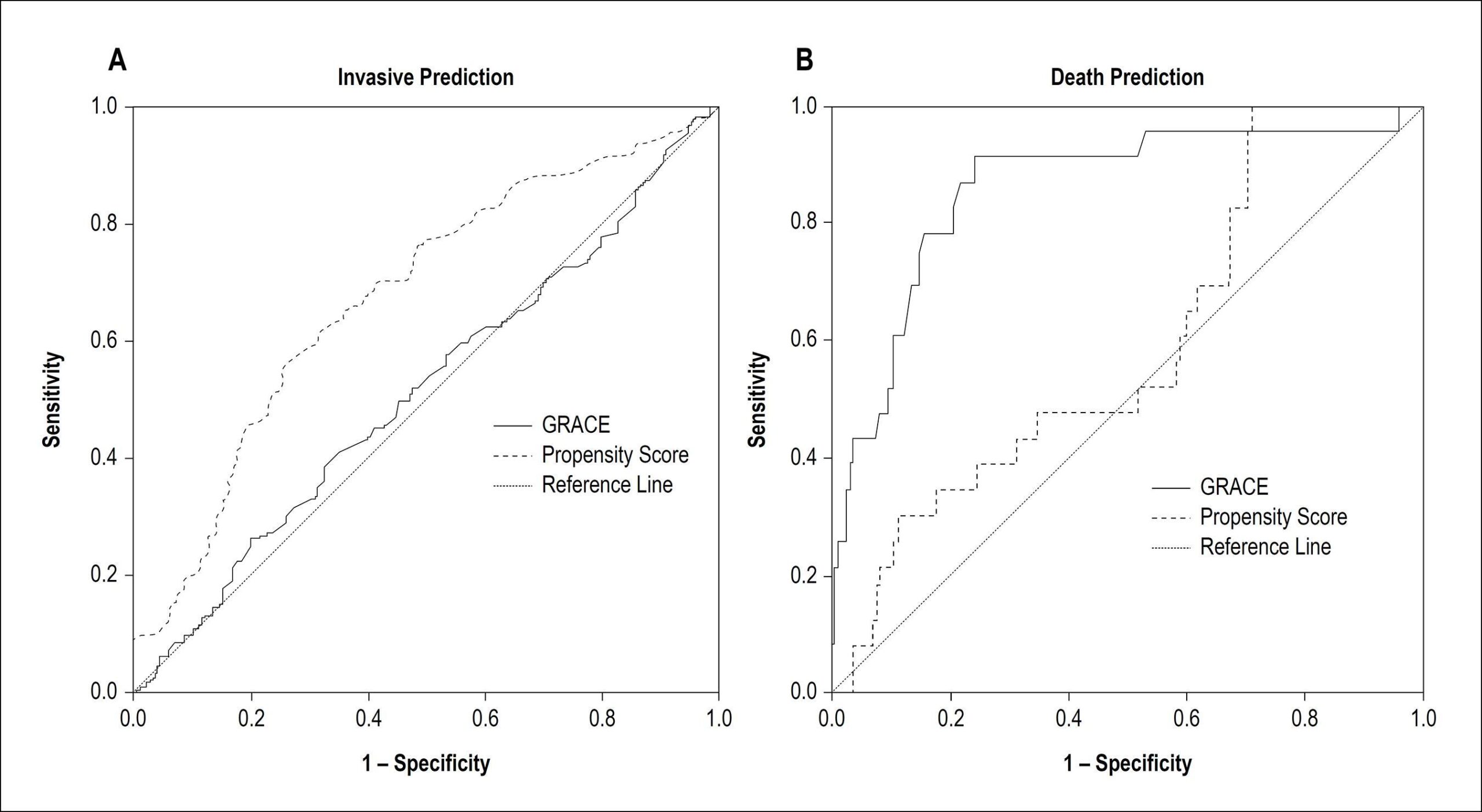
In a sample of 570 patients, an invasive strategy was adopted for 394 (69%). GRACE Score was 118 ± 38 for the invasive group, similar to 116 ± 38 for the selective group (p = 0.64). A propensity score for the invasive strategy was derived from logistic regression: positive troponin and ST-deviation (positive associations) and hemoglobin (negative association). This score predicted an invasive strategy with c-statistics of 0.68 (95%CI: 0.63-0.73), opposed to GRACE Score (AUC 0.51; 95%CI: 0.47-0.57).

Conclusion:

The dissociation between GRACE Score and invasive decision in ACS suggests that the knowledge of prognostic probabilities might not determine medical decision.

  • Acute coronary syndrome
  • Non-ST Elevation Myocardial Infarction
  • Prognosis
Read Full Article
Creative Commons Attribution (CC BY) Creative Commons license
07/03/2019 DOI: 10.5935/abc.20190046 Views 2
Figure 1
Original Article

Subclinical Thyroid Dysfunction was not Associated with Cardiac Arrhythmias in a Cross-Sectional Analysis of the ELSA-Brasil Study

Kamilla Maria Araújo Brandão Rajão et al. Antônio Luiz Pinho Ribeiro Valéria Maria Azeredo Passos Isabela Judith Martins Benseñor … Pedro Guatimosim Vidigal Cleber Pinto Camacho Maria de Fátima Haueisen Sander Diniz

Abstract

Background:

The association of subclinical thyroid dysfunction (STD) with cardiac arrhythmias remains controversial, particularly in the non-elderly population.

Objective:

To investigate whether STD was associated with cardiac arrhythmias in a cohort of middle-aged and older adults.

Methods:

Baseline data of the Longitudinal Study of Adult Health, ELSA-Brasil (35-74 years) were collected from 2008 to 2010. After exclusion of clinical hypothyroidism and hyperthyroidism, participants were categorized as euthyroidism (TSH = 0.4-4.0 µU/mL), subclinical hypothyroidism (TSH > 4.0 µU/mL; FT4 = 0.8-1.9 ng/dL), and subclinical hyperthyroidism (TSH < 0.4 µU/mL; FT4 = 0.8-1.9 ng/dL). The prevalence rates of tachycardia (HR > 100) and bradycardia (HR < 60), atrial fibrillation/flutter, conduction disorders, extrasystoles, low QRS voltage, prolonged QT intervals, and persistent supraventricular rhythms were compared between groups after adjusting for age, sex, comorbidities, lifestyle, body mass index and medications.

Results:

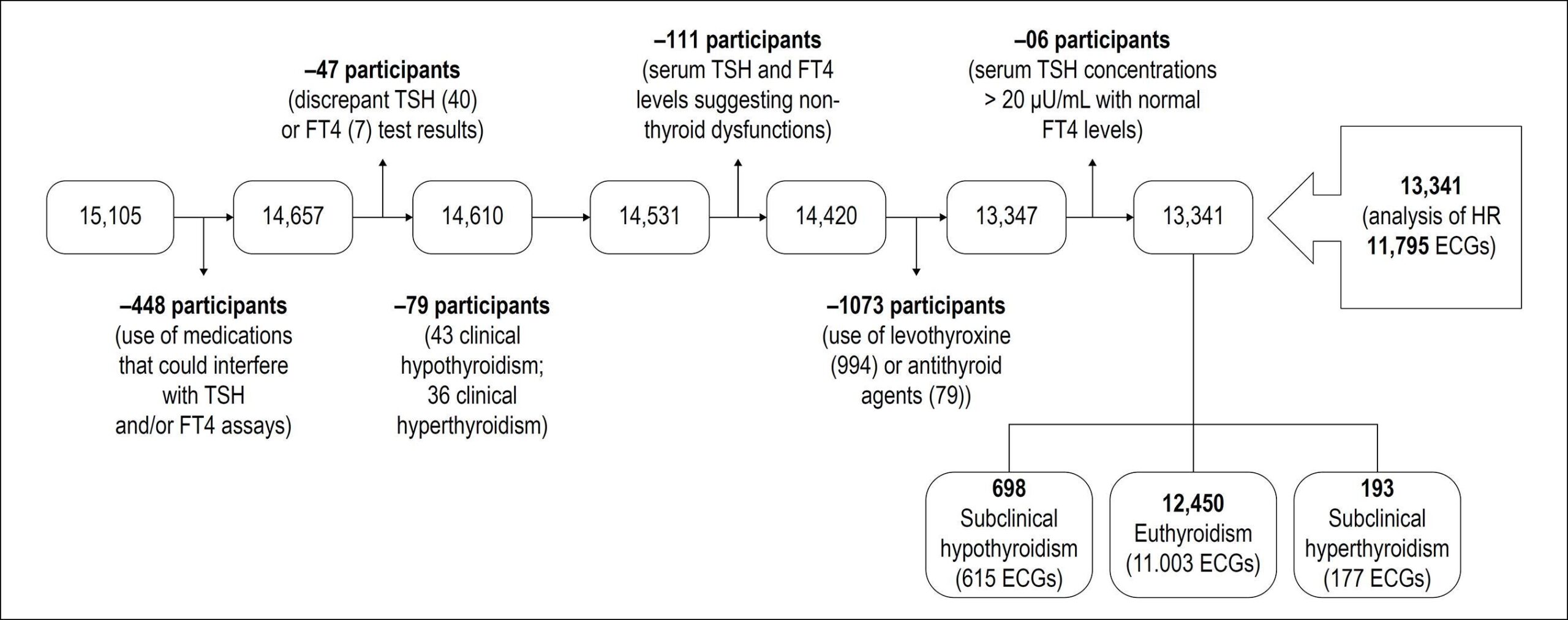
The HR data of 13,341 participants (52% female; median age, 51 years) and the electrocardiogram readings of 11,795 were analyzed; 698 participants (5.23%) were classified as subclinical hypothyroidism, 193 (1.45%) as subclinical hyperthyroidism, and 12,450 (93.32%) as euthyroidism. The prevalence of rhythm and conduction disorders was similar, as were HR medians, even in the subgroups with TSH 10.0 UI/mL or in older adults. Conduction disorders were less prevalent in older adults with subclinical hypothyroidism (adjusted OR = 0.44; 95% CI 0.24 to 0.80).

Conclusion:

In this large, multicenter and cross-sectional study, STD was not associated with cardiac arrhythmias, but a longitudinal assessment is necessary.

  • Adults
  • Arrhythmias Cardiac
  • Pathologic Processes
  • Thyroid Diseases/complications
  • Thyroropin (TSH)
Read Full Article
Creative Commons Attribution (CC BY) Creative Commons license
28/02/2019 DOI: 10.5935/abc.20190037 Views 2

How to cite this article

EndNote RIS

Electronic Document Format (Vancouver)

Schmidt A, Pazin-Filho A. Rational Use of Evidence-Based Medicine: Why We Resist So Much?. Arquivos Brasileiros de Cardiologia 2019;112(6):727-8.

Electronic Document Format (ABNT)

Schmidt, André; Pazin-Filho, Antonio. Rational Use of Evidence-Based Medicine: Why We Resist So Much?. Arquivos Brasileiros de Cardiologia, v. 112, n. 6, p. 727-728, Jul. 2019.

Electronic Document Format (APA)

Schmidt, A., & Pazin-Filho, A. (2019). Rational Use of Evidence-Based Medicine: Why We Resist So Much?. Arquivos Brasileiros de Cardiologia, 112(6), 727-728.

Electronic Document Format (ISO)

Schmidt, André and Pazin-Filho, Antonio. Rational Use of Evidence-Based Medicine: Why We Resist So Much?. Arquivos Brasileiros de Cardiologia [online]. 2019, vol. 112, n. 6, [cited 2026-10-14], pp. 727-728. Available from: <https://journals.cardiol.br/en/article/rational-use-of-evidence-based-medicine-why-we-resist-so-much/>. ISSN 0066-782X

EndNote RIS

Electronic Document Format (Vancouver)

Afiune Neto A. Lifestyle and Medication Costs May Be Associated with Consequences for Adult Patient Health. Arquivos Brasileiros de Cardiologia 2019;112(6):756-7.

Electronic Document Format (ABNT)

Afiune Neto, Abrahão. Lifestyle and Medication Costs May Be Associated with Consequences for Adult Patient Health. Arquivos Brasileiros de Cardiologia, v. 112, n. 6, p. 756-757, Jul. 2019.

Electronic Document Format (APA)

Afiune Neto, A. (2019). Lifestyle and Medication Costs May Be Associated with Consequences for Adult Patient Health. Arquivos Brasileiros de Cardiologia, 112(6), 756-757.

Electronic Document Format (ISO)

Afiune Neto, Abrahão. Lifestyle and Medication Costs May Be Associated with Consequences for Adult Patient Health. Arquivos Brasileiros de Cardiologia [online]. 2019, vol. 112, n. 6, [cited 2026-10-14], pp. 756-757. Available from: <https://journals.cardiol.br/en/article/lifestyle-and-medication-costs-may-be-associated-with-consequences-for-adult-patient-health/>. ISSN 0066-782X

EndNote RIS

Electronic Document Format (Vancouver)

Pereira FWL, Paiva SAR. The Search for New Prognosis Markers for Coronary Artery Disease. Arquivos Brasileiros de Cardiologia 2019;112(6):720.

Electronic Document Format (ABNT)

Pereira, Filipe Welson Leal; Paiva, Sergio Alberto Rupp de. The Search for New Prognosis Markers for Coronary Artery Disease. Arquivos Brasileiros de Cardiologia, v. 112, n. 6, p. 720-720, Jul. 2019.

Electronic Document Format (APA)

Pereira, F. W. L., & Paiva, S. A. R. (2019). The Search for New Prognosis Markers for Coronary Artery Disease. Arquivos Brasileiros de Cardiologia, 112(6), 720-720.

Electronic Document Format (ISO)

Pereira, Filipe Welson Leal and Paiva, Sergio Alberto Rupp de. The Search for New Prognosis Markers for Coronary Artery Disease. Arquivos Brasileiros de Cardiologia [online]. 2019, vol. 112, n. 6, [cited 2026-10-14], pp. 720-720. Available from: <https://journals.cardiol.br/en/article/the-search-for-new-prognosis-markers-for-coronary-artery-disease/>. ISSN 0066-782X

EndNote RIS

Electronic Document Format (Vancouver)

Riera ARP, Barros RB, Sousa Neto AFS, Raimundo RD, Abreu LC, Nikus K. Extensive Anterior Myocardial Infarction … and Something Else?. Arquivos Brasileiros de Cardiologia 2019;112(6):803-6.

Electronic Document Format (ABNT)

Riera, Andrés Ricardo Pérez; Barros, Raimundo Barbosa; Sousa Neto, Antônio Fernandes Silva e; Raimundo, Rodrigo Daminello; Abreu, Luiz Carlos de; Nikus, Kjell. Extensive Anterior Myocardial Infarction … and Something Else?. Arquivos Brasileiros de Cardiologia, v. 112, n. 6, p. 803-806, Jul. 2019.

Electronic Document Format (APA)

Riera, A. R. P., Barros, R. B., Sousa Neto, A. F. S. , Raimundo, R. D., Abreu, L. C. , & Nikus, K. (2019). Extensive Anterior Myocardial Infarction … and Something Else?. Arquivos Brasileiros de Cardiologia, 112(6), 803-806.

Electronic Document Format (ISO)

Riera, Andrés Ricardo Pérez and Barros, Raimundo Barbosa and Sousa Neto, Antônio Fernandes Silva e and Raimundo, Rodrigo Daminello and Abreu, Luiz Carlos de and Nikus, Kjell. Extensive Anterior Myocardial Infarction … and Something Else?. Arquivos Brasileiros de Cardiologia [online]. 2019, vol. 112, n. 6, [cited 2026-10-14], pp. 803-806. Available from: <https://journals.cardiol.br/en/article/extensive-anterior-myocardial-infarction-and-something-else/>. ISSN 0066-782X

EndNote RIS

Electronic Document Format (Vancouver)

Mesquita ET, Barbetta LMS, Correia ETO. Heart Failure with Mid-Range Ejection Fraction – State of the Art. Arquivos Brasileiros de Cardiologia 2019;112(6):784-90.

Electronic Document Format (ABNT)

Mesquita, Evandro Tinoco; Barbetta, Letícia Mara dos Santos; Correia, Eduardo Thadeu de Oliveira. Heart Failure with Mid-Range Ejection Fraction – State of the Art. Arquivos Brasileiros de Cardiologia, v. 112, n. 6, p. 784-790, Jul. 2019.

Electronic Document Format (APA)

Mesquita, E. T., Barbetta, L. M. S., & Correia, E. T. O. (2019). Heart Failure with Mid-Range Ejection Fraction – State of the Art. Arquivos Brasileiros de Cardiologia, 112(6), 784-790.

Electronic Document Format (ISO)

Mesquita, Evandro Tinoco and Barbetta, Letícia Mara dos Santos and Correia, Eduardo Thadeu de Oliveira. Heart Failure with Mid-Range Ejection Fraction – State of the Art. Arquivos Brasileiros de Cardiologia [online]. 2019, vol. 112, n. 6, [cited 2026-10-14], pp. 784-790. Available from: <https://journals.cardiol.br/en/article/heart-failure-with-mid-range-ejection-fraction-state-of-the-art/>. ISSN 0066-782X

EndNote RIS

Electronic Document Format (Vancouver)

Izar MCO, Fonseca FAH. Physical Activity and Healthy Eating Patterns in Public Schools in Brazil: A Strategy to Avert Risk Factors in Adulthood. Arquivos Brasileiros de Cardiologia 2019;112(6):782-3.

Electronic Document Format (ABNT)

Izar, Maria Cristina de Oliveira; Fonseca, Francisco Antonio Helfenstein. Physical Activity and Healthy Eating Patterns in Public Schools in Brazil: A Strategy to Avert Risk Factors in Adulthood. Arquivos Brasileiros de Cardiologia, v. 112, n. 6, p. 782-783, Jul. 2019.

Electronic Document Format (APA)

Izar, M. C. O., & Fonseca, F. A. H. (2019). Physical Activity and Healthy Eating Patterns in Public Schools in Brazil: A Strategy to Avert Risk Factors in Adulthood. Arquivos Brasileiros de Cardiologia, 112(6), 782-783.

Electronic Document Format (ISO)

Izar, Maria Cristina de Oliveira and Fonseca, Francisco Antonio Helfenstein. Physical Activity and Healthy Eating Patterns in Public Schools in Brazil: A Strategy to Avert Risk Factors in Adulthood. Arquivos Brasileiros de Cardiologia [online]. 2019, vol. 112, n. 6, [cited 2026-10-14], pp. 782-783. Available from: <https://journals.cardiol.br/en/article/physical-activity-and-healthy-eating-patterns-in-public-schools-in-brazil-a-strategy-to-avert-risk-factors-in-adulthood/>. ISSN 0066-782X

EndNote RIS

Electronic Document Format (Vancouver)

Martinez TLR, Pereira A, Saldanha ALR. Cardiovascular Risk Factors in Childhood Claim for Public Health Policies. Arquivos Brasileiros de Cardiologia 2019;112(6):737-8.

Electronic Document Format (ABNT)

Martinez, Tania L. R.; Pereira, Abel; Saldanha, Anita L. R.. Cardiovascular Risk Factors in Childhood Claim for Public Health Policies. Arquivos Brasileiros de Cardiologia, v. 112, n. 6, p. 737-738, Jul. 2019.

Electronic Document Format (APA)

Martinez, T. L. R., Pereira, A., & Saldanha, A. L. R. (2019). Cardiovascular Risk Factors in Childhood Claim for Public Health Policies. Arquivos Brasileiros de Cardiologia, 112(6), 737-738.

Electronic Document Format (ISO)

Martinez, Tania L. R. and Pereira, Abel and Saldanha, Anita L. R.. Cardiovascular Risk Factors in Childhood Claim for Public Health Policies. Arquivos Brasileiros de Cardiologia [online]. 2019, vol. 112, n. 6, [cited 2026-10-14], pp. 737-738. Available from: <https://journals.cardiol.br/en/article/cardiovascular-risk-factors-in-childhood-claim-for-public-health-policies/>. ISSN 0066-782X

EndNote RIS

Electronic Document Format (Vancouver)

Scanavacca M, Hachul D. Ganglionated Plexi Ablation to Treat Patients with Refractory Neurally Mediated Syncope and Severe Vagal-Induced Bradycardia. Arquivos Brasileiros de Cardiologia 2019;112(6):709-12.

Electronic Document Format (ABNT)

Scanavacca, Mauricio; Hachul, Denise. Ganglionated Plexi Ablation to Treat Patients with Refractory Neurally Mediated Syncope and Severe Vagal-Induced Bradycardia. Arquivos Brasileiros de Cardiologia, v. 112, n. 6, p. 709-712, Jul. 2019.

Electronic Document Format (APA)

Scanavacca, M., & Hachul, D. (2019). Ganglionated Plexi Ablation to Treat Patients with Refractory Neurally Mediated Syncope and Severe Vagal-Induced Bradycardia. Arquivos Brasileiros de Cardiologia, 112(6), 709-712.

Electronic Document Format (ISO)

Scanavacca, Mauricio and Hachul, Denise. Ganglionated Plexi Ablation to Treat Patients with Refractory Neurally Mediated Syncope and Severe Vagal-Induced Bradycardia. Arquivos Brasileiros de Cardiologia [online]. 2019, vol. 112, n. 6, [cited 2026-10-14], pp. 709-712. Available from: <https://journals.cardiol.br/en/article/ganglionated-plexi-ablation-to-treat-patients-with-refractory-neurally-mediated-syncope-and-severe-vagal-induced-bradycardia/>. ISSN 0066-782X

EndNote RIS

Electronic Document Format (Vancouver)

Santos SN, Alcantara ML, Freire CMV, Cantisano AL, Teodoro JAR, Porto CLL, Amaral SI, et al. Vascular Ultrasound Statement from the Department of Cardiovascular Imaging of the Brazilian Society of Cardiology – 2019. Arquivos Brasileiros de Cardiologia 2019;112(6):809-4.

Electronic Document Format (ABNT)

Santos, Simone Nascimento dos; Alcantara, Monica Luiza de; Freire, Cláudia Maria Vilas; Cantisano, Armando Luis; Teodoro, José Aldo Ribeiro; Porto, Carmen Lucia Lascasas; Amaral, Salomon Israel do; Veloso, Orlando; Albricker, Ana Cristina Lopes; Petisco, Ana Cláudia Gomes Pereira; Barros, Fanilda Souto; Barros, Márcio Vinícius Lins; Saleh, Mohamed Hassan; Vieira, Marcelo Luiz Campos. Vascular Ultrasound Statement from the Department of Cardiovascular Imaging of the Brazilian Society of Cardiology – 2019. Arquivos Brasileiros de Cardiologia, v. 112, n. 6, p. 809-849, Jul. 2019.

Electronic Document Format (APA)

Santos, S. N. , Alcantara, M. L. , Freire, C. M. V., Cantisano, A. L., Teodoro, J. A. R., Porto, C. L. L., Amaral, S. I. , Veloso, O., Albricker, A. C. L., Petisco, A. C. G. P., Barros, F. S., Barros, M. V. L., Saleh, M. H., & Vieira, M. L. C. (2019). Vascular Ultrasound Statement from the Department of Cardiovascular Imaging of the Brazilian Society of Cardiology – 2019. Arquivos Brasileiros de Cardiologia, 112(6), 809-849.

Electronic Document Format (ISO)

Santos, Simone Nascimento dos and Alcantara, Monica Luiza de and Freire, Cláudia Maria Vilas and Cantisano, Armando Luis and Teodoro, José Aldo Ribeiro and Porto, Carmen Lucia Lascasas and Amaral, Salomon Israel do and Veloso, Orlando and Albricker, Ana Cristina Lopes and Petisco, Ana Cláudia Gomes Pereira and Barros, Fanilda Souto and Barros, Márcio Vinícius Lins and Saleh, Mohamed Hassan and Vieira, Marcelo Luiz Campos. Vascular Ultrasound Statement from the Department of Cardiovascular Imaging of the Brazilian Society of Cardiology – 2019. Arquivos Brasileiros de Cardiologia [online]. 2019, vol. 112, n. 6, [cited 2026-10-14], pp. 809-849. Available from: <https://journals.cardiol.br/en/article/vascular-ultrasound-statement-from-the-department-of-cardiovascular-imaging-of-the-brazilian-society-of-cardiology-2019-2/>. ISSN 0066-782X

EndNote RIS

Electronic Document Format (Vancouver)

Oliveira CCS, Tufik S, Andersen ML. Sleep Disorders Impair Attaining Ideal Cardiovascular Health. Arquivos Brasileiros de Cardiologia 2019;112(6):807-8.

Electronic Document Format (ABNT)

Oliveira, Camila Christina Santos de; Tufik, Sergio; Andersen, Monica Levy. Sleep Disorders Impair Attaining Ideal Cardiovascular Health. Arquivos Brasileiros de Cardiologia, v. 112, n. 6, p. 807-808, Jul. 2019.

Electronic Document Format (APA)

Oliveira, C. C. S. , Tufik, S., & Andersen, M. L. (2019). Sleep Disorders Impair Attaining Ideal Cardiovascular Health. Arquivos Brasileiros de Cardiologia, 112(6), 807-808.

Electronic Document Format (ISO)

Oliveira, Camila Christina Santos de and Tufik, Sergio and Andersen, Monica Levy. Sleep Disorders Impair Attaining Ideal Cardiovascular Health. Arquivos Brasileiros de Cardiologia [online]. 2019, vol. 112, n. 6, [cited 2026-10-14], pp. 807-808. Available from: <https://journals.cardiol.br/en/article/sleep-disorders-impair-attaining-ideal-cardiovascular-health/>. ISSN 0066-782X

EndNote RIS

Electronic Document Format (Vancouver)

Issa VS, Benvenuti LA. Case 3/2019 – Young Male with Intense Dyspnea, Pulmonary Infiltrate, Normal Cardiac Area and Obliteration of the Apical Portion of the Left Ventricle. Arquivos Brasileiros de Cardiologia 2019;112(6):793-802.

Electronic Document Format (ABNT)

Issa, Victor Sarli; Benvenuti, Luiz Alberto. Case 3/2019 – Young Male with Intense Dyspnea, Pulmonary Infiltrate, Normal Cardiac Area and Obliteration of the Apical Portion of the Left Ventricle. Arquivos Brasileiros de Cardiologia, v. 112, n. 6, p. 793-802, Jul. 2019.

Electronic Document Format (APA)

Issa, V. S., & Benvenuti, L. A. (2019). Case 3/2019 – Young Male with Intense Dyspnea, Pulmonary Infiltrate, Normal Cardiac Area and Obliteration of the Apical Portion of the Left Ventricle. Arquivos Brasileiros de Cardiologia, 112(6), 793-802.

Electronic Document Format (ISO)

Issa, Victor Sarli and Benvenuti, Luiz Alberto. Case 3/2019 – Young Male with Intense Dyspnea, Pulmonary Infiltrate, Normal Cardiac Area and Obliteration of the Apical Portion of the Left Ventricle. Arquivos Brasileiros de Cardiologia [online]. 2019, vol. 112, n. 6, [cited 2026-10-14], pp. 793-802. Available from: <https://journals.cardiol.br/en/article/case-3-2019-young-male-with-intense-dyspnea-pulmonary-infiltrate-normal-cardiac-area-and-obliteration-of-the-apical-portion-of-the-left-ventricle/>. ISSN 0066-782X

EndNote RIS

Electronic Document Format (Vancouver)

Oliveira GMM, Negri FEFO, Clausell NO, Moreira MCV, Souza OF, Macedo AVS, Marino BCA, et al. Brazilian Society of Cardiology – The Women’s Letter. Arquivos Brasileiros de Cardiologia 2019;112(6):713-4.

Electronic Document Format (ABNT)

Oliveira, Glaucia Maria Moraes de; Negri, Fátima Elizabeth Fonseca de Oliveira; Clausell, Nadine Oliveira; Moreira, Maria da Consolação V.; Souza, Olga Ferreira de; Macedo, Ariane Vieira Scarlatelli; Marino, Barbara Campos Abreu; Polanczyk, Carisi Anne; Lantieri, Carla Janice Baister; Marques-Santos, Celi; Freire, Cláudia Maria Vilas; Nercolini, Deborah Christina; Pedroti, Fatima Cristina Monteiro; Barbosa, Imara Correia de Queiroz; Santos, Magaly Arrais dos; Braile, Maria Christiane Valéria Braga; Paiva, Maria Sanali Moura de Oliveira; Dracoulakis, Marianna Deway Andrade; Holanda, Narriane Chaves; Rolim, Patricia Toscano Rocha; Teixeira, Roberta Tavares Barreto; Mattos, Sandra; Silva, Sheyla Cristina Tonheiro Ferro da; Brandão, Simone Cristina Soares; Lemke, Viviana de Mello Guzzo; Lopes, Marcelo Antônio Cartaxo Queiroga. Brazilian Society of Cardiology – The Women’s Letter. Arquivos Brasileiros de Cardiologia, v. 112, n. 6, p. 713-714, Jul. 2019.

Electronic Document Format (APA)

Oliveira, G. M. M. , Negri, F. E. F. O., Clausell, N. O., Moreira, M. C. V., Souza, O. F. , Macedo, A. V. S., Marino, B. C. A., Polanczyk, C. A., Lantieri, C. J. B., Marques-Santos, C., Freire, C. M. V., Nercolini, D. C., Pedroti, F. C. M., Barbosa, I. C. Q., Santos, M. A. , Braile, M. C. V. B., Paiva, M. S. M. O., Dracoulakis, M. D. A., Holanda, N. C., Rolim, P. T. R., Teixeira, R. T. B., Mattos, S., Silva, S. C. T. F. , Brandão, S. C. S., Lemke, V. M. G., & Lopes, M. A. C. Q. (2019). Brazilian Society of Cardiology – The Women’s Letter. Arquivos Brasileiros de Cardiologia, 112(6), 713-714.

Electronic Document Format (ISO)

Oliveira, Glaucia Maria Moraes de and Negri, Fátima Elizabeth Fonseca de Oliveira and Clausell, Nadine Oliveira and Moreira, Maria da Consolação V. and Souza, Olga Ferreira de and Macedo, Ariane Vieira Scarlatelli and Marino, Barbara Campos Abreu and Polanczyk, Carisi Anne and Lantieri, Carla Janice Baister and Marques-Santos, Celi and Freire, Cláudia Maria Vilas and Nercolini, Deborah Christina and Pedroti, Fatima Cristina Monteiro and Barbosa, Imara Correia de Queiroz and Santos, Magaly Arrais dos and Braile, Maria Christiane Valéria Braga and Paiva, Maria Sanali Moura de Oliveira and Dracoulakis, Marianna Deway Andrade and Holanda, Narriane Chaves and Rolim, Patricia Toscano Rocha and Teixeira, Roberta Tavares Barreto and Mattos, Sandra and Silva, Sheyla Cristina Tonheiro Ferro da and Brandão, Simone Cristina Soares and Lemke, Viviana de Mello Guzzo and Lopes, Marcelo Antônio Cartaxo Queiroga. Brazilian Society of Cardiology – The Women’s Letter. Arquivos Brasileiros de Cardiologia [online]. 2019, vol. 112, n. 6, [cited 2026-10-14], pp. 713-714. Available from: <https://journals.cardiol.br/en/article/brazilian-society-of-cardiology-the-womens-letter/>. ISSN 0066-782X

EndNote RIS

Electronic Document Format (Vancouver)

Araujo CG, Laukkanen JA. Heart and Skeletal Muscles: Linked by Autonomic Nervous System. Arquivos Brasileiros de Cardiologia 2019;112(6):747-8.

Electronic Document Format (ABNT)

Araujo, Claudio Gil; Laukkanen, Jari Antero. Heart and Skeletal Muscles: Linked by Autonomic Nervous System. Arquivos Brasileiros de Cardiologia, v. 112, n. 6, p. 747-748, Jul. 2019.

Electronic Document Format (APA)

Araujo, C. G., & Laukkanen, J. A. (2019). Heart and Skeletal Muscles: Linked by Autonomic Nervous System. Arquivos Brasileiros de Cardiologia, 112(6), 747-748.

Electronic Document Format (ISO)

Araujo, Claudio Gil and Laukkanen, Jari Antero. Heart and Skeletal Muscles: Linked by Autonomic Nervous System. Arquivos Brasileiros de Cardiologia [online]. 2019, vol. 112, n. 6, [cited 2026-10-14], pp. 747-748. Available from: <https://journals.cardiol.br/en/article/heart-and-skeletal-muscles-linked-by-autonomic-nervous-system/>. ISSN 0066-782X

EndNote RIS

Electronic Document Format (Vancouver)

Beck-da-Silva L, Rohde LE. The Diuretic Effect of Sacubitril/Valsartan Might Be Clinically Relevant. Arquivos Brasileiros de Cardiologia 2019;112(6):791-2.

Electronic Document Format (ABNT)

Beck-da-Silva, Luís; Rohde, Luís E.. The Diuretic Effect of Sacubitril/Valsartan Might Be Clinically Relevant. Arquivos Brasileiros de Cardiologia, v. 112, n. 6, p. 791-792, Jul. 2019.

Electronic Document Format (APA)

Beck-da-Silva, L., & Rohde, L. E. (2019). The Diuretic Effect of Sacubitril/Valsartan Might Be Clinically Relevant. Arquivos Brasileiros de Cardiologia, 112(6), 791-792.

Electronic Document Format (ISO)

Beck-da-Silva, Luís and Rohde, Luís E.. The Diuretic Effect of Sacubitril/Valsartan Might Be Clinically Relevant. Arquivos Brasileiros de Cardiologia [online]. 2019, vol. 112, n. 6, [cited 2026-10-14], pp. 791-792. Available from: <https://journals.cardiol.br/en/article/the-diuretic-effect-of-sacubitril-valsartan-might-be-clinically-relevant/>. ISSN 0066-782X

EndNote RIS

Electronic Document Format (Vancouver)

Soeiro AM. Subclinical Thyroid Dysfunction was not Associated with Cardiac Arrhythmias in the Cross-Sectional Analysis of the ELSA-Brasil Study. Arquivos Brasileiros de Cardiologia 2019;112(6):767-8.

Electronic Document Format (ABNT)

Soeiro, Alexandre de Matos. Subclinical Thyroid Dysfunction was not Associated with Cardiac Arrhythmias in the Cross-Sectional Analysis of the ELSA-Brasil Study. Arquivos Brasileiros de Cardiologia, v. 112, n. 6, p. 767-768, Jul. 2019.

Electronic Document Format (APA)

Soeiro, A. M. (2019). Subclinical Thyroid Dysfunction was not Associated with Cardiac Arrhythmias in the Cross-Sectional Analysis of the ELSA-Brasil Study. Arquivos Brasileiros de Cardiologia, 112(6), 767-768.

Electronic Document Format (ISO)

Soeiro, Alexandre de Matos. Subclinical Thyroid Dysfunction was not Associated with Cardiac Arrhythmias in the Cross-Sectional Analysis of the ELSA-Brasil Study. Arquivos Brasileiros de Cardiologia [online]. 2019, vol. 112, n. 6, [cited 2026-10-14], pp. 767-768. Available from: <https://journals.cardiol.br/en/article/subclinical-thyroid-dysfunction-was-not-associated-with-cardiac-arrhythmias-in-the-cross-sectional-analysis-of-the-elsa-brasil-study/>. ISSN 0066-782X

EndNote RIS

Electronic Document Format (Vancouver)

Fonseca GWP, Santos MR, Souza FR, Costa MJA, Haehling S, Takayama L, Pereira RMR, et al. Sympatho-Vagal Imbalance is Associated with Sarcopenia in Male Patients with Heart Failure. Arquivos Brasileiros de Cardiologia 2019;112(6):739-46.

Electronic Document Format (ABNT)

Fonseca, Guilherme Wesley Peixoto da; Santos, Marcelo Rodrigues dos; Souza, Francis Ribeiro de; Costa, Marcel Jose A. da; Haehling, Stephan von; Takayama, Liliam; Pereira, Rosa Maria R.; Negrão, Carlos Eduardo; Anker, Stefan D.; Alves, Maria Janieire de Nazaré Nunes. Sympatho-Vagal Imbalance is Associated with Sarcopenia in Male Patients with Heart Failure. Arquivos Brasileiros de Cardiologia, v. 112, n. 6, p. 739-746, Apr. 2019.

Electronic Document Format (APA)

Fonseca, G. W. P. , Santos, M. R. , Souza, F. R. , Costa, M. J. A. , Haehling, S. , Takayama, L., Pereira, R. M. R., Negrão, C. E., Anker, S. D., & Alves, M. J. N. N. (2019). Sympatho-Vagal Imbalance is Associated with Sarcopenia in Male Patients with Heart Failure. Arquivos Brasileiros de Cardiologia, 112(6), 739-746.

Electronic Document Format (ISO)

Fonseca, Guilherme Wesley Peixoto da and Santos, Marcelo Rodrigues dos and Souza, Francis Ribeiro de and Costa, Marcel Jose A. da and Haehling, Stephan von and Takayama, Liliam and Pereira, Rosa Maria R. and Negrão, Carlos Eduardo and Anker, Stefan D. and Alves, Maria Janieire de Nazaré Nunes. Sympatho-Vagal Imbalance is Associated with Sarcopenia in Male Patients with Heart Failure. Arquivos Brasileiros de Cardiologia [online]. 2019, vol. 112, n. 6, [cited 2026-10-14], pp. 739-746. Available from: <https://journals.cardiol.br/en/article/sympatho-vagal-imbalance-is-associated-with-sarcopenia-in-male-patients-with-heart-failure/>. ISSN 0066-782X

EndNote RIS

Electronic Document Format (Vancouver)

Reuter CP, Brand C, Silva PT, Reuter M, Renner JDP, Franke SIR, Mello ED, et al. Relationship between Dyslipidemia, Cultural Factors, and Cardiorespiratory Fitness in Schoolchildren. Arquivos Brasileiros de Cardiologia 2019;112(6):729-36.

Electronic Document Format (ABNT)

Reuter, Cézane Priscila; Brand, Caroline; Silva, Priscila Tatiana da; Reuter, Éboni Marília; Renner, Jane Dagmar Pollo; Franke, Silvia Isabel Rech; Mello, Elza Daniel de; Burgos, Leandro Tibiriçá; Schneiders, Letícia de Borba; Burgos, Miria Suzana. Relationship between Dyslipidemia, Cultural Factors, and Cardiorespiratory Fitness in Schoolchildren. Arquivos Brasileiros de Cardiologia, v. 112, n. 6, p. 729-736, Apr. 2019.

Electronic Document Format (APA)

Reuter, C. P., Brand, C., Silva, P. T. , Reuter, M., Renner, J. D. P., Franke, S. I. R., Mello, E. D. , Burgos, L. T., Schneiders, L. B., & Burgos, M. S. (2019). Relationship between Dyslipidemia, Cultural Factors, and Cardiorespiratory Fitness in Schoolchildren. Arquivos Brasileiros de Cardiologia, 112(6), 729-736.

Electronic Document Format (ISO)

Reuter, Cézane Priscila and Brand, Caroline and Silva, Priscila Tatiana da and Reuter, Éboni Marília and Renner, Jane Dagmar Pollo and Franke, Silvia Isabel Rech and Mello, Elza Daniel de and Burgos, Leandro Tibiriçá and Schneiders, Letícia de Borba and Burgos, Miria Suzana. Relationship between Dyslipidemia, Cultural Factors, and Cardiorespiratory Fitness in Schoolchildren. Arquivos Brasileiros de Cardiologia [online]. 2019, vol. 112, n. 6, [cited 2026-10-14], pp. 729-736. Available from: <https://journals.cardiol.br/en/article/relationship-between-dyslipidemia-cultural-factors-and-cardiorespiratory-fitness-in-schoolchildren/>. ISSN 0066-782X

EndNote RIS

Electronic Document Format (Vancouver)

Scherr C, Helal L, Ferrari F, Belém LJ, Fabiano LCC, Pinheiro LT, Stein R, et al. The Olympic Experimental Gymnasium Program and its Association with the Prevalence of Cardiovascular Risk Factors in Adolescents: A Cross-Sectional Study. Arquivos Brasileiros de Cardiologia 2019;112(6):775-81.

Electronic Document Format (ABNT)

Scherr, Carlos; Helal, Lucas; Ferrari, Filipe; Belém, Luciano Juaçaba; Fabiano, Leonardo Correa Castro; Pinheiro, Ludmila Talita; Stein, Ricardo. The Olympic Experimental Gymnasium Program and its Association with the Prevalence of Cardiovascular Risk Factors in Adolescents: A Cross-Sectional Study. Arquivos Brasileiros de Cardiologia, v. 112, n. 6, p. 775-781, Apr. 2019.

Electronic Document Format (APA)

Scherr, C., Helal, L., Ferrari, F., Belém, L. J., Fabiano, L. C. C., Pinheiro, L. T., & Stein, R. (2019). The Olympic Experimental Gymnasium Program and its Association with the Prevalence of Cardiovascular Risk Factors in Adolescents: A Cross-Sectional Study. Arquivos Brasileiros de Cardiologia, 112(6), 775-781.

Electronic Document Format (ISO)

Scherr, Carlos and Helal, Lucas and Ferrari, Filipe and Belém, Luciano Juaçaba and Fabiano, Leonardo Correa Castro and Pinheiro, Ludmila Talita and Stein, Ricardo. The Olympic Experimental Gymnasium Program and its Association with the Prevalence of Cardiovascular Risk Factors in Adolescents: A Cross-Sectional Study. Arquivos Brasileiros de Cardiologia [online]. 2019, vol. 112, n. 6, [cited 2026-10-14], pp. 775-781. Available from: <https://journals.cardiol.br/en/article/the-olympic-experimental-gymnasium-program-and-its-association-with-the-prevalence-of-cardiovascular-risk-factors-in-adolescents-a-cross-sectional-study/>. ISSN 0066-782X

EndNote RIS

Electronic Document Format (Vancouver)

Andrade LS, Siliprandi EMO, Karsburg LL, Berlesi FP, Carvalho OLF, Rosa DS, Santos RP, et al. Surgical Site Infection Prevention Bundle in Cardiac Surgery. Arquivos Brasileiros de Cardiologia 2019;112(6):769-74.

Electronic Document Format (ABNT)

Andrade, Lilian Silva de; Siliprandi, Erci Maria Onzi; Karsburg, Larissa Lemos; Berlesi, Francine Possebon; Carvalho, Otávio Luiz da Fontoura; Rosa, Darlan Sebastião da; Santos, Rodrigo Pires dos. Surgical Site Infection Prevention Bundle in Cardiac Surgery. Arquivos Brasileiros de Cardiologia, v. 112, n. 6, p. 769-774, Apr. 2019.

Electronic Document Format (APA)

Andrade, L. S. , Siliprandi, E. M. O., Karsburg, L. L., Berlesi, F. P., Carvalho, O. L. F., Rosa, D. S. , & Santos, R. P. (2019). Surgical Site Infection Prevention Bundle in Cardiac Surgery. Arquivos Brasileiros de Cardiologia, 112(6), 769-774.

Electronic Document Format (ISO)

Andrade, Lilian Silva de and Siliprandi, Erci Maria Onzi and Karsburg, Larissa Lemos and Berlesi, Francine Possebon and Carvalho, Otávio Luiz da Fontoura and Rosa, Darlan Sebastião da and Santos, Rodrigo Pires dos. Surgical Site Infection Prevention Bundle in Cardiac Surgery. Arquivos Brasileiros de Cardiologia [online]. 2019, vol. 112, n. 6, [cited 2026-10-14], pp. 769-774. Available from: <https://journals.cardiol.br/en/article/surgical-site-infection-prevention-bundle-in-cardiac-surgery/>. ISSN 0066-782X

EndNote RIS

Electronic Document Format (Vancouver)

Ding L, Sun L, Wang F, Zhu L, Zhang T, Hua F. Clinical Significance of Platelet Volume and Other Platelet Parameters in Acute Myocardial Infarction and Stable Coronary Artery Disease. Arquivos Brasileiros de Cardiologia 2019;112(6):715-9.

Electronic Document Format (ABNT)

Ding, Liumei; Sun, Lihua; Wang, Feng; Zhu, Liejun; Zhang, Ting; Hua, Fanli. Clinical Significance of Platelet Volume and Other Platelet Parameters in Acute Myocardial Infarction and Stable Coronary Artery Disease. Arquivos Brasileiros de Cardiologia, v. 112, n. 6, p. 715-719, Mar. 2019.

Electronic Document Format (APA)

Ding, L., Sun, L., Wang, F., Zhu, L., Zhang, T., & Hua, F. (2019). Clinical Significance of Platelet Volume and Other Platelet Parameters in Acute Myocardial Infarction and Stable Coronary Artery Disease. Arquivos Brasileiros de Cardiologia, 112(6), 715-719.

Electronic Document Format (ISO)

Ding, Liumei and Sun, Lihua and Wang, Feng and Zhu, Liejun and Zhang, Ting and Hua, Fanli. Clinical Significance of Platelet Volume and Other Platelet Parameters in Acute Myocardial Infarction and Stable Coronary Artery Disease. Arquivos Brasileiros de Cardiologia [online]. 2019, vol. 112, n. 6, [cited 2026-10-14], pp. 715-719. Available from: <https://journals.cardiol.br/en/article/clinical-significance-of-platelet-volume-and-other-platelet-parameters-in-acute-myocardial-infarction-and-stable-coronary-artery-disease/>. ISSN 0066-782X

EndNote RIS

Electronic Document Format (Vancouver)

Fernandes RA, Mantovani AM, Codogno JS, Turi-Lynch BC, Pokhrel S, Anokye N. The Relationship between Lifestyle and Costs Related to Medicine Use in Adults. Arquivos Brasileiros de Cardiologia 2019;112(6):749-55.

Electronic Document Format (ABNT)

Fernandes, Romulo Araujo; Mantovani, Alessandra Madia; Codogno, Jamile Sanches; Turi-Lynch, Bruna Camilo; Pokhrel, Subhash; Anokye, Nana. The Relationship between Lifestyle and Costs Related to Medicine Use in Adults. Arquivos Brasileiros de Cardiologia, v. 112, n. 6, p. 749-755, Mar. 2019.

Electronic Document Format (APA)

Fernandes, R. A., Mantovani, A. M., Codogno, J. S., Turi-Lynch, B. C., Pokhrel, S., & Anokye, N. (2019). The Relationship between Lifestyle and Costs Related to Medicine Use in Adults. Arquivos Brasileiros de Cardiologia, 112(6), 749-755.

Electronic Document Format (ISO)

Fernandes, Romulo Araujo and Mantovani, Alessandra Madia and Codogno, Jamile Sanches and Turi-Lynch, Bruna Camilo and Pokhrel, Subhash and Anokye, Nana. The Relationship between Lifestyle and Costs Related to Medicine Use in Adults. Arquivos Brasileiros de Cardiologia [online]. 2019, vol. 112, n. 6, [cited 2026-10-14], pp. 749-755. Available from: <https://journals.cardiol.br/en/article/the-relationship-between-lifestyle-and-costs-related-to-medicine-use-in-adults/>. ISSN 0066-782X

EndNote RIS

Electronic Document Format (Vancouver)

Carvalhal MC, Souza TMB, Suerdieck J, Lopes F, Correia VCA, Lacerda YF, Sá N, et al. Behavioral Influence of Known Prognostic Markers on the Cardiologist’s Decision following Acute Coronary Syndrome: the GRACE Score Paradox. Arquivos Brasileiros de Cardiologia 2019;112(6):721-6.

Electronic Document Format (ABNT)

Carvalhal, Manuela Campelo; Souza, Thiago Menezes Barbosa de; Suerdieck, Jessica; Lopes, Fernanda; Correia, Vitor Calixto de Almeida; Lacerda, Yasmin Falcon; Sá, Nicole de; Sodré, Gabriella Sant’Anna; Rabelo, Marcia Maria Noya; Correia, Luis Cláudio Lemos. Behavioral Influence of Known Prognostic Markers on the Cardiologist’s Decision following Acute Coronary Syndrome: the GRACE Score Paradox. Arquivos Brasileiros de Cardiologia, v. 112, n. 6, p. 721-726, Mar. 2019.

Electronic Document Format (APA)

Carvalhal, M. C., Souza, T. M. B. , Suerdieck, J., Lopes, F., Correia, V. C. A., Lacerda, Y. F., Sá, N. , Sodré, G. S., Rabelo, M. M. N., & Correia, L. C. L. (2019). Behavioral Influence of Known Prognostic Markers on the Cardiologist’s Decision following Acute Coronary Syndrome: the GRACE Score Paradox. Arquivos Brasileiros de Cardiologia, 112(6), 721-726.

Electronic Document Format (ISO)

Carvalhal, Manuela Campelo and Souza, Thiago Menezes Barbosa de and Suerdieck, Jessica and Lopes, Fernanda and Correia, Vitor Calixto de Almeida and Lacerda, Yasmin Falcon and Sá, Nicole de and Sodré, Gabriella Sant’Anna and Rabelo, Marcia Maria Noya and Correia, Luis Cláudio Lemos. Behavioral Influence of Known Prognostic Markers on the Cardiologist’s Decision following Acute Coronary Syndrome: the GRACE Score Paradox. Arquivos Brasileiros de Cardiologia [online]. 2019, vol. 112, n. 6, [cited 2026-10-14], pp. 721-726. Available from: <https://journals.cardiol.br/en/article/behavioral-influence-of-known-prognostic-markers-on-the-cardiologists-decision-following-acute-coronary-syndrome-the-grace-score-paradox/>. ISSN 0066-782X

EndNote RIS

Electronic Document Format (Vancouver)

Rajão KMAB, Ribeiro ALP, Passos VMA, Benseñor IJM, Vidigal PG, Camacho CP, Diniz MFHS, et al. Subclinical Thyroid Dysfunction was not Associated with Cardiac Arrhythmias in a Cross-Sectional Analysis of the ELSA-Brasil Study. Arquivos Brasileiros de Cardiologia 2019;112(6):758-66.

Electronic Document Format (ABNT)

Rajão, Kamilla Maria Araújo Brandão; Ribeiro, Antônio Luiz Pinho; Passos, Valéria Maria Azeredo; Benseñor, Isabela Judith Martins; Vidigal, Pedro Guatimosim; Camacho, Cleber Pinto; Diniz, Maria de Fátima Haueisen Sander. Subclinical Thyroid Dysfunction was not Associated with Cardiac Arrhythmias in a Cross-Sectional Analysis of the ELSA-Brasil Study. Arquivos Brasileiros de Cardiologia, v. 112, n. 6, p. 758-766, Feb. 2019.

Electronic Document Format (APA)

Rajão, K. M. A. B., Ribeiro, A. L. P., Passos, V. M. A., Benseñor, I. J. M., Vidigal, P. G., Camacho, C. P., & Diniz, M. F. H. S. (2019). Subclinical Thyroid Dysfunction was not Associated with Cardiac Arrhythmias in a Cross-Sectional Analysis of the ELSA-Brasil Study. Arquivos Brasileiros de Cardiologia, 112(6), 758-766.

Electronic Document Format (ISO)

Rajão, Kamilla Maria Araújo Brandão and Ribeiro, Antônio Luiz Pinho and Passos, Valéria Maria Azeredo and Benseñor, Isabela Judith Martins and Vidigal, Pedro Guatimosim and Camacho, Cleber Pinto and Diniz, Maria de Fátima Haueisen Sander. Subclinical Thyroid Dysfunction was not Associated with Cardiac Arrhythmias in a Cross-Sectional Analysis of the ELSA-Brasil Study. Arquivos Brasileiros de Cardiologia [online]. 2019, vol. 112, n. 6, [cited 2026-10-14], pp. 758-766. Available from: <https://journals.cardiol.br/en/article/subclinical-thyroid-dysfunction-was-not-associated-with-cardiac-arrhythmias-in-a-cross-sectional-analysis-of-the-elsa-brasil-study/>. ISSN 0066-782X

Sede – Rio de Janeiro
Av. Marechal Câmara, 160
3º andar – Sala: 330 – Centro
Rio de Janeiro – CEP: 20020-907
Tel.: (55 +21) 3478-2700
ou (21) 99386-3961
E-mail: revista@cardiol.br

Sede – São Paulo
Alameda Santos, 705 – 11º andar
Cerqueira César | São Paulo
CEP: 01419-001
Tel.: (55 +11) 3411-5500
E-mail: revista@cardiol.br

  • About the Journal
  • Internal Regulation
  • Editors Section
  • Editorial Board
  • History
  • SBC Award

  • Guidelines for Publication
  • Editorial Policy
  • Ethics Policy
  • Policy on the Use of Artificial Intelligence
  • Mandatory Publication Form
  • Publication Fee

Issues

SBC Guidelines

  • How to Publish an Abstract Supplement?
  • Supplements from the Brazilian Congress of Cardiology