ABC Family Arquivos Brasileiros de Cardiologia International Journal of Cardiovascular Sciences ABC Heart Failure & Cardiomyopathy ABC Imagem Cardiovascular
Português English
ABC Family
Português English
  • About
    • About ABC Family
    • Internal Regulation
    • Editorial Board
    • Brazilian Society of Cardiology (SBC)
  • Issues
  • SBC Guidelines
  • Content
    • Videos
    • Podcasts
    • News
  • About
    • About ABC Family
    • Internal Regulation
    • Editorial Board
    • Brazilian Society of Cardiology (SBC)
  • Issues
  • SBC Guidelines
  • Content
    • Videos
    • Podcasts
    • News

ABC Family

  • ABC Family
  • Arquivos Brasileiros de Cardiologia
  • International Journal of Cardiovascular Sciences
  • ABC Heart Failure & Cardiomyopathy
  • ABC Imagem Cardiovascular
Search in

No content found.

Journals
Ordering
Article types
Others

  1. Home
  2. Keyword: Testosterone
ABC
Editorial

Testosterone, SHBG Levels, and Heart Failure Risk: Does the Correlation Imply Causation?

Érique José Farias Peixoto de Miranda

The authors describe a meta-analysis of six observational studies with low risk of bias, which suggests a modest association between low testosterone levels, but not Sex Hormone-Binding Globulin (SHBG), and incidence of heart failure (HF) in men, but not in women. In short, for each reduction of one standard deviation of serum testosterone levels, the hazard ratio of HF increased 10% (HR 1.10, 95% CI: 1.03-1.17).

The polled data show that a total of 233,474 middle-aged participants were followed up for at least 7.7 years; the vast majority of them (90.2%) registered in one single cohort, 3,991 (1.71%) of them had events. In other words, we could observe a small absolute risk increase in comparison to the overall population. Among individuals aged ≥45 years, the incidence of HF is 6.0 per 1,000 person-years, increasing to 21.1 per 1,000 person-years among those aged 65 years or more.

[…]

  • Heart Failure
  • hormone replacement therapy
  • Testosterone
Read Full Article
Creative Commons Attribution (CC BY) Creative Commons license
15/12/2025 DOI: 10.36660/abc.20250593i Views 1
Figure 1
ABC
Original Article

Impact of Low Testosterone and SHBG Levels on Heart Failure Risk: A Systematic Review and Meta-Analysis

Thiago Artioli et al. Layane Bonfante Batista Kleber Franchini José Nunes de Alencar

Abstract

Background

Studies suggest a possible link between low levels of testosterone and sex hormone binding globulin (SHBG) and adverse cardiovascular outcomes; however, this relationship remains poorly defined.

Objectives

This systematic review aimed to evaluate the predictive value of baseline levels of testosterone, dihydrotestosterone (DHT), and SHBG for the incidence of heart failure (HF), providing deeper insight into the hormonal influence on HF risk.

Methods

We conducted a comprehensive search of the MEDLINE, Scopus, and Web of Science databases to identify cohort and nested case-control studies that measured hormone levels in adults without prior HF. Risk of bias was assessed using the ROBINS-E tool. Pooled hazard ratios (HRs) and odds ratios (ORs) were estimated using bivariate random-effects models. A statistical significance level of 0.05 was applied to all analyses.

Results

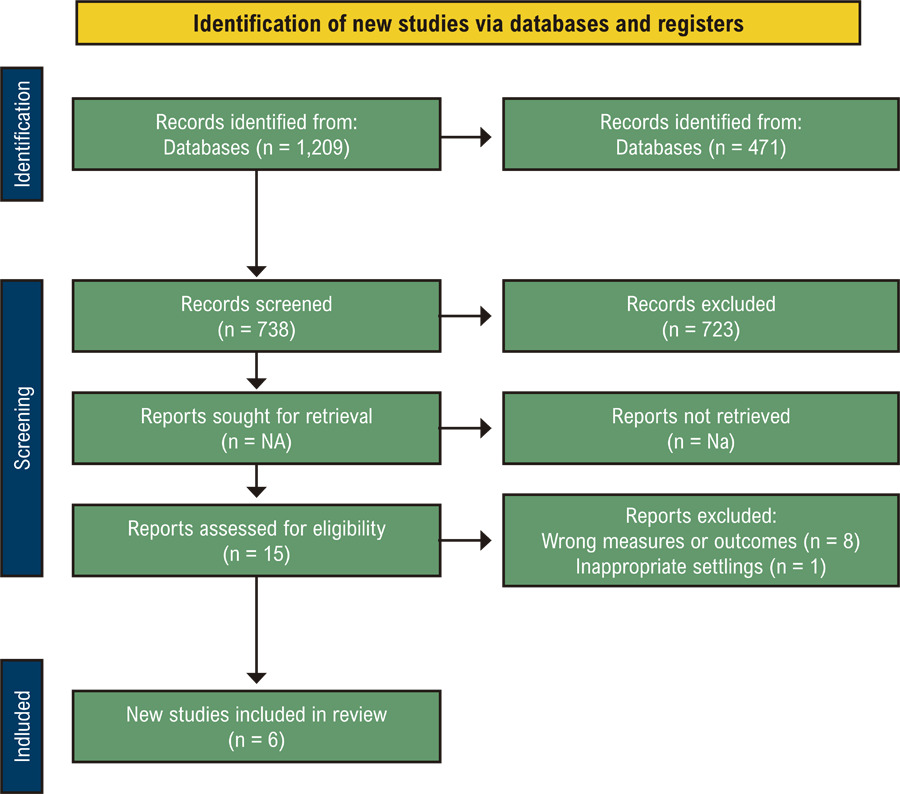
Out of 1,209 articles screened, 738 remained after deduplication. Six studies, including 233,474 participants (11,663 women), met the inclusion criteria. A one standard deviation decrease in testosterone levels was modestly associated with an increased risk of HF in men (HR 1.10, 95% CI: 1.03-1.17), but not in women (HR 1.05, 95% CI: 0.98-1.16). Comparisons across quartiles or quintiles did not reveal significant associations, and SHBG levels were not significant predictors of HF risk. Bayesian analysis provided weak evidence for the association (Bayes factor = 0.99).

Conclusions

This meta-analysis suggests that low testosterone levels are modestly associated with an increased risk of HF in men, highlighting a potentially important yet underexplored aspect of cardiovascular health. The heterogeneity in study designs and population characteristics, combined with the weak associations observed, underscores the need for further rigorous investigation. Well-designed randomized controlled trials are essential to confirm these findings and to elucidate the underlying biological mechanisms.

  • Biomarkers
  • Heart Failure
  • Risk Factors
  • Testosterone
Read Full Article
Creative Commons Attribution (CC BY) Creative Commons license
14/11/2025 DOI: 10.36660/abc.20250244i Views 2
Figure 1
IJCS
Editorial

Anabolic-Androgenic Steroids and Cardiotoxicity

José Antônio Caldas Teixeira et al. Joelma Dominato Rocha Carvalho Mateus Freitas Teixeira

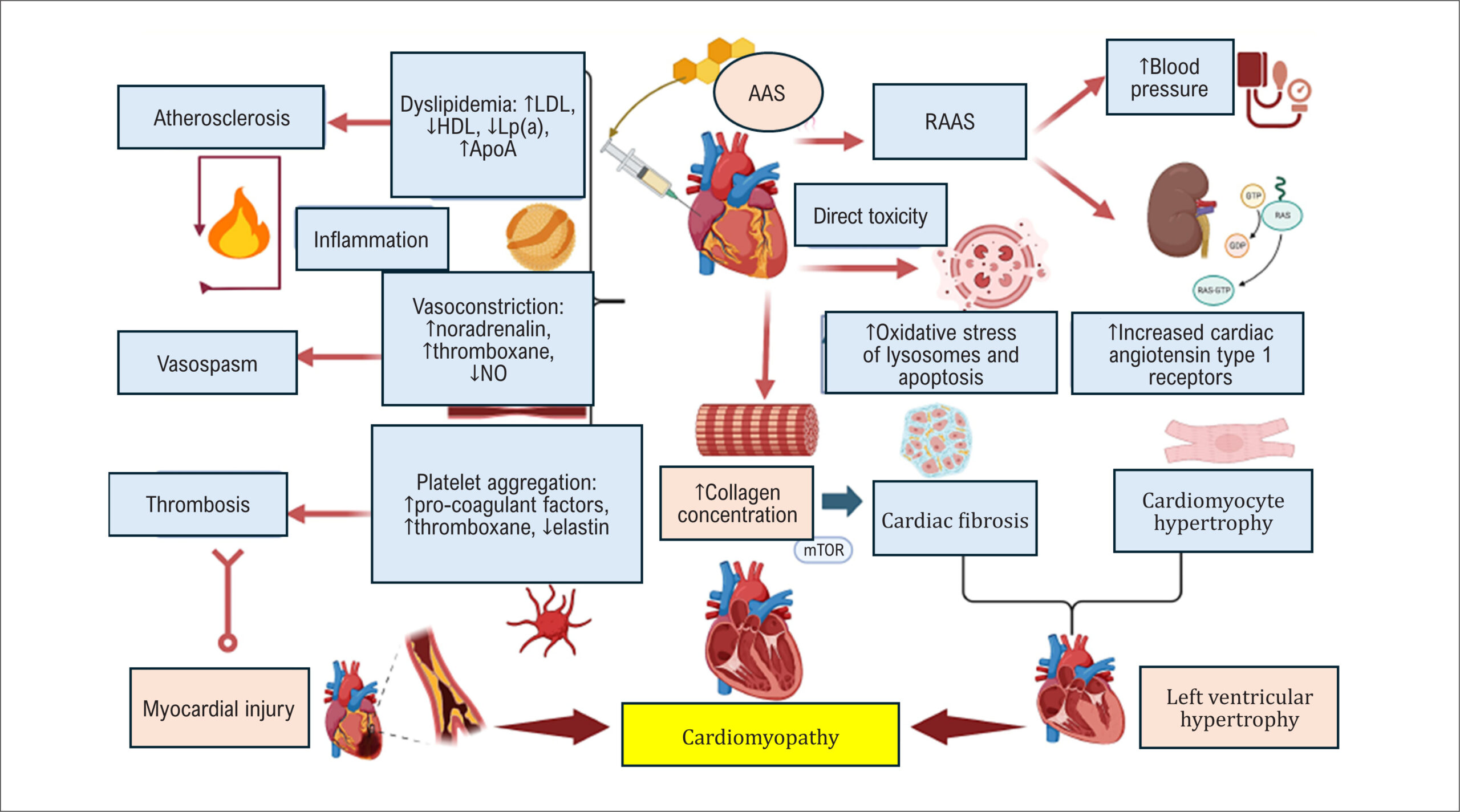
Anabolic-androgenic steroids (AAS) are a class of natural and synthetic hormones, which owe their name to their chemical structure (steroid nucleus) and their biological, anabolic, and androgenic effects. Misuse of AAS for aesthetic and performance purposes has become widespread, as they provide increases in muscle mass and strength. It is estimated that approximately 3.5% of the world’s population uses AAS.

Use of AAS dates back to ancient Greece, followed by the Second World War. They were detected in sports competitions in 1954 and later disseminated among bodybuilders and identified in various sports in the Tokyo 1964 Olympic Games. Currently, we are witnessing a growing encouragement of AAS use for aesthetic purposes, through “beauty chips” and disguised as hormone replacement therapy. This indiscriminate use culminated in a resolution by the Brazilian Federal Council of Medicine against the prescription of these hormones for aesthetic purposes.

[…]

  • Anabolic Androgenic Steroids
  • Androgens
  • Cardiotoxicity
  • Steroids
  • Testosterone
Read Full Article
Creative Commons Attribution (CC BY) Creative Commons license
15/08/2025 DOI: 10.36660/ijcs.20250096 Views 1
ABC
Editorial

Relationship of Testosterone with Obesity and Arterial Hypertension

Rui Póvoa

Testosterone is the main male hormone and is responsible for the development of sexual organs, having importance in libido and sexual function in general. Although controversial, it is believed that this hormone gradually decreases with age, and some studies point to obesity as the main factor in hormonal reduction.,

Hormonal differences in men and women may explain some peculiarities in the behavior of certain diseases, especially cardiovascular (CV) diseases. Testosterone reaches a peak at 30 years of age, with a decline of 1-2% annually. In the elderly, the risk of developing testosterone deficiency (TD) increases significantly, which can lead to several symptoms. However, the effect of this hormonal reduction on CV risk is not yet well defined, as various comorbidities arise at later stages of life, especially obesity. In this mix of risk factors, it is somewhat difficult to typify the importance of DT objectively. Some studies, such as that by Laughlin et al., showed that DT increased CV risk. Others, such as “The Longitudinal Cardiovascular Health Study” and that of Collet et al. found no relationship.

[…]

  • Hypertension
  • Obesity
  • Testosterone
Read Full Article
Creative Commons Attribution (CC BY) Creative Commons license
06/05/2024 DOI: 10.36660/abc.20240138i Views 1
ABC
Research Letter

Cardiovascular Safety of Testosterone-Replacement Therapy: Critical Appraisal of a Currently Published Clinical Trial

Isabela Tramontini Muller et al. Sérgio Renato da Rosa Decker Regis Goulart Rosa Guilherme Rollin

Introduction

In the last edition on June 16 of the New England Journal of Medicine, A. Michael Lincoff et al. published a non-inferiority trial, entitled “Cardiovascular Safety of Testosterone-Replacement Therapy”, aiming to determine the safety outcomes of testosterone replacement therapy in middle-aged and older men with hypogonadism and pre-existing cardiovascular disease. The inclusion criteria for hypogonadism were symptoms and two fasting serum testosterone levels of less than 300 ng/dL in blood samples obtained between 5:00 a.m. and 11:00 a.m. The intervention was daily transdermal 1.62% testosterone gel with adjustments to maintain testosterone levels between 350 and 750 ng/dL or to respond to a hematocrit greater than 54%.

The baseline characteristics were men, with a mean age of 63 years, 80% were white, with a mean body-mass index of 35, and 55% had preexisting cardiovascular disease. The median testosterone level was 227 ng/dL in both groups, and the median increase from baseline was 148 ng/dL in the testosterone group, as compared to a median increase of 14 ng/dL in the placebo group. The study concluded non-inferiority for major adverse cardiac events (MACE) by comparing testosterone replacement to placebo, and a prespecified non-inferiority margin of 1.5. The final results showed a hazard ratio for the primary end-point of 0.96 (95% confidence interval, 0.78-1.17; p-value for non-inferiority <0.001). However, we have concerns regarding this claim of non-inferiority mainly because of two points: the margin of non-inferiority and the choice of a three-point MACE over a five-point MACE.,

[…]

  • cardiovascular
  • Non-inferiority
  • Outcomes
  • Safety
  • Testosterone
Read Full Article
Creative Commons Attribution (CC BY) Creative Commons license
26/04/2024 DOI: 10.36660/abc.20230558i Views 1
Testosterone Deficiency in Hypertensive Men: Prevalence and Associated Factors
ABC
Original Article

Testosterone Deficiency in Hypertensive Men: Prevalence and Associated Factors

Leandra Analia Freitas Negretto et al. Nelson Rassi Leonardo Ribeiro Soares Amanda Bueno Carvalho Saraiva … Maria Emília Figueiredo Teixeira Luciana da Ressurreição Santos Ana Luiza Lima Souza Paulo Cesar B. Veiga Jardim Weimar Kunz Sebba Barroso de Souza Thiago de Souza Veiga Jardim

Abstract

Background:

Testosterone deficiency (TD) is a prevalent condition in our midst and still very neglected. Arterial hypertension (AH) is one of the possible associated factors.

Objectives:

To determine the prevalence of TD in a hypertensive male population and the factors associated with its occurrence, such as age, time since hypertension diagnosis, number of antihypertensive classes, body mass index (BMI), diabetes, dyslipidemia, chronic kidney disease (CKD), positive symptoms of TD (positive ADAM questionnaire) and use of spironolactone.

Methods:

Cross-sectional study with administration of the ADAM questionnaire, assessment of biochemical, clinical, and anthropometric data. Patients were stratified into DT and normal testosterone groups. Categorical variables were compared using the chi-squared test and continuous variables using the Mann-Witney test; variables with significance (p<0,05) were analyzed by multivariable linear regression.

Results:

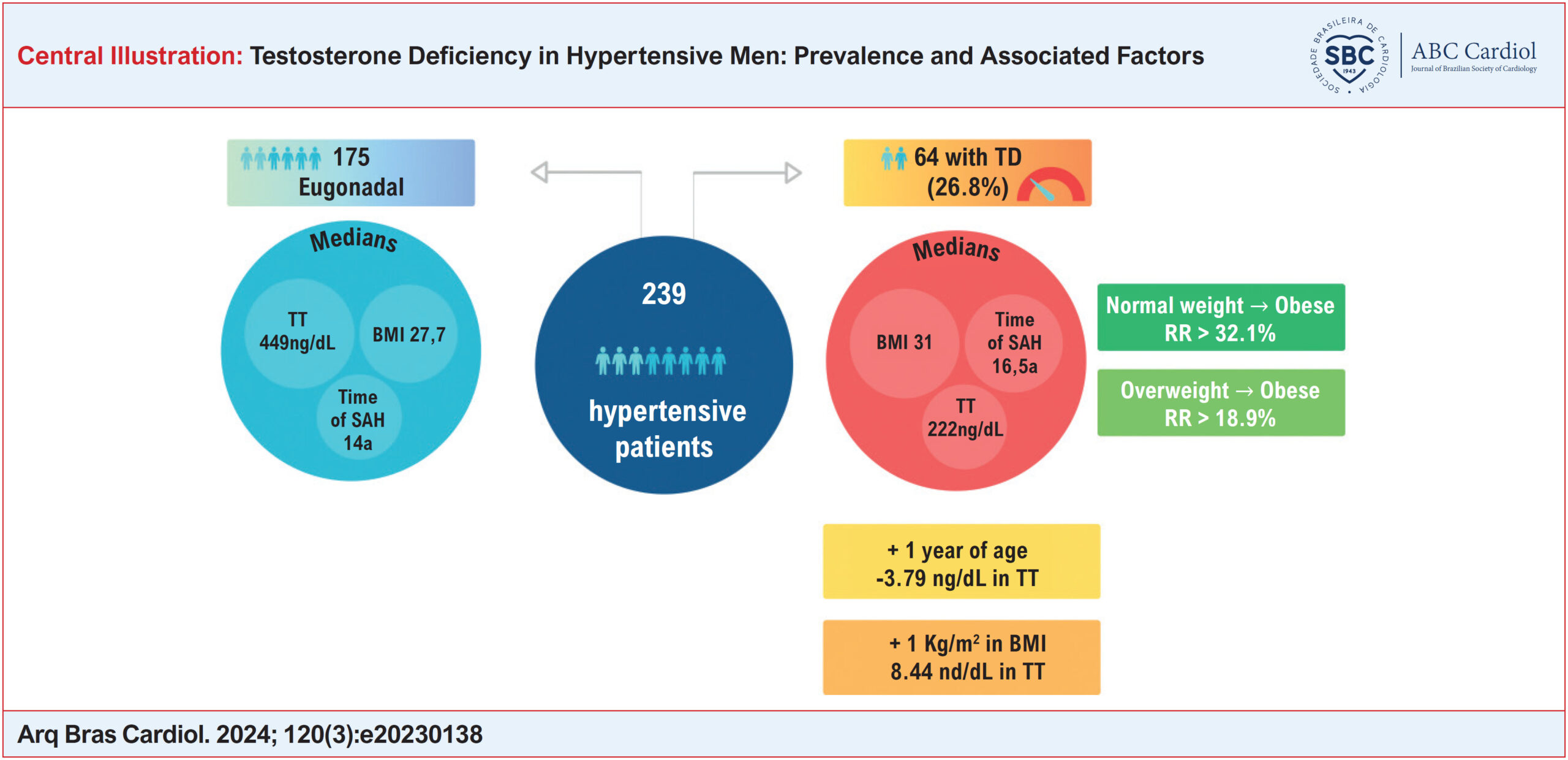
The prevalence of TD was 26.36%. There was an association between TD and body mass index (BMI) (p=0.0007) but there was no association with age (p=0.0520), time of hypertension diagnosis (p=0.1418), number of classes of antihypertensive drugs (p=0.732), diabetes (p=0.1112); dyslipidemia (p=0.3888); CKD (p=0.3321); use of spironolactone (p=0.3546) or positive ADAM questionnaire (p=0.2483).

Conclusions:

TD was highly prevalent and positively associated with BMI. Total testosterone (TT) declined by 8.44ng/dL with a one unit increase in BMI and dropped by 3.79ng/dL with a one-year increase in age.

  • Hypertension
  • Hypogonadism
  • Obesity
  • Testosterone
Read Full Article
Creative Commons Attribution (CC BY) Creative Commons license
05/04/2024 DOI: 10.36660/abc.20230138i Views 1
Figure 1
IJCS
Original Article

Endothelial Dysfunction and Pulse Wave Reflection in Women with Polycystic Ovarian Syndrome

Marcelo Burlá et al. Ana Rosa Cunha Ronaldo Gismondi Wille Oigman … Mario Fritsch Neves Fernanda Medeiros

Abstract

Background:

Patients with polycystic ovarian syndrome (PCOS) have an increased prevalence of metabolic syndrome and traditional atherosclerotic risk factors, such as dyslipidemia, diabetes and hypertension. Endothelial function and vascular stiffness are surrogate markers of early atherosclerosis, able to predict cardiovascular events.

Objective:

To compare endothelial function and pulse wave reflection between women with PCOS and healthy controls.

Methods:

Observational and cross-sectional study that included women with PCOS, age between 18 and 40 years-old and body mass index between 25.0 and 35.0 kg/m2, and healthy controls. Rotterdan criteria was used to diagnose PCOS. Subjects underwent clinical and anthropometric evaluation, laboratory and hormonal assays and imaging tests to measure pulse wave velocity (PWV), augmentation index (AIx) and brachial artery flow-mediated vasodilation (FMD). Kolmogorov-Smirnov test showed normal distribution of most parameters. Unpaired Student t-test was used with significance level established at p < 0.05.

Results:

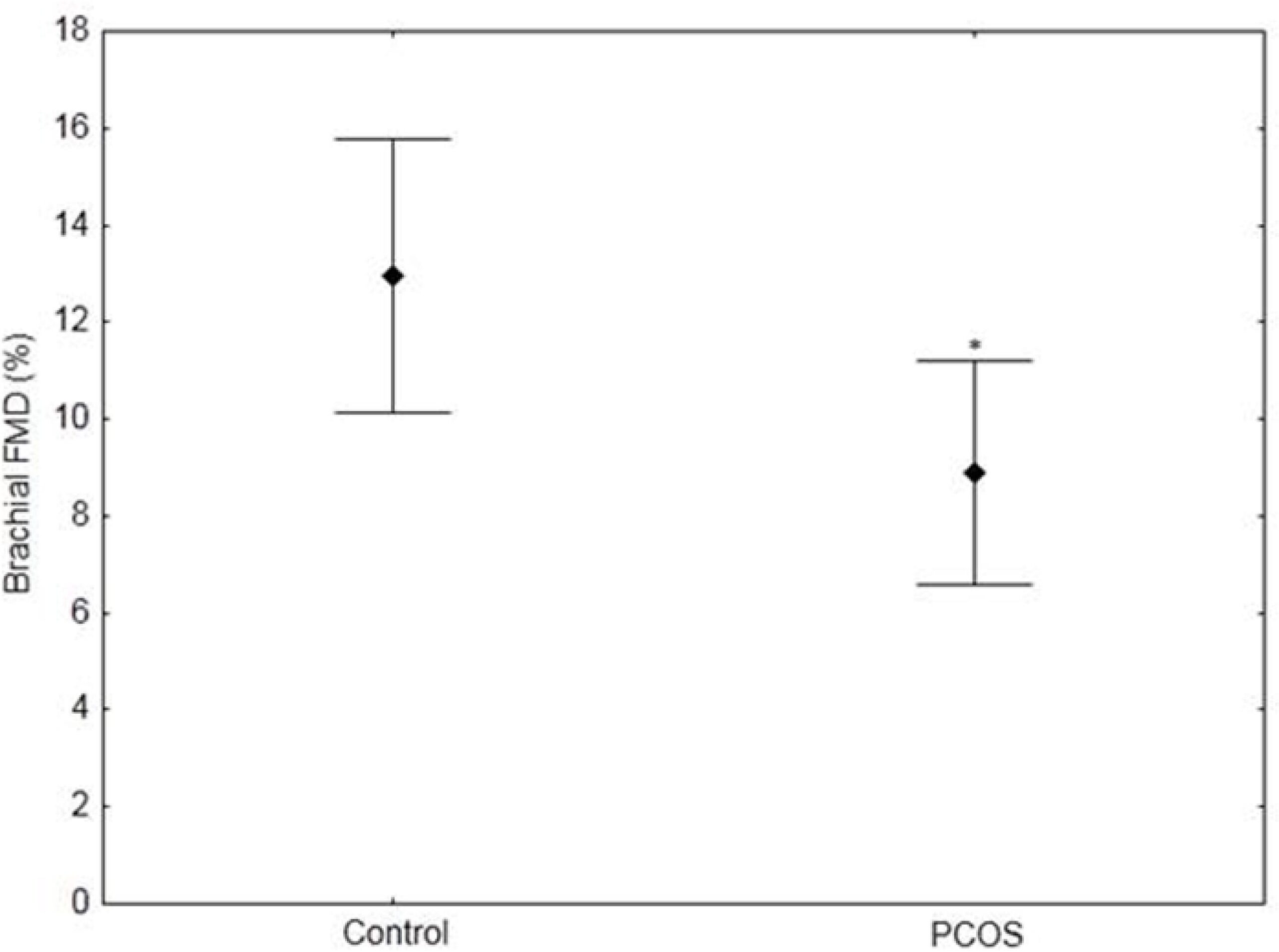
A total of 52 patients were included, 29 (56%) in PCOS group and 23 (44%) in control group. Clinical and laboratory parameters were similar between the groups. Women with PCOS had lower FMD (8.8 ± 1.0 vs 12.8 ± 1.2%, p = 0.021); PWV and AIx were similar between the groups (7.5 ± 0.2 vs 7.5 ± 0.3 m/s, p = 0.671 and 21.0 ± 1 vs. 20 ± 2%, p = 0.716, respectively). In the PCOS group, women with higher testosterone levels had higher AIx (25 ± 2 vs. 17 ± 3%, p = 0.045).

Conclusions:

PCOS women had endothelial dysfunction and those with higher testosterone levels had higher pulse wave reflection as compared with controls.

  • Endothelium, Vascular
  • Insulin Resistance
  • Metabolic Syndrome
  • Polycistic Ovary Syndrome
  • Testosterone
  • Vascular,Stiffness
Read Full Article
Creative Commons Attribution (CC BY) Creative Commons license
01/01/2019 DOI: 10.5935/2359-4802.20180067 Views 1
Figure 1
ABC
Original Article

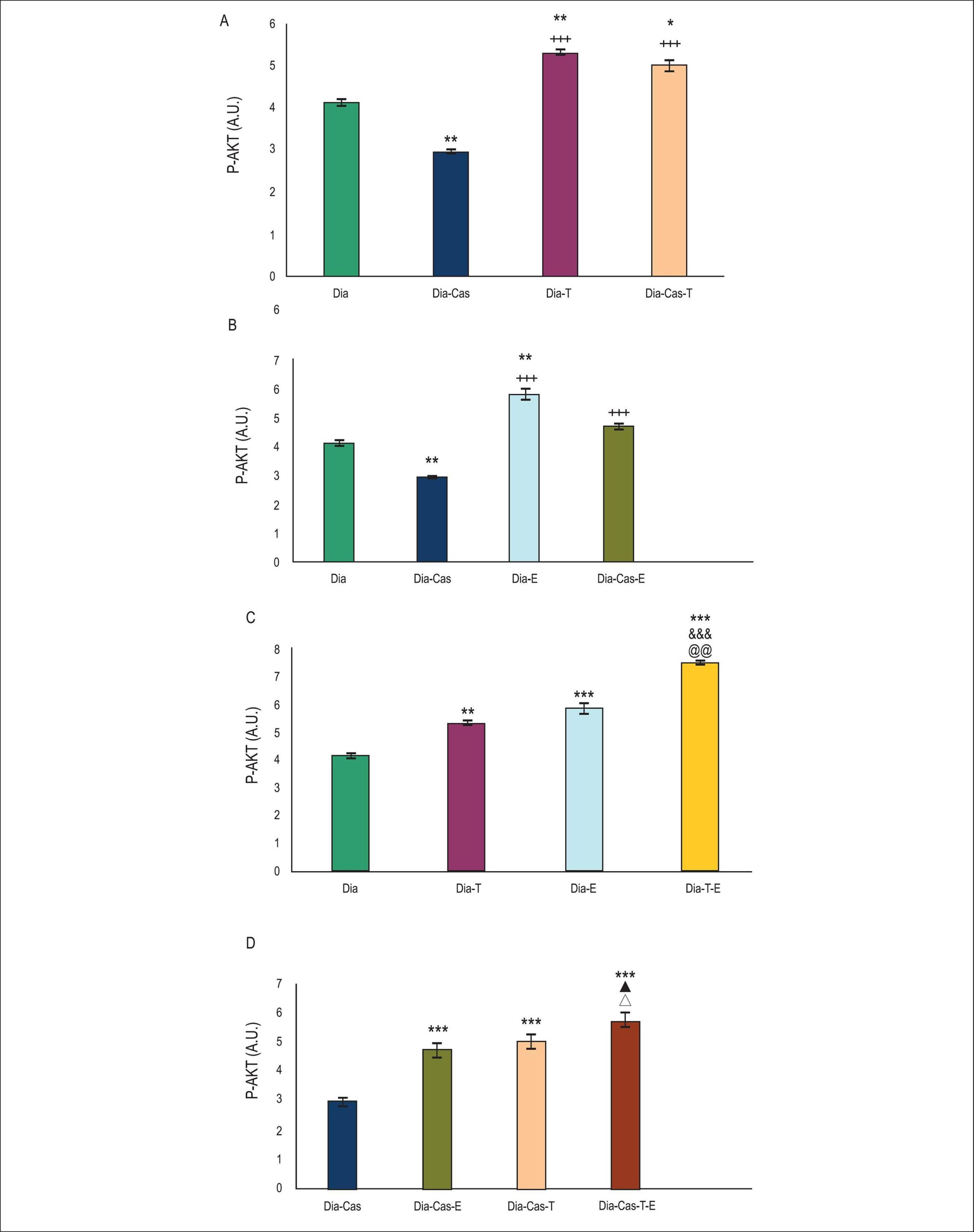
Testosterone and Voluntary Exercise, Alone or Together Increase Cardiac Activation of AKT and ERK1/2 in Diabetic Rats

Leila Chodari et al. Mustafa Mohammadi Gisou Mohaddes Mohammad Reza Alipour … Vajiheh Ghorbanzade Hassan Dariushnejad Shima Mohammadi

Abstract

Background:

Impaired angiogenesis in cardiac tissue is a major complication of diabetes. Protein kinase B (AKT) and extracellular signal regulated kinase (ERK) signaling pathways play important role during capillary-like network formation in angiogenesis process.

Objectives:

To determine the effects of testosterone and voluntary exercise on levels of vascularity, phosphorylated Akt (P- AKT) and phosphorylated ERK (P-ERK) in heart tissue of diabetic and castrated diabetic rats.

Methods:

Type I diabetes was induced by i.p injection of 50 mg/kg of streptozotocin in animals. After 42 days of treatment with testosterone (2mg/kg/day) or voluntary exercise alone or in combination, heart tissue samples were collected and used for histological evaluation and determination of P-AKT and P-ERK levels by ELISA method.

Results:

Our results showed that either testosterone or exercise increased capillarity, P-AKT, and P-ERK levels in the heart of diabetic rats. Treatment of diabetic rats with testosterone and exercise had a synergistic effect on capillarity, P-AKT, and P-ERK levels in heart. Furthermore, in the castrated diabetes group, capillarity, P-AKT, and P-ERK levels significantly decreased in the heart, whereas either testosterone treatment or exercise training reversed these effects. Also, simultaneous treatment of castrated diabetic rats with testosterone and exercise had an additive effect on P-AKT and P-ERK levels.

Conclusion:

Our findings suggest that testosterone and exercise alone or together can increase angiogenesis in the heart of diabetic and castrated diabetic rats. The proangiogenesis effects of testosterone and exercise are associated with the enhanced activation of AKT and ERK1/2 in heart tissue.

  • Diabetes Mellitus: Angiogenesis
  • Exercise
  • Extracellular Signal-Regulated MAP Kinases
  • Proto-Oncogenese Proteins C-akt
  • Rats
  • Testosterone
Read Full Article
Creative Commons Attribution (CC BY) Creative Commons license
10/11/2016 DOI: 10.5935/abc.20160174 Views 1
ABC
Editorial

Hormone Therapy to Treat Cardiac Remodeling: Is There Any Evidence?

Luís Alexandre F. Cicchetto et al. Bertha F. Polegato Leonardo A. M. Zornoff

Cardiac remodeling can be defined as a set of molecular, cellular and interstitial cardiac variations, which manifest clinically as changes in heart size, mass, geometry and function in response to certain aggressions. That process has bad prognosis, because it is associated with ventricular dysfunction progression and malignant arrhythmias. Different therapeutic strategies have been assessed to prevent, or at least attenuate, cardiac remodeling., Some treatments, such as those using angiotensin-convert-enzyme inhibitors, angiotensin II receptor blockers, beta-blockers, and aldosterone antagonists, have been well established. Other treatments, despite their pathophysiological potential, are still being studied. Of those, hormone therapy stands out, particularly with testosterone, thyroid hormone, and growth hormone (GH).

Testosterone has received great attention in recent years. From the pathophysiological viewpoint, in the presence of ventricular dysfunction, testosterone can modulate the cardiac remodeling process, strengthen skeletal musculature, enhance exercise capacity and reduce inflammatory activity., It is worth noting that a significant number of patients with heart failure have reduced testosterone levels. In addition, low testosterone levels in patients with heart failure are an independent risk factor for hospital readmission within 90 days and for mortality. Thus, testosterone supplementation seems an attractive strategy to manage heart failure.

[…]

  • Heart Failure
  • hormone replacement therapy
  • Testosterone
  • Thyroid Hormones
  • Ventricular Remodeling
Read Full Article
Creative Commons Attribution (CC BY) Creative Commons license
01/07/2016 DOI: 10.5935/abc.20160106

How to cite this article

EndNote RIS

Electronic Document Format (Vancouver)

Miranda JFP. Testosterone, SHBG Levels, and Heart Failure Risk: Does the Correlation Imply Causation?. Arquivos Brasileiros de Cardiologia 2025;122(10):e20250593.

Electronic Document Format (ABNT)

Miranda, Érique José Farias Peixoto de. Testosterone, SHBG Levels, and Heart Failure Risk: Does the Correlation Imply Causation?. Arquivos Brasileiros de Cardiologia, v. 122, n. 10, e20250593, Dec. 2025.

Electronic Document Format (APA)

Miranda, J. F. P. (2025). Testosterone, SHBG Levels, and Heart Failure Risk: Does the Correlation Imply Causation?. Arquivos Brasileiros de Cardiologia, 122(10), e20250593.

Electronic Document Format (ISO)

Miranda, Érique José Farias Peixoto de. Testosterone, SHBG Levels, and Heart Failure Risk: Does the Correlation Imply Causation?. Arquivos Brasileiros de Cardiologia [online]. 2025, vol. 122, n. 10, [cited 2026-10-14], e20250593. Available from: <https://journals.cardiol.br/en/article/testosterone-shbg-levels-and-heart-failure-risk-does-the-correlation-imply-causation/>. ISSN 0066-782X

EndNote RIS

Electronic Document Format (Vancouver)

Artioli T, Batista LB, Franchini K, Alencar JN. Impact of Low Testosterone and SHBG Levels on Heart Failure Risk: A Systematic Review and Meta-Analysis. Arquivos Brasileiros de Cardiologia 2025;122(10):e20250244.

Electronic Document Format (ABNT)

Artioli, Thiago; Batista, Layane Bonfante; Franchini, Kleber; Alencar, José Nunes de. Impact of Low Testosterone and SHBG Levels on Heart Failure Risk: A Systematic Review and Meta-Analysis. Arquivos Brasileiros de Cardiologia, v. 122, n. 10, e20250244, Nov. 2025.

Electronic Document Format (APA)

Artioli, T., Batista, L. B., Franchini, K., & Alencar, J. N. (2025). Impact of Low Testosterone and SHBG Levels on Heart Failure Risk: A Systematic Review and Meta-Analysis. Arquivos Brasileiros de Cardiologia, 122(10), e20250244.

Electronic Document Format (ISO)

Artioli, Thiago and Batista, Layane Bonfante and Franchini, Kleber and Alencar, José Nunes de. Impact of Low Testosterone and SHBG Levels on Heart Failure Risk: A Systematic Review and Meta-Analysis. Arquivos Brasileiros de Cardiologia [online]. 2025, vol. 122, n. 10, [cited 2026-10-14], e20250244. Available from: <https://journals.cardiol.br/en/article/impact-of-low-testosterone-and-shbg-levels-on-heart-failure-risk-a-systematic-review-and-meta-analysis/>. ISSN 0066-782X

EndNote RIS

Electronic Document Format (Vancouver)

Teixeira JAC, Carvalho JDR, Teixeira MF. Anabolic-Androgenic Steroids and Cardiotoxicity. International Journal of Cardiovascular Sciences 2025;38:e20250096.

Electronic Document Format (ABNT)

Teixeira, José Antônio Caldas; Carvalho, Joelma Dominato Rocha; Teixeira, Mateus Freitas. Anabolic-Androgenic Steroids and Cardiotoxicity. International Journal of Cardiovascular Sciences, v. 38, e20250096, Aug. 2025.

Electronic Document Format (APA)

Teixeira, J. A. C., Carvalho, J. D. R., & Teixeira, M. F. (2025). Anabolic-Androgenic Steroids and Cardiotoxicity. International Journal of Cardiovascular Sciences, 38, e20250096.

Electronic Document Format (ISO)

Teixeira, José Antônio Caldas and Carvalho, Joelma Dominato Rocha and Teixeira, Mateus Freitas. Anabolic-Androgenic Steroids and Cardiotoxicity. International Journal of Cardiovascular Sciences [online]. 2025, vol. 38, [cited 2026-10-14], e20250096. Available from: <https://journals.cardiol.br/en/article/anabolic-androgenic-steroids-and-cardiotoxicity/>. ISSN 2359-4802

EndNote RIS

Electronic Document Format (Vancouver)

Póvoa R. Relationship of Testosterone with Obesity and Arterial Hypertension. Arquivos Brasileiros de Cardiologia 2024;121(3):e20240138.

Electronic Document Format (ABNT)

Póvoa, Rui. Relationship of Testosterone with Obesity and Arterial Hypertension. Arquivos Brasileiros de Cardiologia, v. 121, n. 3, e20240138, May. 2024.

Electronic Document Format (APA)

Póvoa, R. (2024). Relationship of Testosterone with Obesity and Arterial Hypertension. Arquivos Brasileiros de Cardiologia, 121(3), e20240138.

Electronic Document Format (ISO)

Póvoa, Rui. Relationship of Testosterone with Obesity and Arterial Hypertension. Arquivos Brasileiros de Cardiologia [online]. 2024, vol. 121, n. 3, [cited 2026-10-14], e20240138. Available from: <https://journals.cardiol.br/en/article/relationship-of-testosterone-with-obesity-and-arterial-hypertension/>. ISSN 0066-782X

EndNote RIS

Electronic Document Format (Vancouver)

Muller IT, Decker SRR, Rosa RG, Rollin G. Cardiovascular Safety of Testosterone-Replacement Therapy: Critical Appraisal of a Currently Published Clinical Trial. Arquivos Brasileiros de Cardiologia 2024;121(3):e20230558.

Electronic Document Format (ABNT)

Muller, Isabela Tramontini; Decker, Sérgio Renato da Rosa; Rosa, Regis Goulart; Rollin, Guilherme. Cardiovascular Safety of Testosterone-Replacement Therapy: Critical Appraisal of a Currently Published Clinical Trial. Arquivos Brasileiros de Cardiologia, v. 121, n. 3, e20230558, Apr. 2024.

Electronic Document Format (APA)

Muller, I. T., Decker, S. R. R., Rosa, R. G., & Rollin, G. (2024). Cardiovascular Safety of Testosterone-Replacement Therapy: Critical Appraisal of a Currently Published Clinical Trial. Arquivos Brasileiros de Cardiologia, 121(3), e20230558.

Electronic Document Format (ISO)

Muller, Isabela Tramontini and Decker, Sérgio Renato da Rosa and Rosa, Regis Goulart and Rollin, Guilherme. Cardiovascular Safety of Testosterone-Replacement Therapy: Critical Appraisal of a Currently Published Clinical Trial. Arquivos Brasileiros de Cardiologia [online]. 2024, vol. 121, n. 3, [cited 2026-10-14], e20230558. Available from: <https://journals.cardiol.br/en/article/cardiovascular-safety-of-testosterone-replacement-therapy-critical-appraisal-of-a-currently-published-clinical-trial/>. ISSN 0066-782X

EndNote RIS

Electronic Document Format (Vancouver)

Negretto LAF, Rassi N, Soares LR, Saraiva ABC, Teixeira MEF, Santos LR, Souza ALL, et al. Testosterone Deficiency in Hypertensive Men: Prevalence and Associated Factors. Arquivos Brasileiros de Cardiologia 2024;121(3):e20230138.

Electronic Document Format (ABNT)

Negretto, Leandra Analia Freitas; Rassi, Nelson; Soares, Leonardo Ribeiro; Saraiva, Amanda Bueno Carvalho; Teixeira, Maria Emília Figueiredo; Santos, Luciana da Ressurreição; Souza, Ana Luiza Lima; Jardim, Paulo Cesar B. Veiga; Souza, Weimar Kunz Sebba Barroso de; Jardim, Thiago de Souza Veiga. Testosterone Deficiency in Hypertensive Men: Prevalence and Associated Factors. Arquivos Brasileiros de Cardiologia, v. 121, n. 3, e20230138, Apr. 2024.

Electronic Document Format (APA)

Negretto, L. A. F., Rassi, N., Soares, L. R., Saraiva, A. B. C., Teixeira, M. E. F., Santos, L. R., Souza, A. L. L., Jardim, P. C. B. V., Souza, W. K. S. B. , & Jardim, T. S. V. (2024). Testosterone Deficiency in Hypertensive Men: Prevalence and Associated Factors. Arquivos Brasileiros de Cardiologia, 121(3), e20230138.

Electronic Document Format (ISO)

Negretto, Leandra Analia Freitas and Rassi, Nelson and Soares, Leonardo Ribeiro and Saraiva, Amanda Bueno Carvalho and Teixeira, Maria Emília Figueiredo and Santos, Luciana da Ressurreição and Souza, Ana Luiza Lima and Jardim, Paulo Cesar B. Veiga and Souza, Weimar Kunz Sebba Barroso de and Jardim, Thiago de Souza Veiga. Testosterone Deficiency in Hypertensive Men: Prevalence and Associated Factors. Arquivos Brasileiros de Cardiologia [online]. 2024, vol. 121, n. 3, [cited 2026-10-14], e20230138. Available from: <https://journals.cardiol.br/en/article/testosterone-deficiency-in-hypertensive-men-prevalence-and-associated-factors/>. ISSN 0066-782X

EndNote RIS

Electronic Document Format (Vancouver)

Burlá M, Cunha AR, Gismondi R, Oigman W, Neves MF, Medeiros F. Endothelial Dysfunction and Pulse Wave Reflection in Women with Polycystic Ovarian Syndrome. International Journal of Cardiovascular Sciences 2019;32(1):3-9.

Electronic Document Format (ABNT)

Burlá, Marcelo; Cunha, Ana Rosa; Gismondi, Ronaldo; Oigman, Wille; Neves, Mario Fritsch; Medeiros, Fernanda. Endothelial Dysfunction and Pulse Wave Reflection in Women with Polycystic Ovarian Syndrome. International Journal of Cardiovascular Sciences, v. 32, n. 1, p. 3-9, Dec. 2018.

Electronic Document Format (APA)

Burlá, M., Cunha, A. R., Gismondi, R., Oigman, W., Neves, M. F., & Medeiros, F. (2019). Endothelial Dysfunction and Pulse Wave Reflection in Women with Polycystic Ovarian Syndrome. International Journal of Cardiovascular Sciences, 32(1), 3-9.

Electronic Document Format (ISO)

Burlá, Marcelo and Cunha, Ana Rosa and Gismondi, Ronaldo and Oigman, Wille and Neves, Mario Fritsch and Medeiros, Fernanda. Endothelial Dysfunction and Pulse Wave Reflection in Women with Polycystic Ovarian Syndrome. International Journal of Cardiovascular Sciences [online]. 2019, vol. 32, n. 1, [cited 2026-10-14], pp. 3-9. Available from: <https://journals.cardiol.br/en/article/endothelial-dysfunction-and-pulse-wave-reflection-in-women-with-polycystic-ovarian-syndrome/>. ISSN 2359-4802

EndNote RIS

Electronic Document Format (Vancouver)

Chodari L, Mohammadi M, Mohaddes G, Alipour MR, Ghorbanzade V, Dariushnejad H, Mohammadi S, et al. Testosterone and Voluntary Exercise, Alone or Together Increase Cardiac Activation of AKT and ERK1/2 in Diabetic Rats. Arquivos Brasileiros de Cardiologia 2016;107(6):532-41.

Electronic Document Format (ABNT)

Chodari, Leila; Mohammadi, Mustafa; Mohaddes, Gisou; Alipour, Mohammad Reza; Ghorbanzade, Vajiheh; Dariushnejad, Hassan; Mohammadi, Shima. Testosterone and Voluntary Exercise, Alone or Together Increase Cardiac Activation of AKT and ERK1/2 in Diabetic Rats. Arquivos Brasileiros de Cardiologia, v. 107, n. 6, p. 532-541, Nov. 2016.

Electronic Document Format (APA)

Chodari, L., Mohammadi, M., Mohaddes, G., Alipour, M. R., Ghorbanzade, V., Dariushnejad, H., & Mohammadi, S. (2016). Testosterone and Voluntary Exercise, Alone or Together Increase Cardiac Activation of AKT and ERK1/2 in Diabetic Rats. Arquivos Brasileiros de Cardiologia, 107(6), 532-541.

Electronic Document Format (ISO)

Chodari, Leila and Mohammadi, Mustafa and Mohaddes, Gisou and Alipour, Mohammad Reza and Ghorbanzade, Vajiheh and Dariushnejad, Hassan and Mohammadi, Shima. Testosterone and Voluntary Exercise, Alone or Together Increase Cardiac Activation of AKT and ERK1/2 in Diabetic Rats. Arquivos Brasileiros de Cardiologia [online]. 2016, vol. 107, n. 6, [cited 2026-10-14], pp. 532-541. Available from: <https://journals.cardiol.br/en/article/testosterone-and-voluntary-exercise-alone-or-together-increase-cardiac-activation-of-akt-and-erk1-2-in-diabetic-rats/>. ISSN 0066-782X

EndNote RIS

Electronic Document Format (Vancouver)

Cicchetto LAF, Polegato BF, Zornoff LAM. Hormone Therapy to Treat Cardiac Remodeling: Is There Any Evidence?. Arquivos Brasileiros de Cardiologia 2016;107(1):2-3.

Electronic Document Format (ABNT)

Cicchetto, Luís Alexandre F.; Polegato, Bertha F.; Zornoff, Leonardo A. M.. Hormone Therapy to Treat Cardiac Remodeling: Is There Any Evidence?. Arquivos Brasileiros de Cardiologia, v. 107, n. 1, p. 2-3, Jun. 2016.

Electronic Document Format (APA)

Cicchetto, L. A. F., Polegato, B. F., & Zornoff, L. A. M. (2016). Hormone Therapy to Treat Cardiac Remodeling: Is There Any Evidence?. Arquivos Brasileiros de Cardiologia, 107(1), 2-3.

Electronic Document Format (ISO)

Cicchetto, Luís Alexandre F. and Polegato, Bertha F. and Zornoff, Leonardo A. M.. Hormone Therapy to Treat Cardiac Remodeling: Is There Any Evidence?. Arquivos Brasileiros de Cardiologia [online]. 2016, vol. 107, n. 1, [cited 2026-10-14], pp. 2-3. Available from: <https://journals.cardiol.br/en/article/hormone-therapy-to-treat-cardiac-remodeling-is-there-any-evidence/>. ISSN 0066-782X

  • About ABC Family
  • Internal Regulation
  • Editorial Board
  • Brazilian Society of Cardiology (SBC)

Issues

SBC Guidelines

  • Videos
  • Podcasts
  • News