ABC Family Arquivos Brasileiros de Cardiologia International Journal of Cardiovascular Sciences ABC Heart Failure & Cardiomyopathy ABC Imagem Cardiovascular
Português English
ABC Family
Português English
  • About
    • About ABC Family
    • Internal Regulation
    • Editorial Board
    • Brazilian Society of Cardiology (SBC)
  • Issues
  • SBC Guidelines
  • Content
    • Videos
    • Podcasts
    • News
  • About
    • About ABC Family
    • Internal Regulation
    • Editorial Board
    • Brazilian Society of Cardiology (SBC)
  • Issues
  • SBC Guidelines
  • Content
    • Videos
    • Podcasts
    • News

ABC Family

  • ABC Family
  • Arquivos Brasileiros de Cardiologia
  • International Journal of Cardiovascular Sciences
  • ABC Heart Failure & Cardiomyopathy
  • ABC Imagem Cardiovascular
Search in

No content found.

Journals
Ordering
Article types
Others

  1. Home
  2. Keyword: Apoptosis
Orientin Alleviates Oxidative Stress And Apoptosis In Diabetic Cardiomyopathy Via The Lncrna H19/Mir-103-3p/ALDH2/PI3K/AKT Axis
ABC
Research Article

Orientin Alleviates Oxidative Stress And Apoptosis In Diabetic Cardiomyopathy Via The Lncrna H19/Mir-103-3p/ALDH2/PI3K/AKT Axis

Xun Wang et al. Xiaofang Xiong Wei Jiang Shanshan Xu Jun Li

Abstract

Background

Diabetic cardiomyopathy (DCM) is an irreversible cardiovascular complication of diabetes mellitus characterized by detrimental cardiac remodeling. Orientin, a water-soluble flavonoid present in many medicinal plants, exerts various pharmacological effects.

Objectives

To investigate the cardioprotective effects of orientin in diabetic conditions and elucidate the mechanisms associated with non-coding RNAs.

Methods

The streptozotocin-induced DCM model was established by a combined use of streptozotocin and a high-fat diet. Cardiac structure and function in diabetes mellitus mice were evaluated using histological and echocardiographic analyses. Masson, TUNEL, western blot, and ELISA in mouse hearts were performed to analyze cardiac fibrosis, apoptosis, and oxidative stress. Expression levels of lncRNA H19, miR-103-3p, ALDH2, and PI3K/AKT-related proteins in mouse heart and HL-1 cells were evaluated using real-time qPCR or western blot. The significance level was set at p<0.05.

Results

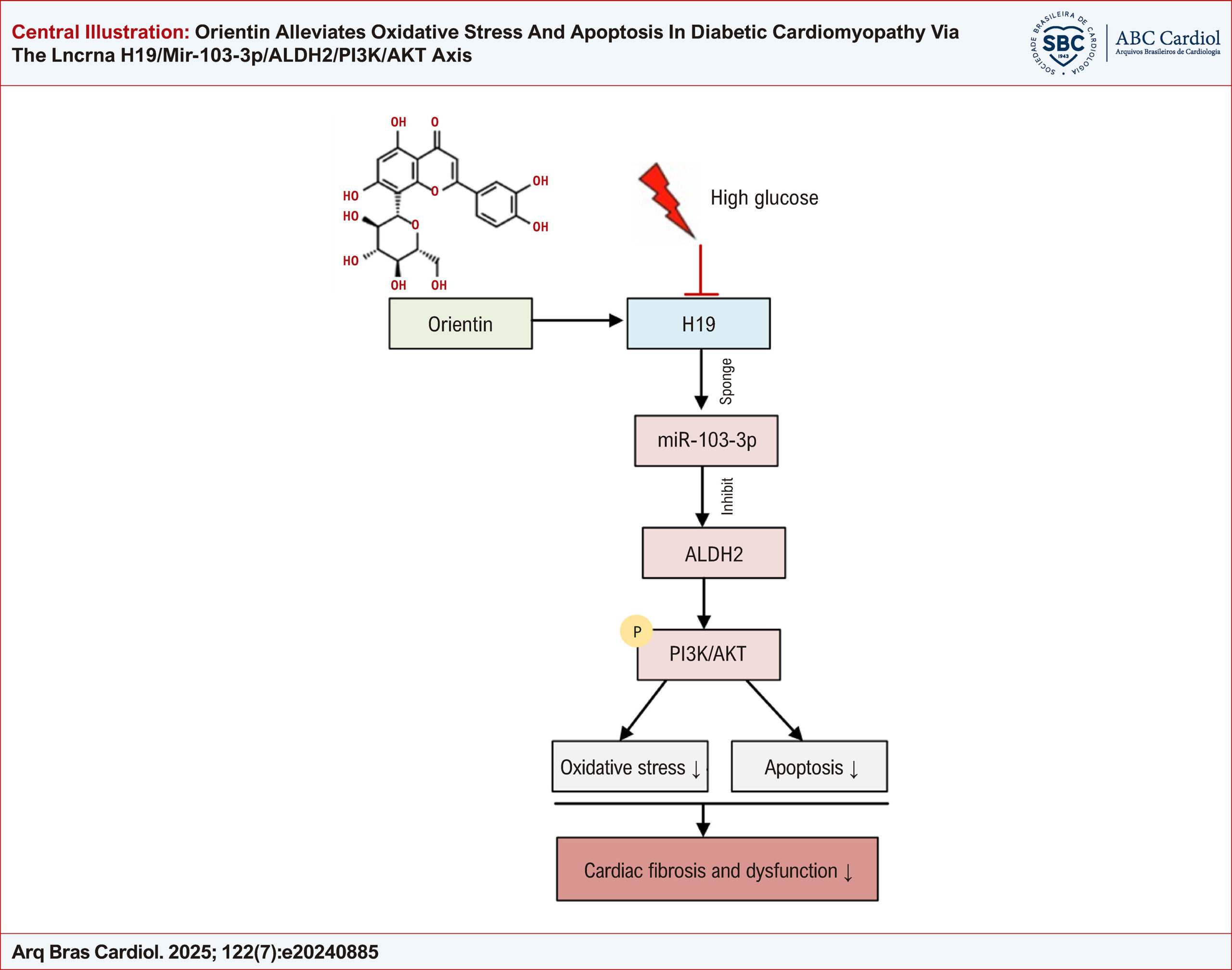
Orientin improved cardiac function and ameliorated cardiac injury in diabetic mice. Orientin inhibited cardiac fibrosis, reduced cardiomyocyte apoptosis, and increased the activities of antioxidant enzymes. In pathological conditions, H19 and ALDH2 levels were reduced while miR-103-3p levels increased, which were reversed by orientin. H19 upregulated ALDH2 expression by binding to miR-103-3p and activated the PI3K/AKT pathway in high glucose-treated HL-1 cells. H19 depletion or PI3K inhibitor reversed the effects of orientin on apoptosis and oxidative stress in HL-1 cells under high glucose conditions.

Conclusions

These findings reveal a protective mechanism of orientin in DCM, which involves the regulation of the H19/miR-103-3p/ALDH2/PI3K/AKT signaling axis, providing a potential strategy for treating DCM.
  • Apoptosis
  • Cardiomyopathies
  • Oxidative Stress
Read Full Article
Creative Commons Attribution (CC BY) Creative Commons license
15/08/2025 DOI: 10.36660/abc.20240885i Views 1
Protective Effect of Long Noncoding RNA OXCT1-AS1 on Doxorubicin-Induced Apoptosis of Human Myocardial Cells by the Competitive Endogenous RNA Pattern
ABC
Original Article

Protective Effect of Long Noncoding RNA OXCT1-AS1 on Doxorubicin-Induced Apoptosis of Human Myocardial Cells by the Competitive Endogenous RNA Pattern

Zhen Chen et al. Yijue Liu Rui Ma Mengli Zhang … Xian Wu Huan Pen Feng Gui Yafeng Liu Hao Xia Niandan Hu Bo Ai Jun Xiong Hongxia Xia Wenqiang Li Fen Ai

Abstract

Background:

The anthracycline chemotherapeutic antibiotic doxorubicin (DOX) can induce cumulative cardiotoxicity and lead to cardiac dysfunction. Long non-coding RNAs (lncRNAs) can function as important regulators in DOX-induced myocardial injury.

Objective:

This study aims to investigate the functional role and molecular mechanism of lncRNA OXCT1 antisense RNA 1 (OXCT1-AS1) in DOX-induced myocardial cell injury in vitro.

Methods:

Human cardiomyocytes (AC16) were stimulated with DOX to induce a myocardial cell injury model. OXCT1-AS1, miR-874-3p, and BDH1 expression in AC16 cells were determined by RT-qPCR. AC16 cell viability was measured by XTT assay. Flow cytometry was employed to assess the apoptosis of AC16 cells. Western blotting was used to evaluate protein levels of apoptosis-related markers. Dual-luciferase reporter assay was conducted to verify the binding ability between miR-874-3p and OXCT1-AS1 and between miR-874-3p and BDH1. The value of p<0.05 indicated statistical significance.

Results:

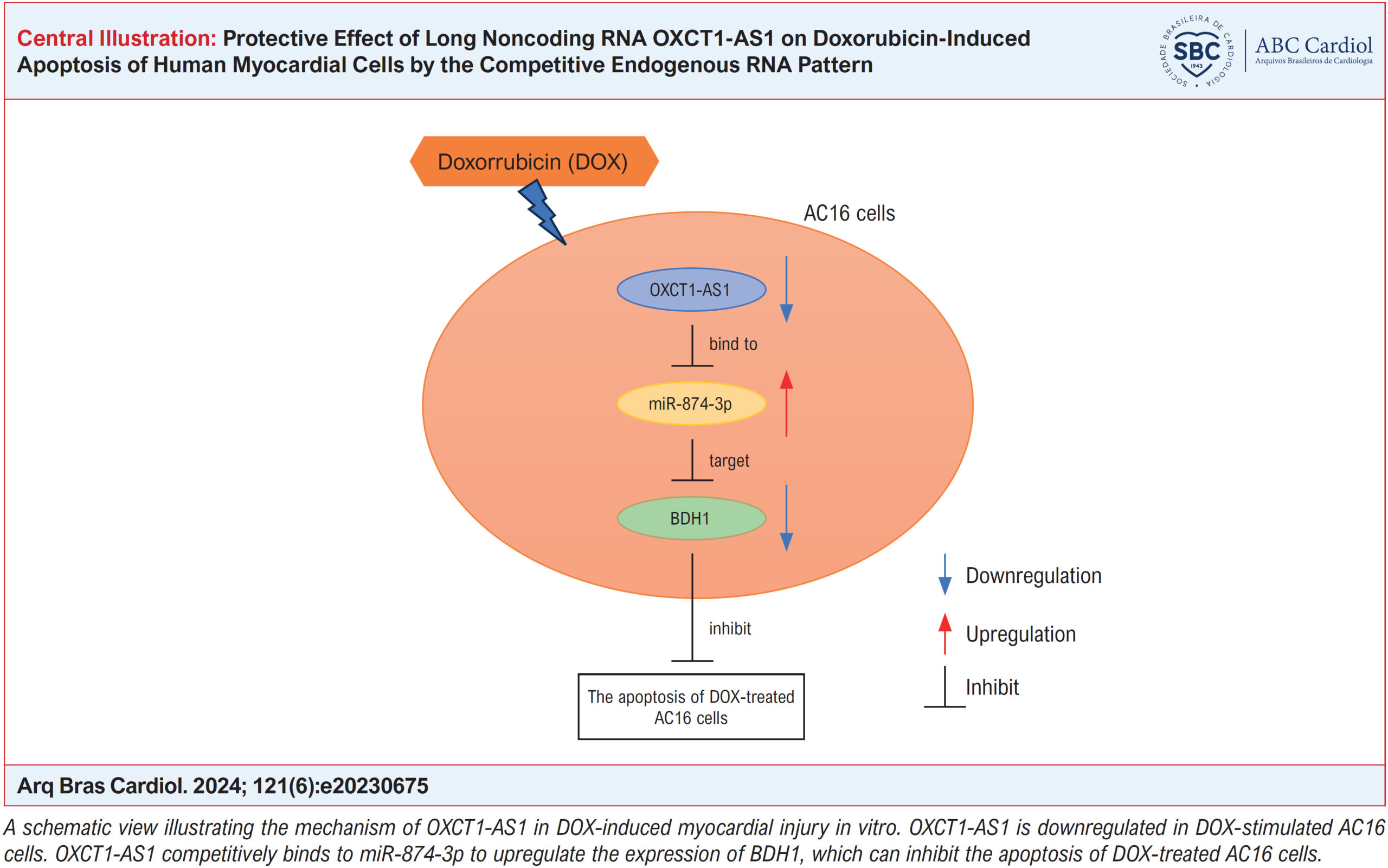
OXCT1-AS1 expression was decreased in DOX-treated AC16 cells. Overexpression of OXCT1-AS1 reversed the reduction of cell viability and promotion of cell apoptosis caused by DOX. OXCT1-AS1 is competitively bound to miR-874-3p to upregulate BDH1. BDH1 overexpression restored AC16 cell viability and suppressed cell apoptosis under DOX stimulation. Knocking down BDH1 reversed OXCT1-AS1-mediated attenuation of AC16 cell apoptosis under DOX treatment.

Conclusion:

LncRNA OXCT1-AS1 protects human myocardial cells AC16 from DOX-induced apoptosis via the miR-874-3p/BDH1 axis.

  • Apoptosis
  • Cardiac Myocytes
  • Doxorubicin
  • RNA
Read Full Article
Creative Commons Attribution (CC BY) Creative Commons license
01/07/2024 DOI: 10.36660/abc.20230675i
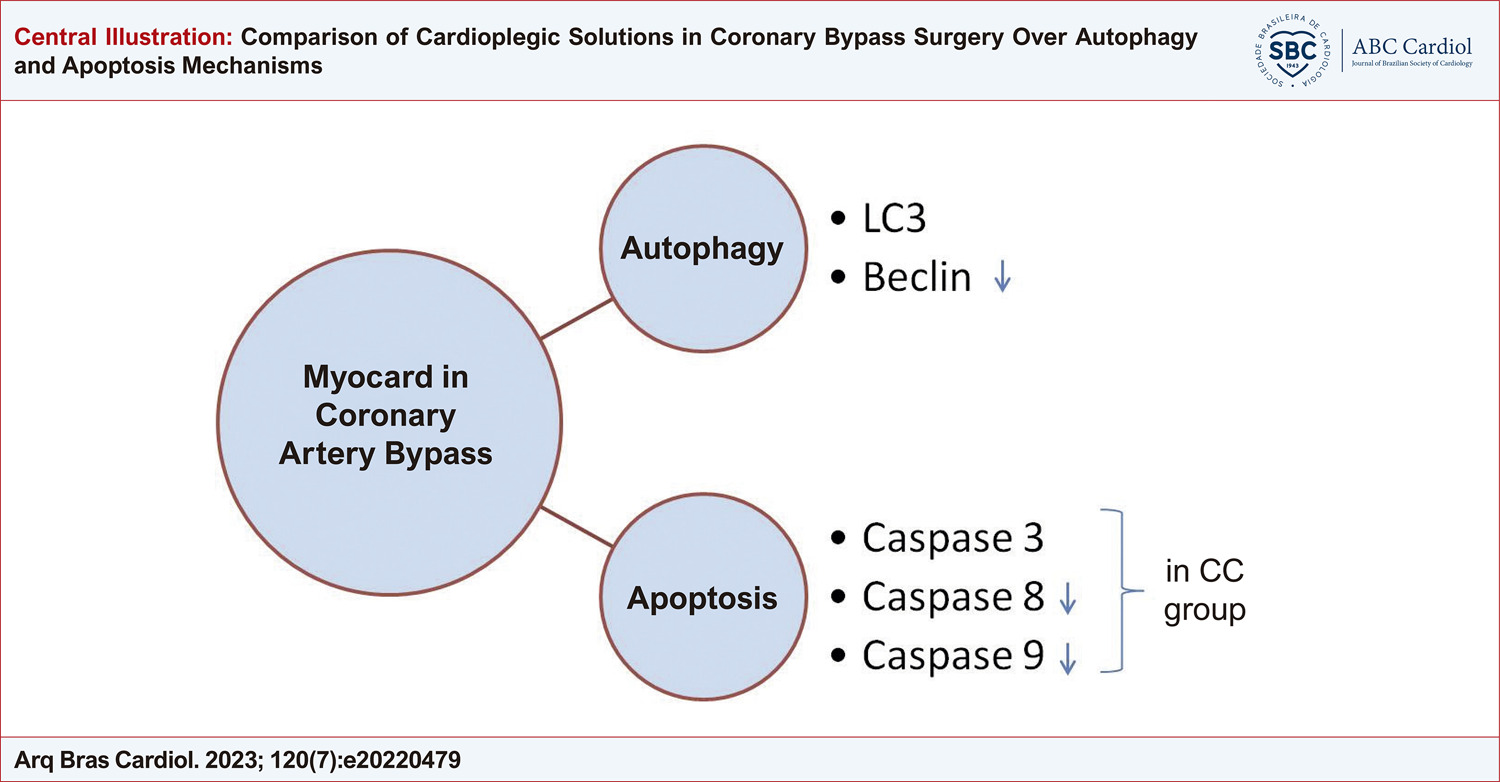
Central Illustration
ABC
Original Article

Comparison of Cardioplegic Solutions in Coronary Bypass Surgery Over Autophagy and Apoptosis Mechanisms

Elif Funda Sener et al. Zuhal Hamurcu Serpil Taheri Reyhan Tahtasakal … Nesrin Delibasi Deniz Elcik Ecmel Mehmetbeyoglu Aydin Tuncay Fatma Dal Keziban Korkmaz Bayram Isın Gunes Omer Naci Emirogullari

Abstract

Background

Coronary artery disease (CAD) due to myocardial ischemia causes permanent loss of heart tissue.

Objectives

We aimed to demonstrate the possible damage to the myocardium at the molecular level through the mechanisms of autophagy and apoptosis in coronary bypass surgery patients.

Methods

One group was administered a Custodiol cardioplegia solution, and the other group was administered a Blood cardioplegia solution. Two myocardial samples were collected from each patient during the operation, just before cardiac arrest and after the aortic cross-clamp was released. The expressions of autophagy and apoptosis markers were evaluated. The level of statistical significance adopted was 5%.

Results

The expression of the BECLIN gene was significant in the myocardial tissues in the BC group (p=0.0078). CASPASE 3, 8, and 9 gene expression levels were significantly lower in the CC group. Postoperative TnT levels were significantly different between the groups (p=0.0072). CASPASE 8 and CASPASE 9 gene expressions were similar before and after aortic cross-clamping (p=0.8552, p=0.8891). In the CC group, CASPASE 3, CASPASE 8, and CASPASE 9 gene expression levels were not found to be significantly different in tissue samples taken after aortic cross-clamping (p=0.7354, p=0.0758, p=0.4128, respectively).

Conclusions

With our findings, we believe that CC and BC solutions do not have a significant difference in terms of myocardial protection during bypass operations.

  • Apoptosis
  • Autophagy
  • Cardioplegic Solutions
  • Coronary Artery Disease
  • Myocardial Ischemia
  • Myocardial Revascularization
Read Full Article
Creative Commons Attribution (CC BY) Creative Commons license
17/07/2023 DOI: 10.36660/abc.20220479 Views 1
ABC
Editorial

PTEN in the Context of Myocardial Revascularization: The Iceberg Tip?

Leonardo Rufino Garcia et al. André Monti Garzesi Marcello Laneza Felicio Leonardo Antônio Mamede Zornoff

Cardiovascular diseases significantly contribute to morbidity and mortality in Brazil and worldwide. Within this group of diseases, coronary artery disease stands out, accounting for about 12% of total deaths in Brazil and is a leading cause of death in North America.

In addition to lifestyle changes such as smoking cessation, weight loss with regular physical activity, control of comorbidities, notably diabetes and arterial hypertension, and drug treatment with antiplatelet agents, beta-blockers, and statins, a significant number of patients require treatment aimed at myocardial revascularization. Diabetic, multivessel-diseased patients with obstructions in the left main coronary artery greater than 50% or with depressed left ventricular function benefit the most. This fact is due to different factors, including a decrease in ischemia and symptoms, an improvement in quality of life, a decrease in the occurrence of infarcts, and, above all, mortality improvement.

[…]

  • Apoptosis
  • Cardiovascular Diseases
  • Cells Proliferation
  • Coronary Artery Disease/surgery
  • Glycolysis
  • Lipogenesis
  • Myocardial Revascularization/surgery
  • Phosphatidyglinositol-3 Kinases/metabolism
  • PTEN-Phosphohydrolase
Read Full Article
Creative Commons Attribution (CC BY) Creative Commons license
07/04/2023 DOI: 10.36660/abc.20230170
ABC
Editorial

Preconditioning in Ischemia-Reperfusion Lesion

Mariana Gatto et al. Gustavo Augusto Ferreira Mota Luana Urbano Pagan Mariana Janini Gomes Marina Politi Okoshi

Ischemic heart disease is characterized by a decrease in myocardial blood flow, which reduces the relationship between oxygen supply and demand. The condition has attracted the attention of the scientific community due to its high incidence, elevated morbidity and mortality, and high therapeutic cost. The treatment primarily relies on myocardial revascularization. Paradoxically, reperfusion and restoration of blood flow can cause additional damage, called myocardial ischemia-reperfusion (IR) injury. Several mechanisms are involved in the IR injury, such as ionic homeostasis change, intracellular calcium transient alteration, metabolic and mitochondrial dysfunction, inflammation, and reactive oxygen species increase., These factors may contribute to an increase in the myocardial necrosis size, post-ischemia heart failure, and death.

First identified in the mid-1980s, ischemic preconditioning is a process whereby repeated application of short periods of ischemia alternating with reperfusion protect the myocardium from longer ischemic insults, therefore reducing the infarction size., The beneficial effect of ischemic preconditioning was shown in angina patients; when evolving to myocardial infarction, they had a smaller infarcted area and a better clinical prognosis than previously asymptomatic patients., Additionally, preconditioning of rats with acute physical stress prior to the IR insult reduced infarct size and improved hemodynamic parameters.

[…]

  • Animal
  • Apoptosis
  • Drug Therapy
  • Myocardial Ischemia
  • Myocardial Reperfusion
  • Physical Conditioning
  • Rats
Read Full Article
Creative Commons Attribution (CC BY) Creative Commons license
03/12/2021 DOI: 10.36660/abc.20210908
Figure 1
ABC
Original Article

Predictors of Total Mortality and Serious Arrhythmic Events in Non-Ischemic Heart Failure Patients: The Role of Galectin-3

Adriano Nunes Kochi et al. Mauricio Pimentel Michael Andrades Tiago Zimerman … Leandro Ioschpe Zimerman Luis Eduardo Rohde

Abstract

Background:

Risk stratification remains clinically challenging in patients with heart failure (HF) of non-ischemic etiology. Galectin-3 is a serum marker of fibrosis that might help in prognostication.

Objective:

To determine the role of galectin-3 as a predictor of major arrhythmic events and overall mortality.

Methods:

We conducted a prospective cohort study that enrolled 148 non-ischemic HF patients. All patients underwent a comprehensive baseline clinical and laboratory assessment, including levels of serum galectin-3. The primary outcome was the occurrence of arrhythmic syncope, appropriate implantable cardioverter defibrillator therapy, sustained ventricular tachycardia, or sudden cardiac death. The secondary outcome was all-cause death. For all statistical tests, a two-tailed p-value<0.05 was considered significant.

Results:

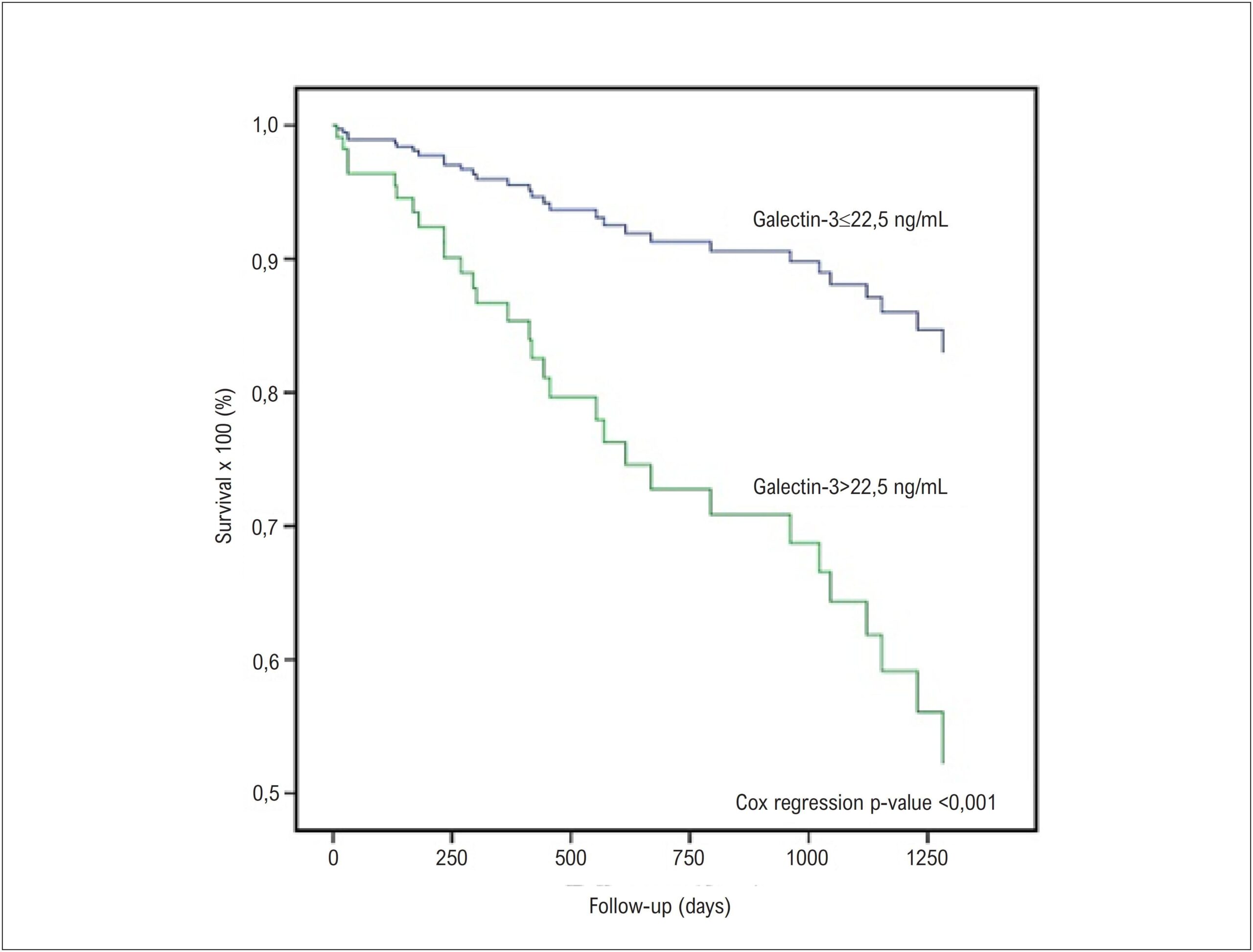
In a median follow-up of 941 days, the primary and secondary outcomes occurred in 26 (17.5%) and 30 (20%) patients, respectively. Serum galectin-3>22.5 ng/mL (highest quartile) did not predict serious arrhythmic events (HR: 1.98, p=0.152). Independent predictors of the primary outcome were left ventricular end-diastolic diameter (LVEDD)>73mm (HR: 3.70, p=0.001), exercise periodic breathing (EPB) on cardiopulmonary exercise testing (HR: 2.67, p=0.01), and non-sustained ventricular tachycardia (NSVT)>8 beats on Holter monitoring (HR: 3.47, p=0.027). Predictors of all-cause death were galectin-3>22.5 ng/mL (HR: 3.69, p=0.001), LVEDD>73mm (HR: 3.35, p=0.003), EPB (HR: 3.06, p=0.006), and NSVT>8 beats (HR: 3.95, p=0.007). The absence of all risk predictors was associated with a 91.1% negative predictive value for the primary outcome and 96.6% for total mortality.

Conclusions:

In non-ischemic HF patients, elevated galectin-3 levels did not predict major arrhythmic events but were associated with total mortality. Absence of risk predictors revealed a prevalent subgroup of HF patients with an excellent prognosis.

  • Apoptosis
  • Arrhythmias Cardiacs
  • Death, Sudden
  • Defibrillators, Implantable
  • Galectin 3
  • Heart Failure
  • Mortality
Read Full Article
Creative Commons Attribution (CC BY) Creative Commons license
20/09/2021 DOI: 10.36660/abc.20200353 Views 3
ABC
Editorial

Does Galectin-3 (Myocardial Fibrosis Biomarker) Predict Progression in Chagas Disease?

Roberto Coury Pedrosa

In recent decades, the epidemiology of Chagas disease (Chd) has changed significantly as a consequence of urbanization and migration. In Brazil, to date, it is the neglected disease with the highest burden, of which ~30% of individuals will progress to the symptomatic tissue disruptive stage within 20 – 30 years after being infected (around 2% per year progress from the indeterminate to the cardiac form, according to a contemporary study).

Persistent myocardial inflammation and fibrosis represent the main pathological characteristics of Chd that would be correlated with its progression., The use of myocardial fibrosis biomarkers to predict progression in patients with normal or near normal LV function is certainly important in Chd, where traditional risk factors, such as LVEF, may not be as useful. Nevertheless, studies have shown the value of myocardial fibrosis biomarkers in the progression of Chd pathogenesis.

[…]

  • Apoptosis
  • Chagas Disease Biomarkers
  • Endomyocardial Fibrosis
  • Galectin 3
Read Full Article
Creative Commons Attribution (CC BY) Creative Commons license
01/03/2021 DOI: 10.36660/abc.20201162
Figure 1
ABC
Original Article

Pioglitazone Induces Cardiomyocyte Apoptosis and Inhibits Cardiomyocyte Hypertrophy Via VEGFR-2 Signaling Pathway

Wenliang Zhong et al. Wen Jin Shanghua Xu Yanqing Wu … Shunxiang Luo Minlie Liang Lianglong Chen

Abstract

Background:

Pioglitazone has been widely used as an insulin-sensitizing agent for improving glycemic control in patients with type 2 diabetes mellitus. However, cardiovascular risk and protective effects of pioglitazone remain controversial.

Objectives:

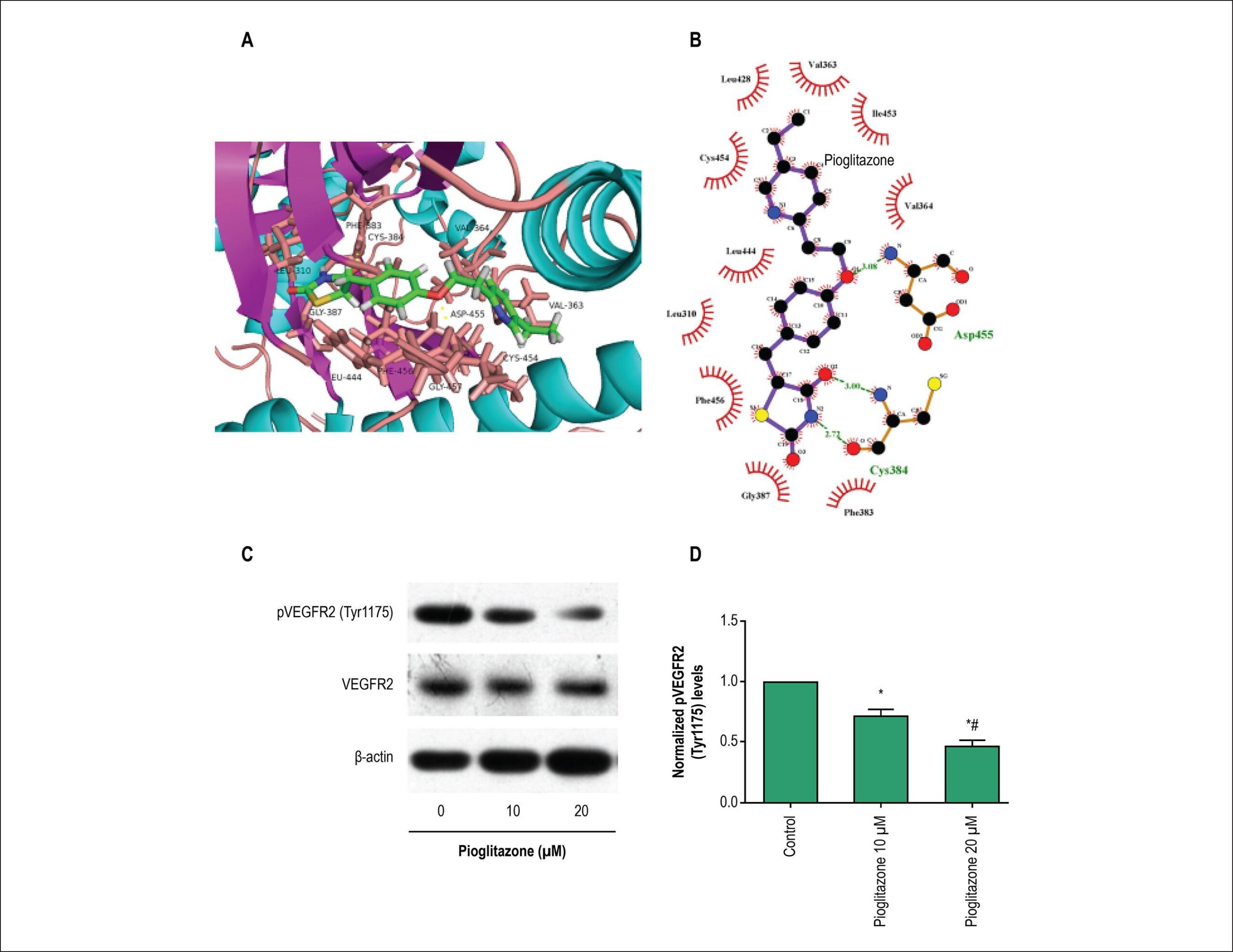
In this study, we investigated whether pioglitazone affects cardiomyocyte apoptosis and hypertrophy by regulating the VEGFR-2 signaling pathway.

Methods:

Cardiomyocytes were enzymatically isolated from 1- to 3-day-old Sprague-Dawley rat ventricles. Effects of pioglitazone and the VEGFR-2-selective inhibitor apatinib on cardiomyocyte apoptotic rate was determined using flow cytometry, and hypertrophy was evaluated using [3H]-leucine incorporation. The protein expressions of unphosphorylated and phosphorylated VEGFR-2, Akt, P53, and mTOR were determined by Western-Blotting. Analysis of variance (ANOVA) was used to assess the differences between groups.

Results:

Pioglitazone and VEGFR-2-selective inhibitor apatinib reduced rat cardiomyocyte viability and cardiomyocyte hypertrophy induced by angiotensin II in vitro. Furthermore, in the same in vitro model, pioglitazone and apatinib significantly increased the expression of Bax and phosphorylated P53 and decreased the expression of phosphorylated VEGFR-2, Akt, and mTOR, which promote cardiomyocyte hypertrophy.

Conclusions:

These findings indicate that pioglitazone induces cardiomyocyte apoptosis and inhibits cardiomyocyte hypertrophy by modulating the VEGFR-2 signaling pathway.

  • antihypertensive agents
  • Apoptosis
  • Cardiomegaly
  • Heart Failure/physiopathology
  • Insulin Resistance
  • Myocytes, Cardiac
  • Thiazolidinediones
Read Full Article
Creative Commons Attribution (CC BY) Creative Commons license
02/07/2018 DOI: 10.5935/abc.20180108

How to cite this article

EndNote RIS

Electronic Document Format (Vancouver)

Wang X, Xiong X, Jiang W, Xu S, Li J. Orientin Alleviates Oxidative Stress And Apoptosis In Diabetic Cardiomyopathy Via The Lncrna H19/Mir-103-3p/ALDH2/PI3K/AKT Axis. Arquivos Brasileiros de Cardiologia 2025;122(7):e20240885.

Electronic Document Format (ABNT)

Wang, Xun; Xiong, Xiaofang; Jiang, Wei; Xu, Shanshan; Li, Jun. Orientin Alleviates Oxidative Stress And Apoptosis In Diabetic Cardiomyopathy Via The Lncrna H19/Mir-103-3p/ALDH2/PI3K/AKT Axis. Arquivos Brasileiros de Cardiologia, v. 122, n. 7, e20240885, Aug. 2025.

Electronic Document Format (APA)

Wang, X., Xiong, X., Jiang, W., Xu, S., & Li, J. (2025). Orientin Alleviates Oxidative Stress And Apoptosis In Diabetic Cardiomyopathy Via The Lncrna H19/Mir-103-3p/ALDH2/PI3K/AKT Axis. Arquivos Brasileiros de Cardiologia, 122(7), e20240885.

Electronic Document Format (ISO)

Wang, Xun and Xiong, Xiaofang and Jiang, Wei and Xu, Shanshan and Li, Jun. Orientin Alleviates Oxidative Stress And Apoptosis In Diabetic Cardiomyopathy Via The Lncrna H19/Mir-103-3p/ALDH2/PI3K/AKT Axis. Arquivos Brasileiros de Cardiologia [online]. 2025, vol. 122, n. 7, [cited 2026-10-14], e20240885. Available from: <https://journals.cardiol.br/en/article/orientin-alleviates-oxidative-stress-and-apoptosis-in-diabetic-cardiomyopathy-via-the-lncrna-h19-mir-103-3p-aldh2-pi3k-akt-axis/>. ISSN 0066-782X

EndNote RIS

Electronic Document Format (Vancouver)

Chen Z, Liu Y, Ma R, Zhang M, Wu X, Pen H, Gui F, et al. Protective Effect of Long Noncoding RNA OXCT1-AS1 on Doxorubicin-Induced Apoptosis of Human Myocardial Cells by the Competitive Endogenous RNA Pattern. Arquivos Brasileiros de Cardiologia 2024;121(6):e20230675.

Electronic Document Format (ABNT)

Chen, Zhen; Liu, Yijue; Ma, Rui; Zhang, Mengli; Wu, Xian; Pen, Huan; Gui, Feng; Liu, Yafeng; Xia, Hao; Hu, Niandan; Ai, Bo; Xiong, Jun; Xia, Hongxia; Li, Wenqiang; Ai, Fen. Protective Effect of Long Noncoding RNA OXCT1-AS1 on Doxorubicin-Induced Apoptosis of Human Myocardial Cells by the Competitive Endogenous RNA Pattern. Arquivos Brasileiros de Cardiologia, v. 121, n. 6, e20230675, Jun. 2024.

Electronic Document Format (APA)

Chen, Z., Liu, Y., Ma, R., Zhang, M., Wu, X., Pen, H., Gui, F., Liu, Y., Xia, H., Hu, N., Ai, B., Xiong, J., Xia, H., Li, W., & Ai, F. (2024). Protective Effect of Long Noncoding RNA OXCT1-AS1 on Doxorubicin-Induced Apoptosis of Human Myocardial Cells by the Competitive Endogenous RNA Pattern. Arquivos Brasileiros de Cardiologia, 121(6), e20230675.

Electronic Document Format (ISO)

Chen, Zhen and Liu, Yijue and Ma, Rui and Zhang, Mengli and Wu, Xian and Pen, Huan and Gui, Feng and Liu, Yafeng and Xia, Hao and Hu, Niandan and Ai, Bo and Xiong, Jun and Xia, Hongxia and Li, Wenqiang and Ai, Fen. Protective Effect of Long Noncoding RNA OXCT1-AS1 on Doxorubicin-Induced Apoptosis of Human Myocardial Cells by the Competitive Endogenous RNA Pattern. Arquivos Brasileiros de Cardiologia [online]. 2024, vol. 121, n. 6, [cited 2026-10-14], e20230675. Available from: <https://journals.cardiol.br/en/article/protective-effect-of-long-noncoding-rna-oxct1-as1-on-doxorubicin-induced-apoptosis-of-human-myocardial-cells-by-the-competitive-endogenous-rna-pattern/>. ISSN 0066-782X

EndNote RIS

Electronic Document Format (Vancouver)

Sener EF, Hamurcu Z, Taheri S, Tahtasakal R, Delibasi N, Elcik D, Mehmetbeyoglu E, et al. Comparison of Cardioplegic Solutions in Coronary Bypass Surgery Over Autophagy and Apoptosis Mechanisms. Arquivos Brasileiros de Cardiologia 2023;120(7):e20220479.

Electronic Document Format (ABNT)

Sener, Elif Funda; Hamurcu, Zuhal; Taheri, Serpil; Tahtasakal, Reyhan; Delibasi, Nesrin; Elcik, Deniz; Mehmetbeyoglu, Ecmel; Tuncay, Aydin; Dal, Fatma; Bayram, Keziban Korkmaz; Gunes, Isın; Emirogullari, Omer Naci. Comparison of Cardioplegic Solutions in Coronary Bypass Surgery Over Autophagy and Apoptosis Mechanisms. Arquivos Brasileiros de Cardiologia, v. 120, n. 7, e20220479, Jul. 2023.

Electronic Document Format (APA)

Sener, E. F., Hamurcu, Z., Taheri, S., Tahtasakal, R., Delibasi, N., Elcik, D., Mehmetbeyoglu, E., Tuncay, A., Dal, F., Bayram, K. K., Gunes, I., & Emirogullari, O. N. (2023). Comparison of Cardioplegic Solutions in Coronary Bypass Surgery Over Autophagy and Apoptosis Mechanisms. Arquivos Brasileiros de Cardiologia, 120(7), e20220479.

Electronic Document Format (ISO)

Sener, Elif Funda and Hamurcu, Zuhal and Taheri, Serpil and Tahtasakal, Reyhan and Delibasi, Nesrin and Elcik, Deniz and Mehmetbeyoglu, Ecmel and Tuncay, Aydin and Dal, Fatma and Bayram, Keziban Korkmaz and Gunes, Isın and Emirogullari, Omer Naci. Comparison of Cardioplegic Solutions in Coronary Bypass Surgery Over Autophagy and Apoptosis Mechanisms. Arquivos Brasileiros de Cardiologia [online]. 2023, vol. 120, n. 7, [cited 2026-10-14], e20220479. Available from: <https://journals.cardiol.br/en/article/comparison-of-cardioplegic-solutions-in-coronary-bypass-surgery-over-autophagy-and-apoptosis-mechanisms/>. ISSN 0066-782X

EndNote RIS

Electronic Document Format (Vancouver)

Garcia LR, Garzesi AM, Felicio ML, Zornoff LAM. PTEN in the Context of Myocardial Revascularization: The Iceberg Tip?. Arquivos Brasileiros de Cardiologia 2023;120(4):e20230170.

Electronic Document Format (ABNT)

Garcia, Leonardo Rufino; Garzesi, André Monti; Felicio, Marcello Laneza; Zornoff, Leonardo Antônio Mamede. PTEN in the Context of Myocardial Revascularization: The Iceberg Tip?. Arquivos Brasileiros de Cardiologia, v. 120, n. 4, e20230170, Apr. 2023.

Electronic Document Format (APA)

Garcia, L. R., Garzesi, A. M., Felicio, M. L., & Zornoff, L. A. M. (2023). PTEN in the Context of Myocardial Revascularization: The Iceberg Tip?. Arquivos Brasileiros de Cardiologia, 120(4), e20230170.

Electronic Document Format (ISO)

Garcia, Leonardo Rufino and Garzesi, André Monti and Felicio, Marcello Laneza and Zornoff, Leonardo Antônio Mamede. PTEN in the Context of Myocardial Revascularization: The Iceberg Tip?. Arquivos Brasileiros de Cardiologia [online]. 2023, vol. 120, n. 4, [cited 2026-10-14], e20230170. Available from: <https://journals.cardiol.br/en/article/pten-in-the-context-of-myocardial-revascularization-the-iceberg-tip/>. ISSN 0066-782X

EndNote RIS

Electronic Document Format (Vancouver)

Gatto M, Mota GAF, Pagan LU, Gomes MJ, Okoshi MP. Preconditioning in Ischemia-Reperfusion Lesion. Arquivos Brasileiros de Cardiologia 2021;117(6):1145-6.

Electronic Document Format (ABNT)

Gatto, Mariana; Mota, Gustavo Augusto Ferreira; Pagan, Luana Urbano; Gomes, Mariana Janini; Okoshi, Marina Politi. Preconditioning in Ischemia-Reperfusion Lesion. Arquivos Brasileiros de Cardiologia, v. 117, n. 6, p. 1145-1146, Dec. 2021.

Electronic Document Format (APA)

Gatto, M., Mota, G. A. F., Pagan, L. U., Gomes, M. J., & Okoshi, M. P. (2021). Preconditioning in Ischemia-Reperfusion Lesion. Arquivos Brasileiros de Cardiologia, 117(6), 1145-1146.

Electronic Document Format (ISO)

Gatto, Mariana and Mota, Gustavo Augusto Ferreira and Pagan, Luana Urbano and Gomes, Mariana Janini and Okoshi, Marina Politi. Preconditioning in Ischemia-Reperfusion Lesion. Arquivos Brasileiros de Cardiologia [online]. 2021, vol. 117, n. 6, [cited 2026-10-14], pp. 1145-1146. Available from: <https://journals.cardiol.br/en/article/preconditioning-in-ischemia-reperfusion-lesion/>. ISSN 0066-782X

EndNote RIS

Electronic Document Format (Vancouver)

Kochi AN, Pimentel M, Andrades M, Zimerman T, Zimerman LI, Rohde LE. Predictors of Total Mortality and Serious Arrhythmic Events in Non-Ischemic Heart Failure Patients: The Role of Galectin-3. Arquivos Brasileiros de Cardiologia 2021;117(3):531-4.

Electronic Document Format (ABNT)

Kochi, Adriano Nunes; Pimentel, Mauricio; Andrades, Michael; Zimerman, Tiago; Zimerman, Leandro Ioschpe; Rohde, Luis Eduardo. Predictors of Total Mortality and Serious Arrhythmic Events in Non-Ischemic Heart Failure Patients: The Role of Galectin-3. Arquivos Brasileiros de Cardiologia, v. 117, n. 3, p. 531-541, Sep. 2021.

Electronic Document Format (APA)

Kochi, A. N., Pimentel, M., Andrades, M., Zimerman, T., Zimerman, L. I., & Rohde, L. E. (2021). Predictors of Total Mortality and Serious Arrhythmic Events in Non-Ischemic Heart Failure Patients: The Role of Galectin-3. Arquivos Brasileiros de Cardiologia, 117(3), 531-541.

Electronic Document Format (ISO)

Kochi, Adriano Nunes and Pimentel, Mauricio and Andrades, Michael and Zimerman, Tiago and Zimerman, Leandro Ioschpe and Rohde, Luis Eduardo. Predictors of Total Mortality and Serious Arrhythmic Events in Non-Ischemic Heart Failure Patients: The Role of Galectin-3. Arquivos Brasileiros de Cardiologia [online]. 2021, vol. 117, n. 3, [cited 2026-10-14], pp. 531-541. Available from: <https://journals.cardiol.br/en/article/predictors-of-total-mortality-and-serious-arrhythmic-events-in-non-ischemic-heart-failure-patients-the-role-of-galectin-3/>. ISSN 0066-782X

EndNote RIS

Electronic Document Format (Vancouver)

Pedrosa RC. Does Galectin-3 (Myocardial Fibrosis Biomarker) Predict Progression in Chagas Disease?. Arquivos Brasileiros de Cardiologia 2021;116(2):257-8.

Electronic Document Format (ABNT)

Pedrosa, Roberto Coury. Does Galectin-3 (Myocardial Fibrosis Biomarker) Predict Progression in Chagas Disease?. Arquivos Brasileiros de Cardiologia, v. 116, n. 2, p. 257-258, Feb. 2021.

Electronic Document Format (APA)

Pedrosa, R. C. (2021). Does Galectin-3 (Myocardial Fibrosis Biomarker) Predict Progression in Chagas Disease?. Arquivos Brasileiros de Cardiologia, 116(2), 257-258.

Electronic Document Format (ISO)

Pedrosa, Roberto Coury. Does Galectin-3 (Myocardial Fibrosis Biomarker) Predict Progression in Chagas Disease?. Arquivos Brasileiros de Cardiologia [online]. 2021, vol. 116, n. 2, [cited 2026-10-14], pp. 257-258. Available from: <https://journals.cardiol.br/en/article/does-galectin-3-myocardial-fibrosis-biomarker-predict-progression-in-chagas-disease/>. ISSN 0066-782X

EndNote RIS

Electronic Document Format (Vancouver)

Zhong W, Jin W, Xu S, Wu Y, Luo S, Liang M, Chen L, et al. Pioglitazone Induces Cardiomyocyte Apoptosis and Inhibits Cardiomyocyte Hypertrophy Via VEGFR-2 Signaling Pathway. Arquivos Brasileiros de Cardiologia 2018;111(2):162-9.

Electronic Document Format (ABNT)

Zhong, Wenliang; Jin, Wen; Xu, Shanghua; Wu, Yanqing; Luo, Shunxiang; Liang, Minlie; Chen, Lianglong. Pioglitazone Induces Cardiomyocyte Apoptosis and Inhibits Cardiomyocyte Hypertrophy Via VEGFR-2 Signaling Pathway. Arquivos Brasileiros de Cardiologia, v. 111, n. 2, p. 162-169, Jul. 2018.

Electronic Document Format (APA)

Zhong, W., Jin, W., Xu, S., Wu, Y., Luo, S., Liang, M., & Chen, L. (2018). Pioglitazone Induces Cardiomyocyte Apoptosis and Inhibits Cardiomyocyte Hypertrophy Via VEGFR-2 Signaling Pathway. Arquivos Brasileiros de Cardiologia, 111(2), 162-169.

Electronic Document Format (ISO)

Zhong, Wenliang and Jin, Wen and Xu, Shanghua and Wu, Yanqing and Luo, Shunxiang and Liang, Minlie and Chen, Lianglong. Pioglitazone Induces Cardiomyocyte Apoptosis and Inhibits Cardiomyocyte Hypertrophy Via VEGFR-2 Signaling Pathway. Arquivos Brasileiros de Cardiologia [online]. 2018, vol. 111, n. 2, [cited 2026-10-14], pp. 162-169. Available from: <https://journals.cardiol.br/en/article/pioglitazone-induces-cardiomyocyte-apoptosis-and-inhibits-cardiomyocyte-hypertrophy-via-vegfr-2-signaling-pathway/>. ISSN 0066-782X

  • About ABC Family
  • Internal Regulation
  • Editorial Board
  • Brazilian Society of Cardiology (SBC)

Issues

SBC Guidelines

  • Videos
  • Podcasts
  • News