ABC Family Arquivos Brasileiros de Cardiologia International Journal of Cardiovascular Sciences ABC Heart Failure & Cardiomyopathy ABC Imagem Cardiovascular
Português English
ABC Family
Português English
  • About
    • About ABC Family
    • Internal Regulation
    • Editorial Board
    • Brazilian Society of Cardiology (SBC)
  • Issues
  • SBC Guidelines
  • Content
    • Videos
    • Podcasts
    • News
  • About
    • About ABC Family
    • Internal Regulation
    • Editorial Board
    • Brazilian Society of Cardiology (SBC)
  • Issues
  • SBC Guidelines
  • Content
    • Videos
    • Podcasts
    • News

ABC Family

  • ABC Family
  • Arquivos Brasileiros de Cardiologia
  • International Journal of Cardiovascular Sciences
  • ABC Heart Failure & Cardiomyopathy
  • ABC Imagem Cardiovascular
Search in

No content found.

Journals
Ordering
Article types
Others

  1. Home
  2. Keyword: Pericardial Effusion
Figure 1
ABC
Research Letter

Idiopathic Primary Chylopericardium

Camila Helena Ruffo et al. Alfredo Aurélio Marinho Rosa Filho Guilherme Lima Favaro Juliana Sayuri Maia Hirose … Raissa Matias Lewinter Natan Melillo Leonardo Izzo Silva Ramez Anbar Murilo Martins Coelho Giuliano Generoso

Introduction

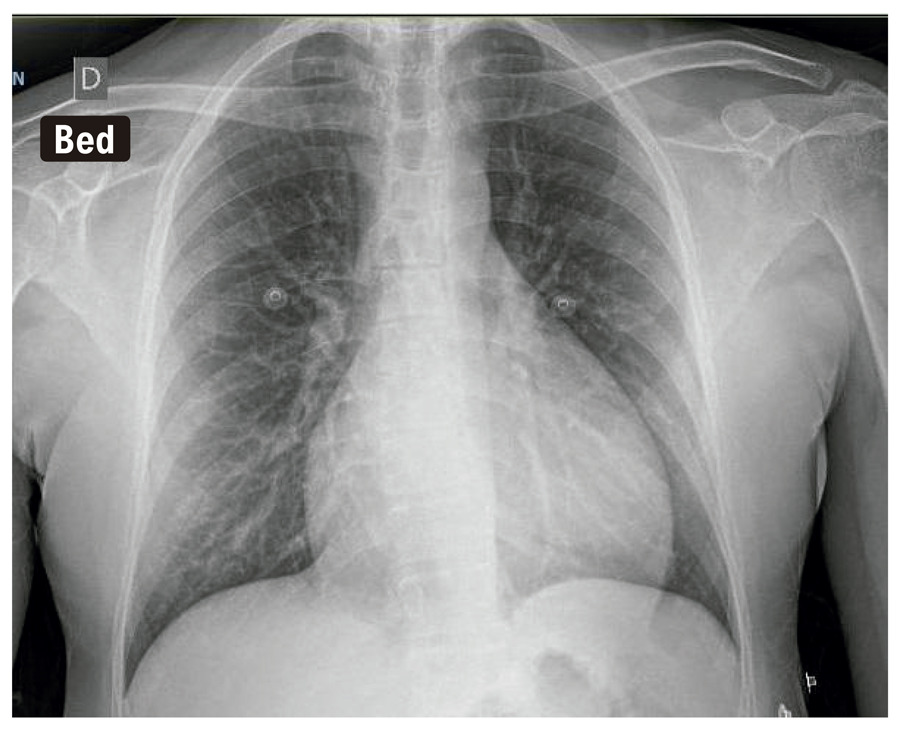
Chylopericardium is a rare entity, defined by the accumulation of chyle in the pericardial space, characterized by a high concentration of triglycerides and lymphocyte predominance. It was first described in 1954, and since then, this condition has remained infrequent, with most evidence coming from case reports and small series, which hinders early recognition and standardization of management.

The main causes include congenital lymphangiectasia, iatrogenic injury after cardiac or thoracic surgery, neoplasms, trauma, infection, radiation, pulmonary hypertension, subclavian vein thrombosis, and primary or idiopathic causes. Primary chylopericardium has a variable incidence in the literature and is a diagnosis of exclusion.

[…]
  • Diagnostic Imaging
  • Pericardial Effusion
  • Pericardium
Read Full Article
Creative Commons Attribution (CC BY) Creative Commons license
18/09/2026 DOI: 10.36660/abc.20260066i Views 1
Figure 1
ABCHF
Review Article

Laboratory Analysis and the Pericardiogram in Pericardial Diseases in the Era of Precision Medicine

Isabela Lira Vieira et al. Leonardo Castro Nunes Bernardo Dinoá Nunes Adriana Munford Lima Pimentel Evandro Tinoco Mesquita

Abstract

Pericardial syndromes constitute a heterogeneous group of diseases affecting the pericardium, with varied clinical presentations and multiple etiologies (infectious, autoimmune, traumatic, post-surgical, metabolic, among others). This diversity demands increasingly refined diagnostic approaches, aligned with the principles of precision medicine. A significant transformation has taken place in the understanding of these conditions and their complexity, driven by the development of advanced diagnostic and therapeutic methods.

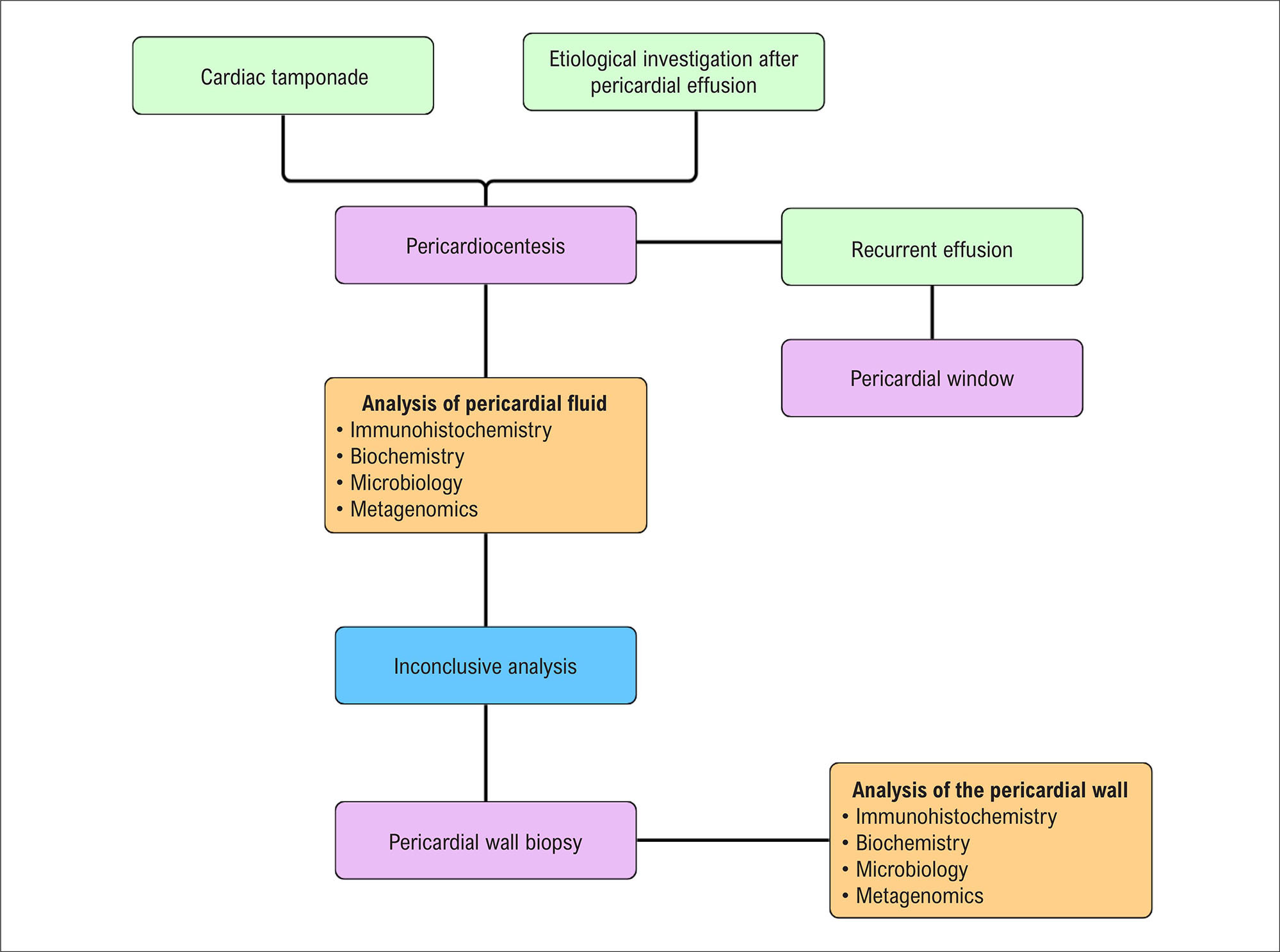
In the context of precision medicine, the aim is to improve the identification of the causal mechanism, allowing for individualized treatment. Significant advances in pericardiology have been driven by methods including cytopathology, immunohistochemistry, analysis of serum and pericardial biomarkers (including novel tumor markers), and the metagenomic detection of microorganisms.

In parallel, advances in molecular biology and emerging methodologies enable the detailed identification of pathogens and the characterization of multiple phenotypes of pericardial diseases, promoting increasingly accurate and individualized diagnoses. Furthermore, genetic markers have played an important role in elucidating the causes of recurrent pericarditis by identifying genes associated with autoinflammatory diseases and hereditary predispositions.

The objective of this review is to present the state of the art in the diagnosis of pericardial diseases, focusing on techniques that directly assess pericardial fluid and, therefore, effectively assist in the etiological investigation of various pericardial syndromes. A new tool, the “pericardiogram,” is also proposed to organize clinical reasoning and ensure the best use of complementary tests in assisting the investigation of pericardial syndromes.

  • Cardiac Tamponade
  • Pericardial Effusion
  • Pericarditis
  • Precision Medicine
Read Full Article
Creative Commons Attribution (CC BY) Creative Commons license
07/07/2026 DOI: 10.36660/abchf.20250042i Views 2
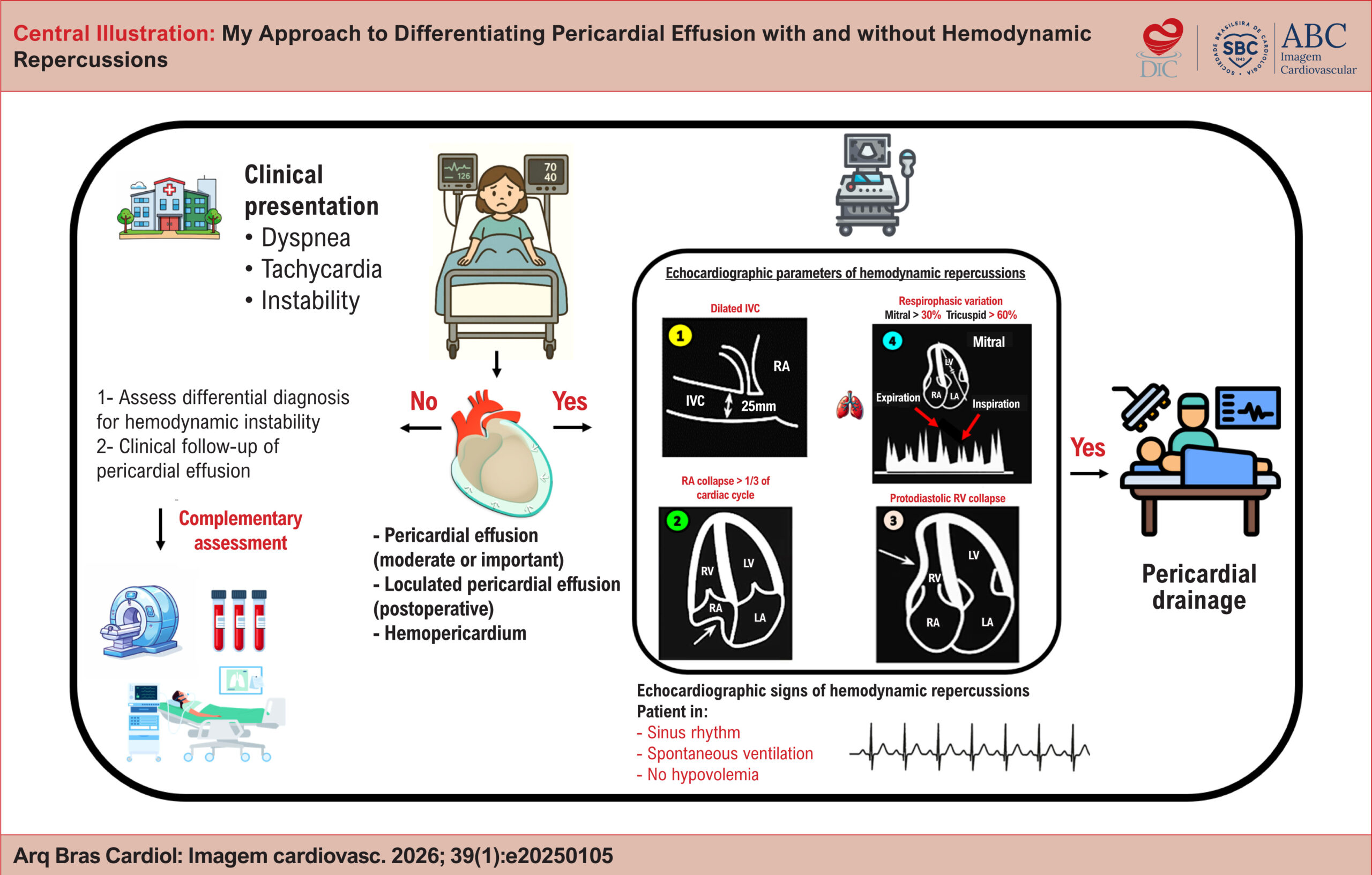
My Approach to Differentiating Pericardial Effusion with and without Hemodynamic Repercussions
ABCIC
Review Article

My Approach to Differentiating Pericardial Effusion with and without Hemodynamic Repercussions

Helder Moura Gomes et al. Halsted Alarcão Gomes Pereira da Silva

Abstract

Pericardial effusion is a common finding in cardiology practice. It is frequently identified in outpatient and inpatient follow-up examinations, especially during the postoperative period of heart surgery. In clinically stable patients, proper assessment can allow for early detection of signs of clinical deterioration. In patients in shock, careful analysis of pericardial effusion can confirm or rule out this condition as the main cause of hemodynamic instability. Precise identification of the location, anatomical characterization of severity, and analysis of hemodynamic repercussions by means of Doppler are essential elements to guide medical management. In addition to technical assessment, precautions when describing findings in imaging reports are equally important. This is because the hemodynamic repercussions observed on echocardiography do not always correspond to the patient’s clinical severity.

  • Cardiac Tamponade
  • Echocardiography
  • Inferior vena cava
  • Pericardial Effusion
Read Full Article
Creative Commons Attribution (CC BY) Creative Commons license
10/04/2026 DOI: 10.36660/abcimg.20250105i
Figure 1
ABCIC
Case Report

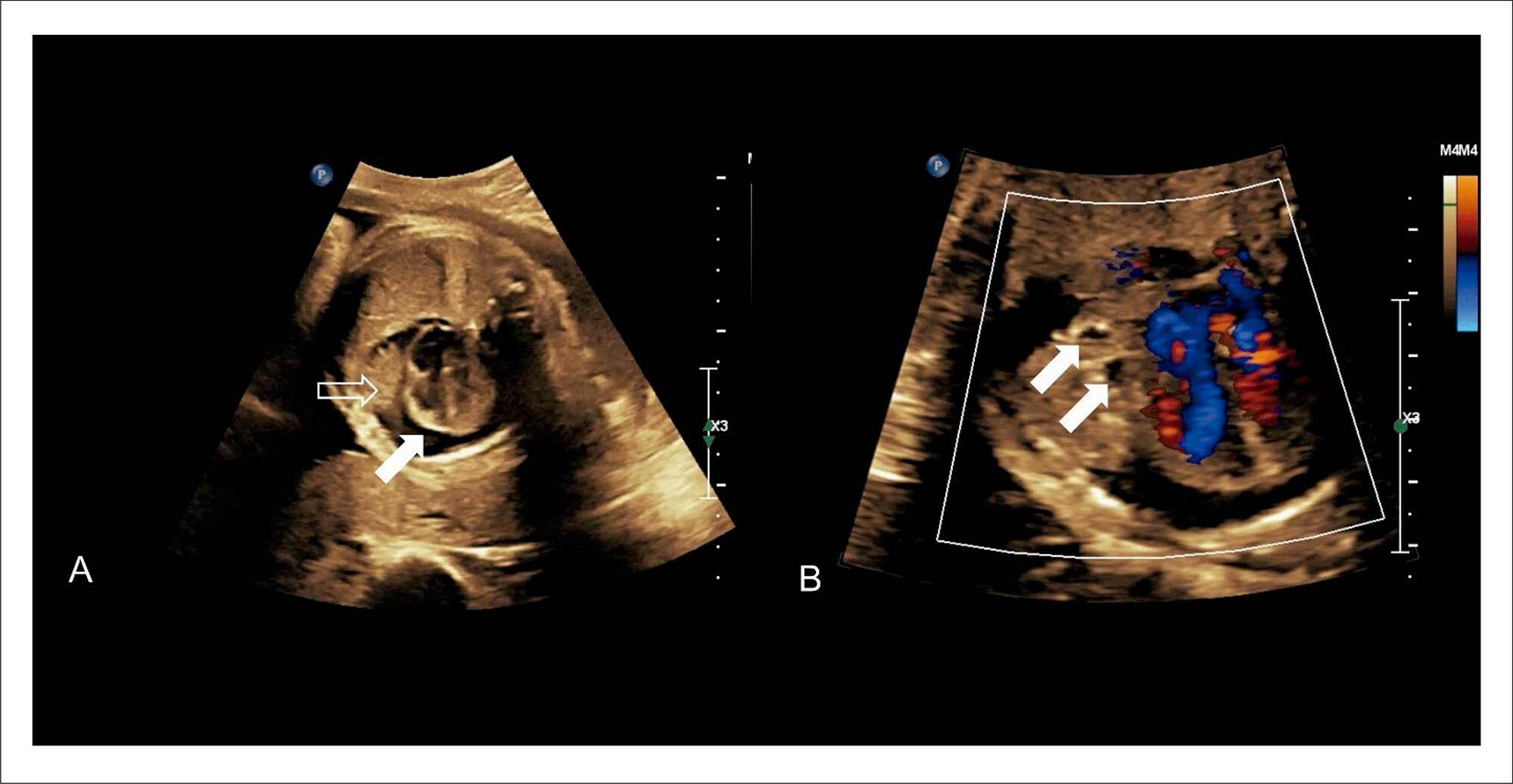
Fetal Intrapericardial Teratoma: Diagnostic and Therapeutic Challenges

Marcia Ferreira Alves Barberato et al. Rodrigo Ferreira Alves Barberato Fernanda Ferreira Alves Barberato Silvio Henrique Barberato

Introduction

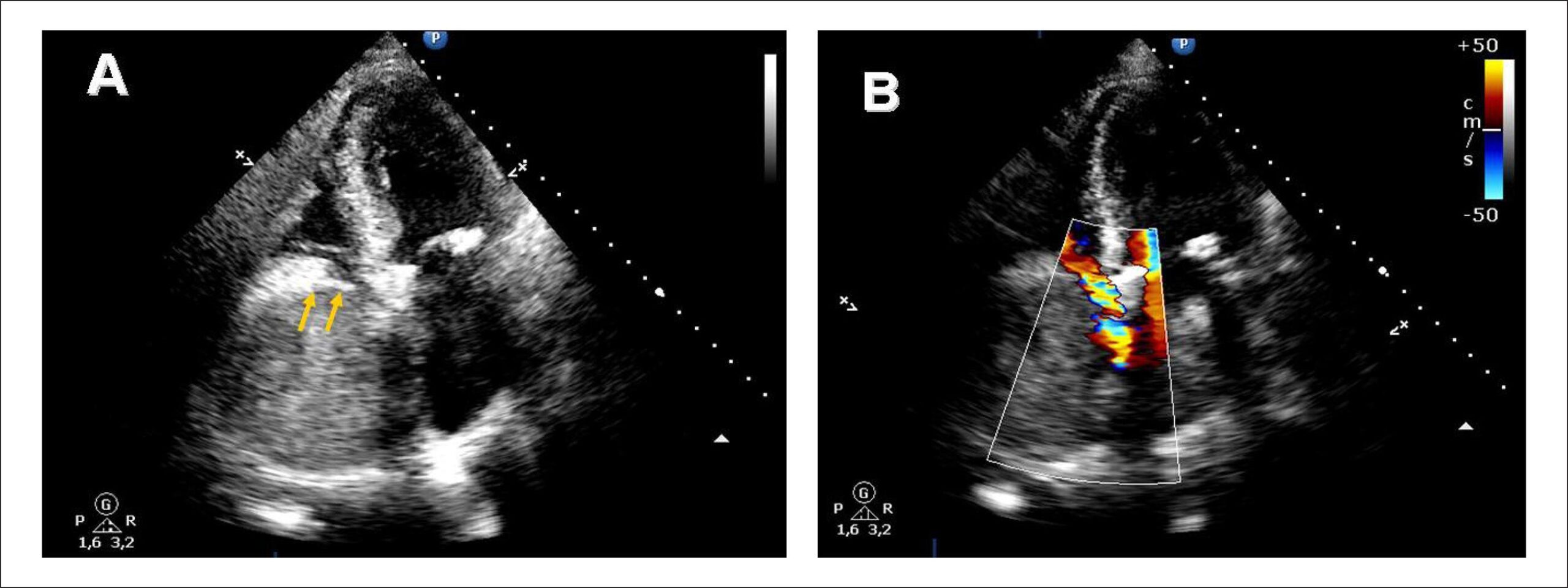
Primary cardiac tumors are rare in all age groups, with an incidence of 0.002% to 0.3% in autopsy series. During the prenatal period, cardiac tumors are highly uncommon and may be incidental findings in routine ultrasound assessment, which has become more frequent with the widespread use of imaging methods in the last decades. Fetal echocardiography is the main tool for detailed diagnosis of cardiac anatomy and function from the end of the first trimester until term., During fetal life, the most frequently found tumors are benign primary tumors, which include rhabdomyomas (the most common), as well as teratomas, fibromas, hemangiomas, and myxomas. The finding of malignant primary tumors (for example, rhabdomyosarcoma and fibrosarcoma) or metastatic tumors is exceptionally rare. In fetuses, cardiac tumors can be asymptomatic or lead to complications, such as arrhythmias, hydrops, obstruction of ventricular inflow or outflow, heart failure, and death.

Teratomas, although they are usually benign, can have embryonic origin in one or more of the 3 germ layers, resulting in complex histology, with the possibility of simultaneous areas of mature and immature tissue. Intrapericardial teratomas are tumors with a low incidence, but they frequently invade the mediastinum and compress adjacent structures, leading to death. We report a case of intrapericardial teratoma diagnosed in a fetus at 22 weeks of gestation.

[…]

  • Echocardiography
  • Pericardial Effusion
  • Prenatal Diagnosis
  • Teratoma
Read Full Article
Creative Commons Attribution (CC BY) Creative Commons license
27/08/2024 DOI: 10.36660/abcimg.20240065i Views 1
Screening Tests Predicting Cancer Metastasis in the Etiology of Pericardial Effusion: HALP Score and PNI
ABC
Original Article

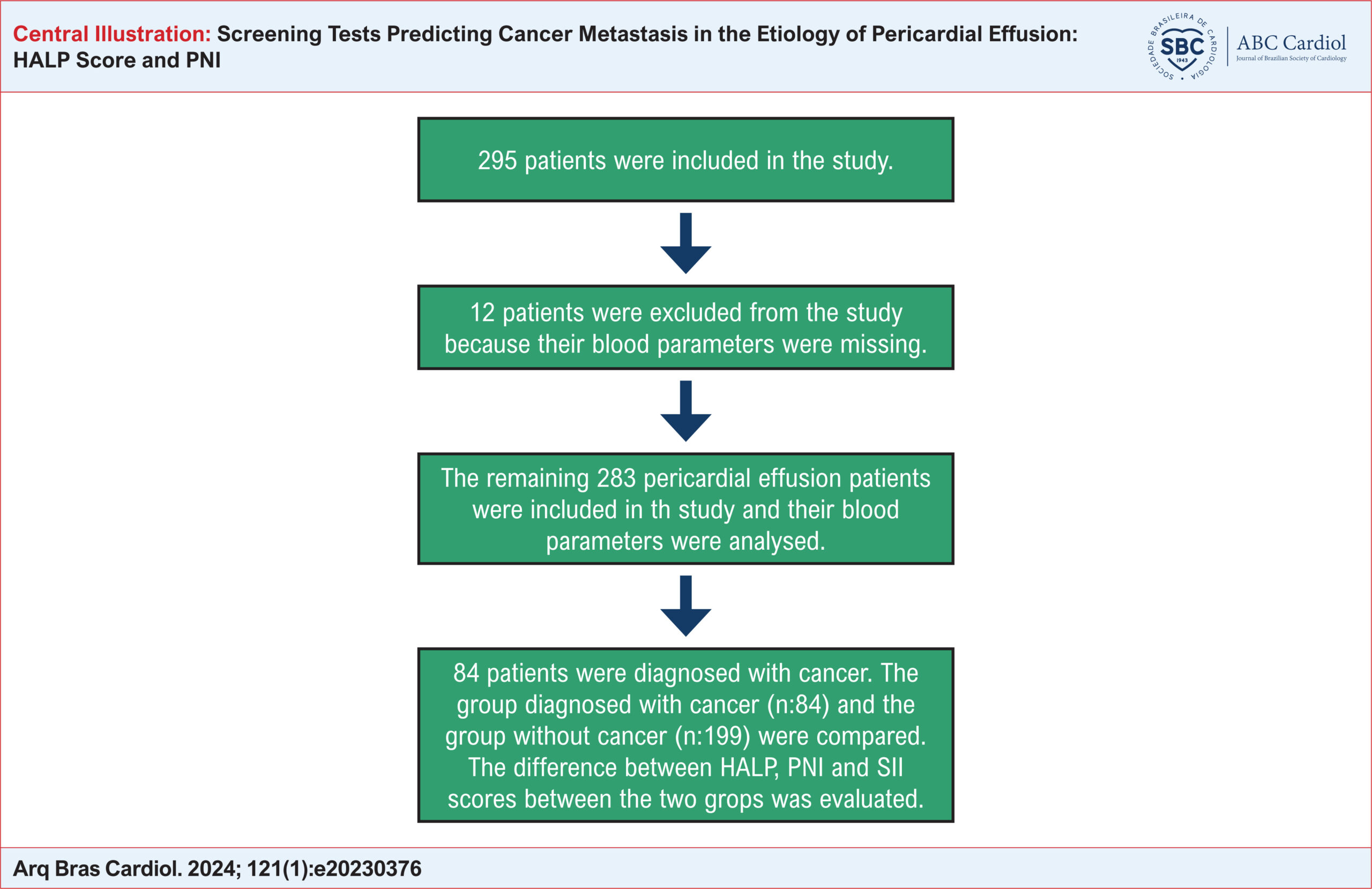
Screening Tests Predicting Cancer Metastasis in the Etiology of Pericardial Effusion: HALP Score and PNI

Emin Koyun et al. Ferhat Dindas Anil Sahin Idris Bugra Cerik Mustafa Dogdus

Abstract

Background:

Cancer screening is absolutely necessary in patients with pericardial effusion, given that cancer is one of the most serious diseases in the etiology of pericardial effusion. In previous studies, it was stated that the systemic immune-inflammation index (SII); the prognostic nutrition index (PNI); and the hemoglobin, albumin, lymphocyte, platelet (HALP) score can produce scores related to cancer.

Objectives:

This study began considering that these scoring systems could predict cancer in the etiology of patients with pericardial effusion.

Methods:

This study produced a retrospective analysis of patients who underwent pericardiocentesis between 2006 and 2022. Pericardiocentesis was performed in a total of 283 patients with moderate-to-large pericardial effusion or pericardial tamponade within the specified period. HALP, PNI, and SII scores were calculated according to the peripheral venous blood taken before the pericardiocentesis procedure. The statistical significance level was set at p<0.05.

Results:

The HALP score proved to be 0.173 (0.125-0.175) in cancer patients and 0.32 (0.20-0.49) in non-cancer patients (p<0.001). The PNI score proved to be 33.1±5.6 in cancer patients and 39.8±4.8 in non-cancer patients (p<0.001).

Conclusion:

The HALP score and PNI proved to be easy and fast cancer screening tests that can predict cancer metastasis in the etiology of patients with pericardial effusion.

  • Cancer
  • Hemoglobin, Albumin, Lymphocyte, Platelet (HALP)
  • Pericardial Effusion
  • Prognostic Nutrition İndex
Read Full Article
Creative Commons Attribution (CC BY) Creative Commons license
04/03/2024 DOI: 10.36660/abc.20230376 Views 1
ABC
Editorial

Scores for Diagnosing the Malignant Etiology of Pericardial Effusion: A Valuable Initial Aid in the Investigation

Wolney de Andrade Martins

Pericardial diseases are prevalent in cancer (CA) patients. The presence of pericardial effusion (PE) in these patients certainly worsens the prognosis. The possibility of cardiac tamponade increases the risk of death.

The article ‘Screening Tests Predicting Cancer Metastasis in the Etiology of Pericardial Effusion: HALP Score and PNI’ published in ABC, brings to discussion the clinical dilemma of the neoplastic etiology of PE. The ease of access to imaging methods has made the diagnosis of PE common in patients with CA and made the etiological search tempting. It is not uncommon to come across PE with an inconclusive etiology after an exhaustive investigation. On the other hand, the fear of failing to diagnose a hidden CA is worrying. We know that PE in patients with CA can be secondary to metastatic implantation, direct invasion of the tumor, lymphatic obstruction, pericarditis caused by chemotherapy, immunotherapy, or radiotherapy, and pericarditis from infectious causes common in immunocompromised patients. Furthermore, other causes cannot be ruled out, such as kidney disease, hypothyroidism, heart failure, and autoimmune diseases, whether related to CA or not.

[…]

  • Acute coronary syndrome
  • Cardiac Tamponade
  • Mortality
  • Neoplasms
  • Pericardial Effusion
  • Prognosis
Read Full Article
Creative Commons Attribution (CC BY) Creative Commons license
04/03/2024 DOI: 10.36660/abc.20230762 Views 1
ABC
Research Letter

Intrapericardial Cisplatin Instillation for Malignant Pericardial Effusion: A Single-center Experience

Paulo Medeiros et al. Jorge Rodrigues António Gaspar

Introduction

Heart and pericardium involvement occurs in about 10% of cancer patients, significantly impacting survival. Lung and breast carcinomas, melanoma, and lymphoma are the most common malignant tumors affecting the heart and pericardium. Involvement of the heart is a marker of very poor prognosis, representing end-stage neoplastic disease.

Pericardial decompression via pericardiocentesis results in immediate dyspnea relief and plays an important role in symptomatic treatment. Notwithstanding, the need for multiple procedures in the same patient is not uncommon. During the last decades, reports emerged regarding the utilization of cytotoxic agents for chemical pericardiodesis, but literature is scarce overall, and no systematization document has been published. The authors aimed to assess the recurrence of clinically significant malignant pericardial effusion in patients submitted to pericardiocentesis and cisplatin instillation.

[…]

  • Antineoplastic, Agents, Alkylating
  • Instillation, Drugs
  • Pericardial Effusion
  • pericardiocentesis
Read Full Article
Creative Commons Attribution (CC BY) Creative Commons license
30/10/2023 DOI: 10.36660/abc.20220912 Views 1
Central Illustration
ABC
Original Article

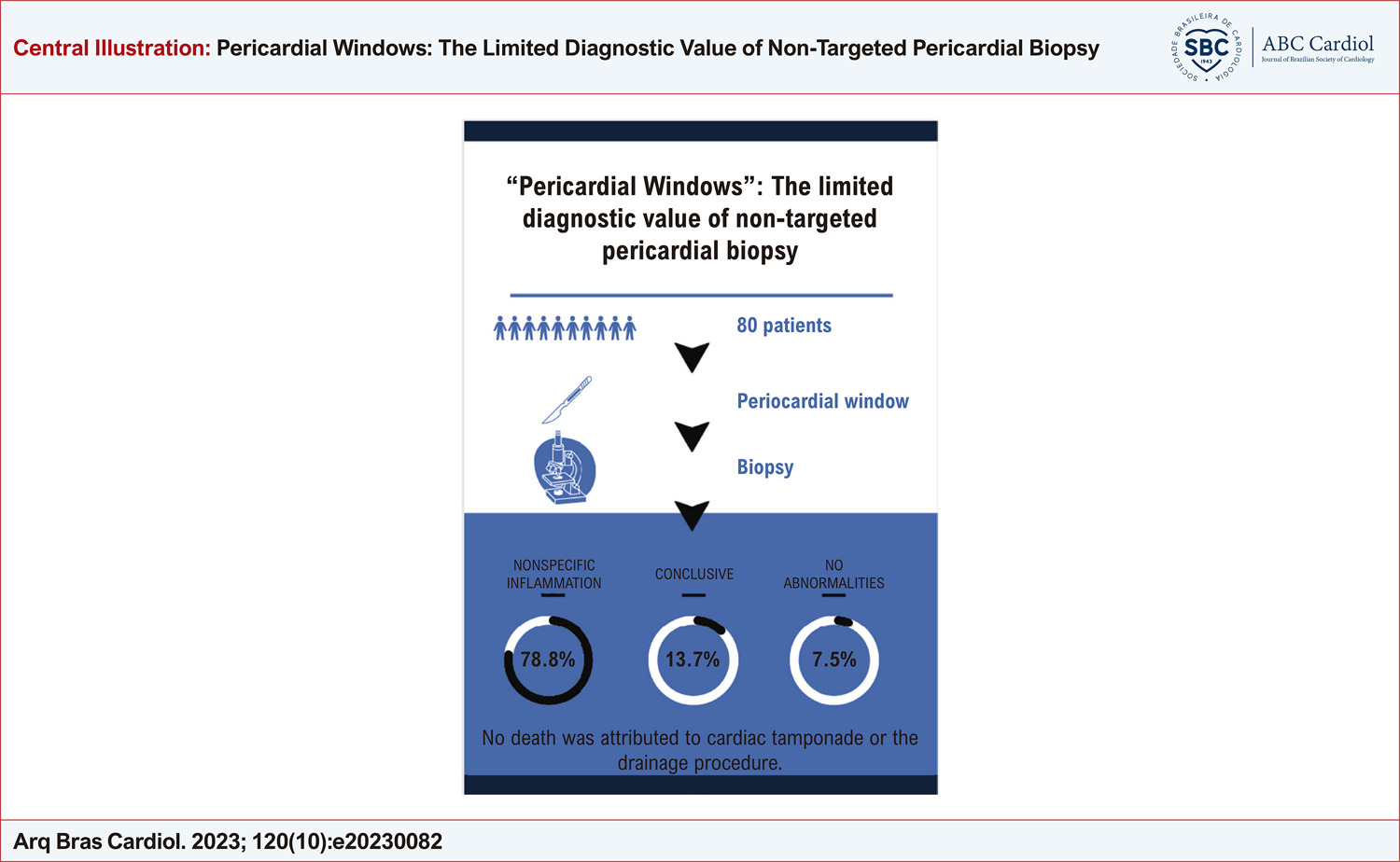
Pericardial Windows: The Limited Diagnostic Value of Non-Targeted Pericardial Biopsy

Gabriel Bianco Giuliani et al. Ismael Alberto Auca Morales Giovane Okaresnki Gabriel Faioli Nascimento Alves Vieira … Daniella de Freitas Pereira Angelo Durço Alfredo José Rodrigues

Abstract

Background

Pericardial window, in addition to promoting pericardial drainage, can also provide samples of the pericardium for anatomopathological examination. However, such biopsies’ contribution to clarifying the etiology of pericardial effusion has been debated.

Objective

To analyze the diagnostic value of non-targeted pericardial biopsy obtained from pericardial window procedures.

Methods

Data from 80 patients who had undergone parietal pericardial biopsies from 2011 to 2020 were retrospectively reviewed. Statistical significance was considered if p < 0.05.

Results

Fifty patients were male (62.5%,) and 30 were female (37.5%). The median age was 52 years (interquartile range: 29 to 59) and 49 years (interquartile range: 38 to 65), respectively (p = 0.724). The suspected etiology of pericardial effusion was neoplastic in 31.3%, unclear in 25%, tuberculosis in 15%, autoimmune in 12.5%, edemagenic syndrome in 7.5%, and other miscellaneous conditions in 8.8%. The most frequent approach for pericardial drainage and biopsy was subxiphoid (74%), followed by video-assisted thoracoscopy (22%). Overall, in 78.8% of the biopsies, the histopathologic findings were compatible with nonspecific inflammation, and only 13.7% of all biopsies yielded a conclusive histopathological diagnostic. Those suffering from cancer and pericardial effusion had a higher proportion of conclusive histopathologic findings (32% had pericardial neoplastic infiltration). The hospital mortality rate was 27.5%, and 54.5% of the patients who died in the hospital had cancer. No deaths were attributed to cardiac tamponade or the drainage procedure.

Conclusion

Our results showed that pericardial window is a safe procedure, but it had little value to clarify the pericardial effusion etiology and no impact on the planned therapy for the primary diagnosis besides the cardiac decompression.

  • Biopsy/image-non-guide
  • Cardiac Tamponade
  • Pericardial Effusion
  • Pericardium/ultrastructure
Read Full Article
Creative Commons Attribution (CC BY) Creative Commons license
13/10/2023 DOI: 10.36660/abc.20230082
Figure 1
ABC
Research Letter

Isolated Aneurysmal Dilatation of the Right Atrium, with Surgical Resolution, in a 53-Year-Old Adult

Edmar Atik et al. Alessandra Costa Barreto Maria Angélica Binotto Marcelo B. Jatene

Introduction

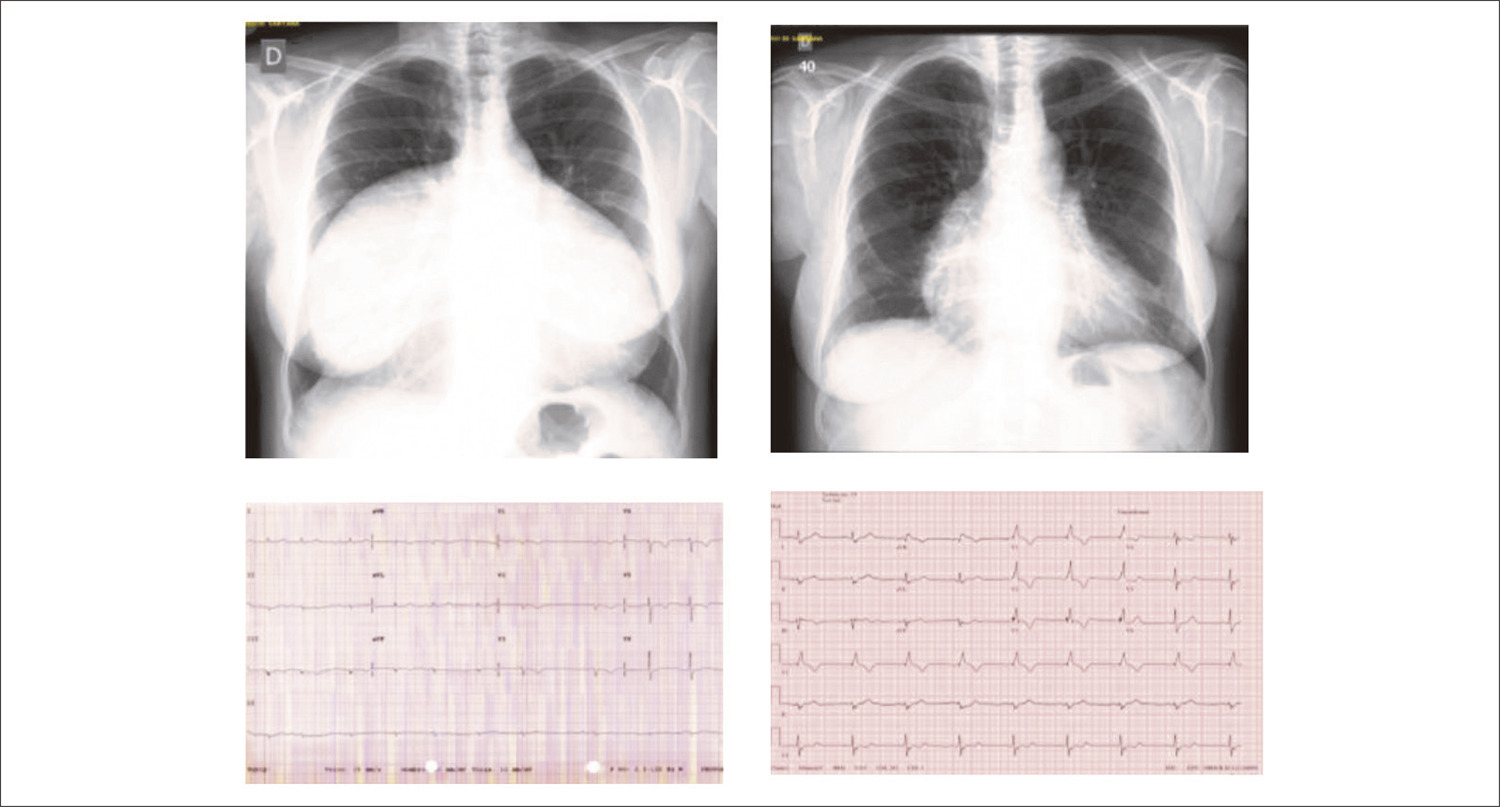
Isolated aneurysmal dilatation of the right atrium is a rare congenital anomaly. Its identification occurs in several age groups, from the fetus to adulthood. The clinical manifestation of this anomaly varies according to the magnitude of the dilation, from asymptomatic patients, usually in children and young people, to the presence of difficult-to-control supraventricular arrhythmias, right heart failure, airway obstruction, pneumonia, and thromboembolic events in adults. The diagnosis is established after verification of cardiomegaly in routine radiographic examinations and confirmed later by echocardiogram. It is noteworthy in this pathology the disproportionate size of the right atrium concerning the other cardiac cavities, with the tricuspid ring also dilated but with a preserved tricuspid valve. The tricuspid insufficiency that accompanies the condition results from the dilation of the valve ring. The recommendation for surgical correction then becomes prophylactic in childhood, given the good evolution verified later.

The differential diagnosis includes Ebstein’s anomaly, pericardial effusion, and mediastinal thoracic tumors.

[…]

  • Arrhythmias Cardiac
  • Cardiomegaly
  • Congenital Abnormalities/surgery
  • Ebstein Anomaly / surgery
  • Heart Aneurysm
  • Isolated Aneurysm of Right Atrium
  • Pericardial Effusion
Read Full Article
Creative Commons Attribution (CC BY) Creative Commons license
19/06/2023 DOI: 10.36660/abc.20220870 Views 2
ABCIC
Case Report

Large Pericardial Effusion and Breast Neoplasia — Case Report

Milton de J. Lago Miranda et al. Priscila Gonçalves Muniz Rômulo Fonseca de Moraes

[…]

  • Breast Neoplasms
  • Cardiac Tamponade
  • Neoplasm Metastasis
  • Pericardial Effusion
Read Full Article
Creative Commons Attribution (CC BY) Creative Commons license
04/02/2022 DOI: 10.5935/2318-8219.20170024
Figure 1
ABC
Image

Giant Right Atrial Mass Following Surgical Aortic Valve Replacement

Teresa Bastante et al. Fernando Alfonso

A

[…]

  • aortic valve surgery
  • Heart Atria/abnormalities
  • Pericardial Effusion
Read Full Article
Creative Commons Attribution (CC BY) Creative Commons license
01/08/2015 DOI: 10.5935/abc.20150066
Usefulness of pericardioscopy in the diagnosis of pericardial effusion
ABC
Case Report

Usefulness of pericardioscopy in the diagnosis of pericardial effusion

Fernando Conrado Abrão et al. Benoit Jacques Bibas Paulo Manuel Pêgo-Fernandes Fabio Biscegli Jatene

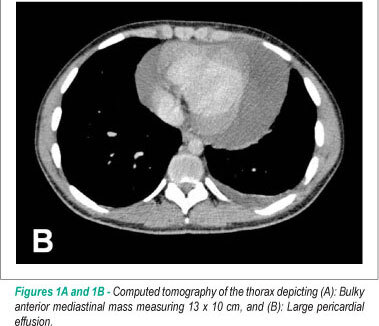
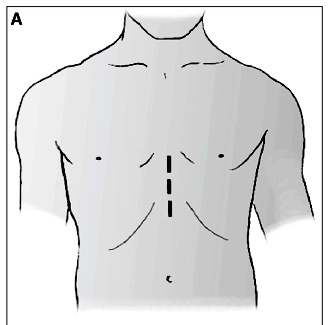
The pericardium can be affected by infectious, neoplastic, inflammatory and metabolic diseases. Many conditions require specific treatment and, consequently, an accurate diagnosis is important. Therefore, the pericardial biopsy has an important role in the evaluation of pericardial effusions. The pericardioscopy offers the advantage of the traditional subxiphoid approach, as it allows access to parts of the pericardium that would not be reached by digital palpation, as well as direct visualization through the subxiphoid window or thoracoscopy. We report the case of a patient with a large pericardial effusion and an undiagnosed mediastinal mass, in which video-assisted pericardioscopy was fundamental in the diagnosis and treatment of the disease.

  • pericardial biopsy
  • Pericardial Effusion
  • Pericardium
  • video-assisted pericardioscopy
Read Full Article
Creative Commons Attribution (CC BY) Creative Commons license
22/09/2010 DOI: 10.1590/S0066-782X2010000500025
Prenatal diagnosis of left ventricular aneurysm and diverticulum
ABC
Case Report

Prenatal diagnosis of left ventricular aneurysm and diverticulum

Marcia F. A. Barberato et al. Silvio H. Barberato Cristiane N. Binotto Mary Julianne M. Cavalcanti … Ana Paula Passos Nelson I. Miyague

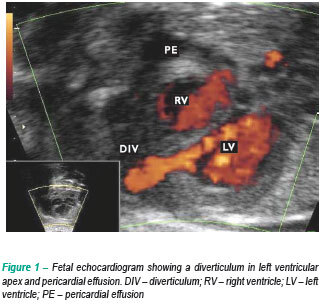
We report two cases of localized left ventricular (LV) protrusion, an entity that has been described in the literature as aneurysm or diverticulum. Both cases had different outcomes from those previously reported. Little is known on the incidence and natural history of these rare anomalies, whose progression may be asymptomatic or lead to severe complications and death in the prenatal period. The therapeutic approach should be customized.

  • Pericardial Effusion
  • Prenatal Care
  • ultrasonography prenatal
Read Full Article
Creative Commons Attribution (CC BY) Creative Commons license
13/10/2009 DOI: 10.1590/S0066-782X2009000800025
Serum NT pro-BNP: relation to systolic and diastolic function in cardiomyopathies and pericardiopathies
ABC
Artigo Original

Serum NT pro-BNP: relation to systolic and diastolic function in cardiomyopathies and pericardiopathies

Charles Mady et al. Fábio Fernandes Edmundo Arteaga Felix José Alvarez Ramires … Paula de Cássia Buck Vera Maria Cury Salemi Barbara Maria Ianni Luciano Nastari Ricardo Ribeiro Dias

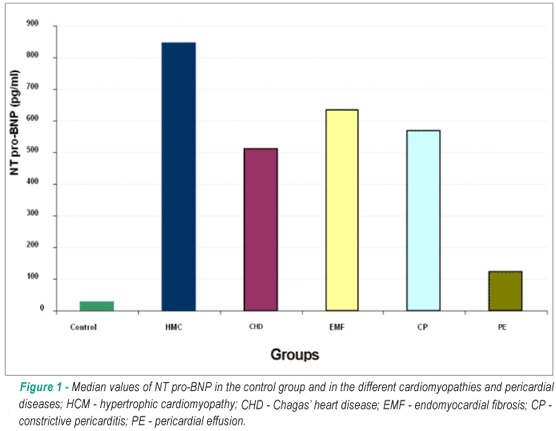
BACKGROUND: NT pro-BNP is a marker of systolic and diastolic dysfunction. OBJECTIVE: To determine NT pro-BNP levels in patients with chagasic, hypertrophic, and restrictive heart diseases, as well as with pericardial diseases, and their relation to echocardiographic measurements of systolic and diastolic dysfunction. METHODS: A total of 145 patients were divided into the following groups: 1) Chagas’ heart disease (CHD) – 14 patients; 2) hypertrophic cardiomyopathy (HCM) – 71 patients; 3) endomyocardial fibrosis (EMF) – 26 patients; 4) pericardial effusion (PE) – 18 patients; and 5) constrictive pericarditis (CP) – 16 patients. The control group was comprised of 40 individuals with no heart disease. The degree of myocardial impairment and pericardial effusion were assessed by two-dimensional echocardiography and the degree of restriction by pulsed Doppler transmitral flow. The diagnosis of CP was confirmed through magnetic resonance imaging. NT pro-BNP levels were determined through electrochemiluminescence immunoassay. RESULTS: NT pro-BNP was increased (p < 0.001) in CHD (median = 513.8 pg/ml), HCM (median = 848 pg/ml), EMF (median = 633 pg/ml), CP (median = 568 pg/ml), and PE (median = 124 pg/ml), when compared with the control group (median = 28 pg/ml). No statistically significant differences were found between CP and EMF (p = 0.14). In the hypertrophic group, NT pro-BNP was correlated with left atrial size (r = 0.40; p < 0.001) and with E/Ea ratio (p < 0.01). In the restrictive group, there was a trend of correlation with E-wave peak velocity (r = 0.439; p = 0.06). CONCLUSION: NT pro-BNP is increased in the different cardiomyopathies and pericardial diseases and is correlated with the degree of systolic and diastolic dysfunction.

  • Cardiomyopathies
  • Pericardial Effusion
  • Pericarditis, Constrictive
Read Full Article
Creative Commons Attribution (CC BY) Creative Commons license
25/07/2008 DOI: 10.1590/S0066-782X2008001300008 Views 1
Video-assisted pericardioscopy. How to improve diagnostic efficacy in pericardial effusions
ABC
Original Article

Video-assisted pericardioscopy. How to improve diagnostic efficacy in pericardial effusions

Paulo M. Pêgo-Fernandes et al. Fabio Fernandes Barbara M. Ianni Sandra Serson Rohr … Isabela Miranda Bernardelli Fabio B. Jatene Sérgio A. Oliveira

OBJECTIVE: To assess, in a prospective way, the experience with video-assisted pericardioscopy obtained in patients with pericardial effusion of unclear etiology in the preoperative period. METHODS: From January 1998 to June 2000, 20 patients were operated upon with the aid of video-assisted pericardioscopy. On echocardiography, 17 of these patients had significant pericardial effusion, and 3 had moderate pericardial effusion. Video-assisted pericardioscopy was performed through a small incision of the Marfan type. RESULTS: The diagnosis of pericardial effusion was established as follows: idiopathic in 9 (45%) patients, neoplastic in 4 (20%), resulting from hypothyroidism in 3 (15%), tuberculous in 2 (10%), due to cholesterol in 1 (5%), and chylopericardial in 1 (5%). The biopsy was positive in 30% of the patients, and the etiology could not be defined in 45% of the patients. CONCLUSION: Video-assisted pericardioscopy proved to be a method with low morbidity and a high index of diagnostic positivity. A high percentage of pericardial effusions are caused by viral infections, which are not diagnosed through current methods, being, therefore, classified as idiopathic.

  • Biopsy
  • Etiology
  • Pericardial Effusion
  • video-assisted thoracoscopy
Read Full Article
Creative Commons Attribution (CC BY) Creative Commons license
31/01/2007 DOI: 10.1590/S0066-782X2001001100002 Views 1
NT Pro-BNP levels in pericardial diseases and how they are used as complementary evaluation method of diastolic restriction. Inititial experience
ABC
Artigo Original

NT Pro-BNP levels in pericardial diseases and how they are used as complementary evaluation method of diastolic restriction. Inititial experience

Fábio Fernandes et al. Izabel José de Almeida Félix J. A. Ramires Paula C. Buck … Vera M. C. Salemi Bárbara M. Ianni Rogério Rabelo Charles Mady

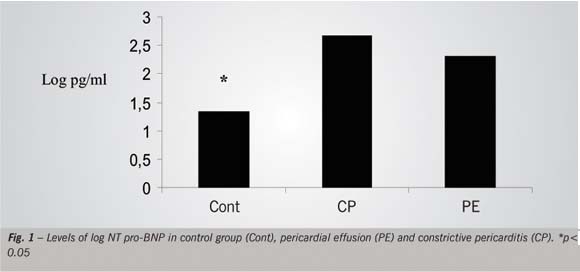
OBJECTIVE: To determine whether NT pro-BNP levels are high in patients reporting pericardial diseases, as well as to investigate how they relate to diastolic dysfunction echocardiographic measures. METHODS: Twenty-five patients were split into two groups: 1) pericardial effusion (PE): 15 patients; 2) constrictive pericaditis (CP): 10 patients. A control group was made up with 30 individuals reporting no heart disease. Pericadial effusion was evaluated by bidimensional echocardiogram, with restriction evaluated by pulsed Doppler of mitral flow. CP diagnosis was confirmed by MRI. NT pro-BNP levels were measured by immunoassay and detected by electrochemiluminescence. RESULTS: From the 15 PD patients, 14 reported relevant PD, and only 1, moderate PD. Log NT pro-BNP was shown to be higher in PD (p <0.05), with log mean of 2.31 pg/ml and CP (p <0.05), with log mean of 2.67 pg/ml, when compared to control group, log mean of 1.32 pg/ml. No difference was reported between PD and CP (p = 0.149). The NT pro-BNP log showed to be correlated to peak velocity of the E wave (r = 0.845; p = 0.001) and with E/A (r=0.717; p= 0.003). CONCLUSION: NT pro-BNP is shown to have increased in pericardial diseases, and is associated to diastolic dysfunction. It may serve as an additional method in quantifying restriction.

  • constrictive pericaditis
  • NT pro-BNP
  • Pericardial Effusion
Read Full Article
Creative Commons Attribution (CC BY) Creative Commons license
30/03/2006 DOI: 10.1590/S0066-782X2006000300004 Views 2
Cardiac tamponade in systemic lupus erythematosus. Report of four cases
ABC
Brief Communication

Cardiac tamponade in systemic lupus erythematosus. Report of four cases

Márcia Bueno Castier et al. Elisa M. Neves Albuquerque Maria Eduarda F. Costa Castro Menezes Evandro Klumb Francisco Manes Albanesi Fº

OBJECTIVE: To report and assess the incidence of cardiac tamponade in systemic lupus erythematosus as a cardiac manifestation of the disease. METHODS: We reviewed the medical records of 325 patients diagnosed with systemic lupus erythematosus according to the American Rheumatism Association and their complementary laboratory tests compatible with cardiac tamponade. RESULTS: In the 325 medical recors reviewed, we found 108 patients with pericardial effusions corresponding to 33.2% of the total and 54% of the patients studied in the active phase of the disease. Clinical assessment and transthoracic echocardiogram allowed the clinical diagnosis of cardiac tamponade in only 4 (1.23%) patients, 3 of whom were females, white, with ages ranging from 25 to 44 years. The pericardial fluid was hemorrhagic or serosanguineous with high levels of FAN and positivity for LE cells. In the treatment, we successfully used pericardicentesis associated with high doses of corticosteroids. In clinical and laboratory follow-up performed for a period of 3 years, neither recrudescence of the pericardial effusion nor evolution to constriction occurred. CONCLUSION: Even though rare (1.23%), cardiac tamponade in patients with systemic lupus erythematosus has a benign evolution when properly treated, according to our experience.

  • Cardiac Tamponade
  • Pericardial Effusion
  • Systemic Lupus Erythematosus
Read Full Article
Creative Commons Attribution (CC BY) Creative Commons license
21/11/2000 DOI: 10.1590/S0066-782X2000001100008 Views 1

How to cite this article

EndNote RIS

Electronic Document Format (Vancouver)

Ruffo CH, Rosa Filho AAM, Favaro GL, Hirose JSM, Lewinter RM, Melillo N, Silva LI, et al. Idiopathic Primary Chylopericardium. Arquivos Brasileiros de Cardiologia 2026;123(7):e20260062.

Electronic Document Format (ABNT)

Ruffo, Camila Helena; Rosa Filho, Alfredo Aurélio Marinho; Favaro, Guilherme Lima; Hirose, Juliana Sayuri Maia; Lewinter, Raissa Matias; Melillo, Natan; Silva, Leonardo Izzo; Anbar, Ramez; Coelho, Murilo Martins; Generoso, Giuliano. Idiopathic Primary Chylopericardium. Arquivos Brasileiros de Cardiologia, v. 123, n. 7, e20260062, Sep. 2026.

Electronic Document Format (APA)

Ruffo, C. H., Rosa Filho, A. A. M., Favaro, G. L., Hirose, J. S. M., Lewinter, R. M., Melillo, N., Silva, L. I., Anbar, R., Coelho, M. M., & Generoso, G. (2026). Idiopathic Primary Chylopericardium. Arquivos Brasileiros de Cardiologia, 123(7), e20260062.

Electronic Document Format (ISO)

Ruffo, Camila Helena and Rosa Filho, Alfredo Aurélio Marinho and Favaro, Guilherme Lima and Hirose, Juliana Sayuri Maia and Lewinter, Raissa Matias and Melillo, Natan and Silva, Leonardo Izzo and Anbar, Ramez and Coelho, Murilo Martins and Generoso, Giuliano. Idiopathic Primary Chylopericardium. Arquivos Brasileiros de Cardiologia [online]. 2026, vol. 123, n. 7, [cited 2026-10-14], e20260062. Available from: <https://journals.cardiol.br/en/article/idiopathic-primary-chylopericardium/>. ISSN 0066-782X

EndNote RIS

Electronic Document Format (Vancouver)

Vieira IL, Nunes LC, Nunes BD, Pimentel AML, Mesquita ET. Laboratory Analysis and the Pericardiogram in Pericardial Diseases in the Era of Precision Medicine. ABC Heart Fail Cardiomyop 2026;5(4):e20250042.

Electronic Document Format (ABNT)

Vieira, Isabela Lira; Nunes, Leonardo Castro; Nunes, Bernardo Dinoá; Pimentel, Adriana Munford Lima; Mesquita, Evandro Tinoco. Laboratory Analysis and the Pericardiogram in Pericardial Diseases in the Era of Precision Medicine. ABC Heart Fail Cardiomyop, v. 5, n. 4, e20250042, Jul. 2026.

Electronic Document Format (APA)

Vieira, I. L., Nunes, L. C., Nunes, B. D., Pimentel, A. M. L., & Mesquita, E. T. (2026). Laboratory Analysis and the Pericardiogram in Pericardial Diseases in the Era of Precision Medicine. ABC Heart Fail Cardiomyop, 5(4), e20250042.

Electronic Document Format (ISO)

Vieira, Isabela Lira and Nunes, Leonardo Castro and Nunes, Bernardo Dinoá and Pimentel, Adriana Munford Lima and Mesquita, Evandro Tinoco. Laboratory Analysis and the Pericardiogram in Pericardial Diseases in the Era of Precision Medicine. ABC Heart Fail Cardiomyop [online]. 2026, vol. 5, n. 4, [cited 2026-10-14], e20250042. Available from: <https://journals.cardiol.br/en/article/laboratory-analysis-and-the-pericardiogram-in-pericardial-diseases-in-the-era-of-precision-medicine/>

EndNote RIS

Electronic Document Format (Vancouver)

Gomes HM, Silva HAGP. My Approach to Differentiating Pericardial Effusion with and without Hemodynamic Repercussions. ABC Imagem Cardiovascular 2026;39(1):e20250105.

Electronic Document Format (ABNT)

Gomes, Helder Moura; Silva, Halsted Alarcão Gomes Pereira da. My Approach to Differentiating Pericardial Effusion with and without Hemodynamic Repercussions. ABC Imagem Cardiovascular, v. 39, n. 1, e20250105, Apr. 2026.

Electronic Document Format (APA)

Gomes, H. M., & Silva, H. A. G. P. (2026). My Approach to Differentiating Pericardial Effusion with and without Hemodynamic Repercussions. ABC Imagem Cardiovascular, 39(1), e20250105.

Electronic Document Format (ISO)

Gomes, Helder Moura and Silva, Halsted Alarcão Gomes Pereira da. My Approach to Differentiating Pericardial Effusion with and without Hemodynamic Repercussions. ABC Imagem Cardiovascular [online]. 2026, vol. 39, n. 1, [cited 2026-10-14], e20250105. Available from: <https://journals.cardiol.br/en/article/my-approach-to-differentiating-pericardial-effusion-with-and-without-hemodynamic-repercussions/>. ISSN 2318-8219

EndNote RIS

Electronic Document Format (Vancouver)

Barberato MFA, Barberato RFA, Barberato FFA, Barberato SH. Fetal Intrapericardial Teratoma: Diagnostic and Therapeutic Challenges. ABC Imagem Cardiovascular 2024;37(3):e20240065.

Electronic Document Format (ABNT)

Barberato, Marcia Ferreira Alves; Barberato, Rodrigo Ferreira Alves; Barberato, Fernanda Ferreira Alves; Barberato, Silvio Henrique. Fetal Intrapericardial Teratoma: Diagnostic and Therapeutic Challenges. ABC Imagem Cardiovascular, v. 37, n. 3, e20240065, Aug. 2024.

Electronic Document Format (APA)

Barberato, M. F. A., Barberato, R. F. A., Barberato, F. F. A., & Barberato, S. H. (2024). Fetal Intrapericardial Teratoma: Diagnostic and Therapeutic Challenges. ABC Imagem Cardiovascular, 37(3), e20240065.

Electronic Document Format (ISO)

Barberato, Marcia Ferreira Alves and Barberato, Rodrigo Ferreira Alves and Barberato, Fernanda Ferreira Alves and Barberato, Silvio Henrique. Fetal Intrapericardial Teratoma: Diagnostic and Therapeutic Challenges. ABC Imagem Cardiovascular [online]. 2024, vol. 37, n. 3, [cited 2026-10-14], e20240065. Available from: <https://journals.cardiol.br/en/article/fetal-intrapericardial-teratoma-diagnostic-and-therapeutic-challenges/>. ISSN 2318-8219

EndNote RIS

Electronic Document Format (Vancouver)

Koyun E, Dindas F, Sahin A, Cerik IB, Dogdus M. Screening Tests Predicting Cancer Metastasis in the Etiology of Pericardial Effusion: HALP Score and PNI. Arquivos Brasileiros de Cardiologia 2024;121(1):e20230376.

Electronic Document Format (ABNT)

Koyun, Emin; Dindas, Ferhat; Sahin, Anil; Cerik, Idris Bugra; Dogdus, Mustafa. Screening Tests Predicting Cancer Metastasis in the Etiology of Pericardial Effusion: HALP Score and PNI. Arquivos Brasileiros de Cardiologia, v. 121, n. 1, e20230376, Mar. 2024.

Electronic Document Format (APA)

Koyun, E., Dindas, F., Sahin, A., Cerik, I. B., & Dogdus, M. (2024). Screening Tests Predicting Cancer Metastasis in the Etiology of Pericardial Effusion: HALP Score and PNI. Arquivos Brasileiros de Cardiologia, 121(1), e20230376.

Electronic Document Format (ISO)

Koyun, Emin and Dindas, Ferhat and Sahin, Anil and Cerik, Idris Bugra and Dogdus, Mustafa. Screening Tests Predicting Cancer Metastasis in the Etiology of Pericardial Effusion: HALP Score and PNI. Arquivos Brasileiros de Cardiologia [online]. 2024, vol. 121, n. 1, [cited 2026-10-14], e20230376. Available from: <https://journals.cardiol.br/en/article/screening-tests-predicting-cancer-metastasis-in-the-etiology-of-pericardial-effusion-halp-score-and-pni/>. ISSN 0066-782X

EndNote RIS

Electronic Document Format (Vancouver)

Martins WA. Scores for Diagnosing the Malignant Etiology of Pericardial Effusion: A Valuable Initial Aid in the Investigation. Arquivos Brasileiros de Cardiologia 2024;121(1):e20230762.

Electronic Document Format (ABNT)

Martins, Wolney de Andrade. Scores for Diagnosing the Malignant Etiology of Pericardial Effusion: A Valuable Initial Aid in the Investigation. Arquivos Brasileiros de Cardiologia, v. 121, n. 1, e20230762, Mar. 2024.

Electronic Document Format (APA)

Martins, W. A. (2024). Scores for Diagnosing the Malignant Etiology of Pericardial Effusion: A Valuable Initial Aid in the Investigation. Arquivos Brasileiros de Cardiologia, 121(1), e20230762.

Electronic Document Format (ISO)

Martins, Wolney de Andrade. Scores for Diagnosing the Malignant Etiology of Pericardial Effusion: A Valuable Initial Aid in the Investigation. Arquivos Brasileiros de Cardiologia [online]. 2024, vol. 121, n. 1, [cited 2026-10-14], e20230762. Available from: <https://journals.cardiol.br/en/article/scores-for-diagnosing-the-malignant-etiology-of-pericardial-effusion-a-valuable-initial-aid-in-the-investigation/>. ISSN 0066-782X

EndNote RIS

Electronic Document Format (Vancouver)

Medeiros P, Rodrigues J, Gaspar A. Intrapericardial Cisplatin Instillation for Malignant Pericardial Effusion: A Single-center Experience. Arquivos Brasileiros de Cardiologia 2023;120(10):e20220912.

Electronic Document Format (ABNT)

Medeiros, Paulo; Rodrigues, Jorge; Gaspar, António. Intrapericardial Cisplatin Instillation for Malignant Pericardial Effusion: A Single-center Experience. Arquivos Brasileiros de Cardiologia, v. 120, n. 10, e20220912, Oct. 2023.

Electronic Document Format (APA)

Medeiros, P., Rodrigues, J., & Gaspar, A. (2023). Intrapericardial Cisplatin Instillation for Malignant Pericardial Effusion: A Single-center Experience. Arquivos Brasileiros de Cardiologia, 120(10), e20220912.

Electronic Document Format (ISO)

Medeiros, Paulo and Rodrigues, Jorge and Gaspar, António. Intrapericardial Cisplatin Instillation for Malignant Pericardial Effusion: A Single-center Experience. Arquivos Brasileiros de Cardiologia [online]. 2023, vol. 120, n. 10, [cited 2026-10-14], e20220912. Available from: <https://journals.cardiol.br/en/article/intrapericardial-cisplatin-instillation-for-malignant-pericardial-effusion-a-single-center-experience/>. ISSN 0066-782X

EndNote RIS

Electronic Document Format (Vancouver)

Giuliani GB, Morales IAA, Okaresnki G, Vieira GFNA, Durço DFPA, Rodrigues AJ. Pericardial Windows: The Limited Diagnostic Value of Non-Targeted Pericardial Biopsy. Arquivos Brasileiros de Cardiologia 2023;120(10):e20230082.

Electronic Document Format (ABNT)

Giuliani, Gabriel Bianco; Morales, Ismael Alberto Auca; Okaresnki, Giovane; Vieira, Gabriel Faioli Nascimento Alves; Durço, Daniella de Freitas Pereira Angelo; Rodrigues, Alfredo José. Pericardial Windows: The Limited Diagnostic Value of Non-Targeted Pericardial Biopsy. Arquivos Brasileiros de Cardiologia, v. 120, n. 10, e20230082, Oct. 2023.

Electronic Document Format (APA)

Giuliani, G. B., Morales, I. A. A., Okaresnki, G., Vieira, G. F. N. A., Durço, D. F. P. A., & Rodrigues, A. J. (2023). Pericardial Windows: The Limited Diagnostic Value of Non-Targeted Pericardial Biopsy. Arquivos Brasileiros de Cardiologia, 120(10), e20230082.

Electronic Document Format (ISO)

Giuliani, Gabriel Bianco and Morales, Ismael Alberto Auca and Okaresnki, Giovane and Vieira, Gabriel Faioli Nascimento Alves and Durço, Daniella de Freitas Pereira Angelo and Rodrigues, Alfredo José. Pericardial Windows: The Limited Diagnostic Value of Non-Targeted Pericardial Biopsy. Arquivos Brasileiros de Cardiologia [online]. 2023, vol. 120, n. 10, [cited 2026-10-14], e20230082. Available from: <https://journals.cardiol.br/en/article/pericardial-windows-the-limited-diagnostic-value-of-non-targeted-pericardial-biopsy/>. ISSN 0066-782X

EndNote RIS

Electronic Document Format (Vancouver)

Atik E, Barreto AC, Binotto MA, Jatene MB. Isolated Aneurysmal Dilatation of the Right Atrium, with Surgical Resolution, in a 53-Year-Old Adult. Arquivos Brasileiros de Cardiologia 2023;120(6):e20220870.

Electronic Document Format (ABNT)

Atik, Edmar; Barreto, Alessandra Costa; Binotto, Maria Angélica; Jatene, Marcelo B.. Isolated Aneurysmal Dilatation of the Right Atrium, with Surgical Resolution, in a 53-Year-Old Adult. Arquivos Brasileiros de Cardiologia, v. 120, n. 6, e20220870, Jun. 2023.

Electronic Document Format (APA)

Atik, E., Barreto, A. C., Binotto, M. A., & Jatene, M. B. (2023). Isolated Aneurysmal Dilatation of the Right Atrium, with Surgical Resolution, in a 53-Year-Old Adult. Arquivos Brasileiros de Cardiologia, 120(6), e20220870.

Electronic Document Format (ISO)

Atik, Edmar and Barreto, Alessandra Costa and Binotto, Maria Angélica and Jatene, Marcelo B.. Isolated Aneurysmal Dilatation of the Right Atrium, with Surgical Resolution, in a 53-Year-Old Adult. Arquivos Brasileiros de Cardiologia [online]. 2023, vol. 120, n. 6, [cited 2026-10-14], e20220870. Available from: <https://journals.cardiol.br/en/article/isolated-aneurysmal-dilatation-of-the-right-atrium-with-surgical-resolution-in-a-53-year-old-adult/>. ISSN 0066-782X

EndNote RIS

Electronic Document Format (Vancouver)

Miranda MJL, Muniz PG, Moraes RF. Large Pericardial Effusion and Breast Neoplasia — Case Report. Arquivos Brasileiros de Cardiologia Imagem cardiovascular 2022;30(3):106-9.

Electronic Document Format (ABNT)

Miranda, Milton de J. Lago; Muniz, Priscila Gonçalves; Moraes, Rômulo Fonseca de. Large Pericardial Effusion and Breast Neoplasia — Case Report. Arquivos Brasileiros de Cardiologia Imagem cardiovascular, v. 30, n. 3, p. 106-109, Feb. 2022.

Electronic Document Format (APA)

Miranda, M. J. L., Muniz, P. G., & Moraes, R. F. (2022). Large Pericardial Effusion and Breast Neoplasia — Case Report. Arquivos Brasileiros de Cardiologia Imagem cardiovascular, 30(3), 106-109.

Electronic Document Format (ISO)

Miranda, Milton de J. Lago and Muniz, Priscila Gonçalves and Moraes, Rômulo Fonseca de. Large Pericardial Effusion and Breast Neoplasia — Case Report. Arquivos Brasileiros de Cardiologia Imagem cardiovascular [online]. 2022, vol. 30, n. 3, [cited 2026-10-14], pp. 106-109. Available from: <https://journals.cardiol.br/en/article/large-pericardial-effusion-and-breast-neoplasia-case-report/>. ISSN 2318-8219

EndNote RIS

Electronic Document Format (Vancouver)

Bastante T, Alfonso F. Giant Right Atrial Mass Following Surgical Aortic Valve Replacement. Arquivos Brasileiros de Cardiologia 2015;105(2):205.

Electronic Document Format (ABNT)

Bastante, Teresa; Alfonso, Fernando. Giant Right Atrial Mass Following Surgical Aortic Valve Replacement. Arquivos Brasileiros de Cardiologia, v. 105, n. 2, p. 205-205, Jul. 2015.

Electronic Document Format (APA)

Bastante, T., & Alfonso, F. (2015). Giant Right Atrial Mass Following Surgical Aortic Valve Replacement. Arquivos Brasileiros de Cardiologia, 105(2), 205-205.

Electronic Document Format (ISO)

Bastante, Teresa and Alfonso, Fernando. Giant Right Atrial Mass Following Surgical Aortic Valve Replacement. Arquivos Brasileiros de Cardiologia [online]. 2015, vol. 105, n. 2, [cited 2026-10-14], pp. 205-205. Available from: <https://journals.cardiol.br/en/article/giant-right-atrial-mass-following-surgical-aortic-valve-replacement/>. ISSN 0066-782X

EndNote RIS

Electronic Document Format (Vancouver)

Abrão FC, Bibas BJ, Pêgo-Fernandes PM, Jatene FB. Usefulness of pericardioscopy in the diagnosis of pericardial effusion. Arquivos Brasileiros de Cardiologia 2010;94(5):e128-30.

Electronic Document Format (ABNT)

Abrão, Fernando Conrado; Bibas, Benoit Jacques; Pêgo-Fernandes, Paulo Manuel; Jatene, Fabio Biscegli. Usefulness of pericardioscopy in the diagnosis of pericardial effusion. Arquivos Brasileiros de Cardiologia, v. 94, n. 5, p. e128-e130, Sep. 2010.

Electronic Document Format (APA)

Abrão, F. C., Bibas, B. J., Pêgo-Fernandes, P. M., & Jatene, F. B. (2010). Usefulness of pericardioscopy in the diagnosis of pericardial effusion. Arquivos Brasileiros de Cardiologia, 94(5), e128-e130.

Electronic Document Format (ISO)

Abrão, Fernando Conrado and Bibas, Benoit Jacques and Pêgo-Fernandes, Paulo Manuel and Jatene, Fabio Biscegli. Usefulness of pericardioscopy in the diagnosis of pericardial effusion. Arquivos Brasileiros de Cardiologia [online]. 2010, vol. 94, n. 5, [cited 2026-10-14], pp. e128-e130. Available from: <https://journals.cardiol.br/en/article/usefulness-of-pericardioscopy-in-the-diagnosis-of-pericardial-effusion/>. ISSN 0066-782X

EndNote RIS

Electronic Document Format (Vancouver)

Barberato MFA, Barberato SH, Binotto CN, Cavalcanti MJM, Passos AP, Miyague NI. Prenatal diagnosis of left ventricular aneurysm and diverticulum. Arquivos Brasileiros de Cardiologia 2009;93(2):e36-8.

Electronic Document Format (ABNT)

Barberato, Marcia F. A.; Barberato, Silvio H.; Binotto, Cristiane N.; Cavalcanti, Mary Julianne M.; Passos, Ana Paula; Miyague, Nelson I.. Prenatal diagnosis of left ventricular aneurysm and diverticulum. Arquivos Brasileiros de Cardiologia, v. 93, n. 2, p. e36-e38, Oct. 2009.

Electronic Document Format (APA)

Barberato, M. F. A., Barberato, S. H., Binotto, C. N., Cavalcanti, M. J. M., Passos, A. P., & Miyague, N. I. (2009). Prenatal diagnosis of left ventricular aneurysm and diverticulum. Arquivos Brasileiros de Cardiologia, 93(2), e36-e38.

Electronic Document Format (ISO)

Barberato, Marcia F. A. and Barberato, Silvio H. and Binotto, Cristiane N. and Cavalcanti, Mary Julianne M. and Passos, Ana Paula and Miyague, Nelson I.. Prenatal diagnosis of left ventricular aneurysm and diverticulum. Arquivos Brasileiros de Cardiologia [online]. 2009, vol. 93, n. 2, [cited 2026-10-14], pp. e36-e38. Available from: <https://journals.cardiol.br/en/article/prenatal-diagnosis-of-left-ventricular-aneurysm-and-diverticulum/>. ISSN 0066-782X

EndNote RIS

Electronic Document Format (Vancouver)

Mady C, Fernandes F, Arteaga E, Ramires FJA, Buck PC, Salemi VMC, Ianni BM, et al. Serum NT pro-BNP: relation to systolic and diastolic function in cardiomyopathies and pericardiopathies. Arquivos Brasileiros de Cardiologia 2008;91(1):49-54.

Electronic Document Format (ABNT)

Mady, Charles; Fernandes, Fábio; Arteaga, Edmundo; Ramires, Felix José Alvarez; Buck, Paula de Cássia; Salemi, Vera Maria Cury; Ianni, Barbara Maria; Nastari, Luciano; Dias, Ricardo Ribeiro. Serum NT pro-BNP: relation to systolic and diastolic function in cardiomyopathies and pericardiopathies. Arquivos Brasileiros de Cardiologia, v. 91, n. 1, p. 49-54, Jul. 2008.

Electronic Document Format (APA)

Mady, C., Fernandes, F., Arteaga, E., Ramires, F. J. A., Buck, P. C., Salemi, V. M. C., Ianni, B. M., Nastari, L., & Dias, R. R. (2008). Serum NT pro-BNP: relation to systolic and diastolic function in cardiomyopathies and pericardiopathies. Arquivos Brasileiros de Cardiologia, 91(1), 49-54.

Electronic Document Format (ISO)

Mady, Charles and Fernandes, Fábio and Arteaga, Edmundo and Ramires, Felix José Alvarez and Buck, Paula de Cássia and Salemi, Vera Maria Cury and Ianni, Barbara Maria and Nastari, Luciano and Dias, Ricardo Ribeiro. Serum NT pro-BNP: relation to systolic and diastolic function in cardiomyopathies and pericardiopathies. Arquivos Brasileiros de Cardiologia [online]. 2008, vol. 91, n. 1, [cited 2026-10-14], pp. 49-54. Available from: <https://journals.cardiol.br/en/article/serum-nt-pro-bnp-relation-to-systolic-and-diastolic-function-in-cardiomyopathies-and-pericardiopathies/>. ISSN 0066-782X

EndNote RIS

Electronic Document Format (Vancouver)

Pêgo-Fernandes PM, Fernandes F, Ianni BM, Rohr SS, Bernardelli IM, Jatene FB, Oliveira SA, et al. Video-assisted pericardioscopy. How to improve diagnostic efficacy in pericardial effusions. Arquivos Brasileiros de Cardiologia 2007;77(5):403-6.

Electronic Document Format (ABNT)

Pêgo-Fernandes, Paulo M.; Fernandes, Fabio; Ianni, Barbara M.; Rohr, Sandra Serson; Bernardelli, Isabela Miranda; Jatene, Fabio B.; Oliveira, Sérgio A.. Video-assisted pericardioscopy. How to improve diagnostic efficacy in pericardial effusions. Arquivos Brasileiros de Cardiologia, v. 77, n. 5, p. 403-406, Jan. 2007.

Electronic Document Format (APA)

Pêgo-Fernandes, P. M., Fernandes, F., Ianni, B. M., Rohr, S. S., Bernardelli, I. M., Jatene, F. B., & Oliveira, S. A. (2007). Video-assisted pericardioscopy. How to improve diagnostic efficacy in pericardial effusions. Arquivos Brasileiros de Cardiologia, 77(5), 403-406.

Electronic Document Format (ISO)

Pêgo-Fernandes, Paulo M. and Fernandes, Fabio and Ianni, Barbara M. and Rohr, Sandra Serson and Bernardelli, Isabela Miranda and Jatene, Fabio B. and Oliveira, Sérgio A.. Video-assisted pericardioscopy. How to improve diagnostic efficacy in pericardial effusions. Arquivos Brasileiros de Cardiologia [online]. 2007, vol. 77, n. 5, [cited 2026-10-14], pp. 403-406. Available from: <https://journals.cardiol.br/en/article/video-assisted-pericardioscopy-how-to-improve-diagnostic-efficacy-in-pericardial-effusions/>. ISSN 0066-782X

EndNote RIS

Electronic Document Format (Vancouver)

Fernandes F, Almeida IJ, Ramires FJA, Buck PC, Salemi VMC, Ianni BM, Rabelo R, et al. NT Pro-BNP levels in pericardial diseases and how they are used as complementary evaluation method of diastolic restriction. Inititial experience. Arquivos Brasileiros de Cardiologia 2006;86(3):175-80.

Electronic Document Format (ABNT)

Fernandes, Fábio; Almeida, Izabel José de; Ramires, Félix J. A.; Buck, Paula C.; Salemi, Vera M. C.; Ianni, Bárbara M.; Rabelo, Rogério; Mady, Charles. NT Pro-BNP levels in pericardial diseases and how they are used as complementary evaluation method of diastolic restriction. Inititial experience. Arquivos Brasileiros de Cardiologia, v. 86, n. 3, p. 175-180, Mar. 2006.

Electronic Document Format (APA)

Fernandes, F., Almeida, I. J. , Ramires, F. J. A., Buck, P. C., Salemi, V. M. C., Ianni, B. M., Rabelo, R., & Mady, C. (2006). NT Pro-BNP levels in pericardial diseases and how they are used as complementary evaluation method of diastolic restriction. Inititial experience. Arquivos Brasileiros de Cardiologia, 86(3), 175-180.

Electronic Document Format (ISO)

Fernandes, Fábio and Almeida, Izabel José de and Ramires, Félix J. A. and Buck, Paula C. and Salemi, Vera M. C. and Ianni, Bárbara M. and Rabelo, Rogério and Mady, Charles. NT Pro-BNP levels in pericardial diseases and how they are used as complementary evaluation method of diastolic restriction. Inititial experience. Arquivos Brasileiros de Cardiologia [online]. 2006, vol. 86, n. 3, [cited 2026-10-14], pp. 175-180. Available from: <https://journals.cardiol.br/en/article/nt-pro-bnp-levels-in-pericardial-diseases-and-how-they-are-used-as-complementary-evaluation-method-of-diastolic-restriction-inititial-experience/>. ISSN 0066-782X

EndNote RIS

Electronic Document Format (Vancouver)

Castier MB, Albuquerque EMN, Menezes MEFCC, Klumb E, Fº FMA. Cardiac tamponade in systemic lupus erythematosus. Report of four cases. Arquivos Brasileiros de Cardiologia 2000;75(5):446-8.

Electronic Document Format (ABNT)

Castier, Márcia Bueno; Albuquerque, Elisa M. Neves; Menezes, Maria Eduarda F. Costa Castro; Klumb, Evandro; Fº, Francisco Manes Albanesi. Cardiac tamponade in systemic lupus erythematosus. Report of four cases. Arquivos Brasileiros de Cardiologia, v. 75, n. 5, p. 446-448, Nov. 2000.

Electronic Document Format (APA)

Castier, M. B., Albuquerque, E. M. N., Menezes, M. E. F. C. C., Klumb, E., & Fº, F. M. A. (2000). Cardiac tamponade in systemic lupus erythematosus. Report of four cases. Arquivos Brasileiros de Cardiologia, 75(5), 446-448.

Electronic Document Format (ISO)

Castier, Márcia Bueno and Albuquerque, Elisa M. Neves and Menezes, Maria Eduarda F. Costa Castro and Klumb, Evandro and Fº, Francisco Manes Albanesi. Cardiac tamponade in systemic lupus erythematosus. Report of four cases. Arquivos Brasileiros de Cardiologia [online]. 2000, vol. 75, n. 5, [cited 2026-10-14], pp. 446-448. Available from: <https://journals.cardiol.br/en/article/cardiac-tamponade-in-systemic-lupus-erythematosus-report-of-four-cases/>. ISSN 0066-782X

  • About ABC Family
  • Internal Regulation
  • Editorial Board
  • Brazilian Society of Cardiology (SBC)

Issues

SBC Guidelines

  • Videos
  • Podcasts
  • News