ABC Family Arquivos Brasileiros de Cardiologia International Journal of Cardiovascular Sciences ABC Heart Failure & Cardiomyopathy ABC Imagem Cardiovascular
Português English
ABC Family
Português English
  • About
    • About ABC Family
    • Internal Regulation
    • Editorial Board
    • Brazilian Society of Cardiology (SBC)
  • Issues
  • SBC Guidelines
  • Content
    • Videos
    • Podcasts
    • News
  • About
    • About ABC Family
    • Internal Regulation
    • Editorial Board
    • Brazilian Society of Cardiology (SBC)
  • Issues
  • SBC Guidelines
  • Content
    • Videos
    • Podcasts
    • News

ABC Family

  • ABC Family
  • Arquivos Brasileiros de Cardiologia
  • International Journal of Cardiovascular Sciences
  • ABC Heart Failure & Cardiomyopathy
  • ABC Imagem Cardiovascular
Search in

No content found.

Journals
Ordering
Article types
Others

  1. Home
  2. Keyword: postoperative complications
Transcatheter Aortic Valve Implantation in Nonagenarians: In-Hospital Complications and One-Year Follow-Up Mortality
IJCS
Original Article

Transcatheter Aortic Valve Implantation in Nonagenarians: In-Hospital Complications and One-Year Follow-Up Mortality

Nelson Durval Ferreira Gomes de Mattos et al. Rafael Lauria de Oliveira Constantino Gonzalez Salgado André Luiz Silveira Sousa … Andre Luiz da Fonseca Feijó Rodrigo Verney Castello Branco Giovanna Zadra de Mattos José Carlos Pizzolante Secco Luiz Antonio Ferreira Carvalho Helena Cramer Rey

Abstract

Background:

Aortic Stenosis (AS) is prevalent among elderly individuals and is associated with high mortality when untreated. Transcatheter Aortic Valve Implantation (TAVI) has emerged as a viable therapeutic alternative, particularly for patients with surgical contraindications. However, its application in nonagenarians remains controversial due to limited data in this very elderly population.

Objective:

To evaluate clinical outcomes in nonagenarian patients undergoing TAVI at a private quaternary hospital, with emphasis on mortality and in-hospital as well as one-year complications.

Methods:

A retrospective cohort study with prospective follow-up was conducted between 2009 and 2023. A total of 265 patients with symptomatic severe AS who underwent TAVI were included, of whom 40 were nonagenarians (≥ 89 years). Data were obtained from an institutional database and from the Brazilian Registry of Aortic Bioprosthesis Implantation by Catheter – New Technologies (RIBAC-NT). Comparisons between nonagenarians and younger patients were performed using the Student’s t-test for continuous variables and the chi-square (χ2) test for categorical variables. A p-value < 0.05 was considered statistically significant.

Results:

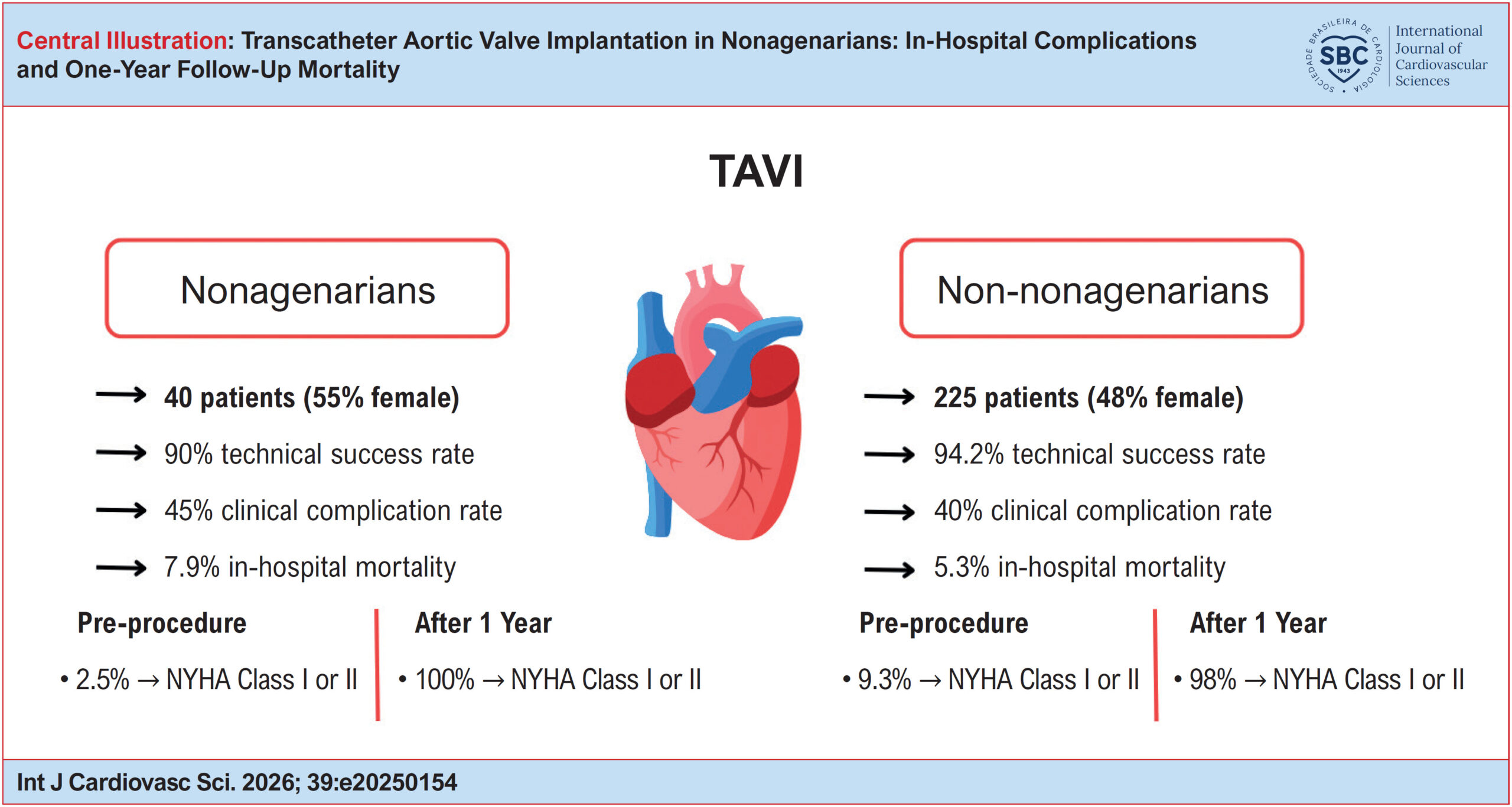
Among nonagenarians, 55% were female, 72.5% had hypertension, and 95% had chronic kidney disease. The technical success rate was 55%. Major complications included permanent pacemaker implantation (35%) and adverse events (45%). In-hospital mortality was 7.9%, with no statistically significant differences at 30 days (p = 0.40), 6 months (p = 0.35), and one year (p = 0.06) compared to younger patients.

Conclusion:

TAVI proved to be a safe and effective therapeutic option in nonagenarians, showing clinical outcomes comparable to those of younger individuals.
  • Aortic Valve Stenosis
  • Hospital Mortality
  • Nonagenarians
  • postoperative complications
  • Transcatheter Aortic Valve Replacement
Read Full Article
Creative Commons Attribution (CC BY) Creative Commons license
11/09/2026 DOI: 10.36660/ijcs.20250154 Views 1
ABC
Editorial

Reconsidering the CHA2DS2-VASc Score for No-Reflow Risk Stratification after Percutaneous Coronary Intervention

Irfan Sahin et al. Muhammed Furkan Deniz

The no-reflow phenomenon remains one of the most complex and clinically challenging complications of percutaneous coronary intervention (PCI)., Although advanced imaging techniques, novel stent technologies, and contemporary pharmacological therapies are widely used today, there is still no universally accepted scoring system capable of reliably predicting no-reflow either before or during the procedure. This gap remains an important unmet clinical need.–

In this context, the systematic review and meta-analysis presented by Ozbay et al. make a significant contribution to the existing literature by addressing the association between the CHA2DS2-VASc score and the occurrence of no-reflow after PCI. By synthesizing data from ten observational studies involving more than 6,500 patients, the authors demonstrated a significant and consistent association between higher CHA2DS2-VASc scores and an increased likelihood of no-reflow. These findings suggest that observations previously reported in single-center studies with relatively small sample sizes are confirmed in a larger population within a more robust methodological approach.–

[…]

  • No-Reflow Phenomenon
  • Percutaneous Coronary Intervention
  • postoperative complications
Read Full Article
Creative Commons Attribution (CC BY) Creative Commons license
16/03/2026 DOI: 10.36660/abc.20260022i Views 1
Severe Esophageal Complications Following Atrial Fibrillation Ablation: Should We Still Be Concerned?
ABC
Review Article

Severe Esophageal Complications Following Atrial Fibrillation Ablation: Should We Still Be Concerned?

Anibal Pires Borges et al. Carlos Kalil Josep Brugada José Plutarco Gutiérrez Yanez … Pablo da Costa Soliz Marco Aurelio Lumertz Saffi Anderson Donelli da Silveira Maurício Pimentel

Abstract

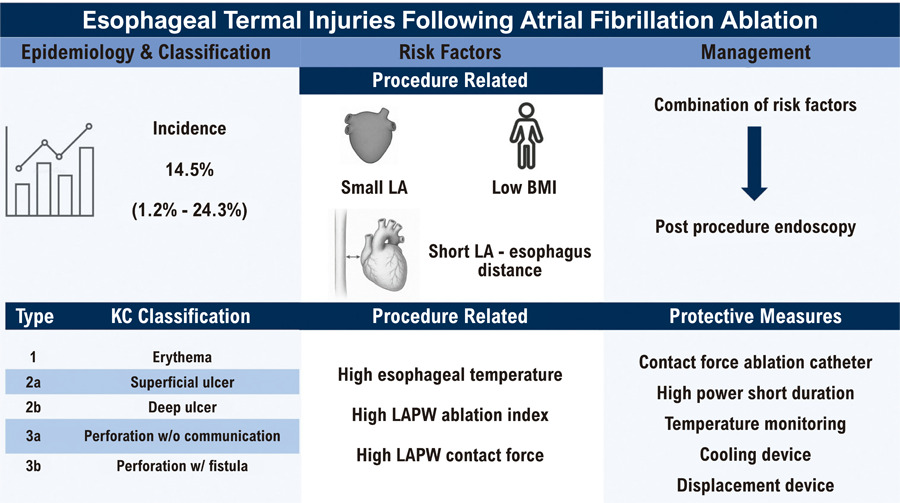
Atrial fibrillation (AF) ablation has been increasingly employed as an effective strategy for rhythm control, leading to a reduction in arrhythmia burden, improved quality of life, and, in selected cases, decreased mortality. However, as an invasive procedure, it carries inherent risks. Severe esophageal complications-such as esophageal perforation or atrioesophageal fistula- though rare (with an incidence ranging from 0.025% to 0.113%), are associated with significant morbidity and mortality. Multiple risk factors for esophageal injury have been identified, including both patient-related and procedure-related characteristics. To mitigate these risks during radiofrequency (RF) ablation, several preventive measures have been adopted, including the use of contact force catheters, high-power short-duration energy applications, and protective strategies such as esophageal temperature monitoring, displacement devices, and cooling techniques. Deep esophageal lesions detected through surveillance endoscopy are considered potential precursors to more serious complications and, therefore, warrant close attention. Enhanced monitoring of patients with such lesions may be crucial for enabling early diagnosis and timely intervention to prevent the progression to more severe complications. While pulsed field ablation therapy, which poses a lower risk to the esophagus and other surrounding structures, is not yet widely available, the implementation of robust monitoring strategies can significantly improve clinical outcomes and enhance patient safety in the context of RF AF ablation.

  • Atrial Fibrillation
  • esophageal fistula
  • postoperative complications
Read Full Article
Creative Commons Attribution (CC BY) Creative Commons license
16/01/2026 DOI: 10.36660/abc.20250290i
Factors Associated with the Treatment Costs within the First Year after Pacemaker Implantation or Pulse Generator Replacement
ABC
Original Article

Factors Associated with the Treatment Costs within the First Year after Pacemaker Implantation or Pulse Generator Replacement

Lucas Bassoli de Oliveira Alves et al. Katia Regina Silva Jacson Venancio Barros Fernando Antonio Basile Colugnati … Martino Martinelli Filho Roberto Costa

Abstract

Background

The use of artificial cardiac pacemakers has grown steadily in line with the aging population.

Objectives

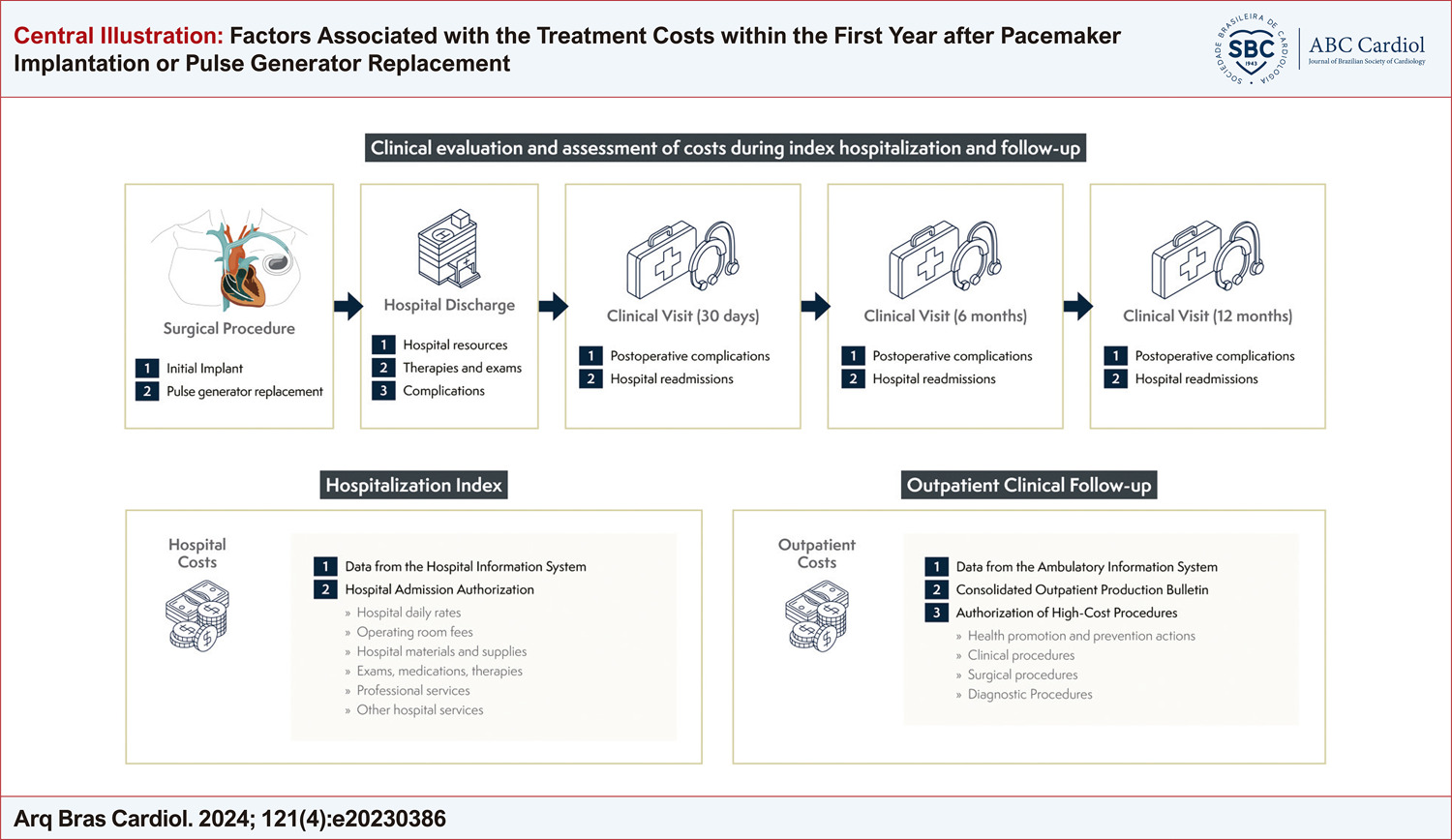
To determine the rates of hospital readmissions and complications after pacemaker implantation or pulse generator replacement and to assess the impact of these events on annual treatment costs from the perspective of the Unified Health System (SUS).

Methods

A prospective registry, with data derived from clinical practice, collected during index hospitalization and during the first 12 months after the surgical procedure. The cost of index hospitalization, the procedure, and clinical follow-up were estimated according to the values reimbursed by SUS and analyzed at the patient level. Generalized linear models were used to study factors associated with the total annual treatment cost, adopting a significance level of 5%.

Results

A total of 1,223 consecutive patients underwent initial implantation (n=634) or pulse generator replacement (n=589). Seventy episodes of complication were observed in 63 patients (5.1%). The incidence of hospital readmissions within one year was 16.4% (95% CI 13.7% – 19.6%) after initial implants and 10.6% (95% CI 8.3% – 13.4%) after generator replacements. Chronic kidney disease, history of stroke, length of hospital stays, need for postoperative intensive care, complications, and hospital readmissions showed a significant impact on the total annual treatment cost.

Conclusions

The results confirm the influence of age, comorbidities, postoperative complications, and hospital readmissions as factors associated with increased total annual treatment cost for patients with pacemakers.

  • Artificial Pacemaker
  • health evaluation
  • Patient Readmission
  • postoperative complications
Read Full Article
Creative Commons Attribution (CC BY) Creative Commons license
26/04/2024 DOI: 10.36660/abc.20230386i Views 2
ABC
Editorial

Risk Factors for Surgical Site Infection after Pediatric Cardiac Surgery

Rafael Quaresma Garrido et al. Cristiane da Cruz Lamas

Infections after pediatric cardiac surgery are important adverse events that can increase morbidity and mortality in these patients. Most studies describe the incidence of infection as between 0.5 and 8%, but some studies in low- to middle-income countries report rates of up to 48%.– The main microorganisms involved are Staphylococcus aureus, coagulase-negative staphylococci, and occasionally hospital-acquired Gram negatives. In high-income countries, there is a predominance of skin-colonizing Gram-positives, while in low- to middle-income countries, there is an increase in the frequency of hospital-acquired Gram-negatives. –

There are divergences between the risk factors for infection in pediatric cardiac surgery, as there are few studies dedicated to this population. In regard to pre-operative conditions or those inherent to the patient, we have as risk factors being a younger child, especially those under 12 months of age, the presence of immunodeficiencies, prolonged periods of pre-operative hospitalization and previous use of antimicrobials (the latter two conditions because they alter the colonizing microbiota) and malnutrition. Pre and post operative risk factors are the inadequacy of antibiotic prophylaxis, breaches of aseptic technique, prolonged cardiopulmonary bypass time (>105 minutes) and aortic clamping time (>85 minutes), excessive bleeding in the first 24 hours, blood transfusion, early chest reexploration due to operative bleeding, occurrence of nosocomial infections (pneumonia and bloodstream infections mainly) and the presence of invasive devices such as drains and pacemaker wires.–

[…]

  • Congenital/surgery
  • Heart Defects
  • Immunologic Deficiency Syndrome
  • postoperative complications
  • RACHS Score
  • Staphylococus Aureus
  • Surgical Wound Infection
Read Full Article
Creative Commons Attribution (CC BY) Creative Commons license
03/04/2024 DOI: 10.36660/abc.20240015
Risk Factors for Surgical Site Infection in Patients Undergoing Pediatric Cardiac Surgery
ABC
Original Article

Risk Factors for Surgical Site Infection in Patients Undergoing Pediatric Cardiac Surgery

Anna Christina de Lima Ribeiro et al. Rinaldo Focaccia Siciliano Antonio Augusto Lopes Tania Mara Varejão Strabelli

Abstract

Background

Surgical site infection is an important complication after pediatric cardiac surgery, associated with increased morbidity and mortality.

Objectives

We sought to identify risk factors for surgical site infection after pediatric cardiac surgeries.

Methods

A case-control study included patients aged between 1 year and 19 years and 11 months of age, submitted to cardiac surgery performed at a tertiary cardiac center from January 1 st , 2011, through December 31, 2018. Charts were reviewed for pre-, intra, and postoperative variables. We identified two randomly selected control patients with the same pathophysiological diagnosis and underwent surgery within thirty days of each index case. Univariate and multivariate logistic regression analyses were performed to identify risk factors. Statistical significance was defined as p<0.05.

Results

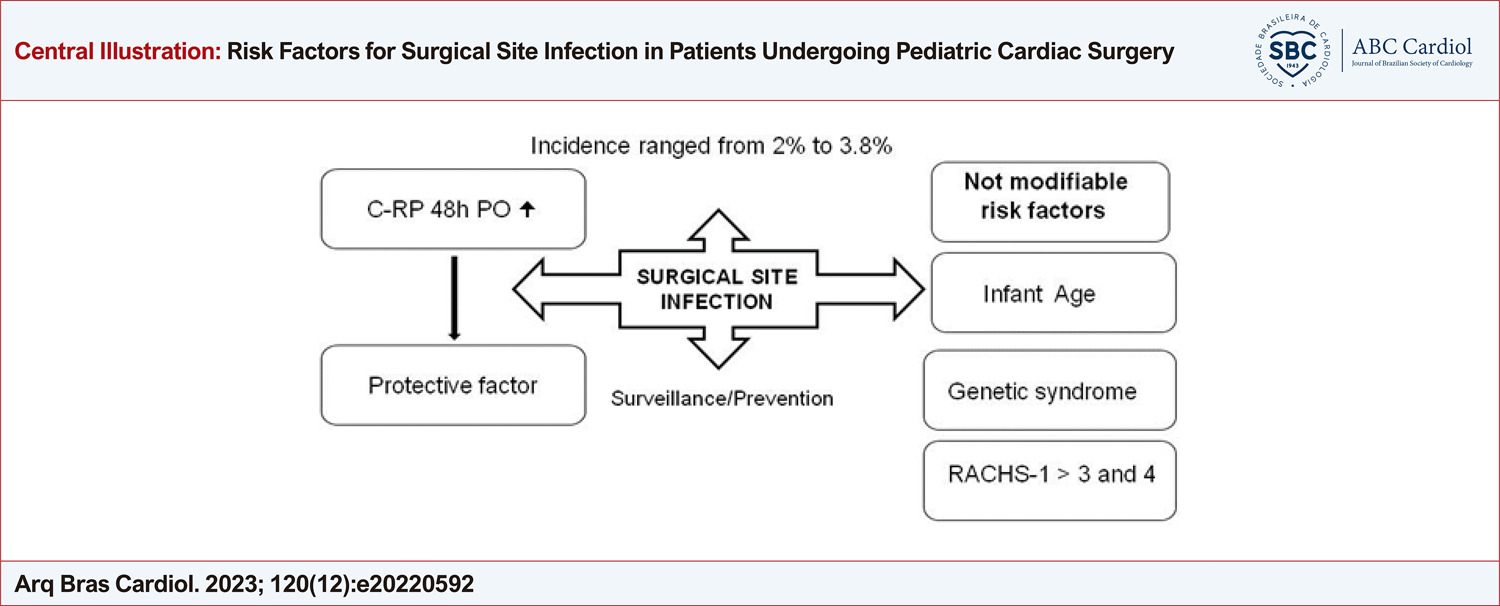
Sixty-six cases and 123 controls were included. Surgical site infection incidence ranged from 2% to 3.8%. The following risk factors were identified: Infant age (OR 3.19, 95% CI 1.26 to 8.66, p=0.014), presence of genetic syndrome (OR 6.20, CI 95% 1.70 to 21.65, p=0.004), categories 3 and 4 of RACHS-1 (OR 8.40, CI 95% 3.30 to 21.34, p<0.001), 48 h C-reactive protein level range was detected as a protective factor for this infection (OR 0.85, 95% CI 0.73 to 0.98, p=0.023).

Conclusions

The risk factors defined in this study could not be modified. Therefore, additional surveillance and new preventive strategies need to be implemented to reduce the incidence of surgical site infection. The increased CRP in the postoperative period was a protective factor that needs further understanding.

  • Cardiac Surgical Procedures
  • Congenital Heart Defects
  • postoperative complications
  • Risk Factors
  • Surgical Wound Infection
Read Full Article
Creative Commons Attribution (CC BY) Creative Commons license
18/12/2023 DOI: 10.36660/abc.20220592
IJCS
Original Article

Demographic and Epidemiological Profile of Aging and Elderly Patients Receiving Heart Transplant During the Period from 2009 to 2018

Joseane de Souza Ribeiro et al. Maria Liz Cunha de Oliveira

Abstract

Background:

The aging process may be associated with the accumulation of a wide variety of health damages, such as cardiovascular diseases. HF is the final common path of the majority of these diseases, and, in its refractory form, heart transplantation continues to be the best treatment choice.

Objective:

To describe the demographic and epidemiological profile of aging and elderly patients receiving heart transplant from 2009 to 2018.

Methods:

Retrospective, descriptive longitudinal study on heart transplantation in aging and elderly patients using data from medical records and institutional documents.

Results:

From a total of 234 transplant recipients, 127 were 45 years or older. For the demographic profile, the variables used were sex, age, marital status, home state, and profession. For the epidemiological profile, the variables used were previous diagnosis, comorbidities before and after transplantation, and survival. Age varied from 45 to 74 years, with a mean of 57 years. The male sex accounted for 58.27% of recipients, and 59.84% were from the Federal District. Chagas, dilated, and ischemic cardiomyopathy accounted for 66.14%, 18.9%, and 14.17% of transplants, respectively. The main comorbidities were Chagas disease (66.14%), malignant arrhythmia requiring cardioverter-defibrillator implantation (28.35%), arterial hypertension (27.56%), and dyslipidemia (15.75%). Mean survival was 3 years and 4 months.

Conclusion:

The demographic profile showed that the majority of patients were aging, male, married, and from the Federal District. The epidemiological profile showed that Chagas cardiomyopathy was the main cause of HF, followed by dilated cardiomyopathy.

  • Aged
  • aging
  • Epidemiology
  • Heart Transplantation
  • Immunology
  • postoperative complications
  • Thoracic,Surgery/complications
Read Full Article
Creative Commons Attribution (CC BY) Creative Commons license
30/05/2022 DOI: 10.36660/ijcs.20210176 Views 1
Figure 1
IJCS
Original Article

Is Frailty Syndrome a Predictor of Morbimortality in Postoperative Cardiac Surgery? – A Retrospective Cohort Study

Daniela Meirelles do Nascimento et al. Cíntia Ehlers Botton Felipe Vargas Santos Márcia Cristina Rover … Marília Santos Moura Bruna Müller Leão Beatriz D. Schaan

Abstract

Background

Frailty is a biological syndrome suggested as a better predictor of morbimortality than chronological age.

Objective

To assess associations between frailty and morbimortality outcomes in postoperative cardiac surgery.

Methods

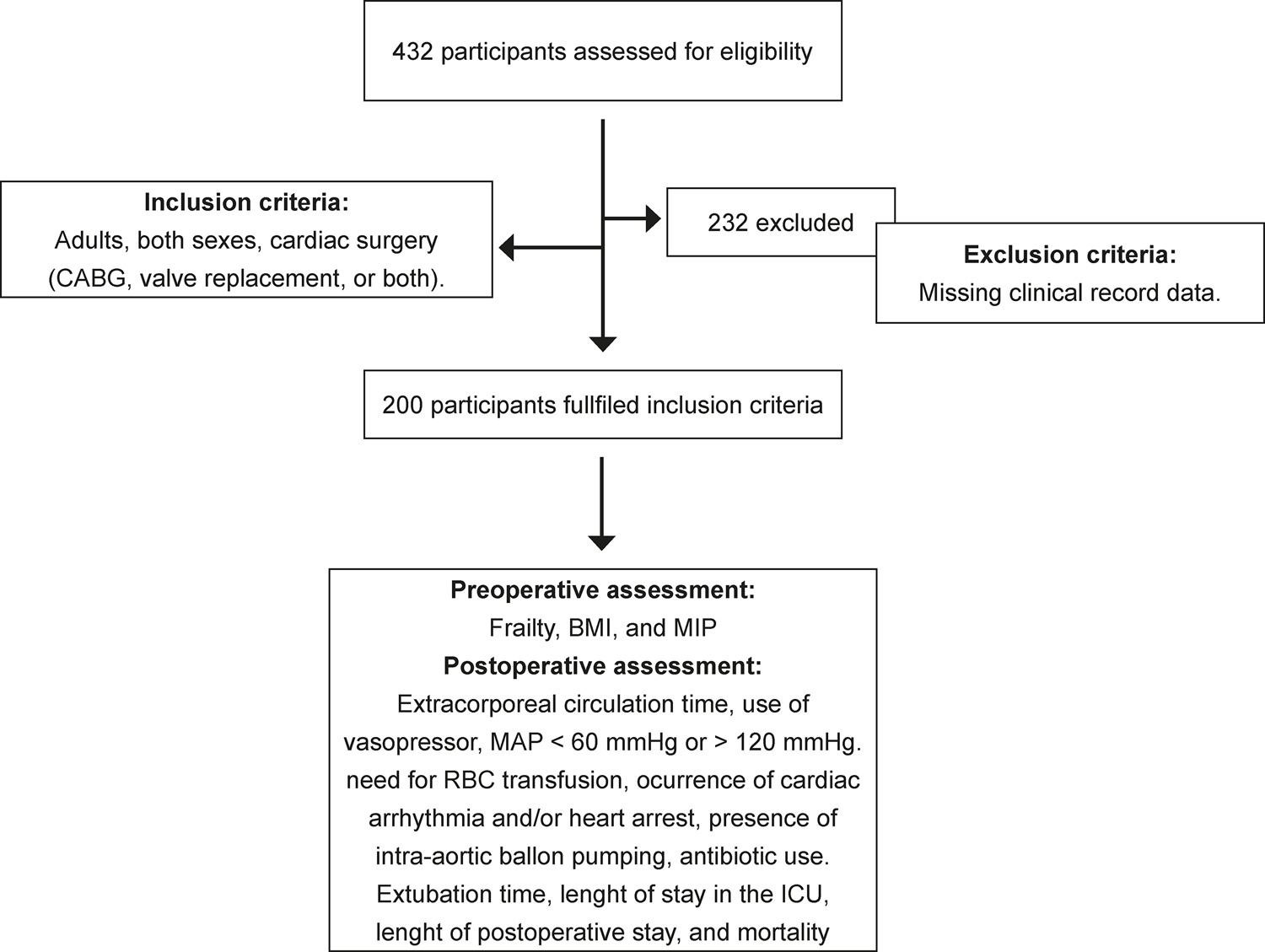
A retrospective cohort study was conducted with cardiac surgery patients. Frailty and maximal inspiratory pressure (MIP) were assessed before surgery. Postoperative outcomes were: extracorporeal circulation time; use of vasopressor; mean arterial pressure (MAP); red blood cell (RBC) transfusion; cardiac arrhythmia and/or heart arrest; presence of intra-aortic balloon pump; antibiotic use; extubation time; length of stay in the intensive care unit (ICU); length of postoperative stay; mortality. One-way ANOVA was used to compare postoperative variables between frailty categories; Spearman was used to evaluate the correlations between frailty and postoperative variables. Age, sex, and MIP were introduced into multiple regression models to find the independent association between postoperative variables and frailty. A significance level of p < 0.05 was adopted.

Results

The medical records of 200 patients were analyzed (65.7±7.2 years; 68.5% men; 63.5% non-frail, 22.5% pre-frail, 14% frail). Frailty was not a predictor of postoperative outcomes. Age was an independent predictor for alterations in MAP (PR: 1.028, 95% CI: 1.003-1.053, p=0.025), need for RBC transfusion (PR: 1.034, 95% CI: 1.007-1.062, p=0.014), longer extubation time (PR: 1.052, 95% CI: 1.023-1.083, p<0.001), length of stay in the ICU (ß: 0.031, 95% CI: 0.010-0.053, p=0.005), length of postoperative stay (ß: 0.017, 95% CI: 0.003-0.031, p=0.015).

Conclusions

Frailty was not a predictor of morbimortality following cardiac surgery in middle-aged and older adults; however, age did predict morbidities in this setting.

  • Cardiac Surgery
  • Fragility Syndrome
  • Morbimortality
  • postoperative complications
Read Full Article
Creative Commons Attribution (CC BY) Creative Commons license
09/05/2022 DOI: 10.36660/ijcs.20210180
Figure 1
ABC
Original Article

Impact of Preoperative Functional Capacity on Postoperative Outcomes in Congenital Heart Surgery: An Observational and Prospective Study

Angela Sachiko Inoue et al. Antônio Augusto Barbosa Lopes Ana Cristina Sayuri Tanaka Maria Ignêz Zanetti Feltrim … Filomena R.B.G. Galas Juliano Pinheiro Almeida Ludhmila Abrahão Hajjar Emilia Nozawa

Abstract

Background

Despite advances in surgical technique and postoperative care in congenital heart disease, cardiovascular morbidity is still high.

Objective

To evaluate the association between preoperative cardiovascular fitness of children and adolescents, measured by the 6-minute walk test (6MWT) and Heart Rate Variability (HRV), and the occurrence of cardiogenic, septic shock and death in the postoperative period.

Methods

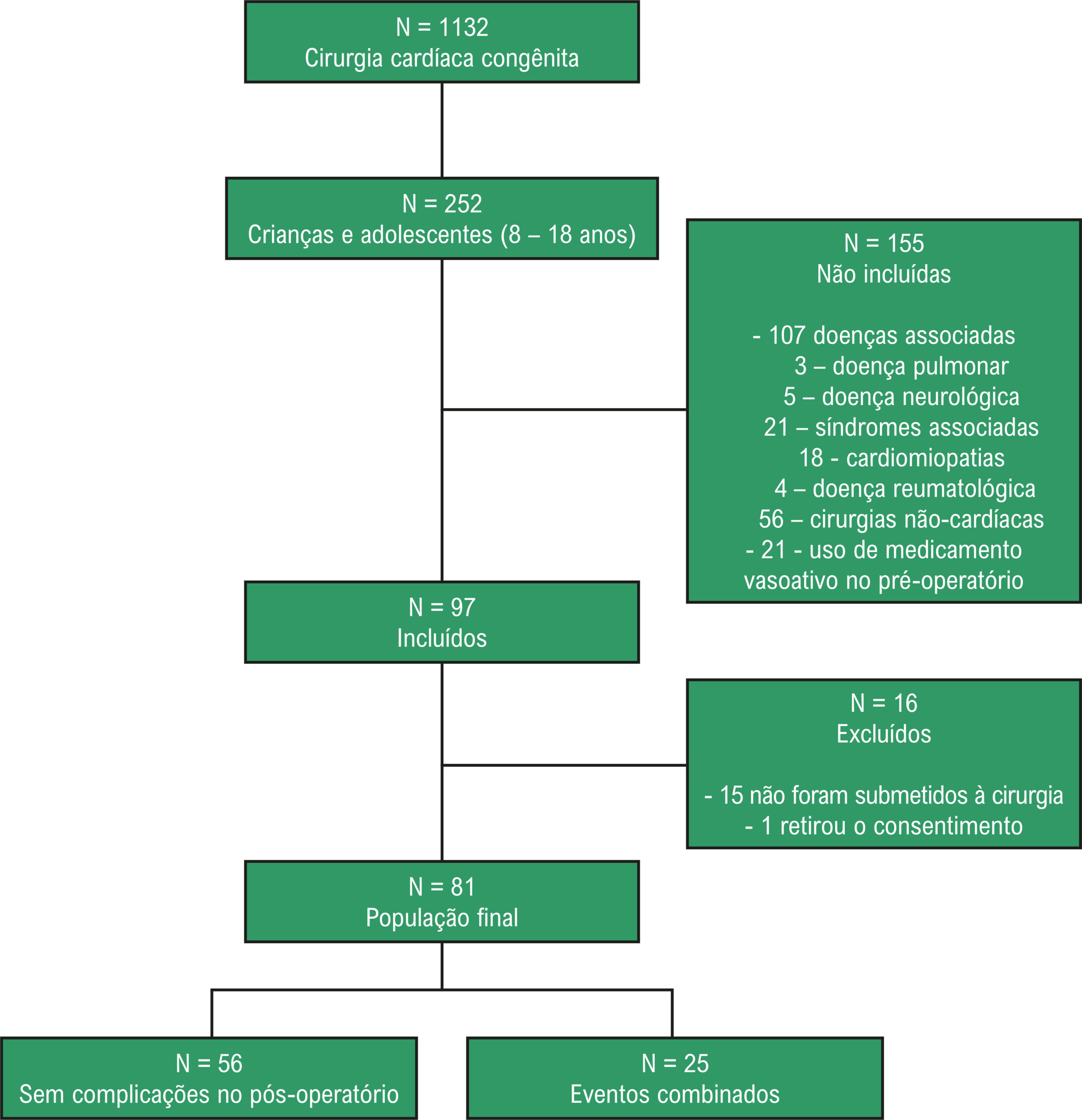
Prospective, observational clinic study including 81 patients aged from 8 to 18 years. In the preoperative period, the 6MWT (distance walked and SpO2) and HRV were performed. The adjusted risk score for surgeries for congenital heart disease (RACHS-1) was applied to predict the surgical risk factor for mortality. The occurrence of at least one of the listed complications was considered as a combined event. P values < 0.05 were considered as significant.

Results

Of the patients, 59% were male, with mean age of 12 years; 33% were cyanotic; and 72% had undergone previous cardiac surgery. Cardiogenic shock was the most common complication, and 31% had a combined event. Prior to surgery, type of current heart disease, RACHS-1, SpO2at rest, during the 6MWT and recovery were selected for the multivariate analysis. The SpO2at recovery by the 6MWT remained as an independent risk factor (OR 0.93, 95%CI [0.88 – 0.99], p=0.02) for the increasing occurrence of combined events.

Conclusion

SpO2after the application of the 6MWT in the preoperative period was an independent predictor of prognosis in children and adolescents undergoing surgical correction; the walked distance and the HRV did not present this association.

  • Heart Defects, Congenital
  • Heart Rate
  • Physical Functional Performance
  • postoperative complications
  • Walk Test
Read Full Article
Creative Commons Attribution (CC BY) Creative Commons license
07/03/2022 DOI: 10.36660/abc.20201137
Figure 1
ABC
Case Report

When Everything goes Wrong

Helder Santos et al. Hugo Miranda Mariana Santos Inês Almeida … Joaquim Peixoto Joana Chin Lurdes Almeida

Introduction

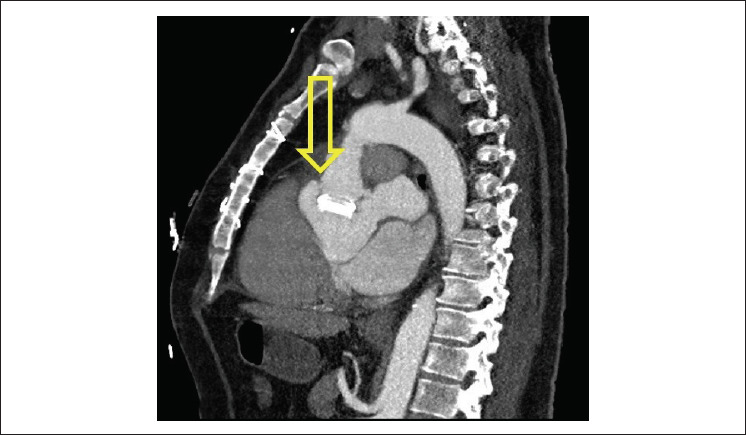
The Bentall procedure was described for the first time 50 years ago and has undergone several improvements through the years. This technique is considered to be a longstanding and safe procedure. However, as any surgery, it can have several complications such as anastomotic pseudoaneurism, myocardial infarction and endocarditis.

In developed countries with differentiated access to health care and prophylaxis, endocarditis is an uncommon pathology, associated to frequent complications and high mortality rates. Antibiotic therapy aims to eradicate the responsible microorganism. However, some of the drugs used cause several side effects, like the DRESS (Drug Reaction with Eosinophilia and Systemic Symptoms) syndrome.

[…]

  • Acute coronary syndrome
  • Antibiotic Prophylaxis
  • Aortic Valve, Diseases
  • Drug Hypersensibility Syndrome
  • Endocarditis
  • postoperative complications
Read Full Article
Creative Commons Attribution (CC BY) Creative Commons license
05/02/2021 DOI: 10.36660/abc.20190907
IJCS
Editorial

Postoperative Atrial Fibrillation: The Challenge of Risk Prediction

Luiz Eduardo Montenegro Camanho et al. Gustavo Vignoli dos Santos

Atrial fibrillation (AF) is the most common cardiac arrhythmia in clinical practice and is characterized by chaotic activation of the atrium, with f waves present on baseline electrocardiography. Postoperative atrial fibrillation (POAF) is a clinically important complication in patients who underwent heart surgery (coronary artery bypass grafting, or CABG surgery, or valvular surgery). The prevalence of POAF varies from 20 to 40%, with a peak incidence between days two and four after heart surgery., Studies suggest that patients undergoing CABG alone have lower incidence of POAF (10 to 40%) compared with those undergoing CABG combined with heart valve replacement (62%).

The most important risk factors associated with this condition are advanced age, heart failure, rheumatic heart disease, hypertension, previous history of AF, left atrial enlargement, chronic kidney failure, and chronic obstructive pulmonary disease (COPD).

[…]

  • Arrhytmias Cardiac/ complications
  • Atrial Fibrillation/physiopathology
  • Cardiac Surgery Procedures
  • postoperative complications
Read Full Article
Creative Commons Attribution (CC BY) Creative Commons license
24/10/2019 DOI: 10.5935/2359-4802.20190088
Chart 1
IJCS
Original Article

Left Atrial Size Contribution to the Predictive Capacity of Two Scores for Atrial Fibrillation in the Postoperative Period of Cardiac Surgeries

Natália Aline da Silva et al. Rita de Cássia Gengo e Silva Butcher

Abstract

Background:

Postoperative atrial fibrillation (POAF) is a common complication associated with undesirable outcomes; hence, the provision of appropriate tools is important to help identify patients at risk.

Objectives:

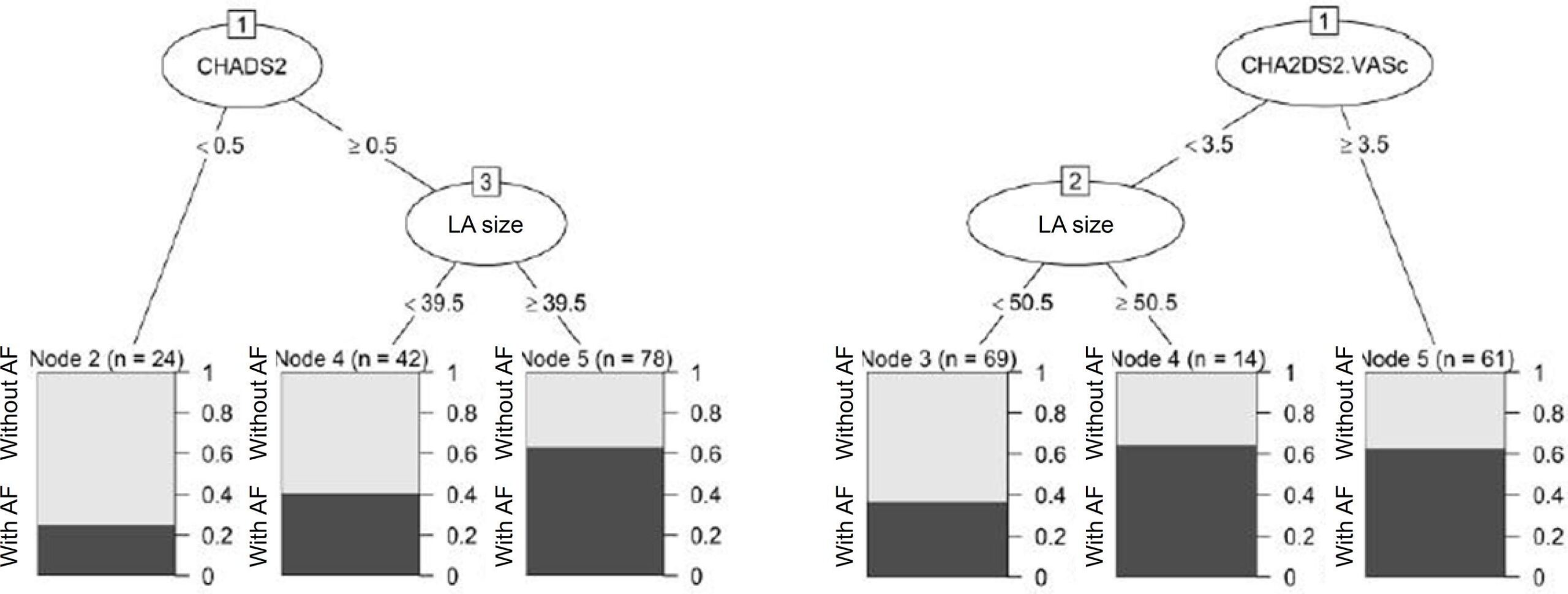
To evaluate the predictive capacity of the CHADS2 and CHA2DS2-VASc scores, alone and combined with left atrial (LA) size, for the onset of POAF in patients undergoing coronary artery bypass grafting and/or valvular surgery.

Methods:

We performed a retrospective cohort study on 144 patients. A decision tree was used to identify the cut-off values of the CHADS2 and CHA2DS2-VASc scores and LA size in order to calculate sensitivity, specificity, predictive-value positive (PVP), and predictive-value negative (PVN), in addition to regression models. The receiver operating characteristic (ROC) curve was used to estimate the accuracy of the models. The level of significance adopted was 5%.

Results:

Patients who developed POAF were older (p = 0.050), had reduced left ventricular ejection fraction (p = 0.045), longer hospital length of stay (p = 0,018), but their mean CHADS2 (p = 0.077) and CHA2DS2-VASc (p = 0.109) scores were similar to those of patients with no arrhythmia. LA size improved the predictive capacity of the CHADS2 score, in terms of specificity and PVP, and of the CHA2DS2-VASc score, in terms of sensitivity and PVN. However, the CHADS2 (OR = 1.198; CI95% = 0.859-1.156) and CHA2DS2-VASc (OR = 1.047; CI95% = 0.784-1.401) scores were not predictors of POAF, either alone or in combination with LA size (OR = 1.163; CI95% = 0.829-1.648 and OR = 1.065; CI95% = 0.795-1.433).

Conclusion:

The CHADS2 and CHA2DS2-VASc scores alone or in combination with LA size did not show good predictive capacity for POAF.

  • Arrhythmias, Cardiac/complications
  • Atrial Fibrillation
  • Cardiac Surgical Procedures
  • postoperative complications
Read Full Article
Creative Commons Attribution (CC BY) Creative Commons license
08/08/2019 DOI: 10.5935/2359-4802.20190042
Figure 1
IJCS
Original Article

Clinical Course of Patients Undergoing Myocardial Revascularization Surgery in a Public Cardiology Referral Hospital in Pará, Brazil

Patrick Hernani Matias Lobato et al. Feliciano Mendes Vieira Junior Mário Barbosa Guedes Nunes Valleria Adriana Queiroz Lima Galucio Ercielem da Lima Barreto

Abstract

Background:

Myocardial revascularization surgery (MRS) is the most frequently performed cardiac surgery in Brazil. However, data on mortality rates among patients undergoing MRS in hospitals other than the main referral centers in the northern Brazil are scarce.

Objective:

To describe the clinical course of patients that submitted to MRS in the major public cardiology referral hospital in the Brazilian Amazon.

Methods:

Retrospective cohort analysis, by review of medical records of patients who had undergone MRS at Hospital das Clínicas Gaspar Vianna (FHCGV) from January 2013 to June 2014.

Results:

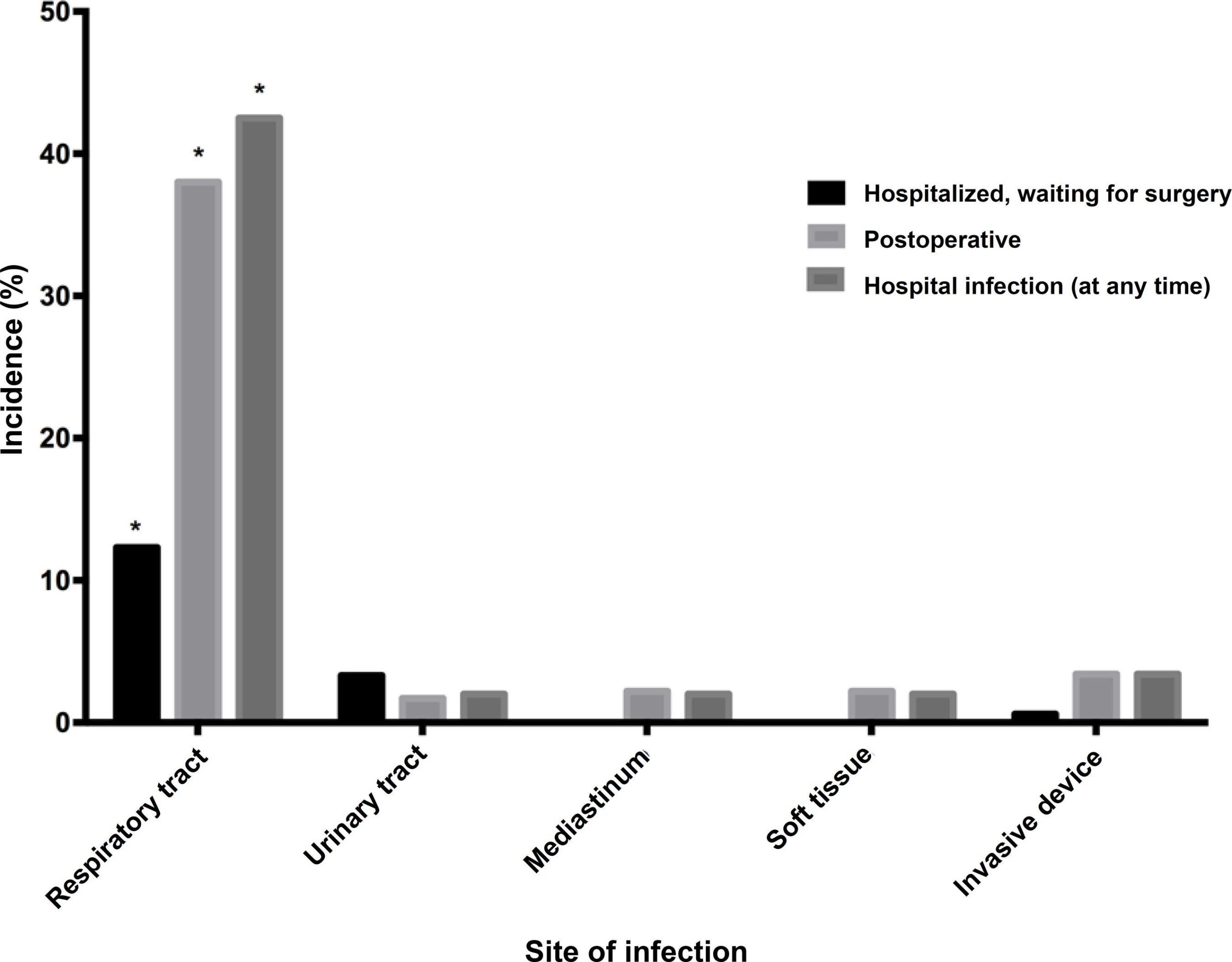
A total of 179 patients were evaluated. Mortality rate was 11.7% until 30 days after surgery. Waiting time for surgery ≥ 30 days (OR 2.59, 95%CI 1.02 – 6.56, p = 0.039), infection during hospitalization (OR 3.28, 95%CI 1.15 – 9.39, p = 0.021) and need for hemodialysis after surgery (OR 9.06 95%CI 2.07 – 39.54, p = 0.001) were predictors of mortality after CABG.

Conclusion:

A high mortality rate in the study population was found, higher than that reported in the literature and in other regions of Brazil.

  • Epidemiology
  • Hospitals, Public
  • Myocardial Revascularization/mortality
  • postoperative complications
Read Full Article
Creative Commons Attribution (CC BY) Creative Commons license
21/01/2019 DOI: 10.5935/2359-4802.20180095 Views 2
Figure 1
ABC
Original Article

Incidence and Predictors of Cardiovascular Complications and Death after Vascular Surgery

Luciana Andrea Avena Smeili et al. Paulo Andrade Lotufo

Abstract

Background:

Patients undergoing arterial vascular surgery are considered at increased risk for post-operative complications.

Objective:

To assess the incidence and predictors of complications and death, as well as the performance of two models of risk stratification, in vascular surgery.

Methods:

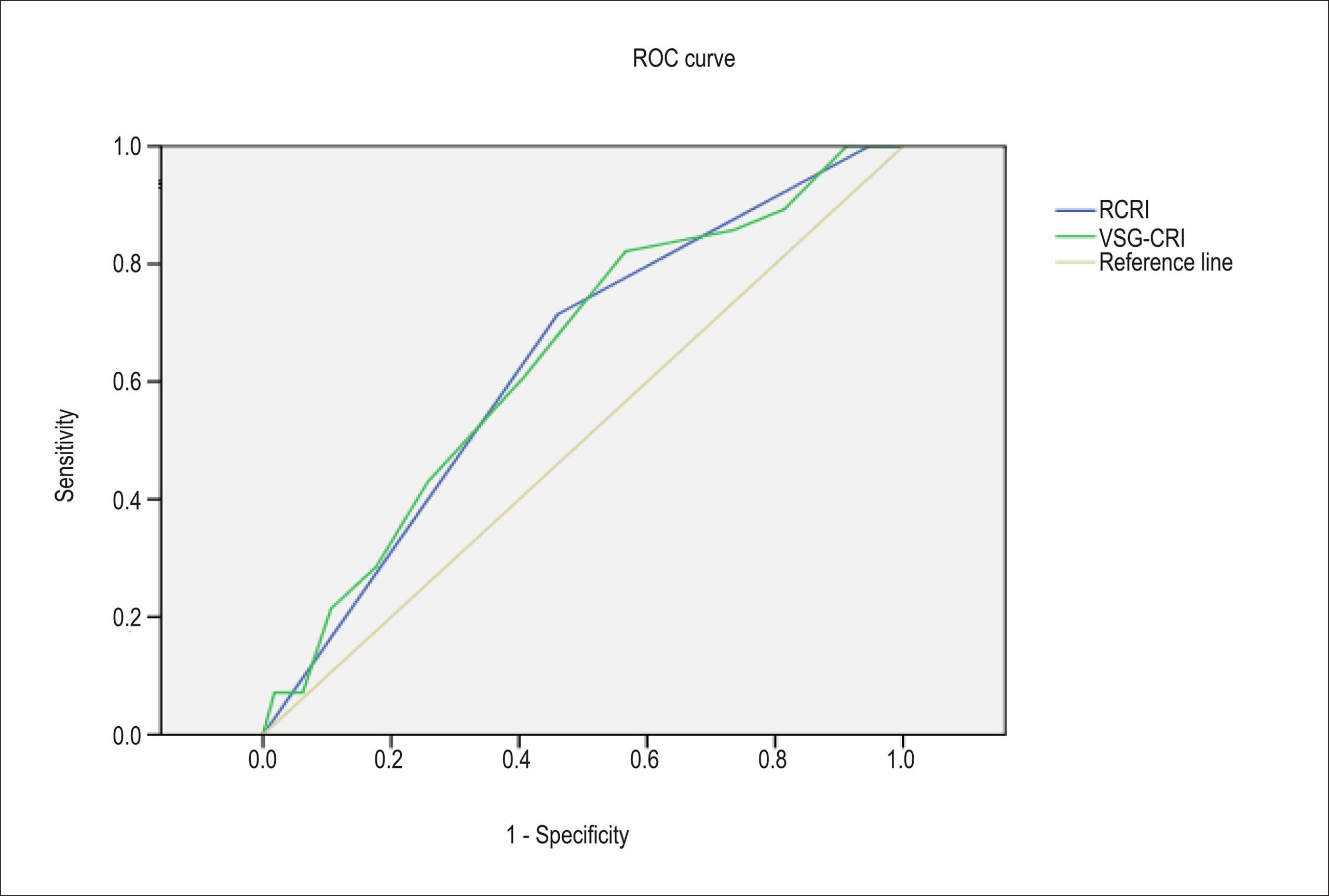
This study determined the incidence of cardiovascular complications and deaths within 30 days from surgery in adults. Univariate comparison and logistic regression assessed the risk factors associated with the outcomes, and the receiver operating characteristic (ROC) curve assessed the discriminatory capacity of the revised cardiac risk index (RCRI) and vascular study group of New England cardiac risk index (VSG-CRI).

Results:

141 patients (mean age, 66 years; 65% men) underwent the following surgeries: carotid (15); lower limbs (65); abdominal aorta (56); and others (5). Cardiovascular complications and death occurred within 30 days in 28 (19.9%) and 20 (14.2%) patients, respectively. The risk predictors were: age, obesity, stroke, poor functional capacity, altered scintigraphy, surgery of the aorta, and troponin change. The scores RCRI and VSG-CRI had area under the curve of 0.635 and 0.639 for early cardiovascular complications, and 0.562 and 0.610 for death in 30 days.

Conclusion:

In this small and selected group of patients undergoing arterial vascular surgery, the incidence of adverse events was elevated. The risk assessment indices RCRI and VSG-CRI did not perform well for complications within 30 days.

  • Cardiovascular Diseases/complications
  • Mortality
  • postoperative complications
  • Postoperative/mortality
  • Risk Assessment
  • Vascular Diseases/surgery
Read Full Article
Creative Commons Attribution (CC BY) Creative Commons license
25/09/2015 DOI: 10.5935/abc.20150113
Perioperative blood glucose level and postoperative complications in pediatric cardiac surgery
ABC
Artigo Original

Perioperative blood glucose level and postoperative complications in pediatric cardiac surgery

Rodrigo Leal Alves et al. Macius Pontes Cerqueira Nadja Cecília de Castro Kraychete Guilherme Oliveira Campos … Marcelo de Jesus Martins Norma Sueli Pinheiro Módolo

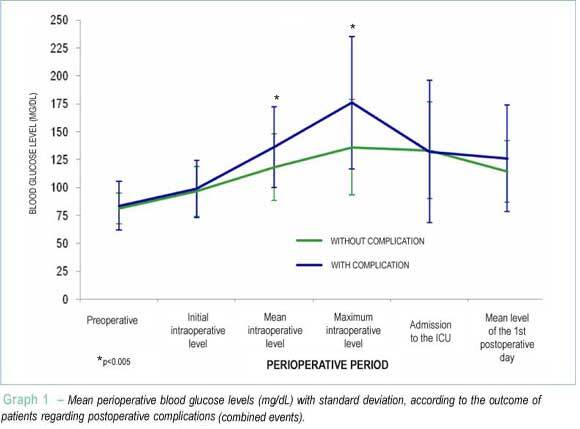
BACKGROUND: Anesthesia for pediatric cardiac surgery is systematically performed in severely ill patients under abnormal physiological conditions. In the intraoperative period, there are significant variations in blood volume, body temperature, plasma composition, and tissue blood flow, in addition to activation of inflammation, with important consequences. Serial measurements of blood glucose levels can indicate states of exacerbation of the neuroendocrine-metabolic response to trauma, serving as prognostic markers of morbidity in that population. OBJECTIVE: To correlate perioperative blood glucose levels of children undergoing cardiac surgery with the occurrence of postoperative complications, and to compare intraoperative blood glucose levels according to perioperative conditions. METHODS: Information regarding the surgical/anesthetic procedure and perioperative conditions of patients was collected from the medical records. The mean perioperative blood glucose levels in the groups of patients with and without postoperative complications and the frequencies of perioperative conditions were compared by use of odds ratio and non-parametric univariate analyses. RESULTS: Higher intraoperative blood glucose levels were observed in individuals who had postoperative complications. Prematurity, age group, type of anesthesia, and character of the procedure did not influence the mean intraoperative blood glucose level. The use of extracorporeal circulation (ECC) was associated with higher blood glucose levels during surgery. In procedures with ECC, higher blood glucose levels were observed in individuals who had infectious and cardiovascular complications. In surgeries without ECC, that association was observed with infectious and hematological complications. CONCLUSION: Higher intraoperative blood glucose levels are associated with higher morbidity in the postoperative period of pediatric cardiac surgery.

  • Blood Glucose
  • Heart Defects, Congenital
  • postoperative complications
  • Thoracic Surgery
Read Full Article
Creative Commons Attribution (CC BY) Creative Commons license
07/10/2011 DOI: 10.1590/S0066-782X2011005000097
Heart rate variability and pulmonary infections after myocardial revascularization
ABC
Artigo Original

Heart rate variability and pulmonary infections after myocardial revascularization

Paulo Rogério Corrêa et al. Aparecida Maria Catai Isabela T. Takakura Maurício N. Machado Moacir F. Godoy

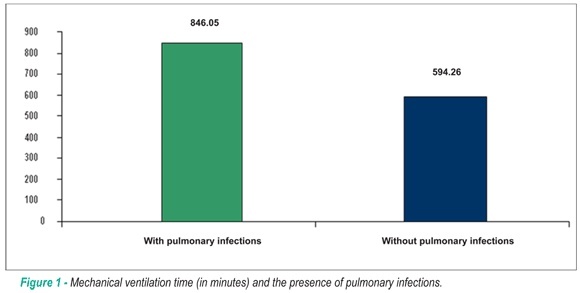
BACKGROUND: Heart rate variability (HRV) is a noninvasive diagnostic method used in the assessment of the autonomic modulation of the heart. The assessment of HRV using nonlinear dynamics methods in the preoperative period of surgical myocardial revascularization could be predictive of morbidity such as pulmonary infections in the postoperative period. OBJECTIVE: To evaluate the behavior of HRV using nonlinear dynamics in the preoperative period of surgical myocardial revascularization and its relation to the occurrence of pulmonary infections in the in-hospital postoperative period. METHODS: A total of 69 patients with coronary artery disease (mean age of 58.6 ± 10.4 years) and indication for elective surgical myocardial revascularization were studied. In order to quantify the nonlinear dynamics of HRV, the following procedures were performed: detrended fluctuation analysis (DFA); analysis of the short (α1) and long-term (α2) components of DFA; approximate entropy (ApEn); Lyapunov exponent (LE); and Hurst exponent (HE) of time series of RR intervals of the ECG, as captured by the Polar S810i instrument on the day before surgery. RESULTS: At the cut-off levels set by the ROC curve, there was a significant difference between the groups with and without pulmonary infections in the postoperative period of myocardial revascularization for total DFA, approximate entropy and Lyapunov exponent with p = 0. 0309, p = 0.0307 and p = 0.0006, respectively. CONCLUSION: The nonlinear dynamics methods, at their respective cut-off levels, allowed for the identification of patients developing pulmonary infection in the postoperative period of surgical myocardial revascularization, thus suggesting that these methods may have a prognostic value for this group of patients.

  • Heart Rate
  • lung diseases, fungal
  • Myocardial Revascularization
  • postoperative complications
Read Full Article
Creative Commons Attribution (CC BY) Creative Commons license
08/09/2010 DOI: 10.1590/S0066-782X2010005000123
ABC
Artigo Original

Incidence of pulmonary complications in myocardial revascularization

Leila D. N Ortiz et al. Camila W Schaan Camila P Leguisamo Katiane Tremarin … Waldo L. L. D Mattos Renato A. K Kalil Lucia C Pellanda

BACKGROUND: Despite the increasingly careful attempts to reduce perioperative risks, pulmonary complications following surgery are still very common, leading to longer length of hospital stays or death. OBJECTIVE: To describe the incidence of pulmonary complications and identify their association with duration of extracorporeal circulation (ECC), surgery and ischemia, number of bypass grafts performed, location of drains and length of drainage following myocardial revascularization (MRV). METHODS: This contemporaneous cohort consisted of 202 patients undergoing elective myocardial revascularization (MRV) with saphenous vein graft and internal mammary artery graft and ECC, at a referral university cardiology hospital in Southern Brazil, from April 2006 to November 2007. The following outcomes were analyzed: duration of mechanical ventilation; pneumonia onset; atelectasis; pleural effusion; location of drains and time of removal; and length of hospital stay. RESULTS: Of the 202 patients, 90 developed some sort of pulmonary complication. The incidence of pleural effusion was 84%, whereas atelectasis was 65%. The following variables were associated with pulmonary complications: duration of ECC (p = 0.003), surgery (p = 0.040) and ischemia (p = 0.001); length of drainage (p = 0.050) and location of pleural drains (p = 0.033); age (p = 0.001); ejection fraction (p = 0.010); diagnosis of asthma (p = 0.047) and preoperative abnormal chest X-ray findings (p = 0.029). CONCLUSION: Variables related to the complexity of the surgery and preexisting comorbidities are associated with a high incidence of postoperative pulmonary complications. These data reinforce the importance of having patients undergo perioperative clinical assessment to detect early respiratory complications after MRV.

  • Myocardial Revascularization
  • Perioperative Care
  • Pleural Effusion
  • postoperative complications
  • Thoracic Surgery
Read Full Article
Creative Commons Attribution (CC BY) Creative Commons license
27/08/2010 DOI: 10.1590/S0066-782X2010005000115
ABC
Artigo Original

Practical use of a risk assessment model for complications after cardiac surgery

Tânia Mara Varejão Strabelli et al. Noedir Antonio Groppo Stolf David Everson Uip

BACKGROUND: The identification of risk factors for postoperative complications in cardiac patients with surgical indication may influence the therapeutic decision. OBJECTIVE: To describe the experience of a Cardiology hospital in the validation and practical use of a preoperative risk score. METHODS:To validate TUMAN’s score, chosen by considering morbidity and mortality, 300 adult patients were prospectively evaluated before elective cardiac surgery with the use of extracorporeal circulation (ECC). Patients with a score of zero to five were considered as being low risk; from six to nine, as moderate risk and a score higher than 10 as high risk for cardiac, infectious, neurological, pulmonary and renal complications, as well as death. RESULTS: The TUMAN classification showed a statistically significant association with the occurrence of infectious complications (p = 0.010), with the other postoperative complications (p = 0.034) and death (p <0.001). Pulmonary infection was the most frequent infectious complication (15.3%) and Infected patients had a longer ICU stay duration (p = 0.001) and more prolonged hospitalization (p = 0001). After routine use, a new review of 154 patients operated in 2005, confirmed the validity of this score in the identification of those with the highest risk of postoperative infections. CONCLUSION: TUMAN's score was chosen as it uses variables that can be promptly obtained, classifies in the same system the most frequently performed surgeries and predicts risk of postoperative complications, in addition to mortality. Its continued use in this hospital has been able to identify the group of patients with increased risk of complications, especially infectious ones, although it was not useful in the prediction of individual risk.

  • Infection
  • postoperative complications
  • Risk
  • Thoracic Surgery
Read Full Article
Creative Commons Attribution (CC BY) Creative Commons license
05/01/2009 DOI: 10.1590/S0066-782X2008001700010

How to cite this article

EndNote RIS

Electronic Document Format (Vancouver)

Mattos NDFG, Oliveira RL, Salgado CG, Sousa ALS, Feijó ALF, Branco RVC, Mattos GZ, et al. Transcatheter Aortic Valve Implantation in Nonagenarians: In-Hospital Complications and One-Year Follow-Up Mortality. International Journal of Cardiovascular Sciences 2026;39:e20250154.

Electronic Document Format (ABNT)

Mattos, Nelson Durval Ferreira Gomes de; Oliveira, Rafael Lauria de; Salgado, Constantino Gonzalez; Sousa, André Luiz Silveira; Feijó, Andre Luiz da Fonseca; Branco, Rodrigo Verney Castello; Mattos, Giovanna Zadra de; Secco, José Carlos Pizzolante; Carvalho, Luiz Antonio Ferreira; Rey, Helena Cramer. Transcatheter Aortic Valve Implantation in Nonagenarians: In-Hospital Complications and One-Year Follow-Up Mortality. International Journal of Cardiovascular Sciences, v. 39, e20250154, Sep. 2026.

Electronic Document Format (APA)

Mattos, N. D. F. G. , Oliveira, R. L. , Salgado, C. G., Sousa, A. L. S., Feijó, A. L. F., Branco, R. V. C., Mattos, G. Z. , Secco, J. C. P., Carvalho, L. A. F., & Rey, H. C. (2026). Transcatheter Aortic Valve Implantation in Nonagenarians: In-Hospital Complications and One-Year Follow-Up Mortality. International Journal of Cardiovascular Sciences, 39, e20250154.

Electronic Document Format (ISO)

Mattos, Nelson Durval Ferreira Gomes de and Oliveira, Rafael Lauria de and Salgado, Constantino Gonzalez and Sousa, André Luiz Silveira and Feijó, Andre Luiz da Fonseca and Branco, Rodrigo Verney Castello and Mattos, Giovanna Zadra de and Secco, José Carlos Pizzolante and Carvalho, Luiz Antonio Ferreira and Rey, Helena Cramer. Transcatheter Aortic Valve Implantation in Nonagenarians: In-Hospital Complications and One-Year Follow-Up Mortality. International Journal of Cardiovascular Sciences [online]. 2026, vol. 39, [cited 2026-10-14], e20250154. Available from: <https://journals.cardiol.br/en/article/transcatheter-aortic-valve-implantation-in-nonagenarians-in-hospital-complications-and-one-year-follow-up-mortality/>. ISSN 2359-4802

EndNote RIS

Electronic Document Format (Vancouver)

Sahin I, Deniz MF. Reconsidering the CHA2DS2-VASc Score for No-Reflow Risk Stratification after Percutaneous Coronary Intervention. Arquivos Brasileiros de Cardiologia 2026;123(1):e20260022.

Electronic Document Format (ABNT)

Sahin, Irfan; Deniz, Muhammed Furkan. Reconsidering the CHA2DS2-VASc Score for No-Reflow Risk Stratification after Percutaneous Coronary Intervention. Arquivos Brasileiros de Cardiologia, v. 123, n. 1, e20260022, Mar. 2026.

Electronic Document Format (APA)

Sahin, I., & Deniz, M. F. (2026). Reconsidering the CHA2DS2-VASc Score for No-Reflow Risk Stratification after Percutaneous Coronary Intervention. Arquivos Brasileiros de Cardiologia, 123(1), e20260022.

Electronic Document Format (ISO)

Sahin, Irfan and Deniz, Muhammed Furkan. Reconsidering the CHA2DS2-VASc Score for No-Reflow Risk Stratification after Percutaneous Coronary Intervention. Arquivos Brasileiros de Cardiologia [online]. 2026, vol. 123, n. 1, [cited 2026-10-14], e20260022. Available from: <https://journals.cardiol.br/en/article/reconsidering-the-cha2ds2-vasc-score-for-no-reflow-risk-stratification-after-percutaneous-coronary-intervention/>. ISSN 0066-782X

EndNote RIS

Electronic Document Format (Vancouver)

Borges AP, Kalil C, Brugada J, Yanez JPG, Soliz PC, Saffi MAL, Silveira AD, et al. Severe Esophageal Complications Following Atrial Fibrillation Ablation: Should We Still Be Concerned?. Arquivos Brasileiros de Cardiologia 2026;122(11):e20250290.

Electronic Document Format (ABNT)

Borges, Anibal Pires; Kalil, Carlos; Brugada, Josep; Yanez, José Plutarco Gutiérrez; Soliz, Pablo da Costa; Saffi, Marco Aurelio Lumertz; Silveira, Anderson Donelli da; Pimentel, Maurício. Severe Esophageal Complications Following Atrial Fibrillation Ablation: Should We Still Be Concerned?. Arquivos Brasileiros de Cardiologia, v. 122, n. 11, e20250290, Jan. 2026.

Electronic Document Format (APA)

Borges, A. P., Kalil, C., Brugada, J., Yanez, J. P. G., Soliz, P. C., Saffi, M. A. L., Silveira, A. D. , & Pimentel, M. (2026). Severe Esophageal Complications Following Atrial Fibrillation Ablation: Should We Still Be Concerned?. Arquivos Brasileiros de Cardiologia, 122(11), e20250290.

Electronic Document Format (ISO)

Borges, Anibal Pires and Kalil, Carlos and Brugada, Josep and Yanez, José Plutarco Gutiérrez and Soliz, Pablo da Costa and Saffi, Marco Aurelio Lumertz and Silveira, Anderson Donelli da and Pimentel, Maurício. Severe Esophageal Complications Following Atrial Fibrillation Ablation: Should We Still Be Concerned?. Arquivos Brasileiros de Cardiologia [online]. 2026, vol. 122, n. 11, [cited 2026-10-14], e20250290. Available from: <https://journals.cardiol.br/en/article/severe-esophageal-complications-following-atrial-fibrillation-ablation-should-we-still-be-concerned/>. ISSN 0066-782X

EndNote RIS

Electronic Document Format (Vancouver)

Alves LBO, Silva KR, Barros JV, Colugnati FAB, Martinelli Filho M, Costa R. Factors Associated with the Treatment Costs within the First Year after Pacemaker Implantation or Pulse Generator Replacement. Arquivos Brasileiros de Cardiologia 2024;121(4):e20230386.

Electronic Document Format (ABNT)

Alves, Lucas Bassoli de Oliveira; Silva, Katia Regina; Barros, Jacson Venancio; Colugnati, Fernando Antonio Basile; Martinelli Filho, Martino; Costa, Roberto. Factors Associated with the Treatment Costs within the First Year after Pacemaker Implantation or Pulse Generator Replacement. Arquivos Brasileiros de Cardiologia, v. 121, n. 4, e20230386, Apr. 2024.

Electronic Document Format (APA)

Alves, L. B. O., Silva, K. R., Barros, J. V., Colugnati, F. A. B., Martinelli Filho, M., & Costa, R. (2024). Factors Associated with the Treatment Costs within the First Year after Pacemaker Implantation or Pulse Generator Replacement. Arquivos Brasileiros de Cardiologia, 121(4), e20230386.

Electronic Document Format (ISO)

Alves, Lucas Bassoli de Oliveira and Silva, Katia Regina and Barros, Jacson Venancio and Colugnati, Fernando Antonio Basile and Martinelli Filho, Martino and Costa, Roberto. Factors Associated with the Treatment Costs within the First Year after Pacemaker Implantation or Pulse Generator Replacement. Arquivos Brasileiros de Cardiologia [online]. 2024, vol. 121, n. 4, [cited 2026-10-14], e20230386. Available from: <https://journals.cardiol.br/en/article/factors-associated-with-the-treatment-costs-within-the-first-year-after-pacemaker-implantation-or-pulse-generator-replacement/>. ISSN 0066-782X

EndNote RIS

Electronic Document Format (Vancouver)

Garrido RQ, Lamas CC. Risk Factors for Surgical Site Infection after Pediatric Cardiac Surgery. Arquivos Brasileiros de Cardiologia 2024;120(12):e20240015.

Electronic Document Format (ABNT)

Garrido, Rafael Quaresma; Lamas, Cristiane da Cruz. Risk Factors for Surgical Site Infection after Pediatric Cardiac Surgery. Arquivos Brasileiros de Cardiologia, v. 120, n. 12, e20240015, Apr. 2024.

Electronic Document Format (APA)

Garrido, R. Q., & Lamas, C. C. (2024). Risk Factors for Surgical Site Infection after Pediatric Cardiac Surgery. Arquivos Brasileiros de Cardiologia, 120(12), e20240015.

Electronic Document Format (ISO)

Garrido, Rafael Quaresma and Lamas, Cristiane da Cruz. Risk Factors for Surgical Site Infection after Pediatric Cardiac Surgery. Arquivos Brasileiros de Cardiologia [online]. 2024, vol. 120, n. 12, [cited 2026-10-14], e20240015. Available from: <https://journals.cardiol.br/en/article/risk-factors-for-surgical-site-infection-after-pediatric-cardiac-surgery/>. ISSN 0066-782X

EndNote RIS

Electronic Document Format (Vancouver)

Ribeiro ACL, Siciliano RF, Lopes AA, Strabelli TMV. Risk Factors for Surgical Site Infection in Patients Undergoing Pediatric Cardiac Surgery. Arquivos Brasileiros de Cardiologia 2023;120(12):e20220592.

Electronic Document Format (ABNT)

Ribeiro, Anna Christina de Lima; Siciliano, Rinaldo Focaccia; Lopes, Antonio Augusto; Strabelli, Tania Mara Varejão. Risk Factors for Surgical Site Infection in Patients Undergoing Pediatric Cardiac Surgery. Arquivos Brasileiros de Cardiologia, v. 120, n. 12, e20220592, Dec. 2023.

Electronic Document Format (APA)

Ribeiro, A. C. L., Siciliano, R. F., Lopes, A. A., & Strabelli, T. M. V. (2023). Risk Factors for Surgical Site Infection in Patients Undergoing Pediatric Cardiac Surgery. Arquivos Brasileiros de Cardiologia, 120(12), e20220592.

Electronic Document Format (ISO)

Ribeiro, Anna Christina de Lima and Siciliano, Rinaldo Focaccia and Lopes, Antonio Augusto and Strabelli, Tania Mara Varejão. Risk Factors for Surgical Site Infection in Patients Undergoing Pediatric Cardiac Surgery. Arquivos Brasileiros de Cardiologia [online]. 2023, vol. 120, n. 12, [cited 2026-10-14], e20220592. Available from: <https://journals.cardiol.br/en/article/risk-factors-for-surgical-site-infection-in-patients-undergoing-pediatric-cardiac-surgery/>. ISSN 0066-782X

EndNote RIS

Electronic Document Format (Vancouver)

Ribeiro JS, Oliveira MLC. Demographic and Epidemiological Profile of Aging and Elderly Patients Receiving Heart Transplant During the Period from 2009 to 2018. International Journal of Cardiovascular Sciences 2022;35(6):730-9.

Electronic Document Format (ABNT)

Ribeiro, Joseane de Souza; Oliveira, Maria Liz Cunha de. Demographic and Epidemiological Profile of Aging and Elderly Patients Receiving Heart Transplant During the Period from 2009 to 2018. International Journal of Cardiovascular Sciences, v. 35, n. 6, p. 730-739, May. 2022.

Electronic Document Format (APA)

Ribeiro, J. S., & Oliveira, M. L. C. (2022). Demographic and Epidemiological Profile of Aging and Elderly Patients Receiving Heart Transplant During the Period from 2009 to 2018. International Journal of Cardiovascular Sciences, 35(6), 730-739.

Electronic Document Format (ISO)

Ribeiro, Joseane de Souza and Oliveira, Maria Liz Cunha de. Demographic and Epidemiological Profile of Aging and Elderly Patients Receiving Heart Transplant During the Period from 2009 to 2018. International Journal of Cardiovascular Sciences [online]. 2022, vol. 35, n. 6, [cited 2026-10-14], pp. 730-739. Available from: <https://journals.cardiol.br/en/article/demographic-and-epidemiological-profile-of-aging-and-elderly-patients-receiving-heart-transplant-during-the-period-from-2009-to-2018/>. ISSN 2359-4802

EndNote RIS

Electronic Document Format (Vancouver)

Nascimento DM, Botton CE, Santos FV, Rover MC, Moura MS, Leão BM, Schaan BD, et al. Is Frailty Syndrome a Predictor of Morbimortality in Postoperative Cardiac Surgery? – A Retrospective Cohort Study. International Journal of Cardiovascular Sciences 2022;35(6):760-9.

Electronic Document Format (ABNT)

Nascimento, Daniela Meirelles do; Botton, Cíntia Ehlers; Santos, Felipe Vargas; Rover, Márcia Cristina; Moura, Marília Santos; Leão, Bruna Müller; Schaan, Beatriz D.. Is Frailty Syndrome a Predictor of Morbimortality in Postoperative Cardiac Surgery? – A Retrospective Cohort Study. International Journal of Cardiovascular Sciences, v. 35, n. 6, p. 760-769, May. 2022.

Electronic Document Format (APA)

Nascimento, D. M. , Botton, C. E., Santos, F. V., Rover, M. C., Moura, M. S., Leão, B. M., & Schaan, B. D. (2022). Is Frailty Syndrome a Predictor of Morbimortality in Postoperative Cardiac Surgery? – A Retrospective Cohort Study. International Journal of Cardiovascular Sciences, 35(6), 760-769.

Electronic Document Format (ISO)

Nascimento, Daniela Meirelles do and Botton, Cíntia Ehlers and Santos, Felipe Vargas and Rover, Márcia Cristina and Moura, Marília Santos and Leão, Bruna Müller and Schaan, Beatriz D.. Is Frailty Syndrome a Predictor of Morbimortality in Postoperative Cardiac Surgery? – A Retrospective Cohort Study. International Journal of Cardiovascular Sciences [online]. 2022, vol. 35, n. 6, [cited 2026-10-14], pp. 760-769. Available from: <https://journals.cardiol.br/en/article/is-frailty-syndrome-a-predictor-of-morbimortality-in-postoperative-cardiac-surgery-a-retrospective-cohort-study/>. ISSN 2359-4802

EndNote RIS

Electronic Document Format (Vancouver)

Inoue AS, Lopes AAB, Tanaka ACS, Feltrim MIZ, Galas FR, Almeida JP, Hajjar LA, et al. Impact of Preoperative Functional Capacity on Postoperative Outcomes in Congenital Heart Surgery: An Observational and Prospective Study. Arquivos Brasileiros de Cardiologia 2022;118(2):411-9.

Electronic Document Format (ABNT)

Inoue, Angela Sachiko; Lopes, Antônio Augusto Barbosa; Tanaka, Ana Cristina Sayuri; Feltrim, Maria Ignêz Zanetti; Galas, Filomena R.B.G.; Almeida, Juliano Pinheiro; Hajjar, Ludhmila Abrahão; Nozawa, Emilia. Impact of Preoperative Functional Capacity on Postoperative Outcomes in Congenital Heart Surgery: An Observational and Prospective Study. Arquivos Brasileiros de Cardiologia, v. 118, n. 2, p. 411-419, Mar. 2022.

Electronic Document Format (APA)

Inoue, A. S., Lopes, A. A. B., Tanaka, A. C. S., Feltrim, M. I. Z., Galas, F. R., Almeida, J. P., Hajjar, L. A., & Nozawa, E. (2022). Impact of Preoperative Functional Capacity on Postoperative Outcomes in Congenital Heart Surgery: An Observational and Prospective Study. Arquivos Brasileiros de Cardiologia, 118(2), 411-419.

Electronic Document Format (ISO)

Inoue, Angela Sachiko and Lopes, Antônio Augusto Barbosa and Tanaka, Ana Cristina Sayuri and Feltrim, Maria Ignêz Zanetti and Galas, Filomena R.B.G. and Almeida, Juliano Pinheiro and Hajjar, Ludhmila Abrahão and Nozawa, Emilia. Impact of Preoperative Functional Capacity on Postoperative Outcomes in Congenital Heart Surgery: An Observational and Prospective Study. Arquivos Brasileiros de Cardiologia [online]. 2022, vol. 118, n. 2, [cited 2026-10-14], pp. 411-419. Available from: <https://journals.cardiol.br/en/article/impact-of-preoperative-functional-capacity-on-postoperative-outcomes-in-congenital-heart-surgery-an-observational-and-prospective-study/>. ISSN 0066-782X

EndNote RIS

Electronic Document Format (Vancouver)

Santos H, Miranda H, Santos M, Almeida I, Peixoto J, Chin J, Almeida L, et al. When Everything goes Wrong. Arquivos Brasileiros de Cardiologia 2021;116(2 suppl 1):28-31.

Electronic Document Format (ABNT)

Santos, Helder; Miranda, Hugo; Santos, Mariana; Almeida, Inês; Peixoto, Joaquim; Chin, Joana; Almeida, Lurdes. When Everything goes Wrong. Arquivos Brasileiros de Cardiologia, v. 116, n. 2 suppl 1, p. 28-31, Feb. 2021.

Electronic Document Format (APA)

Santos, H., Miranda, H., Santos, M., Almeida, I., Peixoto, J., Chin, J., & Almeida, L. (2021). When Everything goes Wrong. Arquivos Brasileiros de Cardiologia, 116(2 suppl 1), 28-31.

Electronic Document Format (ISO)

Santos, Helder and Miranda, Hugo and Santos, Mariana and Almeida, Inês and Peixoto, Joaquim and Chin, Joana and Almeida, Lurdes. When Everything goes Wrong. Arquivos Brasileiros de Cardiologia [online]. 2021, vol. 116, n. 2 suppl 1, [cited 2026-10-14], pp. 28-31. Available from: <https://journals.cardiol.br/en/article/when-everything-goes-wrong/>. ISSN 0066-782X

EndNote RIS

Electronic Document Format (Vancouver)

Camanho LEM, Santos GV. Postoperative Atrial Fibrillation: The Challenge of Risk Prediction. International Journal of Cardiovascular Sciences 2019;32(6):594-5.

Electronic Document Format (ABNT)

Camanho, Luiz Eduardo Montenegro; Santos, Gustavo Vignoli dos. Postoperative Atrial Fibrillation: The Challenge of Risk Prediction. International Journal of Cardiovascular Sciences, v. 32, n. 6, p. 594-595, Oct. 2019.

Electronic Document Format (APA)

Camanho, L. E. M., & Santos, G. V. (2019). Postoperative Atrial Fibrillation: The Challenge of Risk Prediction. International Journal of Cardiovascular Sciences, 32(6), 594-595.

Electronic Document Format (ISO)

Camanho, Luiz Eduardo Montenegro and Santos, Gustavo Vignoli dos. Postoperative Atrial Fibrillation: The Challenge of Risk Prediction. International Journal of Cardiovascular Sciences [online]. 2019, vol. 32, n. 6, [cited 2026-10-14], pp. 594-595. Available from: <https://journals.cardiol.br/en/article/postoperative-atrial-fibrillation-the-challenge-of-risk-prediction/>. ISSN 2359-4802

EndNote RIS

Electronic Document Format (Vancouver)

Silva NA, Butcher RCGS. Left Atrial Size Contribution to the Predictive Capacity of Two Scores for Atrial Fibrillation in the Postoperative Period of Cardiac Surgeries. International Journal of Cardiovascular Sciences 2019;32(6):585-93.

Electronic Document Format (ABNT)

Silva, Natália Aline da; Butcher, Rita de Cássia Gengo e Silva. Left Atrial Size Contribution to the Predictive Capacity of Two Scores for Atrial Fibrillation in the Postoperative Period of Cardiac Surgeries. International Journal of Cardiovascular Sciences, v. 32, n. 6, p. 585-593, Aug. 2019.

Electronic Document Format (APA)

Silva, N. A. , & Butcher, R. C. G. S. (2019). Left Atrial Size Contribution to the Predictive Capacity of Two Scores for Atrial Fibrillation in the Postoperative Period of Cardiac Surgeries. International Journal of Cardiovascular Sciences, 32(6), 585-593.

Electronic Document Format (ISO)

Silva, Natália Aline da and Butcher, Rita de Cássia Gengo e Silva. Left Atrial Size Contribution to the Predictive Capacity of Two Scores for Atrial Fibrillation in the Postoperative Period of Cardiac Surgeries. International Journal of Cardiovascular Sciences [online]. 2019, vol. 32, n. 6, [cited 2026-10-14], pp. 585-593. Available from: <https://journals.cardiol.br/en/article/left-atrial-size-contribution-to-the-predictive-capacity-of-two-scores-for-atrial-fibrillation-in-the-postoperative-period-of-cardiac-surgeries/>. ISSN 2359-4802

EndNote RIS

Electronic Document Format (Vancouver)

Lobato PHM, Vieira Junior FM, Nunes MBG, Galucio VAQL, Barreto EL. Clinical Course of Patients Undergoing Myocardial Revascularization Surgery in a Public Cardiology Referral Hospital in Pará, Brazil. International Journal of Cardiovascular Sciences 2019;32(3):217-26.

Electronic Document Format (ABNT)

Lobato, Patrick Hernani Matias; Vieira Junior, Feliciano Mendes; Nunes, Mário Barbosa Guedes; Galucio, Valleria Adriana Queiroz Lima; Barreto, Ercielem da Lima. Clinical Course of Patients Undergoing Myocardial Revascularization Surgery in a Public Cardiology Referral Hospital in Pará, Brazil. International Journal of Cardiovascular Sciences, v. 32, n. 3, p. 217-226, Jan. 2019.

Electronic Document Format (APA)

Lobato, P. H. M., Vieira Junior, F. M., Nunes, M. B. G., Galucio, V. A. Q. L., & Barreto, E. L. (2019). Clinical Course of Patients Undergoing Myocardial Revascularization Surgery in a Public Cardiology Referral Hospital in Pará, Brazil. International Journal of Cardiovascular Sciences, 32(3), 217-226.

Electronic Document Format (ISO)

Lobato, Patrick Hernani Matias and Vieira Junior, Feliciano Mendes and Nunes, Mário Barbosa Guedes and Galucio, Valleria Adriana Queiroz Lima and Barreto, Ercielem da Lima. Clinical Course of Patients Undergoing Myocardial Revascularization Surgery in a Public Cardiology Referral Hospital in Pará, Brazil. International Journal of Cardiovascular Sciences [online]. 2019, vol. 32, n. 3, [cited 2026-10-14], pp. 217-226. Available from: <https://journals.cardiol.br/en/article/clinical-course-of-patients-undergoing-myocardial-revascularization-surgery-in-a-public-cardiology-referral-hospital-in-para-brazil/>. ISSN 2359-4802

EndNote RIS

Electronic Document Format (Vancouver)

Smeili LAA, Lotufo PA. Incidence and Predictors of Cardiovascular Complications and Death after Vascular Surgery. Arquivos Brasileiros de Cardiologia 2015;105(5):510-8.

Electronic Document Format (ABNT)

Smeili, Luciana Andrea Avena; Lotufo, Paulo Andrade. Incidence and Predictors of Cardiovascular Complications and Death after Vascular Surgery. Arquivos Brasileiros de Cardiologia, v. 105, n. 5, p. 510-518, Sep. 2015.

Electronic Document Format (APA)

Smeili, L. A. A., & Lotufo, P. A. (2015). Incidence and Predictors of Cardiovascular Complications and Death after Vascular Surgery. Arquivos Brasileiros de Cardiologia, 105(5), 510-518.

Electronic Document Format (ISO)

Smeili, Luciana Andrea Avena and Lotufo, Paulo Andrade. Incidence and Predictors of Cardiovascular Complications and Death after Vascular Surgery. Arquivos Brasileiros de Cardiologia [online]. 2015, vol. 105, n. 5, [cited 2026-10-14], pp. 510-518. Available from: <https://journals.cardiol.br/en/article/incidence-and-predictors-of-cardiovascular-complications-and-death-after-vascular-surgery/>. ISSN 0066-782X

EndNote RIS

Electronic Document Format (Vancouver)

Alves RL, Cerqueira MP, Kraychete NCC, Campos GO, Martins MJ, Módolo NSP. Perioperative blood glucose level and postoperative complications in pediatric cardiac surgery. Arquivos Brasileiros de Cardiologia 2011;97(5):372-9.

Electronic Document Format (ABNT)

Alves, Rodrigo Leal; Cerqueira, Macius Pontes; Kraychete, Nadja Cecília de Castro; Campos, Guilherme Oliveira; Martins, Marcelo de Jesus; Módolo, Norma Sueli Pinheiro. Perioperative blood glucose level and postoperative complications in pediatric cardiac surgery. Arquivos Brasileiros de Cardiologia, v. 97, n. 5, p. 372-379, Oct. 2011.

Electronic Document Format (APA)

Alves, R. L., Cerqueira, M. P., Kraychete, N. C. C., Campos, G. O., Martins, M. J., & Módolo, N. S. P. (2011). Perioperative blood glucose level and postoperative complications in pediatric cardiac surgery. Arquivos Brasileiros de Cardiologia, 97(5), 372-379.

Electronic Document Format (ISO)

Alves, Rodrigo Leal and Cerqueira, Macius Pontes and Kraychete, Nadja Cecília de Castro and Campos, Guilherme Oliveira and Martins, Marcelo de Jesus and Módolo, Norma Sueli Pinheiro. Perioperative blood glucose level and postoperative complications in pediatric cardiac surgery. Arquivos Brasileiros de Cardiologia [online]. 2011, vol. 97, n. 5, [cited 2026-10-14], pp. 372-379. Available from: <https://journals.cardiol.br/en/article/perioperative-blood-glucose-level-and-postoperative-complications-in-pediatric-cardiac-surgery/>. ISSN 0066-782X

EndNote RIS

Electronic Document Format (Vancouver)

Corrêa PR, Catai AM, Takakura IT, Machado MN, Godoy MF. Heart rate variability and pulmonary infections after myocardial revascularization. Arquivos Brasileiros de Cardiologia 2010;95(4):448-56.

Electronic Document Format (ABNT)

Corrêa, Paulo Rogério; Catai, Aparecida Maria; Takakura, Isabela T.; Machado, Maurício N.; Godoy, Moacir F.. Heart rate variability and pulmonary infections after myocardial revascularization. Arquivos Brasileiros de Cardiologia, v. 95, n. 4, p. 448-456, Sep. 2010.

Electronic Document Format (APA)

Corrêa, P. R., Catai, A. M., Takakura, I. T., Machado, M. N., & Godoy, M. F. (2010). Heart rate variability and pulmonary infections after myocardial revascularization. Arquivos Brasileiros de Cardiologia, 95(4), 448-456.

Electronic Document Format (ISO)

Corrêa, Paulo Rogério and Catai, Aparecida Maria and Takakura, Isabela T. and Machado, Maurício N. and Godoy, Moacir F.. Heart rate variability and pulmonary infections after myocardial revascularization. Arquivos Brasileiros de Cardiologia [online]. 2010, vol. 95, n. 4, [cited 2026-10-14], pp. 448-456. Available from: <https://journals.cardiol.br/en/article/heart-rate-variability-and-pulmonary-infections-after-myocardial-revascularization/>. ISSN 0066-782X

EndNote RIS

Electronic Document Format (Vancouver)

Ortiz LDN, Schaan CW, Leguisamo CP, Tremarin K, Mattos WLLD, Kalil RAK, Pellanda LC, et al. Incidence of pulmonary complications in myocardial revascularization. Arquivos Brasileiros de Cardiologia 2010;95(4):441-7.

Electronic Document Format (ABNT)

Ortiz, Leila D. N; Schaan, Camila W; Leguisamo, Camila P; Tremarin, Katiane; Mattos, Waldo L. L. D; Kalil, Renato A. K; Pellanda, Lucia C. Incidence of pulmonary complications in myocardial revascularization. Arquivos Brasileiros de Cardiologia, v. 95, n. 4, p. 441-447, Aug. 2010.

Electronic Document Format (APA)

Ortiz, L. D. N., Schaan, C. W., Leguisamo, C. P., Tremarin, K., Mattos, W. L. L. D., Kalil, R. A. K., & Pellanda, L. C. (2010). Incidence of pulmonary complications in myocardial revascularization. Arquivos Brasileiros de Cardiologia, 95(4), 441-447.

Electronic Document Format (ISO)

Ortiz, Leila D. N and Schaan, Camila W and Leguisamo, Camila P and Tremarin, Katiane and Mattos, Waldo L. L. D and Kalil, Renato A. K and Pellanda, Lucia C. Incidence of pulmonary complications in myocardial revascularization. Arquivos Brasileiros de Cardiologia [online]. 2010, vol. 95, n. 4, [cited 2026-10-14], pp. 441-447. Available from: <https://journals.cardiol.br/en/article/incidence-of-pulmonary-complications-in-myocardial-revascularization/>. ISSN 0066-782X

EndNote RIS

Electronic Document Format (Vancouver)

Strabelli TMV, Stolf NAG, Uip DE. Practical use of a risk assessment model for complications after cardiac surgery. Arquivos Brasileiros de Cardiologia 2009;91(5):342-7.

Electronic Document Format (ABNT)

Strabelli, Tânia Mara Varejão; Stolf, Noedir Antonio Groppo; Uip, David Everson. Practical use of a risk assessment model for complications after cardiac surgery. Arquivos Brasileiros de Cardiologia, v. 91, n. 5, p. 342-347, Jan. 2009.

Electronic Document Format (APA)

Strabelli, T. M. V., Stolf, N. A. G., & Uip, D. E. (2009). Practical use of a risk assessment model for complications after cardiac surgery. Arquivos Brasileiros de Cardiologia, 91(5), 342-347.

Electronic Document Format (ISO)

Strabelli, Tânia Mara Varejão and Stolf, Noedir Antonio Groppo and Uip, David Everson. Practical use of a risk assessment model for complications after cardiac surgery. Arquivos Brasileiros de Cardiologia [online]. 2009, vol. 91, n. 5, [cited 2026-10-14], pp. 342-347. Available from: <https://journals.cardiol.br/en/article/practical-use-of-a-risk-assessment-model-for-complications-after-cardiac-surgery/>. ISSN 0066-782X

  • About ABC Family
  • Internal Regulation
  • Editorial Board
  • Brazilian Society of Cardiology (SBC)

Issues

SBC Guidelines

  • Videos
  • Podcasts
  • News