Treatment of Aortic Stenosis in Elderly Individuals in Brazil: How Long Can We Wait?
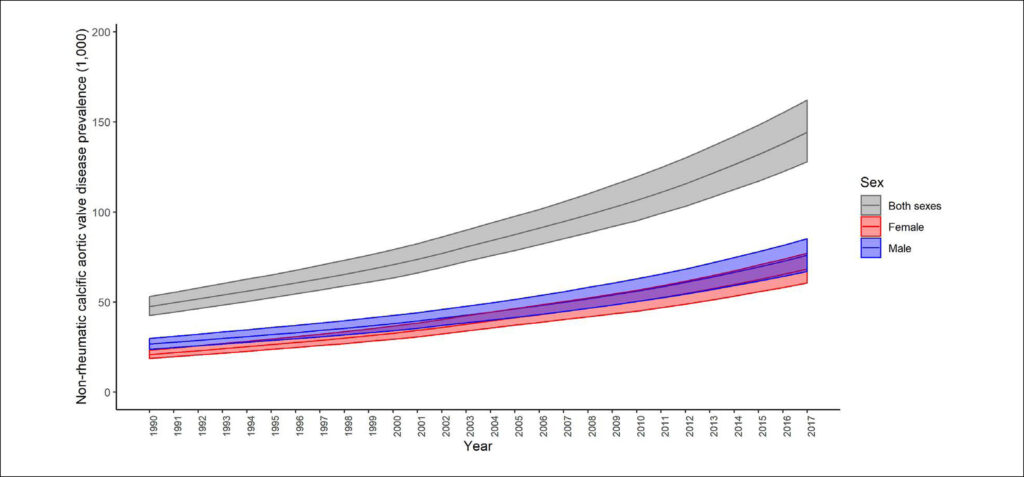
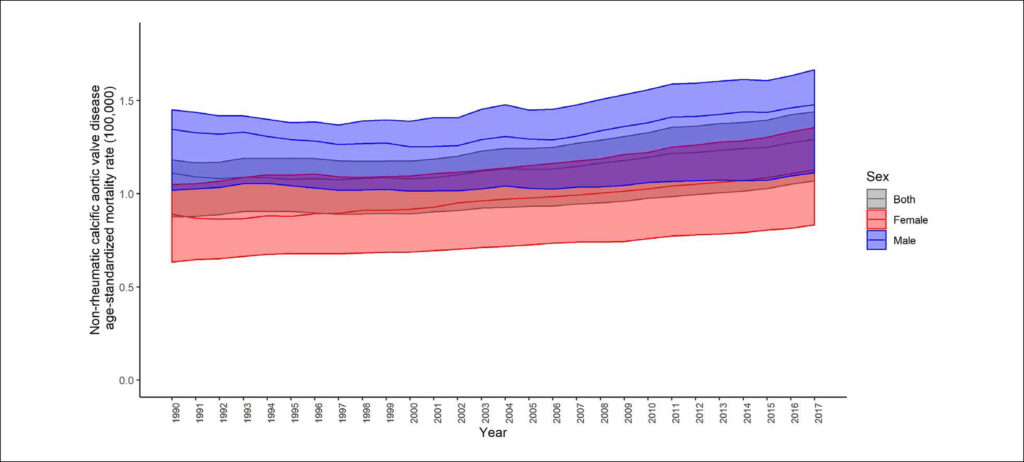
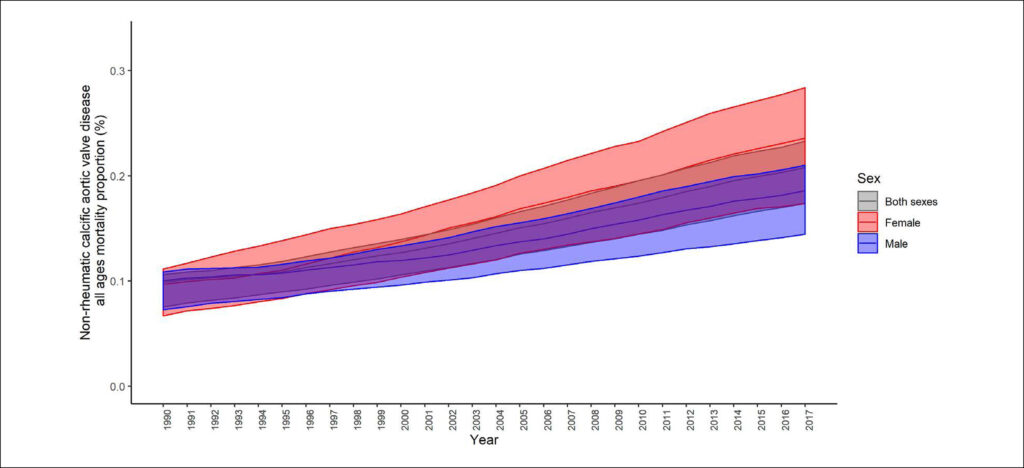
The growing life expectancy of the population is increasing the occurrence of diseases affecting the elderly age group, notably the non-rheumatic degenerative valvular diseases and, in particular, aortic stenosis, whose prevalence in elderly individuals older than 75 years has been estimated at 3 to 5%. This is the most common valvular heart disease among elderly individuals, and its severe form is associated with high morbidity and mortality. The life expectancy of patients with aortic stenosis presenting with heart failure and rhythm disturbances is estimated to be less than 2 years. The standard treatment for this disease is cardiac surgery with replacement of the aortic valve by a prosthesis. However, due to high surgical risk, especially in very elderly patients with associated comorbidities, cardiac surgery is contraindicated in about 30% of the cases or is performed with high morbidity and mortality rates according to preoperative scores. For these critically ill patients, a new, less invasive technique consisting of transcatheter aortic valve implantation (TAVI) of a bioprosthesis has been considered the therapeutic option of choice, initially tested in patients at very high surgical risk, but currently with evidence of noninferiority compared to open surgery in lower-risk individuals., The first TAVI procedure in the world was performed in France in 2002 by Professor Alain Cribier, and the method was pioneered in Brazil in 2008. Since then, a considerable number of patients has been treated. However, despite robust evidence of safety and efficacy, this therapy has still not been incorporated into the supplemental or public health care systems (Sistema Único de Saúde [SUS]) in the country.
Despite the fact that TAVI has already been evaluated and accepted in the health care systems of several countries with evidence of cost-effectiveness even in individuals at intermediate operative risk, the Ministry of Health, based on a position stand from the National Commission for Incorporation of Technologies in the SUS (Conitec), established in 2013, in response to a request by the Brazilian Society for Hemodynamics and of Interventional Cardiology (SBHCI) acting as the petitioner, considered that there was no convenience in incorporating this therapy in Brazil. Conitec, at the time, based on the opinion of a reviewer and disregarding the opinion of prestigious national universities presented in a public consultation on the subject, recommended against the incorporation of the procedure, justifying this decision on three points: a) TAVI would not be a safe and effective procedure due to an allegedly high incidence of stroke within the first 30 days after the procedure, b) the budgetary impact of incorporating TAVI into the SUS would approach 1 billion reais per year, and c) methodological inaccuracies could have affected the economic model presented by the petitioner and the PARTNER B study, which served as the main background for the incorporation of this procedure by all health technology assessment agencies in the world that have requested the incorporation of this technology.
[…]
Images
Image gallery fullscreen viewer
Comments are moderated by the editorial team before publication. Discussions should be evidence-based and use scientific language. Conflicts of interest should be declared.