ABC Family Arquivos Brasileiros de Cardiologia International Journal of Cardiovascular Sciences ABC Heart Failure & Cardiomyopathy ABC Imagem Cardiovascular
Português English
ABC Family
Português English
  • About
    • About ABC Family
    • Internal Regulation
    • Editorial Board
    • Brazilian Society of Cardiology (SBC)
  • Issues
  • SBC Guidelines
  • Content
    • Videos
    • Podcasts
    • News
  • About
    • About ABC Family
    • Internal Regulation
    • Editorial Board
    • Brazilian Society of Cardiology (SBC)
  • Issues
  • SBC Guidelines
  • Content
    • Videos
    • Podcasts
    • News

ABC Family

  • ABC Family
  • Arquivos Brasileiros de Cardiologia
  • International Journal of Cardiovascular Sciences
  • ABC Heart Failure & Cardiomyopathy
  • ABC Imagem Cardiovascular
Search in

No content found.

Journals
Ordering
Article types
Others

  1. Home
  2. Keyword: Hypertrophy,Left Ventricular
ABC
Editorial

Correlation between Obstructive Sleep Apnea and Left Ventricular Diastolic Function Assessed by Echocardiography

Cláudio L. Pereira da Cunha

Obstructive sleeP apnea (OSA) is a disease characterized by recurrent upper airway obstruction during sleeP , resulting from the repetitive collapse of these pathways, resulting in hypoxia and sleeP fragmentation. It is a very common disorder, being more common in men, but it can also affect women and children. Its prevalence has been estimated at approximately 14% among men and 5% among women and OSA has been defined in these studies as the presence of an apnea-hypopnea index > 5 events per hour of sleeP , associated with 4% of oxygen desaturation.

OSA is associated with a significant increase in sympathetic activity during sleeP , influencing heart rate and blood pressure. The increase in the sympathetic activity is induced by a number of mechanisms, including chemoreflex stimulation by hypoxia and hypercapnia, baroreflex, endothelial dysfunction, and venous return and cardiac output alterations.

[…]

  • Cardiovascular Diseases
  • Echocardiography/methods
  • Heart Failure
  • Hypertrophy,Left Ventricular
  • Indicators of Mortality and Morbidity
  • Polysomngraphy/methods
  • Risk Factors
  • Sleep Apnea,Obstructive
Read Full Article
Creative Commons Attribution (CC BY) Creative Commons license
02/12/2019 DOI: 10.36660/abc.20190695
ABC
Editorial

Postural Changes and their Influence on Functional Behavior of the Great Arteries

Luiz Aparecido Bortolotto

The large arteries, especially the aorta, are known to play a major role in the circulation of blood flow both during ventricular ejection and during diastole, thus providing the blood supply required by the organs. Additionally, the damping function exercised by the aorta plays a fundamental role in central hemodynamics, providing adequate ventricular-arterial coupling during the cardiac cycle.The loss of this function due to increased arterial stiffness plays a role in the development of hypertension and left ventricular hypertrophy and has been associated with the development of atherosclerosis and myocardial ischemia. Noninvasive methods for assessing the function of large arteries, such as pulse wave velocity (PWV) measurement, have provided a better understanding of the correlations of arterial stiffness with cardiovascular disease, and have been used as prognostic markers in different populations.However, due to methodological limitations, all studies have been performed in the supine position, and the impact of postural changes, especially orthostasis, has not been evaluated on these vascular properties. Thus, the study by Elias Neto et al. published in this issue, as the first to evaluate the effect of orthostasis on the aortic functional properties in normotensive and hypertensive individuals not treated by the aortic PWV measurement in humans, provides important information to understand the role of these properties in the physiological adaptation of central hemodynamics in relation to the gravity effects. The authors evaluated nearly 100 individuals with no evident cardiovascular disease by measuring carotid-femoral PWV performed in the supine and standing positions after the 70° tilt test and demonstrated a significant and sustained increase in PWV throughout the tilt test, in both young and older individuals. Interestingly, although there was a direct and significant association between baseline and post-orthostasis PWV values and systolic blood pressure (SBP ), SBP remained unaltered or showed a slight decrease during the tilt test and, therefore, the increase in PWV during inclination occurred by other mechanisms of circulatory adaptation, including an increase in peripheral arterial resistance (indirectly suggested by the observed increase in mean BP ) and changes in circulatory dynamics promoted by the gravitational force, which are related to the differential structural and geometric characteristics of the aorta throughout its trajectory. In a study with a smaller number of individuals and another methodology for PWV assessment, the authors also found an increase in PWV with the tilt test and attributed this increase to increased hydrostatic pressure and greater sympathetic activity.

Due to gravitational effect, blood flow increases in the more distal arterial segments, which have smaller diameter and less elasticity, causing an increase in PWV and also in BP in the infradiaphragmatic territories. The consequence of this increase in carotid-femoral PWV would be the early return of the retrograde wave to the heart, increasing pulse pressure at the aortic root, which could contribute to maintaining a more adequate cerebral blood flow with the biped position assumed by humans. It is noteworthy that this same mechanism of early wave reflection in the aortic root is one of the main factors responsible for SBP increase in the elderly, as a consequence of the increase in arterial stiffness observed with aging. Evaluating the results of the study by Elias Neto et al., the PWV of young individuals after orthostasis showed values similar to those found in the elderly in the dorsal position, corroborating the role of increased PWV with increased retrograde wave in the individual’s adaptation to the orthostatic position.

[…]

  • aging
  • Aorta/physiopathology
  • Blood Flow
  • Gravitation
  • Hypertension
  • Hypertrophy,Left Ventricular
  • Pulse Wave Analysis
  • Stending Position
Read Full Article
Creative Commons Attribution (CC BY) Creative Commons license
02/12/2019 DOI: 10.36660/abc.20190691 Views 2
Figure 1
IJCS
Original Article

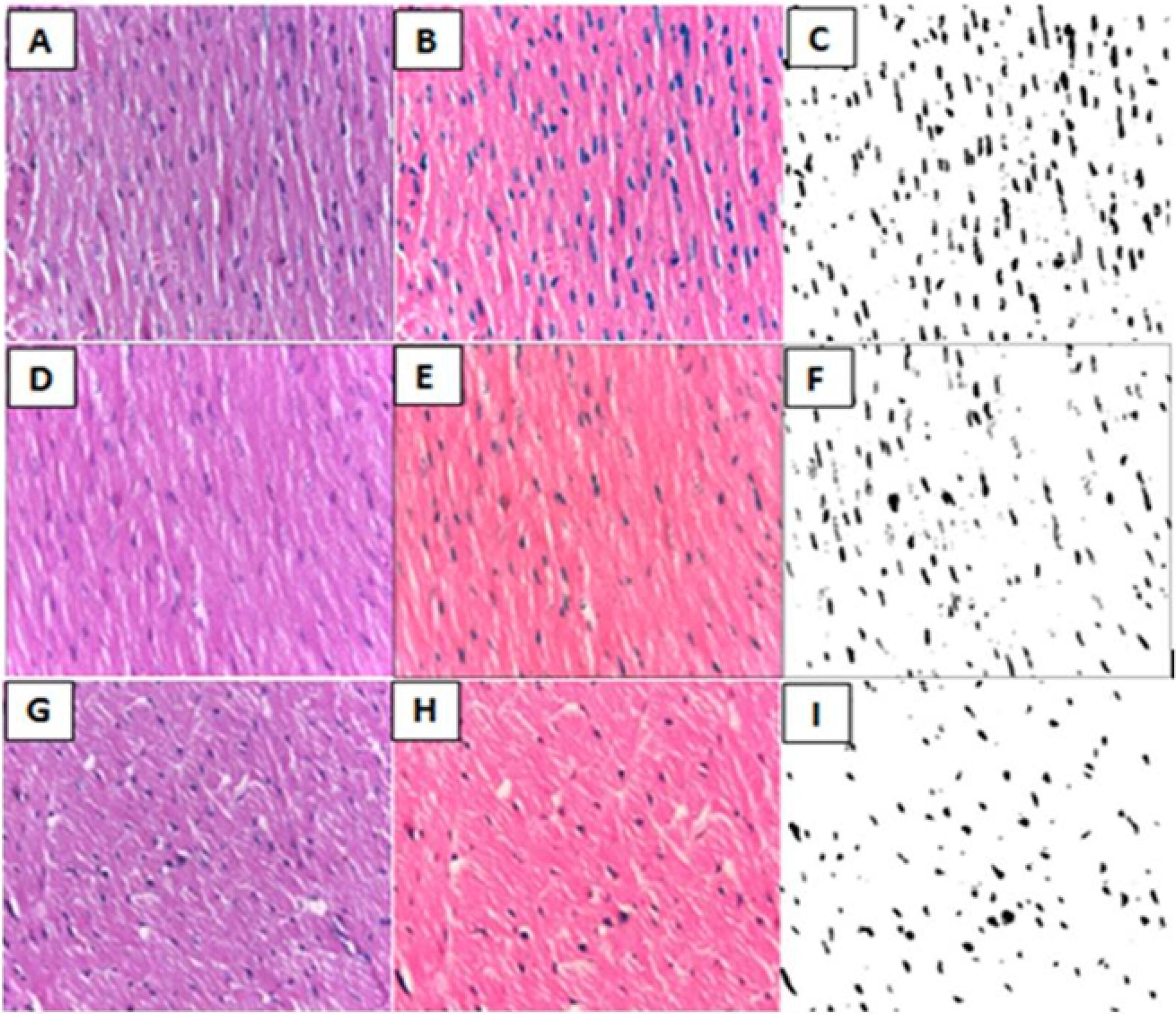
Effect of Short-Term Inhalation of The Herbicide 2,4D on Cardiac Remodeling: Morphological Aspects

Ana Lucia Ribeiro Negrão et al. Bianca de Oliveira Mariana de Godoy Gonçalves Thaoan Bruno Mariano … Tais Fernanda da Silva Oliveira Ana Karênina Dias Almeida Sabela Renata Calciolari Rossi e Silva Raíssa de Oliveira Mantovani Gisele Alborghetti Nai Francis Lopes Pacagnelli

Abstract

Background:

Brazil is the worldwide leader in the long-term use of pesticides and herbicides. This compromises the health of handlers by causing harmful neurological, respiratory, and cardiovascular changes. The herbicide 2.4D has been shown to cause cardiac overload with subsequent pathological remodeling.

Objective:

To analyze the cardiac morphological repercussions on the left ventricle (LV) of mice submitted to nebulization by the herbicide 2.4D.

Methods:

Fifteen mice were divided into three groups: control group (CG; n = 5) exposed to nebulization with sodium chloride solution; low concentration group (LCG; n = 5) exposed to nebulization of the herbicide 2.4D with 3.71 x 10⁻³ grams; and high concentration group (HCG; n = 5) exposed to nebulization of the herbicide 2.4D with 9.28 x 10⁻³ grams for 15 minutes. The fractal dimension analysis was performed through the box-counting method. Later, the ImageJ program was used to calculate the fractal dimension of each group. To evaluate cardiac remodeling, histological slides were prepared and stained with Hematoxylin-Eosin (HE). Fifty areas of cardiomyocytes were analyzed per animal. The comparisons between groups were performed by ANOVA One-Way with Tukey’s posttest (p < 0.05).

Results:

There was no change in fractal dimension values between the CG = 1.37 ± 0.02, LCG = 1.33 ± 0.04 and the HCG = 1.33 ± 0.07 groups. However, cardiac hypertrophy occurred in the HCG = 303.9 ± 38.80 µm(2) when compared to the CG group = 236.9 ± 61.71 µm(2) (p = 0.034).

Conclusion:

The herbicide 2.4D used for 72 hours did not promote cardiotoxicity when evaluated by fractal dimension. However, cardiomyocyte hypertrophy was observed in the LV.

  • Agrochemicals
  • Herbicides/adverse effects
  • Hypertrophy,Left Ventricular
  • Mice
  • Neurologic Manifestations
  • Pesticides/adverse effects
  • Respiratory Tract Diseases
Read Full Article
Creative Commons Attribution (CC BY) Creative Commons license
07/03/2019 DOI: 10.5935/2359-4802.20190014

How to cite this article

EndNote RIS

Electronic Document Format (Vancouver)

Cunha CLP. Correlation between Obstructive Sleep Apnea and Left Ventricular Diastolic Function Assessed by Echocardiography. Arquivos Brasileiros de Cardiologia 2019;113(6):1090-1.

Electronic Document Format (ABNT)

Cunha, Cláudio L. Pereira da. Correlation between Obstructive Sleep Apnea and Left Ventricular Diastolic Function Assessed by Echocardiography. Arquivos Brasileiros de Cardiologia, v. 113, n. 6, p. 1090-1091, Dec. 2019.

Electronic Document Format (APA)

Cunha, C. L. P. (2019). Correlation between Obstructive Sleep Apnea and Left Ventricular Diastolic Function Assessed by Echocardiography. Arquivos Brasileiros de Cardiologia, 113(6), 1090-1091.

Electronic Document Format (ISO)

Cunha, Cláudio L. Pereira da. Correlation between Obstructive Sleep Apnea and Left Ventricular Diastolic Function Assessed by Echocardiography. Arquivos Brasileiros de Cardiologia [online]. 2019, vol. 113, n. 6, [cited 2026-10-14], pp. 1090-1091. Available from: <https://journals.cardiol.br/en/article/correlation-between-obstructive-sleep-apnea-and-left-ventricular-diastolic-function-assessed-by-echocardiography/>. ISSN 0066-782X

EndNote RIS

Electronic Document Format (Vancouver)

Bortolotto LA. Postural Changes and their Influence on Functional Behavior of the Great Arteries. Arquivos Brasileiros de Cardiologia 2019;113(6):1082-3.

Electronic Document Format (ABNT)

Bortolotto, Luiz Aparecido. Postural Changes and their Influence on Functional Behavior of the Great Arteries. Arquivos Brasileiros de Cardiologia, v. 113, n. 6, p. 1082-1083, Dec. 2019.

Electronic Document Format (APA)

Bortolotto, L. A. (2019). Postural Changes and their Influence on Functional Behavior of the Great Arteries. Arquivos Brasileiros de Cardiologia, 113(6), 1082-1083.

Electronic Document Format (ISO)

Bortolotto, Luiz Aparecido. Postural Changes and their Influence on Functional Behavior of the Great Arteries. Arquivos Brasileiros de Cardiologia [online]. 2019, vol. 113, n. 6, [cited 2026-10-14], pp. 1082-1083. Available from: <https://journals.cardiol.br/en/article/postural-changes-and-their-influence-on-functional-behavior-of-the-great-arteries/>. ISSN 0066-782X

EndNote RIS

Electronic Document Format (Vancouver)

Negrão ALR, Oliveira B, Gonçalves MG, Mariano TB, Oliveira TFS, Sabela AKDA, Silva RCR, et al. Effect of Short-Term Inhalation of The Herbicide 2,4D on Cardiac Remodeling: Morphological Aspects. International Journal of Cardiovascular Sciences 2019;32(3):247-52.

Electronic Document Format (ABNT)

Negrão, Ana Lucia Ribeiro; Oliveira, Bianca de; Gonçalves, Mariana de Godoy; Mariano, Thaoan Bruno; Oliveira, Tais Fernanda da Silva; Sabela, Ana Karênina Dias Almeida; Silva, Renata Calciolari Rossi e; Mantovani, Raíssa de Oliveira; Nai, Gisele Alborghetti; Pacagnelli, Francis Lopes. Effect of Short-Term Inhalation of The Herbicide 2,4D on Cardiac Remodeling: Morphological Aspects. International Journal of Cardiovascular Sciences, v. 32, n. 3, p. 247-252, Mar. 2019.

Electronic Document Format (APA)

Negrão, A. L. R., Oliveira, B. , Gonçalves, M. G., Mariano, T. B., Oliveira, T. F. S., Sabela, A. K. D. A., Silva, R. C. R. , Mantovani, R. O., Nai, G. A., & Pacagnelli, F. L. (2019). Effect of Short-Term Inhalation of The Herbicide 2,4D on Cardiac Remodeling: Morphological Aspects. International Journal of Cardiovascular Sciences, 32(3), 247-252.

Electronic Document Format (ISO)

Negrão, Ana Lucia Ribeiro and Oliveira, Bianca de and Gonçalves, Mariana de Godoy and Mariano, Thaoan Bruno and Oliveira, Tais Fernanda da Silva and Sabela, Ana Karênina Dias Almeida and Silva, Renata Calciolari Rossi e and Mantovani, Raíssa de Oliveira and Nai, Gisele Alborghetti and Pacagnelli, Francis Lopes. Effect of Short-Term Inhalation of The Herbicide 2,4D on Cardiac Remodeling: Morphological Aspects. International Journal of Cardiovascular Sciences [online]. 2019, vol. 32, n. 3, [cited 2026-10-14], pp. 247-252. Available from: <https://journals.cardiol.br/en/article/effect-of-short-term-inhalation-of-the-herbicide-24d-on-cardiac-remodeling-morphological-aspects/>. ISSN 2359-4802

  • About ABC Family
  • Internal Regulation
  • Editorial Board
  • Brazilian Society of Cardiology (SBC)

Issues

SBC Guidelines

  • Videos
  • Podcasts
  • News