ABC Family Arquivos Brasileiros de Cardiologia International Journal of Cardiovascular Sciences ABC Heart Failure & Cardiomyopathy ABC Imagem Cardiovascular
Português English
ABC Family
Português English
  • About
    • About ABC Family
    • Internal Regulation
    • Editorial Board
    • Brazilian Society of Cardiology (SBC)
  • Issues
  • SBC Guidelines
  • Content
    • Videos
    • Podcasts
    • News
  • About
    • About ABC Family
    • Internal Regulation
    • Editorial Board
    • Brazilian Society of Cardiology (SBC)
  • Issues
  • SBC Guidelines
  • Content
    • Videos
    • Podcasts
    • News

ABC Family

  • ABC Family
  • Arquivos Brasileiros de Cardiologia
  • International Journal of Cardiovascular Sciences
  • ABC Heart Failure & Cardiomyopathy
  • ABC Imagem Cardiovascular
Search in

No content found.

Journals
Ordering
Article types
Others

  1. Home
  2. Keyword: Tilt Table Test
Figure 1
ABC
Original Article

Clinical and Autonomic Profile, and Modified Calgary Score for Children and Adolescents with Presumed Vasovagal Syncope Submitted to the Tilt Test

Pamela Michelle Leite Oliveira et al. Rose Mary Ferreira Lisboa da Silva Henrique de Assis Fonseca Tonelli Zilda Maria Alves Meira Cleonice de Carvalho Coelho Mota

Abstract

Background

In the pediatric population, syncope is mainly from vasovagal (VVS) origin. Its evaluation must be done by clinical methods, and the tilt test (TT) can contribute to the diagnosis.

Objectives

To analyze the clinical profile, Calgary and modified Calgary scores, response to TT and heart rate variability (HRV) of patients aged ≤ 18 years with presumed VVS. To compare the variables between patients with positive and negative responses to TT.

Method

Observational and prospective study, with 73 patients aged between 6 and 18 years, submitted to clinical evaluation and calculation of scores without previous knowledge of the TT. It was done at 70º under monitoring for HRV analysis. P-value < 0.05 was the statistical significance criterion.

Results

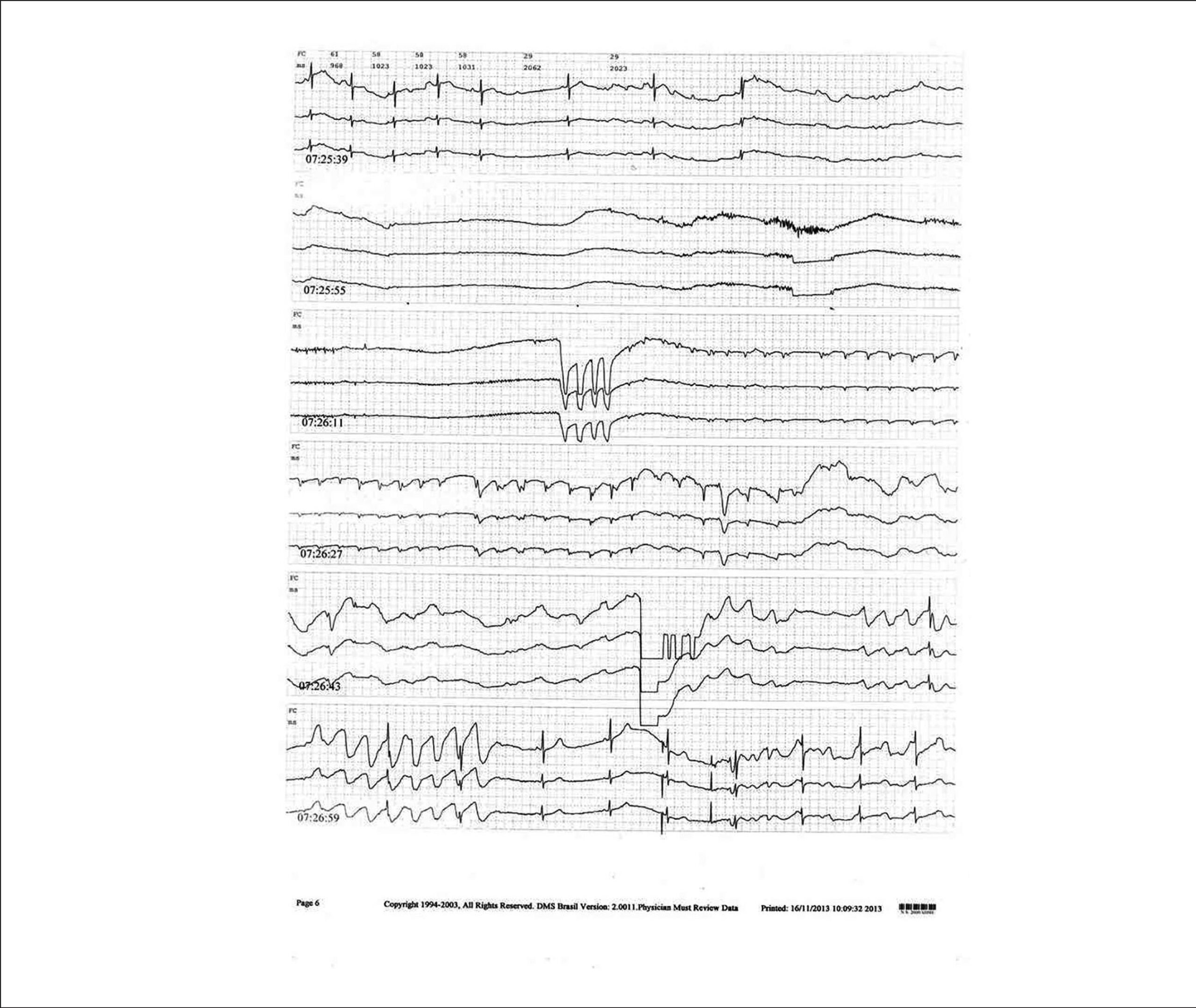
Median age was 14.0 years; 52% of participants were female, 72 had Calgary ≥ -2 (mean 1.80), and 69 had modified Calgary ≥ -3 (mean 1.38). Prodromes were observed in 59 patients, recurrence in 50 and trauma in 19. The response to TT was positive in 54 participants (49 vasovagal, with 39 vasodepressor responses), with an increase in the low frequency (LF) component and a decrease in the high frequency (HF) component (p < 0,0001). In the supine position, LF was 33.6 in females and 47.4 in normalized units for males (p = 0.02). When applying the operating characteristic curve for positive TT, there was no statistical significance for HRV and scores.

Conclusion

Most children and adolescents with a presumed diagnosis of VVS presented a typical clinical scenario, with a Calgary score ≥ -2, and a predominant vasodepressor response to TT. Greater sympathetic activation was observed in the supine position in males. Calgary scores and sympathetic activation did not predict the response to TT.
  • Adolescent
  • Child
  • Heart Rate
  • Syncope, Vasovagal
  • Tilt Table Test
Read Full Article
Creative Commons Attribution (CC BY) Creative Commons license
07/08/2023 DOI: 10.36660/abc.20220543 Views 1
Figure 1
ABC
Original Article

Cardiac and Musculoskeletal Responses to the Effects of Passive and Active Tilt Test in Healthy Subjects

Rogerio Ferreira Liporaci et al. Marcelo Camargo Saad Julio César Crescêncio Fabiana Marques … Debora Bevilaqua-Grossi Lourenço Gallo-Júnior

Abstract

Background:

Maintenance of orthostatism requires the interaction of autonomic and muscle responses for an efficient postural control, to minimize body motion and facilitate venous return in a common type of syncope called neurocardiogenic syncope (NCS). Muscle activity in standing position may be registered by surface electromyography, and body sway confirmed by displacement of the center of pressure (COP) on a force platform. These peripheral variables reflect the role of muscles in the maintenance of orthostatism during the active tilt test, which, compared with muscle activity during the passive test (head-up tilt test), enables the analyses of electromyographic activity of these muscles that may anticipate the clinical effects of CNS during these tests.

Objective:

to evaluate and compare the effects of a standardized protocol of active and passive tests for CNS diagnosis associated with the effects of Valsalva maneuver (VM).

Methods:

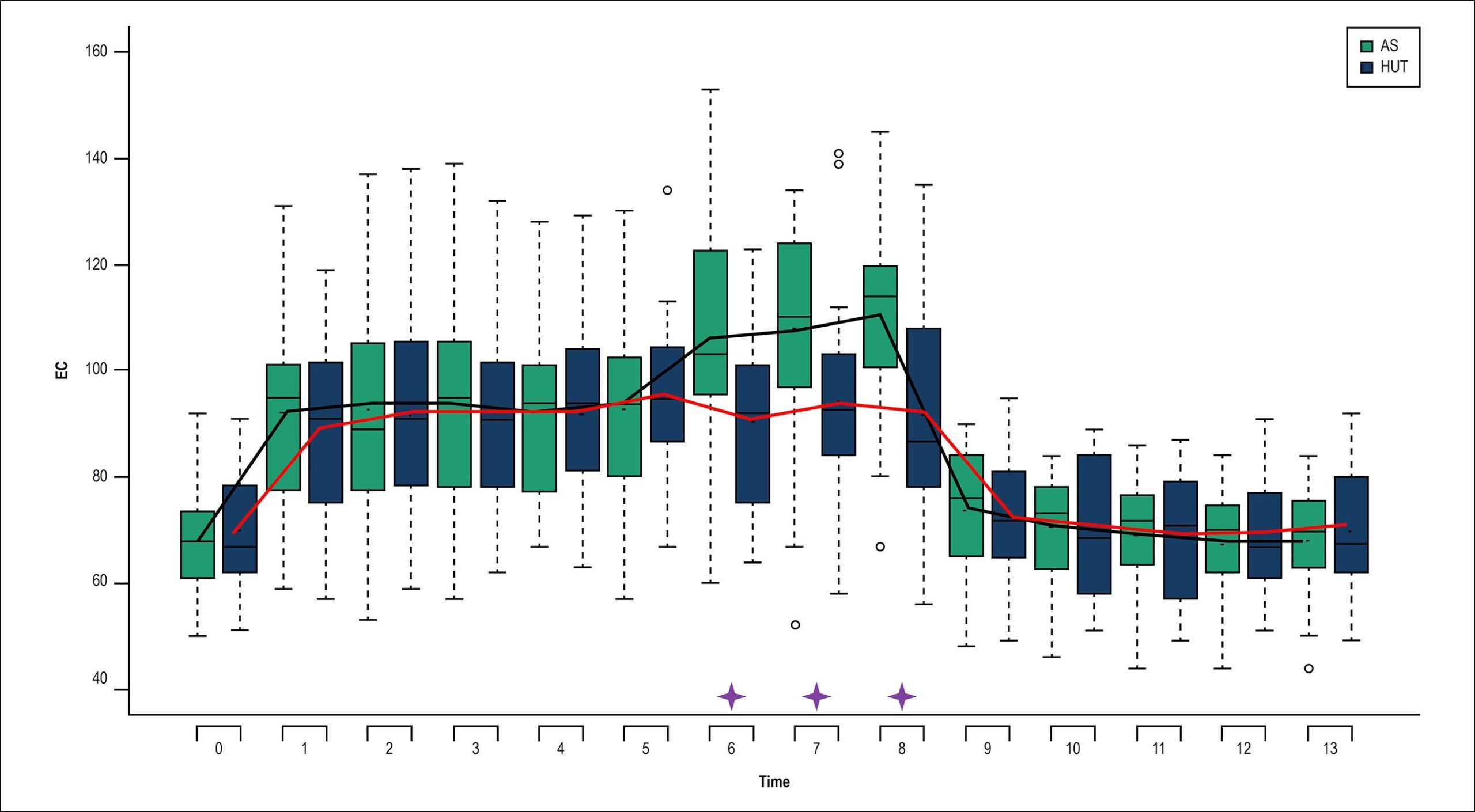
twenty-thee clinically stable female volunteers were recruited to undergo both tests. EMG electrodes were placed on muscles involved in postural maintenance. During the active test, subjects stood on a force platform. In addition to electromyography and the platform, heart rate was recorded during all tests. Three VMs were performed during the tests.

Results:

progressive peripheral changes were observed along both tests, more evidently during the active test.

Conclusion:

the active test detected changes in muscle and cardiovascular responses, which were exacerbated by the VM.

  • Heart Rate
  • Postural Balance
  • Syncope, Vasovagal
  • Tilt Table Test
Read Full Article
Creative Commons Attribution (CC BY) Creative Commons license
01/01/2018 DOI: 10.5935/abc.20180003
Figure 1
ABC
Original Article

Analysis of Heart Rate Variability Before and During Tilt Test in Patients with Cardioinhibitory Vasovagal Syncope

Cláudia Madeira Miranda et al. Rose Mary Ferreira Lisboa da Silva

Abstract

Background:

Cardioinhibitory vasovagal response is uncommon during the tilt test (TT). Heart rate variability (HRV) by use of spectral analysis can distinguish patients with that response.

Objective:

To compare the HRV in patients with cardioinhibitory vasovagal syncope (case group – G1) with that in patients without syncope and with negative response to TT (control group – G2).

Methods:

64 patients were evaluated (mean age, 36.2 years; 35 men) and submitted to TT at 70 degrees, under digital Holter monitoring. The groups were paired for age and sex (G1, 40 patients; G2, 24).

Results:

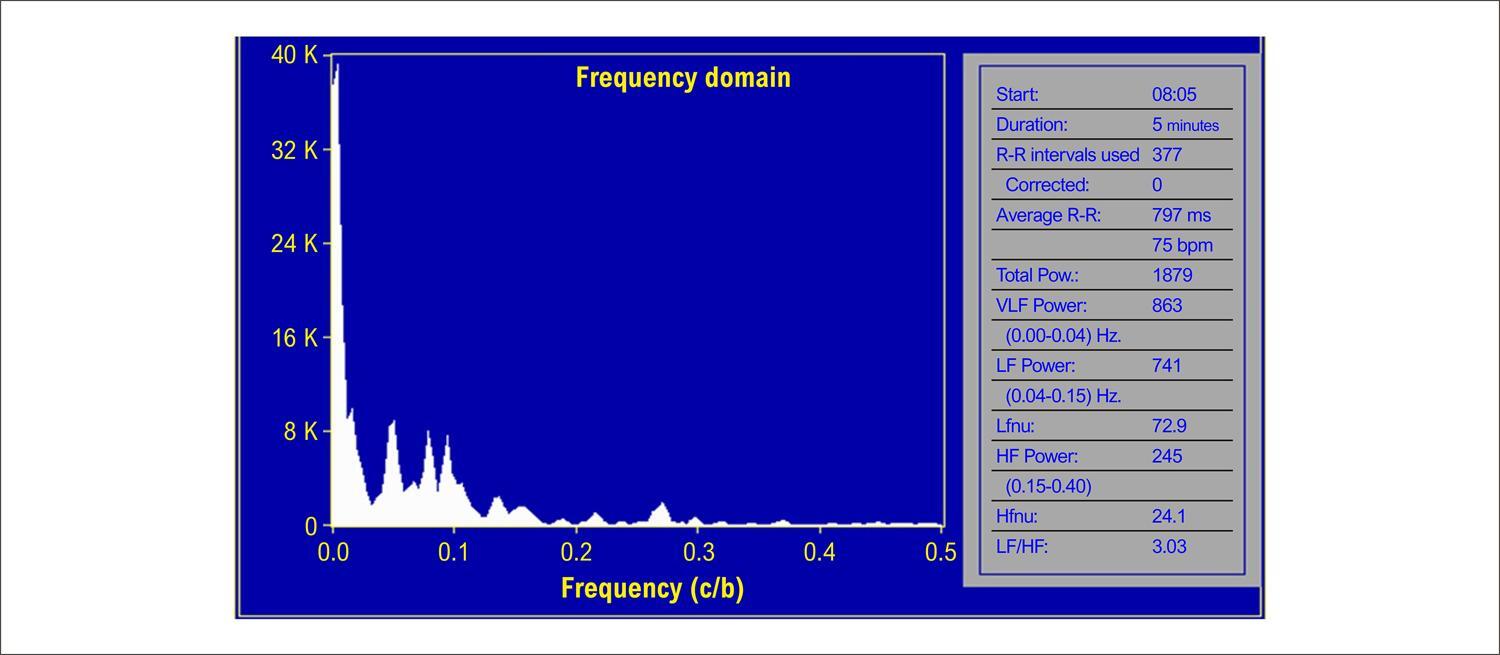
In G1, 21 patients had a type 2A response and 19 had type 2B, with mean TT duration of 20.4 minutes. There was a greater low frequency (LF) component (11,6 versus 4,5 ms2, p=0.001) and a lower low/high frequency ratio in the supine position (3,9 versus 4,5 ms2, p=0.008) in G1, with no difference during TT between the groups. Applying the receiver operating characteristic curve for cardioinhibitory response, the area under the curve was 0.74 for the LF component in the supine position (p = 0.001). The following were observed for the cutoff point of 0.35 ms(2) for the LF component: sensitivity, 97.4%; specificity, 83.3%; positive predictive value, 85.3%; negative predictive value, 96.9%; and positive likelihood ratio, 5.8.

Conclusion:

HRV in the supine position allowed identifying patients with syncope and cardioinhibitory response with a high negative predictive value and likelihood ratio of 5.8.

  • Electrocardiography, Ambulatory
  • Heart Rate
  • Syncope, Vasovagal / physiotaphology
  • Tilt Table Test
Read Full Article
Creative Commons Attribution (CC BY) Creative Commons license
01/12/2016 DOI: 10.5935/abc.20160177 Views 1
ABC
Artigo Original

Diagnostic relevance of the carotid sinus massage during a head up tilt table test (HUTT)

Marcos Benchimol et al. Ricardo Oliveira-Souza

BACKGROUND: Syncope due to carotid sinus hypersensitivity (CSH) may be underdiagnosed due to a low level of diagnostic suspicion and fear of complications caused by massage of the carotid sinus. OBJECTIVE: To investigate the relevance of carotid sinus massage in the diagnosis of non-convulsive faints and unexplained falls. METHODS: Two-hundred and fifty-nine patients with a mean age of 50±24 years referred for the investigation of non-convulsive faints or unexplained falls were evaluated with a head up tilt table test (HUTT) without (“passive”) and with pharmacological stimulation. Clinical and laboratory work-up did not reveal an obvious cause for the complaints. Fifty-five volunteers with a mean age of 57±21 years with no history of seizures, faints or falls were used as controls. All participants underwent a HUTT preceded by digital stimulation of each carotid sinus both at zero and 60º. RESULTS: Carotid sinus massage was positive in 4 controls. The relevance of CSH in the evaluation of syncope was supported by a positive response to carotid sinus massage at 60º in 28 patients, most of whom were elderly men. Carotid sinus massage was positive at 0º in only three of such patients. The results of the HUTT did not show statistical difference between patients with and without CSH. CONCLUSION: Carotid sinus massage at 60º under controlled conditions should be included in the assessment of patients with non-convulsive faints or unexplained falls. Routine cardiovascular exams, including the HUTT, are not useful for the diagnosis in such cases. Further studies in normal individuals are needed to establish the significance of a positive response to carotid sinus massage in the absence of a history of fainting or falling.

  • Carotid sinus
  • hypersensitivity
  • Syncope
  • Tilt Table Test
Read Full Article
Creative Commons Attribution (CC BY) Creative Commons license
29/05/2008 DOI: 10.1590/S0066-782X2008000400009
Does a Role Exist for Tilting-Guided Therapy in the Management of Neurocardiogenic Syncope?
ABC
Original Article

Does a Role Exist for Tilting-Guided Therapy in the Management of Neurocardiogenic Syncope?

Denise Hachul et al. Mauricio Scanavacca Eduardo Sosa

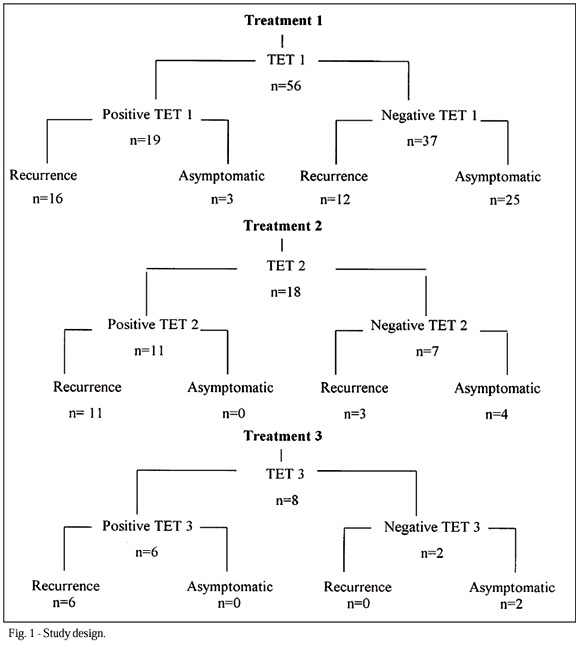
PURPOSE: Upright tilt-table testing (UTT) is an useful method for identifying patients with neurocardiogenic syncope, but its role in the evaluation of therapeutic efficacy is controversial. The aim of this study was to determine the correlation between negative UTT after therapy introduction (acute efficacy) and symptom recurrence during follow-up (chronic efficacy). METHODS: We studied 56 severely symptomatic patients (age 27±19 years) with recurrent (7±12 episodes) neurocardiogenic syncope (positive UTT). Once empirical pharmacological therapy was initiated, all patients underwent another UTT (therapeutic evaluation test – TET). Therapy was not modified after TET results. The probability of symptom recurrence was analyzed with the Kaplan-Meier method and compared by log-rank test in patients with negative and positive TET. RESULTS: Negative UTT after therapy was related to a significantly lower probability of recurrence during follow-up (4.9 versus 52.4% in 12 months, P<0.0001). CONCLUSION: A good correlation exists between acute and long-term efficacy of pharmacological therapy for neurocardiogenic syncope, so that serial UTT may be considered a good method for identifying an effective therapeutic strategy.

  • neurocardiogenic syncope
  • therapy
  • Tilt Table Test
Read Full Article
Creative Commons Attribution (CC BY) Creative Commons license
31/01/2007 DOI: 10.1590/S0066-782X2002000200005
Clinical outcome of patients with neurocardiogenic syncope (NCS) after therapy interruption
ABC
Artigo Original

Clinical outcome of patients with neurocardiogenic syncope (NCS) after therapy interruption

Silvana Bastos et al. Mauricio Scanavacca Francisco Darrieux Ana Cristina Ludovice … Eduardo Sosa Denise Tessariol Hachul

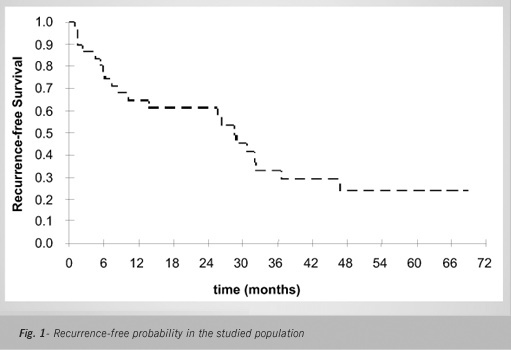
OBJECTIVE: To evaluate the outcome of patients with NCS after interruption of pharmacological therapy and to investigate the possible clinical variables predicting recurrence. METHODS: Thirty-seven patients (age 31±16 years) with refractory recurrent NCS being 19 females where prospectively studied. All patients became asymptomatic and had a negative tilt table test (TT) after pharmacological therapy. The treatment was interrupted and one month later, a new TT with no medication was carried out. The probability free of symptoms recurrence was analyzed according to sex, age, number of syncope episodes previously to the treatment, clinical history time, treatment time, drug free from treatment time and TT result. RESULTS: Twenty-two patients (59%) presented recurrence during a mean follow-up of 21±19.7 months. The variables related to greater recurrence were number of previous syncope (p=0.0248), positive TT after interruption of the therapy (p=0.0002) and female gender (p= 0.0131). CONCLUSIONS: Most of the very symptomatic patients with NCS present recurrence after the suppression of a specific therapy. A TT carried out after treatment discontinuation can identify patients with higher risk of recurrence, specially in the first year of follow-up.

  • Tilt Table Test
  • Treatment
  • Vasovagal Syncope
Read Full Article
Creative Commons Attribution (CC BY) Creative Commons license
25/04/2006 DOI: 10.1590/S0066-782X2006000400004
ABC
Original Article

Diagnostic value of the tilt-table test for the assessment of syncope in children and adolescents

Tan Chen Wu et al. Denise Hachul Mauricio Scanavacca Eduardo Sosa

OBJECTIVE – To assess the diagnostic value, the characteristics, and feasibility of tilt-table testing in children and adolescents. METHODS – From August 1991 to June 1997, we retrospectively assessed 94 patients under the age of 18 years who had a history of recurring syncope and presyncope of unknown origin and who were referred for tilt-table testing. These patients were divided into 2 groups: group I (children) – 36 patients with ages ranging from 3 to 12 (mean of 9.19±2.31) years; group II (adolescents) – 58 patients with ages ranging from 13 to 18 (mean of 16.05±1.40) years. We compared the positivity rate, the type of hemodynamic response, and the time period required for the test to become positive in the 2 groups. RESULTS – The positivity rates were 41.6 % and 50% for groups I and II, respectively. The pattern of positive hemodynamic response that predominated in both groups was the mixed response. The mean time period required for the test to become positive was shorter in group I (11.0±7.23 min) than in group II (18.44±7.83 min). No patient experienced technical difficulty or complications. CONCLUSION – No difference was observed in regard to feasibility, positivity rate, and pattern of positive response for the tilt-table test in children and adolescents. Pediatric patients had earlier positive responses.

  • children and adolescents
  • neurocardiogenic syncope
  • Tilt Table Test
Read Full Article
Creative Commons Attribution (CC BY) Creative Commons license
14/01/2002 DOI: 10.1590/S0066-782X2001001200001

How to cite this article

EndNote RIS

Electronic Document Format (Vancouver)

Oliveira PML, Silva RMFL, Tonelli HAF, Meira ZMA, Mota CCC. Clinical and Autonomic Profile, and Modified Calgary Score for Children and Adolescents with Presumed Vasovagal Syncope Submitted to the Tilt Test. Arquivos Brasileiros de Cardiologia 2023;120(7):e20220543.

Electronic Document Format (ABNT)

Oliveira, Pamela Michelle Leite; Silva, Rose Mary Ferreira Lisboa da; Tonelli, Henrique de Assis Fonseca; Meira, Zilda Maria Alves; Mota, Cleonice de Carvalho Coelho. Clinical and Autonomic Profile, and Modified Calgary Score for Children and Adolescents with Presumed Vasovagal Syncope Submitted to the Tilt Test. Arquivos Brasileiros de Cardiologia, v. 120, n. 7, e20220543, Aug. 2023.

Electronic Document Format (APA)

Oliveira, P. M. L., Silva, R. M. F. L. , Tonelli, H. A. F., Meira, Z. M. A., & Mota, C. C. C. (2023). Clinical and Autonomic Profile, and Modified Calgary Score for Children and Adolescents with Presumed Vasovagal Syncope Submitted to the Tilt Test. Arquivos Brasileiros de Cardiologia, 120(7), e20220543.

Electronic Document Format (ISO)

Oliveira, Pamela Michelle Leite and Silva, Rose Mary Ferreira Lisboa da and Tonelli, Henrique de Assis Fonseca and Meira, Zilda Maria Alves and Mota, Cleonice de Carvalho Coelho. Clinical and Autonomic Profile, and Modified Calgary Score for Children and Adolescents with Presumed Vasovagal Syncope Submitted to the Tilt Test. Arquivos Brasileiros de Cardiologia [online]. 2023, vol. 120, n. 7, [cited 2026-10-14], e20220543. Available from: <https://journals.cardiol.br/en/article/clinical-and-autonomic-profile-and-modified-calgary-score-for-children-and-adolescents-with-presumed-vasovagal-syncope-submitted-to-the-tilt-test/>. ISSN 0066-782X

EndNote RIS

Electronic Document Format (Vancouver)

Liporaci RF, Saad MC, Crescêncio JC, Marques F, Bevilaqua-Grossi D, Gallo-Júnior L. Cardiac and Musculoskeletal Responses to the Effects of Passive and Active Tilt Test in Healthy Subjects. Arquivos Brasileiros de Cardiologia 2018;110(1):74-83.

Electronic Document Format (ABNT)

Liporaci, Rogerio Ferreira; Saad, Marcelo Camargo; Crescêncio, Julio César; Marques, Fabiana; Bevilaqua-Grossi, Debora; Gallo-Júnior, Lourenço. Cardiac and Musculoskeletal Responses to the Effects of Passive and Active Tilt Test in Healthy Subjects. Arquivos Brasileiros de Cardiologia, v. 110, n. 1, p. 74-83, Dec. 2017.

Electronic Document Format (APA)

Liporaci, R. F., Saad, M. C., Crescêncio, J. C., Marques, F., Bevilaqua-Grossi, D., & Gallo-Júnior, L. (2018). Cardiac and Musculoskeletal Responses to the Effects of Passive and Active Tilt Test in Healthy Subjects. Arquivos Brasileiros de Cardiologia, 110(1), 74-83.

Electronic Document Format (ISO)

Liporaci, Rogerio Ferreira and Saad, Marcelo Camargo and Crescêncio, Julio César and Marques, Fabiana and Bevilaqua-Grossi, Debora and Gallo-Júnior, Lourenço. Cardiac and Musculoskeletal Responses to the Effects of Passive and Active Tilt Test in Healthy Subjects. Arquivos Brasileiros de Cardiologia [online]. 2018, vol. 110, n. 1, [cited 2026-10-14], pp. 74-83. Available from: <https://journals.cardiol.br/en/article/cardiac-and-musculoskeletal-responses-to-the-effects-of-passive-and-active-tilt-test-in-healthy-subjects/>. ISSN 0066-782X

EndNote RIS

Electronic Document Format (Vancouver)

Miranda CM, Silva RMFL. Analysis of Heart Rate Variability Before and During Tilt Test in Patients with Cardioinhibitory Vasovagal Syncope. Arquivos Brasileiros de Cardiologia 2016;107(6):568-75.

Electronic Document Format (ABNT)

Miranda, Cláudia Madeira; Silva, Rose Mary Ferreira Lisboa da. Analysis of Heart Rate Variability Before and During Tilt Test in Patients with Cardioinhibitory Vasovagal Syncope. Arquivos Brasileiros de Cardiologia, v. 107, n. 6, p. 568-575, Nov. 2016.

Electronic Document Format (APA)

Miranda, C. M., & Silva, R. M. F. L. (2016). Analysis of Heart Rate Variability Before and During Tilt Test in Patients with Cardioinhibitory Vasovagal Syncope. Arquivos Brasileiros de Cardiologia, 107(6), 568-575.

Electronic Document Format (ISO)

Miranda, Cláudia Madeira and Silva, Rose Mary Ferreira Lisboa da. Analysis of Heart Rate Variability Before and During Tilt Test in Patients with Cardioinhibitory Vasovagal Syncope. Arquivos Brasileiros de Cardiologia [online]. 2016, vol. 107, n. 6, [cited 2026-10-14], pp. 568-575. Available from: <https://journals.cardiol.br/en/article/analysis-of-heart-rate-variability-before-and-during-tilt-test-in-patients-with-cardioinhibitory-vasovagal-syncope/>. ISSN 0066-782X

EndNote RIS

Electronic Document Format (Vancouver)

Benchimol M, Oliveira-Souza R. Diagnostic relevance of the carotid sinus massage during a head up tilt table test (HUTT). Arquivos Brasileiros de Cardiologia 2008;90(4):288-92.

Electronic Document Format (ABNT)

Benchimol, Marcos; Oliveira-Souza, Ricardo. Diagnostic relevance of the carotid sinus massage during a head up tilt table test (HUTT). Arquivos Brasileiros de Cardiologia, v. 90, n. 4, p. 288-292, May. 2008.

Electronic Document Format (APA)

Benchimol, M., & Oliveira-Souza, R. (2008). Diagnostic relevance of the carotid sinus massage during a head up tilt table test (HUTT). Arquivos Brasileiros de Cardiologia, 90(4), 288-292.

Electronic Document Format (ISO)

Benchimol, Marcos and Oliveira-Souza, Ricardo. Diagnostic relevance of the carotid sinus massage during a head up tilt table test (HUTT). Arquivos Brasileiros de Cardiologia [online]. 2008, vol. 90, n. 4, [cited 2026-10-14], pp. 288-292. Available from: <https://journals.cardiol.br/en/article/diagnostic-relevance-of-the-carotid-sinus-massage-during-a-head-up-tilt-table-test-hutt/>. ISSN 0066-782X

EndNote RIS

Electronic Document Format (Vancouver)

Hachul D, Scanavacca M, Sosa E. Does a Role Exist for Tilting-Guided Therapy in the Management of Neurocardiogenic Syncope?. Arquivos Brasileiros de Cardiologia 2007;78(2):167-71.

Electronic Document Format (ABNT)

Hachul, Denise; Scanavacca, Mauricio; Sosa, Eduardo. Does a Role Exist for Tilting-Guided Therapy in the Management of Neurocardiogenic Syncope?. Arquivos Brasileiros de Cardiologia, v. 78, n. 2, p. 167-171, Jan. 2007.

Electronic Document Format (APA)

Hachul, D., Scanavacca, M., & Sosa, E. (2007). Does a Role Exist for Tilting-Guided Therapy in the Management of Neurocardiogenic Syncope?. Arquivos Brasileiros de Cardiologia, 78(2), 167-171.

Electronic Document Format (ISO)

Hachul, Denise and Scanavacca, Mauricio and Sosa, Eduardo. Does a Role Exist for Tilting-Guided Therapy in the Management of Neurocardiogenic Syncope?. Arquivos Brasileiros de Cardiologia [online]. 2007, vol. 78, n. 2, [cited 2026-10-14], pp. 167-171. Available from: <https://journals.cardiol.br/en/article/does-a-role-exist-for-tilting-guided-therapy-in-the-management-of-neurocardiogenic-syncope/>. ISSN 0066-782X

EndNote RIS

Electronic Document Format (Vancouver)

Bastos S, Scanavacca M, Darrieux F, Ludovice AC, Sosa E, Hachul DT. Clinical outcome of patients with neurocardiogenic syncope (NCS) after therapy interruption. Arquivos Brasileiros de Cardiologia 2006;86(4):256-60.

Electronic Document Format (ABNT)

Bastos, Silvana; Scanavacca, Mauricio; Darrieux, Francisco; Ludovice, Ana Cristina; Sosa, Eduardo; Hachul, Denise Tessariol. Clinical outcome of patients with neurocardiogenic syncope (NCS) after therapy interruption. Arquivos Brasileiros de Cardiologia, v. 86, n. 4, p. 256-260, Apr. 2006.

Electronic Document Format (APA)

Bastos, S., Scanavacca, M., Darrieux, F., Ludovice, A. C., Sosa, E., & Hachul, D. T. (2006). Clinical outcome of patients with neurocardiogenic syncope (NCS) after therapy interruption. Arquivos Brasileiros de Cardiologia, 86(4), 256-260.

Electronic Document Format (ISO)

Bastos, Silvana and Scanavacca, Mauricio and Darrieux, Francisco and Ludovice, Ana Cristina and Sosa, Eduardo and Hachul, Denise Tessariol. Clinical outcome of patients with neurocardiogenic syncope (NCS) after therapy interruption. Arquivos Brasileiros de Cardiologia [online]. 2006, vol. 86, n. 4, [cited 2026-10-14], pp. 256-260. Available from: <https://journals.cardiol.br/en/article/clinical-outcome-of-patients-with-neurocardiogenic-syncope-ncs-after-therapy-interruption/>. ISSN 0066-782X

EndNote RIS

Electronic Document Format (Vancouver)

Wu TC, Hachul D, Scanavacca M, Sosa E. Diagnostic value of the tilt-table test for the assessment of syncope in children and adolescents. Arquivos Brasileiros de Cardiologia 2002;77(6):505-8.

Electronic Document Format (ABNT)

Wu, Tan Chen; Hachul, Denise; Scanavacca, Mauricio; Sosa, Eduardo. Diagnostic value of the tilt-table test for the assessment of syncope in children and adolescents. Arquivos Brasileiros de Cardiologia, v. 77, n. 6, p. 505-508, Jan. 2002.

Electronic Document Format (APA)

Wu, T. C., Hachul, D., Scanavacca, M., & Sosa, E. (2002). Diagnostic value of the tilt-table test for the assessment of syncope in children and adolescents. Arquivos Brasileiros de Cardiologia, 77(6), 505-508.

Electronic Document Format (ISO)

Wu, Tan Chen and Hachul, Denise and Scanavacca, Mauricio and Sosa, Eduardo. Diagnostic value of the tilt-table test for the assessment of syncope in children and adolescents. Arquivos Brasileiros de Cardiologia [online]. 2002, vol. 77, n. 6, [cited 2026-10-14], pp. 505-508. Available from: <https://journals.cardiol.br/en/article/diagnostic-value-of-the-tilt-table-test-for-the-assessment-of-syncope-in-children-and-adolescents/>. ISSN 0066-782X

  • About ABC Family
  • Internal Regulation
  • Editorial Board
  • Brazilian Society of Cardiology (SBC)

Issues

SBC Guidelines

  • Videos
  • Podcasts
  • News