ABC Family Arquivos Brasileiros de Cardiologia International Journal of Cardiovascular Sciences ABC Heart Failure & Cardiomyopathy ABC Imagem Cardiovascular
Português English
ABC Family
Português English
  • About
    • About ABC Family
    • Internal Regulation
    • Editorial Board
    • Brazilian Society of Cardiology (SBC)
  • Issues
  • SBC Guidelines
  • Content
    • Videos
    • Podcasts
    • News
  • About
    • About ABC Family
    • Internal Regulation
    • Editorial Board
    • Brazilian Society of Cardiology (SBC)
  • Issues
  • SBC Guidelines
  • Content
    • Videos
    • Podcasts
    • News

ABC Family

  • ABC Family
  • Arquivos Brasileiros de Cardiologia
  • International Journal of Cardiovascular Sciences
  • ABC Heart Failure & Cardiomyopathy
  • ABC Imagem Cardiovascular
Search in

No content found.

Journals
Ordering
Article types
Others

  1. Home
  2. Keyword: Syncope, Vasovagal
Figure 1
ABC
Original Article

Clinical and Autonomic Profile, and Modified Calgary Score for Children and Adolescents with Presumed Vasovagal Syncope Submitted to the Tilt Test

Pamela Michelle Leite Oliveira et al. Rose Mary Ferreira Lisboa da Silva Henrique de Assis Fonseca Tonelli Zilda Maria Alves Meira Cleonice de Carvalho Coelho Mota

Abstract

Background

In the pediatric population, syncope is mainly from vasovagal (VVS) origin. Its evaluation must be done by clinical methods, and the tilt test (TT) can contribute to the diagnosis.

Objectives

To analyze the clinical profile, Calgary and modified Calgary scores, response to TT and heart rate variability (HRV) of patients aged ≤ 18 years with presumed VVS. To compare the variables between patients with positive and negative responses to TT.

Method

Observational and prospective study, with 73 patients aged between 6 and 18 years, submitted to clinical evaluation and calculation of scores without previous knowledge of the TT. It was done at 70º under monitoring for HRV analysis. P-value < 0.05 was the statistical significance criterion.

Results

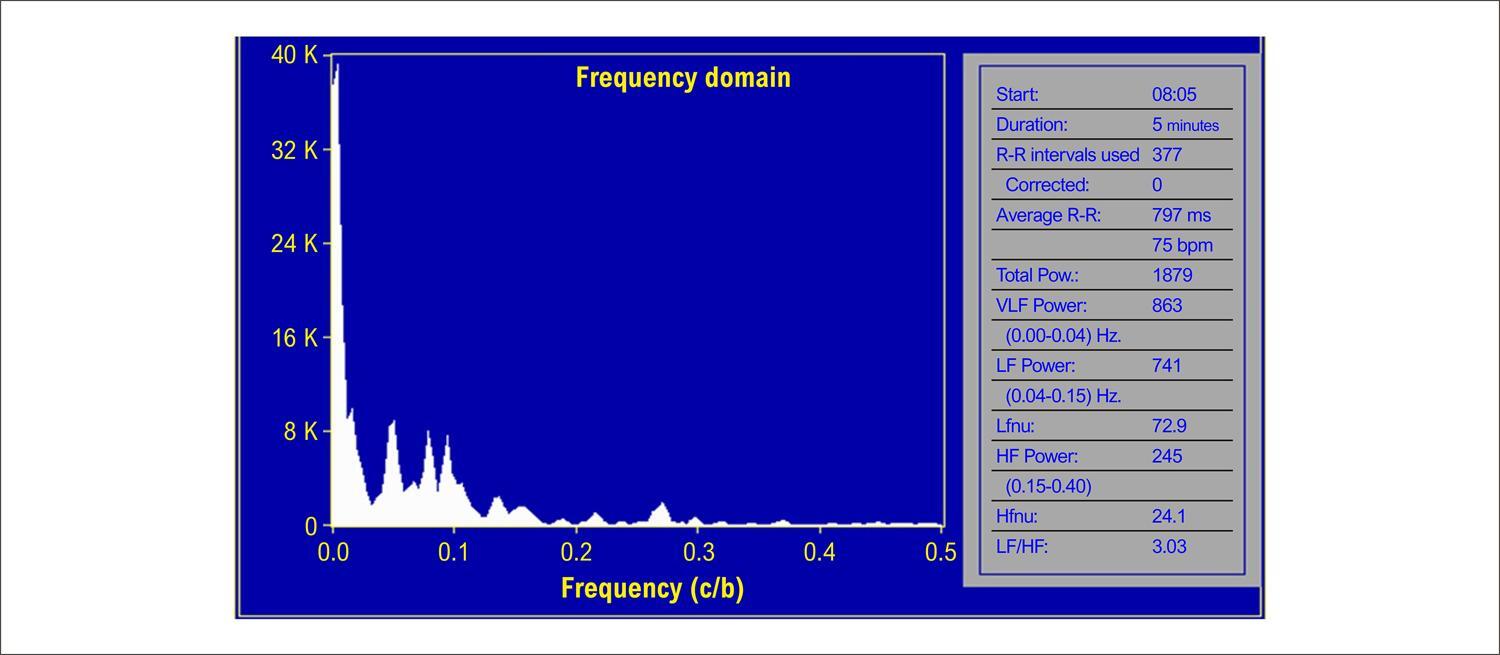
Median age was 14.0 years; 52% of participants were female, 72 had Calgary ≥ -2 (mean 1.80), and 69 had modified Calgary ≥ -3 (mean 1.38). Prodromes were observed in 59 patients, recurrence in 50 and trauma in 19. The response to TT was positive in 54 participants (49 vasovagal, with 39 vasodepressor responses), with an increase in the low frequency (LF) component and a decrease in the high frequency (HF) component (p < 0,0001). In the supine position, LF was 33.6 in females and 47.4 in normalized units for males (p = 0.02). When applying the operating characteristic curve for positive TT, there was no statistical significance for HRV and scores.

Conclusion

Most children and adolescents with a presumed diagnosis of VVS presented a typical clinical scenario, with a Calgary score ≥ -2, and a predominant vasodepressor response to TT. Greater sympathetic activation was observed in the supine position in males. Calgary scores and sympathetic activation did not predict the response to TT.
  • Adolescent
  • Child
  • Heart Rate
  • Syncope, Vasovagal
  • Tilt Table Test
Read Full Article
Creative Commons Attribution (CC BY) Creative Commons license
07/08/2023 DOI: 10.36660/abc.20220543 Views 1
Figure 1
ABC
Original Article

Cardiac and Musculoskeletal Responses to the Effects of Passive and Active Tilt Test in Healthy Subjects

Rogerio Ferreira Liporaci et al. Marcelo Camargo Saad Julio César Crescêncio Fabiana Marques … Debora Bevilaqua-Grossi Lourenço Gallo-Júnior

Abstract

Background:

Maintenance of orthostatism requires the interaction of autonomic and muscle responses for an efficient postural control, to minimize body motion and facilitate venous return in a common type of syncope called neurocardiogenic syncope (NCS). Muscle activity in standing position may be registered by surface electromyography, and body sway confirmed by displacement of the center of pressure (COP) on a force platform. These peripheral variables reflect the role of muscles in the maintenance of orthostatism during the active tilt test, which, compared with muscle activity during the passive test (head-up tilt test), enables the analyses of electromyographic activity of these muscles that may anticipate the clinical effects of CNS during these tests.

Objective:

to evaluate and compare the effects of a standardized protocol of active and passive tests for CNS diagnosis associated with the effects of Valsalva maneuver (VM).

Methods:

twenty-thee clinically stable female volunteers were recruited to undergo both tests. EMG electrodes were placed on muscles involved in postural maintenance. During the active test, subjects stood on a force platform. In addition to electromyography and the platform, heart rate was recorded during all tests. Three VMs were performed during the tests.

Results:

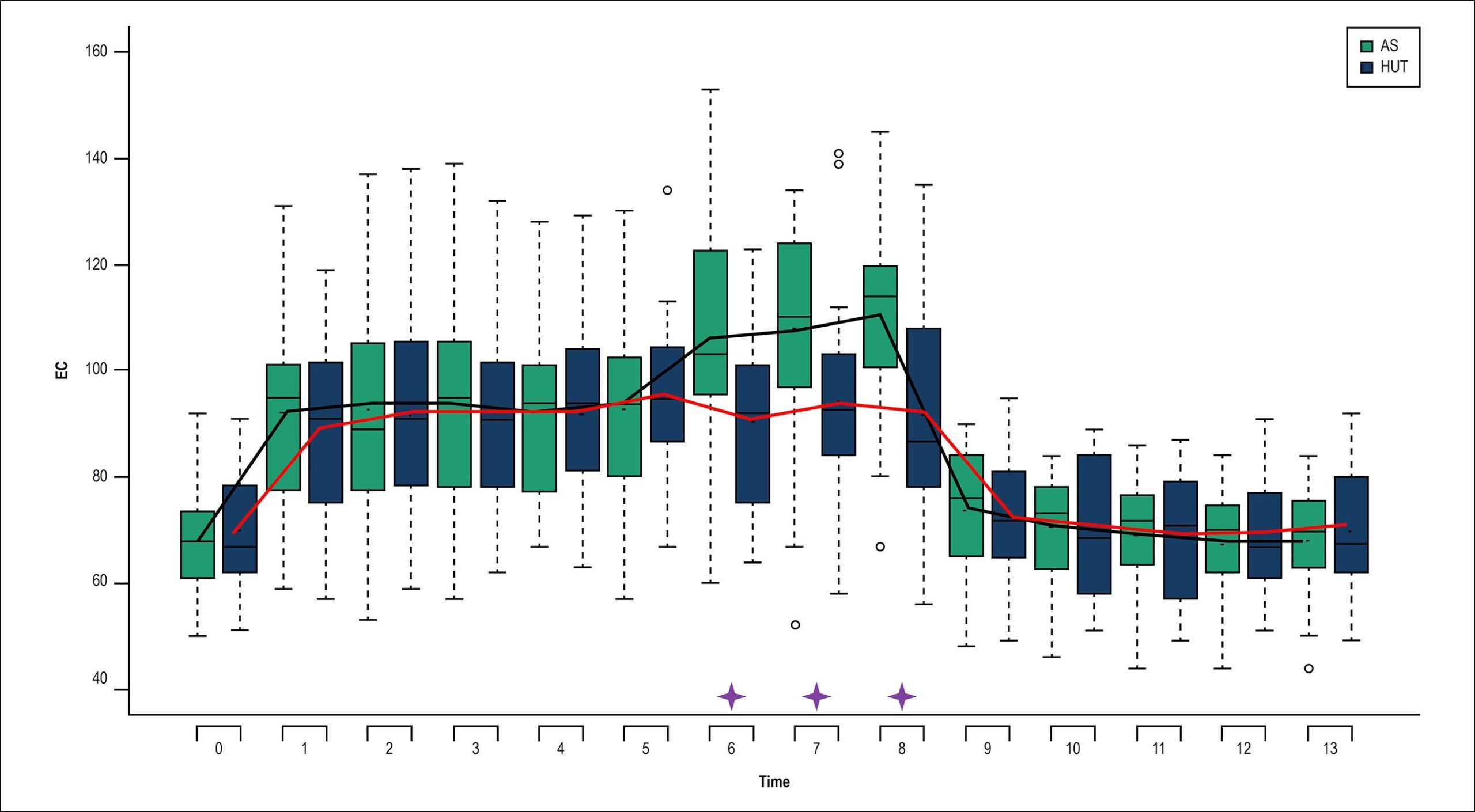
progressive peripheral changes were observed along both tests, more evidently during the active test.

Conclusion:

the active test detected changes in muscle and cardiovascular responses, which were exacerbated by the VM.

  • Heart Rate
  • Postural Balance
  • Syncope, Vasovagal
  • Tilt Table Test
Read Full Article
Creative Commons Attribution (CC BY) Creative Commons license
01/01/2018 DOI: 10.5935/abc.20180003
ABC
Editorial

Cardiac Autonomic Modulation – The Search for an Ultimate Technique

Esteban Rivarola et al. Mauricio Scanavacca

Abnormal parasympathetic activity on the heart has been implicated in several forms of symptomatic bradycardia, especially in young and otherwise healthy individuals. Neurally mediated syncope, sinus arrest and advanced atrioventricular (AV) block have high risk of injury and serious implications on quality of life. Nonetheless, until recently, their clinical management, mainly based on behavioral measures and pacing, have often proved to be ineffective or inadequate. An alternative approach to treat this specific population, avoiding device implants and continuous drug therapy seemed to be required.

Ganglionated plexus (GP) ablation was first described in 2005, with the purpose of targeting the main parasympathetic ganglia and promoting a vagal attenuation. During the last decade, several authors– presented their clinical results, with significant remission of symptoms and electrocardiographic improvement, and autonomic modulation became an established therapeutic modality.

[…]

  • Atrioventricular block
  • Bradycardia
  • Catheter Ablation
  • Ganglia, Autonomic
  • Syncope, Vasovagal
Read Full Article
Creative Commons Attribution (CC BY) Creative Commons license
01/11/2017 DOI: 10.5935/abc.20170166
Figure 1
ABC
Original Article

Lifetime Prevalence of Transient Loss of Consciousness in an Urban Russian Population

S Gudkova et al. N Cherepanova D Duplyakov G Golovina … S Khokhlunov E Surkova O Rotar A Konradi E Shlyakhto

Abstract

Background:

Most international studies on epidemiology of transient loss of consciousness (TLC) were performed many years ago. There are no data about the lifetime prevalence of TLC in Russia.

Objective:

To identify the lifetime prevalence and presumed mechanisms of TLC in an urban Russian population.

Methods:

1796 individuals (540 males [30.1%] and 1256 females [69.9%]) aged 20 to 69 years (mean age 45.8 ± 11.9 years) were randomly selected and interviewed within the framework of multicentre randomised observational trial.

Results:

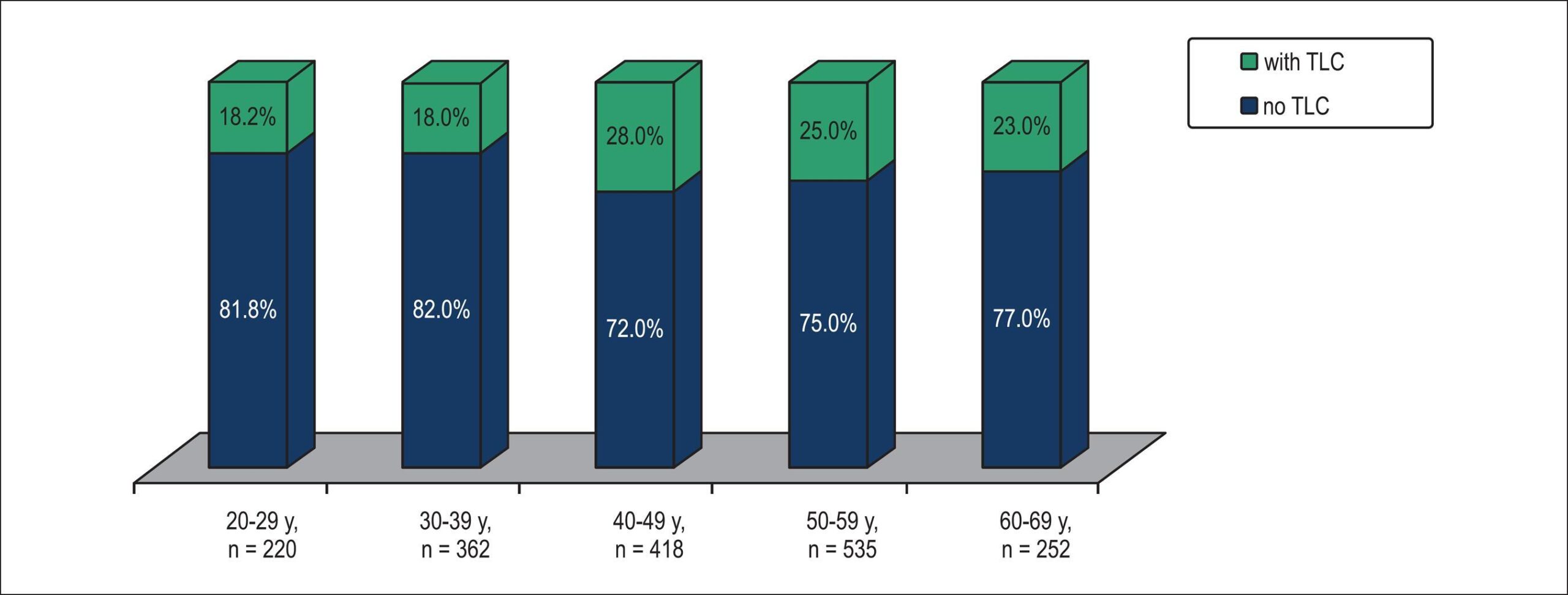
The overall prevalence of TLC in the studied population was 23.3% (418/1796), with the highest proportion (28%) seen in 40-49 year age group. TLC was significantly more common in women than in men (27.5% vs 13.5%). The mean age of patients at the time of the first event was 16 (11; 23) years, with 333 (85%) individuals experiencing the first episode of TLC under 30 years. The average time after the first episode of TLC was 27 (12; 47) years. The following mechanisms of TLC were determined using the questionnaire: neurally-mediated syncope (56.5%), arrhythmogenic onset of syncope (6.0%), nonsyncopal origin of TLC (1.4%), single episode during lifetime (2.1%). Reasons for TLC remained unidentified in 34% cases. 27 persons (6.5%) reported a family history of sudden death, mainly patients with presumably arrhythmogenic origin (24%).

Conclusion:

Our findings suggest that the overall prevalence of TLC in individuals aged 20-69 years is high. The most common cause of TLC is neurally-mediated syncope. These data about the epidemiology can help to develop cost-effective management approaches to TLC.

  • Cross-Sectional Studies
  • Syncope, Vasovagal
  • Unconsciousness / epidemiology
  • Urban Population
Read Full Article
Creative Commons Attribution (CC BY) Creative Commons license
15/04/2016 DOI: 10.5935/abc.20160056 Views 1

How to cite this article

EndNote RIS

Electronic Document Format (Vancouver)

Oliveira PML, Silva RMFL, Tonelli HAF, Meira ZMA, Mota CCC. Clinical and Autonomic Profile, and Modified Calgary Score for Children and Adolescents with Presumed Vasovagal Syncope Submitted to the Tilt Test. Arquivos Brasileiros de Cardiologia 2023;120(7):e20220543.

Electronic Document Format (ABNT)

Oliveira, Pamela Michelle Leite; Silva, Rose Mary Ferreira Lisboa da; Tonelli, Henrique de Assis Fonseca; Meira, Zilda Maria Alves; Mota, Cleonice de Carvalho Coelho. Clinical and Autonomic Profile, and Modified Calgary Score for Children and Adolescents with Presumed Vasovagal Syncope Submitted to the Tilt Test. Arquivos Brasileiros de Cardiologia, v. 120, n. 7, e20220543, Aug. 2023.

Electronic Document Format (APA)

Oliveira, P. M. L., Silva, R. M. F. L. , Tonelli, H. A. F., Meira, Z. M. A., & Mota, C. C. C. (2023). Clinical and Autonomic Profile, and Modified Calgary Score for Children and Adolescents with Presumed Vasovagal Syncope Submitted to the Tilt Test. Arquivos Brasileiros de Cardiologia, 120(7), e20220543.

Electronic Document Format (ISO)

Oliveira, Pamela Michelle Leite and Silva, Rose Mary Ferreira Lisboa da and Tonelli, Henrique de Assis Fonseca and Meira, Zilda Maria Alves and Mota, Cleonice de Carvalho Coelho. Clinical and Autonomic Profile, and Modified Calgary Score for Children and Adolescents with Presumed Vasovagal Syncope Submitted to the Tilt Test. Arquivos Brasileiros de Cardiologia [online]. 2023, vol. 120, n. 7, [cited 2026-10-14], e20220543. Available from: <https://journals.cardiol.br/en/article/clinical-and-autonomic-profile-and-modified-calgary-score-for-children-and-adolescents-with-presumed-vasovagal-syncope-submitted-to-the-tilt-test/>. ISSN 0066-782X

EndNote RIS

Electronic Document Format (Vancouver)

Liporaci RF, Saad MC, Crescêncio JC, Marques F, Bevilaqua-Grossi D, Gallo-Júnior L. Cardiac and Musculoskeletal Responses to the Effects of Passive and Active Tilt Test in Healthy Subjects. Arquivos Brasileiros de Cardiologia 2018;110(1):74-83.

Electronic Document Format (ABNT)

Liporaci, Rogerio Ferreira; Saad, Marcelo Camargo; Crescêncio, Julio César; Marques, Fabiana; Bevilaqua-Grossi, Debora; Gallo-Júnior, Lourenço. Cardiac and Musculoskeletal Responses to the Effects of Passive and Active Tilt Test in Healthy Subjects. Arquivos Brasileiros de Cardiologia, v. 110, n. 1, p. 74-83, Dec. 2017.

Electronic Document Format (APA)

Liporaci, R. F., Saad, M. C., Crescêncio, J. C., Marques, F., Bevilaqua-Grossi, D., & Gallo-Júnior, L. (2018). Cardiac and Musculoskeletal Responses to the Effects of Passive and Active Tilt Test in Healthy Subjects. Arquivos Brasileiros de Cardiologia, 110(1), 74-83.

Electronic Document Format (ISO)

Liporaci, Rogerio Ferreira and Saad, Marcelo Camargo and Crescêncio, Julio César and Marques, Fabiana and Bevilaqua-Grossi, Debora and Gallo-Júnior, Lourenço. Cardiac and Musculoskeletal Responses to the Effects of Passive and Active Tilt Test in Healthy Subjects. Arquivos Brasileiros de Cardiologia [online]. 2018, vol. 110, n. 1, [cited 2026-10-14], pp. 74-83. Available from: <https://journals.cardiol.br/en/article/cardiac-and-musculoskeletal-responses-to-the-effects-of-passive-and-active-tilt-test-in-healthy-subjects/>. ISSN 0066-782X

EndNote RIS

Electronic Document Format (Vancouver)

Rivarola E, Scanavacca M. Cardiac Autonomic Modulation – The Search for an Ultimate Technique. Arquivos Brasileiros de Cardiologia 2017;109(5):384-6.

Electronic Document Format (ABNT)

Rivarola, Esteban; Scanavacca, Mauricio. Cardiac Autonomic Modulation – The Search for an Ultimate Technique. Arquivos Brasileiros de Cardiologia, v. 109, n. 5, p. 384-386, Oct. 2017.

Electronic Document Format (APA)

Rivarola, E., & Scanavacca, M. (2017). Cardiac Autonomic Modulation – The Search for an Ultimate Technique. Arquivos Brasileiros de Cardiologia, 109(5), 384-386.

Electronic Document Format (ISO)

Rivarola, Esteban and Scanavacca, Mauricio. Cardiac Autonomic Modulation – The Search for an Ultimate Technique. Arquivos Brasileiros de Cardiologia [online]. 2017, vol. 109, n. 5, [cited 2026-10-14], pp. 384-386. Available from: <https://journals.cardiol.br/en/article/cardiac-autonomic-modulation-the-search-for-an-ultimate-technique/>. ISSN 0066-782X

EndNote RIS

Electronic Document Format (Vancouver)

Gudkova S, Cherepanova N, Duplyakov D, Golovina G, Khokhlunov S, Surkova E, Rotar O, et al. Lifetime Prevalence of Transient Loss of Consciousness in an Urban Russian Population. Arquivos Brasileiros de Cardiologia 2016;106(5):382-8.

Electronic Document Format (ABNT)

Gudkova, S; Cherepanova, N; Duplyakov, D; Golovina, G; Khokhlunov, S; Surkova, E; Rotar, O; Konradi, A; Shlyakhto, E. Lifetime Prevalence of Transient Loss of Consciousness in an Urban Russian Population. Arquivos Brasileiros de Cardiologia, v. 106, n. 5, p. 382-388, Apr. 2016.

Electronic Document Format (APA)

Gudkova, S., Cherepanova, N., Duplyakov, D., Golovina, G., Khokhlunov, S., Surkova, E., Rotar, O., Konradi, A., & Shlyakhto, E. (2016). Lifetime Prevalence of Transient Loss of Consciousness in an Urban Russian Population. Arquivos Brasileiros de Cardiologia, 106(5), 382-388.

Electronic Document Format (ISO)

Gudkova, S and Cherepanova, N and Duplyakov, D and Golovina, G and Khokhlunov, S and Surkova, E and Rotar, O and Konradi, A and Shlyakhto, E. Lifetime Prevalence of Transient Loss of Consciousness in an Urban Russian Population. Arquivos Brasileiros de Cardiologia [online]. 2016, vol. 106, n. 5, [cited 2026-10-14], pp. 382-388. Available from: <https://journals.cardiol.br/en/article/lifetime-prevalence-of-transient-loss-of-consciousness-in-an-urban-russian-population/>. ISSN 0066-782X

  • About ABC Family
  • Internal Regulation
  • Editorial Board
  • Brazilian Society of Cardiology (SBC)

Issues

SBC Guidelines

  • Videos
  • Podcasts
  • News