| ABC
ABC Family Arquivos Brasileiros de Cardiologia International Journal of Cardiovascular Sciences ABC Heart Failure & Cardiomyopathy ABC Imagem Cardiovascular
Português English
ABC Family | ABC
Português English
  • About
    • About the Journal
    • Internal Regulation
    • Editors Section
    • Editorial Board
    • History
    • SBC Award
  • Instructions to Authors
    • Guidelines for Publication
    • Editorial Policy
    • Ethics Policy
    • Policy on the Use of Artificial Intelligence
    • Mandatory Publication Form
    • Publication Fee
  • Issues
  • SBC Guidelines
  • Abstracts
    • How to Publish an Abstract Supplement?
    • Supplements from the Brazilian Congress of Cardiology
  • About
    • About the Journal
    • Internal Regulation
    • Editors Section
    • Editorial Board
    • History
    • SBC Award
  • Instructions to Authors
    • Guidelines for Publication
    • Editorial Policy
    • Ethics Policy
    • Policy on the Use of Artificial Intelligence
    • Mandatory Publication Form
    • Publication Fee
  • Issues
  • SBC Guidelines
  • Abstracts
    • How to Publish an Abstract Supplement?
    • Supplements from the Brazilian Congress of Cardiology

ABC Family

  • ABC Family
  • Arquivos Brasileiros de Cardiologia
  • International Journal of Cardiovascular Sciences
  • ABC Heart Failure & Cardiomyopathy
  • ABC Imagem Cardiovascular
Search in

No content found.

Journals
Ordering
Article types
Others

  1. Home
  2. ABC
  3. Issues
  4. 2020, Volume 114, Number 6
Editorial

Use of Moringa Oleifera Seeds in Water Treatment

Marcia Kiyomi Koike et al. Akimi Kokanj Kochi Denise Yamada Gomes Pinto

Moringa oleifera Lamarck (MO) is a plant of the Moringaceae family, native to the Himalayas and adapted on several continents, is widely cultivated in Asia, Africa and the Americas. Rapidly growing, the whole plant has a wide variety of applications in diet and folk medicine.

However, scientific evidence of its properties began to emerge only in the beginning of 2000. In experimental studies in vitro or ex-vivo , leaves and seeds showed several biological effects, such as anti-inflammatory and wound healing, antitumor, antidiabetic, antioxidant , and sexual function. ,

[…]

  • Anti-Inflammatory Agents
  • Glycosides
  • Moringa Oleifera
  • Plant Lectins
  • Water Security
Read Full Article
Creative Commons Attribution (CC BY) Creative Commons license
03/07/2020 DOI: 10.36660/abc.20200390
Editorial

The Uncommon Orthostatic Hypotension in Brazil: Are We Underestimating the Problem?

Humberto Graner Moreira

Blood pressure (BP) homeostasis depends on complex physiological mechanisms that involve continuous interactions of the cardiovascular, renal, neural, and endocrine systems. These mechanisms must also guarantee the maintenance of adequate cardiac output, even in situations of rapid circulatory variations. One of these situations is related to the dynamic posture changes, from lying to standing, when the rapid reduction in venous return can affect preload, stroke volume, and mean BP. Orthostatic hypotension (OH) is a manifestation of autonomic dysfunction and occurs when cardiovascular adaptive mechanisms fail to compensate for those changes when assuming the standing position.

Diagnosing OH requires the demonstration of significant persistent BP decrease during orthostasis, either by the bedside active-standing test or a tilting test. National and international guidelines have endorsed the definition of OH as a ≥20 mmHg drop in systolic blood pressure (SBP) or a ≥10 mmHg drop in diastolic blood pressure (DBP) within 3 minutes after standing, regardless of the presence of symptoms. – This definition was first established by a consensus in 1996 and was based on several small physiology studies as well as on pragmatic considerations. Upon this definition, growing evidence has been shown that OH predicts all-cause mortality , and incidence of cardiovascular disease, , being even more relevant than the ambulatory BP monitoring-derived nighttime reverse dipping for predicting cardiovascular events . A recent meta-analysis involving 121,913 individuals and a median follow-up of 6 years reported that OH was associated with a 50, 41, and 64% greater risks of all-cause death, coronary heart disease, and stroke, respectively.

[…]

  • Adult Health
  • Cardiovascular Diseases
  • Epidemiology
  • Hypertension
  • Hypotension, Orthostatic/complications
  • Myocardial Infarction
  • Stroke
Read Full Article
Creative Commons Attribution (CC BY) Creative Commons license
03/07/2020 DOI: 10.36660/abc.20200352 Views 1
Figure 1
Statement

Position Statement: Cardiopulmonary Resuscitation of Patients with Confirmed or Suspected COVID-19 – 2020

Hélio Penna Guimarães et al. Sérgio Timerman Roseny dos Reis Rodrigues Thiago Domingos Corrêa … Daniel Ujakow Correa Schubert Ana Paula Freitas Álvaro Rea Neto Thatiane Facholi Polastri Matheus Fachini Vane Thomaz Bittencourt Couto Antonio Carlos Aguiar Brandão Natali Schiavo Giannetti Thiago Timerman Ludhmila Abrahão Hajjar Fernando Bacal Marcelo Antônio Cartaxo Queiroga Lopes

Abstract

Care for patients with cardiac arrest in the context of the coronavirus disease 2019 (COVID-19) pandemic has several unique aspects that warrant particular attention. This joint position statement by the Brazilian Association of Emergency Medicine (ABRAMEDE), Brazilian Society of Cardiology (SBC), Brazilian Association of Intensive Care Medicine (AMIB), and Brazilian Society of Anesthesiology (SBA), all official societies representing the corresponding medical specialties affiliated with the Brazilian Medical Association (AMB), provides recommendations to guide health care workers in the current context of limited robust evidence, aiming to maximize the protection of staff and patients alike.

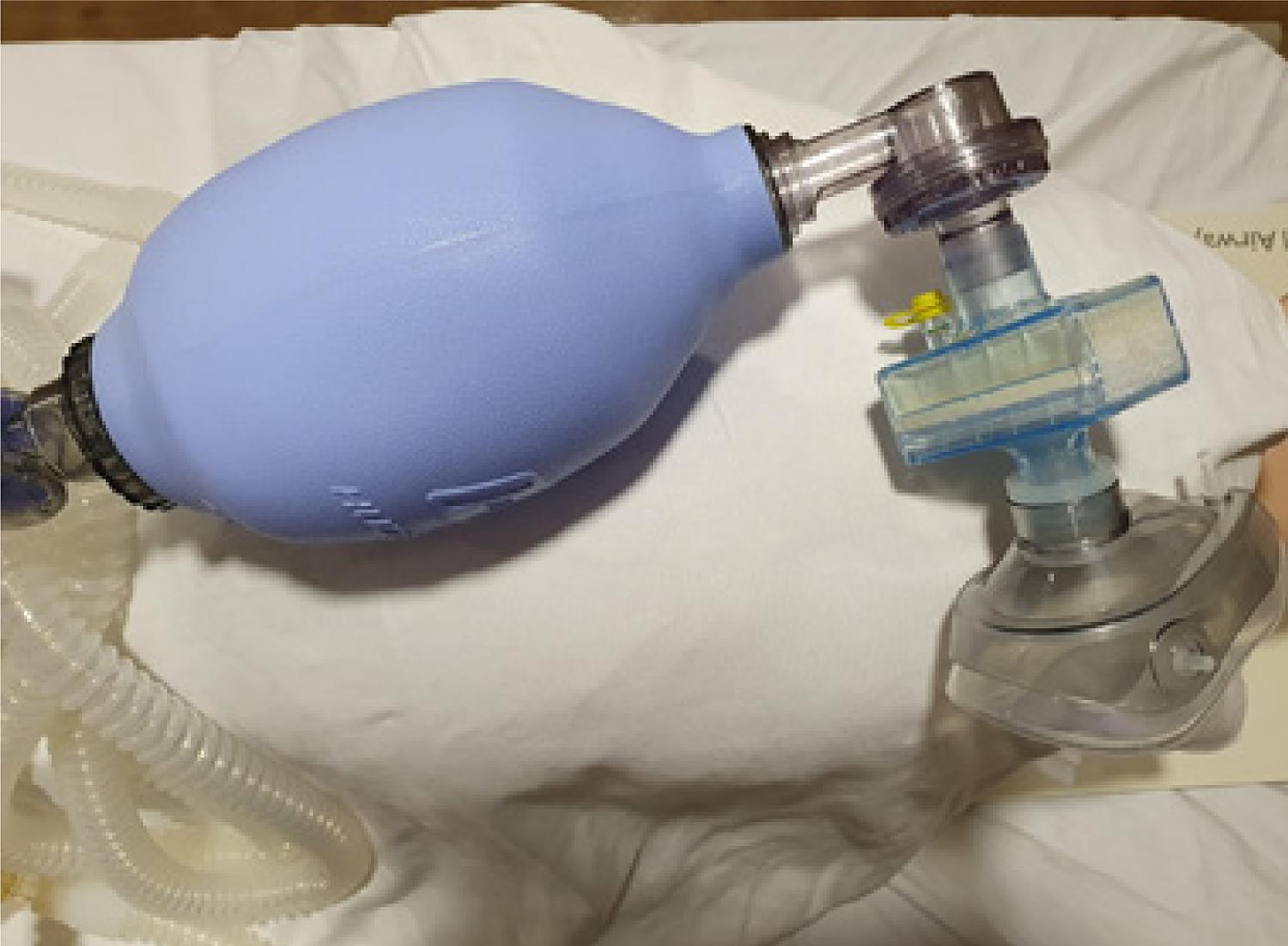
It is essential that full aerosol precautions, which include wearing appropriate personal protective equipment, be followed during resuscitation. It is also imperative that potential causes of cardiac arrest of particular interest in this patient population, especially hypoxia, cardiac arrhythmias associated with QT prolongation, and myocarditis, be considered and addressed. An advanced invasive airway device should be placed early. Use of HEPA filters at the bag-valve interface is mandatory. Management of cardiac arrest occurring during mechanical ventilation or during prone positioning demands particular ventilator settings and rescuer positioning for chest compressions which deviate from standard cardiopulmonary resuscitation techniques. Apart from these logistical issues, care should otherwise follow national and international protocols and guidelines, namely the 2015 International Liaison Committee on Resuscitation (ILCOR) and 2019 American Heart Association (AHA) guidelines and the 2019 Update to the Brazilian Society of Cardiology Cardiopulmonary Resuscitation and Emergency Cardiovascular Care Guideline.

Read Full Article
Creative Commons Attribution (CC BY) Creative Commons license
03/07/2020 DOI: 10.36660/abc.20200548
Figure 1
Viewpoint

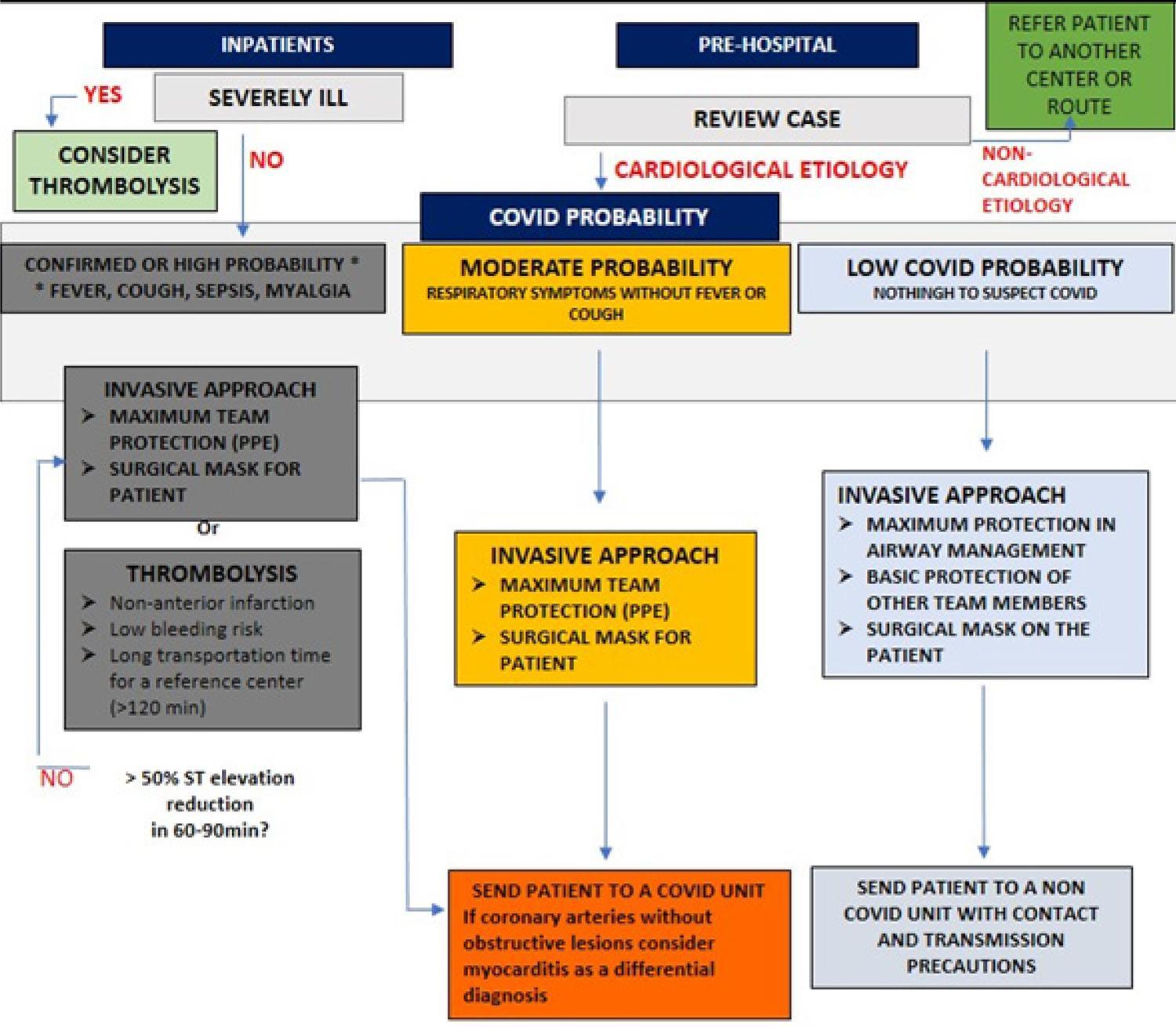
Acute Coronary Syndromes in the Current Context of the Covid-19 Pandemic

Raphael Boesche Guimarães et al. Breno Falcão Ricardo Alves Costa Marcelo Antônio Cartaxo Queiroga Lopes … Roberto Vieira Botelho Ricardo Petraco Rogério Sarmento-Leite

Introduction

COVID-19, initially described at the end of 2019 in China, may present as atypical pneumonia and severe respiratory failure. Classified in February 2020 as a pandemic by the World Health Organization (WHO), COVID-19 has had major clinical, social, political and economic implications. Society as a whole has had to adapt to a new reality, forcing hospitals to rewrite their routine practices and clinical pathways. Specific measures have had to be put in place to prevent hospital transmission of the infection. Also, dedicated COVID units have been set up and infection control protocols implemented. Finally, additional human, material and financial resources have been allocated in order to provide patients with the best possible care, without compromising the safety of healthcare workers.

Social isolation as a way of containing the spread of the disease may have helped, in some places, to “flatten the curve”, preventing the collapse of healthcare systems. However, the duration of the pandemic, as well as the precise risk of transmission are still largely unknown.

[…]

  • Acute Coronary Syndrome / complications
  • Acute Myocardial Infarction/prevention and control
  • Coronavirus
  • COVID-19
  • Pandemics
  • Quarantine
  • Telemedicine/trends
Read Full Article
Creative Commons Attribution (CC BY) Creative Commons license
03/07/2020 DOI: 10.36660/abc.20200358 Views 1
Editorial

Covid-19 in Brazil: Learning How to Walk in the Dark Without Leaving Anything Behind

Juliano Lara Fernandes

The SARS-CoV-2 pandemic had its first case in Brazil on February 4, 2020 in the state of São Paulo. Like a real meteor, it practically paralyzed the planet without a more effective therapeutic approach to fight the virus, in addition to practices adopted worldwide only decades or even hundreds of years ago, with a very low level of robust modern evidence. Brazil had the advantage of previewing the pandemic as it was a few weeks behind its Asian and European peers, so it was able to identify the hits and failures of these countries in their preparation to face the problem.

We have then found out by chance that we have the world’s third biggest number of ICU beds, second only to the USA and Germany, but we are also faced with an enormous heterogeneity between states, limitations and bureaucracy for the purchase of personal protective equipment and testing kits. This has prevented some pandemic approaches taken by other countries from being adopted here, either due to the impossibility of a lockdown in a continental country, or due to the speed and costs to identify the cases of transmission. Besides, limitations on the number of tests to be done has left us without a precise guide as to the spread of the pandemic, making it difficult to plan the timely, orderly and efficient allocation of scarce resources.

[…]

  • Catastrófica Illness/mortality
  • Coronavirus
  • COVID-19
  • Diagnostic Tests/methds
  • Equity in Access to Health Services
  • Hospitalization/economics
  • Masks
  • Pandemics
  • Personal Protective Equipment
  • Ventilators Mechanical
Read Full Article
Creative Commons Attribution (CC BY) Creative Commons license
03/07/2020 DOI: 10.36660/abc.20200445 Views 1
Editorial

Evaluating the Severity of Coronary Artery Disease in Patients Treated with Chemotherapy: The Further Need for Cardio-Oncology

Matthew E. Harinstein

Cardiovascular toxicity related to cancer therapies has been recognized for years. The number and types of toxicities have increased rapidly due to several factors including new and improved therapies and treatment regimens which have resulted in patients living longer. This is the basis for the burgeoning field of cardio-oncology to help identify cardiotoxicities and aim to minimize adverse outcomes.

Cardiomyopathies related to anthracyclines, which are typically irreversible, and trastuzumab, typically reversible, as well as more recently recognized cardiotoxicities including myocarditis related to immune checkpoint inhibitors have made the evaluation of concomitant cardiac disease critical in the care of patients being treated for cancer. , Coronary artery disease (CAD) is also a consequence of cancer therapies and adverse coronary events such as myocardial infarction and thrombosis can complicate treatment and result in poor outcomes. Thus, further understanding of the adverse effects of specific therapies is crucial to assessing patients’ clinical statuses and making decisions on treatment strategies in order to maximize overall outcomes, both oncologic and cardiac. CAD and has been associated with radiation therapy. , The risk and anatomic severity of CAD related to radiotherapy treatment has been described. , In a study of 152 thoracic cancer survivors who underwent radiotherapy, the investigators observed that the study patients had higher SYNTAX scores and were at a higher risk of developing anatomically severe CAD, independent of chemotherapy. While although CAD is known to be present in patients being treated with chemotherapy, independent of radiotherapy, the association between anatomic severity of CAD and chemotherapy is less well known.

[…]

  • Cardiotoxicity
  • Coronary Artery Disease/radiotherapy
  • Myocardial Infarction/complications
  • Neoplasms
  • Survival Rate
  • Thromboses/complications
Read Full Article
Creative Commons Attribution (CC BY) Creative Commons license
03/07/2020 DOI: 10.36660/abc.20200408
Figura 1
Original Article

Prevalence of Orthostatic Hypotension and the Distribution of Pressure Variation in the Longitudinal Study of Adult Health

Ana Paula Costa Velten et al. Isabela Bensenor Paulo Lotufo José Geraldo Mill

Abstract

Background

Orthostatic hypotension (OH) has been neglected in clinical practice, and there are no studies on its prevalence in the Brazilian population.

Objective

To determine the prevalence of OH and blood pressure (BP) changes after the postural change maneuver in participants of the Longitudinal Study of Adult Health.

Methods

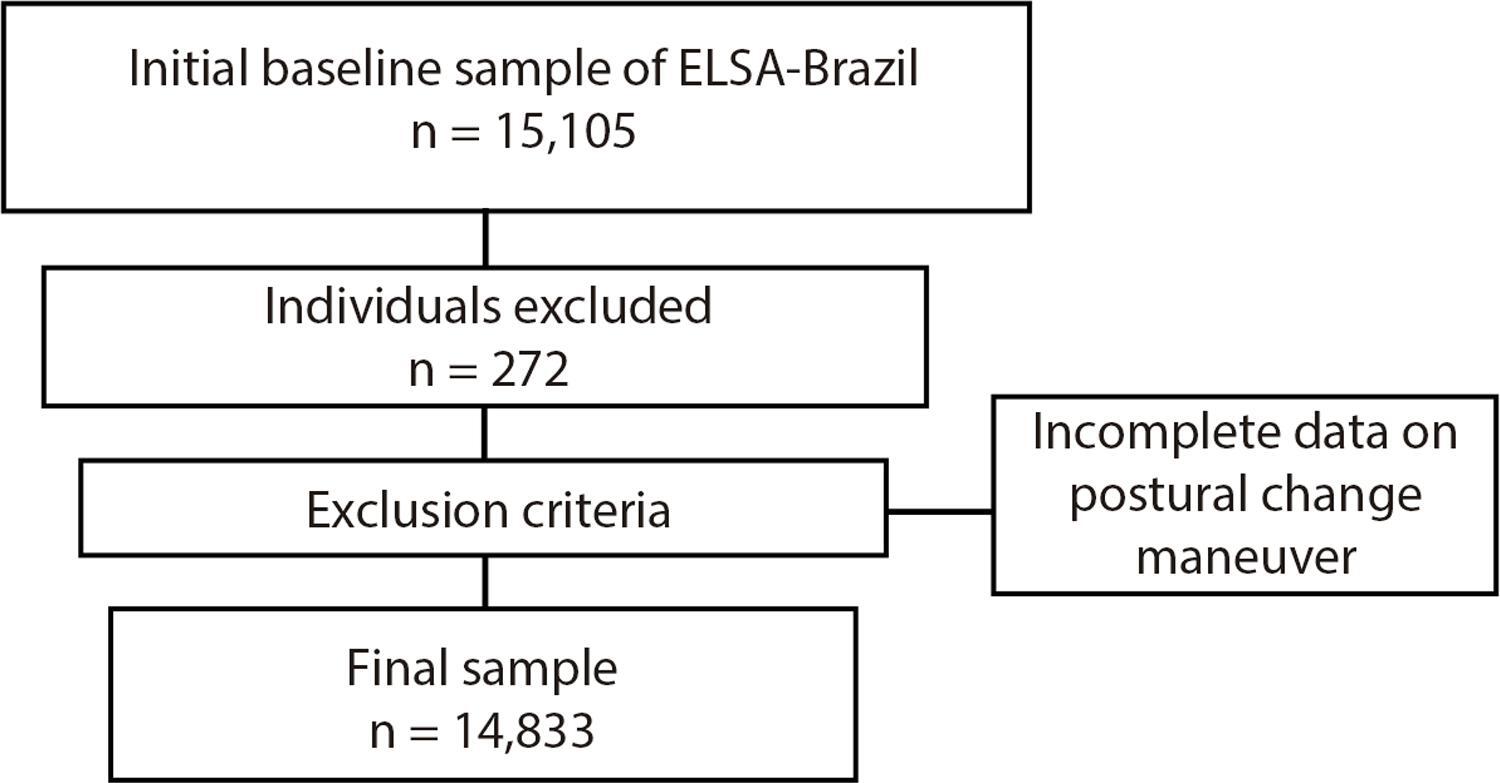
In this descriptive study of baseline data (N = 14,833 adults, ages 35 – 74 years), participants remained lying down for 20 minutes and subsequently stood up actively. BP measurements were taken while the participants were supine and at 2, 3, and 5 minutes after standing. OH was defined as a reduction of ≥ 20 mmHg in systolic BP and/or a reduction of ≥ 10 mmHg in diastolic BP at 3 minutes, and its prevalence was determined with a 95% confidence interval (CI). The distribution of BP variation after the postural change maneuver was determined in a subsample (N = 8,011) obtained by removing patients with cardiovascular morbidity and/or diabetes.

Results

The prevalence of OH was 2.0% (95% CI: 1.8 – 2.3), increasing with age. If the criterion applied were a BP reduction during any measurement, the prevalence would increase to 4.3% (95% CI: 4.0 – 4.7). Symptoms (dizziness, scotoma, nausea, etc.) were reported by 19.7% of participants (95% CI: 15.6 – 24.6) with OH and 1.4% (95% CI: 1.2 – 1.6) of participants without OH. The −2 Z-scores of BP variation before and after the postural change maneuver in the subsample were −14.1 mmHg for systolic BP and −5.4 mmHg for diastolic BP.

Conclusion

Prevalence of OH varies depending on when BP is measured. Current cutoff points may underestimate the actual occurrence of OH in the population. (Arq Bras Cardiol. 2020; 114(6):1040-1048)

  • Blood Pressure
  • Coronary Artery Disease
  • Hypotension, Orthostatic/epidemiology
  • Prevalence
  • Standing Position
Read Full Article
Creative Commons Attribution (CC BY) Creative Commons license
03/07/2020 DOI: 10.36660/abc.20180354 Views 2
Editorial

Catheter Ablation Without Use of X-rays to Treat Atrial Fibrillation and Atrial Arrhythmia

Leandro Ioschpe Zimerman

Radiofrequency ablation is a well-established method and is increasingly used in the treatment of tachyarrhythmia. Traditionally, it is done by placing fluoroscopy-guided intracavitary catheters. Over the years, however, a number of problems related to exposure to radiation have become more evident, such as cataracts, genetic mutations, cancer. It is not by chance that the number of tumors in the left cerebral hemisphere, which receives the greatest amount of radiation, is greater than in the right hemisphere, in interventionists. It is important to remember that the risk of cancer is linear with exposure, without a defined threshold, and that there is a cumulative effect. In longer procedures, even severe skin lesions can develop in patients. To reduce these risks to patients and the medical staff, several actions were taken: fluoroscopic devices and methods with less radiation, personal protective equipment, such as an apron, thyroid protection, goggles, cap and even leaded gloves. Protection increased, but at the expense of orthopedic problems due to the weight that was carried, in so many procedures, for so long. New solutions were created, such as suspended lead aprons. But along with this increase in personal protection, the idea of effectively performing the procedure with the least amount of radiation possible gained momentum. For this, the development of three-dimensional mapping systems was the driving force required. This, associated with the use of ablation catheters by contact, made it possible to perform procedures, including complex ones, manipulating catheters and applying energy efficiently and safely, without requiring fluoroscopic imaging. In less complex procedures, especially on the right side of the heart, ablations without fluoroscopy were described. , In pregnant women, it has become a feasible solution. Even for the more complex procedures, “near-zero” fluoroscopy was recommended. “Near-zero” because it was still necessary to use fluoroscopy at times, such as transseptal puncture, for example.

At the same time, ultrasound has been increasingly used in invasive cardiac procedures and, more specifically, in electrophysiology. Vascular ultrasound is used to support vascular punctures and to reduce AV fistulas and pseudoaneurysms. Transesophageal echo is useful to rule out atrial appendage thrombus and to assist transseptal puncture. Even more useful is intracardiac echo, which assists transseptal puncture, shows pulmonary vein ostia, rules out pericardial effusion, shows recesses during cavotricuspid isthmus ablation and confirms adequate catheter contact.

[…]
  • Arteriovenous Fistula
  • Efficacy
  • Fluoroscopy
  • Personal Protective Equipment
  • Radio Waves/adverse effects
  • Radiofrequency Ablation/methods
  • Safety
Read Full Article
Creative Commons Attribution (CC BY) Creative Commons license
03/07/2020 DOI: 10.36660/abc.20200451 Views 1
Figure 1
Viewpoint

QT Interval Control to Prevent Torsades de Pointes during Use of Hydroxychloroquine and/or Azithromycin in Patients with COVID-19

Tan Chen Wu et al. Luciana Sacilotto Francisco Carlos da Costa Darrieux Cristiano Faria Pisani … Sissy Lara de Melo Denise Tessariol Hachul Mauricio Scanavacca

Introduction

In December 2019, the first cases of the novel coronavirus disease (COVID-19) were reported in Wuhan, China. Since the pandemic designation in March 2020 by the World Health Organization (WHO), with intercontinental spread of the disease, we are intensely seeking for a safe and effective treatment.

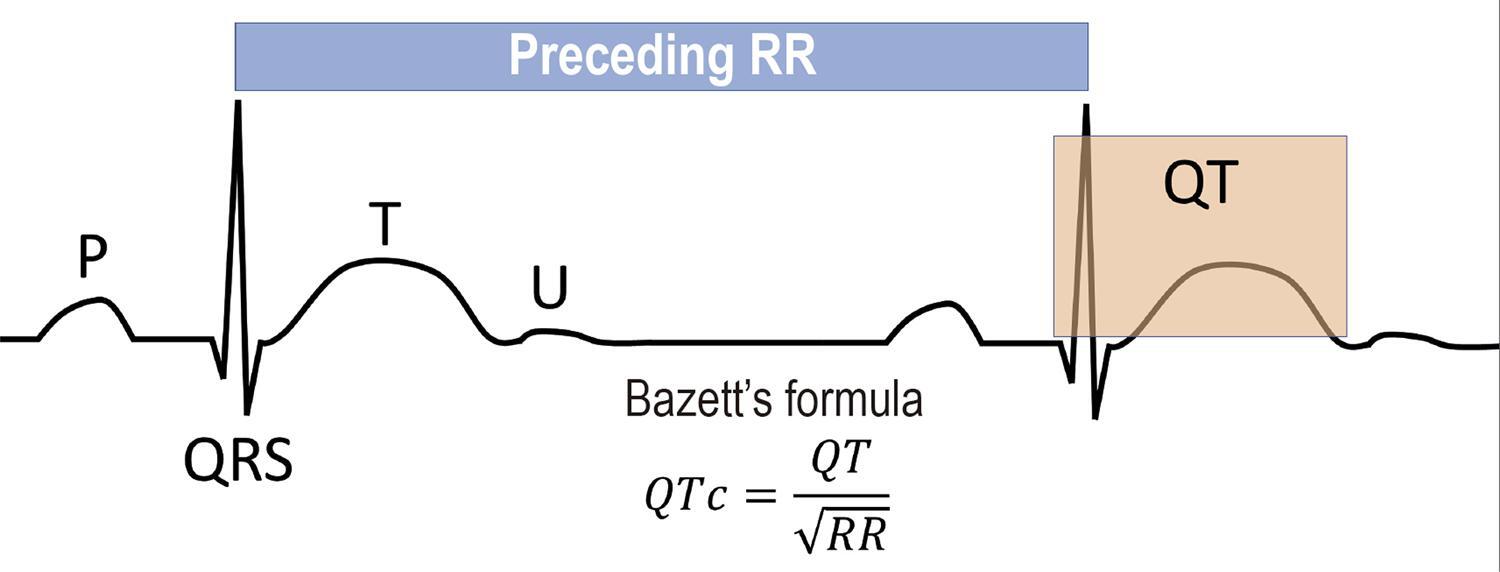
In vitro studies have demonstrated some effect of chloroquine against the new coronavirus, mediated by the glycosylation of SARS-CoV cell receptors and by increased endosomal pH, blocking cell invasion by the virus. In addition to this antiviral activity, chloroquine, which is traditionally an immunomodulator, has shown to be promising for treatment of pneumonia that installs approximately one week after onset of symptoms.

[…]

  • Arrhythmias
  • Coronavirus/complications
  • COVID-19, Pandemics
  • Hydroxychloroquine/therapeutic, use
  • Tachycardia,Ventricular
  • Torsades Pointes
Read Full Article
Creative Commons Attribution (CC BY) Creative Commons license
03/07/2020 DOI: 10.36660/abc.20200389
Figure 1
Review Article

Coronavirus Disease 2019 and the Myocardium

José Albuquerque de Figueiredo Neto et al. Fabiana G. Marcondes-Braga Lidia Zytinski Moura André Melo e Silva de Figueiredo … Viviane Melo e Silva de Figueiredo Ricardo Mourilhe-Rocha Evandro Tinoco Mesquita

Abstract

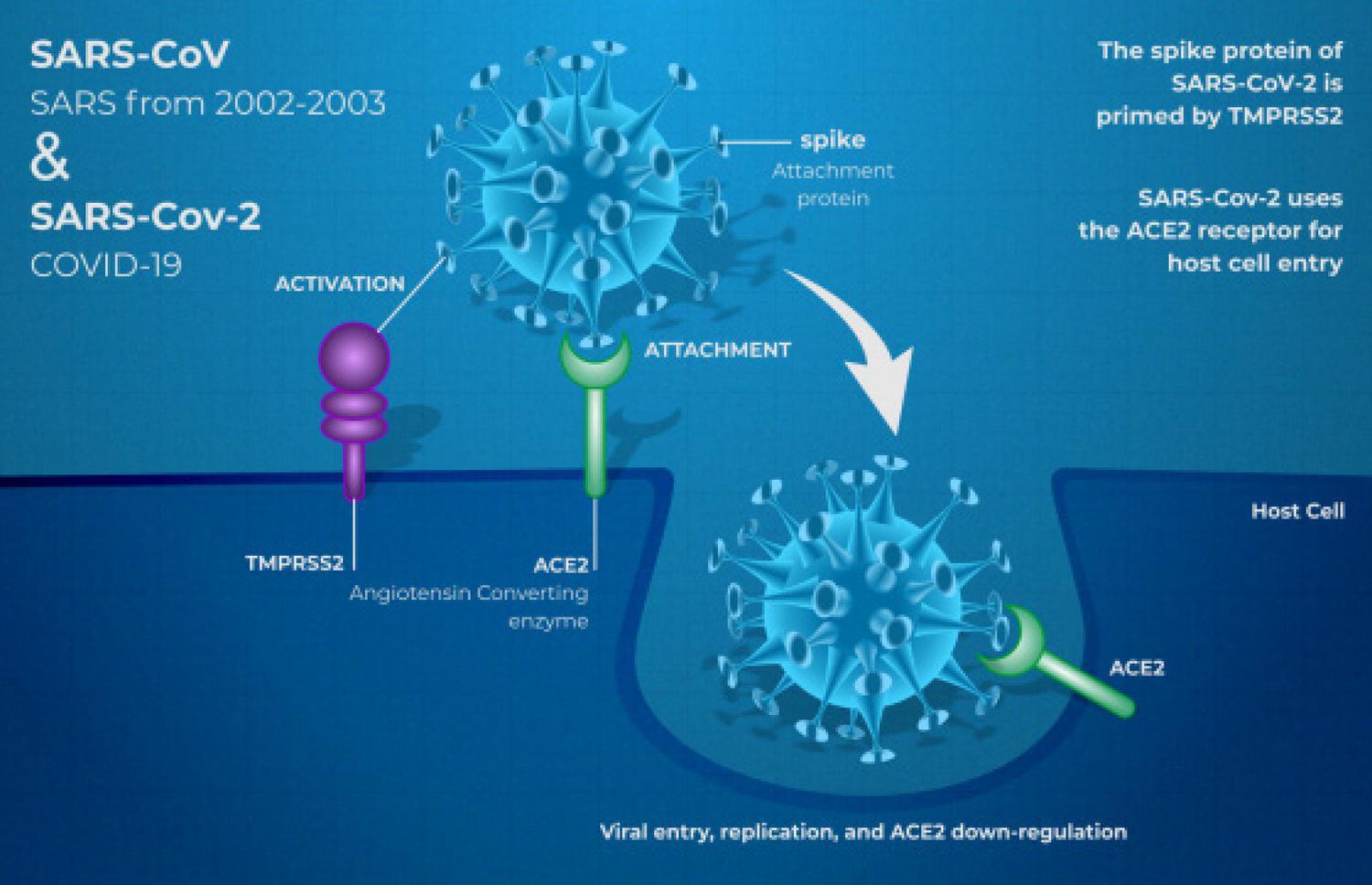
Infection with the coronavirus known as COVID-19 has promoted growing interest on the part of cardiologists, emergency care specialists, intensive care specialists, and researchers, due to the study of myocardial involvement based on different clinical forms resulting from immunoinflammatory and neurohumoral demodulation.Myocardial involvement may be minimal and identifiable only by electrocardiographic changes, mainly increased cardiac troponins, or, on the other side of the spectrum, by forms of fulminant myocarditis and takotsubo syndrome.The description of probable acute myocarditis has been widely supported by the observation of increased troponin in association with dysfunction. Classical definition of myocarditis, supported by endomyocardial biopsy of inflammatory infiltrate, is rare; it has been observed in only one case report to date, and the virus has not been identified inside cardiomyocytes.Thus, the phenomenon that has been documented is acute myocardial injury, making it necessary to rule our obstructive coronary disease based on increased markers of myocardial necrosis, whether or not they are associated with ventricular dysfunction, likely associated with cytokine storms and other factors that may synergistically promote myocardial injury, such as sympathetic hyperactivation, hypoxemia, arterial hypotension, and microvascular thrombotic phenomena.Systemic inflammatory and myocardial phenomena following viral infection have been well documented, and they may progress to cardiac remodeling and myocardial dysfunction. Cardiac monitoring of these patients is, therefore, important in order to monitor the development of the phenotype of dilated myocardiopathy.This review presents the main etiological and physiopathological findings, a description of the taxonomy of these types of cardiac involvement, and their correlation with the main clinical forms of the myocardial component present in patients in the acute phase of COVID-19.

  • Biomarkers
  • Cardiomyopathy, Dilated
  • Coronavirus
  • COVID-19
  • Inflammatory Diseases
  • Myocarditis
  • Myocardium/injuries
  • Pandemics
  • Takotsubo syndrome
  • Thrombotic Microangiopathies
  • Troponin
Read Full Article
Creative Commons Attribution (CC BY) Creative Commons license
03/07/2020 DOI: 10.36660/abc.20200373 Views 2
Figure 1
Case Report

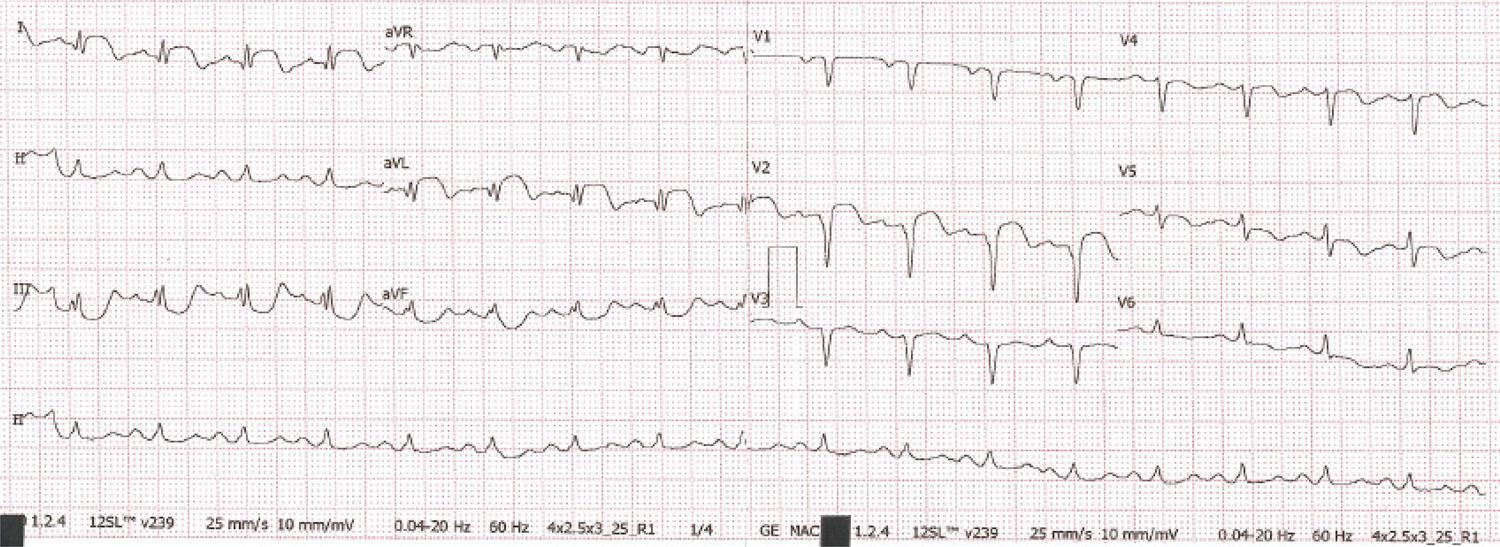
COVID-19 and Acute Coronary Events – Collateral Damage. A Case Report.

Luiz Eduardo Fonteles Ritt et al. Mateus S. Viana Gustavo Freitas Feitosa Adriano Martins de Oliveira … Fabio Solano Souza Eduardo Sahade Darzé

Discussion

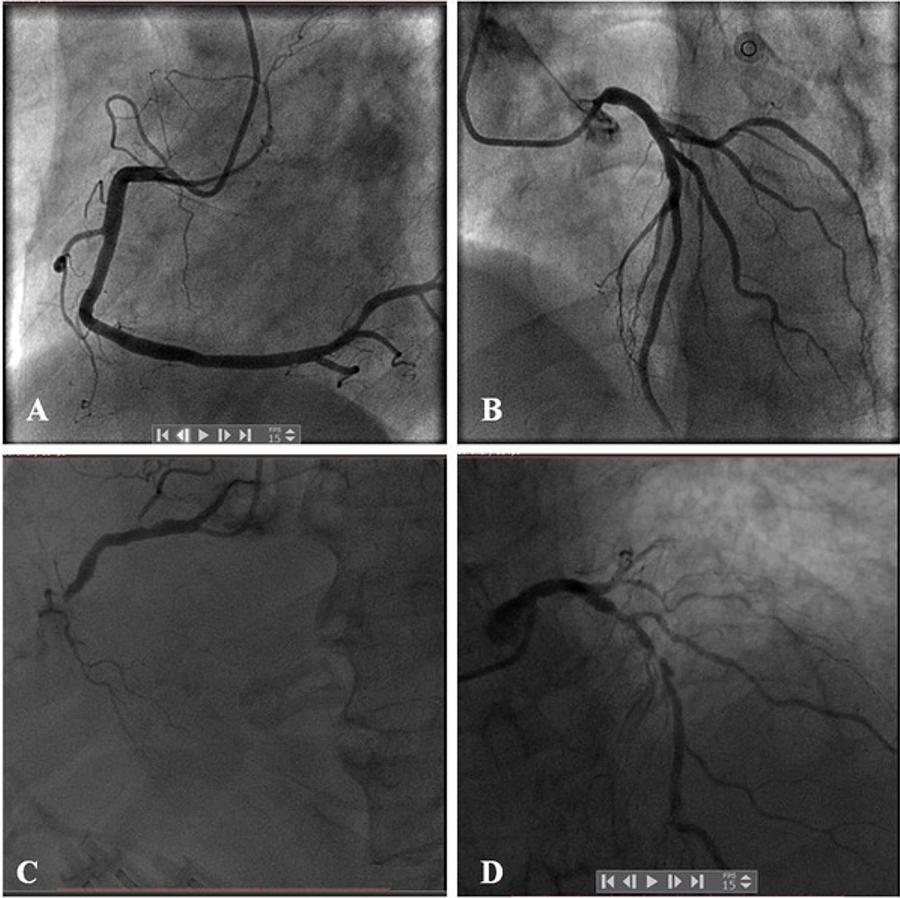
Considering the SARS-CoV-2 pandemic, quarantine periods have been declared in several cities in Brazil and worldwide, and people have been instructed to maintain social distancing in order to contain the rapid spread of the virus. Taken to the extreme, fear of becoming infected may result in typical symptoms of ACS being neglected or erroneously attributed to other less probable causes, delaying treatment and imposing avoidable risks to patients’ lives. We report a typical case of ACS in a patient with risk factors for atherosclerotic disease, who, driven by panic related to COVID-19, was unable to recognize the nature of his symptoms, thus delaying his trip to the emergency room until the moment that chest pain became unbearable. Furthermore, also due to concerns related to SARS-CoV-2 infection, the patient suspended use of angiotensin receptor blocker (ARB). In spite of a door-to-balloon time of 57 minutes, as a result of prolonged ischemia time, the patient developed left ventricular systolic dysfunction, albeit asymptomatic.

[…]

  • Cineangiography
  • Coronavirus
  • Echocardiography/methods
  • Fear
  • Pandemics
  • Panic
  • Risk Factors
  • ST Myocardial Infarction
Read Full Article
Creative Commons Attribution (CC BY) Creative Commons license
03/07/2020 DOI: 10.36660/abc.20200329 Views 3
Figure 1
Image

Hypothermia-Induced Electrocardiographic Changes

Ana Marques et al. Daniel Caldeira Alexandra Briosa Isabel João Hélder Pereira

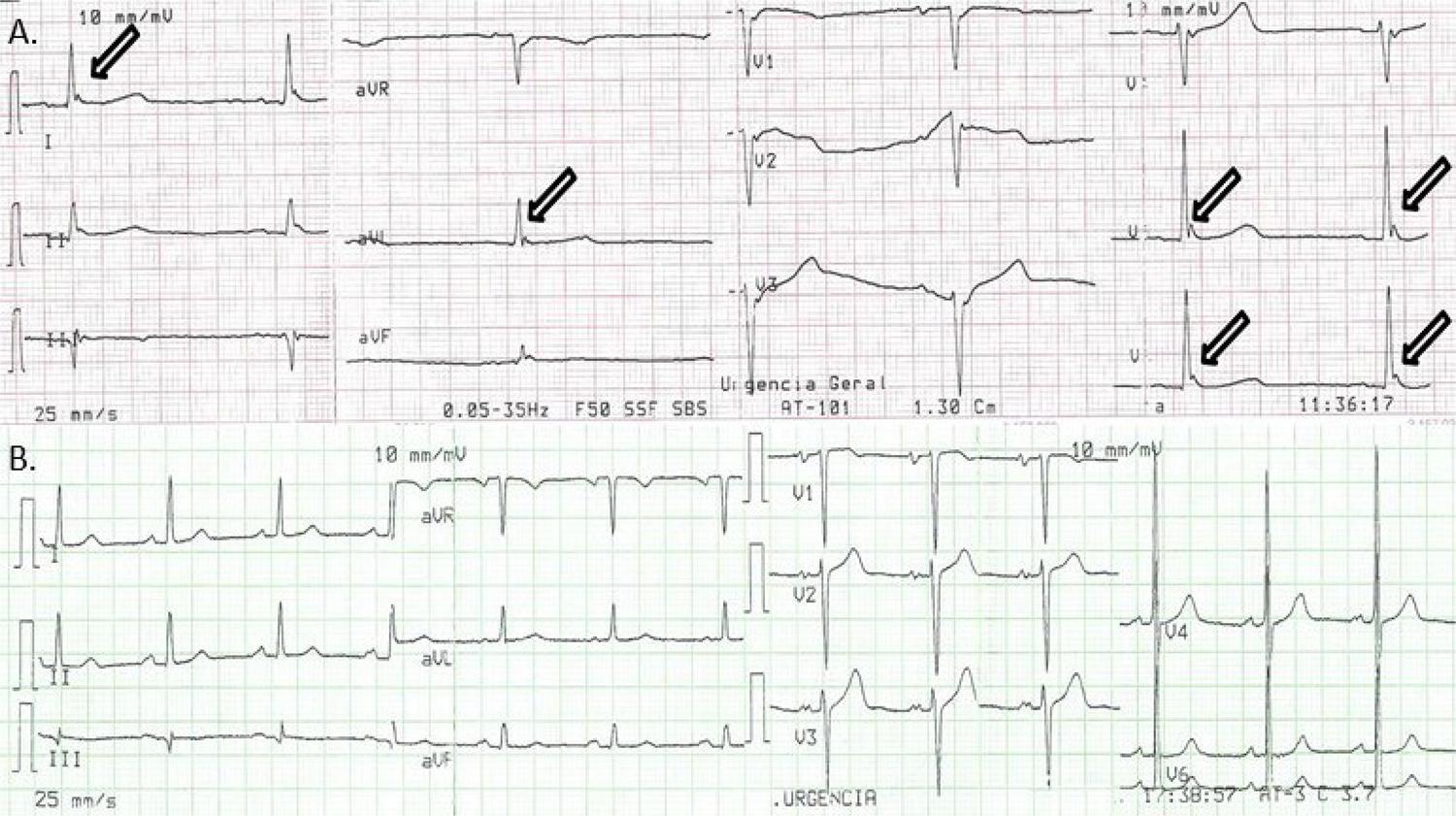
An elderly female patient was brought to the Emergency Department due to loss of consciousness. The past medical history was remarkable for hypercholesterolemia and essential hypertension. The patient was not treated with any negative chronotropic drug. At the admission, the patient’s blood pressure was 90/60 mmHg, she had bradycardia (42/minute), and hypothermia (33ºC). Electrocardiogram (ECG) showed sinus bradycardia, 1st grade atrioventricular block, long corrected QT interval, and Osborn waves at the end of QRS complexes ( , arrowheads). Accordingly, these positive notching deflections were best seen in lateral precordial leads and disappeared after warming the patient to 36ºC ( ). The bradycardia, atrioventricular block, and QT prolongation were also resolved ( ). During the inward stay, head computed tomography scan, 24-hour Holter, and laboratory analysis were unremarkable for pathological findings. Transthoracic echocardiogram only revealed degenerative aortic and mitral valve changes. This case is illustrative of hypothermia-induced electrocardiographic changes, namely prolongation of the PR, RR and QT intervals and particularly the presence of Osborn Waves. ,

[…]

  • Atrioventricular block
  • Bradycardia
  • Electrocardiography/methods
  • hypothermia
  • Osborn Waves
Read Full Article
Creative Commons Attribution (CC BY) Creative Commons license
03/07/2020 DOI: 10.36660/abc.20200081 Views 1
Figure 1
Original Article

Catheter Ablation for Treatment of Atrial Fibrillation and Supraventricular Arrhythmias Without Fluoroscopy Use: Acute Efficacy and Safety

Eduardo B. Saad et al. Charles Slater Luiz Antonio Oliveira Inácio Jr Gustavo Vignoli dos Santos … Lucas Carvalho Dias Luiz Eduardo Montenegro Camanho

Abstract

Background

The use of ionizing radiation in medical procedures is associated with significant health risks for patients and the health care team.

Objectives

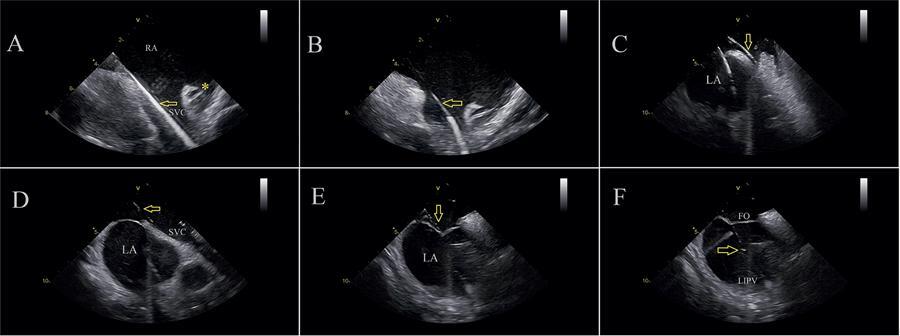
Evaluate the safety and acute efficacy of ablation for atrial fibrillation (AF) and supraventricular arrhythmias (SVTs) using an exclusively non-fluoroscopic approach guided by intracardiac echo (ICE) and 3D-mapping.

Methods

95 pts (mean age 60 ± 18 years, 61% male) scheduled for AF Ablation (69 pts, 45 paroxysmal AF and 24 persistent AF) or non-AF SVT (26 pts – 14 AV node reentry, 6 WPW, 5 right atrial (RA) flutters, 1 atrial tachycardia) underwent zero fluoro procedures. Nine patients (9.5%) had permanent pacemakers or defibrillator resynchronization (CRT-D) devices. Both CARTO (65%) and NAVx (35%) mapping systems were used, as well as Acunav and ViewFlex ICE catheters.

Results

Pulmonary vein isolation (PVI), as well as all other targets that needed ablation in both atria were reached and adequately visualized. No pericardial effusions, thrombotic complications or other difficulties were seen in these series. Difficult transseptal puncture (19 patients – 20%) was managed without fluoroscopy in all cases. No backup fluoroscopy was used, and no lead apparel was needed. Pacemaker interrogations after the procedure did not show any lead damage, dislocation, or threshold changes.

Conclusions

A radiation-free (fluoroless) catheter ablation strategy for AF and other atrial arrhythmias is acutely safe and effective when guided by adequate ICE and 3D-mapping utilization. Multiple different bi-atrial sites were reached and adequately ablated without the need for backup fluoroscopy. No complications were seen. (Arq Bras Cardiol. 2020; 114(6):1015-1026)

  • Arrhythmias Cardiac
  • Atrial Fibrillation
  • Catheter Ablation
  • Efficacy
  • Fluoroscopy
  • radiation
  • Safety
Read Full Article
Creative Commons Attribution (CC BY) Creative Commons license
03/07/2020 DOI: 10.36660/abc.20200096 Views 1
Viewpoint

Physical Activity And Reducing Sedentary Behavior During The Coronavirus Pandemic

Francisco José Gondim Pitanga et al. Carmem Cristina Beck Cristiano Penas Seara Pitanga

Introduction

The novel coronavirus pandemic recently declared by the World Health Organization has led several municipal and state health departments to issue decrees closing different spaces intended for practicing physical activity. Furthermore, the Ministry of Health has prepared a manual with several initiatives to prevent the spread of the disease, in addition to making decisions suggesting social isolation and recommending that people remain at home. All of these measures have made it more difficult for the Brazilian population to practice physical activity.

On the other hand, the literature has consistently provided evidence regarding the diverse health benefits that physical activity promotes, especially to the cardiovascular/metabolic and immunological system. More recently, the literature began to show evidence that health is related not only to regular practice of physical activity, but also to reduced sedentary behavior, in other words, time spent sitting, lying down, or reclining during the day, excluding sleep hours.

[…]

  • Cardiovascular Physiological Phenomena
  • Coronavirus
  • Exercise
  • Leisure Activities
  • Pandemics
  • Physical activity
  • Population Dynamics
  • Screen Time
Read Full Article
Creative Commons Attribution (CC BY) Creative Commons license
03/07/2020 DOI: 10.36660/abc.20200238 Views 1
Editorial

Why We Build Models – From Clinical Cardiology Practice to Infectious Disease Epidemics

Marcio Sommer Bittencourt

Francisco, 64 years old, comes to your office for a preventive health evaluation. He has a history of well-controlled hypertension and is otherwise well. His past medical history is unremarkable. No family history of cardiovascular disease or smoking and LDL-cholesterol (LDL-C) of 90 mg/dL. After discussing with the patient, you are unsure if this patient’s risk benefit profile would favor the use of statins. Instead of trusting your personal feelings, you decide to use the Framingham risk score (FRS) to decide if statins would be recommended. The calculated Framingham score is 8.1% and you decide not to initiate statins at this point.

One month later, Francisco returns to your office with typical angina on major exertion but has no signs of unstable disease. Once again, to avoid overconfidence on your initial impression, you decide to use the Diamond and Forrester (DF) chest pain prediction rule, which estimates the pretest probability of obstructive coronary artery disease (CAD). For a male at his age, the rule suggests a pretest probability of 94% (high probability), so you decide to request an invasive angiography in the outpatient setting.

[…]

  • Biomarkers
  • Cardiovascular Diseases
  • Coronavirus
  • COVID-19
  • Pandemics
  • Prevention and Control
  • Risk Assessment
  • Risk Factors
  • Risk reduction Behavior
Read Full Article
Creative Commons Attribution (CC BY) Creative Commons license
03/07/2020 DOI: 10.36660/abc.20200527 Views 2
Figure 1
Special Article

One year follow-up Assessment of Patients Included in the Brazilian Registry of Acute Coronary Syndromes (ACCEPT)

Pedro Gabriel Melo de Barros e Silva et al. Otavio Berwanger Elizabete Silva dos Santos Antônio Carlos Sobral Sousa … Margaret Assad Cavalcante Pedro Beraldo de Andrade Fernando Carvalho Neuenschwander Hugo Vargas Filho Jorge Ilha Guimarães Jadelson Andrade Angelo Amato Vincenzo de Paola Marcus Vinicius Bolivar Malachias Luiz Alberto Piva e Mattos Dalton Bertolim Precoma Fernando Bacal Oscar Pereira Dutra

Abstract

Background

There is lack of prospective data on evolution within one year of acute coronary syndromes (ACS) in a representative population of Brazilian patients.

Objectives

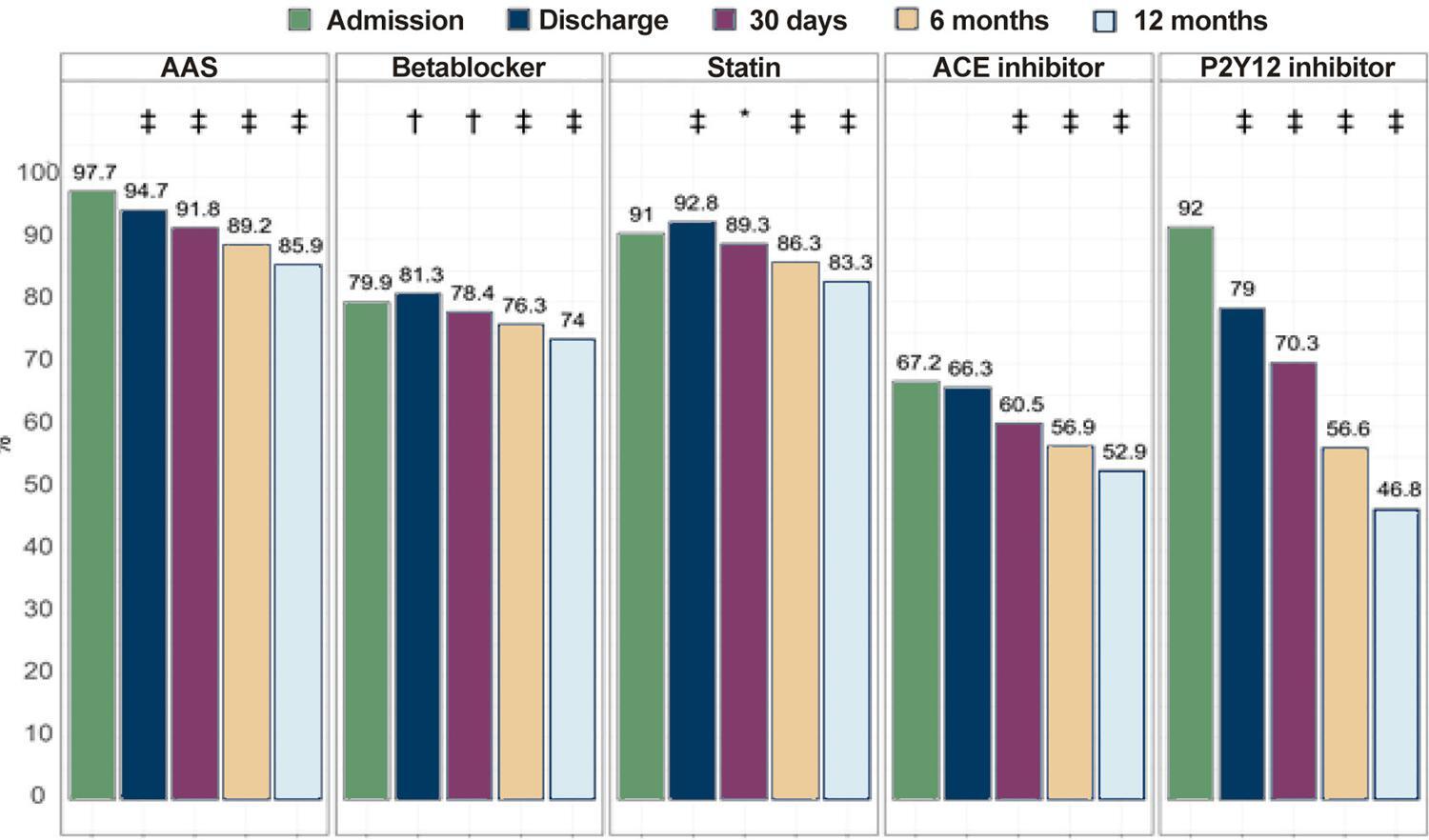
To assess the prescription of evidence-based therapies, the incidence of severe outcomes and the predictors for these outcomes in a multicenter Brazilian registry of ACS patients.

Methods

The ACCEPT is a prospective observational study, which included patients hospitalized with a diagnostic of ACS in 47 Brazilian hospitals. The patients were followed for a 1 year and data were collected on the medical prescription and the occurrence of major cardiovascular events (cardiovascular mortality, reinfarction and cerebrovascular accident – CVA). Values of p < 0.05 were considered statistically significant.

Results

A total of 5,047 patients were included in this registry from August 2010 to April 2014. The diagnosis of ACS was confirmed in 4,782 patients (94.7%) and, among those, the most frequent diagnosis was ACS with ST segment elevation (35.8%). The rate of major cardiovascular events was 13.6 % within 1 year. Adherence to prescription of evidence-based therapy at admission was of 62.1%. Age, public service, acute myocardial infarction, CVA, renal failure, diabetes and quality of therapy were associated independently with the occurrence of major cardiovascular events.

Conclusions

During the one-year follow-up of the ACCEPT registry, more than 10% of the patients had major cardiovascular events and this rate ranged according with the quality of therapy. Strategies must be elaborated to improve the use of evidence-based therapies to minimize the cardiovascular events among the Brazilian population. (Arq Bras Cardiol. 2020; 114(6):995-1003)

  • Acute coronary syndrome
  • Medical Records/ statistics& numeral data
  • Multicenter Studies
  • Myocardial Infarction
  • Risk Factors
Read Full Article
Creative Commons Attribution (CC BY) Creative Commons license
29/06/2020 DOI: 10.36660/abc.20190879 Views 1
Figure 1
Original Article

Chemotherapy-Related Anatomical Coronary-Artery Disease in Lung Cancer Patients Evaluated by Coronary-Angiography SYNTAX Score

Qian Yang et al. Yundai Chen Hai Gao Jianzhong Zhang … Juan Zhang Mingjie Zhang Jing Jing Pingjun Zhu Hao Zhou Shunying Hu

Abstract

Background

Chemotherapy-related coronary artery disease (CAD) is becoming an emerging issue in clinic. However, the underlying mechanism of chemotherapy-related CAD remains unclear.

Objective

The study investigated the association between chemotherapy and atherosclerotic anatomical abnormalities of coronary arteries among lung cancer patients.

Methods

Patients undergoing coronary angiography (CAG) between 2010 and 2017, who previously had lung cancer, were examined. Risk factors associated with CAD and information about lung cancer were evaluated. We assessed coronary-artery abnormalities by SYNTAX score (SXscore) based on CAG. In logistic-regression analysis, we defined high SXscore (SXhigh) grade as positive if ≥22. Data were analyzed through descriptive statistics and regression analysis.

Results

A total of 94 patients were included in the study. The SXscore was higher in the chemotherapy group than in the non-chemotherapy group (25.25, IQR [4.50–30.00] vs. 16.50, IQR [ 5.00–22.00], p = 0.0195). The SXhigh rate was greater in the chemotherapy group than in the non-chemotherapy group (58.33% vs. 25.86; p = 0.0016). Both univariate (OR:4.013; 95% CI:1.655–9.731) and multivariate (OR:5.868; 95% CI:1.778–19.367) logistic-regression analysis revealed that chemotherapy increased the risk of greater SXhigh rates. Multivariate stepwise logistic-regression analysis showed the risk of more severe anatomical CAD is increased by chemotherapy as a whole by 5.323 times (95% CI: 2.002–14.152), and by platinum-based regimens by 5.850 times (95% CI: 2.027–16.879).

Conclusions

Chemotherapy is associated with anatomical complexity and severity of CAD, which might partly account for the higher risk of chemotherapy-related CAD among lung cancer patients. (Arq Bras Cardiol. 2020; [online].ahead print, PP.0-0)

  • Angioplasty/methods
  • Coronary Artery Disease/physiopathology
  • Lung Neoplasms/complications
  • Lung Neoplasms/drug therapy
  • Propensity Score
  • Risk Factors
  • Score Syntax
Read Full Article
Creative Commons Attribution (CC BY) Creative Commons license
30/03/2020 DOI: 10.36660/abc.20190201 Views 1
Figure 1
Original Article

Evaluation of the Cardiac Effects of a Water-Soluble Lectin (Wsmol) from Moringa Oleifera Seeds

Ainhoa Rodríguez de Yurre et al. José Dayvid Ferreira da Silva Marília Kalinne da Silva Torres Eduarda Lopes Martins … Isalira Peroba Ramos Wênio Sandoval Filho Lima da Silva Jéssica da Silva Sarpa Caio César da Silva Guedes Thiago Henrique Napoleão Luana Cassandra Breitenbach Barroso Coelho Patrícia Maria Guedes Paiva Emiliano Medei

Abstract

Background

Moringa oleifera seeds, which are used for water clarification, contain a lectin named WSMoL which has shown in vitro antibacterial and immunomodulatory activity. Due to their nutritional value and therapeutic potential, the leaves and seeds of this tree are eaten in some communities. Some plant lectins are non-toxic to mammals, but others have been reported to be harmful when ingested or administered by other means.

Objective

As one of the steps needed to define the safety of WSMoL, we evaluated possible cardiotoxic effects of this purified protein. Methods: WSMoL was administered for 21 consecutive days to mice by gavage. Electrophysiological, mechanical, and metabolic cardiac functions were investigated by in vivo and ex vivo electrocardiographic recordings, nuclear magnetic resonance, and high-resolution respirometry.

Results

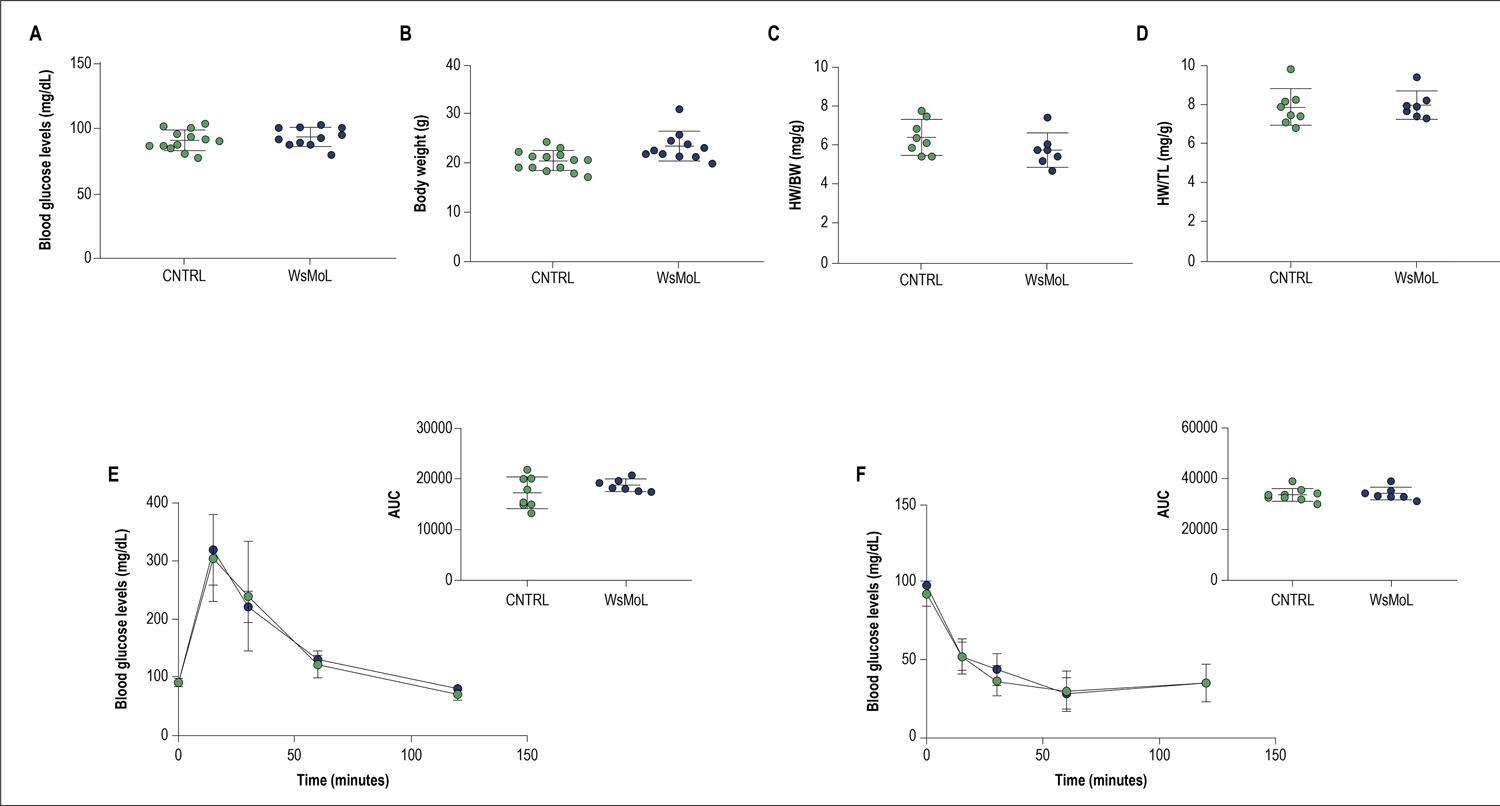
The treatment with WSMoL did not induce changes in blood glucose levels or body weight in comparison with control group. Moreover, the heart weight/body weight and heart weight/tibia length ratios were similar in both groups. Lectin ingestion also did not modify glucose tolerance or insulin resistance. No alterations were observed in electrocardiographic parameters or cardiac action potential duration. The heart of mice from the control and WSMoL groups showed preserved left ventricular function. Furthermore, WSMoL did not induce changes in mitochondrial function (in all cases, p > 0.05).

Conclusions

The administration of WSMoL demonstrated a cardiac safety profile. These results contribute to the safety evaluation of using M. oleifera seeds to treat water, since this lectin is present in the preparation employed by some populations to this end. (Arq Bras Cardiol. 2020; [online].ahead print, PP.0-0)

  • Carbohydrates
  • Heart
  • Mice
  • Moringa Oleífera (WSMoL), Lectins, Glycosides
  • Water Security
Read Full Article
Creative Commons Attribution (CC BY) Creative Commons license
13/03/2020 DOI: 10.36660/abc.20190071 Views 1

How to cite this article

EndNote RIS

Electronic Document Format (Vancouver)

Koike MK, Kochi AK, Pinto DYG. Use of Moringa Oleifera Seeds in Water Treatment. Arquivos Brasileiros de Cardiologia 2020;114(6):1038-9.

Electronic Document Format (ABNT)

Koike, Marcia Kiyomi; Kochi, Akimi Kokanj; Pinto, Denise Yamada Gomes. Use of Moringa Oleifera Seeds in Water Treatment. Arquivos Brasileiros de Cardiologia, v. 114, n. 6, p. 1038-1039, Jul. 2020.

Electronic Document Format (APA)

Koike, M. K., Kochi, A. K., & Pinto, D. Y. G. (2020). Use of Moringa Oleifera Seeds in Water Treatment. Arquivos Brasileiros de Cardiologia, 114(6), 1038-1039.

Electronic Document Format (ISO)

Koike, Marcia Kiyomi and Kochi, Akimi Kokanj and Pinto, Denise Yamada Gomes. Use of Moringa Oleifera Seeds in Water Treatment. Arquivos Brasileiros de Cardiologia [online]. 2020, vol. 114, n. 6, [cited 2026-10-15], pp. 1038-1039. Available from: <https://journals.cardiol.br/en/article/use-of-moringa-oleifera-seeds-in-water-treatment/>. ISSN 0066-782X

EndNote RIS

Electronic Document Format (Vancouver)

Moreira HG. The Uncommon Orthostatic Hypotension in Brazil: Are We Underestimating the Problem?. Arquivos Brasileiros de Cardiologia 2020;114(6):1049-50.

Electronic Document Format (ABNT)

Moreira, Humberto Graner. The Uncommon Orthostatic Hypotension in Brazil: Are We Underestimating the Problem?. Arquivos Brasileiros de Cardiologia, v. 114, n. 6, p. 1049-1050, Jul. 2020.

Electronic Document Format (APA)

Moreira, H. G. (2020). The Uncommon Orthostatic Hypotension in Brazil: Are We Underestimating the Problem?. Arquivos Brasileiros de Cardiologia, 114(6), 1049-1050.

Electronic Document Format (ISO)

Moreira, Humberto Graner. The Uncommon Orthostatic Hypotension in Brazil: Are We Underestimating the Problem?. Arquivos Brasileiros de Cardiologia [online]. 2020, vol. 114, n. 6, [cited 2026-10-15], pp. 1049-1050. Available from: <https://journals.cardiol.br/en/article/the-uncommon-orthostatic-hypotension-in-brazil-are-we-underestimating-the-problem/>. ISSN 0066-782X

EndNote RIS

Electronic Document Format (Vancouver)

Guimarães HP, Timerman S, Rodrigues RR, Corrêa TD, Schubert DUC, Freitas AP, Rea Neto , et al. Position Statement: Cardiopulmonary Resuscitation of Patients with Confirmed or Suspected COVID-19 – 2020. Arquivos Brasileiros de Cardiologia 2020;114(6):1078-87.

Electronic Document Format (ABNT)

Guimarães, Hélio Penna; Timerman, Sérgio; Rodrigues, Roseny dos Reis; Corrêa, Thiago Domingos; Schubert, Daniel Ujakow Correa; Freitas, Ana Paula; Rea Neto, Álvaro; Polastri, Thatiane Facholi; Vane, Matheus Fachini; Couto, Thomaz Bittencourt; Brandão, Antonio Carlos Aguiar; Giannetti, Natali Schiavo; Timerman, Thiago; Hajjar, Ludhmila Abrahão; Bacal, Fernando; Lopes, Marcelo Antônio Cartaxo Queiroga. Position Statement: Cardiopulmonary Resuscitation of Patients with Confirmed or Suspected COVID-19 – 2020. Arquivos Brasileiros de Cardiologia, v. 114, n. 6, p. 1078-1087, Jul. 2020.

Electronic Document Format (APA)

Guimarães, H. P., Timerman, S., Rodrigues, R. R., Corrêa, T. D., Schubert, D. U. C., Freitas, A. P., Rea Neto, , Polastri, T. F., Vane, M. F., Couto, T. B., Brandão, A. C. A., Giannetti, N. S., Timerman, T., Hajjar, L. A., Bacal, F., & Lopes, M. A. C. Q. (2020). Position Statement: Cardiopulmonary Resuscitation of Patients with Confirmed or Suspected COVID-19 – 2020. Arquivos Brasileiros de Cardiologia, 114(6), 1078-1087.

Electronic Document Format (ISO)

Guimarães, Hélio Penna and Timerman, Sérgio and Rodrigues, Roseny dos Reis and Corrêa, Thiago Domingos and Schubert, Daniel Ujakow Correa and Freitas, Ana Paula and Rea Neto, Álvaro and Polastri, Thatiane Facholi and Vane, Matheus Fachini and Couto, Thomaz Bittencourt and Brandão, Antonio Carlos Aguiar and Giannetti, Natali Schiavo and Timerman, Thiago and Hajjar, Ludhmila Abrahão and Bacal, Fernando and Lopes, Marcelo Antônio Cartaxo Queiroga. Position Statement: Cardiopulmonary Resuscitation of Patients with Confirmed or Suspected COVID-19 – 2020. Arquivos Brasileiros de Cardiologia [online]. 2020, vol. 114, n. 6, [cited 2026-10-15], pp. 1078-1087. Available from: <https://journals.cardiol.br/en/article/position-statement-cardiopulmonary-resuscitation-of-patients-with-confirmed-or-suspected-covid-19-2020/>. ISSN 0066-782X

EndNote RIS

Electronic Document Format (Vancouver)

Guimarães RB, Falcão B, Costa RA, Lopes MACQ, Botelho RV, Petraco R, Sarmento-Leite R, et al. Acute Coronary Syndromes in the Current Context of the Covid-19 Pandemic. Arquivos Brasileiros de Cardiologia 2020;114(6):1067-71.

Electronic Document Format (ABNT)

Guimarães, Raphael Boesche; Falcão, Breno; Costa, Ricardo Alves; Lopes, Marcelo Antônio Cartaxo Queiroga; Botelho, Roberto Vieira; Petraco, Ricardo; Sarmento-Leite, Rogério. Acute Coronary Syndromes in the Current Context of the Covid-19 Pandemic. Arquivos Brasileiros de Cardiologia, v. 114, n. 6, p. 1067-1071, Jul. 2020.

Electronic Document Format (APA)

Guimarães, R. B., Falcão, B., Costa, R. A., Lopes, M. A. C. Q., Botelho, R. V., Petraco, R., & Sarmento-Leite, R. (2020). Acute Coronary Syndromes in the Current Context of the Covid-19 Pandemic. Arquivos Brasileiros de Cardiologia, 114(6), 1067-1071.

Electronic Document Format (ISO)

Guimarães, Raphael Boesche and Falcão, Breno and Costa, Ricardo Alves and Lopes, Marcelo Antônio Cartaxo Queiroga and Botelho, Roberto Vieira and Petraco, Ricardo and Sarmento-Leite, Rogério. Acute Coronary Syndromes in the Current Context of the Covid-19 Pandemic. Arquivos Brasileiros de Cardiologia [online]. 2020, vol. 114, n. 6, [cited 2026-10-15], pp. 1067-1071. Available from: <https://journals.cardiol.br/en/article/acute-coronary-syndromes-in-the-current-context-of-the-covid-19-pandemic/>. ISSN 0066-782X

EndNote RIS

Electronic Document Format (Vancouver)

Fernandes JL. Covid-19 in Brazil: Learning How to Walk in the Dark Without Leaving Anything Behind. Arquivos Brasileiros de Cardiologia 2020;114(6):988-91.

Electronic Document Format (ABNT)

Fernandes, Juliano Lara. Covid-19 in Brazil: Learning How to Walk in the Dark Without Leaving Anything Behind. Arquivos Brasileiros de Cardiologia, v. 114, n. 6, p. 988-991, Jul. 2020.

Electronic Document Format (APA)

Fernandes, J. L. (2020). Covid-19 in Brazil: Learning How to Walk in the Dark Without Leaving Anything Behind. Arquivos Brasileiros de Cardiologia, 114(6), 988-991.

Electronic Document Format (ISO)

Fernandes, Juliano Lara. Covid-19 in Brazil: Learning How to Walk in the Dark Without Leaving Anything Behind. Arquivos Brasileiros de Cardiologia [online]. 2020, vol. 114, n. 6, [cited 2026-10-15], pp. 988-991. Available from: <https://journals.cardiol.br/en/article/covid-19-in-brazil-learning-how-to-walk-in-the-dark-without-leaving-anything-behind/>. ISSN 0066-782X

EndNote RIS

Electronic Document Format (Vancouver)

Harinstein ME. Evaluating the Severity of Coronary Artery Disease in Patients Treated with Chemotherapy: The Further Need for Cardio-Oncology. Arquivos Brasileiros de Cardiologia 2020;114(6):1013-4.

Electronic Document Format (ABNT)

Harinstein, Matthew E.. Evaluating the Severity of Coronary Artery Disease in Patients Treated with Chemotherapy: The Further Need for Cardio-Oncology. Arquivos Brasileiros de Cardiologia, v. 114, n. 6, p. 1013-1014, Jul. 2020.

Electronic Document Format (APA)

Harinstein, M. E. (2020). Evaluating the Severity of Coronary Artery Disease in Patients Treated with Chemotherapy: The Further Need for Cardio-Oncology. Arquivos Brasileiros de Cardiologia, 114(6), 1013-1014.

Electronic Document Format (ISO)

Harinstein, Matthew E.. Evaluating the Severity of Coronary Artery Disease in Patients Treated with Chemotherapy: The Further Need for Cardio-Oncology. Arquivos Brasileiros de Cardiologia [online]. 2020, vol. 114, n. 6, [cited 2026-10-15], pp. 1013-1014. Available from: <https://journals.cardiol.br/en/article/evaluating-the-severity-of-coronary-artery-disease-in-patients-treated-with-chemotherapy-the-further-need-for-cardio-oncology/>. ISSN 0066-782X

EndNote RIS

Electronic Document Format (Vancouver)

Velten APC, Bensenor I, Lotufo P, Mill JG. Prevalence of Orthostatic Hypotension and the Distribution of Pressure Variation in the Longitudinal Study of Adult Health. Arquivos Brasileiros de Cardiologia 2020;114(6):1040-8.

Electronic Document Format (ABNT)

Velten, Ana Paula Costa; Bensenor, Isabela; Lotufo, Paulo; Mill, José Geraldo. Prevalence of Orthostatic Hypotension and the Distribution of Pressure Variation in the Longitudinal Study of Adult Health. Arquivos Brasileiros de Cardiologia, v. 114, n. 6, p. 1040-1048, Jul. 2020.

Electronic Document Format (APA)

Velten, A. P. C., Bensenor, I., Lotufo, P., & Mill, J. G. (2020). Prevalence of Orthostatic Hypotension and the Distribution of Pressure Variation in the Longitudinal Study of Adult Health. Arquivos Brasileiros de Cardiologia, 114(6), 1040-1048.

Electronic Document Format (ISO)

Velten, Ana Paula Costa and Bensenor, Isabela and Lotufo, Paulo and Mill, José Geraldo. Prevalence of Orthostatic Hypotension and the Distribution of Pressure Variation in the Longitudinal Study of Adult Health. Arquivos Brasileiros de Cardiologia [online]. 2020, vol. 114, n. 6, [cited 2026-10-15], pp. 1040-1048. Available from: <https://journals.cardiol.br/en/article/prevalence-of-orthostatic-hypotension-and-the-distribution-of-pressure-variation-in-the-longitudinal-study-of-adult-health/>. ISSN 0066-782X

EndNote RIS

Electronic Document Format (Vancouver)

Zimerman LI. Catheter Ablation Without Use of X-rays to Treat Atrial Fibrillation and Atrial Arrhythmia. Arquivos Brasileiros de Cardiologia 2020;114(6):1027-8.

Electronic Document Format (ABNT)

Zimerman, Leandro Ioschpe. Catheter Ablation Without Use of X-rays to Treat Atrial Fibrillation and Atrial Arrhythmia. Arquivos Brasileiros de Cardiologia, v. 114, n. 6, p. 1027-1028, Jul. 2020.

Electronic Document Format (APA)

Zimerman, L. I. (2020). Catheter Ablation Without Use of X-rays to Treat Atrial Fibrillation and Atrial Arrhythmia. Arquivos Brasileiros de Cardiologia, 114(6), 1027-1028.

Electronic Document Format (ISO)

Zimerman, Leandro Ioschpe. Catheter Ablation Without Use of X-rays to Treat Atrial Fibrillation and Atrial Arrhythmia. Arquivos Brasileiros de Cardiologia [online]. 2020, vol. 114, n. 6, [cited 2026-10-15], pp. 1027-1028. Available from: <https://journals.cardiol.br/en/article/catheter-ablation-without-use-of-x-rays-to-treat-atrial-fibrillation-and-atrial-arrhythmia/>. ISSN 0066-782X

EndNote RIS

Electronic Document Format (Vancouver)

Wu TC, Sacilotto L, Darrieux FCC, Pisani CF, Melo SL, Hachul DT, Scanavacca M, et al. QT Interval Control to Prevent Torsades de Pointes during Use of Hydroxychloroquine and/or Azithromycin in Patients with COVID-19. Arquivos Brasileiros de Cardiologia 2020;114(6):1061-6.

Electronic Document Format (ABNT)

Wu, Tan Chen; Sacilotto, Luciana; Darrieux, Francisco Carlos da Costa; Pisani, Cristiano Faria; Melo, Sissy Lara de; Hachul, Denise Tessariol; Scanavacca, Mauricio. QT Interval Control to Prevent Torsades de Pointes during Use of Hydroxychloroquine and/or Azithromycin in Patients with COVID-19. Arquivos Brasileiros de Cardiologia, v. 114, n. 6, p. 1061-1066, Jul. 2020.

Electronic Document Format (APA)

Wu, T. C., Sacilotto, L., Darrieux, F. C. C., Pisani, C. F., Melo, S. L. , Hachul, D. T., & Scanavacca, M. (2020). QT Interval Control to Prevent Torsades de Pointes during Use of Hydroxychloroquine and/or Azithromycin in Patients with COVID-19. Arquivos Brasileiros de Cardiologia, 114(6), 1061-1066.

Electronic Document Format (ISO)

Wu, Tan Chen and Sacilotto, Luciana and Darrieux, Francisco Carlos da Costa and Pisani, Cristiano Faria and Melo, Sissy Lara de and Hachul, Denise Tessariol and Scanavacca, Mauricio. QT Interval Control to Prevent Torsades de Pointes during Use of Hydroxychloroquine and/or Azithromycin in Patients with COVID-19. Arquivos Brasileiros de Cardiologia [online]. 2020, vol. 114, n. 6, [cited 2026-10-15], pp. 1061-1066. Available from: <https://journals.cardiol.br/en/article/qt-interval-control-to-prevent-torsades-de-pointes-during-use-of-hydroxychloroquine-and-or-azithromycin-in-patients-with-covid-19/>. ISSN 0066-782X

EndNote RIS

Electronic Document Format (Vancouver)

Figueiredo Neto JA, Marcondes-Braga FG, Moura LZ, Figueiredo AMS, Figueiredo VMS, Mourilhe-Rocha R, Mesquita ET, et al. Coronavirus Disease 2019 and the Myocardium. Arquivos Brasileiros de Cardiologia 2020;114(6):1051-7.

Electronic Document Format (ABNT)

Figueiredo Neto, José Albuquerque de; Marcondes-Braga, Fabiana G.; Moura, Lidia Zytinski; Figueiredo, André Melo e Silva de; Figueiredo, Viviane Melo e Silva de; Mourilhe-Rocha, Ricardo; Mesquita, Evandro Tinoco. Coronavirus Disease 2019 and the Myocardium. Arquivos Brasileiros de Cardiologia, v. 114, n. 6, p. 1051-1057, Jul. 2020.

Electronic Document Format (APA)

Figueiredo Neto, J. A. , Marcondes-Braga, F. G., Moura, L. Z., Figueiredo, A. M. S. , Figueiredo, V. M. S. , Mourilhe-Rocha, R., & Mesquita, E. T. (2020). Coronavirus Disease 2019 and the Myocardium. Arquivos Brasileiros de Cardiologia, 114(6), 1051-1057.

Electronic Document Format (ISO)

Figueiredo Neto, José Albuquerque de and Marcondes-Braga, Fabiana G. and Moura, Lidia Zytinski and Figueiredo, André Melo e Silva de and Figueiredo, Viviane Melo e Silva de and Mourilhe-Rocha, Ricardo and Mesquita, Evandro Tinoco. Coronavirus Disease 2019 and the Myocardium. Arquivos Brasileiros de Cardiologia [online]. 2020, vol. 114, n. 6, [cited 2026-10-15], pp. 1051-1057. Available from: <https://journals.cardiol.br/en/article/coronavirus-disease-2019-and-the-myocardium/>. ISSN 0066-782X

EndNote RIS

Electronic Document Format (Vancouver)

Ritt LEF, Viana MS, Feitosa GF, Oliveira AM, Souza FS, Darzé ES. COVID-19 and Acute Coronary Events – Collateral Damage. A Case Report.. Arquivos Brasileiros de Cardiologia 2020;114(6):1072-5.

Electronic Document Format (ABNT)

Ritt, Luiz Eduardo Fonteles; Viana, Mateus S.; Feitosa, Gustavo Freitas; Oliveira, Adriano Martins de; Souza, Fabio Solano; Darzé, Eduardo Sahade. COVID-19 and Acute Coronary Events – Collateral Damage. A Case Report.. Arquivos Brasileiros de Cardiologia, v. 114, n. 6, p. 1072-1075, Jul. 2020.

Electronic Document Format (APA)

Ritt, L. E. F., Viana, M. S., Feitosa, G. F., Oliveira, A. M. , Souza, F. S., & Darzé, E. S. (2020). COVID-19 and Acute Coronary Events – Collateral Damage. A Case Report.. Arquivos Brasileiros de Cardiologia, 114(6), 1072-1075.

Electronic Document Format (ISO)

Ritt, Luiz Eduardo Fonteles and Viana, Mateus S. and Feitosa, Gustavo Freitas and Oliveira, Adriano Martins de and Souza, Fabio Solano and Darzé, Eduardo Sahade. COVID-19 and Acute Coronary Events – Collateral Damage. A Case Report.. Arquivos Brasileiros de Cardiologia [online]. 2020, vol. 114, n. 6, [cited 2026-10-15], pp. 1072-1075. Available from: <https://journals.cardiol.br/en/article/covid-19-and-acute-coronary-events-collateral-damage-a-case-report/>. ISSN 0066-782X

EndNote RIS

Electronic Document Format (Vancouver)

Marques A, Caldeira D, Briosa A, João I, Pereira H. Hypothermia-Induced Electrocardiographic Changes. Arquivos Brasileiros de Cardiologia 2020;114(6):1076-7.

Electronic Document Format (ABNT)

Marques, Ana; Caldeira, Daniel; Briosa, Alexandra; João, Isabel; Pereira, Hélder. Hypothermia-Induced Electrocardiographic Changes. Arquivos Brasileiros de Cardiologia, v. 114, n. 6, p. 1076-1077, Jul. 2020.

Electronic Document Format (APA)

Marques, A., Caldeira, D., Briosa, A., João, I., & Pereira, H. (2020). Hypothermia-Induced Electrocardiographic Changes. Arquivos Brasileiros de Cardiologia, 114(6), 1076-1077.

Electronic Document Format (ISO)

Marques, Ana and Caldeira, Daniel and Briosa, Alexandra and João, Isabel and Pereira, Hélder. Hypothermia-Induced Electrocardiographic Changes. Arquivos Brasileiros de Cardiologia [online]. 2020, vol. 114, n. 6, [cited 2026-10-15], pp. 1076-1077. Available from: <https://journals.cardiol.br/en/article/hypothermia-induced-electrocardiographic-changes/>. ISSN 0066-782X

EndNote RIS

Electronic Document Format (Vancouver)

Saad EB, Slater C, Inácio Jr LAO, Santos GV, Dias LC, Camanho LEM. Catheter Ablation for Treatment of Atrial Fibrillation and Supraventricular Arrhythmias Without Fluoroscopy Use: Acute Efficacy and Safety. Arquivos Brasileiros de Cardiologia 2020;114(6):1015-26.

Electronic Document Format (ABNT)

Saad, Eduardo B.; Slater, Charles; Inácio Jr, Luiz Antonio Oliveira; Santos, Gustavo Vignoli dos; Dias, Lucas Carvalho; Camanho, Luiz Eduardo Montenegro. Catheter Ablation for Treatment of Atrial Fibrillation and Supraventricular Arrhythmias Without Fluoroscopy Use: Acute Efficacy and Safety. Arquivos Brasileiros de Cardiologia, v. 114, n. 6, p. 1015-1026, Jul. 2020.

Electronic Document Format (APA)

Saad, E. B., Slater, C., Inácio Jr, L. A. O., Santos, G. V. , Dias, L. C., & Camanho, L. E. M. (2020). Catheter Ablation for Treatment of Atrial Fibrillation and Supraventricular Arrhythmias Without Fluoroscopy Use: Acute Efficacy and Safety. Arquivos Brasileiros de Cardiologia, 114(6), 1015-1026.

Electronic Document Format (ISO)

Saad, Eduardo B. and Slater, Charles and Inácio Jr, Luiz Antonio Oliveira and Santos, Gustavo Vignoli dos and Dias, Lucas Carvalho and Camanho, Luiz Eduardo Montenegro. Catheter Ablation for Treatment of Atrial Fibrillation and Supraventricular Arrhythmias Without Fluoroscopy Use: Acute Efficacy and Safety. Arquivos Brasileiros de Cardiologia [online]. 2020, vol. 114, n. 6, [cited 2026-10-15], pp. 1015-1026. Available from: <https://journals.cardiol.br/en/article/catheter-ablation-for-treatment-of-atrial-fibrillation-and-supraventricular-arrhythmias-without-fluoroscopy-use-acute-efficacy-and-safety/>. ISSN 0066-782X

EndNote RIS

Electronic Document Format (Vancouver)

Pitanga FJG, Beck CC, Pitanga CPS. Physical Activity And Reducing Sedentary Behavior During The Coronavirus Pandemic. Arquivos Brasileiros de Cardiologia 2020;114(6):1058-60.

Electronic Document Format (ABNT)

Pitanga, Francisco José Gondim; Beck, Carmem Cristina; Pitanga, Cristiano Penas Seara. Physical Activity And Reducing Sedentary Behavior During The Coronavirus Pandemic. Arquivos Brasileiros de Cardiologia, v. 114, n. 6, p. 1058-1060, Jul. 2020.

Electronic Document Format (APA)

Pitanga, F. J. G., Beck, C. C., & Pitanga, C. P. S. (2020). Physical Activity And Reducing Sedentary Behavior During The Coronavirus Pandemic. Arquivos Brasileiros de Cardiologia, 114(6), 1058-1060.

Electronic Document Format (ISO)

Pitanga, Francisco José Gondim and Beck, Carmem Cristina and Pitanga, Cristiano Penas Seara. Physical Activity And Reducing Sedentary Behavior During The Coronavirus Pandemic. Arquivos Brasileiros de Cardiologia [online]. 2020, vol. 114, n. 6, [cited 2026-10-15], pp. 1058-1060. Available from: <https://journals.cardiol.br/en/article/physical-activity-and-reducing-sedentary-behavior-during-the-coronavirus-pandemic/>. ISSN 0066-782X

EndNote RIS

Electronic Document Format (Vancouver)

Bittencourt MS. Why We Build Models – From Clinical Cardiology Practice to Infectious Disease Epidemics. Arquivos Brasileiros de Cardiologia 2020;114(6):992-4.

Electronic Document Format (ABNT)

Bittencourt, Marcio Sommer. Why We Build Models – From Clinical Cardiology Practice to Infectious Disease Epidemics. Arquivos Brasileiros de Cardiologia, v. 114, n. 6, p. 992-994, Jul. 2020.

Electronic Document Format (APA)

Bittencourt, M. S. (2020). Why We Build Models – From Clinical Cardiology Practice to Infectious Disease Epidemics. Arquivos Brasileiros de Cardiologia, 114(6), 992-994.

Electronic Document Format (ISO)

Bittencourt, Marcio Sommer. Why We Build Models – From Clinical Cardiology Practice to Infectious Disease Epidemics. Arquivos Brasileiros de Cardiologia [online]. 2020, vol. 114, n. 6, [cited 2026-10-15], pp. 992-994. Available from: <https://journals.cardiol.br/en/article/why-we-build-models-from-clinical-cardiology-practice-to-infectious-disease-epidemics/>. ISSN 0066-782X

EndNote RIS

Electronic Document Format (Vancouver)

Silva PGMB, Berwanger O, Santos ES, Sousa ACS, Cavalcante MA, Andrade PB, Neuenschwander FC, et al. One year follow-up Assessment of Patients Included in the Brazilian Registry of Acute Coronary Syndromes (ACCEPT). Arquivos Brasileiros de Cardiologia 2020;114(6):995-1003.

Electronic Document Format (ABNT)

Silva, Pedro Gabriel Melo de Barros e; Berwanger, Otavio; Santos, Elizabete Silva dos; Sousa, Antônio Carlos Sobral; Cavalcante, Margaret Assad; Andrade, Pedro Beraldo de; Neuenschwander, Fernando Carvalho; Vargas Filho, Hugo; Guimarães, Jorge Ilha; Andrade, Jadelson; Paola, Angelo Amato Vincenzo de; Malachias, Marcus Vinicius Bolivar; Mattos, Luiz Alberto Piva e; Precoma, Dalton Bertolim; Bacal, Fernando; Dutra, Oscar Pereira. One year follow-up Assessment of Patients Included in the Brazilian Registry of Acute Coronary Syndromes (ACCEPT). Arquivos Brasileiros de Cardiologia, v. 114, n. 6, p. 995-1003, Jun. 2020.

Electronic Document Format (APA)

Silva, P. G. M. B. , Berwanger, O., Santos, E. S. , Sousa, A. C. S., Cavalcante, M. A., Andrade, P. B. , Neuenschwander, F. C., Vargas Filho, H., Guimarães, J. I., Andrade, J., Paola, A. A. V. , Malachias, M. V. B., Mattos, L. A. P. , Precoma, D. B., Bacal, F., & Dutra, O. P. (2020). One year follow-up Assessment of Patients Included in the Brazilian Registry of Acute Coronary Syndromes (ACCEPT). Arquivos Brasileiros de Cardiologia, 114(6), 995-1003.

Electronic Document Format (ISO)

Silva, Pedro Gabriel Melo de Barros e and Berwanger, Otavio and Santos, Elizabete Silva dos and Sousa, Antônio Carlos Sobral and Cavalcante, Margaret Assad and Andrade, Pedro Beraldo de and Neuenschwander, Fernando Carvalho and Vargas Filho, Hugo and Guimarães, Jorge Ilha and Andrade, Jadelson and Paola, Angelo Amato Vincenzo de and Malachias, Marcus Vinicius Bolivar and Mattos, Luiz Alberto Piva e and Precoma, Dalton Bertolim and Bacal, Fernando and Dutra, Oscar Pereira. One year follow-up Assessment of Patients Included in the Brazilian Registry of Acute Coronary Syndromes (ACCEPT). Arquivos Brasileiros de Cardiologia [online]. 2020, vol. 114, n. 6, [cited 2026-10-15], pp. 995-1003. Available from: <https://journals.cardiol.br/en/article/one-year-follow-up-assessment-of-patients-included-in-the-brazilian-registry-of-acute-coronary-syndromes-accept/>. ISSN 0066-782X

EndNote RIS

Electronic Document Format (Vancouver)

Yang Q, Chen Y, Gao H, Zhang J, Zhang J, Zhang M, Jing , et al. Chemotherapy-Related Anatomical Coronary-Artery Disease in Lung Cancer Patients Evaluated by Coronary-Angiography SYNTAX Score. Arquivos Brasileiros de Cardiologia 2020;114(6):1004-12.

Electronic Document Format (ABNT)

Yang, Qian; Chen, Yundai; Gao, Hai; Zhang, Jianzhong; Zhang, Juan; Zhang, Mingjie; Jing, ; Zhu, Pingjun; Zhou, Hao; Hu, Shunying. Chemotherapy-Related Anatomical Coronary-Artery Disease in Lung Cancer Patients Evaluated by Coronary-Angiography SYNTAX Score. Arquivos Brasileiros de Cardiologia, v. 114, n. 6, p. 1004-1012, Mar. 2020.

Electronic Document Format (APA)

Yang, Q., Chen, Y., Gao, H., Zhang, J., Zhang, J., Zhang, M., Jing, , Zhu, P., Zhou, H., & Hu, S. (2020). Chemotherapy-Related Anatomical Coronary-Artery Disease in Lung Cancer Patients Evaluated by Coronary-Angiography SYNTAX Score. Arquivos Brasileiros de Cardiologia, 114(6), 1004-1012.

Electronic Document Format (ISO)

Yang, Qian and Chen, Yundai and Gao, Hai and Zhang, Jianzhong and Zhang, Juan and Zhang, Mingjie and Jing and Zhu, Pingjun and Zhou, Hao and Hu, Shunying. Chemotherapy-Related Anatomical Coronary-Artery Disease in Lung Cancer Patients Evaluated by Coronary-Angiography SYNTAX Score. Arquivos Brasileiros de Cardiologia [online]. 2020, vol. 114, n. 6, [cited 2026-10-15], pp. 1004-1012. Available from: <https://journals.cardiol.br/en/article/chemotherapy-related-anatomical-coronary-artery-disease-in-lung-cancer-patients-evaluated-by-coronary-angiography-syntax-score/>. ISSN 0066-782X

EndNote RIS

Electronic Document Format (Vancouver)

Yurre AR, Silva JDF, Torres MKS, Martins EL, Ramos IP, Silva WSFL, Sarpa JS, et al. Evaluation of the Cardiac Effects of a Water-Soluble Lectin (Wsmol) from Moringa Oleifera Seeds. Arquivos Brasileiros de Cardiologia 2020;114(6):1029-37.

Electronic Document Format (ABNT)

Yurre, Ainhoa Rodríguez de; Silva, José Dayvid Ferreira da; Torres, Marília Kalinne da Silva; Martins, Eduarda Lopes; Ramos, Isalira Peroba; Silva, Wênio Sandoval Filho Lima da; Sarpa, Jéssica da Silva; Guedes, Caio César da Silva; Napoleão, Thiago Henrique; Coelho, Luana Cassandra Breitenbach Barroso; Paiva, Patrícia Maria Guedes; Medei, Emiliano. Evaluation of the Cardiac Effects of a Water-Soluble Lectin (Wsmol) from Moringa Oleifera Seeds. Arquivos Brasileiros de Cardiologia, v. 114, n. 6, p. 1029-1037, Mar. 2020.

Electronic Document Format (APA)

Yurre, A. R. , Silva, J. D. F. , Torres, M. K. S., Martins, E. L., Ramos, I. P., Silva, W. S. F. L. , Sarpa, J. S., Guedes, C. C. S., Napoleão, T. H., Coelho, L. C. B. B., Paiva, P. M. G., & Medei, E. (2020). Evaluation of the Cardiac Effects of a Water-Soluble Lectin (Wsmol) from Moringa Oleifera Seeds. Arquivos Brasileiros de Cardiologia, 114(6), 1029-1037.

Electronic Document Format (ISO)

Yurre, Ainhoa Rodríguez de and Silva, José Dayvid Ferreira da and Torres, Marília Kalinne da Silva and Martins, Eduarda Lopes and Ramos, Isalira Peroba and Silva, Wênio Sandoval Filho Lima da and Sarpa, Jéssica da Silva and Guedes, Caio César da Silva and Napoleão, Thiago Henrique and Coelho, Luana Cassandra Breitenbach Barroso and Paiva, Patrícia Maria Guedes and Medei, Emiliano. Evaluation of the Cardiac Effects of a Water-Soluble Lectin (Wsmol) from Moringa Oleifera Seeds. Arquivos Brasileiros de Cardiologia [online]. 2020, vol. 114, n. 6, [cited 2026-10-15], pp. 1029-1037. Available from: <https://journals.cardiol.br/en/article/evaluation-of-the-cardiac-effects-of-a-water-soluble-lectin-wsmol-from-moringa-oleifera-seeds/>. ISSN 0066-782X

Sede – Rio de Janeiro
Av. Marechal Câmara, 160
3º andar – Sala: 330 – Centro
Rio de Janeiro – CEP: 20020-907
Tel.: (55 +21) 3478-2700
ou (21) 99386-3961
E-mail: revista@cardiol.br

Sede – São Paulo
Alameda Santos, 705 – 11º andar
Cerqueira César | São Paulo
CEP: 01419-001
Tel.: (55 +11) 3411-5500
E-mail: revista@cardiol.br

  • About the Journal
  • Internal Regulation
  • Editors Section
  • Editorial Board
  • History
  • SBC Award

  • Guidelines for Publication
  • Editorial Policy
  • Ethics Policy
  • Policy on the Use of Artificial Intelligence
  • Mandatory Publication Form
  • Publication Fee

Issues

SBC Guidelines

  • How to Publish an Abstract Supplement?
  • Supplements from the Brazilian Congress of Cardiology