ABC Family Arquivos Brasileiros de Cardiologia International Journal of Cardiovascular Sciences ABC Heart Failure & Cardiomyopathy ABC Imagem Cardiovascular
Português English
ABC Family
Português English
  • About
    • About ABC Family
    • Internal Regulation
    • Editorial Board
    • Brazilian Society of Cardiology (SBC)
  • Issues
  • SBC Guidelines
  • Content
    • Videos
    • Podcasts
    • News
  • About
    • About ABC Family
    • Internal Regulation
    • Editorial Board
    • Brazilian Society of Cardiology (SBC)
  • Issues
  • SBC Guidelines
  • Content
    • Videos
    • Podcasts
    • News

ABC Family

  • ABC Family
  • Arquivos Brasileiros de Cardiologia
  • International Journal of Cardiovascular Sciences
  • ABC Heart Failure & Cardiomyopathy
  • ABC Imagem Cardiovascular
Search in

No content found.

Journals
Ordering
Article types
Others

  1. Home
  2. Keyword: Fluoroscopy
Figure 1
ABCIC
Editorial

What does the navigator system in interventional procedures in the hybrid room?

Denisse Guzman Ramirez et al. Jose Maria Hernandez Hernandez

What does the navigator system add to interventional procedures in the hybrid room?

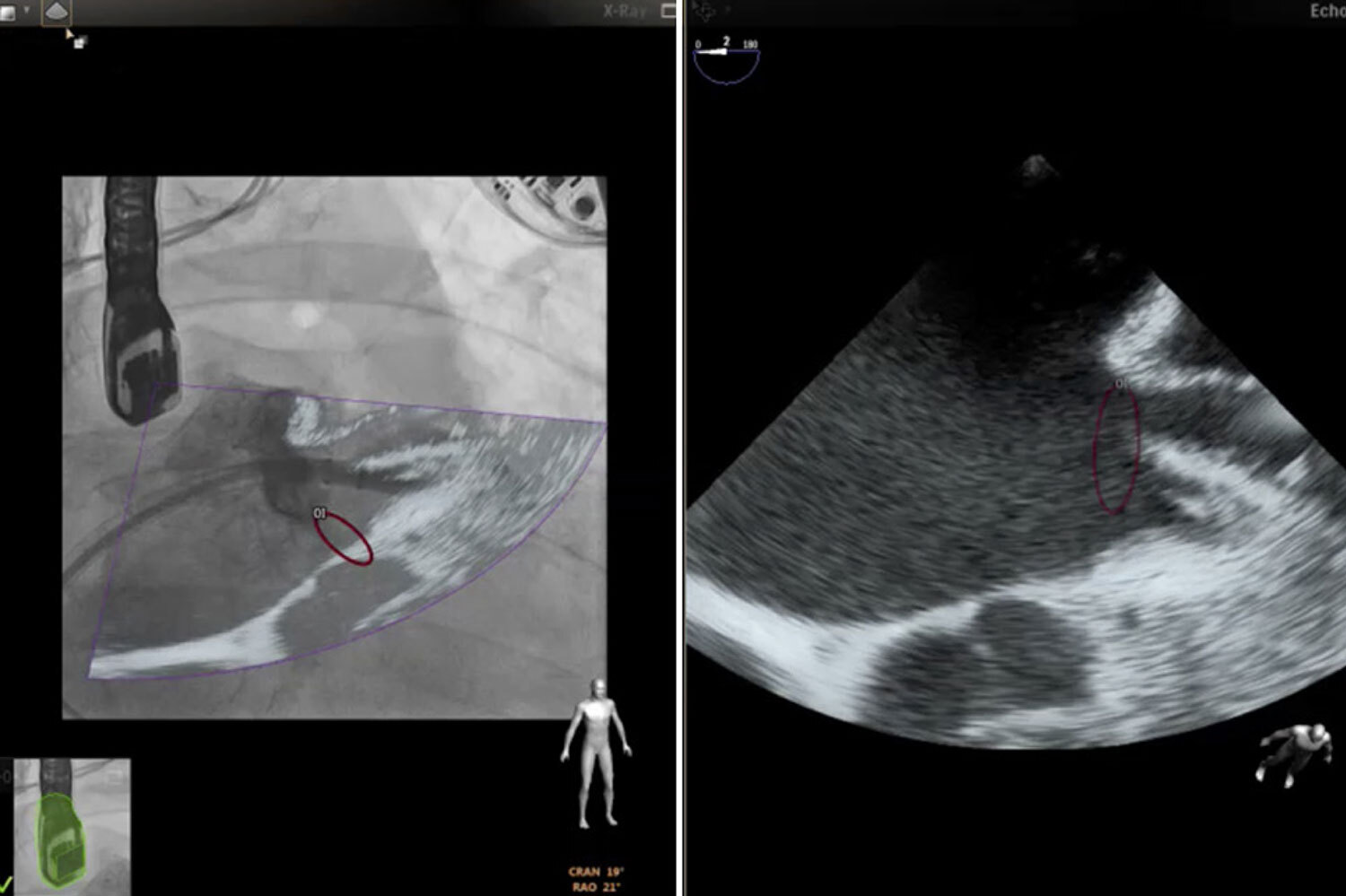
The usefulness of two-dimensional fixed projection fluoroscopic imaging in the characterization of soft tissues and complex cardiac anatomy is limited. Moreover, it is currently insufficient for cardiac structural interventionism. Including recent three-dimensional cardiac ultrasound imaging techniques is necessary to improve anatomical images and spatial resolution.

Fusion or hybrid imaging using two-dimensional fluoroscopy in combination with static or dynamic imaging obtained from cardiac computed tomography angiography (CCT), cardiac magnetic resonance (CMR), and transesophageal echocardiography (TEE) have been successfully used for structural cardiac interventions. A fusion image is the superimposition of images acquired from different modalities within the same spatial coordinate. This image mapping process is called co-registration or image registration.

[…]

  • Cardiac Surgical Procedures
  • Echocardiography
  • Fluoroscopy
Read Full Article
Creative Commons Attribution (CC BY) Creative Commons license
23/09/2022 DOI: 10.47593/2675-312X/20223503eabc332
Figure 1
IJCS
Case Report

Pacemaker Implantation without Fluoroscopy and Guided by Anatomical Mapping

Mauricio Montemezzo et al. Ahmed AlTurki Marcos Jakolinski Jose Carlos Moura Jorge

Introduction

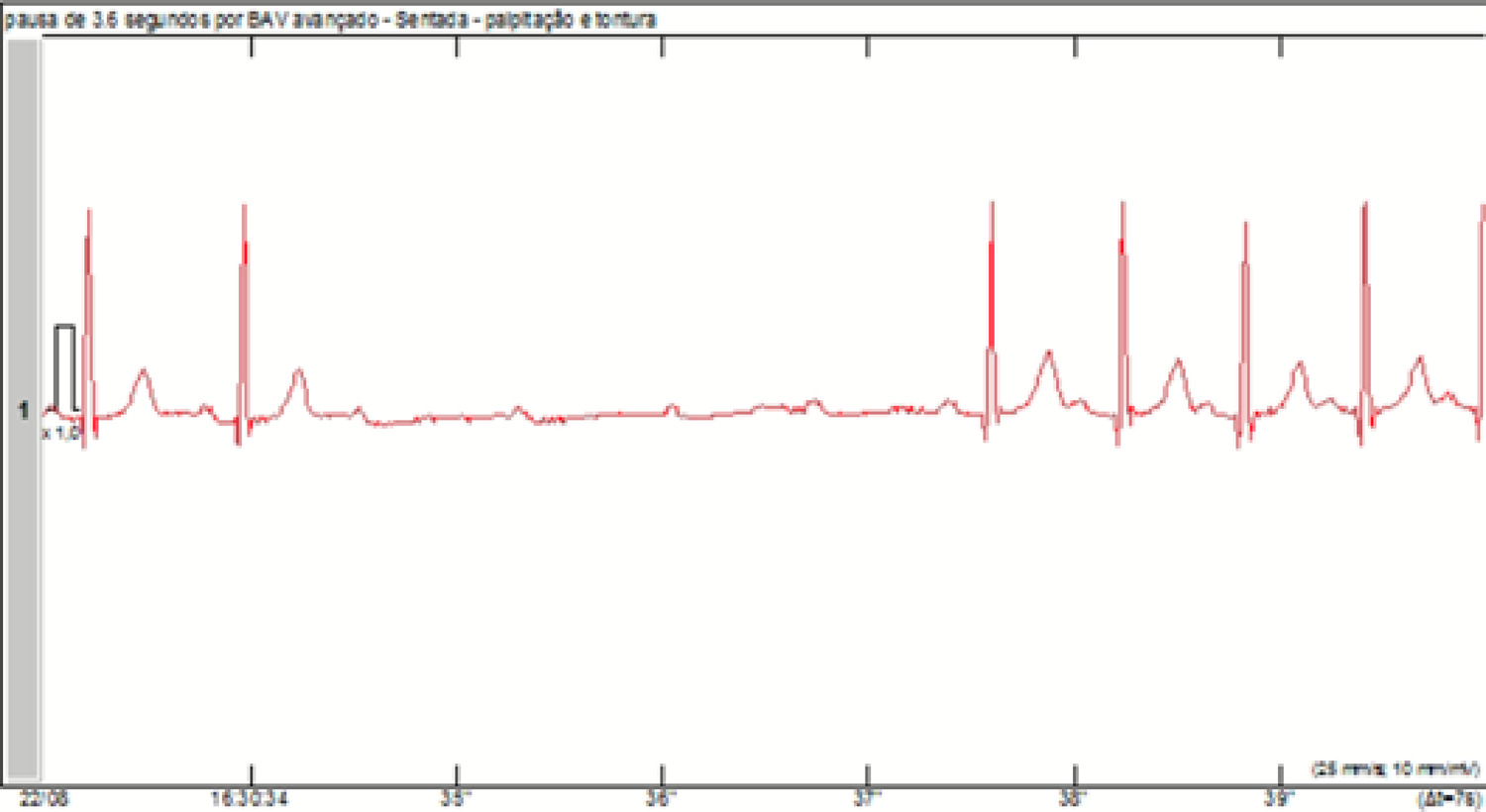
Cardiogenic syncope is an uncommon pathology in the context of pregnancy, and an associated transient atrioventricular block is even more rare. The harmful effects of radiation exposure for fetus are already well-known. Thus, alternative guiding techniques are being proposed as an alternative in order to avoid radiation exposure. Previous reports have described the use of intracardiac echocardiography or three-dimensional (3D) electroanatomical mapping. Despite efforts to develop non-fluoroscopic approaches, cardiac device implantation still requires some fluoroscopic imaging. Each hour of fluoroscopic imaging is estimated to increase the lifetime risk of developing a fatal malignancy by up to 1%, as well as being an increased risk of a genetic defect in up to 20 in every 1 million births. ,

With technological advancement, the use of less invasive techniques, together with short procedure times and less radiation exposure is essential. Therefore, repurposing technologies, which were originally developed for other applications, but that have been proven to be safe, should be encouraged. In this light, the present study advocates the use of the CARTO system technology (Biosense Webster, INC., Diamond Bar, CA) to delineate right atrium and right ventricle geometry so as to allow the pacemaker lead to be identified as a catheter to navigate the cardiac cavity without fluoroscopic exposure.

[…]

  • Artificial Pacemaker
  • Fluoroscopy
  • Pregnancy
Read Full Article
Creative Commons Attribution (CC BY) Creative Commons license
09/05/2022 DOI: 10.36660/ijcs.20210005 Views 1
Figure 1
ABC
Original Article

Catheter Ablation for Treatment of Atrial Fibrillation and Supraventricular Arrhythmias Without Fluoroscopy Use: Acute Efficacy and Safety

Eduardo B. Saad et al. Charles Slater Luiz Antonio Oliveira Inácio Jr Gustavo Vignoli dos Santos … Lucas Carvalho Dias Luiz Eduardo Montenegro Camanho

Abstract

Background

The use of ionizing radiation in medical procedures is associated with significant health risks for patients and the health care team.

Objectives

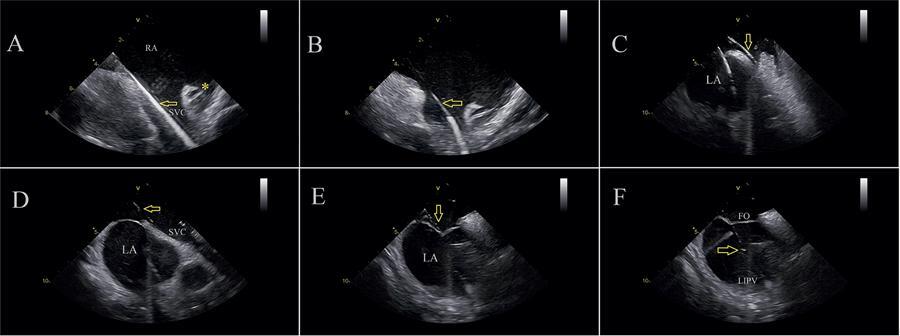
Evaluate the safety and acute efficacy of ablation for atrial fibrillation (AF) and supraventricular arrhythmias (SVTs) using an exclusively non-fluoroscopic approach guided by intracardiac echo (ICE) and 3D-mapping.

Methods

95 pts (mean age 60 ± 18 years, 61% male) scheduled for AF Ablation (69 pts, 45 paroxysmal AF and 24 persistent AF) or non-AF SVT (26 pts – 14 AV node reentry, 6 WPW, 5 right atrial (RA) flutters, 1 atrial tachycardia) underwent zero fluoro procedures. Nine patients (9.5%) had permanent pacemakers or defibrillator resynchronization (CRT-D) devices. Both CARTO (65%) and NAVx (35%) mapping systems were used, as well as Acunav and ViewFlex ICE catheters.

Results

Pulmonary vein isolation (PVI), as well as all other targets that needed ablation in both atria were reached and adequately visualized. No pericardial effusions, thrombotic complications or other difficulties were seen in these series. Difficult transseptal puncture (19 patients – 20%) was managed without fluoroscopy in all cases. No backup fluoroscopy was used, and no lead apparel was needed. Pacemaker interrogations after the procedure did not show any lead damage, dislocation, or threshold changes.

Conclusions

A radiation-free (fluoroless) catheter ablation strategy for AF and other atrial arrhythmias is acutely safe and effective when guided by adequate ICE and 3D-mapping utilization. Multiple different bi-atrial sites were reached and adequately ablated without the need for backup fluoroscopy. No complications were seen. (Arq Bras Cardiol. 2020; 114(6):1015-1026)

  • Arrhythmias Cardiac
  • Atrial Fibrillation
  • Catheter Ablation
  • Efficacy
  • Fluoroscopy
  • radiation
  • Safety
Read Full Article
Creative Commons Attribution (CC BY) Creative Commons license
03/07/2020 DOI: 10.36660/abc.20200096 Views 1
ABC
Editorial

Catheter Ablation Without Use of X-rays to Treat Atrial Fibrillation and Atrial Arrhythmia

Leandro Ioschpe Zimerman

Radiofrequency ablation is a well-established method and is increasingly used in the treatment of tachyarrhythmia. Traditionally, it is done by placing fluoroscopy-guided intracavitary catheters. Over the years, however, a number of problems related to exposure to radiation have become more evident, such as cataracts, genetic mutations, cancer. It is not by chance that the number of tumors in the left cerebral hemisphere, which receives the greatest amount of radiation, is greater than in the right hemisphere, in interventionists. It is important to remember that the risk of cancer is linear with exposure, without a defined threshold, and that there is a cumulative effect. In longer procedures, even severe skin lesions can develop in patients. To reduce these risks to patients and the medical staff, several actions were taken: fluoroscopic devices and methods with less radiation, personal protective equipment, such as an apron, thyroid protection, goggles, cap and even leaded gloves. Protection increased, but at the expense of orthopedic problems due to the weight that was carried, in so many procedures, for so long. New solutions were created, such as suspended lead aprons. But along with this increase in personal protection, the idea of effectively performing the procedure with the least amount of radiation possible gained momentum. For this, the development of three-dimensional mapping systems was the driving force required. This, associated with the use of ablation catheters by contact, made it possible to perform procedures, including complex ones, manipulating catheters and applying energy efficiently and safely, without requiring fluoroscopic imaging. In less complex procedures, especially on the right side of the heart, ablations without fluoroscopy were described. , In pregnant women, it has become a feasible solution. Even for the more complex procedures, “near-zero” fluoroscopy was recommended. “Near-zero” because it was still necessary to use fluoroscopy at times, such as transseptal puncture, for example.

At the same time, ultrasound has been increasingly used in invasive cardiac procedures and, more specifically, in electrophysiology. Vascular ultrasound is used to support vascular punctures and to reduce AV fistulas and pseudoaneurysms. Transesophageal echo is useful to rule out atrial appendage thrombus and to assist transseptal puncture. Even more useful is intracardiac echo, which assists transseptal puncture, shows pulmonary vein ostia, rules out pericardial effusion, shows recesses during cavotricuspid isthmus ablation and confirms adequate catheter contact.

[…]

  • Arteriovenous Fistula
  • Efficacy
  • Fluoroscopy
  • Personal Protective Equipment
  • Radio Waves/adverse effects
  • Radiofrequency Ablation/methods
  • Safety
Read Full Article
Creative Commons Attribution (CC BY) Creative Commons license
03/07/2020 DOI: 10.36660/abc.20200451 Views 1
Figure 1
ABC
Original Article

Impact of One-Catheter Strategy with TIG I Catheter on Coronary Catheterization Performance and Economic Costs

Joan Costa-Mateu et al. Diego Fernández-Rodríguez Kristian Rivera Juan Casanova … Patricia Irigaray Marta Zielonka Eduardo Pereyra-Acha Albina Aldomá Fernando Worner

Abstract

Background:

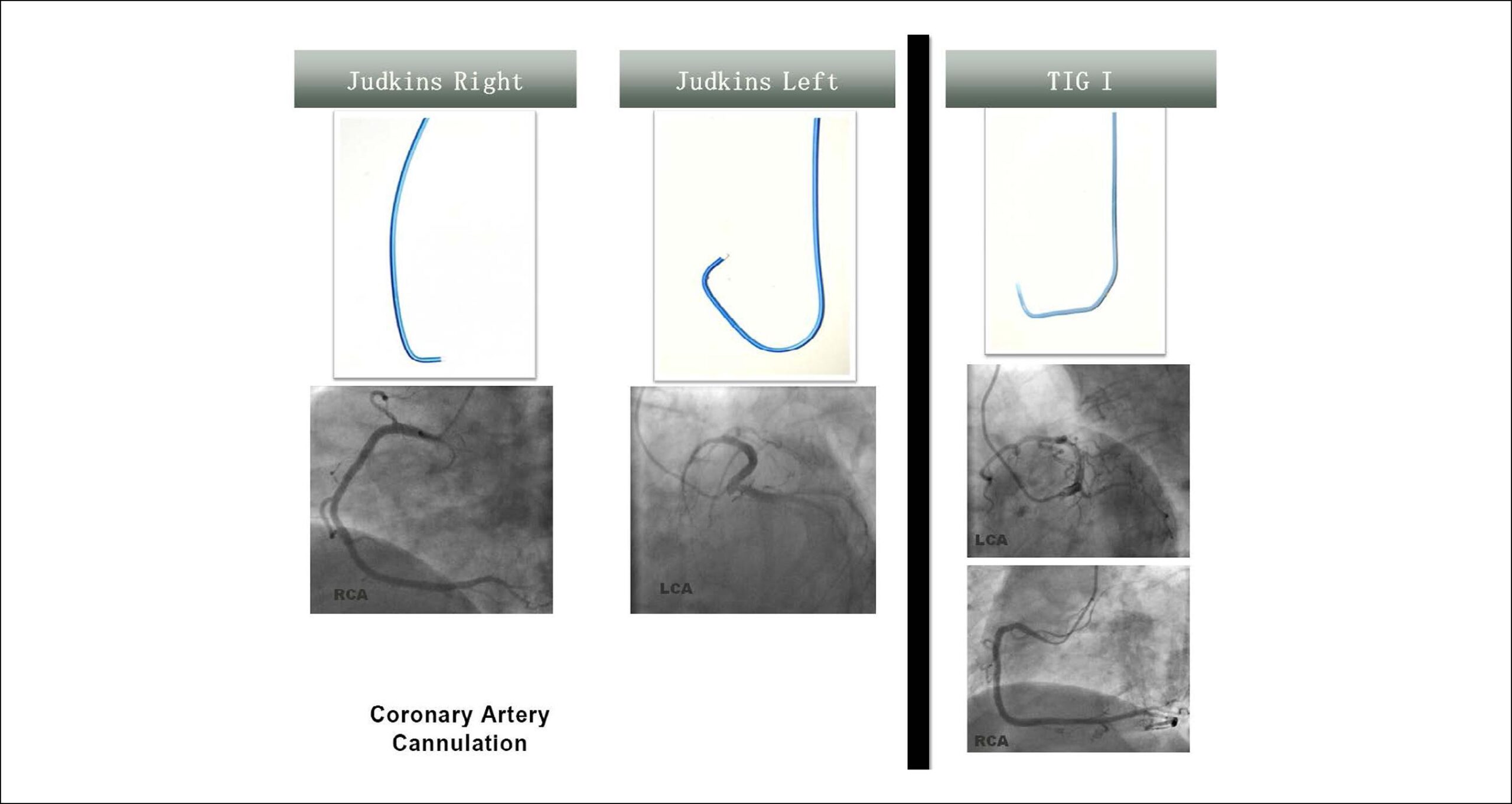
Coronary angiography with two catheters is the traditional strategy for diagnostic coronary procedures. TIG I catheter permits to cannulate both coronary arteries, avoiding exchanging catheters during coronary angiography by transradial access.

Objective:

The aim of this study is to evaluate the impact of one-catheter strategy, by avoiding catheter exchange, on coronary catheterization performance and economic costs.

Methods:

Transradial coronary diagnostic procedures conducted from January 2013 to June 2017 were collected. One-catheter strategy (TIG I catheter) and two-catheter strategy (left and right Judkins catheters) were compared. The volume of iodinated contrast administered was the primary endpoint. Secondary endpoints included radial spasm, procedural duration (fluoroscopy time) and exposure to ionizing radiation (dose-area product and air kerma). Direct economic costs were also evaluated. For statistical analyses, two-tailed p-values < 0.05 were considered statistically significant.

Results:

From a total of 1,953 procedures in 1,829 patients, 252 procedures were assigned to one-catheter strategy and 1,701 procedures to two-catheter strategy. There were no differences in baseline characteristics between the groups. One-catheter strategy required less iodinated contrast [primary endpoint; (60-105)-mL vs. 92 (64-120)-mL; p < 0.001] than the two-catheter strategy. Also, the one-catheter group presented less radial spasm (5.2% vs. 9.3%, p = 0.022) and shorter fluoroscopy time [3.9 (2.2-8.0)-min vs. 4.8 (2.9-8.3)-min, p = 0.001] and saved costs [149 (140-160)-€/procedure vs. 171 (160-183)-€/procedure; p < 0.001]. No differences in dose-area product and air kerma were detected between the groups.

Conclusions:

One-catheter strategy, with TIG I catheter, improves coronary catheterization performance and reduces economic costs compared to traditional two-catheter strategy in patients referred for coronary angiography.

  • Cardiac Catheterization/economic
  • Cineagiography/methods
  • Cost Savings/economic
  • Fluoroscopy
  • Radiation, Ionizing;
Read Full Article
Creative Commons Attribution (CC BY) Creative Commons license
02/12/2019 DOI: 10.5935/abc.20190232 Views 1
Figure 1
ABC
Original Article

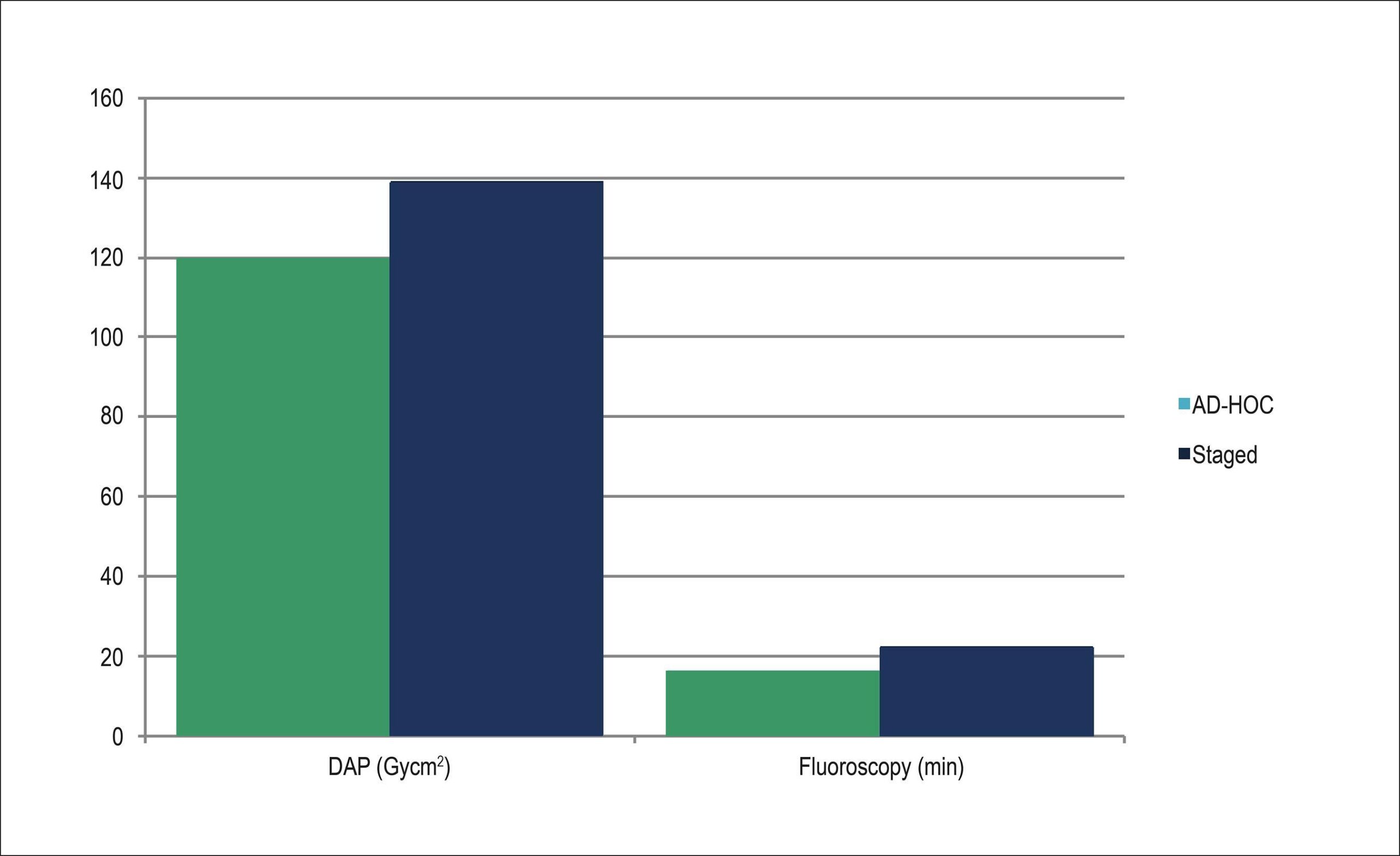
Does Ad Hoc Coronary Intervention Reduce Radiation Exposure? – Analysis of 568 Patients

Márcio A. M. Truffa et al. Gustavo M.P. Alves Fernando Bernardi Antonio Esteves Filho … Expedito Ribeiro Micheli Z. Galon André Spadaro Luiz J. Kajita Raul Arrieta Pedro A. Lemos

Background:

Advantages and disadvantages of ad hoc percutaneous coronary intervention have been described. However little is known about the radiation exposure of that procedure as compared with the staged intervention.

Objective:

To compare the radiation dose of the ad hoc percutaneous coronary intervention with that of the staged procedure

Methods:

The dose-area product and total Kerma were measured, and the doses of the diagnostic and therapeutic procedures were added. In addition, total fluoroscopic time and number of acquisitions were evaluated.

Results:

A total of 568 consecutive patients were treated with ad hoc percutaneous coronary intervention (n = 320) or staged percutaneous coronary intervention (n = 248). On admission, the ad hoc group had less hypertension (74.1% vs 81.9%; p = 0.035), dyslipidemia (57.8% vs. 67.7%; p = 0.02) and three-vessel disease (38.8% vs. 50.4%; p = 0.015). The ad hoc group was exposed to significantly lower radiation doses, even after baseline characteristic adjustment between both groups. The ad hoc group was exposed to a total dose-area product of 119.7 ± 70.7 Gycm2, while the staged group, to 139.2 ± 75.3 Gycm2 (p < 0.001).

Conclusion:

Ad hoc percutaneous coronary intervention reduced radiation exposure as compared with diagnostic and therapeutic procedures performed at two separate times.

  • Angioplasty
  • balloon
  • cardiac
  • Catheterization
  • coronary
  • Coronary Angiography
  • Fluoroscopy
  • Radiation Monitoring
Read Full Article
Creative Commons Attribution (CC BY) Creative Commons license
08/09/2015 DOI: 10.5935/abc.20150110
Catheter ablation of arrhythmias exclusively using electroanatomic mapping: a series of cases
ABC
Artigo Original

Catheter ablation of arrhythmias exclusively using electroanatomic mapping: a series of cases

Leonardo Martins Pires et al. Tiago Luiz Luz Leiria Marcelo Lapa Kruse Rafael Ronsoni … Caroline Saltz Gensas Gustavo Glotz de Lima

BACKGROUND: Catheter ablation is a treatment that can cure various cardiac arrhythmias. Fluoroscopy is used to locate and direct catheters to areas that cause arrhythmias. However, fluoroscopy has several risks. Electroanatomic mapping (EAM) facilitates three-dimensional imaging without X-rays, which reduces risks associated with fluoroscopy. OBJECTIVE: We describe a series of patient cases wherein cardiac arrhythmia ablation was exclusively performed using EAM. METHODS: Patients who presented with cardiac arrhythmias that were unresponsive to pharmacological therapy were prospectively selected between March 2011 and March 2012 for arrhythmia ablation exclusively through EAM. Patients with indications for a diagnostic electrophysiology study and ablation of atrial fibrillation, left atrial tachyarrhythmias as well as hemodynamically unstable ventricular arrhythmia were excluded. We documented the procedure time, success rate and complications as well as whether fluoroscopy was necessary during the procedure. RESULTS: In total, 11 patients were enrolled in the study, including seven female patients (63%). The mean age of the patients was 50years (SD ±16.5). Indications for the investigated procedures included four cases (35%) of atrial flutter, three cases (27%) of pre-excitation syndrome, two cases (19%) of paroxysmal supraventricular tachycardia and two cases (19%) of ventricular extrasystoles. The mean procedure duration was 86.6 min (SD ± 26 min). Immediate success (at discharge) of the procedure was evident for nine patients (81%). There were no complications during the procedures. CONCLUSION: This study demonstrates the feasibility of performing an arrhythmia ablation exclusively using EAM with satisfactory results.

  • Arrhythmias Cardiac
  • Catheter Ablation
  • Fluoroscopy
Read Full Article
Creative Commons Attribution (CC BY) Creative Commons license
23/07/2013 DOI: 10.5935/abc.20130147 Views 1

How to cite this article

EndNote RIS

Electronic Document Format (Vancouver)

Ramirez DG, Hernandez JM. What does the navigator system in interventional procedures in the hybrid room?. ABC Imagem Cardiovascular 2022;35(3):eabc332.

Electronic Document Format (ABNT)

Ramirez, Denisse Guzman; Hernandez, Jose Maria. What does the navigator system in interventional procedures in the hybrid room?. ABC Imagem Cardiovascular, v. 35, n. 3, eabc332, Sep. 2022.

Electronic Document Format (APA)

Ramirez, D. G., & Hernandez, J. M. (2022). What does the navigator system in interventional procedures in the hybrid room?. ABC Imagem Cardiovascular, 35(3), eabc332.

Electronic Document Format (ISO)

Ramirez, Denisse Guzman and Hernandez, Jose Maria. What does the navigator system in interventional procedures in the hybrid room?. ABC Imagem Cardiovascular [online]. 2022, vol. 35, n. 3, [cited 2026-10-14], eabc332. Available from: <https://journals.cardiol.br/en/article/what-does-the-navigator-system-in-interventional-procedures-in-the-hybrid-room/>. ISSN 2318-8219

EndNote RIS

Electronic Document Format (Vancouver)

Montemezzo M, AlTurki A, Jakolinski M, Jorge JCM. Pacemaker Implantation without Fluoroscopy and Guided by Anatomical Mapping. International Journal of Cardiovascular Sciences 2022;35(5):676-80.

Electronic Document Format (ABNT)

Montemezzo, Mauricio; AlTurki, Ahmed; Jakolinski, Marcos; Jorge, Jose Carlos Moura. Pacemaker Implantation without Fluoroscopy and Guided by Anatomical Mapping. International Journal of Cardiovascular Sciences, v. 35, n. 5, p. 676-680, May. 2022.

Electronic Document Format (APA)

Montemezzo, M., AlTurki, A., Jakolinski, M., & Jorge, J. C. M. (2022). Pacemaker Implantation without Fluoroscopy and Guided by Anatomical Mapping. International Journal of Cardiovascular Sciences, 35(5), 676-680.

Electronic Document Format (ISO)

Montemezzo, Mauricio and AlTurki, Ahmed and Jakolinski, Marcos and Jorge, Jose Carlos Moura. Pacemaker Implantation without Fluoroscopy and Guided by Anatomical Mapping. International Journal of Cardiovascular Sciences [online]. 2022, vol. 35, n. 5, [cited 2026-10-14], pp. 676-680. Available from: <https://journals.cardiol.br/en/article/pacemaker-implantation-without-fluoroscopy-and-guided-by-anatomical-mapping/>. ISSN 2359-4802

EndNote RIS

Electronic Document Format (Vancouver)

Saad EB, Slater C, Inácio Jr LAO, Santos GV, Dias LC, Camanho LEM. Catheter Ablation for Treatment of Atrial Fibrillation and Supraventricular Arrhythmias Without Fluoroscopy Use: Acute Efficacy and Safety. Arquivos Brasileiros de Cardiologia 2020;114(6):1015-26.

Electronic Document Format (ABNT)

Saad, Eduardo B.; Slater, Charles; Inácio Jr, Luiz Antonio Oliveira; Santos, Gustavo Vignoli dos; Dias, Lucas Carvalho; Camanho, Luiz Eduardo Montenegro. Catheter Ablation for Treatment of Atrial Fibrillation and Supraventricular Arrhythmias Without Fluoroscopy Use: Acute Efficacy and Safety. Arquivos Brasileiros de Cardiologia, v. 114, n. 6, p. 1015-1026, Jul. 2020.

Electronic Document Format (APA)

Saad, E. B., Slater, C., Inácio Jr, L. A. O., Santos, G. V. , Dias, L. C., & Camanho, L. E. M. (2020). Catheter Ablation for Treatment of Atrial Fibrillation and Supraventricular Arrhythmias Without Fluoroscopy Use: Acute Efficacy and Safety. Arquivos Brasileiros de Cardiologia, 114(6), 1015-1026.

Electronic Document Format (ISO)

Saad, Eduardo B. and Slater, Charles and Inácio Jr, Luiz Antonio Oliveira and Santos, Gustavo Vignoli dos and Dias, Lucas Carvalho and Camanho, Luiz Eduardo Montenegro. Catheter Ablation for Treatment of Atrial Fibrillation and Supraventricular Arrhythmias Without Fluoroscopy Use: Acute Efficacy and Safety. Arquivos Brasileiros de Cardiologia [online]. 2020, vol. 114, n. 6, [cited 2026-10-14], pp. 1015-1026. Available from: <https://journals.cardiol.br/en/article/catheter-ablation-for-treatment-of-atrial-fibrillation-and-supraventricular-arrhythmias-without-fluoroscopy-use-acute-efficacy-and-safety/>. ISSN 0066-782X

EndNote RIS

Electronic Document Format (Vancouver)

Zimerman LI. Catheter Ablation Without Use of X-rays to Treat Atrial Fibrillation and Atrial Arrhythmia. Arquivos Brasileiros de Cardiologia 2020;114(6):1027-8.

Electronic Document Format (ABNT)

Zimerman, Leandro Ioschpe. Catheter Ablation Without Use of X-rays to Treat Atrial Fibrillation and Atrial Arrhythmia. Arquivos Brasileiros de Cardiologia, v. 114, n. 6, p. 1027-1028, Jul. 2020.

Electronic Document Format (APA)

Zimerman, L. I. (2020). Catheter Ablation Without Use of X-rays to Treat Atrial Fibrillation and Atrial Arrhythmia. Arquivos Brasileiros de Cardiologia, 114(6), 1027-1028.

Electronic Document Format (ISO)

Zimerman, Leandro Ioschpe. Catheter Ablation Without Use of X-rays to Treat Atrial Fibrillation and Atrial Arrhythmia. Arquivos Brasileiros de Cardiologia [online]. 2020, vol. 114, n. 6, [cited 2026-10-14], pp. 1027-1028. Available from: <https://journals.cardiol.br/en/article/catheter-ablation-without-use-of-x-rays-to-treat-atrial-fibrillation-and-atrial-arrhythmia/>. ISSN 0066-782X

EndNote RIS

Electronic Document Format (Vancouver)

Costa-Mateu J, Fernández-Rodríguez D, Rivera K, Casanova J, Irigaray P, Zielonka M, Pereyra-Acha E, et al. Impact of One-Catheter Strategy with TIG I Catheter on Coronary Catheterization Performance and Economic Costs. Arquivos Brasileiros de Cardiologia 2019;113(5):960-8.

Electronic Document Format (ABNT)

Costa-Mateu, Joan; Fernández-Rodríguez, Diego; Rivera, Kristian; Casanova, Juan; Irigaray, Patricia; Zielonka, Marta; Pereyra-Acha, Eduardo; Aldomá, Albina; Worner, Fernando. Impact of One-Catheter Strategy with TIG I Catheter on Coronary Catheterization Performance and Economic Costs. Arquivos Brasileiros de Cardiologia, v. 113, n. 5, p. 960-968, Dec. 2019.

Electronic Document Format (APA)

Costa-Mateu, J., Fernández-Rodríguez, D., Rivera, K., Casanova, J., Irigaray, P., Zielonka, M., Pereyra-Acha, E., Aldomá, A., & Worner, F. (2019). Impact of One-Catheter Strategy with TIG I Catheter on Coronary Catheterization Performance and Economic Costs. Arquivos Brasileiros de Cardiologia, 113(5), 960-968.

Electronic Document Format (ISO)

Costa-Mateu, Joan and Fernández-Rodríguez, Diego and Rivera, Kristian and Casanova, Juan and Irigaray, Patricia and Zielonka, Marta and Pereyra-Acha, Eduardo and Aldomá, Albina and Worner, Fernando. Impact of One-Catheter Strategy with TIG I Catheter on Coronary Catheterization Performance and Economic Costs. Arquivos Brasileiros de Cardiologia [online]. 2019, vol. 113, n. 5, [cited 2026-10-14], pp. 960-968. Available from: <https://journals.cardiol.br/en/article/impact-of-one-catheter-strategy-with-tig-i-catheter-on-coronary-catheterization-performance-and-economic-costs/>. ISSN 0066-782X

EndNote RIS

Electronic Document Format (Vancouver)

Truffa MAM, Alves GM, Bernardi F, Esteves Filho A, Ribeiro E, Galon MZ, Spadaro A, et al. Does Ad Hoc Coronary Intervention Reduce Radiation Exposure? – Analysis of 568 Patients. Arquivos Brasileiros de Cardiologia 2015;105(5):487-92.

Electronic Document Format (ABNT)

Truffa, Márcio A. M.; Alves, Gustavo M.P.; Bernardi, Fernando; Esteves Filho, Antonio; Ribeiro, Expedito; Galon, Micheli Z.; Spadaro, André; Kajita, Luiz J.; Arrieta, Raul; Lemos, Pedro A.. Does Ad Hoc Coronary Intervention Reduce Radiation Exposure? – Analysis of 568 Patients. Arquivos Brasileiros de Cardiologia, v. 105, n. 5, p. 487-492, Sep. 2015.

Electronic Document Format (APA)

Truffa, M. A. M., Alves, G. M., Bernardi, F., Esteves Filho, A., Ribeiro, E., Galon, M. Z., Spadaro, A., Kajita, L. J., Arrieta, R., & Lemos, P. A. (2015). Does Ad Hoc Coronary Intervention Reduce Radiation Exposure? – Analysis of 568 Patients. Arquivos Brasileiros de Cardiologia, 105(5), 487-492.

Electronic Document Format (ISO)

Truffa, Márcio A. M. and Alves, Gustavo M.P. and Bernardi, Fernando and Esteves Filho, Antonio and Ribeiro, Expedito and Galon, Micheli Z. and Spadaro, André and Kajita, Luiz J. and Arrieta, Raul and Lemos, Pedro A.. Does Ad Hoc Coronary Intervention Reduce Radiation Exposure? – Analysis of 568 Patients. Arquivos Brasileiros de Cardiologia [online]. 2015, vol. 105, n. 5, [cited 2026-10-14], pp. 487-492. Available from: <https://journals.cardiol.br/en/article/does-ad-hoc-coronary-intervention-reduce-radiation-exposure-analysis-of-568-patients/>. ISSN 0066-782X

EndNote RIS

Electronic Document Format (Vancouver)

Pires LM, Leiria TLL, Kruse ML, Ronsoni R, Gensas CS, Lima GG. Catheter ablation of arrhythmias exclusively using electroanatomic mapping: a series of cases. Arquivos Brasileiros de Cardiologia 2013;101(3):226-32.

Electronic Document Format (ABNT)

Pires, Leonardo Martins; Leiria, Tiago Luiz Luz; Kruse, Marcelo Lapa; Ronsoni, Rafael; Gensas, Caroline Saltz; Lima, Gustavo Glotz de. Catheter ablation of arrhythmias exclusively using electroanatomic mapping: a series of cases. Arquivos Brasileiros de Cardiologia, v. 101, n. 3, p. 226-232, Jul. 2013.

Electronic Document Format (APA)

Pires, L. M., Leiria, T. L. L., Kruse, M. L., Ronsoni, R., Gensas, C. S., & Lima, G. G. (2013). Catheter ablation of arrhythmias exclusively using electroanatomic mapping: a series of cases. Arquivos Brasileiros de Cardiologia, 101(3), 226-232.

Electronic Document Format (ISO)

Pires, Leonardo Martins and Leiria, Tiago Luiz Luz and Kruse, Marcelo Lapa and Ronsoni, Rafael and Gensas, Caroline Saltz and Lima, Gustavo Glotz de. Catheter ablation of arrhythmias exclusively using electroanatomic mapping: a series of cases. Arquivos Brasileiros de Cardiologia [online]. 2013, vol. 101, n. 3, [cited 2026-10-14], pp. 226-232. Available from: <https://journals.cardiol.br/en/article/catheter-ablation-of-arrhythmias-exclusively-using-electroanatomic-mapping-a-series-of-cases/>. ISSN 0066-782X

  • About ABC Family
  • Internal Regulation
  • Editorial Board
  • Brazilian Society of Cardiology (SBC)

Issues

SBC Guidelines

  • Videos
  • Podcasts
  • News