| ABC
ABC Family Arquivos Brasileiros de Cardiologia International Journal of Cardiovascular Sciences ABC Heart Failure & Cardiomyopathy ABC Imagem Cardiovascular
Português English
ABC Family | ABC
Português English
  • About
    • About the Journal
    • Internal Regulation
    • Editors Section
    • Editorial Board
    • History
    • SBC Award
  • Instructions to Authors
    • Guidelines for Publication
    • Editorial Policy
    • Ethics Policy
    • Policy on the Use of Artificial Intelligence
    • Mandatory Publication Form
    • Publication Fee
  • Issues
  • SBC Guidelines
  • Abstracts
    • How to Publish an Abstract Supplement?
    • Supplements from the Brazilian Congress of Cardiology
  • About
    • About the Journal
    • Internal Regulation
    • Editors Section
    • Editorial Board
    • History
    • SBC Award
  • Instructions to Authors
    • Guidelines for Publication
    • Editorial Policy
    • Ethics Policy
    • Policy on the Use of Artificial Intelligence
    • Mandatory Publication Form
    • Publication Fee
  • Issues
  • SBC Guidelines
  • Abstracts
    • How to Publish an Abstract Supplement?
    • Supplements from the Brazilian Congress of Cardiology

ABC Family

  • ABC Family
  • Arquivos Brasileiros de Cardiologia
  • International Journal of Cardiovascular Sciences
  • ABC Heart Failure & Cardiomyopathy
  • ABC Imagem Cardiovascular
Search in

No content found.

Journals
Ordering
Article types
Others

  1. Home
  2. ABC
  3. Issues
  4. 2019, Volume 113, Number 3
Figure 1
Image

Double-Inlet Single Ventricle with Malposed Great Arteries

Paulo Andrade et al. Danilo Santos Magna Moreira Adail Almeida

A 62-year-old man came to the Echocardiography Service with a history of arterial hypertension and systolic murmur in the mitral area. At the subsequent evaluation, the patient reported dyspnea and fatigue on moderate exertion, but without an impact on social life. Peripheral oxygen saturation at rest ranged from 95% to 98%; extremities were warm and perfused, with no signs of peripheral hypoperfusion; cyanosis and digital clubbing were absent.

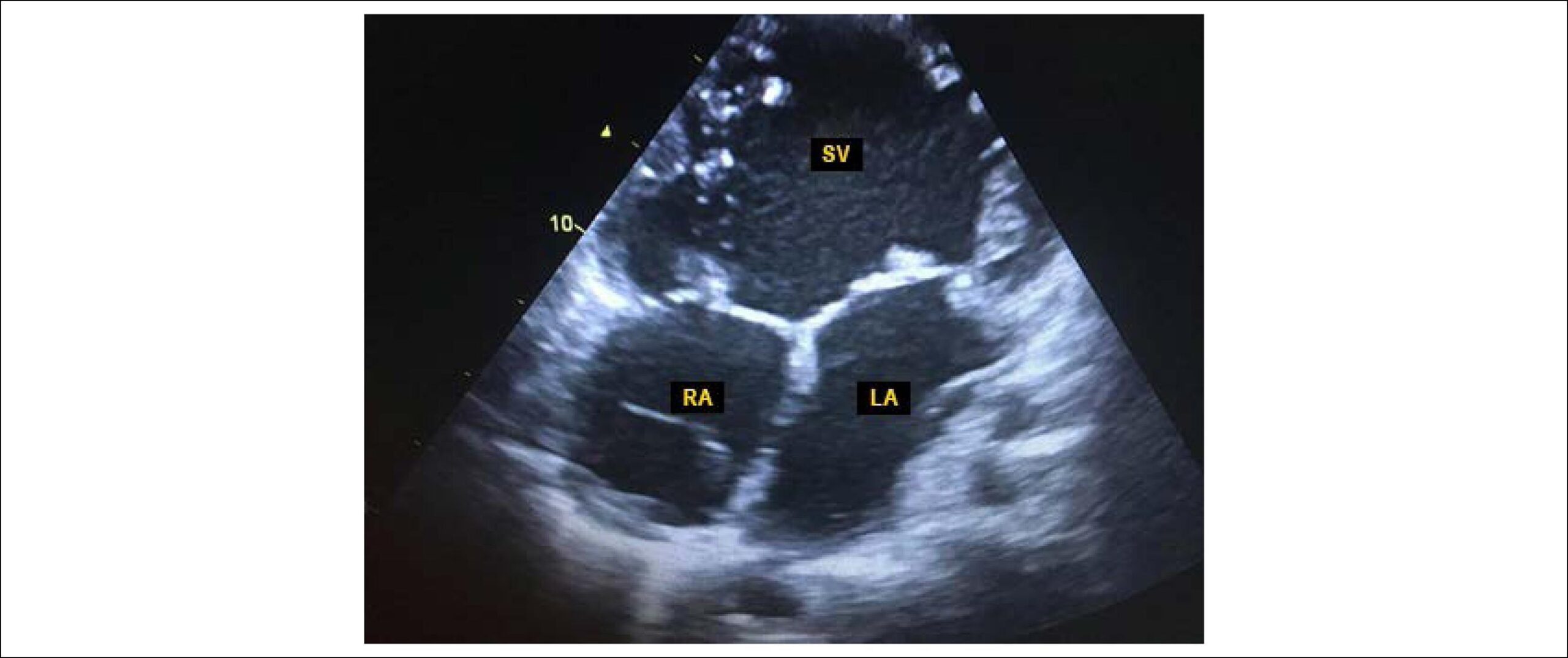
The echocardiogram disclosed a case of levocardia, with the presence of a double-inlet single ventricle with transposition of the great arteries (, and ), with situs solitus, enlargement of the atrial chambers associated with significant mitral regurgitation due to annulus dilatation.

[…]

  • Aged
  • Diagnosis Imaging
  • Echocardiography, Doppler/methods
  • Mitral Valve Insufficiency
  • Transposition of great vessels/ surgery
Read Full Article
Creative Commons Attribution (CC BY) Creative Commons license
10/10/2019 DOI: 10.5935/abc.20190160
Editorial

Arquivos Brasileiros de Cardiologia (ABC Cardiol) and the new classification Qualis of Coordenação de Aperfeiçoamento de Pessoal de Nível Superior (CAPES)

Carlos E. Rochitte et al. Alexandre Schaan de Quadros Amanda Guerra de Moraes Rego Sousa Ana Marice Teixeira Ladeia … Andréa Araujo Brandão Andrea De Lorenzo Andrei Sposito Antonio Luiz Pinho Ribeiro Claudio Tinoco Mesquita Fernanda Marciano Consolim Colombo José Antônio Marin-Neto Ludhmila Abrahão Hajjar Marcelo Bertolami Ricardo Stein Sandra Fuchs Sergio Emanuel Kaiser Romeu Sergio Meneghelo Gláucia Maria Moraes de Oliveira

The Arquivos Brasileiros de Cardiologia (ABC), the official scientific journal of the Brazilian Society of Cardiology (BSC), is currently the journal in Cardiology with the highest impact in Brazil and Latin America, with a 2018 JCR impact factor of 1.679. During its history, the ABC has played an important role of publishing scientific papers produced in Brazil in journals indexed in the most prominent English-language, international databases. It thus acts as a window to the world of the Brazilian scientific production.

The mission of the ABC is to disseminate the results of national and international studies on cardiovascular diseases, to foster scientific debate on the area by means of review articles, viewpoints, editorials, letters and others, and to publish BSC scientific guidelines and standards. The journal’s commitment is in line with the mission of the BSC to expand and spread the knowledge about cardiovascular science, to represent and promote the development of cardiologists and to take actions for the cardiovascular health in Brazil.

[…]

  • Education, Medical, Graduate/trends
  • Journal Impact Factor
  • Periodicals as Topic
  • Program Evaluation
  • Research Policy Evaluation
Read Full Article
Creative Commons Attribution (CC BY) Creative Commons license
10/10/2019 DOI: 10.5935/abc.20190206 Views 1
Special Article

Paralympics – Addendum to the Update on the Guidelines for Sport and Exercise Cardiology of the Brazilian Society of Cardiology and the Brazilian Society of Exercise and Sports Medicine

Japy Angelini Oliveira Filho et al. Antônio Claudio Lucas da Nóbrega Luiz Gustavo Marin Emed Marcelo Bichels Leitão Roberto Vital

Para-athletes or athletes with disabilities

Paralympic sports include a wide group of athletic activities for individuals who have disabilities and who participate in diverse levels of competition.

The Paralympic Movement began in 1888 in Berlin with the founding of the first sports clubs for people with hearing impairments.

[…]

  • Athletes/history
  • Athletes/legislation &jurisprudence
  • Disabled Persons
  • Hearing Loss
  • Physical and Rehabilitation Medicine
  • Sports
  • Vision Disorders
Read Full Article
Creative Commons Attribution (CC BY) Creative Commons license
10/10/2019 DOI: 10.5935/abc.20190194 Views 2
Figure 1
Review Article

Pulmonary Hypertension in General Cardiology Practice

Daniela Calderaro et al. José Leonidas Alves Junior Caio Júlio César dos Santos Fernandes Rogério Souza

Abstract

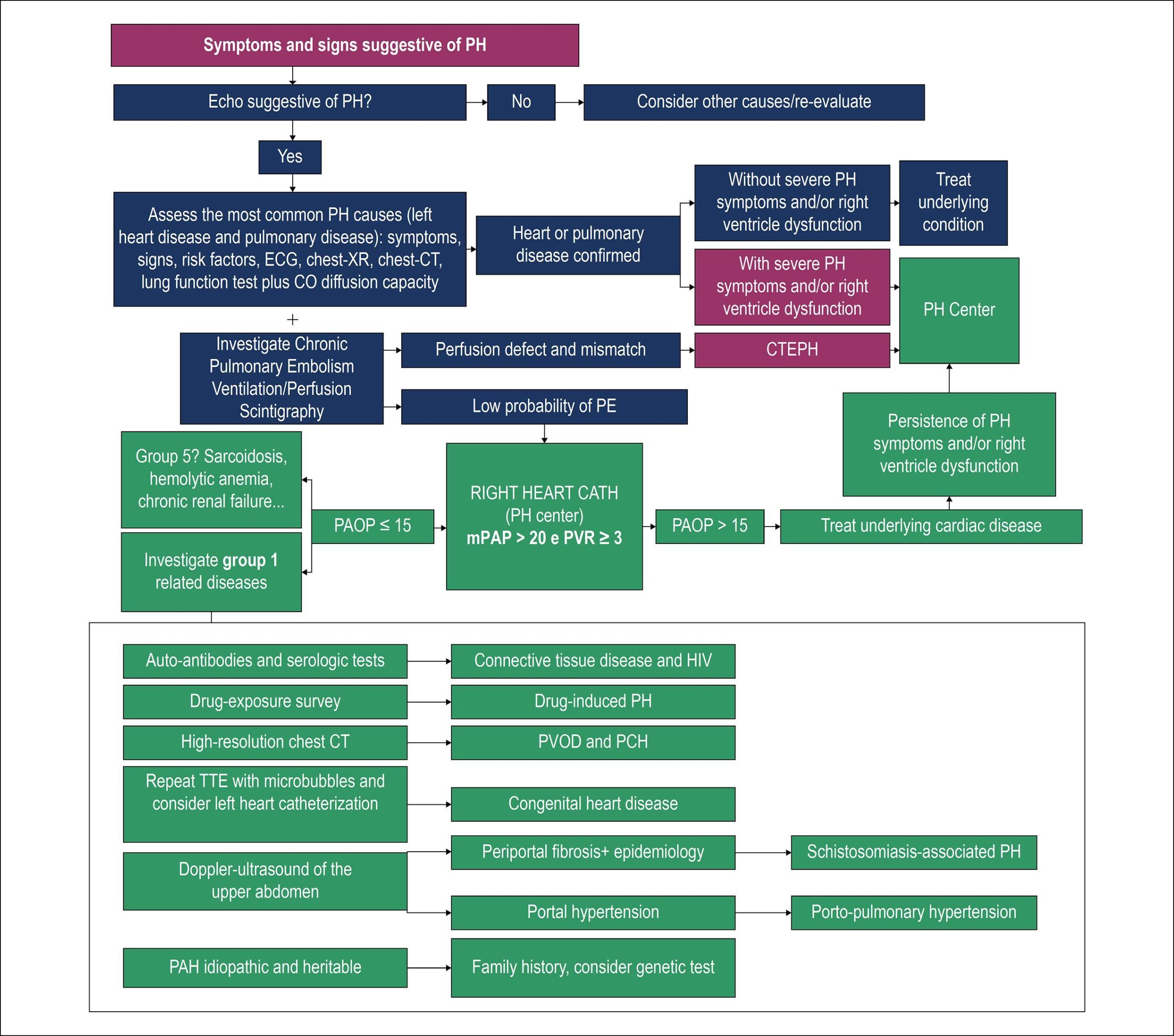
The finding of pulmonary hypertension (PH) by echocardiography is common and of concern. However, echocardiography is just a suggestive and non-diagnostic assessment of PH. When direct involvement of pulmonary circulation is suspected, invasive hemodynamic monitoring is recommended to establish the diagnosis. This assessent provides, in addition to the diagnostic confirmation, the correct identification of the vascular territory predominantly involved (arterial pulmonary or postcapillary). Treatment with specific medication for PH (phosphodiesterase type 5 inhibitors, endothelin receptor antagonists and prostacyclin analogues) has been proven effective in patients with pulmonary arterial hypertension, but its use in patients with PH due to left heart disease can even be damaging. In this review, we discuss the diagnosis criteria, how etiological investigation should be carried out, the clinical classification and, finally, the therapeutic recommendations for PH.

  • Echocardiography/methods
  • Hypertension Pulmonary
  • Pulmonary Disease, Chronic Obstructive
  • Pulmonary Emphysema
  • Pulmonary Fibrosis
  • Pulmonary Heart Disease
Read Full Article
Creative Commons Attribution (CC BY) Creative Commons license
10/10/2019 DOI: 10.5935/abc.20190188 Views 1
Figure 1
Clinicoradiological Correlation

Case 5/2019 – Naturally Evolving Ebstein’s Anomaly of Discrete Repercussion in 24-Year-old Asymptomatic Adult

Edmar Atik et al. Maria Angélica Binotto Alessandra Costa Barreto

Clinical data

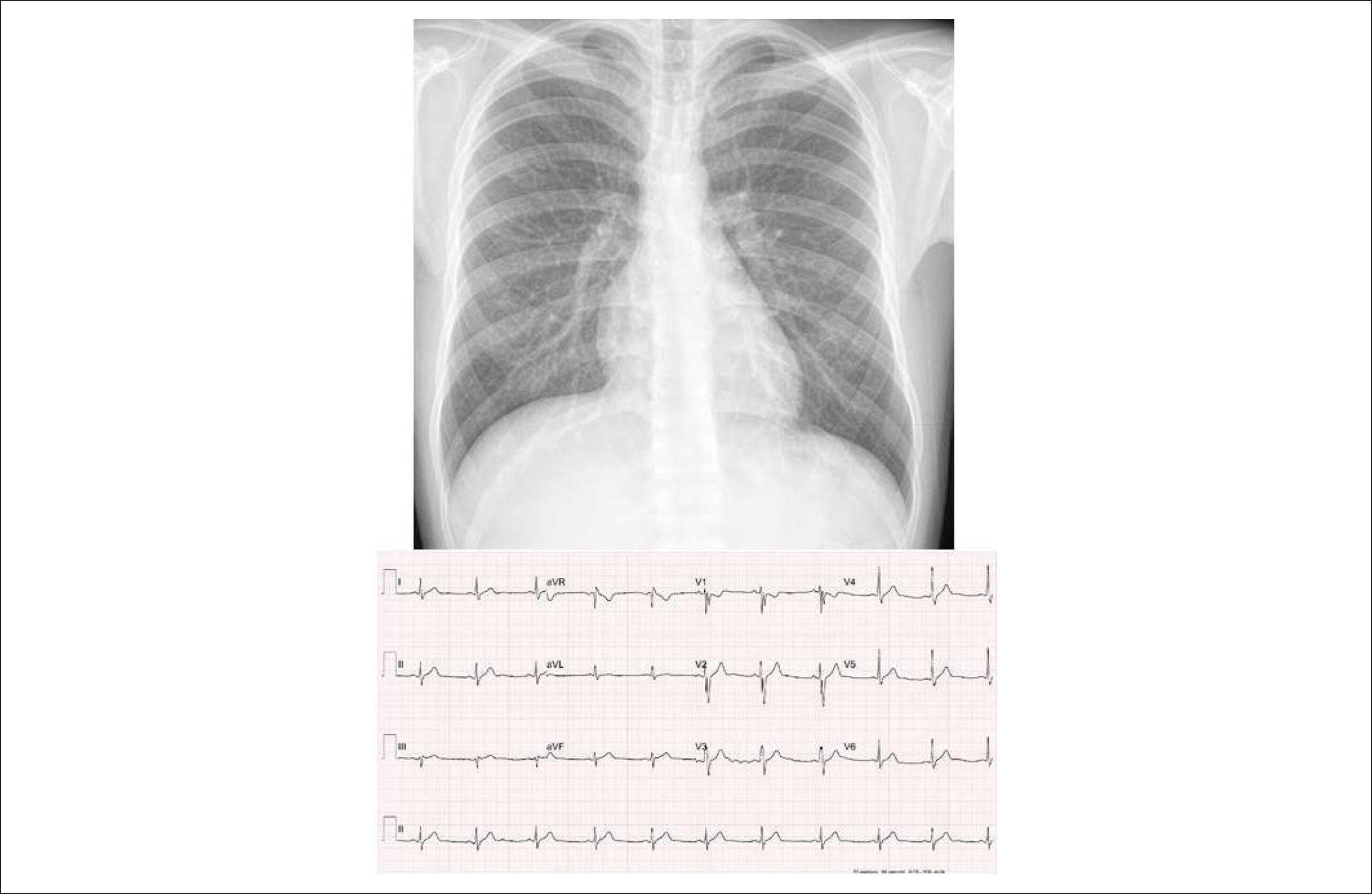
Patient reports 3 episodes of paroxysmal tachycardia of up to 20 minutes, accompanied by precordial pain in the past 7 years, all with spontaneous reversal. Four years prior, the patient presented another tachycardia with signs of low output, including pallor, visual turbidity, cold extremities and mental confusion, requiring electrical reversion. On that occasion, ventricular tachycardia ablation in the right ventricular (RV) inflow tract through the right posterior accessory pathway was successfully performed. Ebstein’s anomaly diagnosis was given for the first time by echocardiography scan, at that time. Ever since, the patient remained asymptomatic, living a normal life and with no medication.

Physical examination: Good general condition, eupneic, acyanotic, normal pulses in the 4 limbs. Weight: 80 kg, Height: 180 cm, BP: 110 x 70 mmHg, HR: 70 bpm, Sat O2 = 94%.

[…]

  • Cardiac Output,Low
  • Ebstein Anomaly
  • Echocardiography/methods
  • Magnetic Resonance Spectroscopy/ methods
  • Tachycardia,Paroxysmal
  • Tricuspide Valve Insufficiency
Read Full Article
Creative Commons Attribution (CC BY) Creative Commons license
10/10/2019 DOI: 10.5935/abc.20190158 Views 1
Figure 1
Editorial

Cardiology and the Cardiologist – Yesterday, Today and Tomorrow

Evandro Tinoco Mesquita et al. Aurea Lucia Alves de Azevedo Grippa de Souza

[…]

  • Animals
  • Brazilian Society of Cardiology/history
  • Cardiology/history
  • Cardiology/trends
  • Heart Diseases/history
  • History,19th Century
  • History,20th Century
  • Humans
Read Full Article
Creative Commons Attribution (CC BY) Creative Commons license
10/10/2019 DOI: 10.5935/abc.20190207
Editorial

Hypertension: Pathophysiological Aspects, Psychosocial Stress and Food Preference

Heno Ferreira Lopes

Arterial hypertension is highly prevalent in developed and developing countries. Together with high blood glucose levels, hyperlipidemia, overweight and obesity, it is considered a consequence of behavioral risk factors such as physical inactivity, tobacco use, harmful alcohol use and inadequate diets. The cause of arterial hypertension in most of the cases (over 90%) is unknown. The activation of the sympathetic nervous system, the renin-angiotensin-aldosterone system and an abnormal pressure-natriuresis curve play an important role in the pathophysiology of hypertension. Oxidative stress has also been identified as an intermediate phenotype in the development of arterial hypertension. Experimental and epidemiological studies point to psychosocial stress as a possible trigger that causes the autonomic imbalance (increased sympathetic activity) in hypertensive patients. This autonomic imbalance can be observed even before the arterial hypertension onset in children born to hypertensive parents. In addition to psychosocial stress, an unhealthy diet contributes to the development of arterial hypertension and higher cardiovascular morbidity/mortality.

If, on the one hand, diet plays an important role in the pathophysiology of arterial hypertension, on the other hand, adopting a healthy diet can result in better blood pressure control. The DASH (Dietary Approach to Stop Hypertension) diet, mentioned in worldwide guidelines, was evaluated by Appel et al. and it was the first scientifically tested diet to result in a significant blood pressure reduction in hypertensive patients. The DASH diet consists of easily accessible foods such as vegetables, fruits, nuts, lean meat, and low-fat milk and dairy products. In a study of obese hypertensive patients, we tried to elucidate the possible mechanisms involved in blood pressure reduction after the consumption of the standard DASH diet. In this study we demonstrated that the consumption of a standard DASH diet results in improved antioxidant capacity, especially in obese hypertensive patients. Since oxidative stress plays a role in the pathophysiology of arterial hypertension, this is one of the possible mechanisms for reducing blood pressure in those individuals who consume the DASH diet foods in adequate proportion.

[…]

  • Diabetes Mellitus
  • Dyslipidemias
  • Healthy Diet
  • Hypertension
  • Indicators of Morbidity and Mortality
  • Obesity
  • Oxidative Stress
  • Sedentary Behavior
Read Full Article
Creative Commons Attribution (CC BY) Creative Commons license
10/10/2019 DOI: 10.5935/abc.20190202
Figure 1
Case Report

Immobile Tricuspid Valve: Incidental Finding in a Case of Terminal Cardiomyopathy Due to Thalassemia Major

Erman Cilsal

Introduction

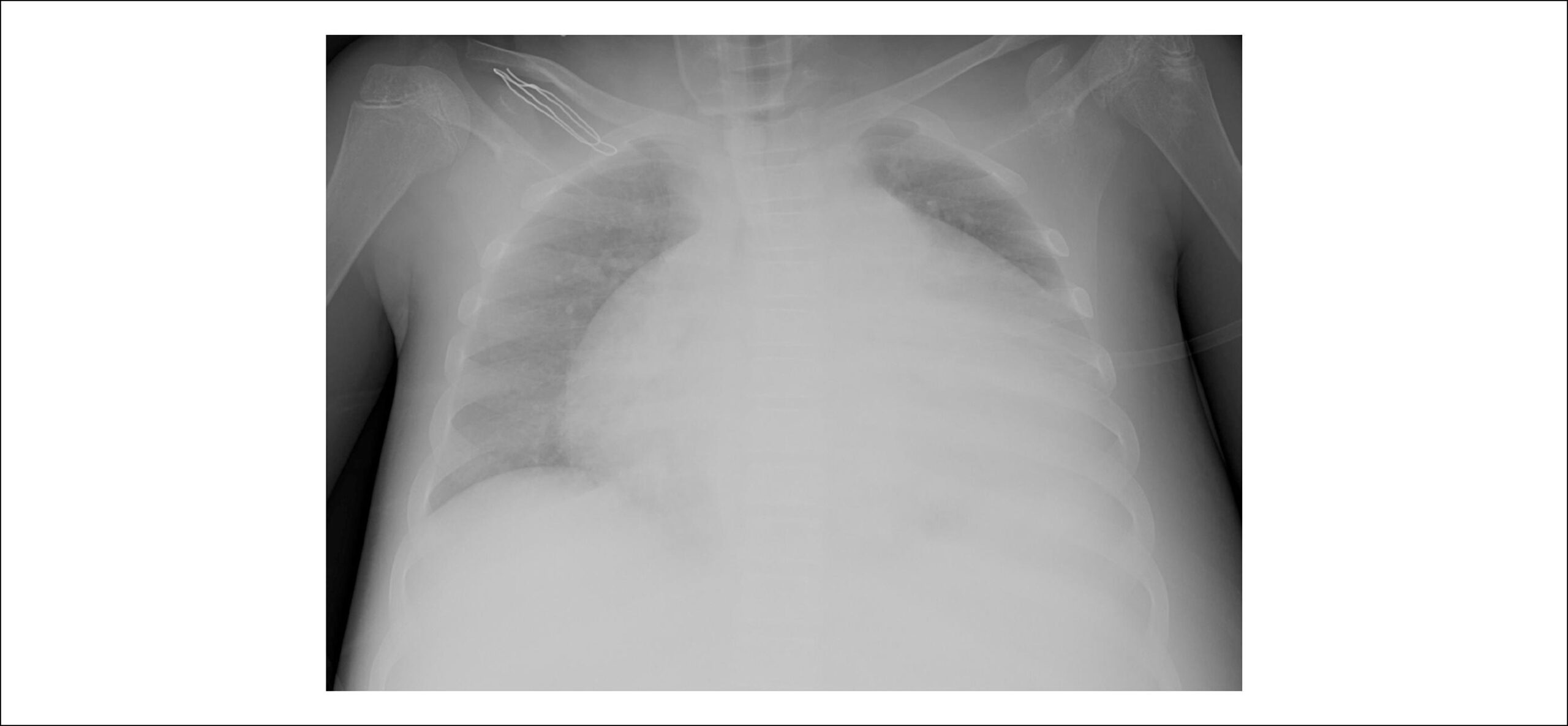
Thalassemia Major is an inherited disorder caused by impaired synthesis of the B globin chain and characterized by ineffective erythropoiesis that requires regular, lifelong transfusion therapy, which creates a state of iron overload. Once reticuloendothelial stores saturate, iron deposition increases in myocardium such as other parenchymal tissues. Cardiac complications due to this deposition are the leading cause of death. After a silent first decade, iron deposits in the cardiac tissue lead to arrhythmias, systolic and diastolic dysfunction, and congestive heart failure in the second or third decade. In this case report, we present an adolescent girl who did not receive regular iron chelation therapy and had cardiomyopathy, arrhythmia and immobile tricuspid valve secondary to thalassemia major.

[…]

  • Arritmias Cardíaca
  • beta-Thalassemia/genetics
  • Cardiomyopathies
  • delta-Thalassemia/genetics
  • Echocardiography/methods
  • Tricuspid Valve/abnormalities
Read Full Article
Creative Commons Attribution (CC BY) Creative Commons license
10/10/2019 DOI: 10.5935/abc.20190195
Editorial

High Residual Platelet Activity in Response to Acetylsalicylic Acid in Acute Coronary Syndrome: A New Challenge for Antiplatelet Treatment?

Dário C. Sobral Filho et al. José Gildo de Moura Monteiro Júnior

Cardiovascular diseases (CVD) are the leading cause of death in the world, with coronary heart disease being the main etiology, accounting in 2016 for 31% of global deaths. Myocardial infarction (MI) is usually due to changes in the arterial wall or thrombotic occlusion of a coronary vessel caused by the rupture of a vulnerable plaque., Instability in the atherosclerotic plaque is the result of local and systemic oxidative stress, thus leading to platelet activation and formation of aggregates in the circulation. The major function of platelets is as part of the homeostatic mechanism, halting blood loss after tissue trauma, but in oxidative conditions, they are associated with various CVD such as hypertension, heart failure, stroke, diabetes and atherosclerosis.

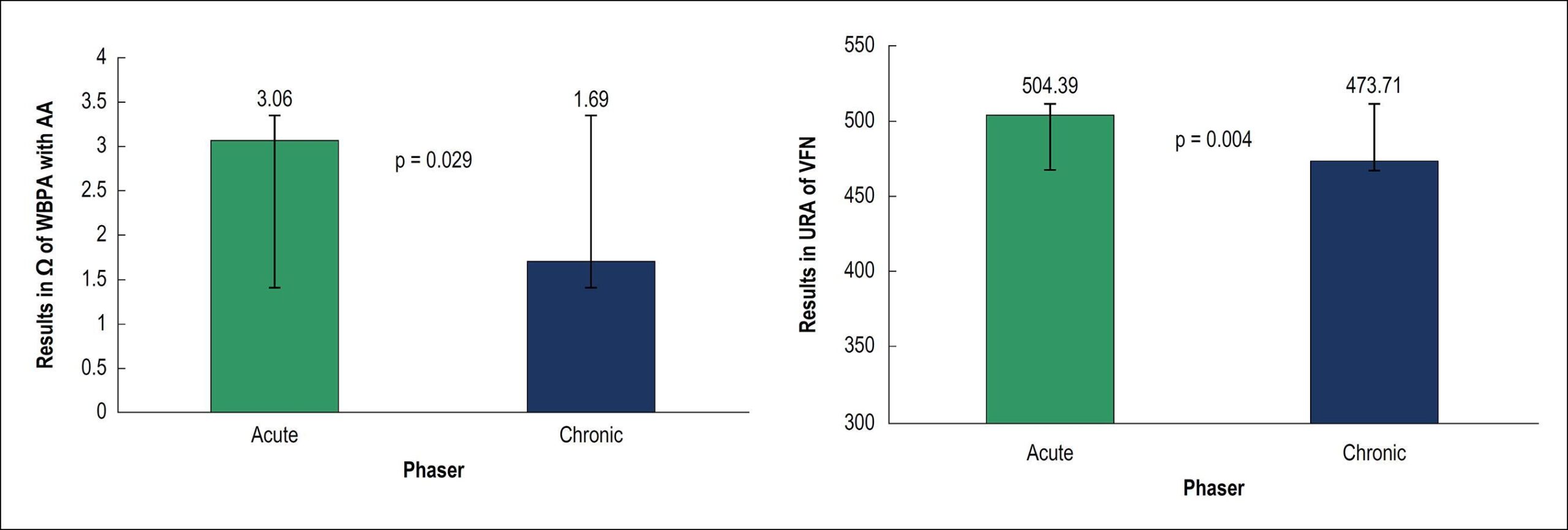
Previous studies have shown the importance of aspirin in reducing cardiovascular events in patients with coronary artery disease, hence the importance of anti-platelet aggregation in acute and chronic coronary syndromes.– However, in this issue of the Arquivos Brasileiros de Cardiologia, Dracoulakis et al. demonstrate the high residual variability in response to aspirin in patients with non-ST-elevation acute coronary syndrome, comparing acute and late phases, correlating with laboratory evaluation tests of platelet aggregation and the variation of inflammatory markers (C-reactive protein and interleukin-6). In this study, the authors demonstrate statistically significant differences in response to aspirin during the acute and late phases of acute coronary disease.

[…]

  • Acute coronary syndrome
  • aspirin/therapeutic use
  • Oxidative Stress
  • Plaque, Atherosclerosis
  • Platelet Aggregation Inhibitors
Read Full Article
Creative Commons Attribution (CC BY) Creative Commons license
10/10/2019 DOI: 10.5935/abc.20190199
Editorial

Characteristics and Adverse Events in Acute Coronary Syndrome Patients with a History of Peripheral Arterial Disease

Iran Castro et al. Hugo Fontana Filho

Cardiovascular diseases (CVD) are the leading cause of death in the world, with increasing numbers of cases in low and middle-income countries. In Brazil, it is estimated that 350,000 patients die each year due to CVD. The relationship between acute coronary syndrome (ACS) and peripheral atherosclerotic disease (PAD) is well established.,

Cross-sectional studies carried out in countries with genetic characteristics different from ours help us to evaluate the possible relationship between the characteristics of the patients evaluated and the increase in cardiovascular risk, and, despite their limitations, are good hypothesis generators.

[…]

  • Acute coronary syndrome
  • Cardiovascular Diseases
  • Diabetes Mellitus
  • Myocardal Infarction
  • Peripheral Arterial Disease/complications
  • Risk Factors
Read Full Article
Creative Commons Attribution (CC BY) Creative Commons license
10/10/2019 DOI: 10.5935/abc.20190177
Editorial

Aspects of Non-Pharmacological Treatment in Peripheral Arterial Disease

Maria Janieire de N. Nunes Alves et al. Francis Ribeiro de Souza

Peripheral arterial disease (PAD) is one of the main atherosclerotic diseases in the elderly population which limits the performance of physical activity. Patients with PAD who have intermittent claudication may have gait impairment, which compromises daily living activities. In addition, these patients have other comorbidities that may increase cardiovascular risk., Regular exercise is a non-drug treatment recommended for the prevention and treatment of cardiovascular disease. On the other hand, maintaining adherence to a physical training program becomes a major challenge.

The present study exposes the physical activity pattern of patients with PAD and demonstrates the high rate of a sedentary lifestyle with aging. In fact, the disease itself leads to physical limitation, which in turn is also a worsening factor of the disease, since the recommendation of vigorous physical activity has therapeutic effects that contribute, in addition to the chronic use of arterial vasodilator drugs. In addition, chronic arterial vasodilation due to the use of medications may lead to reduced long-term peripheral flow, as arterial vasodilation promoted by medication further reduces perfusion pressure in the lower limb peripheral muscles and intensifies the low level of physical activity in patients with PAD, according to current physical activity recommendations.

[…]

  • Aged
  • Ankle Brachial Index
  • Exercise
  • Intermittent Claudication
  • Peripheral Arterial Disease/drug therapy
  • Peripheral Arterial Disease/physiopathology
  • Prevention and Control
Read Full Article
Creative Commons Attribution (CC BY) Creative Commons license
10/10/2019 DOI: 10.5935/abc.20190208 Views 1
Editorial

The Role of Sympathetic System as a Therapeutic Option in the Ischemia/Reperfusion Injury

Bertha F. Polegato et al. Leonardo A. M. Zornoff

Coronary artery disease is the leading cause of mortality and the most resource-consuming health pathology in industrialized countries. In the United States, it is believed that more than 12 million individuals have ischemic heart disease.

It is estimated that approximately 1 million cases of acute coronary syndrome occur annually in the United States, demonstrating that this syndrome occurs in epidemic proportions. Few pathologies have evolved as radically as AMI, with a marked reduction in mortality as a result of changes in treatment over the past 30 years, particularly cardiac reperfusion.,

[…]

  • Hypothalamo-Hpophyseal System
  • Ischemia
  • Simpathetic Nervous System
  • Stress, Mechanical
  • Sympathectomy
Read Full Article
Creative Commons Attribution (CC BY) Creative Commons license
10/10/2019 DOI: 10.5935/abc.20190183 Views 2
Figure 1
Original Article

Acute Physical Stress Preconditions the Heart Against Ischemia/Reperfusion Injury Through Activation of Sympathetic Nervous System

Alireza Imani et al. Hoda Parsa Leila Gholami Chookalaei Kamran Rakhshan … Masoomeh Golnazari Mahdieh Faghihi

Abstract

Background:

Stress is defined as a complicated state that related to homeostasis disturbances, over-activity of the sympathetic nervous system and hypothalamus-pituitary-adrenal axis responses. Cardiac preconditioning reduces myocardial damages.

Objective:

This study was designed to assess the cardioprotective effects of acute physical stress against ischemia/reperfusion (I/R) injury through the activation of the sympathetic nervous system.

Methods:

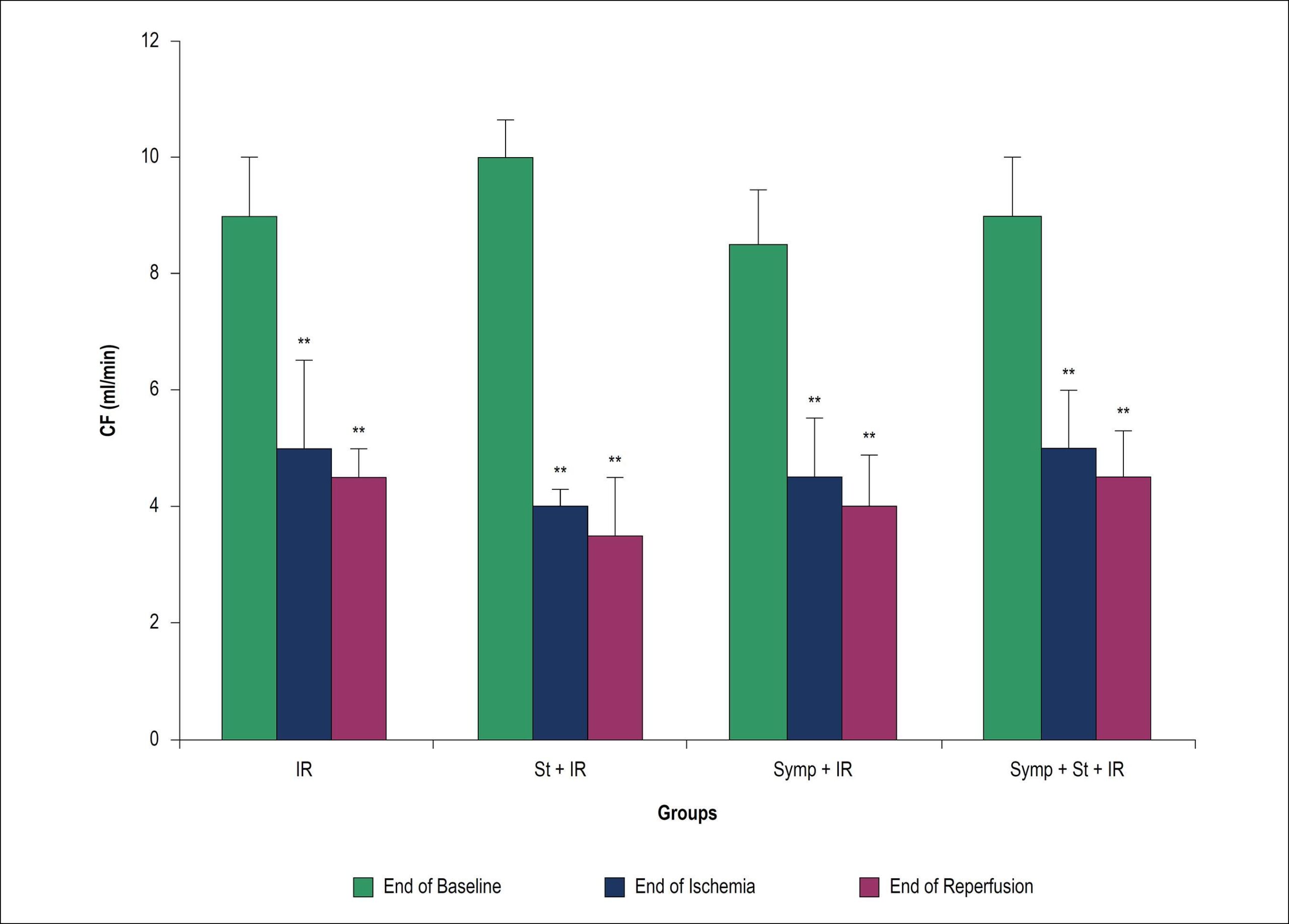
Thirty-two male Wistar rats were divided into four groups; (1) IR (n = 8): rats underwent I/R, (2) Acute stress (St+IR) (n = 8): physical stress induced 1-hour before I/R, (3) Sympathectomy (Symp+IR) (n = 8): chemical sympathectomy was done 24-hours before I/R and (4) Sympathectomy- physical stress (Symp+St+IR) (n = 8): chemical sympathectomy induced before physical stress and I/R. Chemical sympathectomy was performed using 6-hydroxydopamine (100 mg/kg, sc). Then, the hearts isolated and located in the Langendorff apparatus to induce 30 minutes ischemia followed by 120 minutes reperfusion. The coronary flows, hemodynamic parameters, infarct size, corticosterone level in serum were investigated. P < 0.05 demonstrated significance.

Results:

Physical stress prior to I/R could improve left ventricular developed pressure (LVDP) and rate product pressure (RPP) of the heart respectively, (63 ± 2 versus 42 ± 1.2, p < 0.05, 70 ± 2 versus 43 ± 2.6, p < 0.05) and reduces infarct size (22.16 ± 1.3 versus 32 ± 1.4, p < 0.05) when compared with the I/R alone. Chemical sympathectomy before physical stress eliminated the protective effect of physical stress on I/R-induced cardiac damages (RPP: 21 ± 6.6 versus 63 ± 2, p < 0.01) (LVDP: 38 ± 4.5 versus 43 ± 2.6, p < 0.01) (infarct size: 35 ± 3.1 versus 22.16 ± 1.3, p < 0.01).

Conclusion:

Findings indicate that acute physical stress can act as a preconditional stimulator and probably, the presence of sympathetic nervous system is necessary.

  • Hypothalamo-Hypophyseal System
  • Ischemia
  • Stress, Mechanical
  • Sympathectomy
  • Sympathetic Nervous System
Read Full Article
Creative Commons Attribution (CC BY) Creative Commons license
10/10/2019 DOI: 10.5935/abc.20190189 Views 2
Editorial

Rheumatic Fever in Brazil: What Color Should It Be?

Chris T. Longenecker

Rheumatic fever (RF) and its valvular sequela rheumatic heart disease (RHD) have been a scourge on humanity for ages, and it is only relatively recently that high-income countries have seen rates of RF decline dramatically. Yet, the Global Burden of Disease Study estimates that more than 275,000 deaths due to RHD still occur every year around the world, especially in low and middle-income countries including Brazil.

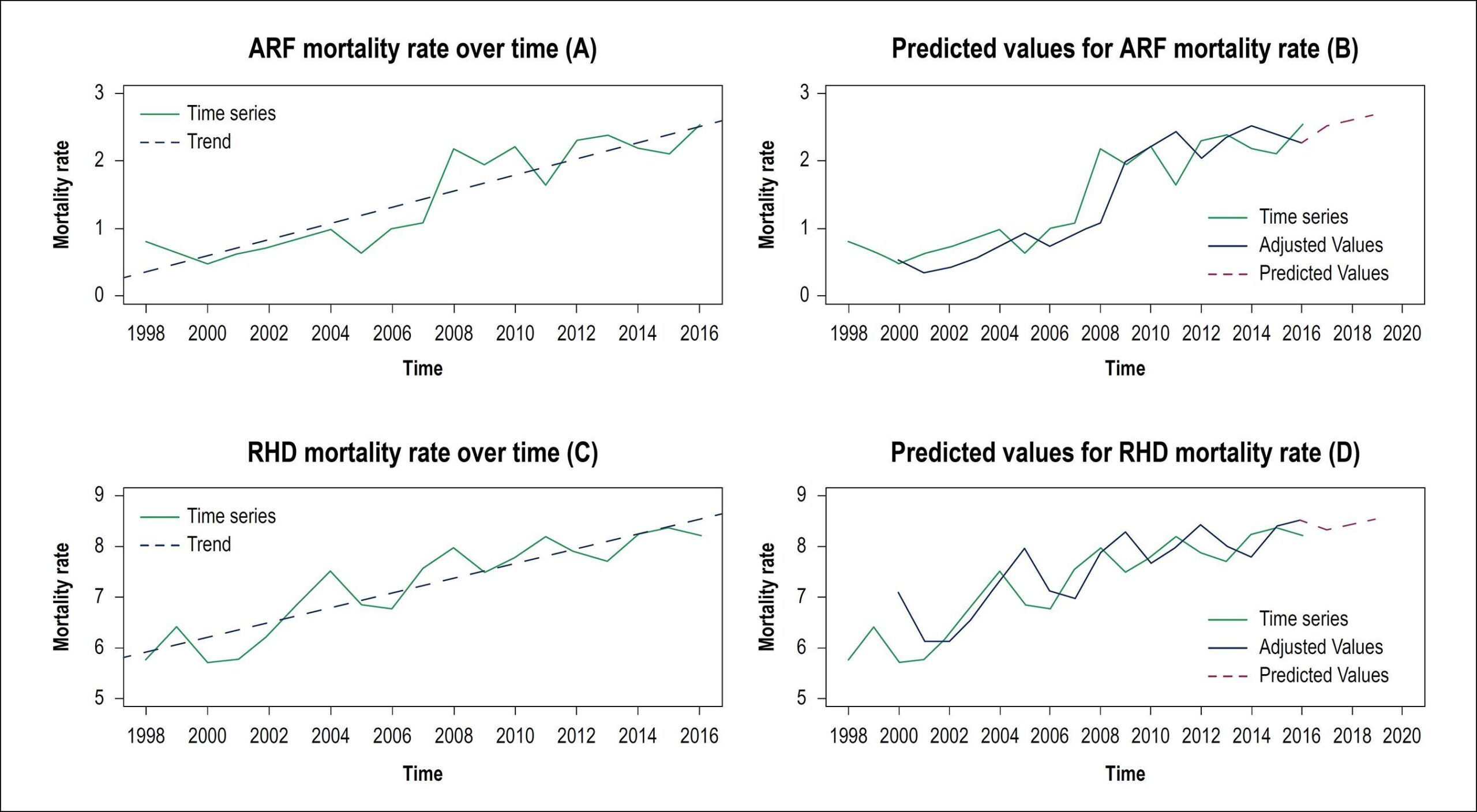
In this issue of the journal, Figueiredo et al. have presented ambitious modeling of the disease burden and costs of RF and RHD in Brazil. Using data from the Hospital Information System of Brazil, their central findings are that mortality rates for RF and RHD have increased by 215% and 42.5% respectively from 1998 to 2016. Additionally, the estimated cost for procedures related to RF/RHD diagnosis, interventions such as valve surgery, and hospitalizations for RHD complications like stroke and endocarditis was nearly $27 million USD in 2019.

[…]

  • Antibiotic Prophylaxys/economics
  • Hospitalization/economics
  • Public Health Policy
  • Rheumatic Fever/ecomomics Heart Disease/economics, Cardiovascular Surgical Procedures/mortality
Read Full Article
Creative Commons Attribution (CC BY) Creative Commons license
10/10/2019 DOI: 10.5935/abc.20190178 Views 1
Editorial

Salt Appetite and Aging

Celso Amodeo

The Villela et al. study showed greater preference and salt intake by hypertensive individuals over the normotensives one regardless of age.

A relationship between higher salt preference and male gender and alcohol consumption was observed. Most sensitivity to salt is the elderly and afro-descendant hypertensive people.

[…]

  • Aged
  • aging
  • Food Preferences
  • Hypertension
  • Salt Tolerance
  • Sodium Chloride, Dietary/adverse effects
Read Full Article
Creative Commons Attribution (CC BY) Creative Commons license
10/10/2019 DOI: 10.5935/abc.20190186
Editorial

Short Editorial: Hypertension in Special Populations: An Epidemiological Challenge

Rui Póvoa

Arterial hypertension (AH) is the most prevalent chronic disease worldwide and the main risk factor for most cardio-cerebrovascular diseases. The true prevalence in Brazil is still unknown, and the available data are from the Vigitel Study, where the information is obtained by telephone contact. The prevalence of hypertension in Brazil is estimated at around 31% in adult individuals. In recent data from the Vigitel Study, the prevalence was 25.7% of the adult Brazilian population. Knowledge of the real prevalence and geographic distribution is not only important for prevention and treatment measures, but also contribute to the knowledge of the genesis of the disease.

In some populations, particularly individuals of African descent, AH has its own characteristics, including prevalence, therapeutic response and severity., The multifactorial aspect of AH is only understood when assessing special populations considering their own habitats and habits, as in the case of quilombolas, where individuals with African ancestry still retain some genetic and cultural characteristics of the African origin. The analysis in this context is important, since we can detect aspects inherent to factors related to AH development.

[…]

  • African Continental Ancestry Group/genetics
  • Alcoholism
  • Hypertension / prevention & control
  • Hypertension/epidemiology
  • Risk Factors
  • Tobacco Use Disorder
Read Full Article
Creative Commons Attribution (CC BY) Creative Commons license
10/10/2019 DOI: 10.5935/abc.20190180 Views 1
Figure 1
Original Article

Stress and Food Consumption Relationship in Hypertensive Patients

Aline Lopes Dalmazo et al. Claudia Fetter Silvia Goldmeier Maria Claudia Irigoyen … Lucia Campos Pellanda Eduardo Costa Duarte Barbosa Thais Rodrigues Moreira Denise Ruttke Dillenburg Osório

Abstract

Background:

Stress is a state of threat to the balance of the organism, which can cause biological and psychological changes. In hypertensive patients, stress can interfere with blood pressure levels, influence on food choices and neglect of the diet.

Objective:

This study aims to describe the relationship between stress and dietary intake of hypertensive patients.

Methods:

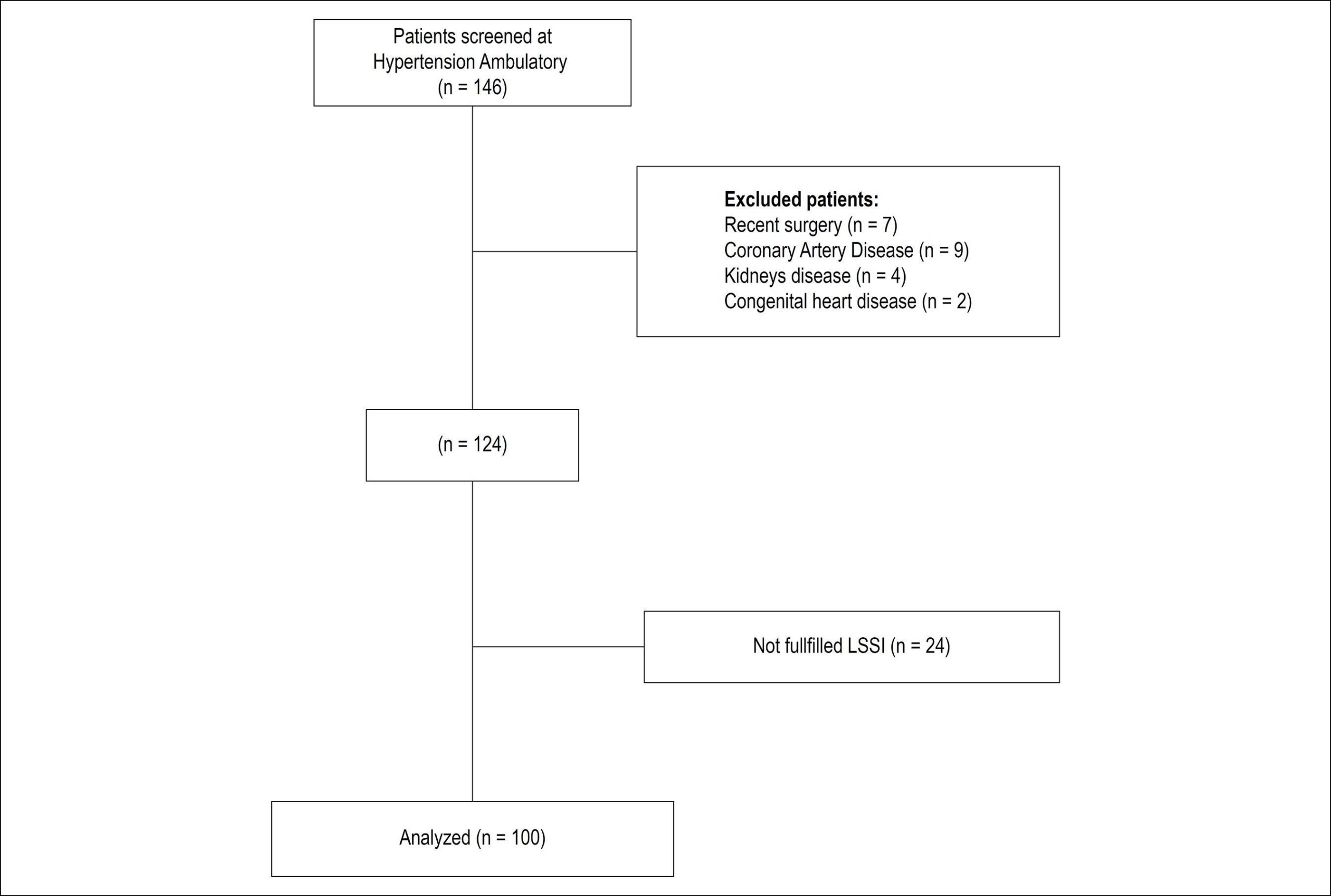
A transversal study was carried out at the Arterial Hypertension Clinic of the Cardiology Institute of Rio Grande do Sul, Brazil. The participants were aged ≥ 18 years and hypertensive. Blood pressure, food consumption and anthropometric measurements were collected. The variables related to stress were evaluated by the Lipp’s Stress Symptoms Inventory (LSSI) for adults. Significance level of 5% has been considered for all analyzed data.

Results:

The number of participants was 100. There was a higher prevalence of the female sex (67%), the mean age of the study population was 55.87 ± 12.55 years. Among the participants, 86% were classified in some of the stress phases, on which 57% were in the resistance phase. It was observed that there was no correlation between the presence of stress (as well as their actions), pressure levels and food consumption. The consumption of foods rich in lipids and individuals with a prevalence of psychological symptoms of stress displayed a significant association.

Conclusions:

Rich in fat dietary has been the first choice in patients with psychological symptoms of stress. Further studies regarding remodeled dietary intake and blood pressure levels in relation to the stress phases are suggested. These findings are important to contribute to the development of prevention and treatment strategies for cardiovascular diseases.

  • Body Weights and Measures
  • Dietary Fats/metabolismo
  • Food Consumption
  • Hypertension
  • Metabolism
  • Stress, Physiological
Read Full Article
Creative Commons Attribution (CC BY) Creative Commons license
02/09/2019 DOI: 10.5935/abc.20190175 Views 1
Original Article

Clinical Characteristics and Adverse Events in Acute Coronary Syndrome Patients with a History of Peripheral Arterial Disease

Yun-Peng Kang et al. Li-Ying Chen Tie-Duo Kang Wen-Xian Liu

Abstract

Background:

In clinical observation, patients with acute coronary syndrome complicated with peripheral artery disease have poor prognosis, so the relationship between the diseases and clinical characteristics need to be further explored.

Objective:

This study aims to investigate clinical characteristics and independent risk factors for in-hospital adverse events in acute coronary syndrome patients with a history of peripheral arterial disease (PAD).

Methods:

A total of 5,682 patients with acute coronary syndrome were included into this study. These patients were divided into two groups according to the presence or absence of a history of PAD: PAD group (n = 188), and non-PAD (control) group (n = 5,494). Then, the clinical characteristics and incidence of in-hospital adverse events were analyzed; p < 0.05 was considered statistically significant.

Results:

The age of PAD patients was higher than that in the control group (65.5 ± 10.3 years vs. 58.6 ± 11 years, p < 0.001), and the proportion of PAD patients with diabetes history and stroke history was higher than that in the control group (73 [39%] vs. 1472 [26.8%], p = 0.018; 36 [19.3%] vs. 396 [7.2%], p 65 years old (OR = 4.670, p < 0.001) were independent risk factors for in-hospital adverse events.

Conclusion:

A history of PAD, advanced age, and a history of diabetes are independent risk factors for in-hospital adverse events in patients with acute coronary syndrome.

  • Acute coronary syndrome
  • Atherosclerosis
  • Diabetes Mellitus
  • Hospitalization/complications
  • Mortality
  • Peripheral Arterial Disease
  • Risk Factors
Read Full Article
Creative Commons Attribution (CC BY) Creative Commons license
29/08/2019 DOI: 10.5935/abc.20190150 Views 1
Figure 1
Original Article

Salt Preference is Linked to Hypertension and not to Aging

Patrícia Teixeira Meirelles Villela et al. Eduardo Borges de-Oliveira Paula Teixeira Meirelles Villela Jose Maria Thiago Bonardi … Rodrigo Fenner Bertani Julio Cesar Moriguti Eduardo Ferriolli Nereida K. C. Lima

Abstract

Background:

Seasoning is one of the recommended strategies to reduce salt in foods. However, only a few studies have studied salt preference changes using seasoning.

Objectives:

The aim of this study was to compare preference for salty bread, and if seasoning can change preference in hypertensive and normotensive, young and older outpatients.

Methods:

Outpatients (n = 118) were classified in four groups: older hypertensive subjects (OH) (n = 32), young hypertensive (YH) (n = 25); older normotensive individuals (ON) (n = 28), and young normotensive (YN) (n = 33). First, volunteers random tasted bread samples with three different salt concentrations. After two weeks, they tasted the same types of breads, with seasoning added in all. Blood pressure (BP), 24-hour urinary sodium and potassium excretion (UNaV, UKV) were measured twice. Analysis: Fisher exact test, McNamer’s test and ANCOVA. Statistical significance: p < 0.05.

Results:

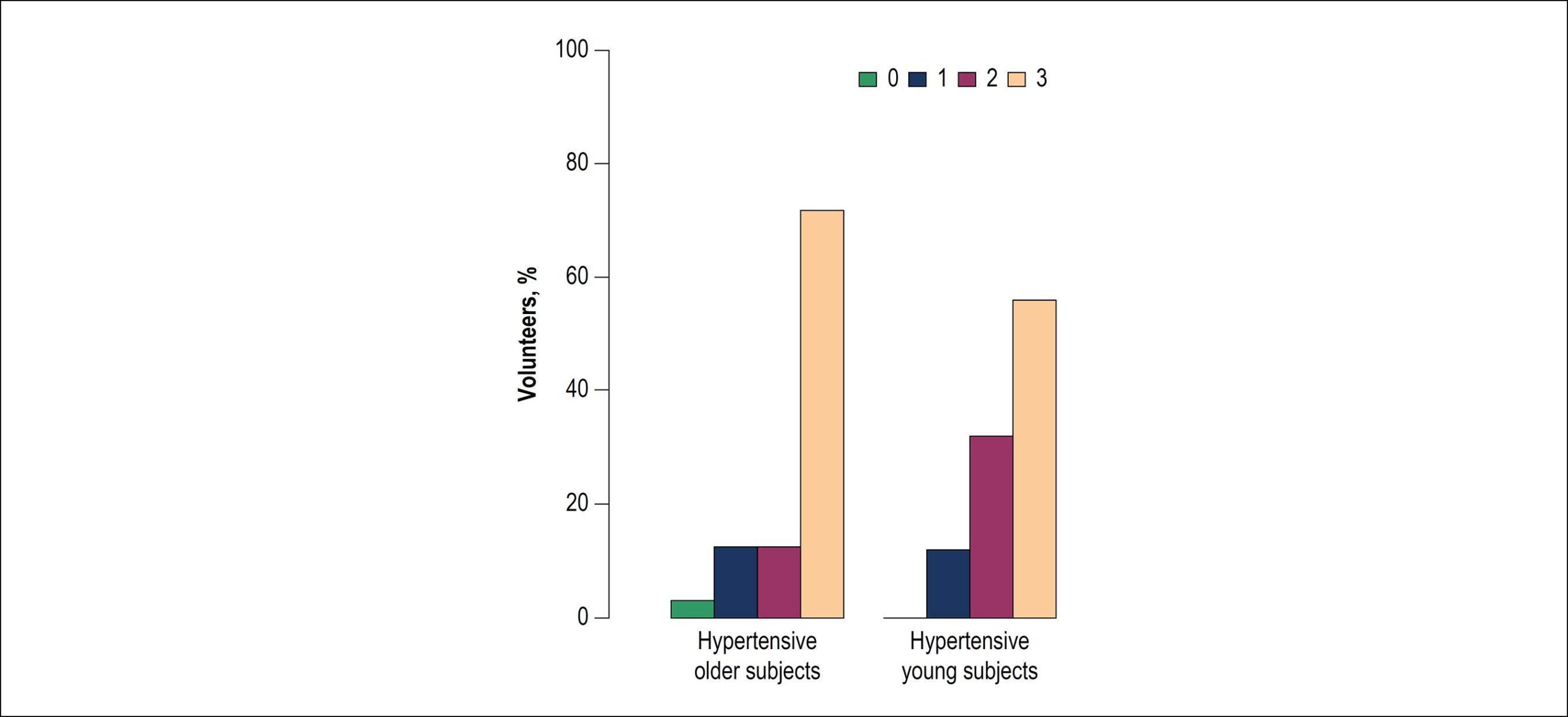
Systolic BP, UNaV, and UKV were greater in HO and HY and they had a higher preference for saltier samples than normotensive groups (HO: 71.9%, HY: 56% vs. NO: 25%, NY; 6%, p<0.01). With oregano, hypertensive individuals preferred smaller concentrations of salt, with reduced choice for saltier samples (HO: 71.9% to 21.9%, and HY: 56% to 16%, p = 0.02), NO preferred the lowest salt concentration sample (53.6% vs. 14.3%, p < 0.01), and NY further increased the preference for the lowest one (63.6% vs. 39.4%, p = 0.03).

Conclusions:

Older and younger hypertensive individuals prefer and consume more salt than normotensive ones, and the seasoned bread induced all groups to choose food with less salt. Salt preference is linked to hypertension and not to aging in outpatients.
  • Aged
  • aging
  • Flavoring Agents
  • Food Preferences
  • Salt Tolerance
  • Sodium Chloride,Dietary/adverse effects
Read Full Article
Creative Commons Attribution (CC BY) Creative Commons license
29/08/2019 DOI: 10.5935/abc.20190157 Views 1
Viewpoint

Digital Health, Universal Right, Duty of the State?

Marcelo Antônio Cartaxo Queiroga Lopes et al. Gláucia Maria Moraes de Oliveira Luciano Mariz Maia

Introduction

The Brazilian Constitution establishes, in its art. 196, that “health is a universal right and duty of the State, guaranteed by social and economic policies aimed at reducing the risk of diseases and other ailments, and universal and equal access to actions and services for their promotion and recovery”.

In addition, article 198, states that “public health actions and services are part of a regionalized and hierarchical network and constitute a single system, organized with the following guidelines: I – decentralization, with a single direction in each sphere of government; II – integral care, with priority for preventive actions, without loss to the care services; III – community participation”.

[…]

  • Comprehensive Health Care/legislation & jurisprudence
  • Health Public Administration
  • Personal Health Services/trends
  • Telemedicine
  • Unified Health System
Read Full Article
Creative Commons Attribution (CC BY) Creative Commons license
29/08/2019 DOI: 10.5935/abc.20190161 Views 1
Figure 1
Original Article

Prevalence of Systemic Arterial Hypertension in Quilombola Communities, State of Sergipe, Brazil

Deyse Mirelle Souza Santos et al. Beatriz Santana Prado Cristiane Costa da Cunha Oliveira Marcos Antonio Almeida-Santos

Abstract

Background:

The quilombolas are groups formed by black ancestry individuals, living in a context of social vulnerability due to low socioeconomic level, which influences health care and the development of chronic diseases.

Objective:

To assess the prevalence of systemic arterial hypertension and its association with cardiovascular risk factors in the quilombola population in the State of Sergipe, Brazil.

Methods:

Study design was cross sectional, involving the administration of a questionnaire to individuals aged ≥ 18 years, in 15 quilombola communities of the State of Sergipe, Brazil. A value of two-sided p < 0.05 was considered statistically significant.

Results:

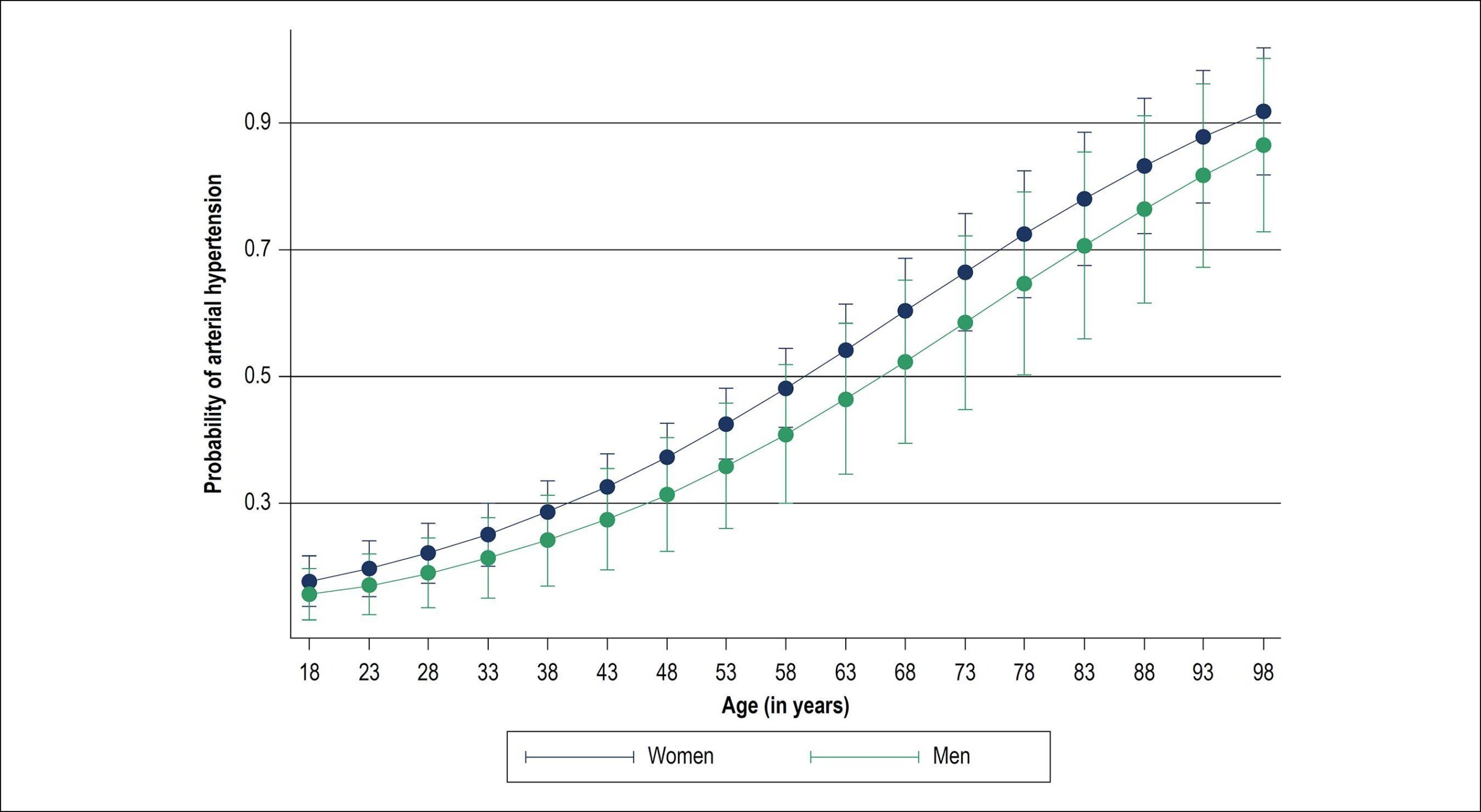
sA total of 390 individuals were evaluated, 72.3% of whom were women, with a mean age of 44.7 years. The prevalence of hypertension was 26% (with a confidence interval of 95% [95% CI]: 22-30), with no significant sex-related differences. The age was associated with arterial hypertension (95% CI: 1.03-1.06), systolic (95% CI: 1.04-1.07) and diastolic (IC 95%: 1.01-1.04) arterial hypertension. The level of body mass index was associated with arterial hypertension (95% CI: 1.00-1.11) and diastolic arterial hypertension (95% CI: 1.03-1.17). Economic class was associated with diastolic arterial hypertension (95% CI: 1.22-5.03).

Conclusion:

The prevalence of arterial hypertension in the quilombola communities was high. Its association with cardiovascular risk factors indicates the need to improve access to healthcare services.

  • African Continental Ancestry Group
  • Cardiovascular Diseases
  • Health of Specific Groups
  • Hypertension
  • Prevalence
  • Public Health
  • Risk Group
Read Full Article
Creative Commons Attribution (CC BY) Creative Commons license
15/08/2019 DOI: 10.5935/abc.20190143 Views 1
Figure 1
Original Article

High Residual Platelet Reactivity during Aspirin Therapy in Patients with Non-St Segment Elevation Acute Coronary Syndrome: Comparison Between Initial and Late Phases

Marianna Deway Andrade Dracoulakis et al. Paul Gurbel Marco Cattaneo Herlon Saraiva Martins … José Carlos Nicolau Roberto Kalil Filho

Abstract

Background:

High platelet reactivity (HPR) during therapy with acetylsalicylic acid (ASA) is a poor prognostic factor in acute coronary syndromes (ACS). The prevalence of HPR during ACS is greater than that reported in stable diseases. However, it is unclear whether this prevalence of HPR is a transient phenomenon or a characteristic of this high-risk population.

Objective:

The main objective is to compare the effects of ASA on platelet function in the initial and late phases of ACS in a single population. Secondary objectives are: correlation between the tests between themselves and the relationship between the tests and the variation of the inflammatory markers (C-reactive protein and interleukin-6).

Methods:

Seventy patients with non-ST segment elevation (NSTE) ACS in use of 100-200 mg of ASA per day for at least 7 days were prospectively studied. Platelet function was assessed in the first 48 hours and subsequently after 3 months using four methods: VerifyNow™ (VFN), whole blood platelet aggregation (WBPA) with arachidonic acid (AA) and collagen as agonists, and platelet function analyzer (PFA). The level of statistical significance considered was < 0.05.

Results:

According to the more specific methods (WBPA with AA and VFN), the incidence of HPR was significantly higher in the early phase than in the late phase: WBPA with AA: 31% versus 13%, p = 0.015; VFN: 32% versus 16%, p = 0.049. The other methods tested, which were less specific for ASA, did not show significant differences between phases. The correlation between the methods was weak or moderate (r ranging from 0.3 to 0.5, p < 0.05), and there were no significant associations between HPR and inflammatory markers.

Conclusion:

The prevalence of HPR during AAS therapy, assessed by specific methods for cyclooxygenase 1 (COX-1), is higher during the acute phase than in the late phase of NSTE ACS.

  • Acute coronary syndrome
  • Aged
  • Aspirin/adverse effects
  • aspirin/therapeutic use
  • Myocardial Ischemia
  • Platelet Aggregation/drug effects
Read Full Article
Creative Commons Attribution (CC BY) Creative Commons license
15/08/2019 DOI: 10.5935/abc.20190146 Views 1
Figure 1
Original Article

Physical Activity Levels in Peripheral Artery Disease Patients

Aline Mendes Gerage et al. Marilia de Almeida Correia Paulo Mesquita Longano de Oliveira Aline Cabral Palmeira … Wagner Jorge Ribeiro Domingues Antônio Eduardo Zeratti Pedro Puech-Leão Nelson Wolosker Raphael Mendes Ritti-Dias Gabriel Grizzo Cucato

Abstract

Background:

Increases in daily physical activity levels is recommended for patients with peripheral artery disease (PAD). However, despite this recommendation, little is known about the physical activity patterns of PAD patients.

Objective:

To describe the physical activity patterns of patients with symptomatic peripheral artery (PAD) disease.

Methods:

This cross-sectional study included 174 PAD patients with intermittent claudication symptoms. Patients were submitted to clinical, hemodynamic and functional evaluations. Physical activity was objectively measured by an accelerometer, and the time spent in sedentary, low-light, high-light and moderate-vigorous physical activities (MVPA) were obtained. Descriptive analysis was performed to summarize patient data and binary logistic regression was used to test the crude and adjusted associations between adherence to physical activity recommendation and sociodemographic and clinical factors. For all the statistical analyses, significance was accepted at p < 0.05.

Results:

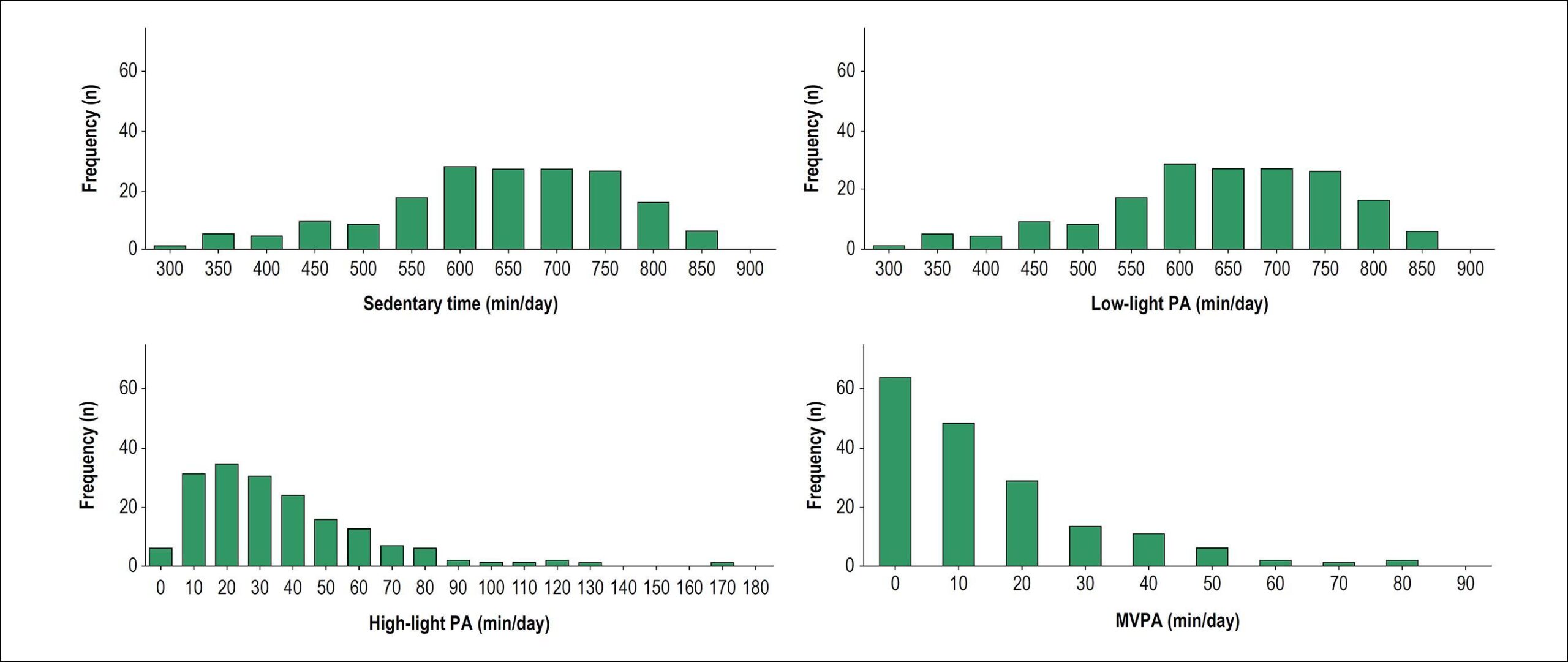
Patients spent in average of 640 ± 121 min/day, 269 ± 94 min/day, 36 ± 27 min/day and 15 ± 16 min/day in sedentary, low-light, high-light and MVPA, respectively. The prevalence of patients who achieved physical activity recommendations was 3.4%. After adjustment for confounders, a significant inverse association was observed between adherence to physical activity recommendation and age (OR = 0.925; p = 0.004), while time of disease, ankle brachial index and total walking distance were not associated with this adherence criteria (p > 0.05).

Conclusion:

The patterns of physical activity of PAD patients are characterized by a large amount of time spent in sedentary behaviors and a low engagement in MVPA. Younger patients, regardless of the clinical and functional factors, were more likely to meet the current physical activity recommendations.

  • Exercise
  • Intermittent Claudication
  • Motor Activity
  • Peripheral Arterial Disease
  • Waling
Read Full Article
Creative Commons Attribution (CC BY) Creative Commons license
29/07/2019 DOI: 10.5935/abc.20190142 Views 2
Figure 1
Original Article

Rheumatic Fever: A Disease without Color

Estevão Tavares de Figueiredo et al. Luciana Azevedo Marcelo Lacerda Rezende Cristina Garcia Alves

Abstract

Background:

Brazil has approximately 30.000 cases of Acute Rheumatic Fever (ARF) annually. A third of cardiovascular surgeries performed in the country are due to the sequelae of rheumatic heart disease (RHD), which is an important public health problem.

Objectives:

to analyze the historical series of mortality rates and disease costs, projecting future trends to offer new data that may justify the need to implement a public health program for RF.

Methods:

we performed a cross-sectional study with a time series analysis based on data from the Hospital Information System of Brazil from 1998 to 2016. Simple linear regression models and Holt’s Exponential Smoothing Method were used to model the behavior of the series and to do forecasts. The results of the tests with a value of p < 0.05 were considered statistically significant.

Results:

each year, the number of deaths due to RHD increased by an average of 16.94 units and the mortality rate from ARF increased by 215%. There was a 264% increase in hospitalization expenses for RHD and RHD mortality rates increased 42.5% (p-value < 0.05). The estimated mortality rates for ARF and RHD were, respectively, 2.68 and 8.53 for 2019. The estimated cost for RHD in 2019 was US$ 26.715.897,70.

Conclusions:

according to the Brazilian reality, the 1-year RHD expenses would be sufficient for secondary prophylaxis (considering a Benzatin Penicillin G dose every 3 weeks) in 22.574 people for 10 years. This study corroborates the need for public health policies aimed at RHD.

  • Antibiotic Prophylaxys/economics
  • Cardiovascular Surgical Procedures/mortality
  • Hospitalization/economics
  • Public Health Policy
  • Rheumatic Fever
  • rheumatic heart disease
Read Full Article
Creative Commons Attribution (CC BY) Creative Commons license
29/07/2019 DOI: 10.5935/abc.20190141 Views 1

How to cite this article

EndNote RIS

Electronic Document Format (Vancouver)

Andrade P, Santos D, Moreira M, Almeida A. Double-Inlet Single Ventricle with Malposed Great Arteries. Arquivos Brasileiros de Cardiologia 2019;113(3):444-6.

Electronic Document Format (ABNT)

Andrade, Paulo; Santos, Danilo; Moreira, Magna; Almeida, Adail. Double-Inlet Single Ventricle with Malposed Great Arteries. Arquivos Brasileiros de Cardiologia, v. 113, n. 3, p. 444-446, Oct. 2019.

Electronic Document Format (APA)

Andrade, P., Santos, D., Moreira, M., & Almeida, A. (2019). Double-Inlet Single Ventricle with Malposed Great Arteries. Arquivos Brasileiros de Cardiologia, 113(3), 444-446.

Electronic Document Format (ISO)

Andrade, Paulo and Santos, Danilo and Moreira, Magna and Almeida, Adail. Double-Inlet Single Ventricle with Malposed Great Arteries. Arquivos Brasileiros de Cardiologia [online]. 2019, vol. 113, n. 3, [cited 2026-10-14], pp. 444-446. Available from: <https://journals.cardiol.br/en/article/double-inlet-single-ventricle-with-malposed-great-arteries/>. ISSN 0066-782X

EndNote RIS

Electronic Document Format (Vancouver)

Rochitte CE, Quadros AS, Sousa AGMR, Ladeia AMT, Brandão AA, Lorenzo AD, Sposito A, et al. Arquivos Brasileiros de Cardiologia (ABC Cardiol) and the new classification Qualis of Coordenação de Aperfeiçoamento de Pessoal de Nível Superior (CAPES). Arquivos Brasileiros de Cardiologia 2019;113(3):333-4.

Electronic Document Format (ABNT)

Rochitte, Carlos E.; Quadros, Alexandre Schaan de; Sousa, Amanda Guerra de Moraes Rego; Ladeia, Ana Marice Teixeira; Brandão, Andréa Araujo; Lorenzo, Andrea De; Sposito, Andrei; Ribeiro, Antonio Luiz Pinho; Mesquita, Claudio Tinoco; Colombo, Fernanda Marciano Consolim; Marin-Neto, José Antônio; Hajjar, Ludhmila Abrahão; Bertolami, Marcelo; Stein, Ricardo; Fuchs, Sandra; Kaiser, Sergio Emanuel; Meneghelo, Romeu Sergio; Oliveira, Gláucia Maria Moraes de. Arquivos Brasileiros de Cardiologia (ABC Cardiol) and the new classification Qualis of Coordenação de Aperfeiçoamento de Pessoal de Nível Superior (CAPES). Arquivos Brasileiros de Cardiologia, v. 113, n. 3, p. 333-334, Oct. 2019.

Electronic Document Format (APA)

Rochitte, C. E., Quadros, A. S. , Sousa, A. G. M. R., Ladeia, A. M. T., Brandão, A. A., Lorenzo, A. D., Sposito, A., Ribeiro, A. L. P., Mesquita, C. T., Colombo, F. M. C., Marin-Neto, J. A., Hajjar, L. A., Bertolami, M., Stein, R., Fuchs, S., Kaiser, S. E., Meneghelo, R. S., & Oliveira, G. M. M. (2019). Arquivos Brasileiros de Cardiologia (ABC Cardiol) and the new classification Qualis of Coordenação de Aperfeiçoamento de Pessoal de Nível Superior (CAPES). Arquivos Brasileiros de Cardiologia, 113(3), 333-334.

Electronic Document Format (ISO)

Rochitte, Carlos E. and Quadros, Alexandre Schaan de and Sousa, Amanda Guerra de Moraes Rego and Ladeia, Ana Marice Teixeira and Brandão, Andréa Araujo and Lorenzo, Andrea De and Sposito, Andrei and Ribeiro, Antonio Luiz Pinho and Mesquita, Claudio Tinoco and Colombo, Fernanda Marciano Consolim and Marin-Neto, José Antônio and Hajjar, Ludhmila Abrahão and Bertolami, Marcelo and Stein, Ricardo and Fuchs, Sandra and Kaiser, Sergio Emanuel and Meneghelo, Romeu Sergio and Oliveira, Gláucia Maria Moraes de. Arquivos Brasileiros de Cardiologia (ABC Cardiol) and the new classification Qualis of Coordenação de Aperfeiçoamento de Pessoal de Nível Superior (CAPES). Arquivos Brasileiros de Cardiologia [online]. 2019, vol. 113, n. 3, [cited 2026-10-14], pp. 333-334. Available from: <https://journals.cardiol.br/en/article/arquivos-brasileiros-de-cardiologia-abc-cardiol-and-the-new-classification-qualis-of-coordenacao-de-aperfeicoamento-de-pessoal-de-nivel-superior-capes/>. ISSN 0066-782X

EndNote RIS

Electronic Document Format (Vancouver)

Oliveira Filho JA, Nóbrega ACL, Emed LGM, Leitão MB, Vital R. Paralympics – Addendum to the Update on the Guidelines for Sport and Exercise Cardiology of the Brazilian Society of Cardiology and the Brazilian Society of Exercise and Sports Medicine. Arquivos Brasileiros de Cardiologia 2019;113(3):339-44.

Electronic Document Format (ABNT)

Oliveira Filho, Japy Angelini; Nóbrega, Antônio Claudio Lucas da; Emed, Luiz Gustavo Marin; Leitão, Marcelo Bichels; Vital, Roberto. Paralympics – Addendum to the Update on the Guidelines for Sport and Exercise Cardiology of the Brazilian Society of Cardiology and the Brazilian Society of Exercise and Sports Medicine. Arquivos Brasileiros de Cardiologia, v. 113, n. 3, p. 339-344, Oct. 2019.

Electronic Document Format (APA)

Oliveira Filho, J. A., Nóbrega, A. C. L. , Emed, L. G. M., Leitão, M. B., & Vital, R. (2019). Paralympics – Addendum to the Update on the Guidelines for Sport and Exercise Cardiology of the Brazilian Society of Cardiology and the Brazilian Society of Exercise and Sports Medicine. Arquivos Brasileiros de Cardiologia, 113(3), 339-344.

Electronic Document Format (ISO)

Oliveira Filho, Japy Angelini and Nóbrega, Antônio Claudio Lucas da and Emed, Luiz Gustavo Marin and Leitão, Marcelo Bichels and Vital, Roberto. Paralympics – Addendum to the Update on the Guidelines for Sport and Exercise Cardiology of the Brazilian Society of Cardiology and the Brazilian Society of Exercise and Sports Medicine. Arquivos Brasileiros de Cardiologia [online]. 2019, vol. 113, n. 3, [cited 2026-10-14], pp. 339-344. Available from: <https://journals.cardiol.br/en/article/paralympics-addendum-to-the-update-on-the-guidelines-for-sport-and-exercise-cardiology-of-the-brazilian-society-of-cardiology-and-the-brazilian-society-of-exercise-and-sports-medicine/>. ISSN 0066-782X

EndNote RIS

Electronic Document Format (Vancouver)

Calderaro D, Alves Junior JL, Fernandes CJCS, Souza R. Pulmonary Hypertension in General Cardiology Practice. Arquivos Brasileiros de Cardiologia 2019;113(3):419-28.

Electronic Document Format (ABNT)

Calderaro, Daniela; Alves Junior, José Leonidas; Fernandes, Caio Júlio César dos Santos; Souza, Rogério. Pulmonary Hypertension in General Cardiology Practice. Arquivos Brasileiros de Cardiologia, v. 113, n. 3, p. 419-428, Oct. 2019.

Electronic Document Format (APA)

Calderaro, D., Alves Junior, J. L., Fernandes, C. J. C. S., & Souza, R. (2019). Pulmonary Hypertension in General Cardiology Practice. Arquivos Brasileiros de Cardiologia, 113(3), 419-428.

Electronic Document Format (ISO)

Calderaro, Daniela and Alves Junior, José Leonidas and Fernandes, Caio Júlio César dos Santos and Souza, Rogério. Pulmonary Hypertension in General Cardiology Practice. Arquivos Brasileiros de Cardiologia [online]. 2019, vol. 113, n. 3, [cited 2026-10-14], pp. 419-428. Available from: <https://journals.cardiol.br/en/article/pulmonary-hypertension-in-general-cardiology-practice/>. ISSN 0066-782X

EndNote RIS

Electronic Document Format (Vancouver)

Atik E, Binotto MA, Barreto AC. Case 5/2019 – Naturally Evolving Ebstein’s Anomaly of Discrete Repercussion in 24-Year-old Asymptomatic Adult. Arquivos Brasileiros de Cardiologia 2019;113(3):435-7.

Electronic Document Format (ABNT)

Atik, Edmar; Binotto, Maria Angélica; Barreto, Alessandra Costa. Case 5/2019 – Naturally Evolving Ebstein’s Anomaly of Discrete Repercussion in 24-Year-old Asymptomatic Adult. Arquivos Brasileiros de Cardiologia, v. 113, n. 3, p. 435-437, Oct. 2019.

Electronic Document Format (APA)

Atik, E., Binotto, M. A., & Barreto, A. C. (2019). Case 5/2019 – Naturally Evolving Ebstein’s Anomaly of Discrete Repercussion in 24-Year-old Asymptomatic Adult. Arquivos Brasileiros de Cardiologia, 113(3), 435-437.

Electronic Document Format (ISO)

Atik, Edmar and Binotto, Maria Angélica and Barreto, Alessandra Costa. Case 5/2019 – Naturally Evolving Ebstein’s Anomaly of Discrete Repercussion in 24-Year-old Asymptomatic Adult. Arquivos Brasileiros de Cardiologia [online]. 2019, vol. 113, n. 3, [cited 2026-10-14], pp. 435-437. Available from: <https://journals.cardiol.br/en/article/case-5-2019-naturally-evolving-ebsteins-anomaly-of-discrete-repercussion-in-24-year-old-asymptomatic-adult/>. ISSN 0066-782X

EndNote RIS

Electronic Document Format (Vancouver)

Mesquita ET, Souza ALAAG. Cardiology and the Cardiologist – Yesterday, Today and Tomorrow. Arquivos Brasileiros de Cardiologia 2019;113(3):335-8.

Electronic Document Format (ABNT)

Mesquita, Evandro Tinoco; Souza, Aurea Lucia Alves de Azevedo Grippa de. Cardiology and the Cardiologist – Yesterday, Today and Tomorrow. Arquivos Brasileiros de Cardiologia, v. 113, n. 3, p. 335-338, Oct. 2019.

Electronic Document Format (APA)

Mesquita, E. T., & Souza, A. L. A. A. G. (2019). Cardiology and the Cardiologist – Yesterday, Today and Tomorrow. Arquivos Brasileiros de Cardiologia, 113(3), 335-338.

Electronic Document Format (ISO)

Mesquita, Evandro Tinoco and Souza, Aurea Lucia Alves de Azevedo Grippa de. Cardiology and the Cardiologist – Yesterday, Today and Tomorrow. Arquivos Brasileiros de Cardiologia [online]. 2019, vol. 113, n. 3, [cited 2026-10-14], pp. 335-338. Available from: <https://journals.cardiol.br/en/article/cardiology-and-the-cardiologist-yesterday-today-and-tomorrow/>. ISSN 0066-782X

EndNote RIS

Electronic Document Format (Vancouver)

Lopes HF. Hypertension: Pathophysiological Aspects, Psychosocial Stress and Food Preference. Arquivos Brasileiros de Cardiologia 2019;113(3):381-2.

Electronic Document Format (ABNT)

Lopes, Heno Ferreira. Hypertension: Pathophysiological Aspects, Psychosocial Stress and Food Preference. Arquivos Brasileiros de Cardiologia, v. 113, n. 3, p. 381-382, Oct. 2019.

Electronic Document Format (APA)

Lopes, H. F. (2019). Hypertension: Pathophysiological Aspects, Psychosocial Stress and Food Preference. Arquivos Brasileiros de Cardiologia, 113(3), 381-382.

Electronic Document Format (ISO)

Lopes, Heno Ferreira. Hypertension: Pathophysiological Aspects, Psychosocial Stress and Food Preference. Arquivos Brasileiros de Cardiologia [online]. 2019, vol. 113, n. 3, [cited 2026-10-14], pp. 381-382. Available from: <https://journals.cardiol.br/en/article/hypertension-pathophysiological-aspects-psychosocial-stress-and-food-preference/>. ISSN 0066-782X

EndNote RIS

Electronic Document Format (Vancouver)

Cilsal E. Immobile Tricuspid Valve: Incidental Finding in a Case of Terminal Cardiomyopathy Due to Thalassemia Major. Arquivos Brasileiros de Cardiologia 2019;113(3):438-43.

Electronic Document Format (ABNT)

Cilsal, Erman. Immobile Tricuspid Valve: Incidental Finding in a Case of Terminal Cardiomyopathy Due to Thalassemia Major. Arquivos Brasileiros de Cardiologia, v. 113, n. 3, p. 438-443, Oct. 2019.

Electronic Document Format (APA)

Cilsal, E. (2019). Immobile Tricuspid Valve: Incidental Finding in a Case of Terminal Cardiomyopathy Due to Thalassemia Major. Arquivos Brasileiros de Cardiologia, 113(3), 438-443.

Electronic Document Format (ISO)

Cilsal, Erman. Immobile Tricuspid Valve: Incidental Finding in a Case of Terminal Cardiomyopathy Due to Thalassemia Major. Arquivos Brasileiros de Cardiologia [online]. 2019, vol. 113, n. 3, [cited 2026-10-14], pp. 438-443. Available from: <https://journals.cardiol.br/en/article/immobile-tricuspid-valve-incidental-finding-in-a-case-of-terminal-cardiomyopathy-due-to-thalassemia-major/>. ISSN 0066-782X

EndNote RIS

Electronic Document Format (Vancouver)

Sobral Filho DC, Monteiro Júnior JGM. High Residual Platelet Activity in Response to Acetylsalicylic Acid in Acute Coronary Syndrome: A New Challenge for Antiplatelet Treatment?. Arquivos Brasileiros de Cardiologia 2019;113(3):364-6.

Electronic Document Format (ABNT)

Sobral Filho, Dário C.; Monteiro Júnior, José Gildo de Moura. High Residual Platelet Activity in Response to Acetylsalicylic Acid in Acute Coronary Syndrome: A New Challenge for Antiplatelet Treatment?. Arquivos Brasileiros de Cardiologia, v. 113, n. 3, p. 364-366, Oct. 2019.

Electronic Document Format (APA)

Sobral Filho, D. C., & Monteiro Júnior, J. G. M. (2019). High Residual Platelet Activity in Response to Acetylsalicylic Acid in Acute Coronary Syndrome: A New Challenge for Antiplatelet Treatment?. Arquivos Brasileiros de Cardiologia, 113(3), 364-366.

Electronic Document Format (ISO)

Sobral Filho, Dário C. and Monteiro Júnior, José Gildo de Moura. High Residual Platelet Activity in Response to Acetylsalicylic Acid in Acute Coronary Syndrome: A New Challenge for Antiplatelet Treatment?. Arquivos Brasileiros de Cardiologia [online]. 2019, vol. 113, n. 3, [cited 2026-10-14], pp. 364-366. Available from: <https://journals.cardiol.br/en/article/high-residual-platelet-activity-in-response-to-acetylsalicylic-acid-in-acute-coronary-syndrome-a-new-challenge-for-antiplatelet-treatment/>. ISSN 0066-782X

EndNote RIS

Electronic Document Format (Vancouver)

Castro I, Fontana Filho H. Characteristics and Adverse Events in Acute Coronary Syndrome Patients with a History of Peripheral Arterial Disease. Arquivos Brasileiros de Cardiologia 2019;113(3):373.

Electronic Document Format (ABNT)

Castro, Iran; Fontana Filho, Hugo. Characteristics and Adverse Events in Acute Coronary Syndrome Patients with a History of Peripheral Arterial Disease. Arquivos Brasileiros de Cardiologia, v. 113, n. 3, p. 373-373, Oct. 2019.

Electronic Document Format (APA)

Castro, I., & Fontana Filho, H. (2019). Characteristics and Adverse Events in Acute Coronary Syndrome Patients with a History of Peripheral Arterial Disease. Arquivos Brasileiros de Cardiologia, 113(3), 373-373.

Electronic Document Format (ISO)

Castro, Iran and Fontana Filho, Hugo. Characteristics and Adverse Events in Acute Coronary Syndrome Patients with a History of Peripheral Arterial Disease. Arquivos Brasileiros de Cardiologia [online]. 2019, vol. 113, n. 3, [cited 2026-10-14], pp. 373-373. Available from: <https://journals.cardiol.br/en/article/characteristics-and-adverse-events-in-acute-coronary-syndrome-patients-with-a-history-of-peripheral-arterial-disease/>. ISSN 0066-782X

EndNote RIS

Electronic Document Format (Vancouver)

Alves MJNN, Souza FR. Aspects of Non-Pharmacological Treatment in Peripheral Arterial Disease. Arquivos Brasileiros de Cardiologia 2019;113(3):417-8.

Electronic Document Format (ABNT)

Alves, Maria Janieire de N. Nunes; Souza, Francis Ribeiro de. Aspects of Non-Pharmacological Treatment in Peripheral Arterial Disease. Arquivos Brasileiros de Cardiologia, v. 113, n. 3, p. 417-418, Oct. 2019.

Electronic Document Format (APA)

Alves, M. J. N. N., & Souza, F. R. (2019). Aspects of Non-Pharmacological Treatment in Peripheral Arterial Disease. Arquivos Brasileiros de Cardiologia, 113(3), 417-418.

Electronic Document Format (ISO)

Alves, Maria Janieire de N. Nunes and Souza, Francis Ribeiro de. Aspects of Non-Pharmacological Treatment in Peripheral Arterial Disease. Arquivos Brasileiros de Cardiologia [online]. 2019, vol. 113, n. 3, [cited 2026-10-14], pp. 417-418. Available from: <https://journals.cardiol.br/en/article/aspects-of-non-pharmacological-treatment-in-peripheral-arterial-disease/>. ISSN 0066-782X

EndNote RIS

Electronic Document Format (Vancouver)

Polegato BF, Zornoff LAM. The Role of Sympathetic System as a Therapeutic Option in the Ischemia/Reperfusion Injury. Arquivos Brasileiros de Cardiologia 2019;113(3):409.

Electronic Document Format (ABNT)

Polegato, Bertha F.; Zornoff, Leonardo A. M.. The Role of Sympathetic System as a Therapeutic Option in the Ischemia/Reperfusion Injury. Arquivos Brasileiros de Cardiologia, v. 113, n. 3, p. 409-409, Oct. 2019.

Electronic Document Format (APA)

Polegato, B. F., & Zornoff, L. A. M. (2019). The Role of Sympathetic System as a Therapeutic Option in the Ischemia/Reperfusion Injury. Arquivos Brasileiros de Cardiologia, 113(3), 409-409.

Electronic Document Format (ISO)

Polegato, Bertha F. and Zornoff, Leonardo A. M.. The Role of Sympathetic System as a Therapeutic Option in the Ischemia/Reperfusion Injury. Arquivos Brasileiros de Cardiologia [online]. 2019, vol. 113, n. 3, [cited 2026-10-14], pp. 409-409. Available from: <https://journals.cardiol.br/en/article/the-role-of-sympathetic-system-as-a-therapeutic-option-in-the-ischemia-reperfusion-injury/>. ISSN 0066-782X

EndNote RIS

Electronic Document Format (Vancouver)

Imani A, Parsa H, Chookalaei LG, Rakhshan K, Golnazari M, Faghihi M. Acute Physical Stress Preconditions the Heart Against Ischemia/Reperfusion Injury Through Activation of Sympathetic Nervous System. Arquivos Brasileiros de Cardiologia 2019;113(3):401-8.

Electronic Document Format (ABNT)

Imani, Alireza; Parsa, Hoda; Chookalaei, Leila Gholami; Rakhshan, Kamran; Golnazari, Masoomeh; Faghihi, Mahdieh. Acute Physical Stress Preconditions the Heart Against Ischemia/Reperfusion Injury Through Activation of Sympathetic Nervous System. Arquivos Brasileiros de Cardiologia, v. 113, n. 3, p. 401-408, Oct. 2019.

Electronic Document Format (APA)

Imani, A., Parsa, H., Chookalaei, L. G., Rakhshan, K., Golnazari, M., & Faghihi, M. (2019). Acute Physical Stress Preconditions the Heart Against Ischemia/Reperfusion Injury Through Activation of Sympathetic Nervous System. Arquivos Brasileiros de Cardiologia, 113(3), 401-408.

Electronic Document Format (ISO)

Imani, Alireza and Parsa, Hoda and Chookalaei, Leila Gholami and Rakhshan, Kamran and Golnazari, Masoomeh and Faghihi, Mahdieh. Acute Physical Stress Preconditions the Heart Against Ischemia/Reperfusion Injury Through Activation of Sympathetic Nervous System. Arquivos Brasileiros de Cardiologia [online]. 2019, vol. 113, n. 3, [cited 2026-10-14], pp. 401-408. Available from: <https://journals.cardiol.br/en/article/acute-physical-stress-preconditions-the-heart-against-ischemia-reperfusion-injury-through-activation-of-sympathetic-nervous-system/>. ISSN 0066-782X

EndNote RIS

Electronic Document Format (Vancouver)

Longenecker CT. Rheumatic Fever in Brazil: What Color Should It Be?. Arquivos Brasileiros de Cardiologia 2019;113(3):355-6.

Electronic Document Format (ABNT)

Longenecker, Chris T.. Rheumatic Fever in Brazil: What Color Should It Be?. Arquivos Brasileiros de Cardiologia, v. 113, n. 3, p. 355-356, Oct. 2019.

Electronic Document Format (APA)

Longenecker, C. T. (2019). Rheumatic Fever in Brazil: What Color Should It Be?. Arquivos Brasileiros de Cardiologia, 113(3), 355-356.

Electronic Document Format (ISO)

Longenecker, Chris T.. Rheumatic Fever in Brazil: What Color Should It Be?. Arquivos Brasileiros de Cardiologia [online]. 2019, vol. 113, n. 3, [cited 2026-10-14], pp. 355-356. Available from: <https://journals.cardiol.br/en/article/rheumatic-fever-in-brazil-what-color-should-it-be/>. ISSN 0066-782X

EndNote RIS

Electronic Document Format (Vancouver)

Amodeo C. Salt Appetite and Aging. Arquivos Brasileiros de Cardiologia 2019;113(3):400.

Electronic Document Format (ABNT)

Amodeo, Celso. Salt Appetite and Aging. Arquivos Brasileiros de Cardiologia, v. 113, n. 3, p. 400-400, Oct. 2019.

Electronic Document Format (APA)

Amodeo, C. (2019). Salt Appetite and Aging. Arquivos Brasileiros de Cardiologia, 113(3), 400-400.

Electronic Document Format (ISO)

Amodeo, Celso. Salt Appetite and Aging. Arquivos Brasileiros de Cardiologia [online]. 2019, vol. 113, n. 3, [cited 2026-10-14], pp. 400-400. Available from: <https://journals.cardiol.br/en/article/salt-appetite-and-aging/>. ISSN 0066-782X

EndNote RIS

Electronic Document Format (Vancouver)

Póvoa R. Short Editorial: Hypertension in Special Populations: An Epidemiological Challenge. Arquivos Brasileiros de Cardiologia 2019;113(3):391.

Electronic Document Format (ABNT)

Póvoa, Rui. Short Editorial: Hypertension in Special Populations: An Epidemiological Challenge. Arquivos Brasileiros de Cardiologia, v. 113, n. 3, p. 391-391, Oct. 2019.

Electronic Document Format (APA)

Póvoa, R. (2019). Short Editorial: Hypertension in Special Populations: An Epidemiological Challenge. Arquivos Brasileiros de Cardiologia, 113(3), 391-391.

Electronic Document Format (ISO)

Póvoa, Rui. Short Editorial: Hypertension in Special Populations: An Epidemiological Challenge. Arquivos Brasileiros de Cardiologia [online]. 2019, vol. 113, n. 3, [cited 2026-10-14], pp. 391-391. Available from: <https://journals.cardiol.br/en/article/short-editorial-hypertension-in-special-populations-an-epidemiological-challenge/>. ISSN 0066-782X

EndNote RIS

Electronic Document Format (Vancouver)

Dalmazo AL, Fetter C, Goldmeier S, Irigoyen MC, Pellanda LC, Barbosa ECD, Moreira TR, et al. Stress and Food Consumption Relationship in Hypertensive Patients. Arquivos Brasileiros de Cardiologia 2019;113(3):374-80.

Electronic Document Format (ABNT)

Dalmazo, Aline Lopes; Fetter, Claudia; Goldmeier, Silvia; Irigoyen, Maria Claudia; Pellanda, Lucia Campos; Barbosa, Eduardo Costa Duarte; Moreira, Thais Rodrigues; Osório, Denise Ruttke Dillenburg. Stress and Food Consumption Relationship in Hypertensive Patients. Arquivos Brasileiros de Cardiologia, v. 113, n. 3, p. 374-380, Sep. 2019.

Electronic Document Format (APA)

Dalmazo, A. L., Fetter, C., Goldmeier, S., Irigoyen, M. C., Pellanda, L. C., Barbosa, E. C. D., Moreira, T. R., & Osório, D. R. D. (2019). Stress and Food Consumption Relationship in Hypertensive Patients. Arquivos Brasileiros de Cardiologia, 113(3), 374-380.

Electronic Document Format (ISO)

Dalmazo, Aline Lopes and Fetter, Claudia and Goldmeier, Silvia and Irigoyen, Maria Claudia and Pellanda, Lucia Campos and Barbosa, Eduardo Costa Duarte and Moreira, Thais Rodrigues and Osório, Denise Ruttke Dillenburg. Stress and Food Consumption Relationship in Hypertensive Patients. Arquivos Brasileiros de Cardiologia [online]. 2019, vol. 113, n. 3, [cited 2026-10-14], pp. 374-380. Available from: <https://journals.cardiol.br/en/article/stress-and-food-consumption-relationship-in-hypertensive-patients/>. ISSN 0066-782X

EndNote RIS

Electronic Document Format (Vancouver)

Kang Y, Chen L, Kang T, Liu W. Clinical Characteristics and Adverse Events in Acute Coronary Syndrome Patients with a History of Peripheral Arterial Disease. Arquivos Brasileiros de Cardiologia 2019;113(3):367-72.

Electronic Document Format (ABNT)

Kang, Yun-Peng; Chen, Li-Ying; Kang, Tie-Duo; Liu, Wen-Xian. Clinical Characteristics and Adverse Events in Acute Coronary Syndrome Patients with a History of Peripheral Arterial Disease. Arquivos Brasileiros de Cardiologia, v. 113, n. 3, p. 367-372, Aug. 2019.

Electronic Document Format (APA)

Kang, Y., Chen, L., Kang, T., & Liu, W. (2019). Clinical Characteristics and Adverse Events in Acute Coronary Syndrome Patients with a History of Peripheral Arterial Disease. Arquivos Brasileiros de Cardiologia, 113(3), 367-372.

Electronic Document Format (ISO)

Kang, Yun-Peng and Chen, Li-Ying and Kang, Tie-Duo and Liu, Wen-Xian. Clinical Characteristics and Adverse Events in Acute Coronary Syndrome Patients with a History of Peripheral Arterial Disease. Arquivos Brasileiros de Cardiologia [online]. 2019, vol. 113, n. 3, [cited 2026-10-14], pp. 367-372. Available from: <https://journals.cardiol.br/en/article/clinical-characteristics-and-adverse-events-in-acute-coronary-syndrome-patients-with-a-history-of-peripheral-arterial-disease/>. ISSN 0066-782X

EndNote RIS

Electronic Document Format (Vancouver)

Villela PTM, de-Oliveira EB, Villela PTM, Bonardi JMT, Bertani RF, Moriguti JC, Ferriolli E, et al. Salt Preference is Linked to Hypertension and not to Aging. Arquivos Brasileiros de Cardiologia 2019;113(3):392-9.

Electronic Document Format (ABNT)

Villela, Patrícia Teixeira Meirelles; de-Oliveira, Eduardo Borges; Villela, Paula Teixeira Meirelles; Bonardi, Jose Maria Thiago; Bertani, Rodrigo Fenner; Moriguti, Julio Cesar; Ferriolli, Eduardo; Lima, Nereida K. C.. Salt Preference is Linked to Hypertension and not to Aging. Arquivos Brasileiros de Cardiologia, v. 113, n. 3, p. 392-399, Aug. 2019.

Electronic Document Format (APA)

Villela, P. T. M., de-Oliveira, E. B., Villela, P. T. M., Bonardi, J. M. T., Bertani, R. F., Moriguti, J. C., Ferriolli, E., & Lima, N. K. C. (2019). Salt Preference is Linked to Hypertension and not to Aging. Arquivos Brasileiros de Cardiologia, 113(3), 392-399.

Electronic Document Format (ISO)

Villela, Patrícia Teixeira Meirelles and de-Oliveira, Eduardo Borges and Villela, Paula Teixeira Meirelles and Bonardi, Jose Maria Thiago and Bertani, Rodrigo Fenner and Moriguti, Julio Cesar and Ferriolli, Eduardo and Lima, Nereida K. C.. Salt Preference is Linked to Hypertension and not to Aging. Arquivos Brasileiros de Cardiologia [online]. 2019, vol. 113, n. 3, [cited 2026-10-14], pp. 392-399. Available from: <https://journals.cardiol.br/en/article/salt-preference-is-linked-to-hypertension-and-not-to-aging/>. ISSN 0066-782X

EndNote RIS

Electronic Document Format (Vancouver)

Lopes MACQ, Oliveira GMM, Maia LM. Digital Health, Universal Right, Duty of the State?. Arquivos Brasileiros de Cardiologia 2019;113(3):429-34.

Electronic Document Format (ABNT)

Lopes, Marcelo Antônio Cartaxo Queiroga; Oliveira, Gláucia Maria Moraes de; Maia, Luciano Mariz. Digital Health, Universal Right, Duty of the State?. Arquivos Brasileiros de Cardiologia, v. 113, n. 3, p. 429-434, Aug. 2019.

Electronic Document Format (APA)

Lopes, M. A. C. Q., Oliveira, G. M. M. , & Maia, L. M. (2019). Digital Health, Universal Right, Duty of the State?. Arquivos Brasileiros de Cardiologia, 113(3), 429-434.

Electronic Document Format (ISO)

Lopes, Marcelo Antônio Cartaxo Queiroga and Oliveira, Gláucia Maria Moraes de and Maia, Luciano Mariz. Digital Health, Universal Right, Duty of the State?. Arquivos Brasileiros de Cardiologia [online]. 2019, vol. 113, n. 3, [cited 2026-10-14], pp. 429-434. Available from: <https://journals.cardiol.br/en/article/digital-health-universal-right-duty-of-the-state/>. ISSN 0066-782X

EndNote RIS

Electronic Document Format (Vancouver)

Santos DMS, Prado BS, Oliveira CCC, Almeida-Santos MA. Prevalence of Systemic Arterial Hypertension in Quilombola Communities, State of Sergipe, Brazil. Arquivos Brasileiros de Cardiologia 2019;113(3):383-90.

Electronic Document Format (ABNT)

Santos, Deyse Mirelle Souza; Prado, Beatriz Santana; Oliveira, Cristiane Costa da Cunha; Almeida-Santos, Marcos Antonio. Prevalence of Systemic Arterial Hypertension in Quilombola Communities, State of Sergipe, Brazil. Arquivos Brasileiros de Cardiologia, v. 113, n. 3, p. 383-390, Aug. 2019.

Electronic Document Format (APA)

Santos, D. M. S., Prado, B. S., Oliveira, C. C. C., & Almeida-Santos, M. A. (2019). Prevalence of Systemic Arterial Hypertension in Quilombola Communities, State of Sergipe, Brazil. Arquivos Brasileiros de Cardiologia, 113(3), 383-390.

Electronic Document Format (ISO)

Santos, Deyse Mirelle Souza and Prado, Beatriz Santana and Oliveira, Cristiane Costa da Cunha and Almeida-Santos, Marcos Antonio. Prevalence of Systemic Arterial Hypertension in Quilombola Communities, State of Sergipe, Brazil. Arquivos Brasileiros de Cardiologia [online]. 2019, vol. 113, n. 3, [cited 2026-10-14], pp. 383-390. Available from: <https://journals.cardiol.br/en/article/prevalence-of-systemic-arterial-hypertension-in-quilombola-communities-state-of-sergipe-brazil/>. ISSN 0066-782X

EndNote RIS

Electronic Document Format (Vancouver)

Dracoulakis MDA, Gurbel P, Cattaneo M, Martins HS, Nicolau JC, Kalil Filho R. High Residual Platelet Reactivity during Aspirin Therapy in Patients with Non-St Segment Elevation Acute Coronary Syndrome: Comparison Between Initial and Late Phases. Arquivos Brasileiros de Cardiologia 2019;113(3):357-63.

Electronic Document Format (ABNT)

Dracoulakis, Marianna Deway Andrade; Gurbel, Paul; Cattaneo, Marco; Martins, Herlon Saraiva; Nicolau, José Carlos; Kalil Filho, Roberto. High Residual Platelet Reactivity during Aspirin Therapy in Patients with Non-St Segment Elevation Acute Coronary Syndrome: Comparison Between Initial and Late Phases. Arquivos Brasileiros de Cardiologia, v. 113, n. 3, p. 357-363, Aug. 2019.

Electronic Document Format (APA)

Dracoulakis, M. D. A., Gurbel, P., Cattaneo, M., Martins, H. S., Nicolau, J. C., & Kalil Filho, R. (2019). High Residual Platelet Reactivity during Aspirin Therapy in Patients with Non-St Segment Elevation Acute Coronary Syndrome: Comparison Between Initial and Late Phases. Arquivos Brasileiros de Cardiologia, 113(3), 357-363.

Electronic Document Format (ISO)

Dracoulakis, Marianna Deway Andrade and Gurbel, Paul and Cattaneo, Marco and Martins, Herlon Saraiva and Nicolau, José Carlos and Kalil Filho, Roberto. High Residual Platelet Reactivity during Aspirin Therapy in Patients with Non-St Segment Elevation Acute Coronary Syndrome: Comparison Between Initial and Late Phases. Arquivos Brasileiros de Cardiologia [online]. 2019, vol. 113, n. 3, [cited 2026-10-14], pp. 357-363. Available from: <https://journals.cardiol.br/en/article/high-residual-platelet-reactivity-during-aspirin-therapy-in-patients-with-non-st-segment-elevation-acute-coronary-syndrome-comparison-between-initial-and-late-phases/>. ISSN 0066-782X

EndNote RIS

Electronic Document Format (Vancouver)

Gerage AM, Correia MA, Oliveira PML, Palmeira AC, Domingues WJR, Zeratti AE, Puech-Leão P, et al. Physical Activity Levels in Peripheral Artery Disease Patients. Arquivos Brasileiros de Cardiologia 2019;113(3):410-6.

Electronic Document Format (ABNT)

Gerage, Aline Mendes; Correia, Marilia de Almeida; Oliveira, Paulo Mesquita Longano de; Palmeira, Aline Cabral; Domingues, Wagner Jorge Ribeiro; Zeratti, Antônio Eduardo; Puech-Leão, Pedro; Wolosker, Nelson; Ritti-Dias, Raphael Mendes; Cucato, Gabriel Grizzo. Physical Activity Levels in Peripheral Artery Disease Patients. Arquivos Brasileiros de Cardiologia, v. 113, n. 3, p. 410-416, Jul. 2019.

Electronic Document Format (APA)

Gerage, A. M., Correia, M. A., Oliveira, P. M. L. , Palmeira, A. C., Domingues, W. J. R., Zeratti, A. E., Puech-Leão, P., Wolosker, N., Ritti-Dias, R. M., & Cucato, G. G. (2019). Physical Activity Levels in Peripheral Artery Disease Patients. Arquivos Brasileiros de Cardiologia, 113(3), 410-416.

Electronic Document Format (ISO)

Gerage, Aline Mendes and Correia, Marilia de Almeida and Oliveira, Paulo Mesquita Longano de and Palmeira, Aline Cabral and Domingues, Wagner Jorge Ribeiro and Zeratti, Antônio Eduardo and Puech-Leão, Pedro and Wolosker, Nelson and Ritti-Dias, Raphael Mendes and Cucato, Gabriel Grizzo. Physical Activity Levels in Peripheral Artery Disease Patients. Arquivos Brasileiros de Cardiologia [online]. 2019, vol. 113, n. 3, [cited 2026-10-14], pp. 410-416. Available from: <https://journals.cardiol.br/en/article/physical-activity-levels-in-peripheral-artery-disease-patients/>. ISSN 0066-782X

EndNote RIS

Electronic Document Format (Vancouver)

Figueiredo ET, Azevedo L, Rezende ML, Alves CG. Rheumatic Fever: A Disease without Color. Arquivos Brasileiros de Cardiologia 2019;113(3):345-54.

Electronic Document Format (ABNT)

Figueiredo, Estevão Tavares de; Azevedo, Luciana; Rezende, Marcelo Lacerda; Alves, Cristina Garcia. Rheumatic Fever: A Disease without Color. Arquivos Brasileiros de Cardiologia, v. 113, n. 3, p. 345-354, Jul. 2019.

Electronic Document Format (APA)

Figueiredo, E. T. , Azevedo, L., Rezende, M. L., & Alves, C. G. (2019). Rheumatic Fever: A Disease without Color. Arquivos Brasileiros de Cardiologia, 113(3), 345-354.

Electronic Document Format (ISO)

Figueiredo, Estevão Tavares de and Azevedo, Luciana and Rezende, Marcelo Lacerda and Alves, Cristina Garcia. Rheumatic Fever: A Disease without Color. Arquivos Brasileiros de Cardiologia [online]. 2019, vol. 113, n. 3, [cited 2026-10-14], pp. 345-354. Available from: <https://journals.cardiol.br/en/article/rheumatic-fever-a-disease-without-color/>. ISSN 0066-782X

Sede – Rio de Janeiro
Av. Marechal Câmara, 160
3º andar – Sala: 330 – Centro
Rio de Janeiro – CEP: 20020-907
Tel.: (55 +21) 3478-2700
ou (21) 99386-3961
E-mail: revista@cardiol.br

Sede – São Paulo
Alameda Santos, 705 – 11º andar
Cerqueira César | São Paulo
CEP: 01419-001
Tel.: (55 +11) 3411-5500
E-mail: revista@cardiol.br

  • About the Journal
  • Internal Regulation
  • Editors Section
  • Editorial Board
  • History
  • SBC Award

  • Guidelines for Publication
  • Editorial Policy
  • Ethics Policy
  • Policy on the Use of Artificial Intelligence
  • Mandatory Publication Form
  • Publication Fee

Issues

SBC Guidelines

  • How to Publish an Abstract Supplement?
  • Supplements from the Brazilian Congress of Cardiology